I found the most beautiful creature at my moth light this morning. It is the Canary Thorn Moth (Neoterpes trianguliferata ). I was surprised to see anything there given the drop in temperatures we’ve had the past few days. After a few photos, I got too close and he flew out of the open barn area into some grass, struggling a bit in the wind, so I was able to carefully coax him back into an egg carton to shelter the day back undercover and out of the rain.
If you’re wondering about the egg carton, I use these in my moth light set up to give the moths a secure place to hide when they settle down under the light for the night. The egg cartons are in a 5 gallon bucket. I have the “low end” set up, so no major investments in equipment. Anyone could do this at home. It’s fun to “moth” and see what species live around us. If you’re interested, shoot me an email and I’ll coach you on getting set up yourself. For the record, all of my specimens are photographed with respect and care, and allowed to live free. I do not take specimens for pinning. I definitely believe they are here to be admired in the wild, not in a glass case.
Neoterpes trianguliferata is a species of Geometrid moth that ranges from southern British Columbia to southwestern Alberta, south to Colorado, Utah, and California. The hostplants for larvae (the caterpillars) are Currants and Gooseberry (Ribes). I’ve linked information for some of the native host plants below in the reference section.
Larvae are twig mimics. Pupae sleep through the winter wrapped in a leaf, another reason to “leave the leaves” and refrain from burning or bagging and discarding the leaves around your home. You could inadvertently impact overwintering species like these and others. Adults are approximately 14-20mm (forewing length). You will see adults in flight between April-June in our area. From what I have been able to find as to the etymological meaning of the name, Neoterpes may translate to “new delight” and trianguliferata refers to the triangle-shaped markings on the forewings. It was indeed a delight to see this beauty today! A bit of sunshine on a rainy spring day.
This is a post about one of the most unusual beetles I’ve ever found on San Juan Island. The species is Odonteus obesus. I’m hoping to attract a male specimen to my bug light after finding this female over the weekend, but haven’t had any luck yet. A few years ago, I found a male though. They are simply incredible, beautiful and weird all at once… like finding a unicorn in the forest. Literally! The male of this species has a sharply pointed unicorn horn that protrudes from the front of its head. If you are curious to see a male specimen, check out an earlier blog post I wrote about them here – https://buggingyoufromsanjuanisland.com/tag/odonteus-obesus/
These beetles are in the family Geotrupidae. “Geo” from Greek, meaning earth, and “trypetes” or “trupes” which means to bore or drill. In Europe, these beetles are referred to as dor beetles. “Dor” because they hum. Check out the etymology I’ve copied for you below for the word Dor.
Greek “dor” (δορ):. Primarily used in Proto-Indo-European languages, “dor” and “dorn” meant “bee,” “hornet,” or “drone,” as explained by Wiktionary. It’s related to the Middle English “dorre” and Old English “dora,” also meaning “humming insect,”.
Geotrupid beetles live in the earth in burrows they excavate that can be up to 4 feet deep, often in material composed of dead leaves, cow or horse dung, or humus. We don’t have any horse or cow dung in our yard, so I’m guessing the decaying forest leaf litter is a suitable substrate for them or perhaps they are incorporating deer or the dung of other wildlife (fox, raccoon, or rodents) for use.
Why are Geotrupid beetles (and other dung beetles ) extremely beneficial? They are a source of food for other wildlife that eat them, but perhaps even more important for the role they play in improving soils by adding nutrients and removing animal waste. The beetle’s burrowing nature helps build healthy soil by incorporating organic matter, resulting in increased soil friability (it isn’t as clumpy), improved soil aeration, as well as improved water-holding capacity.
Additionally, these, and other species of dung beetles, have been found to be effective biological control agents for gastrointestinal parasites of livestock. In agricultural areas, they “clean” the pasture by removing manure or decomposing material as they burrow into the earth https://attra.ncat.org/publication/dung-beetle-benefits-in-the-pasture-ecosystem/.
Unfortunately, the increasing dependence of livestock producers on veterinary anthelmintic medications is threatening populations of nature’s best (and free) helpers. Many of the worming medications (like Ivermectin) given to livestock, pass through into the dung and then kill off the dung beetles when they feed. The result is an increased reliance on veterinary medications to control livestock pests and parasites and decreased pasture health because there is no beetle to break down the animal dung. As the pasture is littered with scattered dung, it becomes harder for the livestock to feed because they will avoid areas contaminated with dung.
To learn more about this species and other dung beetles, please check out the linked references below.
Here’s a quick rundown of what I spied at my bug light when I checked this morning. I did move the bucket and light to a new location across from our house in our open air barn.
There were nine species of moths (31 individuals), two species of Coleoptera (beetles), and one wasp that I believe is Ophion sp.
Moths:
Egira perlubens = 1
Egira (either E. simplex or E. crucialis) = 3
Egira rubrica = 1
Orthosia transparens = 5
Orthosia hibisci = 8
Orthosia praeses = 8
Feralia comstocki = 2
Eupithecia graefii = 2
Melanolophia imitata = 1
Beetles:
Diplotaxis sp. = 2
Strophosoma melanogrammum = 1
Wasps:
Ophion sp. = 1
Melanolophia imitataStrophosoma melanogrammumFeralia comstockiEupithecia graefiiEgira sp. (Either E. simplex or E. crucialis)Orthosia transparensOphion sp. I believeEgira rubricaOrthosia transparens Orthosia presesOrthosia hibisciFeralia comstockiOrthosia praesesDiplotaxis sp. beetle with Orthosia praesesOrthosia hibisiciEgira perlubensEgira sp. Eupithecia graefii
If I may, I’d like to leave you with something to consider. When you rake your leaves and clean your yard – especially if you are burning, chipping, or bagging and removing all those things that fall onto the ground, you are eliminating habitat for native species. If you can refrain the urge to spring clean around your property, you can help support life.
These may be somewhat drab colored moths and you may not even like them, but they sustain other organisms, including plants, because moths are also nighttime pollinators. Each species has a niche, and a role in the ecosystem (and ultimately the food web).
Please take note of nature around you. It’s actually beautiful and mysterious. Whether you like it or not though, nature is life. Nature matters. Little things like leaving the leaves can make a difference. Care.
I thought I’d take a moment to profile a new-to-me spider found in my kitchen last week. This one was awfully small at about 4-5 mm, and threading the beginning of a web from my kitchen counter to the dishwasher. I needed a cup for my morning coffee, and the kitchen (at least our kitchen) is not a safe place for a free roaming spider. Not with Herman the Persian and his furry duster of a tail.
I collected her gently, took these photos, and released her outdoors on one of my mint plants. My efforts at ID-ing this unusual beauty, beyond family Tetragnathidae and possibly genus (Metellina) necessitated sending the photos to my friend, Rod Crawford at the Burke Museum, for further help.
Rod quickly wrote back with, “Metellina mimetoides, only local species in genus with humped abdomen.”
Metellina mimetoides is a species native to North America and found along the Pacific Coast from Southern California through Northern Washington. I would say these are not particularly abundant though. This was my first ever sighting of one on San Juan Island, WA.
I woke up this morning feeling like my head is going to explode. Migraine sufferers will identify. The throbbing continues, regardless of whatever you might throw at it. I managed to get little Olivia to the vet by 09:40 to get her spay stitches out and our vet cleaned her ears. She had a lot of wax buildup and came home with some antibiotic ear drops to ward off any potential infection that might be developing. Olivia is our latest rescue cat. She’s a sweet little Tortie Persian. Age 2. It’s been a delight to have her sharing our space and she’s made fast friends with our other two resident kitties (Herman and Nimbus).
Olivia the cat
After I got back home from town, I went back outside to walk around the yard a bit hoping the cool air would calm down my headache. I wandered over to look in the above ground pools we have for water catchment. One is in the shade and the other is in the sun. It’s pretty cool how they each have their own mini ecosystems going on.
Hypogastrura sp. Springtails and a millipede raft
The shaded pool was the active one today. It was literally covered with a million or more of these teeny aquatic springtails. Initially, I believed the species to be Podura aquatica in the family Poduridae, but someone has suggested a different family (Hypogastruridae) altogether as a possibility. I may have to revisit my ID. Springtails or Collembola are tiny hexapods. The ones in my photo looked to be approx. 1mm in size. The blue-ish ones you see in the photo are mature specimens and the pinkish/orange ones are juveniles. I believe this could be a mating aggregation (Sánchez-García et. al, 2018). *** note *** Updating ID to family Hypogastruidae (Genus Hypogastrura) after looking at these under a microscope and seeing they have a reduced furcula (the little appendage on the back end that helps them jump).
Hypogastrura sp. springtails
There were so many of these that it looked as if the surface of the pool had been sprinkled with pepper. I found some in a water dish I had on the ground that were easier to photograph. There were a few rafting on a poor little millipede that somehow ended up in the water. It was still alive, so I fished it out and moved it to a nice damp spot in the soil.
An aggregation of tiny springtails (Hypogastrura sp.)
Hypogastrura sp. springtails
Some species of springtails are semi aquatic, living in fresh water. Others are common in soil and leaf litter where they influence decomposition processes and nutrient availability. Some are arboreal and are abundant in rain forest canopies. There are even springtails living successfully in polar regions (Hopkin,1997 ; Sanchez-Garcia et al, 2018).
Springtails hanging out with a deceased backswimmer (Notonectidae)
Raft of Hypogastrura sp. springtails photographed March 27, 2025 – San Juan Island, WA
Check out the reference list I have attached below for further reading. Some of these are really interesting!
Bellini, B. C., Weiner, W. M., & Winck, B. R. 2023. Systematics, Ecology and Taxonomy of Collembola: Introduction to the Special Issue. Diversity, 15(2), 221. https://doi.org/10.3390/d15020221
Bugguide. 2025. Hypogastrura.
Childs, G. H. 1915. Some observations on the life history of the water springtail (Podura aquatica – 1758). MSc thesis, University of Minnesota, Minneapolis.
Heckman, C. W. 2018. Ecological Strategies of Aquatic Insects. Boca Raton: CRC Press, Taylor & Francis Group.
Hopkin SP. 1997. Biology of the Springtails (Insecta: Collembola). New York: Oxford Univ. Press.
Möllerke A, Brasse G, Bello J, Vidal DM, Dettner K, Zettel J, Berg MP, Scheu S, Leinaas HP, Schulz S. 2024. The unique epicuticular chemistry of Collembola – A cross-species analysis. iScience. 27(8):110416. doi: 10.1016/j.isci.2024.110416. PMID: 39139403; PMCID: PMC11321324.
Noble-Nesbitt, J. 1963. A site of water and ionic exchange with the medium in Podura aquatica L. (Collembola, Isotomidae). J. Exp. Biol. 40, 701-711.
Ortega-Jimenez VM, Challita EJ, Kim B, Ko H, Gwon M, Koh JS, Bhamla MS. 2022. Directional takeoff, aerial righting, and adhesion landing of semiaquatic springtails. Proc Natl Acad Sci U S A. 119(46):e2211283119. doi: 10.1073/pnas.2211283119. Epub 2022 Nov 7. PMID: 36343251; PMCID: PMC9674249.
Silje Marie Kristiansen, Katrine Borgå, Jan Thomas Rundberget, Hans Petter Leinaas, Effects on Life‐History Traits of Hypogastrura viatica (Collembola) Exposed to Imidacloprid Through Soil or Diet, Environmental Toxicology and Chemistry, Volume 40, Issue 11, 1 November 2021, Pages 3111–3122, https://doi.org/10.1002/etc.5187
Rusek, J. 1998. Biodiversity of Collembola and their functional role in the ecosystem. Biodiv. Conserv. 7, 1207-1219. https://doi.org/10.1023/A:1008887817883
Sánchez-García A, Peñalver E, Delclòs X, Engel MS. 2018. Mating and aggregative behaviors among basal hexapods in the Early Cretaceous. PLoS ONE 13(2): e0191669. https://doi.org/10.1371/journal.pone.0191669
Schulz, S., Messer, C., & Dettner, K. 1997. Poduran, an unusual tetraterpene from the springtail Podura aquatica. Tetrahedron Letters, 38(12), 2077–2080. doi:10.1016/s0040-4039(97)00341-9
Silje Marie Kristiansen, Katrine Borgå, Jan Thomas Rundberget, Hans Petter Leinaas, 2021. Effects on Life‐History Traits of Hypogastrura viatica (Collembola) Exposed to Imidacloprid Through Soil or Diet, Environmental Toxicology and Chemistry, Volume 40, Issue 11, Pages 3111–3122, https://doi.org/10.1002/etc.5187
Last night, I did manage to get my moth light working again and set things up to see what I might find this morning. While I didn’t really want to get out of bed at 7:30, keeping a routine is important to me. I find it tremendously helpful in managing the ups and downs of one’s mental perspective. You’ll have to bear with me a bit though. I will get to the moths, but have to vent about something that upset me. One of my three cats was chattering at the sliding door when I walked towards the kitchen. I looked out to see what he was watching, and there was a little bird on the ground, obviously suffering from some unfortunate injury (most likely from our neighbor’s free roaming cat). That made me feel sad and angry and it wasn’t the best start to my day.
Don’t get me wrong. I love cats, but I don’t agree that it is OK to allow your feline friend to maim and kill wildlife. I do take my kitties outside with me into our fenced area for supervised recess, but I DO NOT ever leave my cats out alone and certainly do not allow the killing of wildlife. Not even bugs. Drago the lizard may get away with bug murder on occasion, but his impact is quite minor compared to the magnitude of damage done by free roaming cats when it comes to decimating wildlife.
We need to get people to change and become more responsible pet owners. If you disagree with me on this, I might add that I also saw someone’s cat was literally ripped apart on their front porch by two unleashed huskies in Friday Harbor yesterday. That also makes me sad and angry. I blame the cat owner AND the dog owner. It was senseless and preventable.
I think humans need a license to own a pet. We also need ANIMAL CONTROL in San Juan County. There is none and these huskies have been loose and killed cats before. However, if the cat owner was allowing the cat to roam outside unsupervised and unprotected, that’s another layer to the incident. What if someone had left their baby in a stroller long enough to run inside for keys, a purse, etc.? No one should own a husky as a pet. They are notorious for getting loose and killing things. But humans are not all that smart are they?
I did go out to check on the bird. It sort of looked like a finch, or maybe even a female cowbird (except it was too small to be a cowbird). Let’s just say the head looked like a female cowbird’s, but the body was more finch like in size.
It can hop. I put a bit of seed out on the ground and left it alone. It would just stress the bird for me to try and capture it. Maybe it will recover.
Please don’t say, it’s just nature, because cats are not native here. Also, my neighbor’s cat dug up all of my garden pea starts last year and pooped in the garden bed. Pea starts are expensive. People need to keep their cats indoors, or in a catio, or just supervise them outside so they don’t cause problems or be killed by dogs that should not be owned by humans as pets.
After I checked on the bird, I did go and look at my moth bucket. There were 7 specimens. Not many, but I went through them and here’s what I found. Six moths and one wasp.
Cerastis enigmatica, the Enigmatic Dart Moth Orthosia hibisci, the Speckled Green Fruitworm MothEgira crucialis , I believe. Egira for certain though Orthosia sp. I am undecided about species for this one. Ophion wasp.
The next moth below looks like it has a little pixie cap on. It’s one of my favorites. The red colors are so pretty. It’s in genus Orthosia like some of the others above, but I believe this one is Orthosia transparens.
I saved the best one for last. I have only seen this moth on two other occasions, but it one so remarkable, you remember it well. This is an owlet moth called Behrensia conchiformis. I would love to discover what makes the interesting metallic colors in the wings. The larvae of this species are foodplant specialists. They feed only on honeysuckle (Lonicera spp.) and snowberry (Symphoricarpos spp.) in the Caprifoliaceae.
Thanks for reading…especially for reading my rambling rants of the day. While I’d like to stick to just bugs, I am finding it somewhat therapeutic to include my feelings here, and to interject some of my opinions. They are mine and yours may be different. I respect that, but I hope perhaps upon reflection, even someone who might initially disagree with my perspective, might have a change of heart.
That’s right! Herman the Persian found something interesting in the yard when we were outside sunning ourselves a bit this afternoon. He found one of the Bibionid March flies (a female). If you read my post yesterday https://buggingyoufromsanjuanisland.com/2025/04/04/nuptial-gifts/, you might note that Bibionid flies were being hunted by Empis flies who rolled them into little balls as nuptial gifts used to woo the lady Empids to mate.
Female Bibionid fly digging chamber to lay her eggs.
Evidently, a few of these Bibionid flies escaped that destiny and actually mated with their own kind. THIS one, that Herman found, was hard at work digging her own death chamber where she would expire soon after laying her eggs. Incidentally, the adults are very short-lived, and in fact, live only about 5-7 days with the primary objective of mating, and for the adult female to lay her fertilized eggs. In spite of their brief existence, adults are also thought to be important early pollinators of orchard trees. Yes, you heard me right! Flies don’t get nearly as much credit for pollinating as they deserve to receive.
I watched her digging with her fossorial forelegs. It seemed to be an impossible task, but she made slow and steady progress. She was still hard at work before we went back into the house about half an hour later. I marked the spot with a rock so I could go back and check, but I suspect even with the rock nearby as a marker, it will be next to impossible to detect any disturbance in the soil tomorrow. We’re supposed to get rain this evening.
In approximately 30-35 days, the eggs she lays will hatch underground. The larvae will live in the top layer of soil and feed gregariously on leaf and needle litter, decaying organic matter, and sometimes on below-ground parts of plants.
If you’re curious, you can read more about Bibionid flies in the attached links. I did see some additional Empis fly males dancing about today with their Bibionid “balloons” or nuptial gift balls for prospective mates.
Morris, H. No date. The larval and pupal stages of the Bibionidae. Entomological Department, Institute of Plant Pathology, Rothamsted ExperimentalStation, Harpenden. https://core.ac.uk/download/pdf/212009582.pdf
This afternoon I would rate a 10/10 for entomological adventure. It happened outside, just behind our barn about 3:30pm. I went out to feed our resident raven and took a stroll over to a sunny corner of our property. As I neared an old barbed wire fence line, I noticed an aggregation of flies bobbing around over one of the native Ocean Spray (Holodiscus discolor) shrubs. Moving closer, as stealthily as possible, I saw these were Empis dance flies and I got very excited. There seemed to be about 15-20 in the group.
Empis Dance Fly (male) with Bibionid fly nuptial gift
I watched as I stood in the sun. The sun’s warmth felt really good on my body. Hopefully, we will have more sunshine and some days of vitamin D will infuse my cells and pull me out of this funk I have been wallowing in. The flies dancing in the sun were a sight. I crept forward a bit closer, trying not to slip into the fencing, but enough so as to get some video to share.
You will have to forgive me for the shake in the footage. It is not easy to remain steady and focus on a nervous fly that leaves its perch if you so much as breathe too deeply when you are moving the camera close enough to zoom in for a good macro shot. I think I was holding my breath a lot while I was trying to take pictures.
Empis Dance Fly with nuptial offering
This fly should be classified in the genus Empis. Last year, I found Empis barbatoides in our orchard. You can read an earlier blog post I wrote about them here https://buggingyoufromsanjuanisland.com/category/dance-fly/empis-barbatoides/ I believe these may be the same species, but I say this with a caveat. I am hoping to get my hands on a copy of the revisions by Sinclair, Brooks, and Cumming I have referenced below. It appears I may need this and the updated keys to try and ID my fly beyond genus level, so I’ve emailed the lead author and hopefully will hear something back.
If you look closely, you’ll see in some of the photos the fly is holding a balled up insect. This is a species of March fly in the family Bibionidae. I saw a few hiding around in the tall grass like this one in the photo below.
March fly (Bibionidae) hiding in the grass
Evidently, they were being picked out by the male flies and rolled up into a nice nuptial gift to present to a female Empis fly to entice her to mate. The male Empis fly will carry this balled up dead insect and “dance” around to attract a female. That’s what I found so fascinating to actually watch in person. It isn’t every day you see something like this! Since flies seem to be attracted to certain spots for mating aggregations (it’s called hilltopping), perhaps this is a spot where I might be lucky enough to see this action again.
References and Further Reading:
Alcock , John. 1973. The mating behaviour of Empis barbatoides Melander and Empis poplitea Loew (Diptera: Empididae), Journal of Natural History, 7:4, 411-420, DOI: 10.1080/00222937300770301
Sinclair BJ, Brooks SE, Cumming JM. Revision of the western Nearctic species of Empis subgenus Enoplempis (Diptera: Empididae). Zootaxa. 2025 Mar 31;5615(1):1-200. doi: 10.11646/zootaxa.5615.1.1. PMID: 40173481. https://pubmed.ncbi.nlm.nih.gov/40173481/
I didn’t turn on my moth light last night. I thought about it, but supposed I just wasn’t feeling all that motivated. If I’m completely honest with myself, I am feeling a bit blue. Maybe more than a bit. I wrestle with feeling shut out of the “enviro” community on the island and have felt snubbed by some of the folks in certain organizations. Life on an island can be great, but there are times when it feels like you’re in a fishbowl. Some people don’t get beyond 8th grade social networks. Shrugging here. 🤷♀️ I am just going to continue to do my bug thing and if people want to connect, they are always welcome. Sometimes I get really great emails and feel like my efforts to share what I know about bugs matter. I hope so. We need bugs. Even the ones that aren’t perceived as charismatic as a butterfly or a bee.
Here’s a moth that made me think of a funny story to share. This one’s for my daughter. I hope she will get a laugh out of it. We used to have a rabbit named Izzy. Her full name was Izzy Belle Cottontail. She was supposed to be a wild rabbit. How did we come to have her? A neighbor’s dog killed her nest mates and she was the only one to survive. They brought her to me asking for help. She wasn’t but days or maybe even hours old. Her eyes were closed and her umbilical cord stump was still attached. I tried to give her to my rehabber friend, but she was overwhelmed. I ended up caring for Izzy. Bottle feeding every hour or so, even through the night. When she was old enough, we tried to release her. She ran back in the house and that was that. She came with us when we moved to Washington…all the way from Texas. If you want to see a video of Izzy, you can check out the YouTube link here: https://youtu.be/6S0qnwgzLbM?si=JsMYN8rG1Hfu67FB
Izzy Belle the Cottontail
So why does this moth in the video below remind me of Izzy? Well, Izzy had a really bad habit of chewing things. Rabbits have to wear their teeth down, but I think young rabbits just want to try everything out. One morning my daughter got up and came to get me. She said, “Mom, Izzy gave me sprigs.” She did indeed have “sprigs” of hair sticking up where Izzy had chewed off pieces in the night. Izzy gave me sprigs a few times too. In spite of her chewing and other unfortunate habits, we loved Izzy dearly and she lived a very long and happy life with us.
This little moth is Orthosia hibisci, the speckled green fruitworm moth. As you can see, it has little “sprigs” sticking up from the top of its head too. Those aren’t antennae, but they are cute! Orthosia hibisci is a moth in the Noctuid family. The caterpillars are sort of a generic green. They like chewing too, but fortunately, it’s limited to leaves. You might find them on willow, birch, maple, or other various deciduous trees (including fruit trees like plum and cherry). The adults are typically one of the earliest species to emerge in spring.
Orthosia hibisci, Speckled Green Fruitworm Moth, Observed April 1 2025 on San Juan Island, WA Orthosia hibisci, Speckled Green Fruitworm MothOrthosia hibisci, Speckled Green Fruitworm MothOrthosia hibisci, Speckled Green Fruitworm MothOrthosia hibisci, Speckled Green Fruitworm MothOrthosia hibisci, Speckled Green Fruitworm MothOrthosia hibisci, Speckled Green Fruitworm MothOrthosia hibisci, Speckled Green Fruitworm MothOrthosia hibisci, Speckled Green Fruitworm MothOrthosia hibisci, Speckled Green Fruitworm Moth
Check out the links below to find out more about Orthosia hibisci
I went for a walk yesterday on Three Corner Lake Road just to get out of the house. Springtime on San Juan Island has been cold and dreary, but sometimes there’s a moment or two when the sun peeks out, giving a bit of hope that the winter doldrums are coming to an end. Don’t get me wrong, I love the Pacific Northwest, but the Visitor Center’s claim that San Juan gets 247 days of sunshine a year is a stretch. I think they actually count the days when it is overcast and rainy as long as the sun peeks out for just a minute before the clouds darken the day again.
It was cold and I wasn’t expecting to see any insect activity, so I was surprised to find this long time ant colony with a mass of individuals near the top of the nest. The sun had been out intermittently, so I believe what was happening was the workers were at the surface to warm themselves (thermoregulating). There were a few straggling workers carrying thatch debris (conifer needles) to the nest from the forest. If the weather had been nicer, I would have enjoyed plopping myself into a chair to ant watch for an hour or so. They are quite pretty when you see them up close.
Western Thatching Ants (Formica obscuripes) are native to our region. They seem to like forest edge habitat, and you’ll find the nests situated in areas where there is some clearing to take advantage of the sun’s warmth. These ants are considered general omnivore-predators. They scavenge or prey upon insects and other arthropods for food. Foraging activity takes place both on the ground and on vegetation, including high in trees. Thatch ants also harvest honeydew from aphids and other homopterans as well as from extrafloral nectaries. You can read more about extrafloral nectaries or EFN’s (little nectar producing glands on plants) here https://bygl.osu.edu/node/1774 or check out one of my earlier blog posts about them here https://buggingyoufromsanjuanisland.com/2022/05/17/what-are-extra-floral-nectaries%EF%BF%BC/
Extrafloral nectary on Fruitless Cherry Tree
The ant workers are considered weakly polymorphic, which means they have only slight variations in size and shape within the worker caste as opposed to other species where workers may be monomorphic (all the same size and shape), or strongly polymorphic (a high degree of variability between worker sizes and shapes). You can read more about polymorphism in ants here https://www.antwiki.org/wiki/images/1/1c/Wheeler_1908f.pdf .
Given all the information you’ll find from pest control companies online about these ants and others, you might ask, why or if there is any benefit to having these ants around. The answer is YES! Western Thatching ants are beneficial in ecosystems because they not only aerate the soil with their burrowing practices in nest construction, but they also provide FREE pest control, helping regulate populations of other insects that defoliate forests, fruit trees, and even our vegetable gardens. They also help clean up the environment through scavenging dead animals. There is no need to eradicate these nests and if you get into ant watching, they might provide a bit of intriguing summer entertainment. Pull up your lawn chairs and sit and watch with your friends. As long as you aren’t poking the nest, they are not inclined to bother you at all.
This was Wednesday’s bug of the day. I’m a day behind writing up my post. Although I have tried to get out for a quick bug search every day, it’s been overcast and/or drizzly here this past week. I was excited to see this little fly hunkered down on a twig of our fruitless cherry tree, the tree that I whacked off as an unwanted upstart for several years before I discovered how interesting it is.
Western Forest Sedgesitter, (Platycheirus trichopus), I believe
That tree is a mini ecosystem: floral nectaries that feed the aphids, aphids, slave making ants that have fights to the death (winning) with the carpenter ants that try to invade our home every spring, and the birds that rip the leaves apart trying to get the aphids. Now I can add Syrphid flies to the list!
That’s what this is. A syrphid fly. Syrphid flies eat aphids. It would make perfect sense for this adult to lay eggs on the tree, though I’m not sure what would happen because the ants that farm those aphids are certainly willing to die defending them. I could definitely see the ants overtaking the syrphid fly larvae. Nevertheless, the fly flew off. Somewhere.
This species, as mentioned earlier is pretty small at only about 6.8-9.4 mm. Geographic distribution ranges from the Rocky Mountains west from Alaska to Mexico (bugguide.net). Adults of this genus are known to feed on the pollen of wind pollinated plants like Willow (Salix sp.) and various grasses (Poaceae), and sedges (Cyperaceae). It is believed they are better adapted to activity in cooler temperatures and that fits with yesterday’s rather gloomy spring day.
Spilichneumon Wasp at Marketplace in Friday Harbor
Today as I was leaving the store after grocery shopping in Friday Harbor at Marketplace (the store it took me forever to find when I first moved here, and known as the store for the “locals”), I opened the door to my truck and found this cute little red wasp on the door handle. I’m not sure how it got there, but this is one hitch-hiker I had no problem picking up. And, pick it up, I did! I conveniently scooped it to safety in a brand new insulated cup I scored on sale at our local Ace Hardware for $10. It has little bears and forest trees on it. It was also perfect for securing the wasp for our ride back to the house.
When I got home, I left the cup by the door for a bit to unload my groceries, but got my camera afterwards and carried my hitch-hiker over to a stack of alder logs we collected and piled up into a wildlife stack. Those logs are “dead” to most humans, but for all the little critters that were in them when they blew over and broke into chunks, they are FULL of life! One had a perfect knot hole that my wasp targeted right away and will probably stay holed up for the better part of next week since we have rain in the forecast. I wish more people would see dead and dying trees as something of value (other than to chip or burn). They are stores of food for birds, and shelter for many other organisms. Dead and dying trees are often more interesting to me than live ones. You just have to change your perspective and perhaps you will see what I do too!
The wasp critter is in the family Ichneumonidae. It’s in the Genus Spilichneumon, I believe. These wasps hunt and parasitize Noctuid moth caterpillars. They are most excellent pest predators! The female wasp will lay one egg inside each caterpillar she finds and then her egg will hatch and the larva will develop in the caterpillar’s body. That’s THE END of the caterpillar. 🐛
I found this gorgeous BENEFICIAL Green Ostomid beetle yesterday on the floor of our barn in the sand. Moved him over to some alder logs we have stacked as wildlife habitat and discovered he appeared to be quite thirsty. Yes, I did actually bring him some more water to drink from our outdoor above ground “pond.” More in the video description. Also want to add that if you have Alders on your property – please don’t grind them up or burn them. They are extremely important resources for many species of wildlife. They hold water even as dead trees, and they are full of insects that feed many birds (and other insects and spiders).
I’m going to start a new bug series called “What’s Biting Me?”
I’m starting this series because I have such bad reactions to bug bites in general, and I’m exasperated when people blame mosquitoes and spiders for everything. Also, if you’re one of those who is tired of it getting crowded here in the San Juans, feel free to share this with anyone who is thinking about moving here – or with anyone you WISH would move off the island. Maybe they’ll decide to live somewhere else. 😉
Epidode ONE, the San Juan Sniper
This is one of the Rocky Mountain Bite Flies (Symphoromyia sp.). It’s a Snipe fly in the family Family Rhagionidae, and it bit my husband today. Those are NOT my hairy legs. They’re my husband’s.
Rocky Mountain Bite Flies (Symphoromyia sp)
After getting some pictures, I went inside to look up what information I could find about the Genus and narrow down what species are in WA state. In doing so, I came across this interesting, and disturbing medical case report of a woman who had a severe allergic reaction to the bites of these flies. Now this was in the 70’s, in Forks, WA, but if this fly had bitten ME instead of my husband, it’s very likely I’d be the next case write up.
Attaching the paper in the link here if you care to read it. The woman could have D-I-E-D from anaphylactic shock.
You’ve been warned.
No worries, just stay indoors and you’ll avoid being bitten by the San Juan Sniper.
Symphoromyia Genus
Size: 4.7-9mm
Food: Females of some species of this genus are blood feeders. Symphoromyia females are common biting pests in the west. Males do not take blood meals. Both adults and larvae will prey on small insects.
Habitat: Adults are commonly found in woods near moist places, often found on foliage or grass, positioned with head resting head downward. Larvae occur in moist meadow soil, moss, decaying wood (incl. galleries of wood-boring insects), under bark, occasionally in water (bug guide.net).
References and Further Reading
Aldrich, J. M. 1905. A Catalogue of North American Diptera. Smithsonian Miscellaneous Collections 46:680.
Turner WJ. A case of severe human allergic reaction to bites of Symphoromyia (Diptera: Rhagionidae). J Med Entomol. 1979 Feb 8;15(2):138-9. doi: 10.1093/jmedent/15.2.138. PMID: 448692 https://www.tesble.com/10.1093/jmedent/15.2.138
Something happened in the yard yesterday afternoon. We have a fruitless cherry tree in a cage that I didn’t plant. At least I think it’s a fruitless cherry tree. It sort of popped up on its own.
In the beginning, I didn’t really want it there, so I cut it down – a few times. It kept coming back, intent on sticking around. A couple of years ago, I just stopped trying to get rid of it. I even put a little cage around it. That was actually for the juncos that built a nest in the grass below that little tree though, to keep them safe from the mower.
Aside from me personally whacking it down a few times, the little tree has suffered other adversities. It has been attacked by cherry slugs (sawfly larvae). They ate its leaves.
Sawfly larva or Cherry Slug
It has had a few tent caterpillars munching too. One year that it was super dry, it lost its leaves and I thought it was dead. Only it came back again. I started to pay more attention to this little tree, even watering it in the summer. It’s not very tall, but this year it looks more healthy than ever before.
Last year, I noticed in the spring that it put out these cool little red bumps on the stem just above the leaf.
extrafloral nectariesFormica ascerva ant at extrafloral nectaries
Those little bumps soon had little red and black ants visiting. I learned the red bumps are extrafloral nectaries. They produce nectar that attracts pollinators to the tree. I haven’t seen any flowers, so I’m not sure what would be pollinated. Maybe the tree isn’t old enough yet. I’m still learning. I sure need to figure out if I’m right that it’s a fruitless cherry.
Well, the other thing that is interesting is shortly after the little red bumps attract the red and black ants, there are little black aphids. I’ve seen this for 2 years in a row now. The ants tend those little aphid flocks like sheep. They are guarding them in exchange for the sugary honey dew the aphids produce.
The aphids and the ants seem to multiply. I have seen 2 or 3 ants per leaf with aphids. Not all the leaves have aphids, but maybe 1/3 of the tree does, and each guarded by the ants. The ants are Formica ascerva species.
They are interesting in their own right because aside from guarding the “sheep,” they also are fierce warriors, driving away (and killing) the large Camponotus sp. carpenter ants that try to invade every spring.
This colony of Formica ants lives under a bedroom of our home. They are welcome to stay since they don’t eat wood.
Today, when I looked out the window though, I saw something challenging the fearsome Formica ants. There were birds inside the tree caging and they were hungrily pecking and even tearing at the leaves with aphids. I grabbed and clumsily set up my camera to video the scene.
Birds attacking aphids farmed by Formica ascerva ants
I saw finches first, then there was a chickadee, and even a hummingbird. I thought I saw bumble bees, but they wouldn’t have been eating the aphids. Perhaps they were visiting the extrafloral nectaries or maybe even sipping honeydew produced by the aphids, but I wasn’t close enough to be certain.
Afterwards, I went out to survey the damage. I saw one leaf with lots of shreds. Aphid parts scattered about. Ants wandering somewhat aimlessly. Another leaf had an ant that died courageously in battle protecting his little flock.
I wanted to share my observations with you because a lot of folks really dislike aphids. Others also dislike ants and don’t understand their role in nature’s ecosystems. Maybe this will help others to understand there are a lot of hungry birds that eat aphids (and ants). Without them, the birds might not find enough food to feed their nestlings. It’s all part of the cycle of life.
If you see aphids your garden that you are worried about, you can mitigate some of their feeding damage by hanging a hummingbird feeder nearby. The hummingbirds have to have protein along with all that carbohydrate sugar water and they will most certainly find your aphids delicious. In fact, insects and spiders make up about 85 % of the diet of hummingbirds. Birds need bugs. And not all ants are pests. Some are extremely beneficial. I challenge you to take up bird and bug watching. You will not be disappointed!
Thanks for reading!
Below are more images of the birds feeding on the aphids inside the caged tree.
References and further reading
Bentley, B. L. (1977). Extrafloral Nectaries and Protection by Pugnacious Bodyguards. Annual Review of Ecology and Systematics, 8, 407–427. http://www.jstor.org/stable/2096735
I found this interesting beetle on the side of our pool the other afternoon and realized I’d actually seen one like it about a week earlier, so I did some digging to figure out what it was. This is a Spider Beetle (subfamily Ptininae), and the species is Ptinus sexpunctatus or Six Spotted Spider Beetle.
These beetles are quite small at about 2.8-4.2 mm. I used my clip-on Apexel macro lens to get these photos. What I found about this beetle’s life history is that the species is not native to North America. The very first record I found was in Pennsylvania in 1915 where the beetle entered via an imported English Walnut, but subsequent discoveries of populations are as recent as 2003 in Nova Scotia, and 2004 in Utah (Majka et al. 2007). I have not found any data as to how recently they may have arrived in the PNW, and found only 1 other record in WA state, aside from my own, when I searched on iNaturalist
Records of Ptinus sexpunctatus – iNaturalist (as of 05.25.2024)
Within its native range, Ptinus sexpunctatus, is a known associate of cavity- nesting solitary bees. These include bees in the genera Osmia and Megachile. It has also been collected in the galleries of longhorned beetles (Cerambycidae) in oak (Quercus) forests (Majka et al. 2007). Because of these associations, it is possible that Ptinus sexpunctatus was accidentally imported when two Osmia bee species, Osmia cornuta (Latreille) from Spain and O. cornifrons (Radosz- kowski) from Japan, were introduced into the United States for research and evaluation as pollinators of tree fruits (Cane 2003; Majka et al. 2007). Majka et al. (2007) believe that after arriving in the U.S., Ptinus sexpunctatus colonized the nests of our native Osmia bee, (Osmia lignaria).
The relationship and impact of the nest association between Ptinus sexpunctatus and Osmia lignaria needs further study. Some observations of these associations in Europe describe the beetle as being destructive to Osmia nests, preying on bee larvae and pupae (Majka et al 2007).
Cane, J. H. 2003. Exotic nonsocial bees (Hymenoptera: Apiformes) in North America: Ecological implications. pp. 113–126. In, K. Strickler and J. H. Cane (Editors). For Nonnative crops, Whence Pollinators of the Future? Thomas Say Publications in Entomology: Proceedings. Entomological Society of America. Lanham, Maryland, U.S.A. 204 pp.
Majka C.G., Philips T.K., Sheffield C. (2007) Ptinus sexpunctatus Panzer (Coleoptera: Anobiidae, Ptininae) newly recorded in North America. Entomological News 118: 73-76 (Full text)
It’s a short clip, and you’ll have to check out the end to see this little beetle take flight. I fished this one out of the pool and it’s the 2nd one I’ve seen this week, albeit a new one for me to observe. I believe this is Hylastes macer, but hoping a friend will take a look for me to confirm. I have tentatively based my ID on size (approx 5mm) and locale being under our Shore Pine trees, but I wasn’t confident using Wood’s key with only my photo and video in lieu of an actual specimen under the microscope. At minimum, Hylastes should be correct for Genus. These beetles are in the family Curculionidae and subfamily Scolytinae, one of the Bark and Ambrosia beetle species.
As to their life history, they construct galleries in phloem tissues of roots and stumps of Pinus or Pine trees and occasionally Picea or Spruce trees. According to Atkinson (2024), there are six species of Hylastes known in Washington State. Some of the species in this genus range from BC to CA. For more on distribution, take a look at Wood, 1982.
While identifying a bug is part of the process, the most fun for me is observing their behaviors. I knew when I saw the march of those little front feet, that the launch was about to take place.
Evans, A. 2021. Beetles of Western North America. Princeton University Press.
Wood, S.L. 1982. The bark and ambrosia beetles of North and Central America (Coleoptera: Scolytidae), a taxonomic monograph. Great Basin Nat. Mem. 6: 1-1356.
I’m doing a short write up of this fly just to get you thinking a bit. It was observed April 29, 2024 on San Juan Island, WA. While identification to Genus/Species may not be possible until I can actually catch a specimen to be keyed out, it is Family Tachinidae and Tribe Goniini. Hoping to come back with at least a Genus update at some point.
What I want to SHARE is the life history of this tribe of flies. The Goniini flies are parasites of various Lepidoptera, mostly Noctuids, Arctiids, and Lymantriids. Translating this for you a bit, it would be cutworms (if you’re a gardener) , tiger moths, and tussock moths.
How does this play out?
The female Goniini fly lays a “black microtype,” usually ovate and flattened egg, varying in size from very small to medium, on foliage utilized by the feeding host caterpillar. The caterpillar (usually Noctuids) munch the foliage, ingesting the fly egg. The caterpillar will continue feeding and then wander off to complete its life cycle as a pupa. At some point after ingestion by the caterpillar, the fly egg hatches and the fly larva develops inside the body of the pupating moth that is inside its chrysalis.
A myriad of ecological relationships exist in nature that are often unobserved. Many remain undescribed or unknown. Sometimes, they are disrupted by humans who intervene out of ignorance. If you’re one of those folks who squish what you believe are cutworm pupae in your garden bed, you might be smooshing the pest predator developing inside.
I had an amazing BUG day! It’s always amazing when you find one as interesting as this one. Check out the proboscis.
This is Empis barbatoides, I believe, a species of Dance fly in the family Empididae. SHE (you can see her ovipositor at the end), was in the back of my truck on some cardboard I am using for landscaping.
I find the behavior of these flies to be so interesting. When they are in mating swarms, the male flies will dance about to entice the female. The most fascinating part is they often are carrying a captured insect, usually a Bibionid fly, wrapped in silk, as an offering or nuptial gift.
Females seem to prefer a male with the most enticing balloon. Some males only carry an empty ball of silk. My guess is they get whoever is leftover. 😉
These flies and their developing larvae are found in moist wooded habitats (mixed deciduous and coniferous) with many clearings and open patches.
Larvae are often in decaying vegetation, or even under the bark of trees.
Adult flies are approx 9-10mm
For some fantastic (not mine) photos of the males carrying balloons, check out the bugguide link below.
References
Alcock , John. 1973. The mating behaviour of Empis barbatoides Melander and Empis poplitea Loew (Diptera: Empididae), Journal of Natural History, 7:4, 411-420, DOI: 10.1080/00222937300770301
Salal patch in forested area – San Juan Island, WA
I feel compelled to write up a short blog piece this morning before I move on to other tasks of the day. Last week, I tried to address some disturbing misinformation on social media about a native plant in the Pacific Northwest. The plant is a woody evergreen shrub, Gaultheria shallon or Salal. The misinformation is coming from a few folks insisting that Salal burns easily and should be removed in “fire-wising” around your home.
I have some genuine issues around the extreme measures some folks take in fire-wising, as well as the lack of knowledge around the impact these extreme measures have on ecological relationships. The fire-wise practices of removing all forest understory are incredibly destructive.
Removing the understory impacts your forest trees by exposing the soil to drying out much faster, it also removes habitat (shelter and food) for many many species of birds, lizards, flying squirrels, and others. When you pull out Salal, you are taking away an important winter food resource deer browse upon, the berries that feed birds, and the leaves that support the development of our native Brown Elfin Butterly (Callophrys augustinus).
Callophrys augustinus – May 27, 2023
But don’t just take my word on the importance of this native shrub. If you are still concerned about protecting your property, be resourceful and smart about what actions you take. Figure out how to cache enough water over the winter to irrigate around your property and keep things from drying out. Follow local guidelines during burn bans. Use common sense when things start to dry out more in summer/fall. Care a bit about the creatures (including the trees, shrubs, and plants) that call our island home.
For more assistance, see the various resources below. If you don’t still don’t find what you need, our local county conservation district is one of the best places to go for additional help.
I found this very tiny (1mm) beetle on the rim of the pool outside yesterday (Dec. 8, 2023). In my investigational efforts to identify my specimen, I have concluded it should be one of the Minute Brown Scavenger Beetles in the family Latridiidae (pronounced la-trid-eye-i-dee). As to species, I think it is Cartodere bifasciata – based on the color pattern of elytra – black markings between 2nd and 5th stria in anteriour third and behind middle; lateral black spot in about middle. (Bugguide, 2014).
This particular species is an Australian native and likely introduced to North America via international shipping. Records show this species in Nova Scotia about 1989 (Majka et al 2009). Looking on iNaturalist for observational reports of this species, I see a few (about 15 or so) in the box I drew. You can see in the attached screenshot the general area where they are turning up in the Western US. Again, likely introduced via international shipping cargo.
Reported observations of Cartodere bifasciata in the PNW Region
Adults of beetles in this family are generally known to feed on the reproductive structures of fungi, plant and animal materials, and slime molds (Evans, 2021). They are found in association with wet or damp habitats in open or forested areas, especially in leaf litter, decomposing wood, on trees, herbaceous vegetation, and in bird, mammalian, or hymenopteran nests (Majka, 2009).
Evans, A. V. 2021. Beetles of Western North America. Princeton University Press, N.J.
Majka CG, Langor D, Rücker WH. 2009. Latridiidae (Coleoptera) of Atlantic Canada: new records, keys to identification, new synonyms, distribution, and zoogeography. The Canadian Entomologist. 141(4):317-370. doi:10.4039/n09-050.
What do they eat? While they are indeed visiting our suet blocks during their reproductive season and will also come by in the winter when food is scarce, the actual diets of a Pileated Woodpecker (Dryocopus pileatus) or other species of woodpeckers are comprised of many of the wood-boring, tunneling, and wood-eating invertebrates that help forests stay healthy.
How could an insect (or an insect-eating bird) that bores into trees be good for a tree? As the saying goes, “sometimes it is hard to see the forest for the trees.” While this is complicated due to climate change, our narrow views tend to see herbivory or holes in a tree, and even a dying tree as a bad thing.
We have to step back to understand the whole picture – which is – a dynamic process. A healthy ecosystem is not static, but one of renewal and regeneration, always changing. The wood boring bugs that are eating inside a tree are (typically) part of the early breakdown stages of a tree that is already dying. As they tunnel and bore though the dying tree, they help decompose the dying parts, releasing nutrients back into the system for new trees and other organisms to grow.
Compared to a human lifespan, this is not a rapid process, but an ongoing, multi-generational one that sustains many other organisms over a vast period of time. In a nutshell, the birds, like these woodpeckers, take advantage of the dying trees hosting wood boring beetle larvae and other wood-eating or wood-tunneling bugs. As the beetles, and ants, or termites tunnel, chew, or eat through a tree, they attract and feeds other organisms that feed on the insects. The insects and the birds leave behind sawdust and frass which is, in turn, broken down by other organisms – earthworms, millipedes, centipedes, etc. In actuality, the processes at hand are far more complicated, but in a nutshell, healthy ecosystems include death.
When you walk out onto your property and see a dying tree, don’t necessarily see it as a bad thing. Watch for a while. Are the woodpeckers pecking holes? The tree may not fall over for many, many years. As it dies, it will host so many various lives: from spiders in tiny crevices, beautiful moths (often unseen, but important pollinators), iridescent beetles that will emerge from some of those tunnels, woodpeckers, cavity nesting birds, including owls that need a sheltered place to rest and rear young. Just maybe, if you consider these things, you will refrain from taking down and chipping or burning that “dying” or “dead” tree and leave it to stand many years instead. When it does finally fall, perhaps you will consider leaving it to decompose on the forest floor where it will continue to host the lives of many organisms that are necessary and good for a healthy and balanced ecosystem. Nature will thank you. The San Juan Islands are a special place. Let’s not turn our home into a mainland suburbia.
*Fun fact: The diets of Pileated Woodpeckers are known to be comprised of 85% carpenter ants. Re-think your decision to put insecticidal baits out around your property. Those stumps are the equivalent of a grocery store or local co-op for these birds. Leave them to decompose naturally.
References
Bull, E. L. (1987). Ecology of the pileated woodpecker in northeastern Oregon. The Journal of wildlife management, 472-481.
Some folks run screaming from spiders, but I am enjoying getting to know the ones that live around our home. They are all friendly and harmless and such. Spiders are more likely to be intimidated by a human, but some of them seem to be getting over their fear and might actually even recognize me. This morning I got this little one to agree to pose so you can see the uniqueness of his palp (scroll through the photos to find the red arrow). It’s unique because of the extra long embolus (read some interesting stuff about this linked below). This is a male funnel weaver (Agelenopsis oregonensis). I had help from Rod Crawford identifying him when I first spied him at my bug light a few weeks ago. Now, we are having daily morning meetups and this little spider is getting over his shyness.
Hmmm, I was trying to think of a catchy title. “Louse in the House” made you look, right? Well, indeed one did escape and I can’t find it. Would you like to come over for dinner tonight? I thought I saw it flying around the dining room.
Here’s how it happened. Yesterday afternoon, a bird hit the window. It was a hard strike on a window where we haven’t had many bird collisions. I suppose I’ll have to make more Acopian Bird Blinds to put up. They’ve sure help mitigate the bird strikes. Link to DIY instructions here: https://www.birdsavers.com/make-your-own/
Back to the bird. I went out to see if the poor bird was still alive. It was, but died in my hands soon after I picked it up and carried it into the house to assess for injuries. I took the bird into the bathroom so I could shut out my ever-curious indoor cats, Herman and Nimbus. After realizing I was holding a lifeless body, I set the bird down in the bathtub. Right away, I noticed a fly crawling through the bird’s feathers. Hurriedly, I left the bathroom, grabbed my camera, and went back to examine my specimen more closely.
Hippoboscid Fly (Icosta americana)
As I bent over to look through the feathers, a fly zoomed up and nearly entered my nostril. I backed away, rubbing my nose. Wouldn’t be my first strange experience with a fly. There was that incident with the botfly that could have been a medical ophthalmological emergency. Don’t ask. You truly don’t want to know.
Leaning back over the tub, I started to look through the feathers again, but thought better. I went out of the bathroom again. This time to retrieve a large plastic bag and a collection vial for specimens. The bird went into the clear plastic bag. Now, I could look while containing the flies in the bag if there were others to be found.
I found two more.
These are Louse Flies in the family Hippoboscidae. The ID for this particular species is Icosta americana. Also, my husband identified the bird as a juvenile Brown Headed Cowbird (Molothrus ater). Strangely, this species is known to be chiefly associated with the bird families Accipitridae (birds of prey – hawks), Phasianidae (pheasants), and Strigidae (owls). So, why might it be on a cowbird? The bizarre exception. Maybe the cowbird parents laid their egg in the nest of one of the above? I suppose it will be a mystery.
Hippoboscid louse flies are pretty interesting. First off, don’t they look weird? Trust me when I tell you they are one of the most bizarre families of flies out there. They are obligate ectoparasites that feed on the blood of their host, nothing else. Unlike other fly groups, both male and female flies in this family feed exclusively on blood.
There are more than 200 species of Hippoboscid flies, and each species is particular about what sort of host it feeds on. Some feed on sheep, some on deer, others on bats, but the ones I found feed on birds. In fact, approximately 75% of species of Hippoboscid flies are bird parasites. Of these 75%, some are so picky, they only prefer a particular species of bird.
Another interesting thing about these flies is the fact they vector diseases like Avian Malaria, West Nile virus, and various Trypanosomes among the host species they parasitize. Unlike some other Hippoboscid species which have deciduous wings (wings that are quickly lost when reaching a host), the ones that parasitize birds can fly during their entire adult life. This means if their host dies, like my bird that hit the window, the flies are able to leave the bird’s body and fly off to parasitize another bird host.
While one fly may have attempted to target my nose, these flies are not known to parasitize humans, although incidental bites have been recorded. Some species of female Hippoboscid flies are actually known to only be able to develop their eggs from the blood of their particular host species.
While on a host, Hippoboscid flies move about with ease. They have bodies that are dorso-ventrally flattened, somewhat like an unfed tick body or a squished bug body. In fact, the Hippoboscid flies that parasitize deer are often mistaken for ticks. Because of the flattened body, sometimes these flies are referred to as flat flies. This shape makes it easy for them to glide between fur or feathers, and it also makes it hard for the host to groom them off.
The most remarkable thing about Hippoboscid flies is their reproductive biology. It is known by the term, Adenotrophic viviparity. Adenotrophic viviparity is where eggs hatch inside the female, and the larvae are fed internally until they are mature enough to pupate. In layman lingo, the female fly gives birth to a single live larva just as it is ready to pupate. She has invested all her resources into producing a single offspring.
This is unique as most fly species cast eggs onto a substrate and the eggs hatch into larvae, feed independently of the parent, pupate, and emerge as adults. With Hippoboscid flies, the female parent retains the single egg inside her uterus, the egg hatches into a larva, and she feeds it with special milk glands until the larva reaches the last stage of larval development or “prepuparium.” Finally, the adult fly “births” her offspring larva enclosed in a shell that quickly hardens into a true pupa. With Hippoboscid species that parasitize birds, the adult fly will leave her pupa in a bird’s nest or roosting site where it can easily find a host when emerges as an adult. For more on the life cycle of Hippoboscidae, you can view one of my YouTube videos here – https://youtu.be/zCD1B2GjCxU
*** In case you’re sitting here scratching your head and I wasn’t clear in the text, ALL of the collective names for Hippoboscid Flies include the following: Flat Fly, Louse Fly, Ked Fly, or just plain ole Ked. And yes, they ARE known to have a painful bite!
References and Further Reading
Coatney, G. R. (1931). On the Biology of the Pigeon Fly, Pseudolynchia maura Bigot (Diptera, Hippoboscidae). Parasitology, 23(04), 525.
Dick, C.W. 2006. Checklist of world Hippoboscidae (Diptera: Hippoboscoidea); Department of Zoology, Field Museum of Natural History: Chicago, IL, USA, pp. 1–7.
Levesque-Beaudin, V. Sinclair, B.J. 2021. Louse fly (Diptera, Hippoboscidae) associations with raptors in southern Canada, with new North American and European records. International Journal for Parasitology: Parasites and Wildlife, 16: 168-174. ISSN 2213-2244. https://doi.org/10.1016/j.ijppaw.2021.09.007
Maa, T. C. 1969. a Revised Checklist & Concise Host Index of Hippoboscidae (Diptera). Pacific Insects Monog., Honolulu: Bishop Museum, Honolulu, Hawaii. 20: 261–299. http://hbs.bishopmuseum.org/fiji/pdf/maa1969b.pdf
Santolíková,A.;Brzonˇová, J.;Cˇepicˇka,I.;Svobodová,M. 2022. Avian Louse Flies and Their Trypanosomes: New Vectors, New Lineages and Host–Parasite Associations. Microorganisms. 10, 584. https://doi.org/10.3390/ microorganisms10030584
Button Designed and Produced by Nancy May Knapp of Orcas Island, WA
If you live in San Juan County, WA, my blog topic today is for you. I’m seeing some posts on social media lately about pest control that I’m not too crazy about. We have so many people moving to our island now, many bringing with them the mainland suburbia mentality of spraying insecticides all over their yards and homes. Can we help folks understand the slogan, “You Have To Be More Careful With an Island?”
If you know someone who is concerned about caterpillars, ants, termites, wasps, mosquitoes, or spiders, and they are willing to talk to someone (me), I am more than happy to take a phone call or email to answer questions on how to AVOID use of unnecessary chemicals that can pose health risks to humans, pets, wildlife, and contaminate soil and water. Most , if not all, use of pest control services are completely unnecessary. Instead, learning about these organisms can go a long way to reducing fear and being able to coexist and/or tolerate living with them around our homes and properties. Some species of bugs are extremely critical to keeping our ecosystem healthy and balanced. ALL of them are part of the greater food web. With the intense development and land use changes happening in the islands, we need to remember to landscape with intentionality towards keeping our island healthy and oriented towards providing habitat for native species instead of displacing everything.
How to spread the word? You can message me here. I will respond. You may also reach me on Facebook at Bugs of the San Juan Islands. It’s a great spot to learn about the amazing bugs we have living alongside us.
Last night I tried out a black light tube instead of my UVB light or the miserable fail of the switched-off porch light I wrote about yesterday. My thoughts on the black light? Not effective. Either the light was the issue or there just weren’t many moths flying about last night at all. I did find a few moths. Mostly, I found small micro-moths. Some are hardly noticeable at all. At first glance, you could mistake them for a drop of bird poo on the bucket. In a tree or shrub, you might miss them entirely. It takes magnification to see them clearly.
Tonight, I’m going to go back to the UVB tube light. Hopefully with better results. If you’re interested in knowing more about MOTHING or finding out about National Moth Week, feel free to reach out or check out the link here – https://nationalmothweek.org
Here’s my Gallery for Day FIVE. Thanks for stopping by!
Pero mizonBrown lined Looper, (Neoalcis californiaria)Possibly one of the Knot Horn Moths, Family Pyralidae, Subfamily PhycitinaeDouble Banded Carpet moth (Spargania magnoliata) I believeGenus Ephestiodes, one of the snout moths in the family PyralidaeGenus Ephestiodes, one of the snout moths in the family PyralidaeGenus EphestioidesPero mizonGenus EphestiodesTribe Archipini, one of the Tortrix mothsGenus Ephestiodes, one of the snout moths in the family Pyralidae
Last night’s mothing efforts were a giant FAIL. It rained in the San Juan’s yesterday. When I went to turn on my UV light before bed last night, I discovered it was soaking wet. I didn’t want to be the first known MOTHING casualty by electrocuting myself, so I turned on our porch light instead. 💡
What could possibly go wrong?
My husband got up at 2 AM and turned out my light. GRRRR. Hubby is in the DAWG-HOUSE! 🤣 Woof! 🐶
No moths to post today, but this gives me an opportunity to write up the first of a series of posts I’ve been meaning to work on. Stay tuned for WHAT’S BITING ME?
Thanks for reading. Hopefully, I will be back with some more moths tomorrow.
Here’s today’s grouping of moths from last night’s mothing effort. It’s raining today in the San Juans. We sure do need the rain since it’s been so dry, but I got pretty wet outside this morning trying to sort moths and take photographs. The moisture will definitely be good for insect populations and also keep my flower garden blooming a bit longer this season.
If you’re interested in learning about what species of moths (or other insects and spiders) we have in the San Juans, feel free to reach out. I am always happy to answer questions. For anyone interested in participating in National Moth Week, here’s a link to their website – https://nationalmothweek.org
I’m finding it somewhat laborious to sort moths. The part I enjoy most is actually looking at what has visited my light during the night when I get up early in the morning. The aggravation comes with our very SLOW internet speed. Definitely do NOT expect great internet if you’re considering moving to San Juan Island. It’s been awful for the almost-fourteen years I’ve lived here and one time it was out altogether for almost 3 weeks!
I finally finished labeling all of my photos and have them uploaded. If my count is right, I have about 20 different species today, but as I mentioned in my earlier post, I won’t necessarily have all of them identified to species. Some I’ve only been able to ID to tribe or subfamily, others to genus, but a few were easy enough to manage a species ID for. If anyone finds a mistake, kindly point it out and I will make the necessary corrections. There were lots of micro moths this morning and those are tough for me. But they are fascinating. Some look like bird poop. You’d never see them, they are disguised so well in nature.
If you’re interested in participating in National Moth Week, it’s not too late. Check out their website here – https://nationalmothweek.org
Boy was I disappointed today when I found this beetle on the path near my home and it was HEADLESS!
This is one of my favorite San Juan Island beetles. It is the ground beetle Zacotus matthewsii, also known by the common name Matthew’s Angry Gnashing Beetle. “Zacotus” translates from Greek into “Very Angry” in English. I’m certain I’ve never seen one angry, but this one may indeed have been angry right before it lost its head. Or perhaps the predator that removed it took this beetle entirely by surprise.
I can tell you the EXACT date I last saw one of these beetles. They are reported as “rare.” It was February 16, 2020. Also in roughly the same spot. The beetles are associated with conifer forests and believed to prefer old-growth areas. There are some old trees near our home, but I believe San Juan is losing many, many trees. Lots to new home construction (happening at a rate that I never imagined), and some to the impact of a warming climate – likely accelerated by all the land use changes in the region. Many times I feel extremely saddened by the loss of nature. It is happening so fast. We are becoming suburbia.
Today (June 22) marks the start of National Moth Week, 2023. For anyone interested in participating or learning more about how to “MOTH,” check out the National Moth Week website here: https://nationalmothweek.org.
I’ll be brief, but start by introducing myself. I’m Cynthia (Brast-Bormann) and I am an entomologist who lives on San Juan Island. My “work” is on a volunteer basis. Because of my love for insects, spiders, and the natural world, I endeavor to share my enthusiasm and knowledge with our community and anyone else who would like to know more about these charismatic critters that are all too often targeted for eating leaves, buzzing, sometimes biting or stinging, but mostly for merely existing. We stop short of recognizing they are food for other organisms, work to control pest populations (without noxious chemicals), and they help us to have food (pollination). Without insects and spiders, we would be in a deep heap of doo! Pardon my French.
Each day of National Moth Week – which runs through July 30, 2023, I will be posting a gallery of what shows up at my light trap each night, hopefully with an ID along with the photos I post. Please feel free to let me know if you see something misidentified. 🙂
If you’re interested in Mothing, or learning more about other bugs, you may contact me with questions via email or join the Facebook Group, Bugs of the San Juan Islands at https://www.facebook.com/groups/3594158544144419
California Pyrausta Moth (Pyrausta californicalis)Western Panthea Moth (Panthea virginarius)Small Magpie (Anania hortulata)(Arta epicoenalis), a Pyralid mothGenus Eppirhoe Western Conifer Looper (Caripeta aequaliaria)Diamondback Moth (Plutella xylostella)Tribe Archipini – TortricidaeGray Scoopwing (Callizzia amorata)Choristoneura mothStamnoctenis pearsalli, a Carpet Moth (I think)Stamnoctenis pearsalli, a Carpet Moth (I think)Stamnoctenis pearsalli, a Carpet Moth (I think)Stamnoctenis pearsalli, a Carpet Moth (I think)Stamnoctenis pearsalli, a Carpet Moth (I think)Stamnoctenis pearsalli, a Carpet Moth (I think)Stamnoctenis pearsalli, a Carpet Moth (I think)Stamnoctenis pearsalli, a Carpet Moth (I think)Stamnoctenis pearsalli, a Carpet Moth (I think)Horned Spanworm Moth (Nematocampa resistaria)Unknown Noctuid moth
Tried to post last night, but our internet speed is TERRIBLE. Gotta love that about living on San Juan. It’s always been slow. Once upon a time, we lost internet for more than 2 weeks. 🤦♀️
I’m behind in sorting out all my bug bucket visitors and yesterday was a setback. Our well lost pressure. That’s a disaster in mid summer when all I could think of was how I’d have to watch my beautiful flowers wither away in the searing sun and die.
Someone trying to be helpful made a suggestion about how I could do laundry at the laundry mat in town. Personally, given the toxic fragrances in laundry products like Bounce, Gain, and Tide, I’d rather wash my underwear out in the murky pond on our property. If you use these products, you might consider switching to something less noxious. Also, I highly recommend reading some of Ann Steinemann’s research on chemicals in household products. You can link to her work here https://research.jcu.edu.au/portfolio/anne.steinemann/
Really, the last thing I was worried about was laundry! It’s BUG season. I’m certain I have enough clothes to last 3 weeks and you can always clean up with baby wipes and my momma taught me you can wear your underwear inside out if you are in a pickle and can’t wash them! 😉 Thankfully, our issue was just a burned out capacitor and we have water! Grateful for the help from our former homeowners and our local island well service Mauldin’s Well Service. I’ll catch up with everything else eventually.
For now, here’s a cute moth I found in the bucket Thursday evening. I believe it’s a species of Erebidae moth, Dasychira grisefacta. To me, it looks like a wee little grumpy bat. 🦇
We are getting closer to National Moth Week 2023 (July 22-30). I am continuing my head start. If you’ve been following along, you’ll see I am posting a daily gallery of what I’ve collected in my bug bucket with UVB light each night when I check the next morning.
It took me a good while today to sit down and try to work out ID’s for my specimens. ALL specimens found in the bucket are handled with gentle care and safely released back into cryptic hiding spots to better avoid predation by birds, yellow jackets, and other predaceous insects. Probably add in spiders, though I have not seen many in this dry spell of weather we are having. I did have an unexpected guest show up in the bucket this morning. A frog. Yes, if you set the buffet up, the dinner guests will inevitably find it. 🐸
I’ll add the link to the National Moth Week website here https://nationalmothweek.org and if you are interested in participating and can’t figure out what you need to do or need advice on how to MOTH, feel free to reach out. Check out the gallery below and thanks for stopping by!
Gallery
Bug Bucket Bug BucketBug Bucket with Egg Cartons for th moths to hide inside Northern Pacific Tree Frog (Pseudacis regilla)Pyrausta perrubralisNorthwestern Phoenix Moth (Eulithis xylina)Western Avocado Leafroller Moth (Amorbia cuneanum)Western Conifer Looper (Caripeta aequaliaria)Grass Moth Genus ScopariaDiplotaxis sp. Scarab BeetleSubfamily EnnominaeNorthern Pacific Tree Frog (Pseudacis regilla)Packards Girdle Moth (Sabulodes packardata)Northwestern Phoenix Moth (Eulithis xylina)Packards Girdle Moth (Sabulodes packardata)Packards Girdle Moth (Sabulodes packardata)Zigzag Furcula Moth (Furcula scolopendrina)Packards Girdle Moth (Sabulodes packardata)Iridopsis emasculatum I believeZigzag Furcula Moth (Furcula scolopendrina)Agrotis sp. , Family NoctuidaeAgrotis sp. , Family NoctuidaeStamnoctenis sp. , Family GeometridaeAgrotis sp. Stamnoctenis sp. GeometridaeWestern Tent Moth (Malacosoma californicum) left, and Virginia Tiger Moth (Spilosoma virginica) rightPale Marked Angle (Macaria signaria)Unknown, but cute!Simple Wave (Scopula junctaria)EnnonominaeGenus IridopsisTribe BoarmiiniKnot Horn Moth (Subfamily Phycitinae) – family PyralidaeUnknown, but check out the reflection in the image.Little White Lichen Moth (Clemensia albata)Erebidae, and Dasychira grisefacta, I believe. Erebidae, and Dasychira grisefacta, I believe. Erebidae, and Dasychira grisefacta, I believe. Erebidae, and Dasychira grisefacta, I believe. Erebidae, and Dasychira grisefacta, I believe. Erebidae, and Dasychira grisefacta, I believe. Erebidae, and Dasychira grisefacta, I believe.
I believe this is Dasychira griefacta . It takes off somewhat awkwardly but made it up into a tall fir tree.
Continuing on to another morning’s findings (07.13.2023), I am extremely happy with how adding the egg cartons to my bug bucket are improving my moth collecting. Side note here – I am only collecting photos and these critters are handled with gentle care and released to places where they are able to hide from predators during the day. I even go so far as to color match their hidey spots. 😉
Photos of the specimens found are in the gallery below along with some pics of my set up. National Moth Week is July 22-30, so if you are interested in participating, please check out the link here https://nationalmothweek.org, and feel free to reach out if you have any questions. You can send me an email or find me on Facebook (Bugs of the San Juan Islands) at https://www.facebook.com/groups/3594158544144419 .
Thanks for reading!
Gallery
Bug Bucket with UVB light on topBug Bucket with egg cartons inside for moths to have hiding spotsWestern Avocado Leafroller Moth I believe, (Amorbia cuneanum)Unknown Geometrid moth (Subfamily Ennominae)I think this one is the Double Striped Scoparia Moth (Scoparia biplagialis)Western Avocado Leafroller Moth I believe, (Amorbia cuneanum)American Sharp-angled Carpet Moth (Euphoria intermediata)Perhaps (Macaria adonis)Pero mizonPero mizon mothZigzag furlcula moth (Furcula scolopendrina) left, and Pero mizon moth on the rightColumbian Emerald Moth (Nemoria darwiniata)EnnonominaeTortricid moth (Genus Pandemis) I believeBug bucket interior with egg cartons and cardboard for moths to have hiding spotsNoctuinaeZigzag furcula moths and Pero mizon mothVirginia Tiger Moth (Spilosoma virginica)Virginia Tiger Moth (Spilosoma virginica)Virginia Tiger Moth (Spilosoma virginica)Virginia Tiger Moth (Spilosoma virginica)Zigzag Furcula Moth (Furcula scolopendrina)
Leading up to the Twelfth Annual National Moth Week, July 22-30, 2023 https://nationalmothweek.org, I am getting into moth mode with some early collecting to see what is flying about the forest near our home at night.
My first attempts at this were quite unsatisfying, save for the two awesome beetles that came to visit. The bug station I set up just wasn’t yielding much in the way of moths, at least until I discovered my station had been discovered by some thieving yellow jackets who were picking off my moths right in front of my eyes. Something had to change. I sure didn’t want to lure in these beautiful creatures to become a breakfast buffet.
I got some very helpful advice from a friend named Carl. Carl is an expert moth-er, and he recommended putting some egg cartons in my bug bucket so they would have a place to hide. I tried this last night, adding two egg cartons and some pieces of cardboard. Then, I went to hang my bucket up and turn on the light – EXCEPT, those darn yellow jackets showed up at 9 pm. They must have excellent memory. I suppose they wanted to be first in line at the moth buffet.
I moved my bug bucket and light to another location. It was a success. Here is the assortment of moths I collected last night. All were handled with gentle care and photographed. Afterwards, I moved them to hiding spots in the forest to make them less susceptible to predation.
If you’re interested in participating locally in National Moth Week, please don’t hesitate to reach out for more information. You can find me via email at cynthiabrast@icloud.com or on Facebook at Bugs of the San Juan Islands – a private group, but easy to join by answering a couple of questions and agreeing to follow the group rules to prove you aren’t a spammer and won’t be disruptive. 😉
Two weeks ago, I stopped by the San Juan County Conservation Land Bank’s office to take a look at the newly transformed “lawn-to-meadow” native plant garden. This sample meadow is an effort coordinated by Land Steward, Eliza Habagger, as part of The Salish Seeds Project (https://sjclandbank.org/the-salish-seeds-project-bringing-back-island-wildflowers/). I was astonished at how quickly (seemingly overnight), the wildflowers planted in this small space bloomed. Aside from being much more appealing than grass, this new wildflower meadow is hosting an assortment of pollinators.
Hemipenthes sp. Bee Fly (Bombyliidae) at San Juan County Land Bank demonstration meadow – May 18, 2023
Here’s a species of fly I saw that, at first-glance, looks a lot like a biting deer fly. It is actually a type of Bee Fly in the family Bombyliidae with no common name. Its Latin genus name is Hemipenthes, and this one keys out to Hemipenthes morioides.
Hemipenthes means ‘half-veiled in black’ and refers to the wing pattern seen in this group. I used a key by Ávalos-Hernández (2009) to work out my identification and consulted with another fly specialist who agreed. In the video clip of the fly, it looks to be ovipositing in the sand, indicating my specimen is female. I’ll come back to this in a bit.
I believe this is Hemipenthes morioides, a Bee Fly – May 18, 2023, San Juan County Land Bank Native Plant Garden
Literature describes Hemipenthes morioides flies as hyperparasites (a parasite of a parasite) of the larvae of parasitic flies (Diptera, Tachinidae), as well as parasitic wasp larvae (Hymenoptera, Ichneumonidae). Brooks (1952) cited this species as a predator of the tachinid fly Bessa harveyi, which is a parasite of the sawfly Pristiphora sp. (Hull, 1973). H. morioides has been collected mainly in the western states of the USA (Ávalos-Hernández (2009). They also are known to parasitize caterpillars of moths in the family Noctuidae (Bugguide.net 2020). Preferred habitats are forest edges and meadows.
Of course, this leads me to ask all sorts of questions about how exactly this process of hyperparasitism takes place, especially with regard to being parasites of Tachinid flies. That’s because most parasitic tachinid flies lay eggs directly onto their host’s body. How would the Hemipenthes fly eggs, laid in sandy substrate, get into a Tachinid fly egg laid onto another host?
Do Hemipenthes fly eggs laid into soil hatch, and then migrate through the soil to find an about-to-pupate or already pupating host? As to finding literature specific to Hemipenthes morioides with detailed descriptions about this process in the wild, I wasn’t successful. It seems to be such a complex relationship that chances of observing this happening in a natural setting are slim. For now, I’ll just have to be satisfied with knowing the taxonomy. The rest may remain a mystery…🤔
Except I like to solve mysteries, or try to at least! I reversed direction (taxonomically) in my literature search to see what studies are published around the Family (Bombyliidae). In The Evolutionary Pattern of Host Use in the Bombyliidae (Diptera): a diverse family of parasitoid flies by David K. Yeates and David Greathead (1997), I discovered the “ovipositing” I observed is something entirely different. This female Hemipenthes fly was filling her “sand chamber” or “psammophore,” a ventral abdominal pocket into which the eggs are laid, and a feature unique to “higher” Bombyliidae (Yeates & Greathead, 1997; Calderwood, 2007).
Further, Calderwood (2007) comments in Bugguide.net, “It is said that eggs are coated with sand in the chamber to fascilitate release later. I (Calderwood) think that, given the relative size of sand grains and Bombyliid eggs, the reverse is true: the tiny eggs coat sand grains in the chamber, which are heavy and easier to toss with accuracy, kind of like sticking a piece of gum to a baseball. Ovipositing looks like little aerial dipping movements accompanied by flicks of the keester. Eggs are thrown through the air.” I agree with Calderwood’s statement, and how fascinating this behavior is!
Two weeks later, I’m still threading through a stack of literature about Bee flies Bombyliidae. I’ve discovered that almost all Bombyliidae bee flies (including this Hemipenthes fly) go through what is called hypermetamorphosis. Those eggs, which were flung through the air onto vegetation or the soil substrate will hatch into what is known as a first instar planidium. This is the form of the fly that must search to find a suitable host for development (Yeates & Greathead, 1997).
The planidium morphology is such that it is adapted for mobility/locomotion, host-finding, and attachment. It has an elongate body with two long setae and fleshy pseudopods at the end of its abdomen. There are also a pair of elongate setae on each thoracic segment (Du Merle, 1972). Examples of hypermetamorphosis and this mobile, first-instar form of larvae include quite a few other groups of insects. One example being the one between Strepsipteran larvae (known as triungulins) and Blister Beetles (Meloidae).
I’ll leave you with a nudge to pick up the Yeates and Greathead (1997) paper. It’s really pretty fascinating. Complex?Yes. Studying nature is one of the most intriguing topics you can delve into. There are many intricate pieces all woven together. Yeates and Greathead describe the chance observations of the process of development in Bombyliidae by scientists as serendipitous. I think it’s quite serendipitous that these tiny, first instar larvae ever find a host in the first place. More on Hemipenthes flies below.
Thanks for reading!
Taxonomy (bugguide.net, 2020)
Family: Bombyliidae (Bee Flies)
Subfamily: Anthracinae
Tribe: Villini
Genus: Hemipenthes
Species: Hemipenthes morioides
Identification (bugguide.net, 2020)
Head: Round; dark brown to black.
Male and female: identical, eyes of female only slightly wider, barely discernable.
Antenna: Black, very short.
Thorax: Dark brown to black with rust hairs across shoulders; sometimes thorax is bald. Thorax sides may have some yellowish hairs which do not form a definite line.
Wings: Dark brown, covering about 2/3rds of the wing, lower dark margin step-like. The dark extends to the inner margin or anal cell. Three sets of cross veins have a light mark on each side of the vein, called aureoles. One near base, one about mid-wing, and another small one below (or R4 + R5, M2 and CUP).
Legs: Dark brown with a row of spines on front shin (tibiae). Feet lighter.
Abdomen: Dark brown to black with small to large yellowish spots across each segment and a yellowish line across lower margin. Dark fringe mixed intermittently with some white on side edges of abdomen.
Habitat
Forest edges and meadows.
Season
All season in southern U.S. Late May to August in the north.
Distribution
Canada (British Columbia), USA (Arizona, California, Colorado, Idaho, Illinois, Indiana, Iowa, Massachusetts, Michigan, Minnesota, Montana, New Jersey, New Mexico, New York, Ohio, Oregon, Pennsylvania, Utah, Washington, Wisconsin, Wyoming), Ávalos-Hernández (2009).
References and Further Reading
Ávalos-Hernández, Omar. (2009). A Review Of The North American Species Of Hemipenthes Loew, 1869 (Diptera: Bombyliidae). Zootaxa. 2074. 1-49. 10.5281/zenodo.187152.
Brooks, A.R. (1952) Identification of bombyliid parasites and hyperparasites of Phalaenidae of the prairie province of Canada, with descriptions of six other bombyliid pupae (Diptera). Canadian Entomologist, 84, 357–373.
Yeates, D. K., & Greathead, D. 1997. The evolutionary pattern of host use in the Bombyliidae (Diptera): a diverse family of parasitoid flies. Biological Journal of the Linnean Society, 60(2), 149-185.
I finally got a few photos of these two after trying (and failing) in my attempts when I first spotted them on Sunday. Curiously, they were “bumping” onto tiny little cones on our fir tree, creating intermittent bursts of pollen with each “hit.” I wondered if they were perhaps eating pollen in advance of mating – with protein a necessary element in egg production.
These flies aren’t extraordinarily abundant. I checked my bug records, and the only other one I’ve seen in the yard was May 2, 2021. They are unique enough that I remembered looking them up and finding that the West Coast species is actually a subspecies, thus the 3rd name, angustipennis, tacked on to the binomial (Phoroctenia vittata).
Going back through my computer, I did find my previous source. Sometimes my computer filing system actually works and I remember to put labels and tags on my saved papers. It makes it so much easier to find them again! Re-reading the paper by Oosterbroek, Pjotr & Bygebjerg, Rune & Munk, Thorkild (2006), I was especially interested in their antennal illustrations, but found another part about the larvae interesting. They state, “the larvae of all these species develop in decaying wood of deciduous trees and might turn out to represent an especially significant conservation and monitoring element of the saproxylic fauna, as most of the species are rather scarce and some of them even very rare. Moreover, they are usually confined to old forests, orchards and similar habitats where there has been a long continuity of the presence of old, dying and fallen trees (Stubbs 2003).”
Our Landscape is Changing
The area near our home has remnants of older growth trees, though many are being cut and cleared for development, and the creation of homesteads. I worry that we will lose some of these species as the forests become more and more fragmented and the trees are more stressed with the advent of higher temperatures brought about by climate and landscape change. Yes, cutting trees = hotter spaces. We need trees! And bugs. Or will sorely regret our choices and actions when we are face to face with the reality of the great die-off of species.
Back to the antennae for these Tiger Craneflies. Can you spot the male and the female in my photos? The male antennae are quite distinctive with their comb-like shape. Entomologists describe the comb-like antennae as Pectinate. If you haven’t figured it out yet, the male is the smaller of the pair. His antennae are wider, and he’s hanging on the bottom.
Tiger Craneflies (Phoroctenia vittata angustipennis) – Note the striking comb-like antennae of the males
Why might craneflies be useful? Well, aside from population size being an indicator for forest ecological relationships, they make great food for wildlife, especially baby birds and their parents.
Spring has arrived and with it comes beautiful daffodils popping up across the landscape, but also pollen, windy days, and those dreaded allergies many of us suffer from. I’ll bet as you’re reading, you’re might visualize little pollen grains as daggers that blow up our noses and make us sneeze! Personally, when I visualize pollen grains, I picture them as the equivalent of microscopic land mines. Even though pollen grains can be quite unique when viewed under a microscope and cause quite SHARP “achoo’s” into that handkerchief, there’s another DAGGER you’ll have to go search for in those daffodils.
Rhamphomyia fly – Dagger Fly on Daffodil
When I first saw this bug and took some photos with my phone, I didn’t realize that EXTRA leg was not a leg at all, but a beak of sorts. More close up photos yielded some images of this particular specimen that reminded me of the sinister hood worn by doctors during the Plague that looks like a giant bird beak.
This BUG I found in the daffodils with the strange “beak” or proboscis, a scientific term for an appendage-like mouthpart of an organism, is a type a fly. The common or vernacular moniker being Dagger Fly.
Rhamphomyia fly – Dagger Fly on Daffodil
From here, I’ll take you through my process of determining the fly’s classification. First off, to understand it is a FLY, you must look at the number of wings. Flies are taxonomically categorized into the insect order Diptera. Di=two and ptera = wings. Two wings or one pair of wings = FLY. Now the Flies or Diptera are an enormously diverse and large group of organisms. Fly classification or taxonomy is one of the hardest groups I’ve ever worked through and in my rudimentary assessment, I managed to identify my specimen as far as the Family Empididae or the Dance flies. This fly wasn’t exactly “dancing” though. It was poking its beak around in the daffodil, and there were several of them in one flower – all doing exactly the same thing.
At this point, I turned to the fly group I belong to on a popular social media site. I posted my photos with date/location/and my suggested family (Empidiae), then asked if someone could help me with further classification. About two days later, I checked back. The suggestion in the comments was for Genus Rhamphomyia. It would be particularly challenging to identify this particular fly to species. Bugguide.net cites Arnett’s American Insects: A Handbook of the Insects of America North of Mexico, stating there are over 400 undescribed species in our area with 450 undescribed worldwide.
While Genus Rhamphomyia falls under the Empididae or dance flies, Rhamphomyia translates from Greek rampho ‘beak’ + plus myia ‘fly.’ Beak flies they are indeed!
Dagger Fly (Rhamphomyia sp.)
Delving past the taxonomical classification of the genus I discovered some interesting bits of information involving mating behaviors. Like other groups of flying insects, males and females will often form swarms of groups, sometimes referred to as leks. In the Rhamphomyia, these groups can be either all male or all female (a reversed-role lek) or mixed.
If the group is single sexed, it may be the opposite sex does not form a group, but rather enters the single sex group to select a mate. There may also be a group of females and a nearby group of males and individuals from each group will leave and mix with the opposite sex group to choose a mate. Different species of this genus may swarm at different times of the day. Some species may spend the entire day swarming, while others only a select time such as right before dusk or early morning. Swarm locations are selected around some sort of visual marker or landmark which may range from very specific ( a particular branch or limb overhanging a pond) or quite general (the southern slope of a hillside adjacent to a stream or a farm field).
The most intriguing behavior is the habit of male flies to collect and bring nuptial gifts to a female. Alcock (2016), describes this fascinating ritual where female flies gather in swarms low over open woodlands, high in treetops, or over grassy hayfields in early morning or late evening. The swarms lasted 1-2 hours each with female Rhamphomyia flies holding their highly ornamented legs wrapped around their abdomens. In these swarming female groups, males enter and gift their selected female a small insect for her to consume. Examples of tiny insects selected for nuptial gifts include drosophila flies, small syrphid flies, or tiny caddisflies (Alcock 2016). Kuiter, Findlater-Smith, and Lindhe (2017) recorded nuptial gifts to include “fungus-gnats (Myctophylidae), crane flies (Tipulidae), other Empididae flies, and occasionally small moths (Lepidoptera). ”
Reading a bit more led me to Funk and Tallamy (2000) who describe the plight of the female Dagger fly. She is unable to hunt for prey and wholly dependent on these nuptial gifts of protein necessary for development of her offspring. In the swarming leks, she seeks these nuptial gifts from male suitors in exchange for copulation.
While I didn’t witness the formation of swarming leks of these flies, I did find some handsome daggers hanging out in the daffodils. I kept reading and found they can use their beaks not only to pierce small insects, but also to pierce and extract nectar from flowers. As they feed, pollen collected on their bodies may be distributed to other flowers (Sezen 2015).
Rhamphomyia Dagger Fly on Daffodil
Probably the grand finale in my literature search yielded the paper written by Kuiter, Findlater-Smith, and Lindhe (2017) titled Pollination of the Bearded Greenhoods (Orchidaceae) by Dagger Flies (Diptera: Empididae). They describe a unique relationship between the orchid and another species of Dagger Fly. Located in Victoria,Australia, the authors document the case of mistaken identity – the male dagger fly is lured to the orchid by both chemical and physical attributes mimicking the female fly’s sex pheromones and her morphology.
While daffodils aren’t the orchid described by Kuiter et al, (2017), I considered their observations to offer one possible reason the flies I found could become so awkwardly stuck. Kuiter et al. (2017) suggest the flies observed bringing nuptial gifts to the Bearded Greenhood orchid (Pterostylis plumosa) are attracted by the orchids’ kairomones which mimic the Empididae female flies’ sex pheromones. In the case of this particular orchid, the hairy labellum inside the flower head acts as a visual cue, arousing the male who mistakes it for the hairy legs of a female Empididae fly (Kuiter et al, 2017). They believe the bearded orchids may have evolved the hairy labellum for holding the nuptial gift of the male fly just as females of the fly species have hairy legs for receiving the nuptial gift – a very species-specific relationship ensuring the orchid is pollinated.
I believe this relationship provides a possible explanation (at least for me) as to why I found deceased flies stuck within the filaments and stamen inside several daffodil flowers. I actually found four flowers with stuck flies, so it seemed more than merely coincidence. Is it remotely possible the species of male Dagger fly I found mistakes parts inside the daffodil flower for a female fly and cannot extricate himself from the situation? Mistaken identity? Or, did he merely shelter there in the cool of the night and expire in slumber? https://nossaorg.files.wordpress.com/2017/05/finalbeardedgreenhoodpollinatorlrs.pdf
Rhamphomyia Dagger Fly in DaffodilRhamphomyia Dagger Fly in Daffodil
I’ll end with a note of my own. Many of these relationships between plants and pollinators are highly complex, understudied, and/or, as in this group of flies, un-described. Many species of plants and animals, including and especially pollinators, are under immediate threat due to climate change, habitat loss, and land use changes. You can help by minimizing your impact and changing long-held habits. Avoid clearing around your property, try the “no-mow” approach. We mow only trails and leave the rest. Plant native plants, leave brush piles instead of making burn piles, build a smaller home, be a smart consumer. We are altering systems that enable our own survival. Get outdoors and learn about the diverse life that shares your space. Check out the iNaturalist app and see what you can record in your own backyard. These unseen living critters around us are unique, intriguing, and worth saving!
Thanks for reading!
View more photos in my Dagger fly gallery here:
Rhamphomyia Dagger Fly in DaffodilRhamphomyia Dagger Fly in DaffodilRhamphomyia Dagger Fly in DaffodilRhamphomyia Dagger Fly on DaffodilRhamphomyia Dagger Fly on DaffodilRhamphomyia Dagger Fly on DaffodilDeceasedRhamphomyia Dagger Fly in DaffodilDeceasedRhamphomyia Dagger Fly in DaffodilDeceased Dagger fly under microscopeDeceased Dagger fly under microscopeDeceased Dagger fly under microscope
Vocabulary
Leks – aggregation of (male) animals gathered to engage in competitive displays and courtship rituals, known as lekking.
Kairomone – allelochemicals where the chemical signals are favorable to the organism that receives the signal. A familiar example is the lactic acid component of human sweat that attracts the mosquito Aedes aegypti (Augustin, 2016).
Morphology -the study of the form and structure of organisms and their specific structural features.
Pheromone – semiochemicals that influence the physiology or behavior of members of the same species. They include sex attractants, alarm substances, aggregation pheromones and trail markings (Augustine, 2016).
Proboscis– tubular feeding and sucking organ of certain invertebrates such as insects.
References and Further Reading
Alcock, J. The Mating Behavior of an Undescribed Species of Rhamphomyia (Diptera: Empididae). J Insect Behav29, 153–161 (2016). https://doi.org/10.1007/s10905-016-9545-5
Funk, D. H., & Tallamy, D. W. (2000). Courtship role reversal and deceptive signals in the long-tailed dance fly, Rhamphomyia longicauda. Animal Behaviour, 59(2), 411–421. doi:10.1006/anbe.1999.1310 10.1006/anbe.1999.1310
Mischenko, M. and Frostic,M. 2009. Scanning Electron Microscope Still Image of Pollen Particles. Scientific Visualization Studio. NASA/Goddard Space Flight Center. https://svs.gsfc.nasa.gov/10394
I’ve been meaning to post this for awhile now. Catching up on projects like this will help mark time until our cold winter weather gives way to warm spring sunshine. This is a story about a brave little bug that came back in my suitcase from our pre-covid trip to Mexico. His name was Fernando. The drawings are something I worked on during the long rainy days we were stuck indoors.
My husband took me to Los Cabos, Mexico in January 2019 for some sunshine. It gets so dreary and dark in the Pacific Northwest that spending ten days visiting the Baja Peninsula confers many health benefits. These include replenishing your vitamin D levels and improving your mood if you suffer Seasonal Affective Disorder.
Getting to Mexico from Seattle is a bit of a journey – the worst of it getting off San Juan Island since our ferry system is reliably unreliable. We flew Alaska Airlines direct to Los Cabos. They have newer planes and nice flight attendants, so our experience was pretty stress free. We rented a car in Los Cabos and began our adventure, but since I’m not a travel writer, this story isn’t going to be about traveling through Baja. Trust me that we got the sunshine we needed. Our experience in Mexico was mostly wonderful. The people were nice, food delicious, and we felt safe. Caveat…my ONLY issue was with our airbnb hostess who let her cat free roam and it brought me an injured gecko. Being Drago’s mom has increased my awareness of how Herps (reptiles and amphibians) are susceptible to pain just like we are. It’s not cool to let your cat go out and torture wildlife. That’s in your control as a cat owner and please be a responsible cat owner. Keep kitty in a catio, on a leash, supervised with you watching closely when outdoors, or INSIDE! Rant over.
This is Fernando’s story:
Fernando lived in a little driftwood “casa” on a Los Cabos beach where he could lounge and enjoy the warm sunshine every day. Little did I know I was sneaking Fernando back into the USA when I picked up that piece of driftwood to bring home as a souvenir. My bad. Very bad for poor Fernando. I didn’t know he was clinging to his casa, scared out of his wits. He was completely hidden, and even managed to evade detection by customs when we flew home from Mexico to re-enter the USA. I discovered the tiny, unhappy stowaway when I was unpacking my suitcase once we got home. Since he was alive and needing care, I also decided he needed a name. I came up with the name Fernando, which means “brave traveler” in Spanish. I guess Fernando was pretty brave to leave his homeland and family behind. We promised to repatriate Fernando the following year, but sadly that didn’t happen. The pandemic happened. Fernando was stuck in the cold, dreary PNW that winter. Although he was provided with a warm stove for heat, food, and water, he didn’t live long enough to return to Baja. Poor Fernando. I tried to visualize a happy ending for him. Viva Mexico!
Fernando was very happy living on the beach in Los Cabos. His favorite activity was to broil himself in the sun while reading Gringo Daily.
Fernando found himself on an involuntary trip when the tourist picked up his driftwood casa to bring home as a souvenir. Poor Fernando.
He was miserable on the flight – leaving his home and heading to the very cold, very dreary, and very gray skies of the Pacific Northwest. Poor Fernando. No more sunshine. 😦
When he was discovered, Fernando’s hostess tried to make him as comfortable as possible. He got a nice warm spot by the fire.
Fernando dreamed of returning to Mexico. Unfortunately, that didn’t happen, but we hope that Fernando’s spirit made its way back to that sunny beach. RIP Fernando.
Here’s a morphological illustration of Fernando the Firebrat. While I was pretty sure Fernando goes into genus Thermobia, I could be wrong. Given that he was found outside on the beach, he may be in another genus within the family Lepismatidae.
My brother and I have been swapping rat stories over the past few weeks. The rat that lives in our attic I’ve named Dora the Explorer. Perhaps you’ve seen me post photos of her previously. She comes and goes and I believe she was actually in our attic last winter. Well, Dora was making a lot of noise up in our attic the other night. We can hear her since she’s usually right above our couch. In fact, there’s a little circular hole in the ceiling that I’m not exactly certain has a reason for being there. It’s quite likely Dora is peeking through that hole watching us watch TV. She also probably doesn’t dare come into our house since she can probably SMELL Nimbus and Evie, our two, very bored, always looking for something to get into, indoor cats.
Dora the Explorer October 2022
Dora is smart, but she should have known we would hear her making all that racket up above. Well, my husband decided Dora was having a party or something and might have invited her friends. We might be OK if it was just Dora living in the upstairs attic room, but her friends aren’t welcome. He got out the traps. Don’t ask. You really don’t want to know.
I had to toast a pecan. Just one for each trap. My husband says toasted pecans are irresistible to rats. How the heck he knows this is beyond me. I thought they liked peanut butter. Well, the traps (I believe there were two) went up into the attic. The next morning, he asked me if I heard anything. Nope. Not a thing. No rat racket and no SNAP. Next night, nothing. Not a sound. Hubby went up to check the trap. Pecans still there. No sign of anything. No more noise. Dora is smart. She did this exact same thing last year. We are on season two. Dora decided to move out. So, I suppose the traps do work – just not like we expected.
I’m sure you’re wondering about my brother’s rat saga. Well, he definitely has a BIGGER problem. His rat isn’t in the attic. It is LIVING INSIDE HIS HOUSE. That’s right. It is hiding in drawers, sleeping in coat sleeves, and running down the hall after being discovered by Sassy the dog. If you ask me, that’s part of his problem. He has a DOG. Everyone knows that cats are much better at guarding you from the things that count – like invading mice and rats! Cats are stealthy. They also don’t yap all night and keep you awake when a rat is raiding your cupboards.
My brother says he has live traps set all over the house. He also has those ultrasonic noise maker things that humans aren’t supposed to hear, but I SURE CAN hear them! My parents have one in their attic and whenever I go visit, I have to ask them to turn it off. They can’t hear it, but the noise it emits is worse than having a giant rat party going on if you ask me. Maybe this is why the rat in my brother’s house is afraid of going into the traps he has out. It’s afraid of being stuck inside that house forever – subjected to the never-ending din of the ultrasonic repellers.
I offered a few tips to my brother to help him catch the rat. Have you tried opening a window? “Nope, and the rat just runs out of the room under the interior door.” Hmmm, have you tried using the inside cardboard tube from a roll of wrapping paper with a sock over the end to catch it? “Nah, don’t got any of those around.” Have you got one of those lever lids that you put on a 5 -gallon bucket that work with a ramp and catch the rat? “Made a homemade version and the rat took the food and managed to climb down the ramp without going setting off the lever.”
Well, what about buying a very nice rat enclosure and setting up food, water, a hammock, and some sort of a hide, and inviting your rat to stay? He sure seems awfully smart. My brother agrees with this. He says anything as smart as this rat sure deserves to live. Maybe not in his house, but he isn’t going to put out the traps like we did.
I drew a photo to text to my brother today, and suggested a name for his rat buddy.
Meet Einstein!
Einstein the Rat
The End (or perhaps only the beginning)…
P.S. If you are living in the Austin/Georgetown/Round Rock area and are in need of automotive dentless paint repair (he does airplanes too), give my brother a ring. He can fix you up! https://www.stephenspdr.com/contact
1903. Hutchinson, C.E. A bolas-throwing spider. Sci. Amer., vol.89,no.10,p.172,figs.
Well, I am home on the couch, still sick and running fever. It was a miserable night. I don’t really feel much like reading or watching TV or anything. If I lie down to try and sleep, my nose gets so stuffy I can’t breathe. If you have a few minutes, I will share something fascinating about one of the cool spiders I’m reading about in Chapter 1 of my book, The Spider by John Crompton.
John admits in his book that taxonomy isn’t really his thing. His focus is on behaviors. The behaviors of invertebrates is truly intriguing to me. I will forever be curious about these creatures, how they live, what their lives are like, and such. I’m having to work a bit, googling as I read, as the scientific names of many of these spiders have changed over the years – with reclassifications and updates that will sort of make you crazy trying to figure out what they might be called NOW.
The spider I want to share about is an Australian Orb Weaver spider, formerly called Dicrostichus magnificus, now re-named Ordgarius magnificus. The common name for this spider is the Magnificent spider or Bolas spider, a very suitable common name indeed. Keep reading and you’ll see why!
During the daytime, this spider hangs out in cryptic retreats. Usually these are little tents constructed from silk-tied leaves of eucalyptus trees. At night, the spider will come out to hunt and this is where things become fascinating.
At dusk, the Bolas spider sits on a twig and gathers her tools or perhaps more appropriately, her tackle. She spins a short silk threat about 2 inches long and at the end of this “line” attaches a sticky globule. The name Bolas actually comes from a South American throwing weapon with a weight on the end.
When everything is ready, Ms. Bolas sits with this line dangling from one of her front legs and waits. Amazingly, she also has coated the “lure” of her line with a pheromone mimicking her intended prey. The pheromone is said to replicate the scent of a certain female moth in the Noctuid group, attracting unsuspecting males of the species into range.
Ms. Bolas is triggered into action when she senses the wing beats of unwary moths nearing her line. According to Crompton, she actually lifts her weighted line and whirls it around her head. As the moth comes closer, into lassooing distance, she casts her line. If luck has it, the lure (globule) sticks to the target.
Even more incredible is the discovery of yet another spider species) Cladomelea akermaini, an African species of Orbweaver who also hunts using a bolas. Crompton states that this species is able to cut off her lure and replace it with a fresh one when, during a fishing expedition similar to the Australian Ordgarius magnificus, the lure dries out.
I will leave you to read more of Crompton’s account of these spiders on your own. It is truly fascinating – the idea of spiders creating and using tools. We underestimate what we cannot see. For in observing these creatures, our eyes are opened and we are amazed.
Here’s what I have compiled for anyone contemplating acquiring a bearded dragon. These are not inexpensive animals to own or keep and many are impulse purchases. My Drago came to us as a re-home, after another re-home. To the best of my knowledge, I am his 3rd owner, though I don’t really think of “owning” him, rather being his caregiver and advocate. Please do NOT buy your child a pet to teach responsibility or as a “REWARD” or “BRIBE.” If you have kids you need to bribe, get them a therapist and fix that problem when they are young. Animals should not be sold or traded to make a child happy. Children are not mature enough to care for a Bearded Dragon. Parents end up taking over and the animal suffers when families are too busy. Please don’t buy a bearded dragon to impress your friends. Before you walk out of the Pet Store with a 10 gallon tank, a lizard, and a bunch of stinking crickets, read through this! If you proceed with getting your bearded dragon, please adopt from a rescue group.
Supply List/Price List for Caring for Bearded Dragon
Enclosure/tank with screened top and front open doors (minimum size is 55 gallons, but for an adult bearded dragon, you will need a 4x2x2 (120 gallon) enclosure. My advice? Just get the 120 Gallon from the start!
CHE fixture – same as for basking light – Fluker’s 8.5” Clamp lamp with dimmer $20.95 (multiply this x 2 because you need 2 CHE’s for a 120 gallon enclosure) $41.90
UVB tube light – MOST IMPORTANT PIECE of equipment. Do not get a bearded dragon if you cannot afford to buy and replace these 4 times per year. Your animal will get metabolic bone disease and suffer greatly as its bones disintegrate.
Food – ALSO IMPORTANT. Don’t think your bearded dragon will survive its entire life on stinking pellet food, crickets, or mealworms.
Babies and juvenile dragons need 80% of their diet to be high quality feeder bugs. Dubia roaches and Black Soldier Fly larvae are good staples. Your little dragon will be hungry and EAT at least 25 roaches or fly larvae per day. You can buy 25 medium dubia roaches online for about $7.25, then add shipping to that. If you are feeding your pet 25 per day, get a lottery ticket and pray you win. Soldier fly larva are cheaper and you can get about 100 for $3, but again, add shipping. Also pray the weather cooperates and they arrive alive. Your animal is hungry and can starve if you don’t feed it. The secret remedy for all of this is to start your own colony of Dubia roaches. I can write a “how to” for that if you’re interested. My feeder bug price checks come from Dubia.com. I don’t care what Petco or Petland or any other stupid pet store tells you, you should not feed crickets as a staple. They are dirty. Don’t dump them into your reptile enclosure either. They will chew on your pet.
Substrate – this is what goes on the floor of your enclosure. If you have a baby dragon, use paper towels (NO FRAGRANCES). They are sensitive to fragrances and the chemicals in things like air fresheners, laundry detergents, dryer sheets are extremely toxic to their respiratory system. Use of paper towels will allow you to see their poo and urate and remind you to CLEAN UP after them so they don’t get a nasty respiratory infection when ammonia from their urate builds up in the tank. It’s gross. You also need to learn how to look at their poo and urate so you can tell if they are healthy or not. As you become more experienced, you can change to something else. If you use repticarpet, plan to change it daily, launder in hot water – NO FRAGRANCE OR DRYER SHEETS – and replace it DAILY.
Cleaners – Use white vinegar and hot water. $5 for a jug at Marketplace. No bleach. No alcohol. No scented cleaners.
Time and attention. Think about how YOU would feel stuck in an enclosure 24 hours a day where you are dependent on someone else to feed you, clean up after you, entertain you at least a bit, etc.). If you are working full time and/or you have children in school all day, this is NOT a good pet. In reality, they shouldn’t be pets at all. Please do not get your child one of these animals as a pet because they HAVE to have one or to teach them responsibility. Teach your child to be responsible about making their bed, folding cloths, sweeping the porch, doing homework. Don’t use an animal to teach responsibility. You will be doing the work and they have a normal lifespan of 15 years in captivity. If they live a shorter life, it may be from owner neglect and that will be on you. If you work from home or have a set up where you can take your dragon with you back and forth to work and home (think of all the expenses times 2), then maybe you can give an animal like this a decent quality of life.
Veterinary care. We do not have any experienced reptile vets in the islands. You will have to travel off island to find an experienced and capable vet. I have names, but again, this is not cheap or easy given our reliance on ferries.
Pet sitting. Going rate is about $60 per day. You will have to train someone to care for your animal. Good luck.
Estimate – not including the animal = Approximately $763.45 start up and plan on at least $196 monthly for food (25 roaches per day for a growing baby or juvenile dragon) – not including shipping charges.
I’ve been home on San Juan Island, WA for 4 days now and clearly I picked up a bug traveling home. Not exactly the sort of bug I wanted, but it was inevitable given the crowded airplane and traveling stress. My husband came down with the BUG first. Then it hopped over to a new host – ME.
So, I’ve spent the afternoon on the couch labeling and sorting photos from one of our nature walks in Texas. This was the first of two hikes we took at the Lewisville Lake Environmental Learning Area Nature Preserve https://www.llela.org/about-llela/mission-and-vision. This area (approximately 2000 acres, I believe) has been conserved in conjunction with U.S. Army Corps of Engineers, the University of North Texas, the City of Lewisville, Lewisville ISD, the University of Texas in Arlington, and Texas A & M Agrilife Extension. It is a true jewel in the madness of the DFW metropolis where over 6.7 million people are displacing wildlife and native ecosystems are lost in the process. The BEST part of these hikes for me is the fact they do not allow dogs. NOT ANY! I am thrilled that the focus is on wildlife and habitat conservation and preservation instead of human recreation. I could actually be outdoors, enjoying nature AND viewing wildlife.
We’ve been to this preserve in prior trips to Texas. This year, we focused on hiking some trails we hadn’t been on before. Here is the gallery of some of the bugs I photographed, along with a few wonderful landscape scenes we viewed on the Redbud Trail – map here: https://www.llela.org/home/showdocument?id=9417
Please support environmental conservation wherever you are. This habitat may seem large at 2000 acres, but the former Blackland Prairie once covered 12 MILLION acres in the state of Texas. We need to set aside more if we are to weather the changes coming ahead.
Stay tuned for Bugging You From Texas, Part 3. I have more wonderful photos to share with you.
Trichopoda lanipesTrichopoda lanipesTrichopoda lanipesTrichopoda lanipesTrichopoda lanipesEastern Leaf-footed Bug
(Leptoglossus phyllopus)
Eastern Leaf-footed Bug
(Leptoglossus phyllopus)Eastern Leaf-footed Bug
(Leptoglossus phyllopus)Oblique Streaktail (Allograpta obliqua)Oblique Streaktail (Allograpta obliqua)Oblique Streaktail (Allograpta obliqua)Oblique Streaktail (Allograpta obliqua)Oblique Streaktail (Allograpta obliqua)Oblique Streaktail (Allograpta obliqua)Oblique Streaktail (Allograpta obliqua)Spotted Cucumber beetle
(Diabrotica undecimpunctata)Spotted Cucumber beetle
(Diabrotica undecimpunctata)Spotted Cucumber beetle
(Diabrotica undecimpunctata)Spotted Cucumber beetle
(Diabrotica undecimpunctata)Grass Spiders
Genus Agelenopsis
Grass Spiders
Genus Agelenopsis
Eastern hornet fly Spilomyia longicornisEastern hornet fly Spilomyia longicornisEastern Hornet Fly (Spilomyia longicornis)Eastern Hornet Fly (Spilomyia longicornis)Eastern Hornet Fly (Spilomyia longicornis)Trichopoda lanipes Feather-legged flyEastern Hornet Fly (Spilomyia longicornis)Eastern Hornet Fly (Spilomyia longicornis)Asian Lady Beetle (Harmonia axyridis)Asian Lady Beetle (Harmonia axyridis)Elm Fork of the Trinity RiverHyaline Grass Bug ( Liorhyssus hyalinus)American Bird Grasshopper (Schistocerca americana)Thyanta custator ssp. accerra
a member of Stink Bugs Family Pentatomidae
Elm Fork of the Trinity River
Lewisville Lake Environmental Learning Area Nature PreserveElm Fork of the Trinity RiverAmerican Bird Grasshopper (Schistocerca americana)I believe this is also Thyanta custator ssp. accerra
a member of Stink Bugs Family Pentatomidae
Thyanta custator ssp. accerra
a member of Stink Bugs Family Pentatomidae
Thyanta custator ssp. accerra
a member of Stink Bugs Family Pentatomidae
Thyanta custator ssp. accerra
a member of Stink Bugs Family Pentatomidae
Spotted Cucumber Beetle
Diabrotica undecimpunctata
Spotted Cucumber Beetle
Diabrotica undecimpunctataTrinity River-Elm Fork
Lewisville Lake Environmental Learning Area Nature PreserveAmerican Bird Grasshopper (Schistocerca americana)I believe this is Narrowleaf Gumweed (Grindelia lanceolata) – a native aster species.Eastern Leaf footed bug (Leptoglossus phyllopus)American Bird Grasshopper (Schistocerca americana)American Bird Grasshopper (Schistocerca americana)American Bird Grasshopper (Schistocerca americana)American Bird Grasshopper (Schistocerca americana)Eastern Leaf footed bug (Leptoglossus phyllopus)Eastern Leaf footed bug (Leptoglossus phyllopus)Insect House by Elm Fork Master NaturalistsEastern Leaf-footed Bug (Leptoglossus phyllopus)
On October 26, 2022, hubby and I left the island to venture to Texas for ten days. I always leave the island with great trepidation because I do not like being separated from my fur and scale babies (two cats and one dragon). They always have a babysitter to care for them, but it’s not “momma,” and no one else I know is going to do things exactly like me. If I could clone myself, it would be easier to depart. Or, I could stay with them and send the clone with my husband. Seriously, I’m joking…or maybe not. Depends on how I’m feeling when you ask me.
The trip was in reality, an essential one. After waiting three years, I have not been able to get into a specialty neurology clinic here in the PNW area. I have some “wiring” issues that are complicated and need further evaluation. I’m sure my family and my husband will nod their heads about me having the “wiring” issues. Nonetheless, I have been suffering without answers, so maybe we will have some after seeing Dr. Ansari in Frisco, TX. The other part of our trip is an annual family visit. We stayed with my parents in the Dallas area and visited with them and some of my former friends and neighbors. It would have been nice to drive south and see my brother in the Austin area too, but scheduling just didn’t work out. Some of our trip overlapped with my daughter flying down to visit as well. She coordinated a nice evening outing to Cafe Madrid in Dallas to hear her former guitar instructor and his group play Flameno music while we also enjoyed a fantastic meal at the restaurant.
Check out the slideshow of our Cafe Madrid experience below.
Joel Pipkin and Amanda at Cafe Madrid
Amanda
Amanda with Me and Lincoln at Cafe Madrid, Dallas, TX
Good beer!
Joel’s music trio at Cafe Madrid
Music at Cafe Madrid, Dallas, TX
With Amanda and Lincoln at Cafe Madrid, Dallas, TX
Tapas at Cafe Madrid, Dallas. TX
Since it was pouring right after we arrived, we managed some fun outings in spite of the rain. Out of sheer boredom and needing some exercise, we spent part of the second day mall-walking. If you have absolutely no idea what that is, good. This means you’ve had other options for exercise. Mall-walking is one of the few exercise options (outside of going to a gym) that most people in these suburban-y-sprawl-y areas have. There are few outside nature preserve options like we have out here and even when it isn’t pouring rain, it can be difficult to get outdoors because it is either way too hot or way too cold. This happens when you change the climate – driving giant suburbans, escalades, or behemoth trucks and living in McMansion-style houses on zero lot lines with lawns. When I say that the DFW area is a “sea of roofs” or ‘rooves’ if you’re particular about your grammar, is frankly, an understatement. There are a few homes with stately live oaks, but more than half with ZERO trees in the front or back micro yard. Perhaps if there were trees, the need to cool these homes wouldn’t require 4-5 giant a/c units (per home). It’s no wonder there are power outages and rolling blackouts in summertime, and don’t even get me started on the “necessity” of fertilizing those golf course lawns and all the wasted water applied so homeowners satisfy the HOA’s regulations to keep things green. Hmmm. What if these people adopted another interpretation of “green?” Could we re-wild our urban landscapes? Would anyone be accepting of transforming their green lawn into a treasure of native vegetation?
Mall-walking photos here.
Amanda on the glam bench
Man stuff
Unicorn anyone?
More man stuff. Digging those yellow pants.
Robot
I’ve got my eye on you!
Toy store fun!
Dragon stuff
More Dragon Stuff
Dinos for Drago
Dino-pillow
On Drago’s Christmas List
More Dragon toys
After walking the mall for a few hours that afternoon, we met up with some long time friends of ours (Marlin and Chanel). These are two of my dearest friends in the world. We all met around 22 years ago at the local 24 Hour Fitness gym in Lewisville, TX. Every year, we’ve made a point of trying to get together to catch up and enjoy a meal. I think having Amanda around makes it all the more fun. They have enjoyed teasing her since she was about 7.
Amanda and Marlin
Marlin, Amanda, and Chanel
Marlin, Amanda, and Chanel
Marlin, Amanda, and Chanel
Marlin, Amanda, and Chanel
Marlin, Me, and Chanel
Here’s a few of the bugs that I found around my parents’ home. I think I saw more spiders than insects, but that works for me. Even though there weren’t many, we hit the jackpot over the next few days at the two local nature areas we visited.
Non-biting midge Family Chironomidae Zelus sp. Assassin BugPhilodromus spiderThomisoidea Crab SpiderTetragnatha Spider Paradise Jumping Spider (Habronattus sp)Band wing fly (Chaetopsis)Oxyopes salticus lynx spiderNut and Acorn Weevil CurculioAshy-Gray Lady Beetle ( Olla v-nigrum)Ashy-Gray Lady Beetle ( Olla v-nigrum)Cixiid Planthopper (Family Cixiidae)Unknown Hemiptera/HopperGreen Cloverworm Moth (Hypena scabra)Micromus posticus Brown LacewingBugs around my parents’ home in Carrollton, TX
I also viewed an amazing aggregation of colonial solitary bees in my parents backyard. These were swarming by the hundreds, low to the ground and going in and out of little ant-like sand castles. As best as I am able to tell, these are Blood bees (Sphecodes sp.). In the 2nd video below, you can see I got so excited, I was down on the ground filming the action as one little bee worked to pack the walls of the entrance and played peek-a-boo with me.
Blood bees (Sphecodes sp.)
Blood Bee (Sphecodes sp.) works on “sand castle” home.
The one thing that made me sad when I visited Texas was meeting some folks who literally asked me to explain to them what a nature preserve was. I kid you not. The phlebotomist was one. She had an 18 year career drawing blood for Quest Diagnostics and she was awesome at her job. I gave about 8 vials of blood and I didn’t faint or even feel a prick. She said she had never been to a nature preserve. Not once. Not ever. When I explained what we have on San Juan, she said, ” she imagined that would be wonderful.” I left pondering how many more people are out there like her. I also contemplated why some people in the San Juan Islands are so against nature preserves. Do we take these places for granted? We shouldn’t. If we don’t care and value them, and protect them from the greed of developers, we will lose them forever. Also, development drives up taxes for residents. If you don’t believe me, look it up. My parents’ 1200 square foot home has a tax bill of about 7K per year for Denton County, TX. They have a senior exemption that cuts this in half. The take away message is more people and more homes = more services needed, more upgrades and maintenance to utility infrastructures, roads, etc. On the other hand, when you include many nature preserves, trails, and wildlife corridors throughout neighborhoods, people are generally more inclined to get outdoors, exercise, and physical and mental health improves. Nature reduces healthcare costs. Think about that.
Keep reading and you’ll see some of the cool bugs I found at the nature areas we visited.
My husband and I visited the two nature areas within a 20 min. driving distance from my parents’ home. The first, Arbor Hills Nature Preserve in Plano, TX, is about 200 acres. It is overused and that has driven away most of the wildlife. Once, you could see road runners, bobcats, coyotes, and many more species. While I am happy it hasn’t been bulldozed for apartments and McMansions (there is actually a giant subdivision nearby called CASTLE HILLS), it is a mostly a giant urban dog park. Don’t get me wrong. Dogs can be wonderful companion animals. I’m not a dog hater at all, but when I see the slog of dog poo along trails or discarded poo bags in a creek, I want to cry. It would be one thing if you saw a dog on occasion, but since everyone seems to have a dog now, it displaces almost anything else that is trying to survive in the wild. So do outdoor cats. If I ruled the world, folks would keep their cats indoors or in catios. They would also be responsible about picking up and appropriately discarding pet waste! Don’t be too critical of my opinion. Companion animals are a huge part of climate change for the simple reason they eat meat. A lot of it. Ranching, and the demand for beef is one reason we will likely lose the Amazon rainforest – and every wild thing in it. It’s also the reason for wolf packs being culled in the West. Ranchers want the land for their cows – even Federal lands. Don’t believe me though. Look it up. If we are going to own pets, we need to make sure we save spaces for wildlife to live too. We need more nature preserves!
While most of the wildlife has gone missing in Arbor Hills “nature preserve turned dog park,” I did find some pretty cool bugs, including the sweetest jumping spider. I also saw a snake and my husband spotted a turtle swimming in the creek. I’m going to feature the jumping spider first here, then that sweet little turtle swimming in the creek, but all the rest of our sightings and my photos of the preserve can be viewed in the slideshow below.
High Eyelashed Jumping Spider (Phidippus mystaceus)
Pond Slider Turtle ( Trachemys scripta) in Arbor Hills Nature Preserve Creek
Slide show of Arbor Hills Nature Preserve, Plano, TX 2022
Gray Hairstreak (Strymon melinus)
Chrysolina auripennis
Chrysolina auripennis
Chrysolina auripennis
Billbug Weevil (Sphenophorus sp)
Velvet Ant (Pseudomethoca oceola)
Epicauta pensylvanica blister beetle
Oak Apple Gall
Me!
Poblicia fuliginosa, a lanternfly
Poblicia fuliginosa, a lanternfly
Sphenophorus coesifrons
Swift Feather Legged Fly (Trichopoda pennipes)
Swift Feather Legged Fly (Trichopoda pennipes)
Swift Feather Legged Fly (Trichopoda pennipes)
Epicauta pensylvanica blister beetle
Ground Beetle (Harpalus sp.) *probably
Polistes annularis Wasp
Rough Green Snake Opheodrys aestivus
Onthophagus sp. Scarab Beetle
Elf Shoe Stink Bug (Menecles insertus)
Onthophagus sp. Scarab Beetle
Soapberry bug Red shouldered bug (Jadera haematoloma)
Eastern Hornet Fly (Spilomyia longicornis)
Eastern Hornet Fly (Spilomyia longicornis)
Eastern Hornet Fly (Spilomyia longicornis)
Common Checkered Skimmer (Burnsius communis)
Swift Setwing Dythemis velox
Libellula croceipennis or Neon Skimmer
Globular cactus (Tribe Cacteae)
Springwater Dancer (Argia plana)
Unknown millipede
Creek at Arbor Hills Nature Preserve
Trail
Trail
Prickly pear cactus
Hercules’ Club Tree trunk ( Zanthoxylum clava-herculis)
Trail
Overlook at Arbor Hills Nature Preserve
With my husband at the overlook
Hercules’ Club Tree trunk ( Zanthoxylum clava-herculis)
Eve’s Necklacepod (Styphnolobium affine)
Springwater Dancer (Argia plana)
Striped Bark Scorpion (Centruroides vittatus) with Photuris larva (lightning bug)
Photuris (Lightning Bug) larva
Lincoln
Amanda
Four-spotted Green Lacewing (Chrysopa quadripunctata)
Atlides halesus Great Purple Hairstreak
Polistes Paper Wasp
High Eyelashed Jumping Spider (Phidippus mystaceus)
Soapberry bug Red shouldered bug (Jadera haematoloma)
Polistes annularis
Striped Bark Scorpion (Centruroides vittatus)
Arbor Hills landscape
Blazing Stars (Genus Liatris)
Tunnel
Train
Splitgill mushroom (Schizophyllum commune) on Mesquite tree
Thanks for reading. Stay tuned for more in Bugging You From Texas (Part deux). YEE HAW! 🤠
Here’s my “Bug of the day” (for Saturday, October 15, 2022). I spied it on our wood table outside. It’s a Diurnal Firefly in the genus Ellychnia. The Latin name, Ellychnia, comes from Greek, lychnos, translating into ‘lamp’ or ‘lamp wick.’ Obviously, lamps are something associated with the nighttime or darkness. However, the common name of this genus, diurnal, means “day.” It’s only a bit confusing, right? Also, this is a beetle in the family Lampyridae and not a fly at all. The adults of this genus don’t light up at night or in the day either. However, they are closely related to the fireflies that DO light up, or luminesce, at night found on the East Coast. Since this genus, the Ellychnia, don’t have nighttime blinkers, they find their mates by detecting each other’s pheromones. Lloyd (2002), notes however that all species of Lampyrid beetle larvae have an organ at the end of their abdominal segment 8 that bioluminesces. I’ve never found an Ellychnia larva myself, but these are referred to colloquially as “glow worms.”
Ellychnia sp. firefly
In our area, the genus Ellychnia are also known as winter fireflies. This is because they spend the winter as adults, and are equipped to tolerate cold temperatures. You might even see them on days when we have snow. Larvae of this beetle genus hatch in early summer and live in leaf litter or under bark in decaying trees. They are carnivorous predators of organisms like snails, slugs, earthworms, and soft-bodied insects.
Winter Firefly (Ellychnia sp.)
Do we have any blinking species of fireflies in the PNW? That’s an interesting question. I found some literature that says we do, but I’m not certain this applies to the San Juan Islands, although a few sparse (and unsubstantiated) records from Vancouver Island, BC exist. However, western records for flashing fireflies are known from interior B.C. (Cannings et al., 2010) and throughout the western U.S. as reported by Larry Buschman (2016).
While fireflies that flash or bioluminesce are well known on the eastern side of the U.S. and North America, it is not exactly known how they moved all the way over to the western side. There is an interesting commentary in the paper by Cannings et al. 2010, with the thought that perhaps at least one of the species of flashing fireflies reported in B.C., (Photinus obscurellus), may have arrived via the railways.
Because luminescing fireflies are associated with wetlands, it would have been difficult for them to have crossed over the dry Rocky Mountain system without help. Cannings et al. (2010) report sightings across B.C. in association with railways, in fact, with most of these sightings falling within a 30 km distance from a railway. The thought is that even going across the mountains in drier areas, most railways wound through low lying valleys where the topography is more likely to cross through wetlands. Even the presence of railroad berms can create areas of new wetland habitat which may also have attributed to the westward distribution of these fireflies.
Sadly, we have, and continue to degrade, pollute, drain, and lose wetlands in our continued (horrific) adherence to the destructive and entitled ideology of Manifest Destiny. Development, ranching, hobby farms, and suburban sprawl have eliminated more than 50% of wetlands that previously existed in North America (Fallon et al., 2021). The remainder have been seriously impacted by chemical pollutants, light pollution, and overall climate change, contributing to further declines to remaining populations. We may lose all of the species of these iconic and charismatic summertime blinking lanterns without taking special steps to conserve and protect their habitat. We will have no one to blame but ourselves either.
Please support environmental conservation and protection in your community – wherever you live. It is important to reduce our human footprint in order to preserve the natural world, its beauty, and our life support system to perpetuate for future generations.
How can you help? Live minimally. Turn off outdoor lights at night. Plant native vegetation. Switch to use of non-toxic household products. Don’t use lawn fertilizers or chemicals. Better yet, get rid of your lawn and landscape with native plants. Eat less meat. It all adds up. 💡
Cannings, Robert & Branham, Marc & McVickar, R.H. 2010. The fireflies (Coleoptera: Lampyridae) of British Columbia, with special emphasis on the light-flashing species and their distribution, status and biology. Journal of the Entomological Society of British Columbia. 107. 33-41.
Fallon CE, Walker AC, Lewis S, Cicero J, Faust L, Heckscher CM, et al. 2021. Evaluating firefly extinction risk: Initial red list assessments for North America. PLoS ONE 16(11): e0259379. https://doi.org/10.1371/journal.pone.0259379
Fender, K.M. 1970. Ellychnia of western North America. (Coleoptera-Lampyridae). Northwest Science 44: 31-43.
Lloyd, J.E. 2002. Lampyridae Latreille 1817. Pp 187-196 in R.H. Arnett, Jr., M.C. Thomas, P.E. Skelly and. J.H. Frank (Eds.). American Beetles. Volume 2.
Last month I held my 2nd annual virtual event, “September Spider Sleuthing in the San Juans.” Little did I know it would turn out to be so popular. Even the Journal of the San Juan Islands interviewed me. One of the questions asked was, “What led me to create the event in the first place?” Let me answer that for you.
Well, I happen to be an entomologist (someone who studies insects), but after living here for twelve years, I’ve come to LOVE the diversity of spiders that share our islands. I want to help others understand how important spiders are in our ecosystem and dispel some of the unfortunate and undeserved myths associated with our eight-legged friends.
This week, the spider sleuthing continues, albeit informally. I received some emails about spiders, and actually had two folks drop off spiders at my husband’s office in little cups for me to take a look at. “What ARE these?” inquiring minds wanted to know.
One was a suspected Black Widow that turned out to be a look-a-like False Widow (Steatoda grossa). While instinctively protective of the little sack of clustered eggs laid in a matrix of messy web in the plastic cup, I could sense she was alarmed. I was able to remove the lid and take a few photos without disturbing her too much. For now, she remains in the plastic cup. I may relocate her and her egg sack to our greenhouse tomorrow. Steatoda grossa spiders are not medically significant to humans. She’s a friend. Her presence helps keep the actual black widow spiders from colonizing our homes.
Steatoda grossa spider with egg sackSteatoda grossa spider with egg sackSteatoda grossa spider with egg sackSteatoda grossa ventral view
The other cup held two spiders. All I knew ahead of picking them up was they were presumed deceased. One of those two spiders moved ever so slightly when I opened the lid. Where there is movement, there is LIFE! I was mesmerized with this spider, a Woodlouse hunter (Dysdera crocata). After photographing this beauty, I set it free in our stack of cut wood that doubles as a fence along the edge of our property. It will find plenty of isopods in the forest floor and the wood will double as a nice winter home with all its nooks and crevices. Woodlouse hunters are also harmless to humans. Consider them friendly!
Woodlouse Hunter (Dysdera crocata)
Dysdera crocata
The last poor little soul was unfortunately frozen after it was collected. Yes, I opened the lid knowing this, but imagining movement, and hoping that maybe it hadn’t been frozen long enough to kill it. I don’t personally enjoy killing bugs. They’re much more interesting to me alive. I took the post mortem photos, but I’d have preferred being able to resurrect it.
Callobius severus
This sweet little dude is a Hackelmesh Weaver. His scientific name is Callobius severus. He’s harmless (a friend). He was only trying to find a mate. Male spiders often wander this time of year in search of a female. Look at those little palps! Those are the organs the male spider uses to transfer sperm to the female. They looks like little paws…or maybe tiny furry boxing gloves. I’m sorry this fella didn’t find a friend. May he R.I.P.
Sleuthing Spiders Day TWO! It’s all about the NAME.
Did you know I name the spiders in my house? I also can recognize some of the cuties that are repeat offenders. Repeat offenders? Oh yes! These are the ones who I find in my kitchen or bathroom sink on a regular basis.
I even have some that end up in the shower or bathtub. The toilet you ask? Well, we keep our toilet lids down so they don’t accidentally fall in and drown. Also, keeping that toilet lid down (especially when you flush) prevents weird germy bacteria and viruses from spewing out into the air where you might breathe it back in! That’s another topic entirely though. Tomorrow, I’ll cover why spiders end up in bathrooms in the first place, so stay tuned!
Are any of these spiders in my house going to bite me? Doubtful. And, even if they did, most likely all that would happen is NOTHING! At most, I might feel a small pinch like I did when the one hanging out in my bath towel bit me.
I knew it was a spider because I was patting myself dry, felt it bite my leg, then watched it drop to the floor. Sadly, I was the one inflicting pain and had mortally wounded the poor creature. All I suffered was a tiny raised red mark on my skin that went away in less than 20 minutes.
Was I worried about the bite? First off, I’m no spider expert because entomologists study INSECTS and spiders are ARACHNIDS. It’s all about legs (and math). Entomologists can’t count beyond 6 and Arachnologists can count to 8. Bad joke, right? I wasn’t worried because most spiders (and I’m referring to the ones that are found in the San Juan Islands) are harmless (or you can use the scientific description of “medically insignificant” to impress your friends)!
Learning to correctly identify some of these spiders will put your fears to rest. We’ll go through some of the ones commonly found in homes, especially at this time of year. We will learn to identify a black widow and where they might be found. Also, we’ll be learning about widow look-a-likes that you might not want to squish in your home because they chase the real widows away!
But today! Today, we are going to NAME that spider in our house. I found a list of very cool spider names online (check out either of these links if you need ideas – https://animalhype.com/arachnids/spider-names/ and https://petpress.net/pet-spider-names/ My favorites were Zorro, Otto, Blossom, Skreech, Jinx, Twitch, Tinkerbelle, and get this…SPINDRA!
I named my spider Tinkerbelle! I think Tinkerbelle is a SHE spider. Tinkerbelle is giant house spider hanging out in my bathroom this week. Her scientific name is Eratigena duellica.
Giant House Spider (Eratigena duellica)Giant House Spider (Eratigena duellica)Shelf-like spider webs in bathroom
I looked around the ceiling of the bathroom and can see little shelf-like webs where some of those super irritating fruit flies are landing. I’ve resisted my OCD urges to clean the webs away and actually appreciating the natural pest control that is free of toxic chemicals.
If you want to become FEAR-Less of Giant House Spiders, and we’ll be seeing LOTS of them through the upcoming fall months, someone I know put together an awesome YouTube video about them. You can check out Arlo’s video here –
Today is officially the first day of September Spider Sleuthing in the San Juans. I’m excited about seeing those “spidee” photos and learning together about some of the very cool things that spiders do. We’re also going to conquer any FEARS of spiders and to start off, I’m going to post a link so you can discover Lucas the Spider. If you don’t know about Lucas, he is the cutest spider in the world, AND he wants to be your friend. *Kid and Adult Friendly!
Last week, I went out to poke around in the yard. The weather has been so dismal and gray. Bug watching is typically an uplifting activity for me. It gives me a chance to escape the troubling news in the world of late. I keep telling myself things will be okay, but I have doubts all the time these days.
I saw this tiny critter scurry across the rotted log I turned over in our driveway last week. It was HAIRY. I’d never seen one of these before. Hurriedly, I ran inside to grab my light and camera, hoping I would spot it again when I returned. Lucky me. It was still there, but the first photos I took were just really terrible. Terrible, but enough to tentatively ID this critter as one of the scaled barklice.
Barklice are sometimes called barkflies. Even though they have wings, they are not known to be very good fliers. Taxonomically, they aren’t flies at all. Formerly classified in the insect order Psocoptera, they are now categorized as Psocodea (Barklice, Booklice, and Parasitic Lice). Taxonomic revision information can be found here – https://genent.cals.ncsu.edu/insect-identification/order-psocodea/ .
Much of the literature I found about barklice in North America was by one primary author, a man named L.E. Mockford. I was quite sorry to learn he is deceased. I would have enjoyed reaching out to him directly. I wanted to learn more. I’m going to refer to the barklouse as a “friend.” I found no records indicating it does any harm. It seems harmless to anything or anyone. In fact, calling it a louse seems rather derogatory.
This barklouse is in the family Lepidopscocidae. Etymology is fascinating to me. Let me translate this one for you as well. Lepido means scales. Psocus comes from Ancient Greek psōkhos (ψῶχος) or the verb psōchein (ψώχειν). It means “gnawed,” “rubbed,” or “ground.” This describes the chewing mouthparts psocids use to grind fine organic matter like lichen, fungi, and detritus. In layman’s jargon, A scaly gnawer.
Pteroxanium kelloggi
The Latin binomial name for this little one should be Pteroxanium kelloggi. Translation: Pteros = wing. I looked up xanium in A Dictionary of Entomology by Gordh and Headrick (2011). I found that “xanthos” in Greek translates to yellow. I believe it refers to the golden shimmer of the hairs.
At maybe 2mm in size, it was difficult to photograph. The dark and gloom of the PNW in winter added to the challenge. Even with a handheld light, I was still not satisfied with the images I managed to get. I went back the next day, turned the log over, and I found my friend again.
The second set of images were improved, but still not great. I noticed the underside of the log had growing patches of a crust fungi in the family Meruliacae (Genus Phlebia). There was also a little patch of slime molds (Comatricha nigra) in the family Amaurochataceae. The louse seemed to want to stay within these areas of fungi. I observed that it didn’t appreciate the light I was using to illuminate my photo taking. It was negatively phototaxic and would scurry to a shaded spot, out of the light beam.
Pteroxanium kelloggi video footage from San Juan Island, WA
Geographic Distribution
P. kelloggi has been recorded from North America, Argentina, Australia, and New Zealand. A few sources included other countries, like Belgium (Lock et al. 2016), and some omitted North America entirely. It was confusing. Geographic distribution records need updating.
Mockford (2012), described this species as having a “cosmopolitan” geographic distribution that includes Western North America. Cosmopolitan means they are found in many areas worldwide. P. kelloggi is most likely an introduced species that has now adapted to living here. Mockford (2012) stated that this species’ mode of dispersal was probably as aerial plankton or long-distance wind transport. Wind currents carry so many things around. Who knows where they’ll land? There is another paper I found about aerial plankton by Lanna Cheng and M. Birch (2008). It’s titled Insect Flotsam. Flotsam is what happens when the insects don’t make it to land.
Life History and Morphology
While geographic distribution records for this insect species call for revision, I’d say the life history and morphology of P. kelloggi also need updates. Wikipedia and iNaturalist describe this species as feeding on “ash, cedar, gorse, ivy, larch, oak, pine, yew, and rhododendrons.” I believe this is incorrect. They do not feed directly on trees or shrubs.
I ended up reviewing studies by Saville (2010), Mockford (2012), and Footit et al. (2018) and found they yielded more helpful information. Saville (2010) studied the feeding and egg-laying preferences of bark dwelling Psocids, and Foottit et al. (2018) provided detail about the feeding behavior. They also offered an in-depth description of the feeding mechanisms (mouthpart anatomy) of Psocids. Saville (2010) documents evidence of P. kelloggi feeding on algae and Mockford (2012) documents the family group as feeding on epiphytic and epigaeic algae and lichens. I believe this information to be most representative of the family Lepidopsocidae. It also fits with the habitat of the individual I found on the rotting log.
Mockford, in Foottit et al. (2018) describes morphology for Lepidopsocidae with adults measuring about 1.5-3 mm in body length. The body typically is covered with scales or dense hairs. Psocoptera (Psocodea) typically have a relatively large, rounded head. They have well-developed, multifaceted compound eyes. An exception to this would be the one record of a blind, cave-dwelling species on St. Helena Island in the Atlantic Ocean.
Antennae are filiform with eleven or more segments. Mouthparts are chewing type, with strong mandibles that generally bear a pointed incisor tip and large, grinding molar region. They have laciniae. These are blade-like or styli-form “pricker” or “chisel.” They are developed as a pair of rods with “splayed, enlarged, often denticulate (tooth-like) tips.” It is believed the laciniae are utilized as stabilizers and thrust into the substrate to secure positioning. This allows the insect to bite or chew into tough material (Footit et al., 2018). The modified hypopharyx is a remarkable apparatus for obtaining water molecules from the atmosphere (Mockford, 2012; Footit et. al, 2018; Rudolph, 1982a; Rudolph, 1982b). I’ve linked both of Rudolph’s papers in the reference section. You can find wonderful microscopic images of the mouthparts in Rulolph (1982b).
Barklice may be tiny, but they play an important role in natural ecosystems. They serve as clean up crews eating molds, algae, and fungi and decaying matter. They also are consumed by other organisms. If you’re interested in learning more, please DO check out the reference section. 🙂
Foottit, R.G., H. Adler, P. and Mockford, E.L. 2018. Biodiversity of Psocoptera. In Insect Biodiversity (eds R.G. Foottit and P. H. Adler). https://doi.org/10.1002/9781118945582.ch16
Lock, Koen & Wallys, Henk & Claerebout, Stéphane & Soors, Jan. 2016. Pteroxanium kelloggi (Ribaga, 1905) and Mesopsocus fuscifrons Meinander, 1966: two Psocoptera new to Belgium. Bulletin de la Société royale belge d’entomologie. 195-197.
Mockford, L., E. 2012. Aspects of the Biogeography of North American Psocoptera (Insecta). InTech. doi: 10.5772/33413
Pteroxanium kelloggi (Ribaga, 1905) in GBIF Secretariat (2023). GBIF Backbone Taxonomy. Checklist dataset https://doi.org/10.15468/39omei accessed via GBIF.org on 2026-01-08.
Rudolph, D. 1982a. Occurrence, properties, and biological implications of the active uptake of water vapour from the atmosphere in Psocoptera. Journal of Insect Physiology 28: 111–121. https://sci-hub.se/10.1016/0022-1910(82)90118-4
Rudolph, D. 1982b. Site, process and mechanism of active uptake of water vapour from the atmosphere in the Psocoptera. Journal of Insect Physiology 28: 205–212. https://sci-hub.se/10.1016/0022-1910(82)90078-6
Smithers, C. N., 1972. The classification and phylogeny of the Psocoptera. Australian Museum Memoir 14: 1–349. [31 December 1972]. doi:10.3853/j.0067-1967.14.1972.424
Yinghua Su, Ho-Chen Lin, Li Szhen Teh, Fabienne Chevance, Ian James, Clara Mayfield, Kent G. Golic, James A. Gagnon, Ofer Rog, Colin Dale. 2022. Rational engineering of a synthetic insect-bacterial mutualism, Current Biology, Volume 32, Issue 18, pp. 3925-2938.e6 ISSN 0960-9822, https://doi.org/10.1016/j.cub.2022.07.036
It’s been a good while since I’ve written up a blog post, but I found something I thought worth sharing after seeing these little ones on the side of our above ground pool the afternoon of December 18, 2025. My story, however, is going to take us back to September of 2022.
One evening, carrying out the recycles to our barn storage area, I noticed this pile of sawdust and peculiar arrangement of little green bugs around a hole in the middle on a cedar log in our yard.
September 6, 2022
Identification of the occupant and creator of this unique arrangement took me awhile. I believe the wasp is a Crabronid wasp in the genus Crossocerus. She was using an old beetle exit hole as the perfect burrow for her nest construction.
Crossocerus sp. Crabronid Wasp – September 27, 2022
Fascinated, I sat and watched her for hours on end for about two weeks. She would be gone by morning when I woke up, but at the end of the day, I’d find a little pile of sawdust from her excavation work and a circle of ONLY these green bugs arranged so carefully on top.
Just before sunset, she would return to pack in her assembled collection of tiny prizes one at a time, provisioning each of the cells she had constructed for her eggs with the little iridescent green bugs, paralyzed, but still alive. Creepy, right? Later, the eggs she would lay in these cells would hatch into little wasp larvae and consume the still-living, little green bugs…one by one.
Alas, later that winter, I noticed my wasp’s cluster of burrows in that log had been excavated by one of our resident Hairy Woodpeckers. They find all the buried bugs – especially it seems they find the ones in the wood siding of our house. We have a line of little holes pecked all ‘round. Naughty birds!
Identifying the little green bugs took me a long while. Mostly, because I get distracted and have to come back to a multitude of projects! I believe these little green bugs are in the genus Kybos. Kybos bugs are a type of leafhopper in the family Cicadellidae. They are associated with Salix sp. (Willows) and (Populus sp.) Poplars which are their host plants (Hamilton, 1972). The bugs feed on sap. That would certainly fit. We have lots of Willows nearby and three Quaking Aspen trees on our property.
And the wasp? One of the identifying features of Crossocerus is the ocelli form an equilateral triangle. In the video, I think I can make out just enough of this to be definitive. The ecology for some species in this genera also fits with a description found in Krombein (1979) about this group modifying pre-existing cavities or burrows in wood formed by wood boring insects.
The relationship between this wasp and the Kybos leafhoppers was intriguing to me because it was the ONLY species of bug I found the little wasp to collect and arrange to provision her offspring with. While I looked for information about this relationship extensively, I did not find any literature with previously reported documentation about this. Krombein (1979) mentions the collection of prey for various species, but none more specific than family Cicadellidae.
I wish it had been possible to identify the wasp to species. It would be amazing to see this again. Perhaps I will be lucky enough to stumble upon another one in action one day.
Coming back to the video I began with. Yesterday, December 18, 2025, I saw another of those little green bugs on the side of our pool. It was hanging out with a friend, a Bark Louse (Eptopsocus sp). Either they were enjoying the wind in their antennae or hanging onto the rim for their very lives. It was a very blustery day!
Kybos sp. Leafhopper and Eptopsocus sp. bark louse, December 18, 2025, San Juan Island, WA
Hamilton, K G A. (1972). The leafhopper genus Empoasca subgenus Kybos in southern interior of British Columbia. Journal of the Entomological Society of British Columbia, 69, 58–67. https://www.biodiversitylibrary.org/part/213774
For the past few years, I have observed one of our native shrubs to see what pollinators are visiting. Calscape has recorded Ocean Spray (Holodiscus discolor) as a host plant to approximately 14 species of Lepidoptera. Yet, I have actually never seen a single pollinator visiting the cascades of snowy white, delicate blossoms. I’ve also heard from a handful of local folks on San Juan Island. They say Ocean Spray is “invasive” and should be brush-hogged. According to them, it’s a “fire hazard.” This view is disturbing to me. I felt it important to find concrete evidence of this native plant’s value in our ecosystem.
Bombus flavidus ssp. flavidus
Well, the other evening, I documented the first pollinator I’ve ever seen visiting these blossoms. There is a gorgeous Ocean Spray out our bathroom window. I noticed movement in the upper portions of the shrub. It wasn’t windy, so something else was causing the movement. I went out later, around 9:00 pm, to investigate the cause of the disturbances. Can you guess what I found? Bumble bees!
Bombus flavidus ssp. flavidus
I also experienced annoyance from another buzzer. A Cattail mosquito, Coquillettidia perturbans (say co-KEE-luh-tih-dee-uh PURR-tuh-binz) promptly discovered my bare arm. It slipped its hypodermic proboscis into my epidermis with effortless precision, a precision superior to any medical professional’s injection. I didn’t feel it at all.
Cattail mosquito (Coquillettidia perturbans)
I would describe the bites from these mosquitoes as a very mild annoyance. I didn’t have any after-reaction at all. It was certainly not anything like the bites from some of the other insects I’ve experienced here, especially not thrips. I’m definitely not a thrips fan! You can read about thrips here in case you’re interested. https://buggingyoufromsanjuanisland.com/2021/06/29/public-health-alert-and-some-free-advice/
Getting back to the other buzz in the Ocean Spray. The buzz I was so happy to discover is the bumble bee (Bombus flavidus ssp. flavidus). I didn’t make the identification to subspecies on my own. That was with the help of a fellow named John Ascher on iNaturalist. If you’re curious about his work, you can learn more here: https://extension.oregonstate.edu/podcast/pollination-podcast/137-john-ascher-problem-measuring-bee-decline
Bombus flavidus ssp. flavidus
Bombus flavidus is a species of Cuckoo Bumble Bee, and one of the most widespread species in the world. These bees don’t have a worker cast like other species of bumble bees. They find nests of other bumble bees to occupy and invade these nests. The host bumble bee workers then rear the offspring of the cuckoo bumble bee along with their own offspring.
I hope my discovery leaves you curious about what pollinators visit Ocean Spray in your yard. My next goal is to make nighttime observations. I want to see what is visiting the flowers while they are still in bloom. I suspect they have nocturnal pollinators. If you find any, I hope you’ll report your findings with me. 🙂
To see more of San Juan Island’s invertebrates, please join and follow me on iNaturalist – https://www.inaturalist.org/observations?place_id=any&user_id=cyndibrast&verifiable=any . If you have never used iNaturalist, try it out! I love it because it’s a way to connect with other entomologists. It also helps me organize my findings into appropriate categories for referencing when I want to look something up.
Also, please don’t go crazy with the brush hog. Nature loves messy. Humans cause fires. We can do much on that end to prevent them by changing our behaviors and being more careful. Scraping the earth bare and/or parking out your parcel to be “fire wise” is actually not kind to nature. We need to protect habitat for the wild things, not eradicate it. Even mosquitoes have a role in the food web.
It has taken a bit of time to finally sort out genus and species for this very cool Robber fly with beautiful caramel-brown mottled wings I spied the evening of June 6, 2025. It perched on a dried apple mint stem from last season, no doubt scouting the terrain to see what might be on the menu for dinner. Robber flies (Family Asilidae) are predatory. They catch other small invertebrates to eat, paralyzing them with special salivary digestive enzymes and then sucking up the liquified contents through the proboscis (Cannings, 2013).
Getting to an identification beyond Genus for this one has been incredibly frustrating, and complicating the process is the limitation of the key I was using (Wilcox, 1946), which primarily describes male specimens.
Robert Cannings has studied the Asilidae for many years in British Columbia and states this genus “sorely requires systematic attention.” I finally just gave up and reached out to Rob for help. He wrote me and said, “I’m pretty sure this is Nicocles canadensis. It’s a female, and some females are difficult, even when under a scope, because the Wilcox key, which is the best we have for now, deals with them poorly and concentrates on males. Nicocles canadensis is the species in the genus most often seen on BC’s south coast and, I assume, in your area.”
This is the only Nicocles fly I’ve ever found on our property on San Juan. According to Rob’s 2014 publication (linked in the references below) in Canada, ” Nicocles canadensis is restricted to Garry oak savanna and adjacent dry woodland on southern Vancouver Island (Saanich is the type locality),” so I anticipate this may be similar for our neighboring area.
Check out the attached references if you are interested in learning more about Robber Flies in our region.
Cannings, R.A. 2013. Robber Flies (INSECTA: DIPTERA: ASILIDAE) Of The Montane Cordillera Ecozone.
Cannings, R.A. 1994. Robber Flies (Diptera: Asilidae) new to Canada, British Columbia, Yukon, and the Northwest Territories with notes on distribution and habitat. J. Entomol. Soc. British Columbia: 91: 19-26. https://www.biodiversitylibrary.org/part/213777
Cole, F. R. 1969. The Flies of Western North America. University of California Press. Berkeley and Los Angeles.
I’m quite fascinated by the rapid colonization of the very dry soil in the strip where our internet fiber cable was installed this past spring. Because disturbed soils can be great for seeding native wildflowers, I threw out several packets of a Pacific Northwest seed blend to see what might grow and I’ve been checking often to see what is coming up. In spite of the very dry weather we are having, there are some lovely Bird’s-eye Gilia (Gilia tricolor) blooming now.
Bird’s-eye Gilia (Gilia tricolor)
I see some Farewell to Spring (Clarkia sp.) popping up too, though they have not bloomed yet. There are others I have yet to identify. It’s been so hot and dry, I’m hoping the lack of water doesn’t ruin my efforts at re-wilding this spot.
In spite of the dry, cracked earth, there are Andrena sp. mining bees already claiming this strip. There are little holes everywhere.
I also saw one quite unique hole surrounded with round dirt “pebbles,” that looked to have been arranged to mark the entrance.
As I leaned closer to inspect this architectural oddity, I saw something I would never have even noticed without the help of my macro lens. It was a colony of Globular springtails (Fasciosminthurus quinquefasciatus). There were easily about 8 or so. Can you spy the one on one of the “pebbles?”
I was able to get one or two in focus. These springtails are incredibly small – perhaps only 1mm, and recognizable by the 5 transverse bands (jailbird stripes) across the dorsal abdomen. This species is unique among springtails in that while most species require moist habitats to survive, F. quinquefasciatus thrives in arid environments with little to no vegetation in areas with southern or south western exposure.
If you follow closely in the video here, you might notice that the individual I was tracking either pooped or laid an egg on that piece of straw (between the 45 and 55 second mark. I will add some still shots clipped from the video as well.
Globular springtail (Fasciosminthurus quinquefasciatus)Globular springtail (Fasciosminthurus quinquefasciatus) leaves behind a small white objectGlobular springtails (Fasciosminthurus quinquefasciatus)
A personal note ~ While our daily lives are often complicated with work and family obligations, as well as anxieties many of us have about climate change and political uncertainties, taking time to notice the natural world around, even in seemingly uninhabitable habitats can bring a bit of hope. There is life around us. We just might have to sit on the ground and get dirty to see it.
Thank you for reading and thank you for caring about nature.
I may have used this title before, so I’ll have to double check, and perhaps since I get this query frequently I will go back and edit with a numerical system or something like that.
So in this video, I am receiving a bite from 1) a mosquito? 2) a tick? or 3) a thrips? or 4) a bug?
If you chose option 4, a bug, you are correct. Indeed it is a bug, but not just any kind of bug. It is a bug in that it falls into the insect order Hemiptera (the true bugs). This “bug” is a species named Campyloneura virgula, a type of plant bug in the family Miridae.
It’s not the first time one has bitten me either, though most of my reactive bites on San Juan Island have been from thrips in the summertime when it is super dry and they are looking for moisture. I react badly to thrips bites. My husband says they are so small you can’t even see them. I think he really believes I am imagining them, but hey, I’m the entomologist in our family, right?
They’re not imaginary.
Neither is this biter. You can see the action on my ankle for yourself.
Then read the reference material and watch out for ankle biters in your yard.
The other morning when I was watering our garden, I spied the most beautiful creature I’ve seen in a long time, a Golden Paper Wasp (Polistes aurifer). In fact, in sixteen years of living on San Juan Island, I have only seen one colony of these wasps (April 14, 2024) at the San Juan County Land Bank’s Mount Grant nature preserve. These wasps are native to North America and once considered a subspecies of Polistes fuscatus. However, P. aurifer has a western geographic distribution ranging from BC-CA to AB-MT-w.TX; ne. Mexico (Bugguide.net).
Polistes wasps build open faced nests suspended by a petiole in varied sites. Some select relatively exposed areas under eaves of structures or in shrub-type vegetation, while others utilize more protected cavities such as abandoned rodent burrows or hollow trees. Most often, the ones we see are the non native European paper wasp species (Polistes dominula), that seem very comfortable establishing their nests under the eaves of our homes.
It is believed the more frequently observed (P. dominula) are displacing native Polistes aurifer, but since it is more difficult for scientists studying insects in natural or wild habitats, most formal observations have taken place utilizing sites associated with man-made dwellings (Liebert, 2004). Liebert published a short communication in Insectes Sociaux (2004) where she describes finding ground nesting colonies of this species at an observation site in California, and concludes that the “displacement” theory may be overstated. However, given the loss of natural areas due to habitat loss/conversion, a decline in populations of the native P. aurifer (I believe) would more accurately be attributed to humans. Humans also unfortunately resort to wasp spray to eradicate nests around their homes without understanding that most nests pose minimal or no risk to human comings and goings.
Polistes wasps (native and non-native) are generally considered to be beneficial insects. They are pest predators, capturing and dismembering caterpillars to feed larvae they are rearing. In Eastern and Southern regions of the U.S., some species of Polistes wasps exert significant pressure on the cotton bollworm and the tobacco hornworm, both pests of considerable economic significance.
If you spy one of these Western natives, you’ll know immediately because they have the most beautiful golden brown or caramel colored eyes!
Thanks for reading. 🙂
Polistes aurifer
Polistes aurifer
Polistes aurifer
References
Bohart, G. E. 1942. Notes on Some Feeding and Hibernation Habits of California Polistes (Hymenoptera, Vespidae). Pan-Pac. Ent. 18(1): 30-31. https://digitalcommons.usu.edu/piru_pubs/15/
Buck, M., Marshall, S.A. and Cheung D.K.B. 2008. Identification Atlas of the Vespidae (Hymenoptera, Aculeata) of the northeastern Nearctic region. Canadian Journal of Arthropod Identification No. 5: 492 pp. (PDF version). Published on 19 February 2008. With 3 Tables and 1073 Figures.
This tiny little friend (approx. 6mm) sporting a red collar is a soldier beetle in the family Cantharidae. It is in the Genus Silis, but there are so many species, that I will just leave it at the genus level for now.
Soldier Beetle (Genus Silis)
Silis beetles are quite cosmopolitan in distribution, associated with wooded areas and leaf litter, and active daytime fliers in early summer.
Adults are typically found on foliage and flowers. Primarily, they are pest predators, feeding on insects, but also serve as pollinators, feeding on nectar and pollen. Silis species are known to prey on aphid populations infesting trees, plants, and shrubs, so gardeners can appreciate them as a “friend.”
Silis beetles can also attack other groups of invertebrates, feeding on small soft-bodied specimens or consuming their eggs. However, the ecology of some species is remains to be investigated. While Fender (1973) found the larvae would eat earthworms and are mostly carnivorous in the soil, little else is known about the feeding habits in this stage. (Pelletier and Hébert , 2014).
The etymology of the nomenclature for the genus (Silis) comes from Σίλας in Greek. It is derived from the Latin name Silvanus, meaning “forest” or “wood,” and a contraction of the Greek form Silouanos, a transliteration of Silvanus. Silis or Silas is also associated with the Roman god of the countryside, Silvanus, a god who was worshipped by those who lived in wooded areas or worked with wood. Even older than the etymology is this tidbit. Silis beetles are quite ancient. Fairly recent research has identified specimens of the genus discovered in Baltic Amber (Parisi and Fanti, 2019).
Soldier Beetle (Genus Silis)
While I have now scooped a few out of our pool, thankfully in time to save them from drowning, some of them (perhaps the ones I’ve rescued) are also finding me. I have had them on my clothing and peeping in the door at me!
Thanks for reading!
Soldier Beetle (Genus Silis) looking in our door at me!
Green, John Wagener. 1966. Revision of the Nearctic species of Silis (Cantharidae: Coleoptera). Proceedings of the California Academy of Sciences, 4th Series, 32, 447–513. https://www.biodiversitylibrary.org/part/52839
Pelletier, G., Hébert, C. 2014. The Cantharidae of Eastern Canada and Northeastern United States. Canadian Journal of Arthropod Identification No. 25. February 28, 2014. Available online doi: 10.3752/cjai.2014.25
Parisi, F. and Fanti, F. 2019. On the first Silis Charpentier, 1825 from Baltic amber (Coleoptera, Cantharidae), Foss. Rec., 22, 119–123, https://doi.org/10.5194/fr-22-119-2019
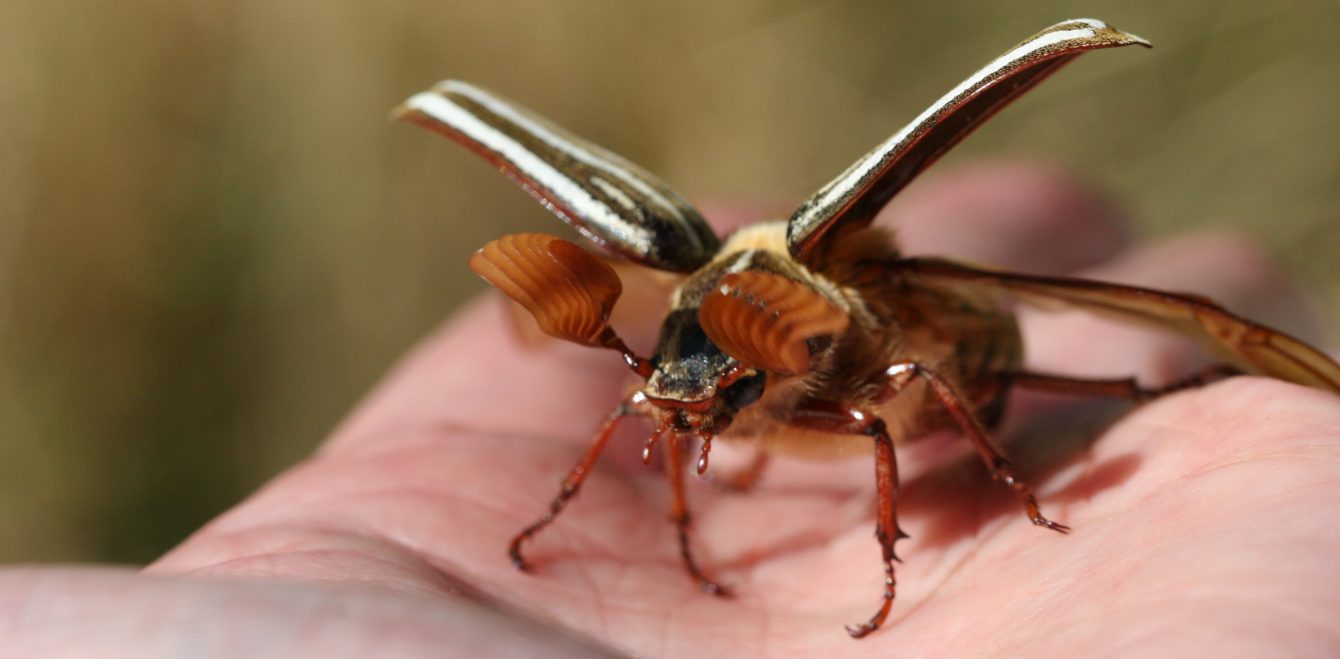

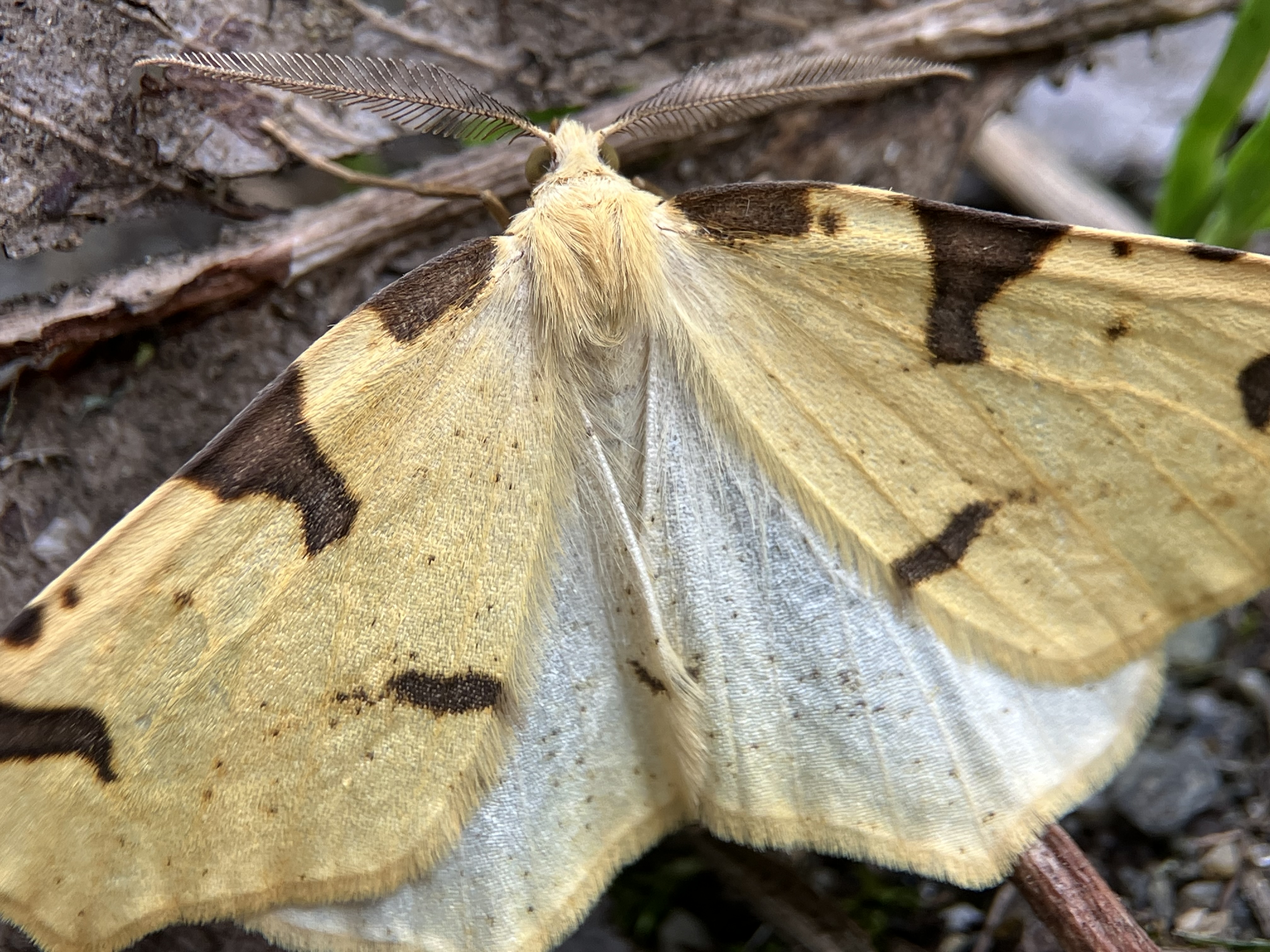
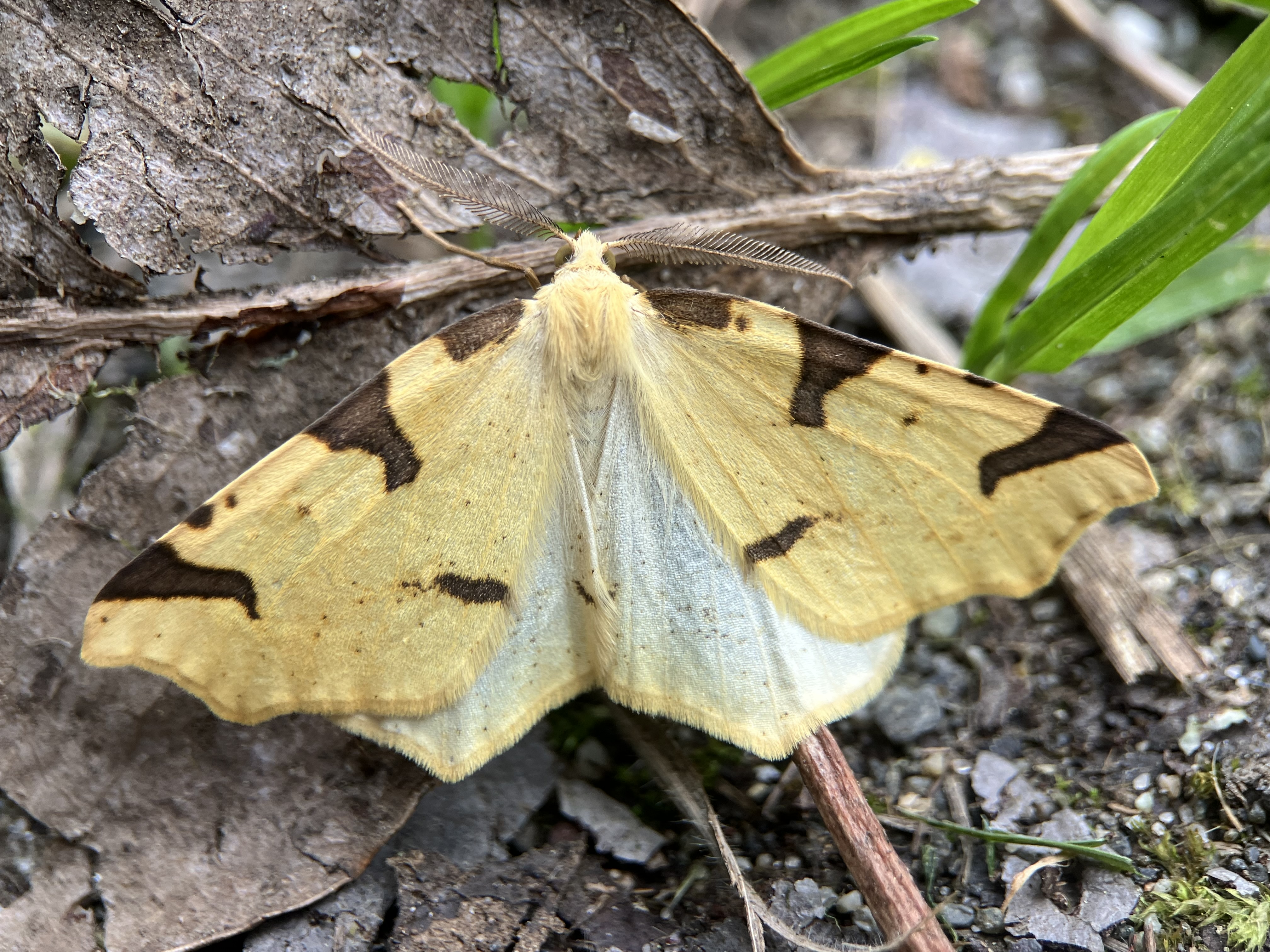
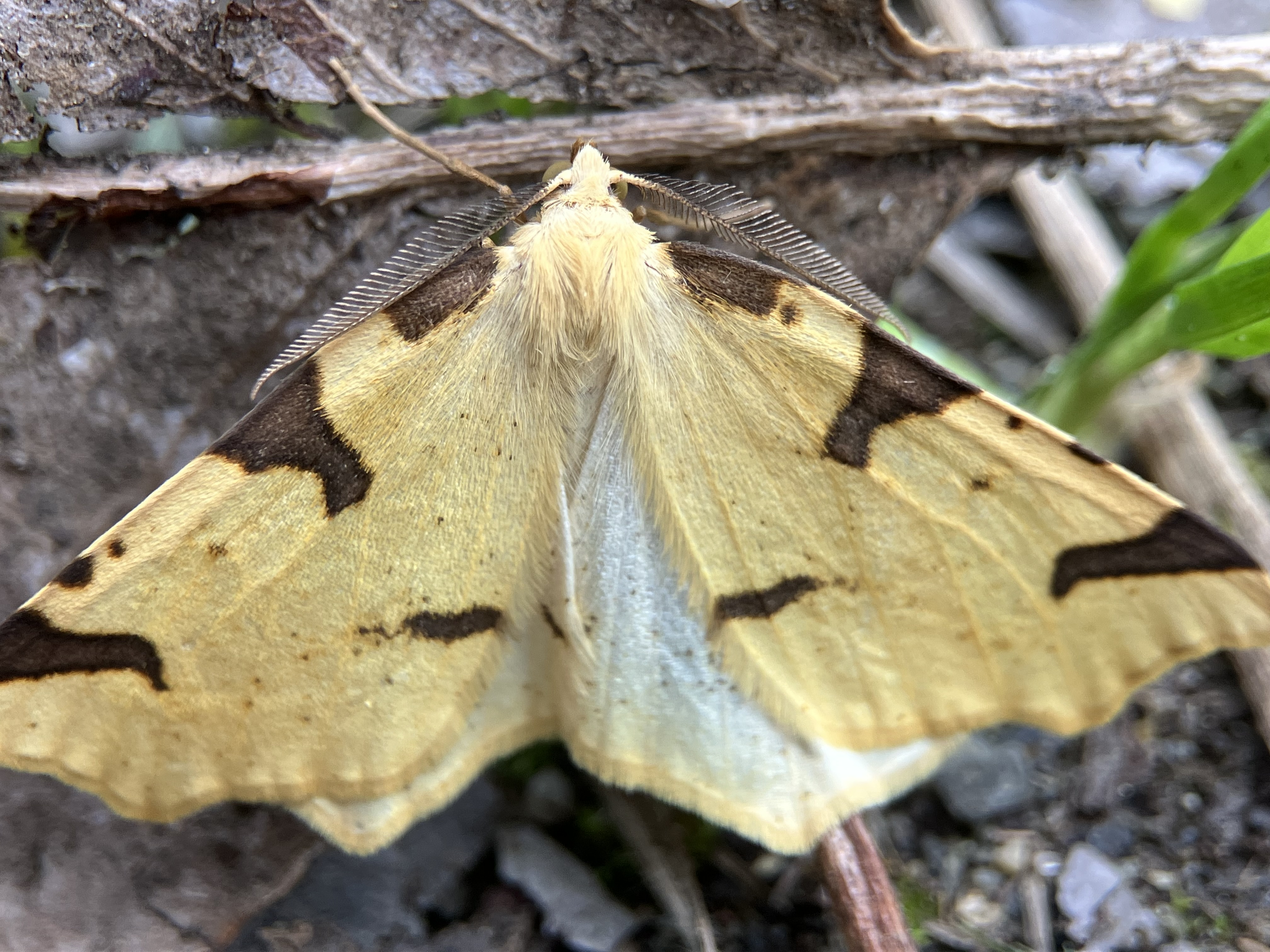
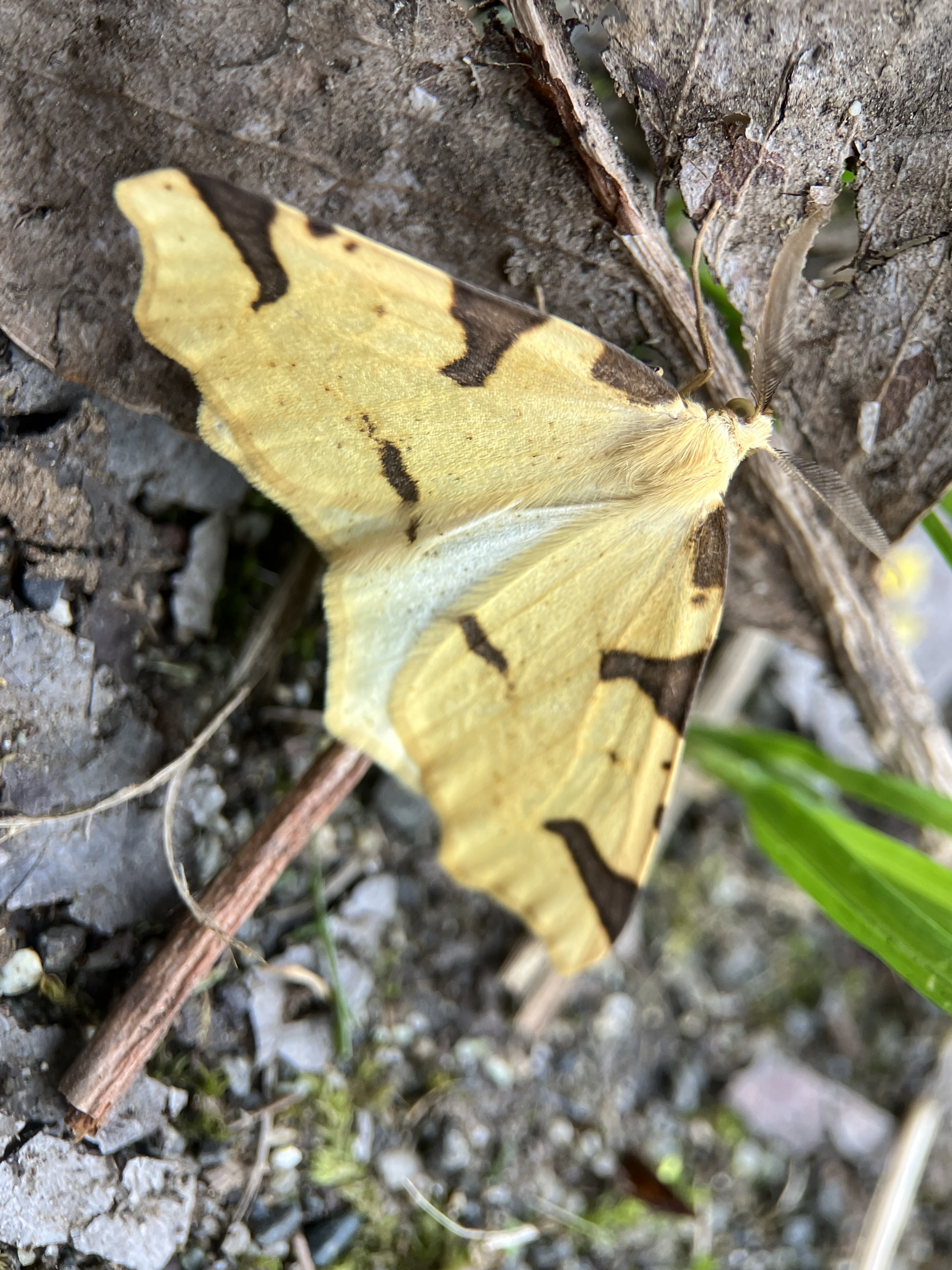
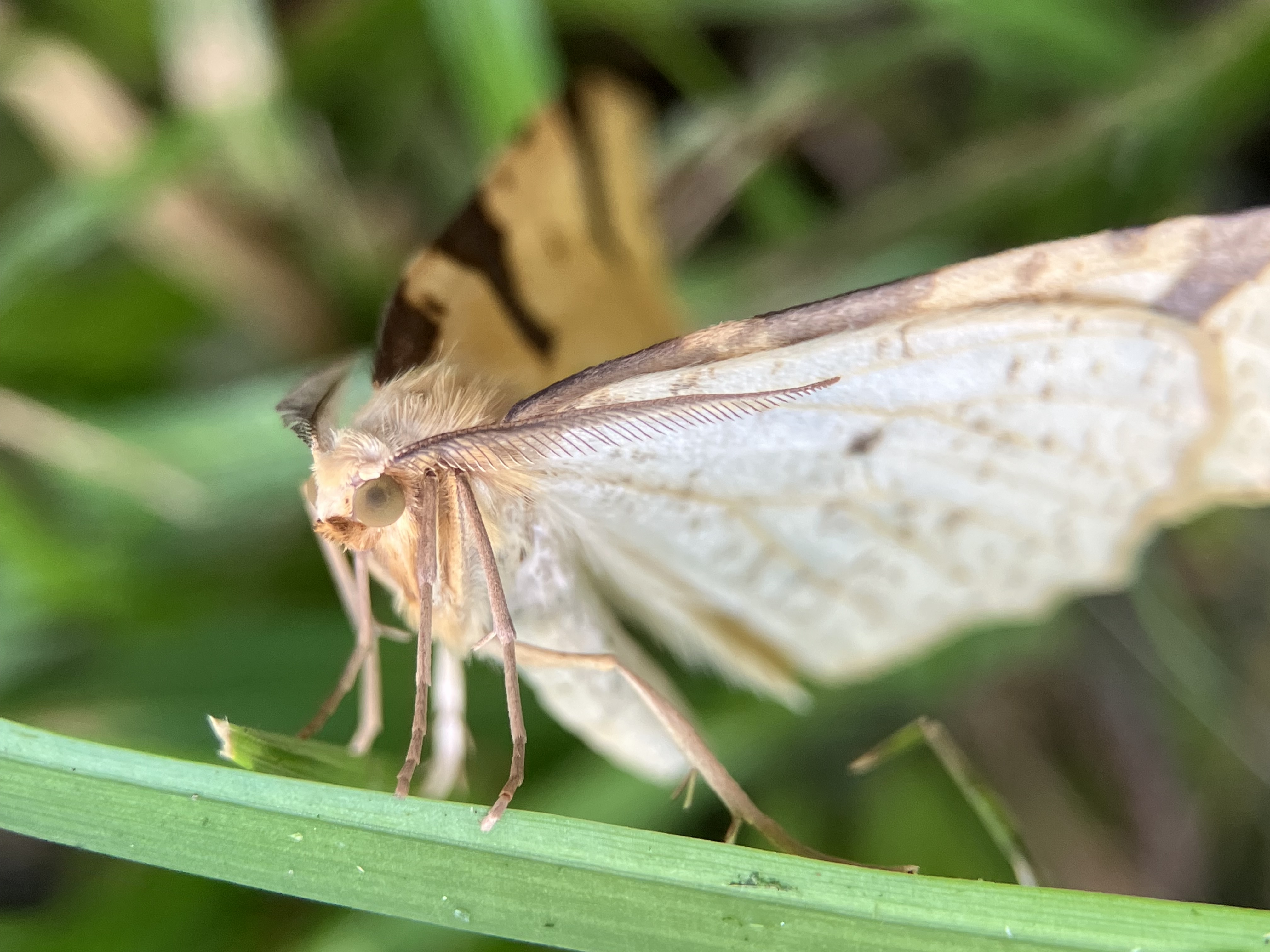


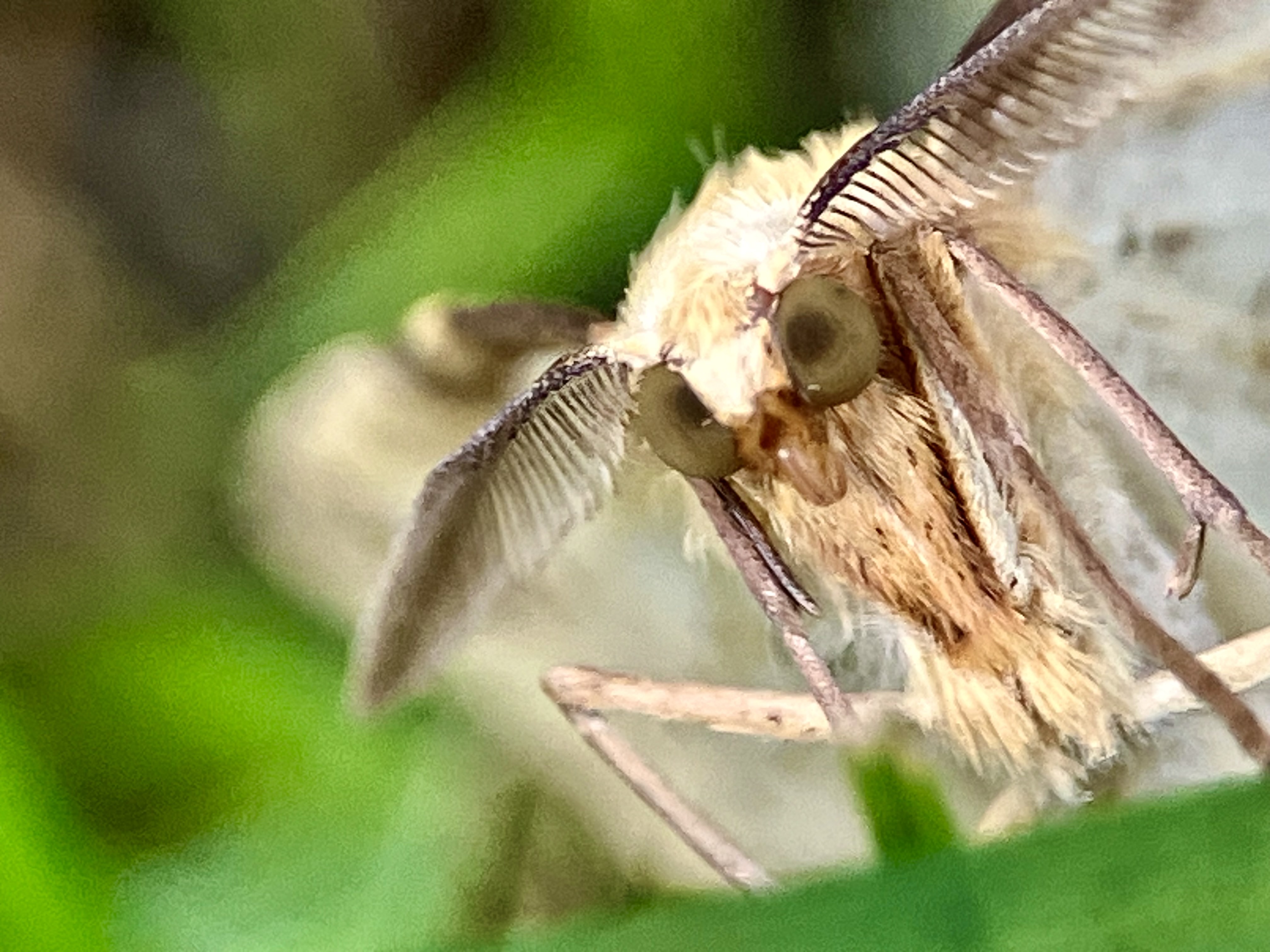

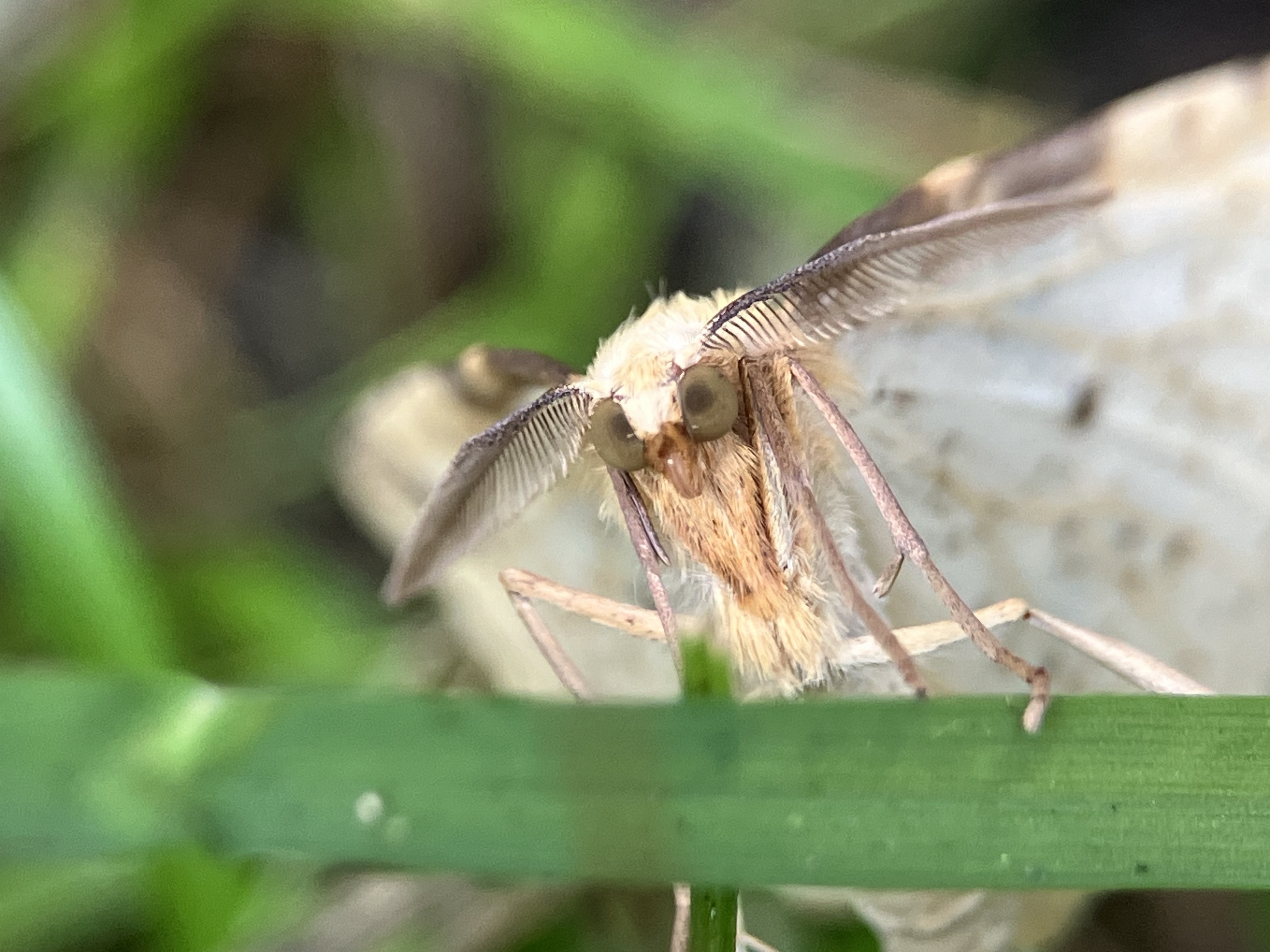
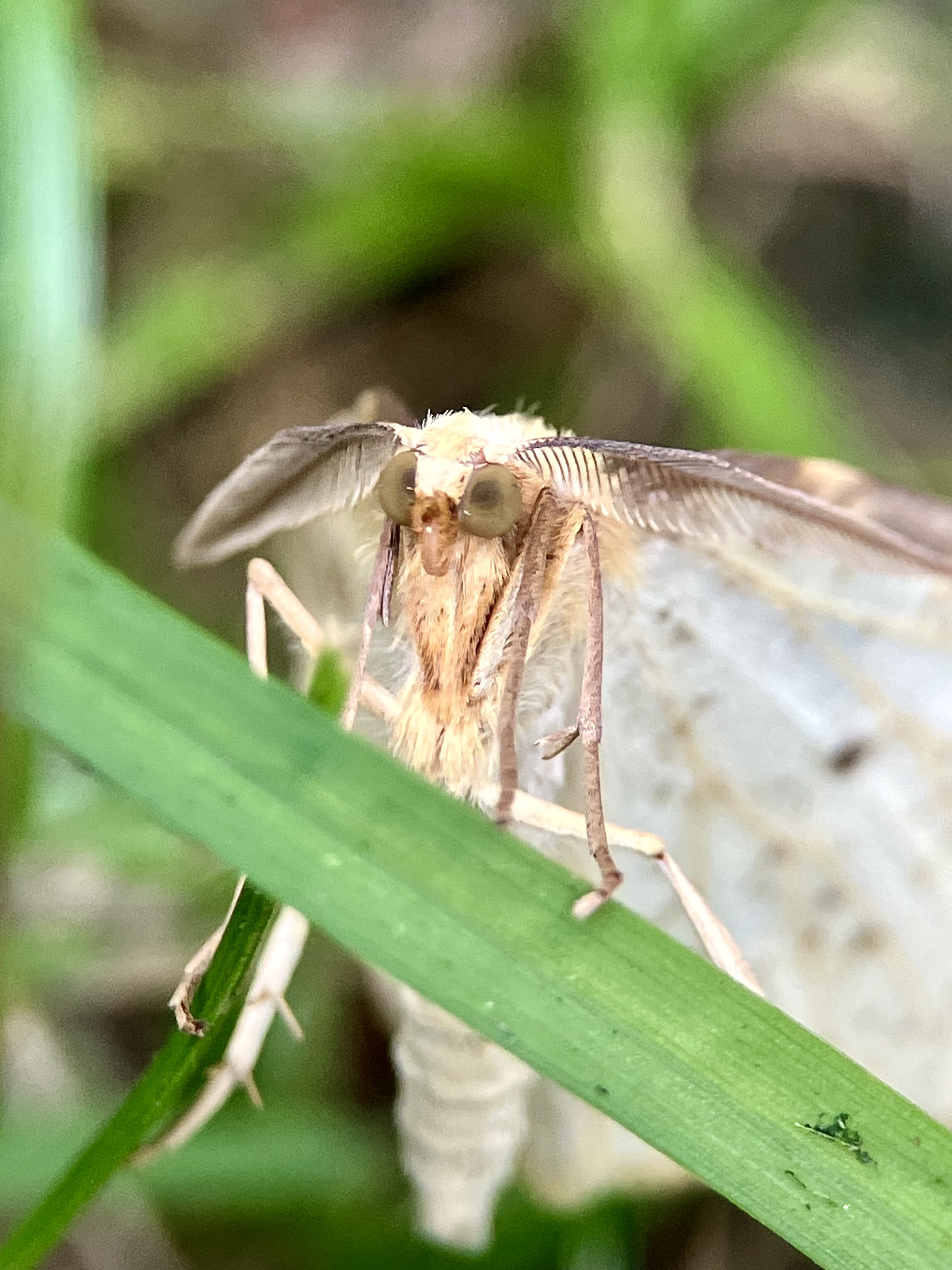

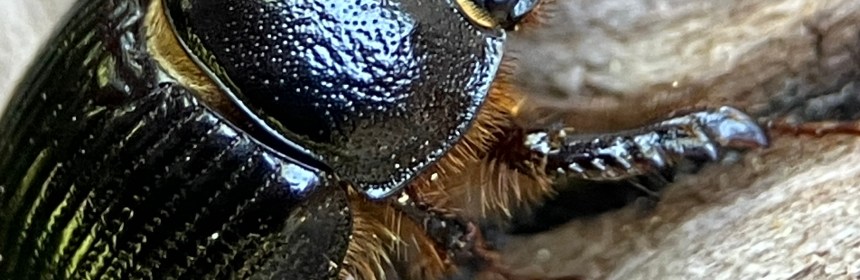
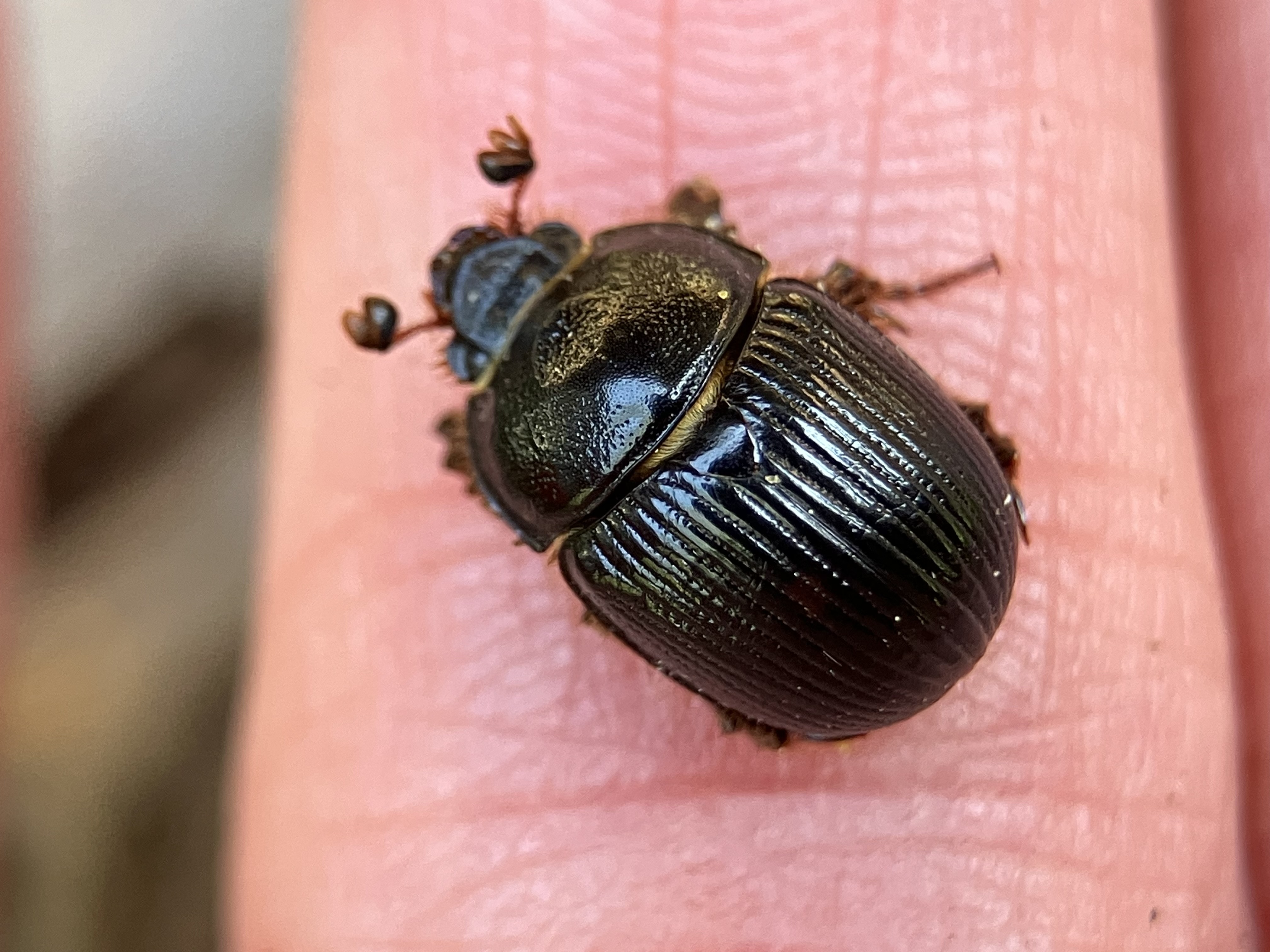
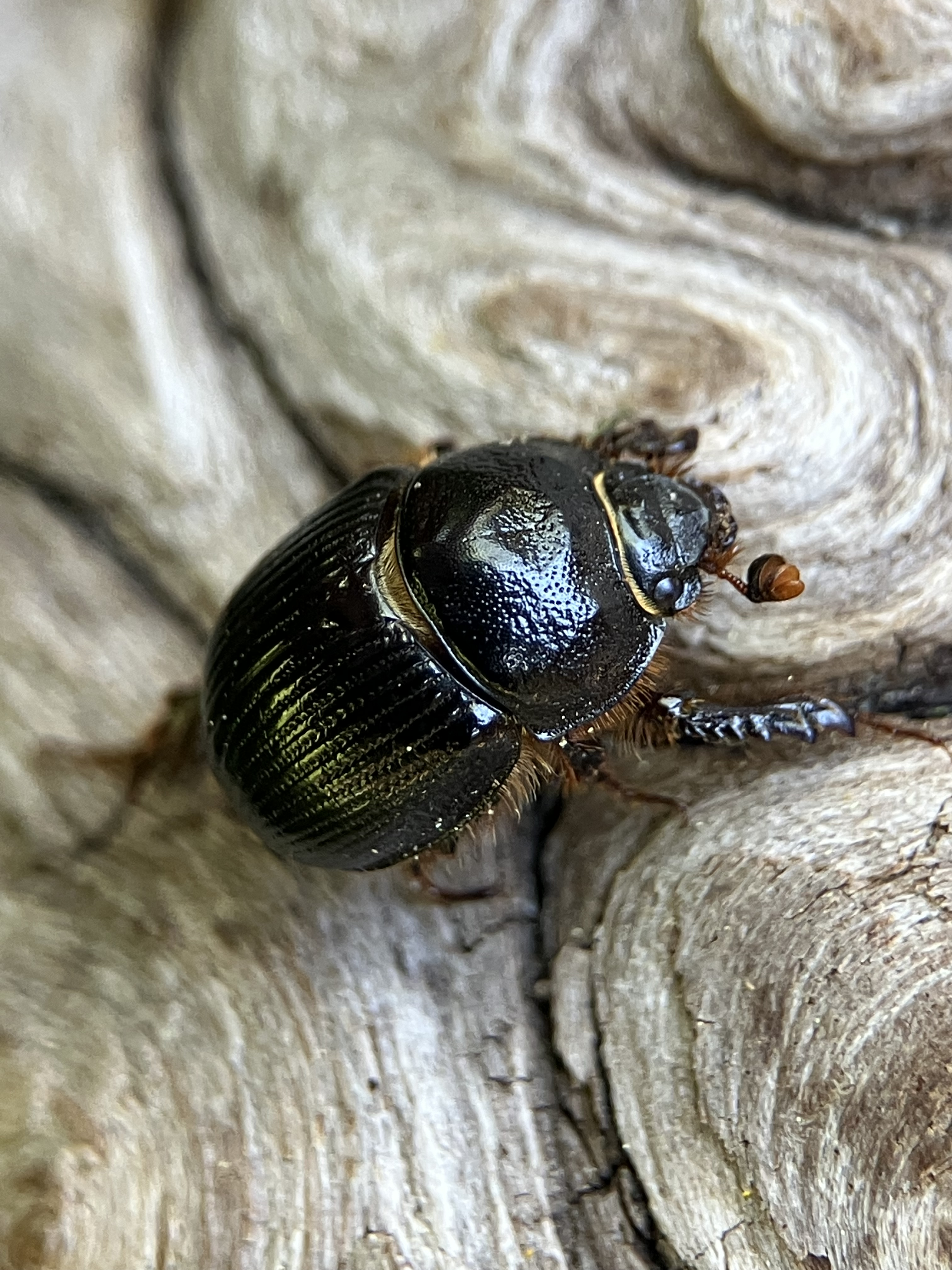


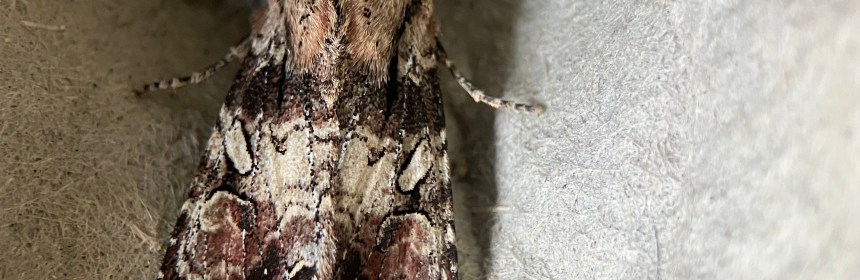


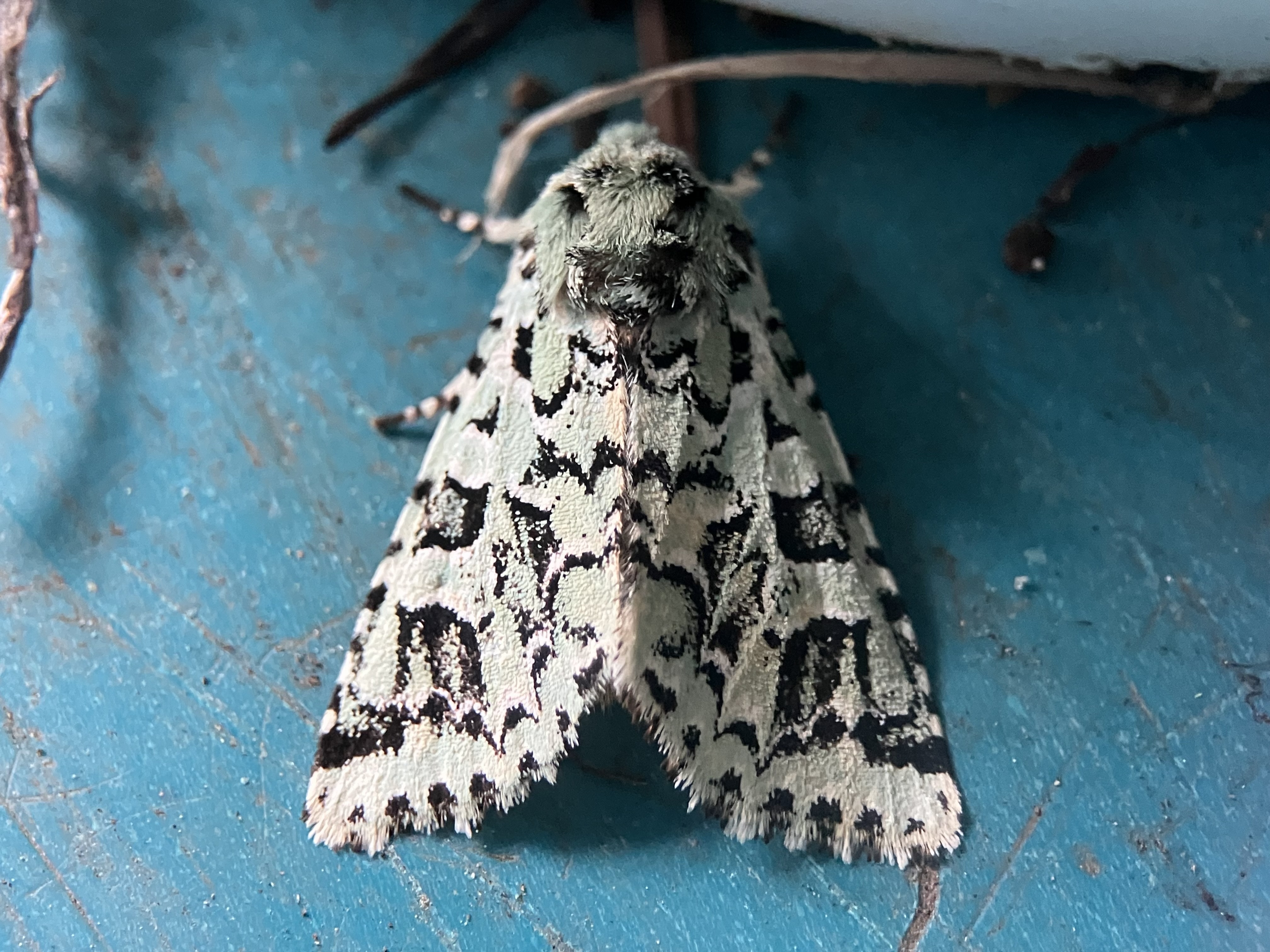
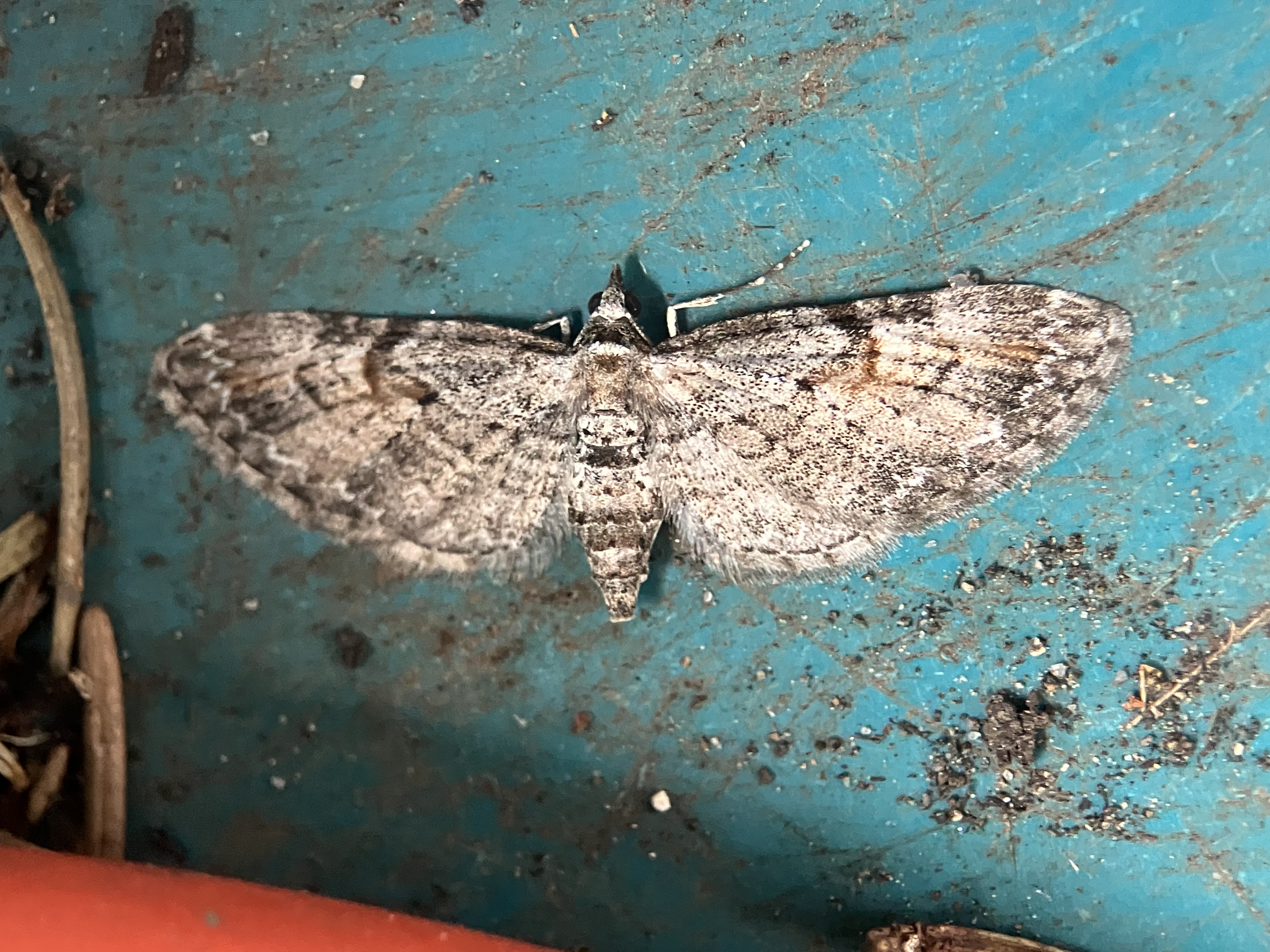
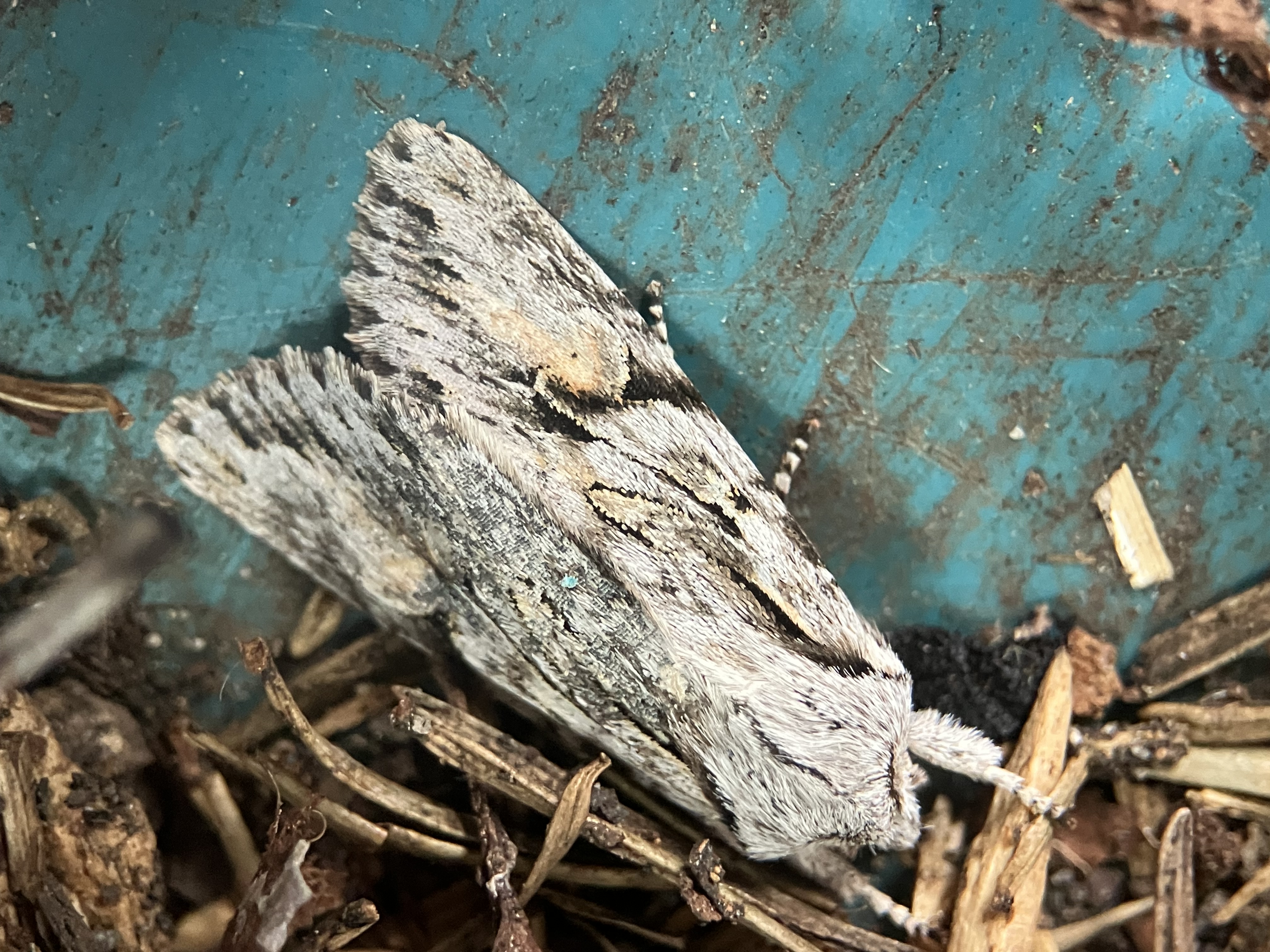

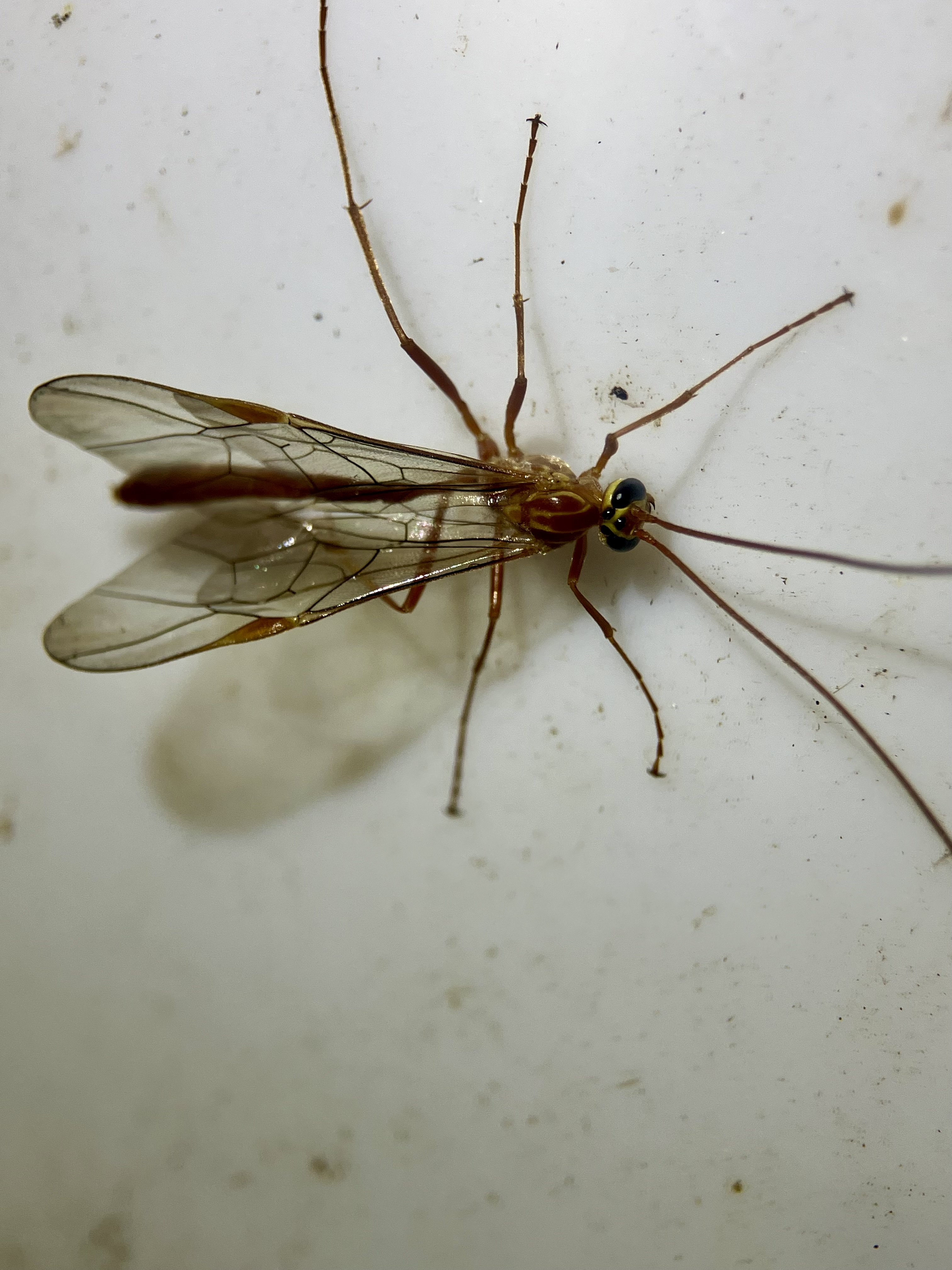


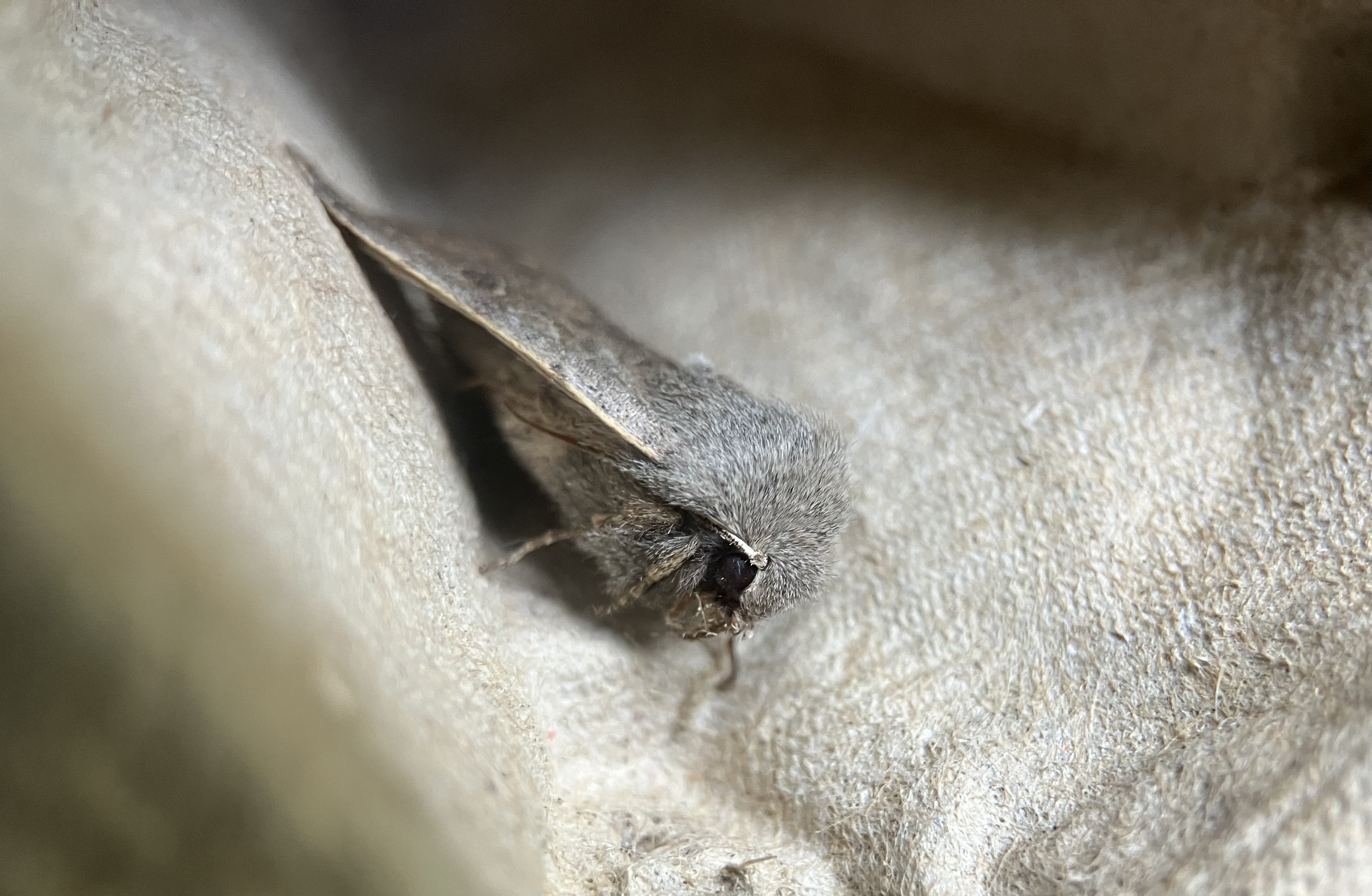
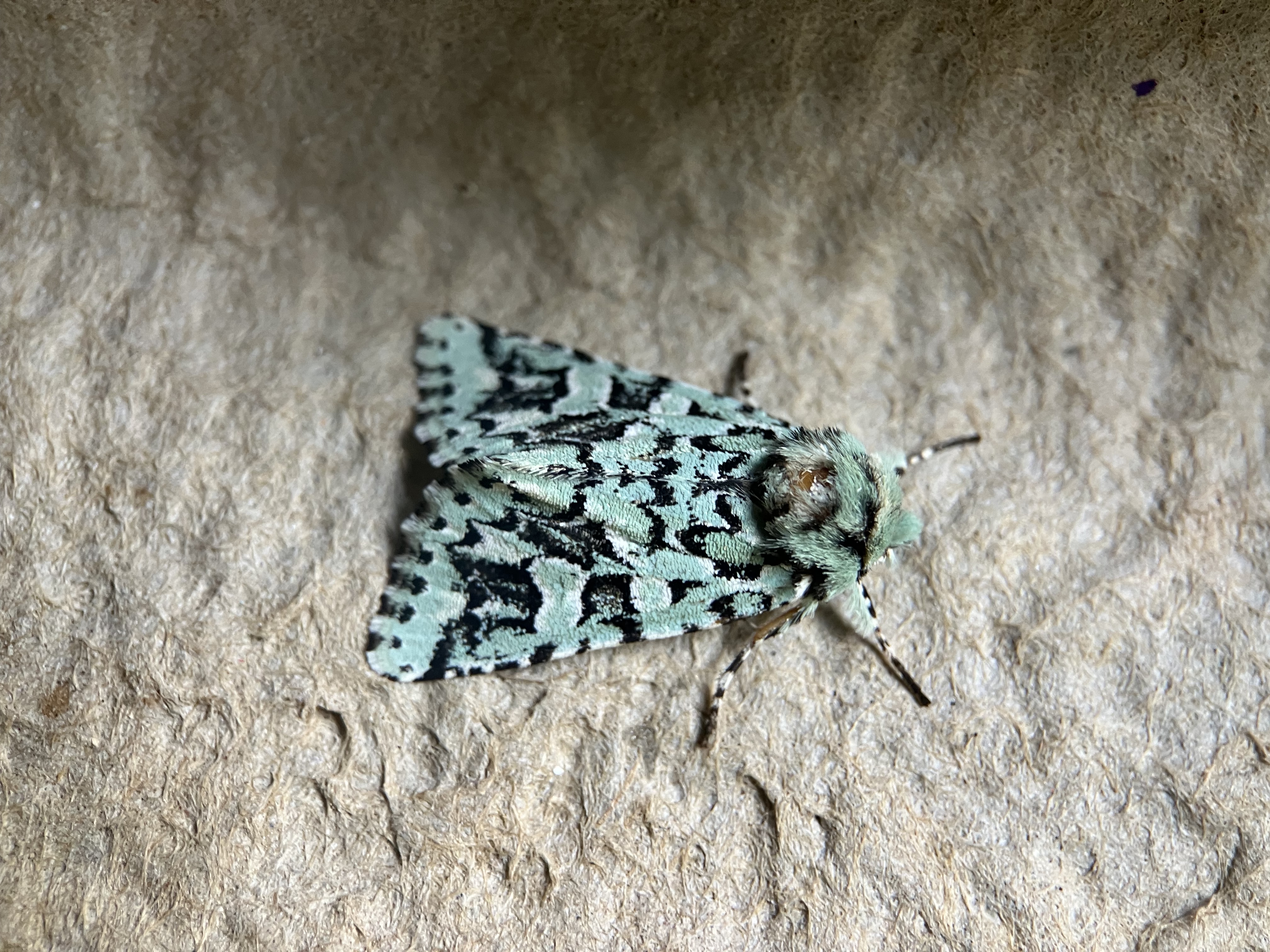

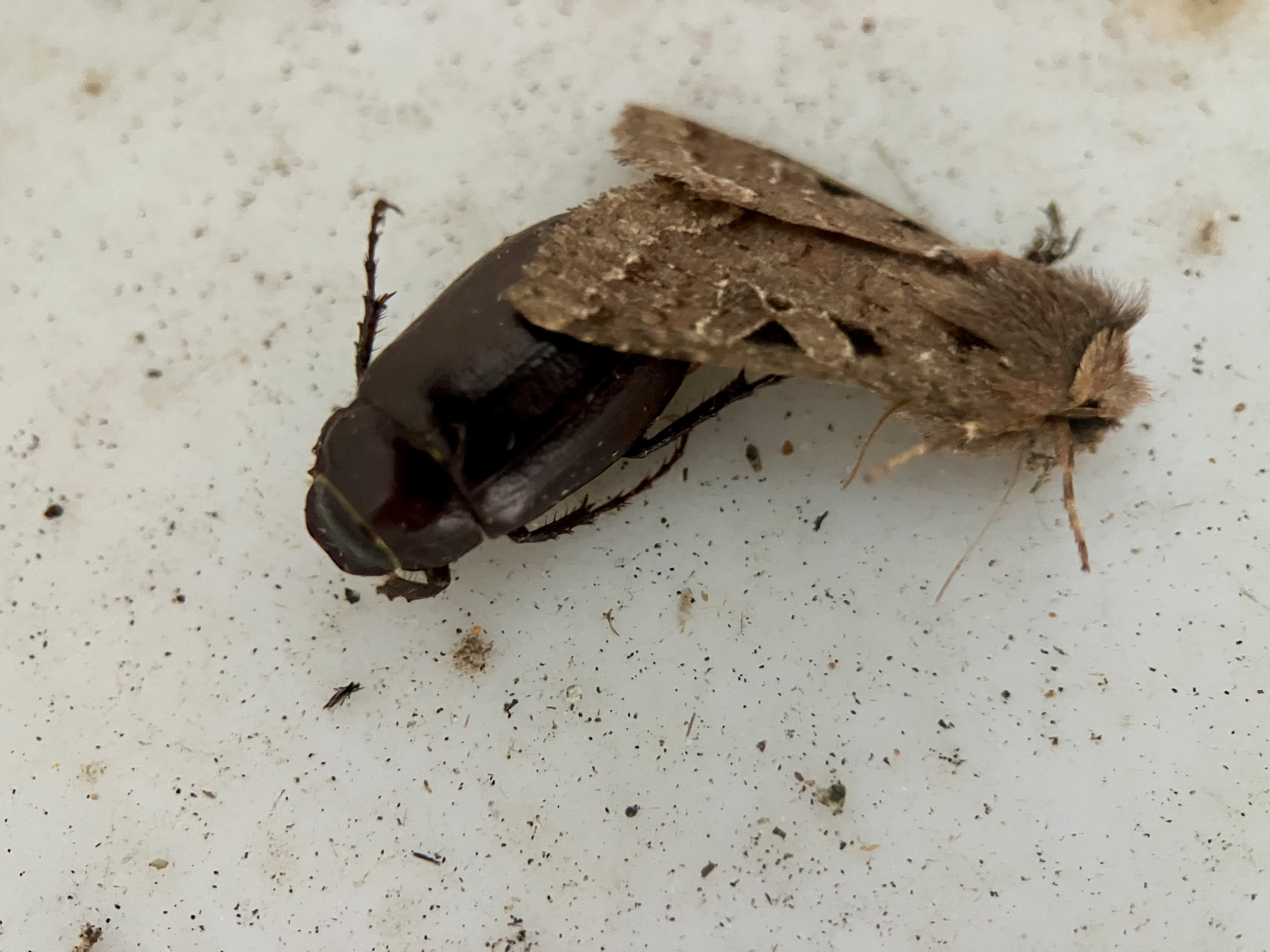


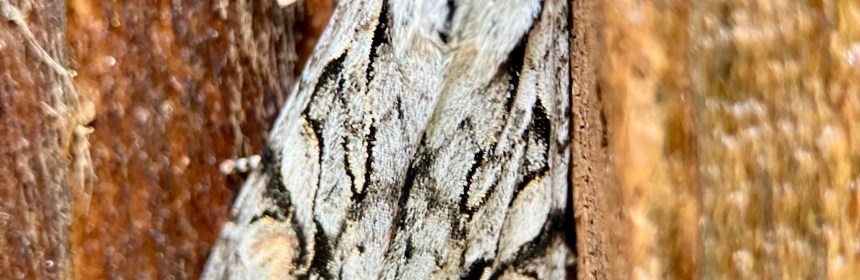

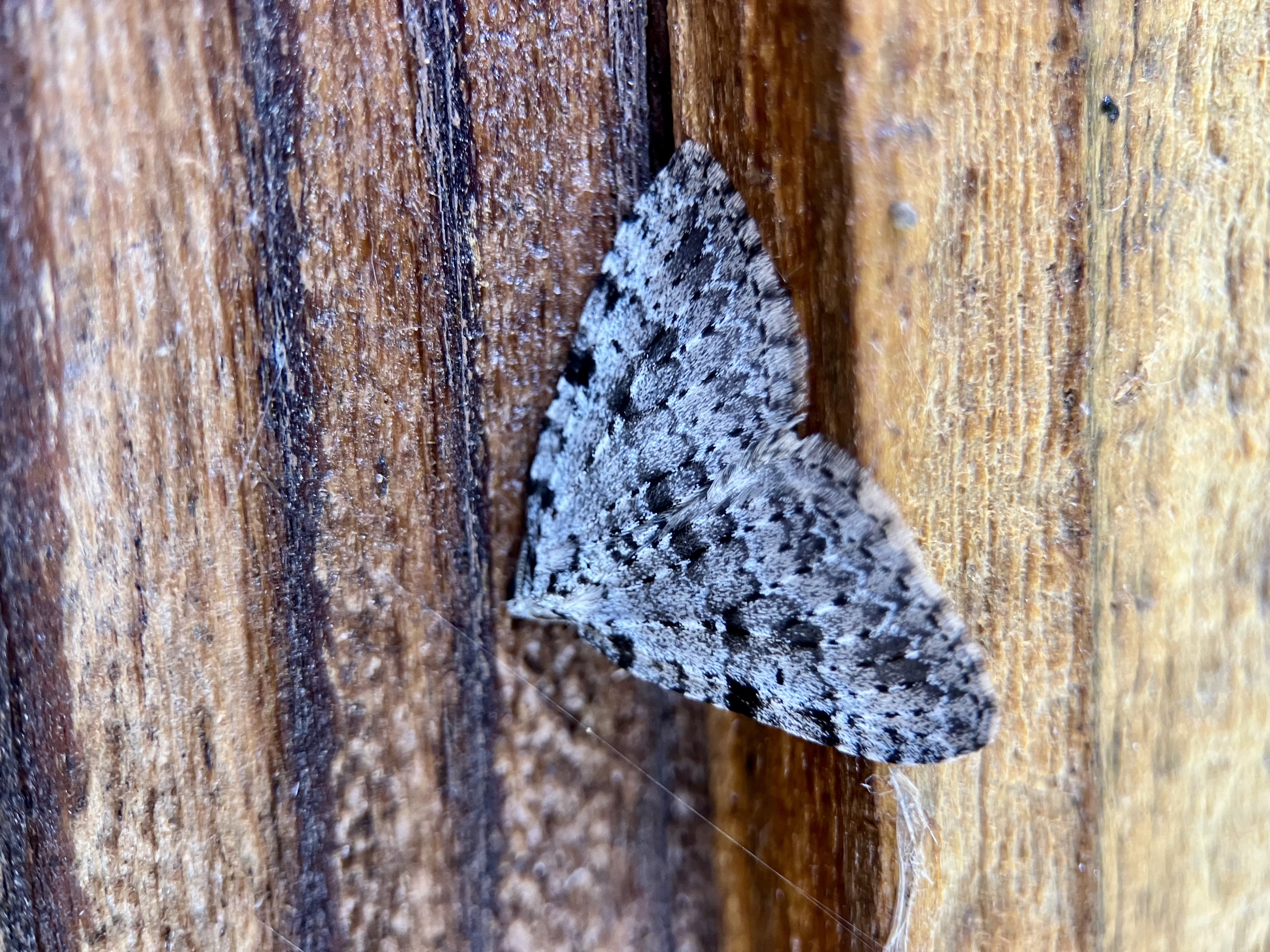


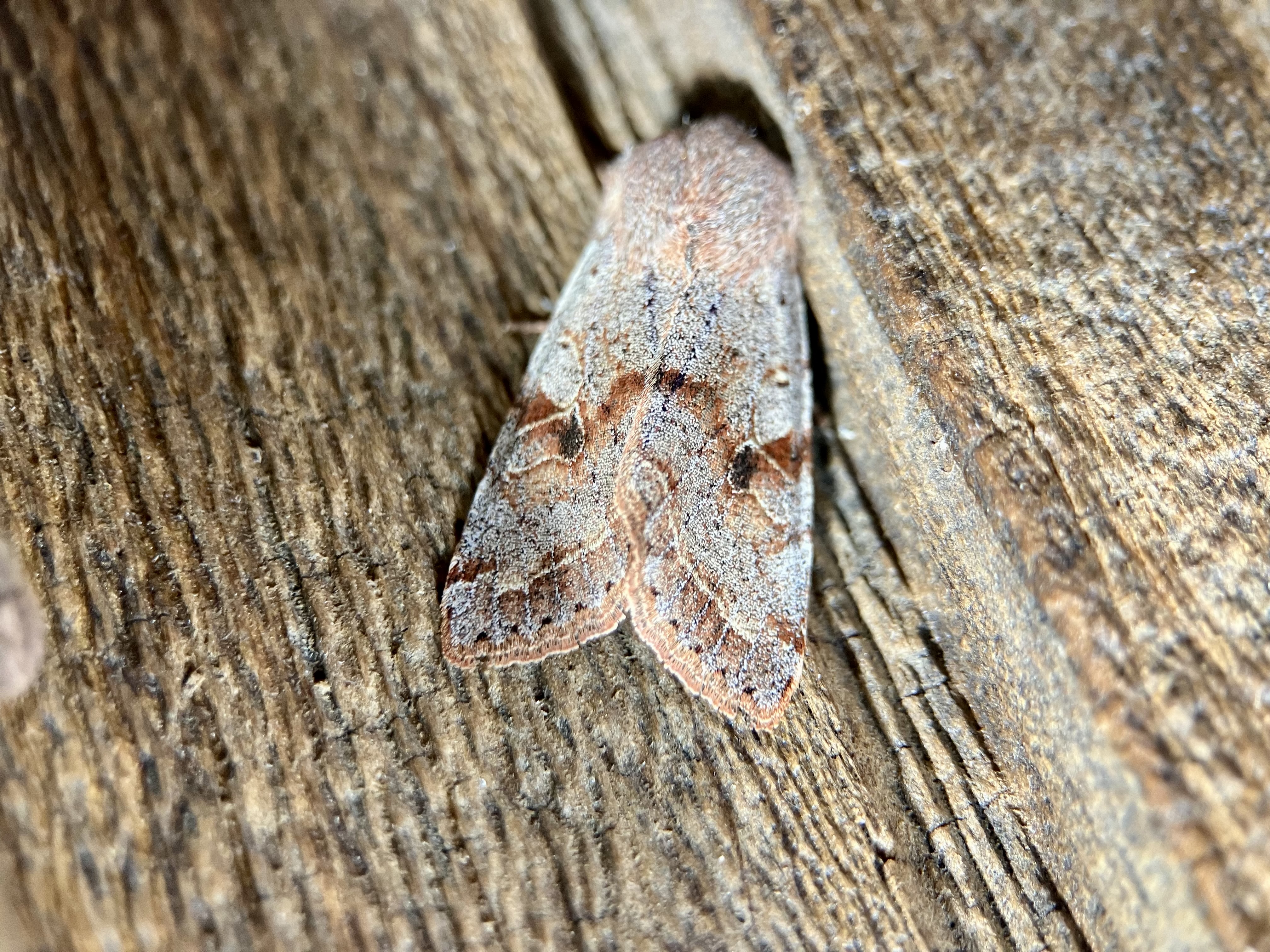
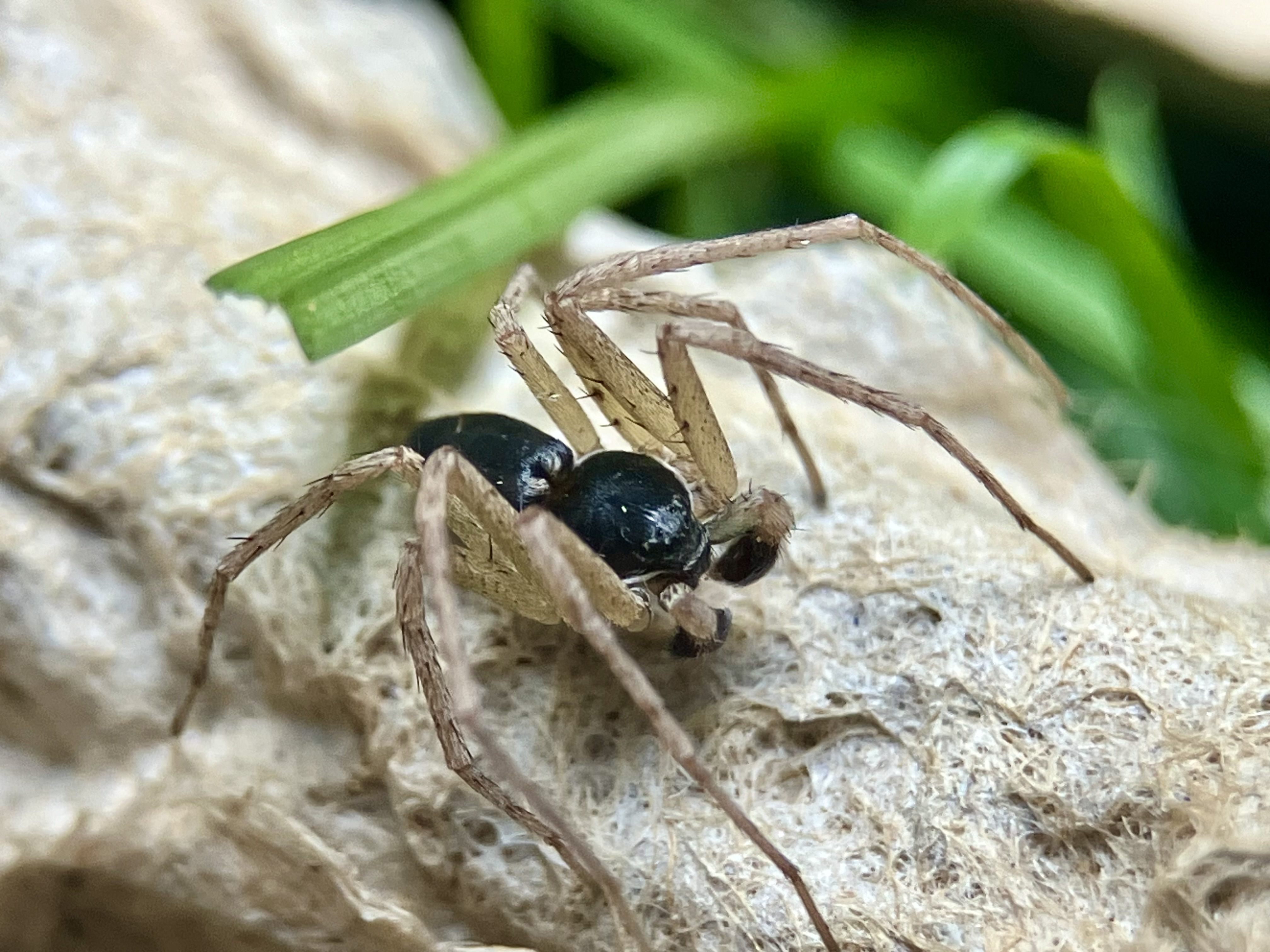


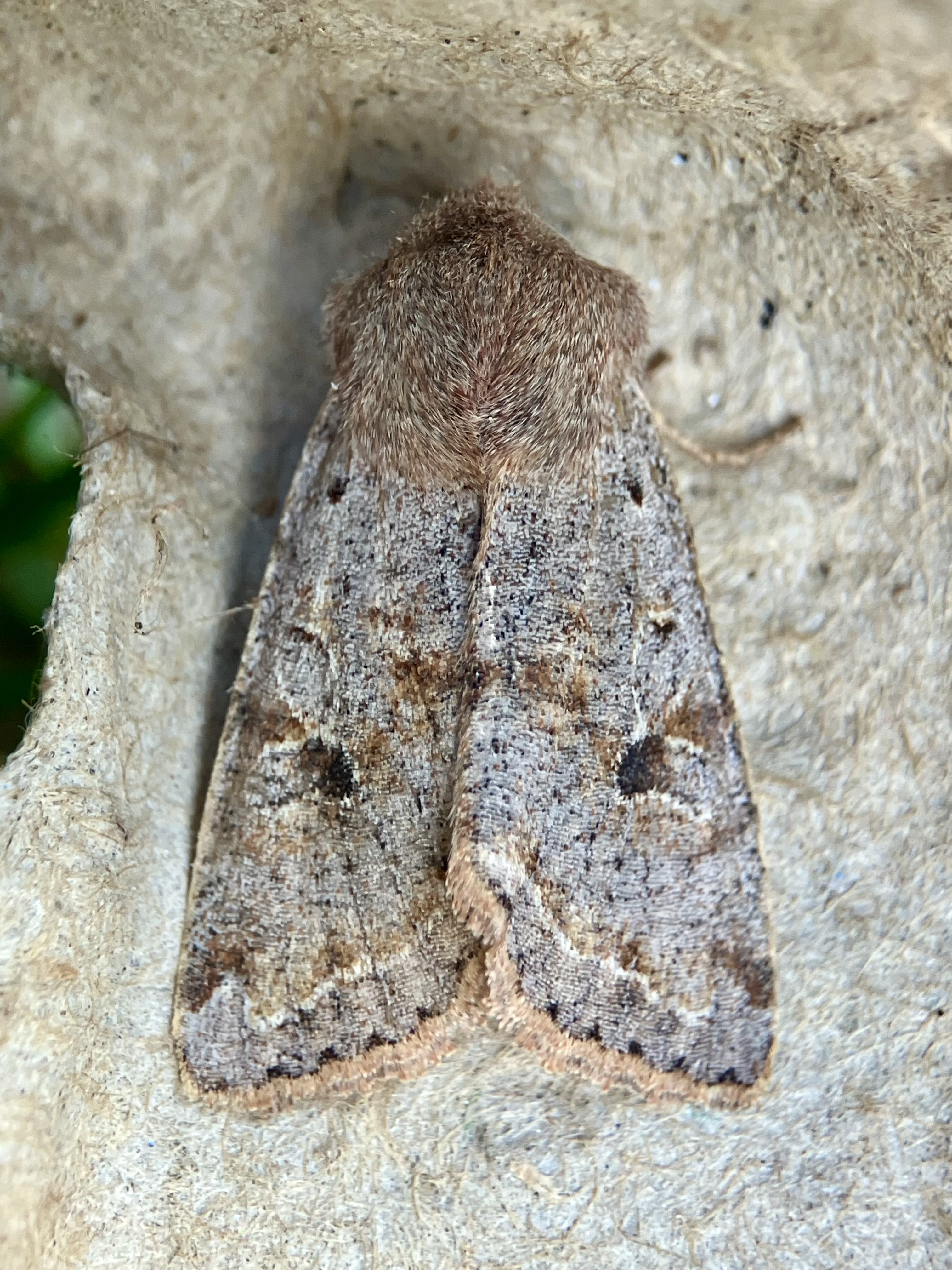

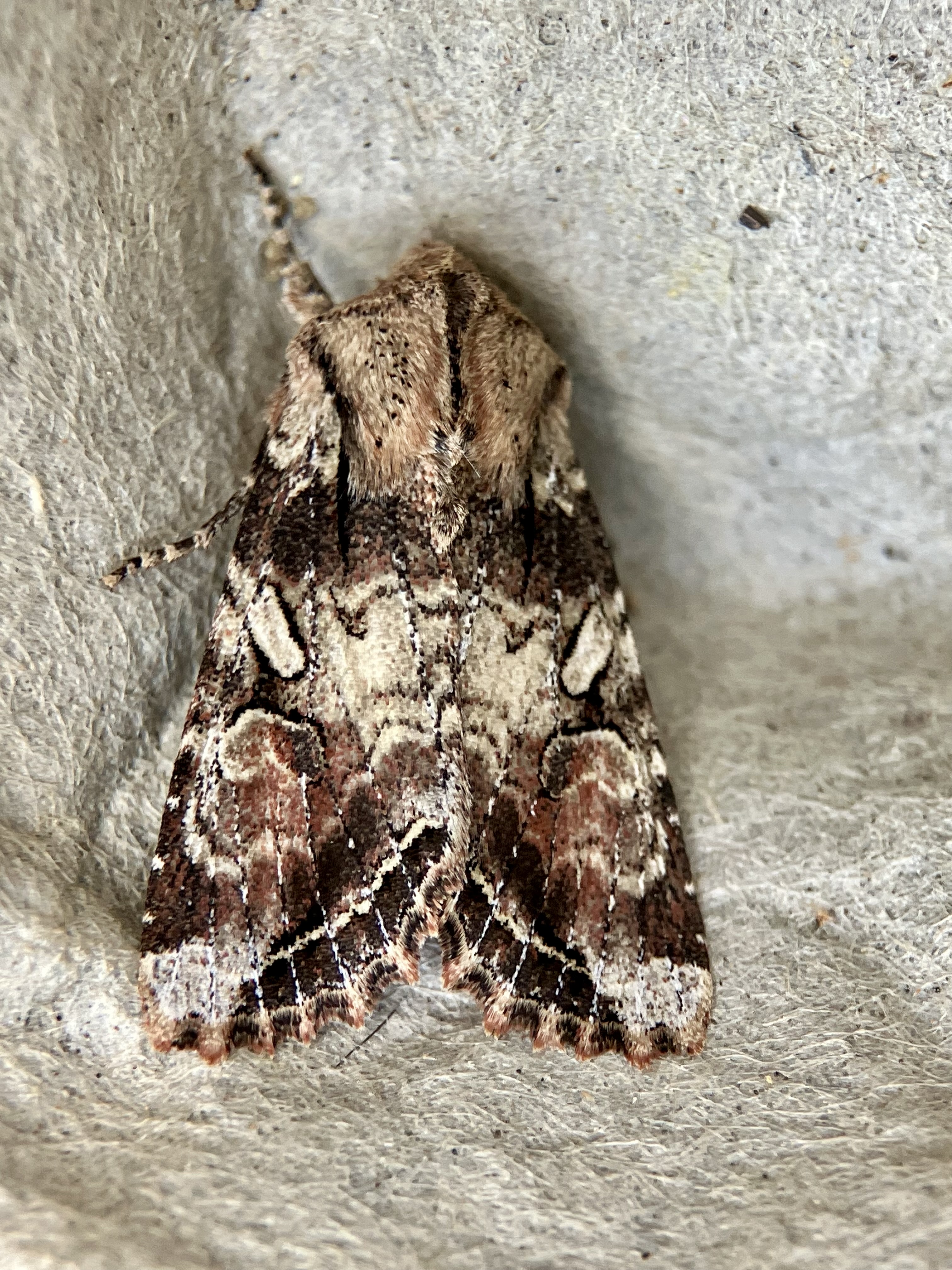

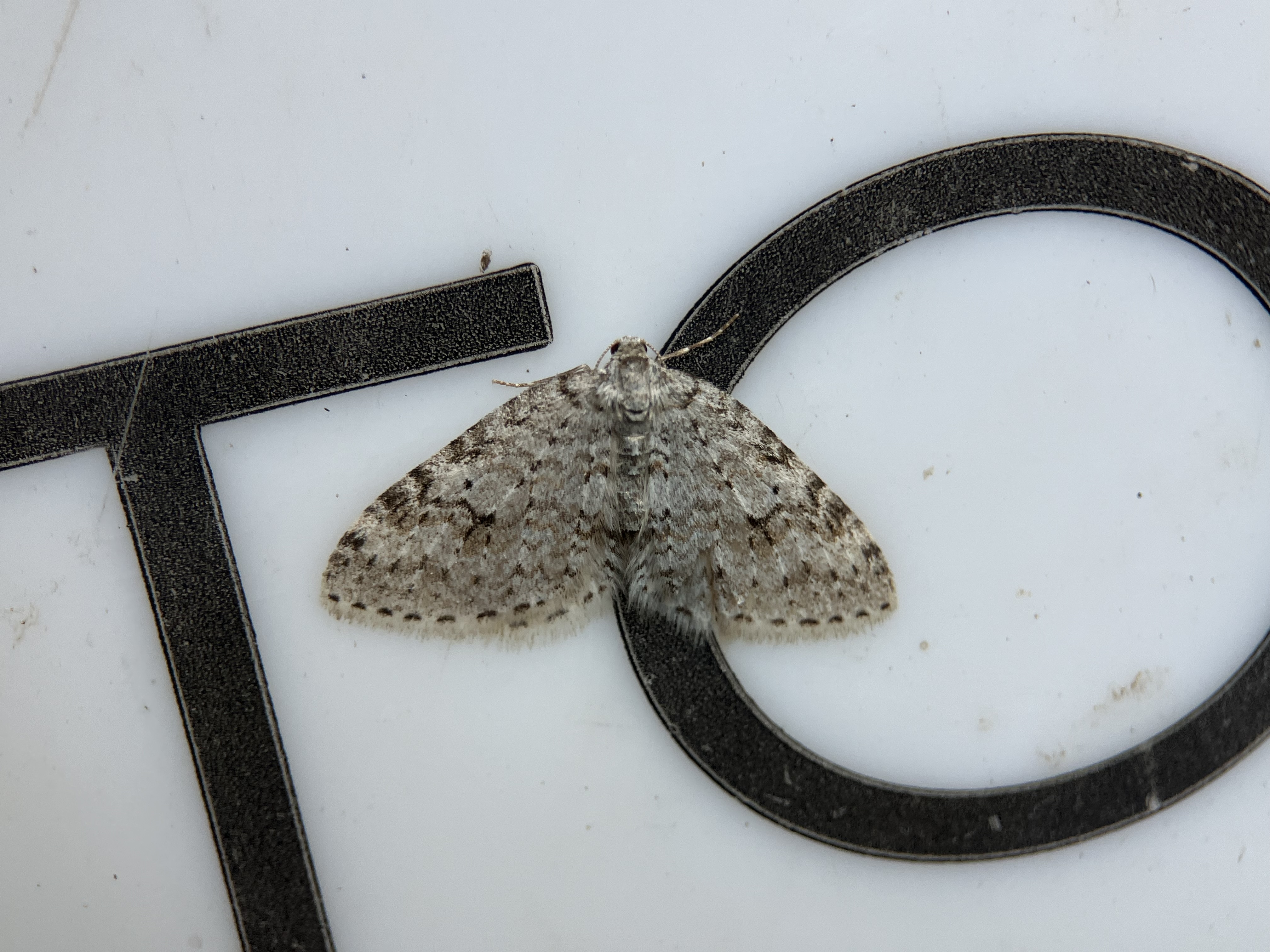

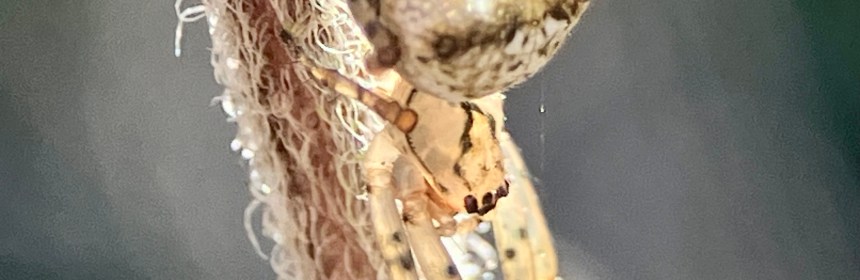

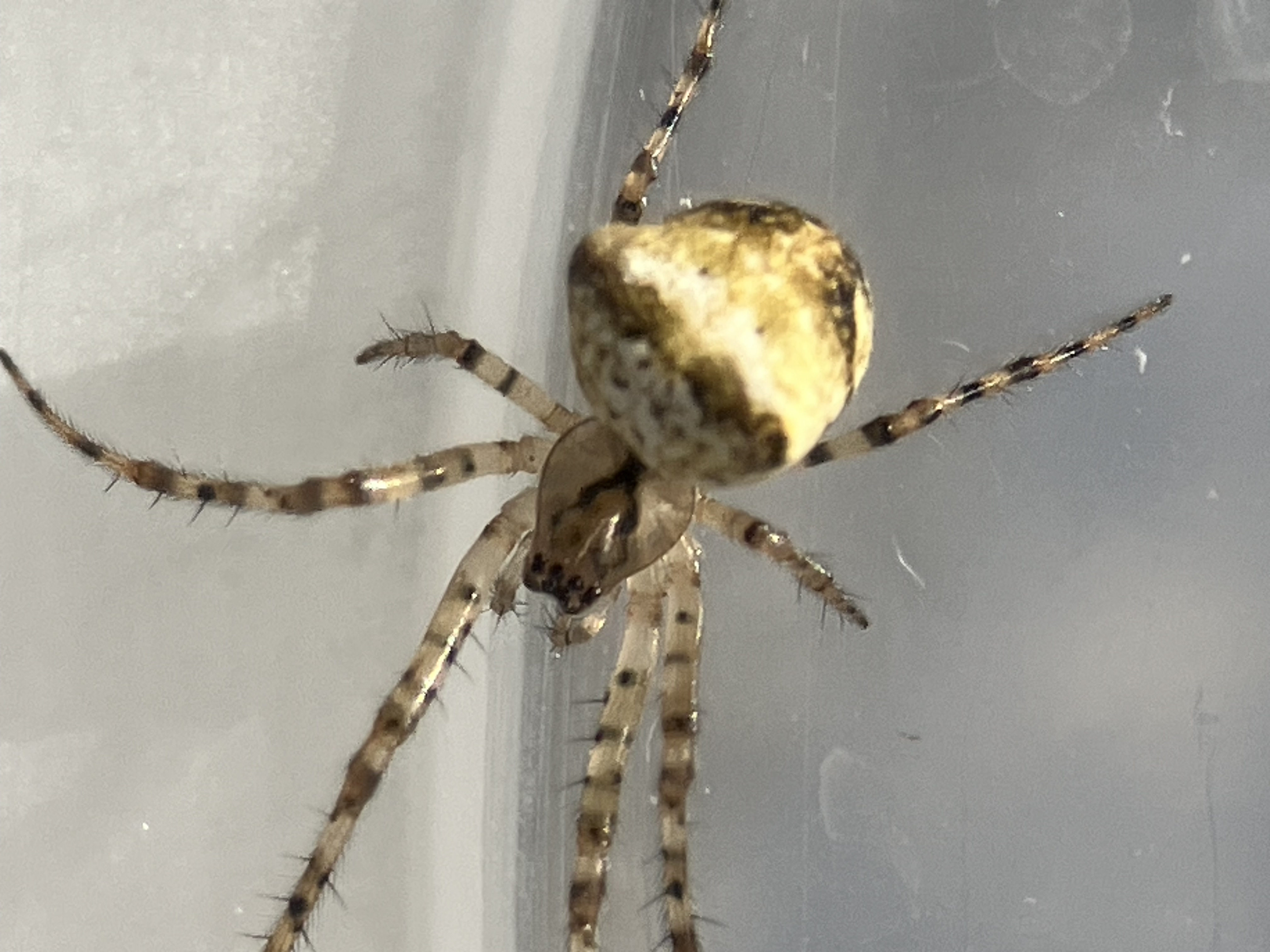

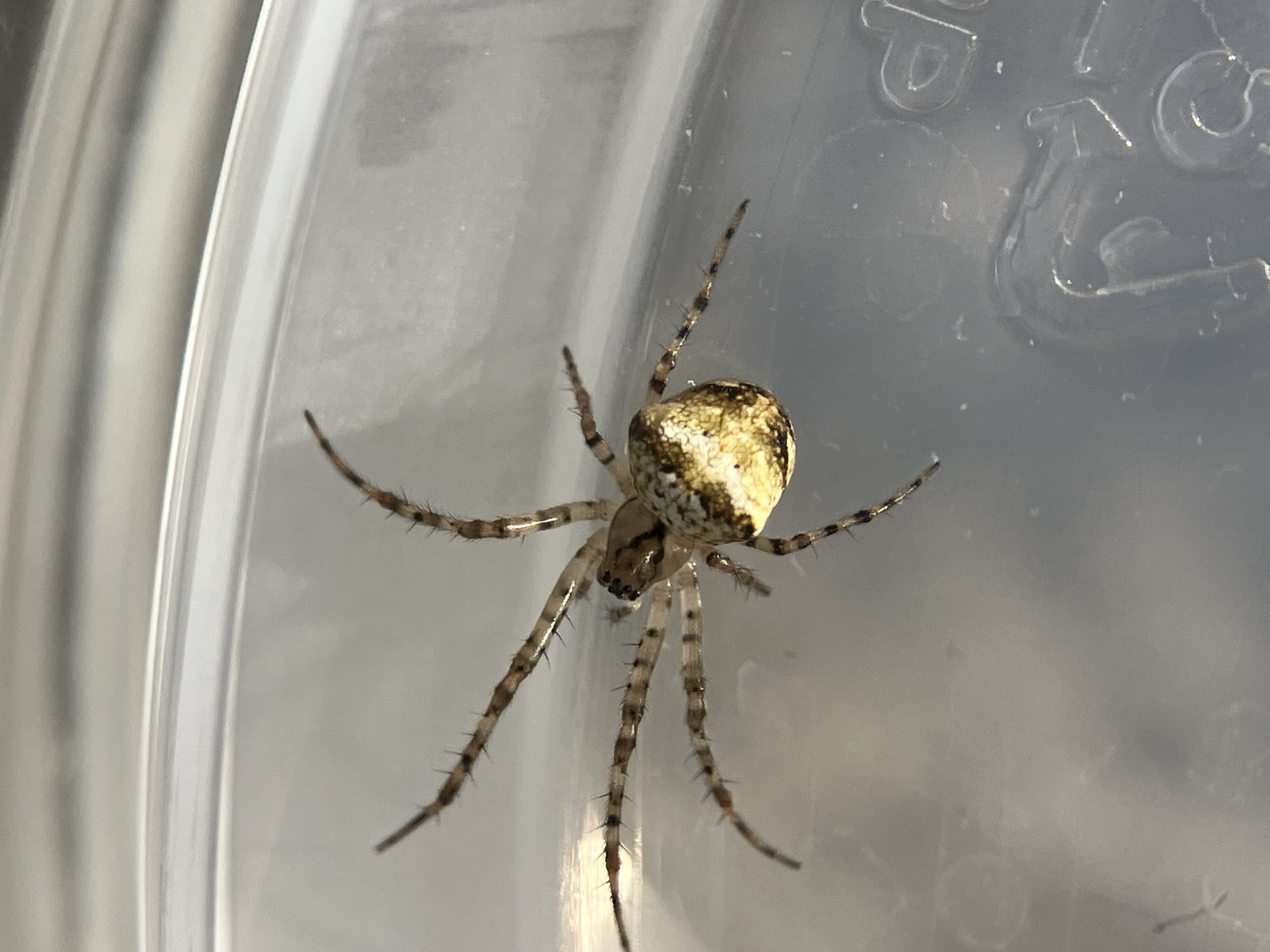
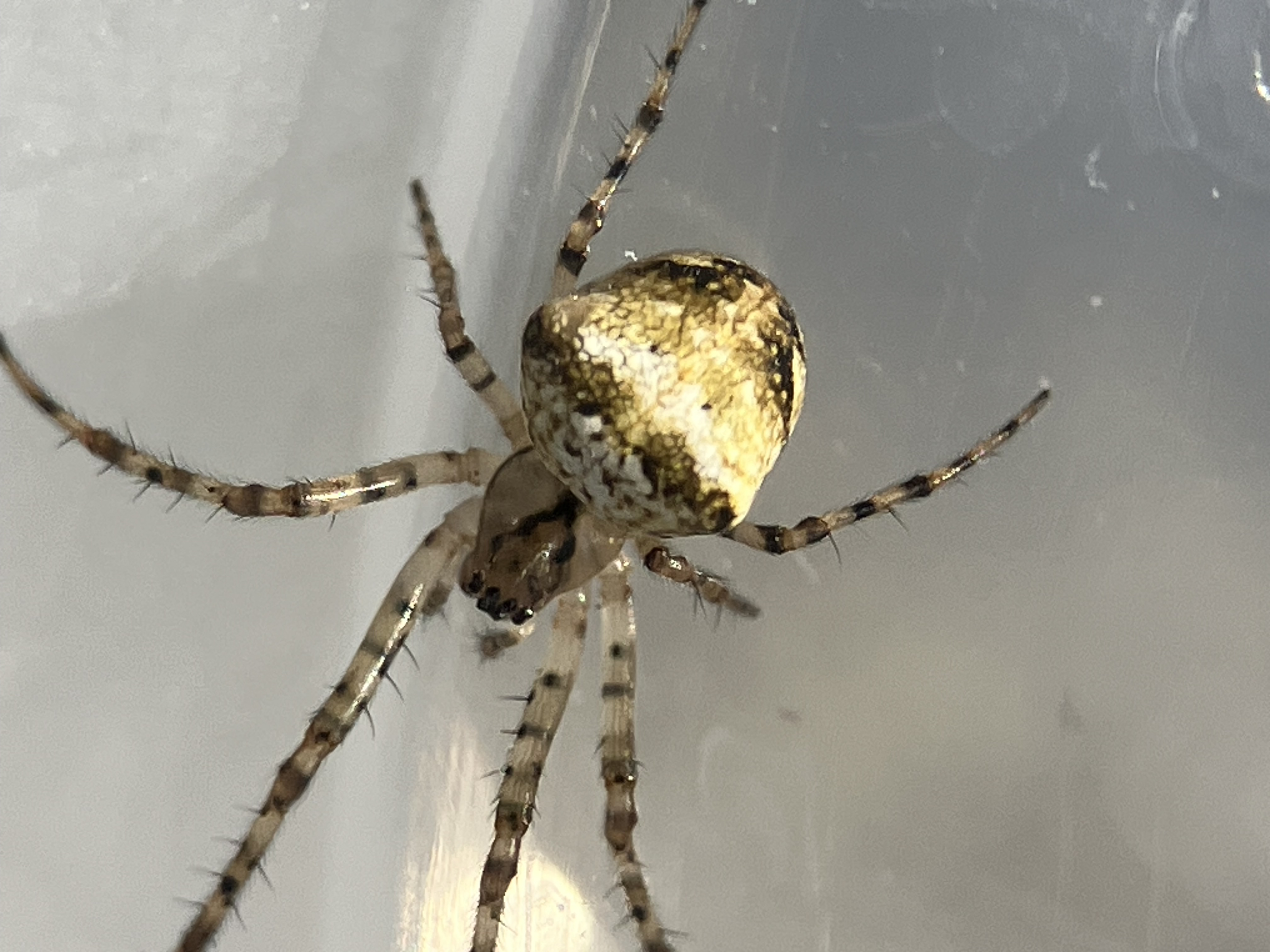
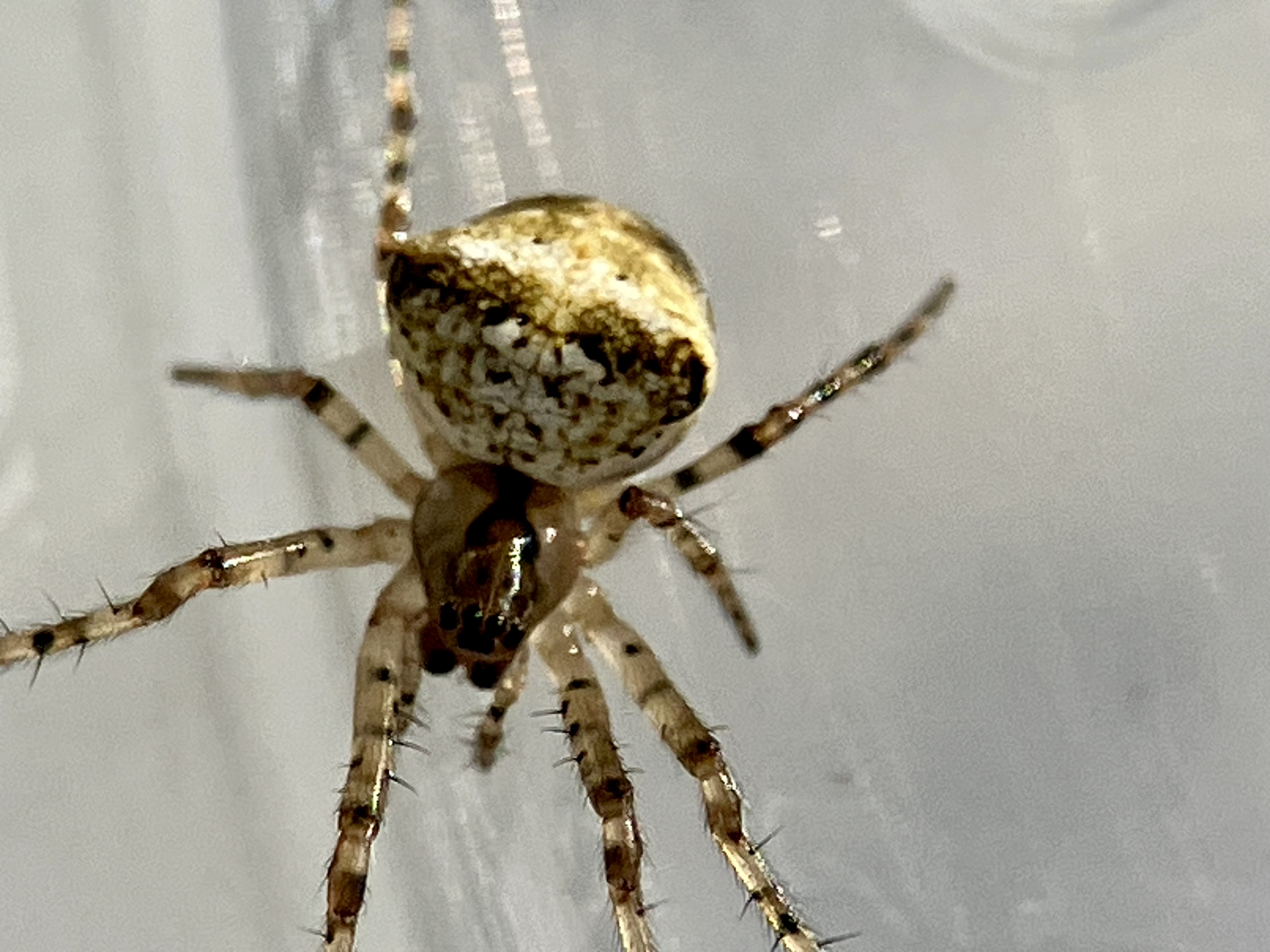


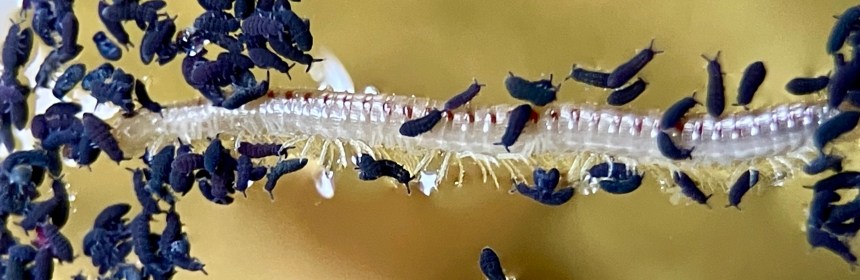


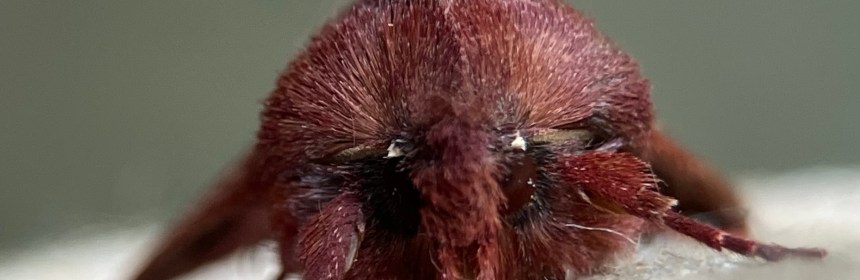


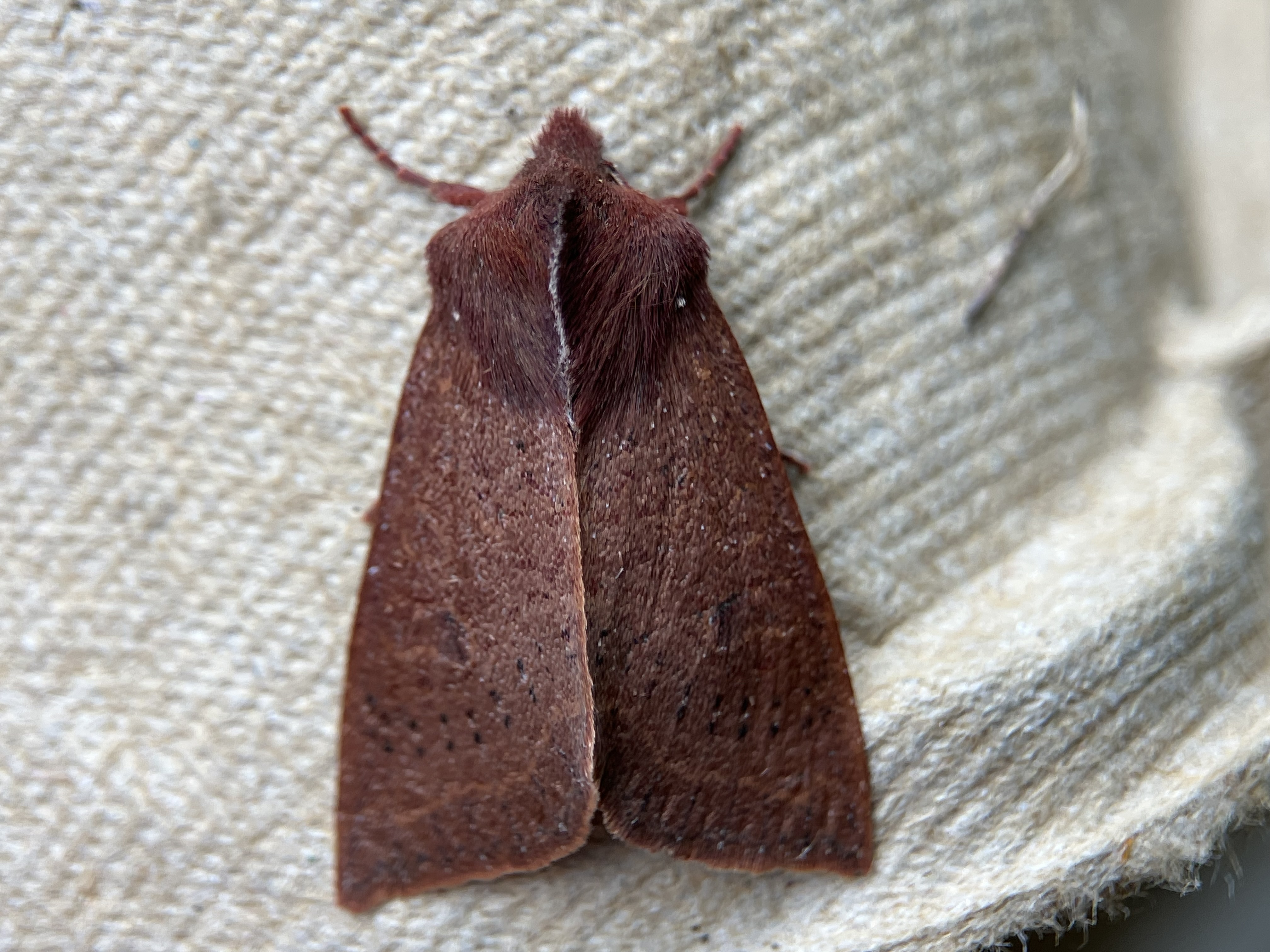

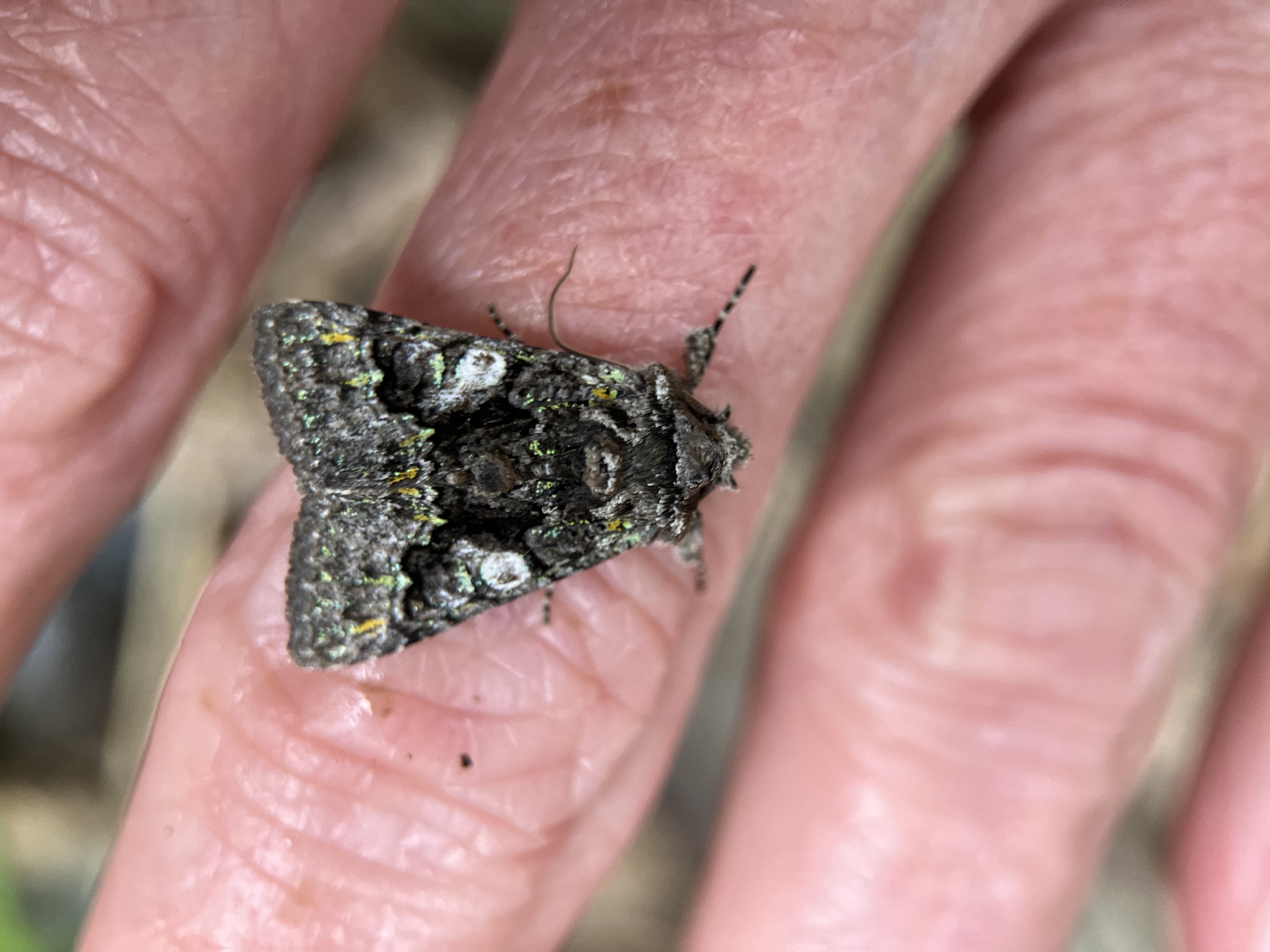


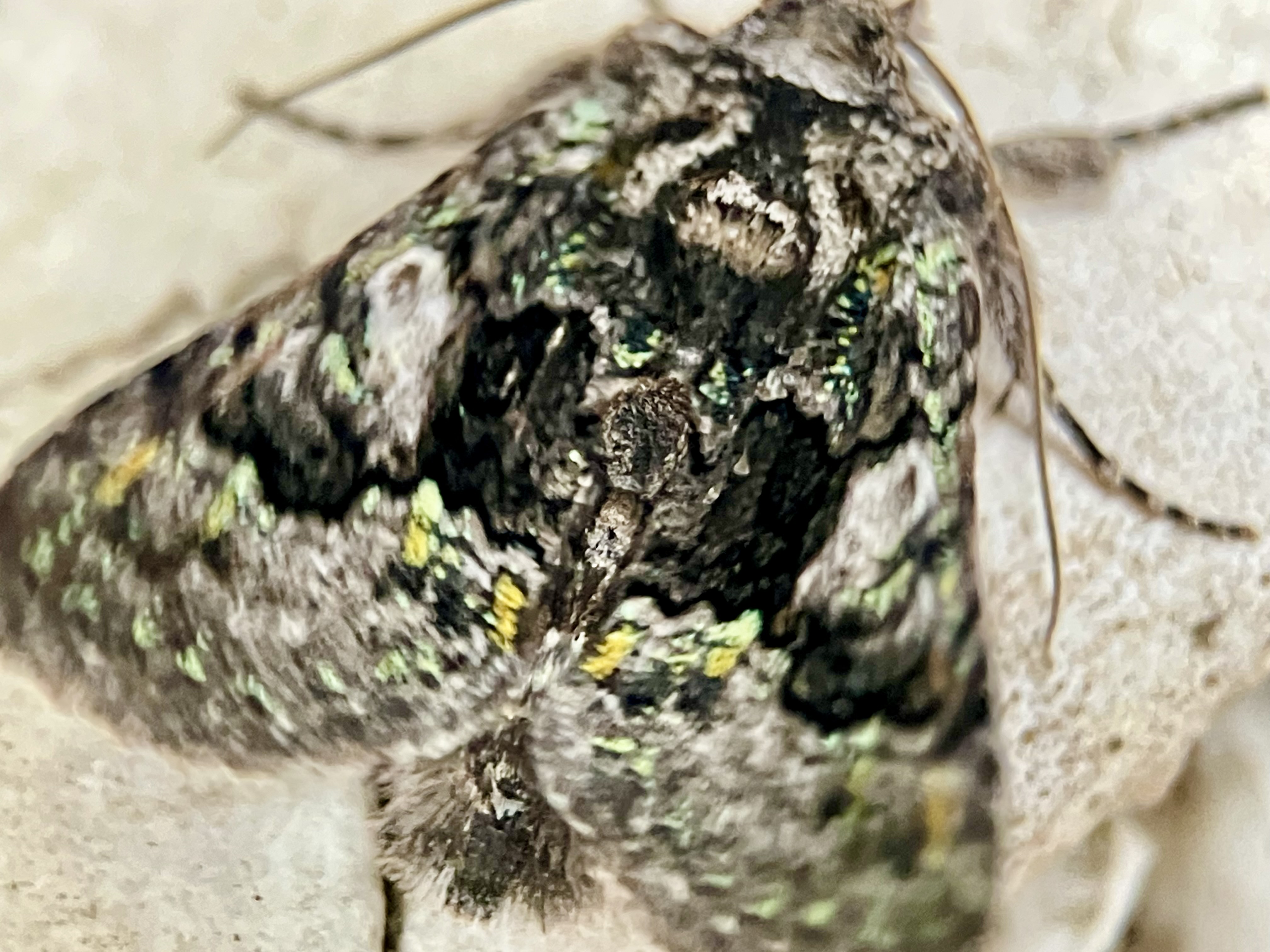
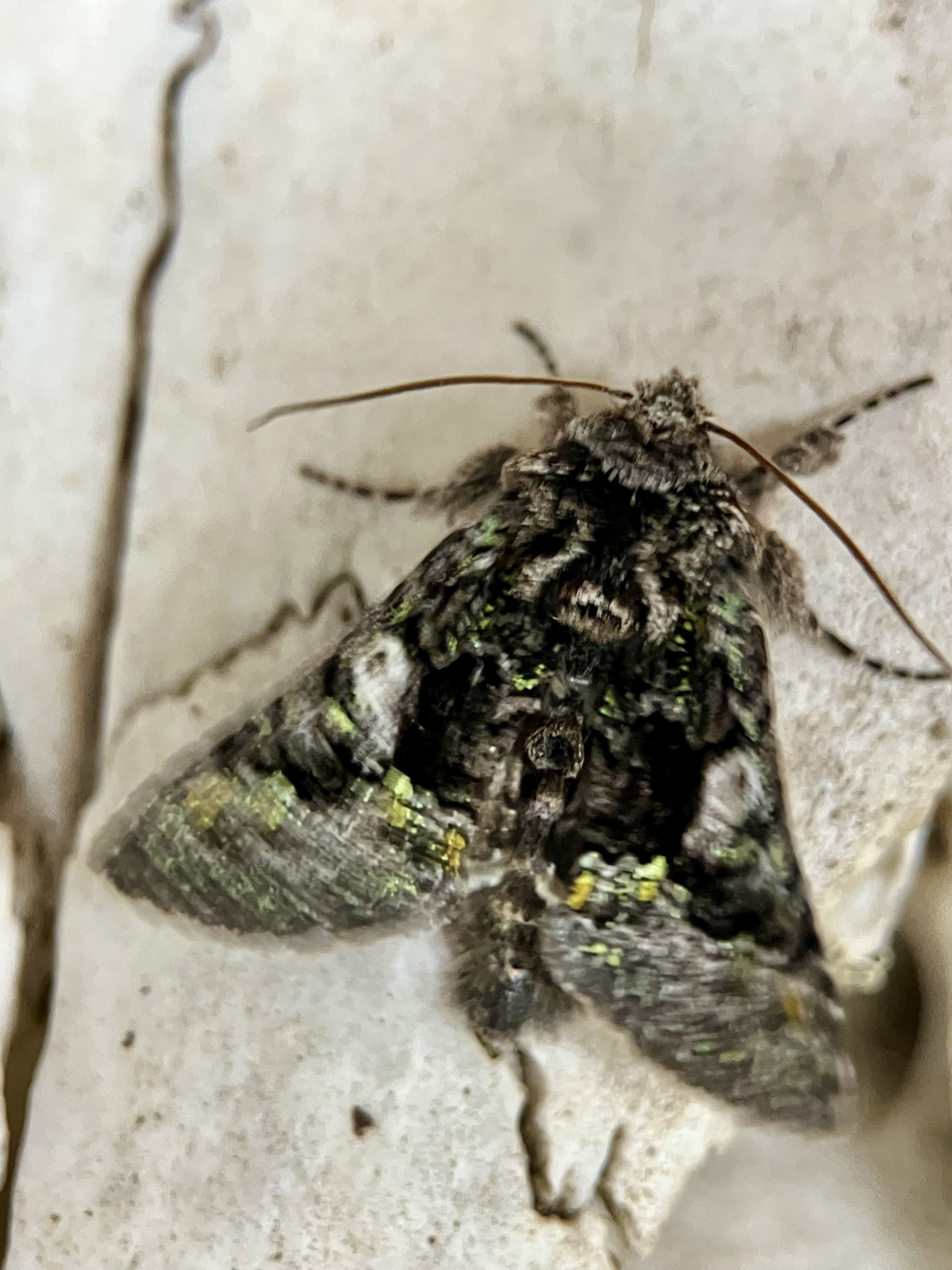
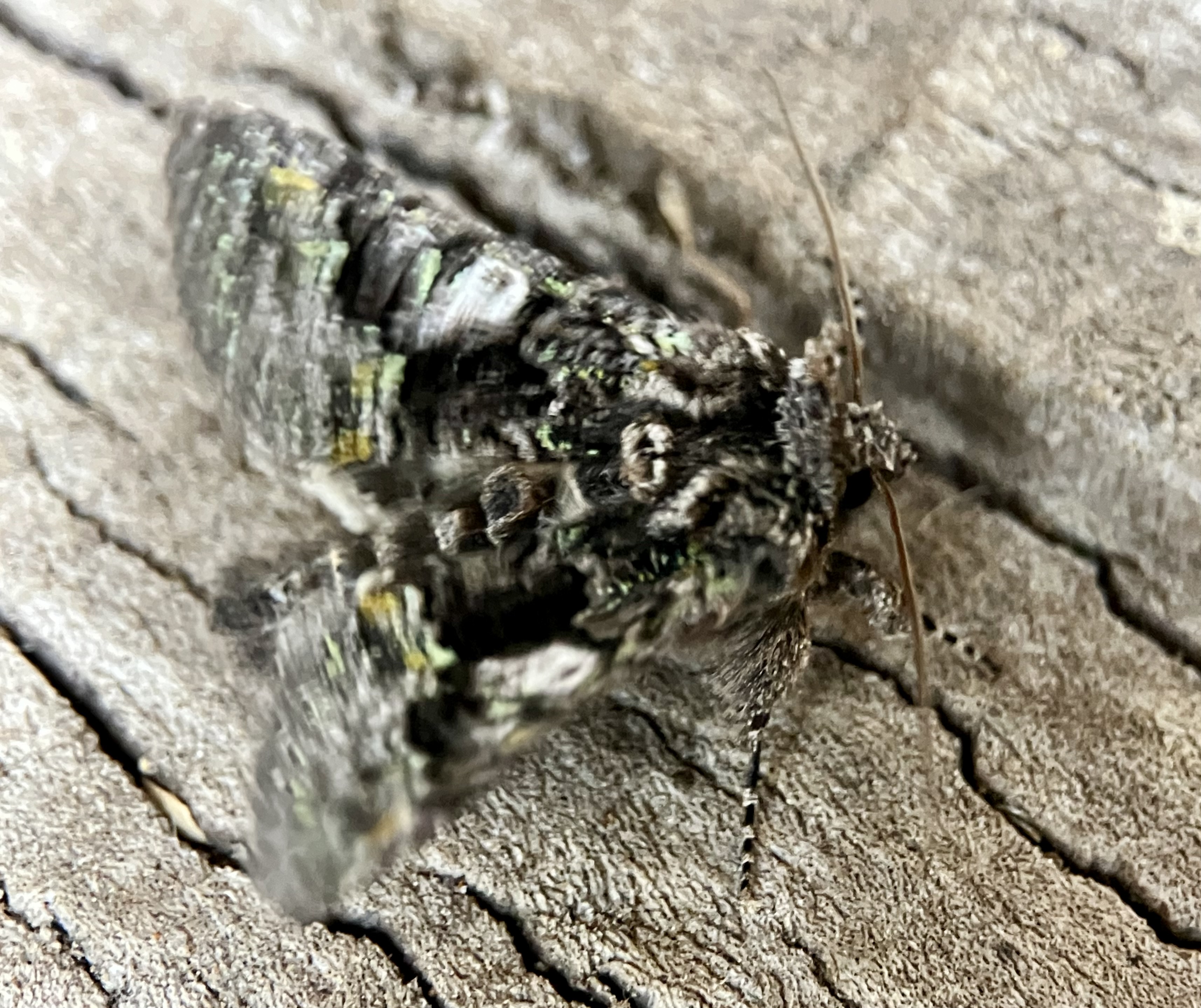


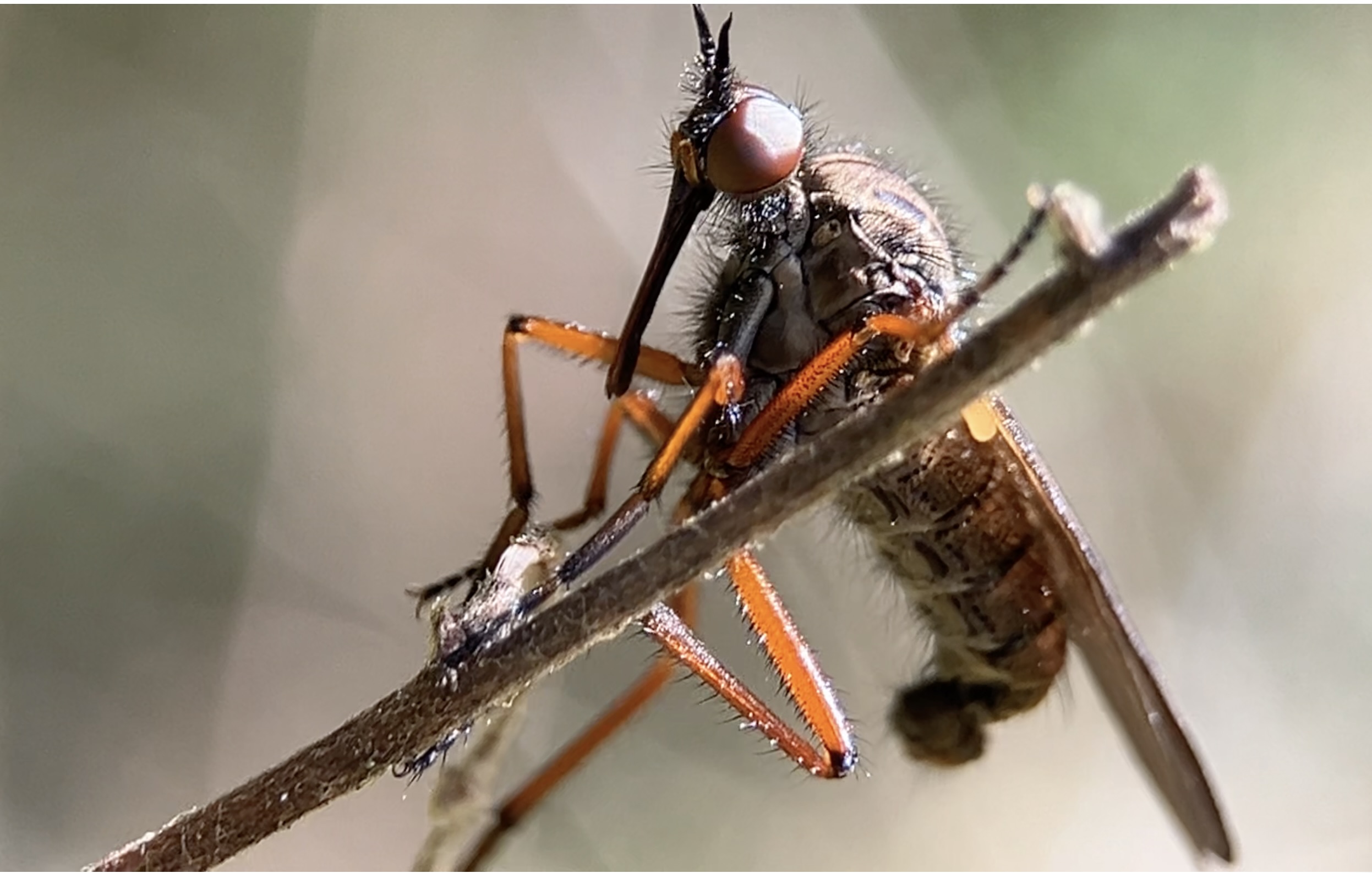


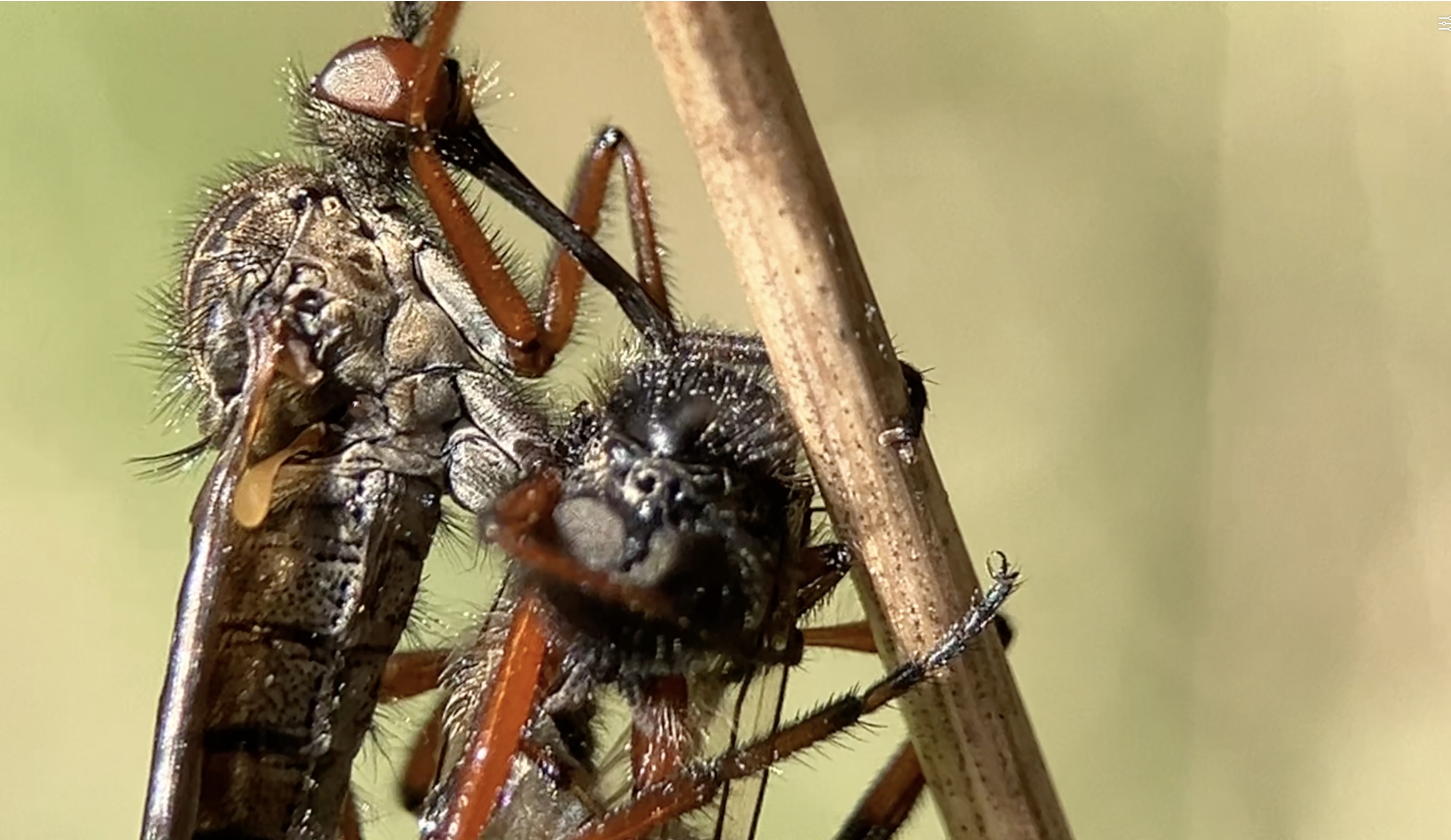
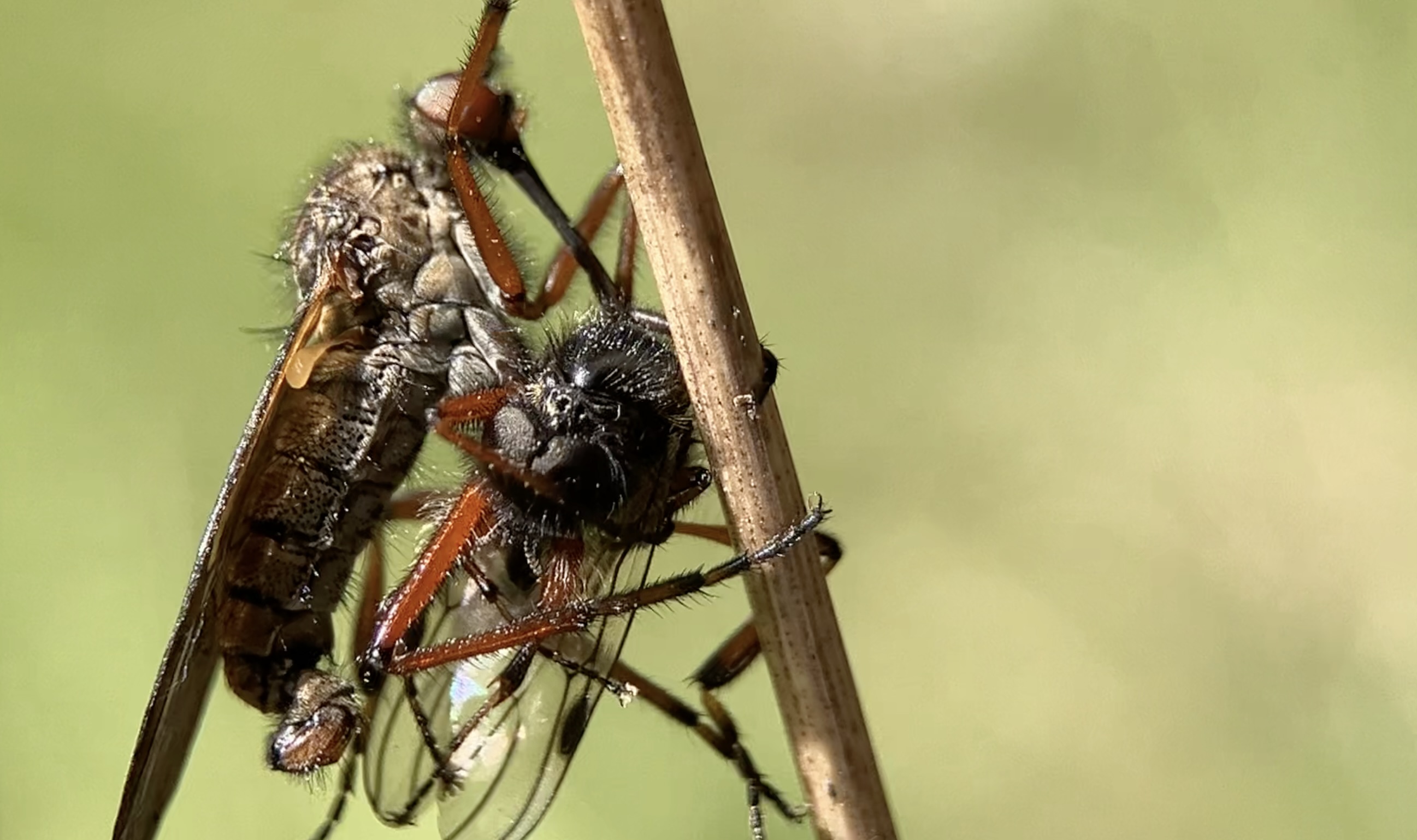
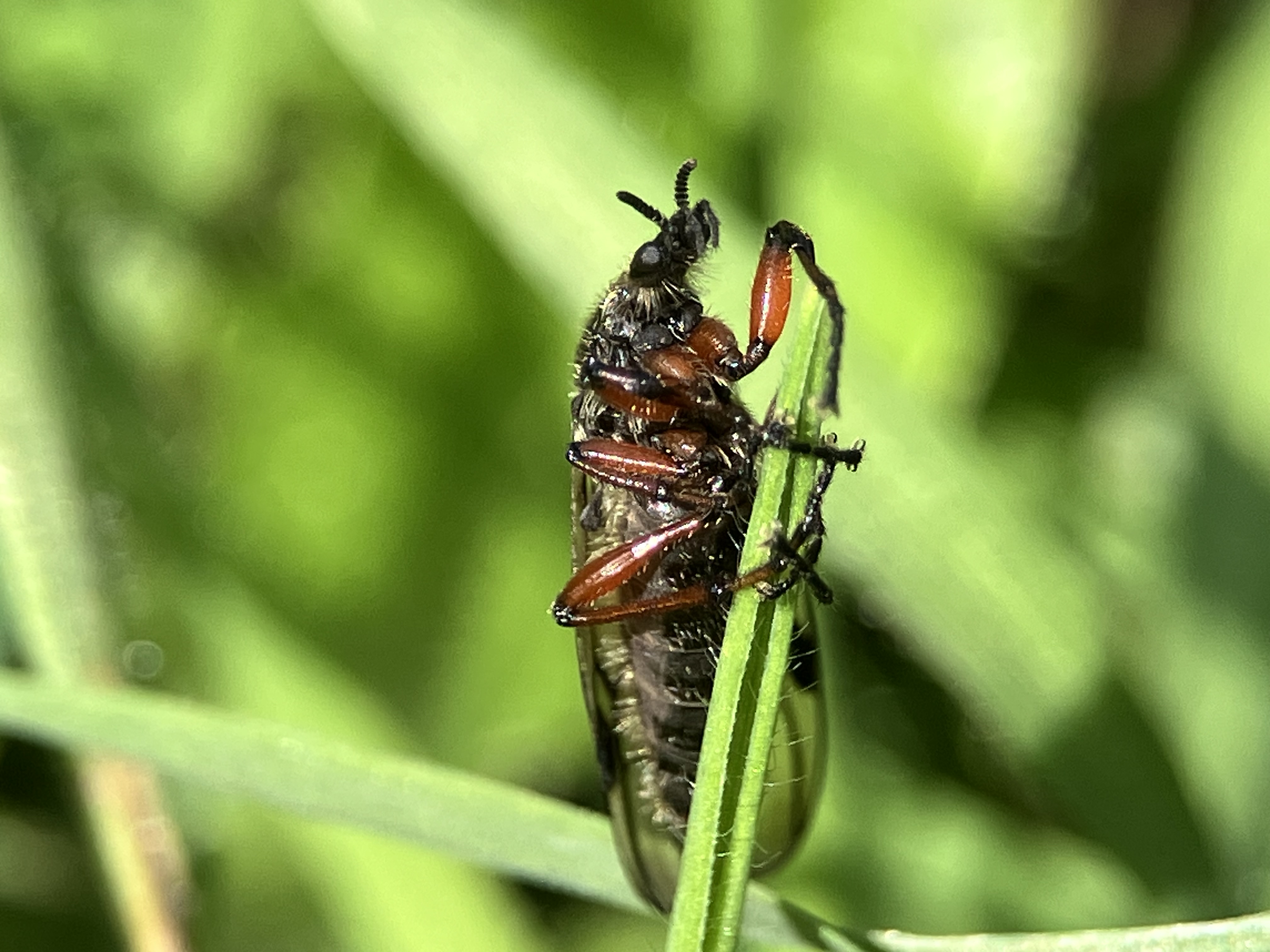



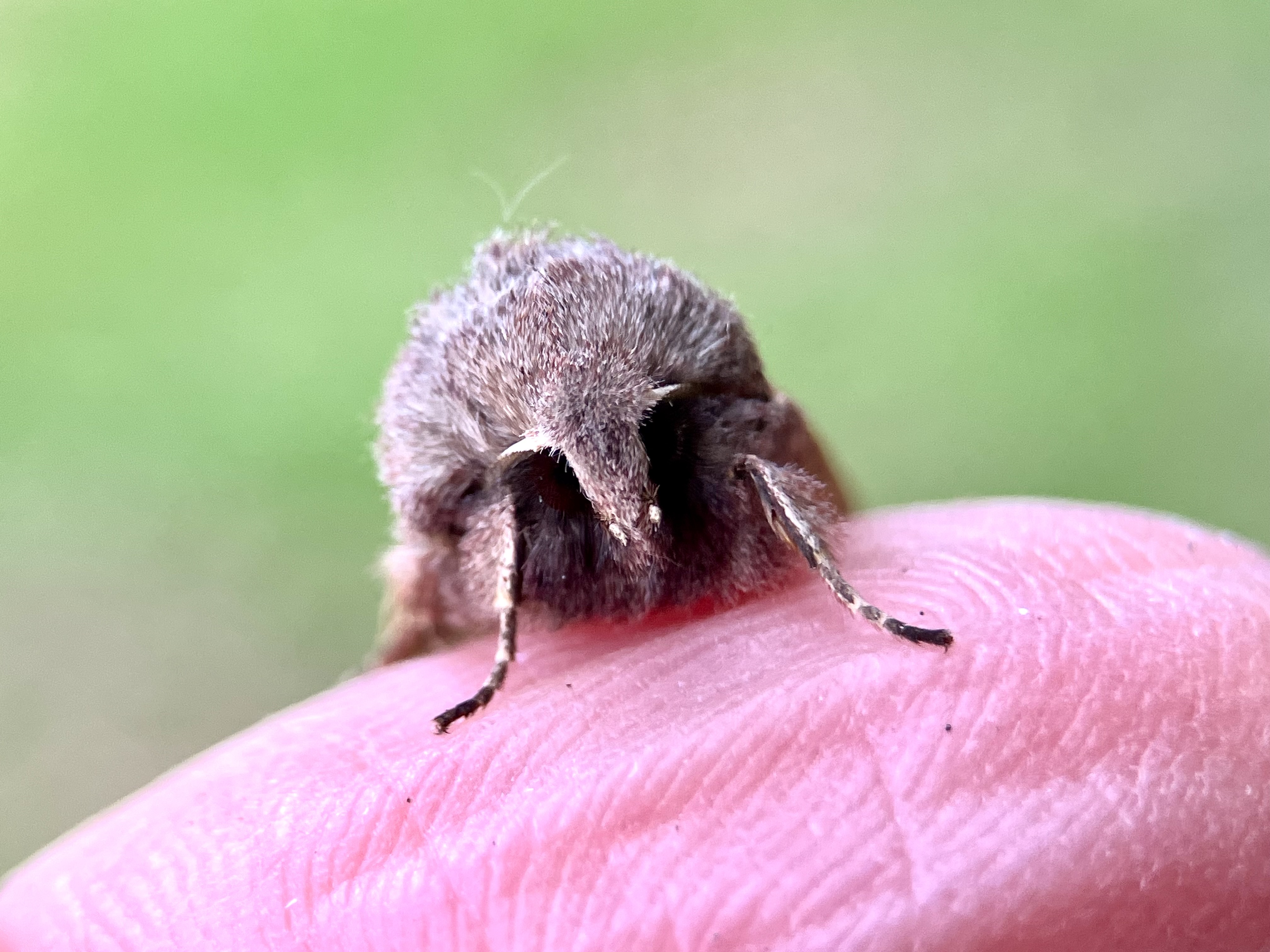
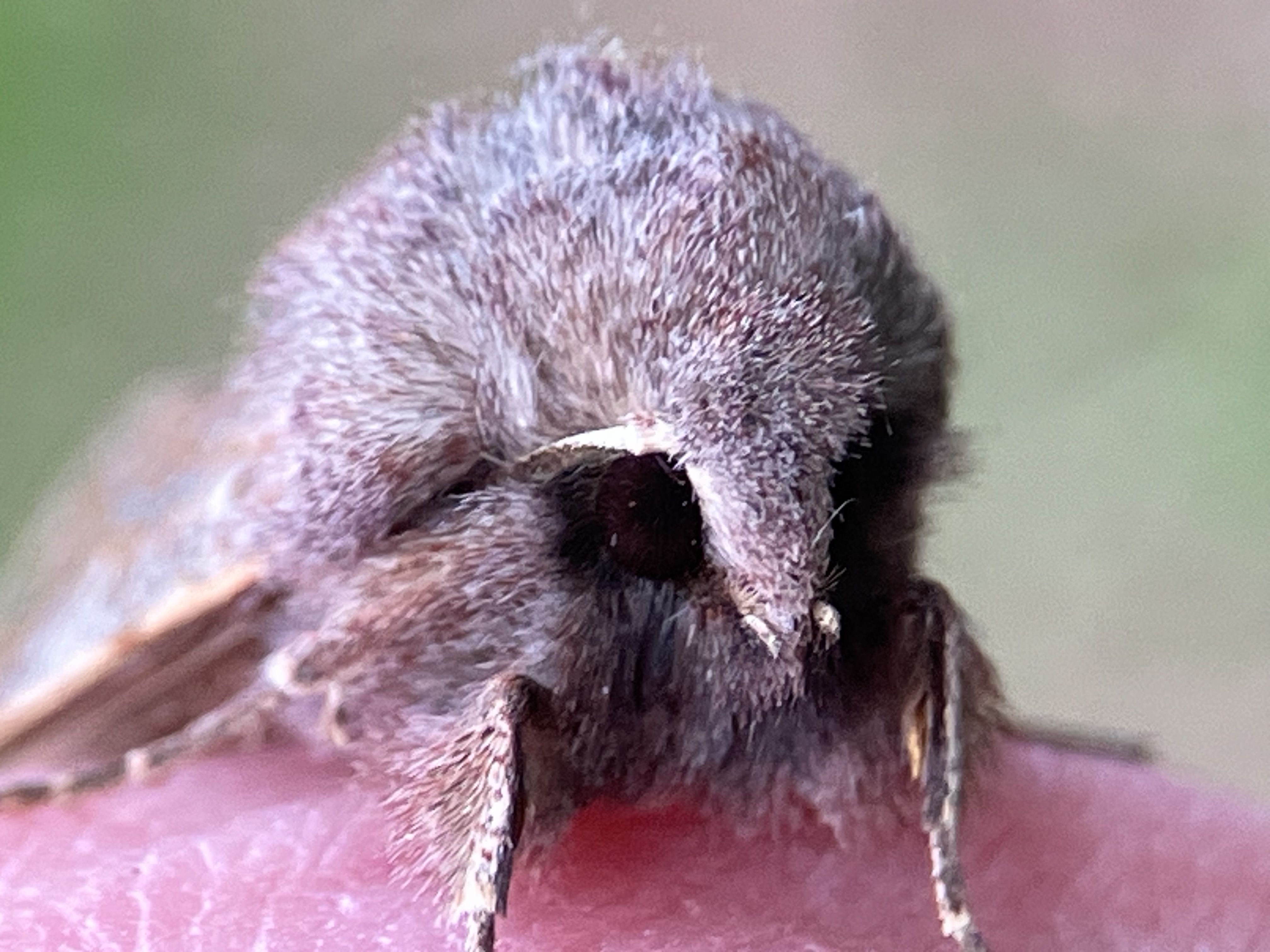
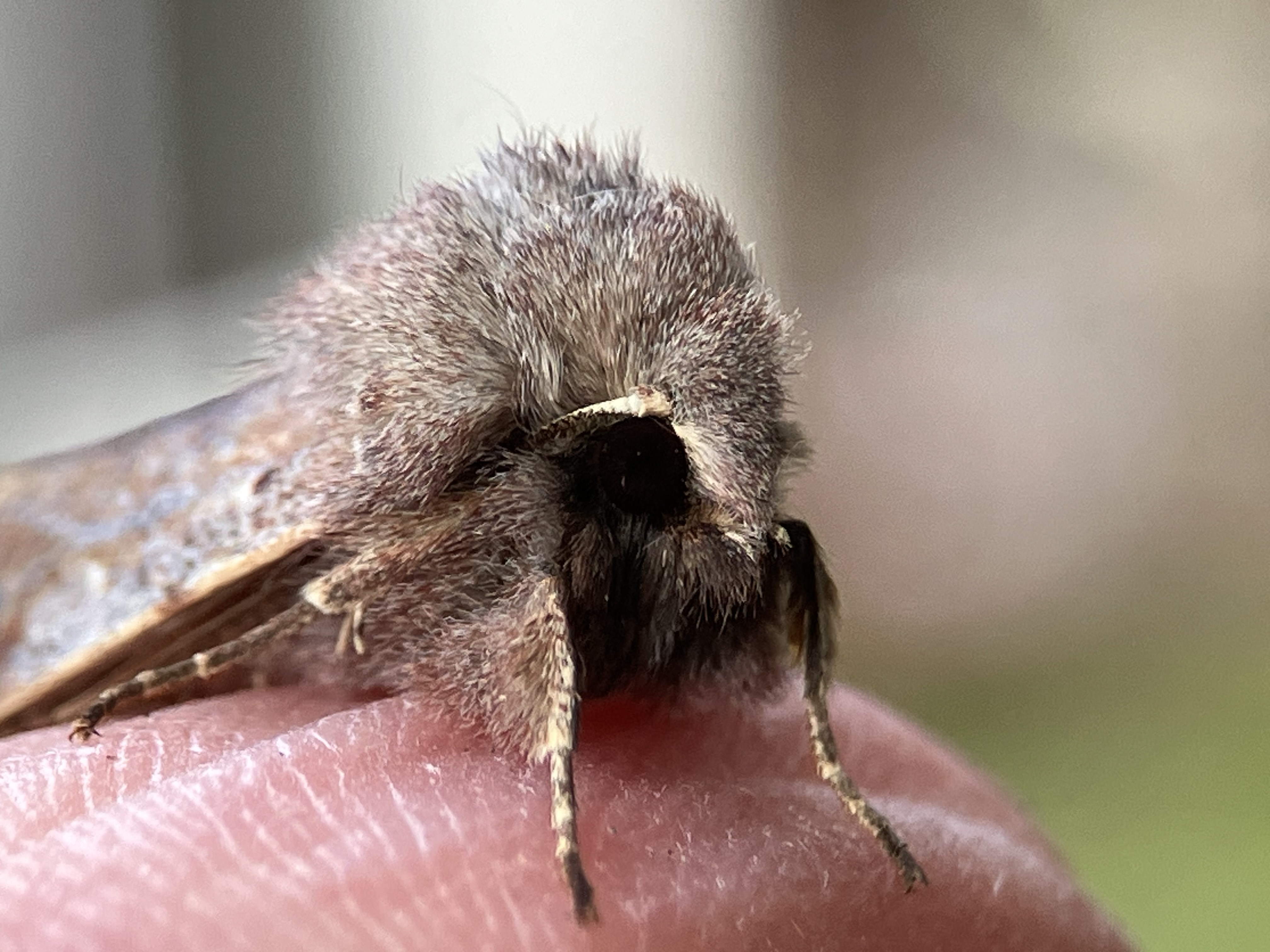

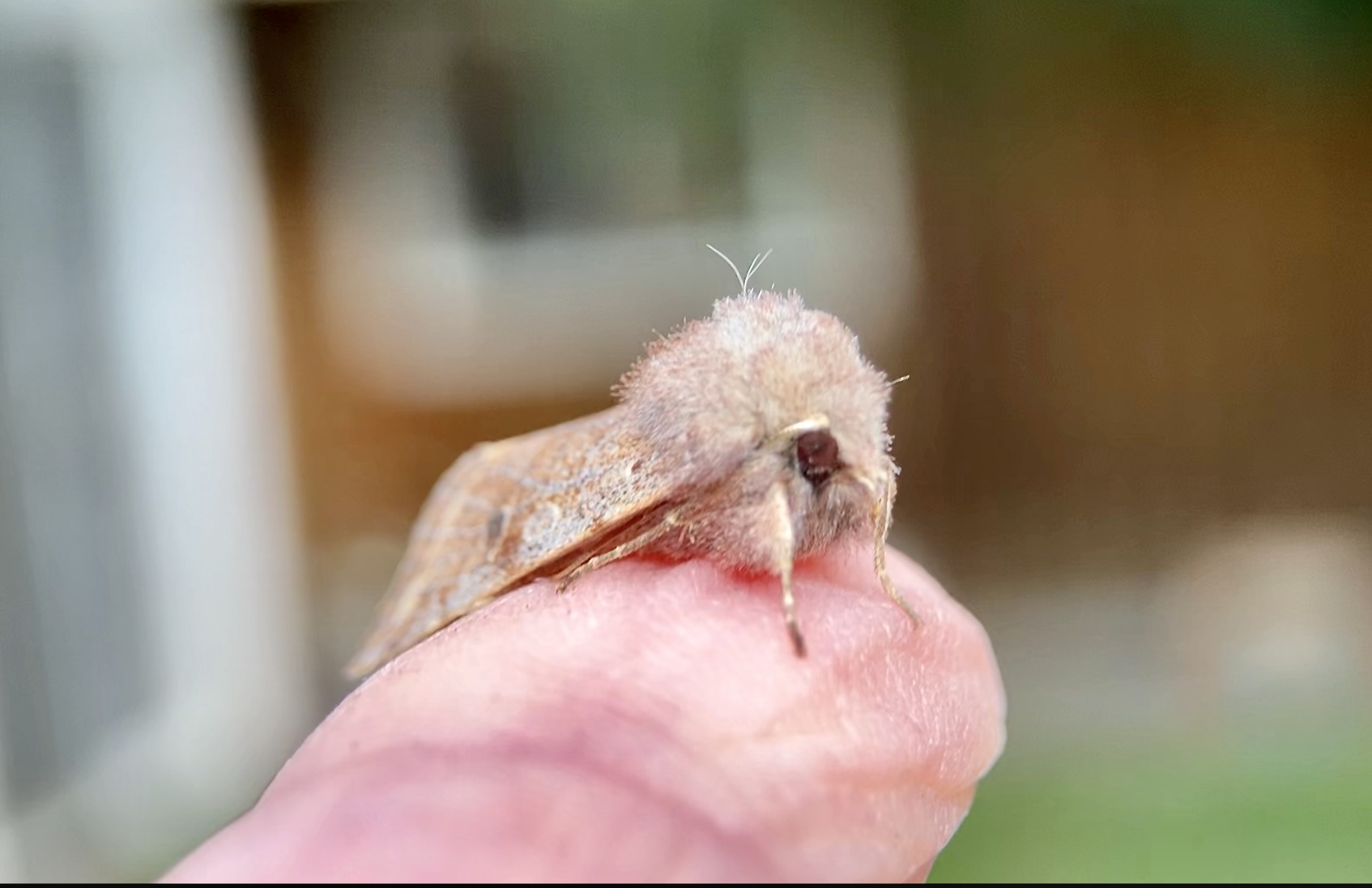

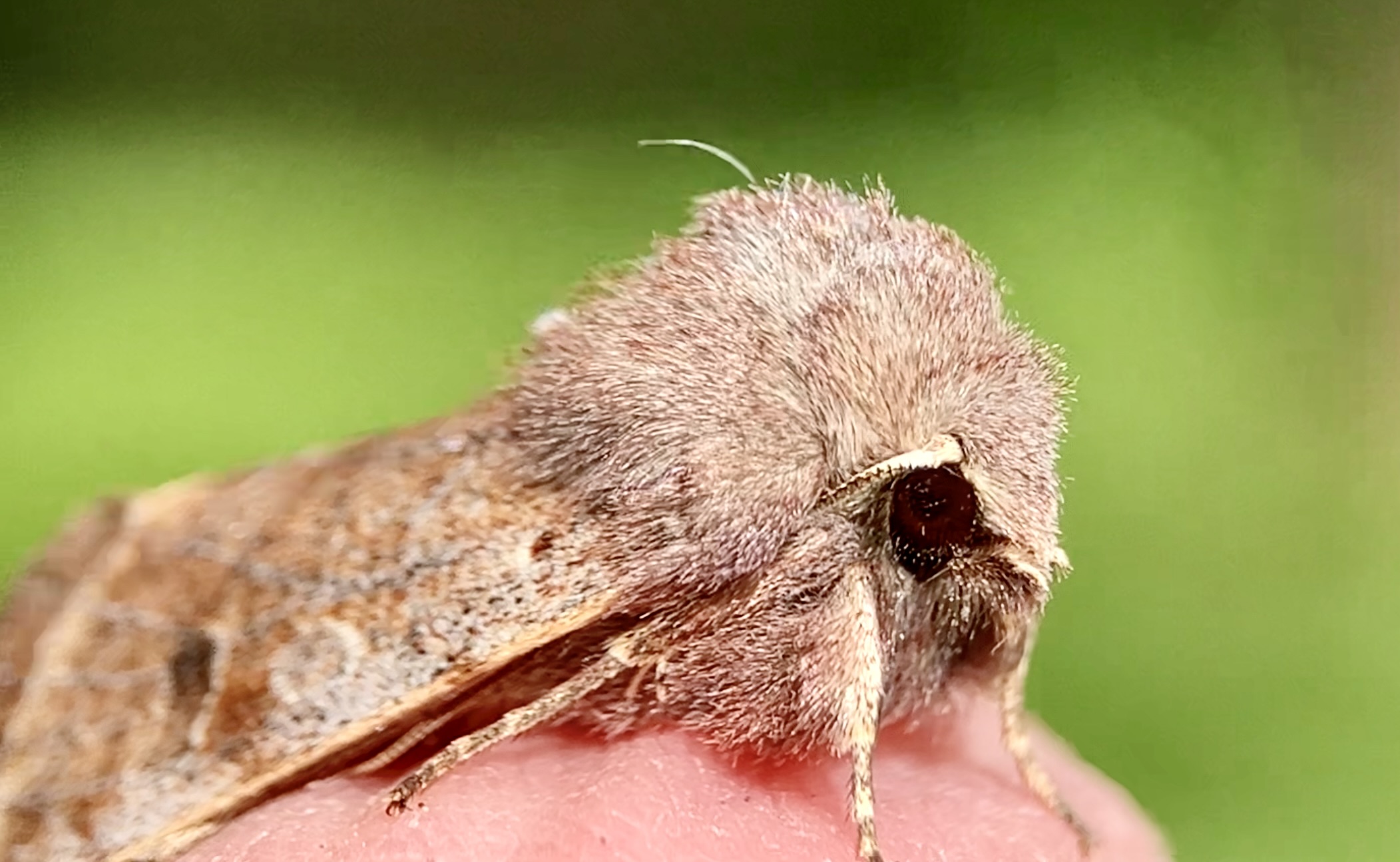


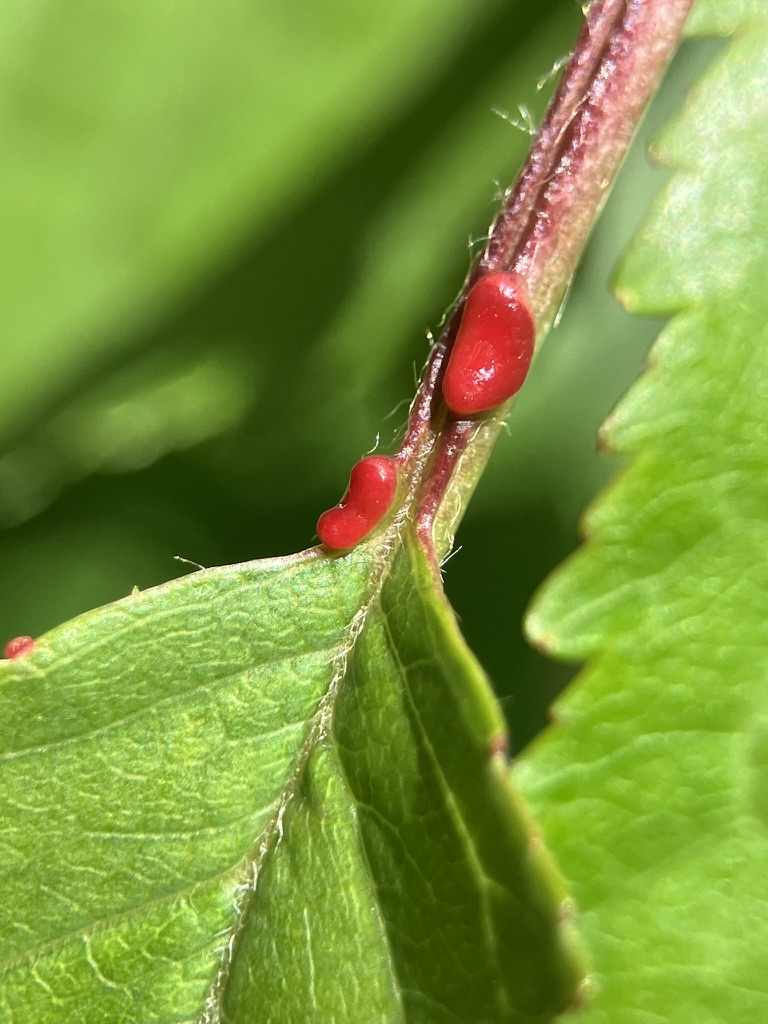
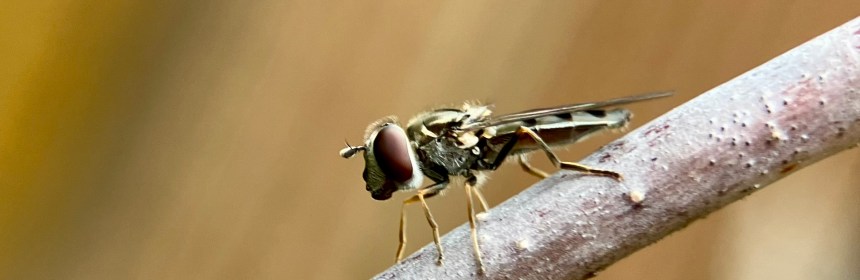
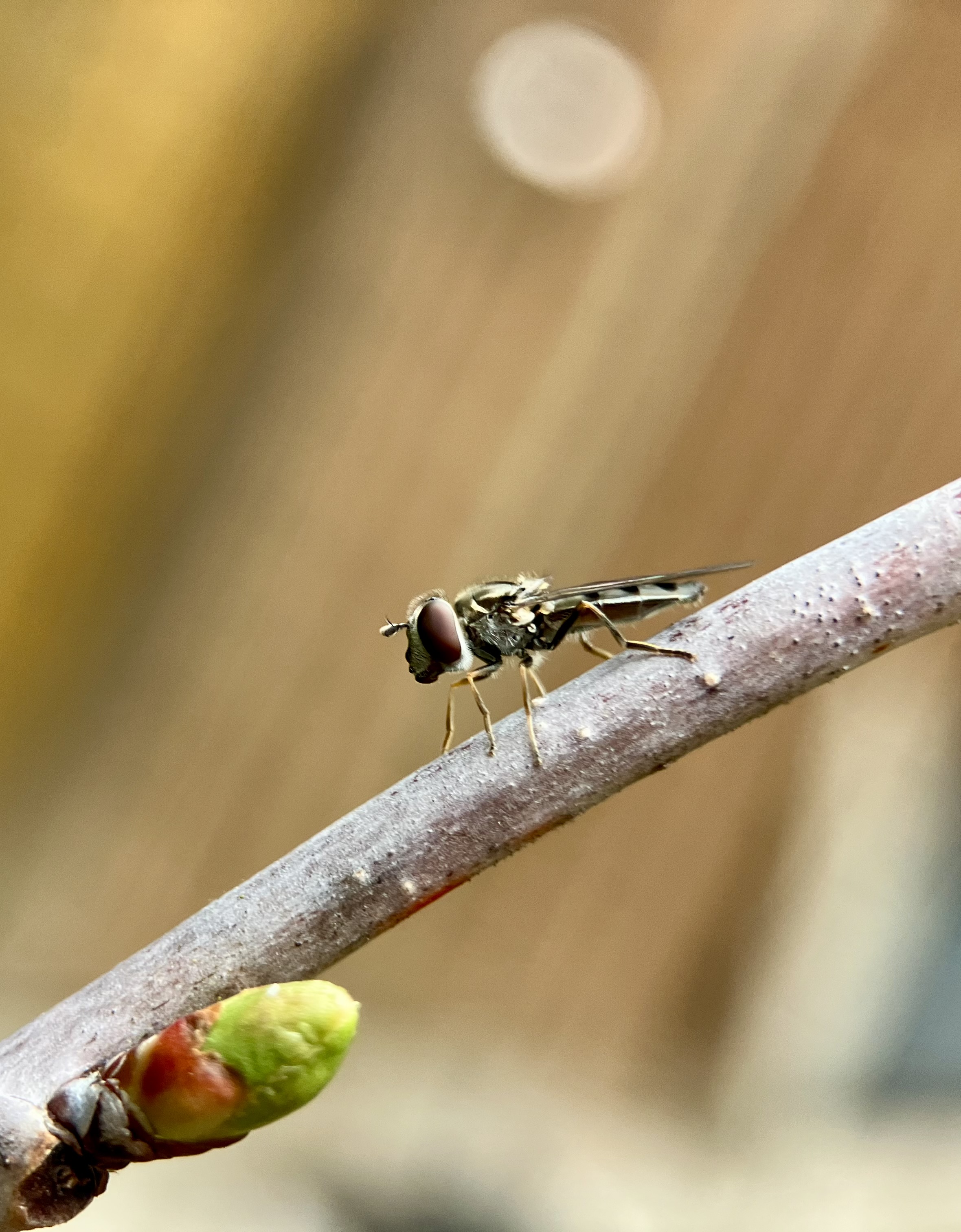
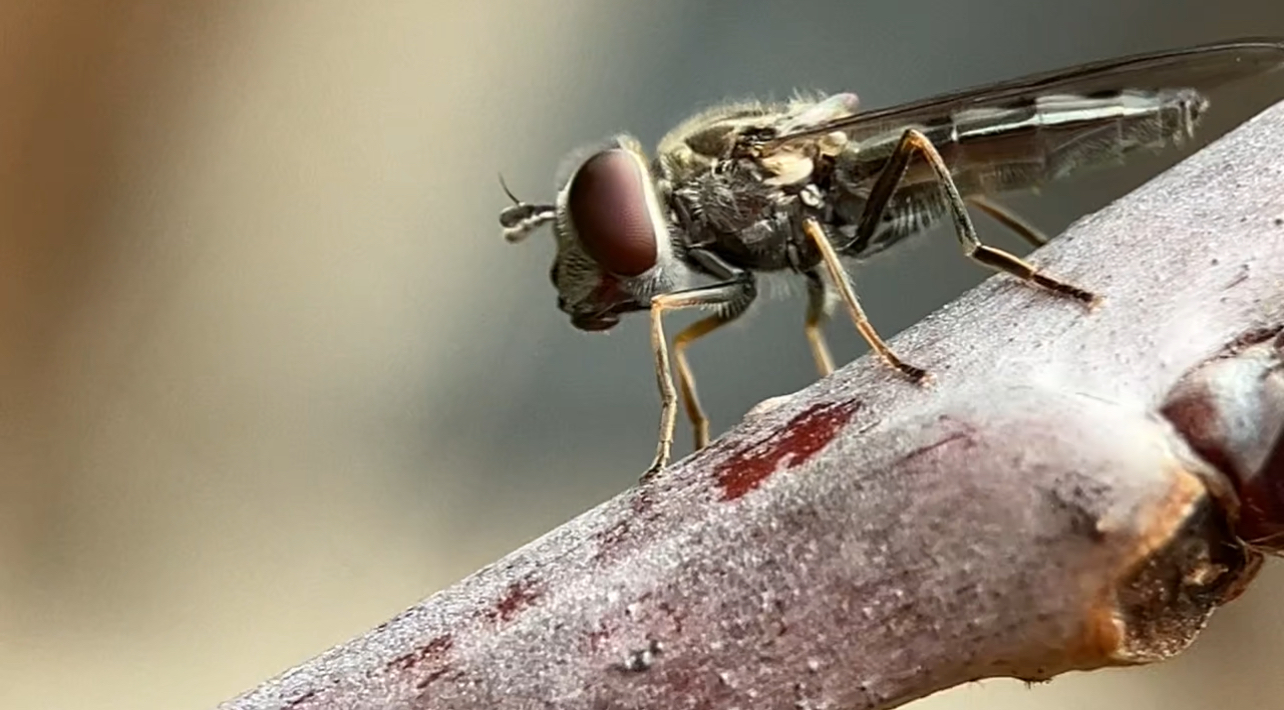
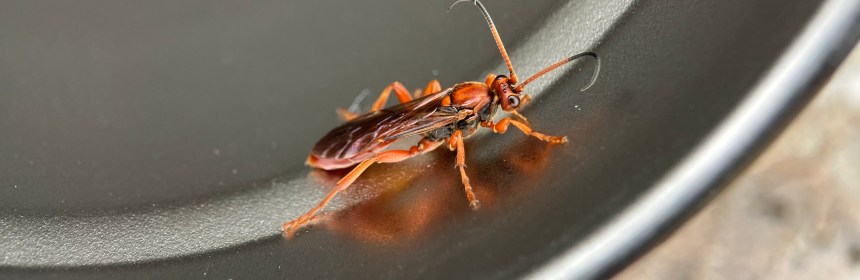
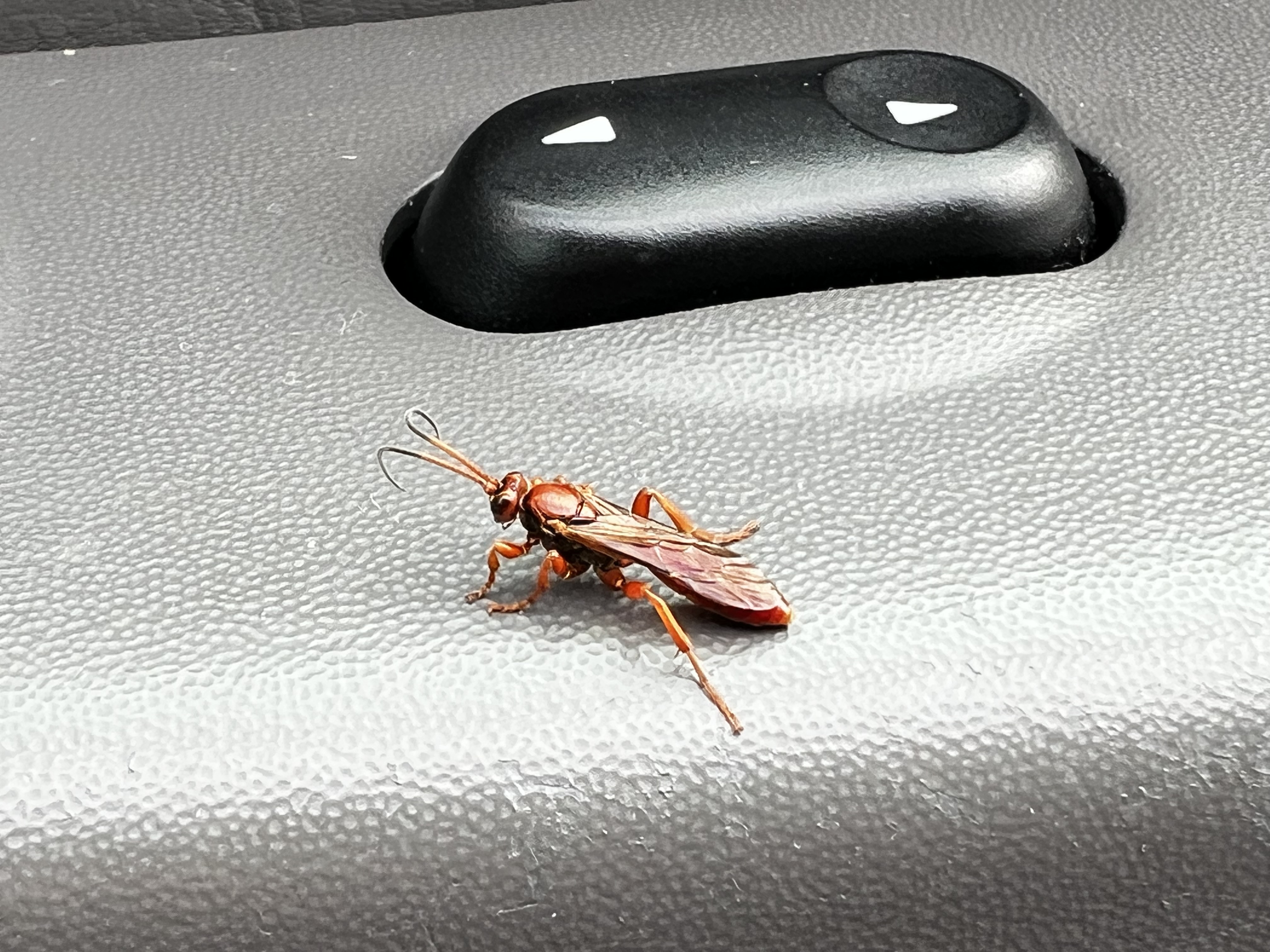


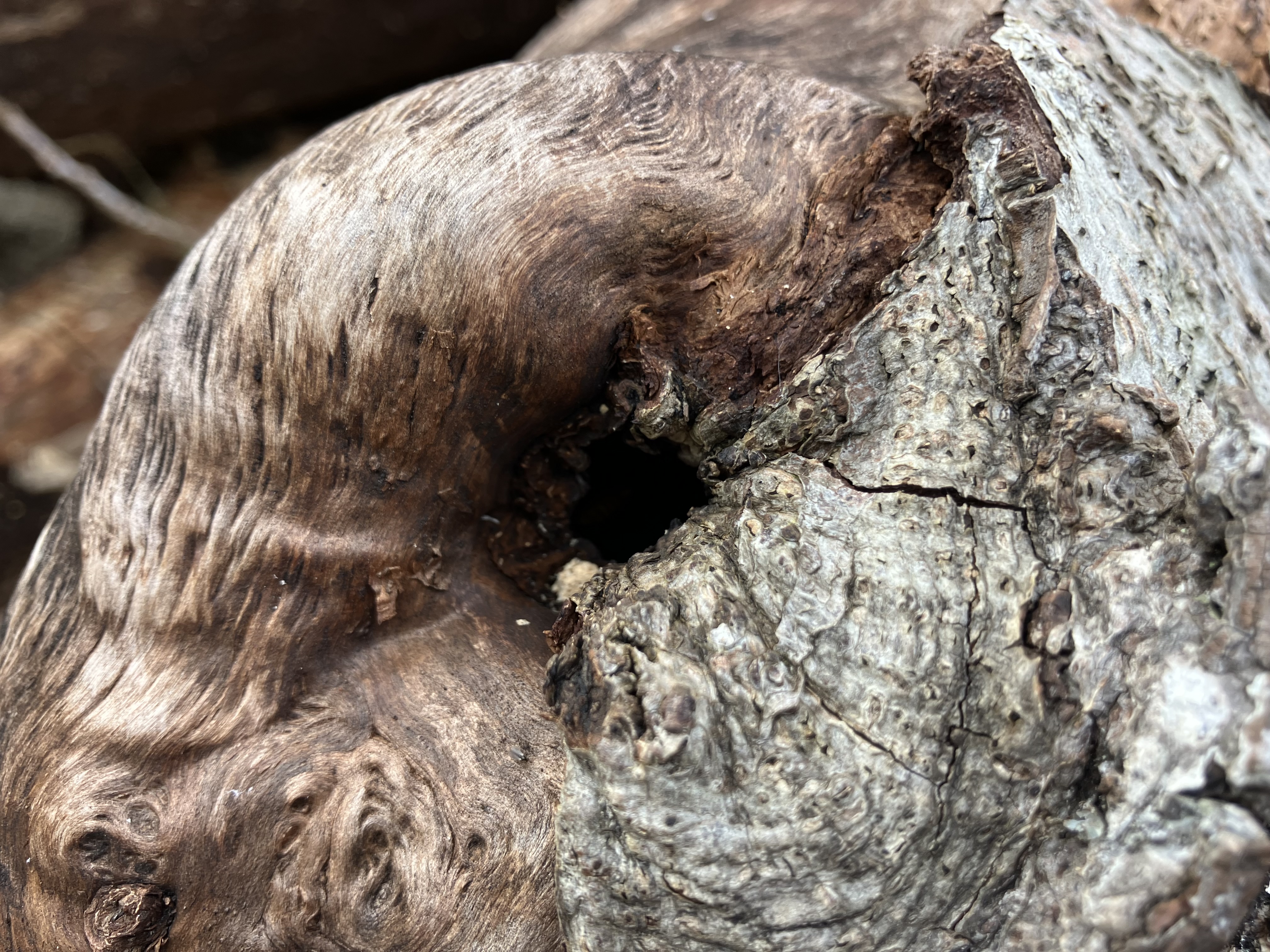
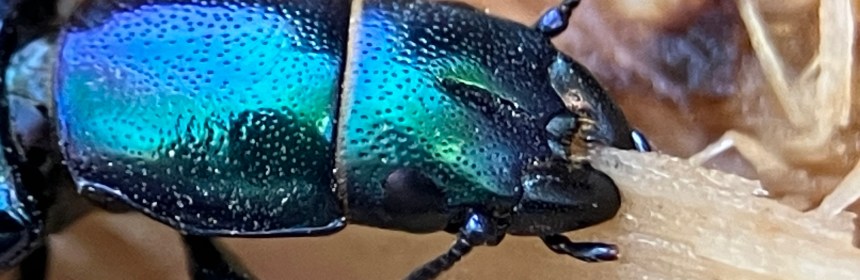


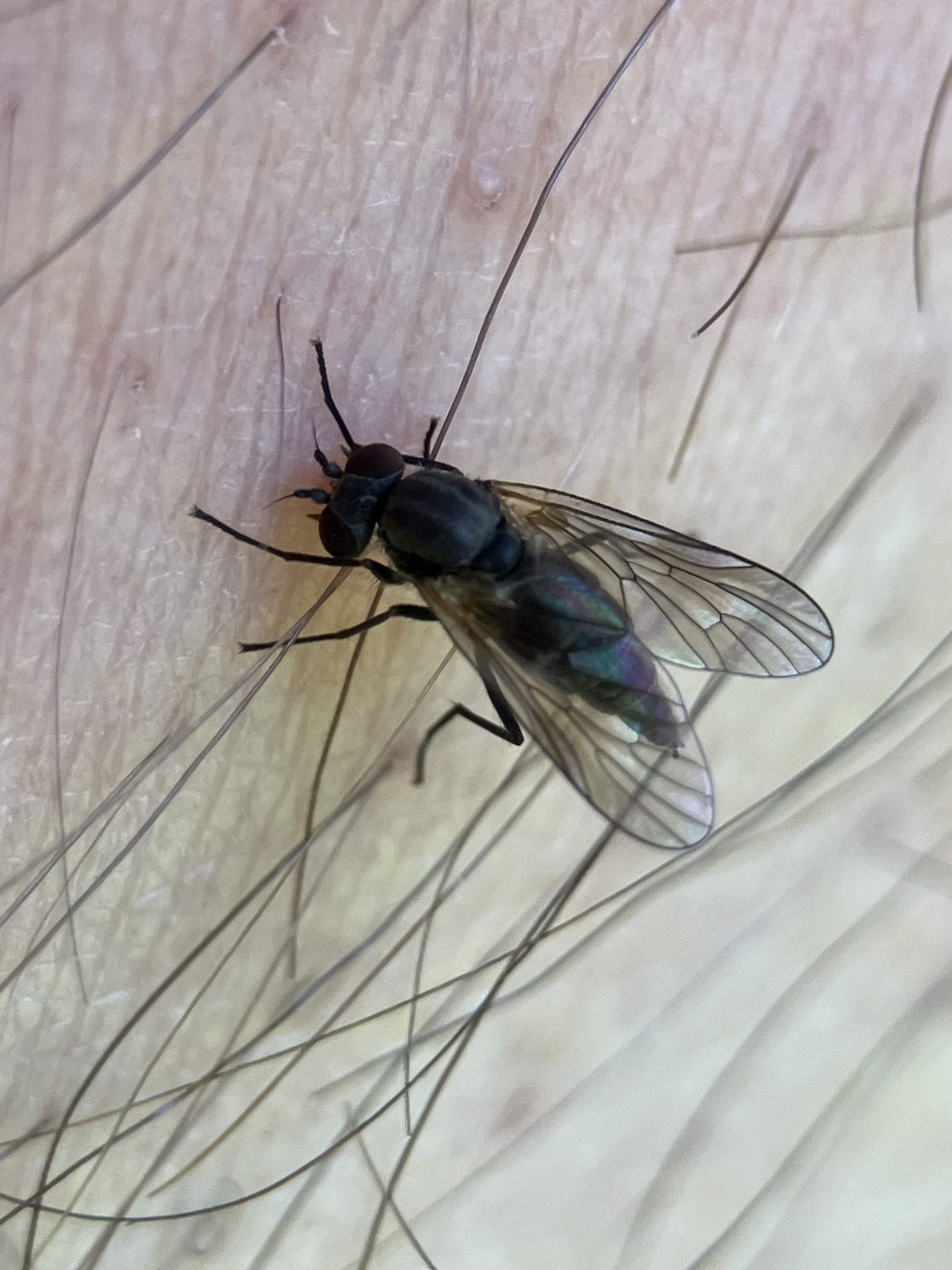


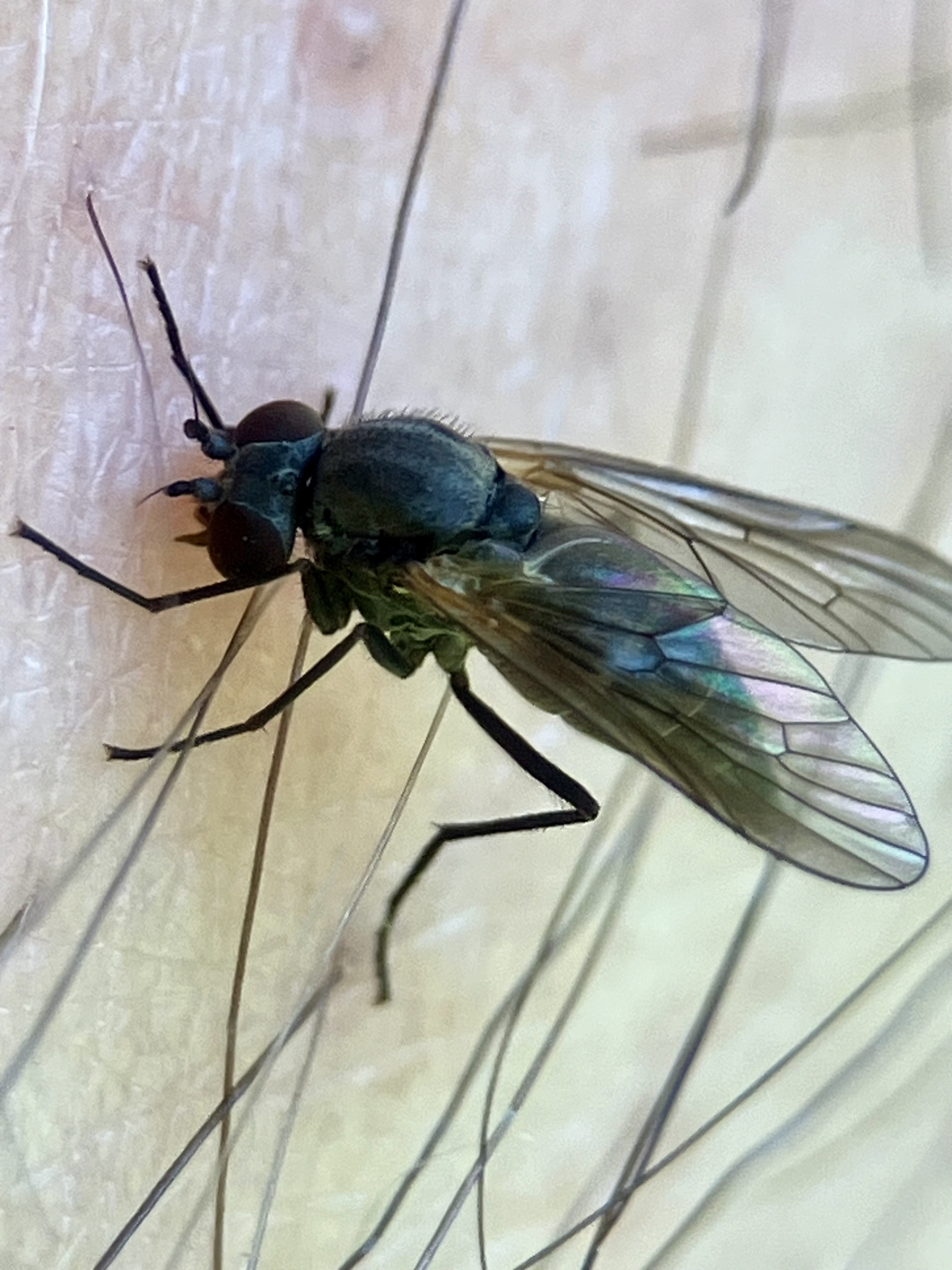

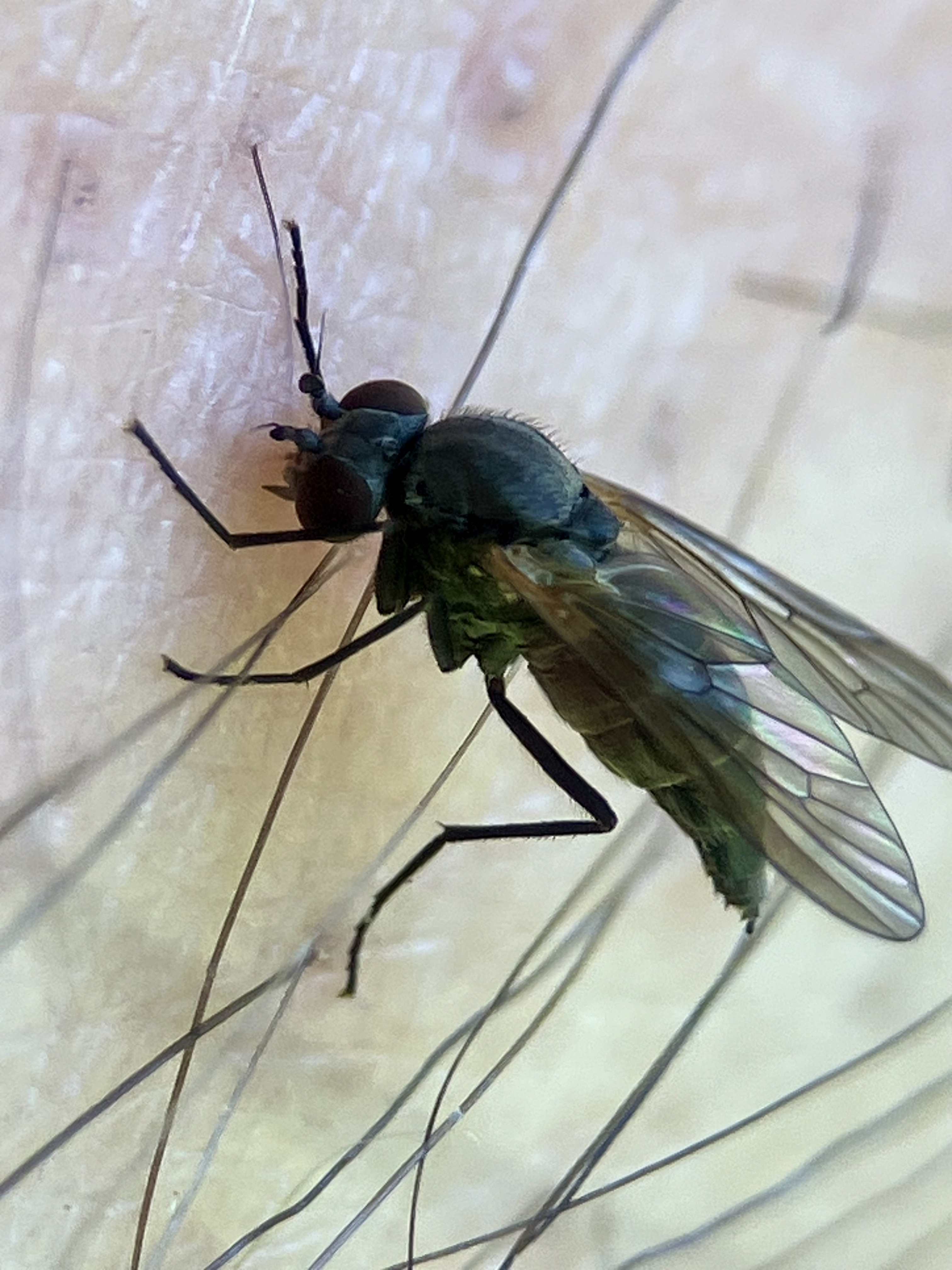


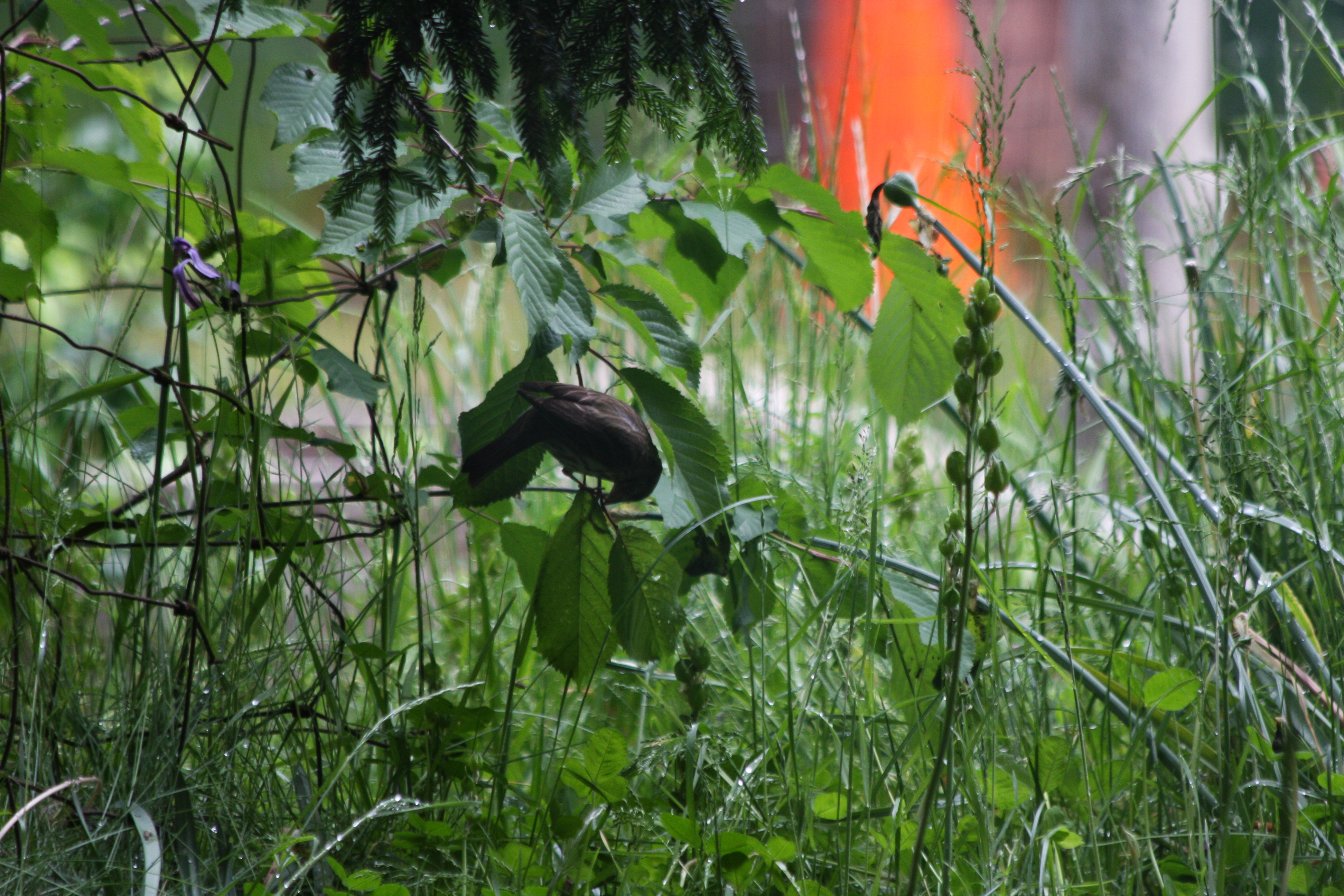


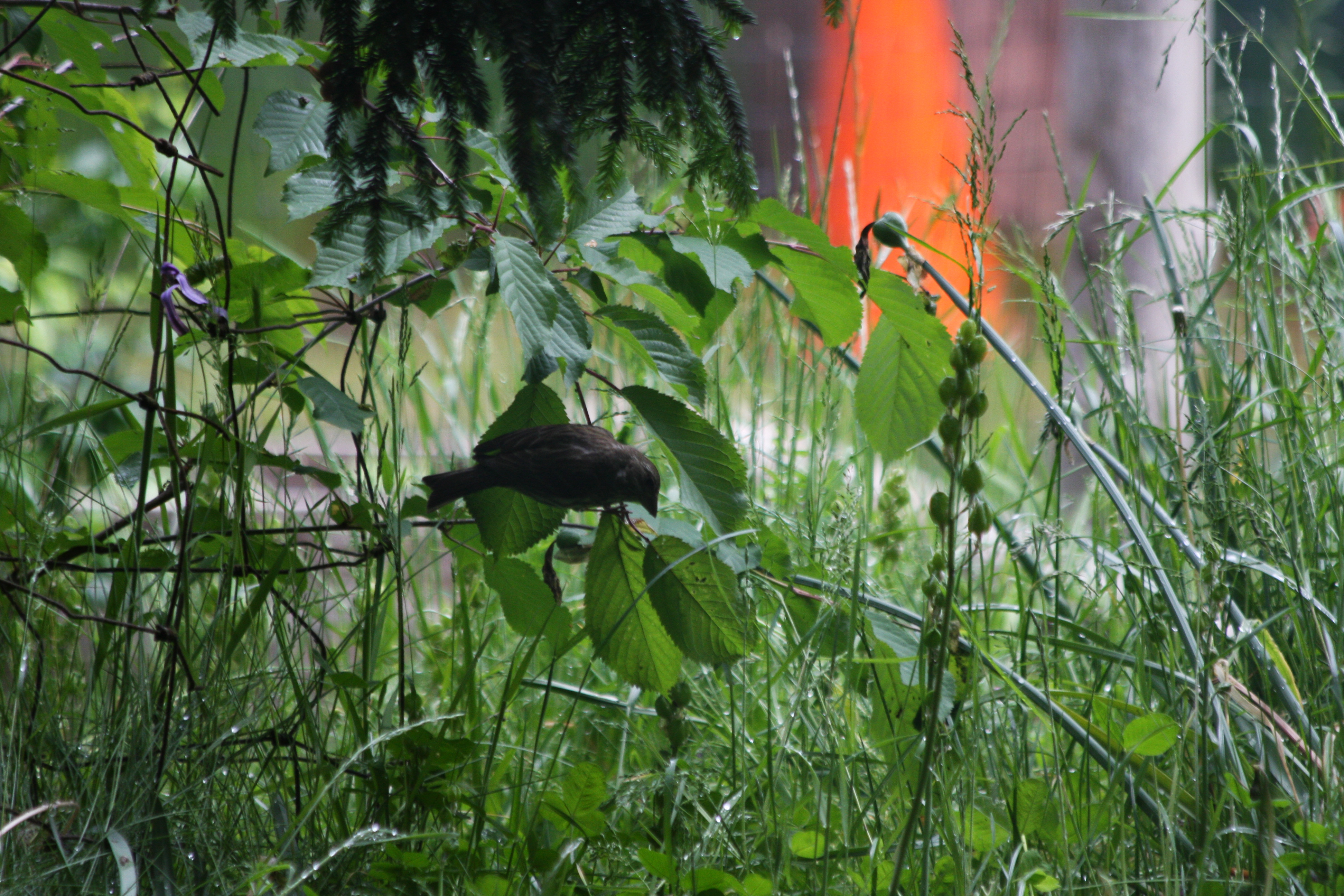


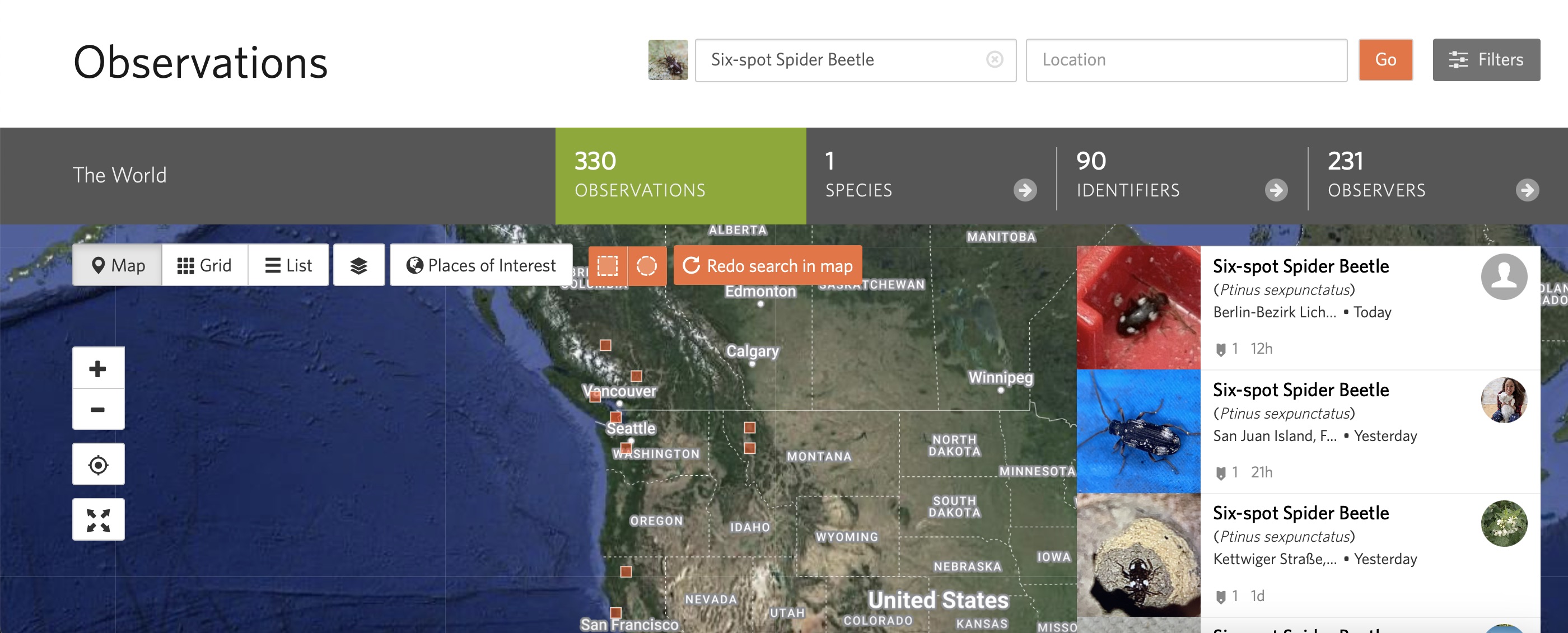


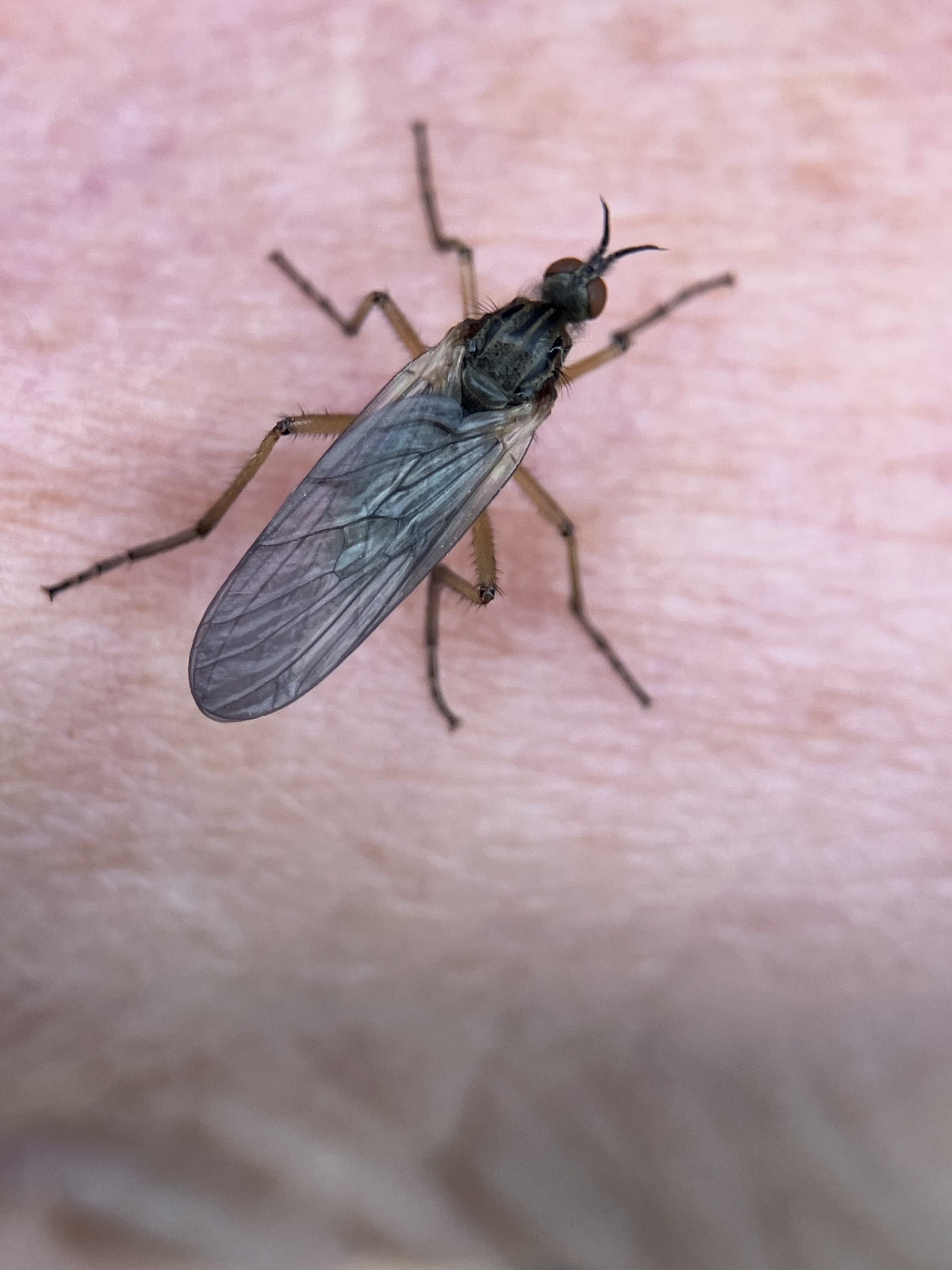


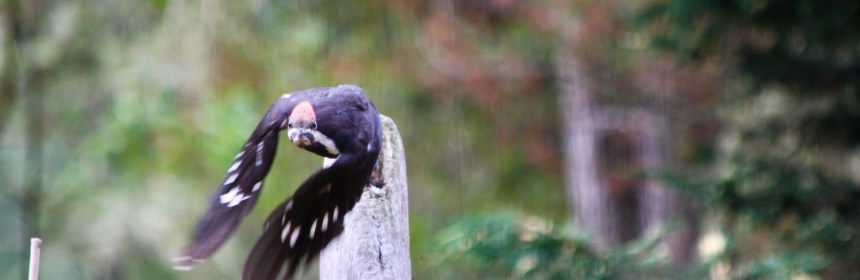


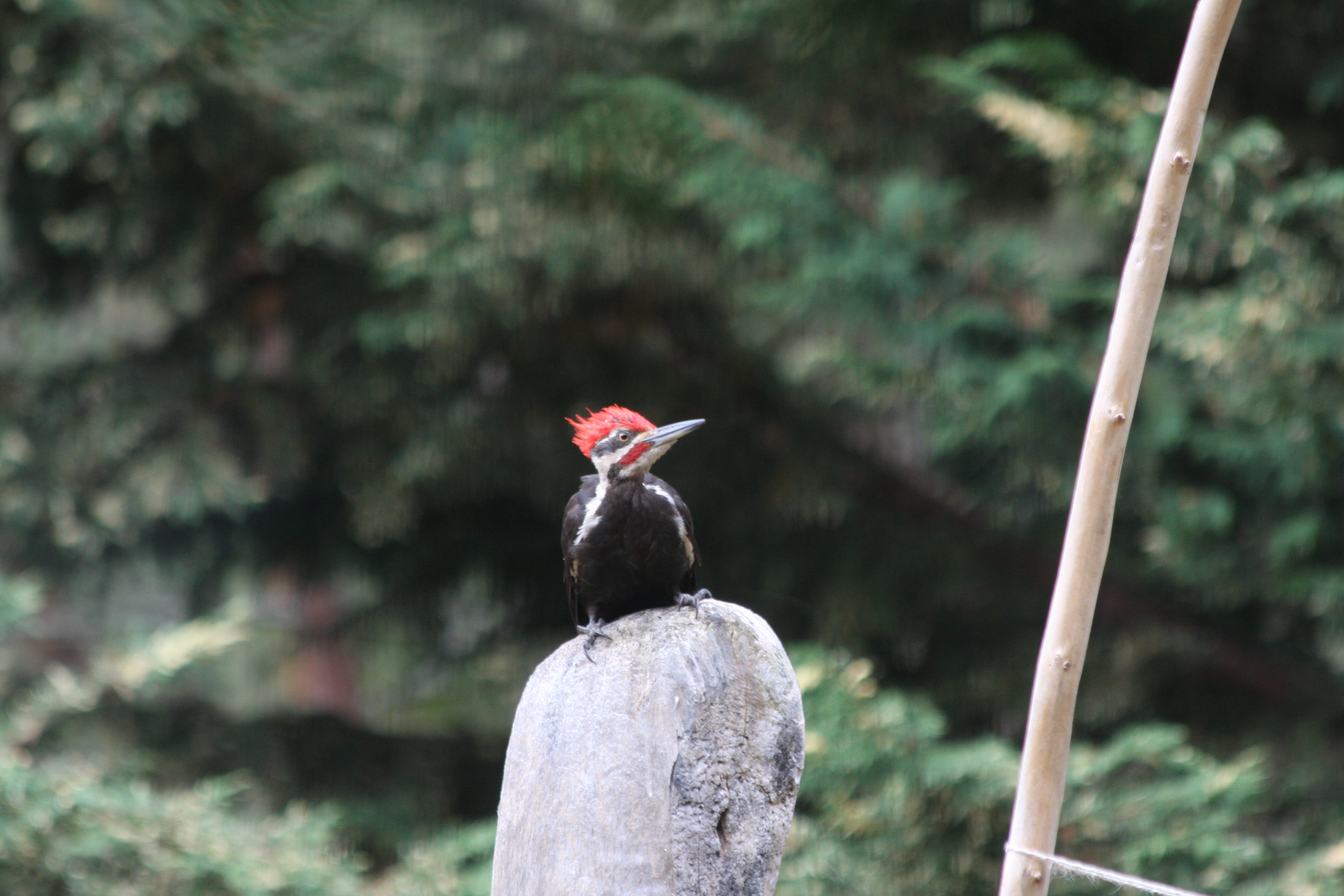


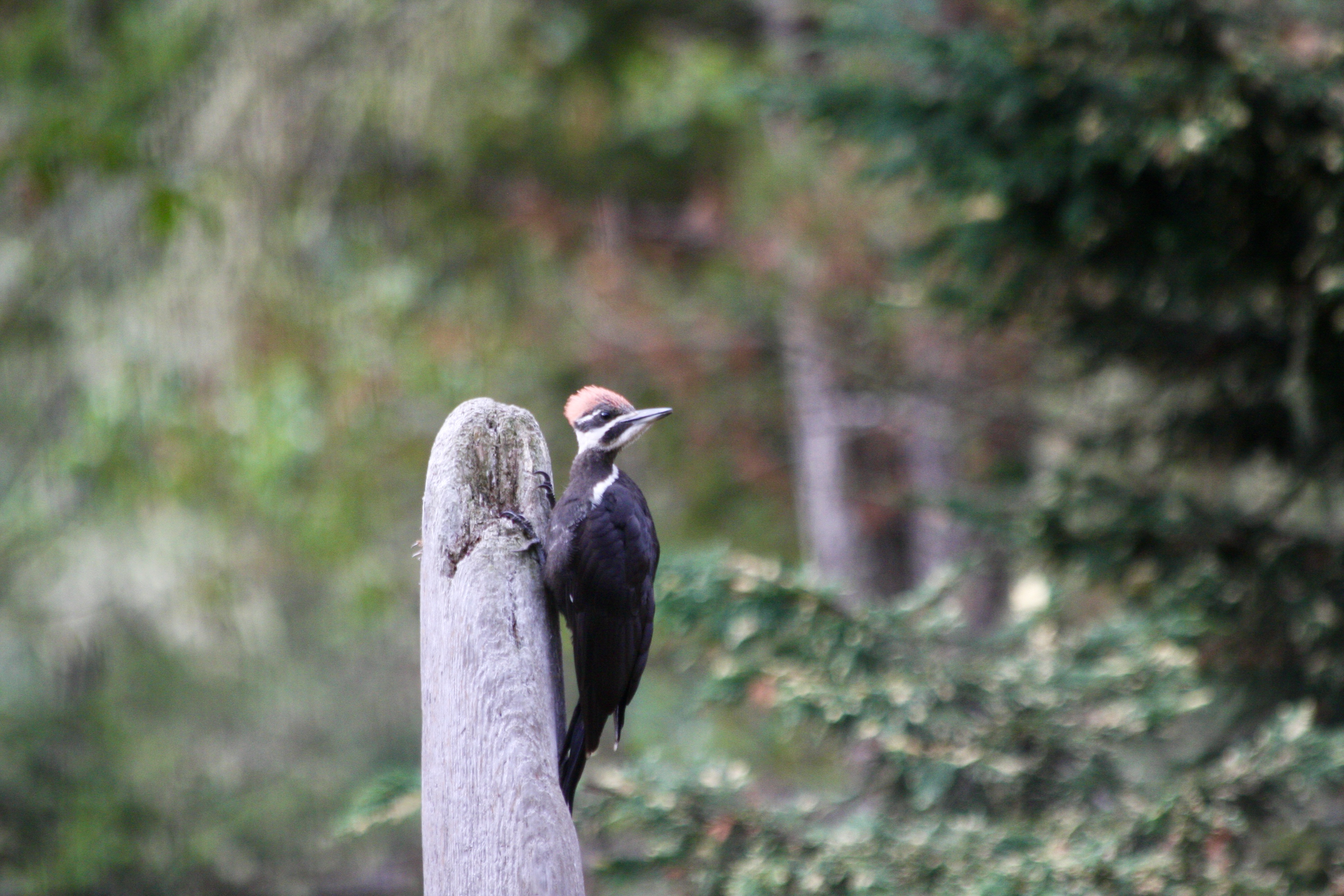


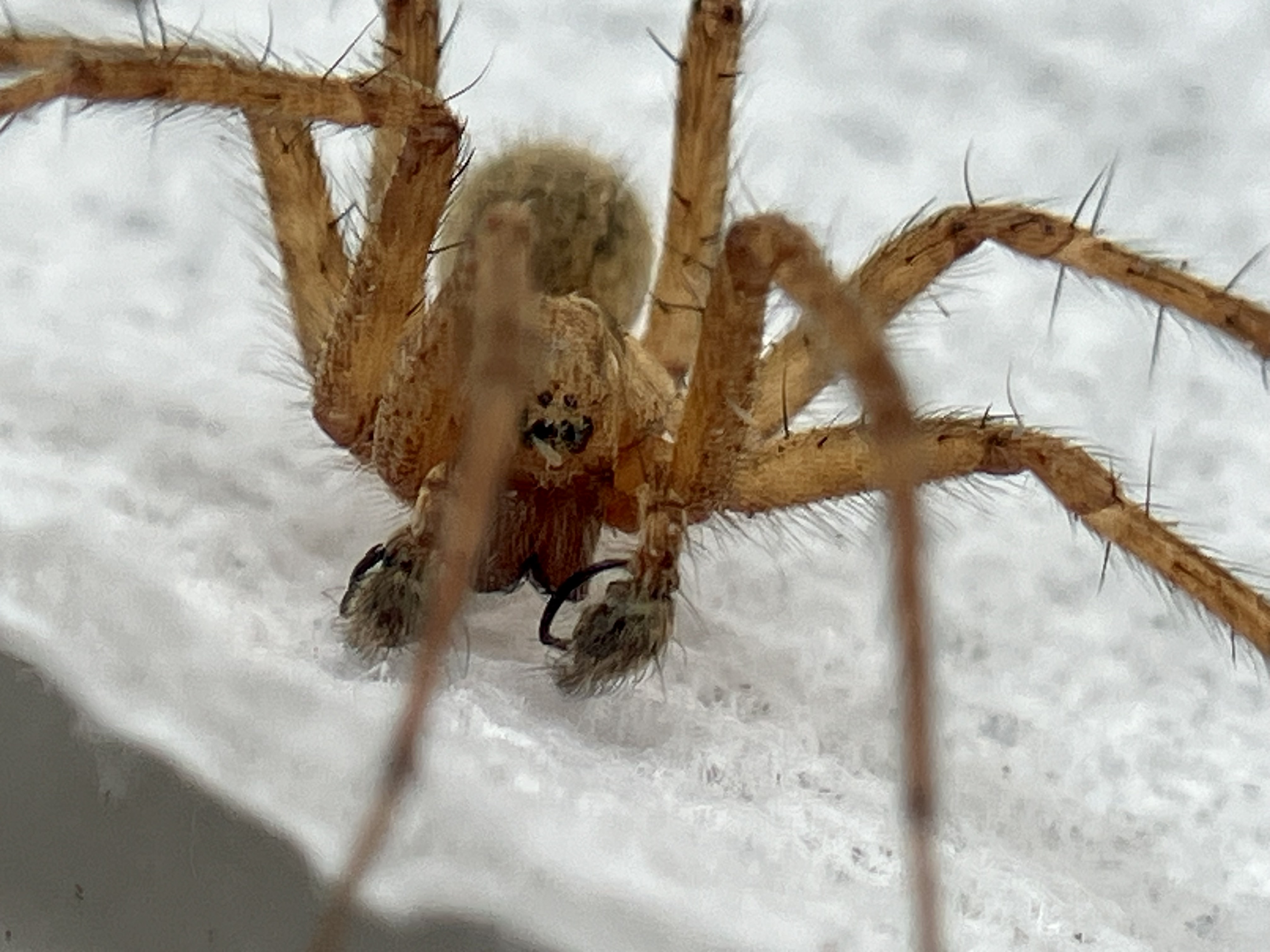


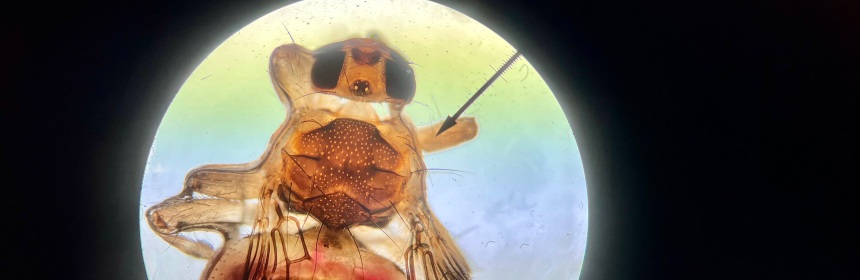


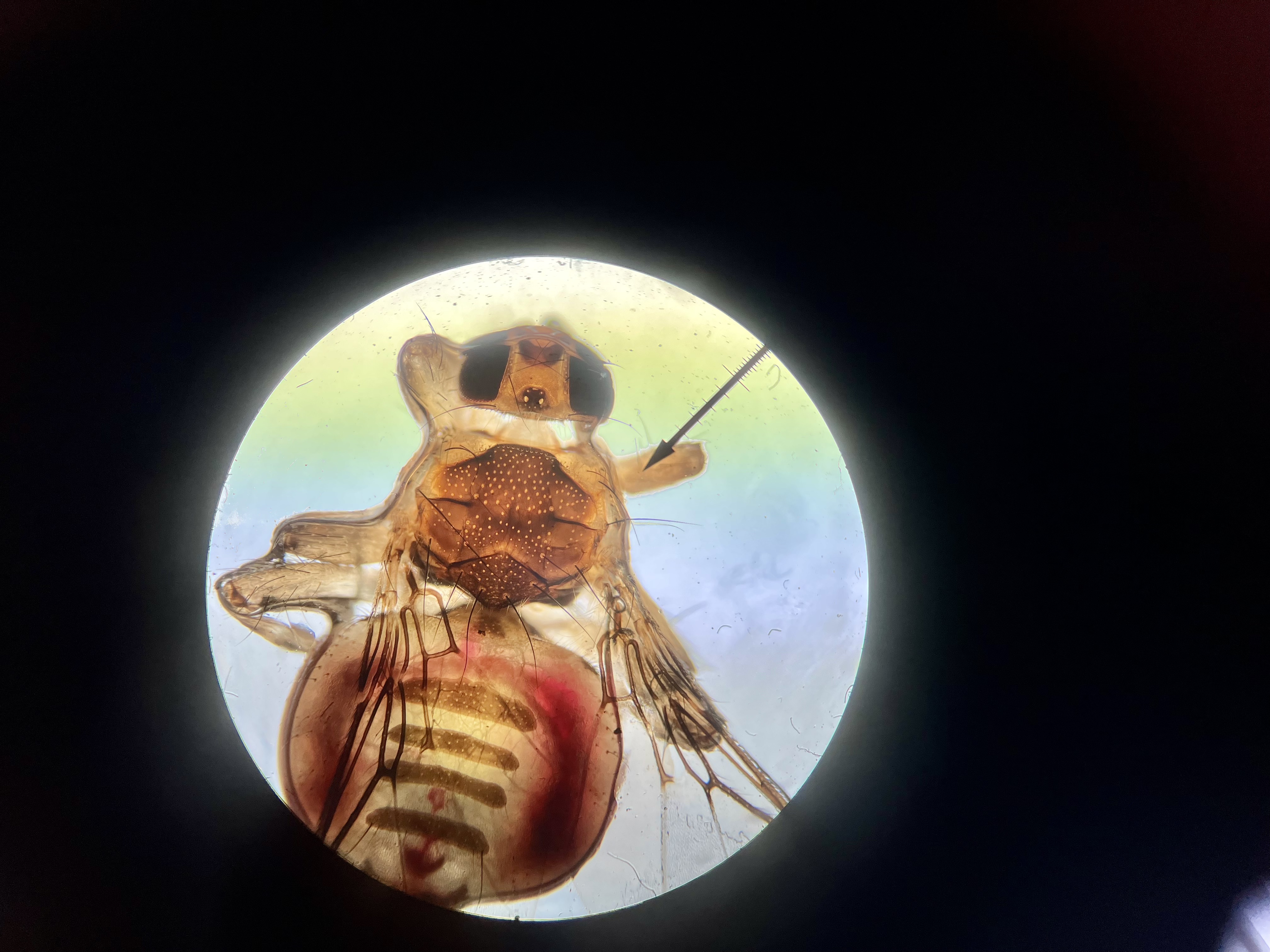
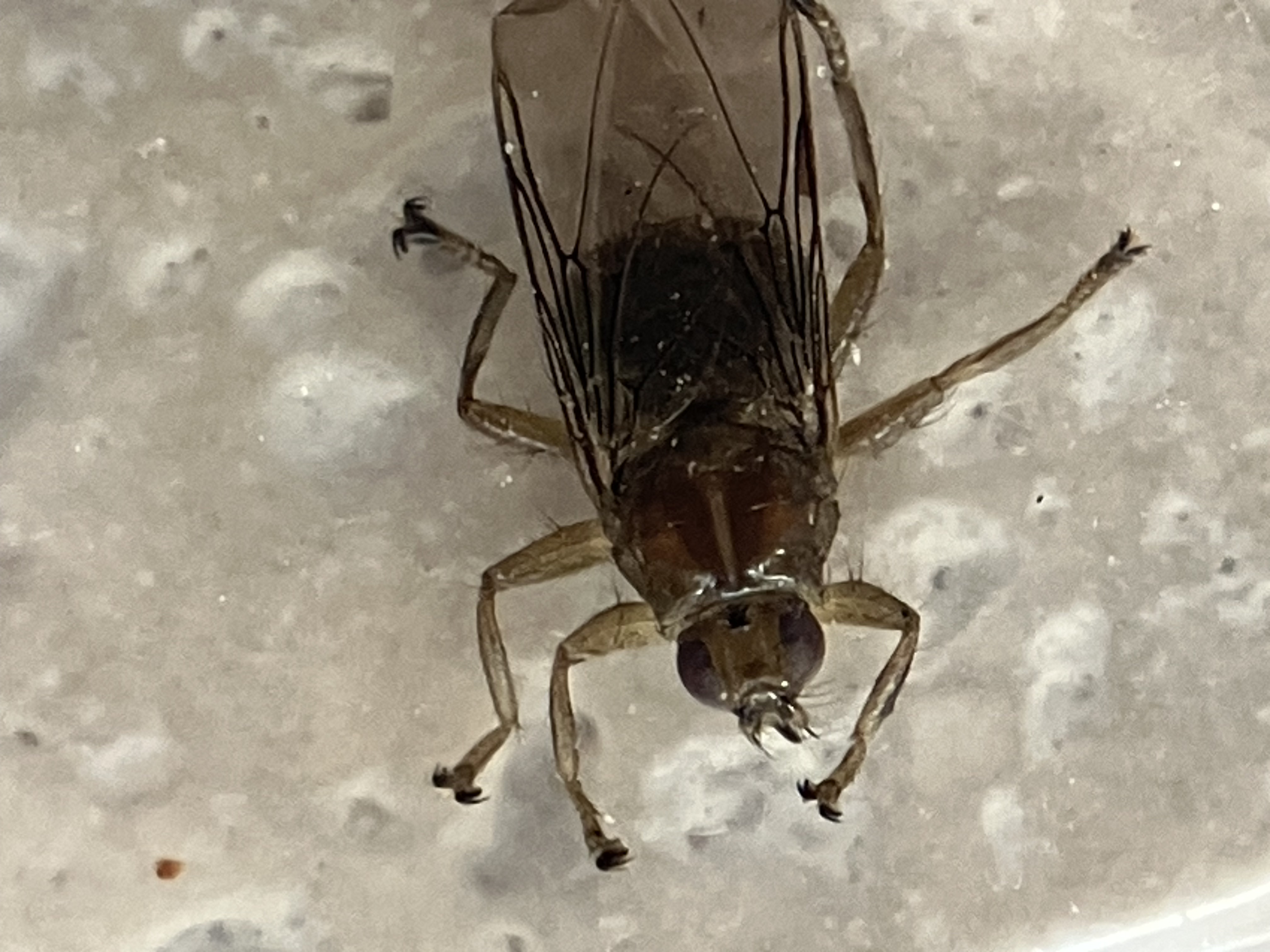


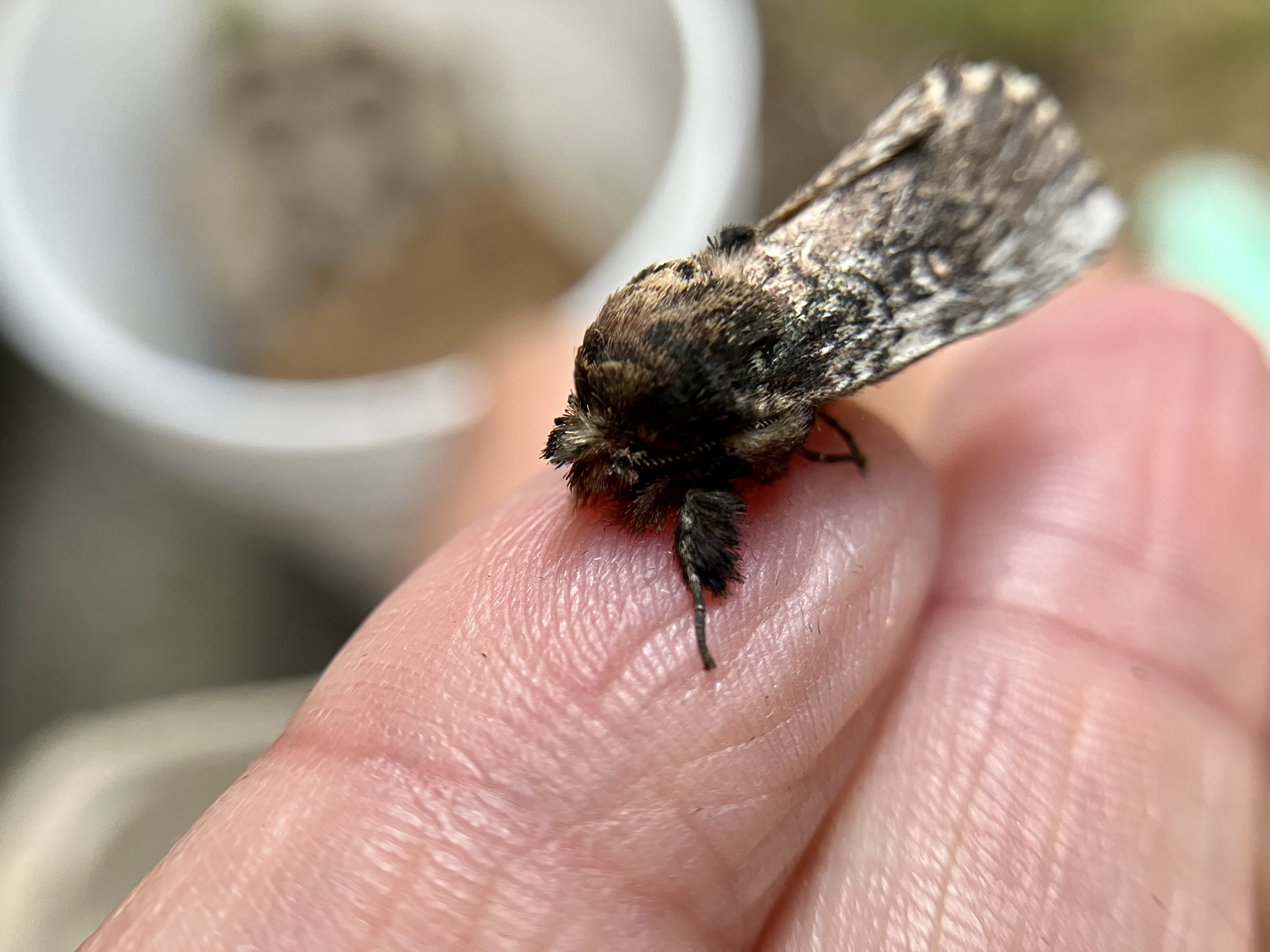




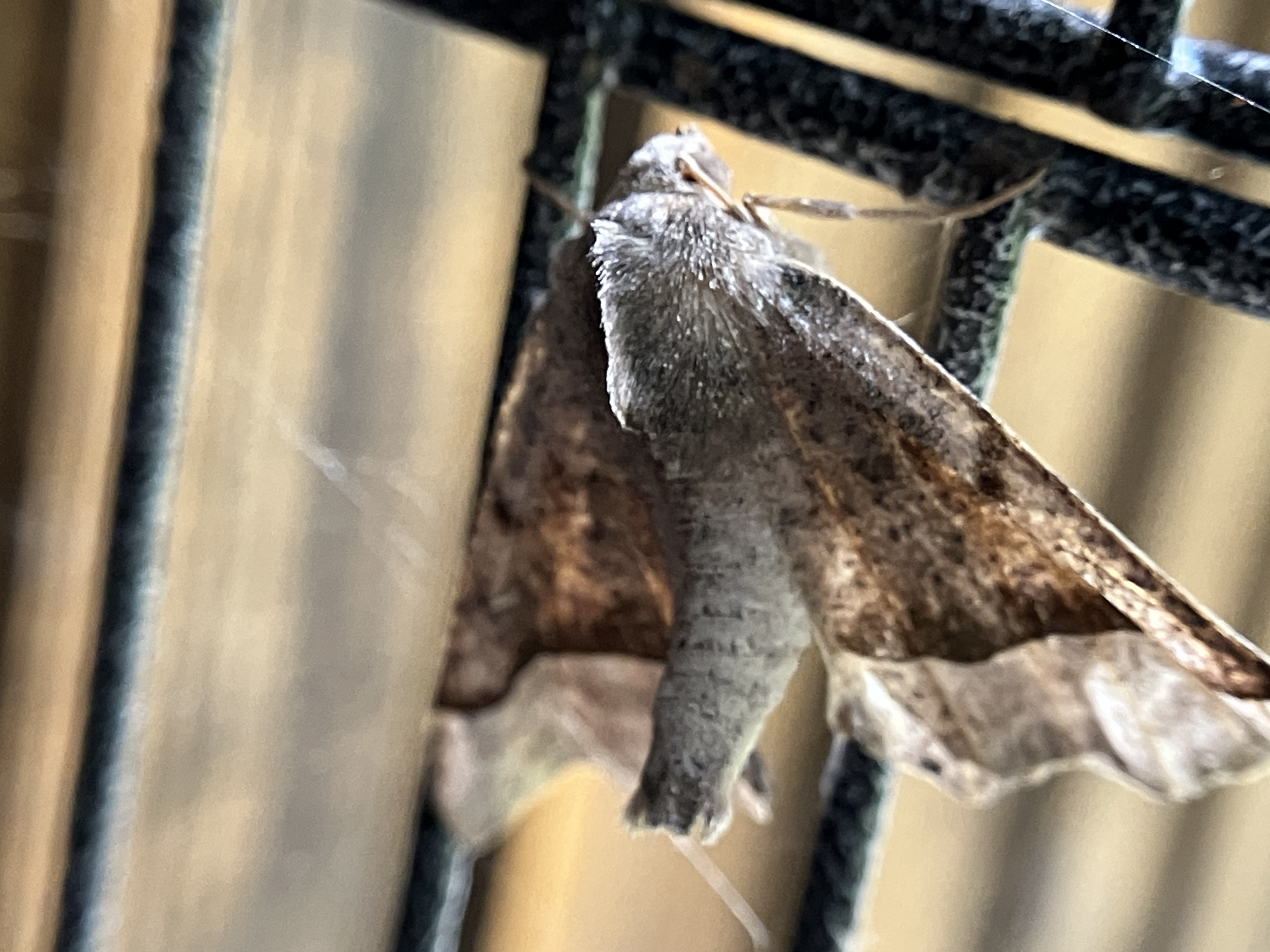
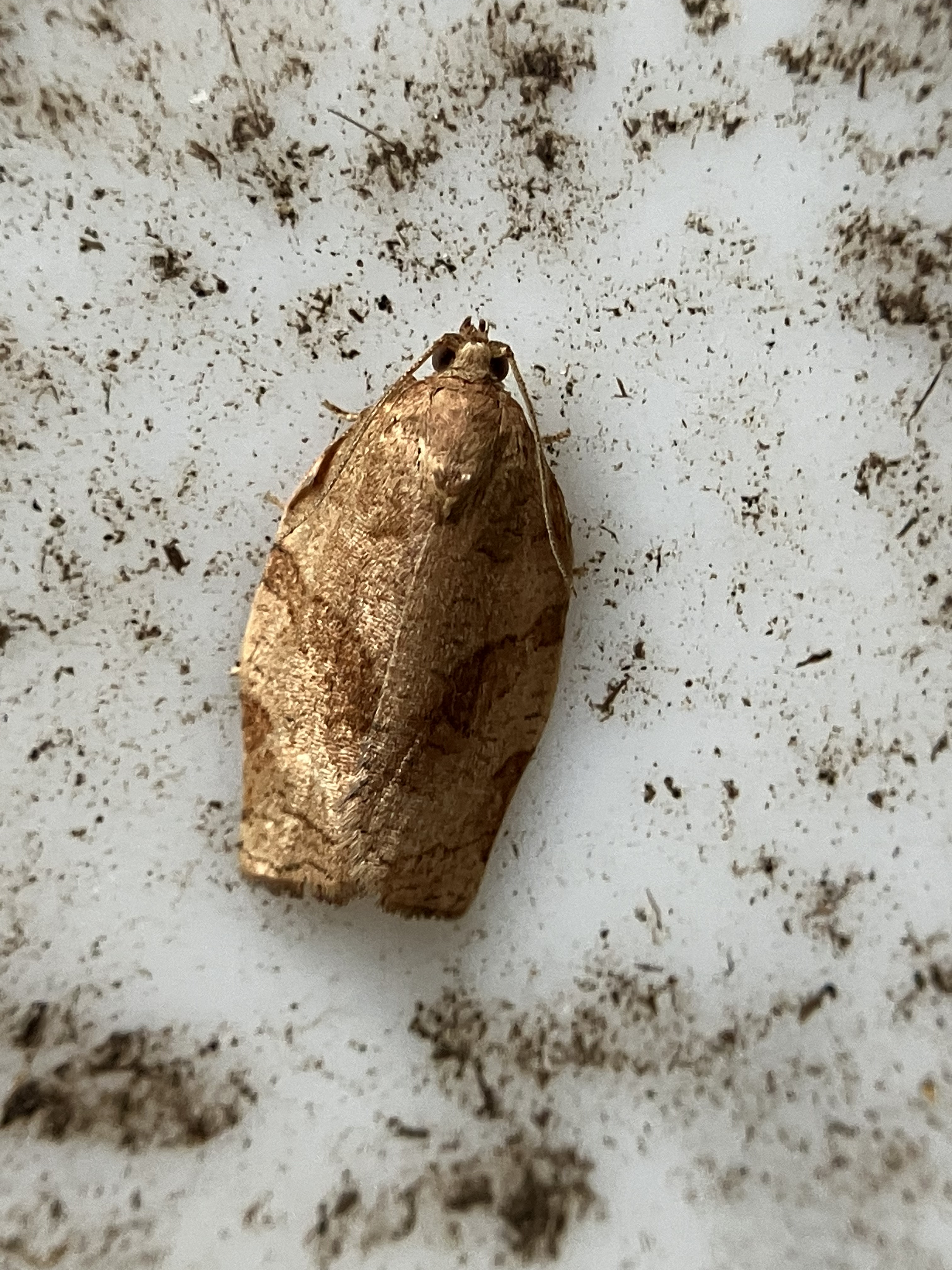
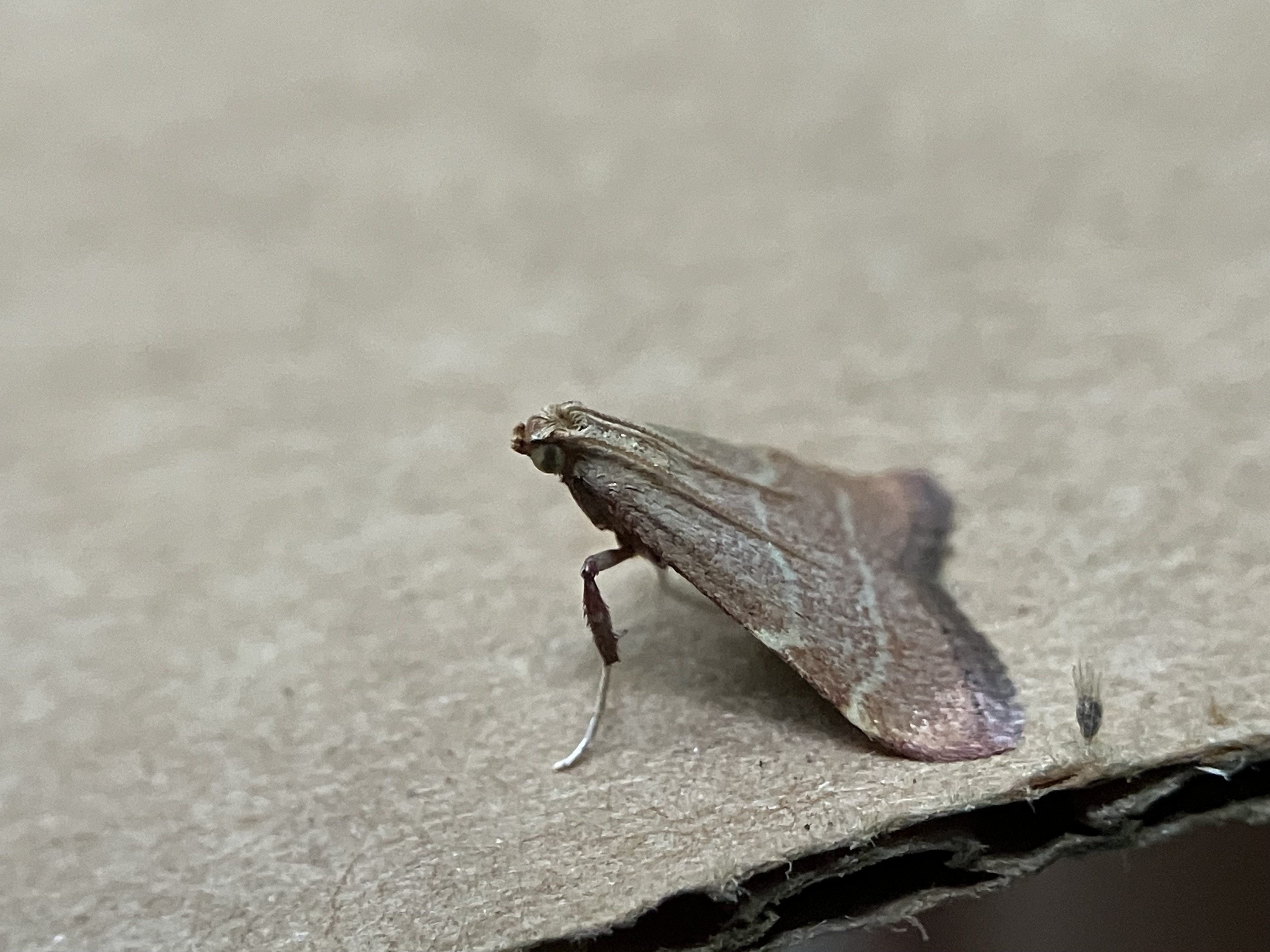
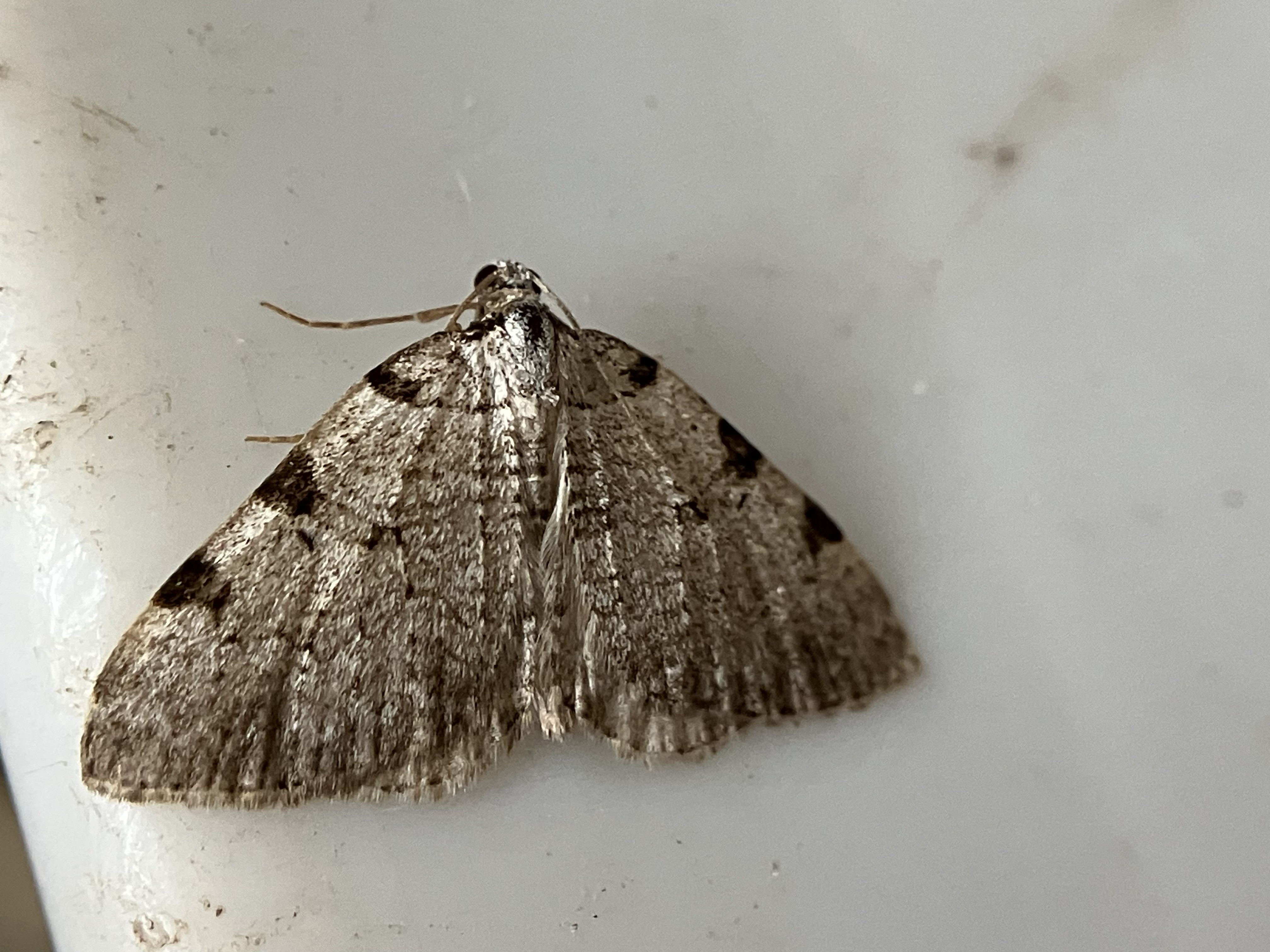

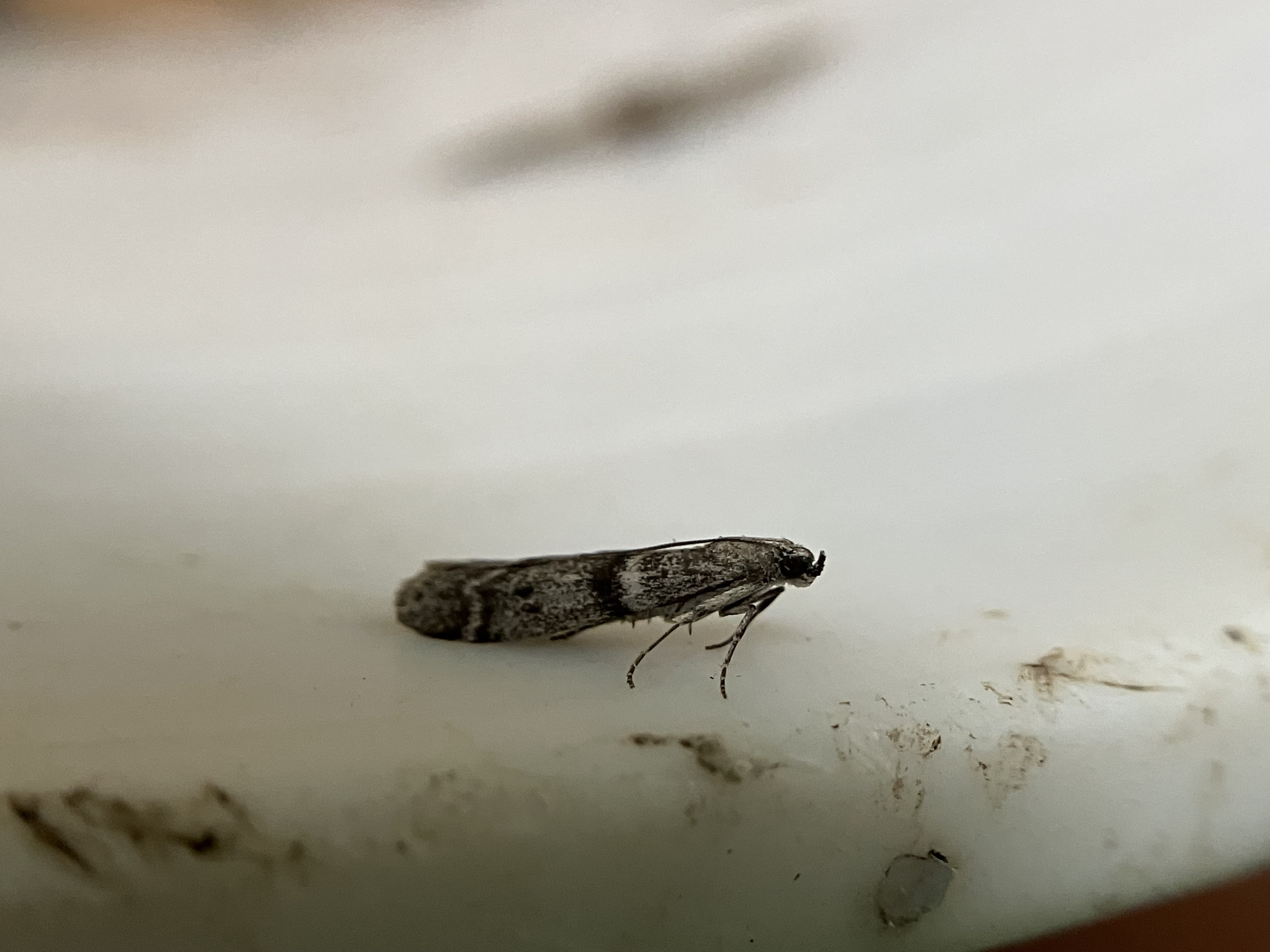

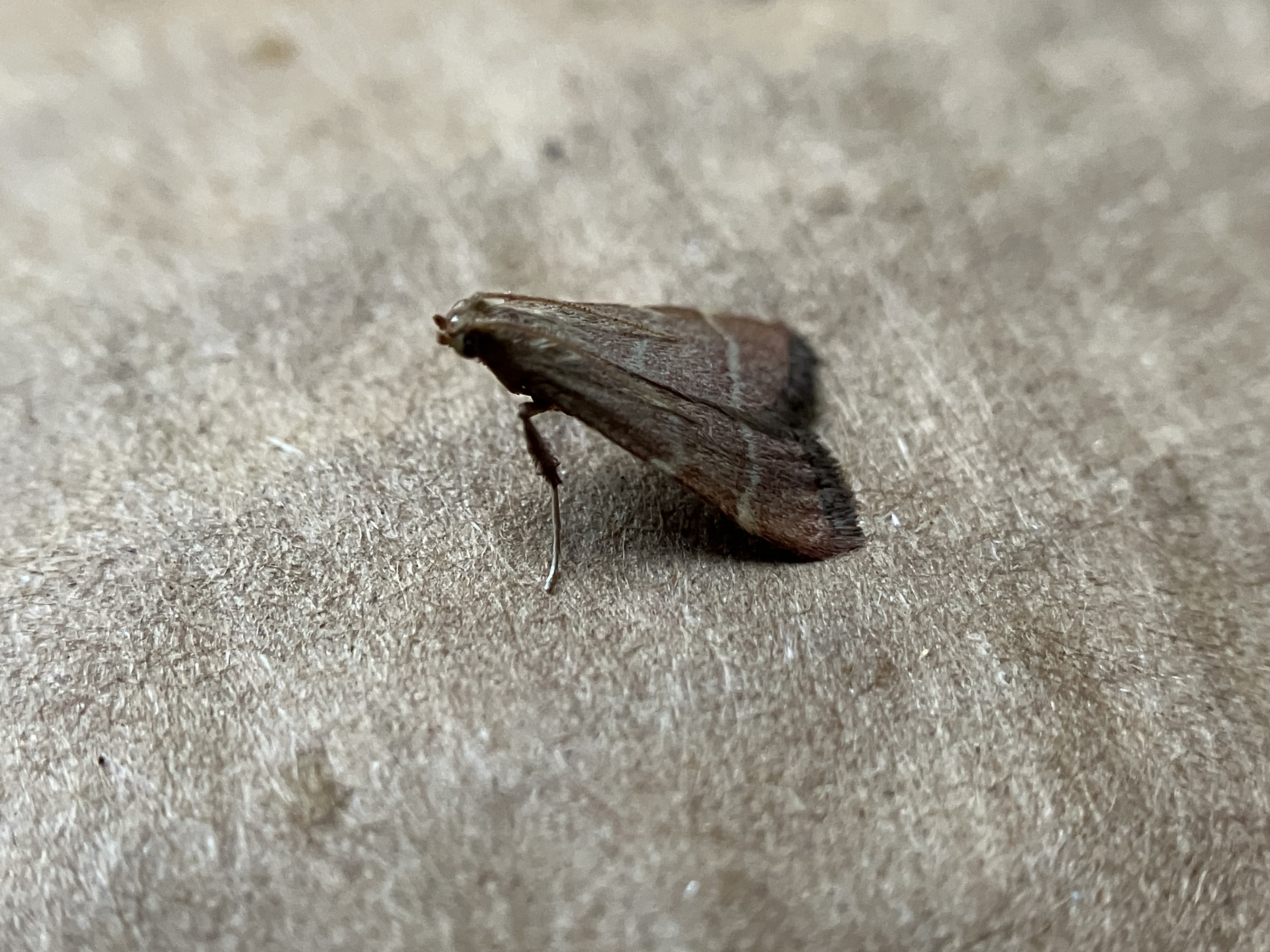
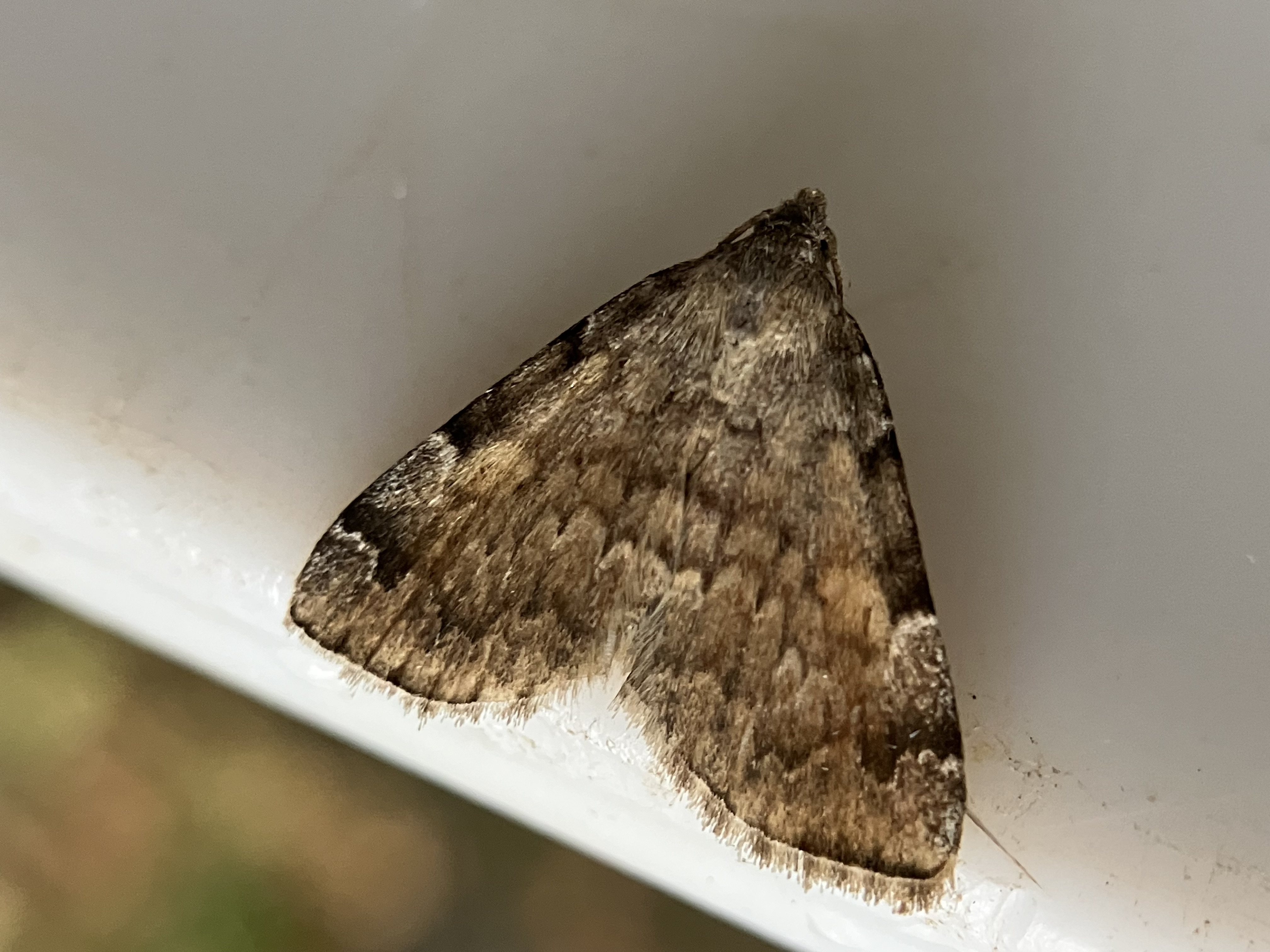
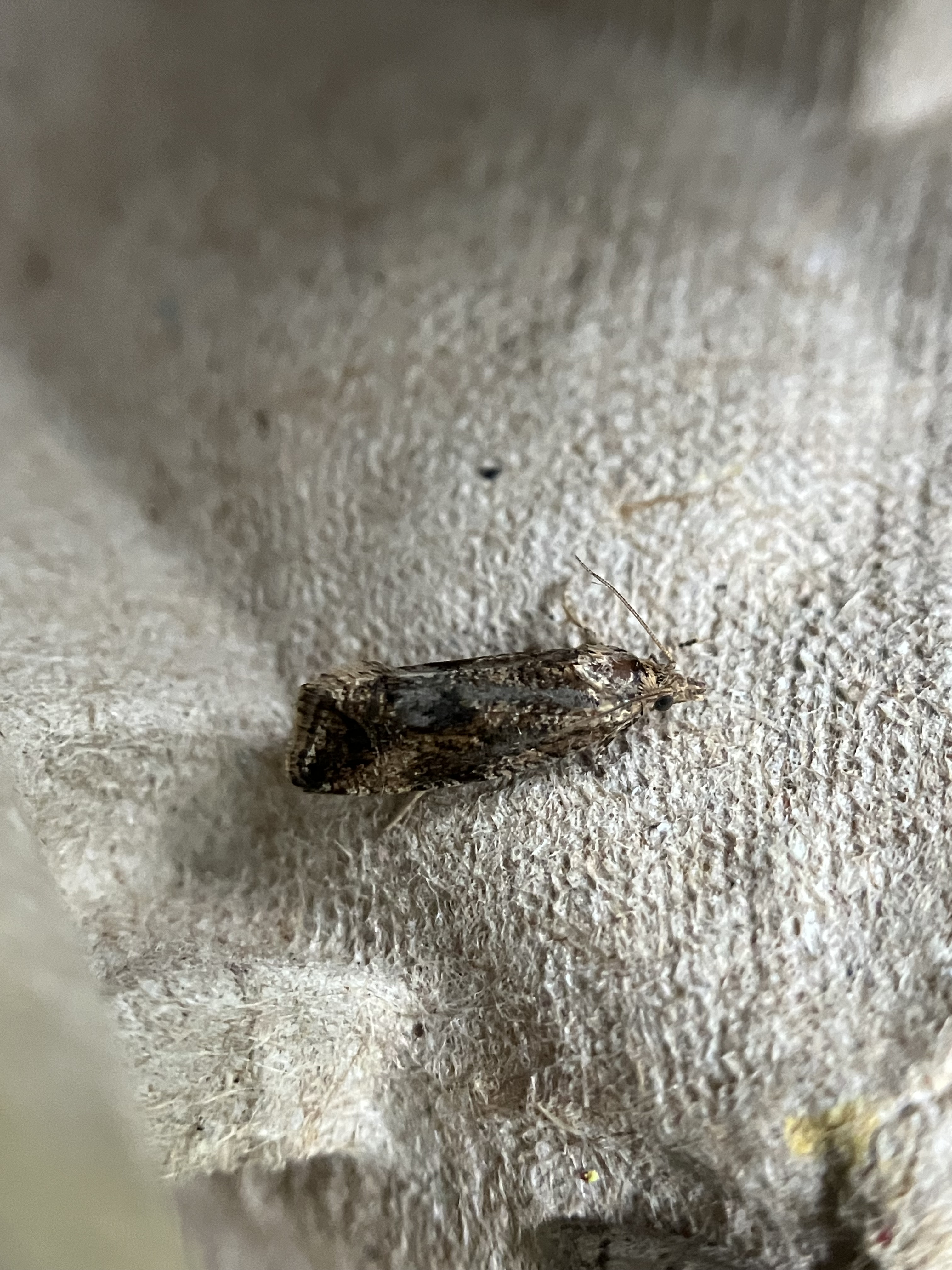
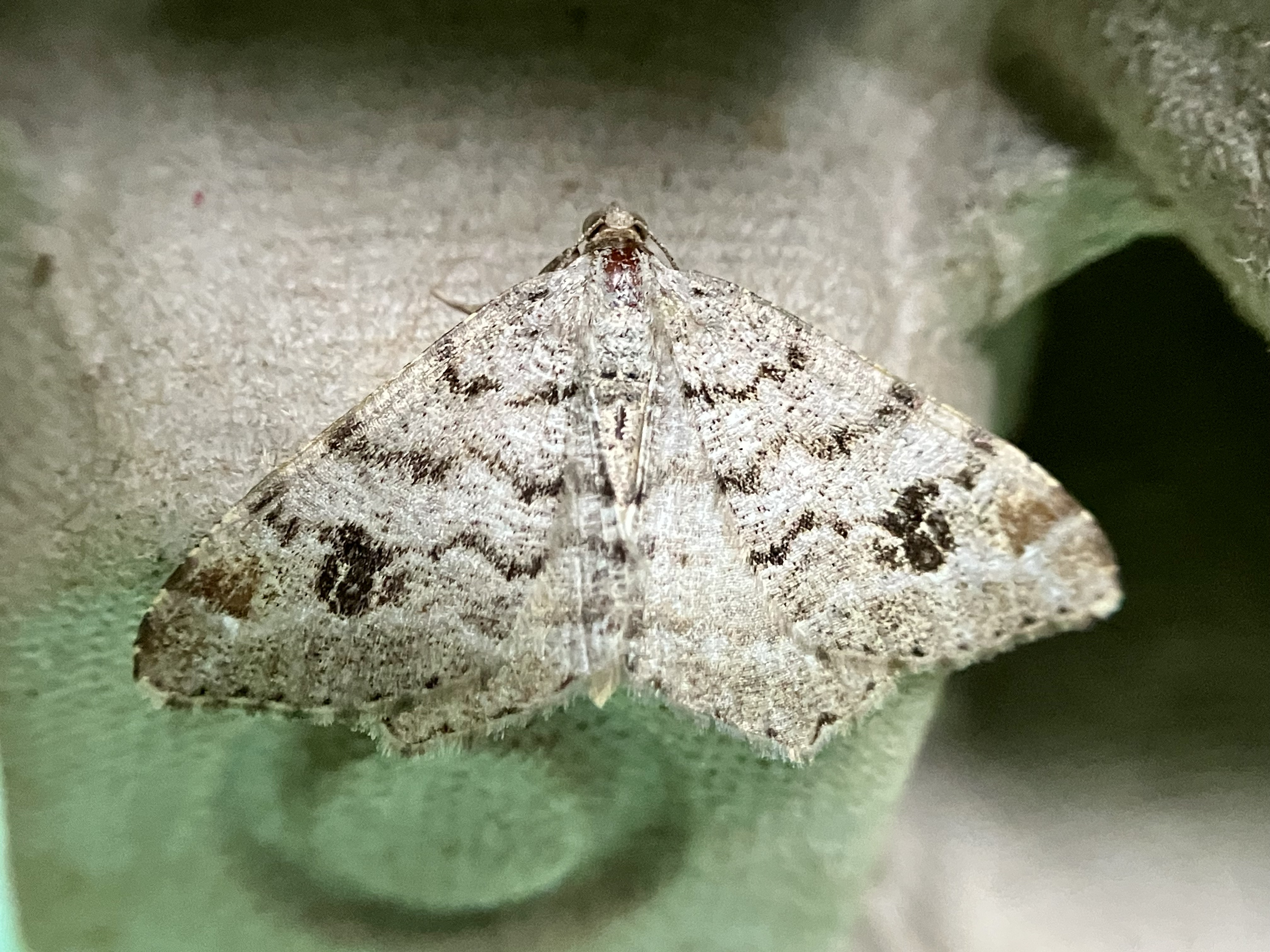
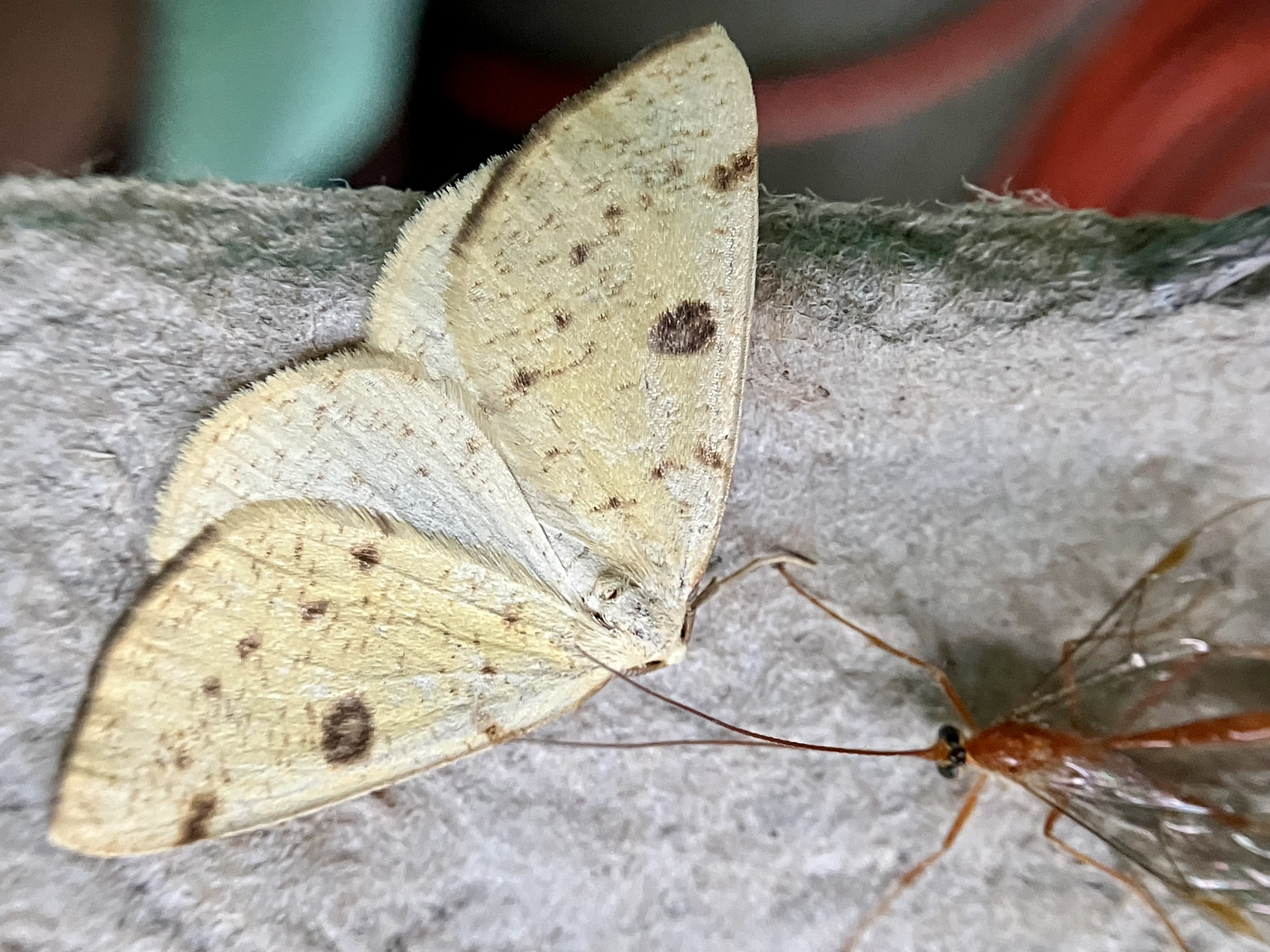
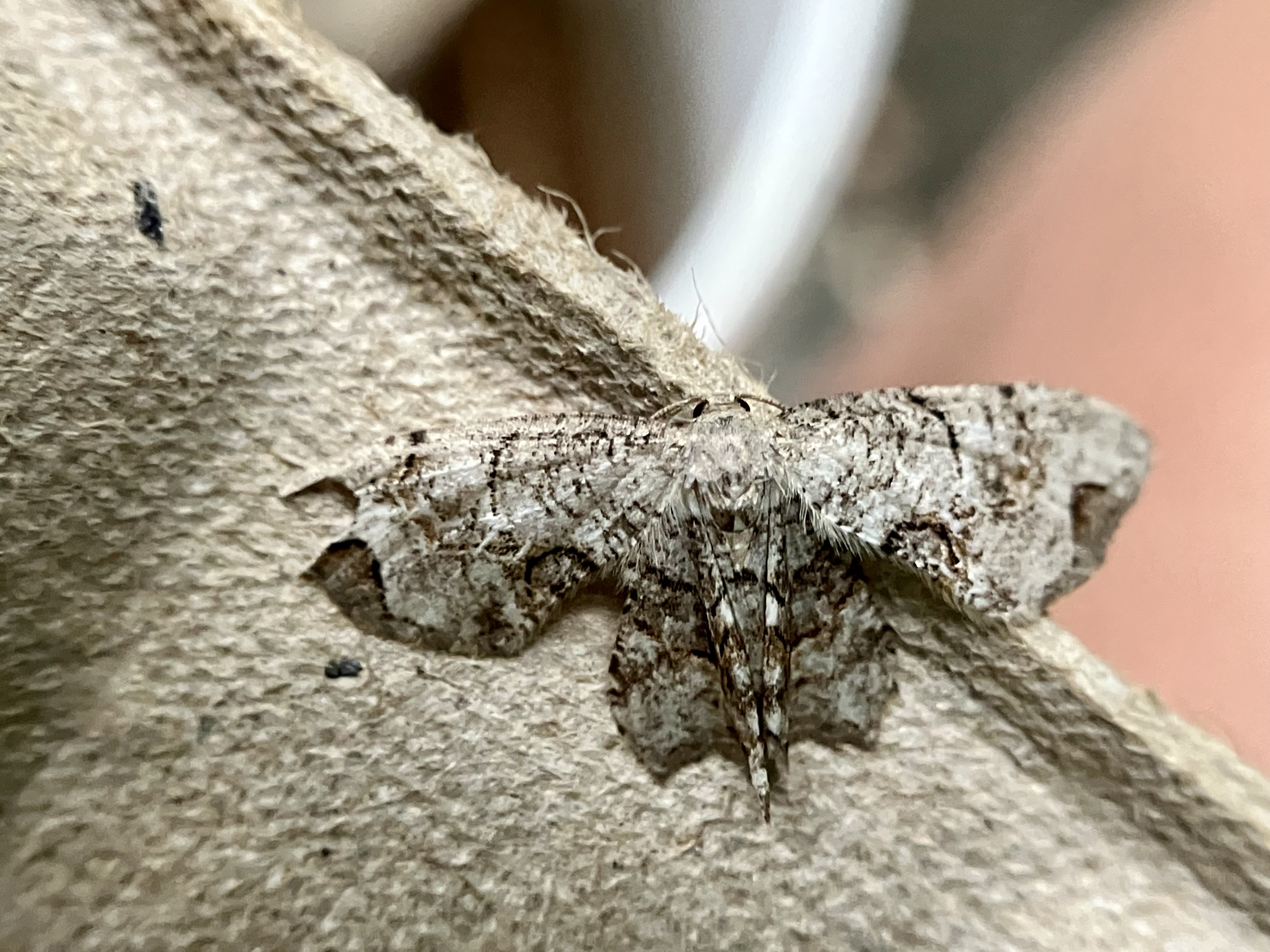


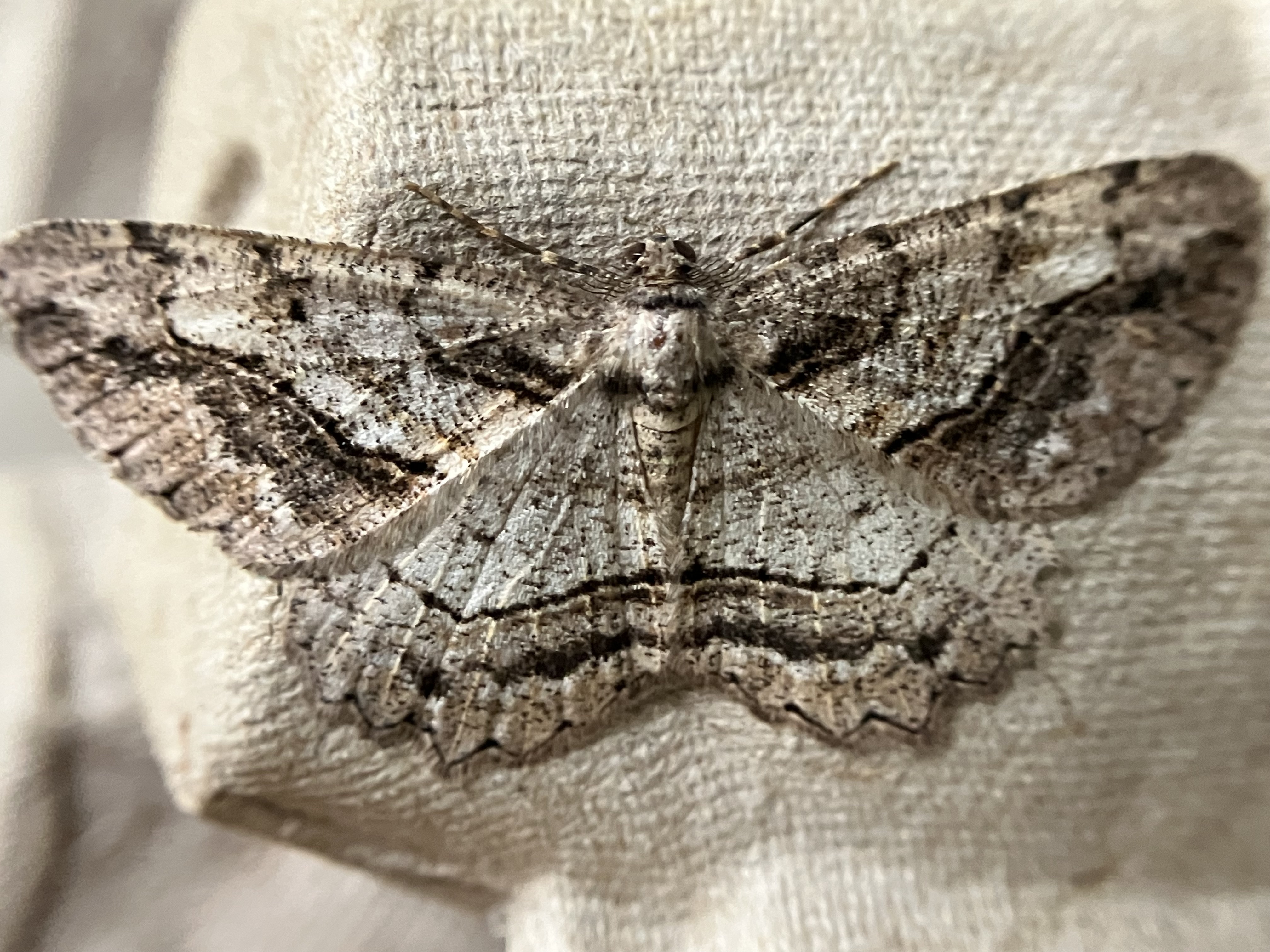
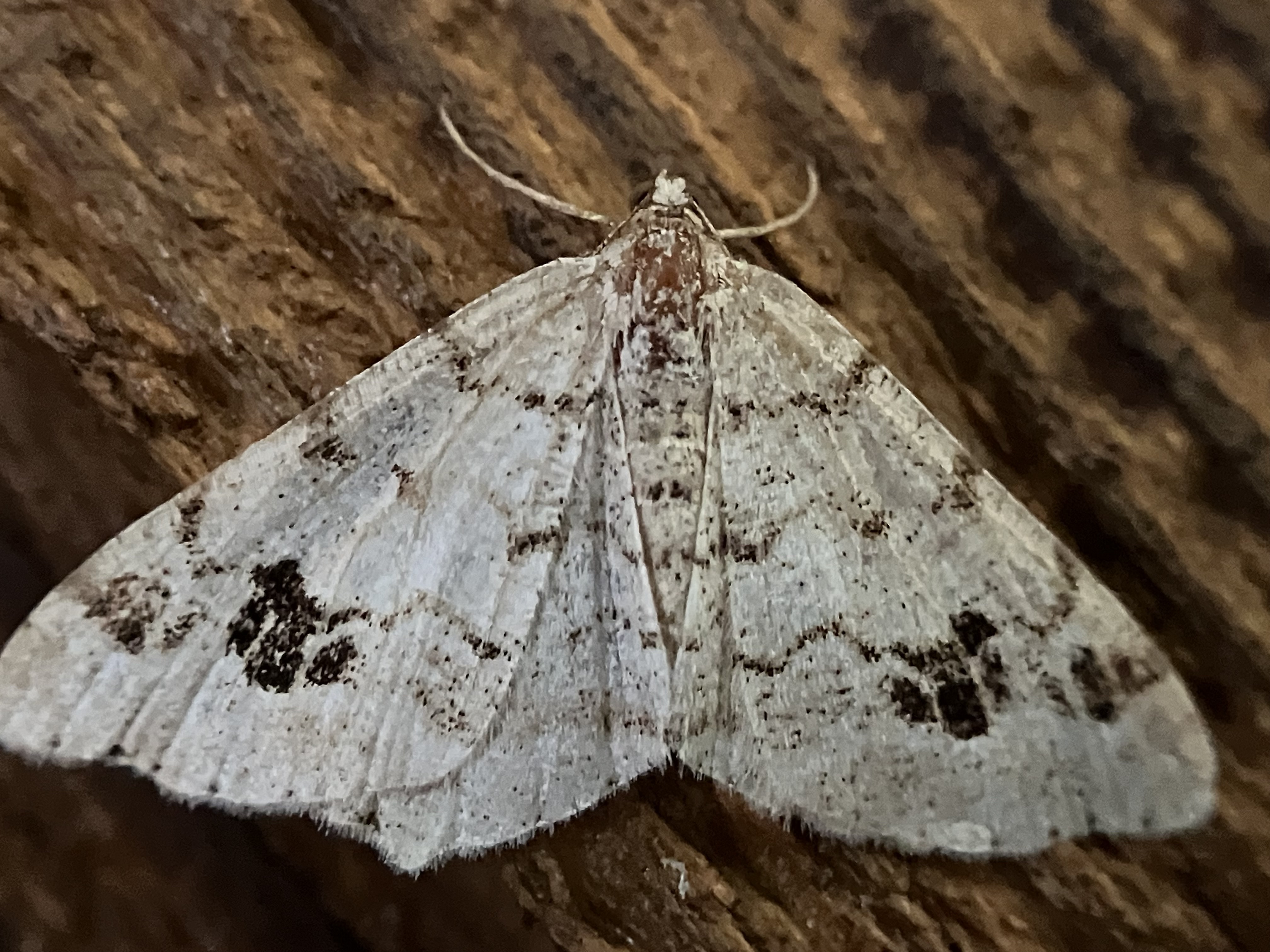
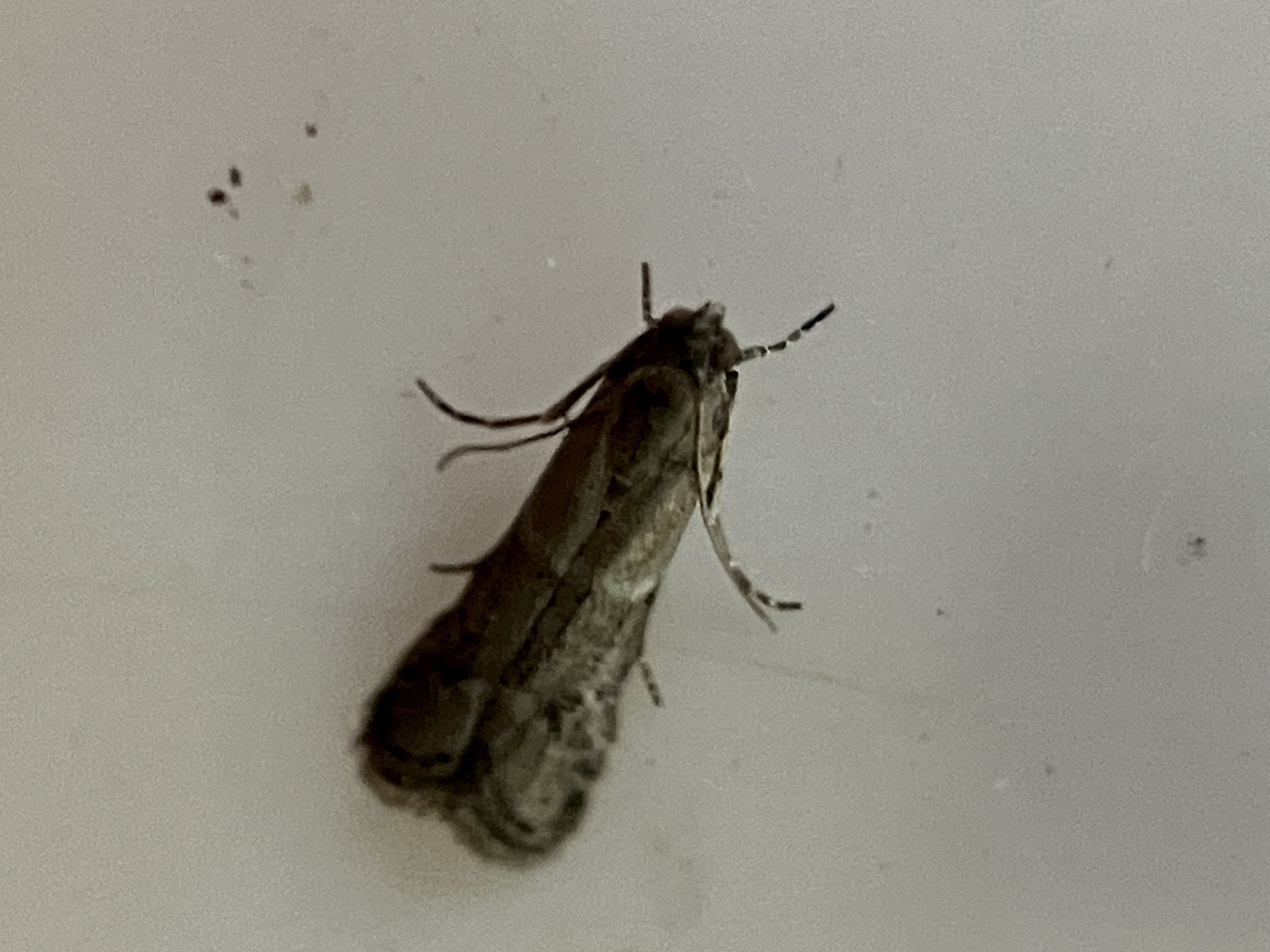
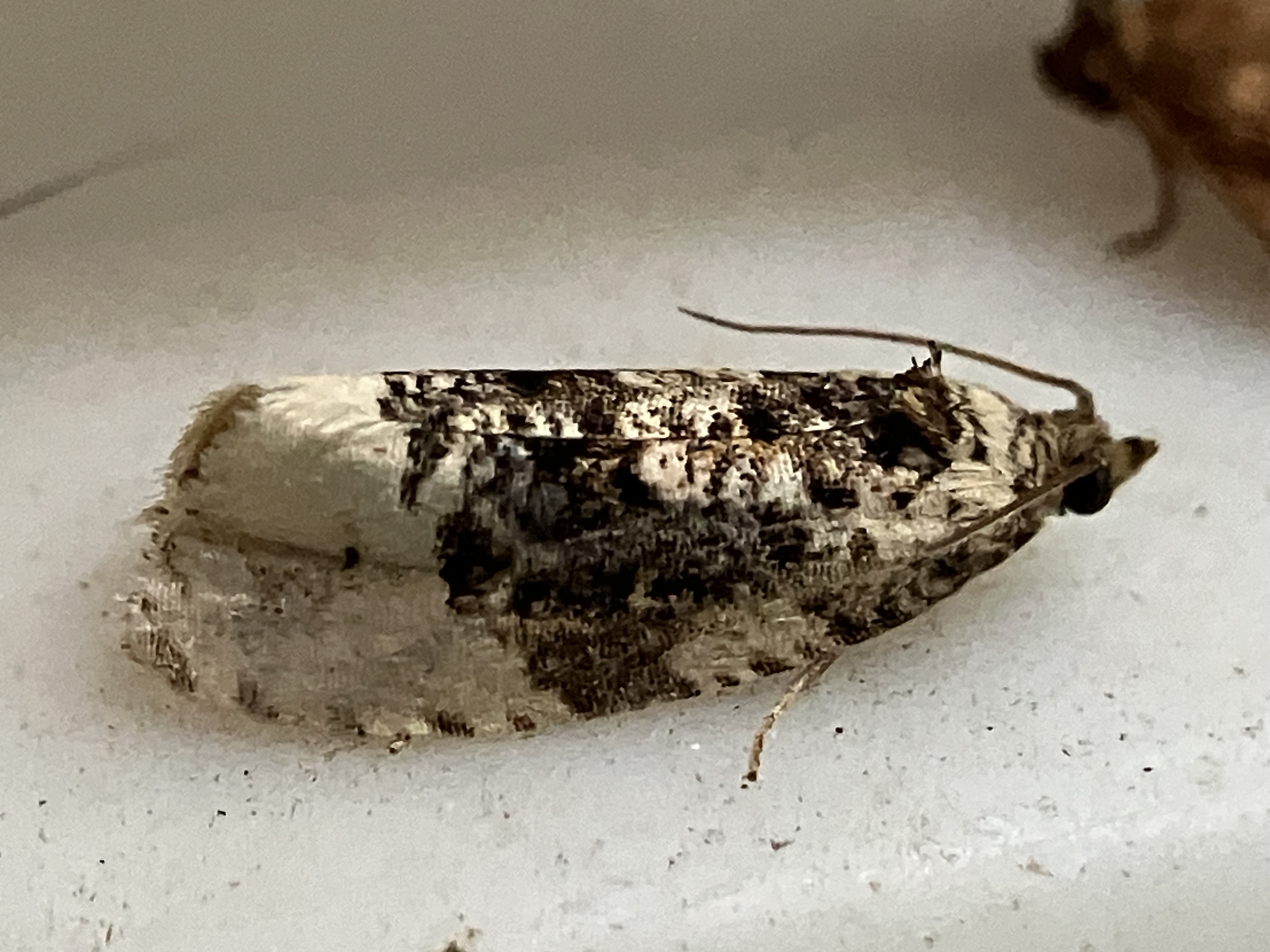
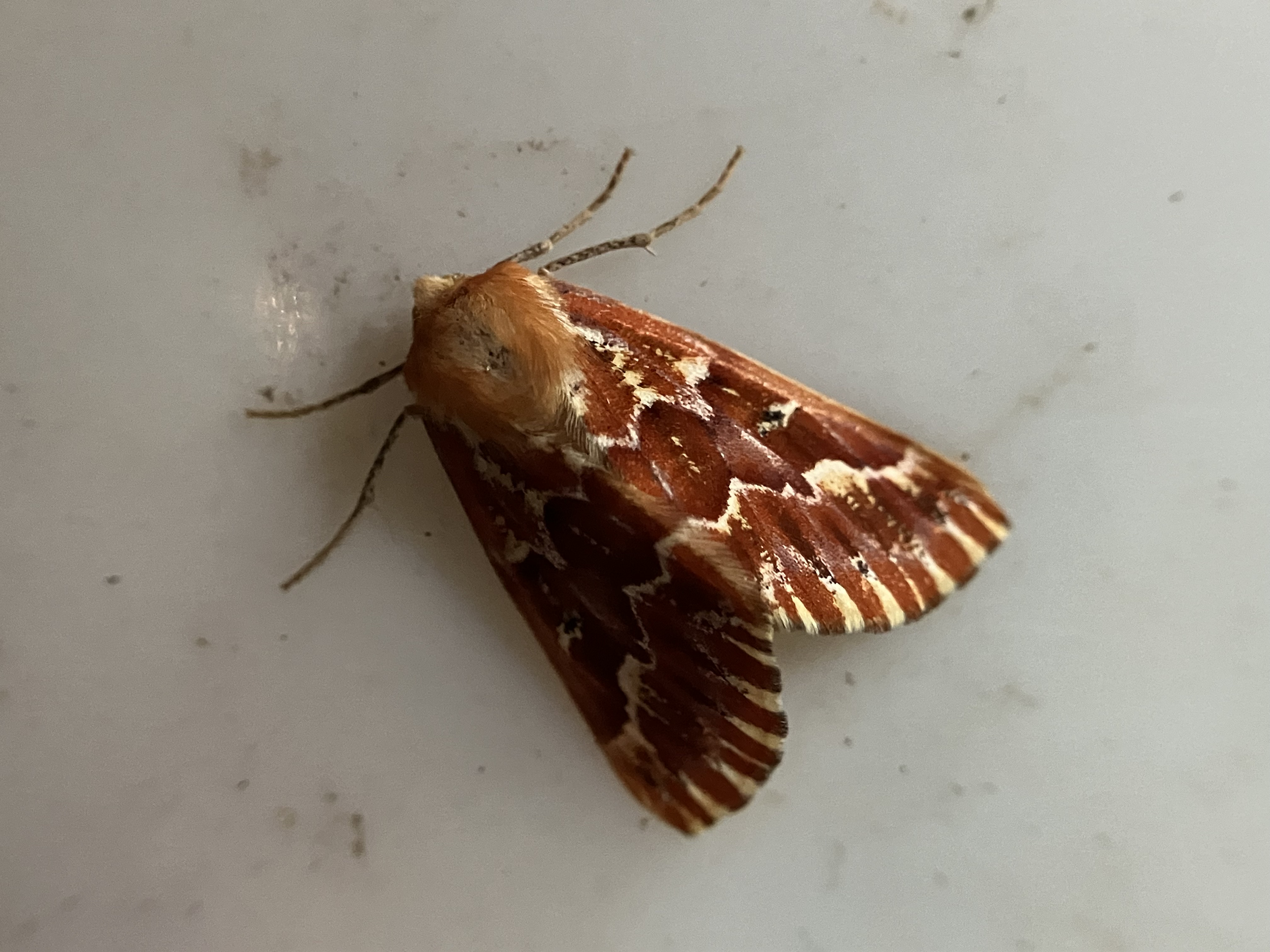
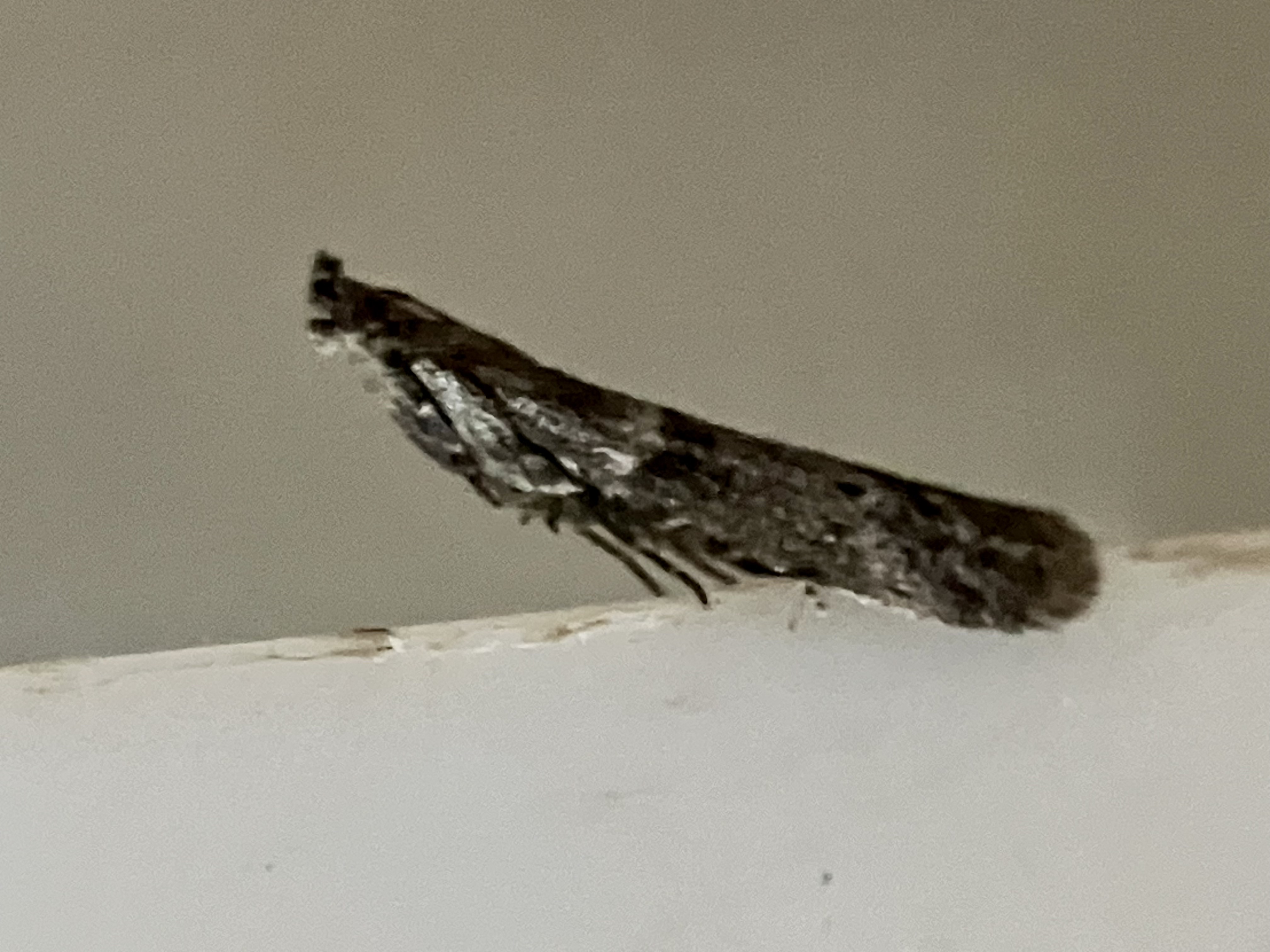


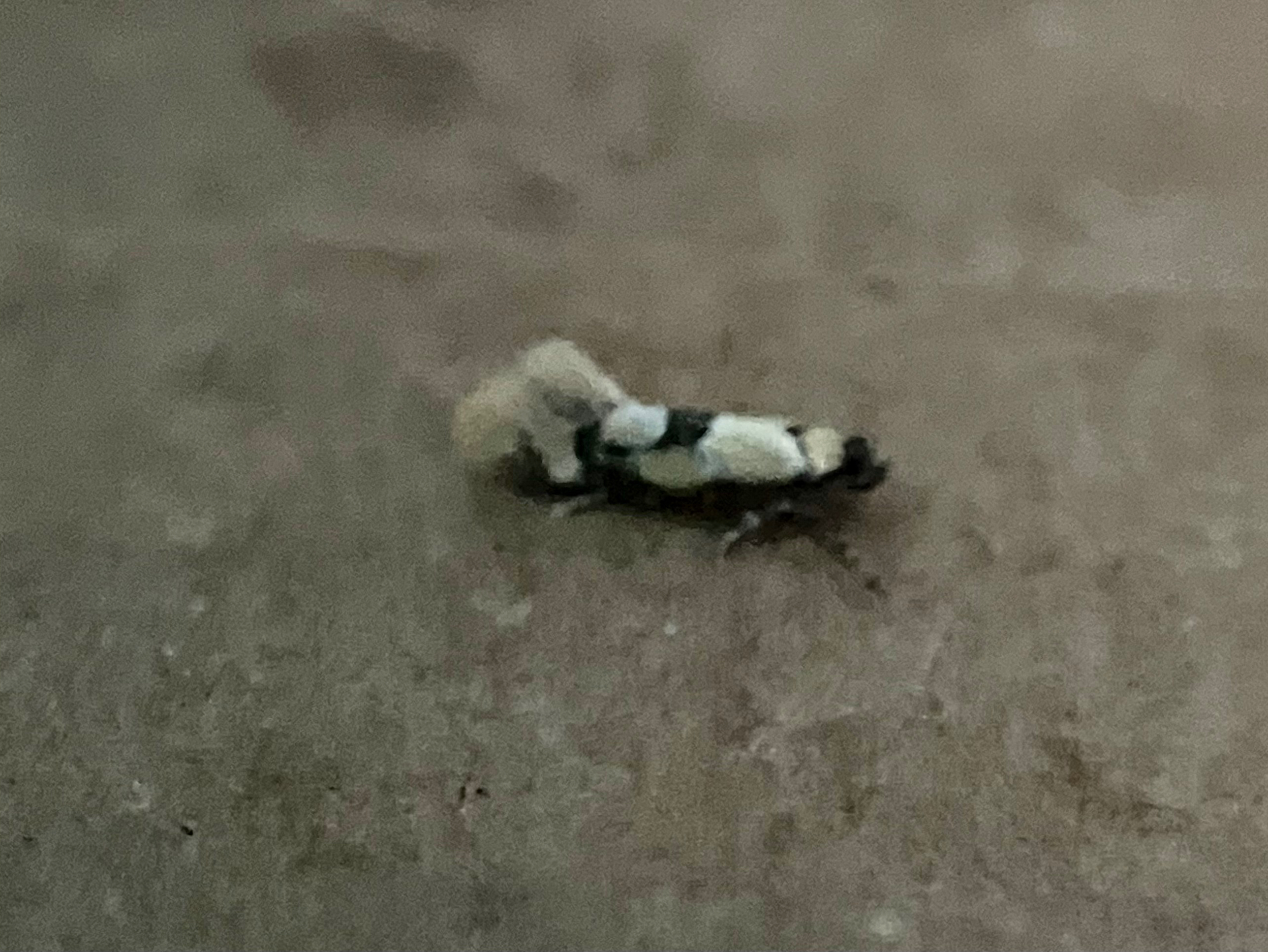
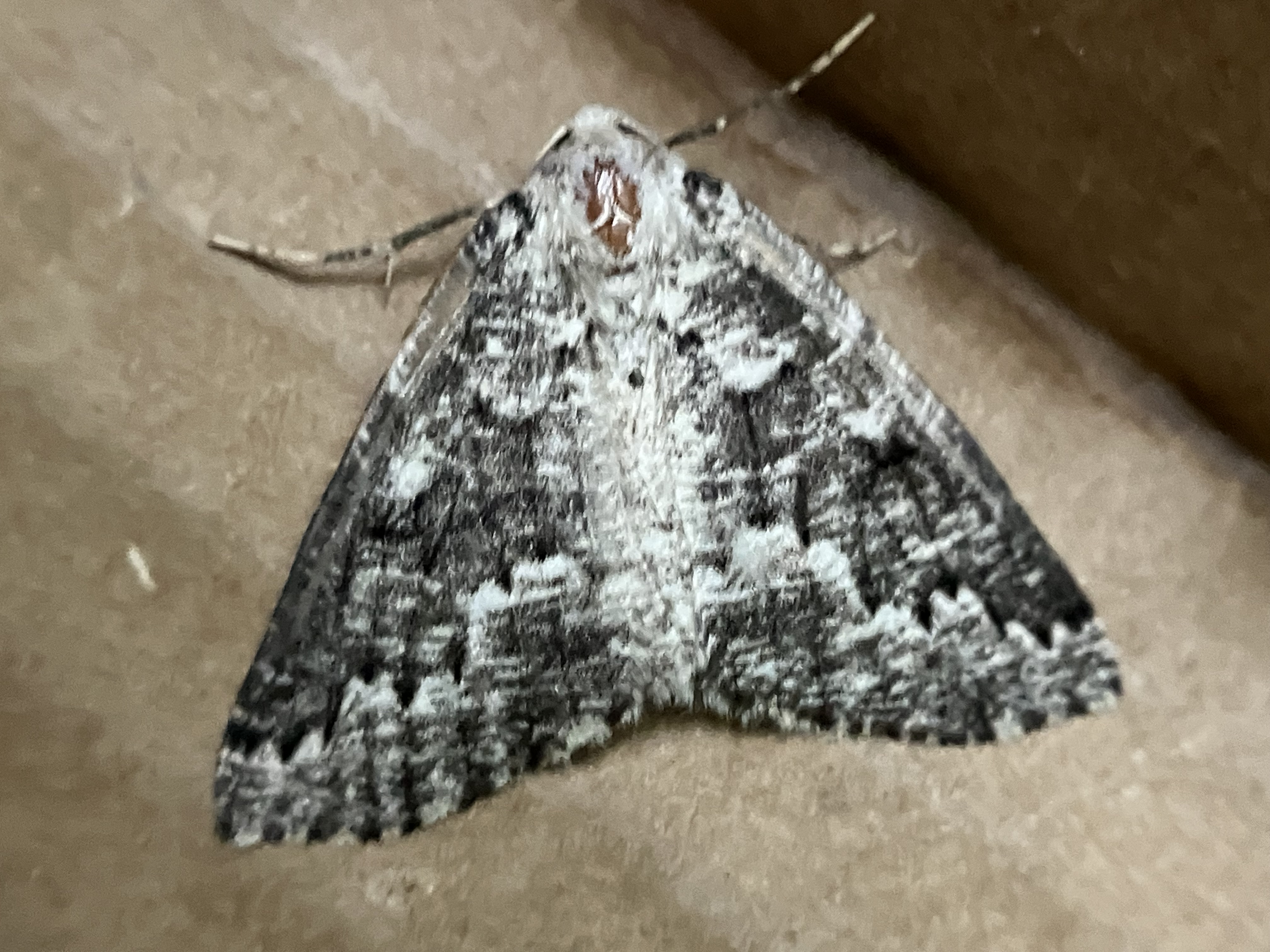
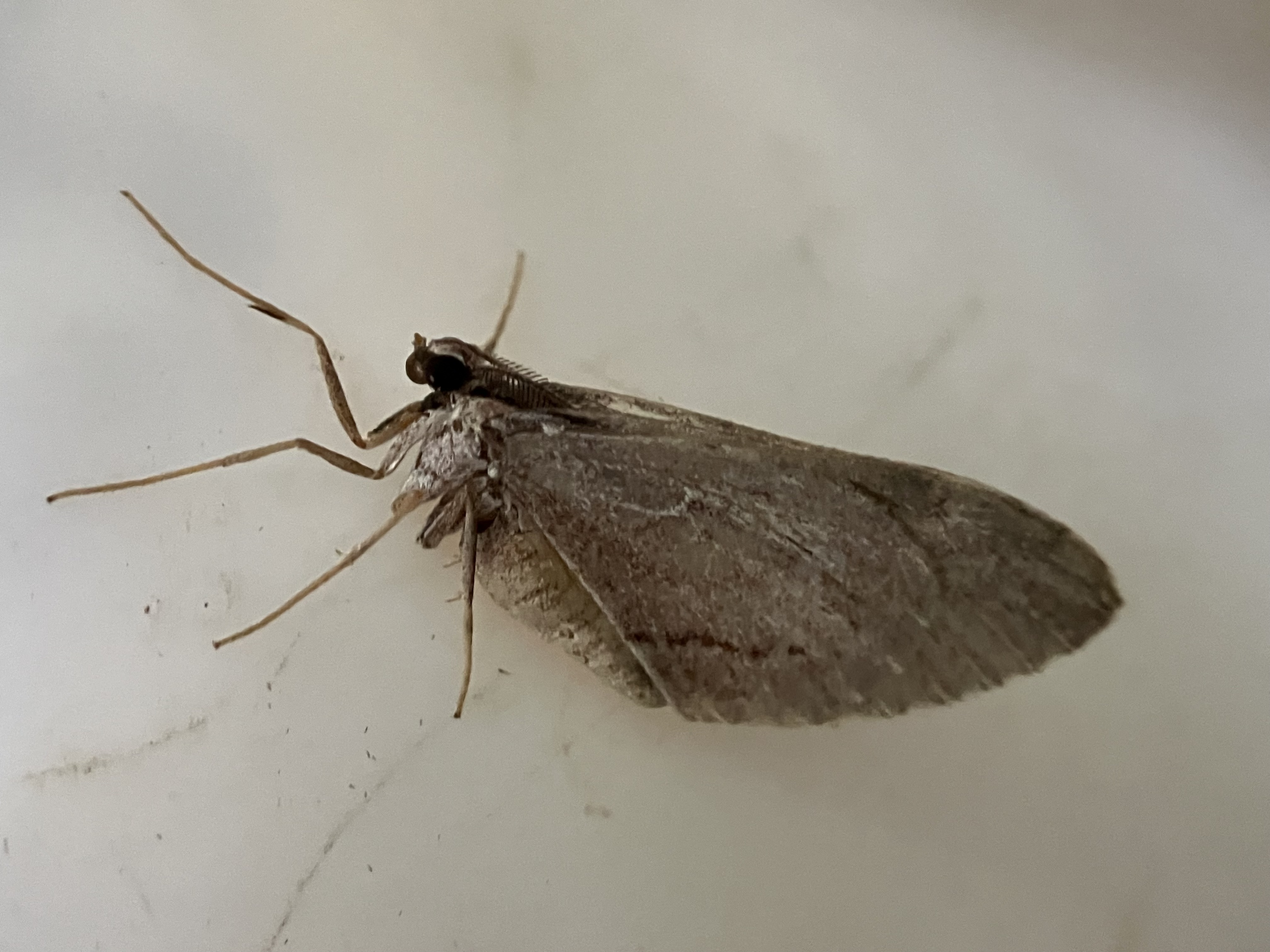
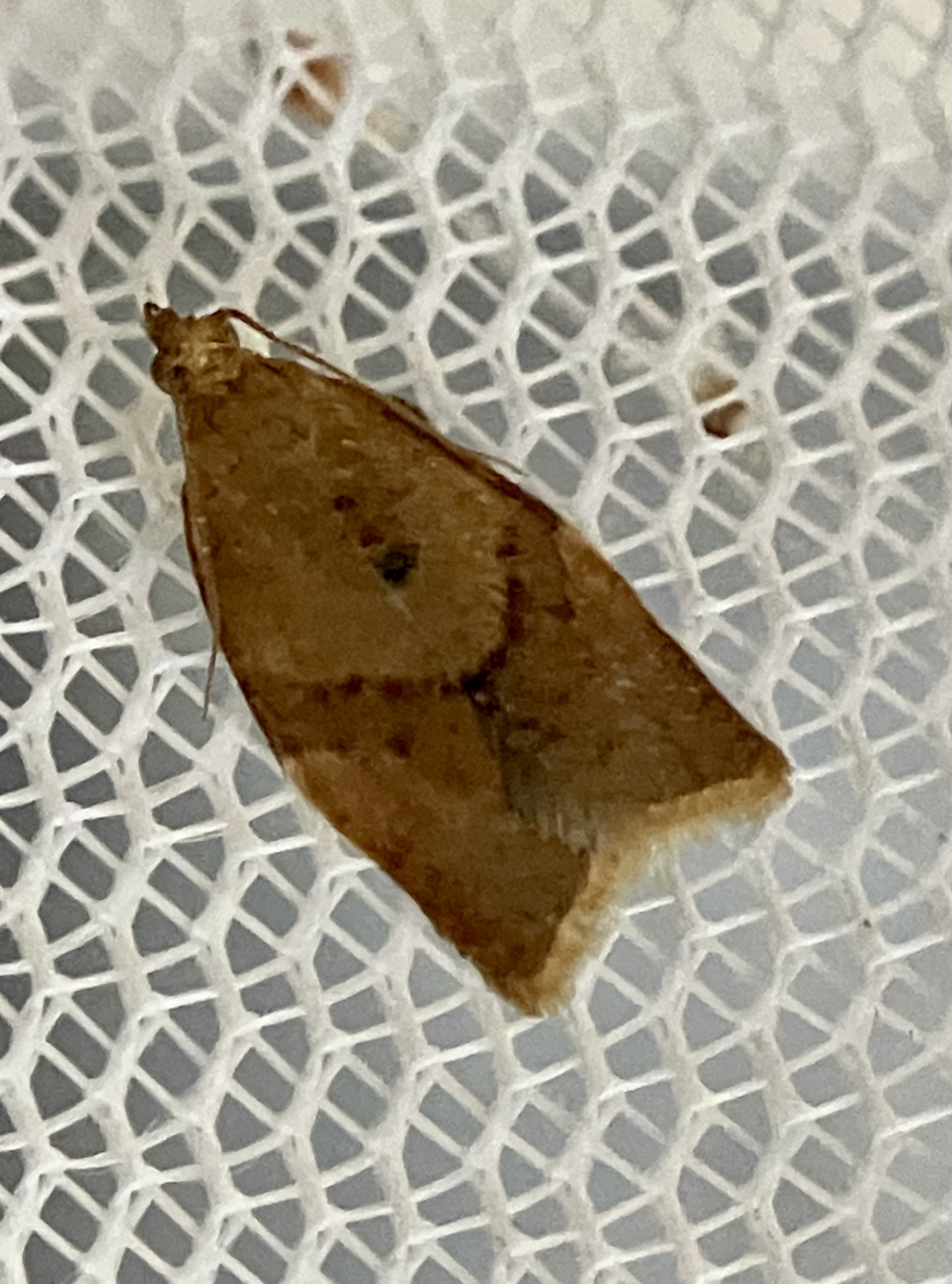

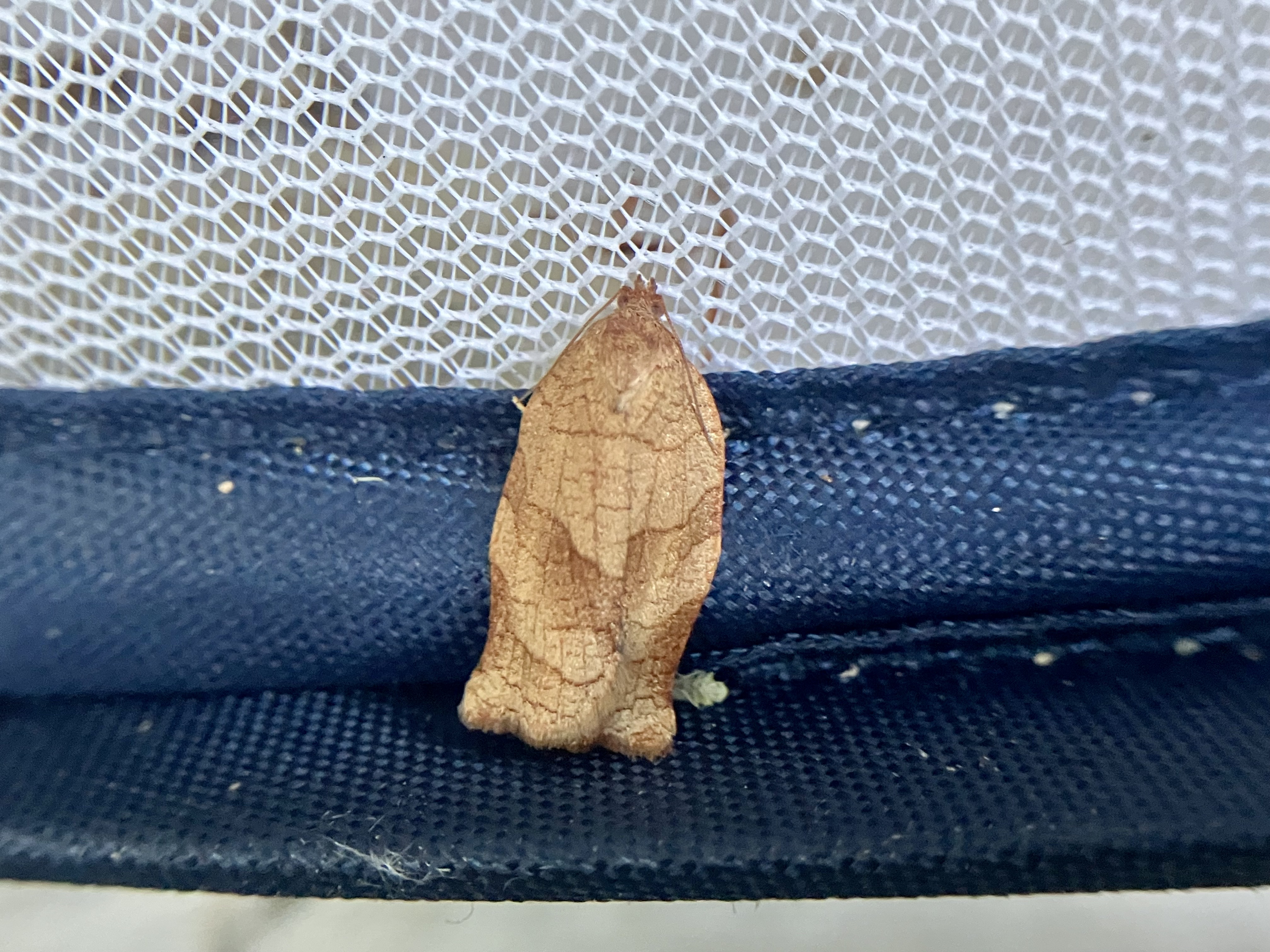
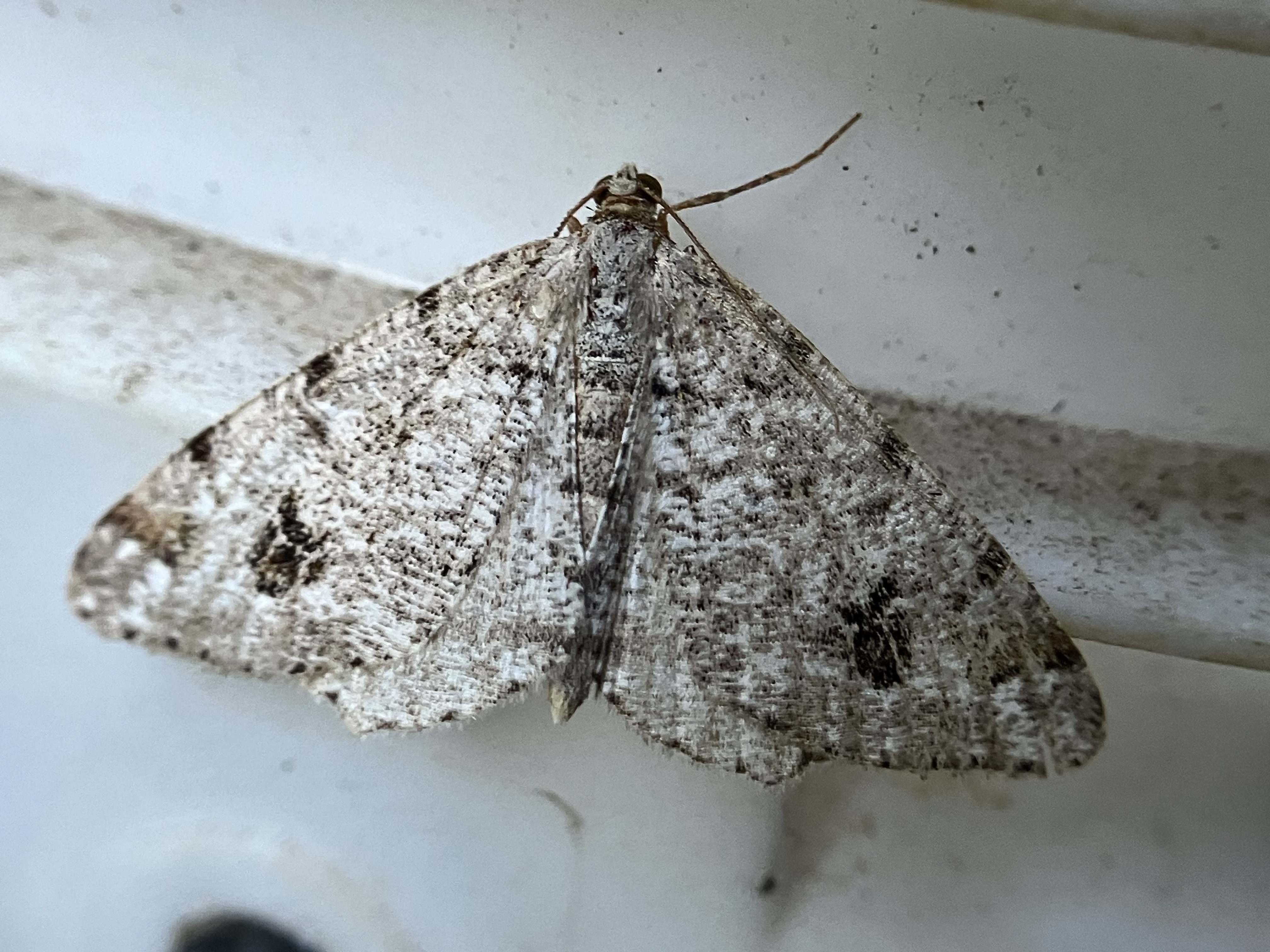
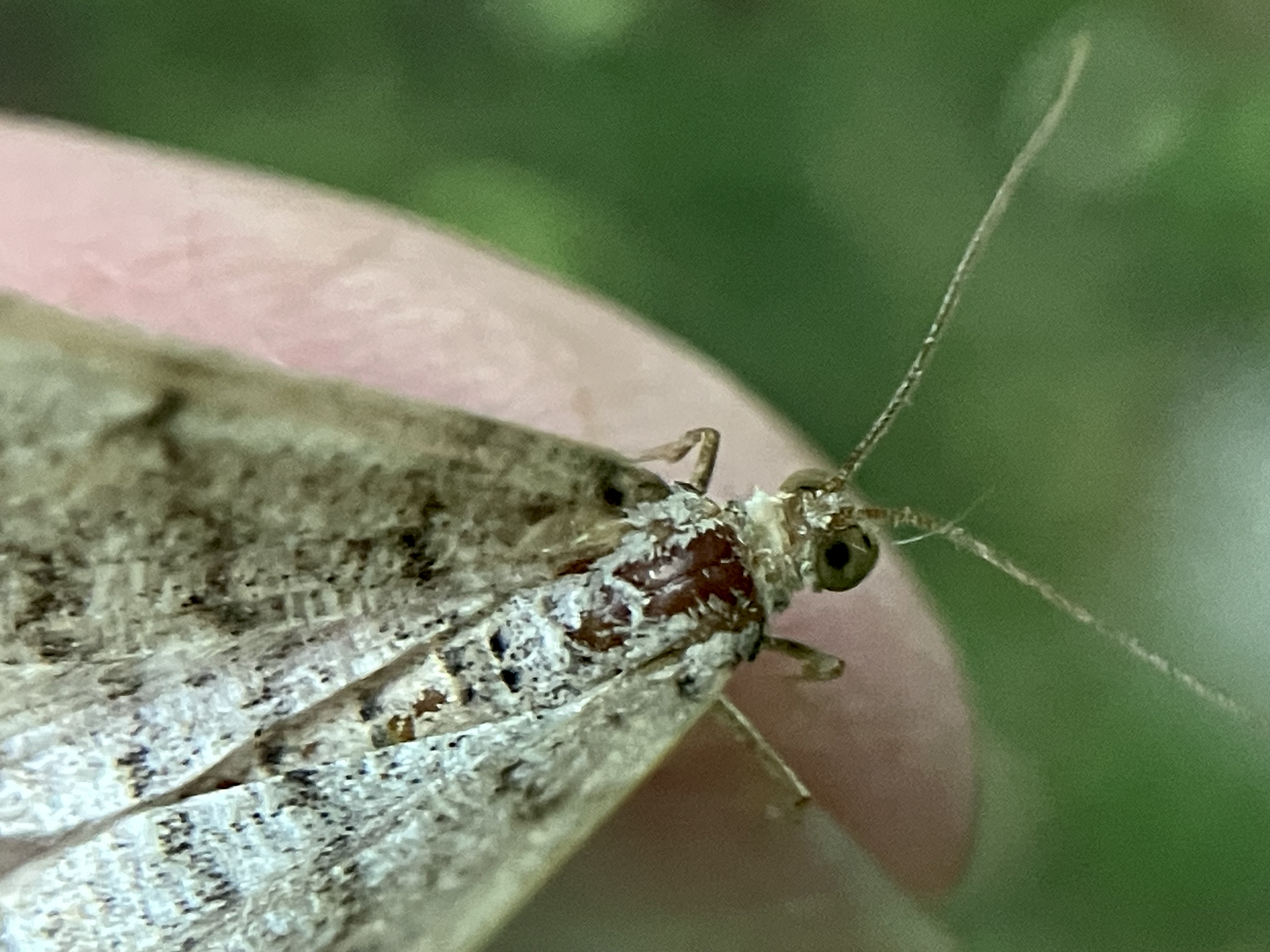
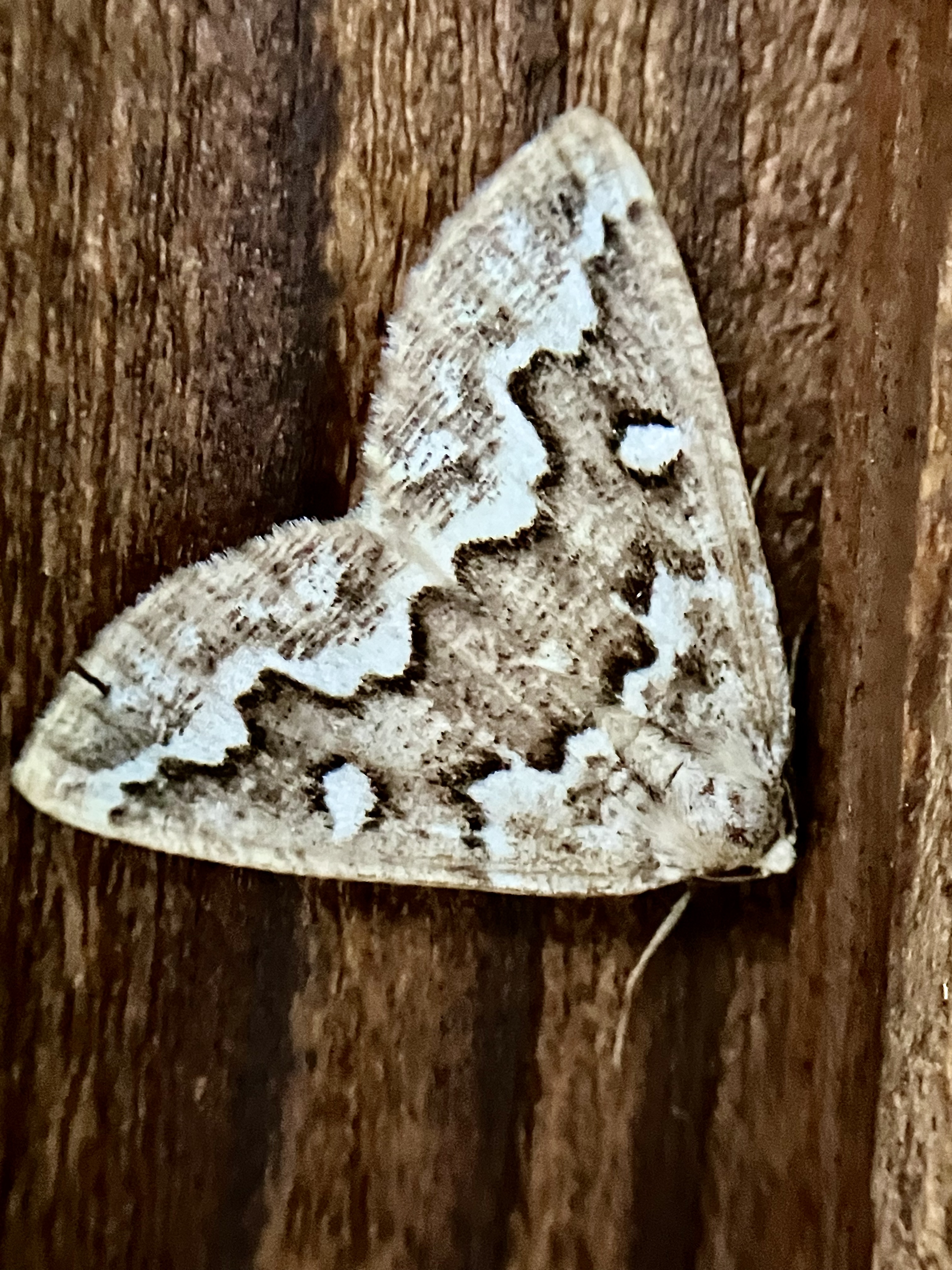
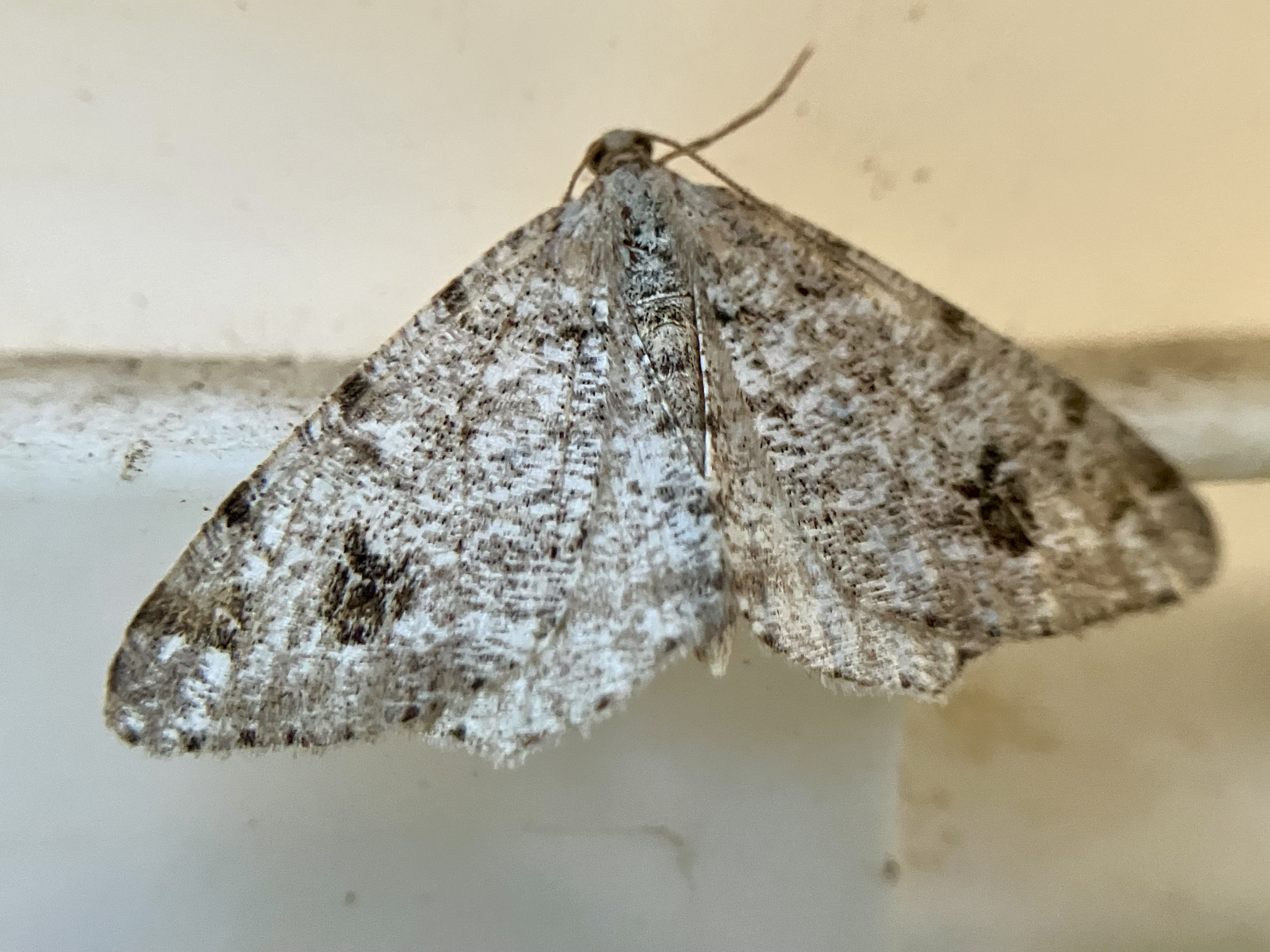


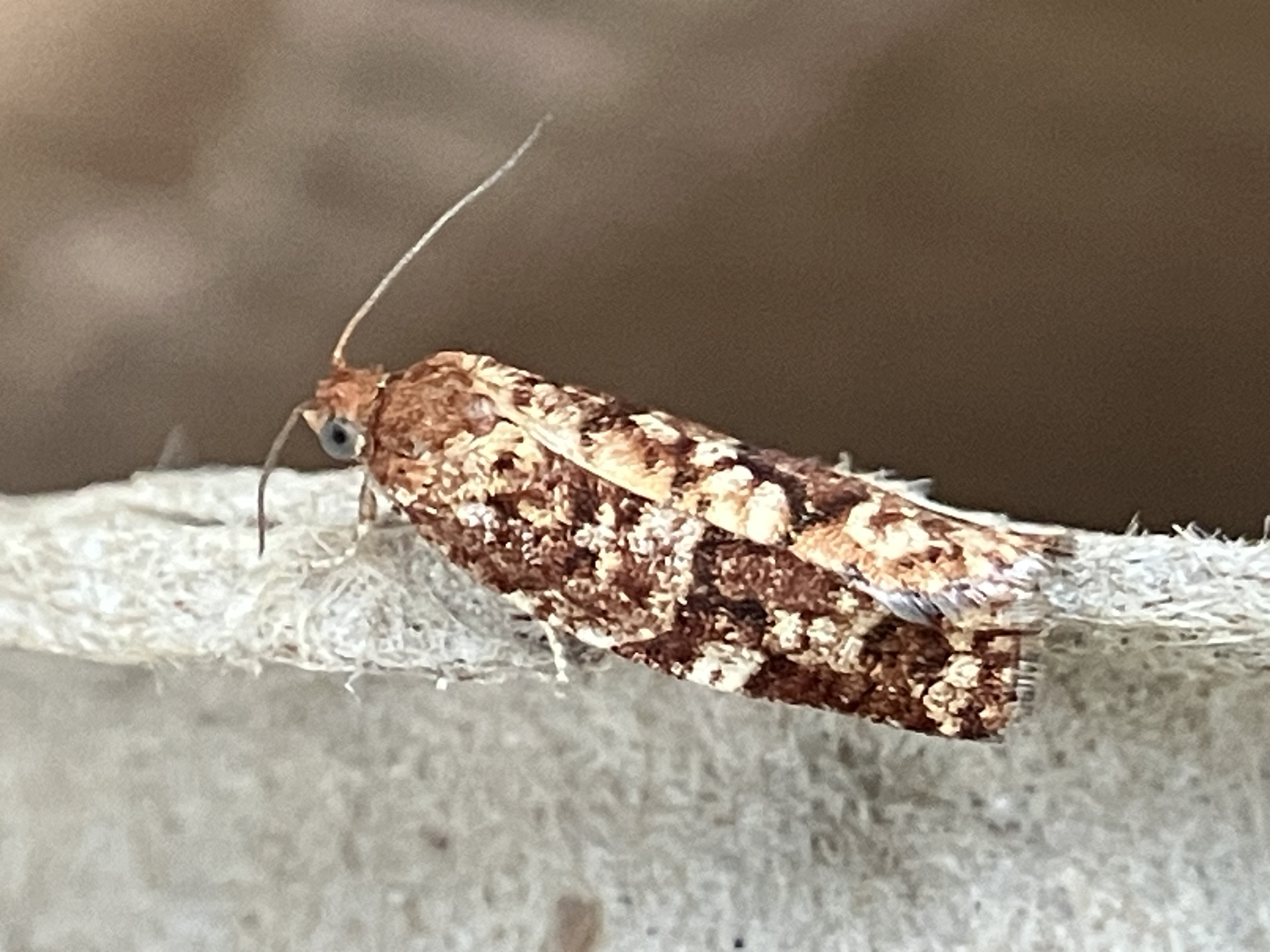

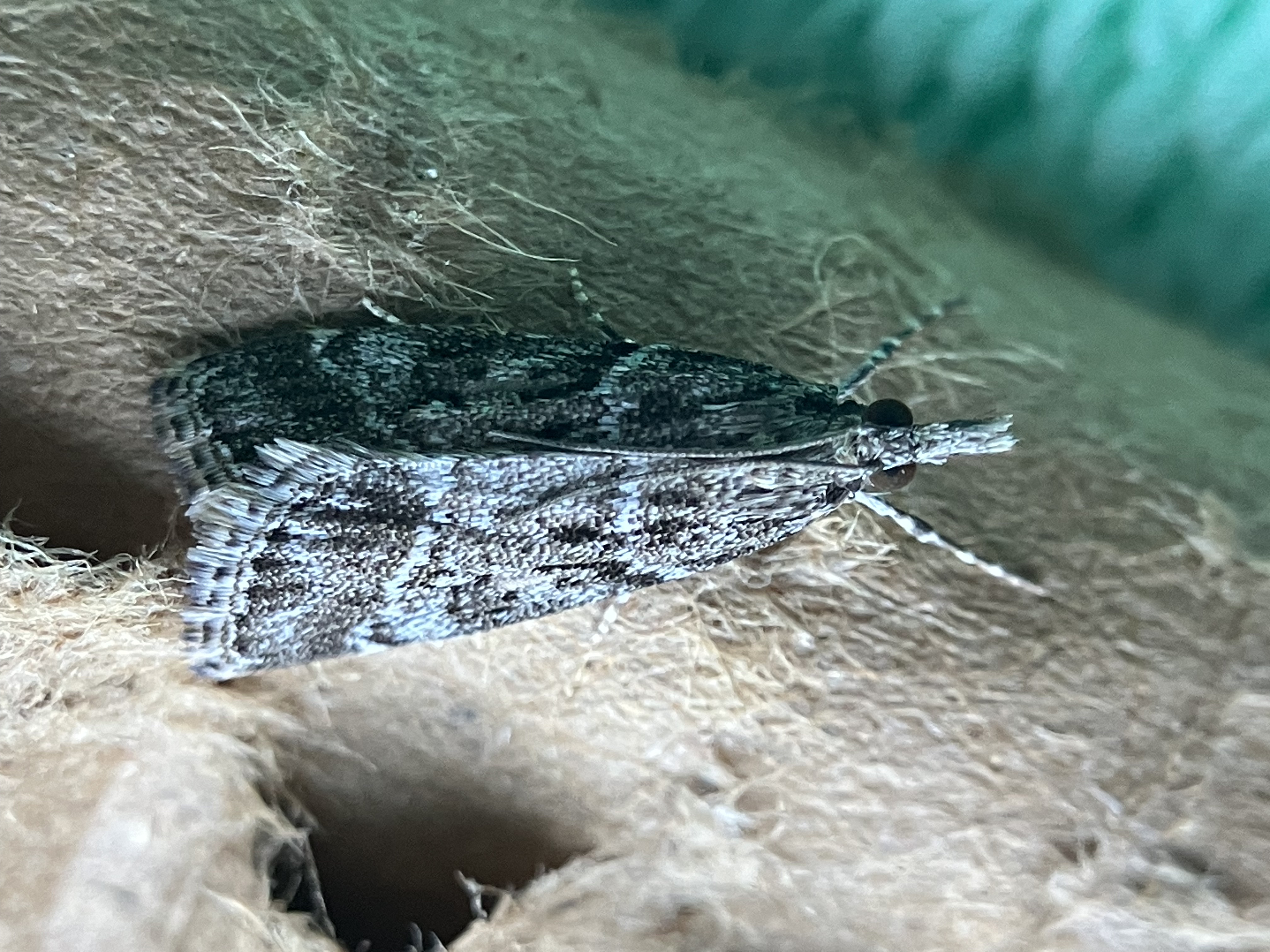


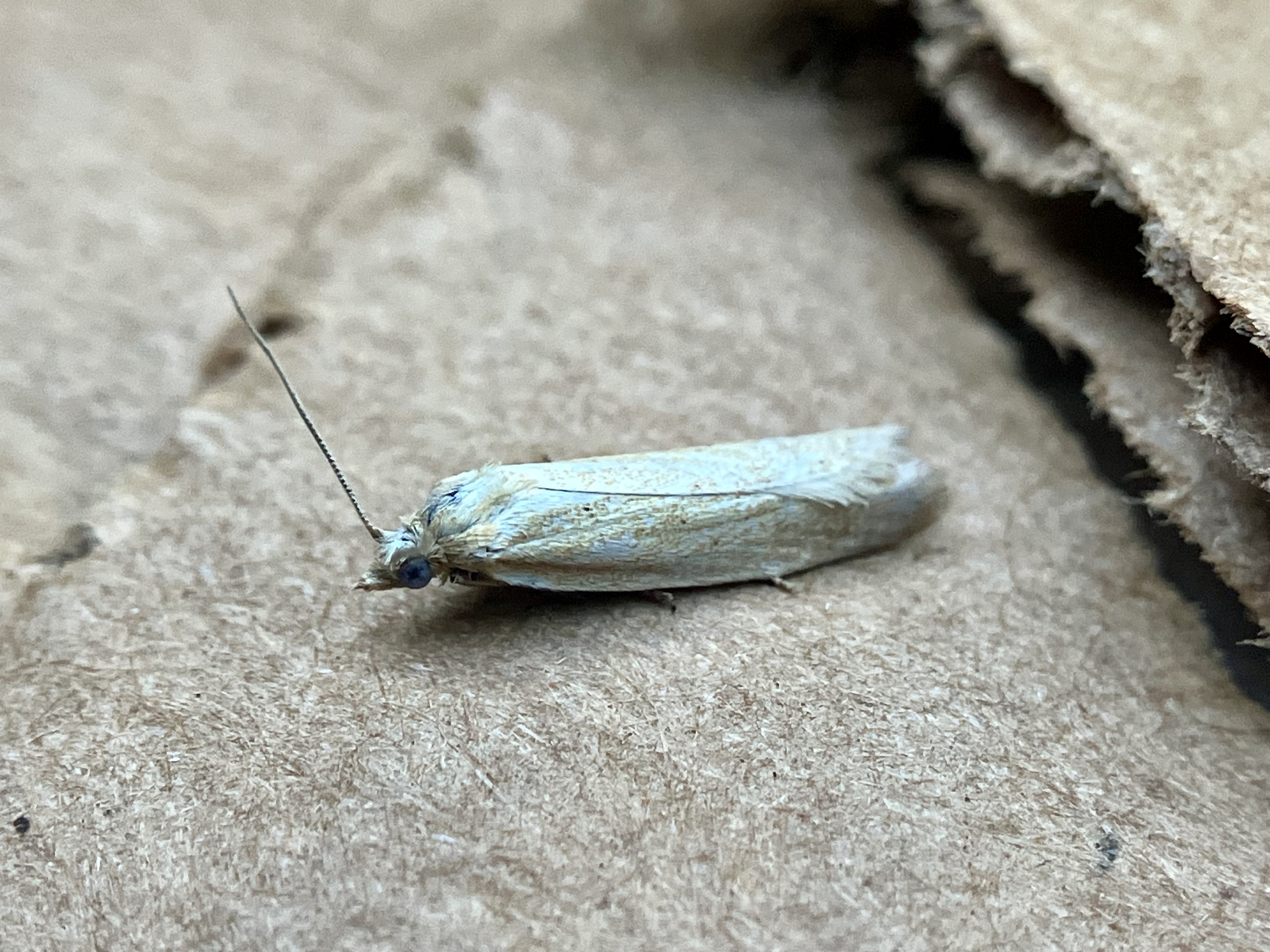

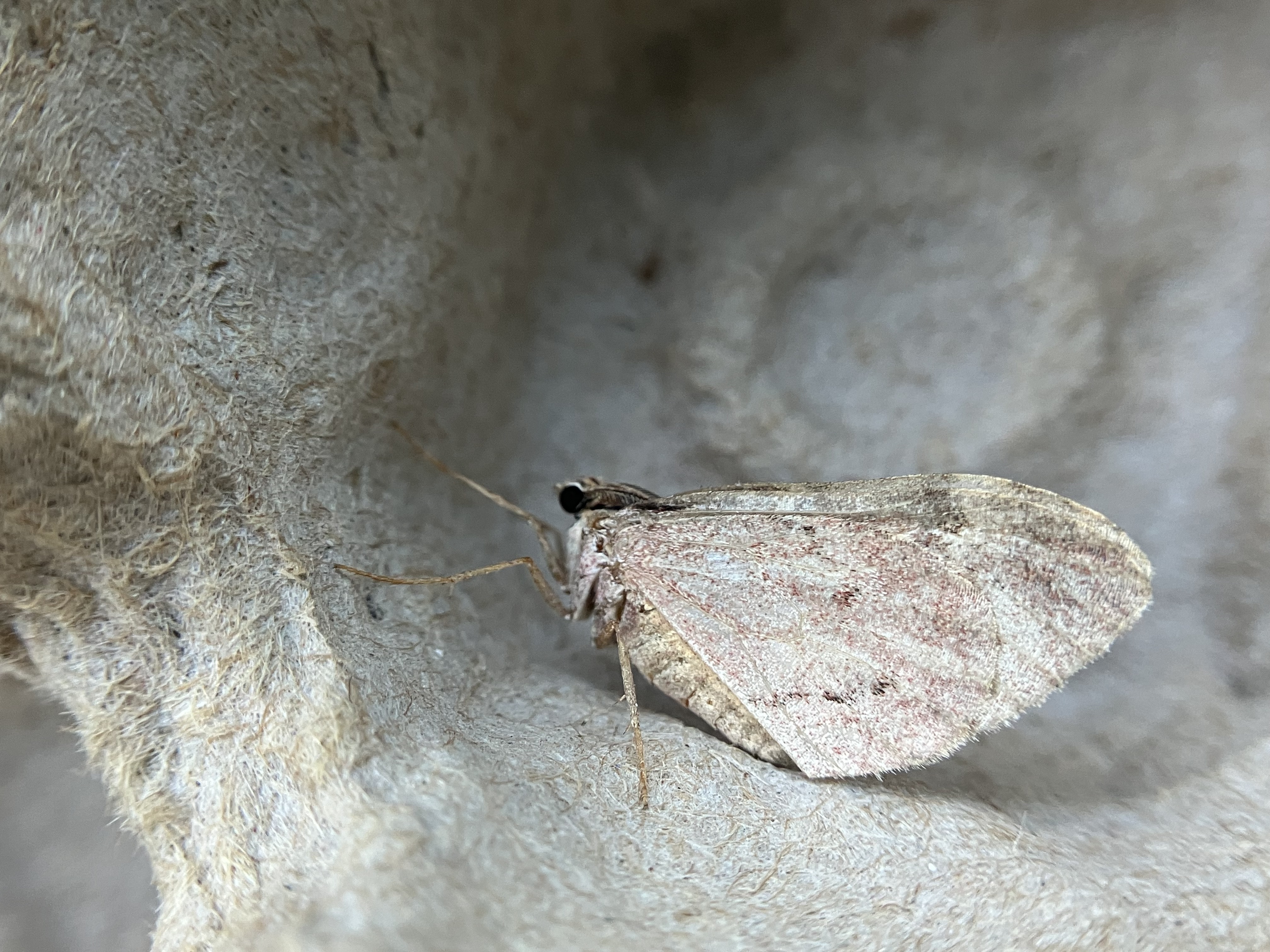

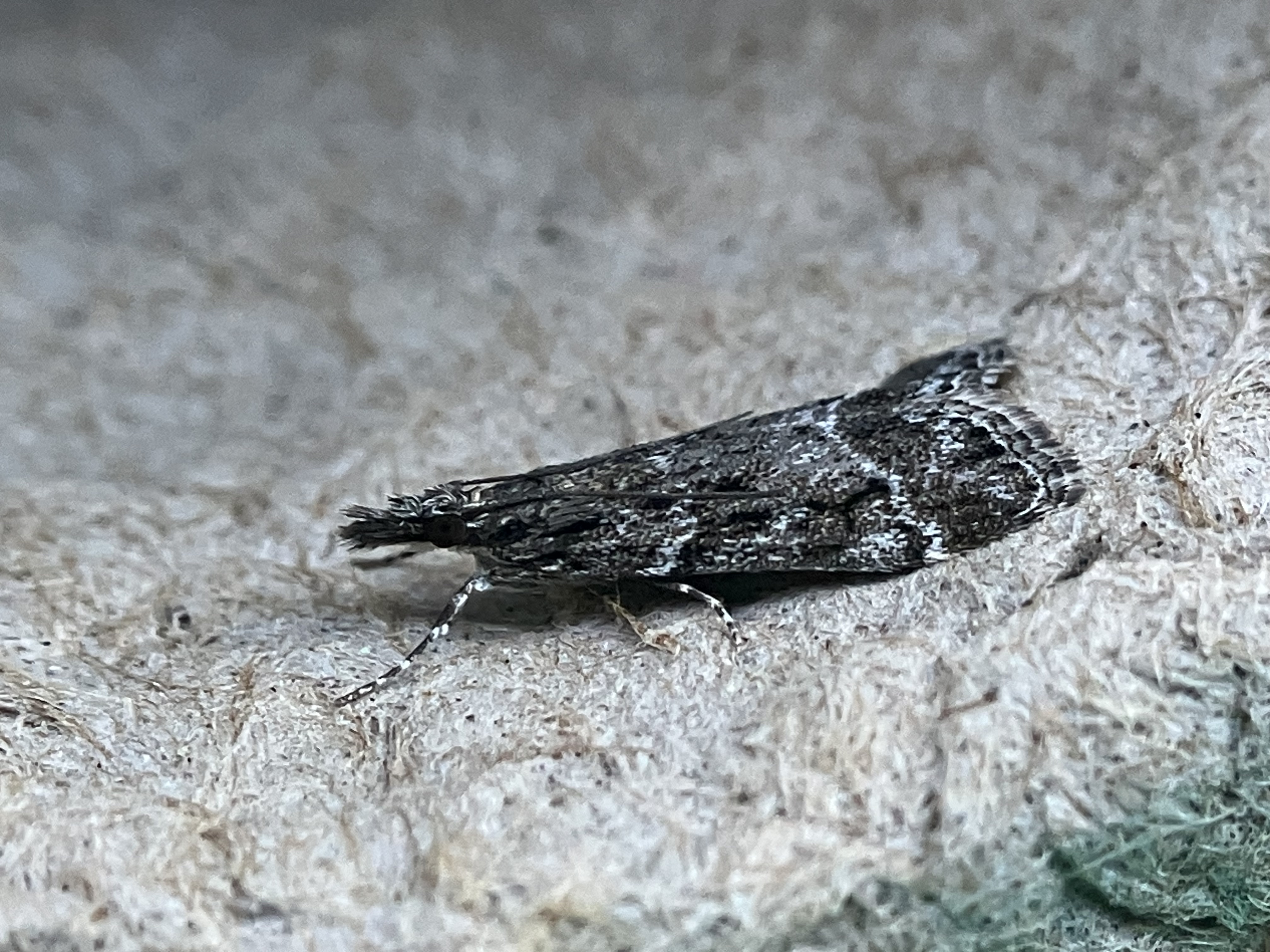
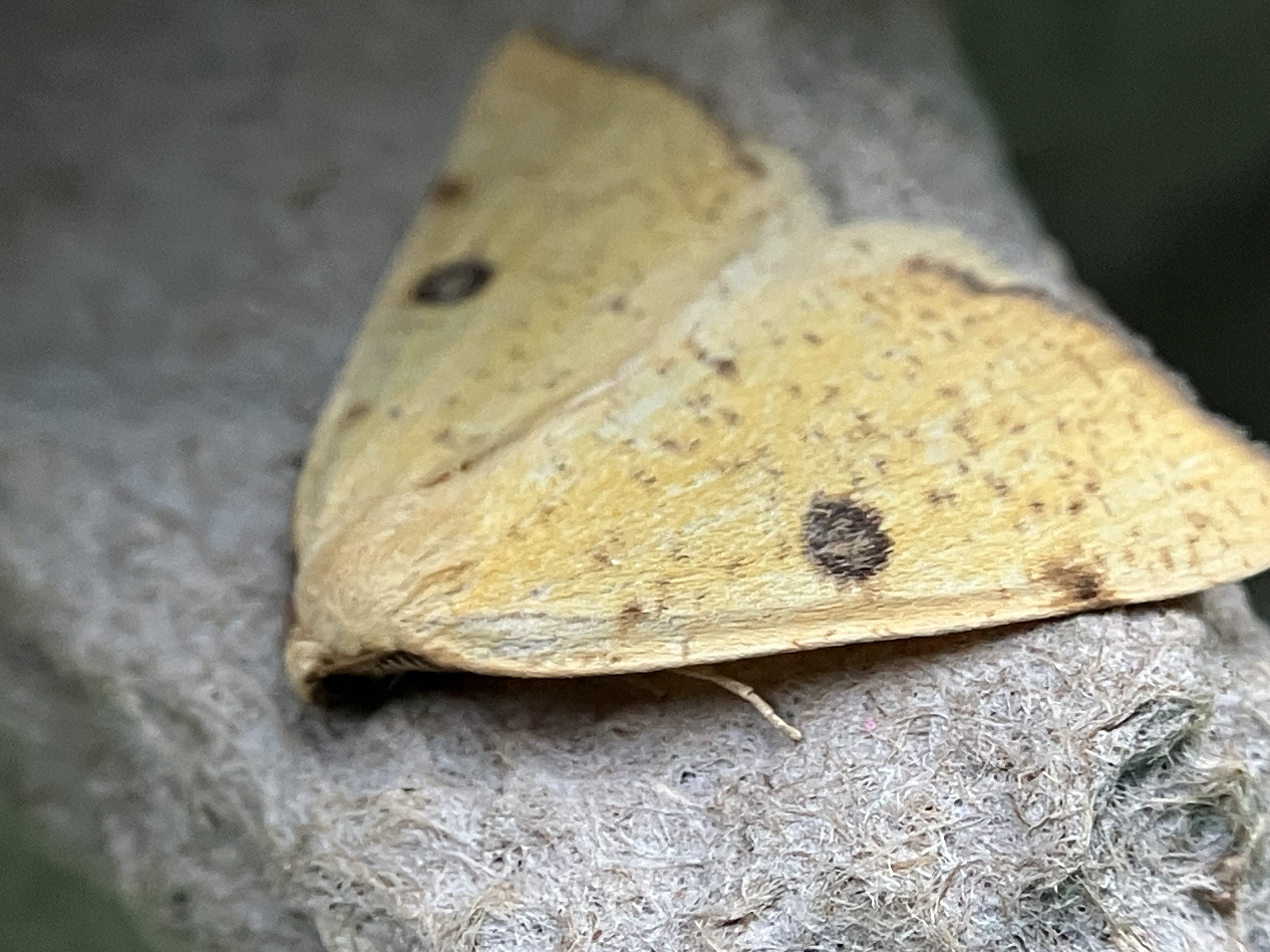
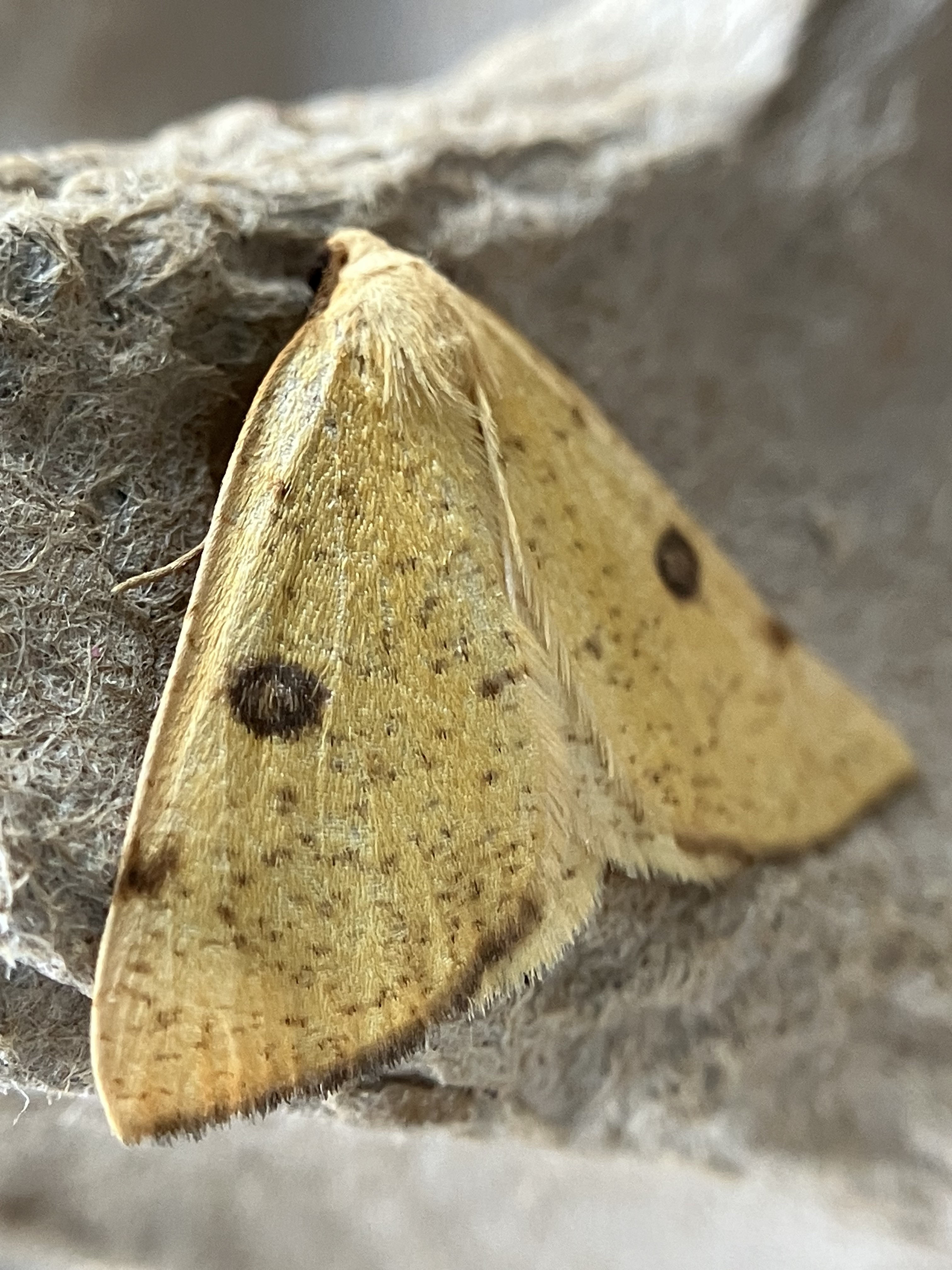

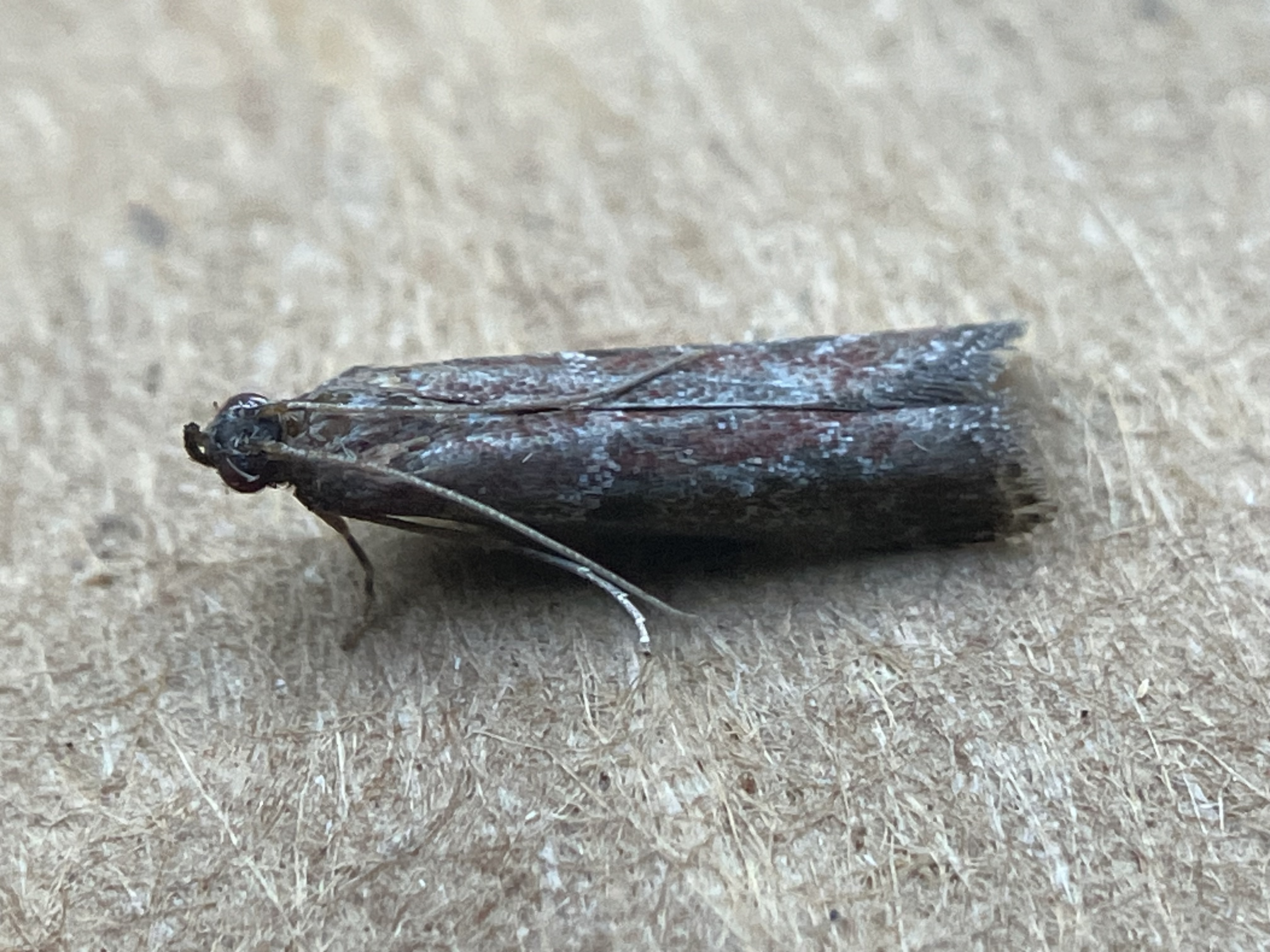
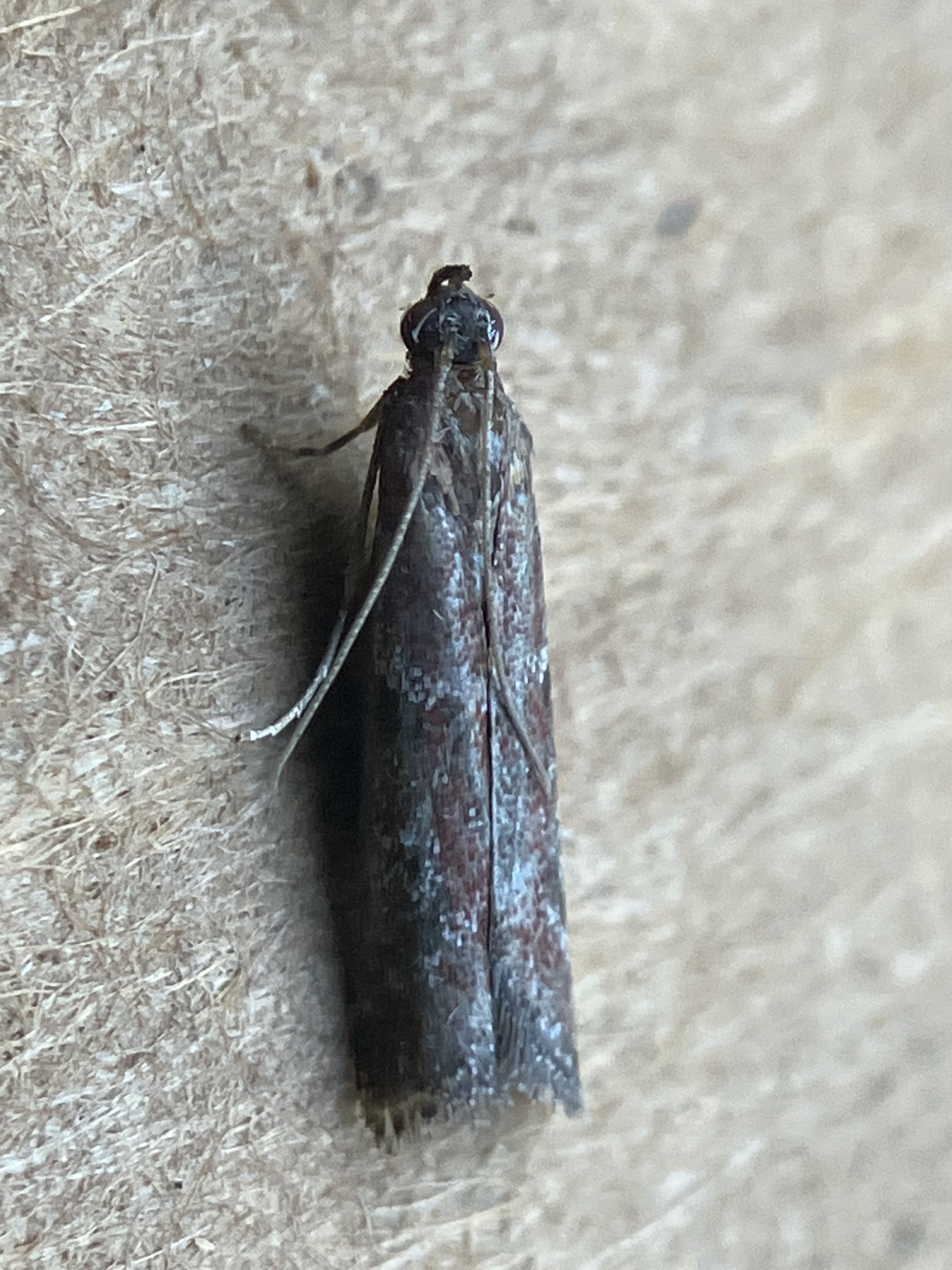


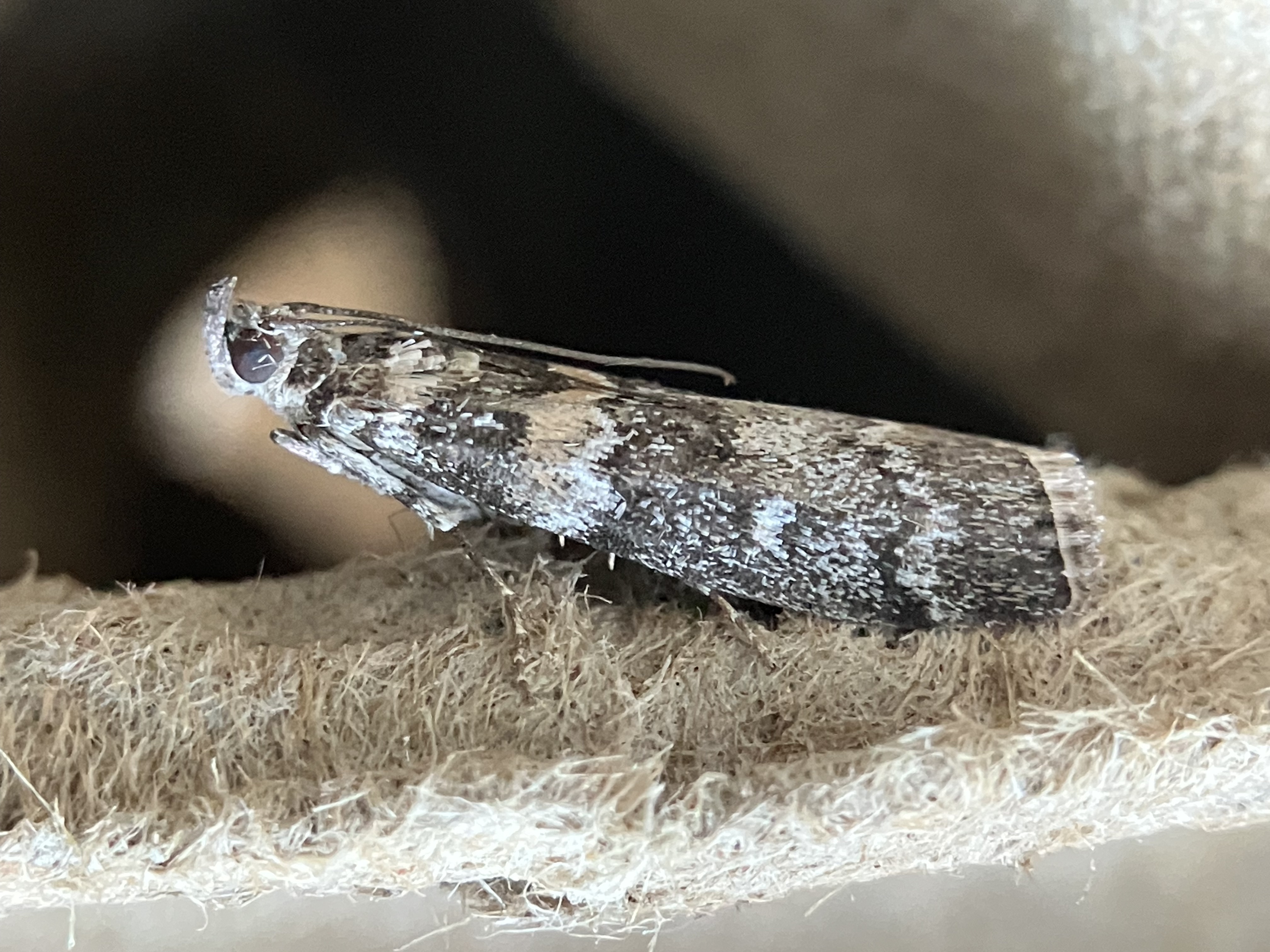
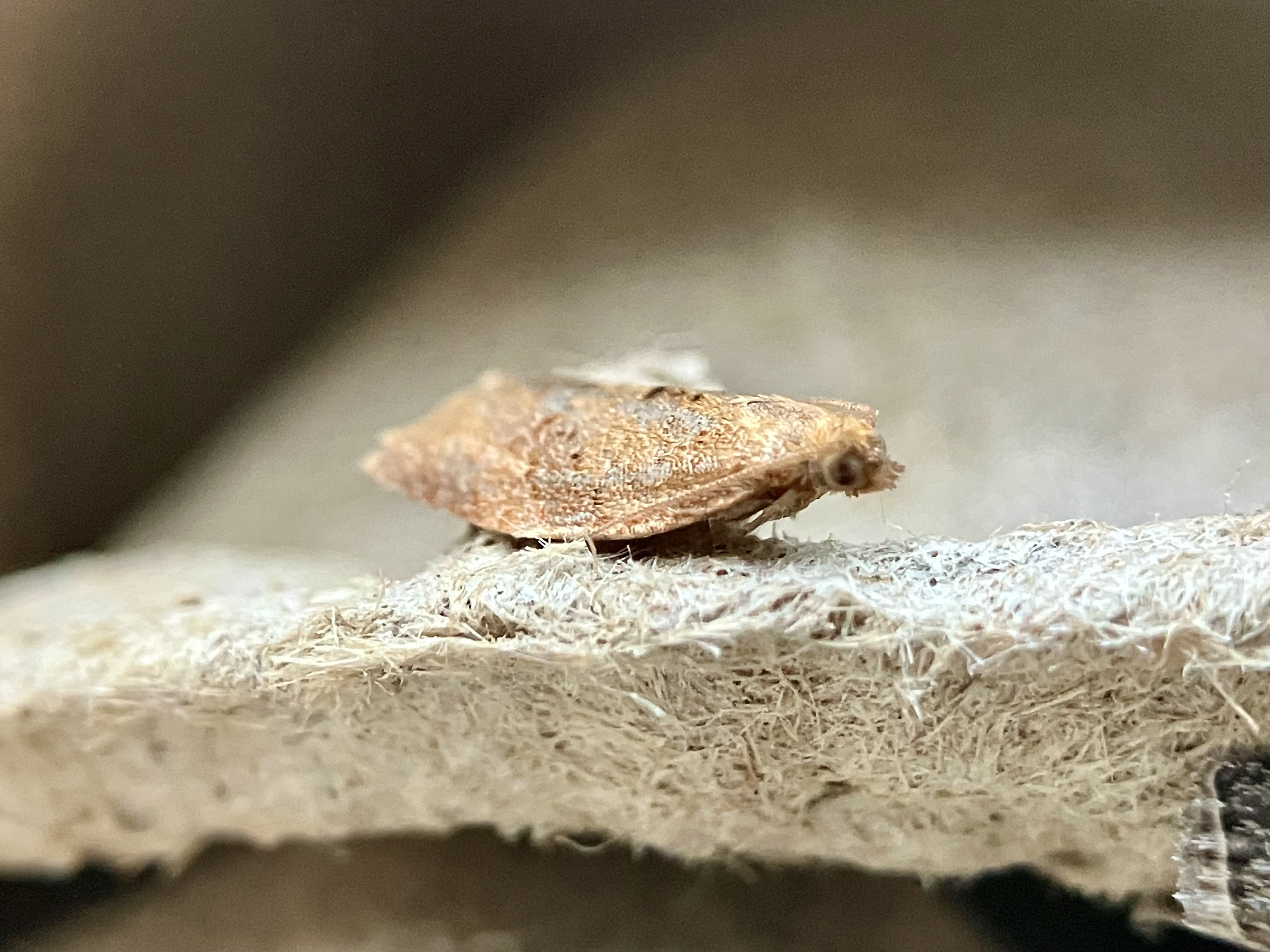
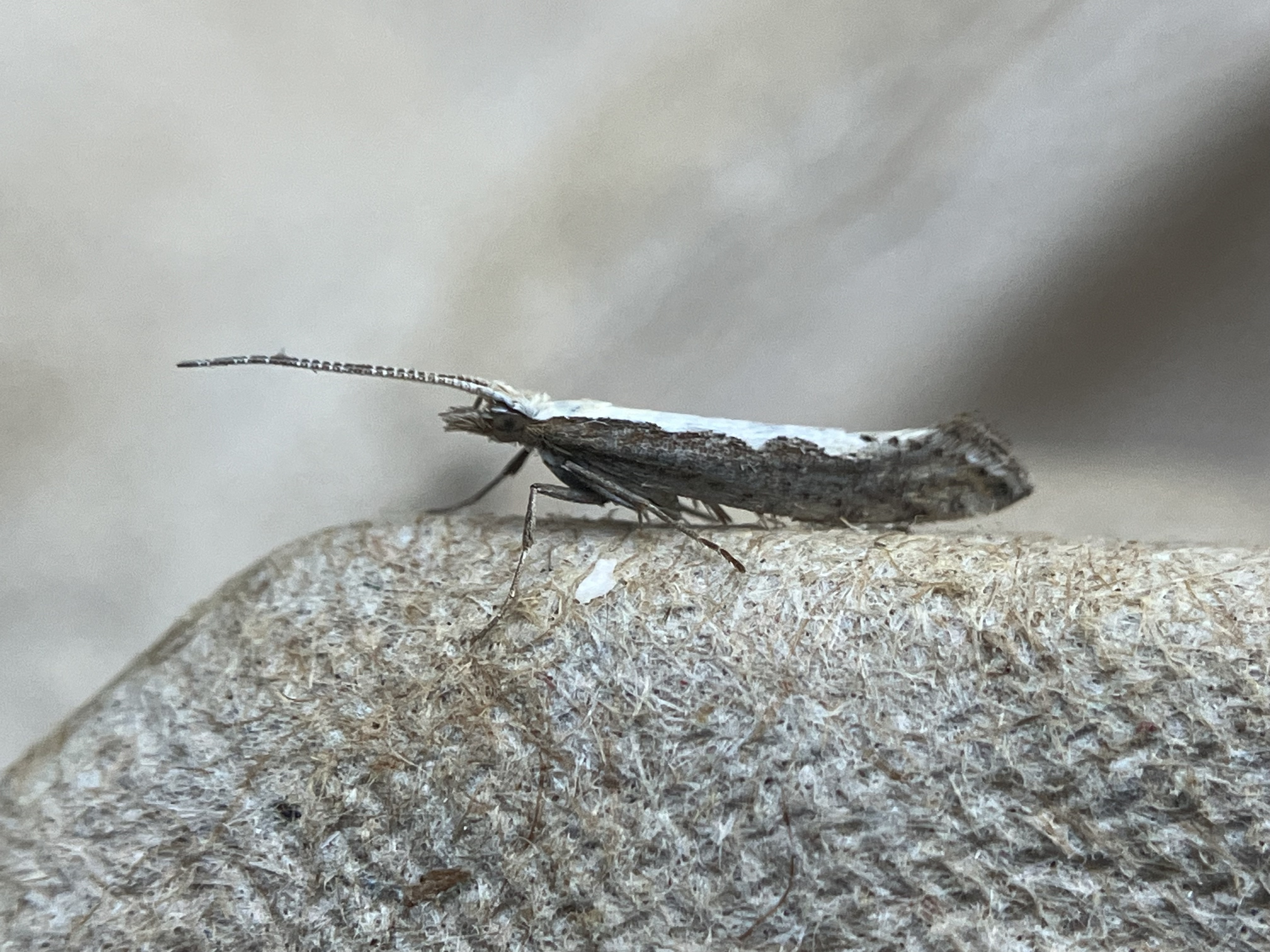
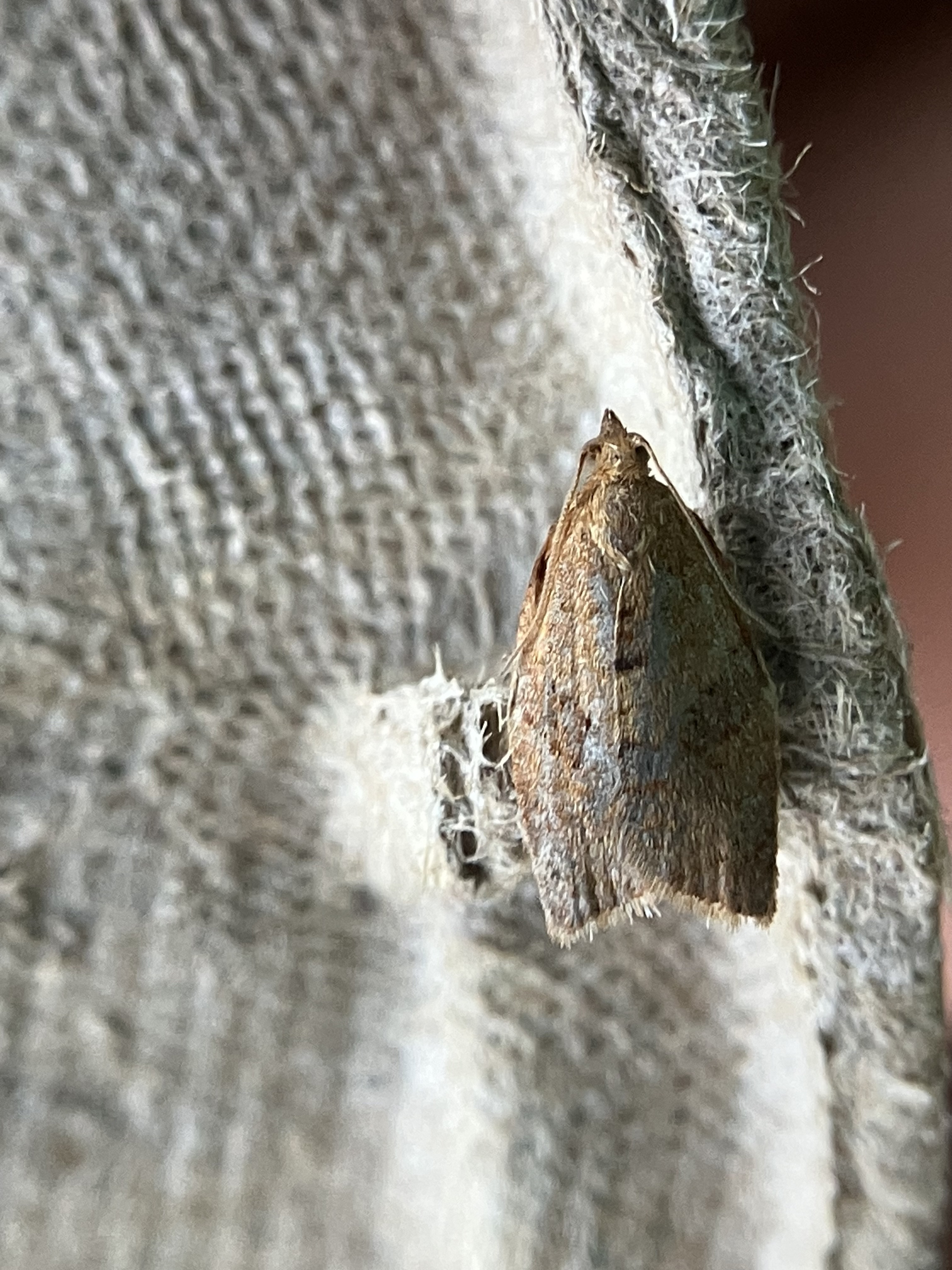

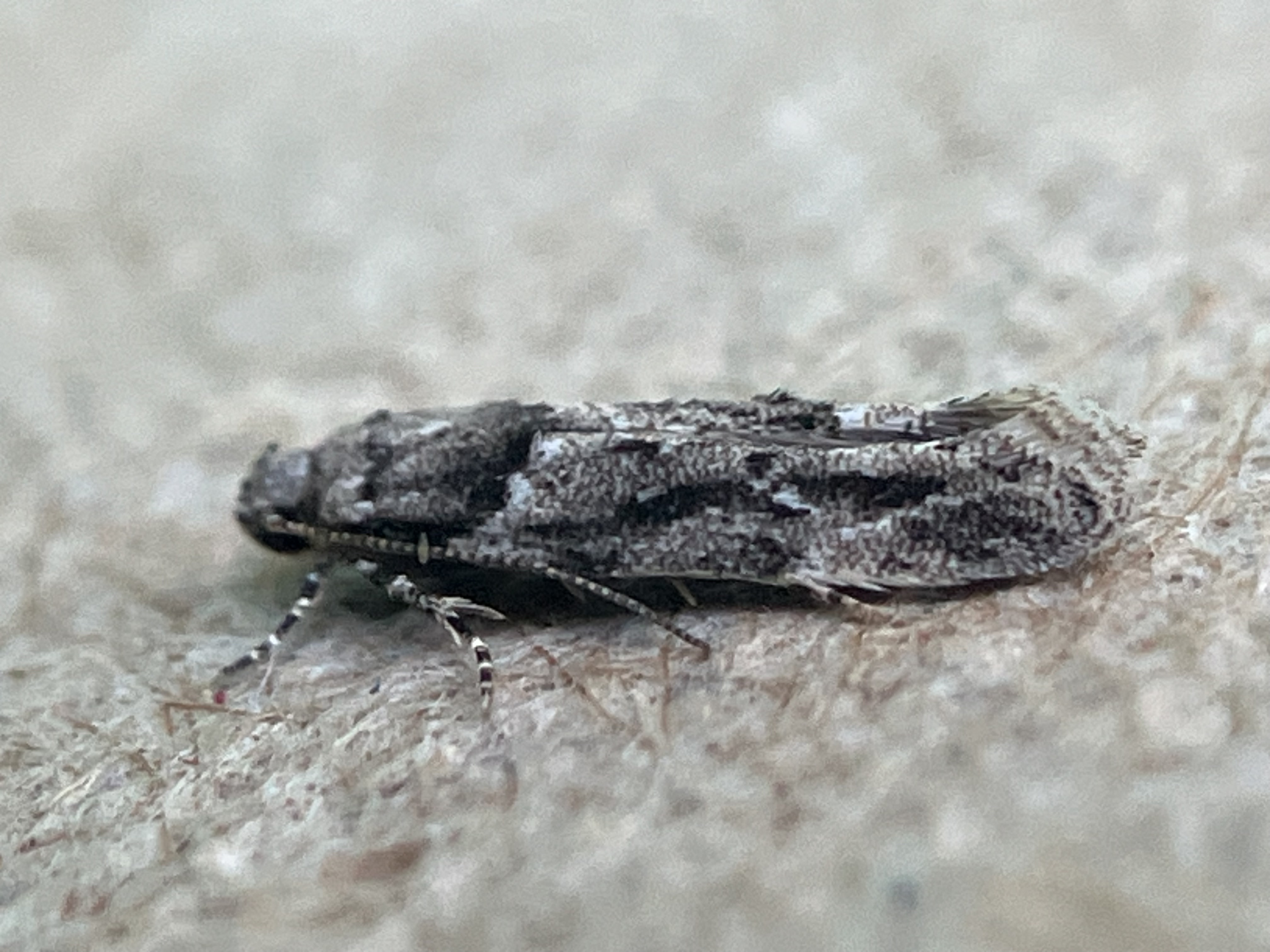
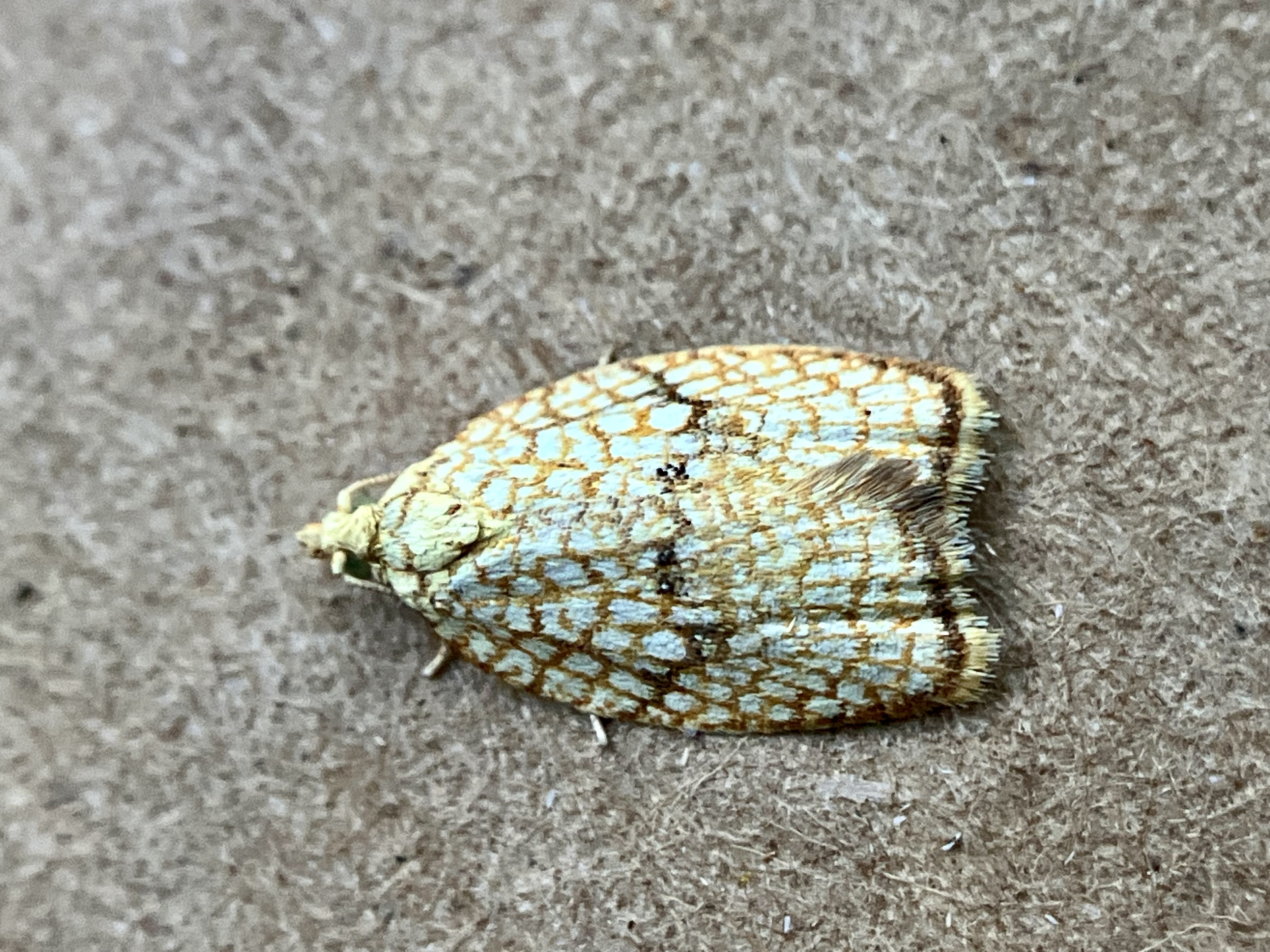
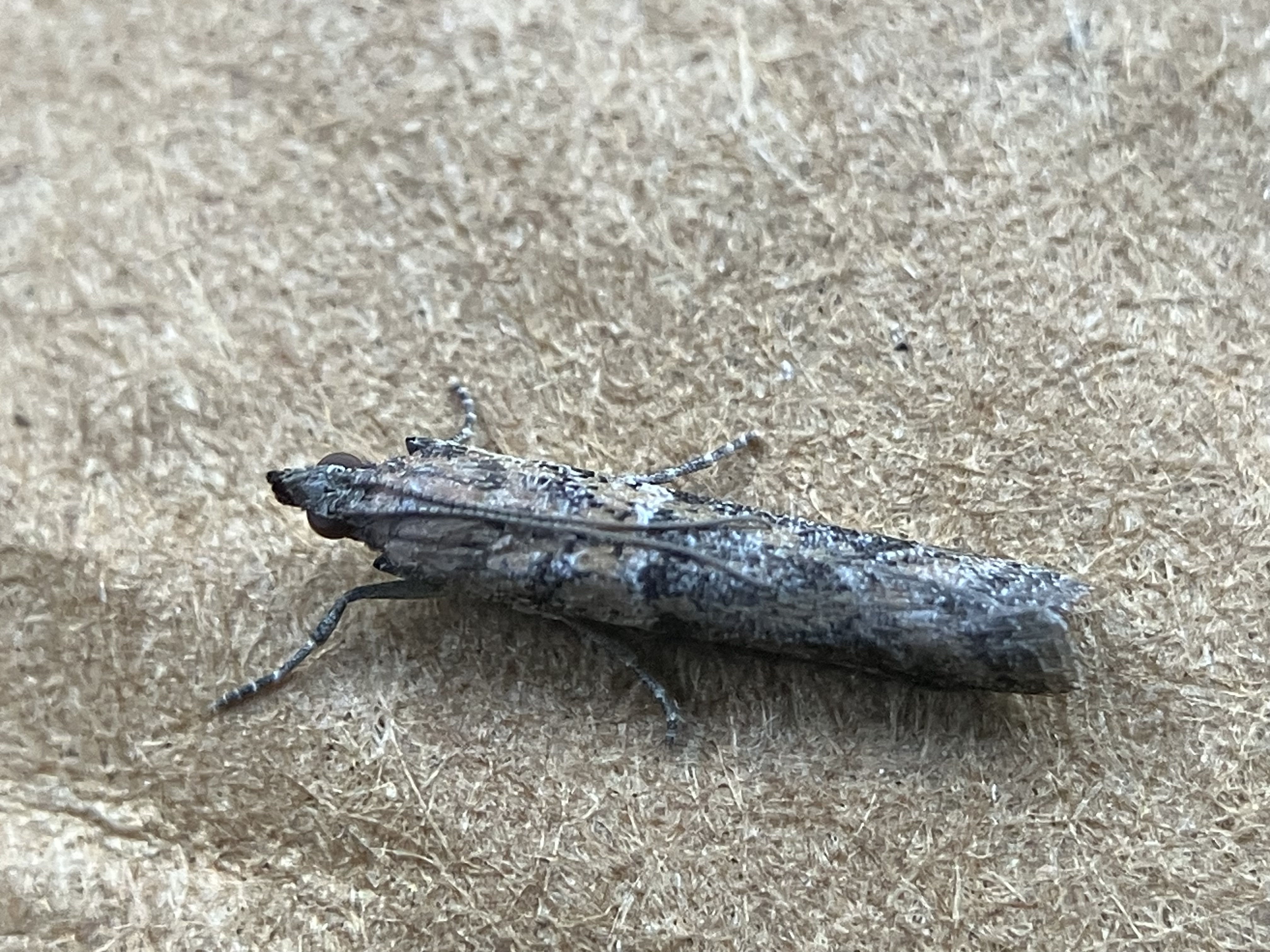
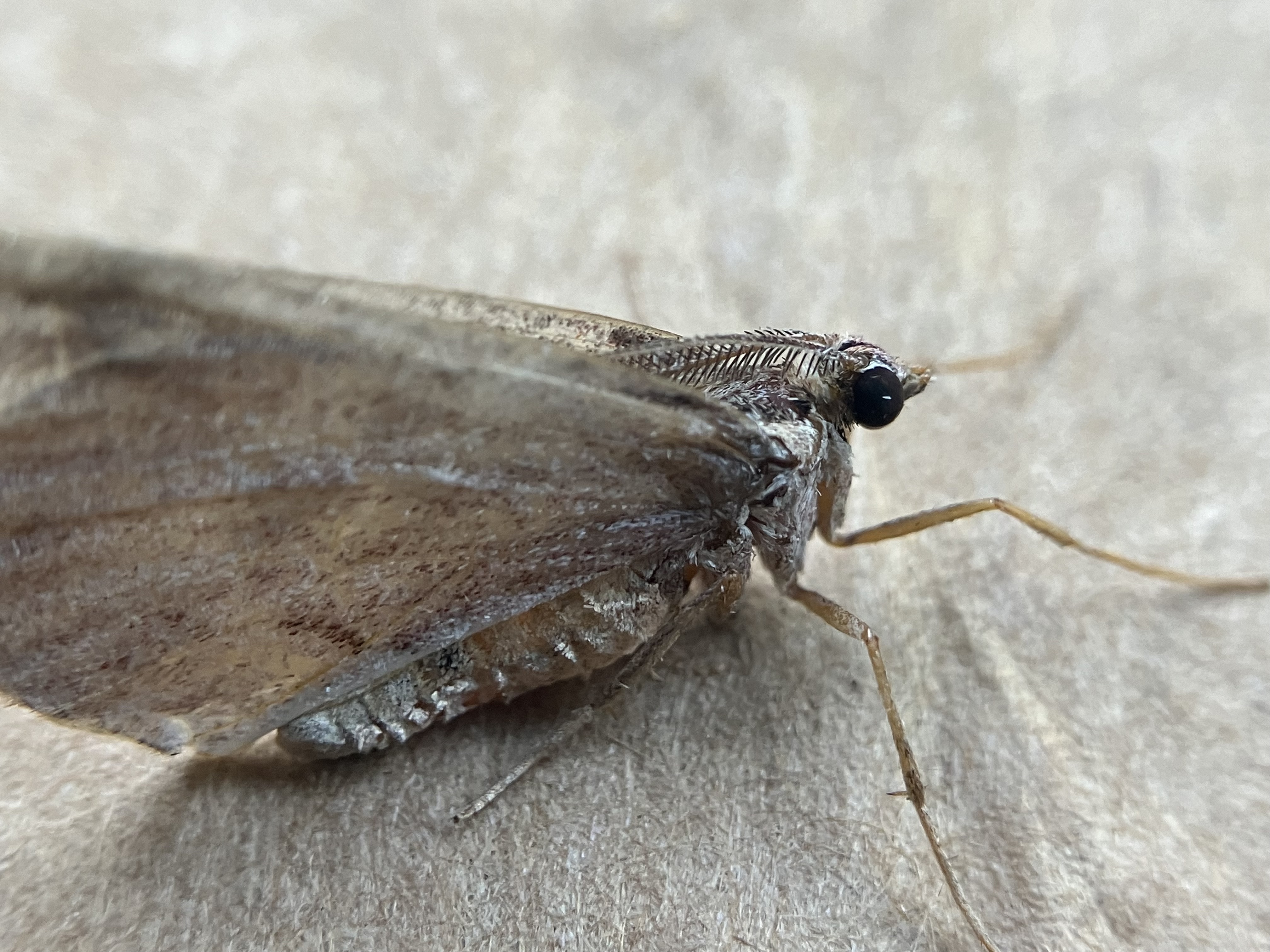
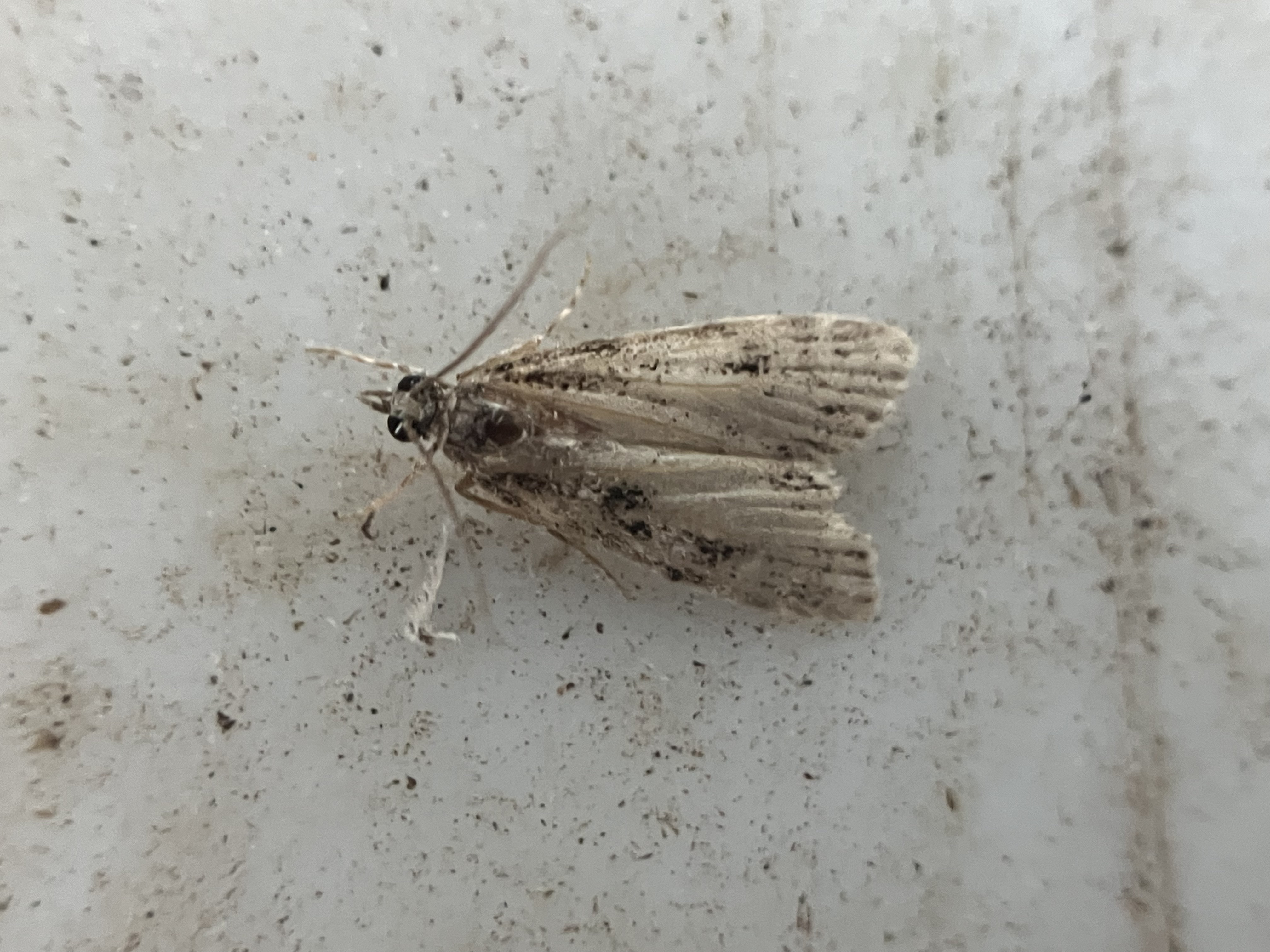

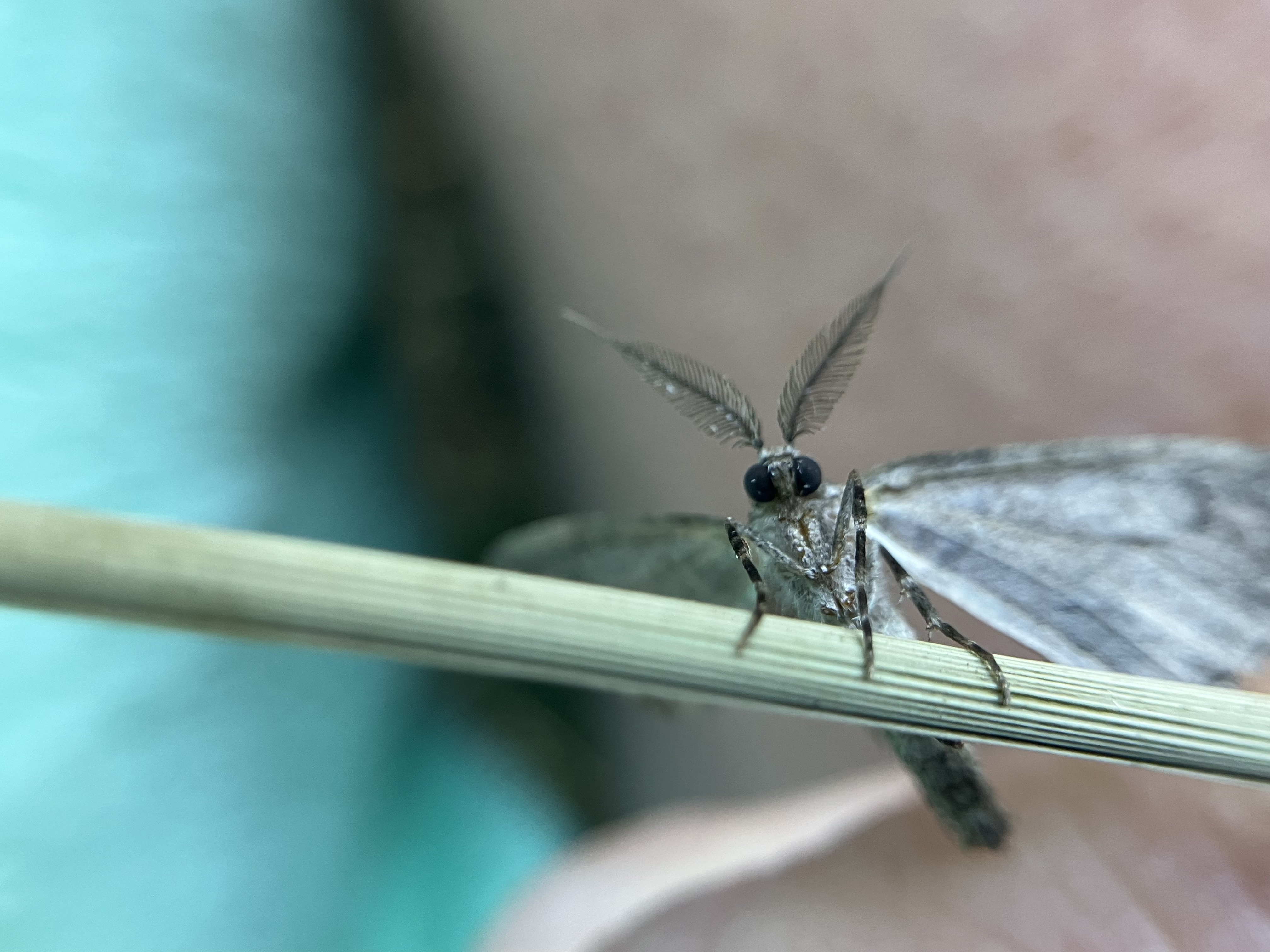
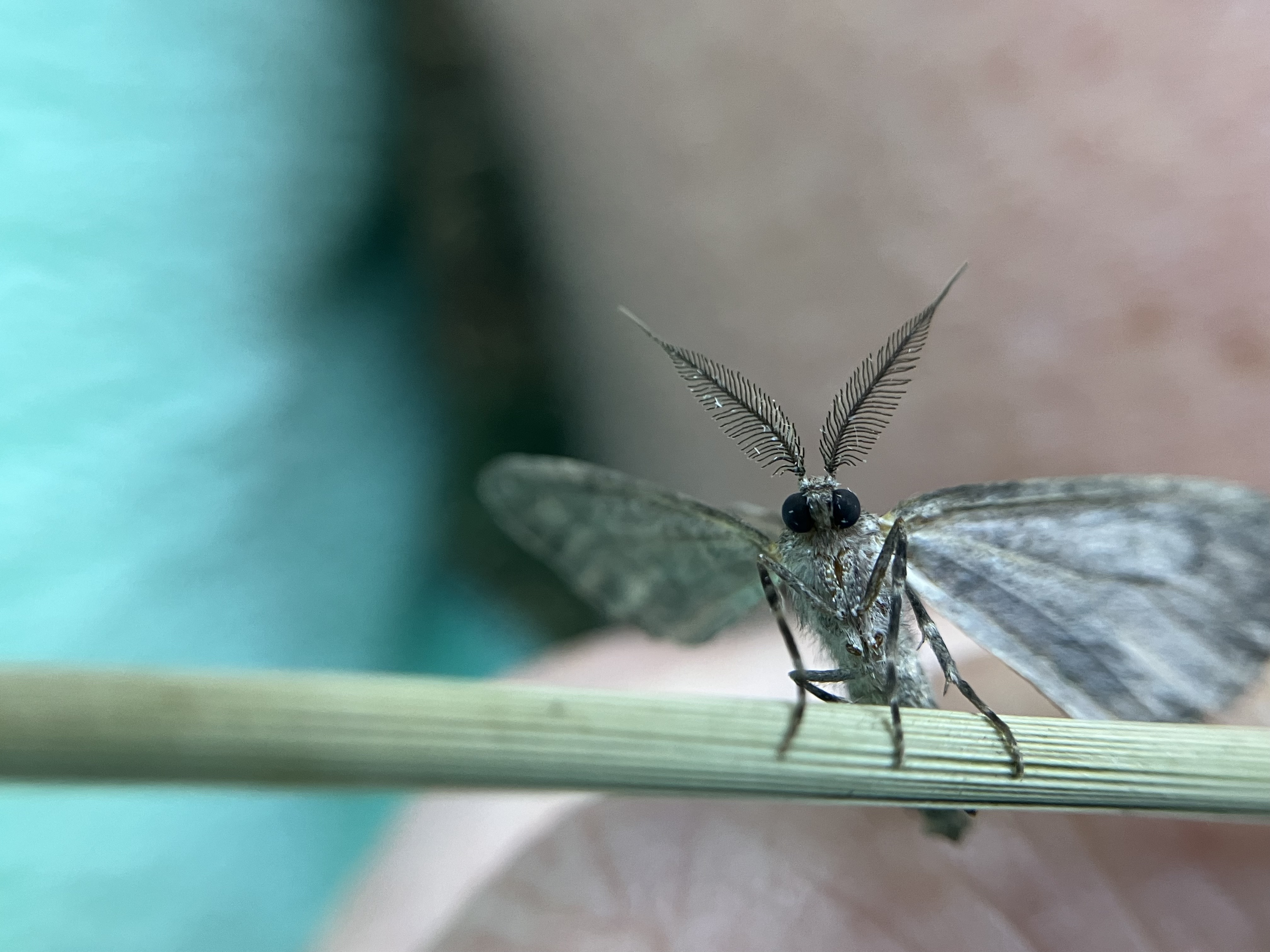
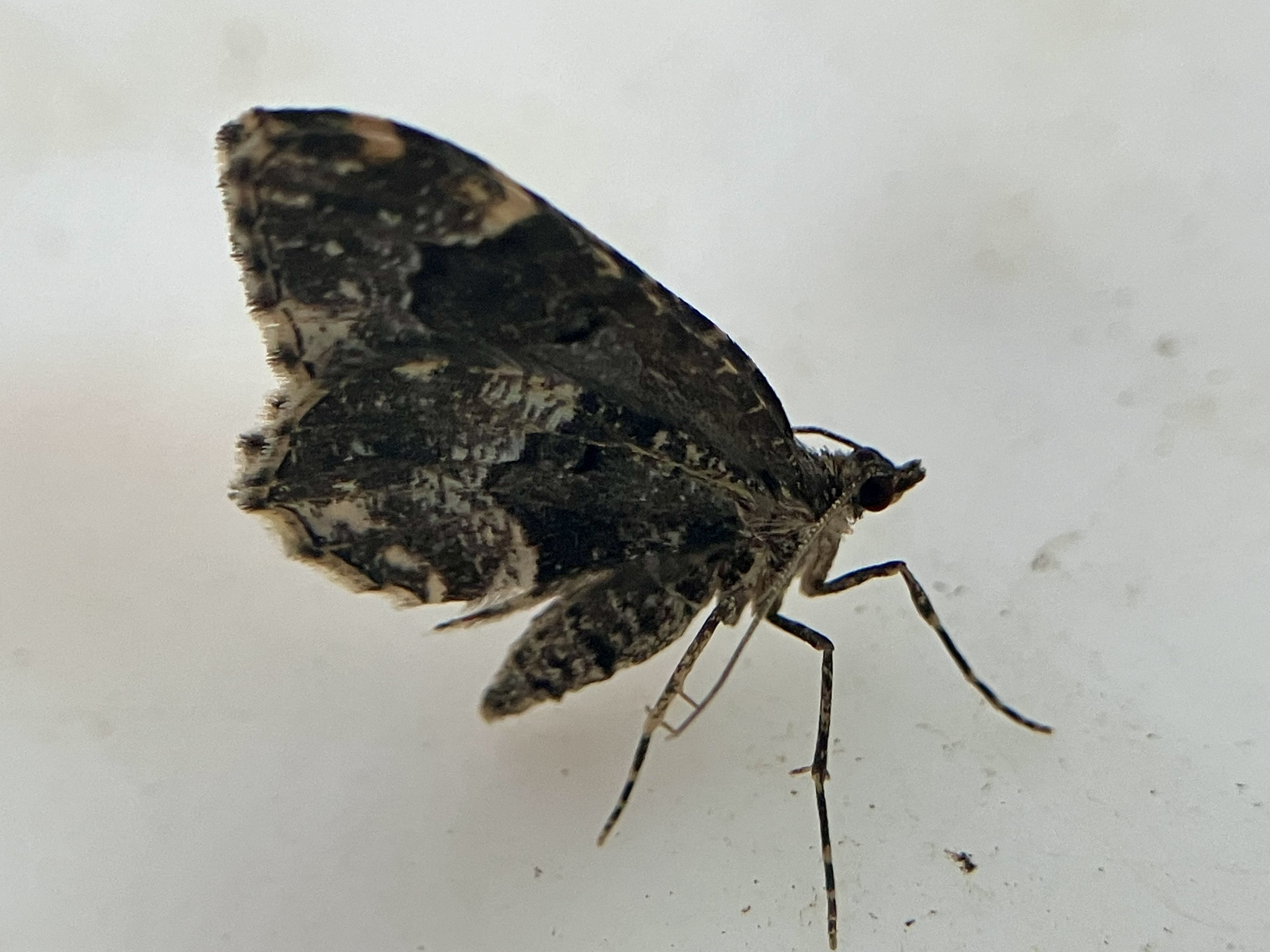
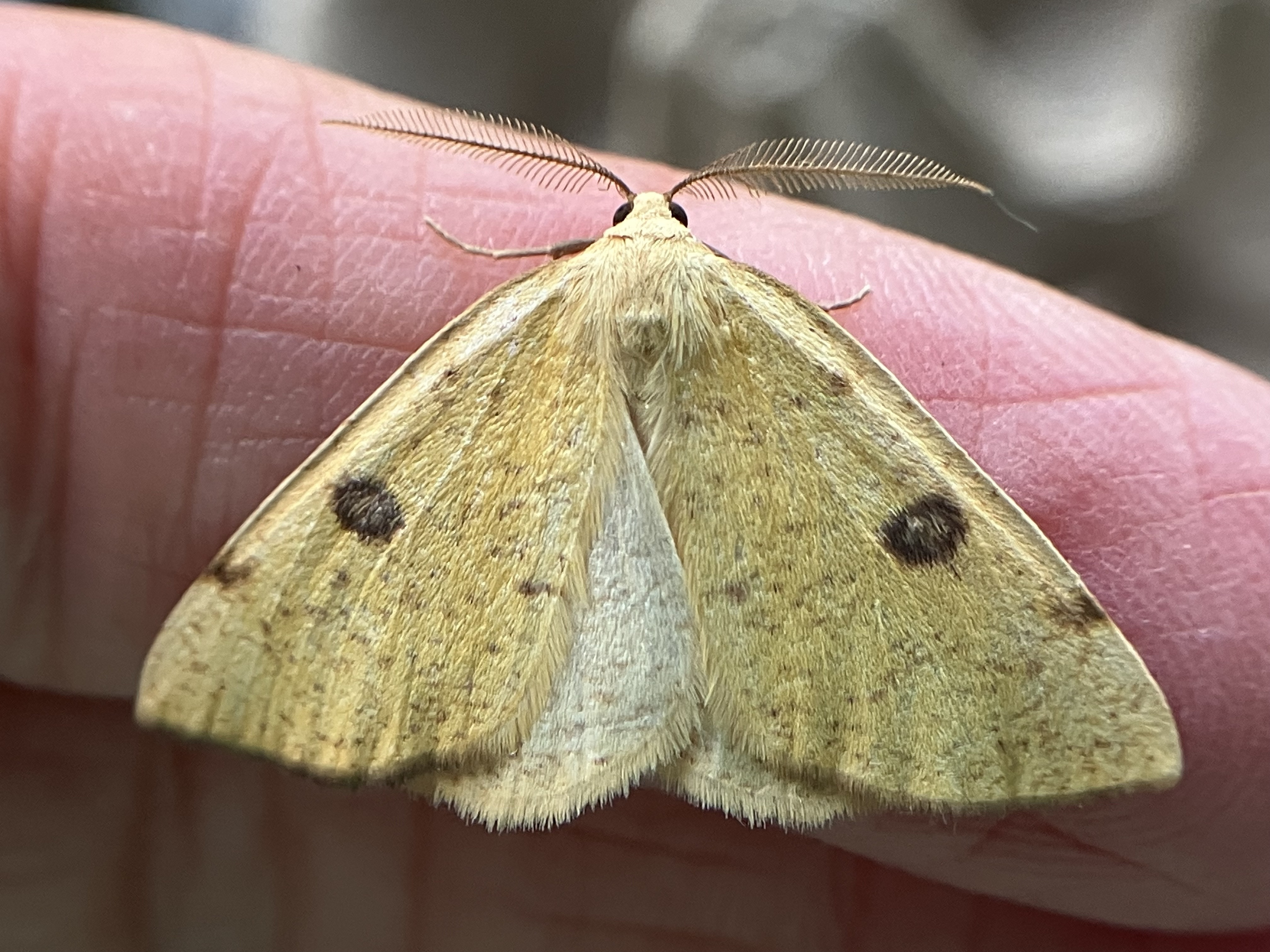
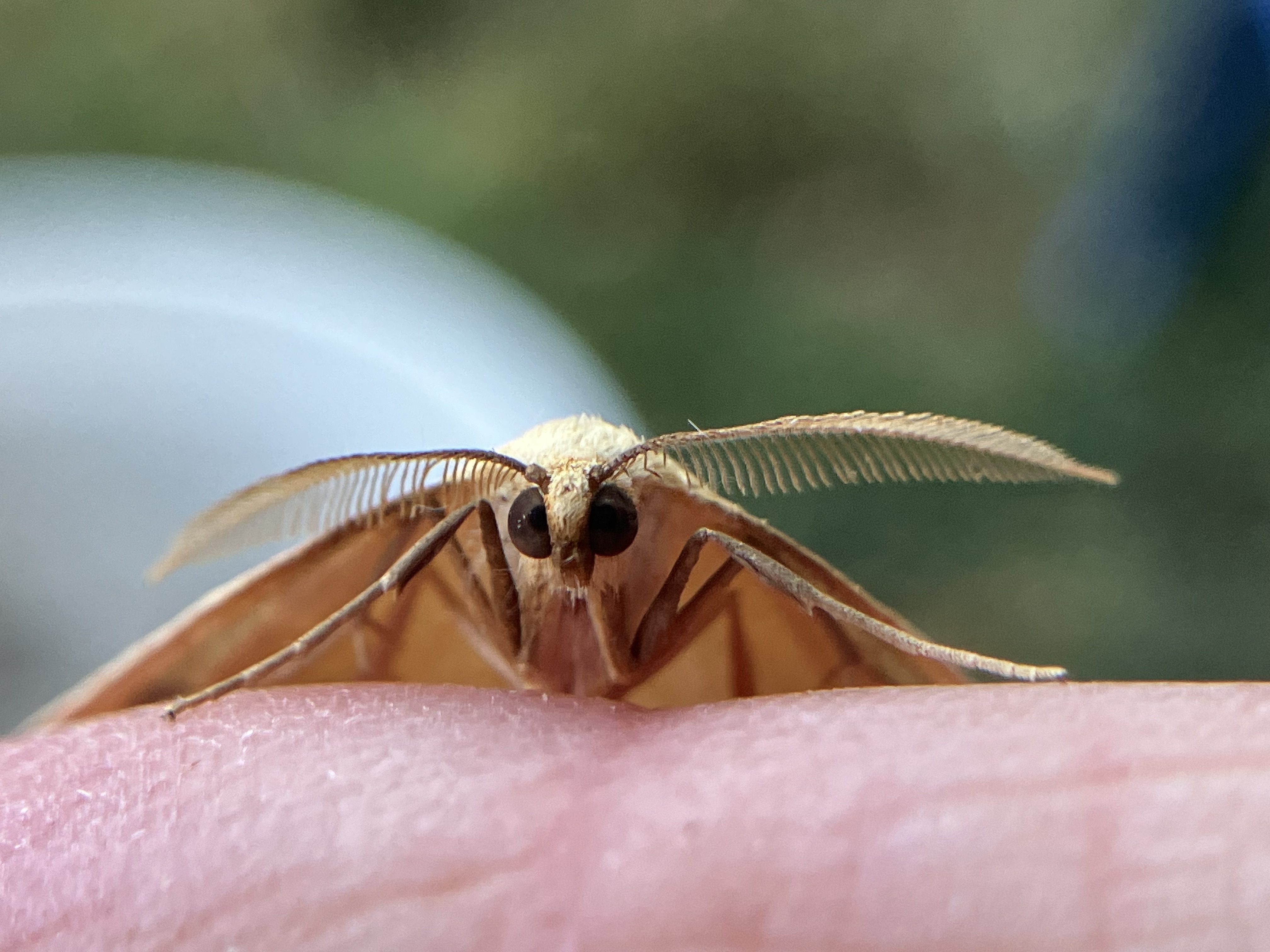
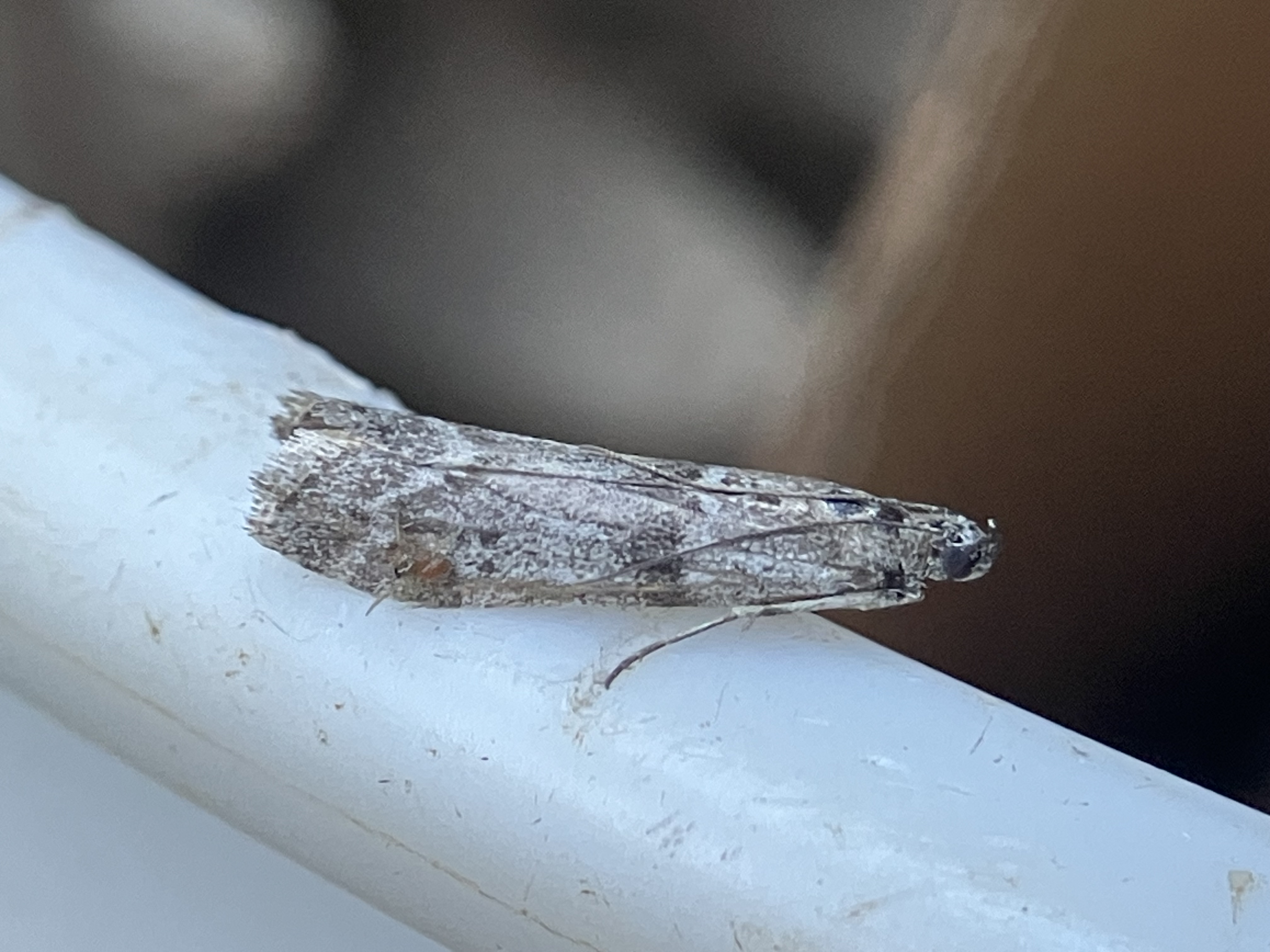
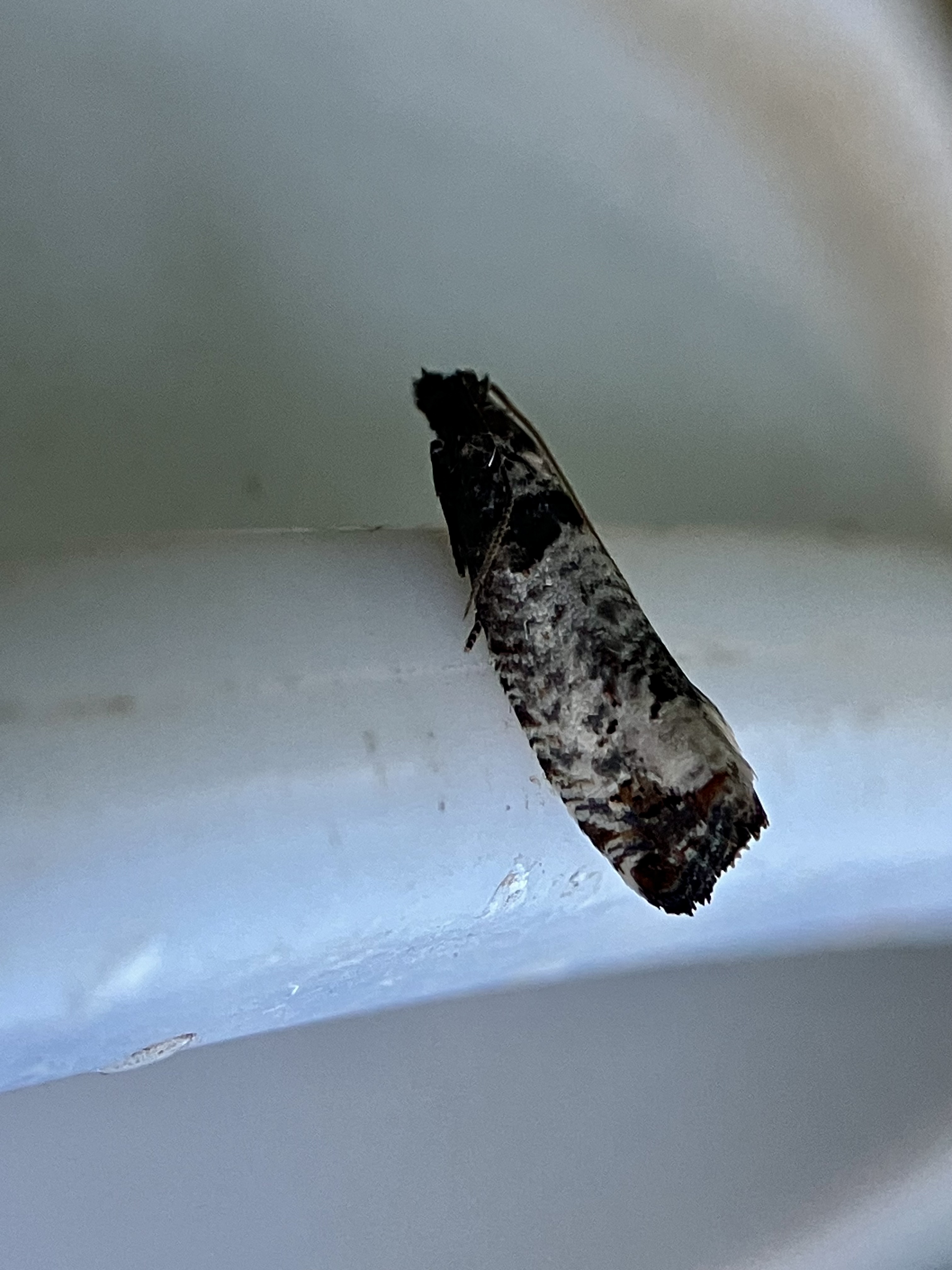


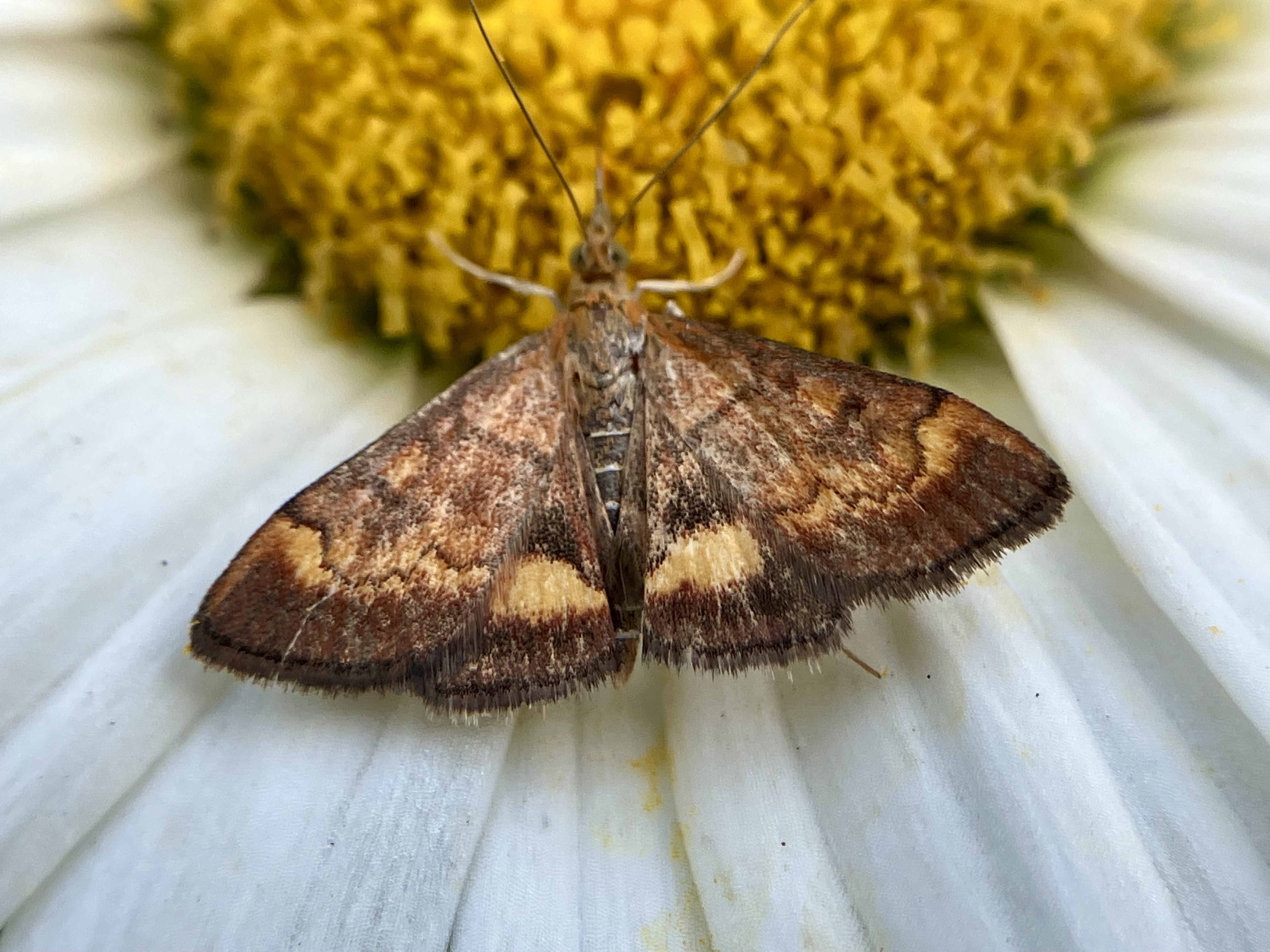
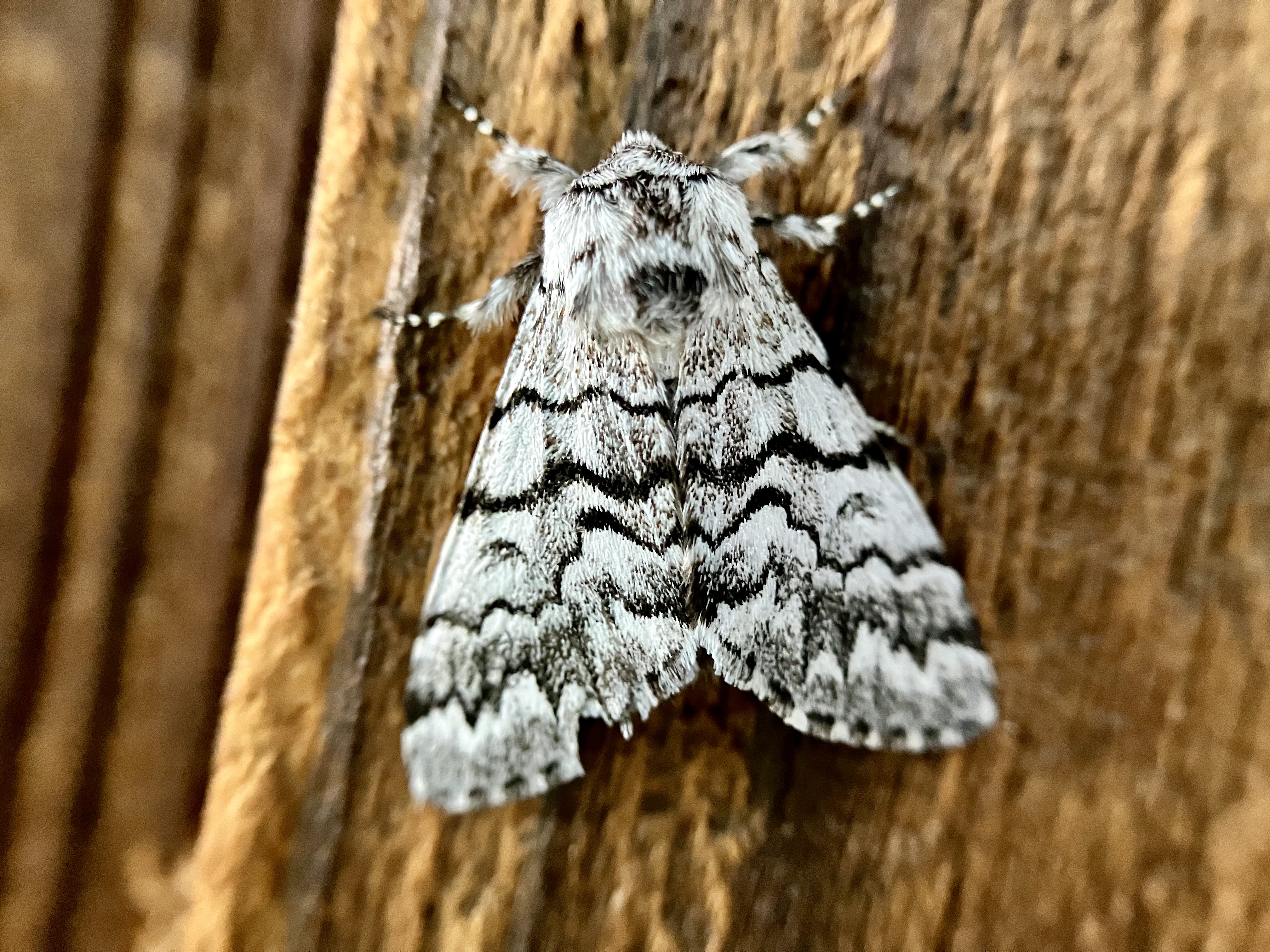


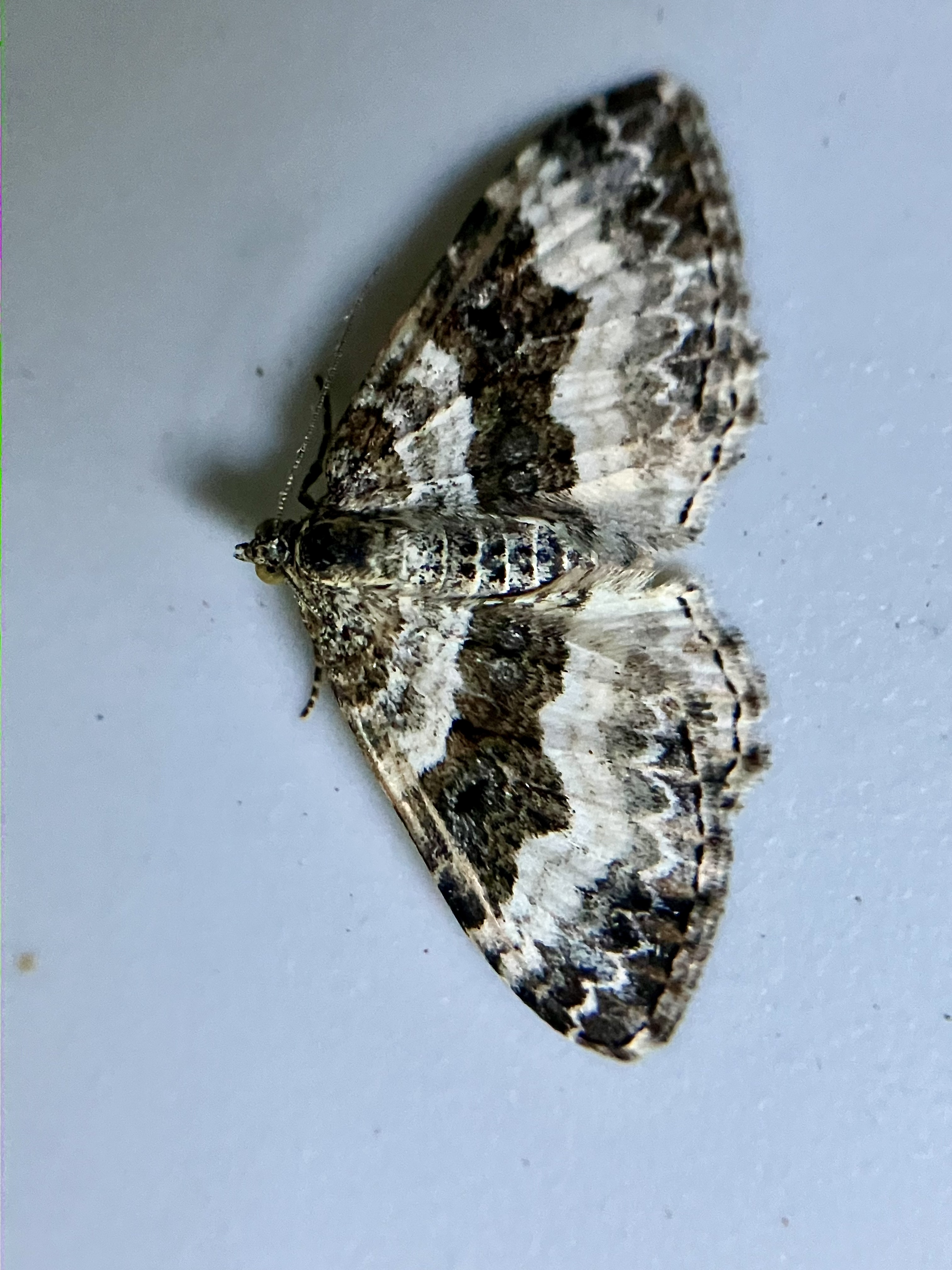
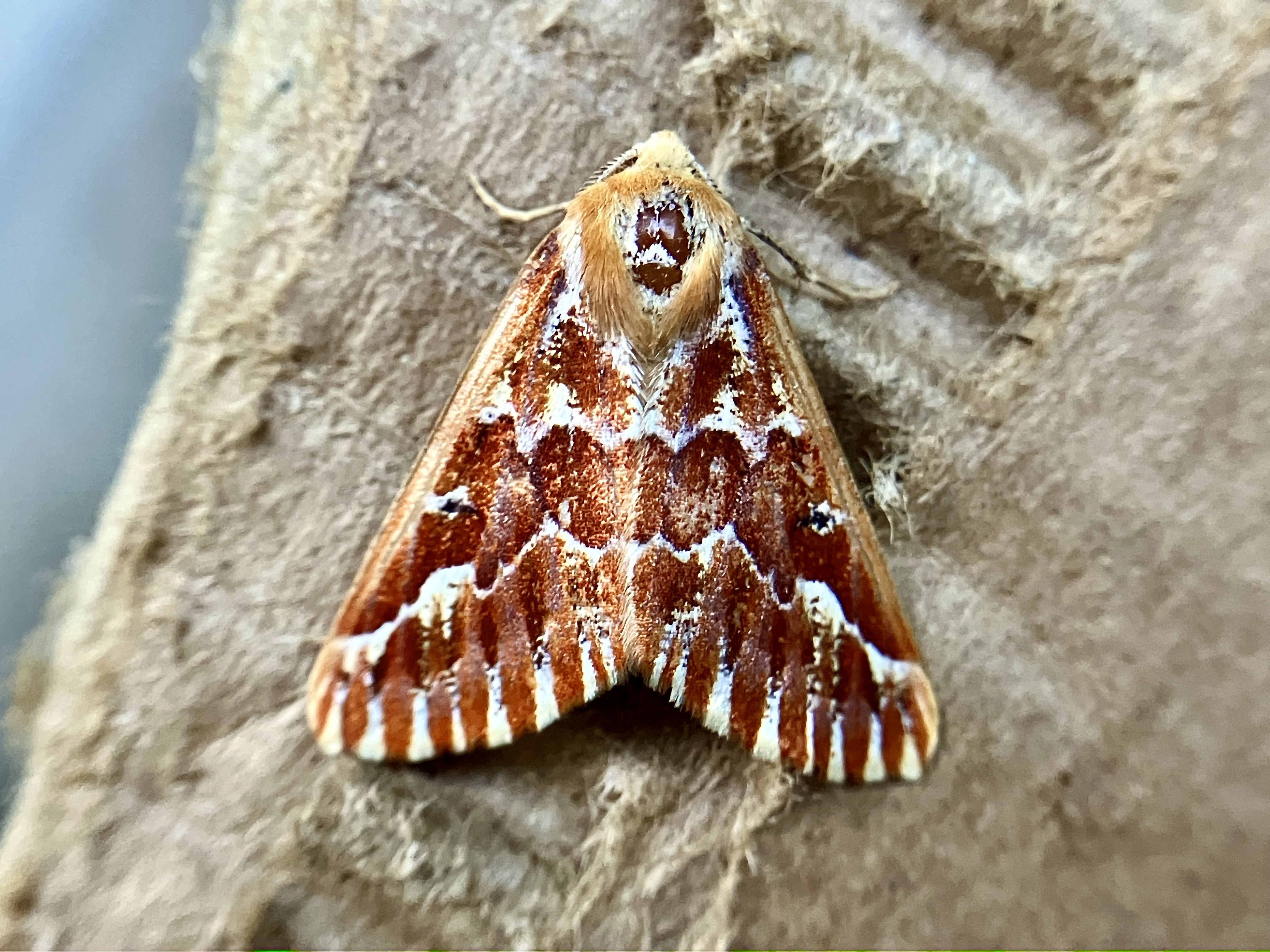

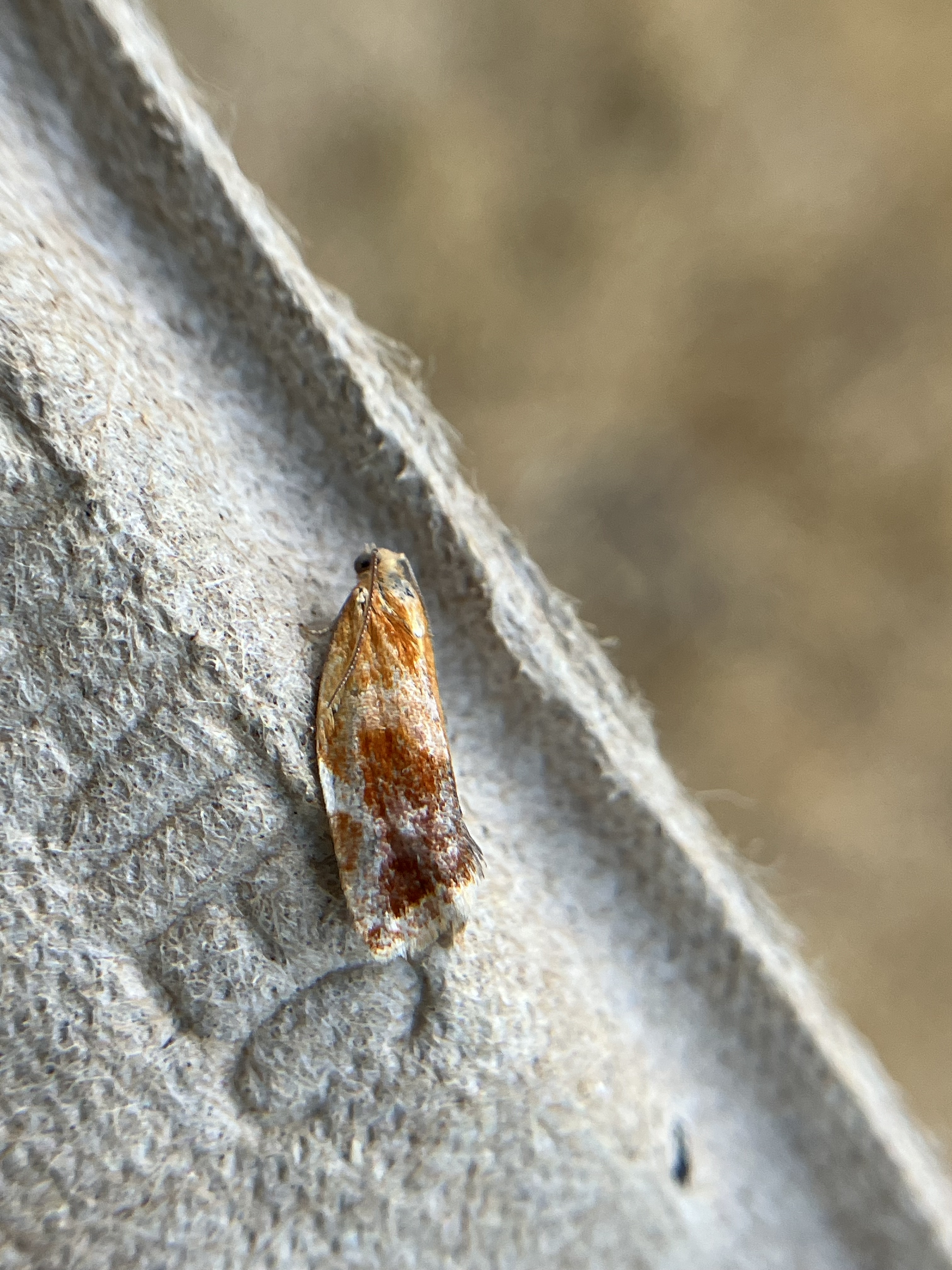
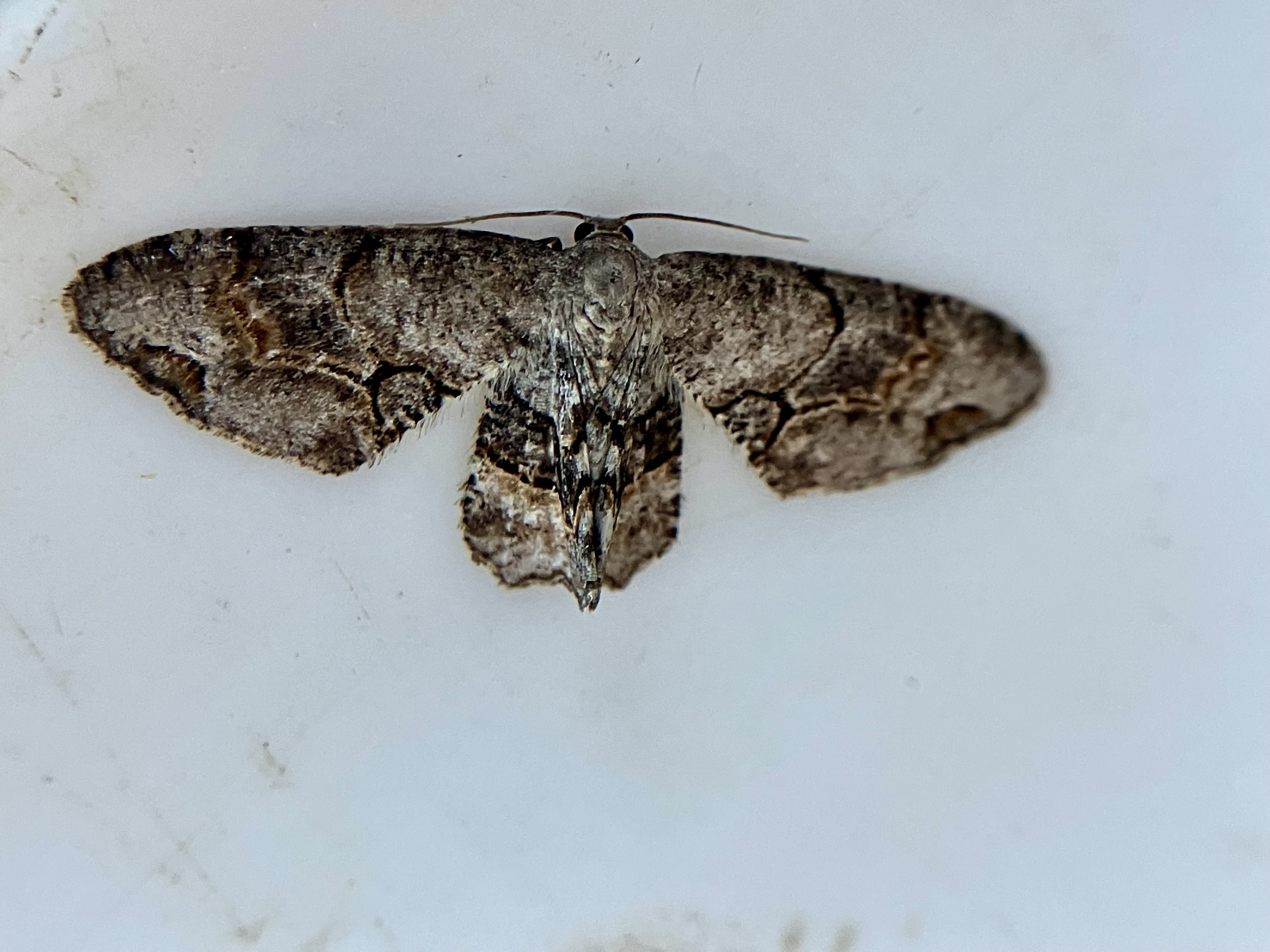
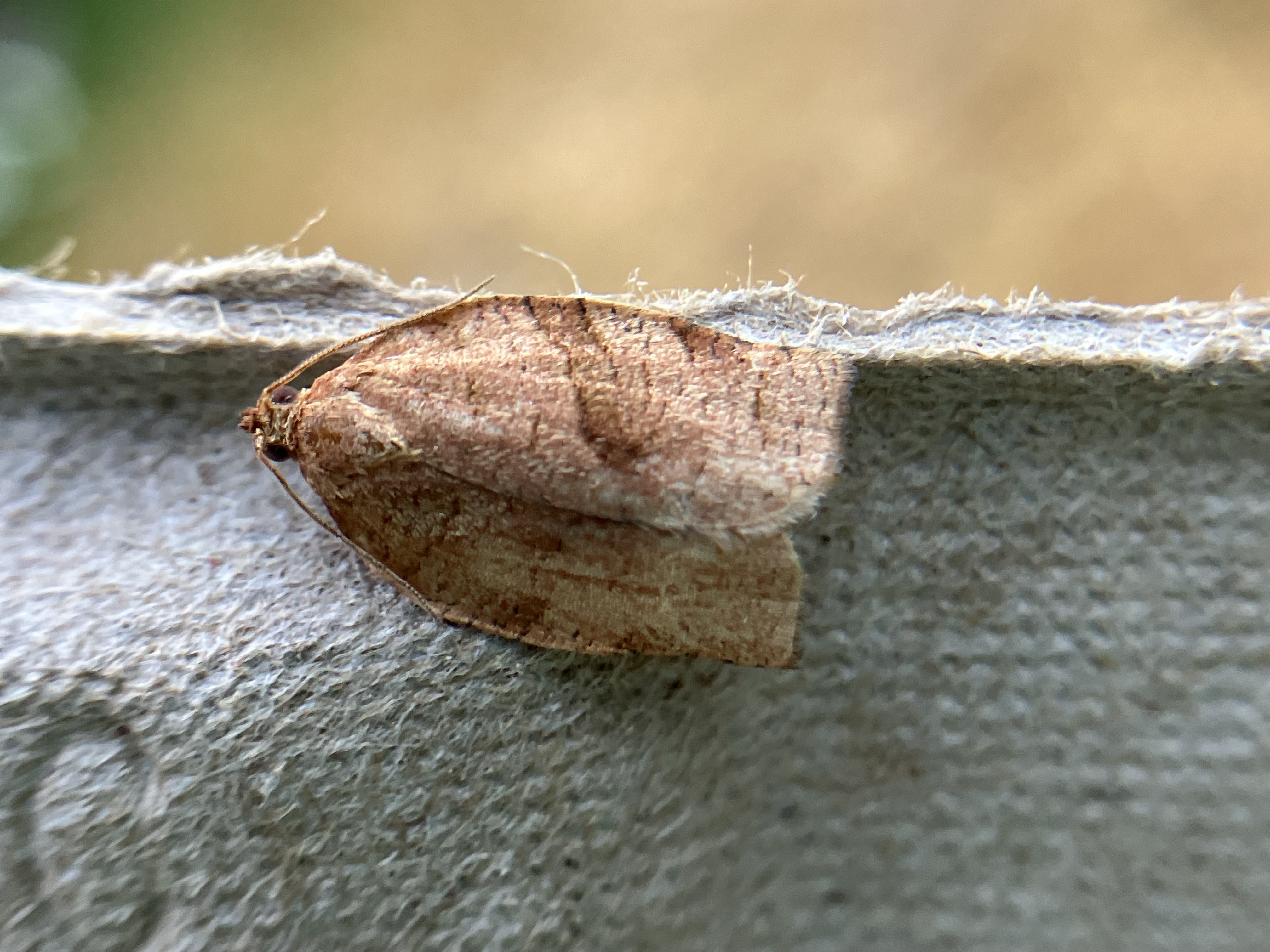


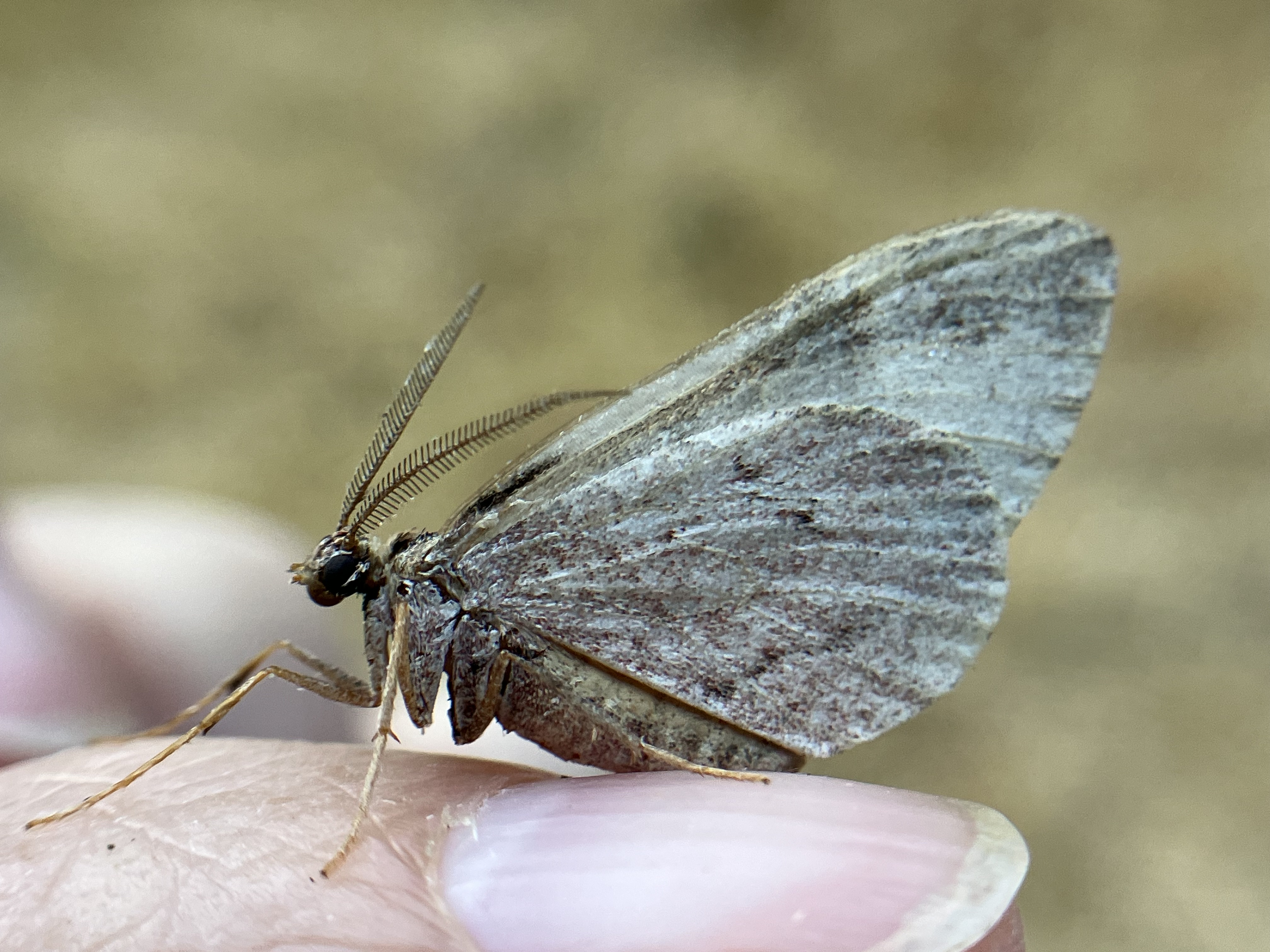
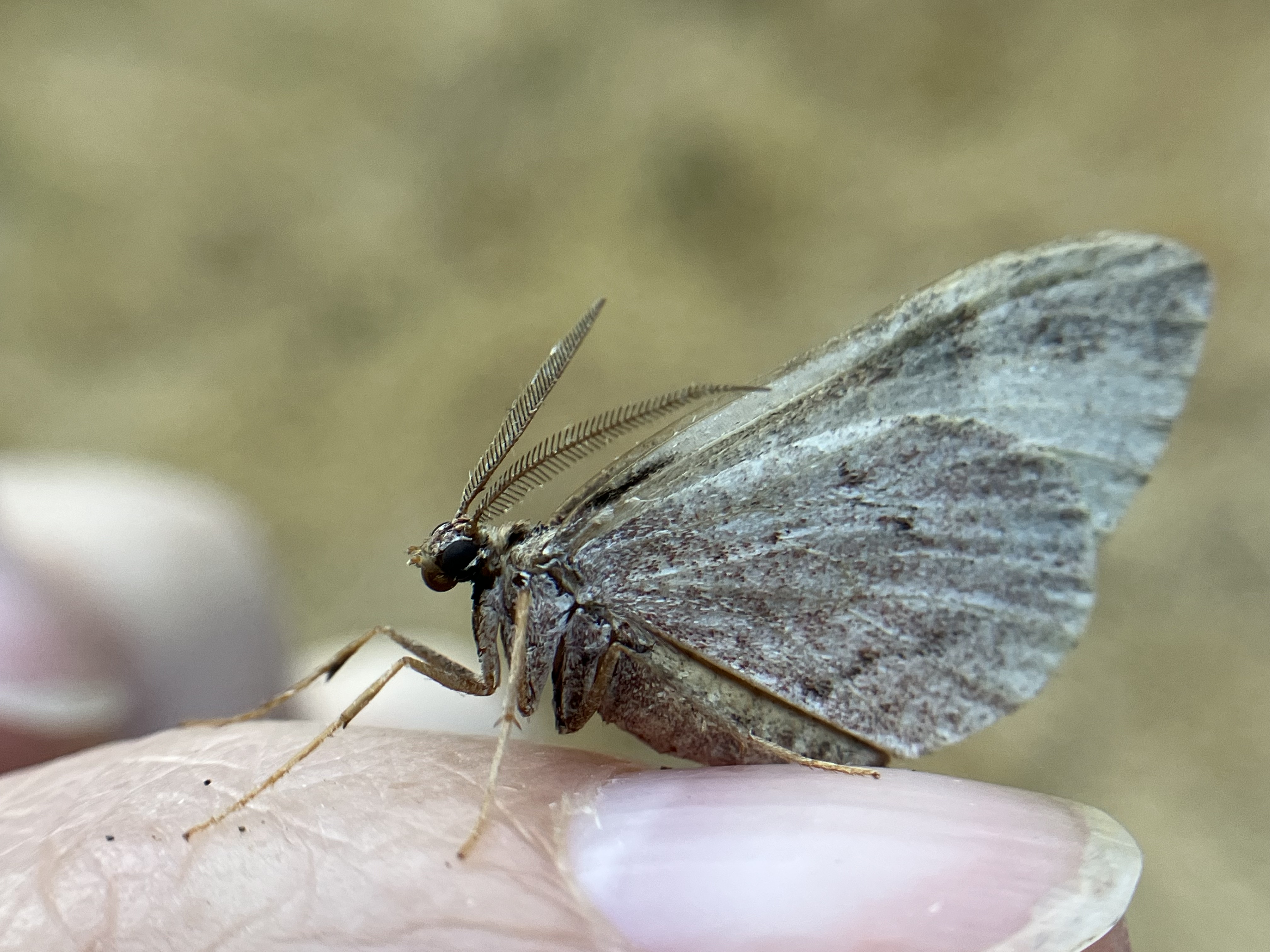

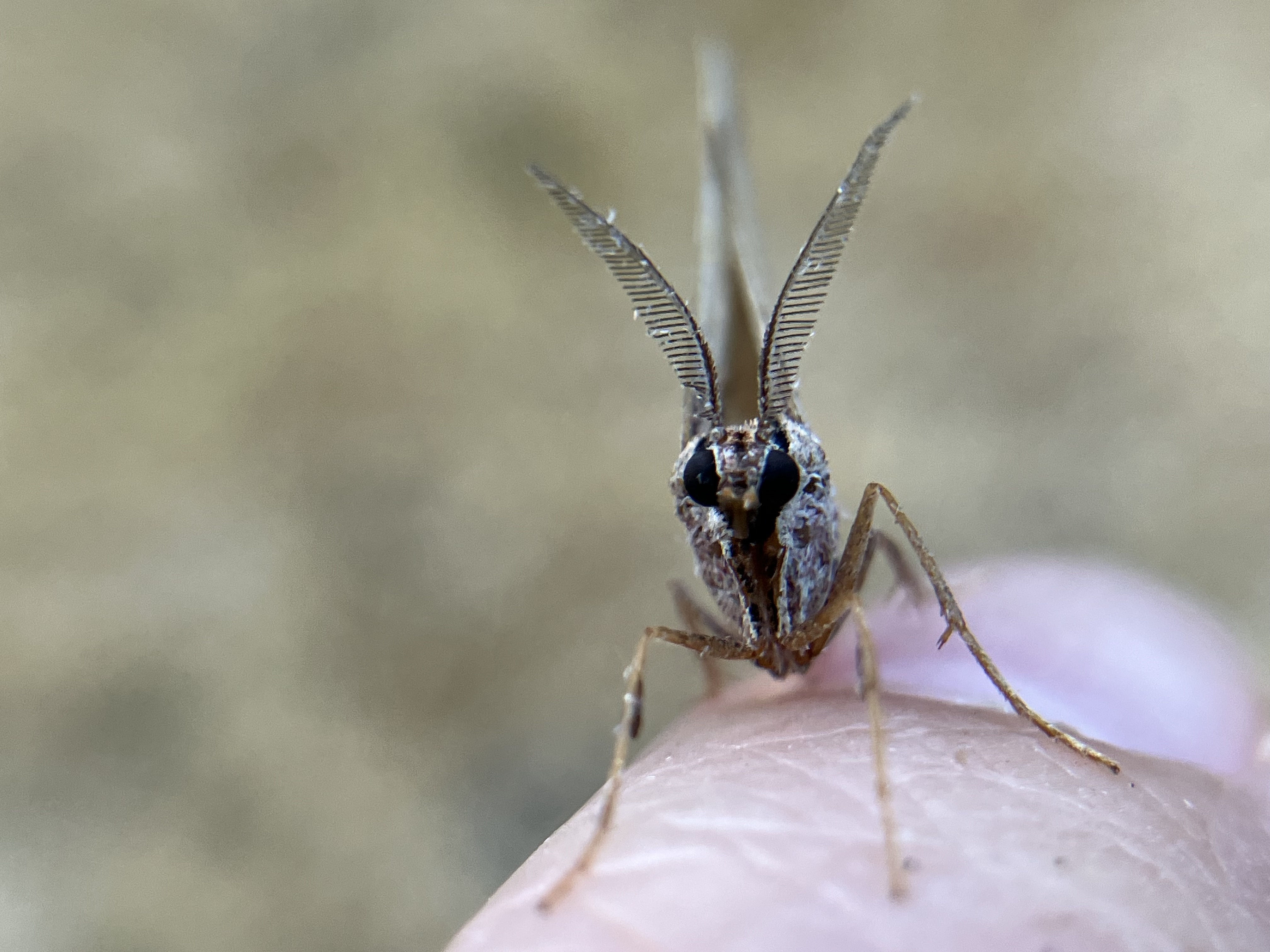


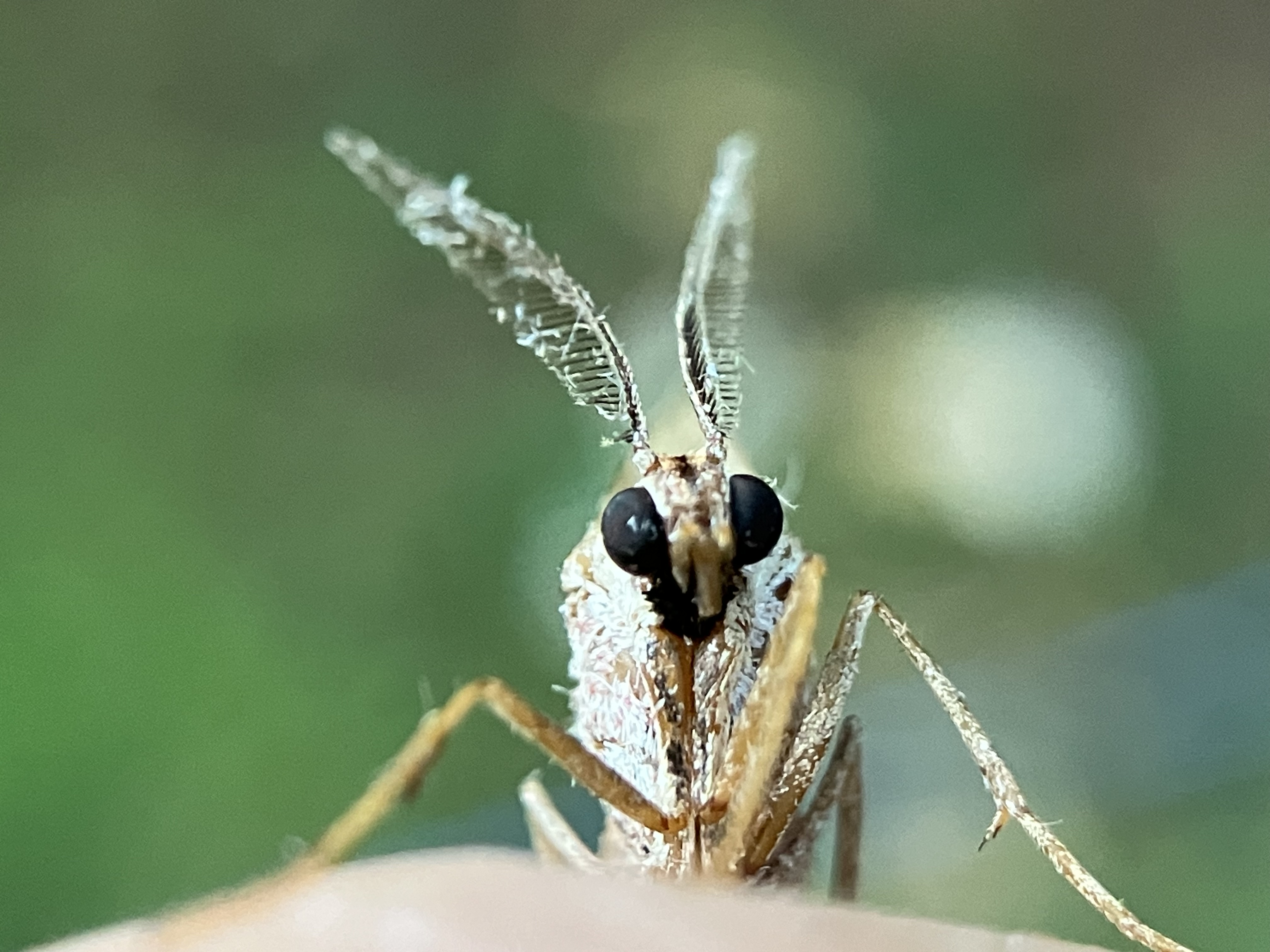


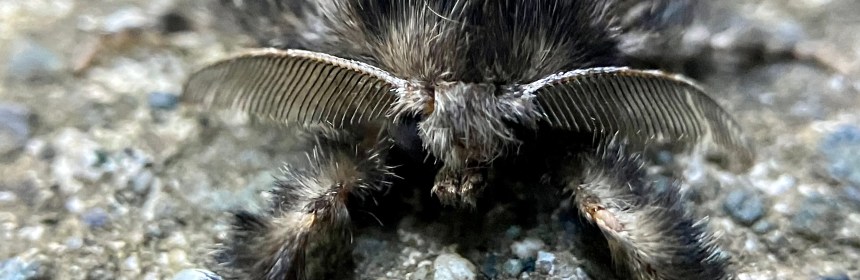

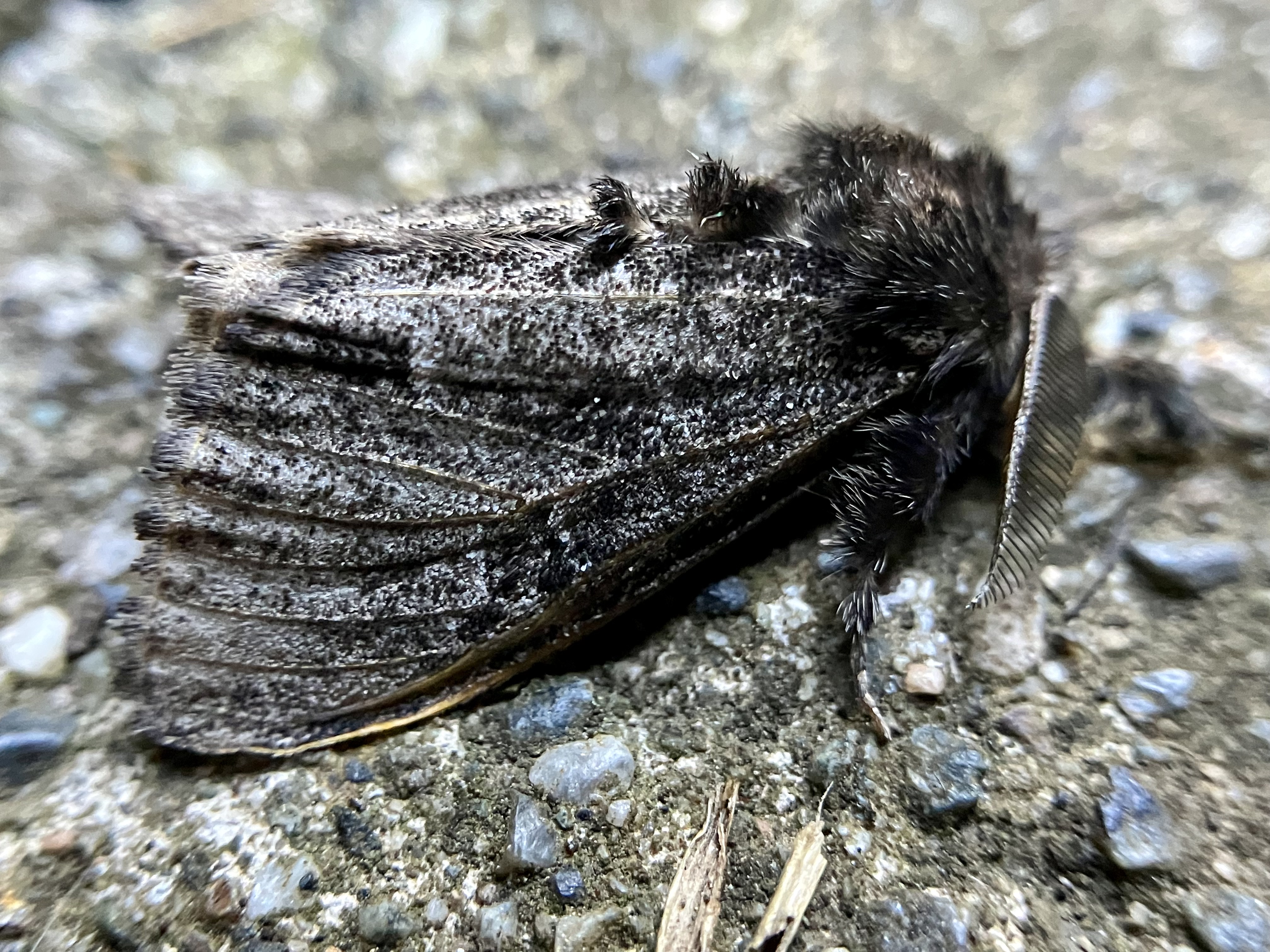


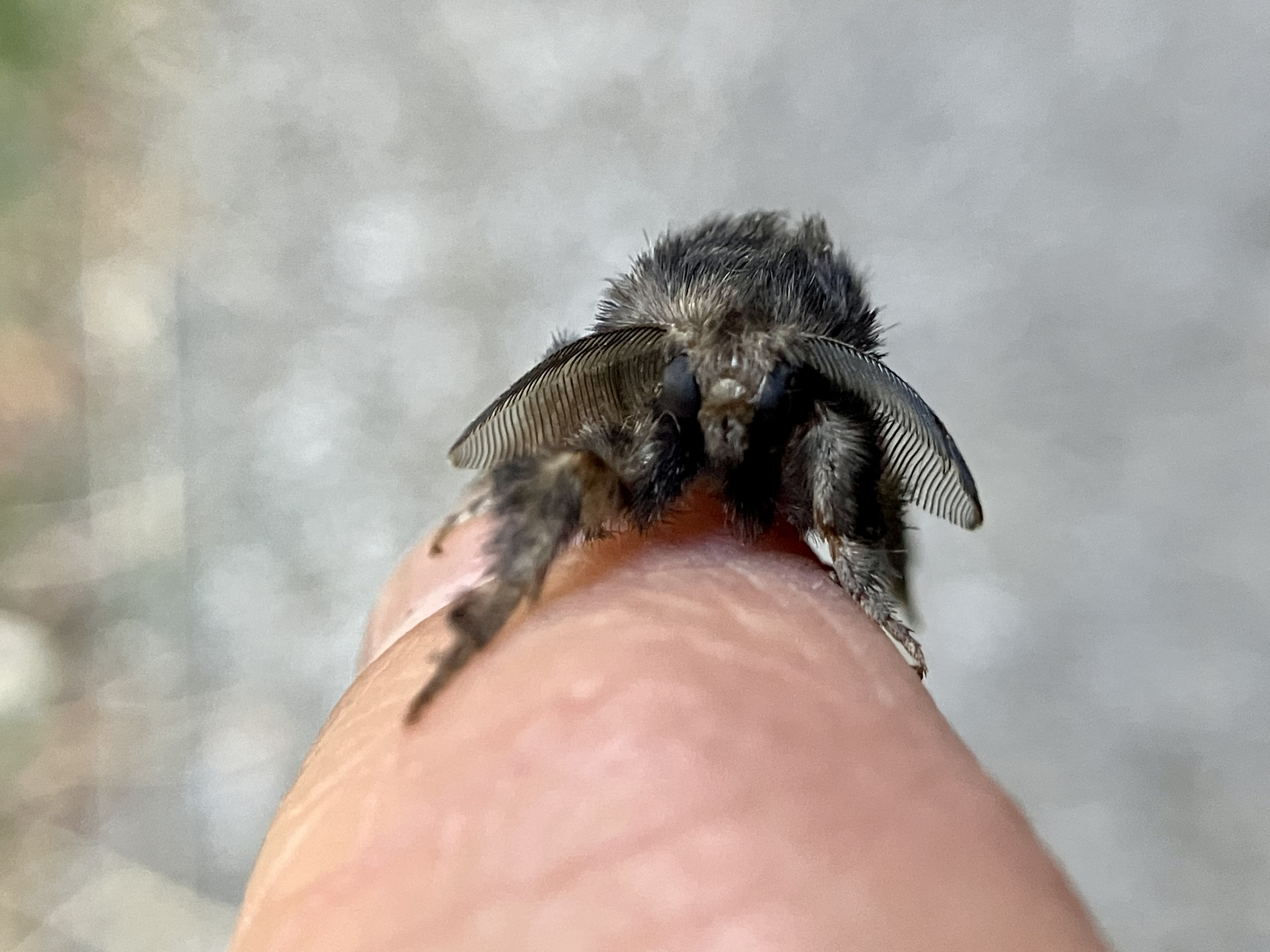


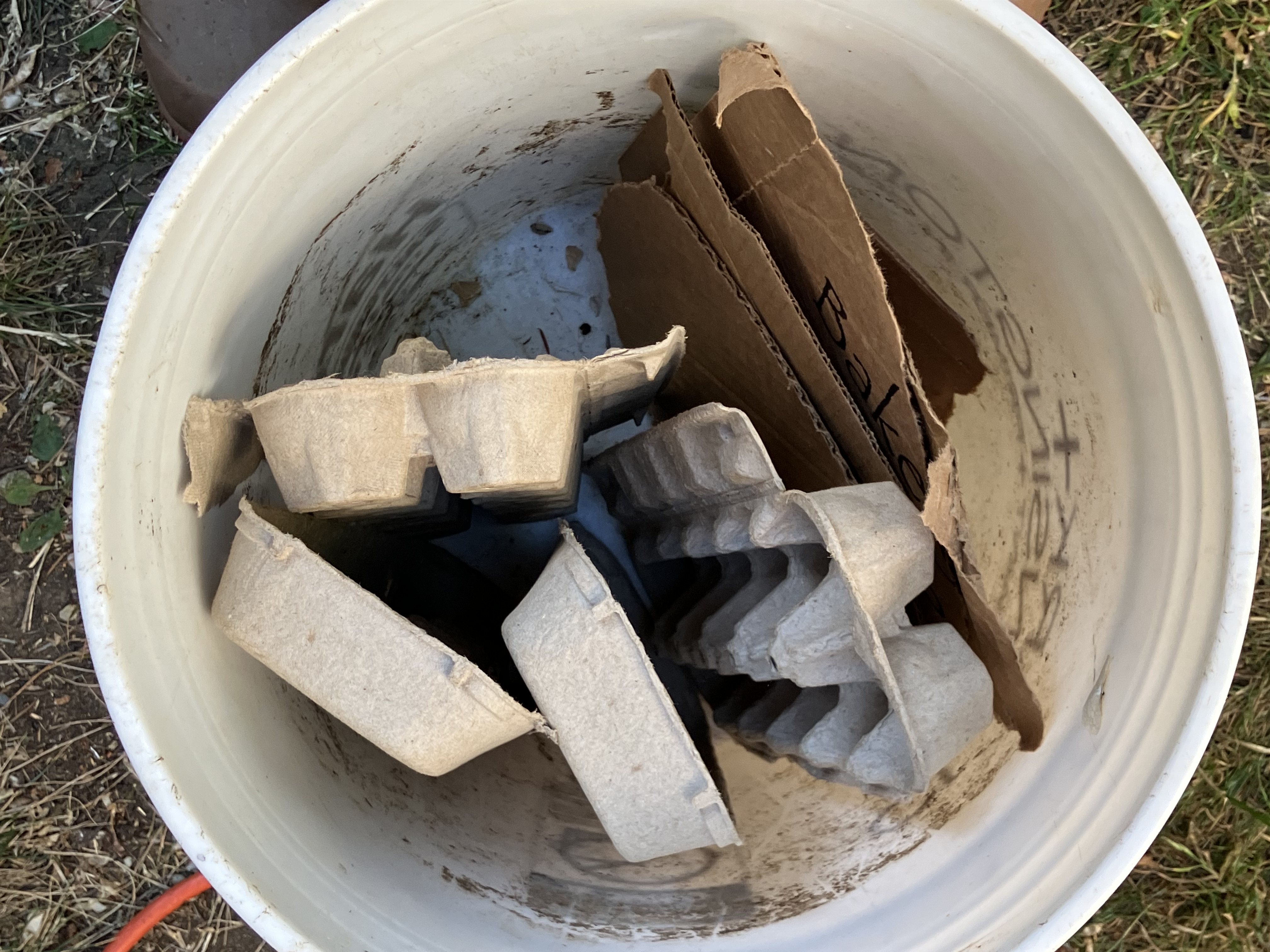
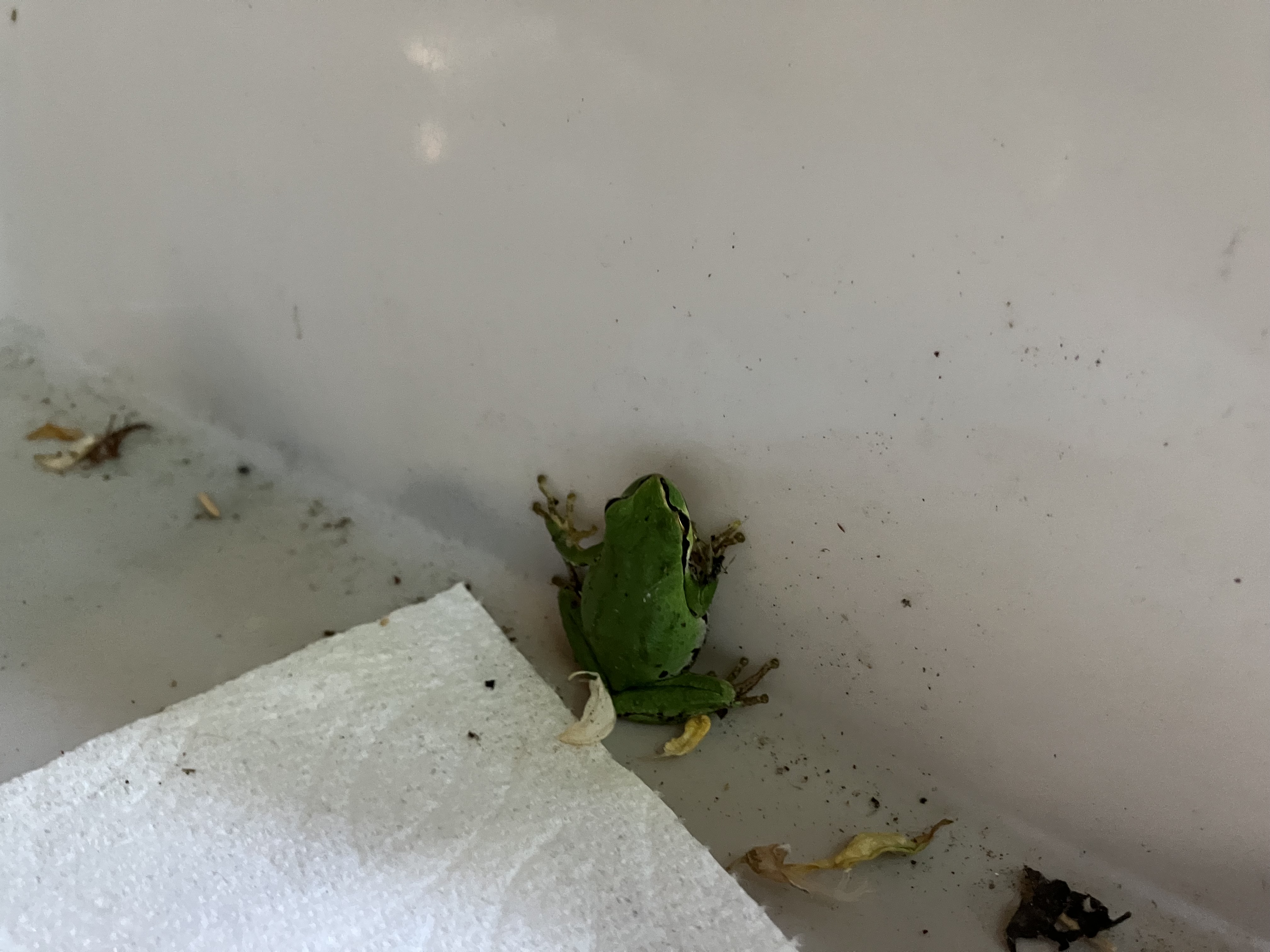
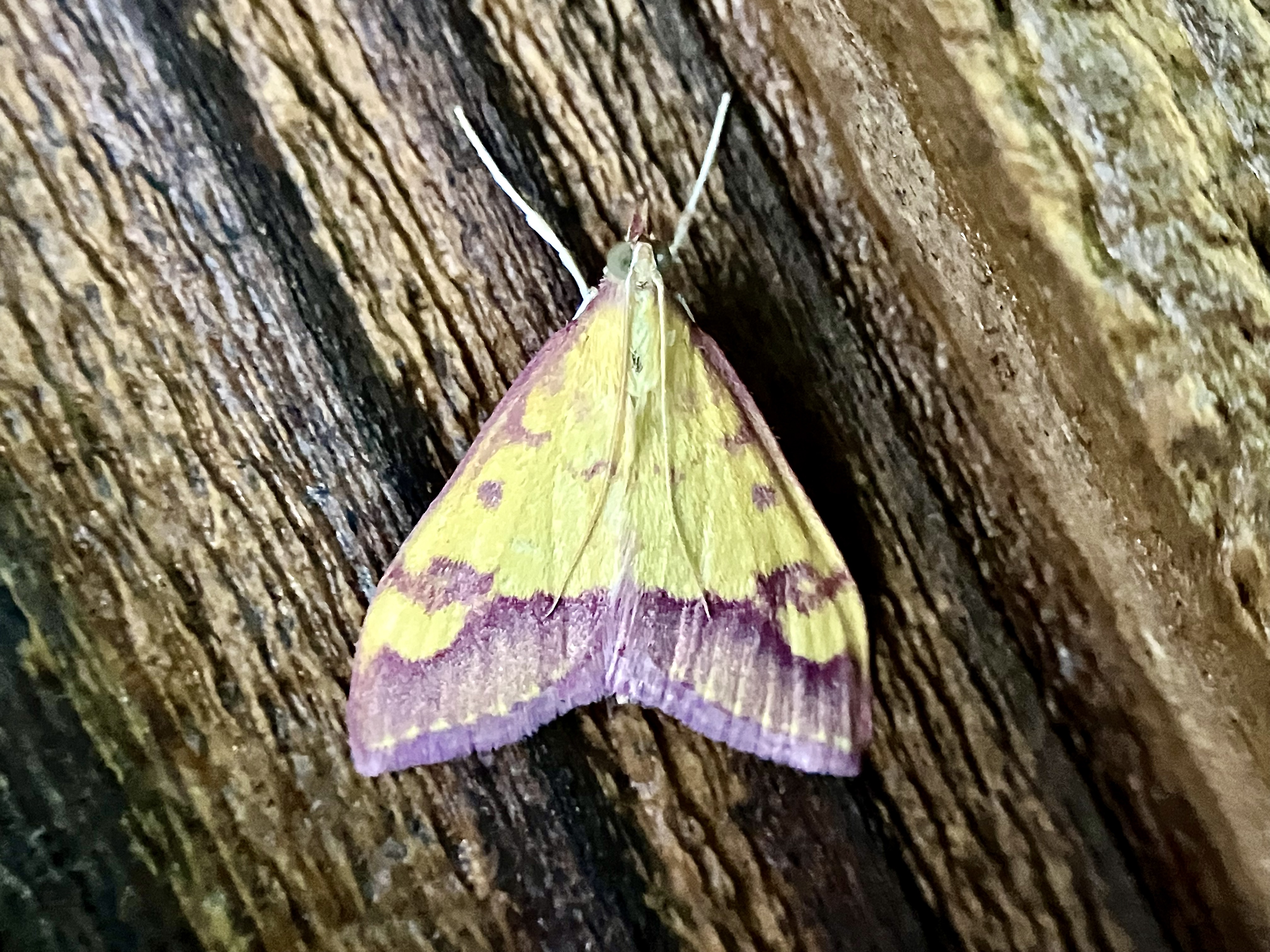
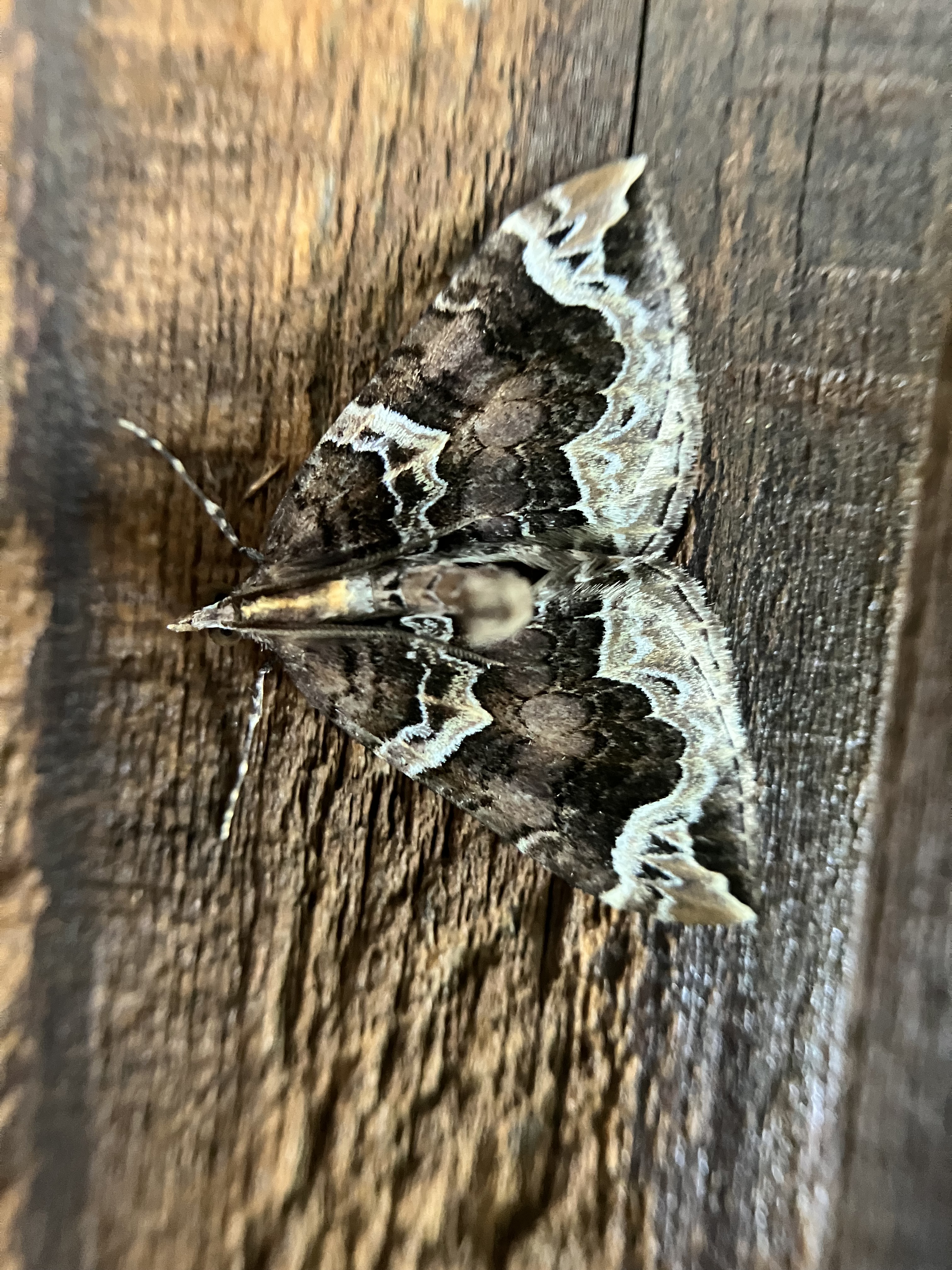
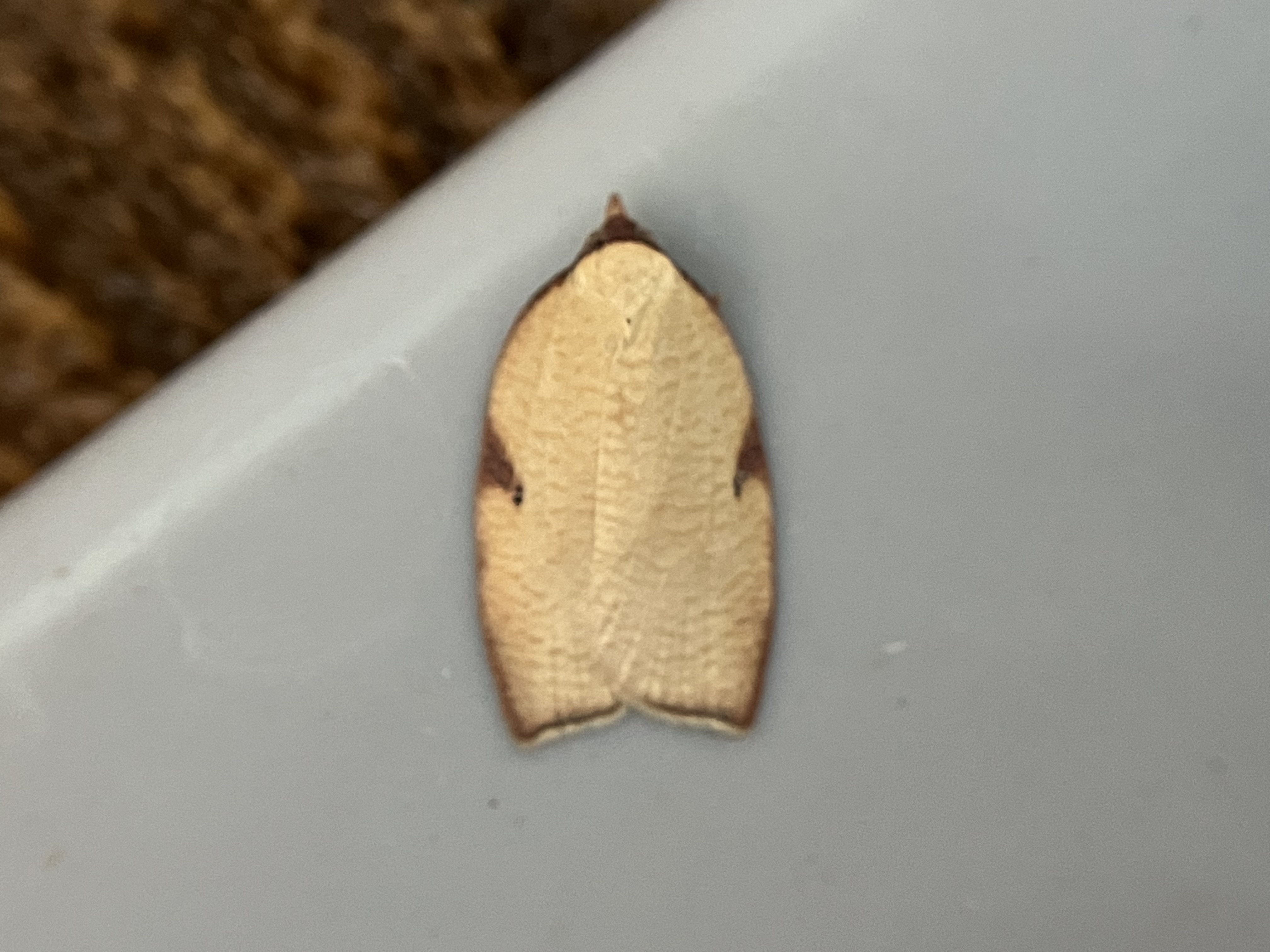
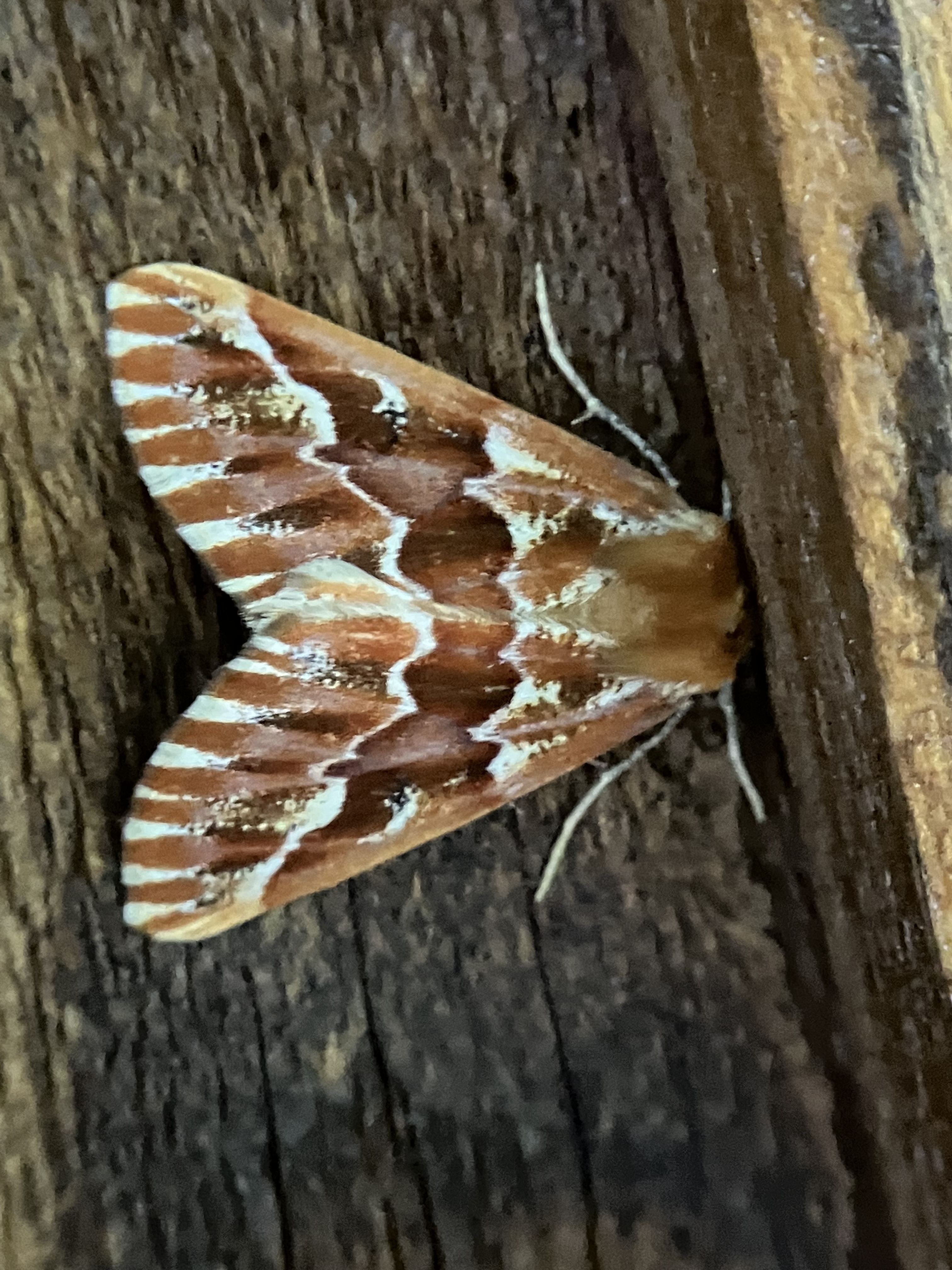
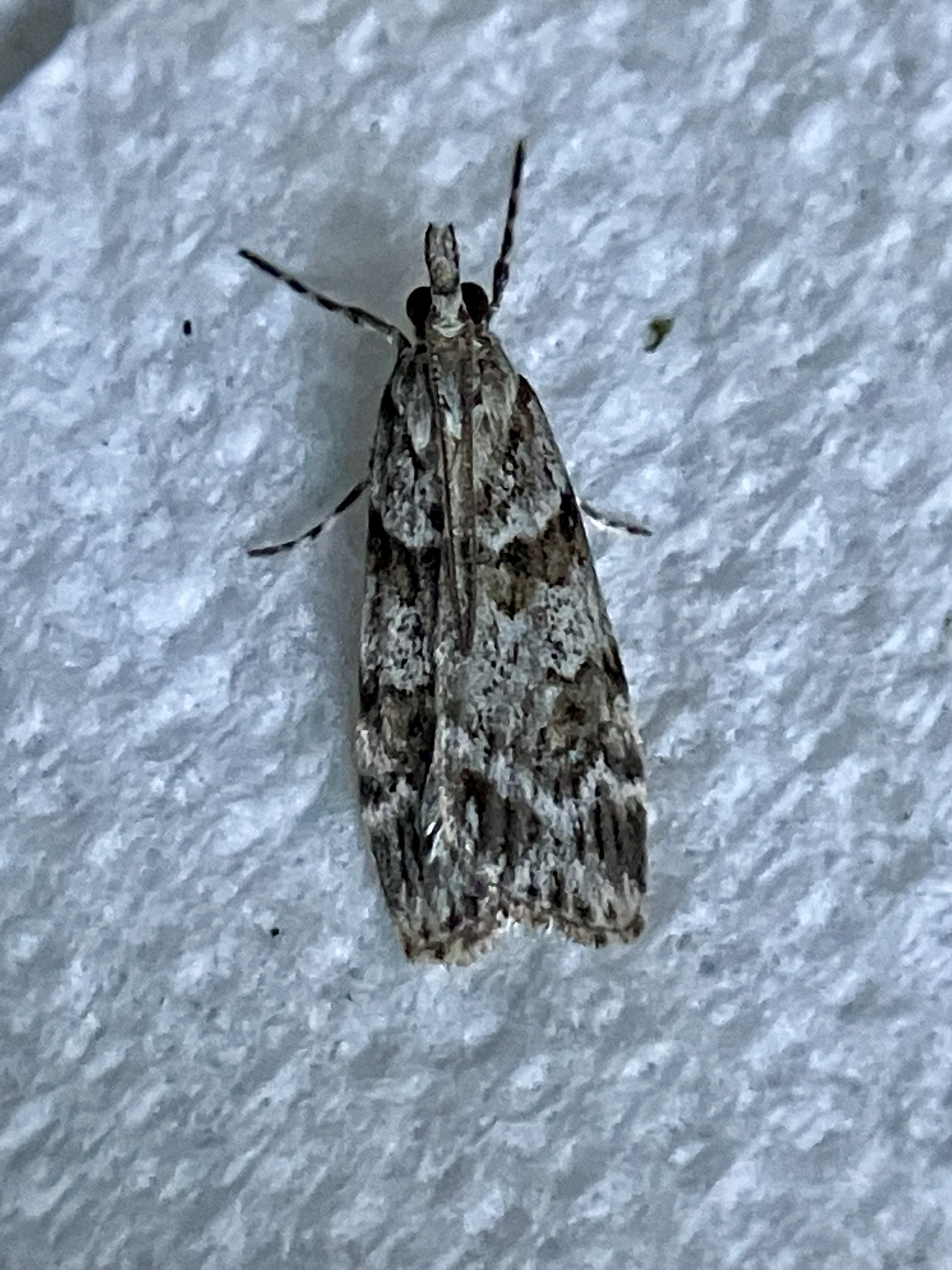
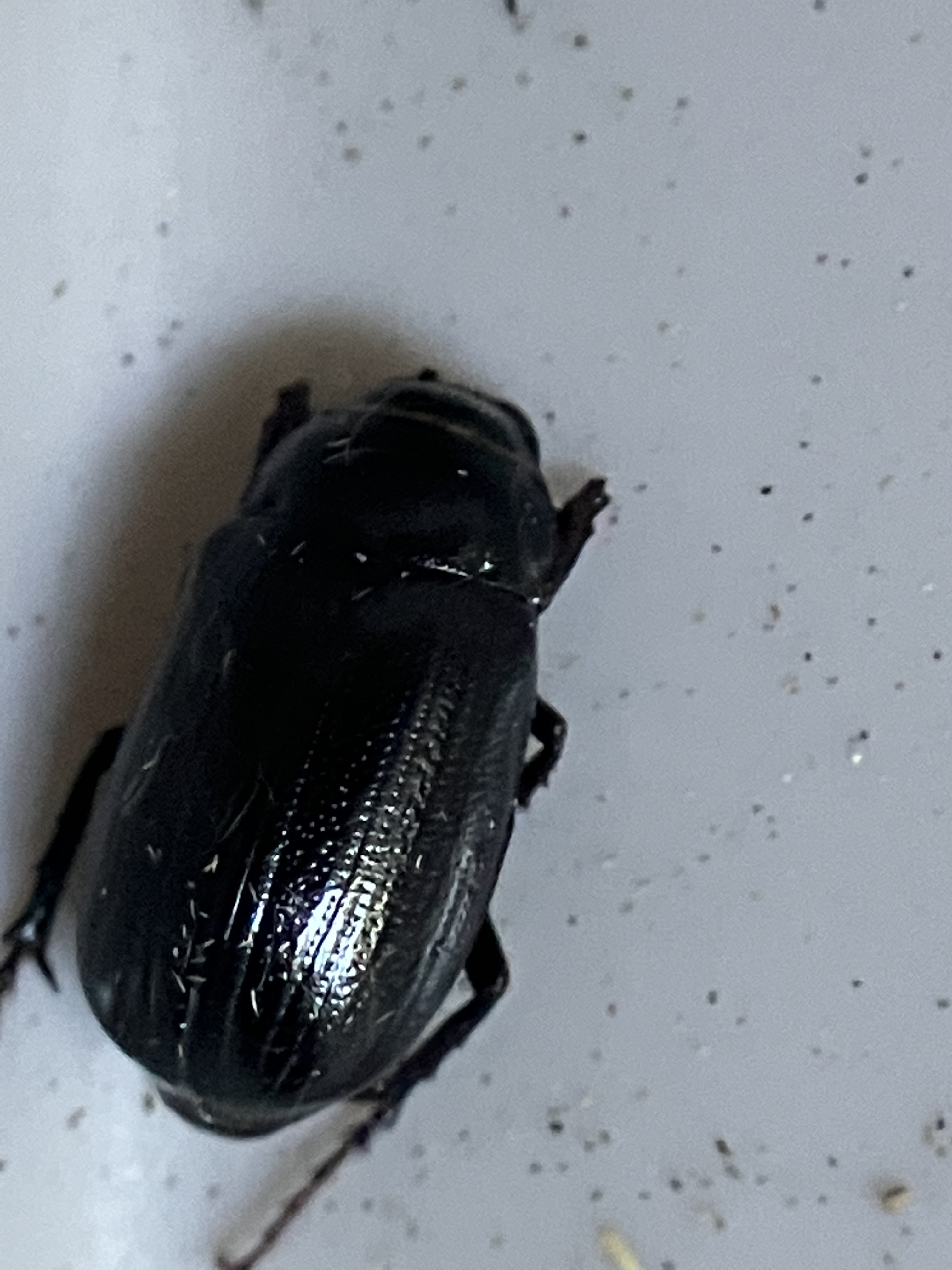
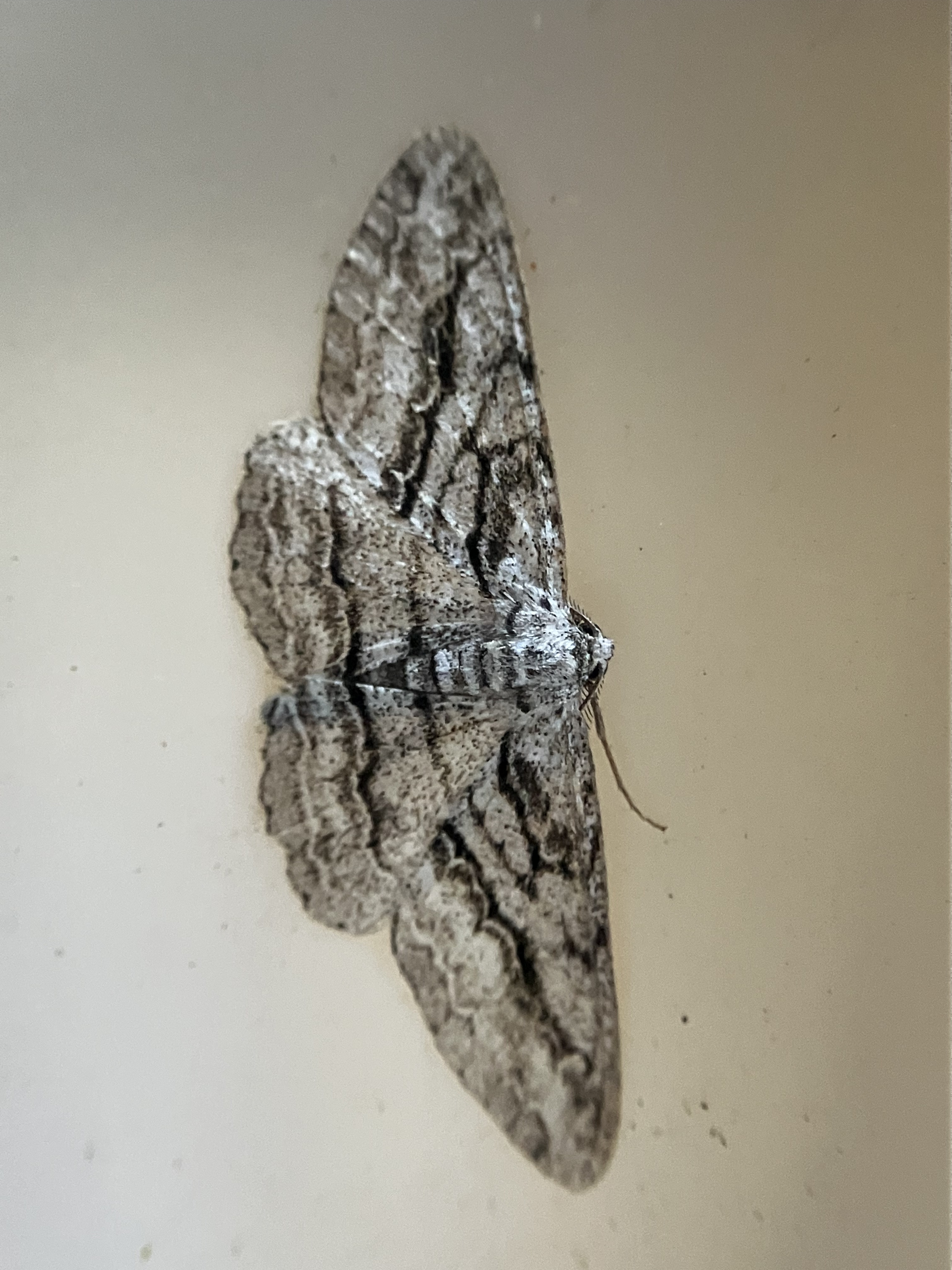
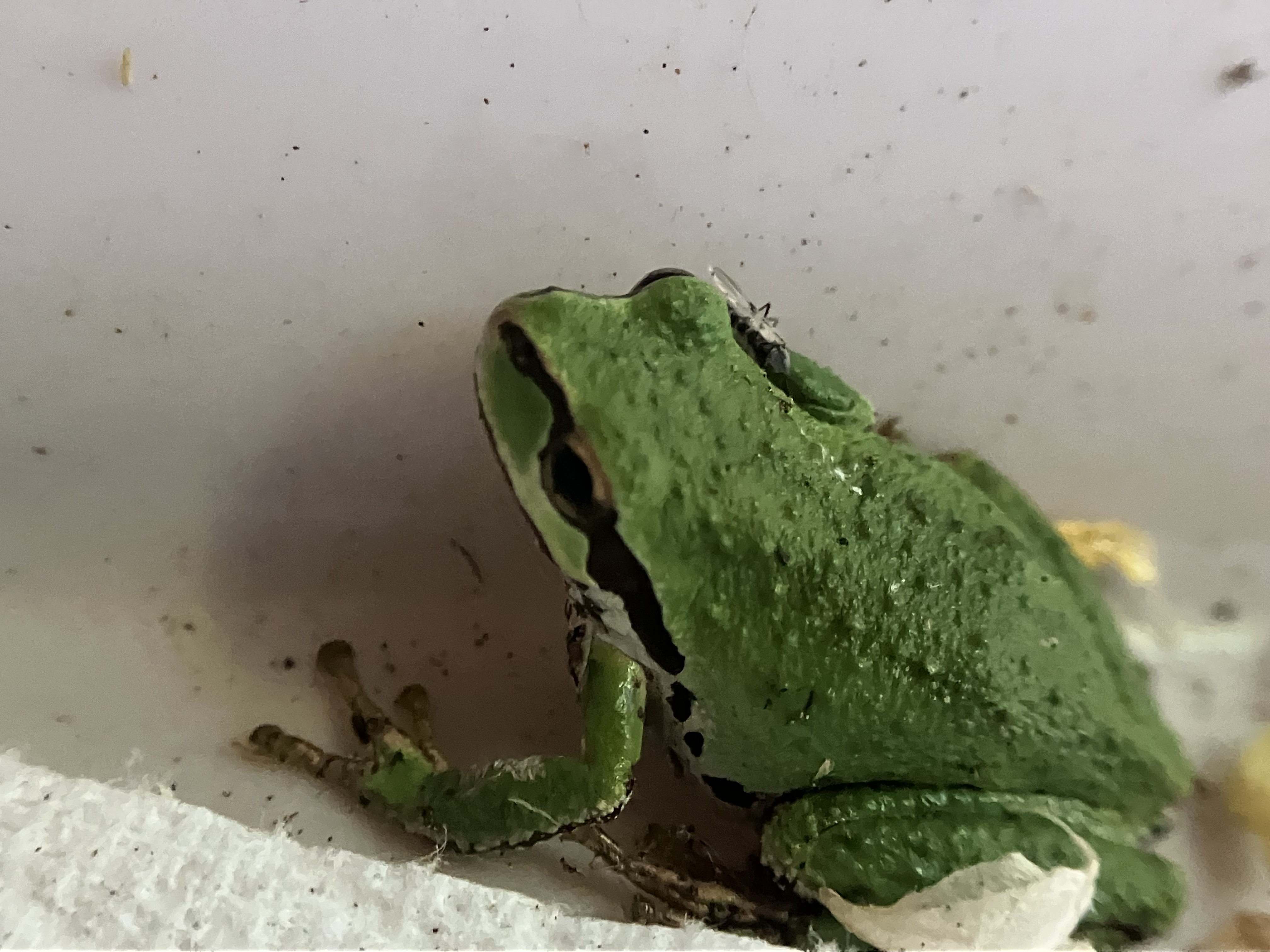


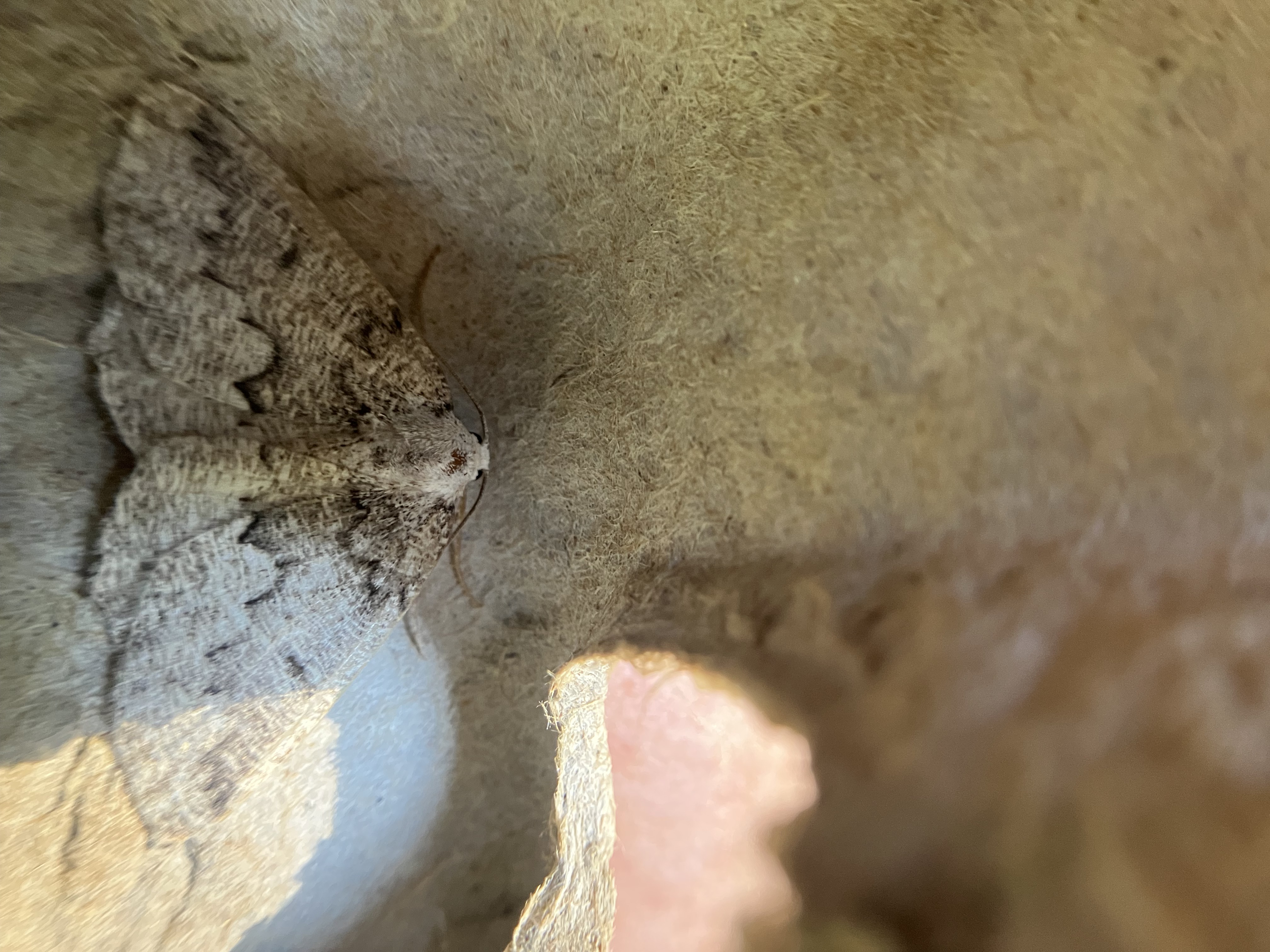
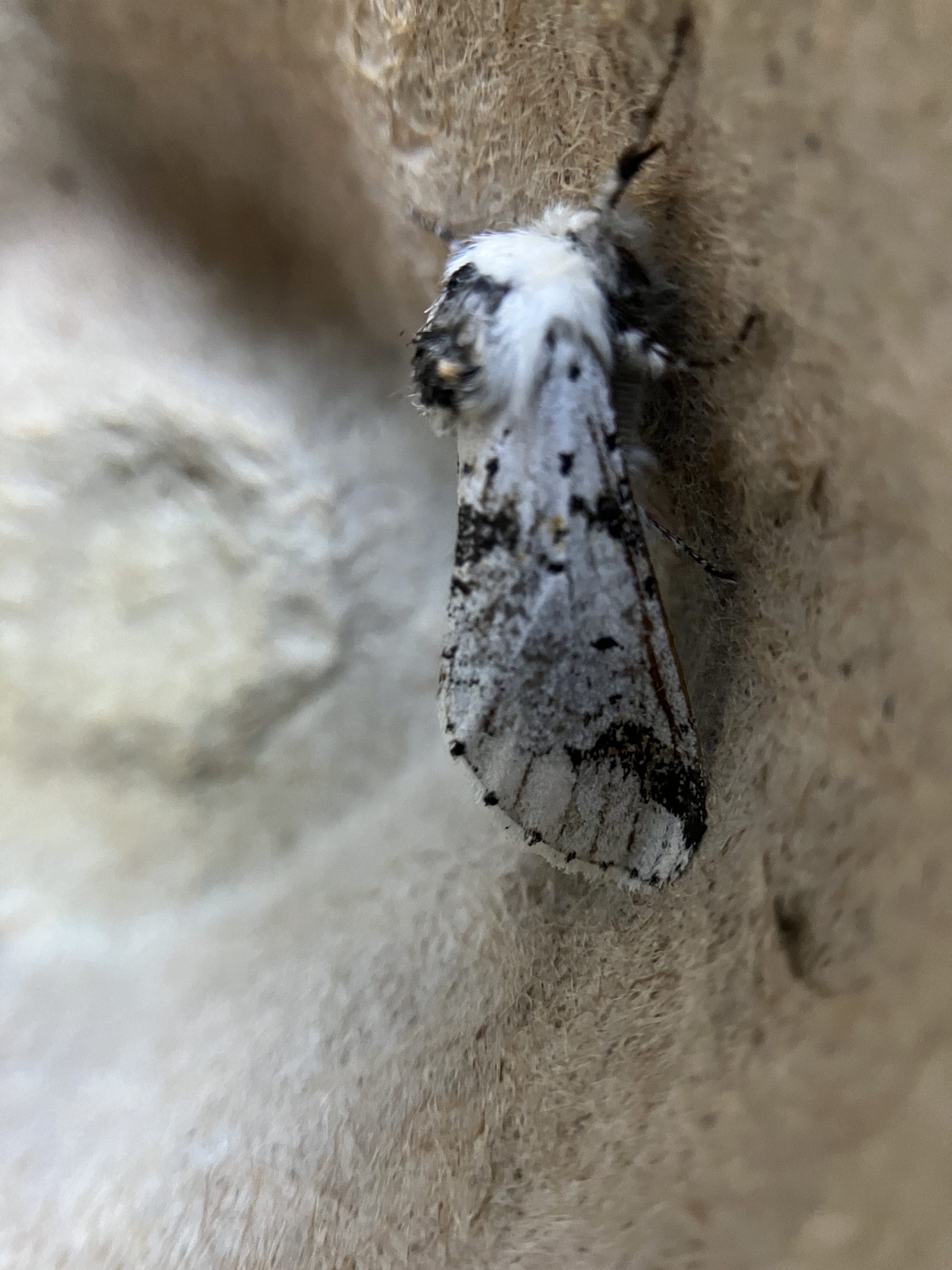
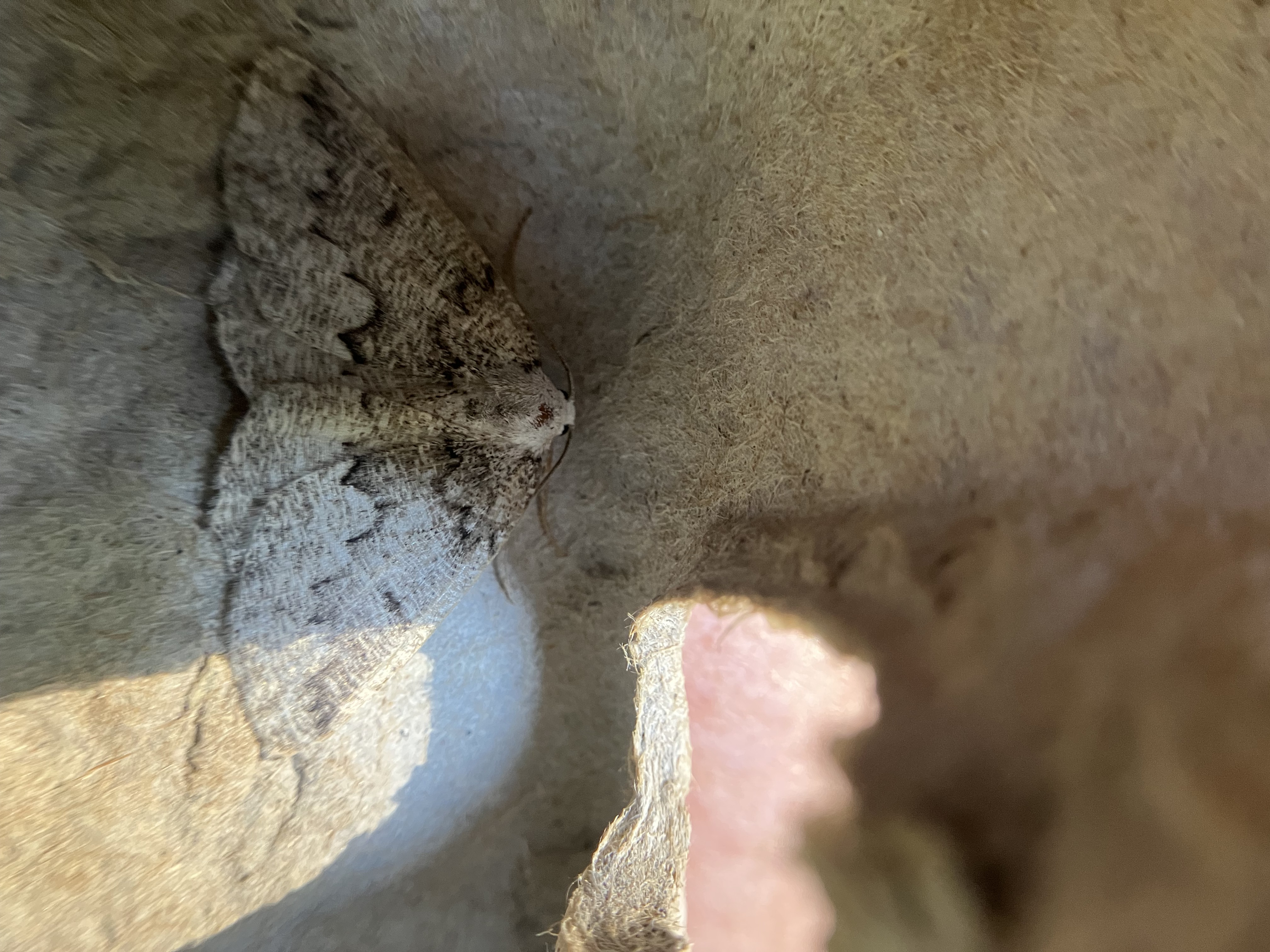
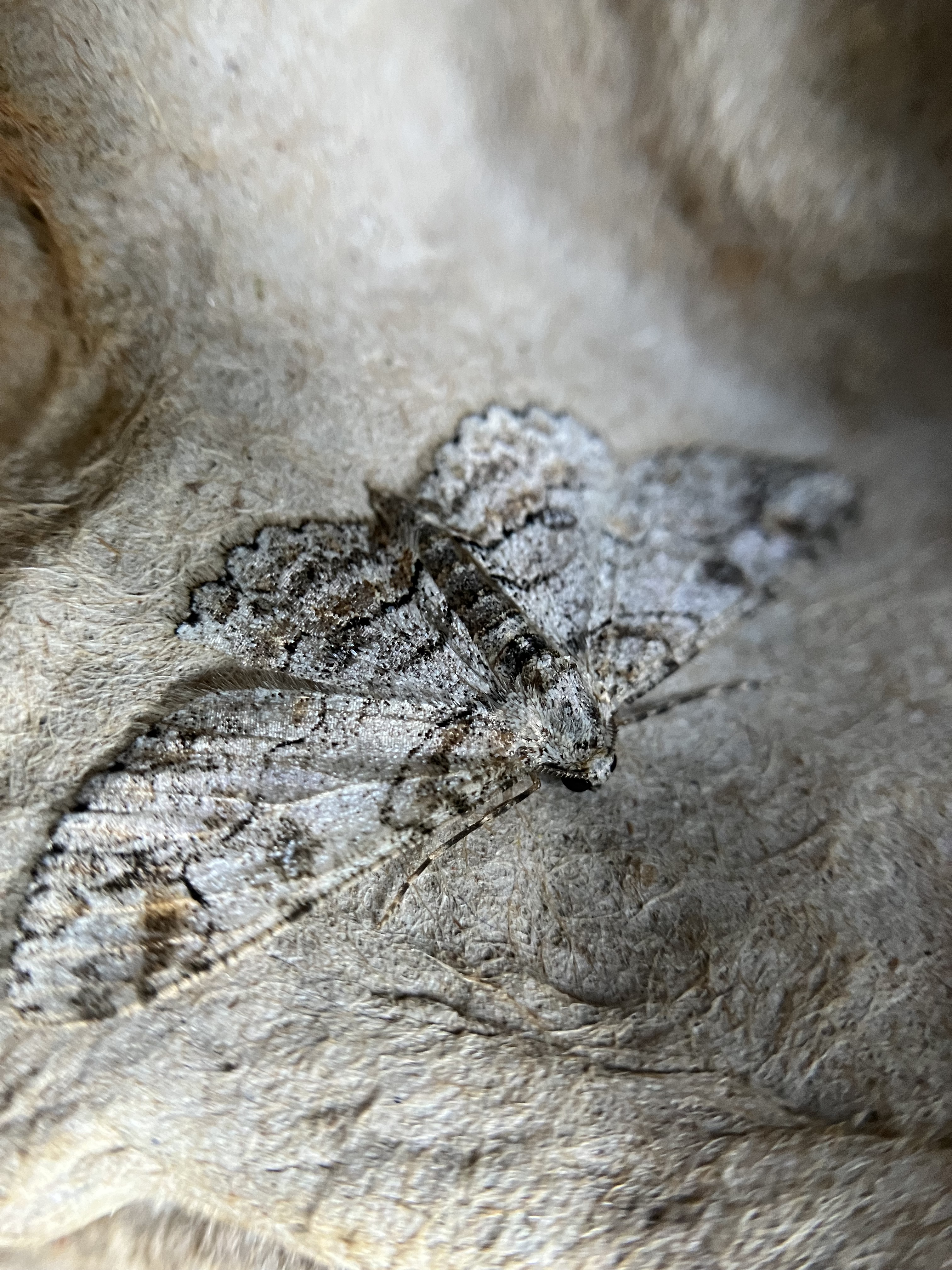
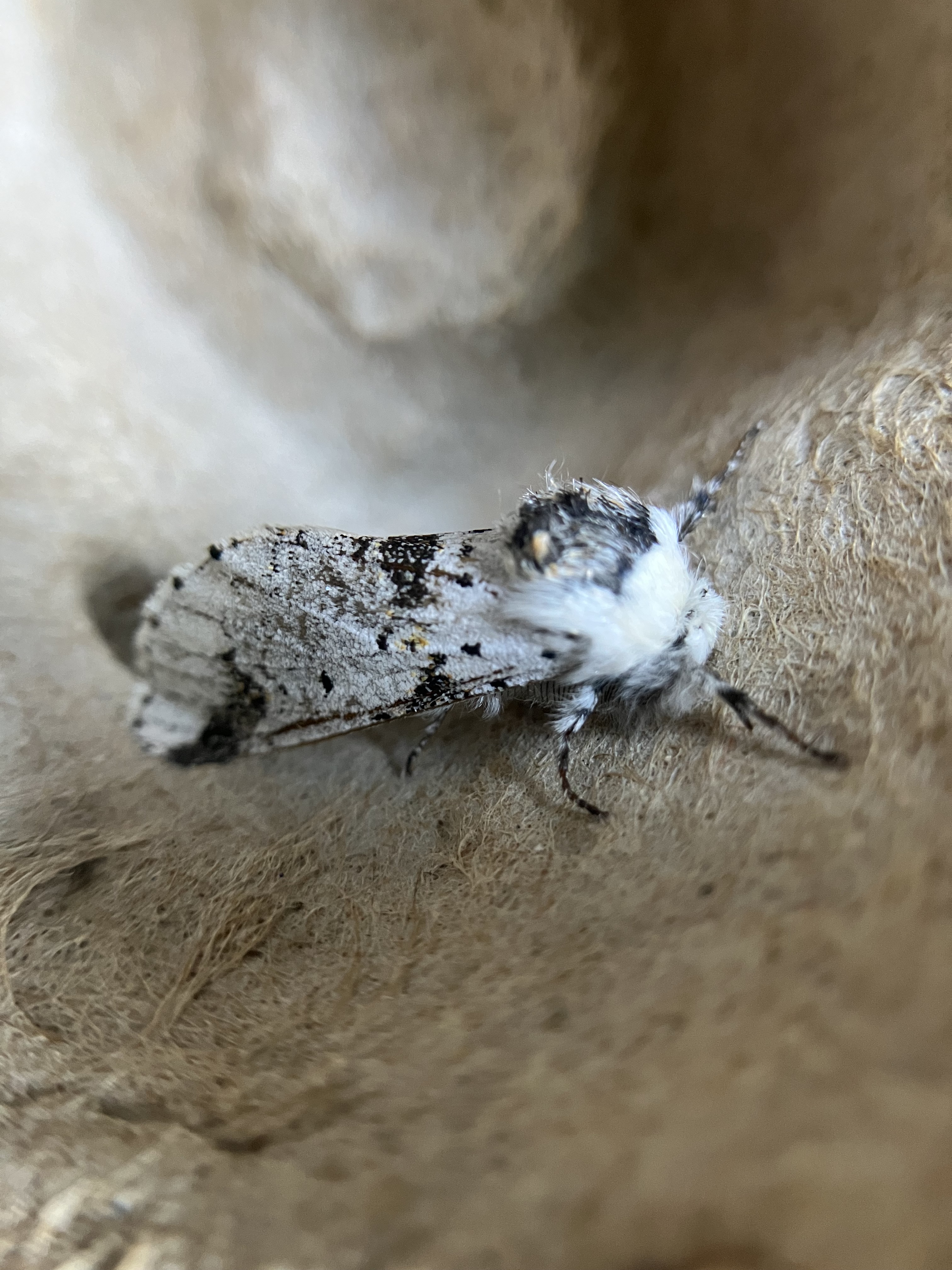

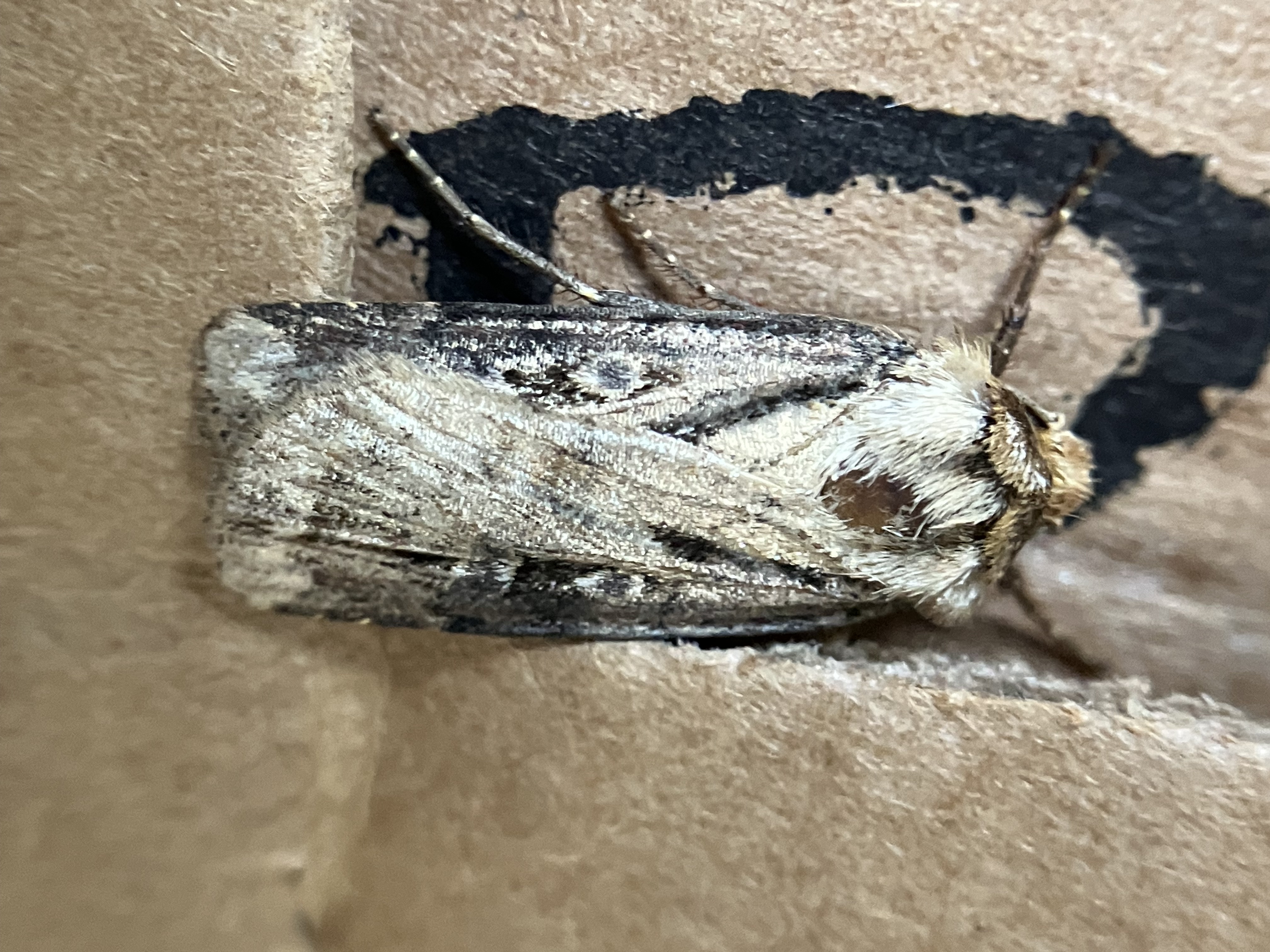
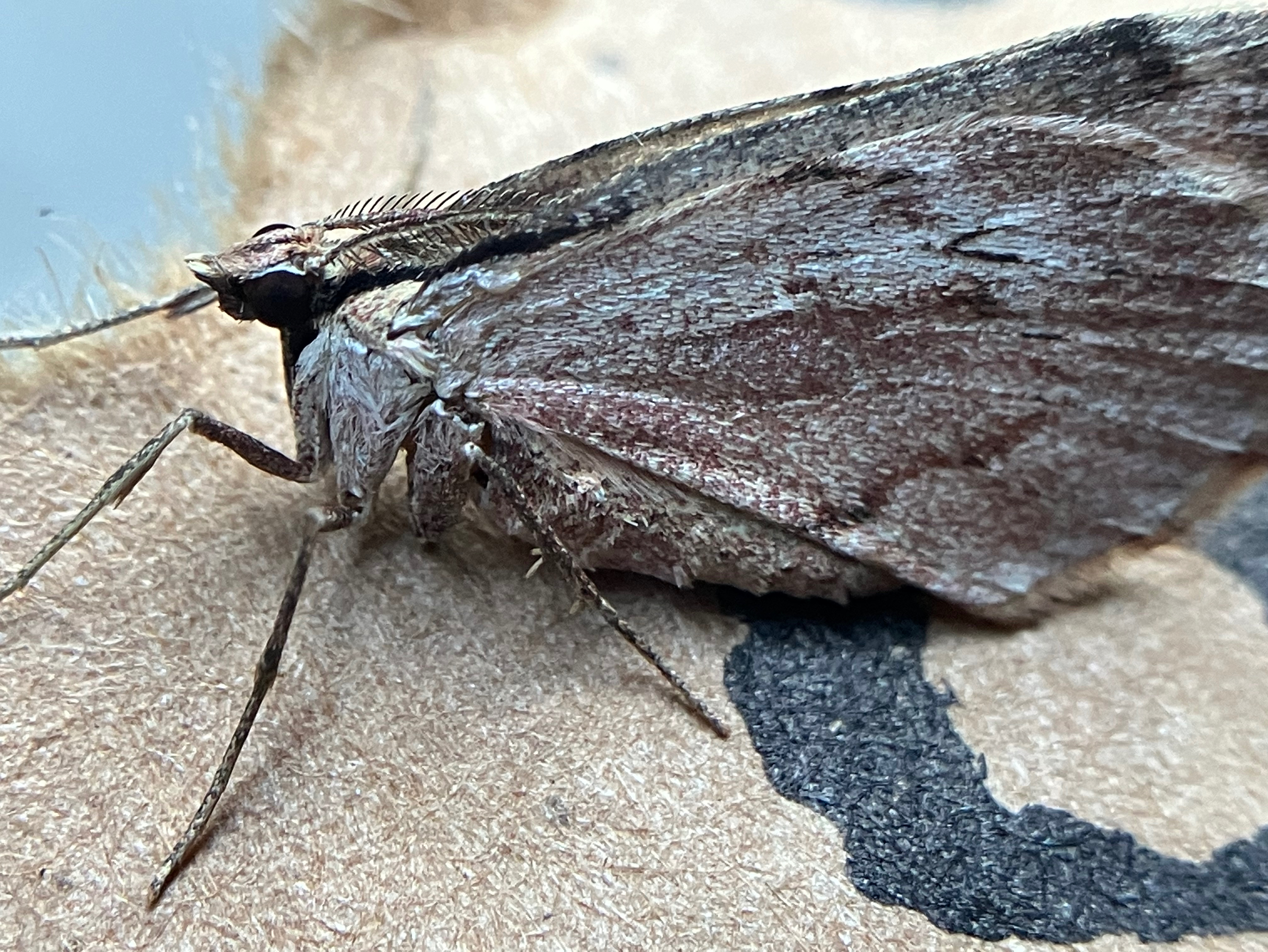
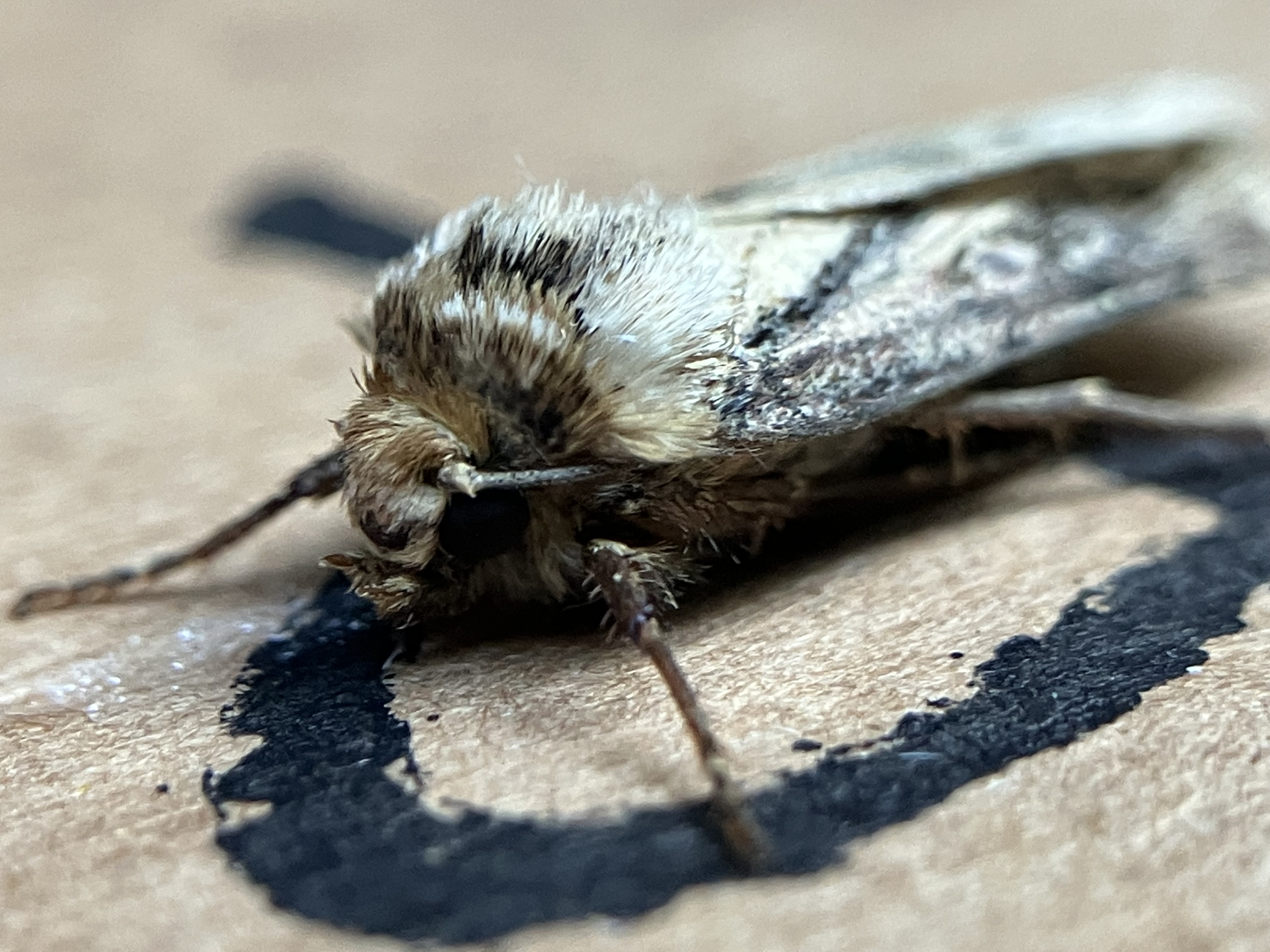

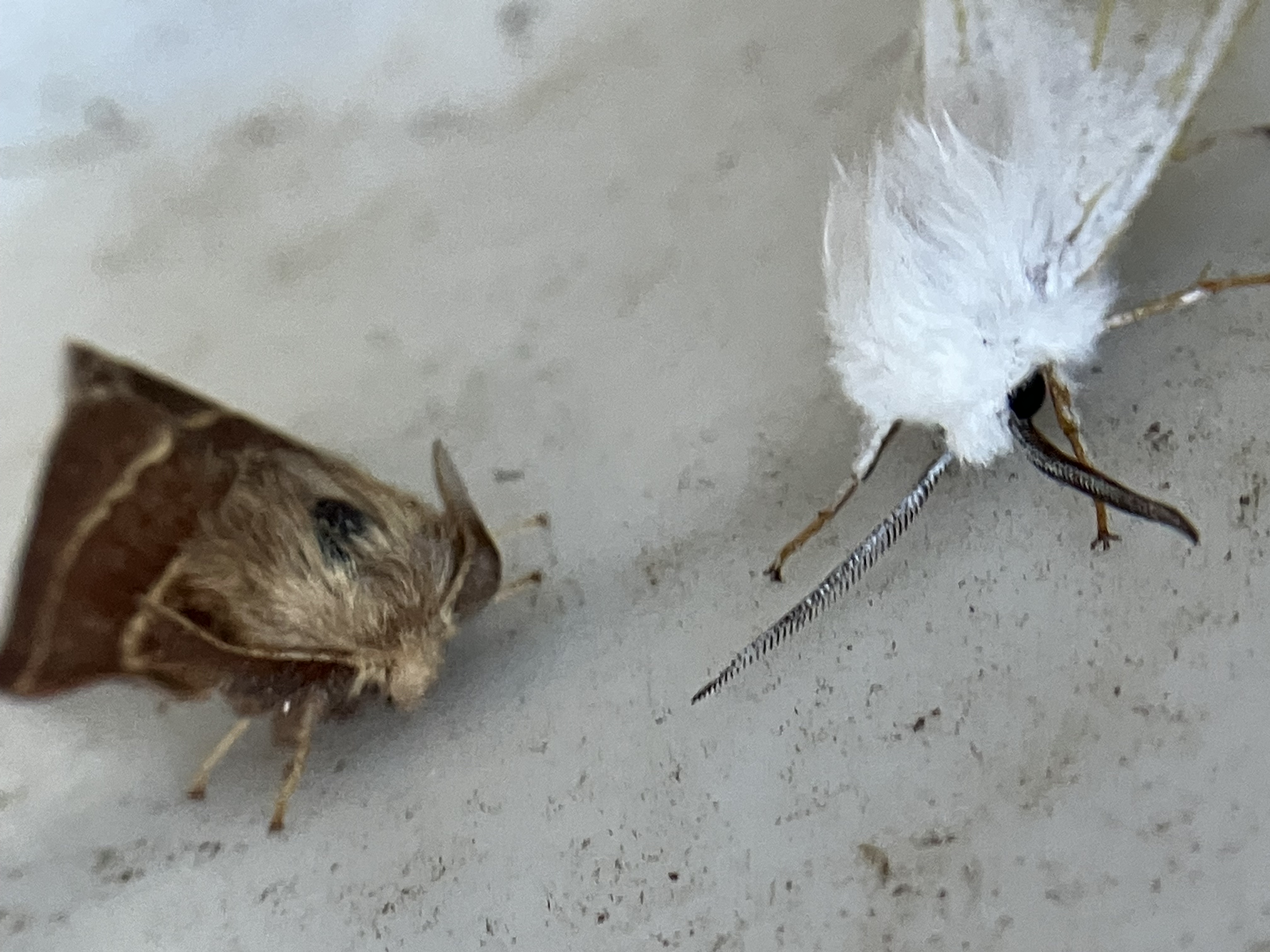
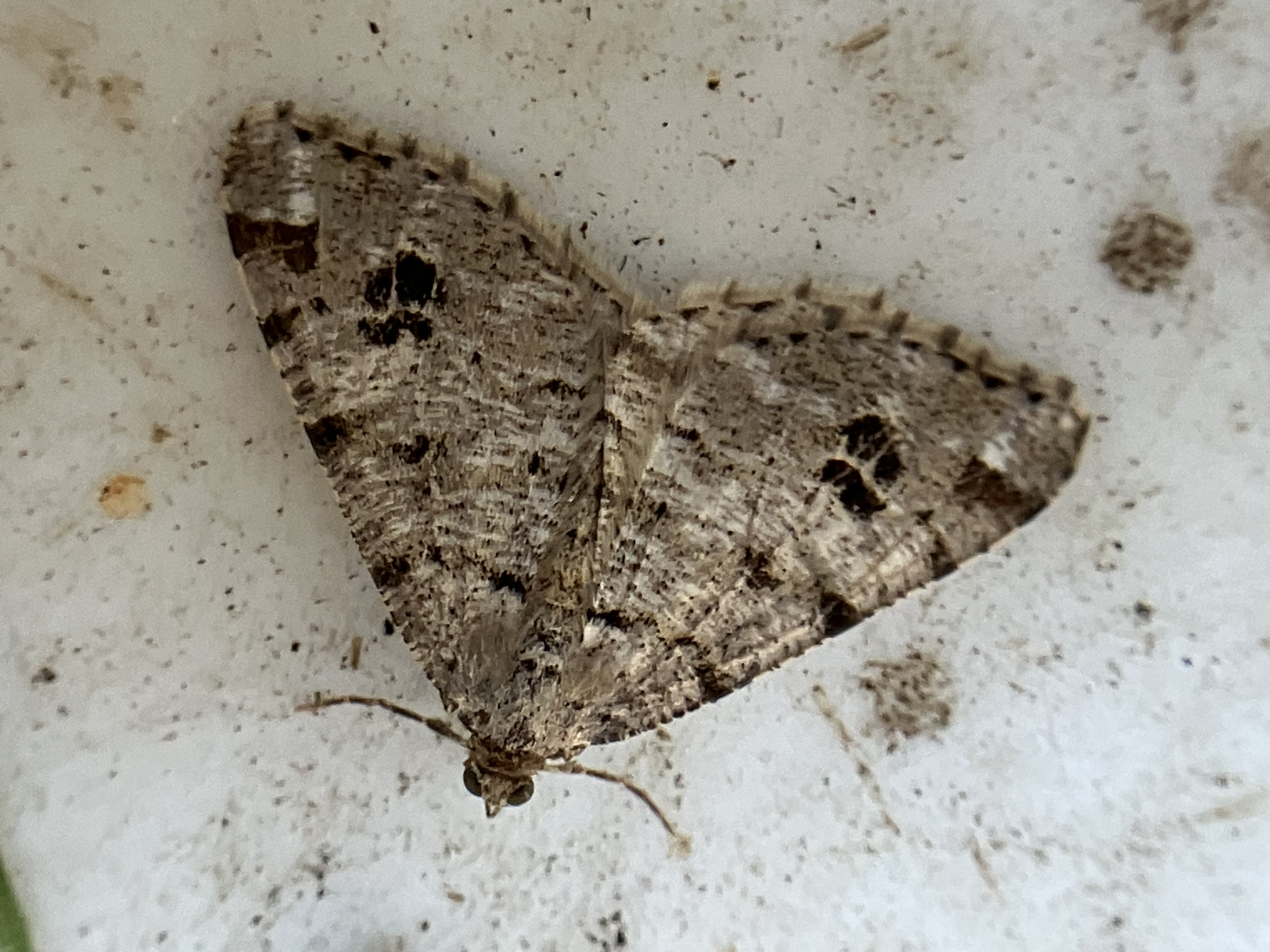

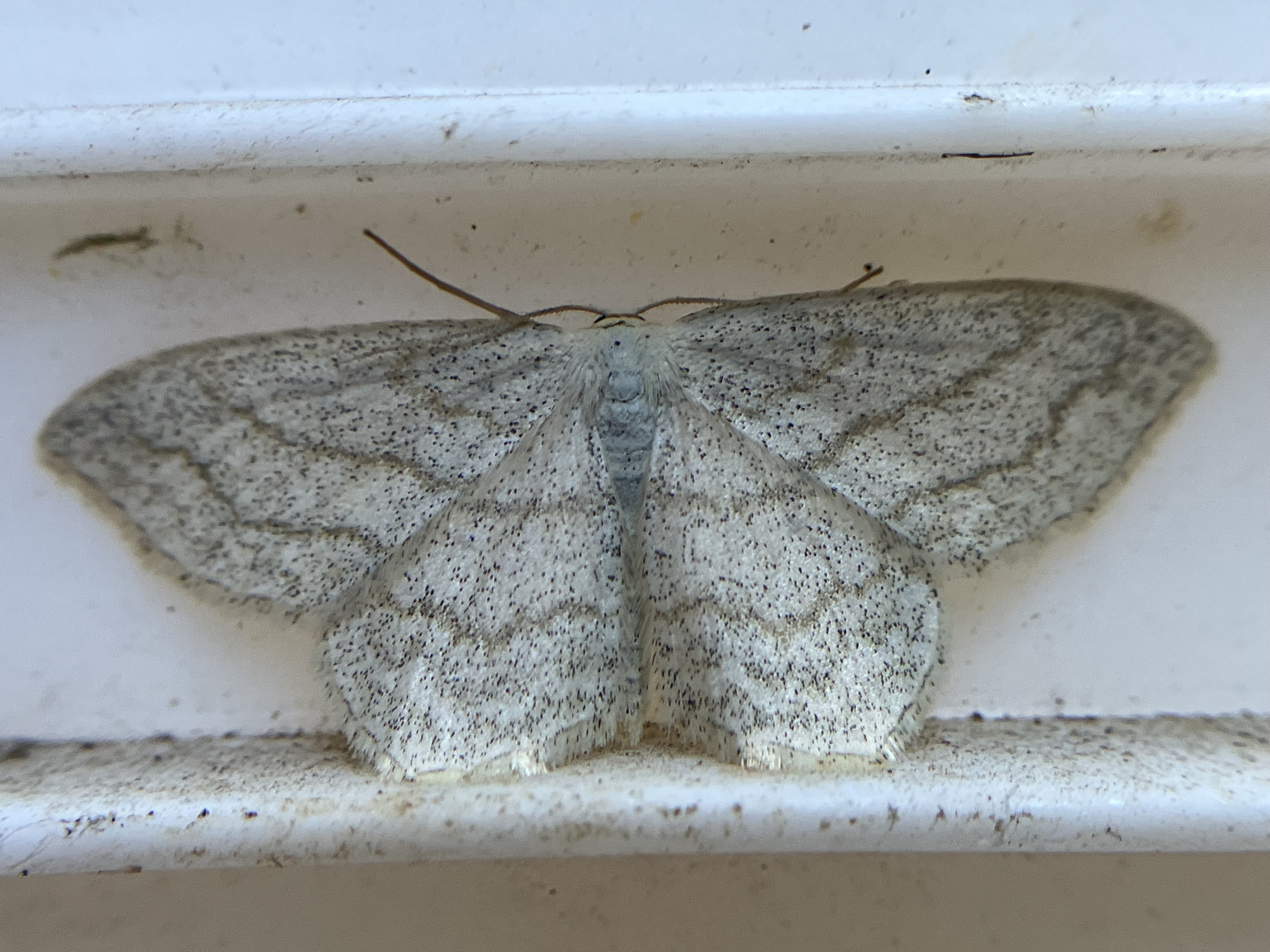

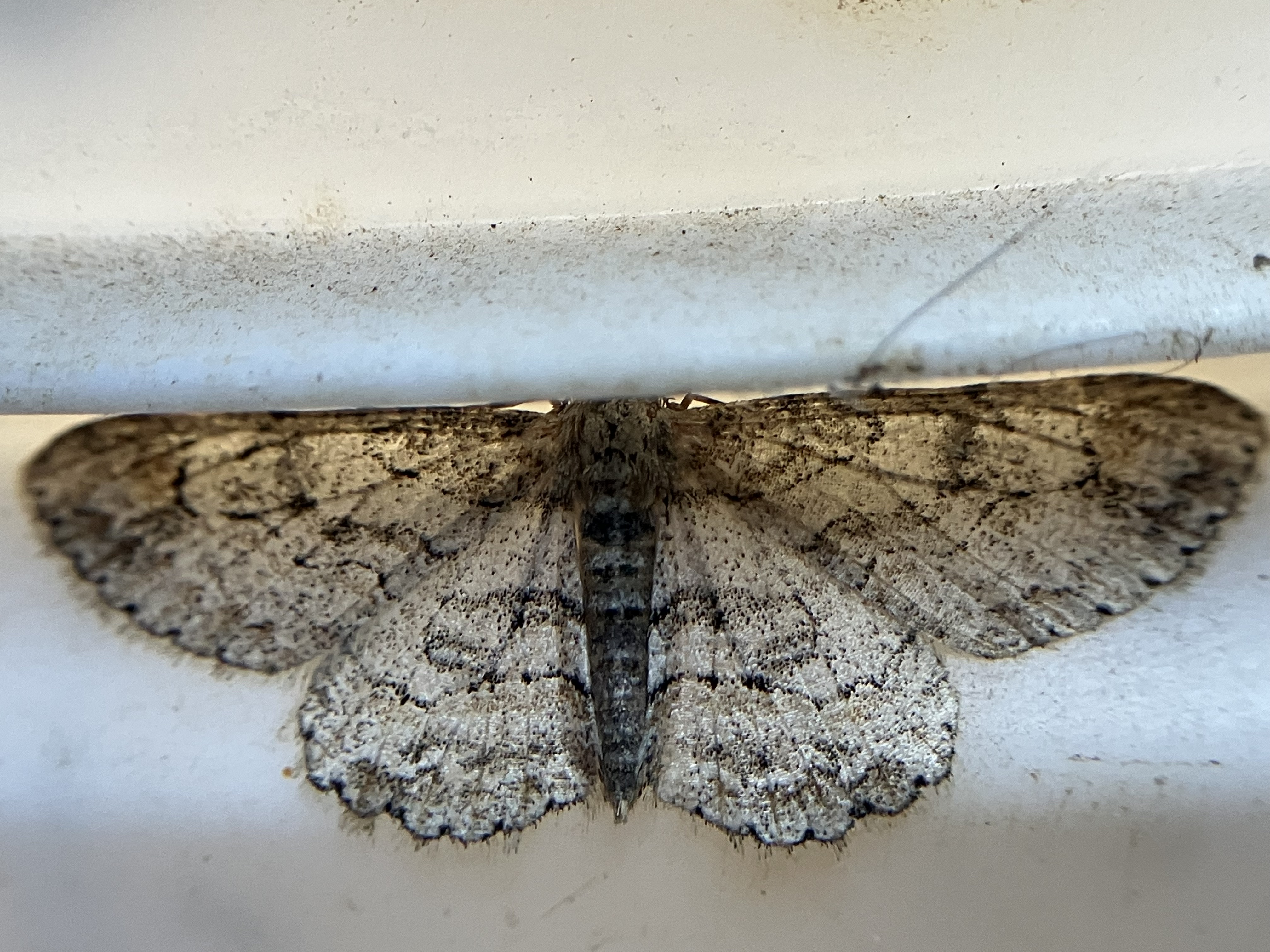


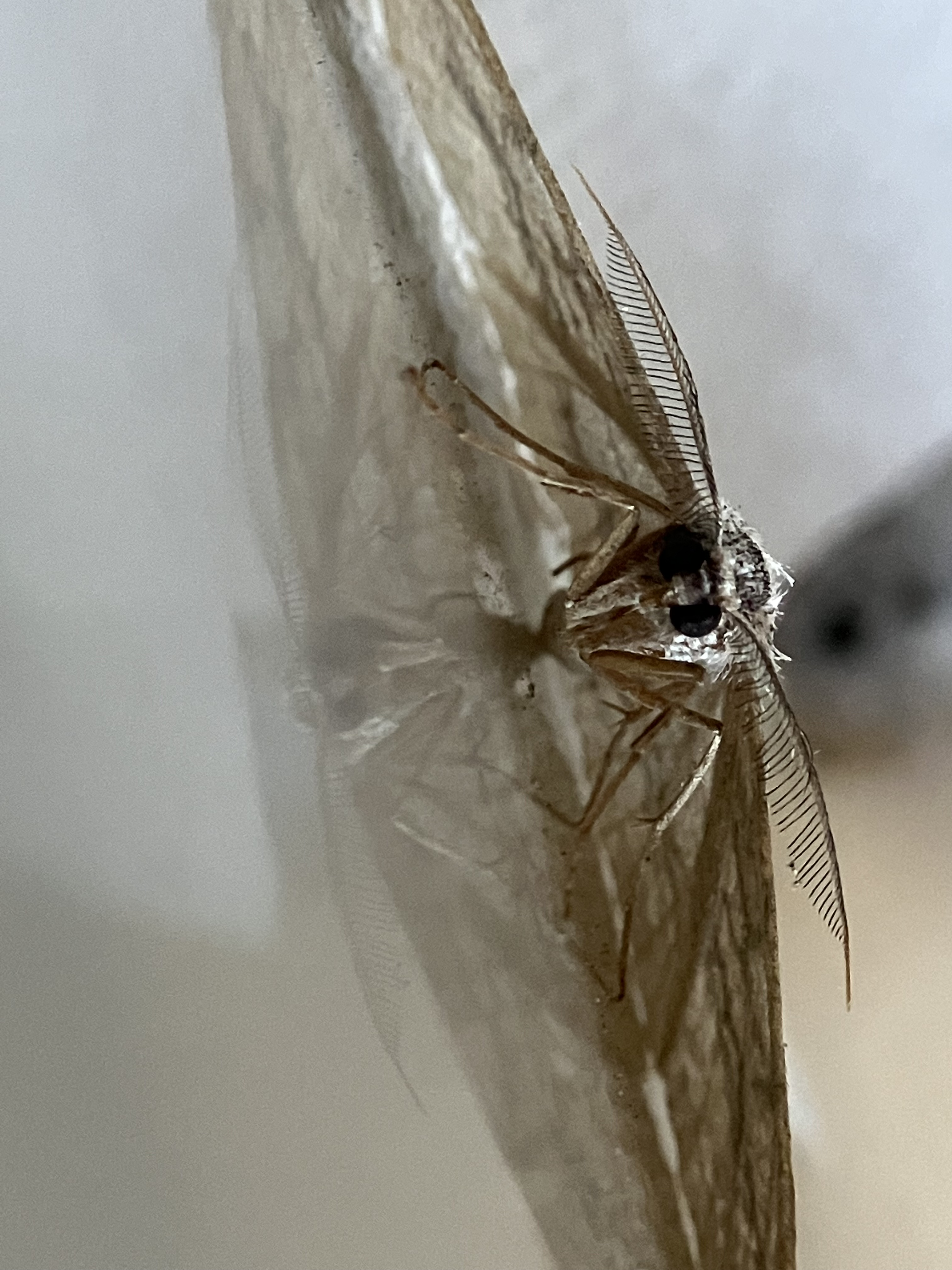
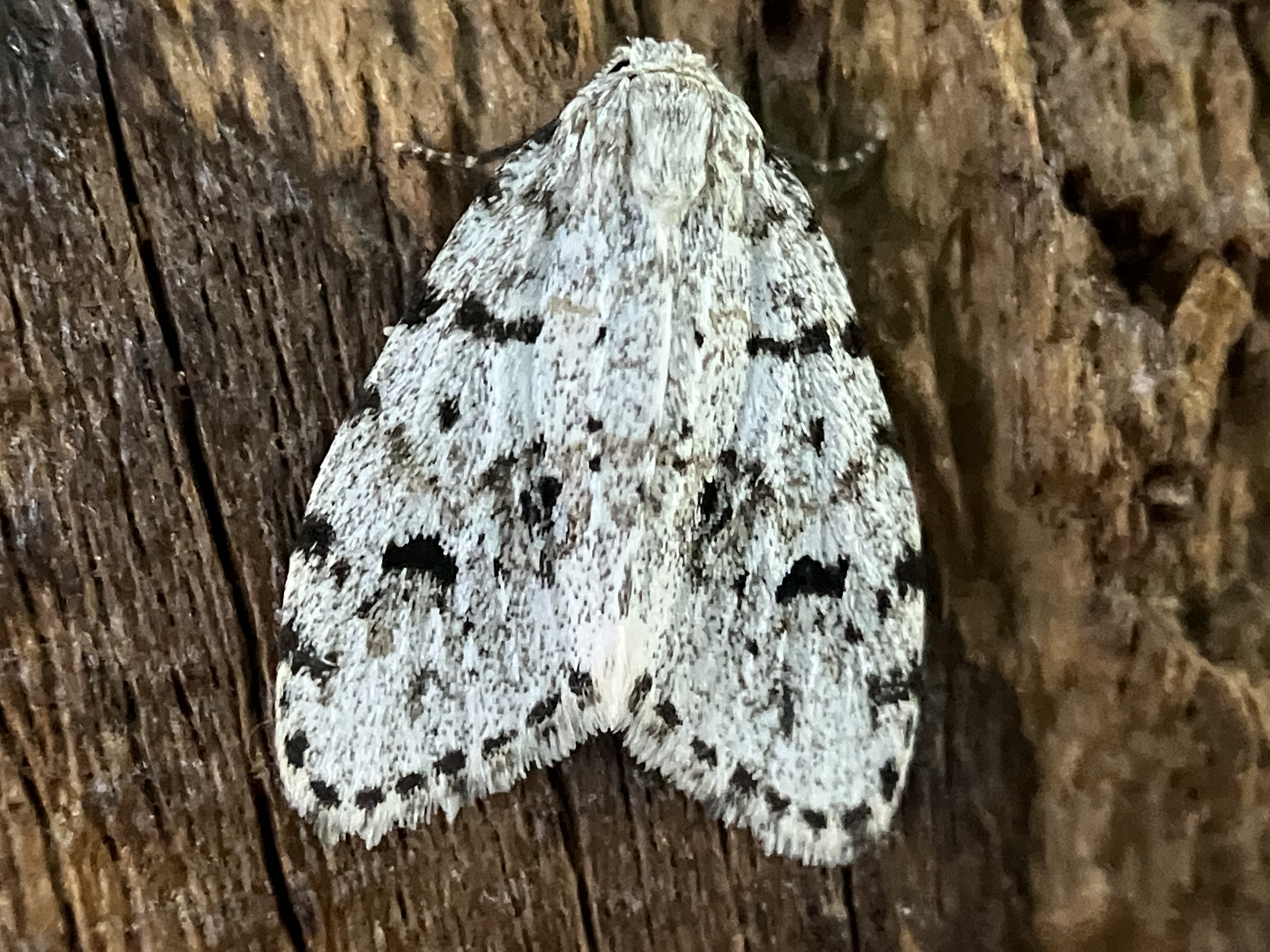
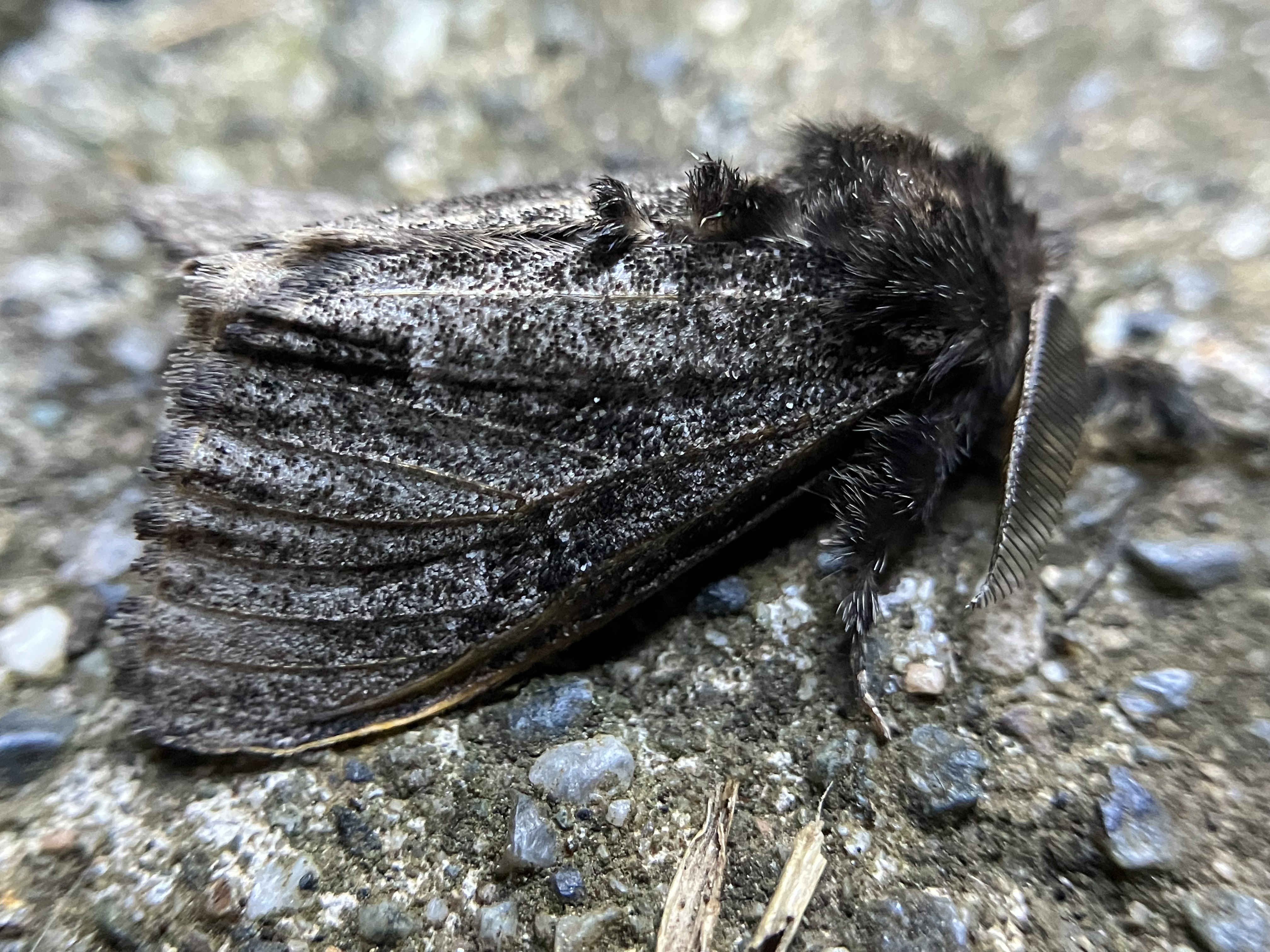
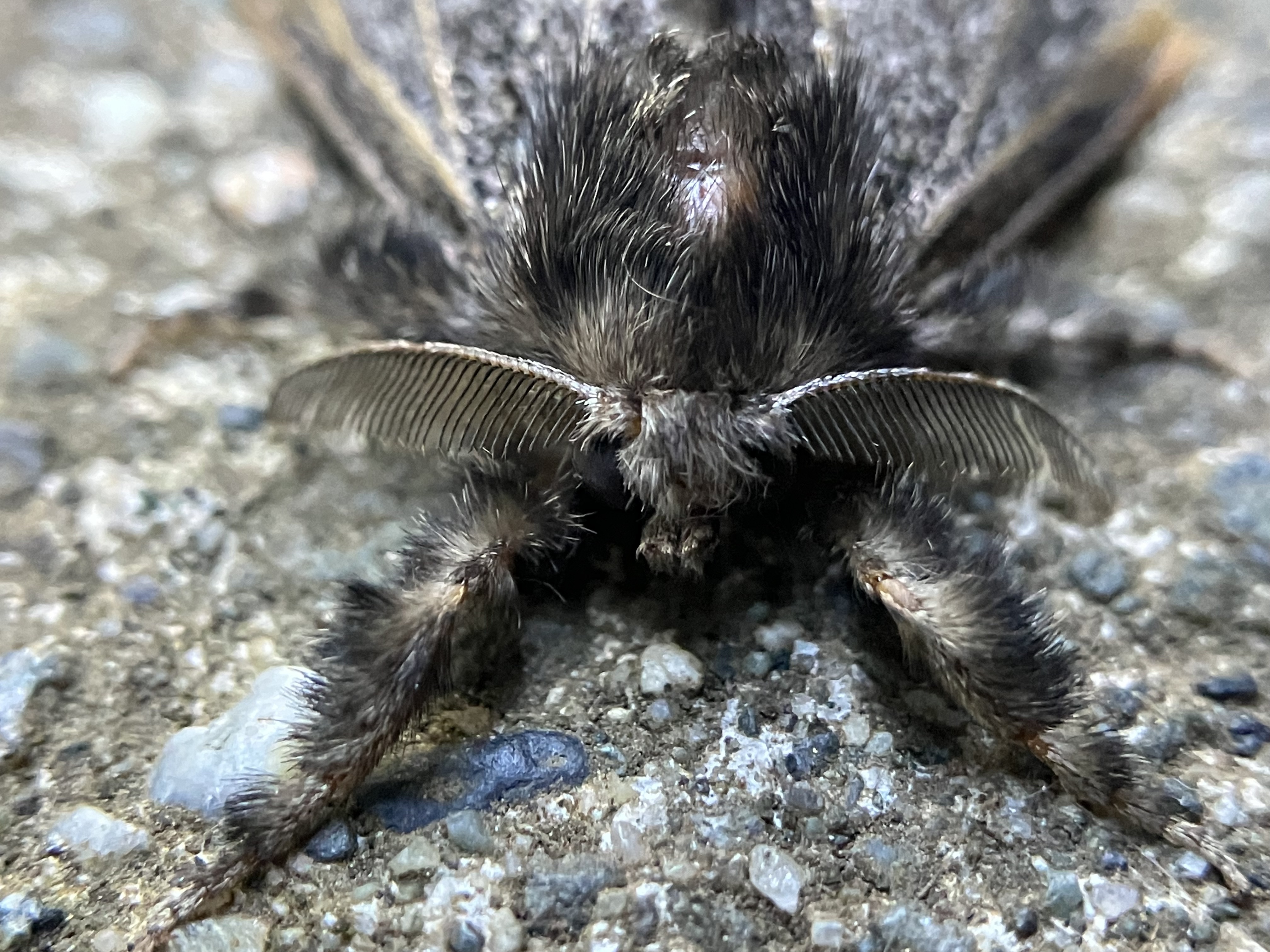
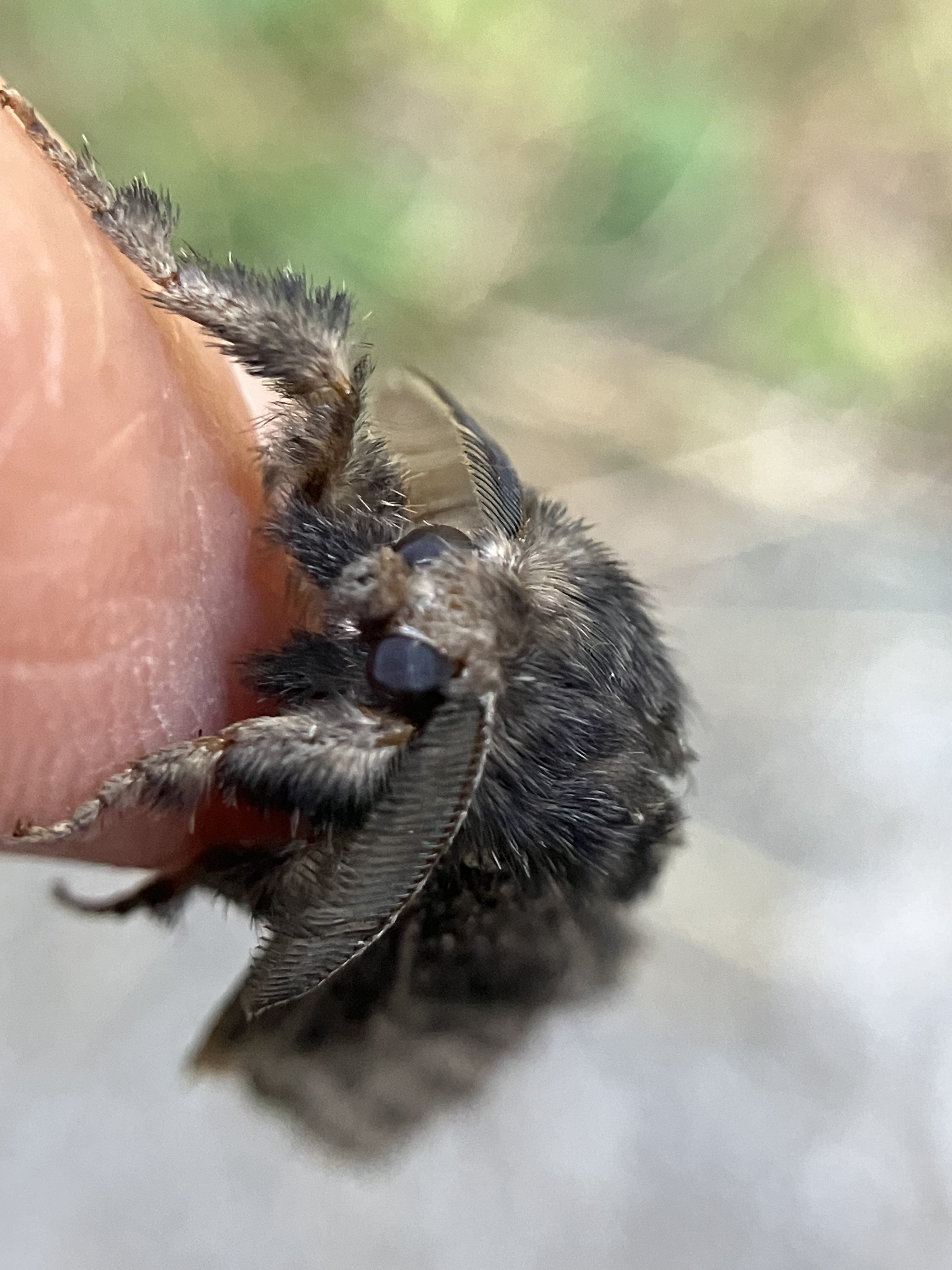
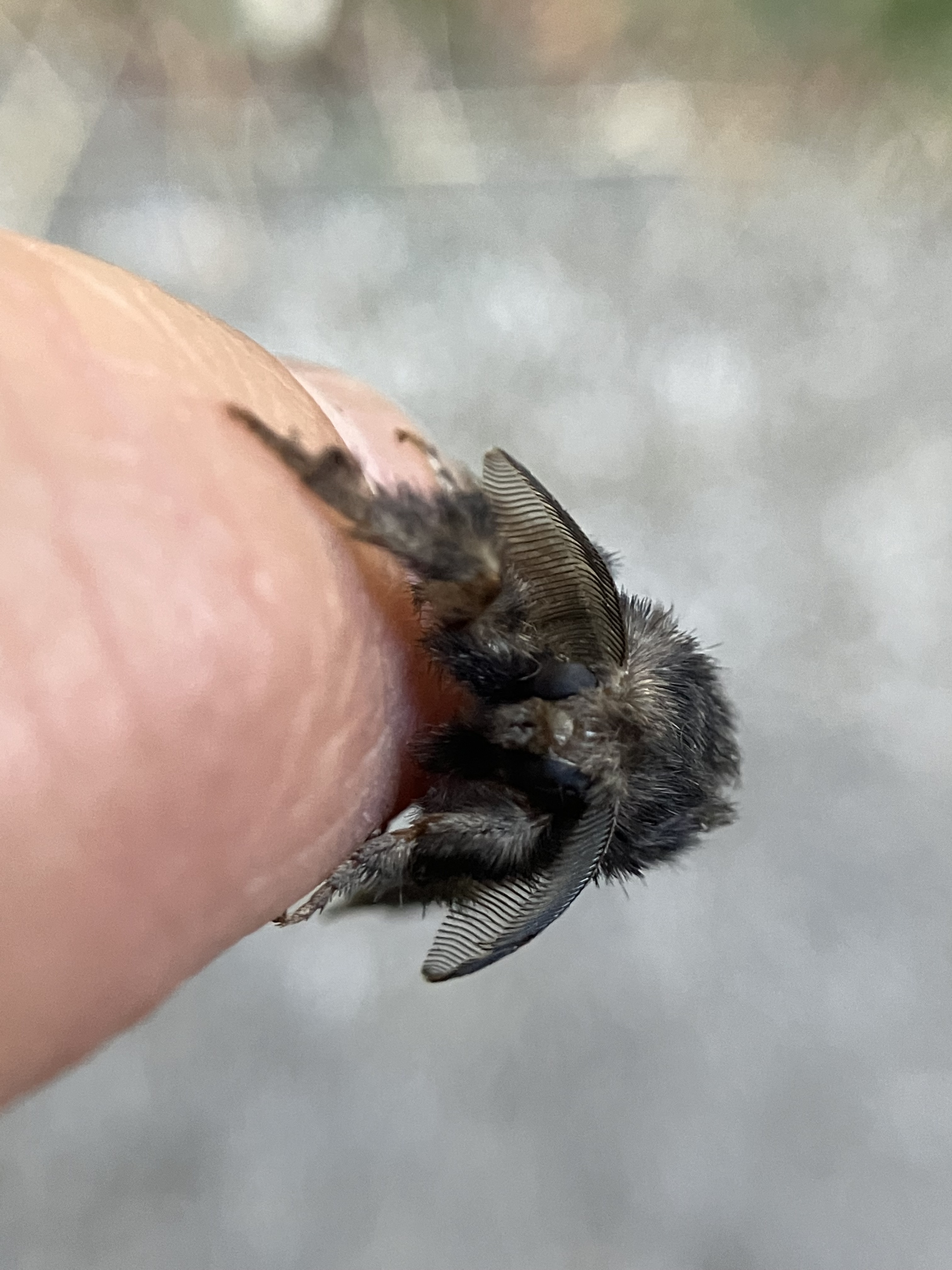
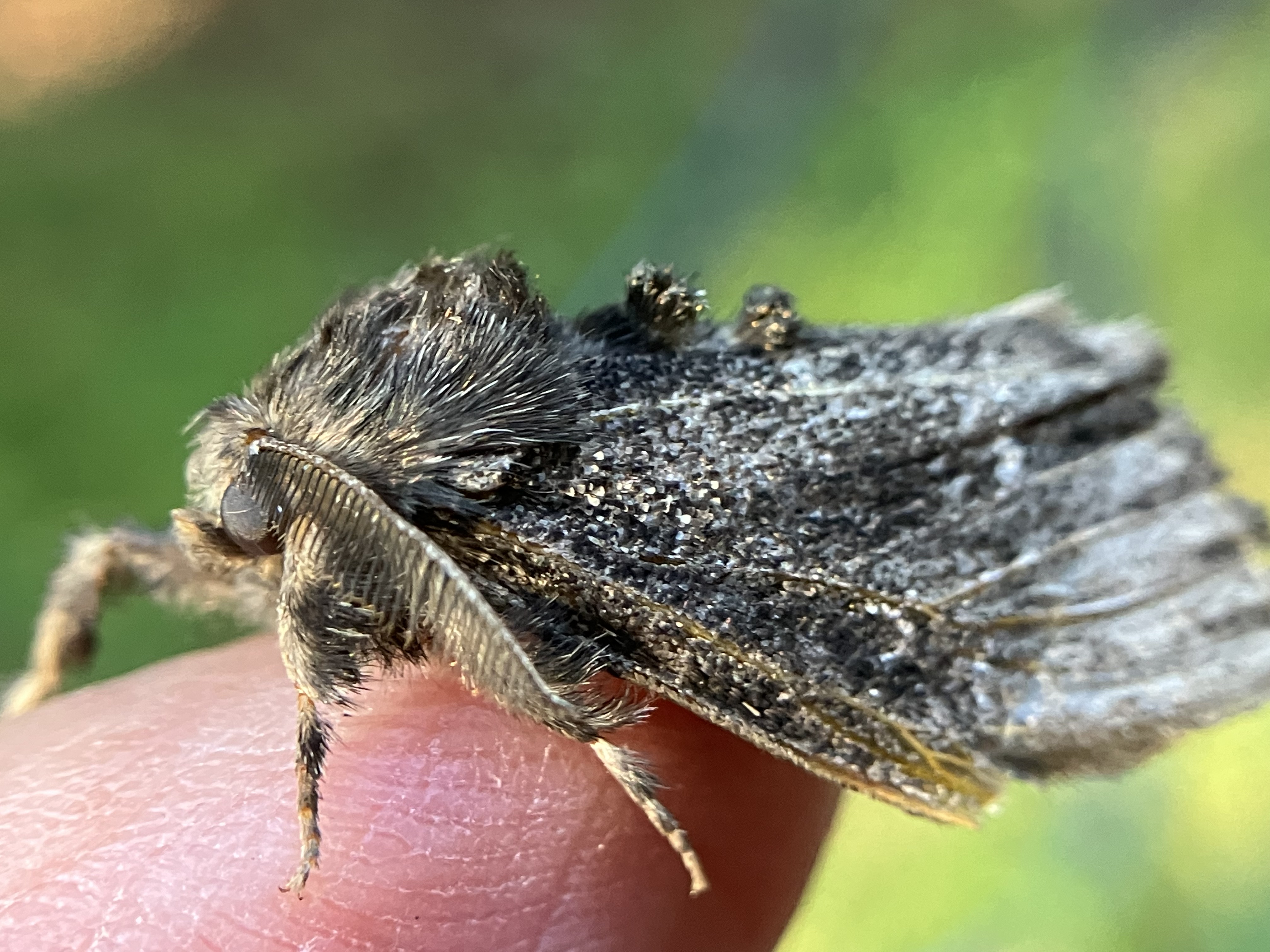

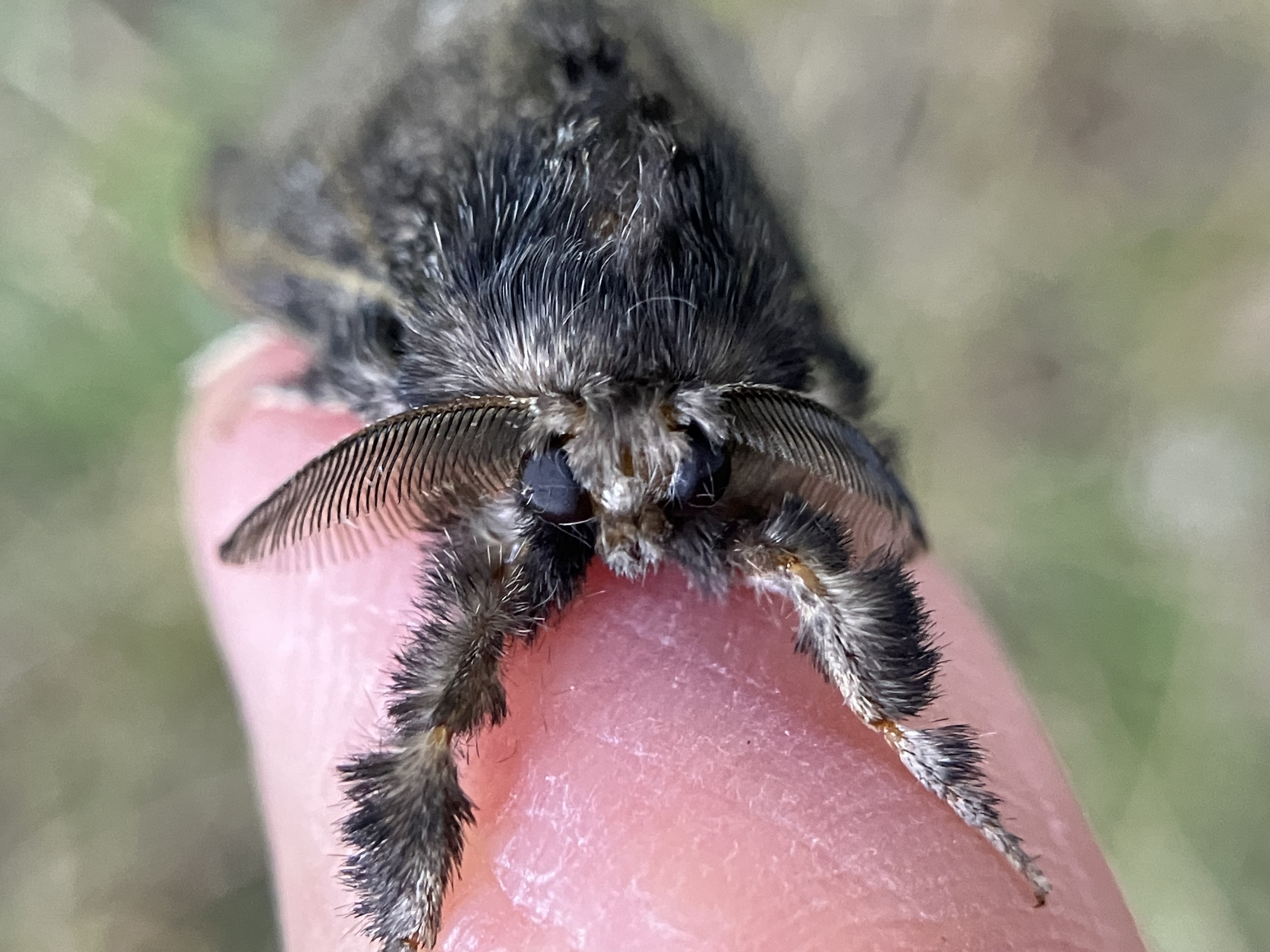
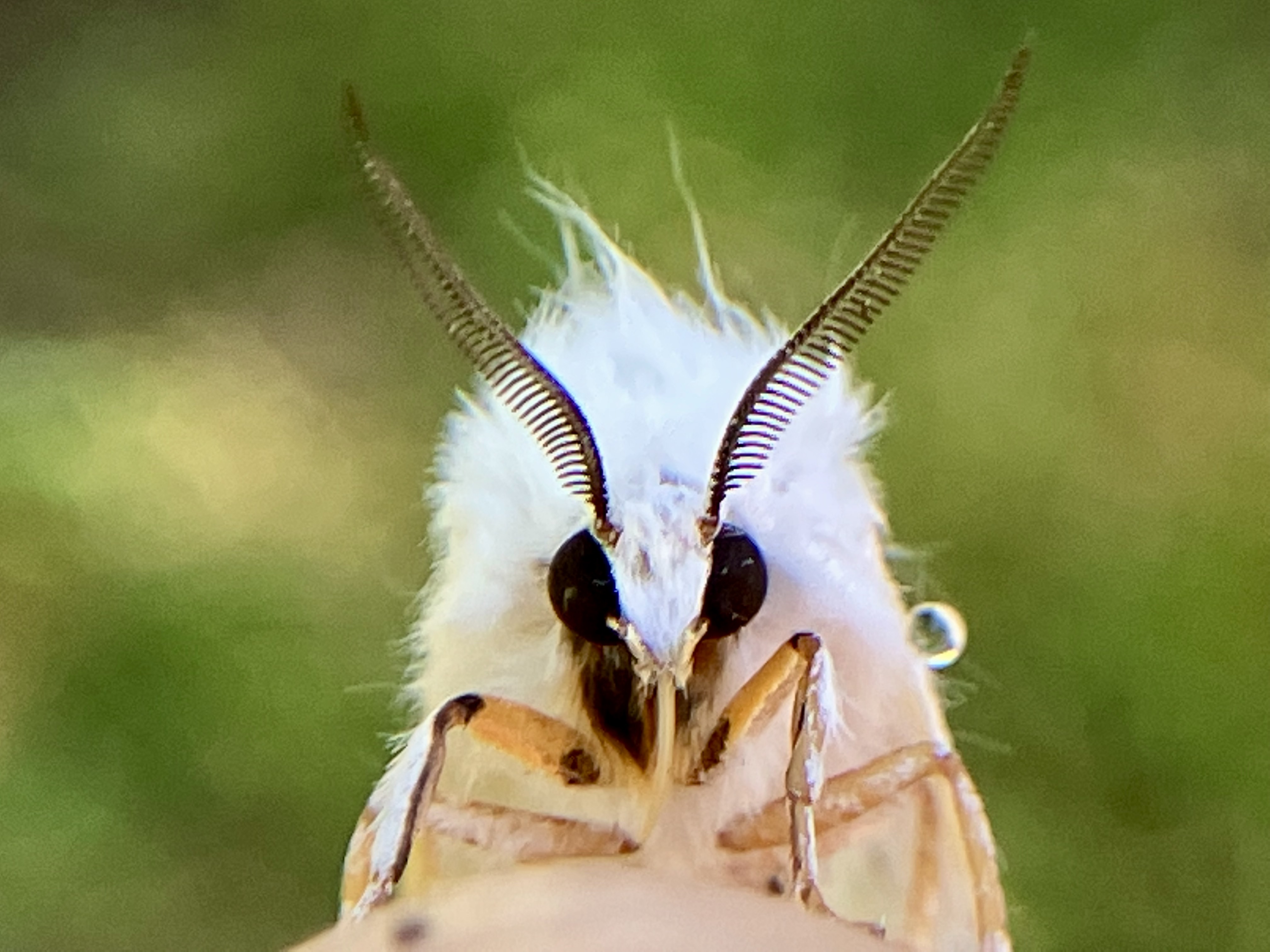
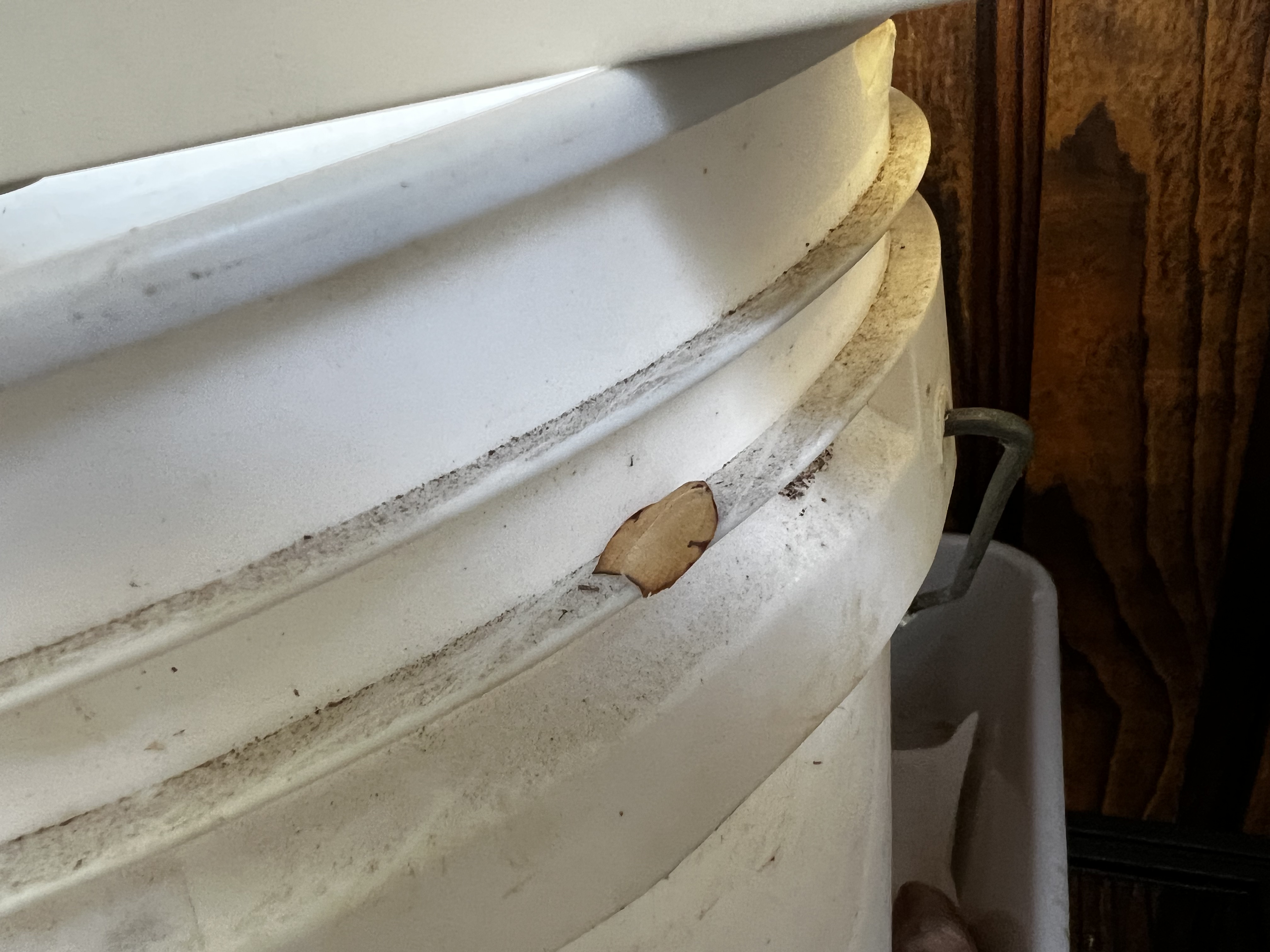
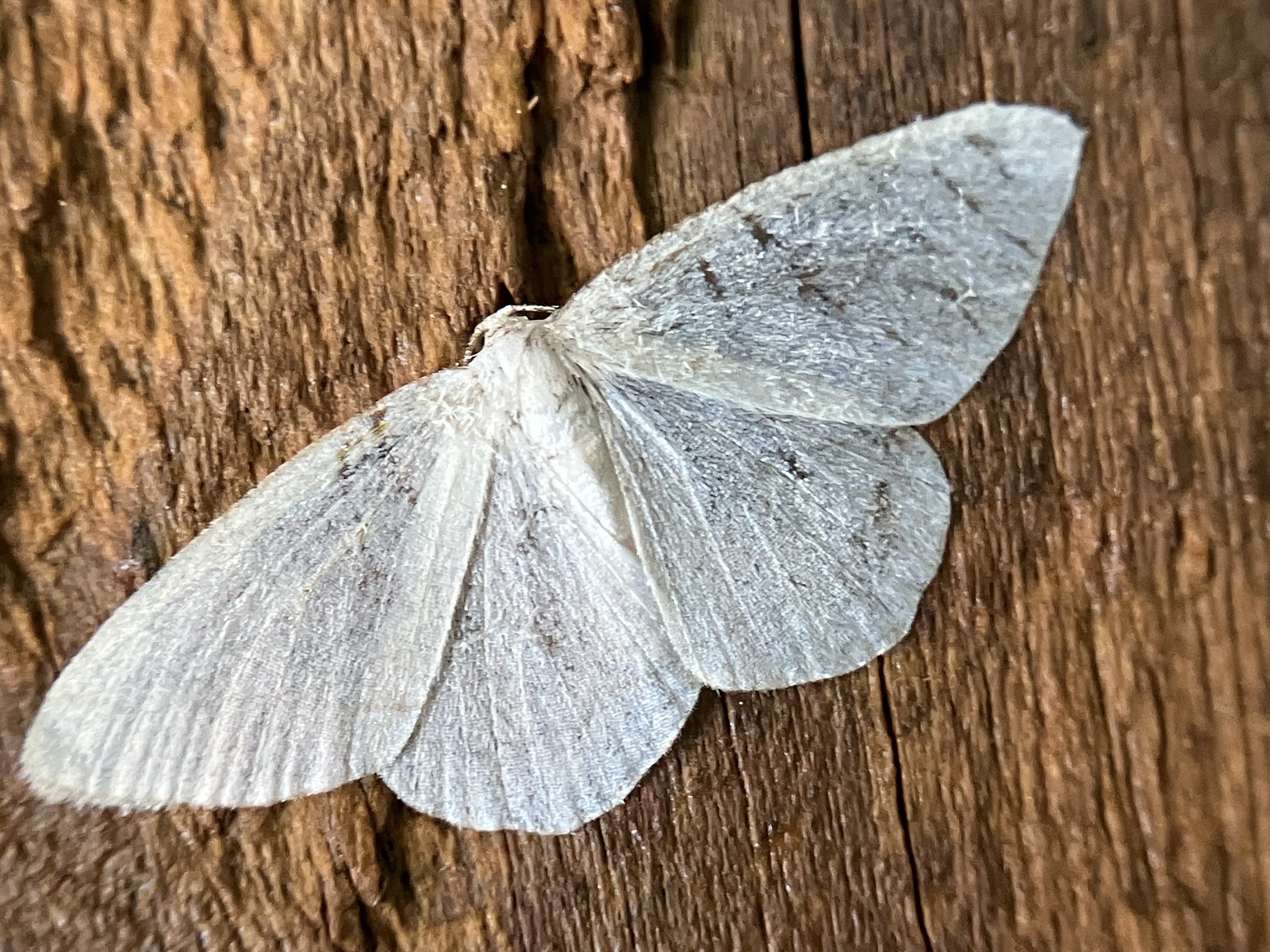

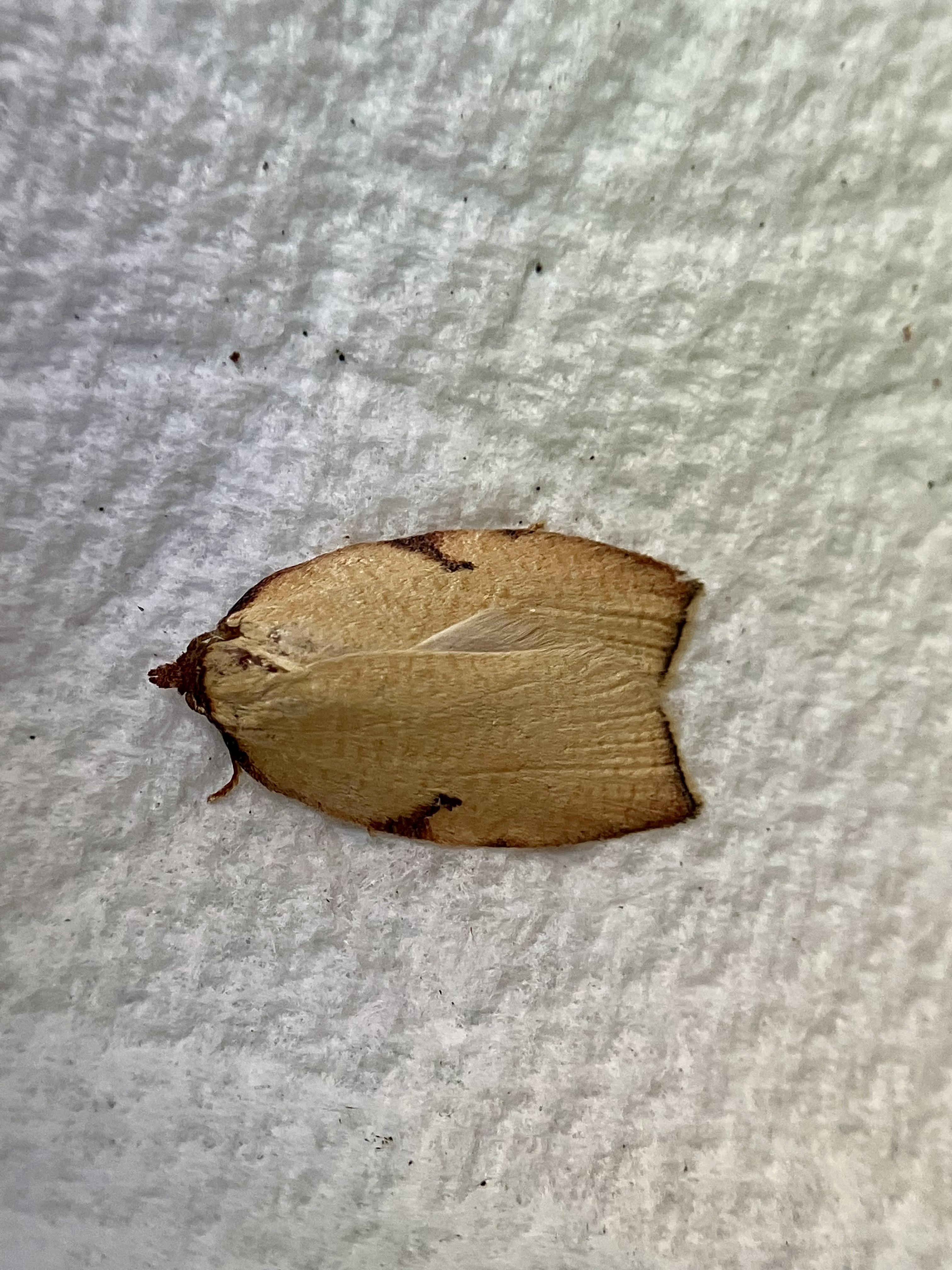
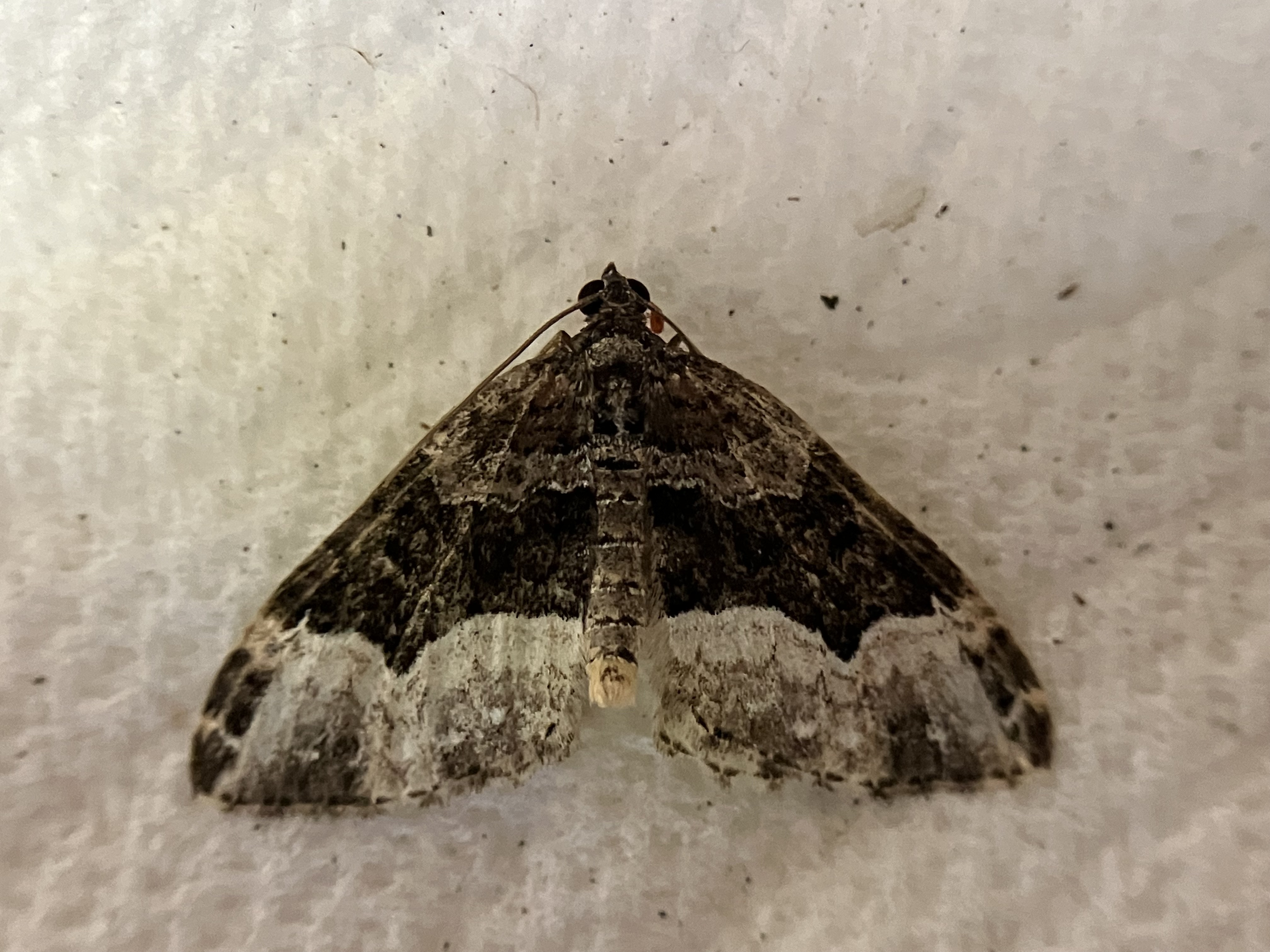
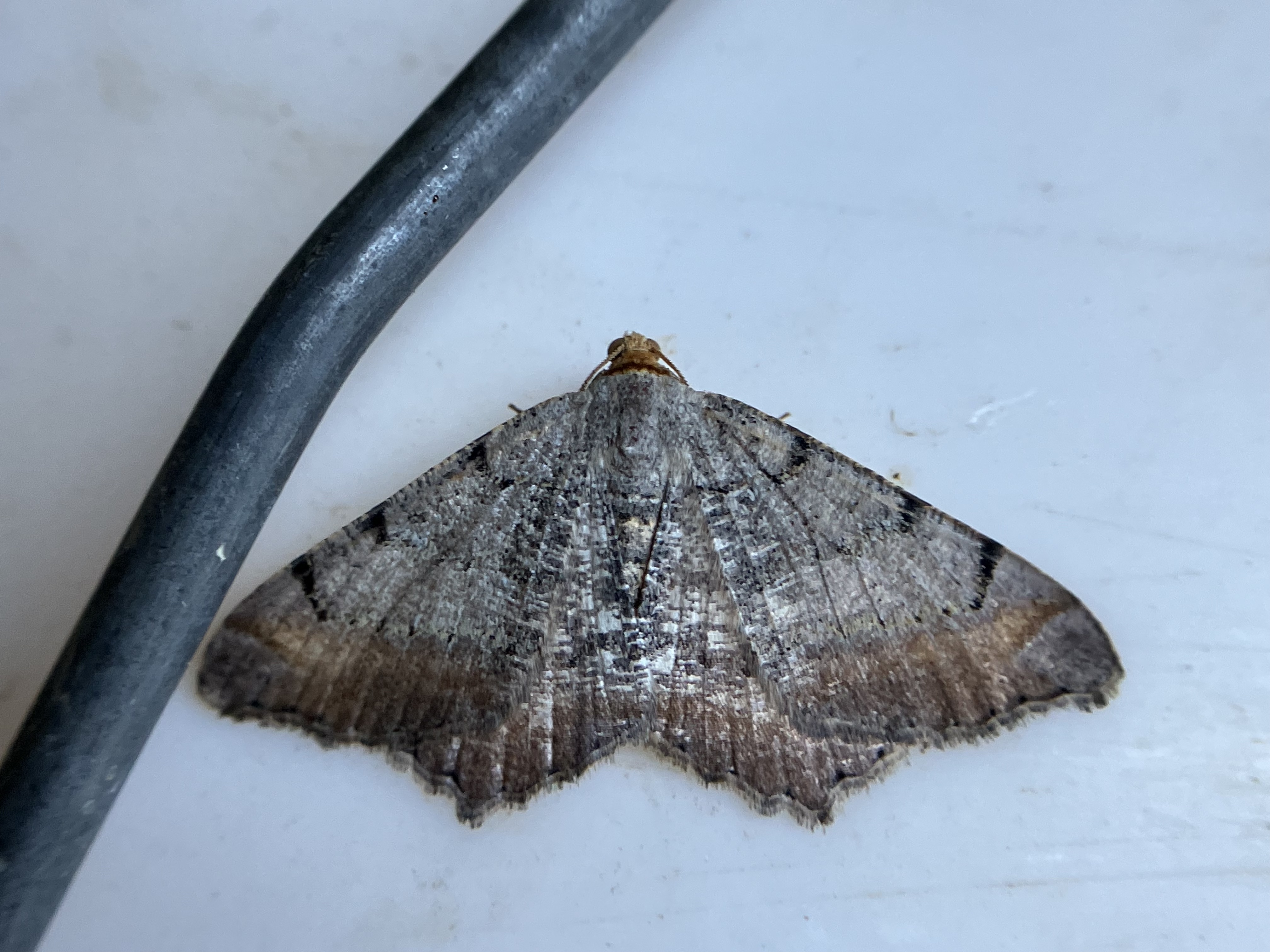

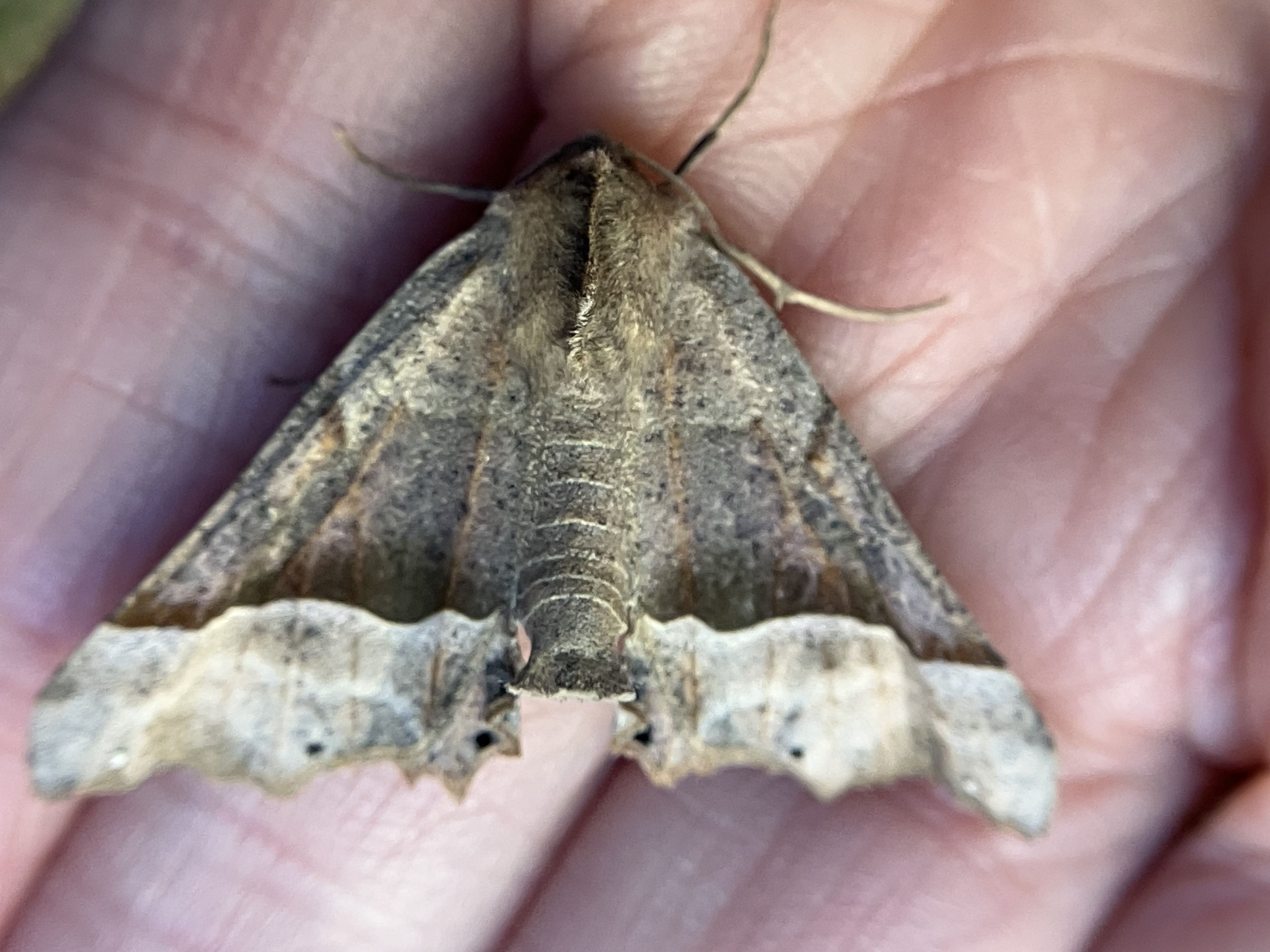
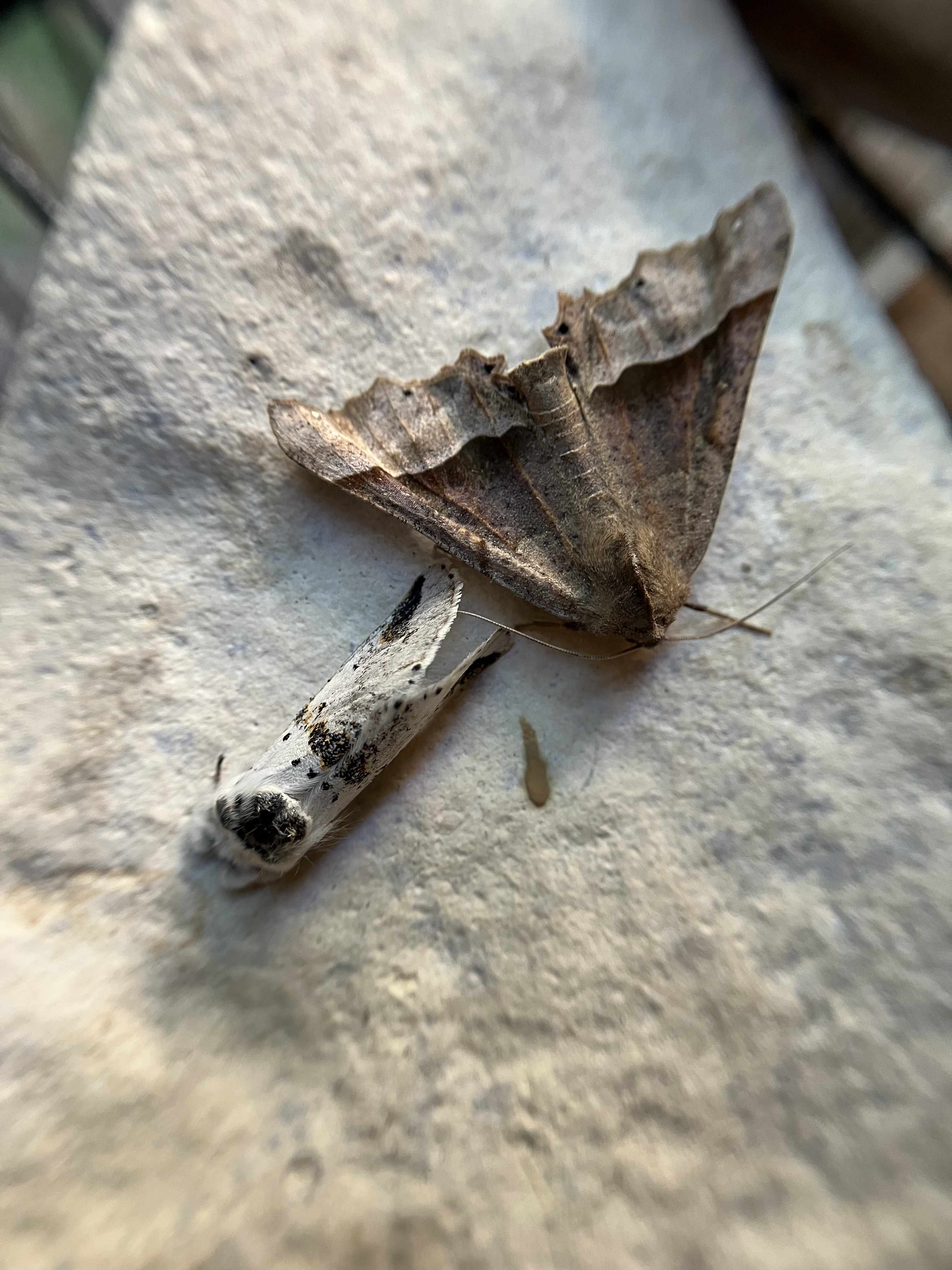
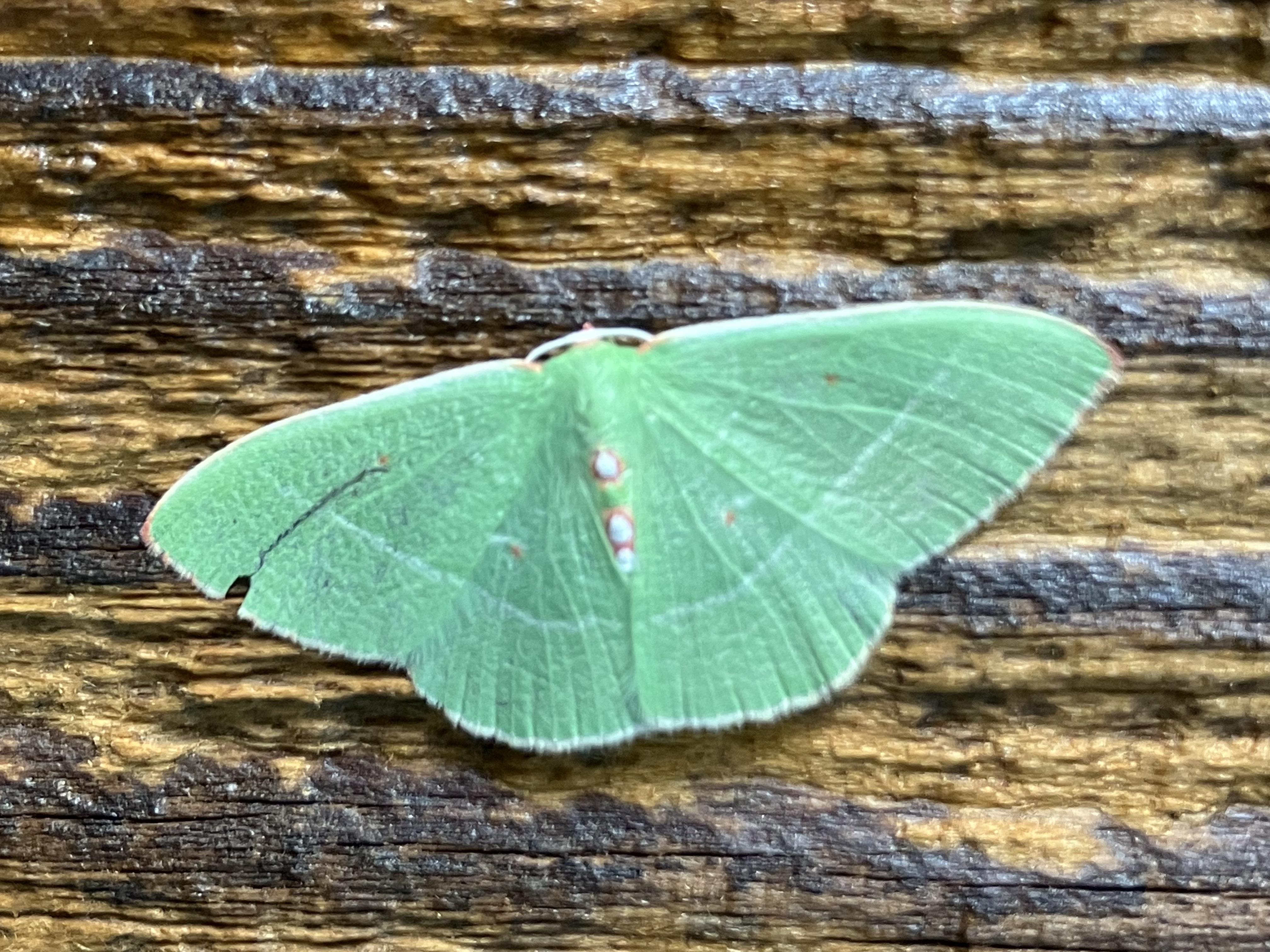
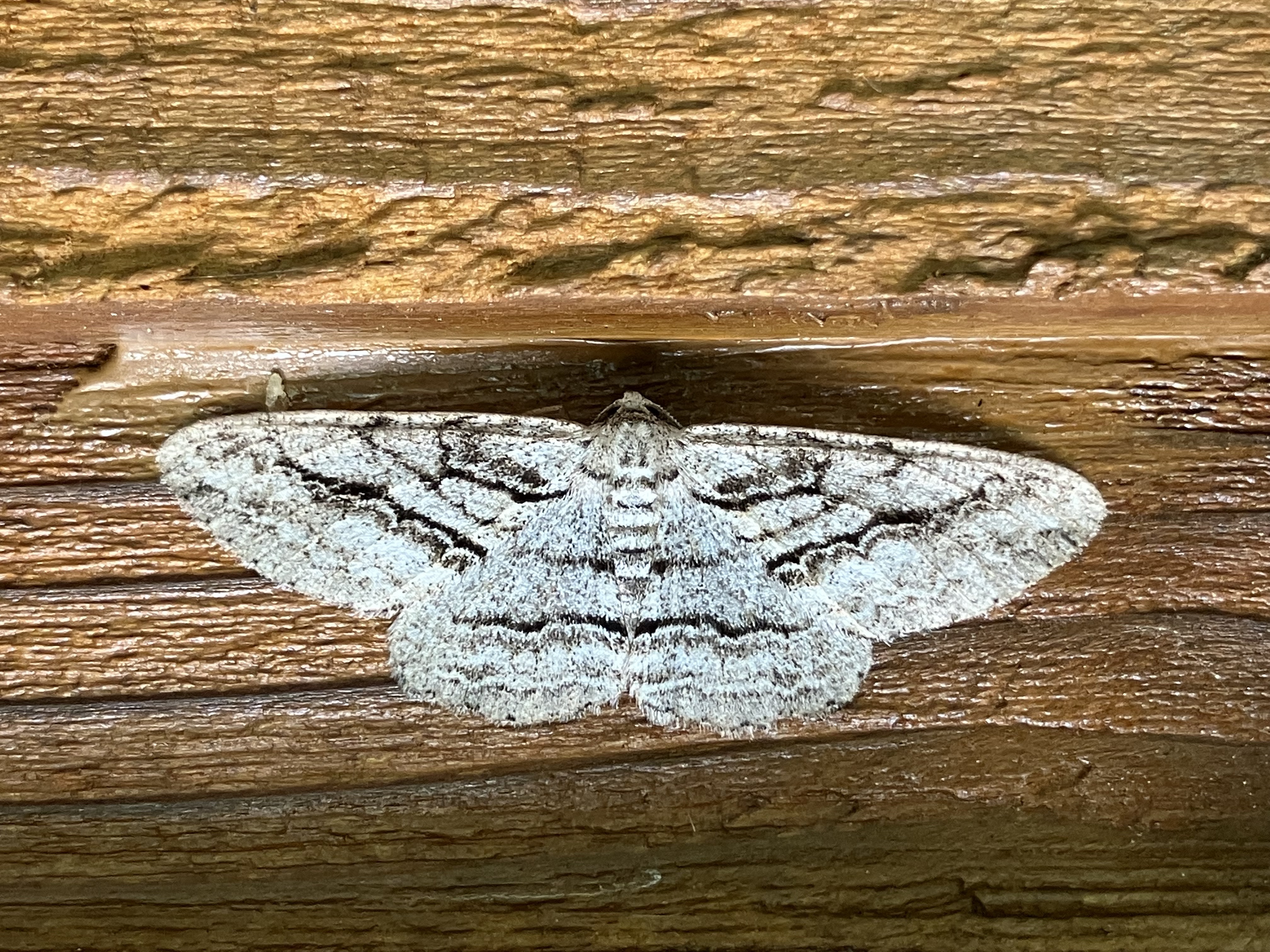

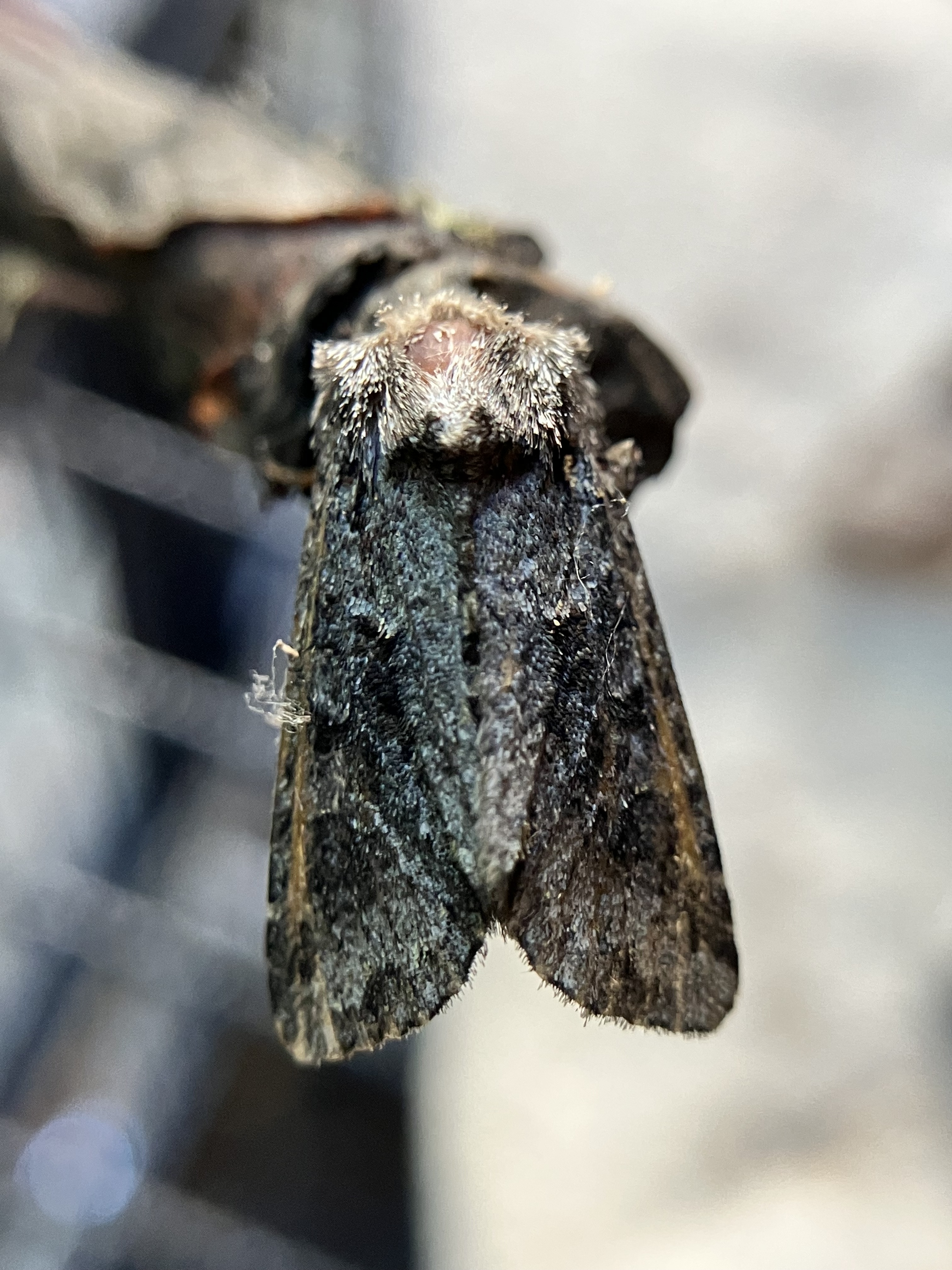


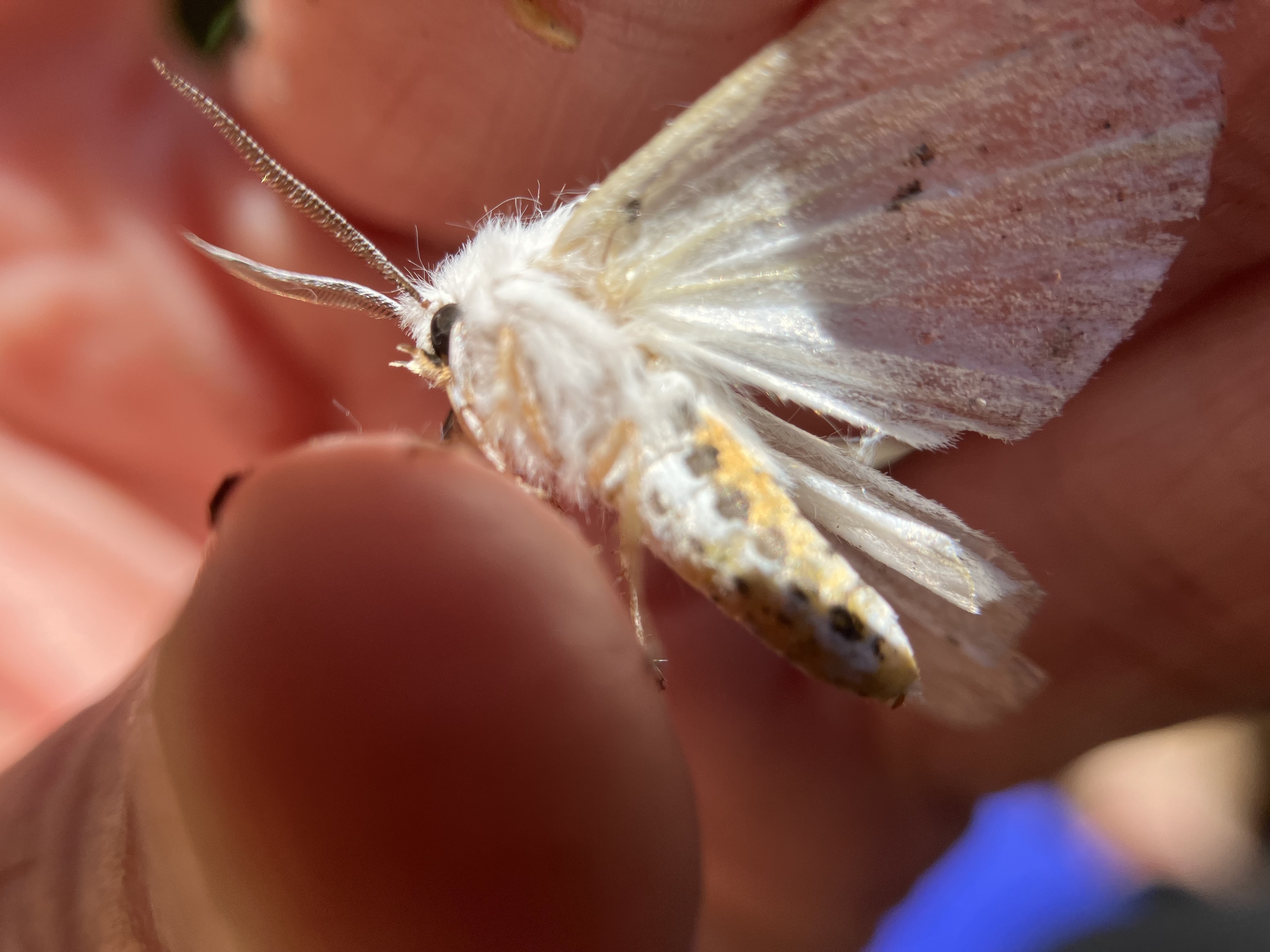

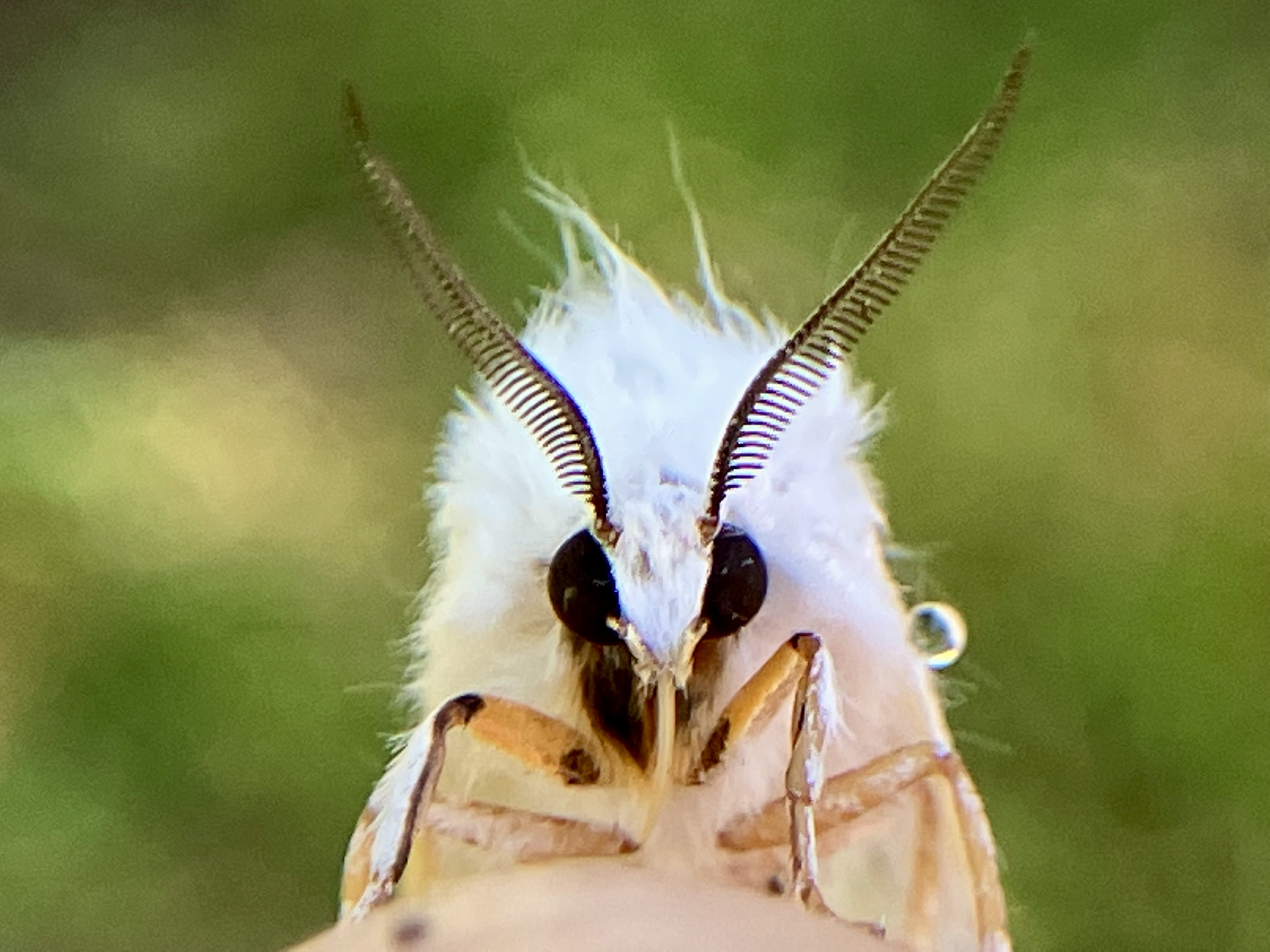
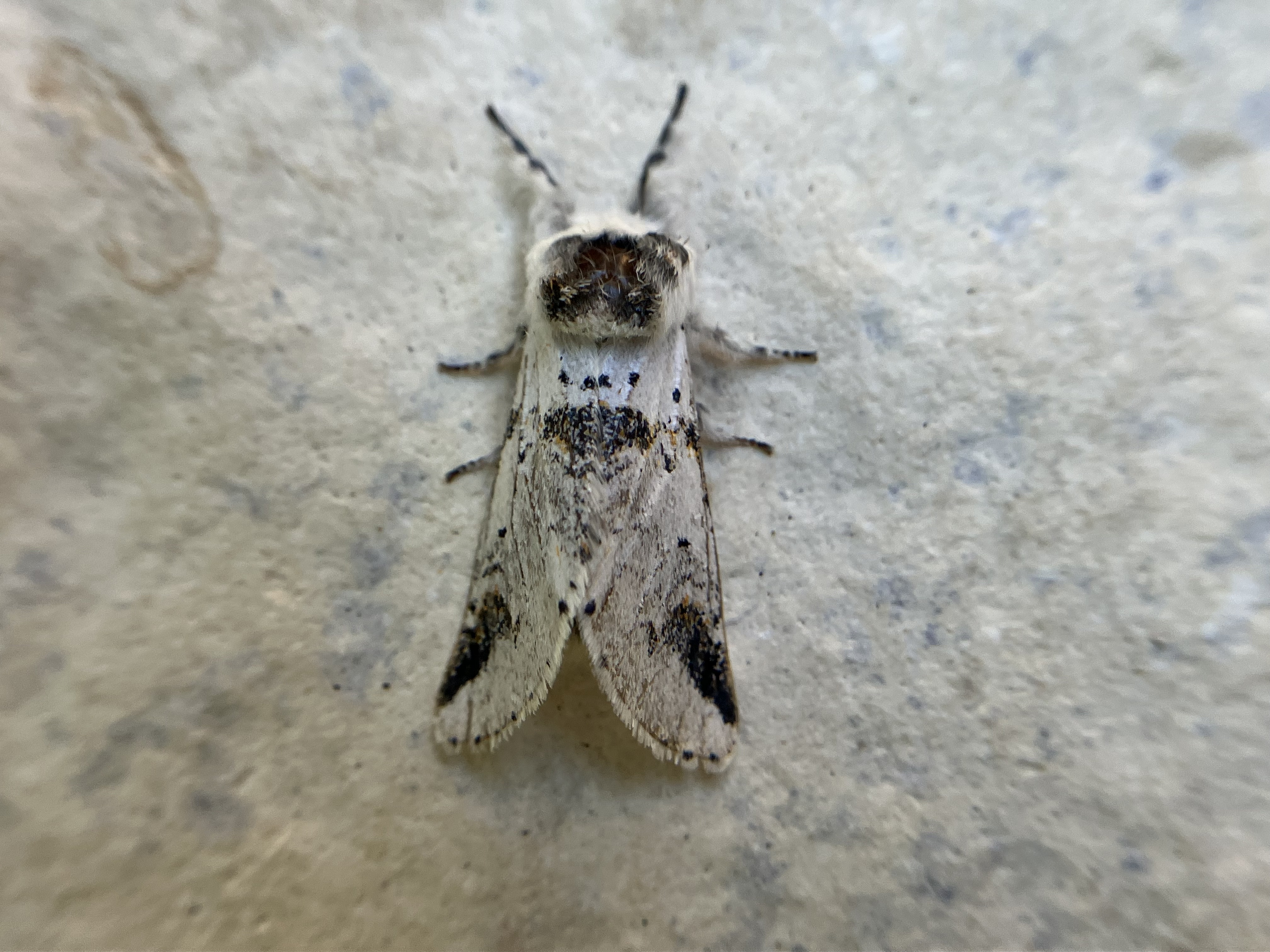




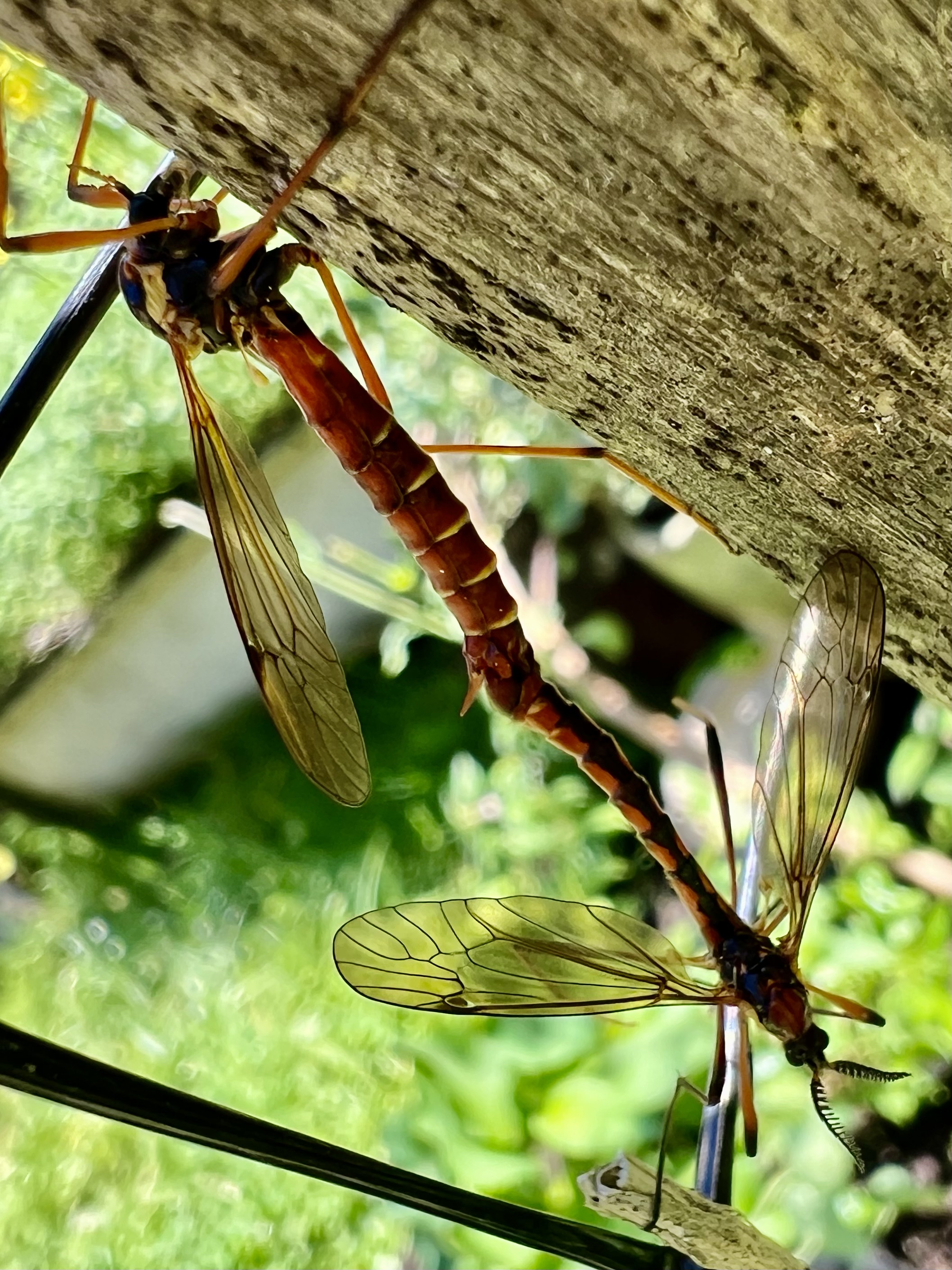


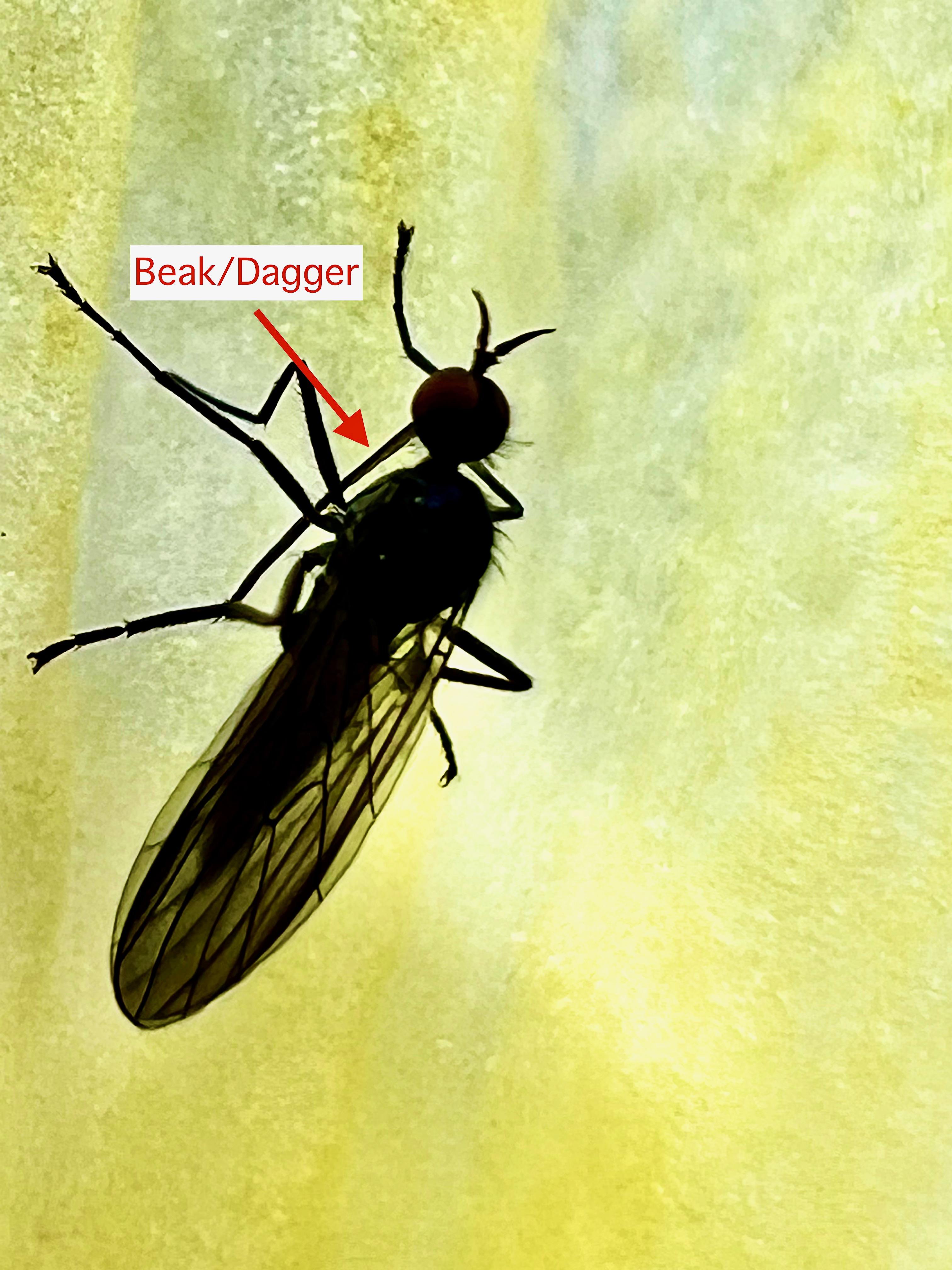


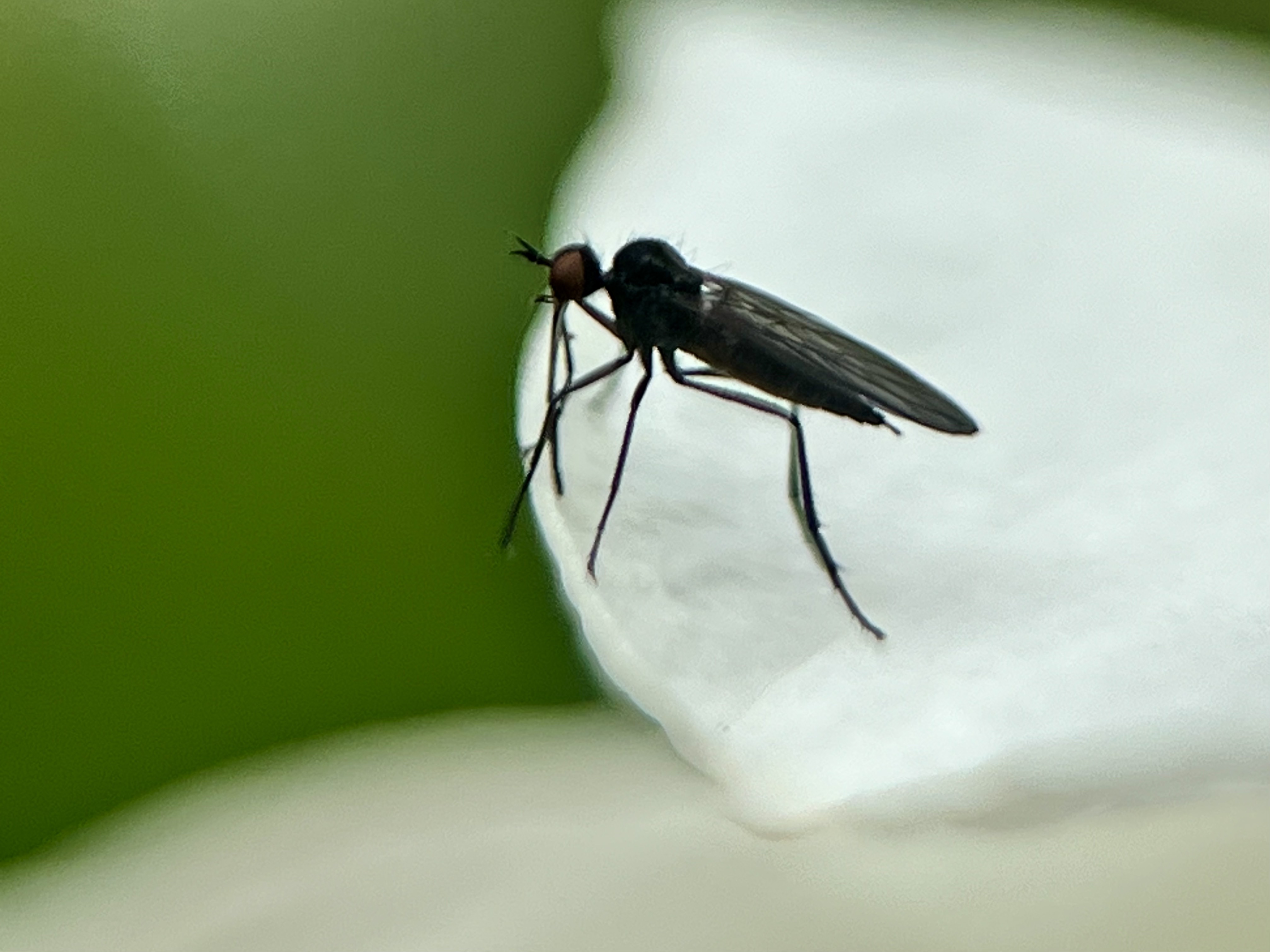
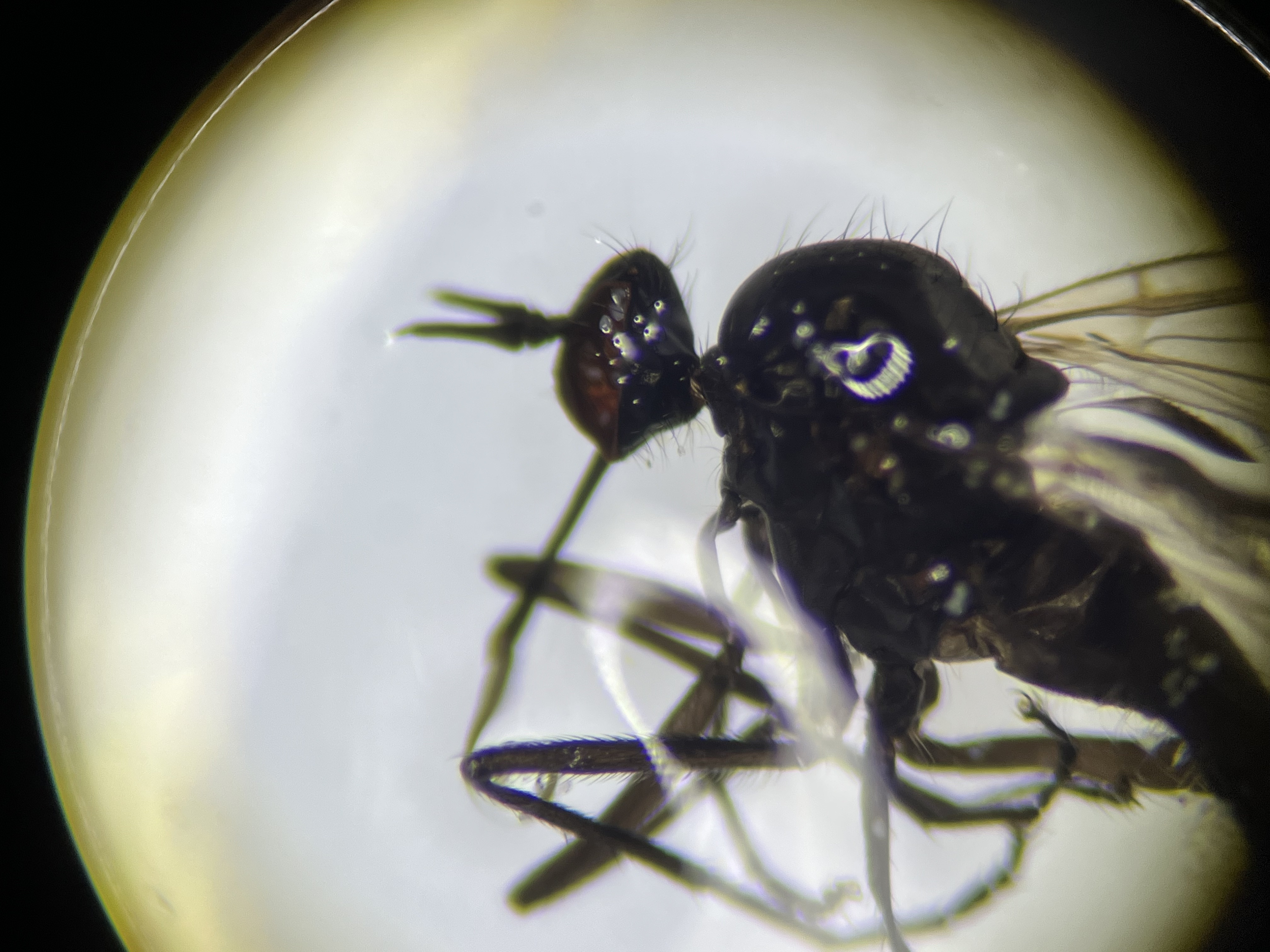


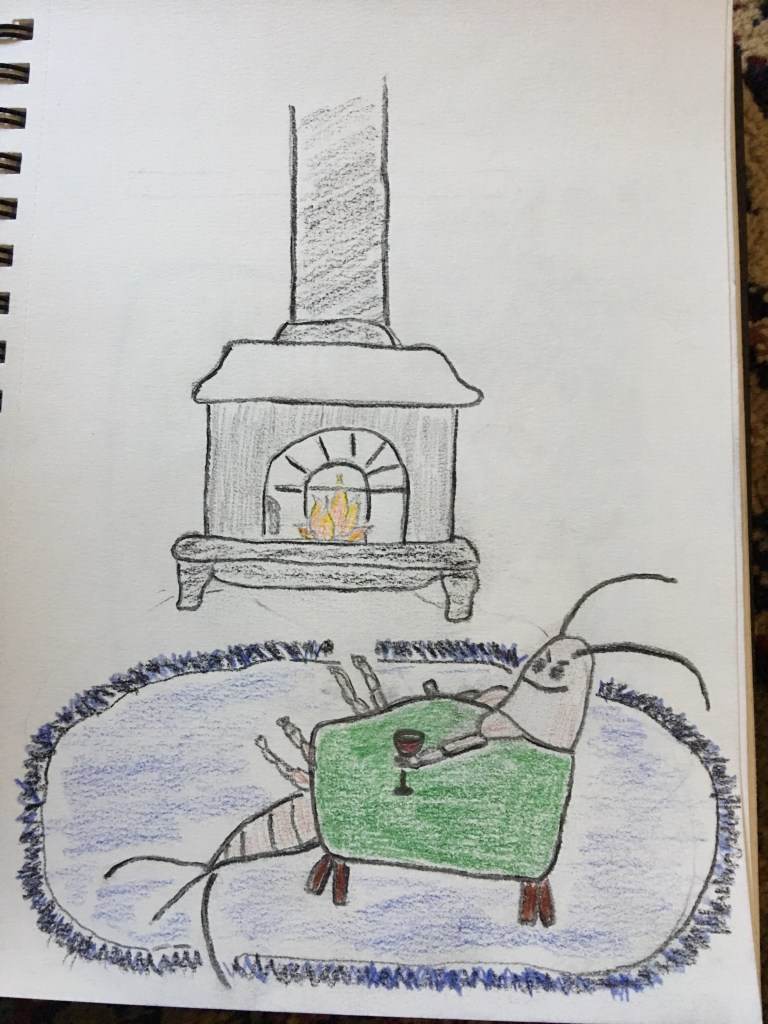

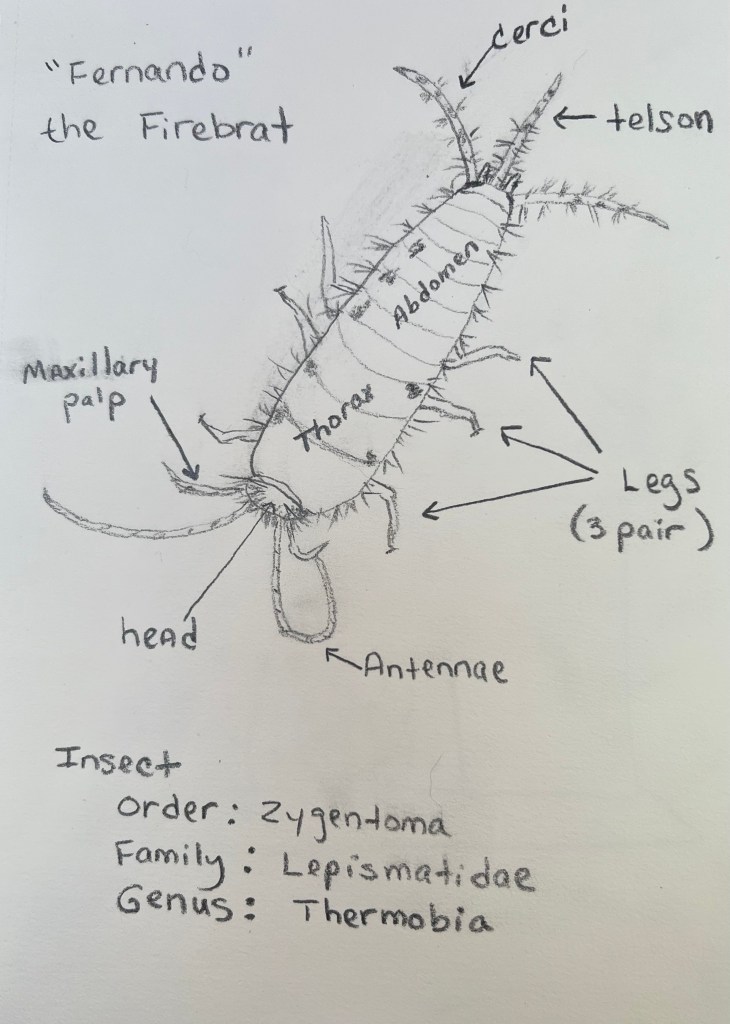





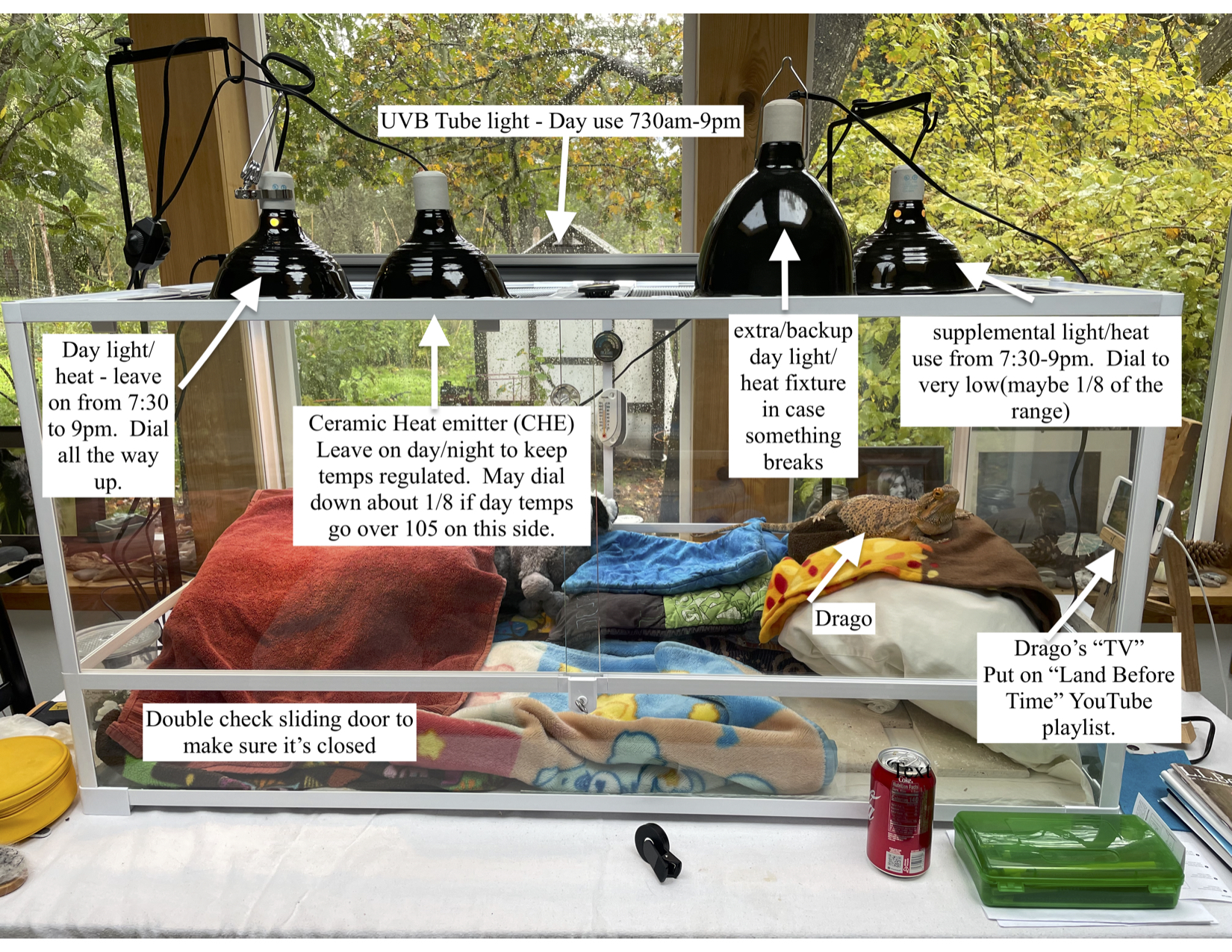
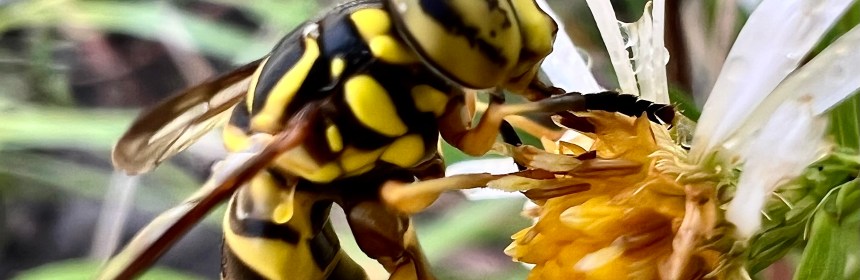


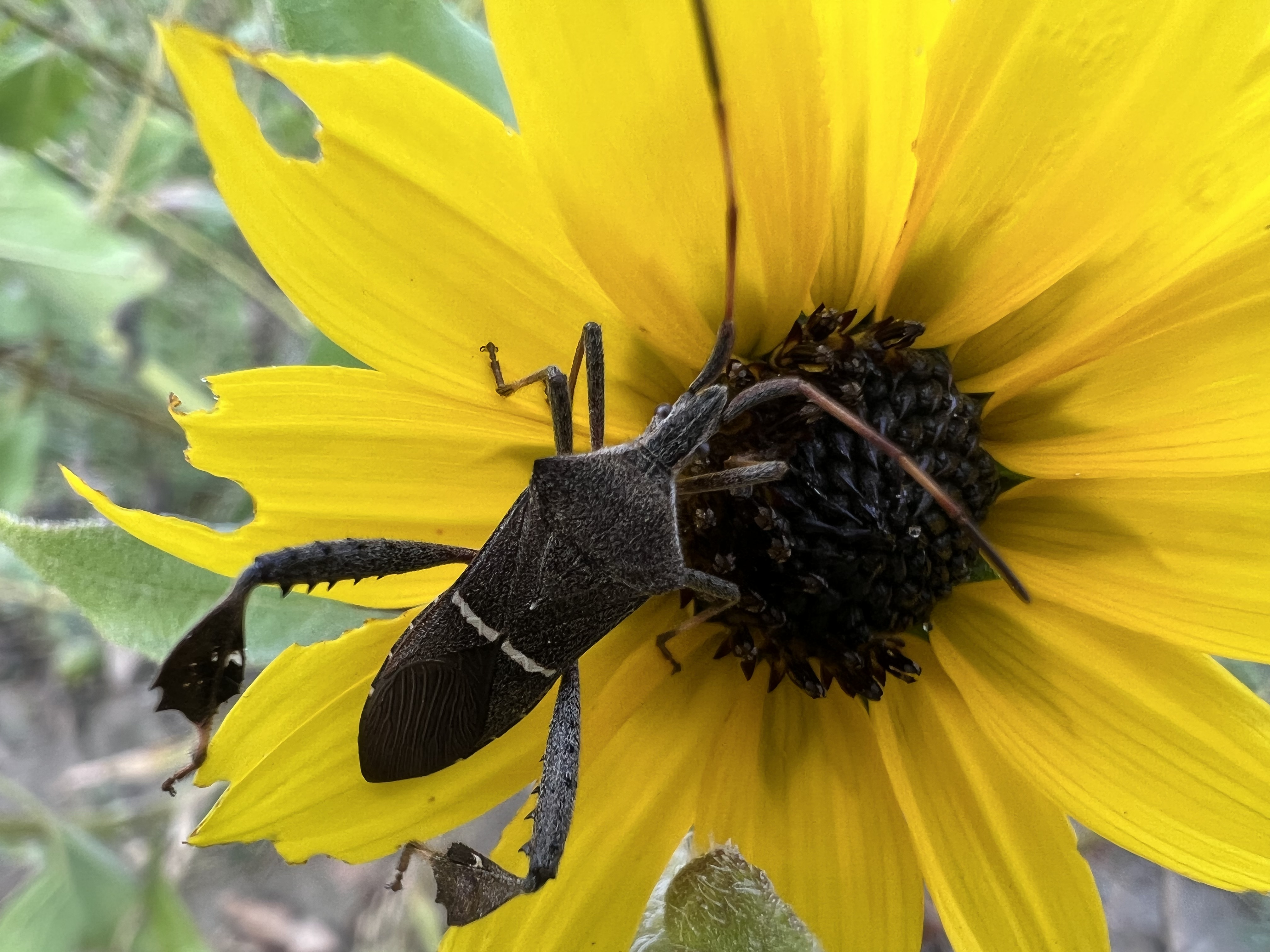


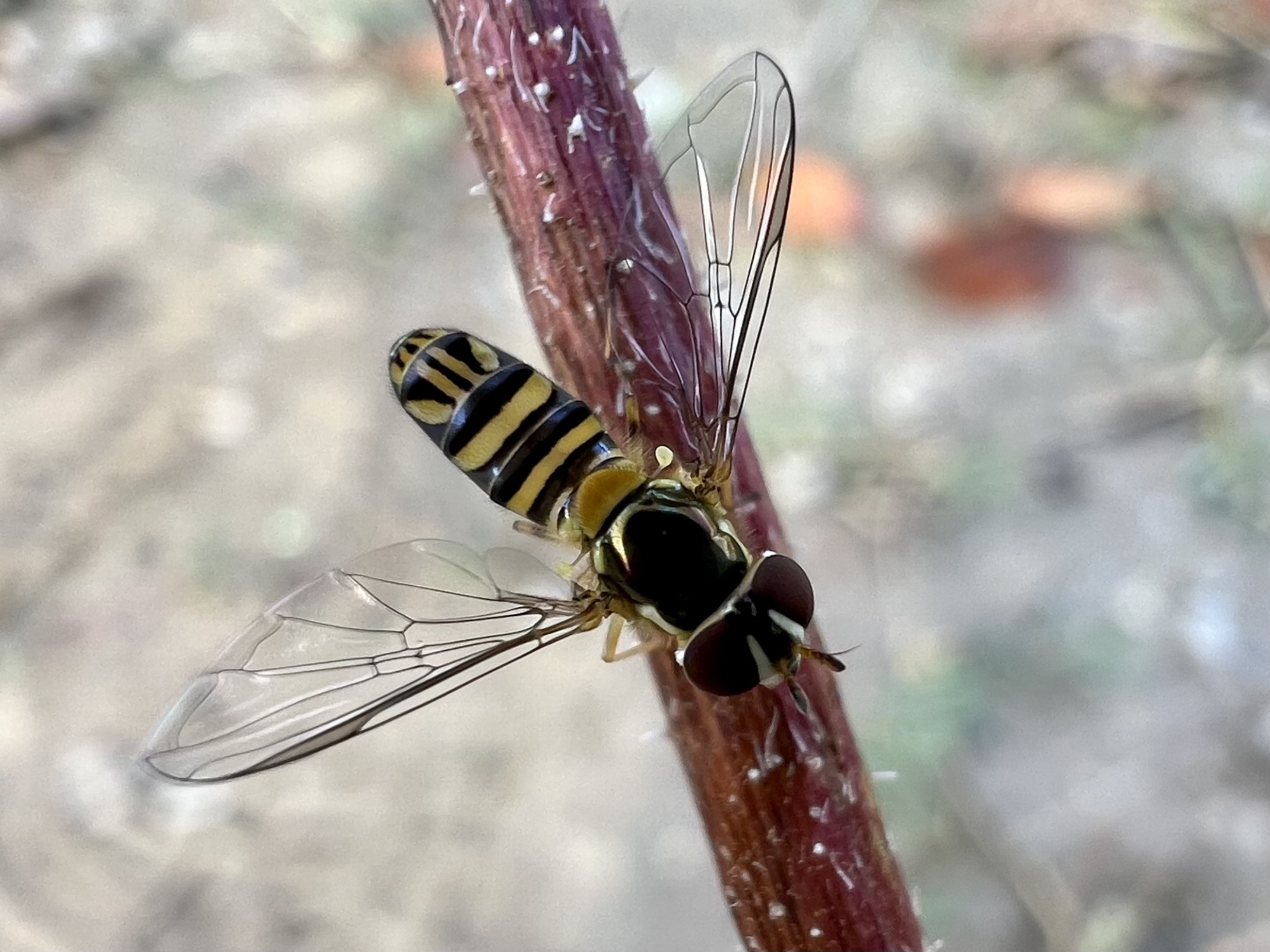

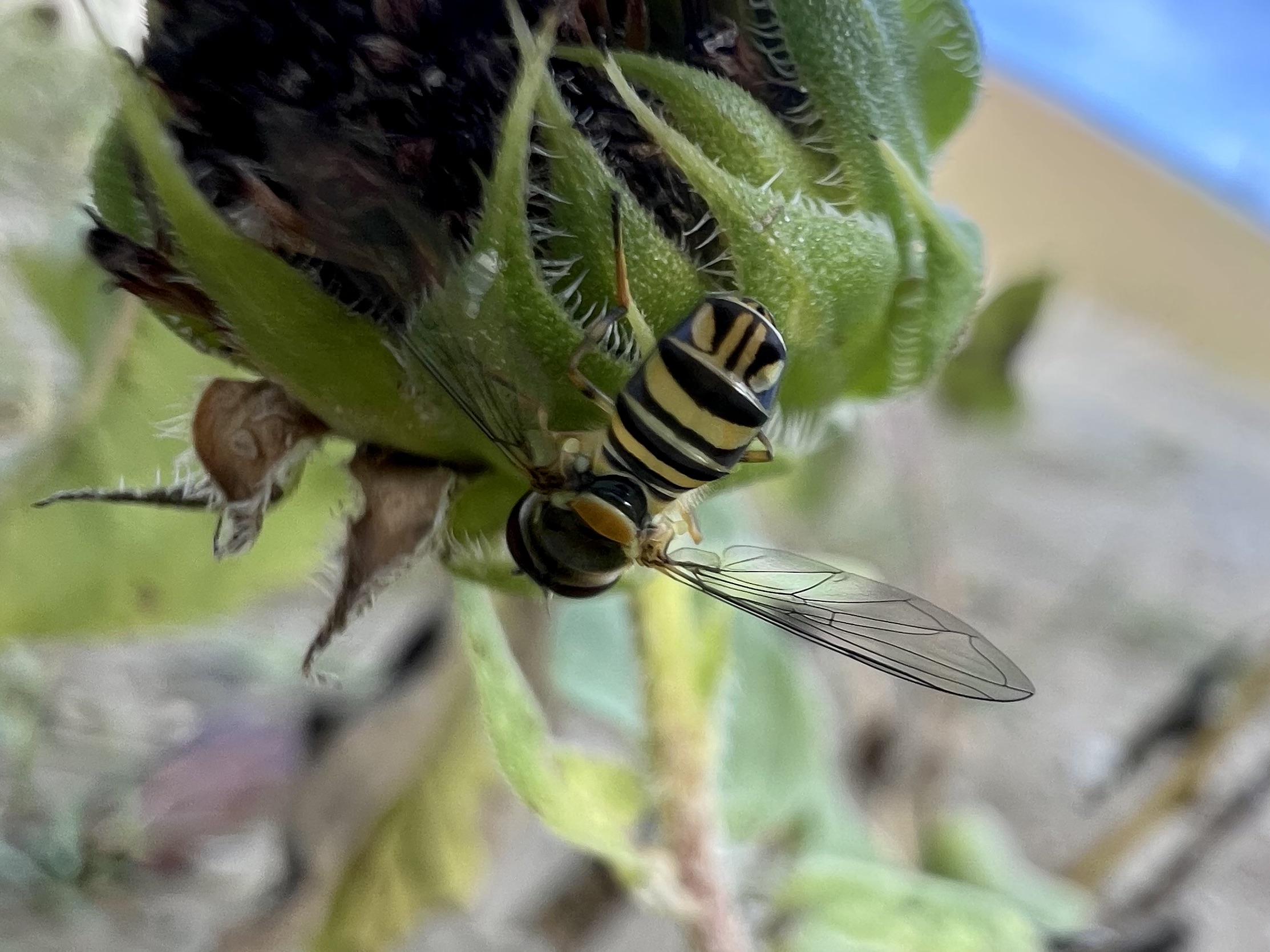


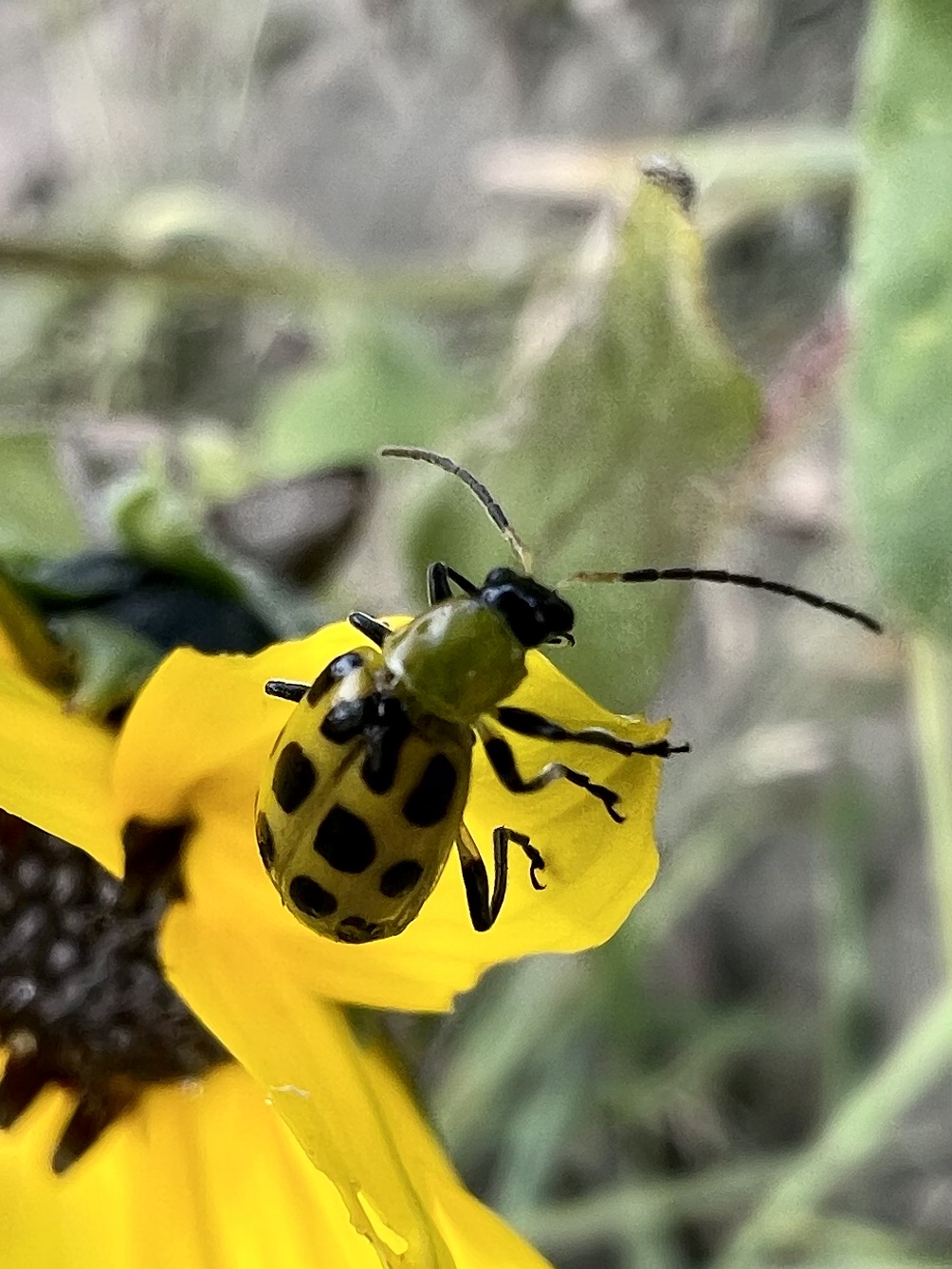


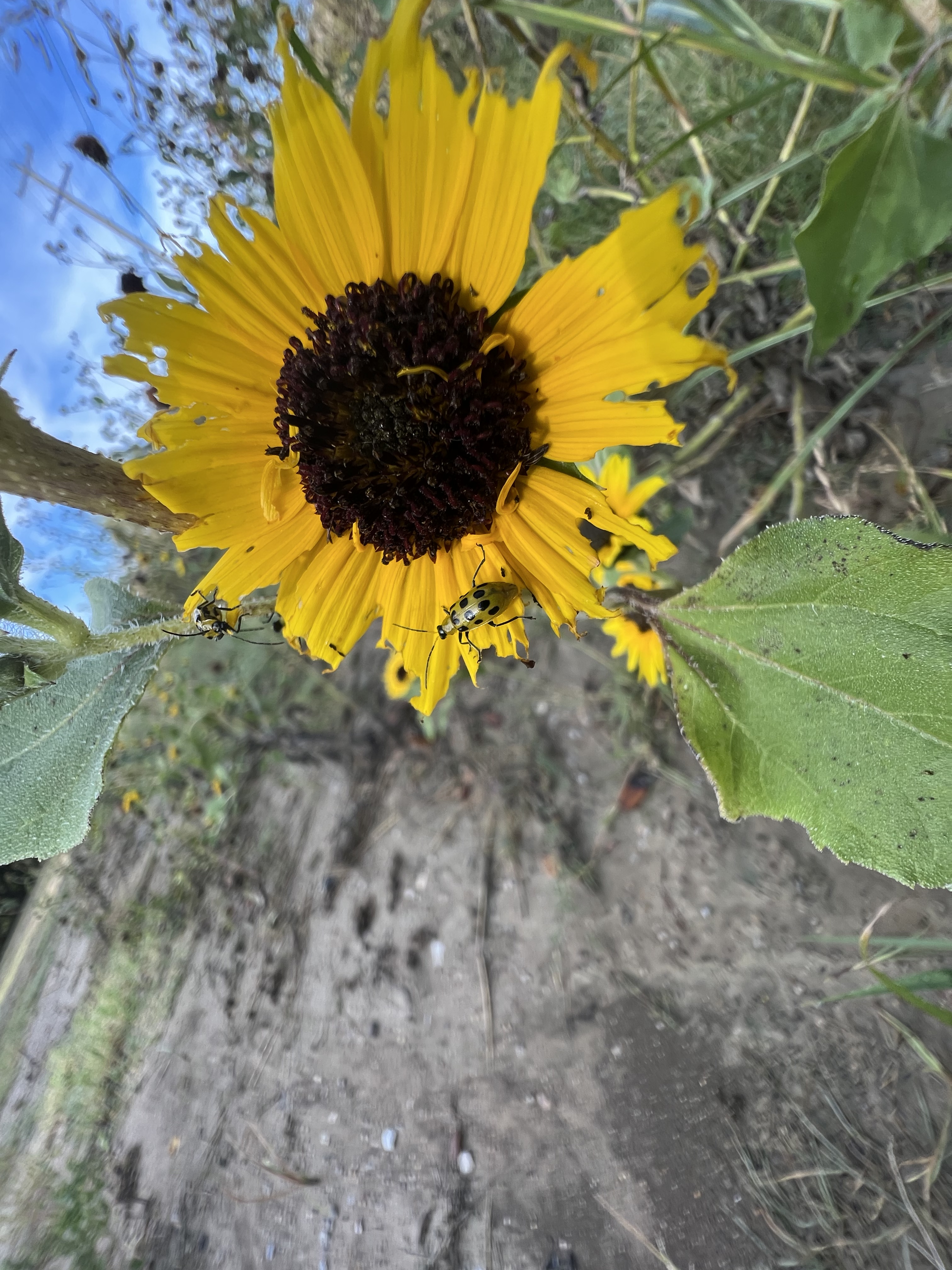
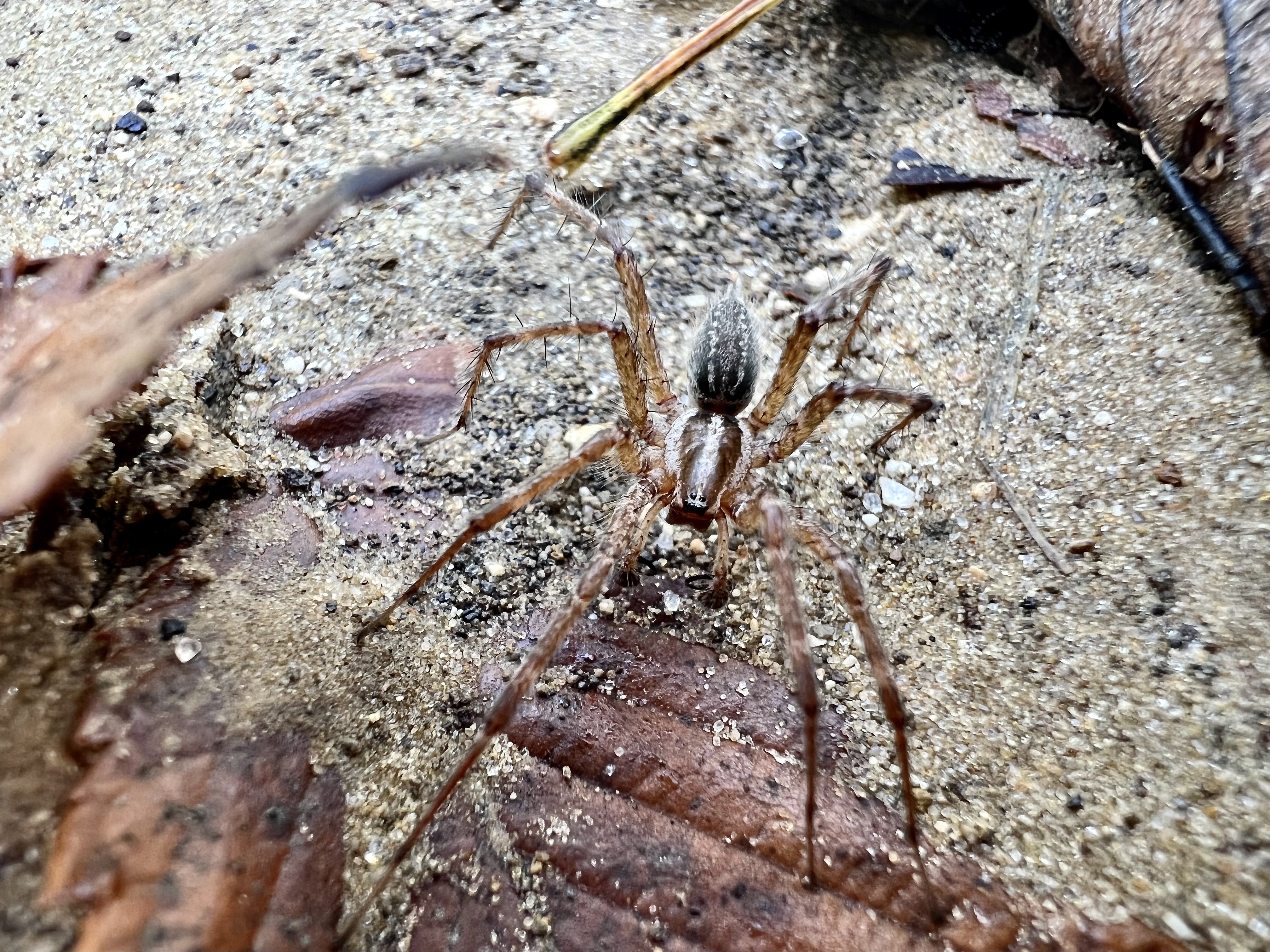
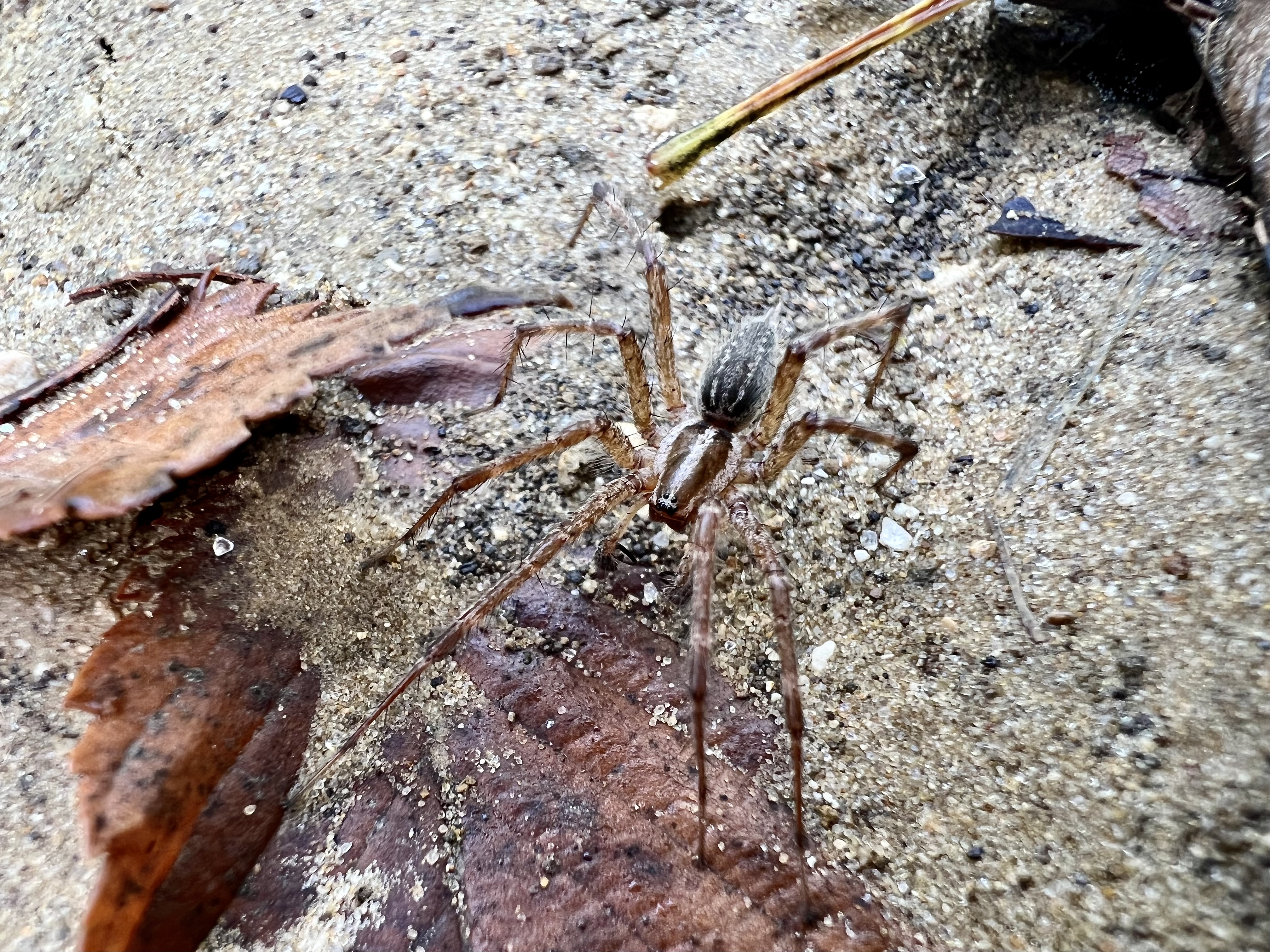
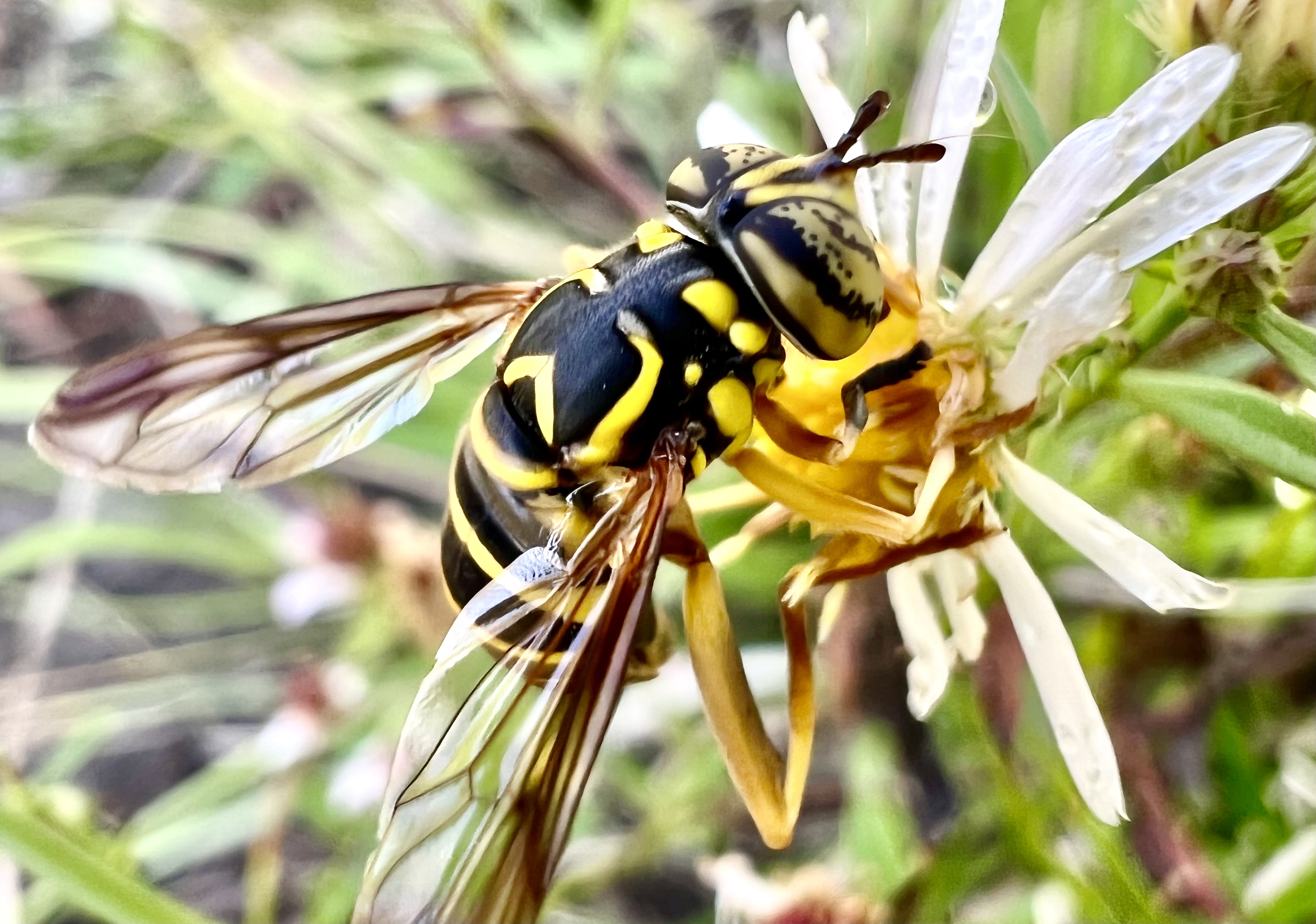

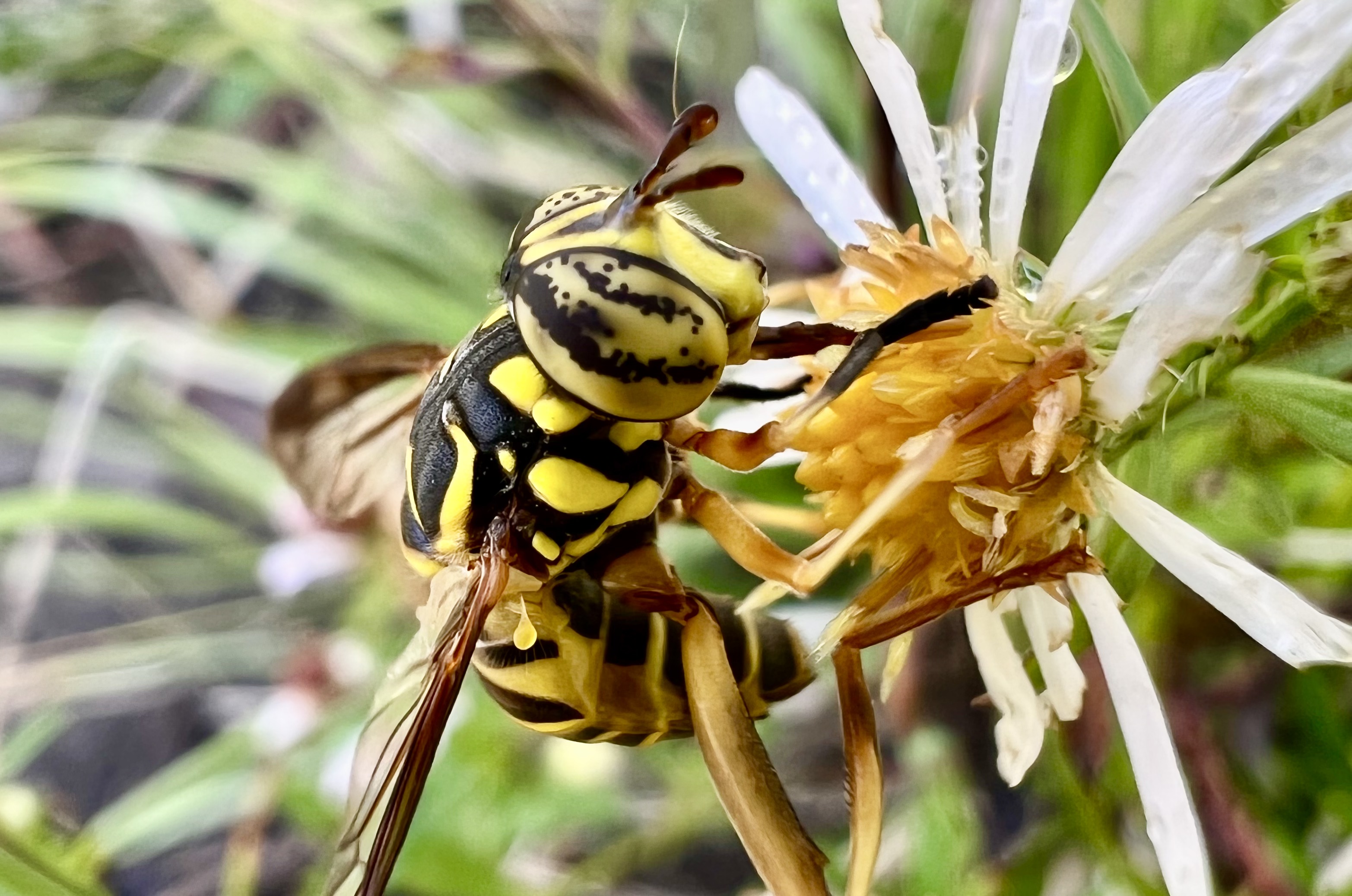
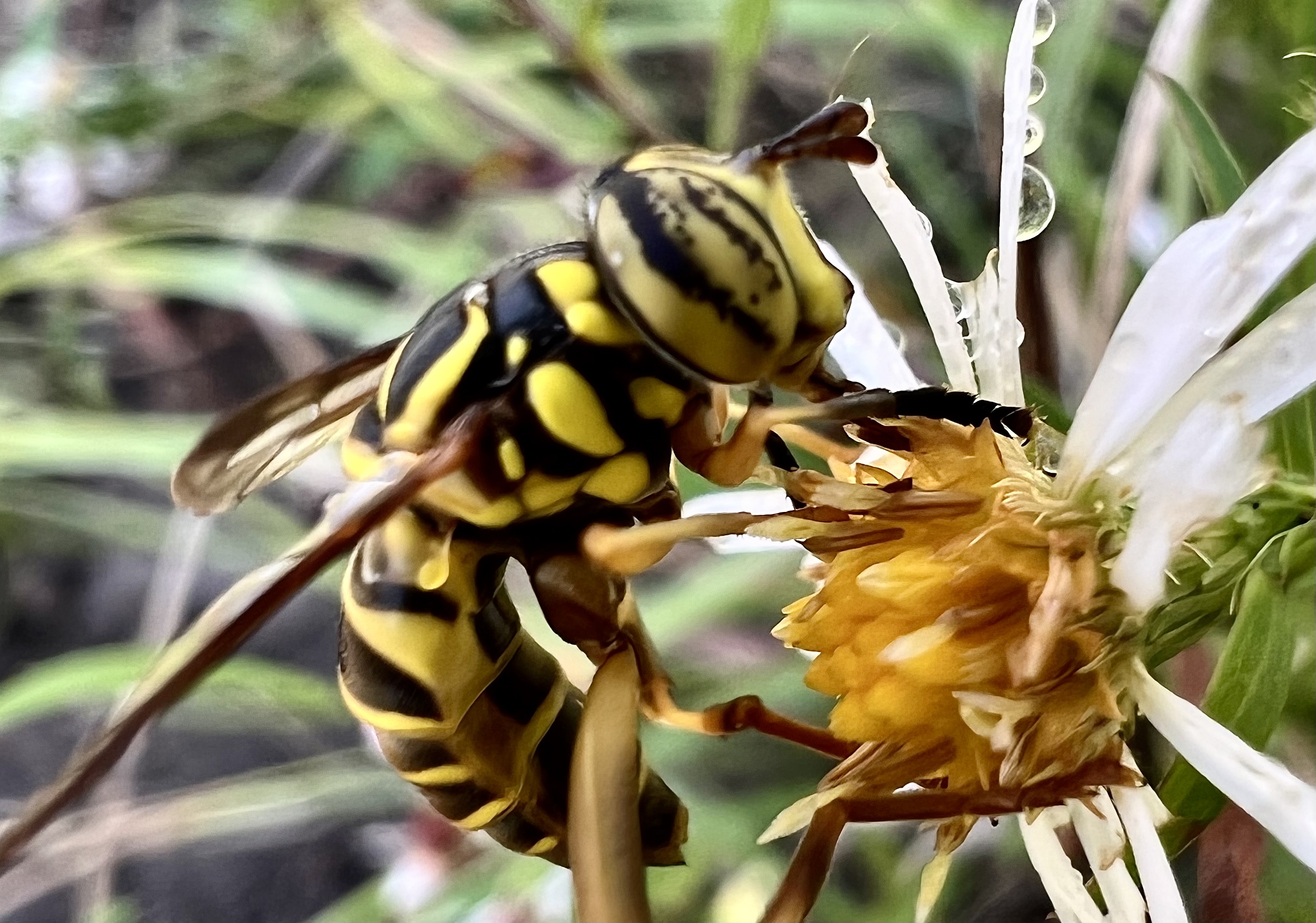


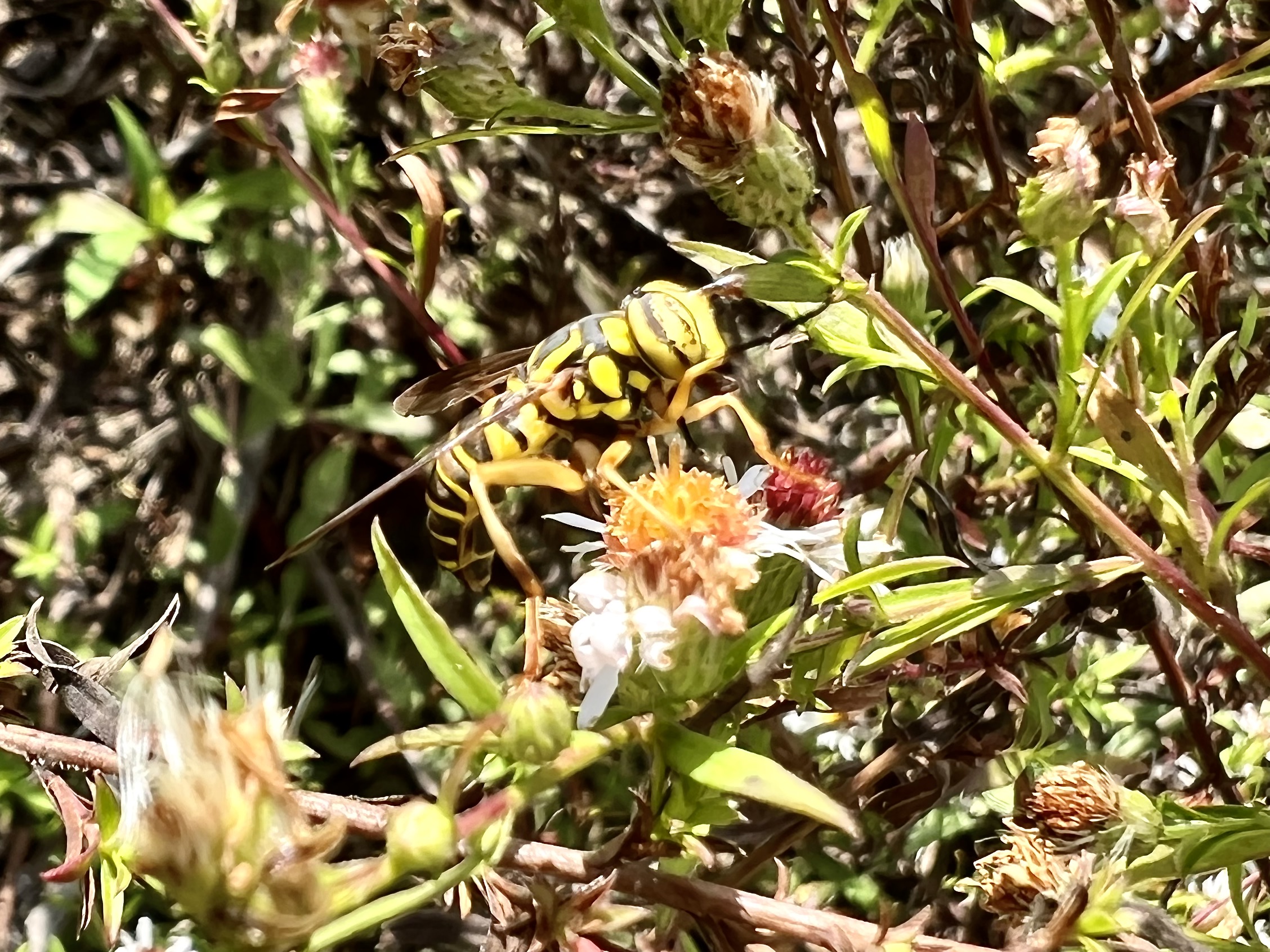


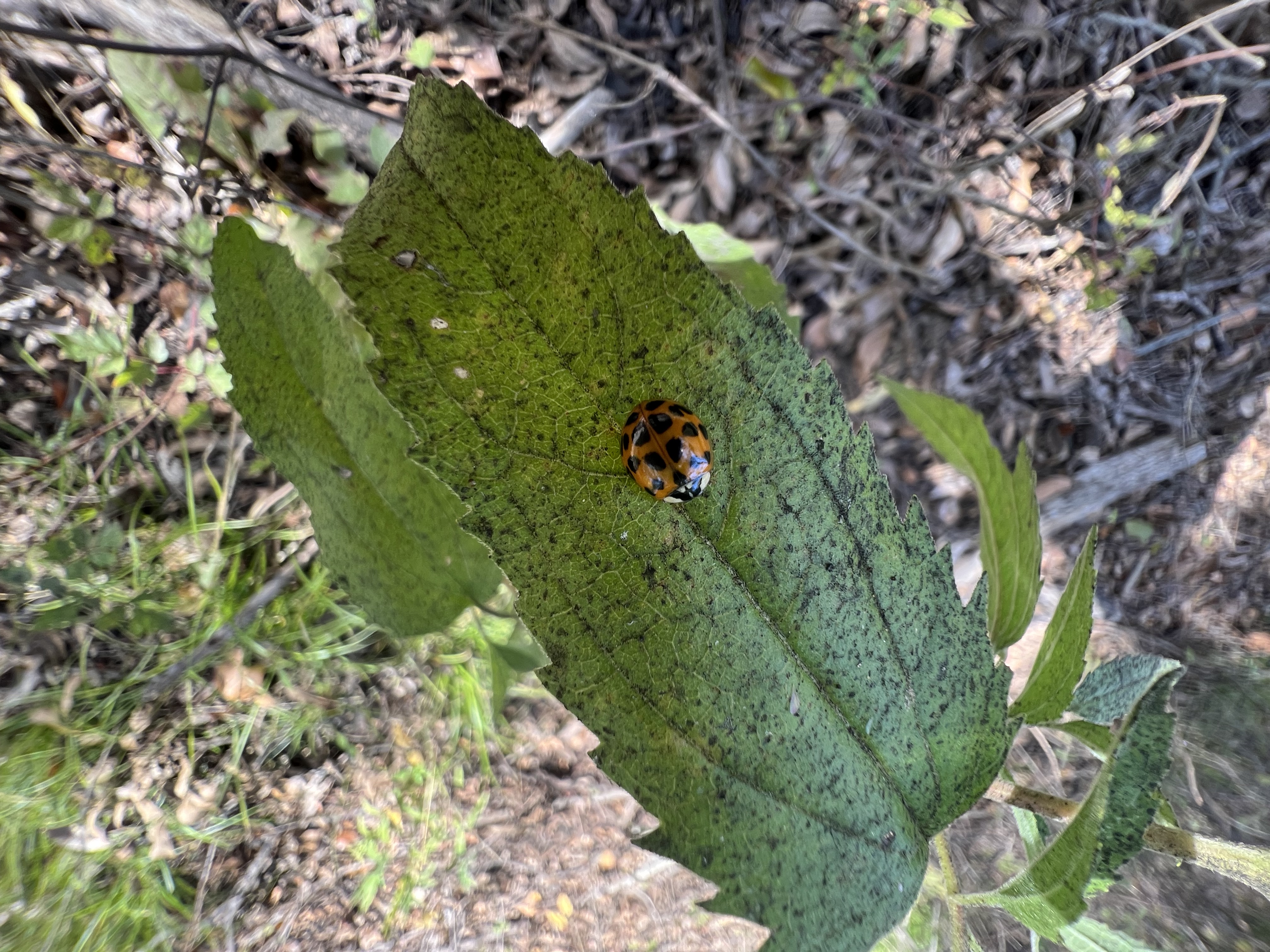







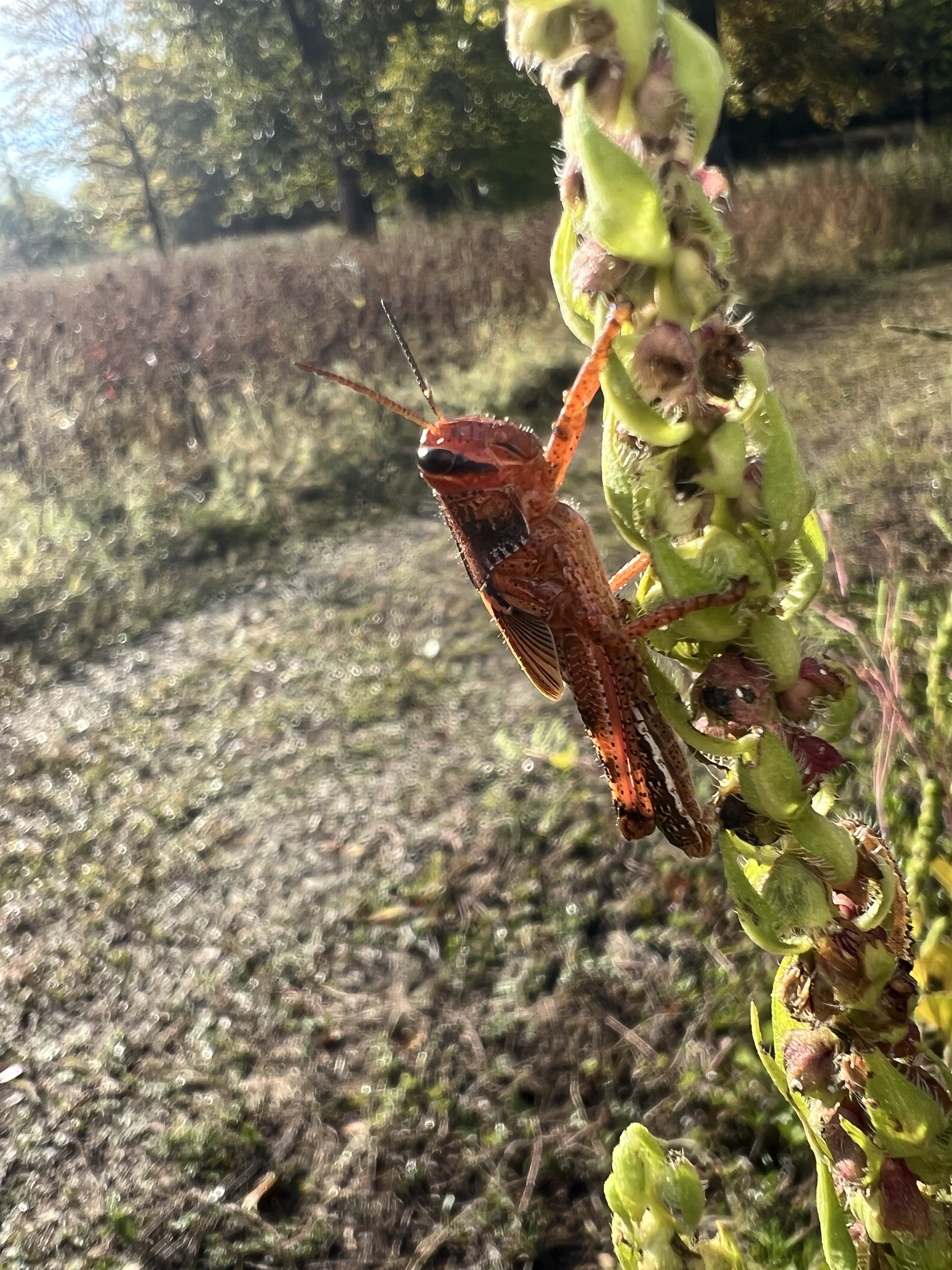
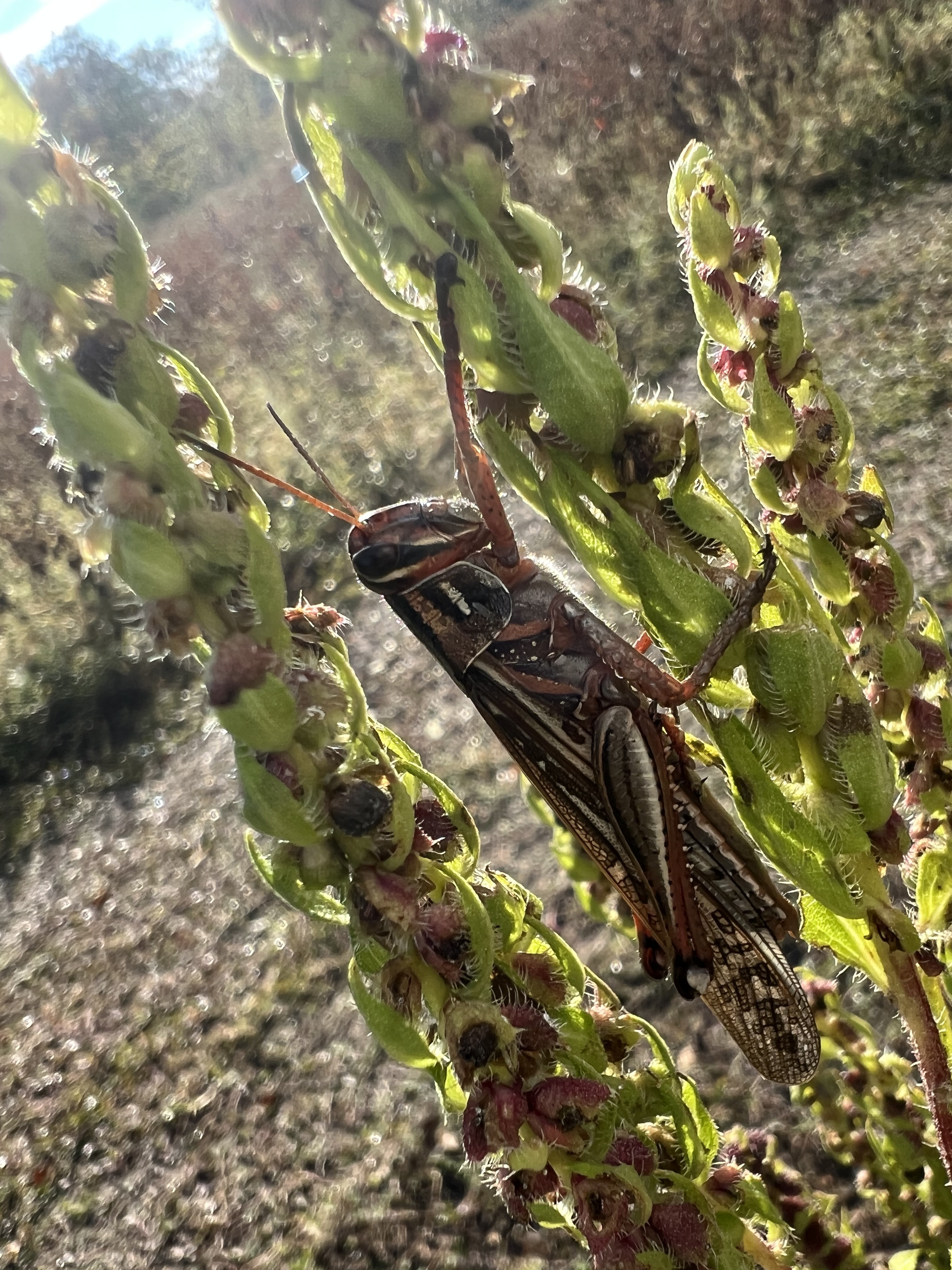

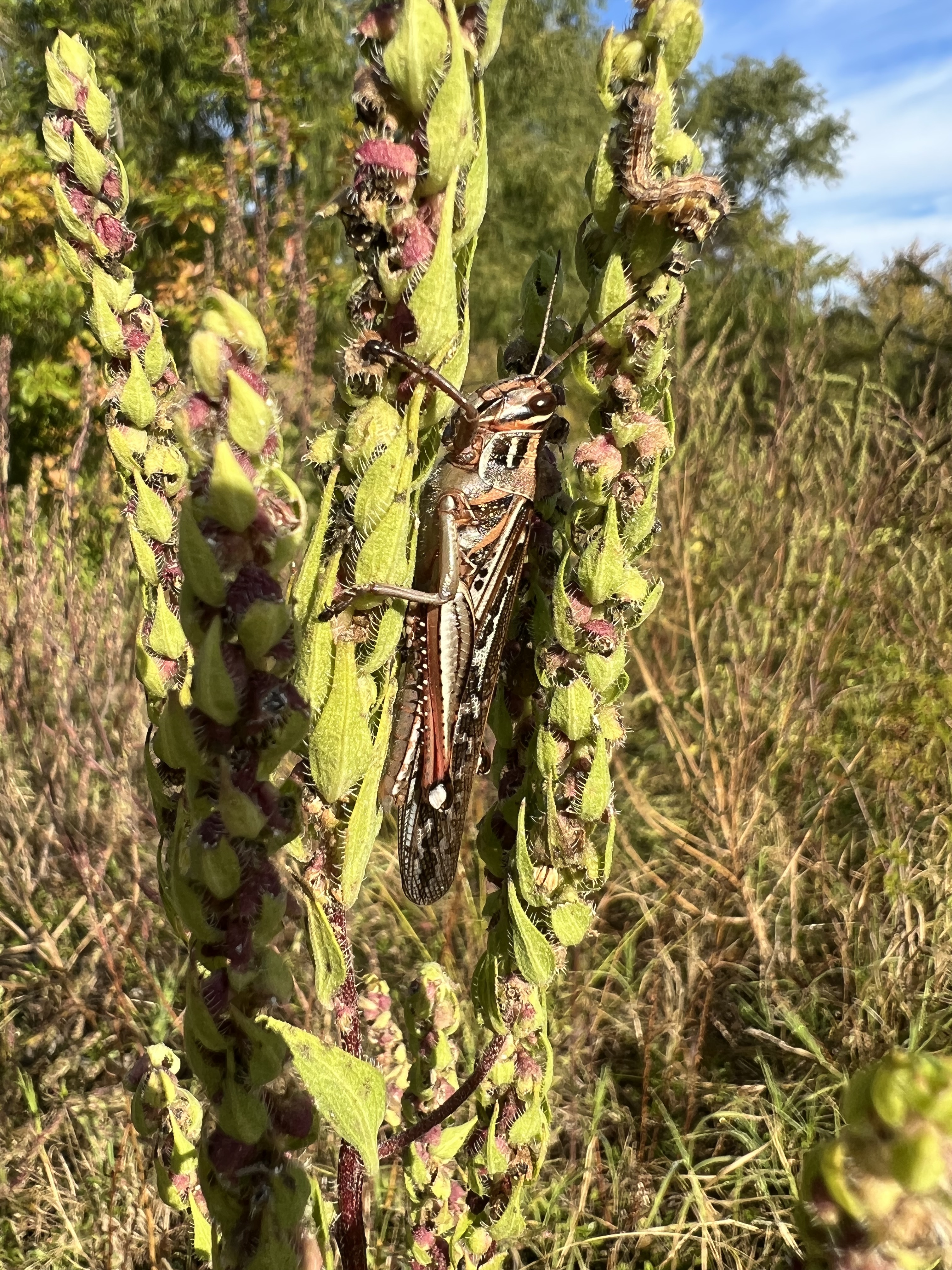

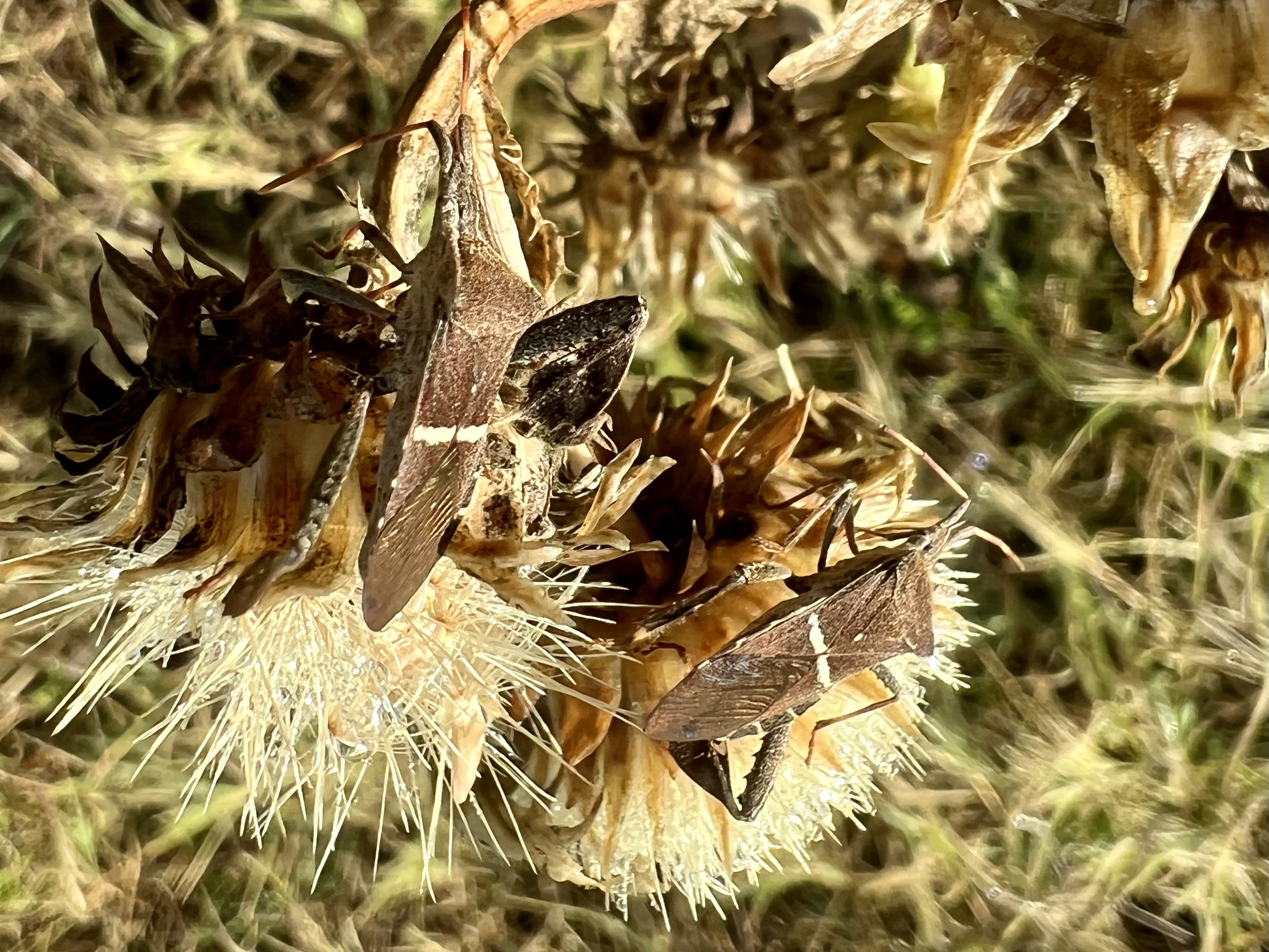


















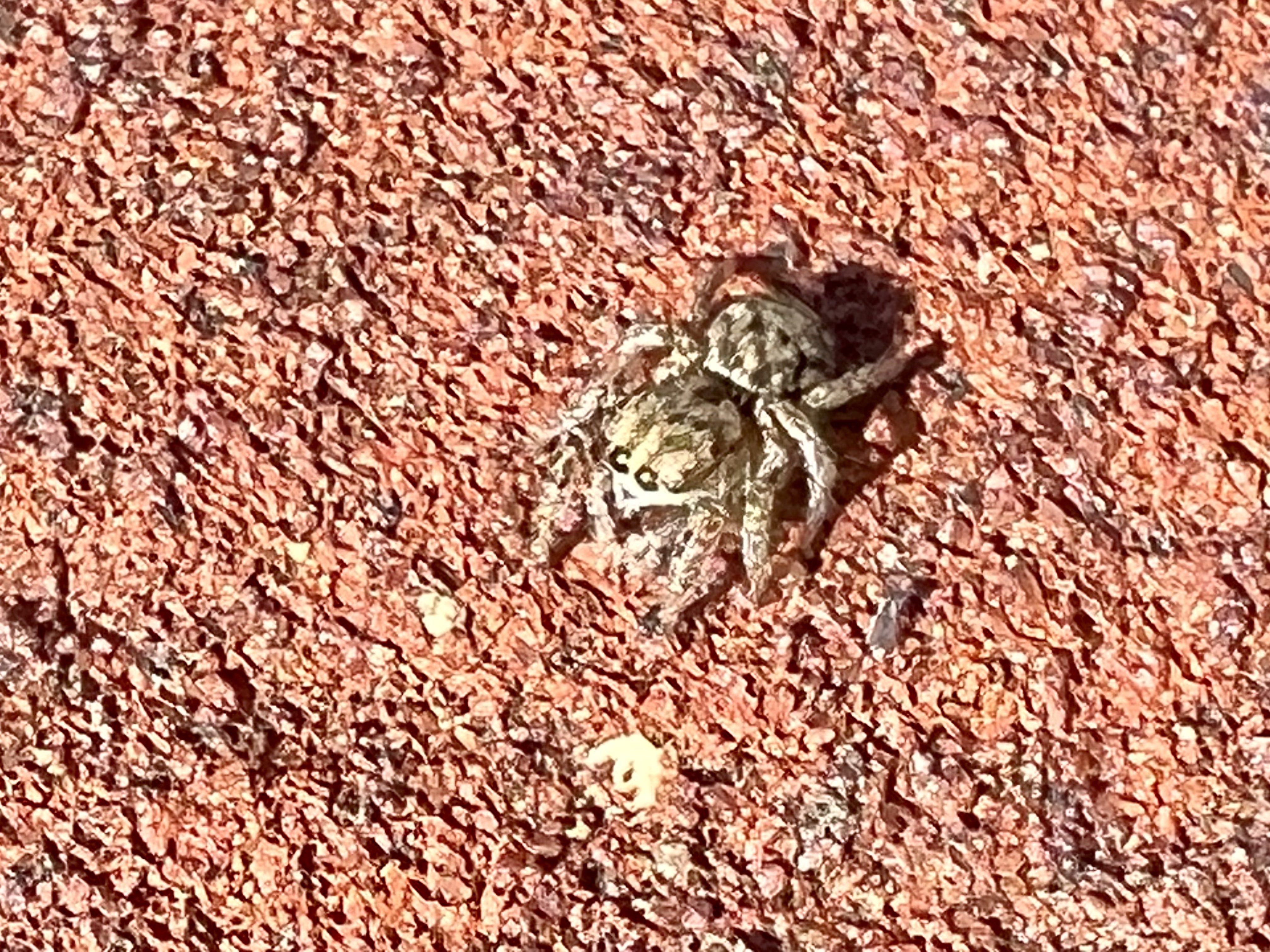

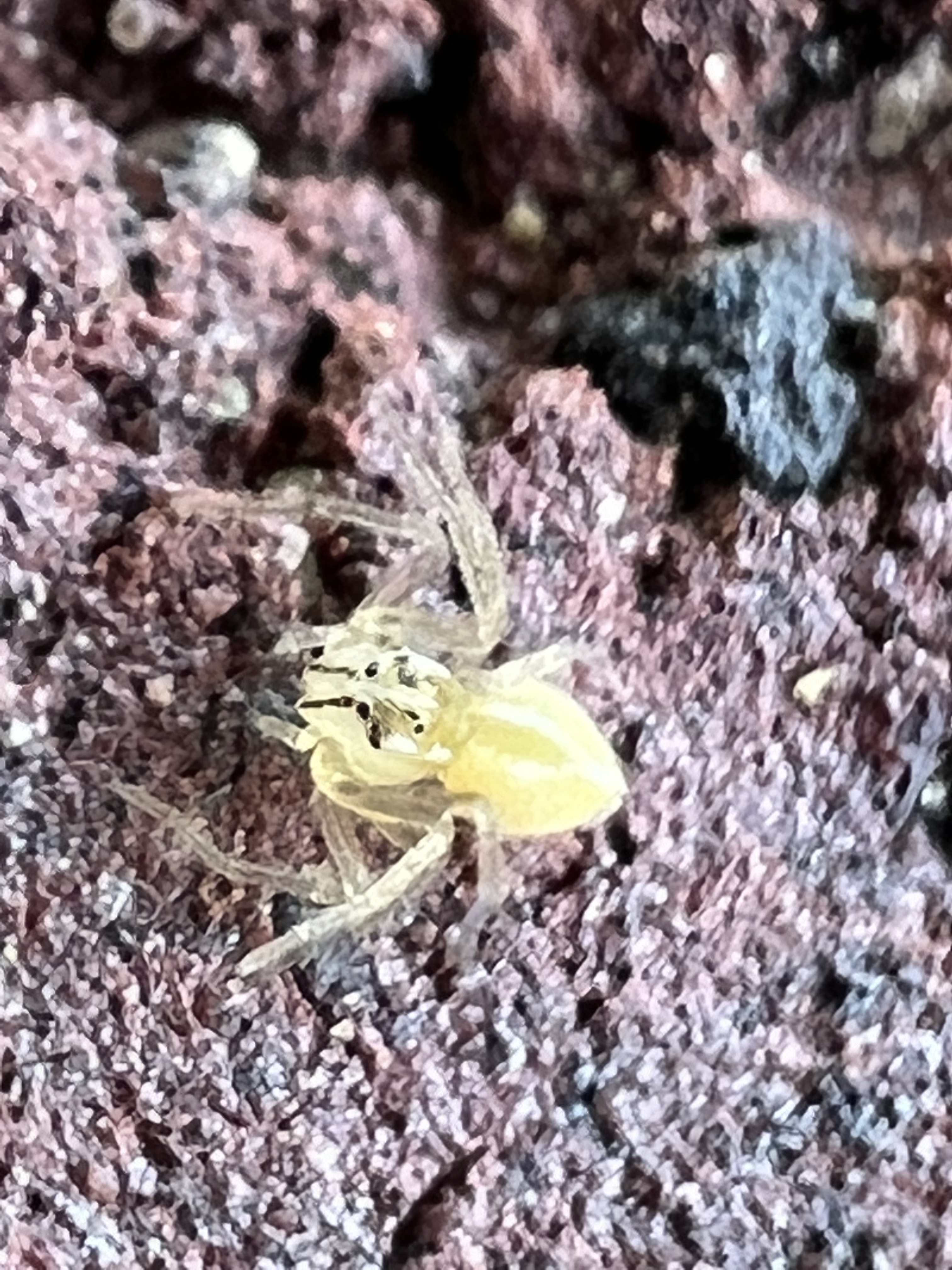

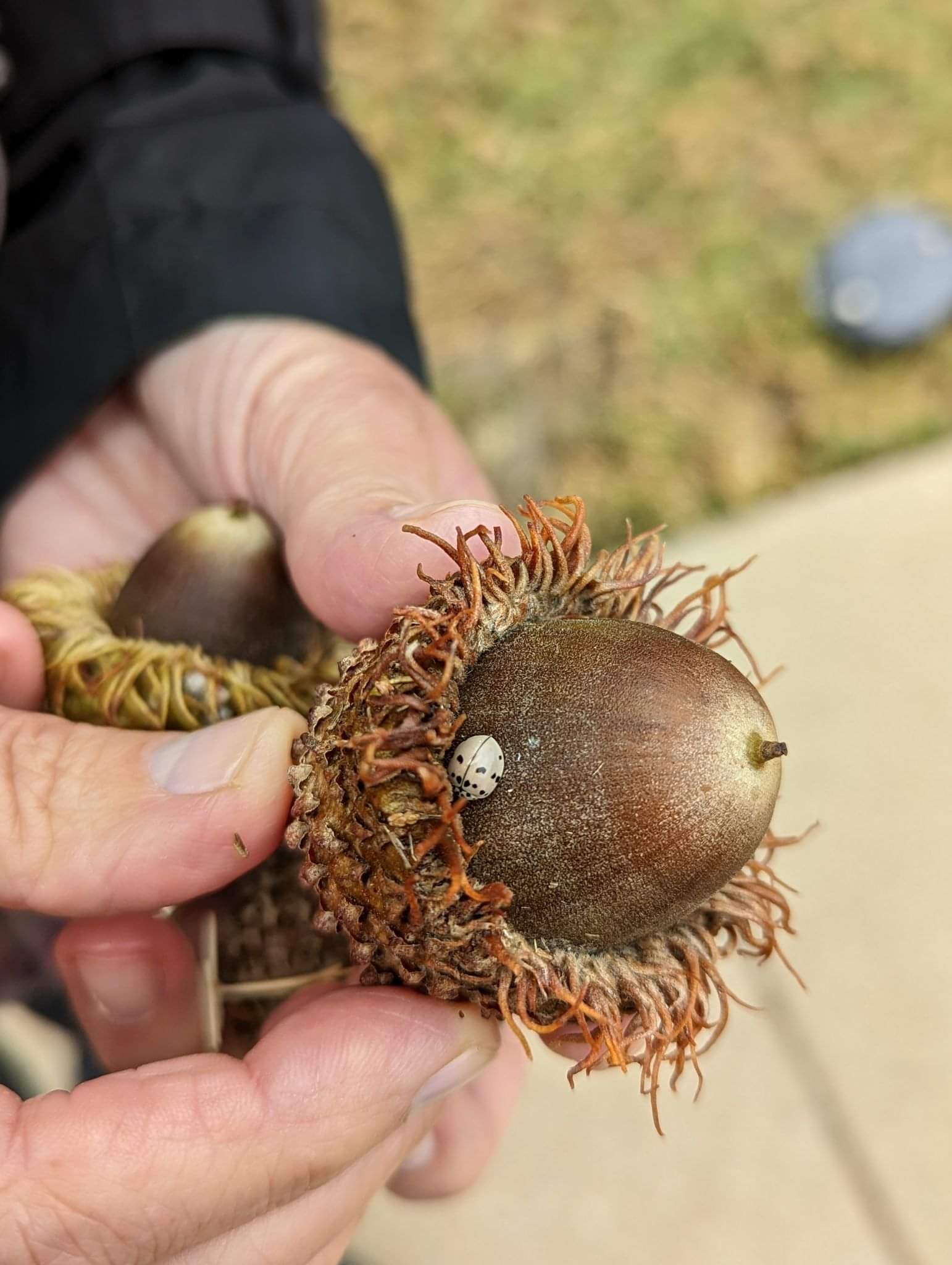

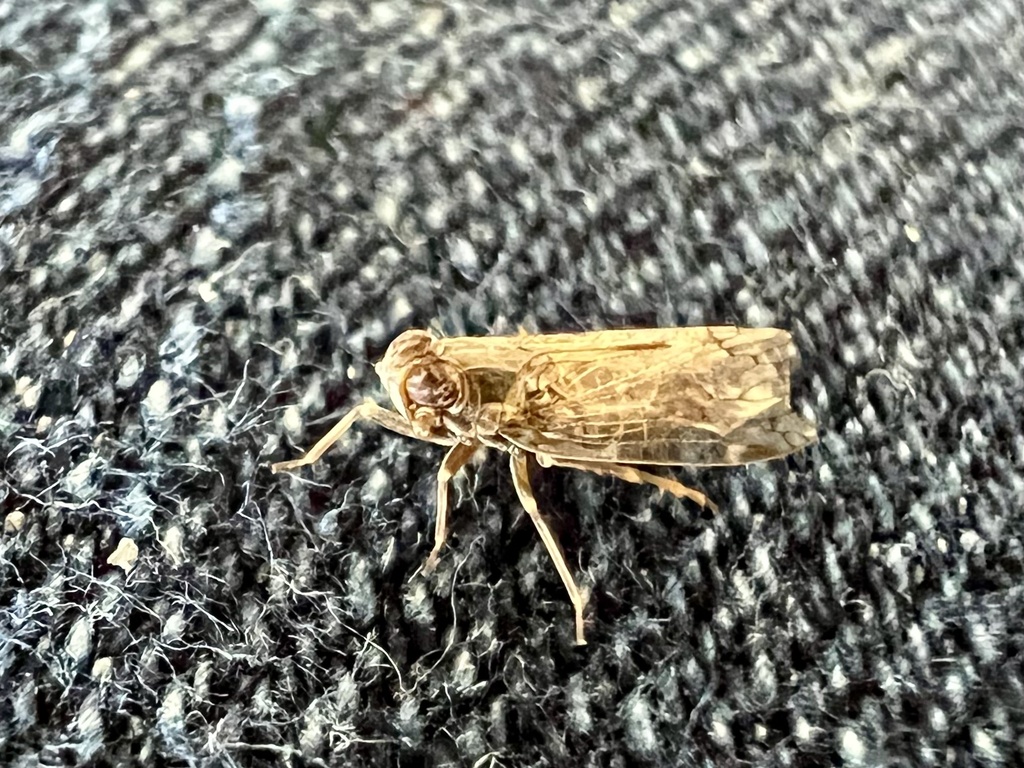


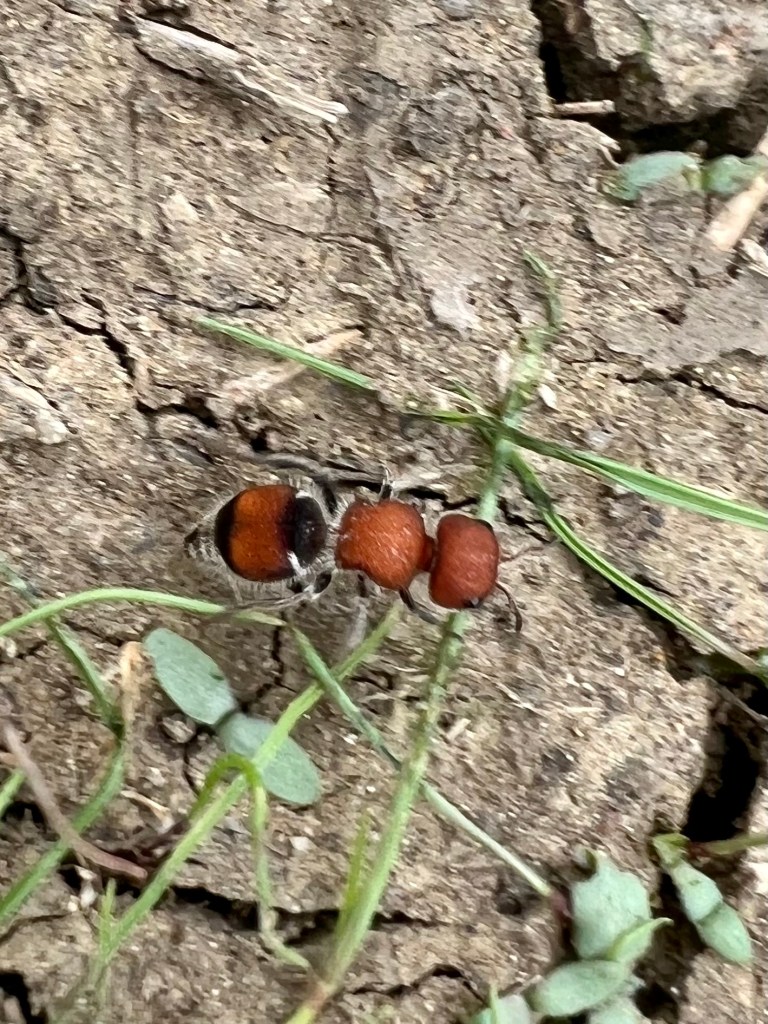




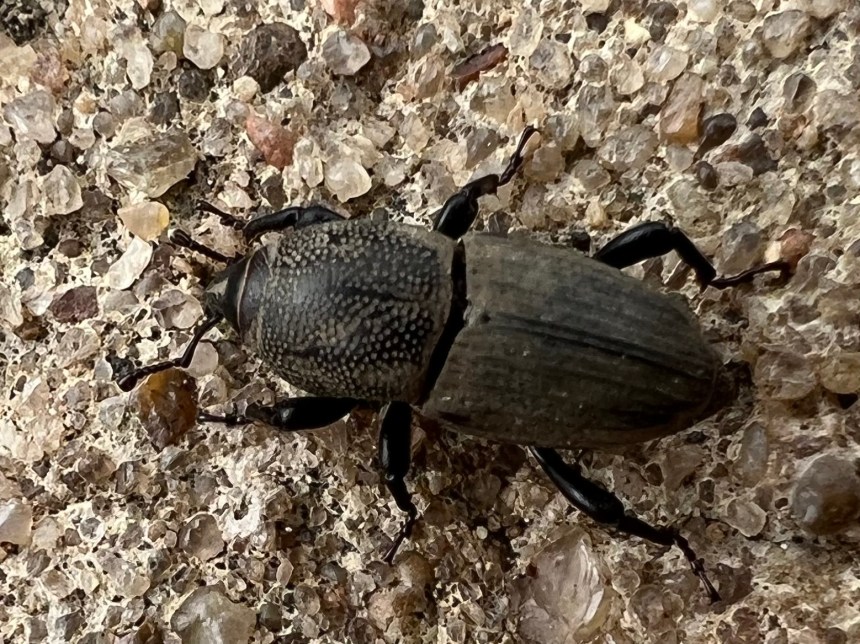


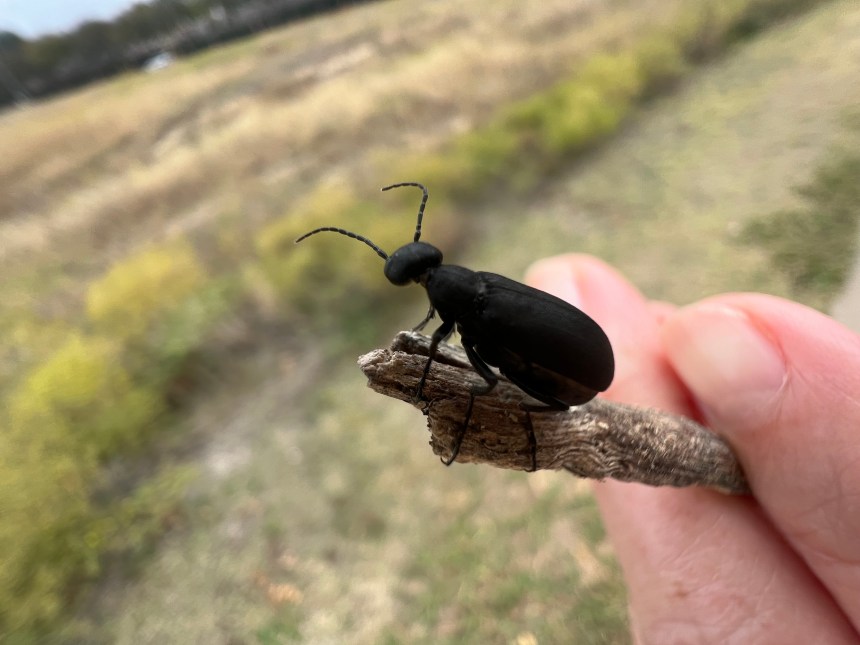


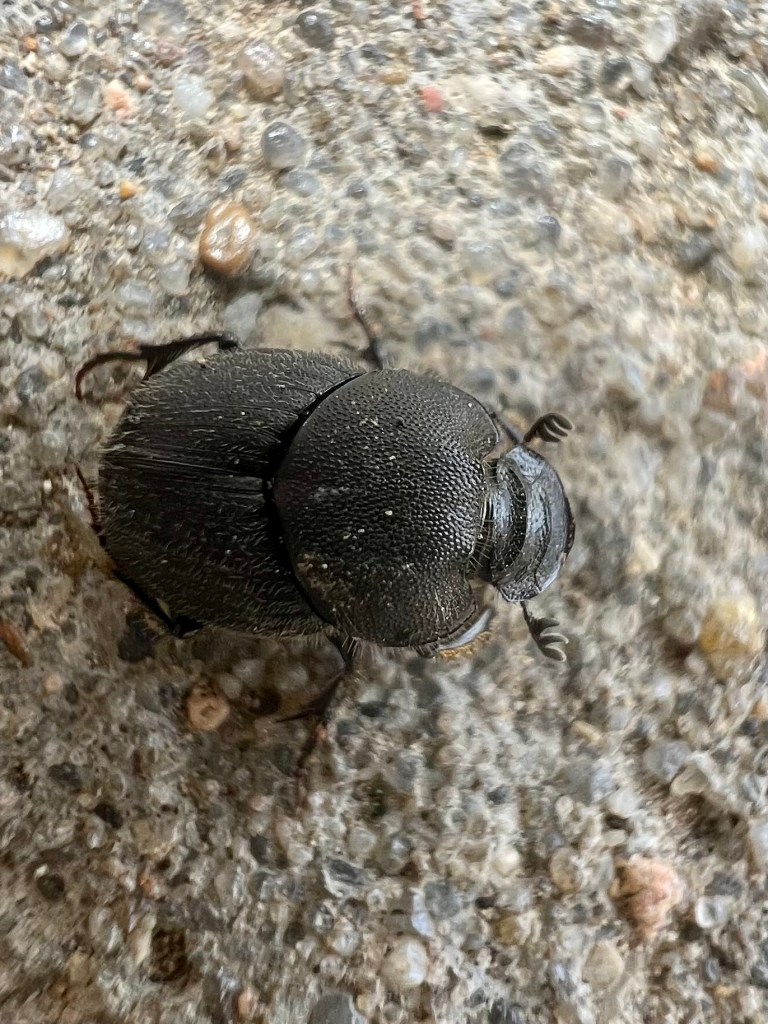


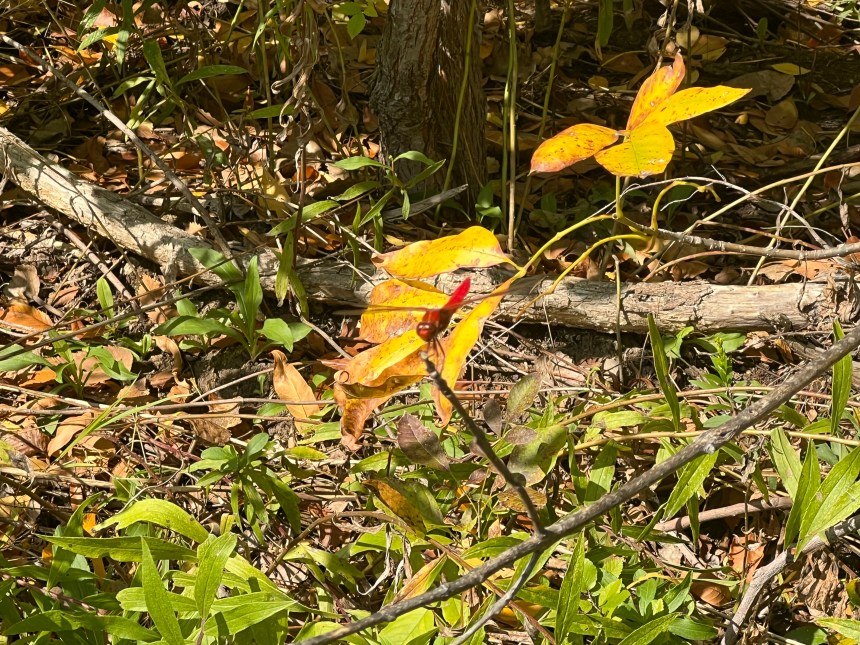


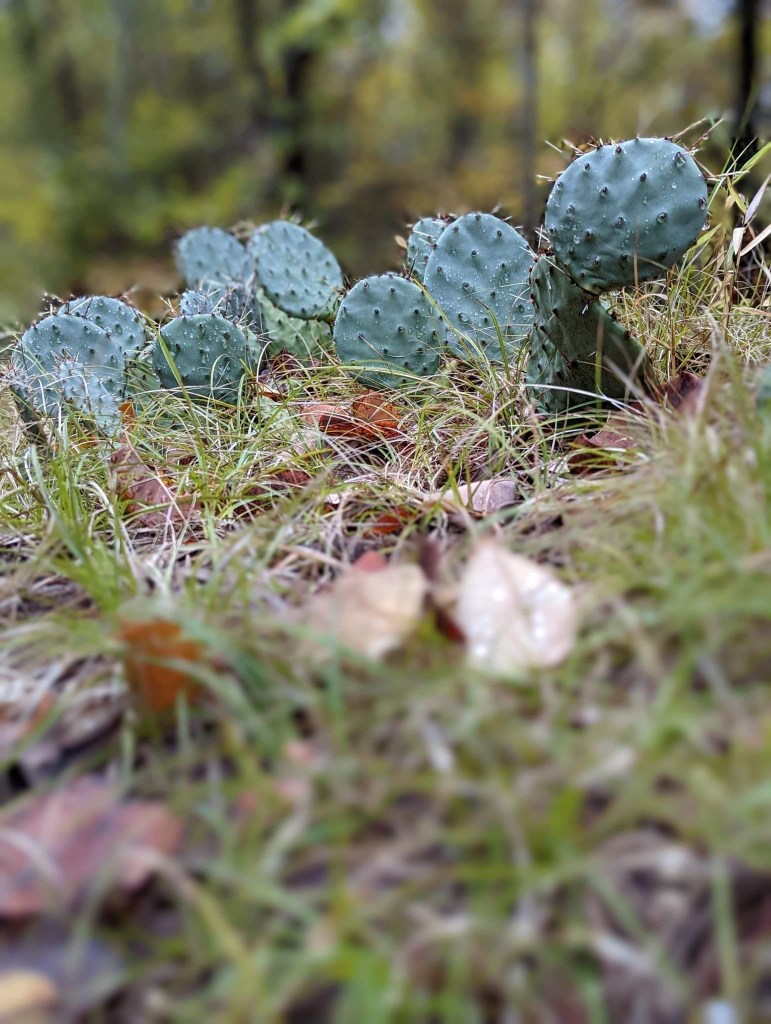


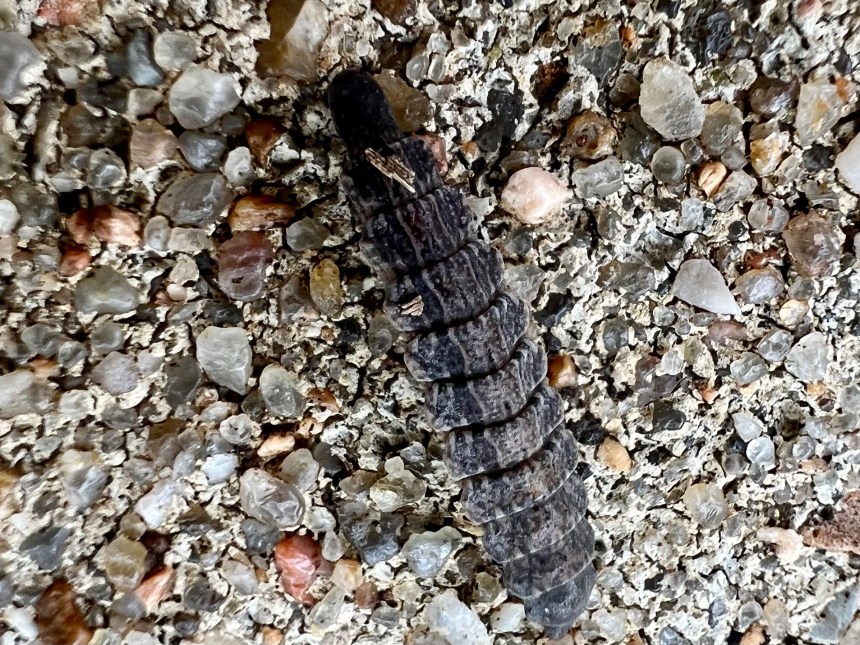



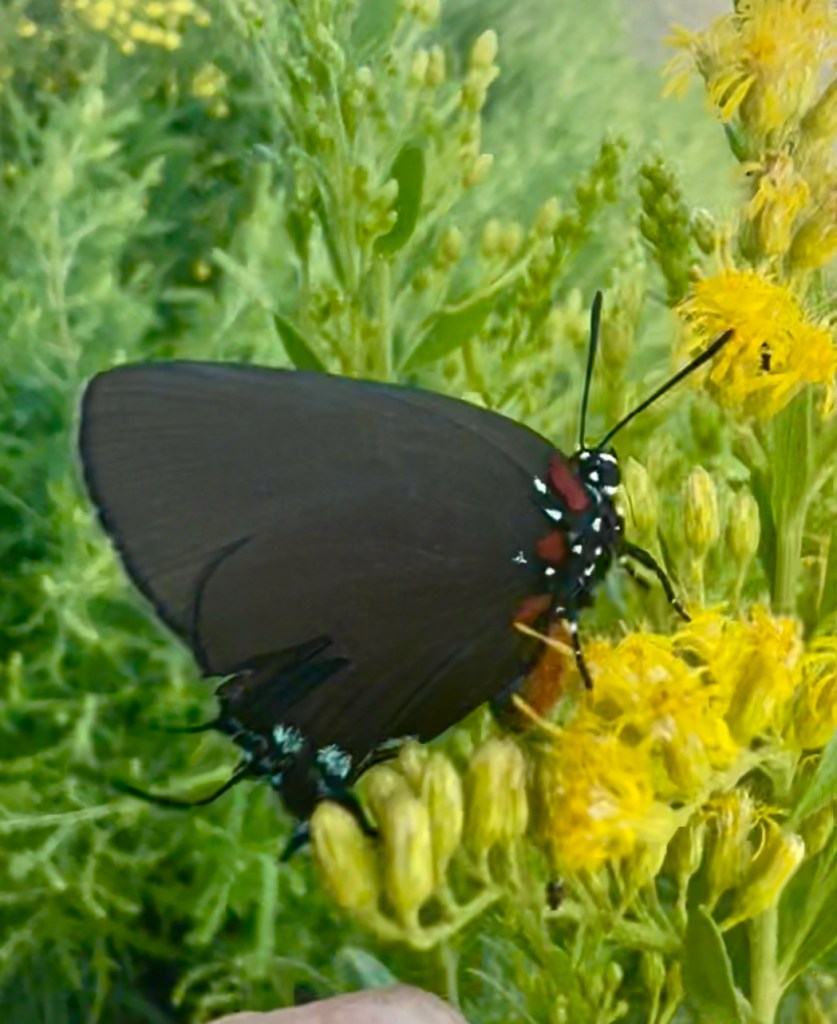

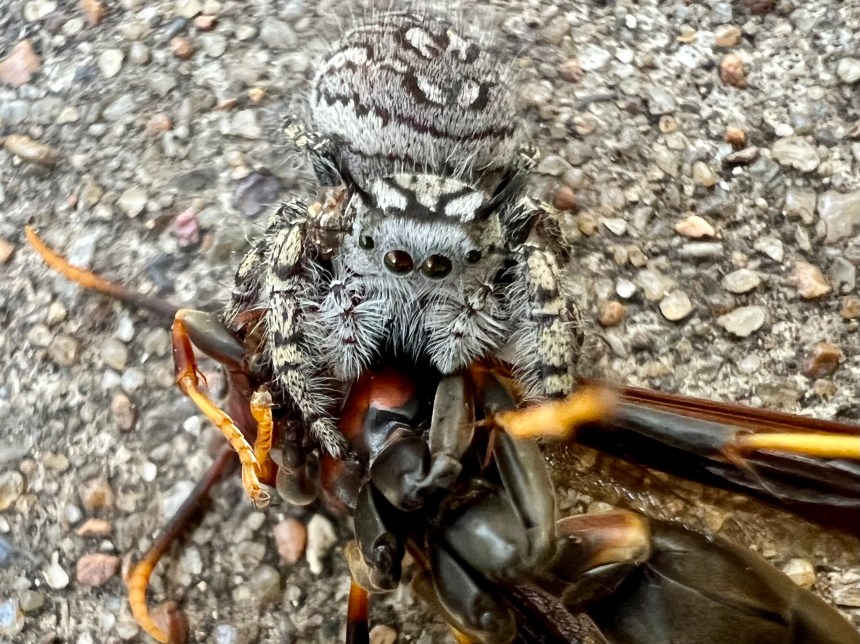
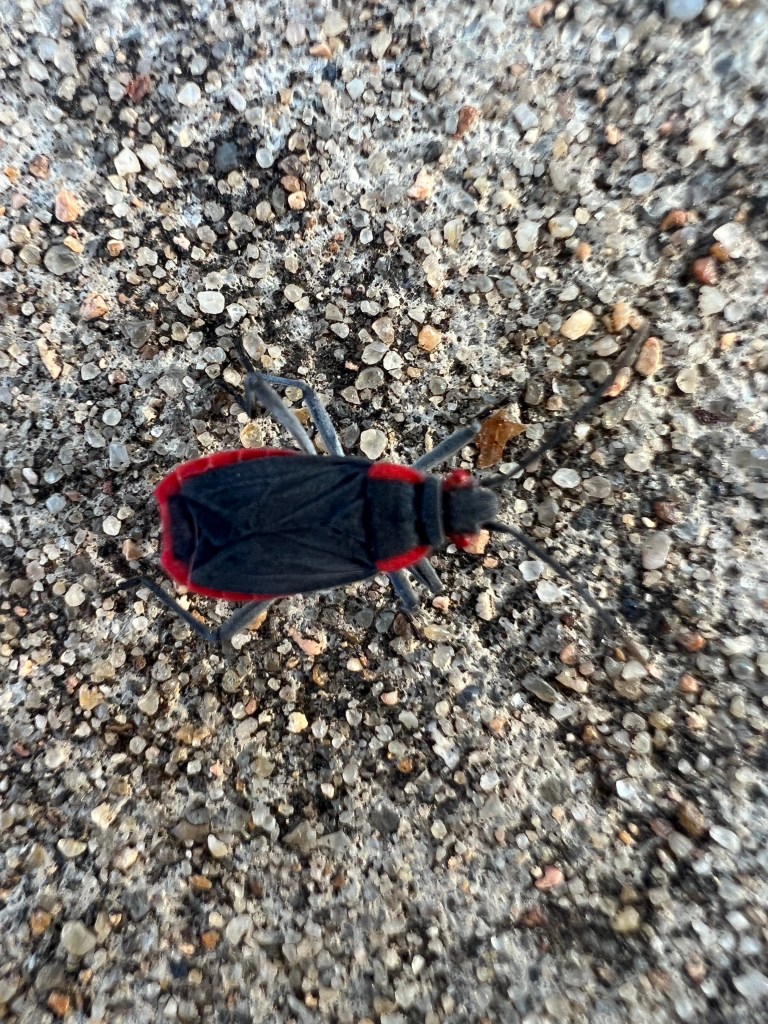


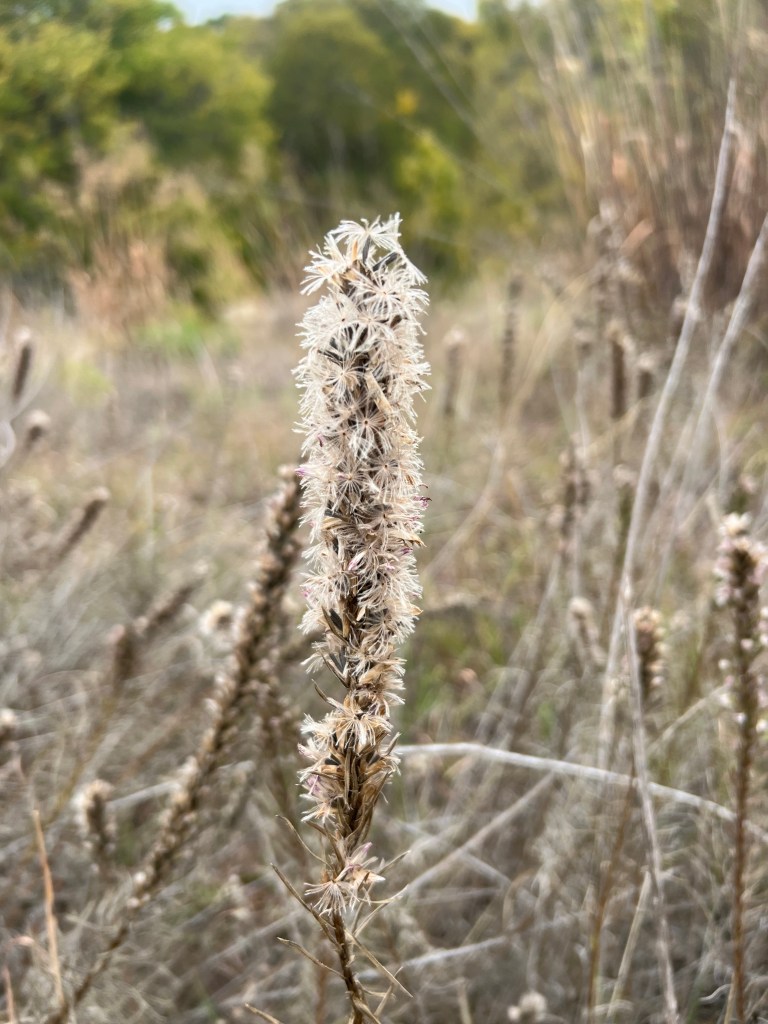


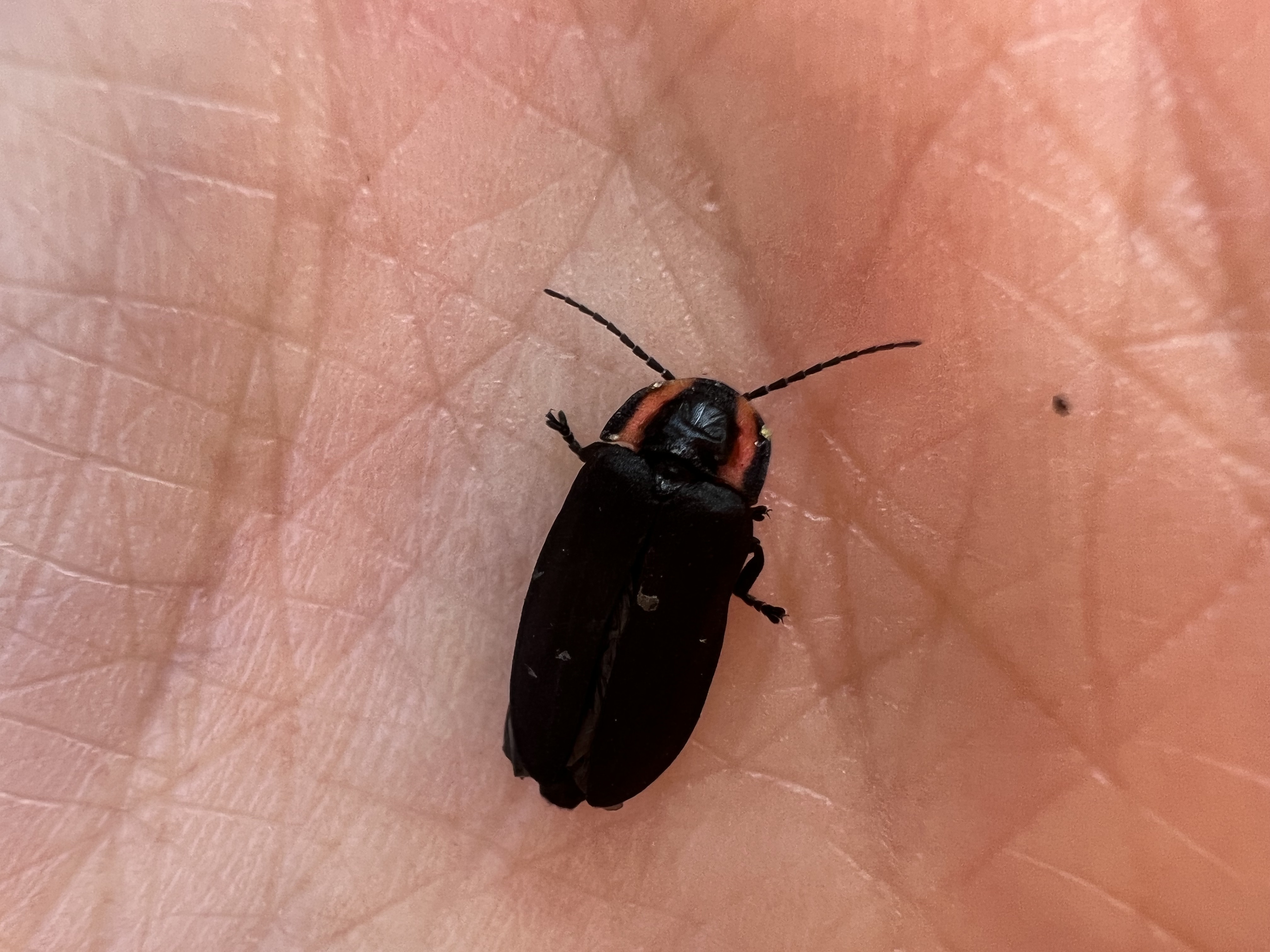


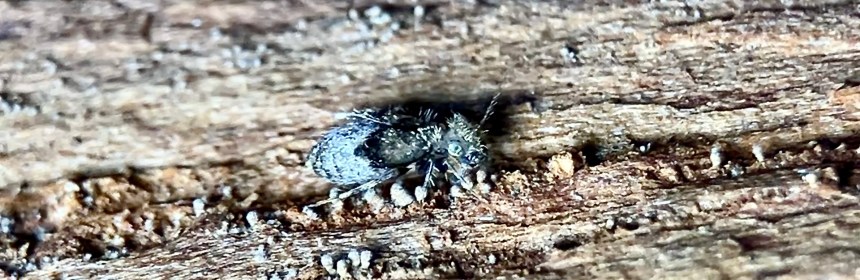

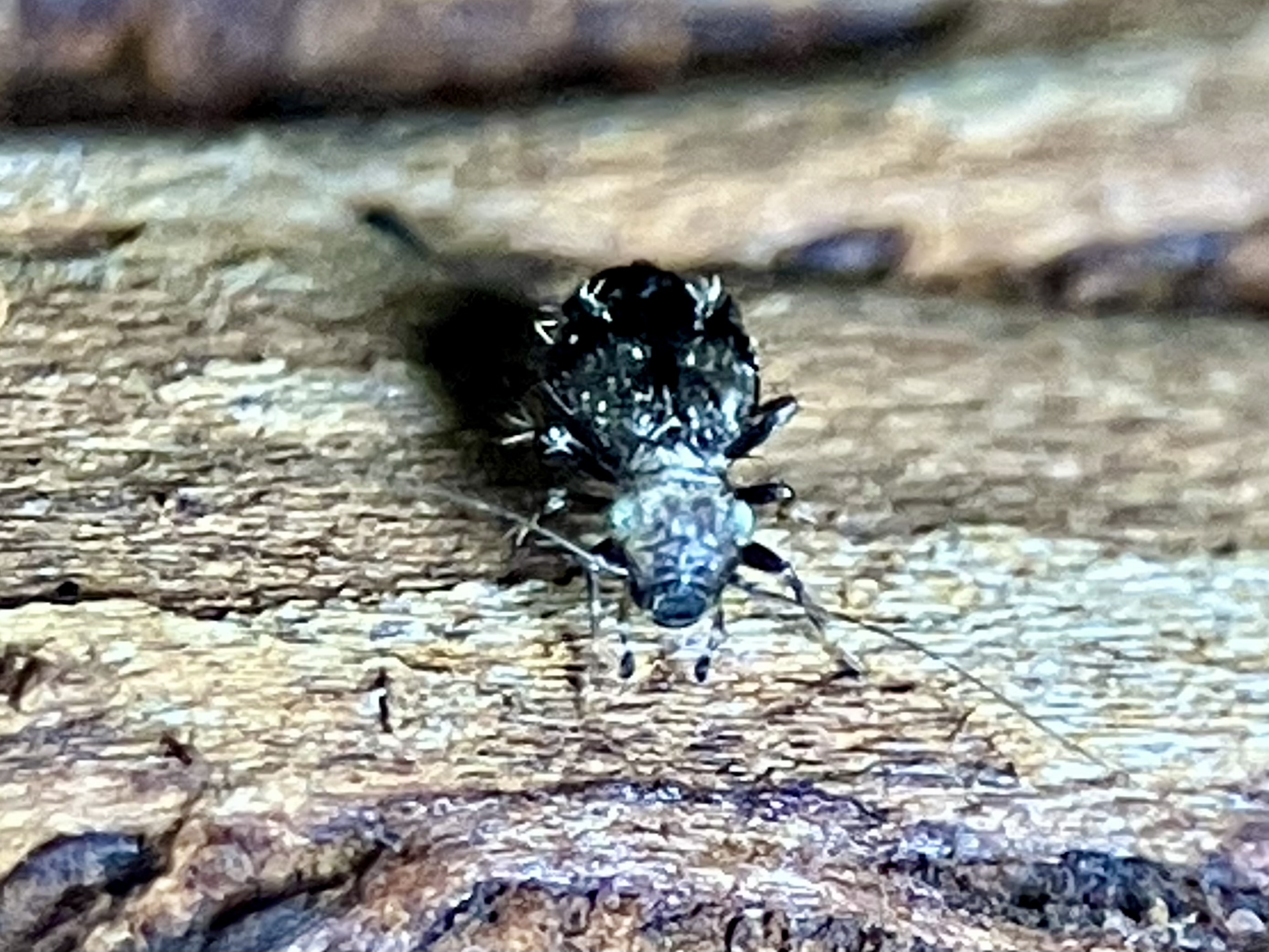
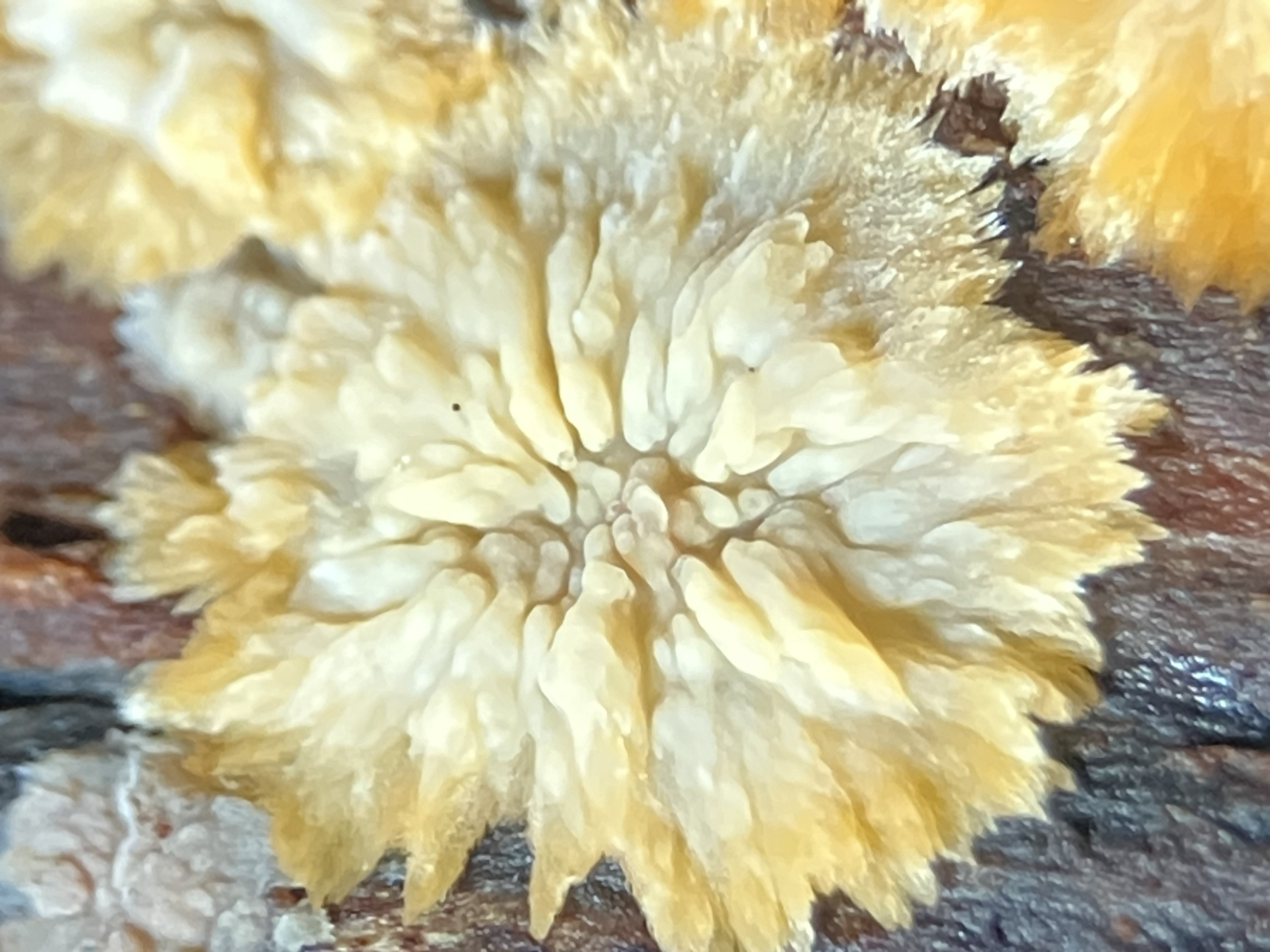
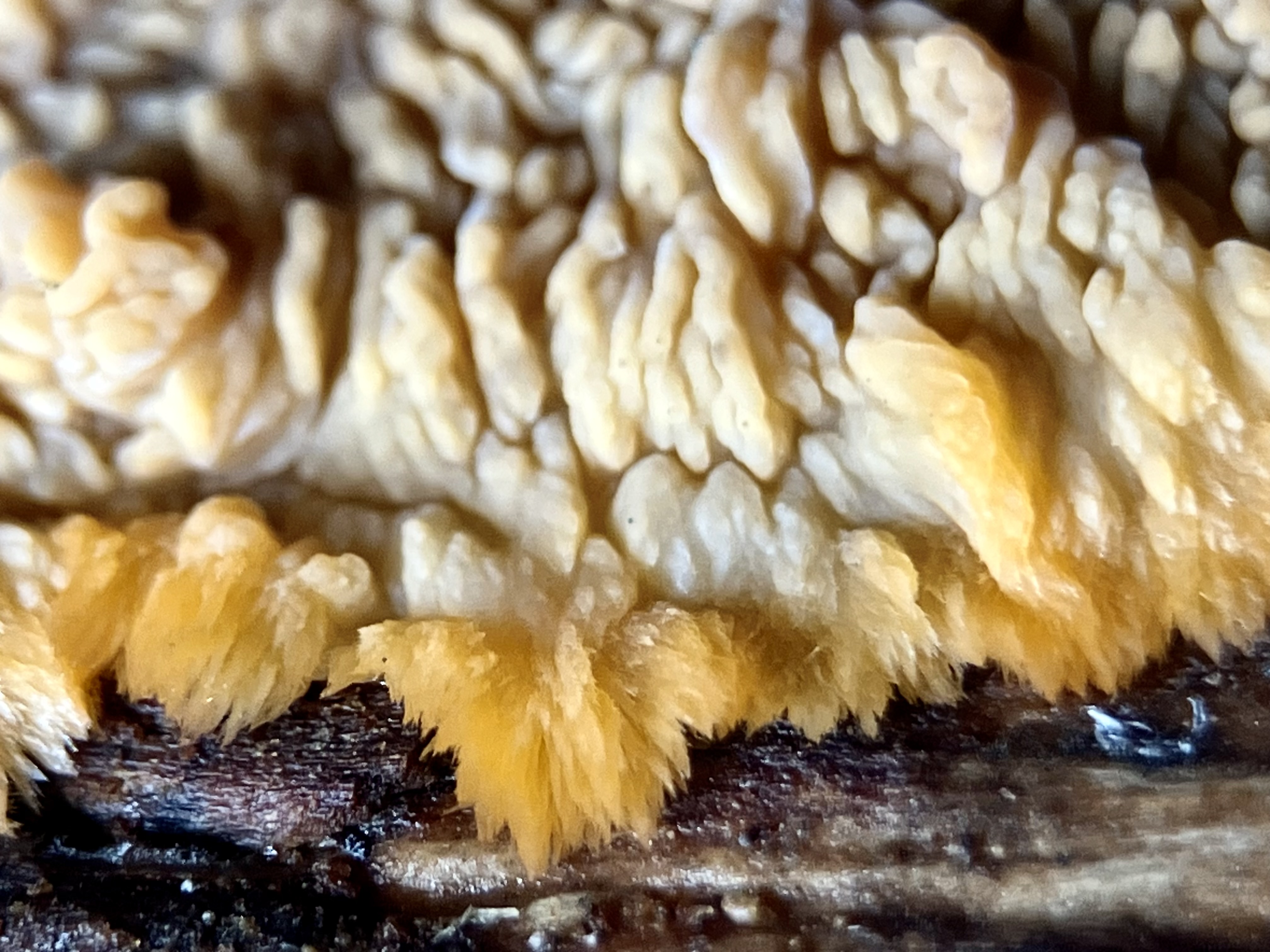
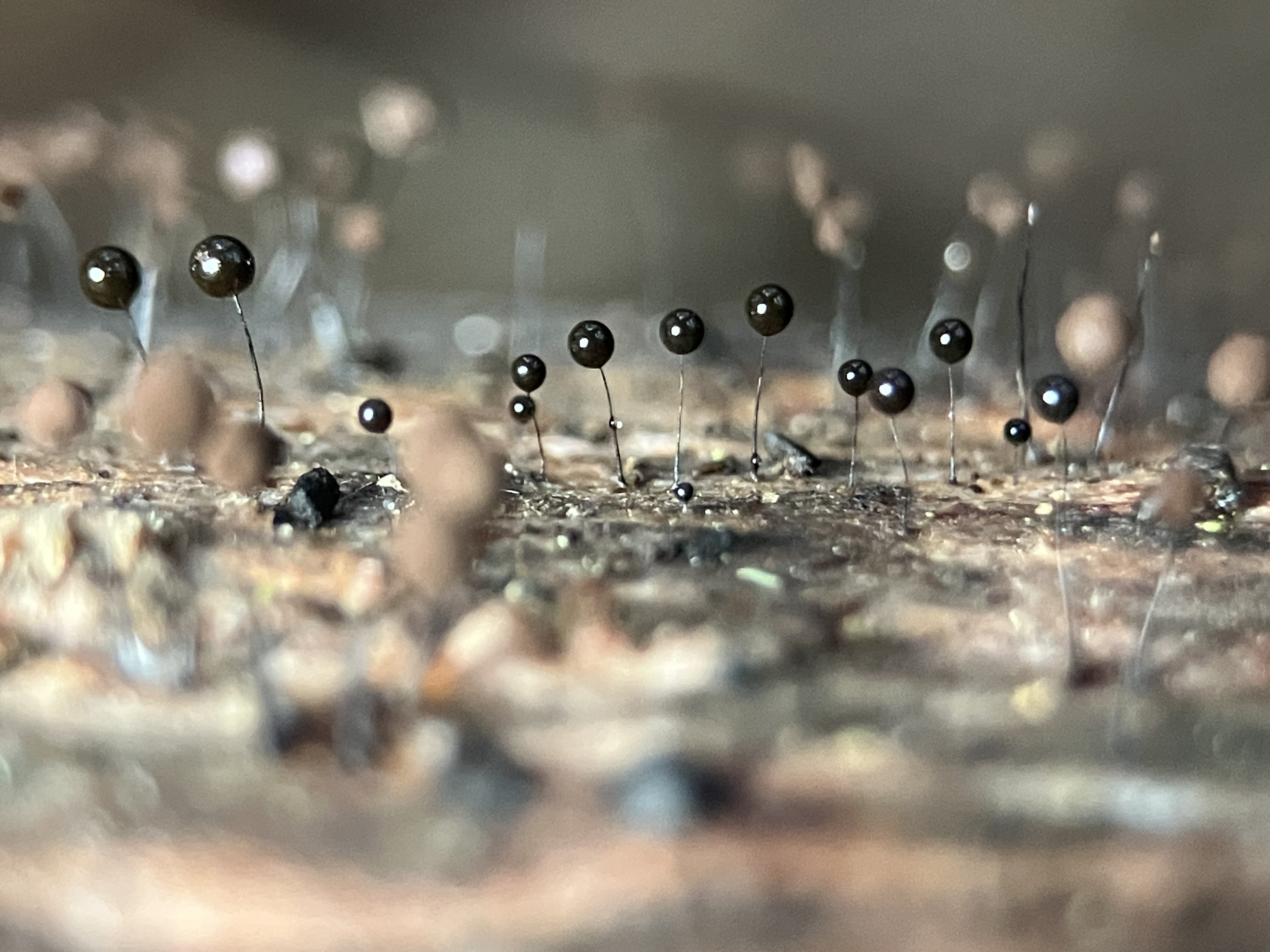
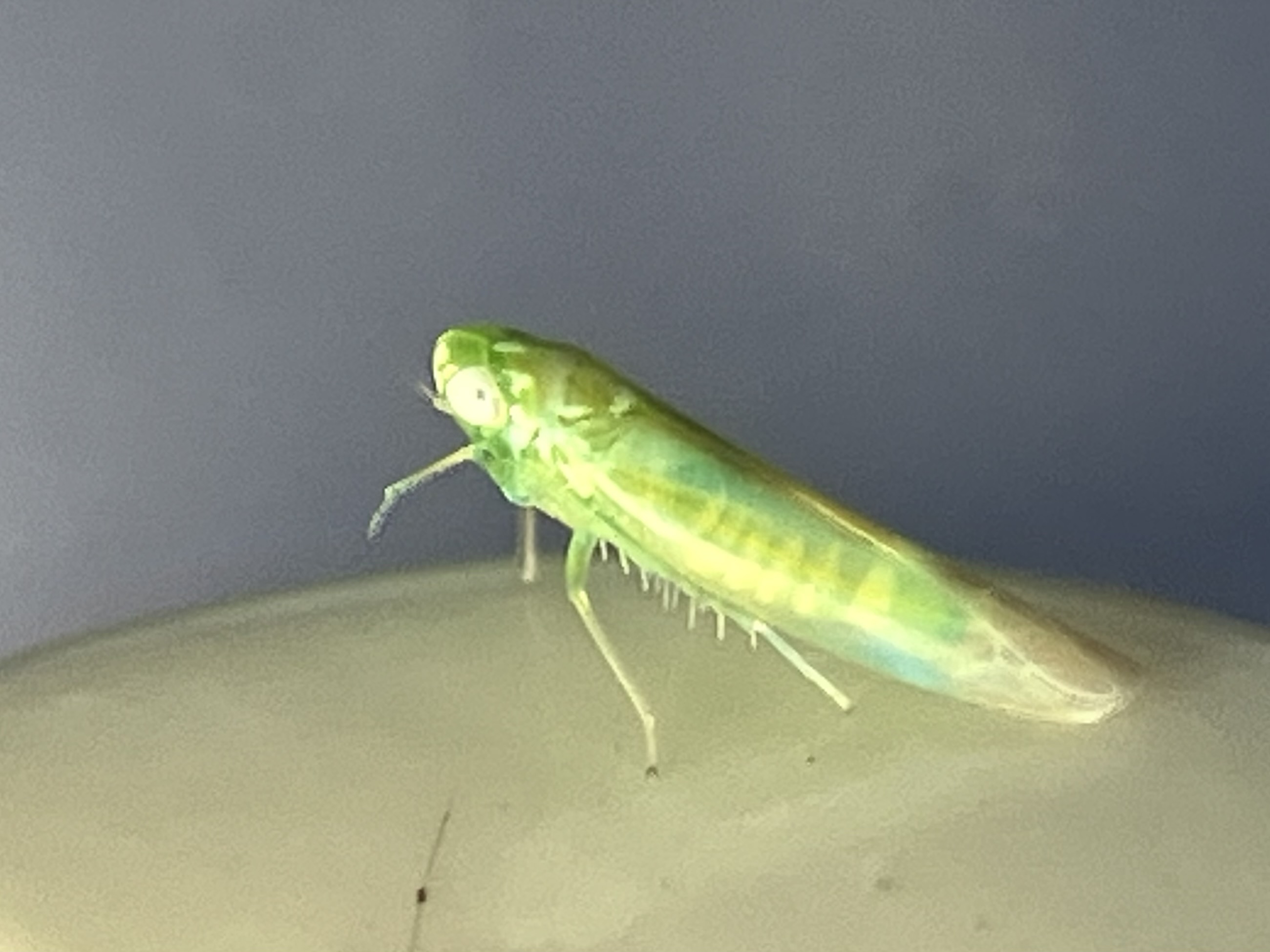
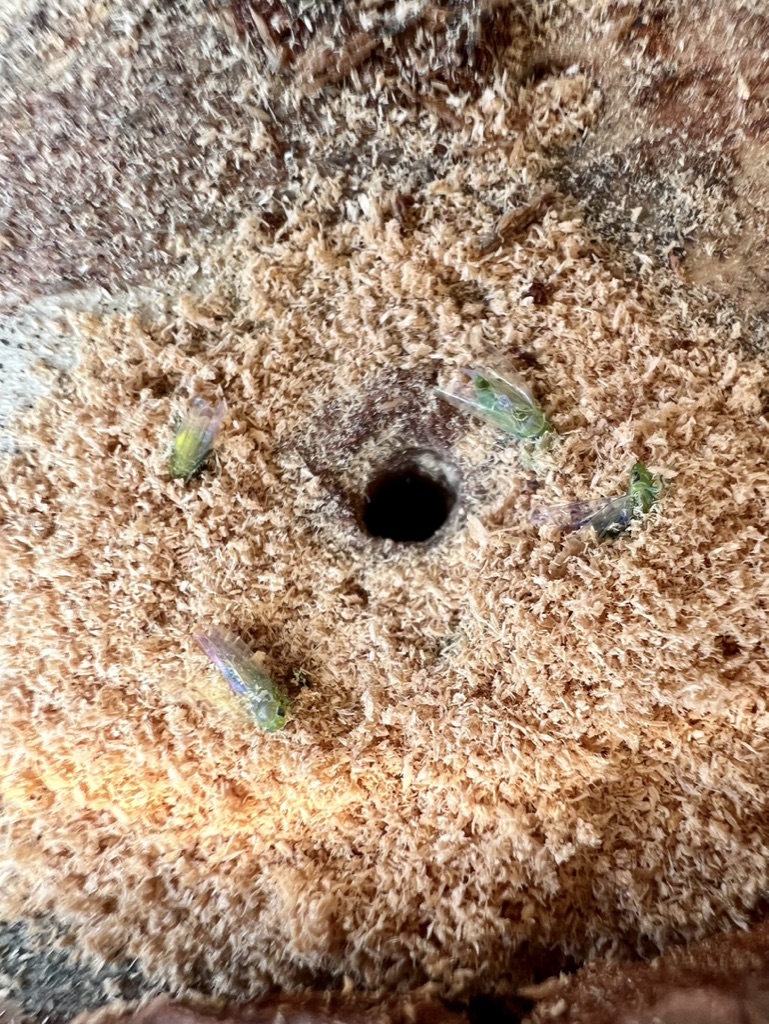


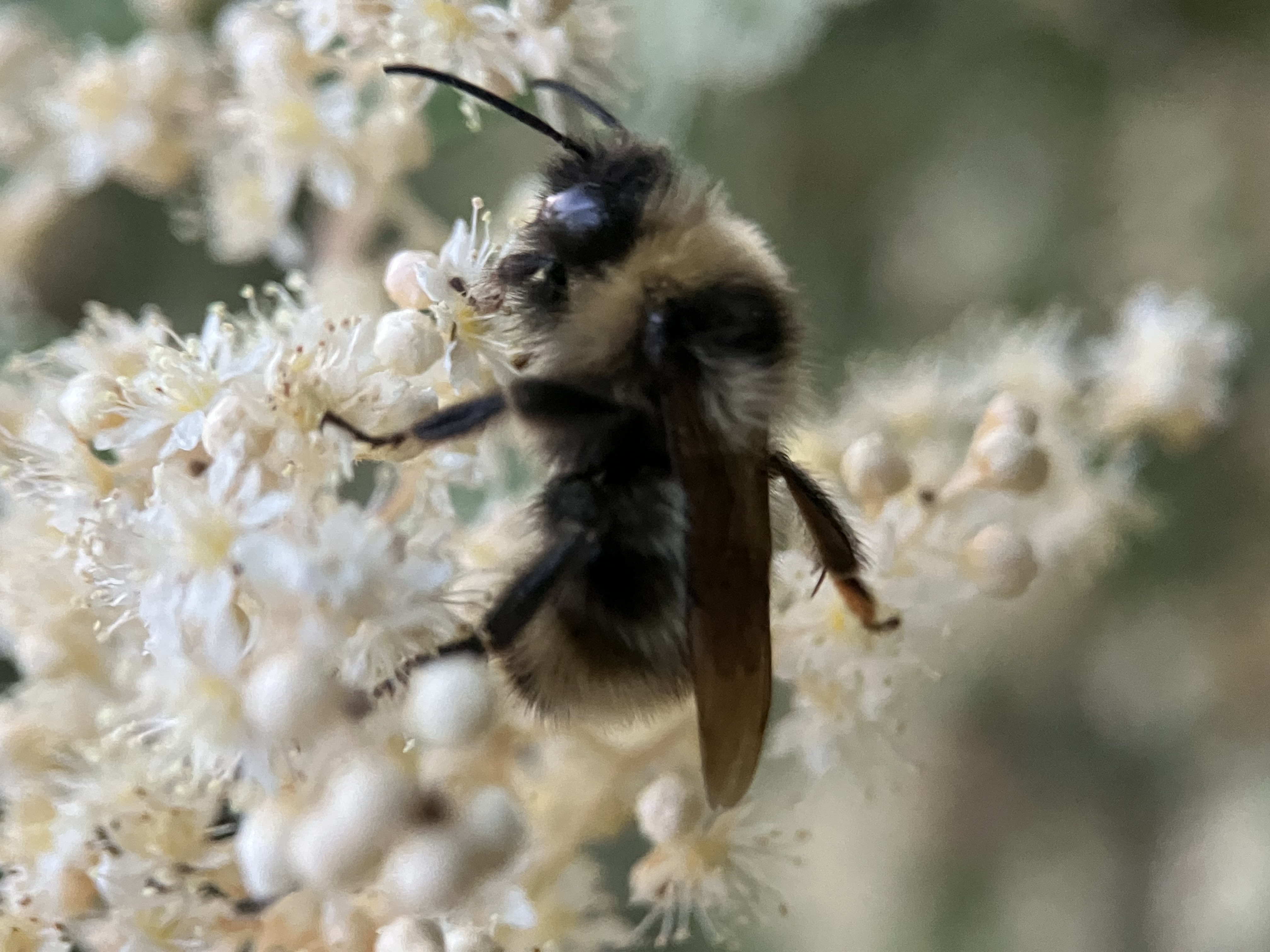



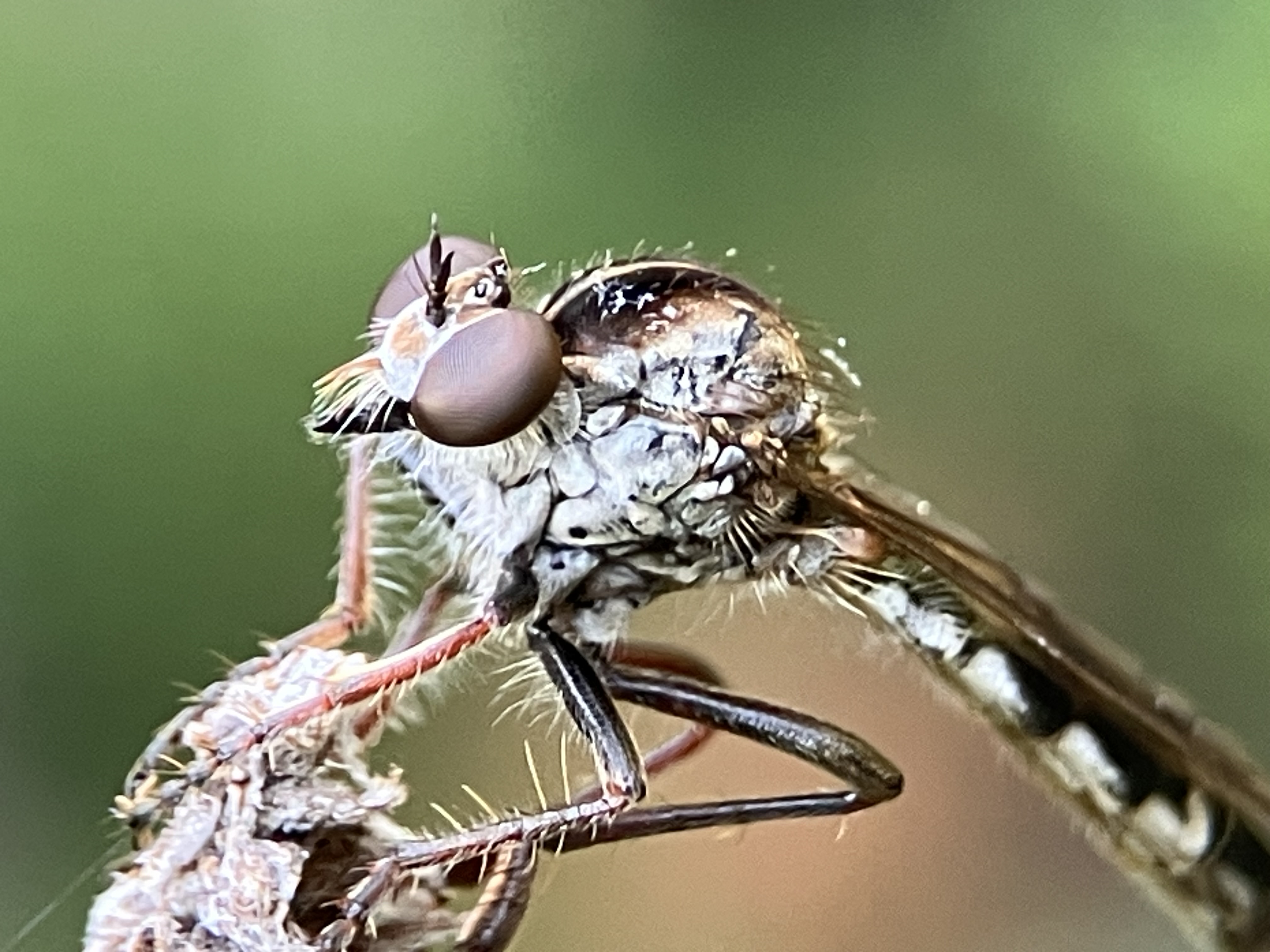


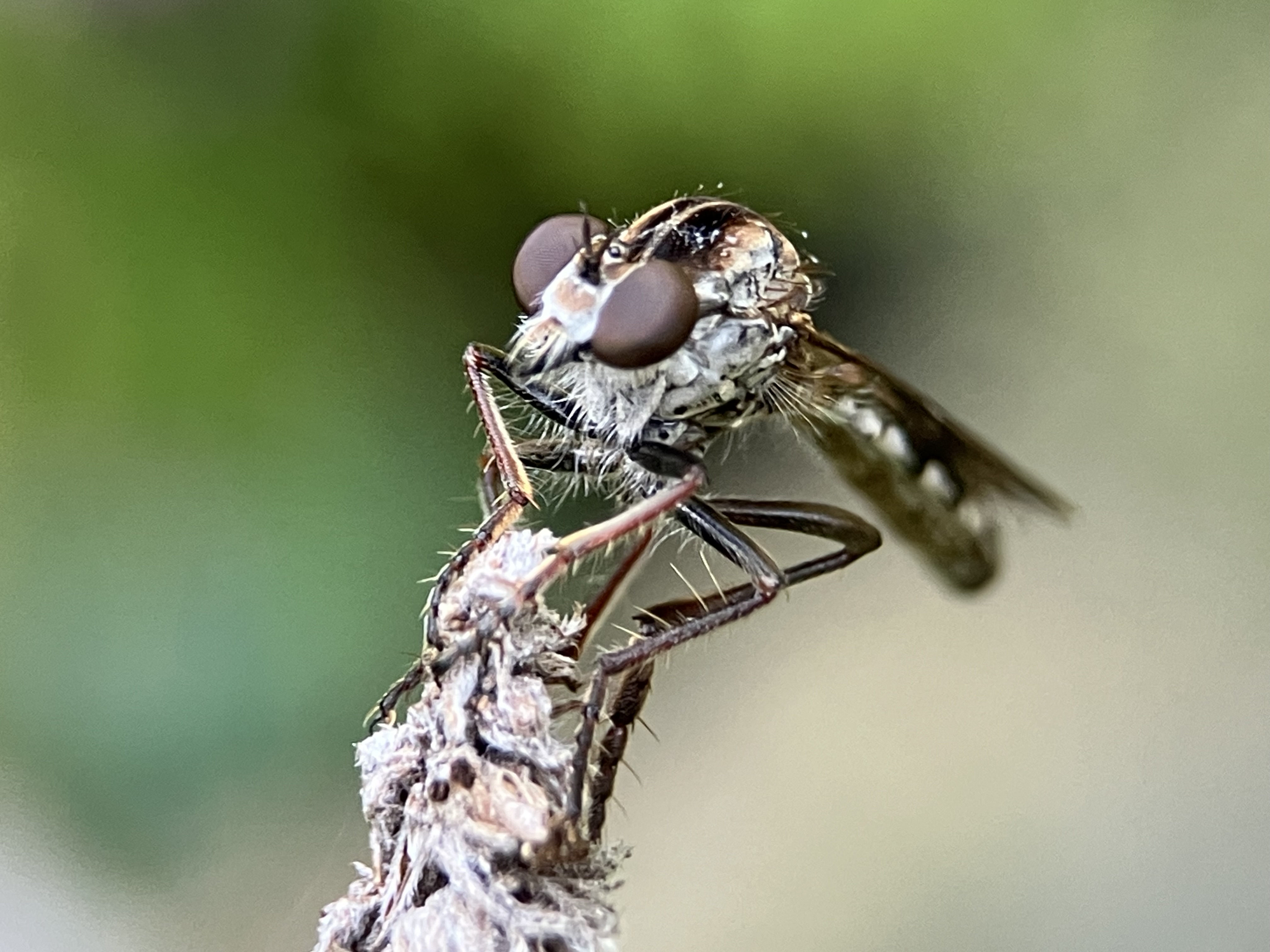


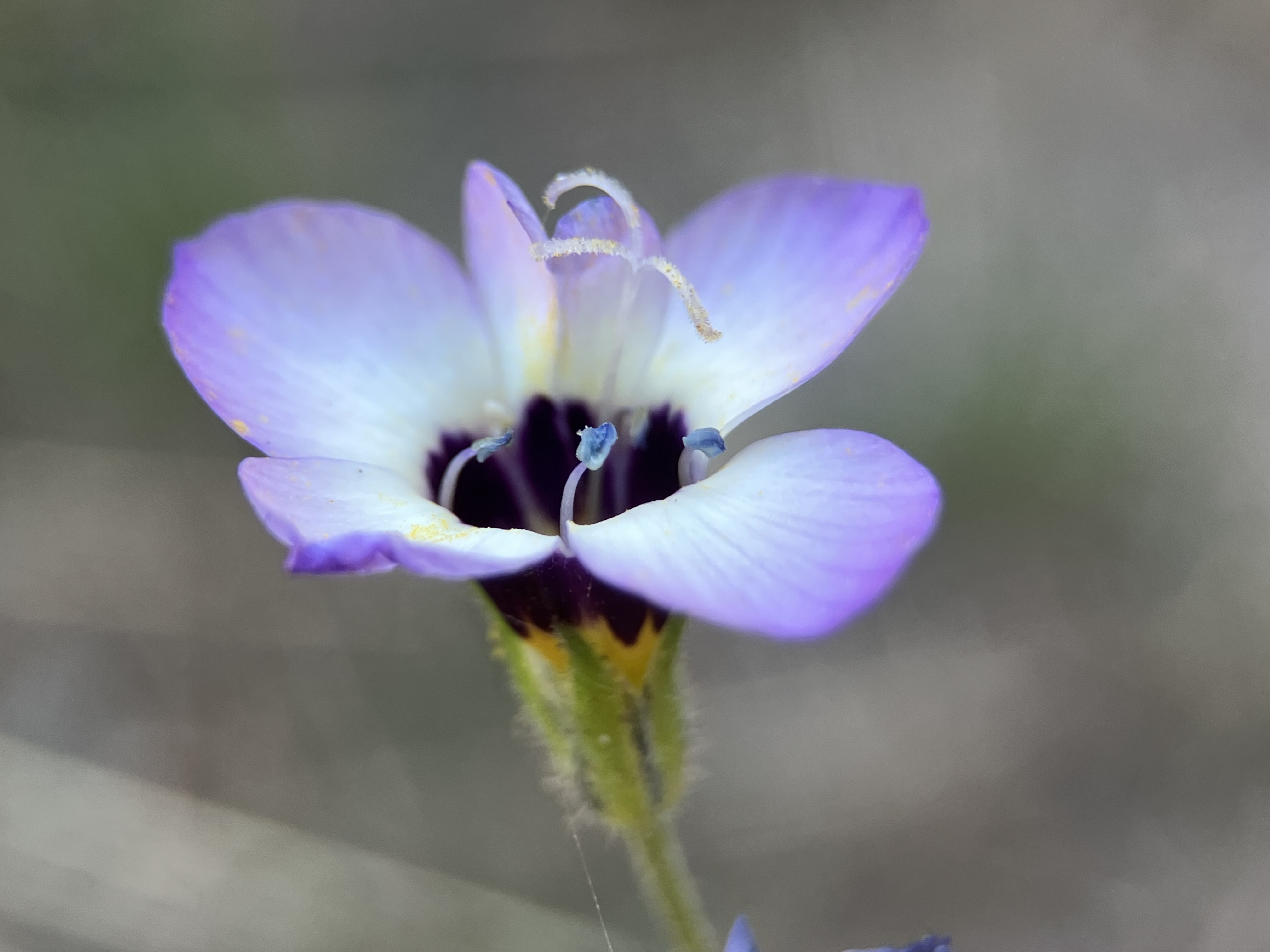


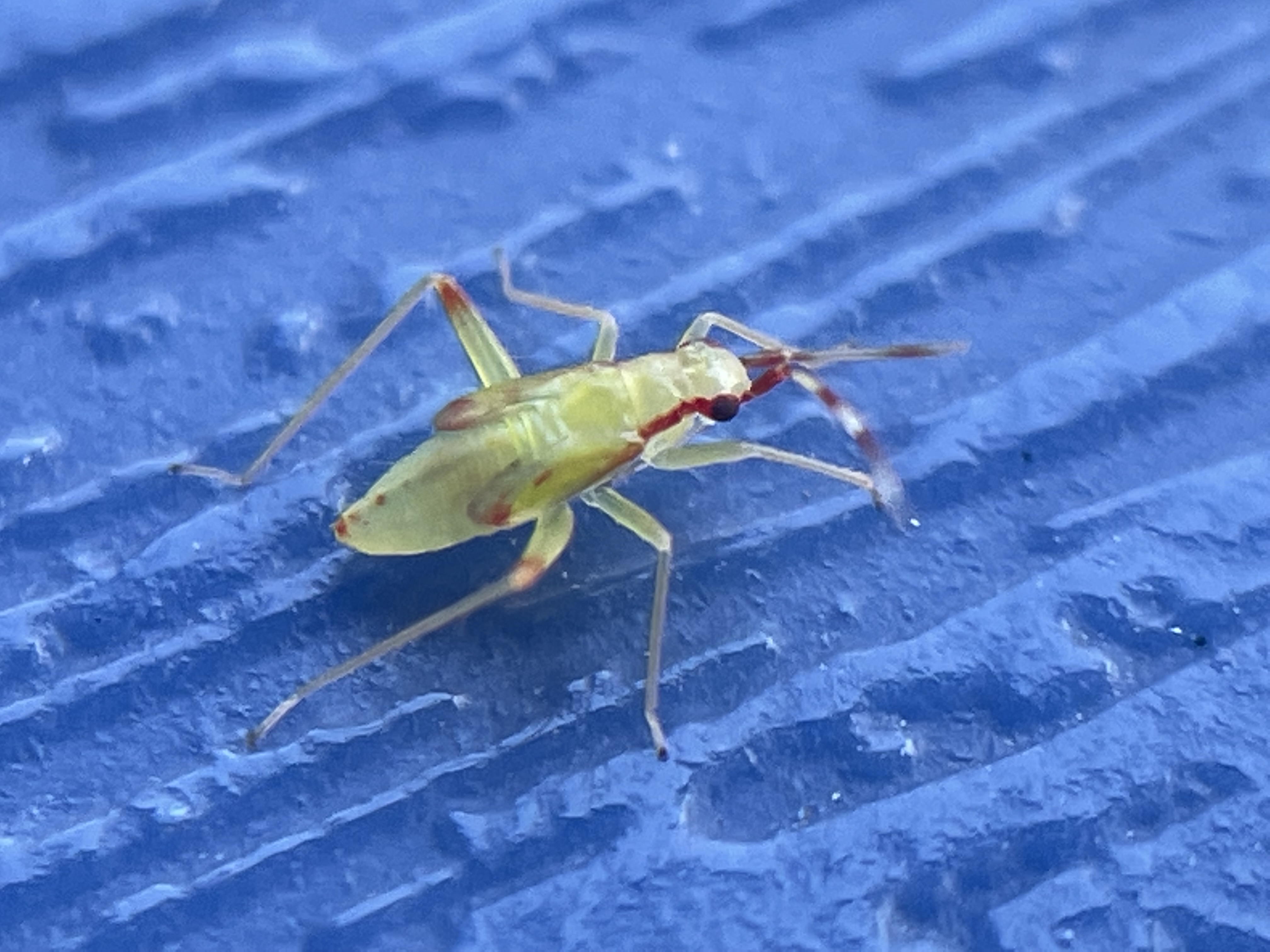
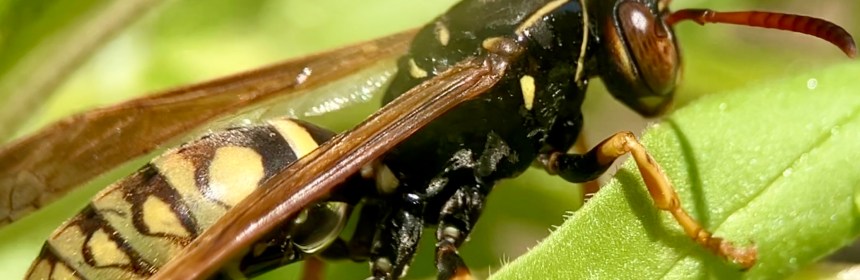
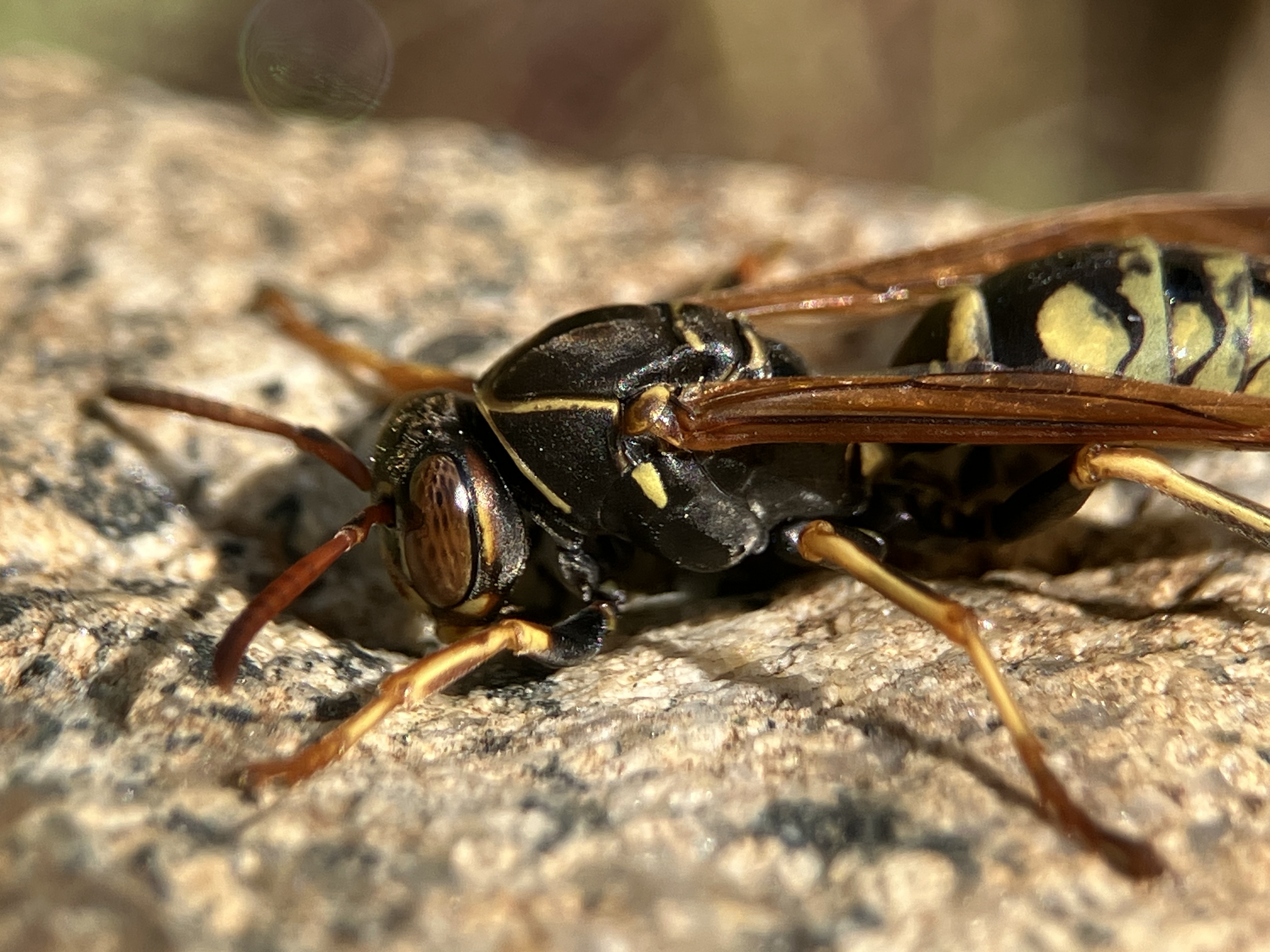

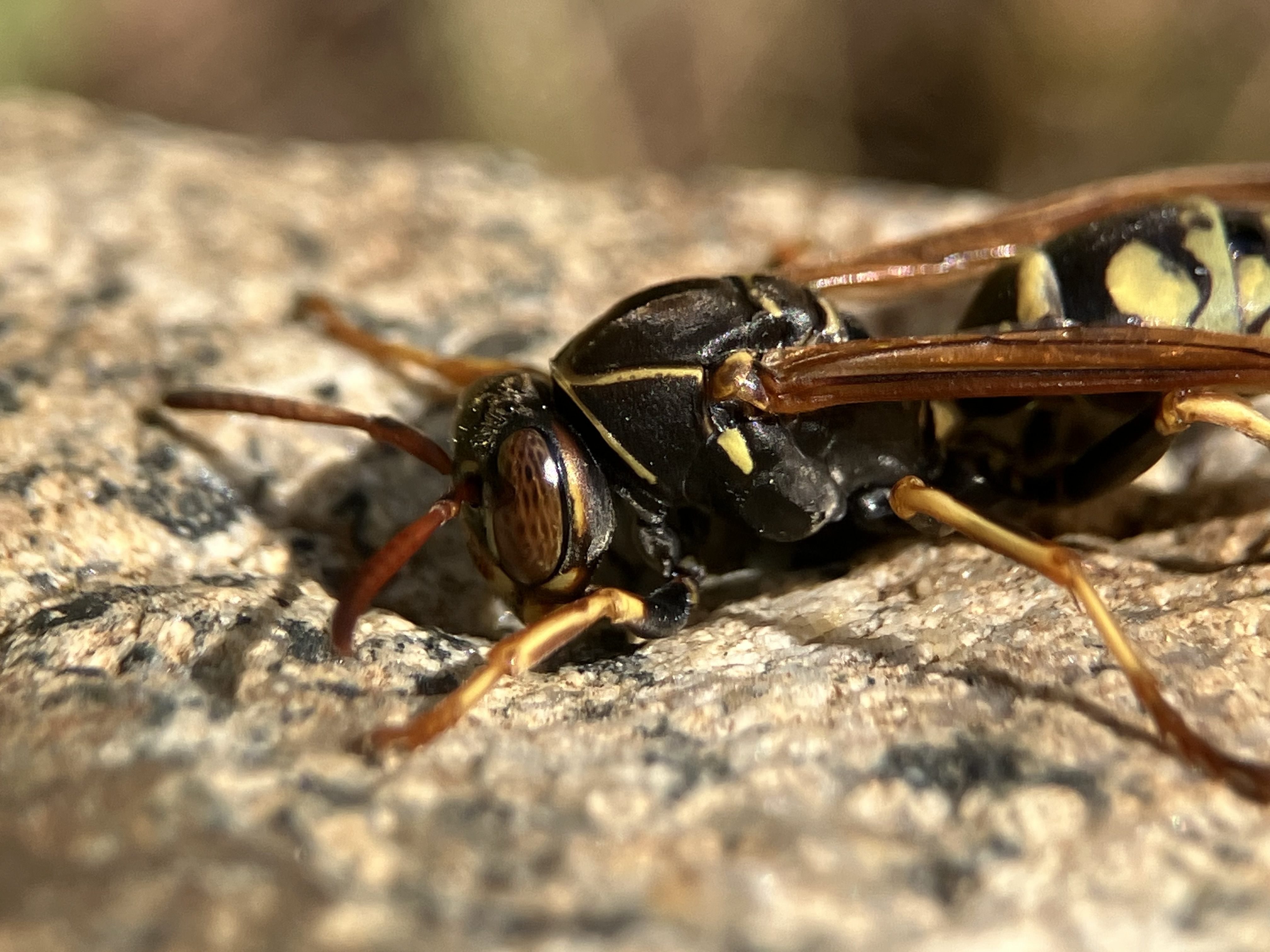
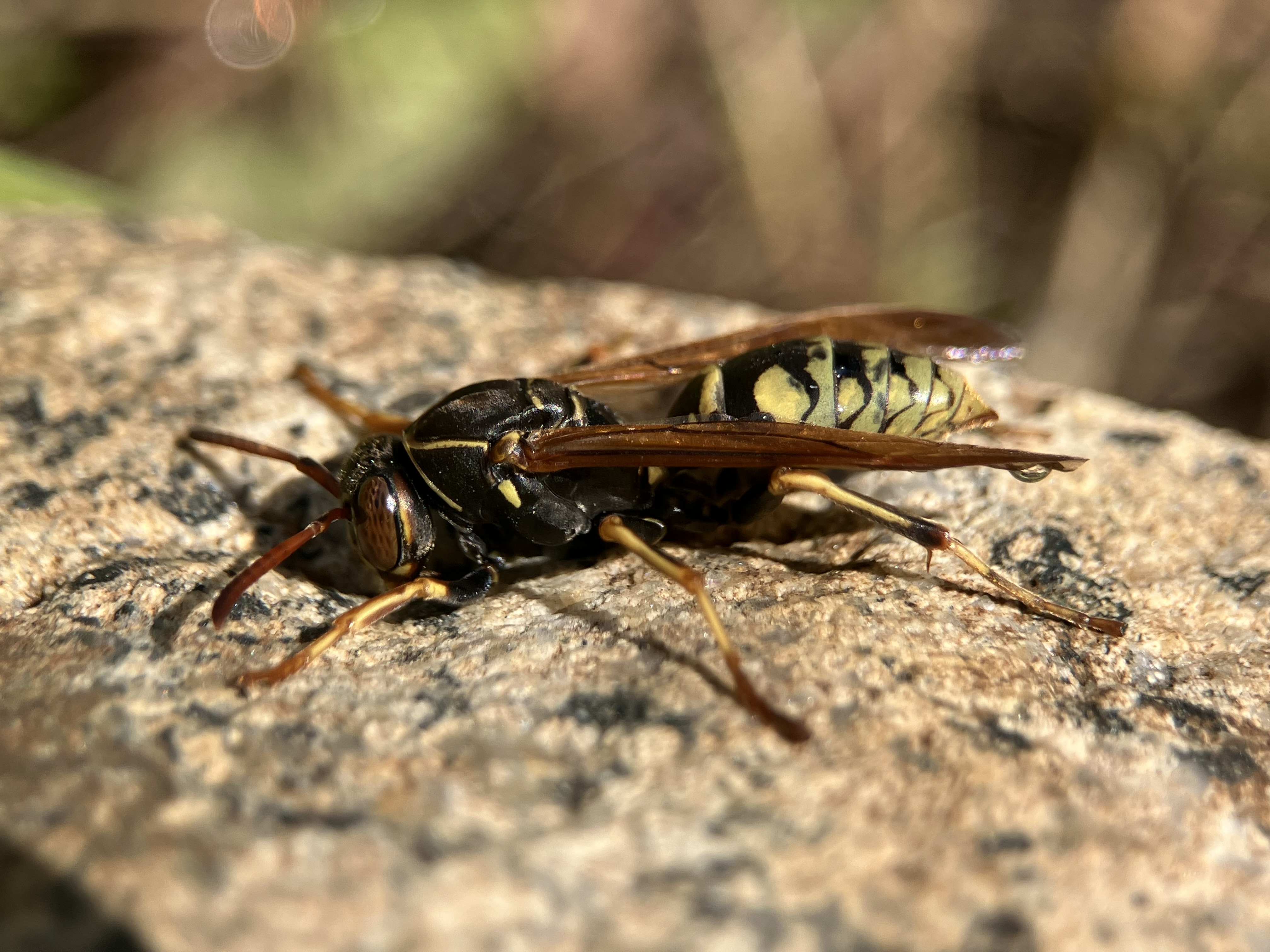

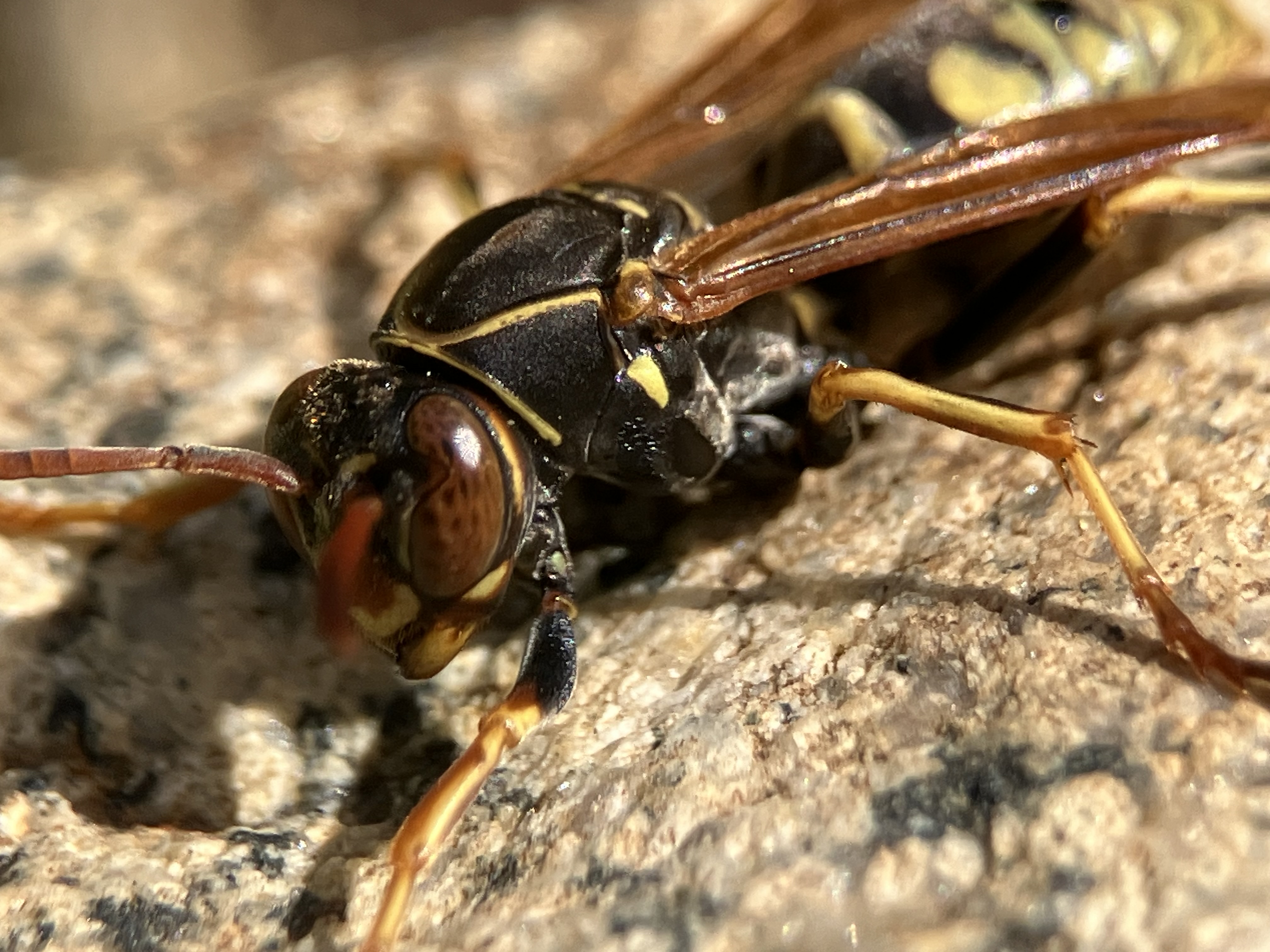


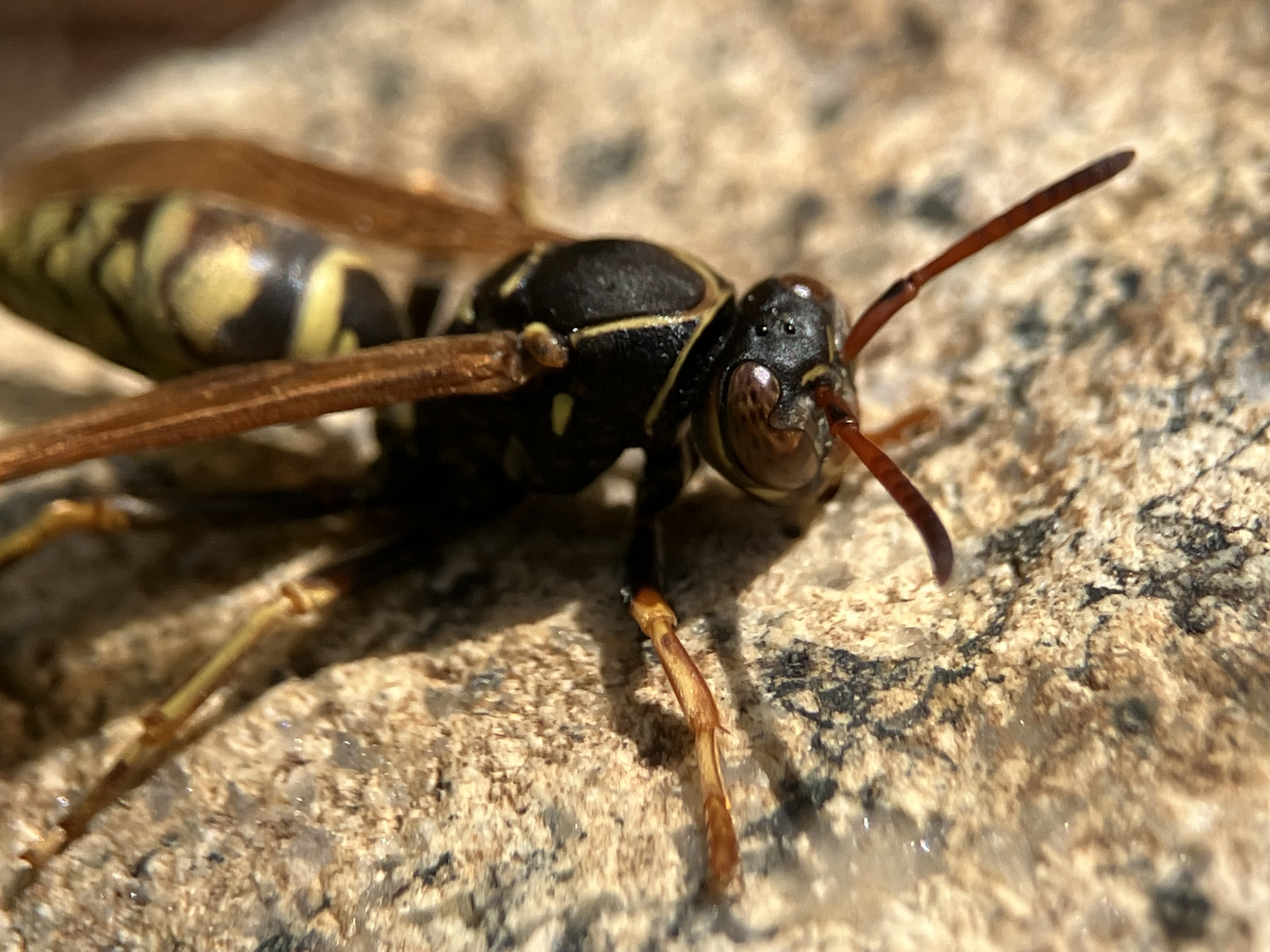


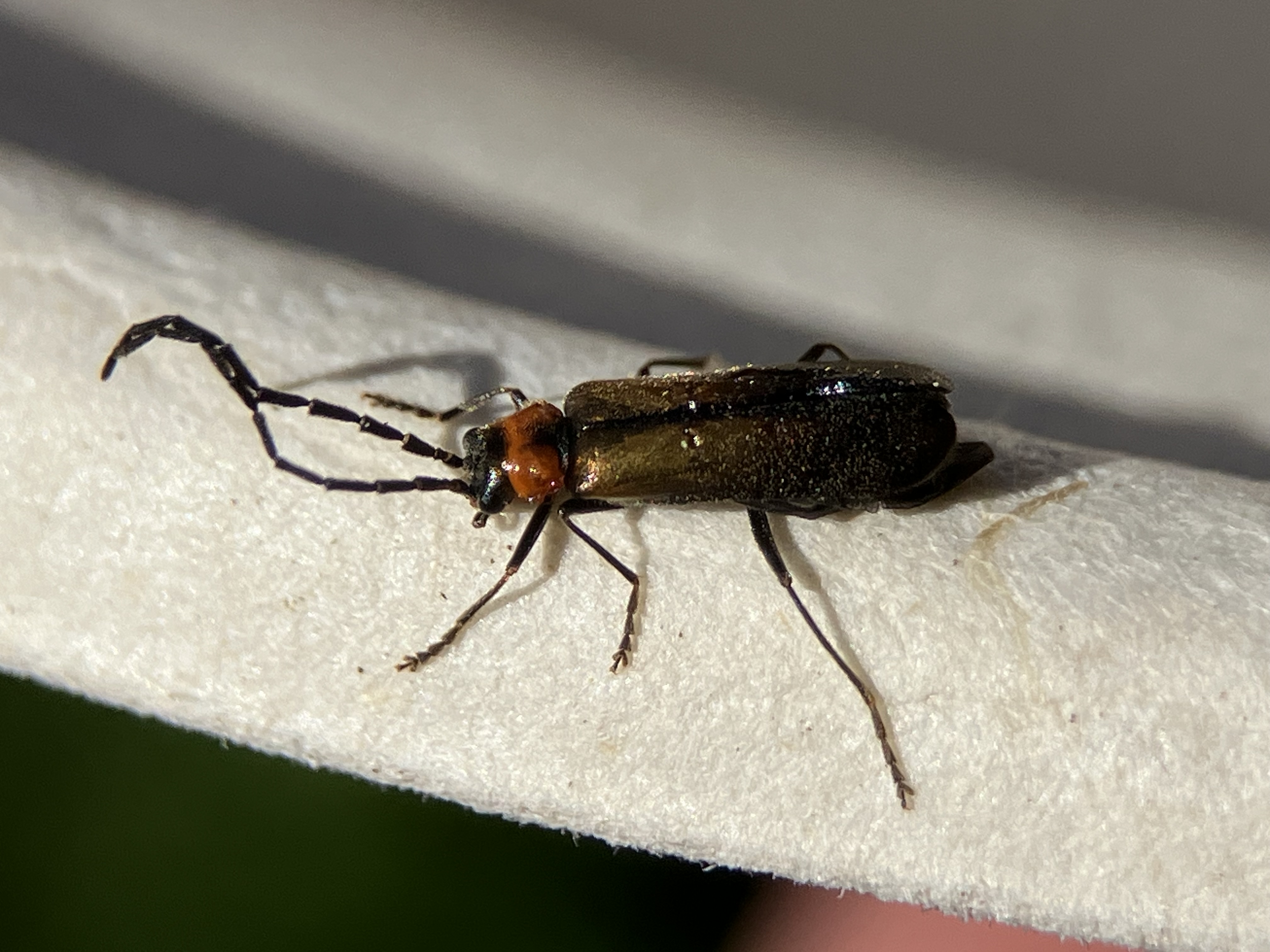

 Bugging You From San Juan Island