Well, today hasn’t started off all that well. Checked email this morning to find out someone had reported me on Facebook for violating community standards. Facebook won’t tell me who complained or what the violation was. Someone has reviewed my appeal and the decision CANNOT be reversed. 😦
I’m not sure what happens next, aside from the fact that I lost lots of personal photos, contacts of friends, and my bug page took a hit along with this, so please bear with me as I will likely have to reconstruct my social media life from scratch. I’m going to have to think long and hard about whether I even want to.
I suspect this was a deliberate hit, but I won’t say more because I’m not certain and hate speculating. We live in a world where there are lots of opinions and disagreements are bound to happen. Assumptions are made and sometimes they are wrong.
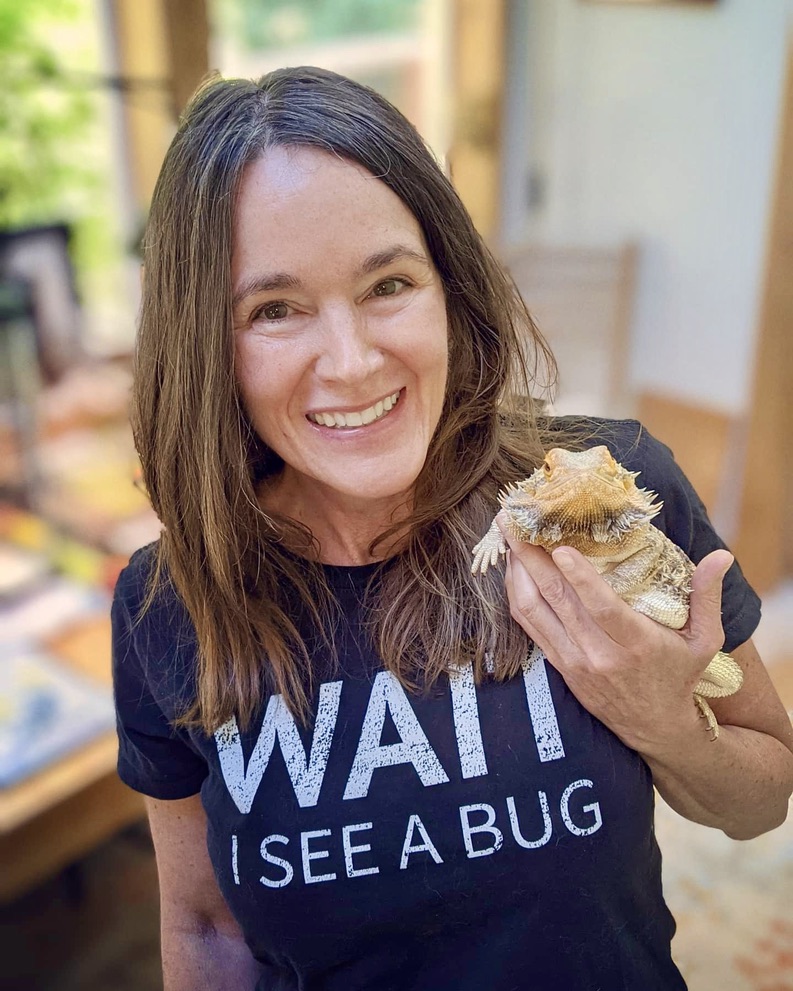
Today, I’m going to enjoy my time with Drago and my two lovely cats.
You can email me at cynthiabrast@icloud.com if you need to reach me.
June 29,2021. So happy we’re not broiling today. Since many of us will be eager to enjoy the outdoors the rest of the week, I’m sharing something I’ll describe as an “insect-related public health announcement.” Please find some humor and some good advice in my post.
While we are lucky we live here and not in the south where bugs are much more likely to bite and transmit all sorts of icky things (like Dengue, West Nile, Yellow Fever, EEEV, and a long laundry list of others), we still get various bites and stings that cause reactions.
If you’re like me, your skin may over-react (large, localized reactions), or worse if you’re extremely allergic or even anaphylactic.
After living here almost 12 years, I’ve become pretty familiar with the bugs, including the biting and stinging ones. Every year, when the grass is tall, I’ve gotten these extremely irritating, itchy bites that look a lot like the chigger bites I used to get in the south. They are angry-red, and the itching can last for WEEKS!
Well, a little over a week ago, I was sitting outside in our freshly mowed “yard” which is really a field of miscellaneous native and non-native grasses. We have 3 different colors of lawn chairs – royal blue, white, and brown. I love the blue, so I plopped down to relax and watch my bearded dragon while we both enjoyed some sun. I made a couple of mistakes here, but also solved a mystery.
Fierce Dragon
First mistake. I wore my new shorts. Yep. After this much time, you’d think I would finally learn. Wearing shorts in the San Juans is like coating yourself with sugar water and sitting down next to a nest of yellow jackets. You’re advertising you’re open for dining.
Second mistake. The chair. Yep. That blue chair is a bug magnet. If you’ve been following my posts, you’ll notice I’ve photographed a few bugs on that blue chair. I should have picked the brown chair…or at least worn long pants.
Blue chair
I felt the bite when it happened. My desire to figure out what critter has caused me a multi-annual summer season of itchy aggravation that compels me to cover up with long pants to prevent future bites, and hide the leprosy-looking splotches, was finally realized when I found I had the teeny culprit between my fingers. I ran into the house to stick it under the microscope and found…it was SQUISHED beyond determination. Sigh!
But wait! I was able to rule out a few potential offenders. It was definitely NOT a spider. Come on! Spiders get blamed for more things than they deserve. Most spiders are innocent. It was not a mosquito, no-see-um, flea, tick, bee, wasp, and, I’ll repeat again – NOT a spider!
The thing about being an entomologist is you are 100% oriented to try to identify bugs. I’m ALWAYS looking at bugs. They are fascinating to me. Especially the ones that have super powers or weird behaviors and even the ones that bite. So, I sat down and became OBSESSED with trying to figure out what I squished.
My breakthrough came in going back outside. I took my cellphone and the little macro-lens that attaches to the camera since it helps me see tiny things that age makes impossible to see. My eyes failed at about age 50. If you’re younger than me, SEE what you have to look forward to! 👀
I scanned the chair for any salt-grain sized objects and THERE it was! I made a short video clip and then took a still image from my video. A thrips.
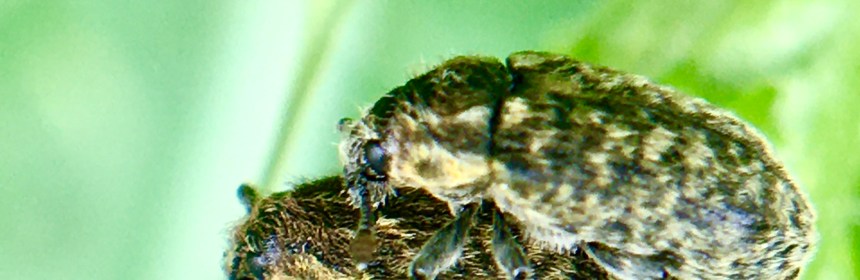
Thrips on a blue chairstill image – thrips on a blue chair
Thrips are tiny (1-2mm). Their name is also interesting. It’s the same for singular and plural. One thrips, two thrips! Sounds like Dr. Seuss should have written a story about these. I will forever remember thrips because when I was in Florida for my graduate school exit exams, I had to answer questions in front of my committee chair and a few other profs. One of the questions I got was about what insect order these were in. I went completely BLANK.
It is one of those moments where you want to slink down into your chair, slide under the table, and crawl away in shame. Even worse, the comment made by one of the committee members. He hinted, “but your committee chair made his career studying these!” OMG, I wanted to die. Nothing prompted my memory. I would have been utterly humiliated except for the fact that when they were trying to set up the computer to Skype in my co-committee chair who was in South Africa, they couldn’t get the technology to work and guess who fixed it? Yep. ME. I think that may have saved me that day.
Also, it WAS the only question I missed. And, in case you’re wondering, THRIPS are in the insect order THYSANOPTERA.
Back to thrips. They bite. I found quite a few records of folks being bitten by these TEENY, TINY bugs. Check my list of references when you’re done reading. If you can’t access these online and want to read more, shoot me an email and I’ll figure out how to get you a copy.
This review was pretty interesting. They actually found reports of bites by thrips dating back to 1883. One article I found is actually titled, “Night of the Living Thrips: An Unusual Outbreak of Thysanoptera Dermatitis.” That one is about an outbreak of skin eruptions at the Marine Corps Training Area Bellows in Oahu, Hawaii. The photos I saw made me itchy just looking at them.
The itching is intense! My bite had the exact features described in the literature I found, down to the presentation of the classic “anaemic halo” or white ring around the bite. Irritation and itching is attributed to the thrips injecting you with saliva when they bite.
More about thrips. They have a variety of niches in ecosystems, typically as plant eaters (phytophagous), fungi eaters (fungivorous), and eaters of other invertebrates (predacious). I should add, occasional biters of vertebrates!
Most thrips species have two pair of wings and can fly. Some are known agricultural pests. Sometimes they swarm and people notice them then, but typically, when they bite a human, it’s a case of mistaken ID. That means, a mosquito gets blamed.
from wikipedia
It’s an easy mistake to make. Thrips actually have mouthparts somewhat similar to mosquitoes. They have piercing sucking mouthparts with a single mandibular stylet and two opposable and interlocking maxillary stylets. That mandibular stylet is the hole puncher! More about how that all works in Childers et al. 2005. If you remember nothing else, just remember that adult and larval thrips can bite.
Another thing I found out in my obsessive reading. Thrips like BLUE. They like white too and have been reported getting on laundry hung outdoors to dry, then biting people when they bring that sun-dried, fresh shirt (or underwear) indoors and put it on. The blue chair is a thrips magnet. I’ve resorted to rinsing it off with the hose and wiping it dry before I sit down on it.
This most recent bite I had resulted in this baseball-sized diameter welt. It also had the white halo ring.
Thrips bite with white halo ring
I ended up calling the after hours line at my doctor’s office to get an antibiotic prescription because it was the weekend and the bite sure looked to be getting infected. I took Benadryl. The call-a-nurse at my insurance company said if you’re ever having a bad reaction to chew Benadryl tablets. It gets into your system faster. I already knew this, but liquid Benadryl also works fast. The itching was miserable given the heat, but I also took a bath in hot water with a lot of iodized salt. I didn’t take the antibiotic because the salt seemed to stave off infection.
My bite is healing, but I ended up with another on my other thigh. The halo ring around this one is fainter, but still visible.
I didn’t see that bite happen, but I know it wasn’t a mosquito because I saw a mosquito bite my ankle when I was outside watering and even though I felt it, I didn’t get any mark or subsequent itching at all. Mosquitoes here don’t have the same effect on me as the mosquitoes in the south had.
Take away message here. Don’t blame the spiders next time you get a weird bite. Especially if it’s summer and you’ve been outdoors. Take a shower before getting into bed and if your pets go outside and come indoors to sleep with you and lie around on furniture, just be aware it may not be fleas biting you, but thrips. Also…avoid blue. Blue is one color that bugs in general seem to like, so unless you’re into entomology and WANT to attract bugs, wear another color. The way it’s looking to me is that gray and beige may be the only safe choices.
Oh…and before I go, the person who coined the term “delusory parasitosis…” Bah to you! Lucky for the poor farmer fellow I read about who complained of being bitten by an “invisible” bug. He’d been diagnosed with delusional parasitosis, but in his persistent presentation to his dermatologist, finally had the culprit of his irritation identified as a grain thrips.
Remember that while you might hope to have that bite diagnosed at your doctor’s office, medical professionals may not have the additional expertise in identifying what bug bit you. They’re there to treat symptoms, but in some cases, it’s important to know what bit you. So, if you feel a bite, look for a culprit and collect it if you can. In some situations, with tiny things, I’ve used scotch tape. A plastic baggie or small cup or jar with a lid works too. Collecting that specimen also means you’re less likely to walk out with “delusional” written in your file!
Further Reading
Carness, J.M., J.C. Winchester, M.J. Oras, and N.S. Arora. 2016. Night of the living thrips. Cutis. 97:13
Leigheb, G., R. Tiberio, G. Filosa, L. Bugatti, and G. Ciattaglia. 2005. Thysanoptera dermatitis. European Academy of Dermatology and Venereology. 19:722-724 DOE: 10.1111/j.1468-3083.2005.01243.x
*Author’s note – While this post attributes pest status to thrips, please know that although thrips can occasionally bite humans and animals, there are thousands of species. Not all of them are biters. Many are actually beneficial and pollinate plants. Lots become food for other organisms, including spiders (which are mostly friendly)! Pesticides are completely unnecessary and often do more harm than good.
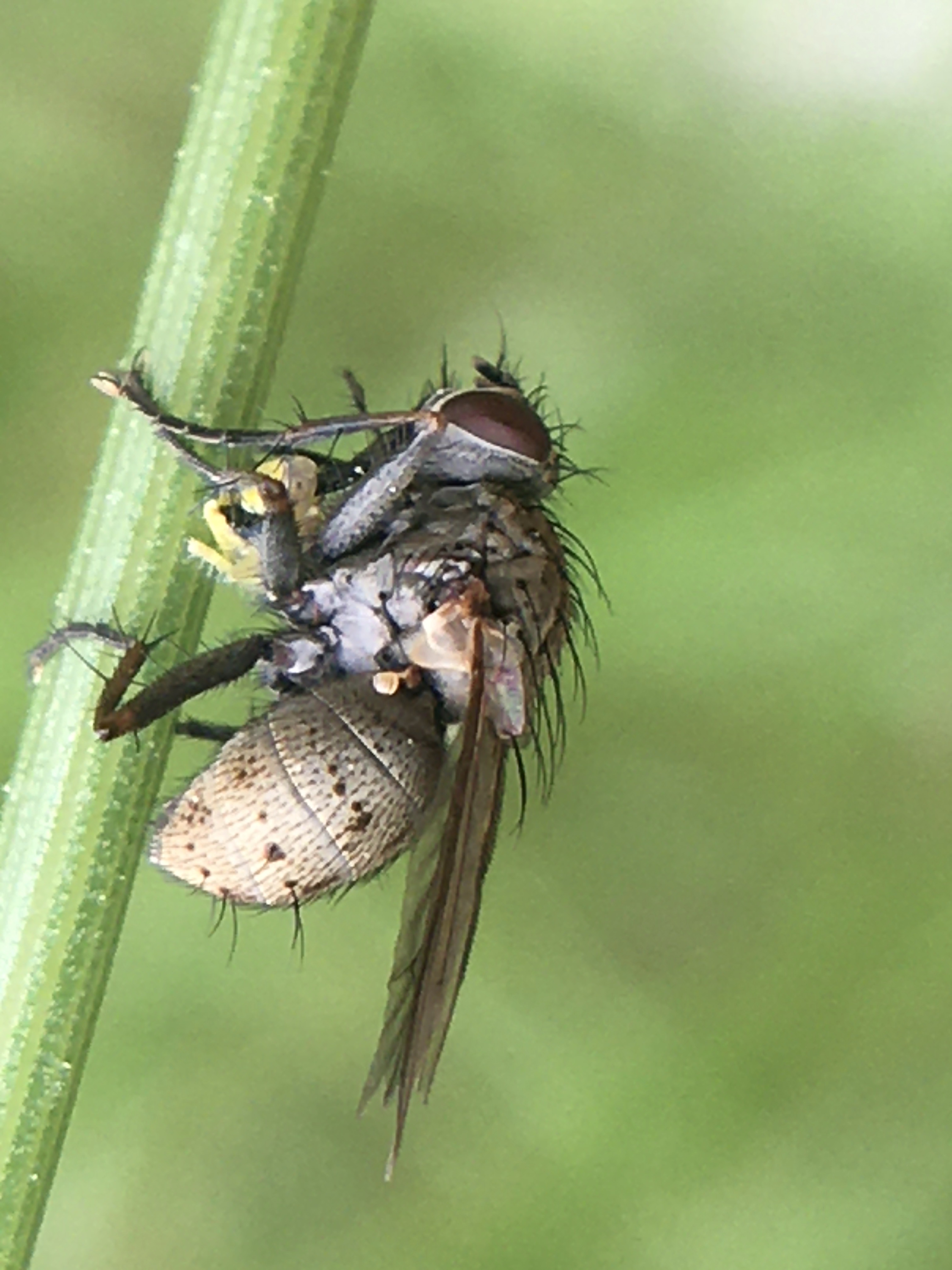
This fly was in my yard last week. San Juan Island, WA. 06.19.2021. It’s taken me about a week to get around to ID, but I believe this to be Eupeodes fumipennis (the Western Aphideater, a syrphid fly that happens to be a bee mimic.
In case you are wondering about that name. The Western Aphideater does actually eat aphids in the larval stage. To see what a syrphid fly larva looks like in action, check out my blog post with more video footage here –https://buggingyoufromsanjuanisland.com/…/honeysuckle…/ – also viewable in the photo below. While I have not been able to identify the species name of the syrphid fly larva in that post, you can definitely see where the Western Aphideater fly might get its name.
This amazing little creature is a Tiger Fly in the genus Coenosia, and I believe C. tigrina. Photographed on May 30, 2021 with prey that appears to be a spittlebug nymph.
This particular tiger fly is a European native, introduced to North America in the 1800’s. It is now found throughout the northeastern and western United States and adjacent Canada.
Tiger flies, also sometimes known as hunter or killer flies, are indeed fantastic predators of other pest insects, including Drosophila sp. flies. Even the larval stage of this fly is predatory on other organisms. Because of their success in hunting, they are often used as biological control of pests in greenhouses.
I found a “new-to-me” bug the other day when I put on my heavy duty gloves and reached to pull out some bull thistle growing in a pile of dirt near our home. I was being extra careful because the thistle has spines and they kind of hurt when you get them stuck in your hand. The beetle was right in front of me when I pushed apart some leaves to get a better grasp on the stem.
As I looked a bit more closely, I saw there were quite a few of these beetles on the thistle, especially on the buds. I went back to the house to get my camera, took some photos, then went about figuring out what this was. Definitely a beetle.
It was weevil-like, and pretty hairy. There were quite a few of them paired up. They have spring fever like a lot of other bugs I’ve seen of late. That’s how we get more bugs though, and we need them, whether we like all of them or not.
(Rhinocyllus conicus) on Bull Thistle
Identification took me about an hour. I am getting better at piecing bits of information collected over the years. Bull Thistle is not exactly a popular plant. It’s managed to get itself on the noxious weed list. No one seems to want this plant in their garden, aside from Eeyore, who really loves thistle, right?
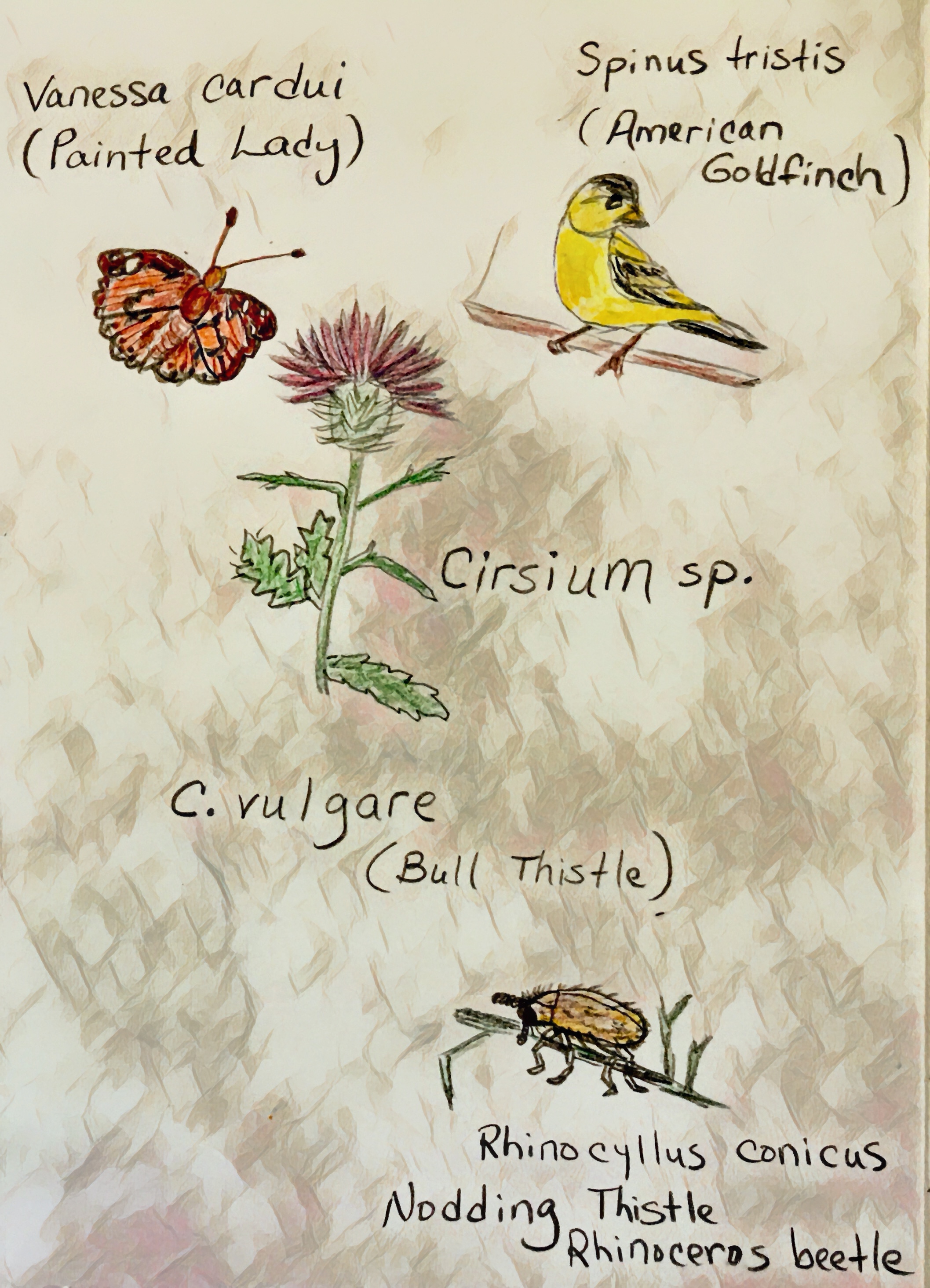
Noxious weed made me think of biocontrol. That narrowed things down a bit and I learned this is the Nodding Thistle Receptacle weevil (Rhinocyllus conicus). Personally, I’m calling it the Nodding Thistle Rhinoceros Beetle because being in the family Curculionidae, it has the appearance of a nodding rhinoceros.
So, the beetle was introduced to control thistle in the US because thistle isn’t welcome, at least the non-native species like bull thistle aren’t. The part that got me reading to find out more was the adjective used to describe this beetle as “controversial.” Well, what I found is that the beetle doesn’t just eat non-native thistles. It eats NATIVE thistles too (Cirsium edule and Cirsium brevistylum).
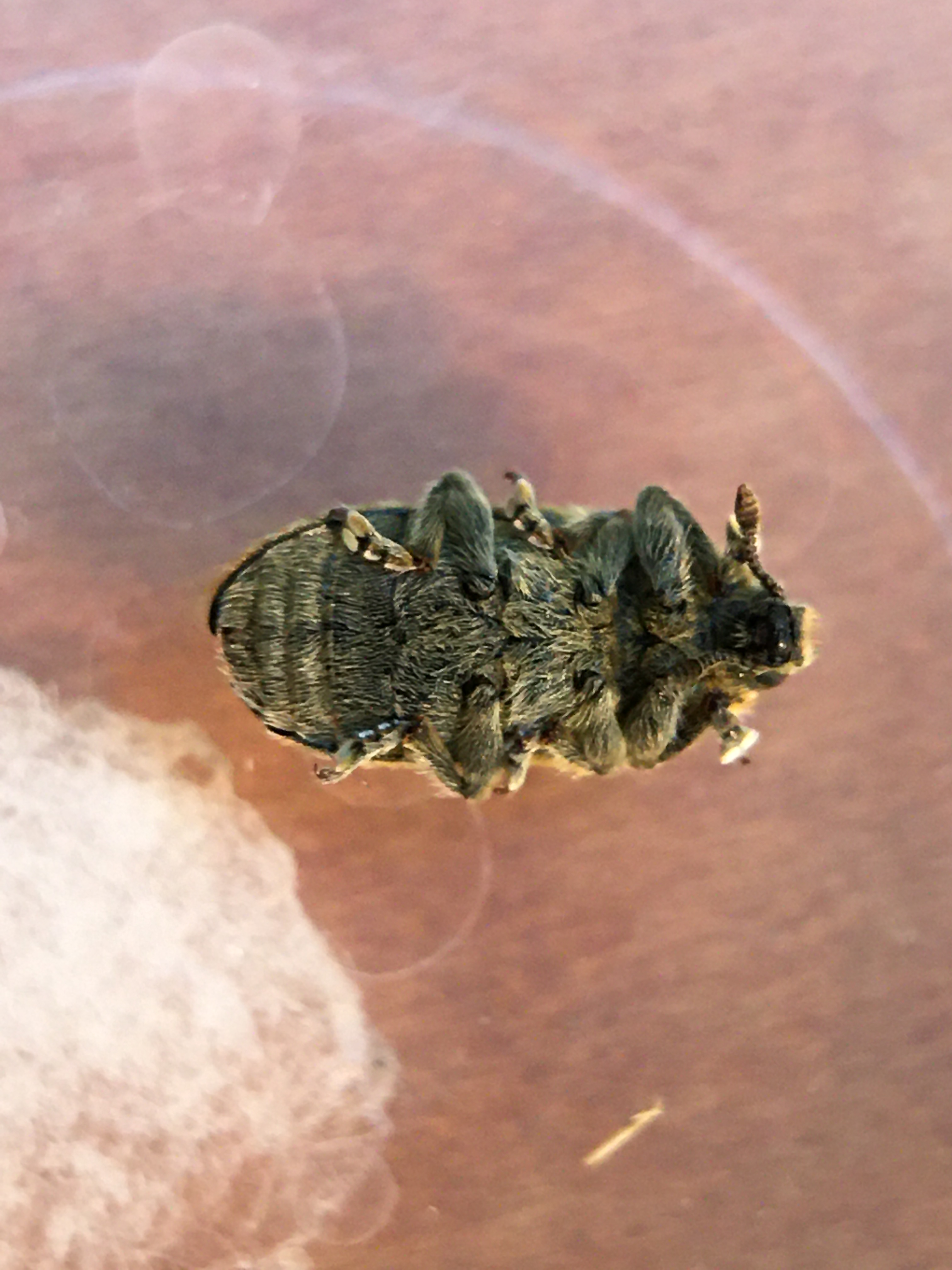
Ventral view of my Nodding Thistle Receptacle Beetle – It’s kinda cute!
Why does that matter? Well, disrupting native ecosystems can have ripple effects. I found out another reason the beetle is controversial is because there are native pollinators that depend on thistle, like the beautiful Painted Lady Butterflies that we love. Thistles also produce seed and flax used by our very own state bird, the American Goldfinch. Which brings me to the question, “If the butterflies and birds have begun to utilize the non-native species, are we making the problem worse by introducing another non-native species?”
In my continued reading , I actually began to connect the fact that I buy bags of expensive thistle seed at the store to attract the goldfinches, but I’ve got LIVING food for them in my yard that is free (and also free of pesticides), and here I am pulling it out. Am I going to waste my energy trying to eradicate a small patch of bull thistle? Nope. If it starts to get out of control, we can just mow it down. For now, I am leaving it for the birds and the butterflies…and all the other little creatures I’ve seen living on it. There were lots of super cute little jumping spiders all over it yesterday!
I’ll leave you with a question. Should we have introduced this hairy little beetle that isn’t native? I don’t have a good answer. Maybe it will just help control the spread of thistle and won’t eradicate it entirely. I’d like to be able to have Painted Lady’s, Goldfinches, and lots of jumping spiders in my garden, even if I occasionally get pricked by the spines of those thistles. For now, I’m going to stick to improving my drawing skills!
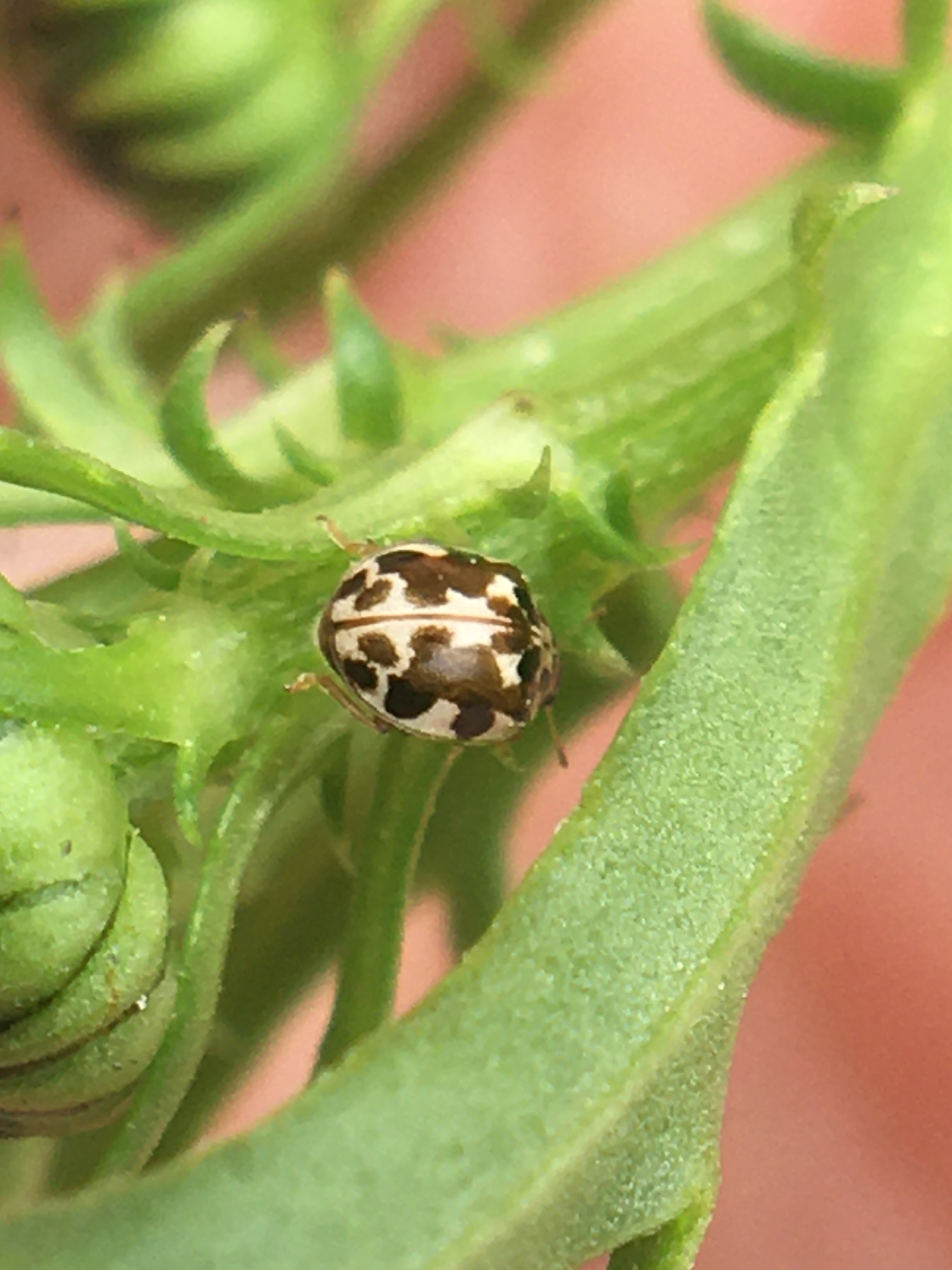
Twenty-spotted Lady Beetle (Psyllobora vigintimaculata) on daisy. This tiny ladybug almost went unnoticed when I was watering flowers the other day. It wasn’t easy to get a photo and she crawled down headfirst into the flower bud. I suppose she was feeling shy!
After reading a bit more about these, I discovered the best place to look for them is at the base of skunk cabbage in early spring. AND, this is the best part. Later in the season, these little beetles switch to plants that have powdery mildew. They eat it. Definitely a garden friend!
Twenty-spotted Lady Beetle (Psyllobora vigintimaculata) on Daisy – May 30, 2021 San Juan Island, WATwenty-spotted Lady Beetle (Psyllobora vigintimaculata) on Daisy – May 30, 2021 San Juan Island, WA
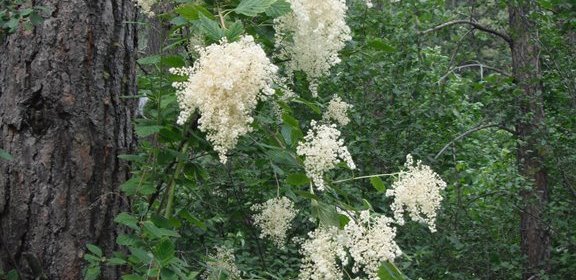
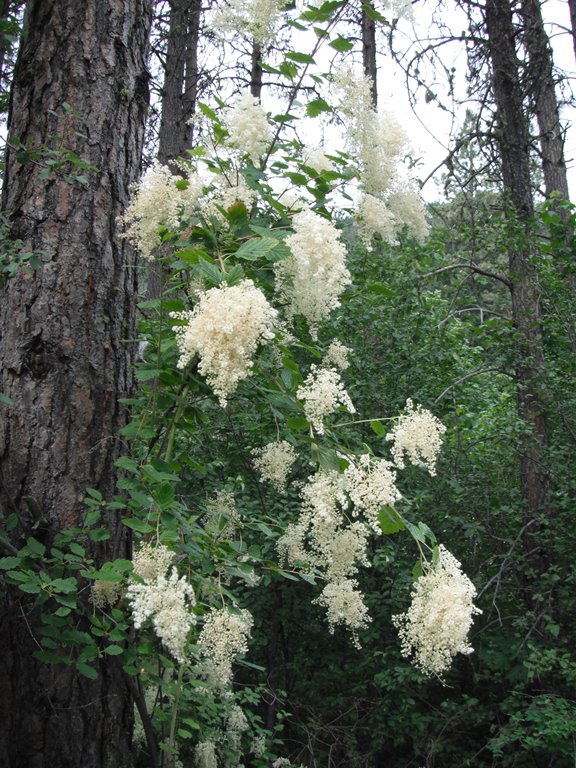
Did you know Ocean spray is one of our native plants? Lots of folks don’t even know this and label it as “invasive,” or a “fire hazard,” then rip it out of the ground to replace it with non-native ornamentals or worse, leaving the formerly healthy, forested understory devoid of vegetation.
Here’s a bit of historical trivia – Ocean spray is sometimes called Indian arrowwood because Native Americans made use of its straight hardwood branches for arrow shafts. They also used oceanspray for treating viral and skin diseases. Other names for this plant are Holodiscus discolor, ironwood or creambush. There is actually a novel phenolic component in the plant called Stilbene a Xyloside that has been associated with varied biological and medicinal activities.
Some reasons I’d like you to appreciate Ocean Spray….
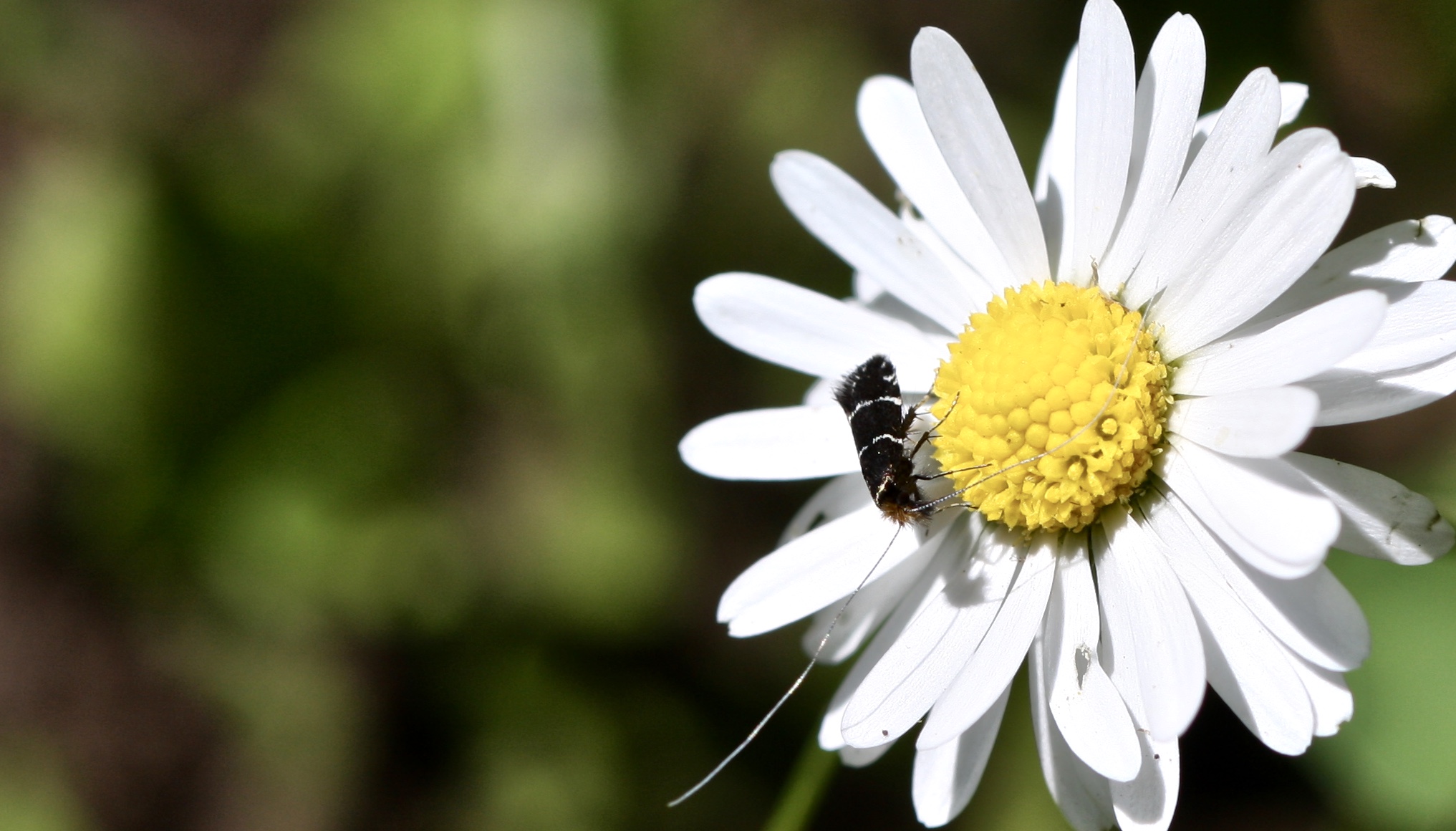
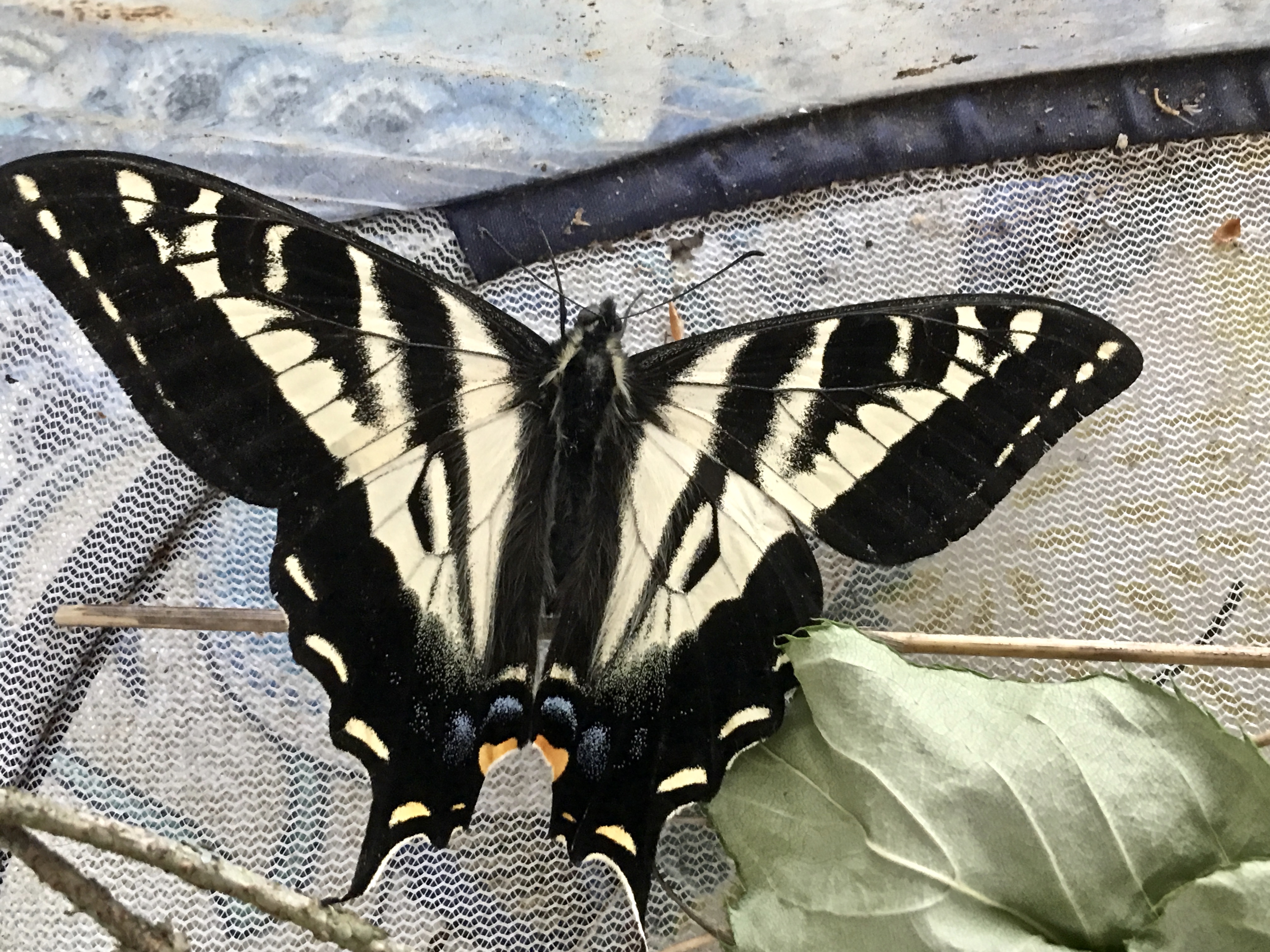
It is a larval host plant to some of our native butterflies and moths. These include the beautiful Pale Swallowtail (Papilio eurymedon), Spring Azure (Celastrina sp.), Lorquin’s Admiral (Limenitis lorquini), and Gray Hairstreaks (Strymon melinus). One particularly notable one here on our island is the delicate Fairy Moth (Adela septentrionella). Calscape (California Native Plant Society) lists 14 confirmed species of Lepidoptera associated with Ocean Spray (and 23 as likely) for a total of 37 species native to the state of CA. I could not find published studies for this in WA state, but link the Calscape page here https://calscape.org/plantleps.php?hostsloc=california&species=Holodiscus+discolor
Ocean spray provides cover and forage for wildlife. Birds, small amphibians, and deer rely on native plant species like Ocean Spray that make up part of the forest understory and are a component of a healthy ecosystem. Fire-scaping may be on your mind, but one way around this is to look at installing adequate water cachement around your home to help keep vegetation from drying out and dying in late summer and fall. We want to live in the forest, but if we remove the native understory, we risk altering the landscape even more and losing these beautiful creatures!
Ocean Spray flowers provide pollen and nectar for native bees! 🐝
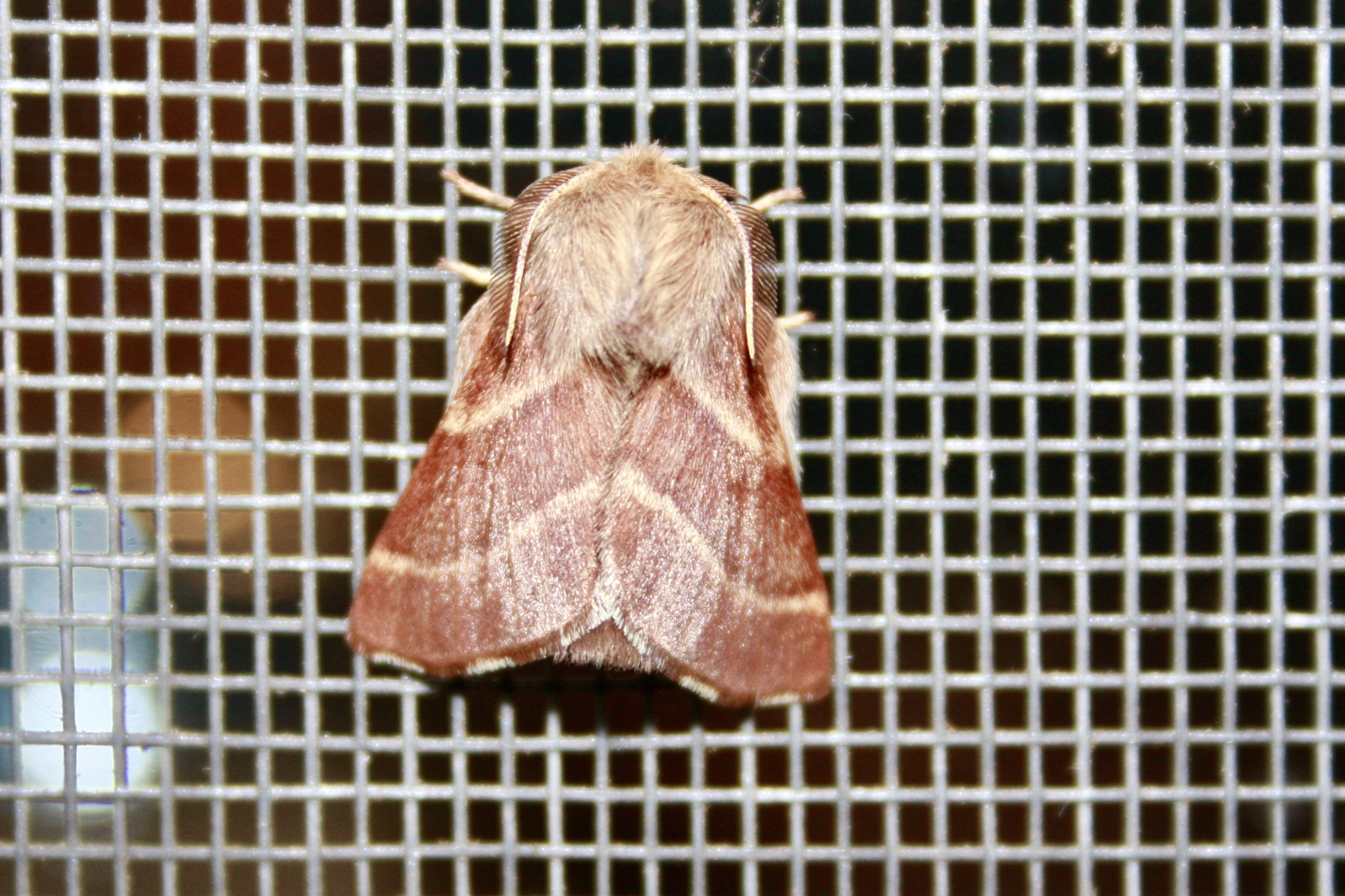
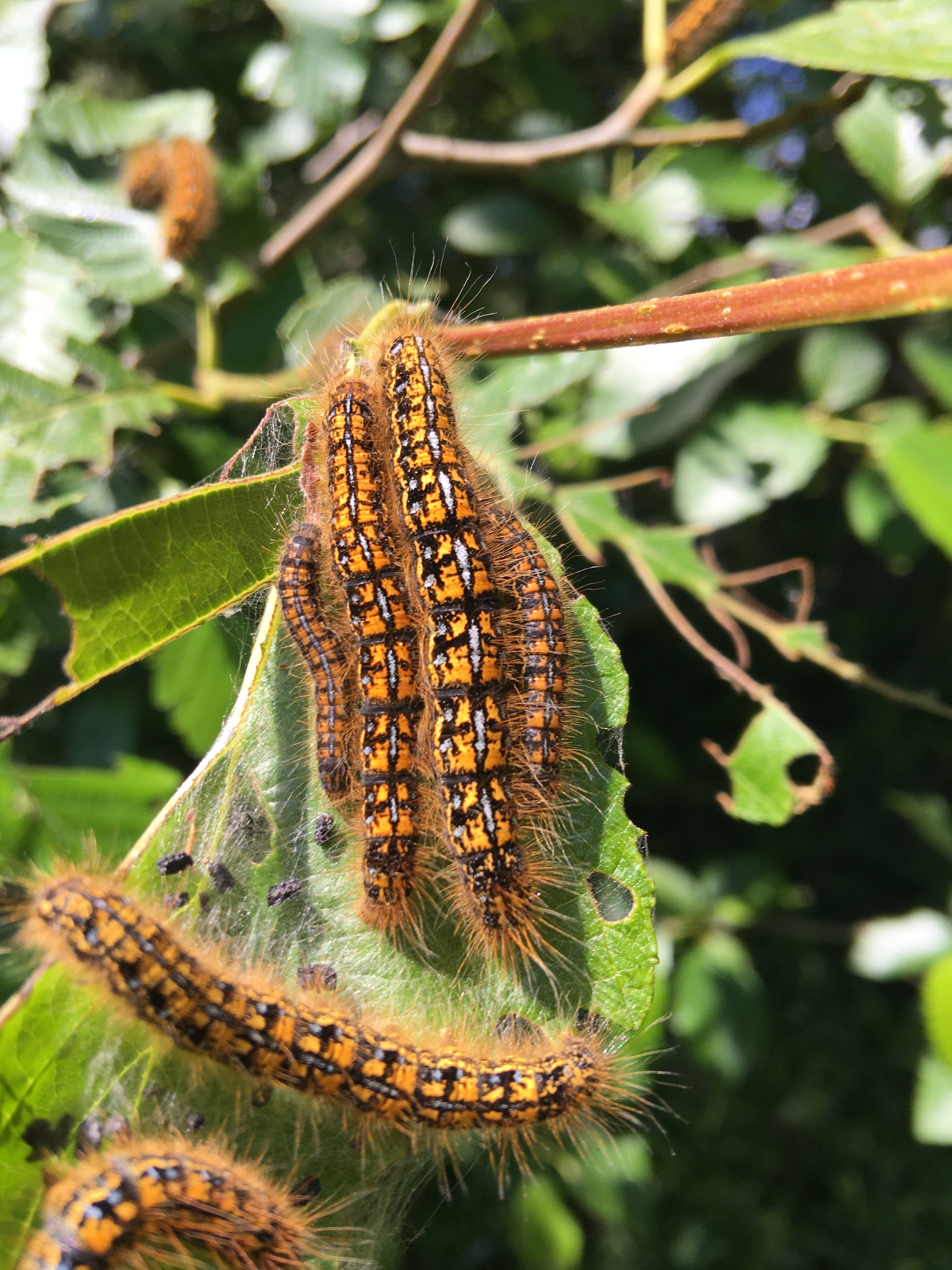
Look at this little moth- (Malacosoma californicum pluvialis). He’s got such a fuzzy hair-do and you might even think he’s cute. But he’s not a popular fella. Why? Because no one likes him when he’s a baby. He has way too many brothers and sisters and they are all really hungry and like to eat lots of leaves. Keep reading though. I want to tell you a bit more about “Melvin.”
Melvin did indeed have lots of siblings in his tent crib high up in the tree. They were awfully crowded and terribly hungry. Folks looked up in that tree and shook their heads. What ARE we going to do about them. They are going to eat our whole tree. They went to the store to get the pesticides.
(Malacosoma californicum pluvialis)
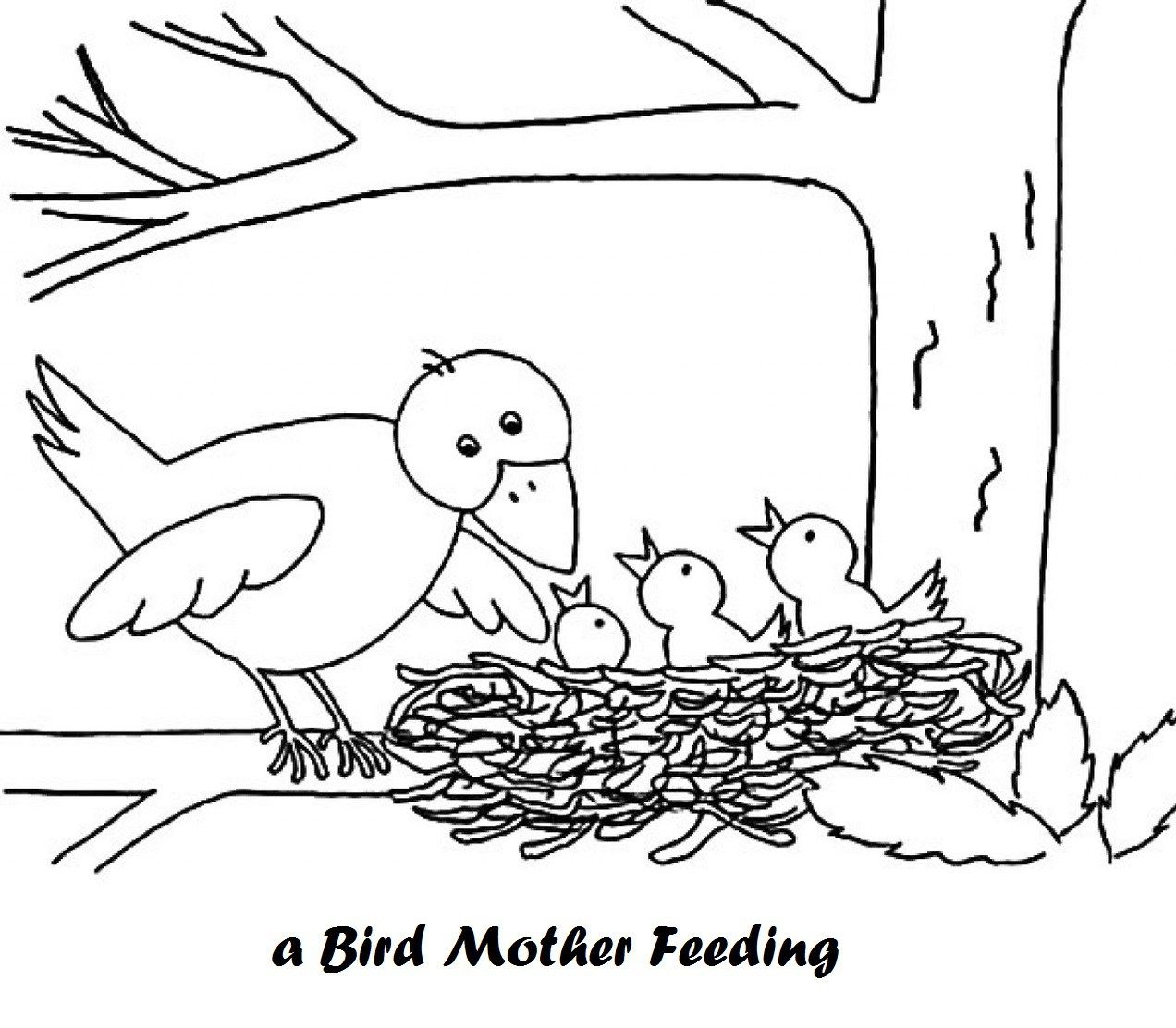
But what would happen if those same folks sat under that tree for a few days and watched the nursery full of Melvin’s siblings? They’d see the bat fly through in the dark of night to carry off some of them for dinner. In the early morning, they’d find more disappear when the hungry woodpecker and nuthatch stopped to peck at the crib and take away caterpillars to feed their hungry chicks. In the panic, some of Melvin’s siblings slipped out of the crib and fell to the ground. That afternoon, a lizard and garter snake found those and ate them right away. Near dusk, a few more dropped out of the nursery web, and little miss mouse carried those off to feed to her babies.
This was actually a good year for those caterpillars. Last year, the wasps came and laid eggs in them. They felt fine for a bit and even kept growing and eating, but then the wasp babies hatched and ate them from the inside out. Gross right? Well, that was a lucky year for Melvin. He was the only one who survived to fly off and tell me this story.
*Note – “According to research conducted at the Minnesota Agricultural Experiment Station 60 birds species have been documented to eat tent caterpillars including cuckoos, orioles, jays, chickadees and nuthatches. This same study also found that tent caterpillar outbreaks are controlled by native predators and parasites including 127 insect parasites, 28 insect predators, frogs, mice, bats, reptiles, squirrels, skunks, and bears. By sifting through one day’s worth of bear poop (fun job) researchers found that a single bear on average ate around 25,000 caterpillars in a one day.” Conservation Research Alliance – https://www.rivercare.org/…/tent-caterpillars-are-for…https://www.oregonlive.com/…/the_western_tent…
What people find unsightly and annoying for a few months some years is a welcome gift of easy food for many species of wildlife and the species that in turn feed on them. Another thing to consider. (Malacosoma californicum pluvialis) is actually native to our region! If you can, refrain from spraying, which harms our pollinators and native insects that are predators of the caterpillars. Clipping affected areas is one acceptable alternative. Just leave the clippings on the ground. The birds, and other insects will thank you.
Bug humor…these are mating March flies (Bibionidae). In Florida and parts of the South, they call them “Love Bugs.” The one with the BIG eyes is the boy. Poor fella’s getting dragged behind since she was done with his attentions. San Juan Island, WA April 29, 2021
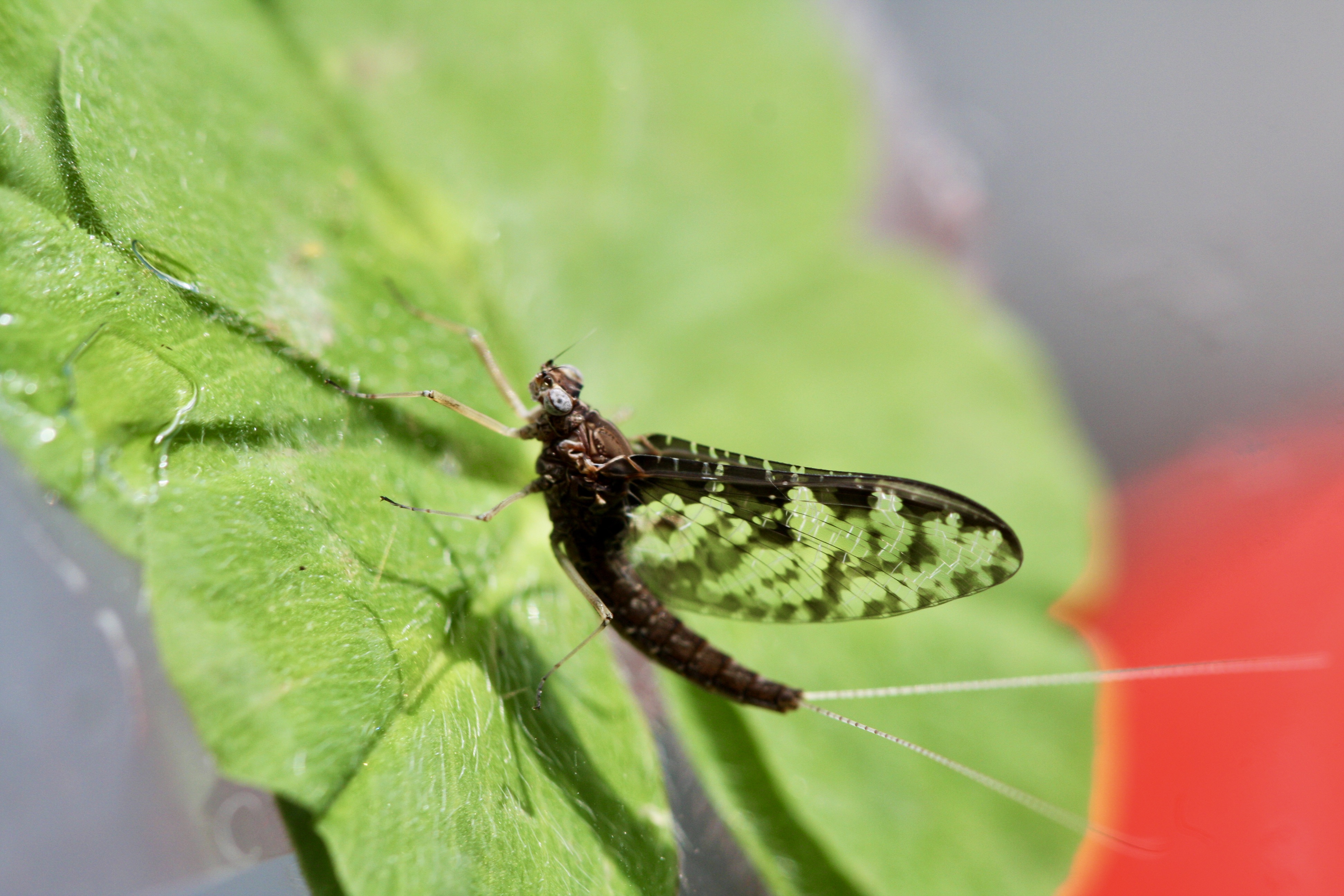
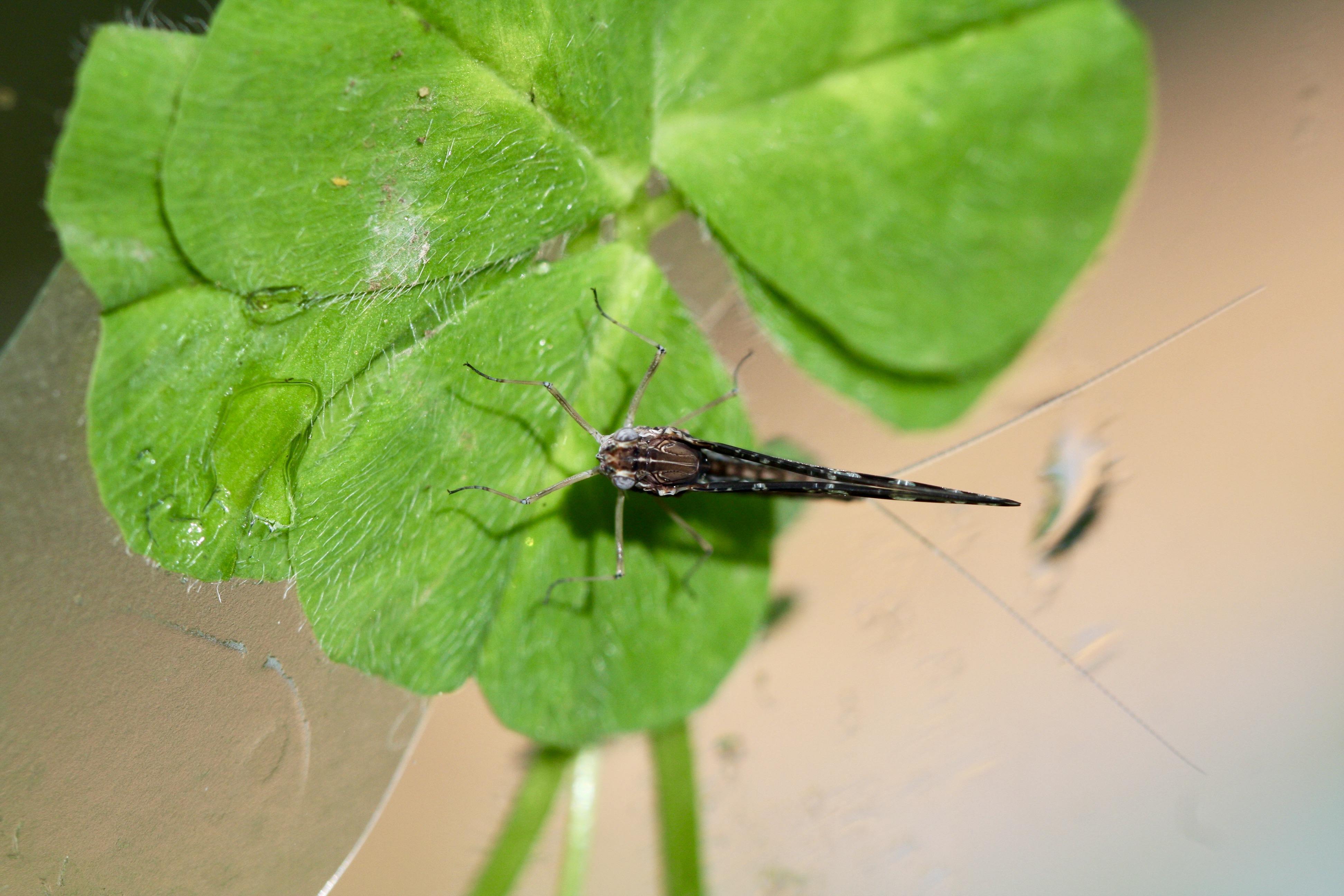
April showers bring Mayfly’ers! This tiny creature spent the night on the glass window of my greenhouse. When I found my very first mayfly on San Juan Island, I used a key on this site ~ http://ibis.geog.ubc.ca/…/FamiliesofEphemeropteraofBC.html to help me with ID. I’ve been able to narrow the taxonomy down to family Baetidae or “minnow” mayfly.
Mayflies are in the insect order Ephemeroptera which comes from the greek words “epi” (upon), “hemera” (day), and “pteron” (wing). Put this all together and you get something like “wing upon a day!” It just describes the ephemeral quality or brief lifespan of the mayfly adult.
The adult, or imago stage of this insect, does not eat. They will emerge in large numbers typically in the month of May. The Baetidae are among the smallest in size (hence the name “minnow”) within mayfly families, but there are over 520 species described in this family worldwide. The Baetidae have only two caudal filaments and the hindwings are reduced in size. All mayfly larvae develop in water and as they are very sensitive to pollutants, their presence (or absence) can be a good indicator of water quality. They’re also favorites of fishermen because they make great bait!
Mayfly (Baetidae sp.)
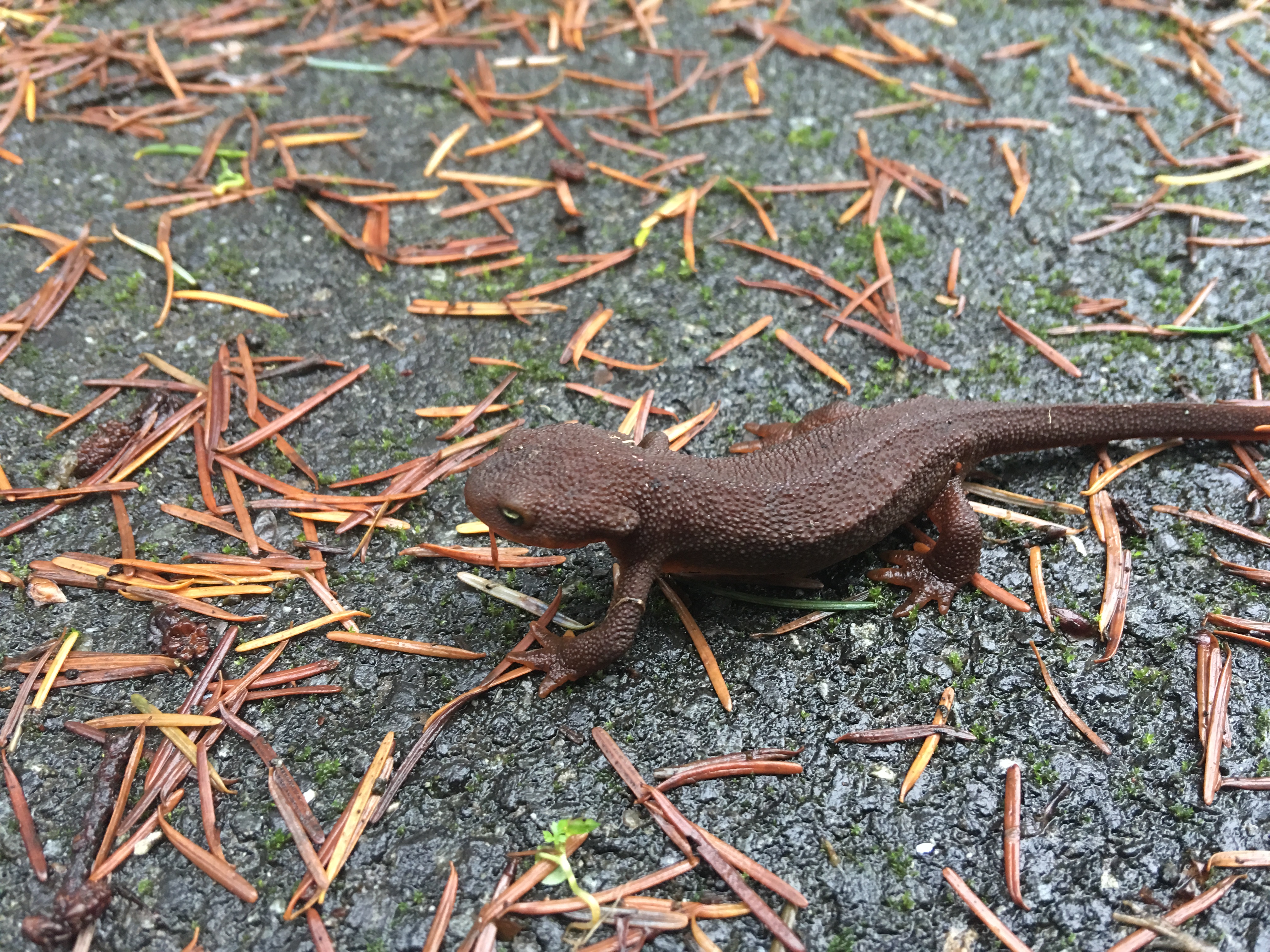
Some people want to build homes too close or even in fill in these streams and wetland areas. Destroying wetlands for homes, driveways, and barns is devastating to delicate ecosystems, ruining them forever. Humans aren’t supposed to live in wetlands….but mayflies, many other species of invertebrates, and creatures like newts, salamanders, and birds thrive in them.
Mayfly (Baetidae sp.)Mayfly (Baetidae sp.)
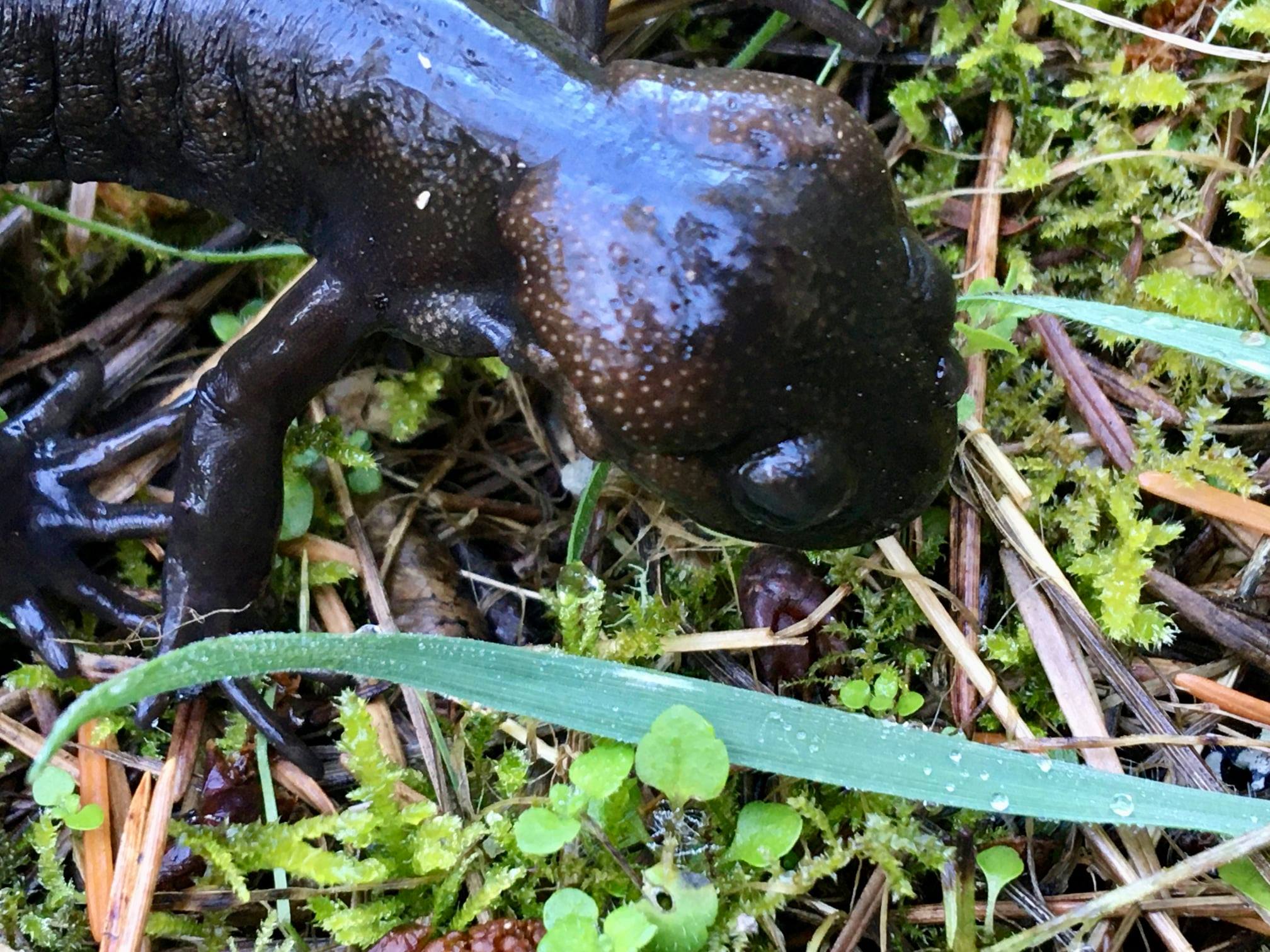
Some other amazing creatures that need clean wetlands and streams to live and reproduce include this alien-like Northwestern Salamander (Ambystoma gracile) I found a few weeks ago, slowly making its way across the road.












 fly through in the dark of night to carry off some of them for dinner. In the early morning, they’d find more disappear when the hungry woodpecker and nuthatch stopped to peck at the crib and take away caterpillars to feed their hungry chicks. In the panic, some of Melvin’s siblings slipped out of the crib and fell to the ground. That afternoon, a lizard and garter snake found those and ate them right away. Near dusk, a few more dropped out of the nursery web, and little miss mouse carried those off to feed to her babies.



 Bugging You From San Juan Island