I found this very tiny (1mm) beetle on the rim of the pool outside yesterday (Dec. 8, 2023). In my investigational efforts to identify my specimen, I have concluded it should be one of the Minute Brown Scavenger Beetles in the family Latridiidae (pronounced la-trid-eye-i-dee). As to species, I think it is Cartodere bifasciata – based on the color pattern of elytra – black markings between 2nd and 5th stria in anteriour third and behind middle; lateral black spot in about middle. (Bugguide, 2014).
This particular species is an Australian native and likely introduced to North America via international shipping. Records show this species in Nova Scotia about 1989 (Majka et al 2009). Looking on iNaturalist for observational reports of this species, I see a few (about 15 or so) in the box I drew. You can see in the attached screenshot the general area where they are turning up in the Western US. Again, likely introduced via international shipping cargo.
Reported observations of Cartodere bifasciata in the PNW Region
Adults of beetles in this family are generally known to feed on the reproductive structures of fungi, plant and animal materials, and slime molds (Evans, 2021). They are found in association with wet or damp habitats in open or forested areas, especially in leaf litter, decomposing wood, on trees, herbaceous vegetation, and in bird, mammalian, or hymenopteran nests (Majka, 2009).
Evans, A. V. 2021. Beetles of Western North America. Princeton University Press, N.J.
Majka CG, Langor D, Rücker WH. 2009. Latridiidae (Coleoptera) of Atlantic Canada: new records, keys to identification, new synonyms, distribution, and zoogeography. The Canadian Entomologist. 141(4):317-370. doi:10.4039/n09-050.
I thought writing out my feelings might help a bit with the deep reactiveness I am feeling in response to the terrible news I received yesterday about a very dear friend. The details? My friend is going to be 94 in October. I’ve known her now for almost 20 years. She was my walking buddy in Texas. She LOVES to walk and be out in nature.
A few days ago, my friend was severely injured when two dogs mauled her while she was out on a walk. The details I have received were the dogs were a pitbull and a great dane. They knocked her to the ground, inflicted many bite injuries. She has multiple lacerations, including her scalp. She has a broken nose, suffered a brain bleed, and has what is known as a “crush” break of her leg. To give you a bit of perspective, aside from her advanced age, she weighs only 90 lbs.
People came to her aid. She is hospitalized. If she doesn’t end up with serious infections, she faces a long road of rehabilitation. I am praying for her and I haven’t prayed in a long time.
Let’s talk about the dogs and what I know about them. One was deemed “friendly” and had never been a problem before until in the company of the other dog. Dog behavior isn’t always predictable. Unfortunately many dog owners are clueless about this. The dog owner was cited, but as of today, those dogs are still alive. I was told by the local law enforcement that there is a “process.”
The very sad fact is this is the 2nd dog attack my friend has had in the past 3 years. In January, 2021, my friend was attacked while out walking when a boxer/pit mix got away from its owners and charged her, biting her on her knee. Again, when you are in your 90’s and only weigh 90 lbs, your legs are tiny, skin is thin, and healing is slow.
Backing up a bit to my days of going out walking with my friend. We would walk regularly at a nature preserve in Texas. For us, this was the only nature preserve in a 20-mile radius and unfortunately, it quickly became overused….by dog owners. I had to carry a big stick because of all the off-leash dogs. One sad memory in particular sticks in my head. That was the morning I passed a group of laughing men who were entertained because their off-leash dogs had “tree’d” baby bobcat kittens. I can’t imagine the horror of the bobcats, but I left with lump in my stomach at how I really have come to detest many humans, and irresponsible dog owners.
I do remember complaining to the parks department that managed the nature preserve. When I asked why they even bothered calling it a “nature” preserve, the response was, “we have to meet the recreational needs of our residents.” Never mind, the sheer presence of all those dogs, leashed or unleashed, directly impacted the wildlife. The bobcats left, the coyotes left, the road runners left. It’s now a wasteland of dog feces and not much else. Even the stream is littered with dog waste bags. Why bother to pick it up if you’re just going to leave it to contaminate the streams that used to have fish, turtles, and other aquatic life. Don’t want to pick it up, but fall into the category of kicking the poo off in the weeds? Well, then you are directly contributing to the contamination of a natural area with bacteria, and all sorts of other pathogenic matter. Not to mention, it is just really gross.
I’ve come to the place where I don’t really believe dogs (or cats) should be outside of their owners’ living space. Certainly, they don’t belong at all in nature preserves, wildlife areas, and most definitely not in restaurants or other public places where they may encounter strange sights, noises, smells, or interact with unfamiliar dogs and become defensive or reactive. Non-dog owners have a right to safely visit a playground with their child, walk in a park, nature area, or visit a public event without risking being mauled by someone’s dog.
You may disagree with me and that’s your choice. I’m not completely anti-dog. I know there are some great ones out there and definitely there are responsible dog owners, but there are others like me who just don’t want to swoon over your pup. If you pass me walking in a nature area and you are walking a dog, please respect my space. I am tolerant of leashed dogs that don’t run up and jump on me. My experiences with dogs haven’t been great. In fact, most of mine have been awful. I am sick with worry about my friend. Don’t try to tell me it isn’t the dogs’ fault. Don’t jump to the defense of the dogs. Ultimately the dog owner is the responsible party, but keeping dangerous dogs alive is not the answer. We can’t SAVE all dogs. I hope the dog owner is charged with assault. Owning a dog is a huge responsibility. If you own a large breed dog you can’t control, it is just as dangerous as owning a gun. Dogs are far more unpredictable than wildlife. They have great potential to cause serious injuries to humans, including killing them.
References
J Gilchrist, MD, Div of Unintentional Injury Prevention; K Gotsch, MPH, JL Annest, PhD, G Ryan, PhD, Office of Statistics and Programming, National Center for Injury Prevention and Control, CDC. https://www.cdc.gov/mmwr/preview/mmwrhtml/mm5226a1.htm
Tuckel PS, Milczarski W. The changing epidemiology of dog bite injuries in the United States, 2005-2018. Inj Epidemiol. 2020 Nov 1;7(1):57. doi: 10.1186/s40621-020-00281-y. PMID: 33129353; PMCID: PMC7603431.
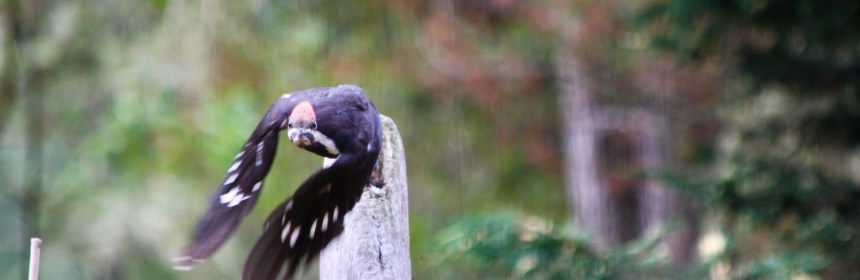
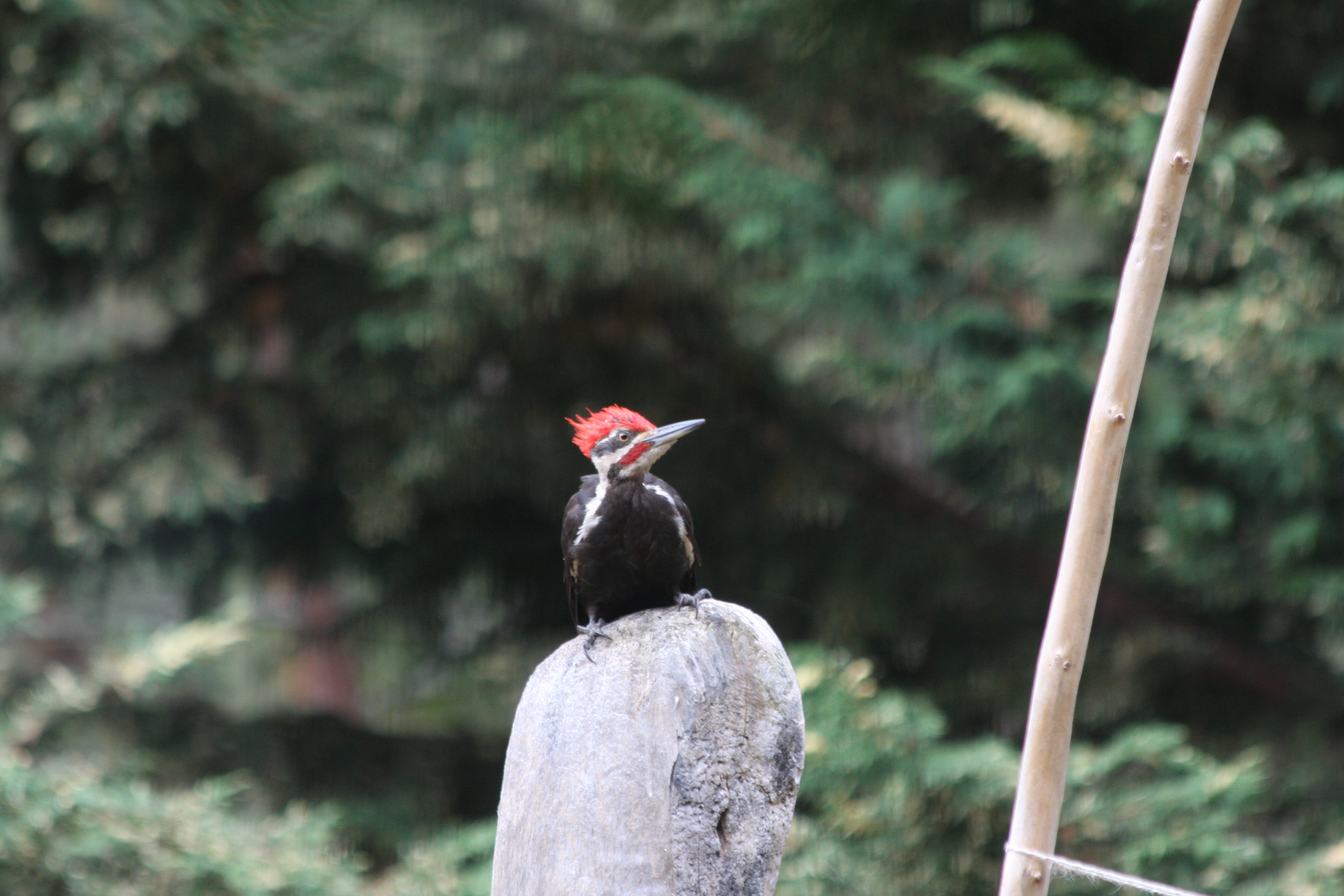
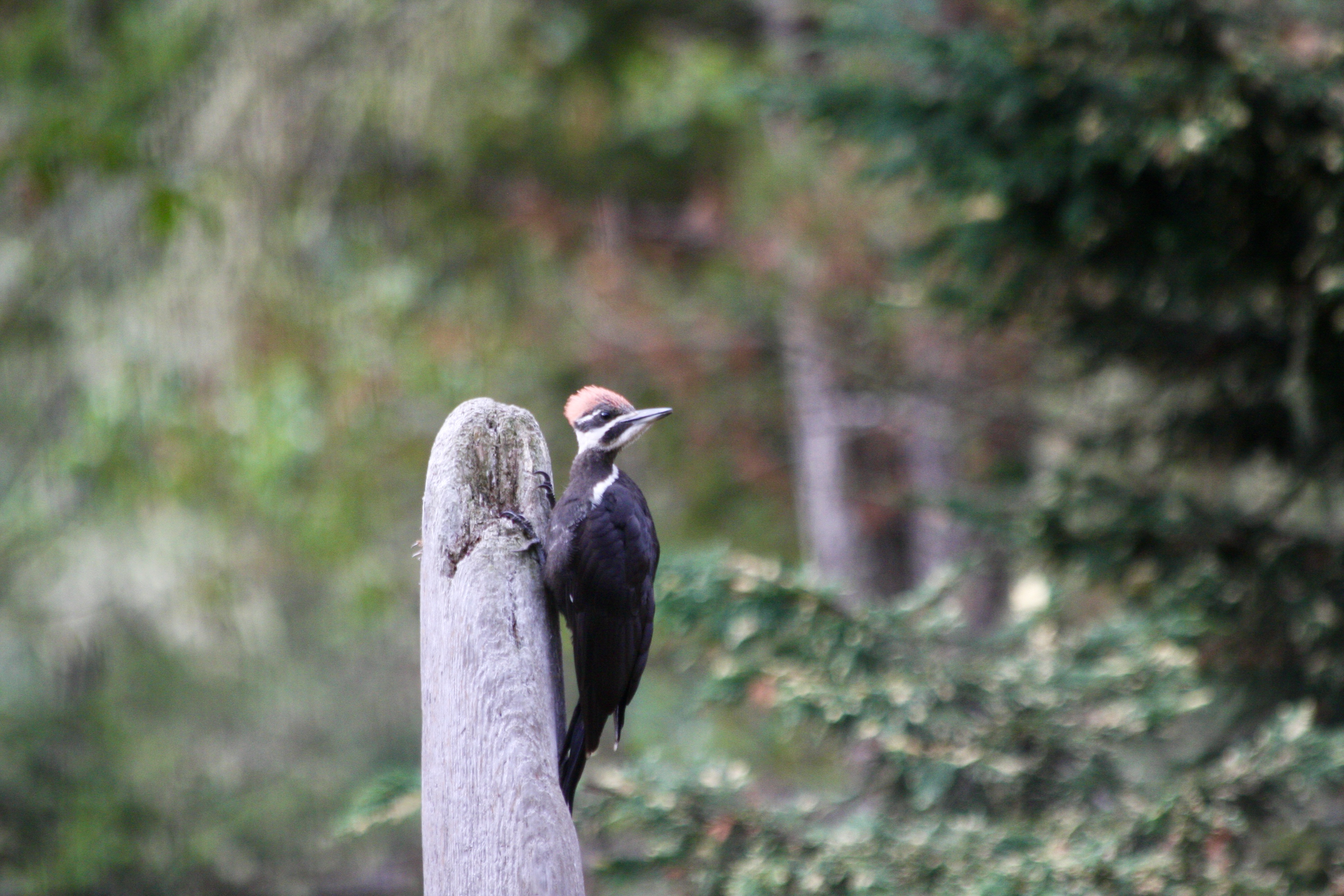
What do they eat? While they are indeed visiting our suet blocks during their reproductive season and will also come by in the winter when food is scarce, the actual diets of a Pileated Woodpecker (Dryocopus pileatus) or other species of woodpeckers are comprised of many of the wood-boring, tunneling, and wood-eating invertebrates that help forests stay healthy.
How could an insect (or an insect-eating bird) that bores into trees be good for a tree? As the saying goes, “sometimes it is hard to see the forest for the trees.” While this is complicated due to climate change, our narrow views tend to see herbivory or holes in a tree, and even a dying tree as a bad thing.
We have to step back to understand the whole picture – which is – a dynamic process. A healthy ecosystem is not static, but one of renewal and regeneration, always changing. The wood boring bugs that are eating inside a tree are (typically) part of the early breakdown stages of a tree that is already dying. As they tunnel and bore though the dying tree, they help decompose the dying parts, releasing nutrients back into the system for new trees and other organisms to grow.
Compared to a human lifespan, this is not a rapid process, but an ongoing, multi-generational one that sustains many other organisms over a vast period of time. In a nutshell, the birds, like these woodpeckers, take advantage of the dying trees hosting wood boring beetle larvae and other wood-eating or wood-tunneling bugs. As the beetles, and ants, or termites tunnel, chew, or eat through a tree, they attract and feeds other organisms that feed on the insects. The insects and the birds leave behind sawdust and frass which is, in turn, broken down by other organisms – earthworms, millipedes, centipedes, etc. In actuality, the processes at hand are far more complicated, but in a nutshell, healthy ecosystems include death.
When you walk out onto your property and see a dying tree, don’t necessarily see it as a bad thing. Watch for a while. Are the woodpeckers pecking holes? The tree may not fall over for many, many years. As it dies, it will host so many various lives: from spiders in tiny crevices, beautiful moths (often unseen, but important pollinators), iridescent beetles that will emerge from some of those tunnels, woodpeckers, cavity nesting birds, including owls that need a sheltered place to rest and rear young. Just maybe, if you consider these things, you will refrain from taking down and chipping or burning that “dying” or “dead” tree and leave it to stand many years instead. When it does finally fall, perhaps you will consider leaving it to decompose on the forest floor where it will continue to host the lives of many organisms that are necessary and good for a healthy and balanced ecosystem. Nature will thank you. The San Juan Islands are a special place. Let’s not turn our home into a mainland suburbia.
*Fun fact: The diets of Pileated Woodpeckers are known to be comprised of 85% carpenter ants. Re-think your decision to put insecticidal baits out around your property. Those stumps are the equivalent of a grocery store or local co-op for these birds. Leave them to decompose naturally.
References
Bull, E. L. (1987). Ecology of the pileated woodpecker in northeastern Oregon. The Journal of wildlife management, 472-481.
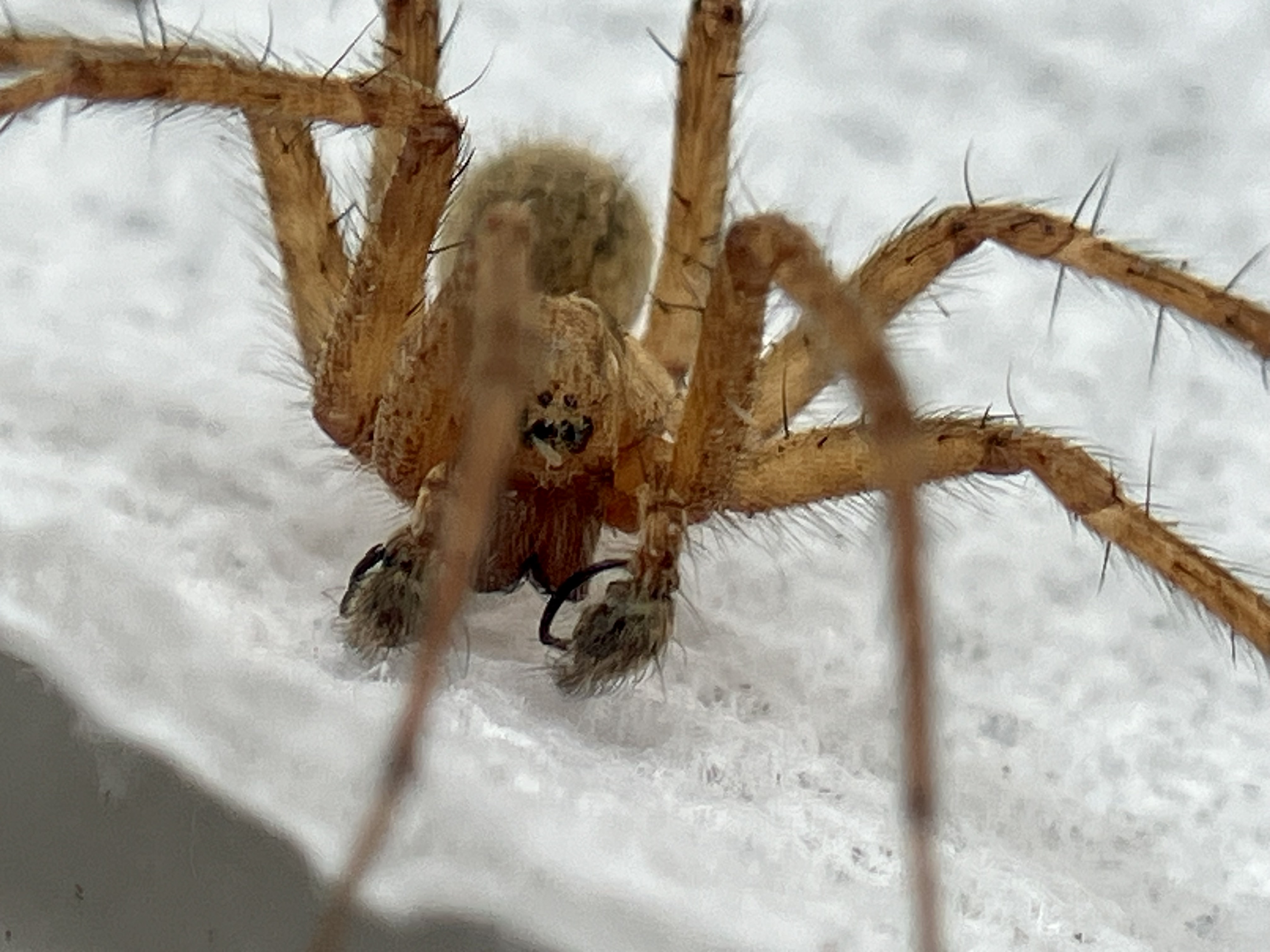
Some folks run screaming from spiders, but I am enjoying getting to know the ones that live around our home. They are all friendly and harmless and such. Spiders are more likely to be intimidated by a human, but some of them seem to be getting over their fear and might actually even recognize me. This morning I got this little one to agree to pose so you can see the uniqueness of his palp (scroll through the photos to find the red arrow). It’s unique because of the extra long embolus (read some interesting stuff about this linked below). This is a male funnel weaver (Agelenopsis oregonensis). I had help from Rod Crawford identifying him when I first spied him at my bug light a few weeks ago. Now, we are having daily morning meetups and this little spider is getting over his shyness.
Hmmm, I was trying to think of a catchy title. “Louse in the House” made you look, right? Well, indeed one did escape and I can’t find it. Would you like to come over for dinner tonight? I thought I saw it flying around the dining room.
Here’s how it happened. Yesterday afternoon, a bird hit the window. It was a hard strike on a window where we haven’t had many bird collisions. I suppose I’ll have to make more Acopian Bird Blinds to put up. They’ve sure help mitigate the bird strikes. Link to DIY instructions here: https://www.birdsavers.com/make-your-own/
Back to the bird. I went out to see if the poor bird was still alive. It was, but died in my hands soon after I picked it up and carried it into the house to assess for injuries. I took the bird into the bathroom so I could shut out my ever-curious indoor cats, Herman and Nimbus. After realizing I was holding a lifeless body, I set the bird down in the bathtub. Right away, I noticed a fly crawling through the bird’s feathers. Hurriedly, I left the bathroom, grabbed my camera, and went back to examine my specimen more closely.
Hippoboscid Fly (Icosta americana)
As I bent over to look through the feathers, a fly zoomed up and nearly entered my nostril. I backed away, rubbing my nose. Wouldn’t be my first strange experience with a fly. There was that incident with the botfly that could have been a medical ophthalmological emergency. Don’t ask. You truly don’t want to know.
Leaning back over the tub, I started to look through the feathers again, but thought better. I went out of the bathroom again. This time to retrieve a large plastic bag and a collection vial for specimens. The bird went into the clear plastic bag. Now, I could look while containing the flies in the bag if there were others to be found.
I found two more.
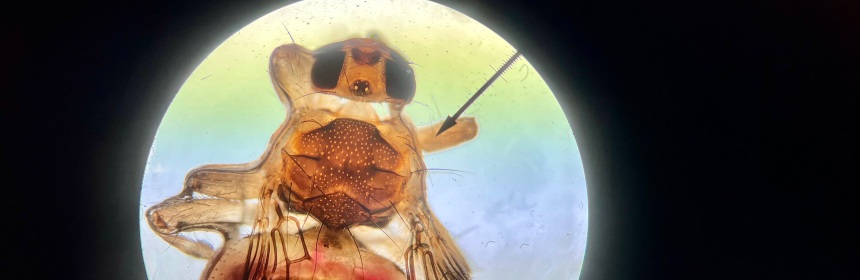
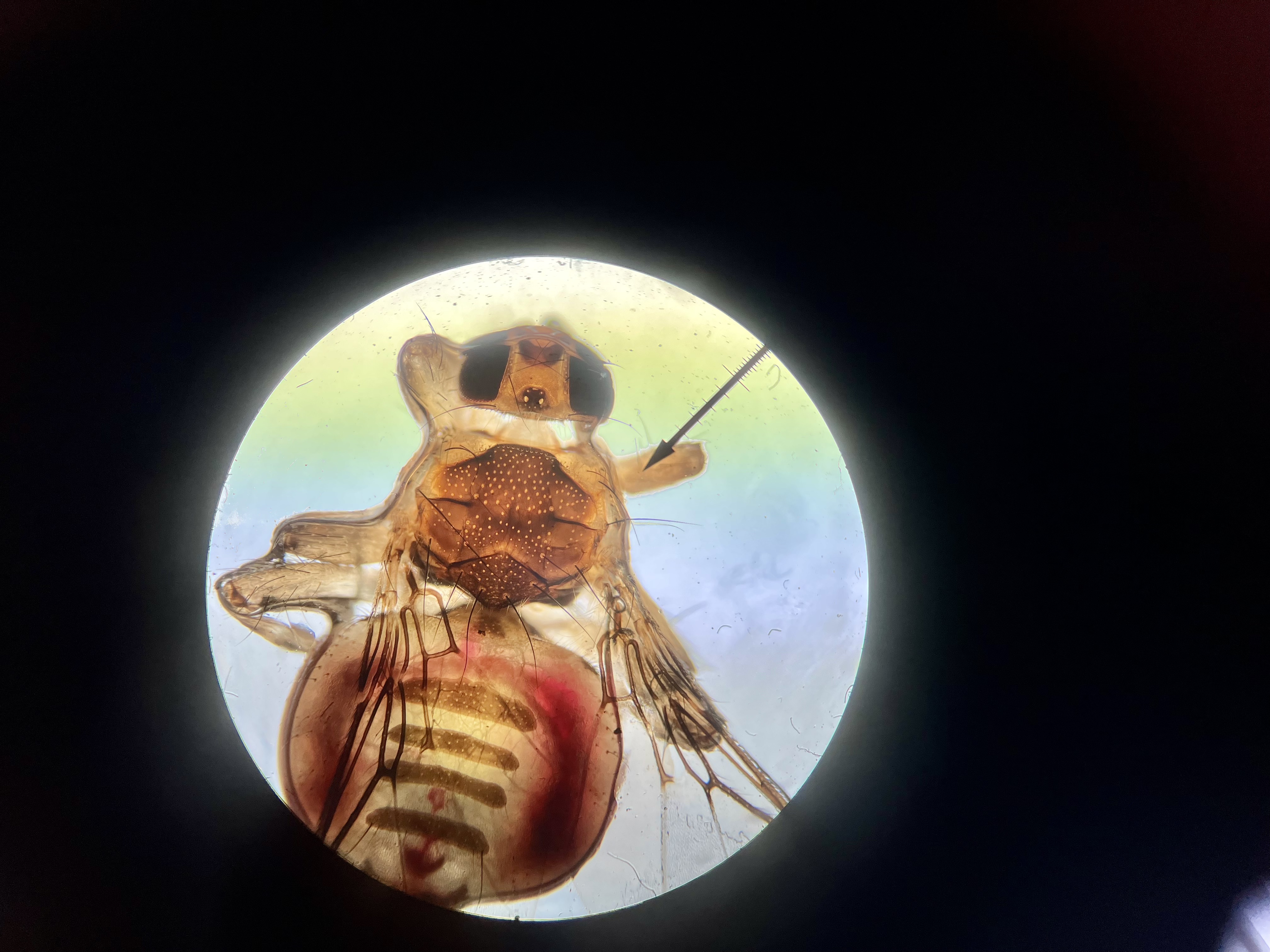
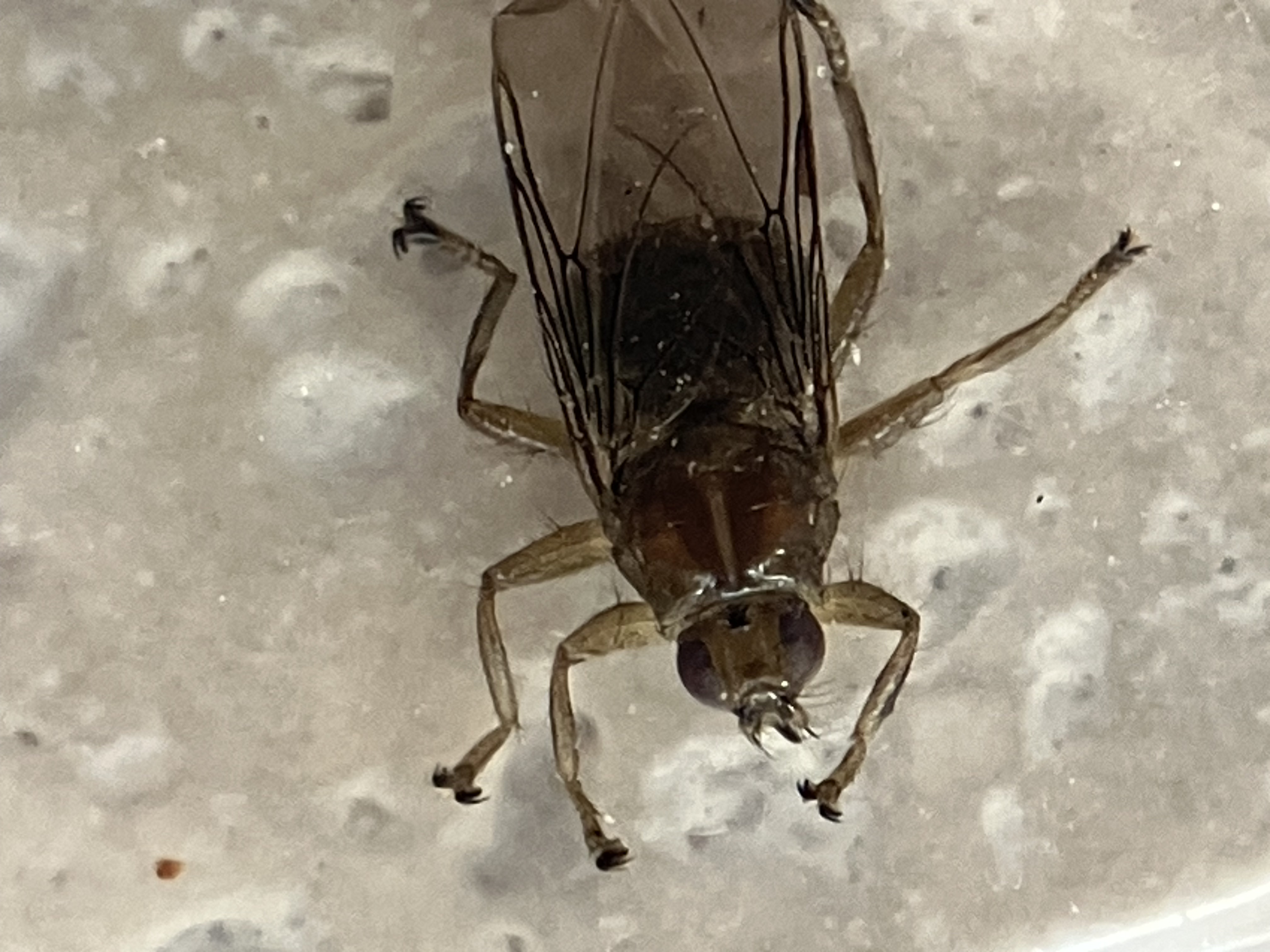
These are Louse Flies in the family Hippoboscidae. The ID for this particular species is Icosta americana. Also, my husband identified the bird as a juvenile Brown Headed Cowbird (Molothrus ater). Strangely, this species is known to be chiefly associated with the bird families Accipitridae (birds of prey – hawks), Phasianidae (pheasants), and Strigidae (owls). So, why might it be on a cowbird? The bizarre exception. Maybe the cowbird parents laid their egg in the nest of one of the above? I suppose it will be a mystery.
Hippoboscid louse flies are pretty interesting. First off, don’t they look weird? Trust me when I tell you they are one of the most bizarre families of flies out there. They are obligate ectoparasites that feed on the blood of their host, nothing else. Unlike other fly groups, both male and female flies in this family feed exclusively on blood.
There are more than 200 species of Hippoboscid flies, and each species is particular about what sort of host it feeds on. Some feed on sheep, some on deer, others on bats, but the ones I found feed on birds. In fact, approximately 75% of species of Hippoboscid flies are bird parasites. Of these 75%, some are so picky, they only prefer a particular species of bird.
Another interesting thing about these flies is the fact they vector diseases like Avian Malaria, West Nile virus, and various Trypanosomes among the host species they parasitize. Unlike some other Hippoboscid species which have deciduous wings (wings that are quickly lost when reaching a host), the ones that parasitize birds can fly during their entire adult life. This means if their host dies, like my bird that hit the window, the flies are able to leave the bird’s body and fly off to parasitize another bird host.
While one fly may have attempted to target my nose, these flies are not known to parasitize humans, although incidental bites have been recorded. Some species of female Hippoboscid flies are actually known to only be able to develop their eggs from the blood of their particular host species.
While on a host, Hippoboscid flies move about with ease. They have bodies that are dorso-ventrally flattened, somewhat like an unfed tick body or a squished bug body. In fact, the Hippoboscid flies that parasitize deer are often mistaken for ticks. Because of the flattened body, sometimes these flies are referred to as flat flies. This shape makes it easy for them to glide between fur or feathers, and it also makes it hard for the host to groom them off.
The most remarkable thing about Hippoboscid flies is their reproductive biology. It is known by the term, Adenotrophic viviparity. Adenotrophic viviparity is where eggs hatch inside the female, and the larvae are fed internally until they are mature enough to pupate. In layman lingo, the female fly gives birth to a single live larva just as it is ready to pupate. She has invested all her resources into producing a single offspring.
This is unique as most fly species cast eggs onto a substrate and the eggs hatch into larvae, feed independently of the parent, pupate, and emerge as adults. With Hippoboscid flies, the female parent retains the single egg inside her uterus, the egg hatches into a larva, and she feeds it with special milk glands until the larva reaches the last stage of larval development or “prepuparium.” Finally, the adult fly “births” her offspring larva enclosed in a shell that quickly hardens into a true pupa. With Hippoboscid species that parasitize birds, the adult fly will leave her pupa in a bird’s nest or roosting site where it can easily find a host when emerges as an adult. For more on the life cycle of Hippoboscidae, you can view one of my YouTube videos here – https://youtu.be/zCD1B2GjCxU
*** In case you’re sitting here scratching your head and I wasn’t clear in the text, ALL of the collective names for Hippoboscid Flies include the following: Flat Fly, Louse Fly, Ked Fly, or just plain ole Ked. And yes, they ARE known to have a painful bite!
References and Further Reading
Coatney, G. R. (1931). On the Biology of the Pigeon Fly, Pseudolynchia maura Bigot (Diptera, Hippoboscidae). Parasitology, 23(04), 525.
Dick, C.W. 2006. Checklist of world Hippoboscidae (Diptera: Hippoboscoidea); Department of Zoology, Field Museum of Natural History: Chicago, IL, USA, pp. 1–7.
Levesque-Beaudin, V. Sinclair, B.J. 2021. Louse fly (Diptera, Hippoboscidae) associations with raptors in southern Canada, with new North American and European records. International Journal for Parasitology: Parasites and Wildlife, 16: 168-174. ISSN 2213-2244. https://doi.org/10.1016/j.ijppaw.2021.09.007
Maa, T. C. 1969. a Revised Checklist & Concise Host Index of Hippoboscidae (Diptera). Pacific Insects Monog., Honolulu: Bishop Museum, Honolulu, Hawaii. 20: 261–299. http://hbs.bishopmuseum.org/fiji/pdf/maa1969b.pdf
Santolíková,A.;Brzonˇová, J.;Cˇepicˇka,I.;Svobodová,M. 2022. Avian Louse Flies and Their Trypanosomes: New Vectors, New Lineages and Host–Parasite Associations. Microorganisms. 10, 584. https://doi.org/10.3390/ microorganisms10030584
Button Designed and Produced by Nancy May Knapp of Orcas Island, WA
If you live in San Juan County, WA, my blog topic today is for you. I’m seeing some posts on social media lately about pest control that I’m not too crazy about. We have so many people moving to our island now, many bringing with them the mainland suburbia mentality of spraying insecticides all over their yards and homes. Can we help folks understand the slogan, “You Have To Be More Careful With an Island?”
If you know someone who is concerned about caterpillars, ants, termites, wasps, mosquitoes, or spiders, and they are willing to talk to someone (me), I am more than happy to take a phone call or email to answer questions on how to AVOID use of unnecessary chemicals that can pose health risks to humans, pets, wildlife, and contaminate soil and water. Most , if not all, use of pest control services are completely unnecessary. Instead, learning about these organisms can go a long way to reducing fear and being able to coexist and/or tolerate living with them around our homes and properties. Some species of bugs are extremely critical to keeping our ecosystem healthy and balanced. ALL of them are part of the greater food web. With the intense development and land use changes happening in the islands, we need to remember to landscape with intentionality towards keeping our island healthy and oriented towards providing habitat for native species instead of displacing everything.
How to spread the word? You can message me here. I will respond. You may also reach me on Facebook at Bugs of the San Juan Islands. It’s a great spot to learn about the amazing bugs we have living alongside us.
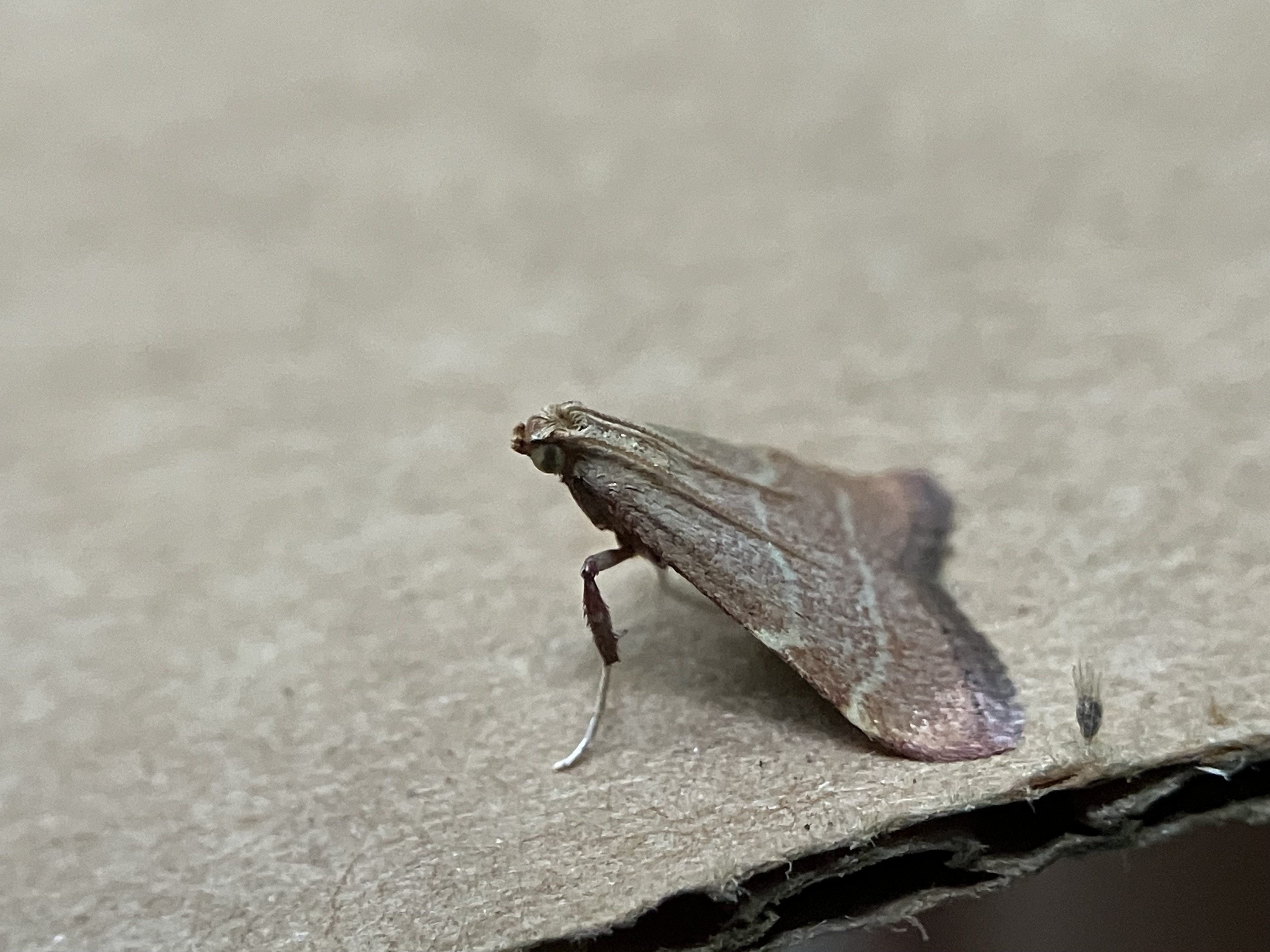
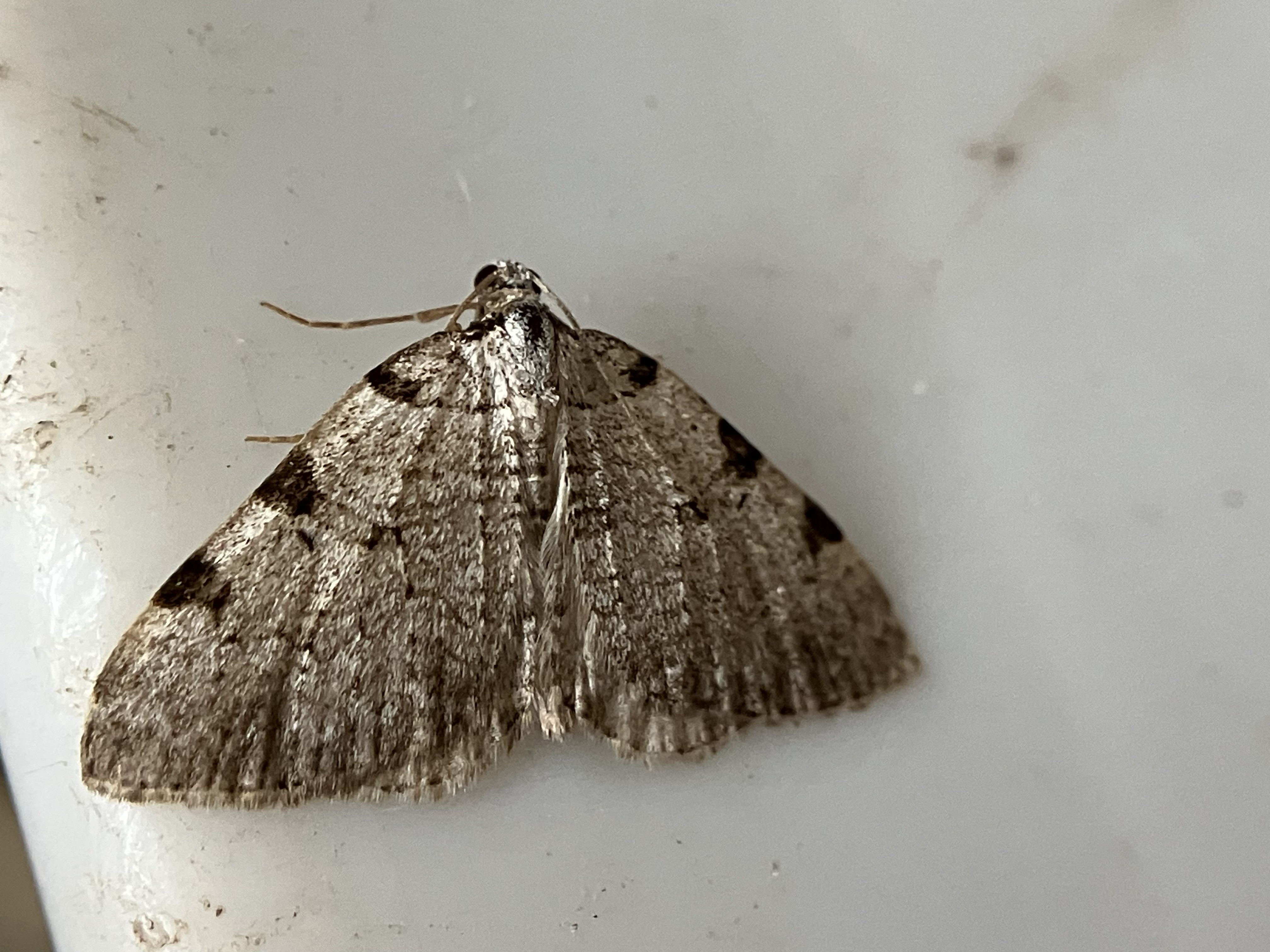
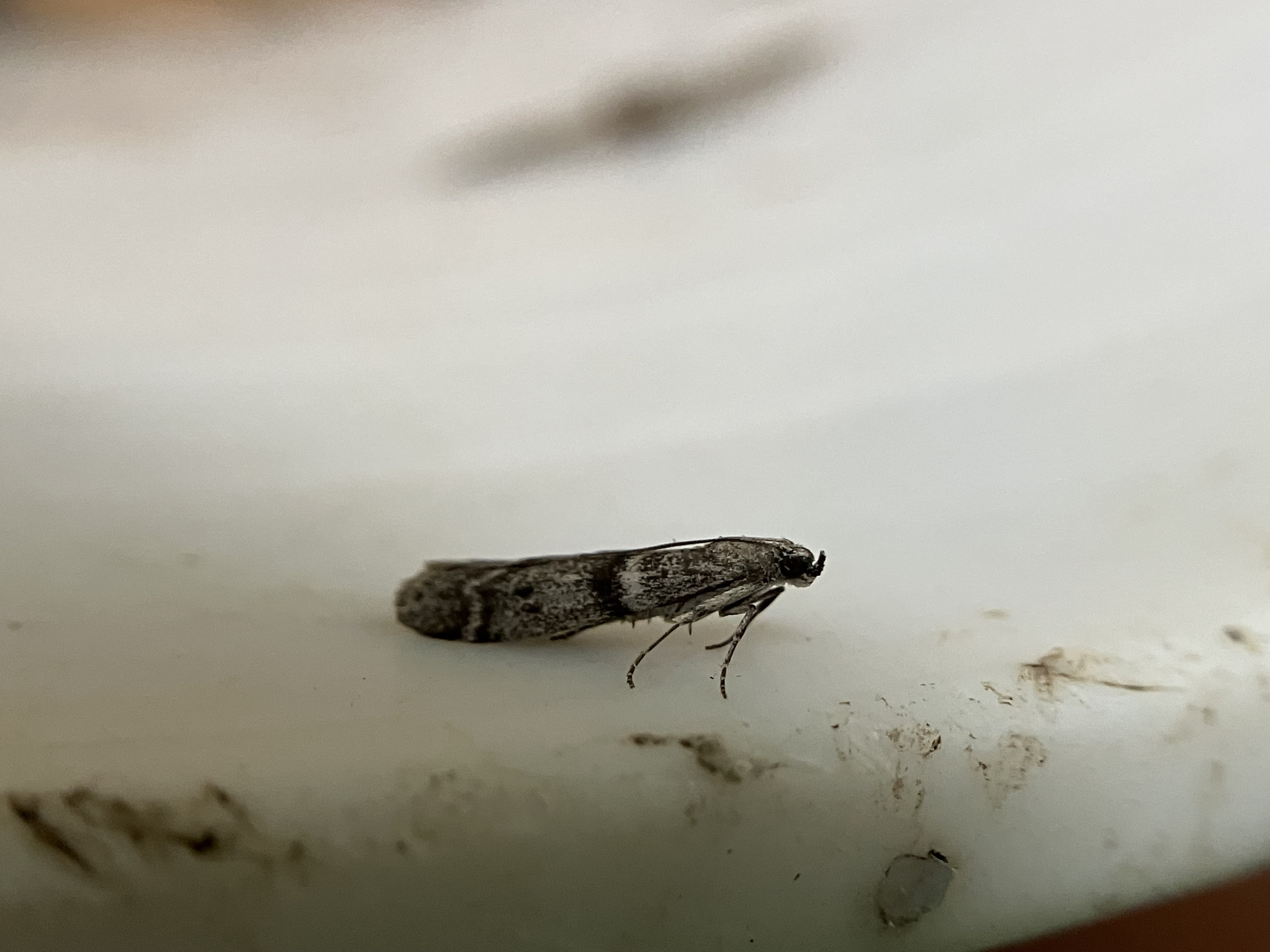
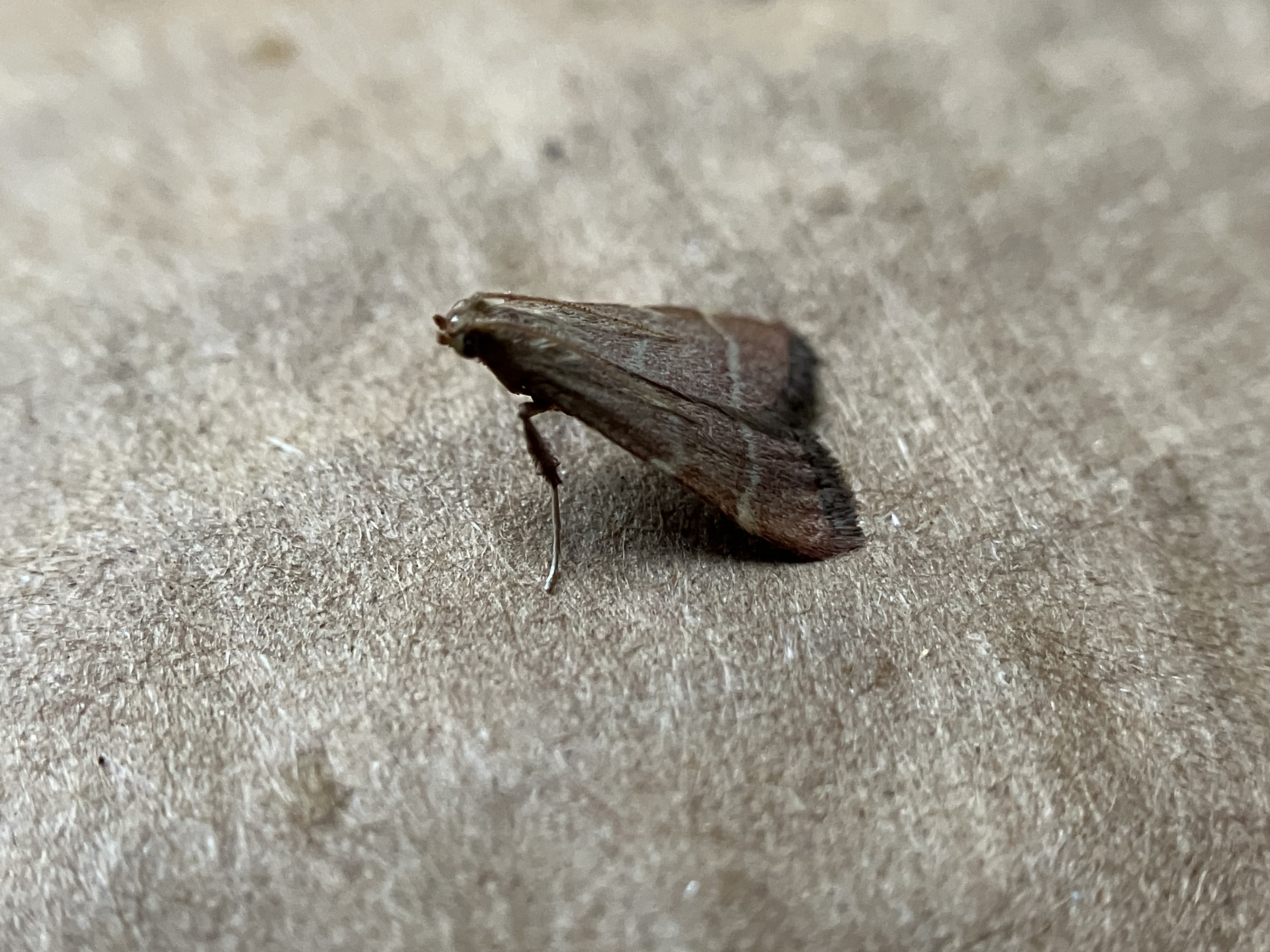
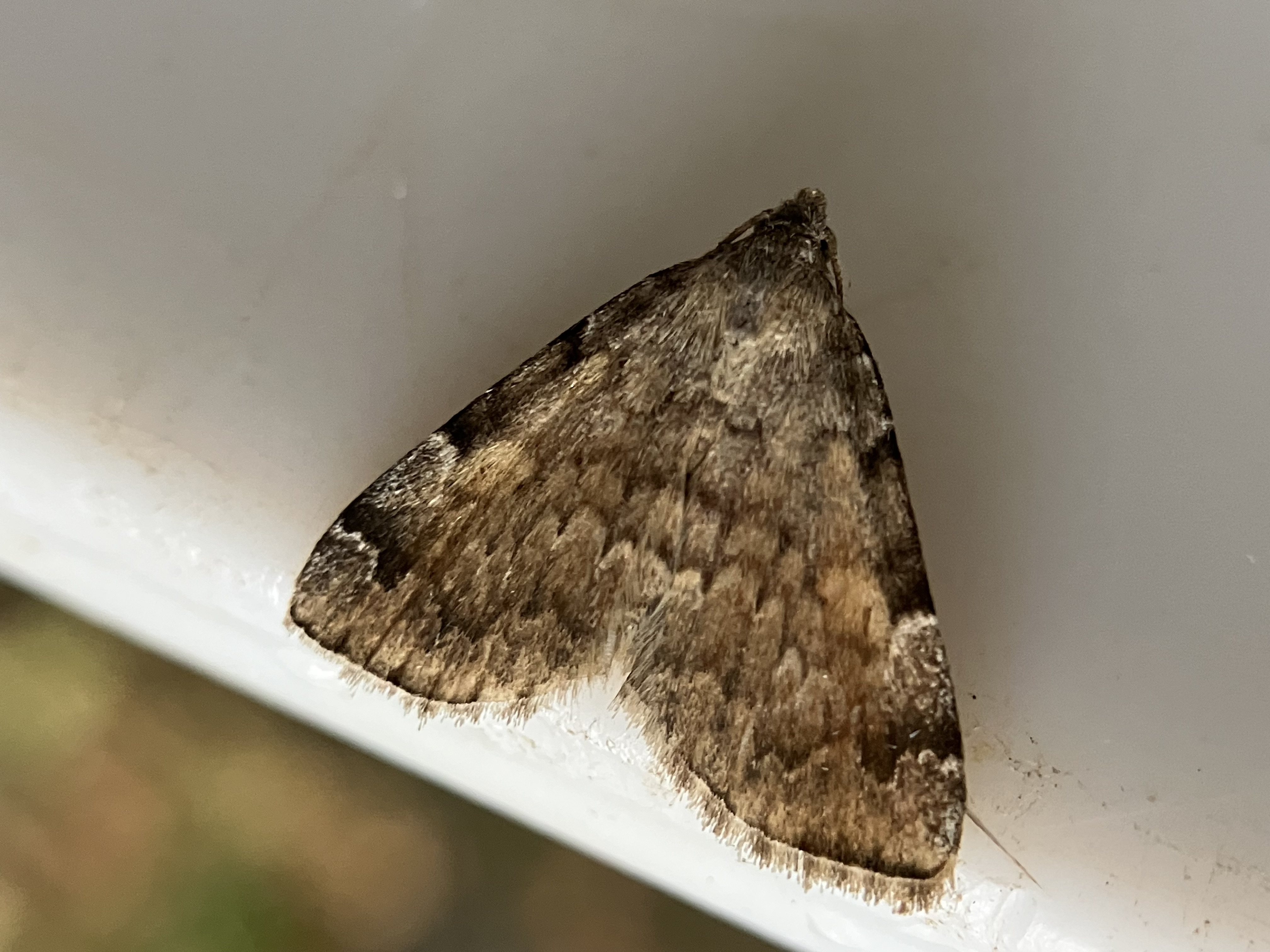
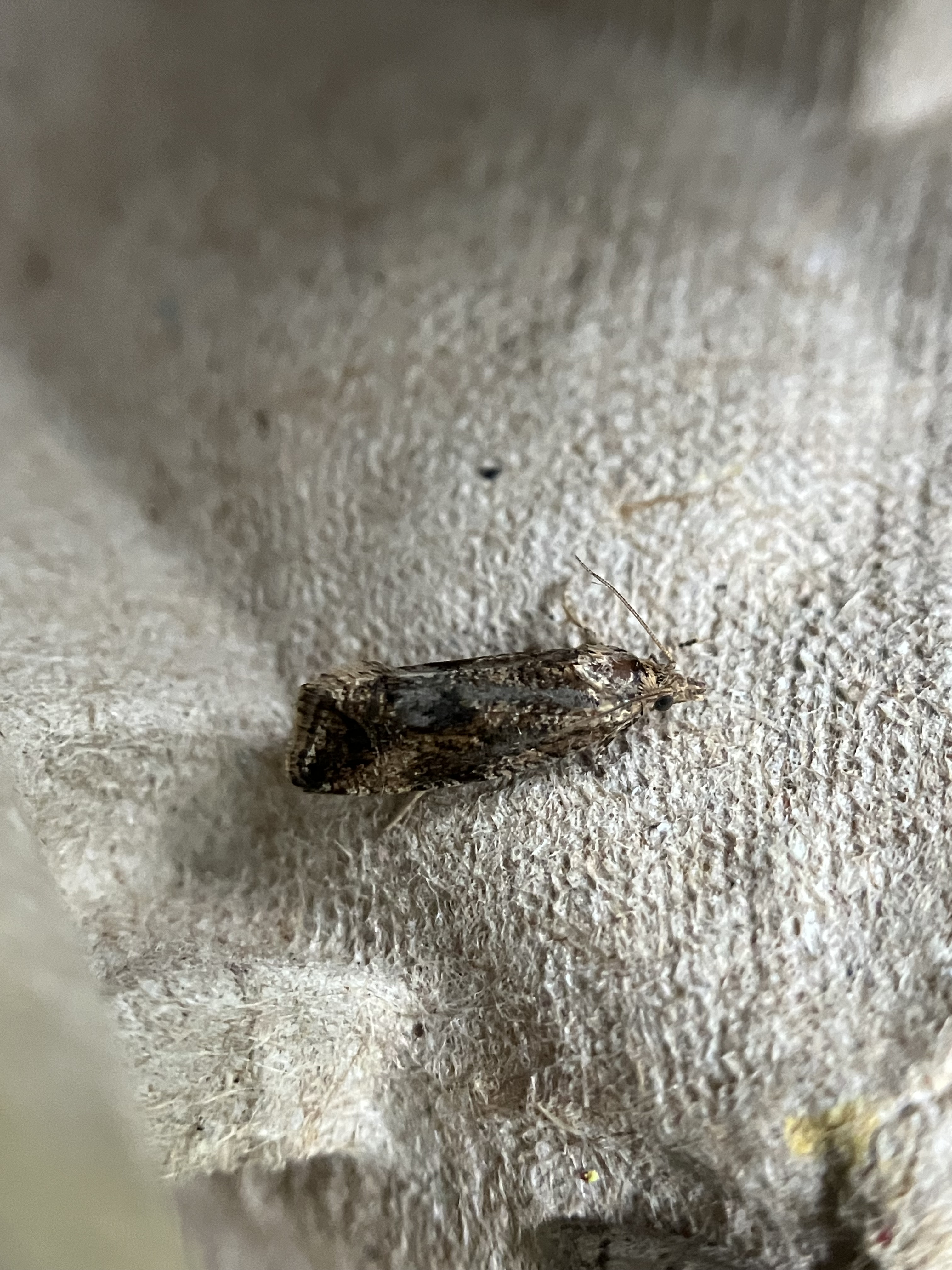
Last night I tried out a black light tube instead of my UVB light or the miserable fail of the switched-off porch light I wrote about yesterday. My thoughts on the black light? Not effective. Either the light was the issue or there just weren’t many moths flying about last night at all. I did find a few moths. Mostly, I found small micro-moths. Some are hardly noticeable at all. At first glance, you could mistake them for a drop of bird poo on the bucket. In a tree or shrub, you might miss them entirely. It takes magnification to see them clearly.
Tonight, I’m going to go back to the UVB tube light. Hopefully with better results. If you’re interested in knowing more about MOTHING or finding out about National Moth Week, feel free to reach out or check out the link here – https://nationalmothweek.org
Here’s my Gallery for Day FIVE. Thanks for stopping by!
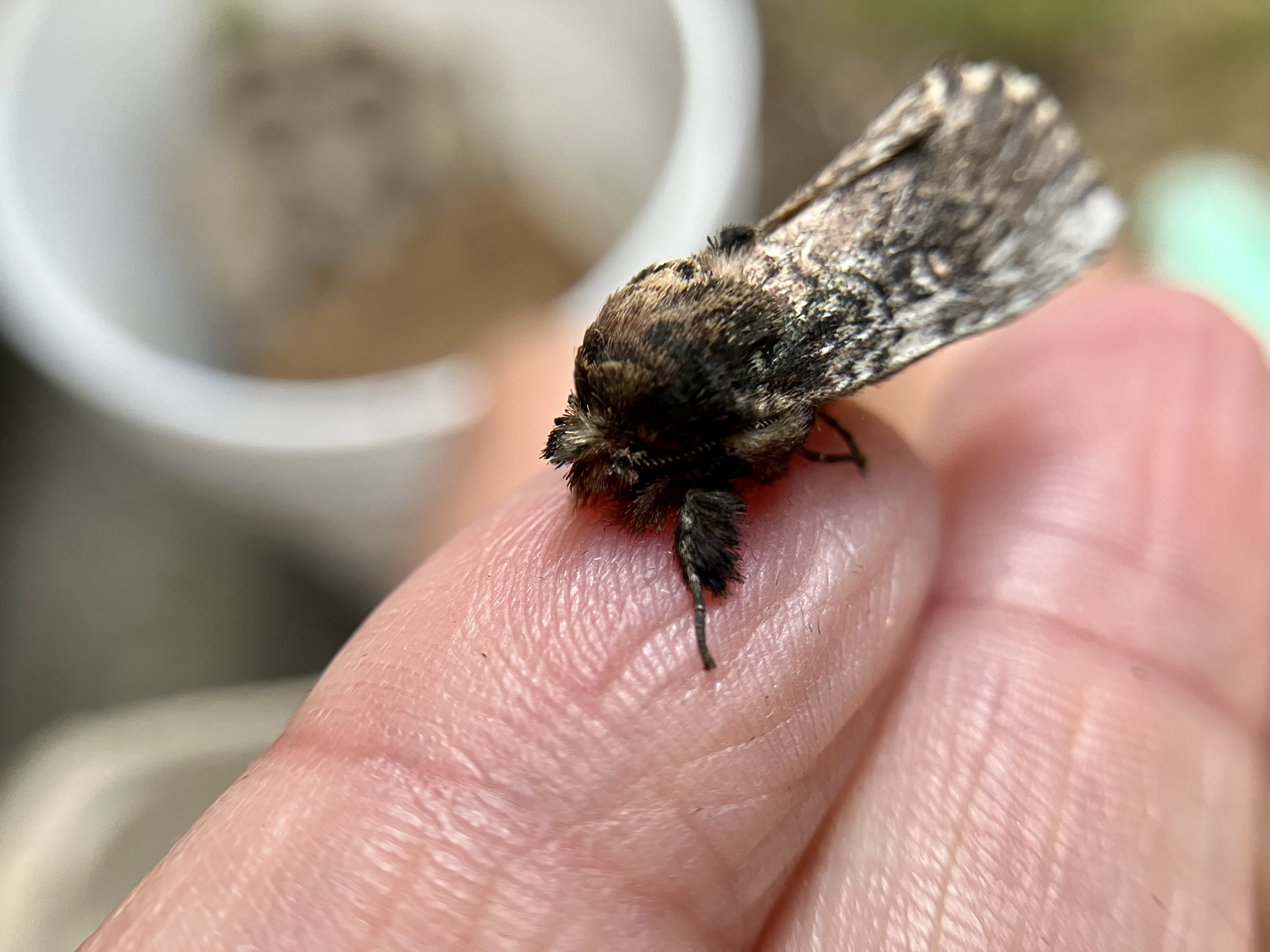
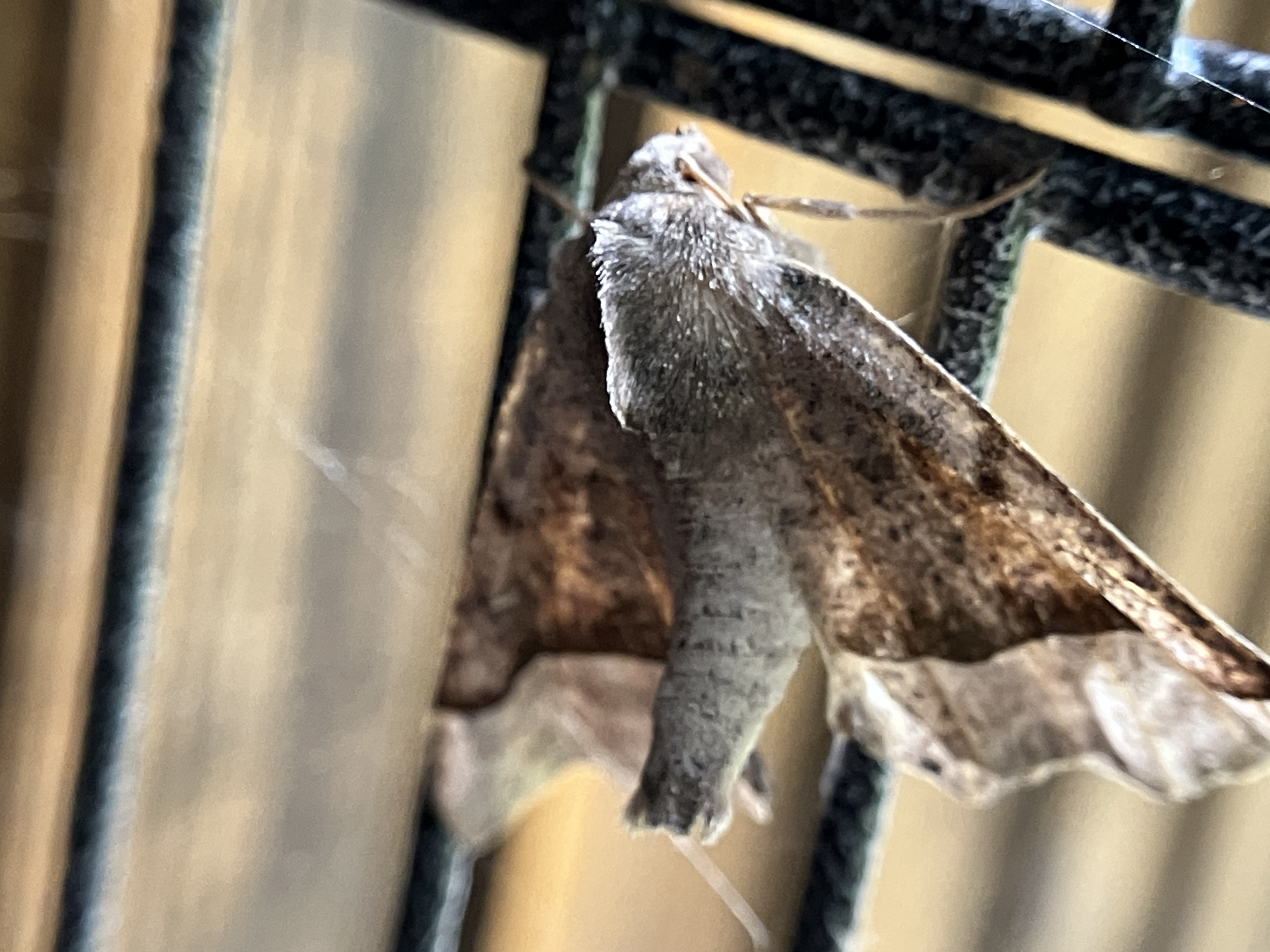
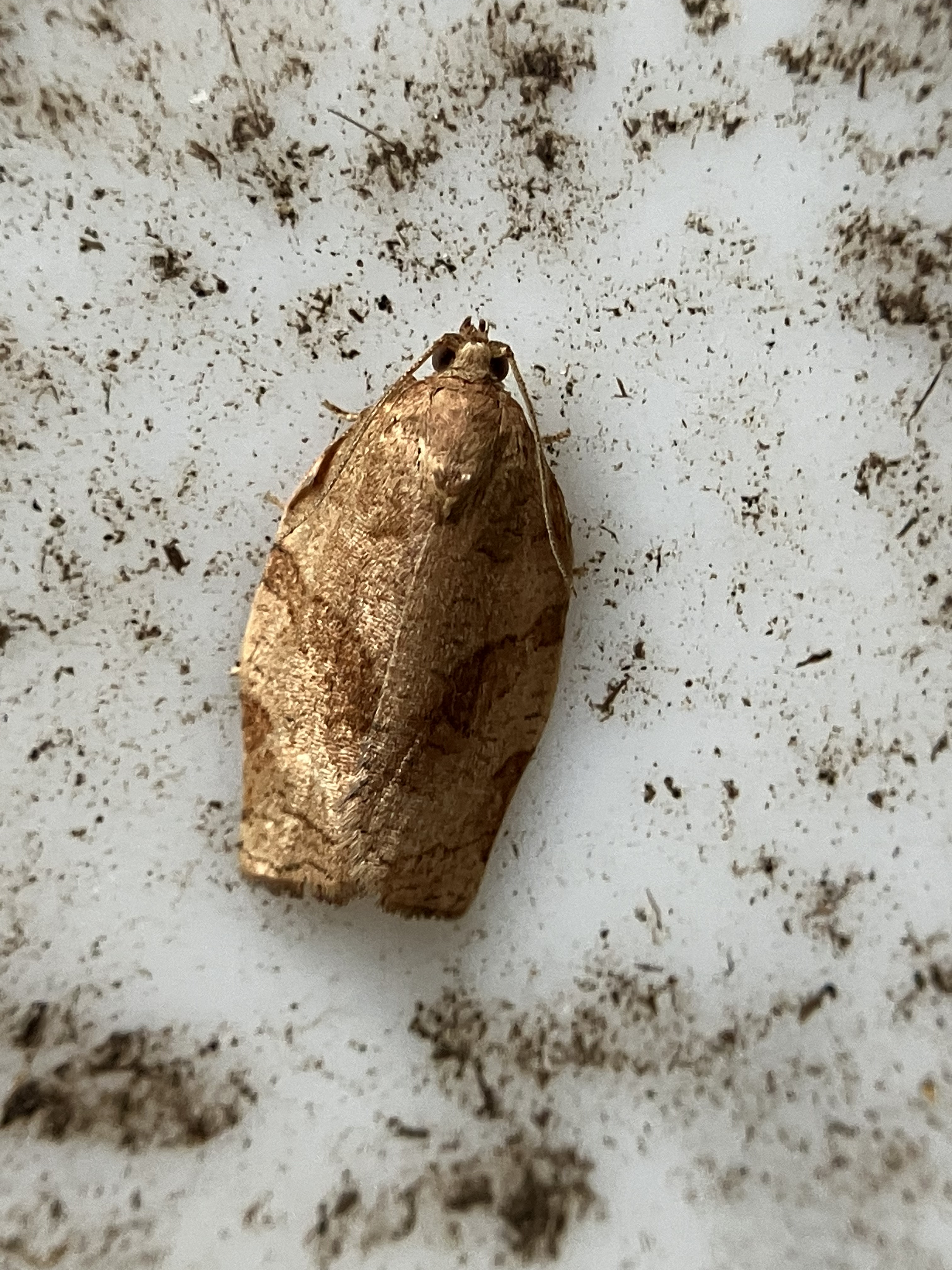
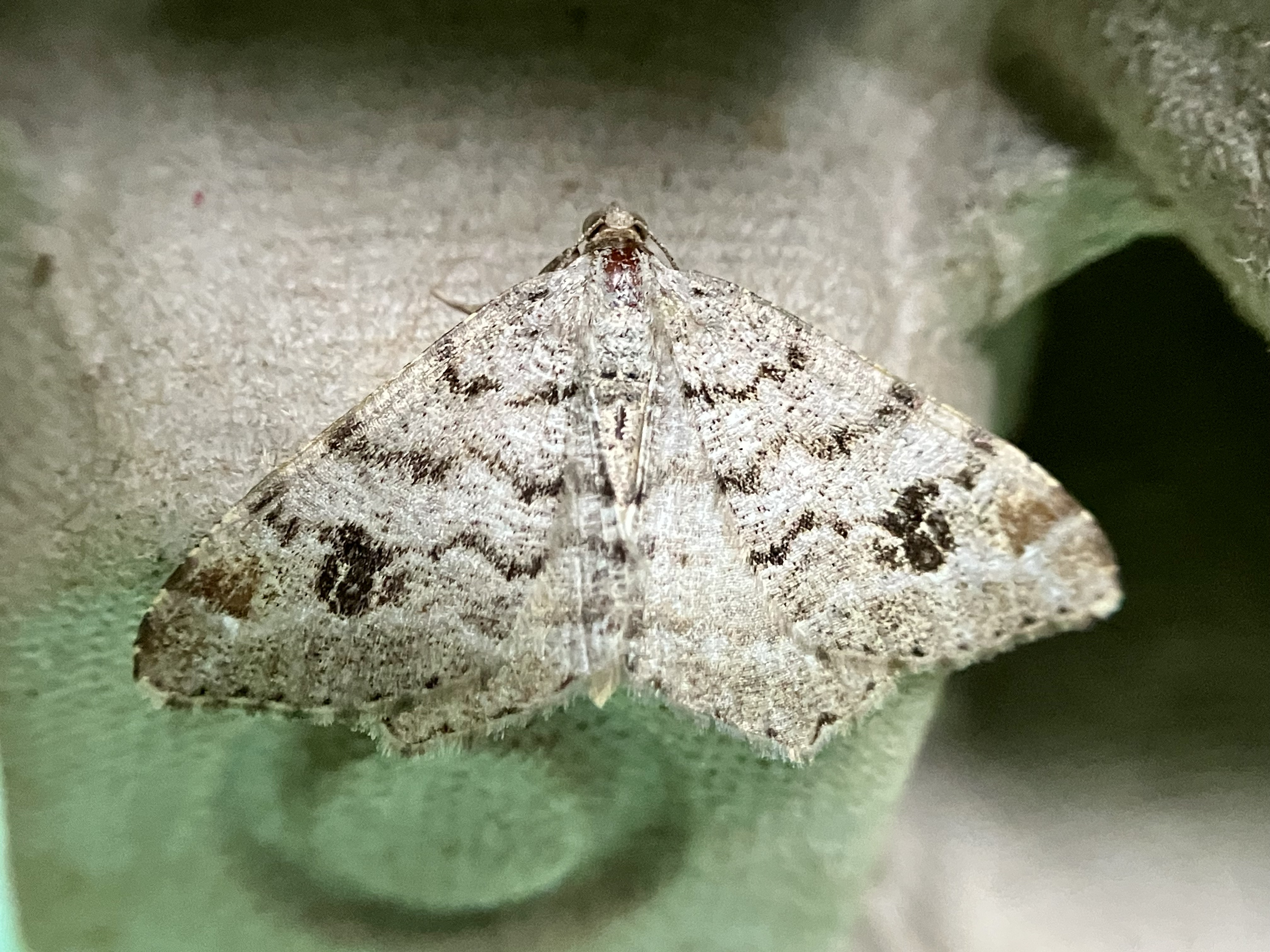
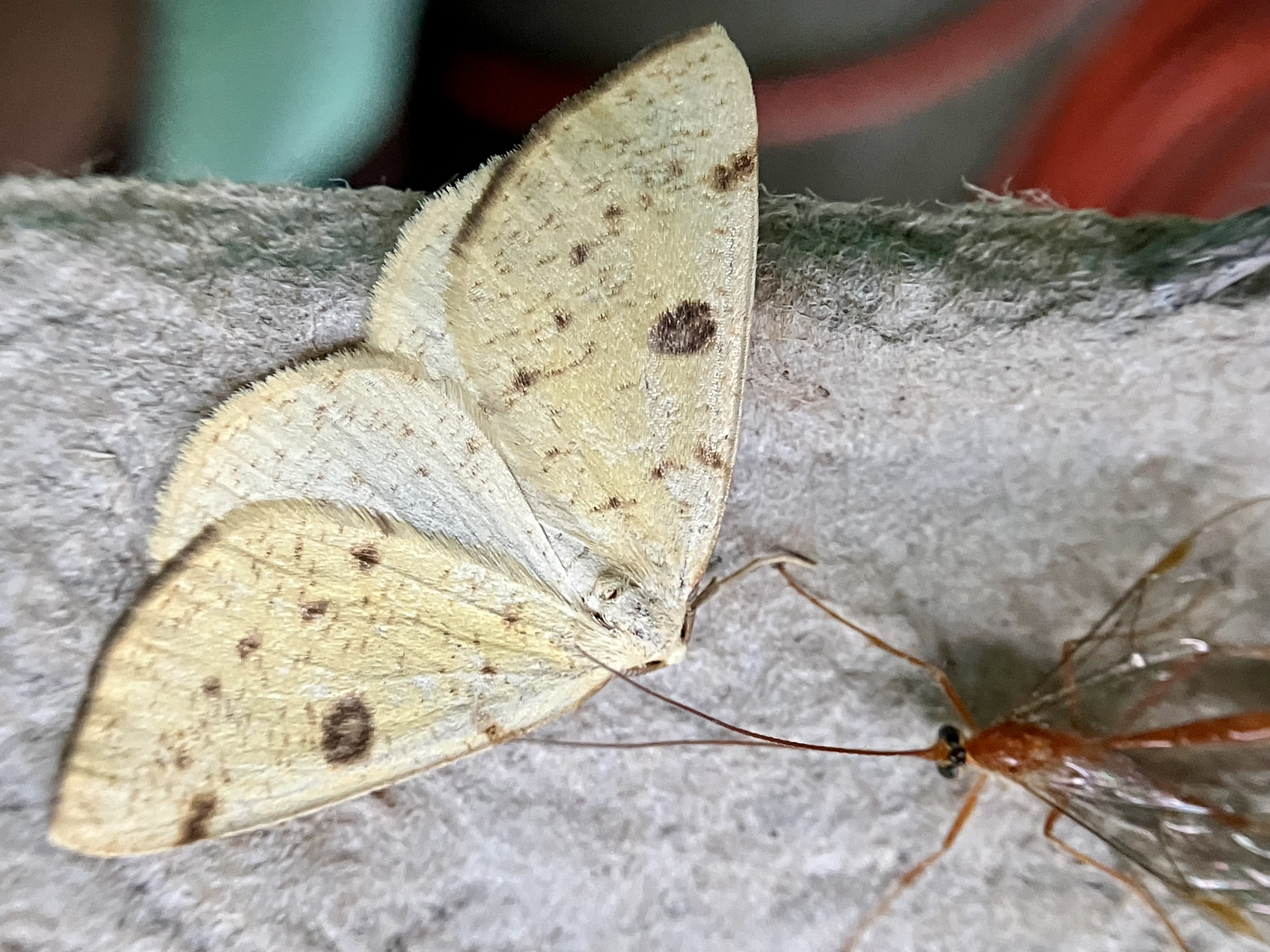
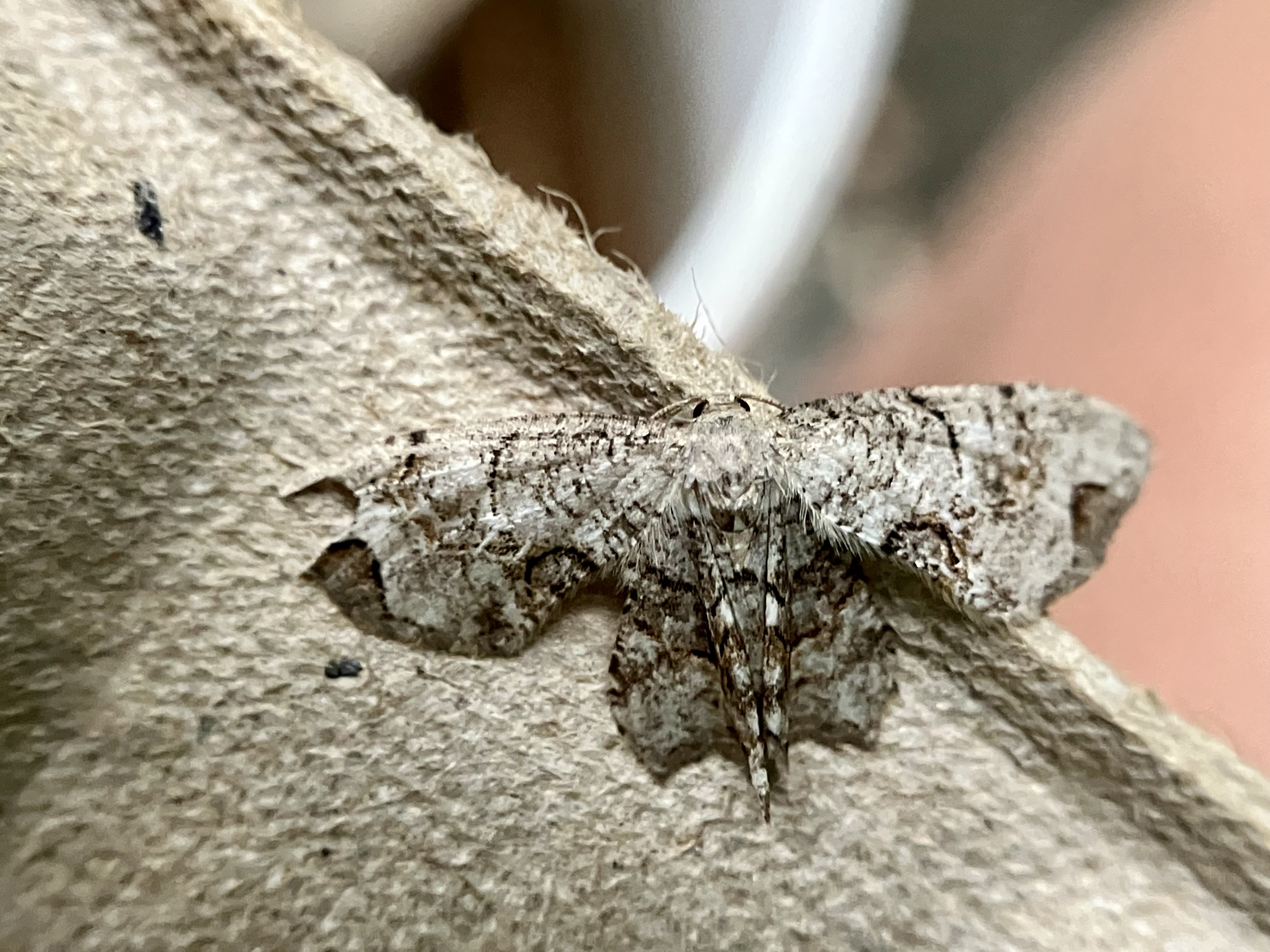
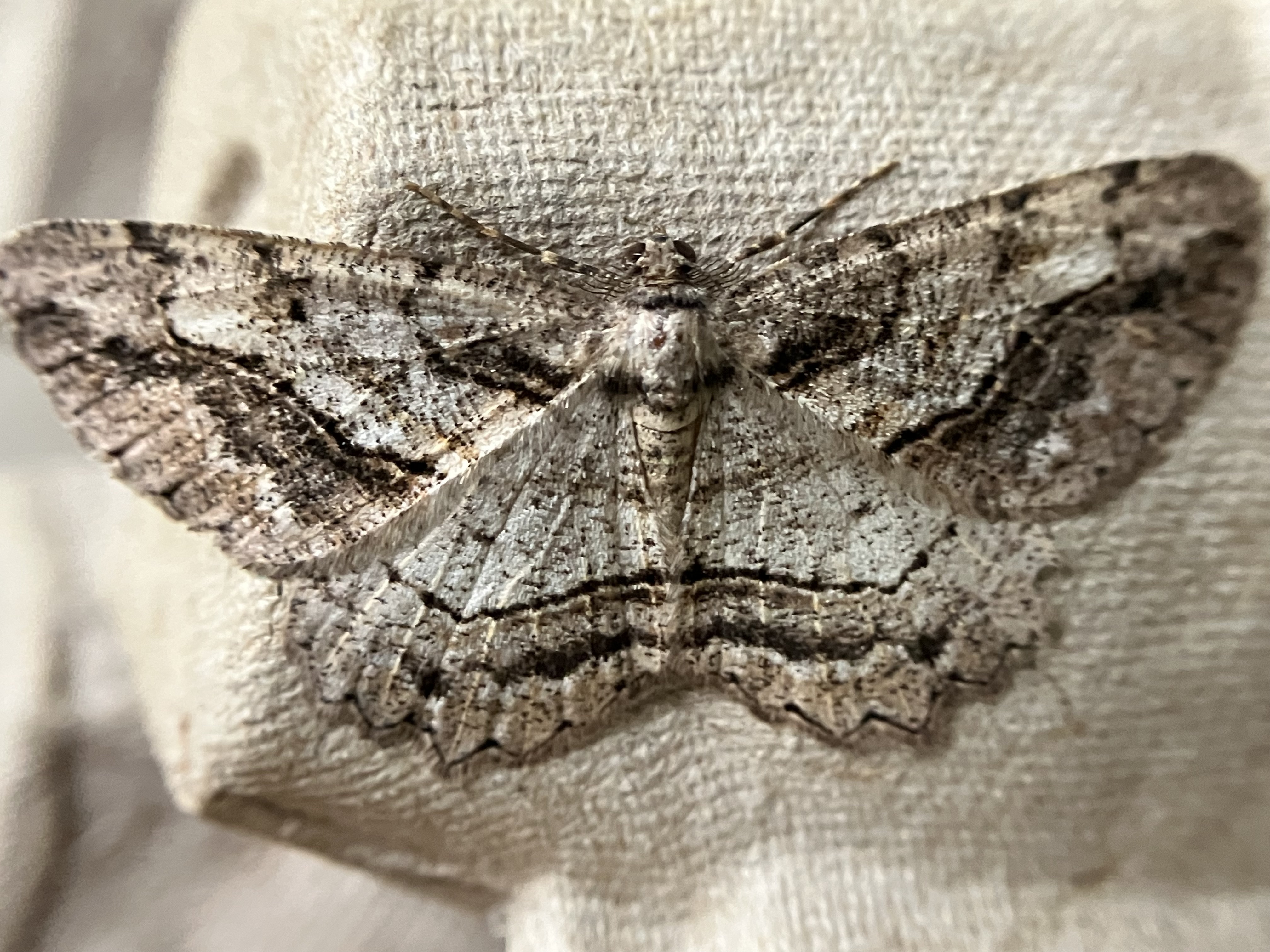
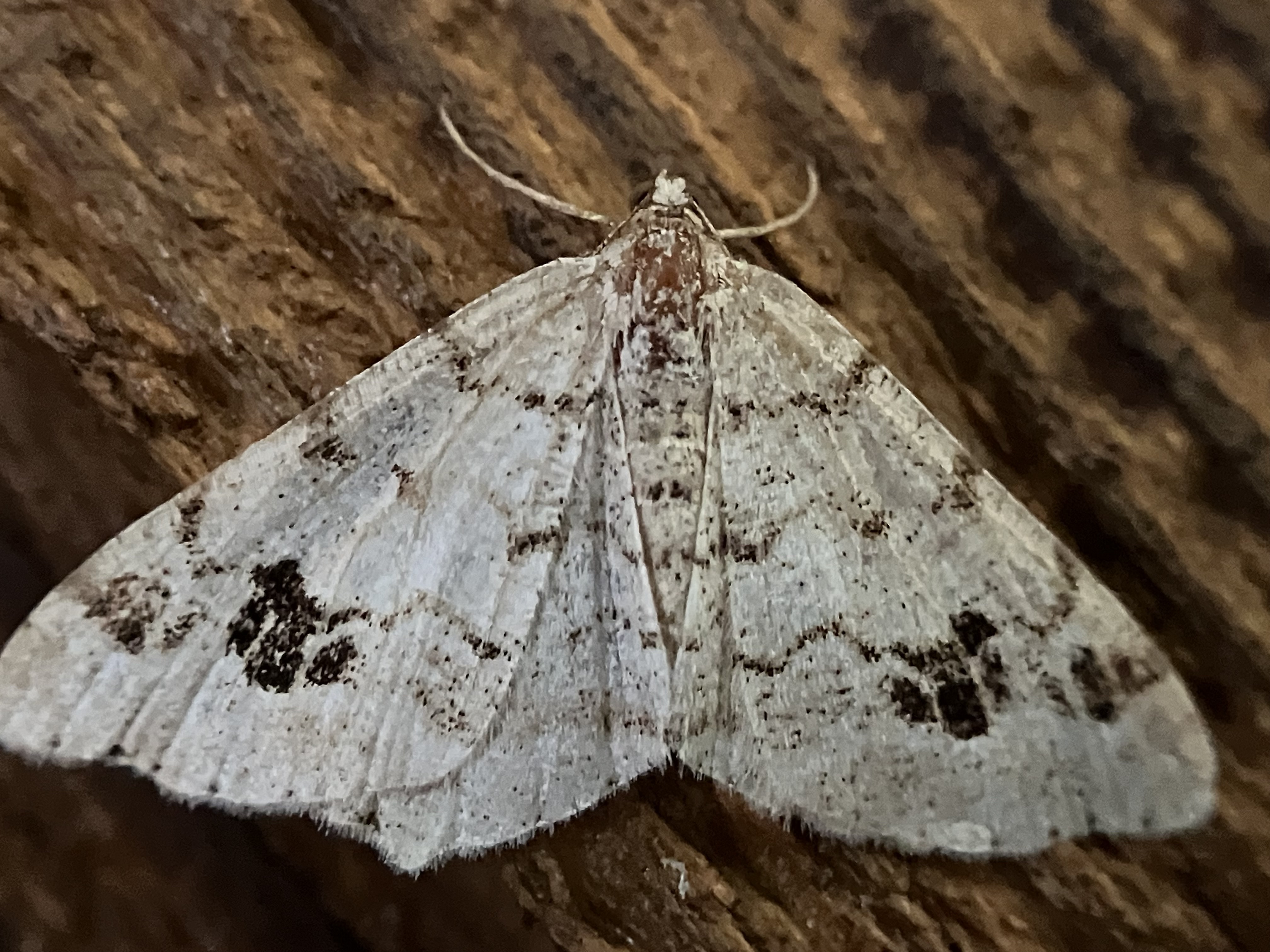
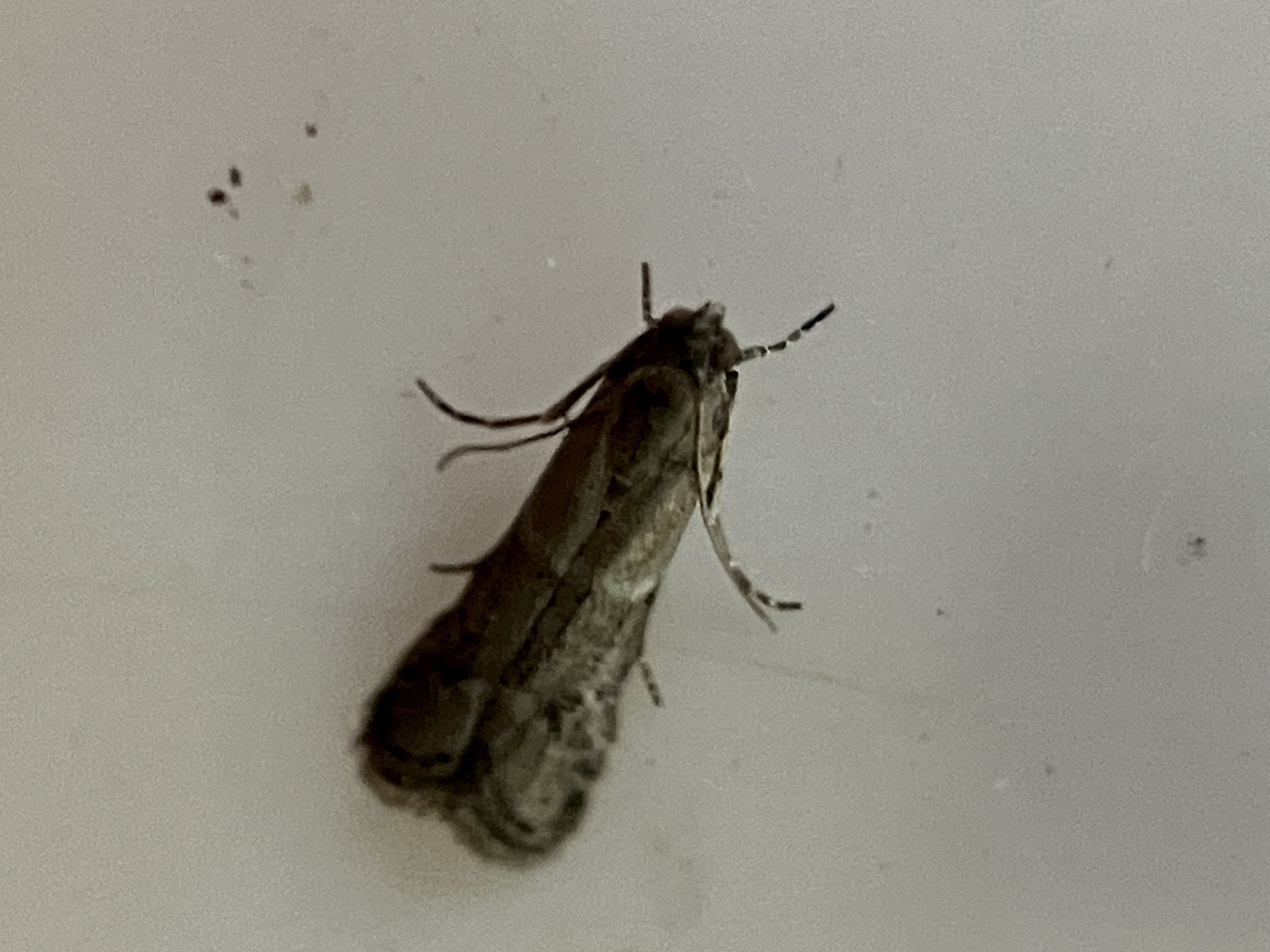
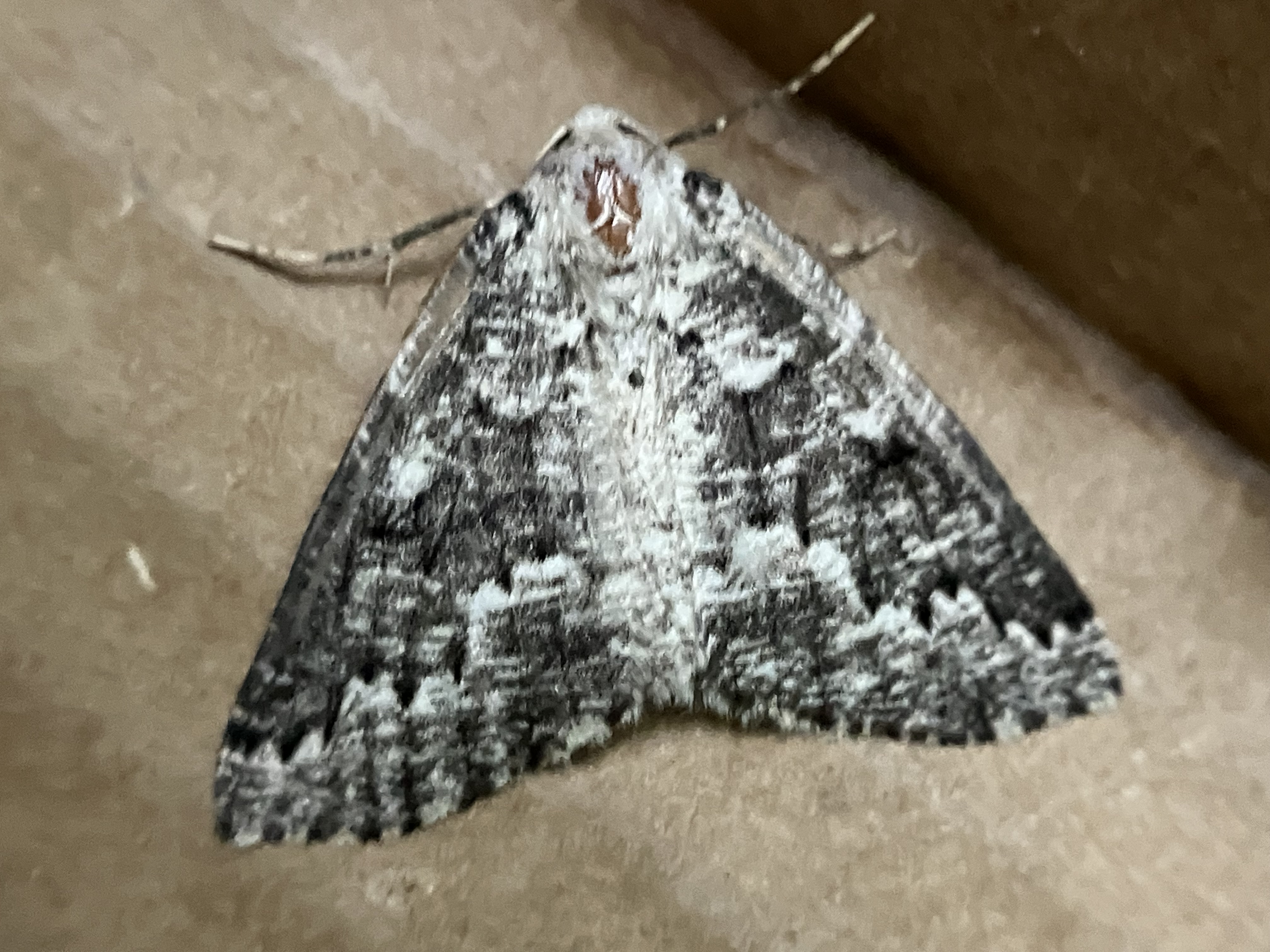
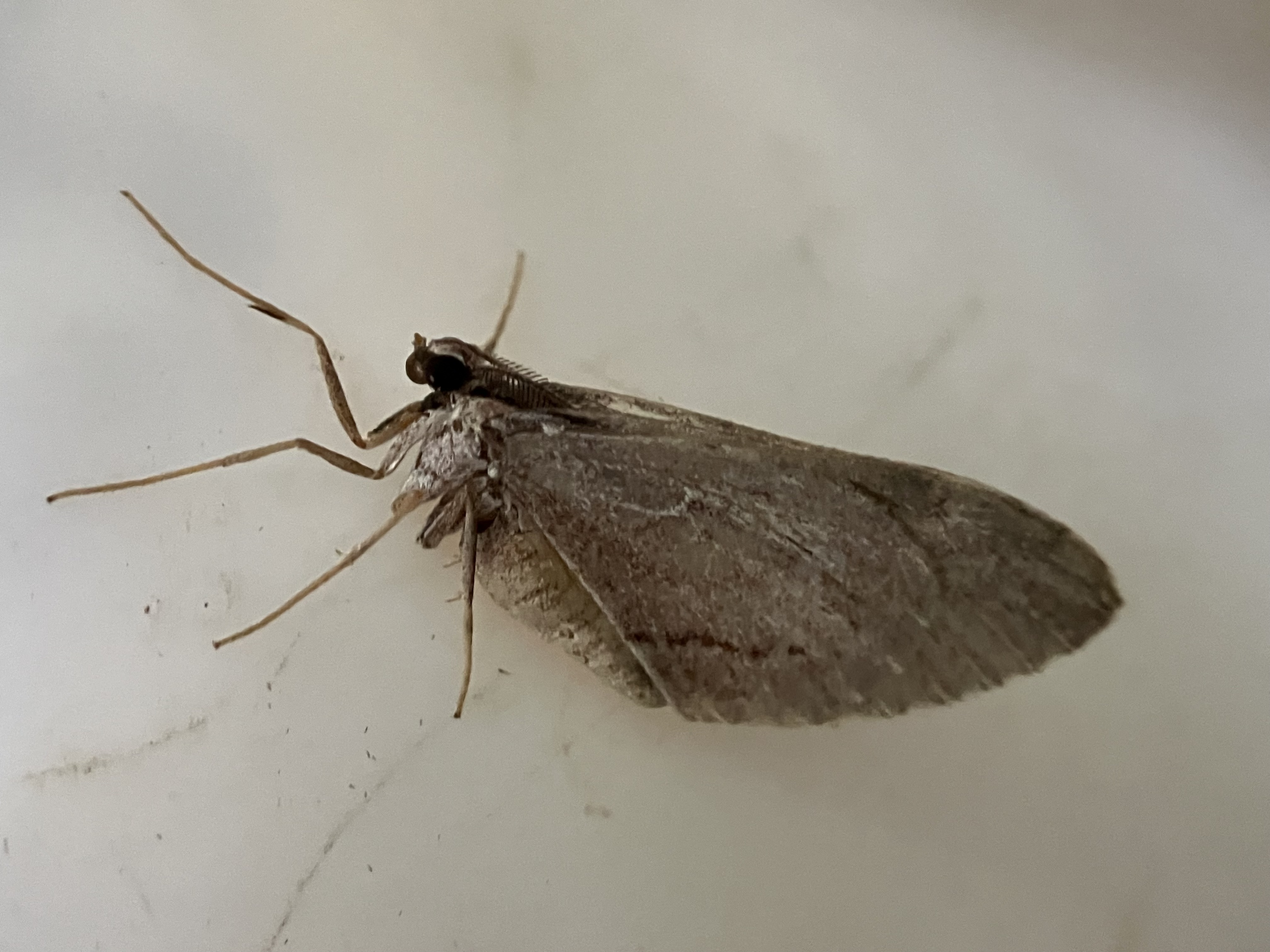
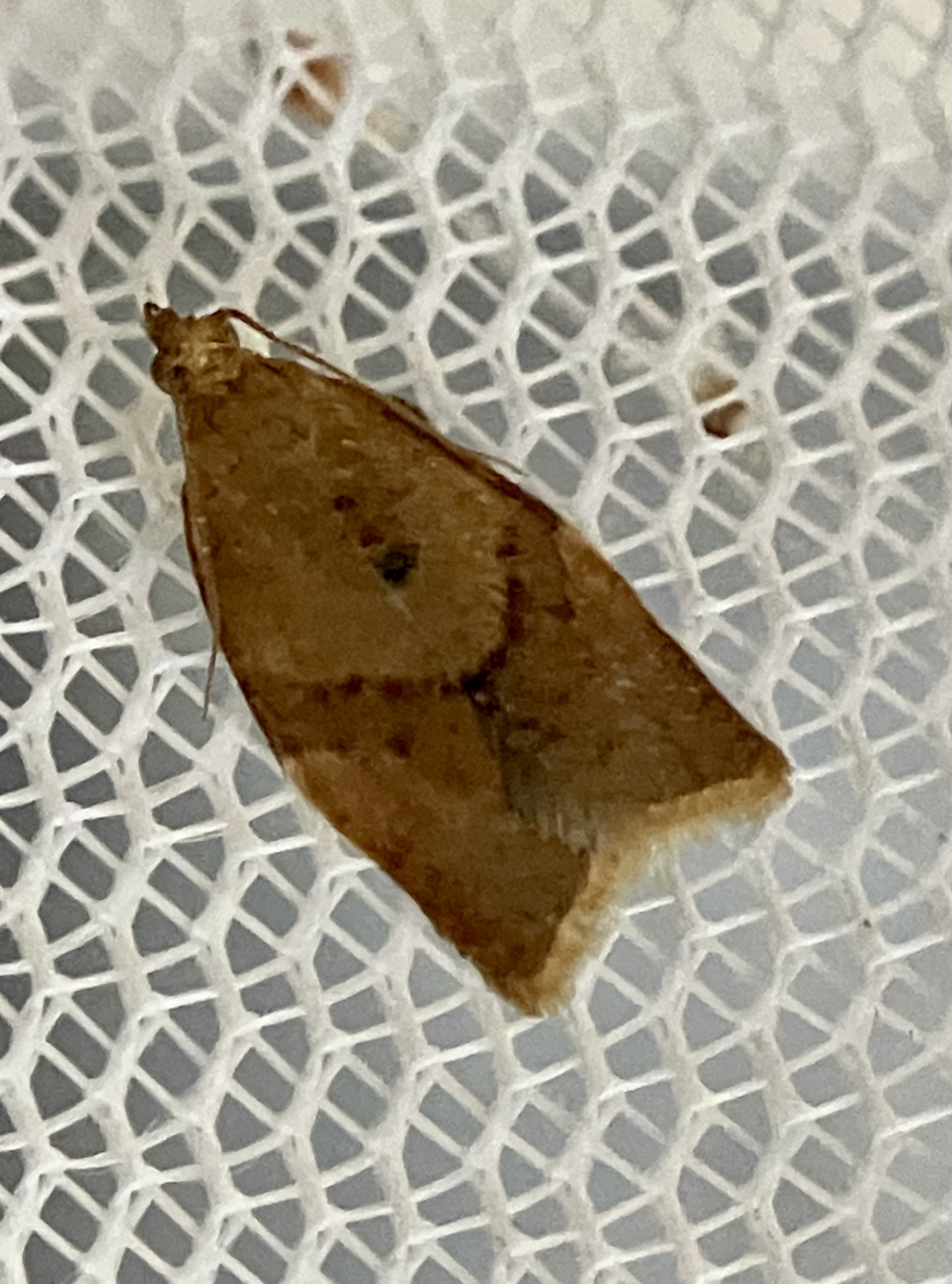
Pero mizonBrown lined Looper, (Neoalcis californiaria)Possibly one of the Knot Horn Moths, Family Pyralidae, Subfamily PhycitinaeDouble Banded Carpet moth (Spargania magnoliata) I believeGenus Ephestiodes, one of the snout moths in the family PyralidaeGenus Ephestiodes, one of the snout moths in the family PyralidaeGenus EphestioidesPero mizonGenus EphestiodesTribe Archipini, one of the Tortrix mothsGenus Ephestiodes, one of the snout moths in the family Pyralidae
Last night’s mothing efforts were a giant FAIL. It rained in the San Juan’s yesterday. When I went to turn on my UV light before bed last night, I discovered it was soaking wet. I didn’t want to be the first known MOTHING casualty by electrocuting myself, so I turned on our porch light instead. 💡
What could possibly go wrong?
My husband got up at 2 AM and turned out my light. GRRRR. Hubby is in the DAWG-HOUSE! 🤣 Woof! 🐶
No moths to post today, but this gives me an opportunity to write up the first of a series of posts I’ve been meaning to work on. Stay tuned for WHAT’S BITING ME?
Thanks for reading. Hopefully, I will be back with some more moths tomorrow.
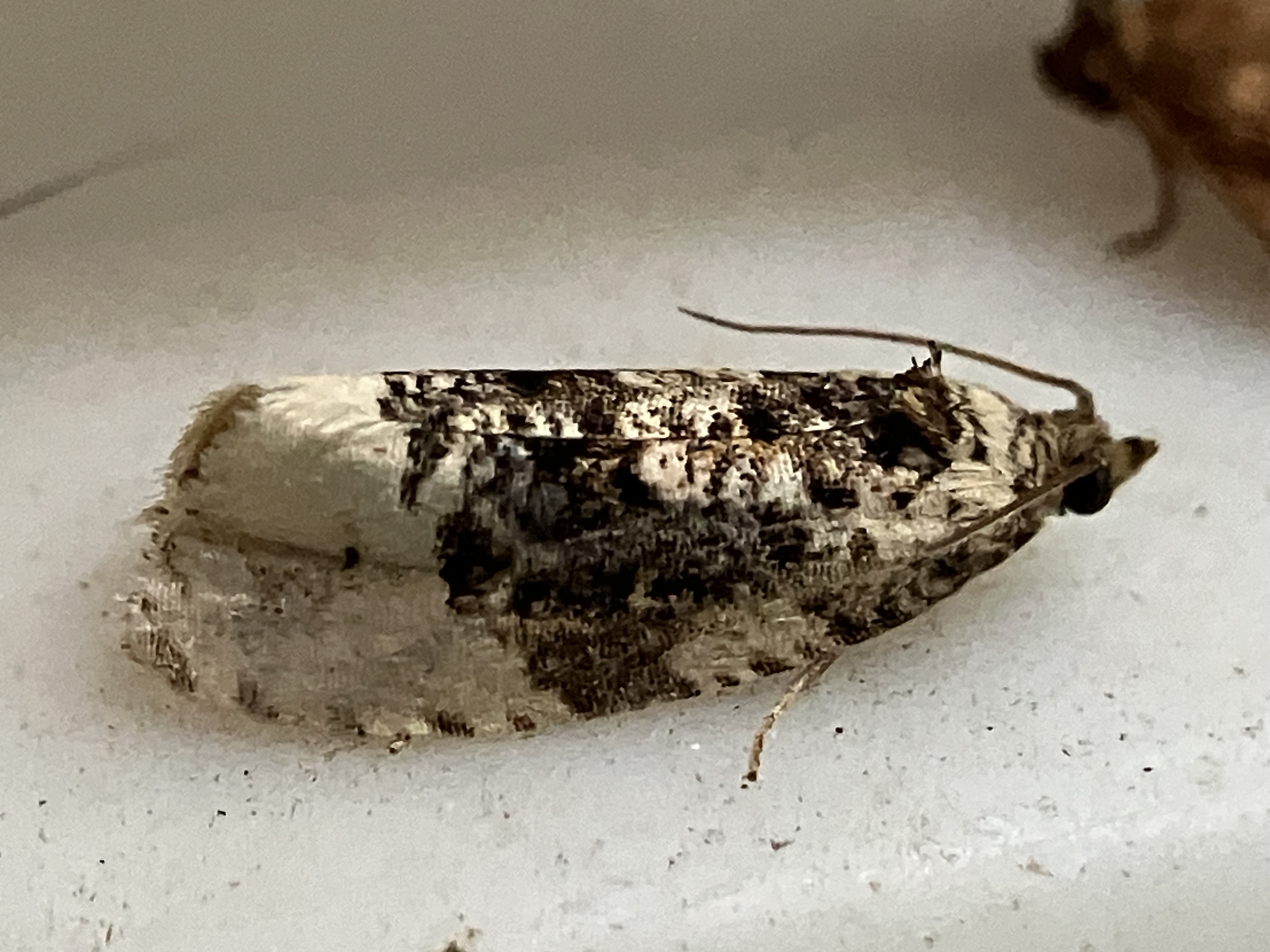
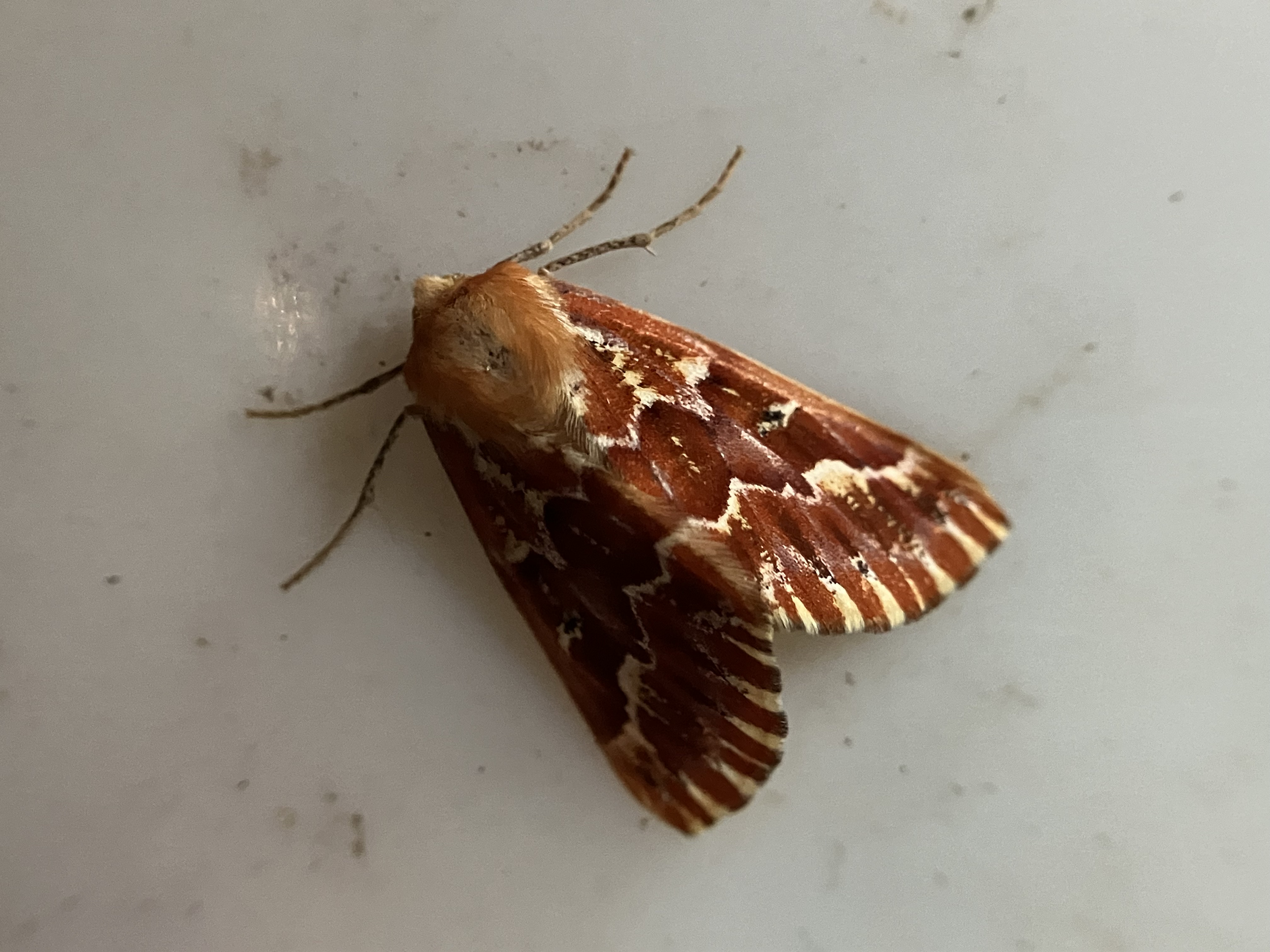
Here’s today’s grouping of moths from last night’s mothing effort. It’s raining today in the San Juans. We sure do need the rain since it’s been so dry, but I got pretty wet outside this morning trying to sort moths and take photographs. The moisture will definitely be good for insect populations and also keep my flower garden blooming a bit longer this season.
If you’re interested in learning about what species of moths (or other insects and spiders) we have in the San Juans, feel free to reach out. I am always happy to answer questions. For anyone interested in participating in National Moth Week, here’s a link to their website – https://nationalmothweek.org
























 Bugging You From San Juan Island