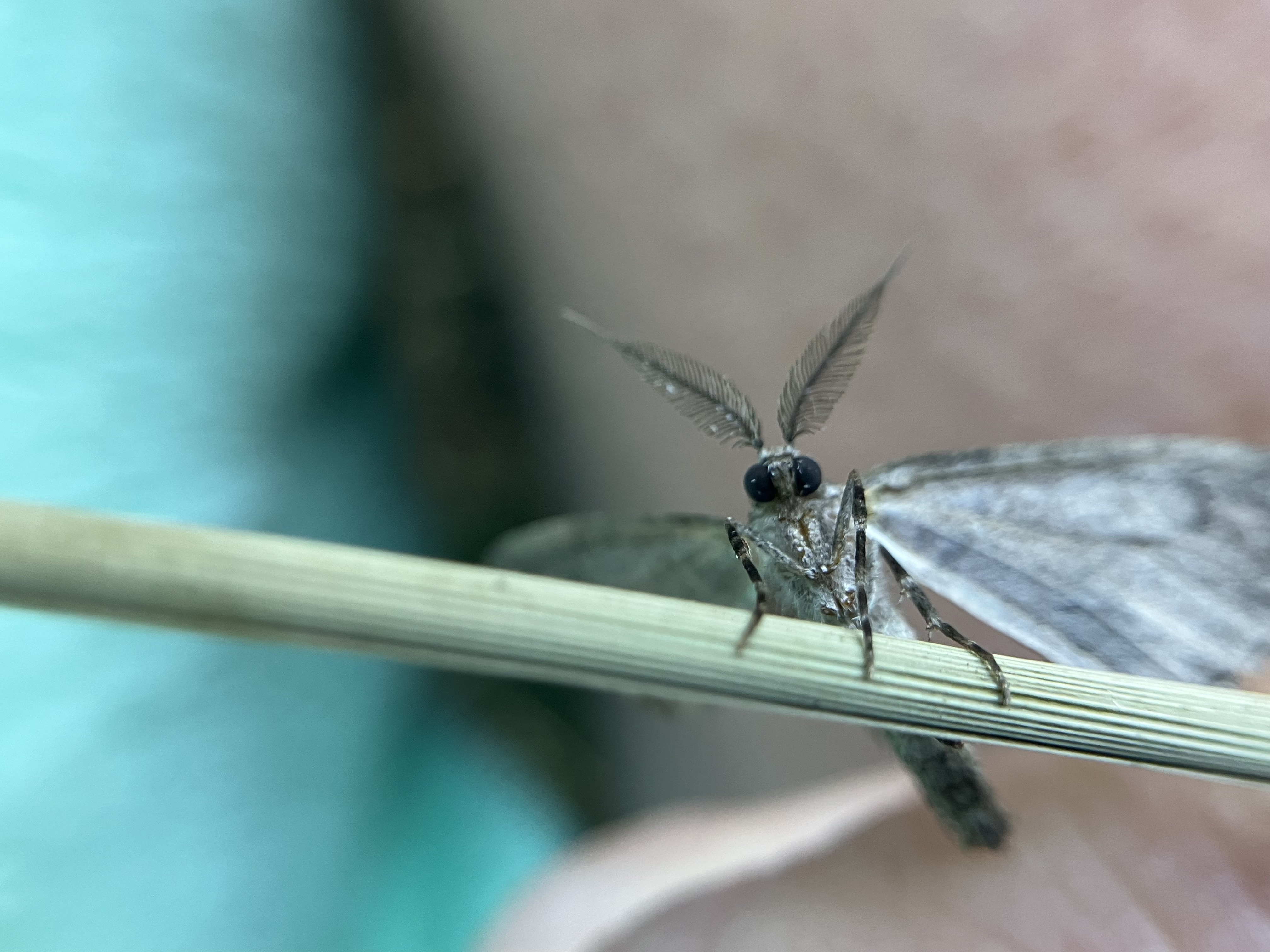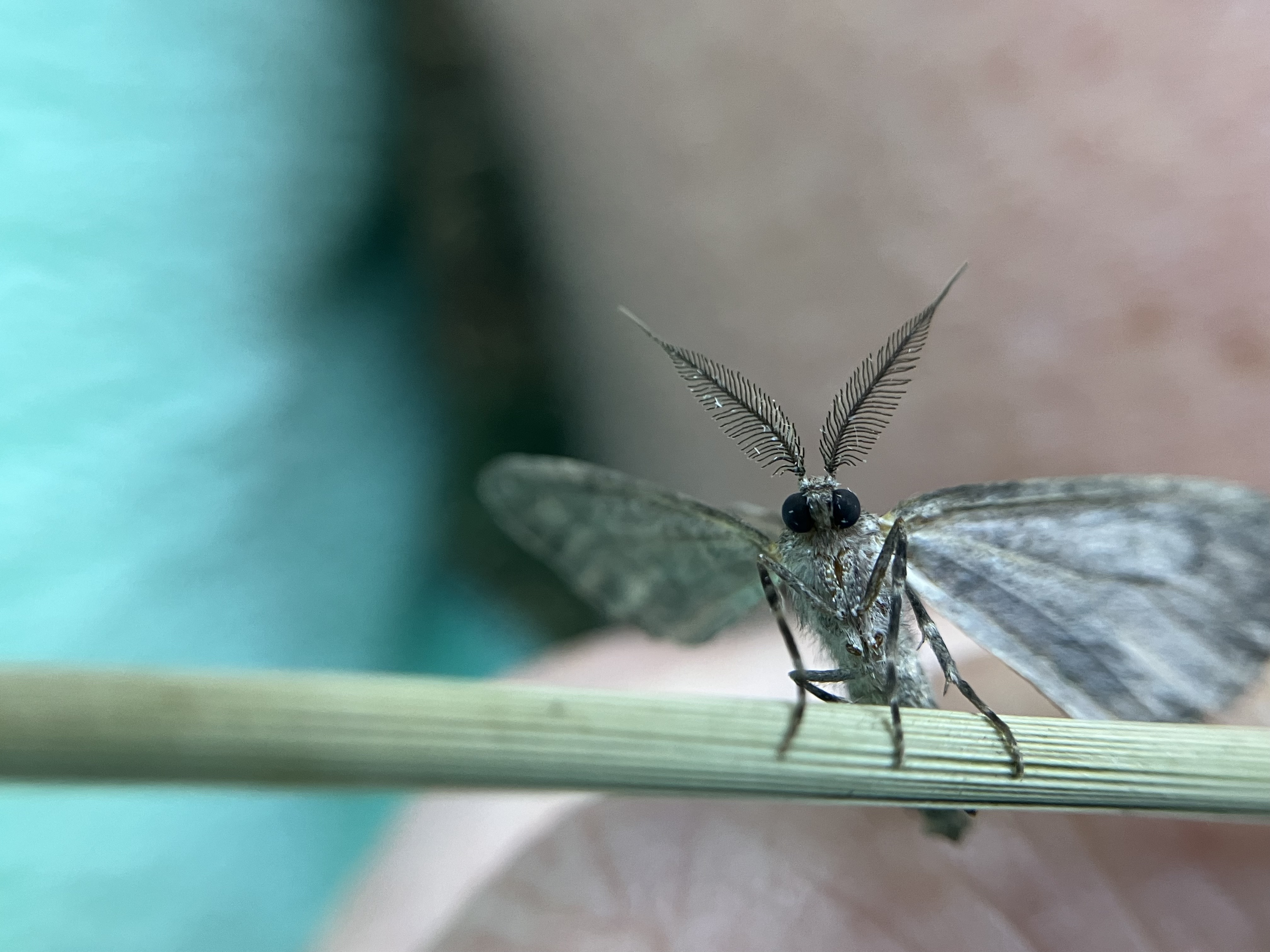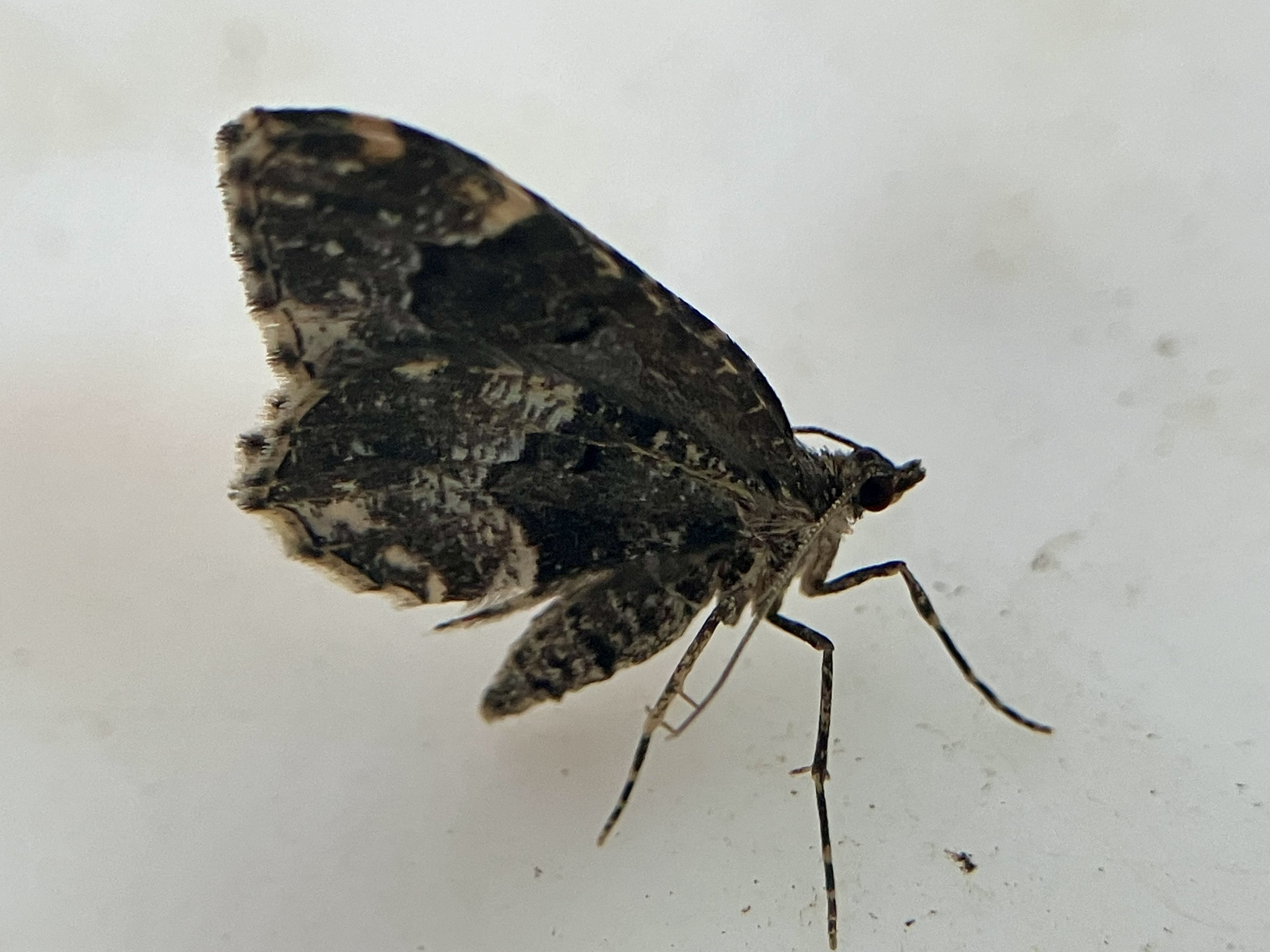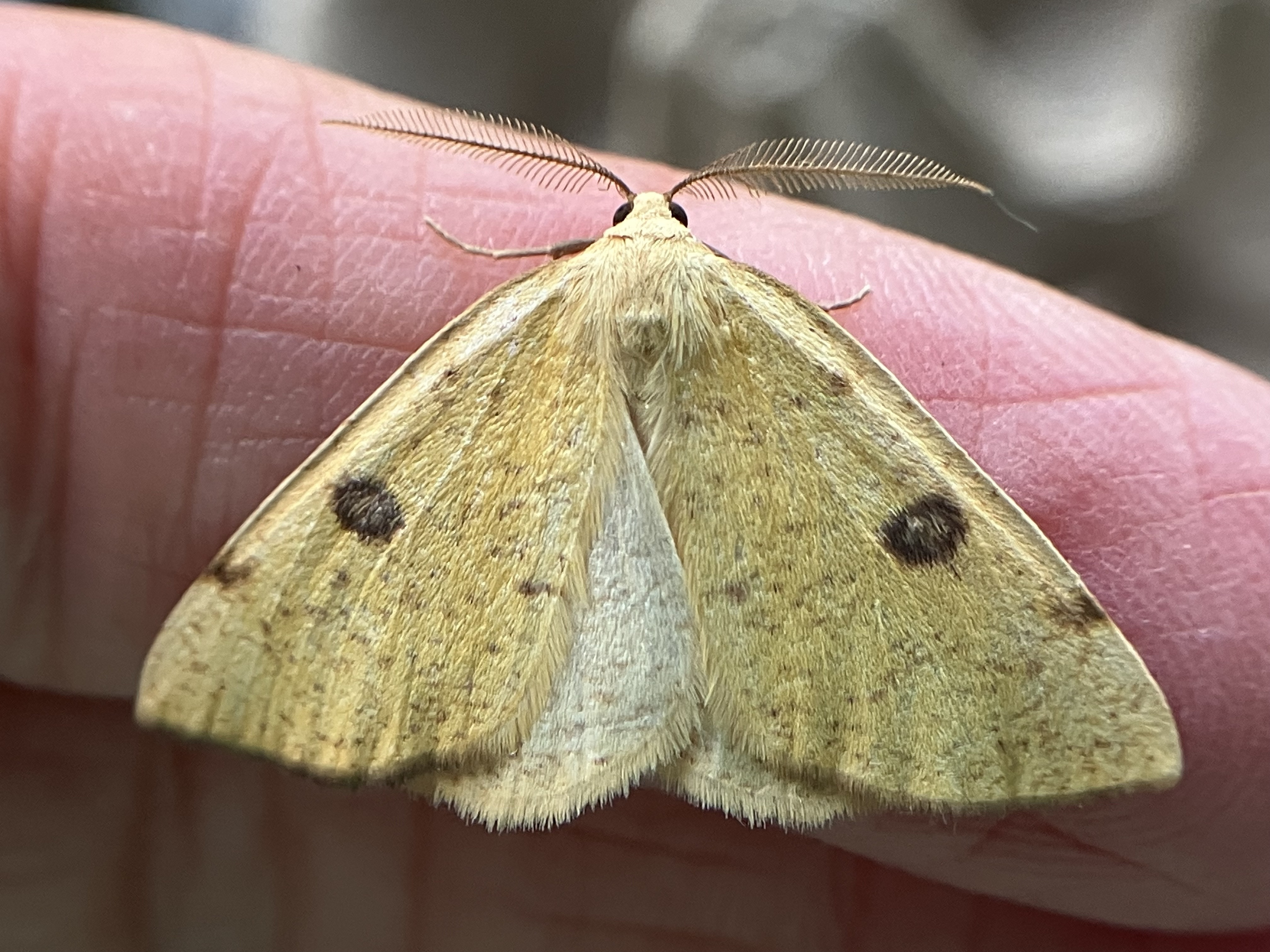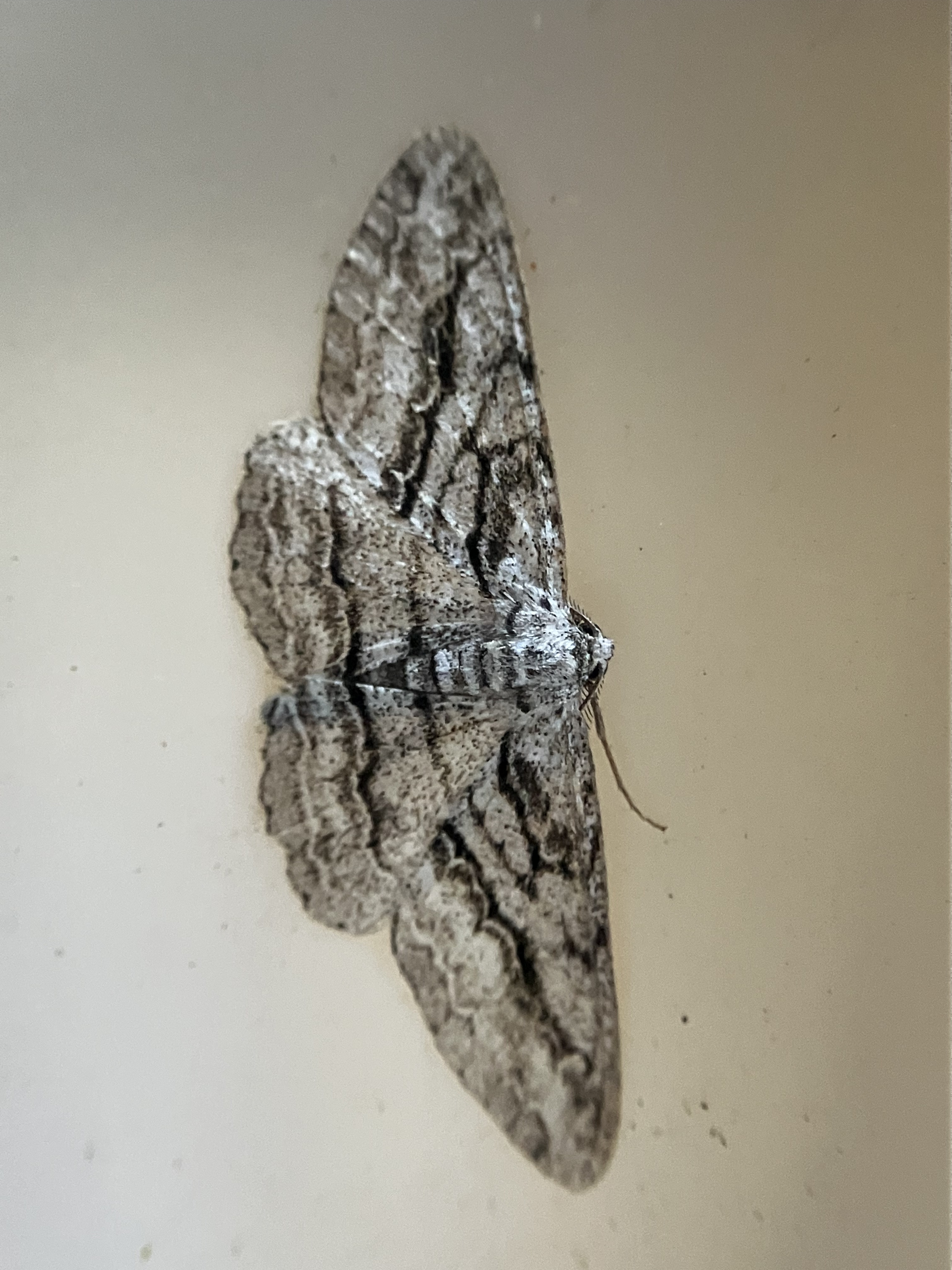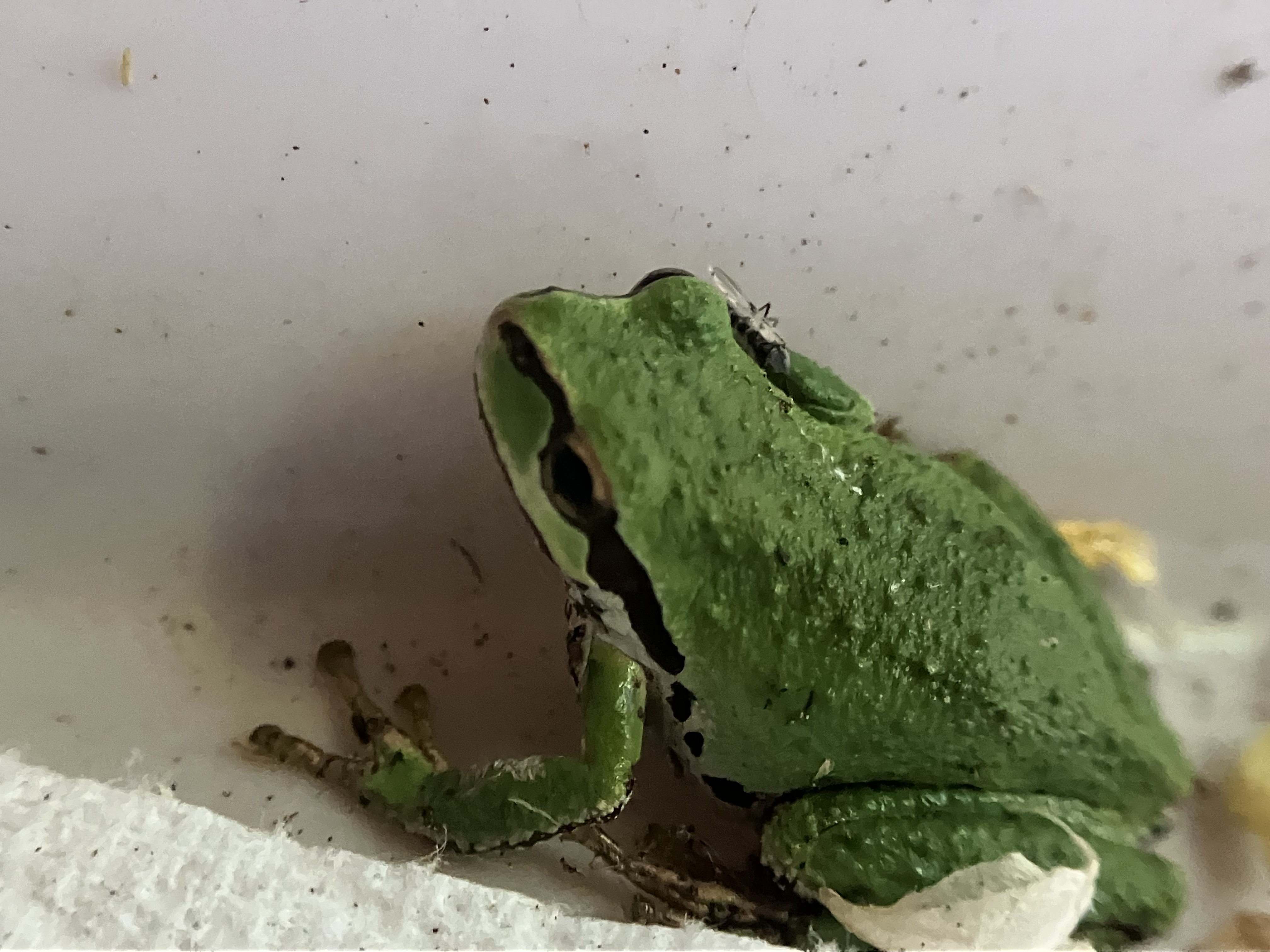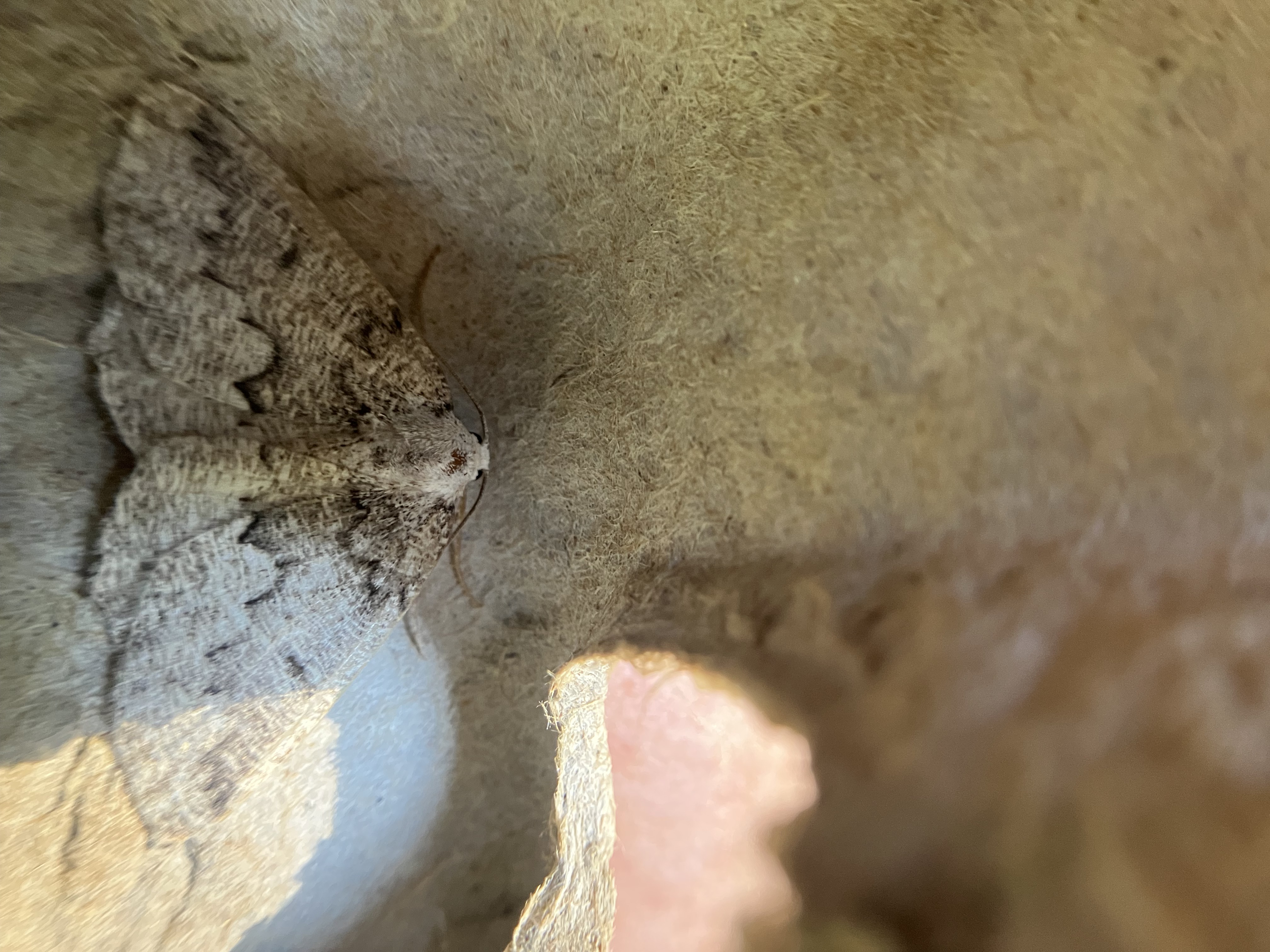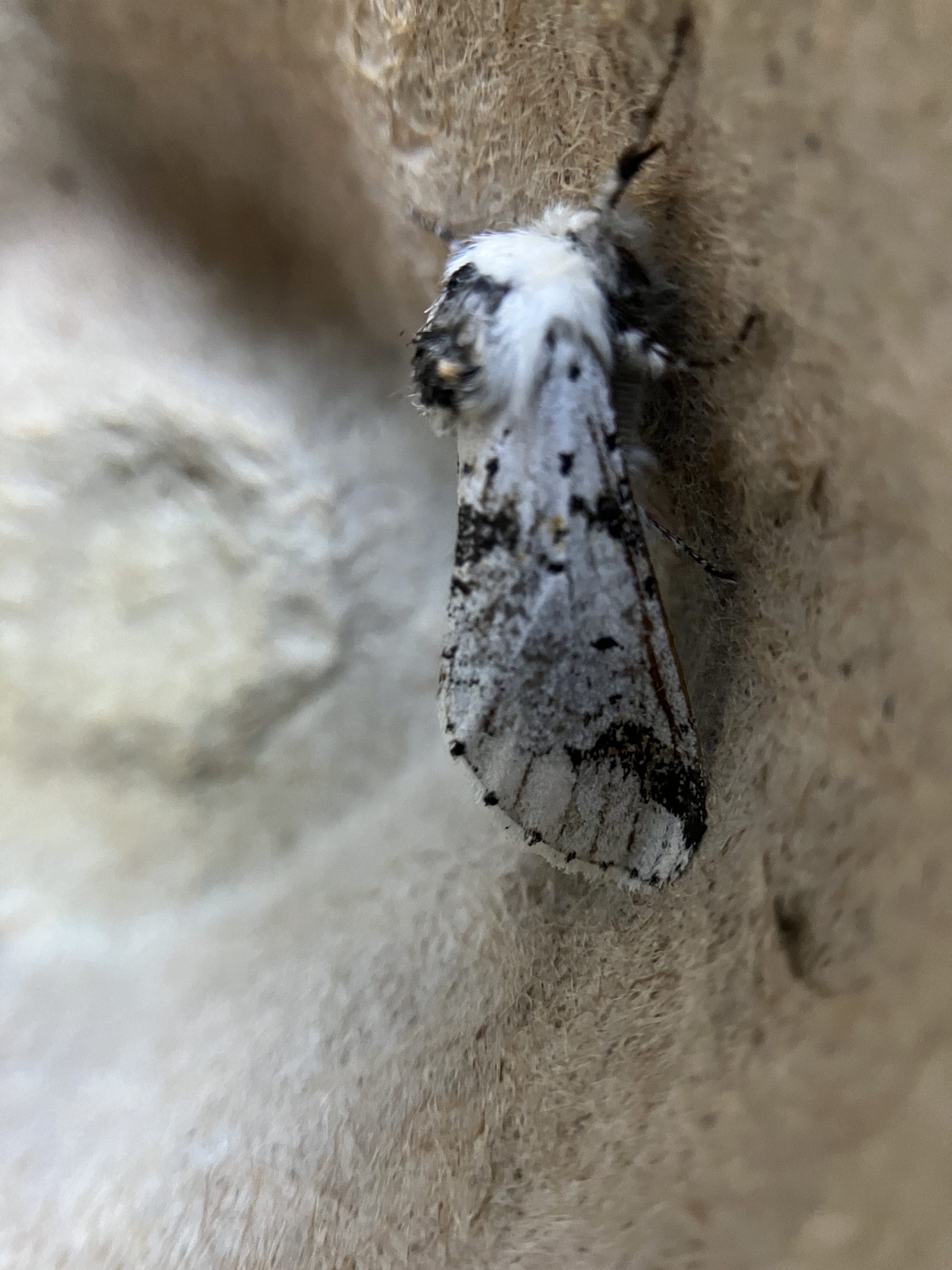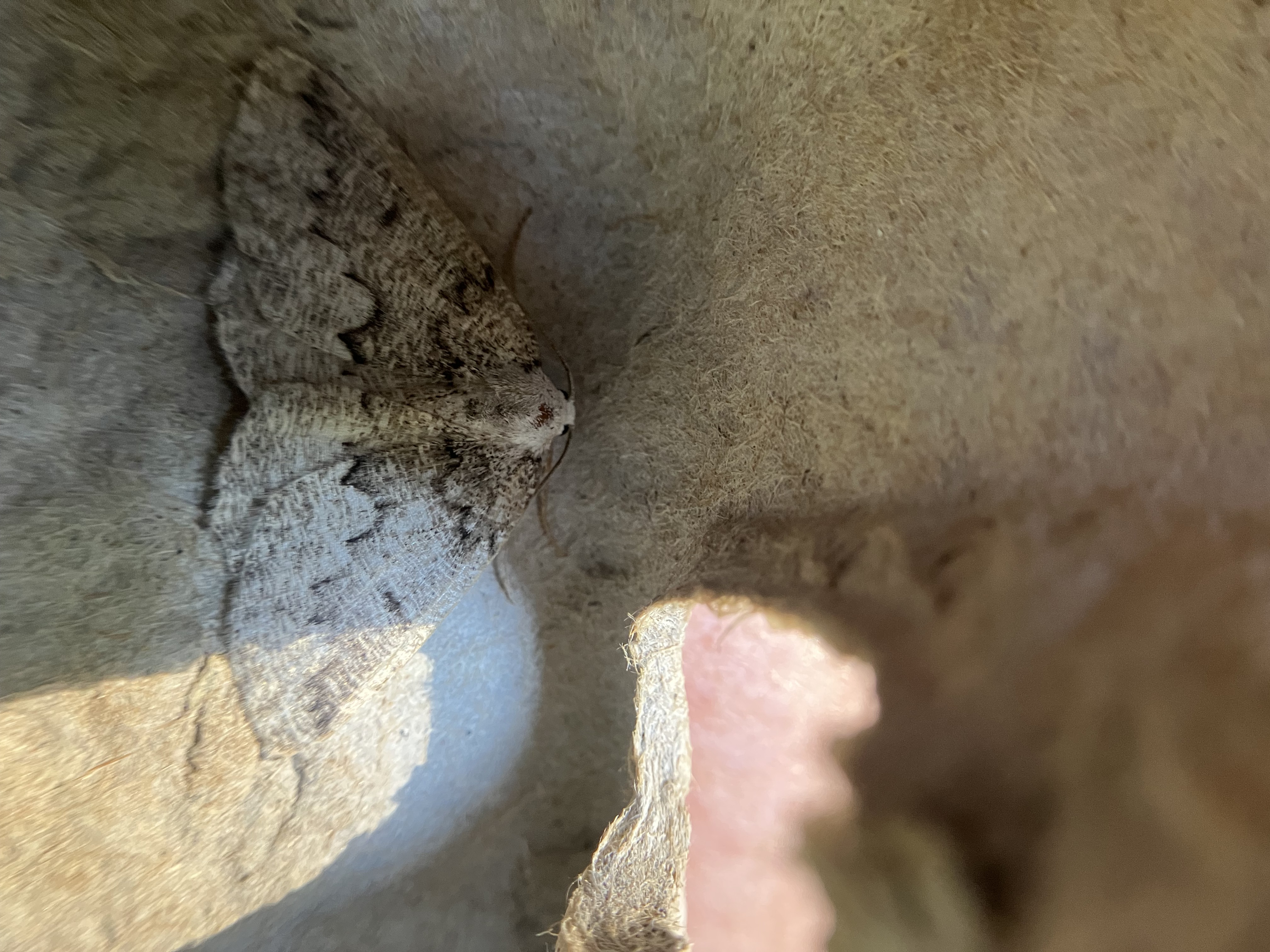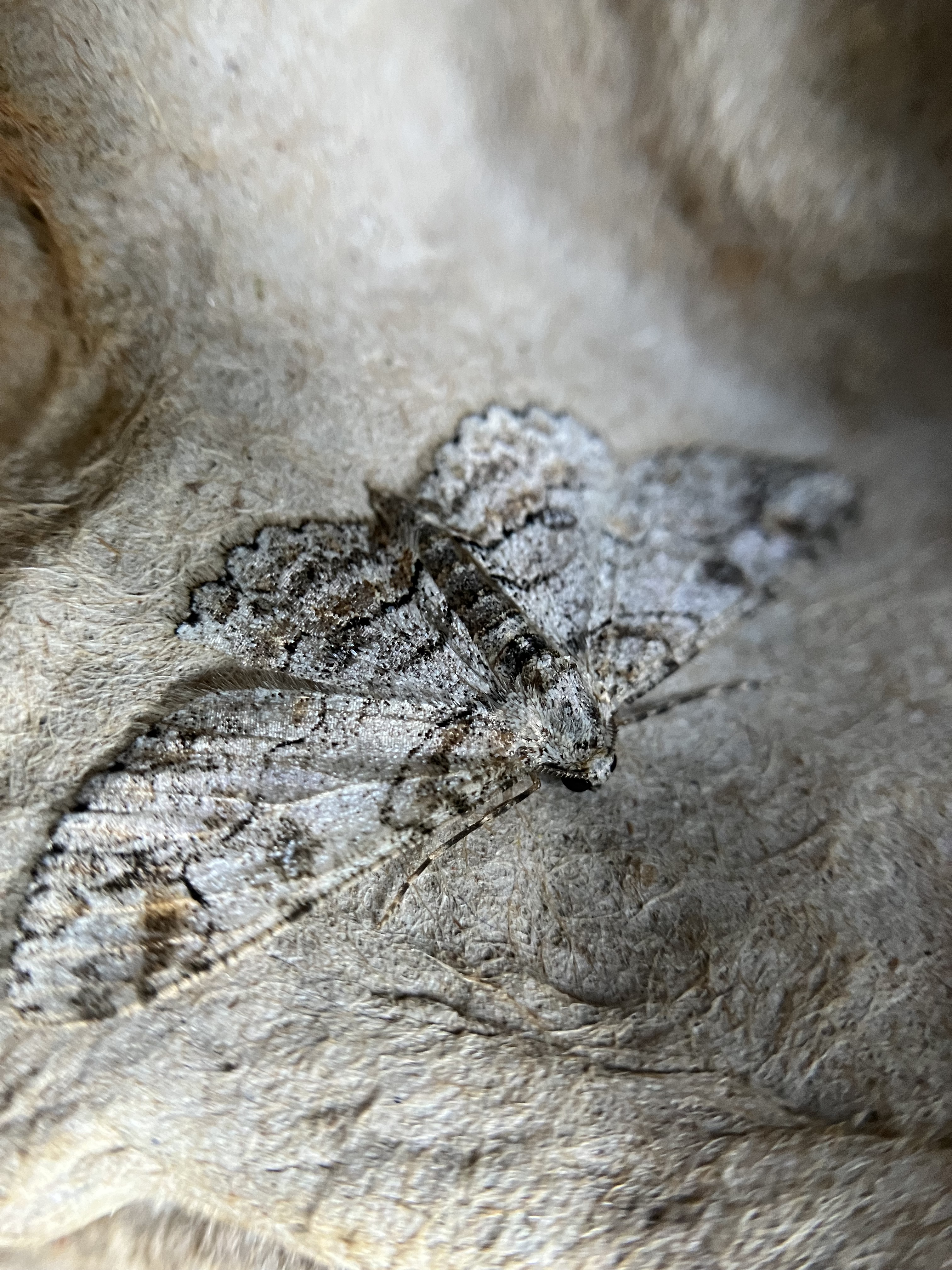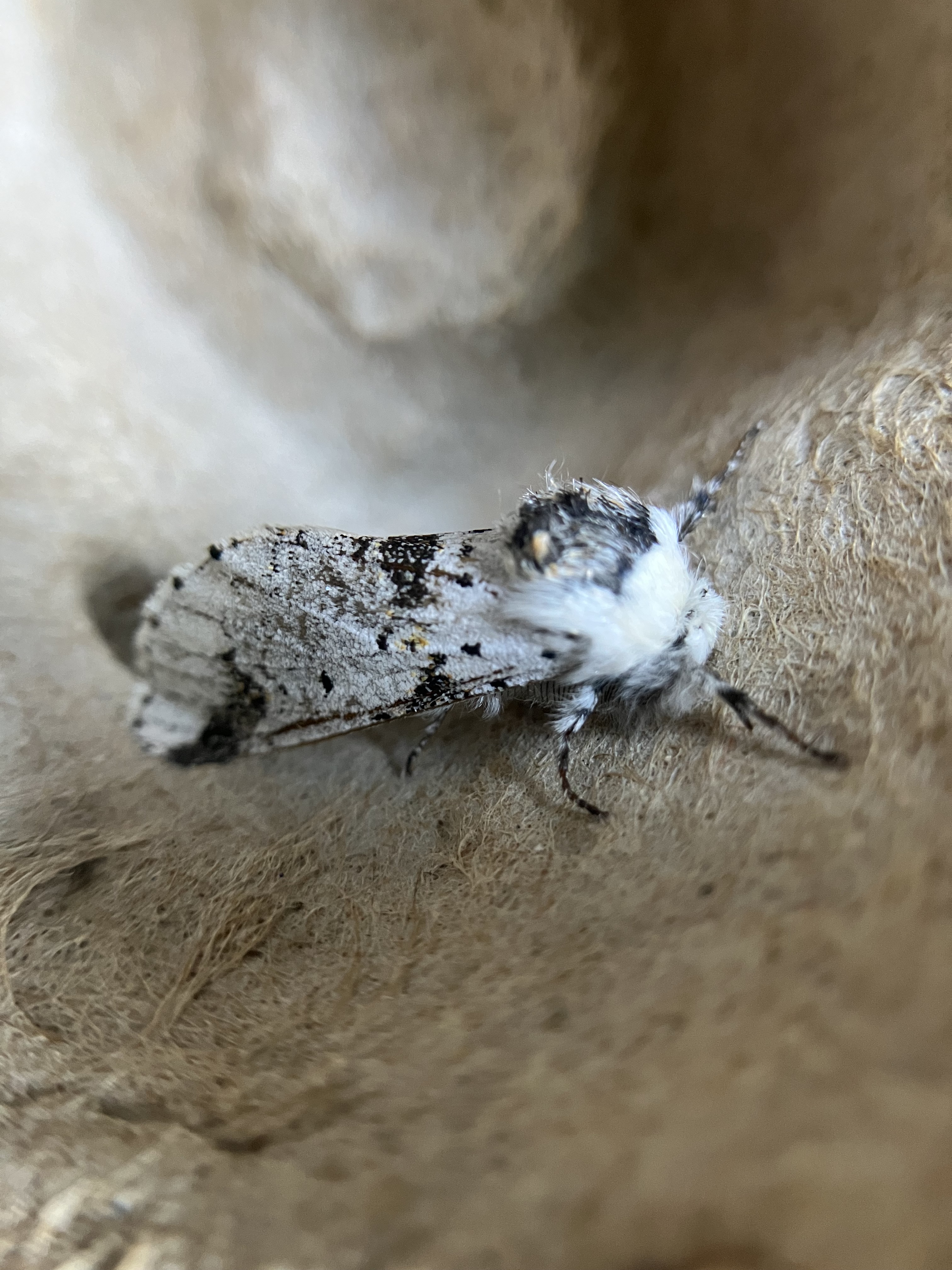
Author Archives: "BUGGING" YOU FROM San Juan Island

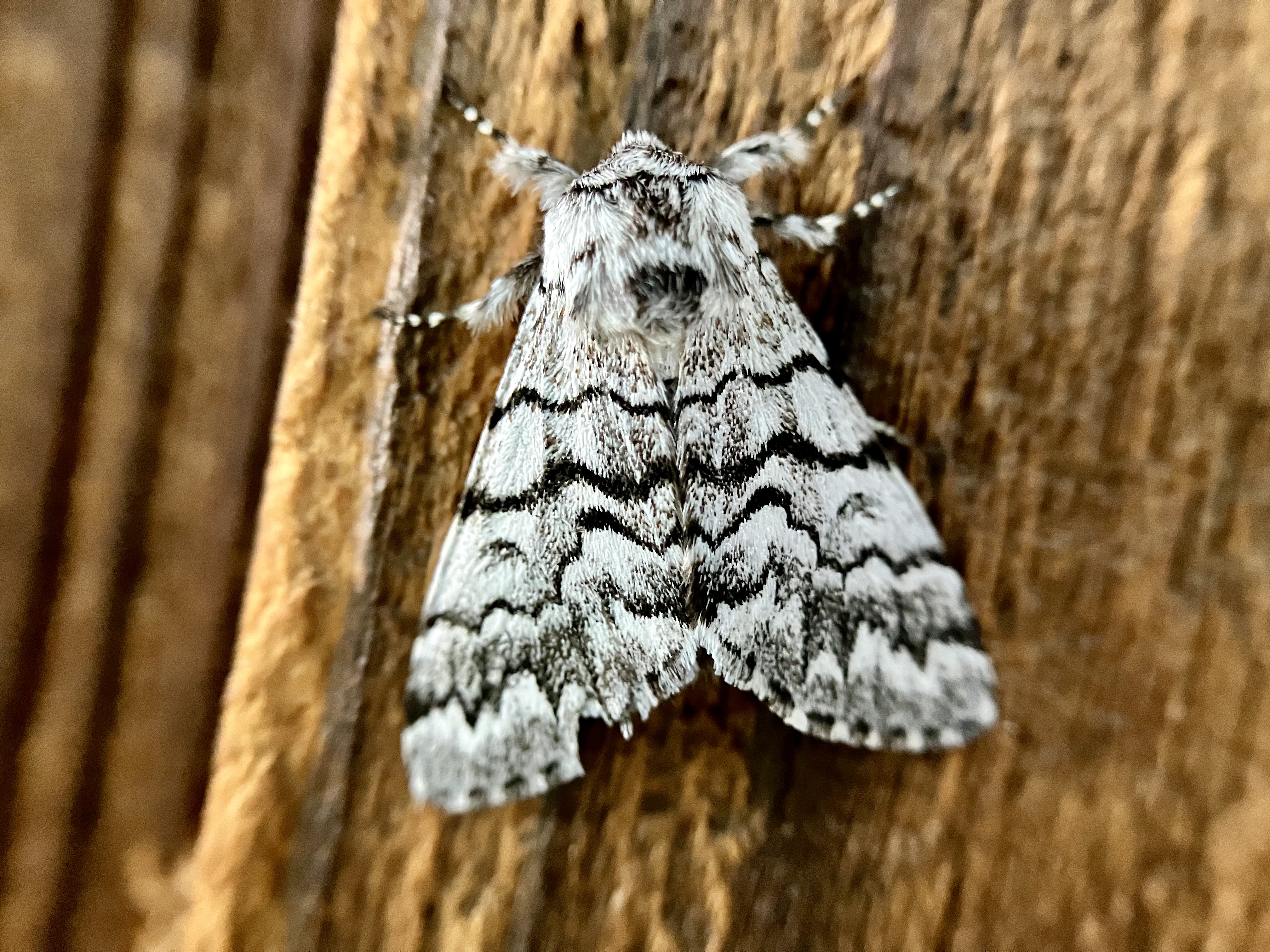
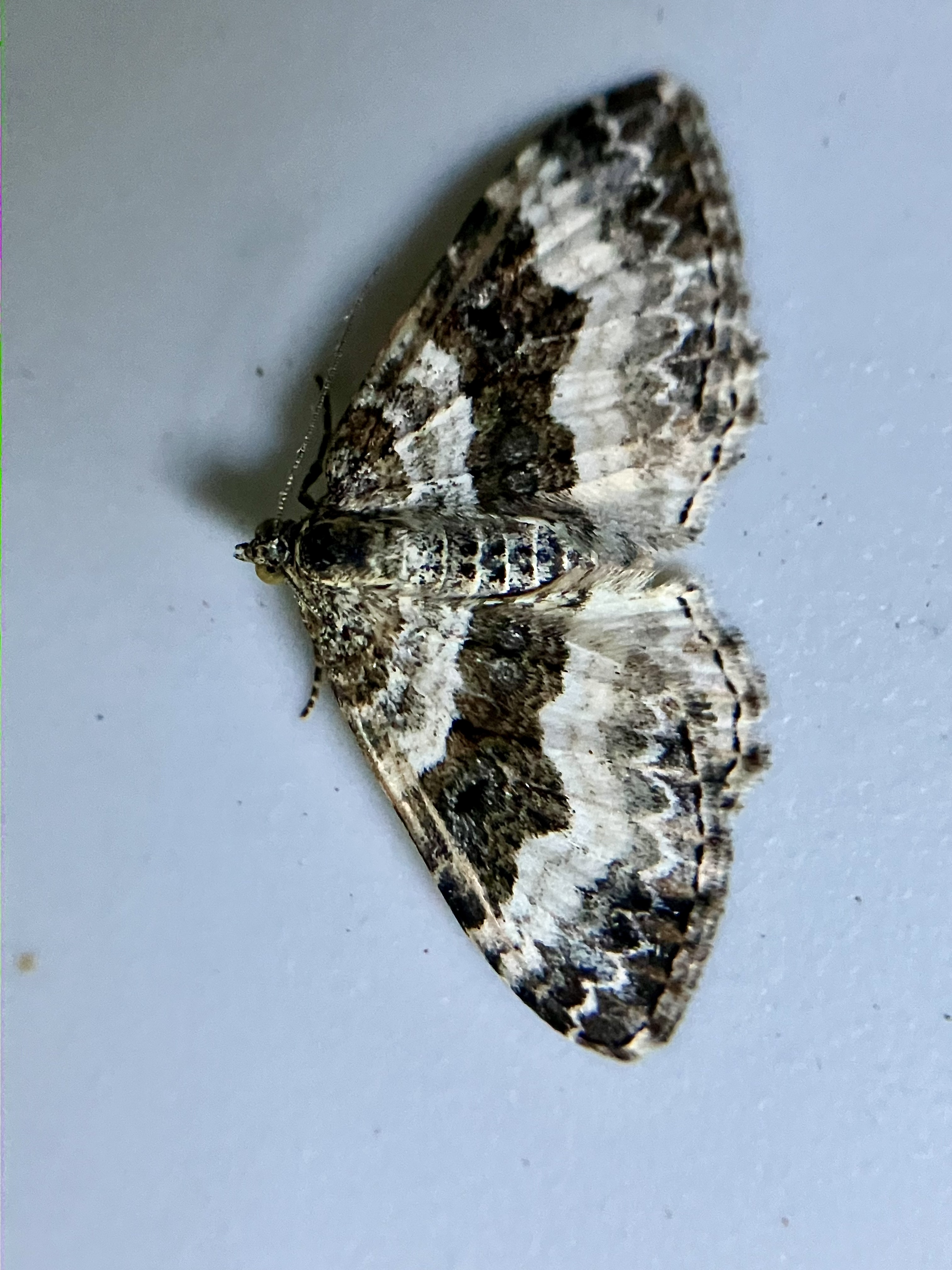
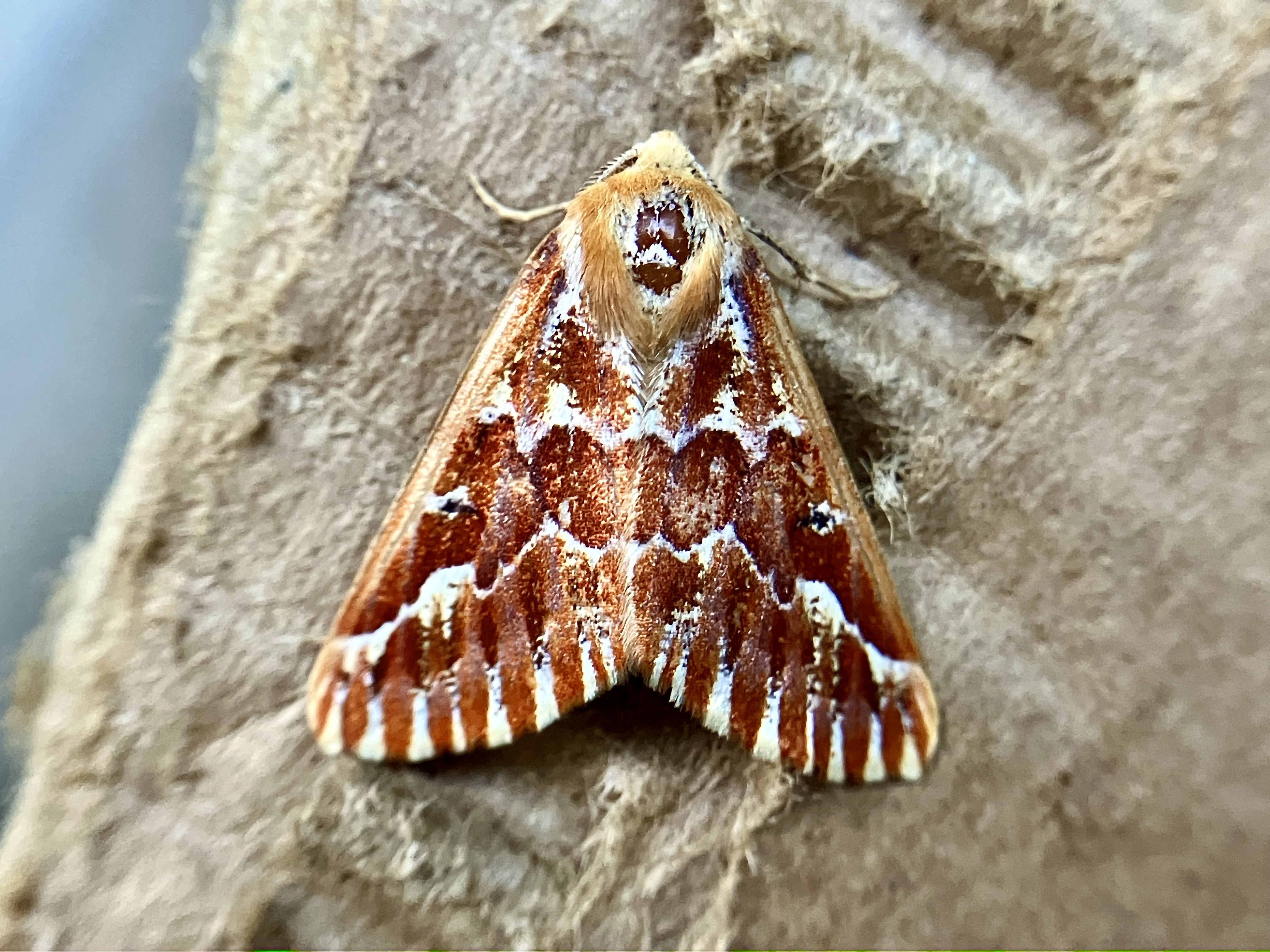
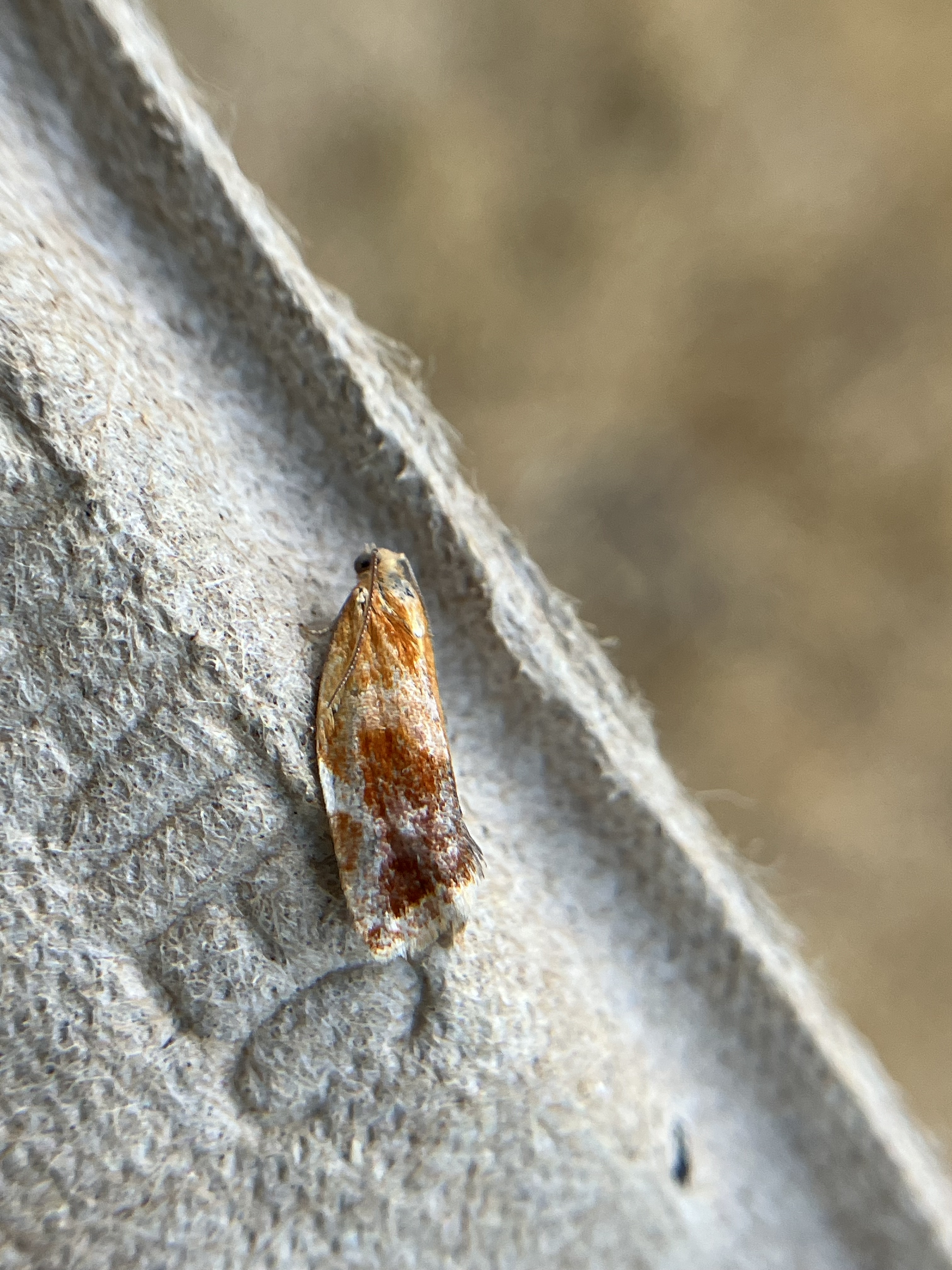
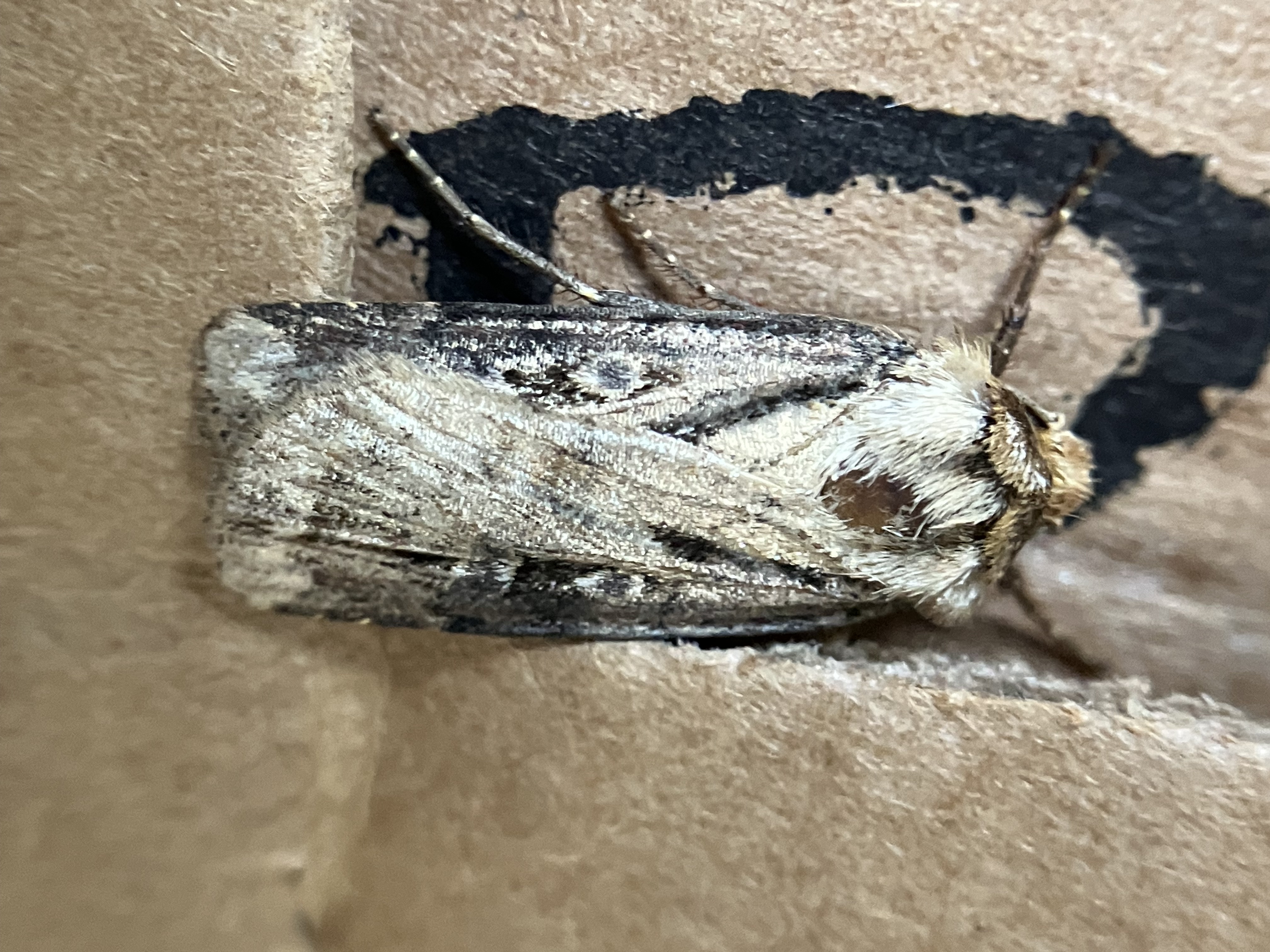
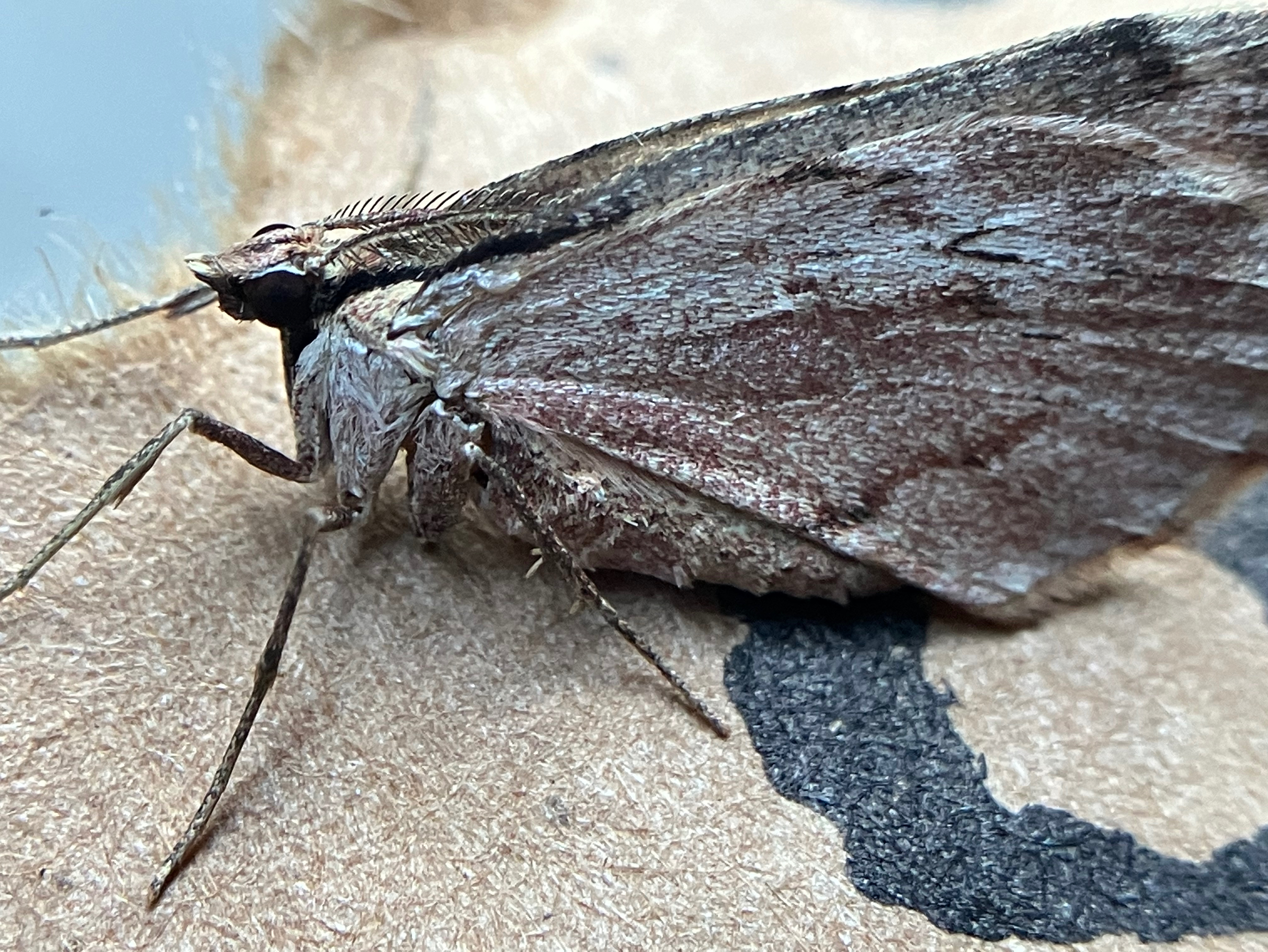
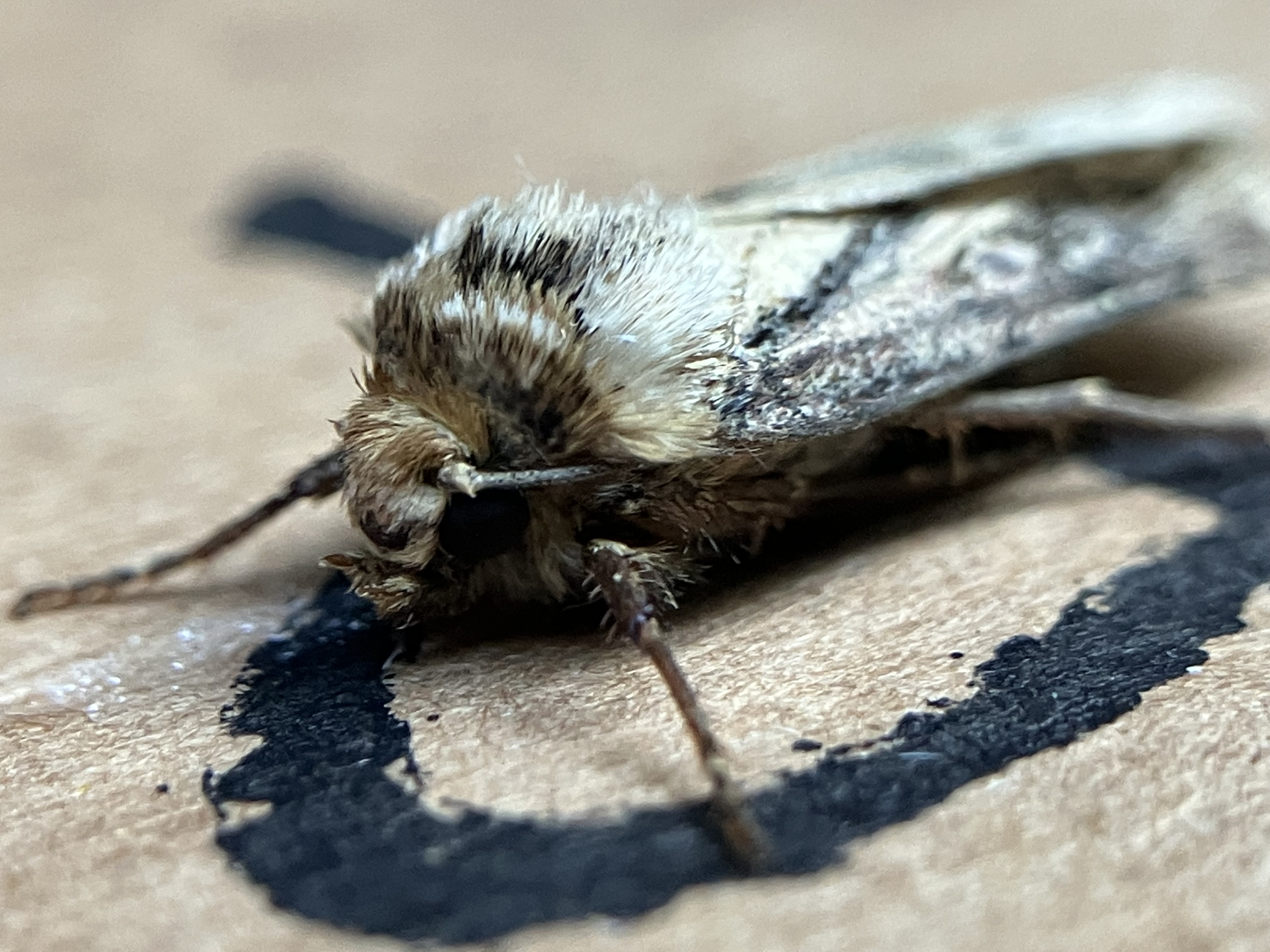
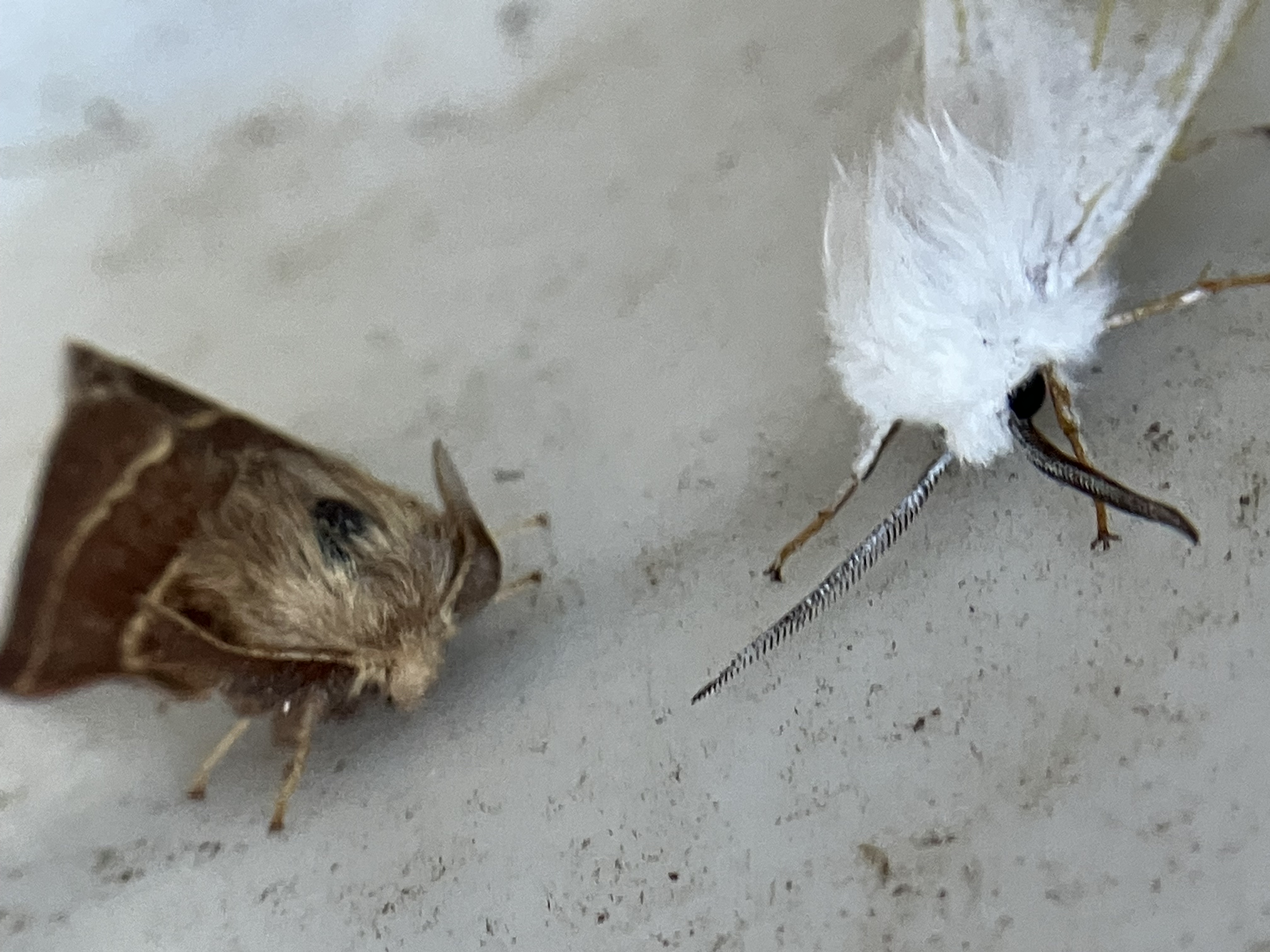
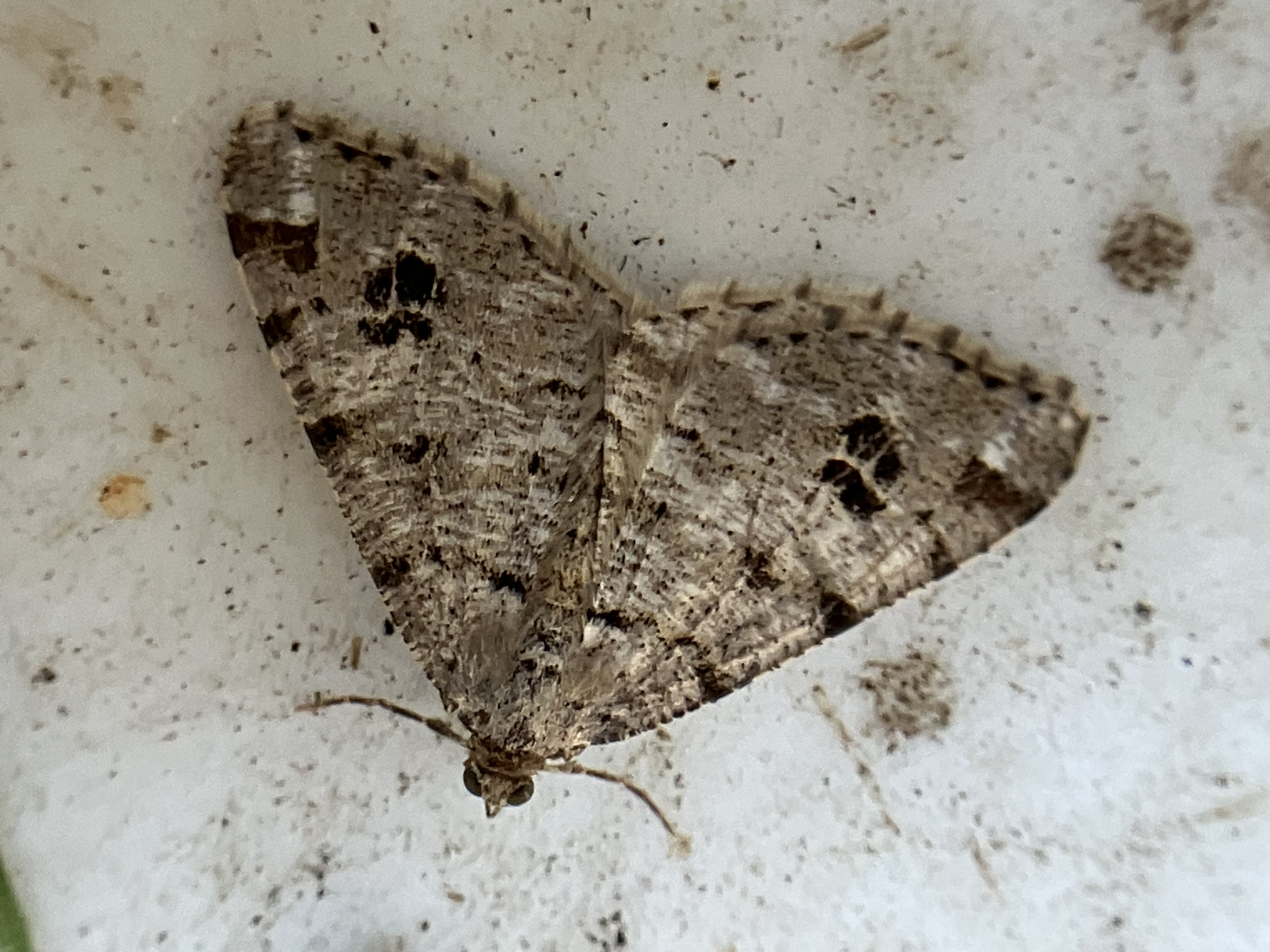
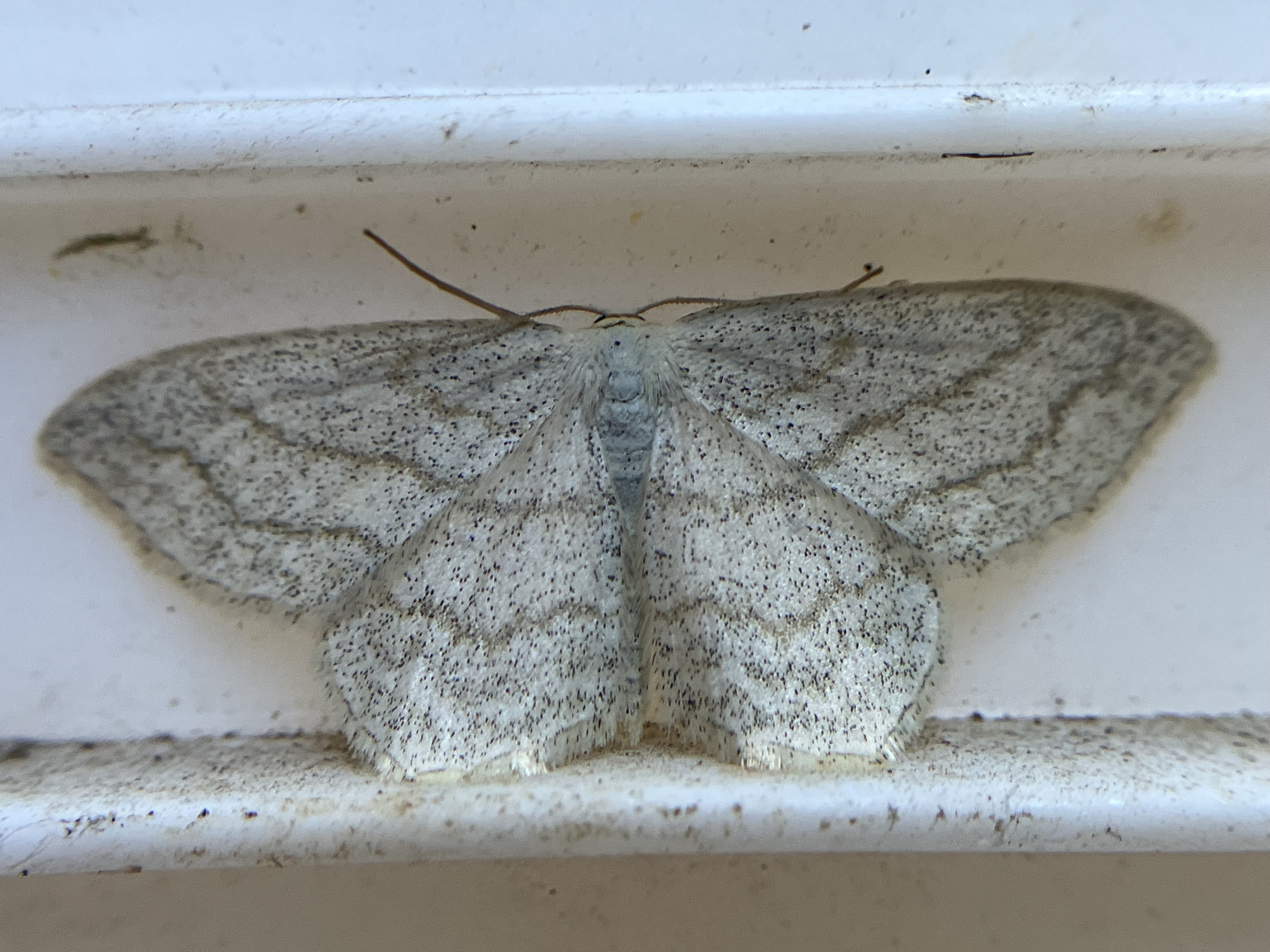
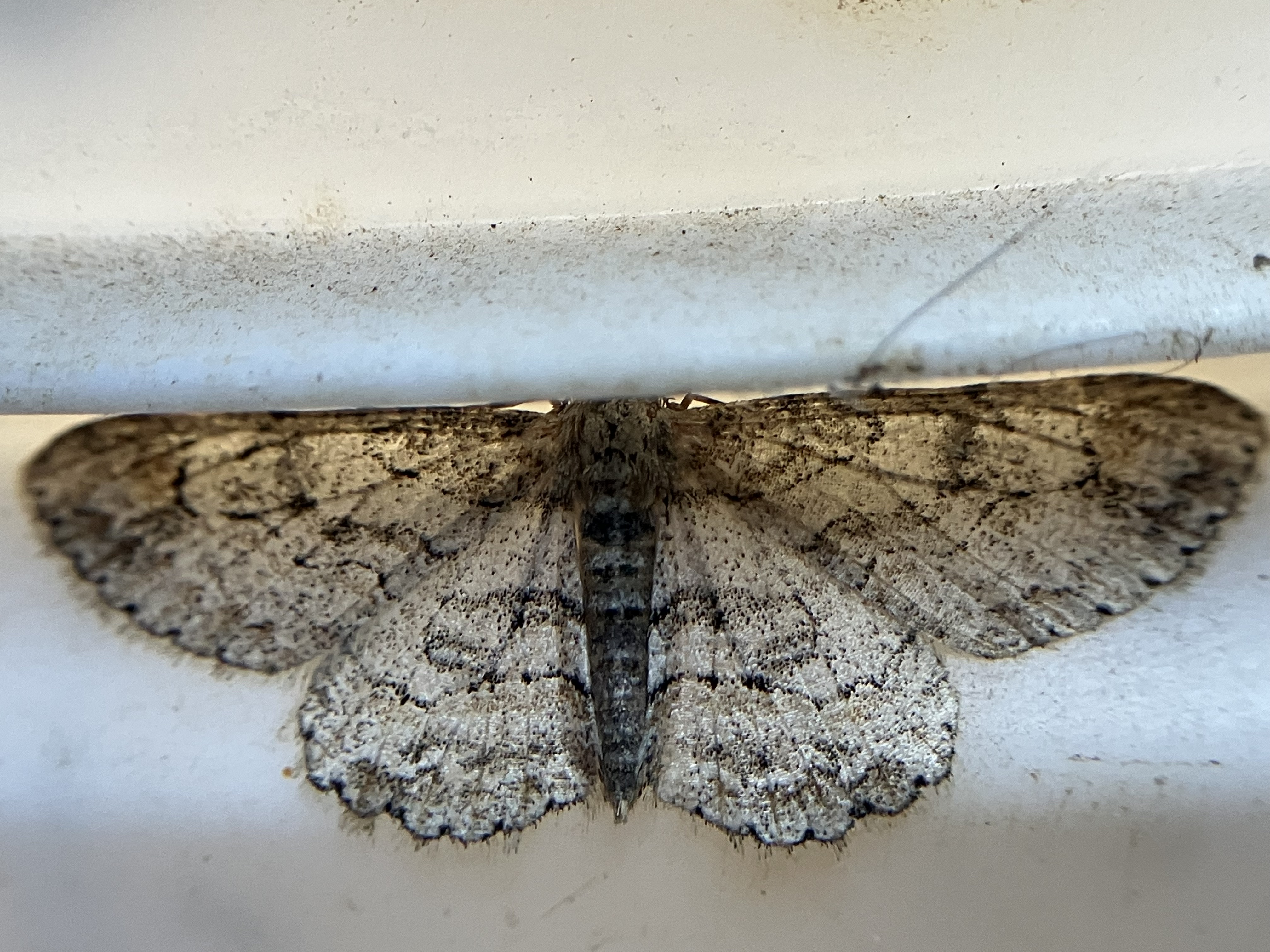
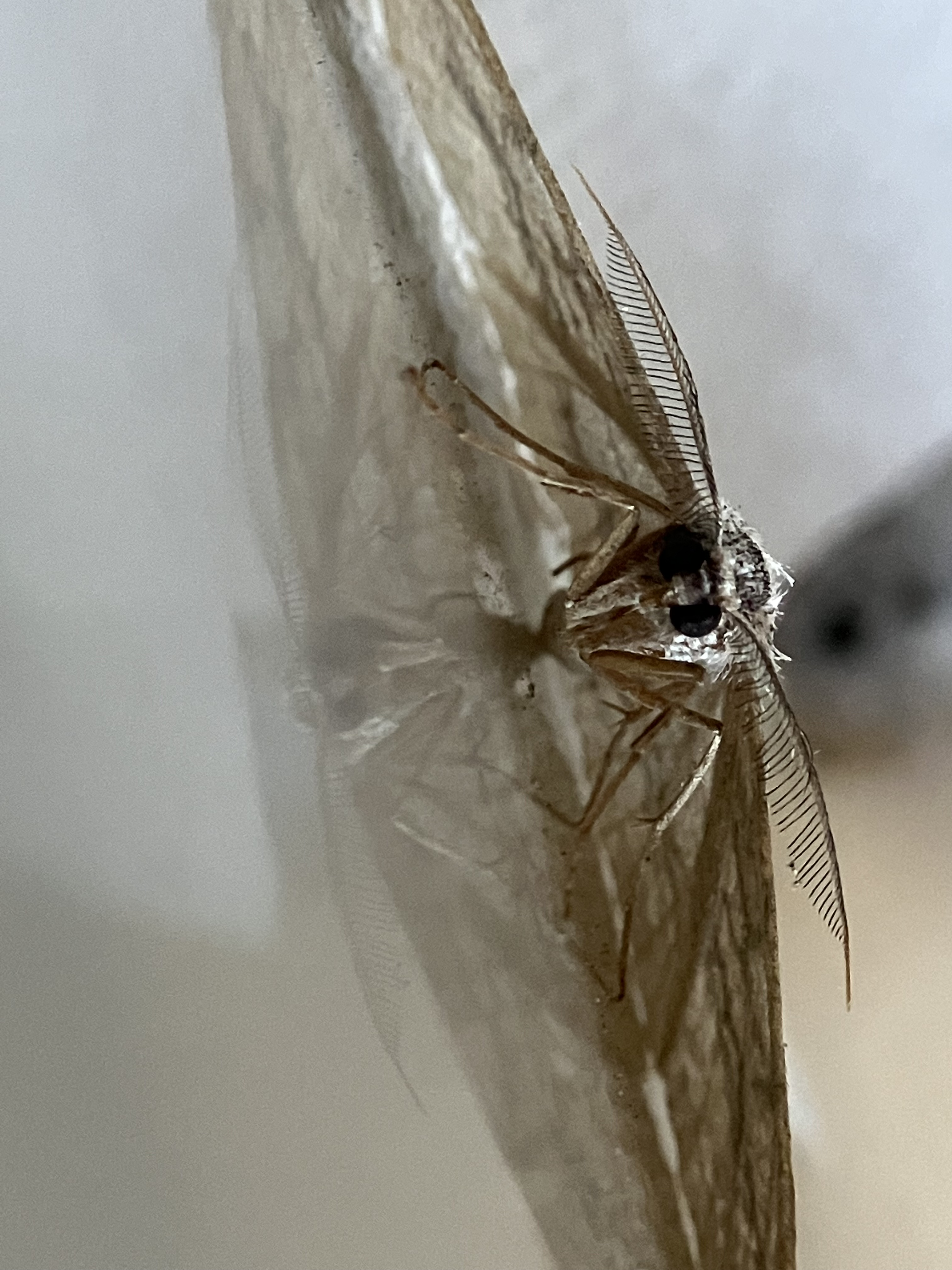
National Moth Week 2023, Day 2

I’m finding it somewhat laborious to sort moths. The part I enjoy most is actually looking at what has visited my light during the night when I get up early in the morning. The aggravation comes with our very SLOW internet speed. Definitely do NOT expect great internet if you’re considering moving to San Juan Island. It’s been awful for the almost-fourteen years I’ve lived here and one time it was out altogether for almost 3 weeks!

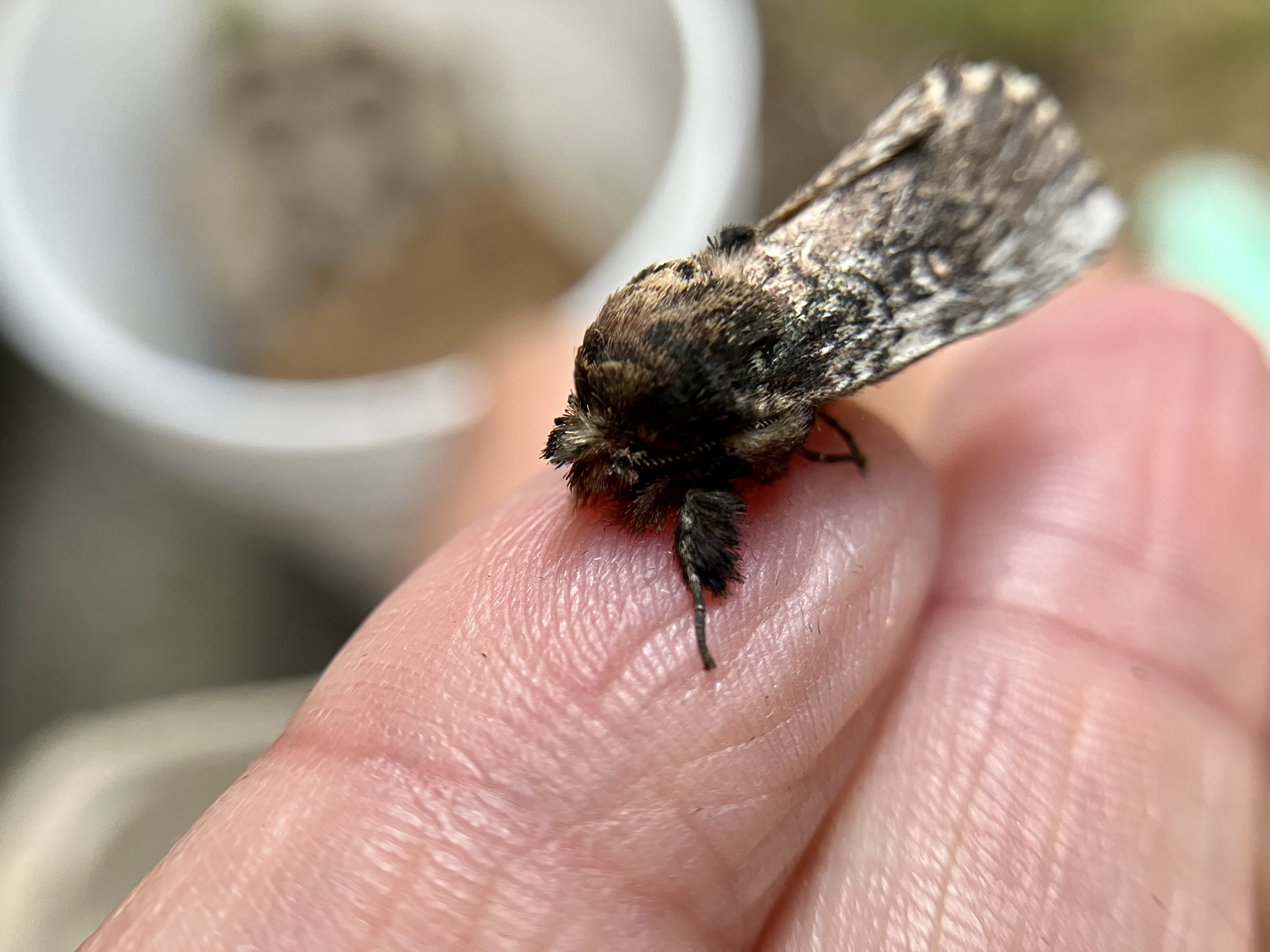
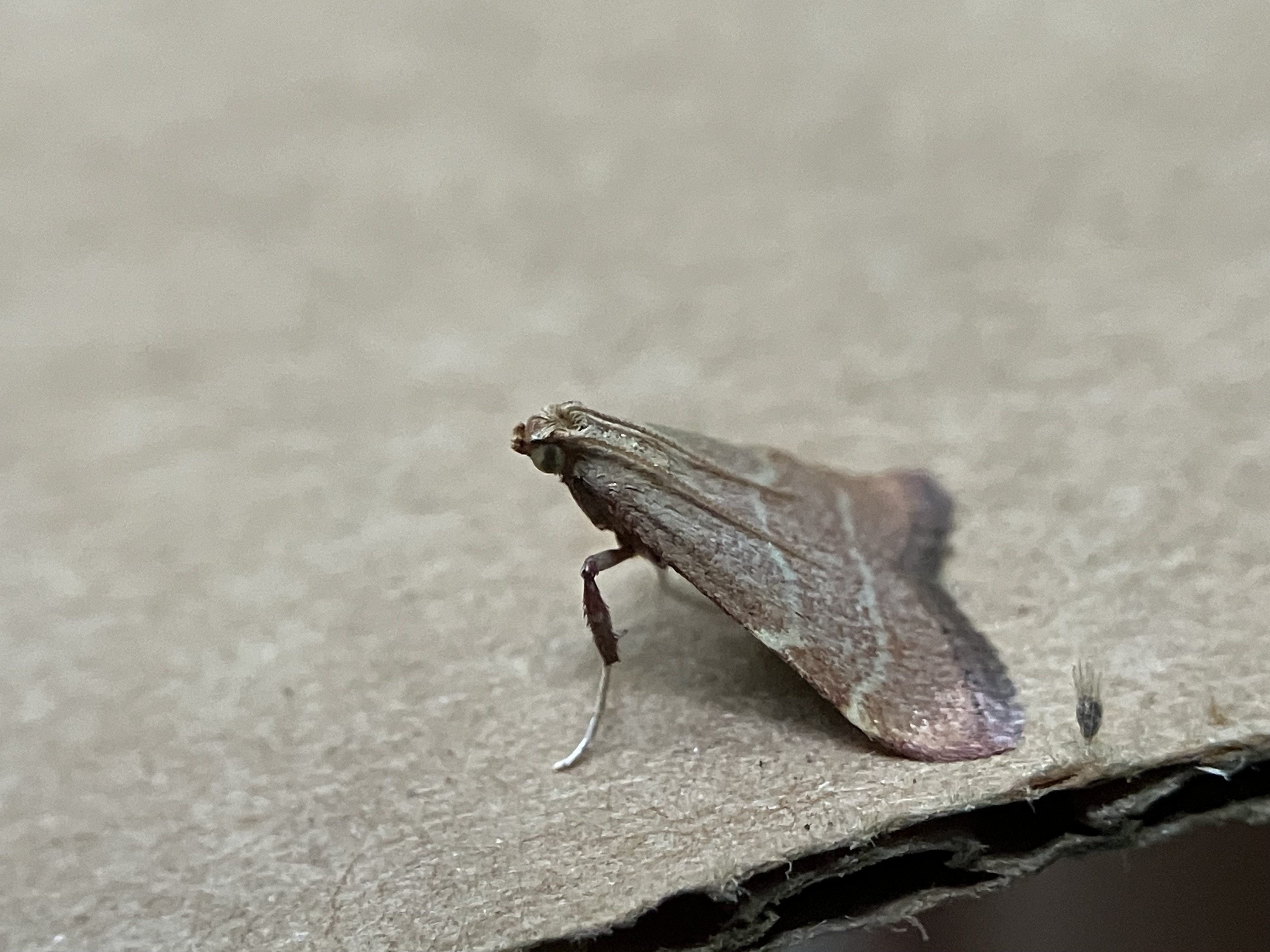
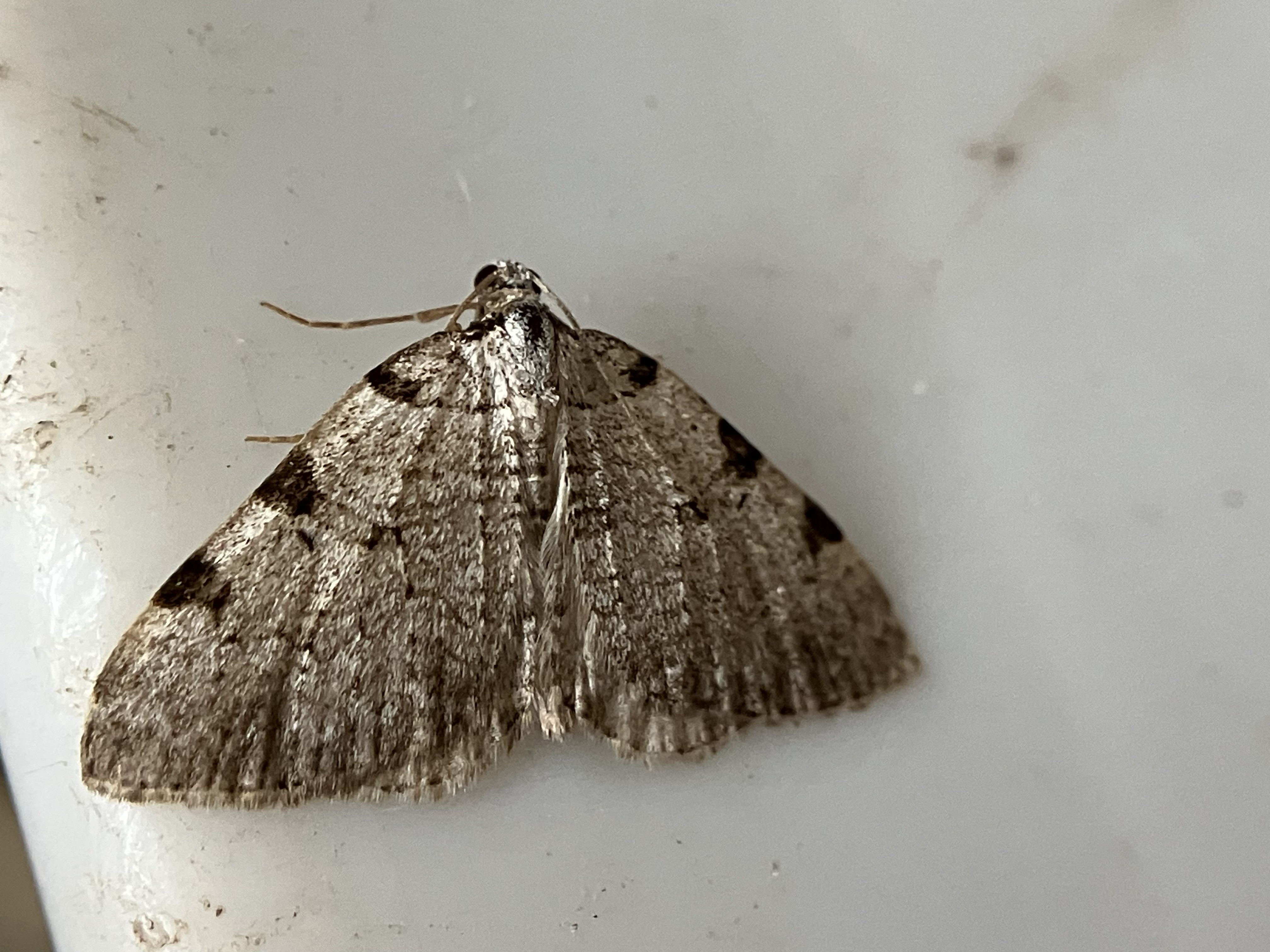
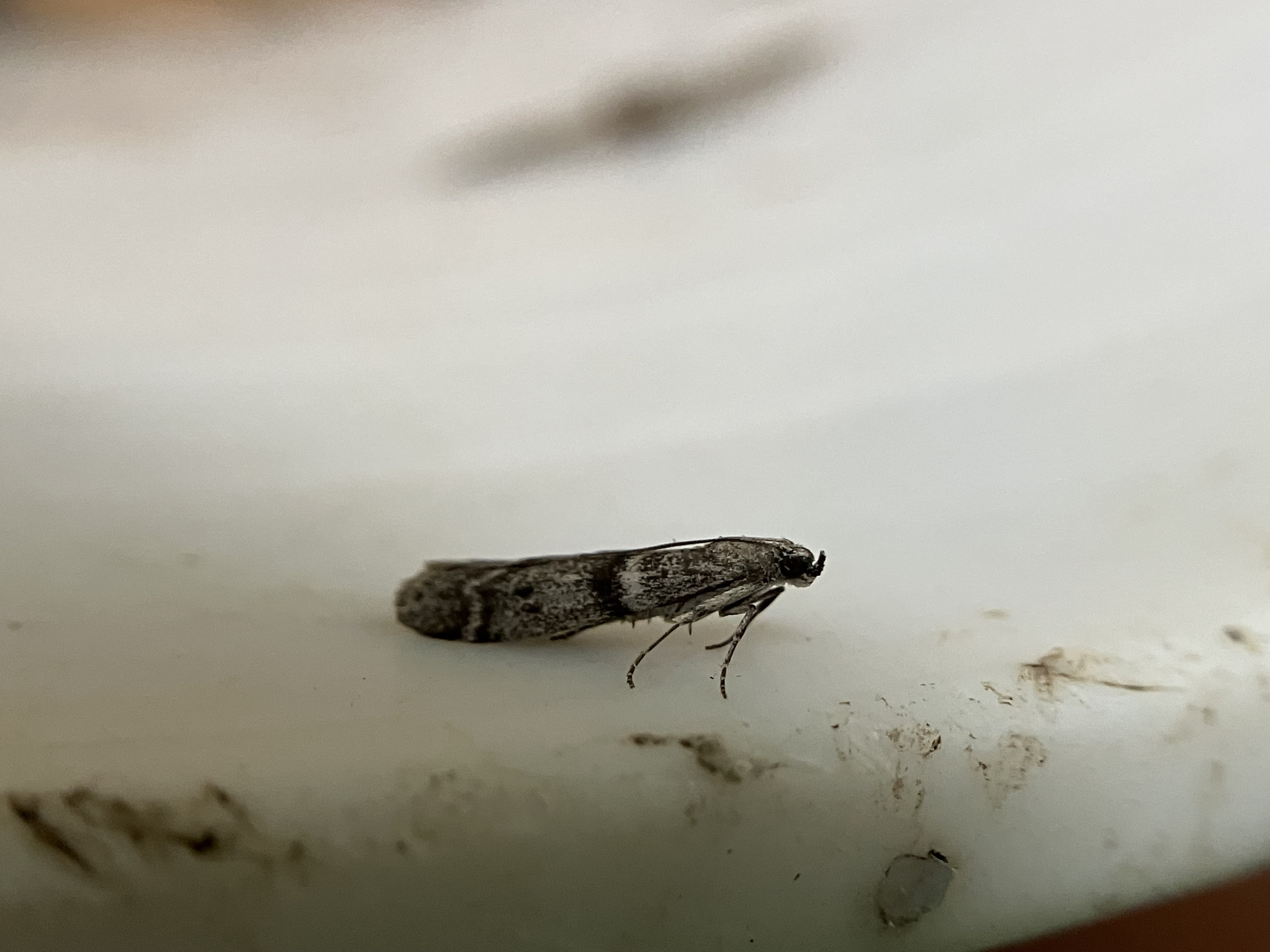
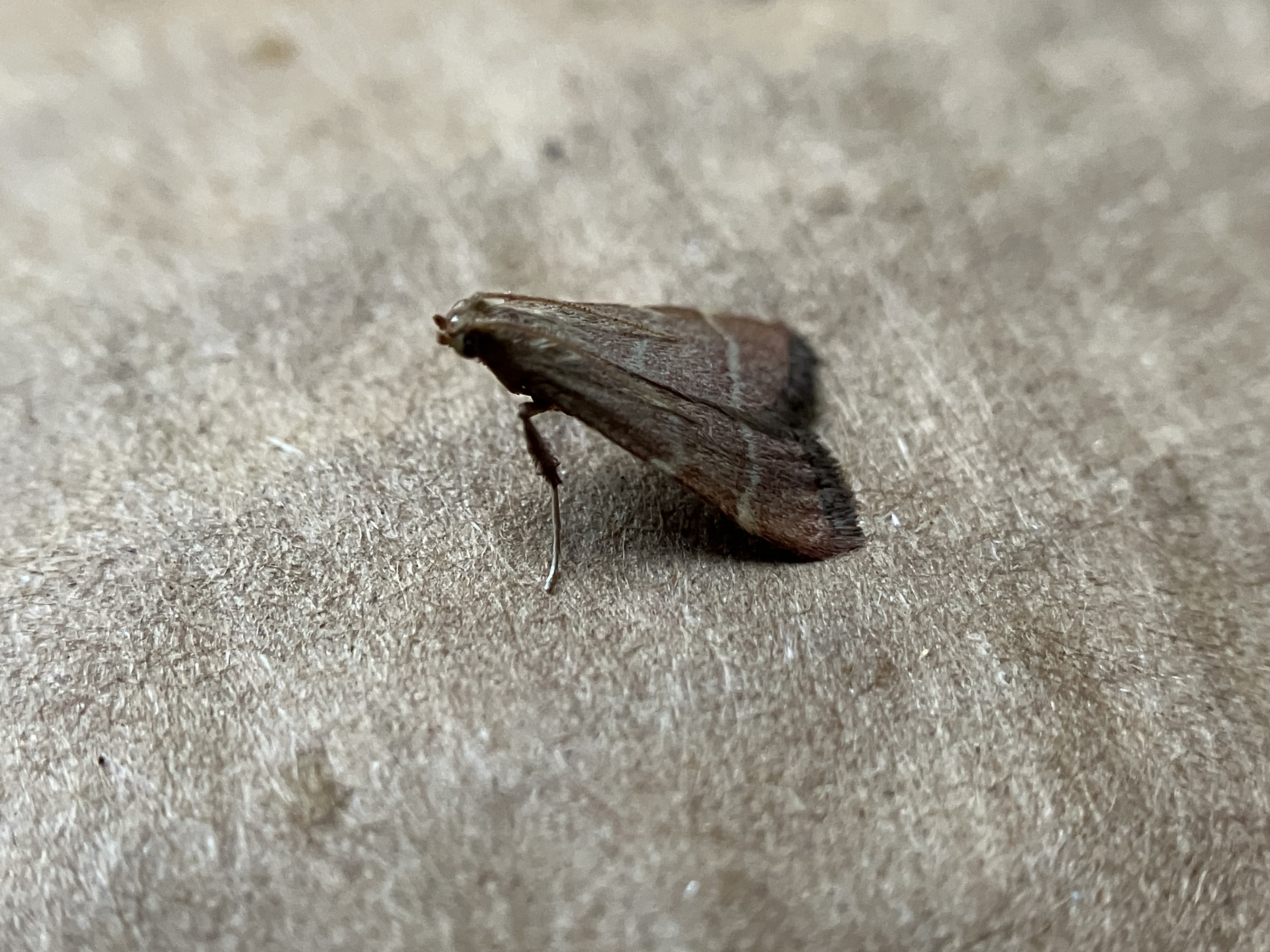
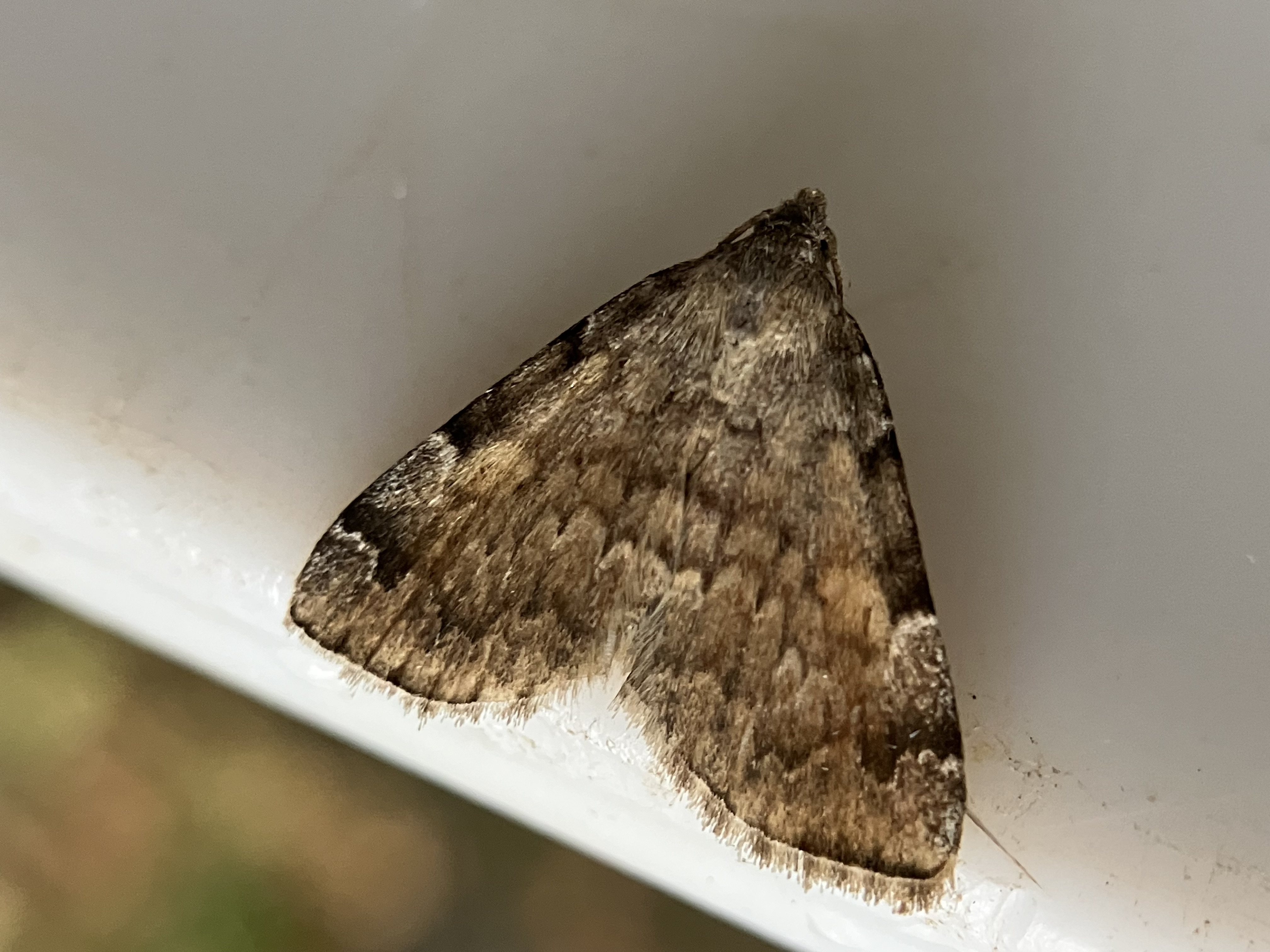
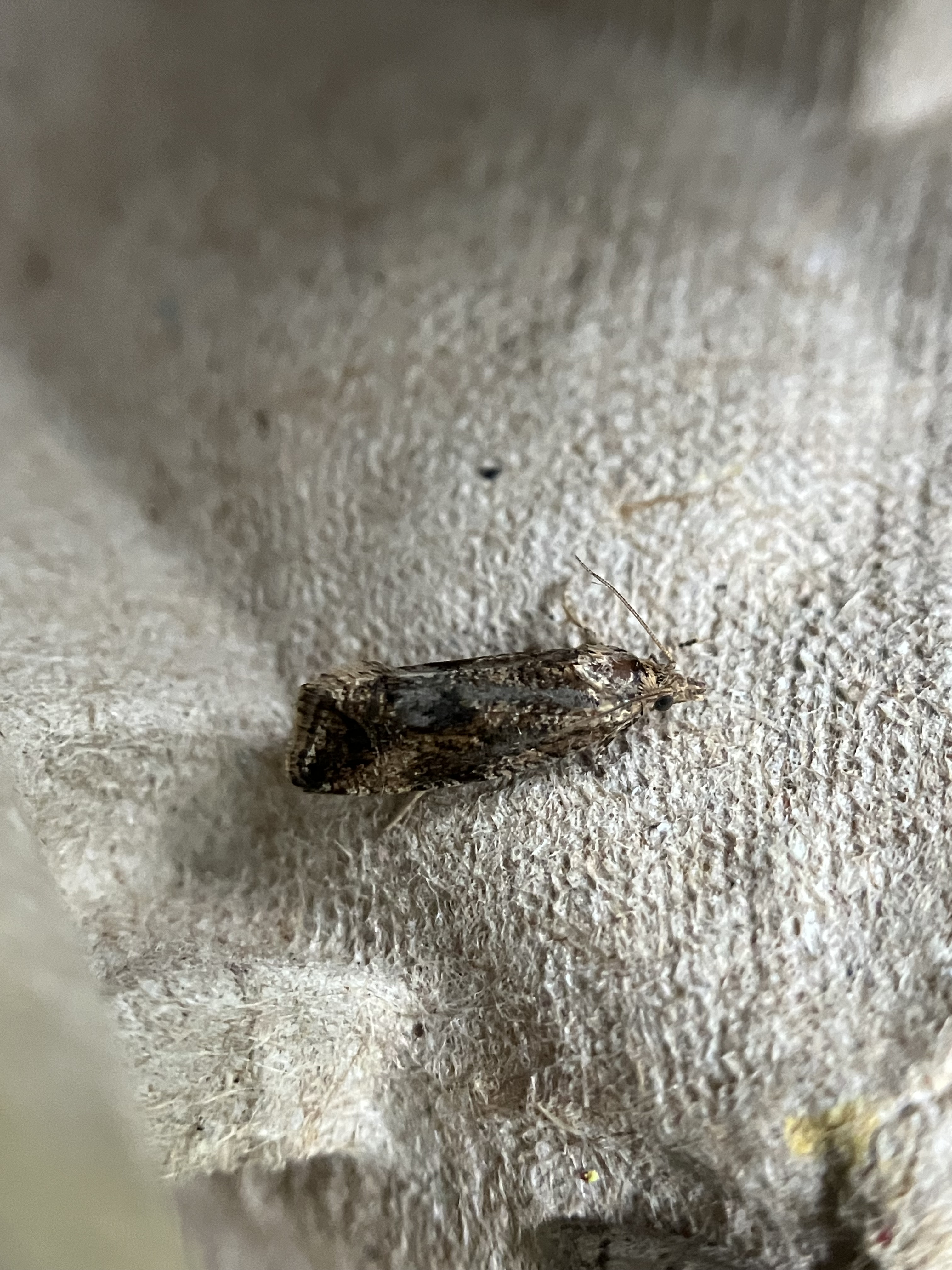
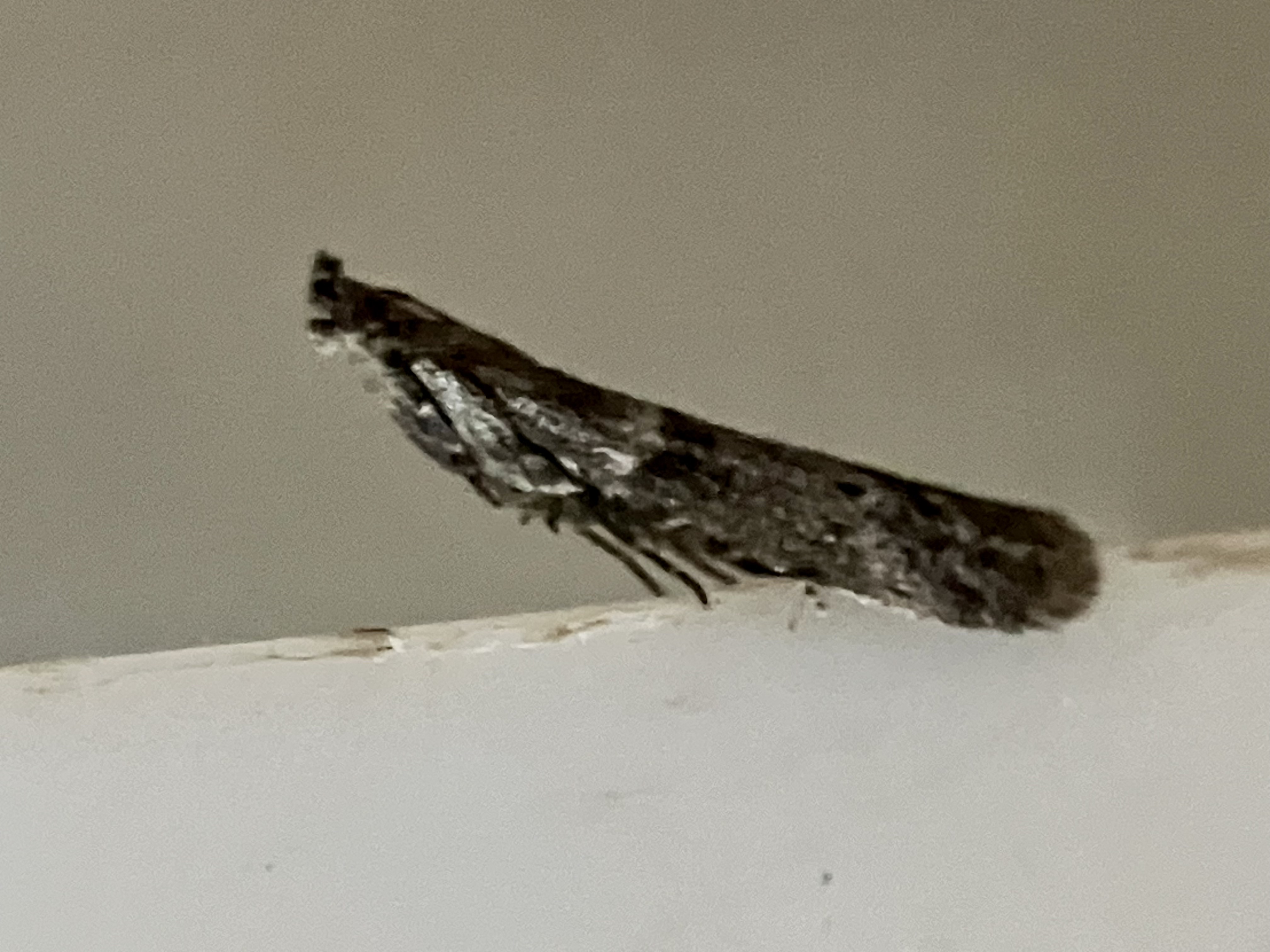
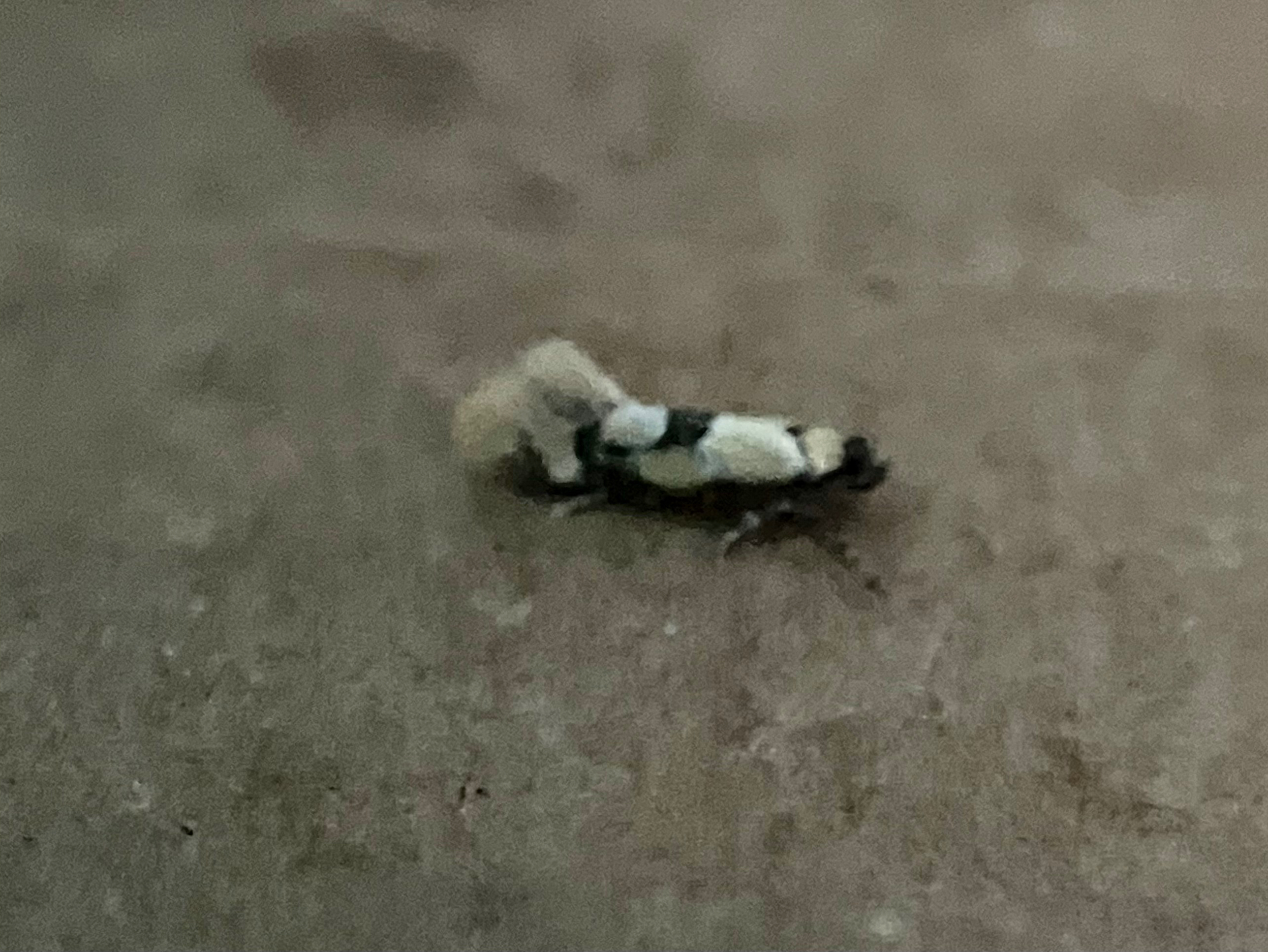
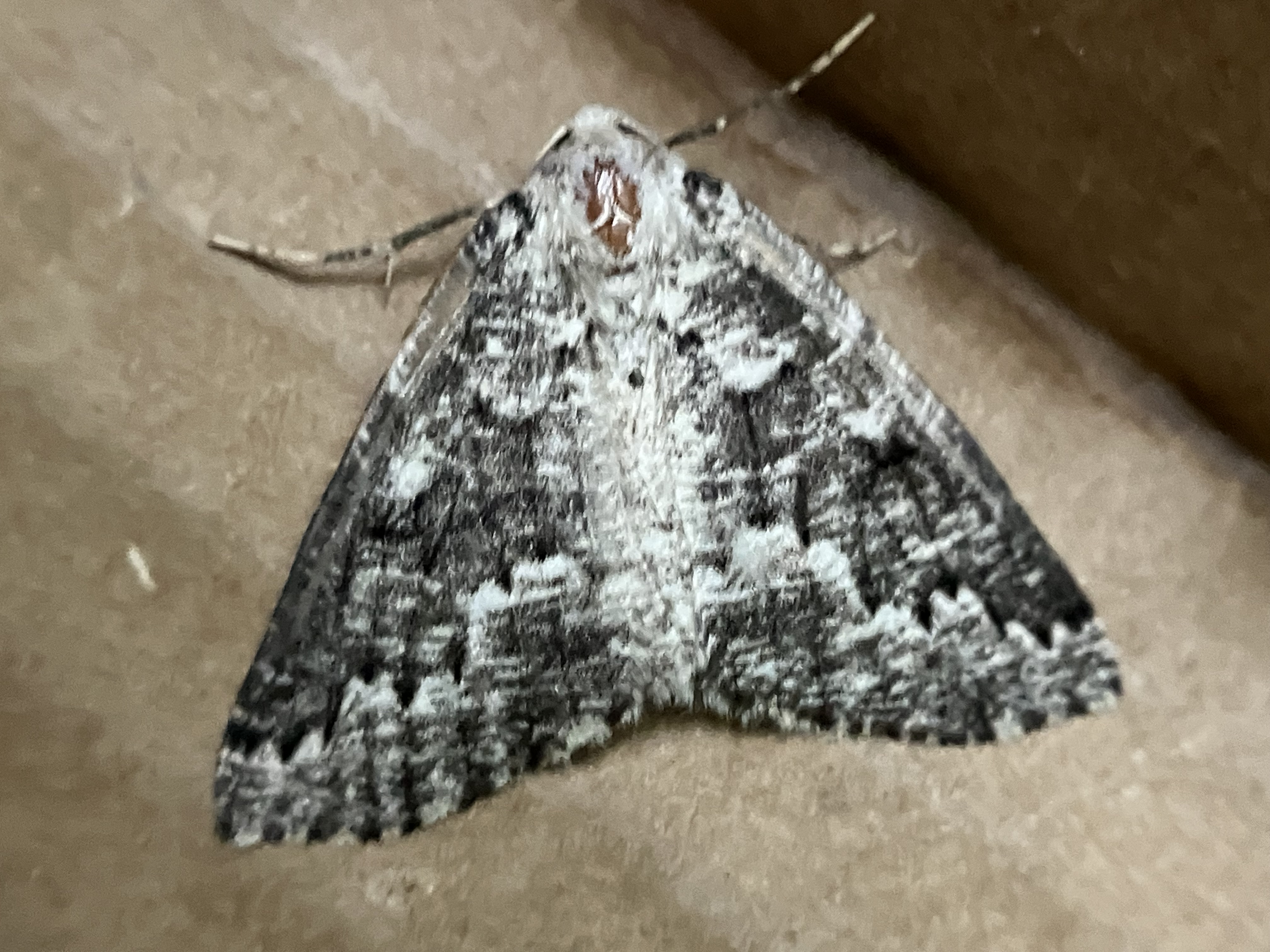
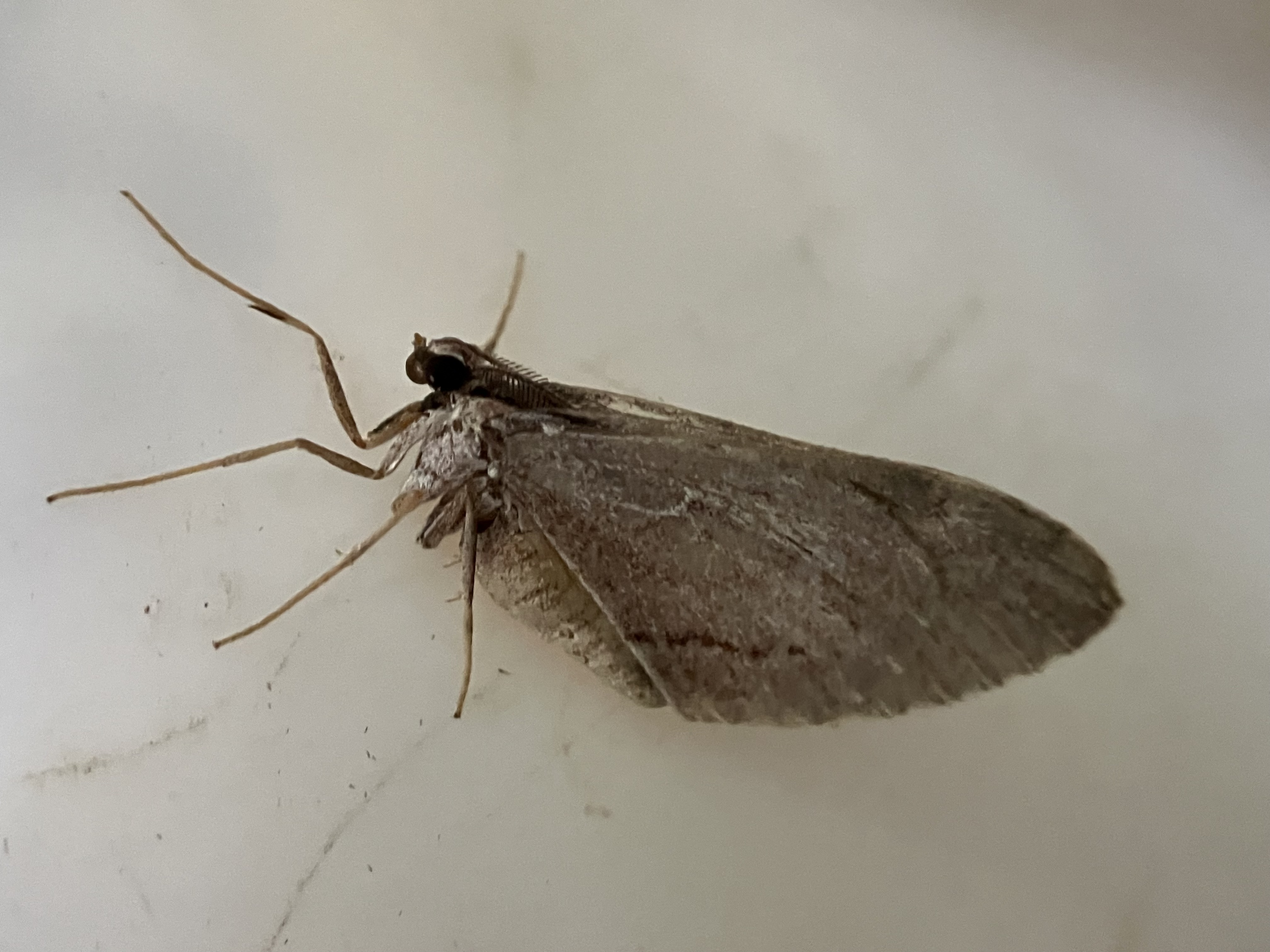
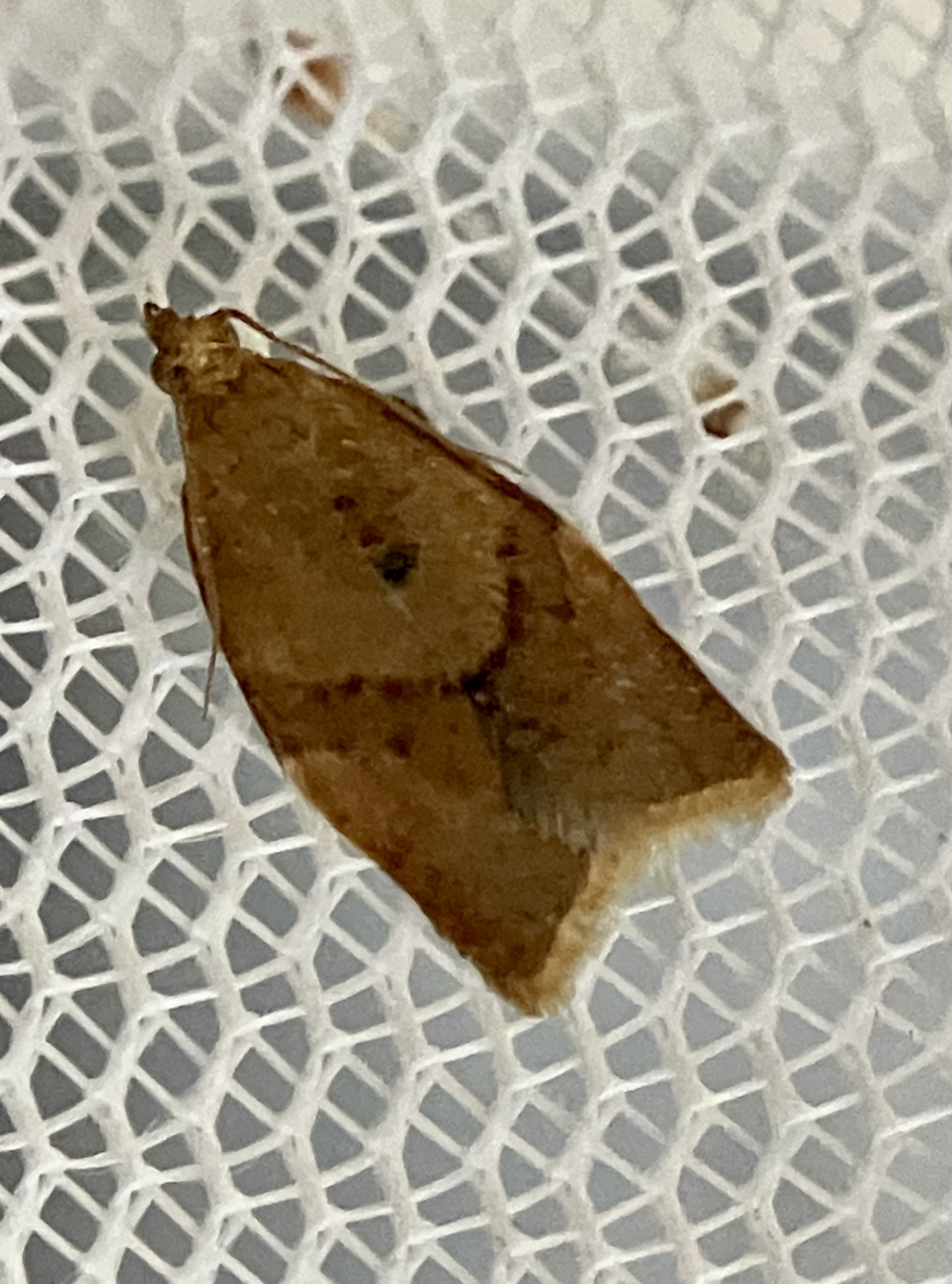
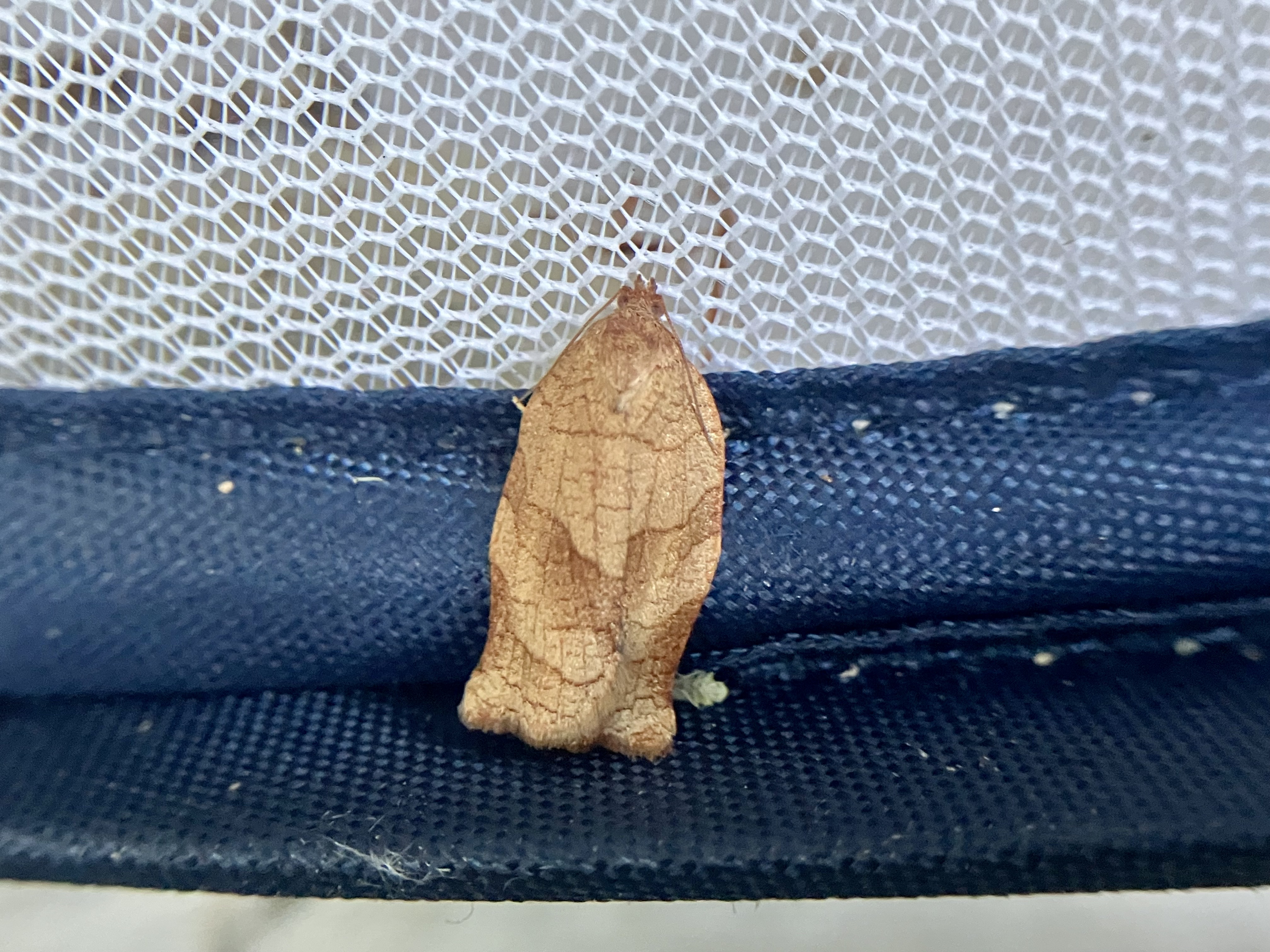
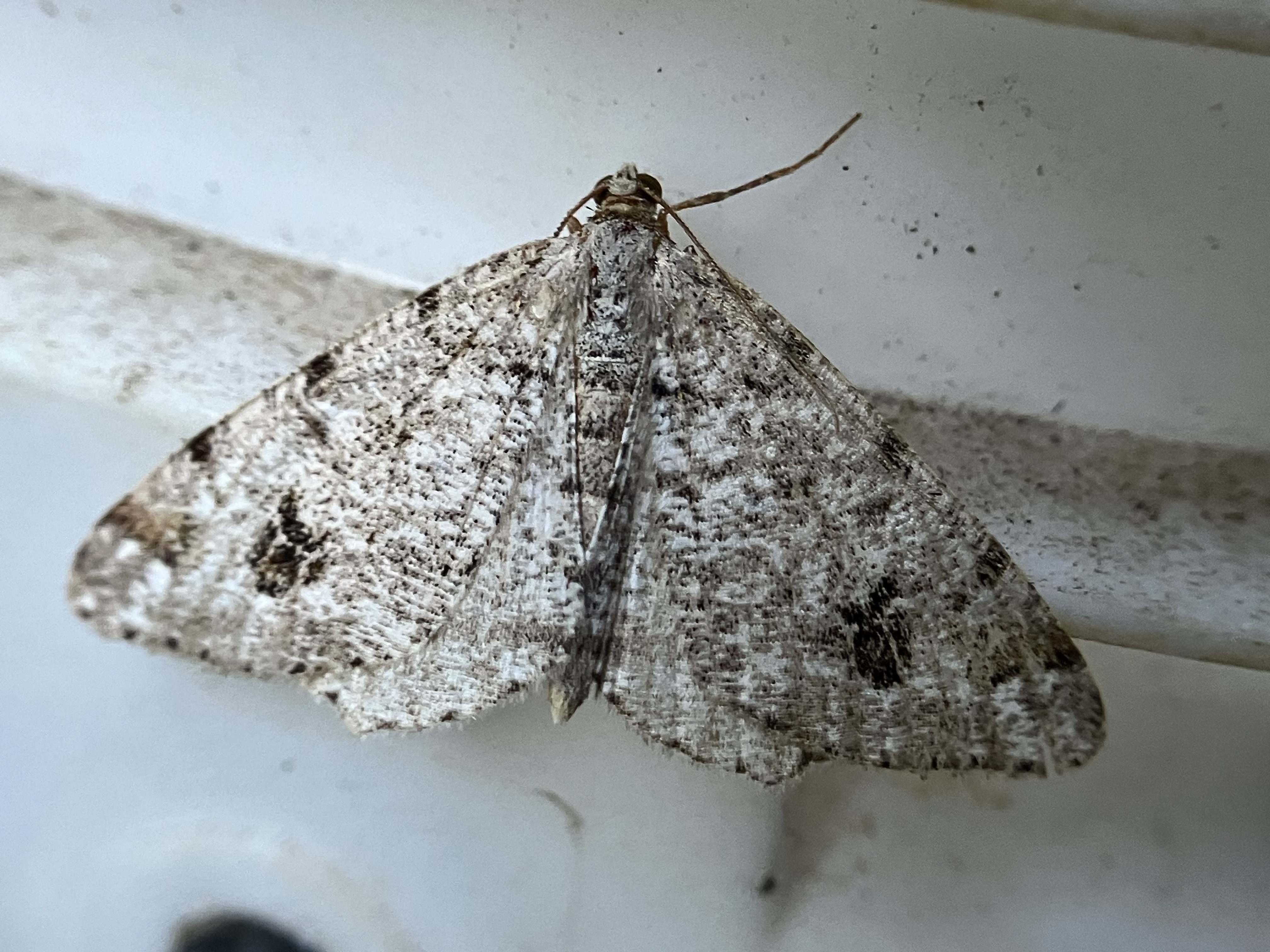
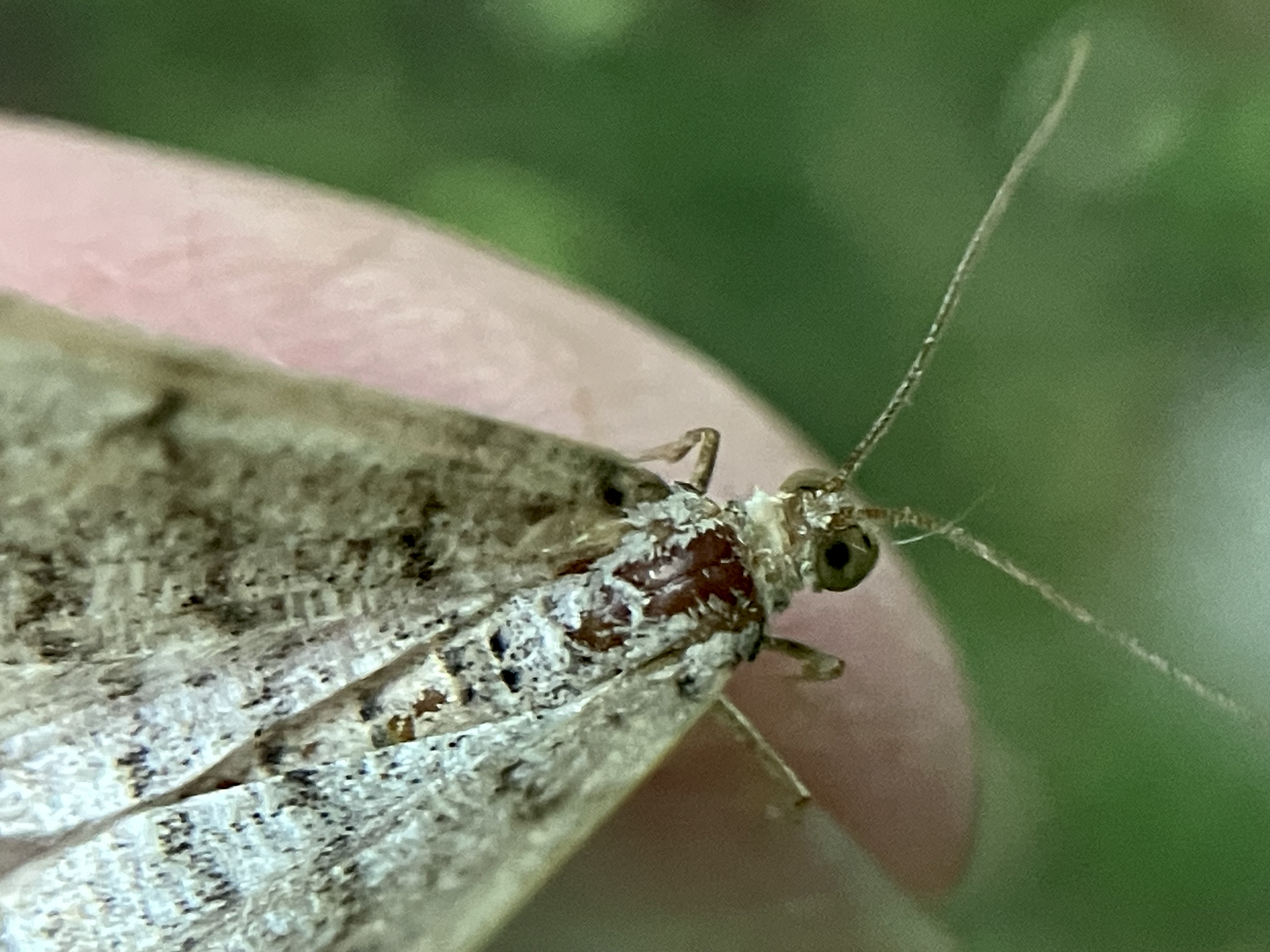
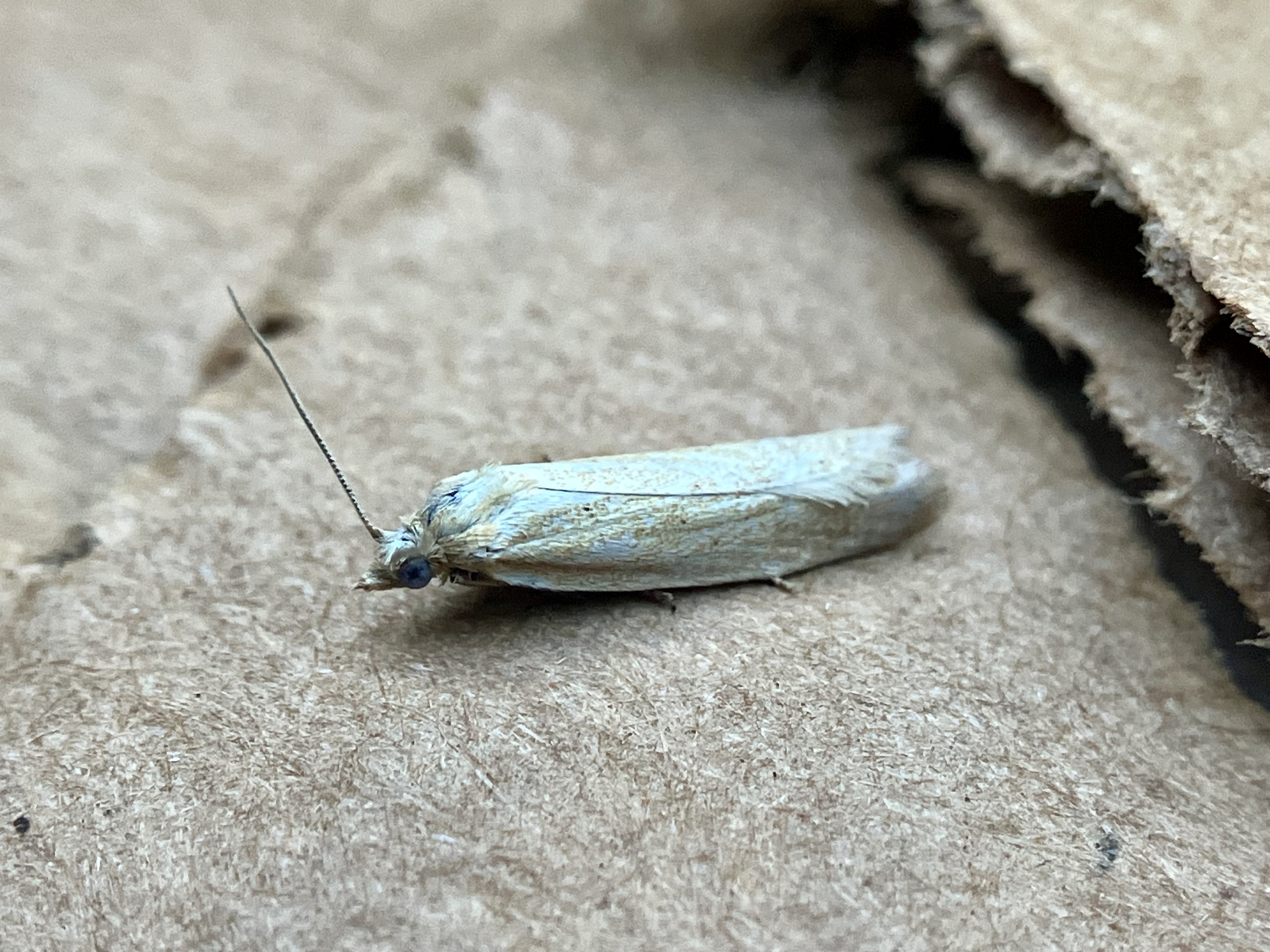
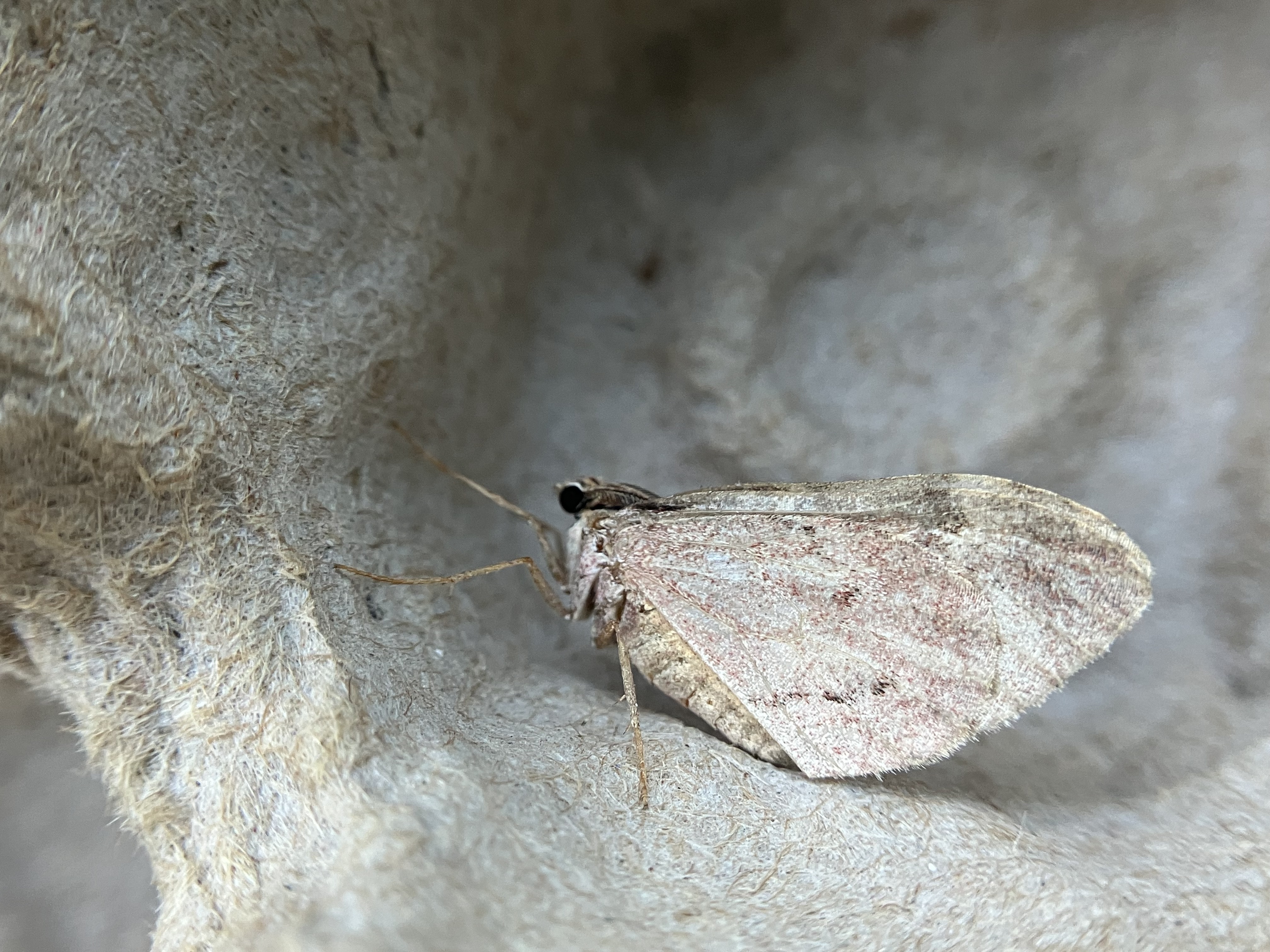
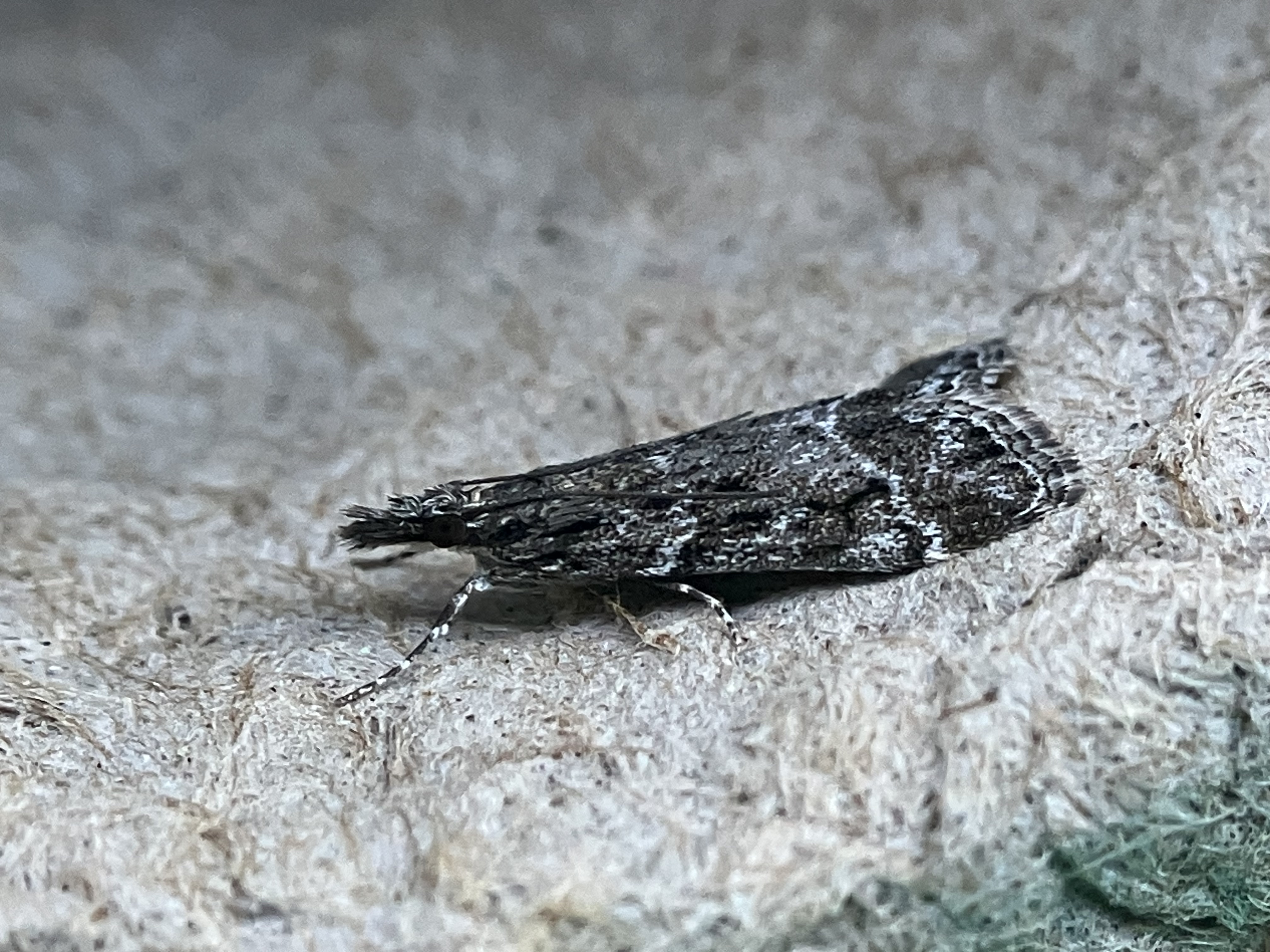
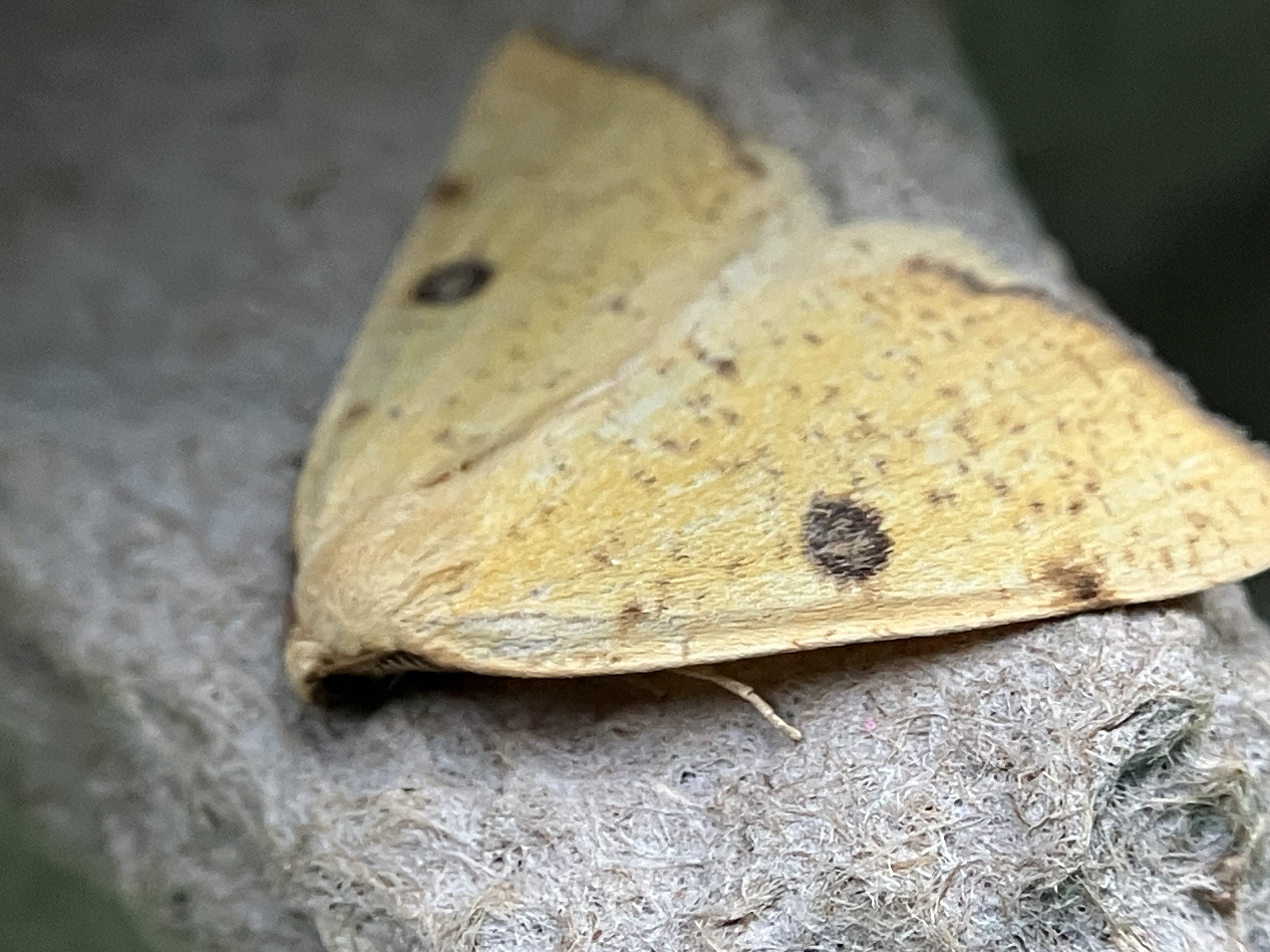
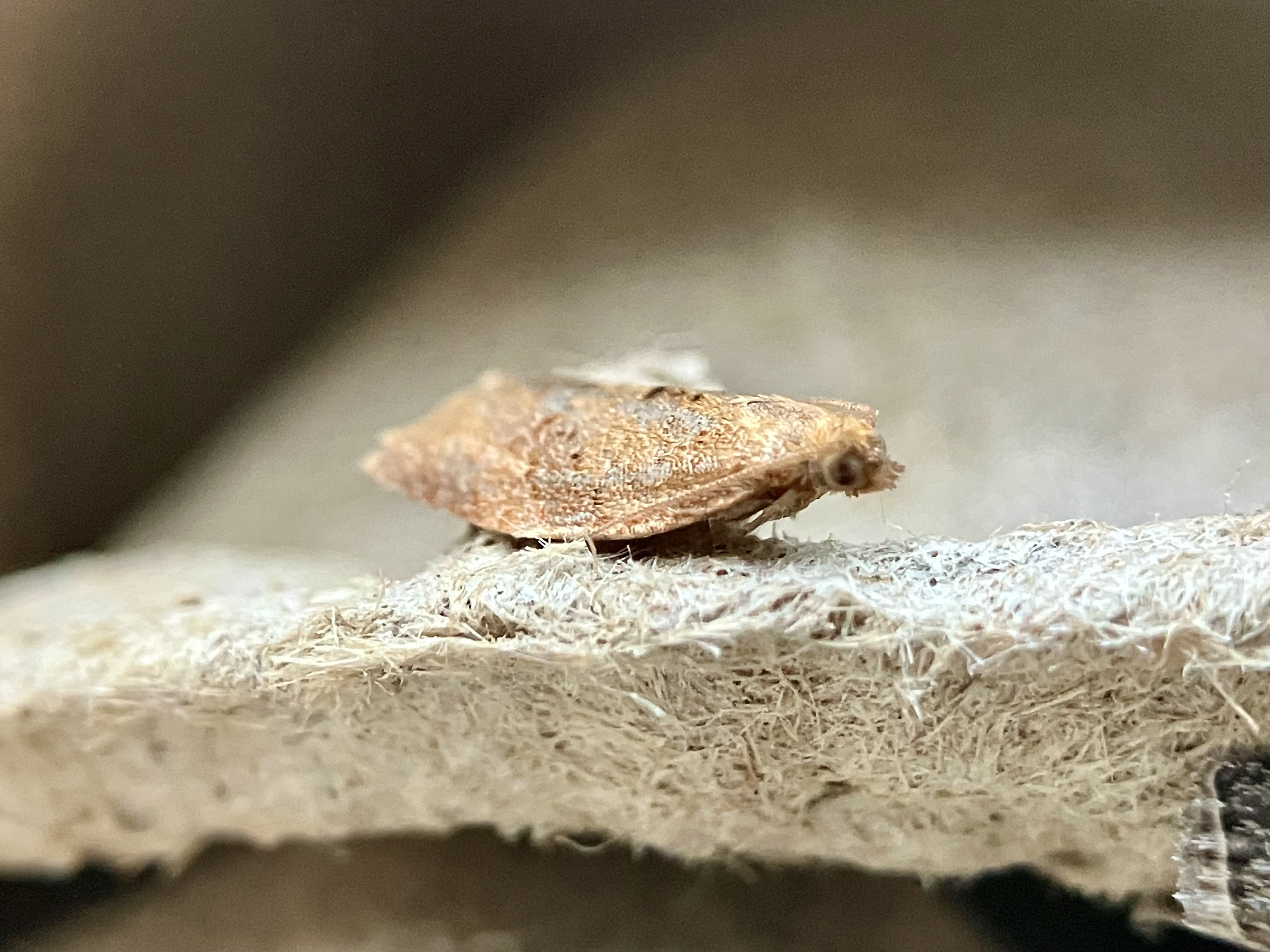
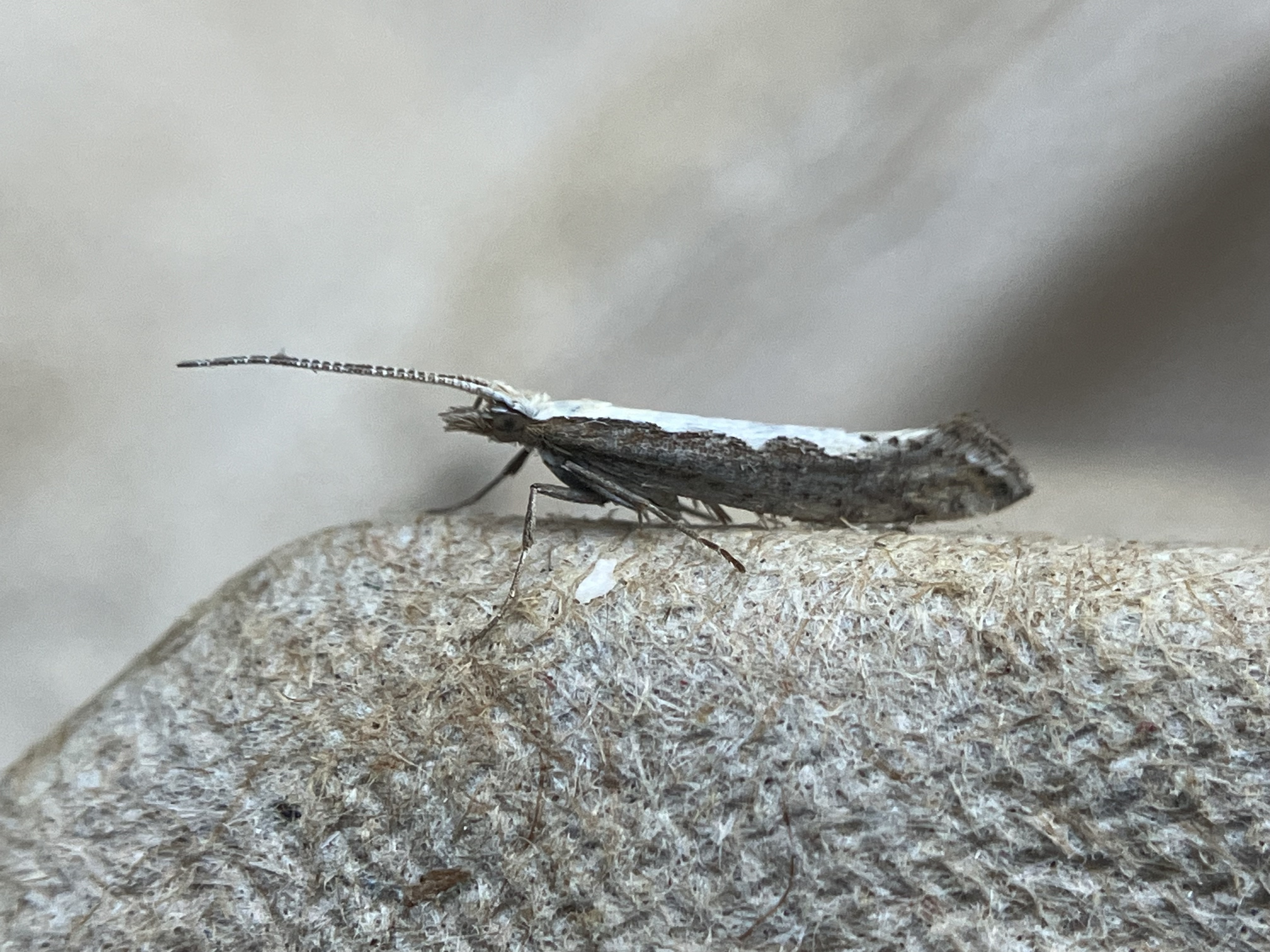
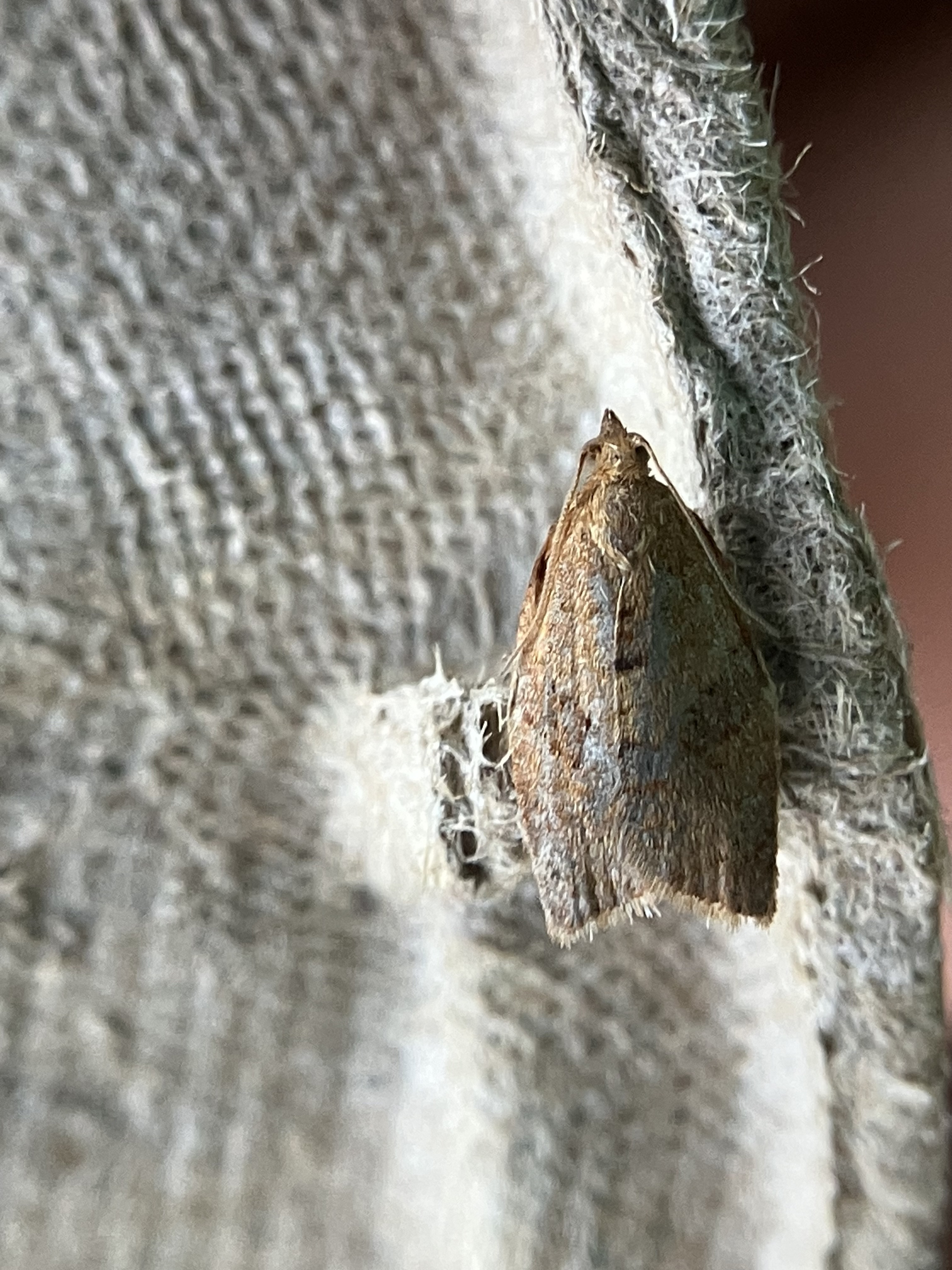
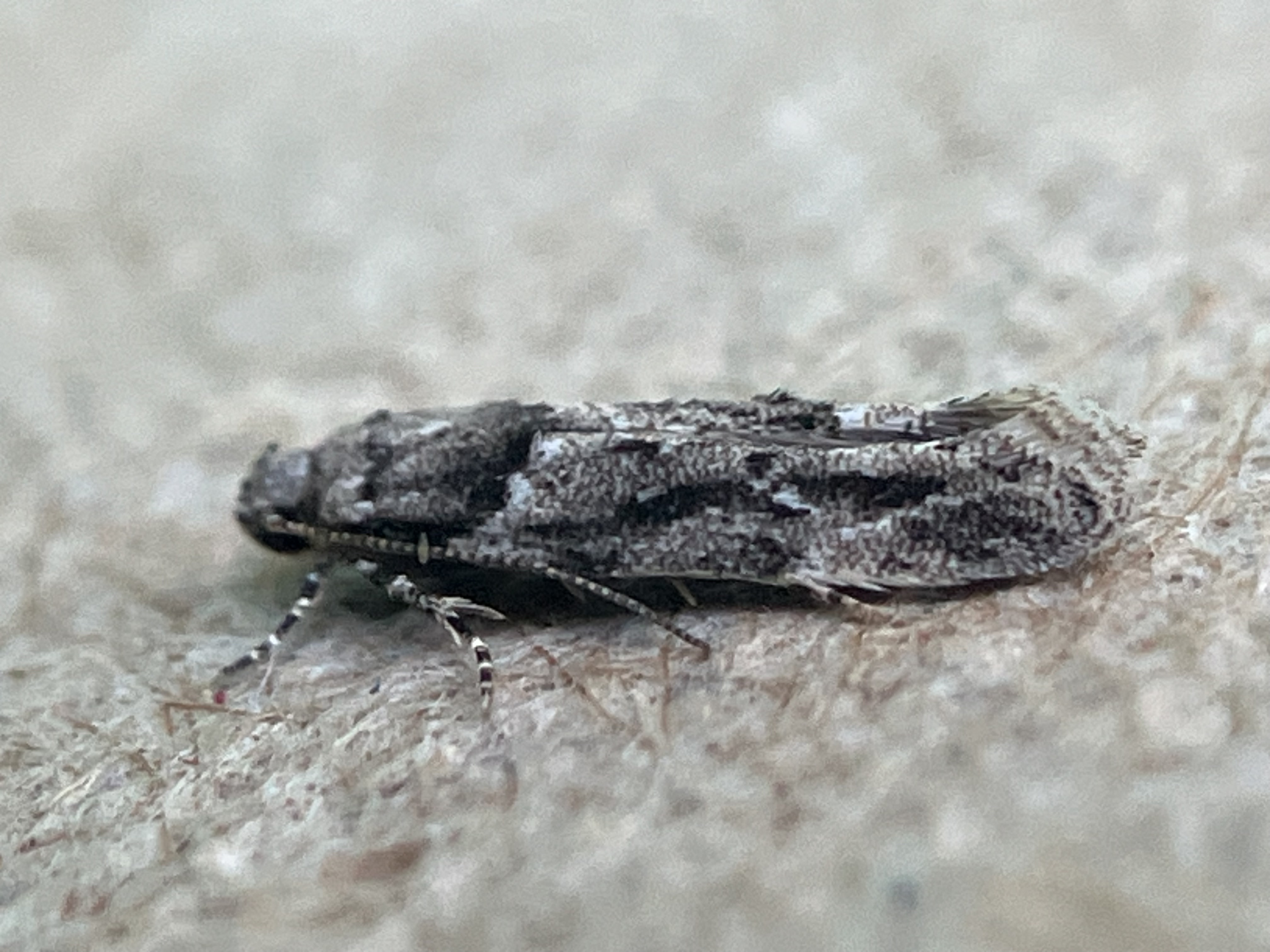
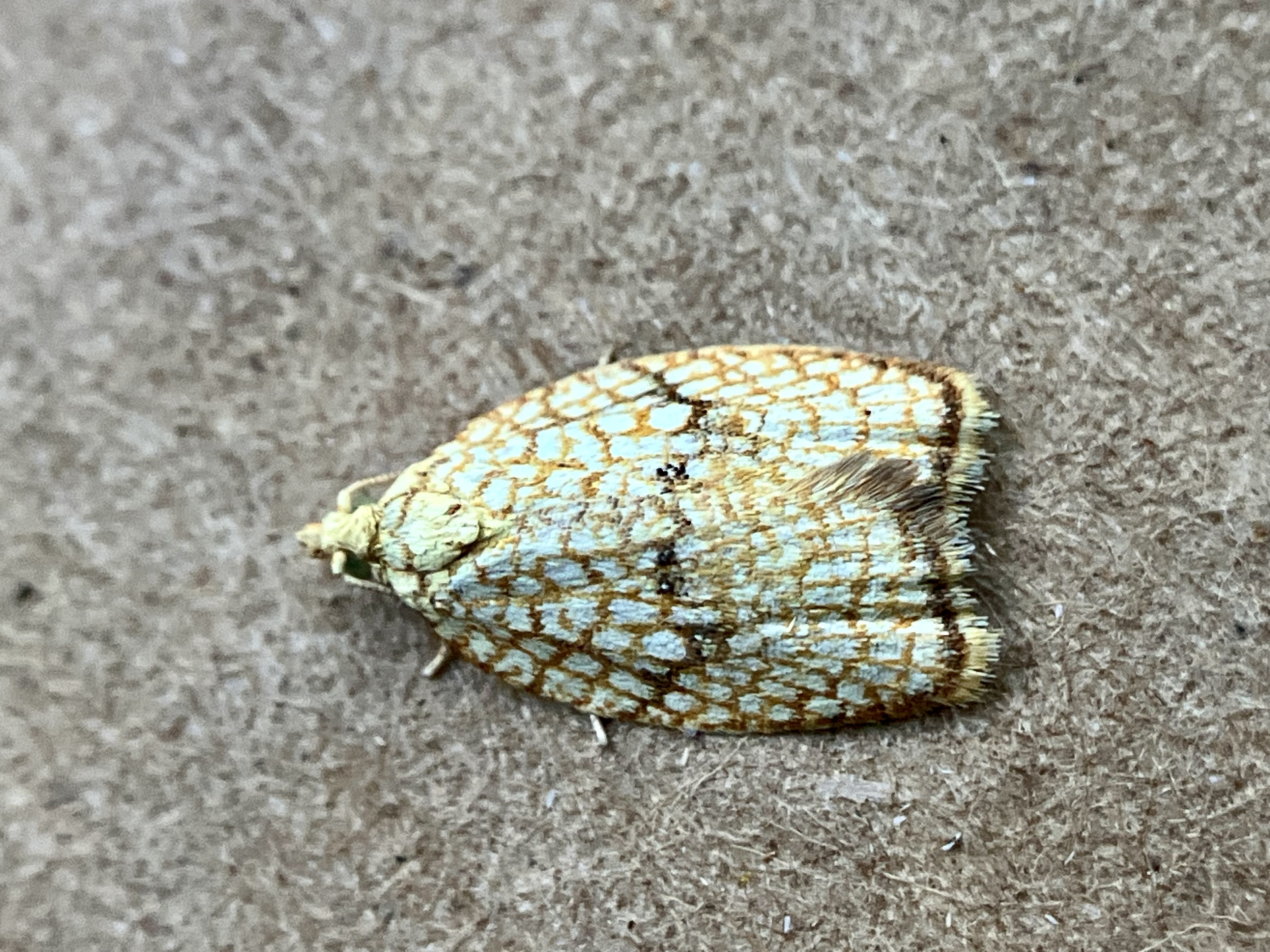
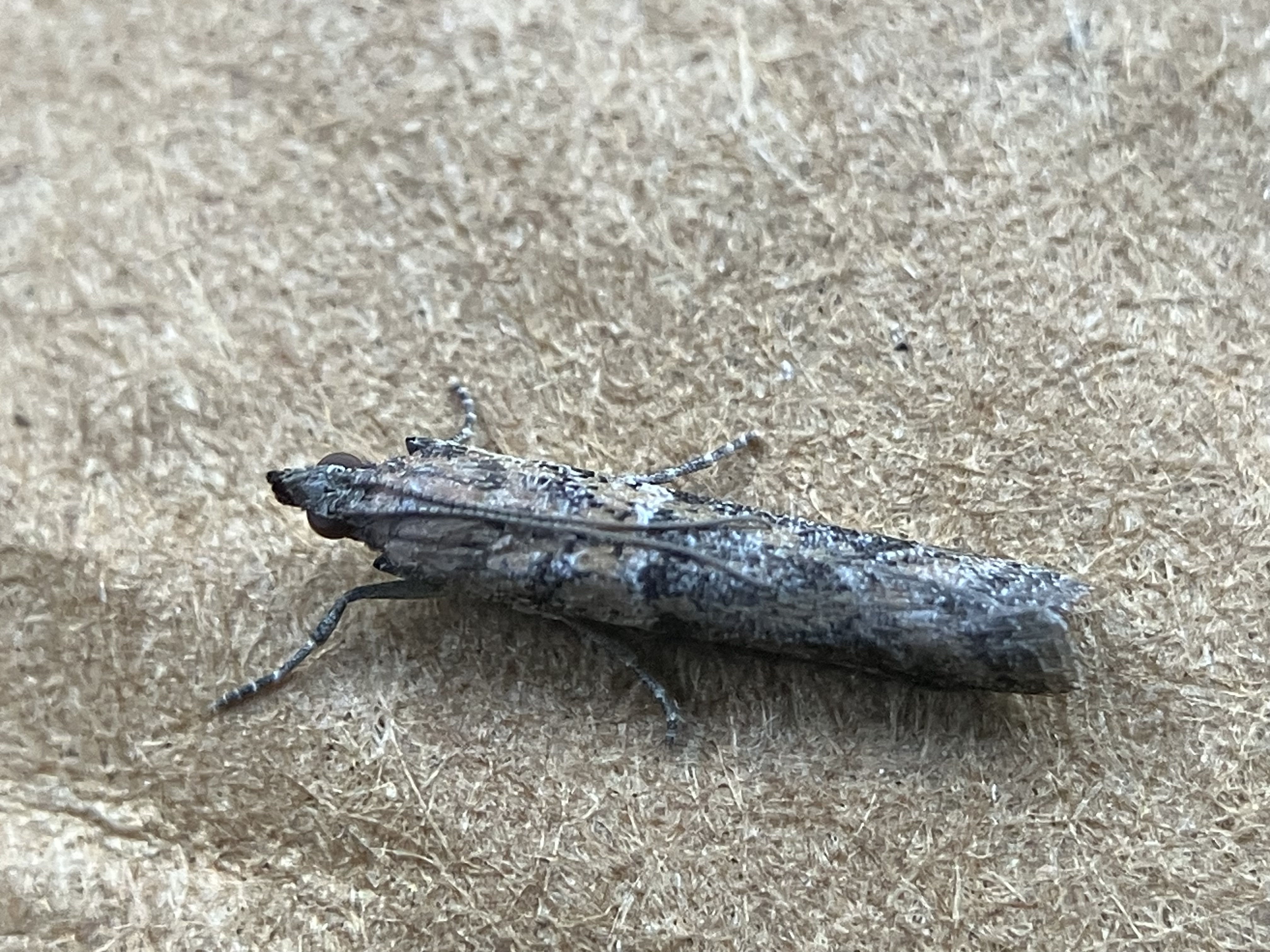
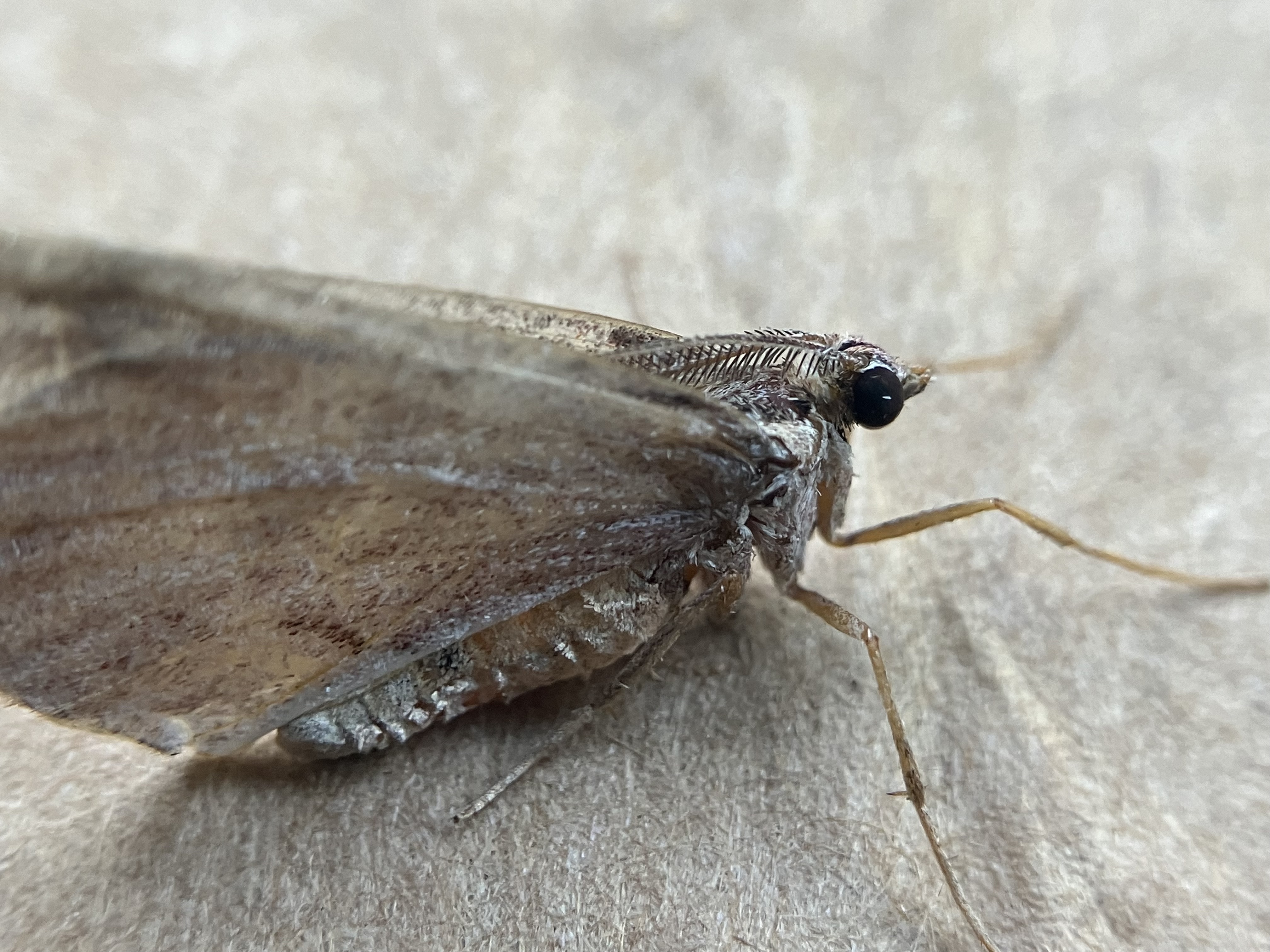
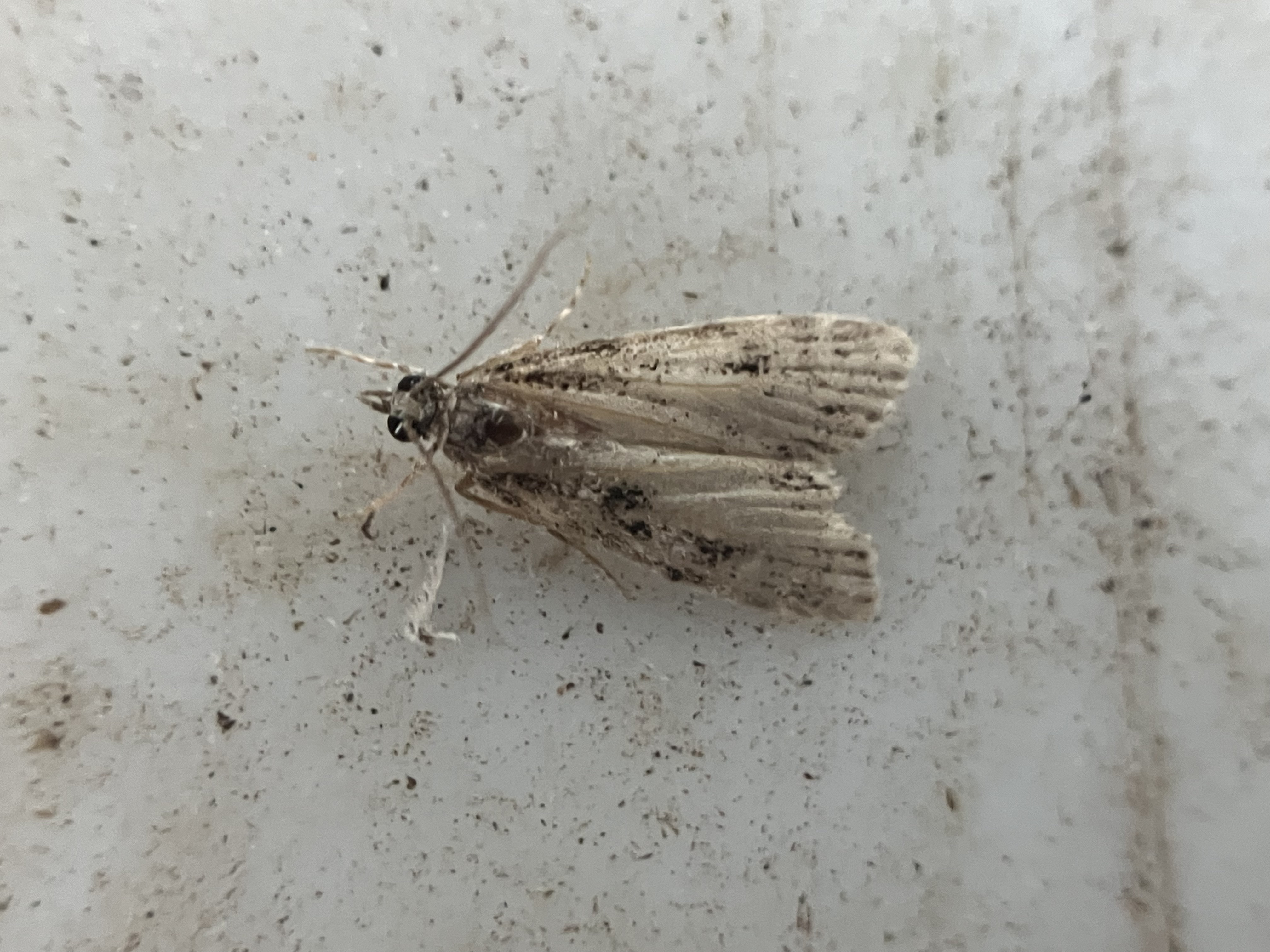
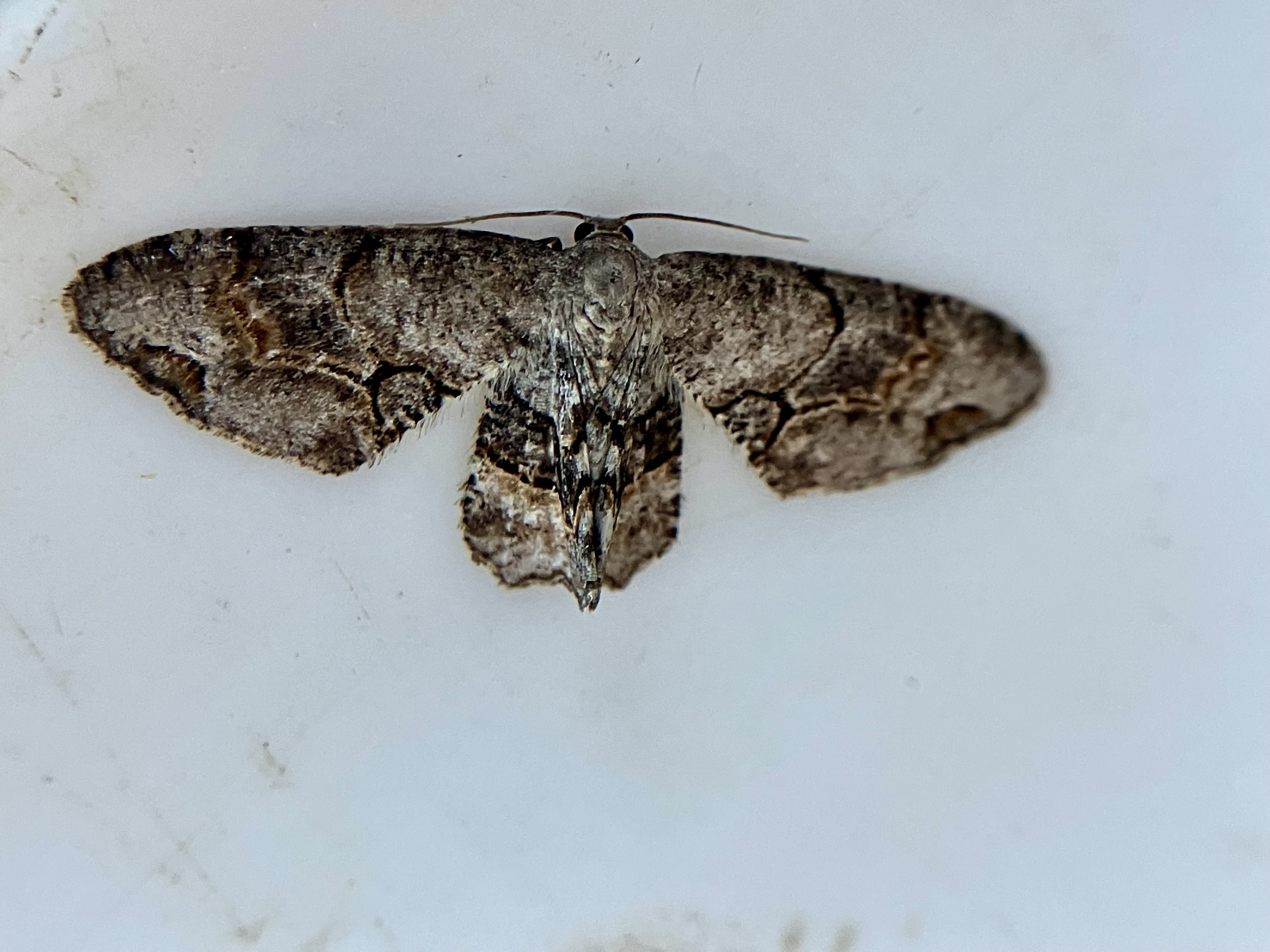
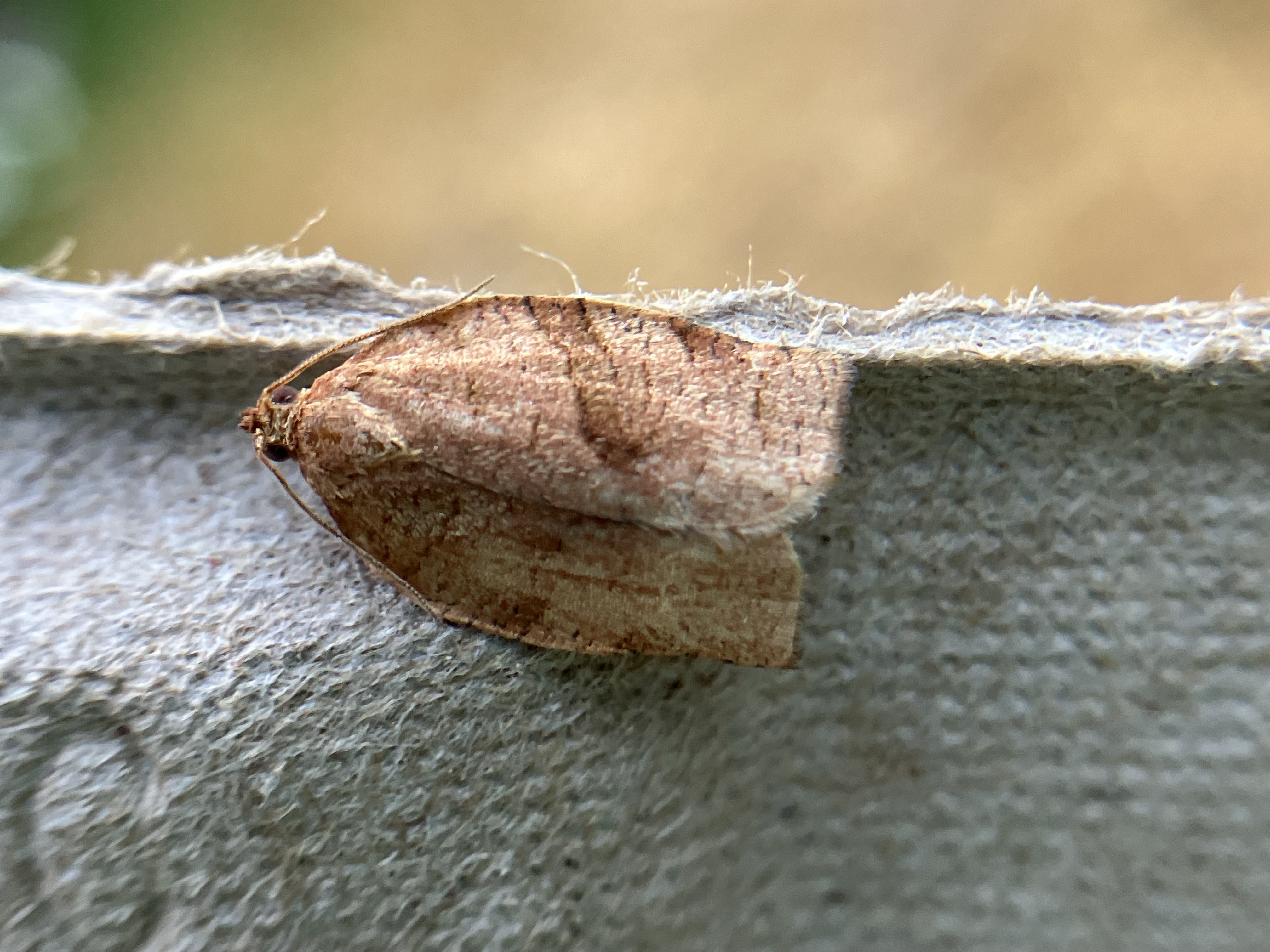
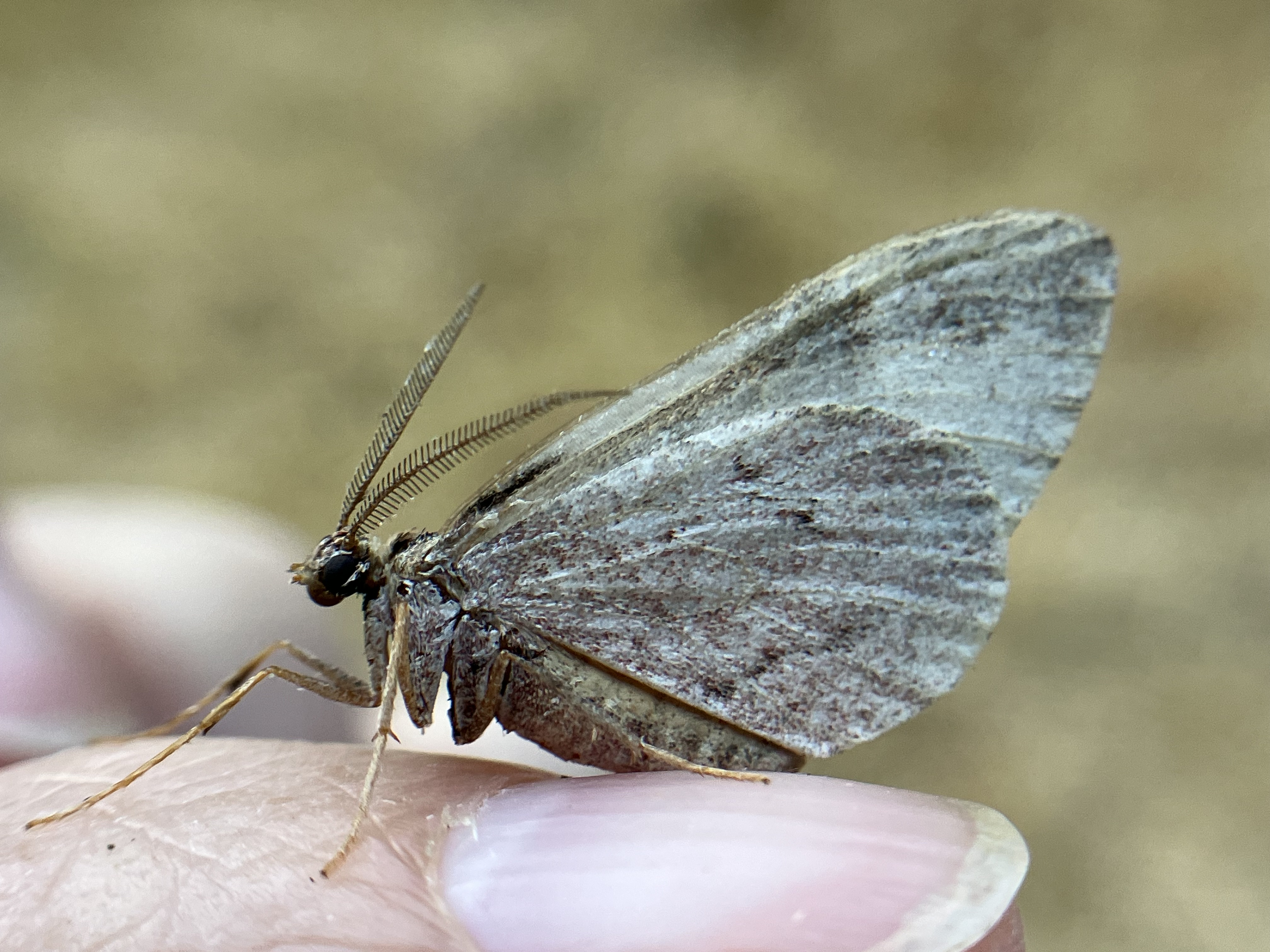
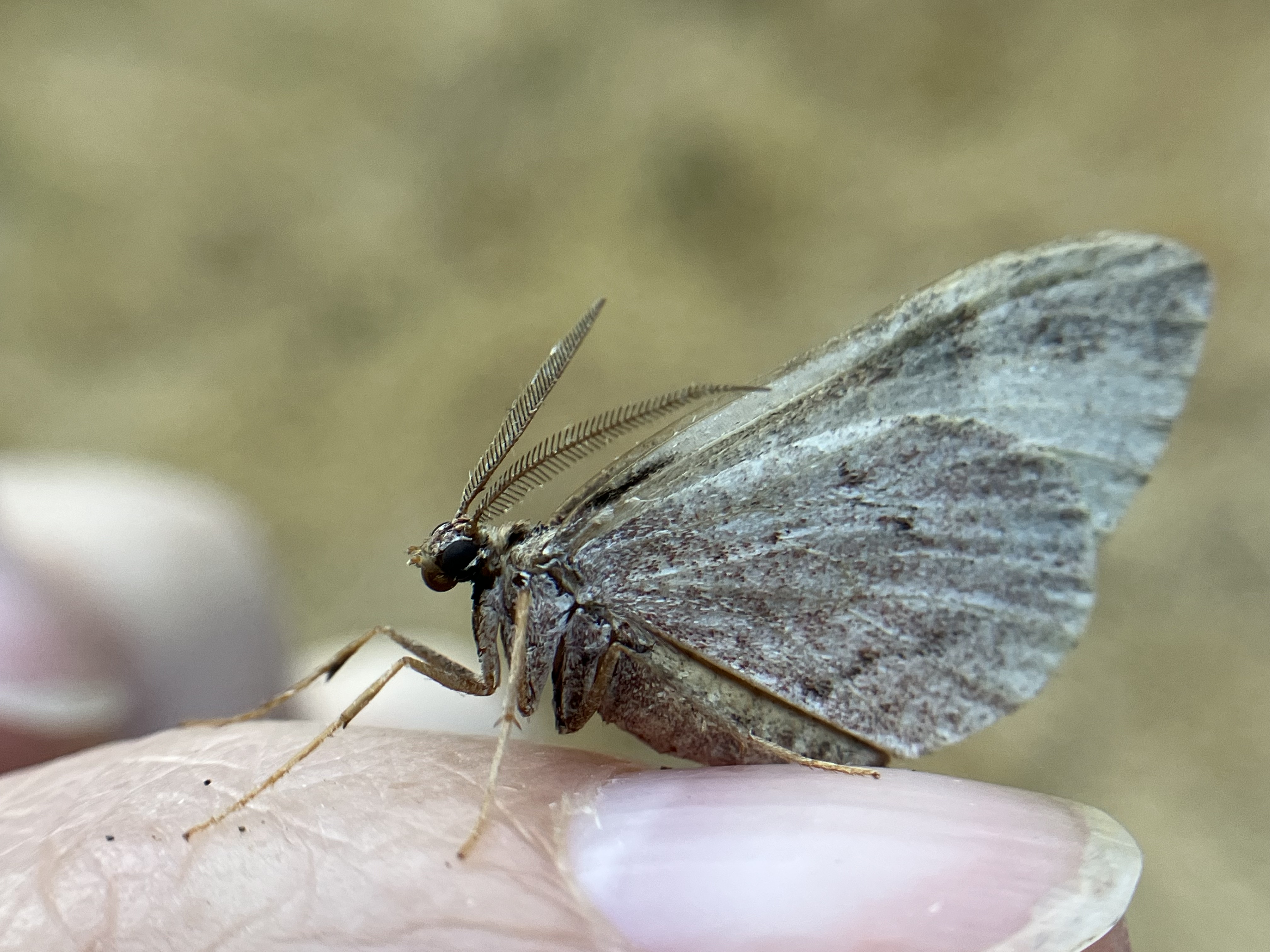
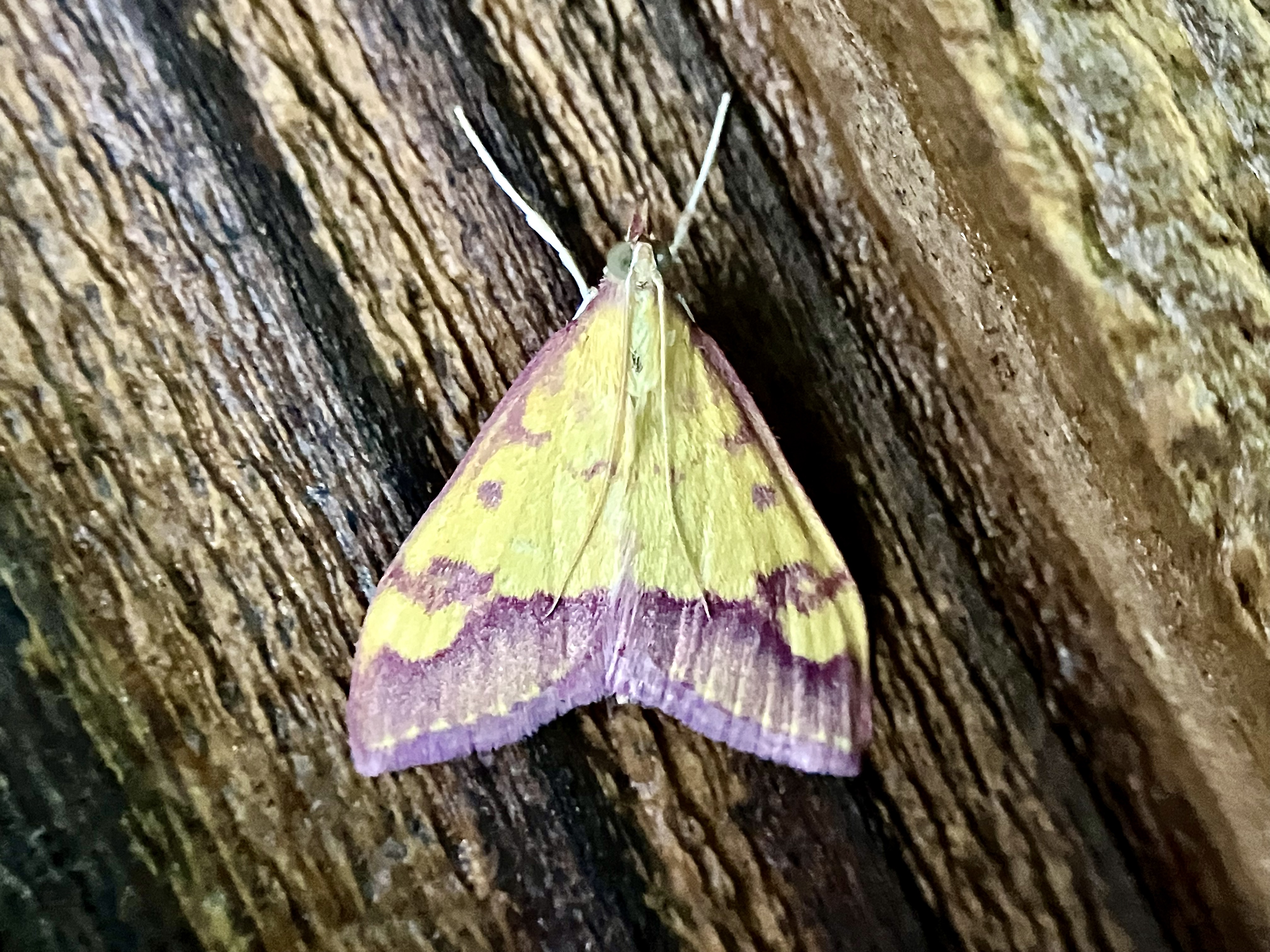
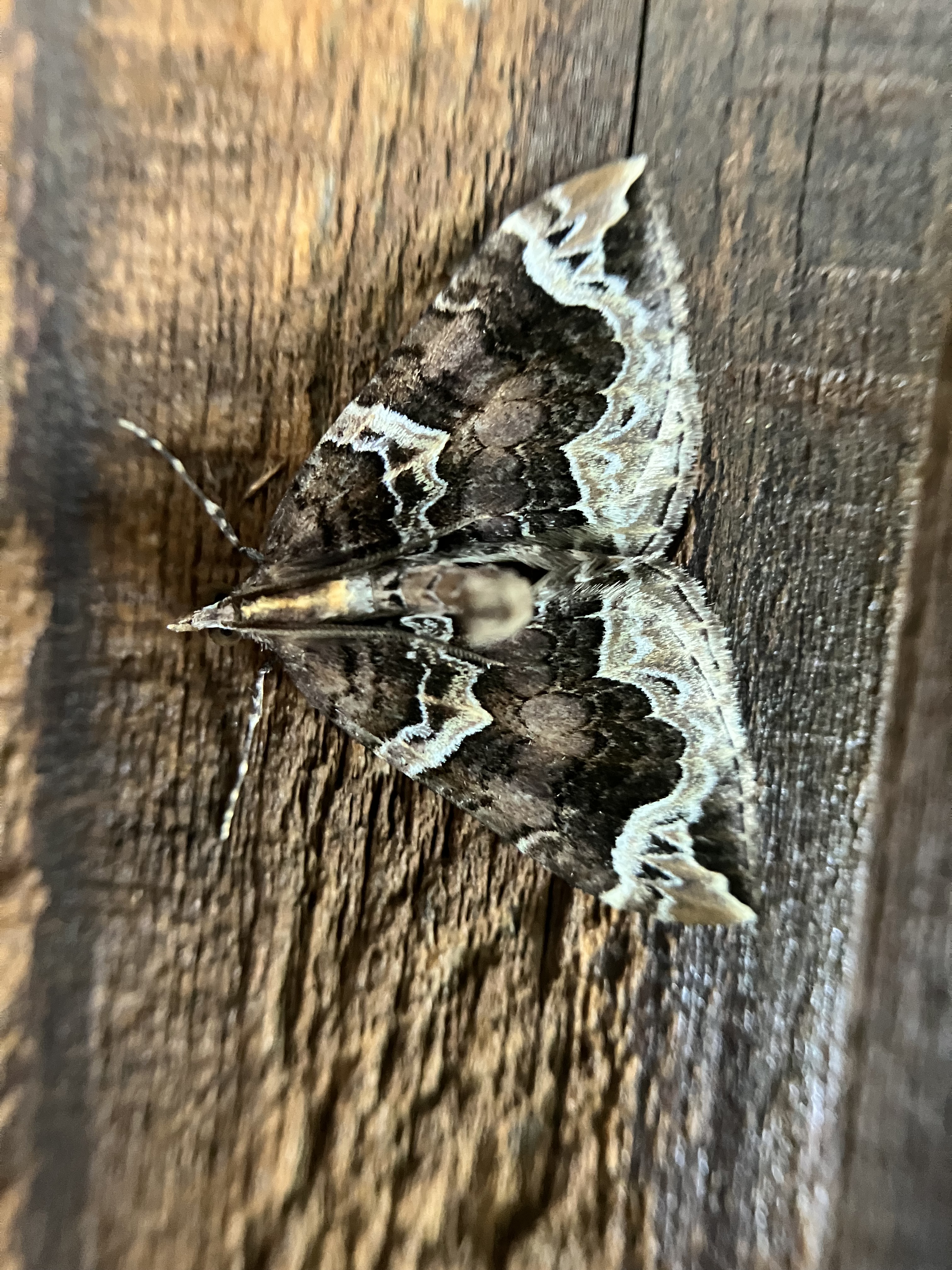
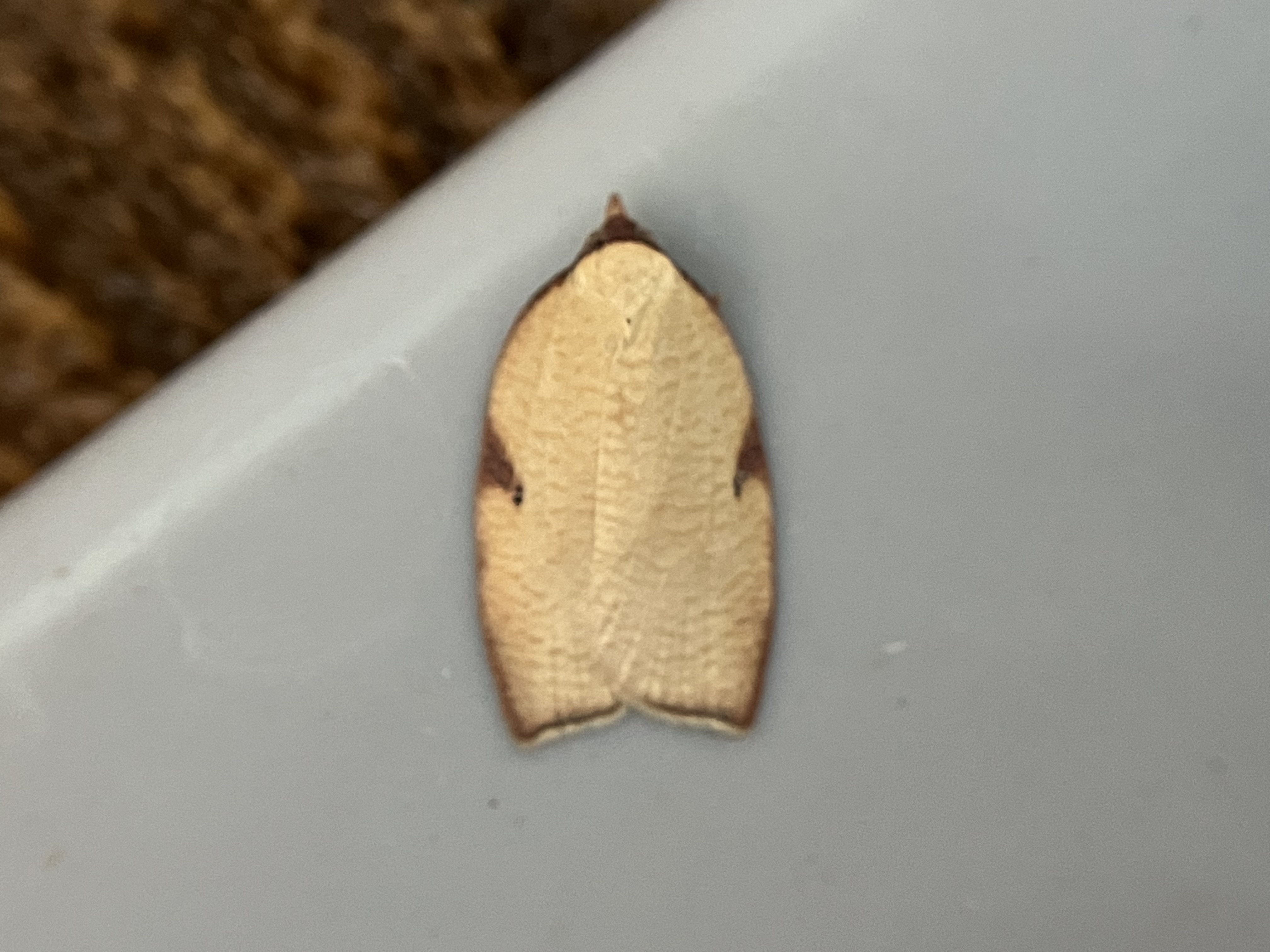
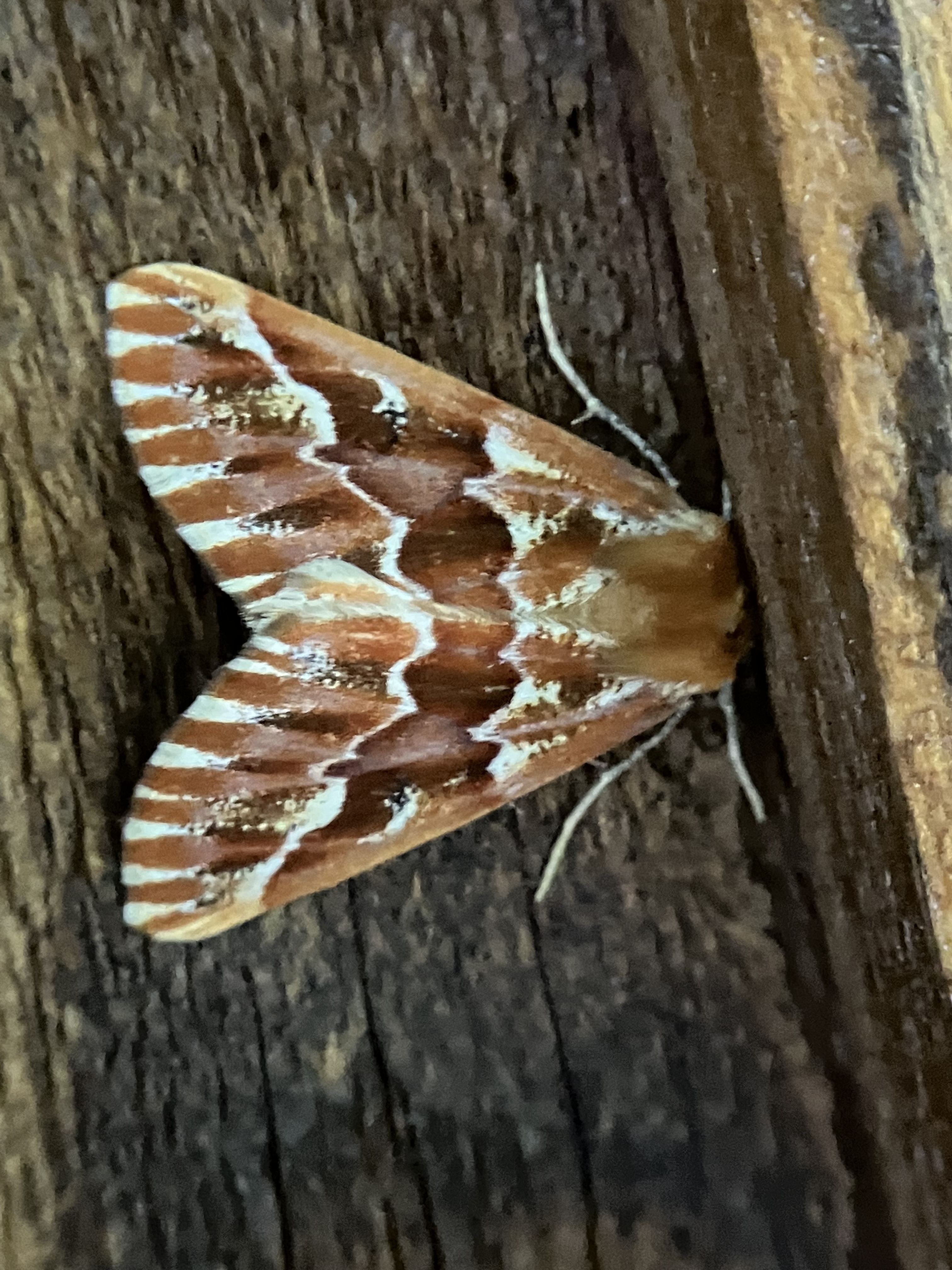
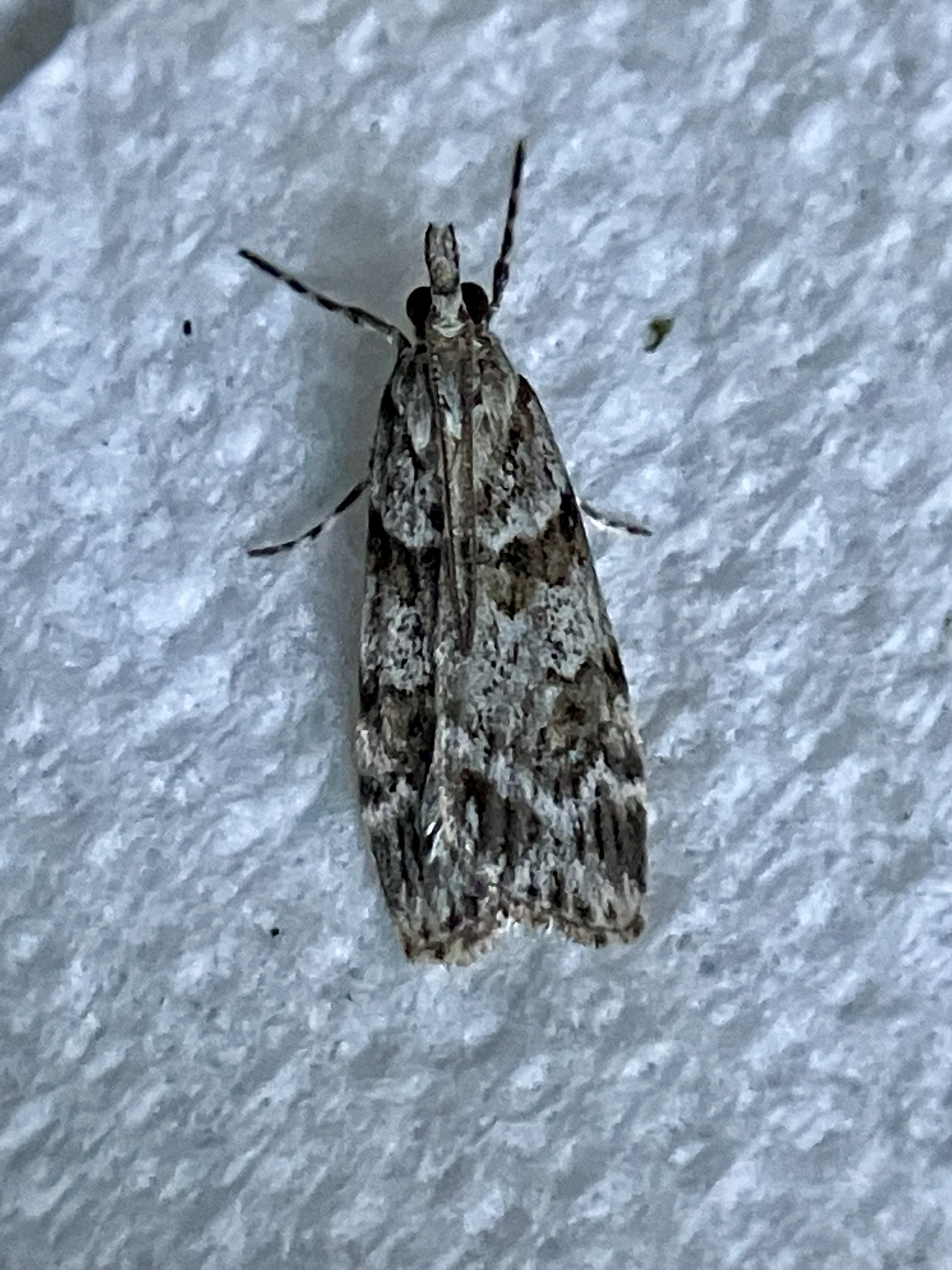
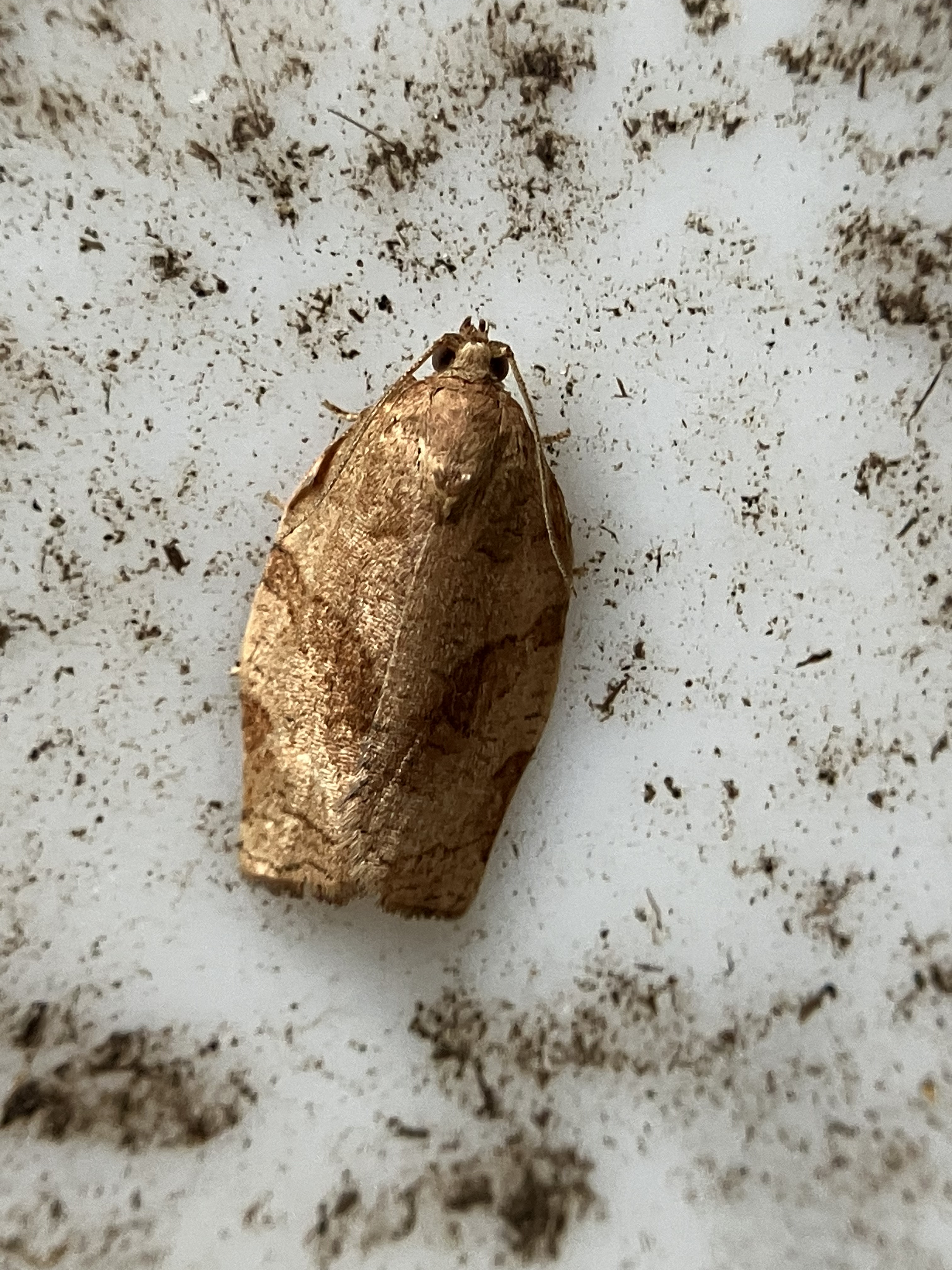
I finally finished labeling all of my photos and have them uploaded. If my count is right, I have about 20 different species today, but as I mentioned in my earlier post, I won’t necessarily have all of them identified to species. Some I’ve only been able to ID to tribe or subfamily, others to genus, but a few were easy enough to manage a species ID for. If anyone finds a mistake, kindly point it out and I will make the necessary corrections. There were lots of micro moths this morning and those are tough for me. But they are fascinating. Some look like bird poop. You’d never see them, they are disguised so well in nature.

If you’re interested in participating in National Moth Week, it’s not too late. Check out their website here – https://nationalmothweek.org

Here’s my gallery. Enjoy!


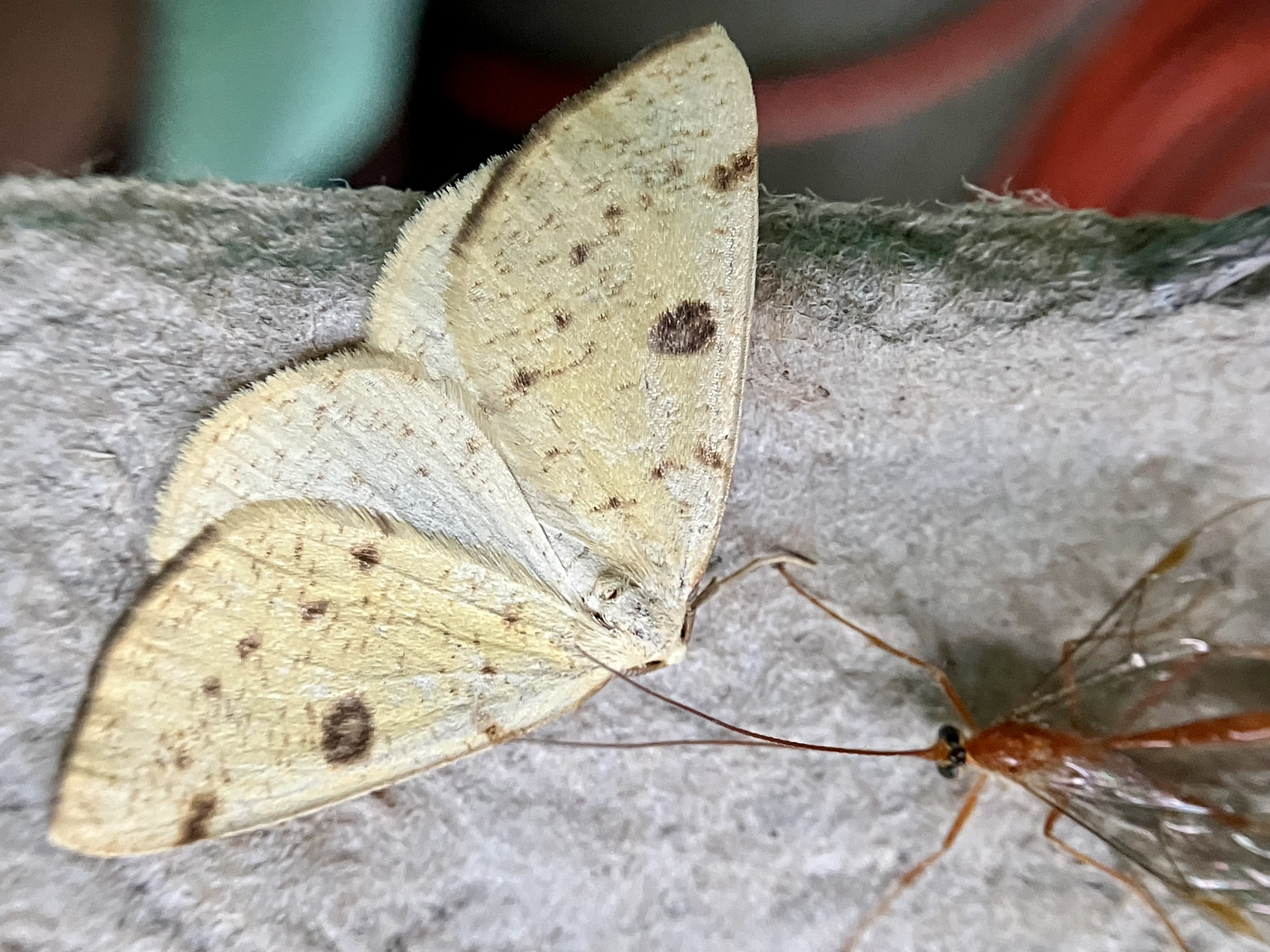
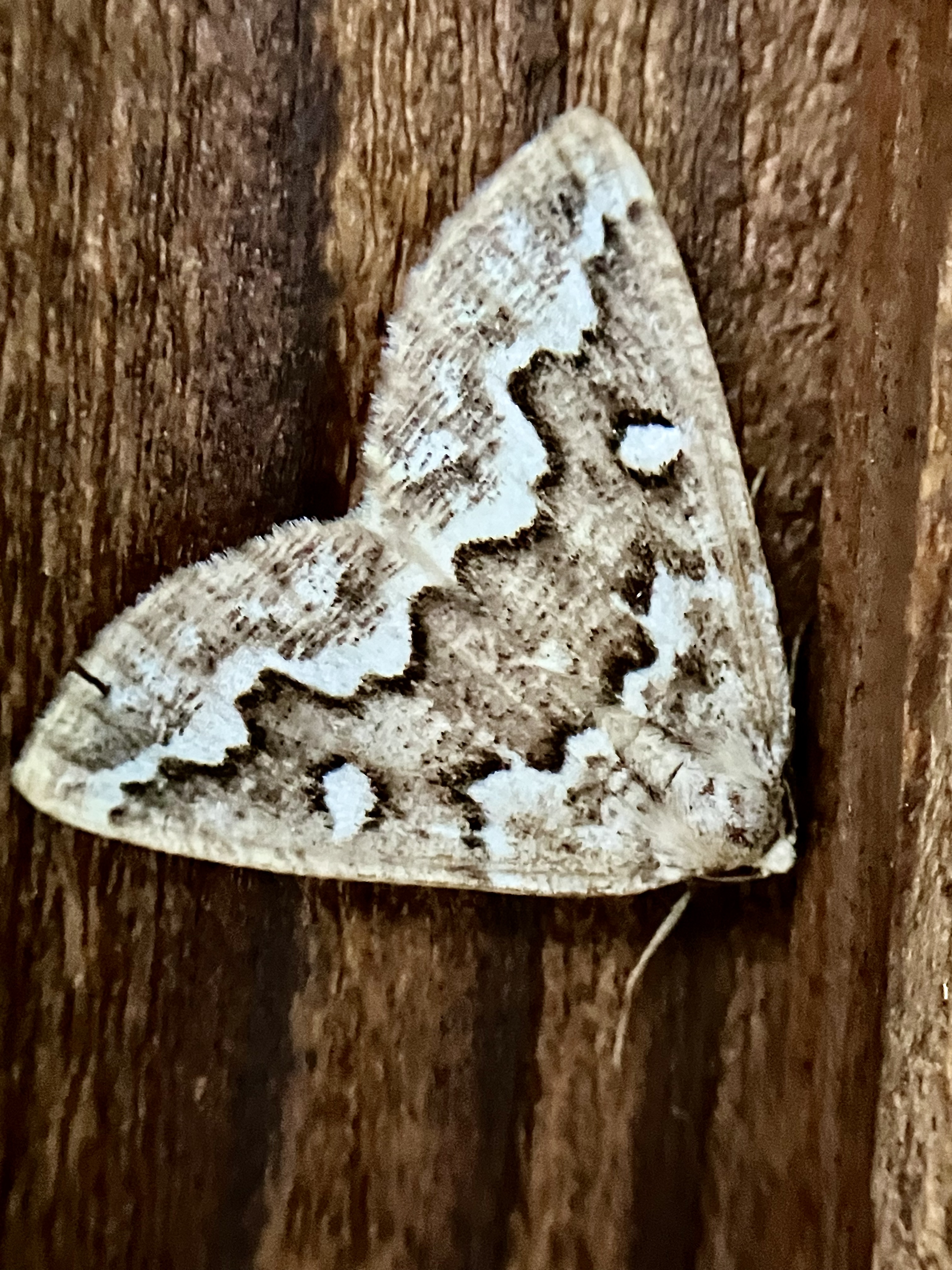
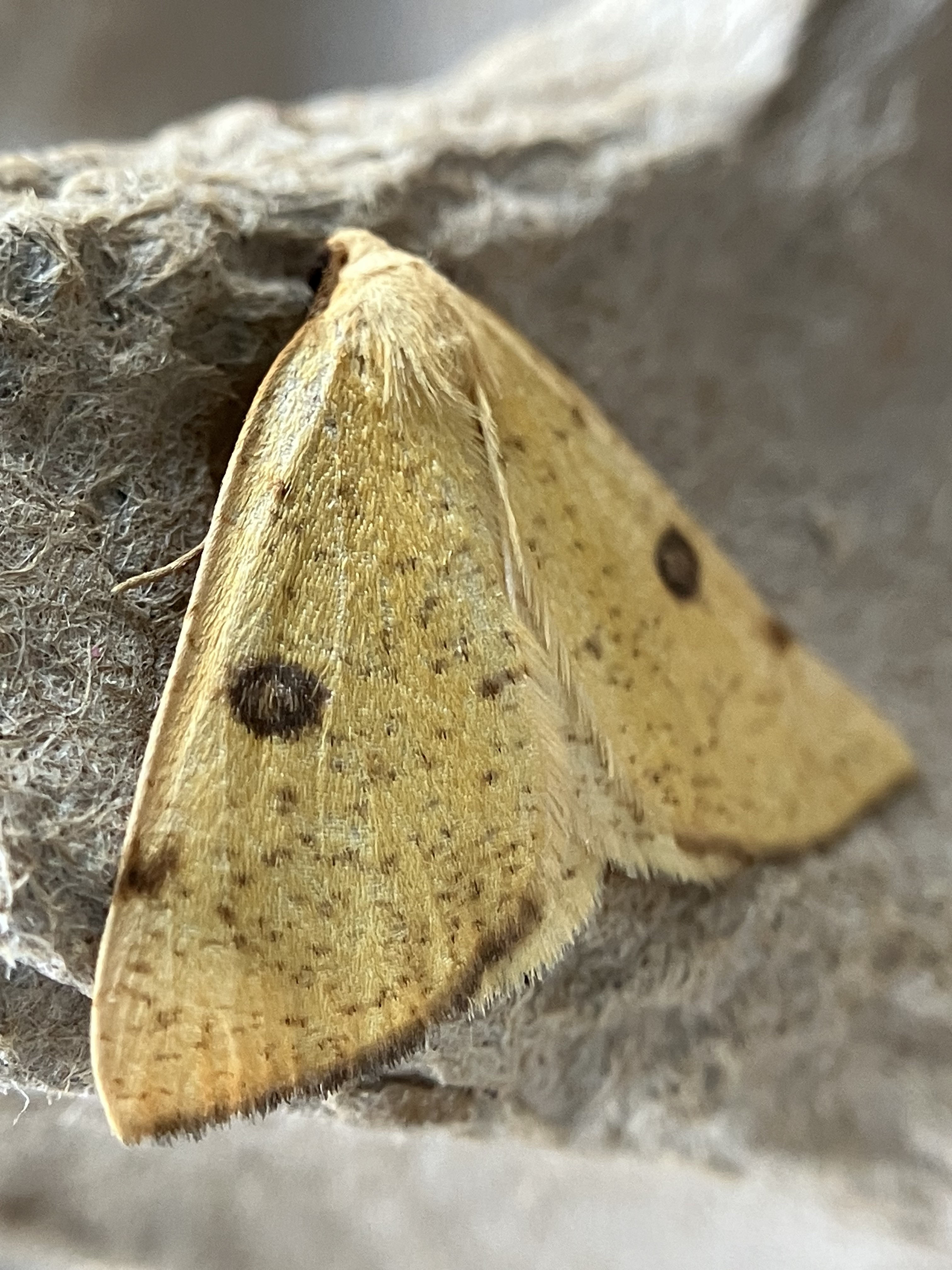
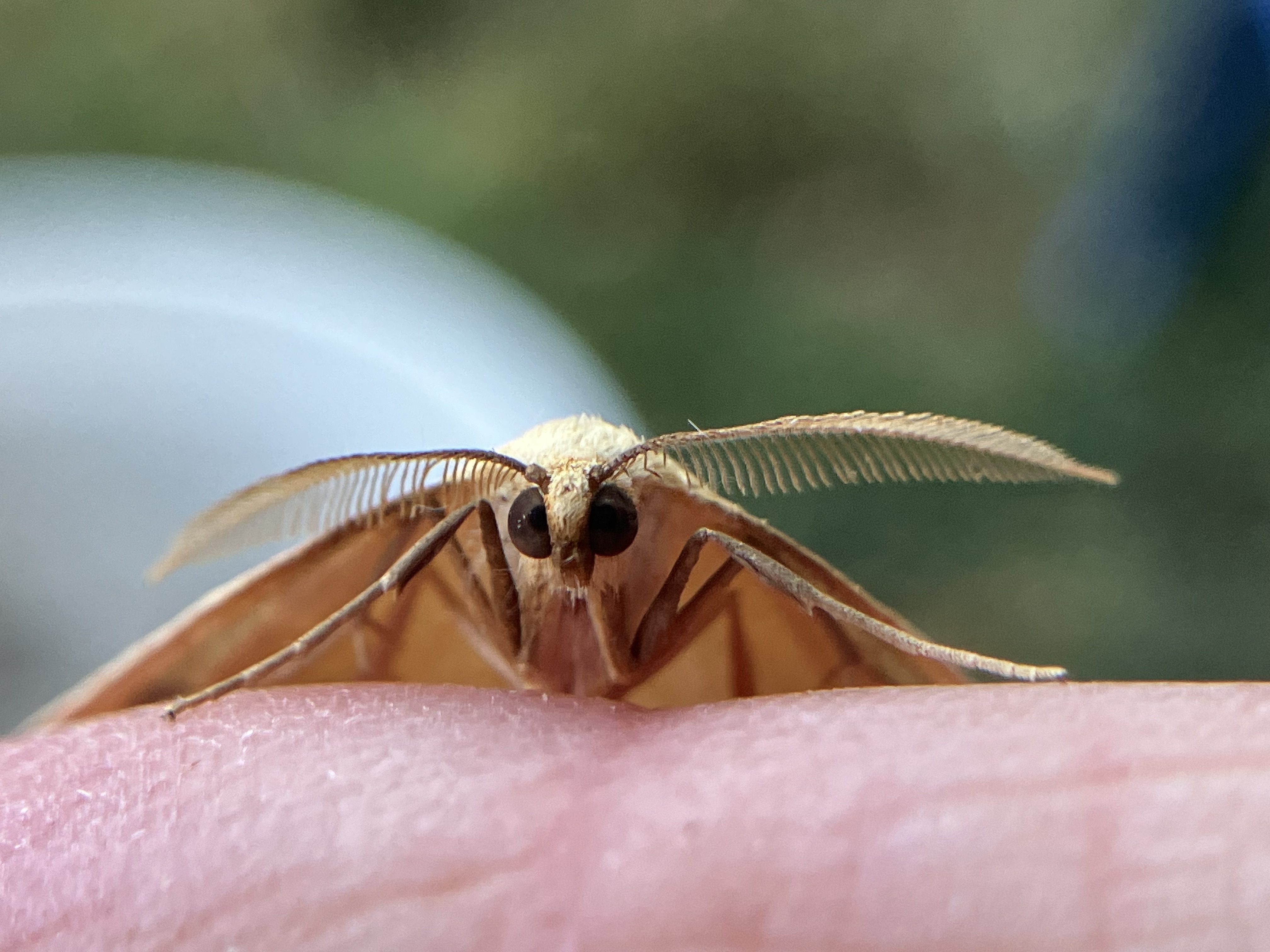
Sulfur moth (Hesperumia sulfuraria)
Sulphur Moth (Hesperumia sulphuraria)
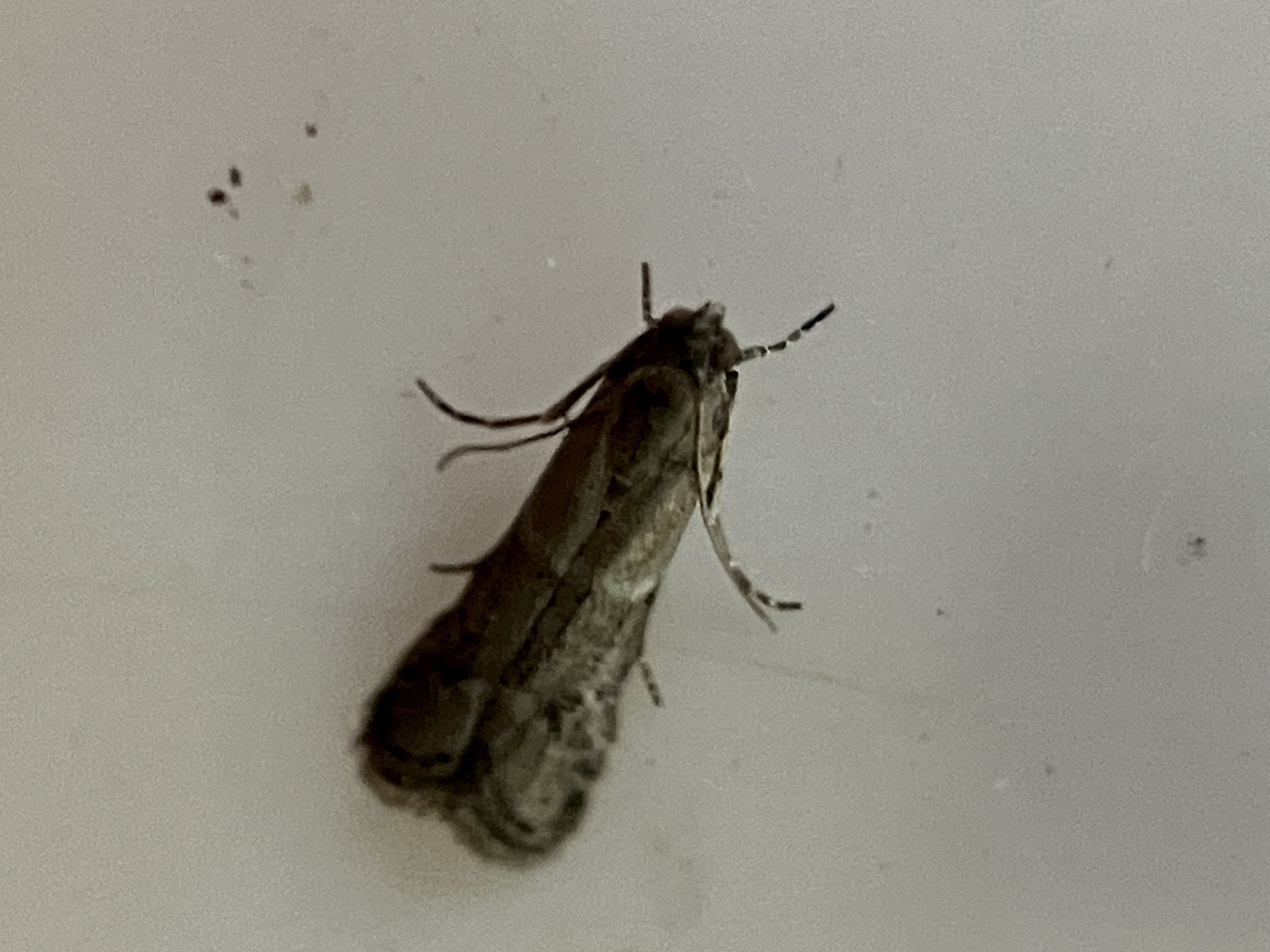
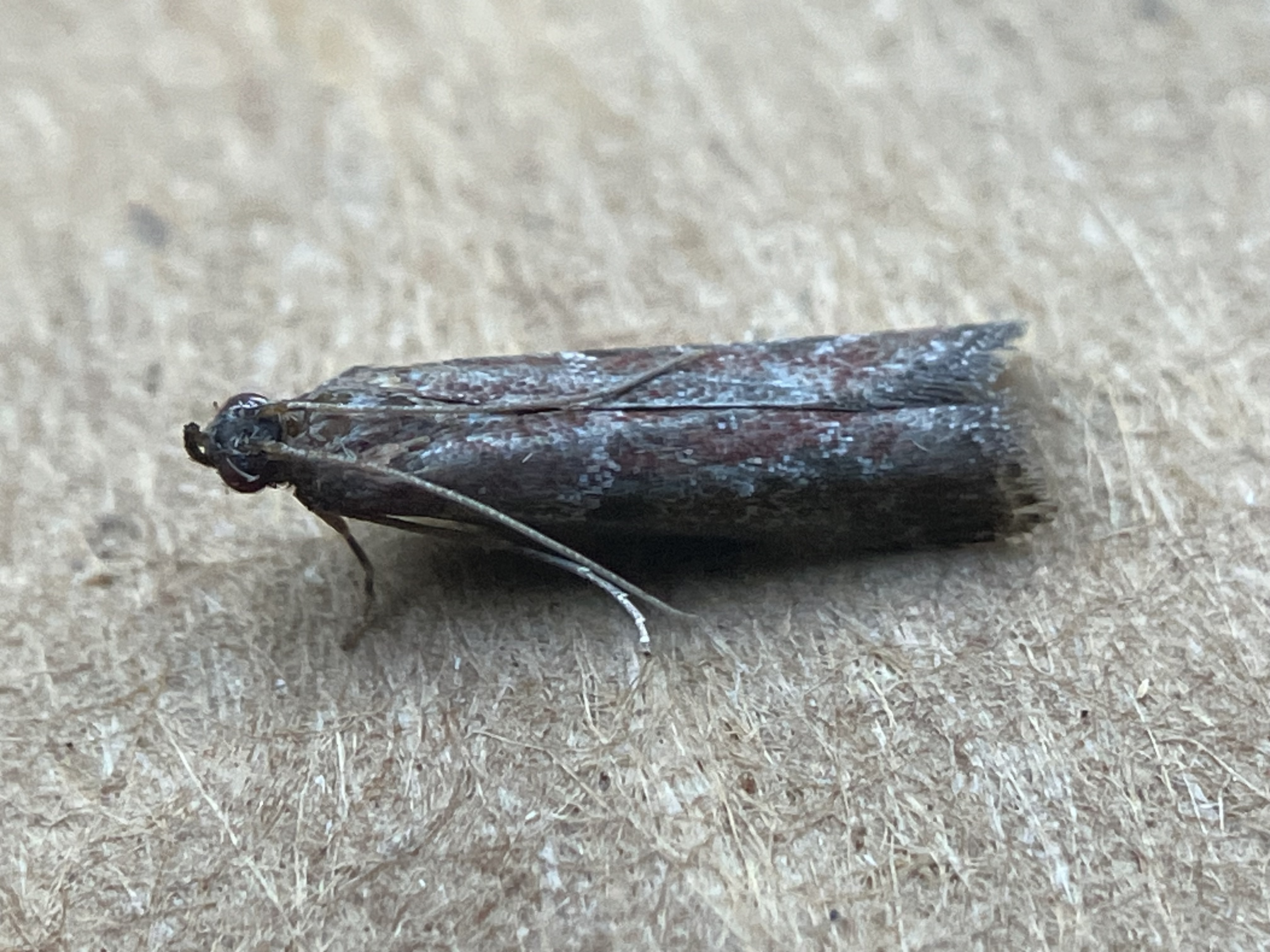
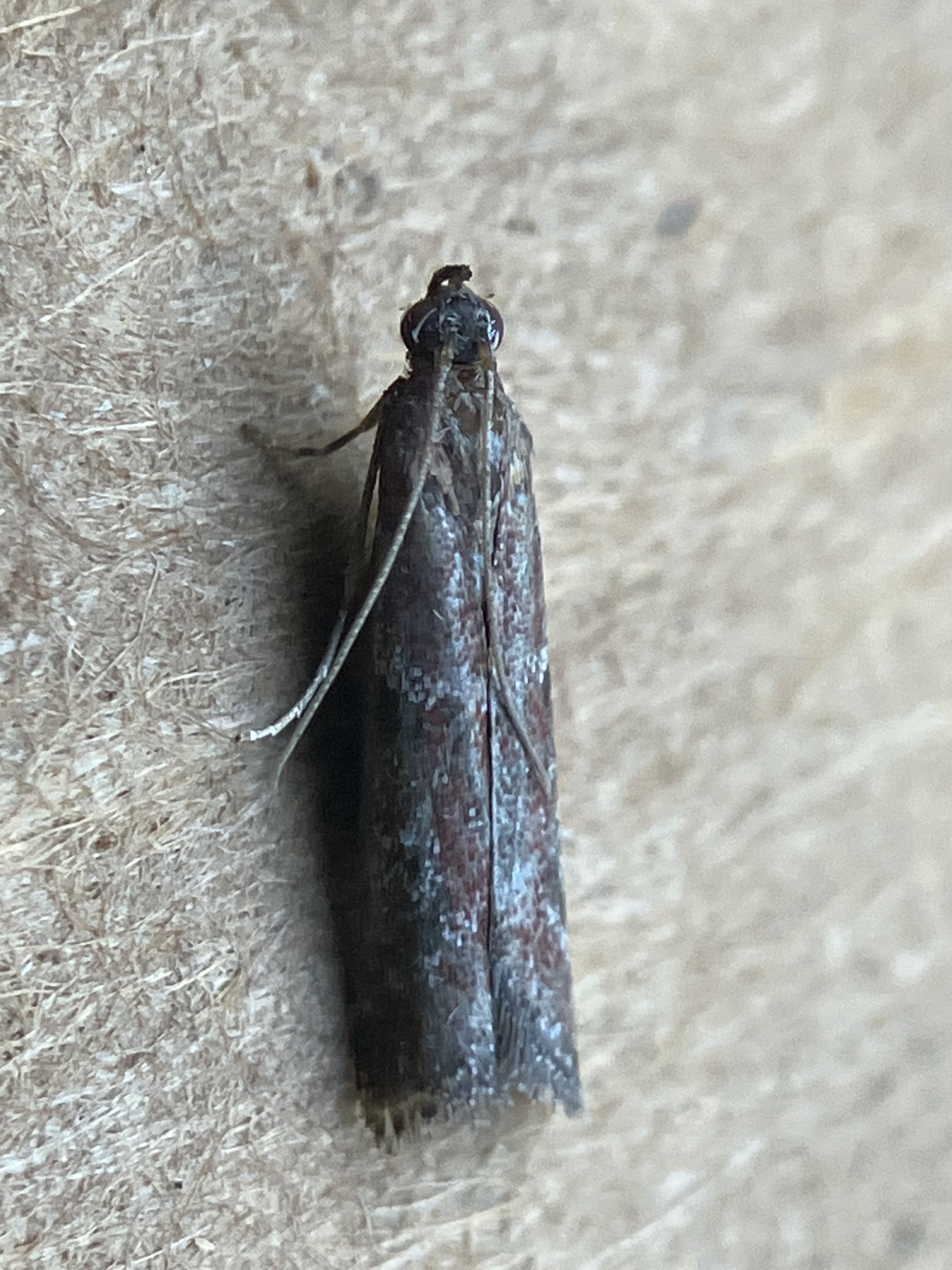
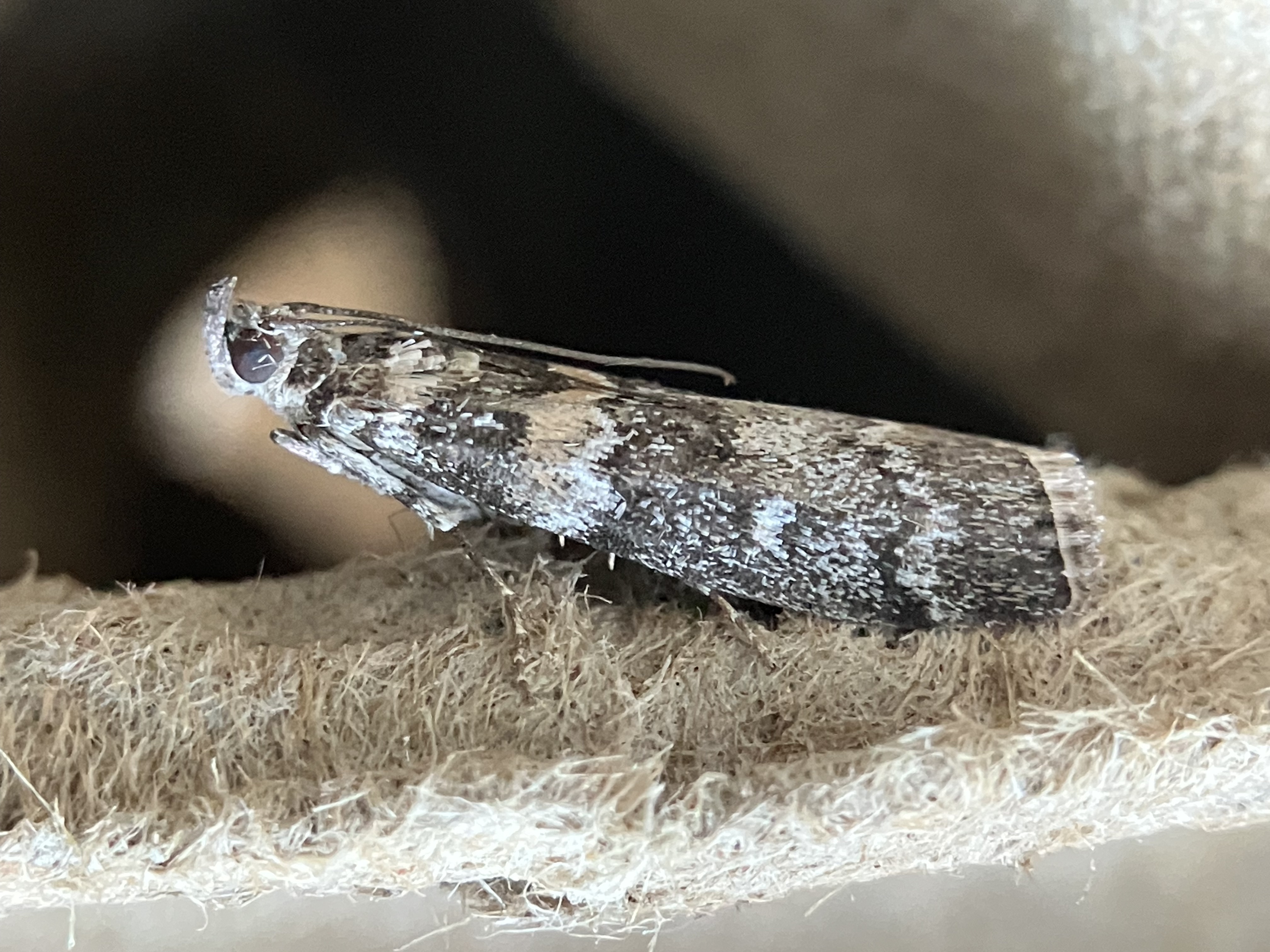
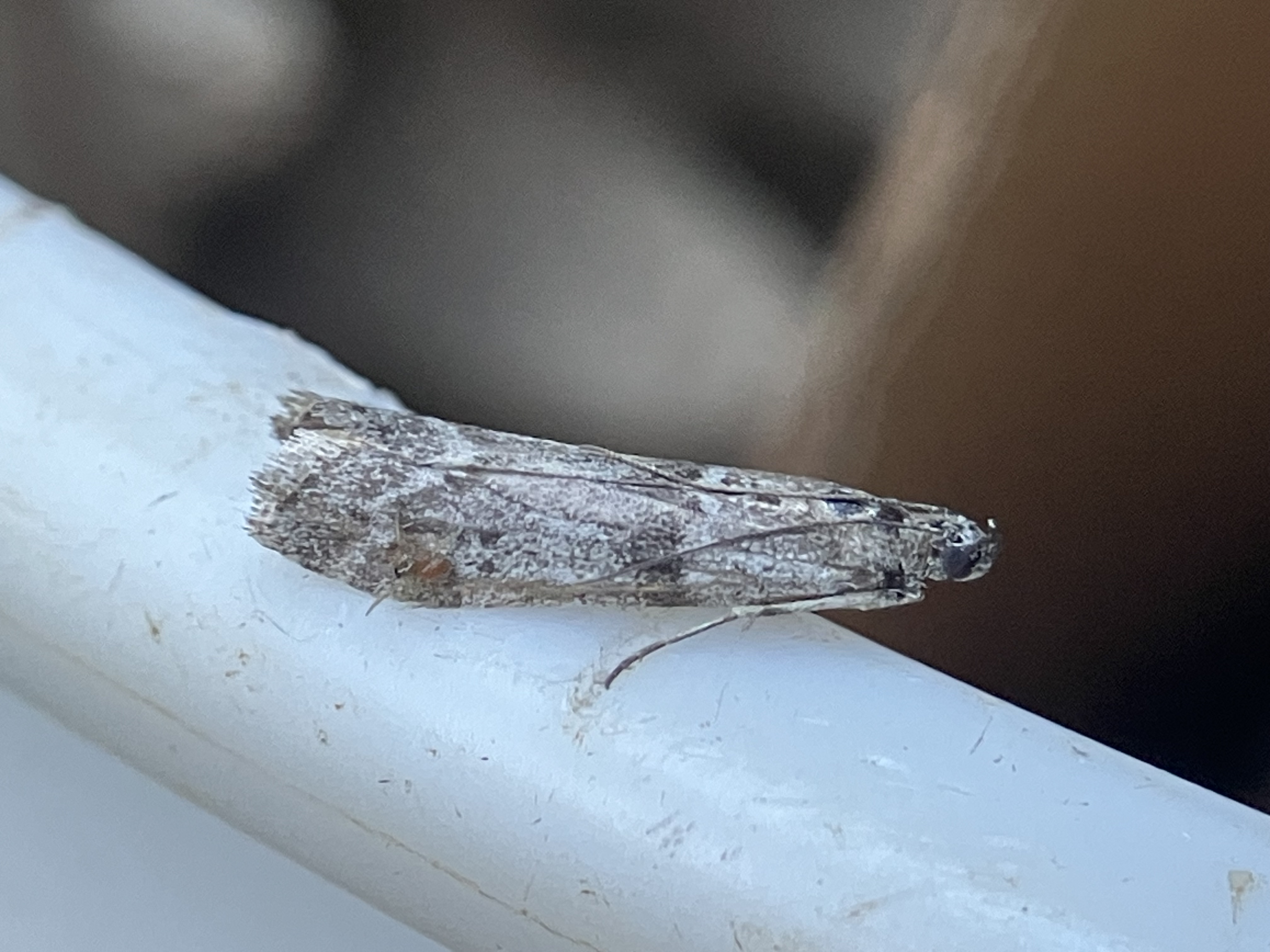
Knot horn moths (Subfamily Phycitinae)
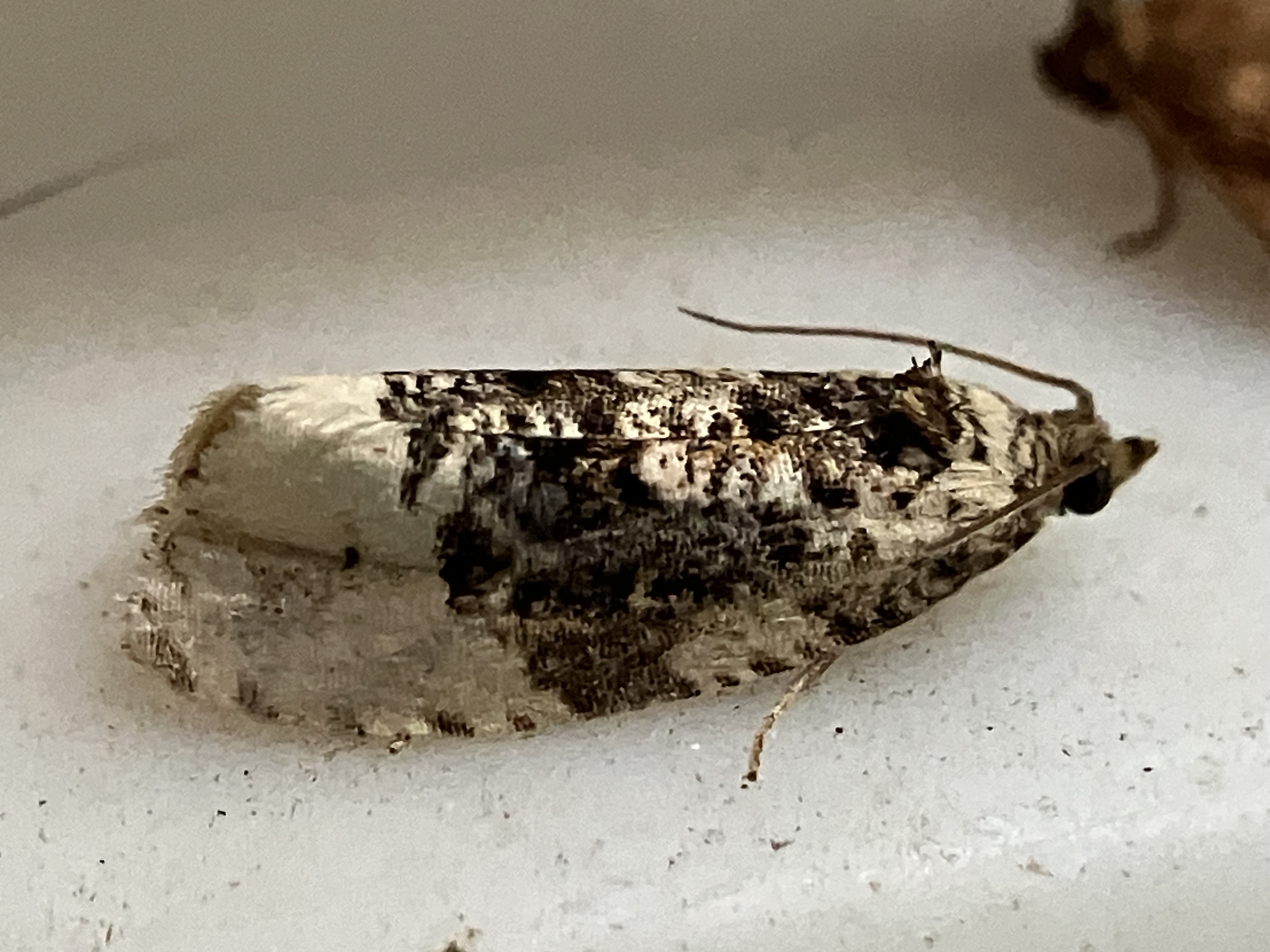
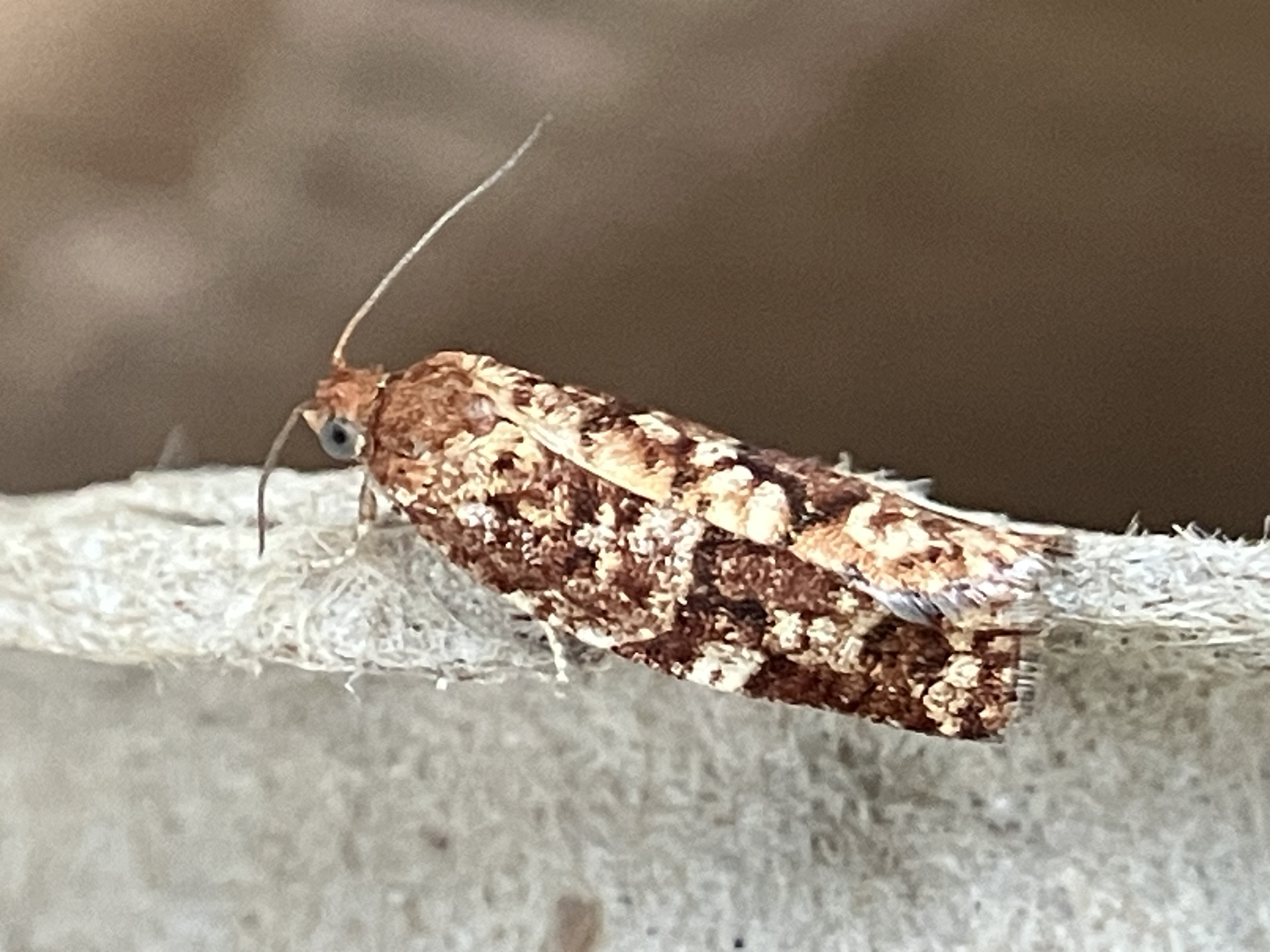
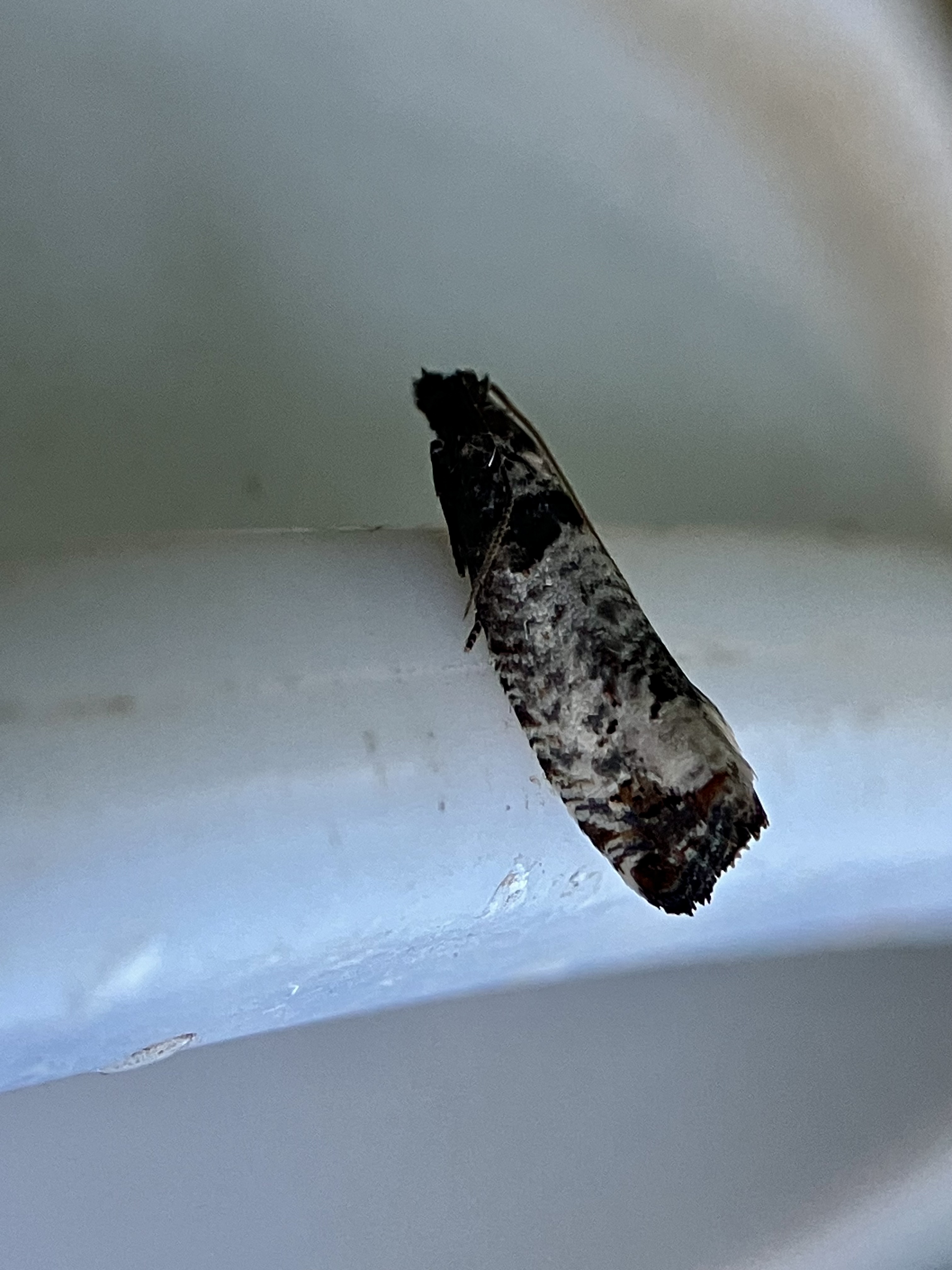
Eucosmini tribe
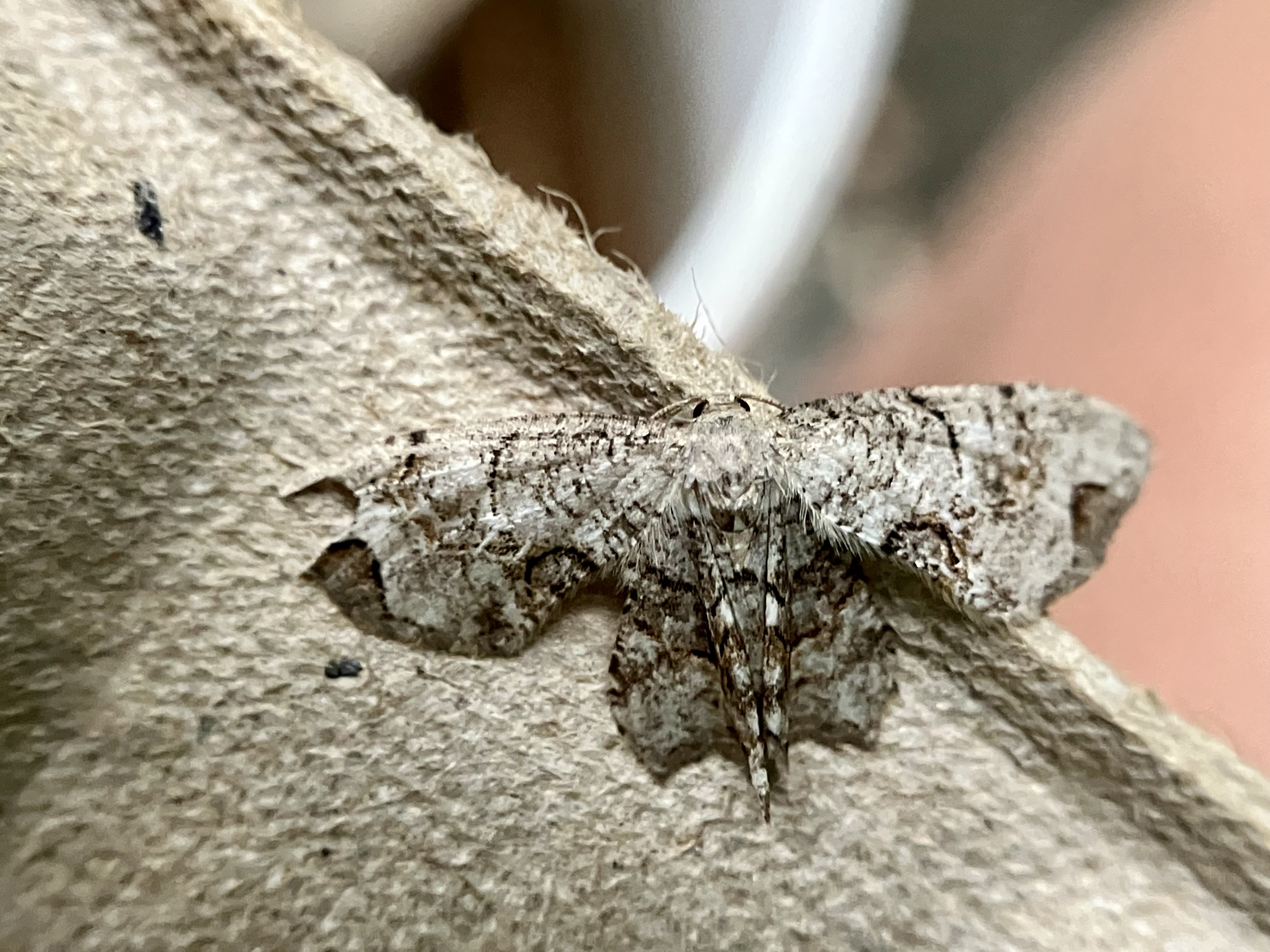
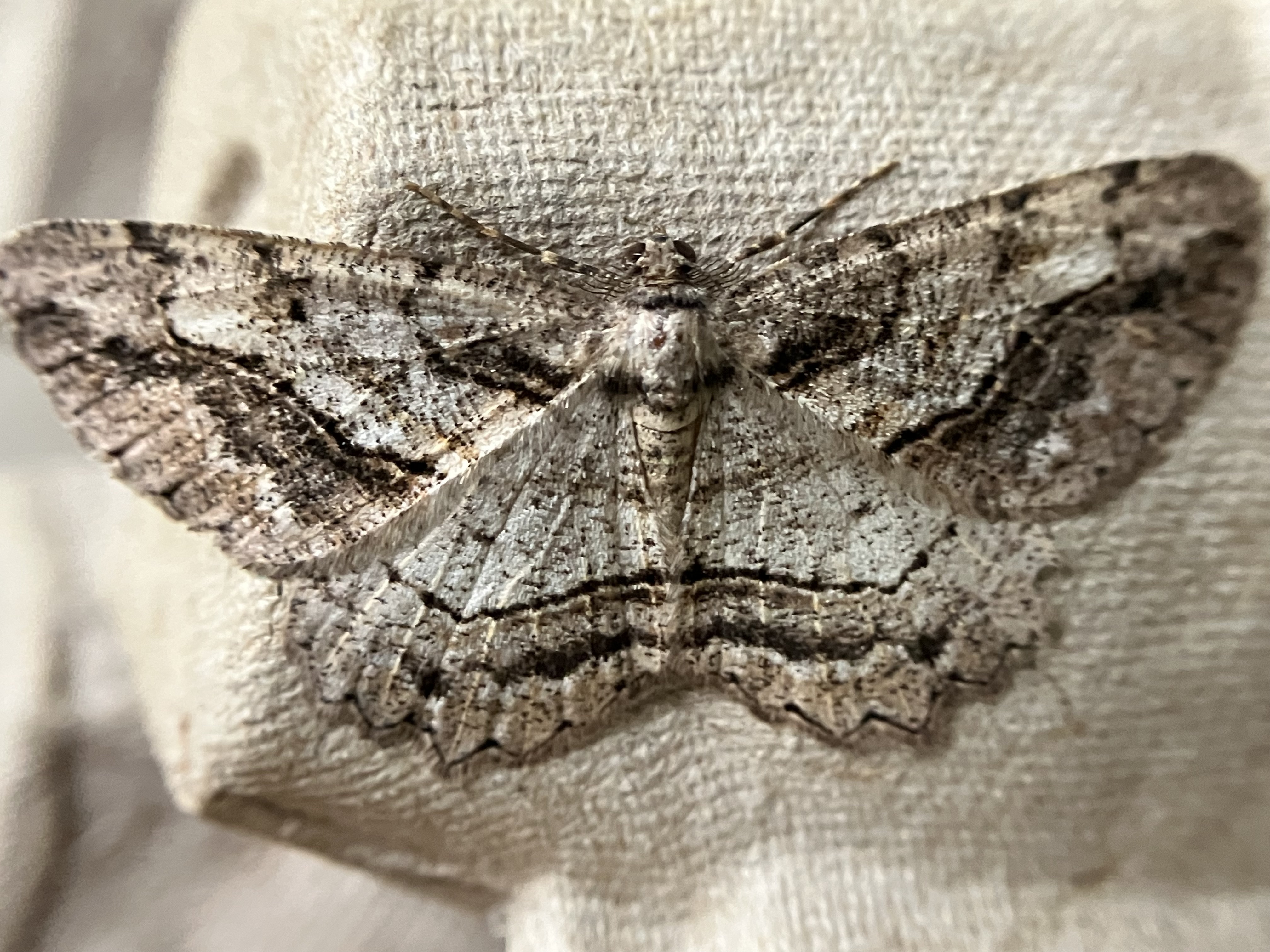
Gray Spruce Looper Moth (Caripeta divisata)
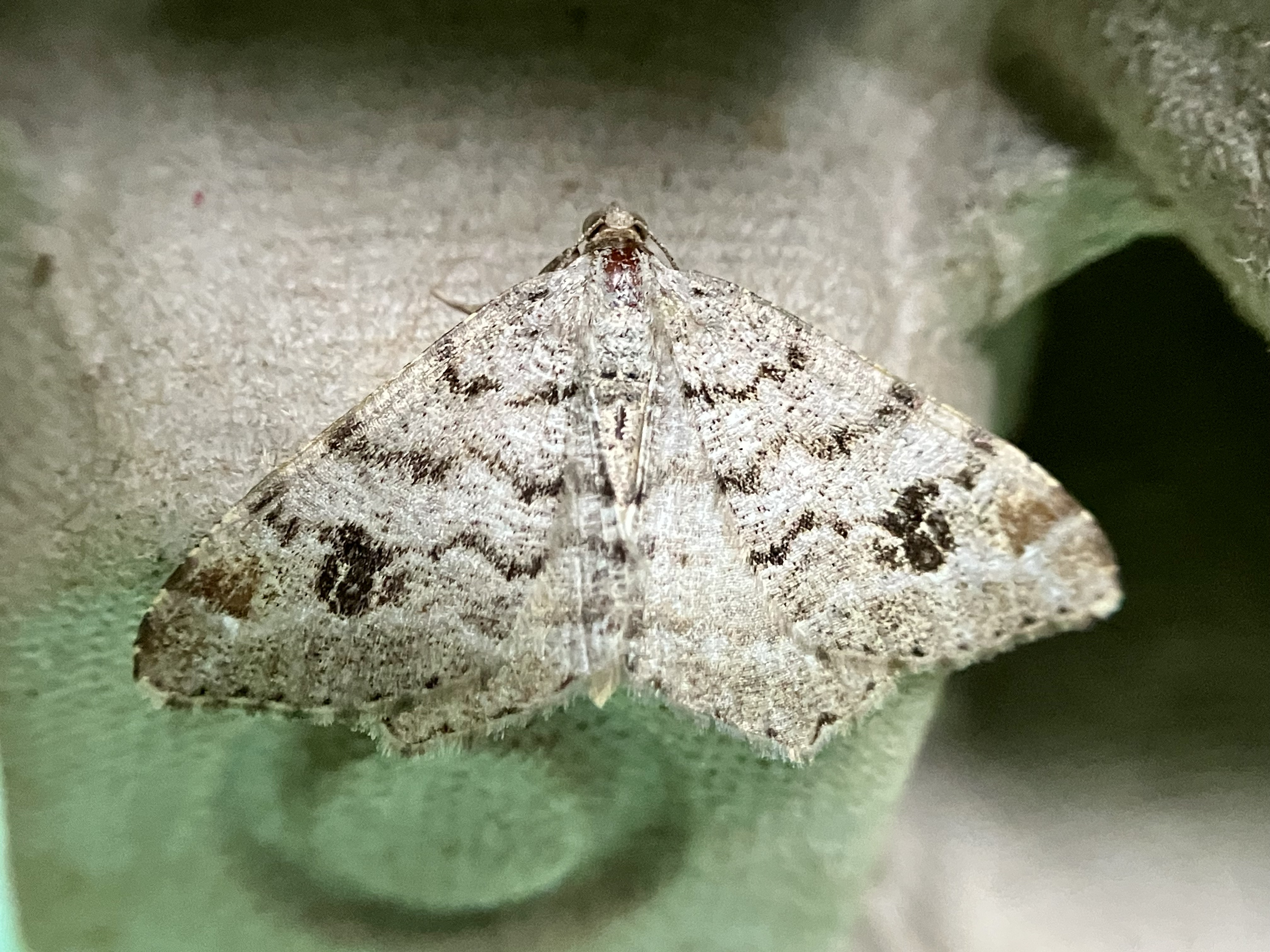
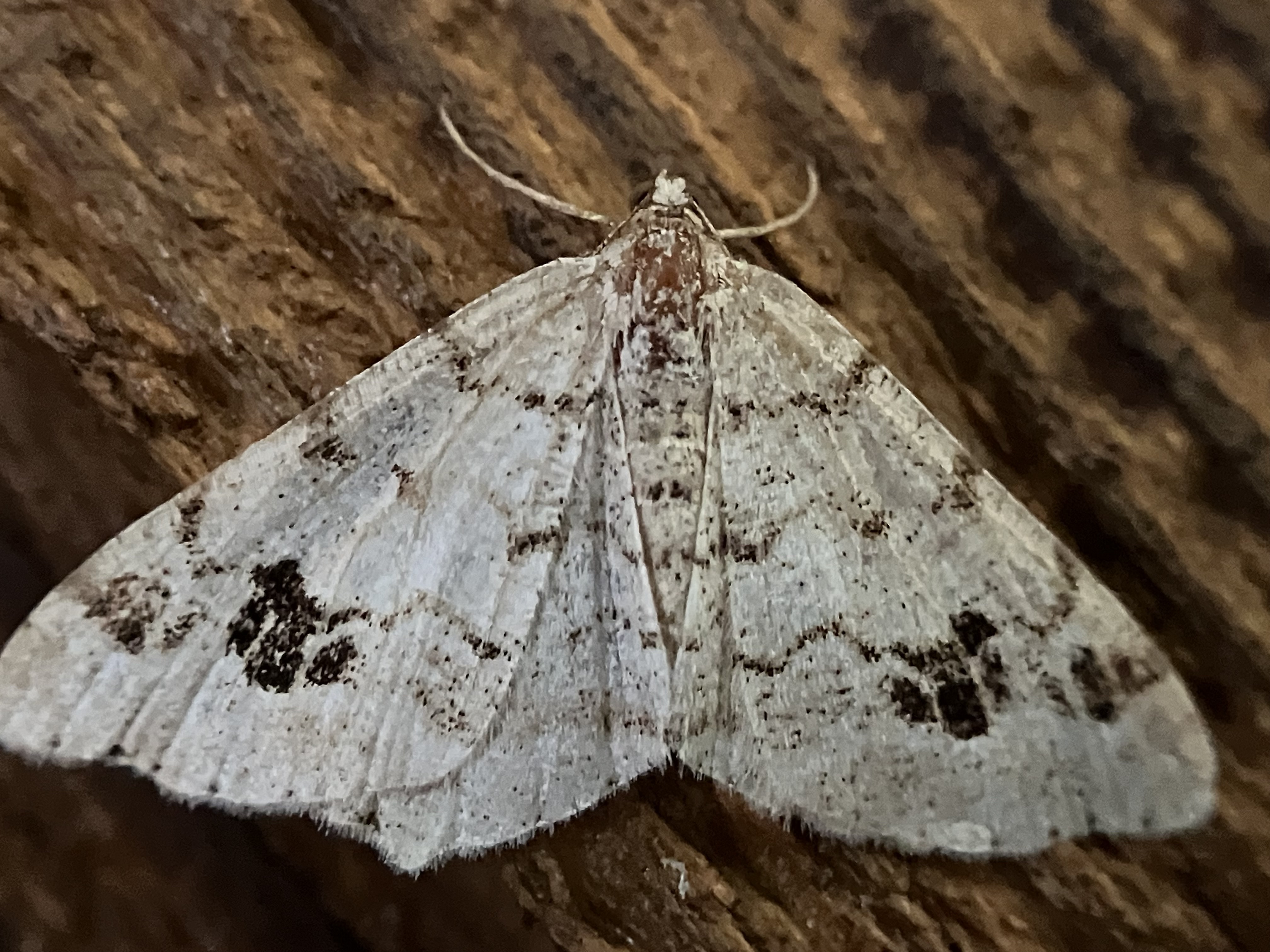
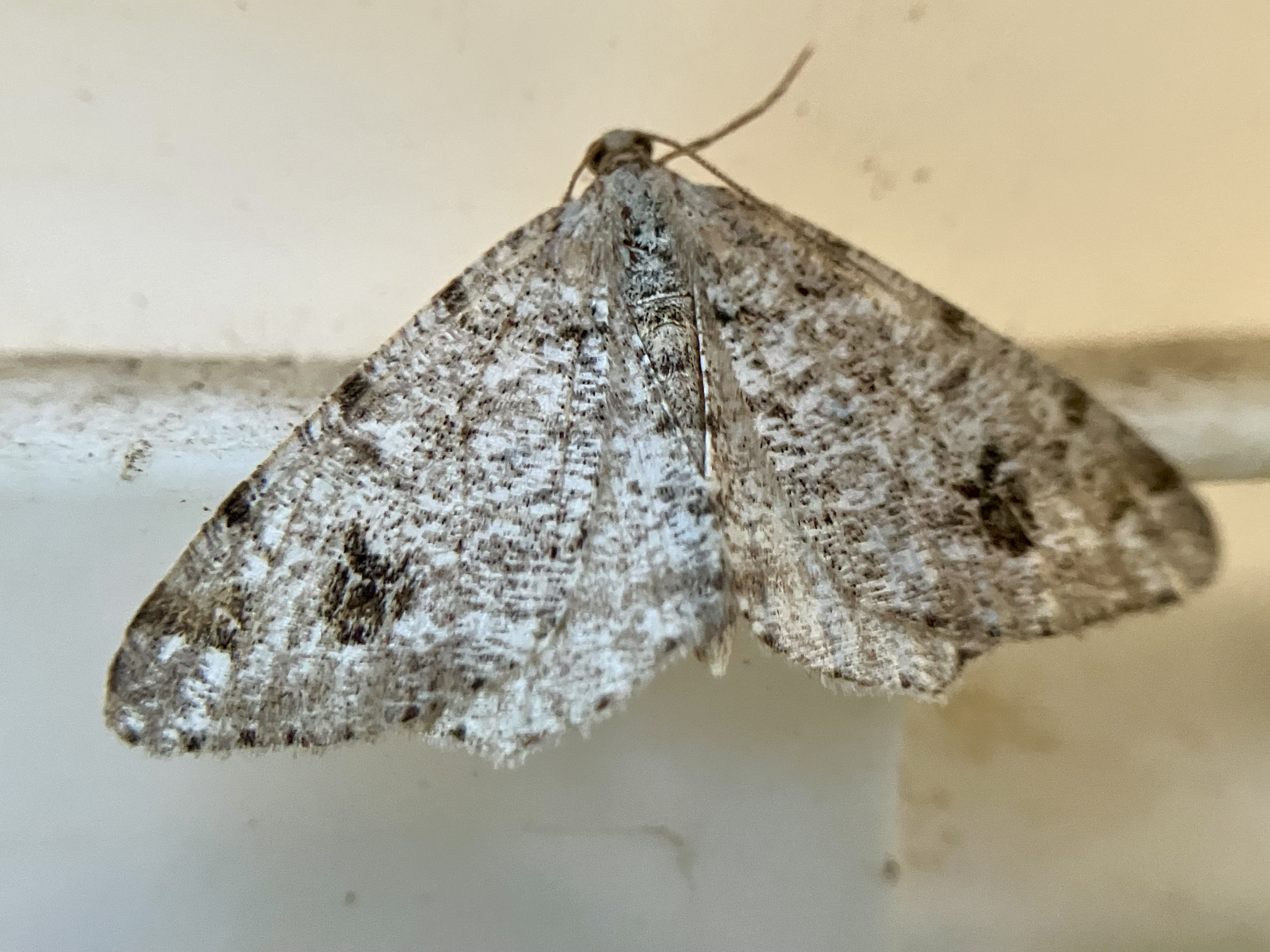
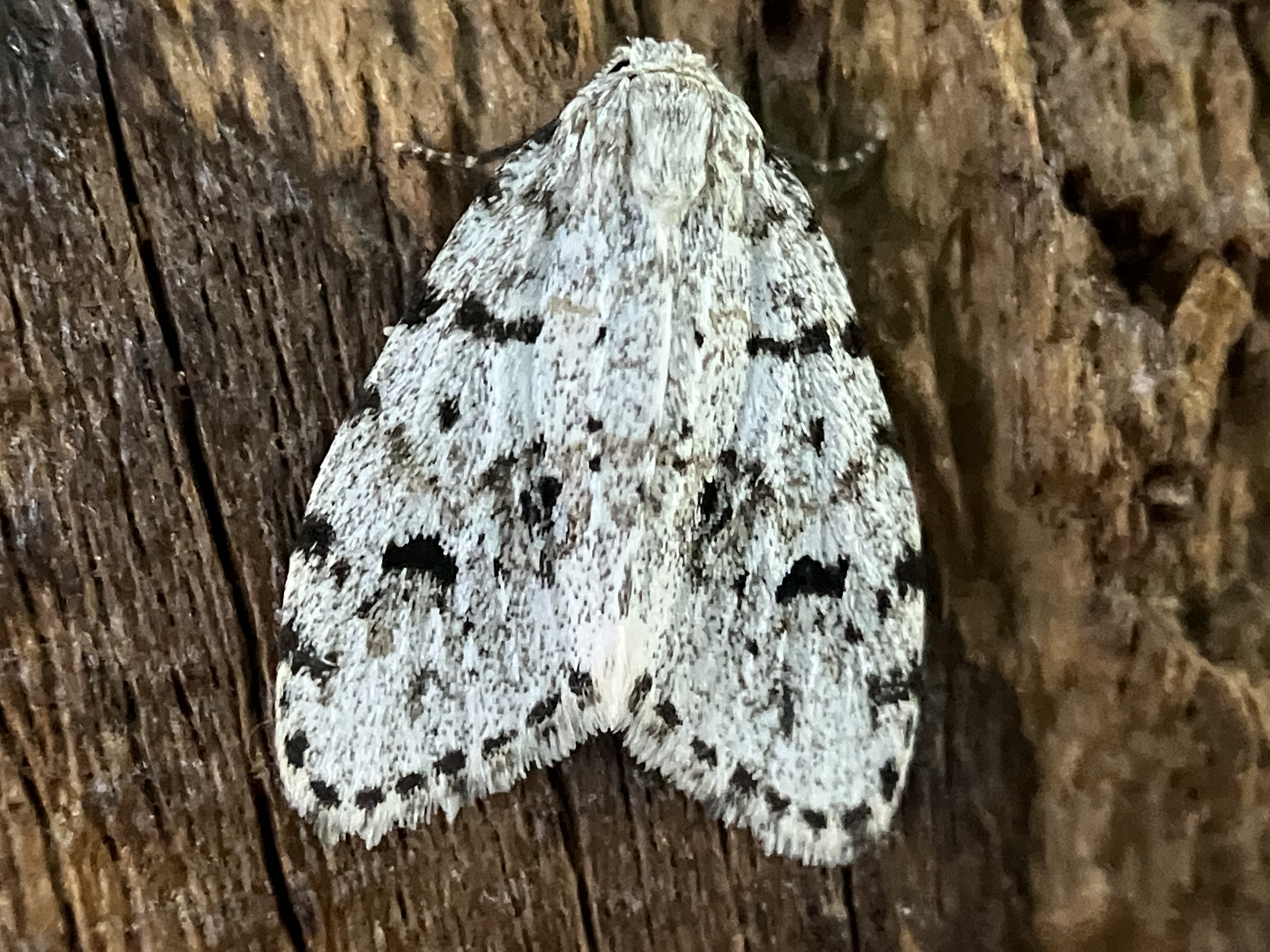
Pale-marked Angle (Macaria signaria)
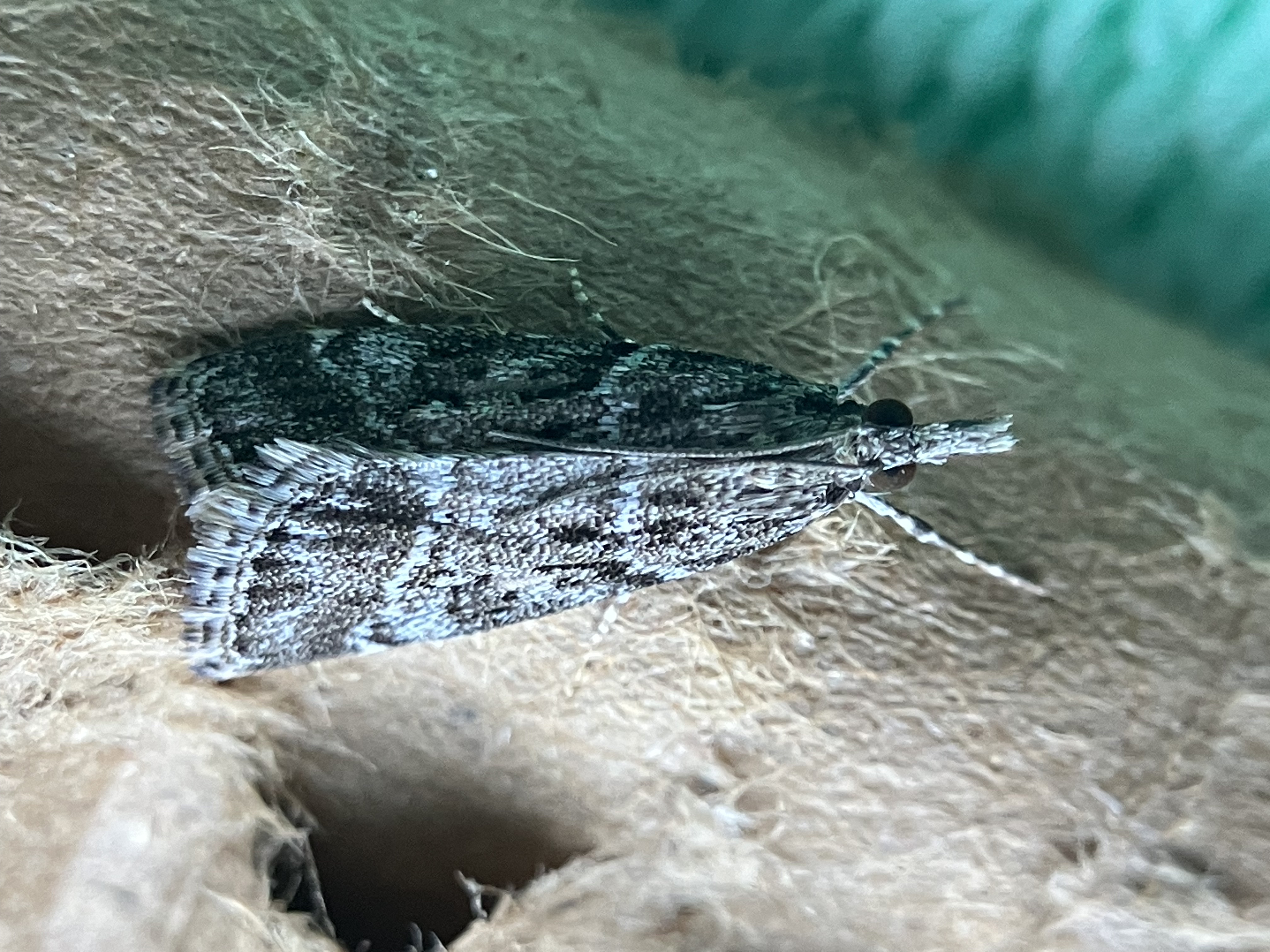
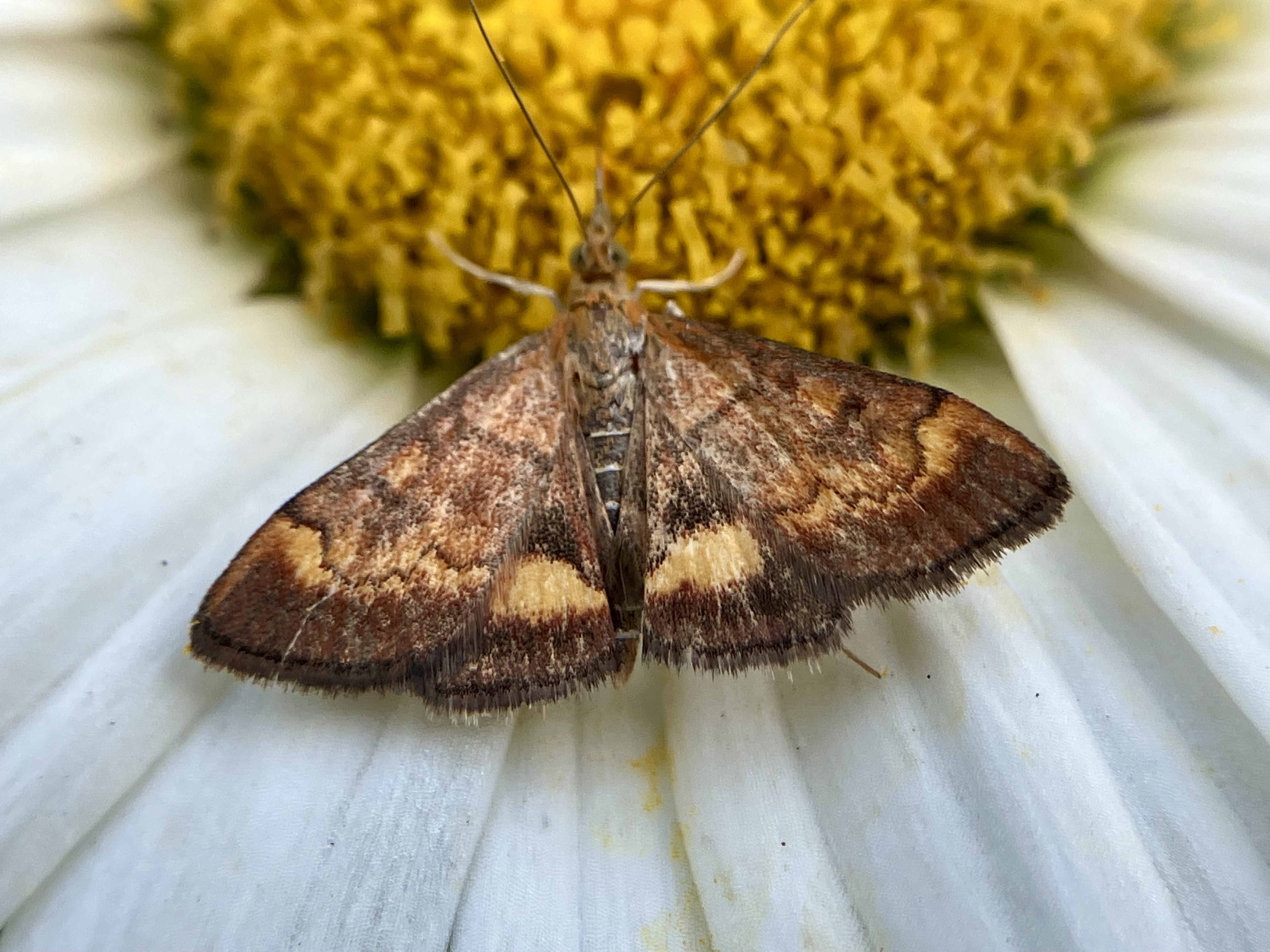
Crambidae, subfamily Scopariinae (Moss-eating Crambid Snout moths)
Pale-marked Angle (Macaria signaria)
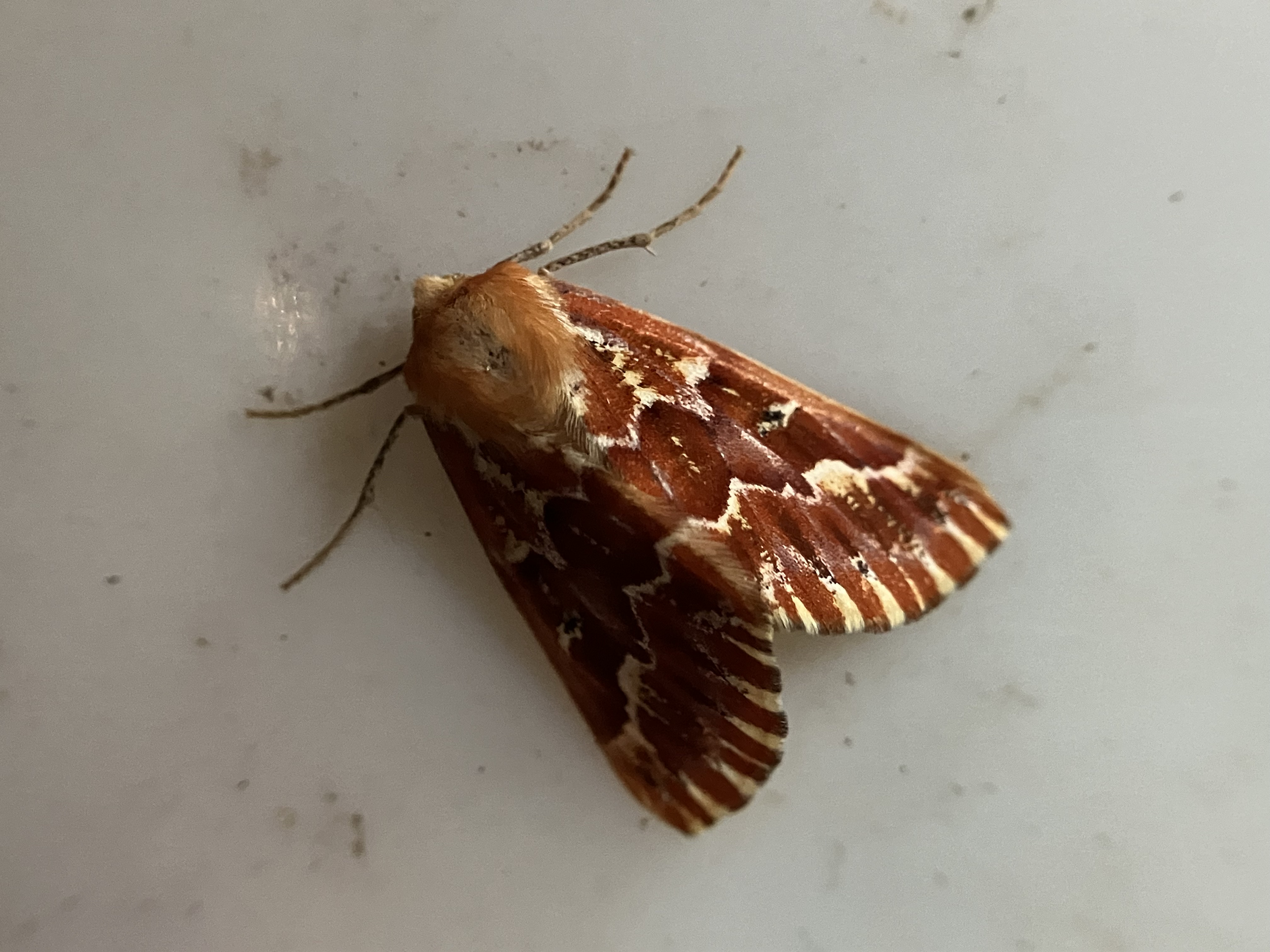
Tribe Archipini
Eudonia echo, a member of Moss-eating Crambid Snout Moths Subfamily Scopariinae
Genus Glyphipterix
Genus Glyphipterix
Gray Spruce Looper Moth (Caripeta divisata)
Perhaps the Dotted Shade (Eana osseana)
Pero mizon
Eudonia echo
Tribe Phycitini
Genus Ephestiodes
Gray Scoopwing (Calizzia amorata)
Tribe Archipini
Clepsis
Diamondback Moth (Plutella xylostella)
Clepsis, a Tortricidae moth
Tribe Litini
Dusky Raisin Moth (Ephestiods gilvescentella)
Horned Spanworm Moth (Nematocampa resistaria)
Unknown – perhaps Ennonominae
Oblique-banded Leafroller Moth (Choristoneura rosaceana)
Ceratodalia guenea (Guenee’s Carpet Moth)
Maple Leaftier moth (Ascleris foreskaleana)
Stamnoctenis pearsalli
Crambidae (subfamily Scopariinae)
Sulfur moth (Hesperumia sulfuraria)
Western Tent moth (Malocosoma californicum pluviale)

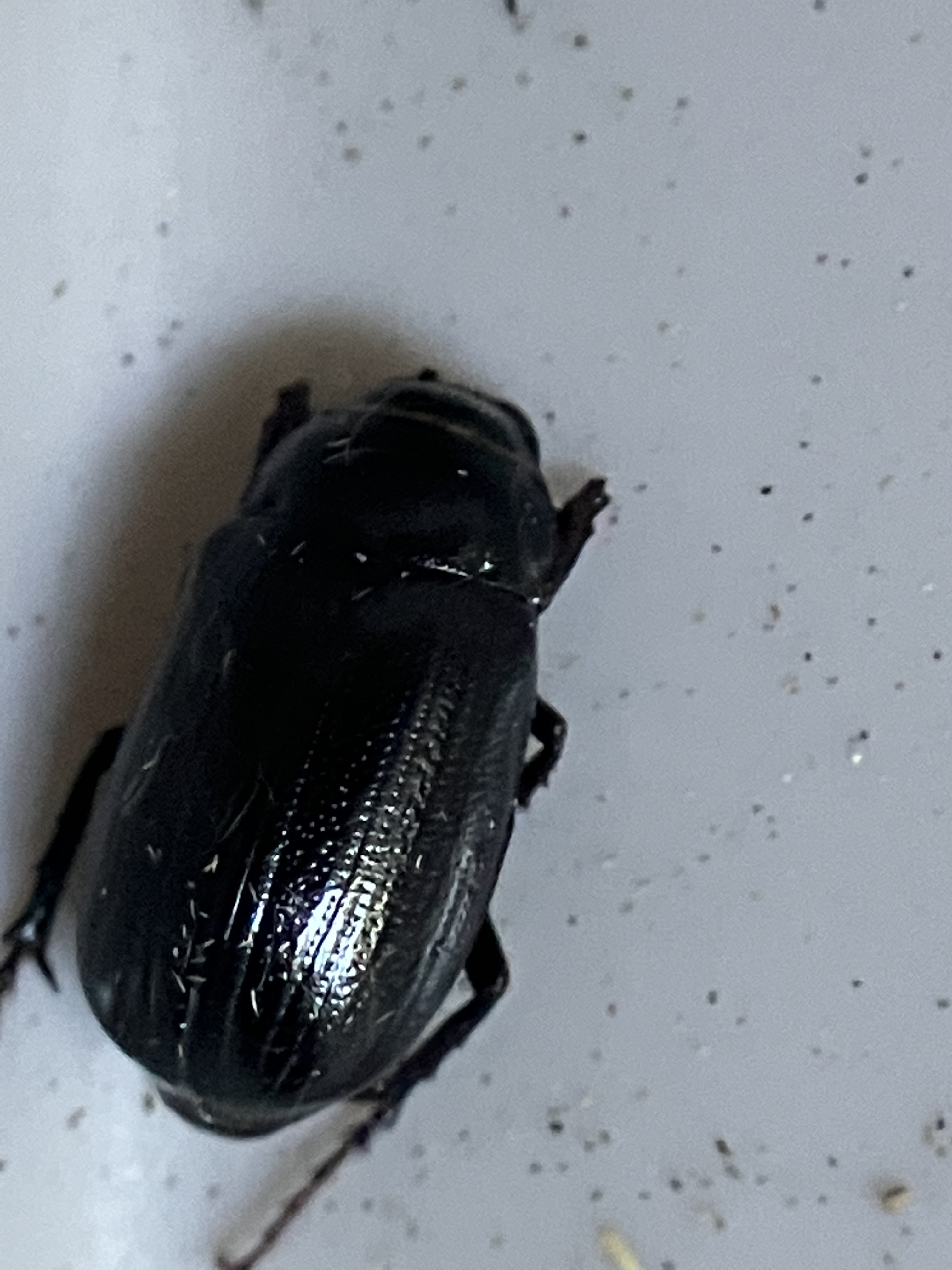
Headless Gnasher

Matthew’s Angry Gnashing Beetle (Zacotus matthewsii)

Boy was I disappointed today when I found this beetle on the path near my home and it was HEADLESS!

This is one of my favorite San Juan Island beetles. It is the ground beetle Zacotus matthewsii, also known by the common name Matthew’s Angry Gnashing Beetle. “Zacotus” translates from Greek into “Very Angry” in English. I’m certain I’ve never seen one angry, but this one may indeed have been angry right before it lost its head. Or perhaps the predator that removed it took this beetle entirely by surprise.

I can tell you the EXACT date I last saw one of these beetles. They are reported as “rare.” It was February 16, 2020. Also in roughly the same spot. The beetles are associated with conifer forests and believed to prefer old-growth areas. There are some old trees near our home, but I believe San Juan is losing many, many trees. Lots to new home construction (happening at a rate that I never imagined), and some to the impact of a warming climate – likely accelerated by all the land use changes in the region. Many times I feel extremely saddened by the loss of nature. It is happening so fast. We are becoming suburbia.

If you would like to see a photo of this beetle intact, meaning a non-headless version. Check out my previous blog post from 2020 here – https://buggingyoufromsanjuanisland.com/2020/02/17/forest-co-habitating-microfauna/

Thanks for reading!

Matthew’s Angry Gnashing Beetle (Zacotus matthewsii)

National Moth Week 2023, Day 1 – San Juan Island, WA

Today (June 22) marks the start of National Moth Week, 2023. For anyone interested in participating or learning more about how to “MOTH,” check out the National Moth Week website here: https://nationalmothweek.org.

I’ll be brief, but start by introducing myself. I’m Cynthia (Brast-Bormann) and I am an entomologist who lives on San Juan Island. My “work” is on a volunteer basis. Because of my love for insects, spiders, and the natural world, I endeavor to share my enthusiasm and knowledge with our community and anyone else who would like to know more about these charismatic critters that are all too often targeted for eating leaves, buzzing, sometimes biting or stinging, but mostly for merely existing. We stop short of recognizing they are food for other organisms, work to control pest populations (without noxious chemicals), and they help us to have food (pollination). Without insects and spiders, we would be in a deep heap of doo! Pardon my French.

Each day of National Moth Week – which runs through July 30, 2023, I will be posting a gallery of what shows up at my light trap each night, hopefully with an ID along with the photos I post. Please feel free to let me know if you see something misidentified. 🙂

If you’re interested in Mothing, or learning more about other bugs, you may contact me with questions via email or join the Facebook Group, Bugs of the San Juan Islands at https://www.facebook.com/groups/3594158544144419

Well, no water! :(

Tried to post last night, but our internet speed is TERRIBLE. Gotta love that about living on San Juan. It’s always been slow. Once upon a time, we lost internet for more than 2 weeks.  🤦‍♀️

I’m behind in sorting out all my bug bucket visitors and yesterday was a setback. Our well lost pressure. That’s a disaster in mid summer when all I could think of was how I’d have to watch my beautiful flowers wither away in the searing sun and die. 

Someone trying to be helpful made a suggestion about how I could do laundry at the laundry mat in town. Personally, given the toxic fragrances in laundry products like Bounce, Gain, and Tide, I’d rather wash my underwear out in the murky pond on our property.   If you use these products, you might consider switching to something less noxious. Also, I highly recommend reading some of Ann Steinemann’s research on chemicals in household products. You can link to her work here https://research.jcu.edu.au/portfolio/anne.steinemann/

Really, the last thing I was worried about was laundry! It’s BUG season. I’m certain I have enough clothes to last 3 weeks and you can always clean up with baby wipes and my momma taught me you can wear your underwear inside out if you are in a pickle and can’t wash them! 😉 Thankfully, our issue was just a burned out capacitor and we have water! Grateful for the help from our former homeowners and our local island well service Mauldin’s Well Service. I’ll catch up with everything else eventually.  

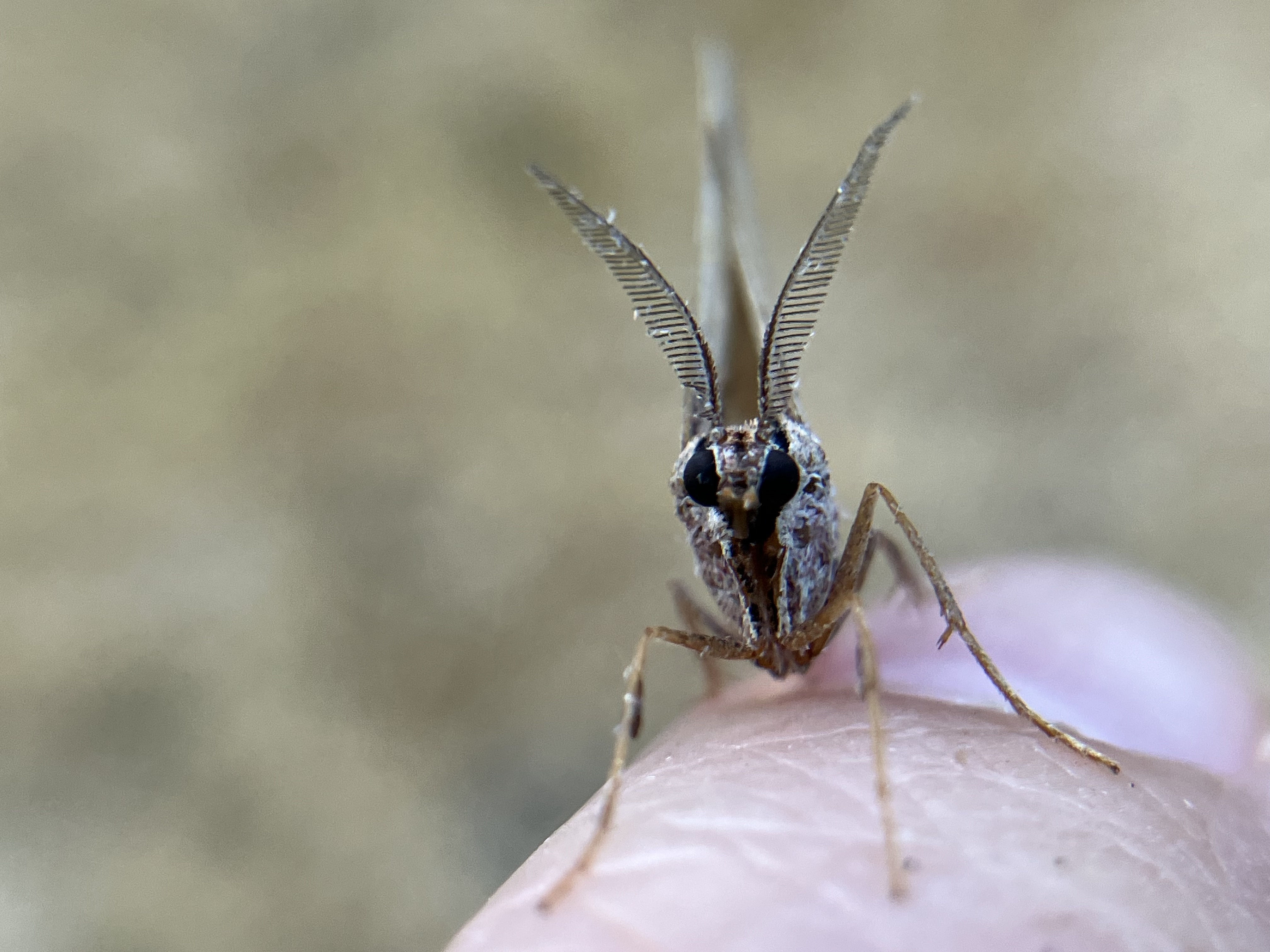
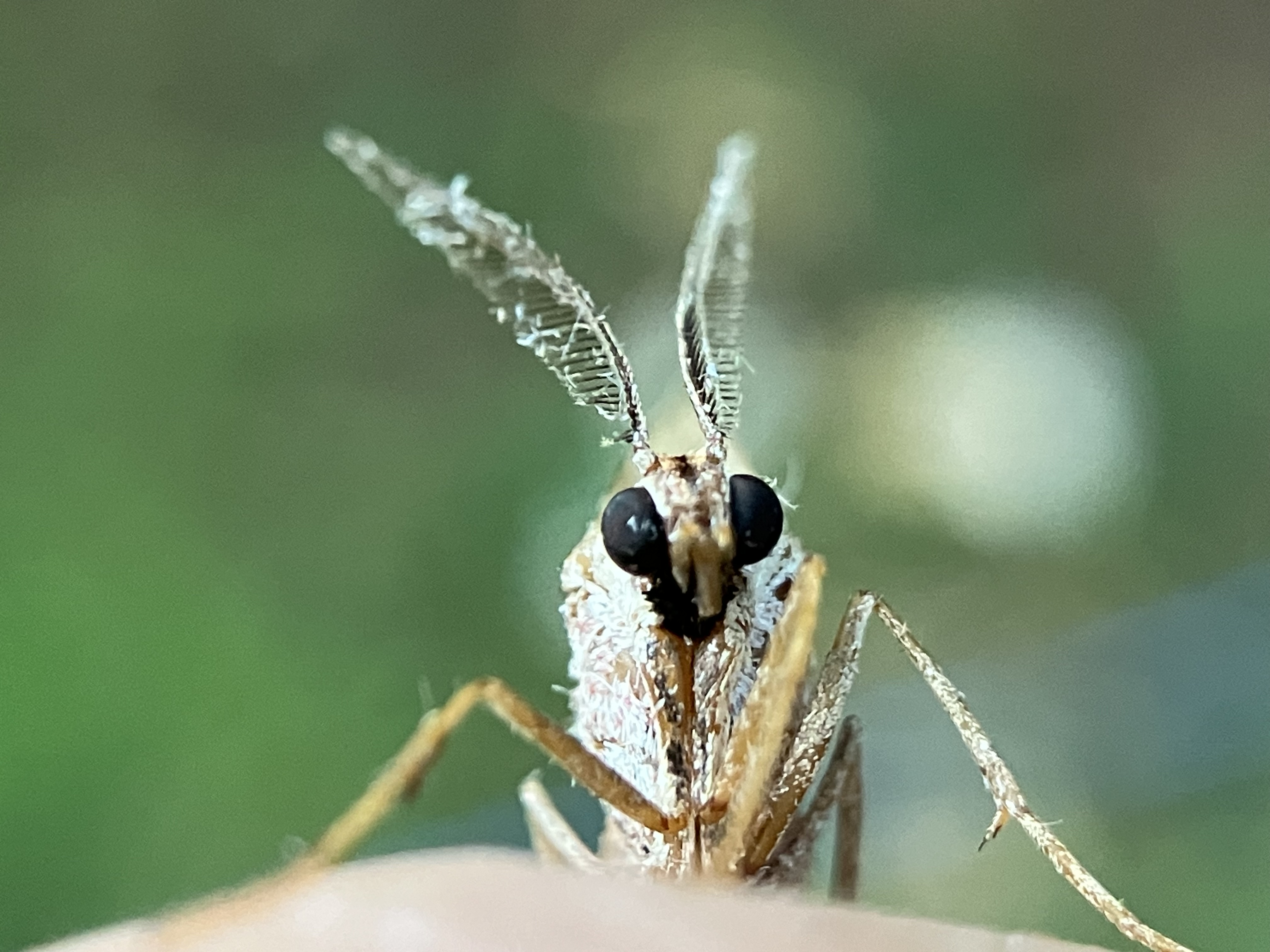
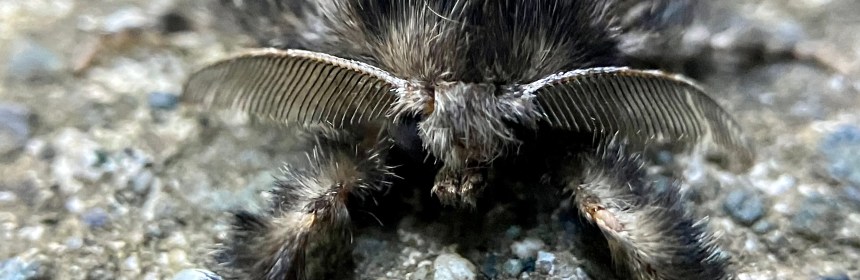
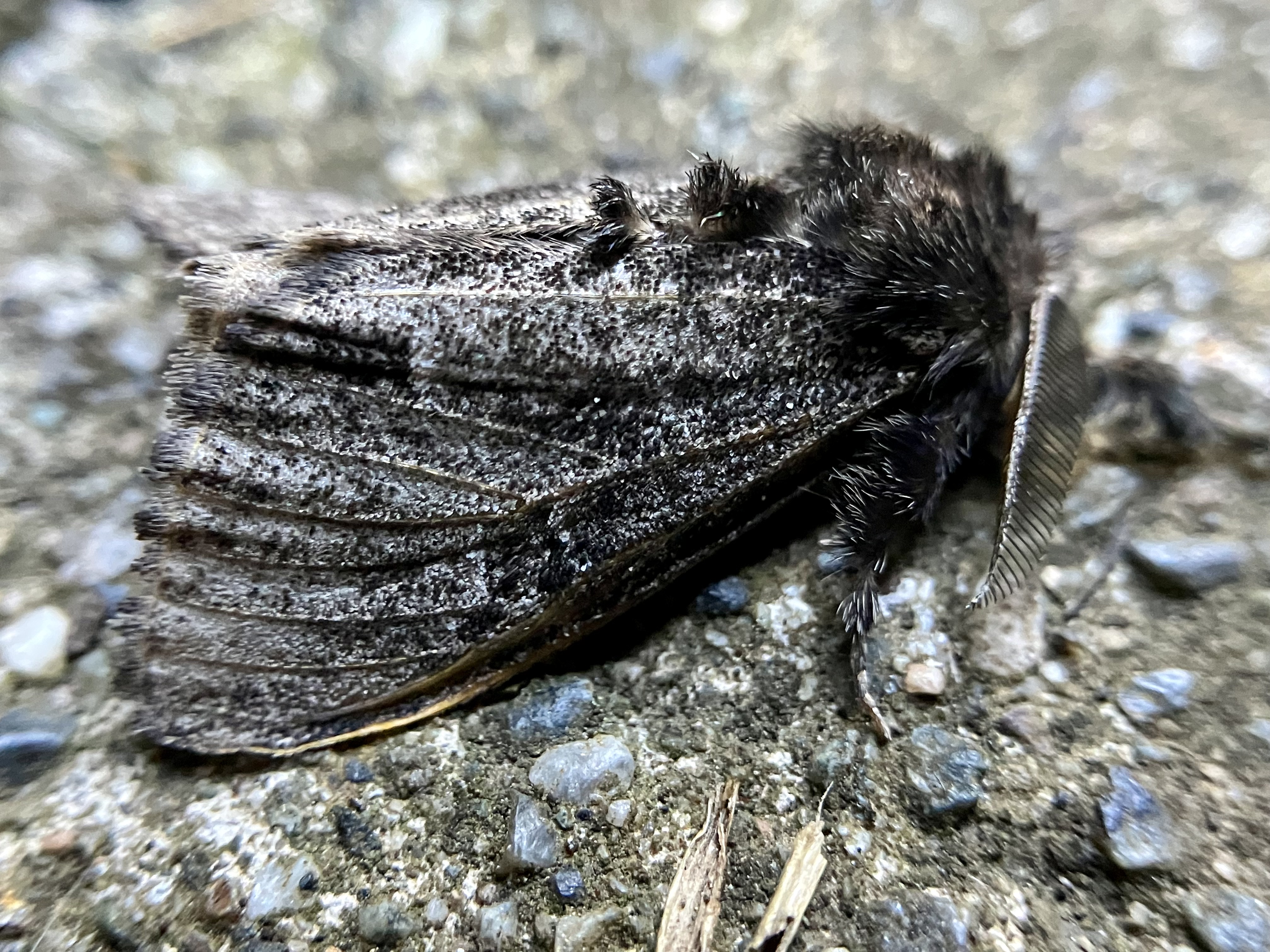
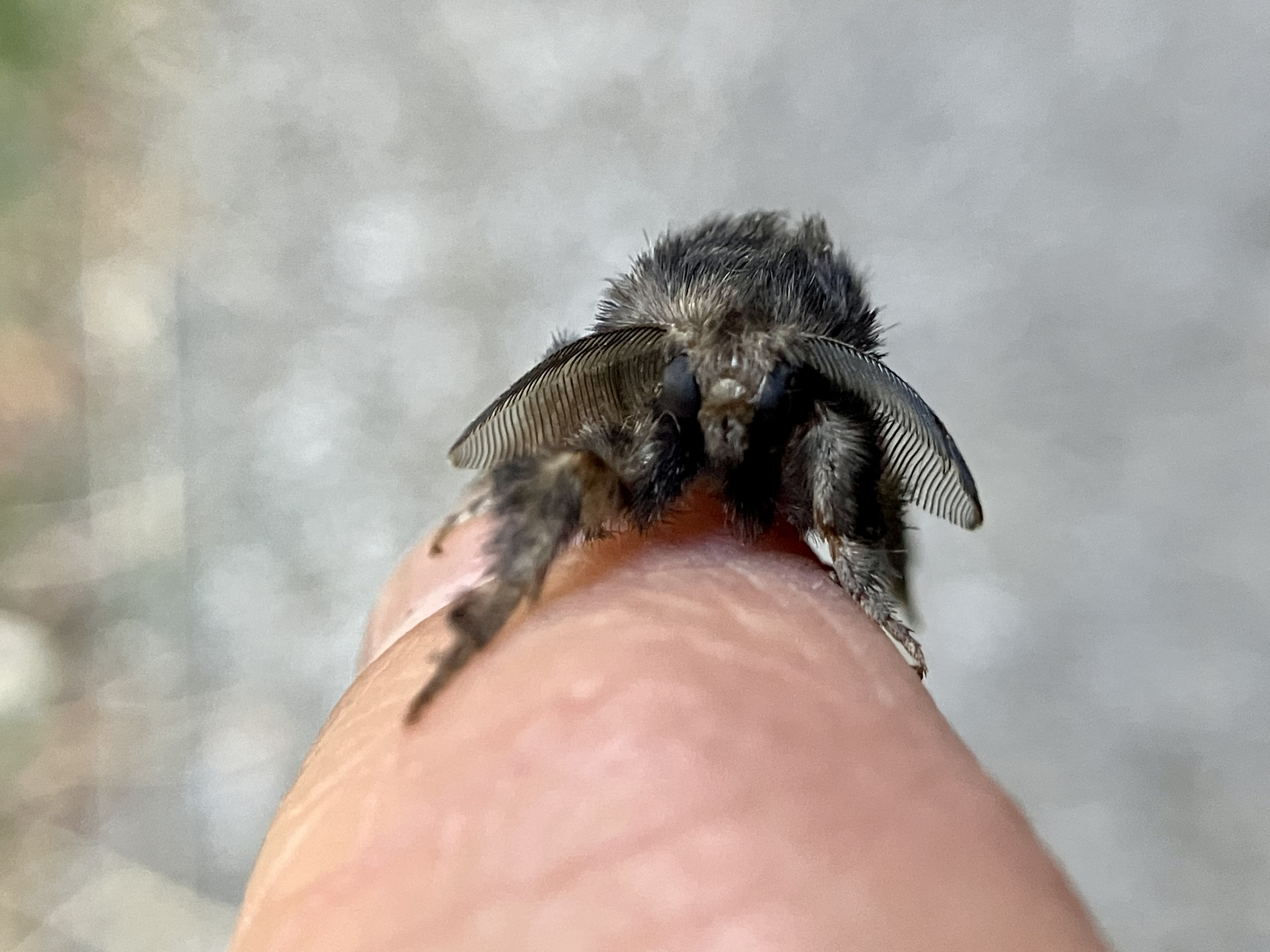
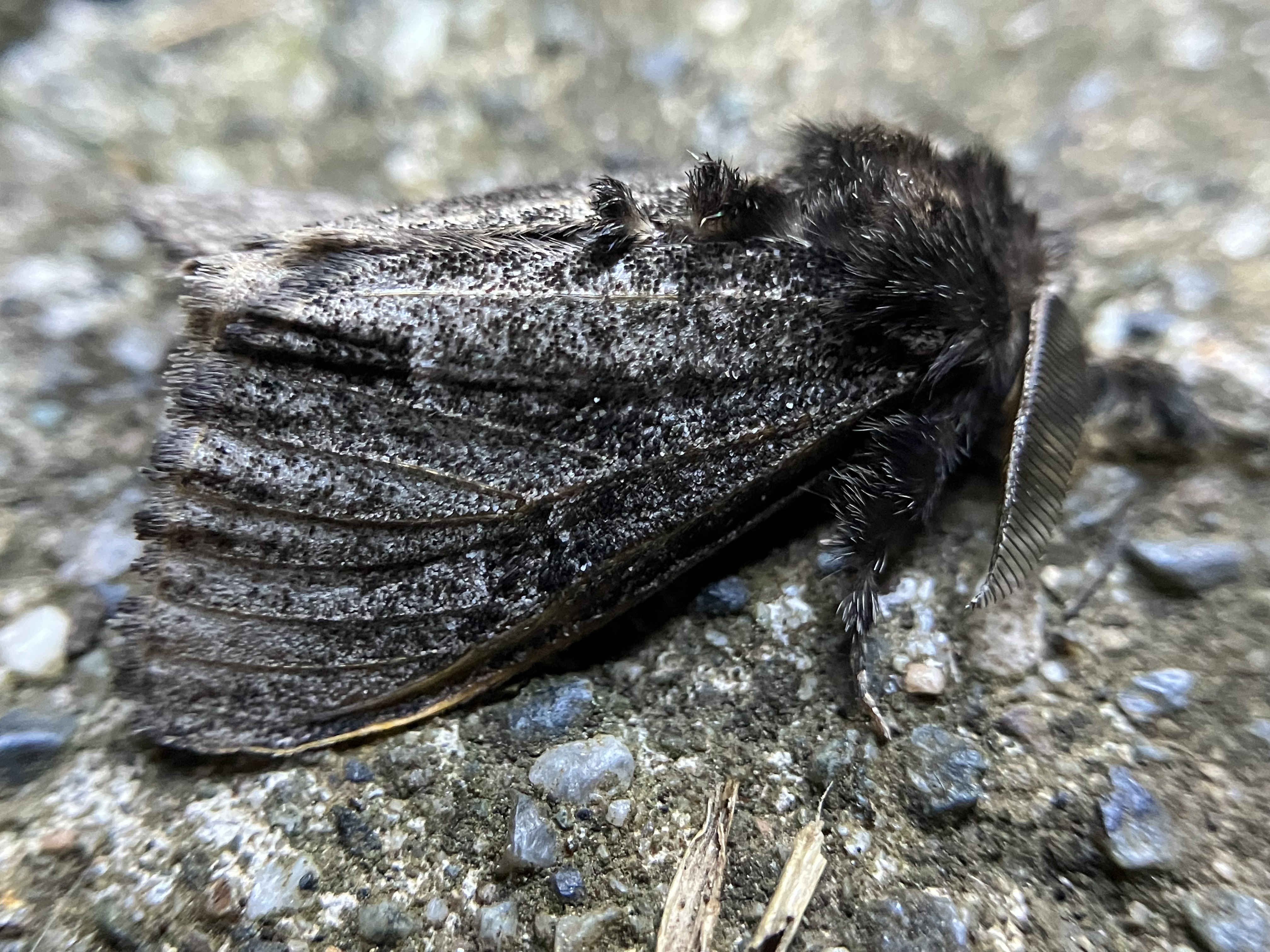
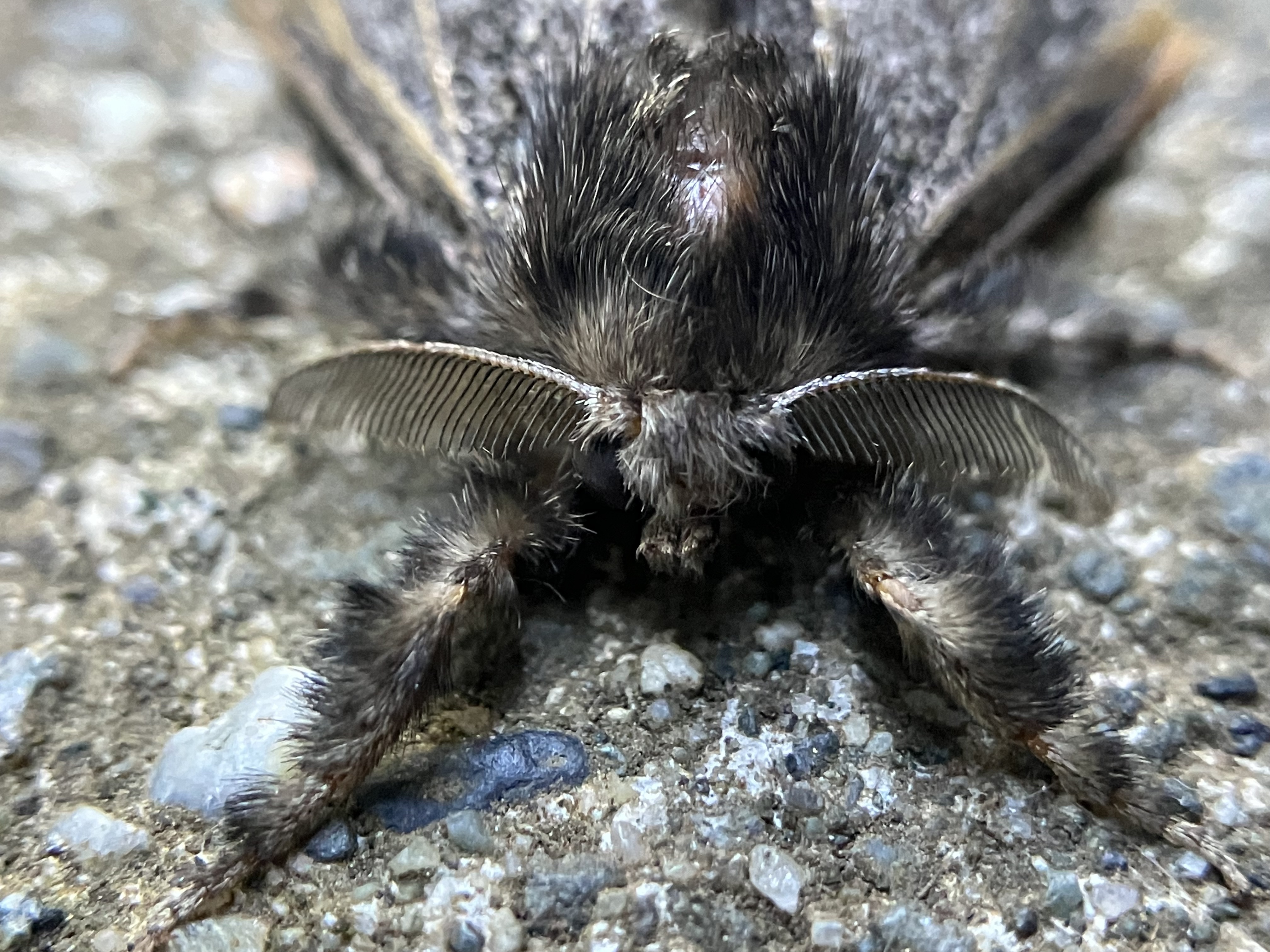
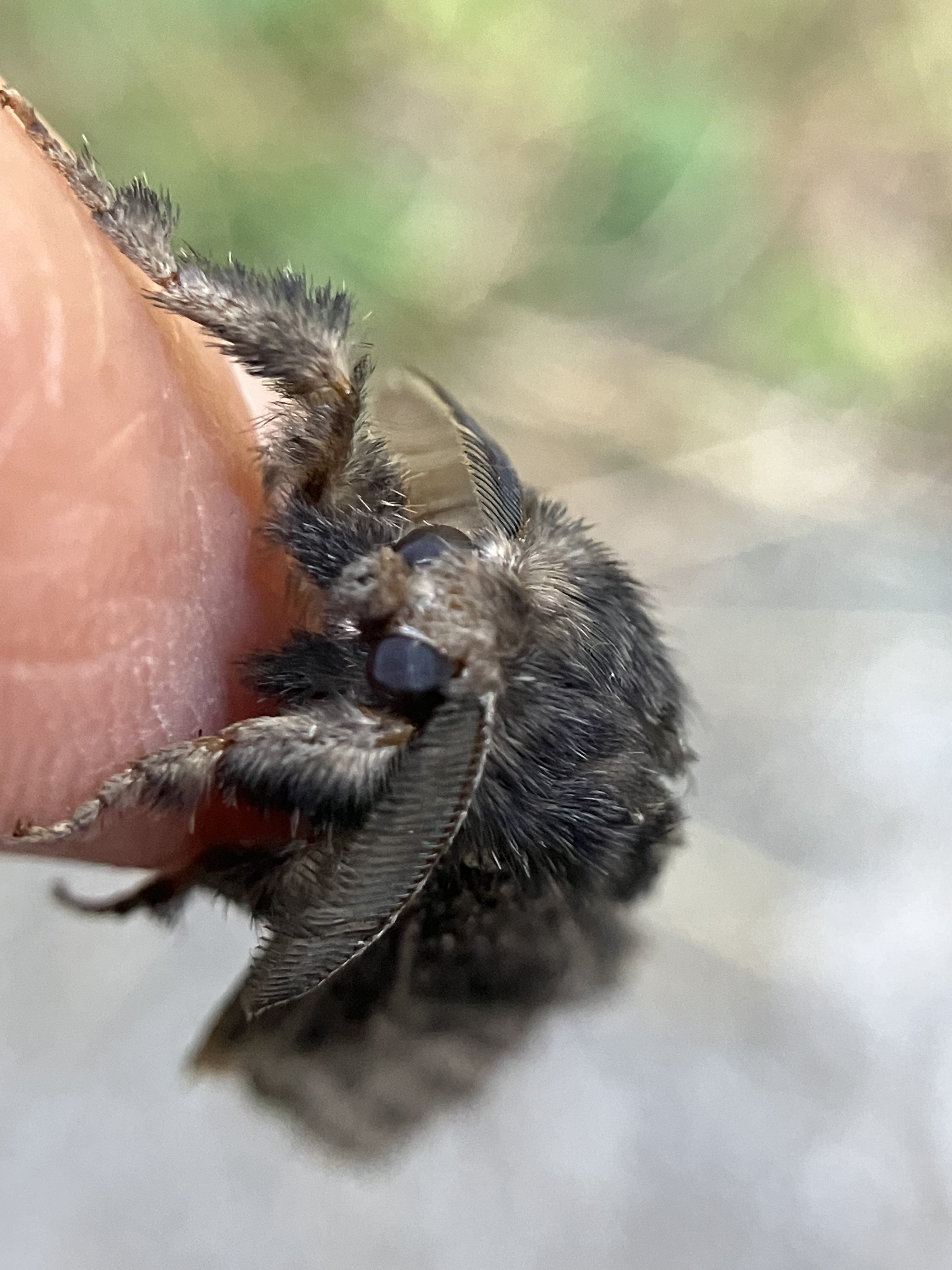
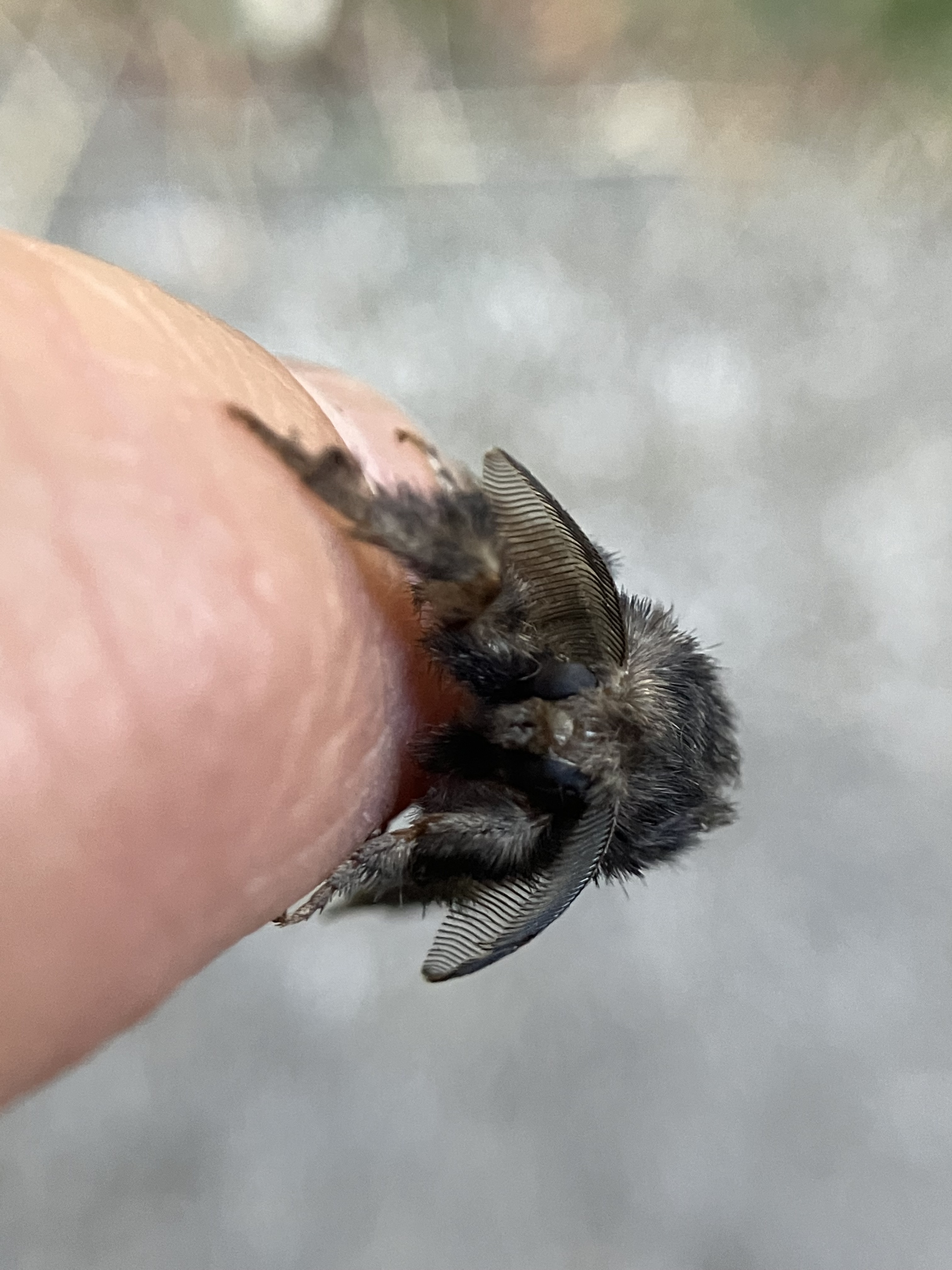
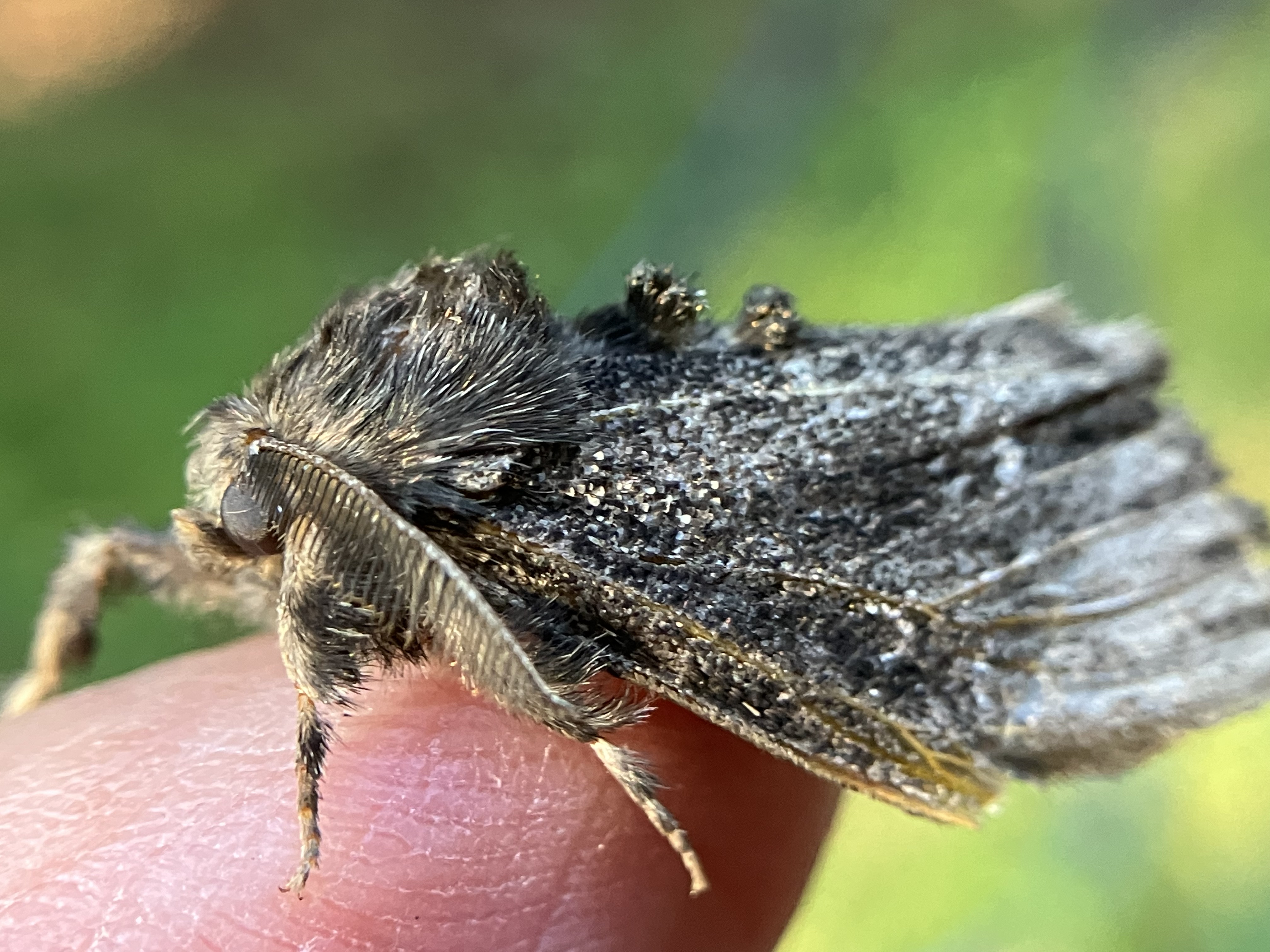
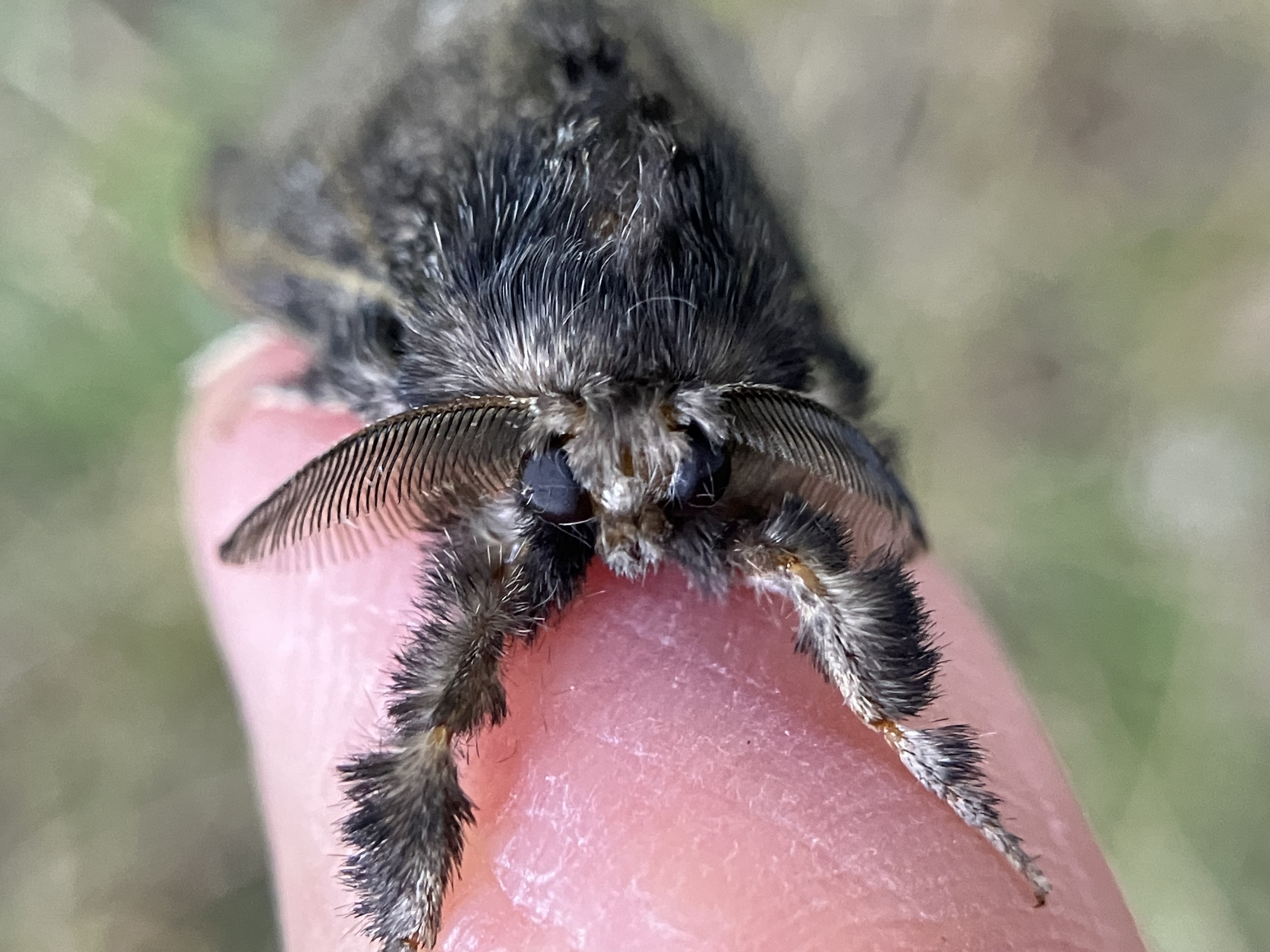
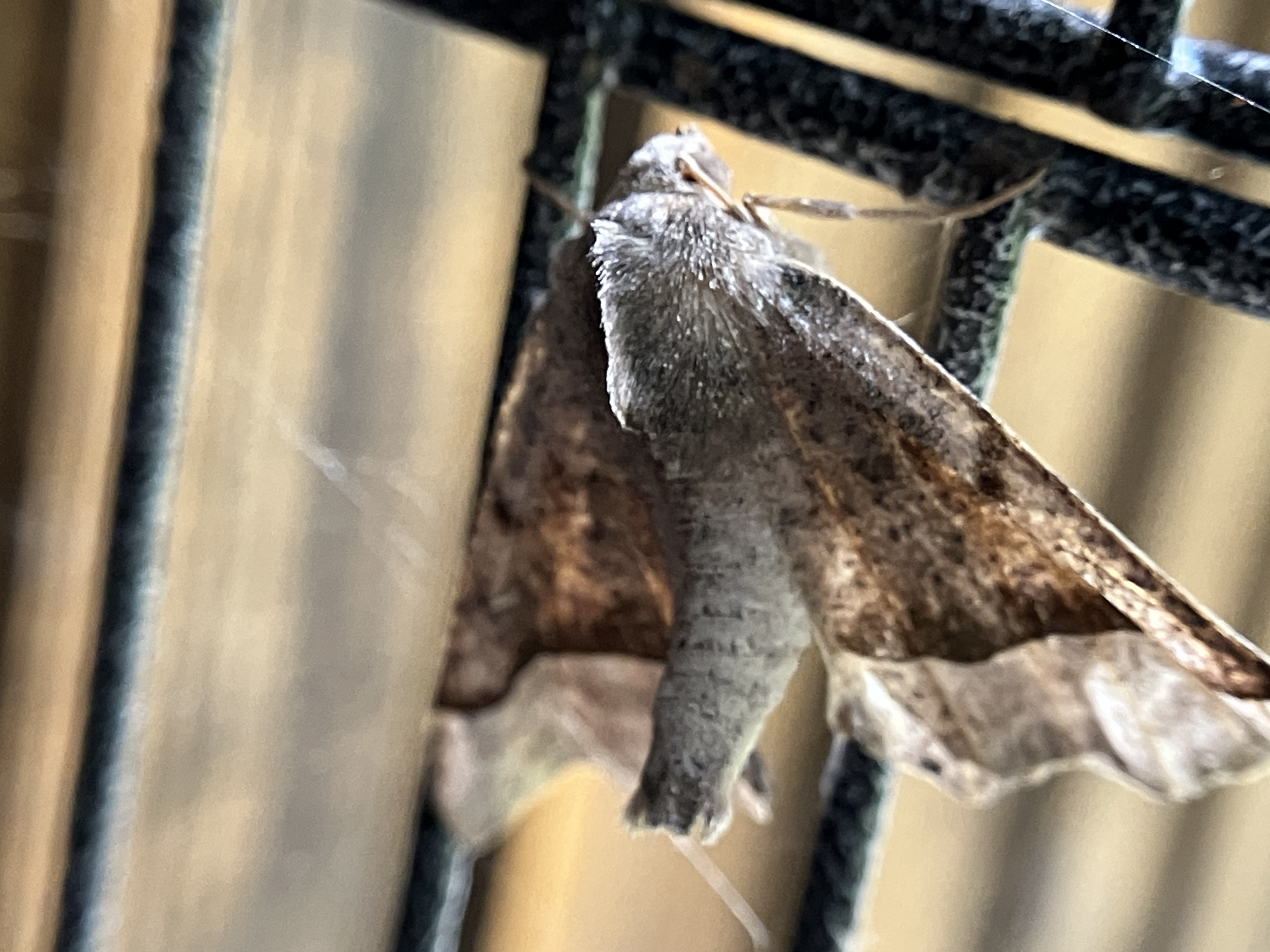
For now, here’s a cute moth I found in the bucket Thursday evening. I believe it’s a species of Erebidae moth, Dasychira grisefacta. To me, it looks like a wee little grumpy bat.  🦇

Dasychira moth warms up for take-off

Bug Bucket Friday

We are getting closer to National Moth Week 2023 (July 22-30). I am continuing my head start. If you’ve been following along, you’ll see I am posting a daily gallery of what I’ve collected in my bug bucket with UVB light each night when I check the next morning.

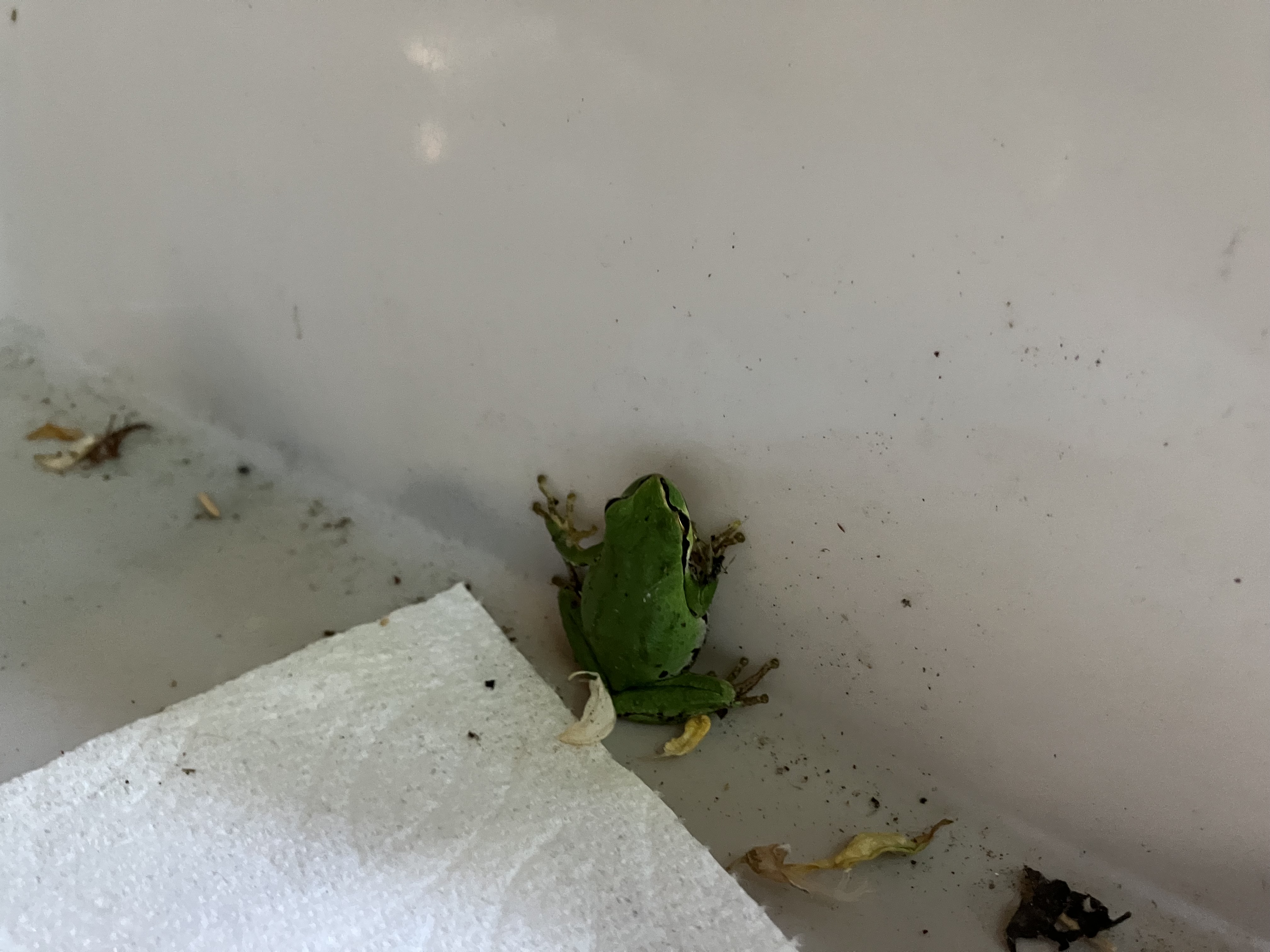
It took me a good while today to sit down and try to work out ID’s for my specimens. ALL specimens found in the bucket are handled with gentle care and safely released back into cryptic hiding spots to better avoid predation by birds, yellow jackets, and other predaceous insects. Probably add in spiders, though I have not seen many in this dry spell of weather we are having. I did have an unexpected guest show up in the bucket this morning. A frog. Yes, if you set the buffet up, the dinner guests will inevitably find it. 🐸

I’ll add the link to the National Moth Week website here https://nationalmothweek.org and if you are interested in participating and can’t figure out what you need to do or need advice on how to MOTH, feel free to reach out. Check out the gallery below and thanks for stopping by!

Gallery

I believe this is Dasychira griefacta . It takes off somewhat awkwardly but made it up into a tall fir tree.

Bug Bucket Thursday – July 13, 2023

Virginia Tiger Moth (Spilosoma virginica)

Continuing on to another morning’s findings (07.13.2023), I am extremely happy with how adding the egg cartons to my bug bucket are improving my moth collecting. Side note here – I am only collecting photos and these critters are handled with gentle care and released to places where they are able to hide from predators during the day. I even go so far as to color match their hidey spots. 😉

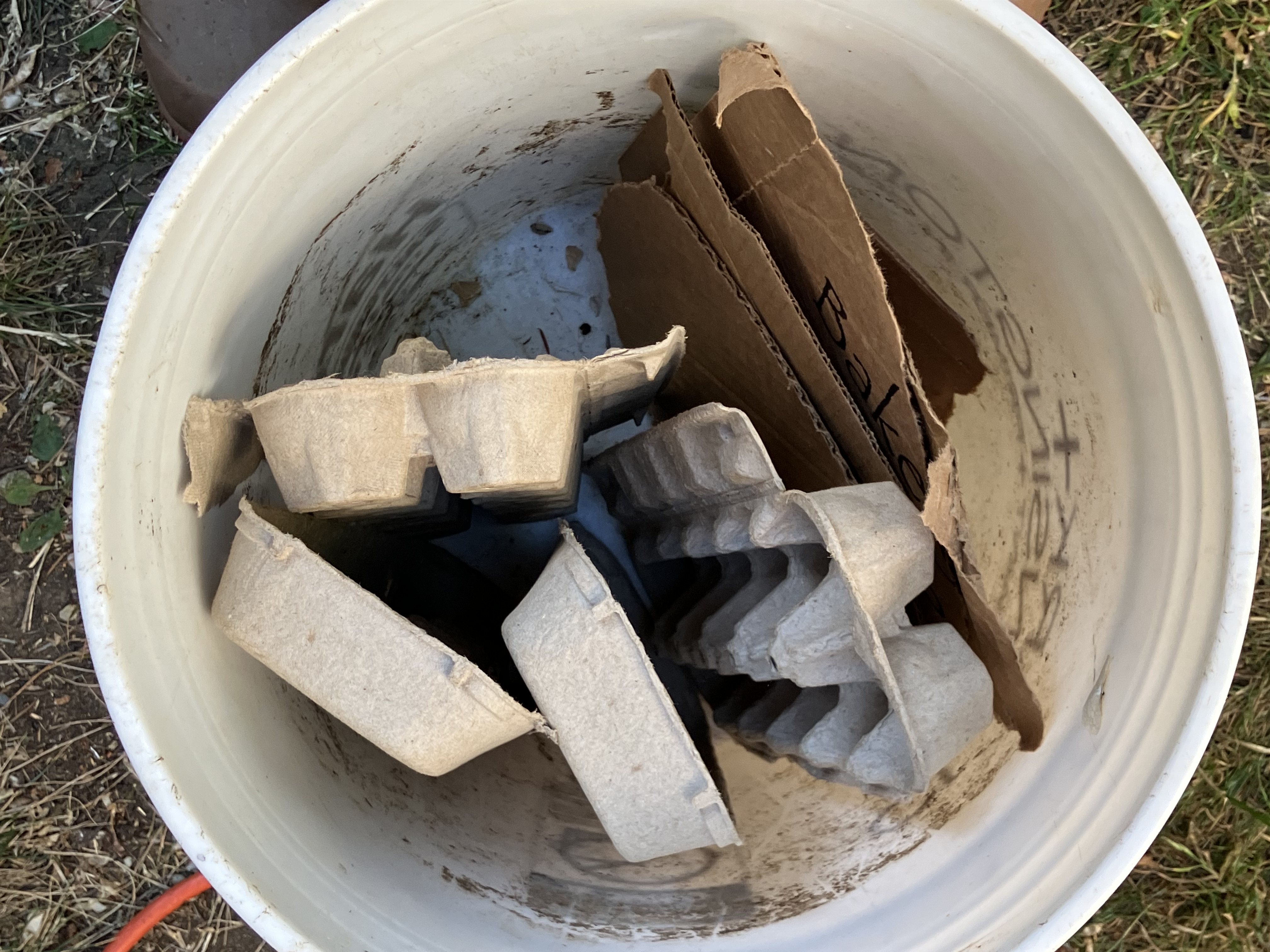
Photos of the specimens found are in the gallery below along with some pics of my set up. National Moth Week is July 22-30, so if you are interested in participating, please check out the link here https://nationalmothweek.org, and feel free to reach out if you have any questions. You can send me an email or find me on Facebook (Bugs of the San Juan Islands) at https://www.facebook.com/groups/3594158544144419 .

Thanks for reading!

Gallery

Bug Bucket Wednesday

Eyed Sphinx Moth (Smerinthus ophthalmica)

Leading up to the Twelfth Annual National Moth Week, July 22-30, 2023 https://nationalmothweek.org, I am getting into moth mode with some early collecting to see what is flying about the forest near our home at night.

My first attempts at this were quite unsatisfying, save for the two awesome beetles that came to visit. The bug station I set up just wasn’t yielding much in the way of moths, at least until I discovered my station had been discovered by some thieving yellow jackets who were picking off my moths right in front of my eyes. Something had to change. I sure didn’t want to lure in these beautiful creatures to become a breakfast buffet.


I got some very helpful advice from a friend named Carl. Carl is an expert moth-er, and he recommended putting some egg cartons in my bug bucket so they would have a place to hide. I tried this last night, adding two egg cartons and some pieces of cardboard. Then, I went to hang my bucket up and turn on the light – EXCEPT, those darn yellow jackets showed up at 9 pm. They must have excellent memory. I suppose they wanted to be first in line at the moth buffet.


I moved my bug bucket and light to another location. It was a success. Here is the assortment of moths I collected last night. All were handled with gentle care and photographed. Afterwards, I moved them to hiding spots in the forest to make them less susceptible to predation.

Gallery Below

If you’re interested in participating locally in National Moth Week, please don’t hesitate to reach out for more information. You can find me via email at cynthiabrast@icloud.com or on Facebook at Bugs of the San Juan Islands – a private group, but easy to join by answering a couple of questions and agreeing to follow the group rules to prove you aren’t a spammer and won’t be disruptive. 😉

Thanks for viewing!

Hemipenthes morioides, a bee fly

Two weeks ago, I stopped by the San Juan County Conservation Land Bank’s office to take a look at the newly transformed “lawn-to-meadow” native plant garden. This sample meadow is an effort coordinated by Land Steward, Eliza Habagger, as part of The Salish Seeds Project (https://sjclandbank.org/the-salish-seeds-project-bringing-back-island-wildflowers/).  I was astonished at how quickly (seemingly overnight), the wildflowers planted in this small space bloomed.  Aside from being much more appealing than grass, this new wildflower meadow is hosting an assortment of pollinators.  

Hemipenthes sp. Bee Fly (Bombyliidae) at San Juan County Land Bank demonstration meadow – May 18, 2023

Here’s a species of fly I saw that, at first-glance, looks a lot like a biting deer fly.    It is actually a type of Bee Fly in the family Bombyliidae with no common name.  Its Latin genus name is Hemipenthes, and this one keys out to Hemipenthes morioides

Hemipenthes means ‘half-veiled in black’ and refers to the wing pattern seen in this group.  I used a key by Ávalos-Hernández (2009) to work out my identification and consulted with another fly specialist who agreed.  In the video clip of the fly, it looks to be ovipositing in the sand, indicating my specimen is female.  I’ll come back to this in a bit.

I believe this is Hemipenthes morioides, a Bee Fly – May 18, 2023, San Juan County Land Bank Native Plant Garden

Literature describes Hemipenthes morioides flies as hyperparasites (a parasite of a parasite) of the larvae of parasitic flies (Diptera, Tachinidae), as well as parasitic wasp larvae (Hymenoptera, Ichneumonidae).  Brooks (1952) cited this species as a predator of the tachinid fly Bessa harveyi, which is a parasite of the sawfly Pristiphora sp. (Hull, 1973).  H. morioides has been collected mainly in the western states of the USA (Ávalos-Hernández (2009). They also are known to parasitize caterpillars of moths in the family Noctuidae (Bugguide.net 2020).   Preferred habitats are forest edges and meadows.  

Of course, this leads me to ask all sorts of questions about how exactly this process of hyperparasitism takes place, especially with regard to being parasites of Tachinid flies.  That’s because most parasitic tachinid flies lay eggs directly onto their host’s body. How would the Hemipenthes fly eggs, laid in sandy substrate, get into a Tachinid fly egg laid onto another host?

Do Hemipenthes fly eggs laid into soil hatch, and then migrate through the soil to find an about-to-pupate or already pupating host?  As to finding literature specific to Hemipenthes morioides with detailed descriptions about this process in the wild, I wasn’t successful.  It seems to be such a complex relationship that chances of observing this happening in a natural setting are slim.  For now, I’ll just have to be satisfied with knowing the taxonomy.  The rest may remain a mystery…🤔


Except I like to solve mysteries, or try to at least!  I reversed direction (taxonomically) in my literature search to see what studies are published around the Family (Bombyliidae).   In The Evolutionary Pattern of Host Use in the Bombyliidae (Diptera): a diverse family of parasitoid flies by David K. Yeates and David Greathead (1997), I discovered the “ovipositing” I observed is something entirely different.  This female Hemipenthes fly was filling her “sand chamber” or “psammophore,” a ventral abdominal pocket into which the eggs are laid, and a feature unique to “higher” Bombyliidae (Yeates & Greathead, 1997; Calderwood, 2007). 

Further, Calderwood (2007) comments in Bugguide.net, “It is said that eggs are coated with sand in the chamber to fascilitate release later. I (Calderwood) think that, given the relative size of sand grains and Bombyliid eggs, the reverse is true: the tiny eggs coat sand grains in the chamber, which are heavy and easier to toss with accuracy, kind of like sticking a piece of gum to a baseball. Ovipositing looks like little aerial dipping movements accompanied by flicks of the keester. Eggs are thrown through the air.”  I agree with Calderwood’s statement, and how fascinating this behavior is!  


Two weeks later, I’m still threading through a stack of literature about Bee flies Bombyliidae.  I’ve discovered that almost all Bombyliidae bee flies (including this Hemipenthes fly) go through what is called hypermetamorphosis.  Those eggs, which were flung through the air onto vegetation or the soil substrate will hatch into what is known as a first instar planidium.  This is the form of the fly that must search to find a suitable host for development (Yeates & Greathead, 1997).  

The planidium morphology is such that it is adapted for mobility/locomotion, host-finding, and attachment.  It has an elongate body with two long setae and fleshy pseudopods at the end of its abdomen.  There are also a pair of elongate setae on each thoracic segment (Du Merle, 1972).    Examples of hypermetamorphosis and this mobile, first-instar form of larvae include quite a few other groups of insects.  One example being the one between Strepsipteran larvae (known as triungulins) and Blister Beetles (Meloidae).

I’ll leave you with a nudge to pick up the Yeates and Greathead (1997) paper.   It’s really pretty fascinating.  Complex?Yes. Studying nature is one of the most intriguing topics you can delve into. There are many intricate pieces all woven together.  Yeates and Greathead describe the chance observations of the process of development in Bombyliidae by scientists as serendipitous.  I think it’s quite serendipitous that these tiny, first instar larvae ever find a host in the first place.   More on Hemipenthes flies below.

Thanks for reading!
Taxonomy (bugguide.net, 2020)  

Family: Bombyliidae (Bee Flies)

Subfamily: Anthracinae

Tribe: Villini

Genus: Hemipenthes

Species: Hemipenthes morioides

Identification (bugguide.net, 2020)

Head: Round; dark brown to black. 

Male and female: identical, eyes of female only slightly wider, barely discernable.

Antenna: Black, very short.

Thorax: Dark brown to black with rust hairs across shoulders; sometimes thorax is bald. Thorax sides may have some yellowish hairs which do not form a definite line.

Wings: Dark brown, covering about 2/3rds of the wing, lower dark margin step-like. The dark extends to the inner margin or anal cell. Three sets of cross veins have a light mark on each side of the vein, called aureoles. One near base, one about mid-wing, and another small one below (or R4 + R5, M2 and CUP). 

Legs: Dark brown with a row of spines on front shin (tibiae). Feet lighter. 

Abdomen: Dark brown to black with small to large yellowish spots across each segment and a yellowish line across lower margin. Dark fringe mixed intermittently with some white on side edges of abdomen.

Habitat 

Forest edges and meadows.

Season 

All season in southern U.S. Late May to August in the north.

Distribution 

Canada (British Columbia), USA (Arizona, California, Colorado, Idaho, Illinois, Indiana, Iowa, Massachusetts, Michigan, Minnesota, Montana, New Jersey, New Mexico, New York, Ohio, Oregon, Pennsylvania, Utah, Washington, Wisconsin, Wyoming), Ávalos-Hernández (2009). 

References and Further Reading 

Ávalos-Hernández, Omar. (2009). A Review Of The North American Species Of Hemipenthes Loew, 1869 (Diptera: Bombyliidae). Zootaxa. 2074. 1-49. 10.5281/zenodo.187152.

Brooks, A.R. (1952) Identification of bombyliid parasites and hyperparasites of Phalaenidae of the prairie province of Canada, with descriptions of six other bombyliid pupae (Diptera). Canadian Entomologist, 84, 357–373. 

Bugguide.net. 2023. Hemipenthes morioides. https://bugguide.net/node/view/365221

Dipterists Society. Main Parts of a Fly (Fly Morphology) – https://dipterists.org.uk/morphology

Du Merle, P.  1972.  Morphologie de la Larve Planidium d’Un Diptère Bombyliidae, Villa Brunnea,Annales de la Société entomologique de France (N.S.), 8:4, 915-950, DOI: 10.1080/21686351.1972.12278123https://www.tandfonline.com/doi/epdf/10.1080/21686351.1972.12278123?needAccess=true&role=button

Finlayson, L.R. & Finlayson, T. 1958. Parasitism of the European pine sawfly, Neodiprion sertifer (Geoff.) 

(Hymenoptera: Diprionidae), in southwestern Ontario. Canadian Entomologist, 90, 223–225.

Hull, Frank M. 1973. The bee flies of the world. The genera of the family Bombyliidae Bulletin – United States National Museum (no. 286 1973). Smithsonian Institution Press. Retrieved from https://library.si.edu/digital-library/book/beefliesofworl2861973hull

Yeates, D. K., & Greathead, D. 1997. The evolutionary pattern of host use in the Bombyliidae (Diptera): a diverse family of parasitoid flies. Biological Journal of the Linnean Society60(2), 149-185.

Tiger Craneflies (Phoroctenia vittata angustipennis)

Tiger Craneflies (Phoroctenia vittata angustipennis)

I finally got a few photos of these two after trying (and failing) in my attempts when I first spotted them on Sunday. Curiously, they were “bumping” onto tiny little cones on our fir tree, creating intermittent bursts of pollen with each “hit.” I wondered if they were perhaps eating pollen in advance of mating – with protein a necessary element in egg production.

These flies aren’t extraordinarily abundant. I checked my bug records, and the only other one I’ve seen in the yard was May 2, 2021. They are unique enough that I remembered looking them up and finding that the West Coast species is actually a subspecies, thus the 3rd name, angustipennis, tacked on to the binomial (Phoroctenia vittata).

Going back through my computer, I did find my previous source. Sometimes my computer filing system actually works and I remember to put labels and tags on my saved papers. It makes it so much easier to find them again! Re-reading the paper by Oosterbroek, Pjotr & Bygebjerg, Rune & Munk, Thorkild (2006), I was especially interested in their antennal illustrations, but found another part about the larvae interesting. They state, “the larvae of all these species develop in decaying wood of deciduous trees and might turn out to represent an especially significant conservation and monitoring element of the saproxylic fauna, as most of the species are rather scarce and some of them even very rare. Moreover, they are usually confined to old forests, orchards and similar habitats where there has been a long continuity of the presence of old, dying and fallen trees (Stubbs 2003).”

Our Landscape is Changing

The area near our home has remnants of older growth trees, though many are being cut and cleared for development, and the creation of homesteads. I worry that we will lose some of these species as the forests become more and more fragmented and the trees are more stressed with the advent of higher temperatures brought about by climate and landscape change. Yes, cutting trees = hotter spaces. We need trees! And bugs. Or will sorely regret our choices and actions when we are face to face with the reality of the great die-off of species.

Back to the antennae for these Tiger Craneflies. Can you spot the male and the female in my photos? The male antennae are quite distinctive with their comb-like shape. Entomologists describe the comb-like antennae as Pectinate. If you haven’t figured it out yet, the male is the smaller of the pair. His antennae are wider, and he’s hanging on the bottom.

Tiger Craneflies (Phoroctenia vittata angustipennis) – Note the striking comb-like antennae of the males 

Why might craneflies be useful? Well, aside from population size being an indicator for forest ecological relationships, they make great food for wildlife, especially baby birds and their parents.

Isn’t nature amazing! Thanks for reading.

References and further reading

Saproxylic definitionhttps://www.amentsoc.org/insects/glossary/terms/saproxylic/#:~:text=Saproxylic%20invertebrates%20are%20those%20invertebrates,stage%20is%20dependent%20on%20wood.

Bugguide.net Subspecies Phoroctenia vittata angustipennis https://bugguide.net/node/view/109143

Oosterbroek, Pjotr & Bygebjerg, Rune & Munk, Thorkild. (2006). The West Palaearctic species of Ctenophorinae (Diptera: Tipulidae): key, distribution and references. IEEE Transactions on Information Theory – TIT. 138-149.
https://www.researchgate.net/publication/237714614_The_West_Palaearctic_species_of_Ctenophorinae_Diptera_Tipulidae_key_distribution_and_references

Hidden Daggers

Spring has arrived and with it comes beautiful daffodils popping up across the landscape, but also pollen, windy days, and those dreaded allergies many of us suffer from. I’ll bet as you’re reading, you’re might visualize little pollen grains as daggers that blow up our noses and make us sneeze! Personally, when I visualize pollen grains, I picture them as the equivalent of microscopic land mines. Even though pollen grains can be quite unique when viewed under a microscope and cause quite SHARP “achoo’s” into that handkerchief, there’s another DAGGER you’ll have to go search for in those daffodils.


Rhamphomyia fly - Dagger Fly on Daffodil
Rhamphomyia fly – Dagger Fly on Daffodil

When I first saw this bug and took some photos with my phone, I didn’t realize that EXTRA leg was not a leg at all, but a beak of sorts. More close up photos yielded some images of this particular specimen that reminded me of the sinister hood worn by doctors during the Plague that looks like a giant bird beak.

This BUG I found in the daffodils with the strange “beak” or proboscis, a scientific term for an appendage-like mouthpart of an organism, is a type a fly. The common or vernacular moniker being Dagger Fly.

Rhamphomyia fly - Dagger Fly on Daffodil
Rhamphomyia fly – Dagger Fly on Daffodil

From here, I’ll take you through my process of determining the fly’s classification. First off, to understand it is a FLY, you must look at the number of wings. Flies are taxonomically categorized into the insect order Diptera. Di=two and ptera = wings. Two wings or one pair of wings = FLY. Now the Flies or Diptera are an enormously diverse and large group of organisms. Fly classification or taxonomy is one of the hardest groups I’ve ever worked through and in my rudimentary assessment, I managed to identify my specimen as far as the Family Empididae or the Dance flies. This fly wasn’t exactly “dancing” though. It was poking its beak around in the daffodil, and there were several of them in one flower – all doing exactly the same thing.

Rhamphomyia flies – https://bugguide.net/node/view/8957

At this point, I turned to the fly group I belong to on a popular social media site. I posted my photos with date/location/and my suggested family (Empidiae), then asked if someone could help me with further classification. About two days later, I checked back. The suggestion in the comments was for Genus Rhamphomyia. It would be particularly challenging to identify this particular fly to species. Bugguide.net cites Arnett’s American Insects: A Handbook of the Insects of America North of Mexico, stating there are over 400 undescribed species in our area with 450 undescribed worldwide.


While Genus Rhamphomyia falls under the Empididae or dance flies, Rhamphomyia translates from Greek rampho ‘beak’ + plus myia ‘fly.’ Beak flies they are indeed!

Dagger Fly (Rhamphomyia sp.)

Delving past the taxonomical classification of the genus I discovered some interesting bits of information involving mating behaviors. Like other groups of flying insects, males and females will often form swarms of groups, sometimes referred to as leks. In the Rhamphomyia, these groups can be either all male or all female (a reversed-role lek) or mixed.

If the group is single sexed, it may be the opposite sex does not form a group, but rather enters the single sex group to select a mate. There may also be a group of females and a nearby group of males and individuals from each group will leave and mix with the opposite sex group to choose a mate. Different species of this genus may swarm at different times of the day. Some species may spend the entire day swarming, while others only a select time such as right before dusk or early morning. Swarm locations are selected around some sort of visual marker or landmark which may range from very specific ( a particular branch or limb overhanging a pond) or quite general (the southern slope of a hillside adjacent to a stream or a farm field).

The most intriguing behavior is the habit of male flies to collect and bring nuptial gifts to a female. Alcock (2016), describes this fascinating ritual where female flies gather in swarms low over open woodlands, high in treetops, or over grassy hayfields in early morning or late evening. The swarms lasted 1-2 hours each with female Rhamphomyia flies holding their highly ornamented legs wrapped around their abdomens. In these swarming female groups, males enter and gift their selected female a small insect for her to consume. Examples of tiny insects selected for nuptial gifts include drosophila flies, small syrphid flies, or tiny caddisflies (Alcock 2016). Kuiter, Findlater-Smith, and Lindhe (2017) recorded nuptial gifts to include “fungus-gnats (Myctophylidae), crane flies (Tipulidae), other Empididae flies, and occasionally small moths (Lepidoptera). ”


Reading a bit more led me to Funk and Tallamy (2000) who describe the plight of the female Dagger fly. She is unable to hunt for prey and wholly dependent on these nuptial gifts of protein necessary for development of her offspring. In the swarming leks, she seeks these nuptial gifts from male suitors in exchange for copulation.

While I didn’t witness the formation of swarming leks of these flies, I did find some handsome daggers hanging out in the daffodils. I kept reading and found they can use their beaks not only to pierce small insects, but also to pierce and extract nectar from flowers. As they feed, pollen collected on their bodies may be distributed to other flowers (Sezen 2015).

Rhamphomyia Dagger Fly on Daffodil

Probably the grand finale in my literature search yielded the paper written by Kuiter, Findlater-Smith, and Lindhe (2017) titled Pollination of the Bearded Greenhoods (Orchidaceae) by Dagger Flies (Diptera: Empididae). They describe a unique relationship between the orchid and another species of Dagger Fly. Located in Victoria,Australia, the authors document the case of mistaken identity – the male dagger fly is lured to the orchid by both chemical and physical attributes mimicking the female fly’s sex pheromones and her morphology.

While daffodils aren’t the orchid described by Kuiter et al, (2017), I considered their observations to offer one possible reason the flies I found could become so awkwardly stuck. Kuiter et al. (2017) suggest the flies observed bringing nuptial gifts to the Bearded Greenhood orchid (Pterostylis plumosa) are attracted by the orchids’ kairomones which mimic the Empididae female flies’ sex pheromones. In the case of this particular orchid, the hairy labellum inside the flower head acts as a visual cue, arousing the male who mistakes it for the hairy legs of a female Empididae fly (Kuiter et al, 2017). They believe the bearded orchids may have evolved the hairy labellum for holding the nuptial gift of the male fly just as females of the fly species have hairy legs for receiving the nuptial gift – a very species-specific relationship ensuring the orchid is pollinated.

I believe this relationship provides a possible explanation (at least for me) as to why I found deceased flies stuck within the filaments and stamen inside several daffodil flowers. I actually found four flowers with stuck flies, so it seemed more than merely coincidence. Is it remotely possible the species of male Dagger fly I found mistakes parts inside the daffodil flower for a female fly and cannot extricate himself from the situation? Mistaken identity? Or, did he merely shelter there in the cool of the night and expire in slumber? https://nossaorg.files.wordpress.com/2017/05/finalbeardedgreenhoodpollinatorlrs.pdf

Rhamphomyia Dagger Fly in Daffodil

I’ll end with a note of my own. Many of these relationships between plants and pollinators are highly complex, understudied, and/or, as in this group of flies, un-described. Many species of plants and animals, including and especially pollinators, are under immediate threat due to climate change, habitat loss, and land use changes. You can help by minimizing your impact and changing long-held habits. Avoid clearing around your property, try the “no-mow” approach. We mow only trails and leave the rest. Plant native plants, leave brush piles instead of making burn piles, build a smaller home, be a smart consumer. We are altering systems that enable our own survival. Get outdoors and learn about the diverse life that shares your space. Check out the iNaturalist app and see what you can record in your own backyard. These unseen living critters around us are unique, intriguing, and worth saving!

Thanks for reading!

View more photos in my Dagger fly gallery here:


Vocabulary

Leks – aggregation of (male) animals gathered to engage in competitive displays and courtship rituals, known as lekking.

Kairomone – allelochemicals where the chemical signals are favorable to the organism that receives the signal. A familiar example is the lactic acid component of human sweat that attracts the mosquito Aedes aegypti (Augustin, 2016).

Morphology -the study of the form and structure of organisms and their specific structural features.

Pheromone – semiochemicals that influence the physiology or behavior of members of the same species. They include sex attractants, alarm substances, aggregation pheromones and trail markings (Augustine, 2016).

Proboscis– tubular feeding and sucking organ of certain invertebrates such as insects.


References and Further Reading

Alcock, J. The Mating Behavior of an Undescribed Species of Rhamphomyia (Diptera: Empididae). J Insect Behav 29, 153–161 (2016). https://doi.org/10.1007/s10905-016-9545-5

Augustine, T.J. 2016. Kairomones. Organic Materials Review Institute (OMRI) https://www.omri.org/kairomones

Bugguide.net. 2003-2023. Genus Ramphomyia. https://bugguide.net/node/view/8957

Kuiter, R., Findlater-Smith, M.J., and Lindhe,R.E. 2017. Pollination of the Bearded Greenhoods (Orchidaceae) by Dagger Flies (Diptera: Empididae). Aquatic Photographics. Short Paper 1. https://nossaorg.files.wordpress.com/2017/05/finalbeardedgreenhoodpollinatorlrs.pdf

Funk, D. H., & Tallamy, D. W. (2000). Courtship role reversal and deceptive signals in the long-tailed dance fly, Rhamphomyia longicauda. Animal Behaviour, 59(2), 411–421. doi:10.1006/anbe.1999.1310
10.1006/anbe.1999.1310

Mischenko, M. and Frostic,M. 2009. Scanning Electron Microscope Still Image of Pollen Particles. Scientific Visualization Studio. NASA/Goddard Space Flight Center. https://svs.gsfc.nasa.gov/10394

Sezen, U. 2015. Common Mallow Pollinated By Dagger Fly. Nature Documentaries. http://naturedocumentaries.org/10098/common-mallow-pollinated-dagger-fly/

« Older Entries Recent Entries »