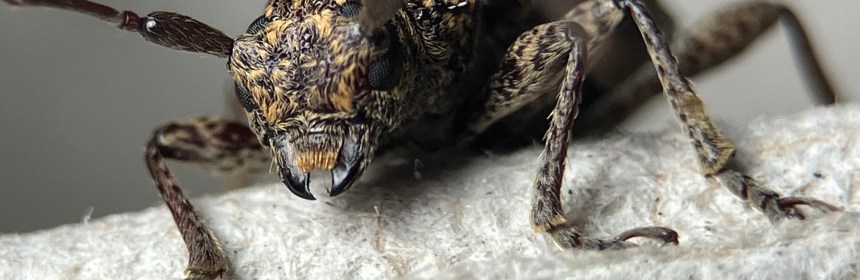
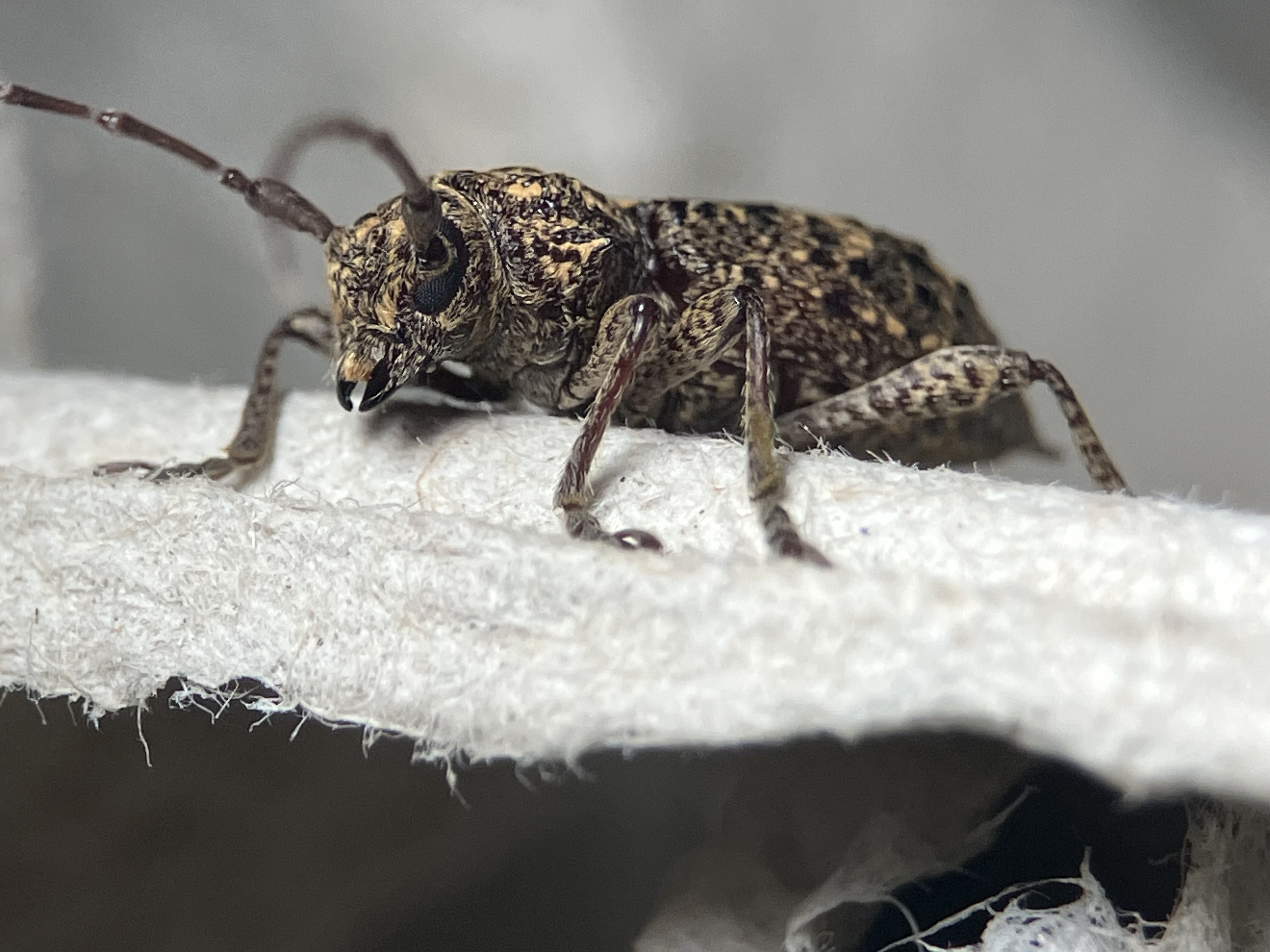
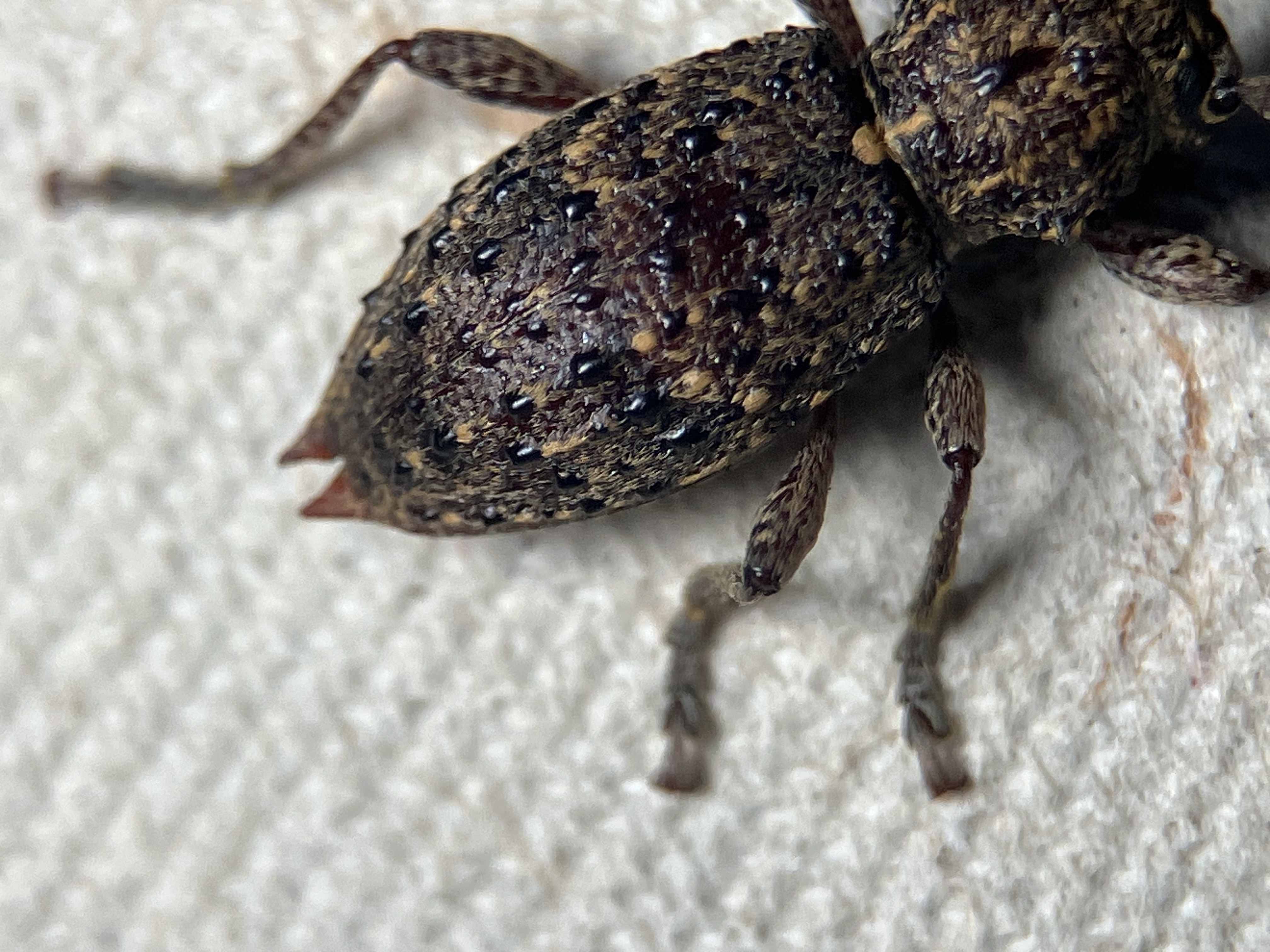
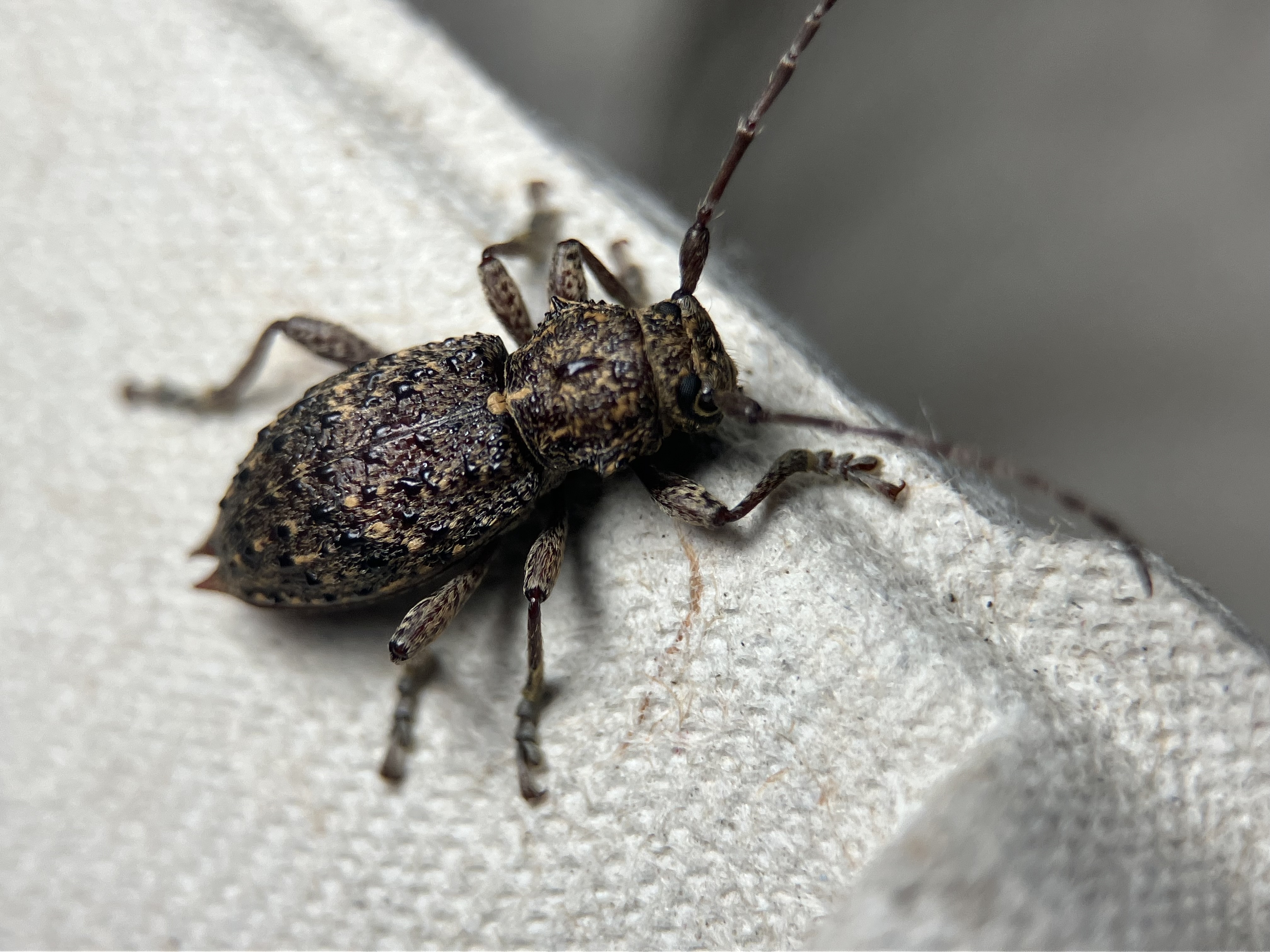
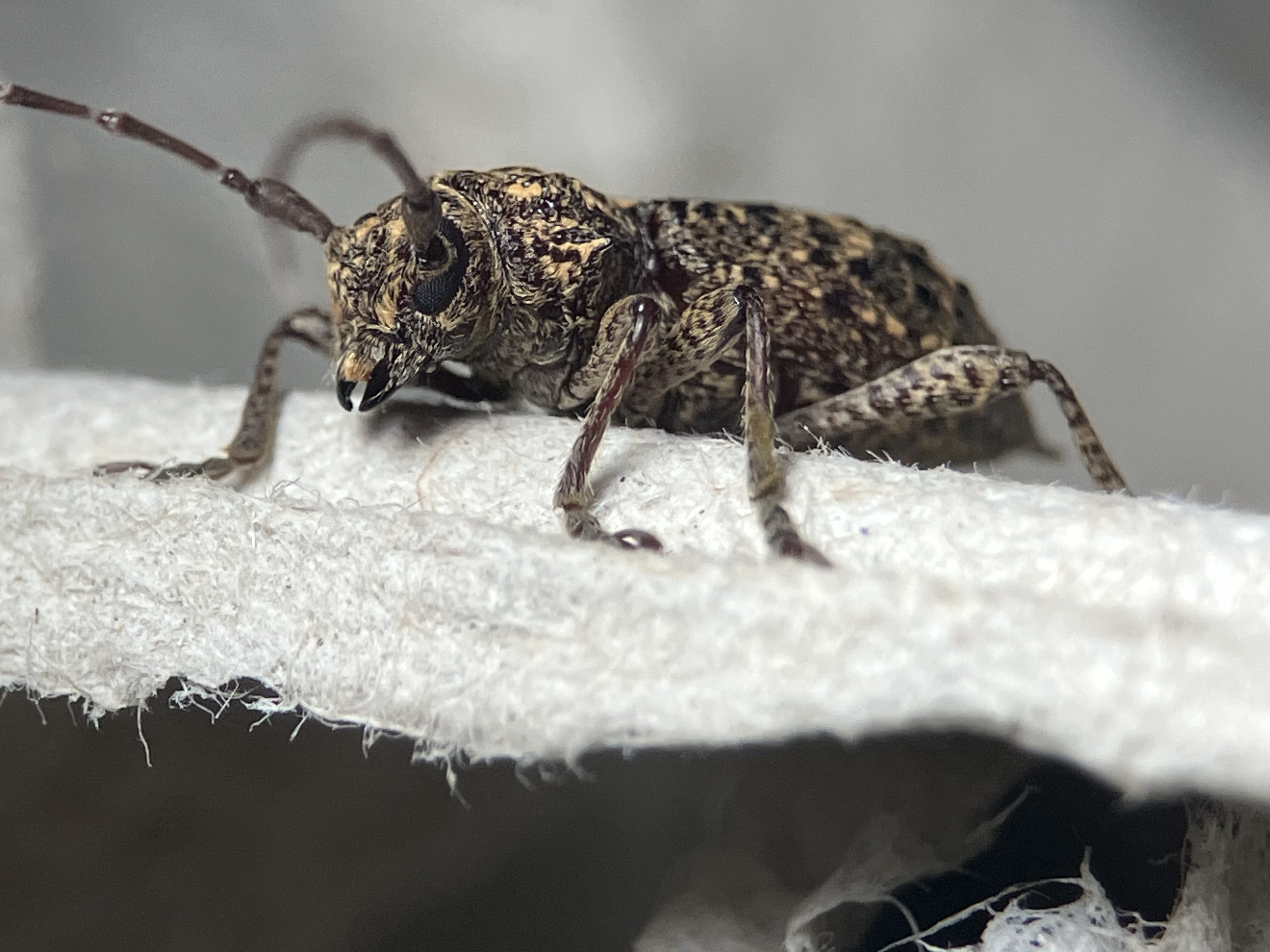
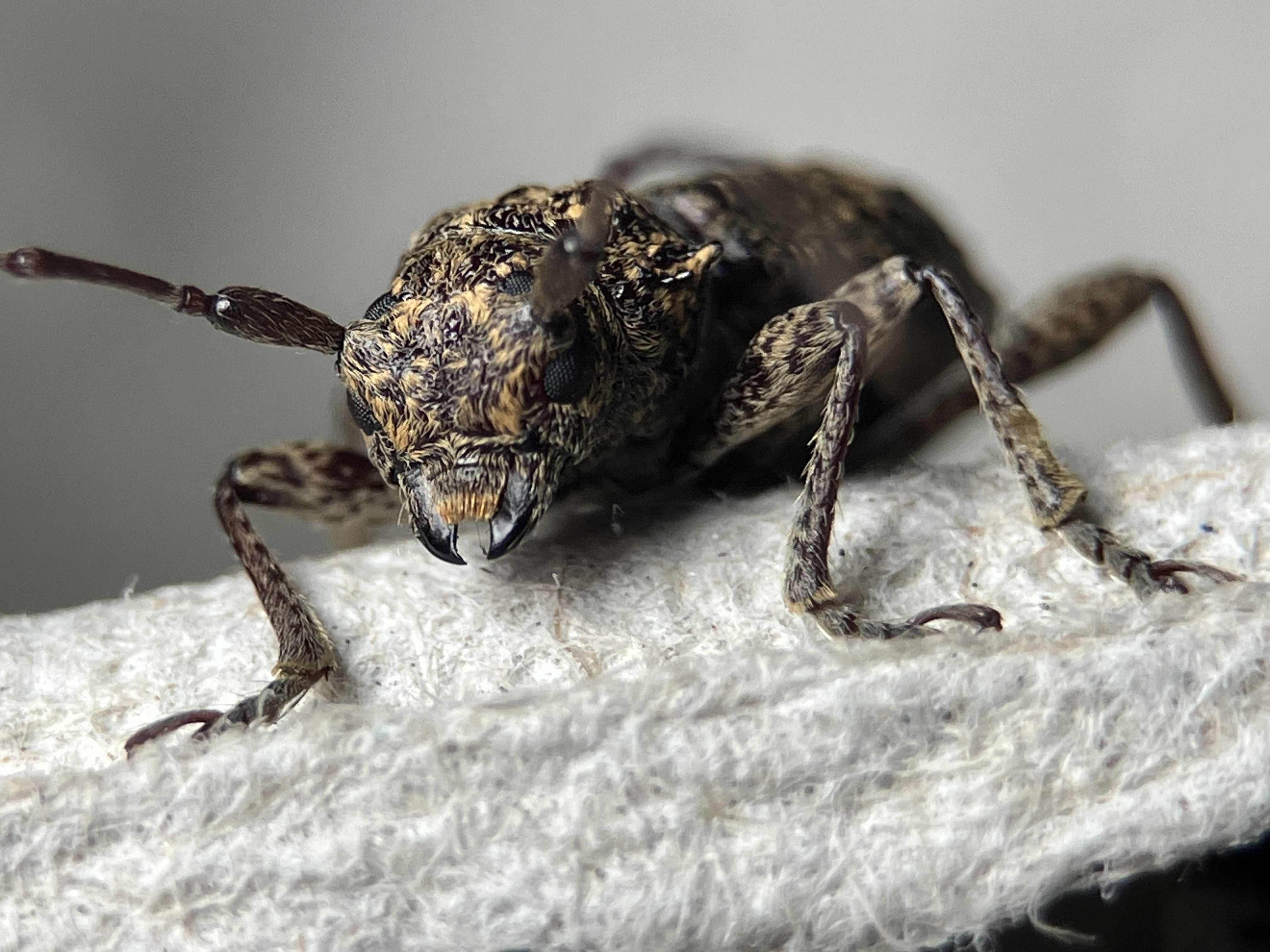
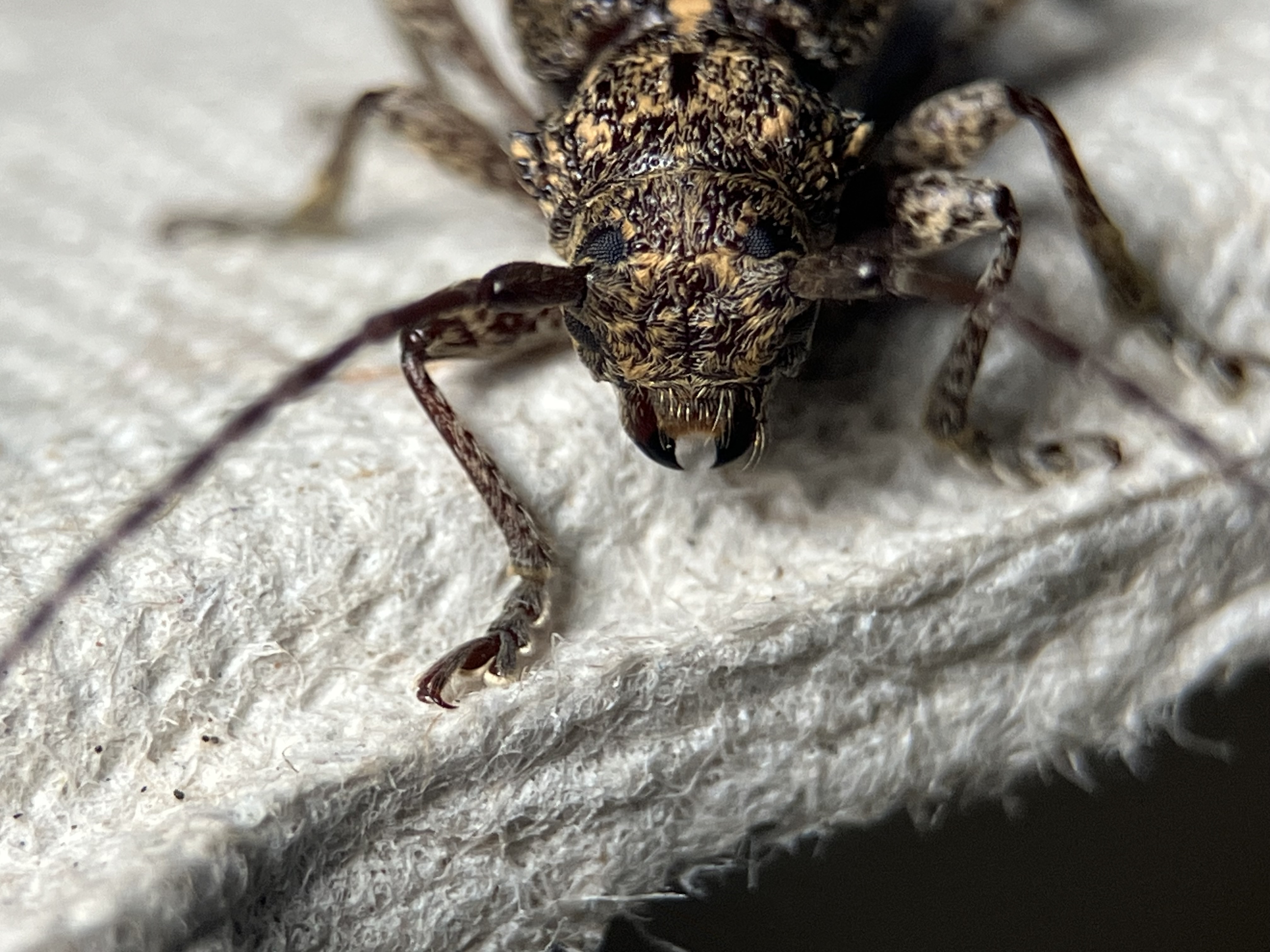
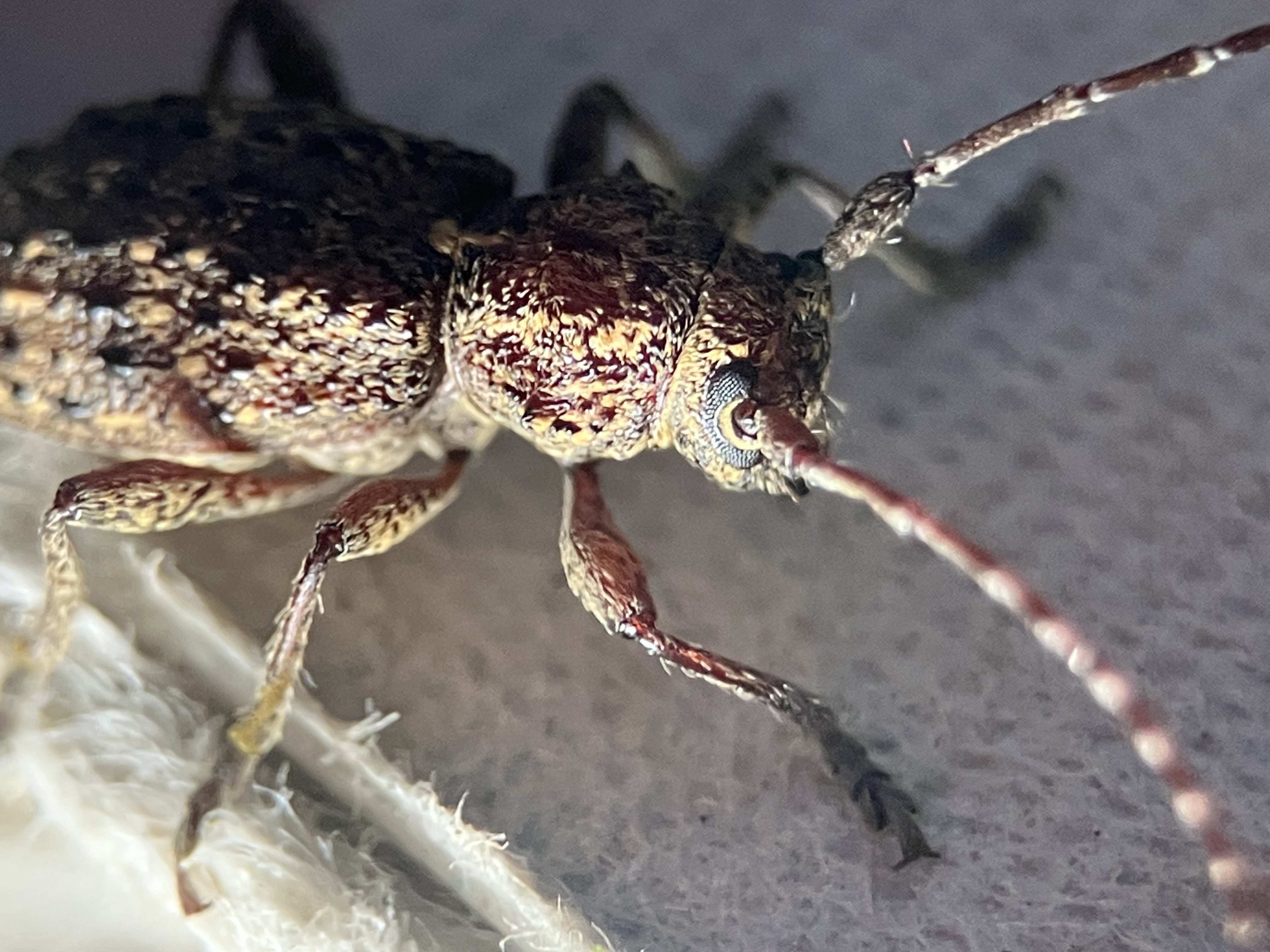
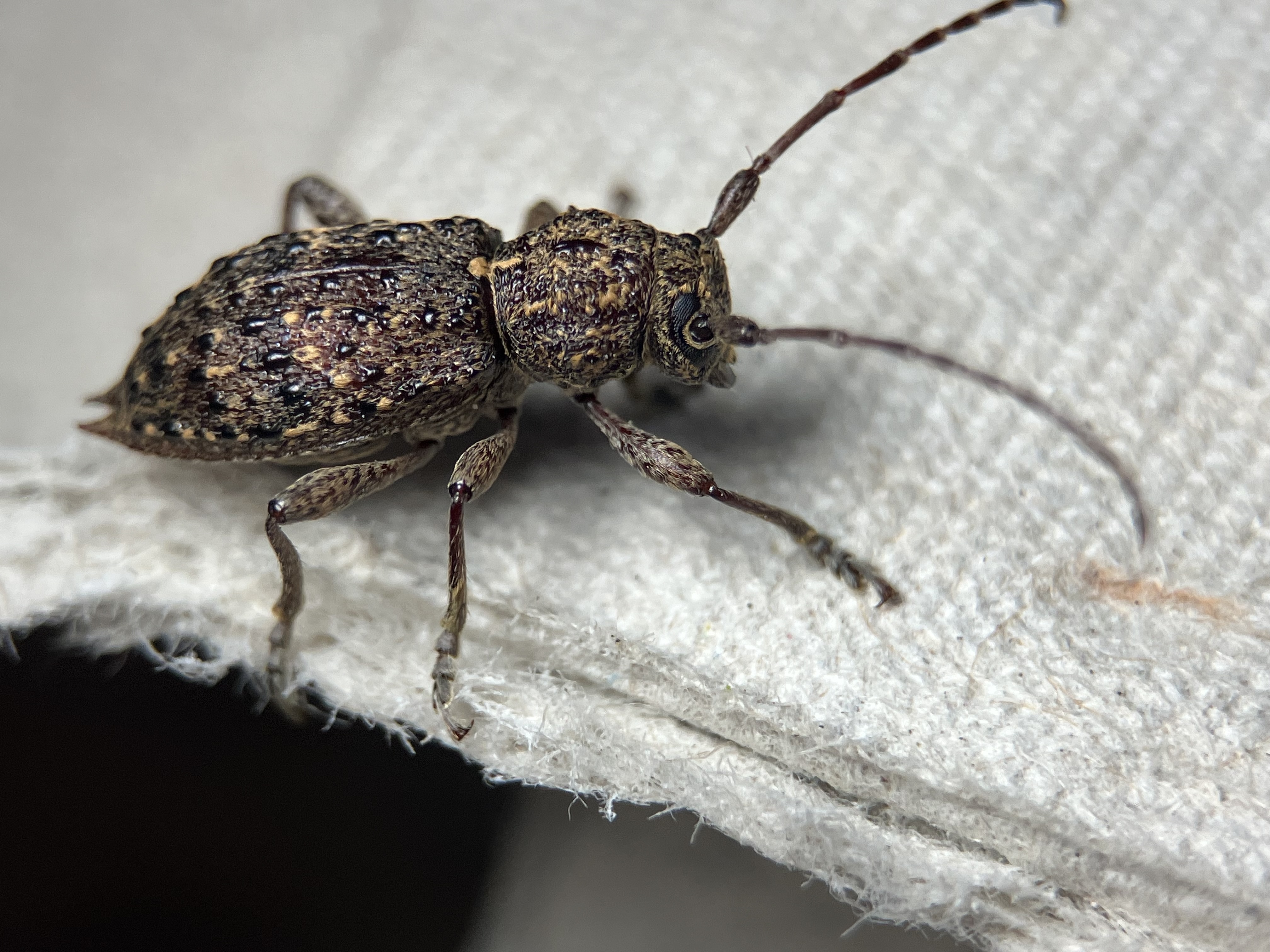
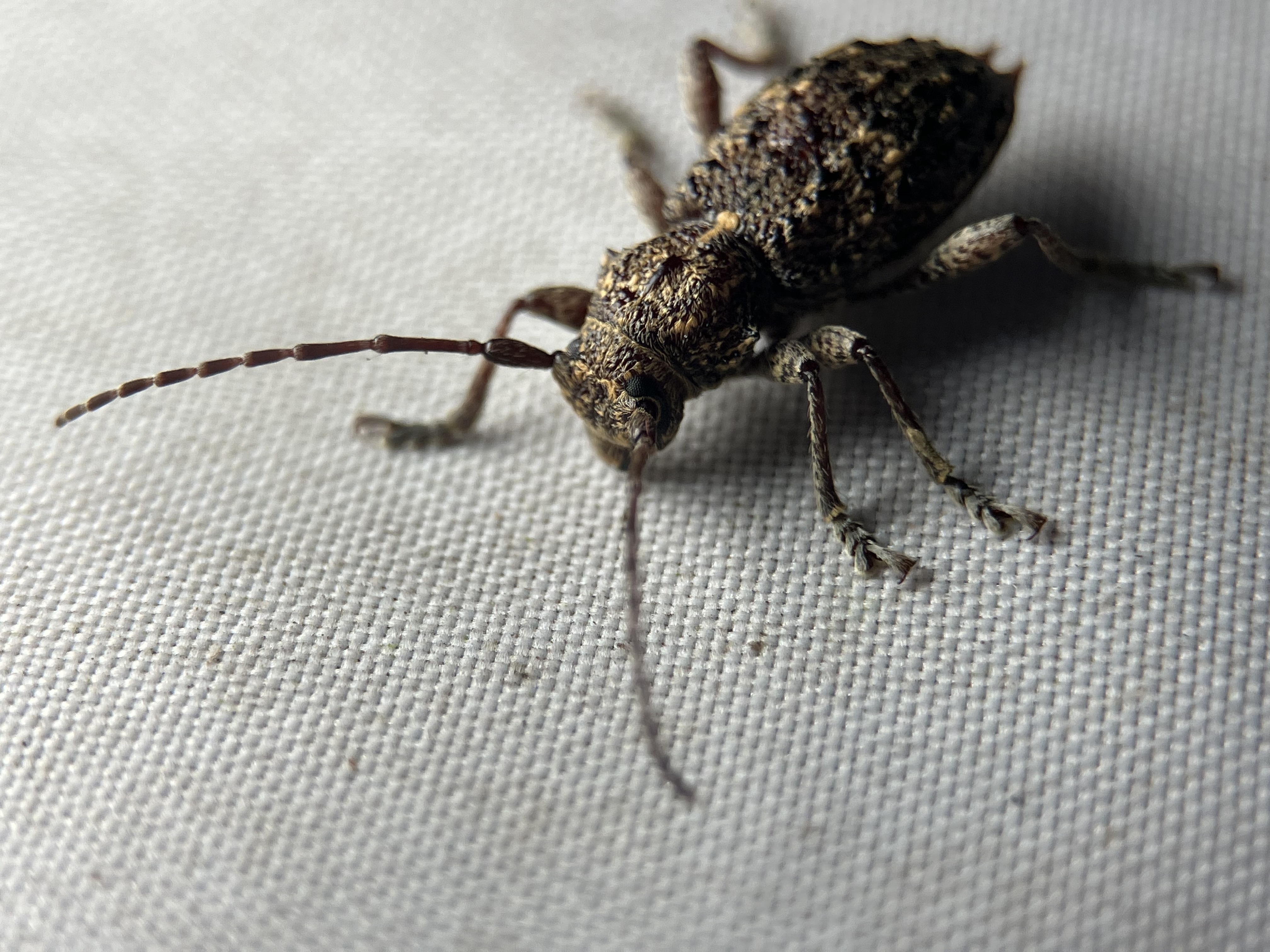
This unusual looking critter is a Long horned beetle in the family Cerambycidae, sometimes referred to as the Thorn- Tailed Longhorn Beetle because of the spiny projections at the posterior end of its body. The species is Plectrura spinicauda. Etymology for this bug’s binomial nomenclature consists of the generic name, derived from a combination of plektron (Greek for instrument to strike/pick) or plekein (to weave/twist) with oura (Greek for tail), and the species epithet combines from Latin spina (spine/thorn) and cauda (tail), translating to “spiny tail.”
Plectrua spinicauda
They are native to North America, with a geographic distribution in Western N. America (Alaska-n CA). P. spinicauda is a flightless beetle species with cool wrap around eyes, and as the name suggests, thorny projections at the end of its abdomen. The larvae have been found to develop in Alder, Willow, and Maple. They are important as decomposers and nutrient recyclers.
Author’s note. It is quite common for people to state that wood boring beetles kill trees. This is not necessarily true at all. In fact, most trees that are attacked by beetles are already in a state of decline. Just like humans decline with age or become ill with health problems, so do other things. Nature’s way of handling diseased and dying trees is to send beetles in (all sorts of beetle species) to help with the decomposition process – to recycle waste products and release nutrients back into the environment for other life forms to utilize.
Spraying a tree with pesticides as a preventative from the course of nature only worsens the situation. If you step back to assess the situation, you might ask yourself why the tree is dying. Is it from drought, heat, competition from other nearby trees, did someone weed whack too close to the trunk and cut or scar the bark? Are you running your lawn mower over exposed roots? Is the tree a short-lived species or maybe just entering the sunset of its lifespan?
There are many various reasons for trees to decline and die. Don’t blame the beetles for doing their job. They don’t just clean up the mess, but they feed many other organisms with their own lives. Beetle larvae are wonderful food for woodpeckers and other birds. Birds are in decline. Do something! Care! Get a book at your local library about how to create habitat so you have diversity of life and a healthy ecosystem in your yard space.
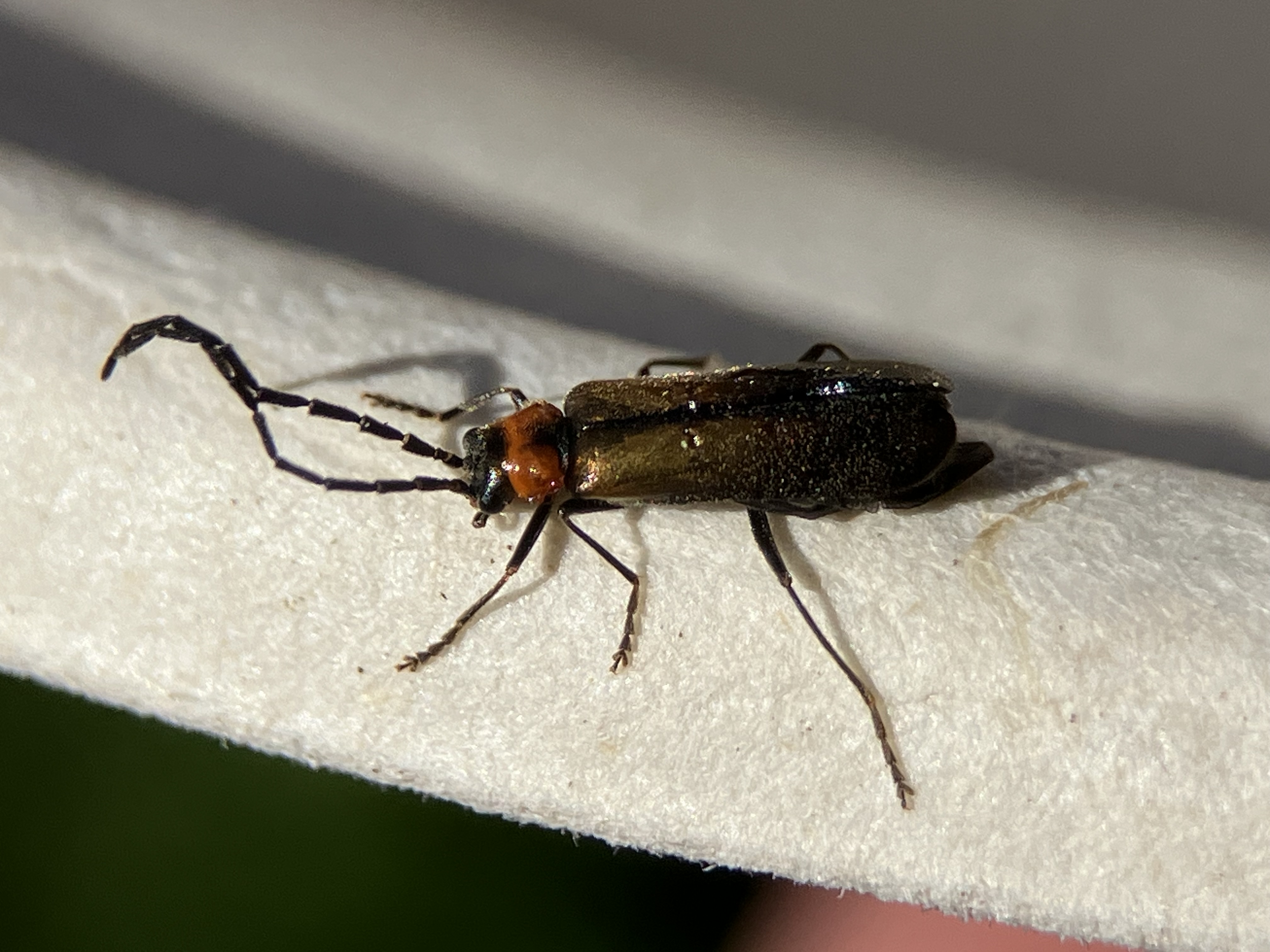
This tiny little friend (approx. 6mm) sporting a red collar is a soldier beetle in the family Cantharidae. It is in the Genus Silis, but there are so many species, that I will just leave it at the genus level for now.
Soldier Beetle (Genus Silis)
Silis beetles are quite cosmopolitan in distribution, associated with wooded areas and leaf litter, and active daytime fliers in early summer.
Adults are typically found on foliage and flowers. Primarily, they are pest predators, feeding on insects, but also serve as pollinators, feeding on nectar and pollen. Silis species are known to prey on aphid populations infesting trees, plants, and shrubs, so gardeners can appreciate them as a “friend.”
Silis beetles can also attack other groups of invertebrates, feeding on small soft-bodied specimens or consuming their eggs. However, the ecology of some species is remains to be investigated. While Fender (1973) found the larvae would eat earthworms and are mostly carnivorous in the soil, little else is known about the feeding habits in this stage. (Pelletier and Hébert , 2014).
The etymology of the nomenclature for the genus (Silis) comes from Σίλας in Greek. It is derived from the Latin name Silvanus, meaning “forest” or “wood,” and a contraction of the Greek form Silouanos, a transliteration of Silvanus. Silis or Silas is also associated with the Roman god of the countryside, Silvanus, a god who was worshipped by those who lived in wooded areas or worked with wood. Even older than the etymology is this tidbit. Silis beetles are quite ancient. Fairly recent research has identified specimens of the genus discovered in Baltic Amber (Parisi and Fanti, 2019).
Soldier Beetle (Genus Silis)
While I have now scooped a few out of our pool, thankfully in time to save them from drowning, some of them (perhaps the ones I’ve rescued) are also finding me. I have had them on my clothing and peeping in the door at me!
Thanks for reading!
Soldier Beetle (Genus Silis) looking in our door at me!
Green, John Wagener. 1966. Revision of the Nearctic species of Silis (Cantharidae: Coleoptera). Proceedings of the California Academy of Sciences, 4th Series, 32, 447–513. https://www.biodiversitylibrary.org/part/52839
Pelletier, G., Hébert, C. 2014. The Cantharidae of Eastern Canada and Northeastern United States. Canadian Journal of Arthropod Identification No. 25. February 28, 2014. Available online doi: 10.3752/cjai.2014.25
Parisi, F. and Fanti, F. 2019. On the first Silis Charpentier, 1825 from Baltic amber (Coleoptera, Cantharidae), Foss. Rec., 22, 119–123, https://doi.org/10.5194/fr-22-119-2019
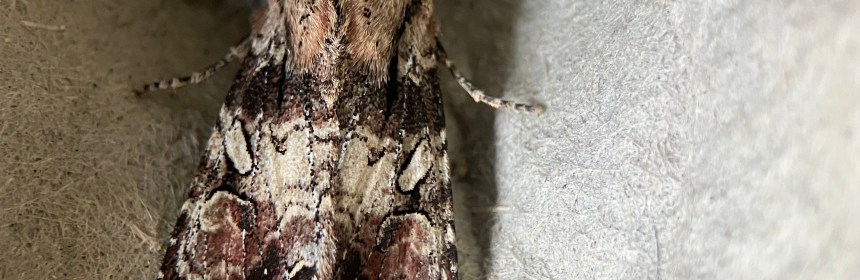
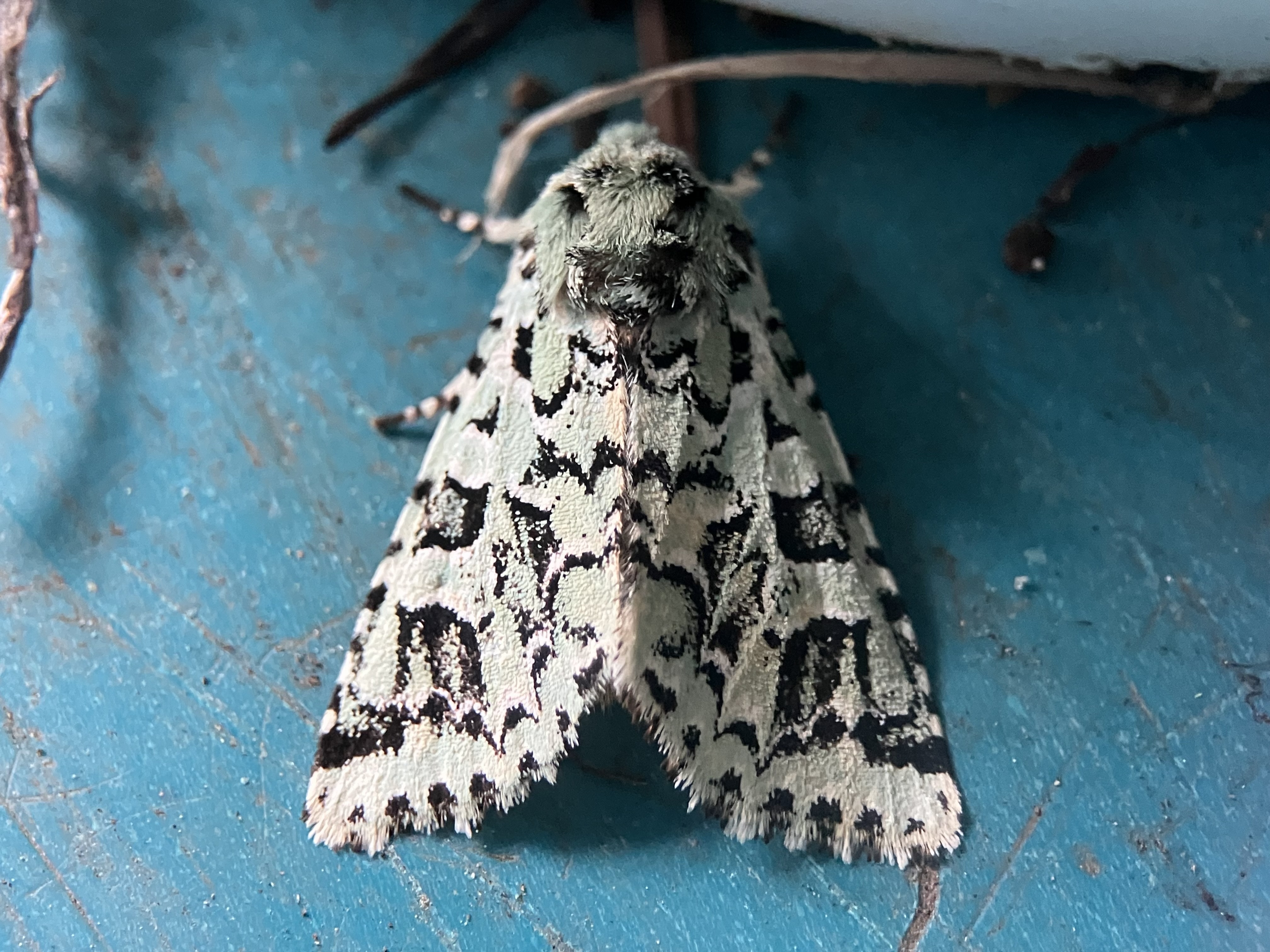
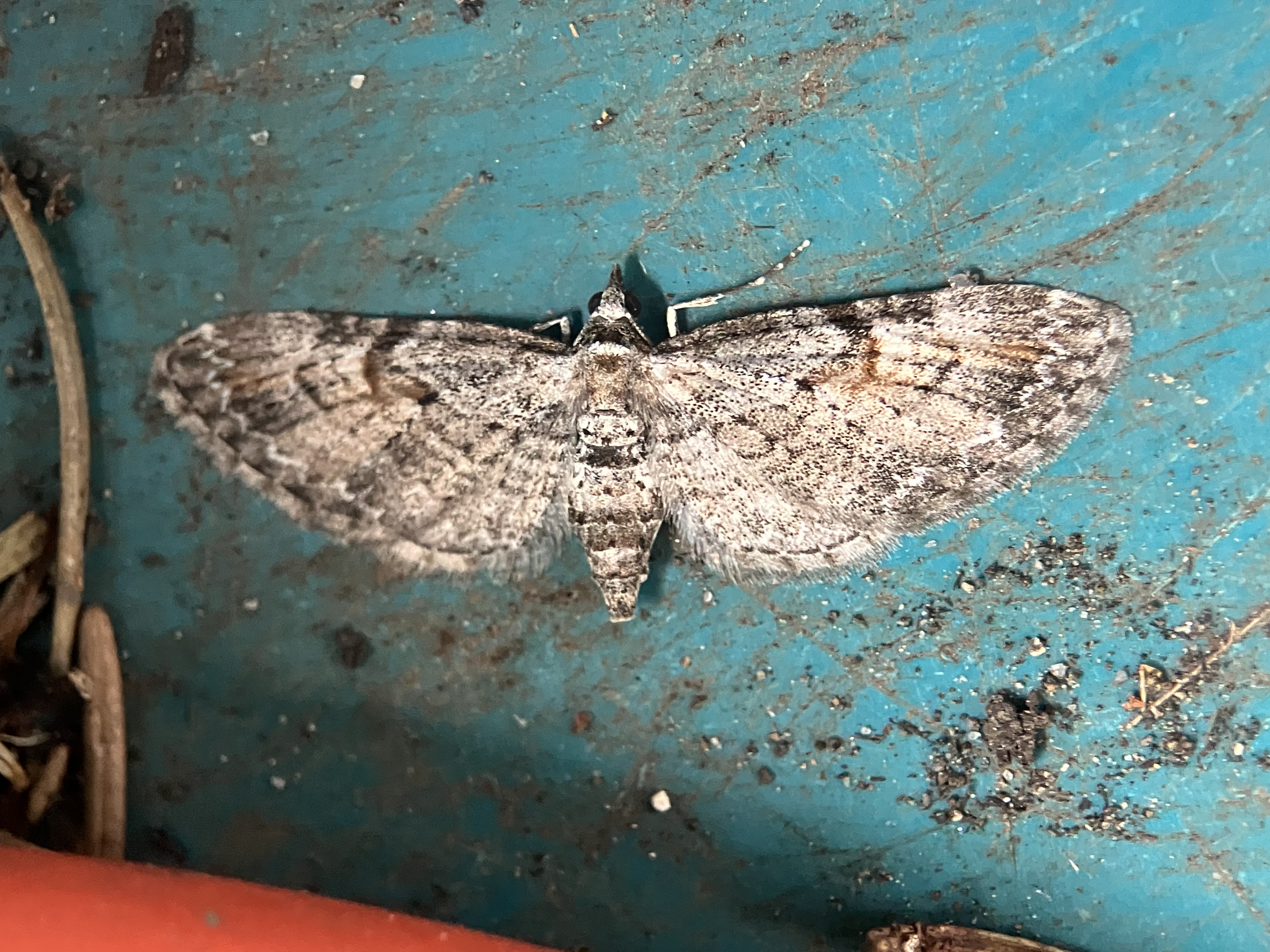
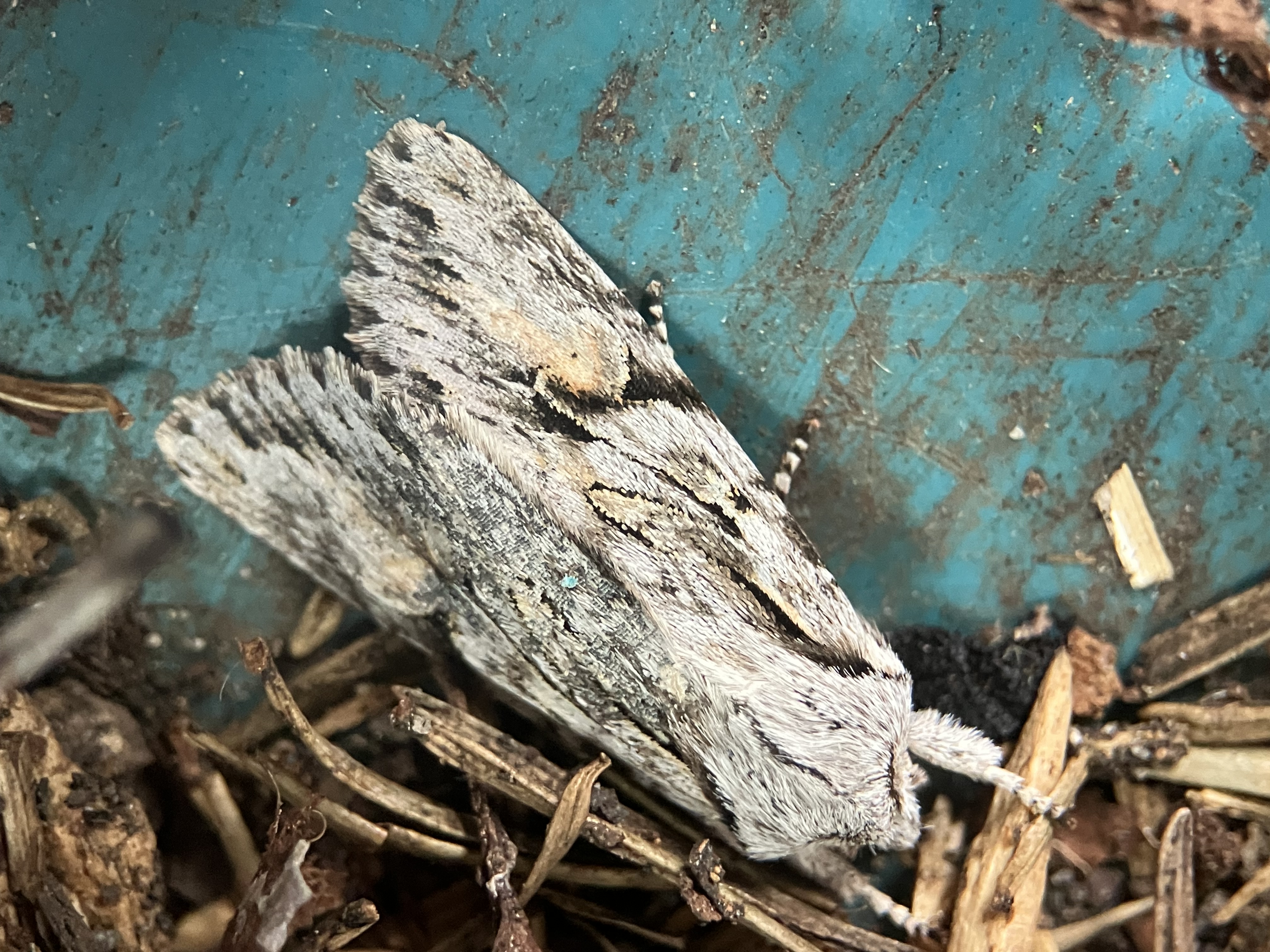
Here’s a quick rundown of what I spied at my bug light when I checked this morning. I did move the bucket and light to a new location across from our house in our open air barn.
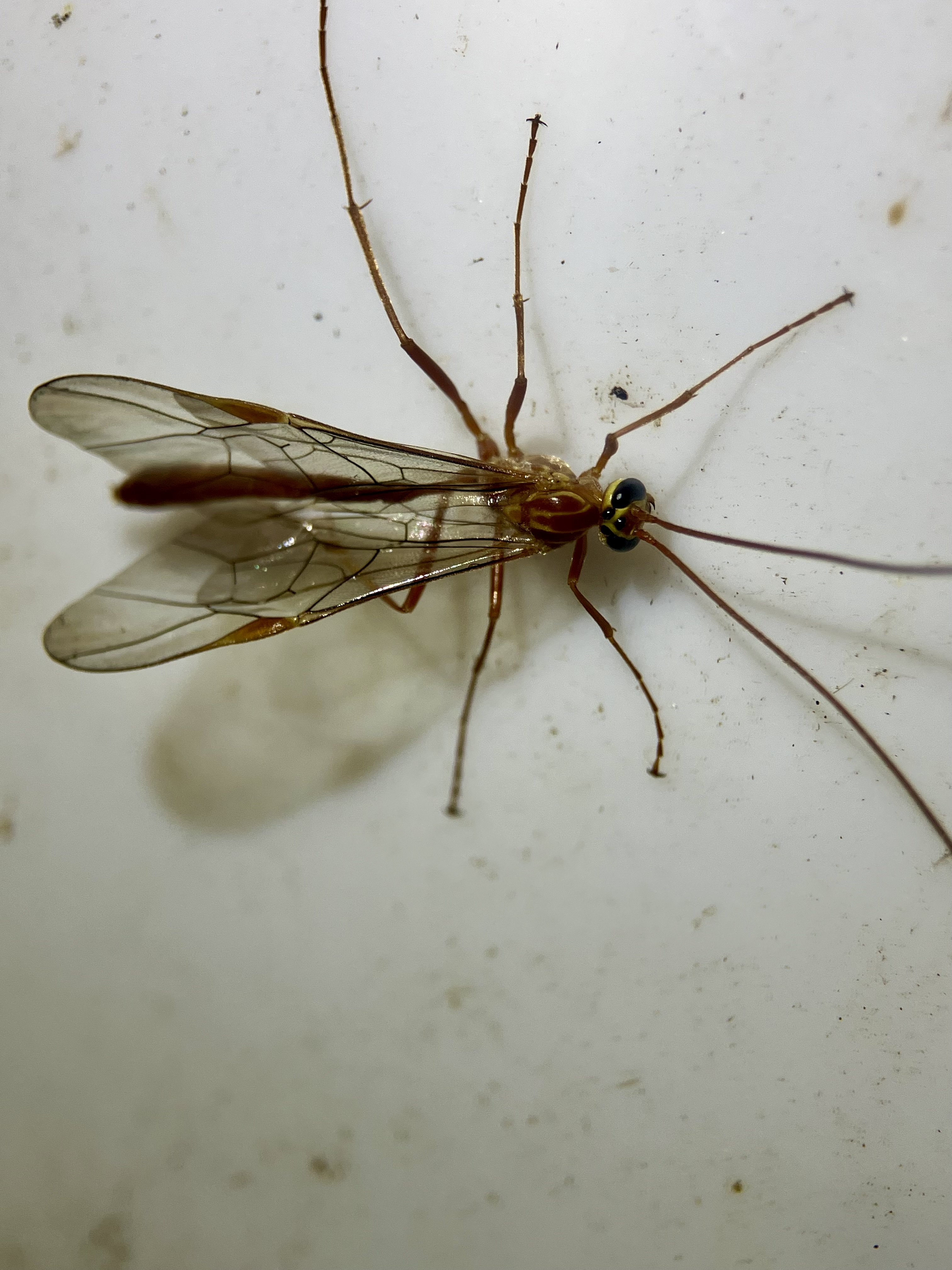
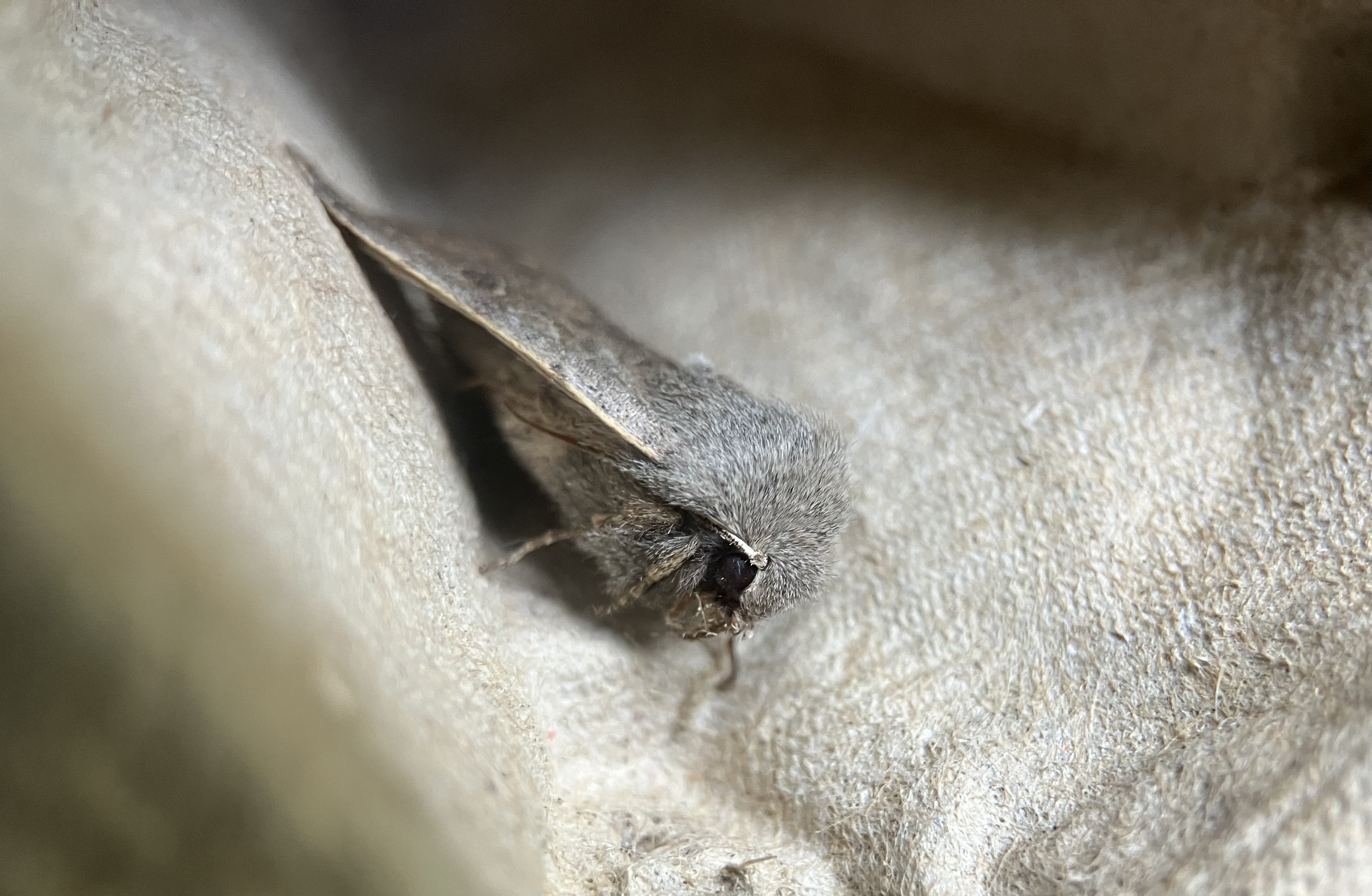
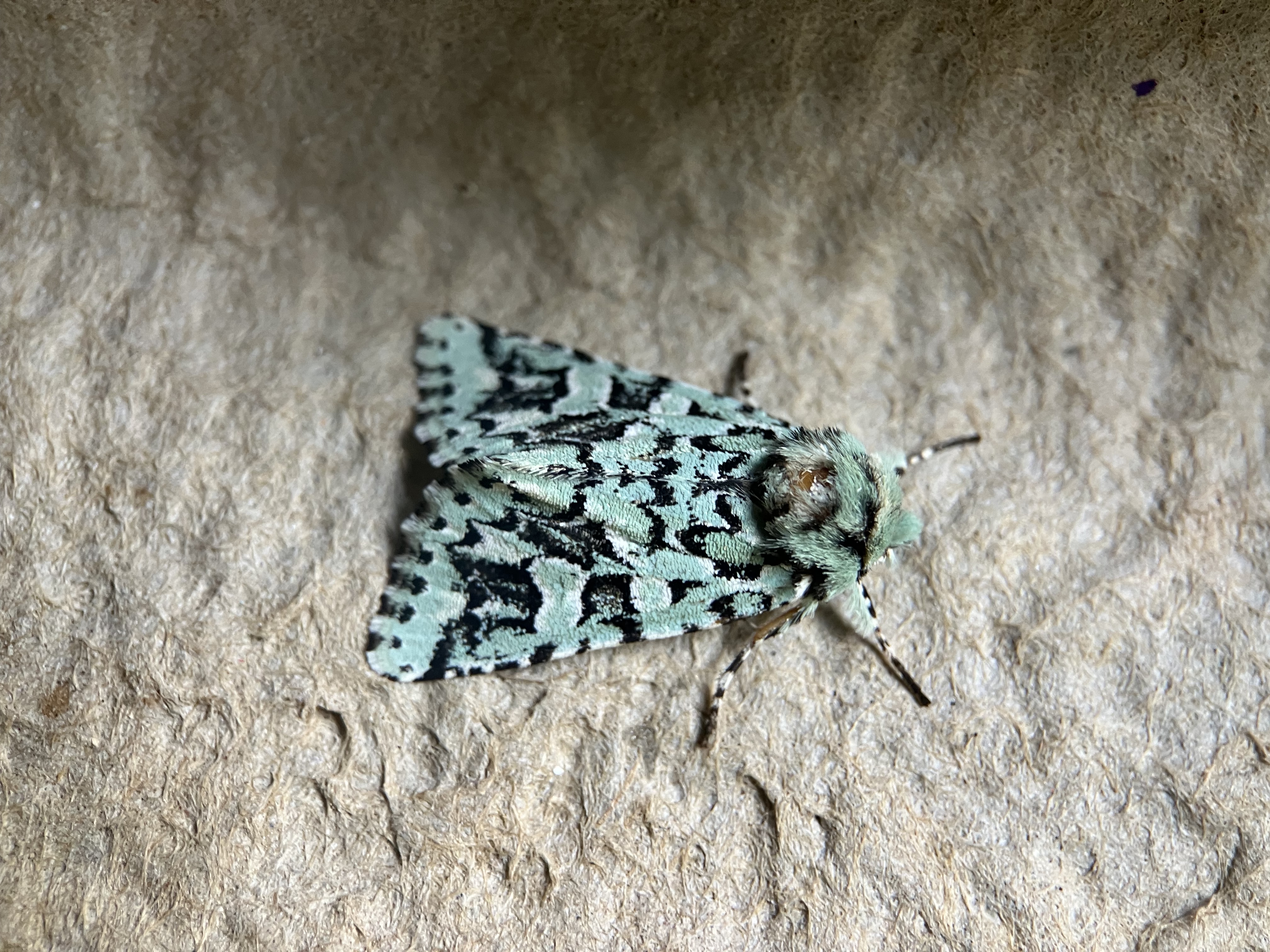
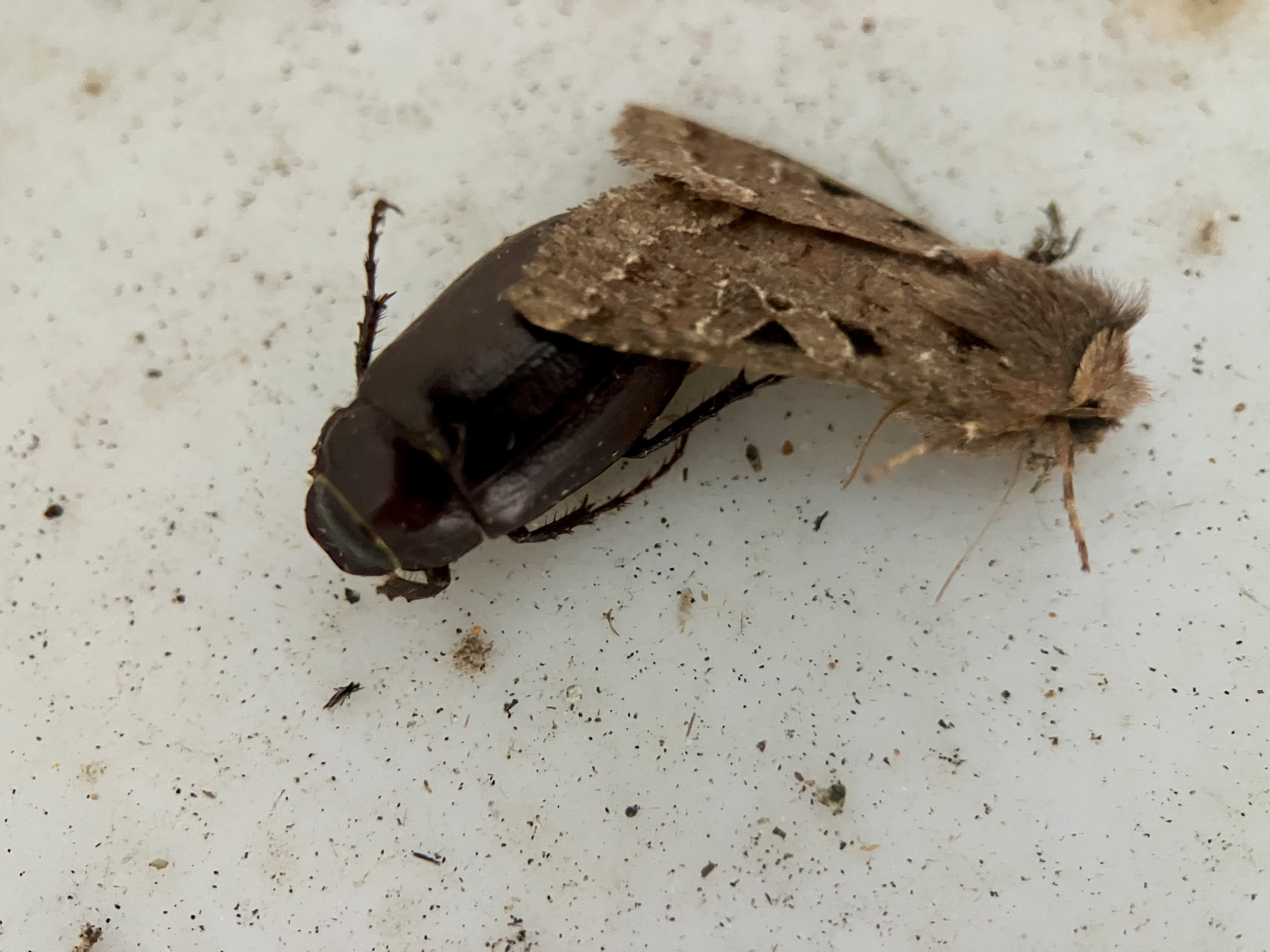
There were nine species of moths (31 individuals), two species of Coleoptera (beetles), and one wasp that I believe is Ophion sp.
Moths:
Egira perlubens = 1
Egira (either E. simplex or E. crucialis) = 3
Egira rubrica = 1
Orthosia transparens = 5
Orthosia hibisci = 8
Orthosia praeses = 8
Feralia comstocki = 2
Eupithecia graefii = 2
Melanolophia imitata = 1
Beetles:
Diplotaxis sp. = 2
Strophosoma melanogrammum = 1
Wasps:
Ophion sp. = 1
Melanolophia imitataStrophosoma melanogrammumFeralia comstockiEupithecia graefiiEgira sp. (Either E. simplex or E. crucialis)Orthosia transparensOphion sp. I believeEgira rubricaOrthosia transparens Orthosia presesOrthosia hibisciFeralia comstockiOrthosia praesesDiplotaxis sp. beetle with Orthosia praesesOrthosia hibisiciEgira perlubensEgira sp. Eupithecia graefii
If I may, I’d like to leave you with something to consider. When you rake your leaves and clean your yard – especially if you are burning, chipping, or bagging and removing all those things that fall onto the ground, you are eliminating habitat for native species. If you can refrain the urge to spring clean around your property, you can help support life.
These may be somewhat drab colored moths and you may not even like them, but they sustain other organisms, including plants, because moths are also nighttime pollinators. Each species has a niche, and a role in the ecosystem (and ultimately the food web).
Please take note of nature around you. It’s actually beautiful and mysterious. Whether you like it or not though, nature is life. Nature matters. Little things like leaving the leaves can make a difference. Care.
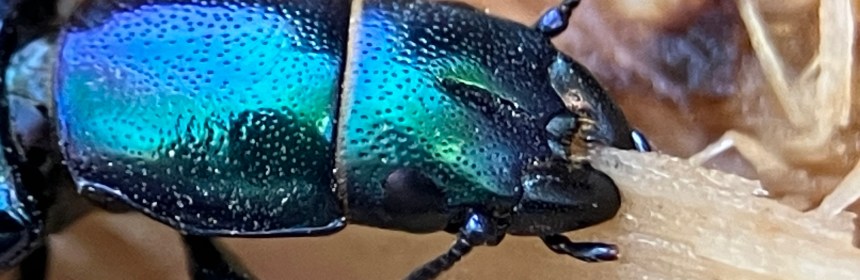
I found this gorgeous BENEFICIAL Green Ostomid beetle yesterday on the floor of our barn in the sand. Moved him over to some alder logs we have stacked as wildlife habitat and discovered he appeared to be quite thirsty. Yes, I did actually bring him some more water to drink from our outdoor above ground “pond.” More in the video description. Also want to add that if you have Alders on your property – please don’t grind them up or burn them. They are extremely important resources for many species of wildlife. They hold water even as dead trees, and they are full of insects that feed many birds (and other insects and spiders).
Boy was I disappointed today when I found this beetle on the path near my home and it was HEADLESS!
This is one of my favorite San Juan Island beetles. It is the ground beetle Zacotus matthewsii, also known by the common name Matthew’s Angry Gnashing Beetle. “Zacotus” translates from Greek into “Very Angry” in English. I’m certain I’ve never seen one angry, but this one may indeed have been angry right before it lost its head. Or perhaps the predator that removed it took this beetle entirely by surprise.
I can tell you the EXACT date I last saw one of these beetles. They are reported as “rare.” It was February 16, 2020. Also in roughly the same spot. The beetles are associated with conifer forests and believed to prefer old-growth areas. There are some old trees near our home, but I believe San Juan is losing many, many trees. Lots to new home construction (happening at a rate that I never imagined), and some to the impact of a warming climate – likely accelerated by all the land use changes in the region. Many times I feel extremely saddened by the loss of nature. It is happening so fast. We are becoming suburbia.
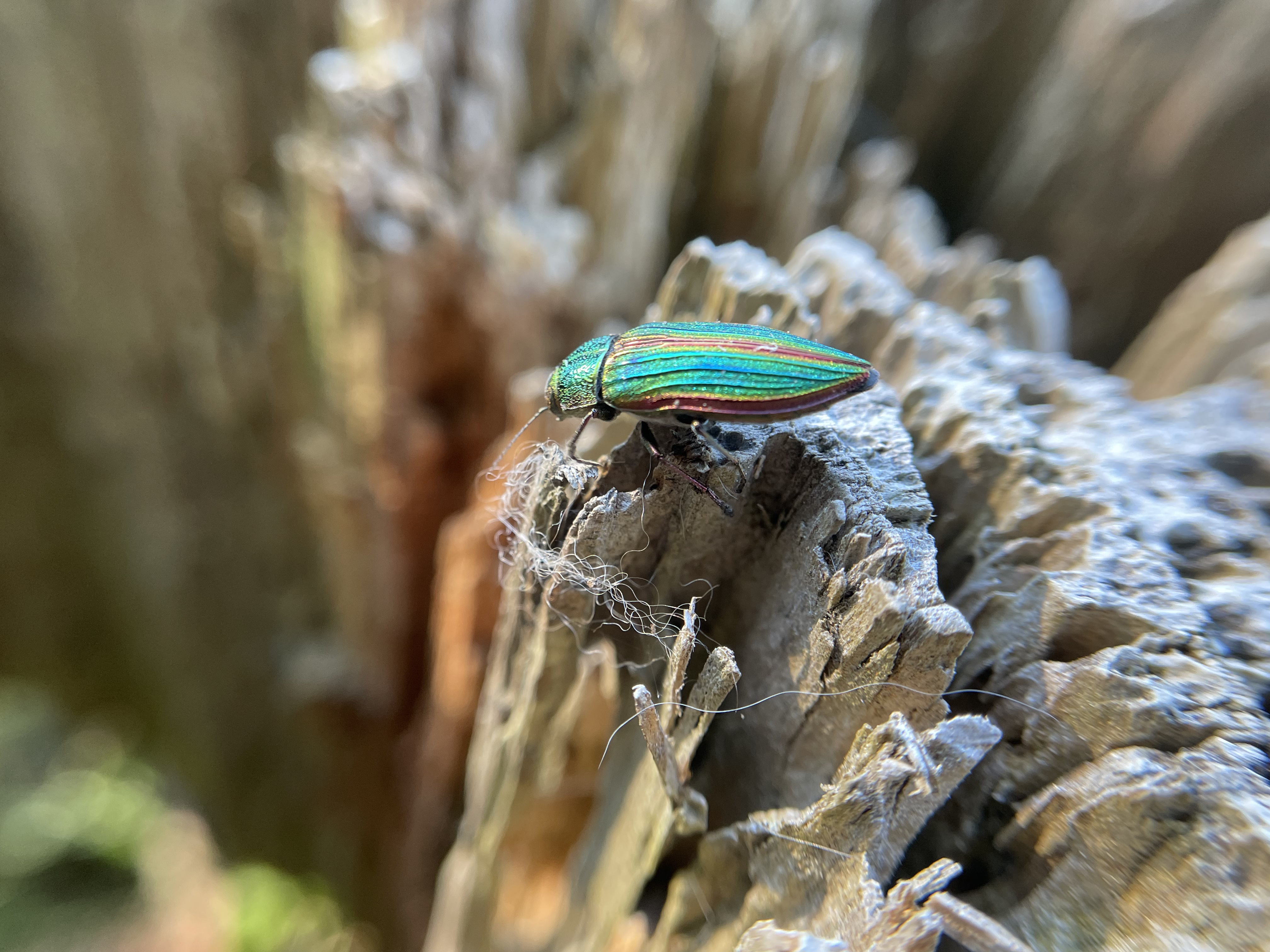
I found this little green beetle (and another sad little black and yellow beetle missing its antennae) in the pool yesterday. The black and yellow beetle is alive and… well, sort of living in a special habitat right now because of those missing antennae.
The green one was completely waterlogged and lifeless. I had left it on the table next to Drago’s enclosure last night, thinking I’d pin it and keep it in my collection. I am SO GLAD I DIDN’T stick it with a pin! This morning, I found it moving those little legs around at me. It was alive! RIP woke up.
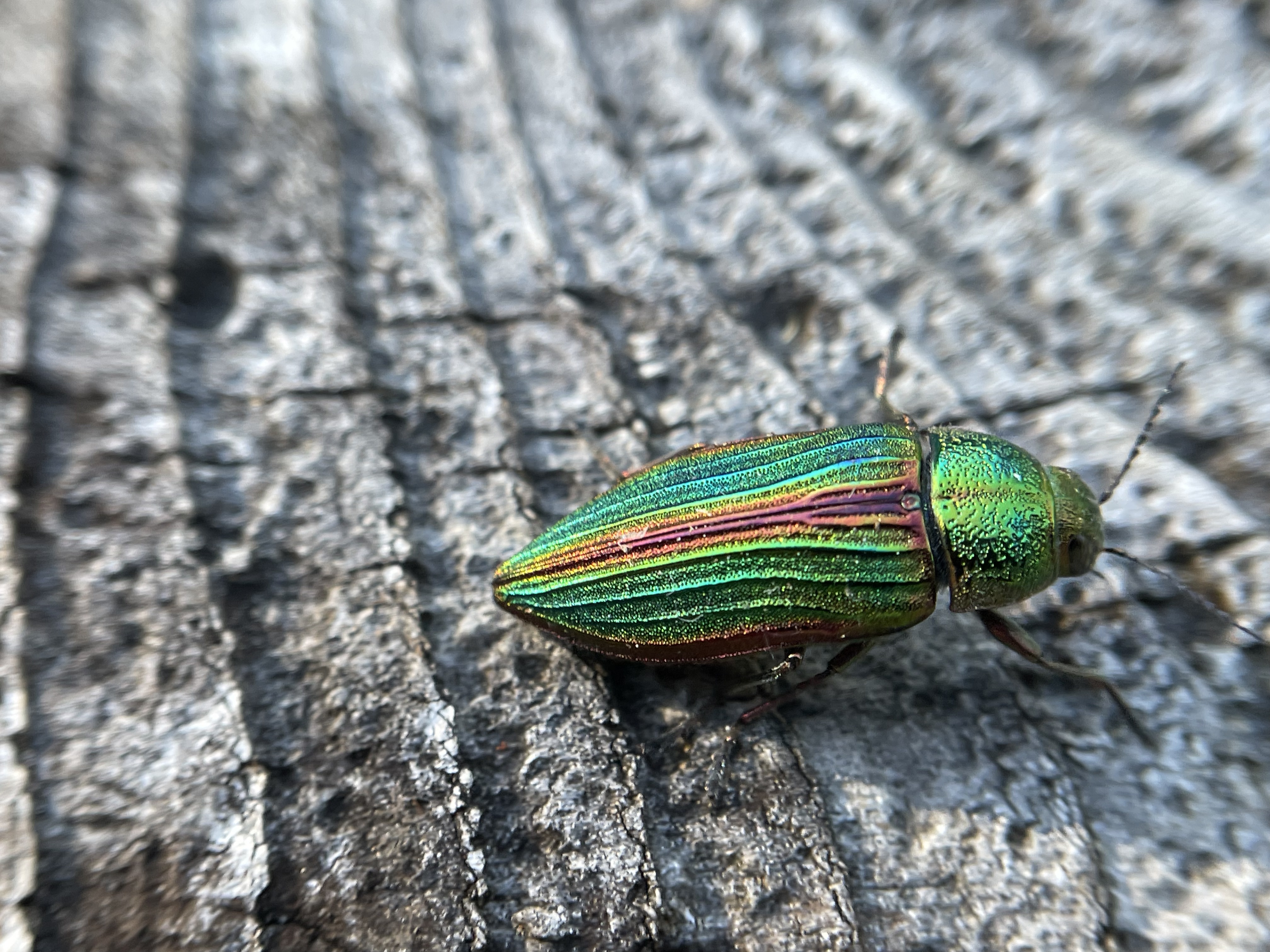
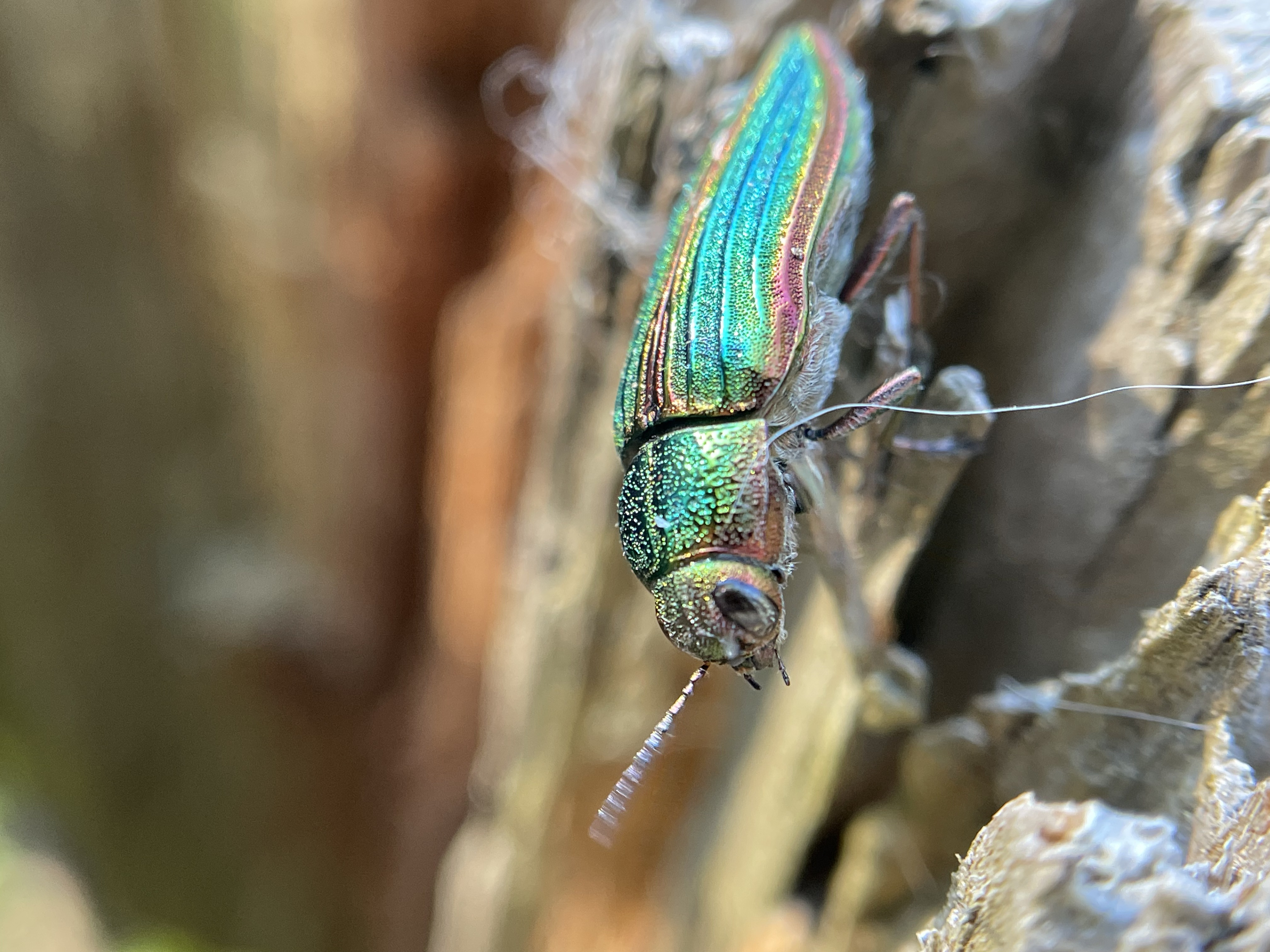
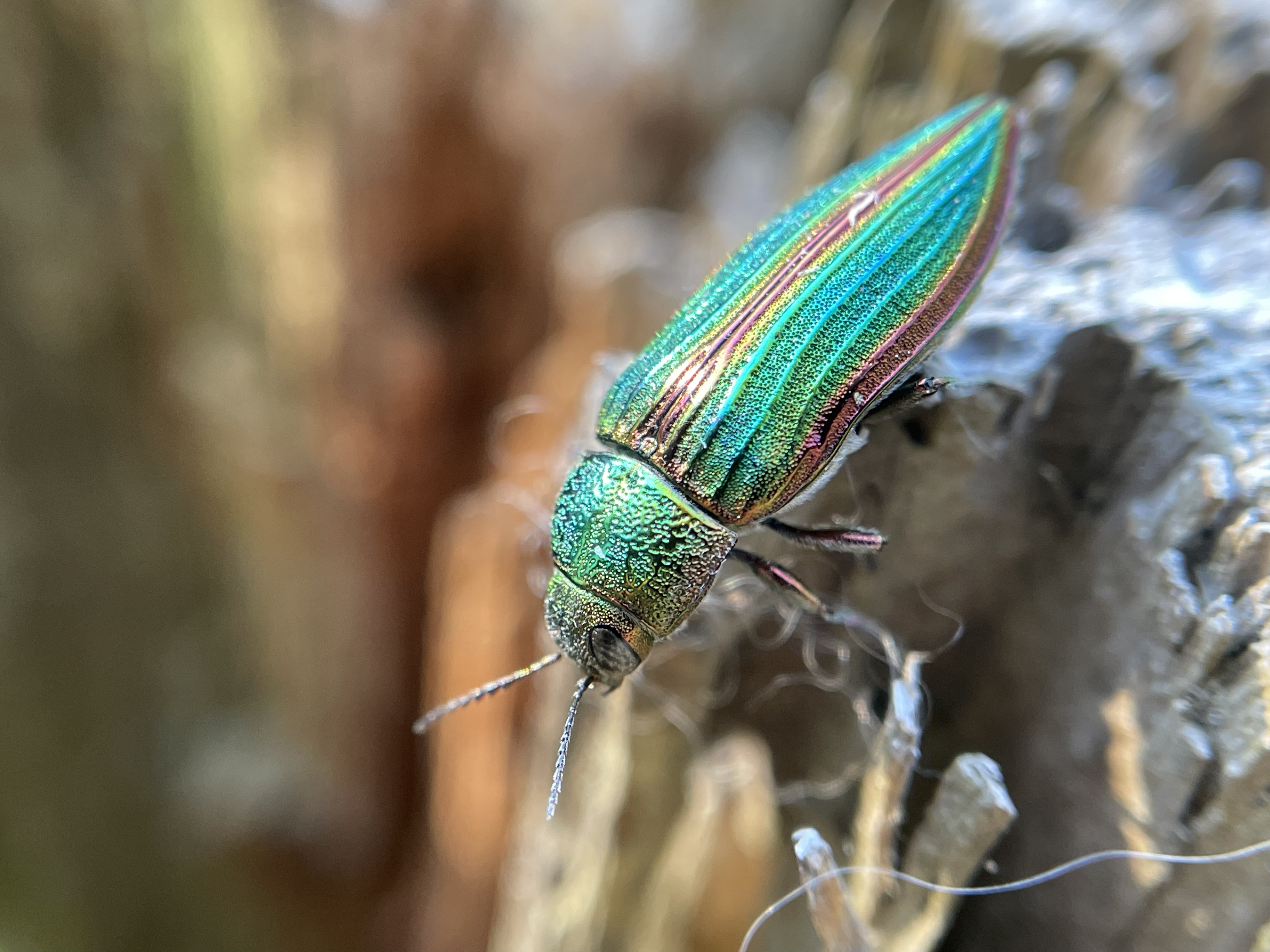
Golden Buprestid beetle (Buprestis aurulenta)
Golden Buprestid beetle (Buprestis aurulenta
This is a Golden Buprestid Beetle (Buprestis aurulenta). They are a native species in the Pacific Northwest. I have referred to them often as the Rip Van Winkle beetle because they take such a long time to develop from egg to adult. In fact, the record is 51 years!
Why so long? Well, the developmental time depends a lot on the quality of what they’re eating (they develop in dead or dying trees) and miscellaneous environmental factors. When they come out as an adult, they leave behind a little oval hole. I think it adds character to your wood trim if you have them “sleeping” in timber used to build your house.
We had one in our door trim that didn’t make it all the way out and probably had been stuck for awhile before I noticed. It became a fascinating object to show anyone who came to visit our home.
Golden Buprestid stuck in door trim (March 20, 2016)
I’m not sure what gives them this beautiful iridescence, but they are undeniably one of nature’s jewels, thus the name “Jewel” Beetle.
Golden Buprestid Beetle – San Juan Island 07.27.2022
Golden buprestid set free to fly away in the forest.
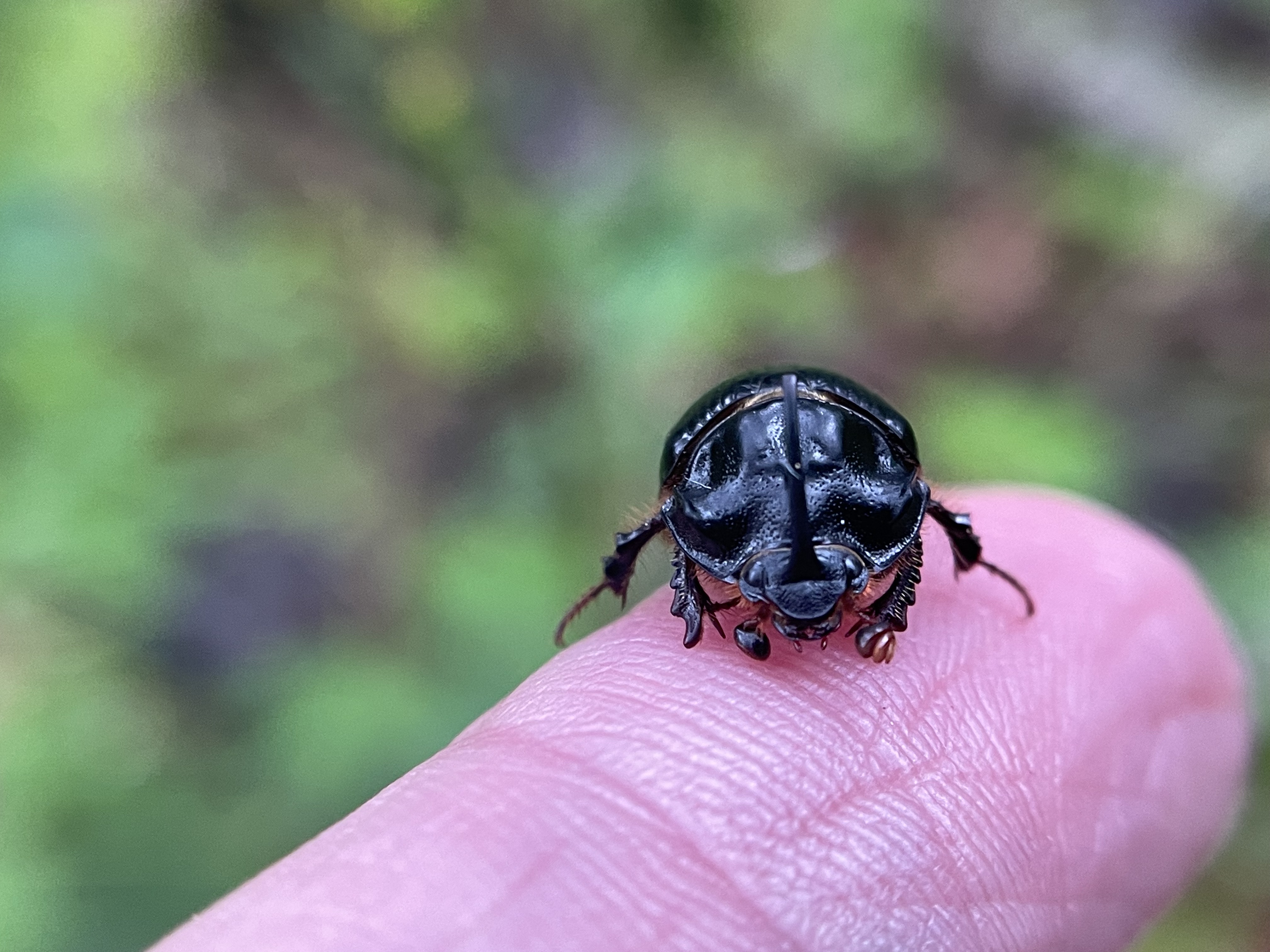
Hello Everyone! Meet my new bug friend, Radar Love ❤️ He must have crashed the wrong party. Radar gone wrong! I found him floating in our pool, in the midst of those raucous “dippers” (the Diplotaxis beetles). Radar Love was so happy I didn’t let him drown, and even happier that I didn’t stick him with a pin and add him to the bug equivalent of a stamp collection. We hung out together for a bit and I took some photos and video to remember him by. Radar Love was released into the forest so he can make more of his kind.
Odonteus obesusOdonteus obesus
Odonteus obesusOdonteus obesus
Odonteus obesus
Location: San Juan Island
ID: Geotruipidae (Odonteus obsesus)
Special thanks to my friend, Michelle Sloan Bos and Tyler Hedlund for ID assistance with this. I was rushing to get ready for my special spider outing. More about that later. For now, enjoy this rare and exciting sighting of a most special little beetle that calls San Juan Island his home.
I picked up these acorns (Quercus sp.) when I visited my folks recently in Texas. They have several oak trees on their property and there was an abundance of acorns all over the ground this year, so I brought a few home with me in a ziplock bag. I like acorns. My mom used to draw little faces on them and I had acorn “people” to play with when I was a child.
Acorn “person”
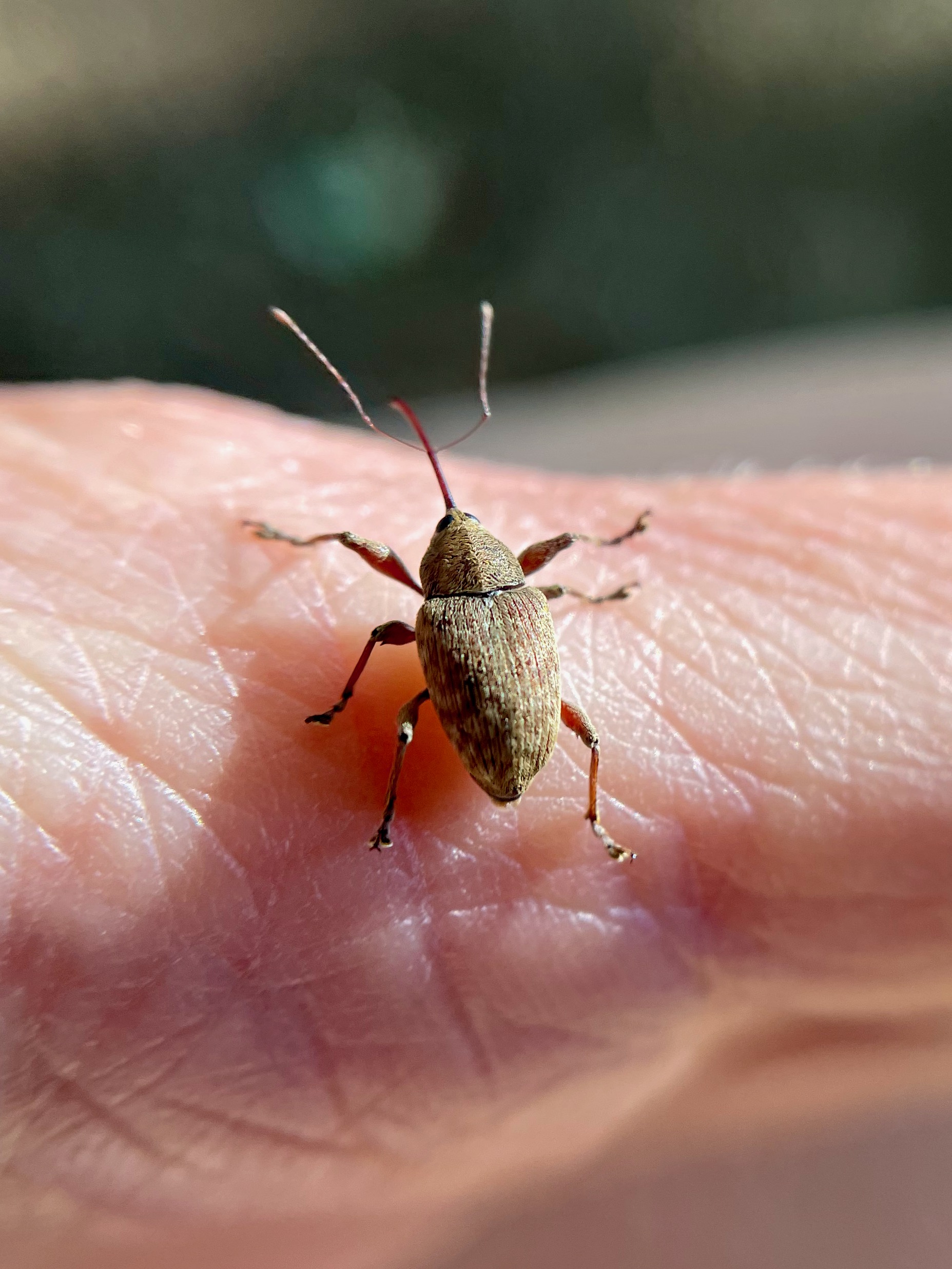
I also found a very cool bug under one of those oak trees while I was there. This strange looking creature is one of the Nut and Acorn Weevils (Curculio sp). It has an extremely long snout. When you find out how this weevil uses it to DRILL, you may be amazed. The adult female weevil will use this drill on her very long snout to make a hole in those acorns!
Nut and Acorn Weevil (Curculio sp).Nut and Acorn Weevil (Curculio sp).Nut and Acorn Weevil (Curculio sp).
Keep reading. It really is amazing.
A female weevil will make a hole in the acorn so she can put her eggs inside it!
Hole drilled by Nut and Acorn Weevil
Because I like word games, I thought I’d point out to you that rearranging the letters in the word weevil will make the words “we live?” Well, those eggs hatch into baby weevils who LIVE in a little house that is an acorn (and sometimes in other nuts too). Some folks call them grubs or worms. They are actually the larvae of the adult weevil mom who selected the acorn for her nursery.
If you are assessing this situation from an agricultural perspective (say that nut is a pecan), invested in harvesting a profitable crop, you might be feeling very worried. Sometimes the worry may indeed be justified, but in many cases, like with these acorns, the tree has evolved a strategy to deal with occasional waves of weevils and other insects we consider pests. In actuality, they are just utilizing the resources of the tree like we do when WE (the humans) eat the nut or fruit.
Larvae of Nut and Acorn Weevil (Curculio sp).
I’m going to name the trees’ strategy of dealing with this bug FEAR NO WEEVIL. However, the actual scientific moniker for this strategy (and it applies to other pests and adverse weather stressors as well) is MASTING. The word mast has been used since way back in the Middle Ages to refer to the acorns and seeds of forest trees that drop and accumulate on the ground. It comes from Old English, mæst. Essentially, masting is an ecological term referring to the highly variable and often synchronized periodic cycles of fruiting/seeding in the reproductive processes of trees (both forest and fruit trees).
How is it a strategy for circumventing the deleterious affects of pests? Well, the idea is that in some years, bumper crops of nuts and seeds are produced in order to satiate the predators, so some are left to germinate and continue new generations. In this particular case, you could think of it as the oak trees sacrificing some of their offspring to the weevil gods. When there are more acorns than there are adult female weevils, some of those acorns will escape the weevil drill and makeover into little bug nurseries.
In reality, this relationship is much more complicated. In some cases, acorns parasitized by only a few weevil larvae will germinate, while those acorns with many larvae will not. The trees’ bumper crops of seeds and nuts will also cycle with years of low production, where resources are scarce for the weevil (and other organisms). Nature is incredibly dynamic though. Studies show some species of weevils have adapted a counter mechanism to circumvent the trees’ strategy of masting. It’s called prolonged diapause. This means these weevils are able to sleep longer (more than one year) as they develop in order to synchronize adult emergence with years when the trees’ seed/nut production is high.
If you are interested in reading more about the history and MYSTERY of masting, I encourage you to delve into the literature I’ve listed in the references below. It’s quite fascinating – especially going back in history to the link between masting and pannage. Way more than I can cover here. Check it out.
Higaki M (2016) Prolonged diapause and seed predation by the acorn weevil, Curculio robustus, in relation to masting of the deciduous oak Quercus acutissima. Entomol Exp Appl 159:338–346. https://doi.org/10.1111/eea.12444
Koenig WD. 2021 A brief history of masting research. Phil. Trans. R. Soc. B 376: 20200423. https://doi.org/10.1098/rstb.2020.0423 Koenig, W. D., & Knops, J. M. H. (2005). The Mystery of Masting in Trees: Some trees reproduce synchronously over large areas, with widespread ecological effects, but how and why? American Scientist, 93(4), 340–347. http://www.jstor.org/stable/27858609
I found a’nutter weevil! They’ve been everywhere this week! Looks like this may be the Nut Leaf Weevil (Strophosoma melanogrammum). These weevils feed on the leaves of broad leafed shrubs. I saw it on a chunk of rotting alder. It was pretty small and tough to photograph in low light. Probably about 3.2 mm in size. San Juan Island, WA October 13, 2021.
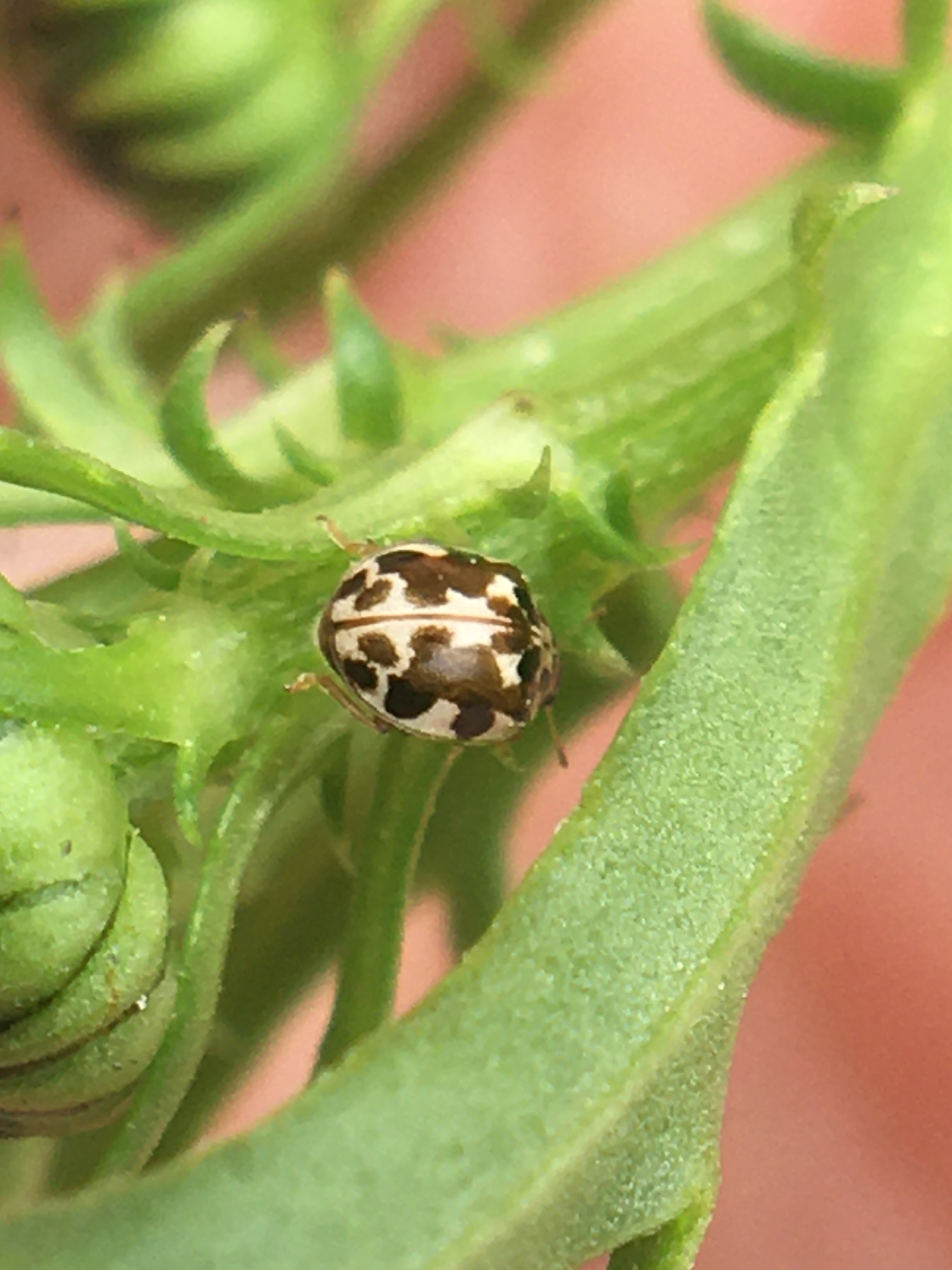
Twenty-spotted Lady Beetle (Psyllobora vigintimaculata) on daisy. This tiny ladybug almost went unnoticed when I was watering flowers the other day. It wasn’t easy to get a photo and she crawled down headfirst into the flower bud. I suppose she was feeling shy!
After reading a bit more about these, I discovered the best place to look for them is at the base of skunk cabbage in early spring. AND, this is the best part. Later in the season, these little beetles switch to plants that have powdery mildew. They eat it. Definitely a garden friend!
Twenty-spotted Lady Beetle (Psyllobora vigintimaculata) on Daisy – May 30, 2021 San Juan Island, WATwenty-spotted Lady Beetle (Psyllobora vigintimaculata) on Daisy – May 30, 2021 San Juan Island, WA



















 Bugging You From San Juan Island