Category Archives: Lepidoptera

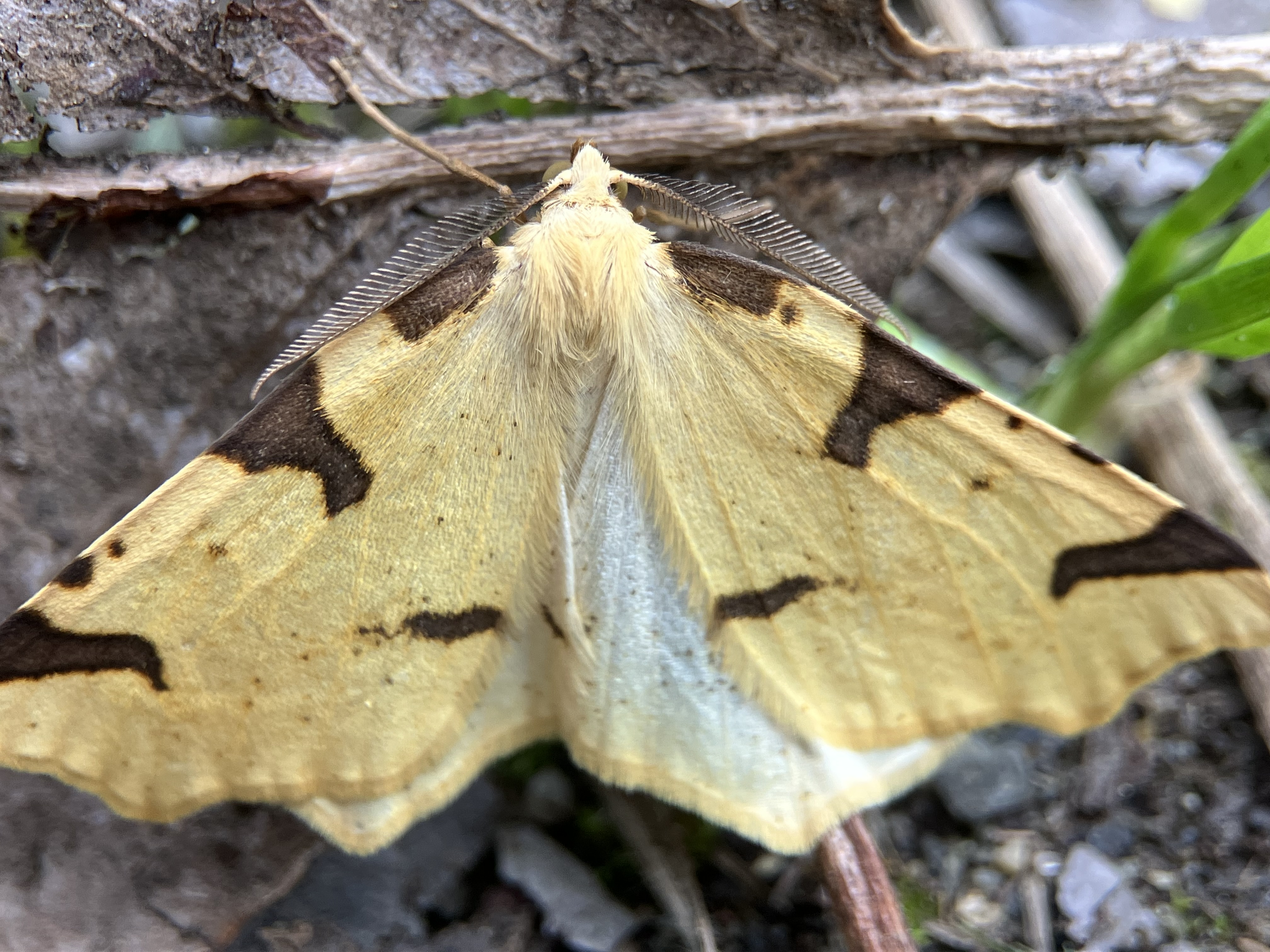
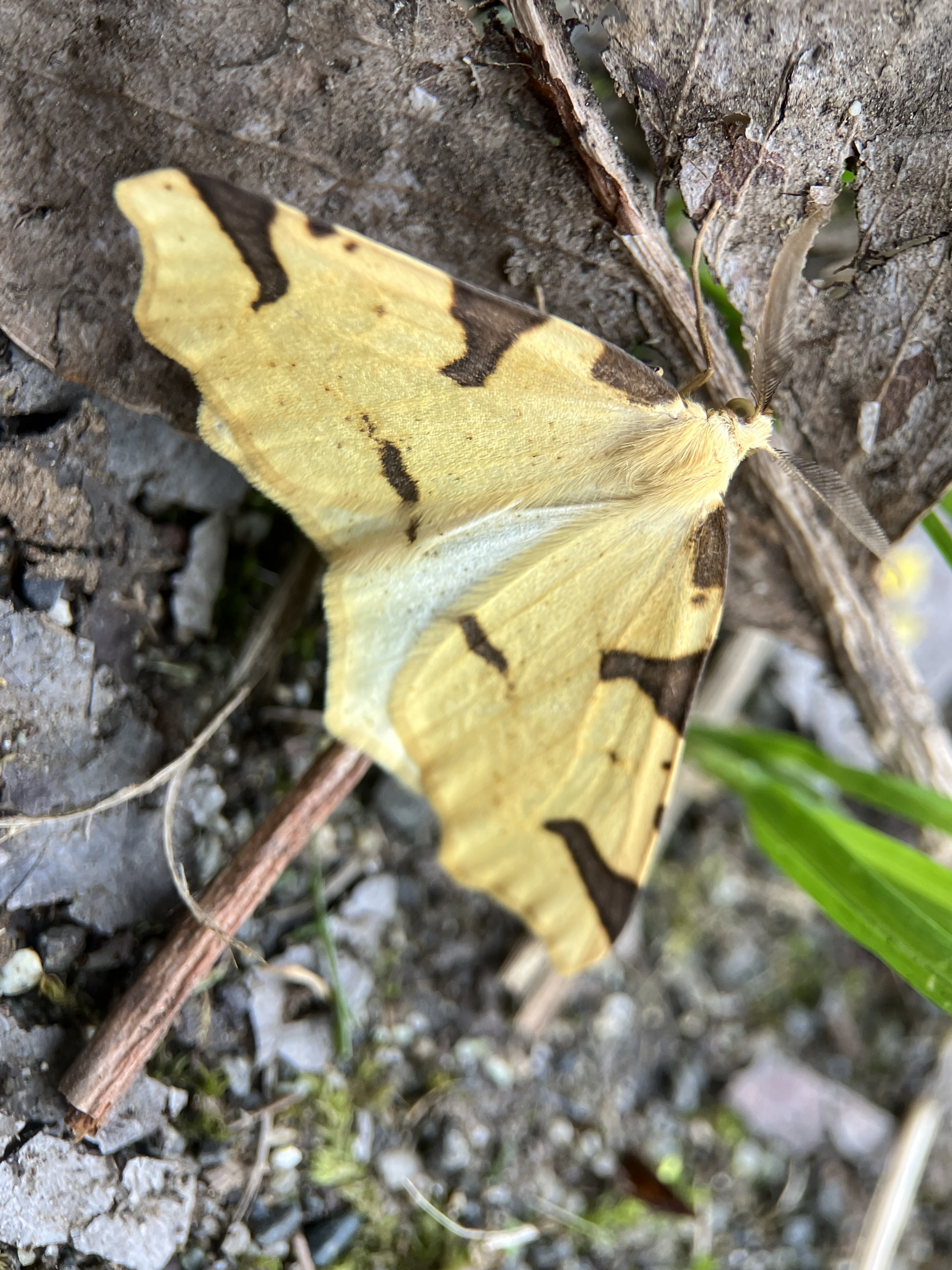
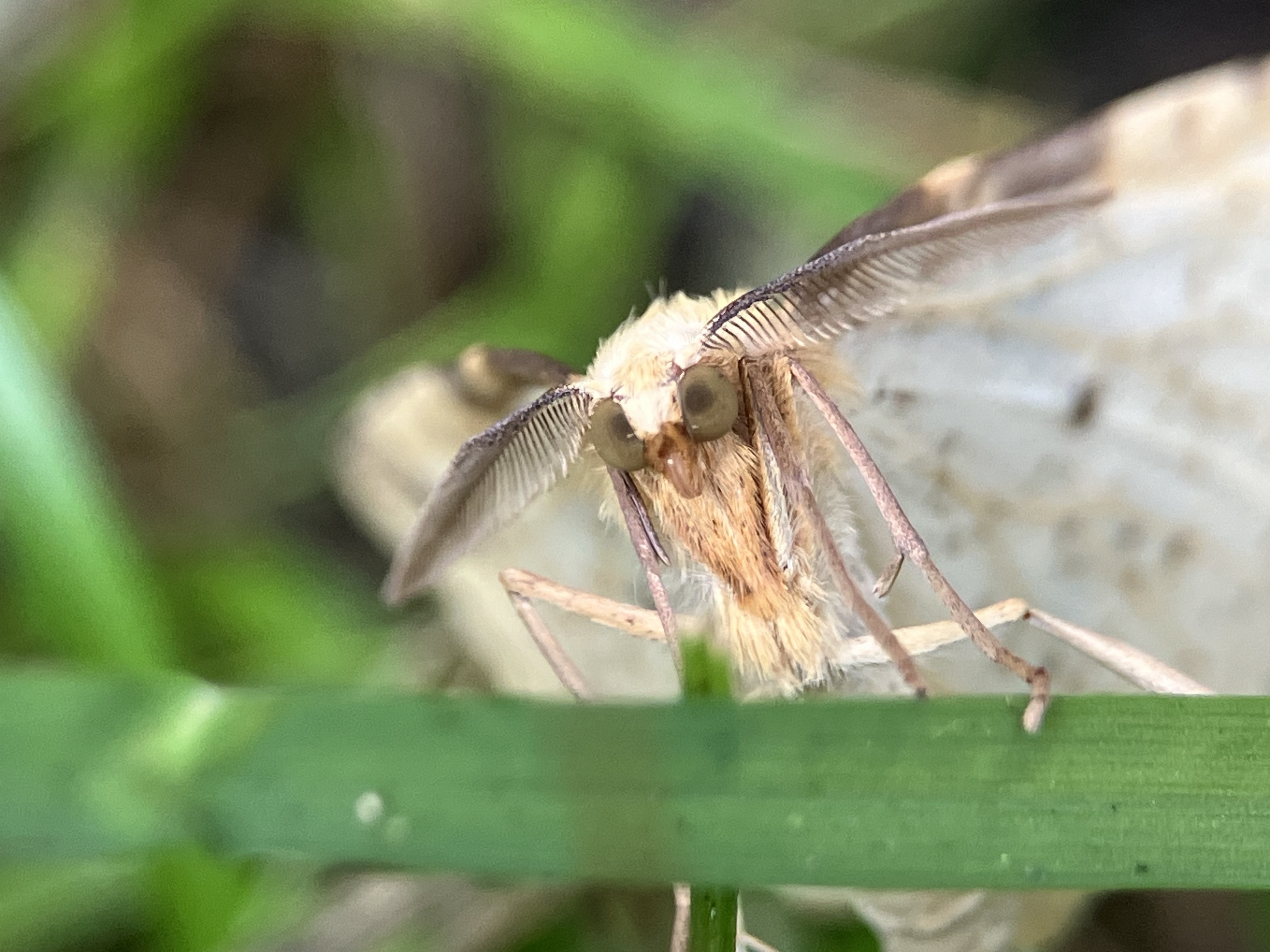
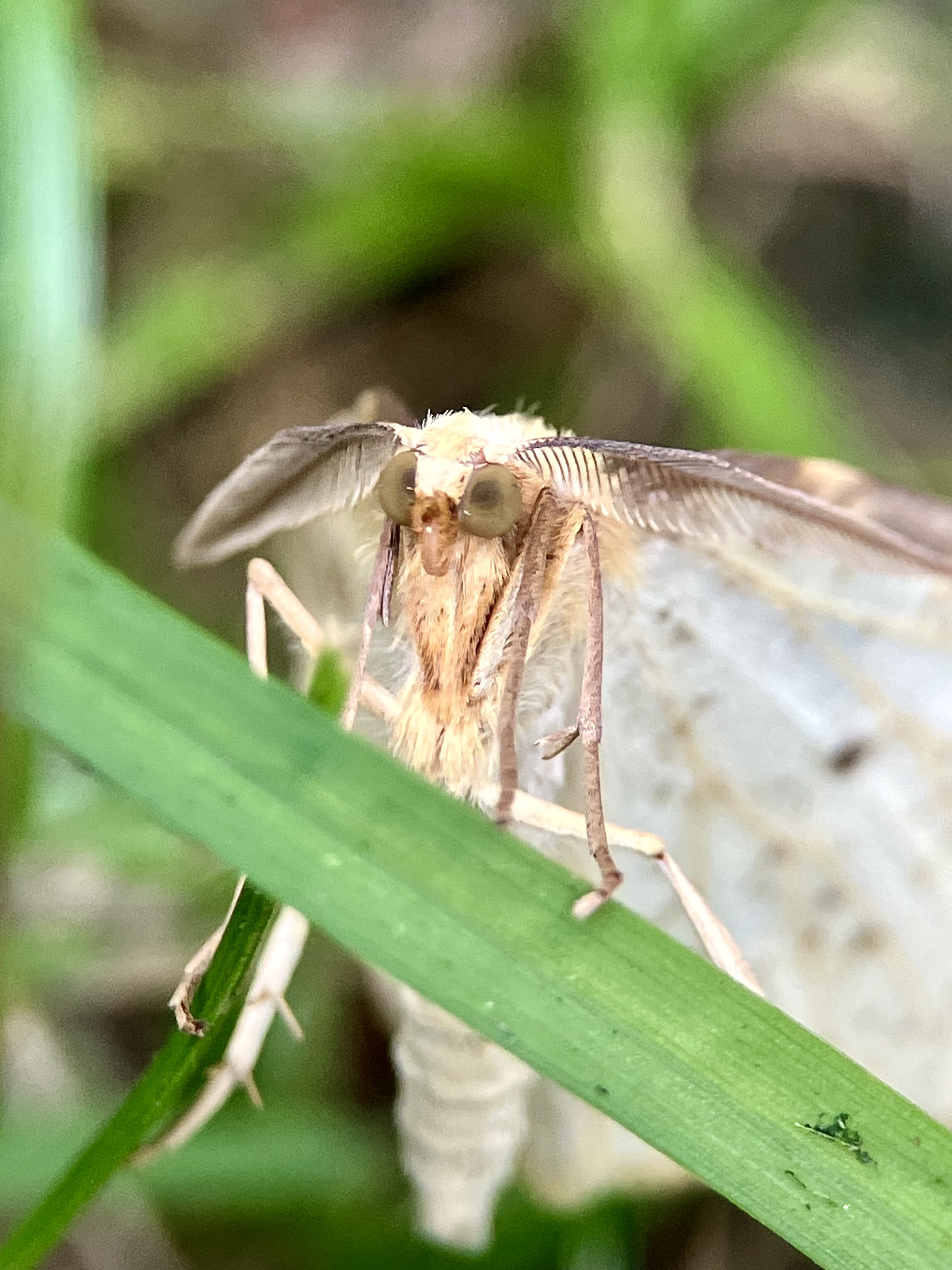
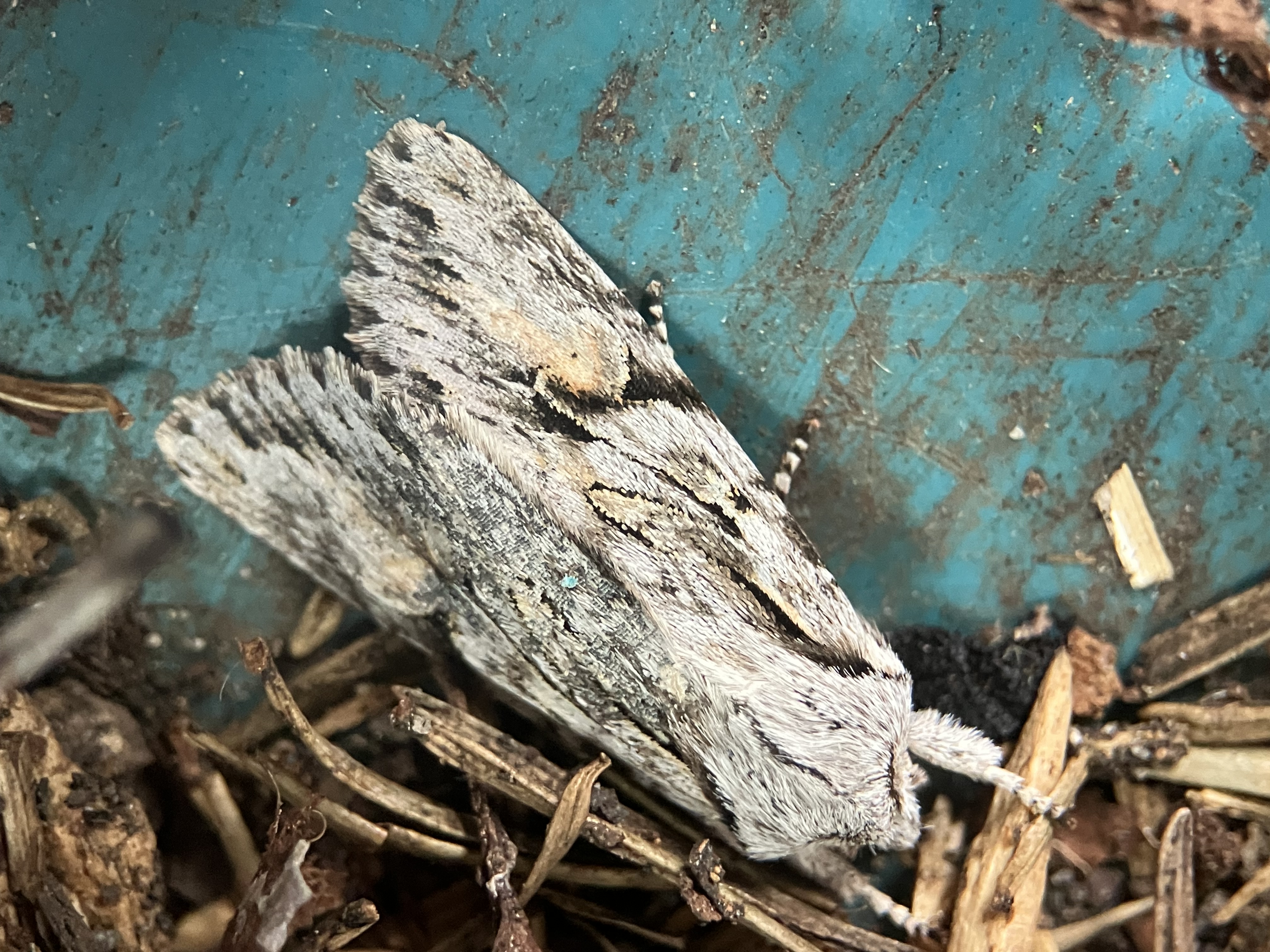
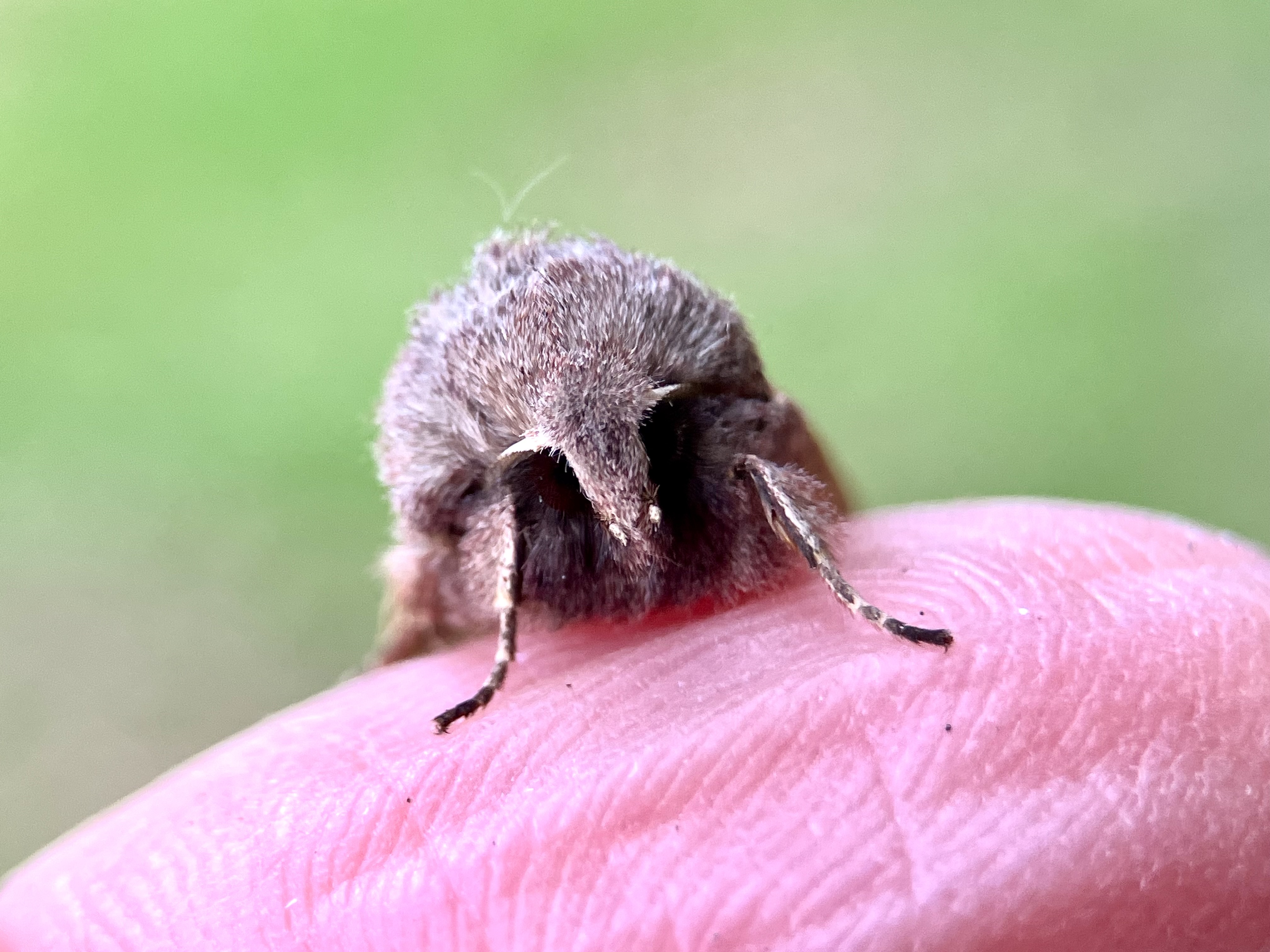
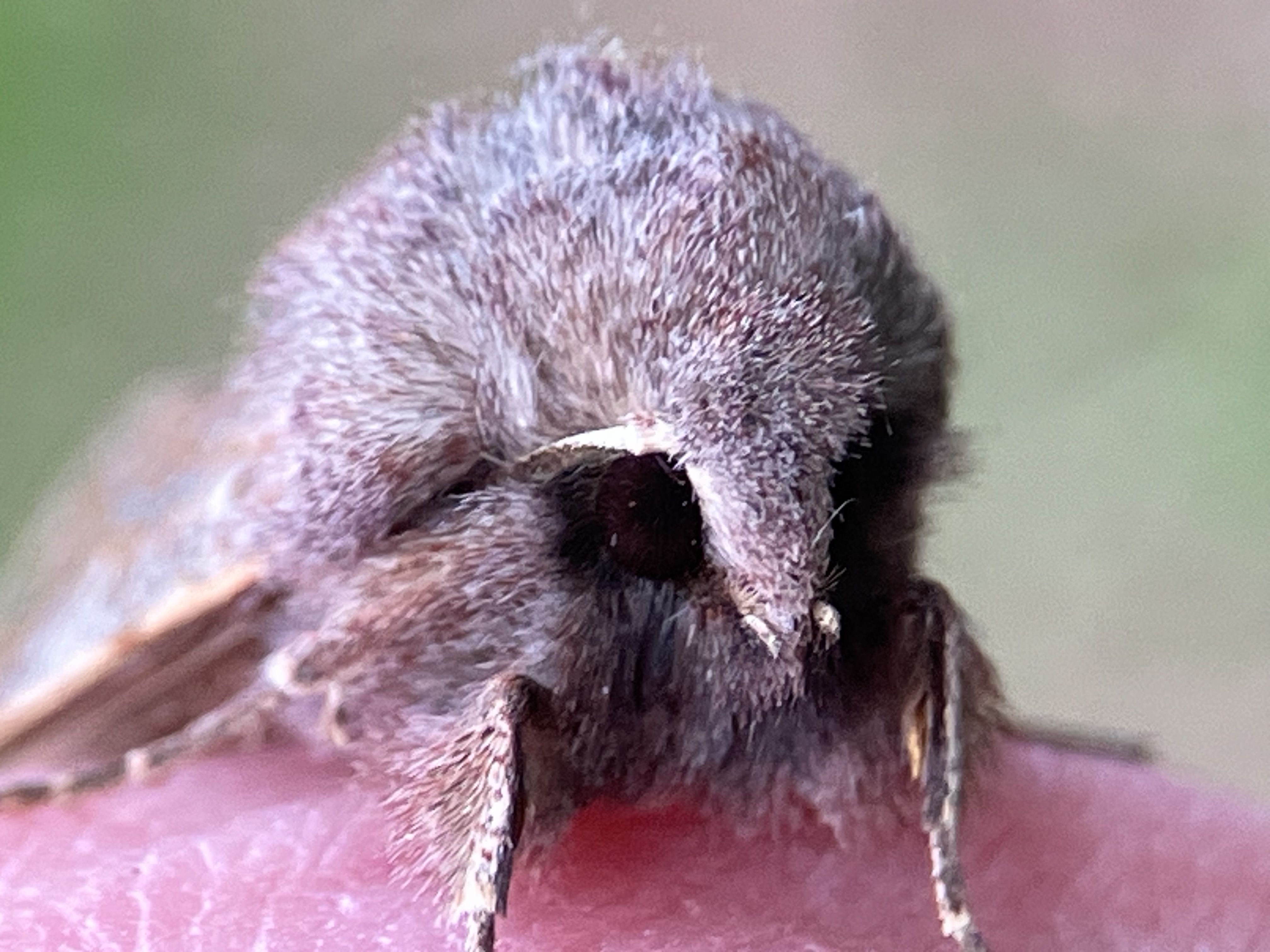
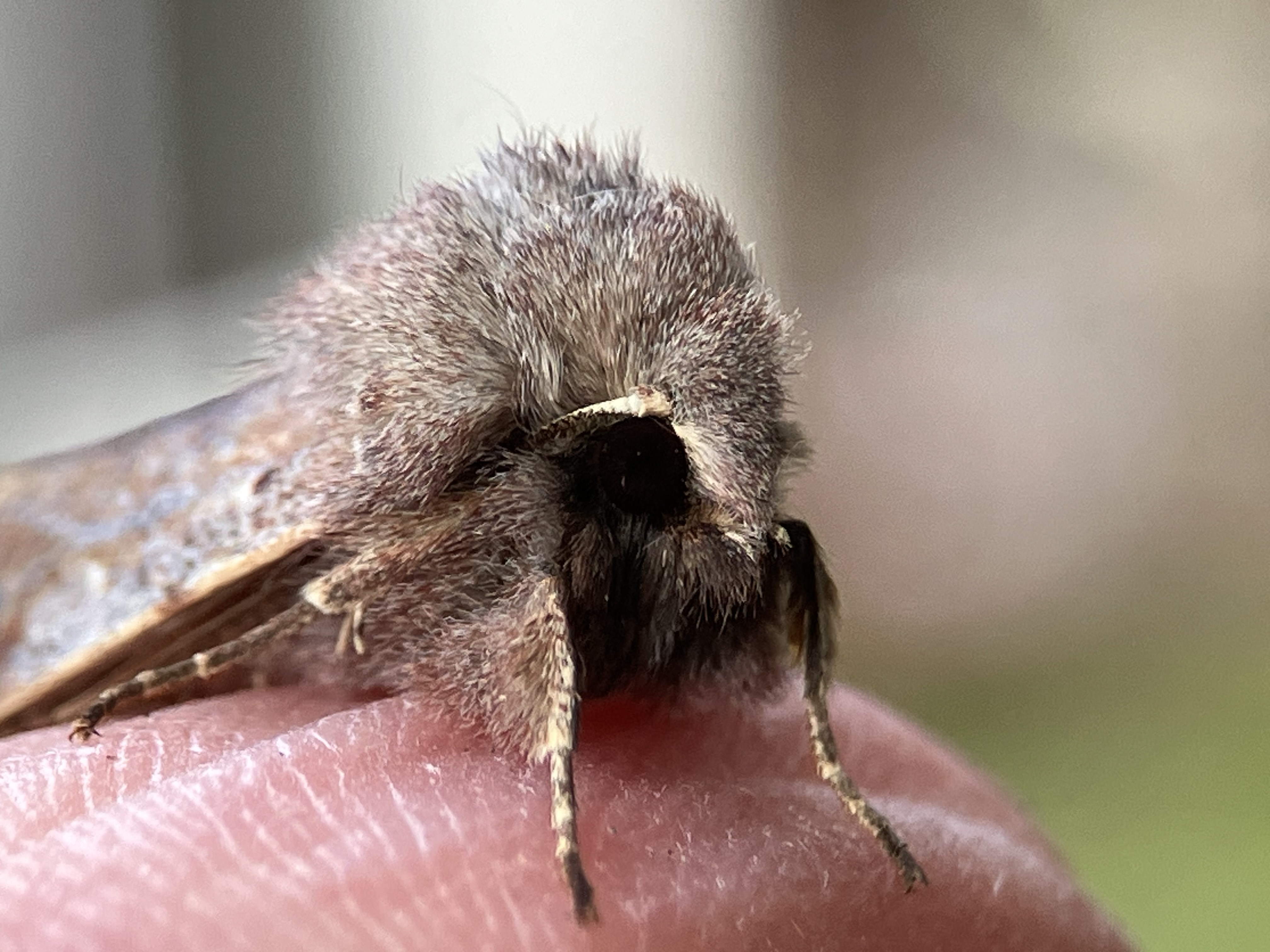
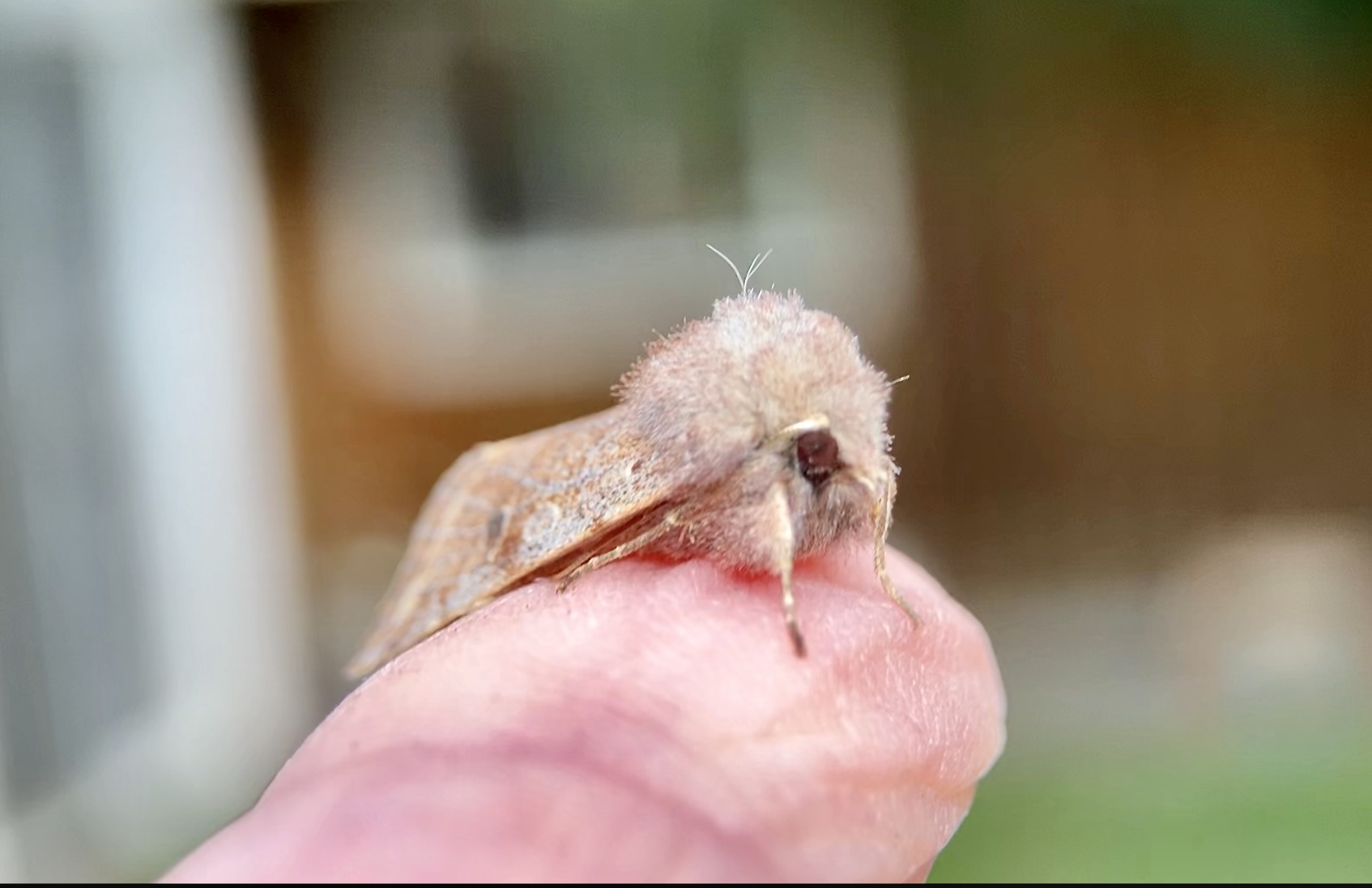
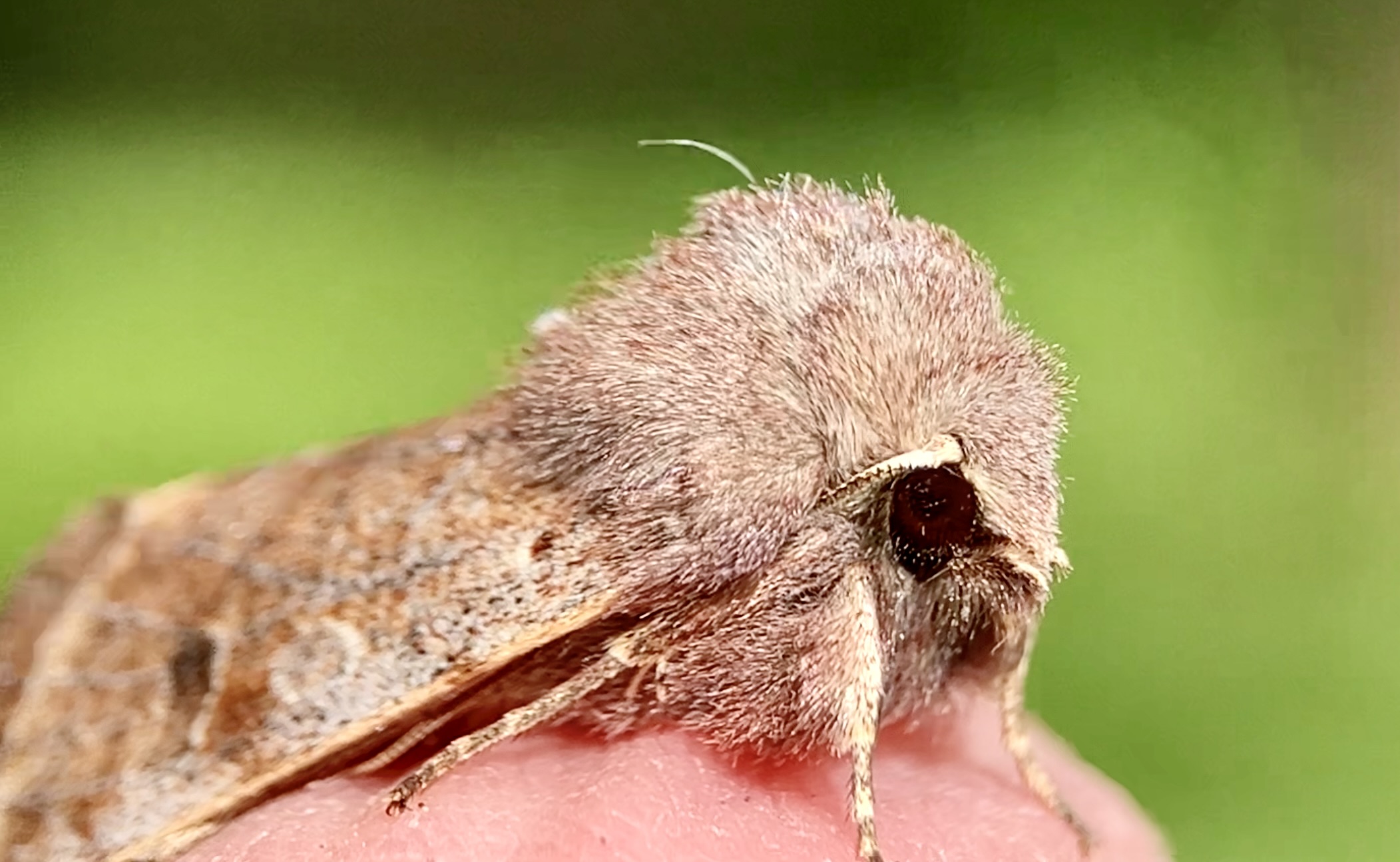
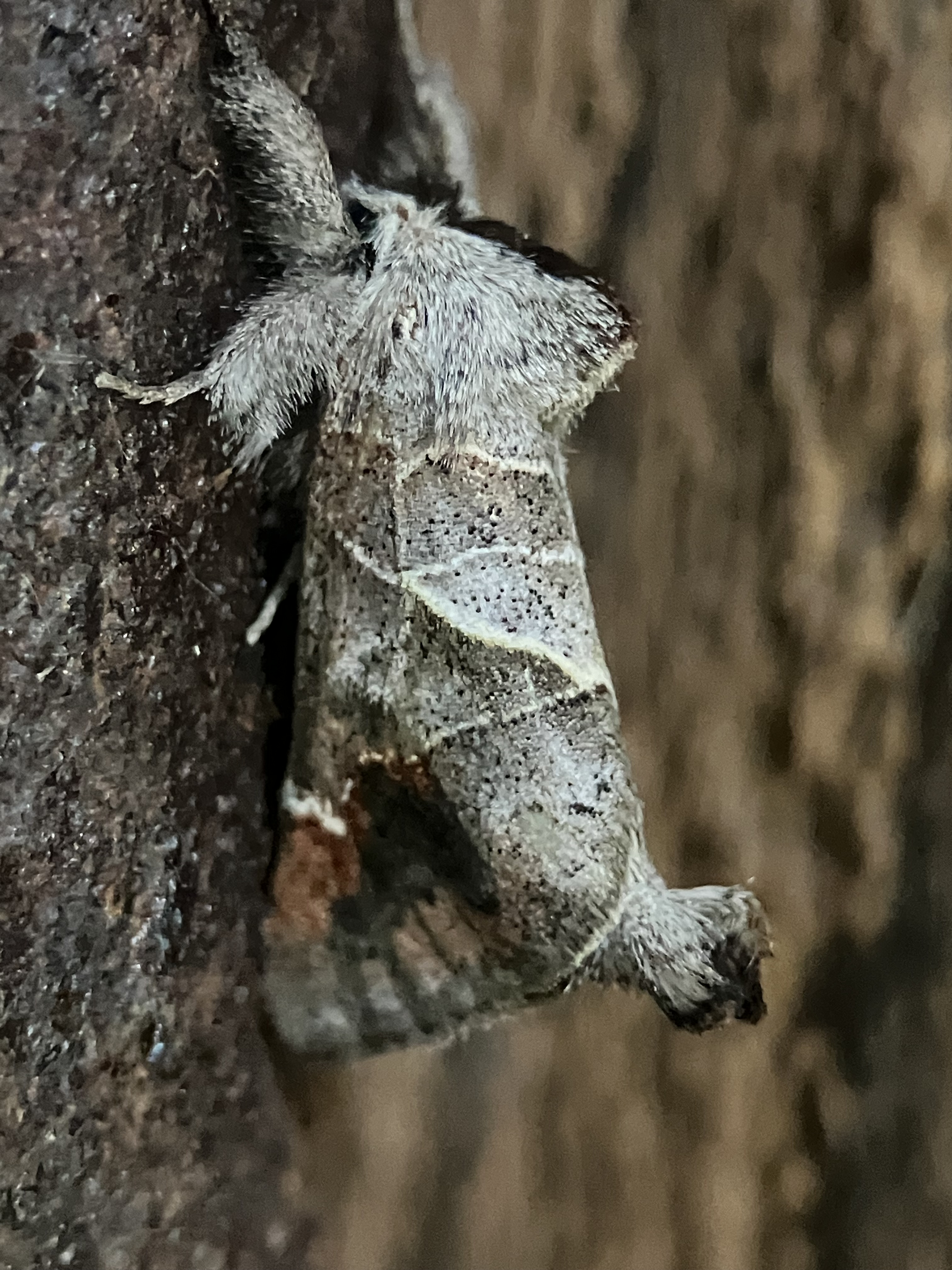
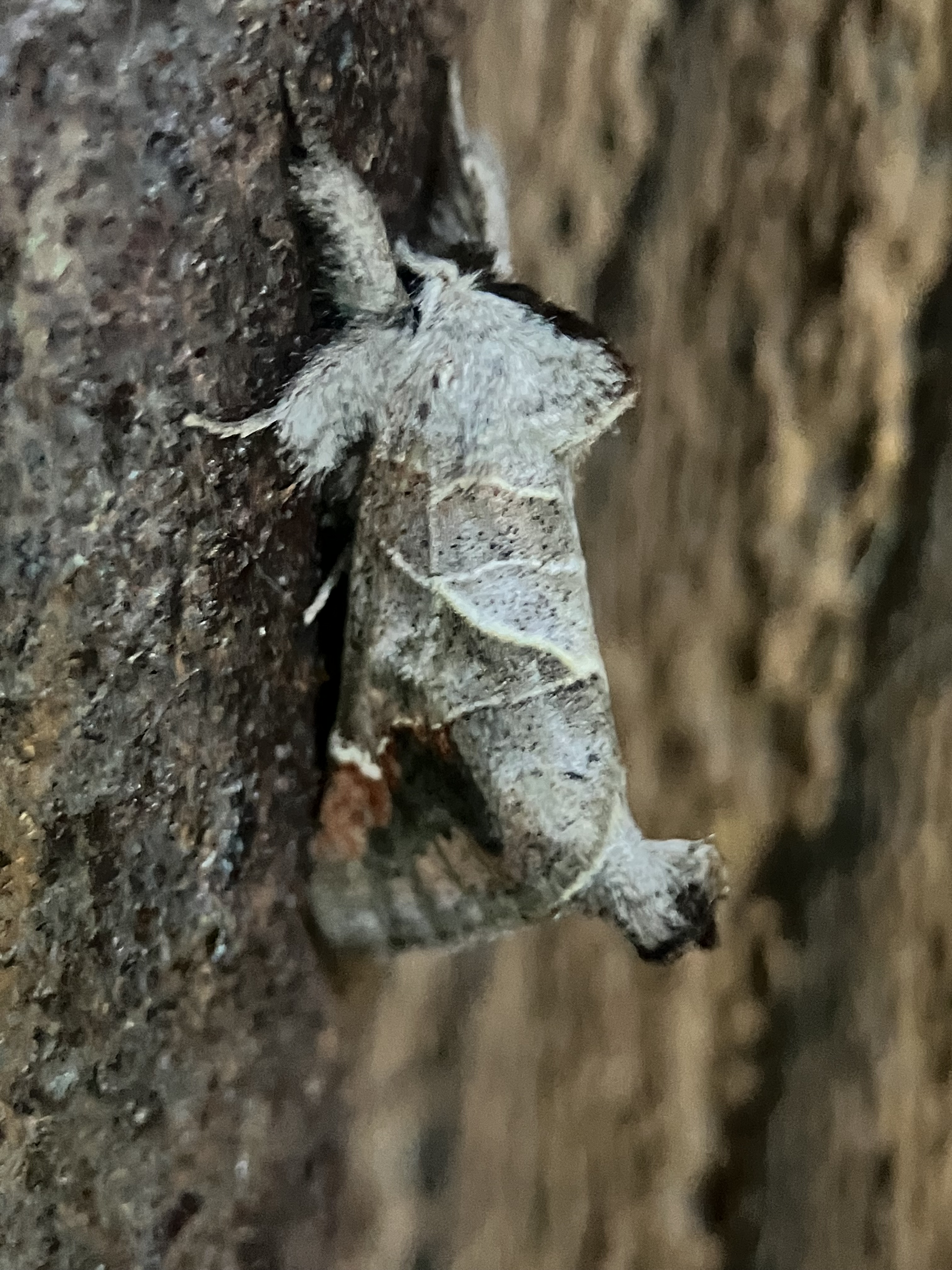
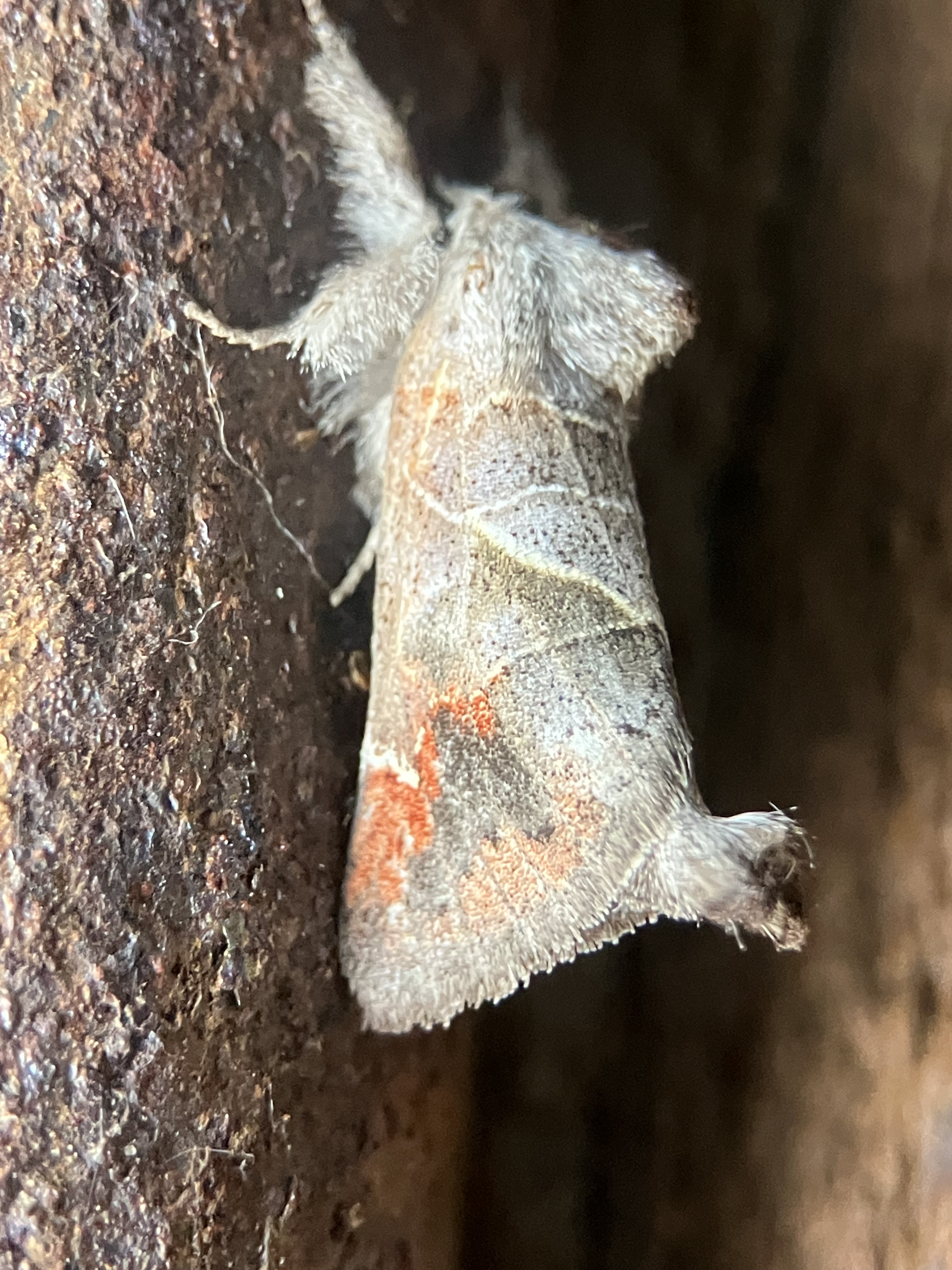
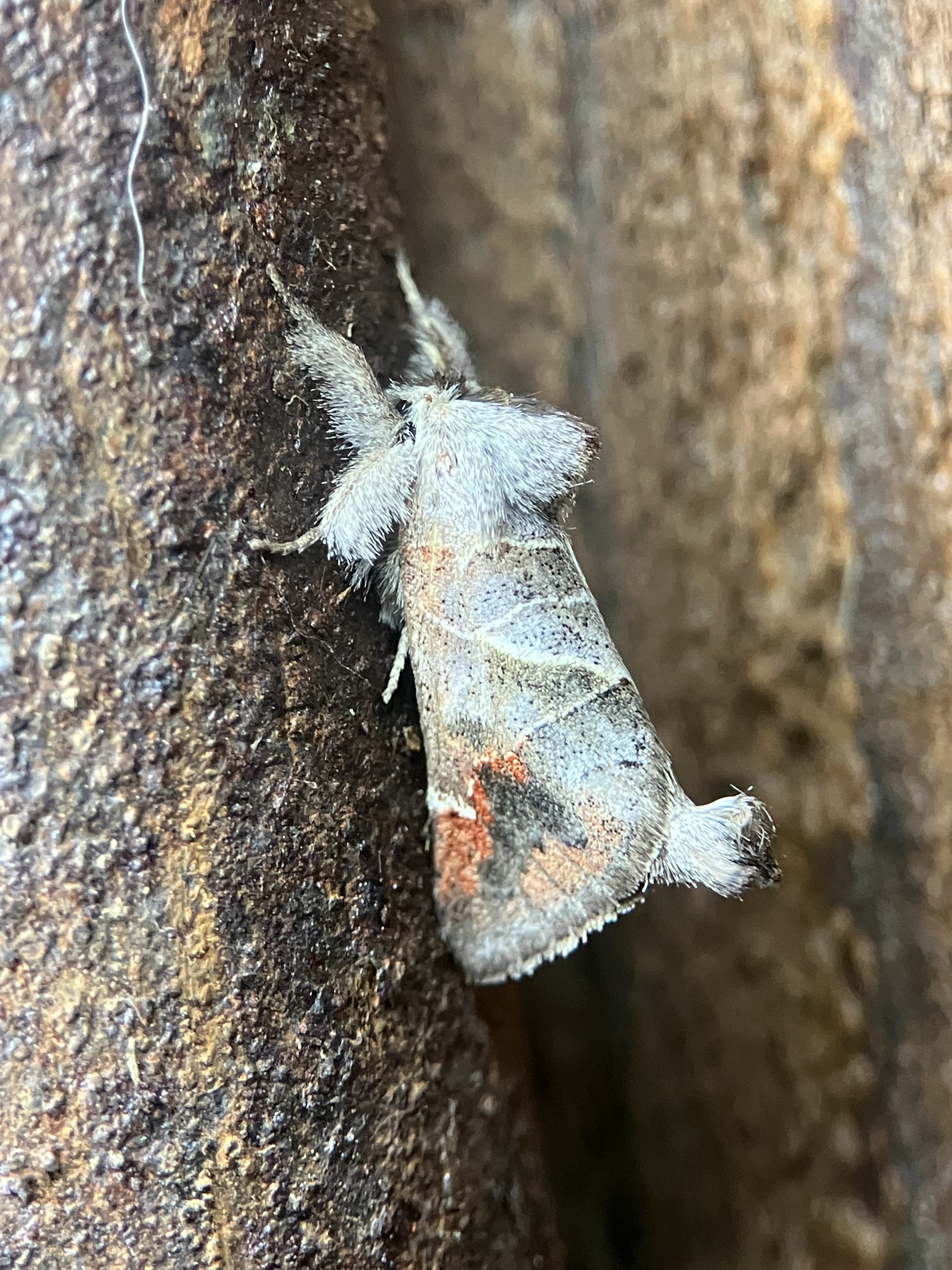
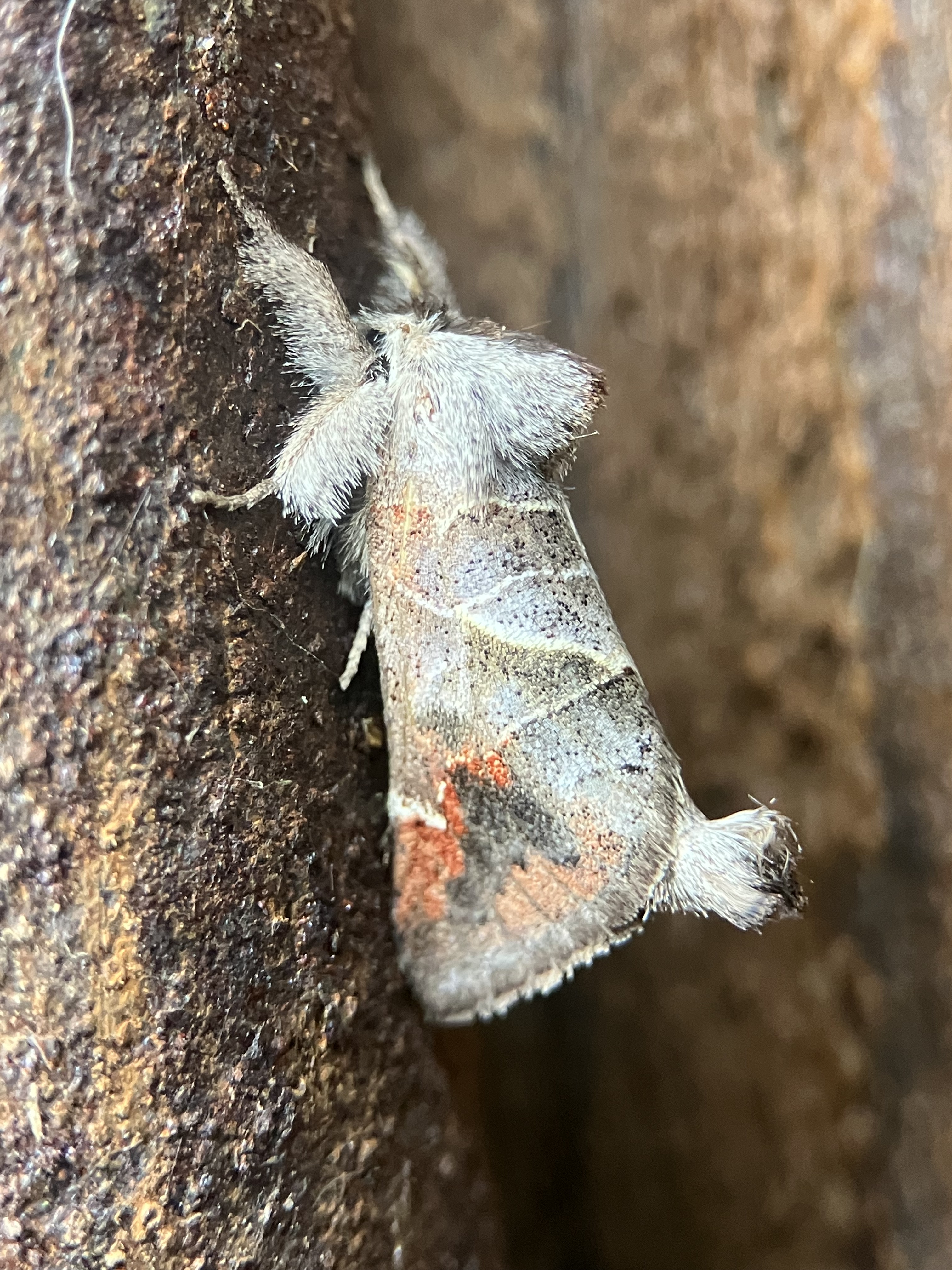
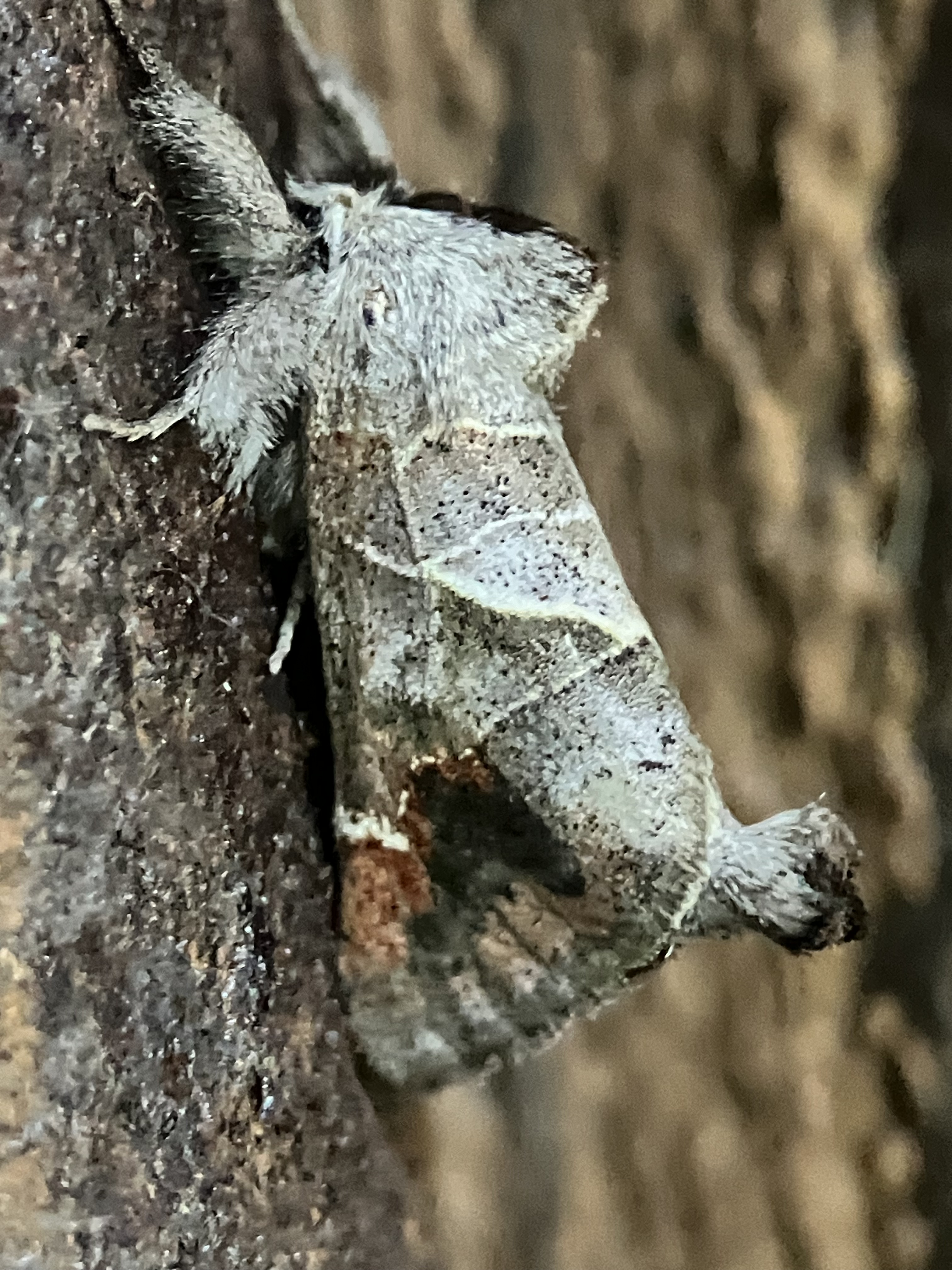
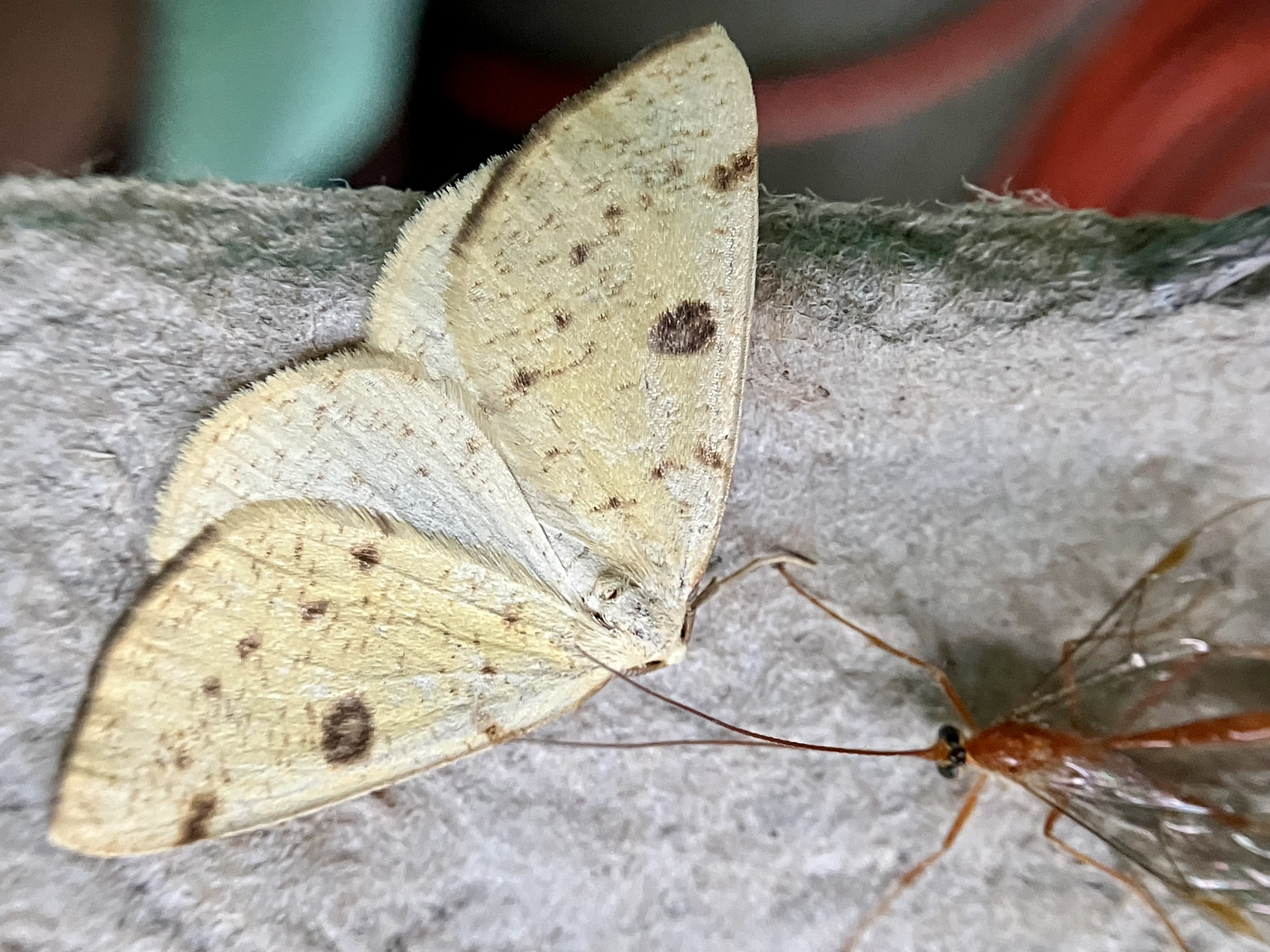
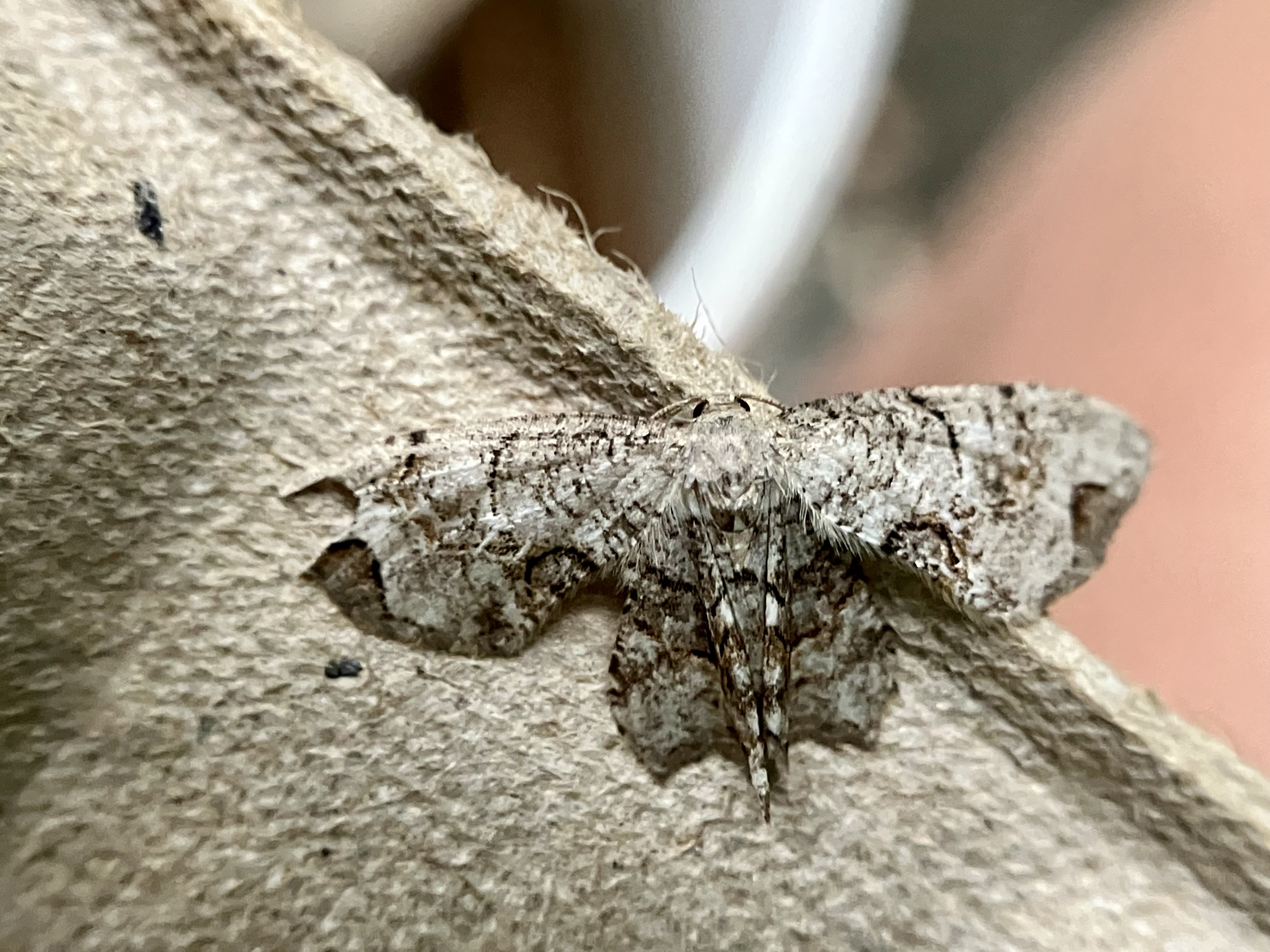
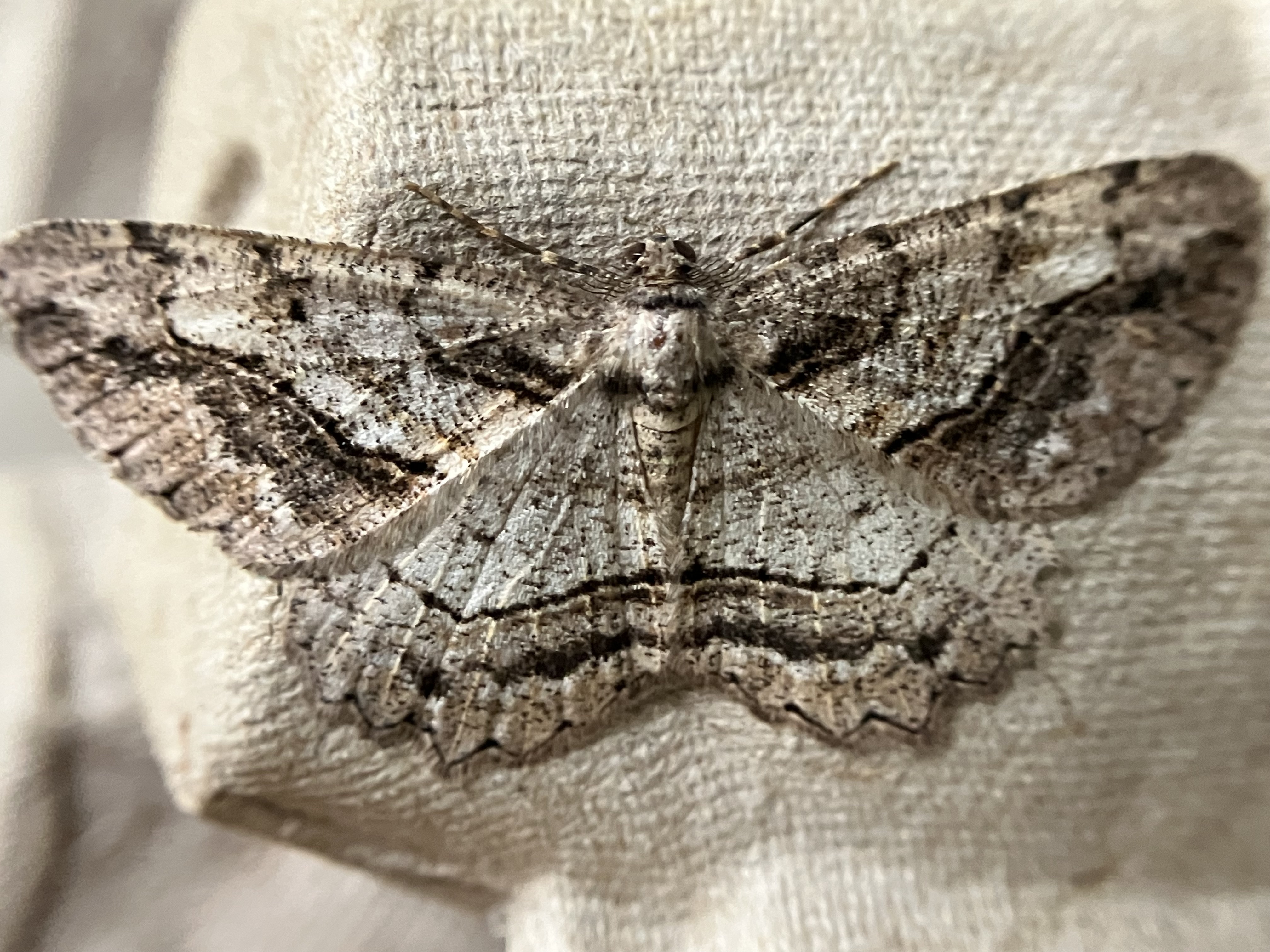
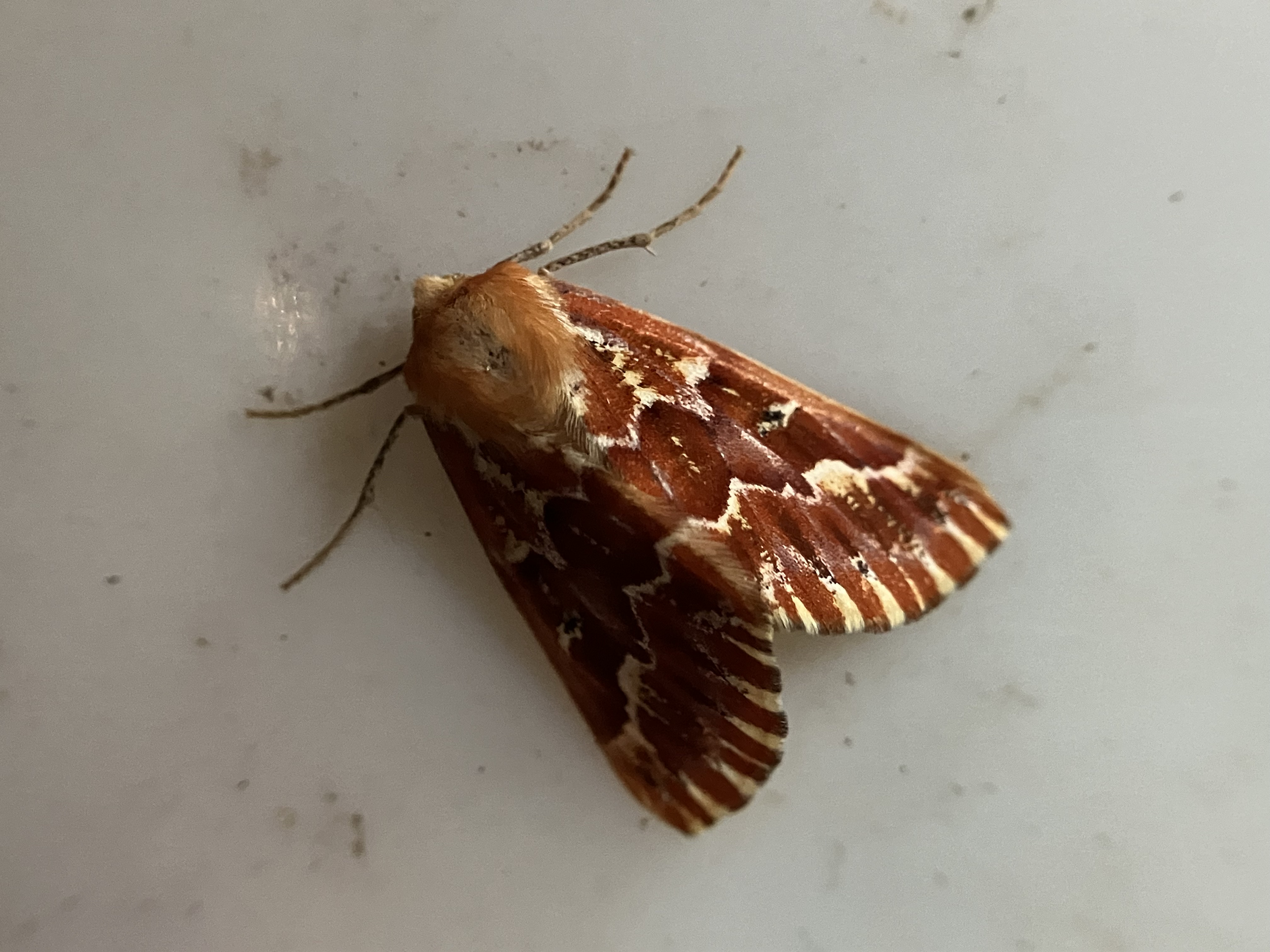
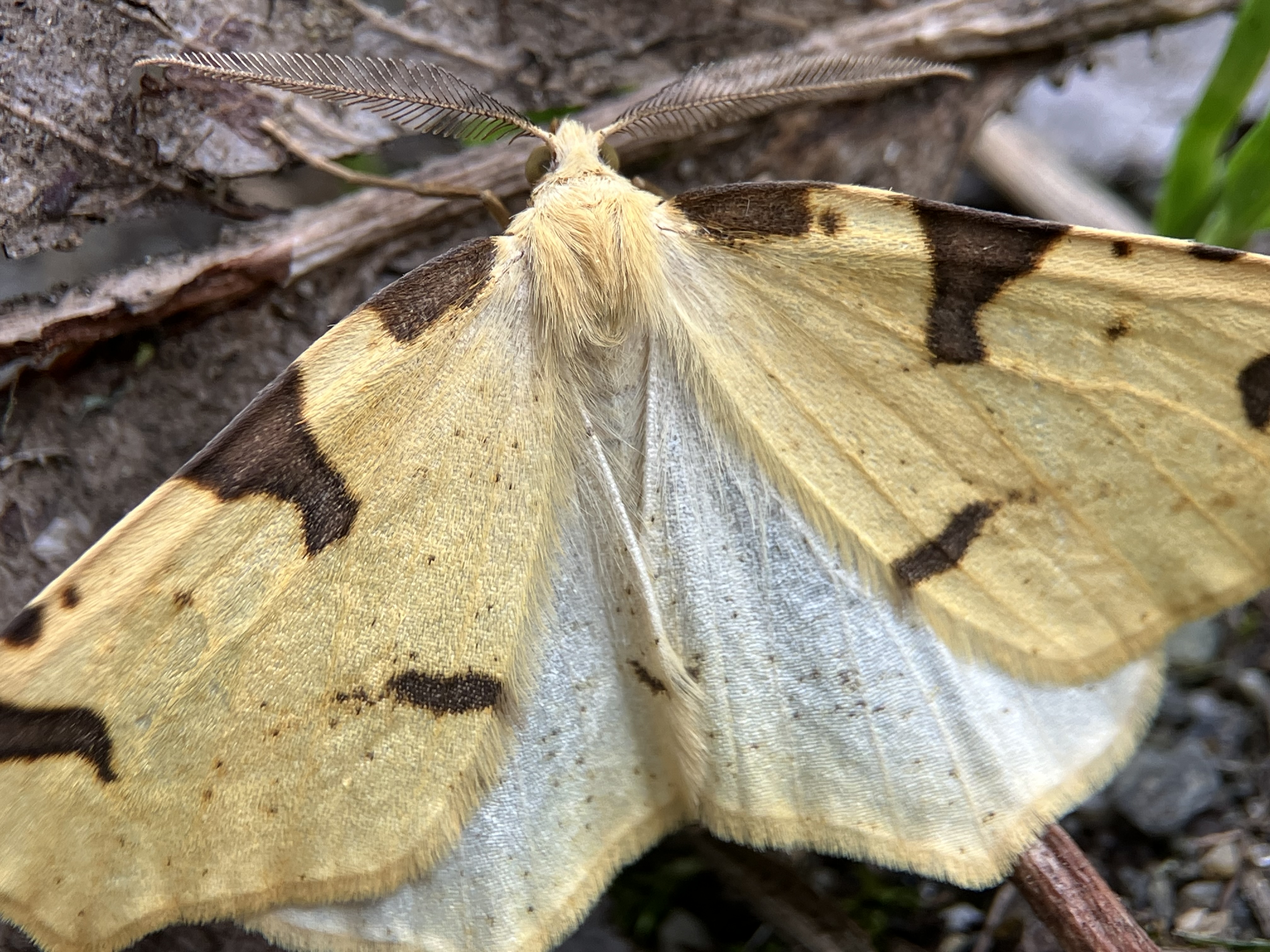
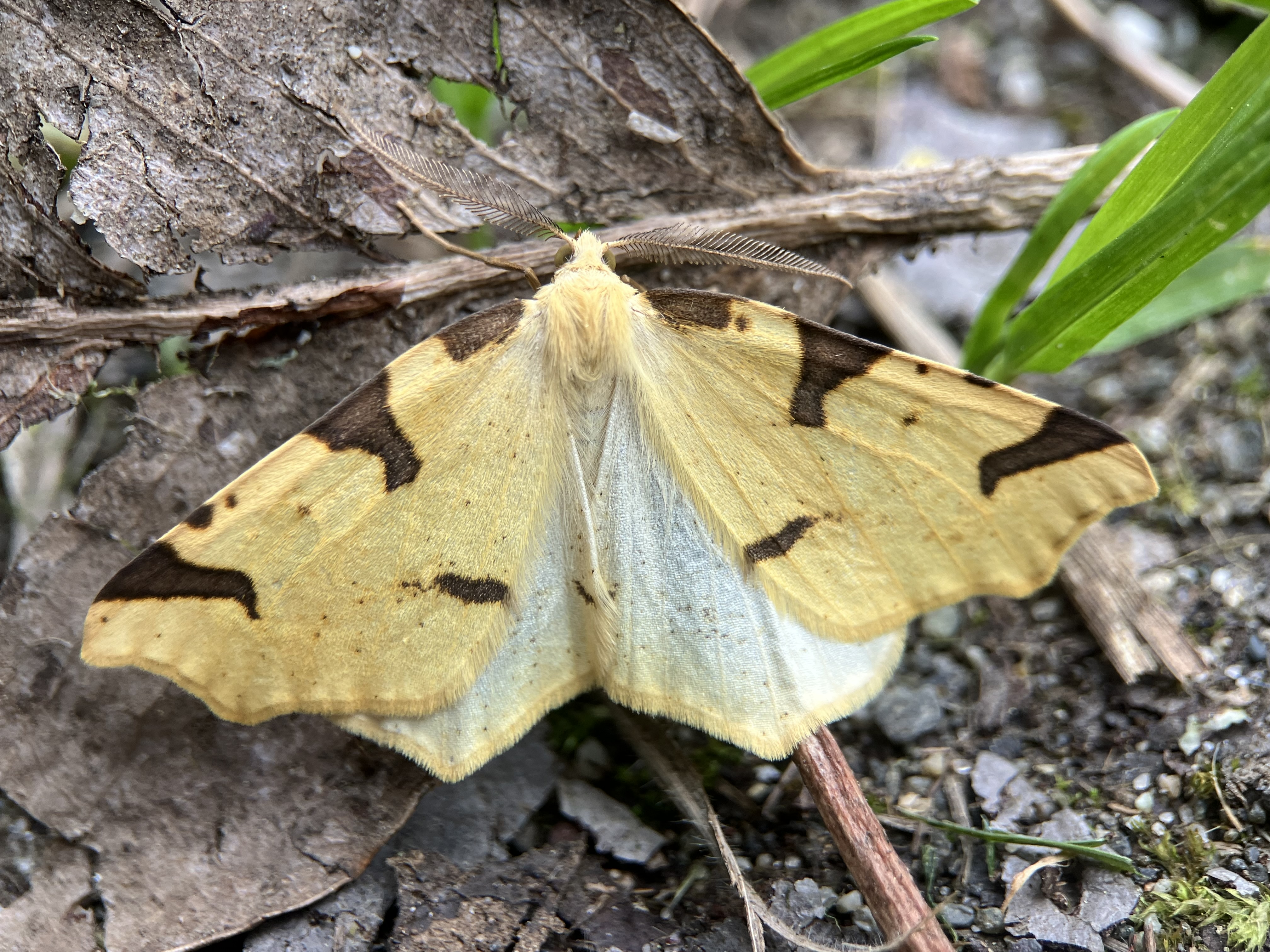
Canary thorn moth, (Neoterpes trianguliferata)

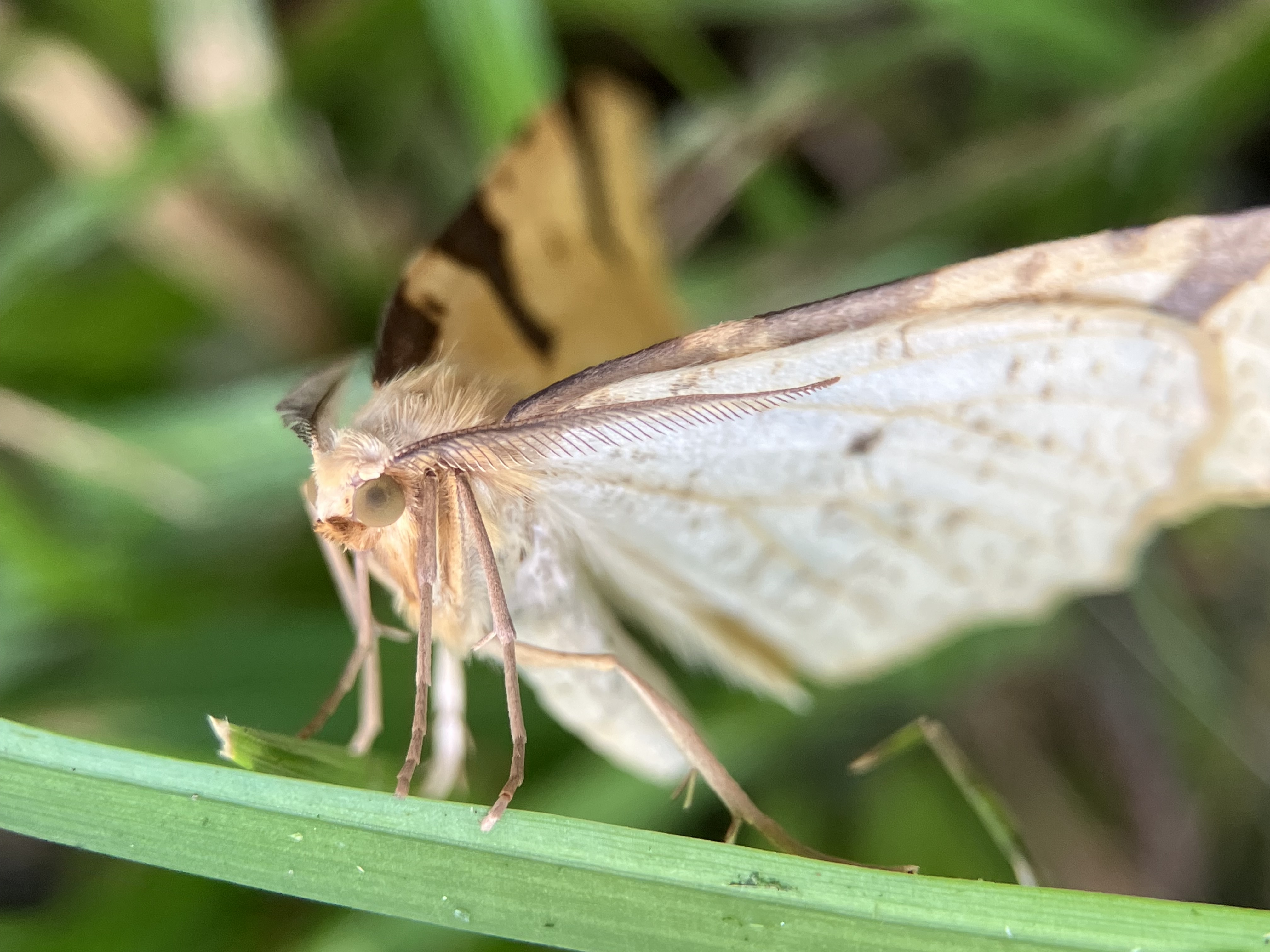
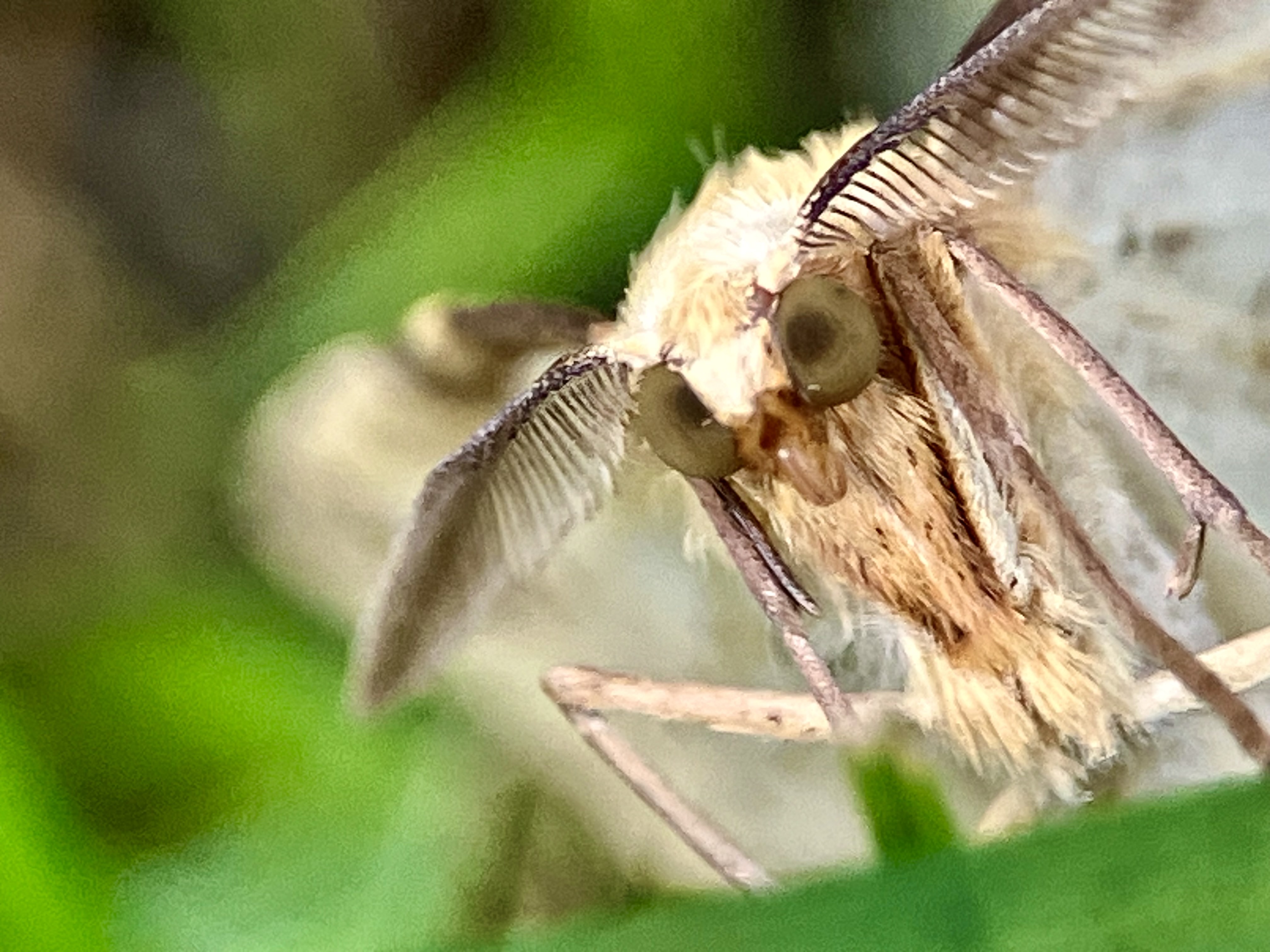
Canary thorn moth (Neoterpes trianguliferata)

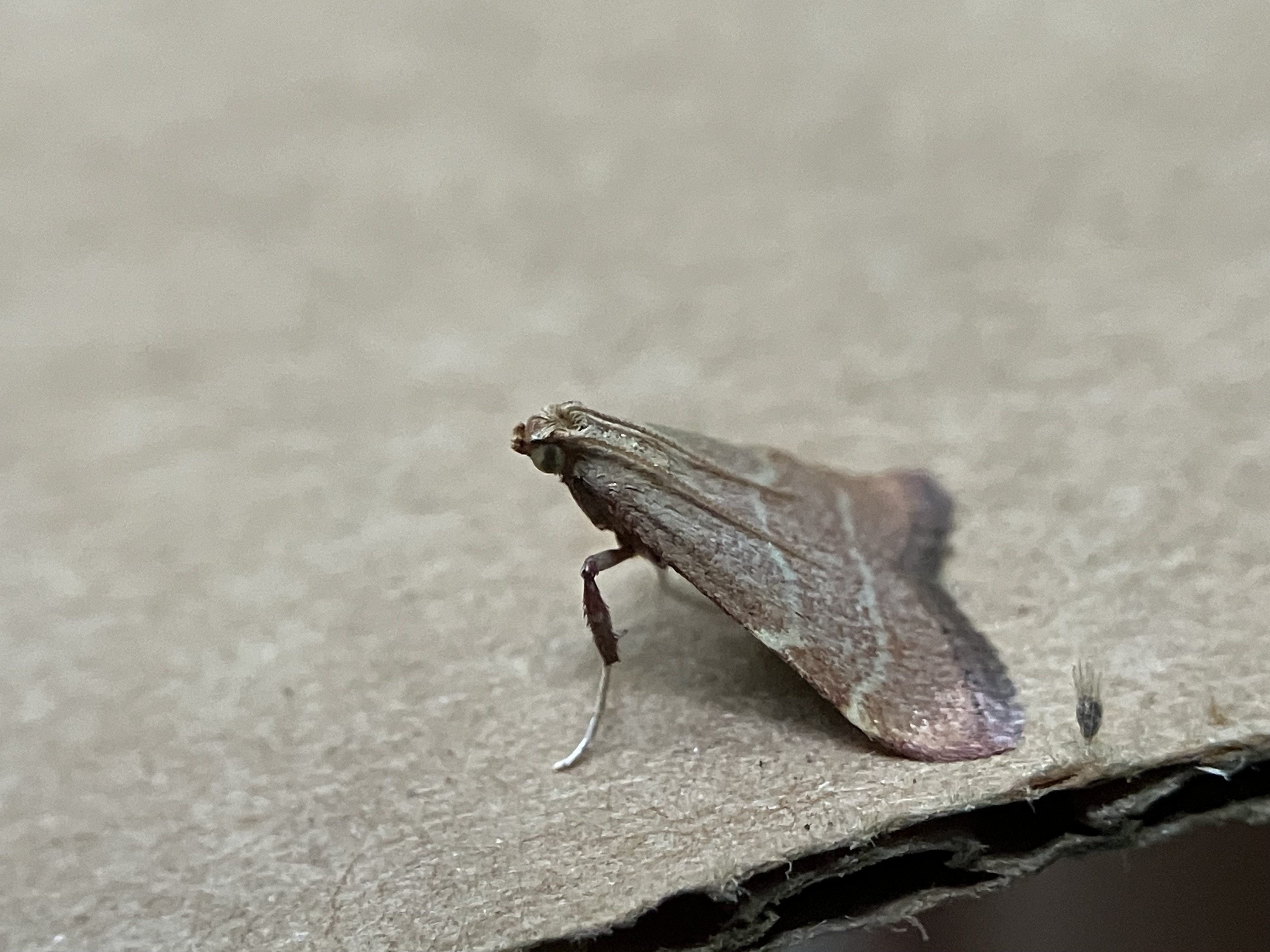
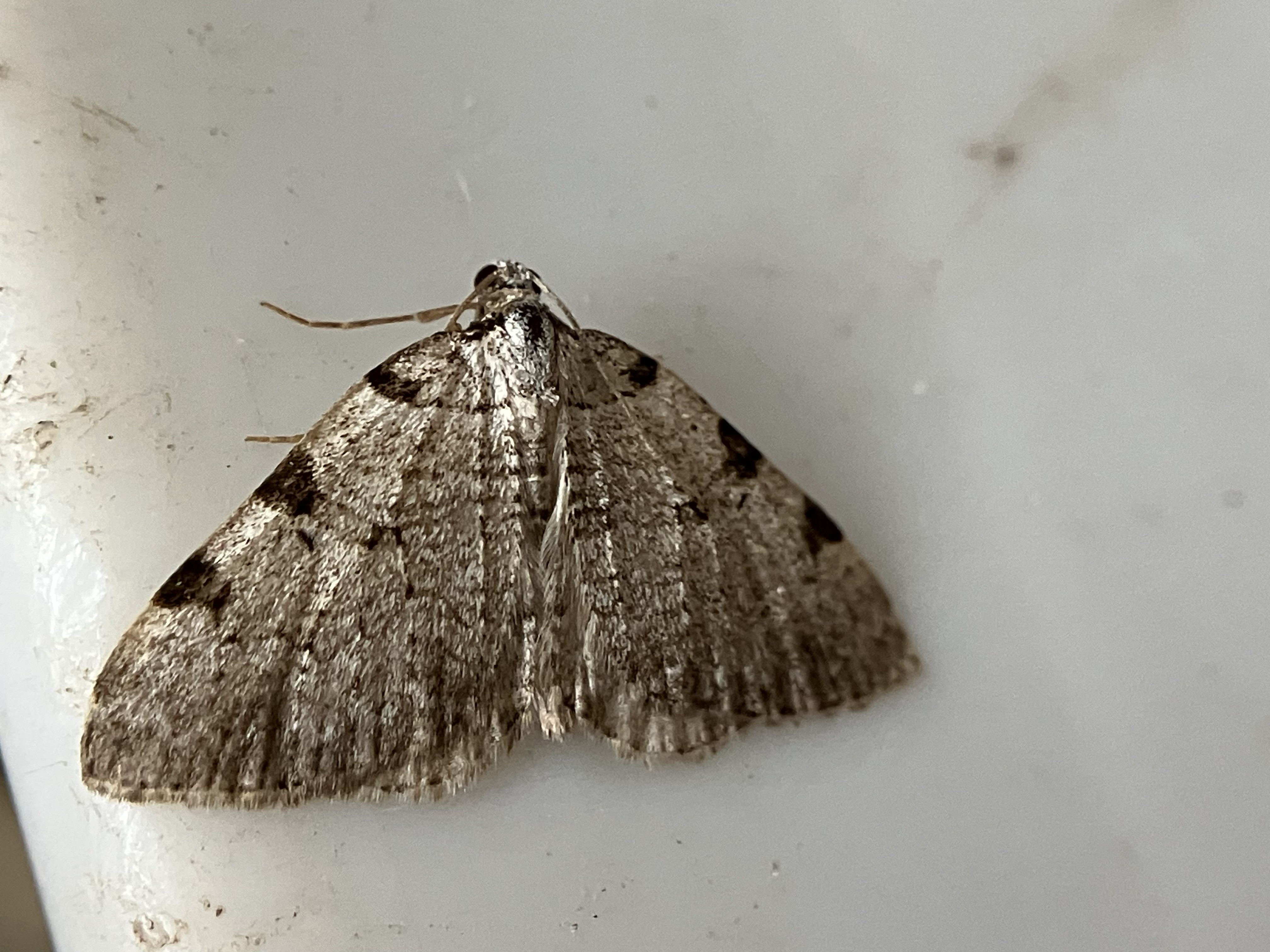
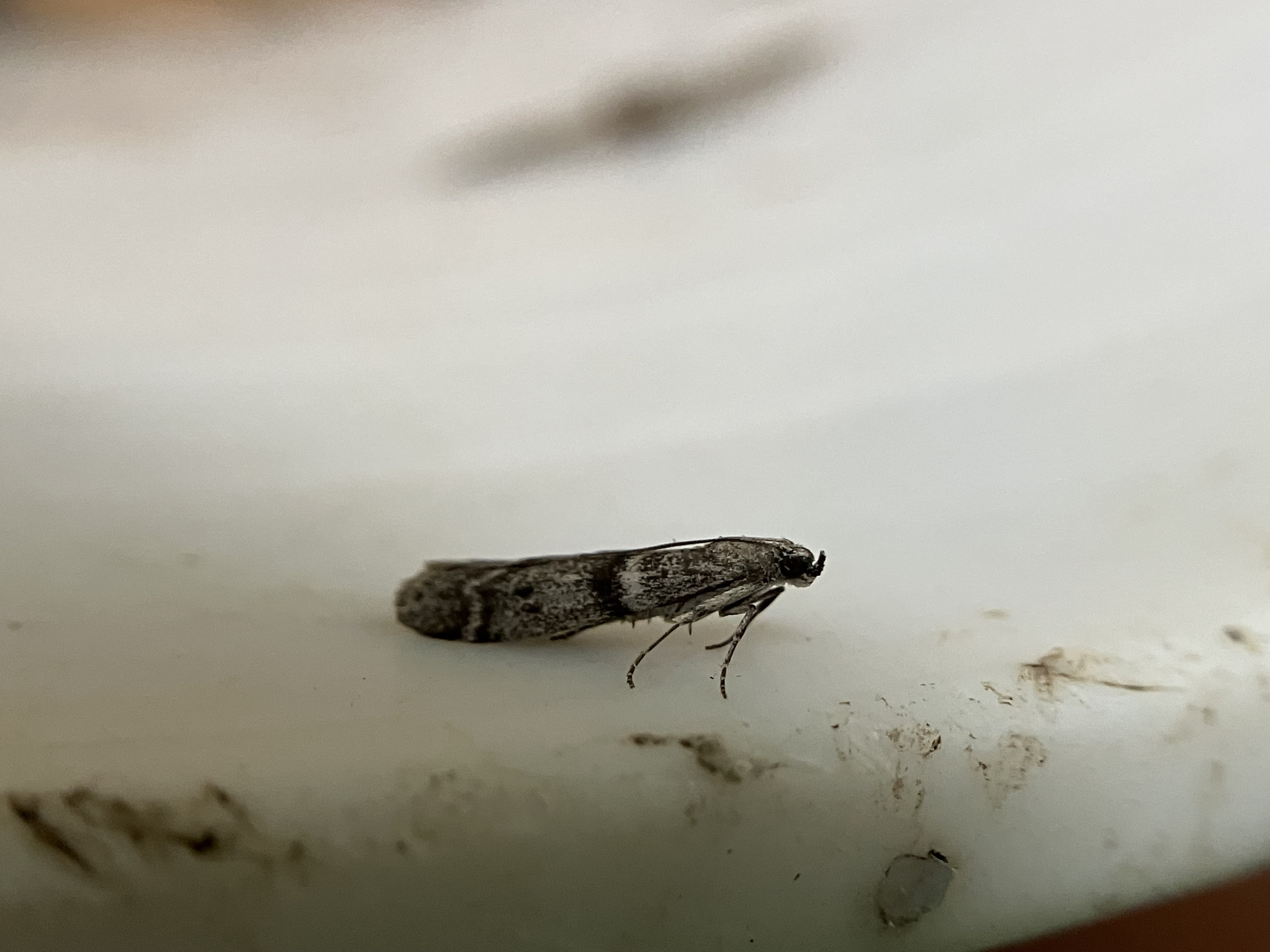
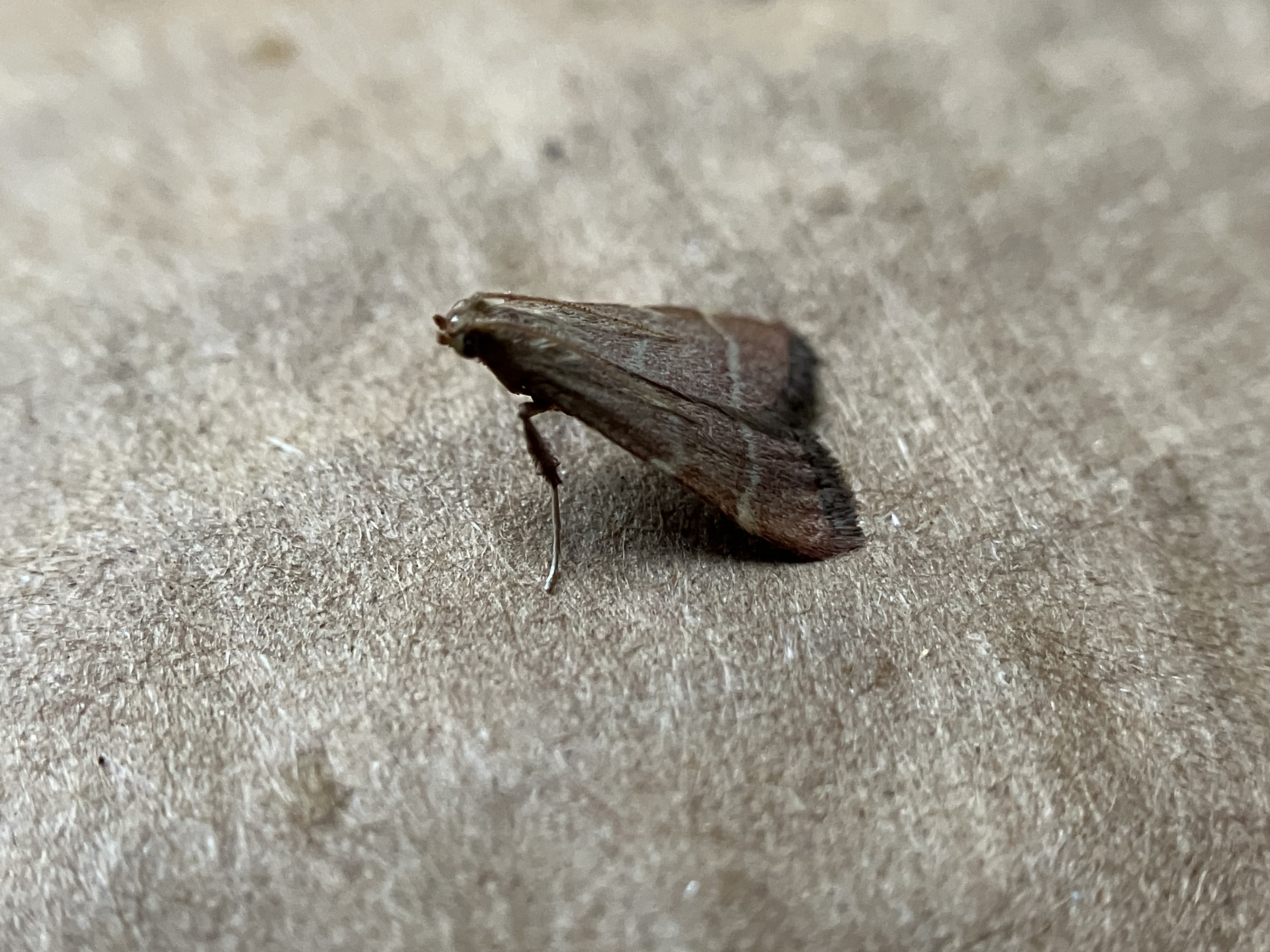
I found the most beautiful creature at my moth light this morning. It is the Canary Thorn Moth (Neoterpes  trianguliferata ). I was surprised to see anything there given the drop in temperatures we’ve had the past few days. After a few photos, I got too close and he flew out of the open barn area into some grass, struggling a bit in the wind, so I was able to carefully coax him back into an egg carton to shelter the day back undercover and out of the rain.

If you’re wondering about the egg carton, I use these in my moth light set up to give the moths a secure place to hide when they settle down under the light for the night. The egg cartons are in a 5 gallon bucket. I have the “low end” set up, so no major investments in equipment. Anyone could do this at home. It’s fun to “moth” and see what species live around us. If you’re interested, shoot me an email and I’ll coach you on getting set up yourself. For the record, all of my specimens are photographed with respect and care, and allowed to live free. I do not take specimens for pinning. I definitely believe they are here to be admired in the wild, not in a glass case.
More about this species:

Neoterpes  trianguliferata is a species of Geometrid moth that ranges from southern British Columbia to southwestern Alberta, south to Colorado, Utah, and California. The hostplants for larvae (the caterpillars) are Currants and Gooseberry (Ribes). I’ve linked information for some of the native host plants below in the reference section.

Larvae are twig mimics. Pupae sleep through the winter wrapped in a leaf, another reason to “leave the leaves” and refrain from burning or bagging and discarding the leaves around your home. You could inadvertently impact overwintering species like these and others. Adults are approximately 14-20mm (forewing length). You will see adults in flight between April-June in our area. From what I have been able to find as to the etymological meaning of the name, Neoterpes may translate to “new delight” and trianguliferata refers to the triangle-shaped markings on the forewings. It was indeed a delight to see this beauty today! A bit of sunshine on a rainy spring day.

Canary thorn moth (Neoterpes trianguliferata)

References

Bressette, Dana Kelley. no date. Coast Black Gooseberry, Ribes divaricatum. Native Plants PNW. https://nativeplantspnw.com/coast-black-gooseberry-ribes-divaricatum/

Bressette, Dana Kelley. no date. Red Flowering Currant, Ribes sanguineum. Native Plants PNW. https://nativeplantspnw.com/red-flowering-currant-ribes-sanguineum/

Bugguide.net. 2023. Species Neoterpes trianguliferata – Hodges#6860. Bugguide. Iowa State University. https://bugguide.net/node/view/114007

Moth Photographers Group. Neoterpes trianguliferata (Packard, 1871). Mississippi State University. https://mothphotographersgroup.msstate.edu/species.php?hodges=6860

Nelson, Dan. 2021. Neoterpes trianguliferata. 10,000 THINGS OF THE PACIFIC NORTHWEST
Adventures of a Recreational Naturalist. http://10000thingsofthepnw.com/2021/08/08/neoterpes-trianguliferata/
Counting Bugs: What’s at the light in the night? April 20, 2025

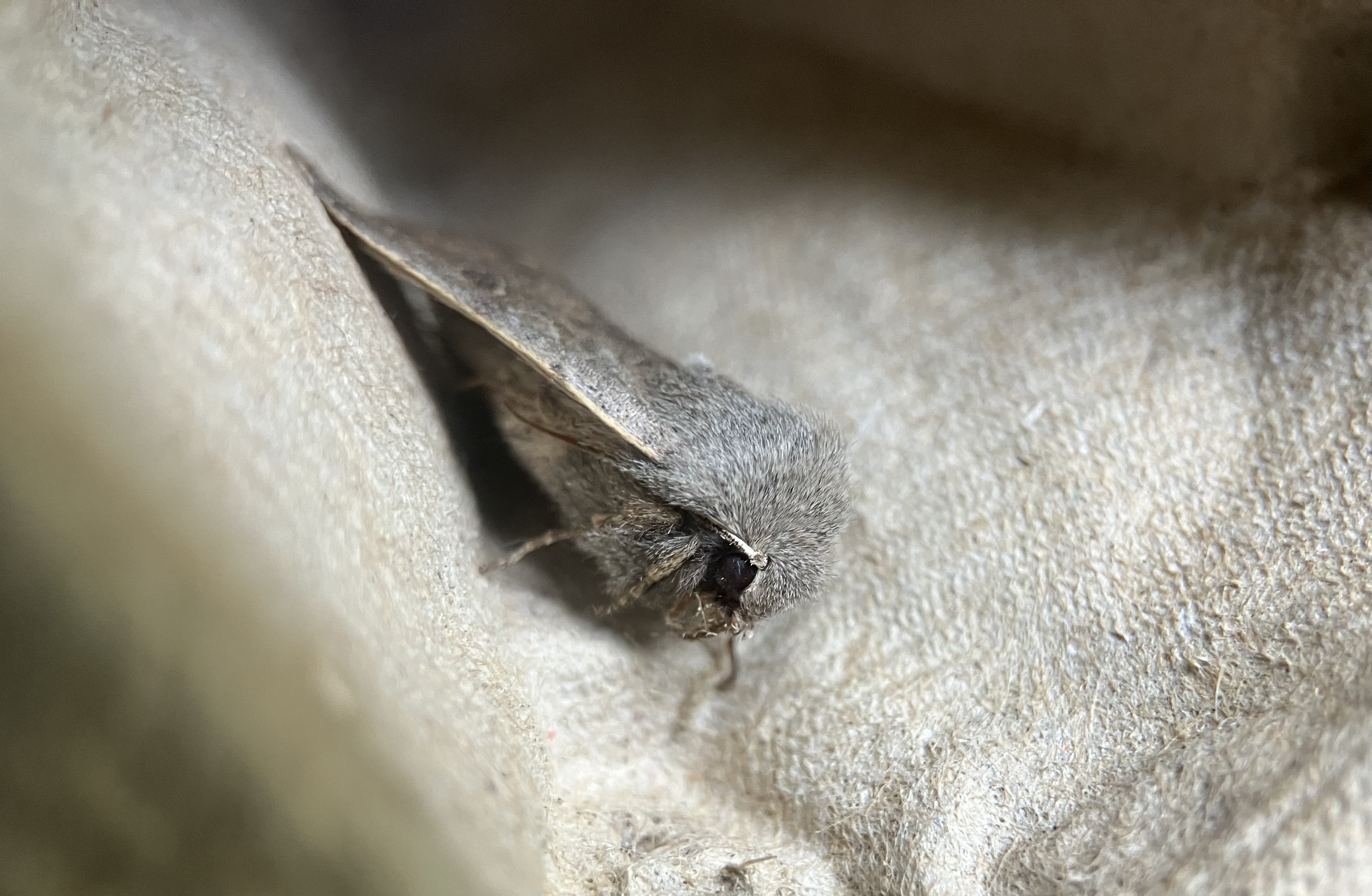
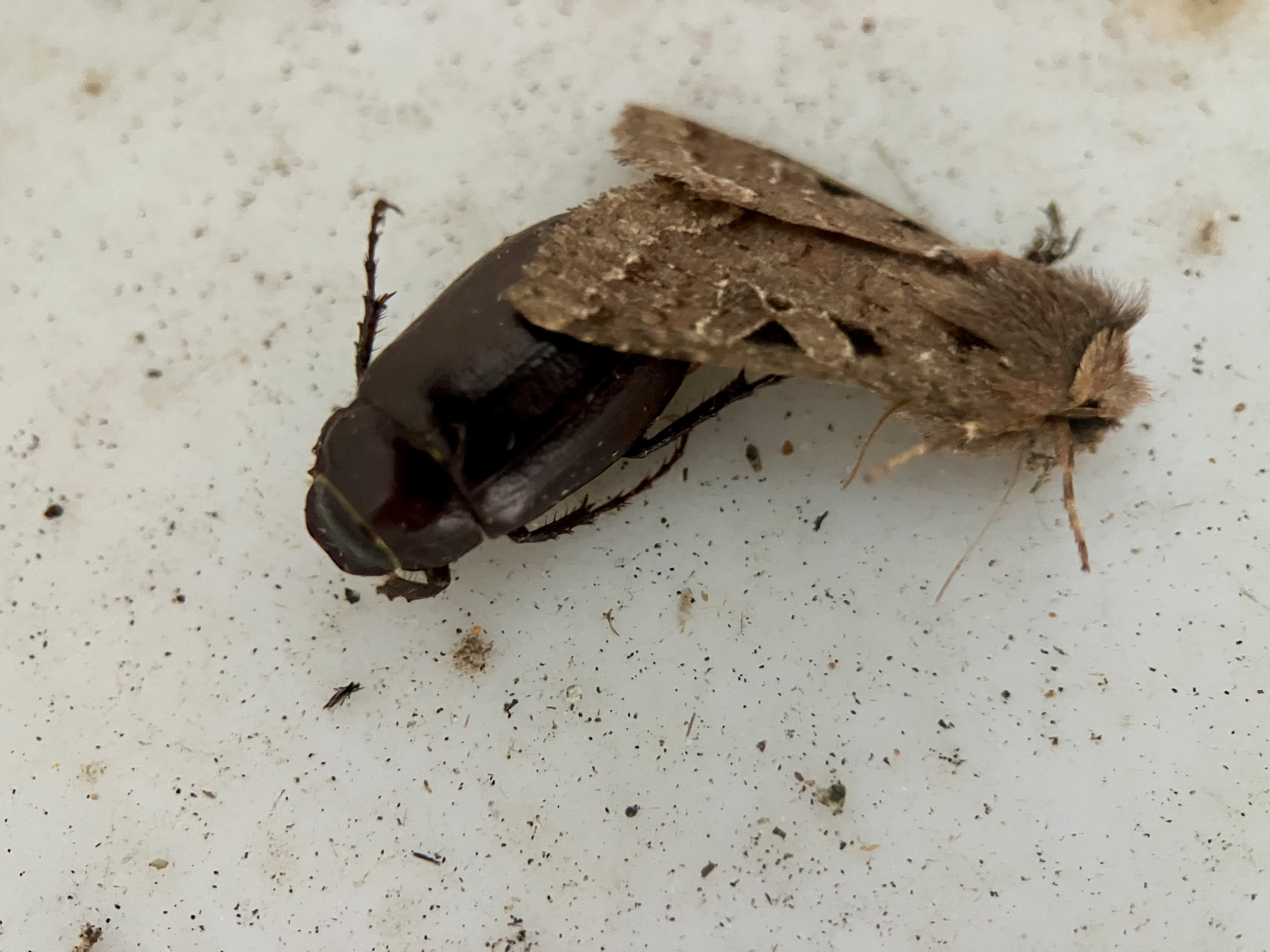
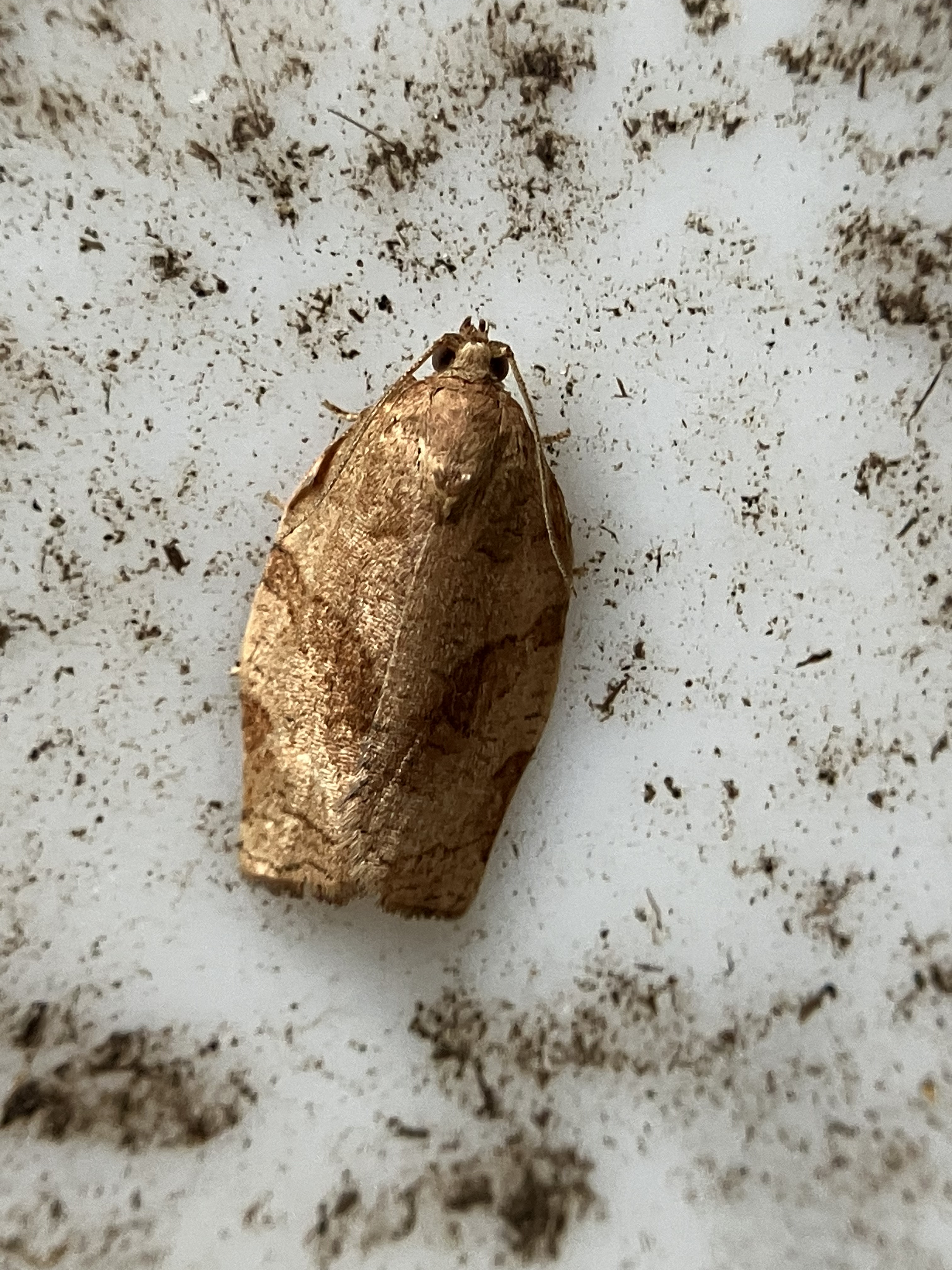
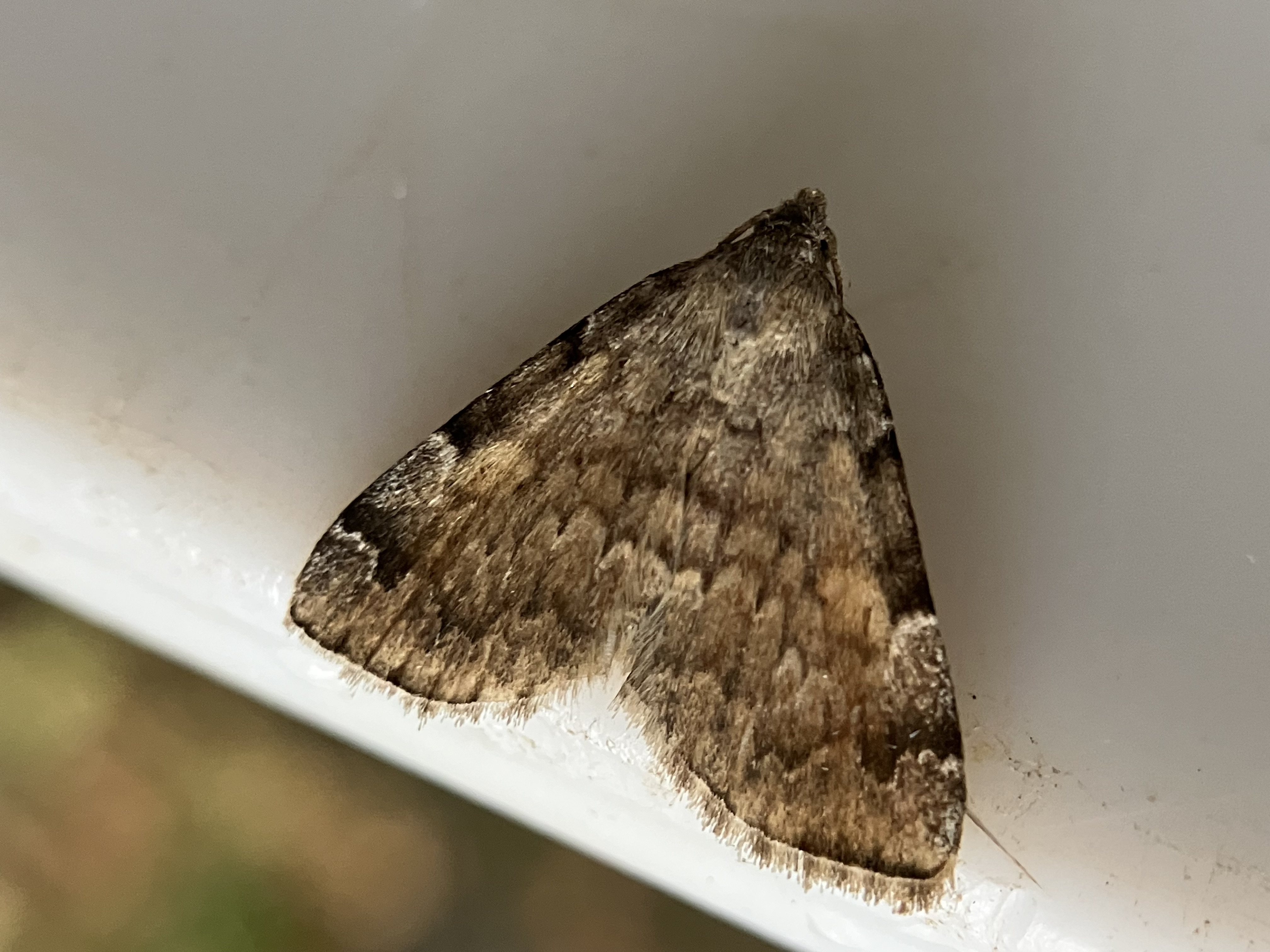
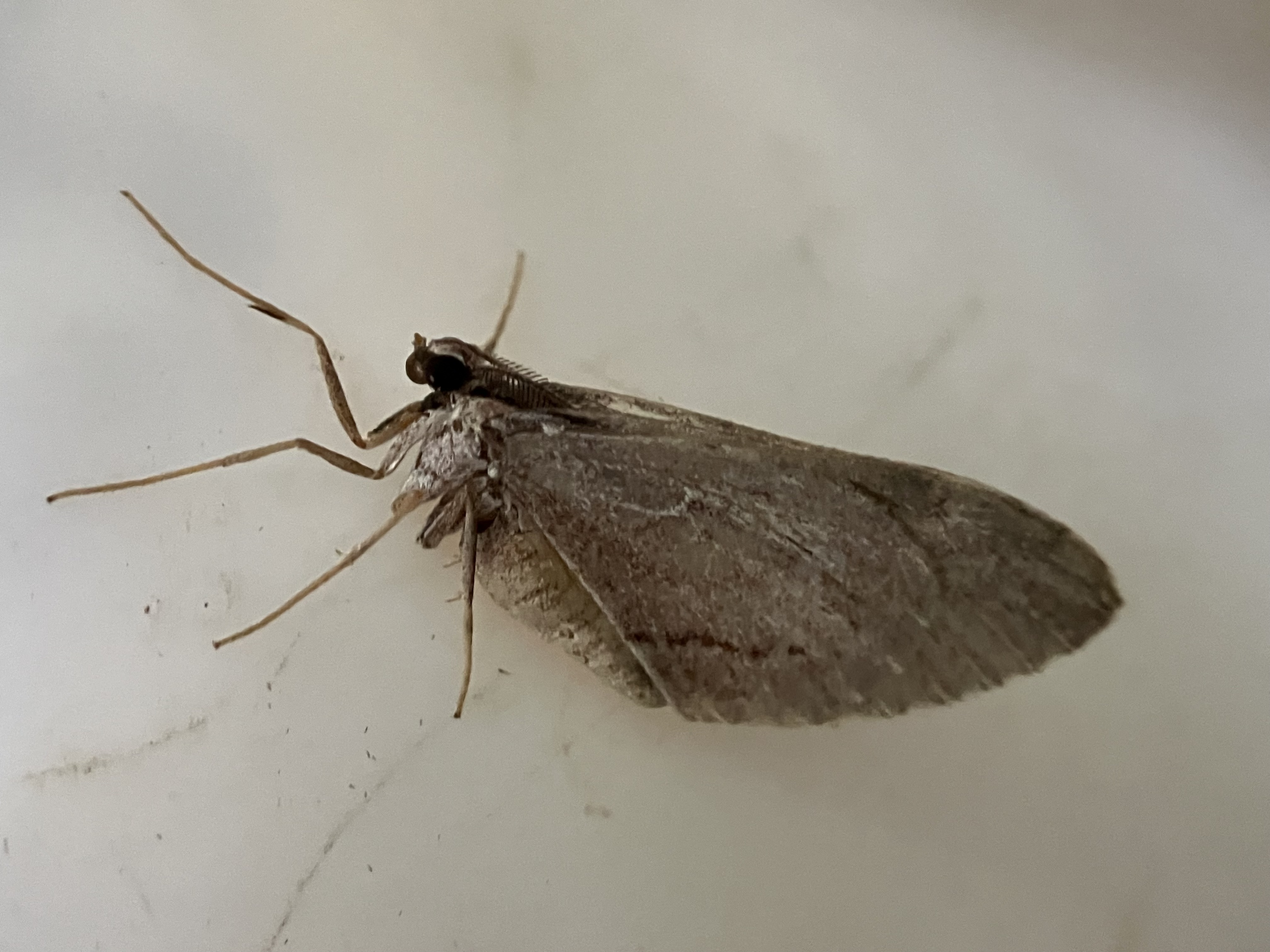
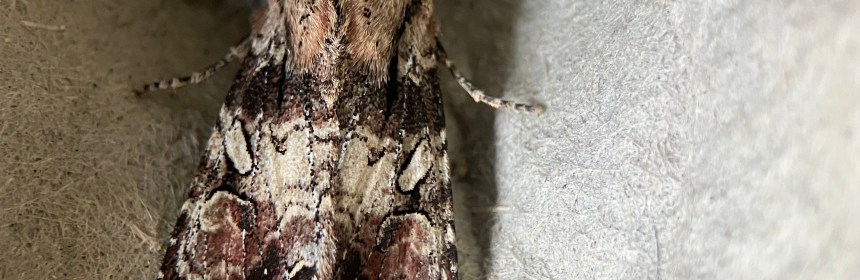
Egira rubrica moth

Here’s a quick rundown of what I spied at my bug light when I checked this morning. I did move the bucket and light to a new location across from our house in our open air barn.

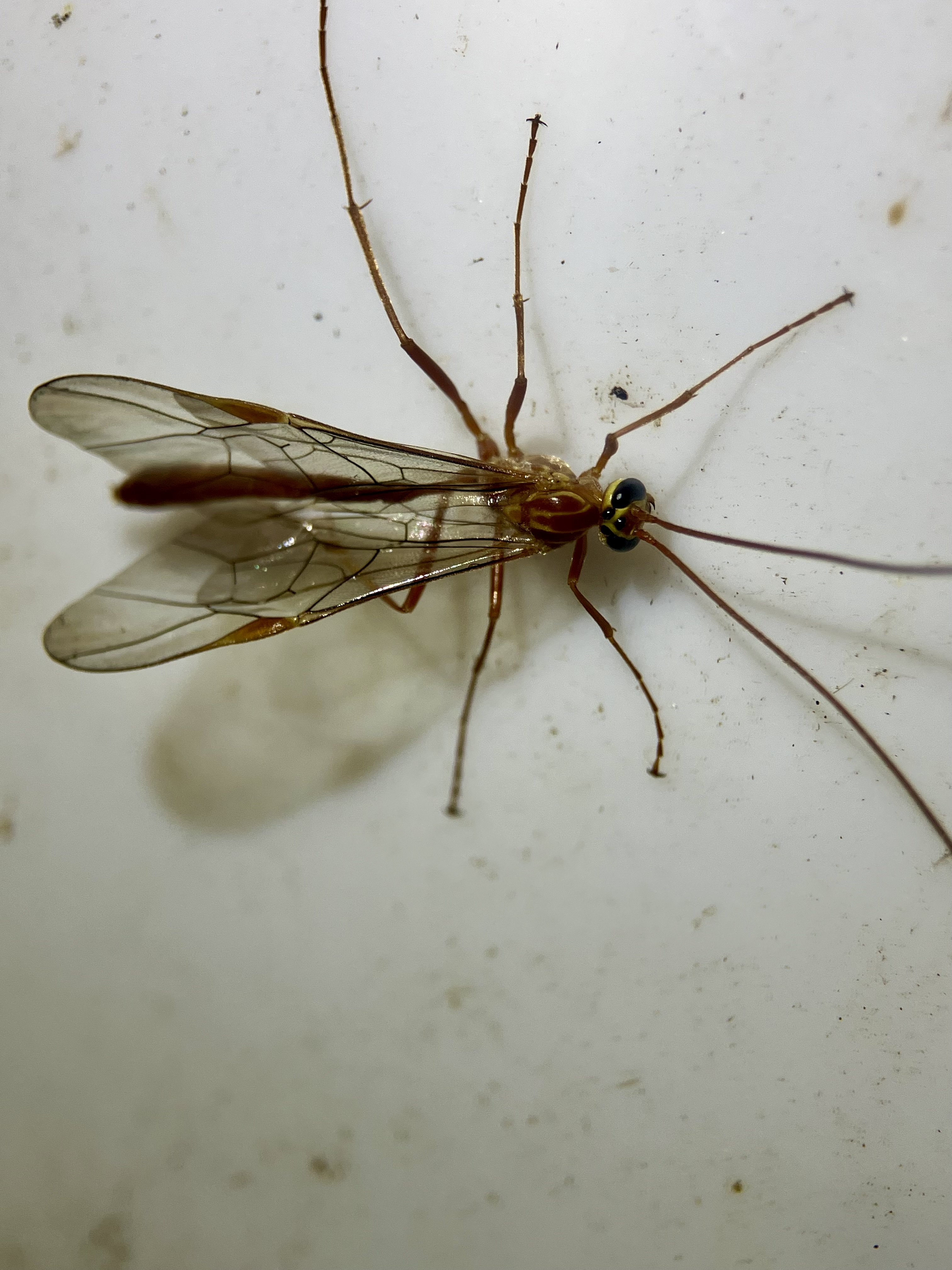
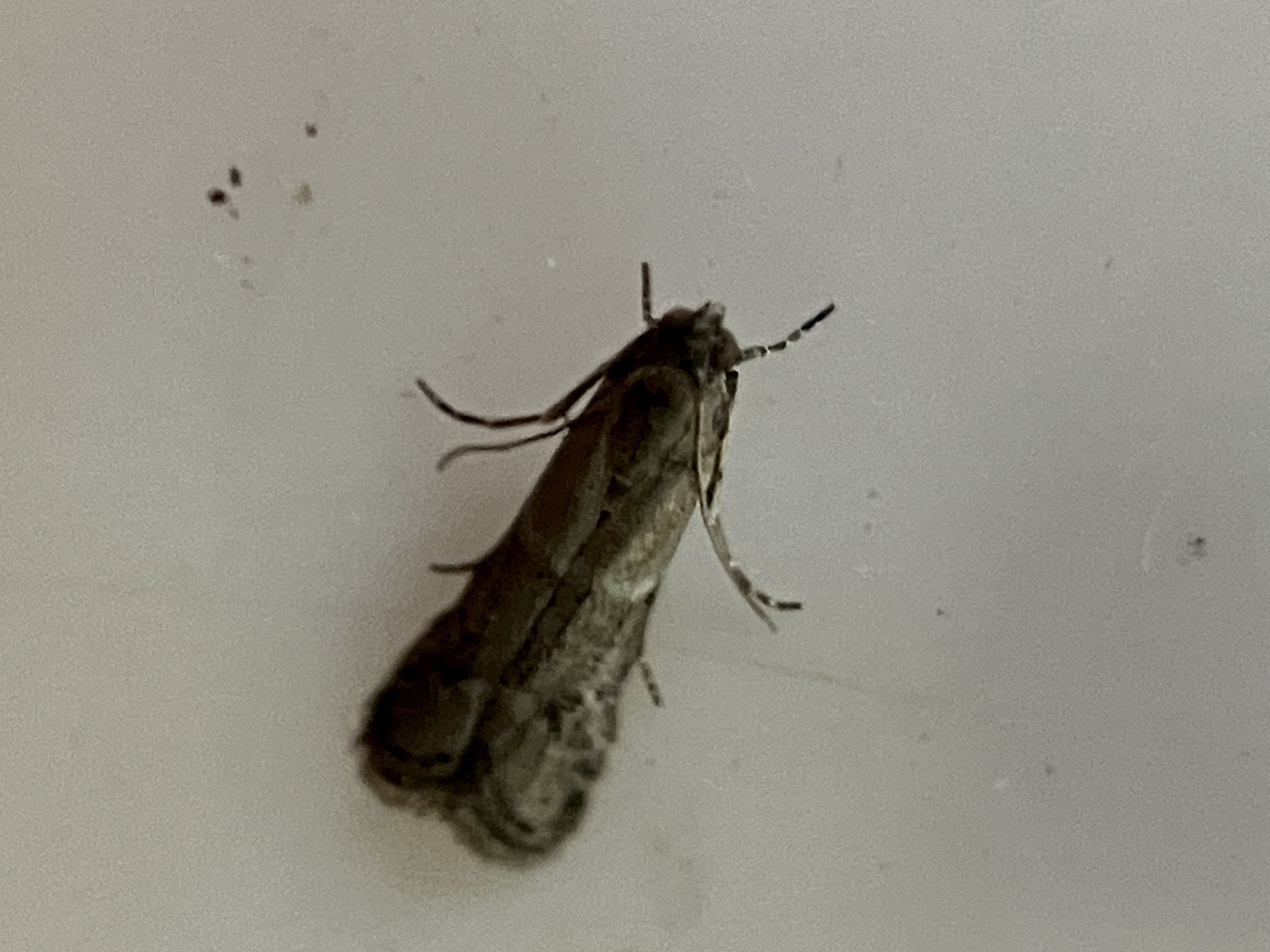
There were nine species of moths (31 individuals), two species of Coleoptera (beetles), and one wasp that I believe is Ophion sp.

Moths:

Egira perlubens = 1

Egira (either E. simplex or E. crucialis) = 3

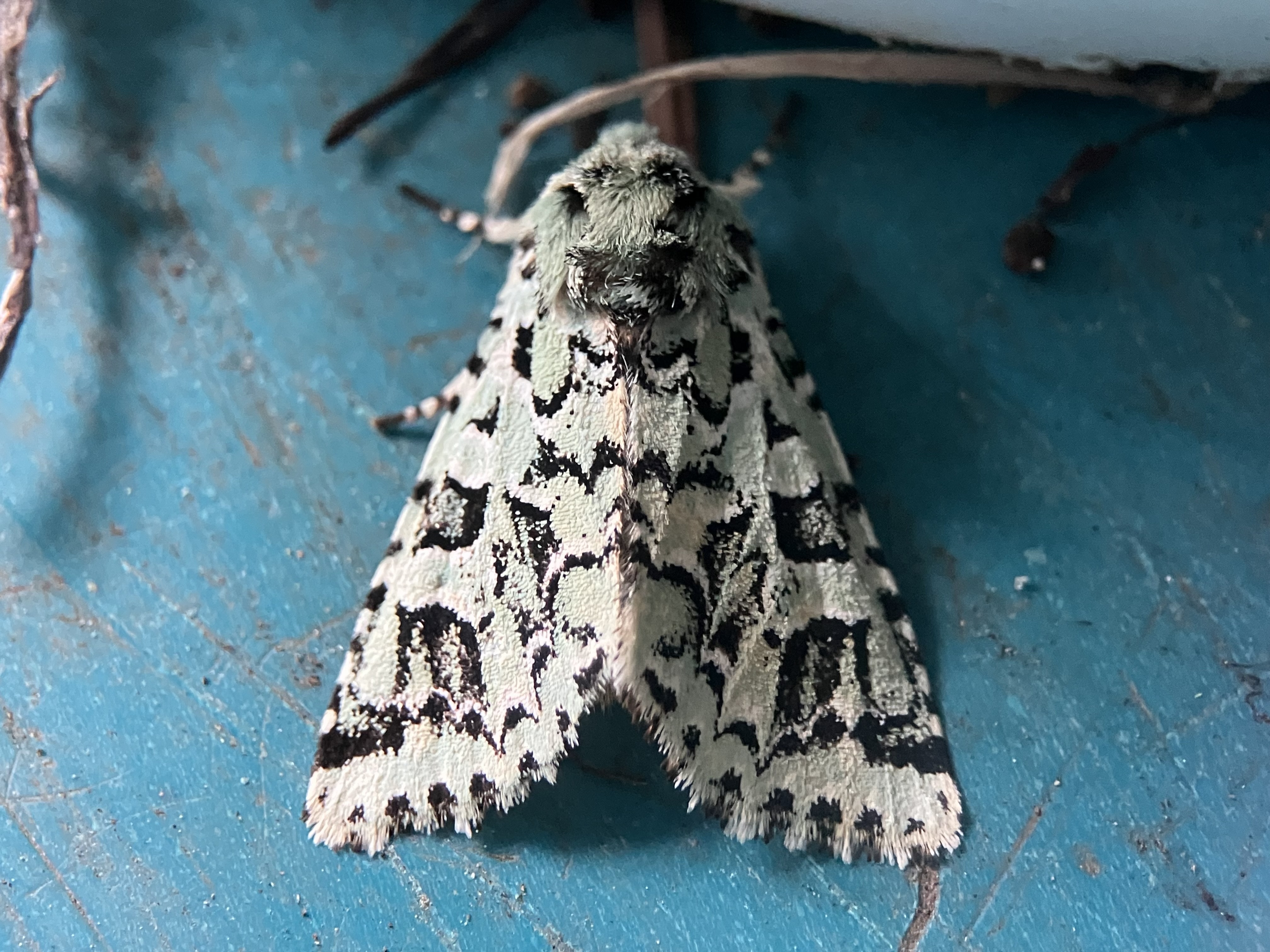
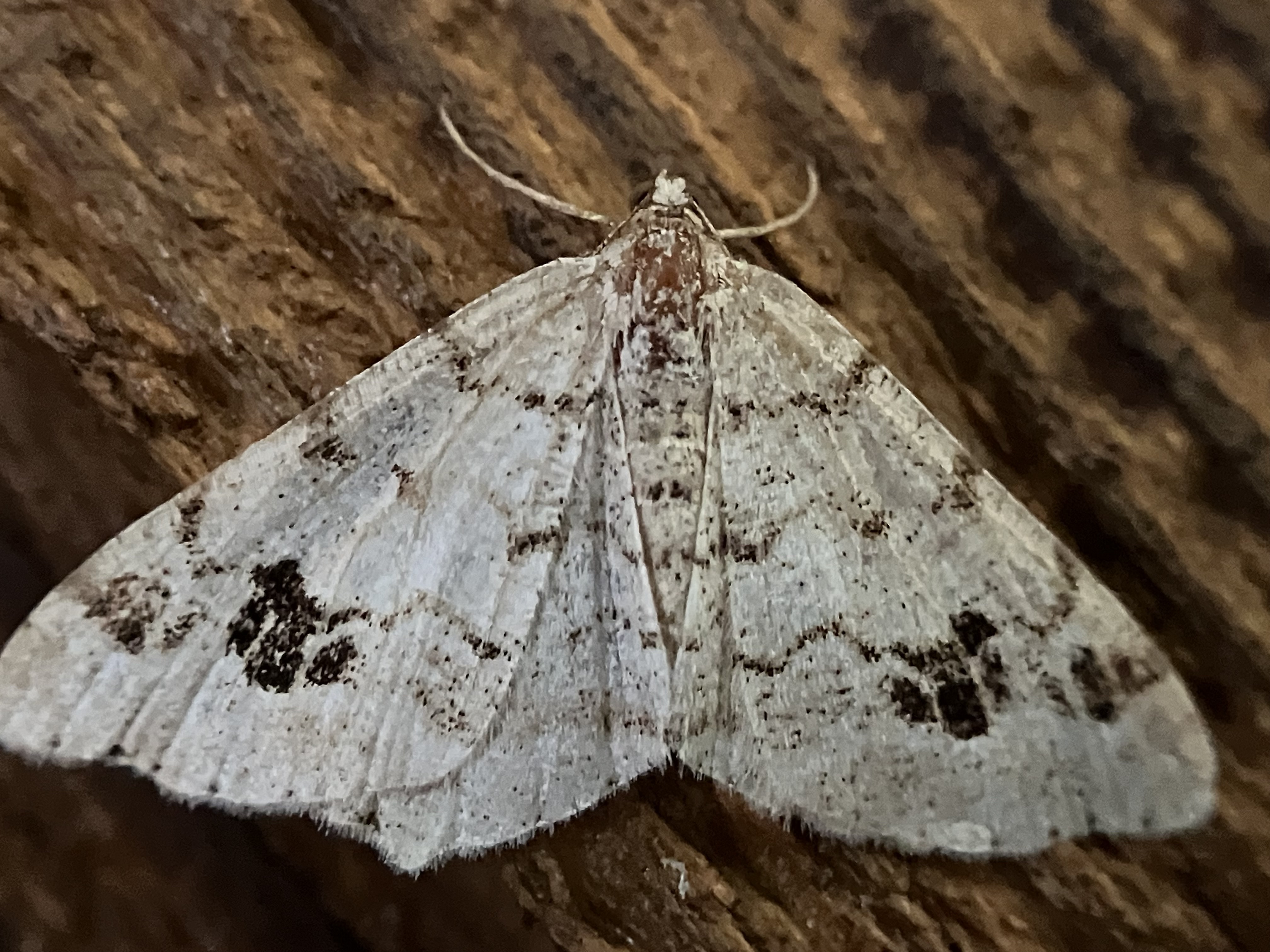
Egira rubrica = 1

Orthosia transparens = 5

Orthosia hibisci = 8

Orthosia praeses = 8

Feralia comstocki = 2

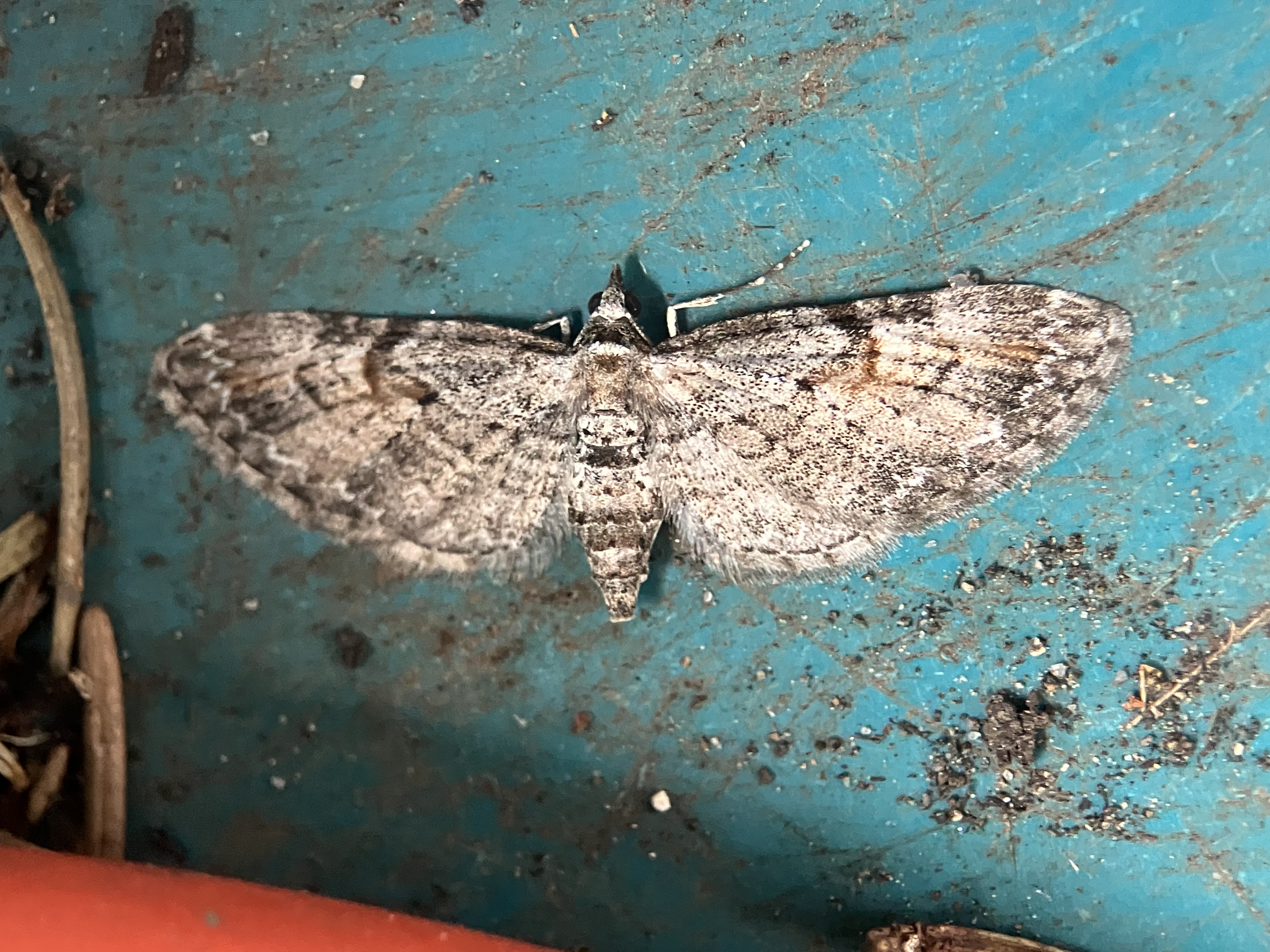
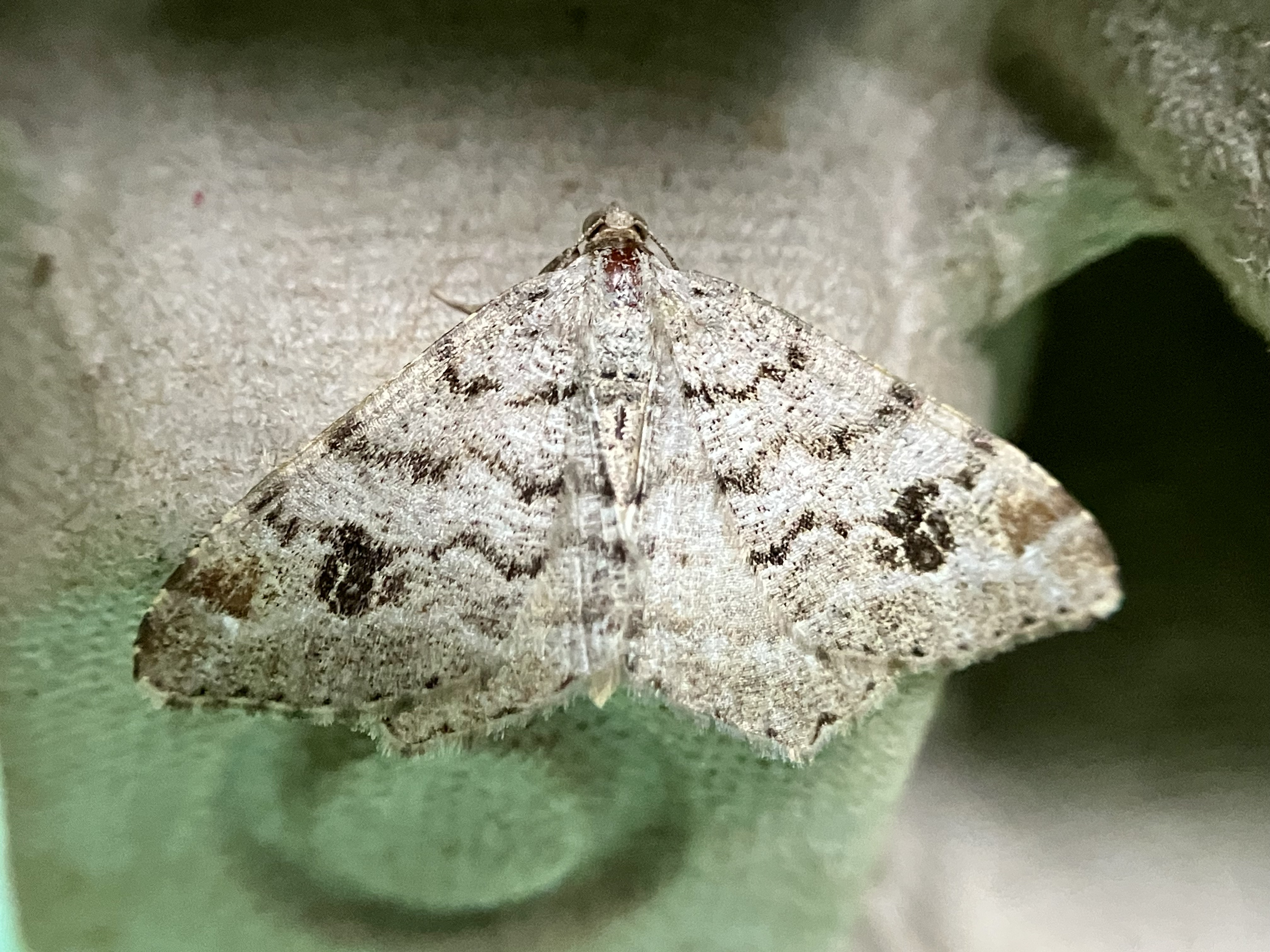
Eupithecia graefii = 2

Melanolophia imitata = 1

Beetles:

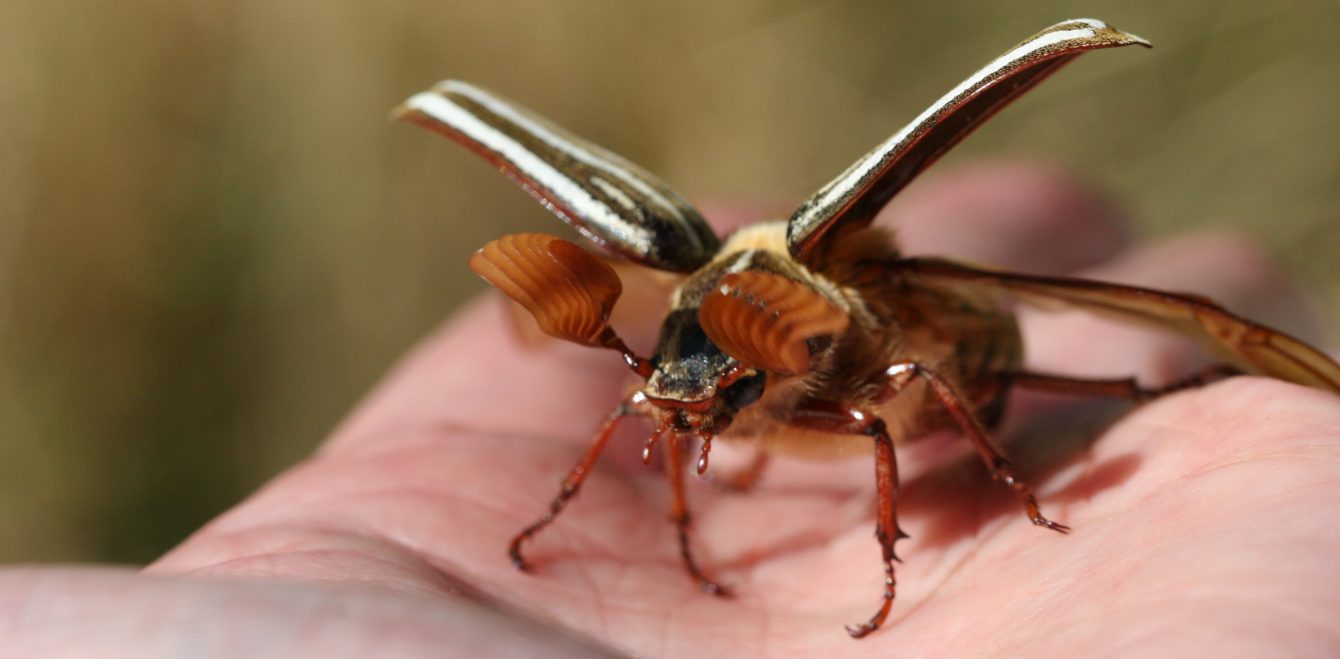
Diplotaxis sp. = 2

Strophosoma melanogrammum = 1

Wasps:

Ophion sp. = 1

If I may, I’d like to leave you with something to consider. When you rake your leaves and clean your yard – especially if you are burning, chipping, or bagging and removing all those things that fall onto the ground, you are eliminating habitat for native species. If you can refrain the urge to spring clean around your property, you can help support life.

These may be somewhat drab colored moths and you may not even like them, but they sustain other organisms, including plants, because moths are also nighttime pollinators. Each species has a niche, and a role in the ecosystem (and ultimately the food web).

Please take note of nature around you. It’s actually beautiful and mysterious. Whether you like it or not though, nature is life. Nature matters. Little things like leaving the leaves can make a difference. Care.

Thanks for reading.

April 2, 2025

I didn’t turn on my moth light last night. I thought about it, but supposed I just wasn’t feeling all that motivated. If I’m completely honest with myself, I am feeling a bit blue. Maybe more than a bit. I wrestle with feeling shut out of the “enviro” community on the island and have felt snubbed by some of the folks in certain organizations. Life on an island can be great, but there are times when it feels like you’re in a fishbowl. Some people don’t get beyond 8th grade social networks. Shrugging here. 🤷‍♀️ I am just going to continue to do my bug thing and if people want to connect, they are always welcome. Sometimes I get really great emails and feel like my efforts to share what I know about bugs matter. I hope so. We need bugs. Even the ones that aren’t perceived as charismatic as a butterfly or a bee.


Here’s a moth that made me think of a funny story to share. This one’s for my daughter. I hope she will get a laugh out of it. We used to have a rabbit named Izzy. Her full name was Izzy Belle Cottontail. She was supposed to be a wild rabbit. How did we come to have her? A neighbor’s dog killed her nest mates and she was the only one to survive. They brought her to me asking for help. She wasn’t but days or maybe even hours old. Her eyes were closed and her umbilical cord stump was still attached. I tried to give her to my rehabber friend, but she was overwhelmed. I ended up caring for Izzy. Bottle feeding every hour or so, even through the night. When she was old enough, we tried to release her. She ran back in the house and that was that. She came with us when we moved to Washington…all the way from Texas. If you want to see a video of Izzy, you can check out the YouTube link here: https://youtu.be/6S0qnwgzLbM?si=JsMYN8rG1Hfu67FB

Izzy Belle the Cottontail

So why does this moth in the video below remind me of Izzy? Well, Izzy had a really bad habit of chewing things. Rabbits have to wear their teeth down, but I think young rabbits just want to try everything out. One morning my daughter got up and came to get me. She said, “Mom, Izzy gave me sprigs.” She did indeed have “sprigs” of hair sticking up where Izzy had chewed off pieces in the night. Izzy gave me sprigs a few times too. In spite of her chewing and other unfortunate habits, we loved Izzy dearly and she lived a very long and happy life with us.


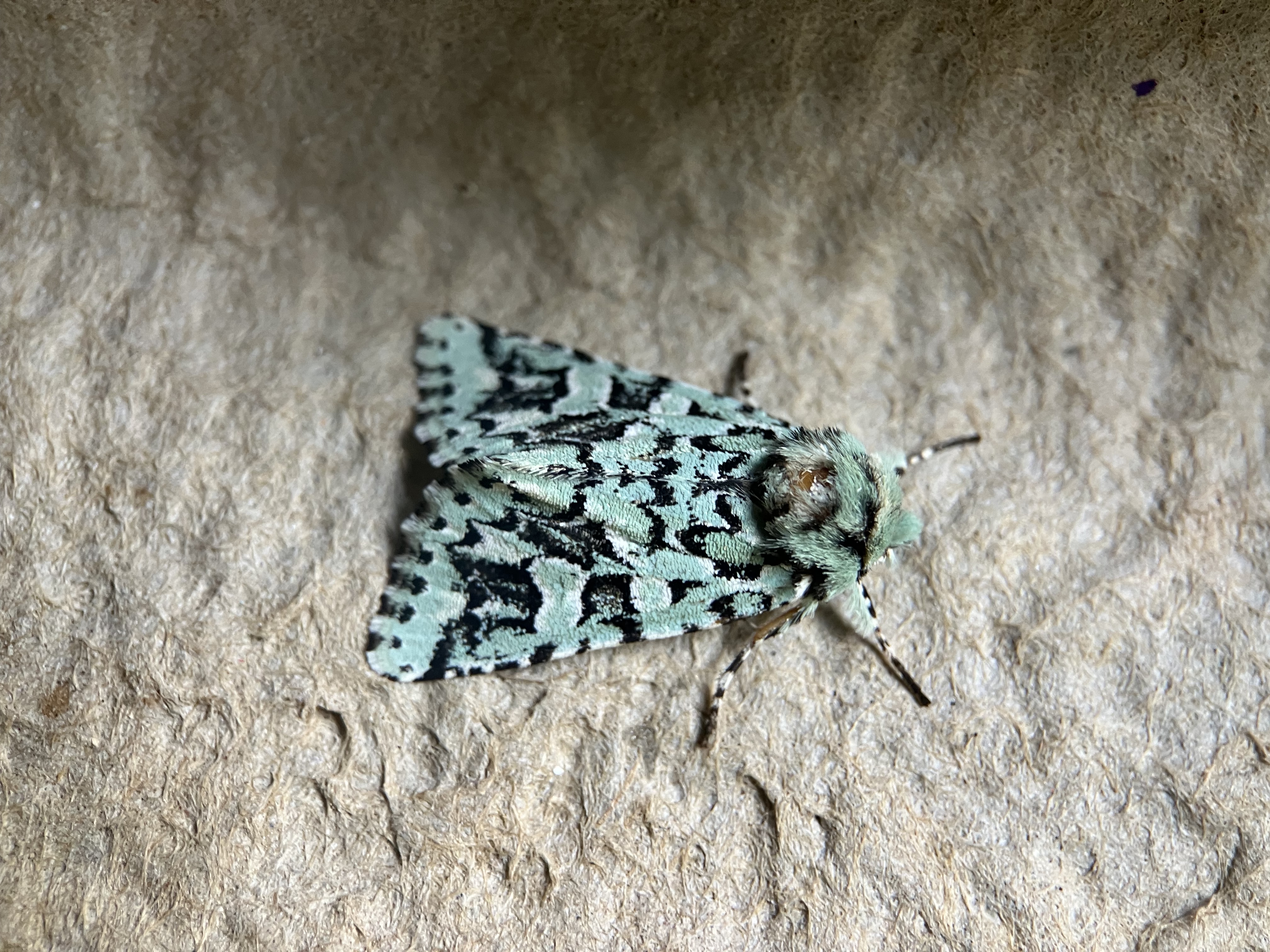
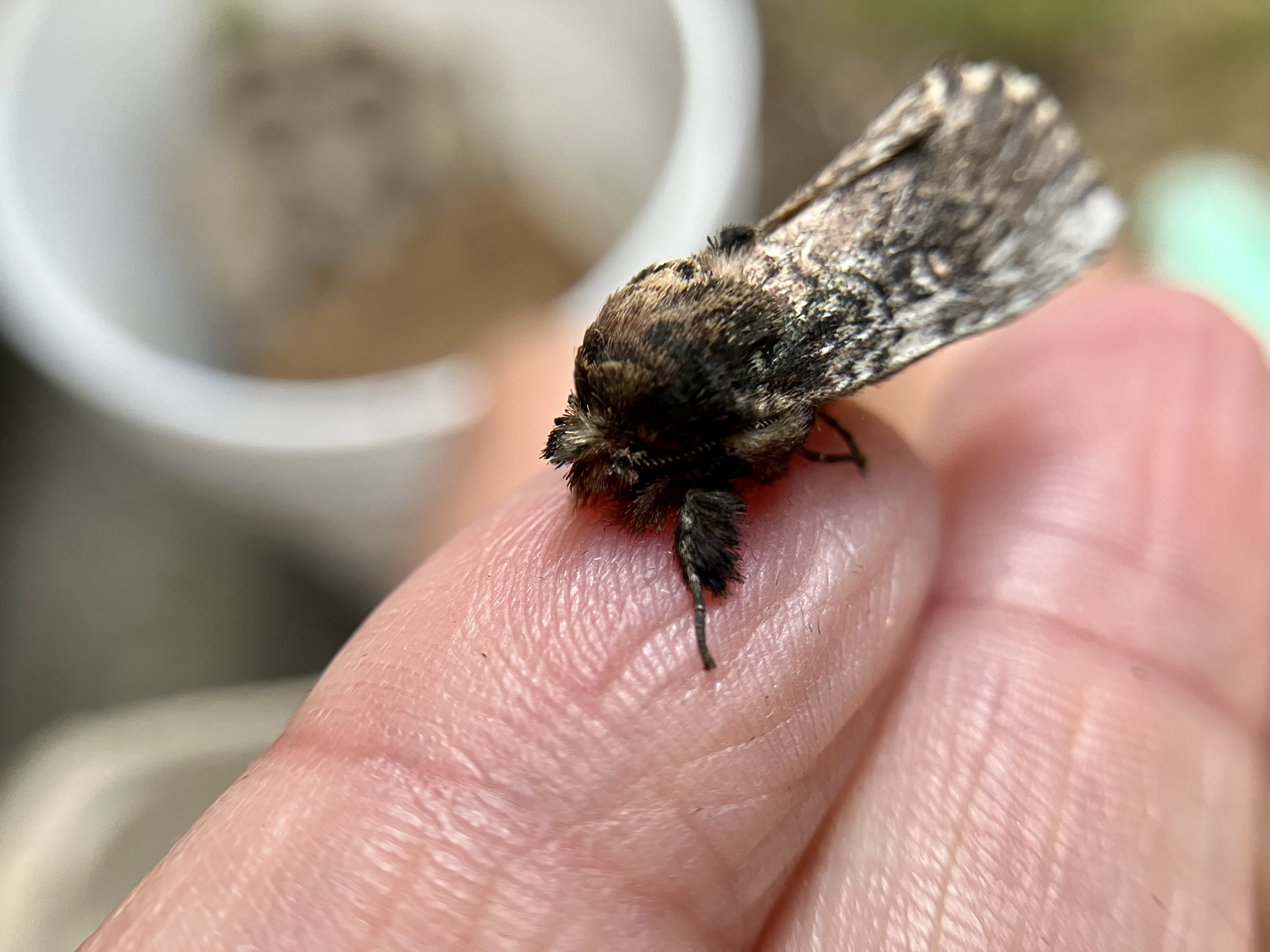
This little moth is Orthosia hibisci, the speckled green fruitworm moth. As you can see, it has little “sprigs” sticking up from the top of its head too. Those aren’t antennae, but they are cute! Orthosia hibisci is a moth in the Noctuid family. The caterpillars are sort of a generic green. They like chewing too, but fortunately, it’s limited to leaves. You might find them on willow, birch, maple, or other various deciduous trees (including fruit trees like plum and cherry). The adults are typically one of the earliest species to emerge in spring.

Orthosia hibisci, Speckled Green Fruitworm Moth, Observed April 1 2025 on San Juan Island, WA

Check out the links below to find out more about Orthosia hibisci

Bugguide.net https://bugguide.net/node/view/4865

Butterflies and Moths of North America https://www.butterfliesandmoths.org/species/Orthosia-hibisci

Moth Photographers Group https://mothphotographersgroup.msstate.edu/species.php?hodges=10495

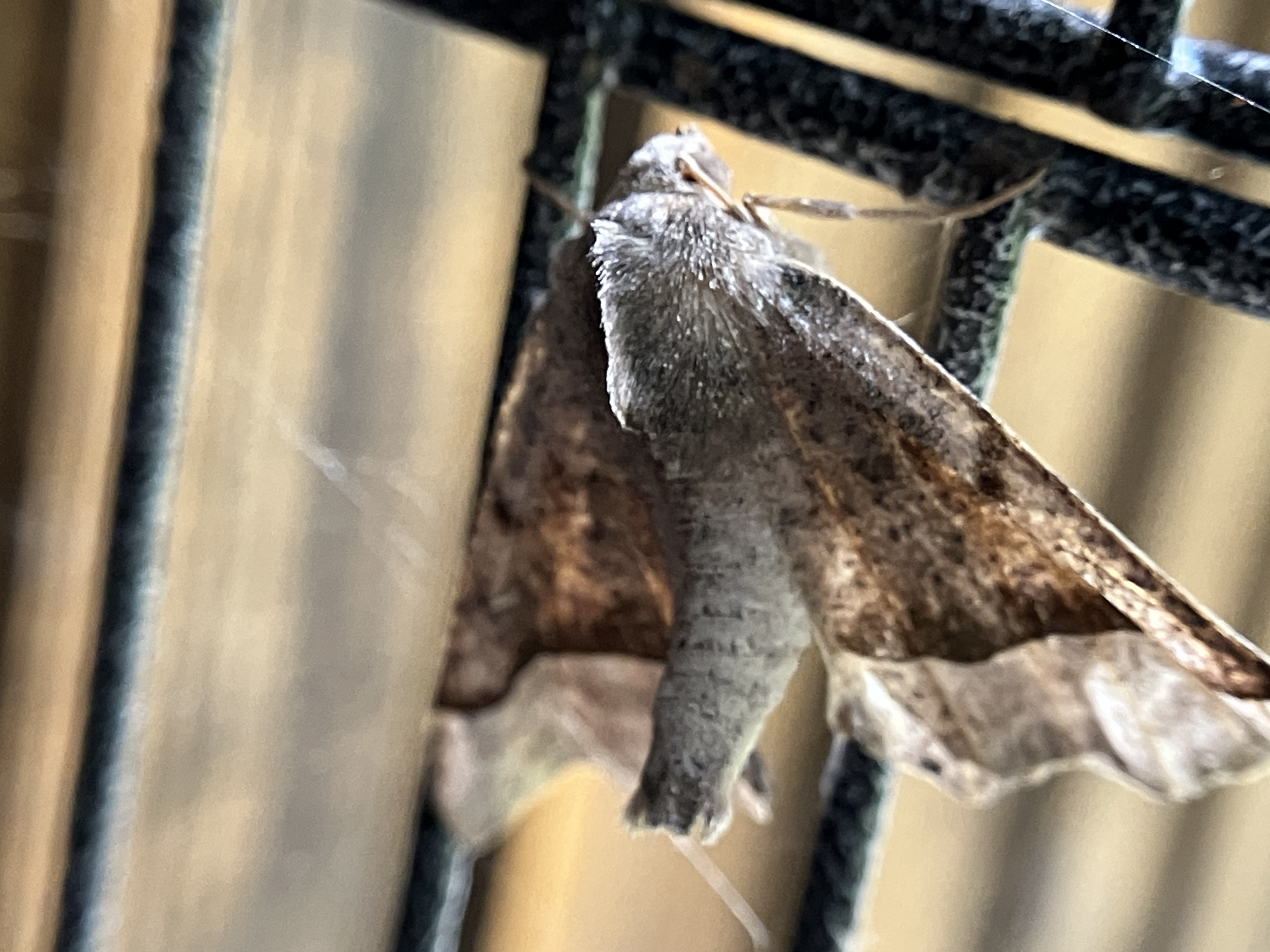
Apical Prominent moth (Clostera apicalis)

I had my moth light up last night and found a handful of specimens still hanging out this morning at 06:30 when I got up, grabbed my coffee and went to check the station since the birds tend to start counting my specimens if I don’t beat them to the job. The problem with the birds counting is they EAT as they count. It’s even more irritating when the Yellowjackets are competing for tally rights.


Here’s a moth that was new to me. This is the Apical Prominent moth (Clostera apicalis). It is in the family Notodontidae (Prominent Moths),Subfamily Pygaerinae.

Clostera apicalis uses birch, poplar, and willow as host plants for larval development and sometimes the larvae form communal nests woven of silk threads.

The geographic range of this species is recorded from the northeastern and western U.S., across Canada, and north into the Northwest Territories. In the North, the species is univoltine ( one generation per year), and in the south, bivoltine (two generations per year). You will find adults flying from the months of May to August and larvae developing in August and September.

References

Bugguide.net https://bugguide.net/node/view/25181

North American Moth Photographers Group http://mothphotographersgroup.msstate.edu/species.php?hodges=7901

Thanks for stopping by!

Cutworm parasite

I’m doing a short write up of this fly just to get you thinking a bit.  It was observed April 29, 2024 on San Juan Island, WA. While identification to Genus/Species may not be possible until I can actually catch a specimen to be keyed out, it is Family Tachinidae and Tribe Goniini.   Hoping to come back with at least a Genus update at some point. 

What I want to SHARE is the life history of this tribe of flies.  The Goniini flies are parasites of various Lepidoptera, mostly Noctuids, Arctiids, and Lymantriids.  Translating this for you a bit, it would be cutworms (if you’re a gardener) , tiger moths, and tussock moths.  

How does this play out? 

The female Goniini fly lays a “black microtype,” usually ovate and flattened egg, varying in size from very small to medium, on foliage utilized by the feeding host caterpillar.  The caterpillar (usually Noctuids) munch the foliage, ingesting the fly egg.  The caterpillar will continue feeding and then wander off to complete its life cycle as a pupa. At some point after ingestion by the caterpillar, the fly egg hatches and the fly larva develops inside the body of the pupating moth that is inside its chrysalis.  

A myriad of ecological relationships exist in nature that are often unobserved. Many remain undescribed or unknown. Sometimes, they are disrupted by humans who intervene out of ignorance. If you’re one of those folks who squish what you believe are cutworm pupae in your garden bed, you might be smooshing the pest predator developing inside.

Noctuid moth pupa

References

  1. No Author. 2024. Tachinidae. Spencer Entomological Collection. Beaty Biodiversity Museum. https://www.zoology.ubc.ca/entomology/main/Diptera/Tachinidae/
  2. Wood, D. M. 2013. Manual of Nearctic Diptera. Tachinidae Resources. https://www.uoguelph.ca/nadsfly/Tach/Nearctic/Manual/Manualhome.html
  3. Cole. Frank, R. 1969. The Flies of Western North America. University of California Press. Berkeley, CA.

Salal (Gaultheria shallon), a native plant to nurture

Salal patch in forested area – San Juan Island, WA

I feel compelled to write up a short blog piece this morning before I move on to other tasks of the day. Last week, I tried to address some disturbing misinformation on social media about a native plant in the Pacific Northwest. The plant is a woody evergreen shrub, Gaultheria shallon or Salal. The misinformation is coming from a few folks insisting that Salal burns easily and should be removed in “fire-wising” around your home.

I have some genuine issues around the extreme measures some folks take in fire-wising, as well as the lack of knowledge around the impact these extreme measures have on ecological relationships. The fire-wise practices of removing all forest understory are incredibly destructive.

Removing the understory impacts your forest trees by exposing the soil to drying out much faster, it also removes habitat (shelter and food) for many many species of birds, lizards, flying squirrels, and others. When you pull out Salal, you are taking away an important winter food resource deer browse upon, the berries that feed birds, and the leaves that support the development of our native Brown Elfin Butterly (Callophrys augustinus).

Callophrys augustinus – May 27, 2023

But don’t just take my word on the importance of this native shrub. If you are still concerned about protecting your property, be resourceful and smart about what actions you take. Figure out how to cache enough water over the winter to irrigate around your property and keep things from drying out. Follow local guidelines during burn bans. Use common sense when things start to dry out more in summer/fall. Care a bit about the creatures (including the trees, shrubs, and plants) that call our island home.

For more assistance, see the various resources below. If you don’t still don’t find what you need, our local county conservation district is one of the best places to go for additional help.

References:

Brown Elfin Butterfly (Callophrys augustinus) https://bugguide.net/node/view/3049

Pacific Northwest Native Plants Magic Books (Gaultheria shallon) https://sites.evergreen.edu/nativeplantmagicbook/salal/
Salal, Galtheria shallon . Native Plants PNW http://nativeplantspnw.com/salal-gaultheria-shallon/

San Juan County Conservation District https://www.sanjuanislandscd.org

Fire Resistant Plants for the Puget Sound Basin. King County Forestry Program. https://your.kingcounty.gov/dnrp/library/water-and-land/forestry/forestfire/FirewisePlantsPugetSoundBasin-2011.pdf

Wildfire Preparedness San Juan County – https://www.sanjuancountywa.gov/DocumentCenter/View/21430/Wildfire-Fact-Sheet

Washington State DNR – Fire Preparedness. https://www.dnr.wa.gov/firewise

In the News! Night-flying moths are better pollinators.

Something out in peer-reviewed science that will interest you for Moth Week 2023! Brazilian researchers found night-flying moths to be more effective than daytime pollinators –https://journals.plos.org/plosone/article?id=10.1371/journal.pone.0281810

#mothweek2023#MothWeek#bugsofthesanjuanislands#buggingyoufromsanjuanisland

And, here’s a lovely moth I found at my moth light this morning!

Morning-glory Prominent (Schizura ipomaeae), I believe.

San Juan Island, WA

National Moth Week, 2023 – Day 5 in the San Juan Islands

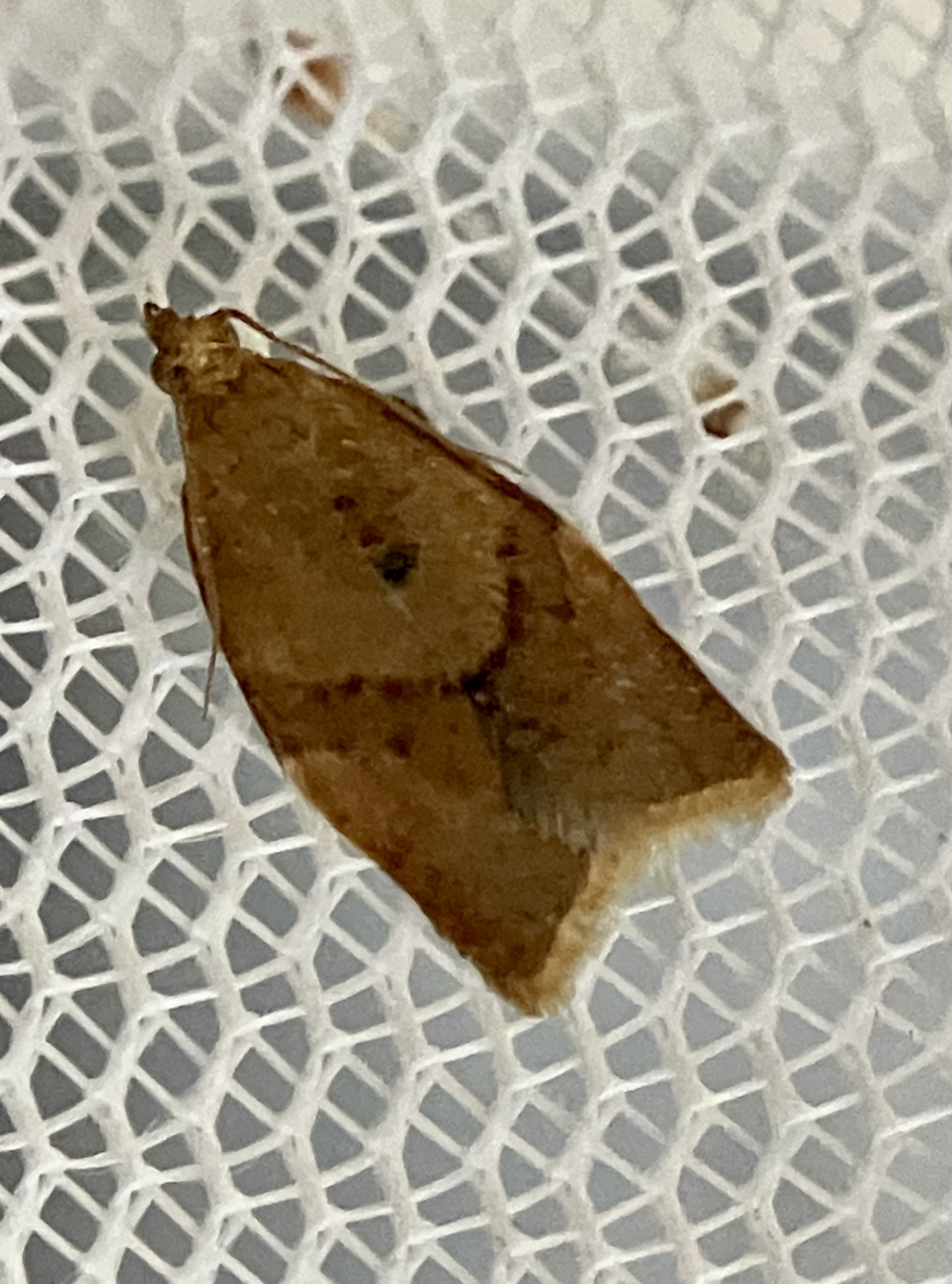
Last night I tried out a black light tube instead of my UVB light or the miserable fail of the switched-off porch light I wrote about yesterday. My thoughts on the black light? Not effective. Either the light was the issue or there just weren’t many moths flying about last night at all. I did find a few moths. Mostly, I found small micro-moths. Some are hardly noticeable at all. At first glance, you could mistake them for a drop of bird poo on the bucket. In a tree or shrub, you might miss them entirely. It takes magnification to see them clearly.

Tonight, I’m going to go back to the UVB tube light. Hopefully with better results. If you’re interested in knowing more about MOTHING or finding out about National Moth Week, feel free to reach out or check out the link here – https://nationalmothweek.org

Here’s my Gallery for Day FIVE. Thanks for stopping by!


National Moth Week, 2023 – Day 4 in the San Juan Islands

Last night’s mothing efforts were a giant FAIL. It rained in the San Juan’s yesterday. When I went to turn on my UV light before bed last night, I discovered it was soaking wet. I didn’t want to be the first known MOTHING casualty by electrocuting myself, so I turned on our porch light instead. 💡

What could possibly go wrong?

My husband got up at 2 AM and turned out my light. GRRRR. Hubby is in the DAWG-HOUSE! 🤣 Woof! 🐶

No moths to post today, but this gives me an opportunity to write up the first of a series of posts I’ve been meaning to work on. Stay tuned for WHAT’S BITING ME?

Thanks for reading. Hopefully, I will be back with some more moths tomorrow.

National Moth Week 2023 runs through July 30. Learn more here – https://nationalmothweek.org

National Moth Week, 2023 – Day 3 in the San Juan Islands

Here’s today’s grouping of moths from last night’s mothing effort. It’s raining today in the San Juans. We sure do need the rain since it’s been so dry, but I got pretty wet outside this morning trying to sort moths and take photographs. The moisture will definitely be good for insect populations and also keep my flower garden blooming a bit longer this season.

If you’re interested in learning about what species of moths (or other insects and spiders) we have in the San Juans, feel free to reach out. I am always happy to answer questions. For anyone interested in participating in National Moth Week, here’s a link to their website – https://nationalmothweek.org


Moth Gallery

« Older Entries