Counting Bugs: What’s at the light in the night? April 20, 2025
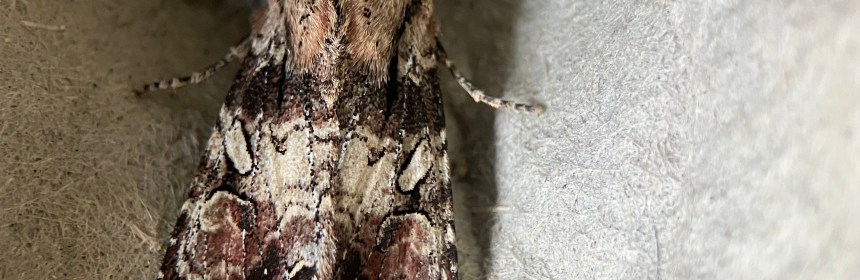
Here’s a quick rundown of what I spied at my bug light when I checked this morning. I did move the bucket and light to a new location across from our house in our open air barn.
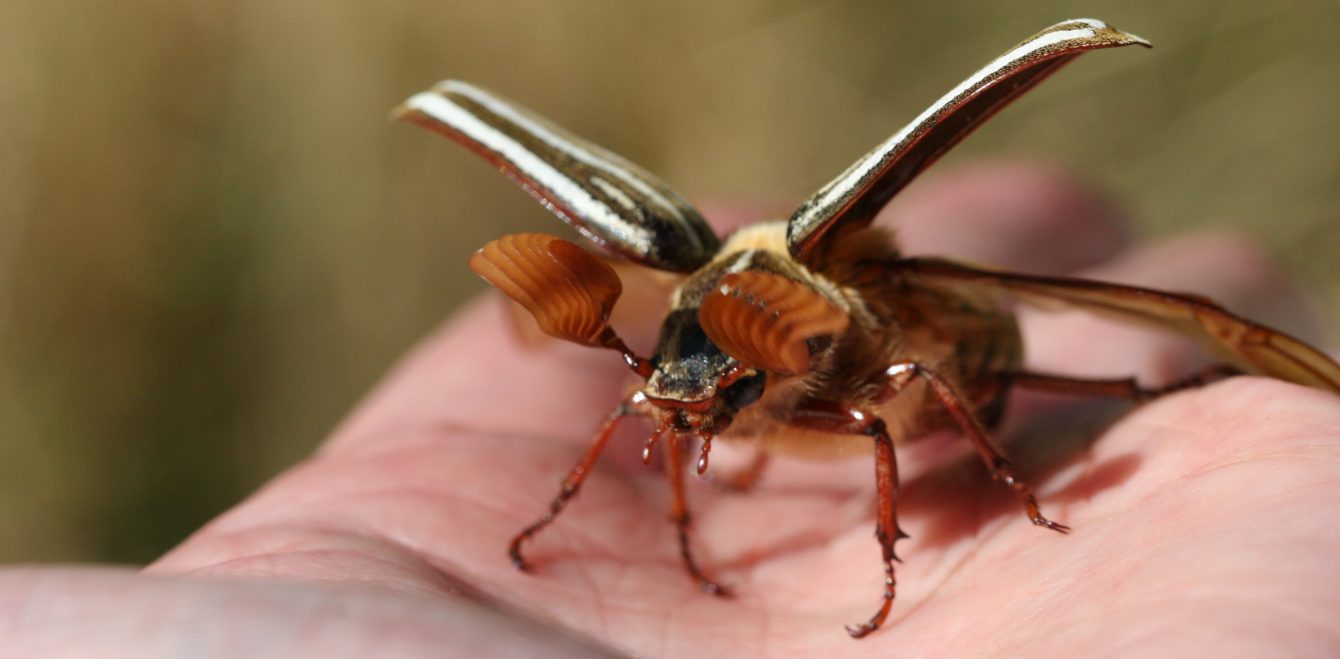
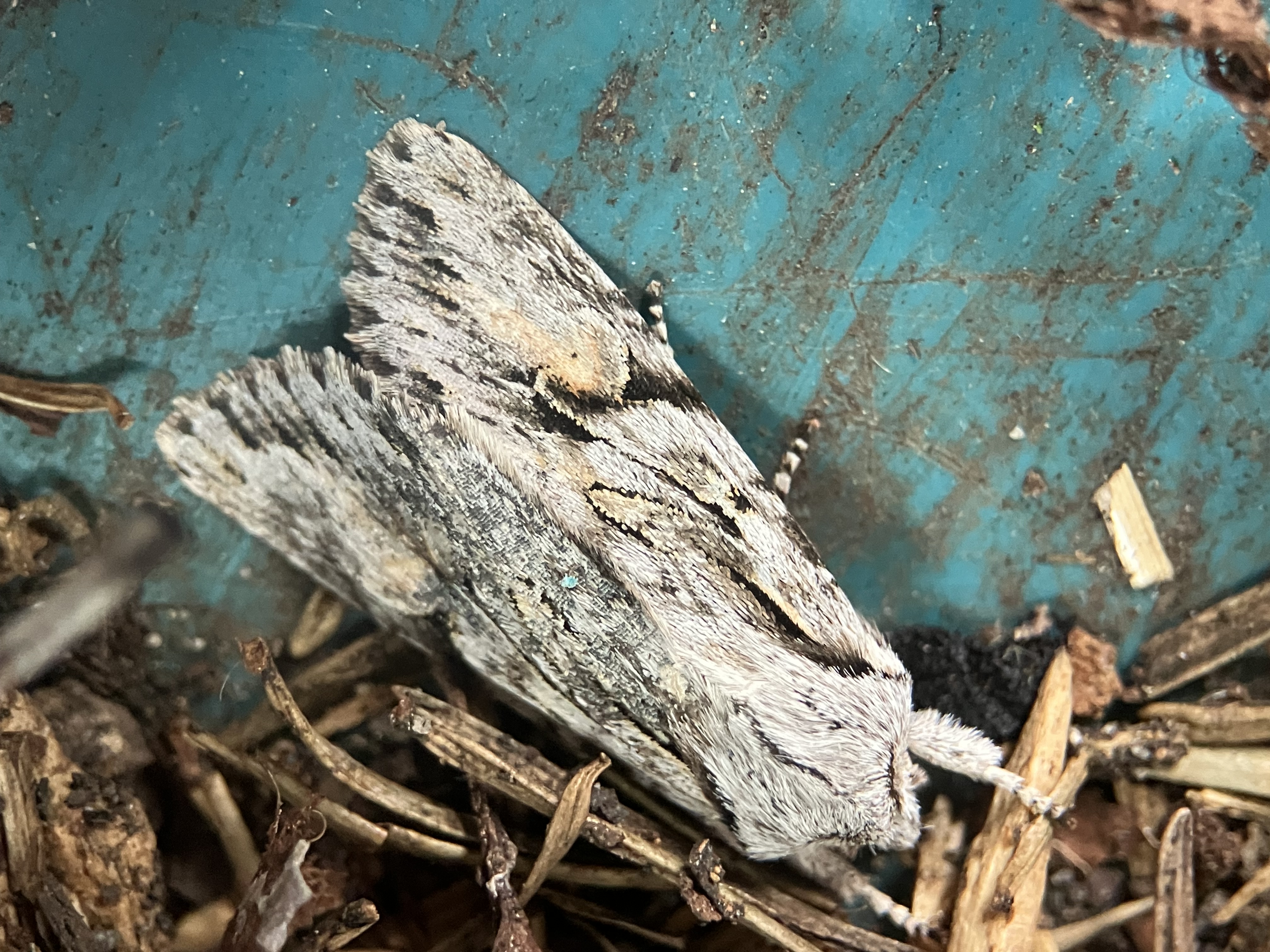
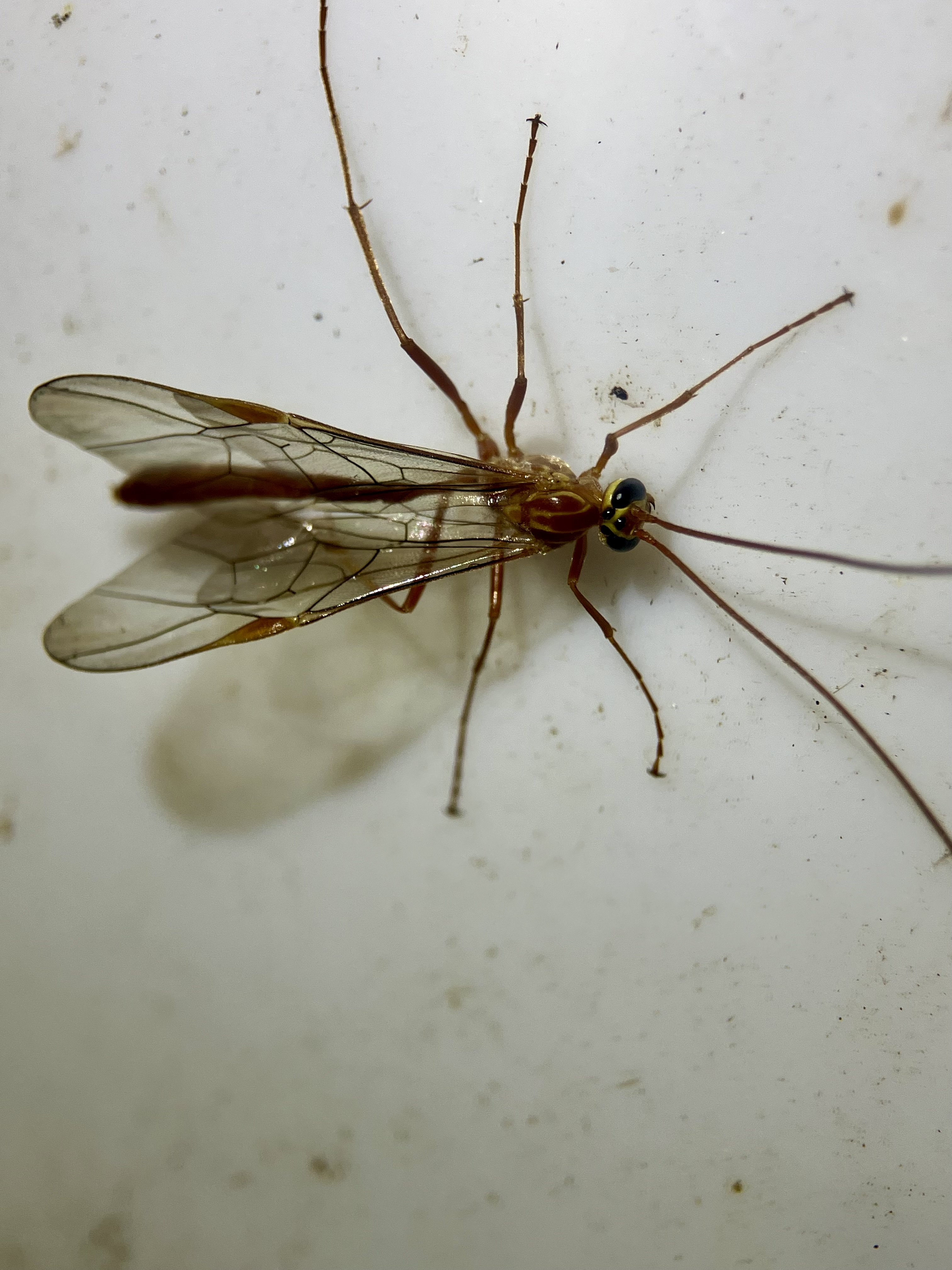
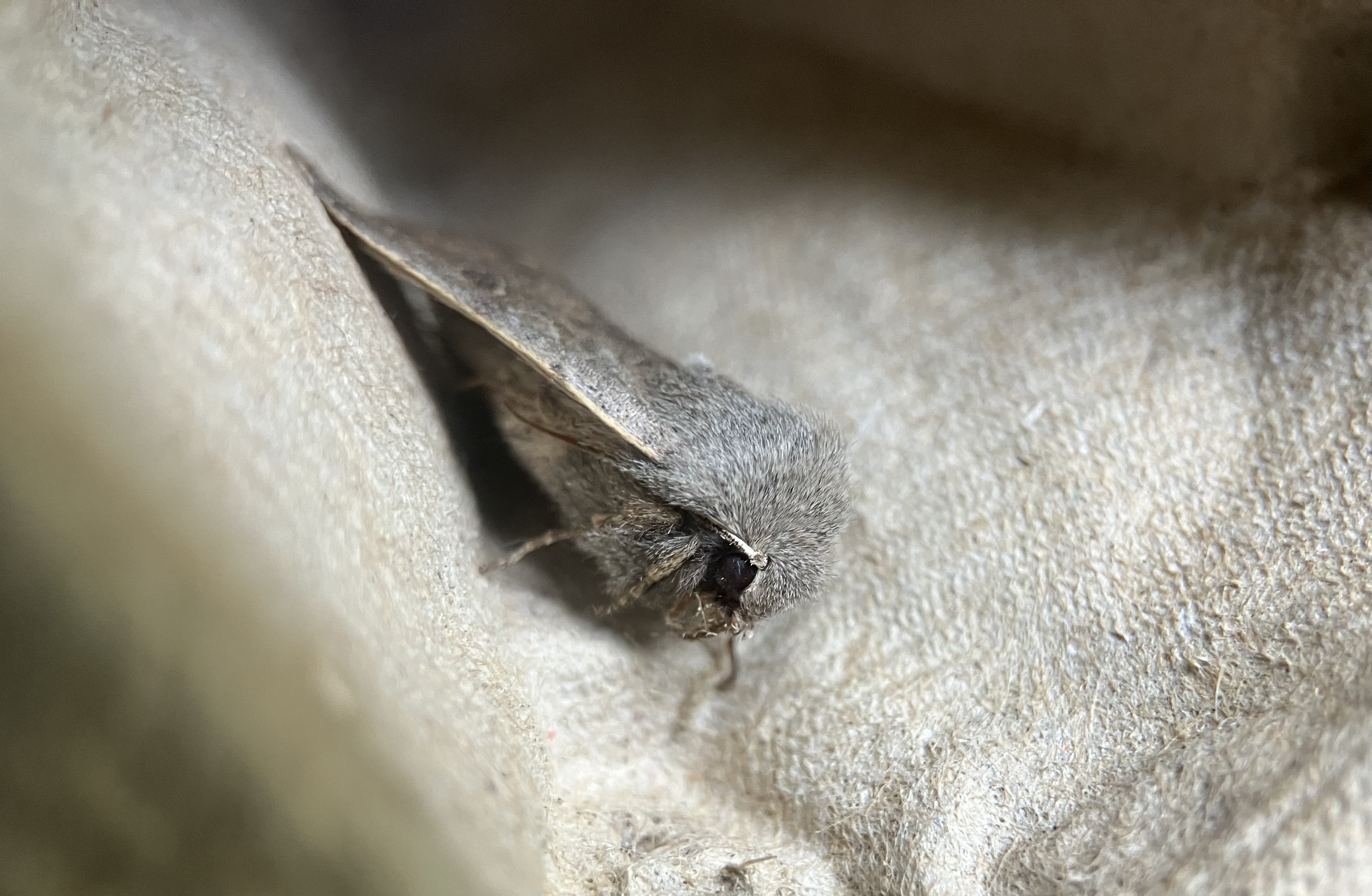
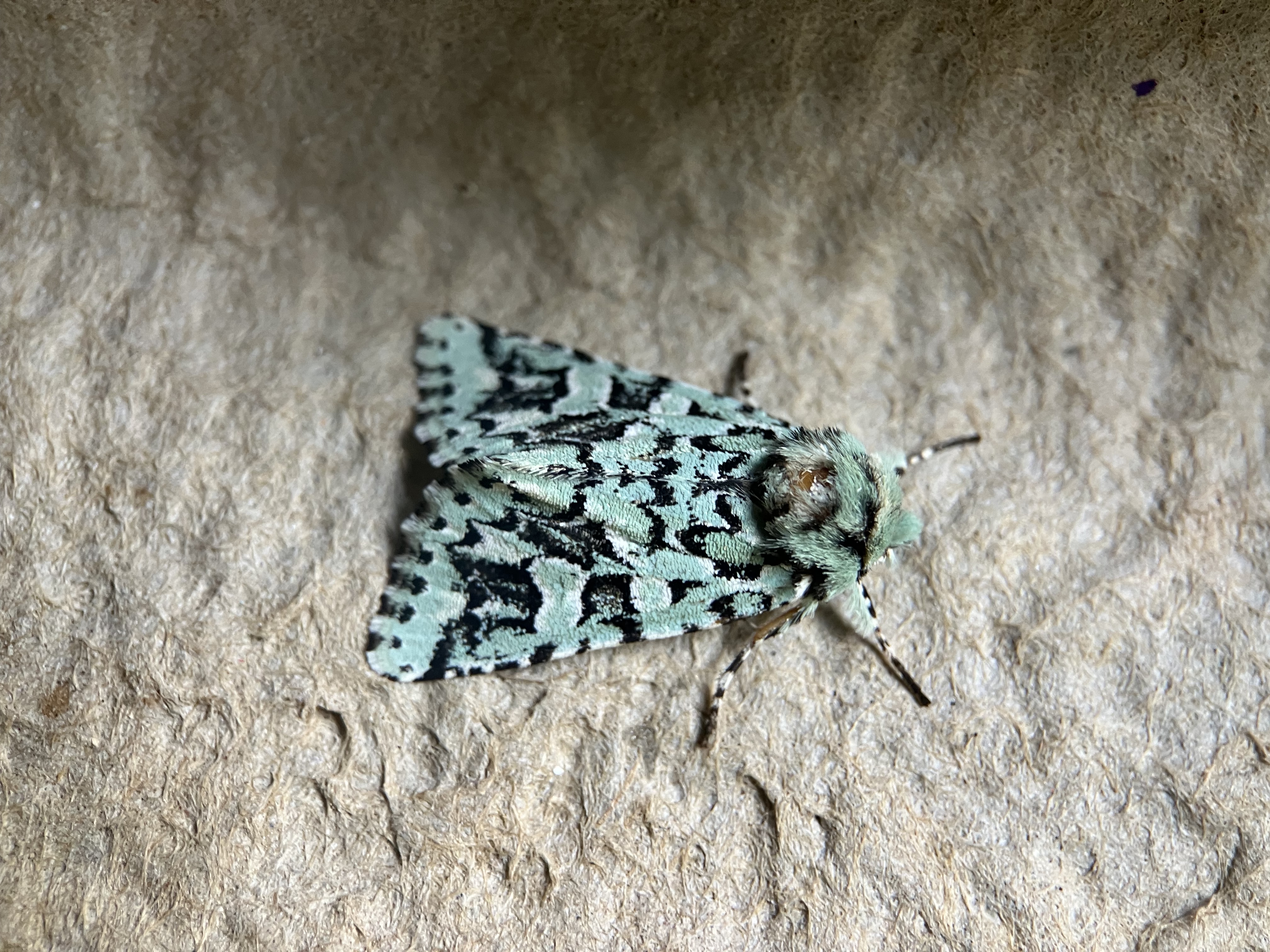
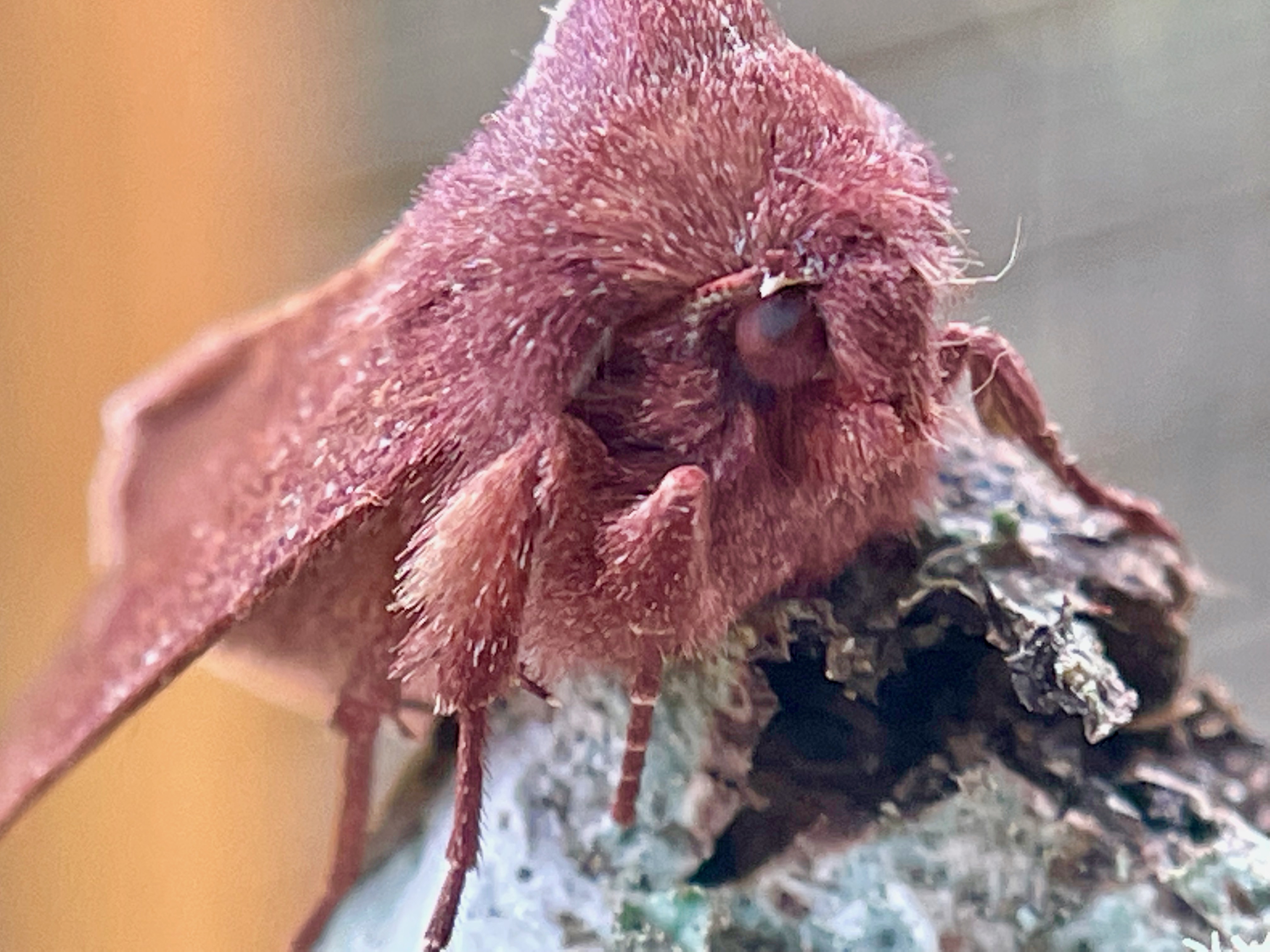
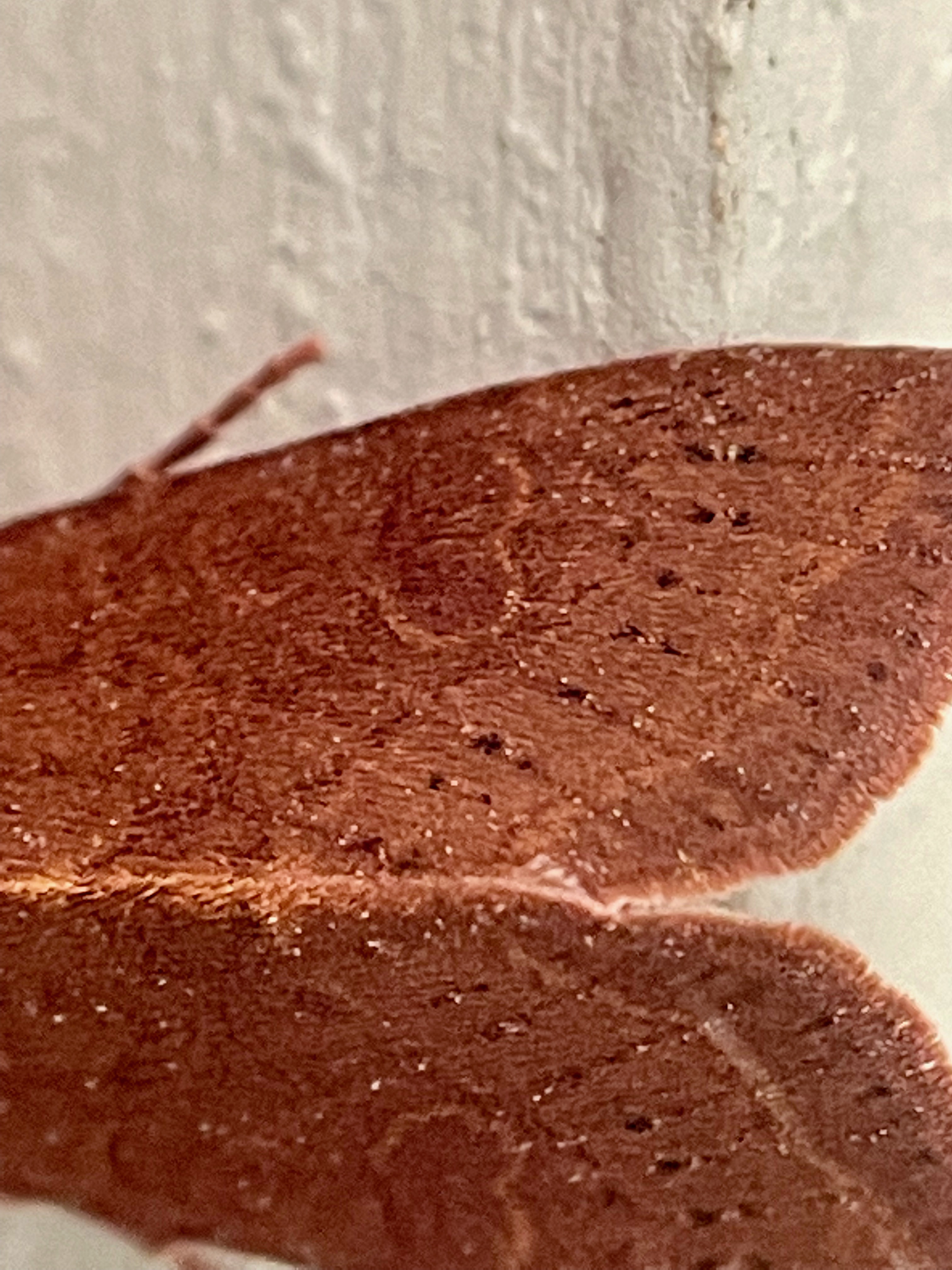
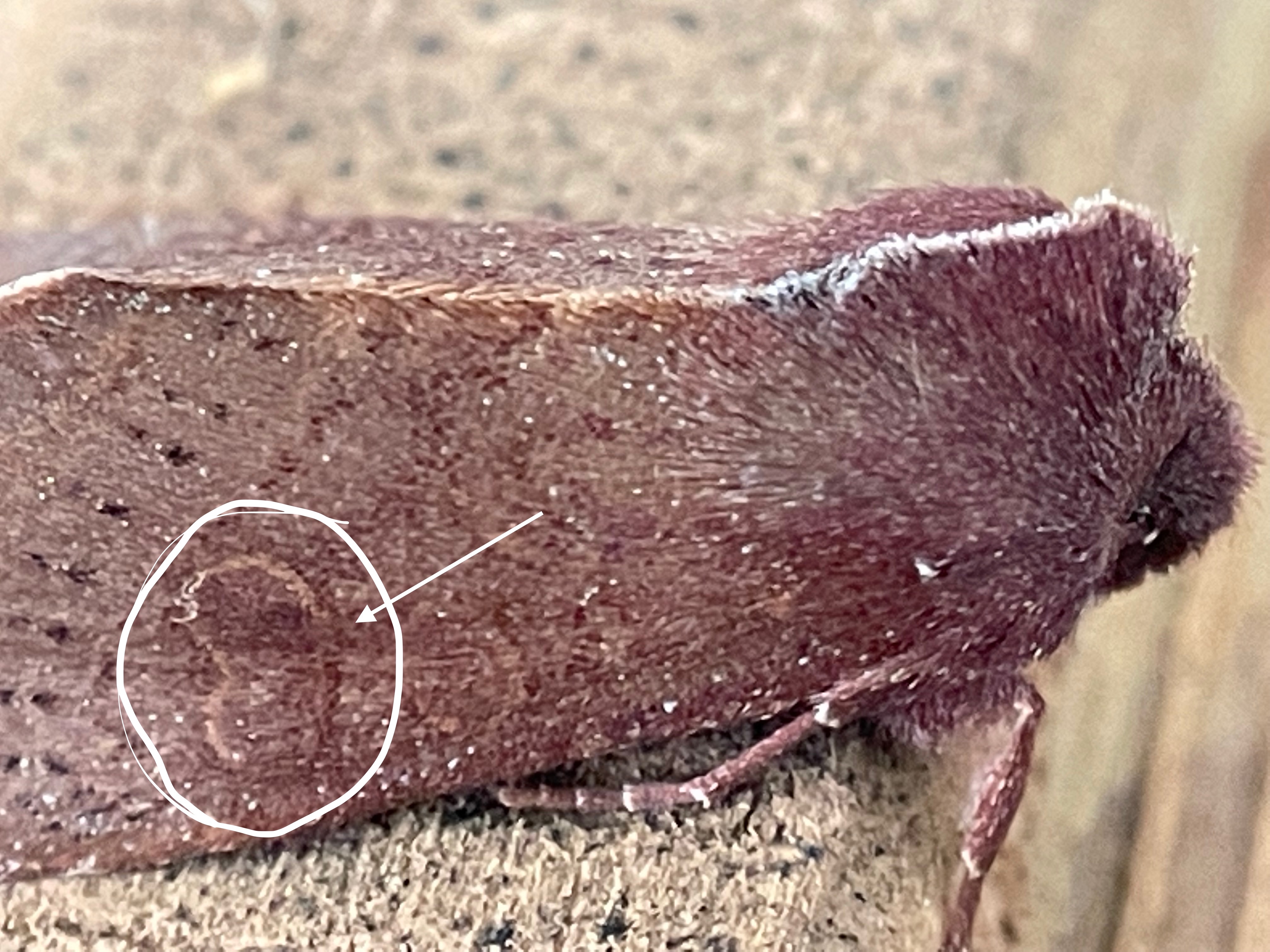
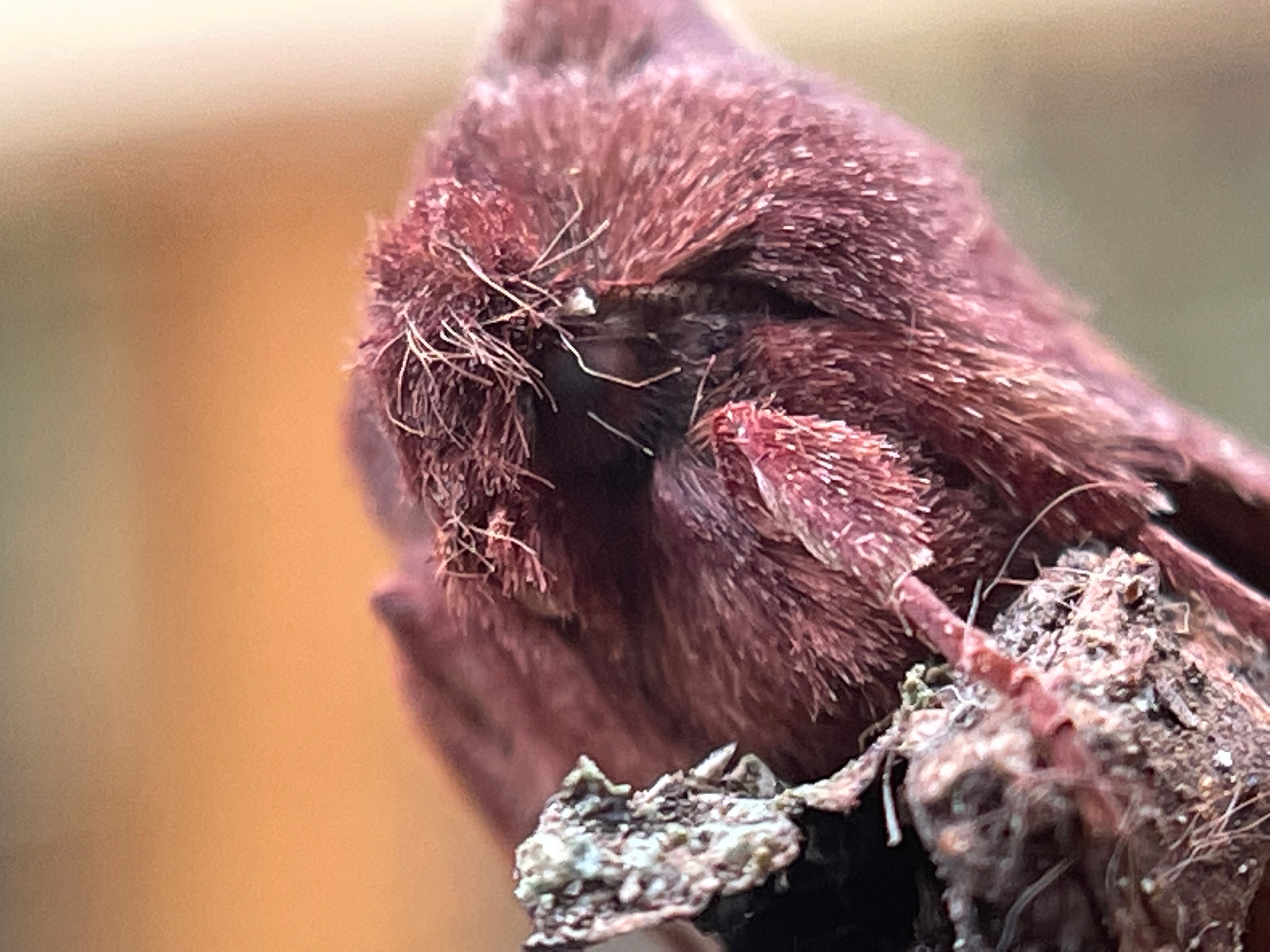
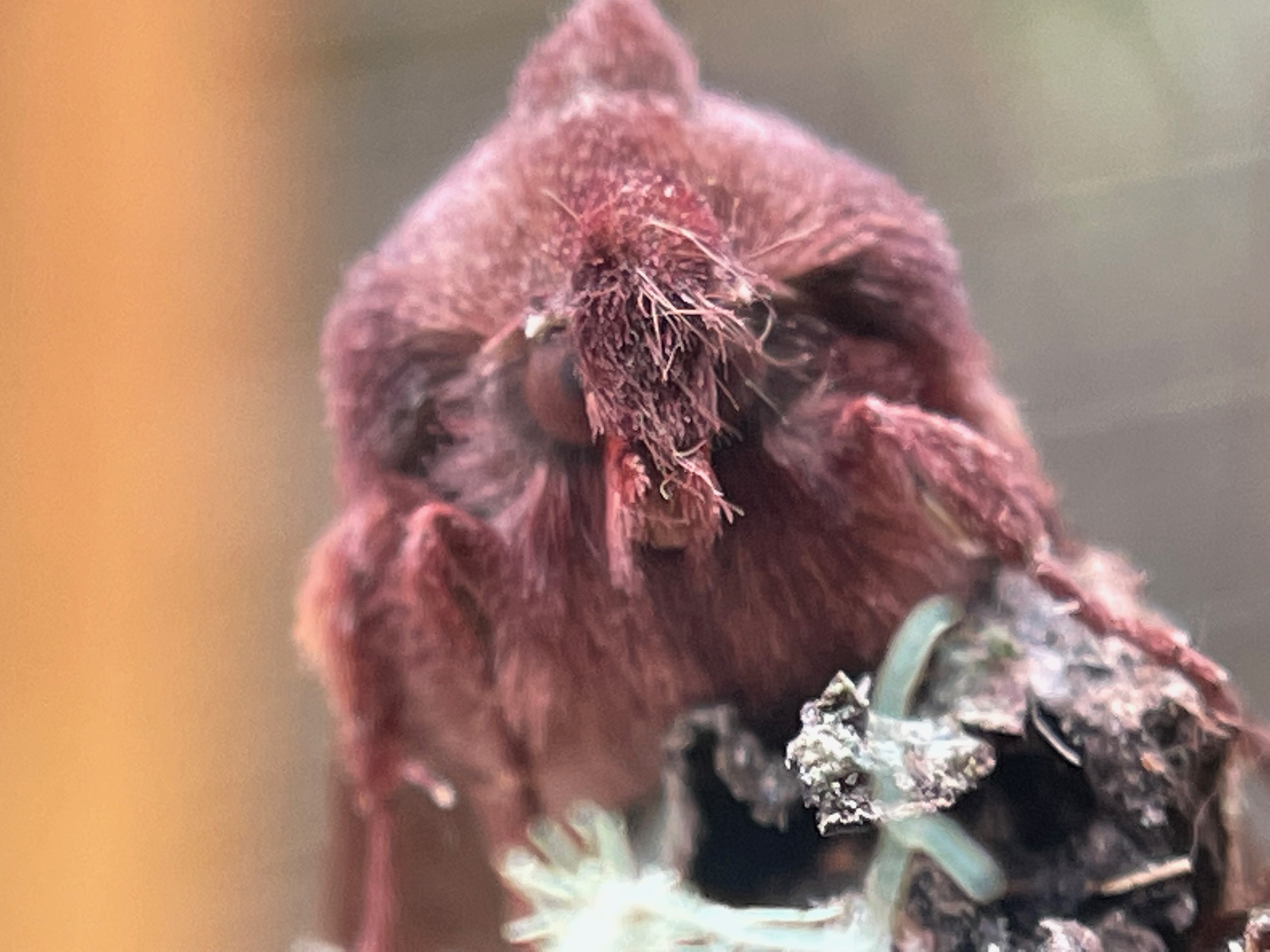
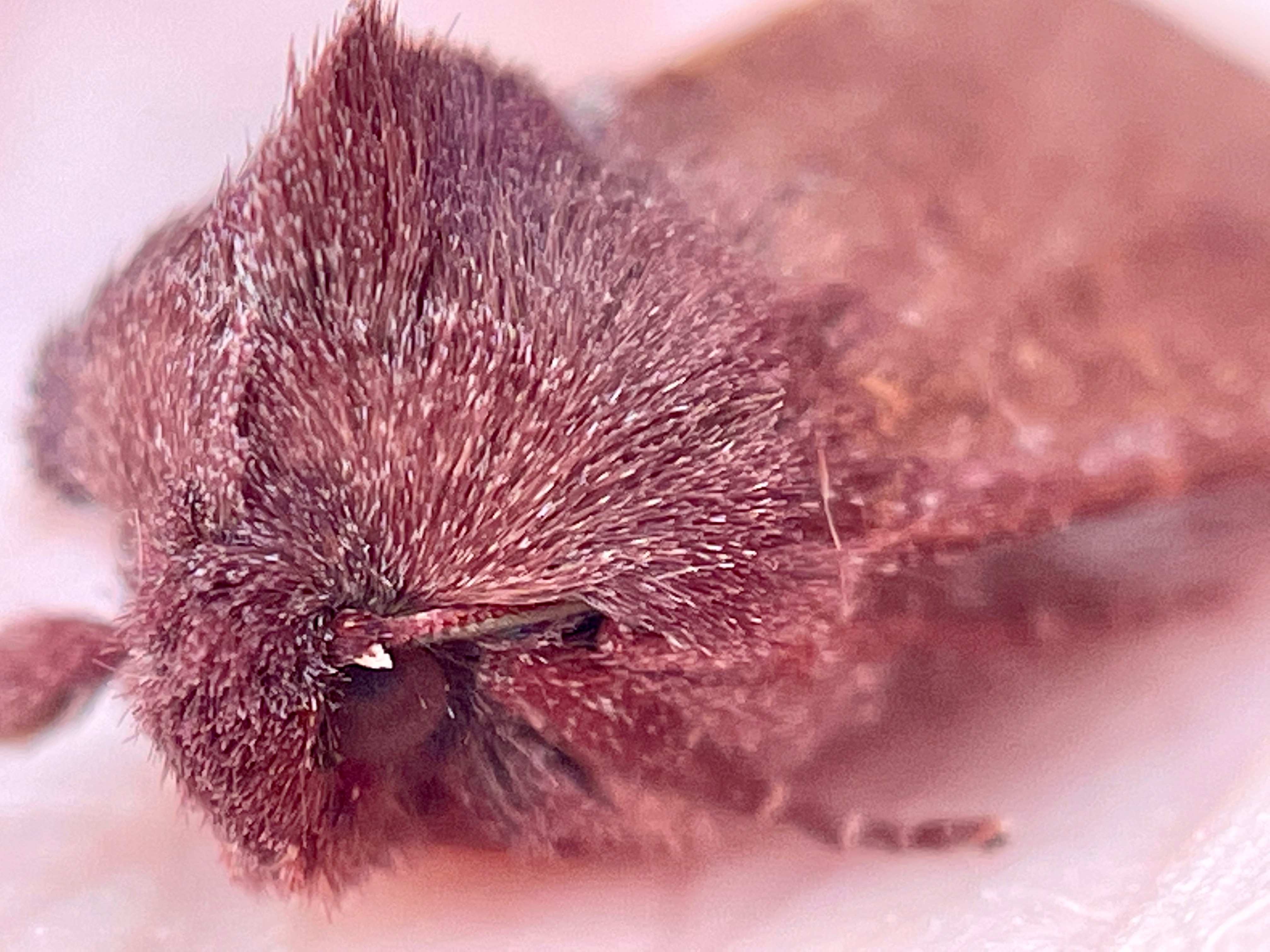
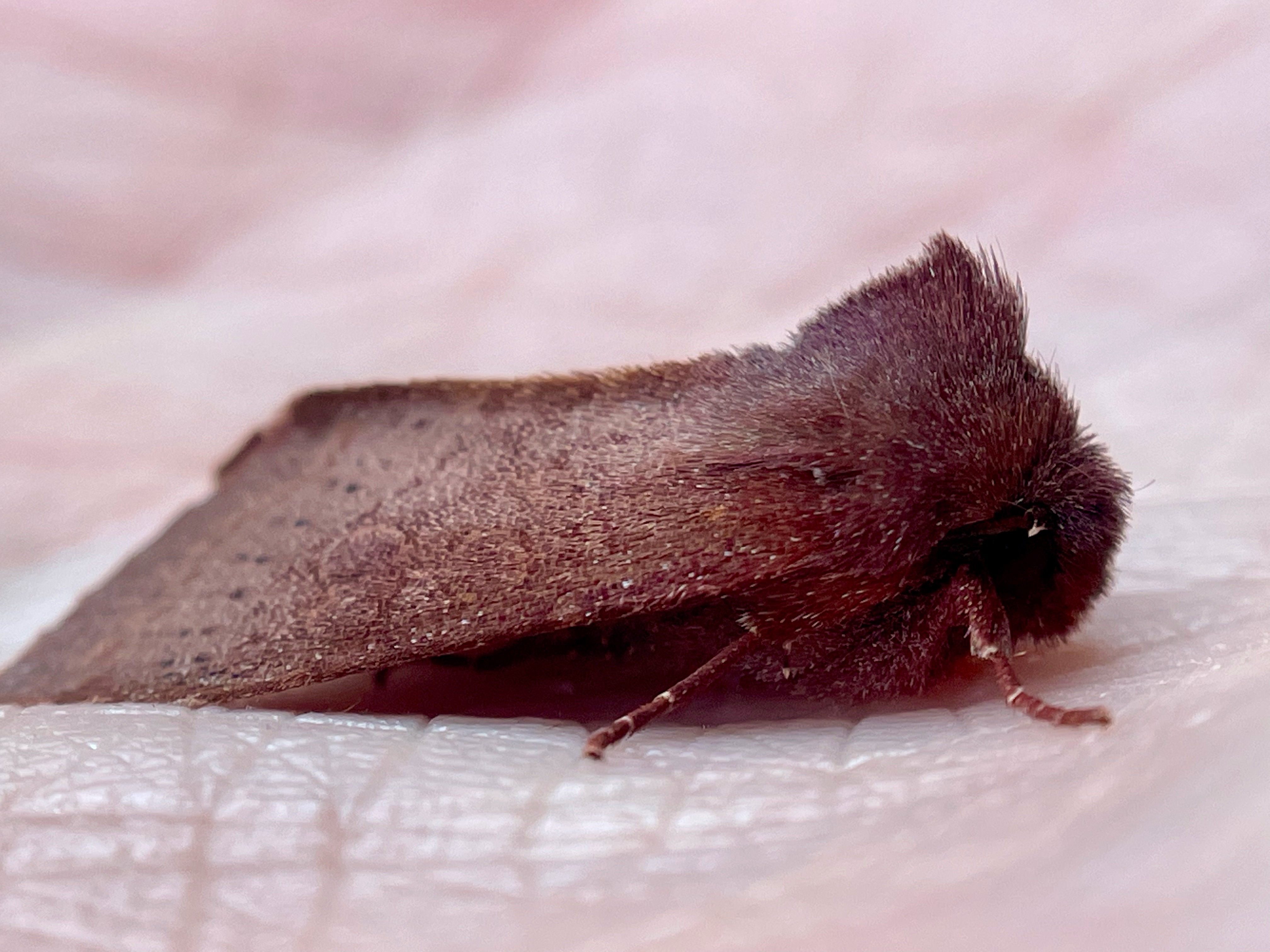
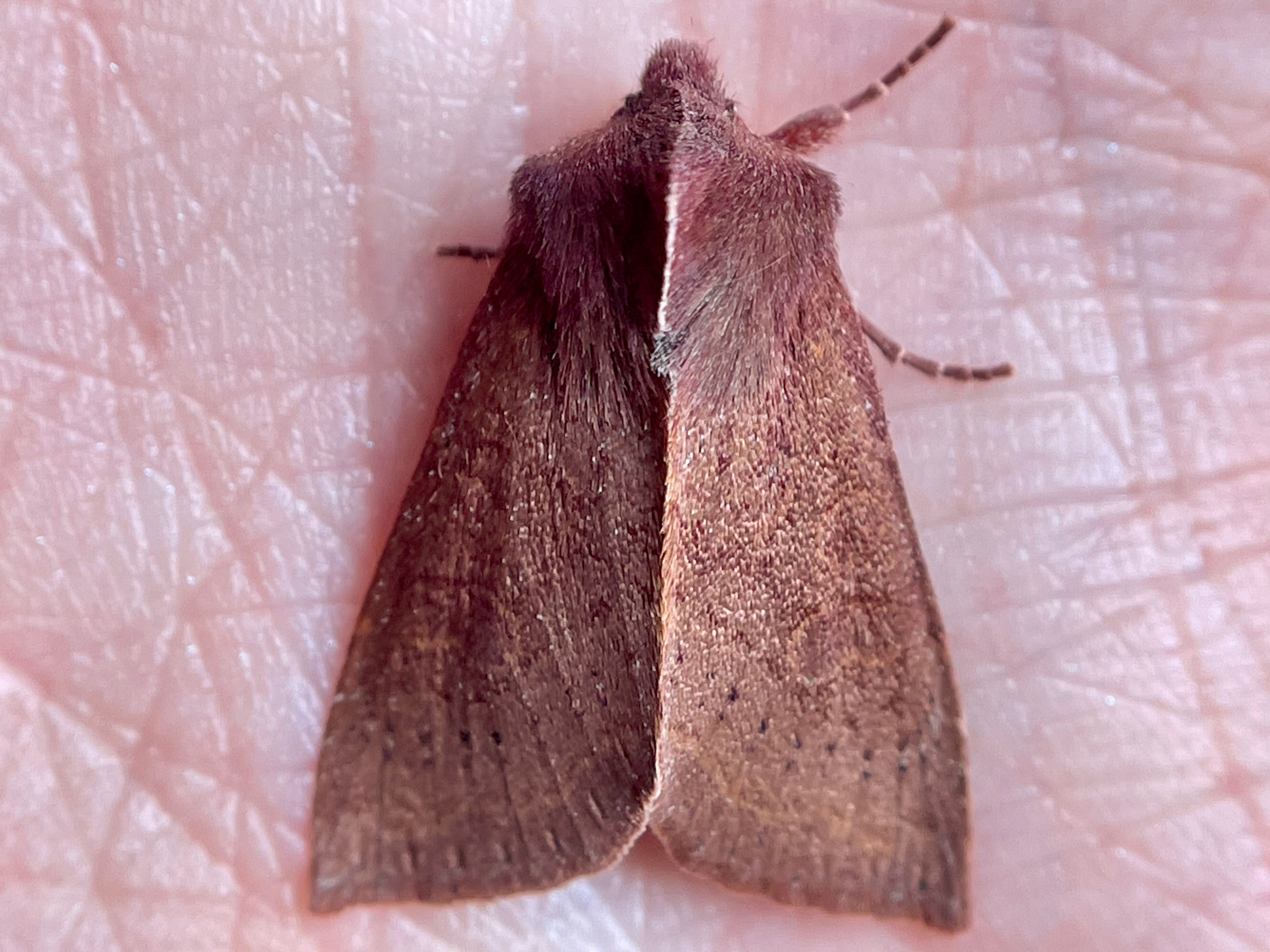
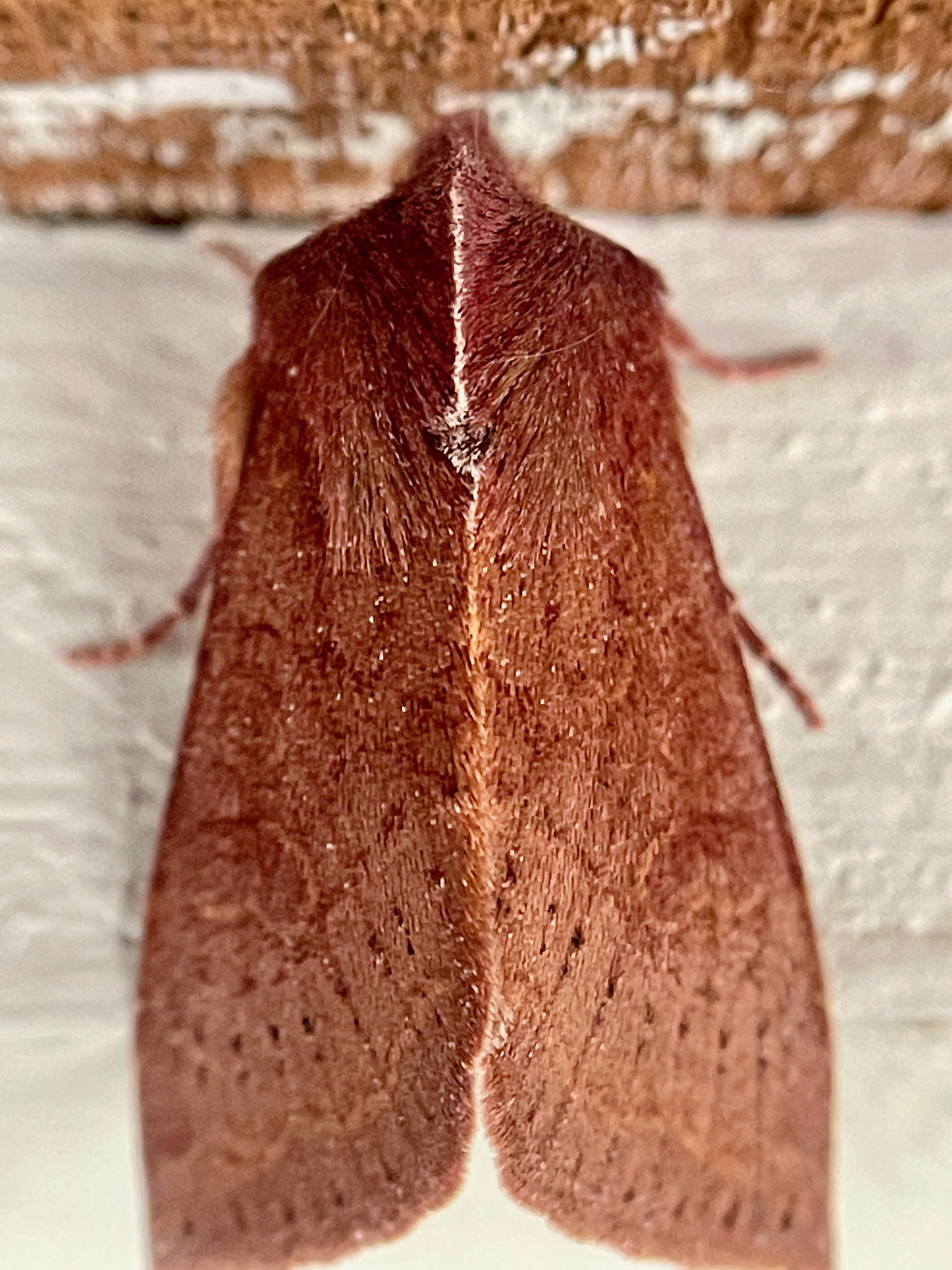
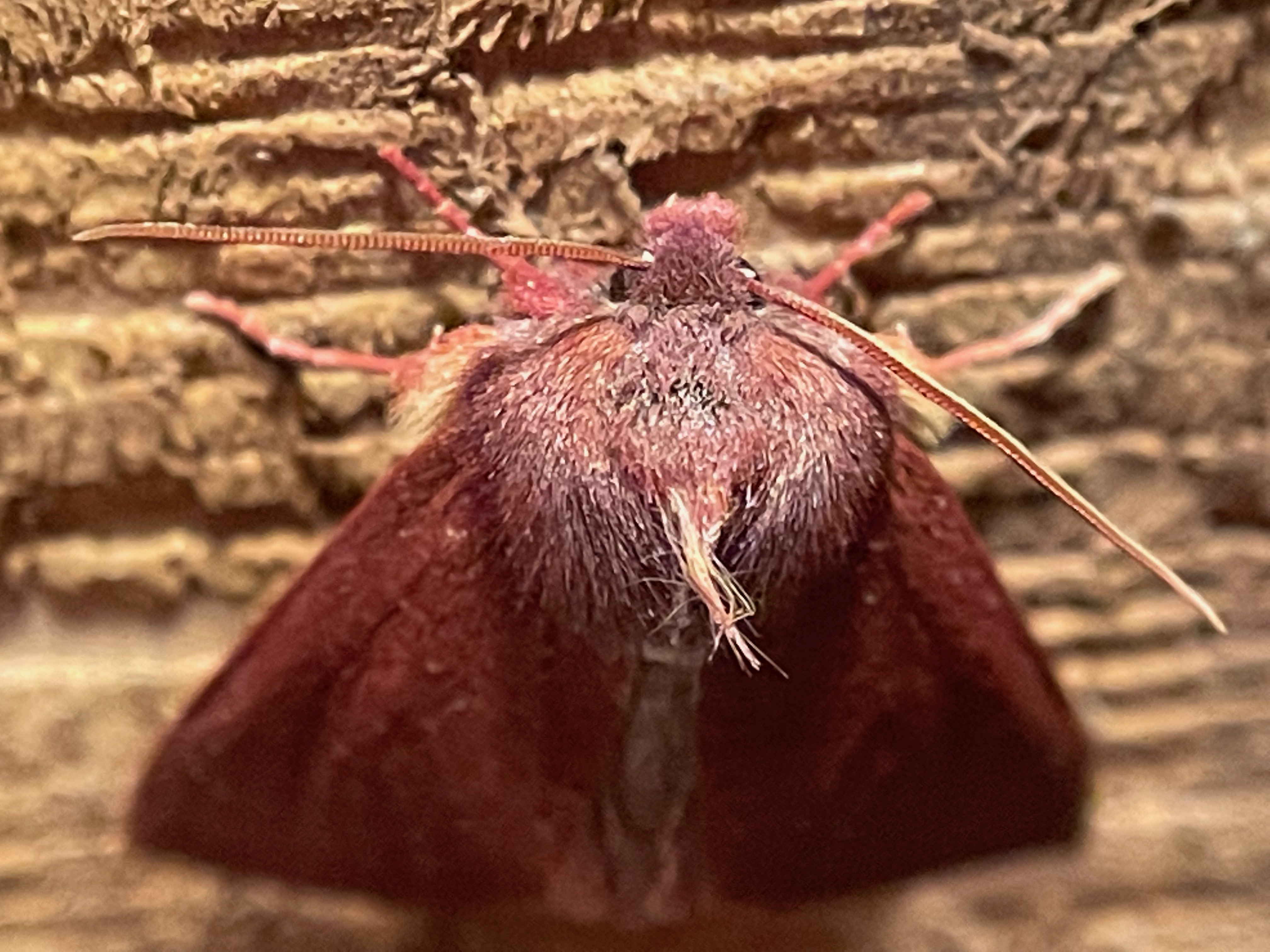
There were nine species of moths (31 individuals), two species of Coleoptera (beetles), and one wasp that I believe is Ophion sp.
Moths:
Egira perlubens = 1
Egira (either E. simplex or E. crucialis) = 3
Egira rubrica = 1
Orthosia transparens = 5
Orthosia hibisci = 8
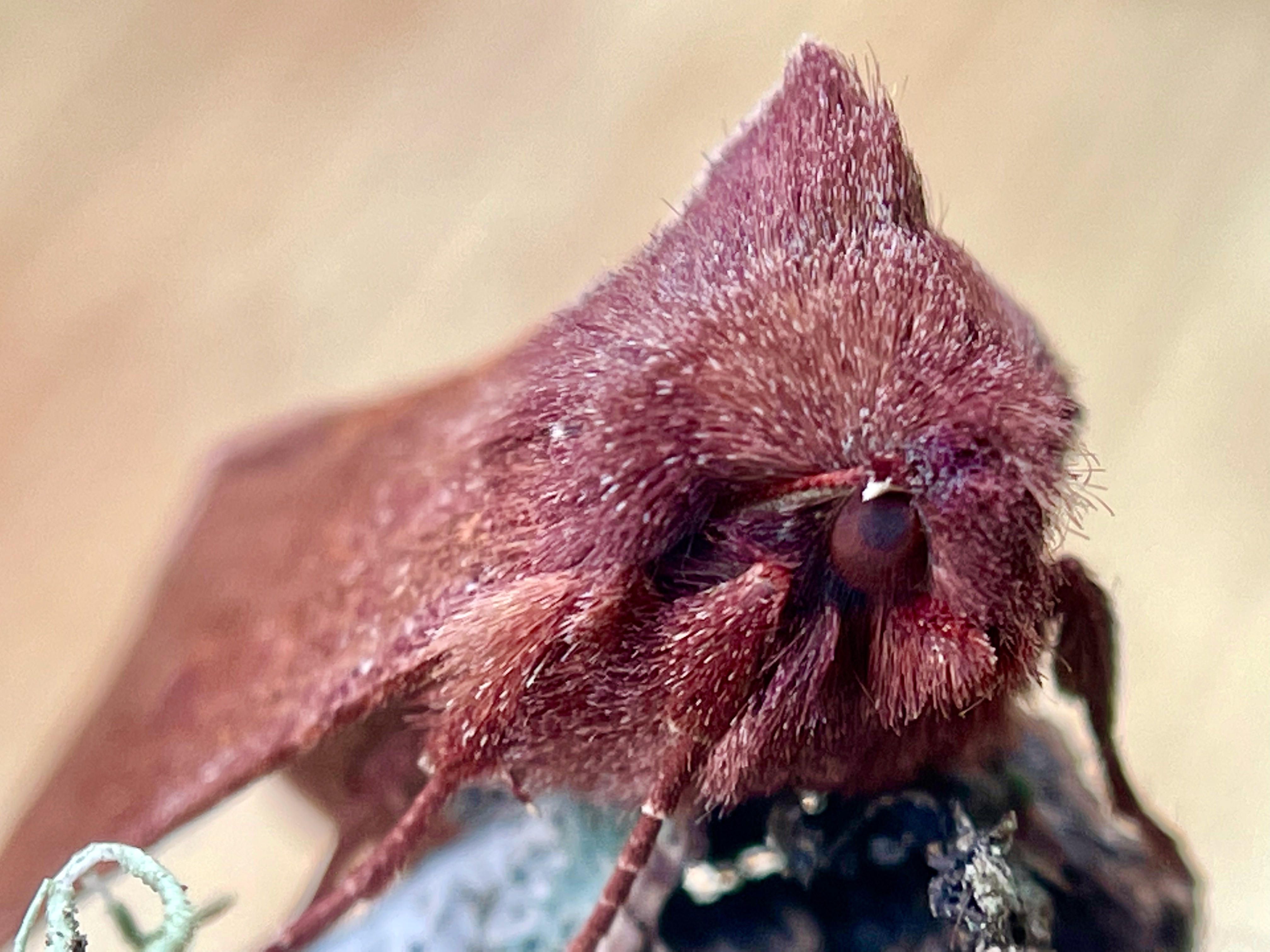
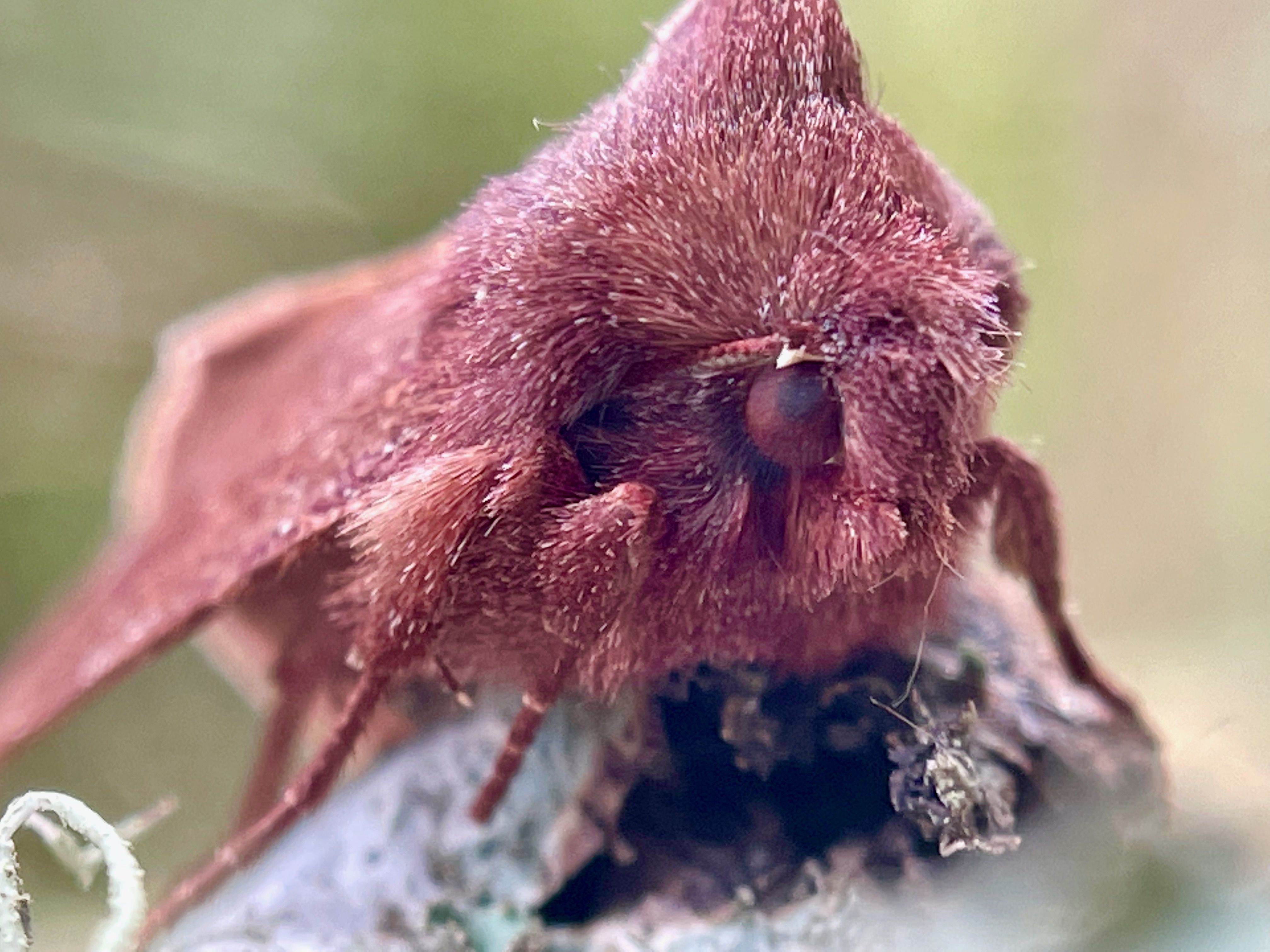
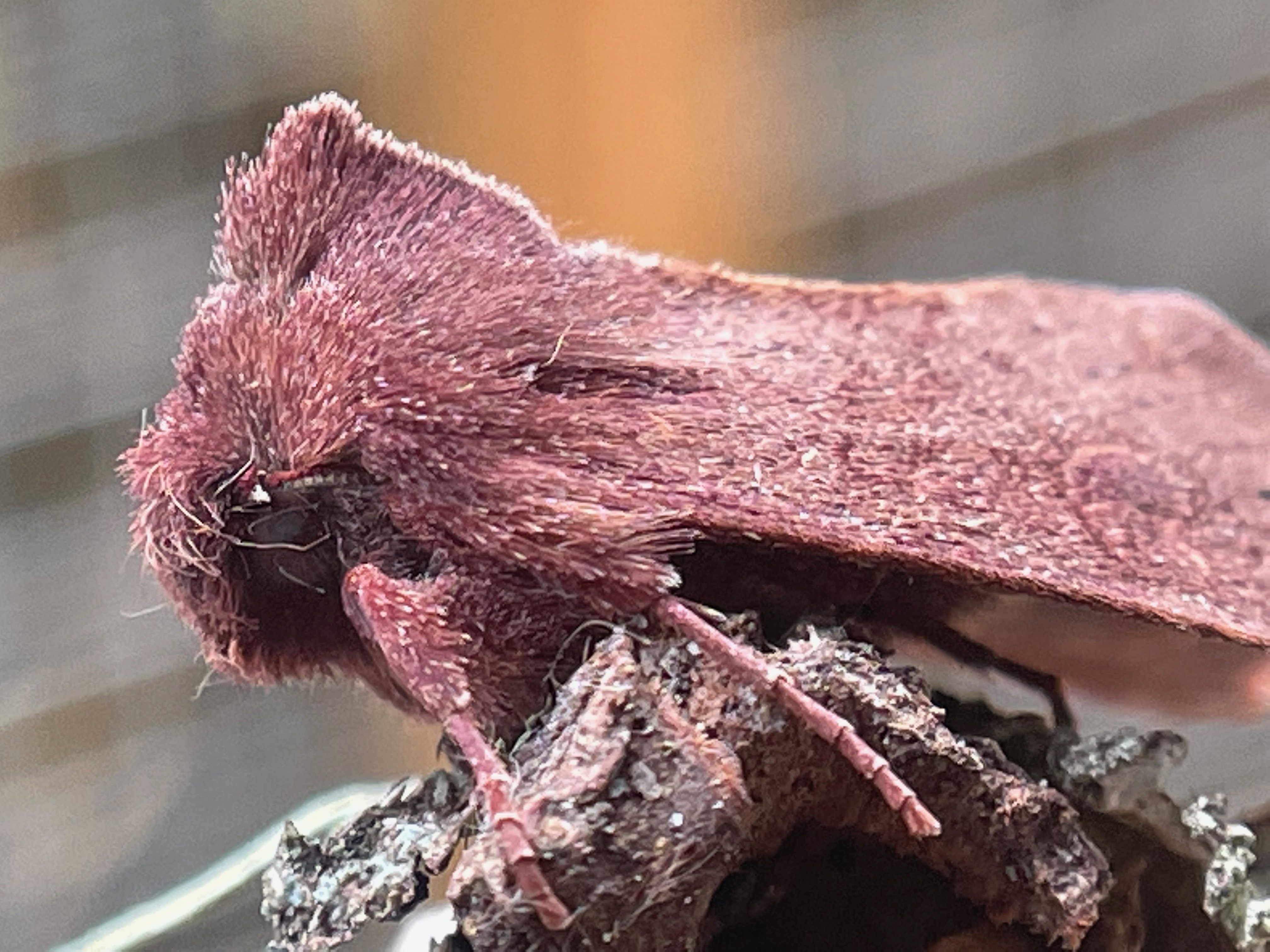
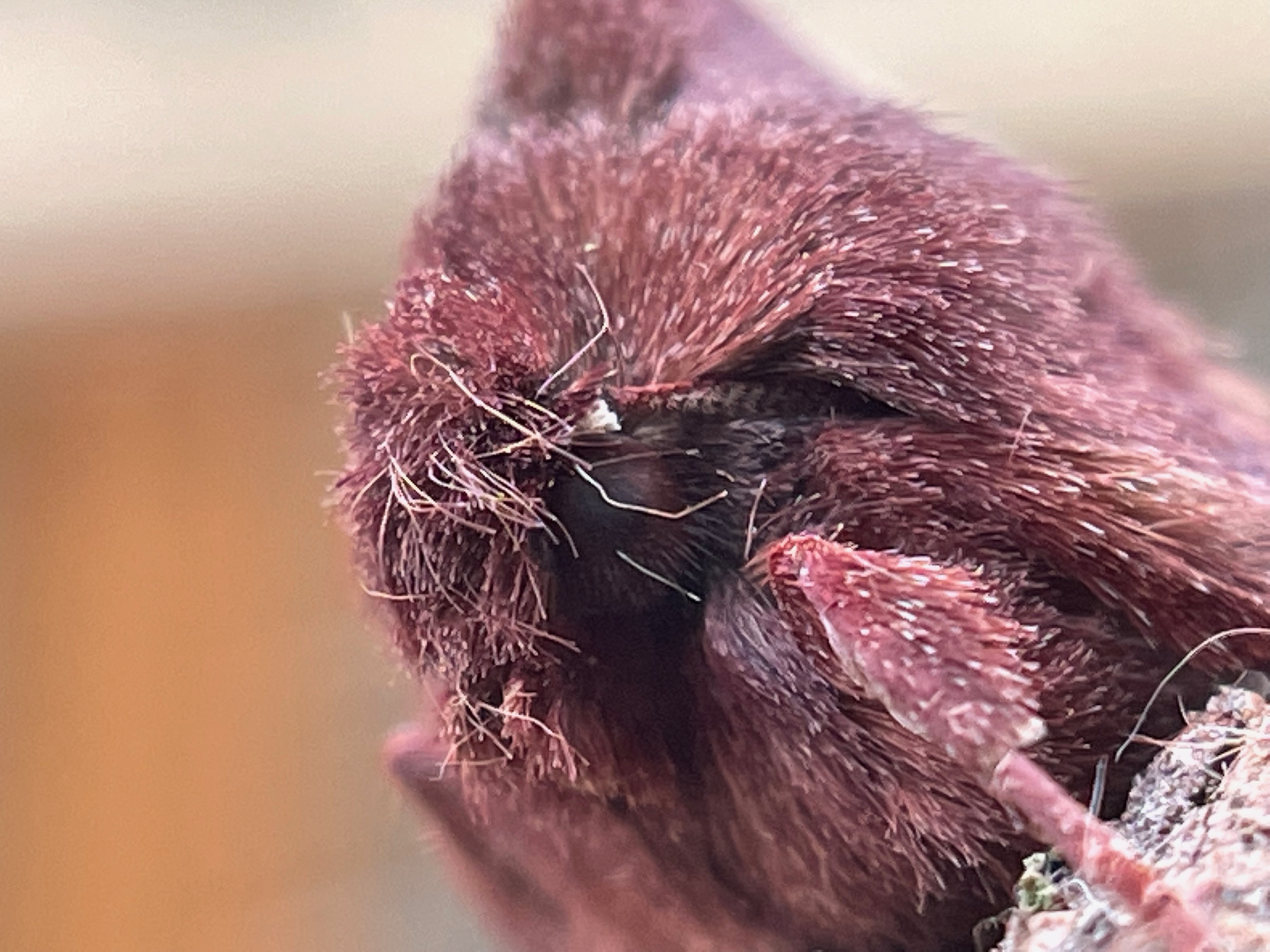
Orthosia praeses = 8
Feralia comstocki = 2
Eupithecia graefii = 2
Melanolophia imitata = 1
Beetles:
Diplotaxis sp. = 2
Strophosoma melanogrammum = 1
Wasps:
Ophion sp. = 1


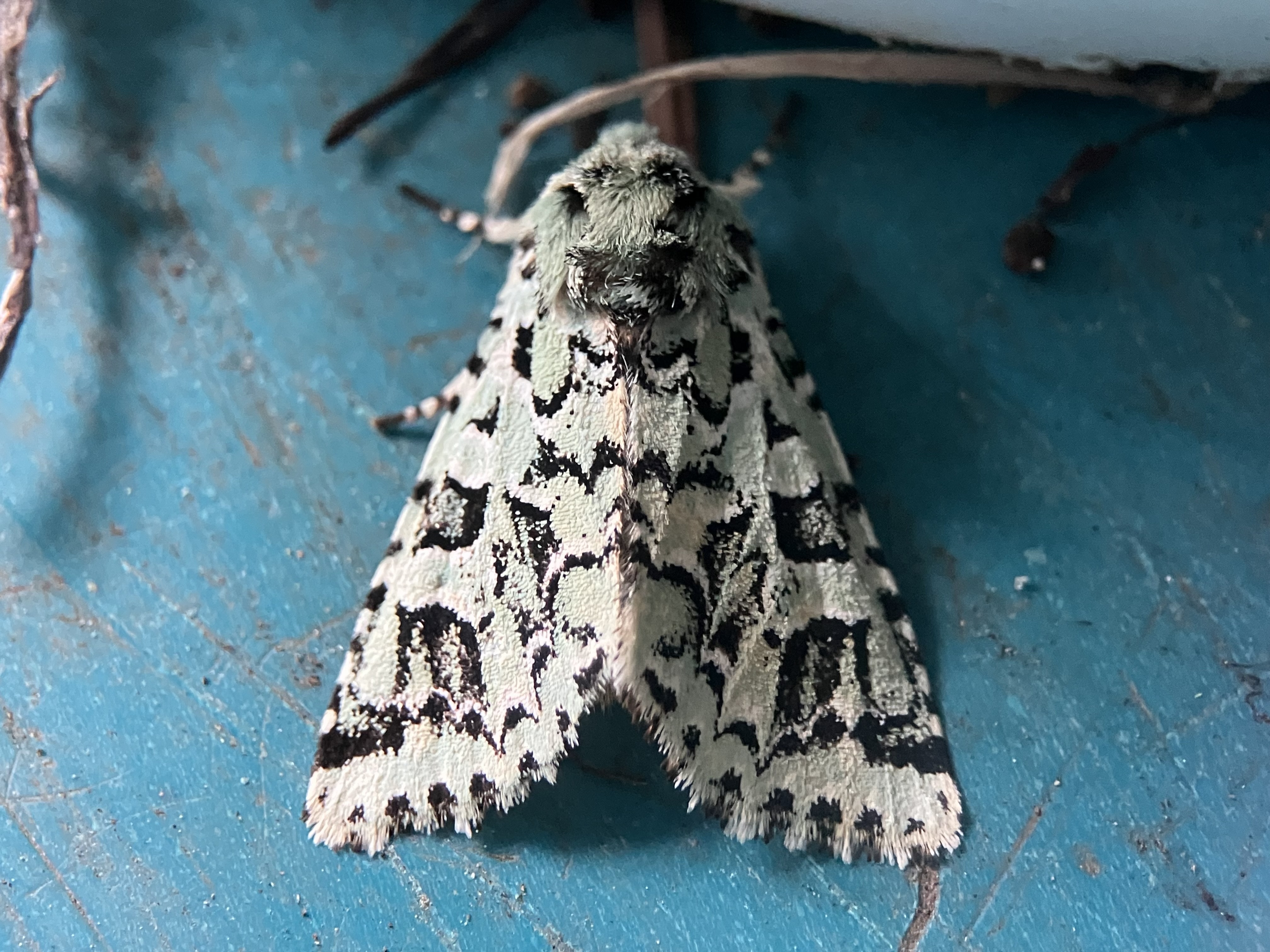
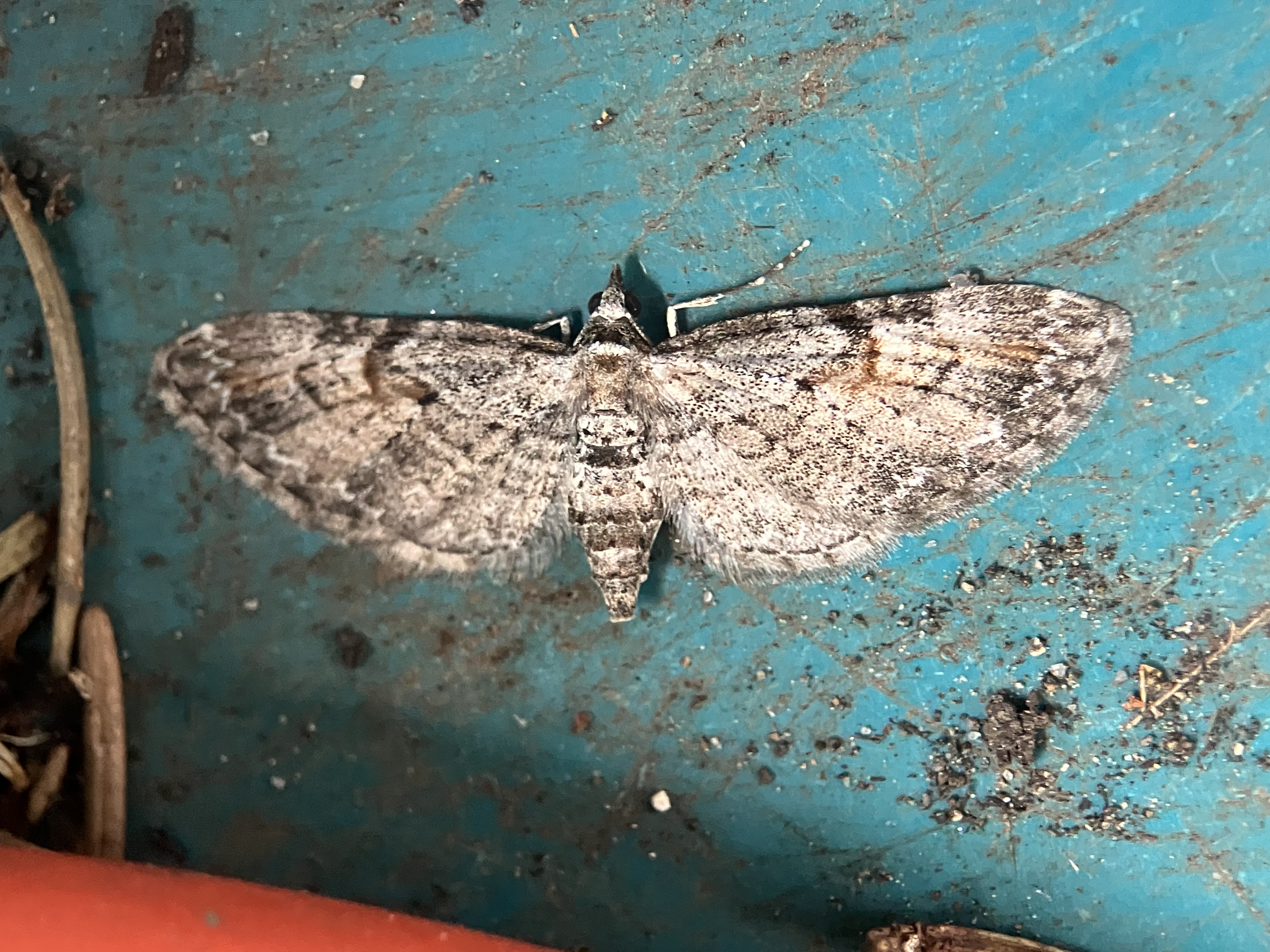




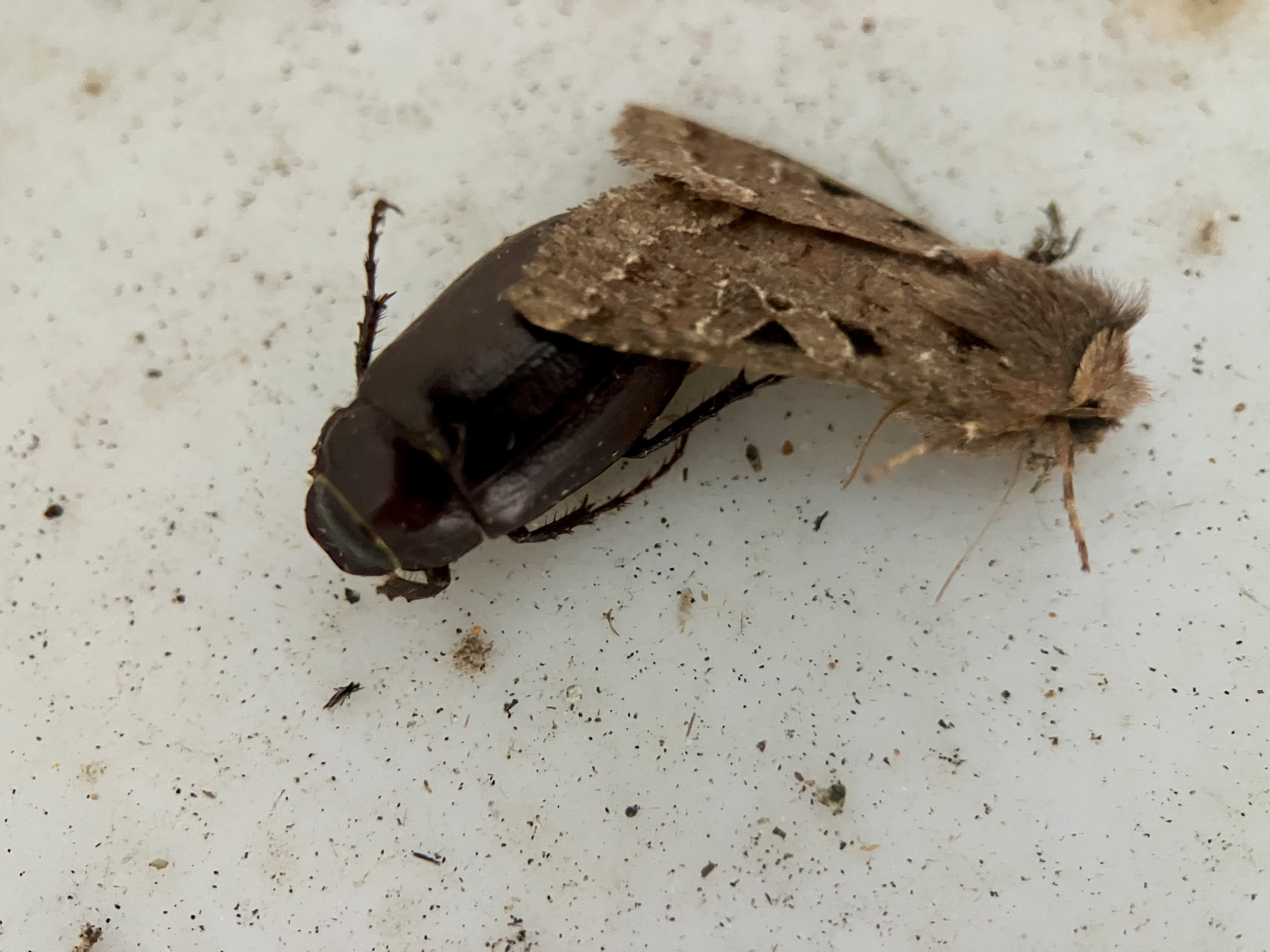


If I may, I’d like to leave you with something to consider. When you rake your leaves and clean your yard – especially if you are burning, chipping, or bagging and removing all those things that fall onto the ground, you are eliminating habitat for native species. If you can refrain the urge to spring clean around your property, you can help support life.
These may be somewhat drab colored moths and you may not even like them, but they sustain other organisms, including plants, because moths are also nighttime pollinators. Each species has a niche, and a role in the ecosystem (and ultimately the food web).
Please take note of nature around you. It’s actually beautiful and mysterious. Whether you like it or not though, nature is life. Nature matters. Little things like leaving the leaves can make a difference. Care.
Thanks for reading.





 Bugging You From San Juan Island