It was 51 and sunny to partly cloudy yesterday afternoon about 4pm when I meandered down to our unkempt orchard to look for pollinators. The temps had dropped the night before to around 34-35, so you could say it is still pretty chilly here in the PNW on San Juan Island. At least it is in our neck of the woods.
We have a couple of Yellow Plum trees in bloom. Don’t ask me the species. I don’t know. I might get ONE or TWO plums a year if I get lucky. It’s not for lack of fruit. It’s my lack of ambition or desire to go down and collect them all and I am NEVER EVER peeling plums again to make jam or anything like that ever again in my life. The time I did, it took my wrists months and months to recover. Also, I just don’t want to be a homesteader. Don’t get me wrong, I love living on 7 acres, but it is not because I can have a garden. It’s largely because I didn’t want to have close neighbors. I won’t get into that here, but let me tell you that 7 acres is nowhere near large enough. You need a hundred, and your house needs to be in the middle.
So, what flies do I have to show you today? There were four species I counted, maybe five, but the fifth one was so tiny, I didn’t work on any identification for that one. There was only one solitary bee. I’ll point out here that there were ZERO honey bees. #1, it’s too cold, and #2 because they can’t fly in temps over 50, they are not going to be the ones pollinating your fruit trees. It’s largely flies, moths, and maybe some ants and beetles. Mostly it is flies.
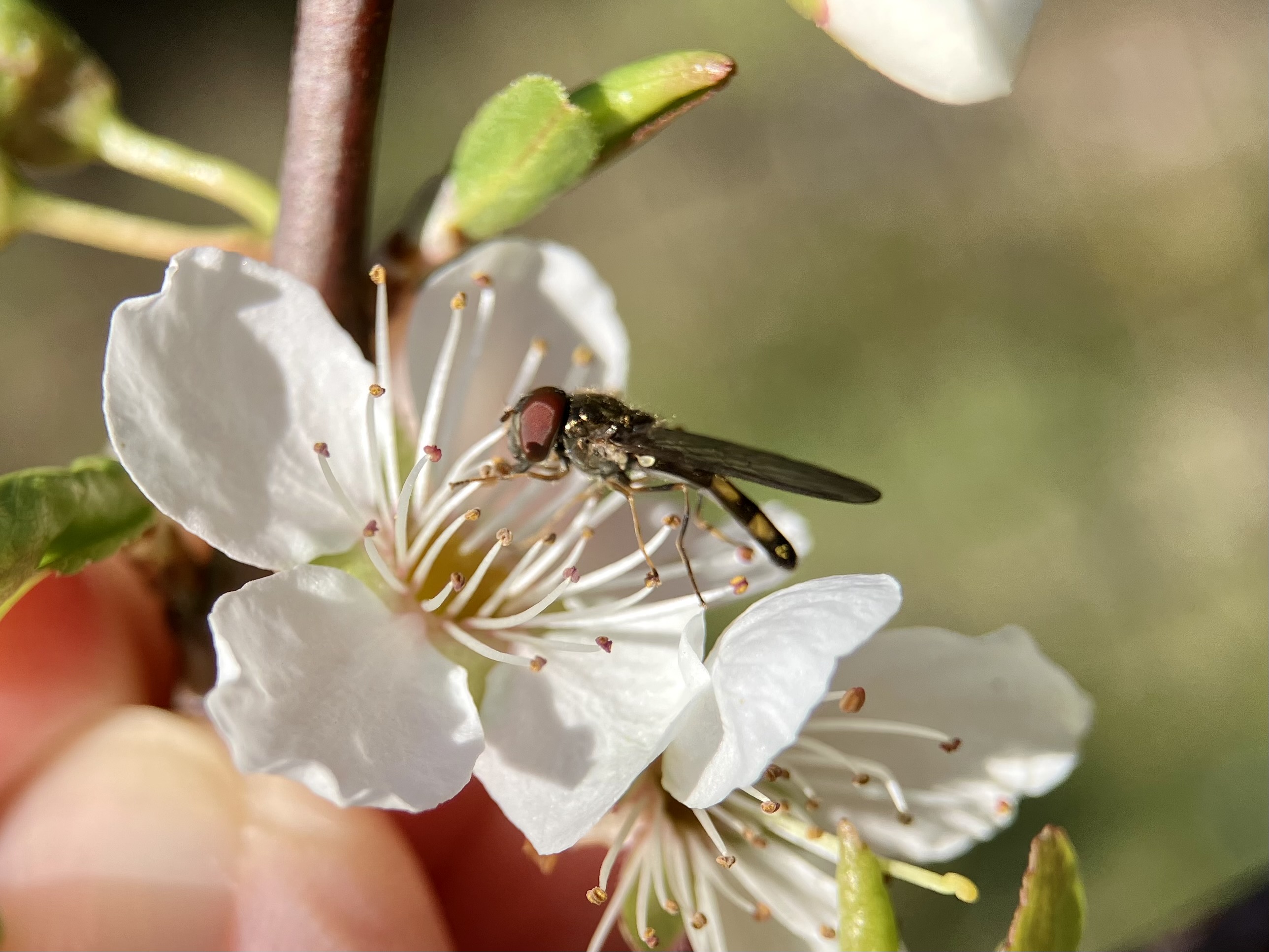
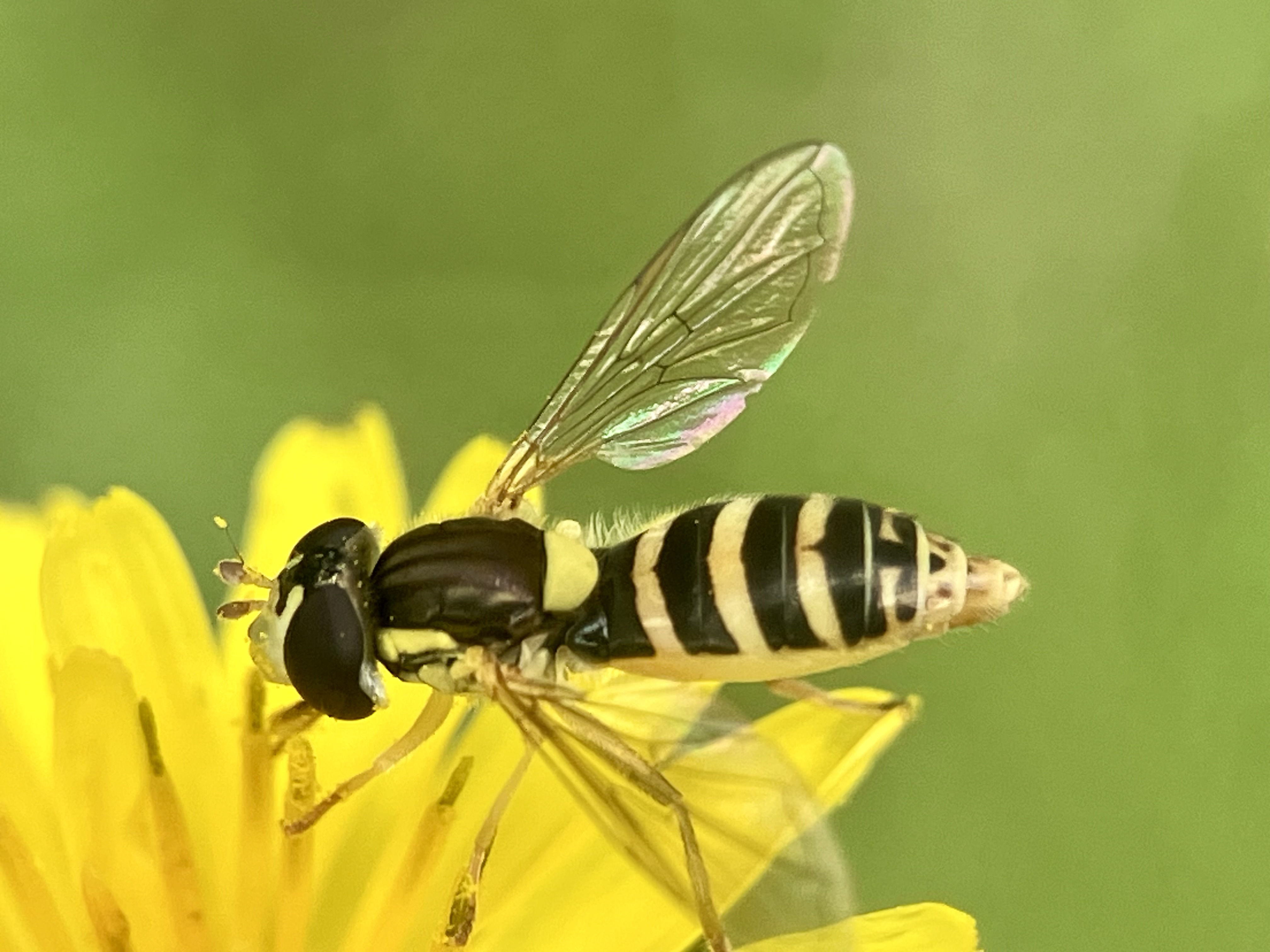
(Melanostoma mellinum) Variable Duskyface Fly
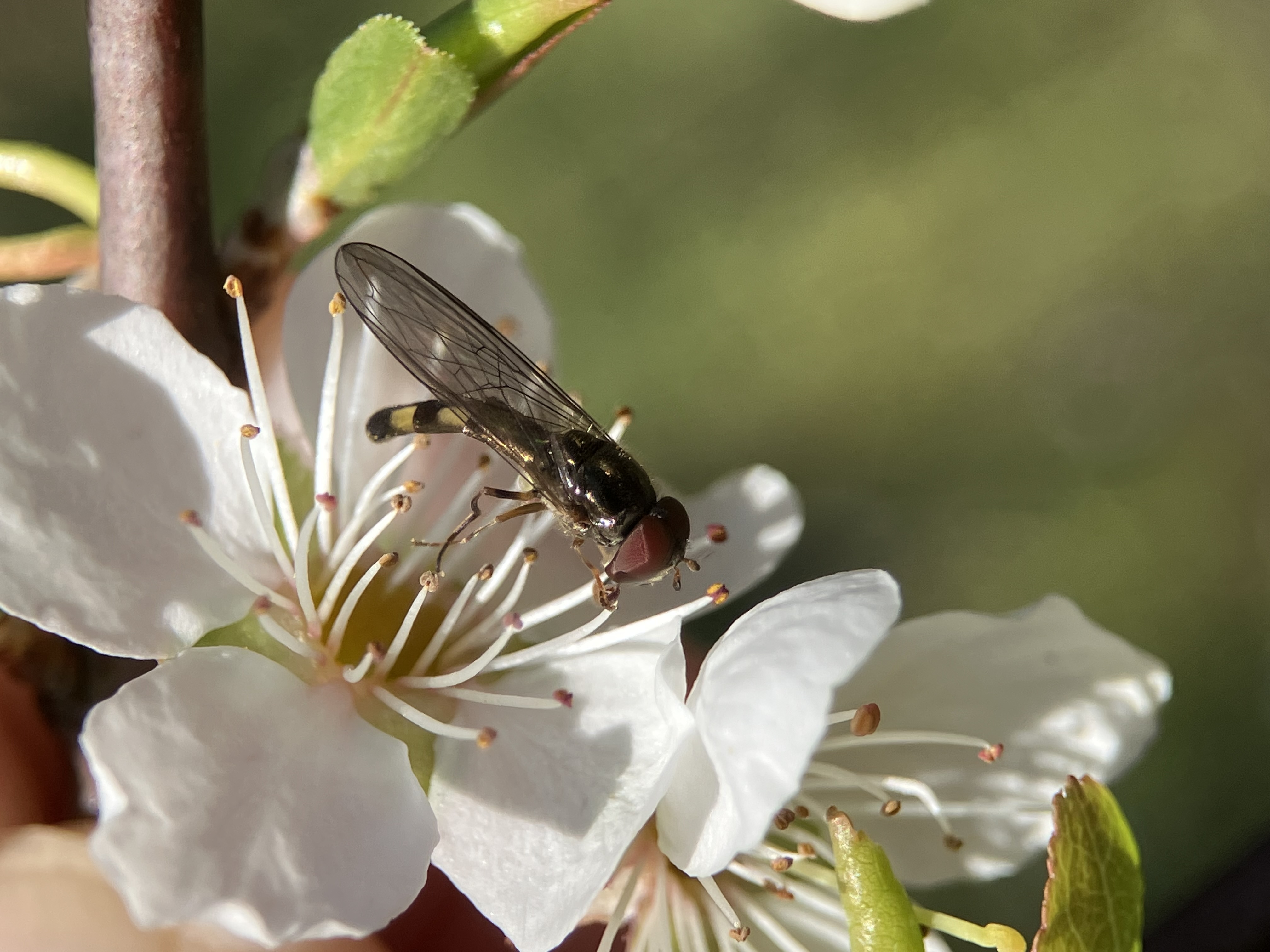
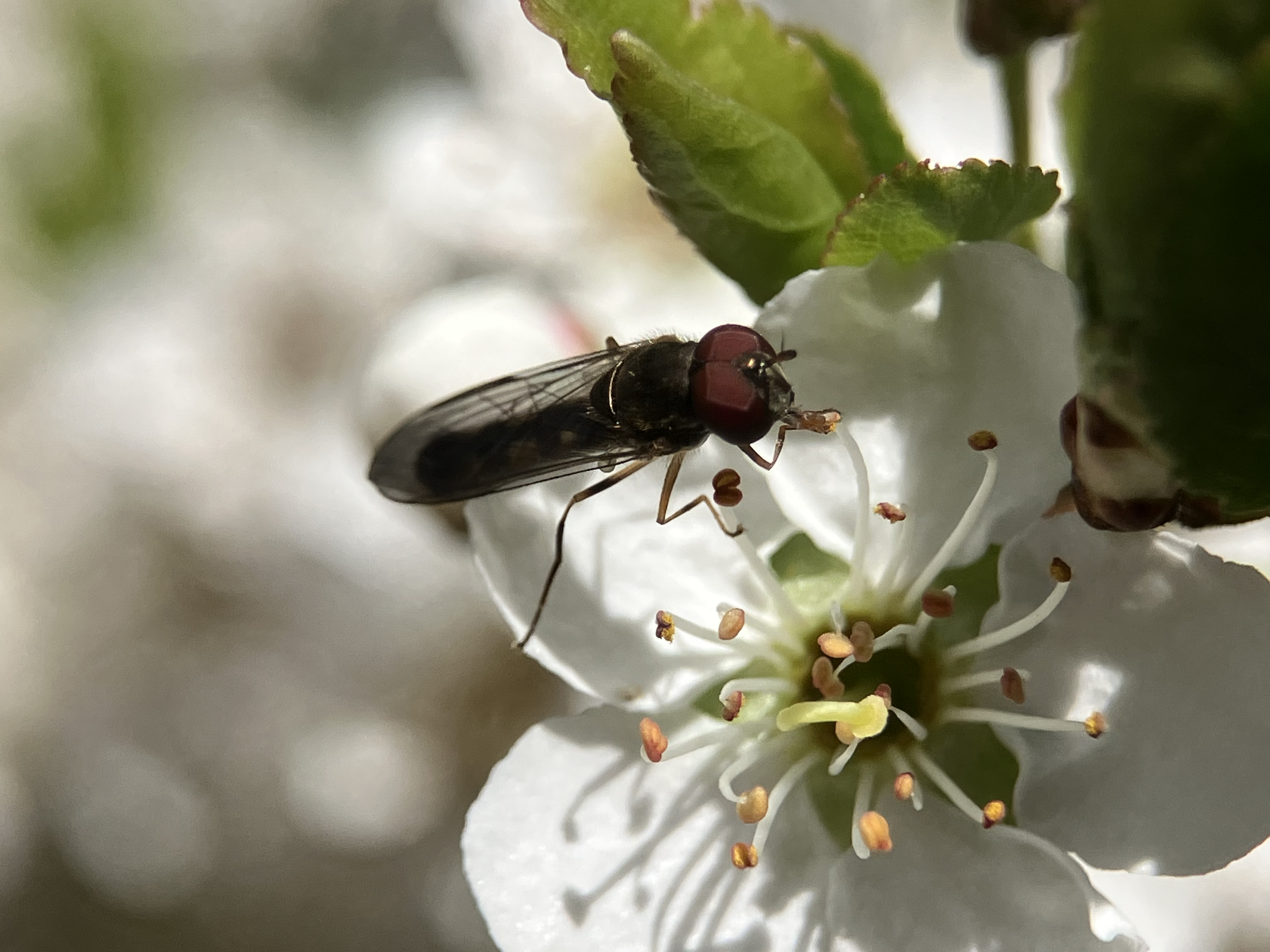
(Melanostoma mellinum) Variable Duskyface Fly
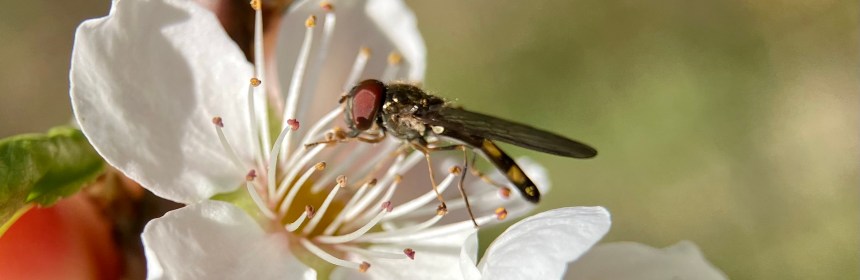
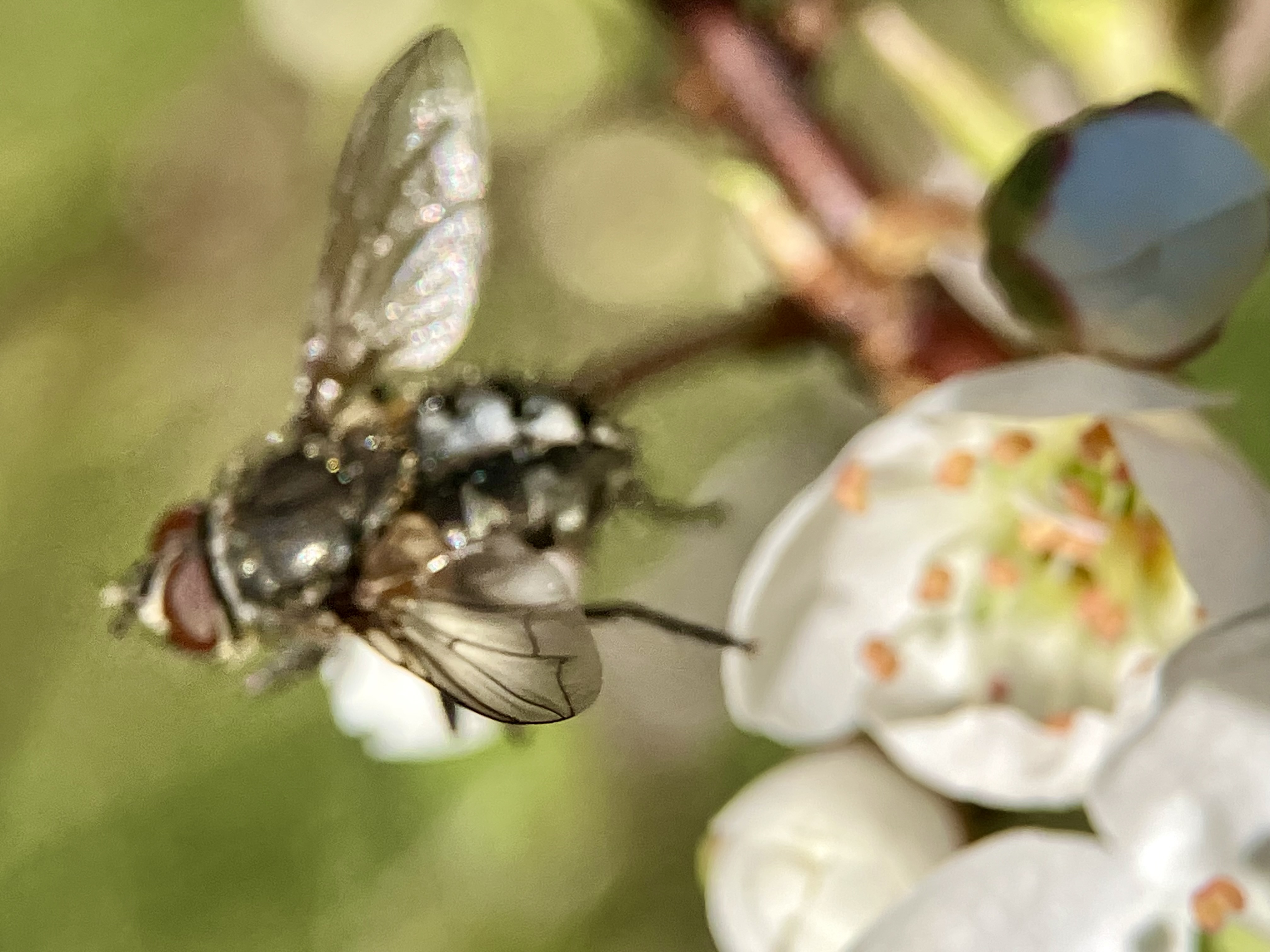
Fly #1 The Variable Duskyface Fly (Melanostoma mellinum). This is a species of Syrphid Fly and I believe my specimen to be male. Syrphid flies are wonderful in gardens and orchards. They not only pollinate, but they scavenge aphids away in their larval form. Watch this one in action here
(Melanostoma mellinum) Variable Duskyface Fly
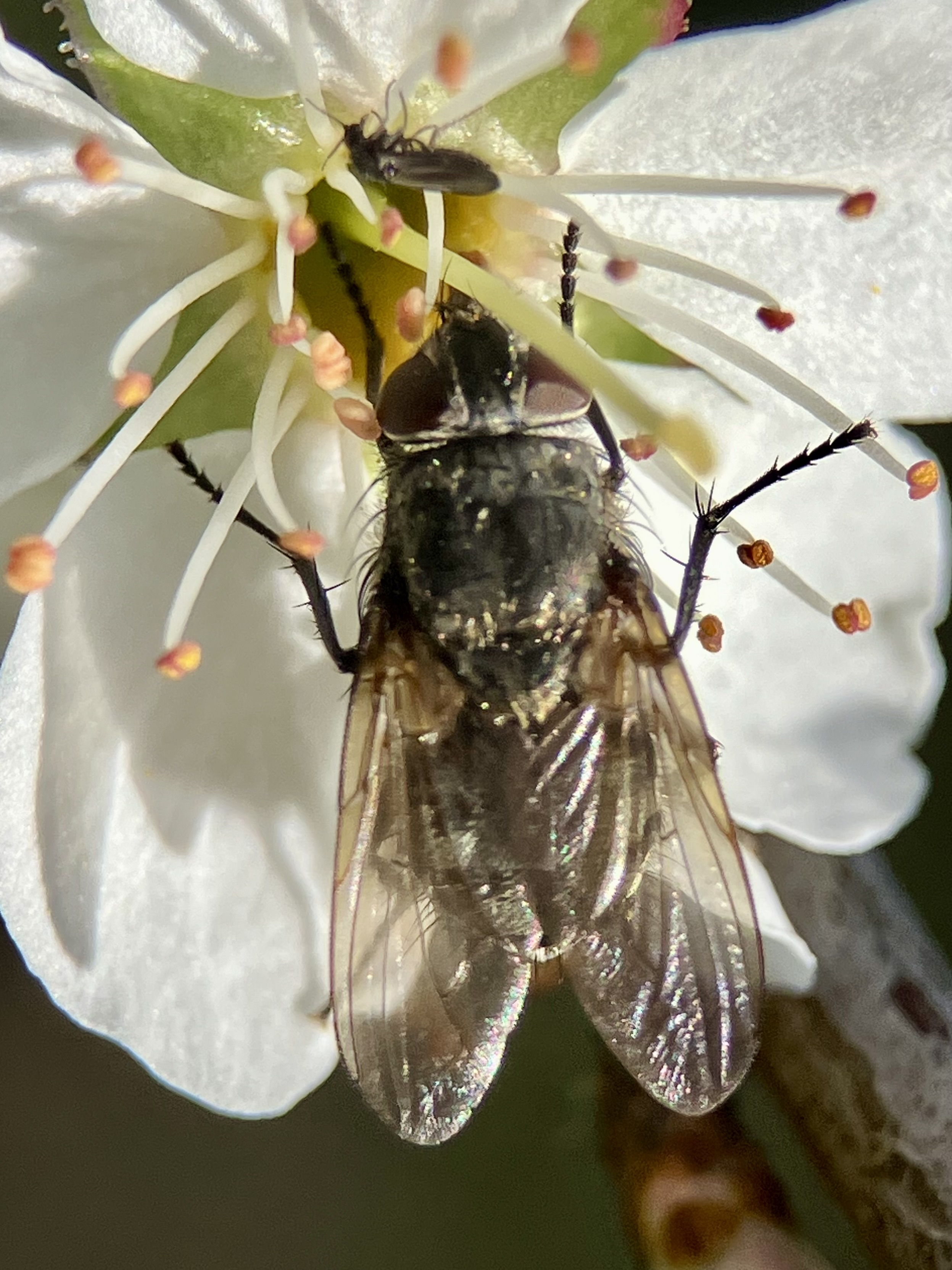
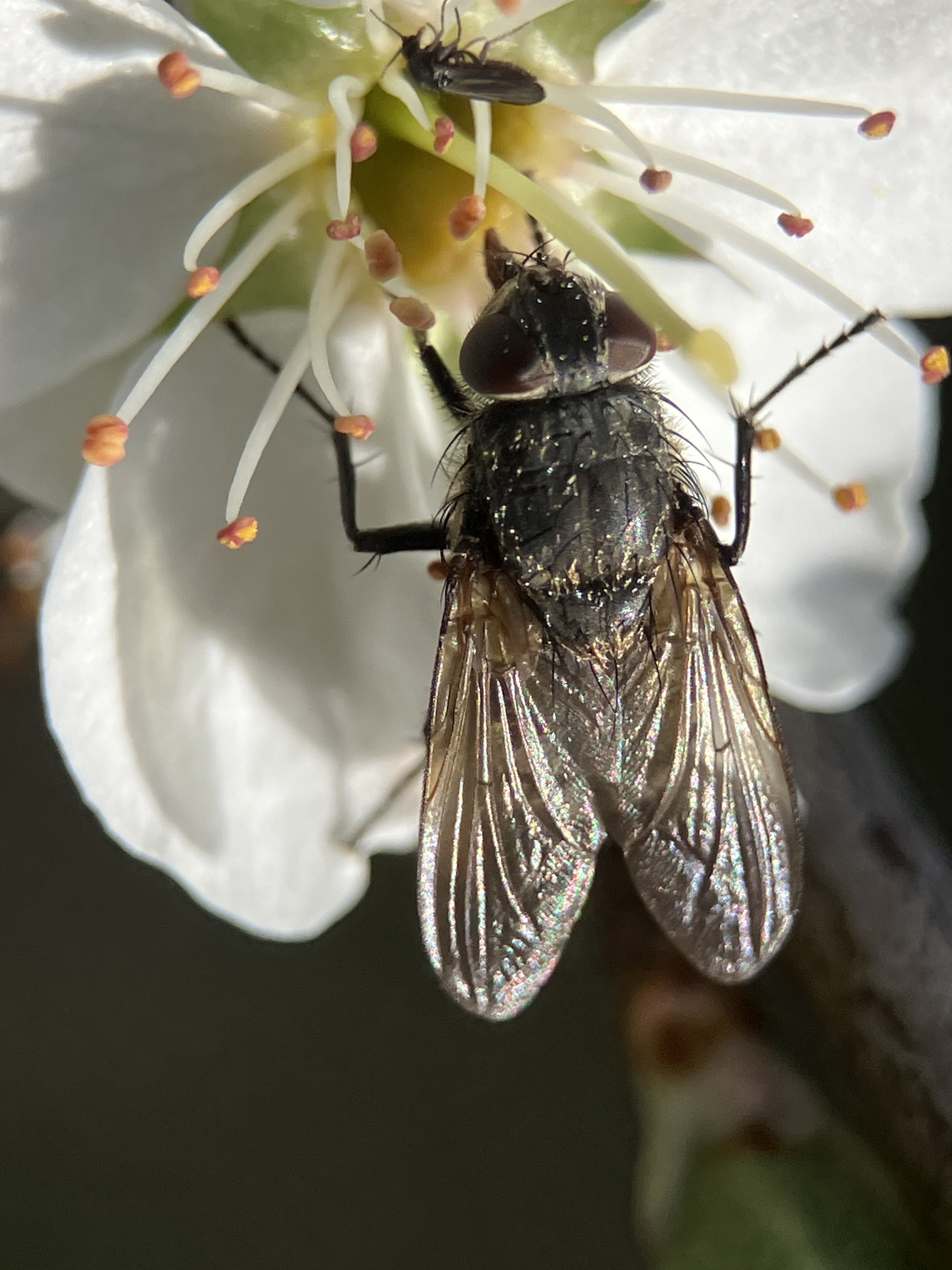
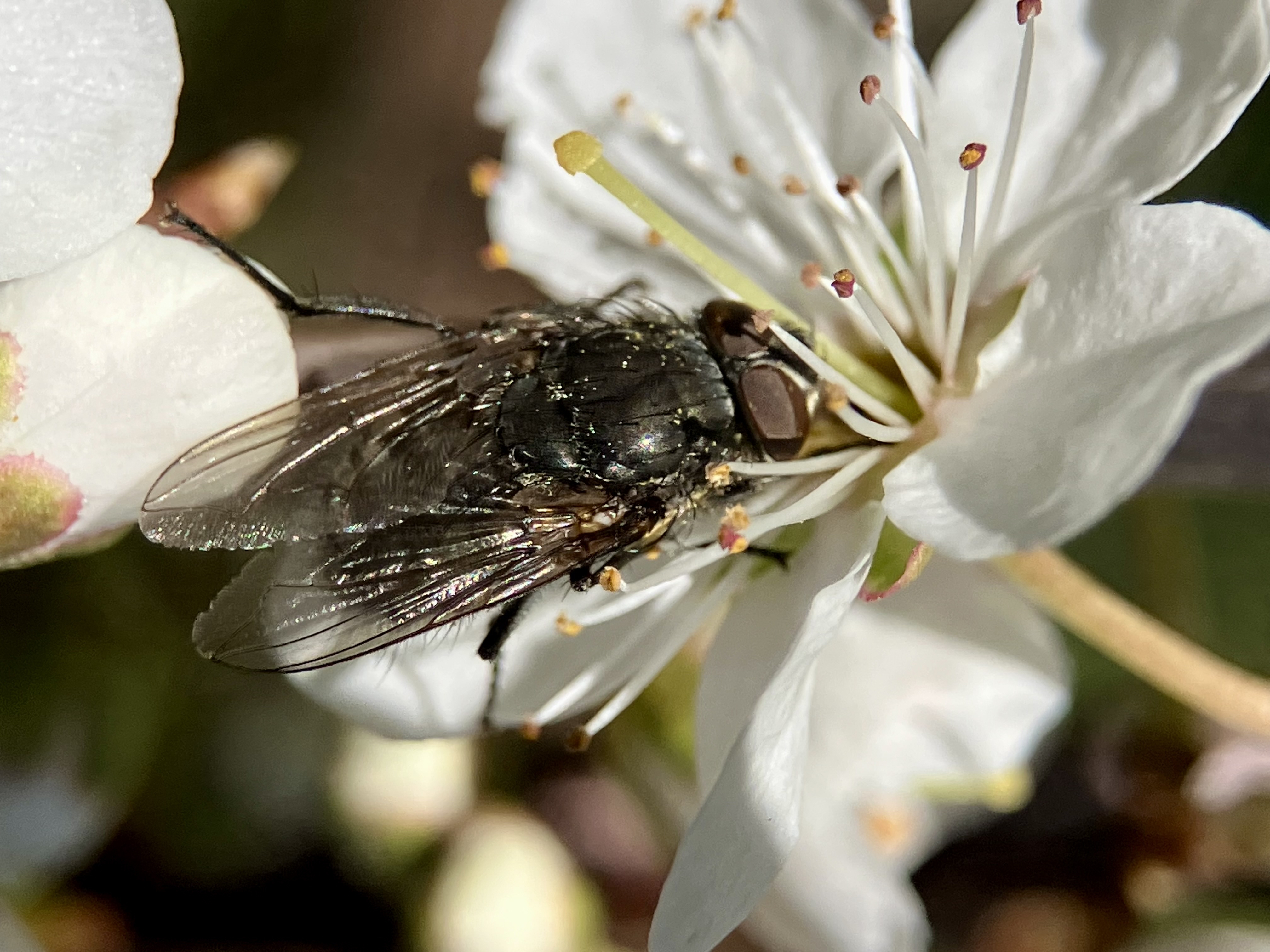
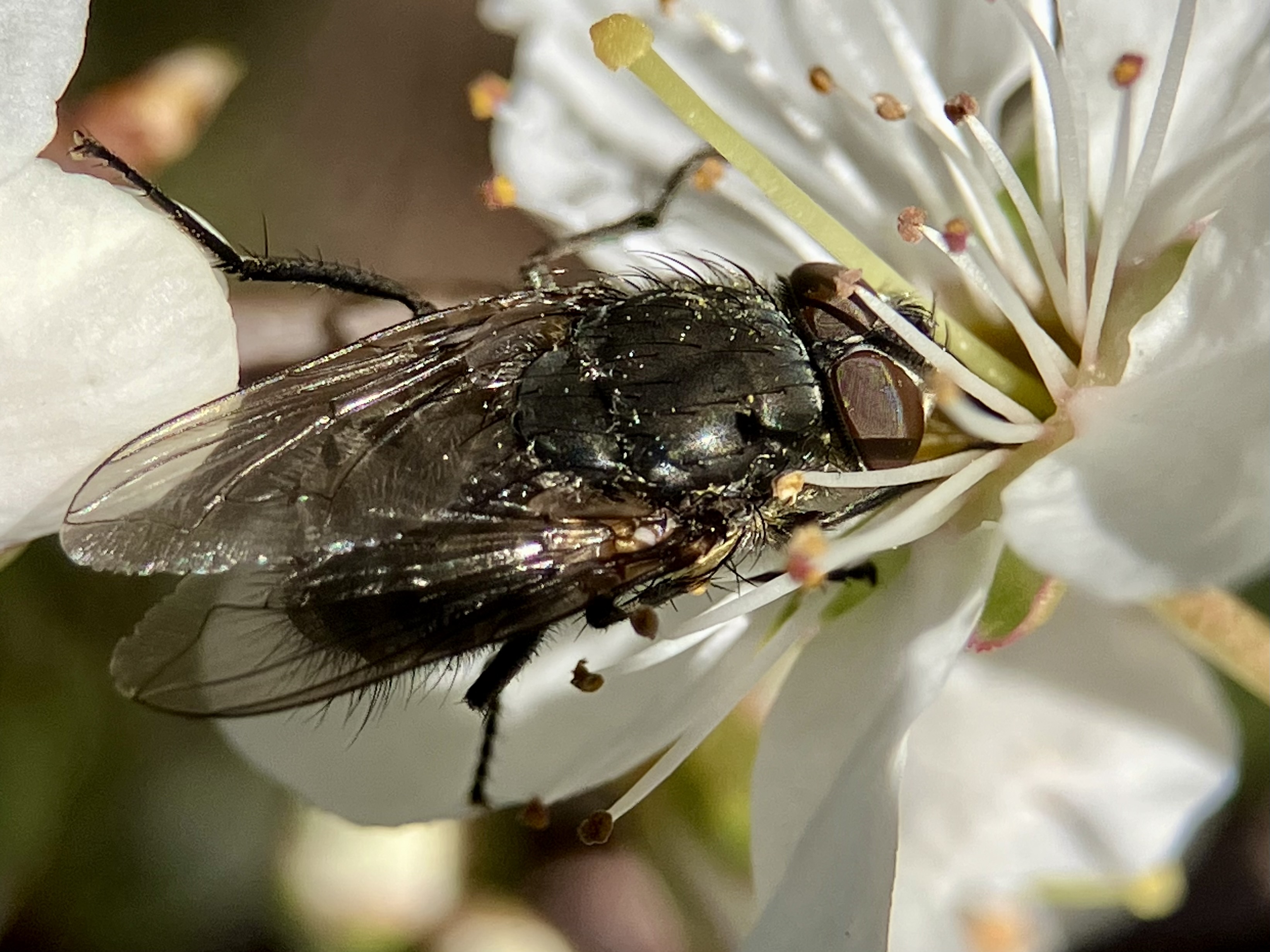
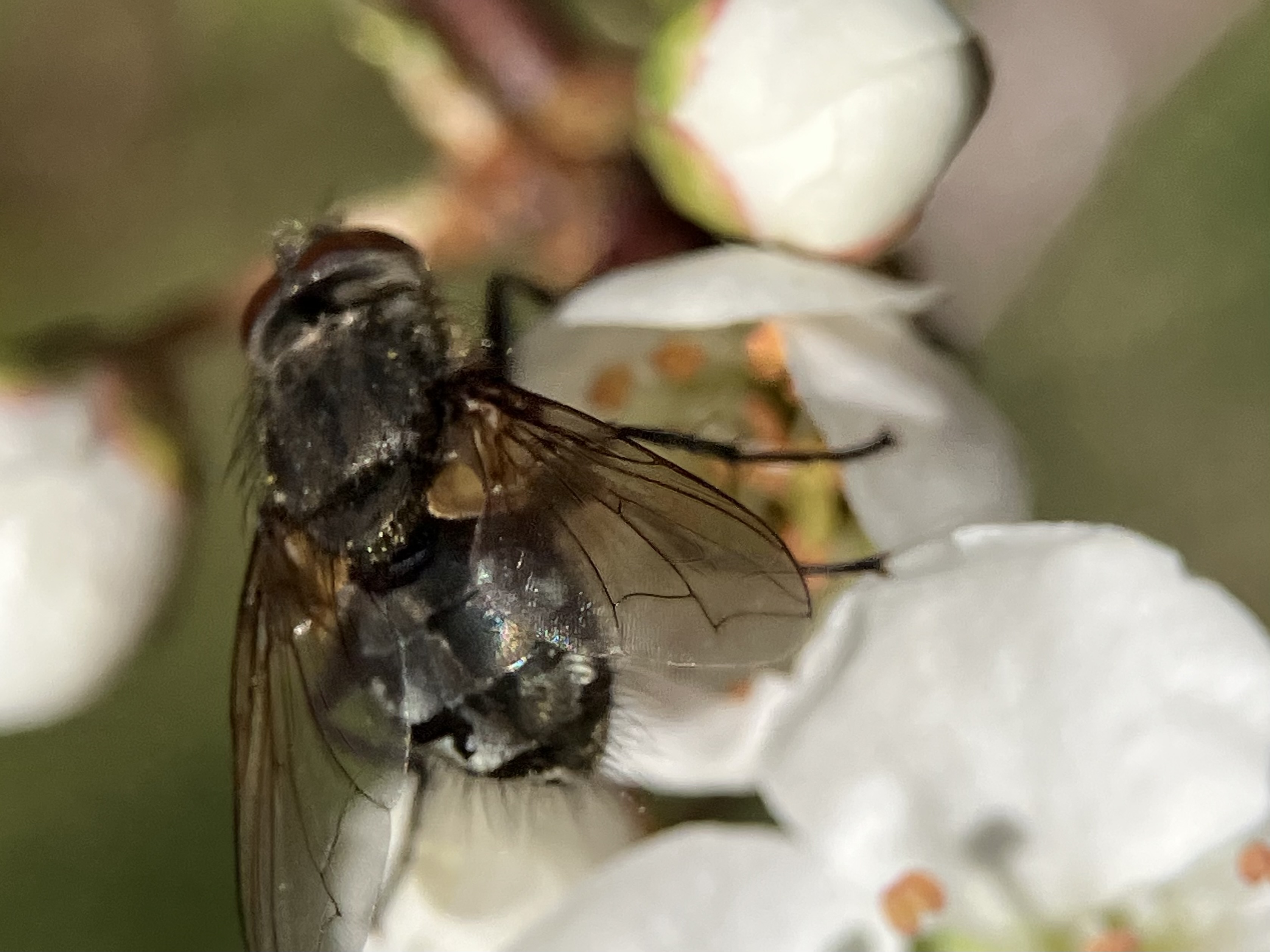
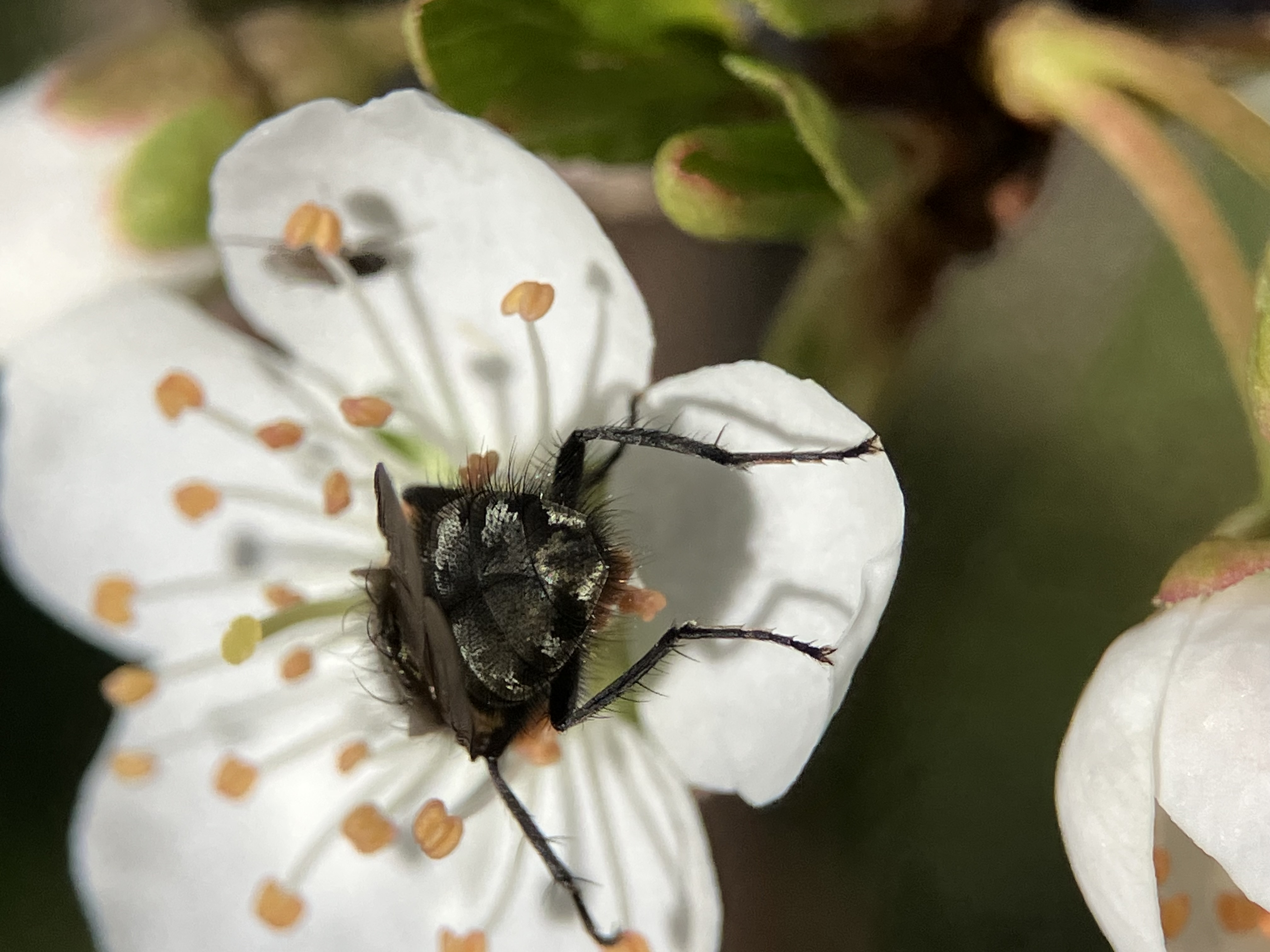
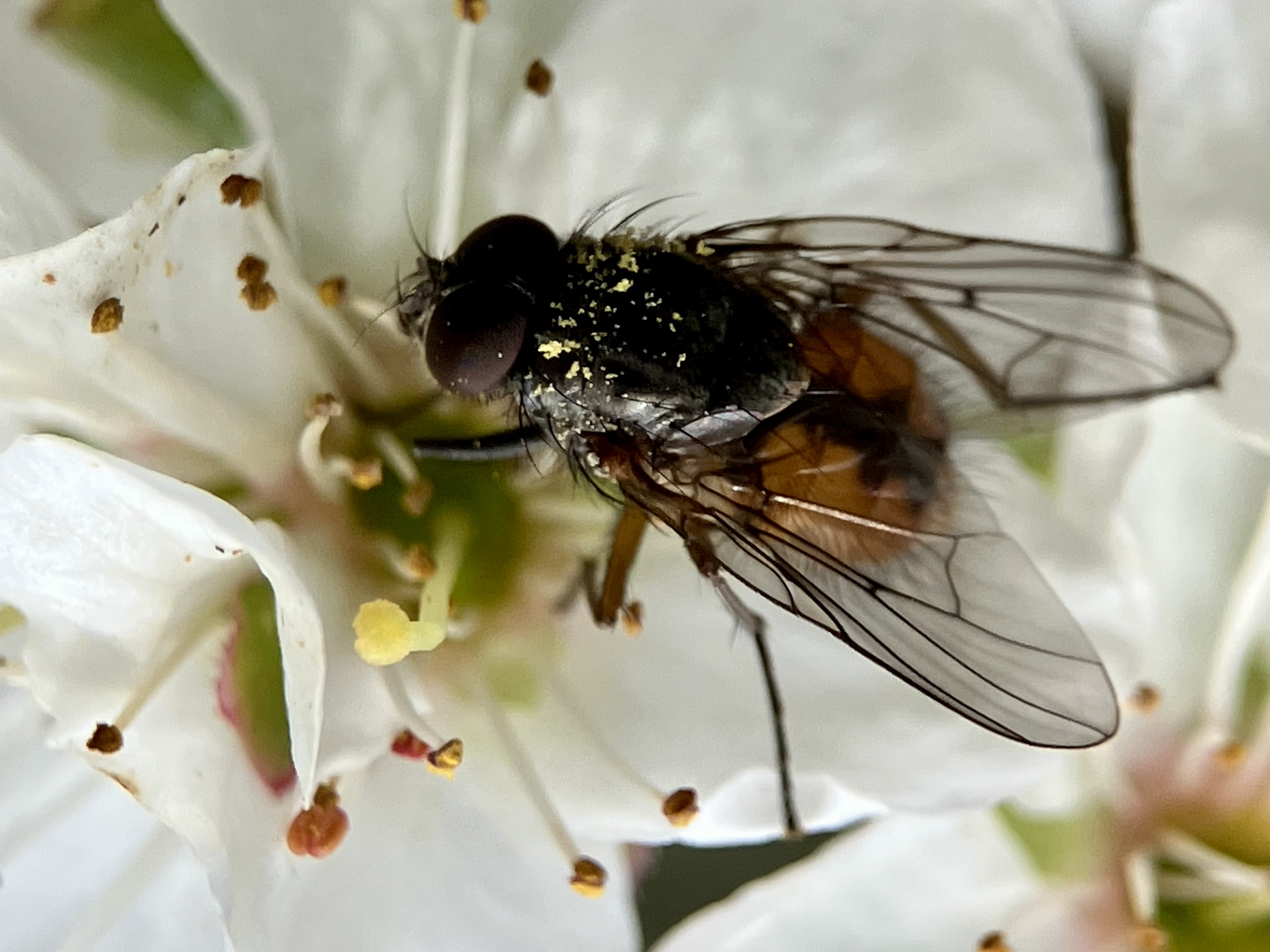
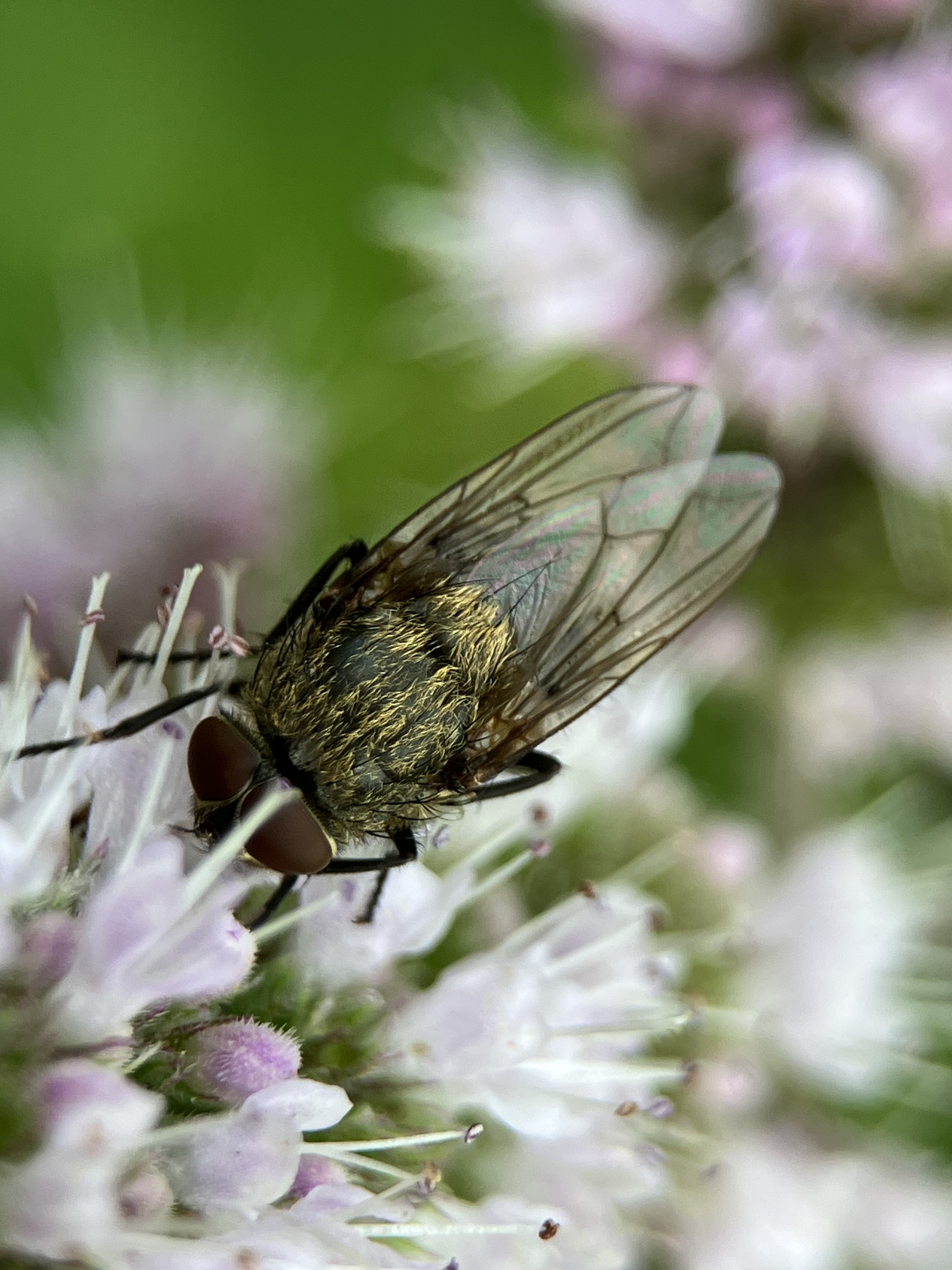
Fly #2 The Cluster Fly (Pollenia sp.) Pollenia flies have had some taxonomic revisions that I am not completely up to speed with, but suffice to say that they are now in their own family (Pollenidae) and I’ll attach some references at the end if you want to deep dive into the literature and try and figure out the species here.
What I can tell you about these flies is they got their name because they will sometimes overwinter in human structures (clustering). They are an Old World group, so these are not native to North America. They are parasites of earthworms, or at least one of the species in the Genus is. They also were ALL over the plum tree. I bet I counted fifty of these.
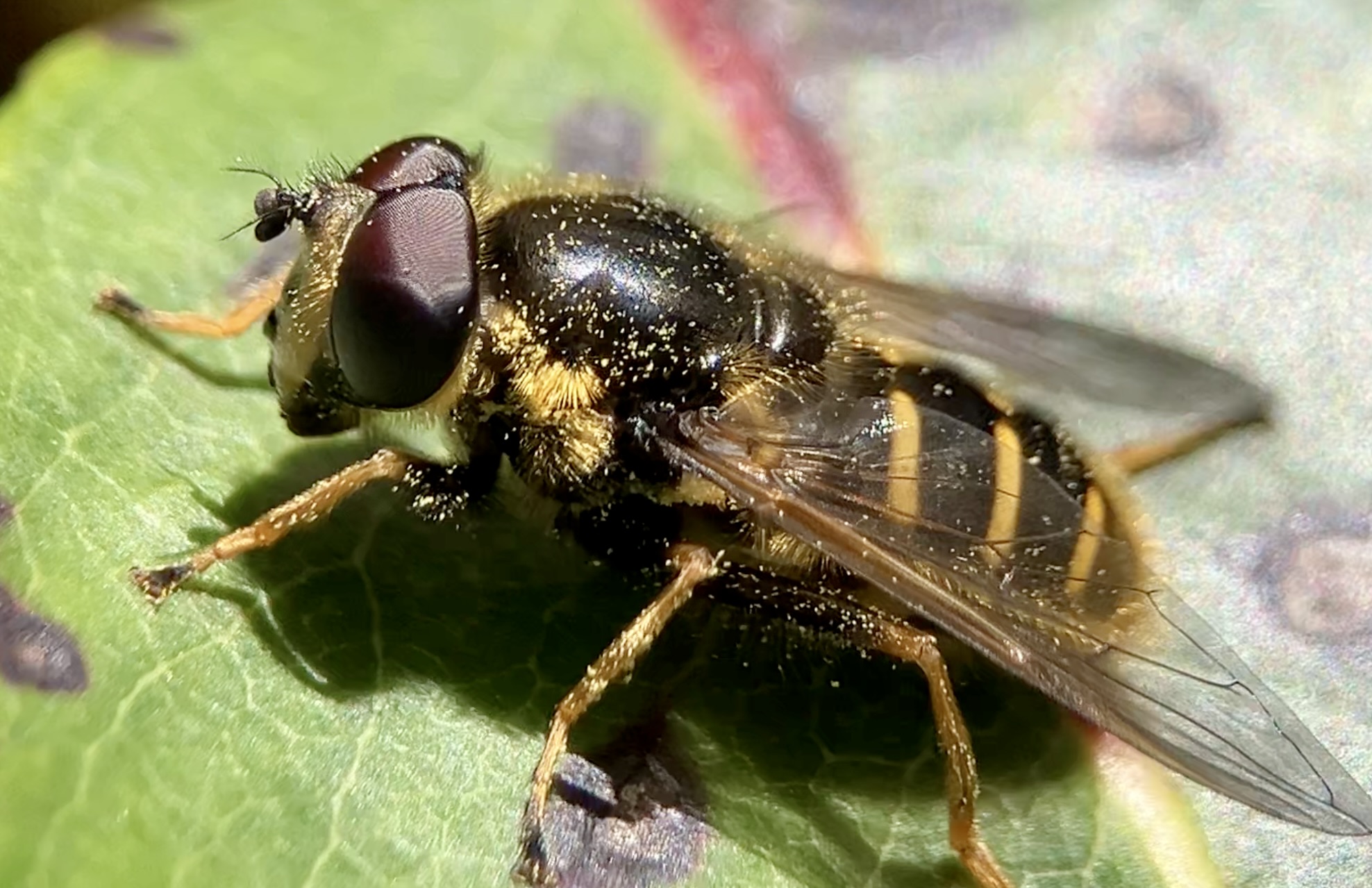
Fly #3, I believe this one (below) is the Greater Spring Blacklet (Cheilosia grossa), a species of Hoverfly in the family Syrphidae. This species is native to Europe and was introduced to the United States as a biocontrol for thistles. The adult is obviously enjoying its role as a plum tree pollinator and its offspring (the larvae) will help manage the thistles on our property, I suppose.
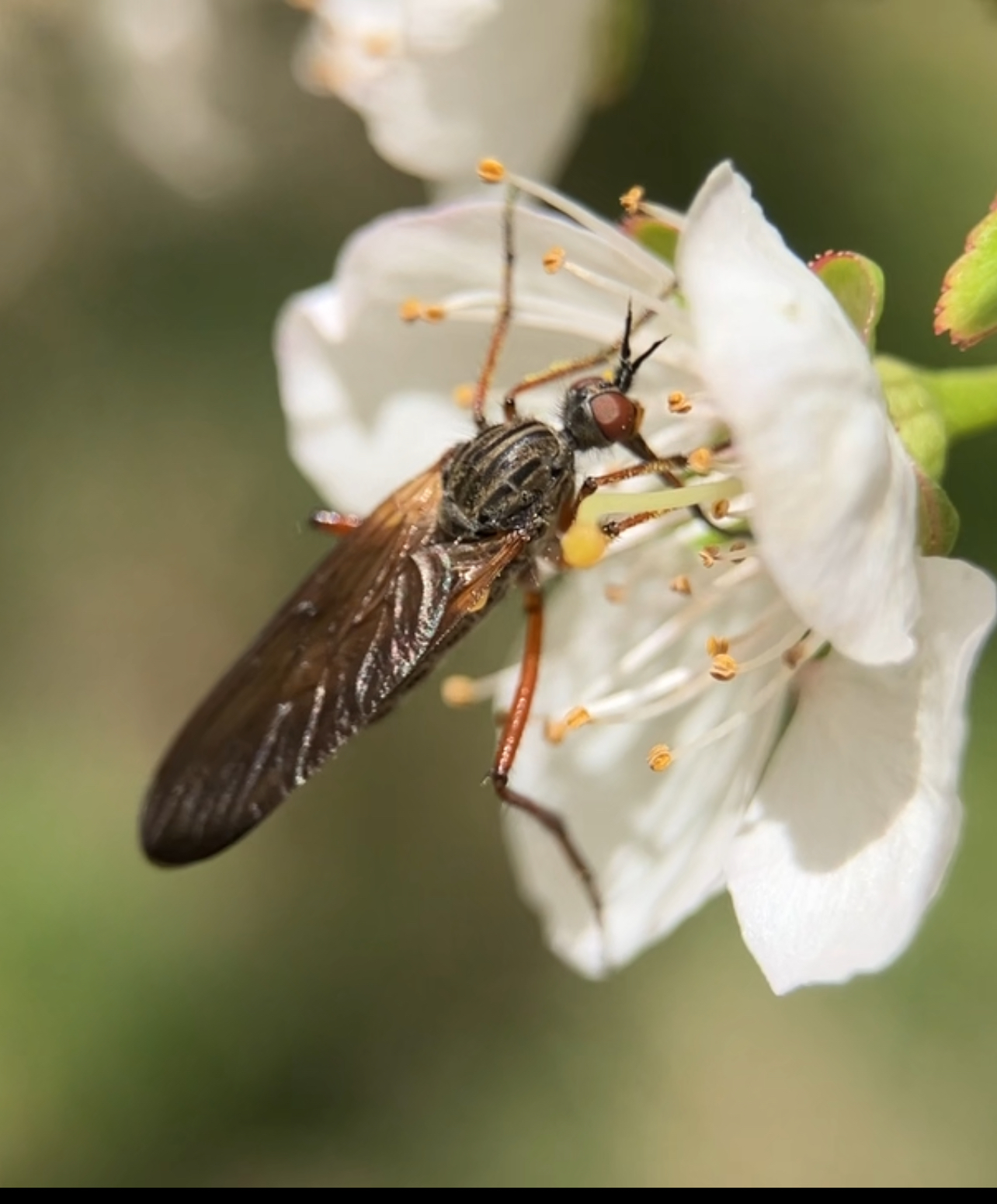
Fly #4 is Empis barbatoides, a Dance Fly. I had to stand on my tippy toes to try and get this video clip for you. I love this species of fly. They are so cool. The males catch other fly species, like March flies (Bibionidae) and make little balloon packets to woo a female. If you don’t believe me, you can read one of my earlier blog posts about them. I know a spot where the males seem to gather together to dance too. I keep hoping I’ll get some good video of them dancing to share.
And that’s all for tonight. It’s late and I’m going to bed. Just remember to repeat to your friends that FLIES are your friendly pollinators, and some of them are pest predators too. We need more people to advocate for them. They aren’t always a pest! 🪰
References
Alcock , John. 1973. The mating behaviour of Empis barbatoides Melander and Empis poplitea Loew (Diptera: Empididae), Journal of Natural History, 7:4, 411-420, DOI: 10.1080/00222937300770301
Gisondi S, Rognes K, Badano D, Pape T, Cerretti P (2020) The world Polleniidae (Diptera, Oestroidea): key to genera and checklist of species. ZooKeys 971: 105-155. https://doi.org/10.3897/zookeys.971.51283
Jewiss-Gaines, A., Marshall, S.A., Whitworth, T.L. 2012. Cluster flies (Calliphoridae: Polleniinae: Pollenia) of North America. Canadian Journal of Arthropod Identification No. 19, 15 February 2012, available online at doi: 10.3752/cjai.2012.19
Hey everyone! I’ve been home sick for a few days, so I am re-blogging on of my favorite flies for Fantastic Fly Friday. These flies are also one of our incredible early pollinators on San Juan Island. If you have plum or other flowering fruit trees, look for them. They are more valuable than bees! Of course, I am a bit prejudiced here. The great thing about flies like this is they have more than one role. They pollinate, but they also predate other small bodied insects. Mostly, I think this species goes after another pollinating fly (March flies in the family Bibionidae). They definitely seem to have a preference for those in my experience. Why else might they be of value? Well, in the end, these flies are also utilized as food by many various species of birds feeding nestlings in spring. Appreciate the ecosystem at work. Avoid using sprays (even Bt) on your trees. Nature already has it handled for you.
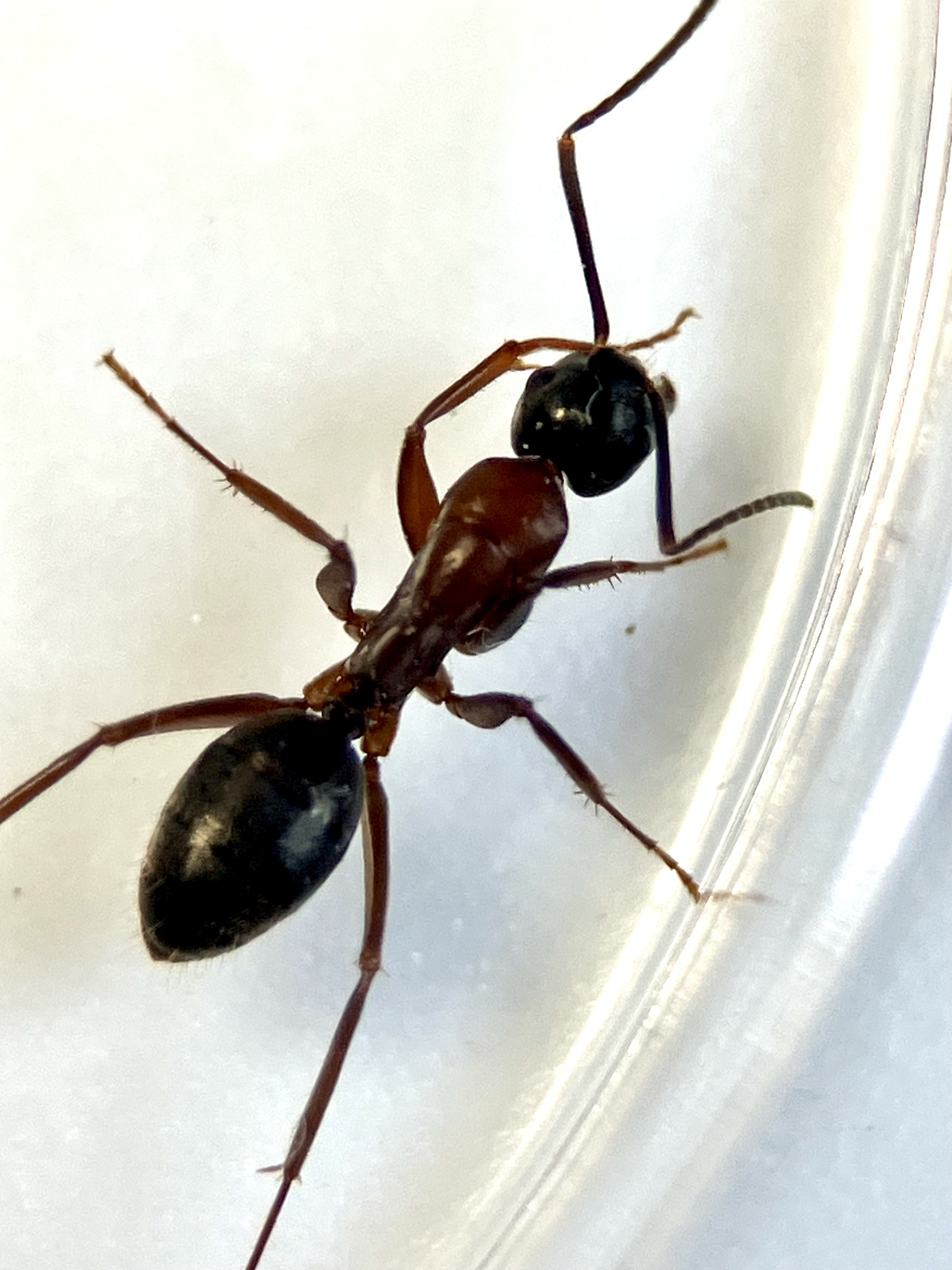
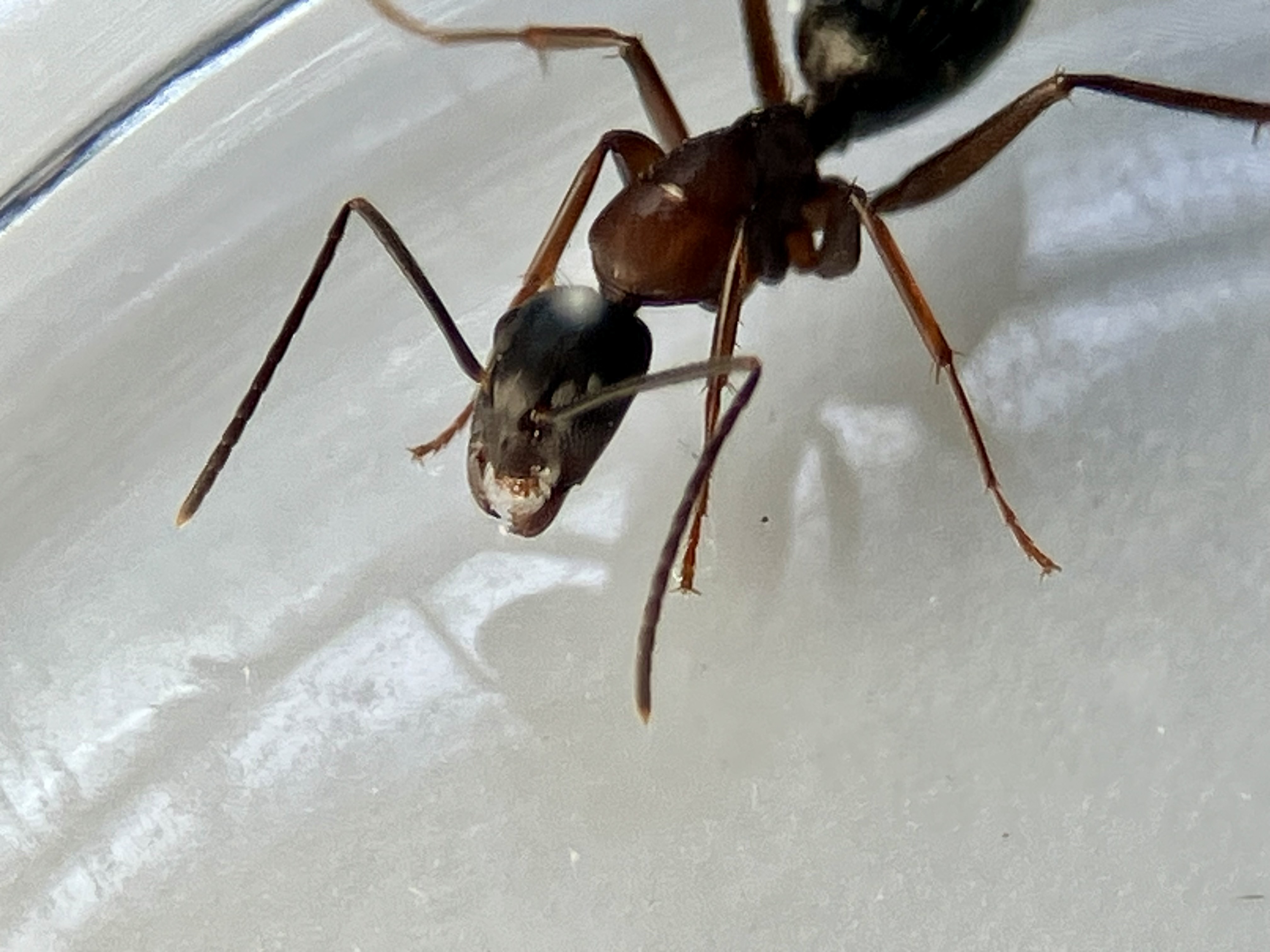
This post is for the folks living on San Juan Island and in San Juan County, but also for the wider PNW area. After seeing multiple posts this morning about Carpenter Ants showing up, and I personally have seen three or four Carpenter Ants in our house this past week (Camponotus vicinus), I felt compelled to do a write-up that can be shared more easily into social media groups and read by those who aren’t on social media sites.
It is the time of year when you may see activity in your own home. Don’t freak out. Their appearance does not mean you have an infestation, but if you see one crawling around on the floor or wall, you should use this as a sign to check around your home carefully. Annual inspections are an important part of caring for your home and investment.
Once upon a time, we found issues in our own home. There were carpenter ants in the wood trim around our skylight. Our roof had been leaking for some time and that rotted the wood. I told my husband one morning that I could HEAR them chewing. I could. They were up there munching away. He got a ladder, removed the wood trim, and then danced like he was at a rave. I’m surprised, and thankful, he didn’t fall off the ladder. The entire colony dumped out onto his head. They were biting him and spraying him with formic acid. Fortunately, I had the shop vac handy. Once we vacuumed them up and he replaced the wood and fixed the roof leak, we have been ant-free (almost 10 years now).
Camponotus vicinus carpenter antCamponotus vicinus carpenter antCamponotus vicinus carpenter antCamponotus vicinus carpenter ant
In your home, I recommend inspecting for water leaks, repairing them, and replacing any rotten or damp wood. If you have trees or vegetation overhanging and touching your home, trim this back. Avoid leaving stacks of firewood near or against your home. Also, avoid mulching near your foundation. Fix any areas near your yard where water is not draining properly and seeps back towards your foundation . Keep the humidity low in your home, especially in basement areas. If you can’t do this yourself and you live in San Juan County, I do recommend calling Paul at San Juan Pest Control (360) 378-2941- who can check all the things I just recommended. In my experience, Paul has been careful about minimizing use of pesticides or baits. Please, please, do not go to the home store and pick your poisons out and apply them yourself. If you won’t consider any alternatives I’ve suggested here, at least get a professional to help you with this.
You might ask, “Why are you so against toxic baits and chemicals?” Well, aside from the dangers of using pesticides in your home for yourself and your pets, they are highly toxic to wildlife. These toxic chemicals or baits go through the food chain, impacting non-target species.
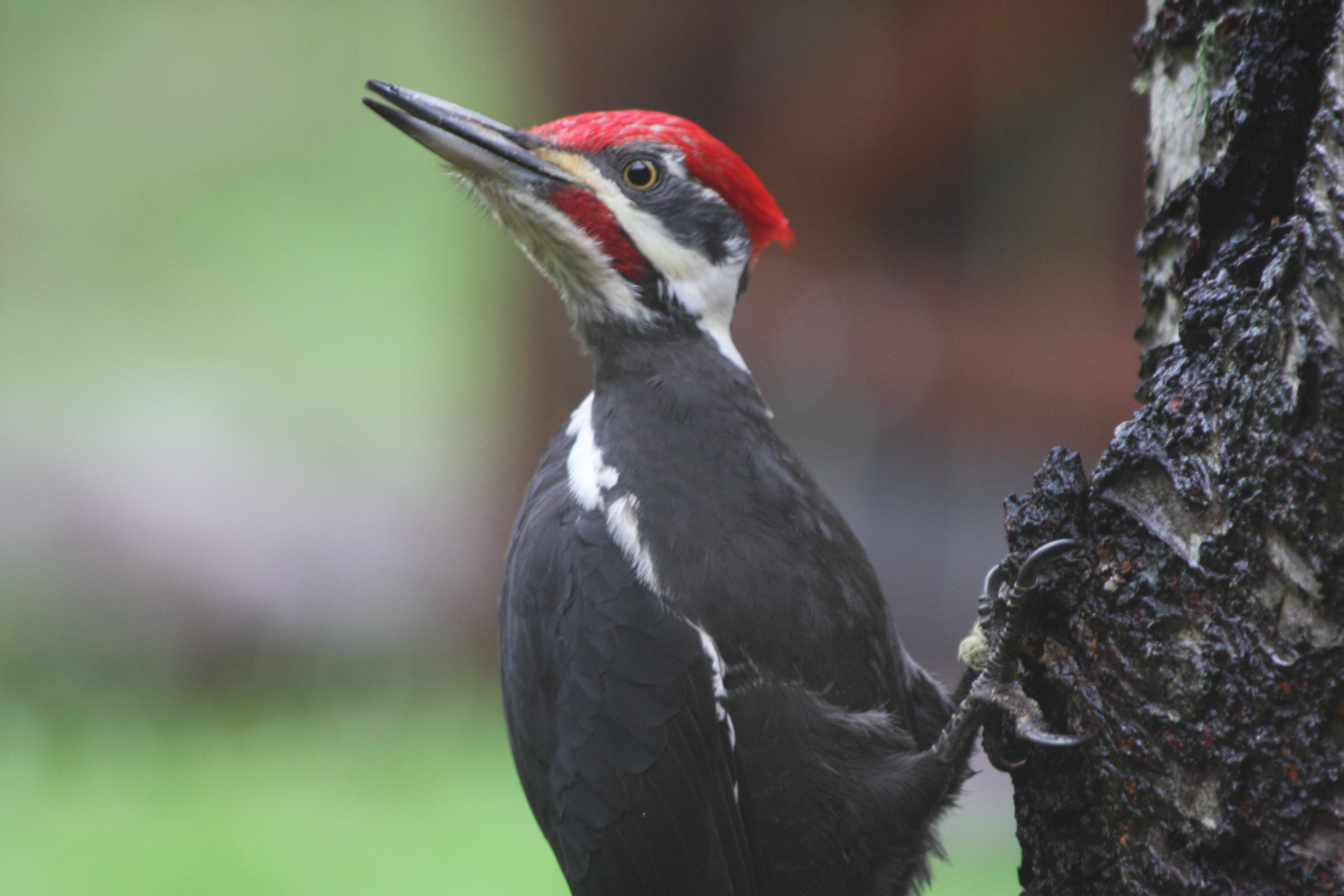
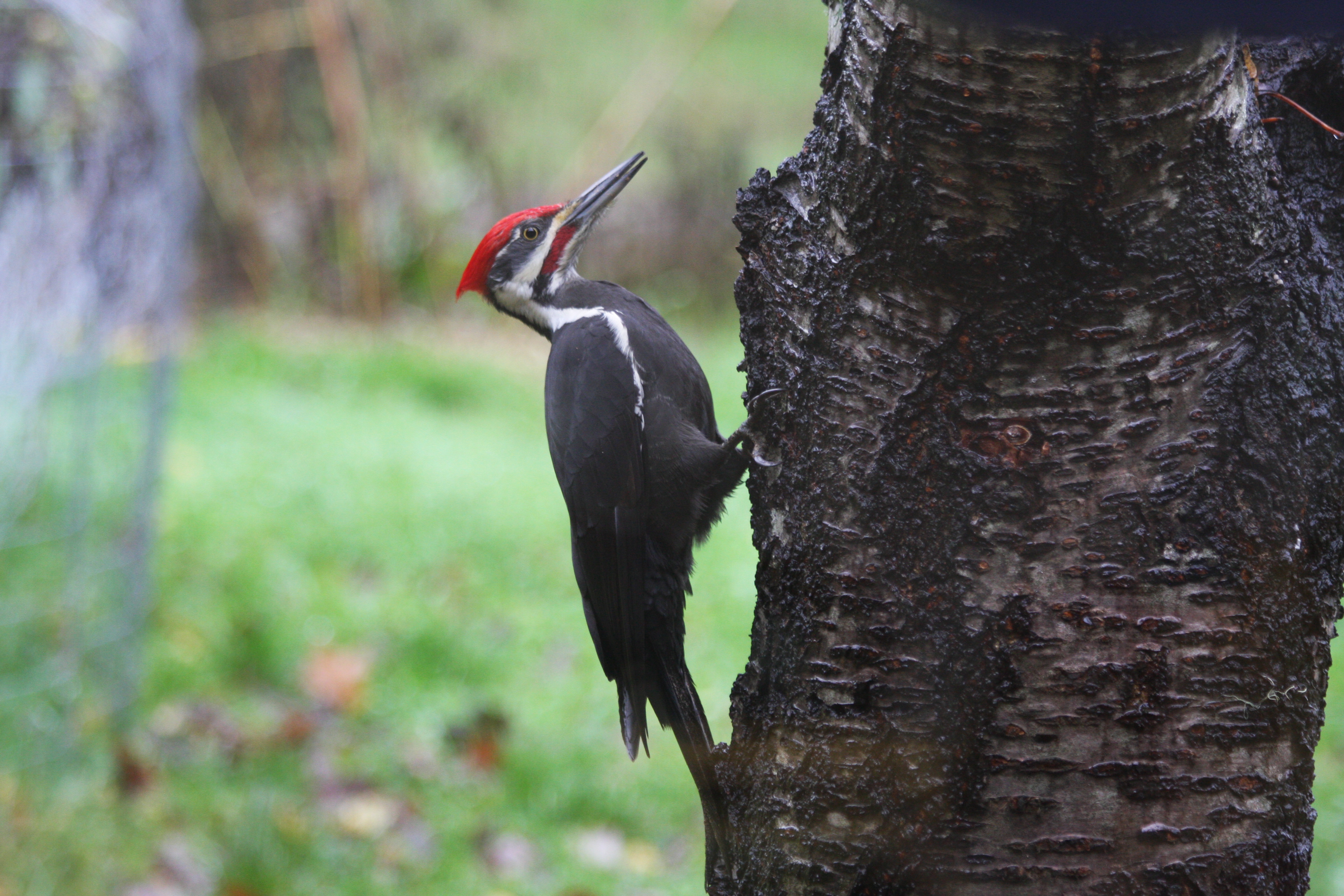
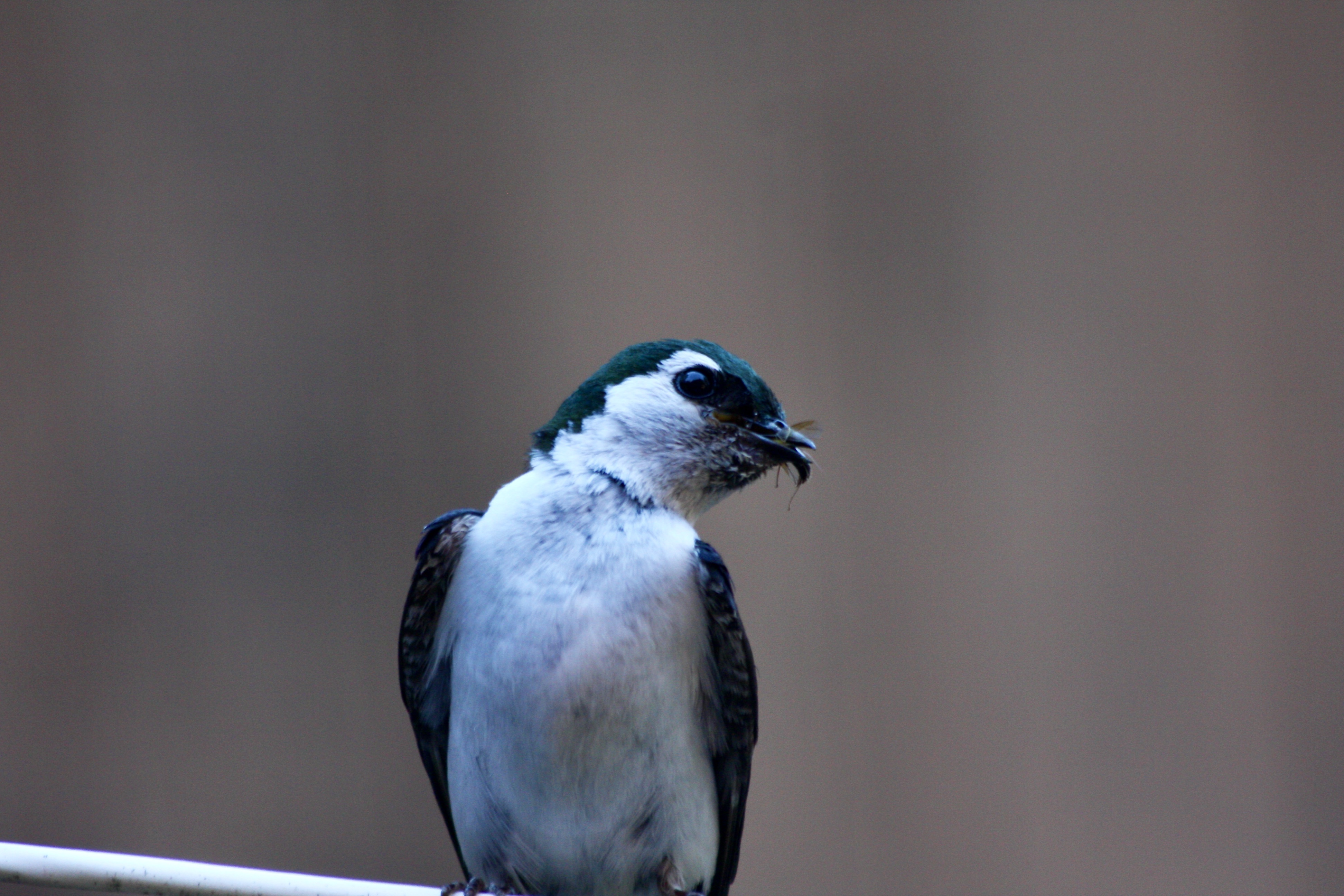
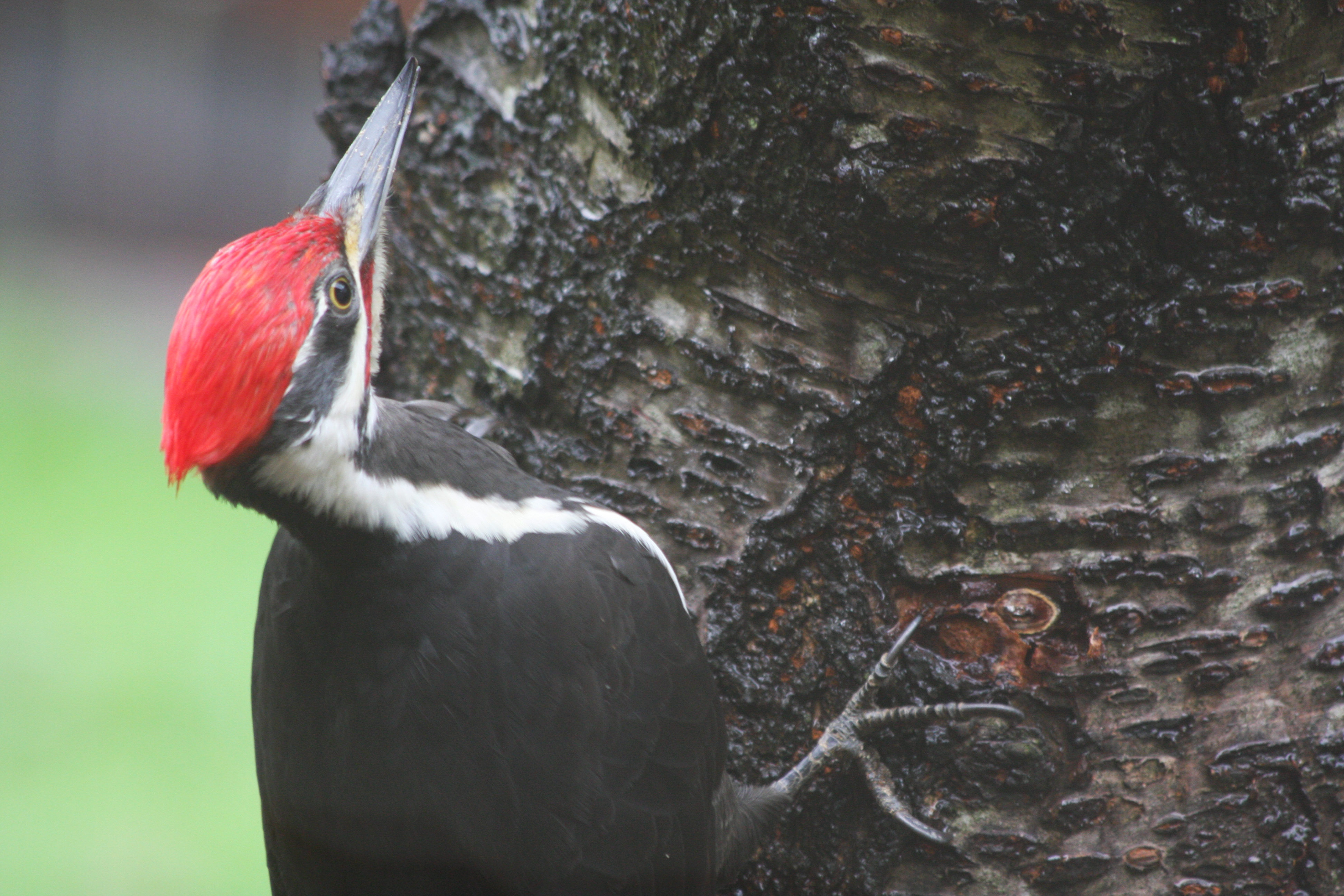
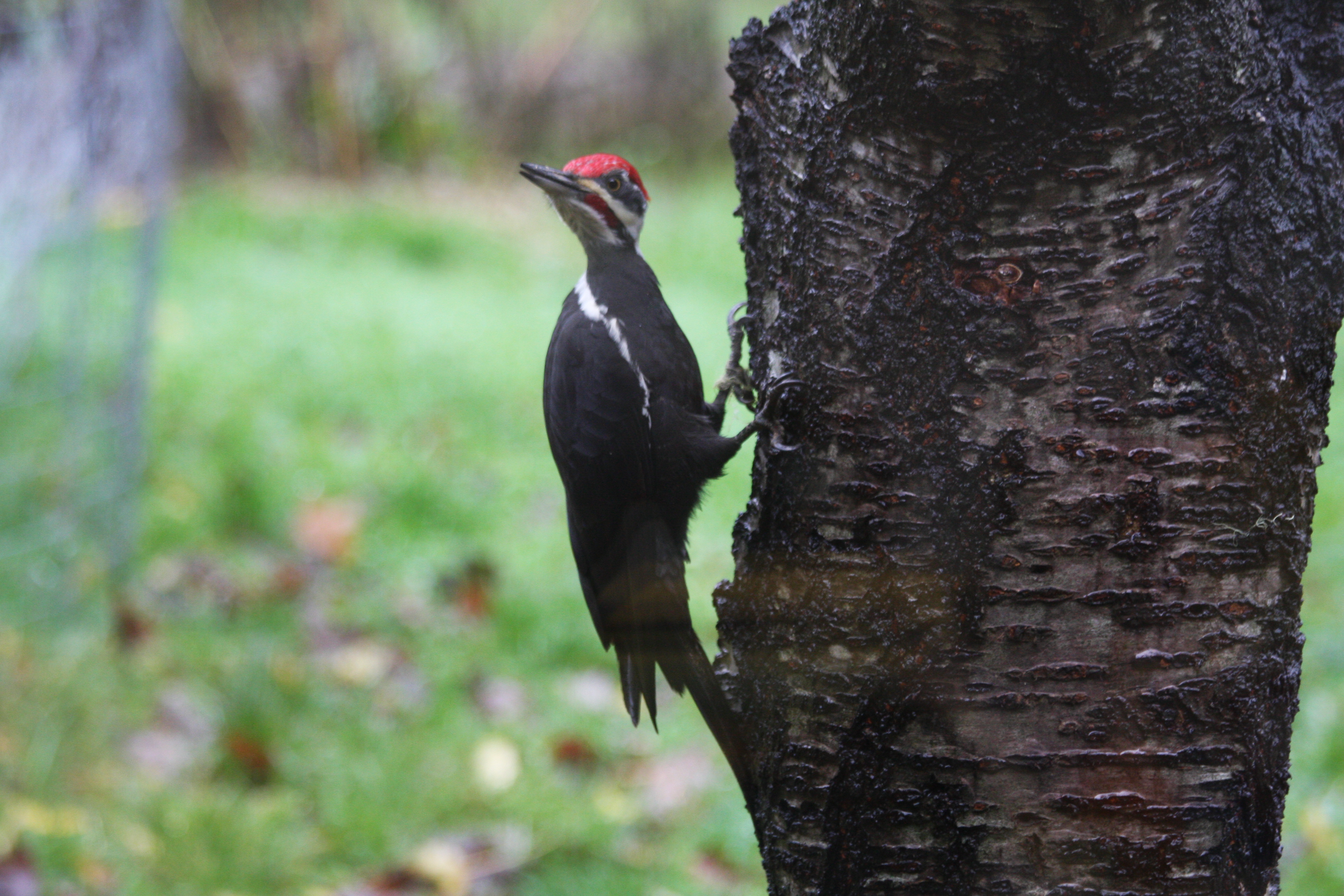
For instance, the diet of our beautiful Pileated Woodpecker species is comprised of 54-60% carpenter ants. They will be feeding nestlings soon, as will other bird species that utilize ants for food. Applying pesticides can impact these birds directly through the poisons going through the food chain or by removing their food source. We want to protect our structures, but also need the reminder to protect our avian neighbors. Just as you don’t want to go hungry and starve, neither do they.
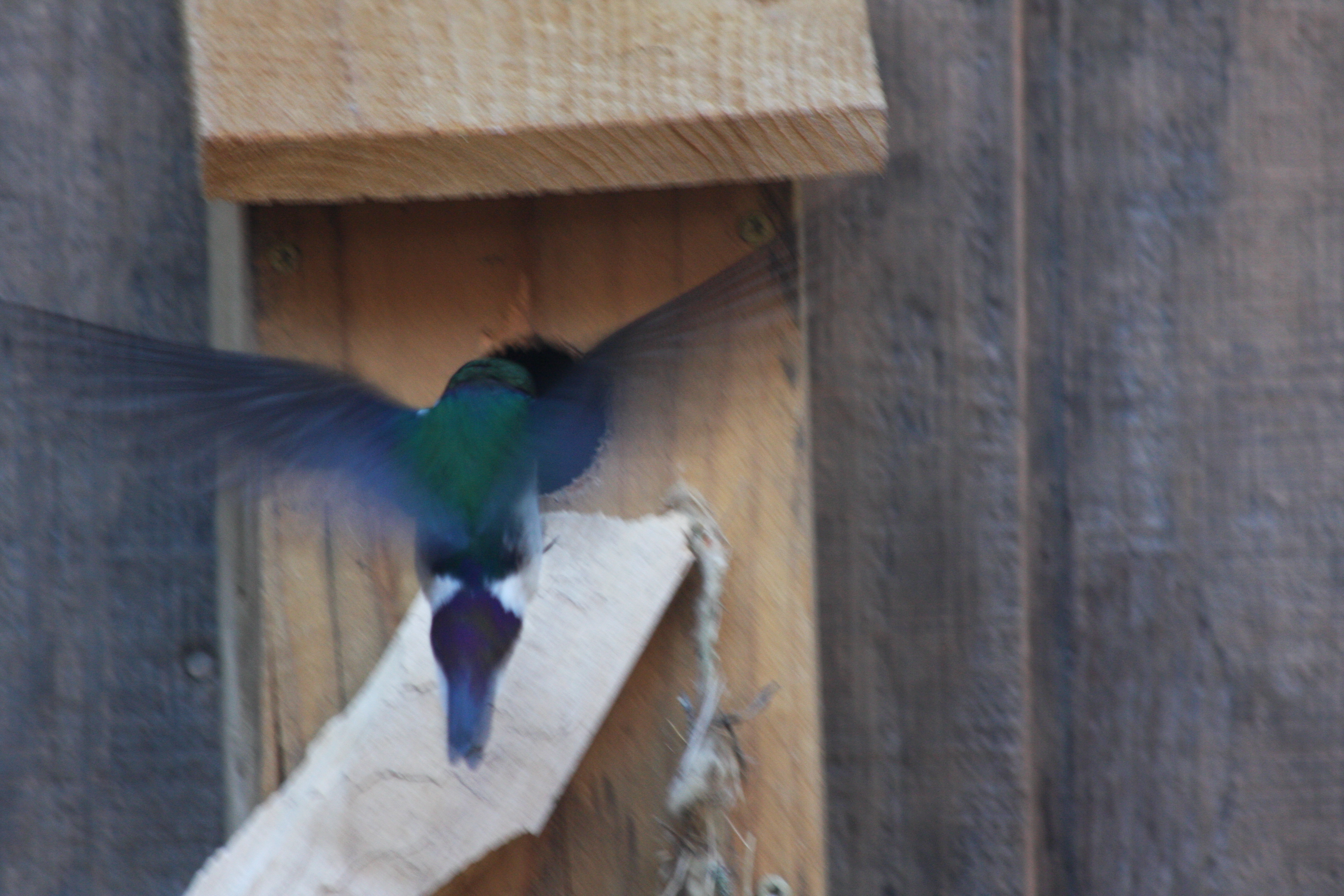
Violet Green Tree Swallow with Camponotus modoc Carpenter Ant
I guess I should go a bit further here in my ecology connection. If we are feeding the birds, why do we need to worry about ants or other bugs in the first place? Bird seed and suet cakes, and even sugar water solution for hummingbirds, provides them with a supplementary food source when they need extra energy. Supplementing with feed can help birds before leaving, or after arriving from a long migration, after a winter season when food sources decline or are scarce or harder to access. Supplementing with feeders can also provide them with extra calories before they begin nesting, or if they are compromised in some other way.
Feeding birds, however, is primarily for our entertainment. We feed them because we appreciate nature and bird watching. Suet, seeds, and sugar water are not their main diet components though. Especially not for baby birds that need protein sources.
Birds need BUGS. Even hummingbirds feed their baby birds bugs. Spiders are a favorite because baby birds need taurine, an amino acid necessary for brain development. Spiders are a source of taurine.
All birds need essential minerals, amino acids, and vitamins that aren’t found in bird seed, suet, and sugars. They will visit sources of sap, nectar, and forage in tree stumps, standing dead snags, under rocks, in the soil, and all through the leaves and twigs of our trees. I’ve seen hummingbirds taking small insects and spiders from beneath the eaves of our home. The “environment,” or what little remains that has not been altered, degraded, or poisoned by humans, is literally the “grocery store” for wildlife. Wildlife, including birds and even other insects or spiders are nature’s best pest control. Let’s make sure we protect them and acknowledge their value in choosing how we live.
References and Further Reading ***noting here that Carpenter Ants also provide valuable pest control for species of insects that defoliate our fruit and forest trees! ***
Akre, R. D., L. D. Hansen, and E. A. Myhre. 1995. My house or yours? The biology of carpenter ants. Am. Entomol. Soc. 41:221–226.
Bull, E. L. 1987. Ecology of the pileated woodpecker in northeastern Oregon. Journal of Wildlife Management 51: 472–481.
Bull, E. L., R. C. Beckwith, and R. S. Holthausen. 1992a. Arthropod diet of pileated woodpeckers in northeastern Oregon. Northwestern Naturalist 73: 42–45.
Bull, E. L., C. G. Parks, and T. R. Torgersen. 1997. Trees and logs important to wildlife in the Interior Columbia River Basin. U.S. Forest Service General Technical Report PNW-GTR-391, Portland, Oregon, USA.
Campbell, R.W., and T.R.Torgersen.1982. Some effects of predaceous ants on western spruce budworm pupae in north central Washington. Environ. Entomol. 11:111-114.
Cruz, A., and D.W. Johnston. 1979. Occurrence and feeding ecology of the common flicker on Grand Cayman Island. Condor 81:370-375.
Furniss, R. L., and V. M. Carolin. 1977. Western forest insects. U.S. Forest Service Miscellaneous Publication number 1339, Washington, D.C., USA.
Hansen, L. D., and R. D. Akre. 1985. Biology of carpenter ants in Washington State (Hymenoptera:Formicidae:Camponotus). Melanderia. Volume 43. Washington State Entomological Society, Pullman, Washington, USA.
Hansen, L. D., and A. L. Antonelli. 2005. Carpenter ants: their biology and control. Washington State University Extension Bulletin 0818, Pullman, Washington, USA.
Hansen, L. D., and J. H. Klotz. 2005. Carpenter Ants of the United States and Canada. Ithaca, N.Y.: Cornell University Press.
Mankowski, M. 2001. Biology of the Carpenter Ants Camponotus vicinus (Mayr) and Camponotus modoc(Wheeler) in Western Oregon. Ph.D. dissertation, Oregon State University, Corvallis.
Mannan, R. W. 1984. Summer area requirements of pileated woodpeckers in western Oregon. Wildlife Society Bulletin 12: 265–268.
Ramsay, S.L. and Houston, D.C. (2003), Amino acid composition of some woodland arthropods and its implications for breeding tits and other passerines. Ibis, 145: 227-232. https://doi.org/10.1046/j.1474-919X.2003.00133.x
Torgersen, T. R., and E. L. Bull. 1995. Down logs as habitat for forest-dwelling ants—the primary prey of pileated woodpeckers in northeastern Oregon. Northwest Science 69: 294–303.
Torgersen, T.R., R. R. Mason, and H.G. Paul. 1983. Predation on pupae of Douglas-fir tussock moth, Orgyia pseudotsugata (McDunnough) (Lepidoptera: Lymantriidae). Environ. Entomol. 12:1678-1682.
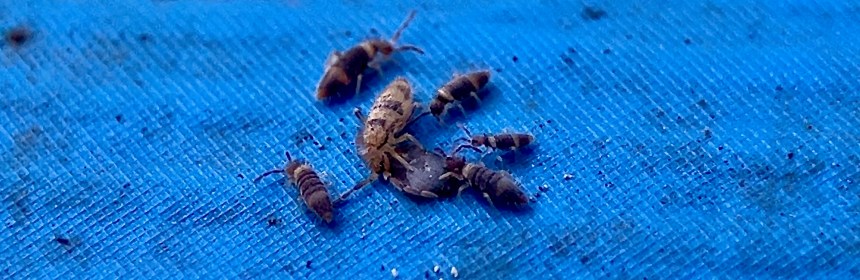
My short post for the day brings you these interesting little critters that are technically not insects. Taxonomically, they are Arthopods (Phyla) in the Subphylum Hexapoda. If you’re into Etymology, “hex” = 6, and “pod” = foot or leg.
Within the Hexapod group, you will find 3 smaller groups of these wingless organisms: Protura, Diplura, and Collembola. These are Collembolans, the springtails. This particular group of Springtails is in the family Entomobryidae, and I believe most of the species you see here are Entomobrya clitellaria forma albocincta, a name revision suggested per Frans Janssens as found on Bugguide.net https://www.bugguide.net/node/view/272565 There is one Globular Springtail (Ptenothrix beta) that shows up at about 00:43 and the large Slender Springtail showing up about 2:44 is a different species of Entomobrya (Entomobrya triangularis).
I didn’t really want to deep dive much into taxonomy though. Mostly, I wanted you to enjoy watching them as I did. I suspect they are all together here in this varied group to share the food resource, which looks like bird poo to me.
If you watch the video, I think you’ll see the group isn’t always a Hexapod of Hexapods either. At some points, there is a Quartet of Hexapods and at others, you’ll see an Octad of Hexapods. They are quite cute when they thump their antennae in an attempt to move their dining partners enough to edge up to the buffet.
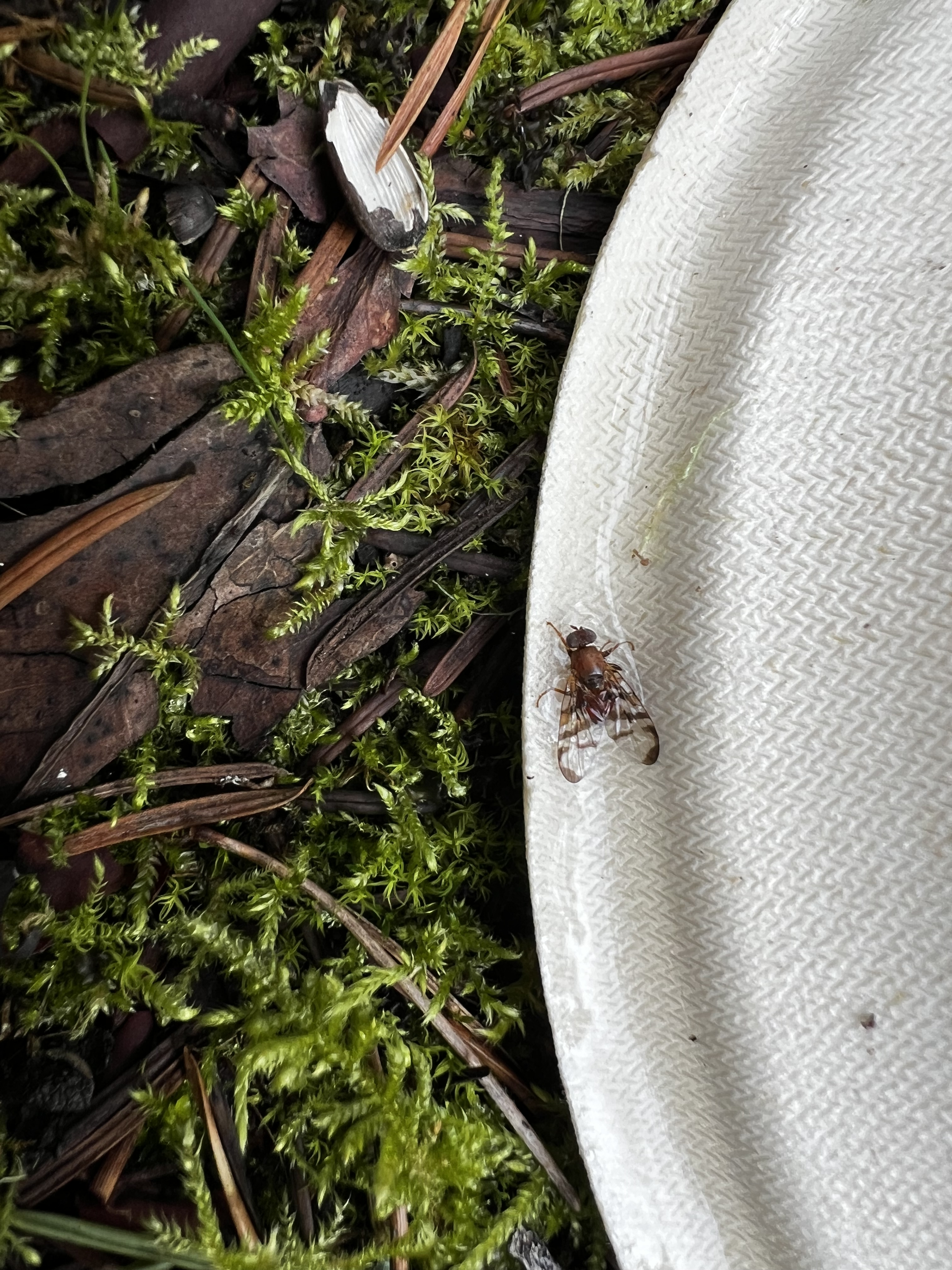
Here’s a unique specimen I have to show you. I found this fly on Wednesday after lunch when I went to look for a different species of fly around our above ground pool. I was actually looking for Woodpecker Flies when I found this one. Since I’ve committed to doing a presentation about them for the Scarab Society in September, I’m hoping to observe these weird Woodpecker flies again in the wild and take additional photos and videos to add to what I have collected already.
I didn’t expect to see anything IN the pool. Mostly, I was looking at vertical surfaces, like the sides of the pool and the sides of a nearby tree. When I glanced across the surface of the water, this little one stood out right away. I got a paper bowl to gently scoop it out, expecting it was deceased. It surprised me when it moved just a bit, then wiggled and flipped off the bowl onto the ground.
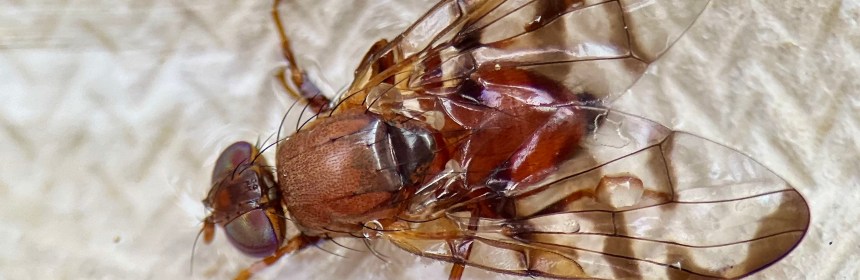
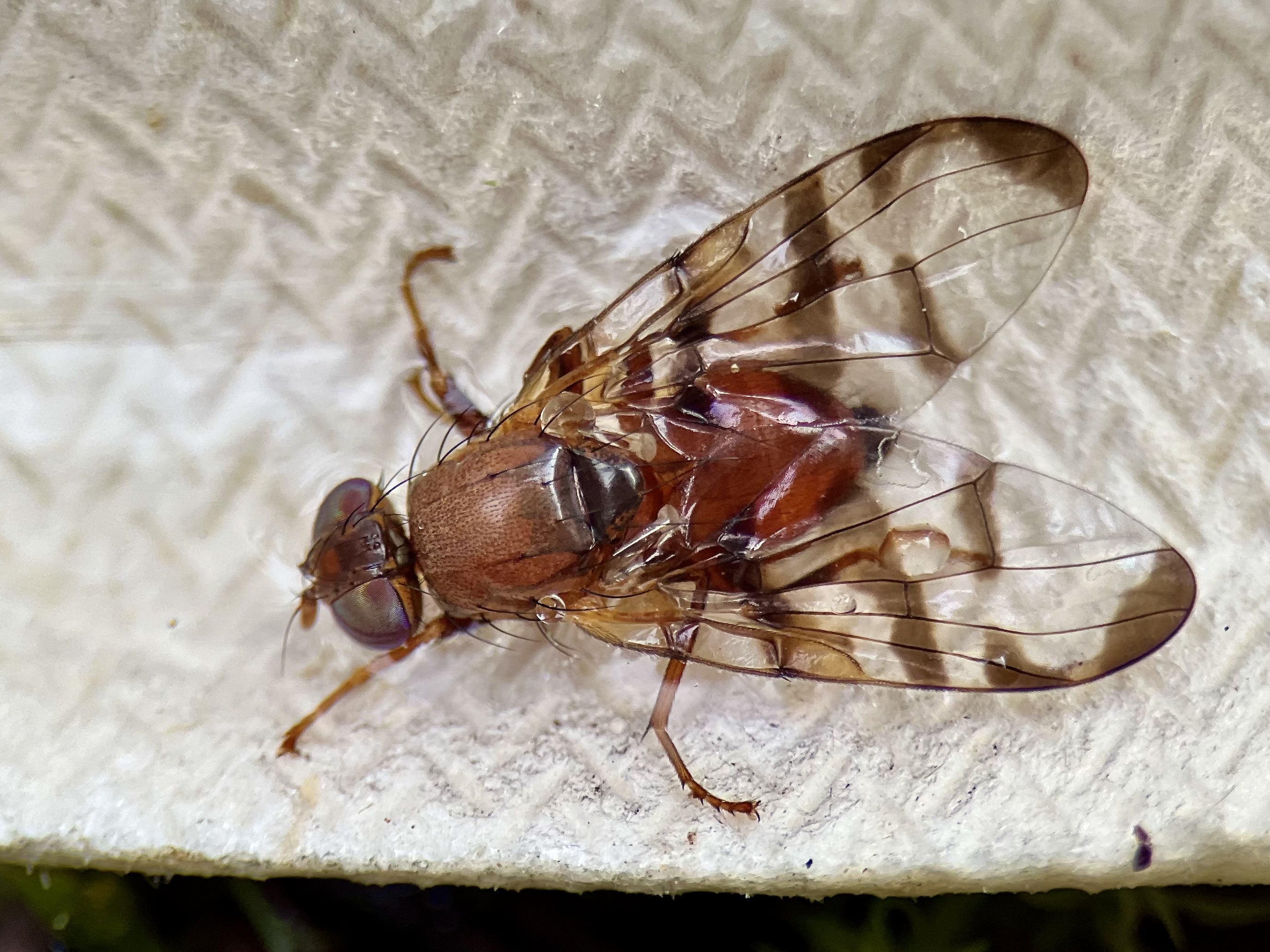
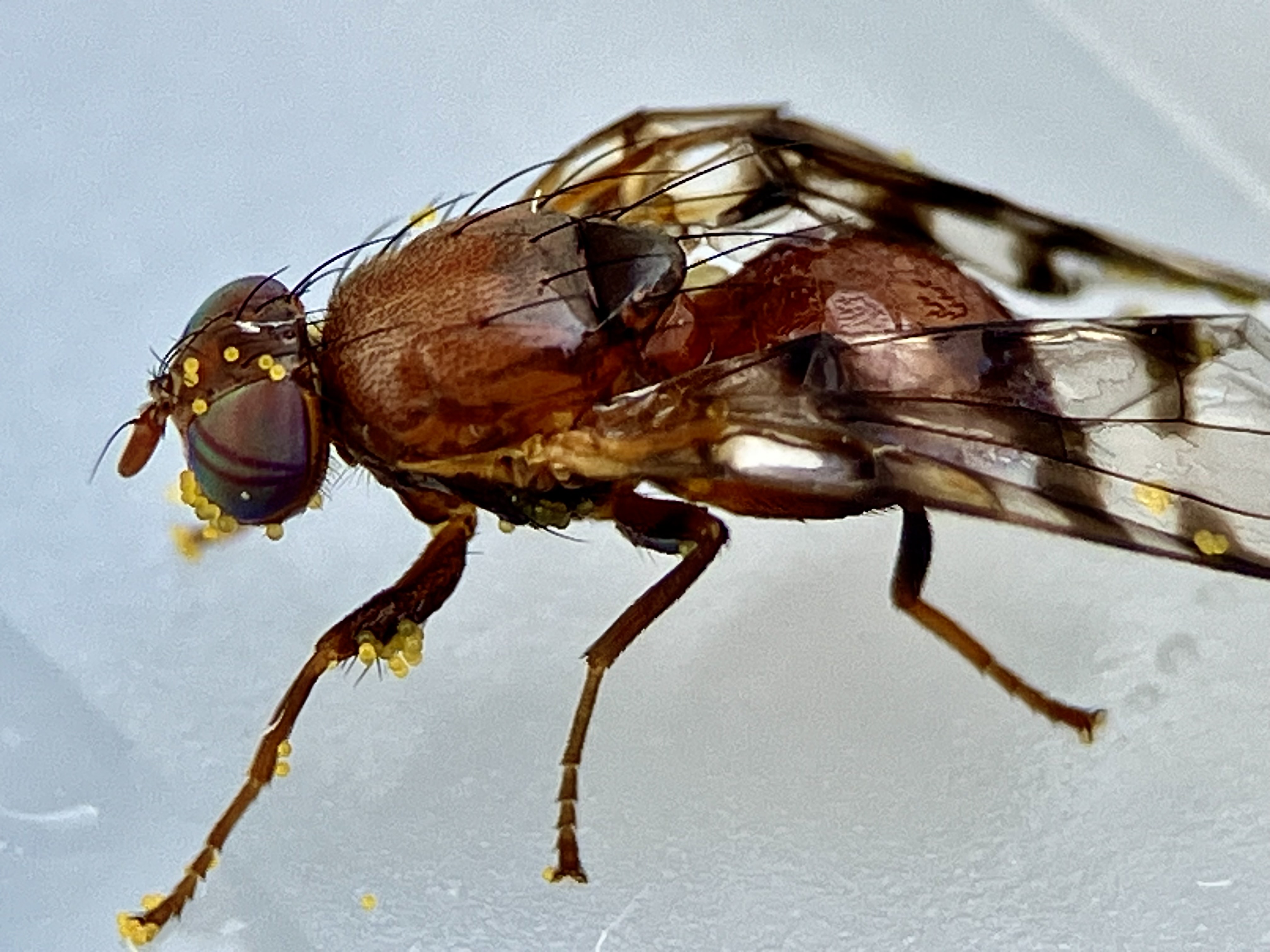
Chetostoma californicum
I bent down to inspect it, and when I touched it, it flipped around again like a fish out of water. Strange.
I had a plastic cup, so I managed to recapture the fly, wet and bedraggled as it was. I took it back into the house long enough for me to get my other camera. The lighting was better outside, so back out we went.
In case you are wondering, this is one of the Picture Wing Flies in the family Tephrididae. Also known as Fruit Flies. “Picture” references the patterned spots or stripes on the wings. There are other flies, like Drosophila sp., called fruit flies that aren’t actually fruit flies at all. THIS is a true fruit fly.
Many species of fruit flies are known for their pest status, however, there are over 4,300 described species in this family and the great majority of them are not pestiferous at all. They are merely a part of the local, natural ecosystem at large.
I used a key and geographic distribution records to determine the species for this one and believe it to be Chetostoma californicum. Trying to find host plant information led to me to do some deeper digging and to actually order a few more reference books on Tephridid flies. I have another fruit fly specimen I found when we were in Mexico, and plan to share that one with you next Friday. As I learn more about this particular one though, I will update my blog post accordingly.
The reference material I did find about Chetostoma californicum was largely from California and Arizona. Inferring from the documented host plant relationships recorded, it is likely one relationship possible in our immediate area is with native honeysuckle (Lonicera sp.). I also read adults of this species have been collected from Pines (Pinus sp.). We have a Pine tree just next to our above ground pool where the fly was collected.
Chetostoma californicum, identified by the oral edge of bucca (cheek) with a row of about 10 coarse, black bristles with a few finer black setae at the posterior end of the row. (LeBlanc, 1959)
The only additional personal record I have of this fly on San Juan Island is from February 16, 2024. I would conclude, based on my own observations, that this fly is not particularly an abundant species here. In checking for reports of the species on San Juan, my two posted observations are two of three total for the county.
Now if I can just find out what’s behind the fish flippy behavior…..stay tuned!
Chetostoma californicum (with pollen stuck to it after I accidentally dropped it into a Crocus flower)
Cole, F. 1969. The Flies of Western North America. University of California Press. Berkeley and Los Angeles.
Foote, R.H. and Blanc. F.L. 1963. The Fruit Flies or Tephritidae of California. Bulletin of the California Insect Survey. University of California Press. Berkeley and Los Angeles. https://essig.berkeley.edu/documents/cis/cis07.pdf
LeBlanc, 1959. A new species of Chaetostoma from California (Diptera: Tephritidae). Pan-Pacific Entomologist. 35:201-204. https://biostor.org/reference/225819
Wasbauer MS. 1972. An annotated host catalog of the fruit flies of America north of Mexico (Diptera: Tephritidae). Occas. Pap. Calif. Dep. Agric. Bur. Entomol. 19:1–172.
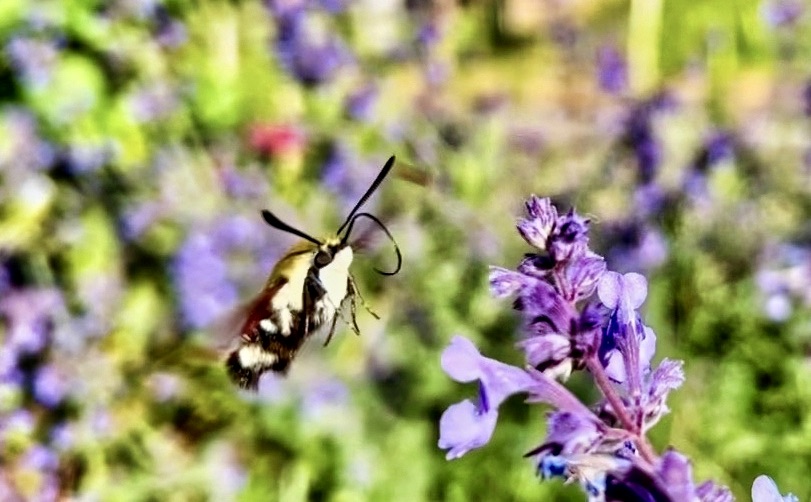
Hemaris thetis moth nectaring at Catmint (Nepeta sp.)
With spring around the corner, I thought it might be a good time to write up a post about bees. For those of you who don’t know me, I’ve been a San Juan Island resident now for over 17 years. When I was finishing my Masters Degree in Entomology and Nematology, I was required to take bee keeping as part of my advanced Apiculture coursework.
My former bee keeping days! 2010
I won’t lie, I did enjoy the bees. I had one of the hives under a bedroom window, and it smelled so wonderful to open that window and smell the bees in the house. In my studies, I learned a lot about social insects. The other thing I learned was bee keeping sure is an expensive endeavor.
Why? Well mostly because the bees had to be replaced every year after they died over the winter from starvation. They didn’t always starve, but in the 6 years or so of keeping bees on the island, I think my longest surviving hive lasted about 4 seasons. That one, I can assure you, only lasted that long because I fed them sugar water. I was feeding the bees a quart of sugar water at least twice a day. They had all of that, and I never took any honey from my hives. All the costs added up. They also sting.
In my experience, I concluded honey bees weren’t exactly the best pollinators here either. As I spent more and more time in my study of insects and moved to a property with an old orchard (plums and apple trees), I saw the insects doing most of the pollination were flies. We have some incredibly cool species of flies too! At night, the insects pollinating these trees included many moths. Just an FYI, flies and moths are particularly attracted to the color white (same color as early flowering fruit trees).
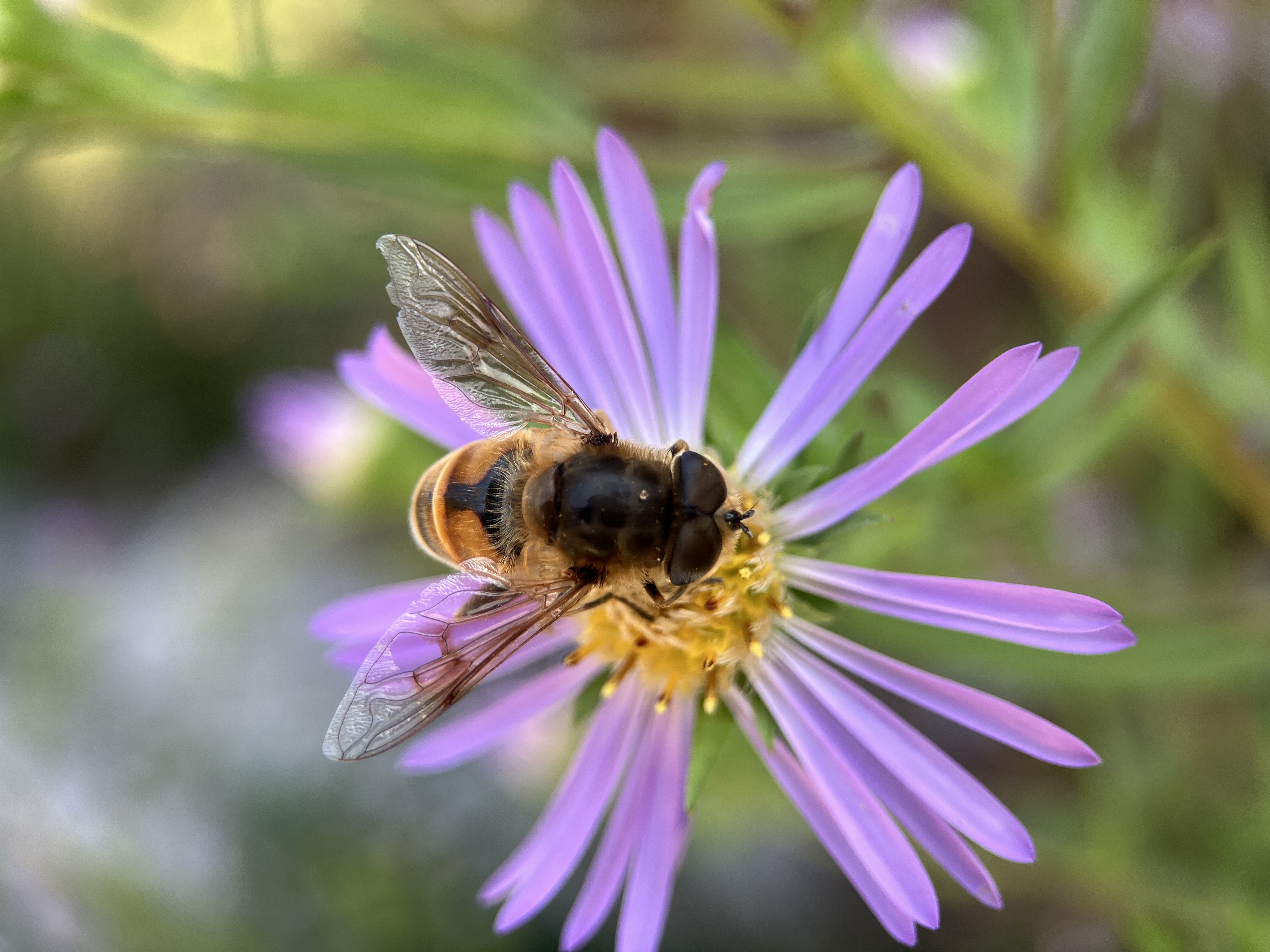
Eristalis tenax fly on Aster
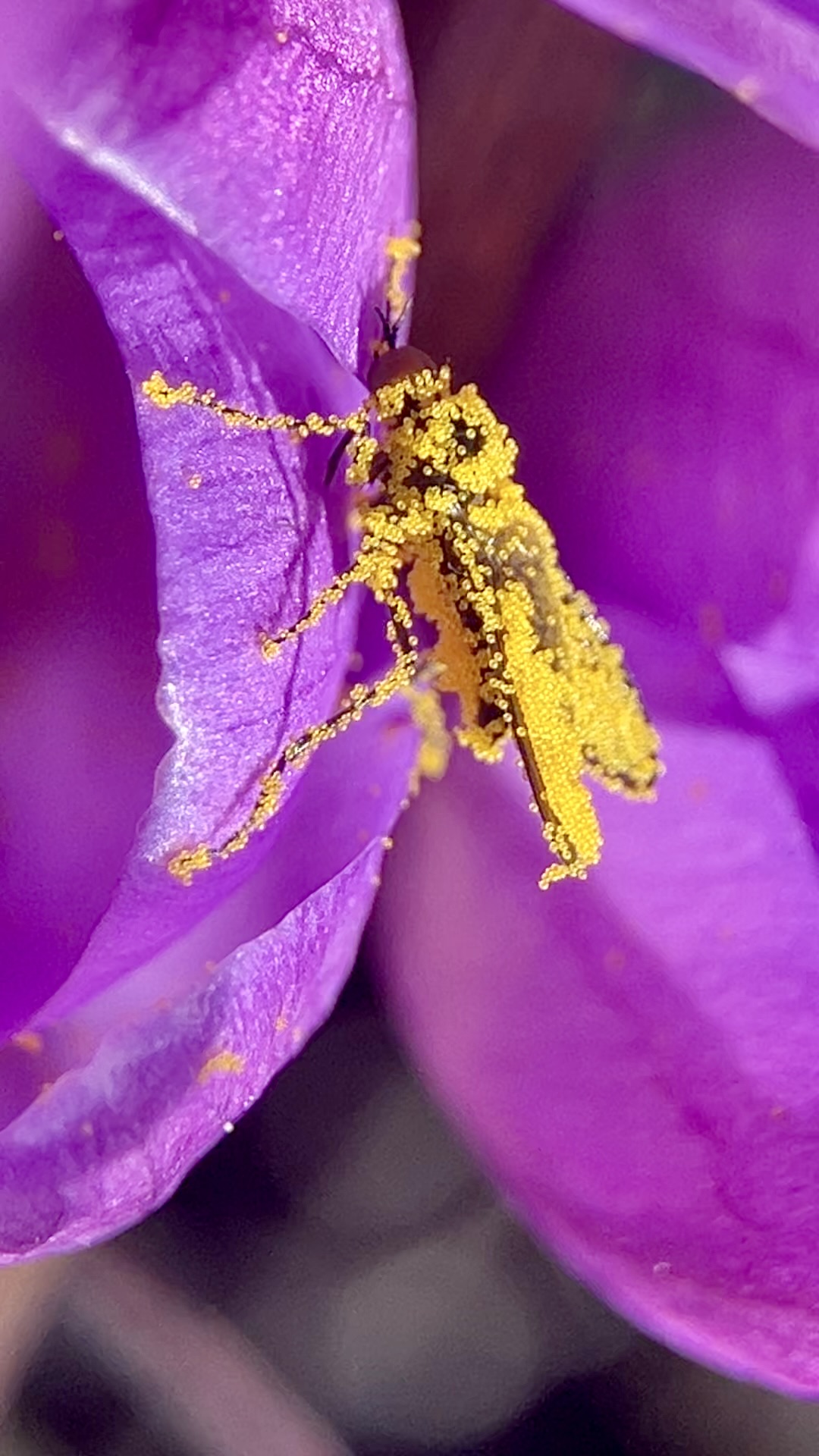
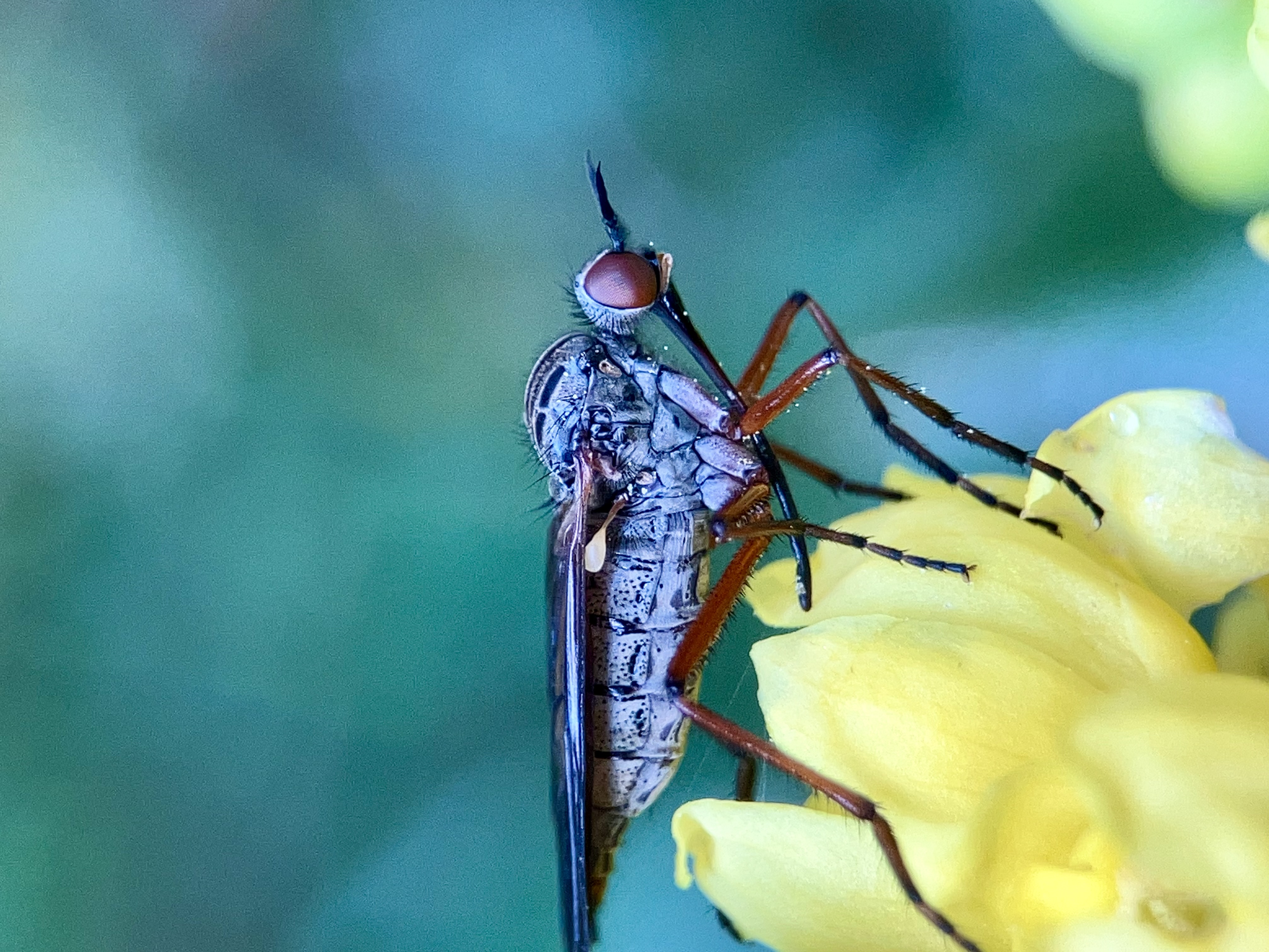
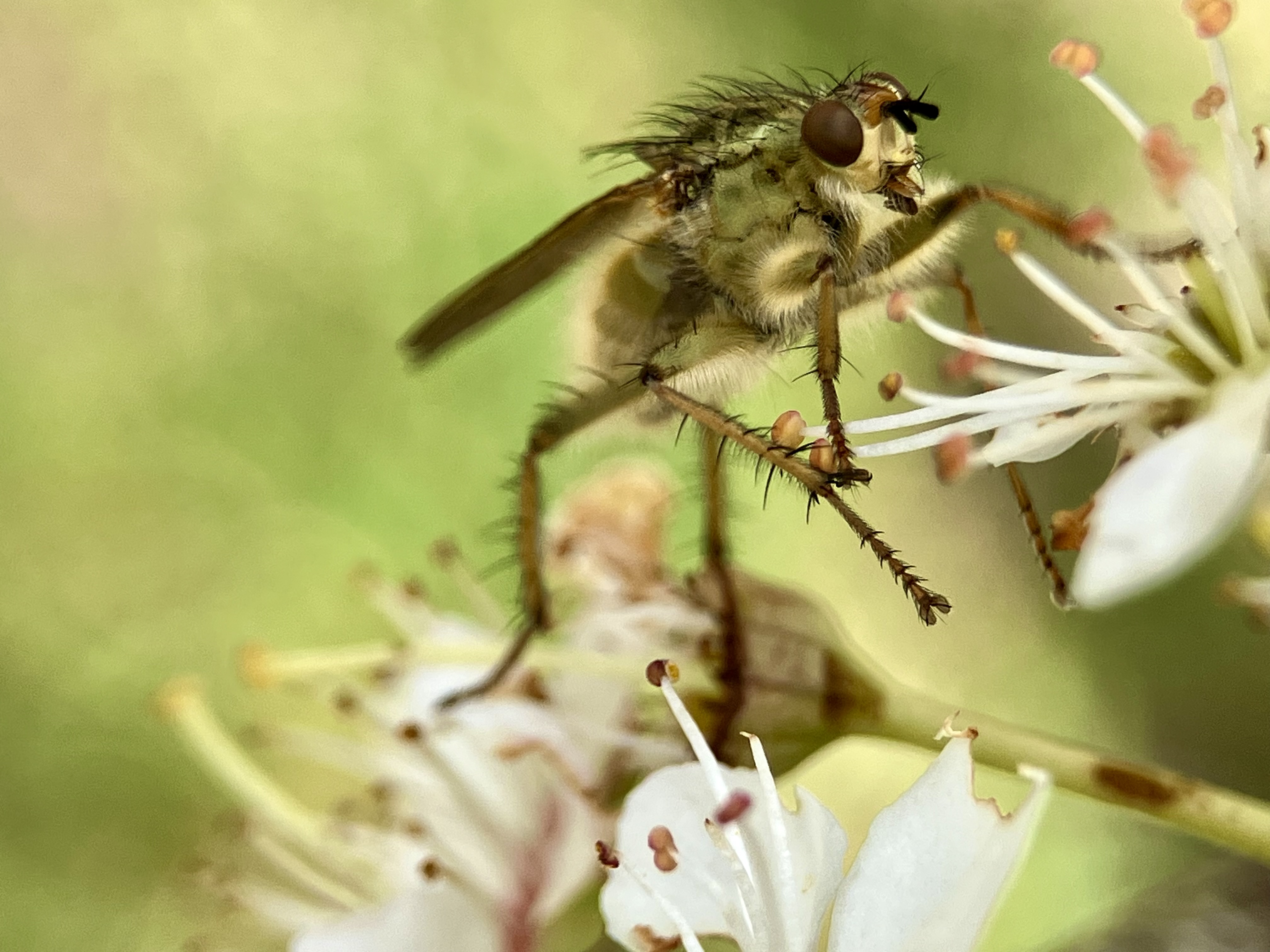
Empididae Dance Fly Covered in PollenEmpis barbatoidesEmpis sp. Golden Dung Fly (Scathophaga stercoraria) Forked Globetail (Sphaerophoria sulphuripes ), a Syrphid Fly Melanostoma mellinum Variable Duskyface Fly, a Syrphid Fly Musca sp. (I believe Musca autumnalis)Sericomyia chalcopyga – Western Pond Fly, A Syrphid FlyPollenia sp. Cluster fly
Honestly, I am not much of a food gardener, but I do love watching for insects in our garden and observing the relationships that exist. Not just between the insects and the plants, but also the relationships between different species of insects (and I’ll lump spiders in here too).
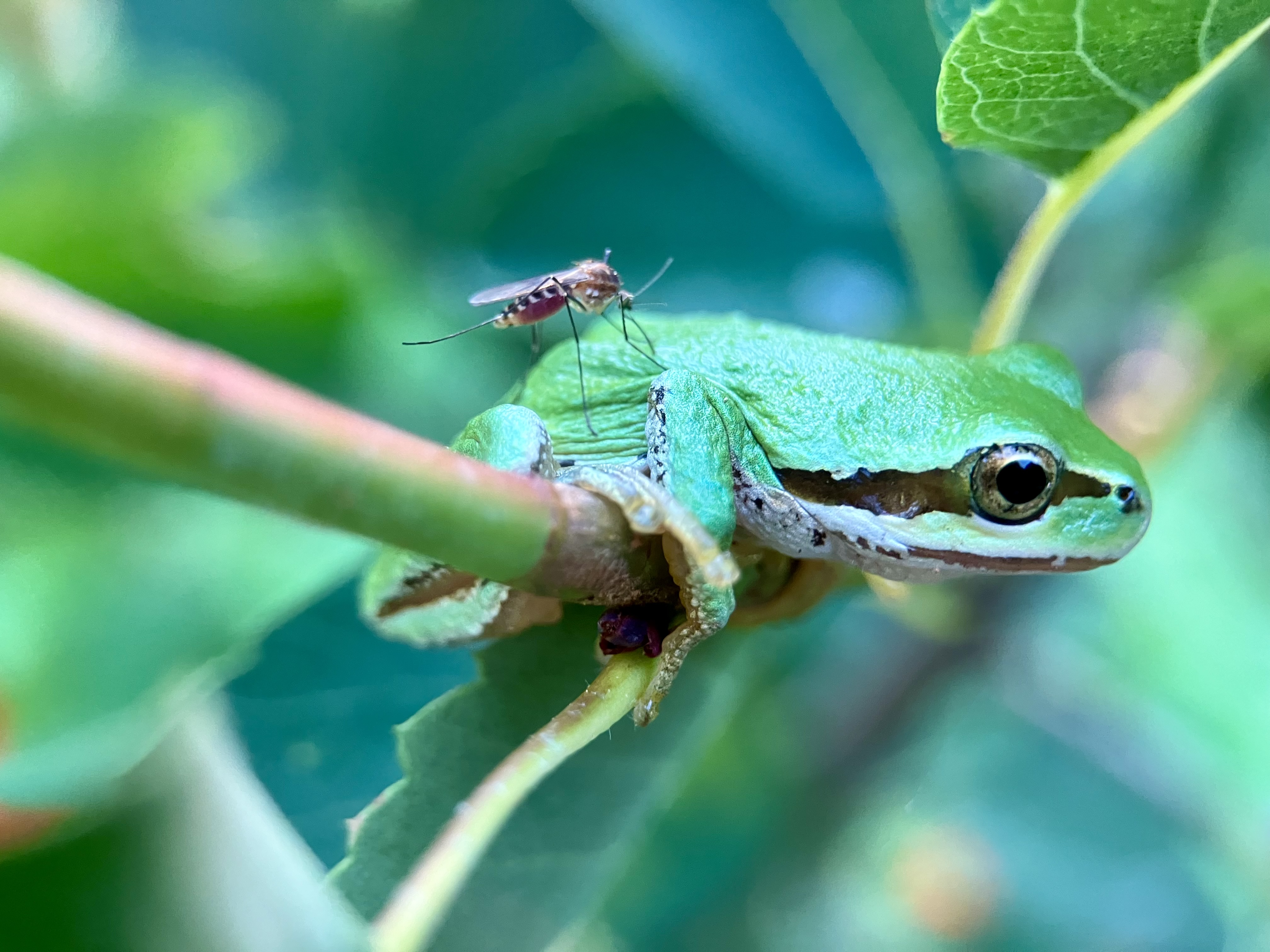
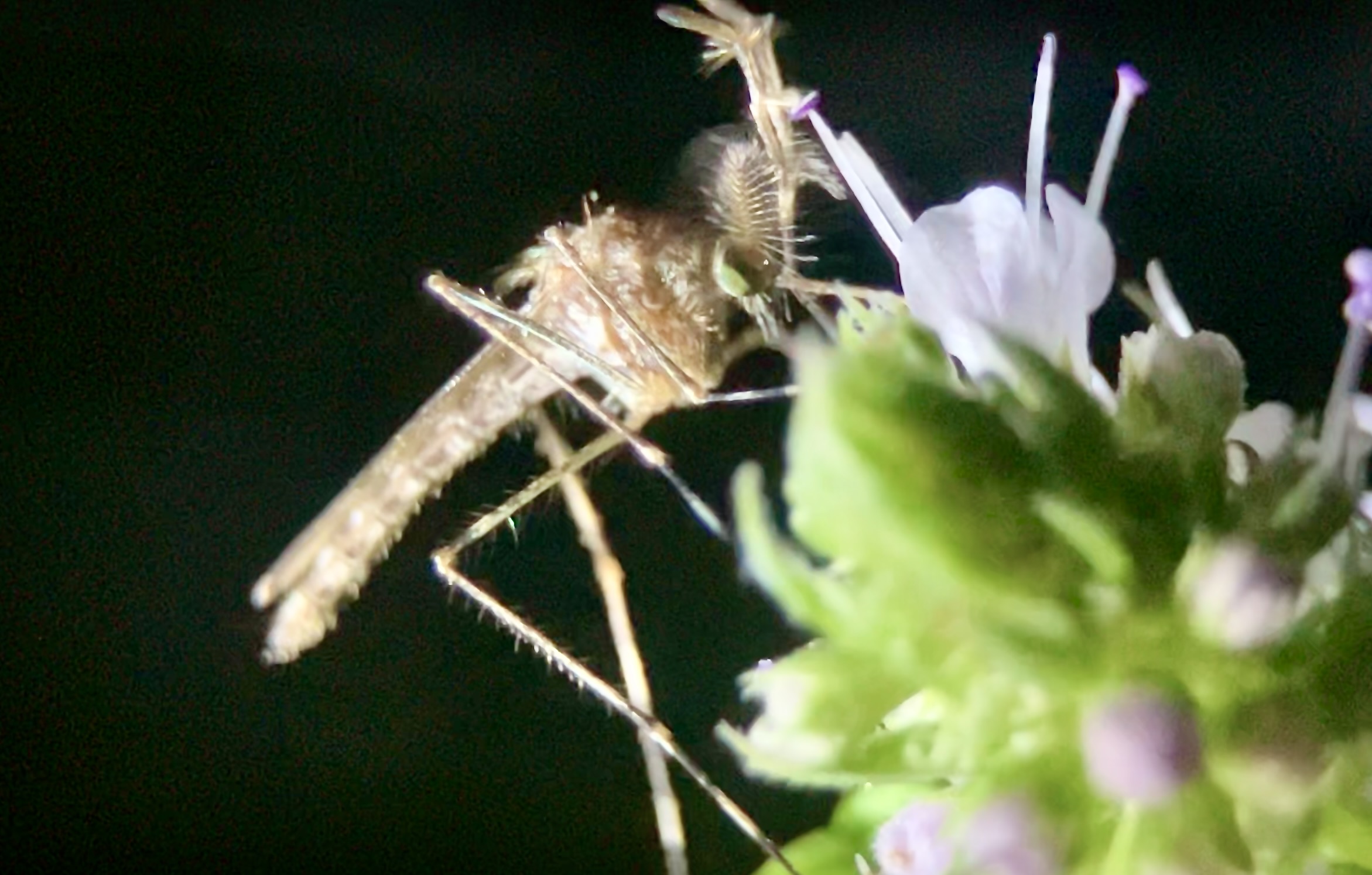
Every year, I watch our resident chickadees and nuthatches glean insects off twigs and branches. Nature’s pest control. The little tree frogs gobble bugs off garden plants. Those same frogs are also food for a species of female mosquito. Yes, you might detest mosquitoes, but even mosquitoes are pollinators. Go out at night with a flashlight and look at those fruit tree flowers!
Culex territans mosquito feeding on tree frogMale mosquito, night time pollinator
Even now, in February, I watch our year round, Anna’s hummingbirds zip along eaves of our home taking spider webbing to glue their nests together. They also eat many small bugs like fungus gnats and other small flies, even spiders!
If you just take a moment to look closely, there are many varied relationships between species at all trophic levels going on around us that have evolved to work in balance in our island ecosystem. Native species usually have multiple roles in the ecosystem. Some are pollinators, but also pest predators. Others we may consider pests, but they are also predators of pests. Most are food for some other organism in the food chain. Remember too, that just as we are healthier with a diverse diet, other organisms also stay healthy from sourcing nutrients from an assortment of food. When we lose diversity, we all suffer. We need a complex working ecosystem, and that comes from nature!
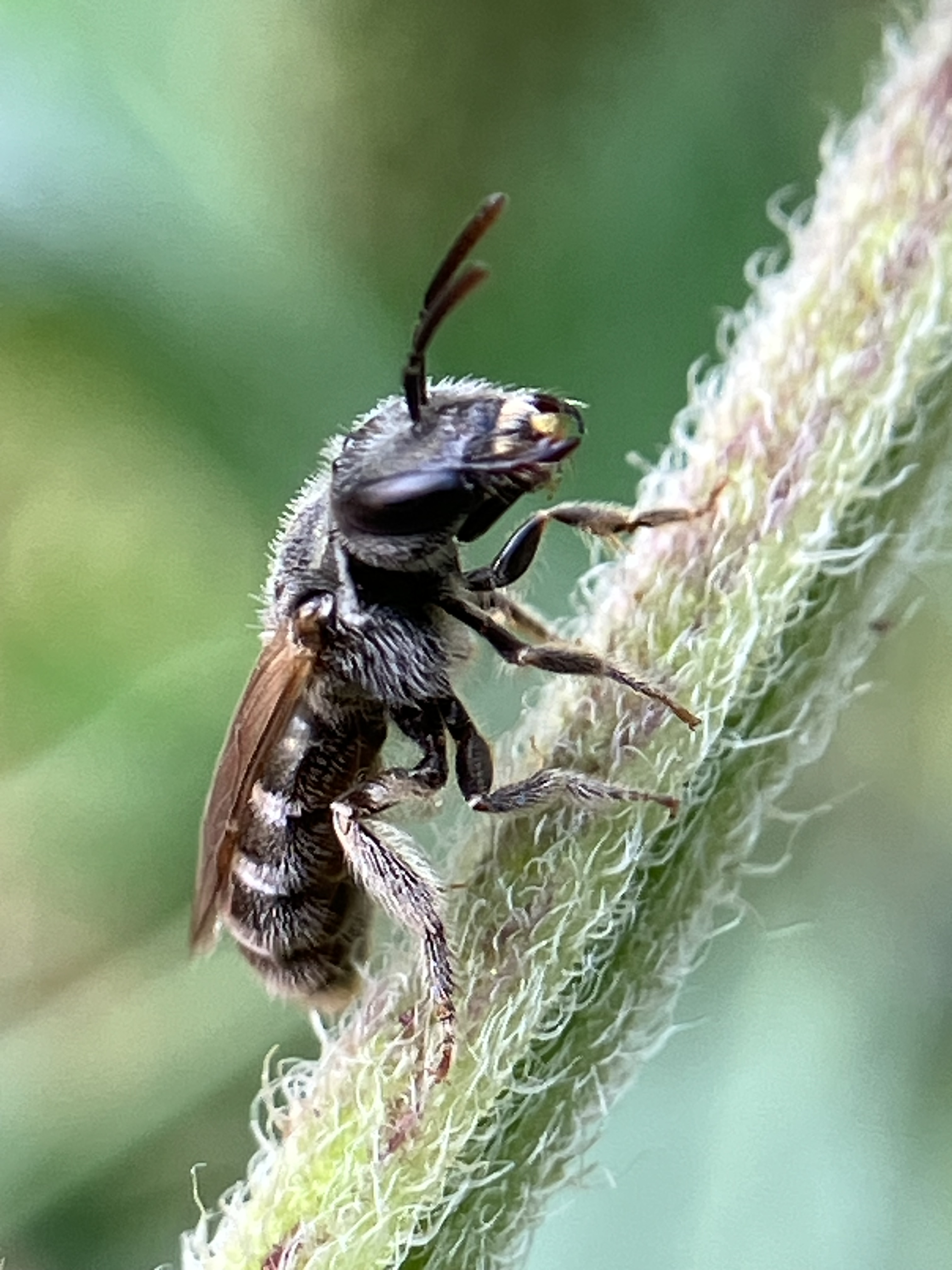
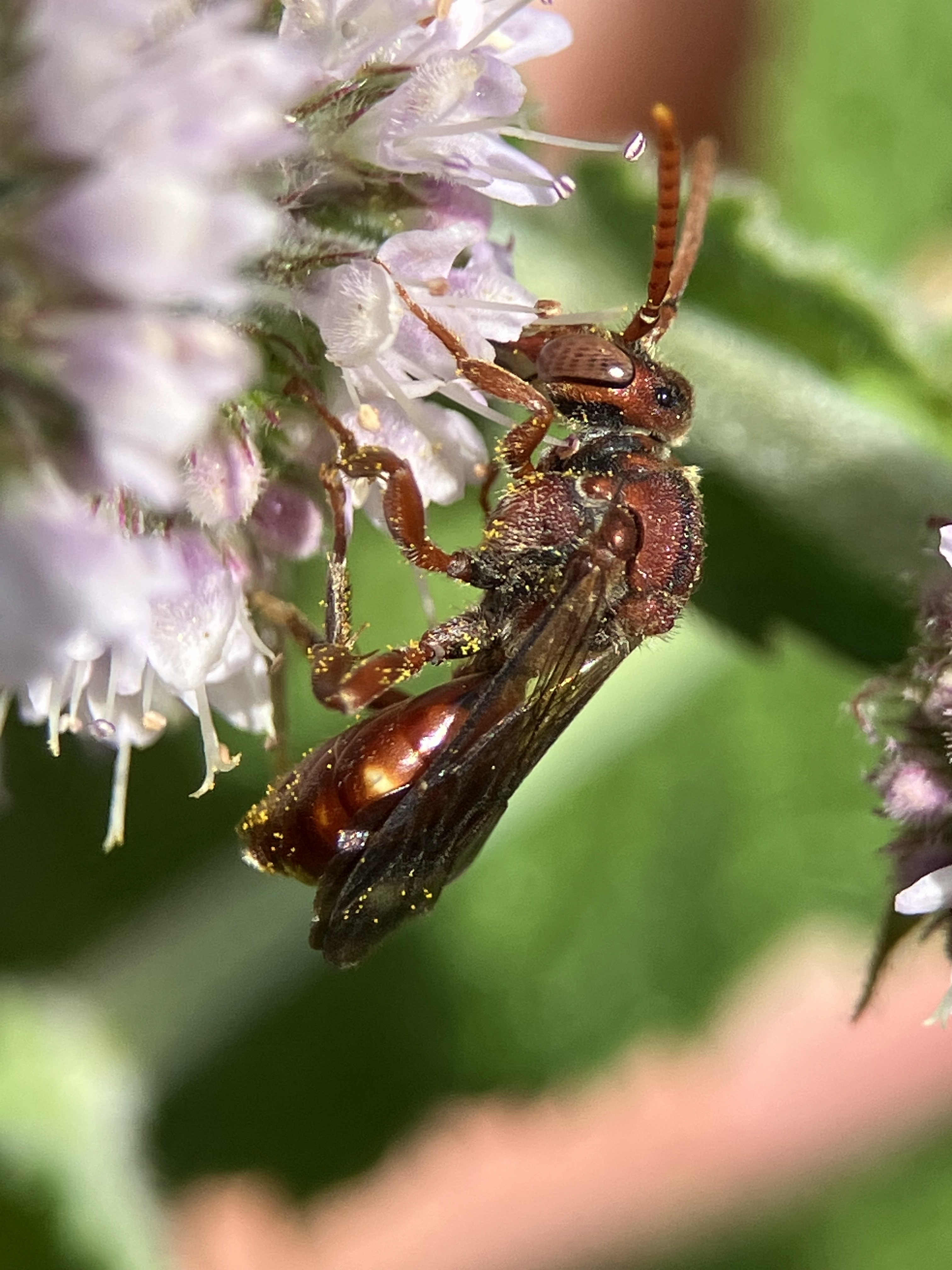
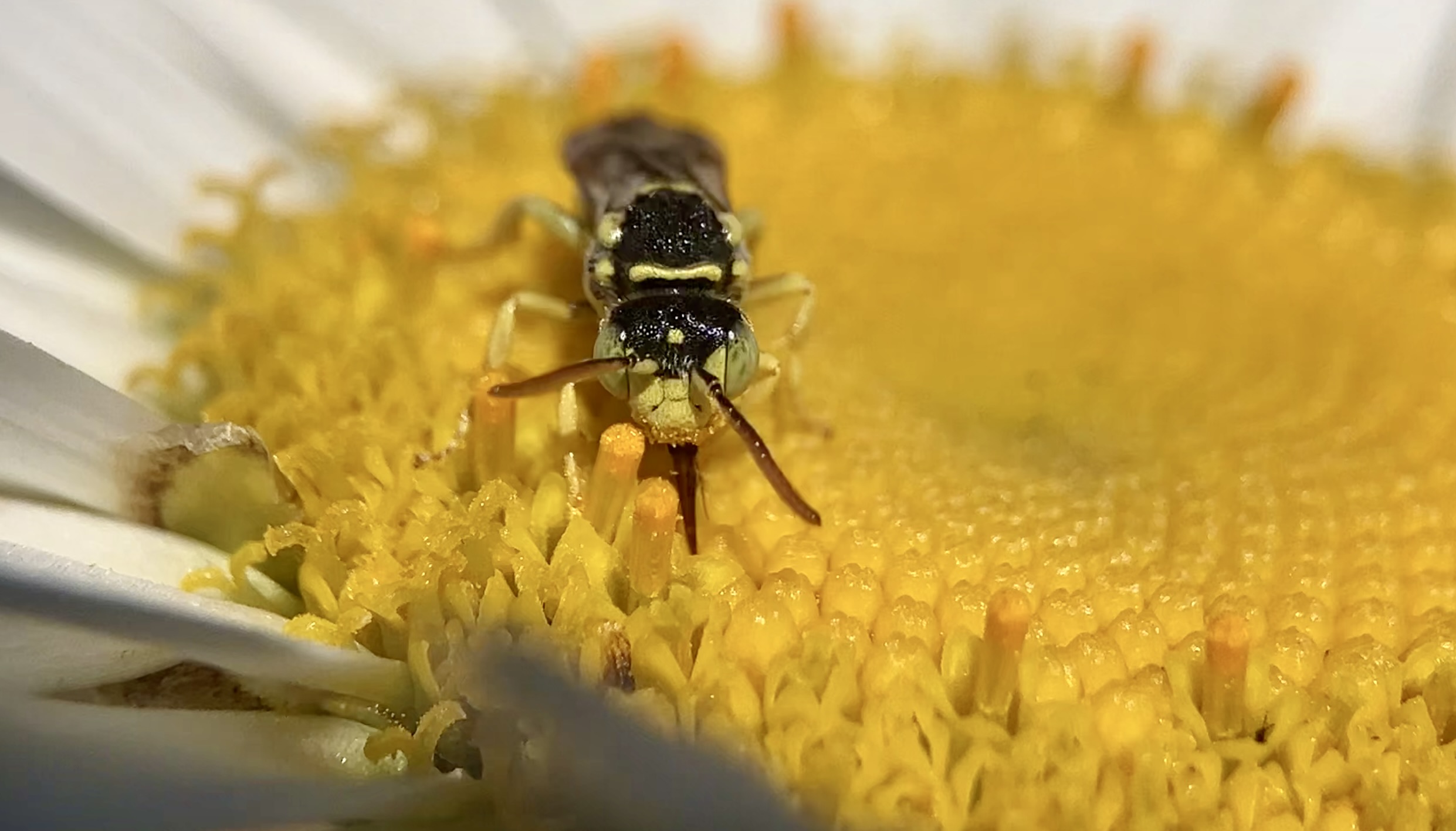
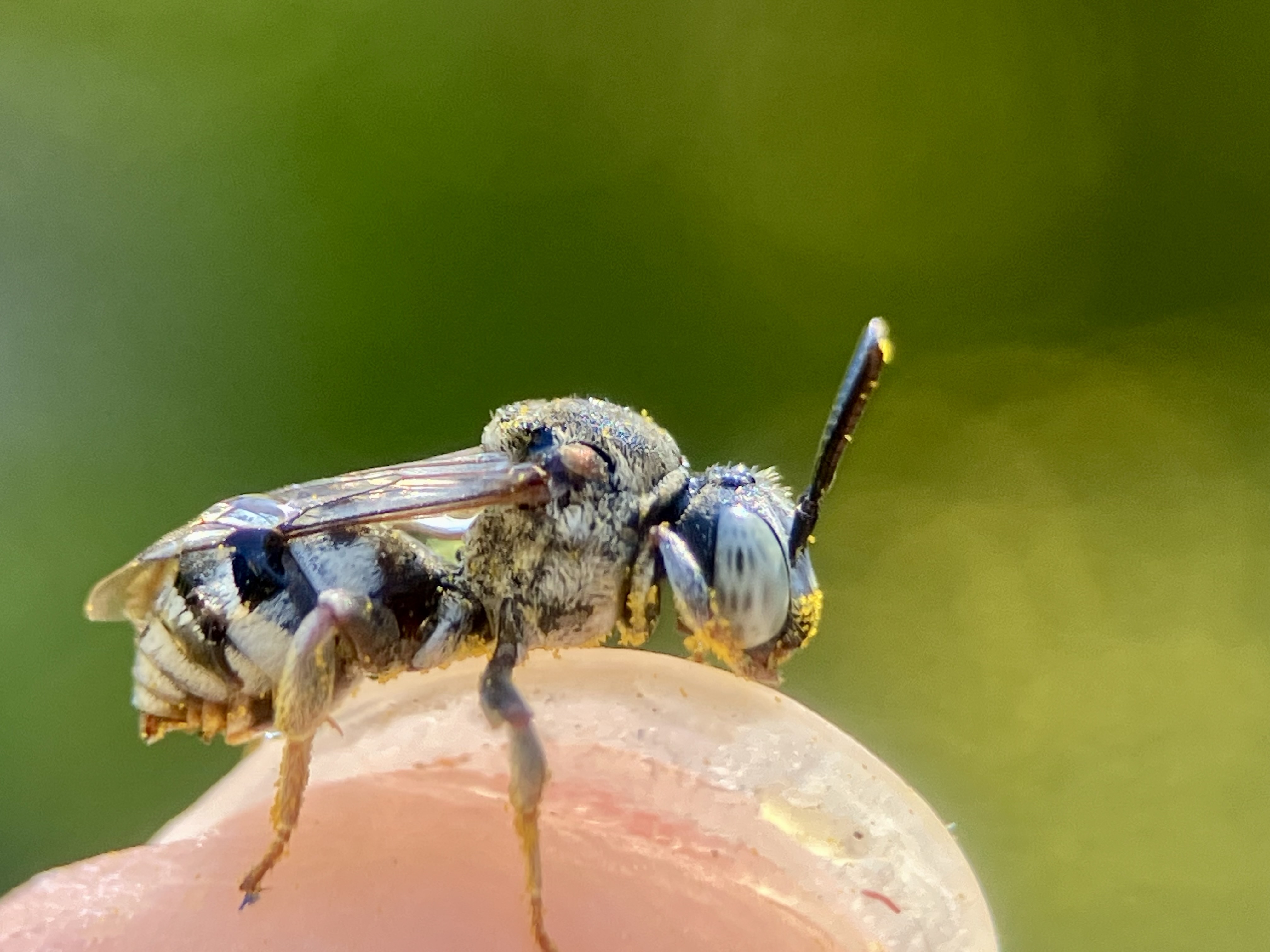
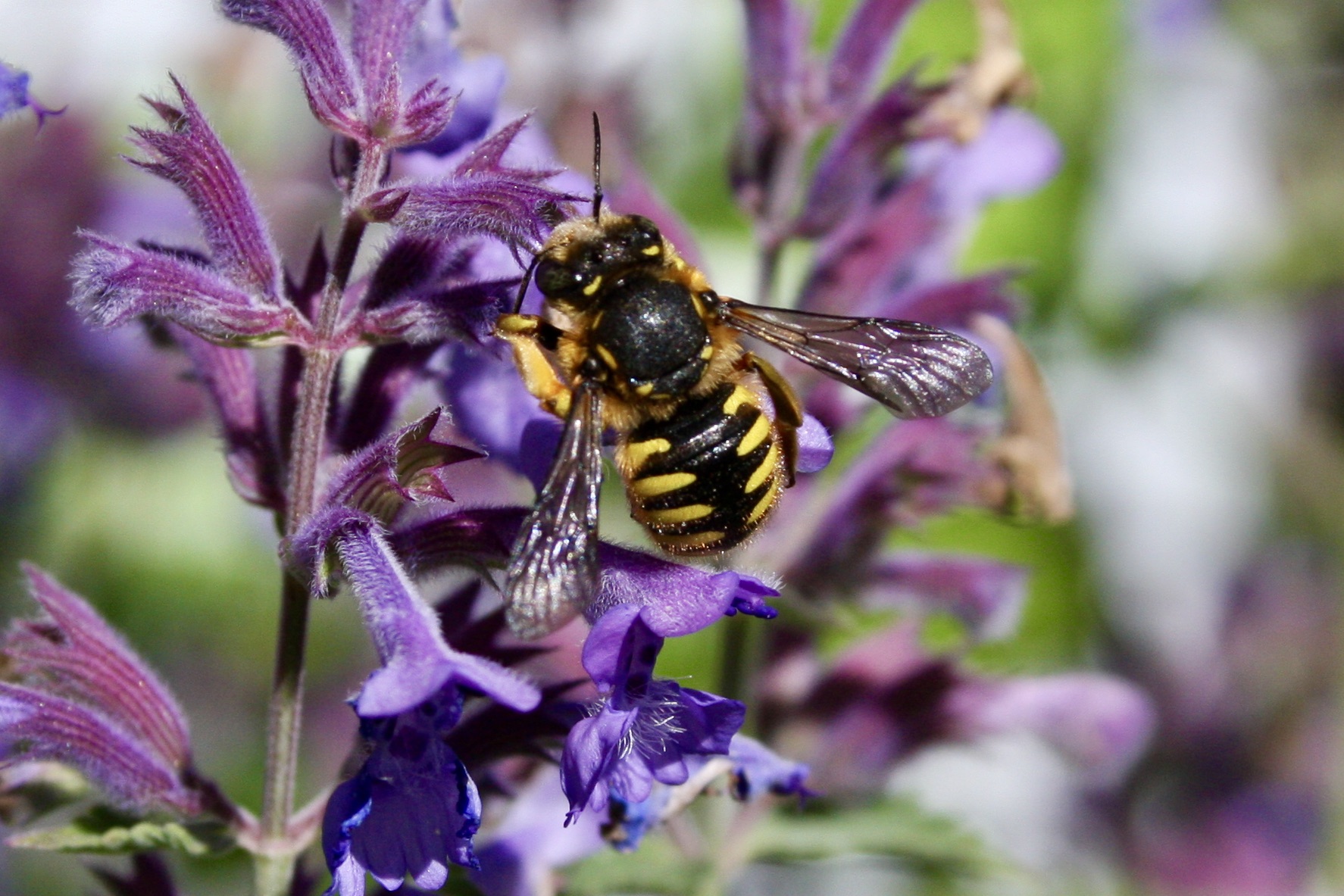
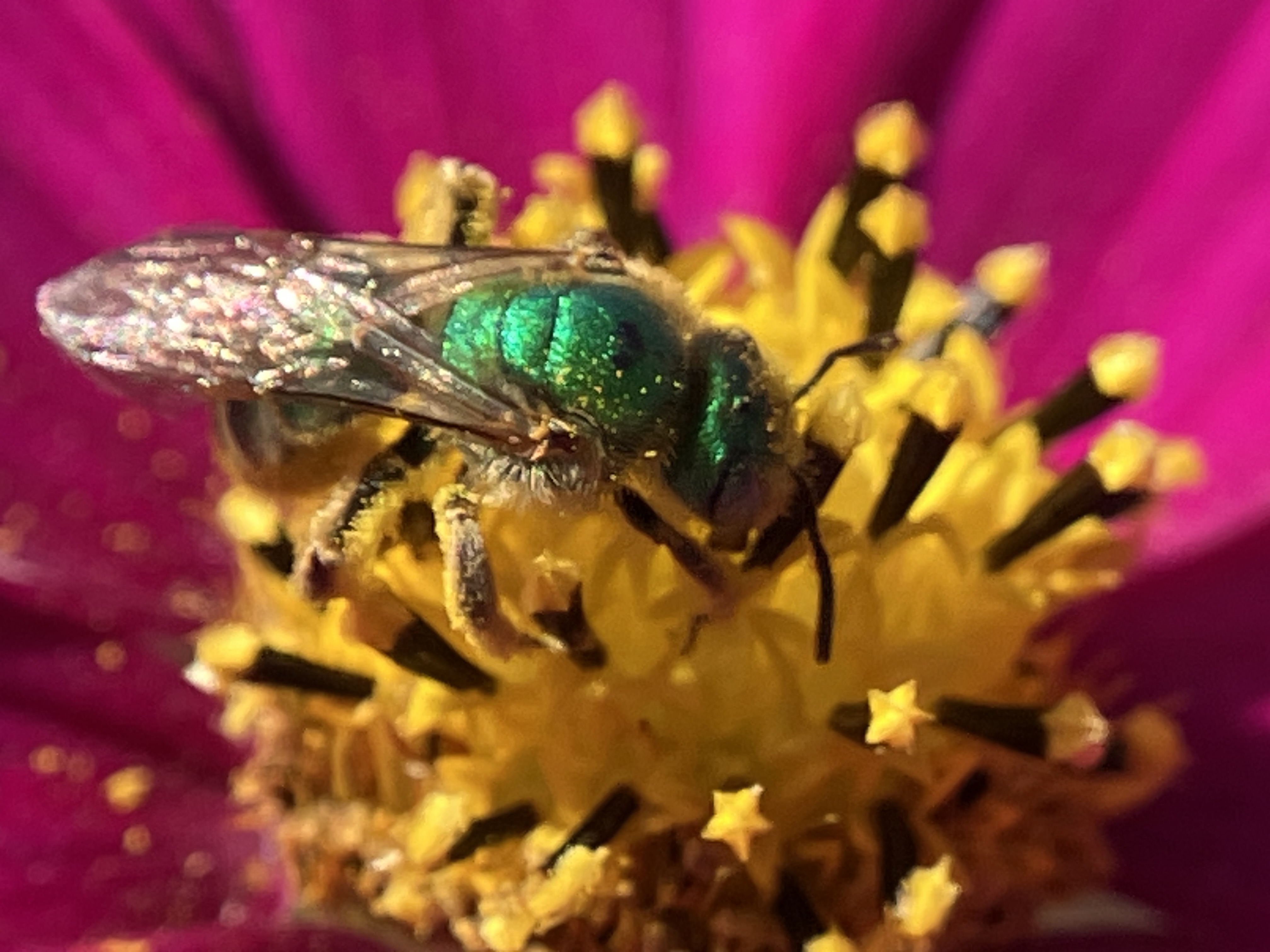
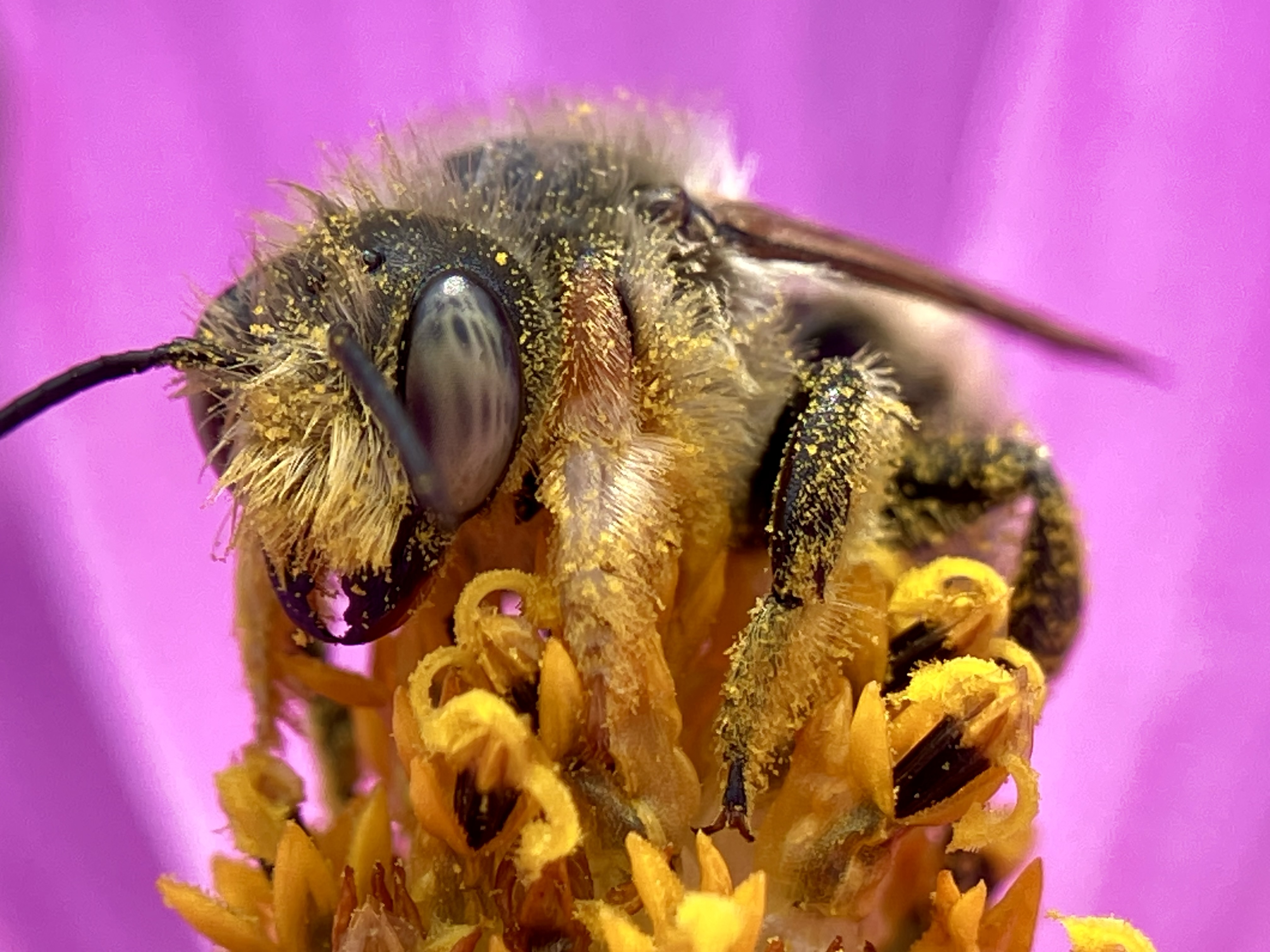
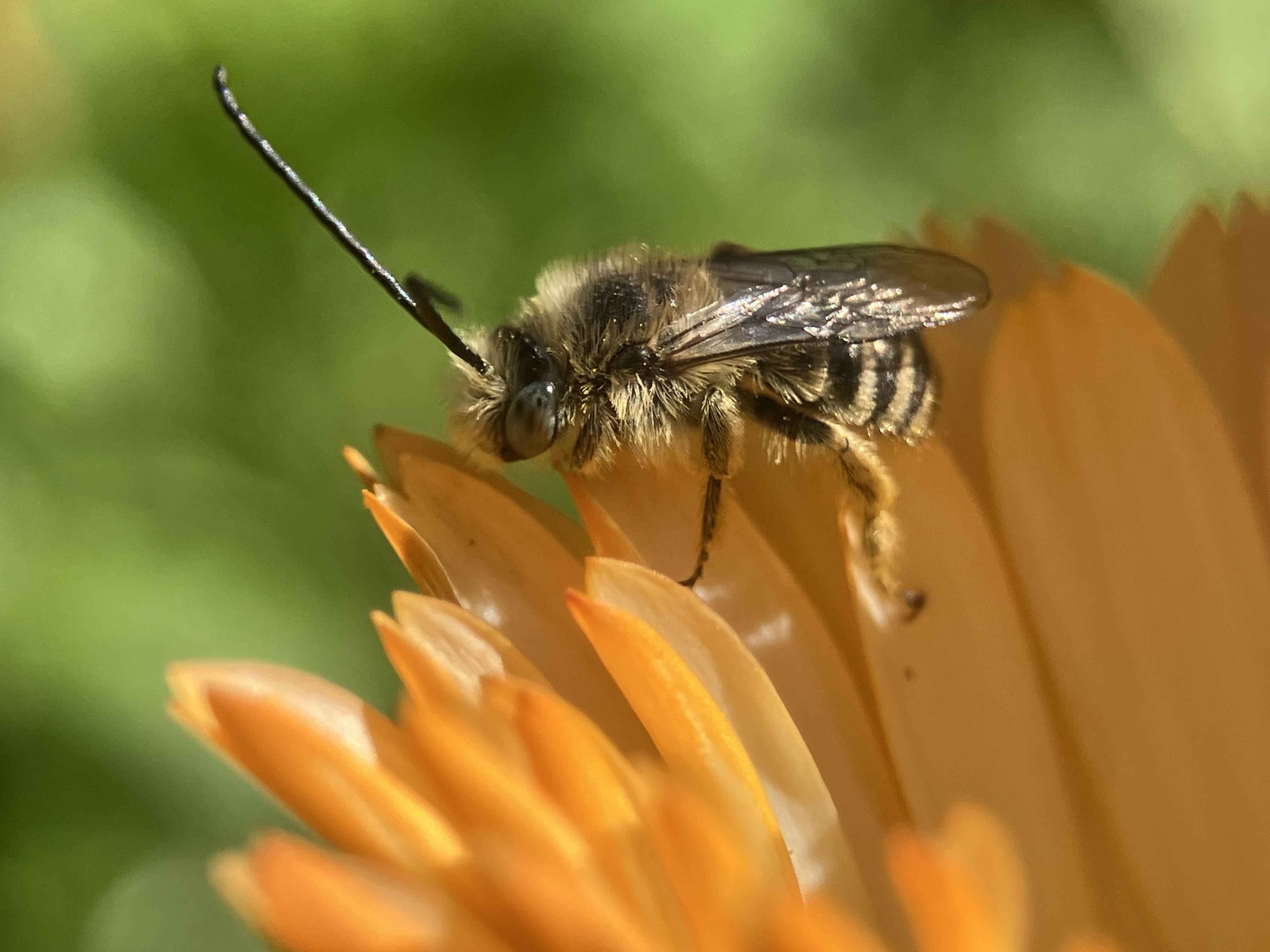
Some of our island native bee pollinators include bumble bees, sweat bees, alkali bees, blood bees, orchard bees, leaf cutter bees, nomad bees, digger bees, fairy bees, and others. These bees may not produce honey, but they are pollinators of immensely great value.
Golden Furrow Bees Subgenus Seladoniaa member of Furrow Bees Genus HalictusNomad BeeNomad BeeTriepeolus Cuckoo BeeMining Bee (Genus Andrena)Lasioglossum bee Sleeping beeAnthidium manicatum European Wool Carder Bee 06.28.2020Agapostemon Sweat beeMegachile bee
In fact, research over the past decade is illuminating just how critical these native bees and other native pollinators are for biodiversity. Biodiversity that is disappearing from our world due to habitat loss, land use changes, agricultural practices, and competition over resources with non-native species (like honey bees). You don’t have to take my word for it though. The Washington Native Bee Society and the Xerces Society will give you similar information.
Try Googling a bit on your own and you might find some pretty cool statistics about how native bees are actually better pollinators than honey bees, AND that their pollination services can yield larger, healthier fruits (like blueberries and strawberries for example). Competition over resources and displacement of native bees due to honey bee keeping isn’t limited to our island or our state. It’s been something happening world wide where honey bees are used for agricultural practices, whether for pollination or honey production. The encouraging news is that supporting native pollinators is gaining momentum. I’ve compiled a resource list for you to look at, read, and share if you are inclined.
Ceratina bee
If you are still dead set on setting up a honey bee hive, I’m happy to walk you through it. I can give you a list of everything you’ll need, provide the cost of all those supplies, and advise you on how not to get stung, why you should never eat a banana near your bee hive, what problems you can anticipate with pests and pathogens, and how to avoid losing your bees due to swarming. I will also tell you that if you set up a honey bee hive, you must file and register your colony with WSDA per state law. Hopefully, you will make your way to the same conclusion as I have. It’s cheaper and also ethically responsible to support native pollinators and conserve habitat in your own yard for pollinator diversity. It’s also quite fun and rewarding to watch and learn about native bees and the bugs you probably never even knew existed.
KEARNS, C. A. 2001. North American dipteran pollinators: assessing their value and conservation status. Conservation Ecology 5(1): 5. [online] URL: http://www.consecol.org/vol5/iss1/art5/
MacInnis, G, Forrest, JRK. 2019. Pollination by wild bees yields larger strawberries than pollination by honey bees. J Appl Ecol. 56: 824– 832. https://doi.org/10.1111/1365-2664.13344
Mallinger, R.E. and Gratton, C., 2015. Species richness of wild bees, but not the use of managed honeybees, increases fruit set of a pollinator-dependent crop. J Appl Ecol. 52: 323-330. https://doi.org/10.1111/1365-2664.12377
Angelella GM, McCullough CT, O’Rourke ME. 2021. Honey bee hives decrease wild bee abundance, species richness, and fruit count on farms regardless of wildflower strips. Sci Rep. Feb 5;11(1):3202. doi: 10.1038/s41598-021-81967-1. Erratum in: Sci Rep. 2021 Aug 17;11(1):17043. doi: 10.1038/s41598-021-95368-x. PMID: 33547371; PMCID: PMC7865060. https://pmc.ncbi.nlm.nih.gov/articles/PMC7865060/
Page, Maureen L., and Neal M. Williams. 2023. “ Honey Bee Introductions Displace Native Bees and Decrease Pollination of a Native Wildflower.” Ecology 104(2): e3939. https://doi.org/10.1002/ecy.3939
Lorenzo Pasquali, Claudia Bruschini, Fulvia Benetello, Marco Bonifacino, Francesca Giannini, Elisa Monterastelli, Marco Penco, Sabrina Pesarini, Vania Salvati, Giulia Simbula, Marta Skowron Volponi, Stefania Smargiassi, Elia van Tongeren, Giorgio Vicari, Alessandro Cini, Leonardo Dapporto. 2025. Island-wide removal of honeybees reveals exploitative trophic competition with strongly declining wild bee populations. Current Biology. 35(7) : 1576-1590.e12, ISSN 0960-9822, https://doi.org/10.1016/j.cub.2025.02.048https://www.sciencedirect.com/science/article/pii/S0960982225002623
Thomson, D. (2004), COMPETITIVE INTERACTIONS BETWEEN THE INVASIVE EUROPEAN HONEY BEE AND NATIVE BUMBLE BEES. Ecology, 85: 458-470. https://doi.org/10.1890/02-0626
Last week, I went out to poke around in the yard. The weather has been so dismal and gray. Bug watching is typically an uplifting activity for me. It gives me a chance to escape the troubling news in the world of late. I keep telling myself things will be okay, but I have doubts all the time these days.
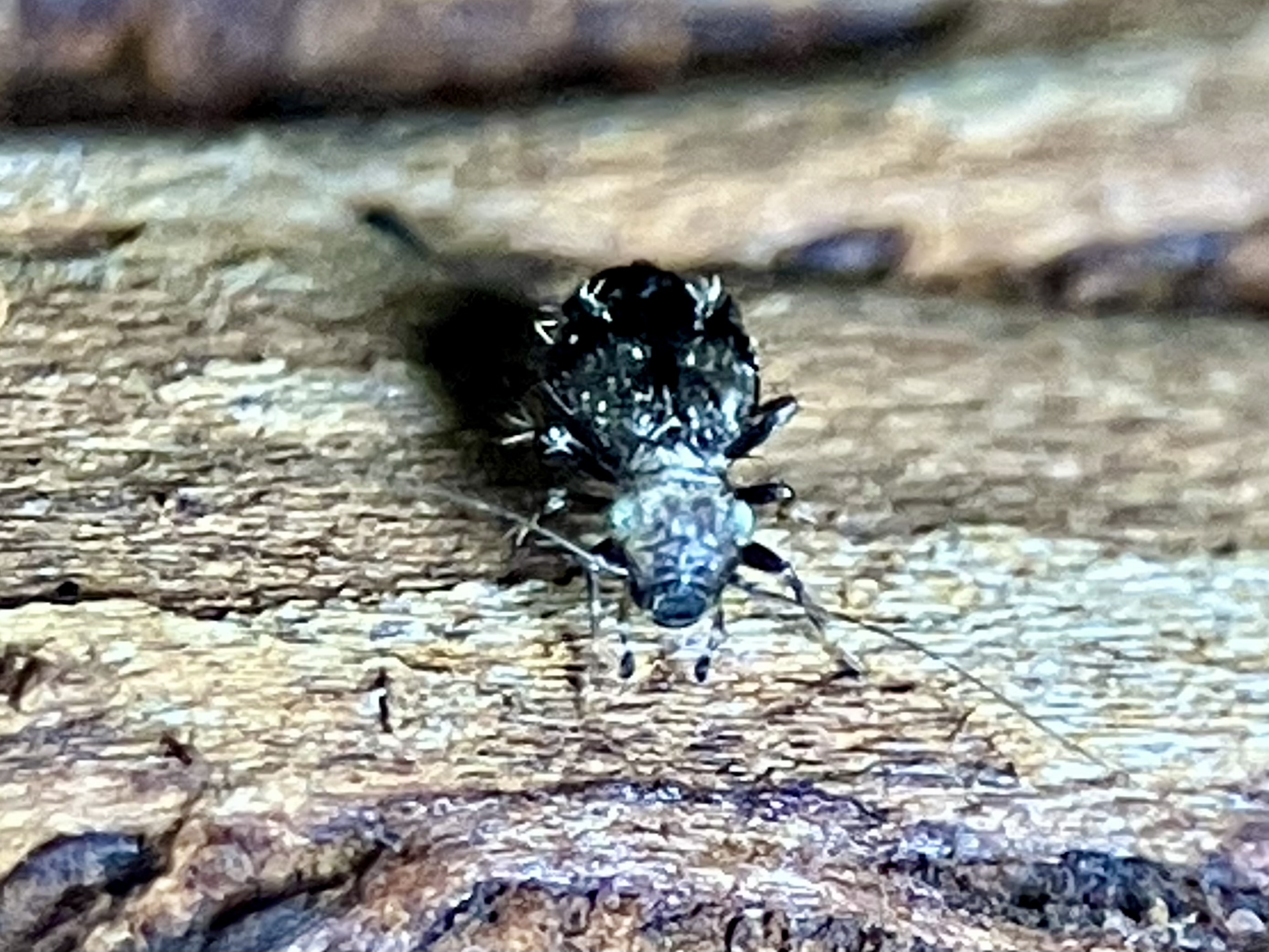
I saw this tiny critter scurry across the rotted log I turned over in our driveway last week. It was HAIRY. I’d never seen one of these before. Hurriedly, I ran inside to grab my light and camera, hoping I would spot it again when I returned. Lucky me. It was still there, but the first photos I took were just really terrible. Terrible, but enough to tentatively ID this critter as one of the scaled barklice.
Barklice are sometimes called barkflies. Even though they have wings, they are not known to be very good fliers. Taxonomically, they aren’t flies at all. Formerly classified in the insect order Psocoptera, they are now categorized as Psocodea (Barklice, Booklice, and Parasitic Lice). Taxonomic revision information can be found here – https://genent.cals.ncsu.edu/insect-identification/order-psocodea/ .
Much of the literature I found about barklice in North America was by one primary author, a man named L.E. Mockford. I was quite sorry to learn he is deceased. I would have enjoyed reaching out to him directly. I wanted to learn more. I’m going to refer to the barklouse as a “friend.” I found no records indicating it does any harm. It seems harmless to anything or anyone. In fact, calling it a louse seems rather derogatory.
This barklouse is in the family Lepidopscocidae. Etymology is fascinating to me. Let me translate this one for you as well. Lepido means scales. Psocus comes from Ancient Greek psōkhos (ψῶχος) or the verb psōchein (ψώχειν). It means “gnawed,” “rubbed,” or “ground.” This describes the chewing mouthparts psocids use to grind fine organic matter like lichen, fungi, and detritus. In layman’s jargon, A scaly gnawer.
Pteroxanium kelloggi
The Latin binomial name for this little one should be Pteroxanium kelloggi. Translation: Pteros = wing. I looked up xanium in A Dictionary of Entomology by Gordh and Headrick (2011). I found that “xanthos” in Greek translates to yellow. I believe it refers to the golden shimmer of the hairs.
At maybe 2mm in size, it was difficult to photograph. The dark and gloom of the PNW in winter added to the challenge. Even with a handheld light, I was still not satisfied with the images I managed to get. I went back the next day, turned the log over, and I found my friend again.
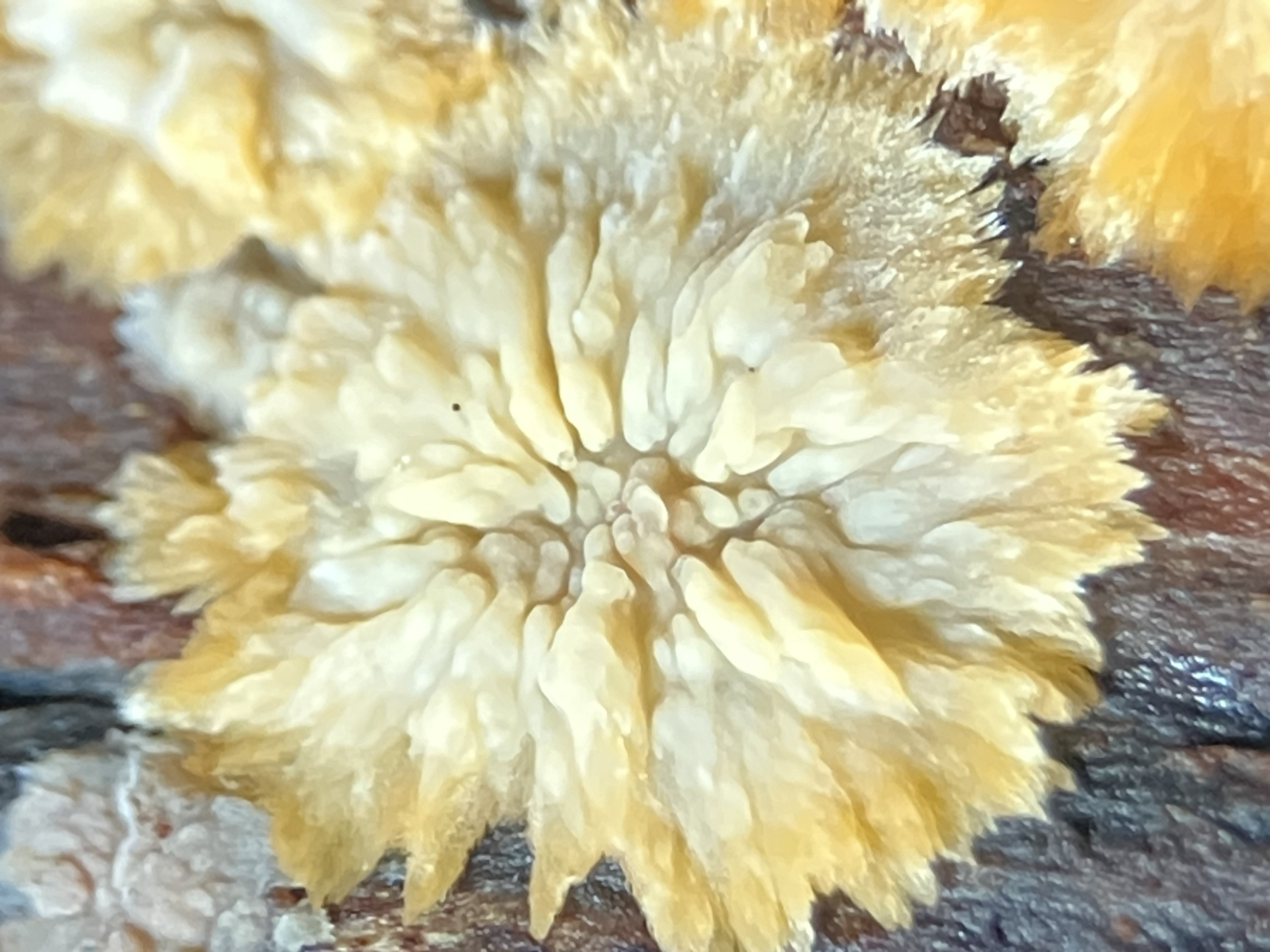
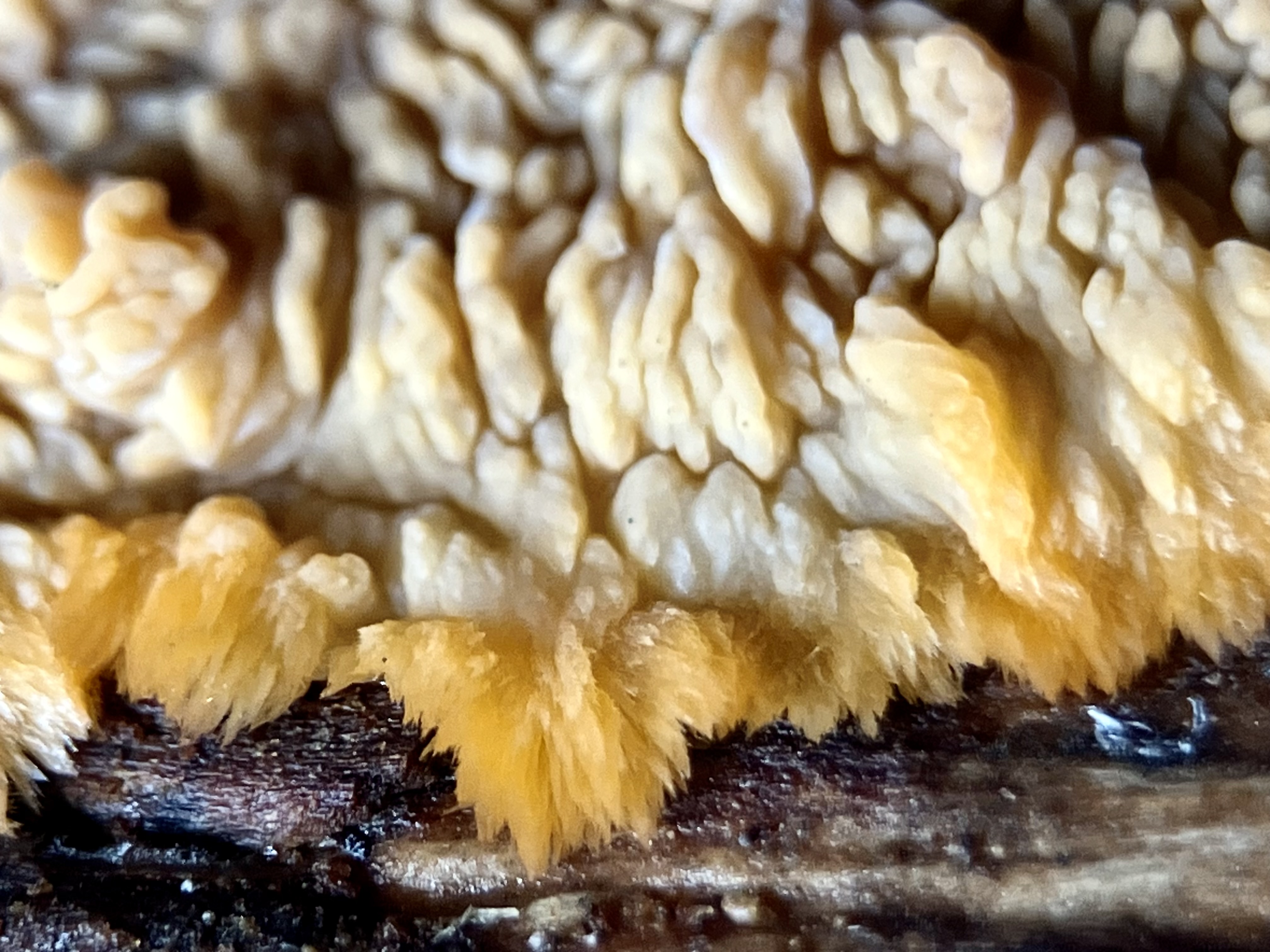
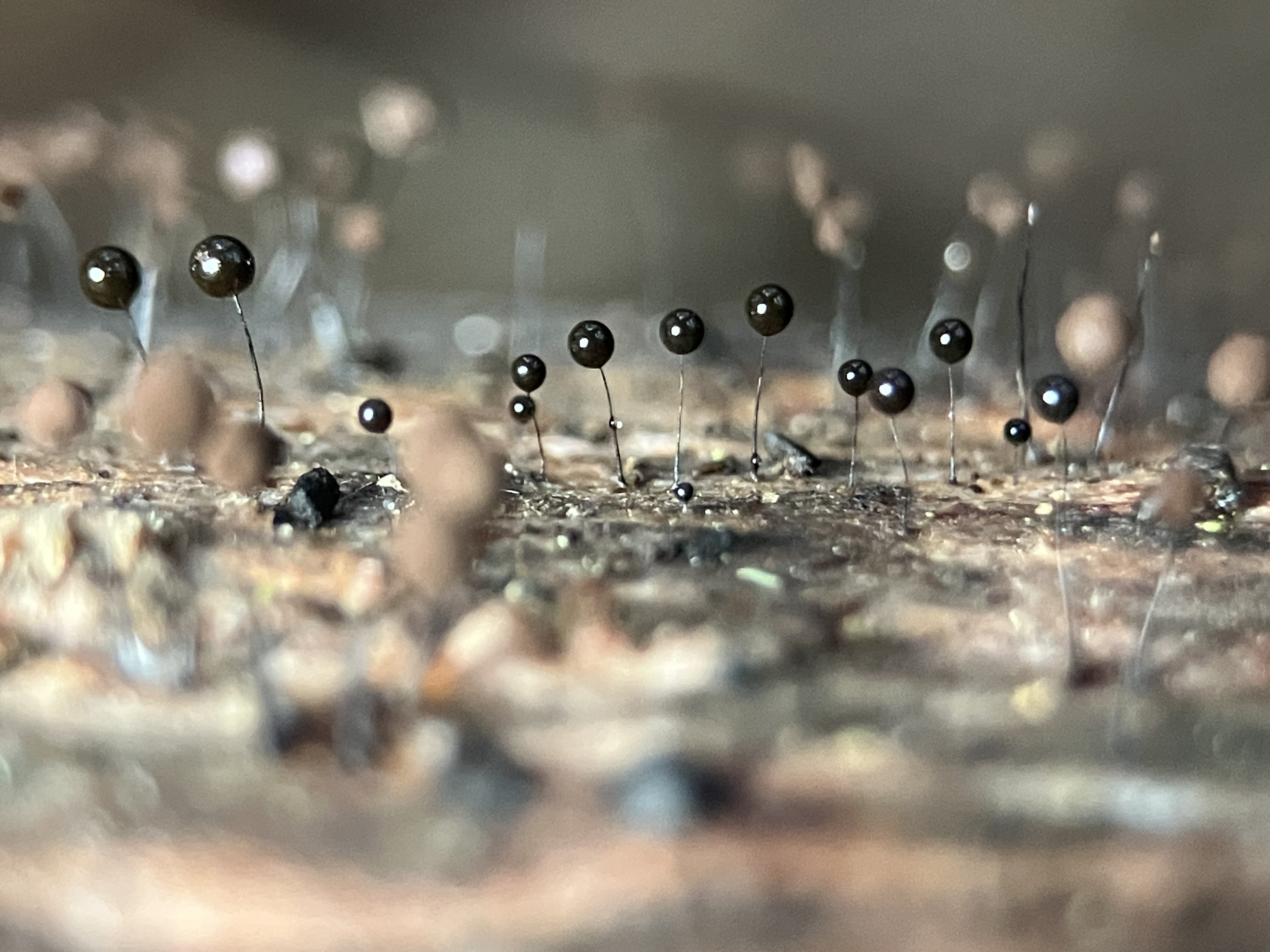
The second set of images were improved, but still not great. I noticed the underside of the log had growing patches of a crust fungi in the family Meruliacae (Genus Phlebia). There was also a little patch of slime molds (Comatricha nigra) in the family Amaurochataceae. The louse seemed to want to stay within these areas of fungi. I observed that it didn’t appreciate the light I was using to illuminate my photo taking. It was negatively phototaxic and would scurry to a shaded spot, out of the light beam.
Pteroxanium kelloggi video footage from San Juan Island, WA
Geographic Distribution
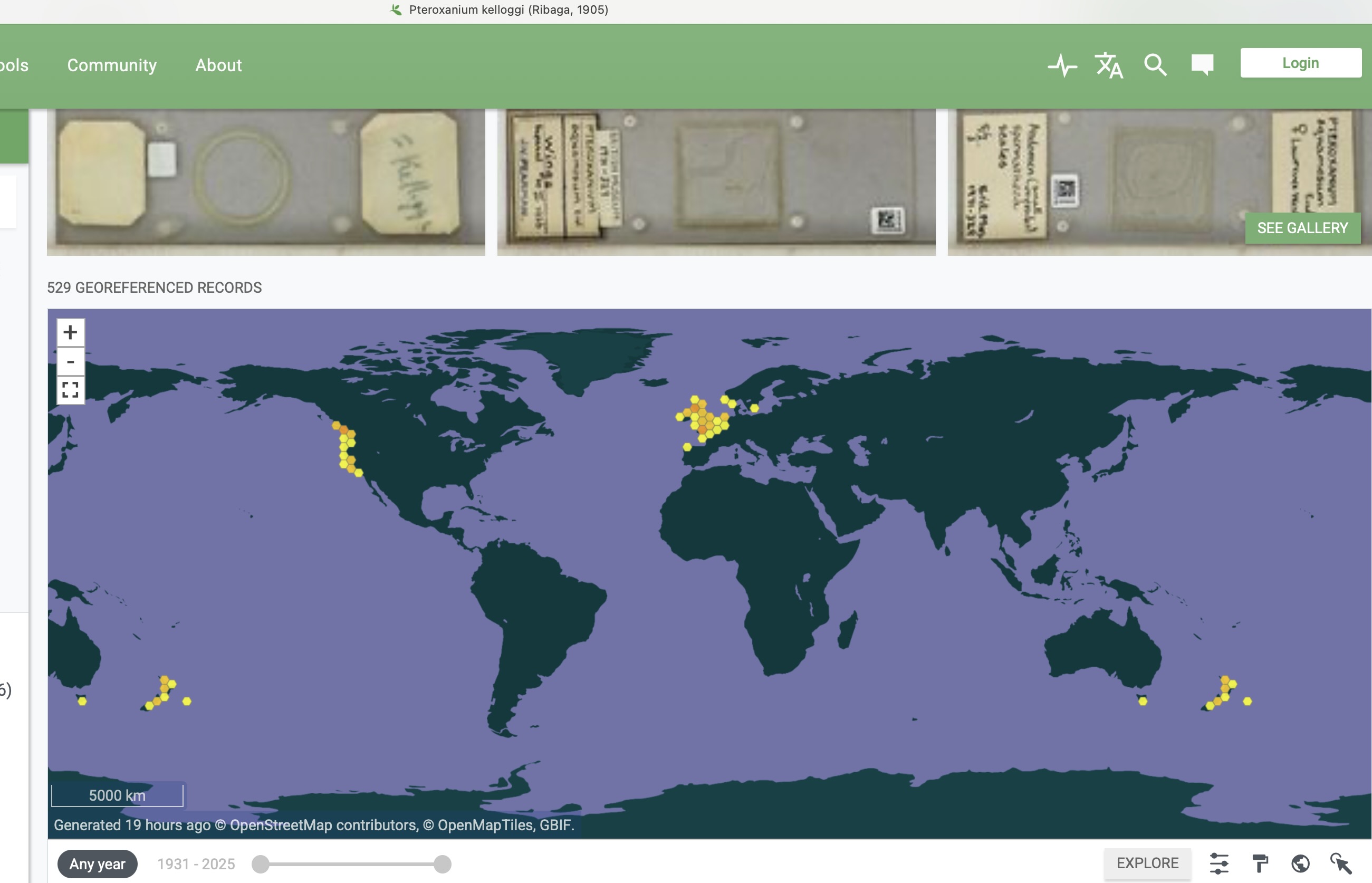
P. kelloggi has been recorded from North America, Argentina, Australia, and New Zealand. A few sources included other countries, like Belgium (Lock et al. 2016), and some omitted North America entirely. It was confusing. Geographic distribution records need updating.
Mockford (2012), described this species as having a “cosmopolitan” geographic distribution that includes Western North America. Cosmopolitan means they are found in many areas worldwide. P. kelloggi is most likely an introduced species that has now adapted to living here. Mockford (2012) stated that this species’ mode of dispersal was probably as aerial plankton or long-distance wind transport. Wind currents carry so many things around. Who knows where they’ll land? There is another paper I found about aerial plankton by Lanna Cheng and M. Birch (2008). It’s titled Insect Flotsam. Flotsam is what happens when the insects don’t make it to land.
Life History and Morphology
While geographic distribution records for this insect species call for revision, I’d say the life history and morphology of P. kelloggi also need updates. Wikipedia and iNaturalist describe this species as feeding on “ash, cedar, gorse, ivy, larch, oak, pine, yew, and rhododendrons.” I believe this is incorrect. They do not feed directly on trees or shrubs.
I ended up reviewing studies by Saville (2010), Mockford (2012), and Footit et al. (2018) and found they yielded more helpful information. Saville (2010) studied the feeding and egg-laying preferences of bark dwelling Psocids, and Foottit et al. (2018) provided detail about the feeding behavior. They also offered an in-depth description of the feeding mechanisms (mouthpart anatomy) of Psocids. Saville (2010) documents evidence of P. kelloggi feeding on algae and Mockford (2012) documents the family group as feeding on epiphytic and epigaeic algae and lichens. I believe this information to be most representative of the family Lepidopsocidae. It also fits with the habitat of the individual I found on the rotting log.
Mockford, in Foottit et al. (2018) describes morphology for Lepidopsocidae with adults measuring about 1.5-3 mm in body length. The body typically is covered with scales or dense hairs. Psocoptera (Psocodea) typically have a relatively large, rounded head. They have well-developed, multifaceted compound eyes. An exception to this would be the one record of a blind, cave-dwelling species on St. Helena Island in the Atlantic Ocean.
Antennae are filiform with eleven or more segments. Mouthparts are chewing type, with strong mandibles that generally bear a pointed incisor tip and large, grinding molar region. They have laciniae. These are blade-like or styli-form “pricker” or “chisel.” They are developed as a pair of rods with “splayed, enlarged, often denticulate (tooth-like) tips.” It is believed the laciniae are utilized as stabilizers and thrust into the substrate to secure positioning. This allows the insect to bite or chew into tough material (Footit et al., 2018). The modified hypopharyx is a remarkable apparatus for obtaining water molecules from the atmosphere (Mockford, 2012; Footit et. al, 2018; Rudolph, 1982a; Rudolph, 1982b). I’ve linked both of Rudolph’s papers in the reference section. You can find wonderful microscopic images of the mouthparts in Rulolph (1982b).
Barklice may be tiny, but they play an important role in natural ecosystems. They serve as clean up crews eating molds, algae, and fungi and decaying matter. They also are consumed by other organisms. If you’re interested in learning more, please DO check out the reference section. 🙂
Foottit, R.G., H. Adler, P. and Mockford, E.L. 2018. Biodiversity of Psocoptera. In Insect Biodiversity (eds R.G. Foottit and P. H. Adler). https://doi.org/10.1002/9781118945582.ch16
Lock, Koen & Wallys, Henk & Claerebout, Stéphane & Soors, Jan. 2016. Pteroxanium kelloggi (Ribaga, 1905) and Mesopsocus fuscifrons Meinander, 1966: two Psocoptera new to Belgium. Bulletin de la Société royale belge d’entomologie. 195-197.
Mockford, L., E. 2012. Aspects of the Biogeography of North American Psocoptera (Insecta). InTech. doi: 10.5772/33413
Pteroxanium kelloggi (Ribaga, 1905) in GBIF Secretariat (2023). GBIF Backbone Taxonomy. Checklist dataset https://doi.org/10.15468/39omei accessed via GBIF.org on 2026-01-08.
Rudolph, D. 1982a. Occurrence, properties, and biological implications of the active uptake of water vapour from the atmosphere in Psocoptera. Journal of Insect Physiology 28: 111–121. https://sci-hub.se/10.1016/0022-1910(82)90118-4
Rudolph, D. 1982b. Site, process and mechanism of active uptake of water vapour from the atmosphere in the Psocoptera. Journal of Insect Physiology 28: 205–212. https://sci-hub.se/10.1016/0022-1910(82)90078-6
Smithers, C. N., 1972. The classification and phylogeny of the Psocoptera. Australian Museum Memoir 14: 1–349. [31 December 1972]. doi:10.3853/j.0067-1967.14.1972.424
Yinghua Su, Ho-Chen Lin, Li Szhen Teh, Fabienne Chevance, Ian James, Clara Mayfield, Kent G. Golic, James A. Gagnon, Ofer Rog, Colin Dale. 2022. Rational engineering of a synthetic insect-bacterial mutualism, Current Biology, Volume 32, Issue 18, pp. 3925-2938.e6 ISSN 0960-9822, https://doi.org/10.1016/j.cub.2022.07.036
For the past few years, I have observed one of our native shrubs to see what pollinators are visiting. Calscape has recorded Ocean Spray (Holodiscus discolor) as a host plant to approximately 14 species of Lepidoptera. Yet, I have actually never seen a single pollinator visiting the cascades of snowy white, delicate blossoms. I’ve also heard from a handful of local folks on San Juan Island. They say Ocean Spray is “invasive” and should be brush-hogged. According to them, it’s a “fire hazard.” This view is disturbing to me. I felt it important to find concrete evidence of this native plant’s value in our ecosystem.
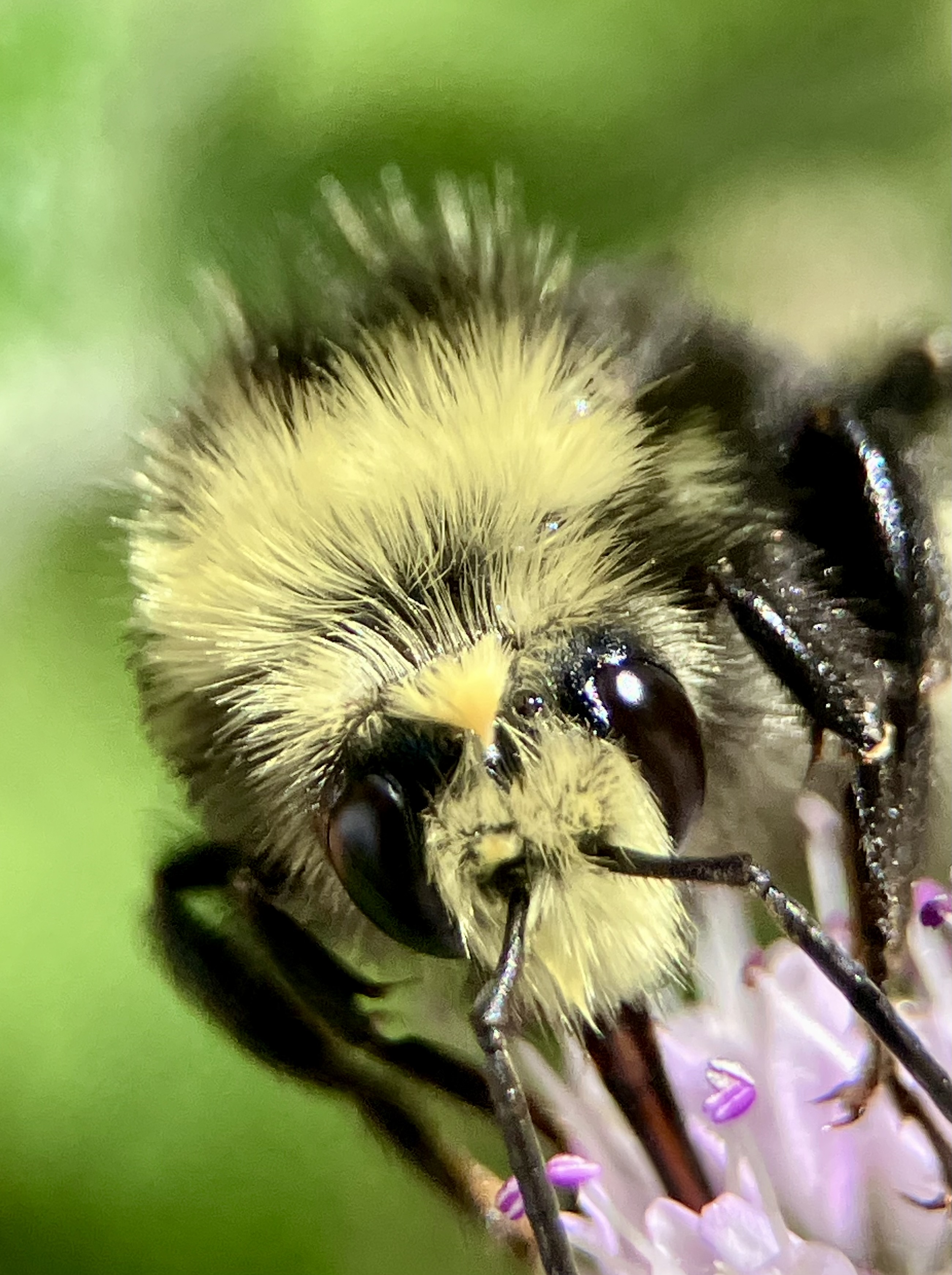
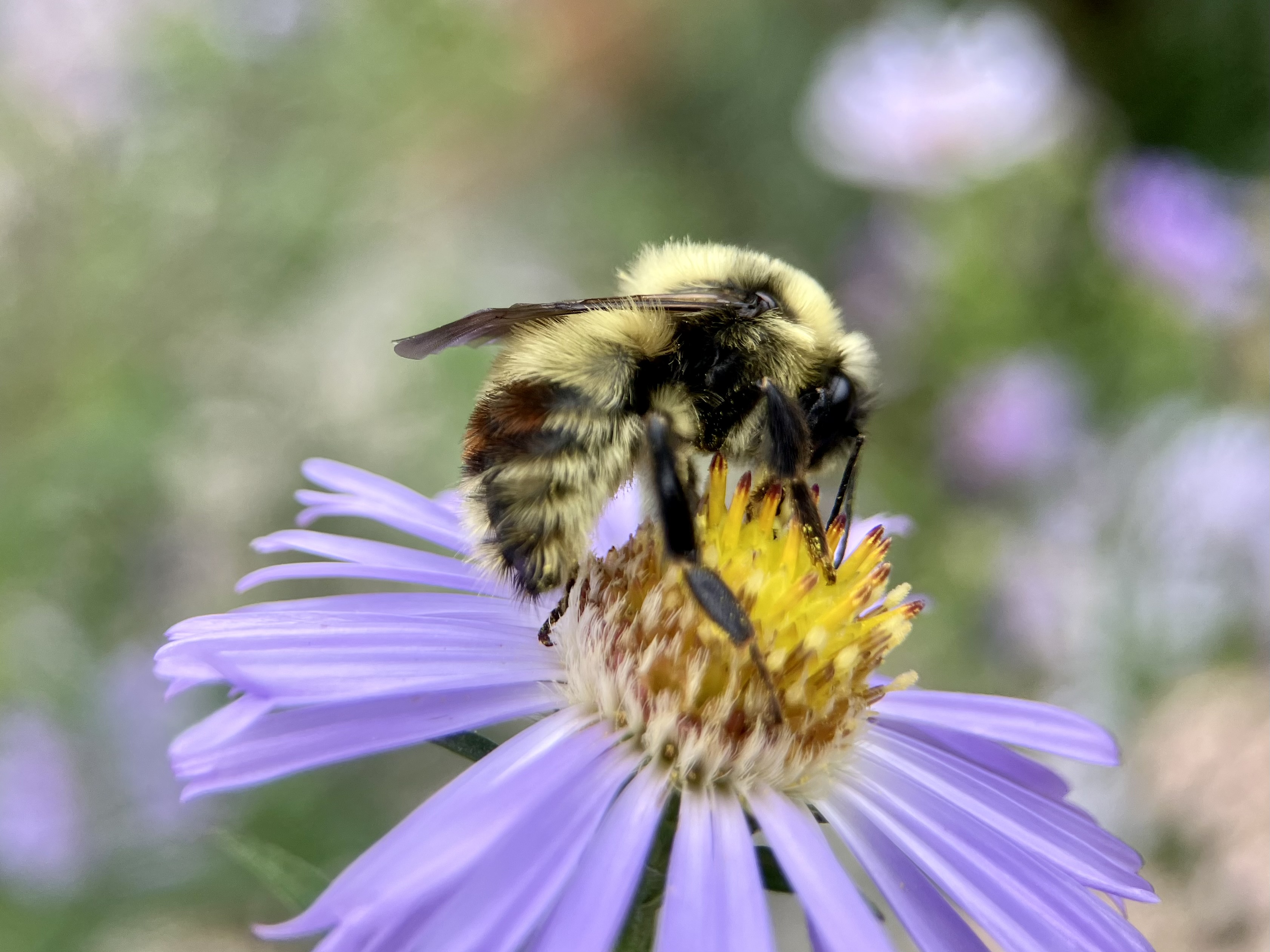
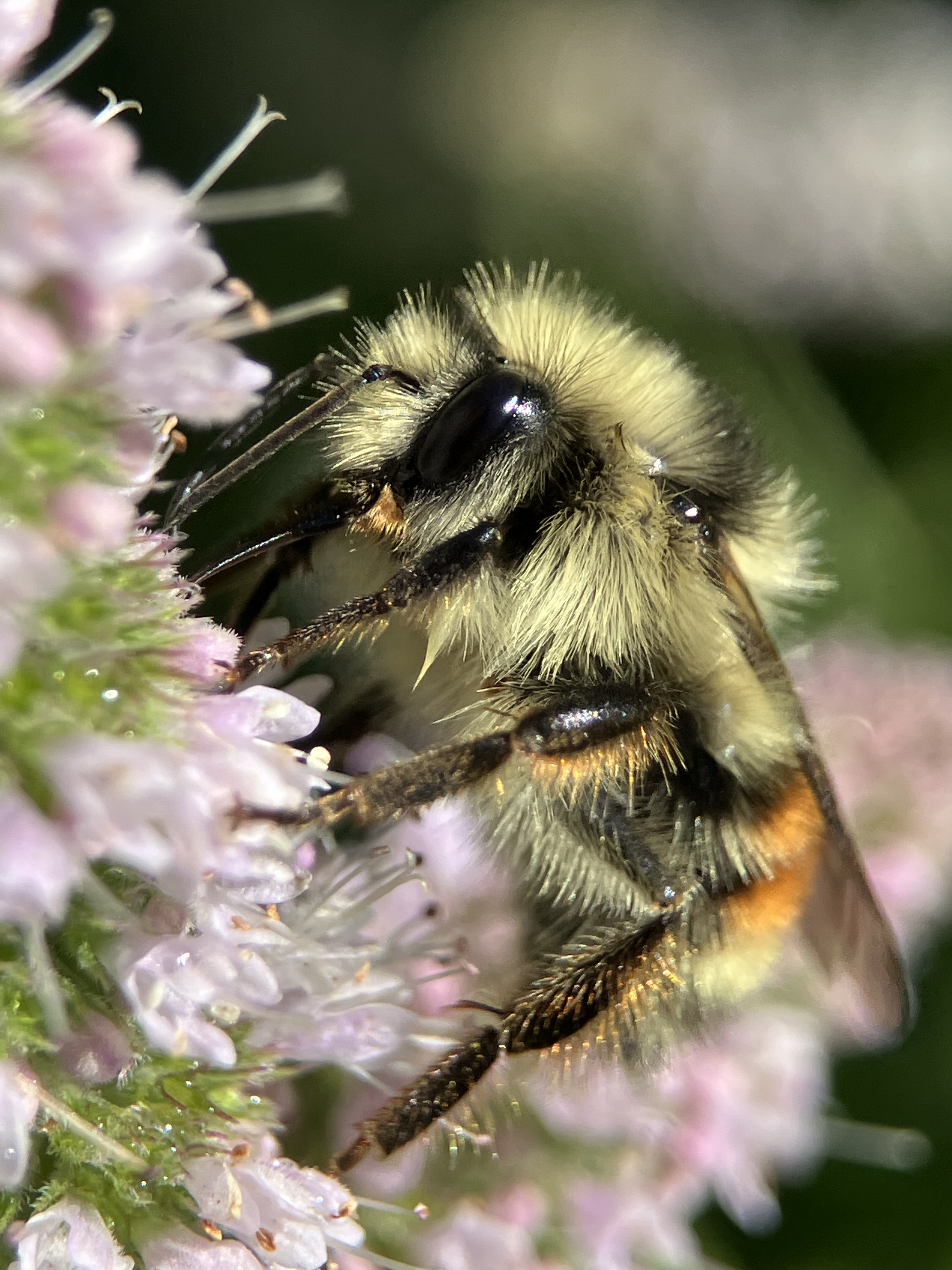
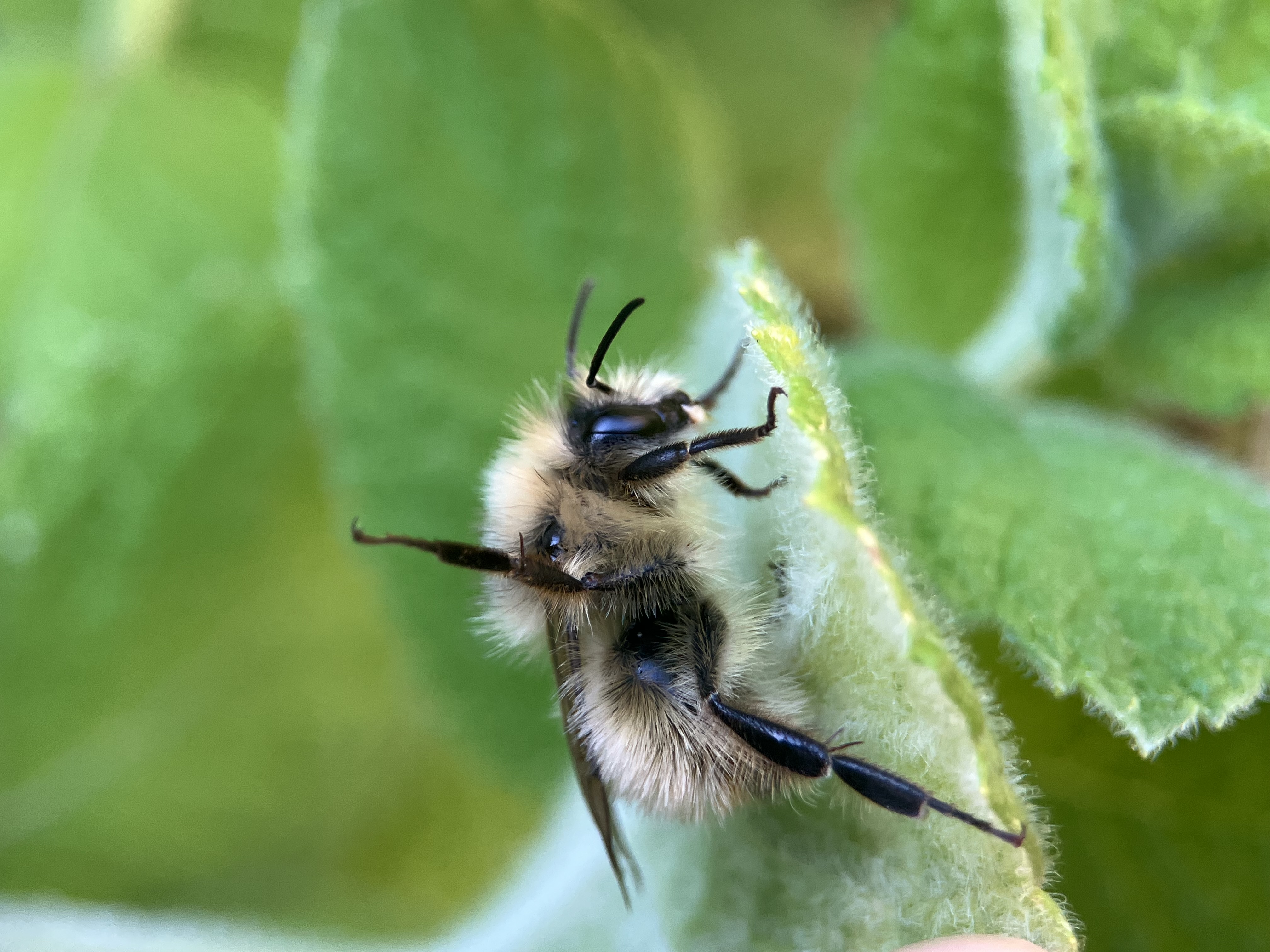
Bombus flavidus ssp. flavidus
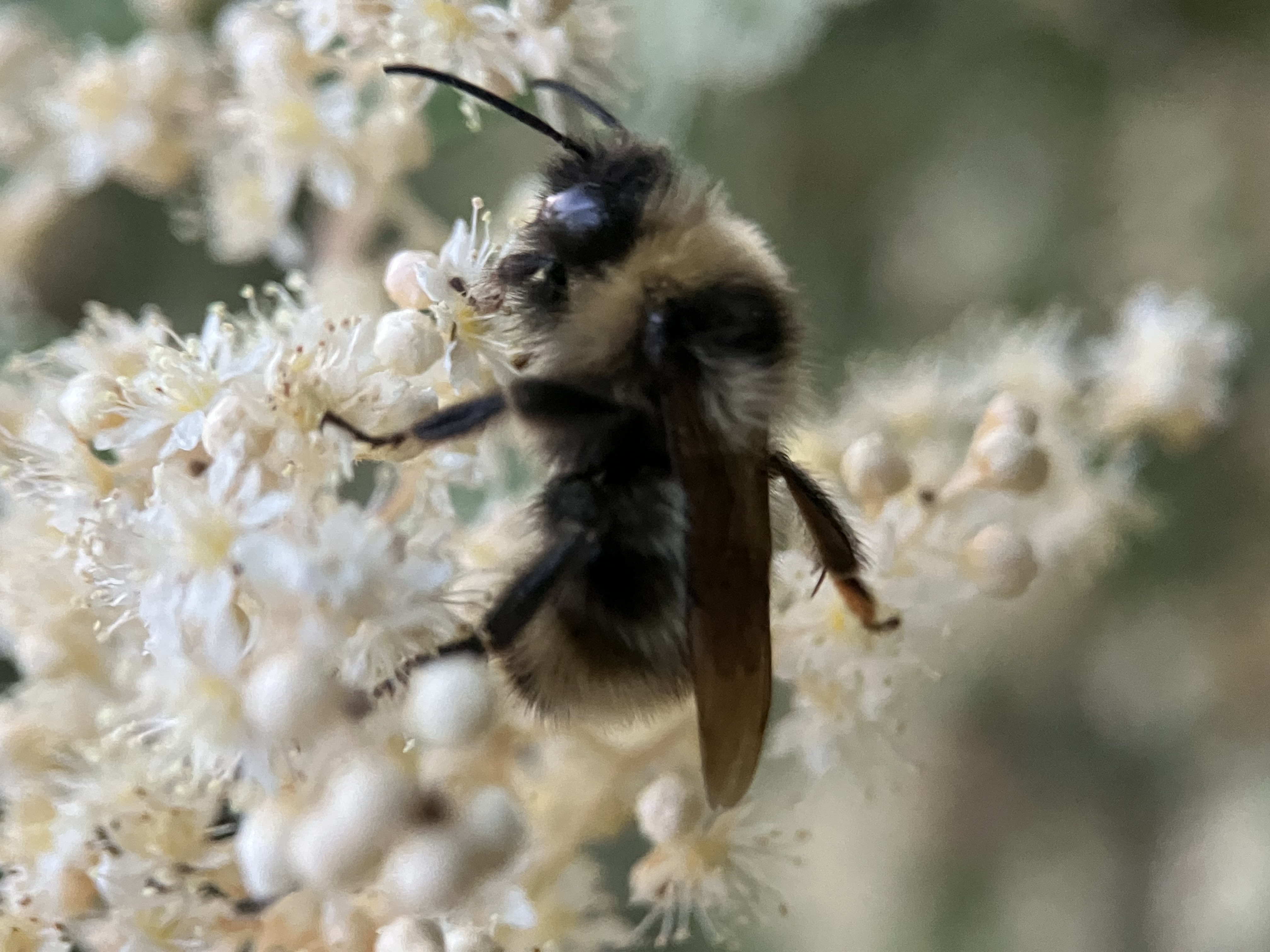
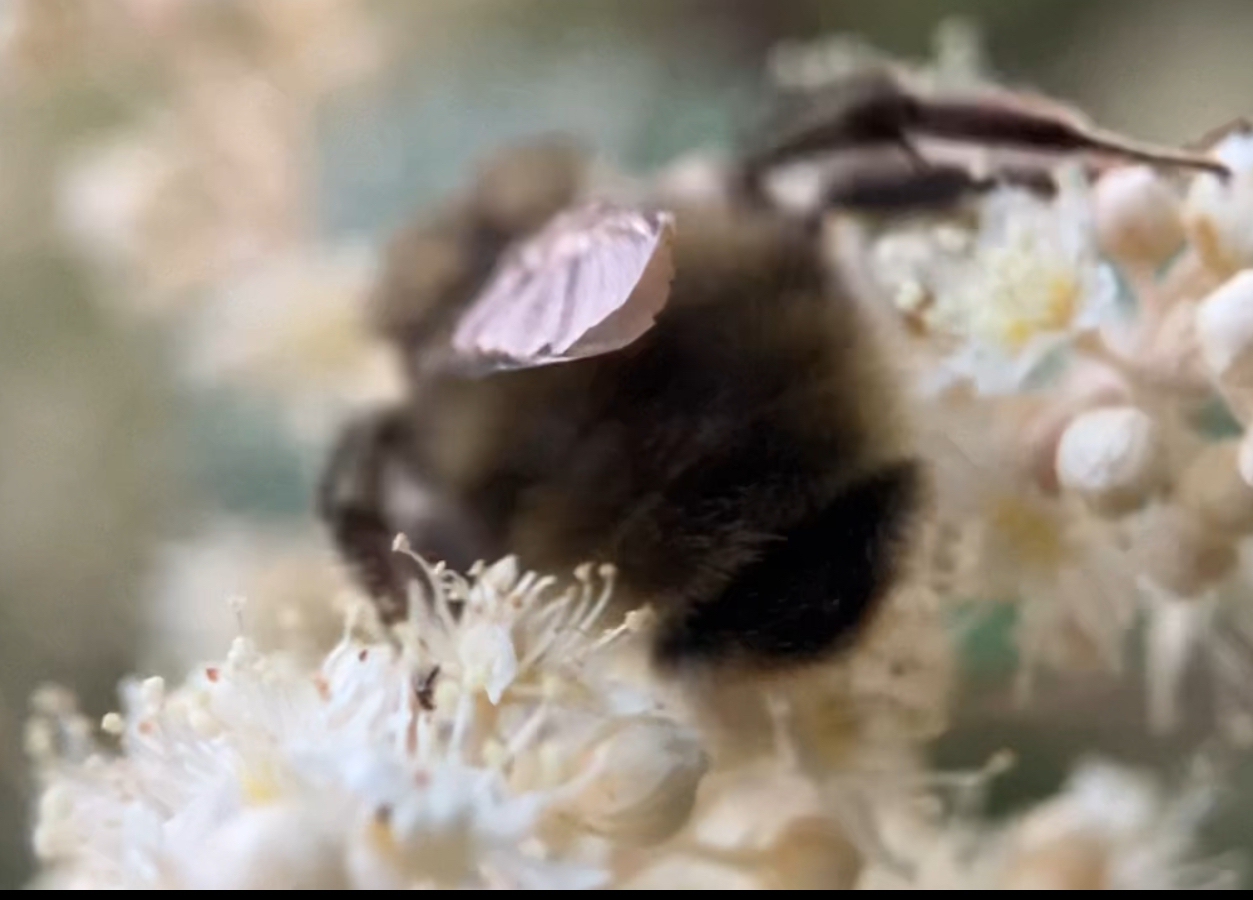
Well, the other evening, I documented the first pollinator I’ve ever seen visiting these blossoms. There is a gorgeous Ocean Spray out our bathroom window. I noticed movement in the upper portions of the shrub. It wasn’t windy, so something else was causing the movement. I went out later, around 9:00 pm, to investigate the cause of the disturbances. Can you guess what I found? Bumble bees!
Bombus flavidus ssp. flavidus
I also experienced annoyance from another buzzer. A Cattail mosquito, Coquillettidia perturbans (say co-KEE-luh-tih-dee-uh PURR-tuh-binz) promptly discovered my bare arm. It slipped its hypodermic proboscis into my epidermis with effortless precision, a precision superior to any medical professional’s injection. I didn’t feel it at all.
Cattail mosquito (Coquillettidia perturbans)
I would describe the bites from these mosquitoes as a very mild annoyance. I didn’t have any after-reaction at all. It was certainly not anything like the bites from some of the other insects I’ve experienced here, especially not thrips. I’m definitely not a thrips fan! You can read about thrips here in case you’re interested. https://buggingyoufromsanjuanisland.com/2021/06/29/public-health-alert-and-some-free-advice/
Getting back to the other buzz in the Ocean Spray. The buzz I was so happy to discover is the bumble bee (Bombus flavidus ssp. flavidus). I didn’t make the identification to subspecies on my own. That was with the help of a fellow named John Ascher on iNaturalist. If you’re curious about his work, you can learn more here: https://extension.oregonstate.edu/podcast/pollination-podcast/137-john-ascher-problem-measuring-bee-decline
Bombus flavidus ssp. flavidus
Bombus flavidus is a species of Cuckoo Bumble Bee, and one of the most widespread species in the world. These bees don’t have a worker cast like other species of bumble bees. They find nests of other bumble bees to occupy and invade these nests. The host bumble bee workers then rear the offspring of the cuckoo bumble bee along with their own offspring.
I hope my discovery leaves you curious about what pollinators visit Ocean Spray in your yard. My next goal is to make nighttime observations. I want to see what is visiting the flowers while they are still in bloom. I suspect they have nocturnal pollinators. If you find any, I hope you’ll report your findings with me. 🙂
To see more of San Juan Island’s invertebrates, please join and follow me on iNaturalist – https://www.inaturalist.org/observations?place_id=any&user_id=cyndibrast&verifiable=any . If you have never used iNaturalist, try it out! I love it because it’s a way to connect with other entomologists. It also helps me organize my findings into appropriate categories for referencing when I want to look something up.
Also, please don’t go crazy with the brush hog. Nature loves messy. Humans cause fires. We can do much on that end to prevent them by changing our behaviors and being more careful. Scraping the earth bare and/or parking out your parcel to be “fire wise” is actually not kind to nature. We need to protect habitat for the wild things, not eradicate it. Even mosquitoes have a role in the food web.
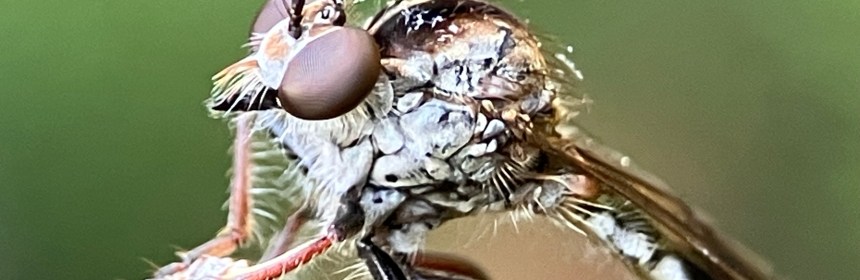
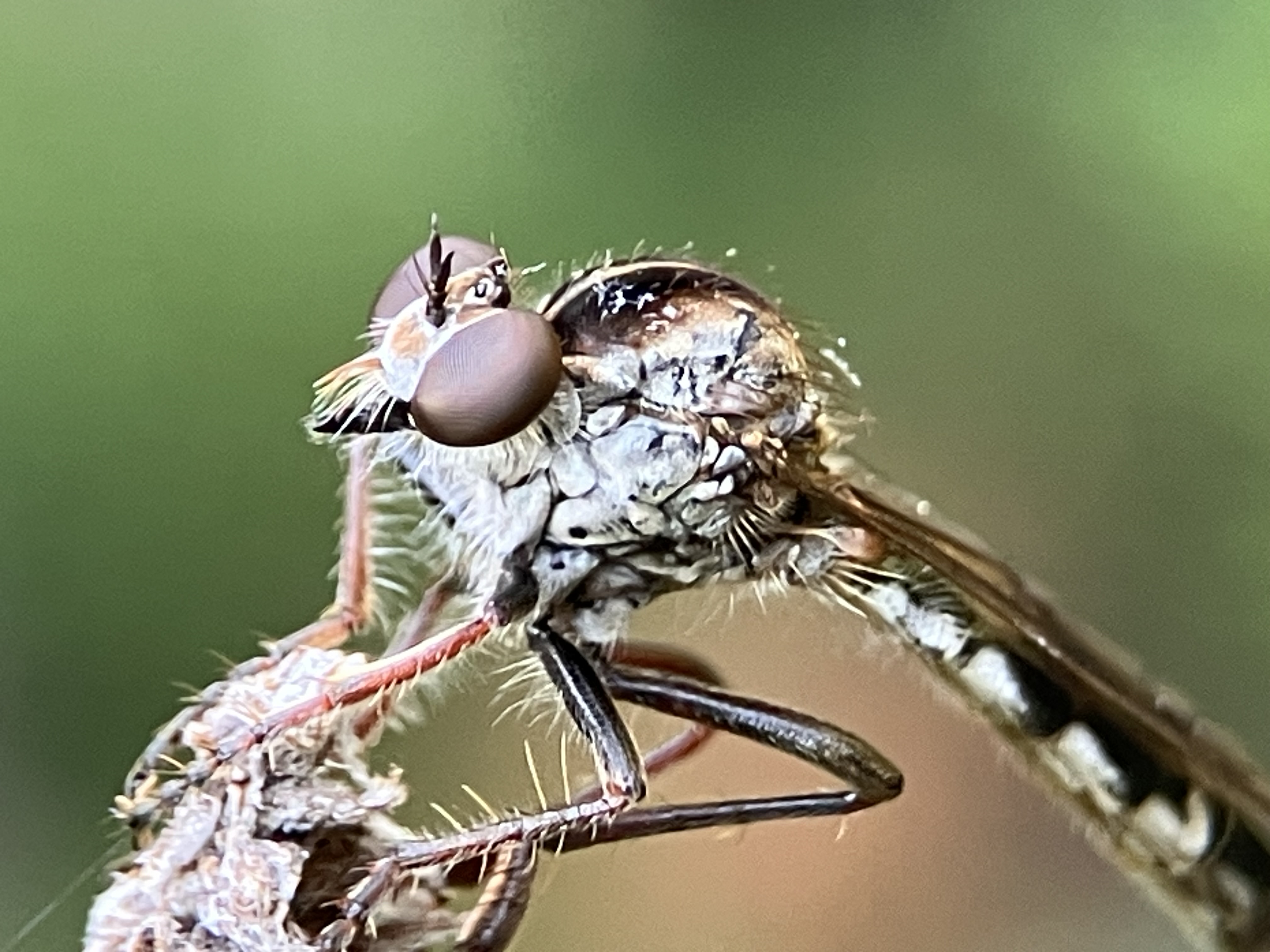
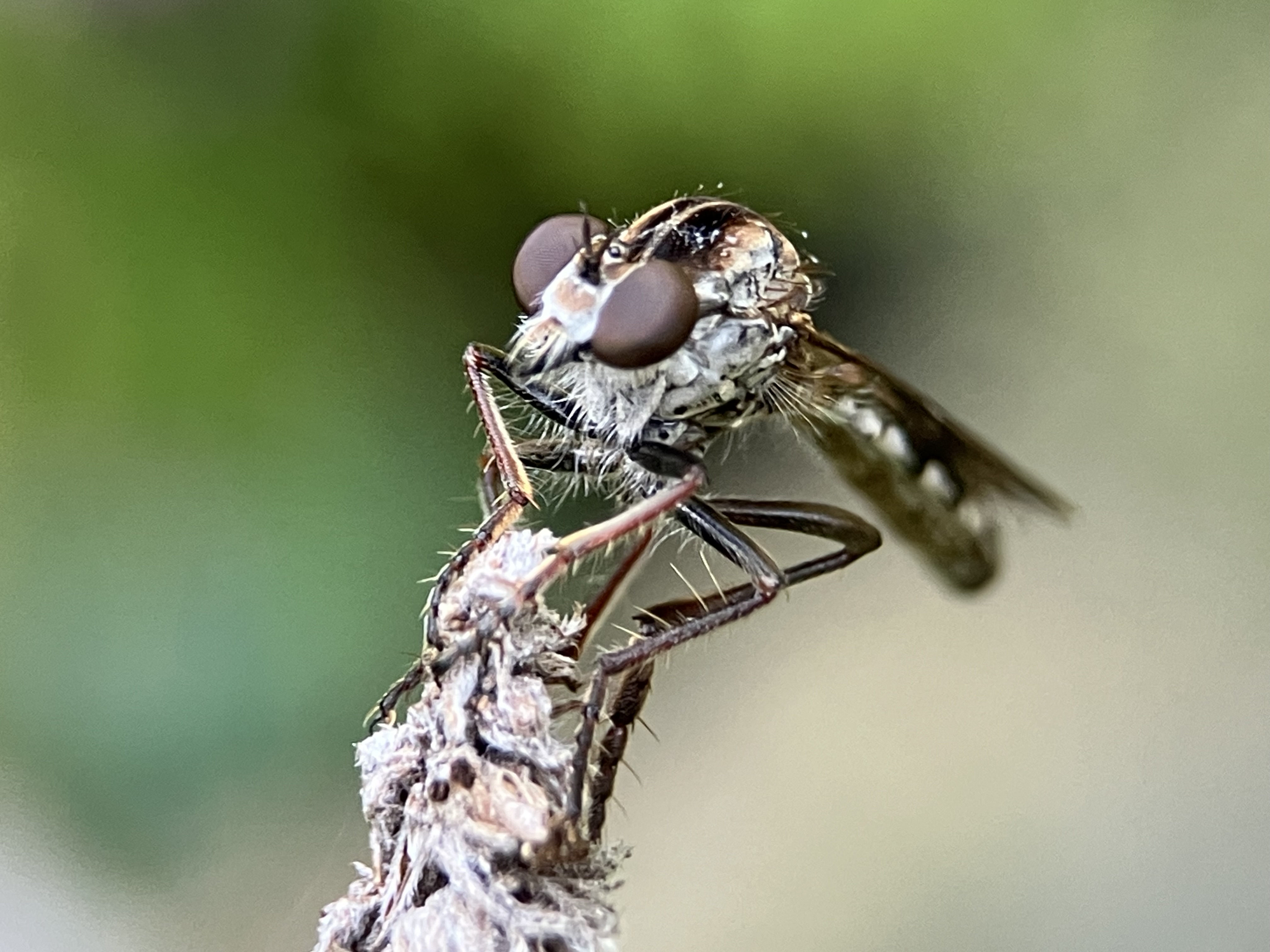
It has taken a bit of time to finally sort out genus and species for this very cool Robber fly with beautiful caramel-brown mottled wings I spied the evening of June 6, 2025. It perched on a dried apple mint stem from last season, no doubt scouting the terrain to see what might be on the menu for dinner. Robber flies (Family Asilidae) are predatory. They catch other small invertebrates to eat, paralyzing them with special salivary digestive enzymes and then sucking up the liquified contents through the proboscis (Cannings, 2013).
Getting to an identification beyond Genus for this one has been incredibly frustrating, and complicating the process is the limitation of the key I was using (Wilcox, 1946), which primarily describes male specimens.
Robert Cannings has studied the Asilidae for many years in British Columbia and states this genus “sorely requires systematic attention.” I finally just gave up and reached out to Rob for help. He wrote me and said, “I’m pretty sure this is Nicocles canadensis. It’s a female, and some females are difficult, even when under a scope, because the Wilcox key, which is the best we have for now, deals with them poorly and concentrates on males. Nicocles canadensis is the species in the genus most often seen on BC’s south coast and, I assume, in your area.”
This is the only Nicocles fly I’ve ever found on our property on San Juan. According to Rob’s 2014 publication (linked in the references below) in Canada, ” Nicocles canadensis is restricted to Garry oak savanna and adjacent dry woodland on southern Vancouver Island (Saanich is the type locality),” so I anticipate this may be similar for our neighboring area.
Check out the attached references if you are interested in learning more about Robber Flies in our region.
Cannings, R.A. 2013. Robber Flies (INSECTA: DIPTERA: ASILIDAE) Of The Montane Cordillera Ecozone.
Cannings, R.A. 1994. Robber Flies (Diptera: Asilidae) new to Canada, British Columbia, Yukon, and the Northwest Territories with notes on distribution and habitat. J. Entomol. Soc. British Columbia: 91: 19-26. https://www.biodiversitylibrary.org/part/213777
Cole, F. R. 1969. The Flies of Western North America. University of California Press. Berkeley and Los Angeles.
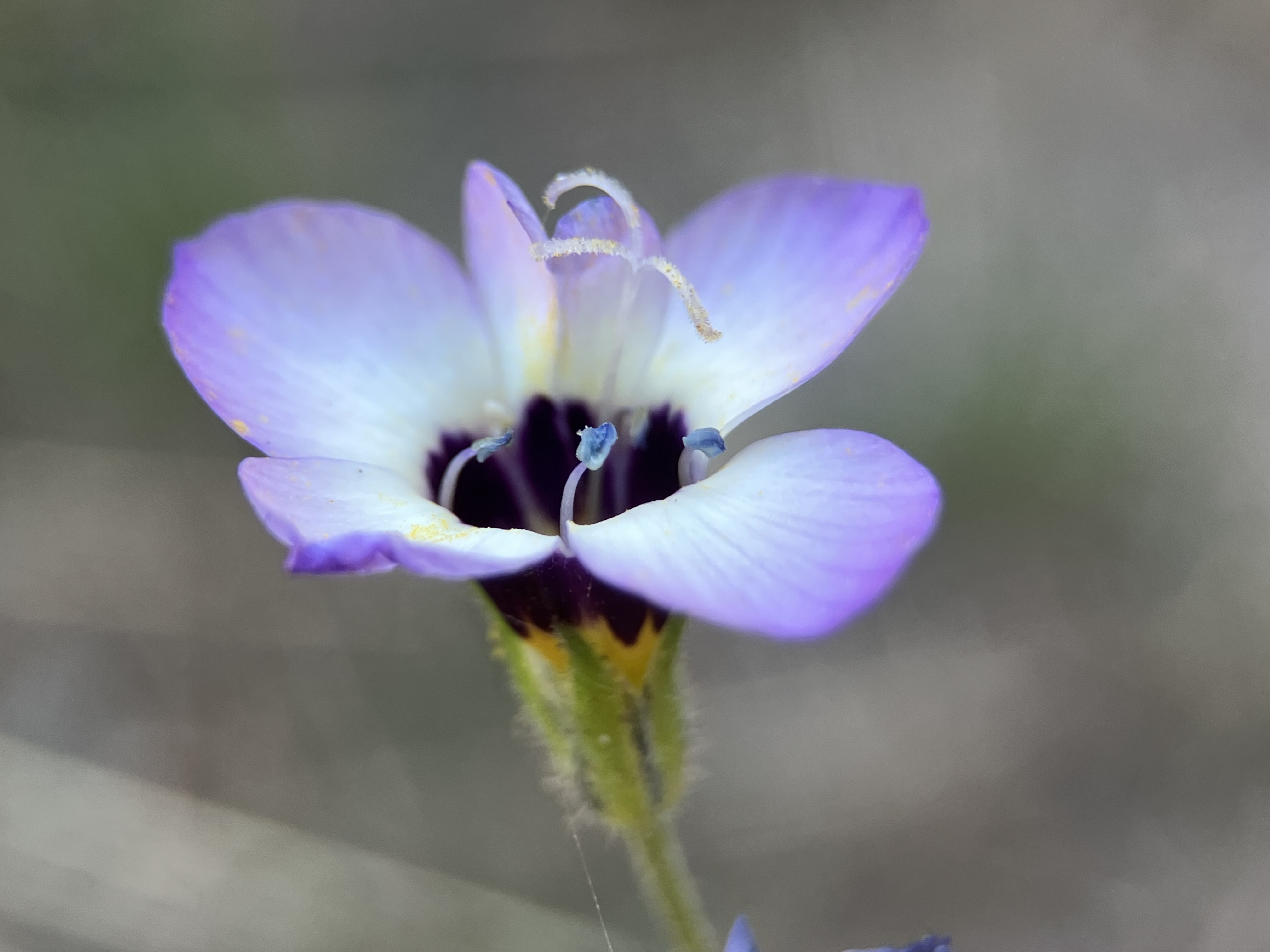
I’m quite fascinated by the rapid colonization of the very dry soil in the strip where our internet fiber cable was installed this past spring. Because disturbed soils can be great for seeding native wildflowers, I threw out several packets of a Pacific Northwest seed blend to see what might grow and I’ve been checking often to see what is coming up. In spite of the very dry weather we are having, there are some lovely Bird’s-eye Gilia (Gilia tricolor) blooming now.
Bird’s-eye Gilia (Gilia tricolor)
I see some Farewell to Spring (Clarkia sp.) popping up too, though they have not bloomed yet. There are others I have yet to identify. It’s been so hot and dry, I’m hoping the lack of water doesn’t ruin my efforts at re-wilding this spot.
In spite of the dry, cracked earth, there are Andrena sp. mining bees already claiming this strip. There are little holes everywhere.
I also saw one quite unique hole surrounded with round dirt “pebbles,” that looked to have been arranged to mark the entrance.
As I leaned closer to inspect this architectural oddity, I saw something I would never have even noticed without the help of my macro lens. It was a colony of Globular springtails (Fasciosminthurus quinquefasciatus). There were easily about 8 or so. Can you spy the one on one of the “pebbles?”
I was able to get one or two in focus. These springtails are incredibly small – perhaps only 1mm, and recognizable by the 5 transverse bands (jailbird stripes) across the dorsal abdomen. This species is unique among springtails in that while most species require moist habitats to survive, F. quinquefasciatus thrives in arid environments with little to no vegetation in areas with southern or south western exposure.
If you follow closely in the video here, you might notice that the individual I was tracking either pooped or laid an egg on that piece of straw (between the 45 and 55 second mark. I will add some still shots clipped from the video as well.
Globular springtail (Fasciosminthurus quinquefasciatus)Globular springtail (Fasciosminthurus quinquefasciatus) leaves behind a small white objectGlobular springtails (Fasciosminthurus quinquefasciatus)
A personal note ~ While our daily lives are often complicated with work and family obligations, as well as anxieties many of us have about climate change and political uncertainties, taking time to notice the natural world around, even in seemingly uninhabitable habitats can bring a bit of hope. There is life around us. We just might have to sit on the ground and get dirty to see it.
Thank you for reading and thank you for caring about nature.

















 Bugging You From San Juan Island