Category Archives: Life in Miniature

Exploring Dry Soils: Nature’s Resilience in Difficult Conditions

Globular springtail (Fasciosminthurus quinquefasciatus)

I’m quite fascinated by the rapid colonization of the very dry soil in the strip where our internet fiber cable was installed this past spring. Because disturbed soils can be great for seeding native wildflowers, I threw out several packets of a Pacific Northwest seed blend to see what might grow and I’ve been checking often to see what is coming up. In spite of the very dry weather we are having, there are some lovely Bird’s-eye Gilia (Gilia tricolor) blooming now.
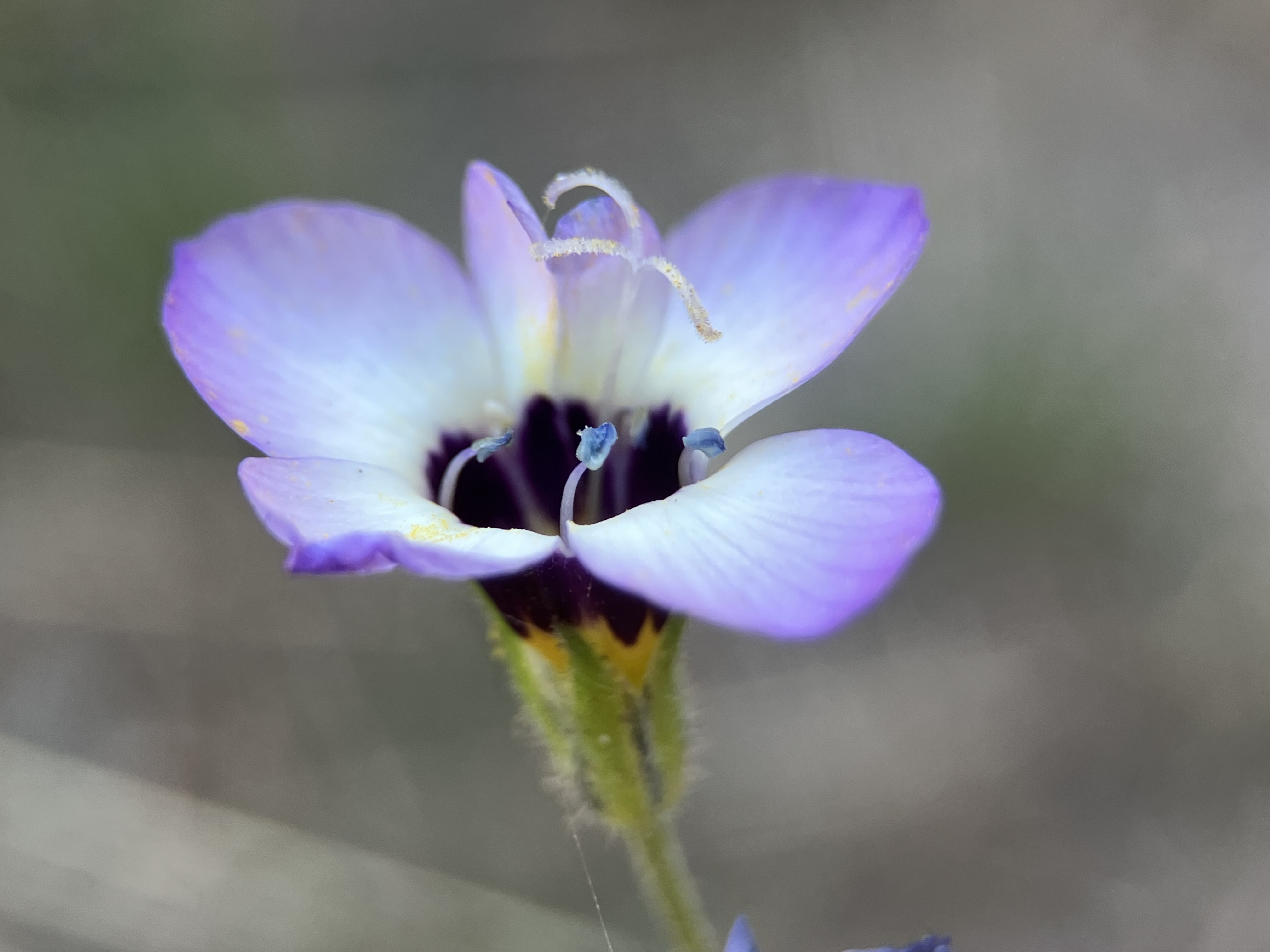
Bird’s-eye Gilia (Gilia tricolor)

I see some Farewell to Spring (Clarkia sp.) popping up too, though they have not bloomed yet. There are others I have yet to identify. It’s been so hot and dry, I’m hoping the lack of water doesn’t ruin my efforts at re-wilding this spot.

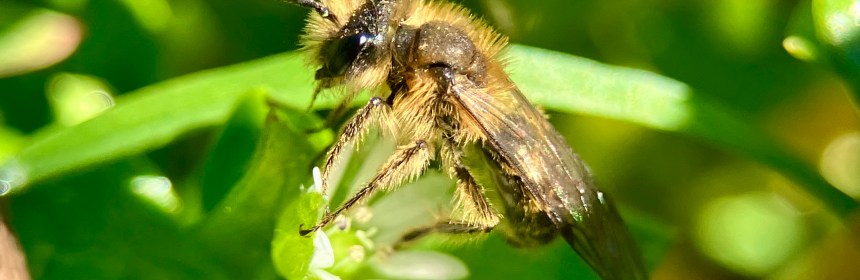
In spite of the dry, cracked earth, there are Andrena sp. mining bees already claiming this strip. There are little holes everywhere.

I also saw one quite unique hole surrounded with round dirt “pebbles,” that looked to have been arranged to mark the entrance.

As I leaned closer to inspect this architectural oddity, I saw something I would never have even noticed without the help of my macro lens. It was a colony of Globular springtails (Fasciosminthurus quinquefasciatus). There were easily about 8 or so. Can you spy the one on one of the “pebbles?”

I was able to get one or two in focus. These springtails are incredibly small – perhaps only 1mm, and recognizable by the 5 transverse bands (jailbird stripes) across the dorsal abdomen. This species is unique among springtails in that while most species require moist habitats to survive, F. quinquefasciatus thrives in arid environments with little to no vegetation in areas with southern or south western exposure.

If you follow closely in the video here, you might notice that the individual I was tracking either pooped or laid an egg on that piece of straw (between the 45 and 55 second mark. I will add some still shots clipped from the video as well.

A personal note ~ While our daily lives are often complicated with work and family obligations, as well as anxieties many of us have about climate change and political uncertainties, taking time to notice the natural world around, even in seemingly uninhabitable habitats can bring a bit of hope. There is life around us. We just might have to sit on the ground and get dirty to see it.

Thank you for reading and thank you for caring about nature.
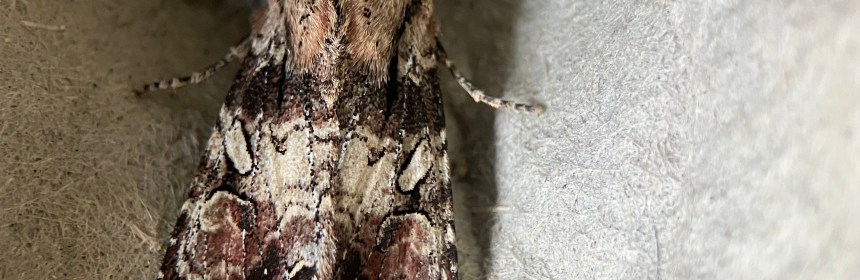
Counting Bugs: What’s at the light in the night? April 20, 2025

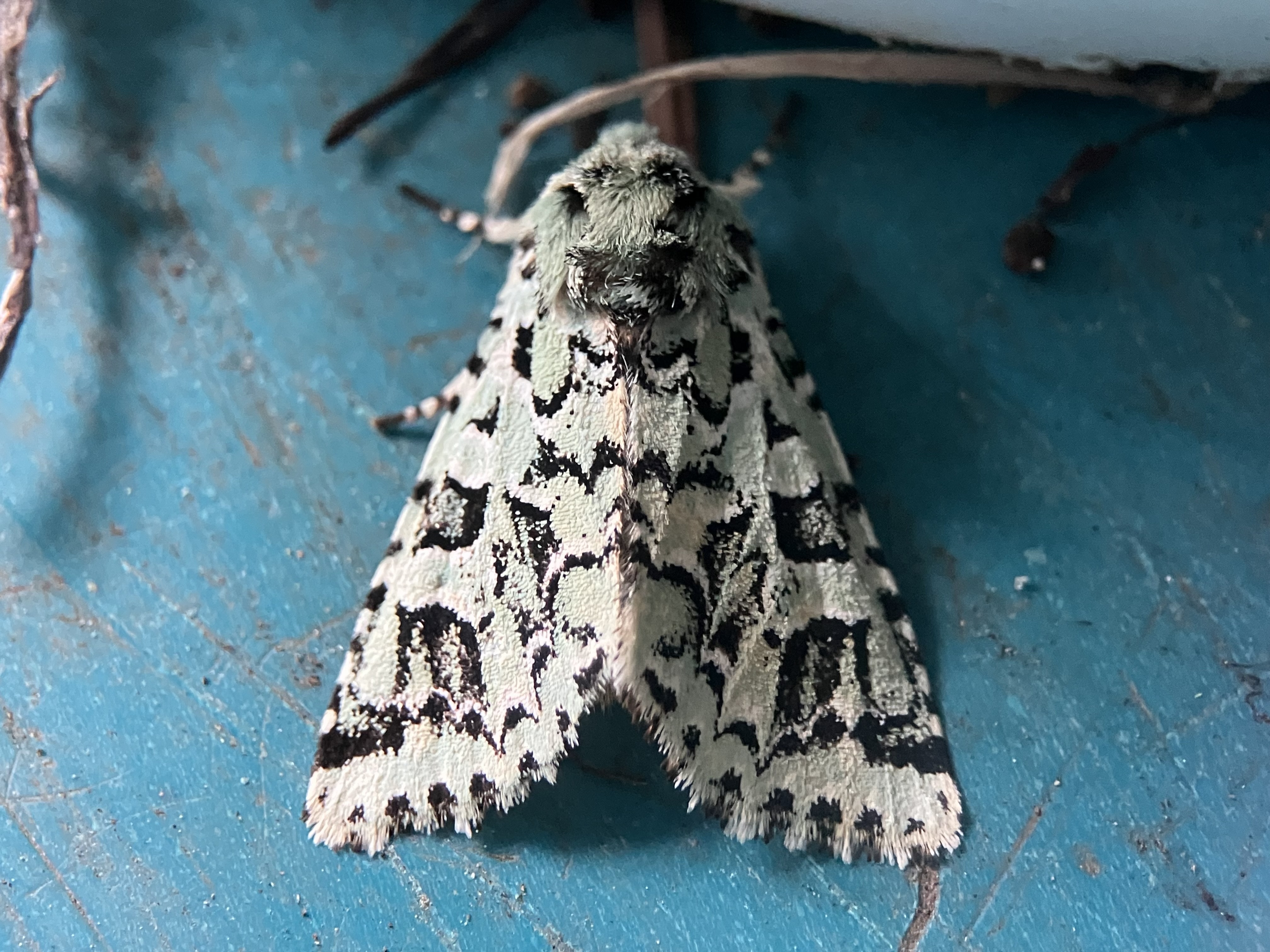
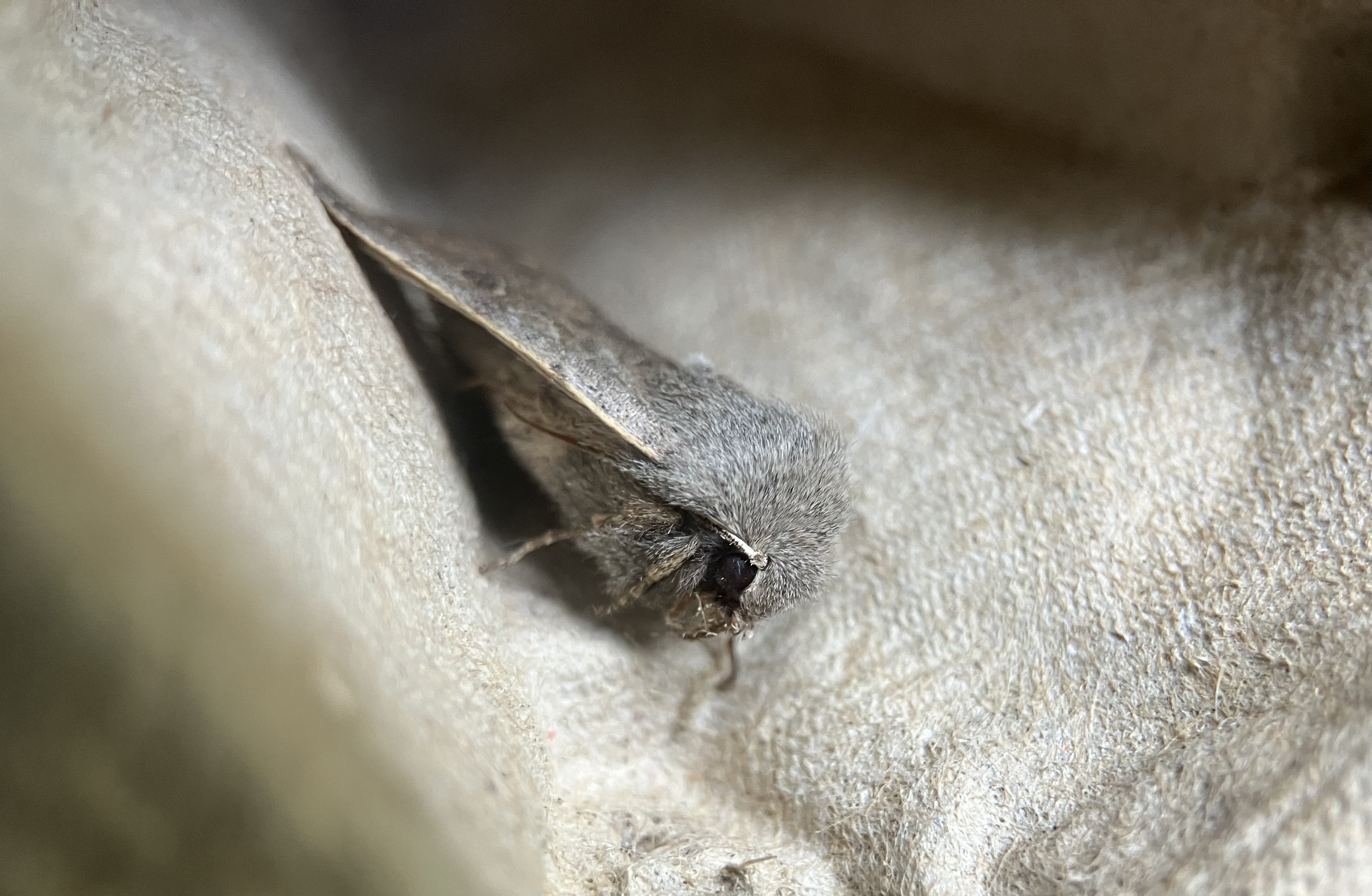
Egira rubrica moth

Here’s a quick rundown of what I spied at my bug light when I checked this morning. I did move the bucket and light to a new location across from our house in our open air barn.

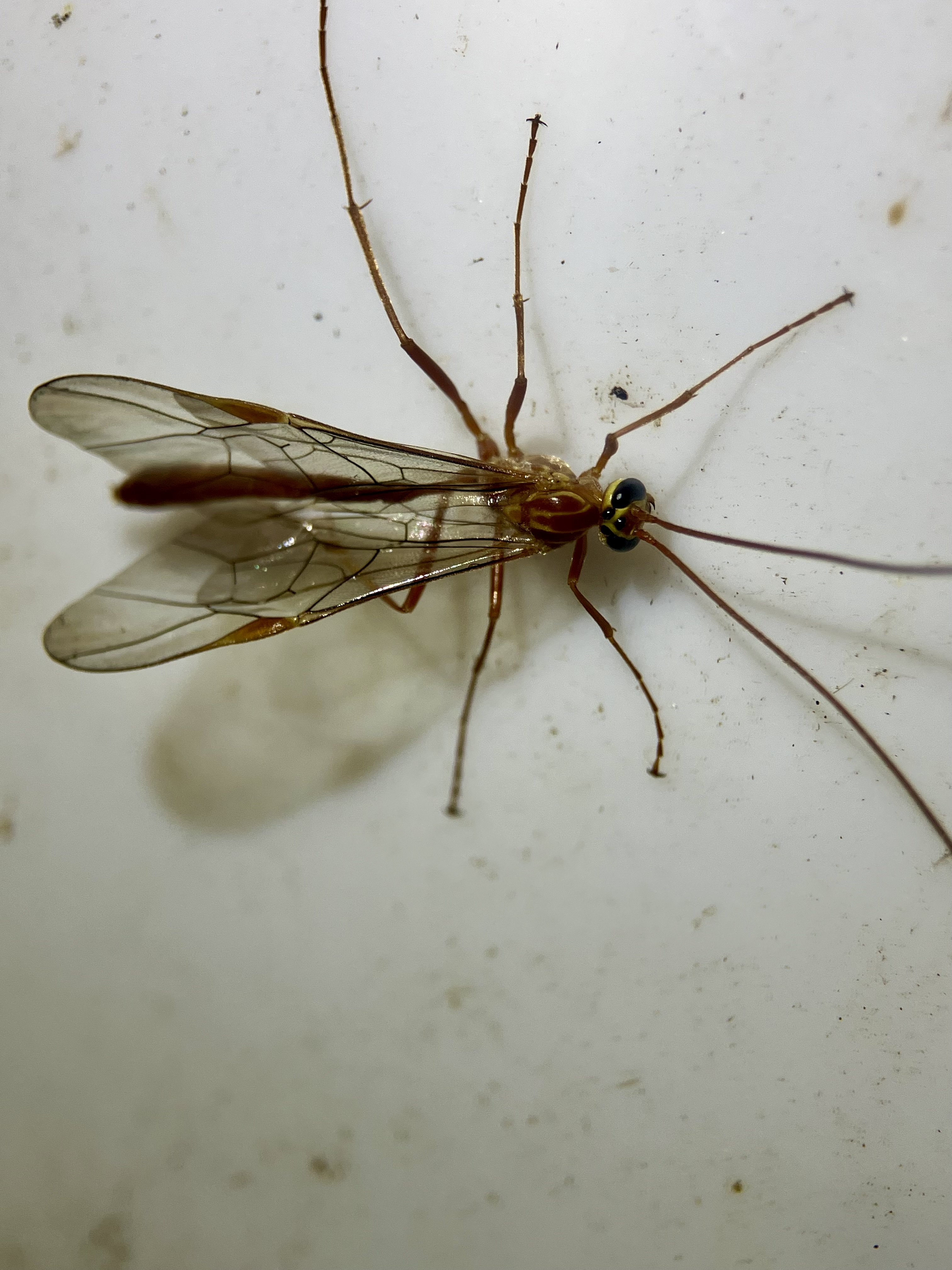
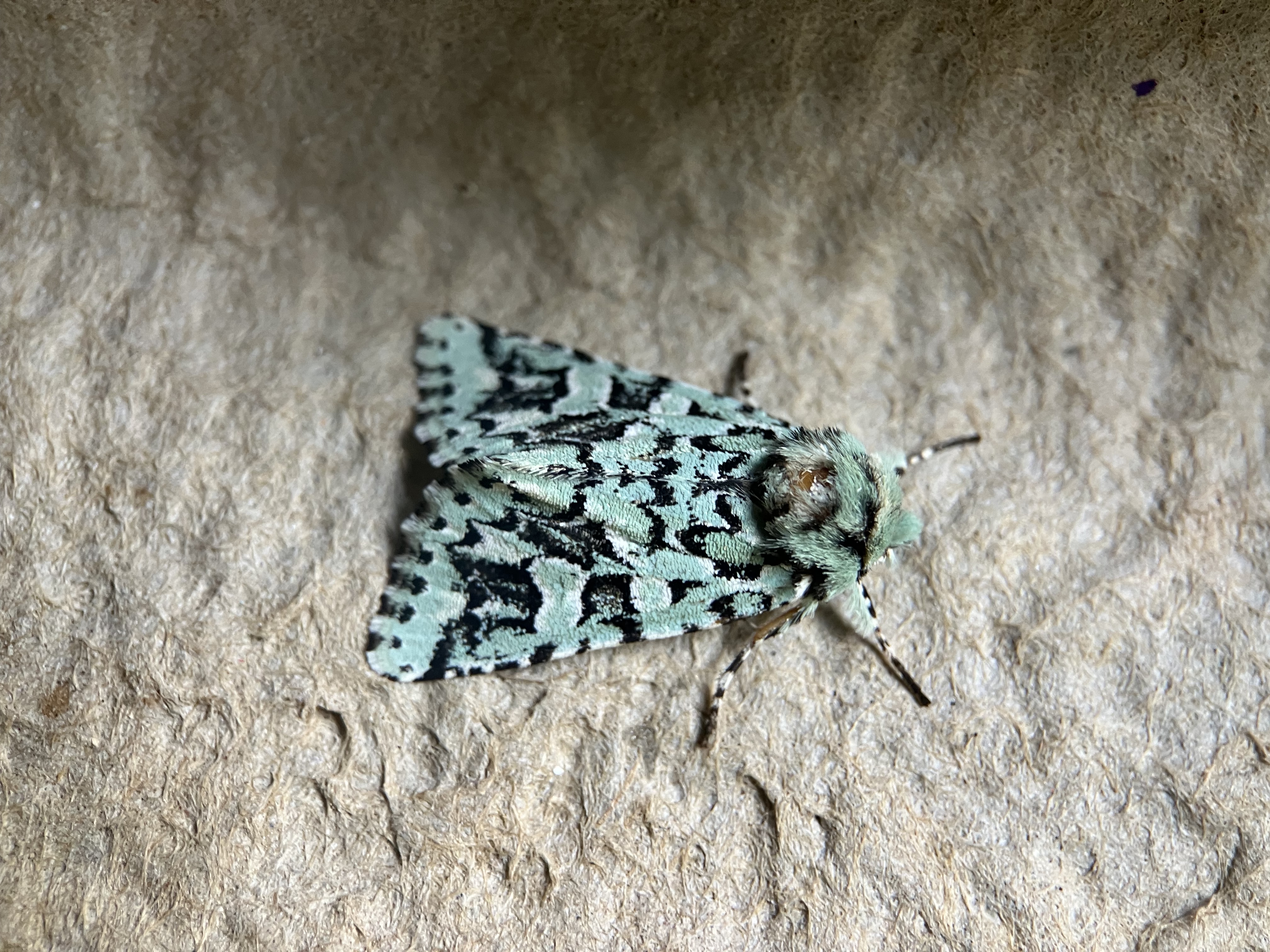
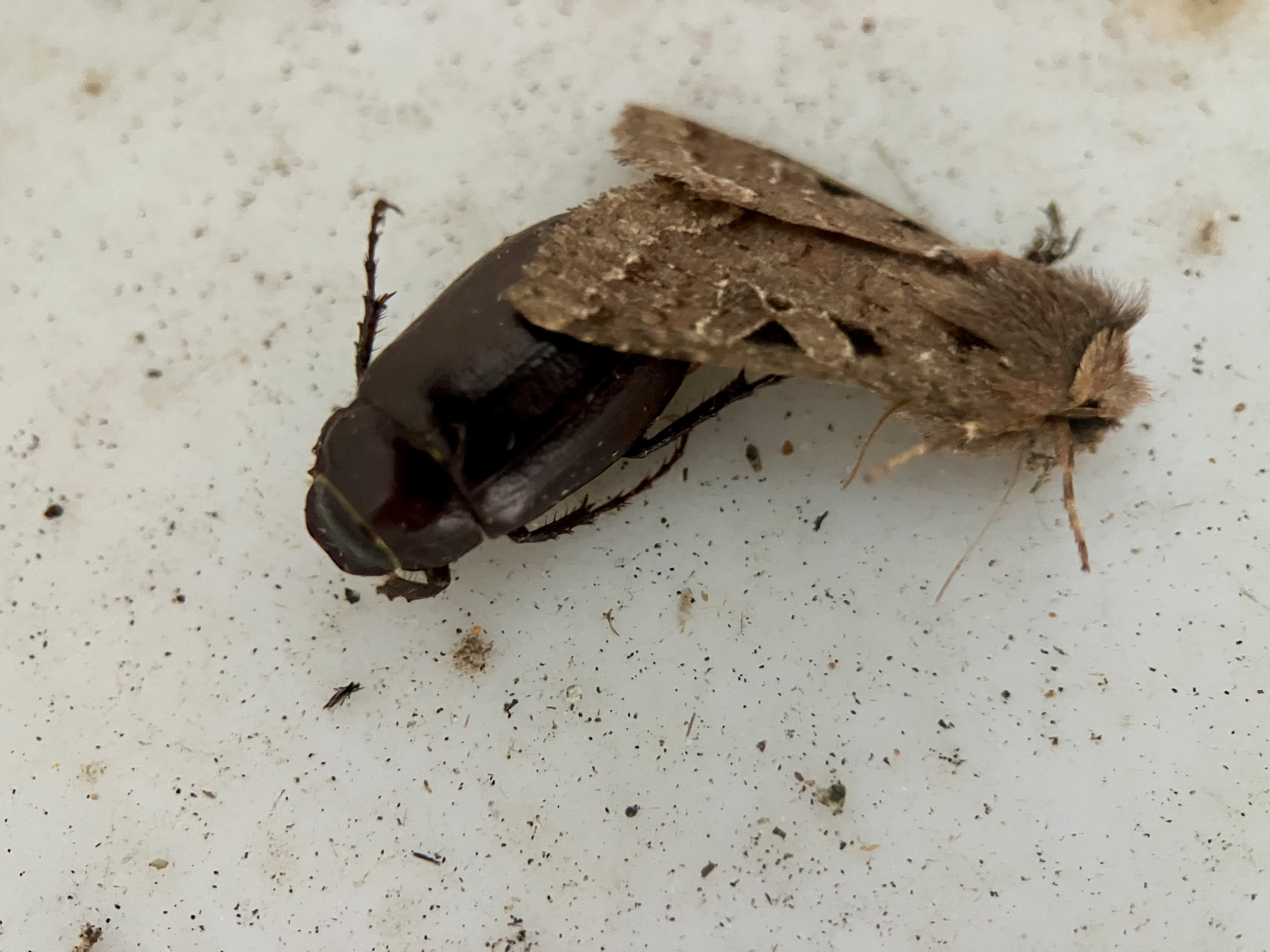
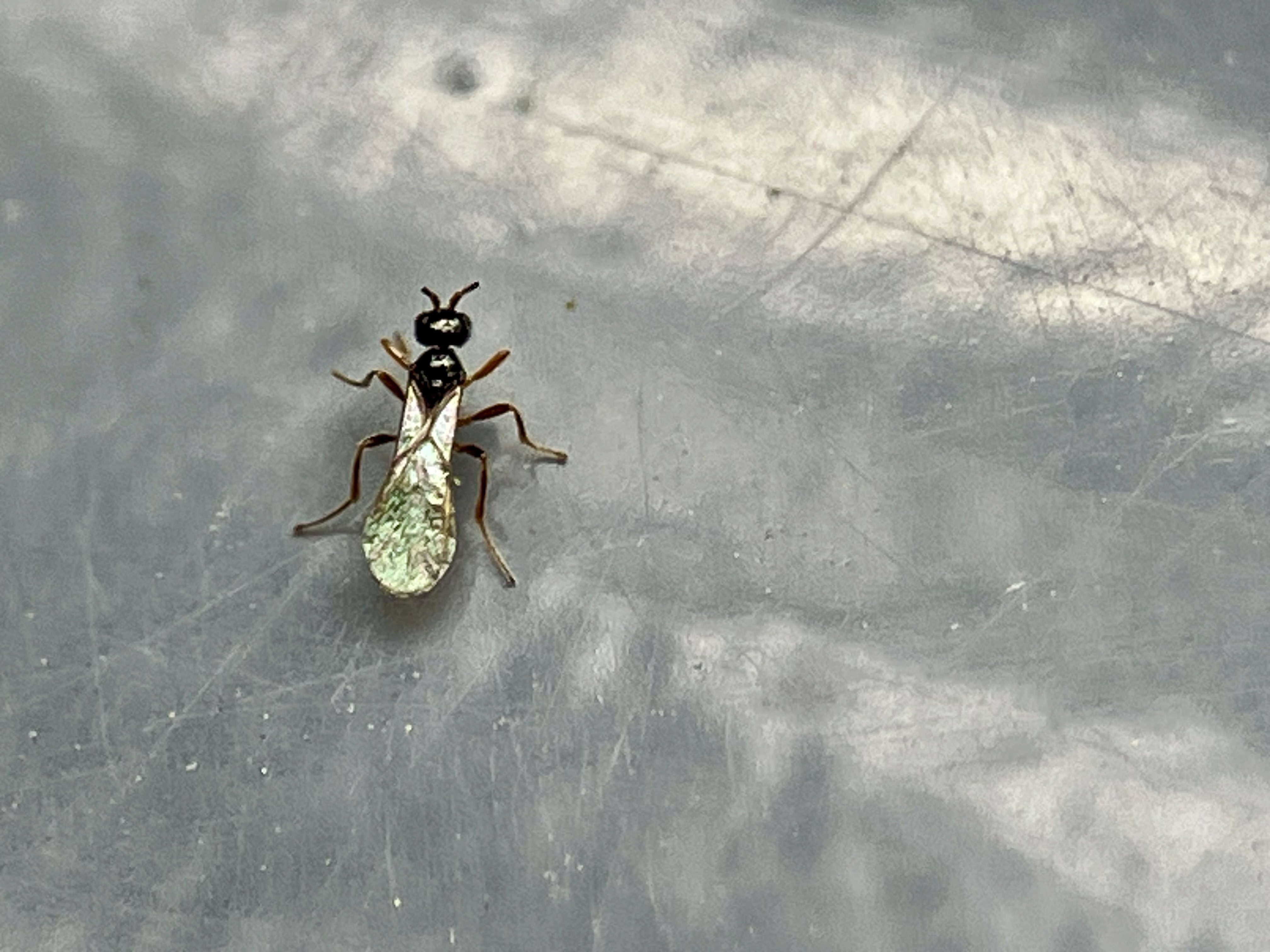
There were nine species of moths (31 individuals), two species of Coleoptera (beetles), and one wasp that I believe is Ophion sp.

Moths:

Egira perlubens = 1

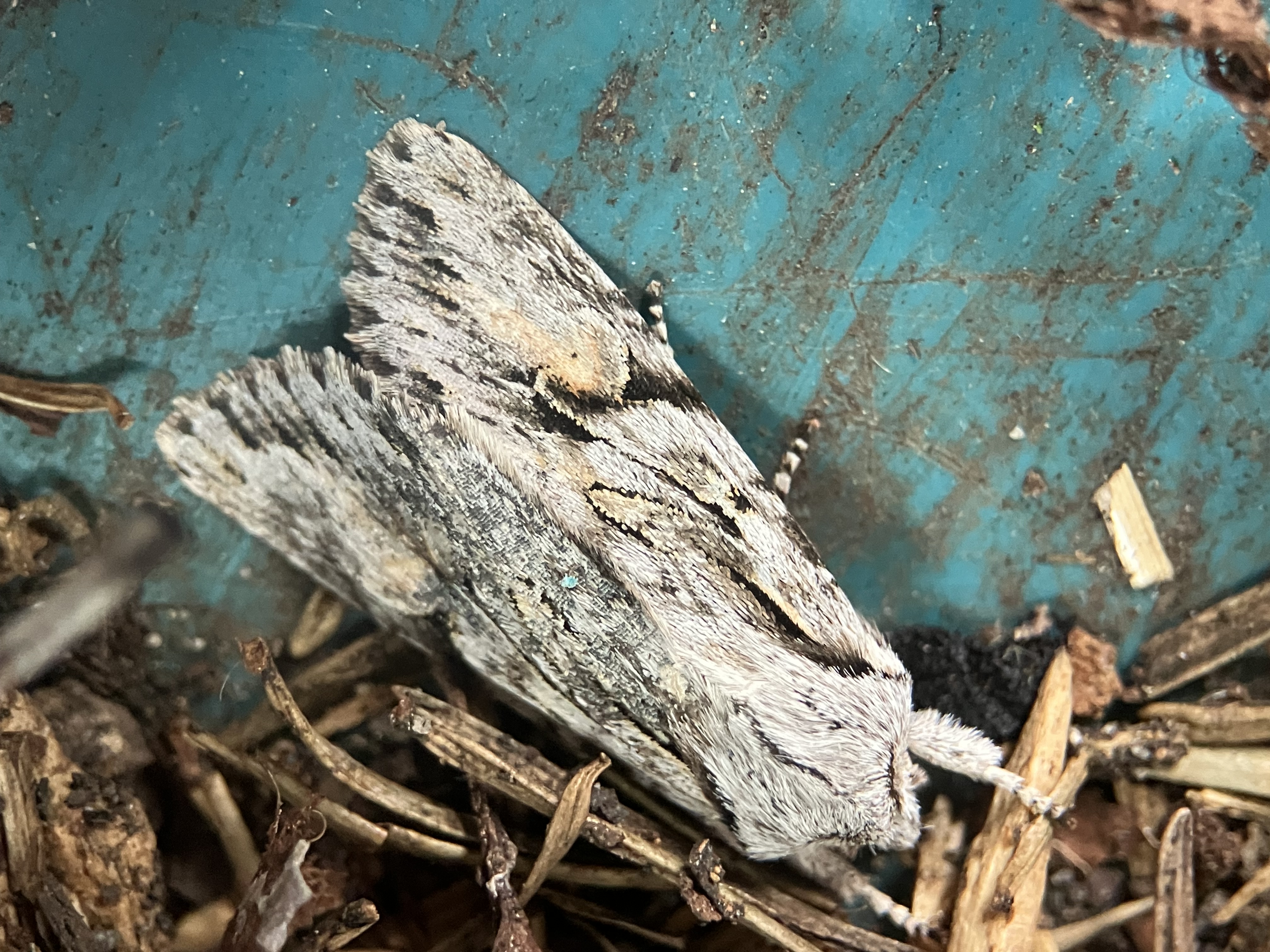
Egira (either E. simplex or E. crucialis) = 3

Egira rubrica = 1

Orthosia transparens = 5

Orthosia hibisci = 8

Orthosia praeses = 8

Feralia comstocki = 2

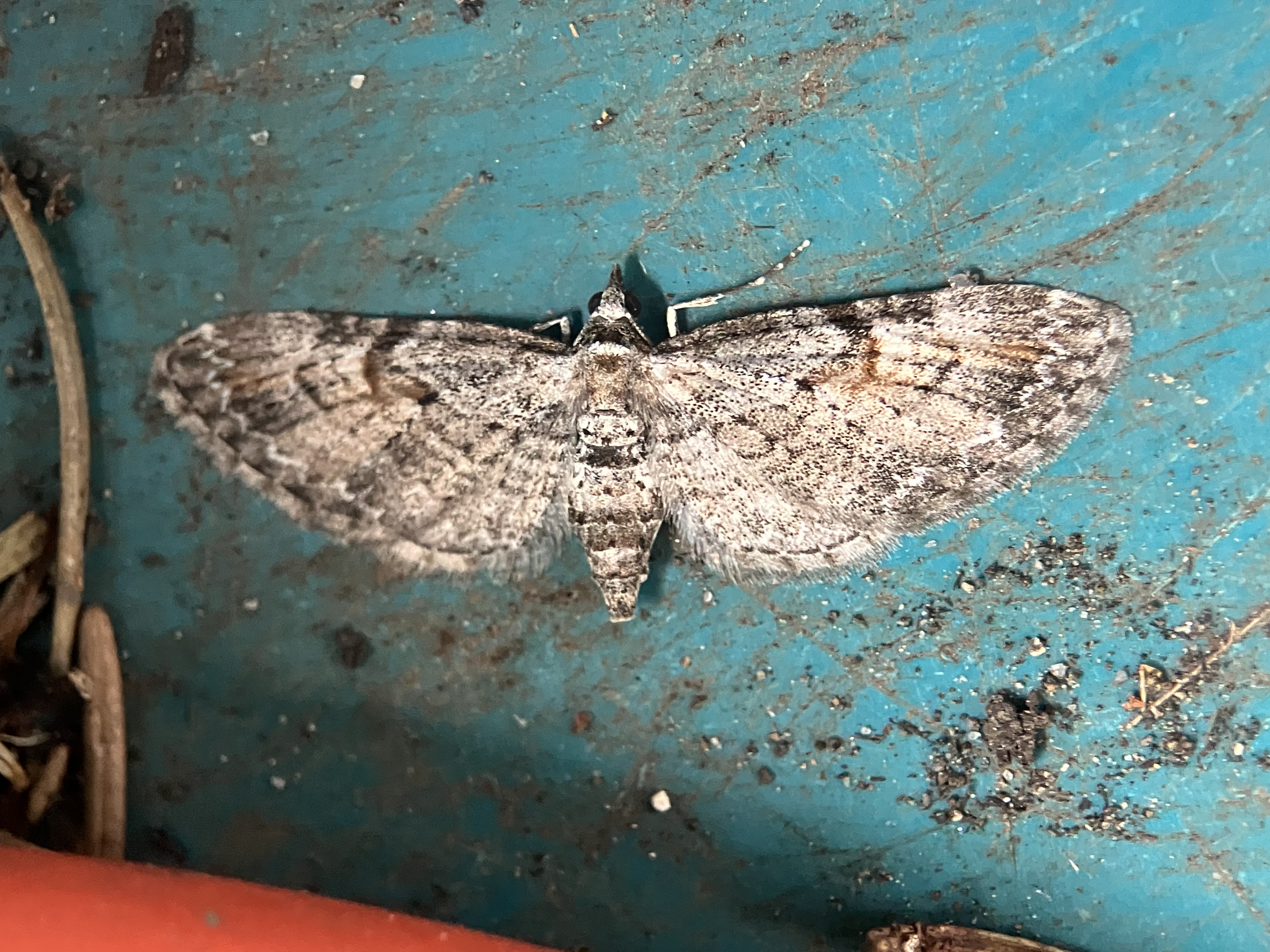
Eupithecia graefii = 2

Melanolophia imitata = 1

Beetles:

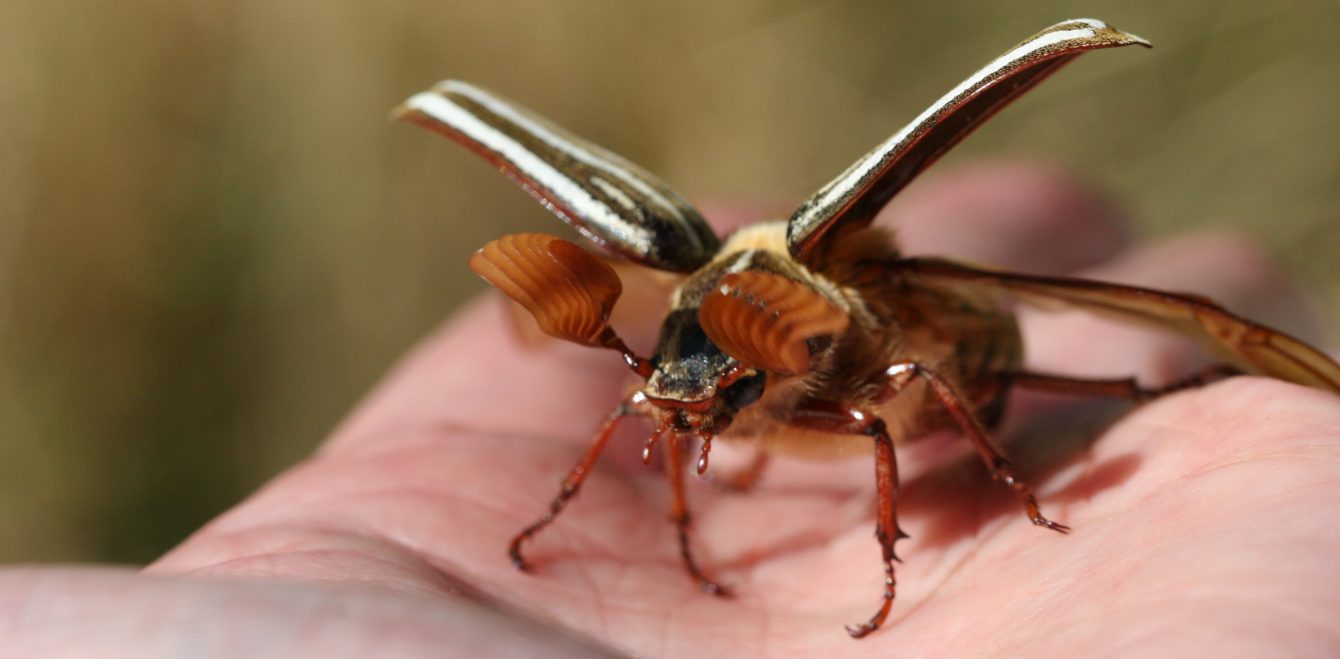
Diplotaxis sp. = 2

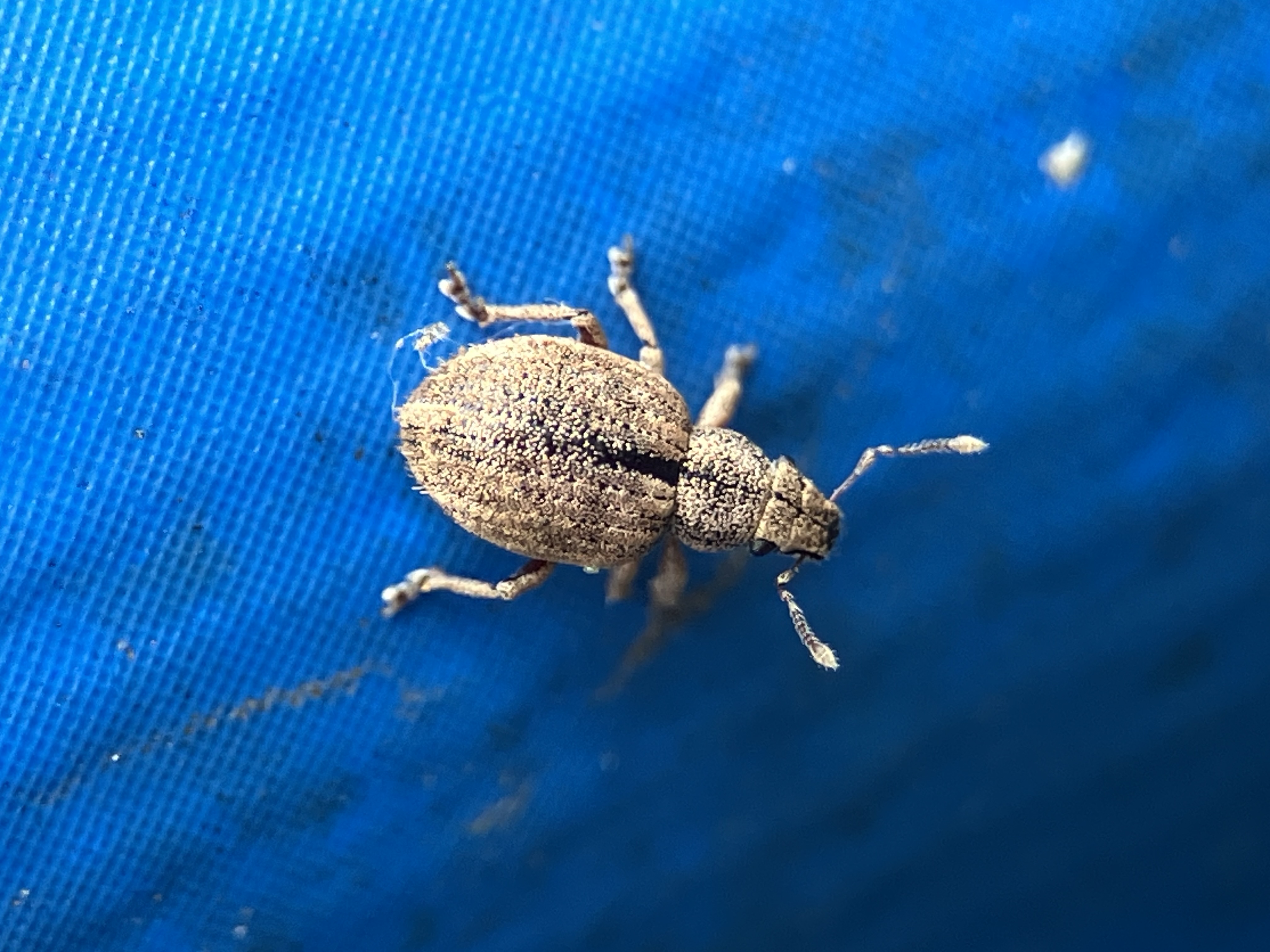
Strophosoma melanogrammum = 1

Wasps:

Ophion sp. = 1

If I may, I’d like to leave you with something to consider. When you rake your leaves and clean your yard – especially if you are burning, chipping, or bagging and removing all those things that fall onto the ground, you are eliminating habitat for native species. If you can refrain the urge to spring clean around your property, you can help support life.

These may be somewhat drab colored moths and you may not even like them, but they sustain other organisms, including plants, because moths are also nighttime pollinators. Each species has a niche, and a role in the ecosystem (and ultimately the food web).

Please take note of nature around you. It’s actually beautiful and mysterious. Whether you like it or not though, nature is life. Nature matters. Little things like leaving the leaves can make a difference. Care.

Thanks for reading.

Spring!

Mining Bee (Andrena sp)

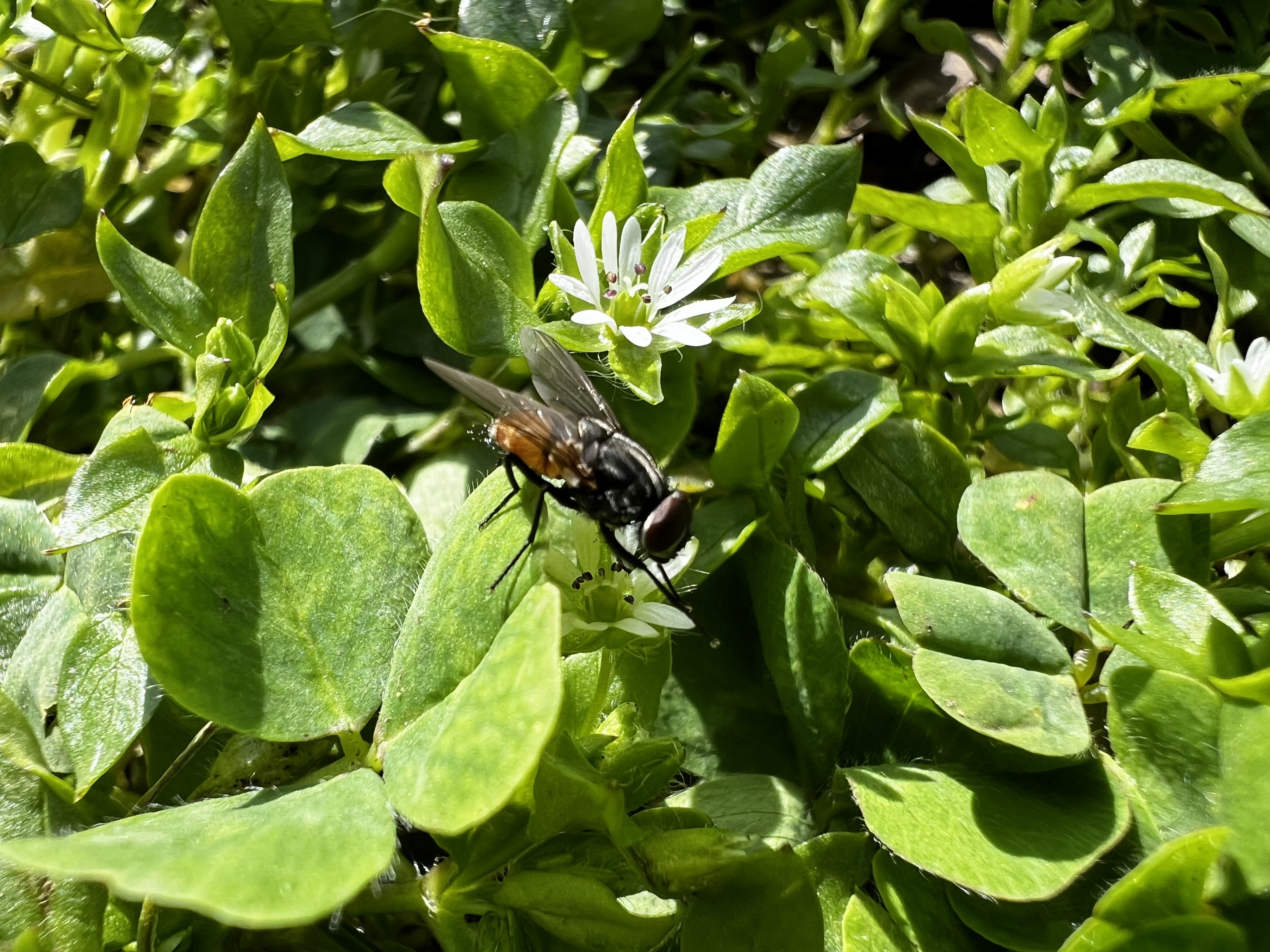
I hope it’s safe to say that Spring has finally arrived in the San Juans. We have enjoyed tiny blips of sunshine the past two afternoons, enough to awaken life in miniature around our home. I’ve found these tiny lives going about business on the “highway” around the top of our above ground pool, crumbled mounds of dirt in hard-packed soil where little mining bees have excavated their way to the surface from a long winter sleep, and a suite of species of flies (our best early spring pollinators) sipping at the miniature chickweed flowers that opened overnight. I’ve also seen my first tiny “sugar” ant in the house, most definitely a harbinger of spring!

In these days where we are likely weary of the many assaults on our souls – from reading that we are at the precipice of mass species extinction to the news reports of fires and other natural disasters (intensifying from climate change), and the horror of what we face watching our nation torn apart and not really knowing what the fateful consequences of unchecked power will be, I hope you will do as I am trying to do…take each day moment by moment, and find some beauty wherever you can. Remember the dandelion that blooms in the crack in the concrete. If you’re reading this, go outside and B-R-E-A-T-H-E.

Yesterday I saw the first Yellow Rumped Warbler of the season. The Violet Green Tree Swallows are going to show up any day now. Go soak yourself in nature while we still have nature around us.

I’ll leave you to shadow dance with this happy little Cereal fly on my blue garden chair….💙

Thanks for stopping by!

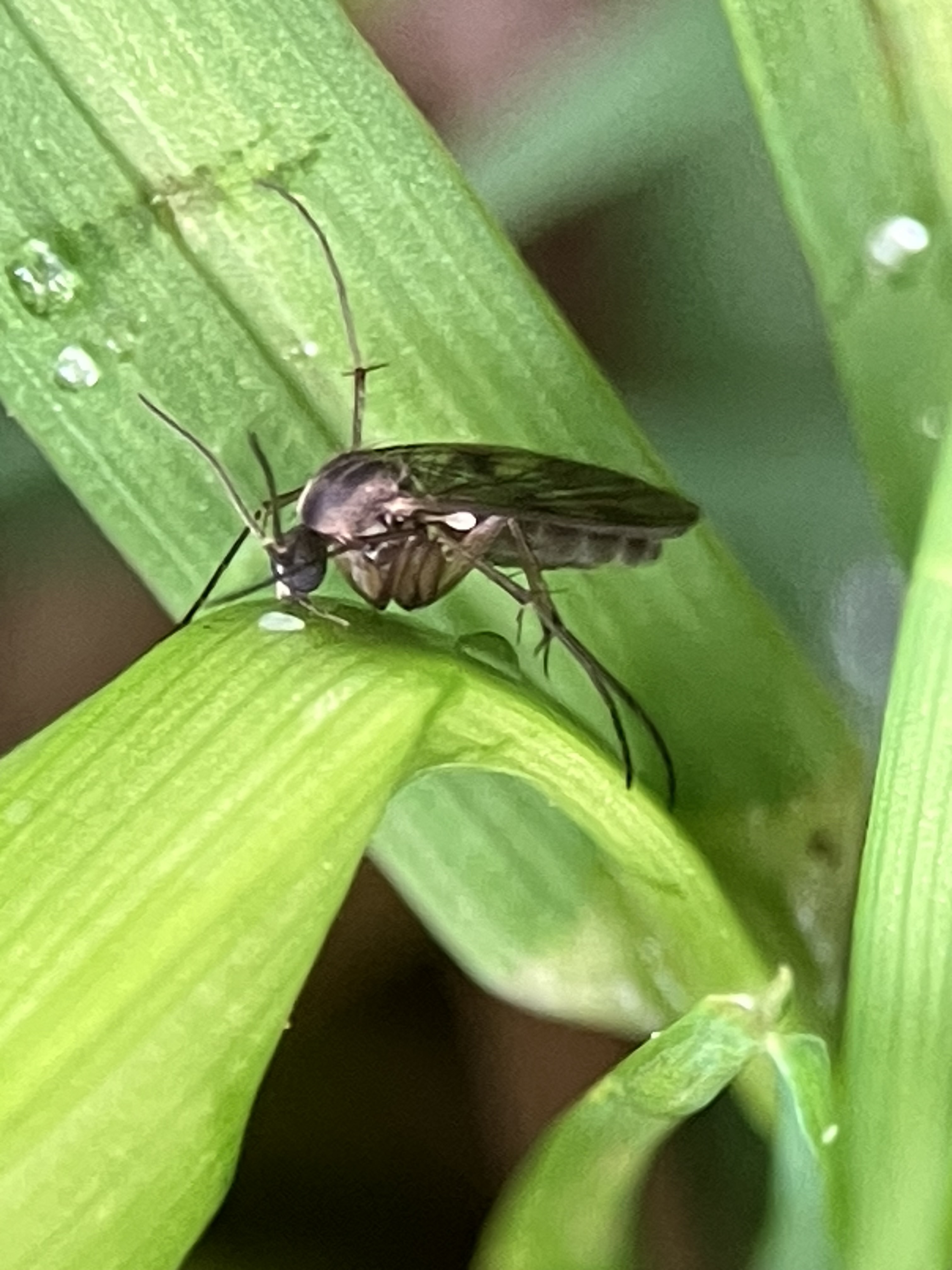
Cereal Fly (Geomyza tripunctata) shadow dancing