Here’s a quick rundown of what I spied at my bug light when I checked this morning. I did move the bucket and light to a new location across from our house in our open air barn.
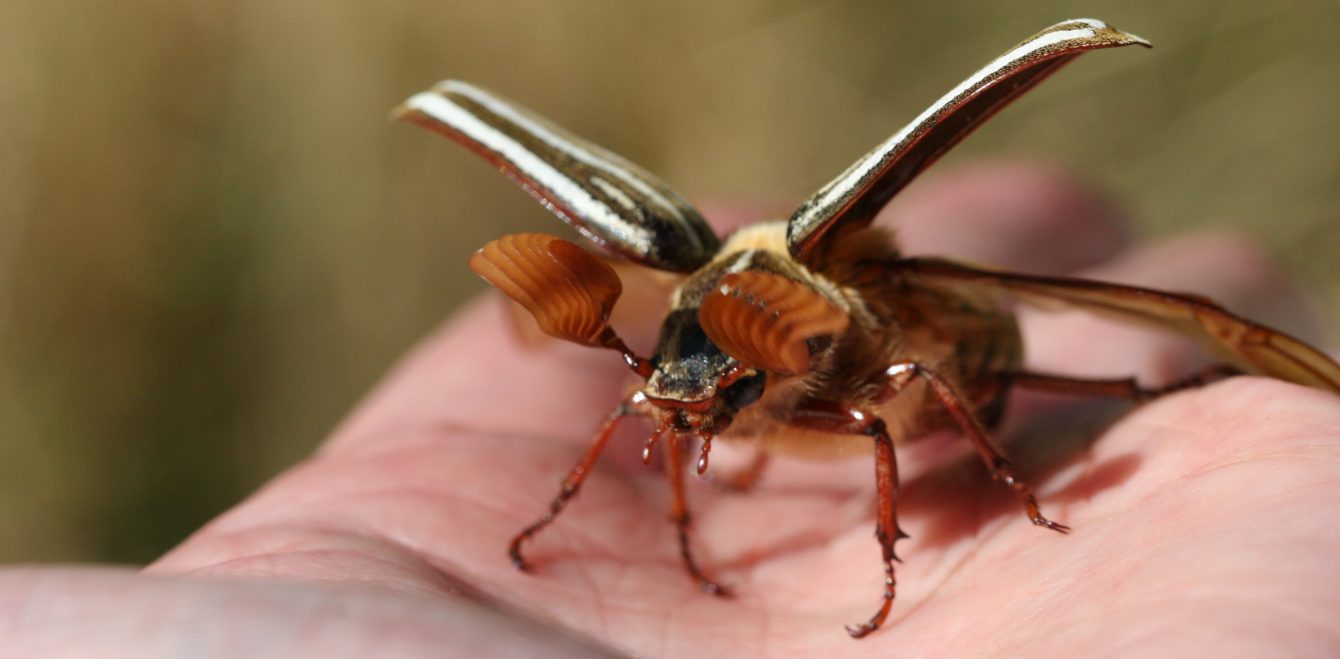
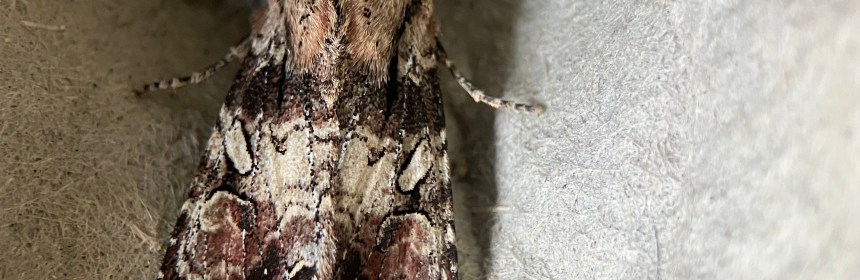
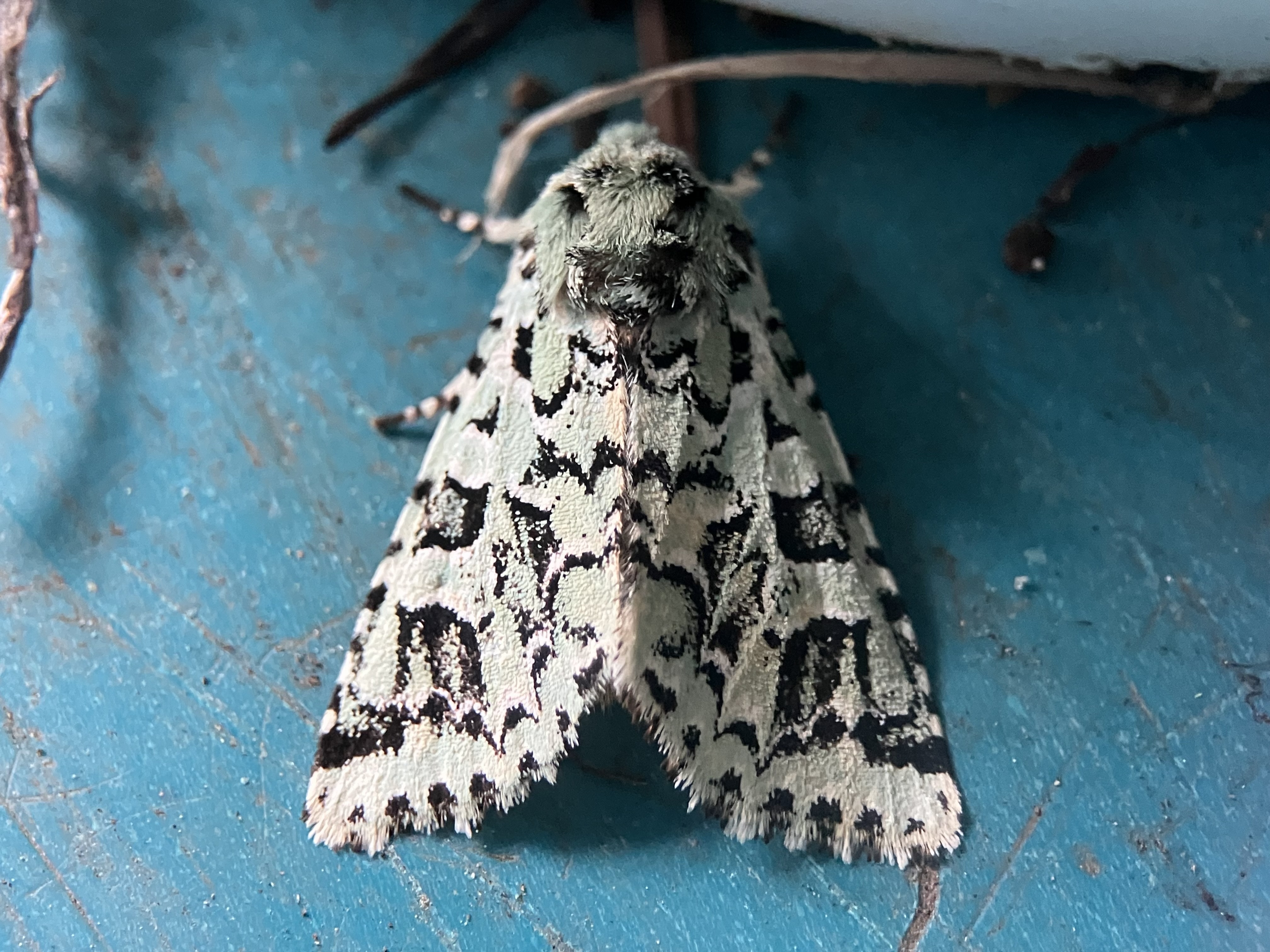
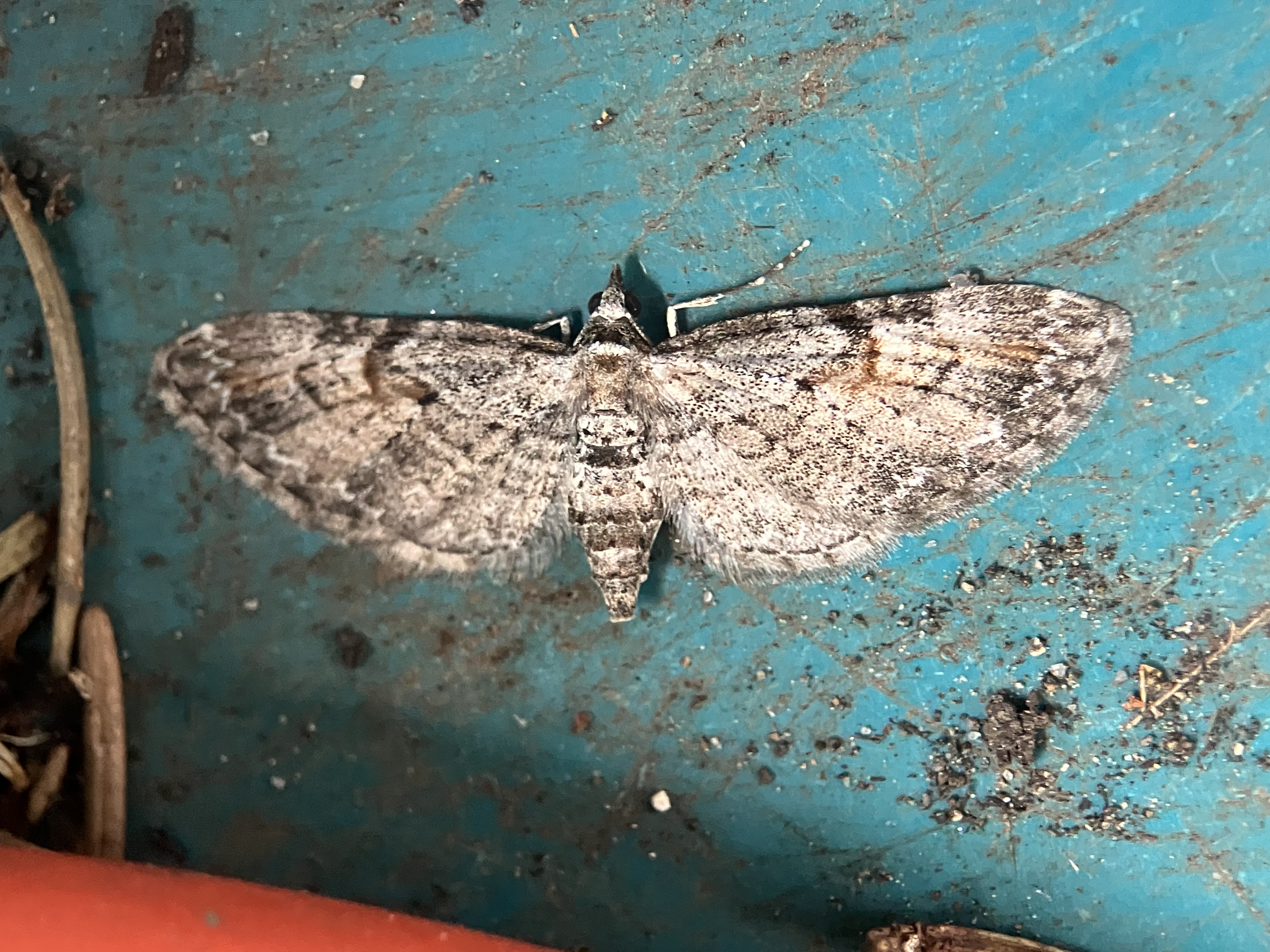
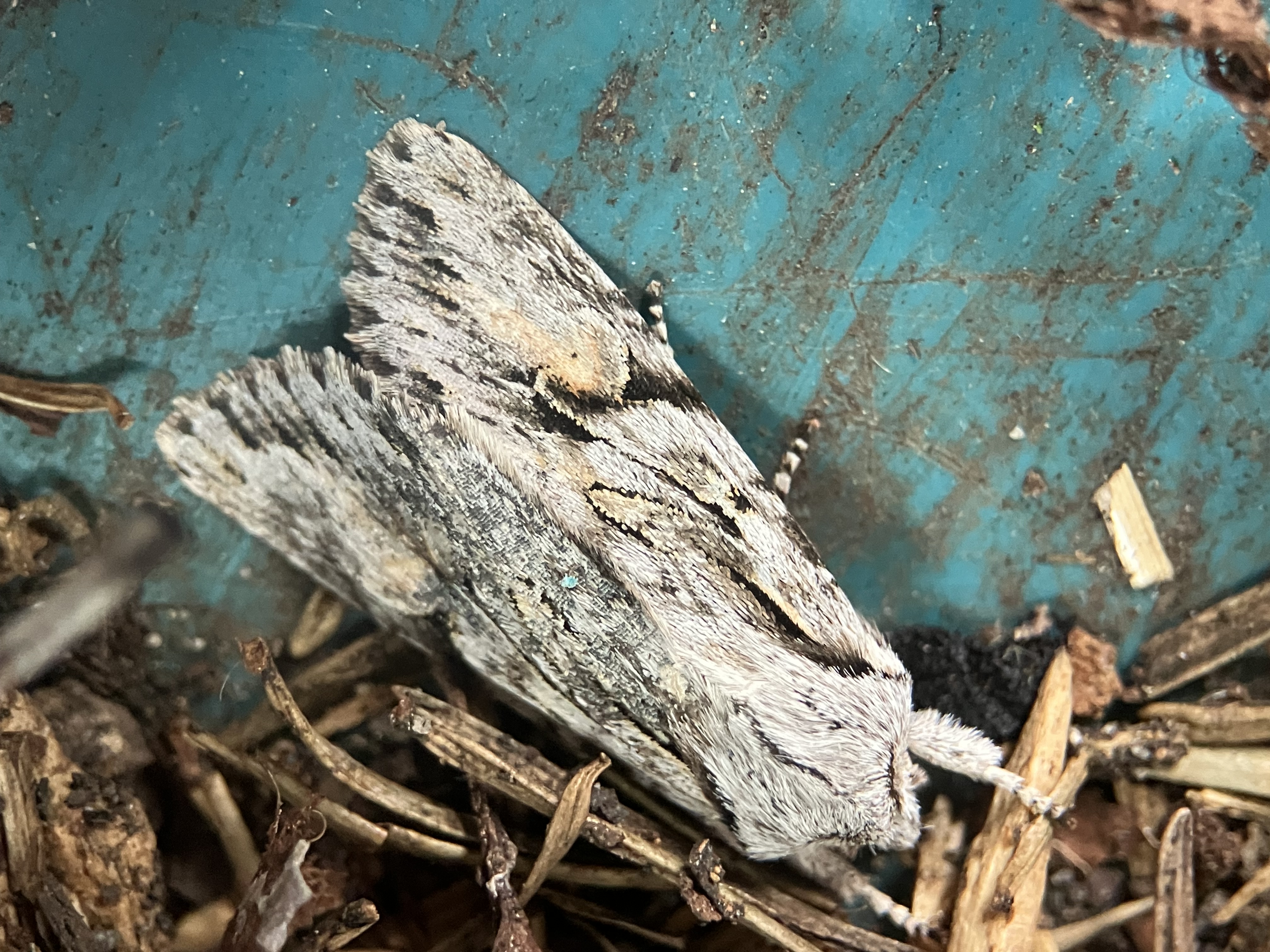
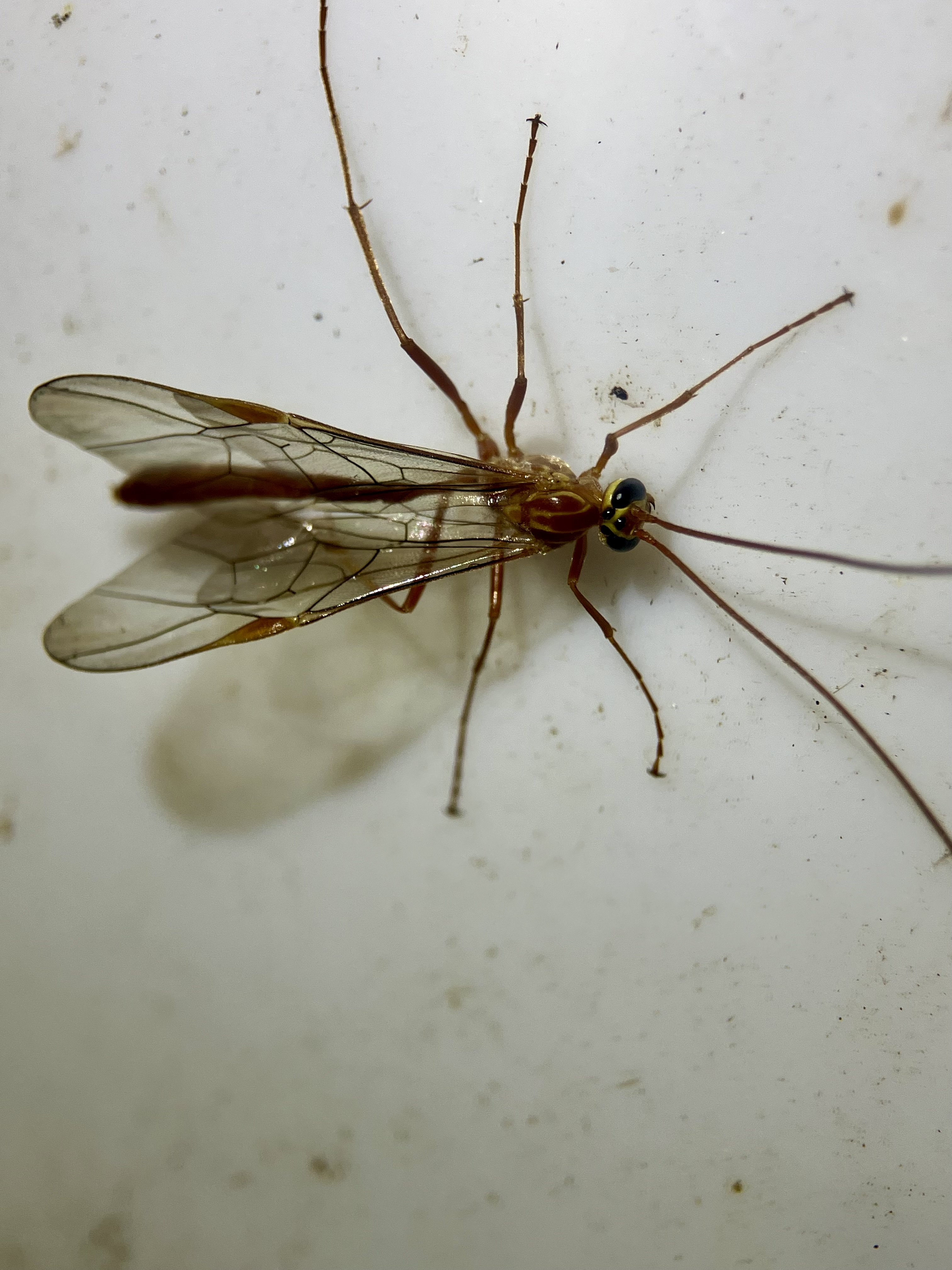
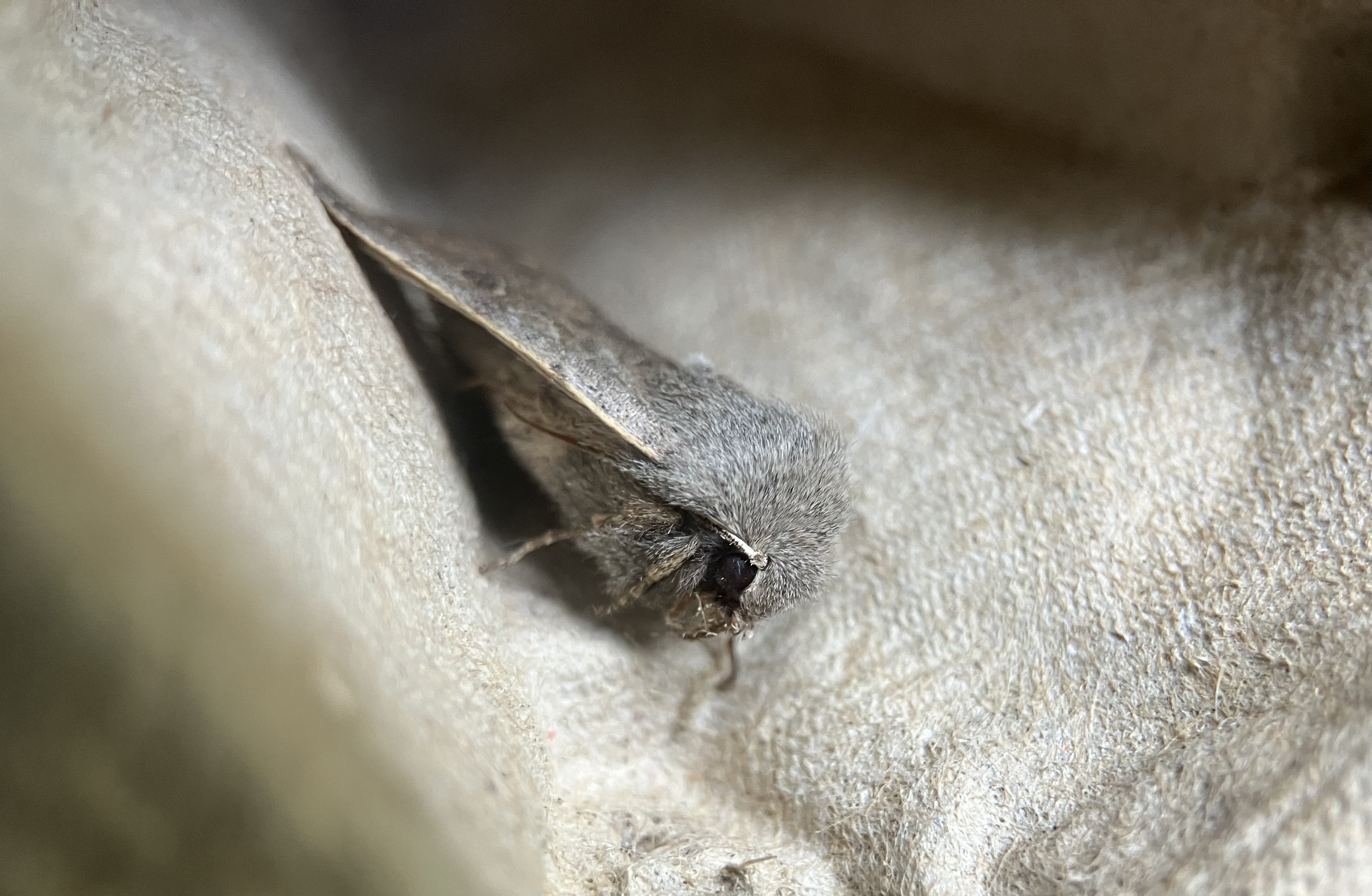
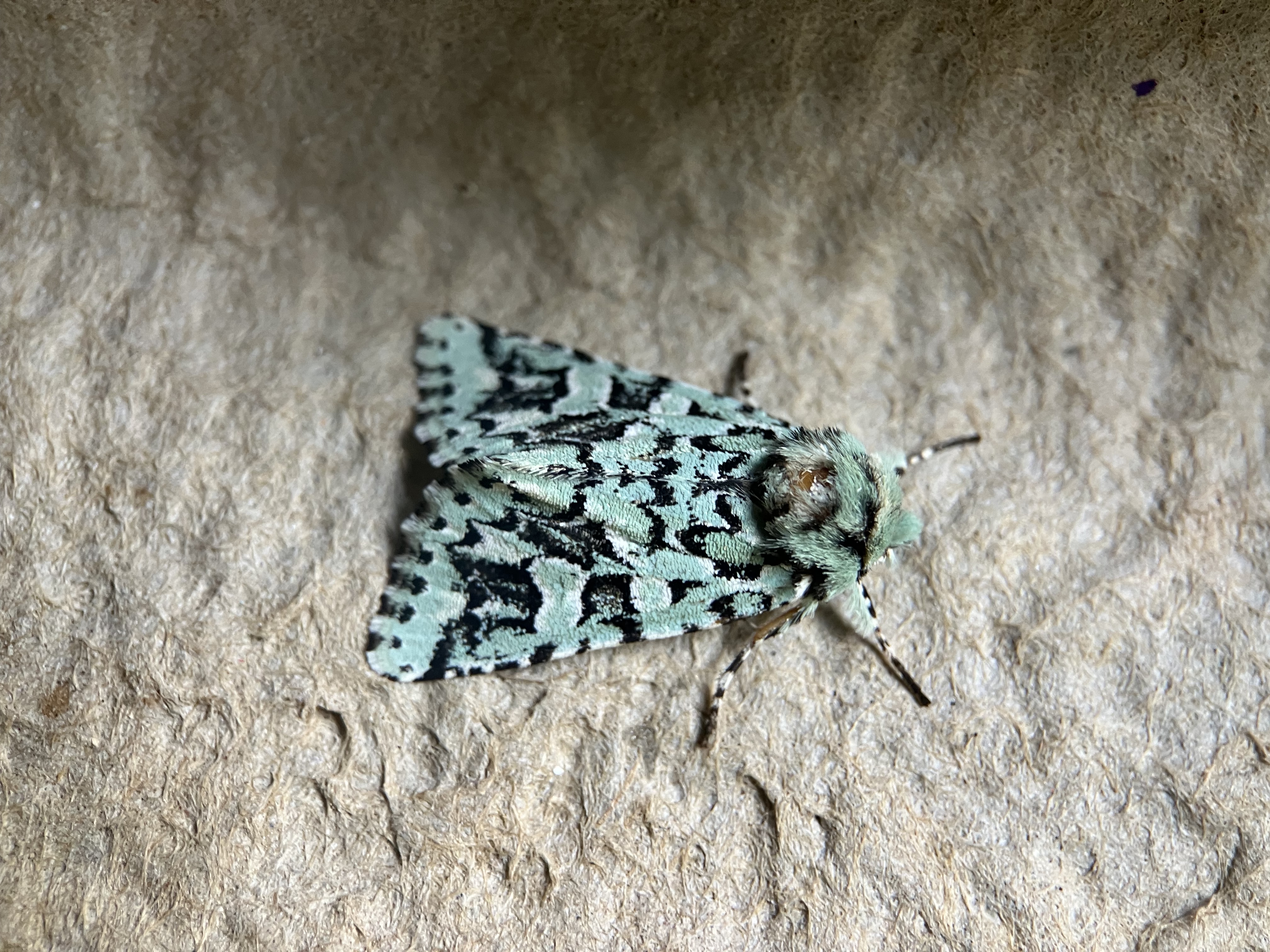
There were nine species of moths (31 individuals), two species of Coleoptera (beetles), and one wasp that I believe is Ophion sp.
Moths:
Egira perlubens = 1
Egira (either E. simplex or E. crucialis) = 3
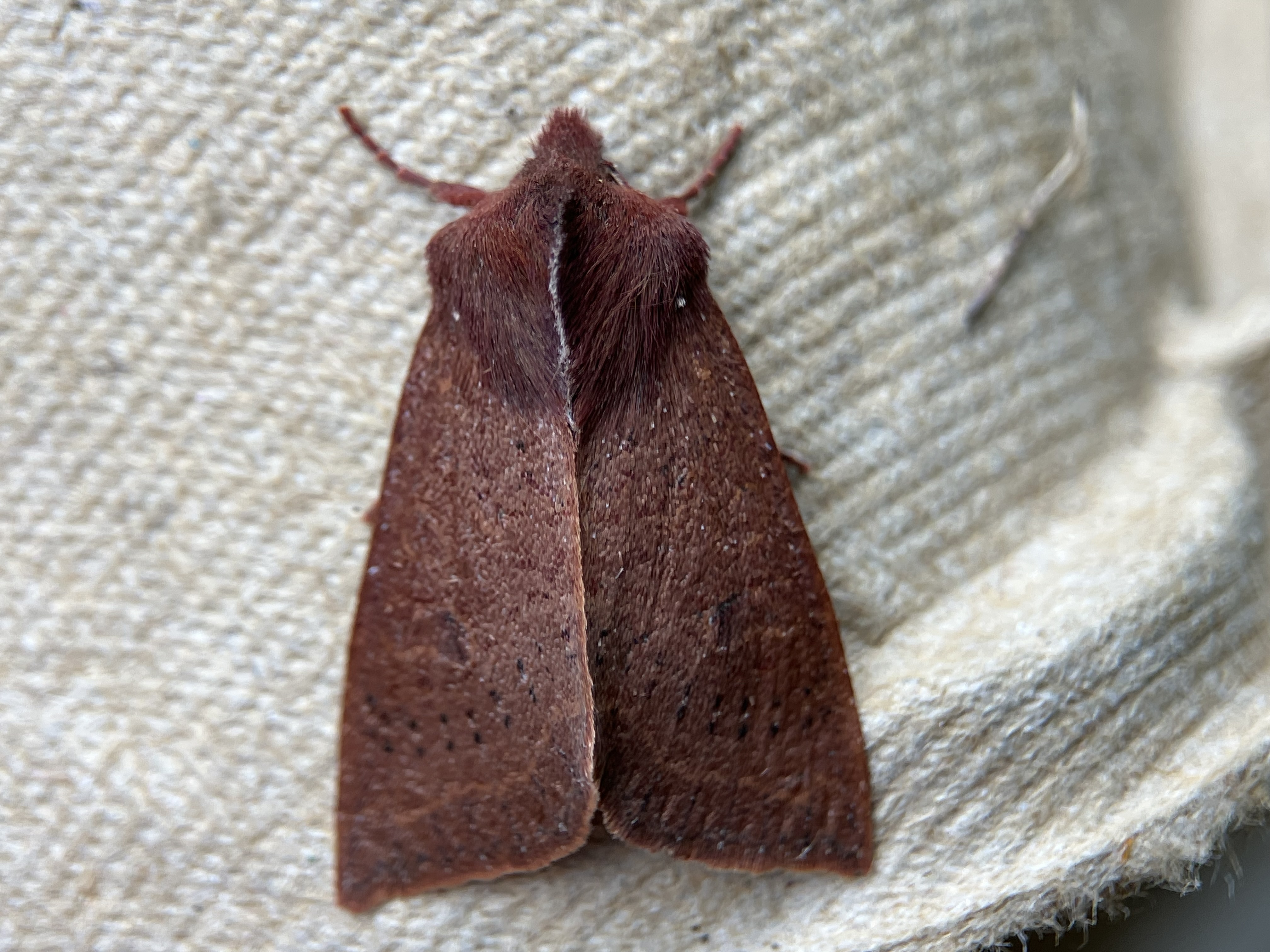
Egira rubrica = 1
Orthosia transparens = 5
Orthosia hibisci = 8
Orthosia praeses = 8
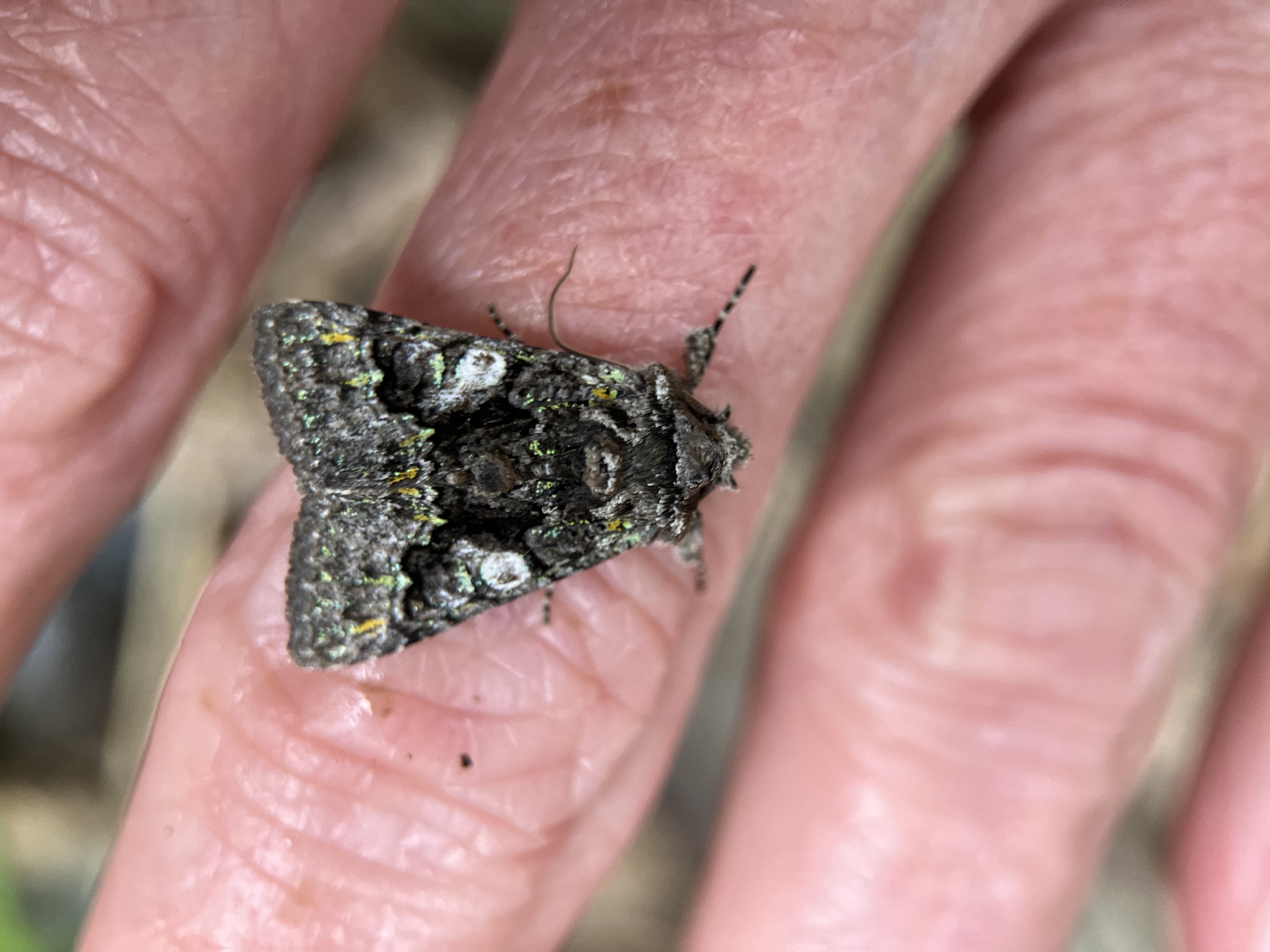
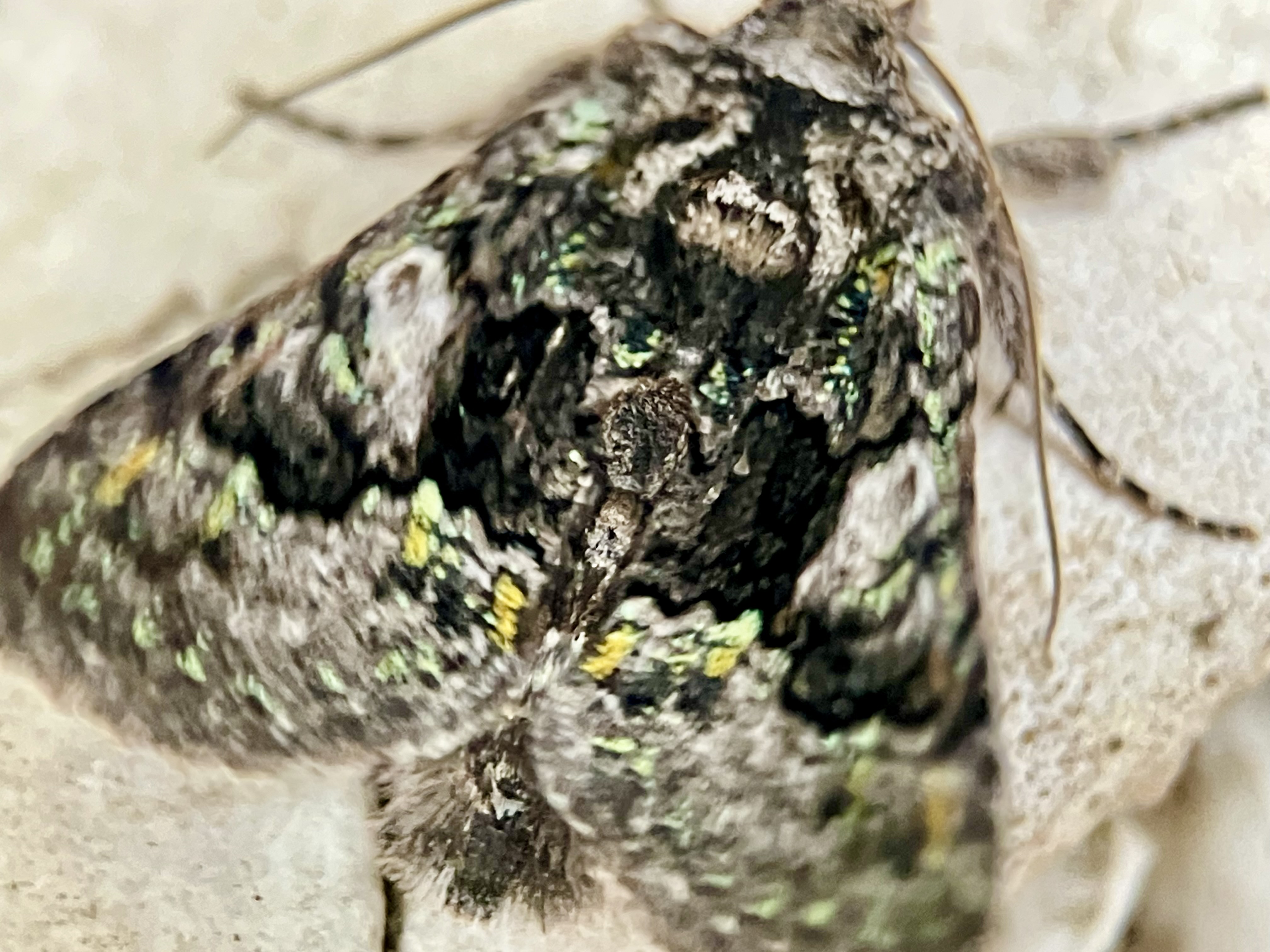
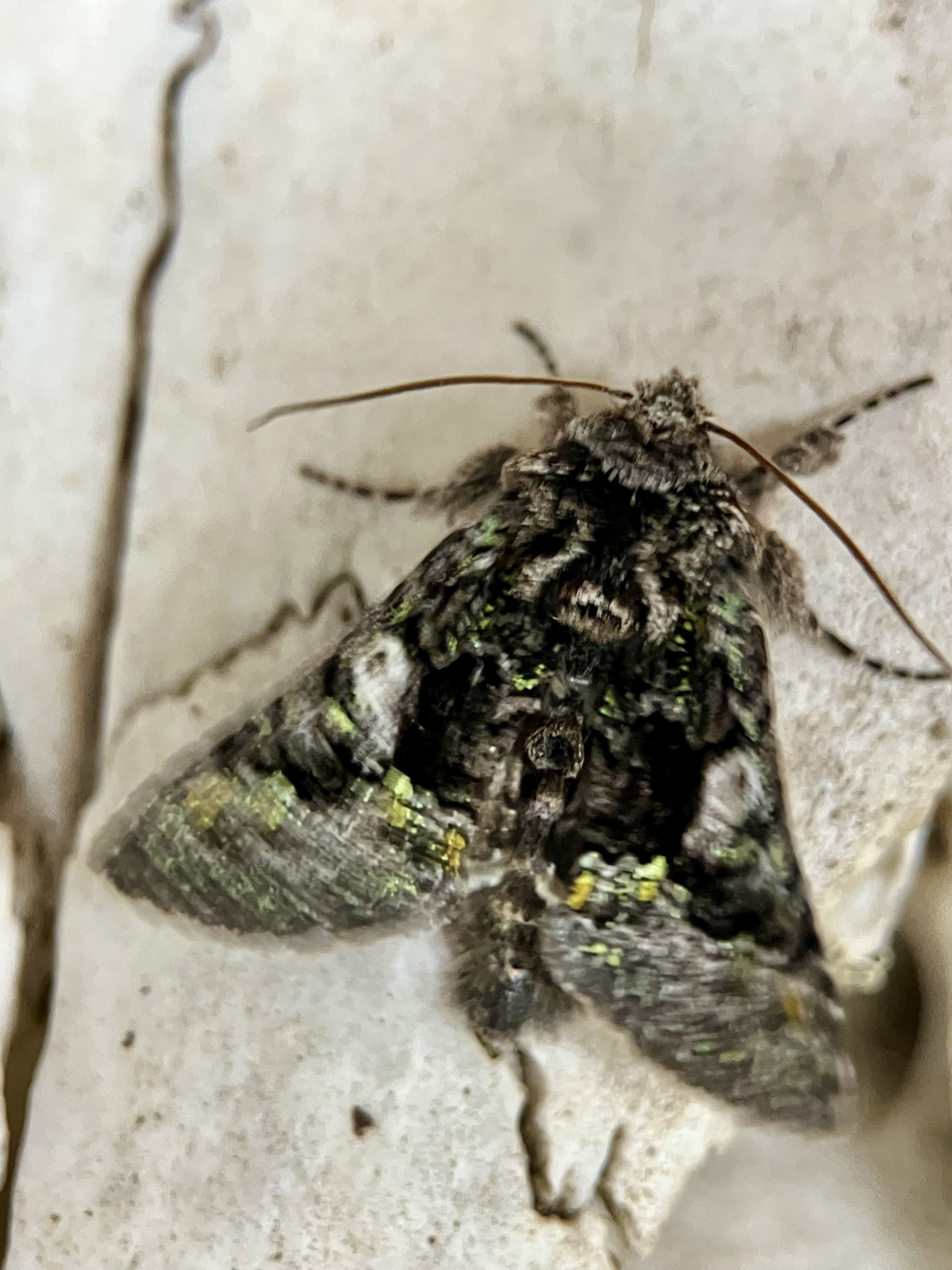
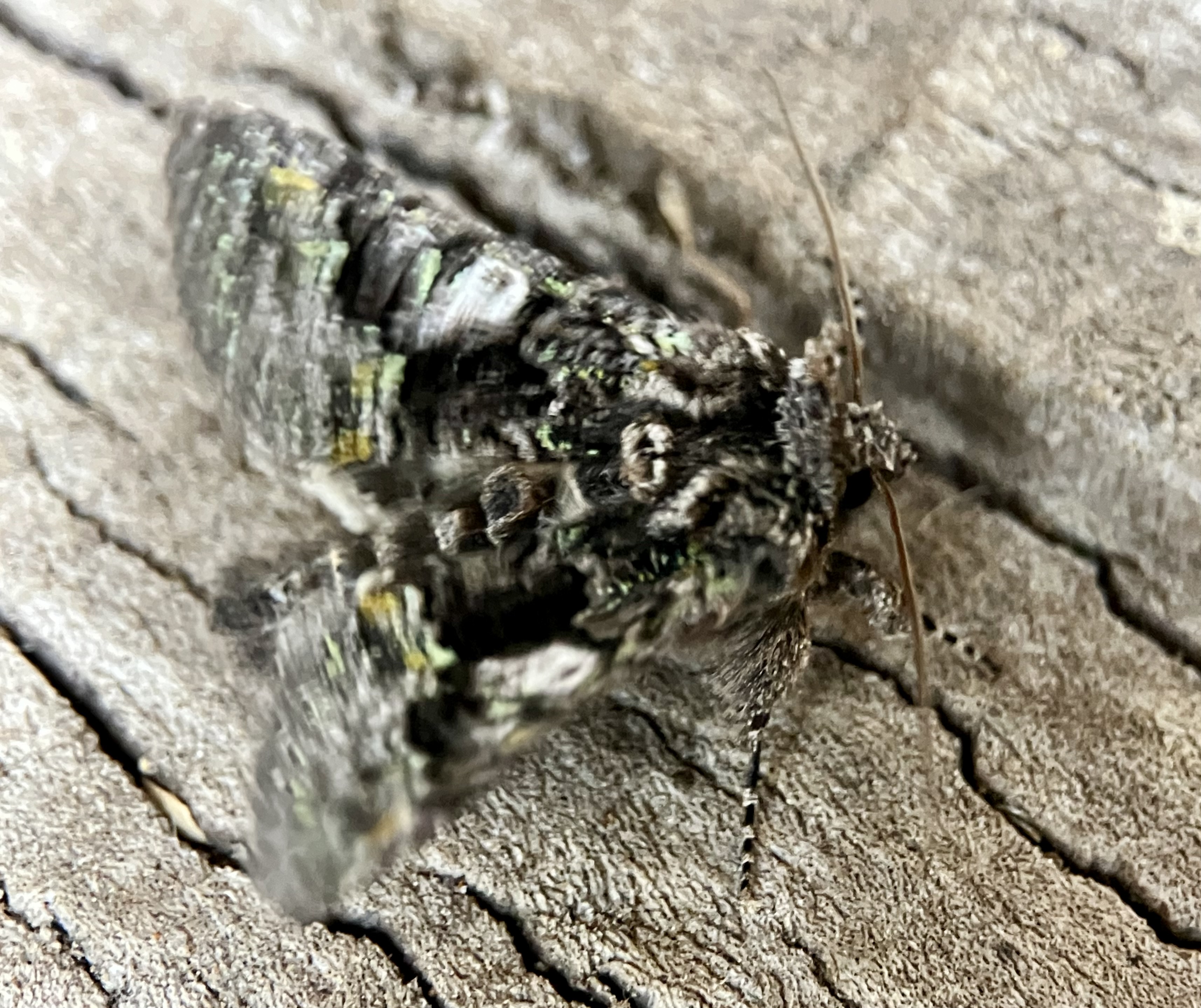
Feralia comstocki = 2
Eupithecia graefii = 2
Melanolophia imitata = 1
Beetles:
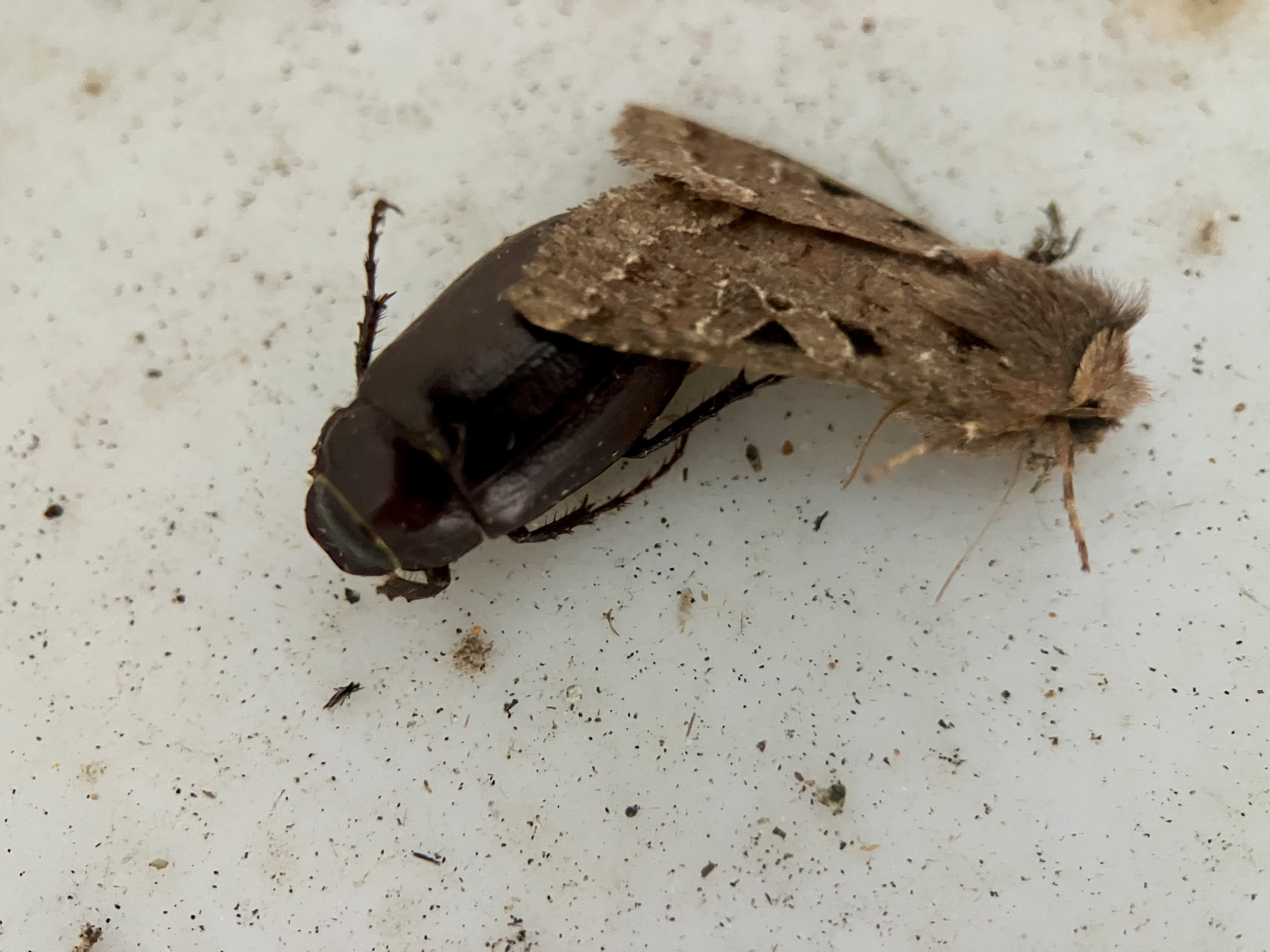
Diplotaxis sp. = 2
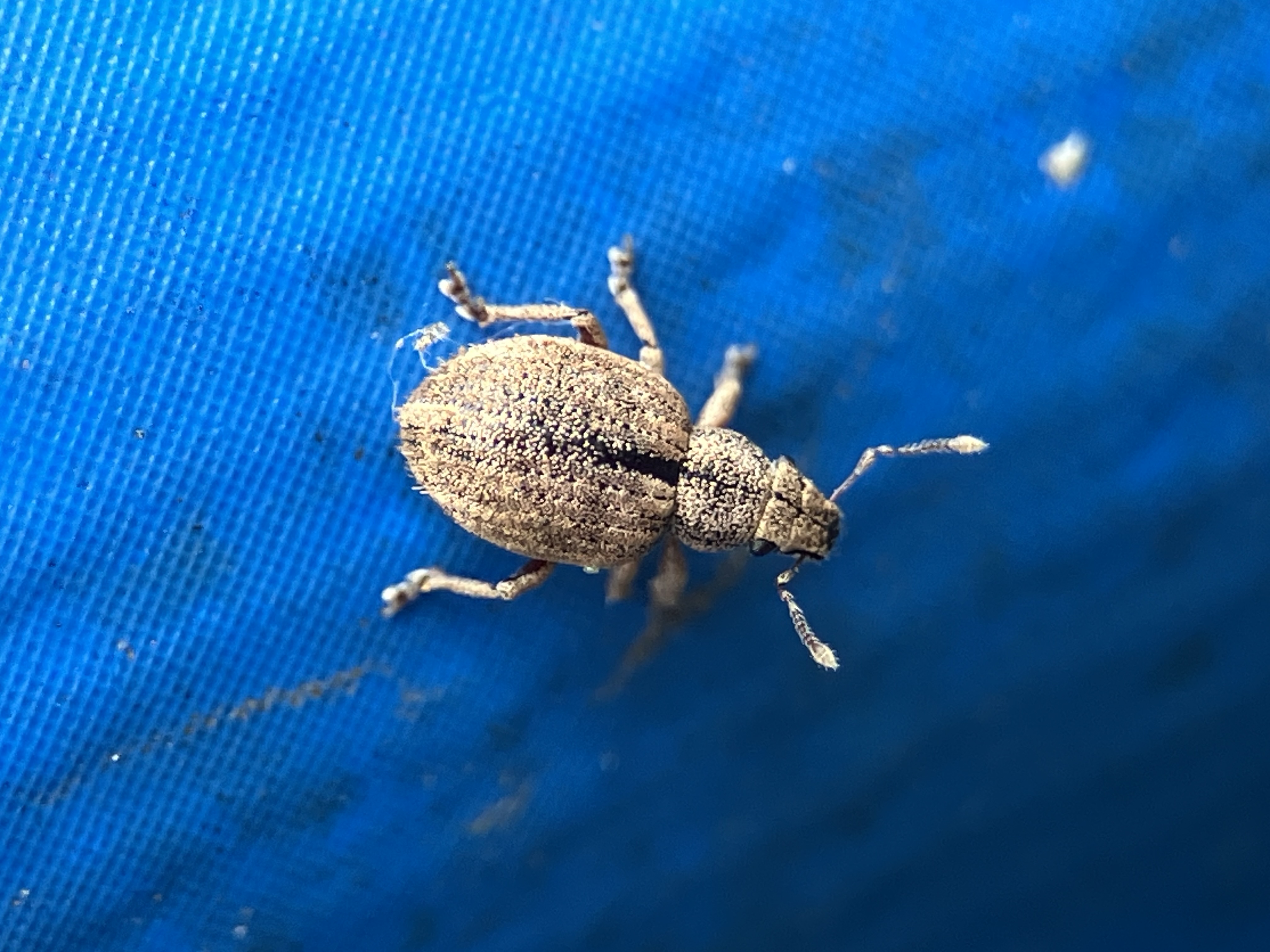
Strophosoma melanogrammum = 1
Wasps:
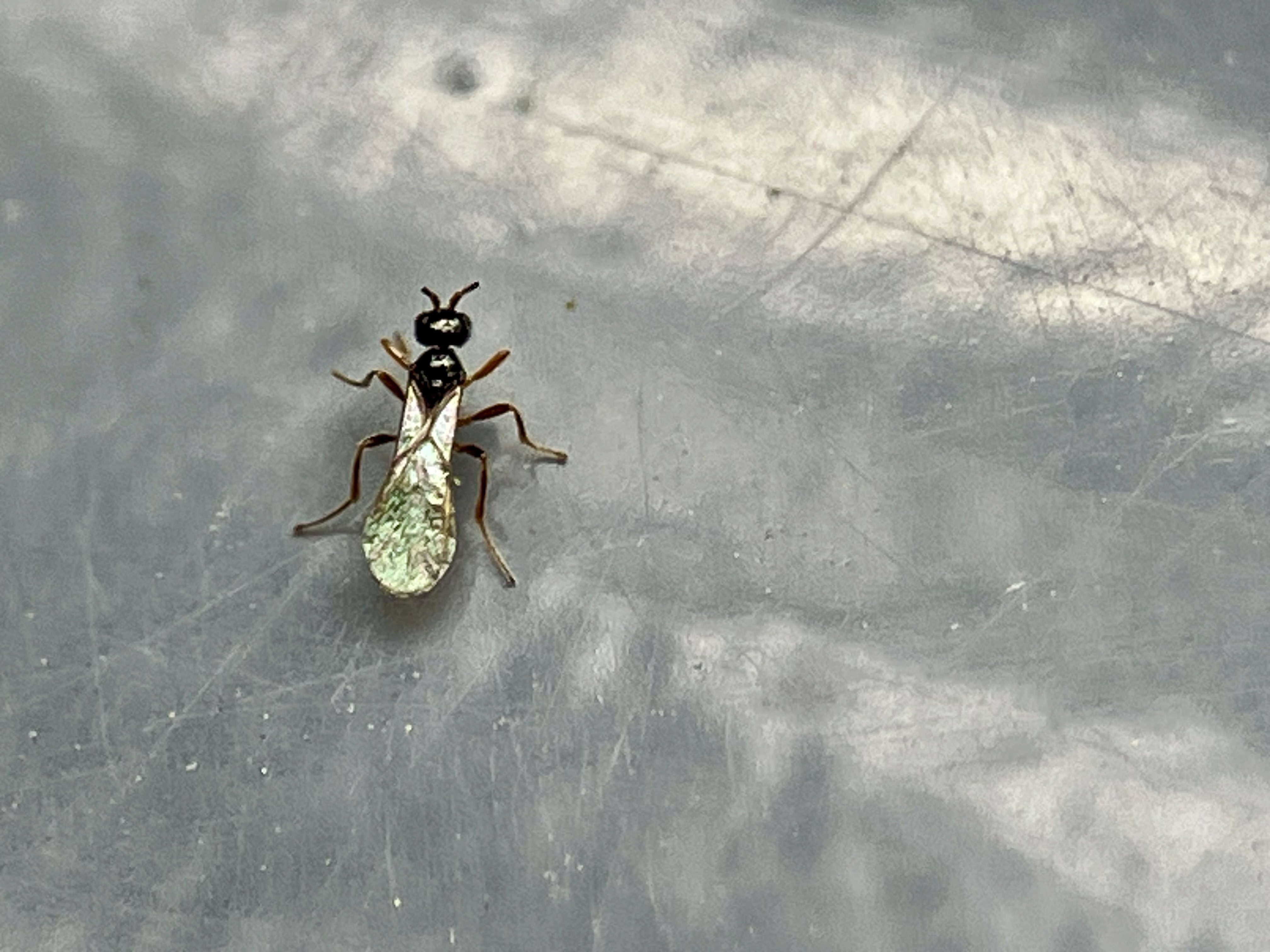
Ophion sp. = 1
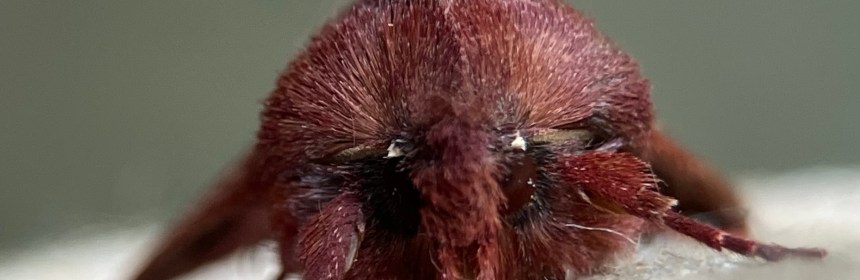
Melanolophia imitataStrophosoma melanogrammumFeralia comstockiEupithecia graefiiEgira sp. (Either E. simplex or E. crucialis)Orthosia transparensOphion sp. I believeEgira rubricaOrthosia transparens Orthosia presesOrthosia hibisciFeralia comstockiOrthosia praesesDiplotaxis sp. beetle with Orthosia praesesOrthosia hibisiciEgira perlubensEgira sp. Eupithecia graefii
If I may, I’d like to leave you with something to consider. When you rake your leaves and clean your yard – especially if you are burning, chipping, or bagging and removing all those things that fall onto the ground, you are eliminating habitat for native species. If you can refrain the urge to spring clean around your property, you can help support life.
These may be somewhat drab colored moths and you may not even like them, but they sustain other organisms, including plants, because moths are also nighttime pollinators. Each species has a niche, and a role in the ecosystem (and ultimately the food web).
Please take note of nature around you. It’s actually beautiful and mysterious. Whether you like it or not though, nature is life. Nature matters. Little things like leaving the leaves can make a difference. Care.
Last night, I did manage to get my moth light working again and set things up to see what I might find this morning. While I didn’t really want to get out of bed at 7:30, keeping a routine is important to me. I find it tremendously helpful in managing the ups and downs of one’s mental perspective. You’ll have to bear with me a bit though. I will get to the moths, but have to vent about something that upset me. One of my three cats was chattering at the sliding door when I walked towards the kitchen. I looked out to see what he was watching, and there was a little bird on the ground, obviously suffering from some unfortunate injury (most likely from our neighbor’s free roaming cat). That made me feel sad and angry and it wasn’t the best start to my day.
Don’t get me wrong. I love cats, but I don’t agree that it is OK to allow your feline friend to maim and kill wildlife. I do take my kitties outside with me into our fenced area for supervised recess, but I DO NOT ever leave my cats out alone and certainly do not allow the killing of wildlife. Not even bugs. Drago the lizard may get away with bug murder on occasion, but his impact is quite minor compared to the magnitude of damage done by free roaming cats when it comes to decimating wildlife.
We need to get people to change and become more responsible pet owners. If you disagree with me on this, I might add that I also saw someone’s cat was literally ripped apart on their front porch by two unleashed huskies in Friday Harbor yesterday. That also makes me sad and angry. I blame the cat owner AND the dog owner. It was senseless and preventable.
I think humans need a license to own a pet. We also need ANIMAL CONTROL in San Juan County. There is none and these huskies have been loose and killed cats before. However, if the cat owner was allowing the cat to roam outside unsupervised and unprotected, that’s another layer to the incident. What if someone had left their baby in a stroller long enough to run inside for keys, a purse, etc.? No one should own a husky as a pet. They are notorious for getting loose and killing things. But humans are not all that smart are they?
I did go out to check on the bird. It sort of looked like a finch, or maybe even a female cowbird (except it was too small to be a cowbird). Let’s just say the head looked like a female cowbird’s, but the body was more finch like in size.
It can hop. I put a bit of seed out on the ground and left it alone. It would just stress the bird for me to try and capture it. Maybe it will recover.
Please don’t say, it’s just nature, because cats are not native here. Also, my neighbor’s cat dug up all of my garden pea starts last year and pooped in the garden bed. Pea starts are expensive. People need to keep their cats indoors, or in a catio, or just supervise them outside so they don’t cause problems or be killed by dogs that should not be owned by humans as pets.
After I checked on the bird, I did go and look at my moth bucket. There were 7 specimens. Not many, but I went through them and here’s what I found. Six moths and one wasp.
Cerastis enigmatica, the Enigmatic Dart Moth Orthosia hibisci, the Speckled Green Fruitworm MothEgira crucialis , I believe. Egira for certain though Orthosia sp. I am undecided about species for this one. Ophion wasp.
The next moth below looks like it has a little pixie cap on. It’s one of my favorites. The red colors are so pretty. It’s in genus Orthosia like some of the others above, but I believe this one is Orthosia transparens.
I saved the best one for last. I have only seen this moth on two other occasions, but it one so remarkable, you remember it well. This is an owlet moth called Behrensia conchiformis. I would love to discover what makes the interesting metallic colors in the wings. The larvae of this species are foodplant specialists. They feed only on honeysuckle (Lonicera spp.) and snowberry (Symphoricarpos spp.) in the Caprifoliaceae.
Thanks for reading…especially for reading my rambling rants of the day. While I’d like to stick to just bugs, I am finding it somewhat therapeutic to include my feelings here, and to interject some of my opinions. They are mine and yours may be different. I respect that, but I hope perhaps upon reflection, even someone who might initially disagree with my perspective, might have a change of heart.
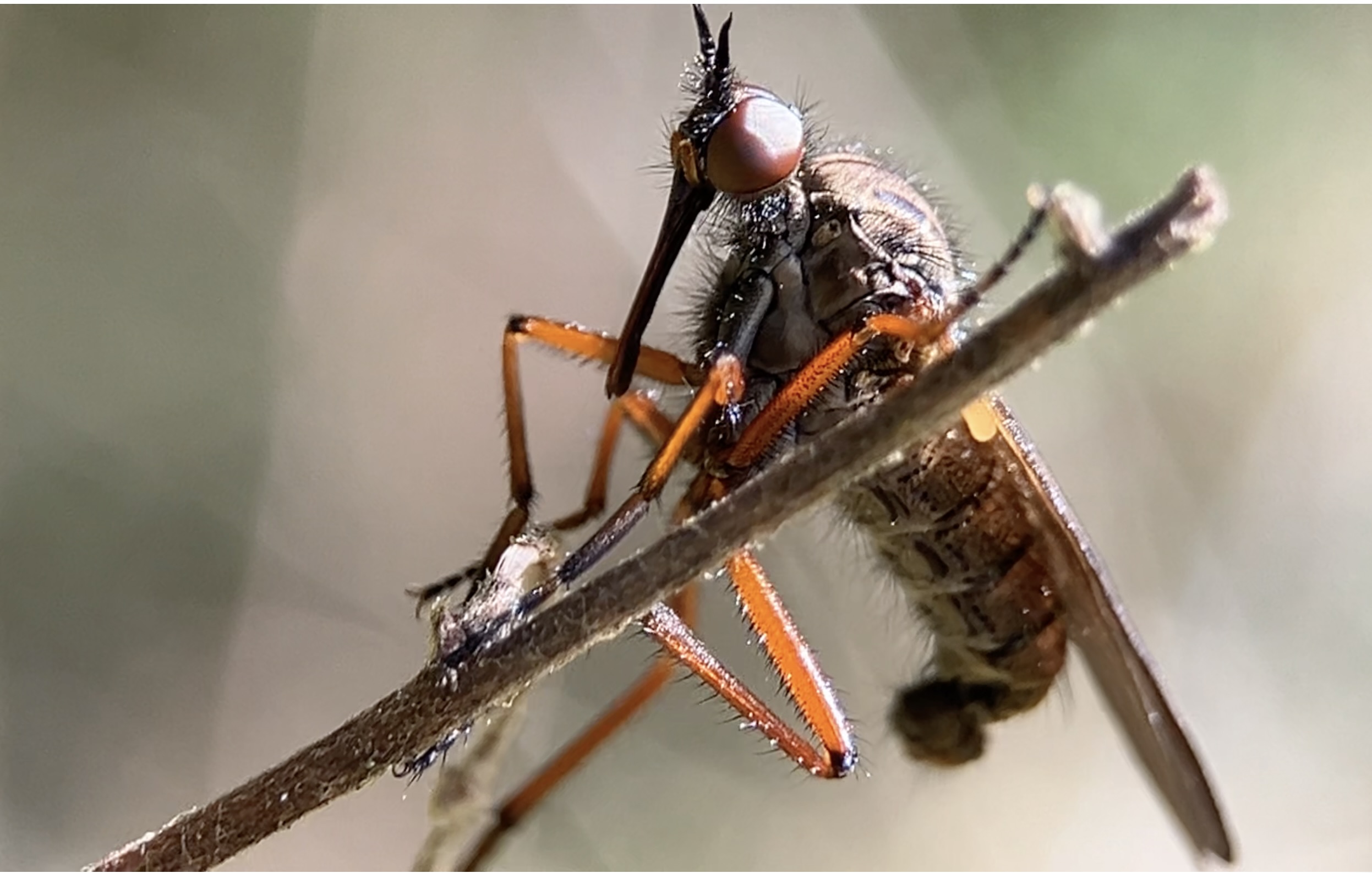
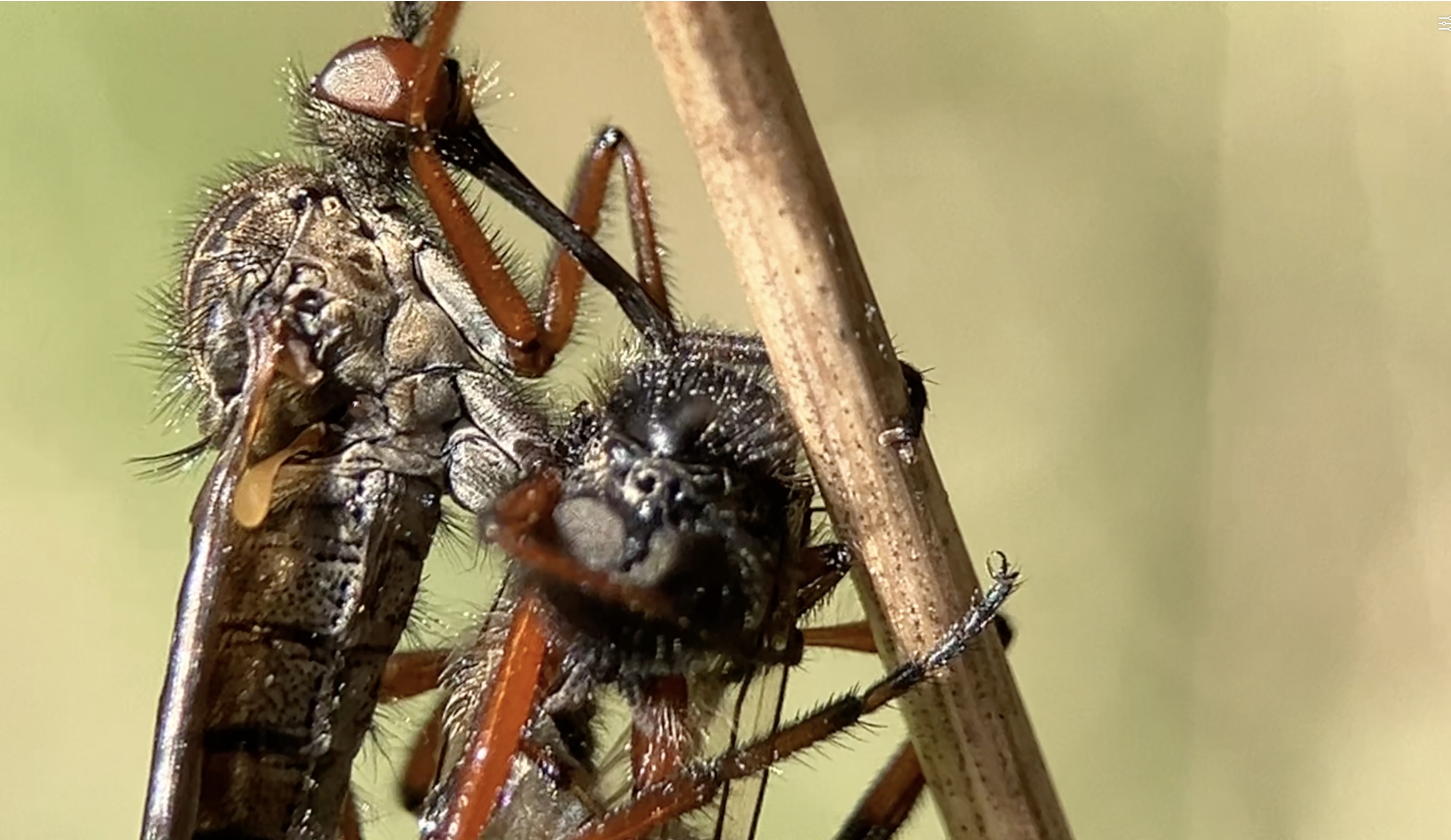
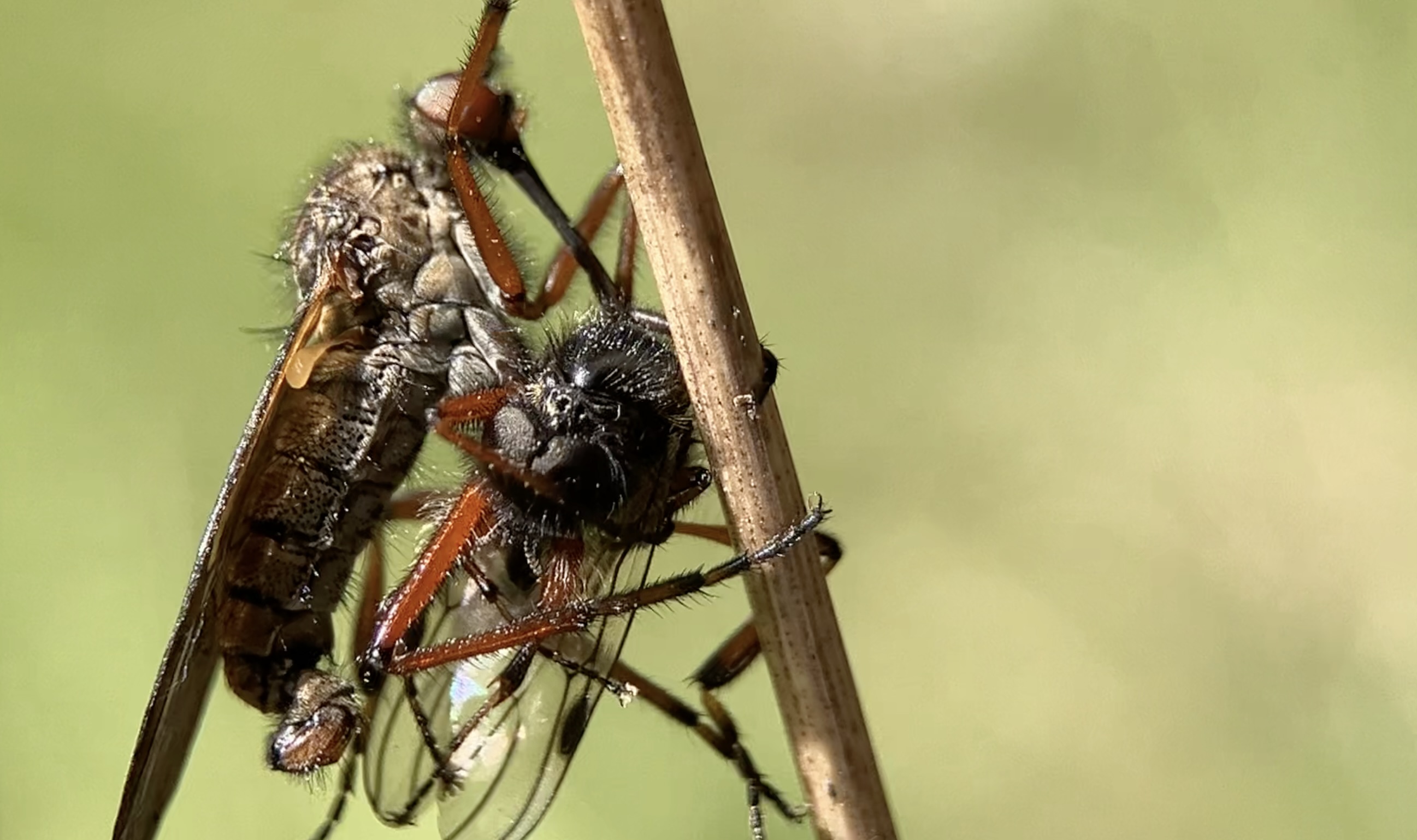
This afternoon I would rate a 10/10 for entomological adventure. It happened outside, just behind our barn about 3:30pm. I went out to feed our resident raven and took a stroll over to a sunny corner of our property. As I neared an old barbed wire fence line, I noticed an aggregation of flies bobbing around over one of the native Ocean Spray (Holodiscus discolor) shrubs. Moving closer, as stealthily as possible, I saw these were Empis dance flies and I got very excited. There seemed to be about 15-20 in the group.
Empis Dance Fly (male) with Bibionid fly nuptial gift
I watched as I stood in the sun. The sun’s warmth felt really good on my body. Hopefully, we will have more sunshine and some days of vitamin D will infuse my cells and pull me out of this funk I have been wallowing in. The flies dancing in the sun were a sight. I crept forward a bit closer, trying not to slip into the fencing, but enough so as to get some video to share.
You will have to forgive me for the shake in the footage. It is not easy to remain steady and focus on a nervous fly that leaves its perch if you so much as breathe too deeply when you are moving the camera close enough to zoom in for a good macro shot. I think I was holding my breath a lot while I was trying to take pictures.
Empis Dance Fly with nuptial offering
This fly should be classified in the genus Empis. Last year, I found Empis barbatoides in our orchard. You can read an earlier blog post I wrote about them here https://buggingyoufromsanjuanisland.com/category/dance-fly/empis-barbatoides/ I believe these may be the same species, but I say this with a caveat. I am hoping to get my hands on a copy of the revisions by Sinclair, Brooks, and Cumming I have referenced below. It appears I may need this and the updated keys to try and ID my fly beyond genus level, so I’ve emailed the lead author and hopefully will hear something back.
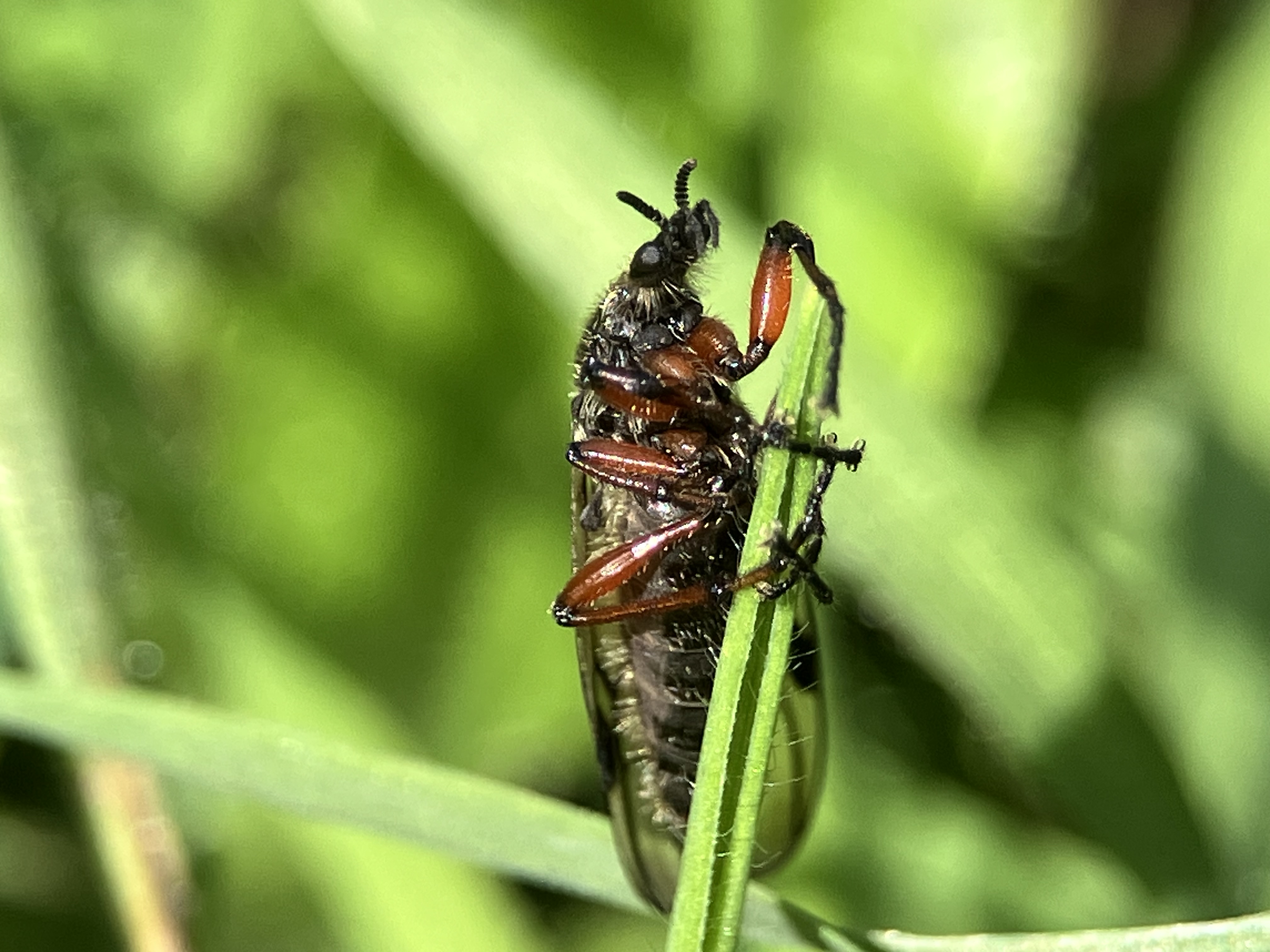
If you look closely, you’ll see in some of the photos the fly is holding a balled up insect. This is a species of March fly in the family Bibionidae. I saw a few hiding around in the tall grass like this one in the photo below.
March fly (Bibionidae) hiding in the grass
Evidently, they were being picked out by the male flies and rolled up into a nice nuptial gift to present to a female Empis fly to entice her to mate. The male Empis fly will carry this balled up dead insect and “dance” around to attract a female. That’s what I found so fascinating to actually watch in person. It isn’t every day you see something like this! Since flies seem to be attracted to certain spots for mating aggregations (it’s called hilltopping), perhaps this is a spot where I might be lucky enough to see this action again.
References and Further Reading:
Alcock , John. 1973. The mating behaviour of Empis barbatoides Melander and Empis poplitea Loew (Diptera: Empididae), Journal of Natural History, 7:4, 411-420, DOI: 10.1080/00222937300770301
Sinclair BJ, Brooks SE, Cumming JM. Revision of the western Nearctic species of Empis subgenus Enoplempis (Diptera: Empididae). Zootaxa. 2025 Mar 31;5615(1):1-200. doi: 10.11646/zootaxa.5615.1.1. PMID: 40173481. https://pubmed.ncbi.nlm.nih.gov/40173481/
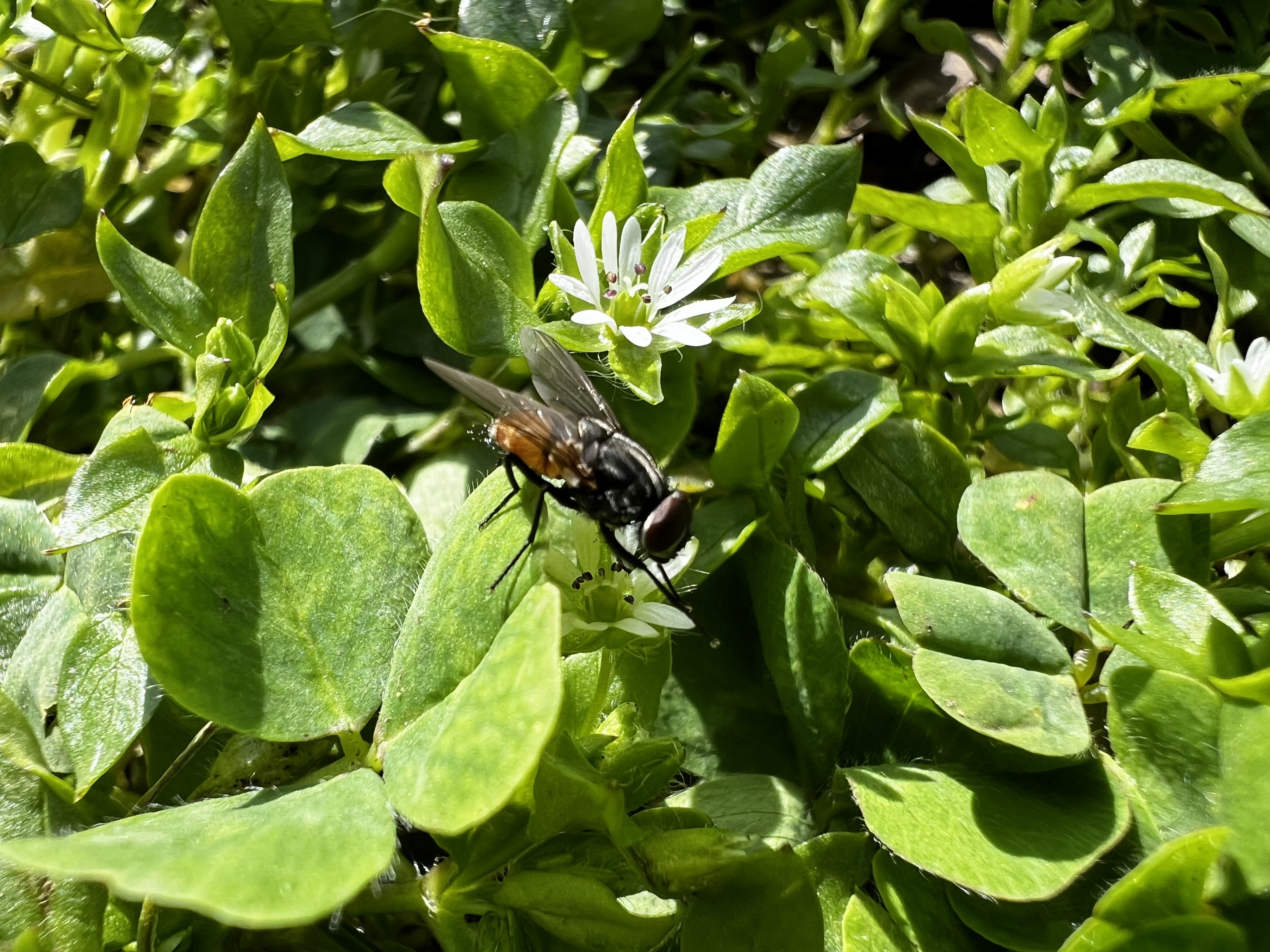
I hope it’s safe to say that Spring has finally arrived in the San Juans. We have enjoyed tiny blips of sunshine the past two afternoons, enough to awaken life in miniature around our home. I’ve found these tiny lives going about business on the “highway” around the top of our above ground pool, crumbled mounds of dirt in hard-packed soil where little mining bees have excavated their way to the surface from a long winter sleep, and a suite of species of flies (our best early spring pollinators) sipping at the miniature chickweed flowers that opened overnight. I’ve also seen my first tiny “sugar” ant in the house, most definitely a harbinger of spring!
In these days where we are likely weary of the many assaults on our souls – from reading that we are at the precipice of mass species extinction to the news reports of fires and other natural disasters (intensifying from climate change), and the horror of what we face watching our nation torn apart and not really knowing what the fateful consequences of unchecked power will be, I hope you will do as I am trying to do…take each day moment by moment, and find some beauty wherever you can. Remember the dandelion that blooms in the crack in the concrete. If you’re reading this, go outside and B-R-E-A-T-H-E.
Yesterday I saw the first Yellow Rumped Warbler of the season. The Violet Green Tree Swallows are going to show up any day now. Go soak yourself in nature while we still have nature around us.
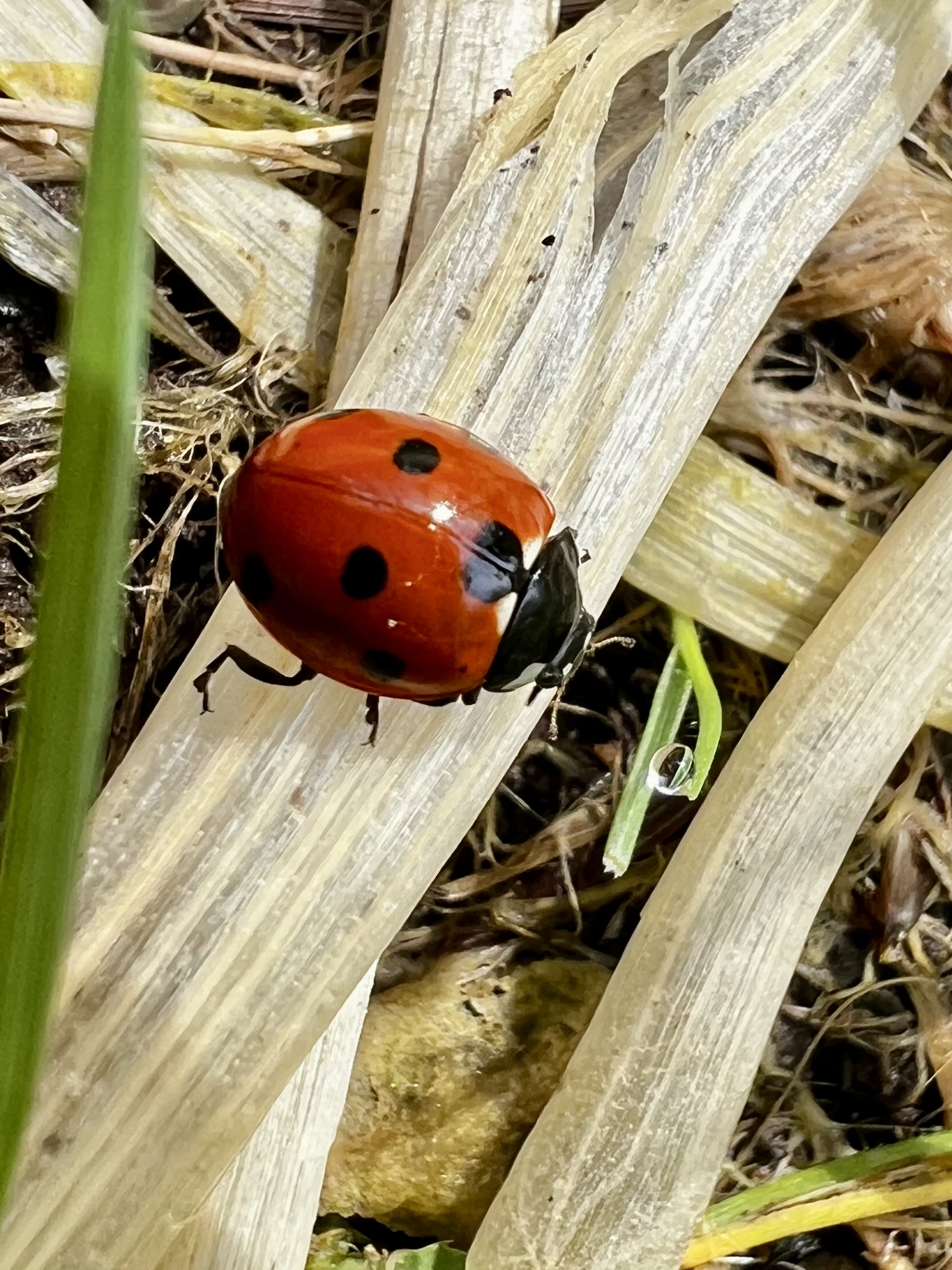
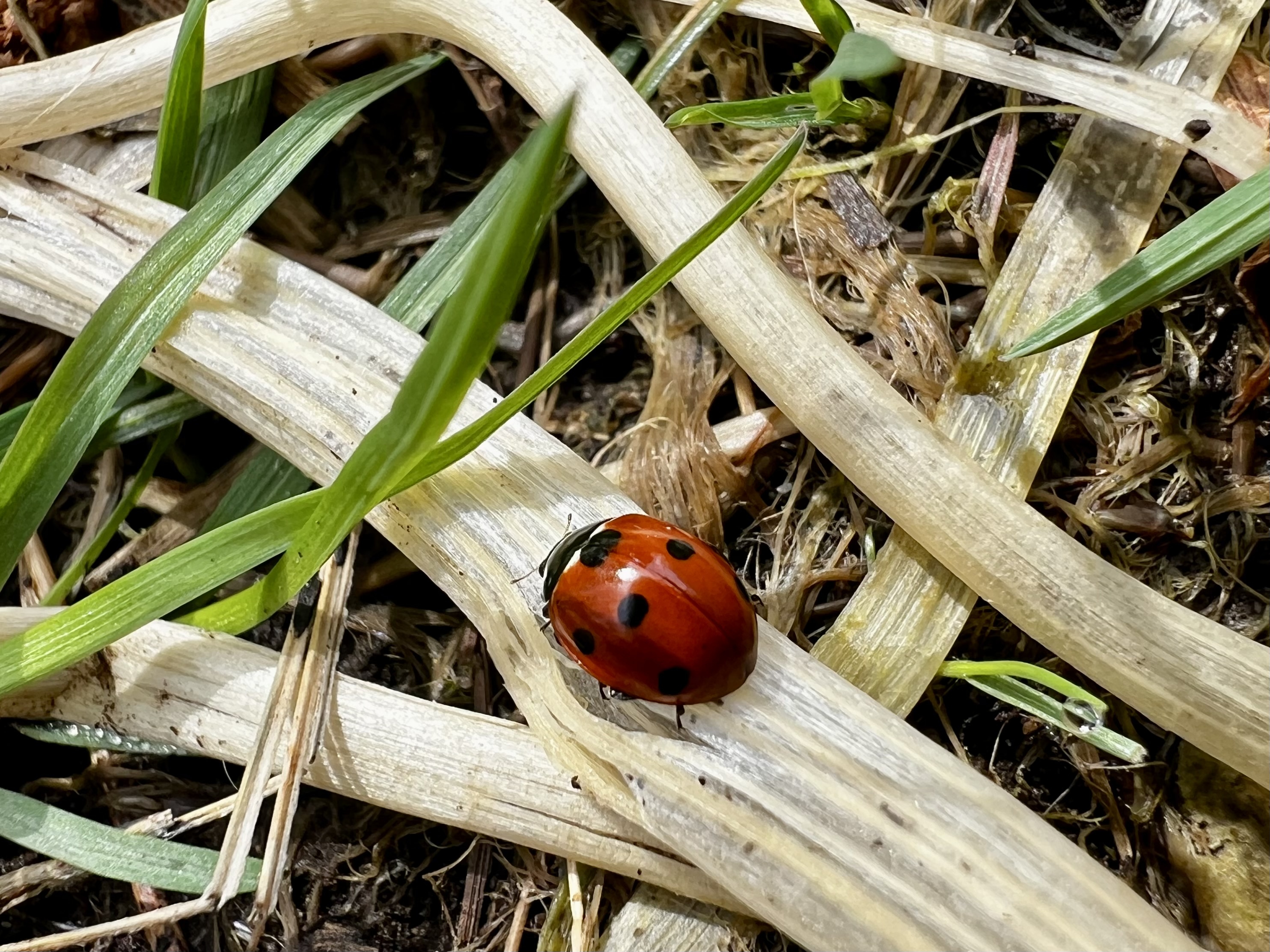
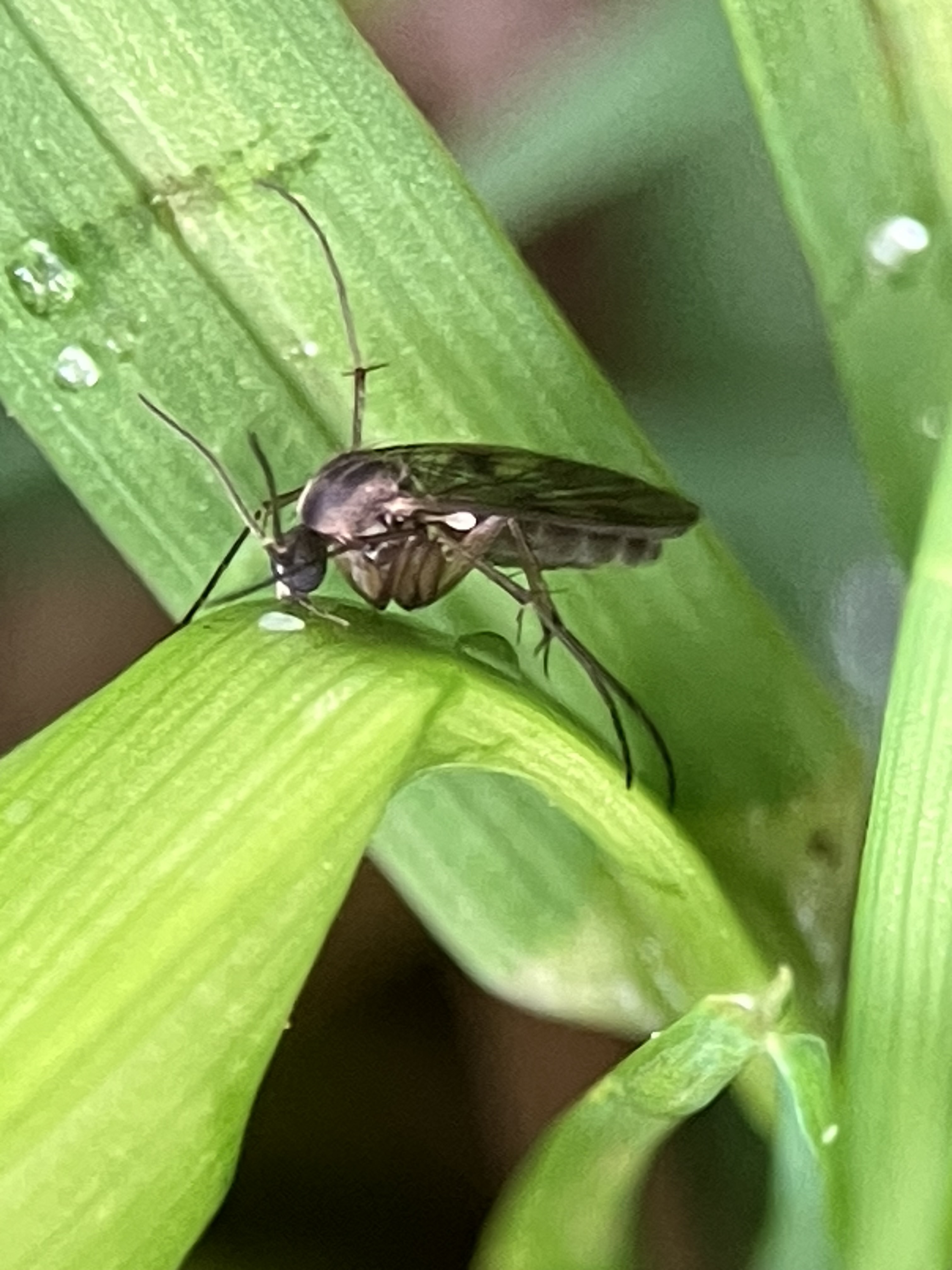
Golden Dung Fly (Scathophaga stercoraria)Face Fly (Genus Musca) on Drago’s backCluster Fly (Pollenia sp)Cluster Fly (Pollenia sp)Seven Spotted Lady Bug (Coccinella septempunctata)Seven Spotted Lady Bug (Coccinella septempunctata)Blowfly (Calliphora sp)Face Fly (Genus Musca and I believe Musca autumnalis)Cluster Fly (Pollenia sp)Fungus Gnat (Family Mycetophilidae )Vinegar Fly (Genus Scaptomyza) Fungus Gnat (Family Mycetophilidae )Pea/Bean Weevil (Genus Bruchidius)Pea/Bean Weevil (Genus Bruchidius)Fungus Gnat (Mycetophilidae)Fungus gnat (Mycetophilidae)Fungus Gnat (Mycetophilidae)Darkling Beetle (Tenebrionidae)Dark Winged Fungus Gnat (Sciaridae family)Nut Leaf Weevil (Strophosoma melanogrammum)Slender Springtail (Orchesella cincta)Nut Leaf Weevil (Strophosoma melanogrammum)Harvestman (Phalangioidea)Narrow Barklouse (Genus Graphopsocus)This is either a Diapriidae Wasp (some use Mycetophilidae fungus gnats as hosts for development) or Braconidae (maybe Aphidiine) Mining Bee (Andrena sp)Mining Bee (Andrena sp.)Mining Bee (Andrena sp.)Mining Bee (Andrena sp.)Mining Bee (Andrena sp.)Mining Bee (Andrena sp.)Mining Bee excavationMining Bee excavationCarpet moth (Larentiinae) hoping to escape last night’s deluge
I’ll leave you to shadow dance with this happy little Cereal fly on my blue garden chair….💙
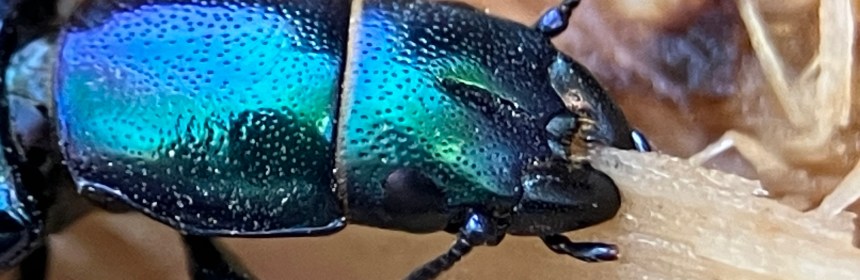
I found this gorgeous BENEFICIAL Green Ostomid beetle yesterday on the floor of our barn in the sand. Moved him over to some alder logs we have stacked as wildlife habitat and discovered he appeared to be quite thirsty. Yes, I did actually bring him some more water to drink from our outdoor above ground “pond.” More in the video description. Also want to add that if you have Alders on your property – please don’t grind them up or burn them. They are extremely important resources for many species of wildlife. They hold water even as dead trees, and they are full of insects that feed many birds (and other insects and spiders).
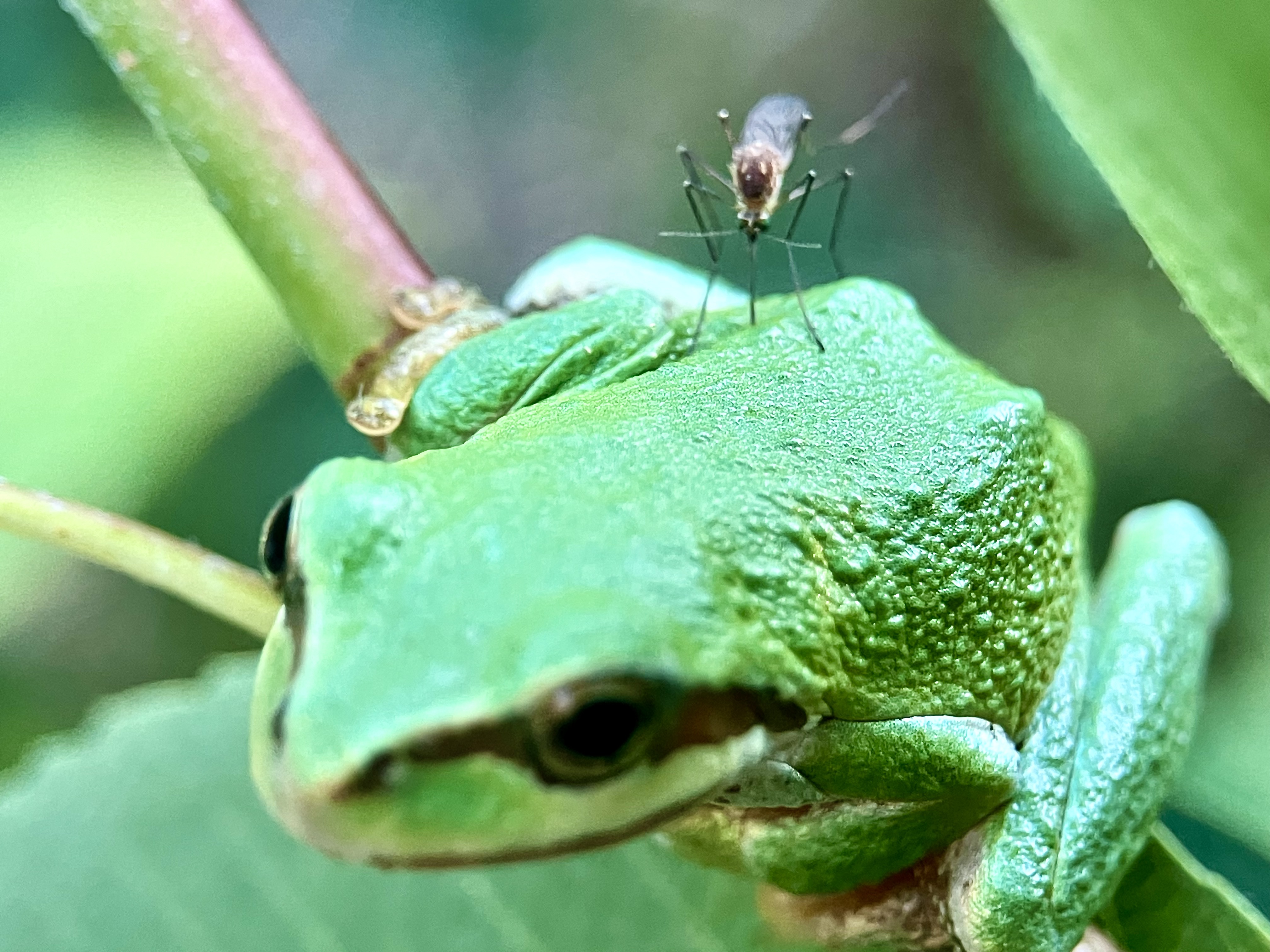
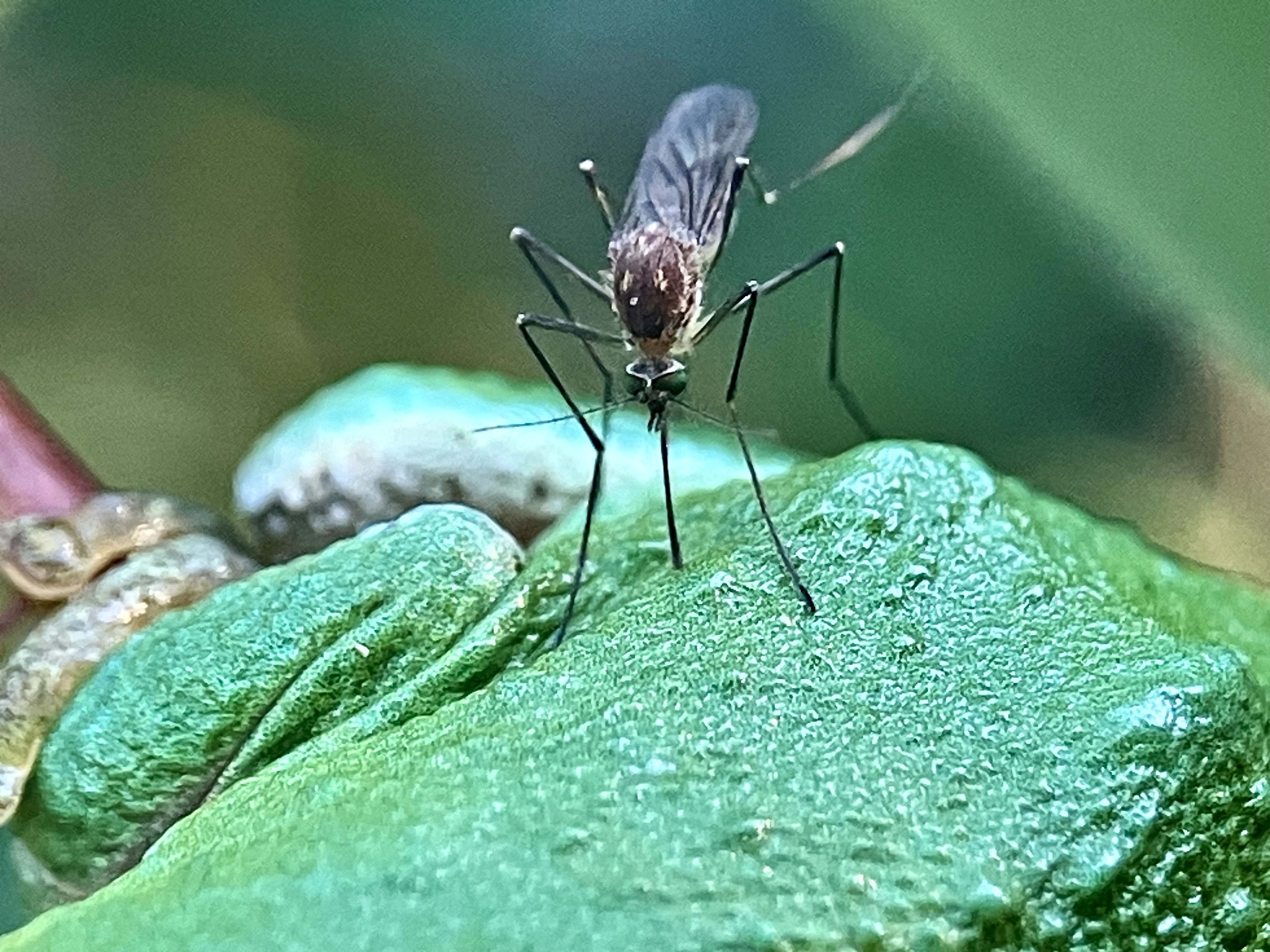
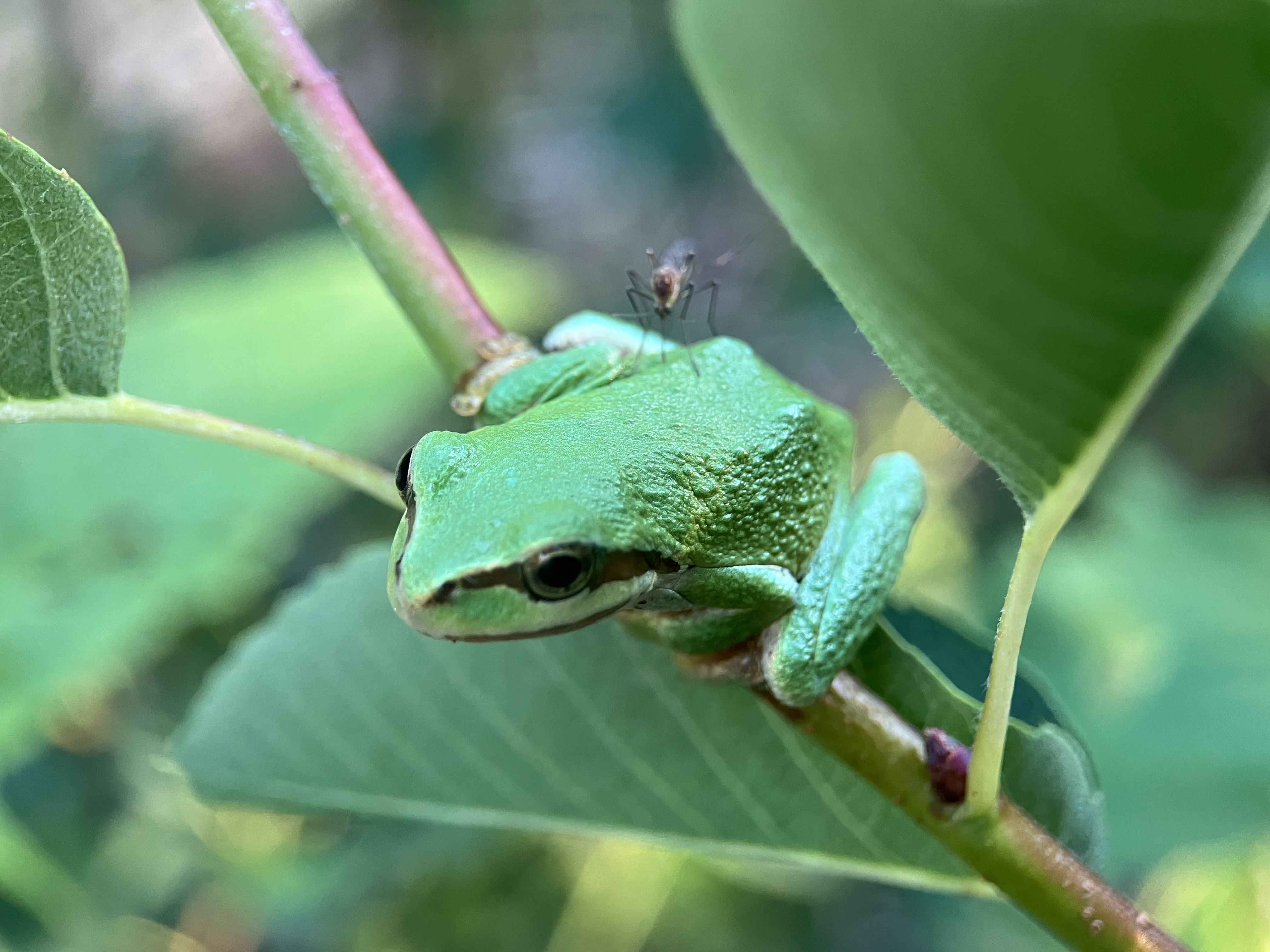
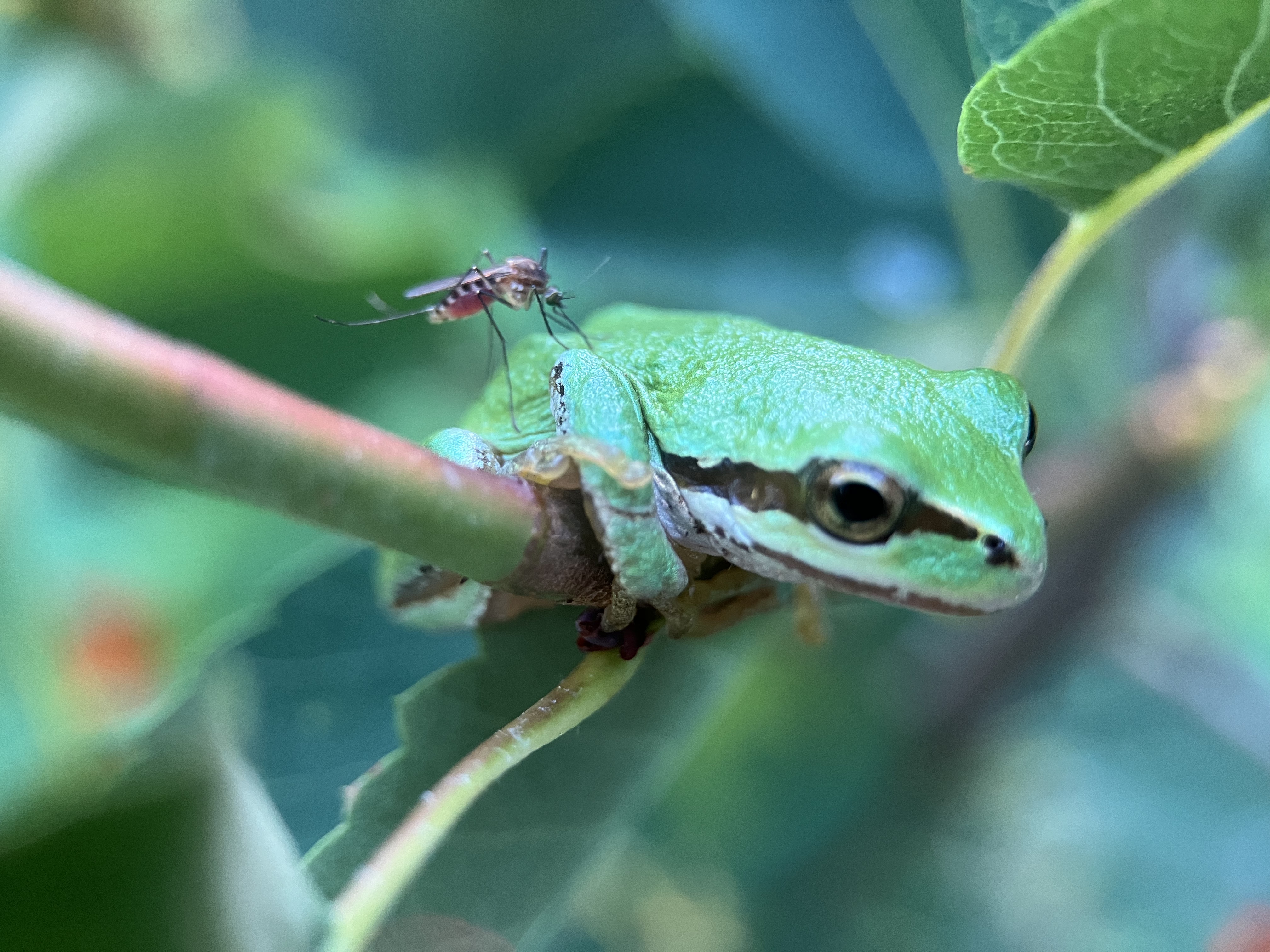
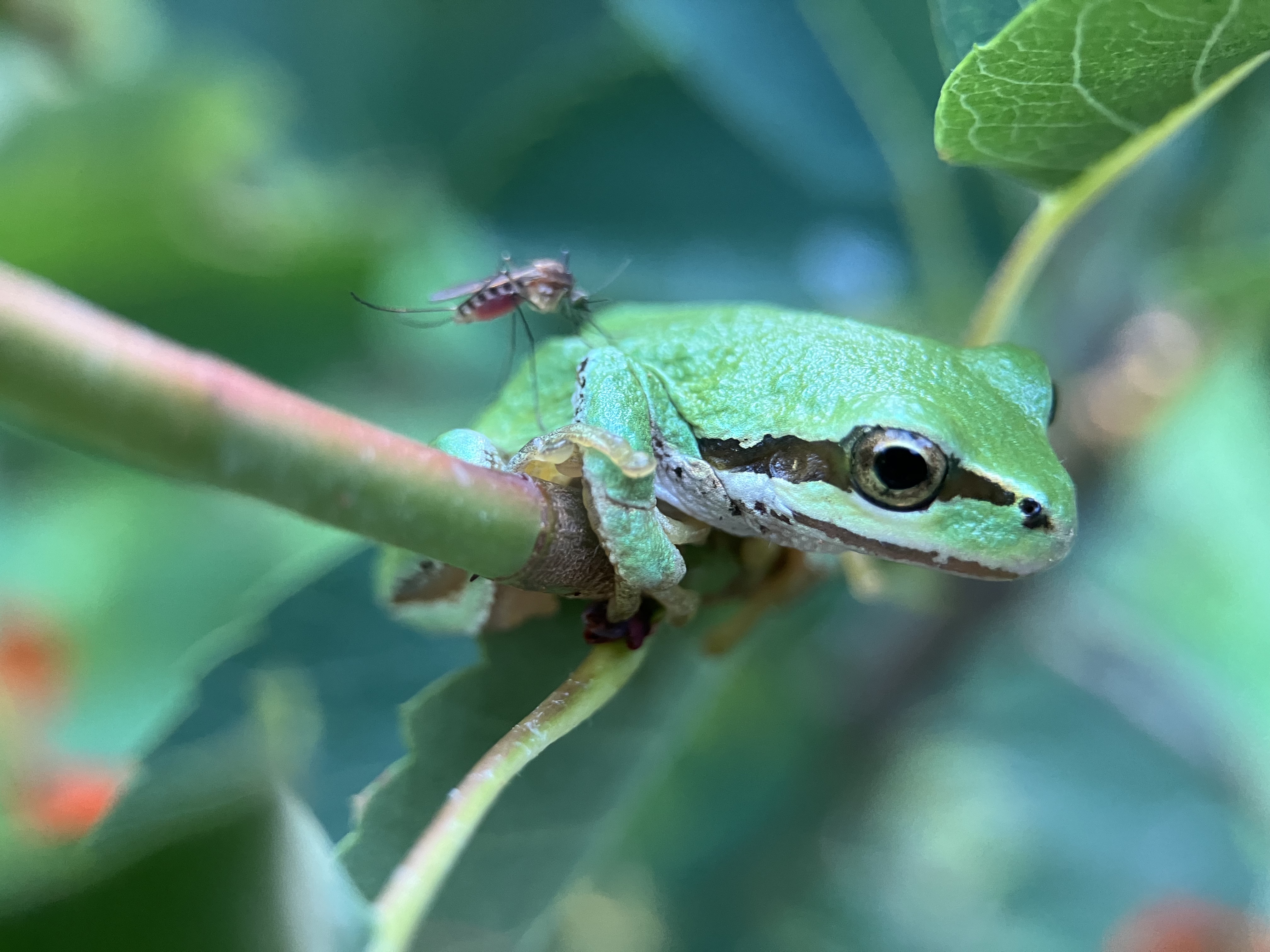
Watch and you’ll see this incredibly amazing association. This is Culex territans, the Northern Frog Biting Mosquito. Culex territans is found in a wide variety of habitats, but is most commonly associated with freshwater marshes, bogs, and ponds or streams with emergent vegetation.
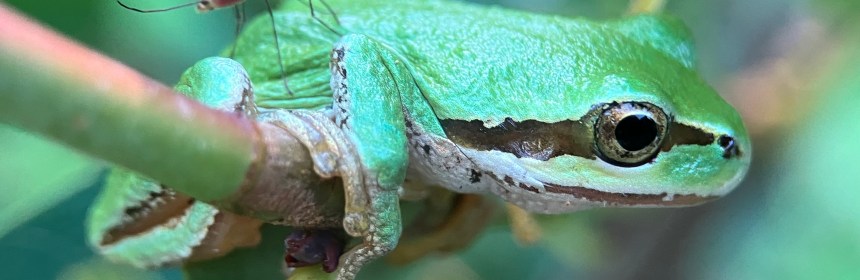
Culex territans prefers feeding on cold blooded animals (amphibians and reptiles), but feeds most frequently on Anurans (frogs and toads). Here you see the mosquito feeding on a Pacific Tree Frog (Pseudacris regilla). The MOST interesting thing about this species is that females find their amphibian hosts via phonotaxis. This means they find their host via acoustics. They utilize the frog vocalizations to locate these animals for bloodmeals (Bartlett-Healy et al., 2008b). Mosquitoes can hear! 🦟🦻🏻
Bartlett-Healy,K. Wayne Crans, Randy Gaugler. 2008. Phonotaxis to Amphibian Vocalizations in Culex territans (Diptera: Culicidae), Annals of the Entomological Society of America. 101 (1) 95–103. https://doi.org/10.1603/0013-8746(2008)101[95:PTAVIC]2.0.CO;2
Hoover Pantoja-Sánchez, Brian C. Leavell, Bianca Rendon, W. A. Priyanka P. de-Silva, Richa Singh, Jian Zhou, Gil Menda, Ronald R. Hoy, Ronald N. Miles, Neil D. Sanscrainte, Ximena E. Bernal; Tiny spies: mosquito antennae are sensitive sensors for eavesdropping on frog calls. J Exp Biol 15 December 2023; 226 (24): jeb245359. doi: https://doi.org/10.1242/jeb.245359
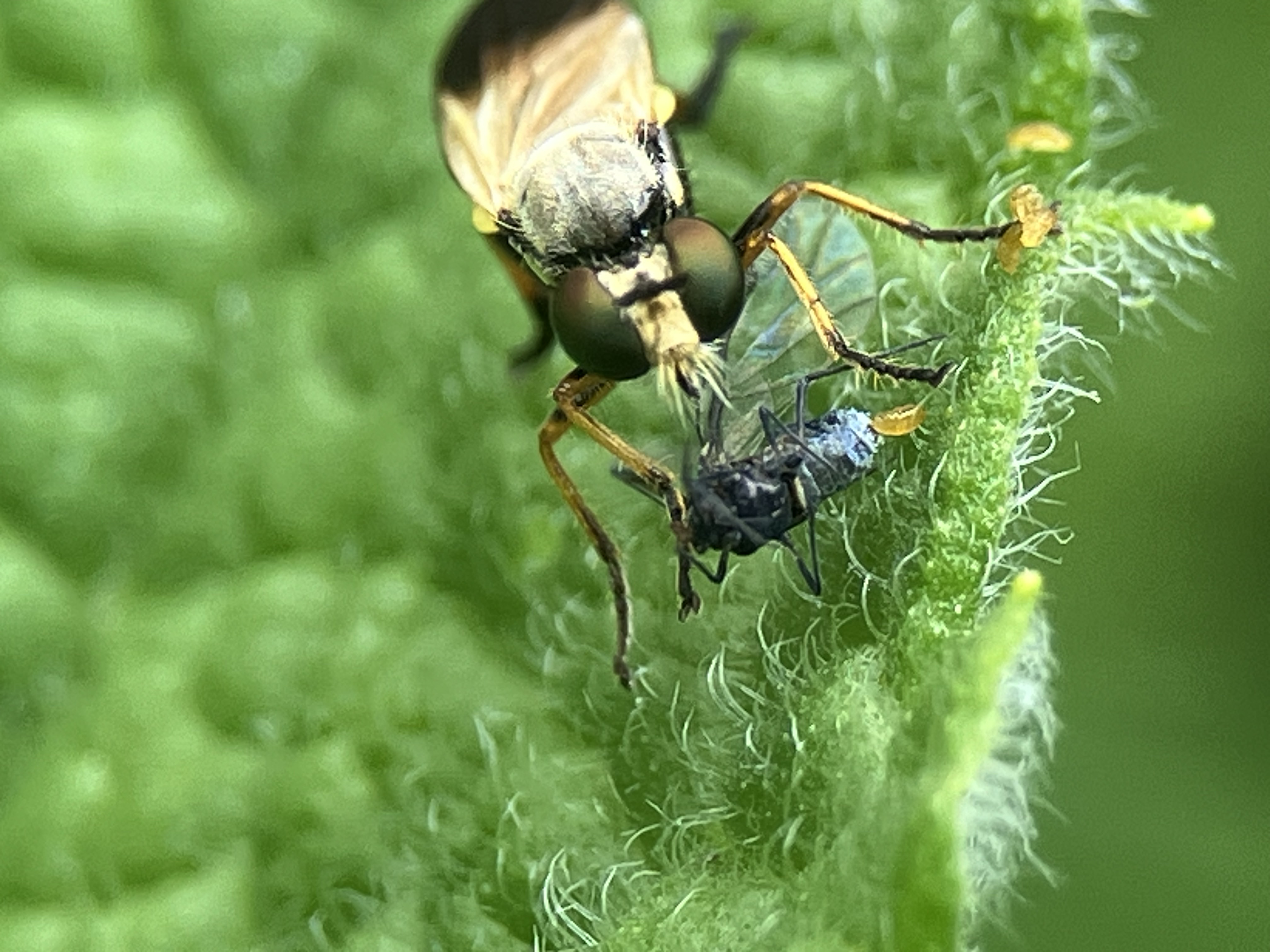
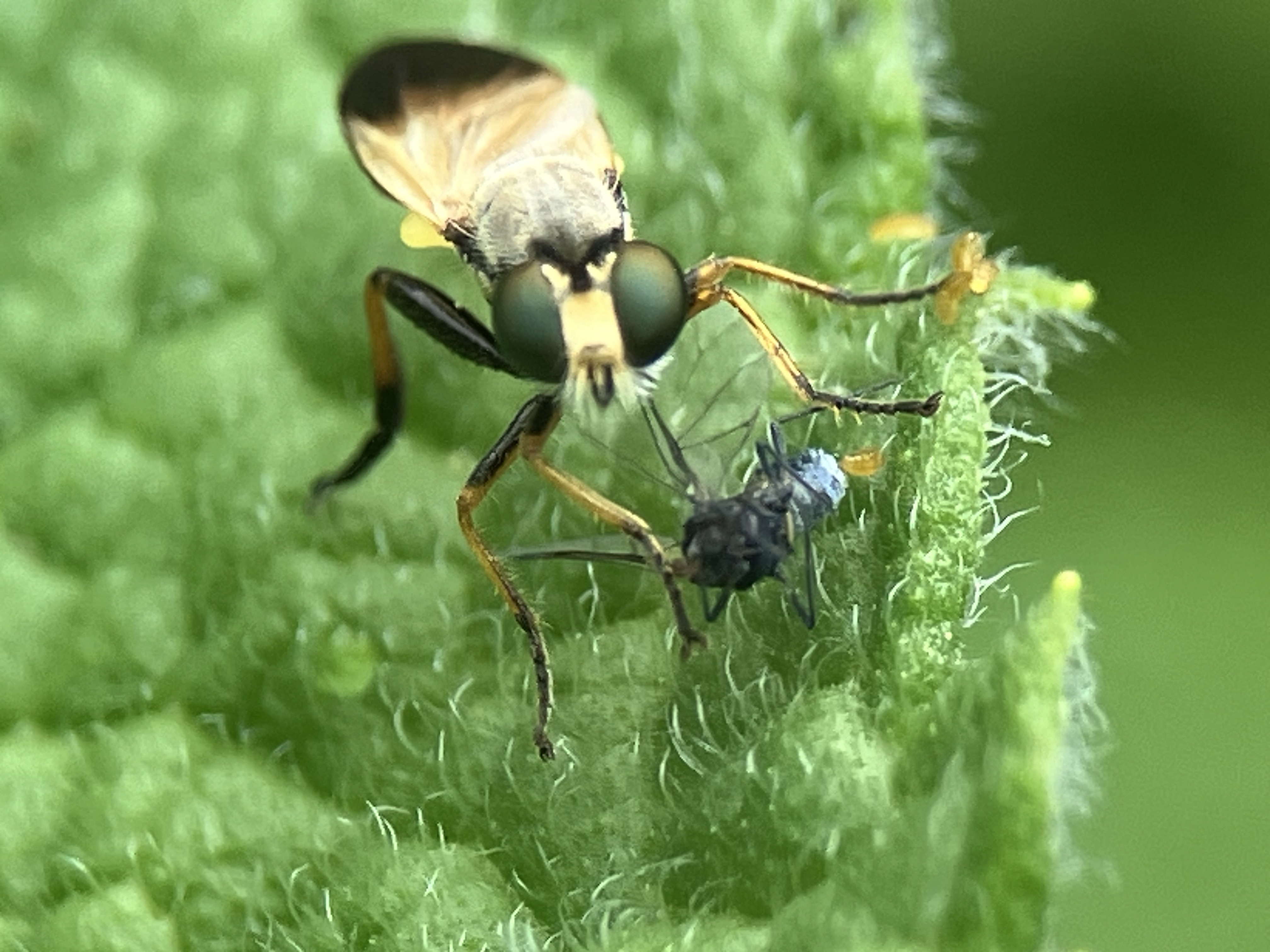
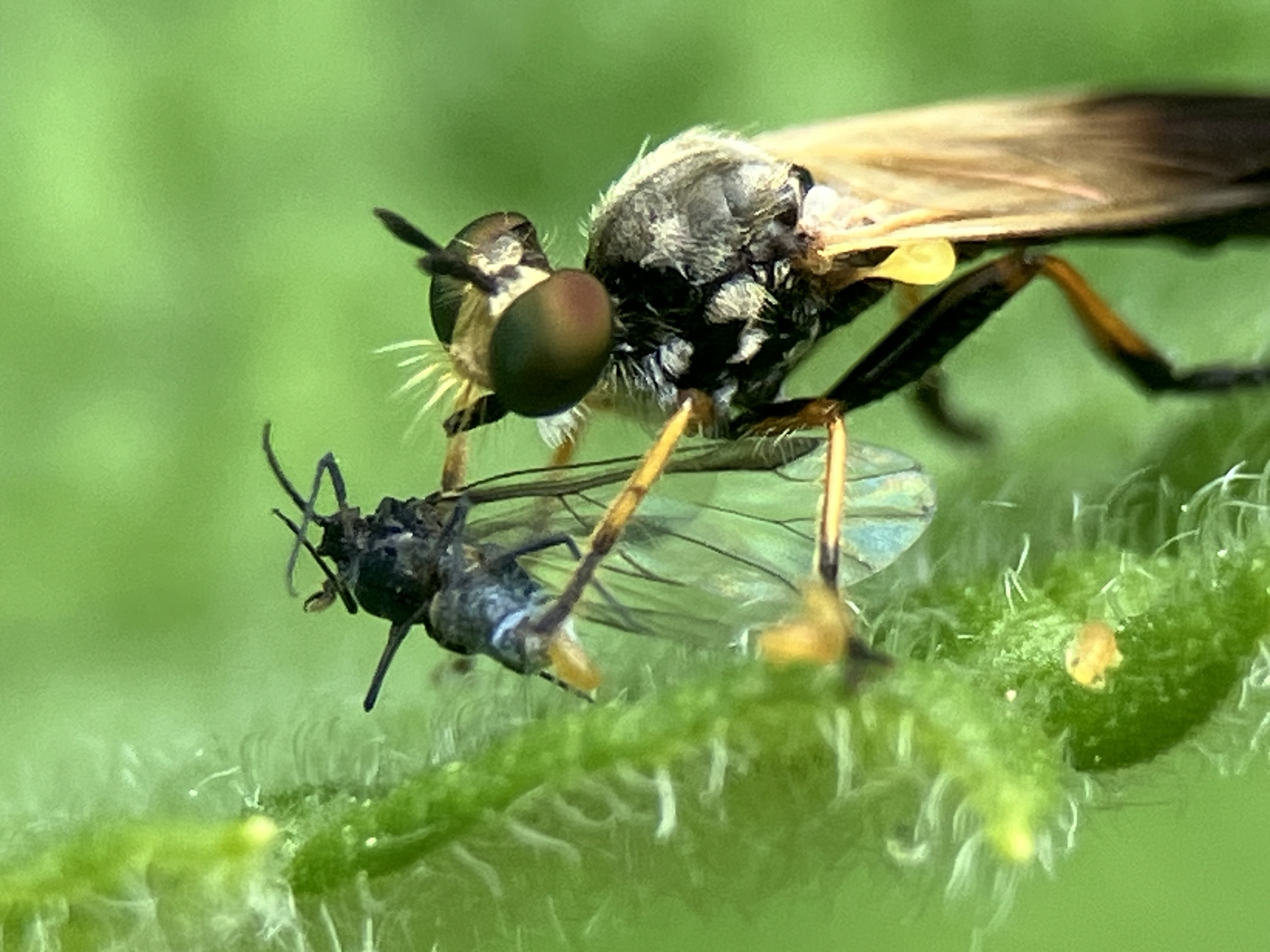
This is one of my favorite garden residents (Eudioctria sackeni), or the Sacken Longhorn Robber. I remember the first time I saw one of these, I thought, “Wow, it’s an Ombre Fly!” If you didn’t know, “ombre” means the blending of one particular color hue to another, often from light tints to dark. The coloration in this particular fly is distinctly “ombre,” though it varies in individuals within the species.
Eudioctria flies are in the family group, Asilidae or Robber flies. They are voracious predators of small insects that can be pests of gardens and orchards. Here, you see this one enjoying a small dipteran (fly) of some variety, perched on the leaf of one of my mint plants. The mint is a popular scouting platform. On any given day in the summer, I’ll see 4 or 5 of these flies in a six foot strip of mint which has become quite abundant in the yard over the past few years. The mint seems to be quite attractive to pollinators, and it also provides shelter for other bugs and critters. Our little tree frogs love to sit in the mint too.
Today was a day of bird encounters. I saw our poor little cowbird that can’t fly because he’s been injured (likely by our neighbor’s marauding outdoor cat). He’s survived three nights so far even though he seems to have a wing injury and I haven’t figured out yet if I can capture him to check. He’s had his little mate following him around.
Cowbird male
I know it’s a cowbird and cowbirds are brood parasites, but they are actually quite beautiful little birds and I feel sympathy for wildlife that are impacted by our human “pets.” It isn’t fair and we should do much better to keep our pets under control. I don’t know what my response would be if I see this cat attacking our Tanager or one of the Grosbeaks. It is doing what cats do and the problem isn’t the cat, but the owner who evidently doesn’t care and is probably too lazy to clean a litter box and play with the cat and keep it inside. Ok. So, I vented. Sigh…
I was going out to take a walk in nature to unwind when I heard a sad little thunk on our window. We have Acopian Bird Savers https://www.birdsavers.com/make-your-own/ on the largest window, but not the smaller one. That’s gonna change. I’m going to put them on ALL our windows.
Well, I looked out and saw a tiny little nuthatch on the ground, on its back, mouth open, but it was breathing. I ran out to pick it up and when I scooped that little creature into my hand, its feet wrapped around my finger so tightly that I felt hopeful. It was a newly fledged nuthatch. I sat with it quietly in the shade under the suet feeder, my hand stretched out onto my knee into a little cup shape.
The bird closed its eyes and slept a bit. I talked to it very very softly. An adult nuthatch landed on the feeder above, eyeing me cautiously. I believe it was the parent. I spoke to the adult too, trying to convey my earnest intent not to harm her child. The little one blinked and looked about. Then it closed its eyes and slept a bit again. The parent flew over to the fruitless cherry tree to another feeder, then off, I expect to feed another hungry mouth.
After a good 15 minutes, the little nuthatch was much more alert. It kept eyeing the suet feeder and the adult bird that returned again and again. I rose slowly from sitting, carefully supporting the little one – still gripping my finger. Raising my arm, I chose a small branch just beside the suet feeder and in a breath, the little one hopped off my finger and onto the new perch.
The adult nuthatch flew onto a nearby branch and I saw the fledgling flutter its little wings like baby birds do to get their parents’ attention to be fed. In another breath, it was airborne, flying after the parent. I was so grateful for a happy end to that incident.
My walk down our road was uneventful for the most part. I did see a Clown millipede (Harpahe crossing the wetland area and squatted down to observe its somewhat awkward, but systematic locomotion. It almost looks suspended in motion over the ground. After making sure it was safely out of harm’s way and not in a car path, I continued on.
(Harpahe hayadienana) Clown millipede
My destination was the “soon to open officially” nature preserve. I have walked on this property for about 10 years now. It is an amazing place.
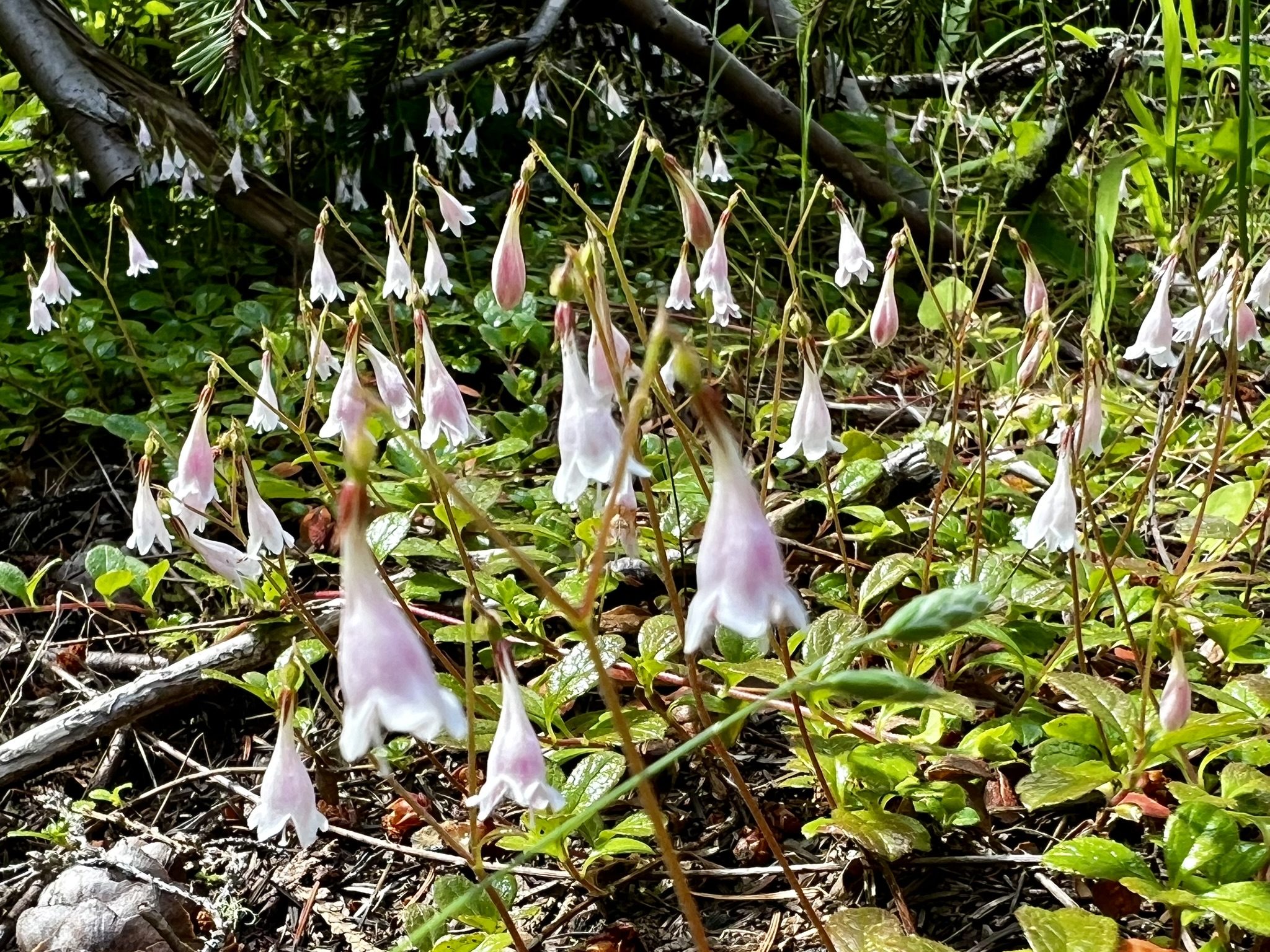
Giant cedars tower overhead through the wetland. Along the seasonal stream, the path I took meanders amidst the primordial assortment of ferns, swamp lanterns, and horsetail. There are creatures there in the forest. If you see them, you will leave feeling a sense of awe.
Twinflowers on the forest floor
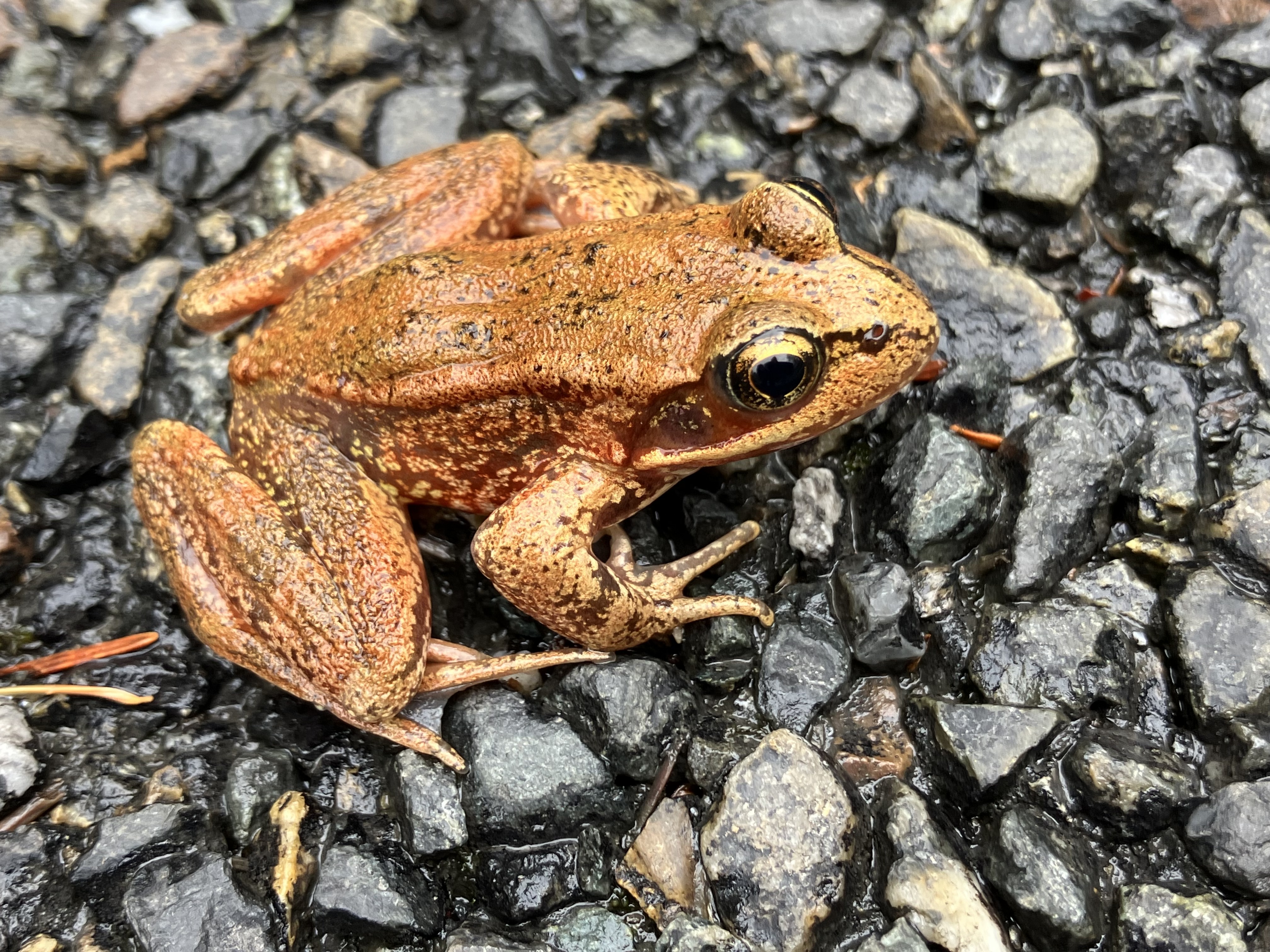
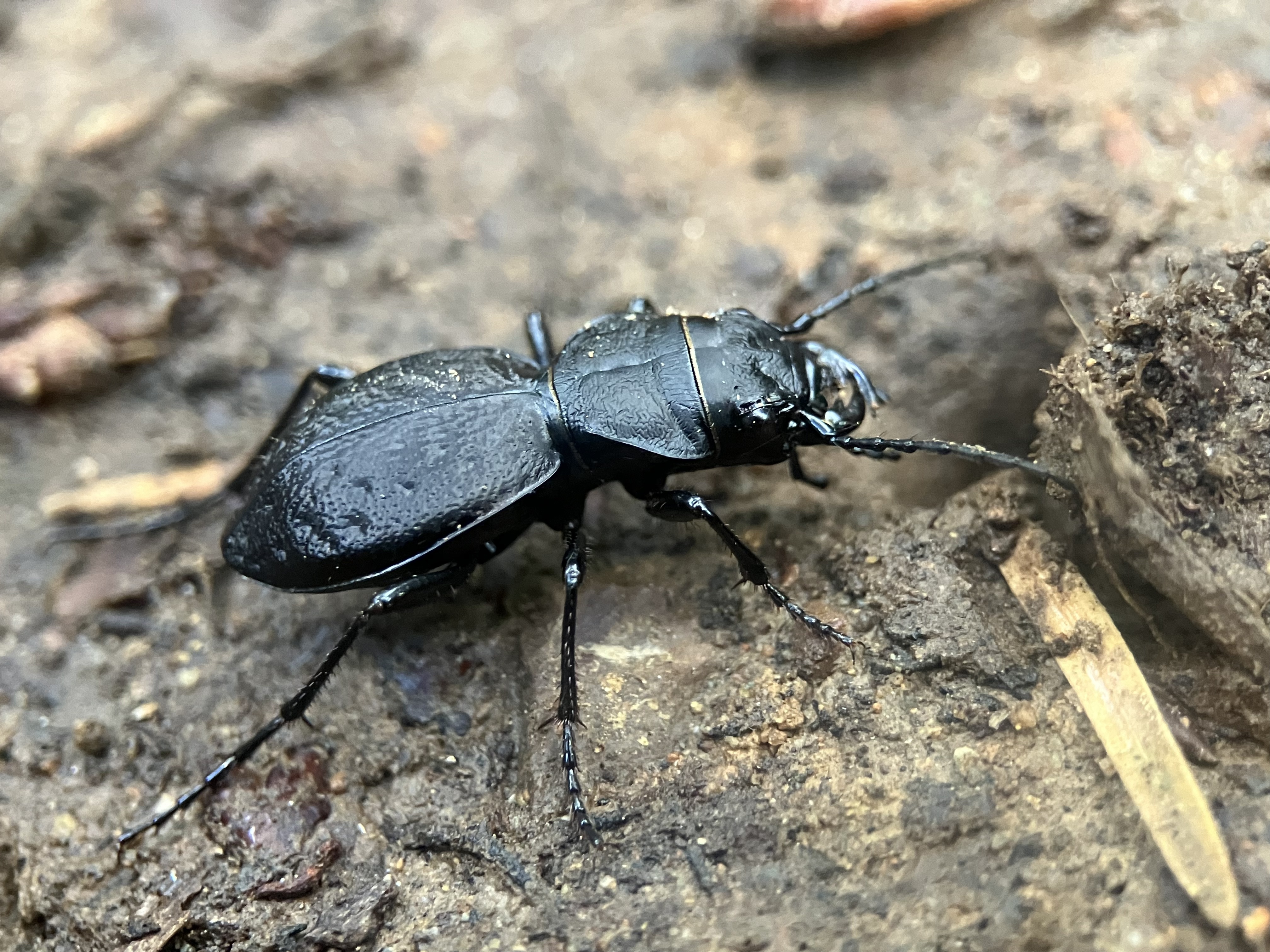
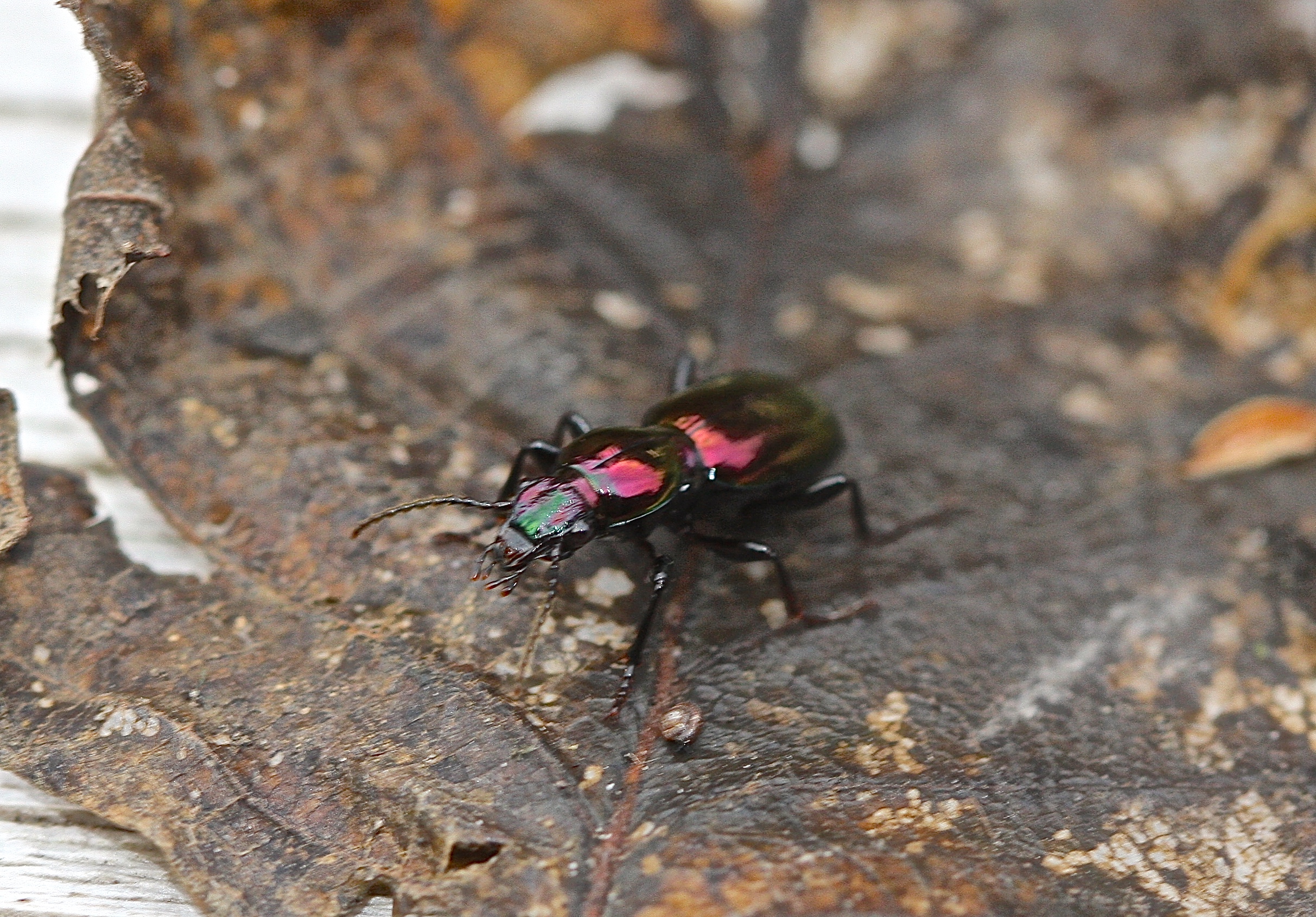
Red legged frogs, salamanders, and newts make their homes in the wetland. They dine on the myriad of invertebrates that live in the stream and mud. On the forest floor, you’ll find Night-stalking tiger beetles (Omus dejeanii) with fierce jaws hunting for prey. If you’re really really lucky, you might see the burgundy metallic carabid beetle (Zacotus matthewsii) that I’ve only seen less than a handful of times in the past decade. Overhead, you’ll hear the family of ravens that have a nearby nest. Always in the same place.
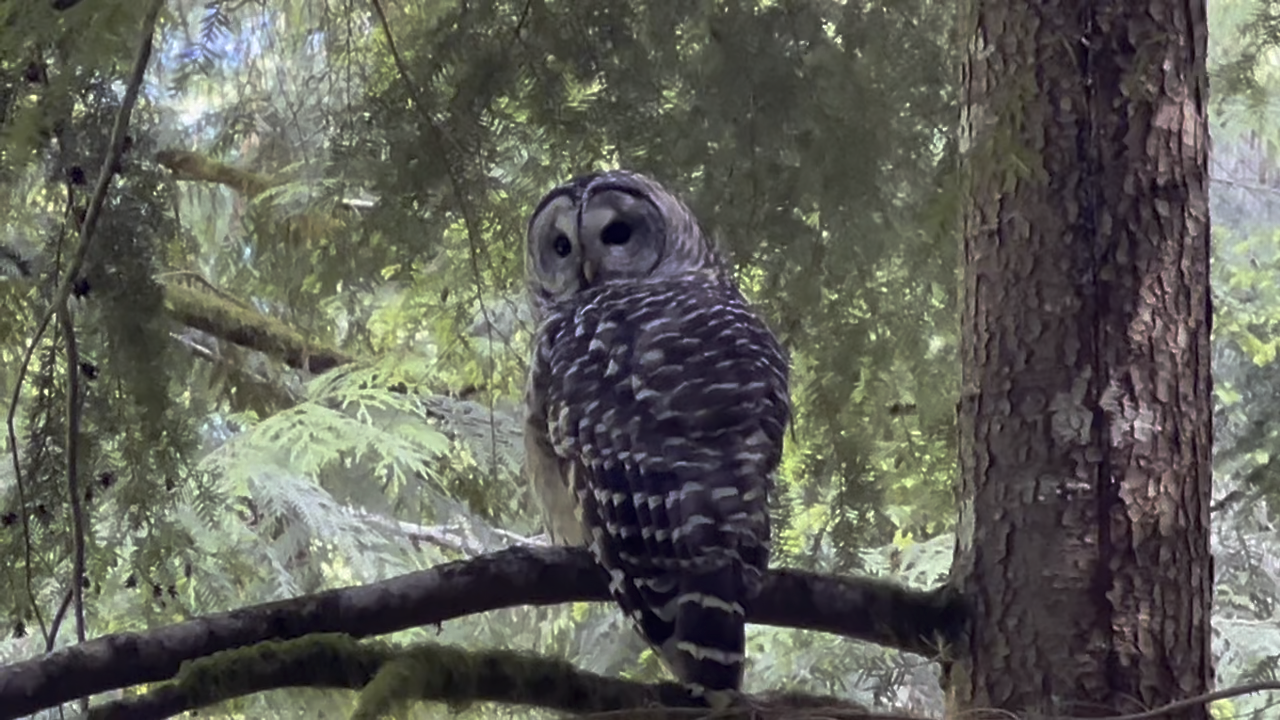
The hawks hunt in a small clearing where the stream attracts other animals that come for a drink. There are other birds hidden too. Flycatchers nesting in rotting snags, Pileated Woodpeckers drilling after carpenter ants. And the owl.
The owl has been there for a long time. You can hear it calling in the night – “Who Cooks for You?” It was wonderful before there were too many houses. Now, it is harder and harder to hear the owl over the din of barking dogs. In the woods though, the owl has a baby.
I heard it calling the other day. Screeching is more like it. I heard the noise before saw them. The mother owl was watching me cautiously from high above. A snake dangled from her mouth. In spite of this, I heard her utter sounds of caution to her child. She flew over to feed it as I quietly backed out of the area. I did not want to disrupt them and when I walk, I try always to remember that I am entering the home of others. I walk quietly and respect their spaces.
Momma owl with snake
Today, when I walked back to the place of the owl, I heard the baby again. It was calling repeatedly, but mom was nowhere to be seen. Again, I backed away quietly, hoping the owl was able to find food for her little one. They must hunt through the day and not only at night in order to rear their offspring.
I thought of the owl as I walked back to the trailhead and then I momentarily became distracted as I reached the site where I’d been poking around in a raccoon carcass on the trail. There are some very cool bugs that you find in carrion. Unfortunately, the remains were not to be found.
Stepping off the trail to look in the underbrush for any sign of the carcass, I heard a flutter overhead. I looked up and she was there. It was the mother owl.
She landed on a branch right in front of me. I was too dumbfounded to move. We stayed like that for what seemed like a very long minute. She gazed at me and I watched her in turn, not daring to blink. There was no threat. I felt like she knew me.
The robins were not happy and began to flail at her, creating a cacophony of rebuke. She ignored them. I slowly brought my phone around and took a video of her. She just looked at me.
Then she looked around, gazing through the forest at things unseen. After about five minutes, she reoriented her body, turning away from me, surveying the surrounding area. With a glance back at me, she flew away.
This encounter is why saving spaces for WILDLIFE is so incredibly important to me. These places should belong to them. When we visit a preserve, remember that. It is their home.
I hope others will reflect on what I’ve shared, and maybe there will be one less person who lets their dog off leash or one less person who throws trash onto the forest floor. Think about the creatures that call these places home. Walk softly and be respectful of their need and struggle to survive in ever-shrinking spaces.
Thank you for reading. Support Conservation. Save Spaces for Nature.
I’m doing a short write up of this fly just to get you thinking a bit. It was observed April 29, 2024 on San Juan Island, WA. While identification to Genus/Species may not be possible until I can actually catch a specimen to be keyed out, it is Family Tachinidae and Tribe Goniini. Hoping to come back with at least a Genus update at some point.
What I want to SHARE is the life history of this tribe of flies. The Goniini flies are parasites of various Lepidoptera, mostly Noctuids, Arctiids, and Lymantriids. Translating this for you a bit, it would be cutworms (if you’re a gardener) , tiger moths, and tussock moths.
How does this play out?
The female Goniini fly lays a “black microtype,” usually ovate and flattened egg, varying in size from very small to medium, on foliage utilized by the feeding host caterpillar. The caterpillar (usually Noctuids) munch the foliage, ingesting the fly egg. The caterpillar will continue feeding and then wander off to complete its life cycle as a pupa. At some point after ingestion by the caterpillar, the fly egg hatches and the fly larva develops inside the body of the pupating moth that is inside its chrysalis.
A myriad of ecological relationships exist in nature that are often unobserved. Many remain undescribed or unknown. Sometimes, they are disrupted by humans who intervene out of ignorance. If you’re one of those folks who squish what you believe are cutworm pupae in your garden bed, you might be smooshing the pest predator developing inside.
I thought writing out my feelings might help a bit with the deep reactiveness I am feeling in response to the terrible news I received yesterday about a very dear friend. The details? My friend is going to be 94 in October. I’ve known her now for almost 20 years. She was my walking buddy in Texas. She LOVES to walk and be out in nature.
A few days ago, my friend was severely injured when two dogs mauled her while she was out on a walk. The details I have received were the dogs were a pitbull and a great dane. They knocked her to the ground, inflicted many bite injuries. She has multiple lacerations, including her scalp. She has a broken nose, suffered a brain bleed, and has what is known as a “crush” break of her leg. To give you a bit of perspective, aside from her advanced age, she weighs only 90 lbs.
People came to her aid. She is hospitalized. If she doesn’t end up with serious infections, she faces a long road of rehabilitation. I am praying for her and I haven’t prayed in a long time.
Let’s talk about the dogs and what I know about them. One was deemed “friendly” and had never been a problem before until in the company of the other dog. Dog behavior isn’t always predictable. Unfortunately many dog owners are clueless about this. The dog owner was cited, but as of today, those dogs are still alive. I was told by the local law enforcement that there is a “process.”
The very sad fact is this is the 2nd dog attack my friend has had in the past 3 years. In January, 2021, my friend was attacked while out walking when a boxer/pit mix got away from its owners and charged her, biting her on her knee. Again, when you are in your 90’s and only weigh 90 lbs, your legs are tiny, skin is thin, and healing is slow.
Backing up a bit to my days of going out walking with my friend. We would walk regularly at a nature preserve in Texas. For us, this was the only nature preserve in a 20-mile radius and unfortunately, it quickly became overused….by dog owners. I had to carry a big stick because of all the off-leash dogs. One sad memory in particular sticks in my head. That was the morning I passed a group of laughing men who were entertained because their off-leash dogs had “tree’d” baby bobcat kittens. I can’t imagine the horror of the bobcats, but I left with lump in my stomach at how I really have come to detest many humans, and irresponsible dog owners.
I do remember complaining to the parks department that managed the nature preserve. When I asked why they even bothered calling it a “nature” preserve, the response was, “we have to meet the recreational needs of our residents.” Never mind, the sheer presence of all those dogs, leashed or unleashed, directly impacted the wildlife. The bobcats left, the coyotes left, the road runners left. It’s now a wasteland of dog feces and not much else. Even the stream is littered with dog waste bags. Why bother to pick it up if you’re just going to leave it to contaminate the streams that used to have fish, turtles, and other aquatic life. Don’t want to pick it up, but fall into the category of kicking the poo off in the weeds? Well, then you are directly contributing to the contamination of a natural area with bacteria, and all sorts of other pathogenic matter. Not to mention, it is just really gross.
I’ve come to the place where I don’t really believe dogs (or cats) should be outside of their owners’ living space. Certainly, they don’t belong at all in nature preserves, wildlife areas, and most definitely not in restaurants or other public places where they may encounter strange sights, noises, smells, or interact with unfamiliar dogs and become defensive or reactive. Non-dog owners have a right to safely visit a playground with their child, walk in a park, nature area, or visit a public event without risking being mauled by someone’s dog.
You may disagree with me and that’s your choice. I’m not completely anti-dog. I know there are some great ones out there and definitely there are responsible dog owners, but there are others like me who just don’t want to swoon over your pup. If you pass me walking in a nature area and you are walking a dog, please respect my space. I am tolerant of leashed dogs that don’t run up and jump on me. My experiences with dogs haven’t been great. In fact, most of mine have been awful. I am sick with worry about my friend. Don’t try to tell me it isn’t the dogs’ fault. Don’t jump to the defense of the dogs. Ultimately the dog owner is the responsible party, but keeping dangerous dogs alive is not the answer. We can’t SAVE all dogs. I hope the dog owner is charged with assault. Owning a dog is a huge responsibility. If you own a large breed dog you can’t control, it is just as dangerous as owning a gun. Dogs are far more unpredictable than wildlife. They have great potential to cause serious injuries to humans, including killing them.
References
J Gilchrist, MD, Div of Unintentional Injury Prevention; K Gotsch, MPH, JL Annest, PhD, G Ryan, PhD, Office of Statistics and Programming, National Center for Injury Prevention and Control, CDC. https://www.cdc.gov/mmwr/preview/mmwrhtml/mm5226a1.htm
Tuckel PS, Milczarski W. The changing epidemiology of dog bite injuries in the United States, 2005-2018. Inj Epidemiol. 2020 Nov 1;7(1):57. doi: 10.1186/s40621-020-00281-y. PMID: 33129353; PMCID: PMC7603431.







































 Bugging You From San Juan Island