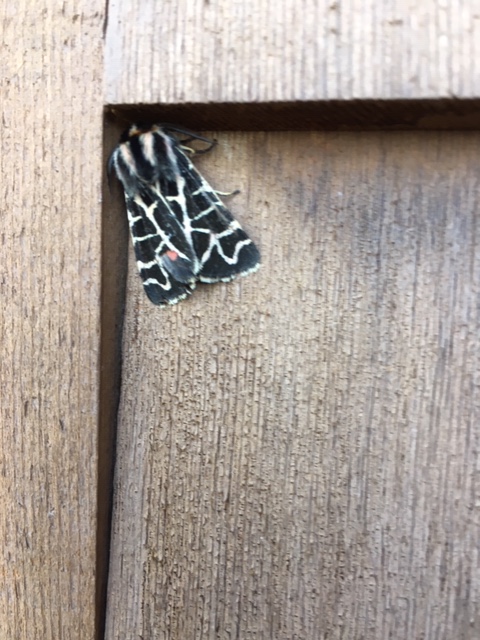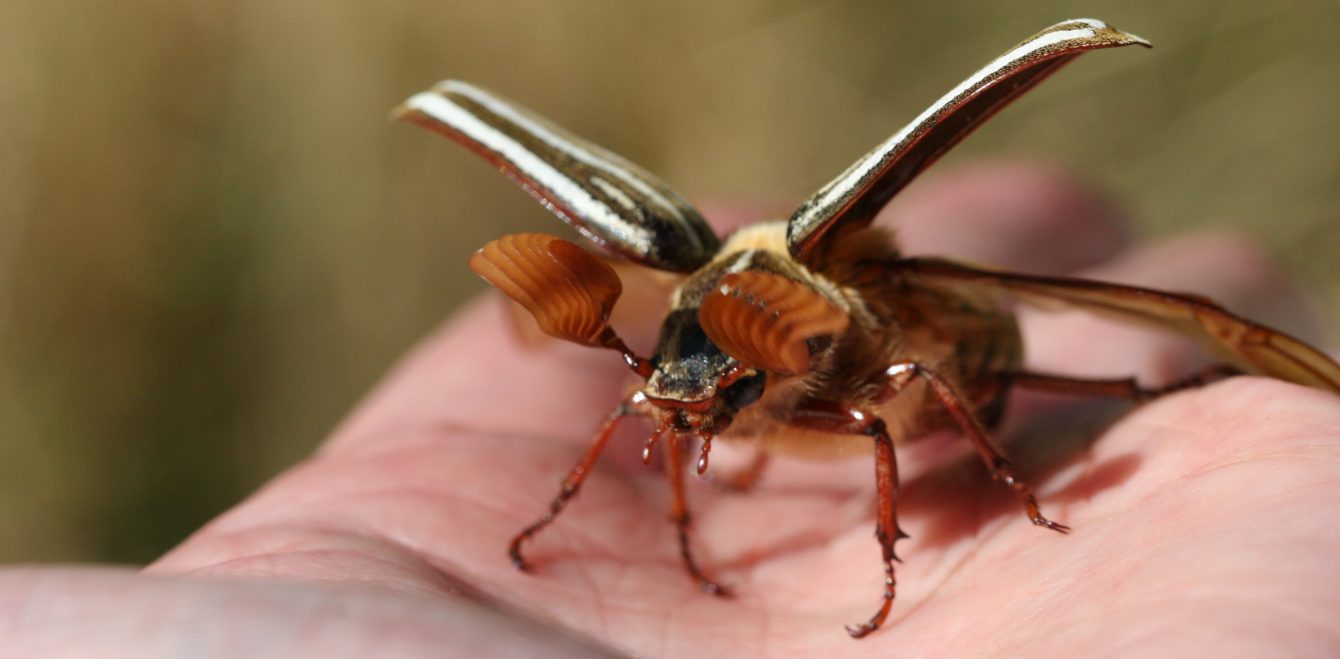

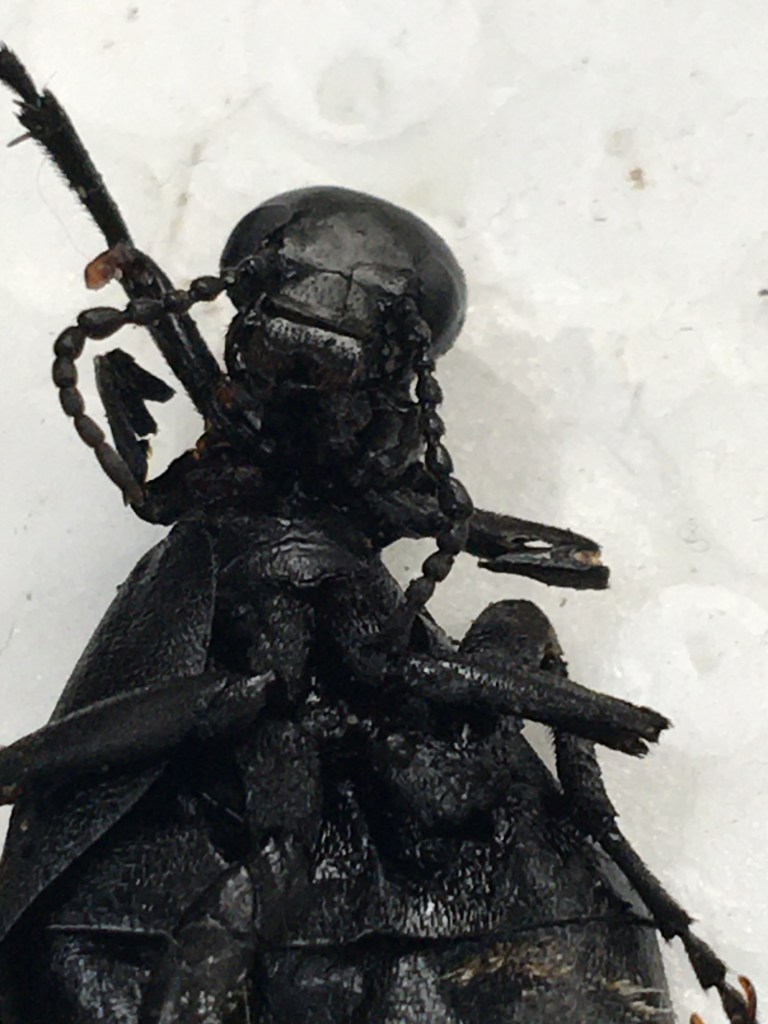
Hypena decorata

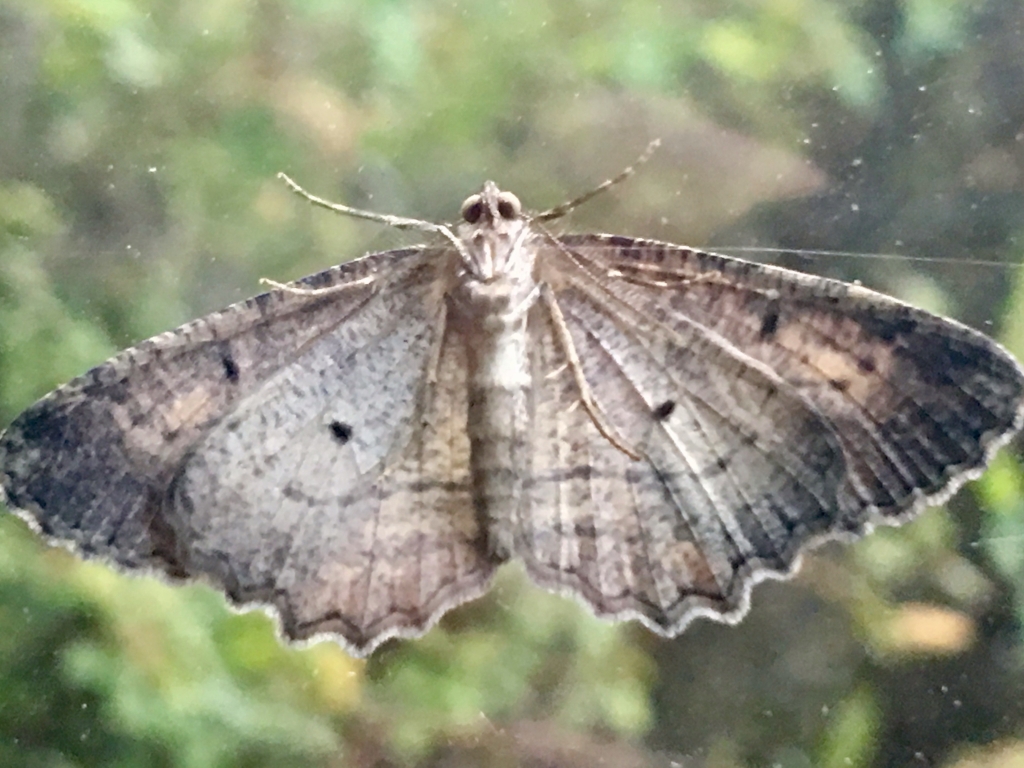
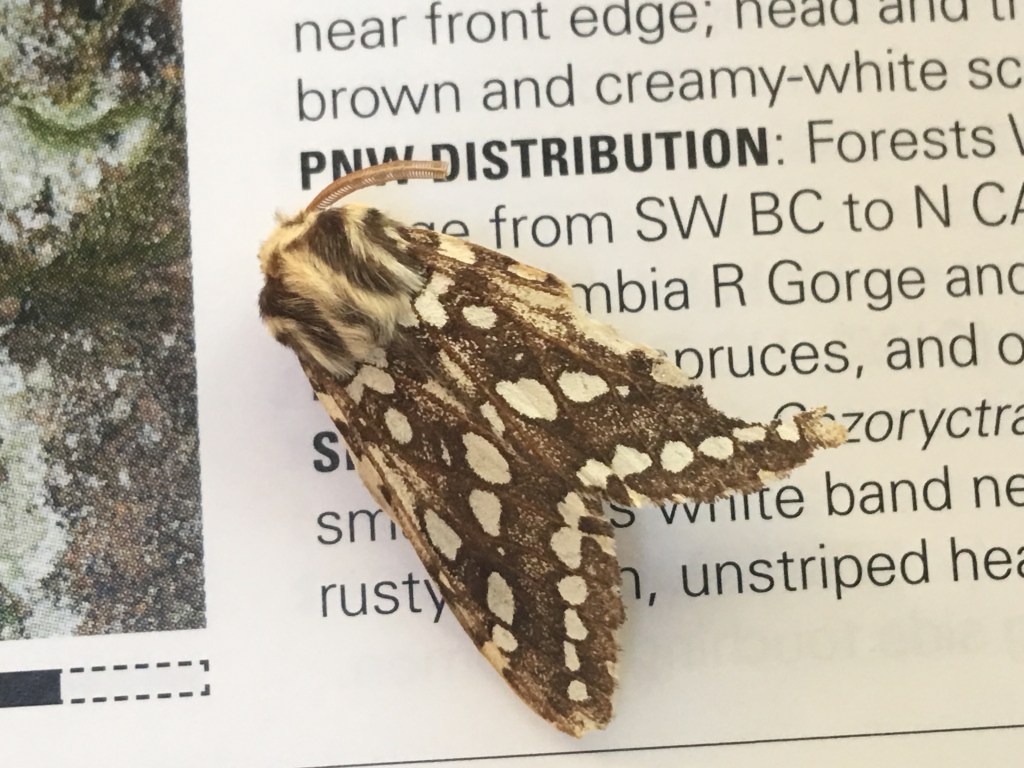
Family: Eribidae Hypena decorata August 20, 2019 San Juan Island, WA

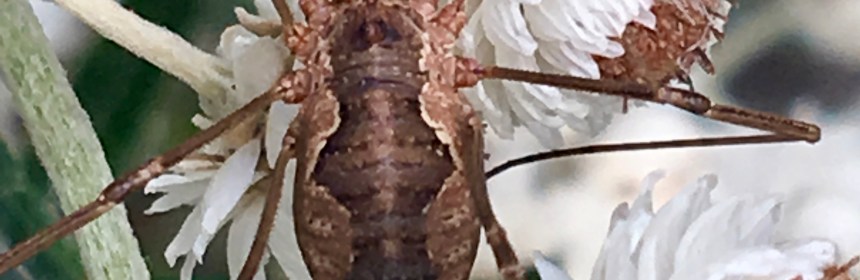
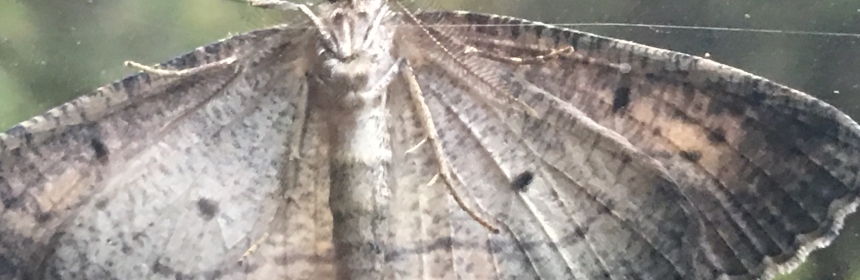
I found this on the kitchen floor the other morning (August 20, 2019). It looked like a piece of tree bark had been tracked in. When I reached down to pick it up, I realized it was some sort of moth and one I’d not seen before.

Hypena decorata August 20, 2019

After taking photos of it (it was expired when I found it), I thumbed through my reference books, trying to see if I could identify it. After about an hour of skimming literature and photos, I finally grew frustrated and emailed Merrill Peterson at Western WA University to see if he’d seen it before.

That afternoon, I did indeed hear back from Merrill. He’s fantastic about responding and said he had to reach out to someone he knew, but finally got an answer for me.

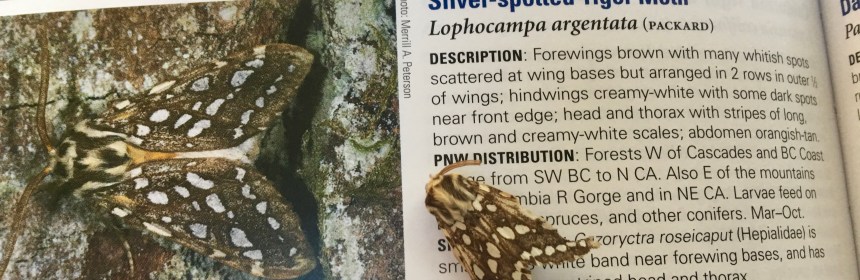
Here’s what Merrill said, “It’s a strange Hypena decorata, like this one. I had to get some help to figure it out!” I was glad Merrill helped solve the mystery and now I can share what I found out about this moth.

Hypena decorata is in the family Eribidae, within the superfamily  Noctuoidea, the (Owlet Moths and kin). Hypena is Greek for “beard.” When you look at the fuzzy, long labial palms that project to form the moth’s snout, it does indeed look a bit like a beard.

According to the Bugguide reference, Lafontaine & Schmidt (2010) list 29 species of the genus Hypena in America north of Mexico. The moth is relatively rare to uncommon West of the Cascades, but found in southwestern British Columbia and western Oregon and Washington. Distribution records also show the species ranges to Southern California. Larvae are food plant specialists, feeding on nettles  (Urtica spp.).

Hypena decorata August 20, 2019

References:

http://pnwmoths.biol.wwu.edu/browse/family-erebidae/subfamily-hypeninae/hypena/hypena-decorata/

https://bugguide.net/node/view/511337

Chlorochroa ligata – Conchuela Bug

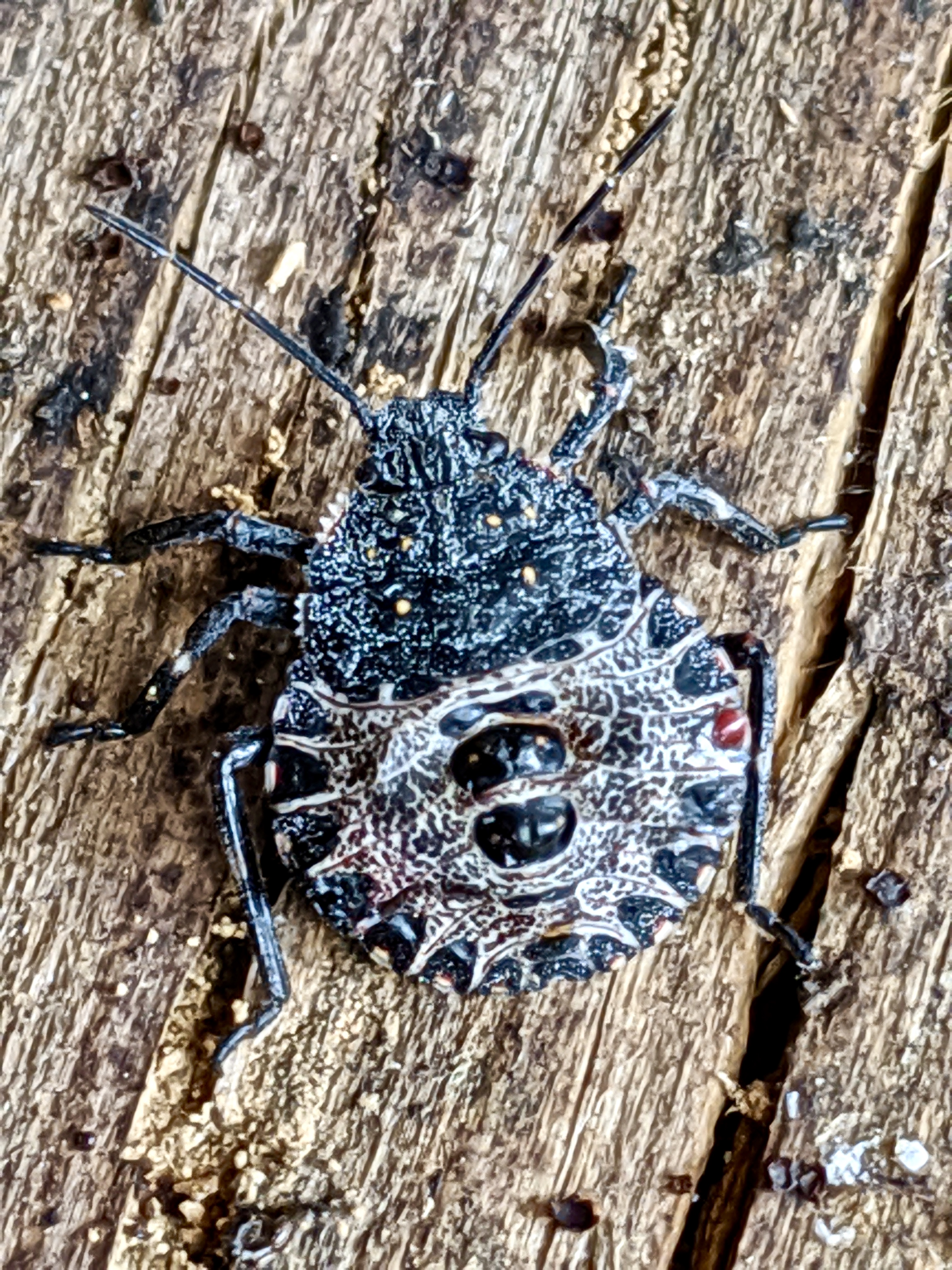
I spotted this round black bug yesterday on the leaf of a Mullein plant (Verbascum thapsus) yesterday (August 17, 2019). At first glance, you might think it a beetle, but upon closer examination, I recognized the yellowish outer margin from a larger, very similar specimen someone had asked me to identify earlier. This isn’t a beetle, but a BUG. True Bug, that is. It’s classified in the insect order Hemiptera. Hemiptera means “Half-wing” in Greek. This is a large order of insects with over 10,000 species in North America. It includes “bugs” like aphids, scale insects, cicadas, giant toe biters, stink and shield bugs (like this one!) and more.

Conchuela Bug (Chlorochroa ligata)
Found on Mullein plant (Verbascum thapsus)
San Juan Island, WA August 17, 2019

This specimen isn’t a full-grown Conchuela Bug, but a nymph. True bugs have what is called Hemimetabolous or incomplete metamorphosis. This means there are 3 stages of development that go from egg, to nymph, to adult. The nymph basically looks like a miniature version of the adult. To contrast, the Lepidoptera (moths and butterflies) and Coleoptera (beetles) have Holometabolous development with 4 stages that include egg, larva, pupa, and adult.

Conchuela is derived from Spanish and means the diminutive of concha shell. These bugs do indeed look like a little black shell with their hardened pronotum, scutellum and rounded body.

Conchuela Bug
Chlorochroa ligata
Photographed on Common Mullein
San Juan Island, WA August 17, 2019

In case bugs don’t interest you, perhaps the Hairy Woodpecker on a Mullein plant will. I’ve been enjoying watching these birds rock the Mullein back and forth like a clock pendulum, pecking away at the thousands of seeds held in a single flower head. https://youtu.be/U6lTDcHefz8

References:

https://bugguide.net/node/view/22454

Monochamus scutellatus, the Whitespotted Sawyer Beetle

Monochamus scutellatus
Canoe Island
August 12, 2019
Photo by Chase Stoddard
Monochamus scutellatus
Canoe Island, August 12, 2019

I received this photo yesterday of a very cool Cerambycid (Long-horned) beetle from Chase S. on Canoe Island, WA. This is a Whitespotted Sawyer beetle (Monochamus scutellatus). These beetles are found in forested areas across the continent. The first time I saw one on San Juan Island, I almost mistook it for a giant black spider. Its long antennae give it the appearance of having eight legs, like an arachnid.

The larvae (known as sawyers) of Monochamus beetles develop in the wood of fire-scorched, diseased or injured, dying pine, Douglas fir, true firs, and spruce trees. The adult beetles lay eggs in slits in tree bark. Larvae (grubs) develop through several instars before pupating. The younger larvae feed on wood beneath the bark and filling the void with long, fibrous borings, then move into the wood, forming holes that will become almost perfectly round as the tunnel grows deeper. The tunnels can eventually reach the heartwood of the tree.

Prior to pupation, the larvae will pack the deep gallery with grass, leaving a space at the end for the pupal cell or chamber. Adults will emerge by gnawing through the cell and a thin layer of wood and bark to the surface. Telltale signs of boring damage is the accumulation of debris along infested logs. As they can attack and damage recently felled trees, they are considered a pest in logging areas. According to Furniss and Caroline’s 1977 Department of Agriculture Forest Service Publication No. 1339, utilization of preventative methods that avoid leaving logs exposed during the beetles’ egg laying period ( July-September ) is the best approach.

Monochamus scutellatus White-spotted Sawyer
August 30, 2010
Photo by Cynthia Brast
San Juan Island, WA

References:

Furniss, R. L. (Robert Livingston)., Carolin, V. M. (Valentine M.)., United States. Forest Service. (1977). Western forest insects. [Washington]: Dept. of Agriculture, Forest Service : for sale by the Supt. of Docs., U.S. Govt. Print. Off..

Haggard, P. and Haggard, J. (2006). Insects of the Pacific Northwest. Timber Press Field Guide.

Peterson, M.A. (2018) Pacific Northwest Insects. Seattle Audubon Society.

Black-headed Grosbeak (Pheucticus melanocephalus)

I had to share because I don’t just love bugs. I really love birds too! This visitor and family have been a true delight to observe at our feeder. I’d been hearing a strange high-low whistle around our property and finally figured out this is the sound the baby makes when I watched the parent feeding it while it made this call and shook its wings. They’re not subtle! Listen to the two note call here ~

Black headed Grosbeak chick calling

I believe the photos below are of the juvenile, dated August 7, 2019

Black-headed Grosbeak August 7, 2019
ps://animaldiversity.org/accounts/Pheucticus_melanocephalus/
Black-headed Grosbeak at feeder

Read more about these beautiful birds here ~ https://animaldiversity.org/accounts/Pheucticus_melanocephalus/

White-lined Sphinx caterpillar (Hyles lineata)

I’m always excited when someone asks me to ID a bug for them! This came from the women over at Browne’s Garden Center – https://www.browneshomecenter.com/garden-center/, San Juan Island, WA. It’s the “black form” of the White-Lined Sphinx Moth (Hyles lineata). The larva are sometimes called Purslane caterpillars. They will eat Fireweed (Epilobium angustifolium), other fireweeds, and other various plants in the evening primrose family.

White-lined Sphinx Moth (Hyles lineata) caterpillar (black form)

Read more here:

http://www.silkmoths.bizland.com/Sphinx/hlinelin.htm https://bugguide.net/node/view/3071

Buzz…ards!

Ok. So maybe that’s not the scientific name for the Turkey Vulture (Cathartes aura) we have on San Juan Island, but the name “buzzard” is a colloquial catch-all, referring to these and other various large birds of prey. Scientific nomenclature aside, if you want to know how vultures came to be called buzzards (blame the early Colonial Americans for the confusion), take a look here https://www.thespruce.com/buzzards-vs-vultures-4171318

I finally dug out video footage of these turkey vulture chicks I filmed a few years ago. They were nesting on San Juan Island. I’ve heard from some folks that there was a nest on Lopez. I believe this is a fairly new occurrence, but maybe some of you who have lived here longer know if there have been vulture nests before. Here’s my account of this fascinating experience.

First, finding the nest was an accident. Someone dumped farm turkeys out in our area. Giant shout out here to Julie Duke at https://www.islandhaven.org Julie helped me catch the first turkey (Bob) and then took his family and friends (including one crazy guinea hen) and gave them a forever home at October Farm.

Bob the Farm Turkey
Rescued turkeys on their way to October Farm and Island Haven Animal Sanctuary
Guinea friend

After managing to catch all but the last two who were in the woods hiding, another neighbor trying to help round up these farm turkeys happened upon the vulture nest. When I went over to take a look, I noticed one seemed to be failing. I called and asked a Wolf Hollow rehabber https://wolfhollowwildlife.org to come take a look.

Wolf Hollow rehabber assesses Cathartes aura chick with metabolic bone disease

Sadly, the failing chick had metabolic bone disease. This means it didn’t get adequate nutrition (calcium and Vit. D) for the bones to grow correctly. Its wings were broken and feet malformed. The other chick was very healthy and would eventually fledge.

Second, I decided to write about this to help people see the value of dead trees. Especially OLD dead trees. Please don’t remove them from your property and if they are a risk of falling, you can have the tree “topped” so it leaves the rest as a snag for wildlife. Cutting it all the way down to the ground wastes a valuable resource for lots of things that depend on it.

These vulture parents selected a tree that had burned out on the inside and the nested in the bottom. When I say “nest,” they were pretty much on the dirt at the bottom. There were no twigs, moss, etc. lining it. It was just the hard ground. It was pretty stinky too. The chick that hadn’t fully developed still had white fluff and blue eyes.

Third, nests like these and other ground nesting birds’ nests are extremely vulnerable. Hikers with dogs should keep their pups leashed…ALL the time! These guys had absolutely no defense against a dog and counted on staying hidden. The defenses the birds have adapted to protect them from other wildlife include 1) the bad odor and 2) projectile vomiting.

I also noticed they would buzz like a nest of wasps or bees. The larger chick would turn and face the burned inside of the tree, completely concealing itself, all the while making the buzzing sound. Sometimes honey bees will establish hives in hollow trees and I wondered if the vultures count on the buzzing noise to be a deterrent to predators who might think they would be stung. Perhaps this is another reason they came to be called “buzzards?”

Thankfully, I was extremely considerate in my observation and didn’t antagonize them in any way. I felt very lucky to witness such amazing animals and appreciate all the wildlife we have around us. I was also thankful for Wolf Hollow and the gentle rehabber who assessed the smaller chick and made the sad decision that spared it further suffering.

The parents did not come back to nest in the tree again. Sadly, someone cut part of the tree up for firewood, probably never realizing what it had been.

Plum pesty! Hyalopterus pruni, the Mealy Plum Aphid

I posted yesterday about picking a twig from my plum tree that had a leaf or two with some weird, white, fluffy gunk on it. Like I do often, I put the leaf on my desk with the intent of looking at it more closely in the morning. You’d think some sort of learning curve would happen with this delayed examination habit of mine. For instance, the mishap of having deer tick eggs hatching and crawling all over my desk https://www.facebook.com/buggingyoufromSJI/posts/2375866245969416. I barely caught that one in time. It’s important to have sticky tape on your desk for emergencies!

Well, yesterday morning, July 31, 2019), I woke to find tiny green specks moving all over my desk. They were crawling off the leaf in all directions. I set down my coffee and grabbed my iPhone macro with the macro lens attachment and took a closer look. This is what I saw. https://youtu.be/gxDqhqZqpus

Hyalopterus pruni
San Juan Island, WA
July 30, 2019

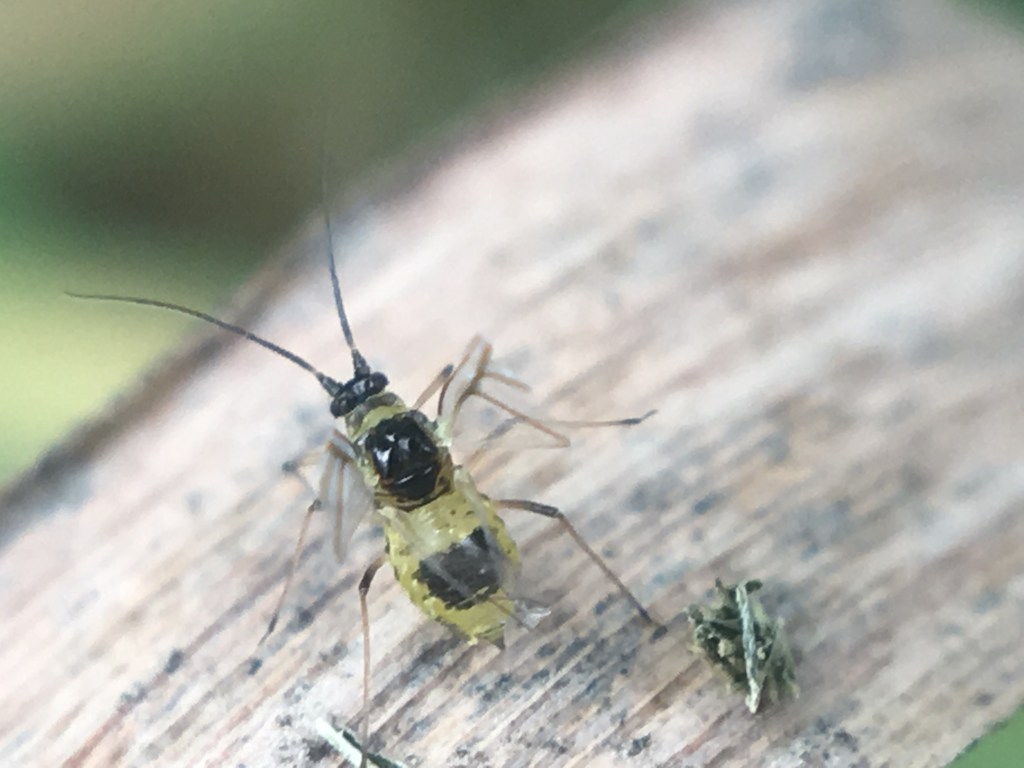
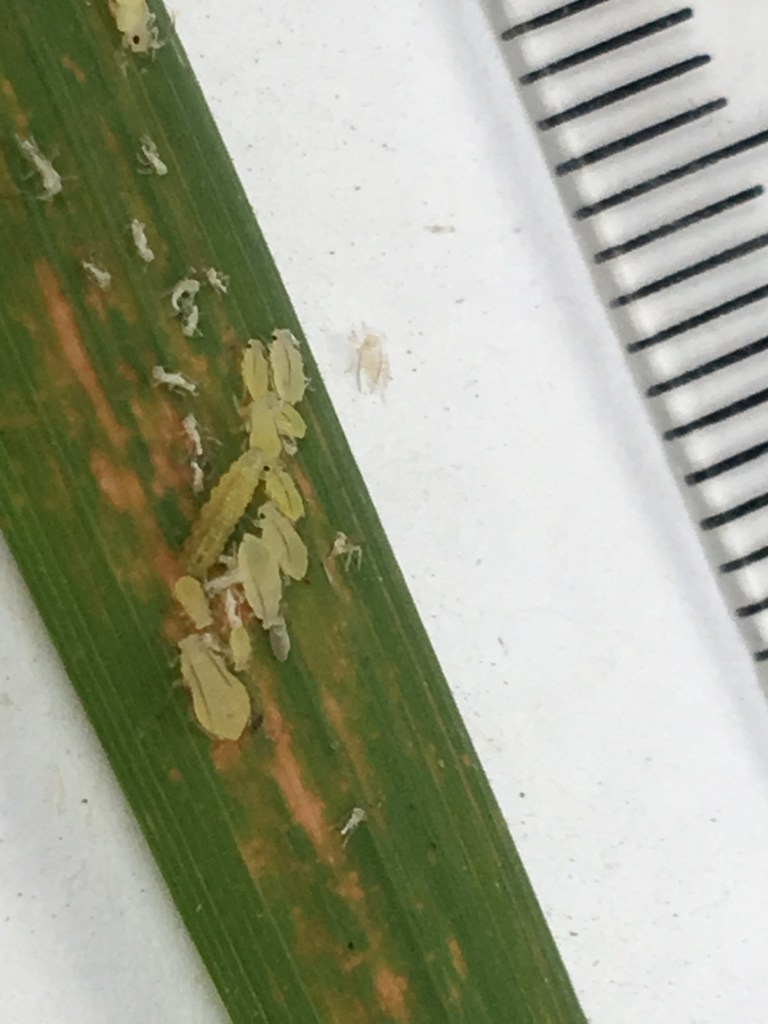
As you can see, these guys are active! After doing a bit of research, I have determined them to be Hyalopterus pruni (Mealy plum aphid or reed aphid). These non-native aphids are found across the U.S. While numbers can build up to damaging levels, nature does have a built in control to manage these pests without using harmful insecticides. Those little eggs I posted about yesterday https://cynthiabrast.wordpress.com/2019/07/31/lacewing-eggs/ are going to be lacewings. Hungry lacewings with a veritable buffet awaiting them!

Hyalopterus pruni (Mealy plum aphid or reed aphid)
San Juan Island, WA
July 30, 2019
Hyalopterus pruni (Mealy plum aphid or reed aphid)
San Juan Island, WA
July 30, 2019
Hyalopterus pruni (Mealy plum aphid or reed aphid)
San Juan Island, WA
July 30, 2019

References:

https://influentialpoints.com/Gallery/Hyalopterus_aphids.htm

https://bugguide.net/node/view/176830

http://treefruit.wsu.edu/crop-protection/opm/less-common-aphids/

Good neighbors

So my neighbor brought me a bug this afternoon and it’s not even my birthday! Thank you Julia. You made my day! 🐝🐛🦋🦗🐞

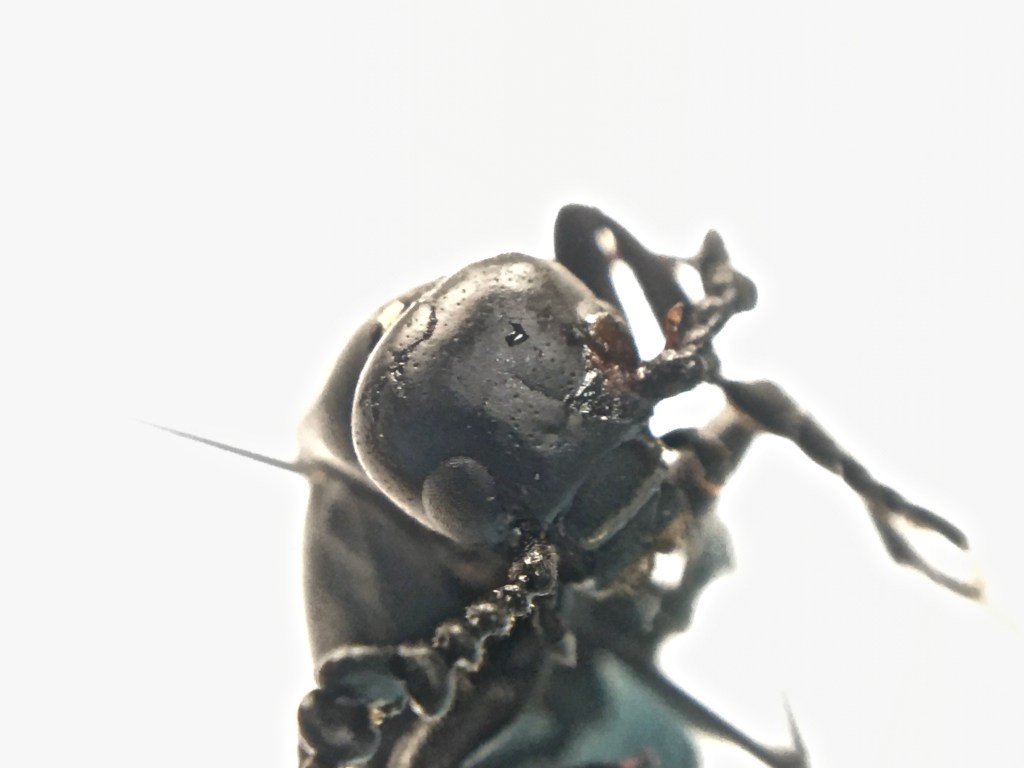
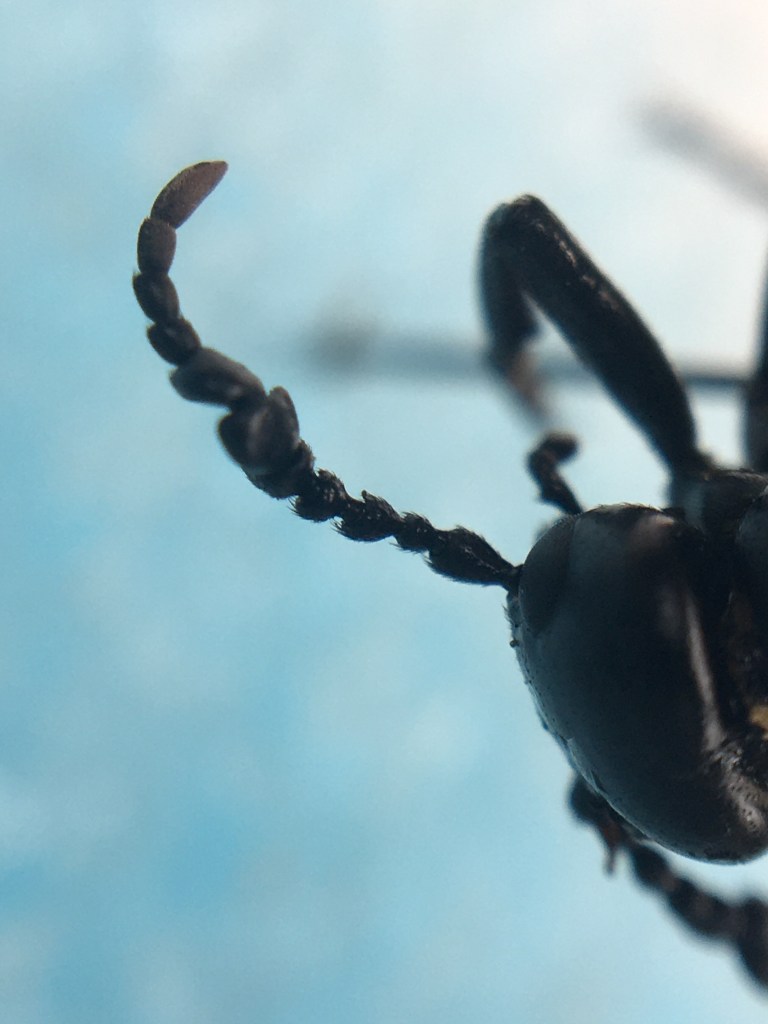
(Trichocnemis spiculatus) The Ponderous Borer or Western Pine Sawyer

Ponderous Borer (Trichocnemis spiculatus)
Trichocnemis spiculatus
San Juan Island, WA
July 31, 2019
Trichocnemis spiculatus
San Juan Island, WA
July 31, 2019

Last year, I had someone from Orcas, Island, WA submit a fabulous video of one of these with footage of it ovipositing! Check out this link to watch more here ~ https://www.facebook.com/joysmurf/videos/10155670480191451/
Lacewing eggs

I photographed these tiny, delicate eggs this morning using my macro lens attachment and my iPhone camera. Yesterday evening (July 30, 2019), I picked a leaf from my plum tree because I saw something odd. Not these eggs because they were far too small to see without magnification. Instead, I saw fuzzy white particles that sure looked to me like pest insects had taken up residence. I’m sharing the eggs in this post first. I believe they’re lacewing eggs. Lacewings are beneficial in the garden and voracious predators of small, soft-bodied insects. Check back tomorrow for Part 2 where I’ll share the rest of my discovery with some video of what else I found on those leaves.

Lacewing eggs
07/30/19
San Juan Island, WA

Read more about lacewings here https://www.gardeningknowhow.com/garden-how-to/beneficial/lacewing-insect-eggs-larvae.htm

Grasshoppers in Sin City

Sin City has a new attraction. It’s not the Radio City Rockettes, but they have lots of legs. It’s not a new Cirque du Soleil group, but they can jump and fly through the air with the greatest of ease. This is one animal show that even Siegfried and Roy can’t tame. In fact, most folks (unless you’re an entomologist) would prefer to miss this show when visiting Sin City. Chances are, you are going to get a front row seat whether you want it or not.

The grasshoppers are Las Vegas’ latest and greatest performers. This is NOT the name of a new hip hop, jazz, or rock band either. But there are thousands already performing and more showing up to audition every day. The “invasion” is not the name of a new dance. It’s not the grand opening of a new luxury hotel, but rather the new theme for the whole city. Grasshopper season!

Grasshopper swarm in Las Vegas 2019

https://www.nbcnews.com/news/us-news/grasshopper-swarm-las-vegas-so-large-it-likely-showing-weather-n1035406

This, in fact, reminds me of the crickets that invaded Highland Park Mall in Austin, TX long ago when I worked in the men’s shirts and ties department at Foleys. We had at least a 4 inch layer of crickets that made their way into the first set of entry doors. They had literally piled up on top of one another. Some had gone past the 2nd set of doors and were now in the plastic packaged shirts and the lucite display cubicles. When you tried to pick them out, they squirted out this horribly staining and smelly vomit or fecal matter that made the entire problem so much worse. When mall maintenance workers came around to suck all those crickets in the entry doors up with a vacuum, creating a horrible odor of vacuumed crickets, that did it for me. I didn’t show up for my shift ever again. No notice either. I just couldn’t handle it. (Kinda funny in hindsight that I eventually became a master’s-degreed entomologist). Check out this link to see I’m not exaggerating here one bit! https://www.dallasnews.com/news/from-the-archives/2018/08/14/invaded-crickets-dallasites-battled-swarms-clogged-clocks-plowed-doors

Now I live on San Juan Island. A small, somewhat delightful (unless it’s summertime and the height of a gazillion tourists descending up on us) rural community, accessible by small airplanes or ferry. Last year we had some residents getting pretty worked up by our invasion of praying mantises. I fielded some questions about how they might eat up our hummingbirds. Comments about them ranged from “they’re horribly invasive” to “they’re going to eat all our pollinators.” I smiled and tried to explain as politely as I could how there are only 3 officially documented cases of hummingbirds being captured and eaten by mantises in the United States since the 1800’s, and those were Chinese Mantids, not the smaller European Mantid that is making it’s way west. https://sanjuanislander.com/news-articles/environment-science-whales/environment/28146/revenge-of-the-mantids

As far as pollinators getting eaten by mantids, well, that happens. Everything in nature gets eaten by something. Native species of robber flies and dragonflies eat our cute little bees. So do native spiders and birds. Yes, mantids eat lots of things. Like grasshoppers. That’s why they were introduced to North America in the first place. Which brings me to how I’d like to hand out vintage agricultural reports from the 1930’s and 40’s to some of these panicked individuals and ask them if they’d like to have a few praying mantids on the island or a 6 inch deep layer of grasshoppers! It can happen!

As for those reveling grasshoppers in Sin City…let’s hope what happens in Vegas, stays in Vegas!

More reading:

https://livinghistoryfarm.org/farminginthe30s/pests_02.html https://www.historynet.com/1874-the-year-of-the-locust.htm https://www.nationalguard.mil/News/Article-View/Article/575751/in-1937-colorado-guard-used-flamethrowers-and-explosives-against-plague-of-locu/

« Older Entries Recent Entries »