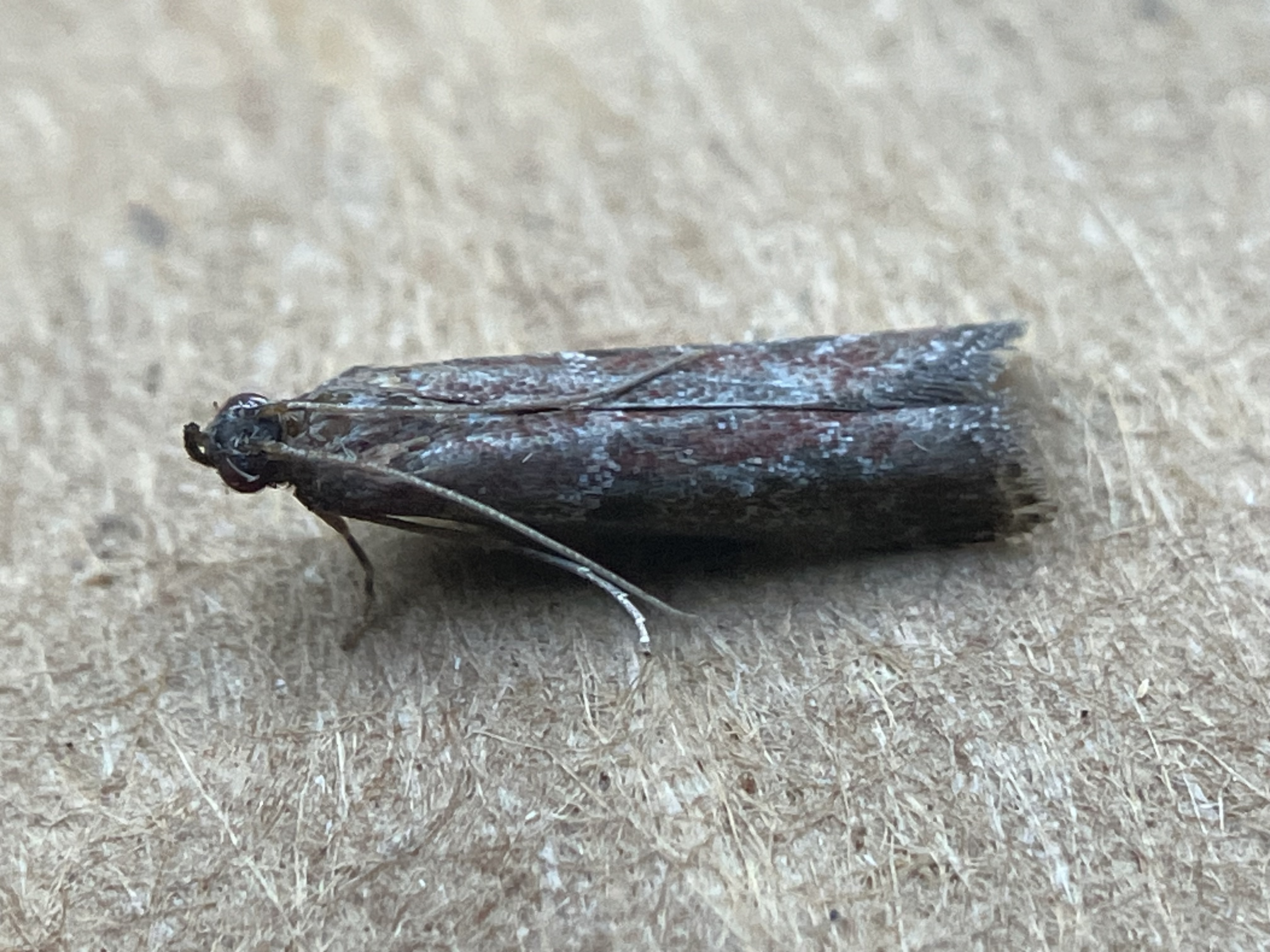
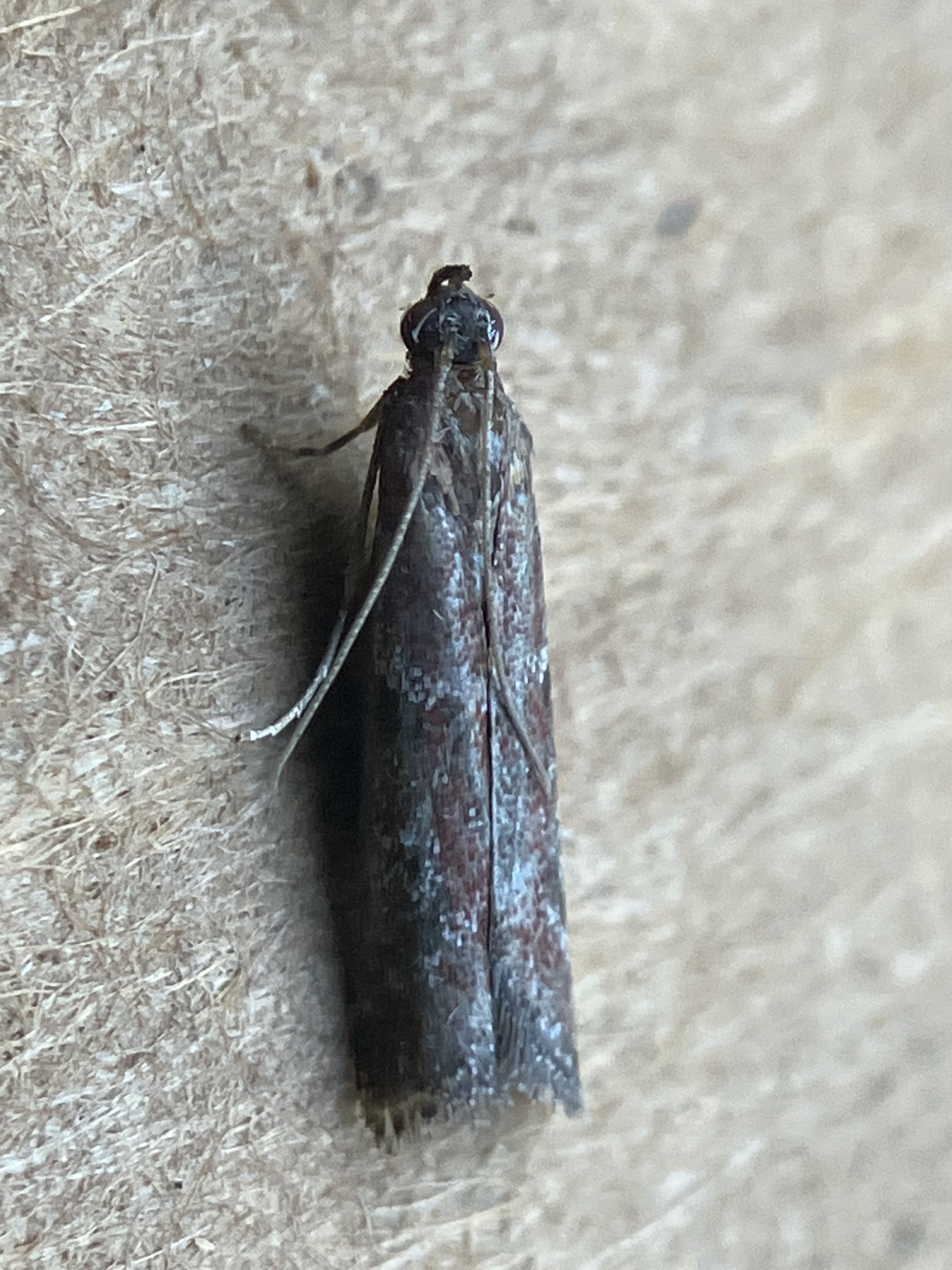
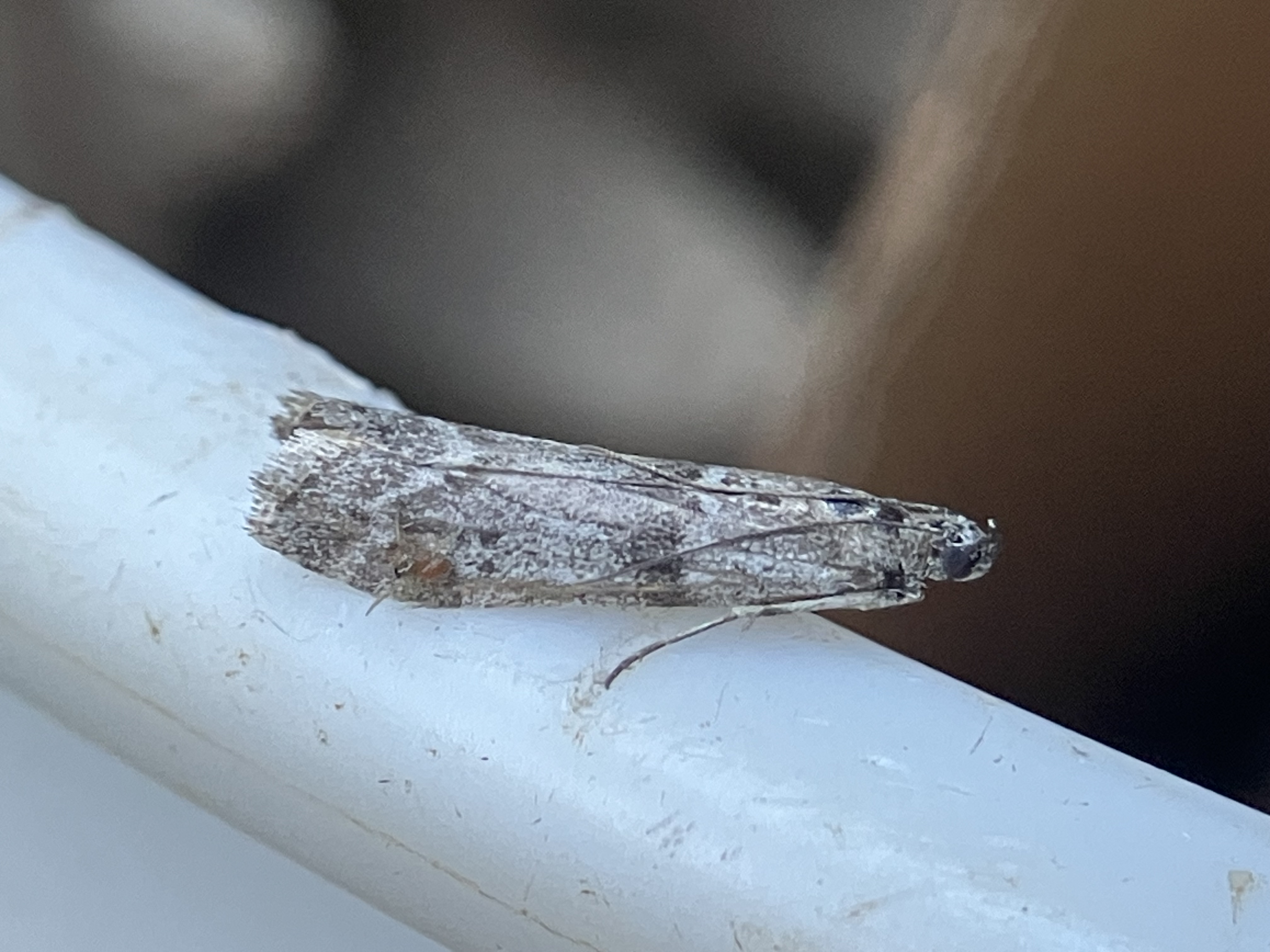
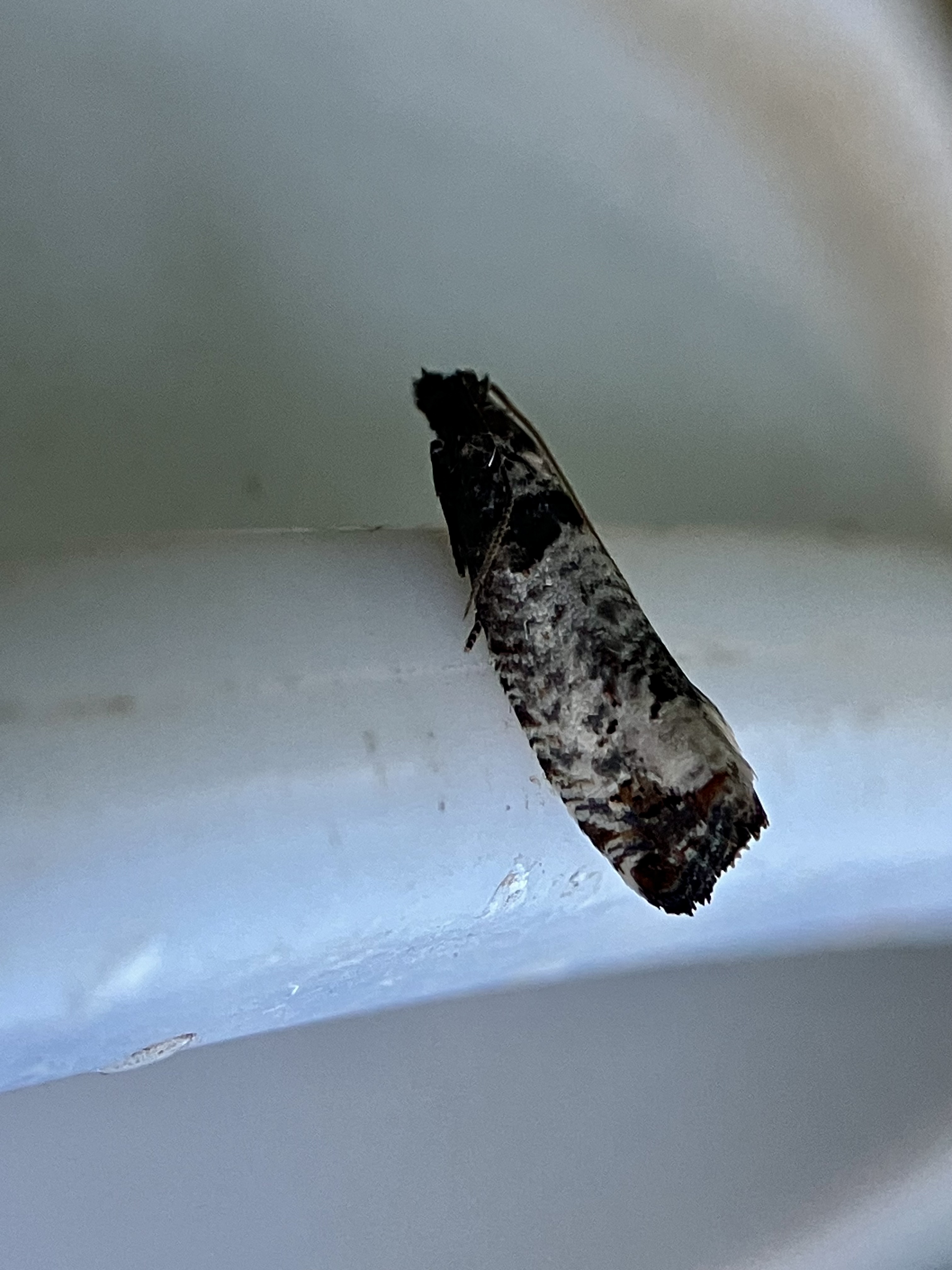
Last night I tried out a black light tube instead of my UVB light or the miserable fail of the switched-off porch light I wrote about yesterday. My thoughts on the black light? Not effective. Either the light was the issue or there just weren’t many moths flying about last night at all. I did find a few moths. Mostly, I found small micro-moths. Some are hardly noticeable at all. At first glance, you could mistake them for a drop of bird poo on the bucket. In a tree or shrub, you might miss them entirely. It takes magnification to see them clearly.
Tonight, I’m going to go back to the UVB tube light. Hopefully with better results. If you’re interested in knowing more about MOTHING or finding out about National Moth Week, feel free to reach out or check out the link here – https://nationalmothweek.org
Here’s my Gallery for Day FIVE. Thanks for stopping by!
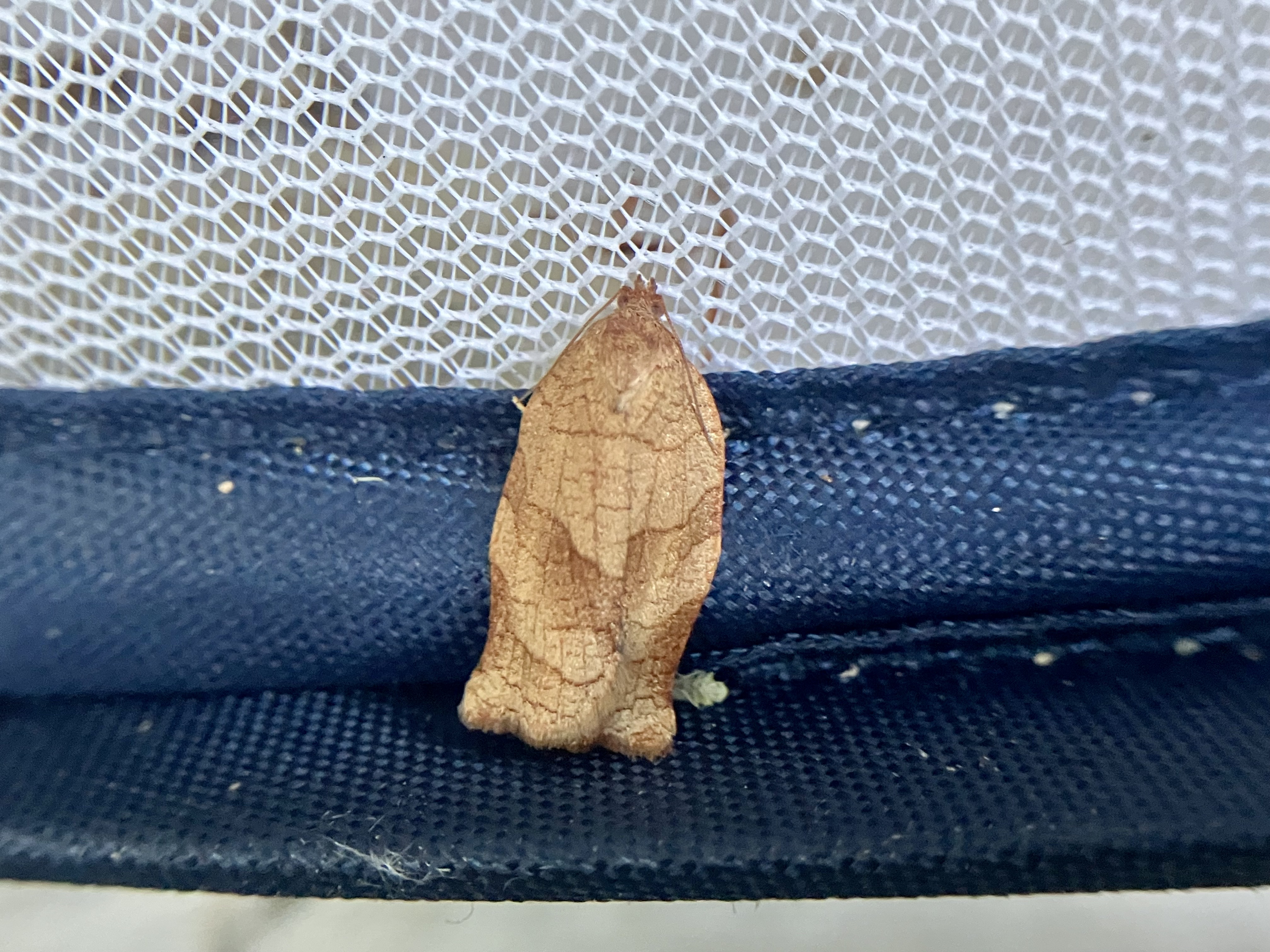
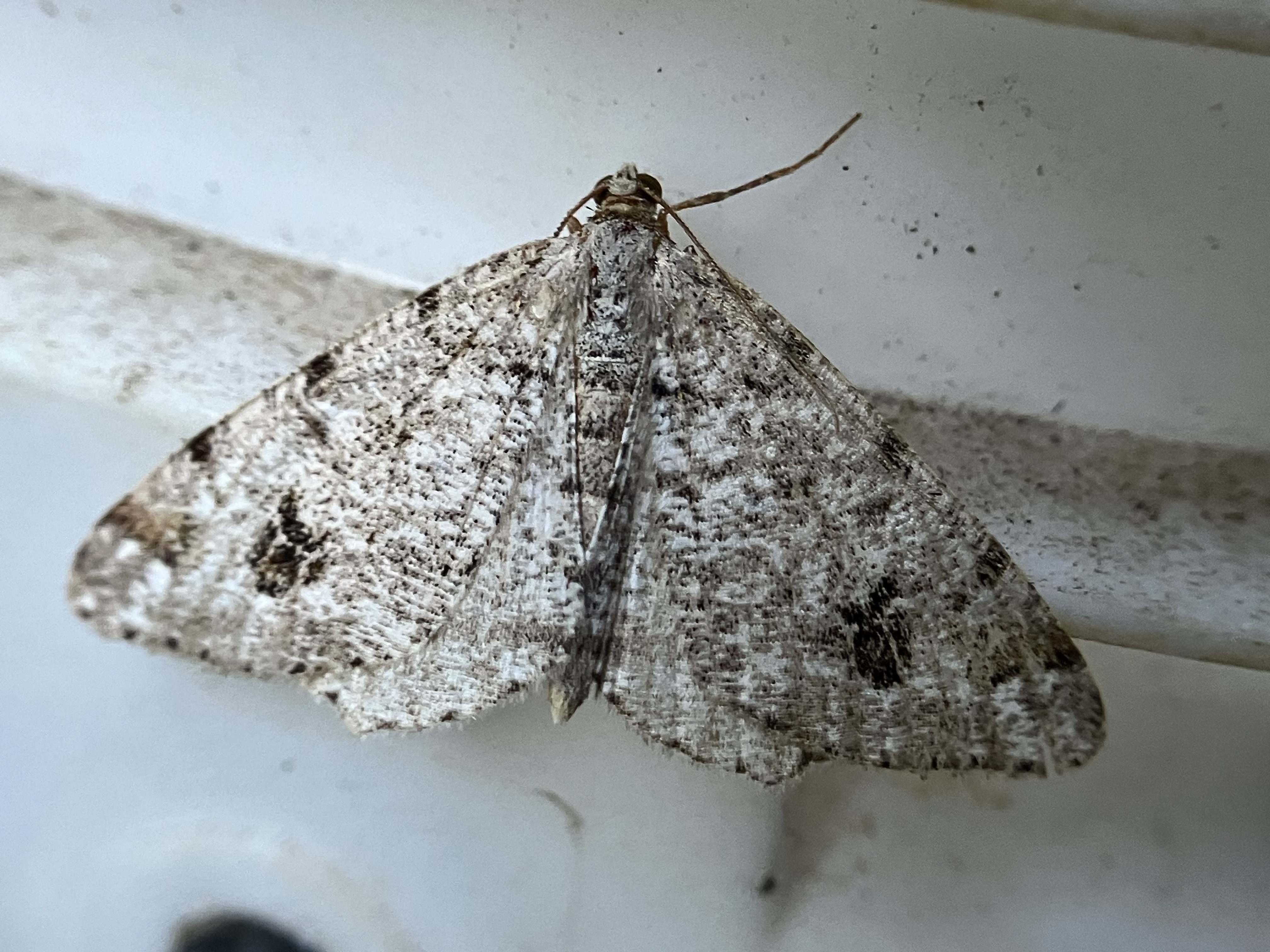
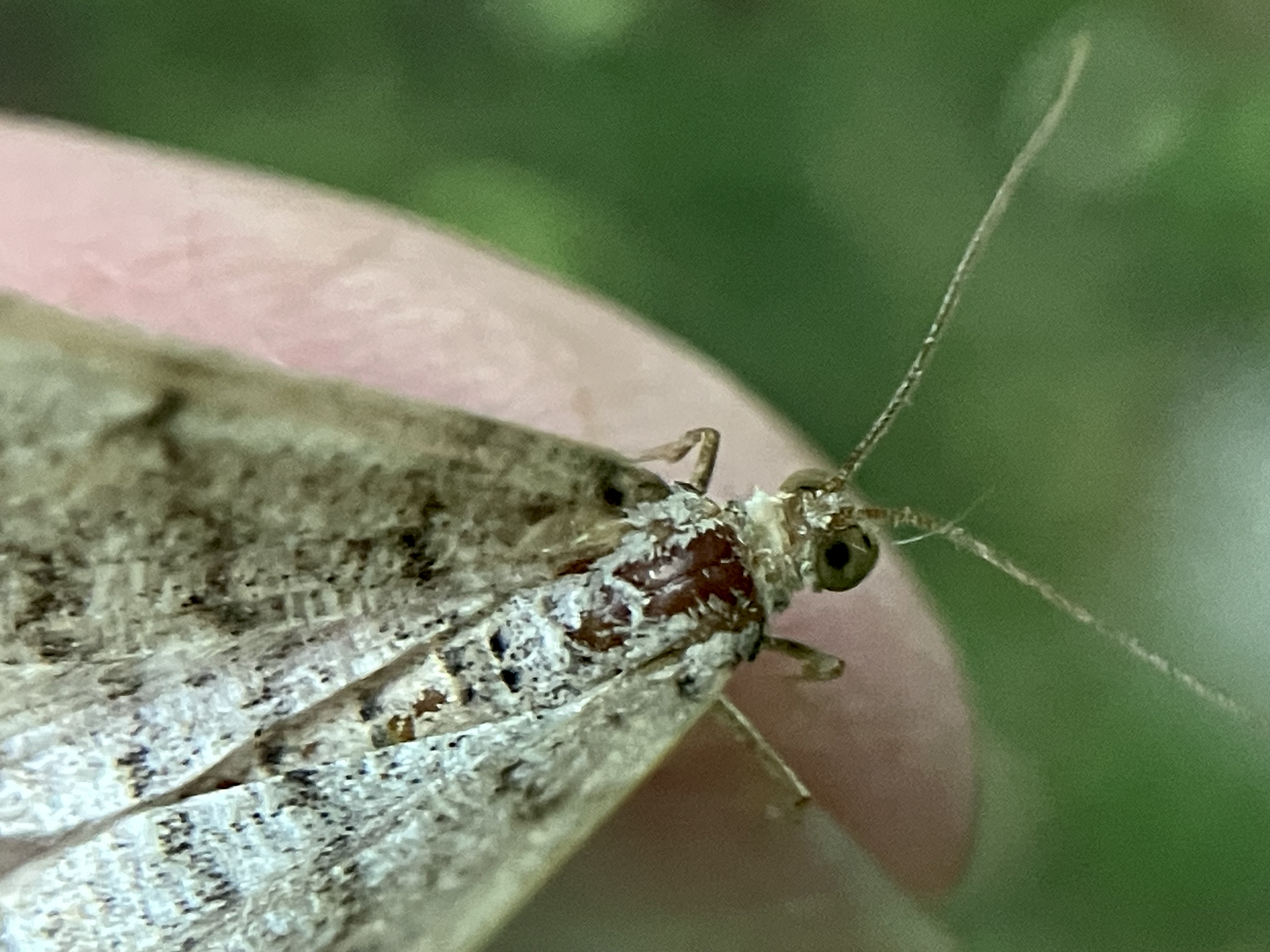
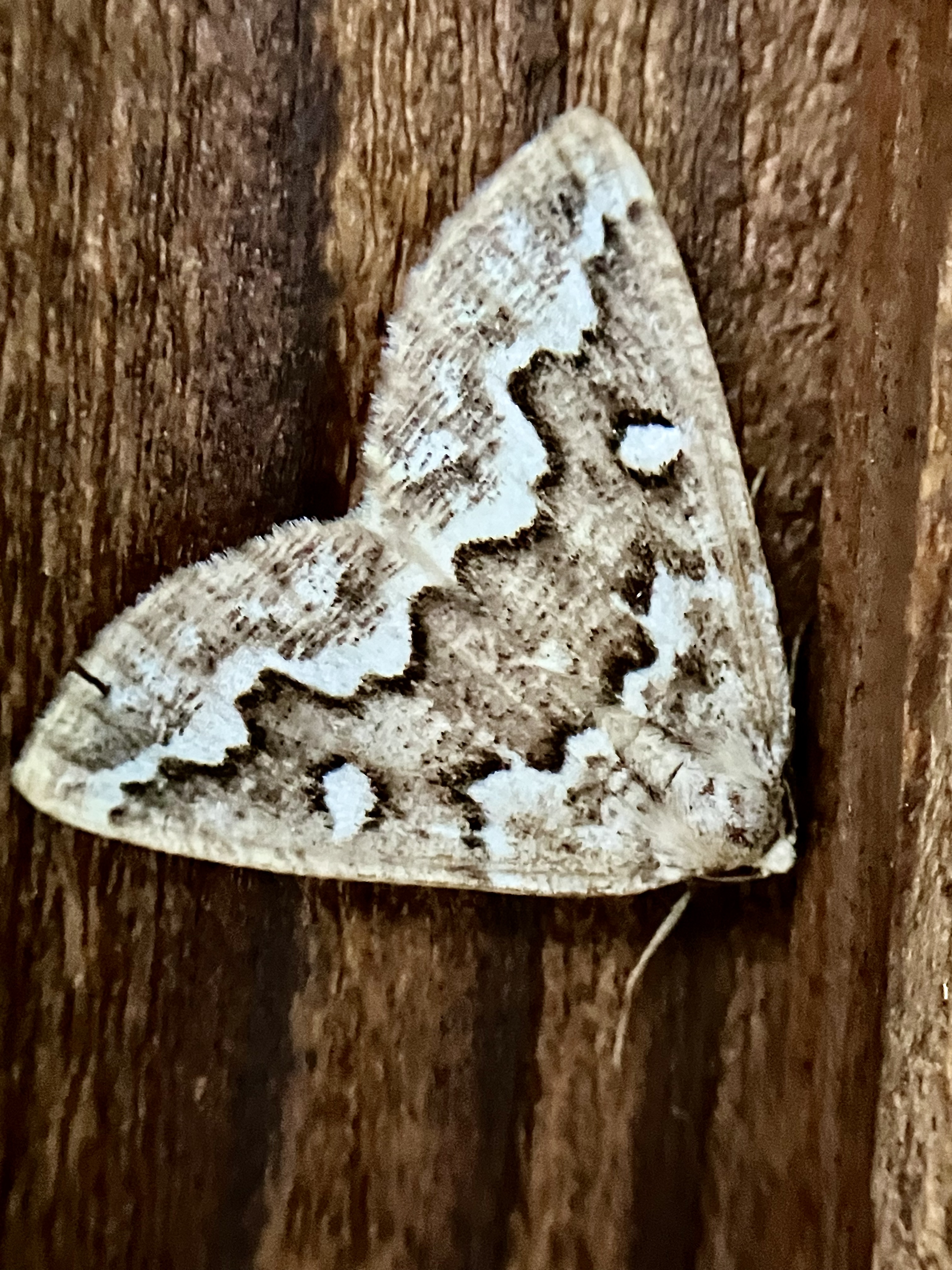
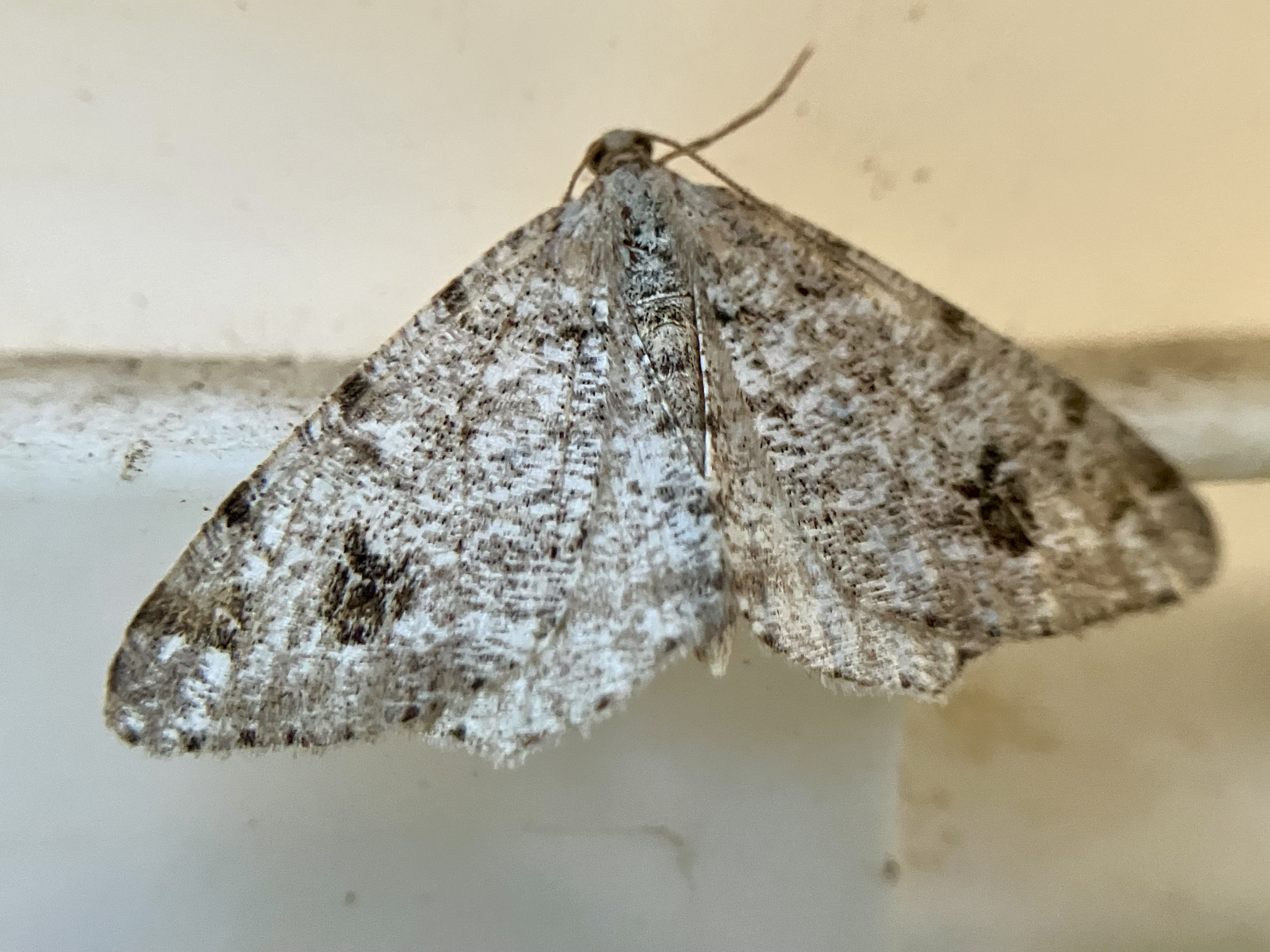
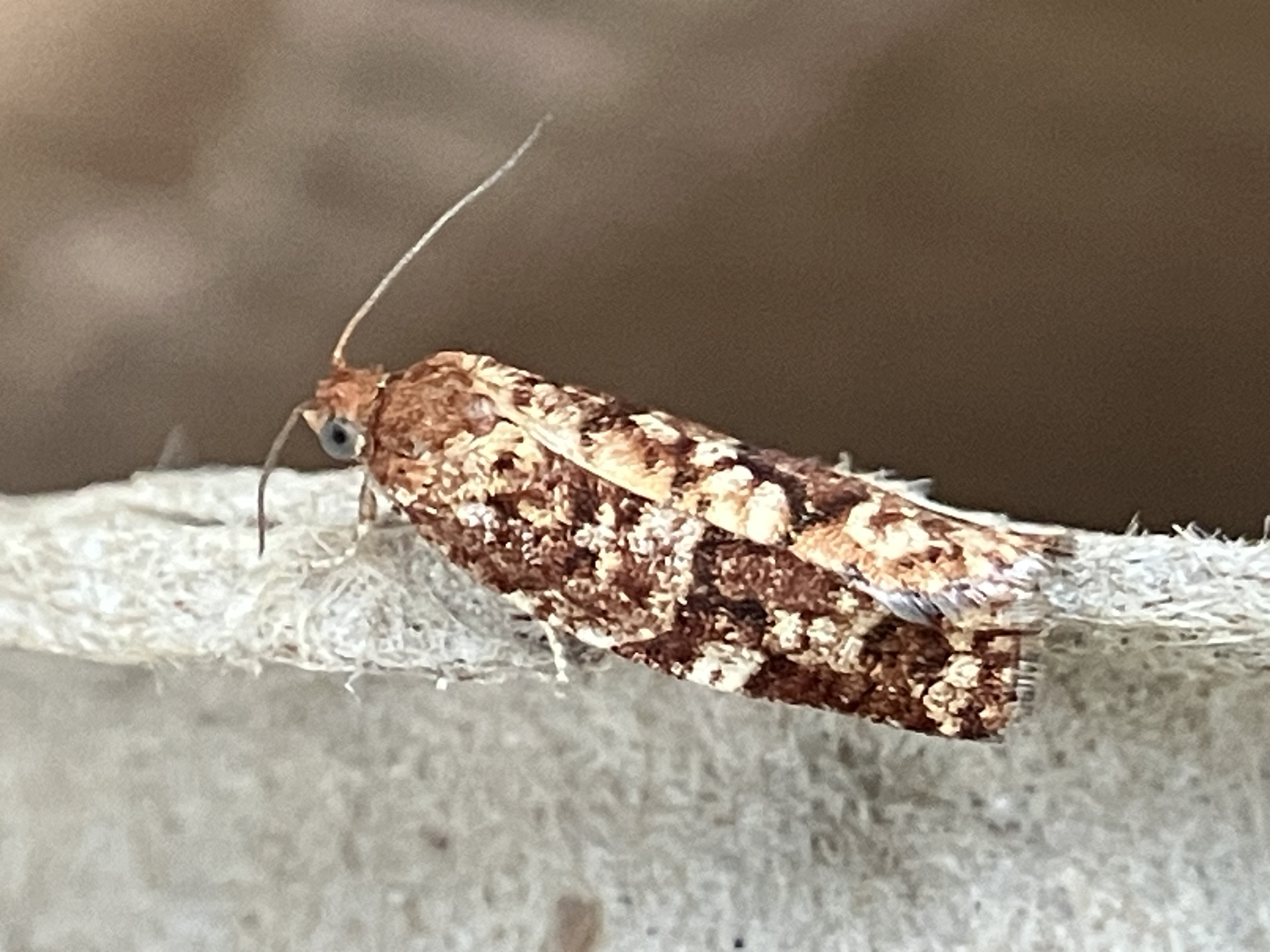
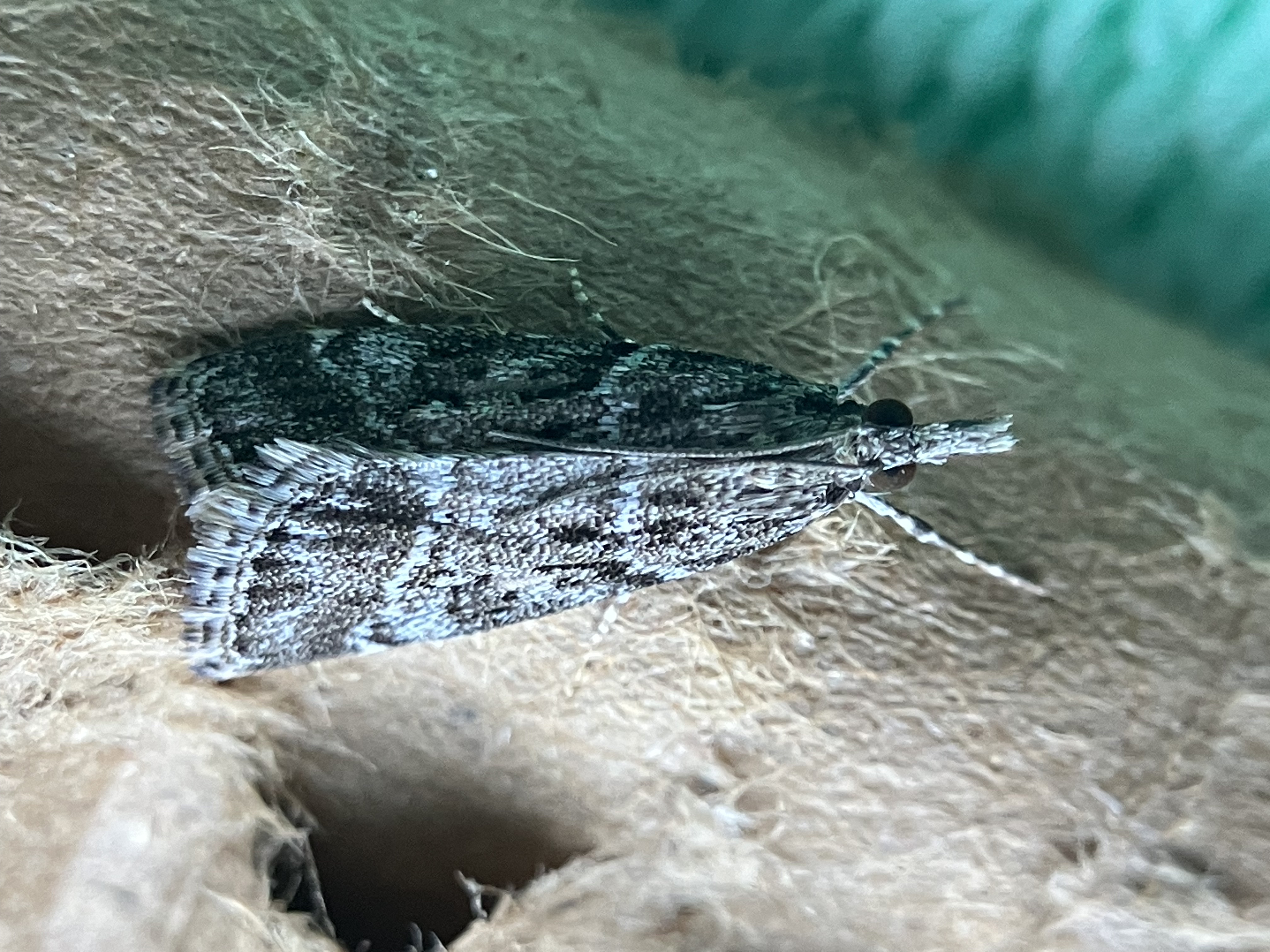
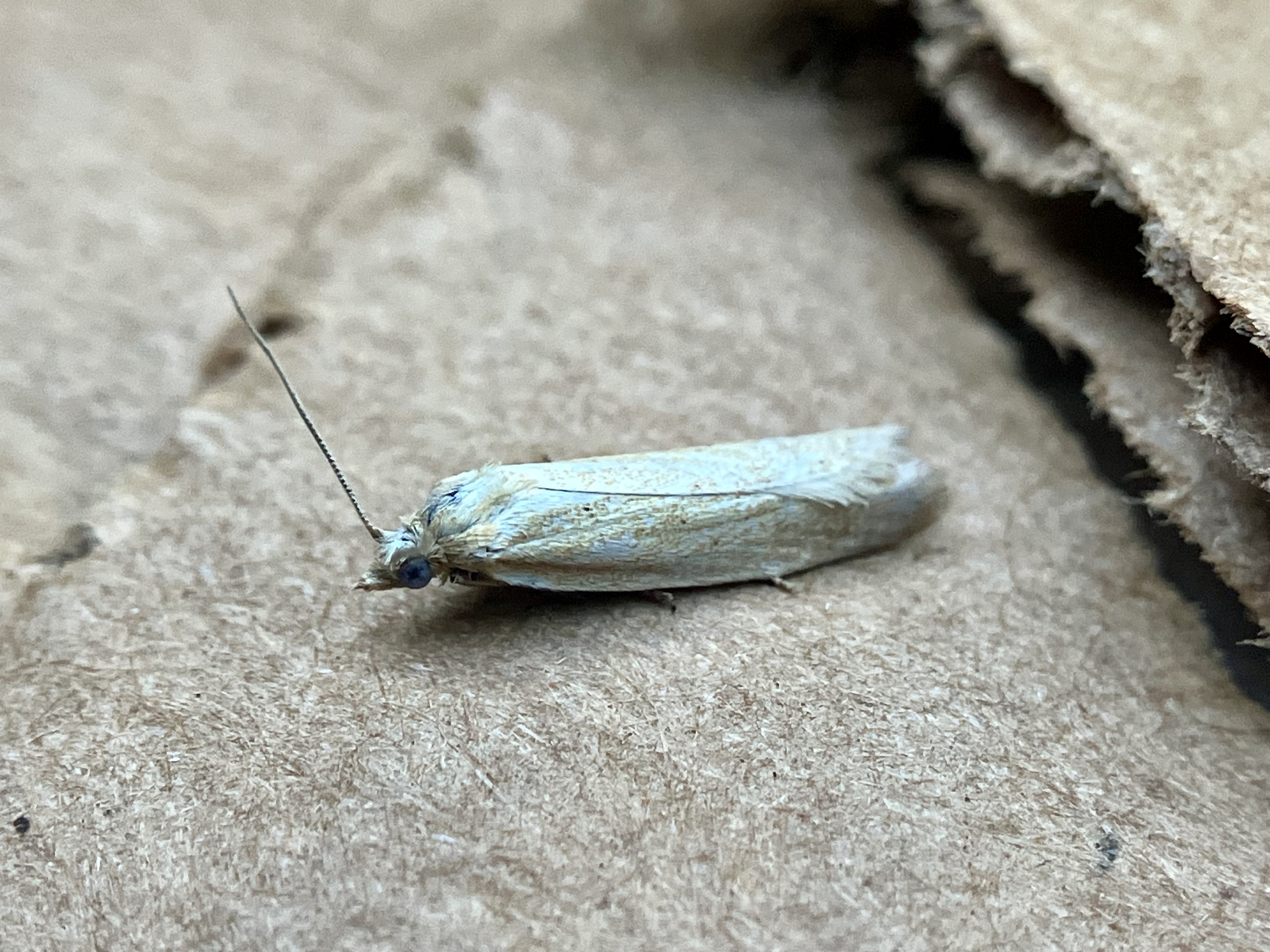
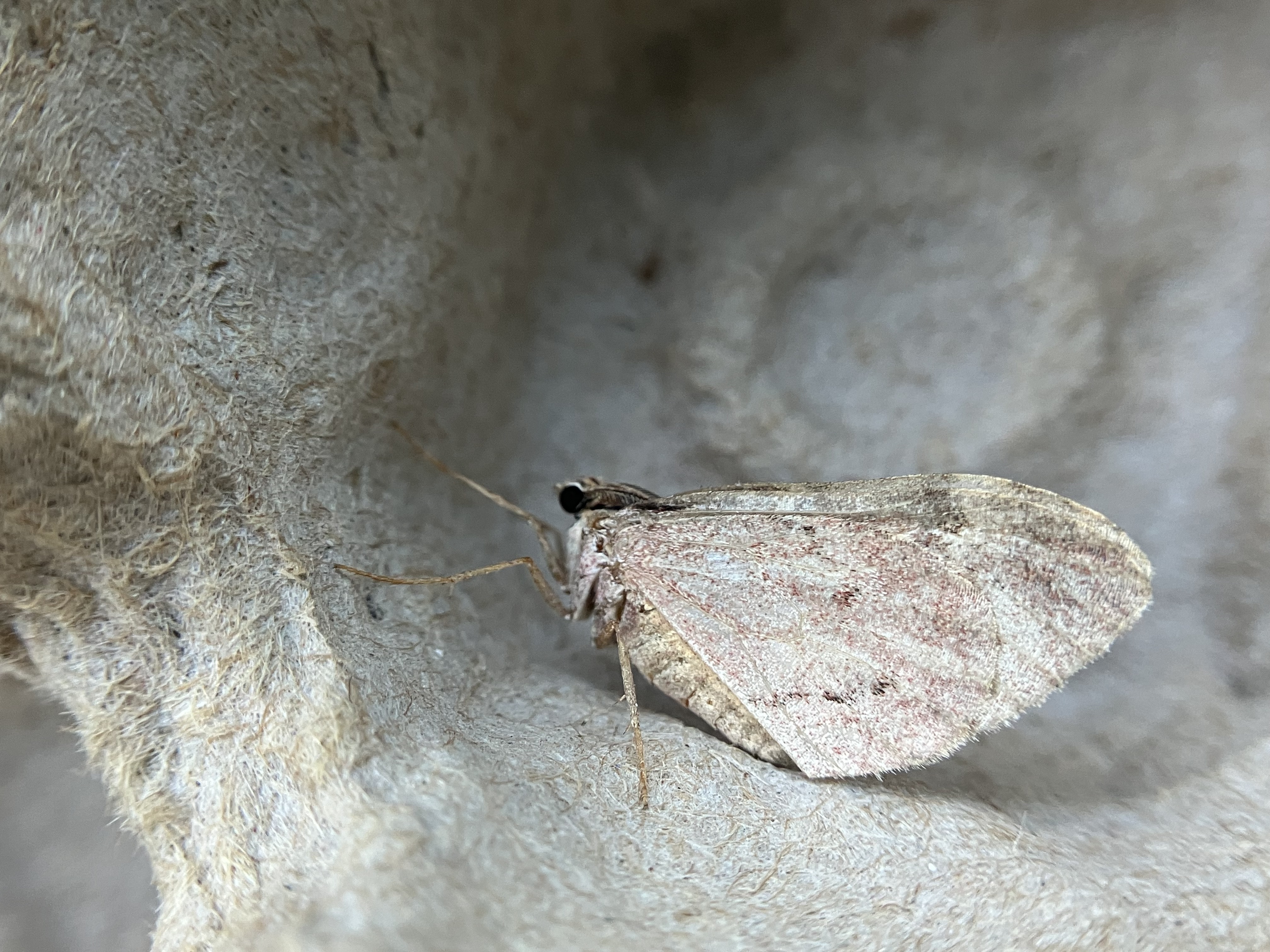
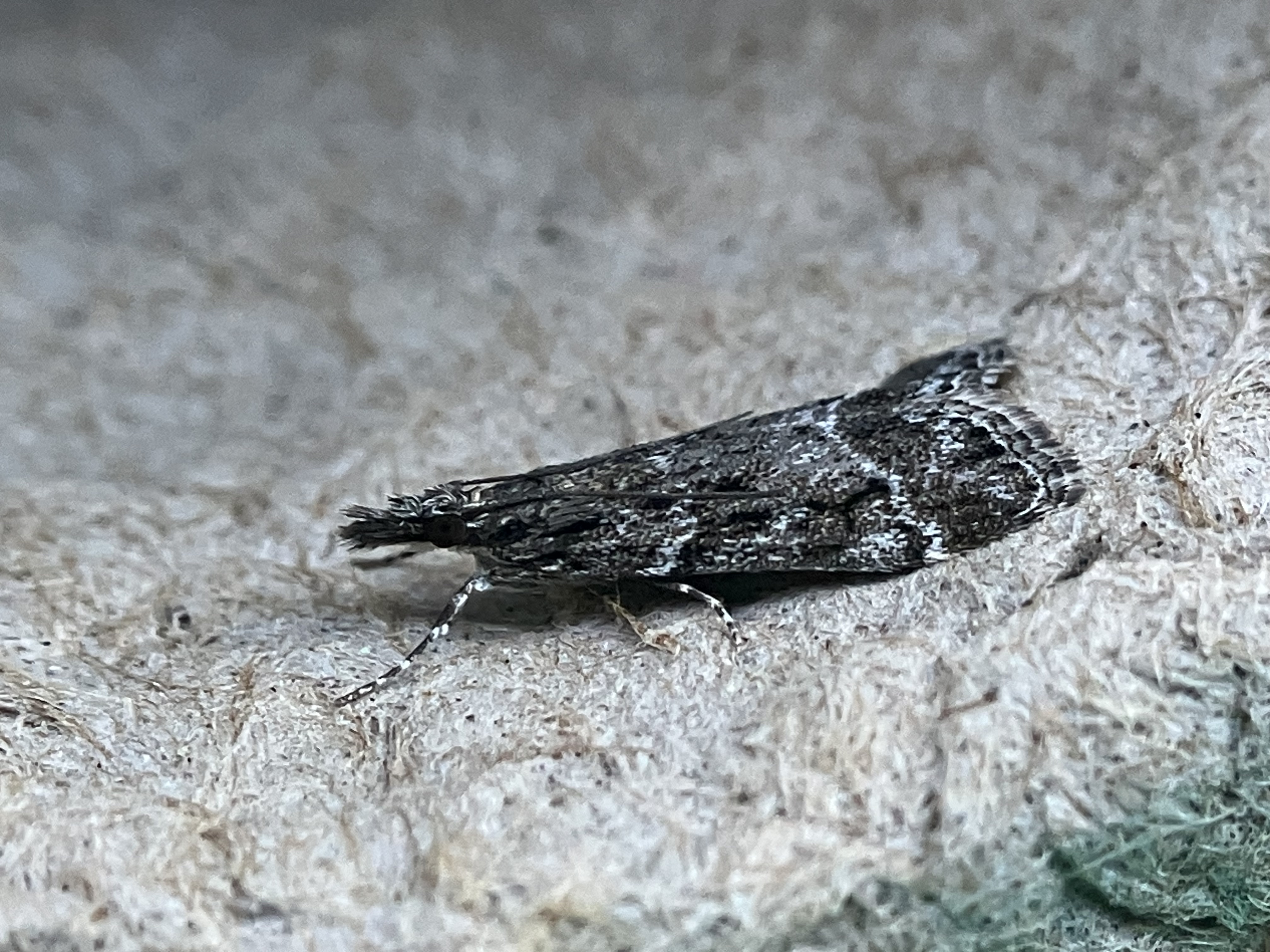
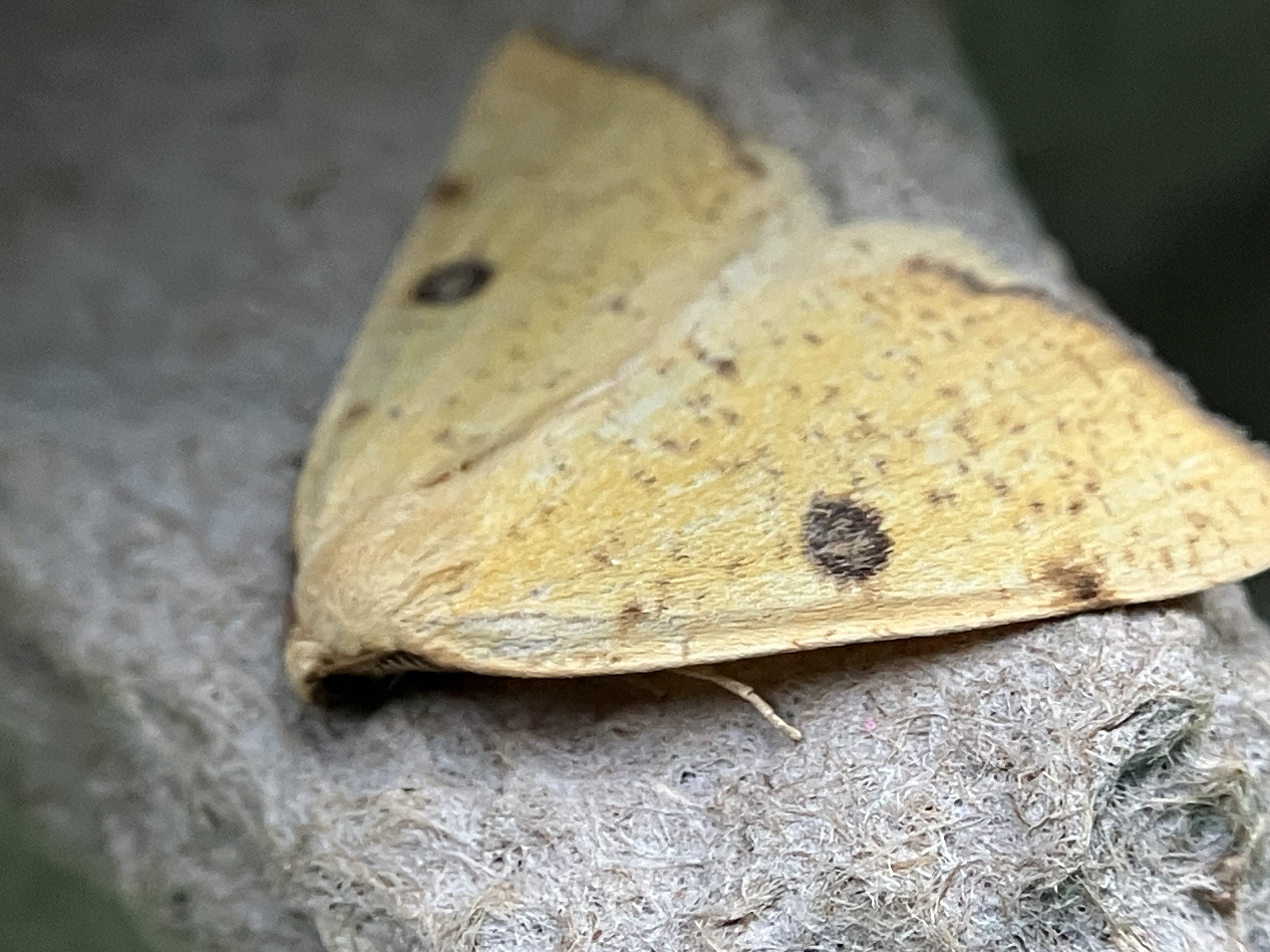
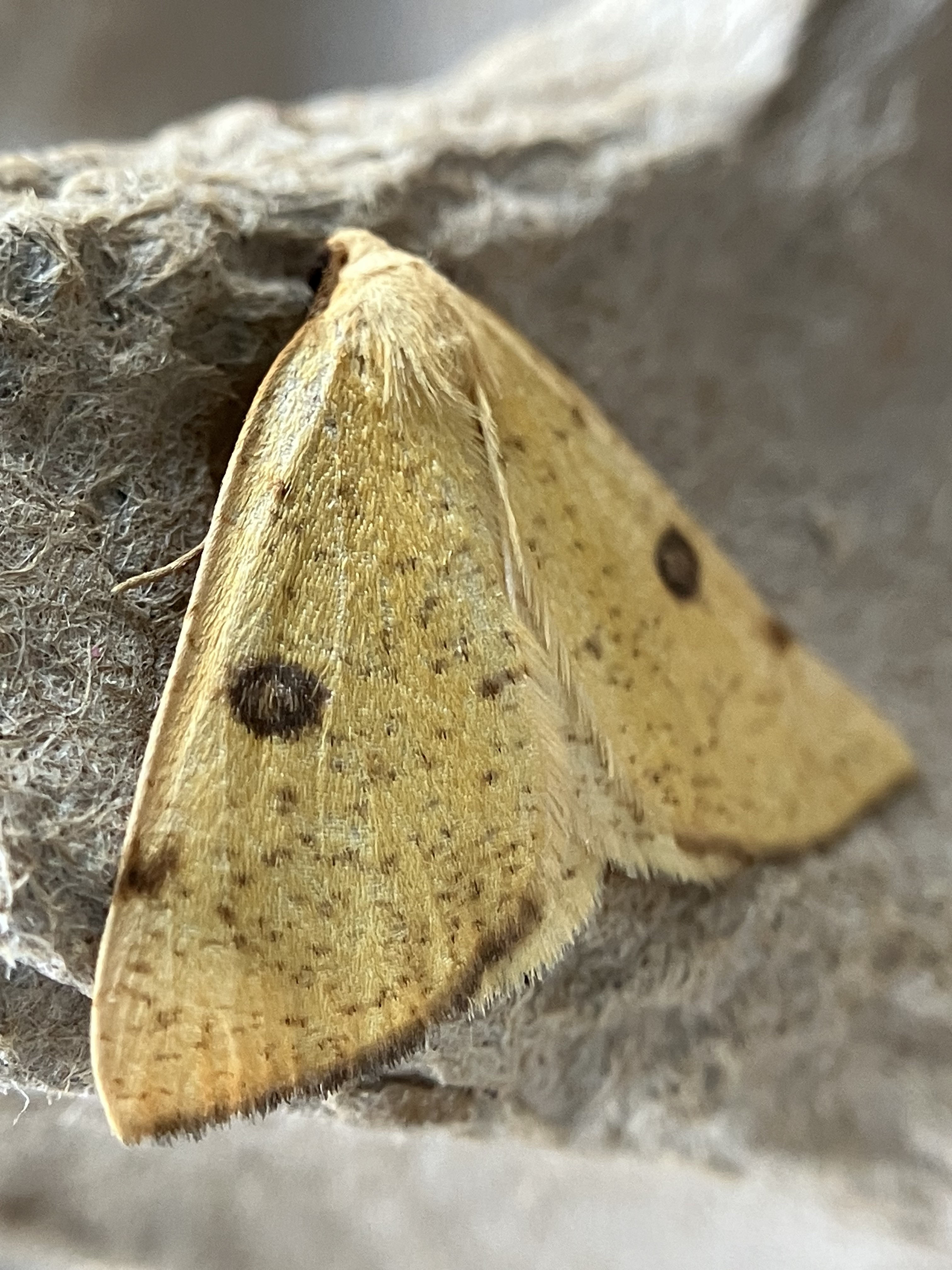
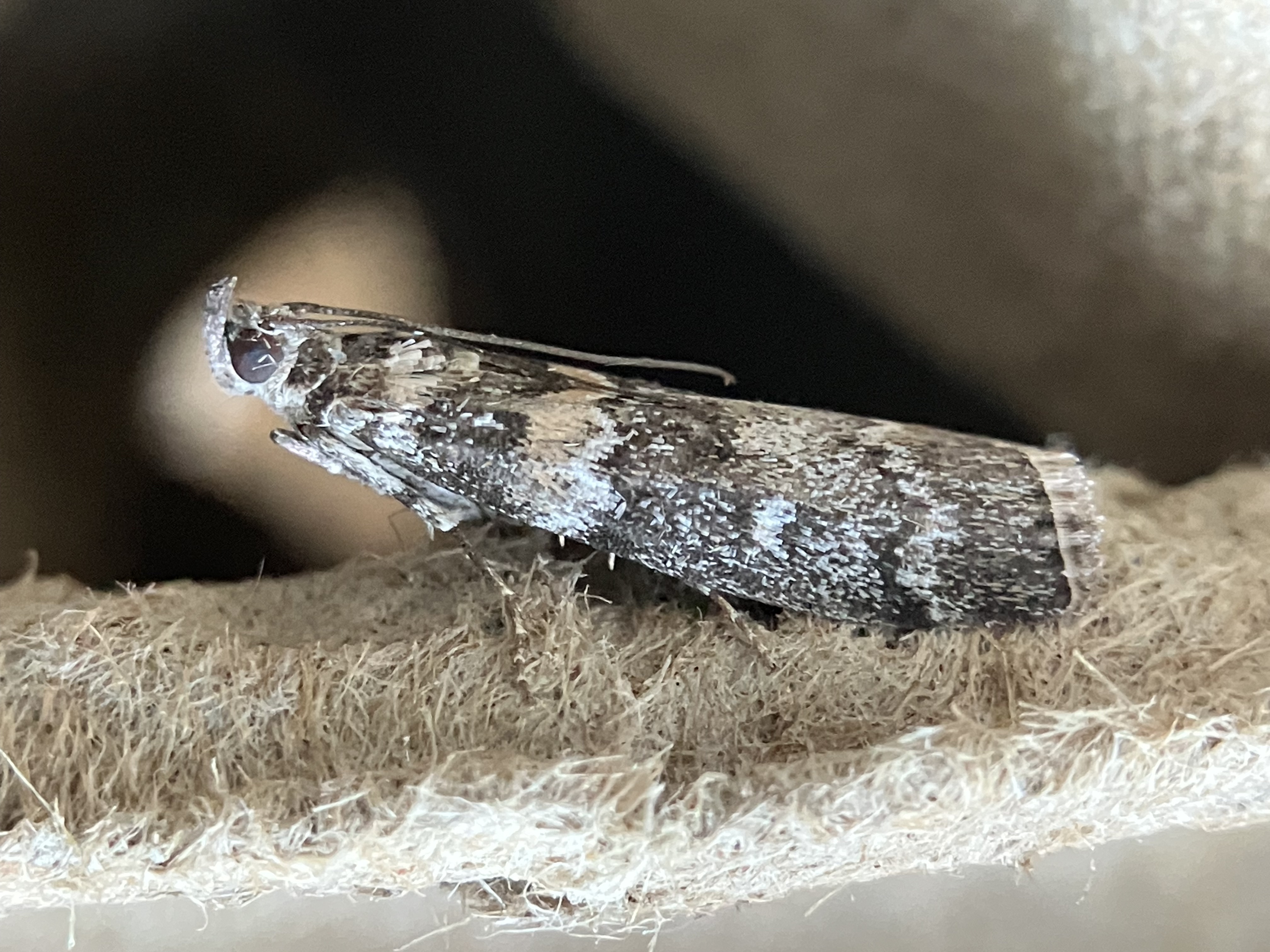
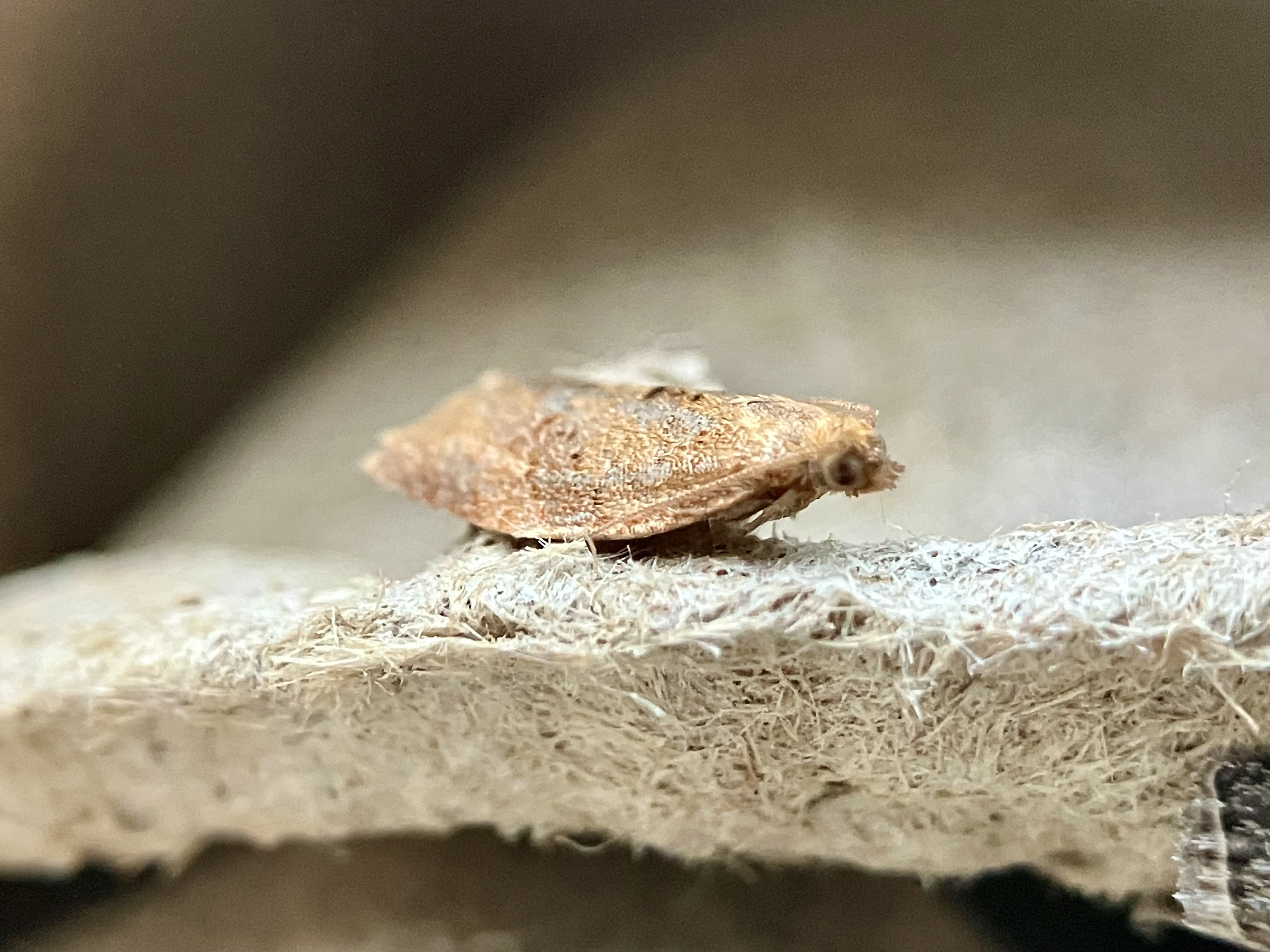
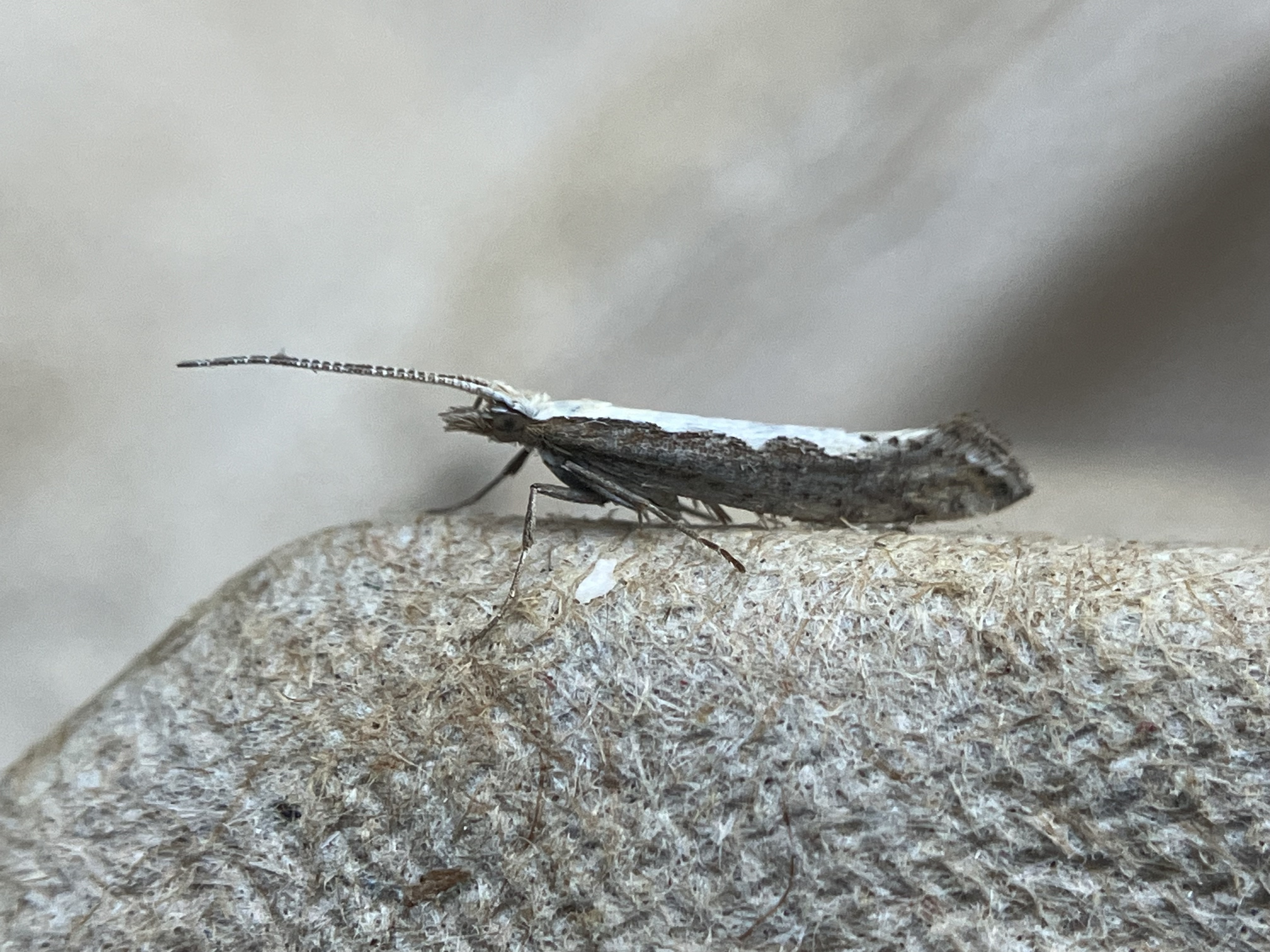
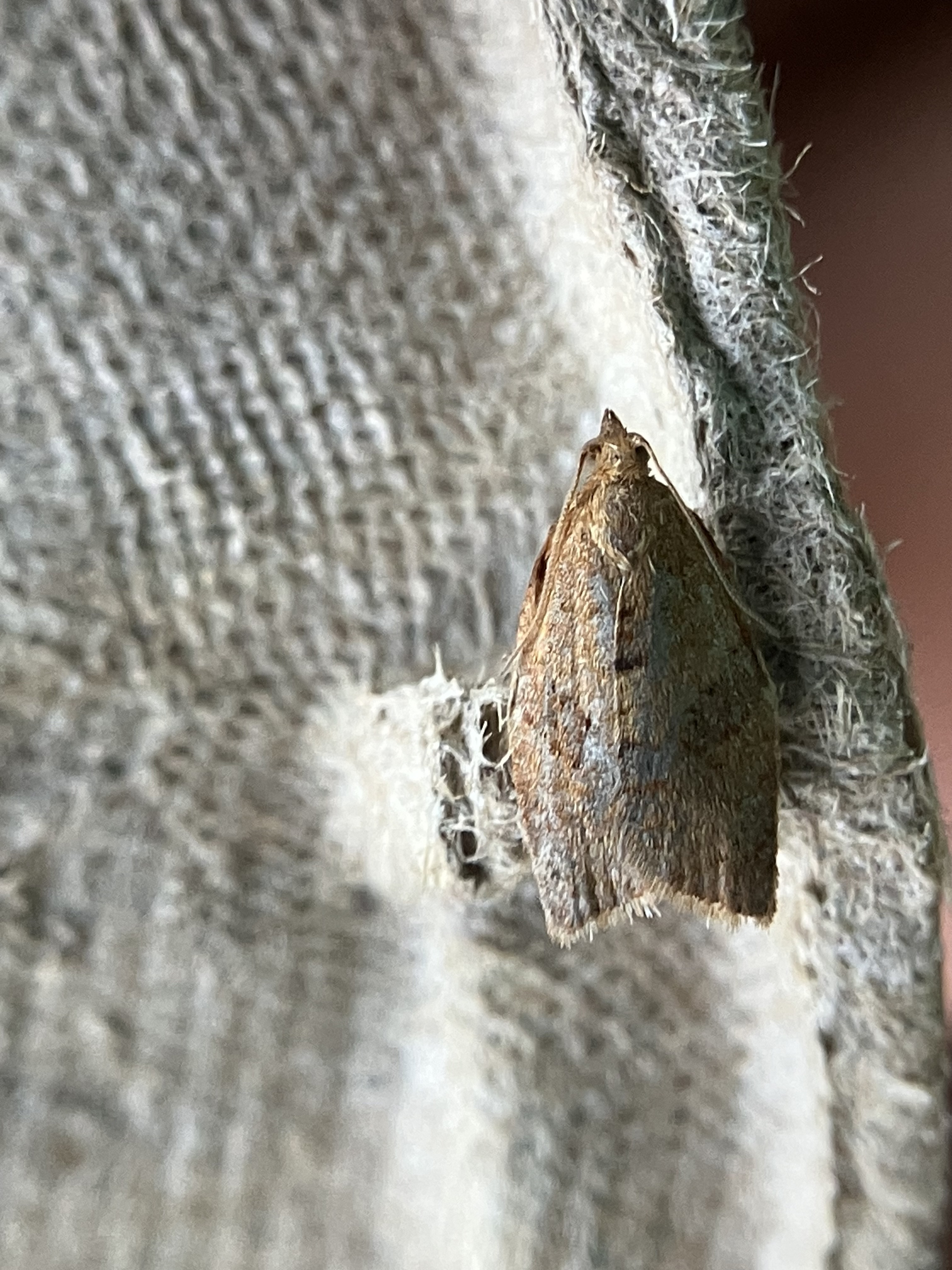
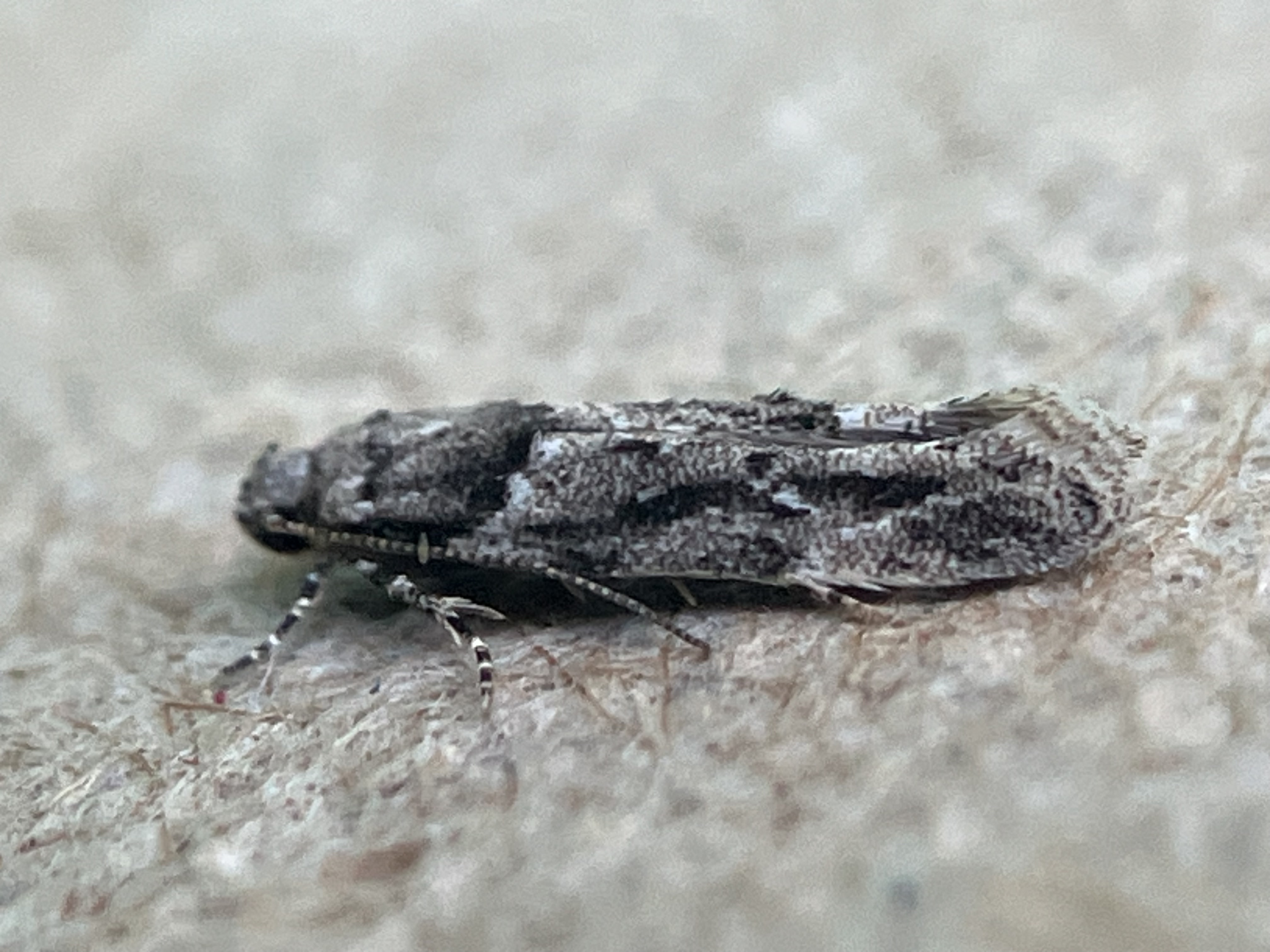
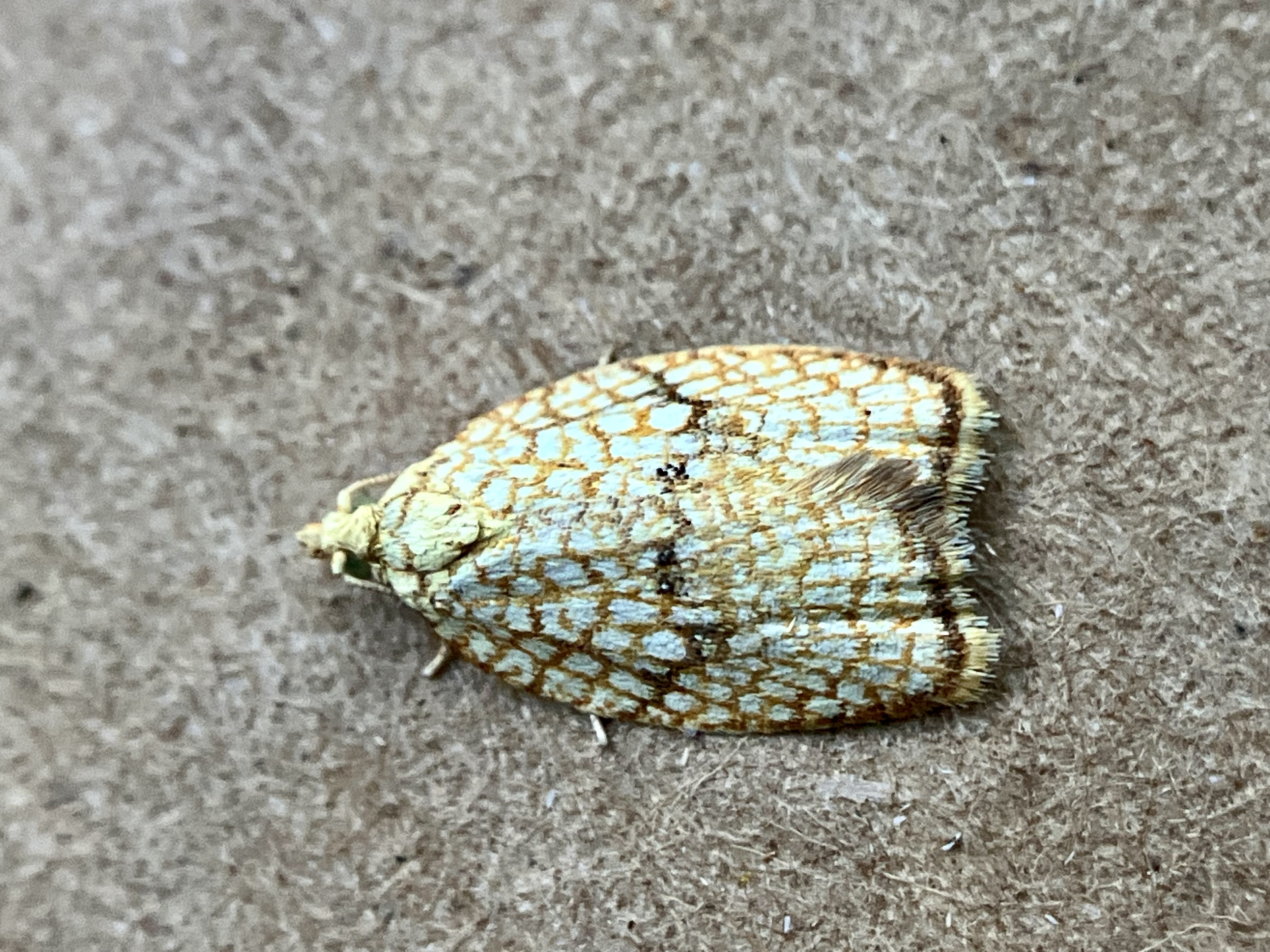
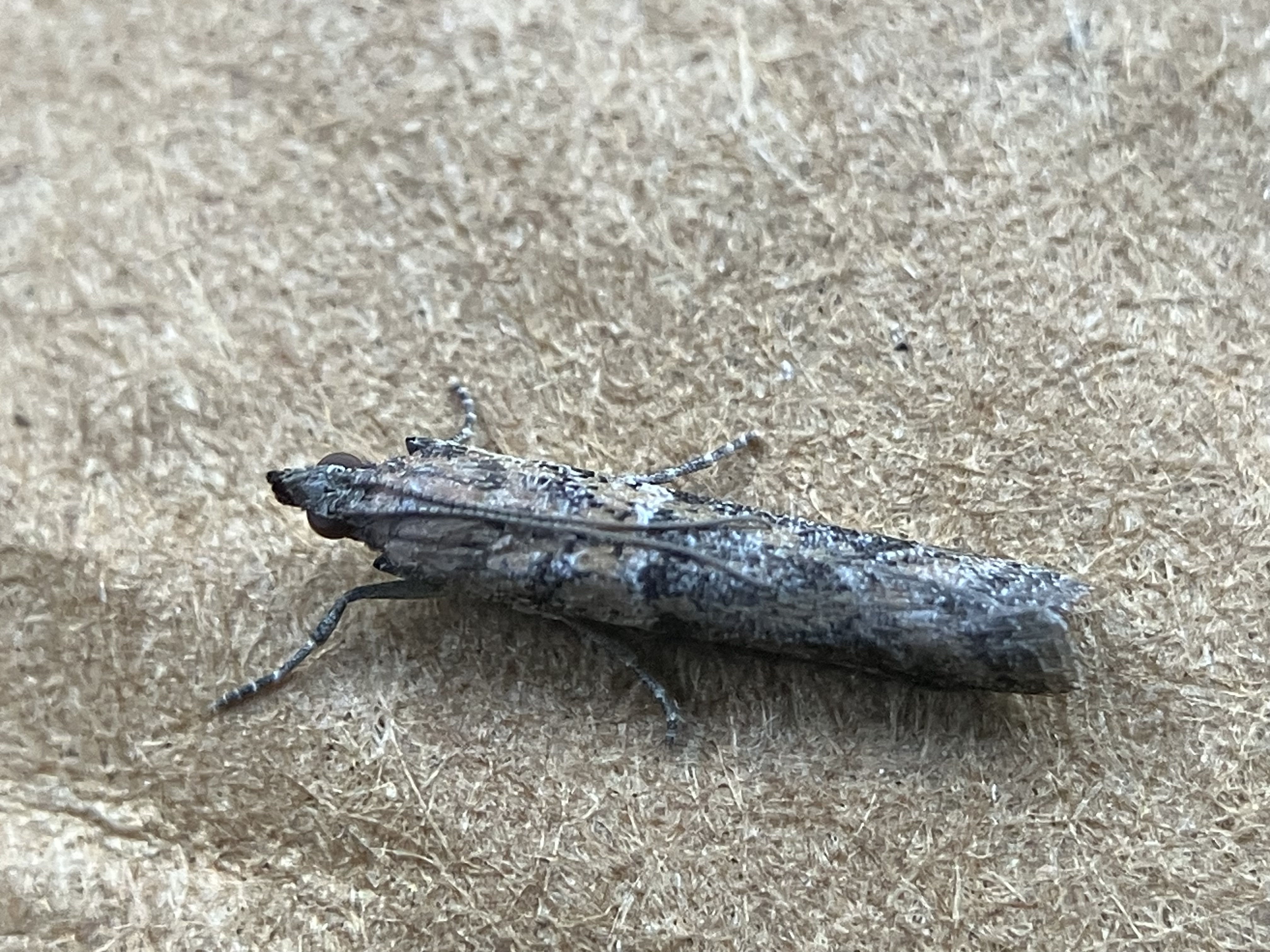
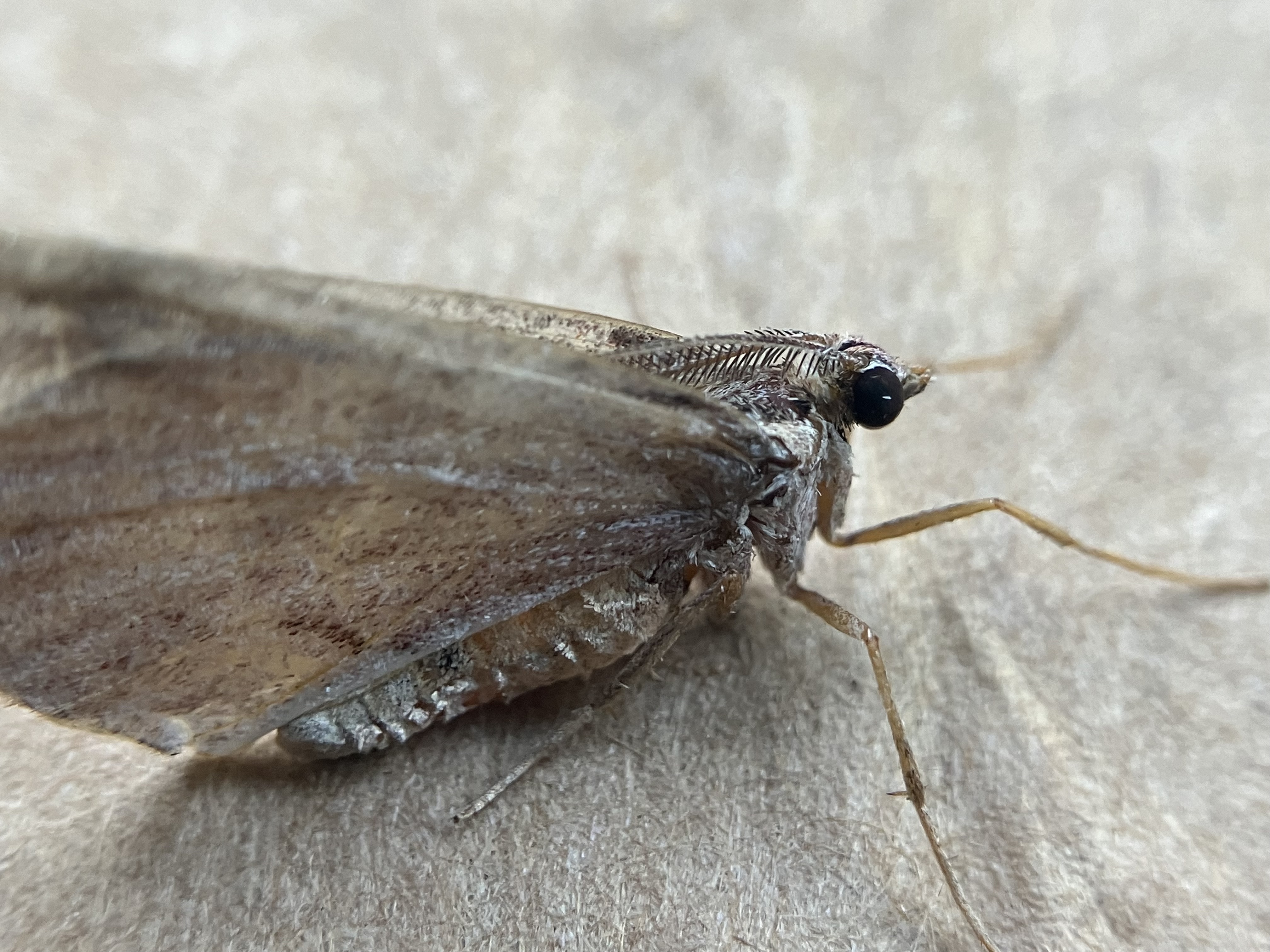
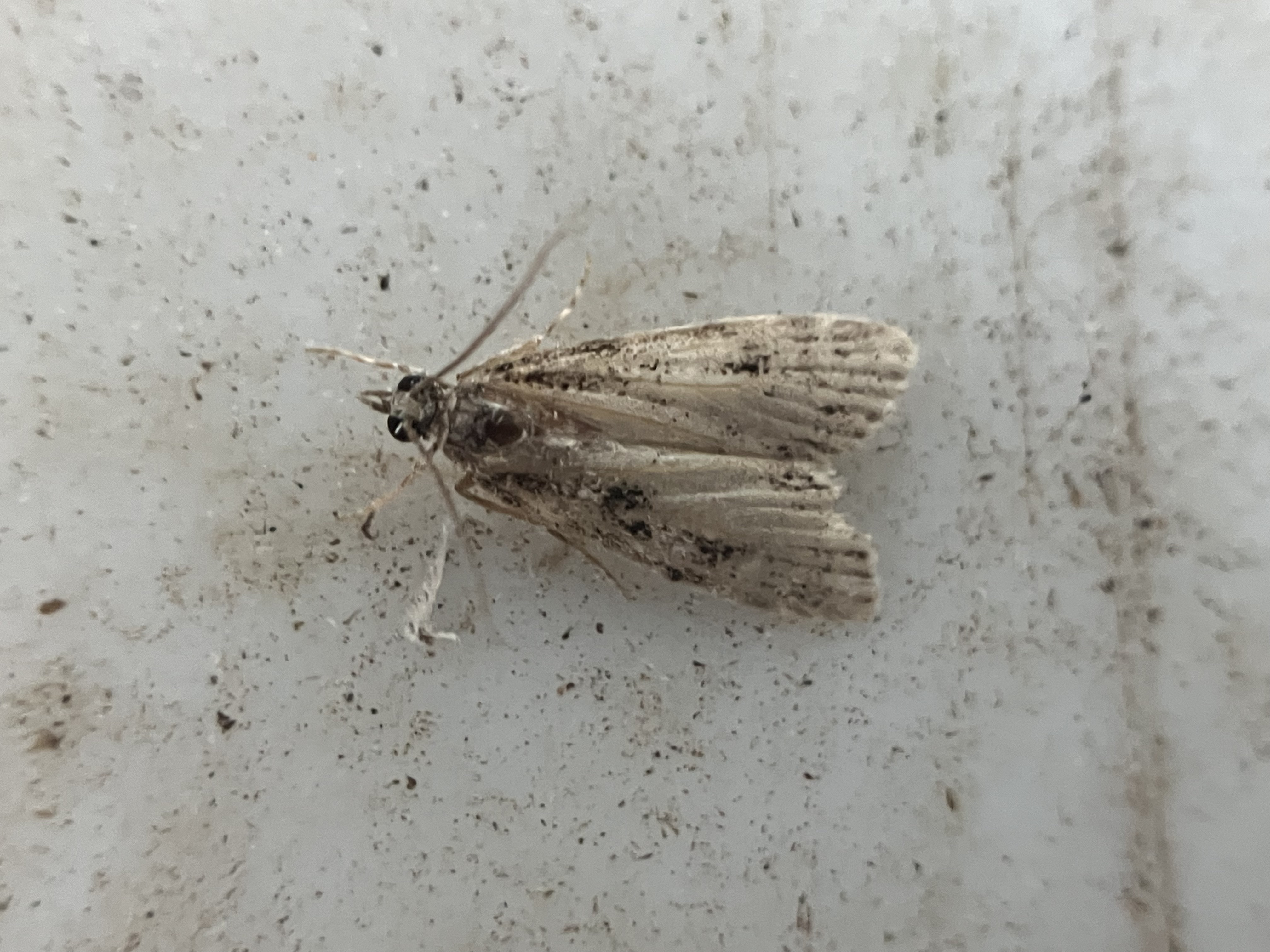
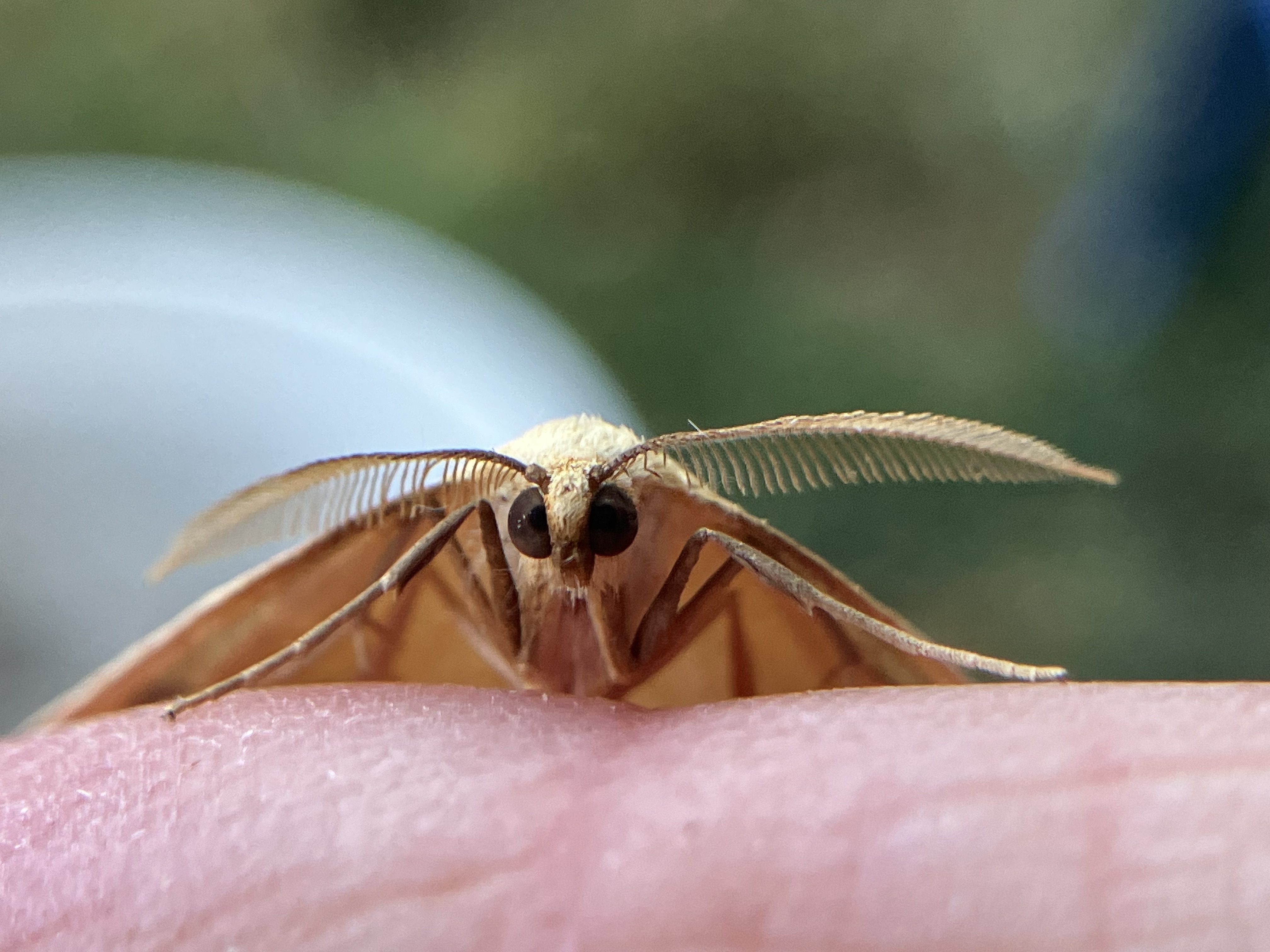
Pero mizonBrown lined Looper, (Neoalcis californiaria)Possibly one of the Knot Horn Moths, Family Pyralidae, Subfamily PhycitinaeDouble Banded Carpet moth (Spargania magnoliata) I believeGenus Ephestiodes, one of the snout moths in the family PyralidaeGenus Ephestiodes, one of the snout moths in the family PyralidaeGenus EphestioidesPero mizonGenus EphestiodesTribe Archipini, one of the Tortrix mothsGenus Ephestiodes, one of the snout moths in the family Pyralidae
I’m finding it somewhat laborious to sort moths. The part I enjoy most is actually looking at what has visited my light during the night when I get up early in the morning. The aggravation comes with our very SLOW internet speed. Definitely do NOT expect great internet if you’re considering moving to San Juan Island. It’s been awful for the almost-fourteen years I’ve lived here and one time it was out altogether for almost 3 weeks!
I finally finished labeling all of my photos and have them uploaded. If my count is right, I have about 20 different species today, but as I mentioned in my earlier post, I won’t necessarily have all of them identified to species. Some I’ve only been able to ID to tribe or subfamily, others to genus, but a few were easy enough to manage a species ID for. If anyone finds a mistake, kindly point it out and I will make the necessary corrections. There were lots of micro moths this morning and those are tough for me. But they are fascinating. Some look like bird poop. You’d never see them, they are disguised so well in nature.
If you’re interested in participating in National Moth Week, it’s not too late. Check out their website here – https://nationalmothweek.org
Leading up to the Twelfth Annual National Moth Week, July 22-30, 2023 https://nationalmothweek.org, I am getting into moth mode with some early collecting to see what is flying about the forest near our home at night.
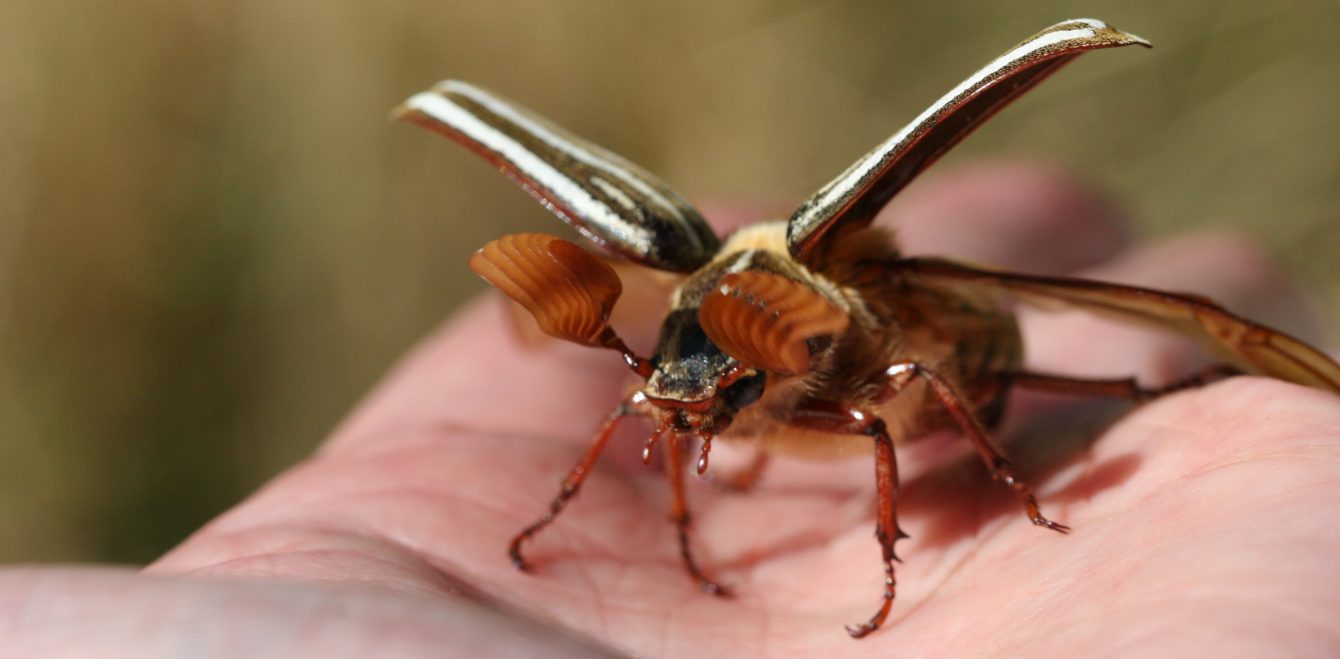
My first attempts at this were quite unsatisfying, save for the two awesome beetles that came to visit. The bug station I set up just wasn’t yielding much in the way of moths, at least until I discovered my station had been discovered by some thieving yellow jackets who were picking off my moths right in front of my eyes. Something had to change. I sure didn’t want to lure in these beautiful creatures to become a breakfast buffet.
I got some very helpful advice from a friend named Carl. Carl is an expert moth-er, and he recommended putting some egg cartons in my bug bucket so they would have a place to hide. I tried this last night, adding two egg cartons and some pieces of cardboard. Then, I went to hang my bucket up and turn on the light – EXCEPT, those darn yellow jackets showed up at 9 pm. They must have excellent memory. I suppose they wanted to be first in line at the moth buffet.
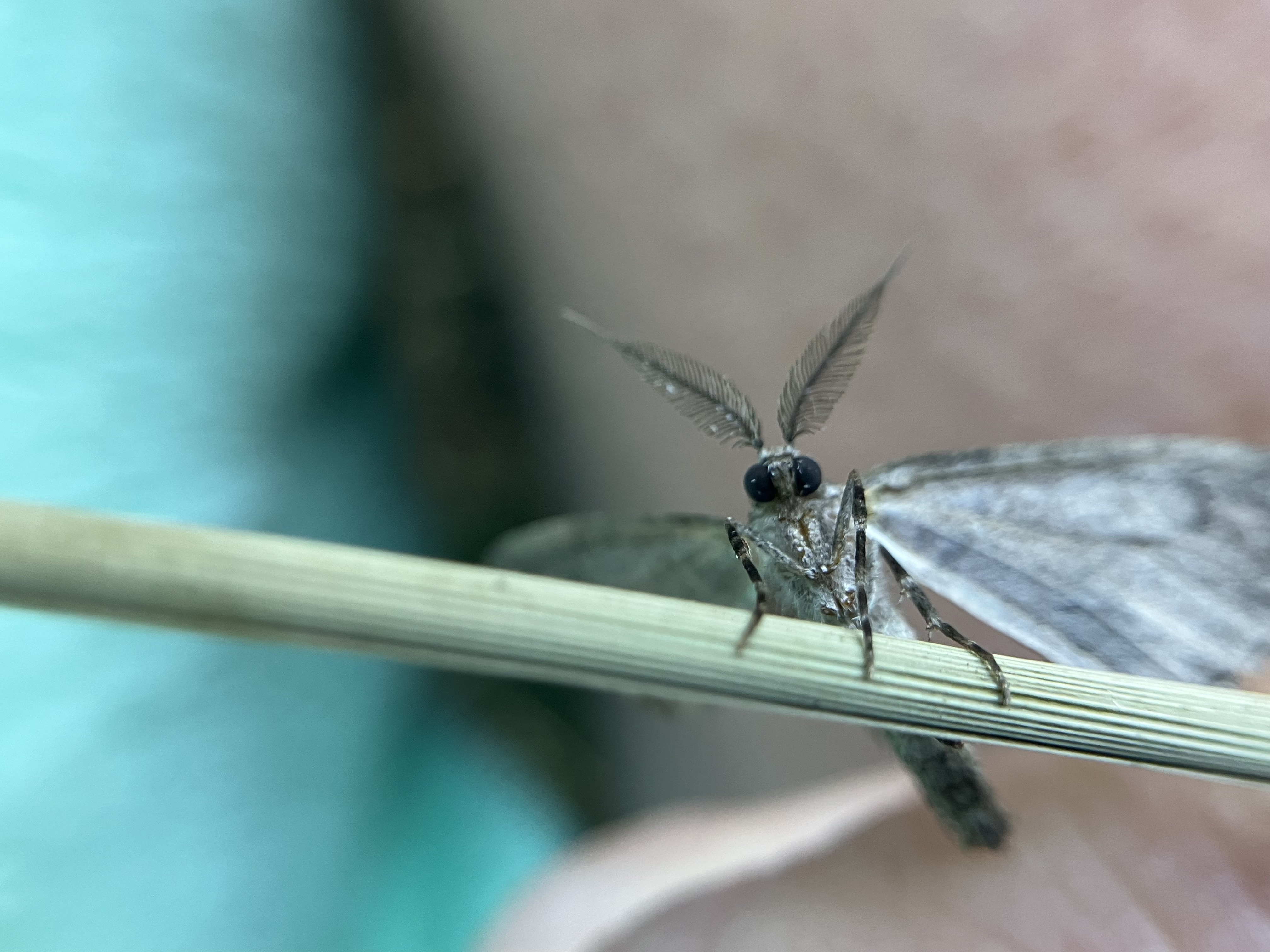
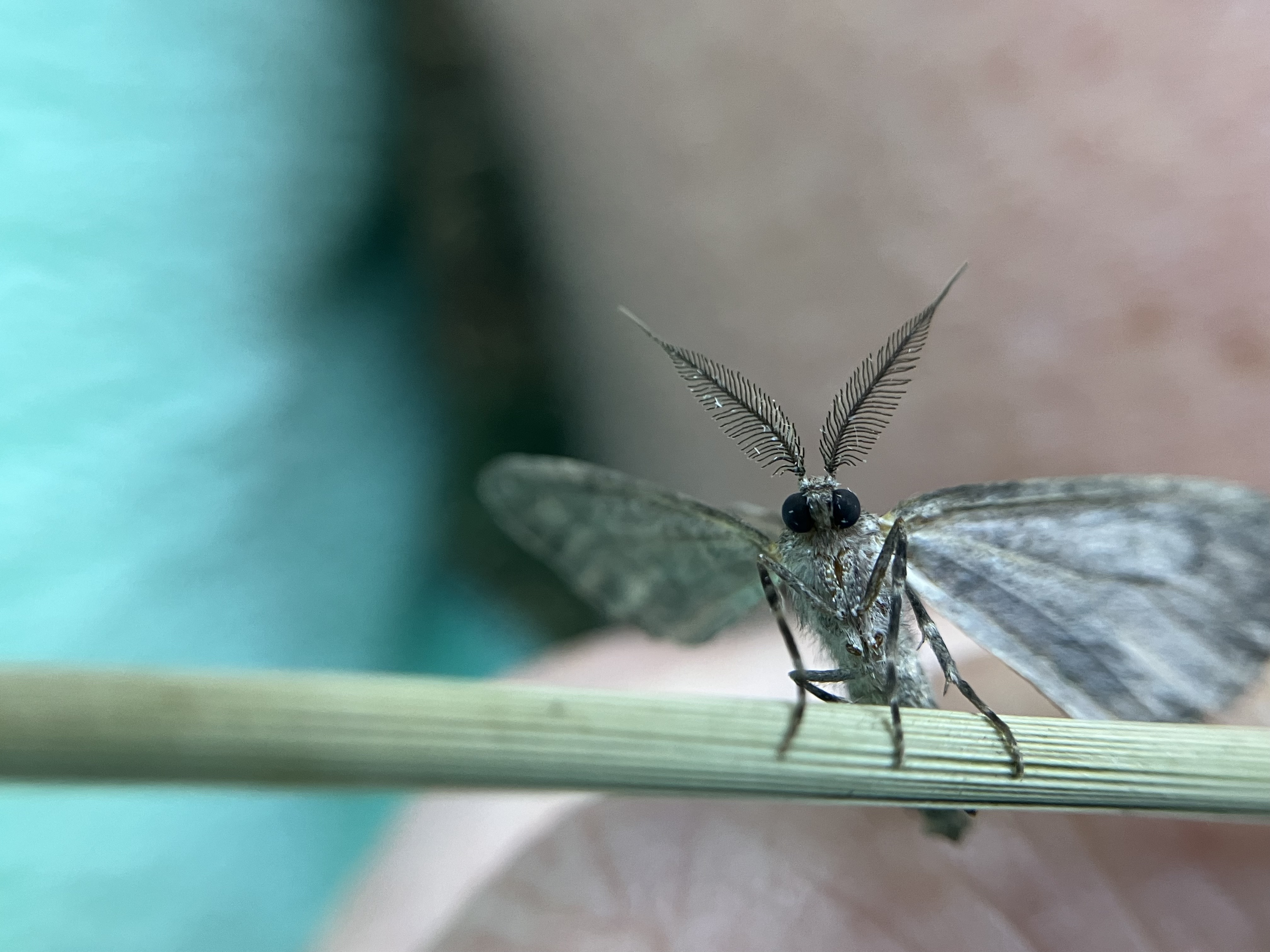
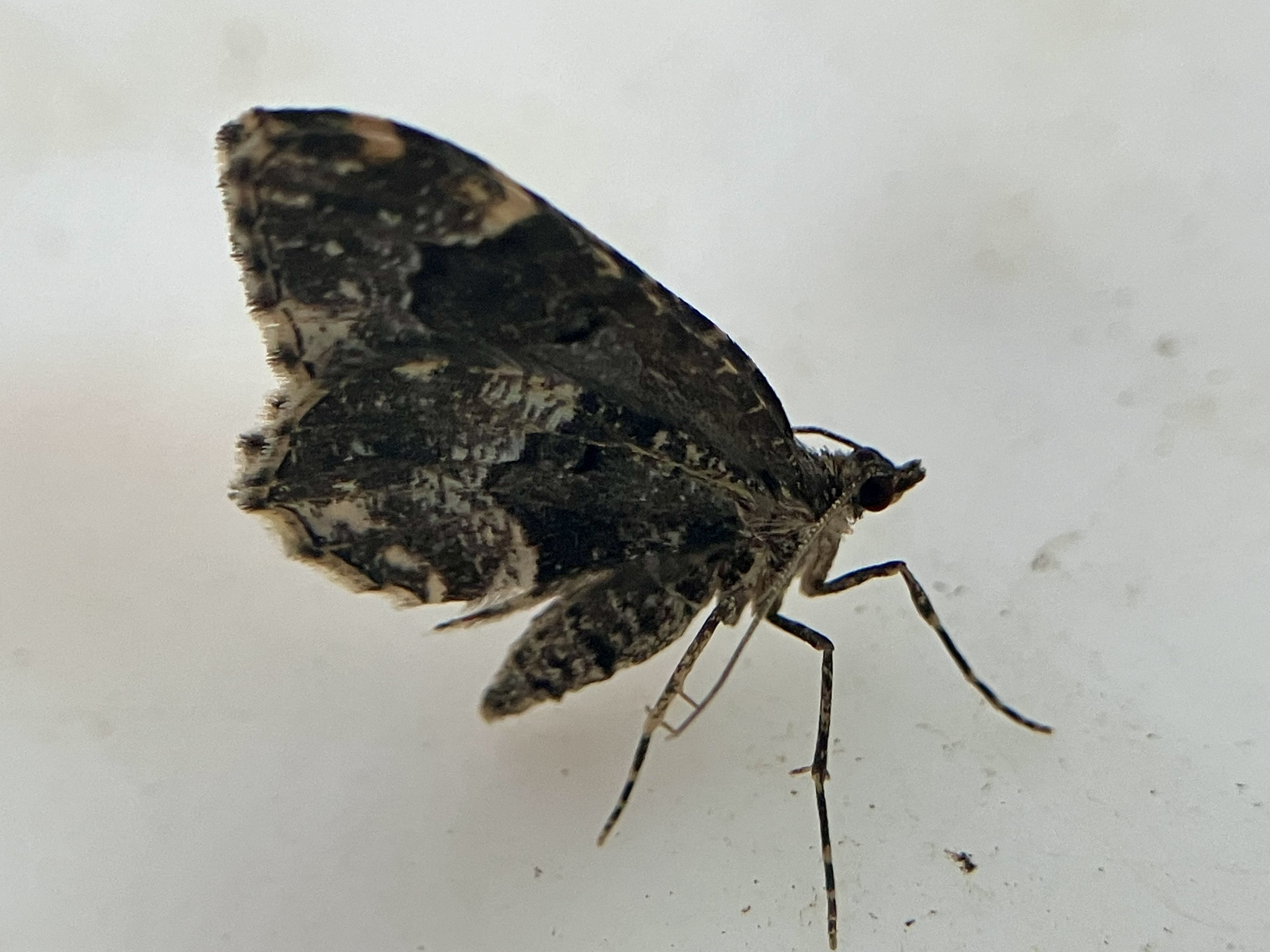
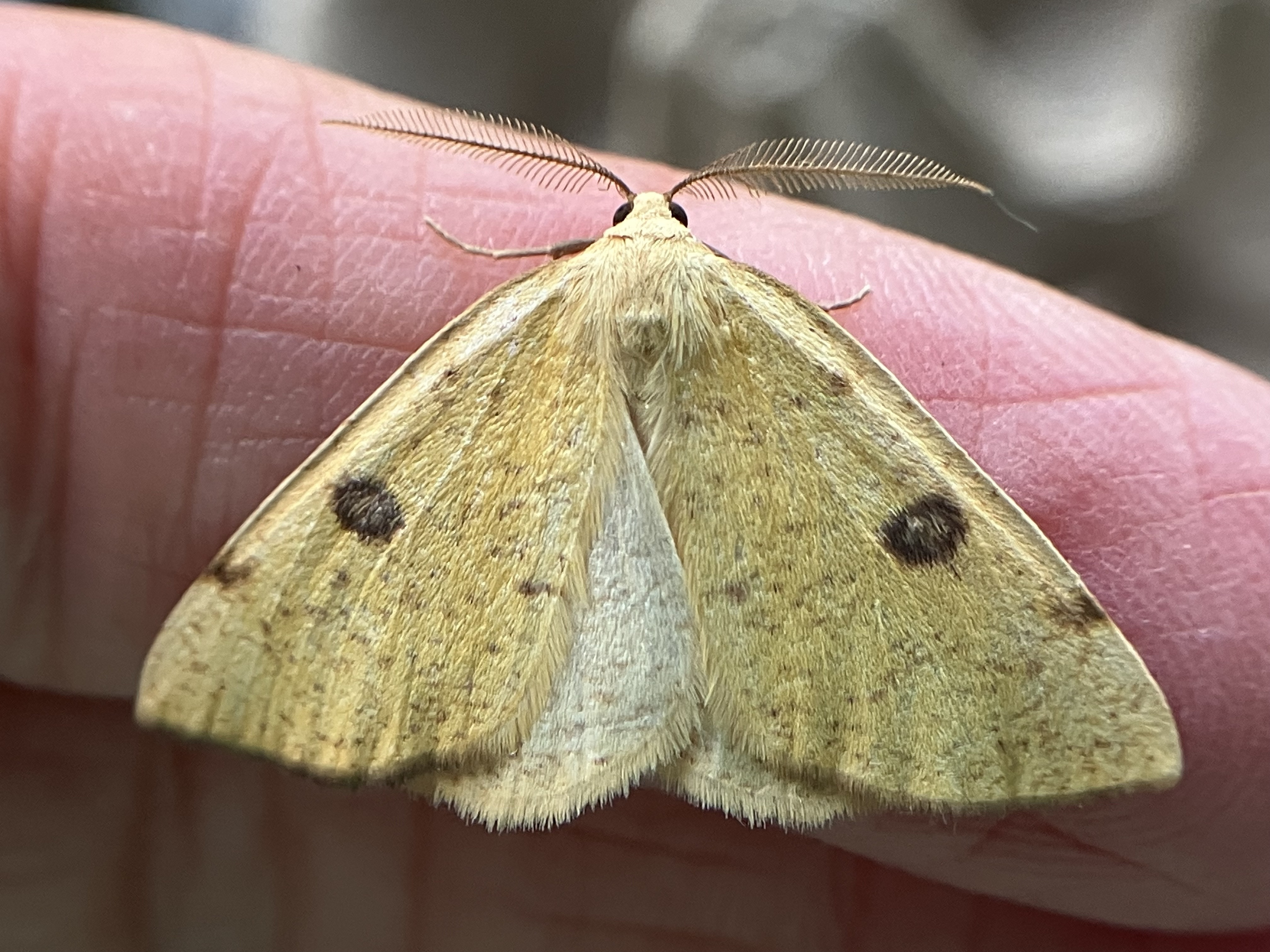
I moved my bug bucket and light to another location. It was a success. Here is the assortment of moths I collected last night. All were handled with gentle care and photographed. Afterwards, I moved them to hiding spots in the forest to make them less susceptible to predation.
If you’re interested in participating locally in National Moth Week, please don’t hesitate to reach out for more information. You can find me via email at cynthiabrast@icloud.com or on Facebook at Bugs of the San Juan Islands – a private group, but easy to join by answering a couple of questions and agreeing to follow the group rules to prove you aren’t a spammer and won’t be disruptive. 😉
















 Bugging You From San Juan Island