Last night’s mothing efforts were a giant FAIL. It rained in the San Juan’s yesterday. When I went to turn on my UV light before bed last night, I discovered it was soaking wet. I didn’t want to be the first known MOTHING casualty by electrocuting myself, so I turned on our porch light instead. 💡
What could possibly go wrong?
My husband got up at 2 AM and turned out my light. GRRRR. Hubby is in the DAWG-HOUSE! 🤣 Woof! 🐶
No moths to post today, but this gives me an opportunity to write up the first of a series of posts I’ve been meaning to work on. Stay tuned for WHAT’S BITING ME?
Thanks for reading. Hopefully, I will be back with some more moths tomorrow.
Here’s today’s grouping of moths from last night’s mothing effort. It’s raining today in the San Juans. We sure do need the rain since it’s been so dry, but I got pretty wet outside this morning trying to sort moths and take photographs. The moisture will definitely be good for insect populations and also keep my flower garden blooming a bit longer this season.
If you’re interested in learning about what species of moths (or other insects and spiders) we have in the San Juans, feel free to reach out. I am always happy to answer questions. For anyone interested in participating in National Moth Week, here’s a link to their website – https://nationalmothweek.org
I’m finding it somewhat laborious to sort moths. The part I enjoy most is actually looking at what has visited my light during the night when I get up early in the morning. The aggravation comes with our very SLOW internet speed. Definitely do NOT expect great internet if you’re considering moving to San Juan Island. It’s been awful for the almost-fourteen years I’ve lived here and one time it was out altogether for almost 3 weeks!
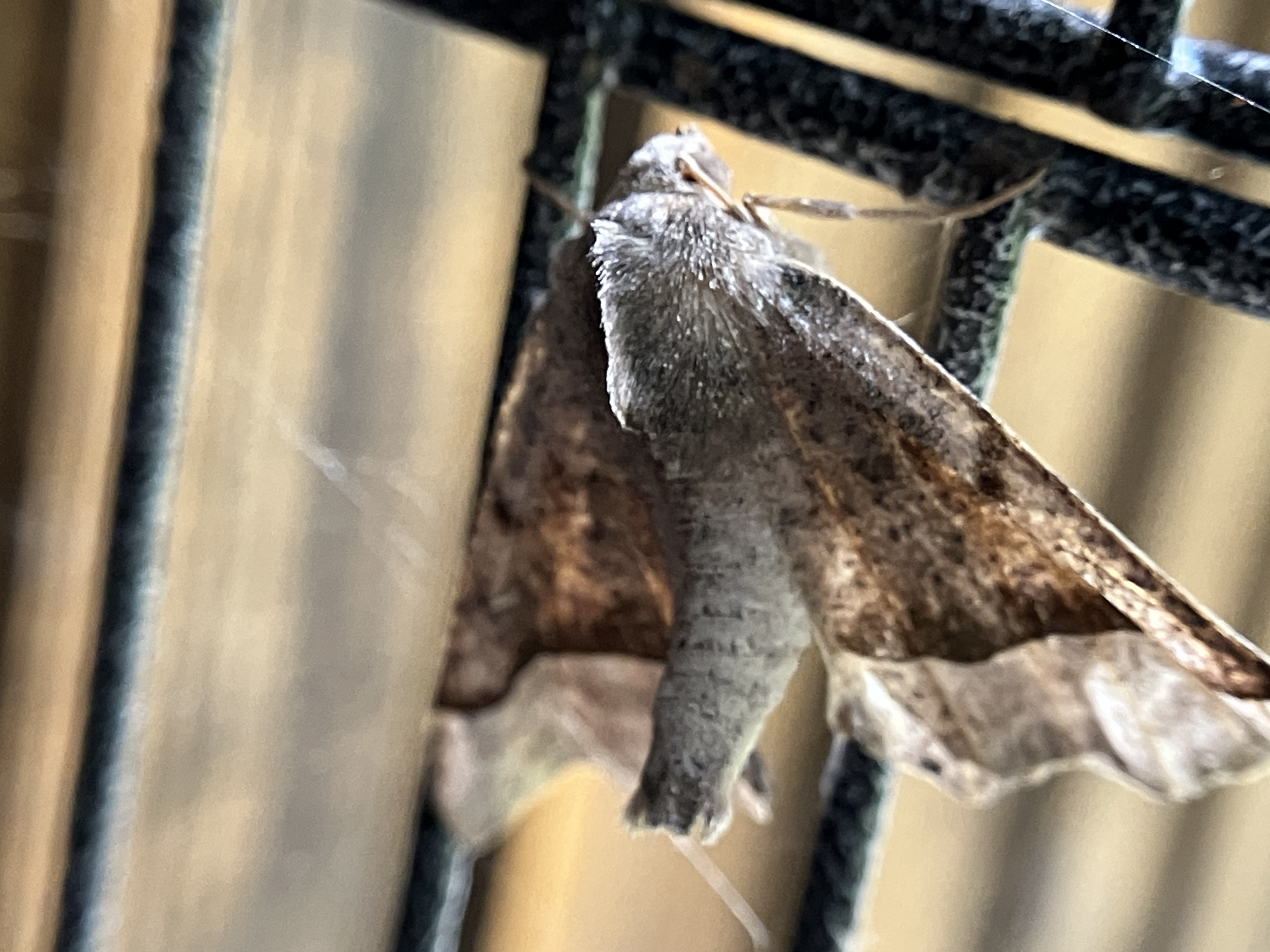
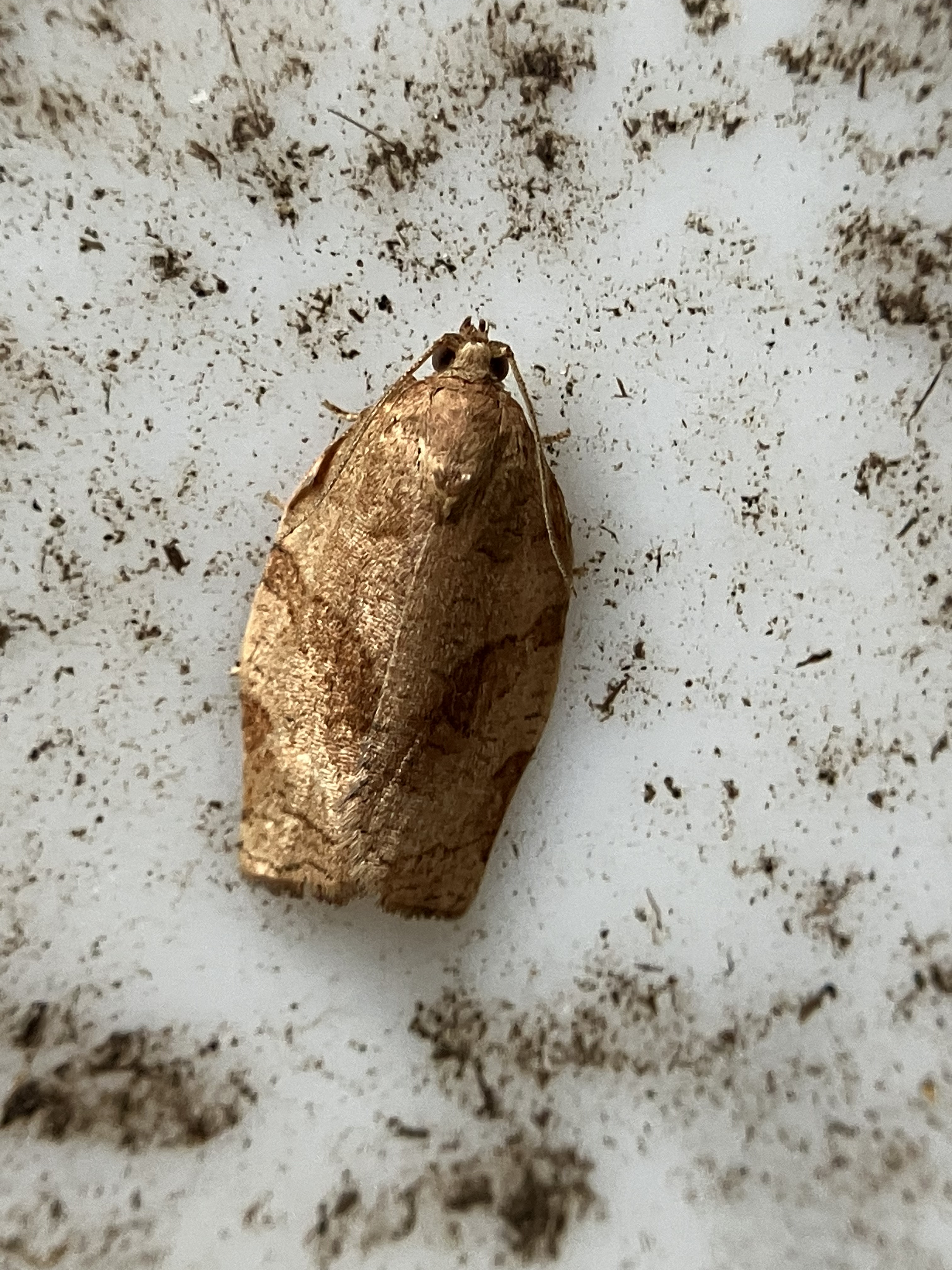
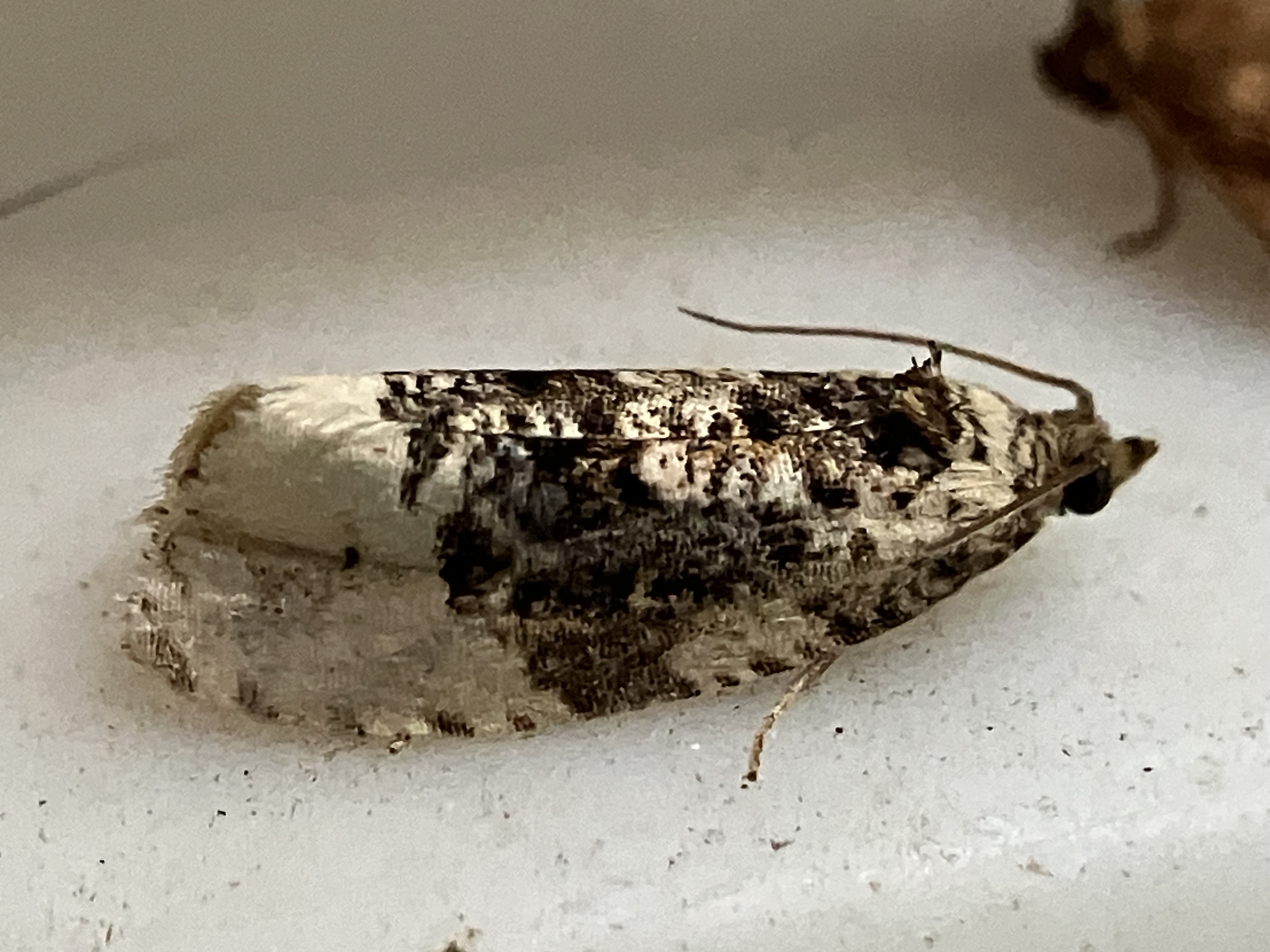
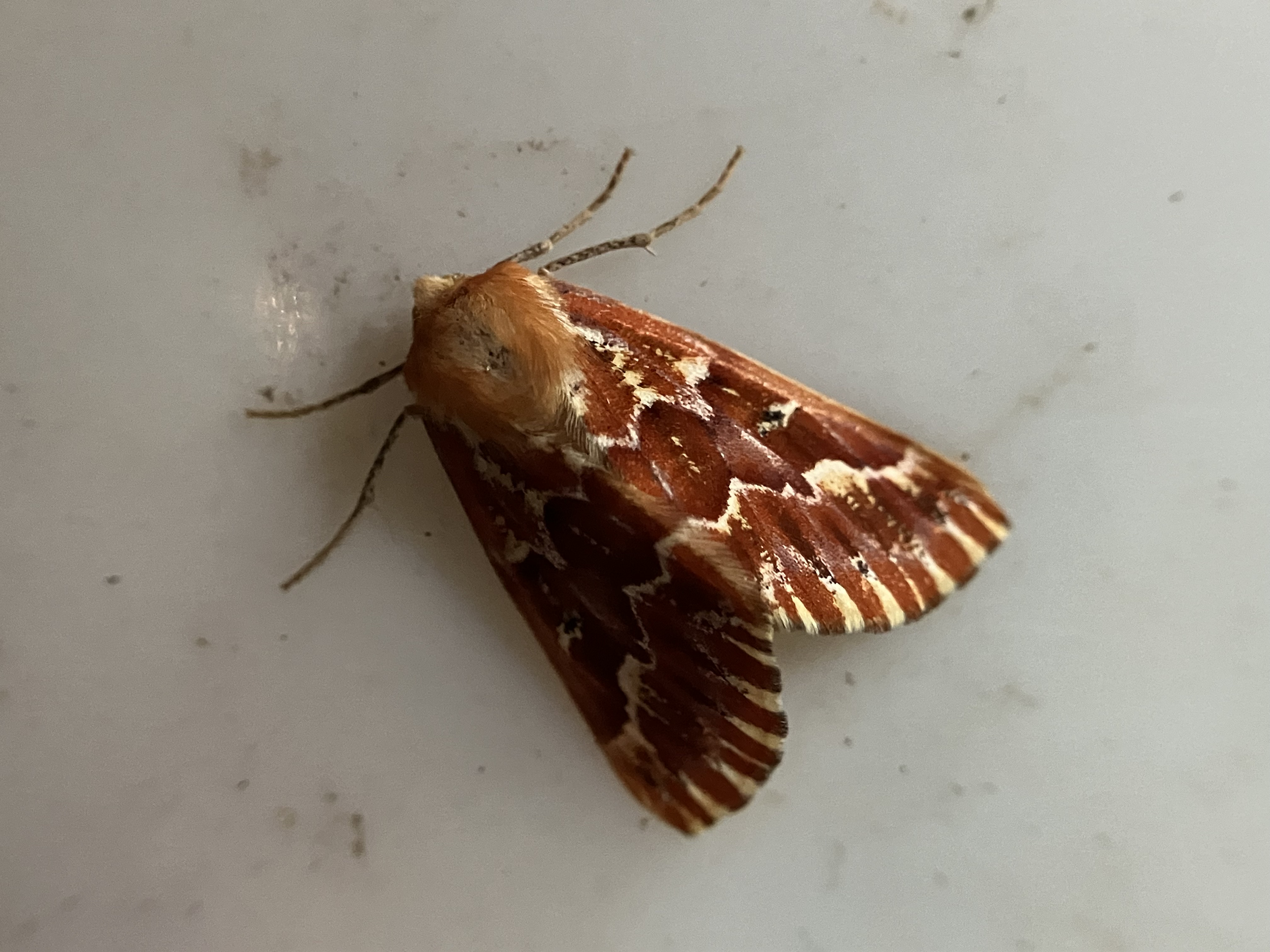
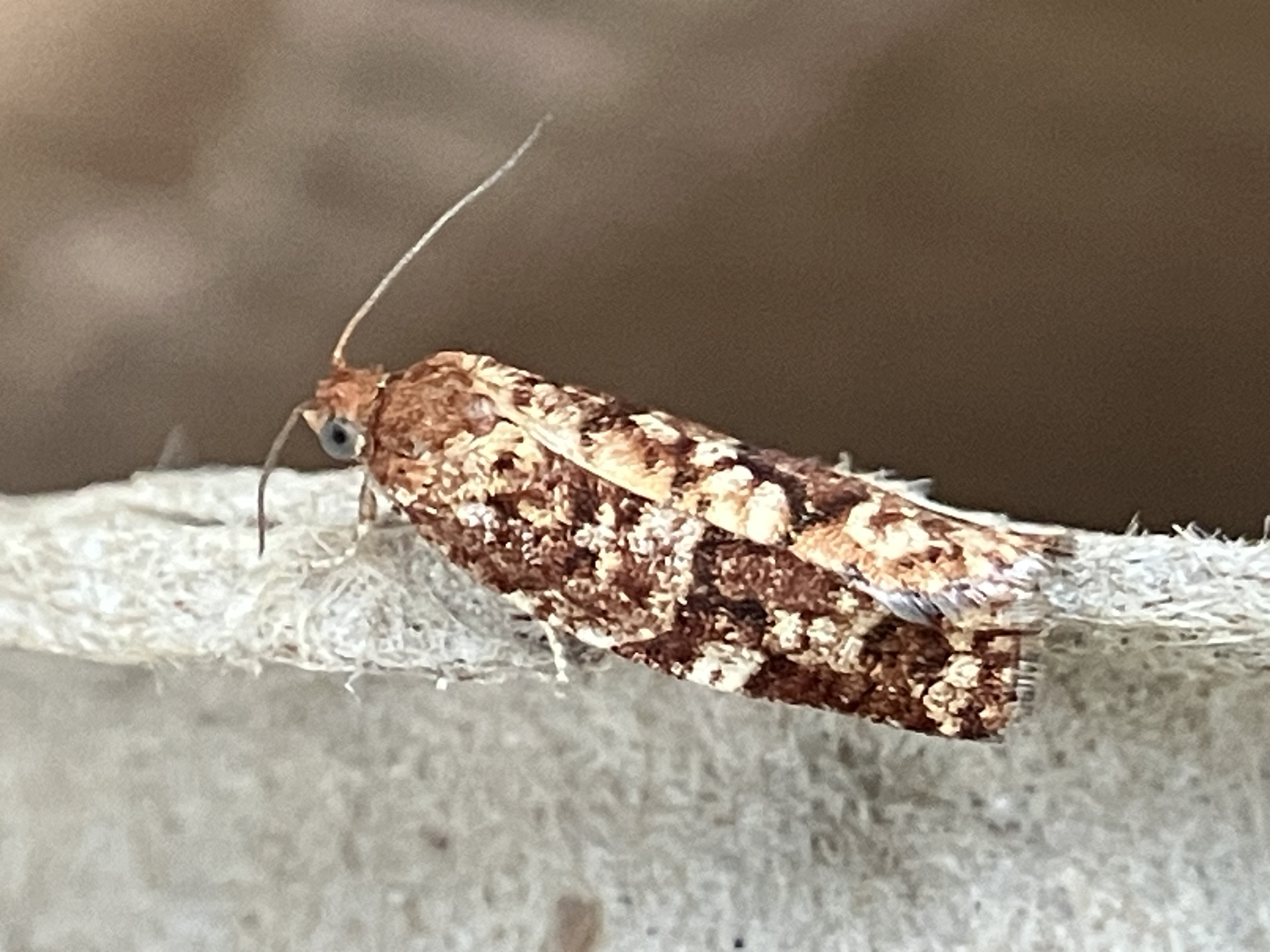
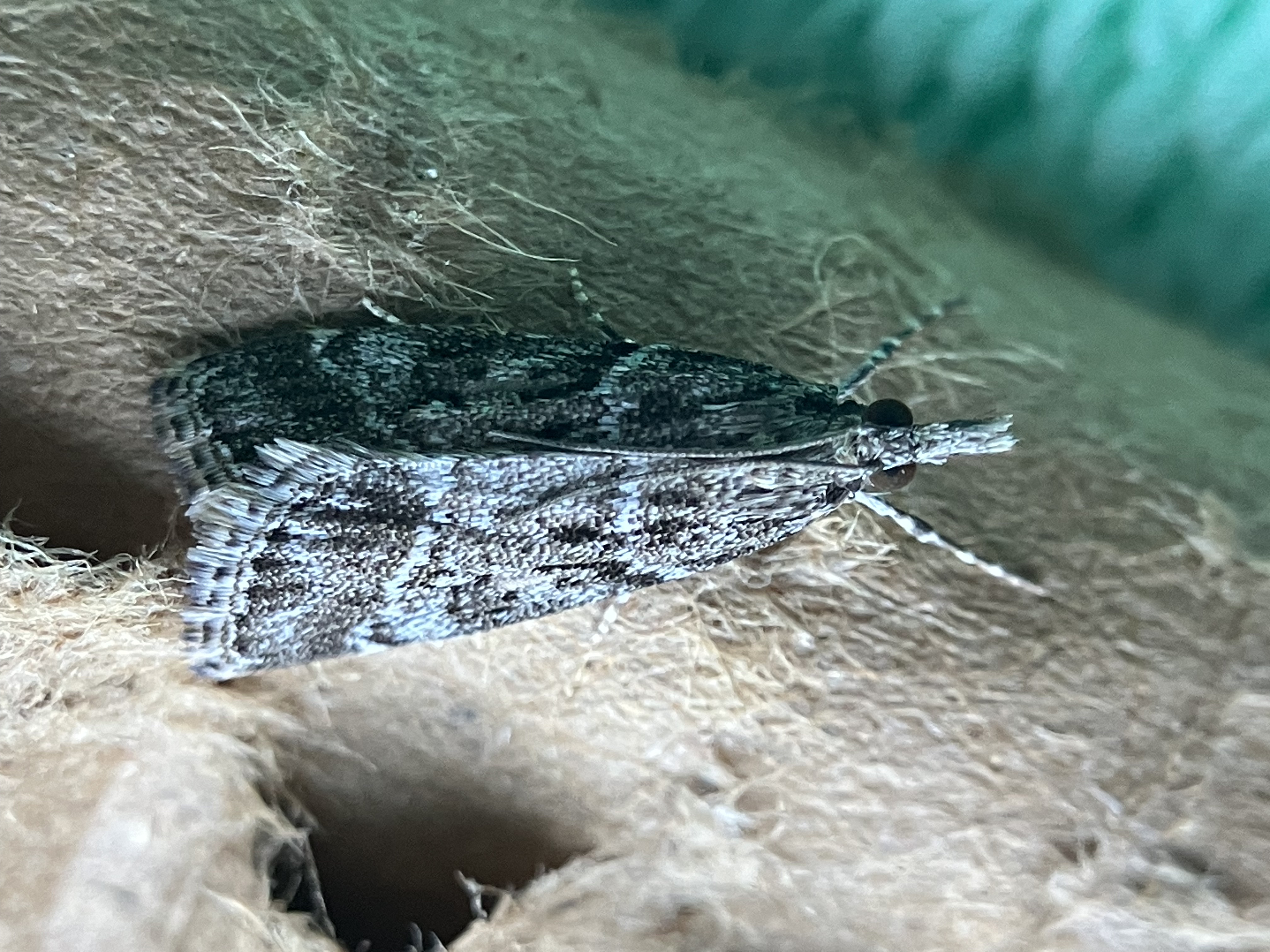
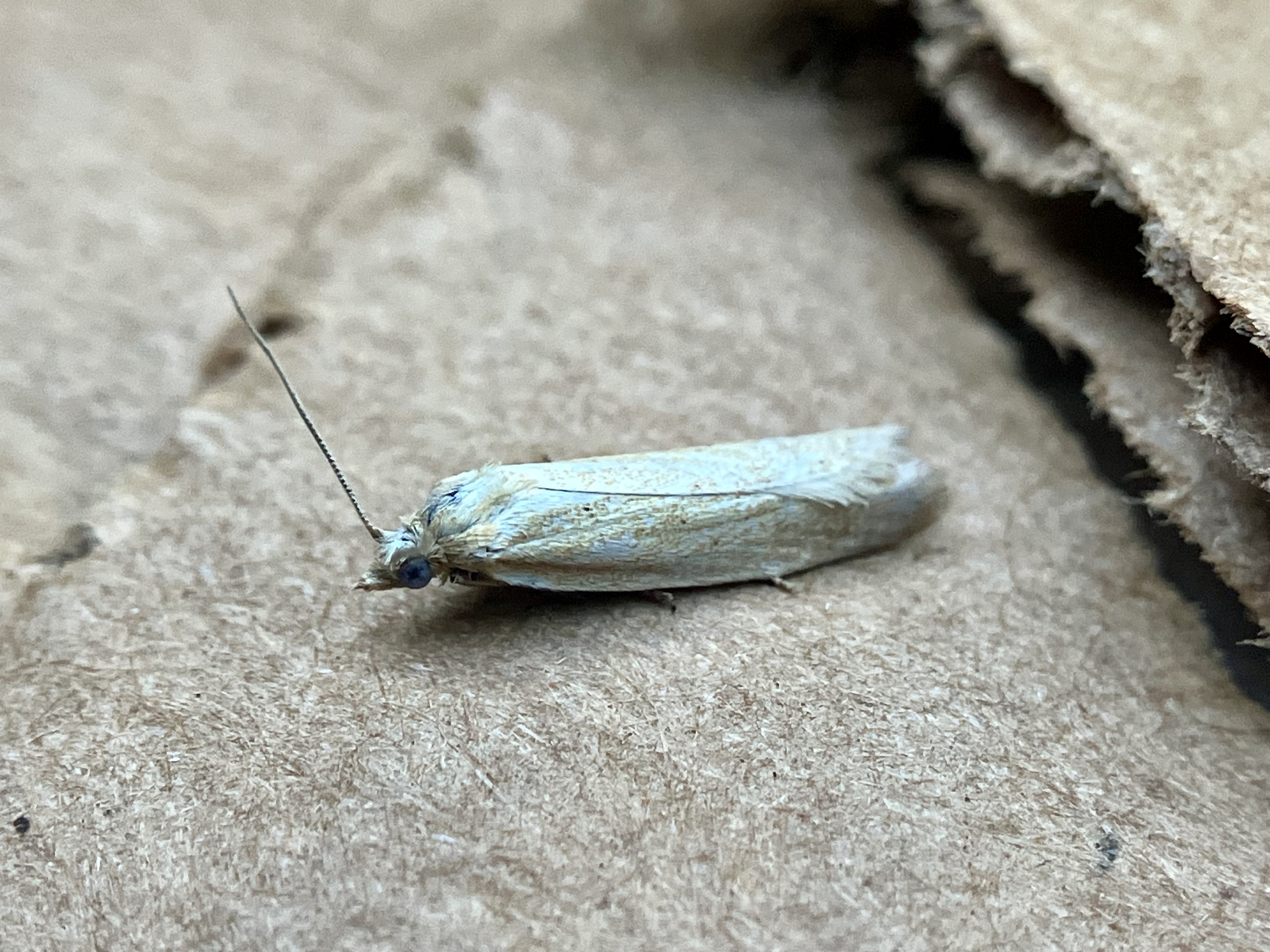
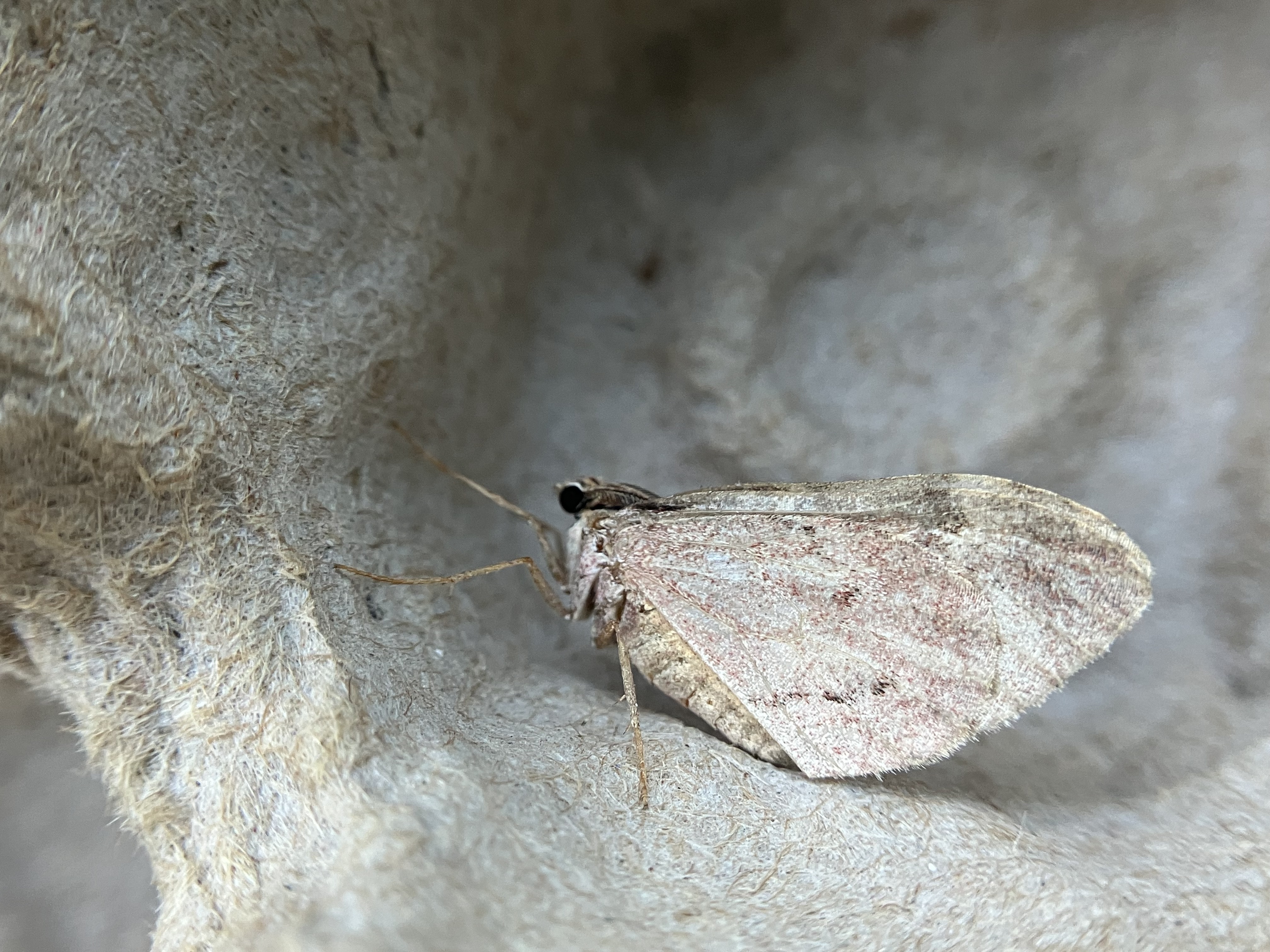
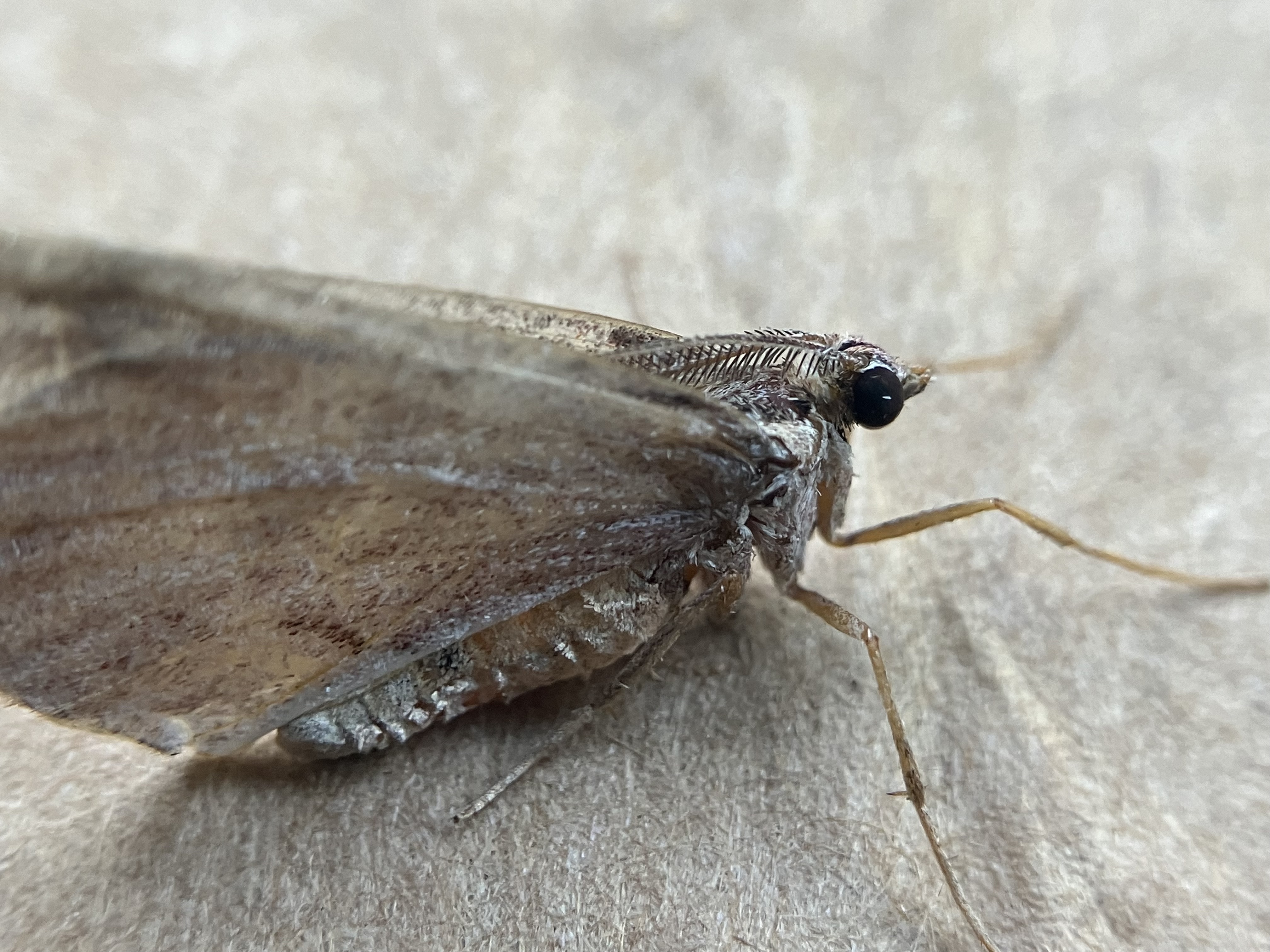
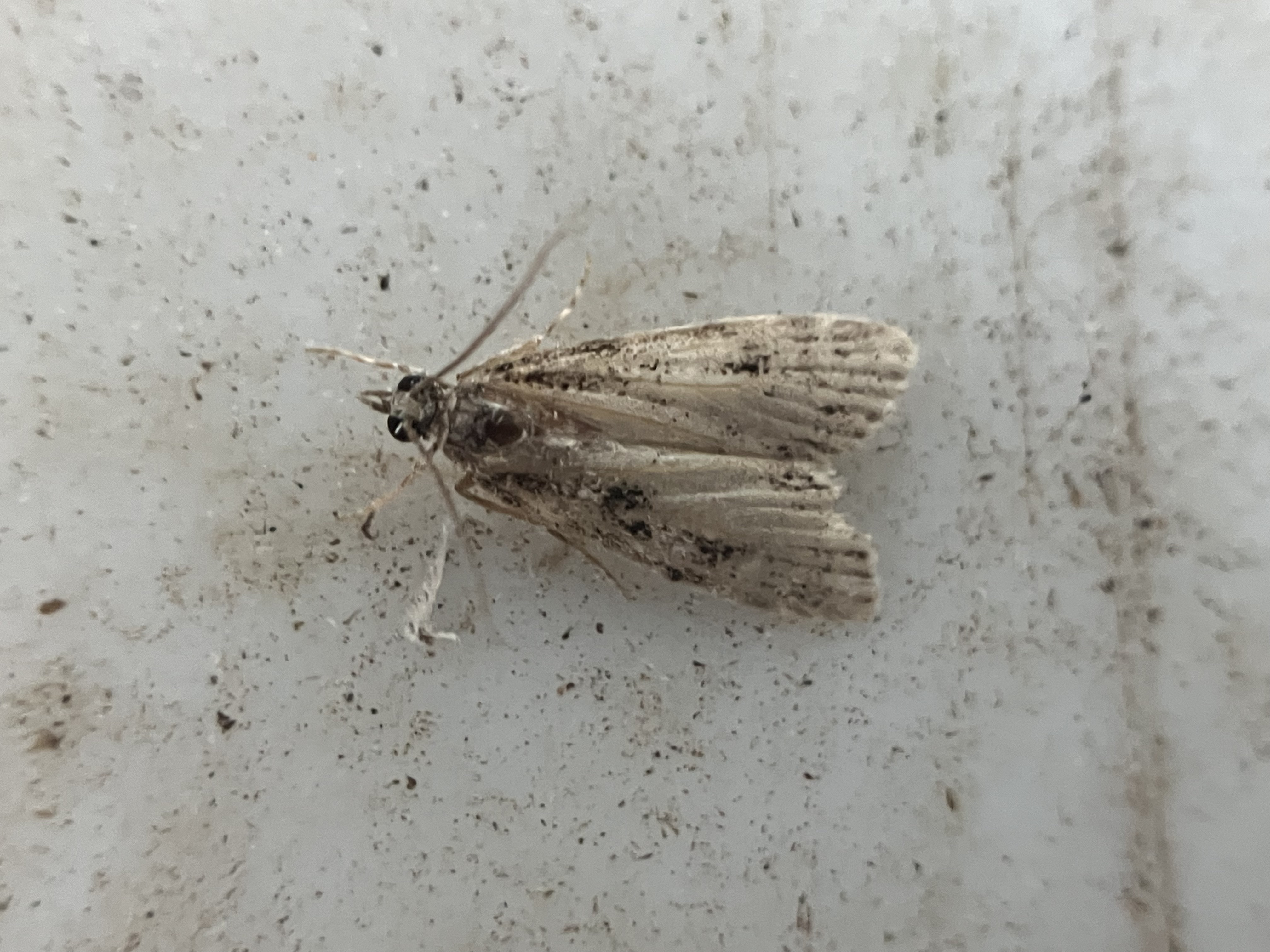
I finally finished labeling all of my photos and have them uploaded. If my count is right, I have about 20 different species today, but as I mentioned in my earlier post, I won’t necessarily have all of them identified to species. Some I’ve only been able to ID to tribe or subfamily, others to genus, but a few were easy enough to manage a species ID for. If anyone finds a mistake, kindly point it out and I will make the necessary corrections. There were lots of micro moths this morning and those are tough for me. But they are fascinating. Some look like bird poop. You’d never see them, they are disguised so well in nature.
If you’re interested in participating in National Moth Week, it’s not too late. Check out their website here – https://nationalmothweek.org
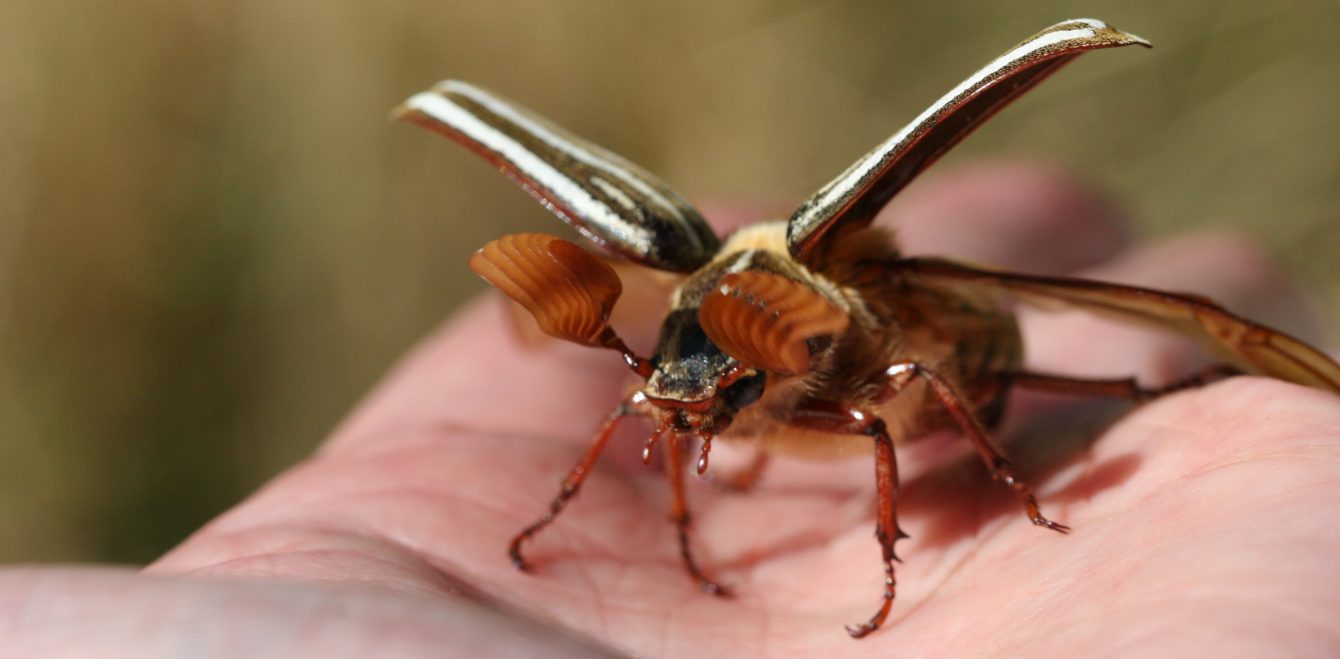
Boy was I disappointed today when I found this beetle on the path near my home and it was HEADLESS!
This is one of my favorite San Juan Island beetles. It is the ground beetle Zacotus matthewsii, also known by the common name Matthew’s Angry Gnashing Beetle. “Zacotus” translates from Greek into “Very Angry” in English. I’m certain I’ve never seen one angry, but this one may indeed have been angry right before it lost its head. Or perhaps the predator that removed it took this beetle entirely by surprise.
I can tell you the EXACT date I last saw one of these beetles. They are reported as “rare.” It was February 16, 2020. Also in roughly the same spot. The beetles are associated with conifer forests and believed to prefer old-growth areas. There are some old trees near our home, but I believe San Juan is losing many, many trees. Lots to new home construction (happening at a rate that I never imagined), and some to the impact of a warming climate – likely accelerated by all the land use changes in the region. Many times I feel extremely saddened by the loss of nature. It is happening so fast. We are becoming suburbia.
Today (June 22) marks the start of National Moth Week, 2023. For anyone interested in participating or learning more about how to “MOTH,” check out the National Moth Week website here: https://nationalmothweek.org.
I’ll be brief, but start by introducing myself. I’m Cynthia (Brast-Bormann) and I am an entomologist who lives on San Juan Island. My “work” is on a volunteer basis. Because of my love for insects, spiders, and the natural world, I endeavor to share my enthusiasm and knowledge with our community and anyone else who would like to know more about these charismatic critters that are all too often targeted for eating leaves, buzzing, sometimes biting or stinging, but mostly for merely existing. We stop short of recognizing they are food for other organisms, work to control pest populations (without noxious chemicals), and they help us to have food (pollination). Without insects and spiders, we would be in a deep heap of doo! Pardon my French.
Each day of National Moth Week – which runs through July 30, 2023, I will be posting a gallery of what shows up at my light trap each night, hopefully with an ID along with the photos I post. Please feel free to let me know if you see something misidentified. 🙂
If you’re interested in Mothing, or learning more about other bugs, you may contact me with questions via email or join the Facebook Group, Bugs of the San Juan Islands at https://www.facebook.com/groups/3594158544144419
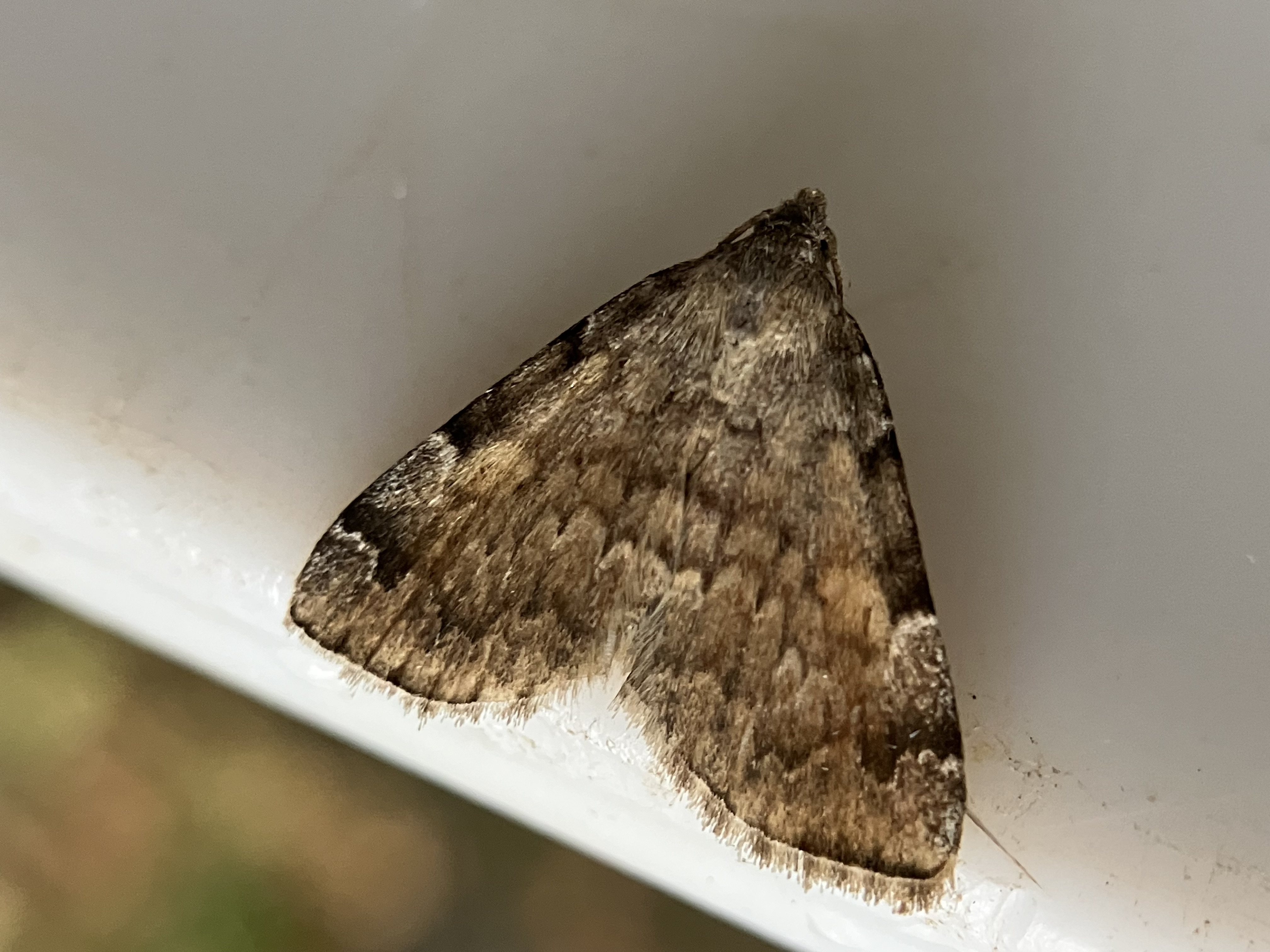
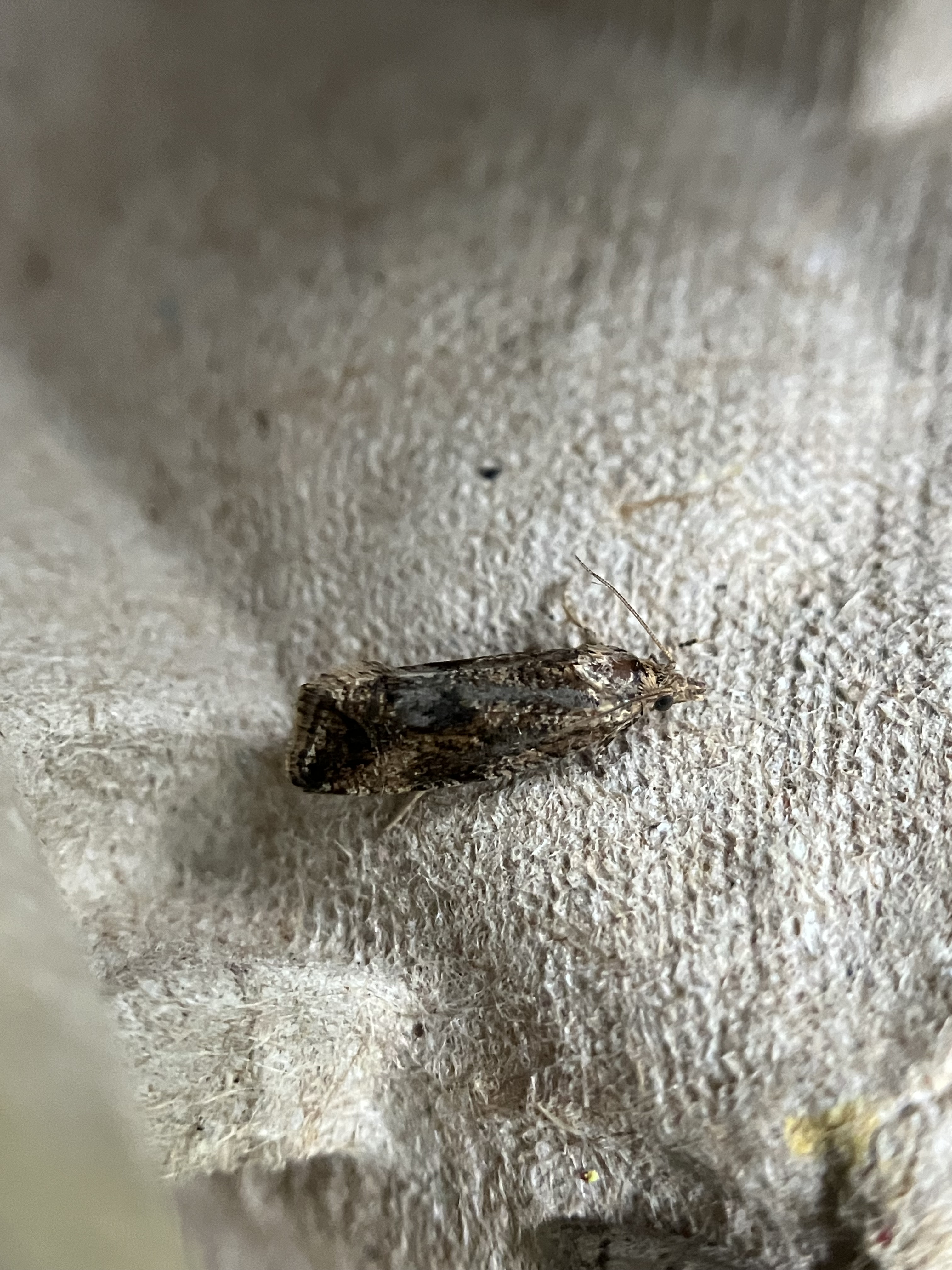
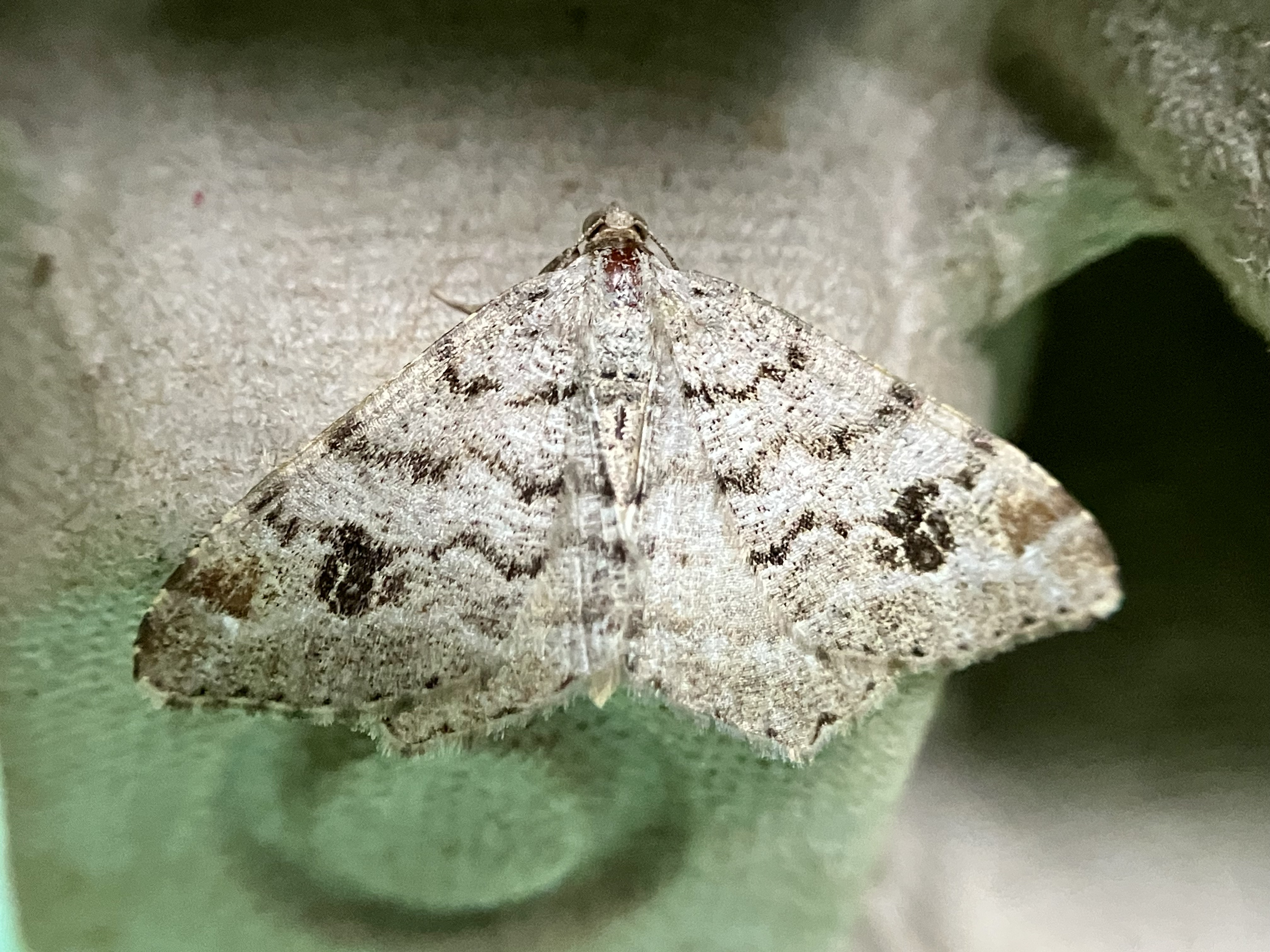
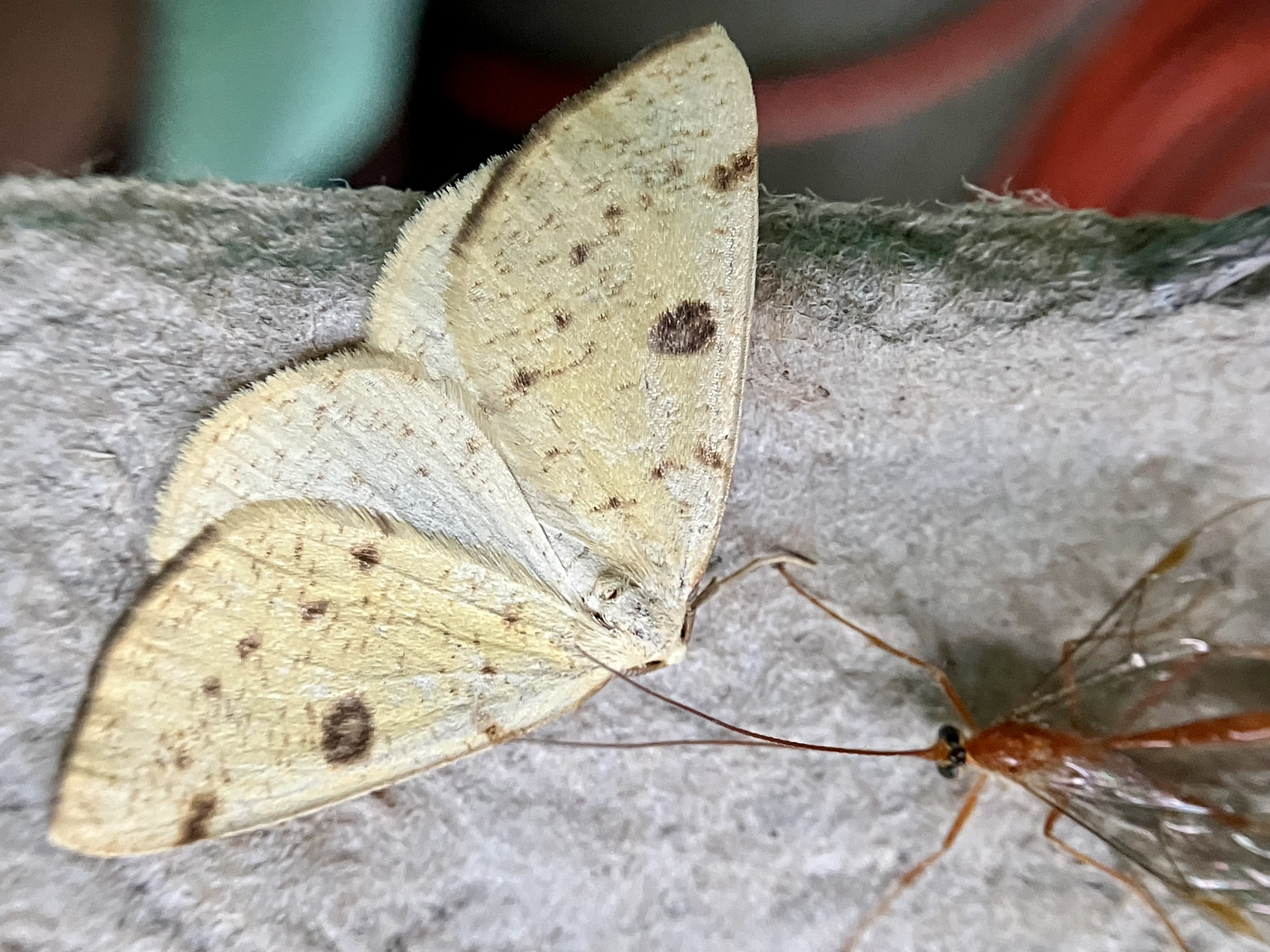
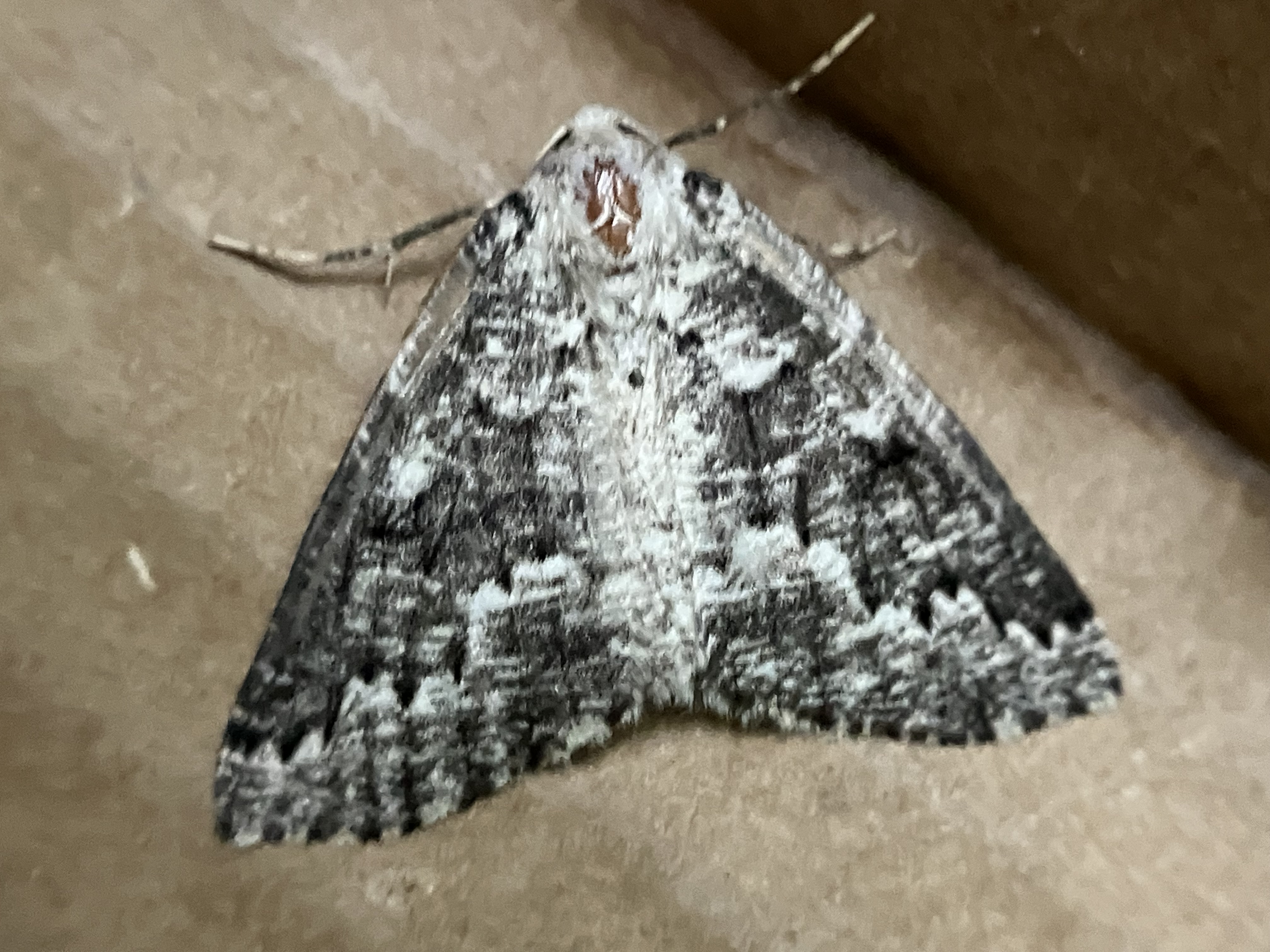
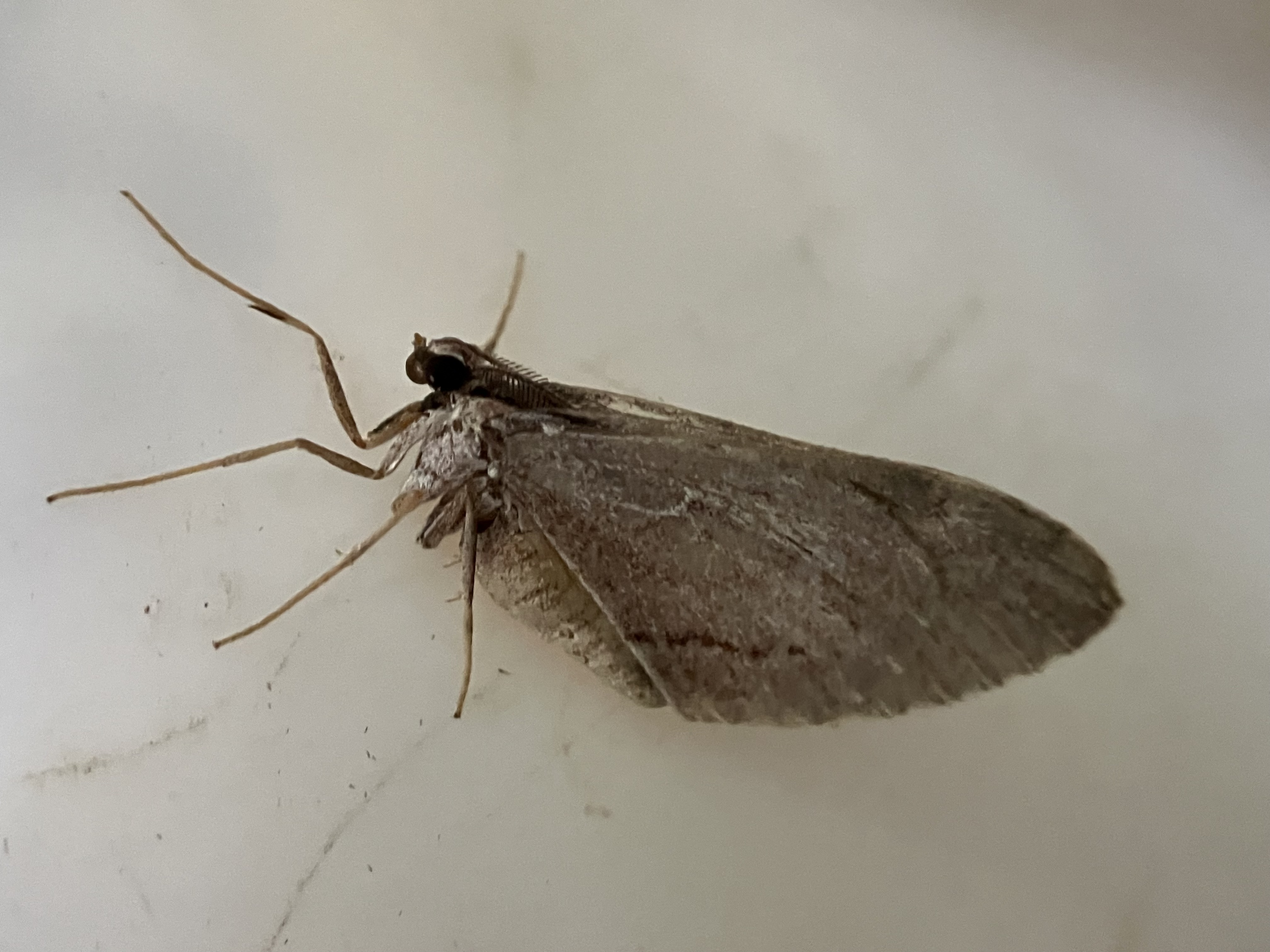
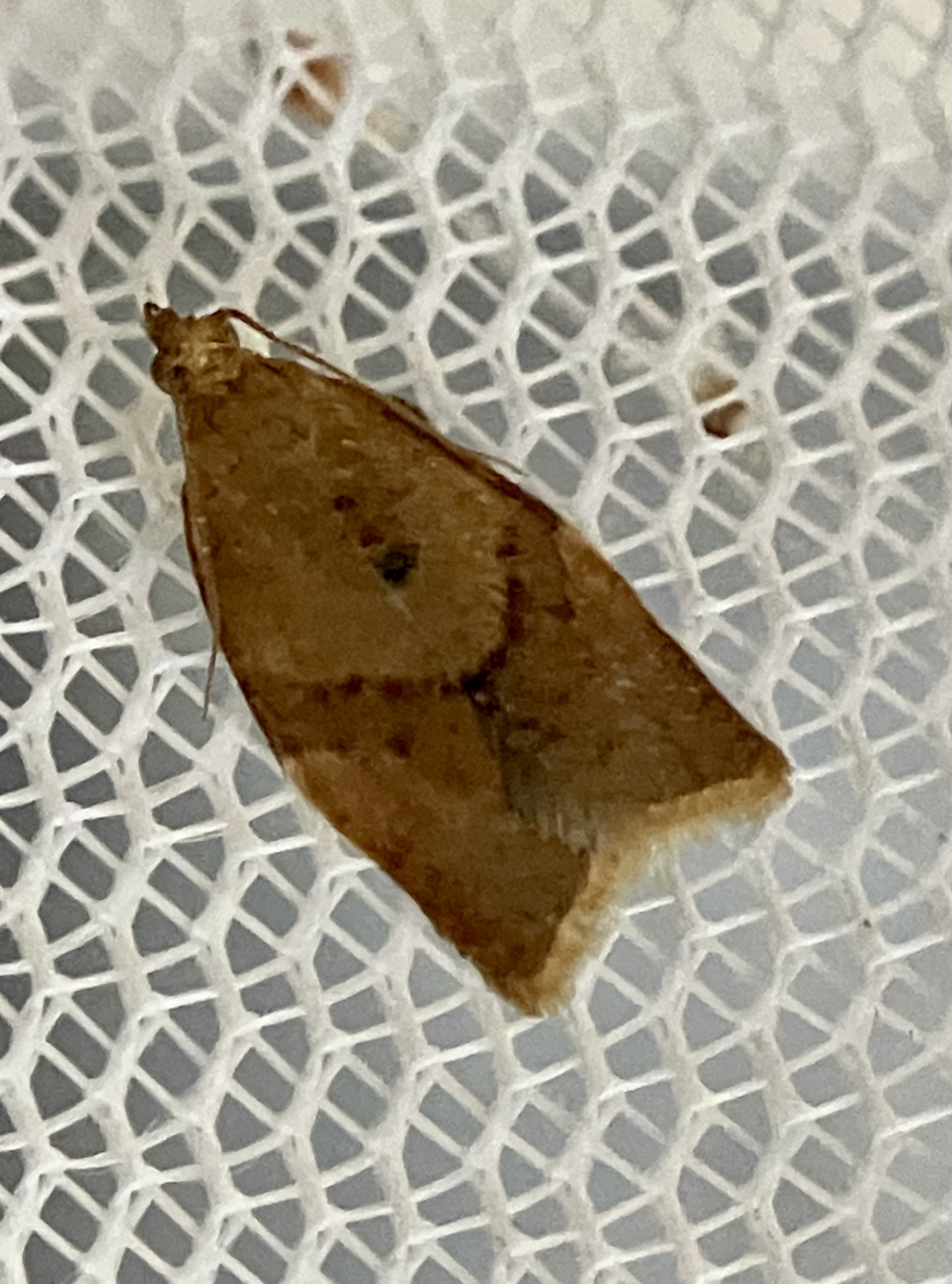
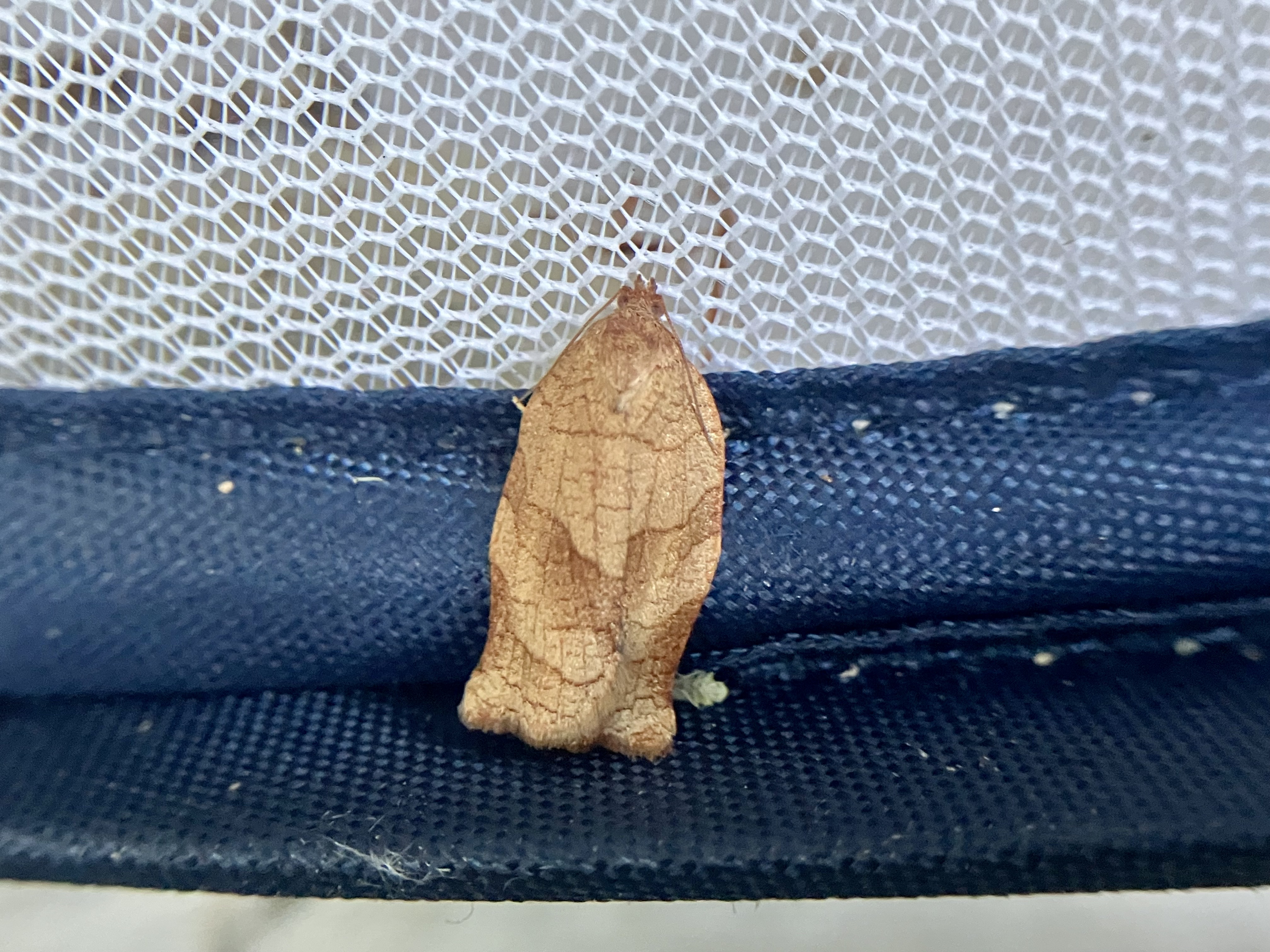
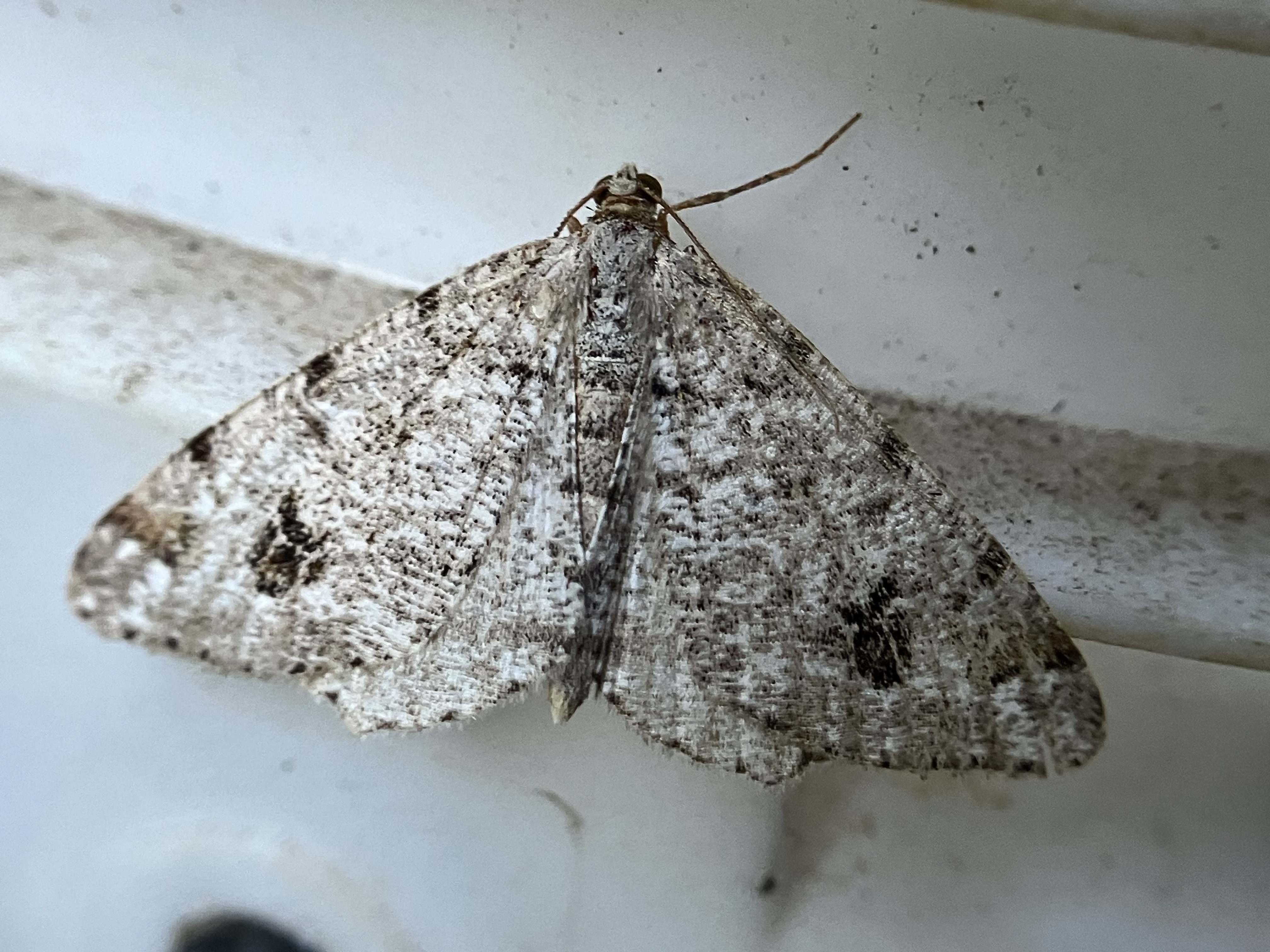
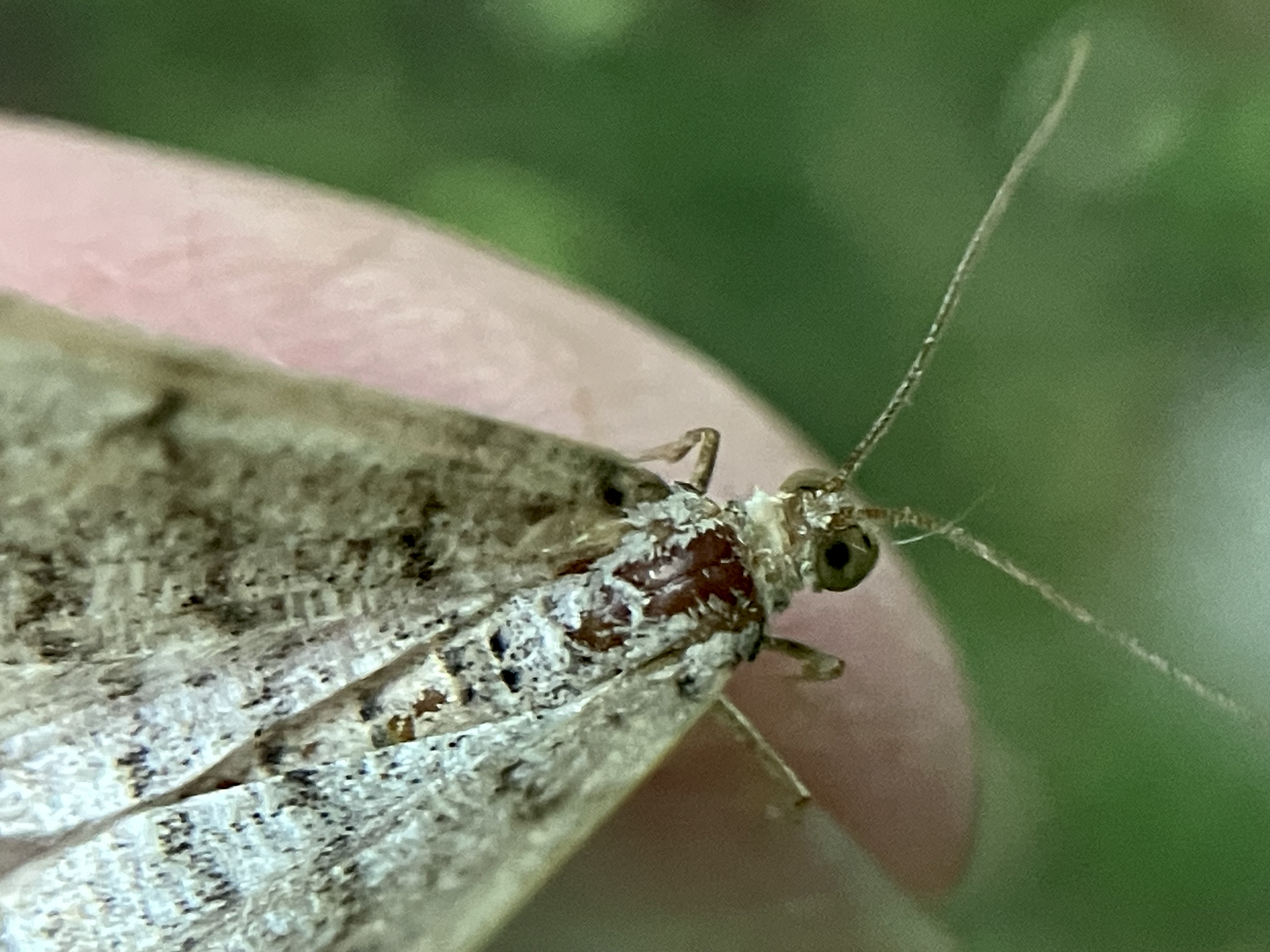
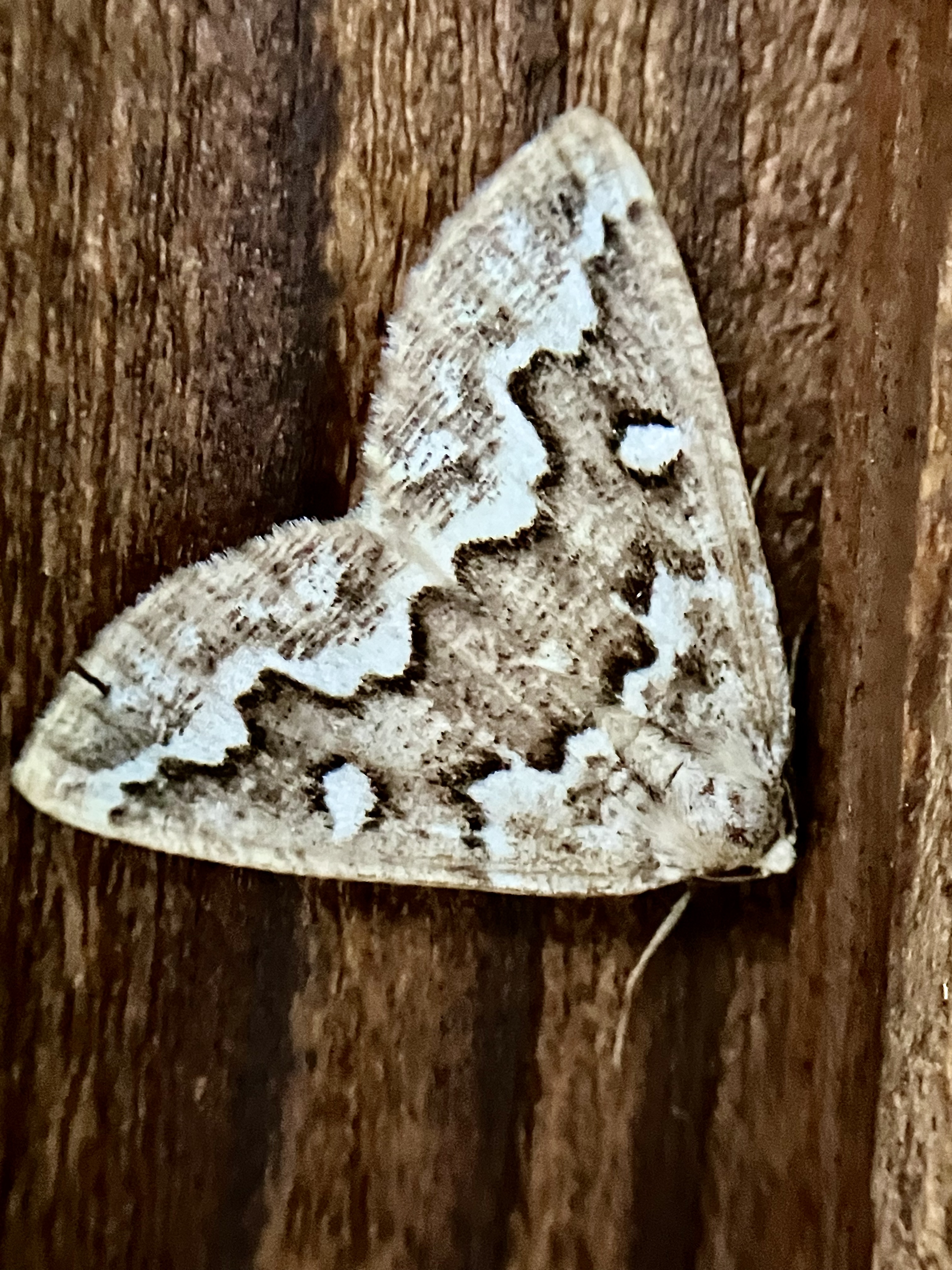
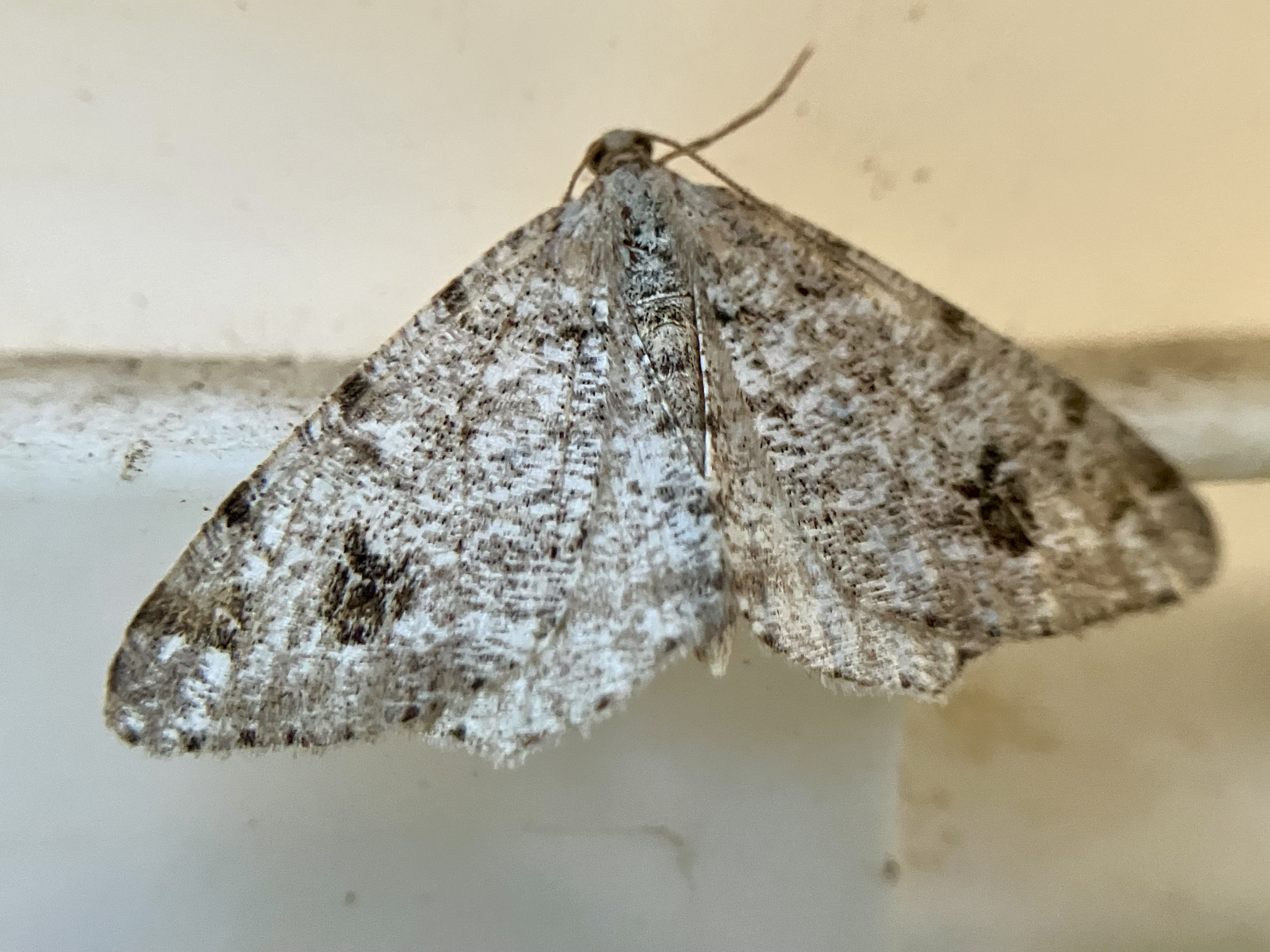
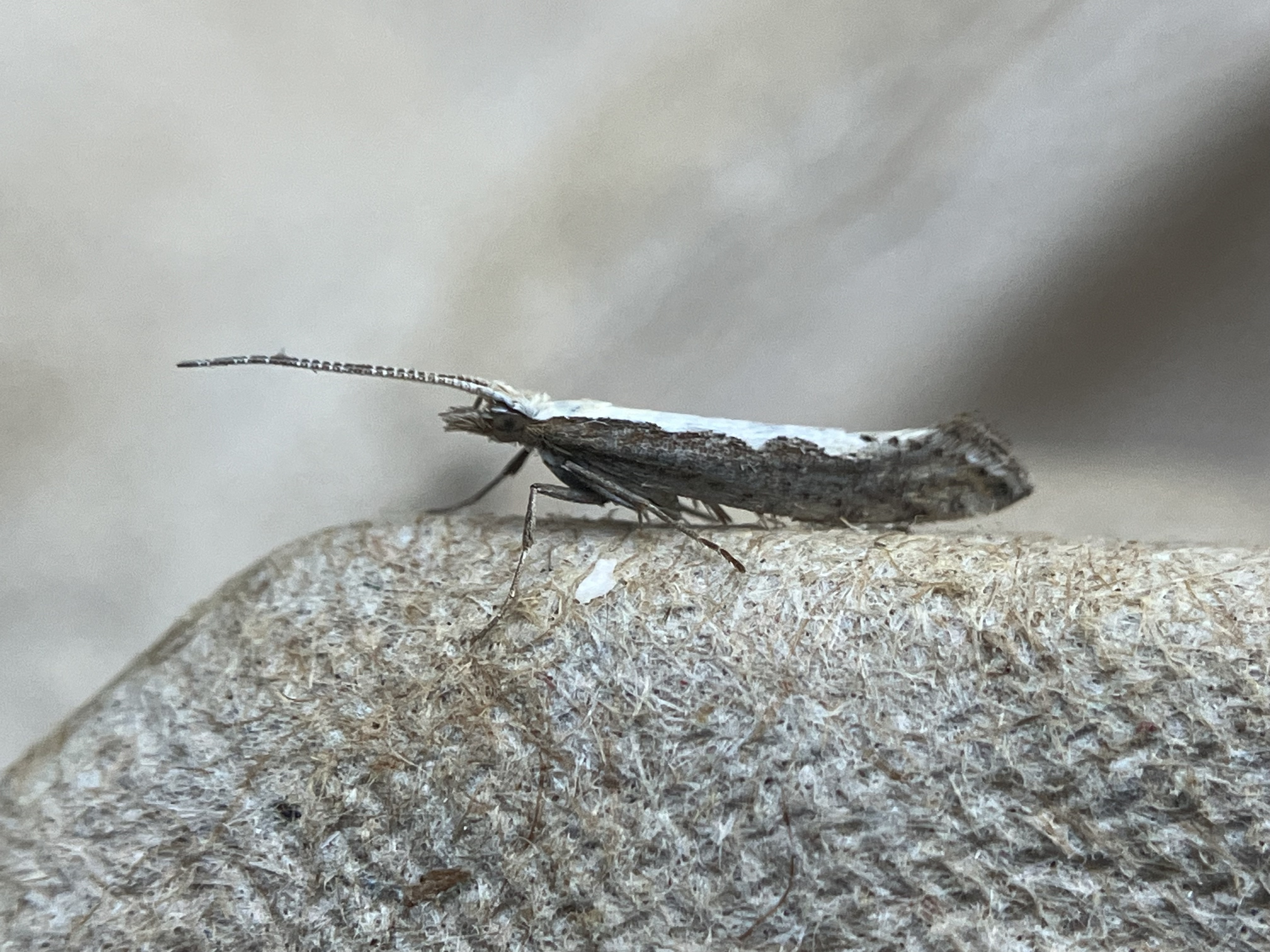
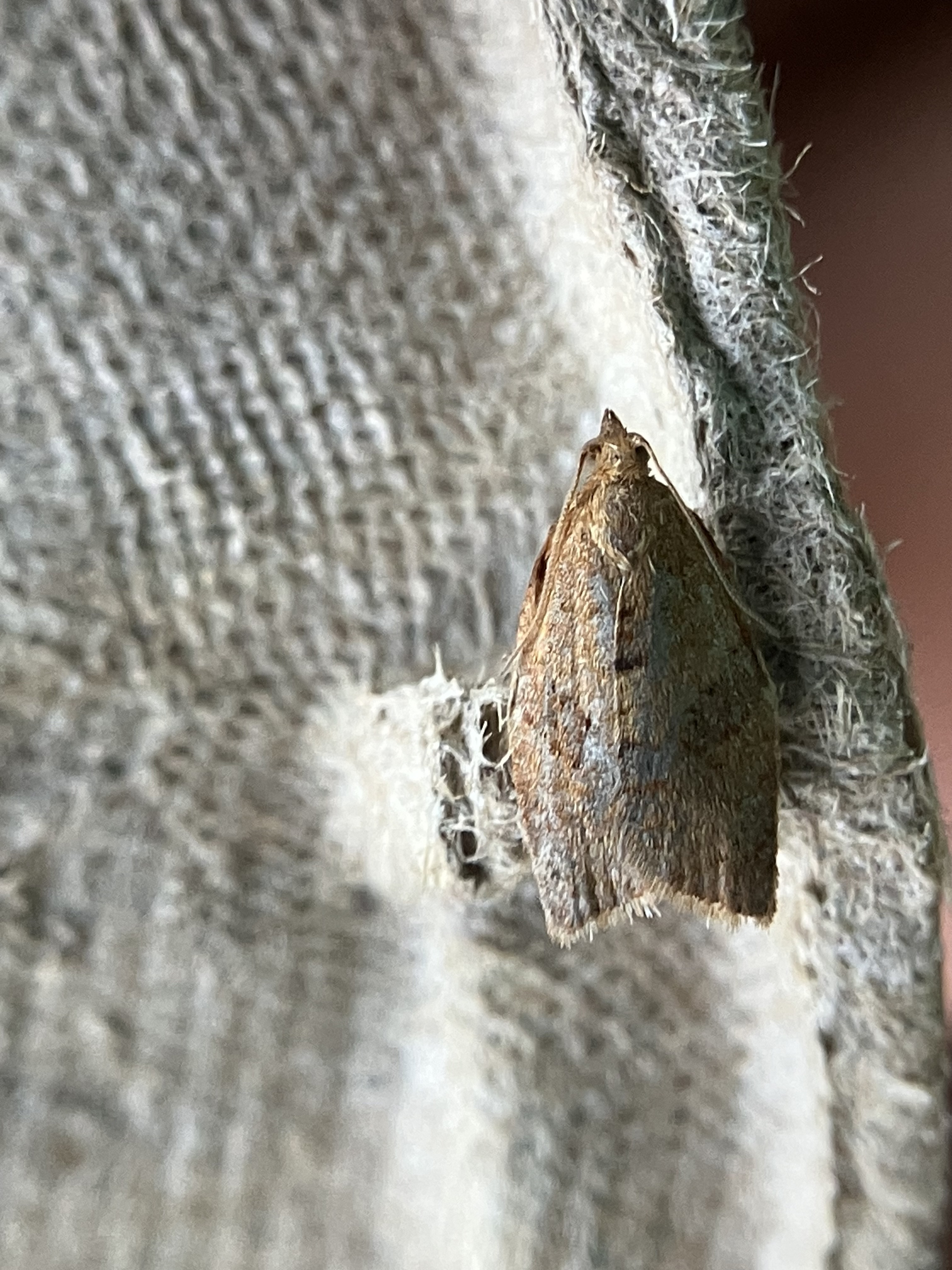
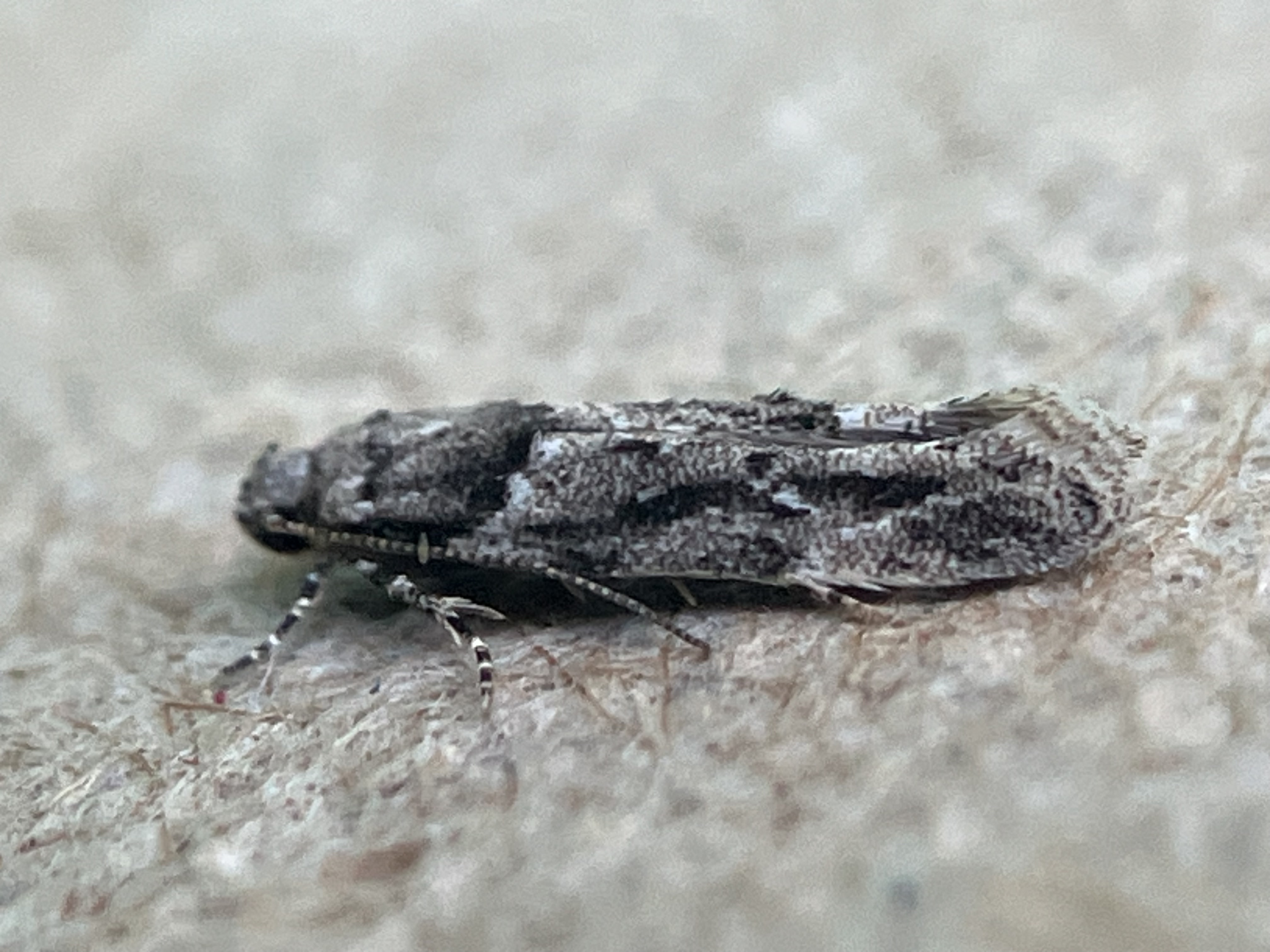
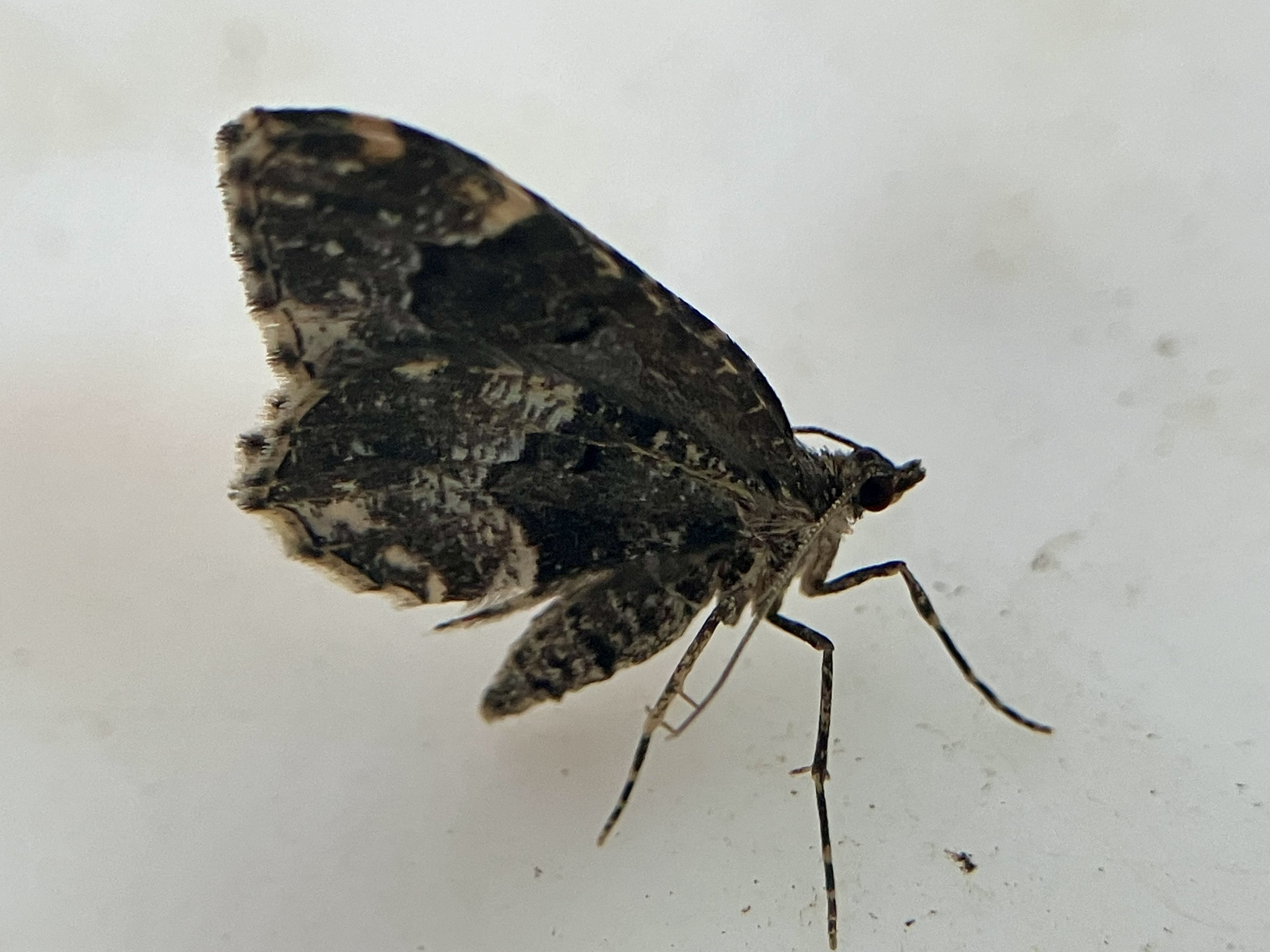
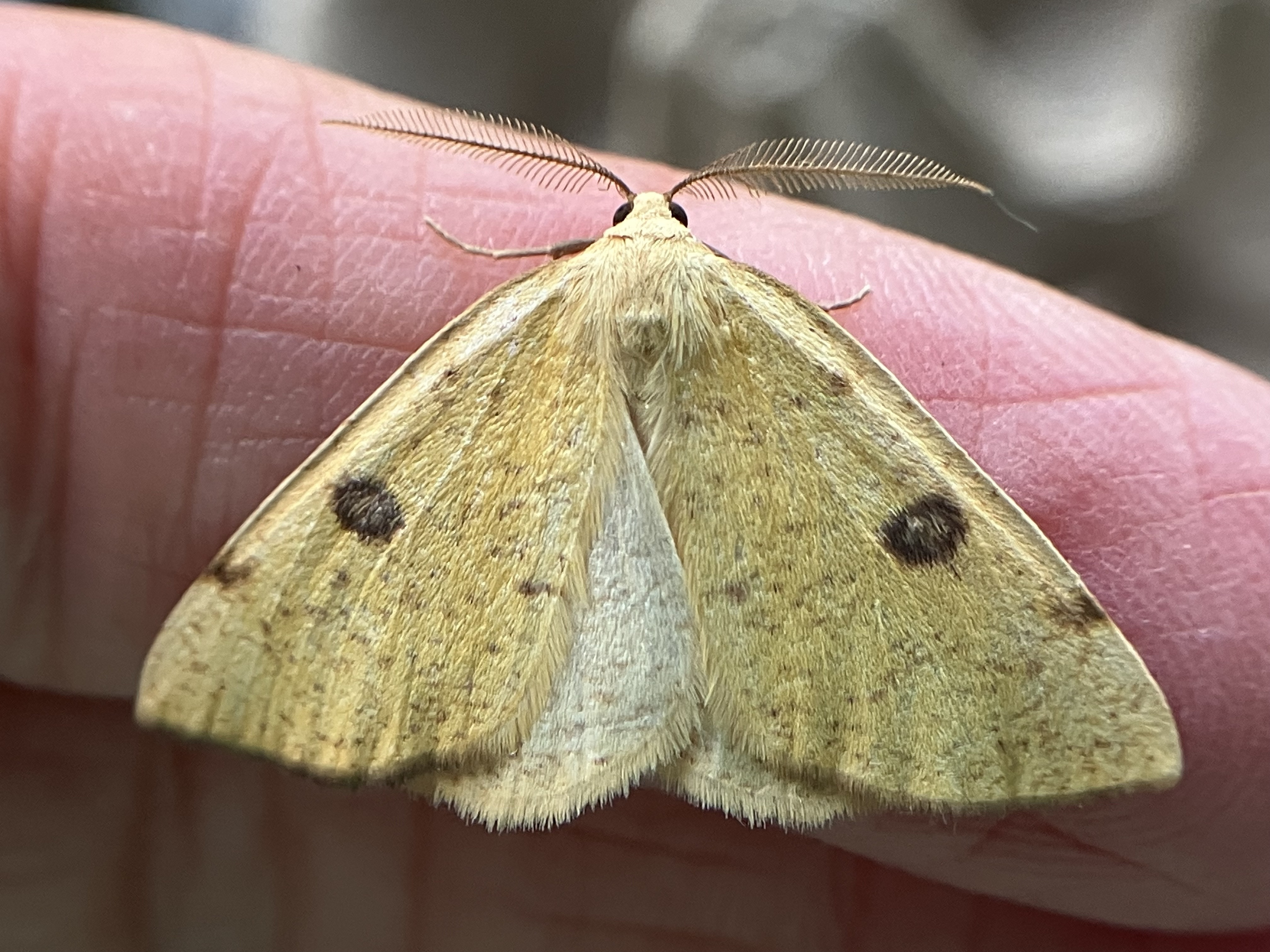
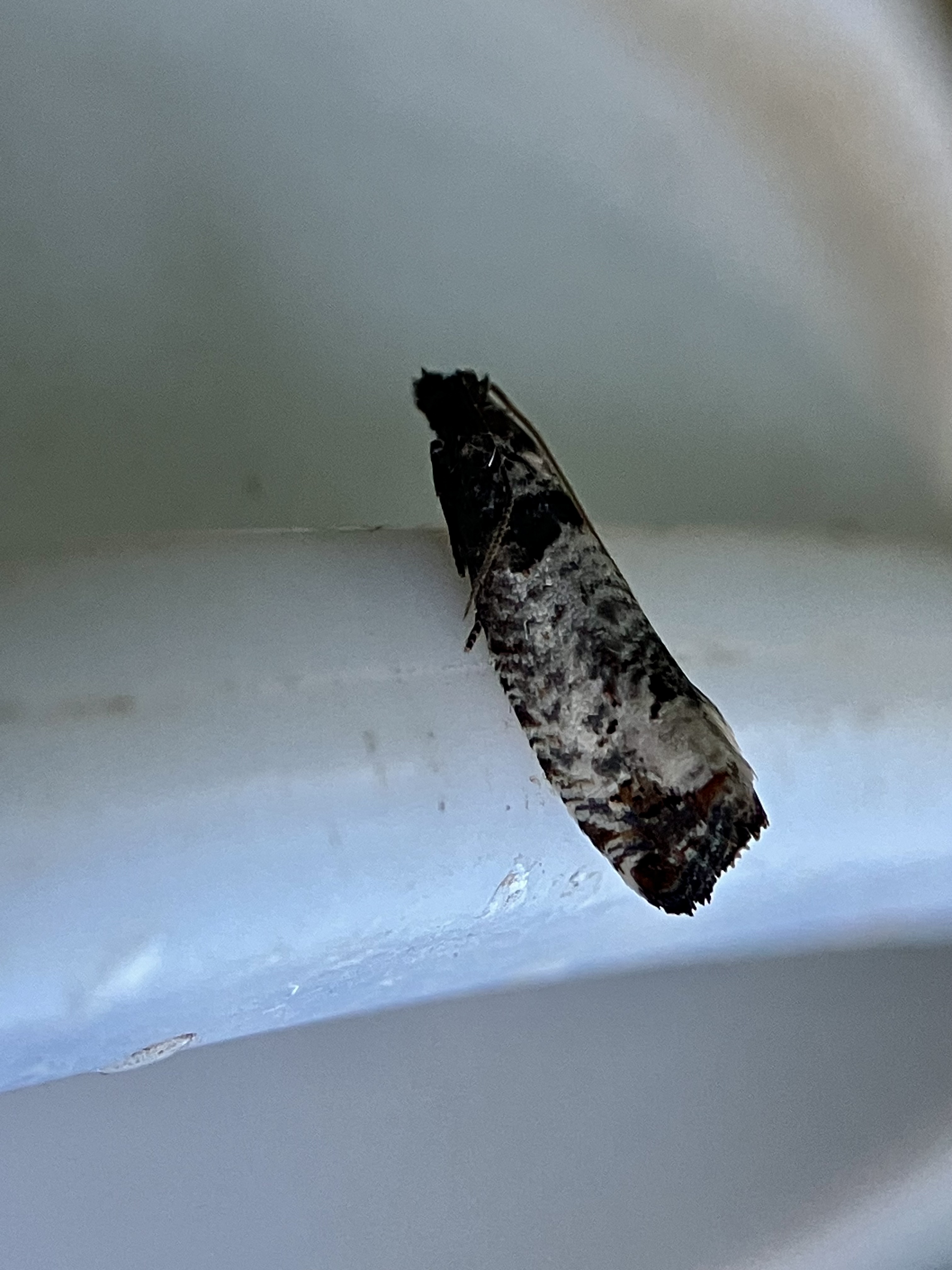
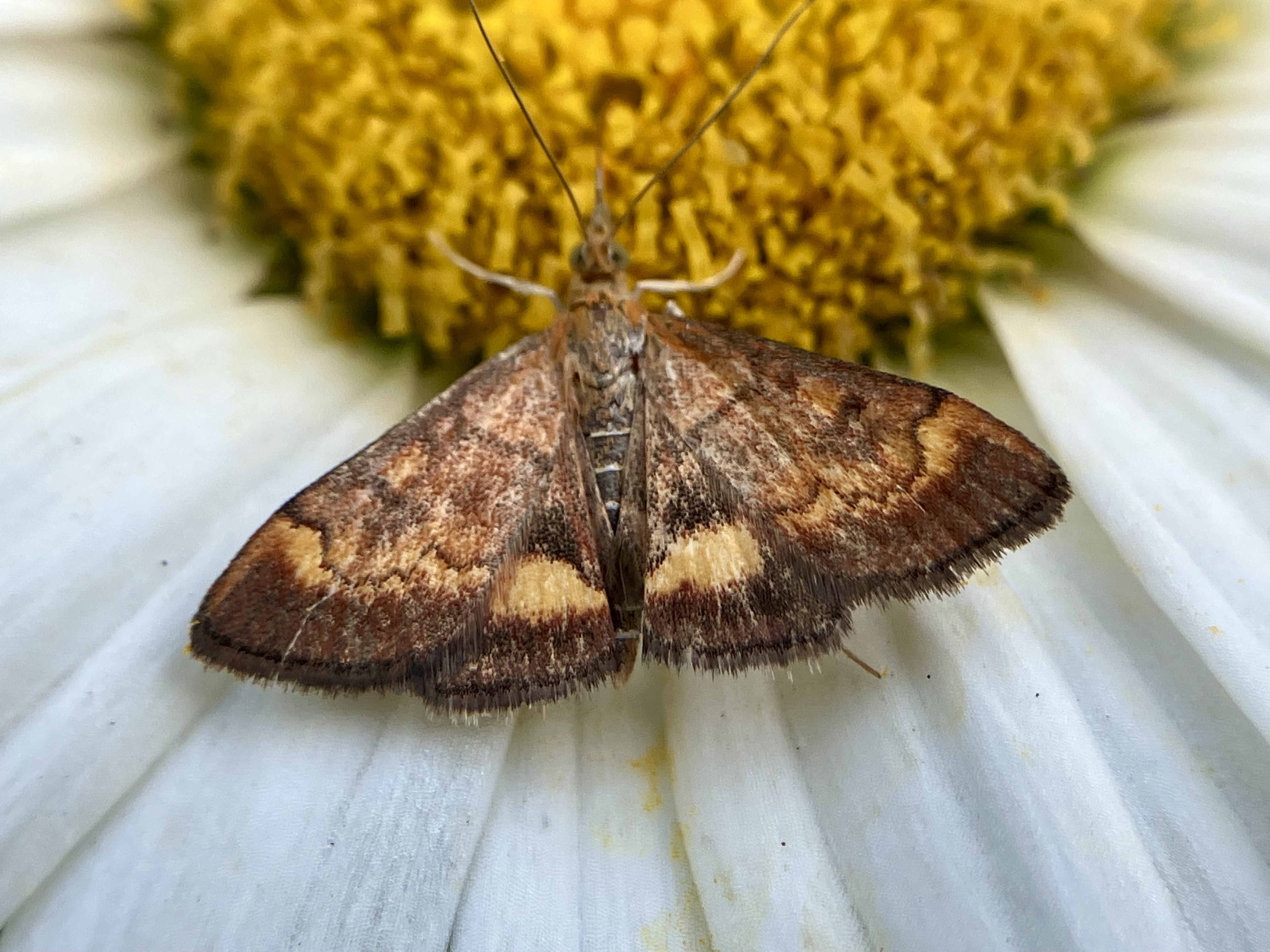
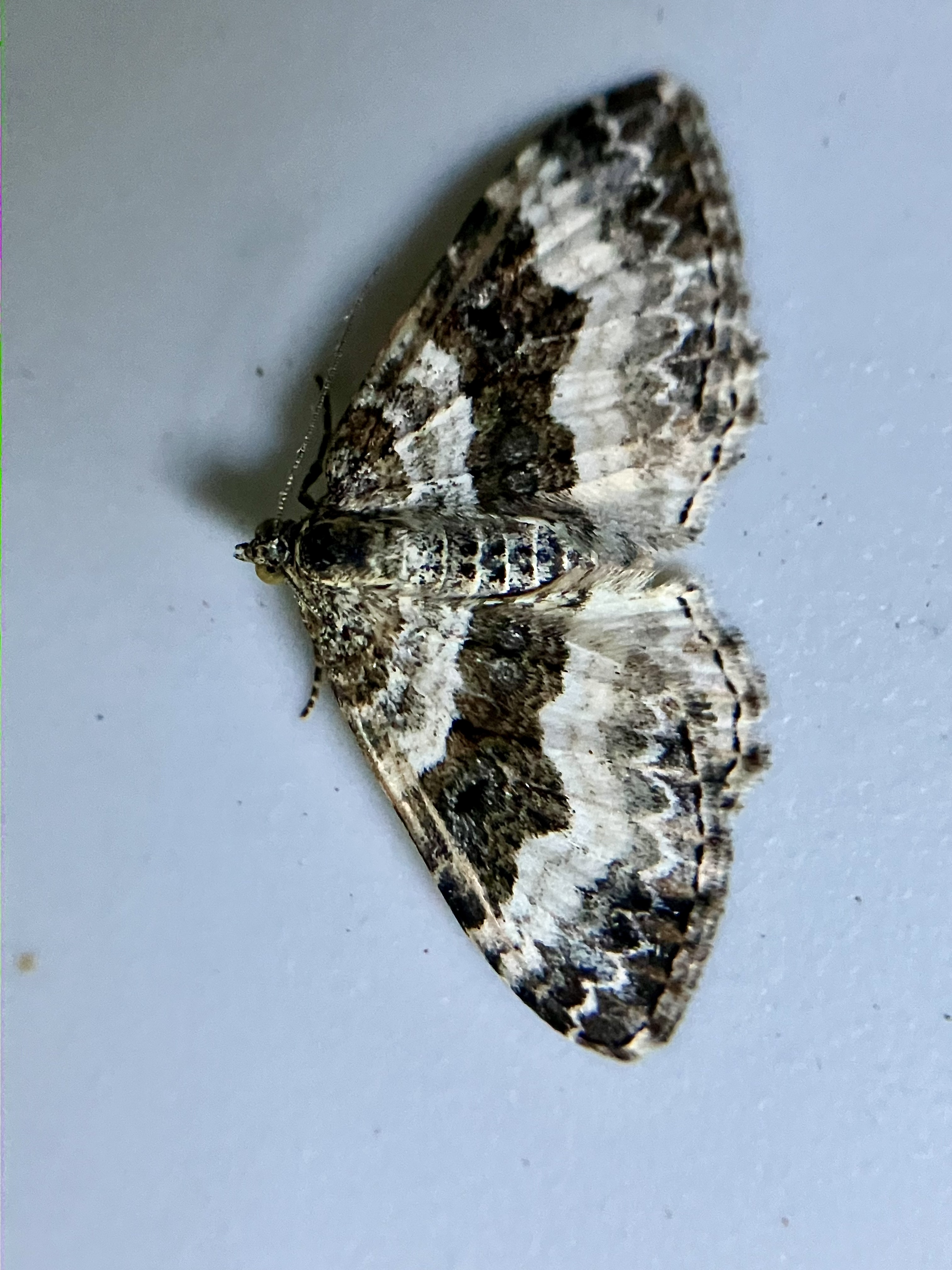
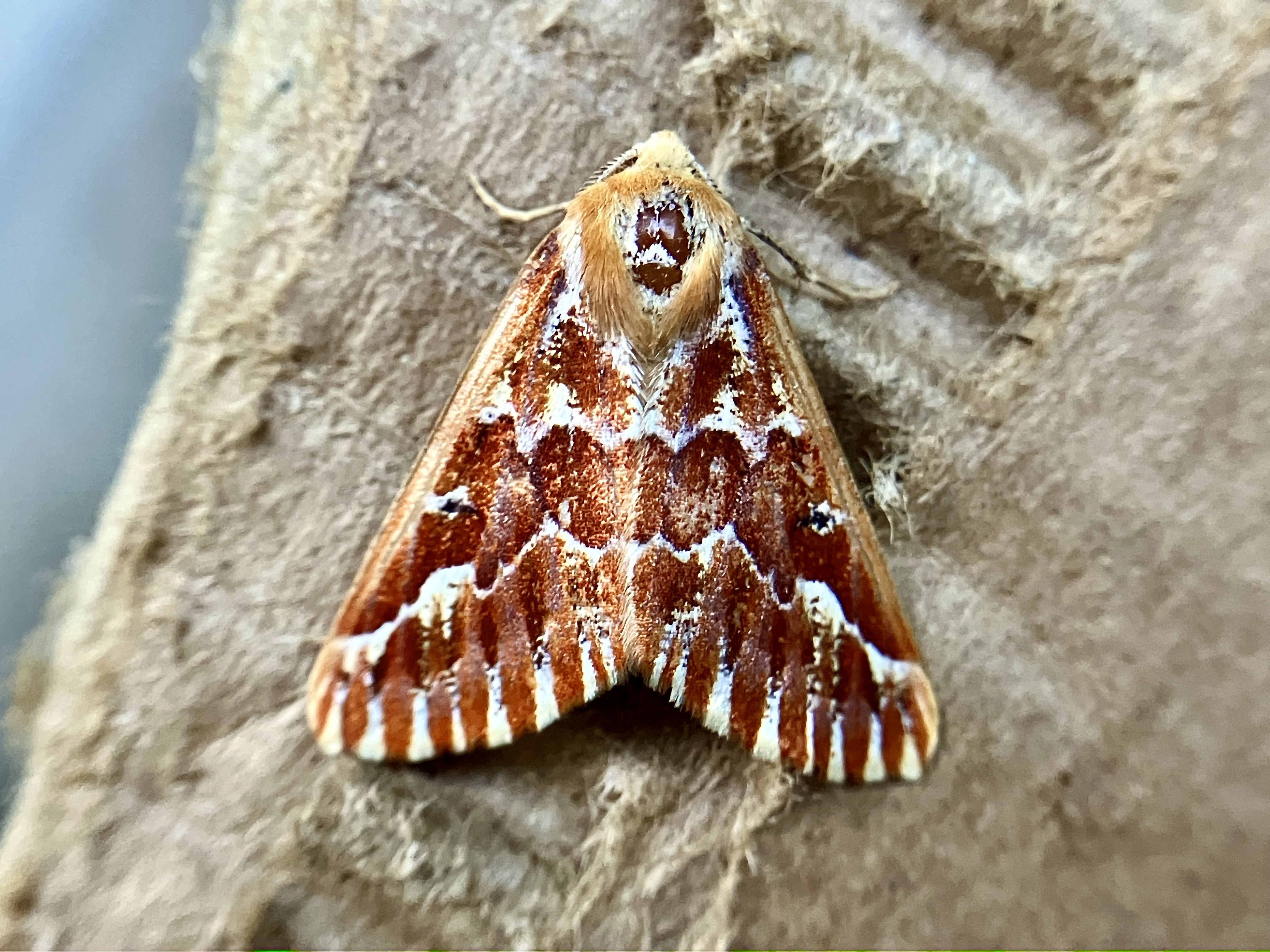
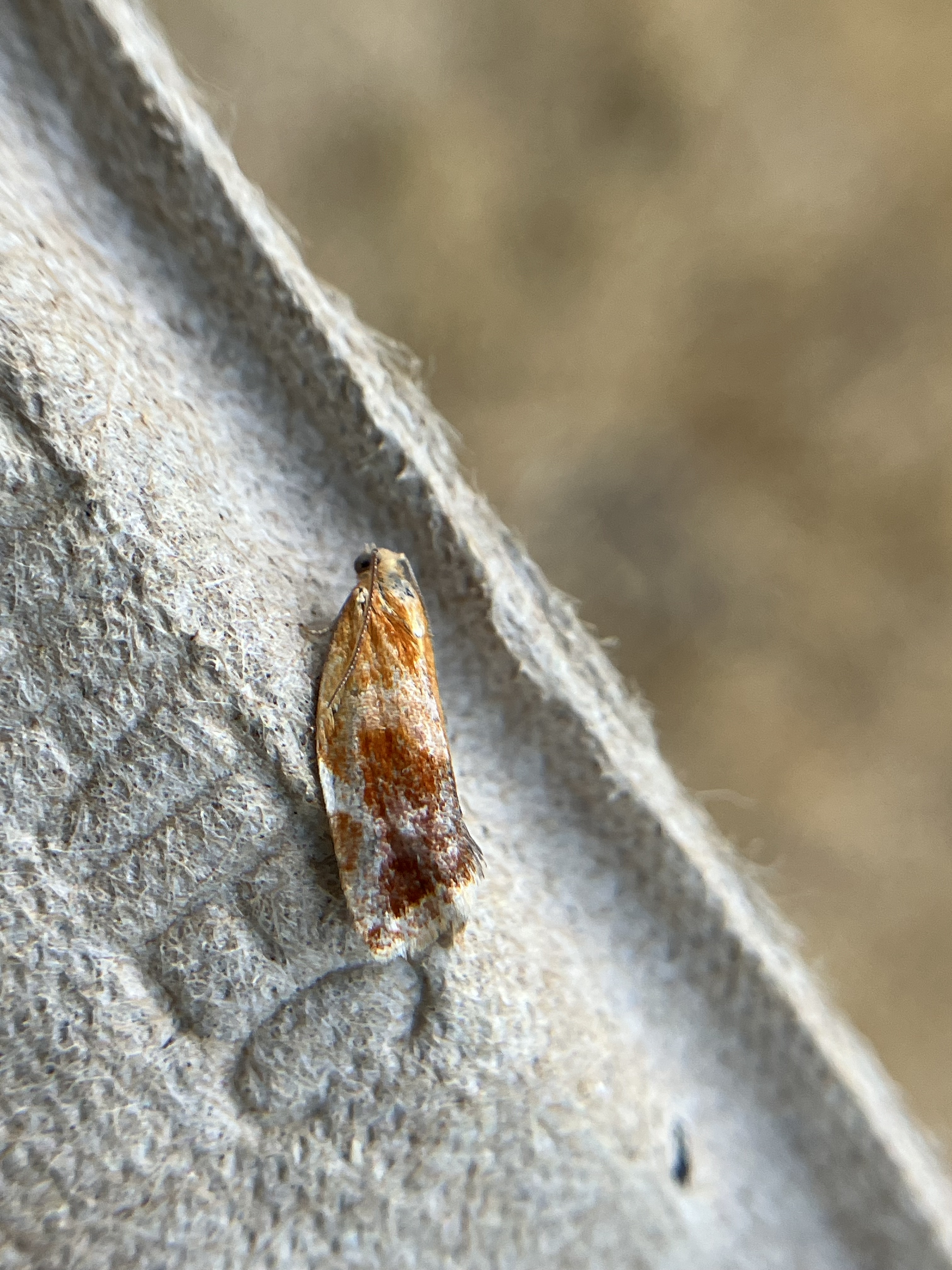
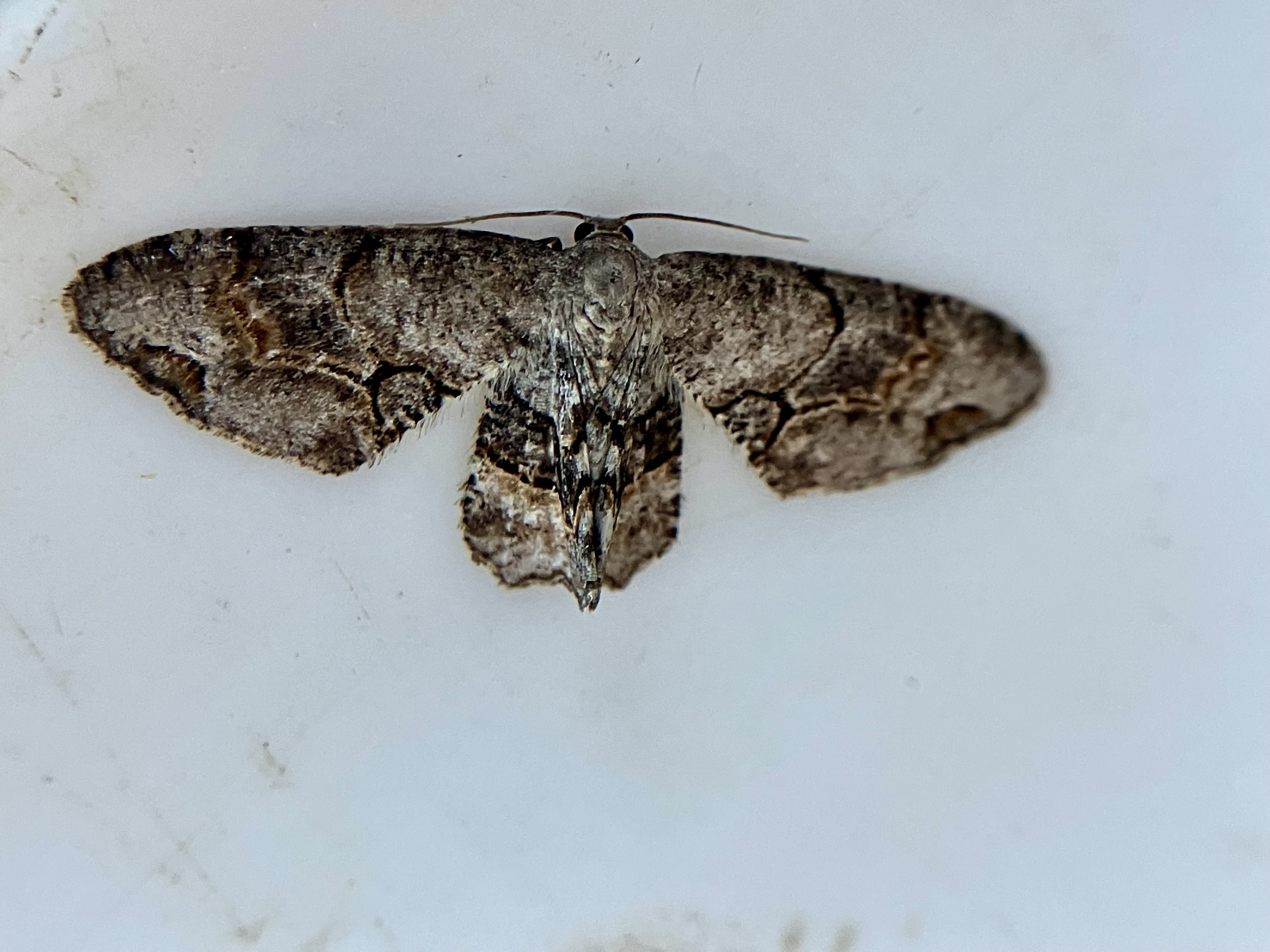
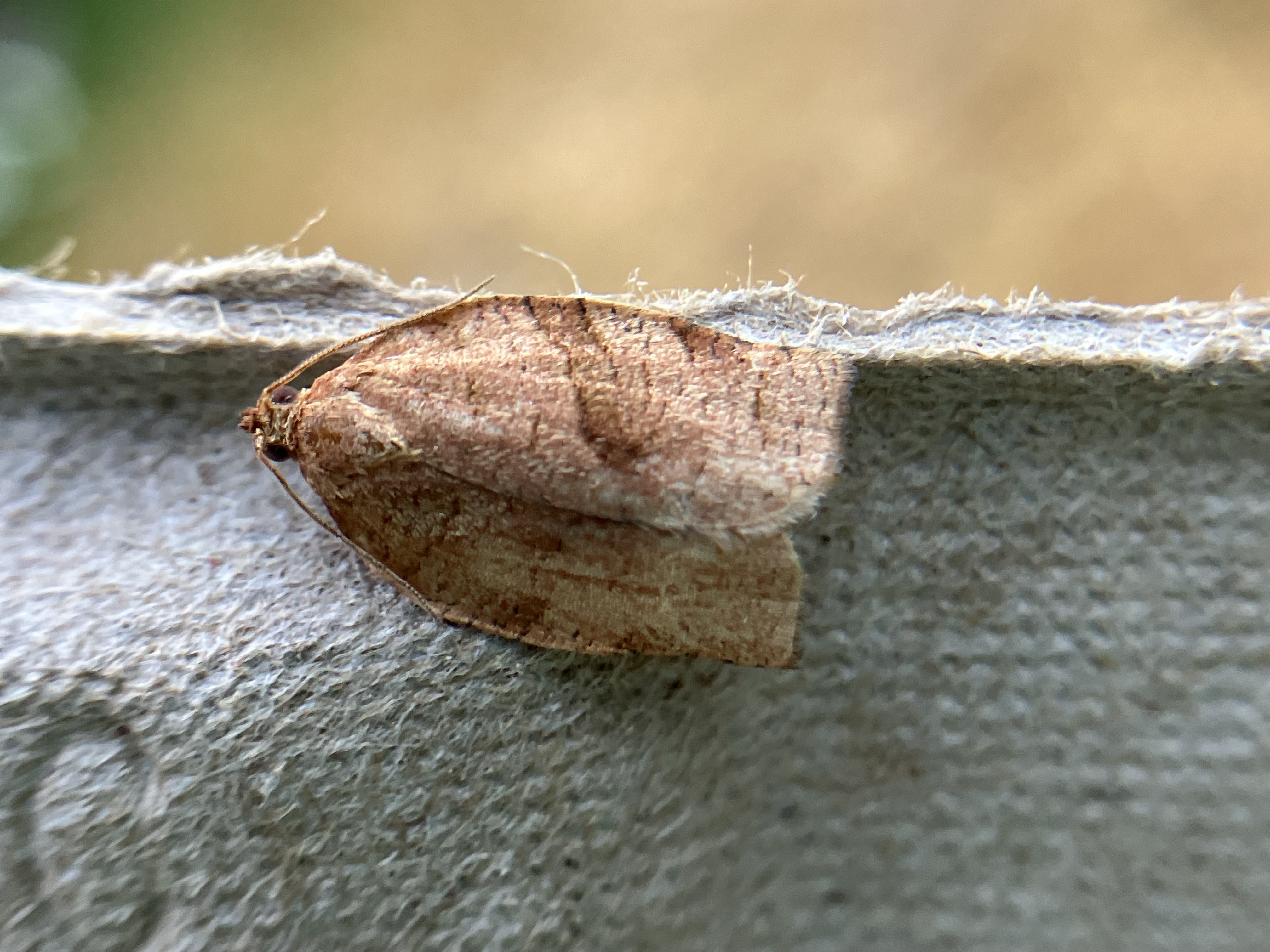
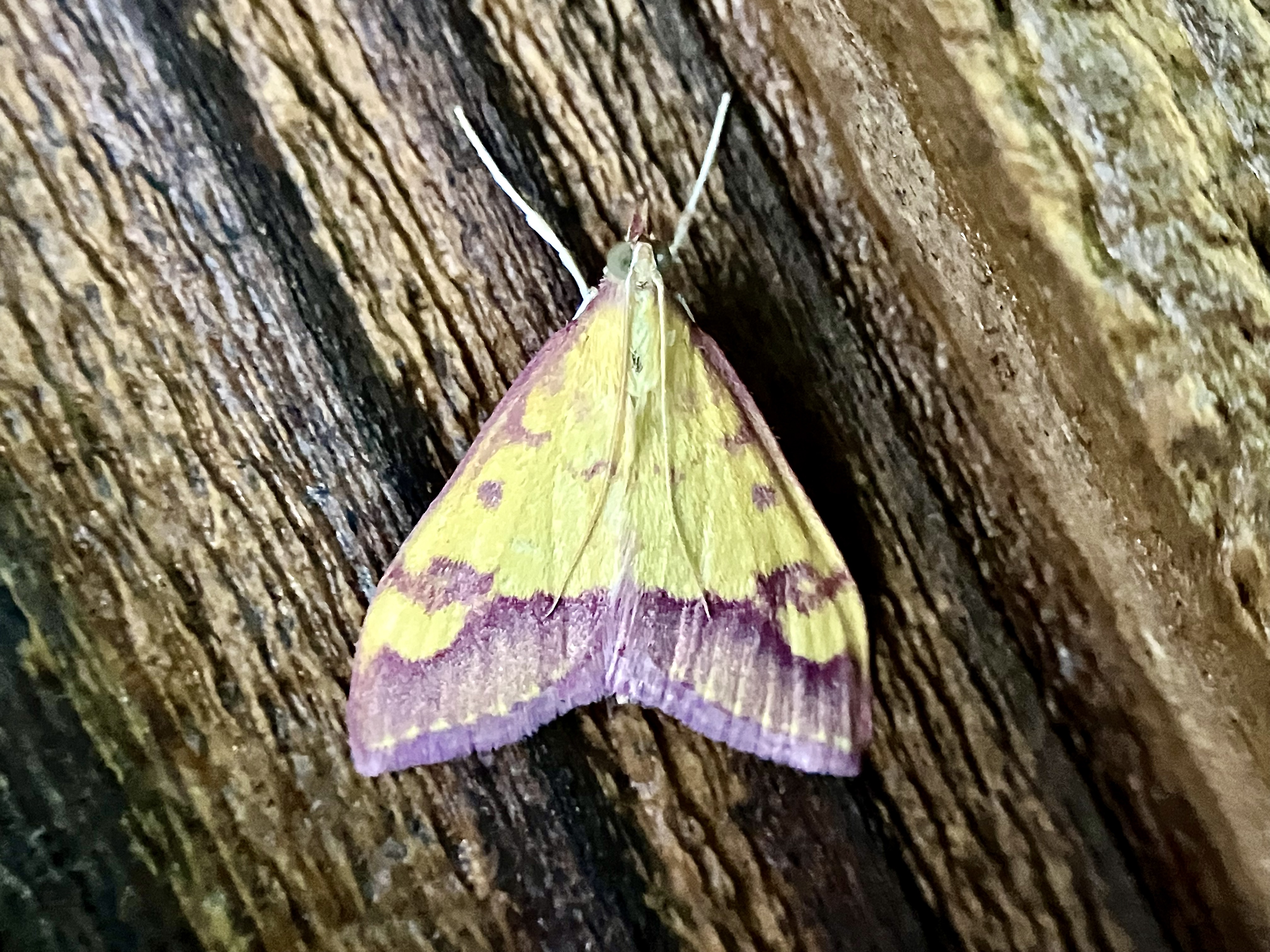
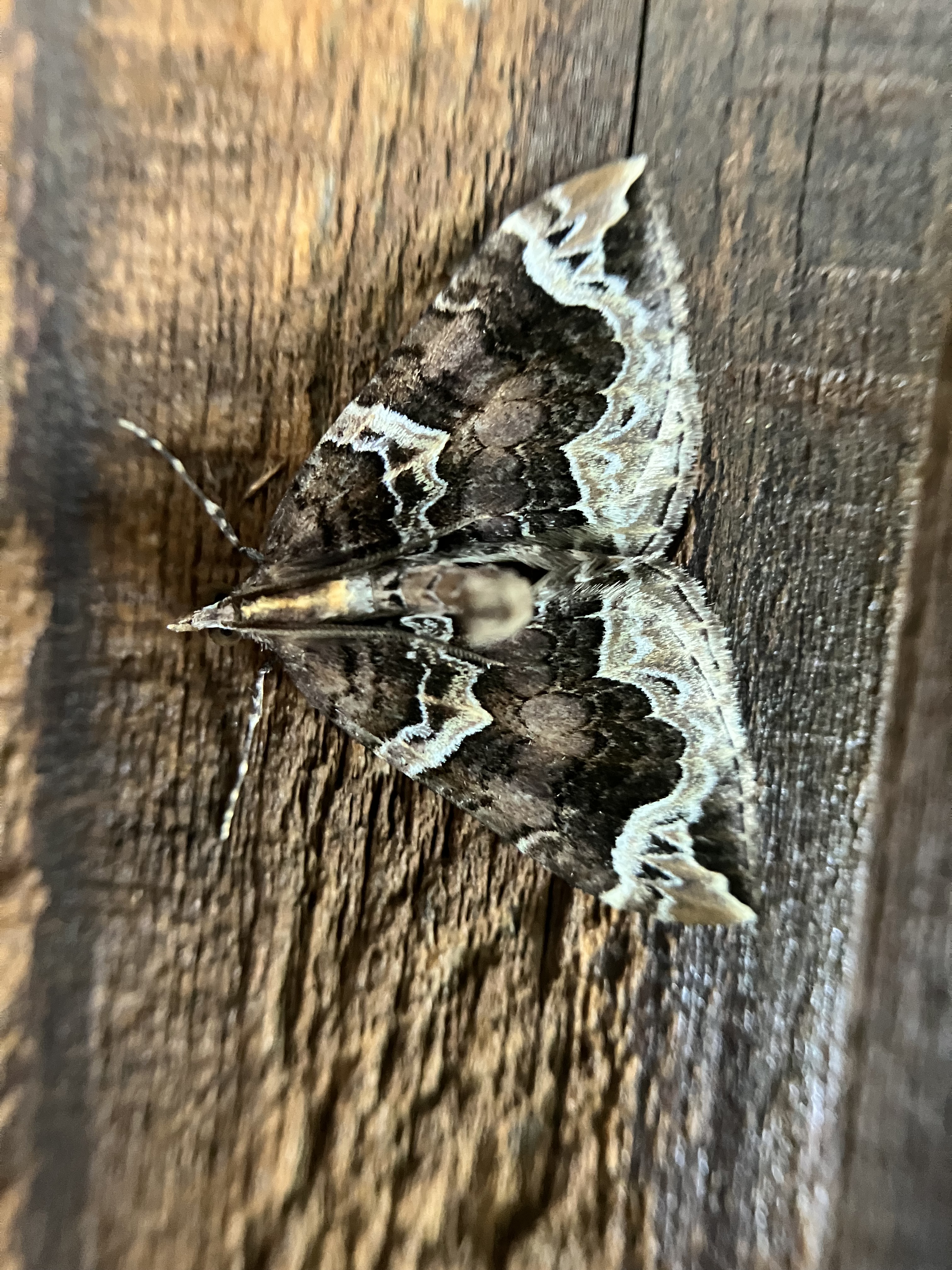
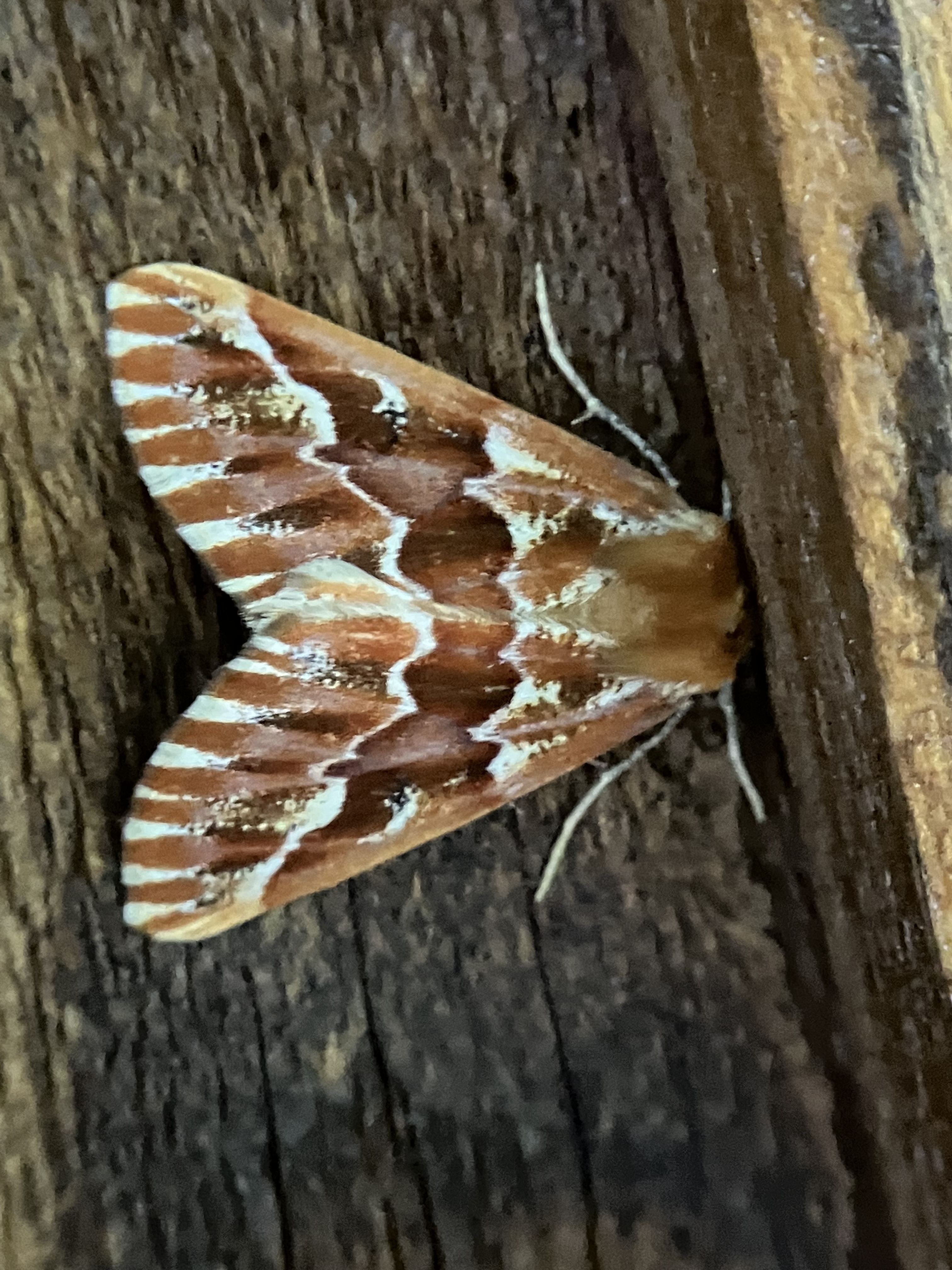
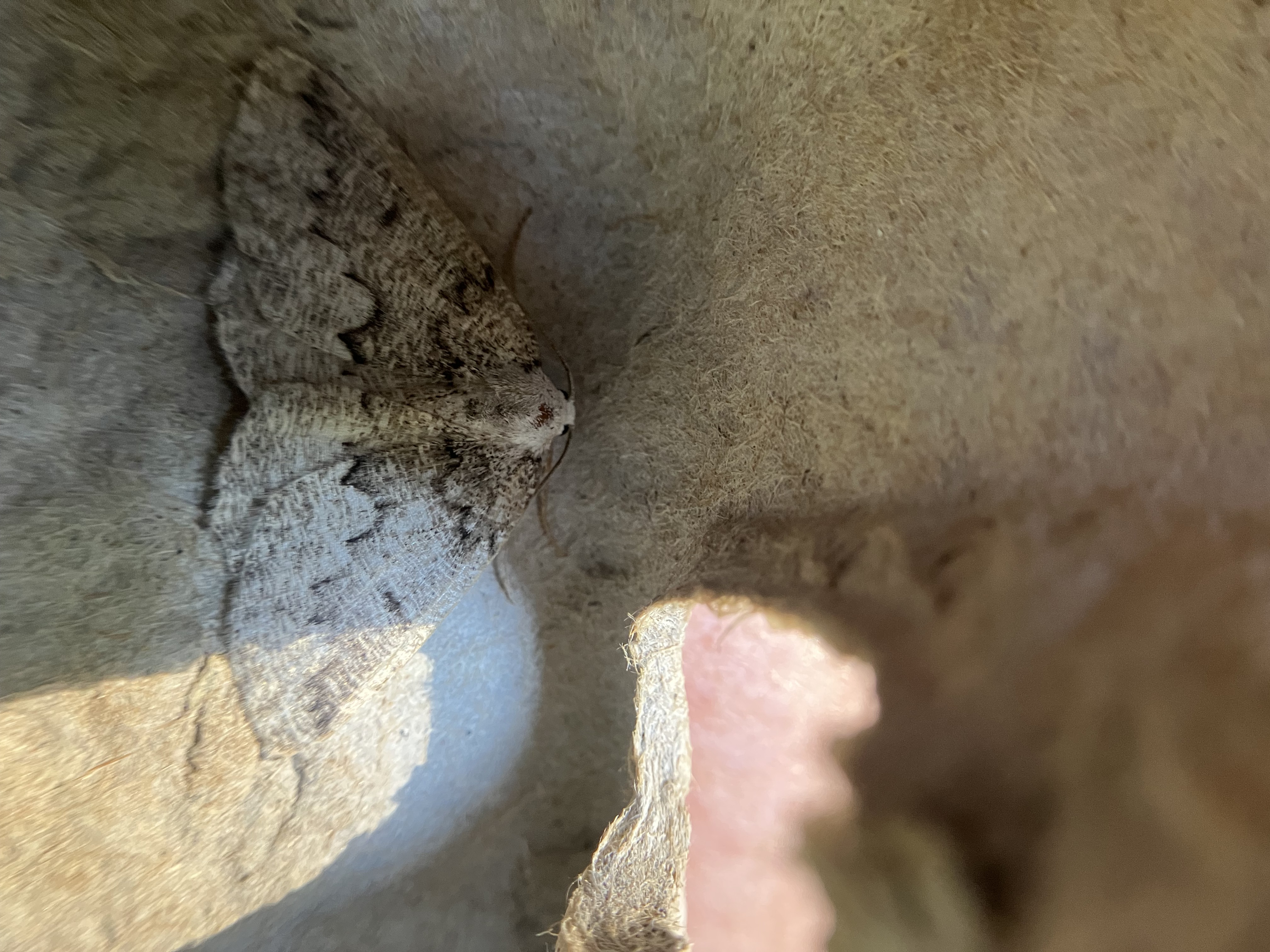
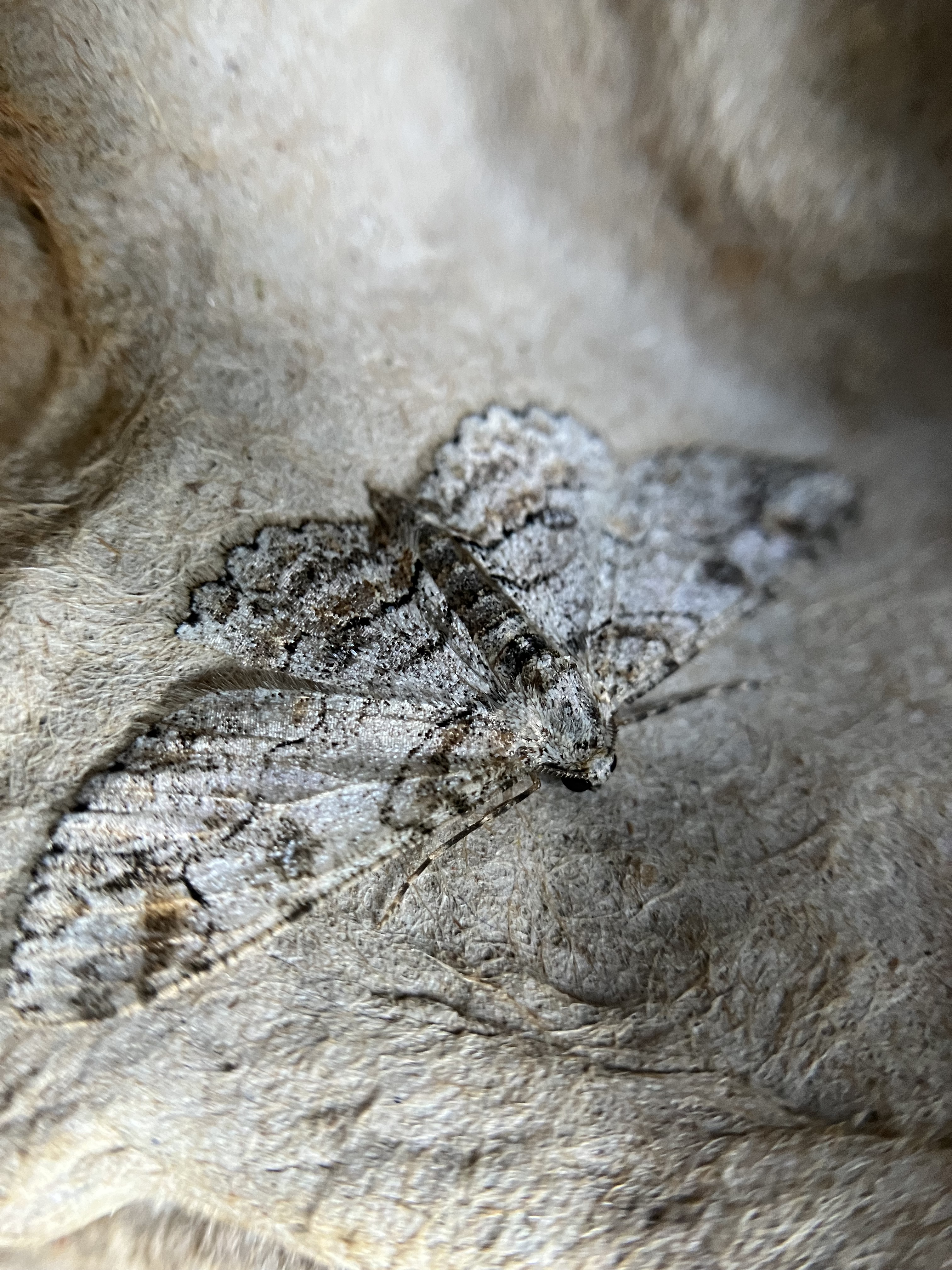
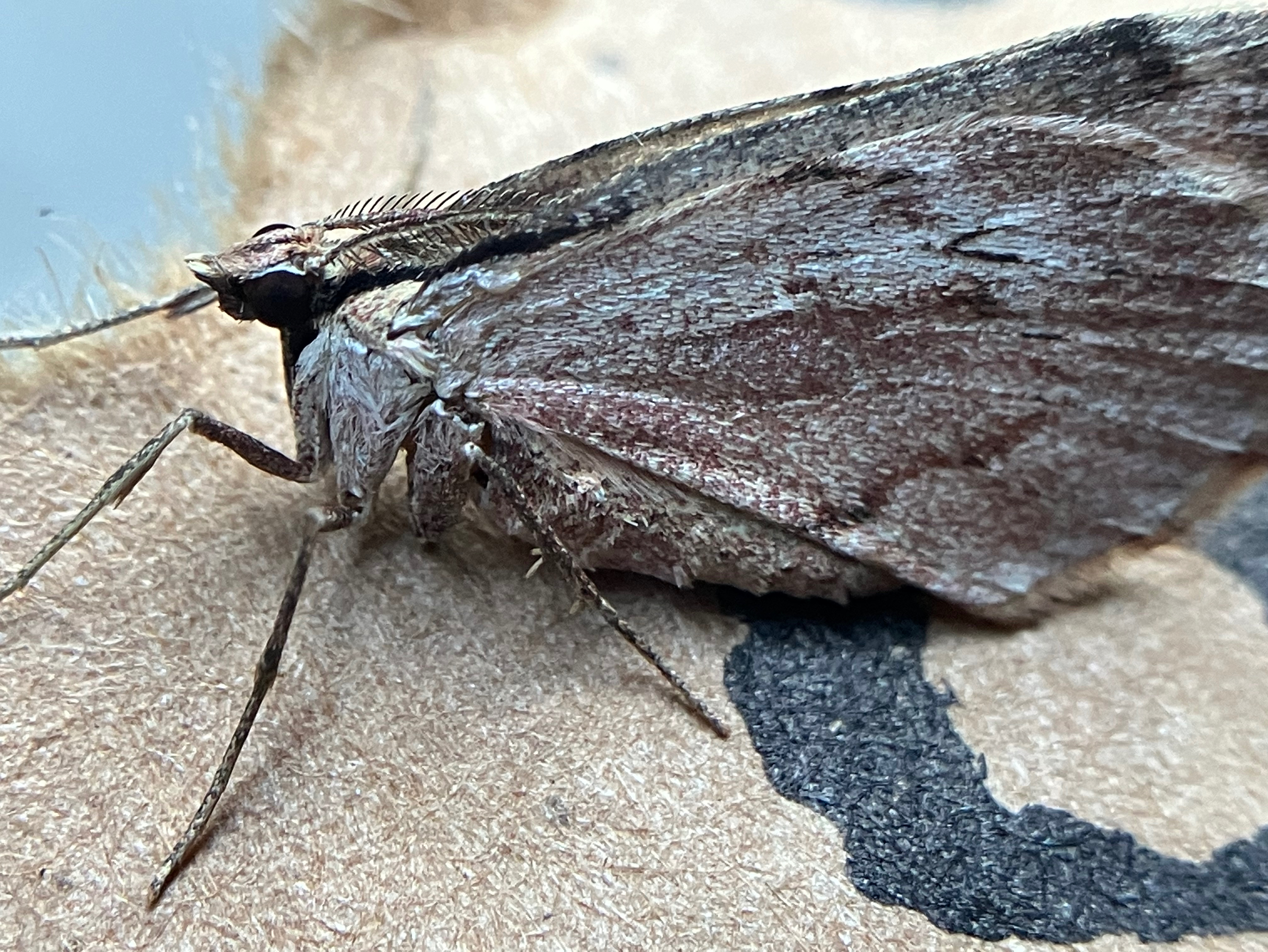
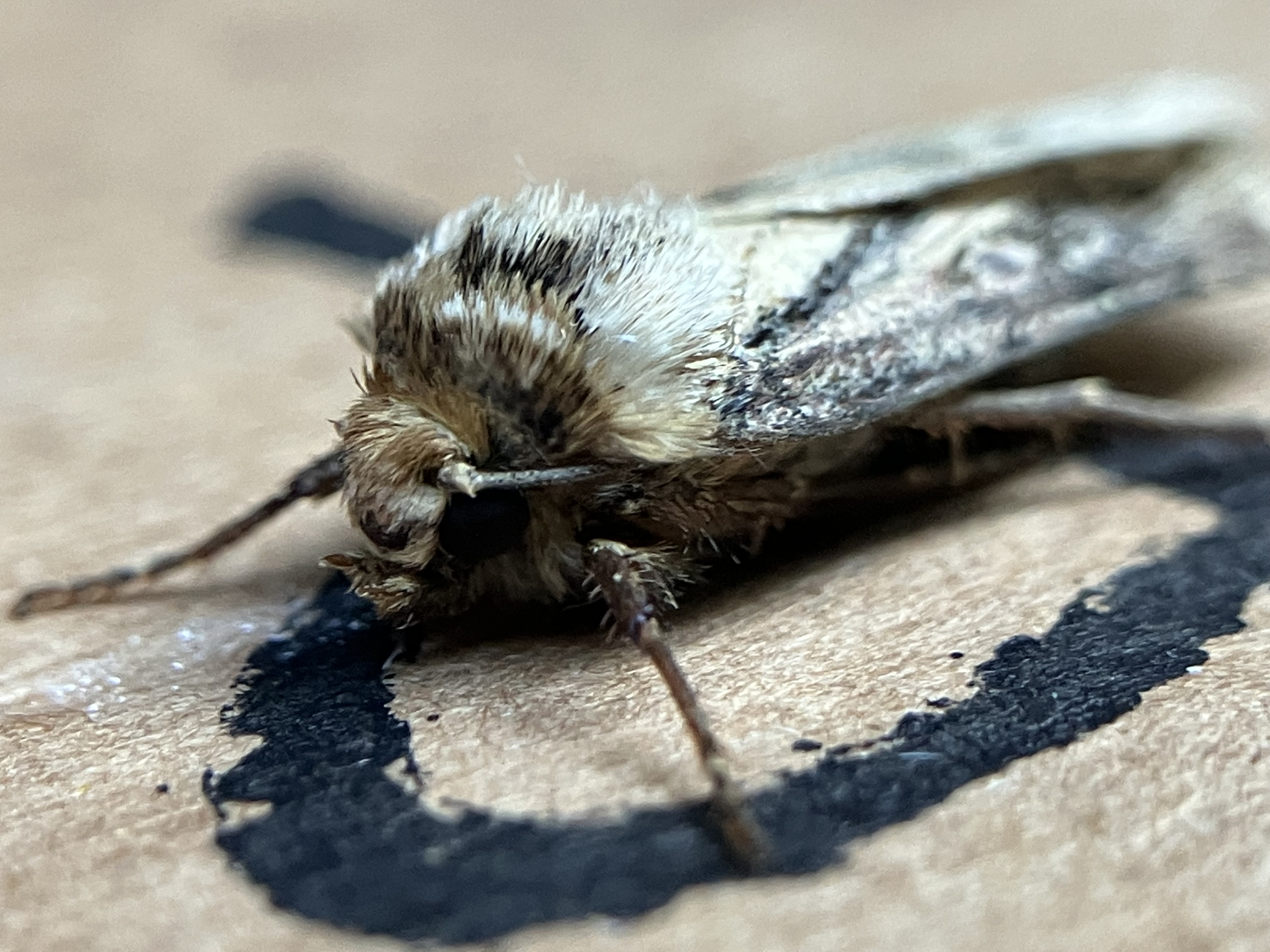
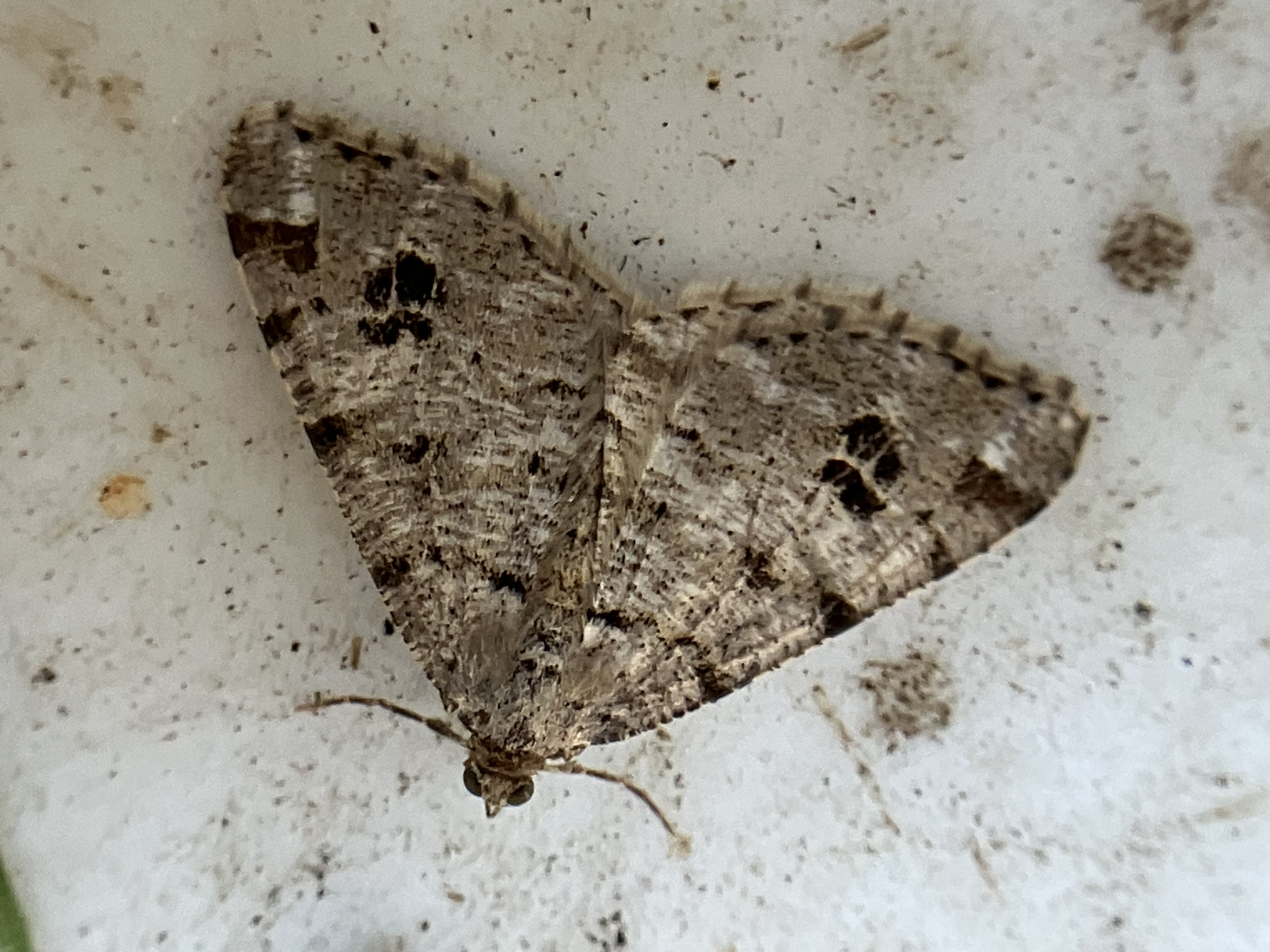
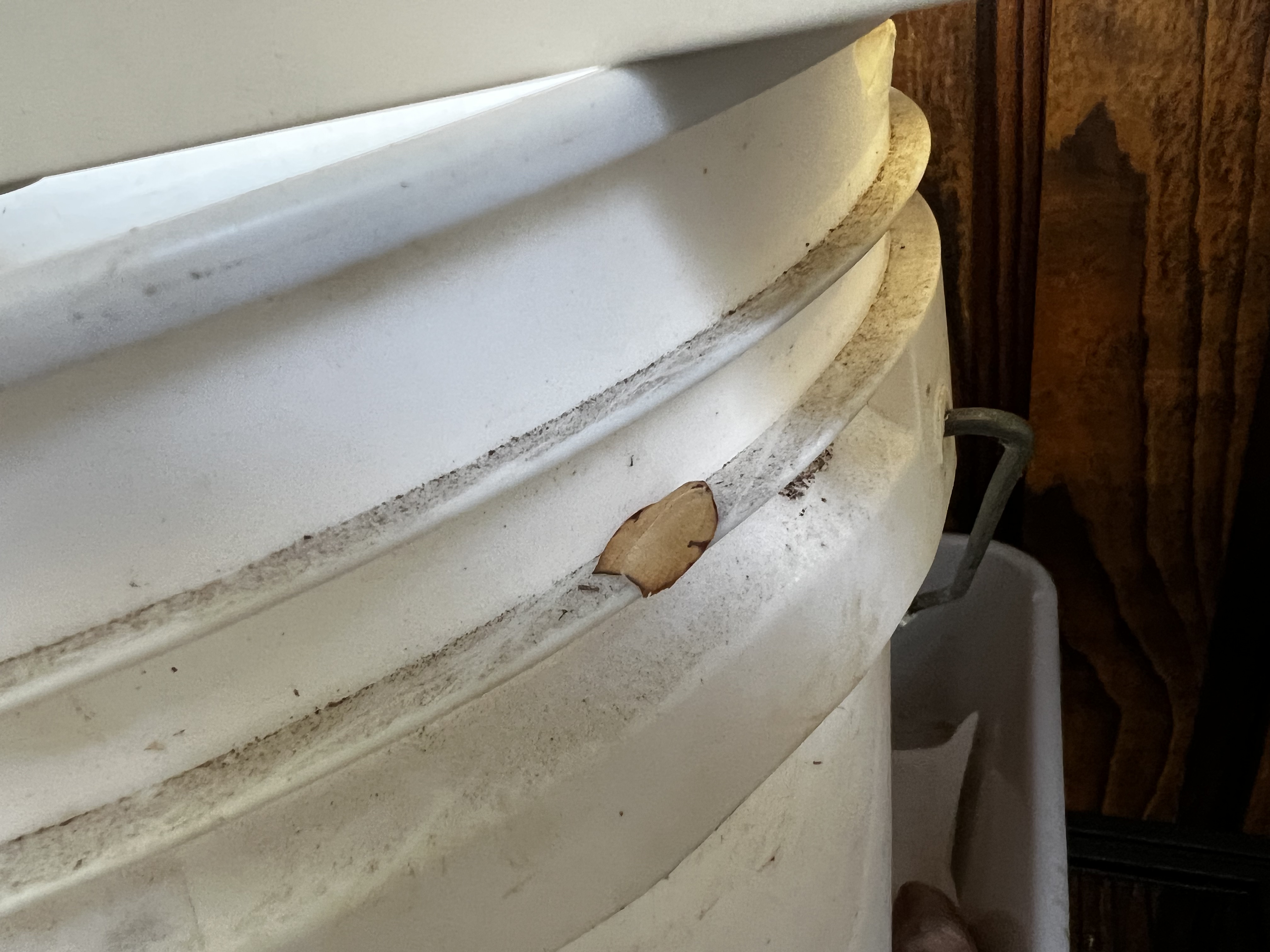
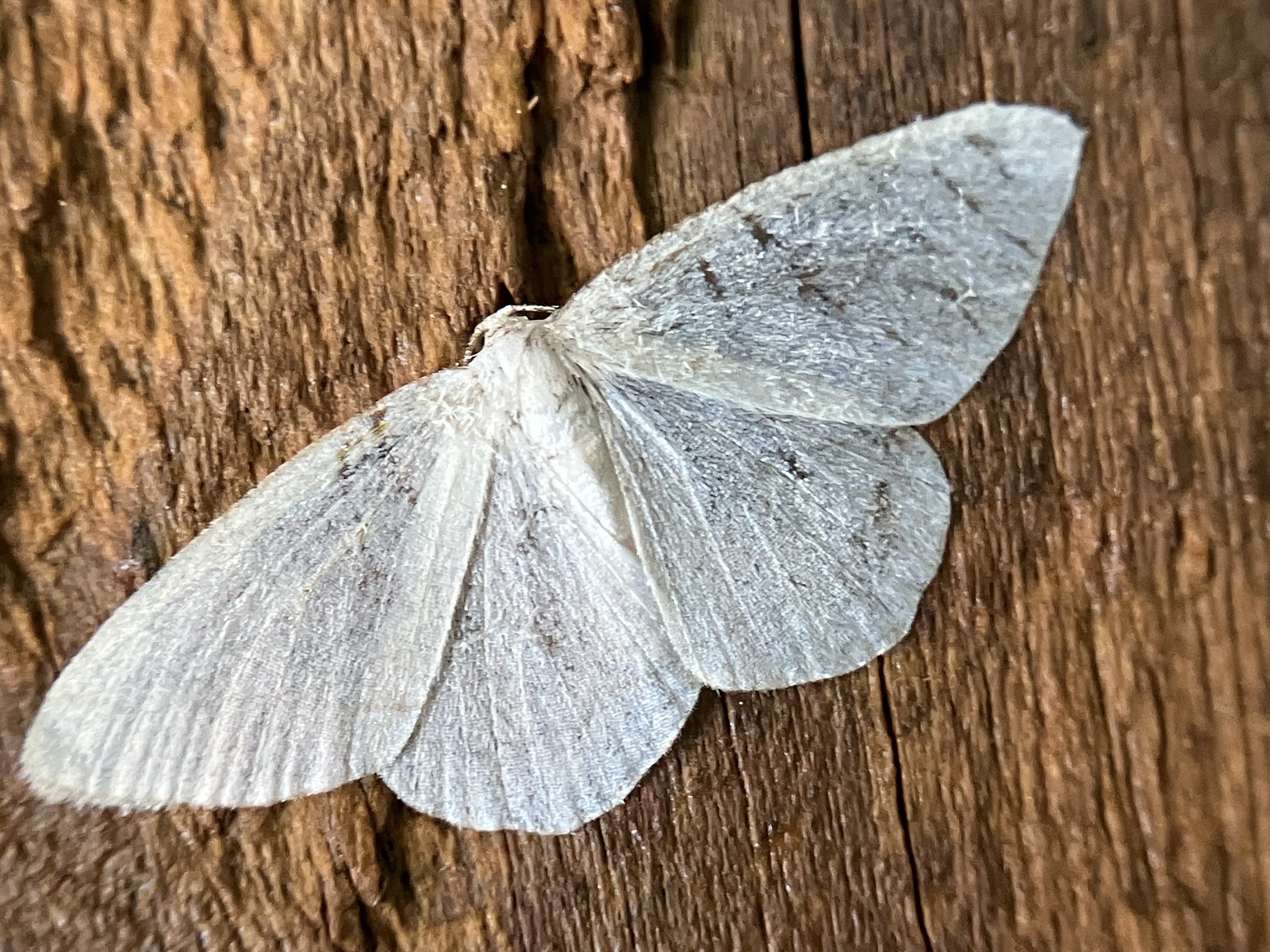
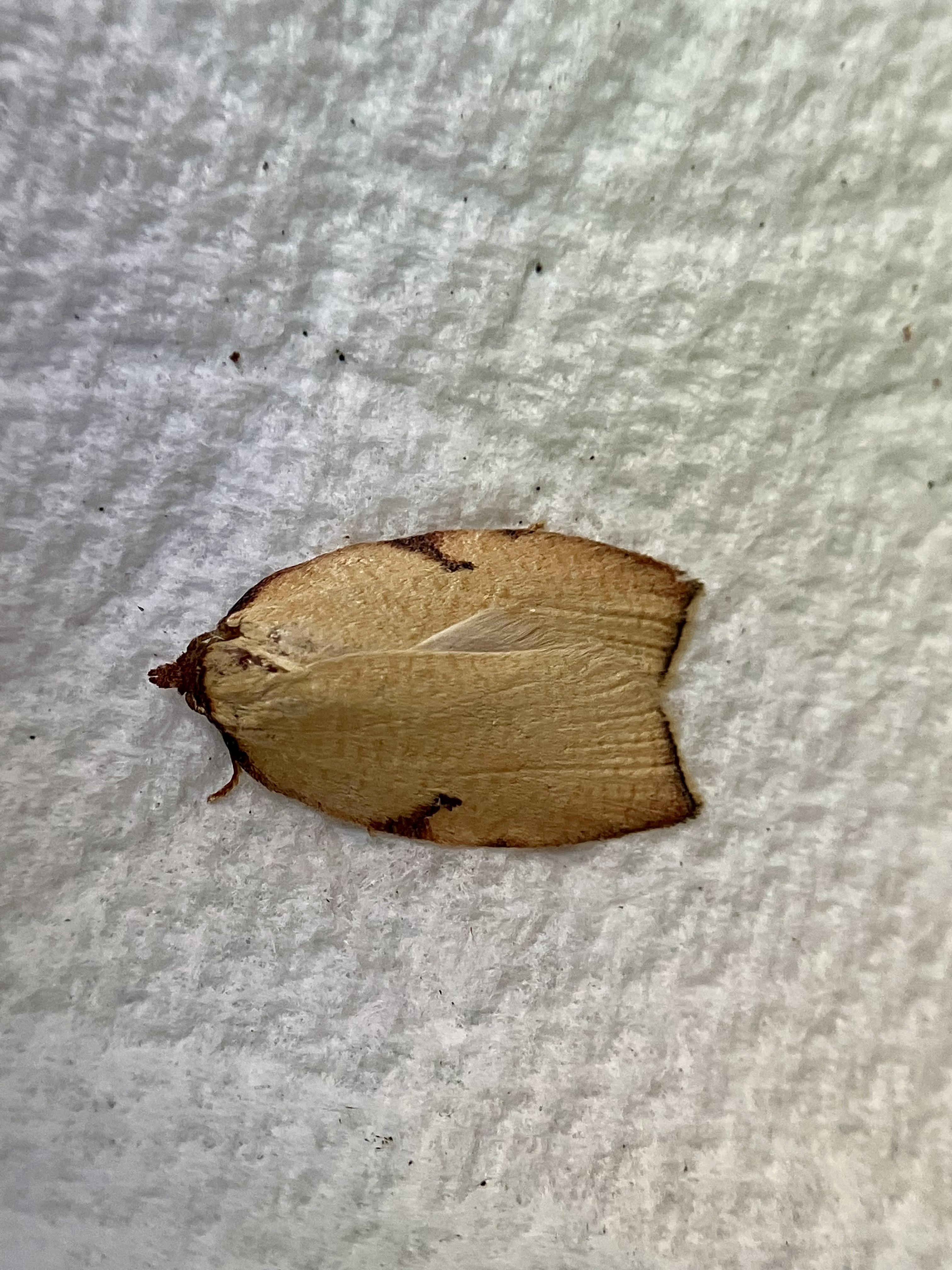
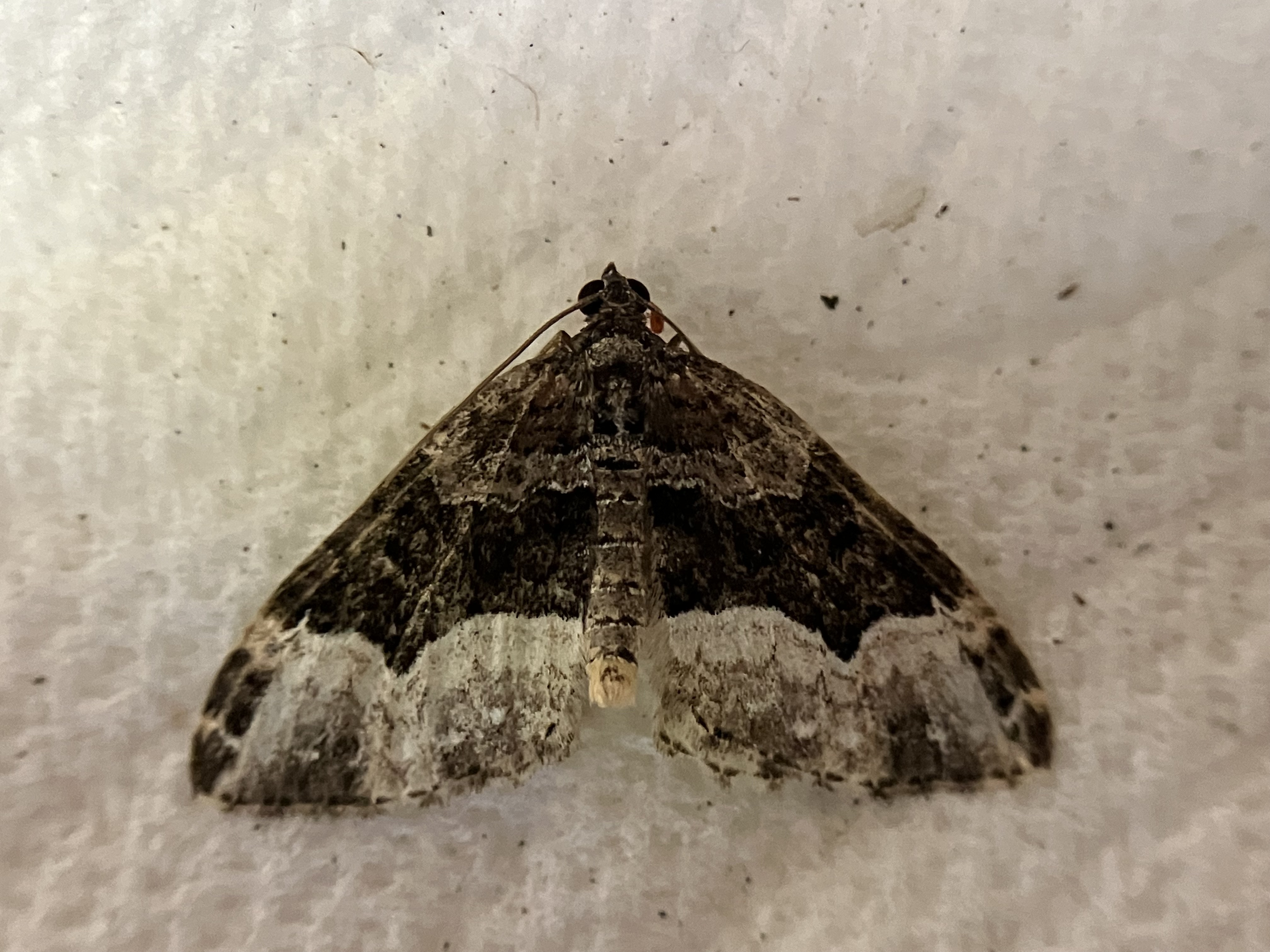
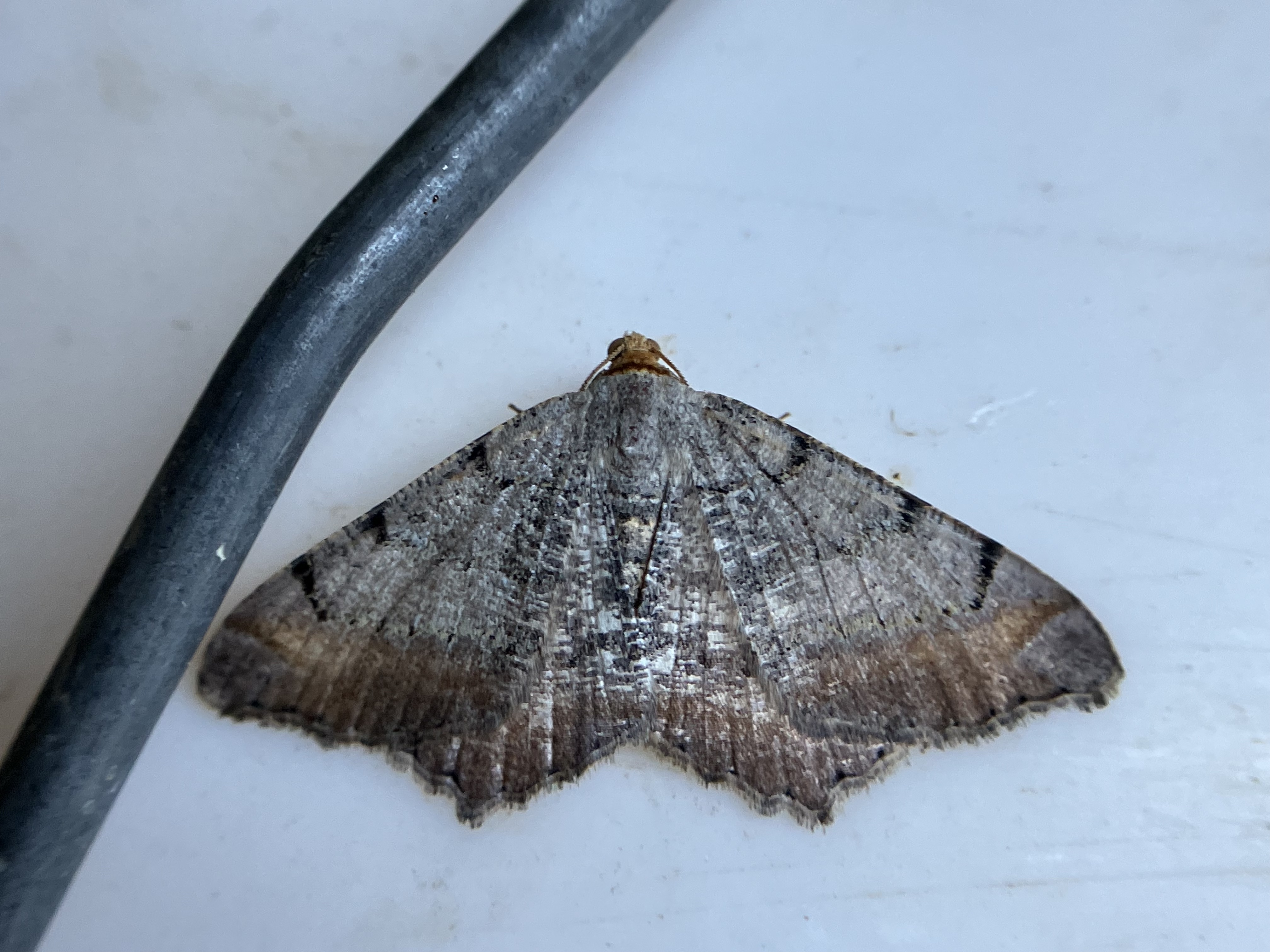
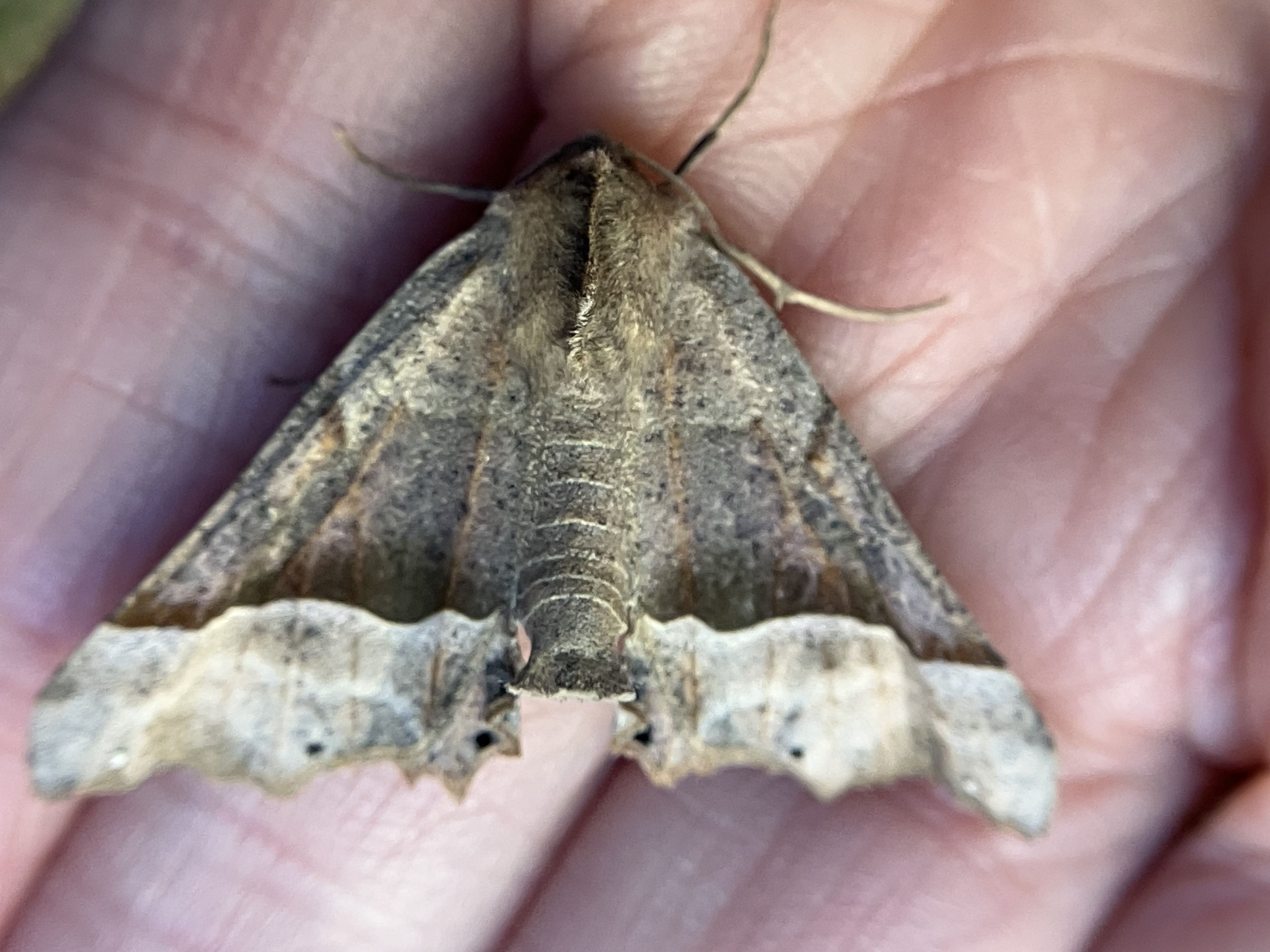
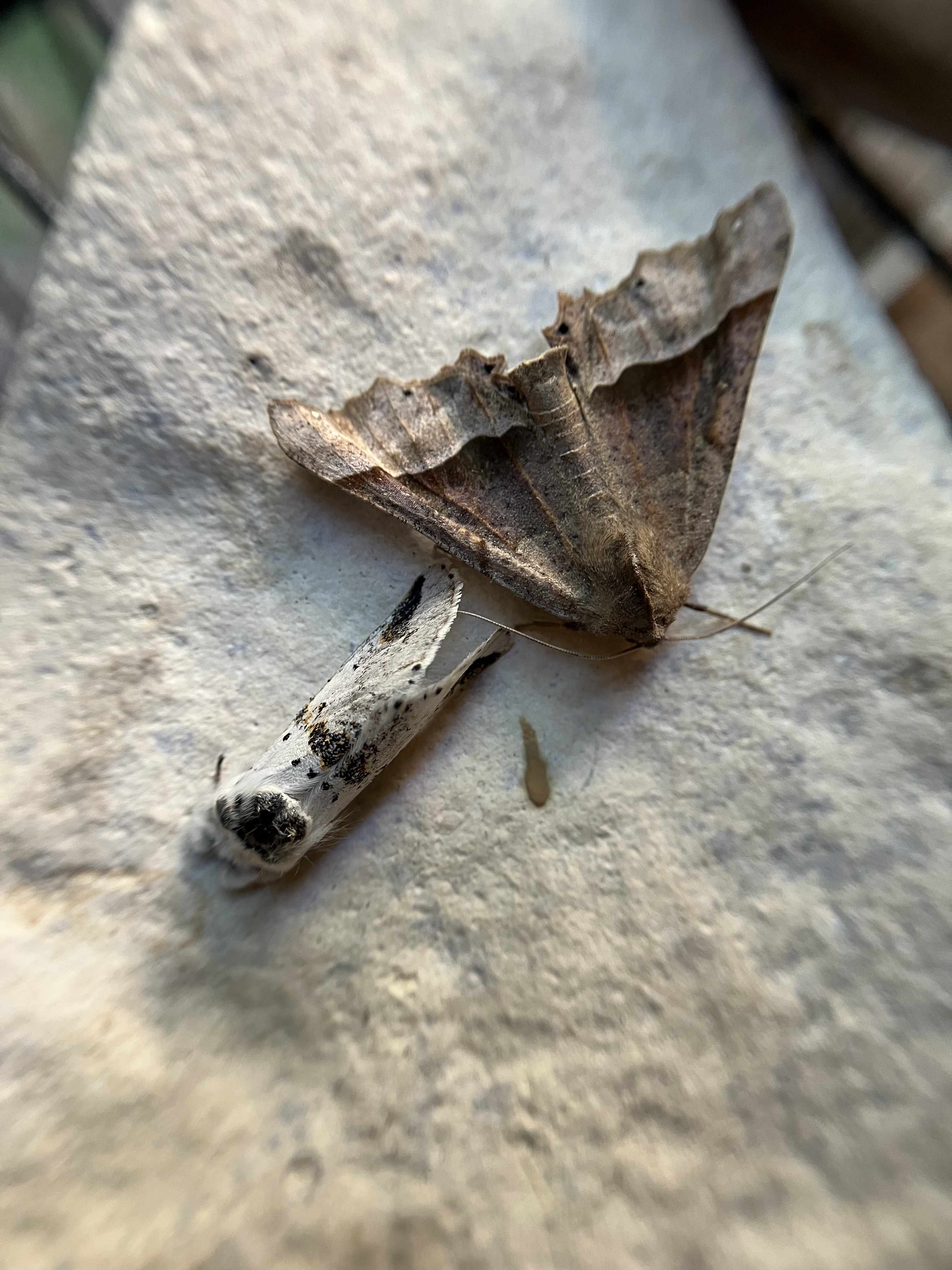
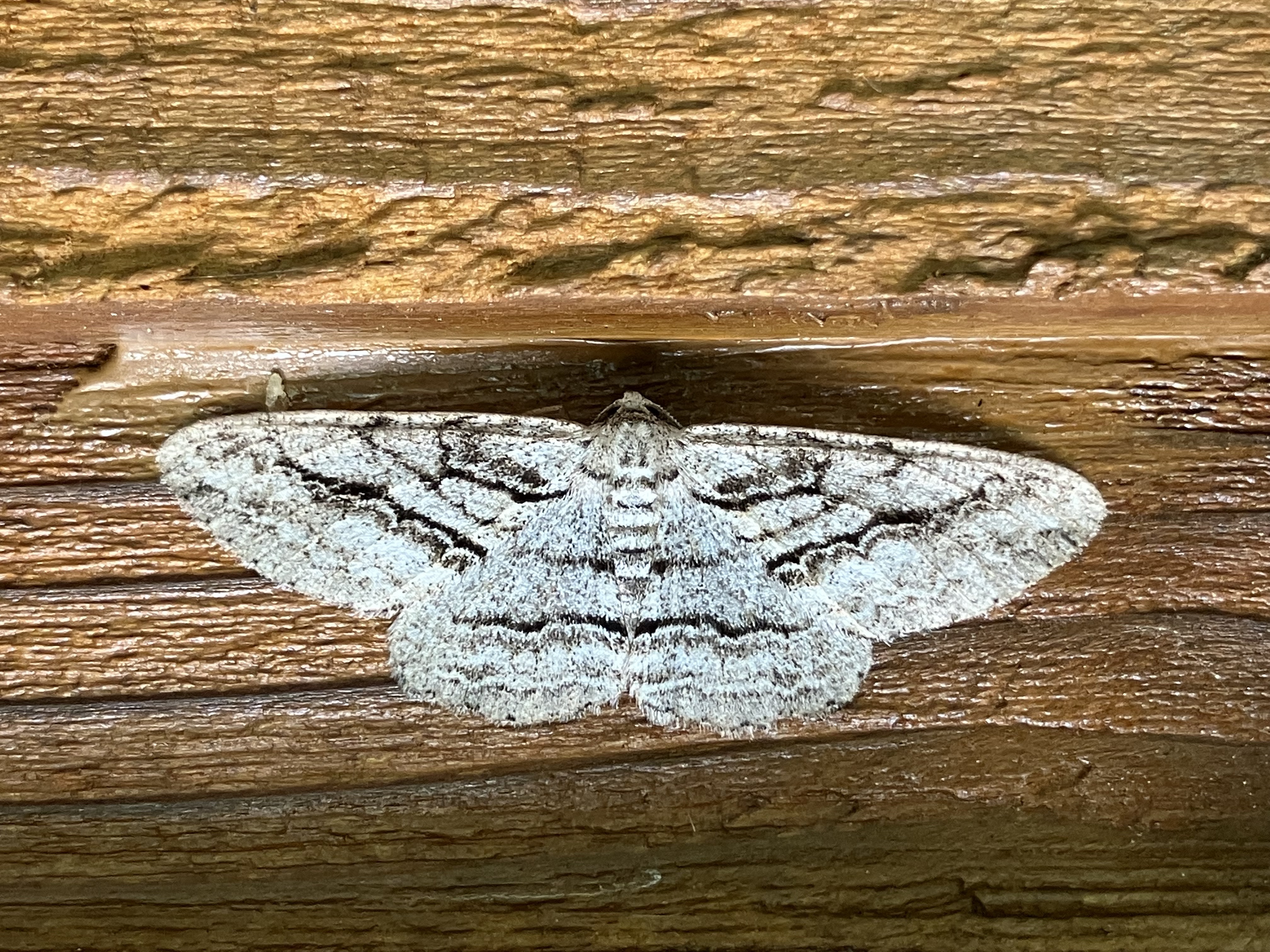
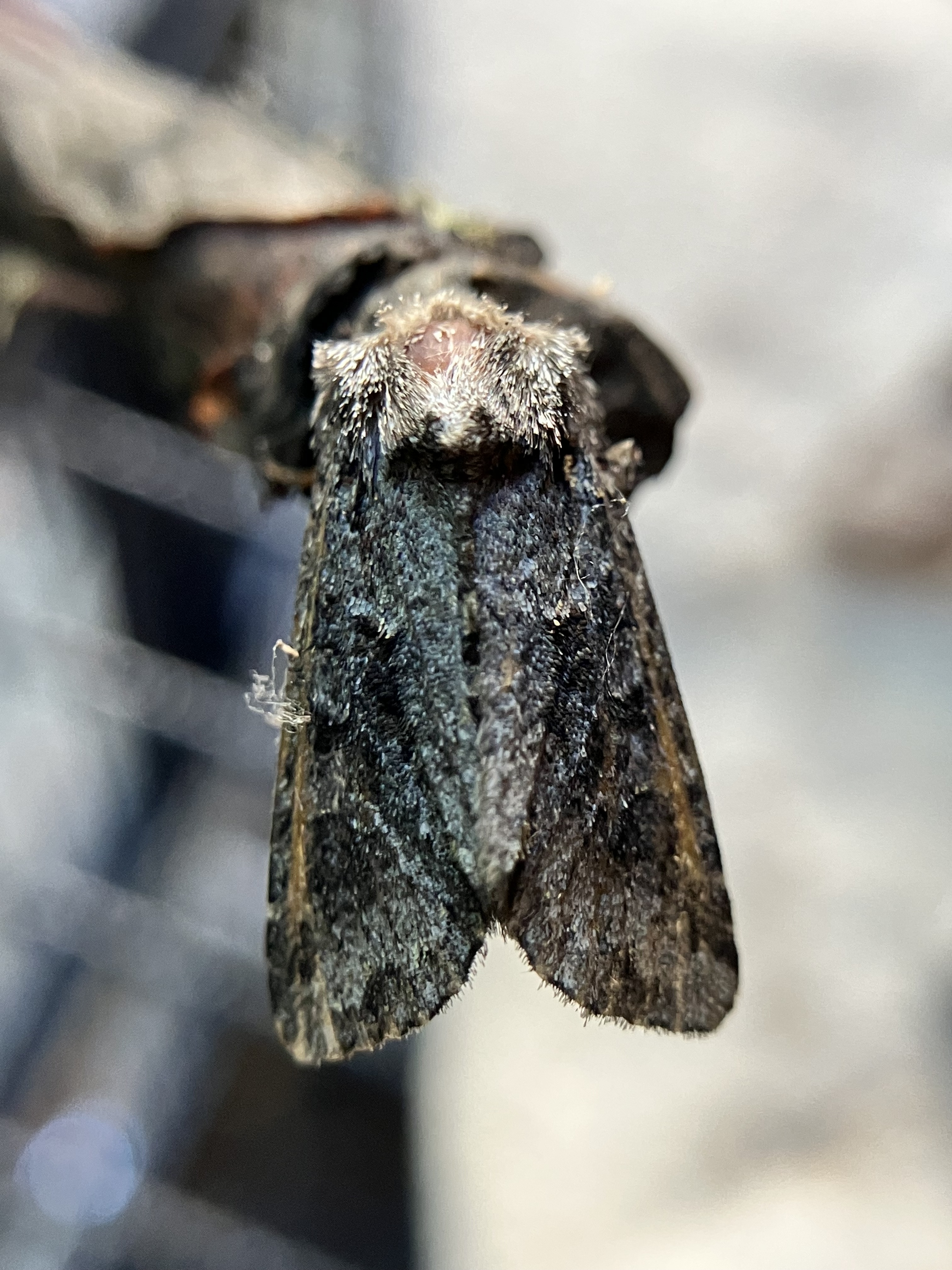
California Pyrausta Moth (Pyrausta californicalis)Western Panthea Moth (Panthea virginarius)Small Magpie (Anania hortulata)(Arta epicoenalis), a Pyralid mothGenus Eppirhoe Western Conifer Looper (Caripeta aequaliaria)Diamondback Moth (Plutella xylostella)Tribe Archipini – TortricidaeGray Scoopwing (Callizzia amorata)Choristoneura mothStamnoctenis pearsalli, a Carpet Moth (I think)Stamnoctenis pearsalli, a Carpet Moth (I think)Stamnoctenis pearsalli, a Carpet Moth (I think)Stamnoctenis pearsalli, a Carpet Moth (I think)Stamnoctenis pearsalli, a Carpet Moth (I think)Stamnoctenis pearsalli, a Carpet Moth (I think)Stamnoctenis pearsalli, a Carpet Moth (I think)Stamnoctenis pearsalli, a Carpet Moth (I think)Stamnoctenis pearsalli, a Carpet Moth (I think)Horned Spanworm Moth (Nematocampa resistaria)Unknown Noctuid moth
We are getting closer to National Moth Week 2023 (July 22-30). I am continuing my head start. If you’ve been following along, you’ll see I am posting a daily gallery of what I’ve collected in my bug bucket with UVB light each night when I check the next morning.
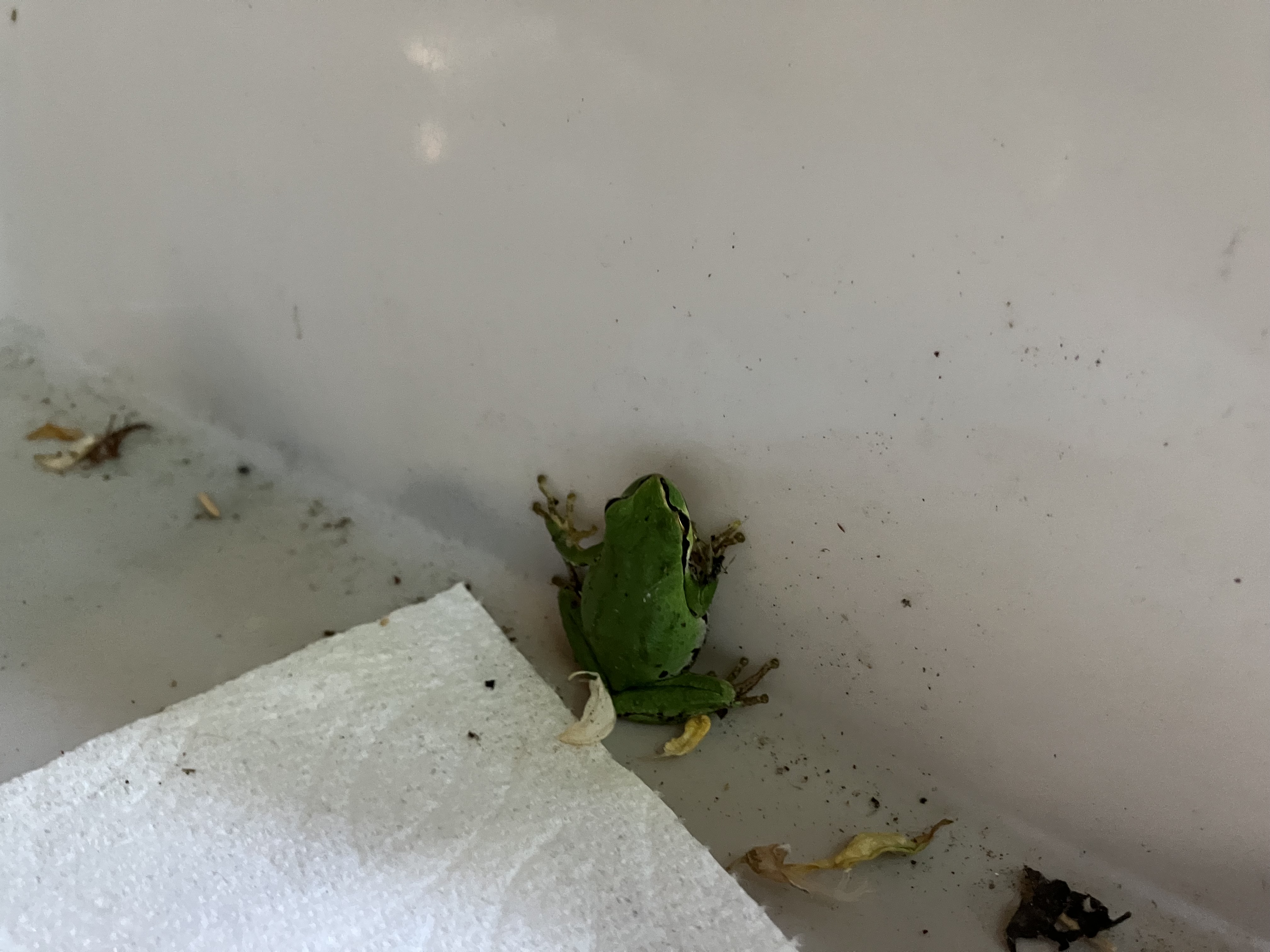
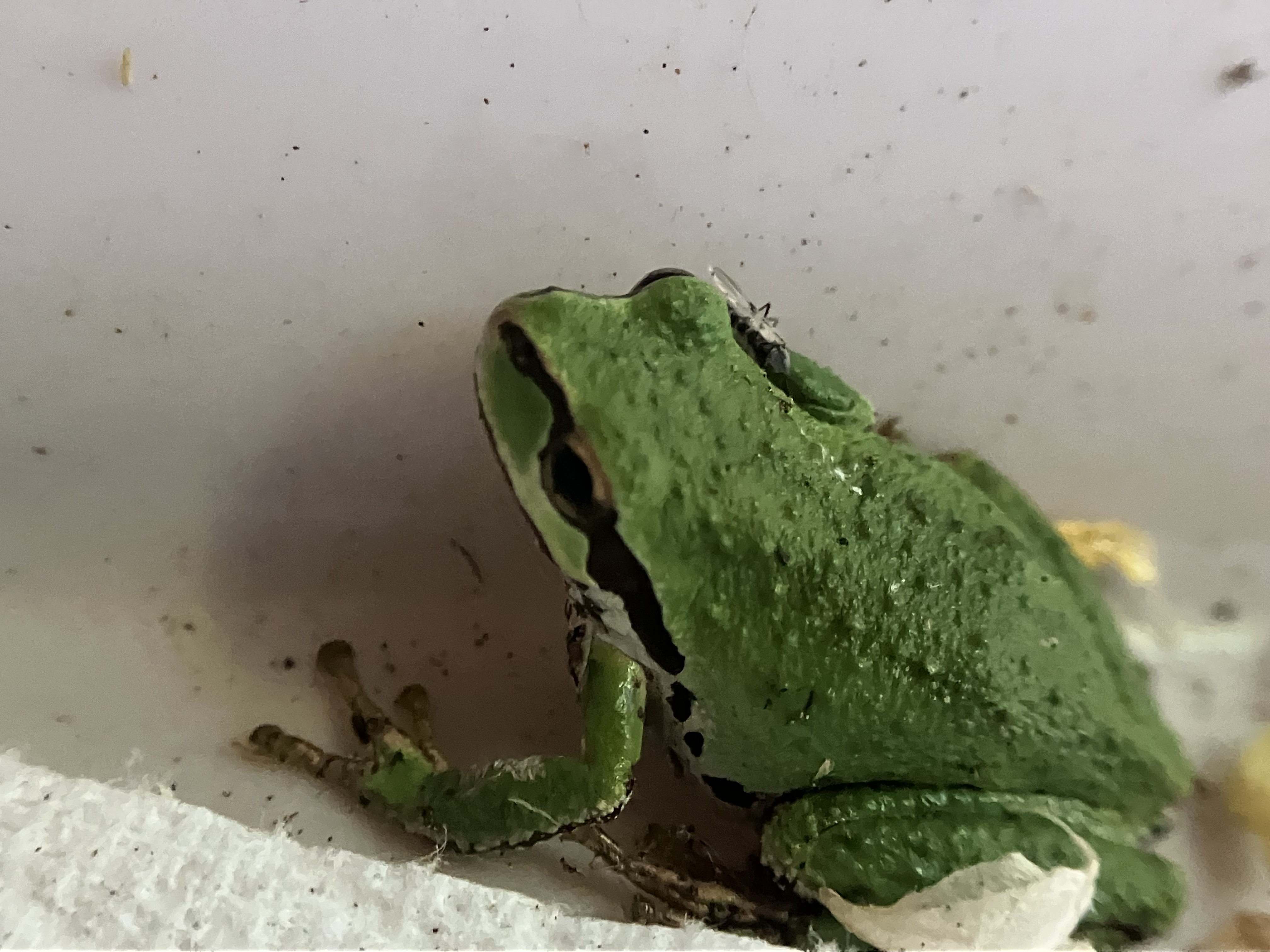
It took me a good while today to sit down and try to work out ID’s for my specimens. ALL specimens found in the bucket are handled with gentle care and safely released back into cryptic hiding spots to better avoid predation by birds, yellow jackets, and other predaceous insects. Probably add in spiders, though I have not seen many in this dry spell of weather we are having. I did have an unexpected guest show up in the bucket this morning. A frog. Yes, if you set the buffet up, the dinner guests will inevitably find it. 🐸
I’ll add the link to the National Moth Week website here https://nationalmothweek.org and if you are interested in participating and can’t figure out what you need to do or need advice on how to MOTH, feel free to reach out. Check out the gallery below and thanks for stopping by!
Gallery
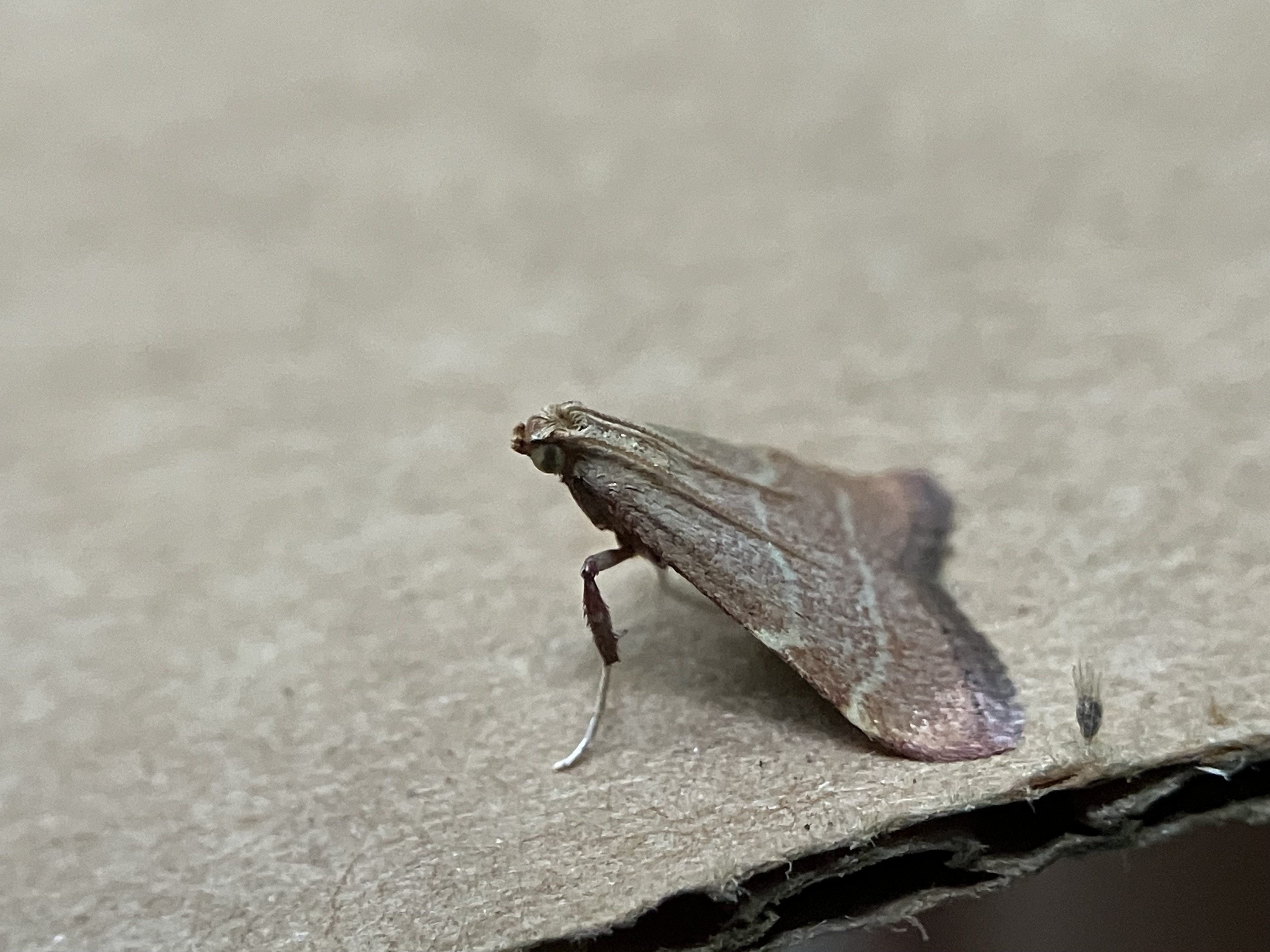
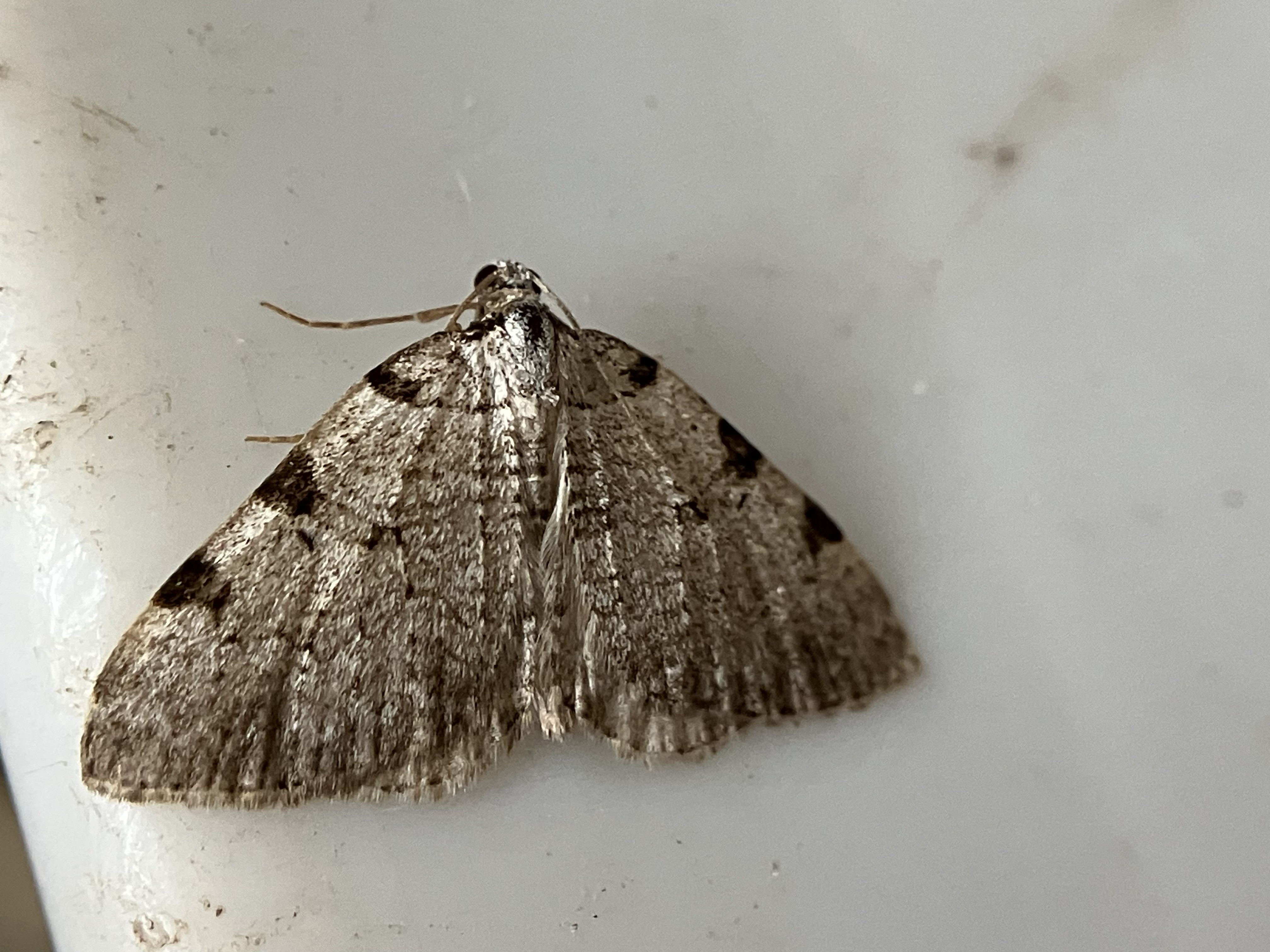
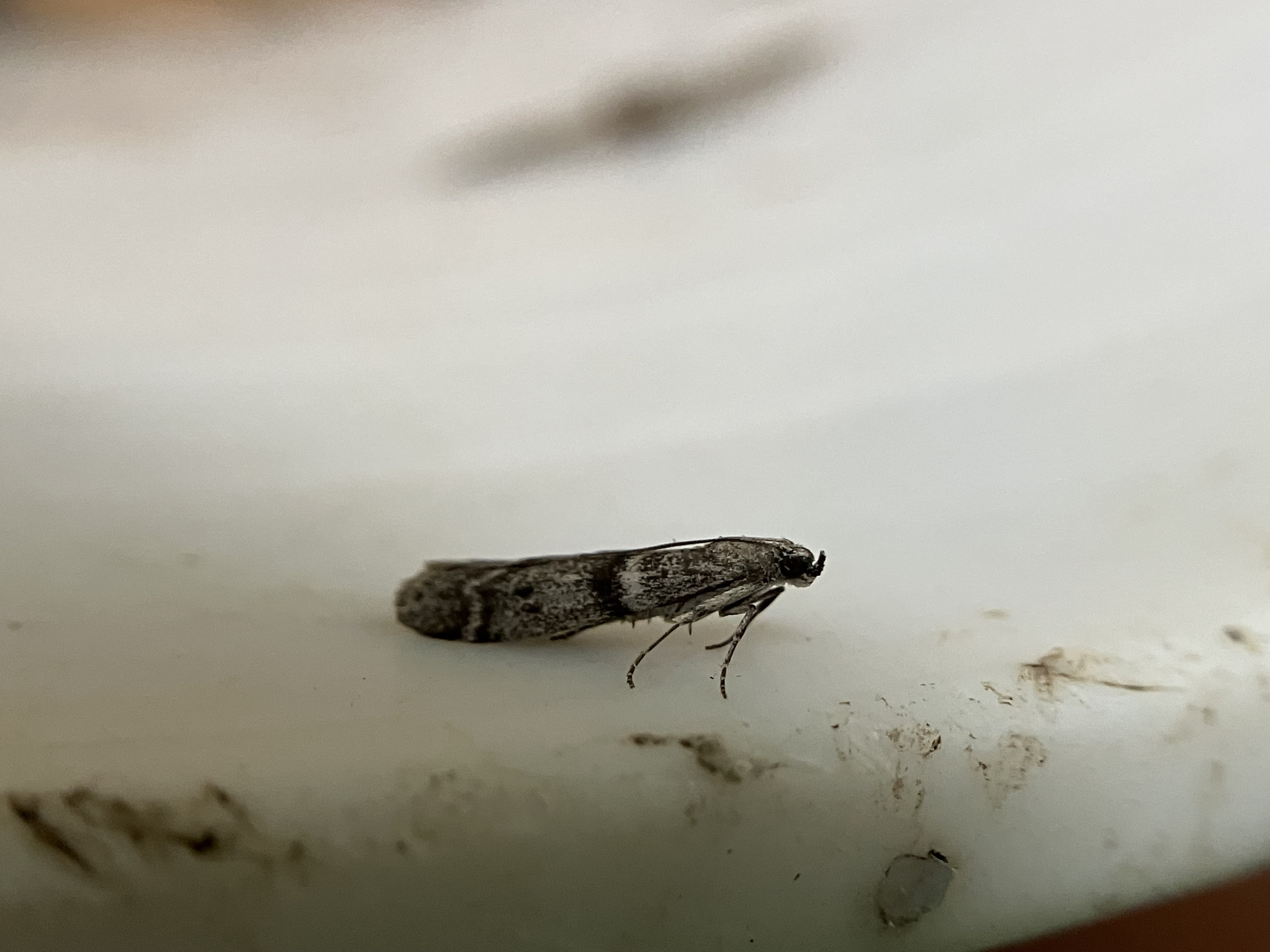
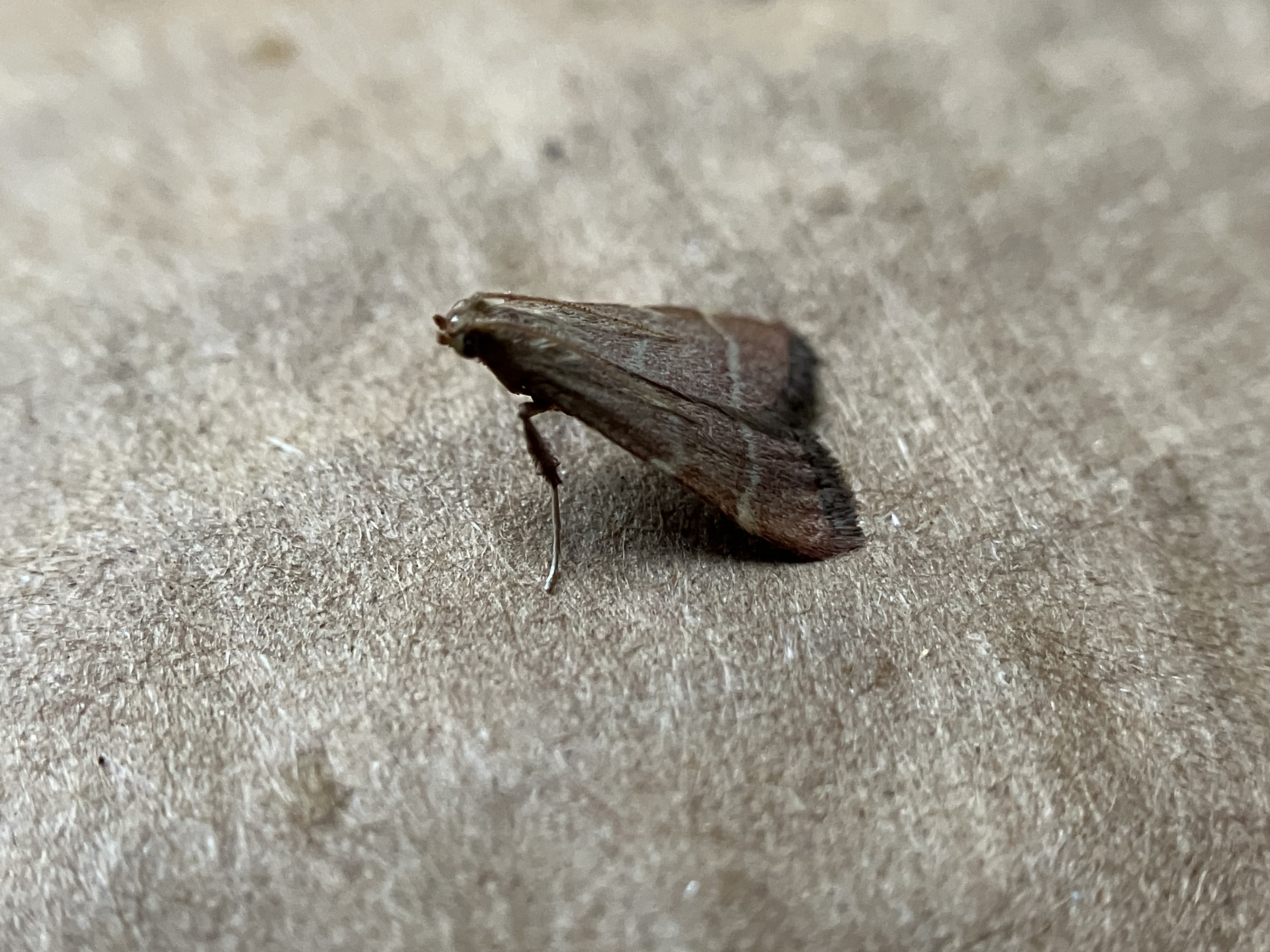
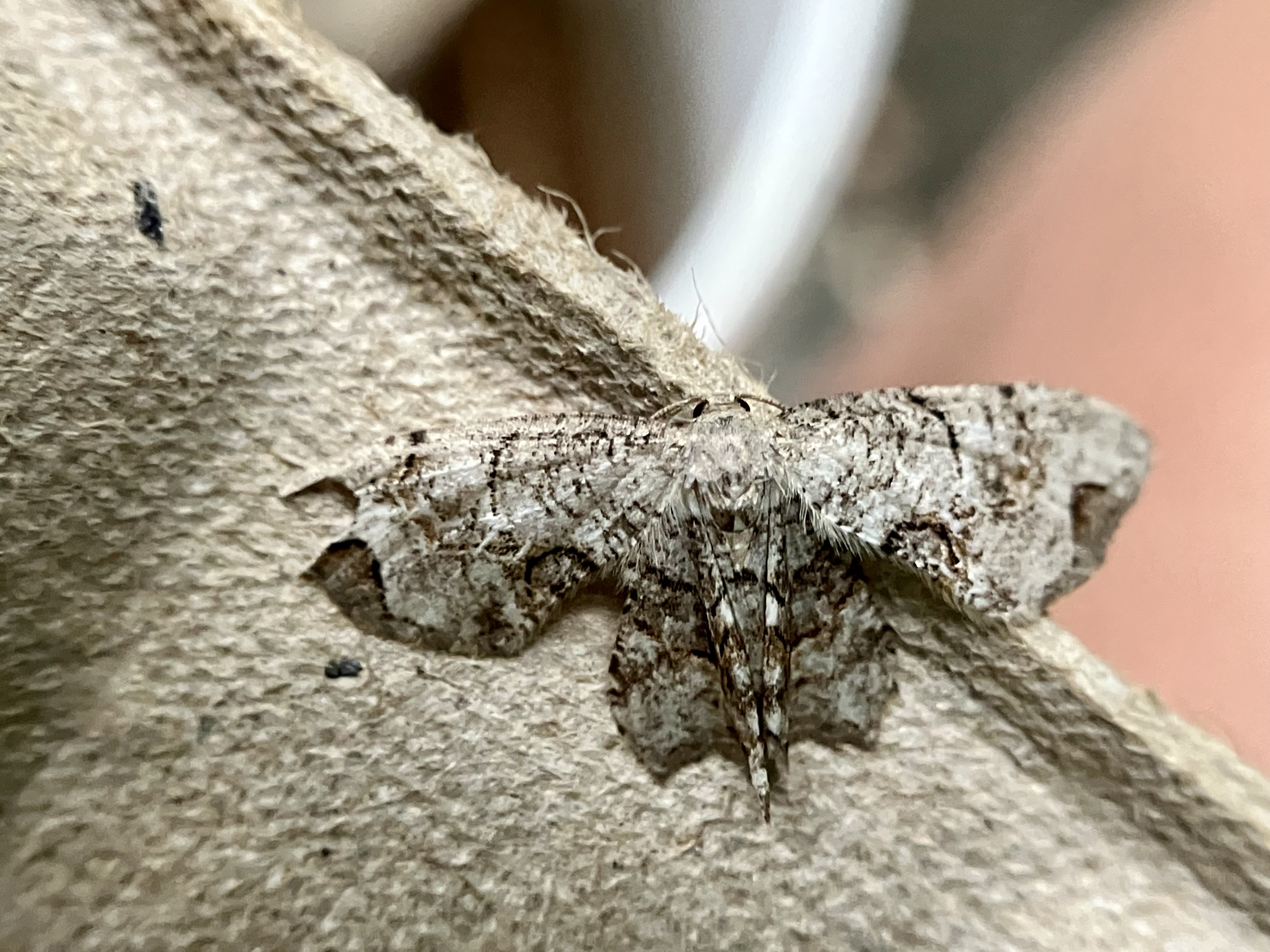
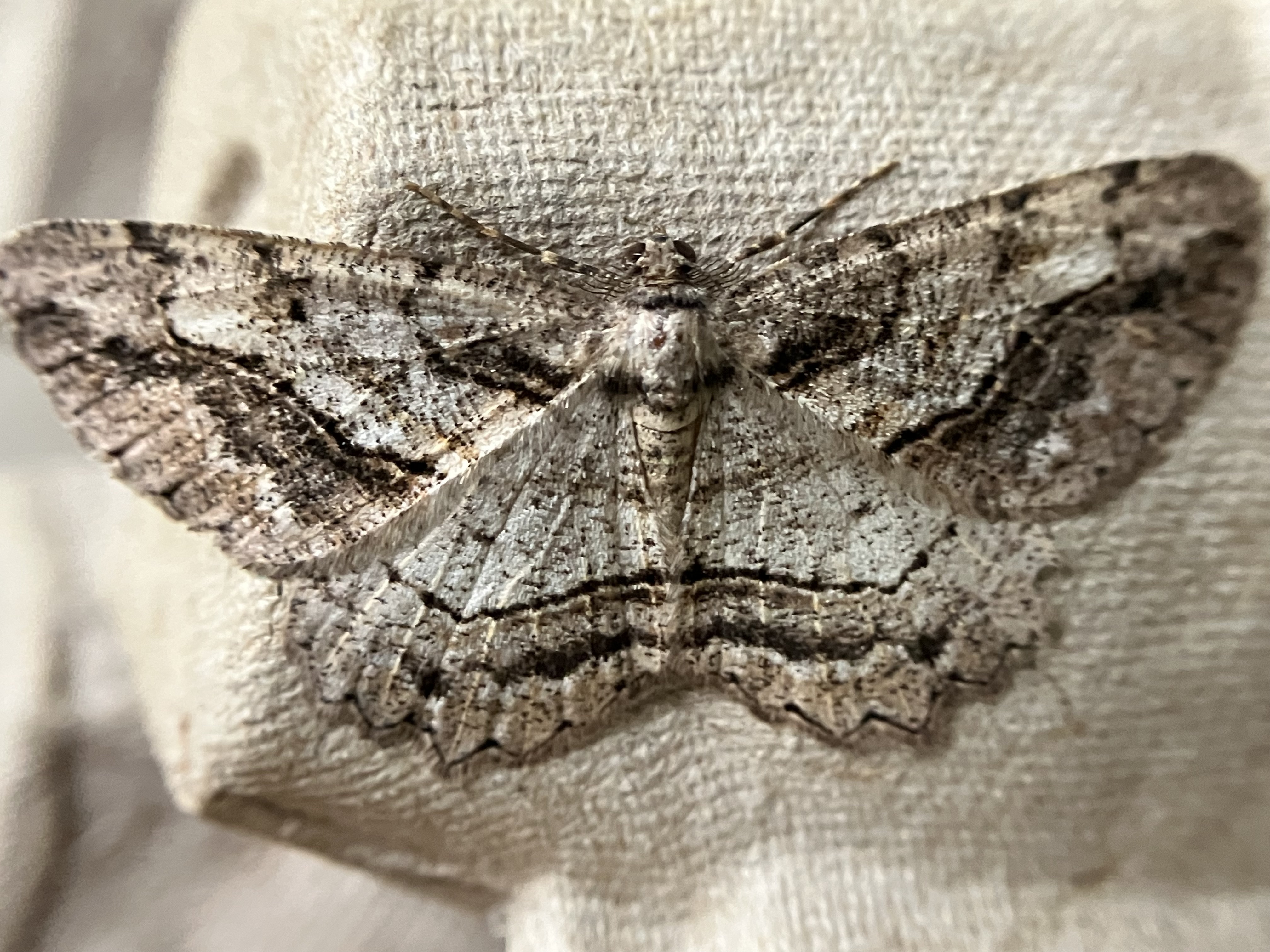
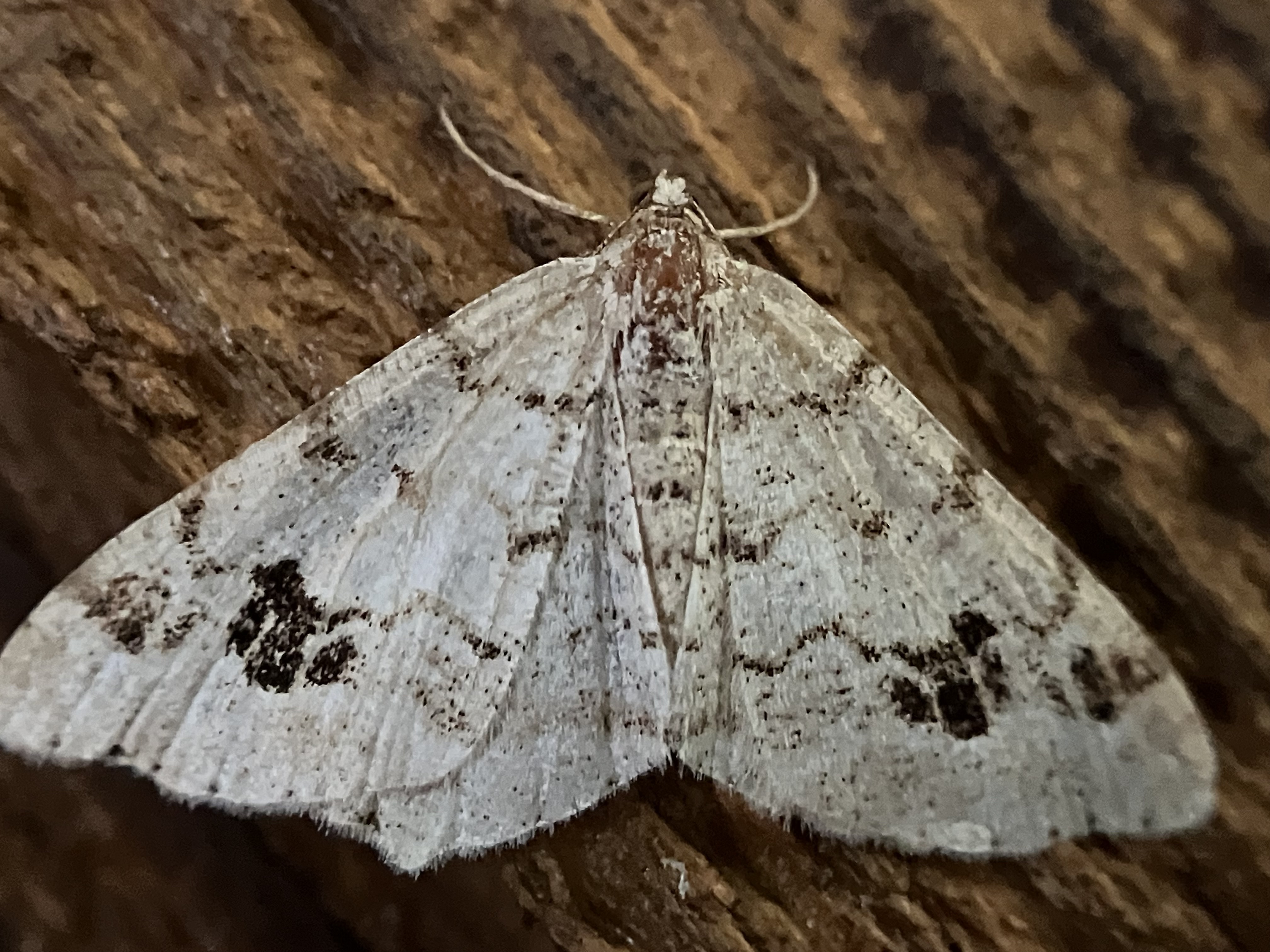
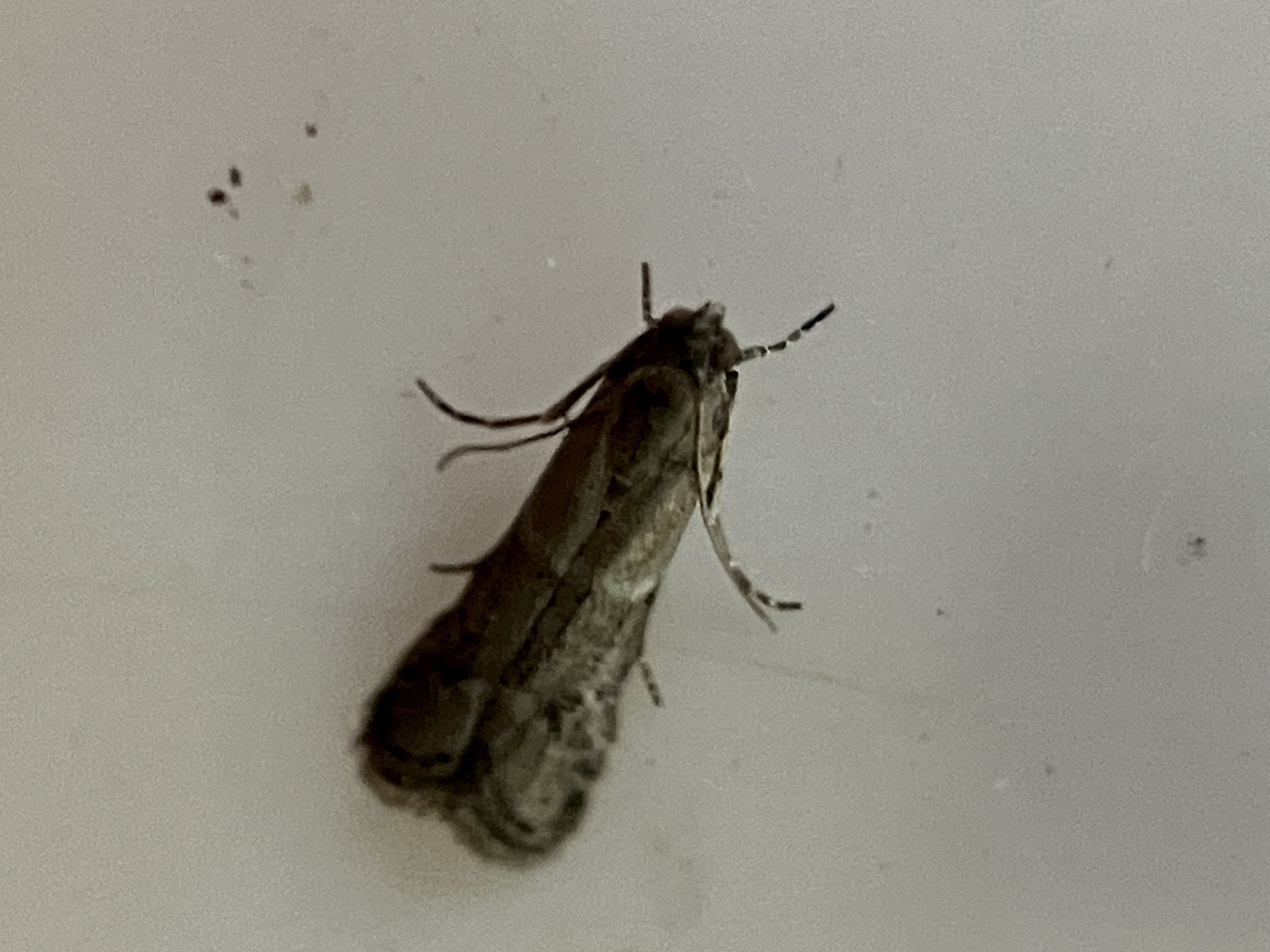
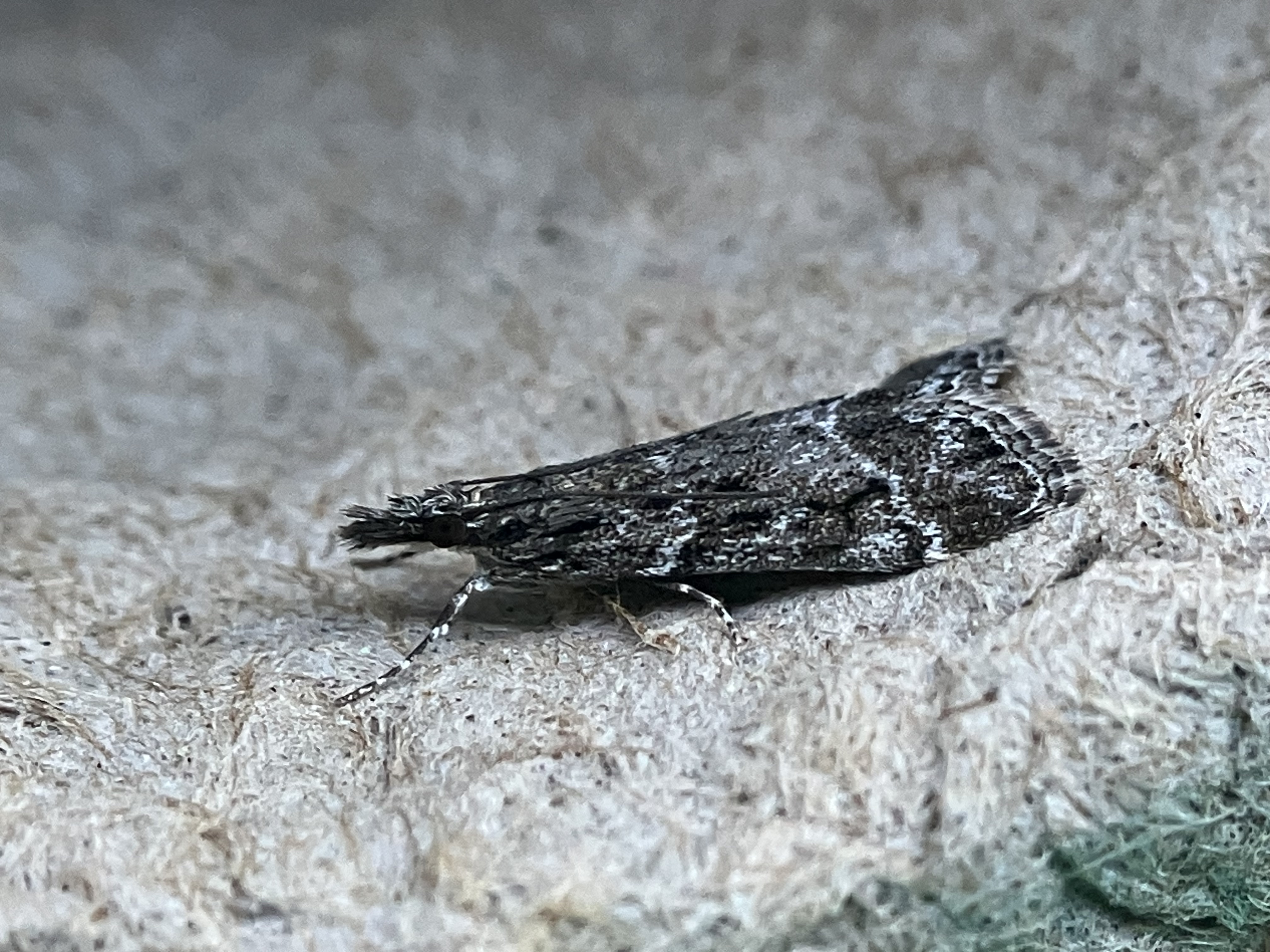
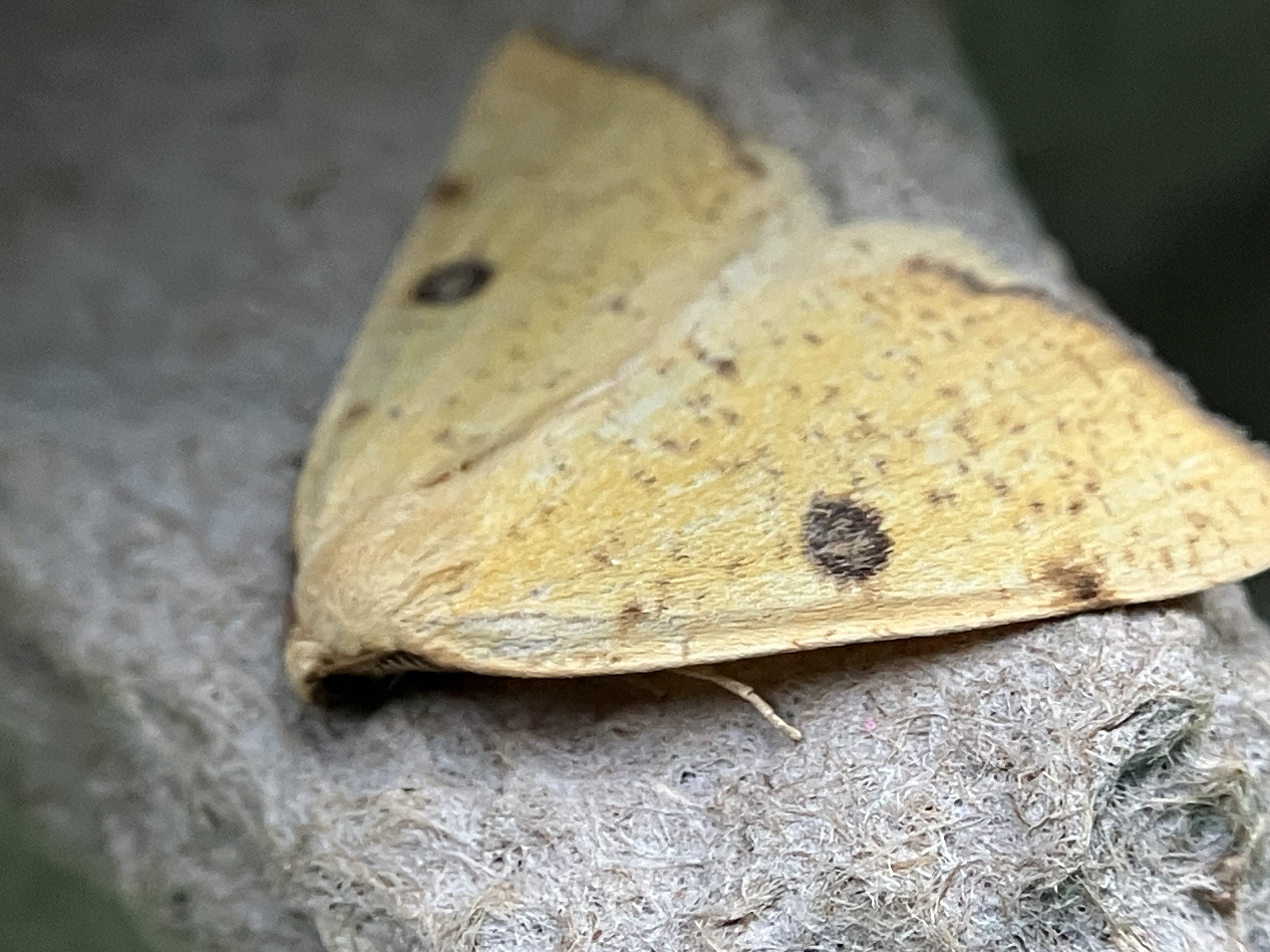
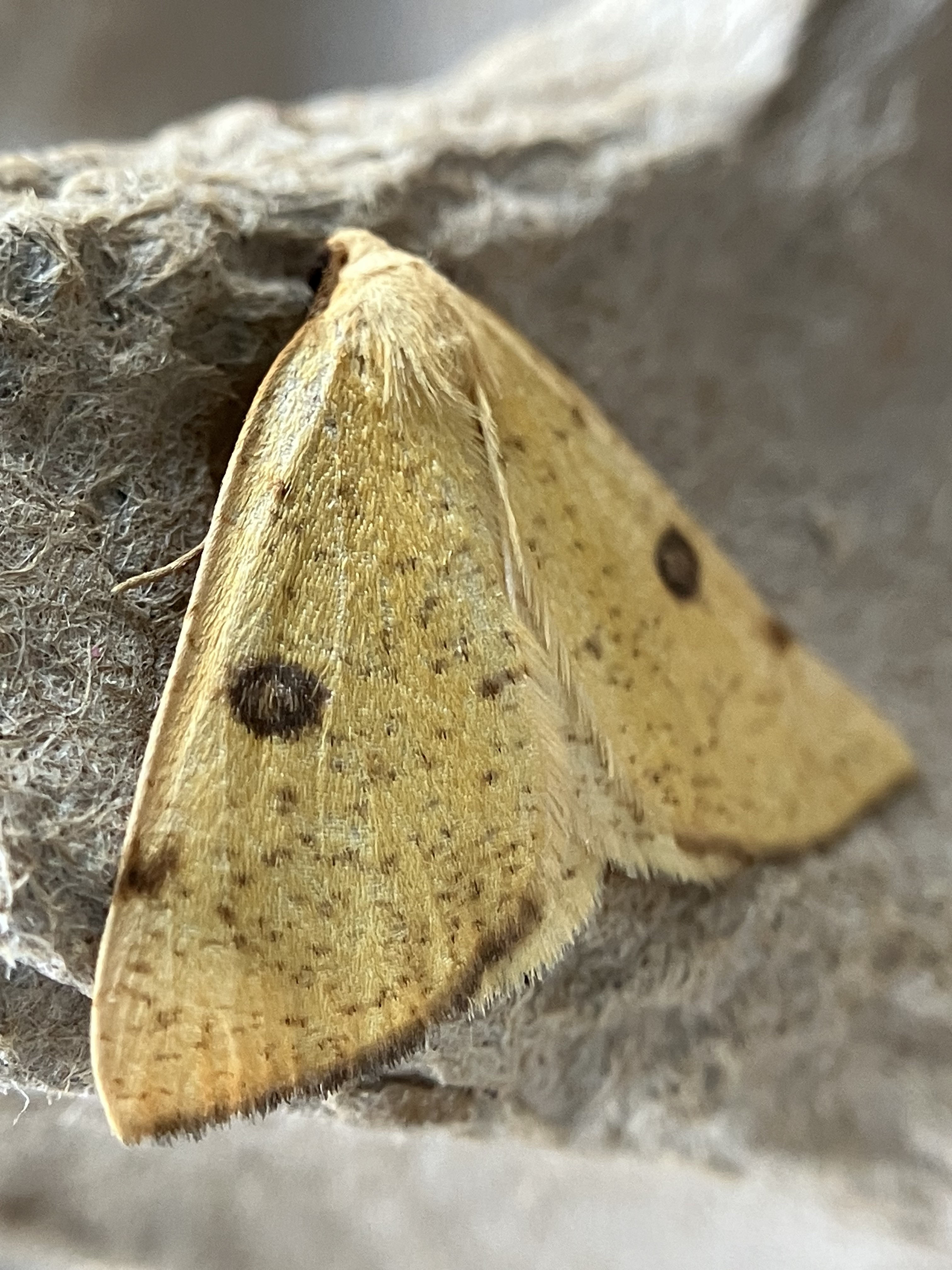
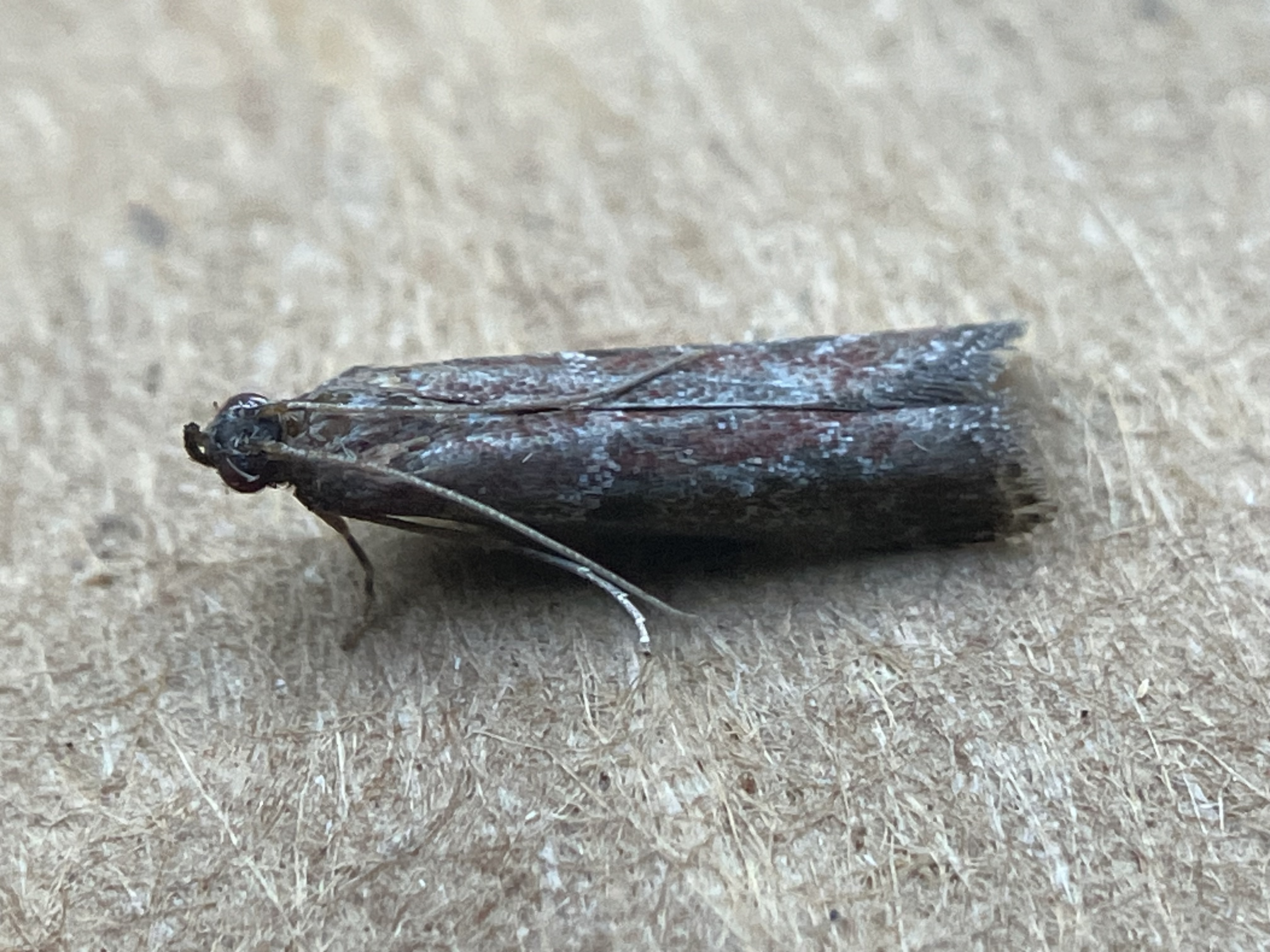
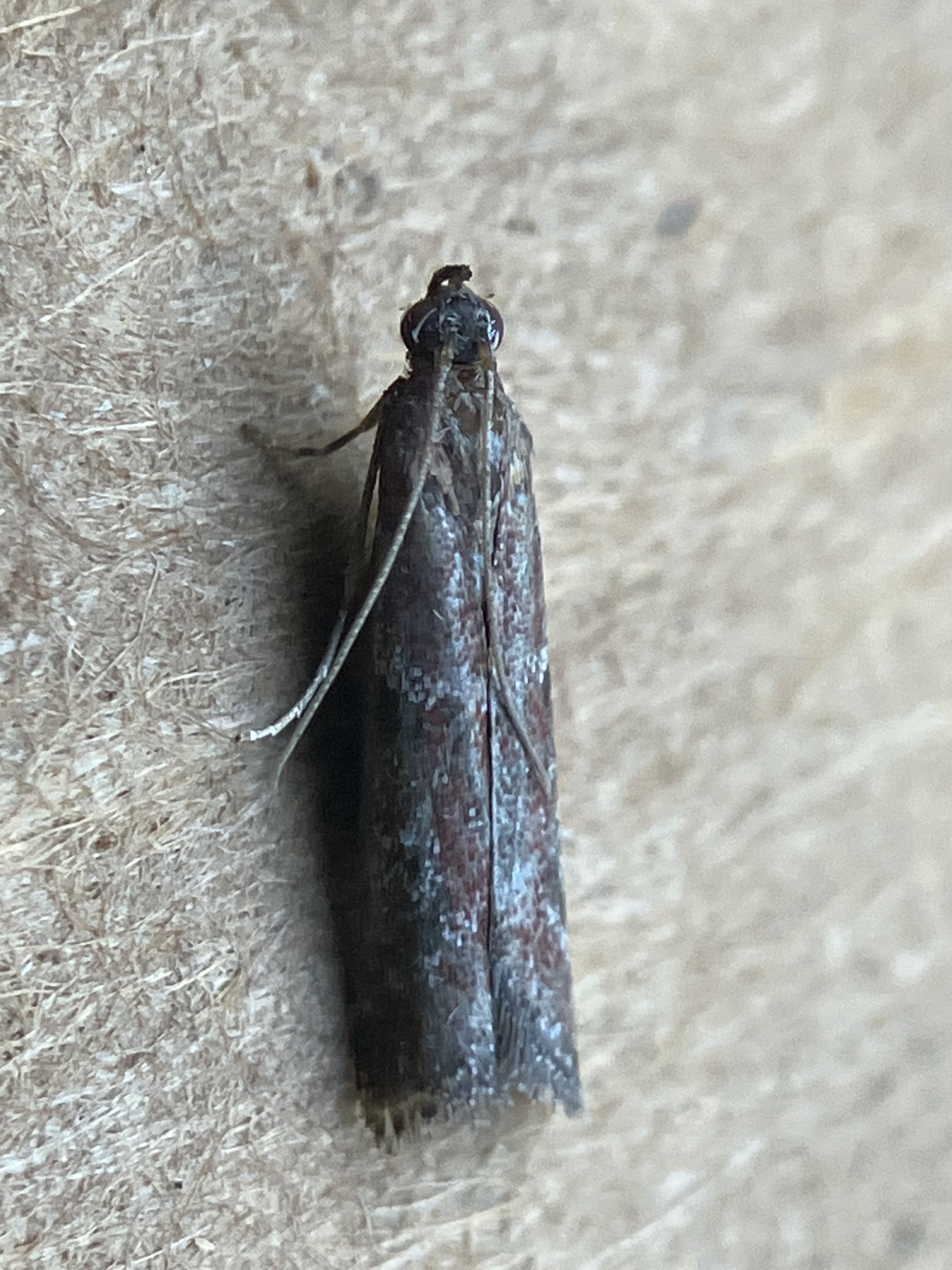
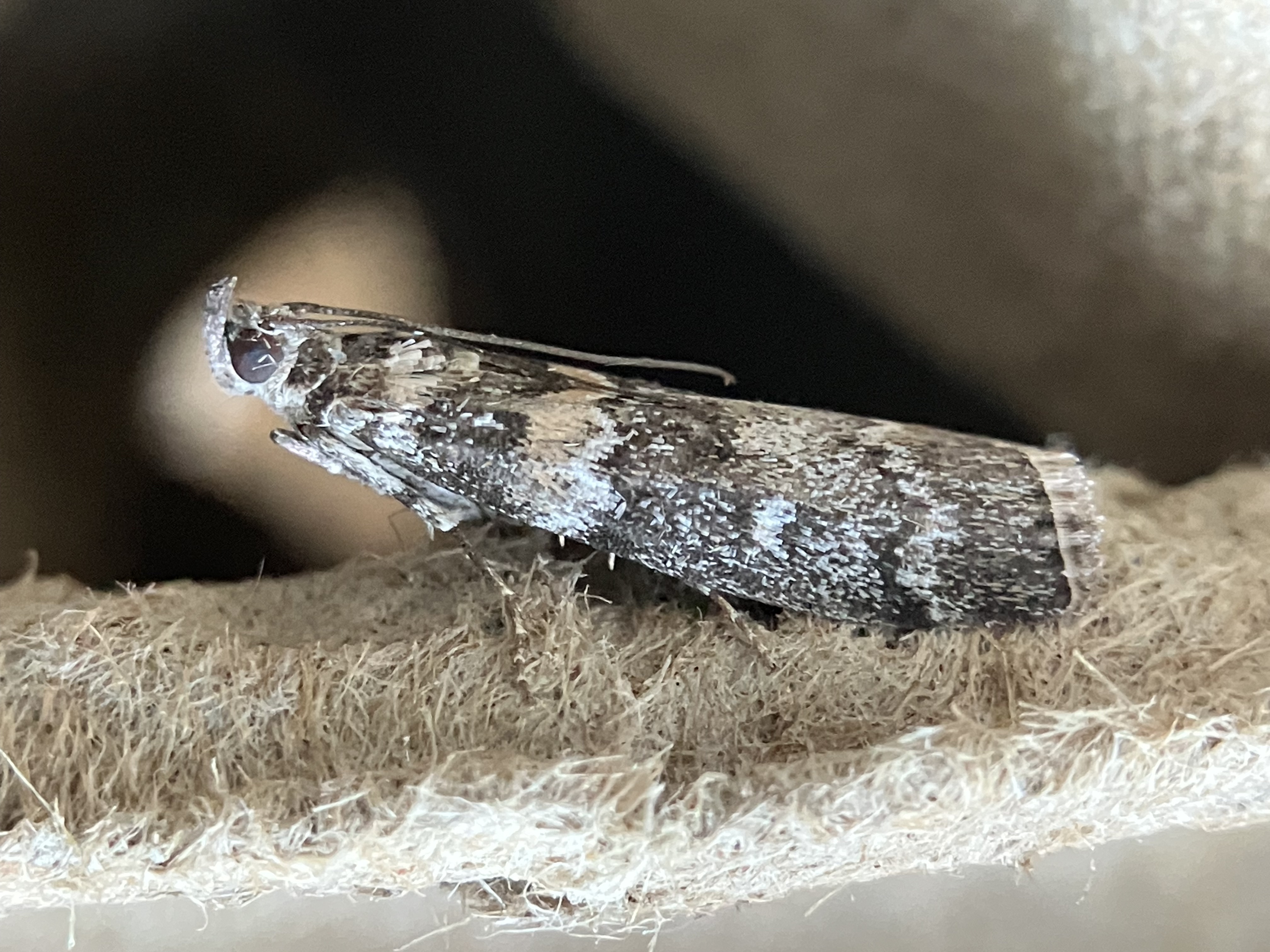
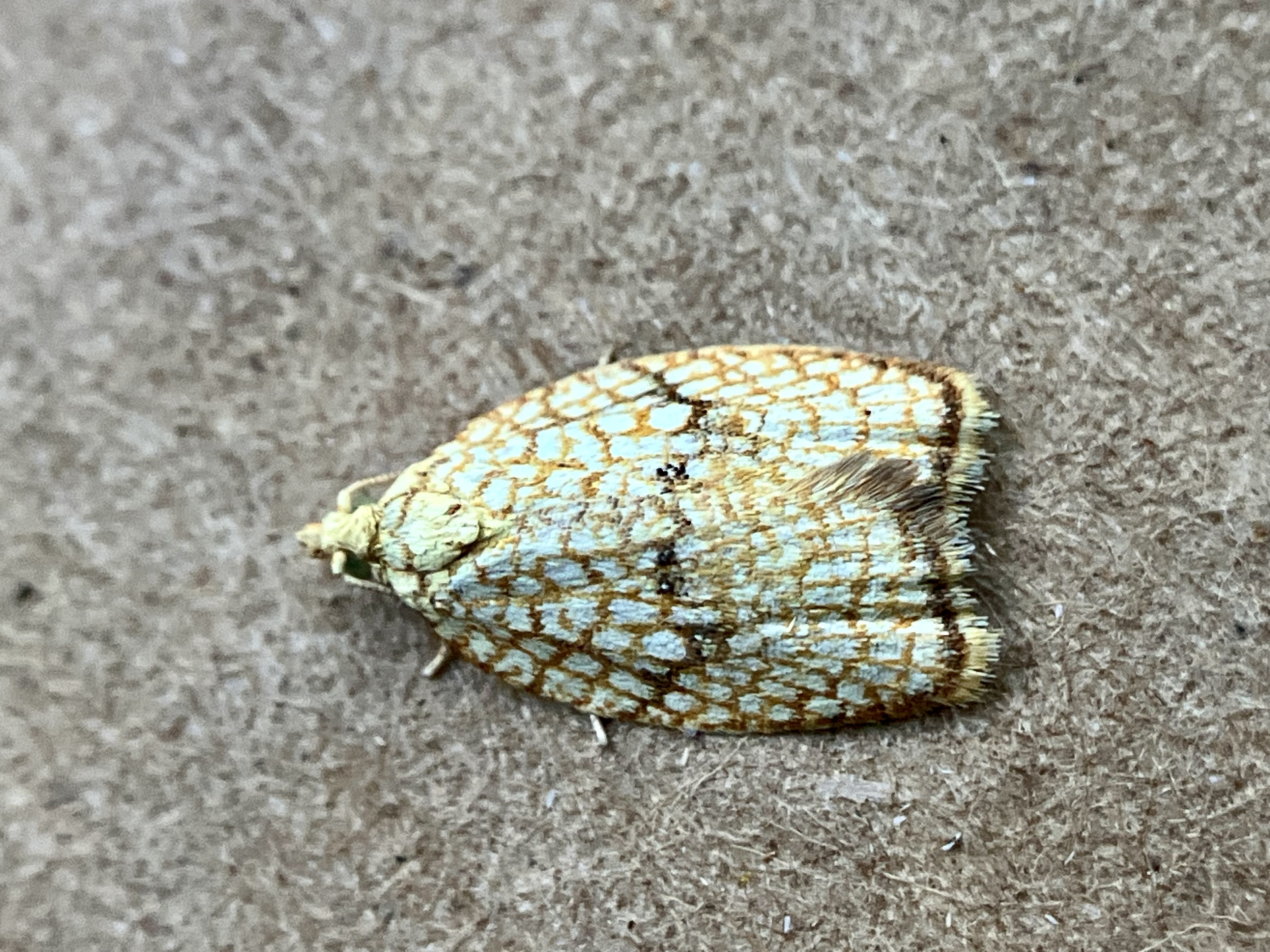
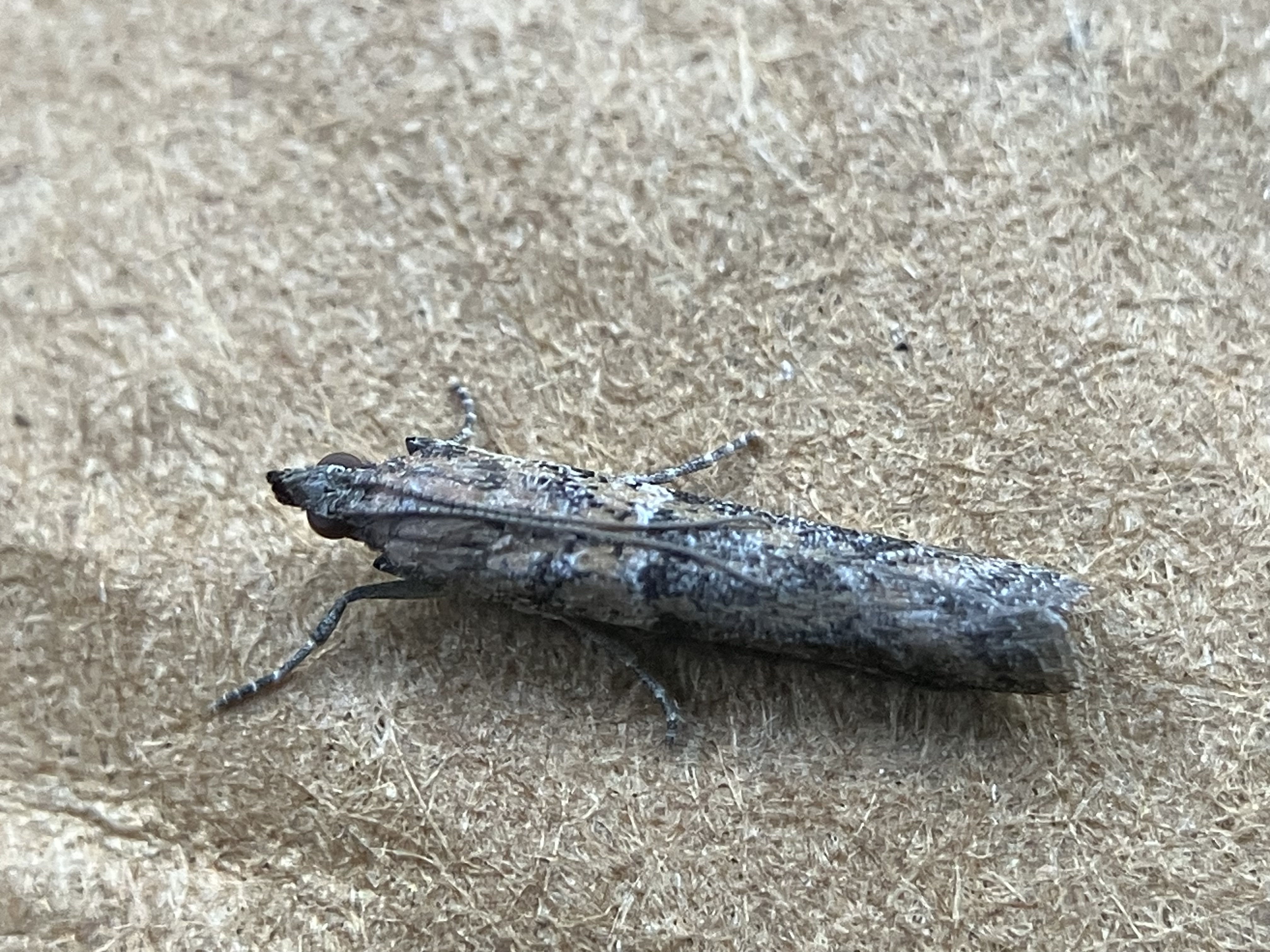
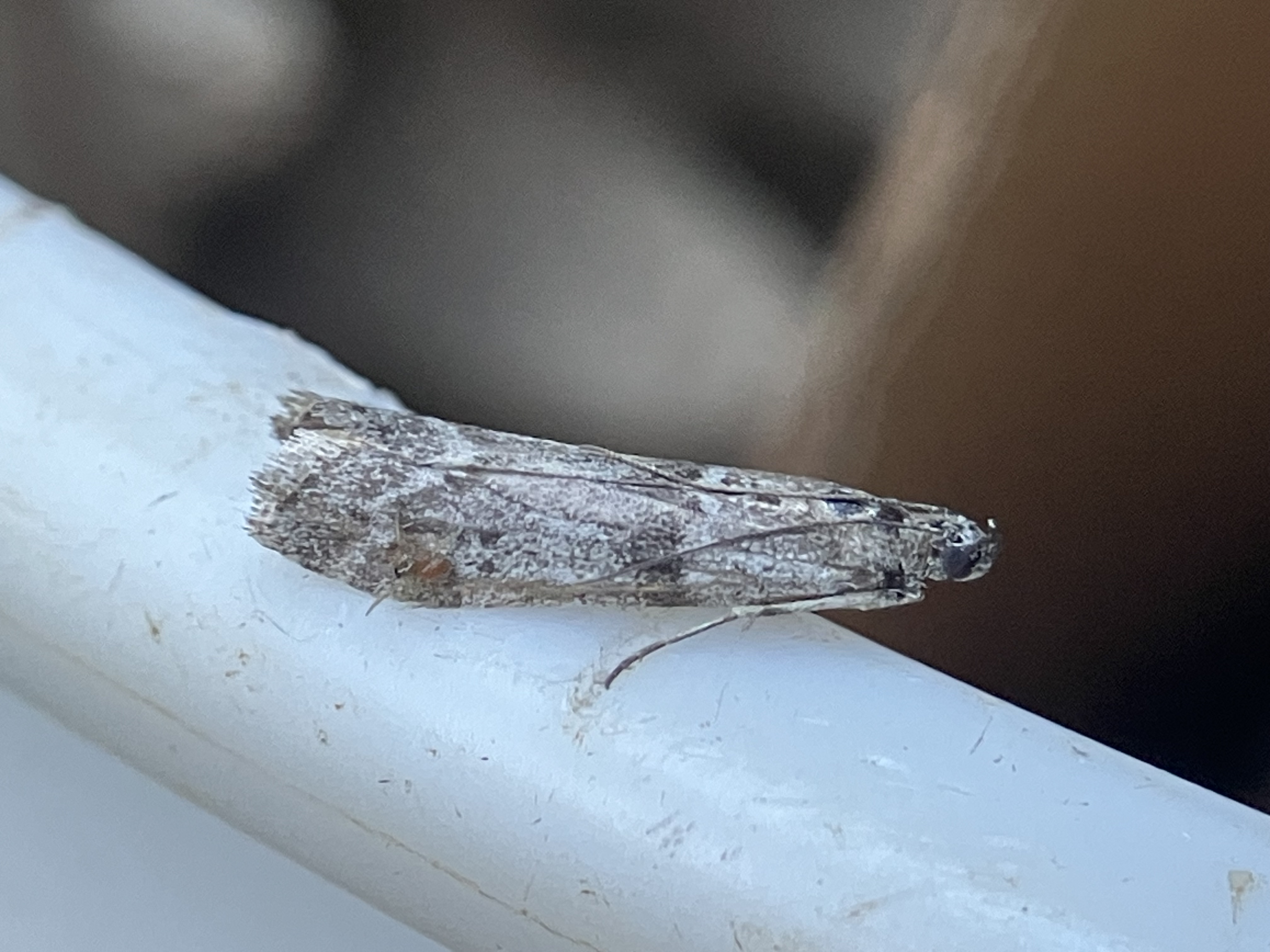
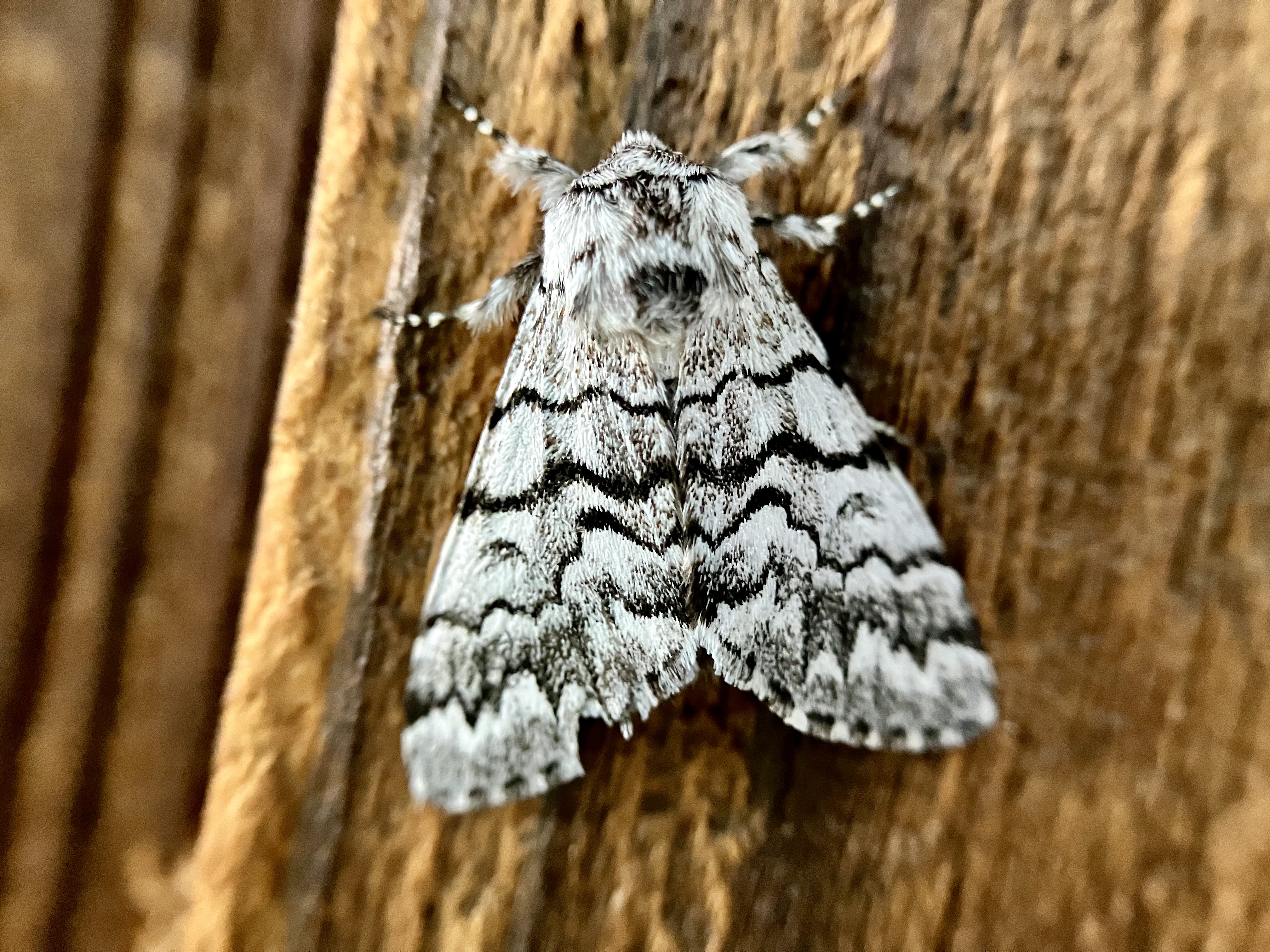
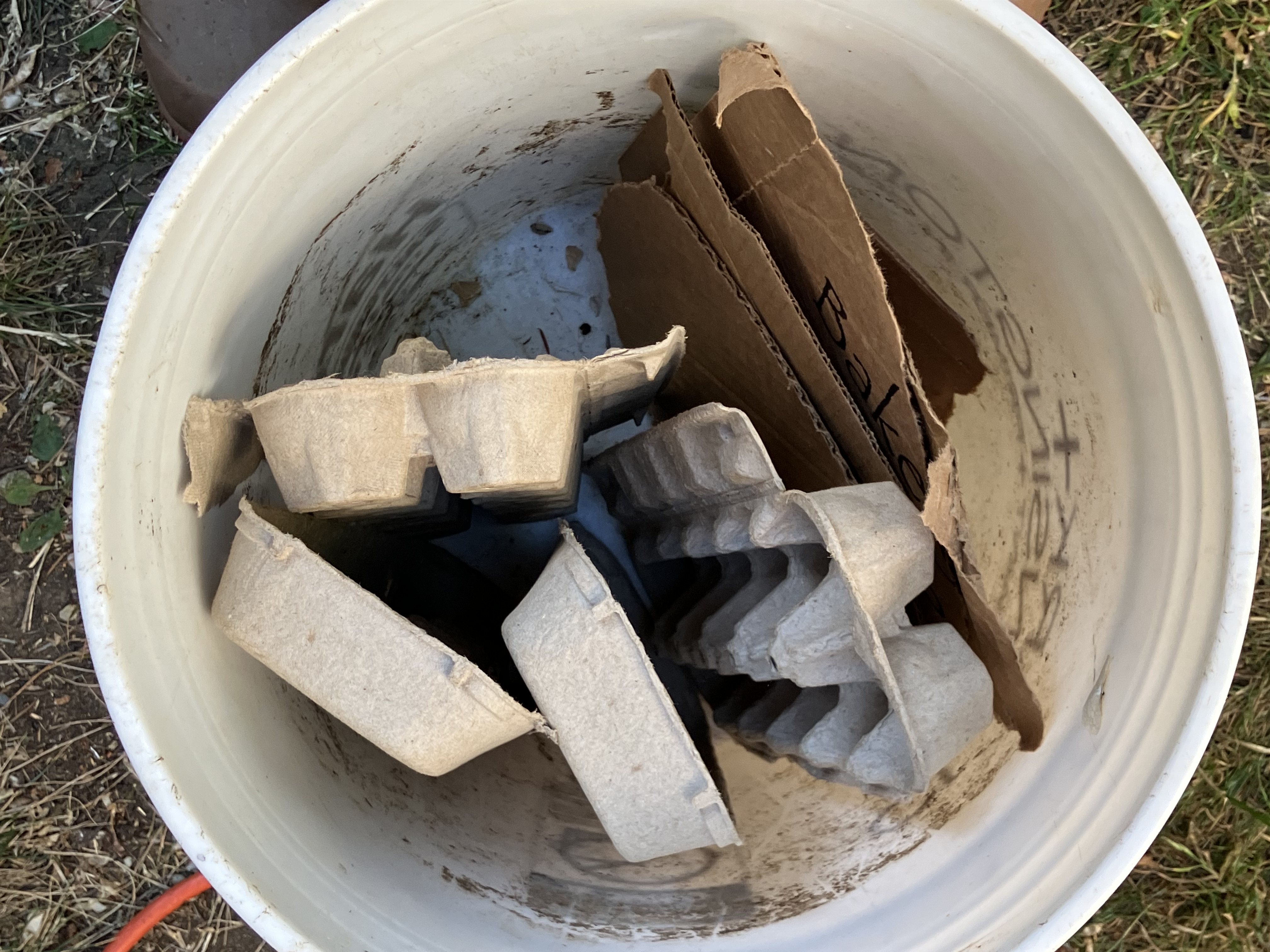
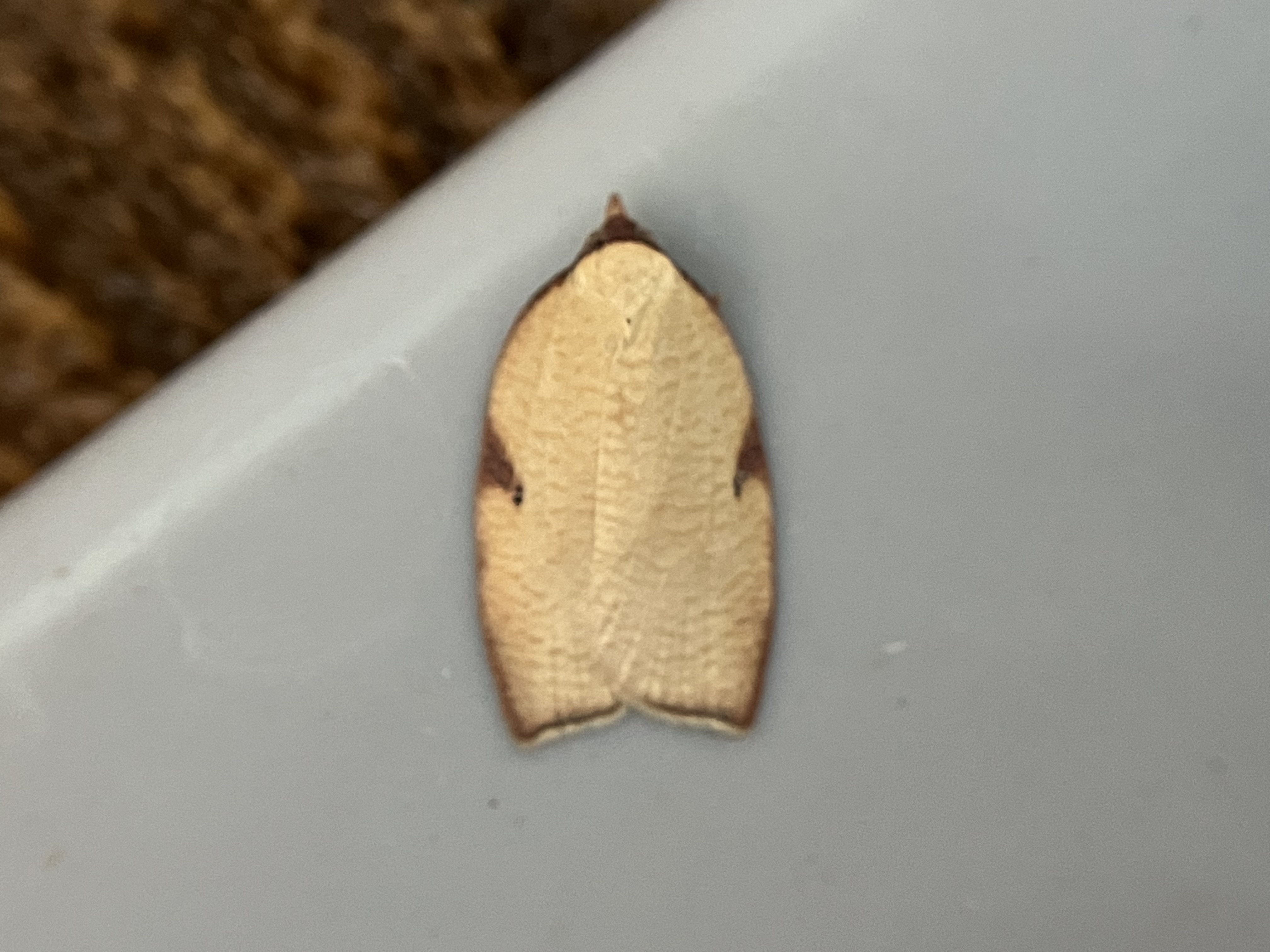
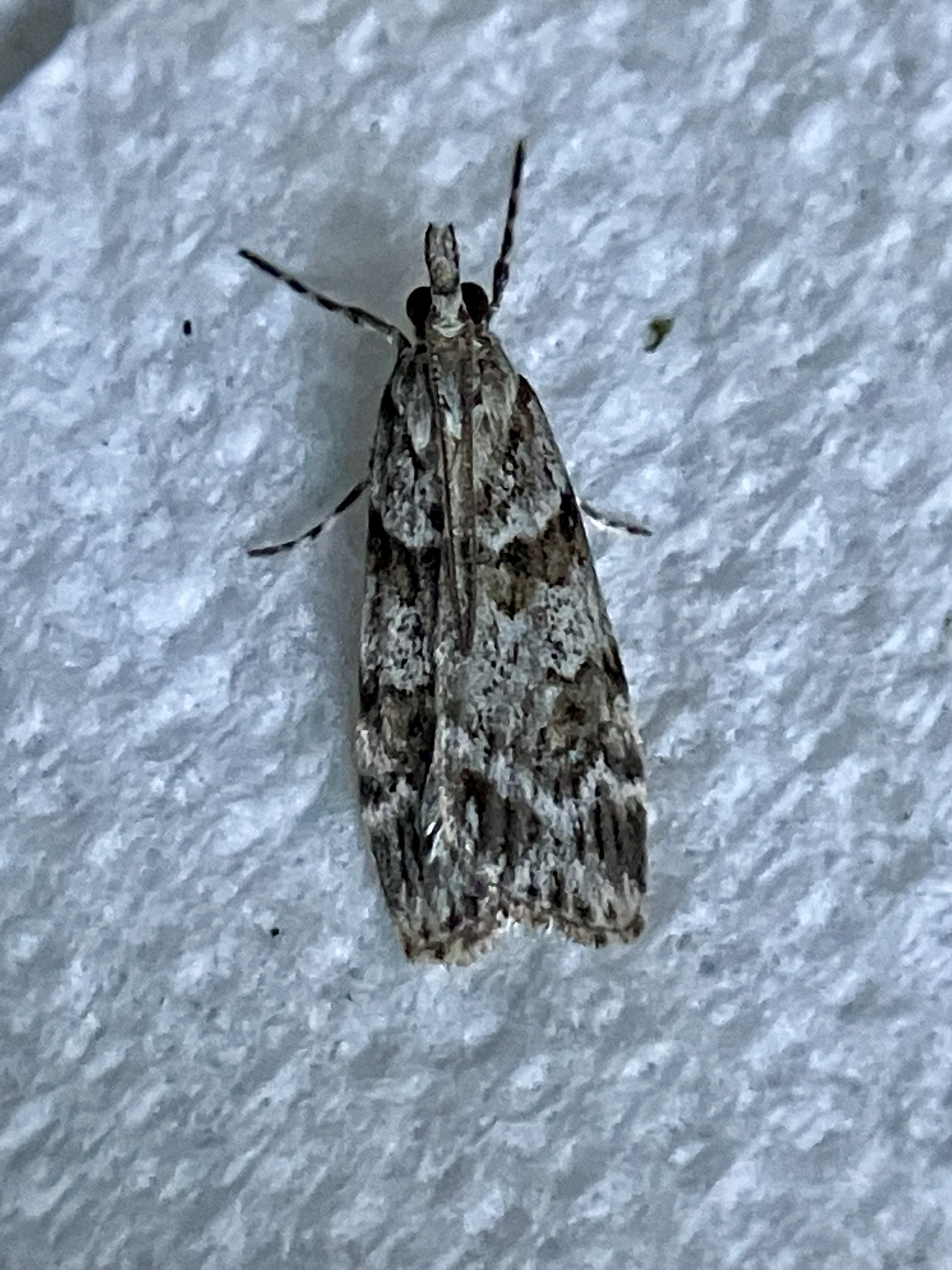
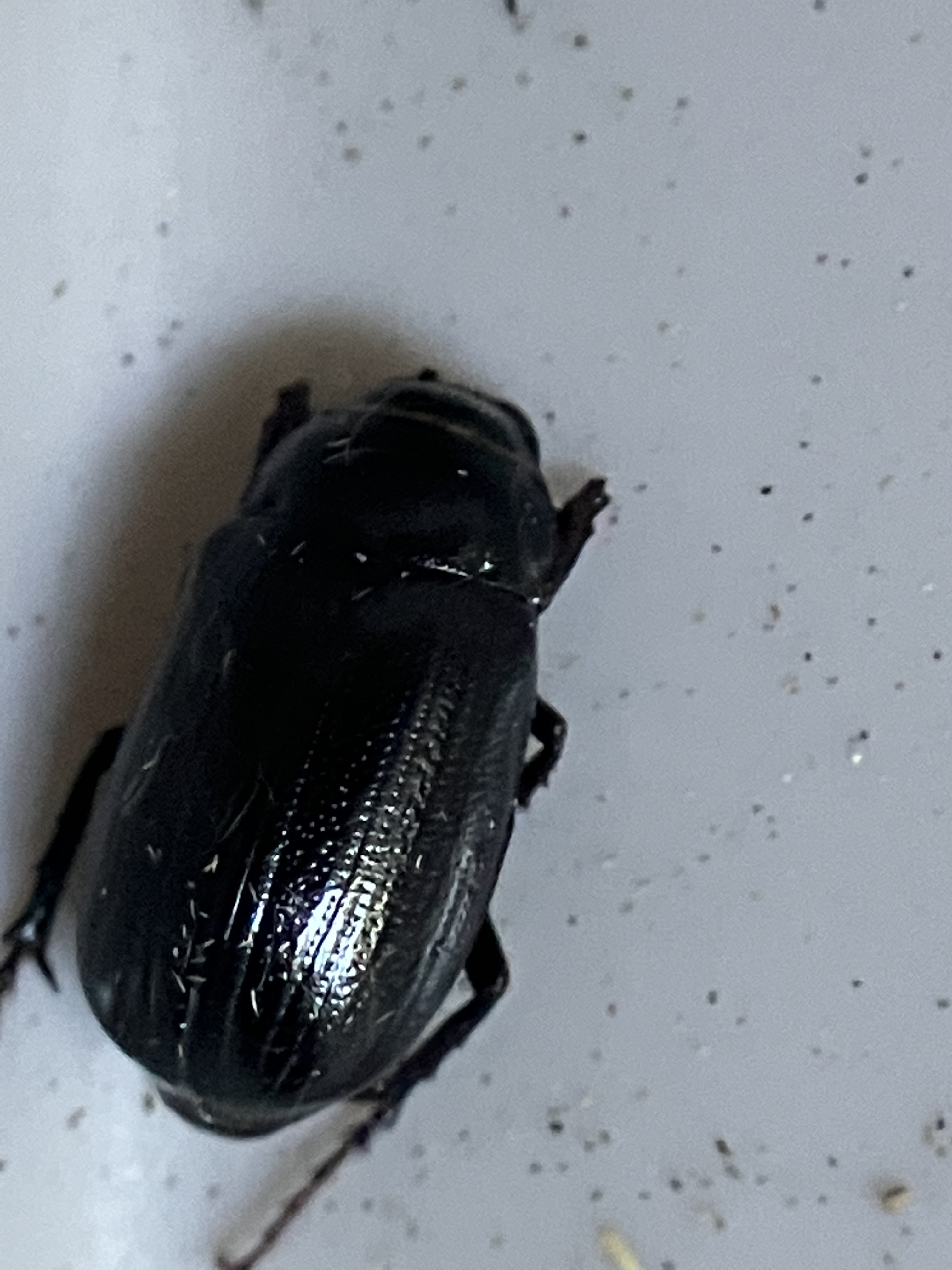
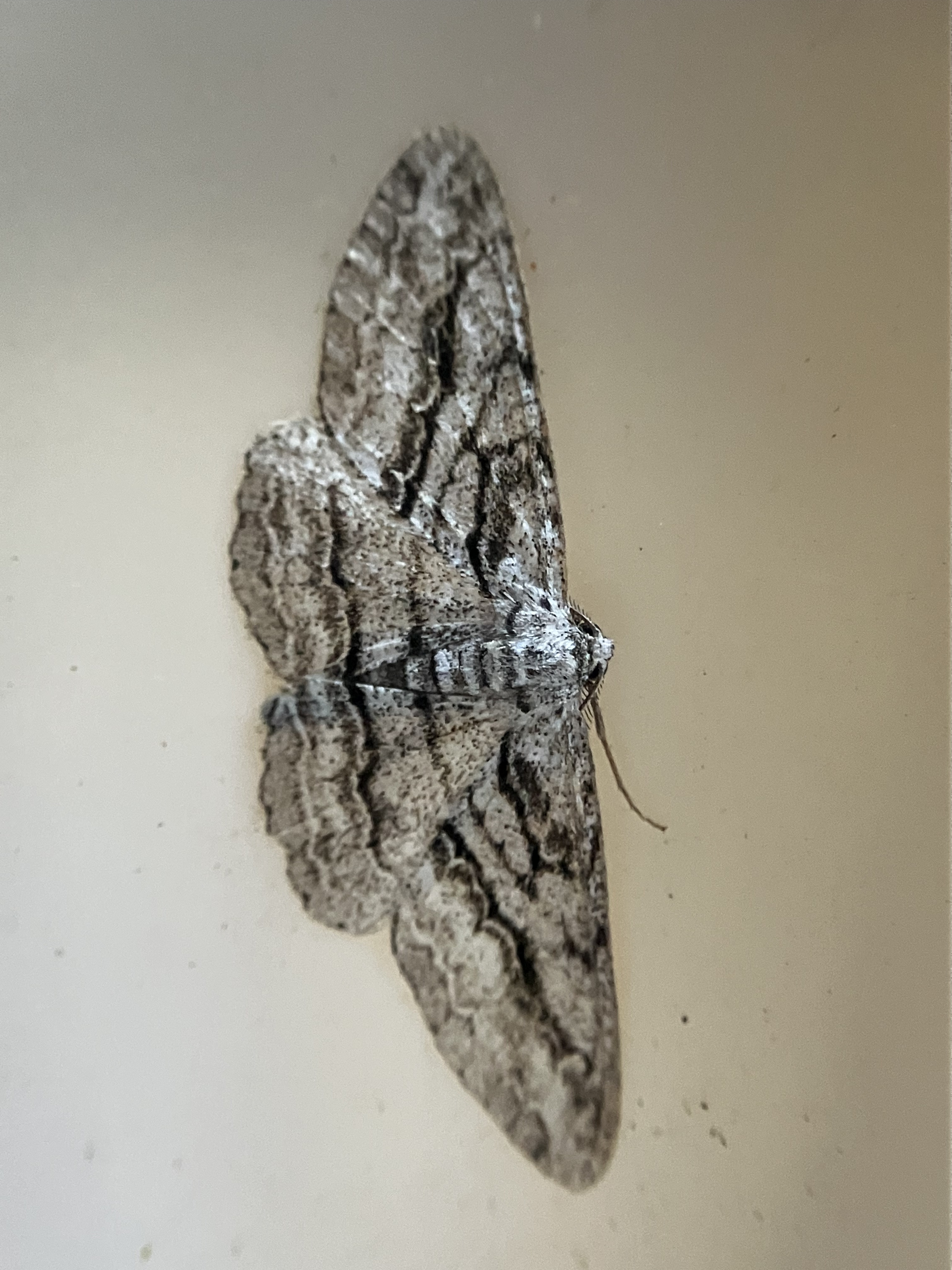
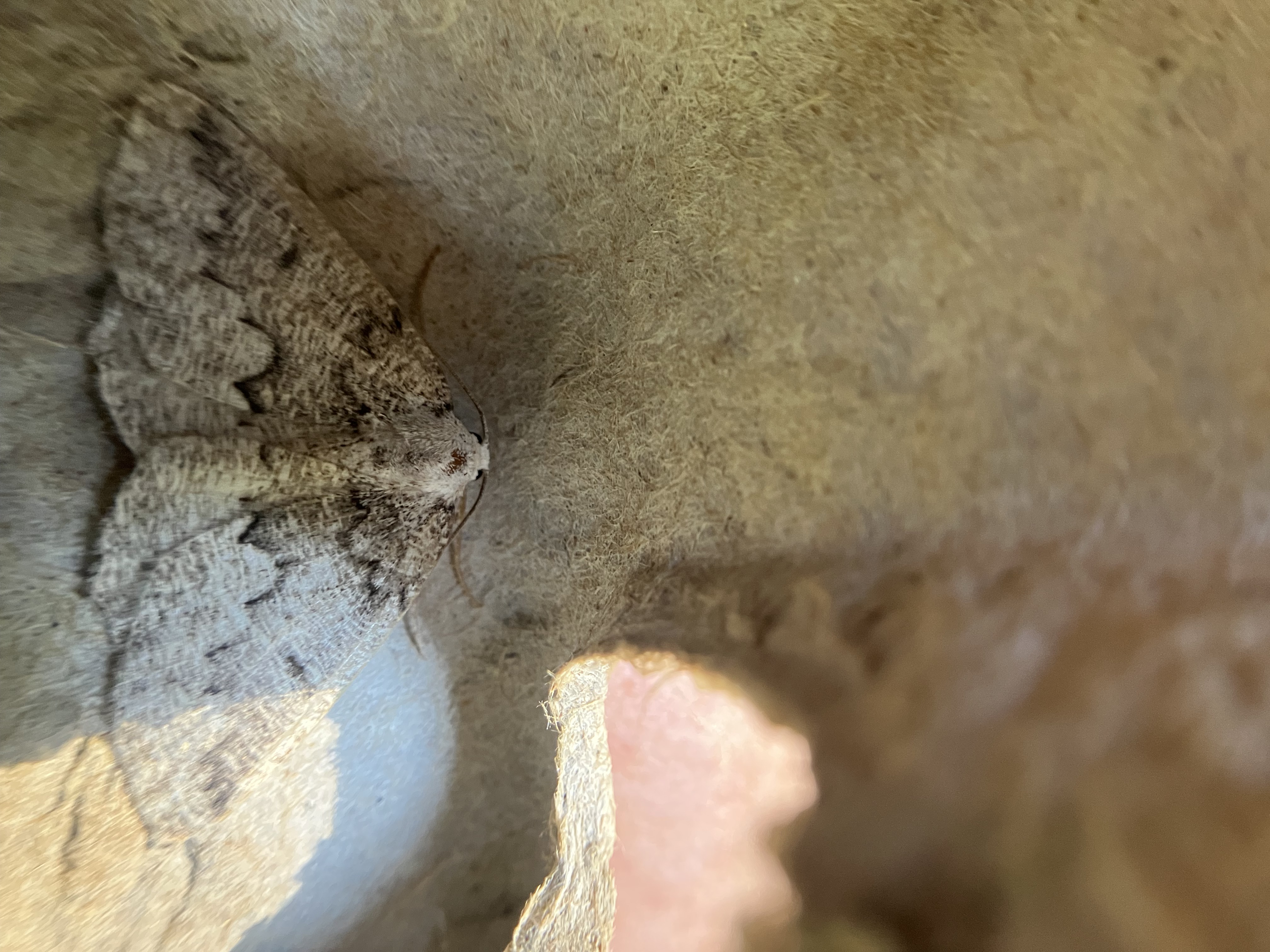
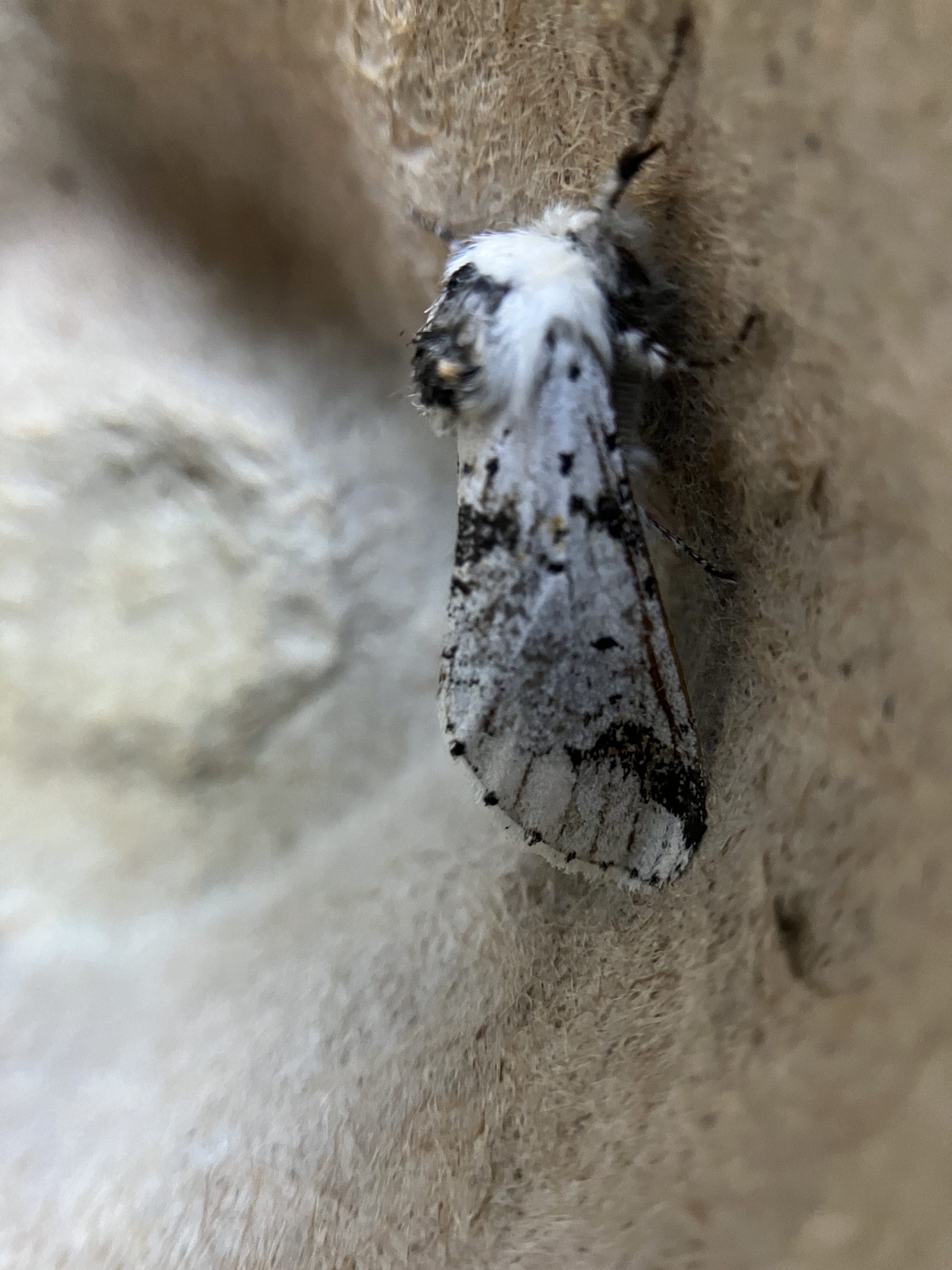
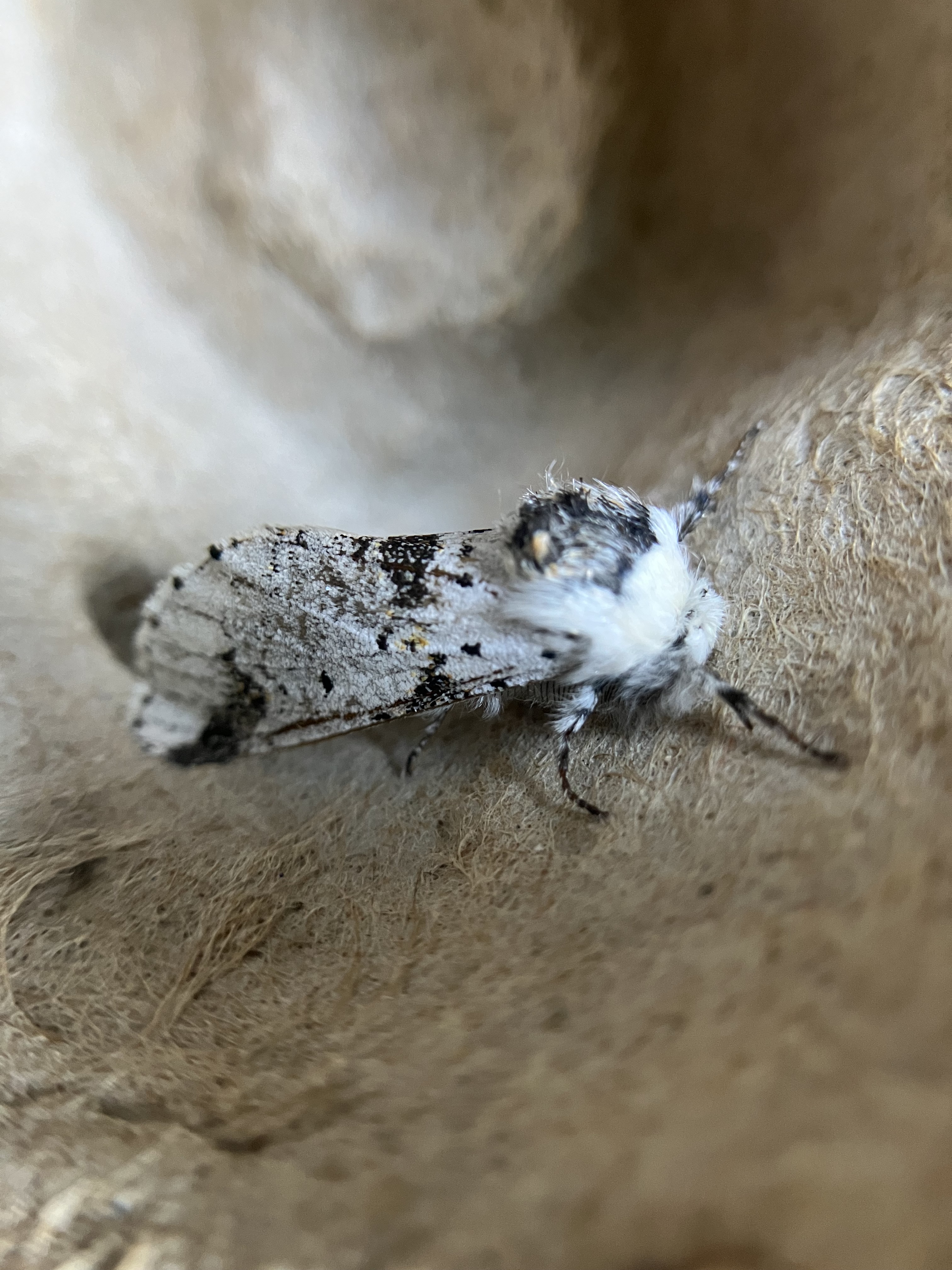
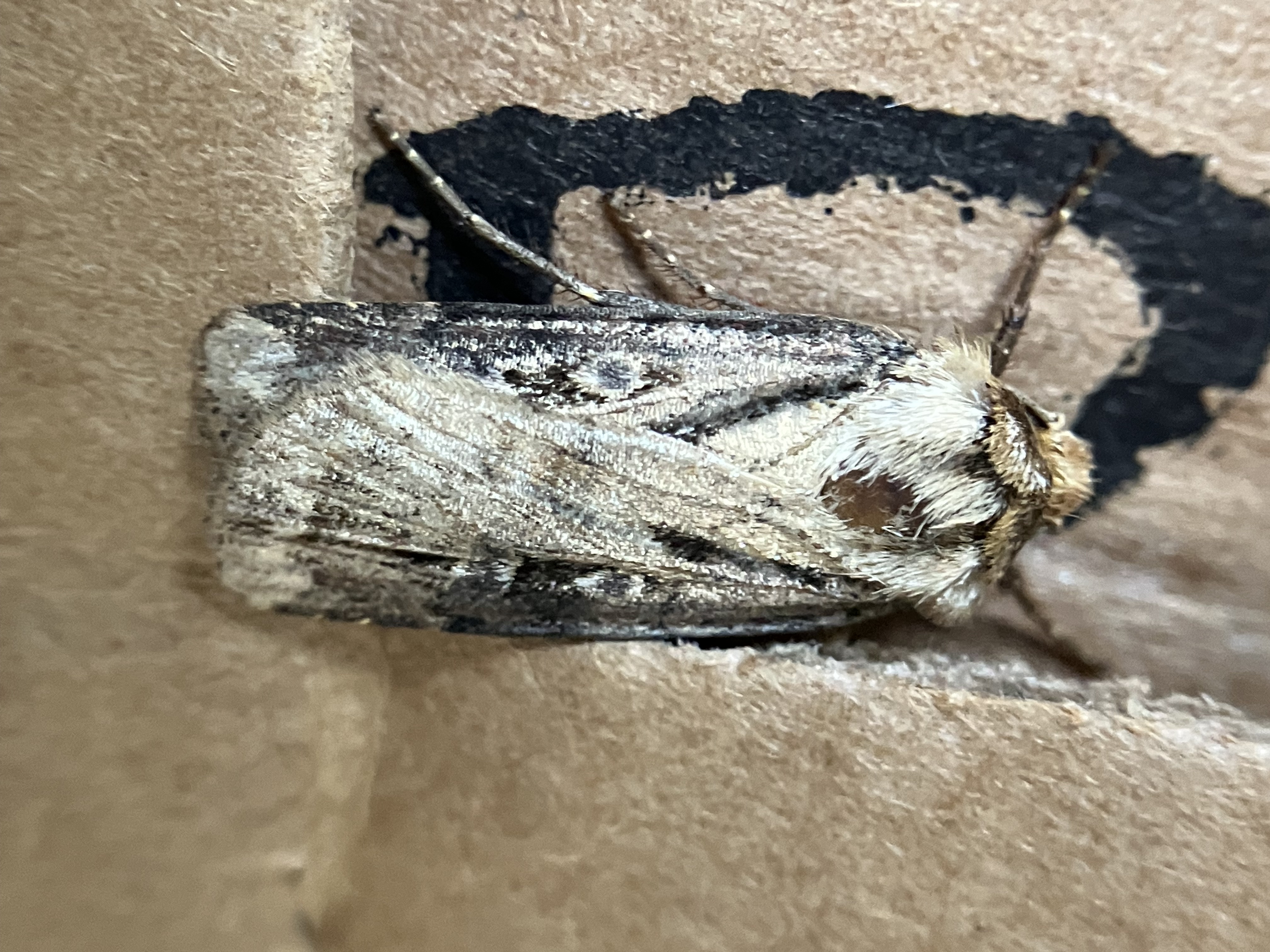
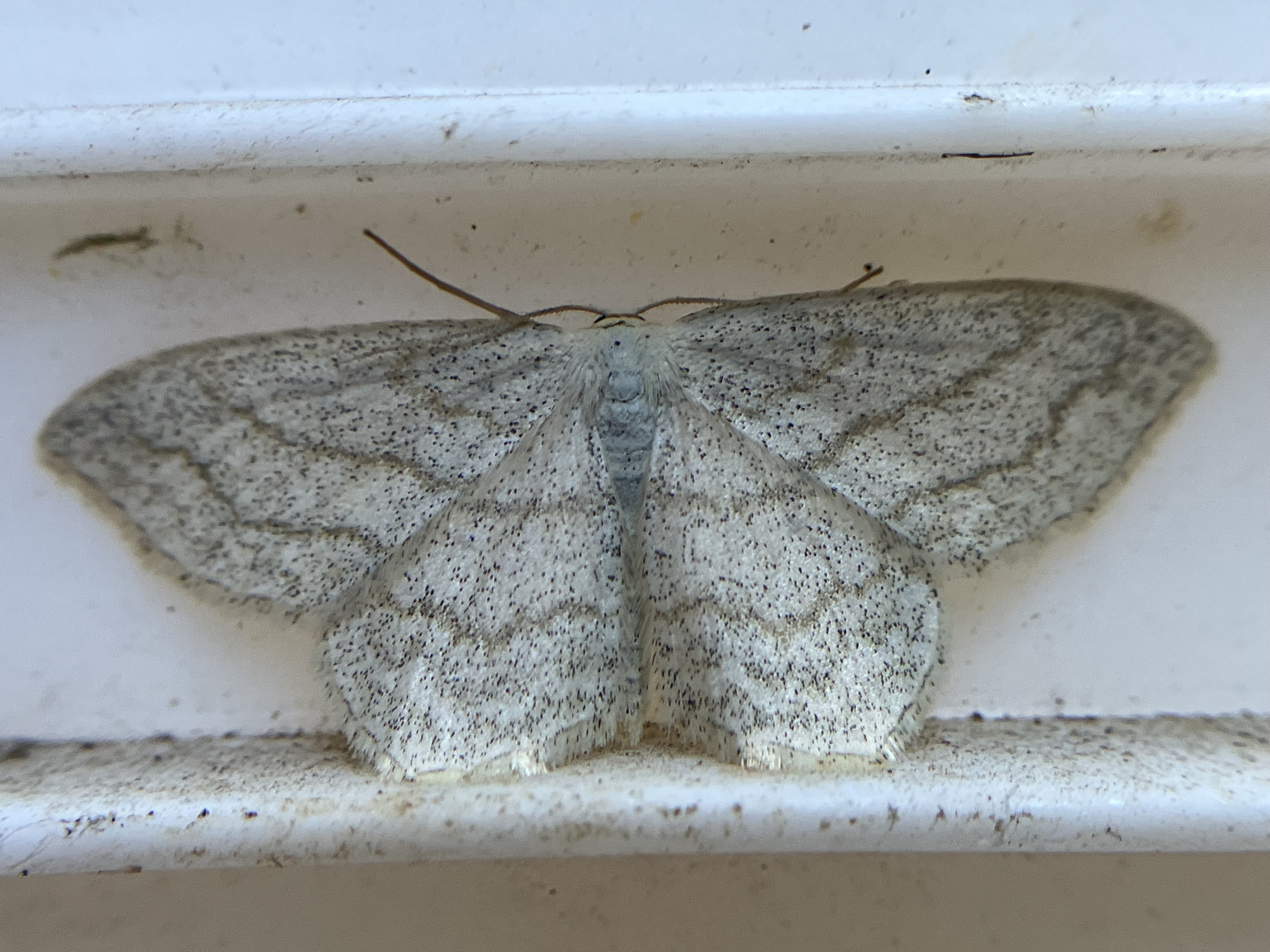
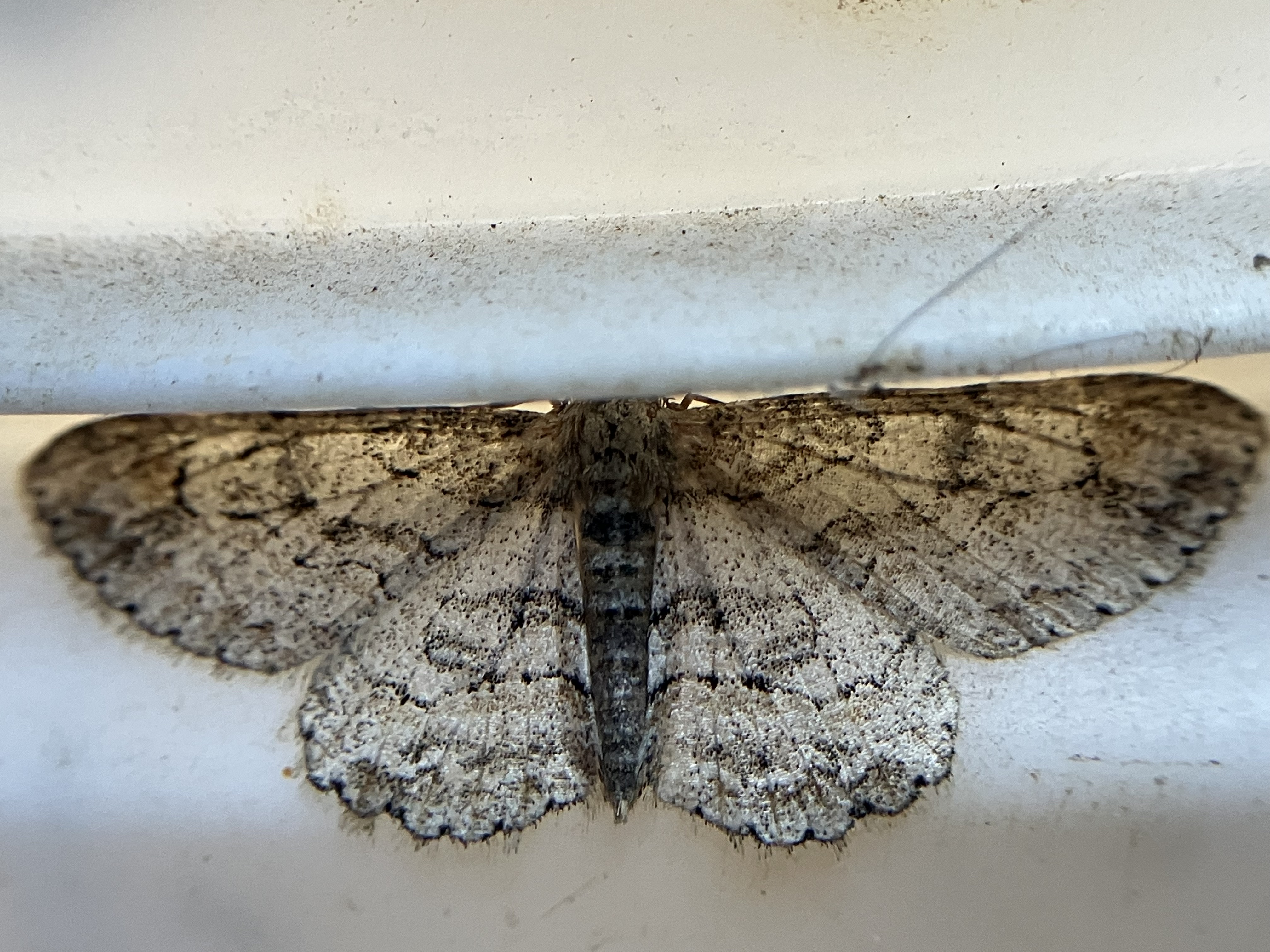
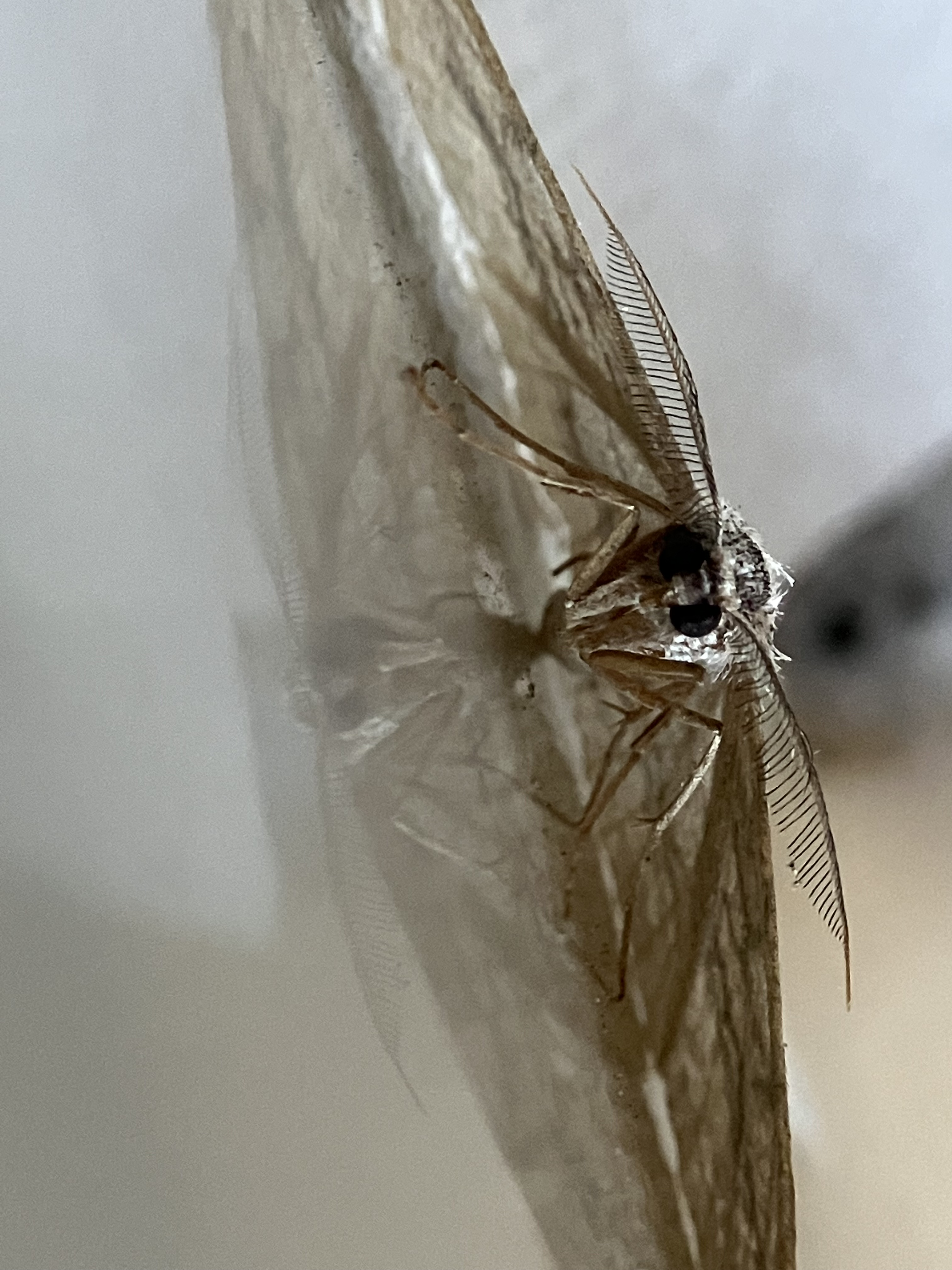
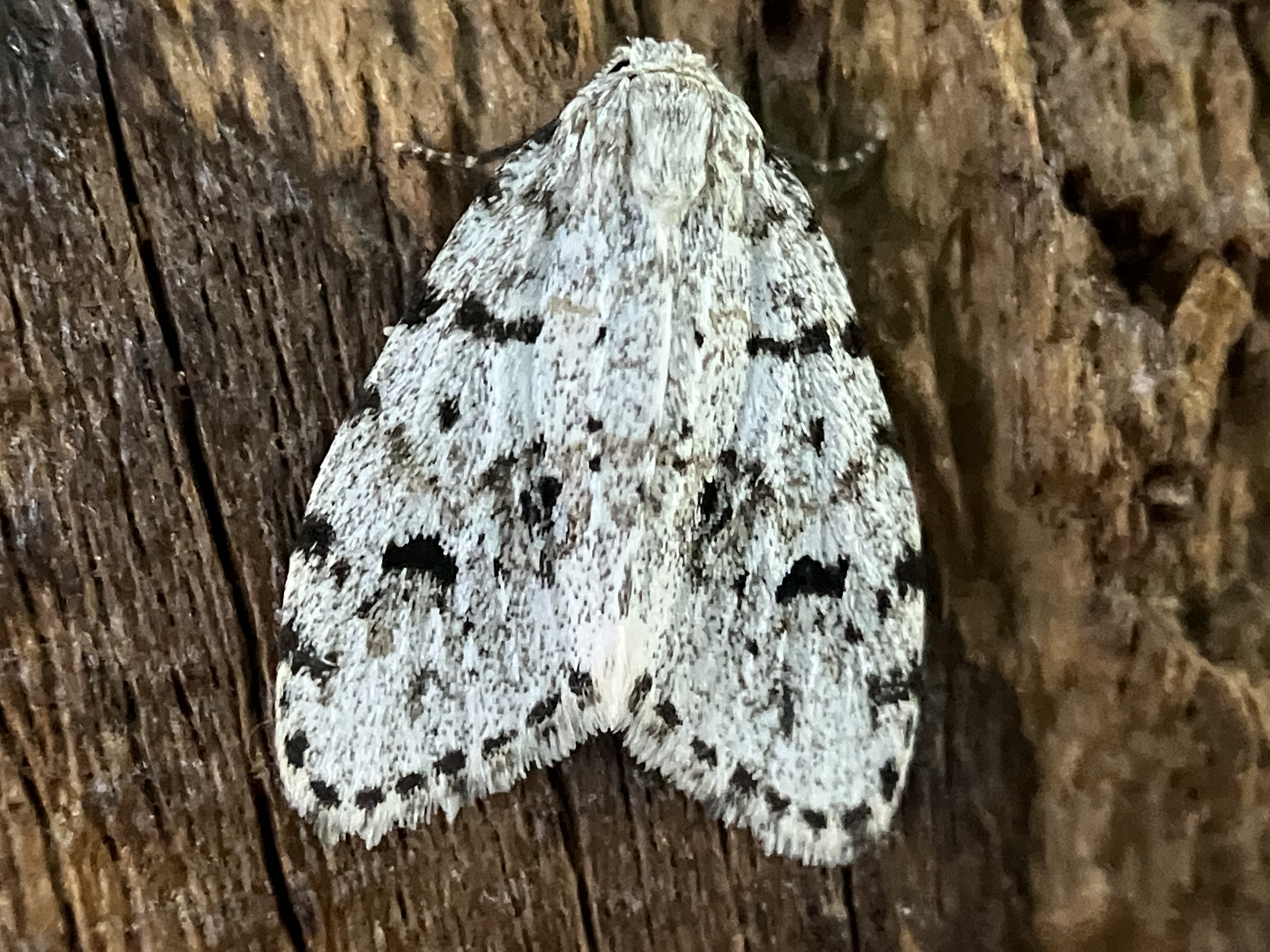
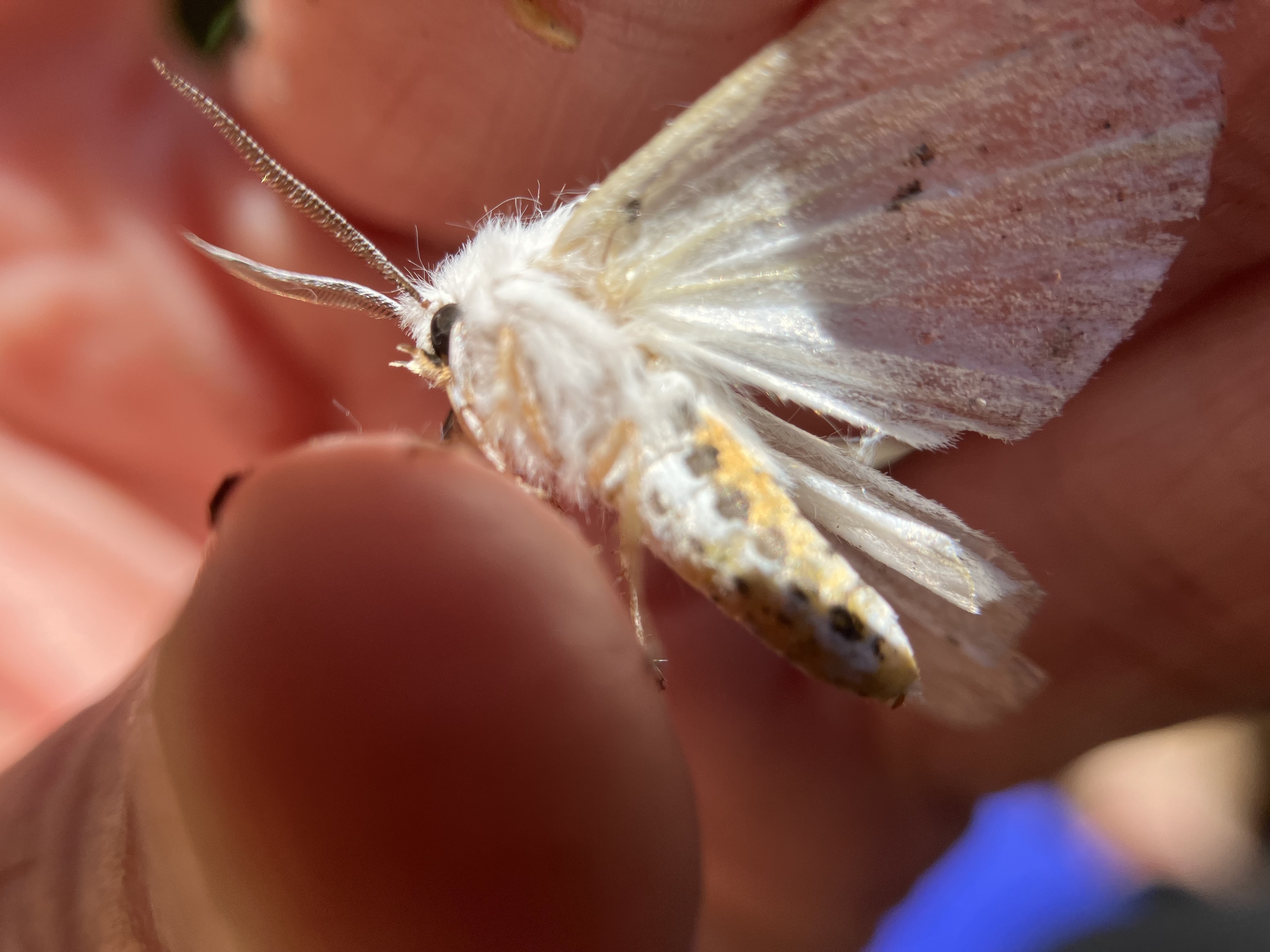
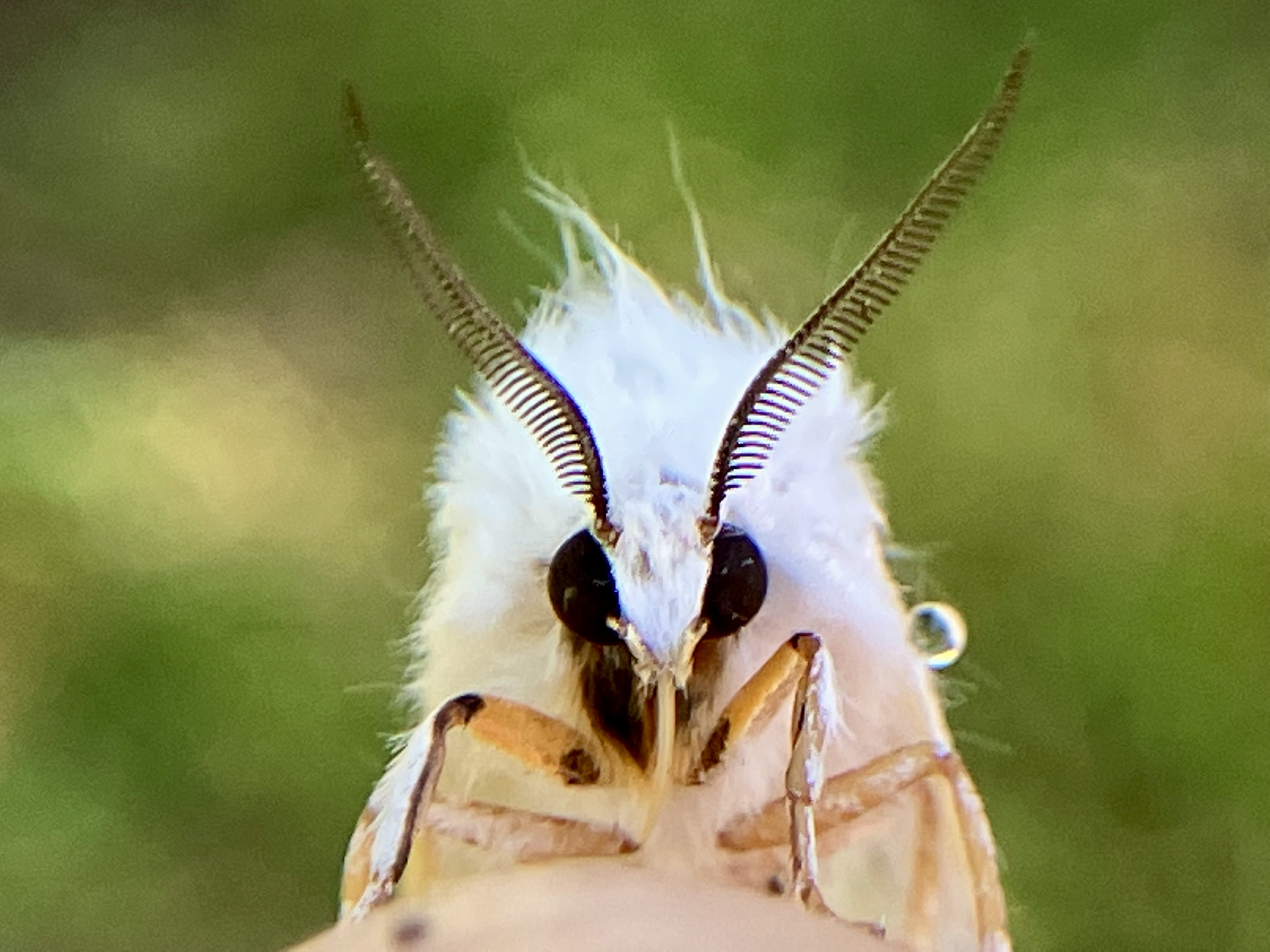
Bug Bucket Bug BucketBug Bucket with Egg Cartons for th moths to hide inside Northern Pacific Tree Frog (Pseudacis regilla)Pyrausta perrubralisNorthwestern Phoenix Moth (Eulithis xylina)Western Avocado Leafroller Moth (Amorbia cuneanum)Western Conifer Looper (Caripeta aequaliaria)Grass Moth Genus ScopariaDiplotaxis sp. Scarab BeetleSubfamily EnnominaeNorthern Pacific Tree Frog (Pseudacis regilla)Packards Girdle Moth (Sabulodes packardata)Northwestern Phoenix Moth (Eulithis xylina)Packards Girdle Moth (Sabulodes packardata)Packards Girdle Moth (Sabulodes packardata)Zigzag Furcula Moth (Furcula scolopendrina)Packards Girdle Moth (Sabulodes packardata)Iridopsis emasculatum I believeZigzag Furcula Moth (Furcula scolopendrina)Agrotis sp. , Family NoctuidaeAgrotis sp. , Family NoctuidaeStamnoctenis sp. , Family GeometridaeAgrotis sp. Stamnoctenis sp. GeometridaeWestern Tent Moth (Malacosoma californicum) left, and Virginia Tiger Moth (Spilosoma virginica) rightPale Marked Angle (Macaria signaria)Unknown, but cute!Simple Wave (Scopula junctaria)EnnonominaeGenus IridopsisTribe BoarmiiniKnot Horn Moth (Subfamily Phycitinae) – family PyralidaeUnknown, but check out the reflection in the image.Little White Lichen Moth (Clemensia albata)Erebidae, and Dasychira grisefacta, I believe. Erebidae, and Dasychira grisefacta, I believe. Erebidae, and Dasychira grisefacta, I believe. Erebidae, and Dasychira grisefacta, I believe. Erebidae, and Dasychira grisefacta, I believe. Erebidae, and Dasychira grisefacta, I believe. Erebidae, and Dasychira grisefacta, I believe.
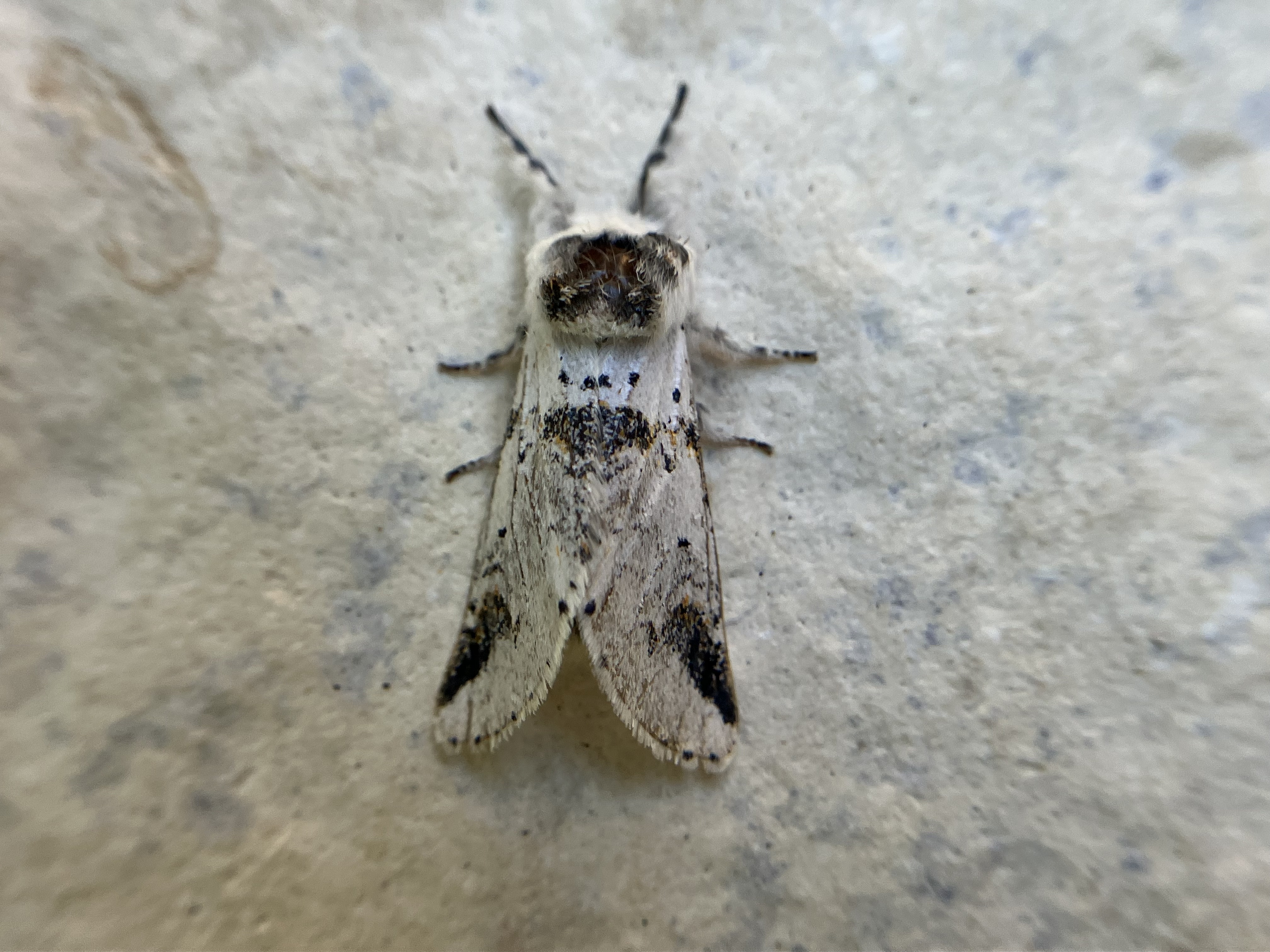
I believe this is Dasychira griefacta . It takes off somewhat awkwardly but made it up into a tall fir tree.
Continuing on to another morning’s findings (07.13.2023), I am extremely happy with how adding the egg cartons to my bug bucket are improving my moth collecting. Side note here – I am only collecting photos and these critters are handled with gentle care and released to places where they are able to hide from predators during the day. I even go so far as to color match their hidey spots. 😉
Photos of the specimens found are in the gallery below along with some pics of my set up. National Moth Week is July 22-30, so if you are interested in participating, please check out the link here https://nationalmothweek.org, and feel free to reach out if you have any questions. You can send me an email or find me on Facebook (Bugs of the San Juan Islands) at https://www.facebook.com/groups/3594158544144419 .
Thanks for reading!
Gallery
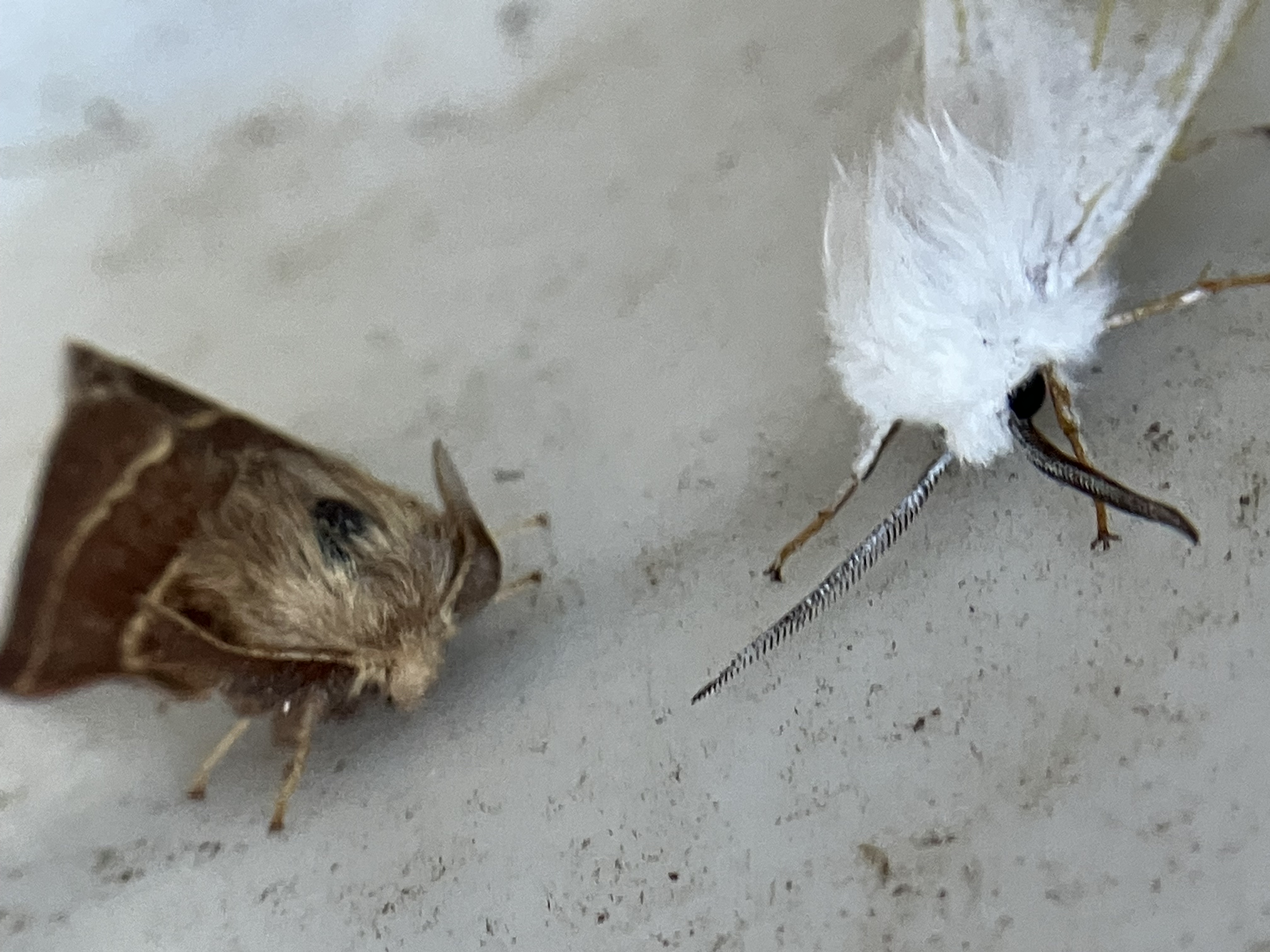
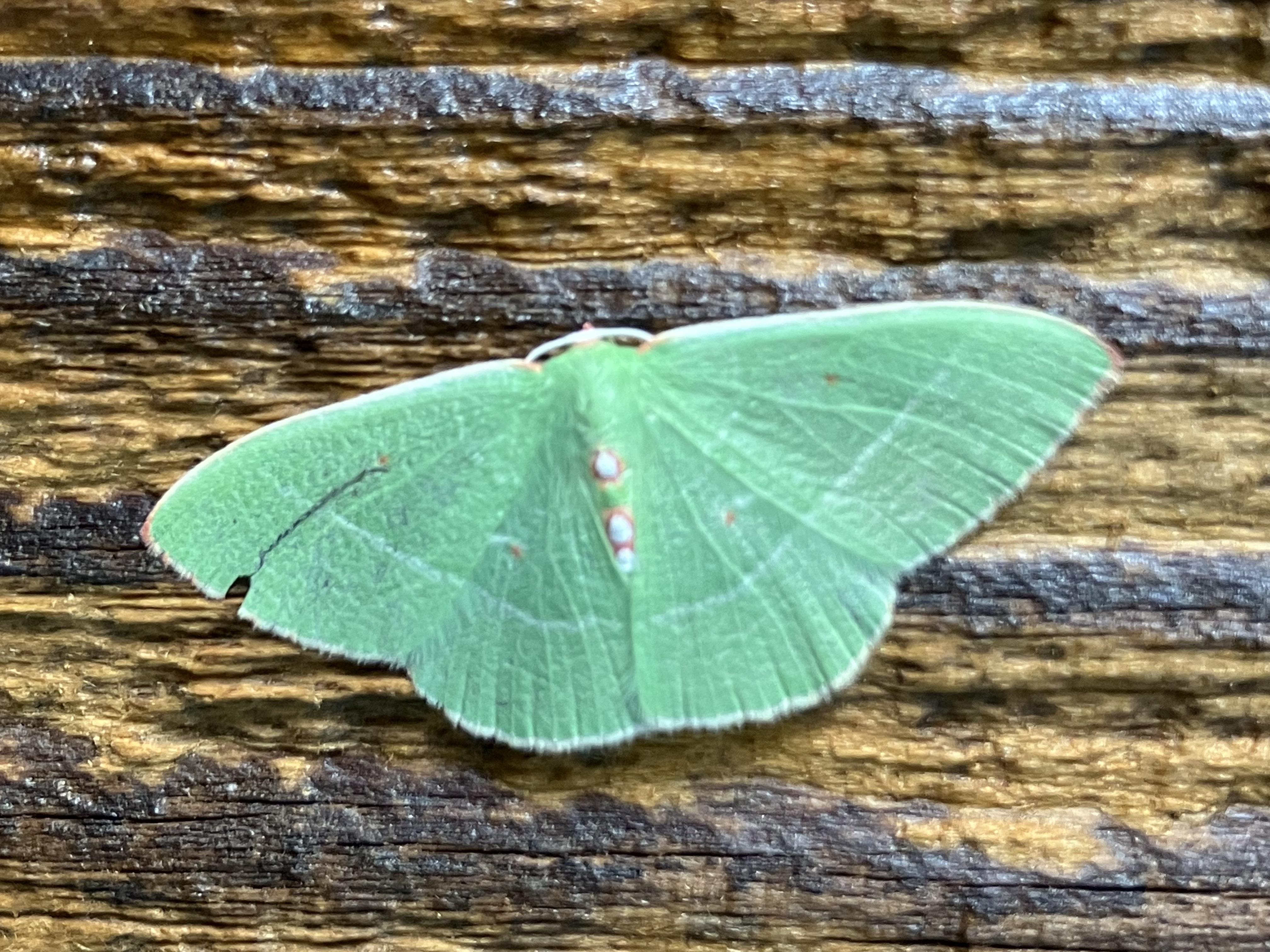
Bug Bucket with UVB light on topBug Bucket with egg cartons inside for moths to have hiding spotsWestern Avocado Leafroller Moth I believe, (Amorbia cuneanum)Unknown Geometrid moth (Subfamily Ennominae)I think this one is the Double Striped Scoparia Moth (Scoparia biplagialis)Western Avocado Leafroller Moth I believe, (Amorbia cuneanum)American Sharp-angled Carpet Moth (Euphoria intermediata)Perhaps (Macaria adonis)Pero mizonPero mizon mothZigzag furlcula moth (Furcula scolopendrina) left, and Pero mizon moth on the rightColumbian Emerald Moth (Nemoria darwiniata)EnnonominaeTortricid moth (Genus Pandemis) I believeBug bucket interior with egg cartons and cardboard for moths to have hiding spotsNoctuinaeZigzag furcula moths and Pero mizon mothVirginia Tiger Moth (Spilosoma virginica)Virginia Tiger Moth (Spilosoma virginica)Virginia Tiger Moth (Spilosoma virginica)Virginia Tiger Moth (Spilosoma virginica)Zigzag Furcula Moth (Furcula scolopendrina)
Leading up to the Twelfth Annual National Moth Week, July 22-30, 2023 https://nationalmothweek.org, I am getting into moth mode with some early collecting to see what is flying about the forest near our home at night.
My first attempts at this were quite unsatisfying, save for the two awesome beetles that came to visit. The bug station I set up just wasn’t yielding much in the way of moths, at least until I discovered my station had been discovered by some thieving yellow jackets who were picking off my moths right in front of my eyes. Something had to change. I sure didn’t want to lure in these beautiful creatures to become a breakfast buffet.
I got some very helpful advice from a friend named Carl. Carl is an expert moth-er, and he recommended putting some egg cartons in my bug bucket so they would have a place to hide. I tried this last night, adding two egg cartons and some pieces of cardboard. Then, I went to hang my bucket up and turn on the light – EXCEPT, those darn yellow jackets showed up at 9 pm. They must have excellent memory. I suppose they wanted to be first in line at the moth buffet.
I moved my bug bucket and light to another location. It was a success. Here is the assortment of moths I collected last night. All were handled with gentle care and photographed. Afterwards, I moved them to hiding spots in the forest to make them less susceptible to predation.
If you’re interested in participating locally in National Moth Week, please don’t hesitate to reach out for more information. You can find me via email at cynthiabrast@icloud.com or on Facebook at Bugs of the San Juan Islands – a private group, but easy to join by answering a couple of questions and agreeing to follow the group rules to prove you aren’t a spammer and won’t be disruptive. 😉
Two weeks ago, I stopped by the San Juan County Conservation Land Bank’s office to take a look at the newly transformed “lawn-to-meadow” native plant garden. This sample meadow is an effort coordinated by Land Steward, Eliza Habagger, as part of The Salish Seeds Project (https://sjclandbank.org/the-salish-seeds-project-bringing-back-island-wildflowers/). I was astonished at how quickly (seemingly overnight), the wildflowers planted in this small space bloomed. Aside from being much more appealing than grass, this new wildflower meadow is hosting an assortment of pollinators.
Hemipenthes sp. Bee Fly (Bombyliidae) at San Juan County Land Bank demonstration meadow – May 18, 2023
Here’s a species of fly I saw that, at first-glance, looks a lot like a biting deer fly. It is actually a type of Bee Fly in the family Bombyliidae with no common name. Its Latin genus name is Hemipenthes, and this one keys out to Hemipenthes morioides.
Hemipenthes means ‘half-veiled in black’ and refers to the wing pattern seen in this group. I used a key by Ávalos-Hernández (2009) to work out my identification and consulted with another fly specialist who agreed. In the video clip of the fly, it looks to be ovipositing in the sand, indicating my specimen is female. I’ll come back to this in a bit.
I believe this is Hemipenthes morioides, a Bee Fly – May 18, 2023, San Juan County Land Bank Native Plant Garden
Literature describes Hemipenthes morioides flies as hyperparasites (a parasite of a parasite) of the larvae of parasitic flies (Diptera, Tachinidae), as well as parasitic wasp larvae (Hymenoptera, Ichneumonidae). Brooks (1952) cited this species as a predator of the tachinid fly Bessa harveyi, which is a parasite of the sawfly Pristiphora sp. (Hull, 1973). H. morioides has been collected mainly in the western states of the USA (Ávalos-Hernández (2009). They also are known to parasitize caterpillars of moths in the family Noctuidae (Bugguide.net 2020). Preferred habitats are forest edges and meadows.
Of course, this leads me to ask all sorts of questions about how exactly this process of hyperparasitism takes place, especially with regard to being parasites of Tachinid flies. That’s because most parasitic tachinid flies lay eggs directly onto their host’s body. How would the Hemipenthes fly eggs, laid in sandy substrate, get into a Tachinid fly egg laid onto another host?
Do Hemipenthes fly eggs laid into soil hatch, and then migrate through the soil to find an about-to-pupate or already pupating host? As to finding literature specific to Hemipenthes morioides with detailed descriptions about this process in the wild, I wasn’t successful. It seems to be such a complex relationship that chances of observing this happening in a natural setting are slim. For now, I’ll just have to be satisfied with knowing the taxonomy. The rest may remain a mystery…🤔
Except I like to solve mysteries, or try to at least! I reversed direction (taxonomically) in my literature search to see what studies are published around the Family (Bombyliidae). In The Evolutionary Pattern of Host Use in the Bombyliidae (Diptera): a diverse family of parasitoid flies by David K. Yeates and David Greathead (1997), I discovered the “ovipositing” I observed is something entirely different. This female Hemipenthes fly was filling her “sand chamber” or “psammophore,” a ventral abdominal pocket into which the eggs are laid, and a feature unique to “higher” Bombyliidae (Yeates & Greathead, 1997; Calderwood, 2007).
Further, Calderwood (2007) comments in Bugguide.net, “It is said that eggs are coated with sand in the chamber to fascilitate release later. I (Calderwood) think that, given the relative size of sand grains and Bombyliid eggs, the reverse is true: the tiny eggs coat sand grains in the chamber, which are heavy and easier to toss with accuracy, kind of like sticking a piece of gum to a baseball. Ovipositing looks like little aerial dipping movements accompanied by flicks of the keester. Eggs are thrown through the air.” I agree with Calderwood’s statement, and how fascinating this behavior is!
Two weeks later, I’m still threading through a stack of literature about Bee flies Bombyliidae. I’ve discovered that almost all Bombyliidae bee flies (including this Hemipenthes fly) go through what is called hypermetamorphosis. Those eggs, which were flung through the air onto vegetation or the soil substrate will hatch into what is known as a first instar planidium. This is the form of the fly that must search to find a suitable host for development (Yeates & Greathead, 1997).
The planidium morphology is such that it is adapted for mobility/locomotion, host-finding, and attachment. It has an elongate body with two long setae and fleshy pseudopods at the end of its abdomen. There are also a pair of elongate setae on each thoracic segment (Du Merle, 1972). Examples of hypermetamorphosis and this mobile, first-instar form of larvae include quite a few other groups of insects. One example being the one between Strepsipteran larvae (known as triungulins) and Blister Beetles (Meloidae).
I’ll leave you with a nudge to pick up the Yeates and Greathead (1997) paper. It’s really pretty fascinating. Complex?Yes. Studying nature is one of the most intriguing topics you can delve into. There are many intricate pieces all woven together. Yeates and Greathead describe the chance observations of the process of development in Bombyliidae by scientists as serendipitous. I think it’s quite serendipitous that these tiny, first instar larvae ever find a host in the first place. More on Hemipenthes flies below.
Thanks for reading!
Taxonomy (bugguide.net, 2020)
Family: Bombyliidae (Bee Flies)
Subfamily: Anthracinae
Tribe: Villini
Genus: Hemipenthes
Species: Hemipenthes morioides
Identification (bugguide.net, 2020)
Head: Round; dark brown to black.
Male and female: identical, eyes of female only slightly wider, barely discernable.
Antenna: Black, very short.
Thorax: Dark brown to black with rust hairs across shoulders; sometimes thorax is bald. Thorax sides may have some yellowish hairs which do not form a definite line.
Wings: Dark brown, covering about 2/3rds of the wing, lower dark margin step-like. The dark extends to the inner margin or anal cell. Three sets of cross veins have a light mark on each side of the vein, called aureoles. One near base, one about mid-wing, and another small one below (or R4 + R5, M2 and CUP).
Legs: Dark brown with a row of spines on front shin (tibiae). Feet lighter.
Abdomen: Dark brown to black with small to large yellowish spots across each segment and a yellowish line across lower margin. Dark fringe mixed intermittently with some white on side edges of abdomen.
Habitat
Forest edges and meadows.
Season
All season in southern U.S. Late May to August in the north.
Distribution
Canada (British Columbia), USA (Arizona, California, Colorado, Idaho, Illinois, Indiana, Iowa, Massachusetts, Michigan, Minnesota, Montana, New Jersey, New Mexico, New York, Ohio, Oregon, Pennsylvania, Utah, Washington, Wisconsin, Wyoming), Ávalos-Hernández (2009).
References and Further Reading
Ávalos-Hernández, Omar. (2009). A Review Of The North American Species Of Hemipenthes Loew, 1869 (Diptera: Bombyliidae). Zootaxa. 2074. 1-49. 10.5281/zenodo.187152.
Brooks, A.R. (1952) Identification of bombyliid parasites and hyperparasites of Phalaenidae of the prairie province of Canada, with descriptions of six other bombyliid pupae (Diptera). Canadian Entomologist, 84, 357–373.
Yeates, D. K., & Greathead, D. 1997. The evolutionary pattern of host use in the Bombyliidae (Diptera): a diverse family of parasitoid flies. Biological Journal of the Linnean Society, 60(2), 149-185.
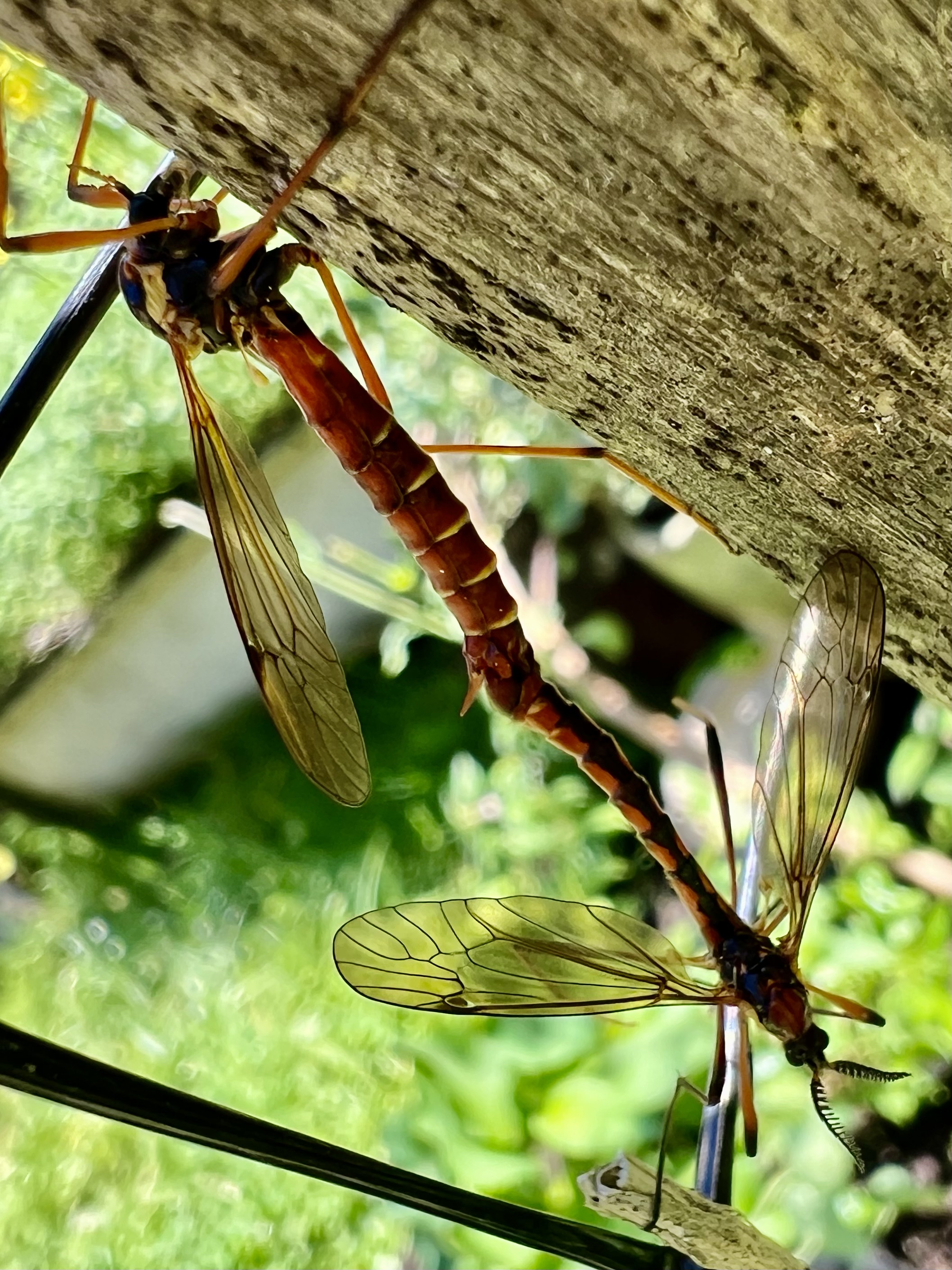
I finally got a few photos of these two after trying (and failing) in my attempts when I first spotted them on Sunday. Curiously, they were “bumping” onto tiny little cones on our fir tree, creating intermittent bursts of pollen with each “hit.” I wondered if they were perhaps eating pollen in advance of mating – with protein a necessary element in egg production.
These flies aren’t extraordinarily abundant. I checked my bug records, and the only other one I’ve seen in the yard was May 2, 2021. They are unique enough that I remembered looking them up and finding that the West Coast species is actually a subspecies, thus the 3rd name, angustipennis, tacked on to the binomial (Phoroctenia vittata).
Going back through my computer, I did find my previous source. Sometimes my computer filing system actually works and I remember to put labels and tags on my saved papers. It makes it so much easier to find them again! Re-reading the paper by Oosterbroek, Pjotr & Bygebjerg, Rune & Munk, Thorkild (2006), I was especially interested in their antennal illustrations, but found another part about the larvae interesting. They state, “the larvae of all these species develop in decaying wood of deciduous trees and might turn out to represent an especially significant conservation and monitoring element of the saproxylic fauna, as most of the species are rather scarce and some of them even very rare. Moreover, they are usually confined to old forests, orchards and similar habitats where there has been a long continuity of the presence of old, dying and fallen trees (Stubbs 2003).”
Our Landscape is Changing
The area near our home has remnants of older growth trees, though many are being cut and cleared for development, and the creation of homesteads. I worry that we will lose some of these species as the forests become more and more fragmented and the trees are more stressed with the advent of higher temperatures brought about by climate and landscape change. Yes, cutting trees = hotter spaces. We need trees! And bugs. Or will sorely regret our choices and actions when we are face to face with the reality of the great die-off of species.
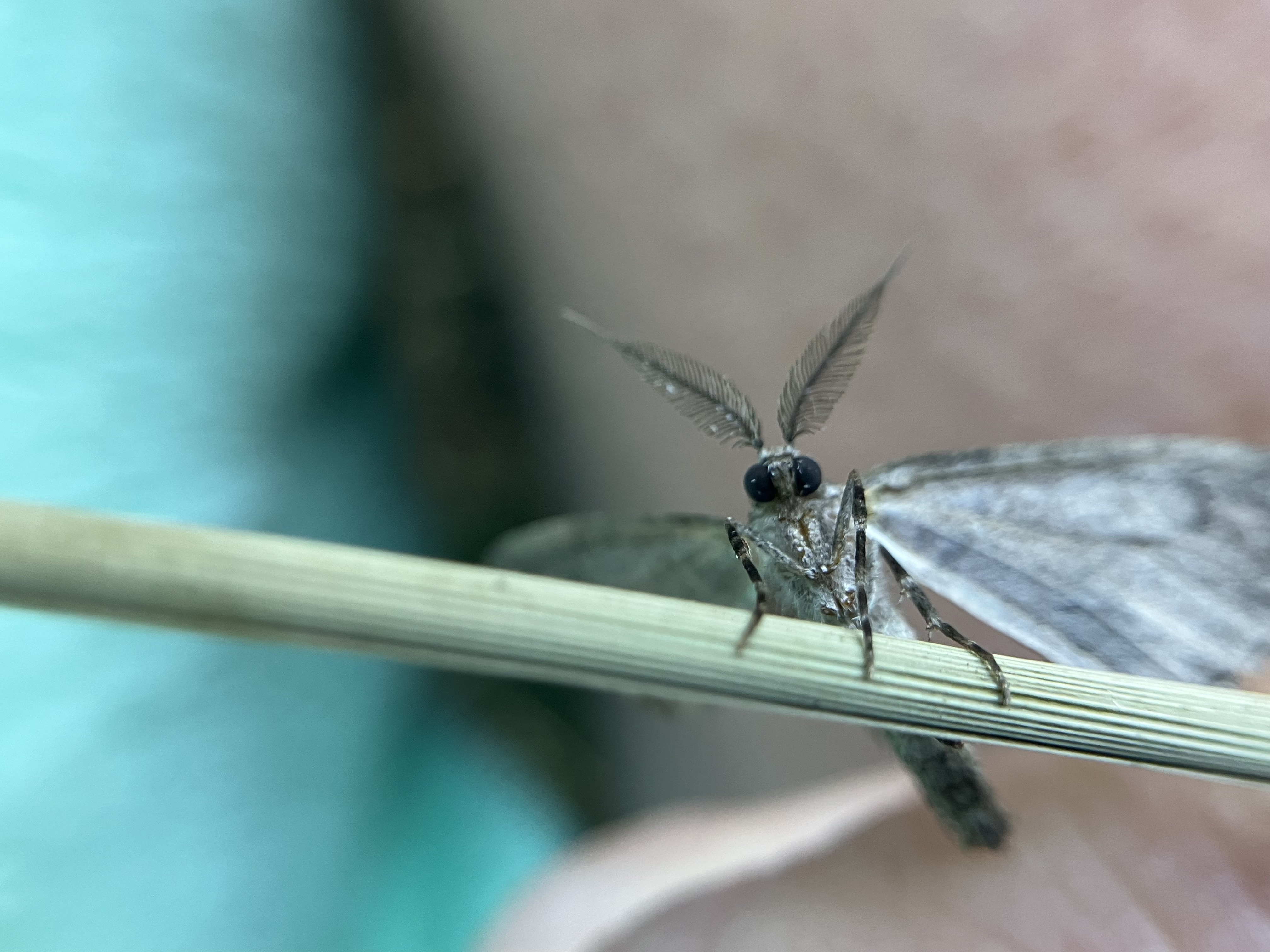
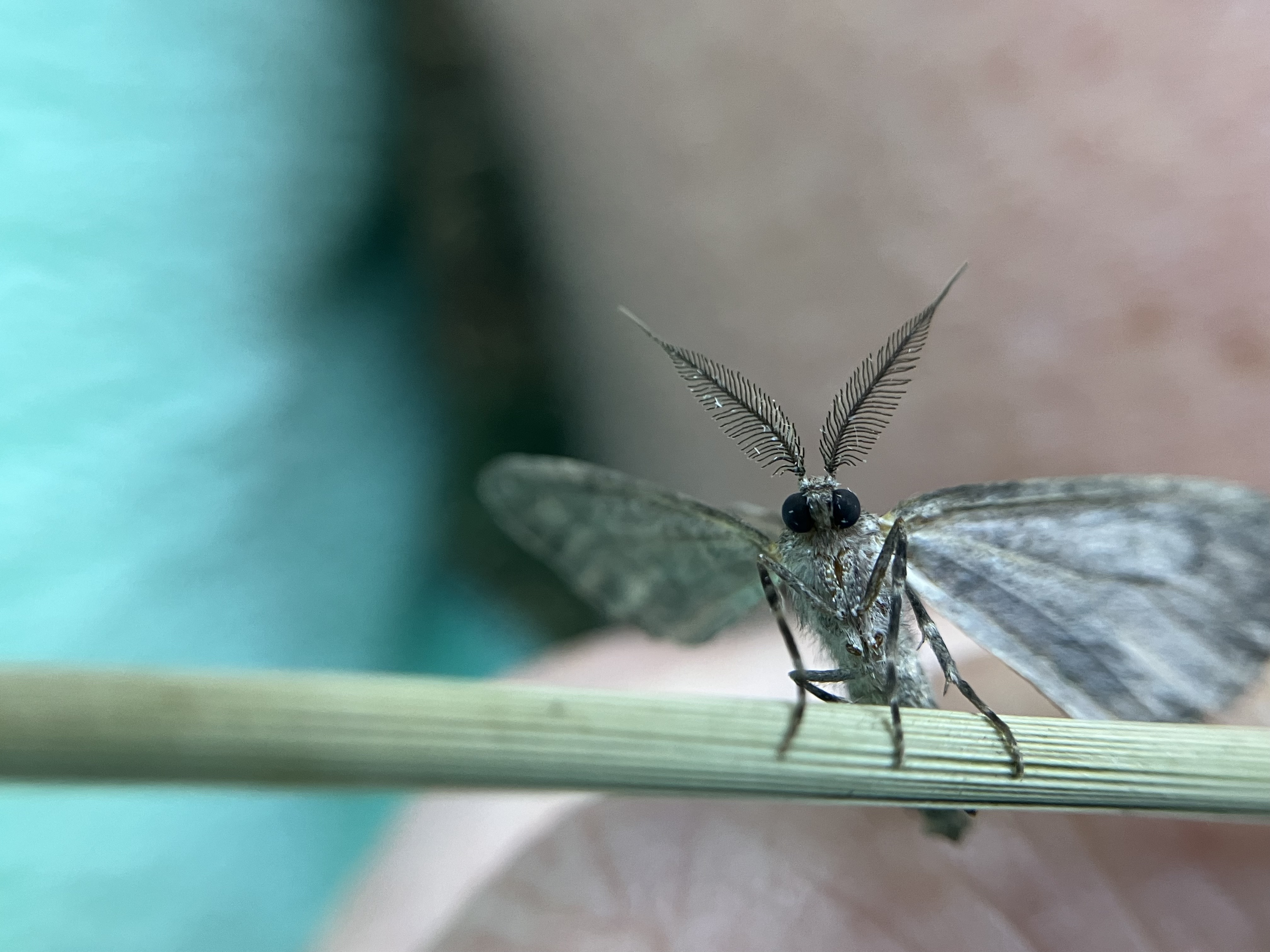
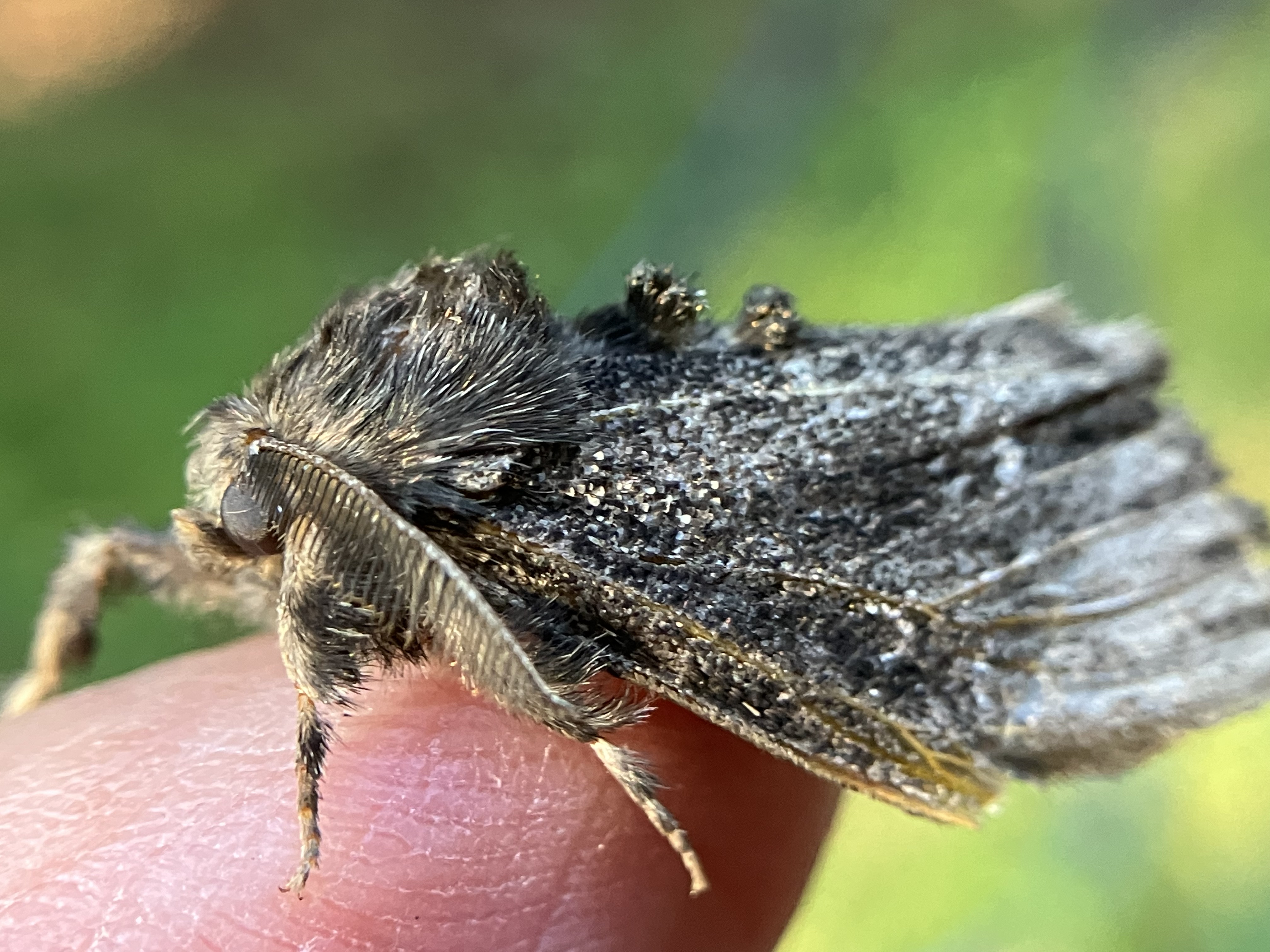
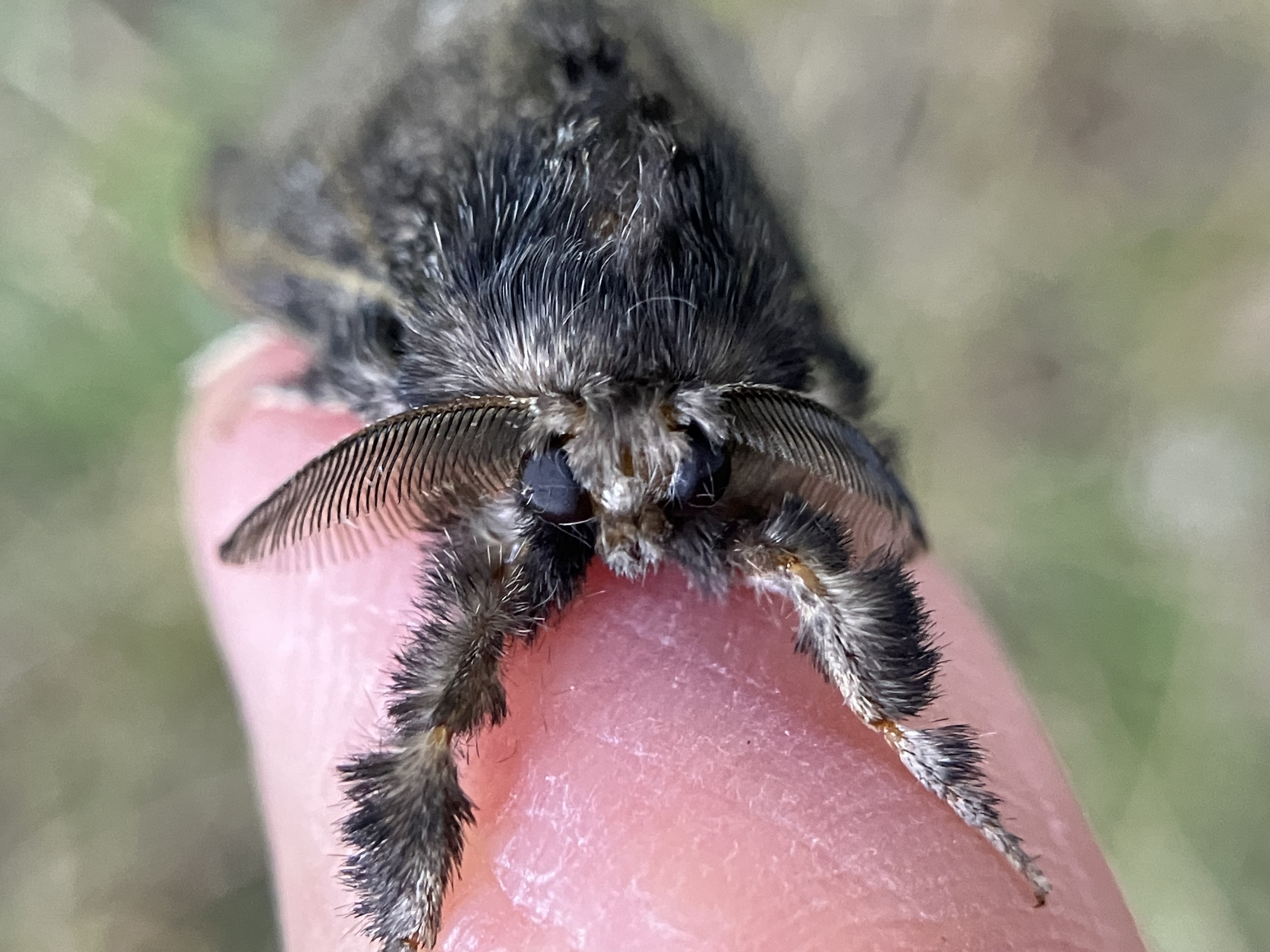
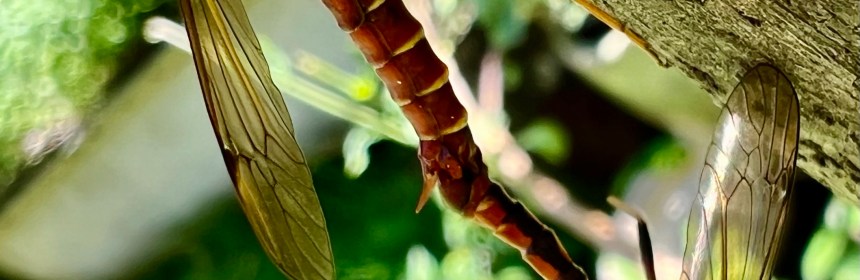
Back to the antennae for these Tiger Craneflies. Can you spot the male and the female in my photos? The male antennae are quite distinctive with their comb-like shape. Entomologists describe the comb-like antennae as Pectinate. If you haven’t figured it out yet, the male is the smaller of the pair. His antennae are wider, and he’s hanging on the bottom.
Tiger Craneflies (Phoroctenia vittata angustipennis) – Note the striking comb-like antennae of the males
Why might craneflies be useful? Well, aside from population size being an indicator for forest ecological relationships, they make great food for wildlife, especially baby birds and their parents.





























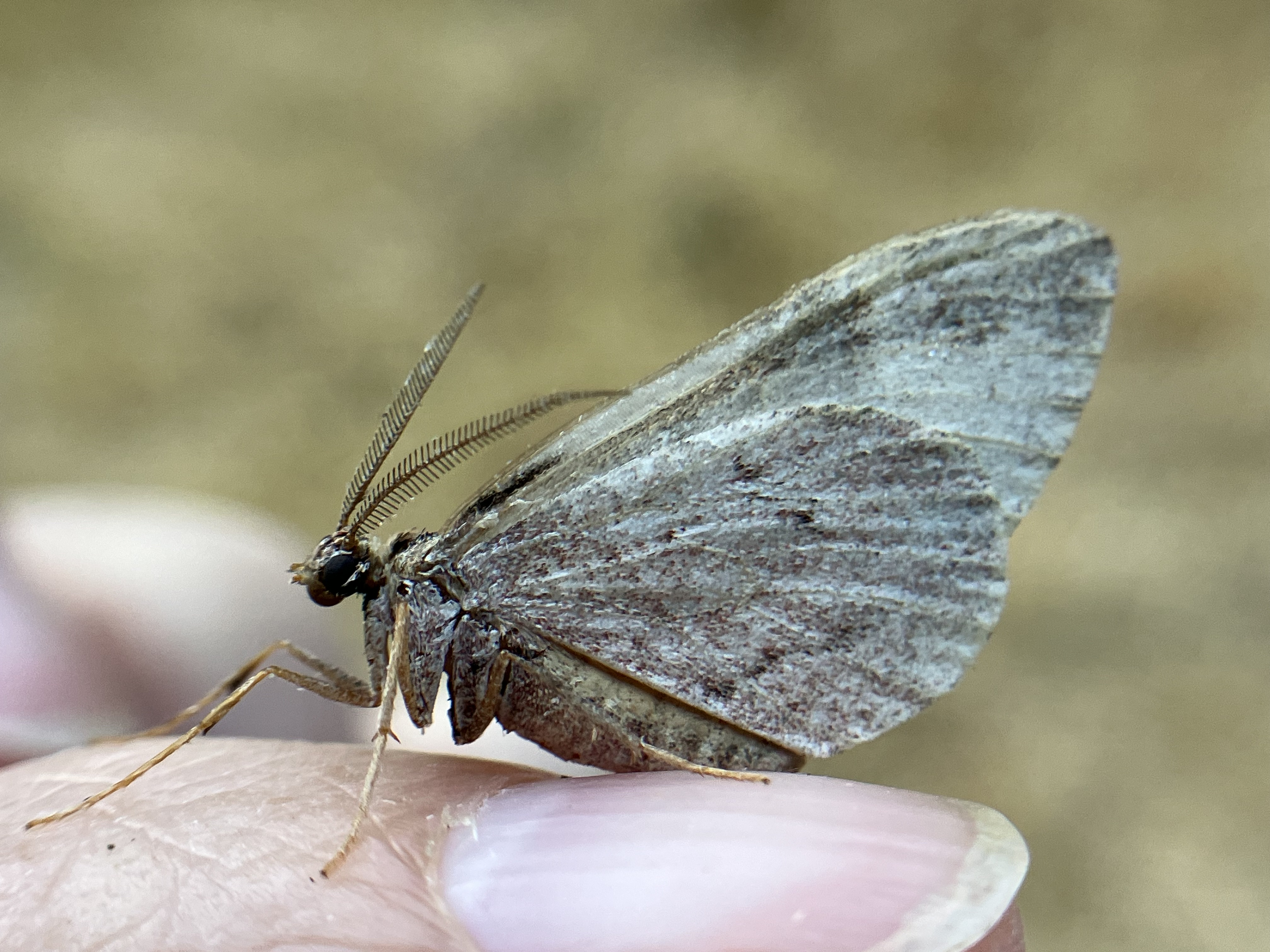
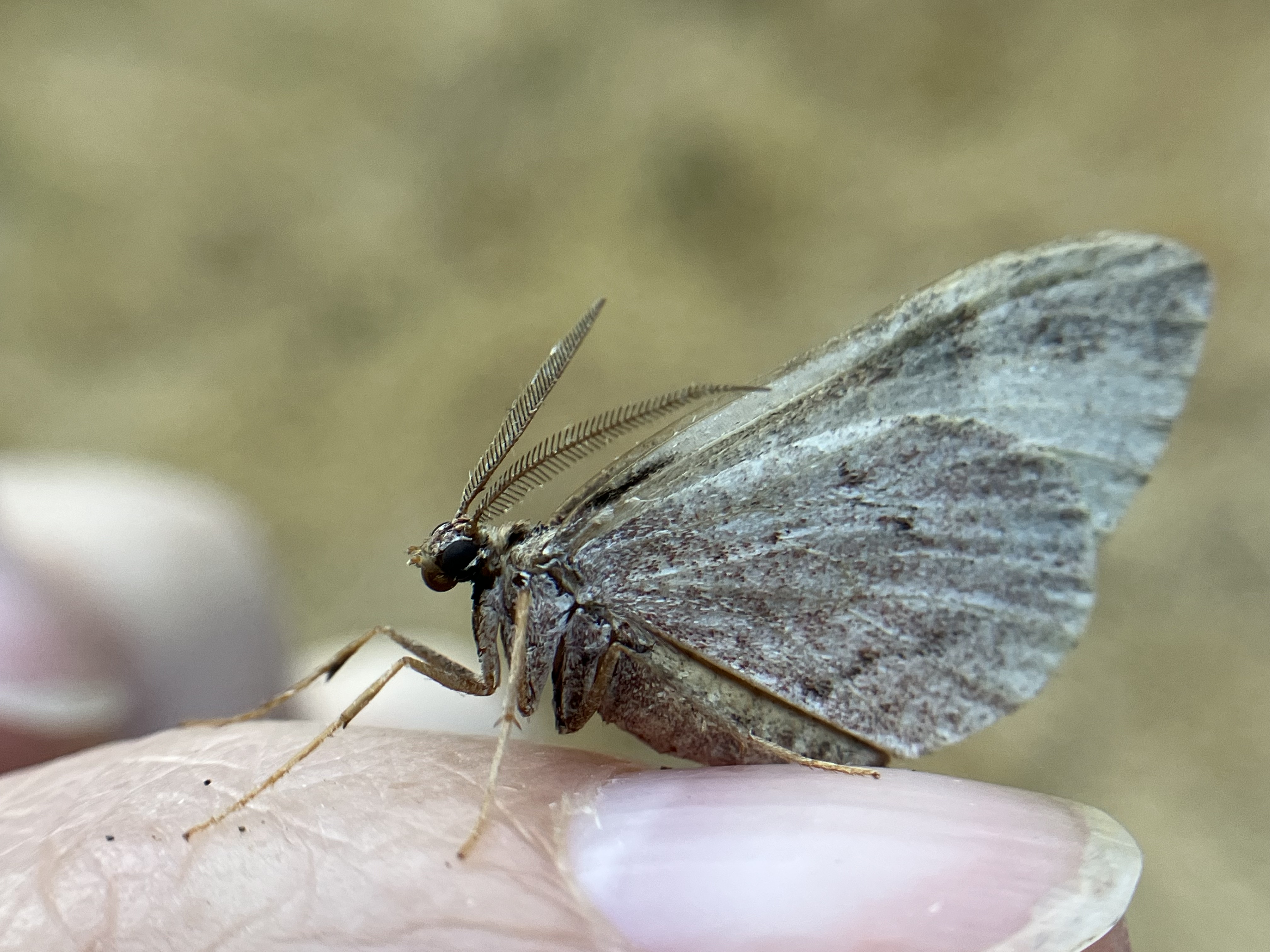

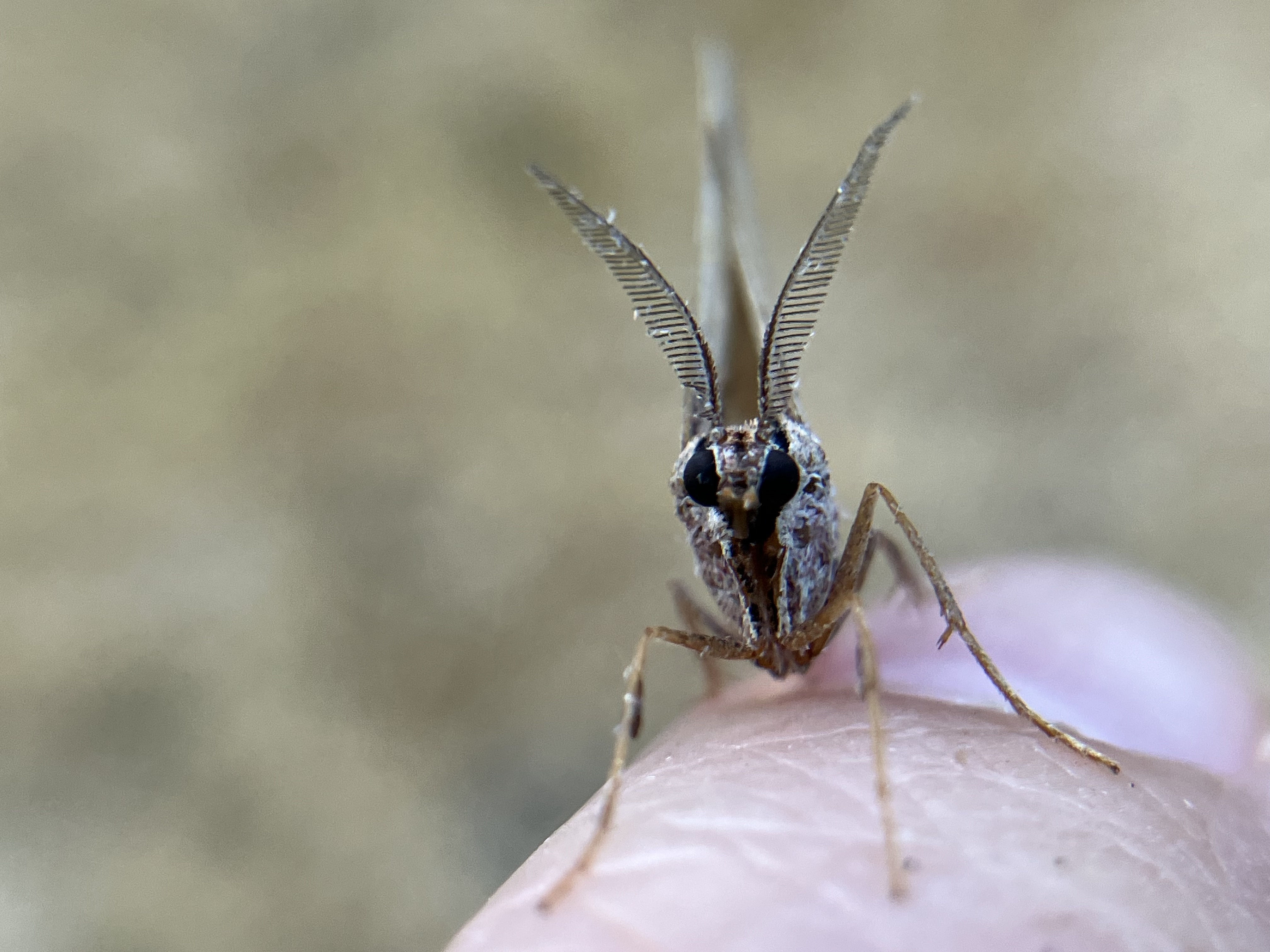


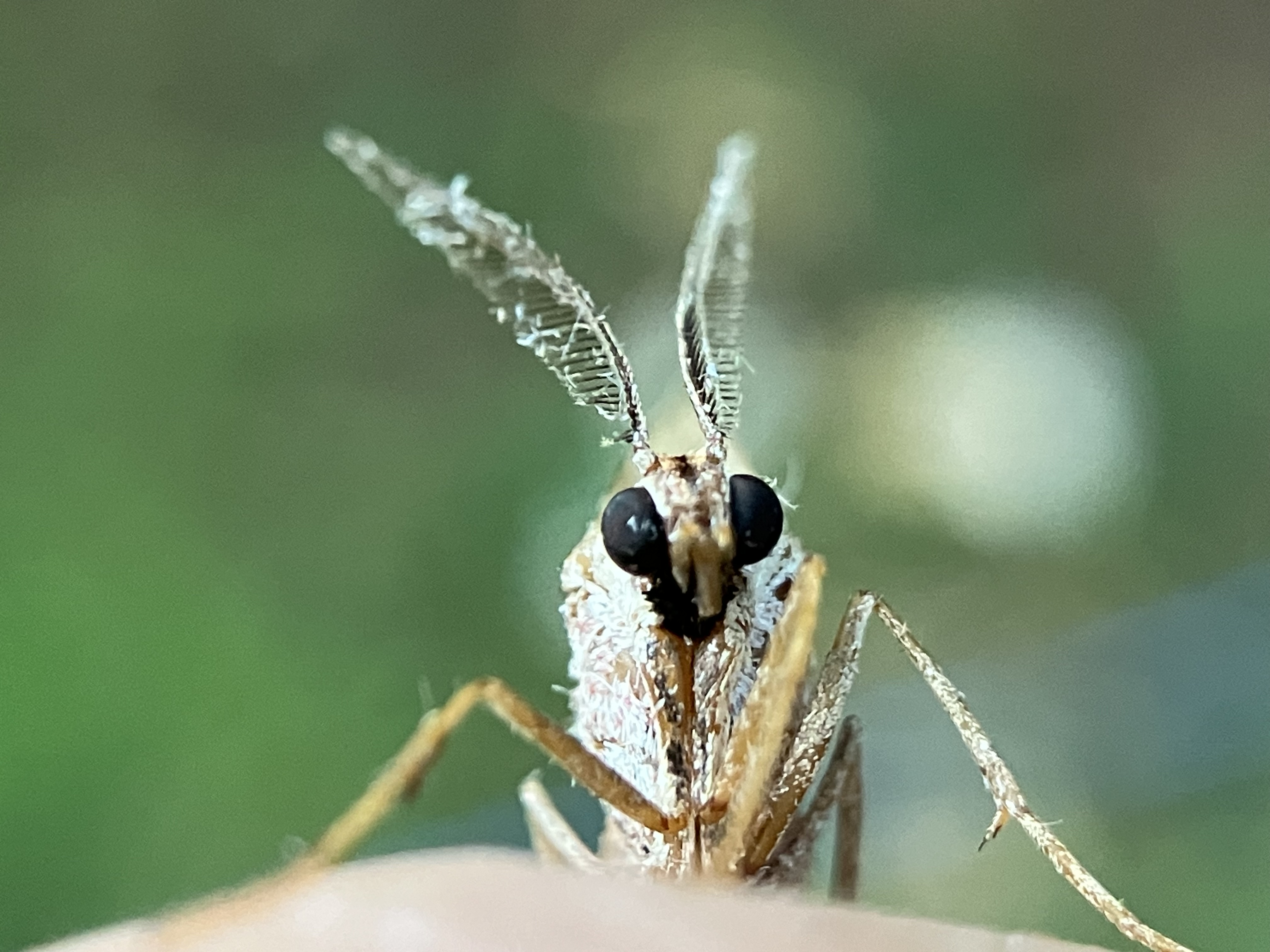






















 Bugging You From San Juan Island