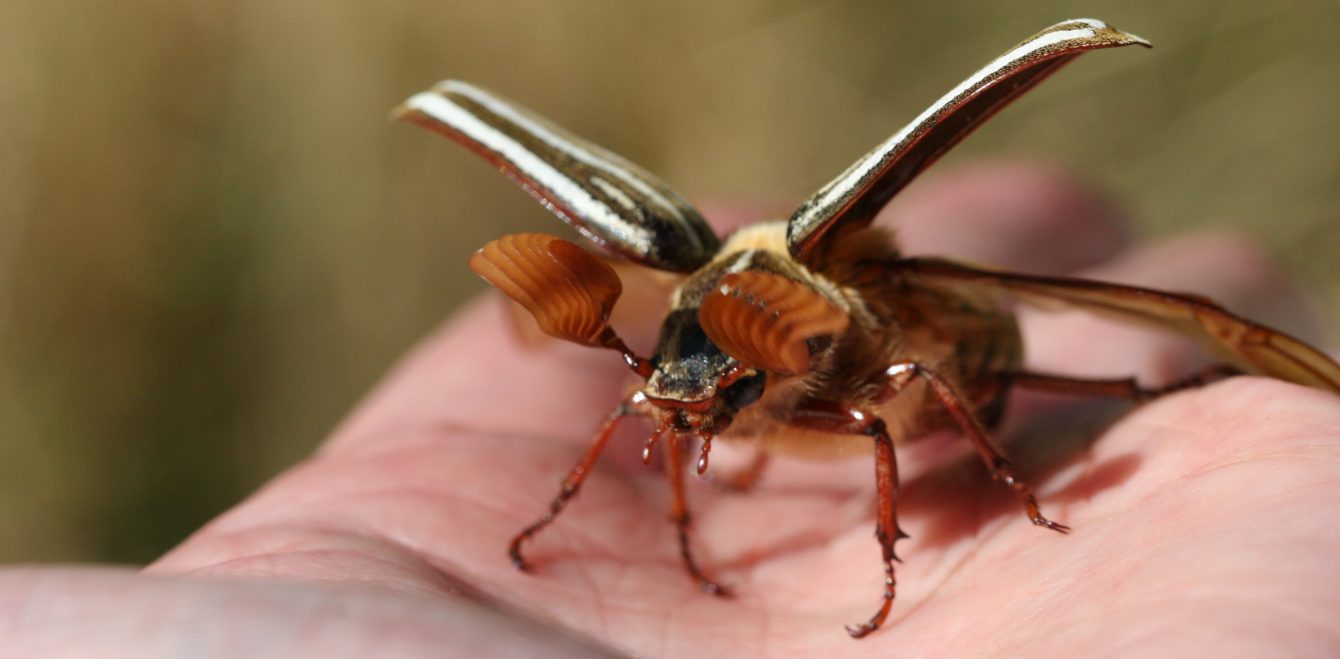
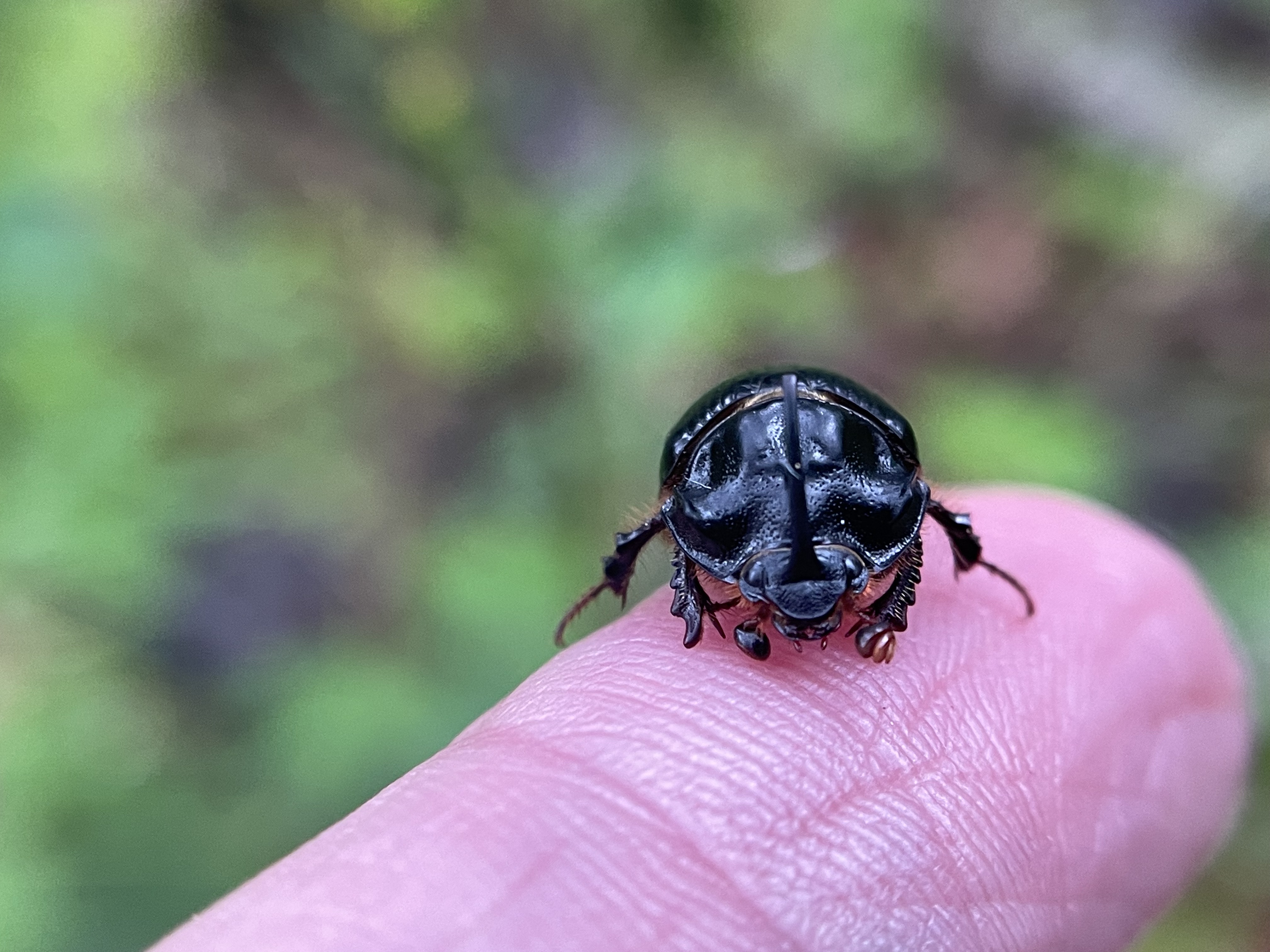
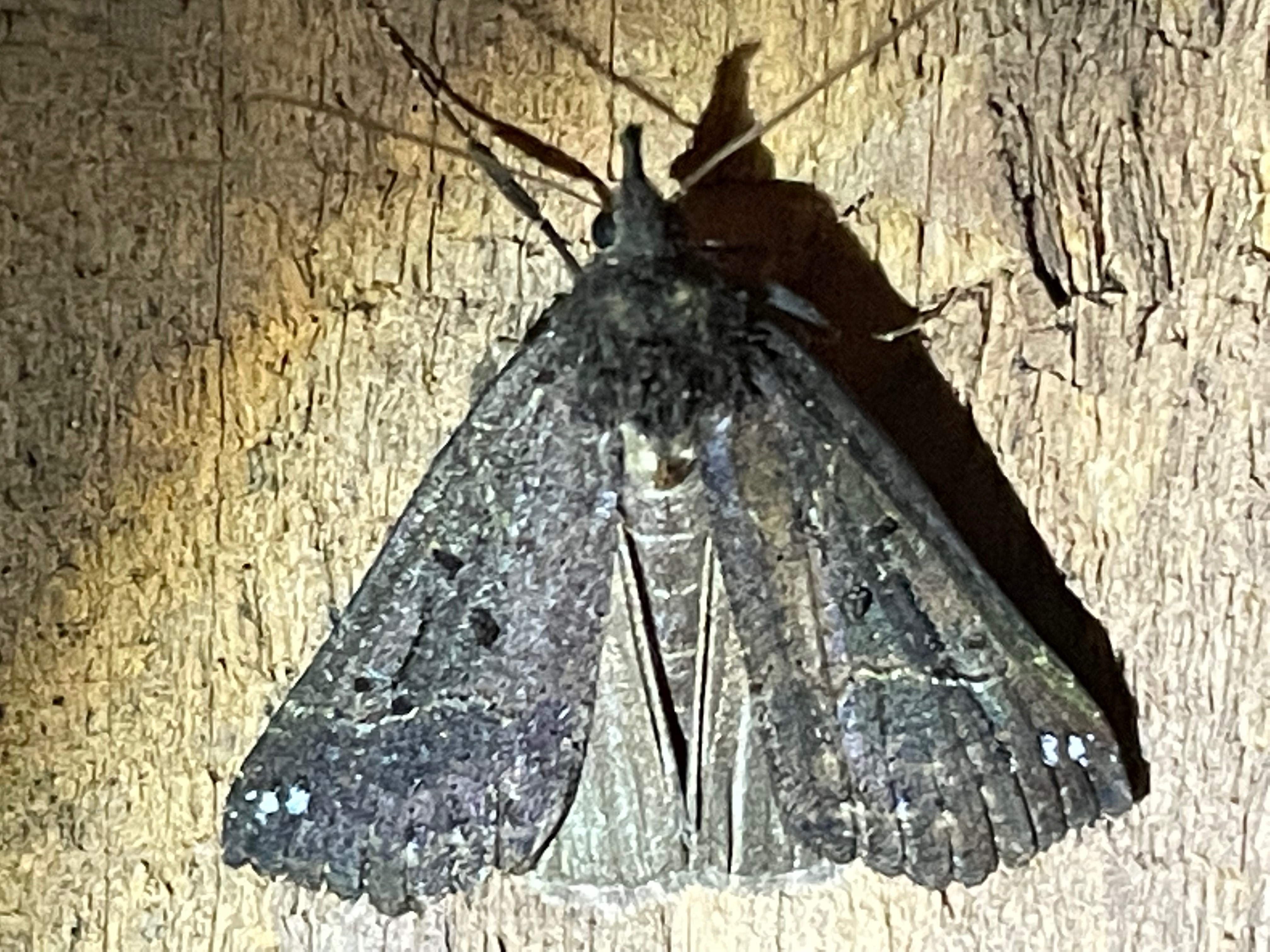
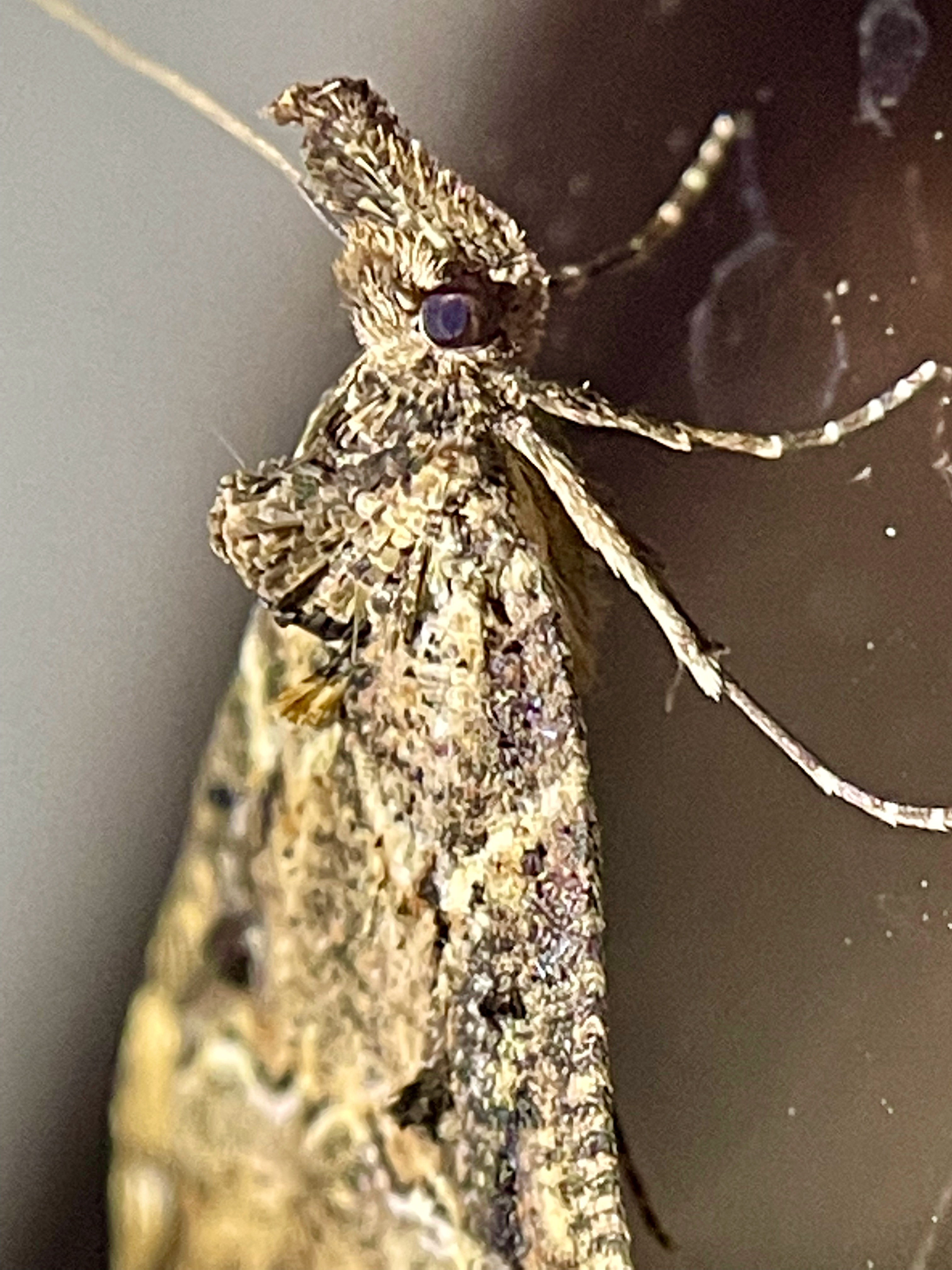
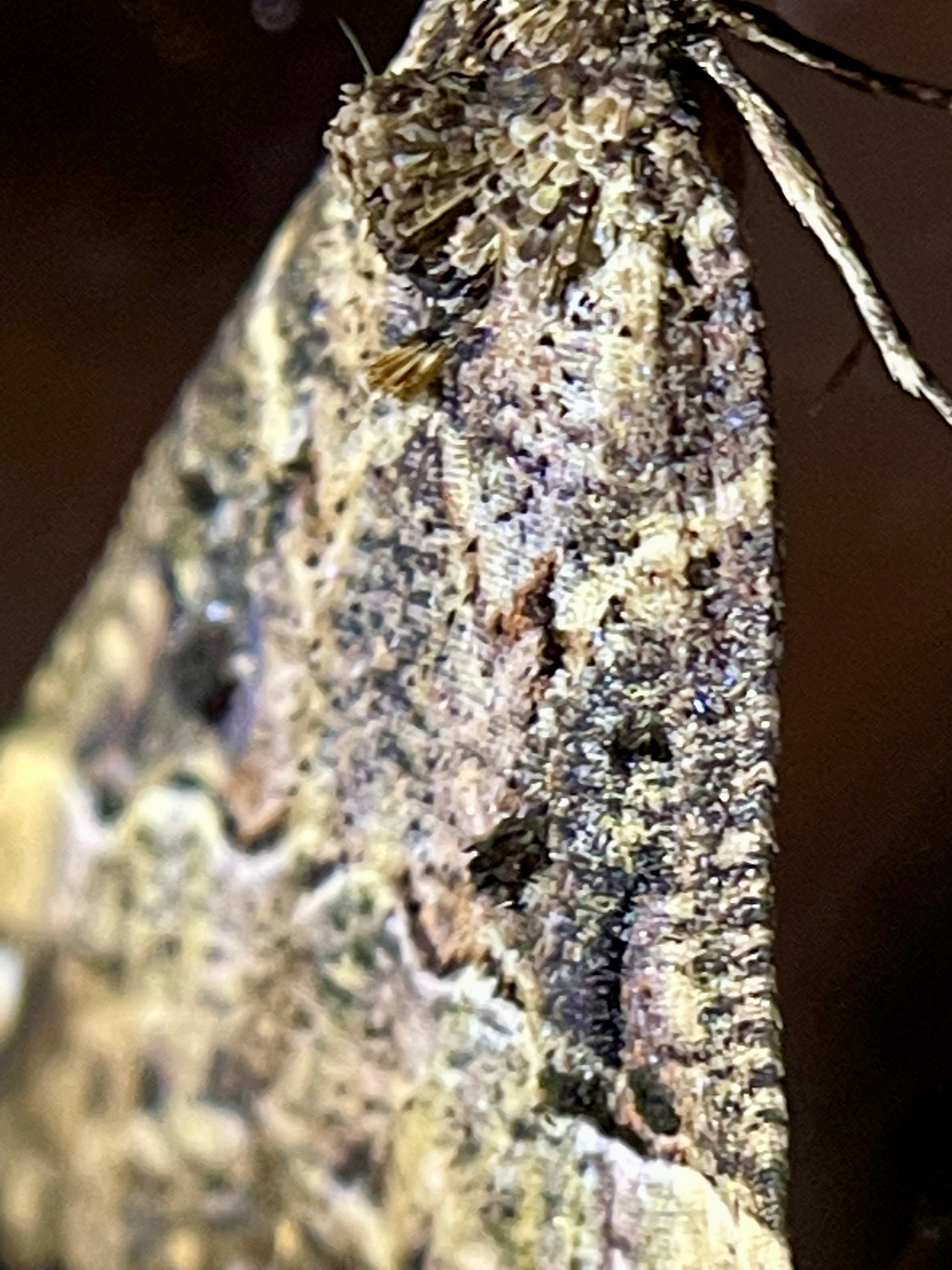
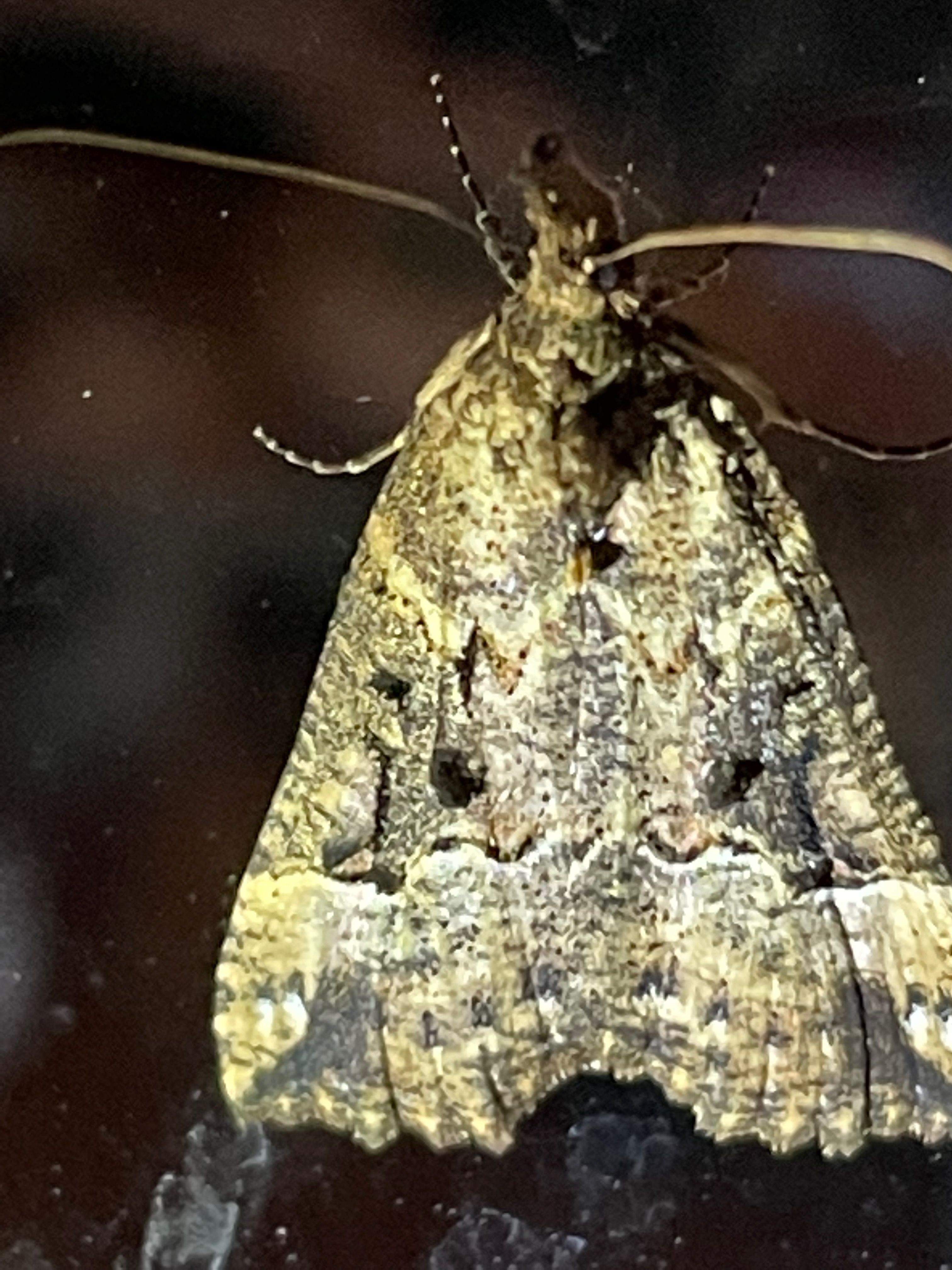
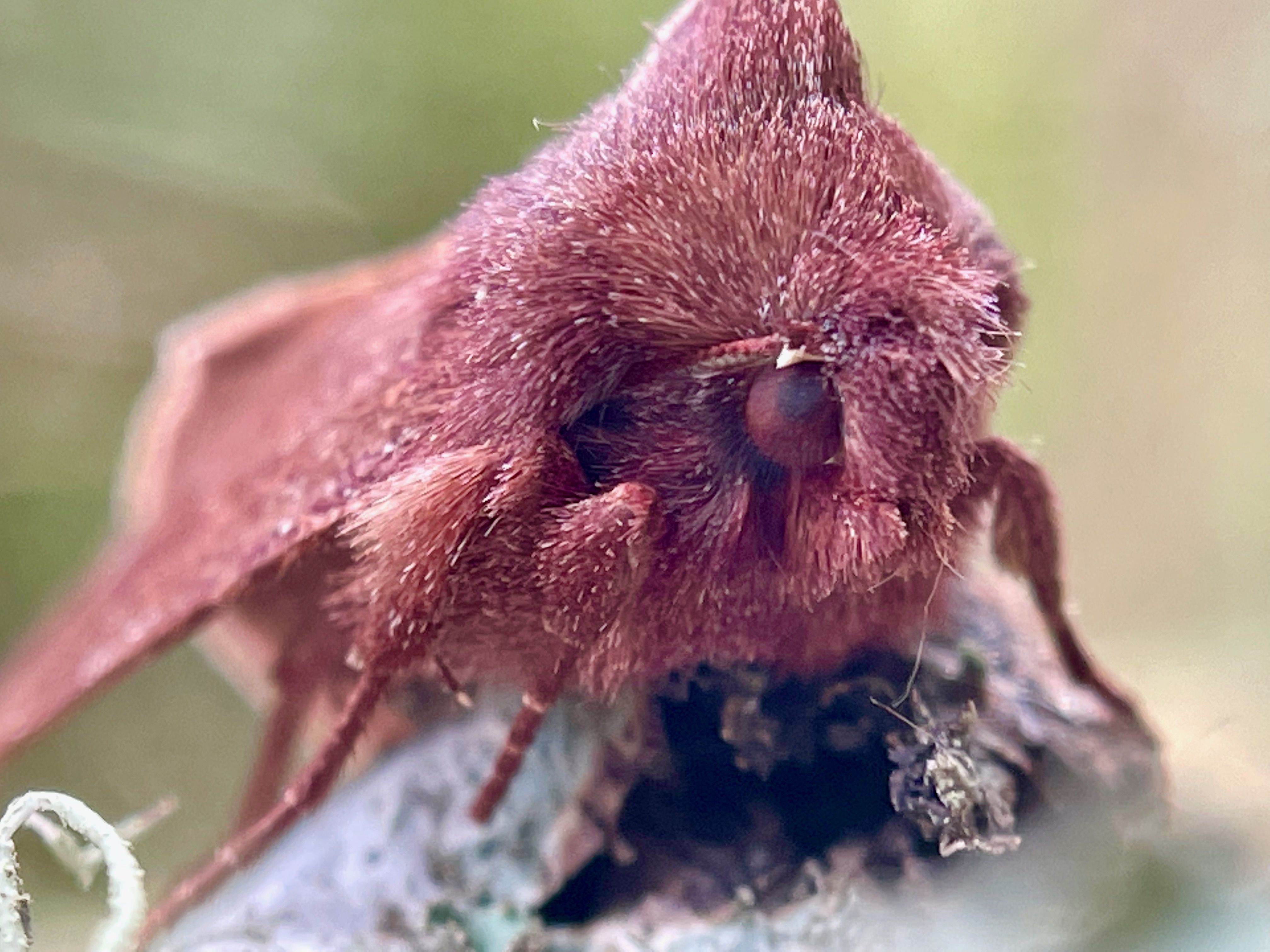
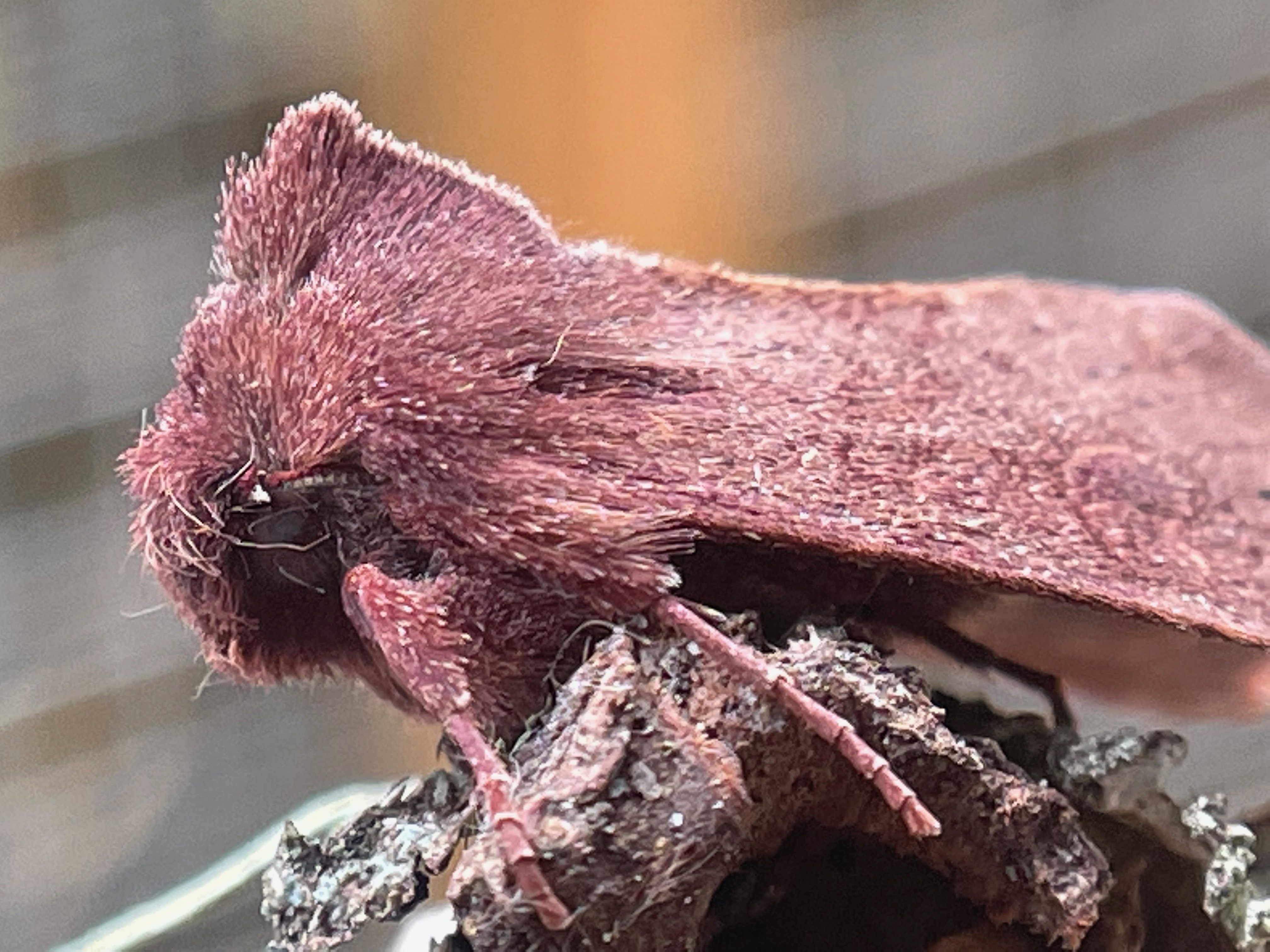
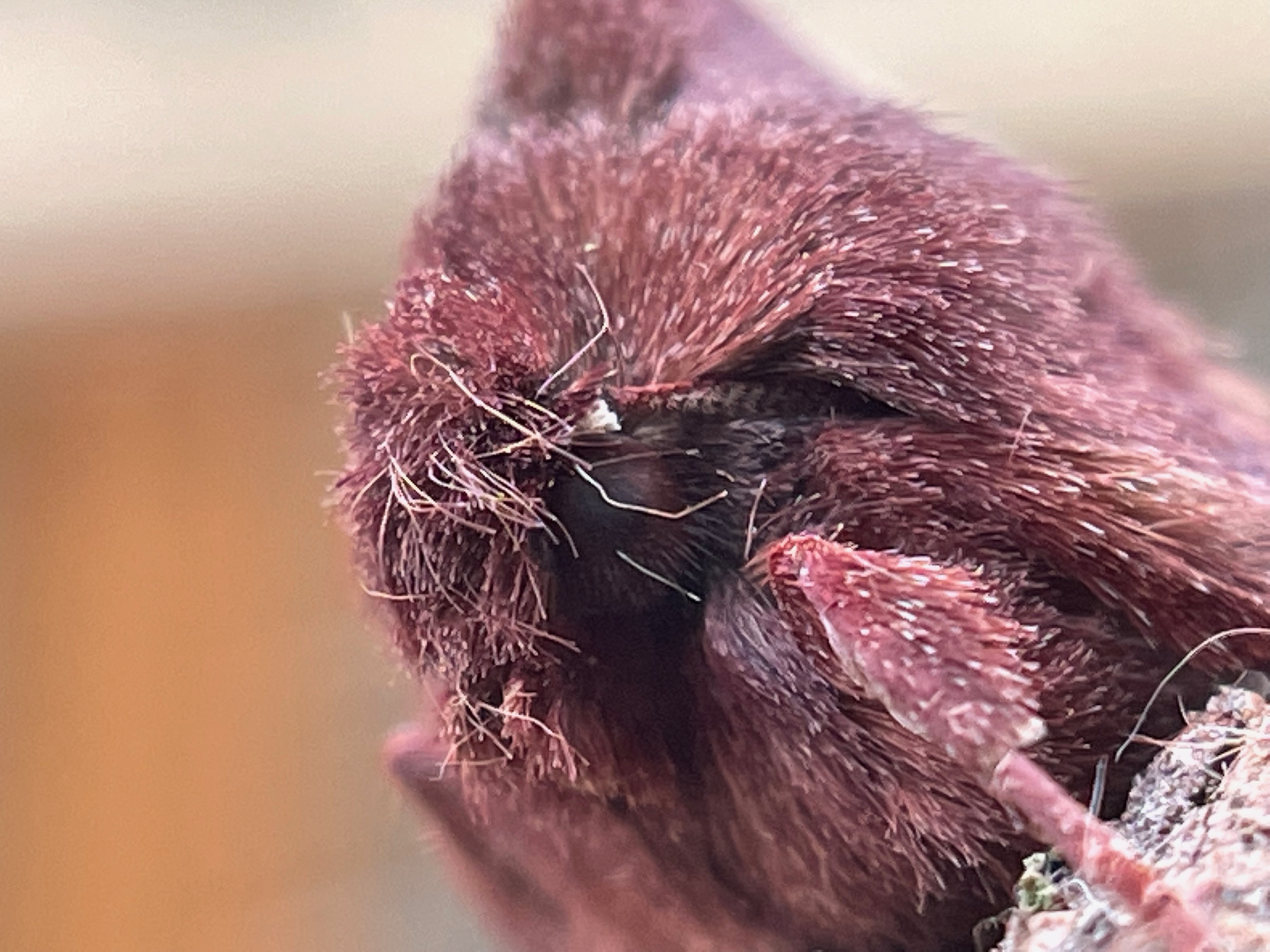
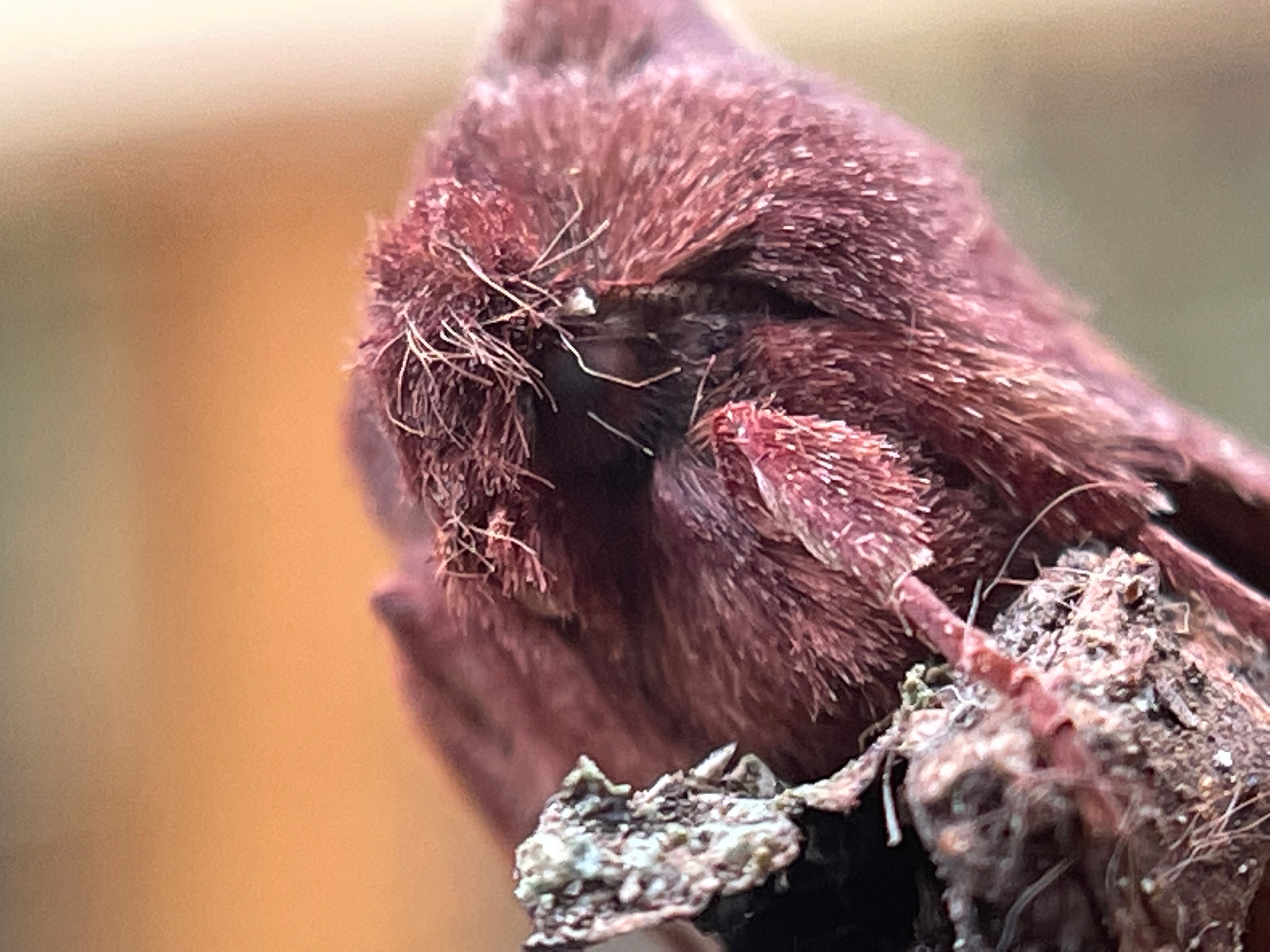
Hello Everyone! Meet my new bug friend, Radar Love ❤️ He must have crashed the wrong party. Radar gone wrong! I found him floating in our pool, in the midst of those raucous “dippers” (the Diplotaxis beetles). Radar Love was so happy I didn’t let him drown, and even happier that I didn’t stick him with a pin and add him to the bug equivalent of a stamp collection. We hung out together for a bit and I took some photos and video to remember him by. Radar Love was released into the forest so he can make more of his kind.
Odonteus obesusOdonteus obesus
Odonteus obesusOdonteus obesus
Odonteus obesus
Location: San Juan Island
ID: Geotruipidae (Odonteus obsesus)
Special thanks to my friend, Michelle Sloan Bos and Tyler Hedlund for ID assistance with this. I was rushing to get ready for my special spider outing. More about that later. For now, enjoy this rare and exciting sighting of a most special little beetle that calls San Juan Island his home.
Ants (Lasius sp.) on Big Leaf Maple Extra-Floral Nectary – May 17, 2022, San Juan Island, WA
When you study insects, or even birds for that matter, you start to understand you have to get to know plants a bit too. It’s all connected.
Plants (including trees and shrubs) provide food and shelter for many different species of animals. Admittedly, I just don’t know a lot about the parts of plants, beyond things like a tree trunk, bark, limbs, branches, leaves, or stems or flowers, nuts, fruit. The obvious parts.
There are some not so obvious parts. Like these extrafloral nectaries. Huh? Sounds weird. Keep reading.
Extrafloral nectaries (EFN’s) are glands occurring on more than 2000 plant species in 64 families. Extrafloral literally means outside of the flower. When we think of nectar, we usually think of little bees and hummingbirds flying around, visiting pretty flowers to sip nectar and in the process, pollinate all of our plants. It’s just that plants are a bit more complex. These glands are located in various places on plants (including trees and shrubs), and may be found on the laminae of leaves, petioles, rachids, bracts, stipules, pedices, fruit, etc. (Mizell, 2019).
These glandular secretions are a fascinating part of how plants attract and sustain a diverse, ecological community, providing sustenance for a multitude of species, including both pests and predators. You can find ants, aphids, beetles (including ladybugs), bees, wasps, and possibly even birds utilizing this excretory faucet to sip what consists of mostly carbohydrate-rich sugar, but also comprised of a wide array of amino acids and other nutrients.
Why are these important? Well, scientists are still trying to fully understand all of the diverse relationships around extra-floral nectaries. It is thought perhaps, beyond attracting organisms to a food source, they play a role in orchestrating a plant’s defense strategy against predators. They also are believed to provide a source of food and/or beneficial nutrients for various organisms during the off-season – when flowering and pollen sources are not available. They may also reduce conflict between ants and other pollinators by partitioning resources (Villamil & Stone, 2019).
Lasius sp. Ants at Extra-floral nectaries on Big Leaf Maple, 05.17.2022, San Juan Island, WA
Ant and aphid hanging out on extrafloral nectaries on Cherry Tree, San Juan Island, 05.17.2022
References
Bentley, B. L. (1977). Extrafloral nectaries and protection by pugnacious bodyguards. Annual Review of Ecology and Systematics, 8(1), 407-427.
Holopainen JK, Blande JD, Sorvari J. Functional Role of Extrafloral Nectar in Boreal Forest Ecosystems under Climate Change. Forests. 2020; 11(1):67. https://doi.org/10.3390/f11010067
Villamil, N., Boege, K., & Stone, G. N. (2019). Testing the Distraction Hypothesis: Do extrafloral nectaries reduce ant-pollinator conflict?. The Journal of ecology, 107(3), 1377–1391. https://doi.org/10.1111/1365-2745.13135
Did you know spiders don’t just eat bugs? That’s right! You can amaze your friends when you share your knowledge about our eight-legged friends chowing down at the salad bar.
Spiderlings with Pollen Plates Orb Weaver Spider on Web
Researchers have observed various species of spiders (over 60 species worldwide) feeding on plant foods to supplement their invertebrate prey (Nyffeler et al. 2016). What exactly does this mean? Are they going to eat the leaves of your garden plants? Nah! Not to worry. They are primarily pest predators in your garden – little helpers to keep those aphids away.
Spiders have long been thought to only consume insects and other invertebrates. However, in recent studies, we are finding this isn’t entirely the case. Observations of spiders foraging in nature has broadened our understanding of the diets of our arachnid friends. Our prior assumptions were incorrect. Spiders actually eat pollen grains, floral and extra-floral nectar, Beltian and Müllerian bodies (structures produced by plants on their leaf tips or petioles, plant sap, honeydew (a plant-derived sugar produced by homopteran insects like aphids), seeds, spores, and even the vegetative material in the guts of their invertebrate prey (Nyffeler et al. 2016).
Tree Pollen collected in ground vegetation
I found several papers on this topic, but one of the most interesting to me talked about how pollen is an important source of protein for spiders in early spring when prey may be scarce. It also pointed out that pollen is a critical food source for newly hatched spiderlings. Baby Orbweavers for instance. We have these here in the San Juans. They are delightful!
Orb Weaver Spiderlings on my garden chair
Well, since the pollen floats through the air, quite a lot will stick to webs, landing exactly where the little spiders can easily access it. Smith and Mommsen (1984) even found that Orb Weaver spiderlings doubled their life expectancy by eating pollen. Eggs and Sanders (2013) concur that pollen is an important dietary supplement for Orb Weaver spiders and found that juvenile orb weaving spiders’ diets consist of approximately 25% pollen.
So, now you know! Our little spider friends, or some of them at least, are more complex than we knew. It’s a good reminder about how important it is to eat a varied and healthy diet. We can put this into practice ourselves. Good nutrition is vital for health and survival – for all living beings.
Nostalgia reigns over the little European (now re-named Western) honey bee (Apis mellifera). We think of honey in terms of “liquid gold” or perhaps reminiscent of A.A. Milne’s Winnie the Pooh, gobbing it all over himself as he dips his paw into the honey jar. Honey bees are indeed important pollinators, and the economic driver of the honey industry. You can stick the almond industry in along with them because, “without honey bees, we wouldn’t have almonds, right!” More on this if you keep reading.
If you delve into how we use honey bees for pollination, it’s hard not to be sympathetic to the plight of the honey bee. Going back to the almond industry, I can tell you it isn’t pretty. Here, and in other monoculture systems, the honey bee must collect pollen and nectar from one, single, solitary food source. Then that bee and her hive family are loaded onto a truck with many other hives, and delivered to yet another industrial monocrop to do the same thing again. Maybe this time it’s an apple orchard, or soybeans, or sunflowers. In every instance though, the nutrient deficiencies can’t be ignored. Honey bees need a diverse array of nutrients just like every other living organism. They aren’t healthy because of how we are keeping (and exploiting) them (McGivney 2020).
The honey industry brought in $321.22 million U.S. dollars in 2021 (Statistica, 2022). They are packed and stacked in boxes, driven across the country, unloaded in unfamiliar territory, hunger staved off temporarily with a jar of high fructose corn syrup, or sugar water (if they’re lucky), while they familiarize themselves with the new surroundings, and are off to work immediately. They are unpaid transient workers. Valued, and needed, but treated much like the migrant workers we count on to move about the country picking our food crops.
Of course, we are told, the nation won’t eat if we don’t have bees! Partly, this is true. The part that needs clarifying is, Which bees exactly do we need to pollinate our food crops?
I’ll disclose here that I am a former honey bee keeper. Former being the point! I quit. I became enlightened. Not by the unrealized dreams of liquid gold, not from stings received, but rather by the dings of my brain firing at the connections I started to make from my observations and from searching for scientific literature that supported what I was observing.
When I was working on my MS in Entomology and Nematology from the University of Florida, I took a beekeeping course as part of my curriculum. Part of the requirement for the course was to shadow other beekeepers and set up a hive of my own. I enthusiastically set off on these tasks. Keeping my own hives was an incredibly fascinating experience.
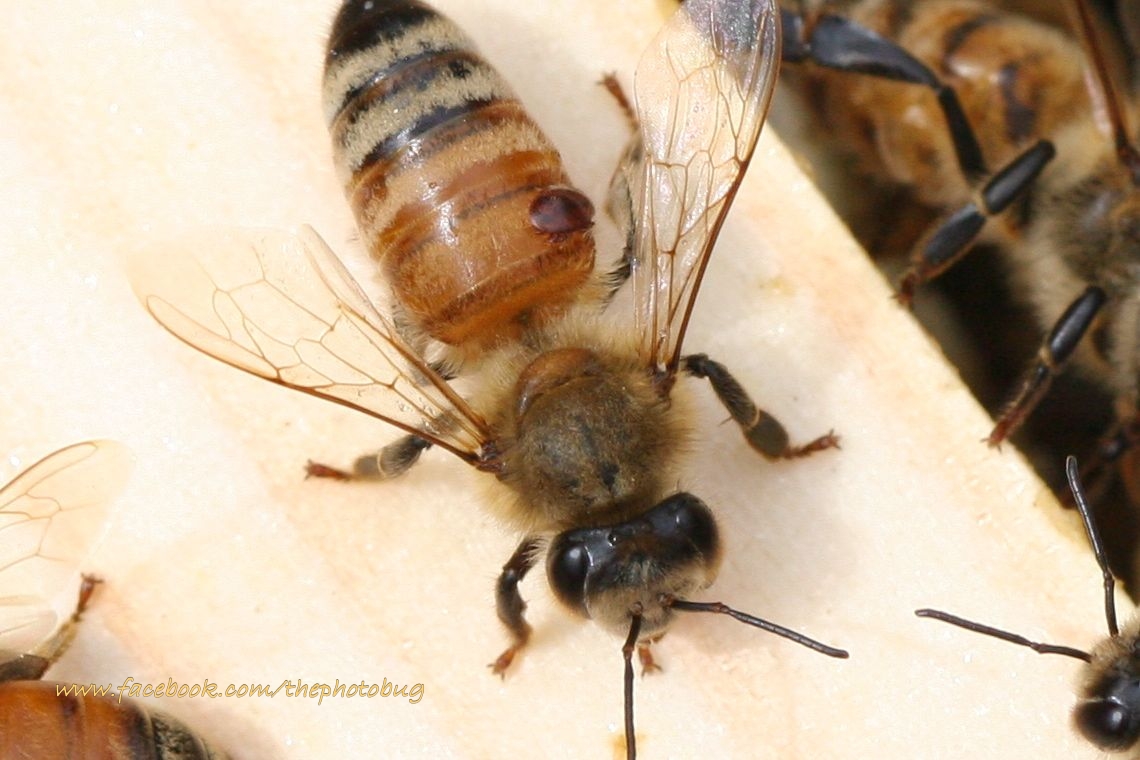
Here in our island community, I mentored high school students who set up a hive at the community garden and gave several public talks to various organizations as part of their senior project. I’ve acted as a consultant for other beekeepers, loaned out beekeeping equipment, suits, literature, and several extension agencies have used photos I took of honey bee queens and varroa mites in their educational materials.
Varroa mite on European honey bee (Apis mellifera) – photo by Cynthia Brast-Bormann
Keeping honey bees was fascinating. Yes, I was stung, but it was mesmerizing to watch them working. At one place that I lived, I kept them just outside of my daughter’s bedroom, and to open the window and smell the honey bees was like entering heaven. It was intoxicating.
As to my success in keeping honey bees on San Juan Island, I can tell you it’s a mixed bag. My longest-lived colony survived three years. Mostly, later in the season, the bees would be attacked by wasps, and the hives completely raided. Honey bees died in winter from a lack of food and reduced numbers. Bees ball up together inside the hive in winter. If the population is small, they just can’t generate enough heat to stay warm.
For a few years, I bought new packages of bees. That was also a mixed bag. Some years, the queen died right away. Other packages of bees came with varroa mites. Most packaged bees for purchase are available after they’ve already been at work in other parts of the country pollinating in crop systems where the climate is warmer. They’re worn out and not necessarily healthy.
You see, many people selling bees to hobby beekeepers also make money from renting bees for crop pollination. The queens are reared separately and artificially inseminated. When your package of bees is packed for shipping, they plop the newly fertilized queen into the box with the tired little workers who have been to California, Nebraska, Iowa, or who knows where else before they arrive for you to pick up. As these packaged bees became more and more expensive, my “hobby” was yielding the most expensive, tiny jar of honey you could ever imagine.
There were multiple other things I observed when keeping bees. Like they would gang up on the poor, solitary bumble bee trying to feed on the single dandelion in the yard and kill it. Not the dandelion. They killed the bumble bee.
Honey bee killing bumble bee – photo by Cynthia Brast-Bormann
They actually killed a lot of bumble bees from my observations. I didn’t like it. I also quickly noted that with our cool spring climate, the honey bees didn’t like to come out of the hive until sometime in May or June, way after all the trees had flowered. Honey bees don’t like to fly unless the temperature is over 50 degrees Fahrenheit. I was making a lot of sugar water for them. In case you haven’t noticed, the price of sugar is becoming quite expensive.
That’s another thing. Sugar water is nutrient poor. Honey bees, or pretty much any other organism will never thrive on sugar water alone. It would be like giving your kid cans of Pepsi or Coca Cola every day and nothing else. Of course, they would not be healthy. They’d probably have a shortened life and die before they became a teenager. Honey bees, humans, and pretty much every other organism on the planet needs a diversity of nutrients to survive. Who out there remembers taking a Fred Flintstone vitamin tablet as a kid? Well, there’s a minimum daily requirement for more than humans. Honey bees need a diversity of flowers, trees, mineral rich soil, and clean water to thrive. They also need to collect anywhere from 20-130 lbs per year of pollen and 120-900 lbs per year of nectar, to sustain ONE hive (Goulson, 2003).
So, don’t we have those things out here in the San Juans? Hmmm. Let’s see. Spring temps don’t warm up until after fruit trees, forest trees, and lots of other native shrubs have already flowered or set off pollen. Our soils are poor and deficient in certain minerals like selenium. There’s a LOT of bedrock, but obviously we have some parcels that are exceptions. Summers are hot and dry. I doubt even in a good season, there’s enough pollen and nectar to support all the hobby hives we have now in the islands.
If you’ve lived here for a few seasons, you might note that summer going into fall we have a dearth of vegetation. Pretty much the only wild plants blooming are our non-native Tansy and California Poppies. Of course, the noxious weed folks urge us to pull all the Tansy. It’s toxic. We should do our best to remove it when possible because if you are keeping bees (and continue to do so after reading this), you don’t want Tansy pollen or nectar in your honey. It will damage your liver.
Back to making my point. What bees are we supposed to save? 1. Honey bees? or 2. Those other bees that don’t give honey, but might actually be better suited for pollinating things we have in the San Juans?
If you pick 2, you’re trending along with me. As an entomologist, I can suggest that supporting native bee species will be much healthier and sustainable for our fragile island ecosystem. Why? Well, native bees are already suited for this geographic climate. Bumble bees, Andrena bees, Mining Bees, Leafcutter bees, along with flies, wasps, beetles, moths, ants, and even spiders are all pollinators that work well in our island habitat. In fact, flies are probably one of our most effective early pollinators for fruit trees in the San Juans.
But won’t honey bees pollinate too? What about my garden plants or my orchard trees? Well, again, it’s really not an optimal climate. If you are still holding out, I can offer additional research that might be convincing. While not particularly applicable to the San Juans, since as I’ve already stated, honey bees aren’t going to be flying when our orchard trees are blooming, current research in mainland agro-ecosystems is indicating that wild bees actually increase fruit set in apple orchards (Mallinger & Gratton, 2014), and strawberries pollinated by wild bees are larger than strawberries pollinated by honey bees (MacInness and Forest, 2019). That’s only two papers, but if you take time to go through and read these, look at their references. You’ll find additional citations indicating similar findings in other studies.
What if we ignore everything you’ve written here and keep ordering packages of honey bees?
Good question. Certainly, you are within your right to order honey bees and keep them. Some folks may be determined to try and raise bees in an attempt to get honey. All I can say to that is good luck! I personally have switched from using honey to using agave as a sweetener, or quit using sweeteners altogether. It’s a personal choice, but also motivated by my own economics as well as my concern for preserving a diverse and sustainable population of invertebrates and conserving diverse and healthily functioning ecosystems. Also, please don’t interpret my position as “anti-agriculture.” That wouldn’t be fair. We have to eat, but I do believe in progress and making better choices as the planet becomes more populated. There are a LOT of people to feed. We need to figure out how to do this sustainably, without displacing our diversity of wildlife or injuring the planet’s ability to support life.
It’s a fact that native bees are being displaced in ecosystems under pressure from loss of habitat and competition from managed honey bees. In their 2018 literature review, Hatfield et al., state that “honey bees displace native bees from flowers, alter the suite of flowers native bees visit, and have a negative impact on native bee reproduction.” Citing Anderson & Anderson 1989; Paton 1990, 1996; Wills et al. 1990; Dafni & Shmida 1996; Horskins & Turner 1999, Hatfield et al., continue by stating, “honey bees potentially impact native bee species by removing available supplies of nectar and pollen,” essentially outcompeting native pollinators who are left without enough food to survive and reproduce.
How many hobby bee keepers are in the San Juan Islands? Are there enough to impact native populations of pollinators? Doubtful we could come up with an accurate number or assessment. It would be great to have a count and map of locations of honey bee hives in the islands. The Washington State Department of Agriculture does have a requirement for beekeepers to register their hives annually with the state (WSDA 2022). This isn’t set up to harass beekeepers, but to be able to contact you should there be an issue of concern, ranging from disease to threats from non-native species such as the Asian Giant Hornet (Vespa mandarinia), a species the state is tracking to prevent further spread. If hobby beekeepers are adhering to state laws by registering their hives, scientists will be better at assessing the impact of honey bees on populations of native pollinator species, especially under the unknown parameters of a warming earth.
What are my recommendations? Well, I’ve shared why I quit keeping honey bees. We have a small orchard and keep a little vegetable garden where my husband helps me grow some strawberries, tomatoes, peas, salad greens, and a few other things. The past few seasons, because of my affinity for bug viewing over gardening, I planted some things near my garden plants that I knew would attract pollinators. For instance, I have Nepeta varieties of catmint near my tomatoes. Those purpley-blue flowers on the catmint attract all sorts of pollinators who also happen to visit my tomatoes, peas, strawberries, and more.
Judging from the diverse collection of bugs (and birds) in our garden/orchard area, I don’t believe we need any honey bees at all for pollination. I love watching the varied native bees, especially the fuzzy bumble bees that pollinate our tomato plants. Oh, one last thing! These native pollinators aren’t out to defend a colony like the social honey bees. This means they are WAY less likely to sting you. Oh, I’ve sustained a sting or two from an occasional bumble bee, but that was because they were hanging out on my blue yoga pants, and I accidentally squeezed them when I was squatting down to pull some weeds. Bugs love the colors blue, purple, and black. I learned my lesson. Now I wear blah, sand-colored clothes when I’m gardening.
Thanks for reading. I hope you will consider my points. This is not meant to be an indictment against honey bees or honey bee keepers, merely a perspective on the impacts we may have on our island ecosystem in keeping honey bees. The bumble bees, and other native pollinators will appreciate not being displaced. They’re worth saving, and thank you for recognizing their role in our food web.
p.s. If you aren’t a beekeeper, but you’re interested in helping native pollinators on the island, establishing gardens with diverse species of native plants will help ensure they have a bounty of healthy and nourishing food sources available. You can check out Washington Native Plant Society at https://www.wnps.org , WSU’s Master Gardener Foundation of San Juan County at https://www.mgfsjc.org , or the Xerces Society – https://xerces.org/publications/plant-lists/pollinator-plants-maritime-northwest-region for native species lists.
References:
Goulson, D. 2003. Effects of introduced bees on native ecosystems. Annual Review of Ecology, Evolution, and Systematics 34:1-26.
Hatfield, R.G., S. Jepsen, M. Vaughn, S. Black, E. Lee-Mäder. 2018. An Overview of the Potential Impacts of Honey Bees to Native Bees, Plant Communities, and Ecosystems in Wild Landscapes: Recommendations for Land Managers. 12pp. Portland, OR: The Xerces Society for Invertebrate Conservation.
MacInnis, G, Forrest, JRK. 2019. Pollination by wild bees yields larger strawberries than pollination by honey bees. J Appl Ecol. 56: 824– 832. https://doi.org/10.1111/1365-2664.13344
Mallinger, R.E. and Gratton, C., 2015. Species richness of wild bees, but not the use of managed honeybees, increases fruit set of a pollinator-dependent crop. J Appl Ecol. 52: 323-330. https://doi.org/10.1111/1365-2664.12377
Yesterday I was the lifeguard. And, I had swimmers needing saving!
Hister Beetle (Genus Margarinotus I believe) – April 7, 2022 San Juan Island, WA
Here’s one of the species I used a piece of cardboard to rescue from drowning. This is a beetle in the family Histeridae, also known as a Clown Beetle. I told him no more clowning around without a life jacket. 🤣 Watch as it wrings its hindwings out, rolling them in under the leathery elytra (the outer wings).
I believe this beetle is in the genus Margarinotus. For ID beyond this, I’d need more time and a lot of patience. However, I can tell you I’ve learned some species of Hister beetles are associated with the nests of rodents, birds, and even ants and termites. They are pest predators, meaning they eat other insects at all life stages. They also are especially adept predators of fly eggs. You can often find them in leaf litter, dung, carrion, and under tree bark, or living in those ant mounds where they may be fed by ants, eat the leftovers the ants discard, or in some cases, they eat the ants!
Some other curious tidbits about these beetles include their acting ability. They play dead (Thanatosis) to deter predators. The word Hister is derived from Latin and means “Actor.”
Hister Beetle (I believe Margarinotus sp) – San Juan Island, WA
Wenzel, R. L. (1960). Three new histerid beetles from the Pacific Northwest, with records and synonymies of additional species (Coleoptera: Histeridae). https://www.biodiversitylibrary.org/page/2847194
Bugs like Blue. I found a bunch of these little ones yesterday floating on the surface of our above ground pool. They were also all along the outside of the pool (which is blue). I scooped out all the ones that were struggling in the water and watched as this one dried itself off. It reminded me of watching my cats grooming after finishing a meal of Fancy Feast wet cat food.
Listrus Flower Beetle on Side of Pool – April 7, 2022 – San Juan Island, WA
A Soft-Winged Flower Beetle, these are in the family Melyridae (Genus Listrus). At only about 2 mm in size, they were indeed pretty tiny. Listrus beetles feed on both pollen and nectar. They are covered with dense setae (little hairs) that pollen easily adheres to. Check out the paper reference below and learn how they have been recognized as one of the most important pollinators of plants in Western North America.
Some of you might cringe at the idea of standing below a porch light while an eclipse of moths (yep, that’s what a group of moths are called) are whirling and gyrating around your head. I find it fascinating, even as they hit at my face or hair, before bouncing back towards the light or disappearing off in the dark night.
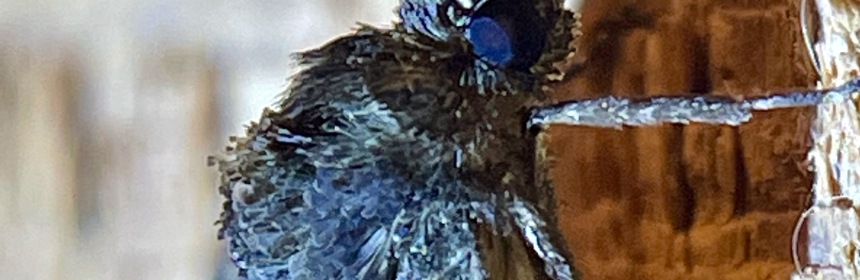
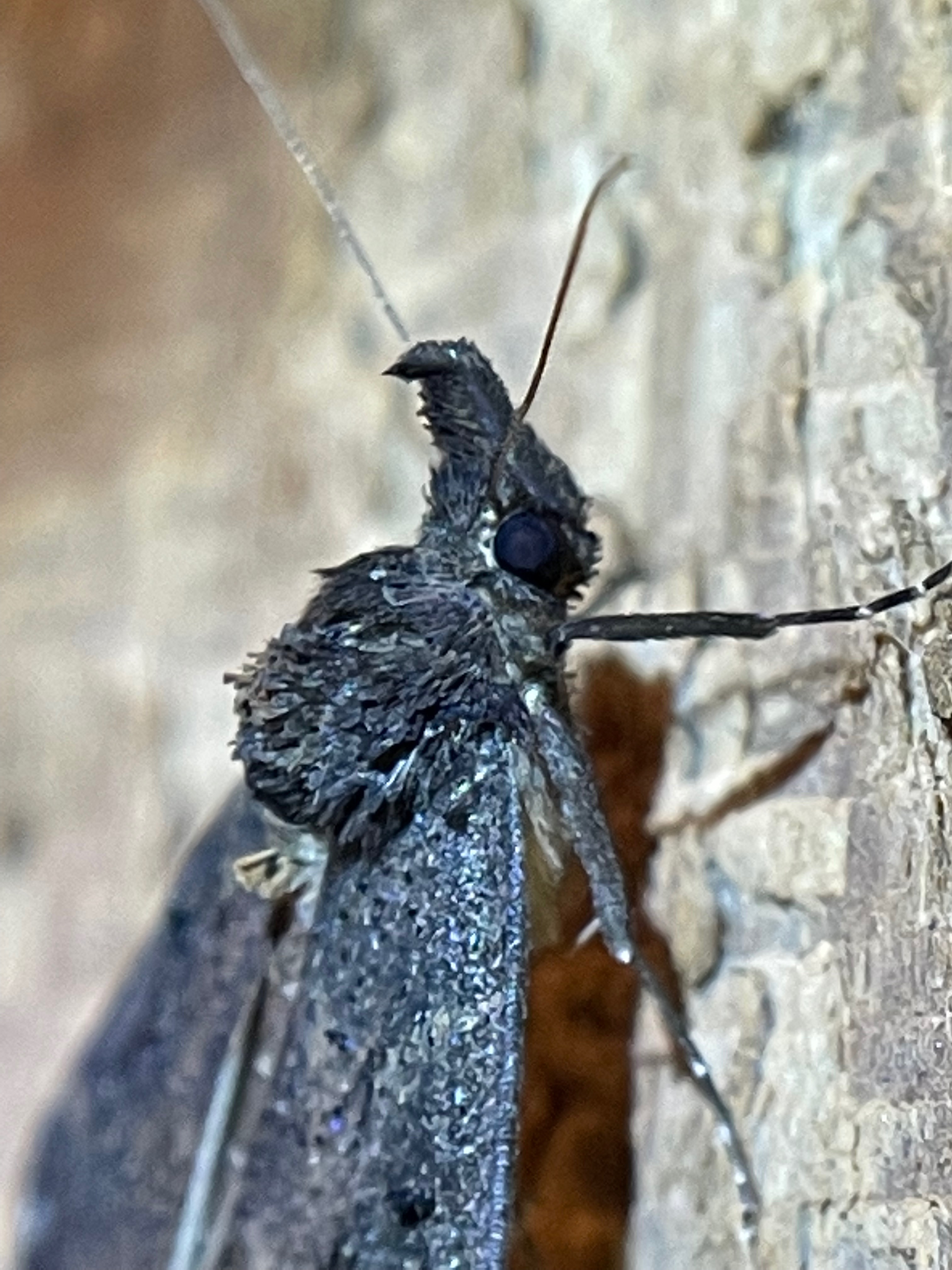
Camera in hand, I wait for them to settle on the wood siding beneath the glow. Stealthily, I focus my lens to capture the delicate shimmer of scales and patterns, or eyes and antennae of my subject. Last night, I actually felt I was the one being observed.
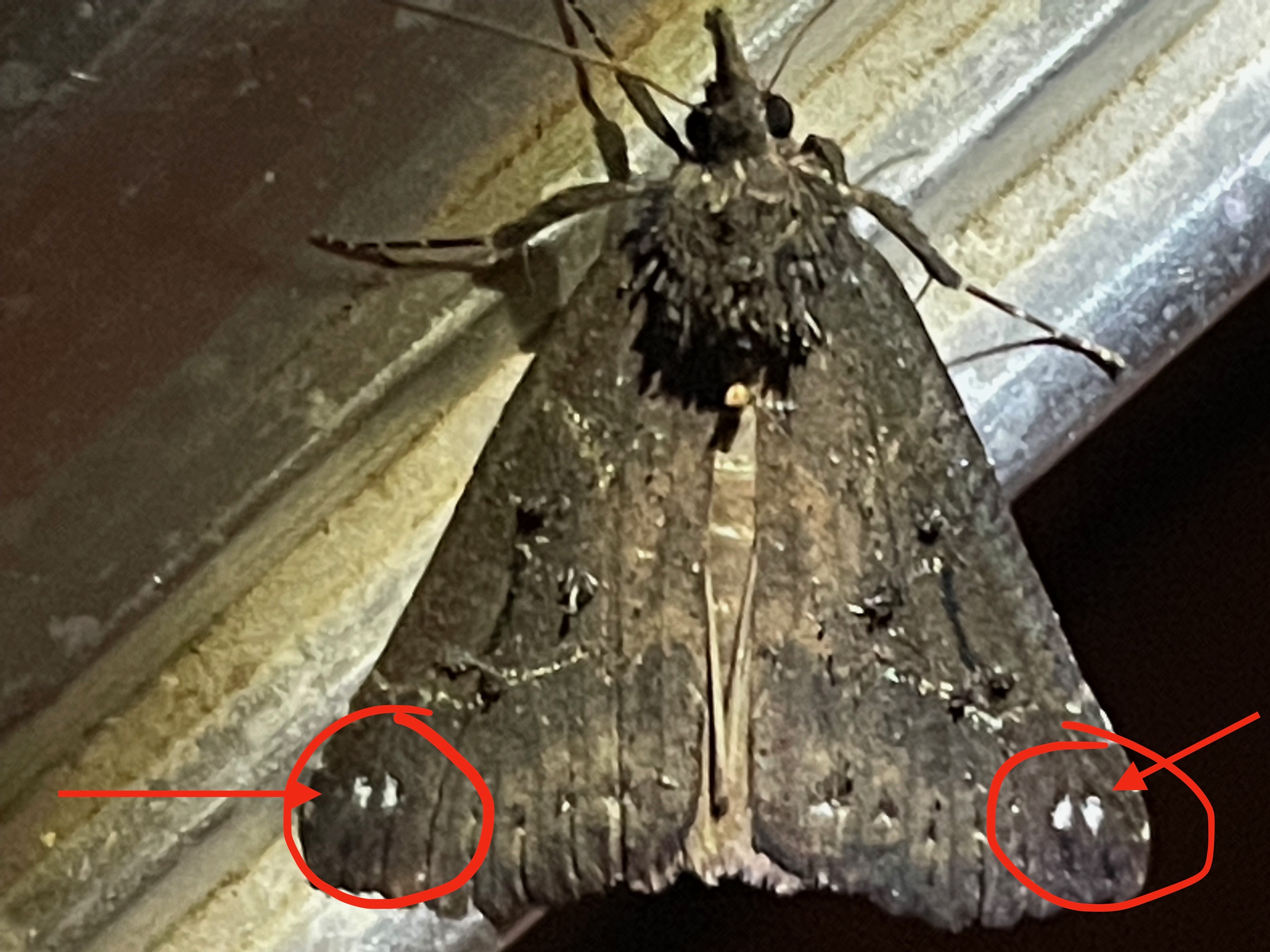
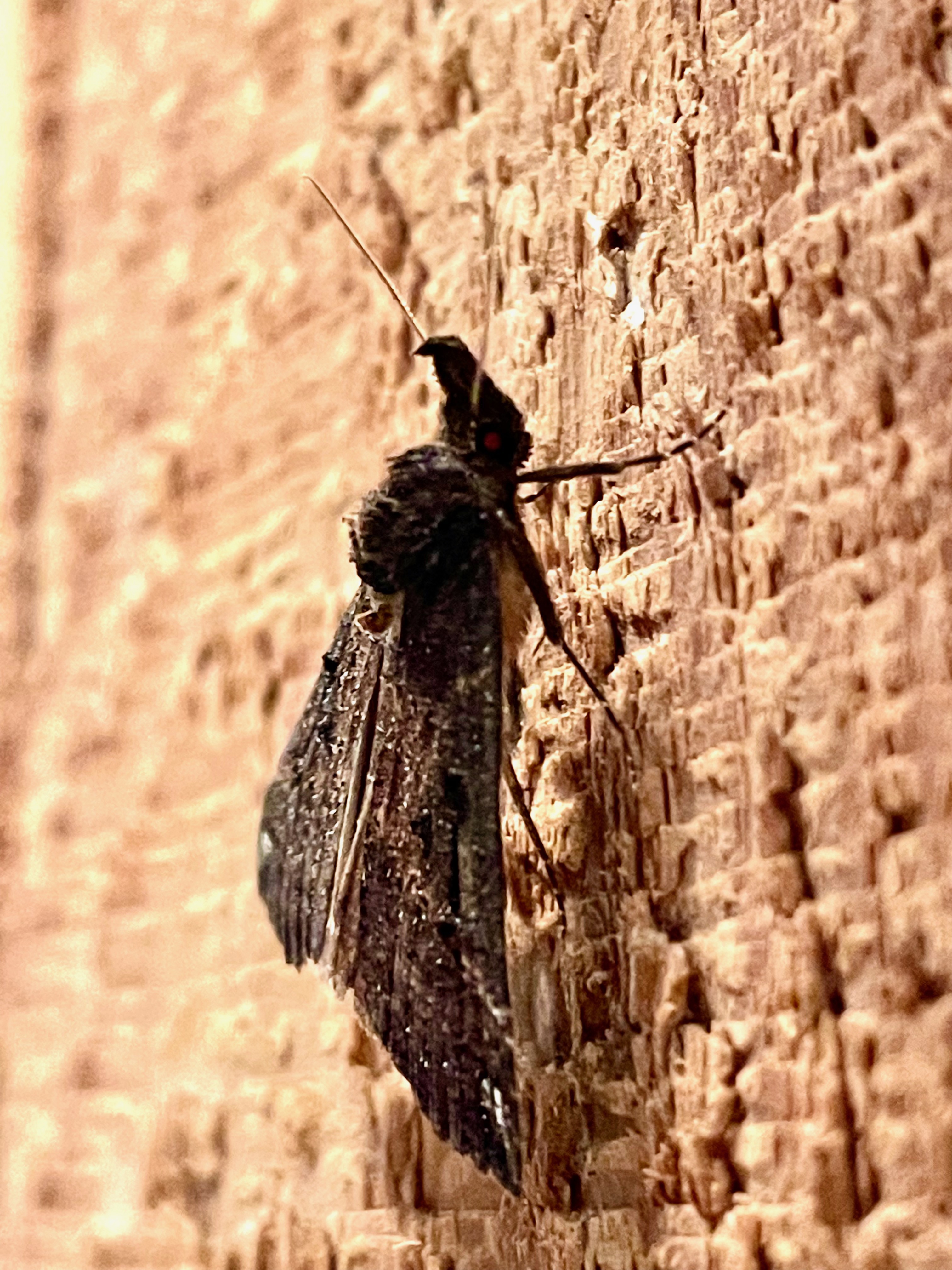
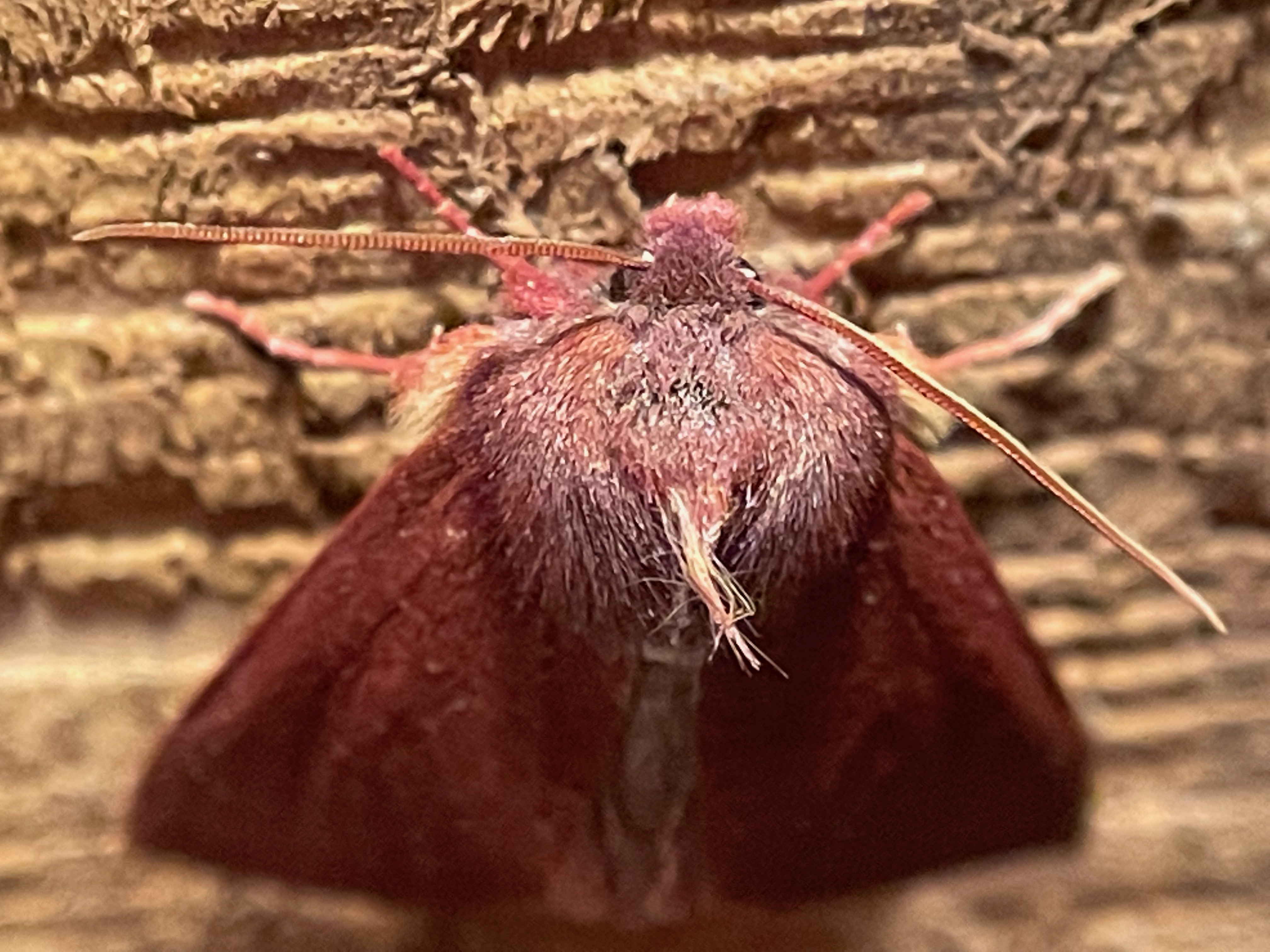
This particular moth is in the genus Hypena. The species is Hypena decorata. It is a medium sized (15-18mm), somewhat drab moth. This species is sexually dimorphic – meaning the males look differently than the females. Males are slightly larger than females, with sooty brown forewings marked with two white spots near the apex or bottom edge of the wing.
Food/host plants for Hypena decorata are nettles (Urtica spp.) in the Urticaceae. These moths range from BC to Southern California. There appears to be two broods per year (April and August). Adults come to lights and can be found flying from April to September.
While this may appear to be merely another drab, ordinary moth, I want to show you the photos I took of the male and the nearby female last night. I missed it when I first went through my photos, but the second time around, it definitely appeared that the male moth was turning his head to watch me. Sort of like how Drago, my dragon lizard will do the same thing.
It’s a mysterious world, and much more rich when we recognize we aren’t the only ones that are aware. Some humans (I’m ashamed of researchers for this) do horrible things like cut off moths antennae to try and figure out how they fly (or can’t fly after being mutilated in this way). If we could only recognize they have a desire to live, find mates, food, and shelter – just like humans, maybe we would care more.
Bradley H. Dickerson, Zane N. Aldworth, Thomas L. Daniel; Control of moth flight posture is mediated by wing mechanosensory feedback. J Exp Biol 1 July 2014; 217 (13): 2301–2308. doi: https://doi.org/10.1242/jeb.103770
Author’s note – When it comes to experimenting on living beings, the aim of science shouldn’t always be to prove a hypothesis. Sometimes we need only to experience the extraordinary wonder of meeting the spirit within some of earth’s most unassuming characters. Be kind to those around you. Even the ones with scales and chitin.
I found another species of Sawfly in our above ground pool today. This one is entirely black. Size is approximately 7-8mm. This looks to be in the genus Dolerus. From what I’ve found about host plants, it looks like the larvae feed on most grasses and horsetail. Females deposit eggs into the plant tissue where they hatch and the larvae will feed for approximately one month before exiting and pupating overwinter in the surrounding soil. There is one generation (univoltine) per year and adults emerge in early spring. Adults are recorded as feeding on tree sap from Maple (Acer), Apple (Malus), and Pear (Pyrus). They also take nectar from Willow (Salix) flowers, and from Cherry and Plum (Prunus) flowers. This means they do provide some pollination activity.
Looks like WWU Biology Department is working on a web page for Sawfly identification, but it’s not up and running yet. You can find their link below and bookmark it to check out at a later date.
Dolerus sp. SawflyDolerus sp. Sawfly – San Juan Island, WA 03.29.2022
Dolerus Sawfly – Specimen #2
References and Further Reading
Baine Q, Looney C (2019) Plant associations for three sawfly species (Hymenoptera, Tenthredinidae) in the Pacific Northwest. Journal of Hymenoptera Research 74: 27–33. https://doi.org/10.3897/jhr.74.46795
Looney C, Smith DR, Collman SJ, Langor DW, Peterson MA (2016) Sawflies (Hymenoptera, Symphyta) newly recorded from Washington State. Journal of Hymenoptera Research 49: 129–159. doi: 10.3897/JHR.49.7104
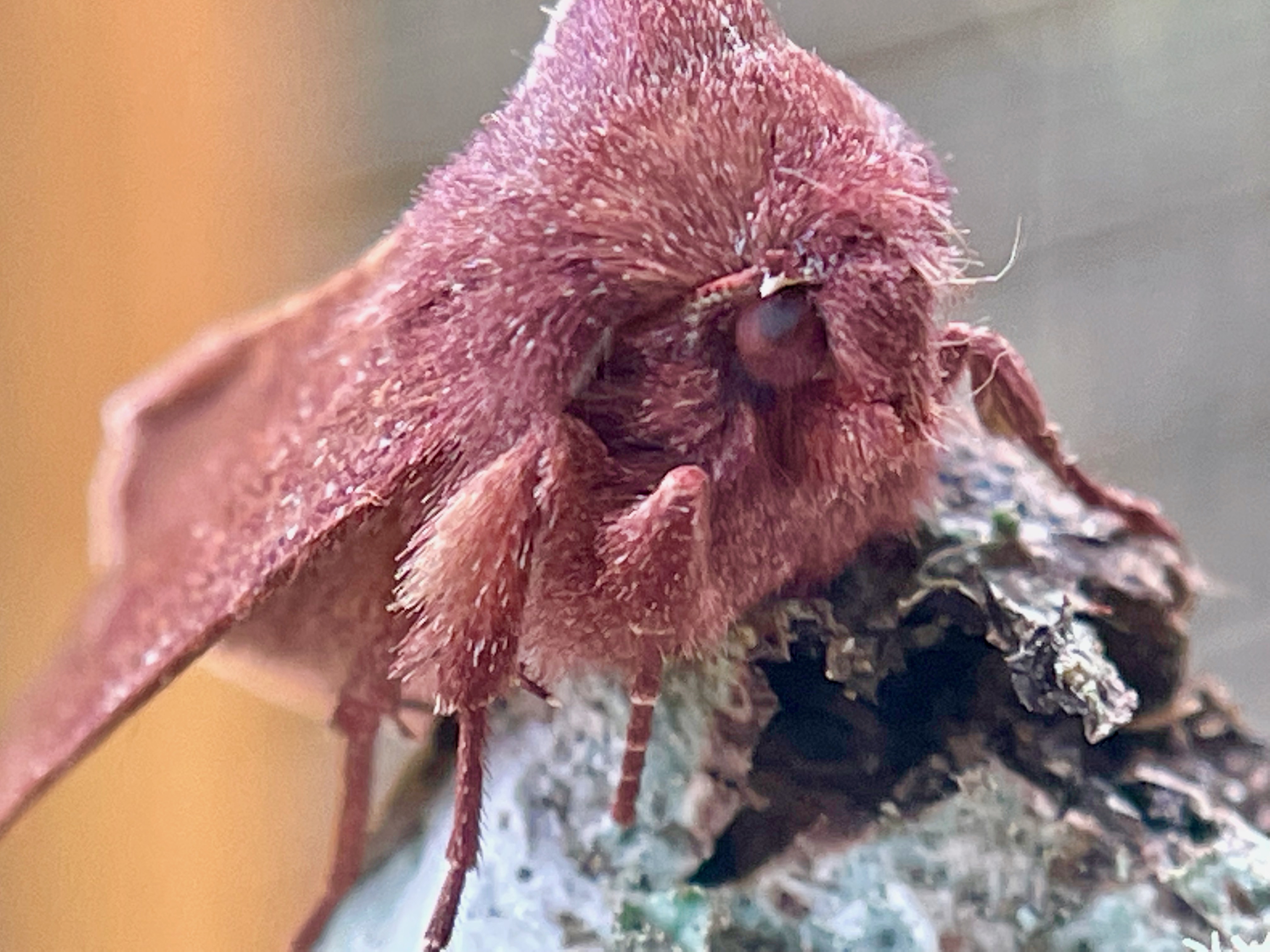
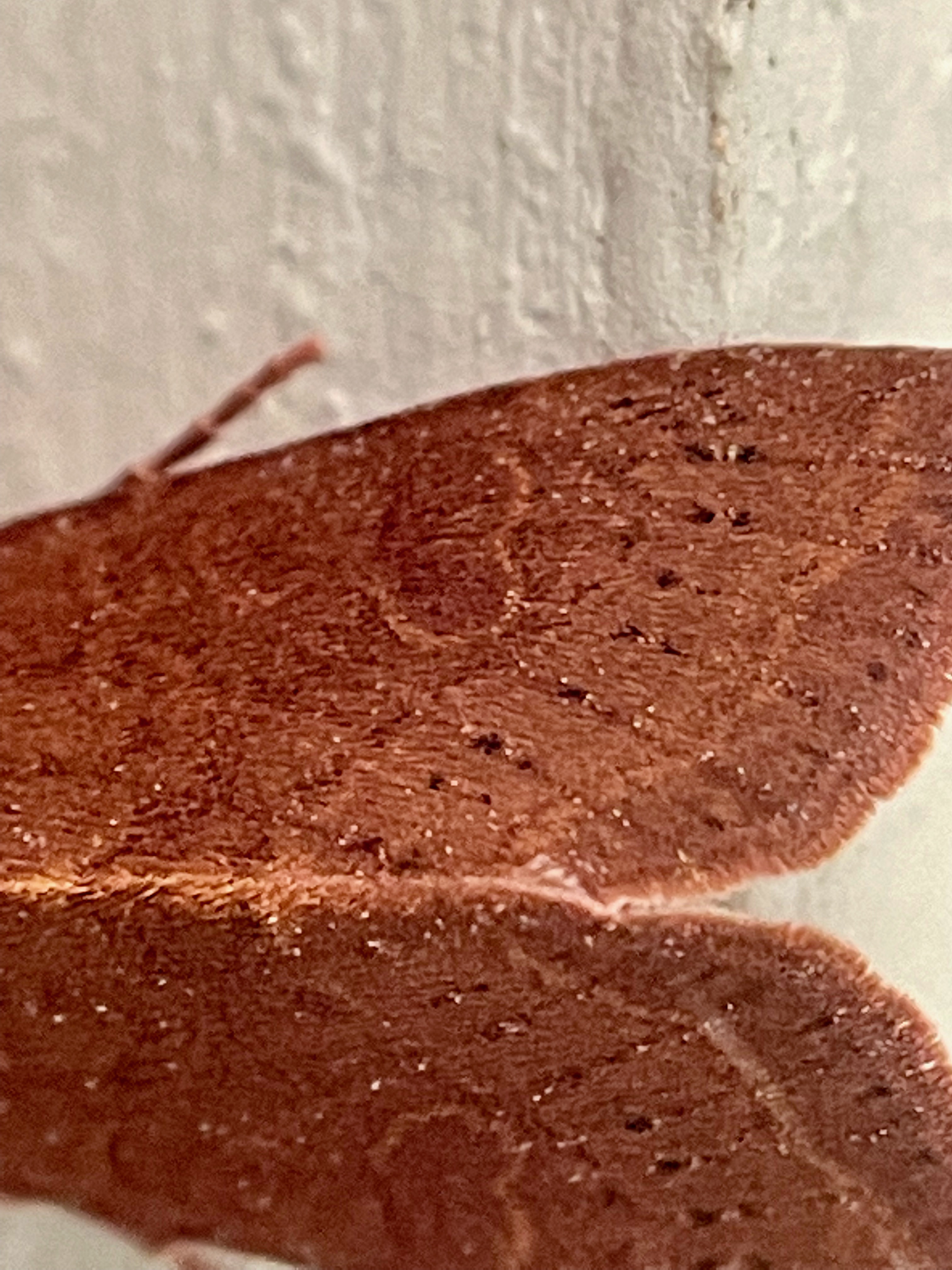
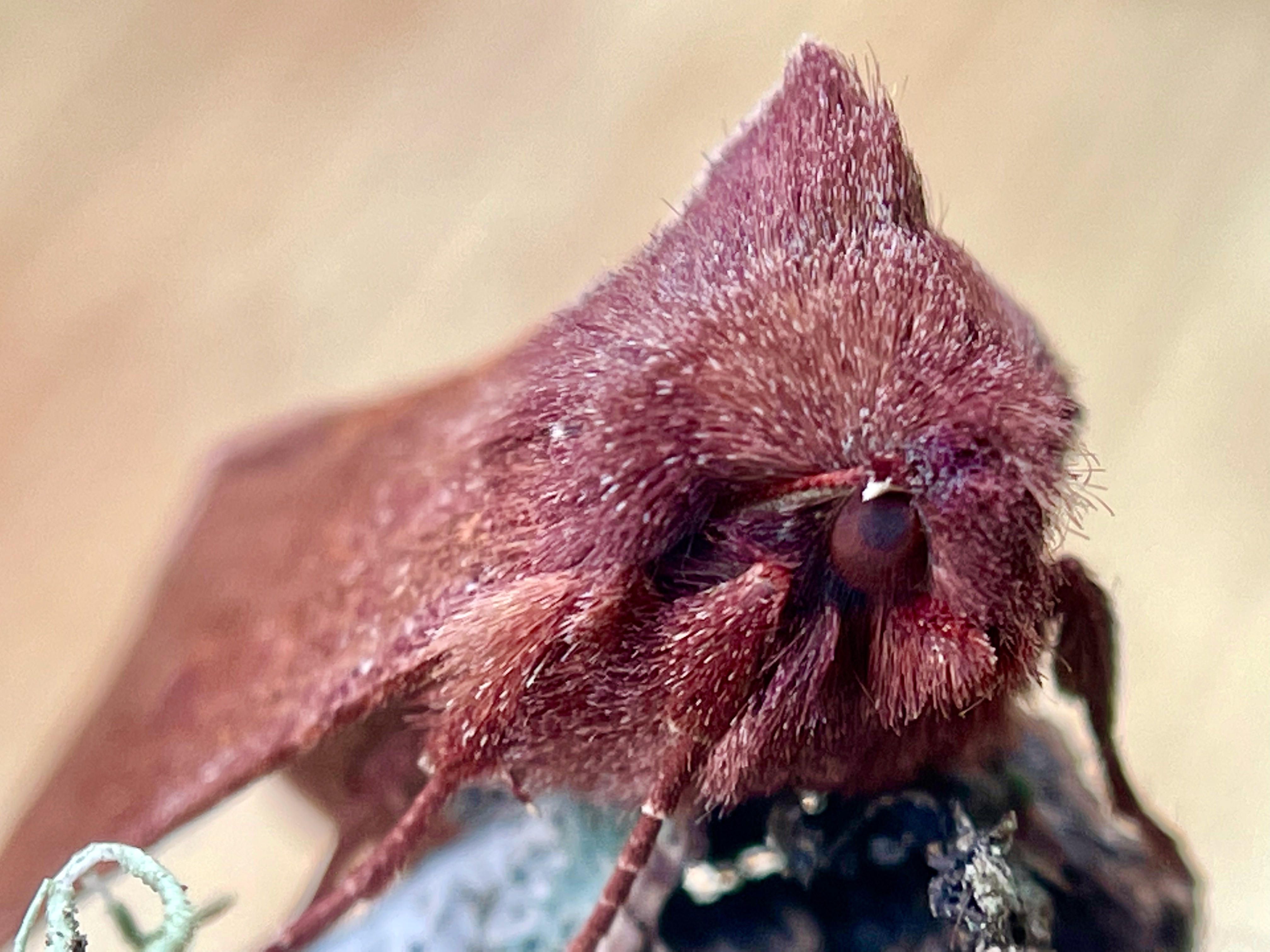
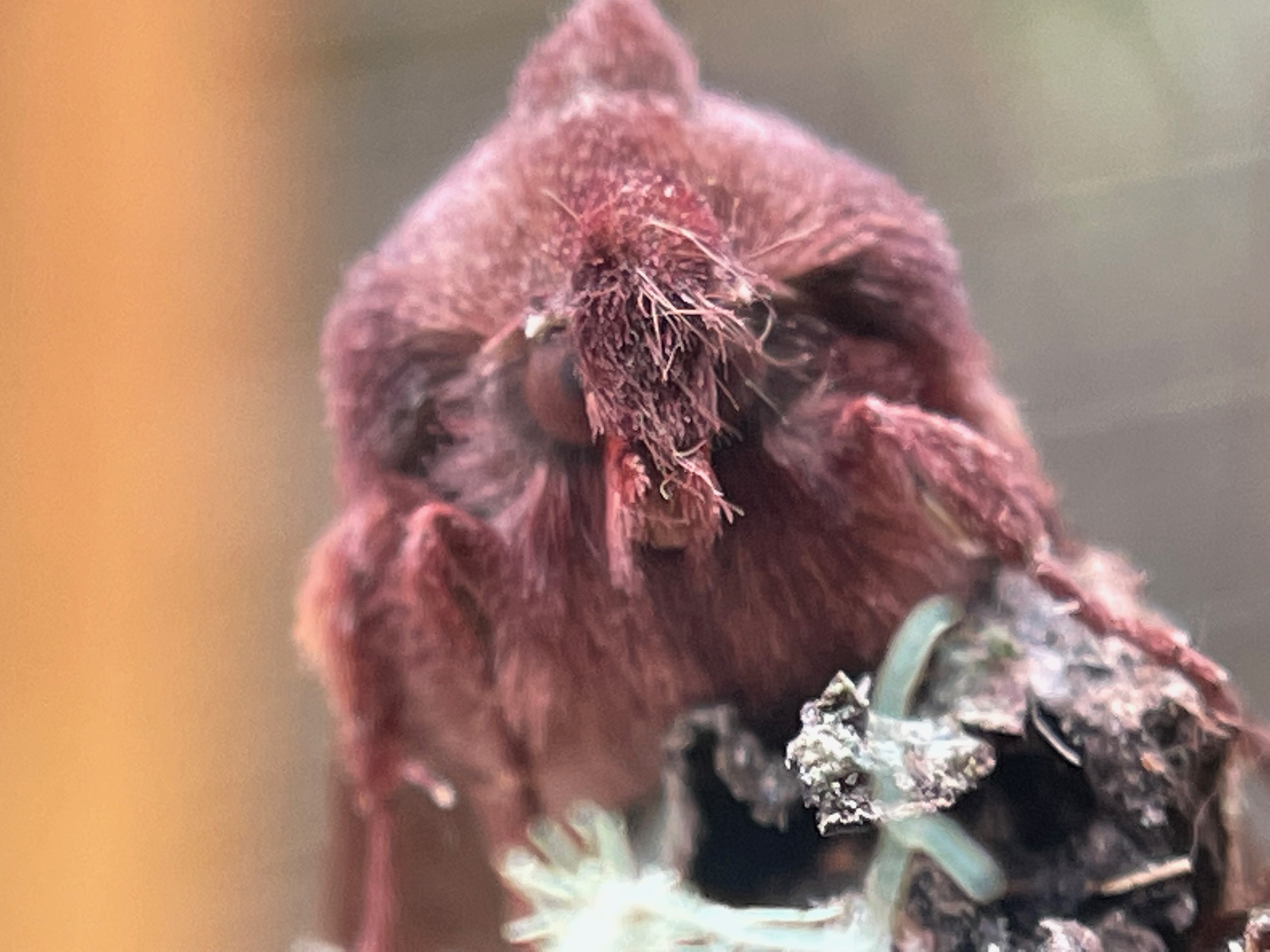
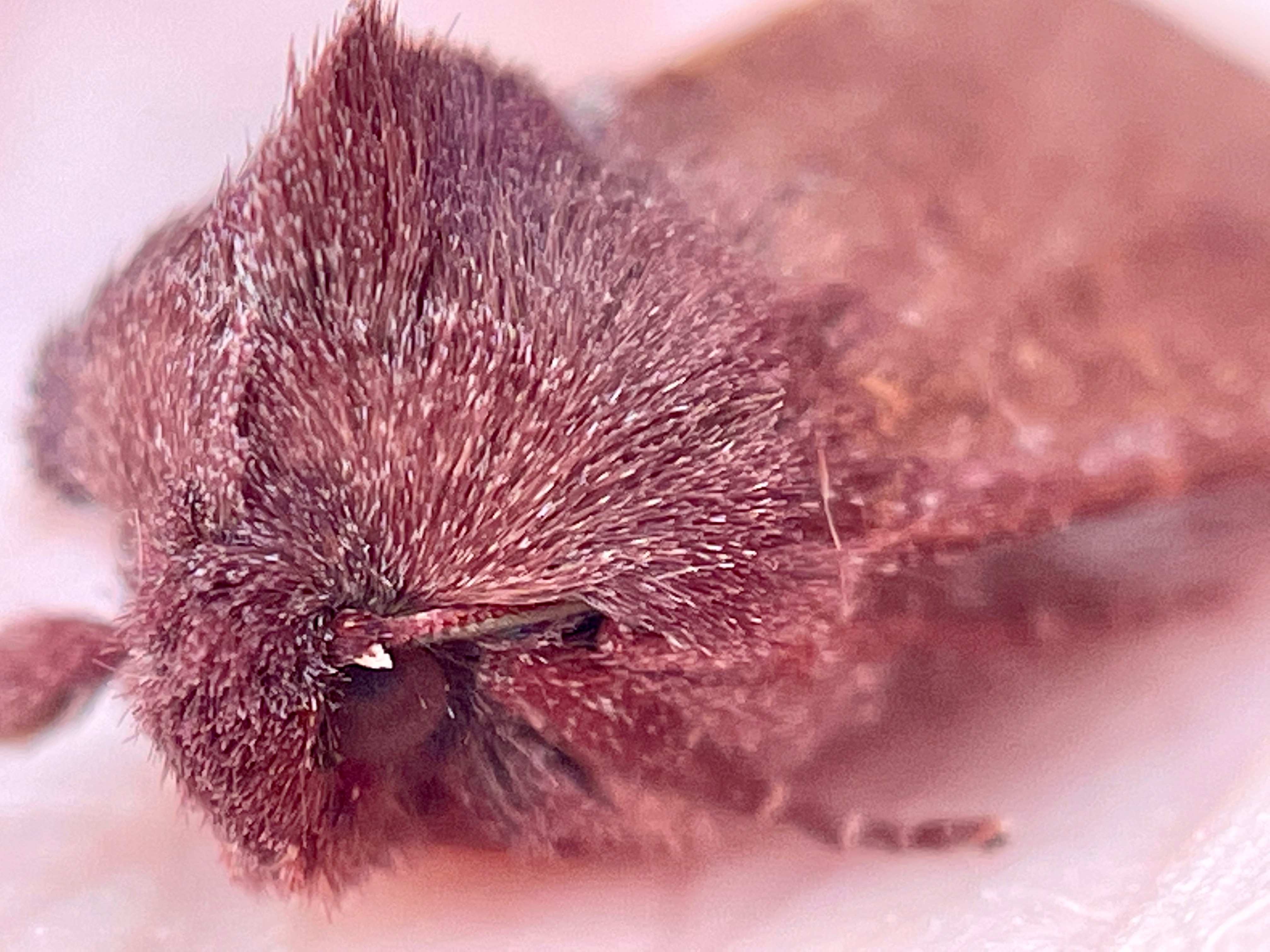
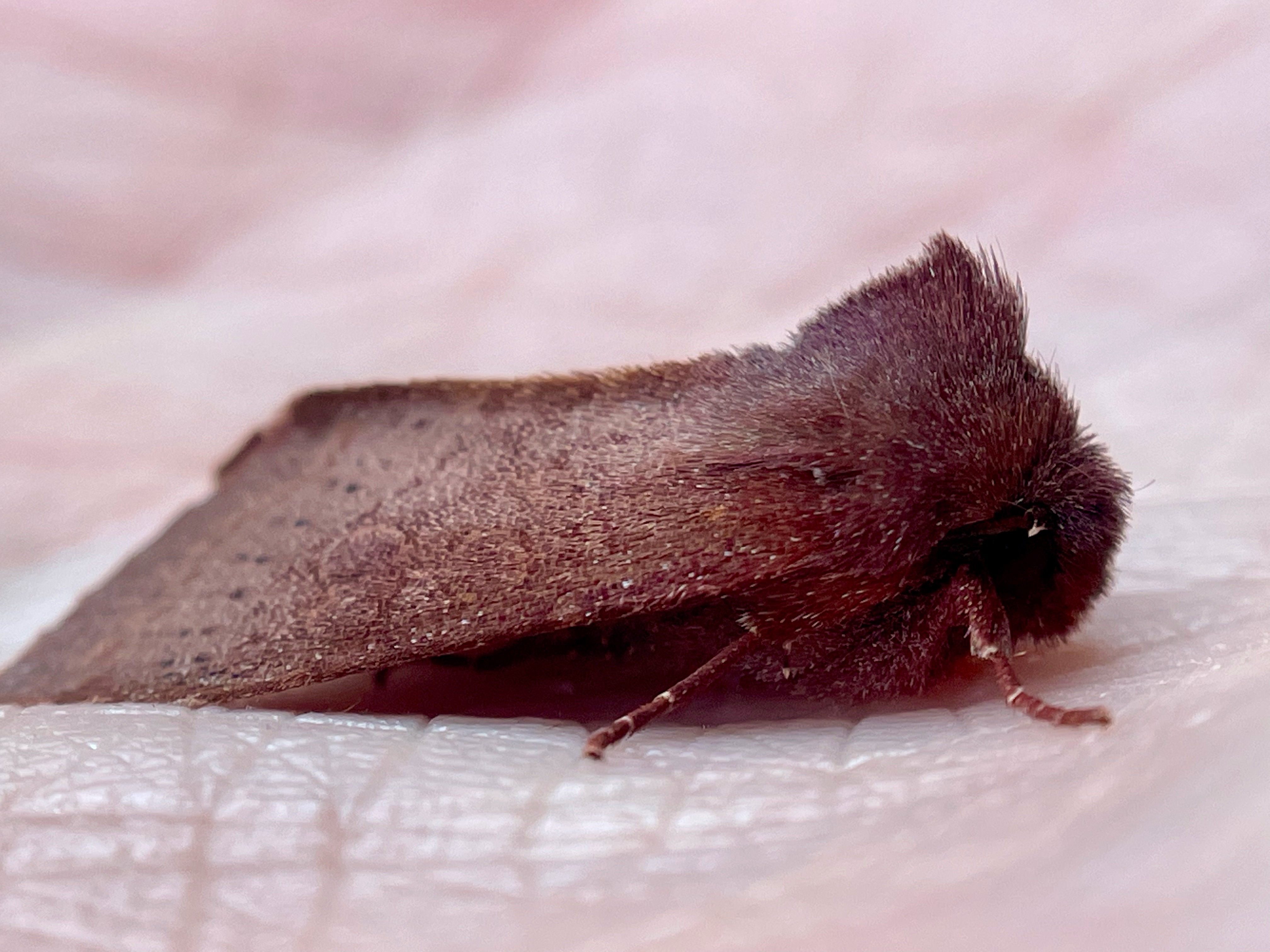
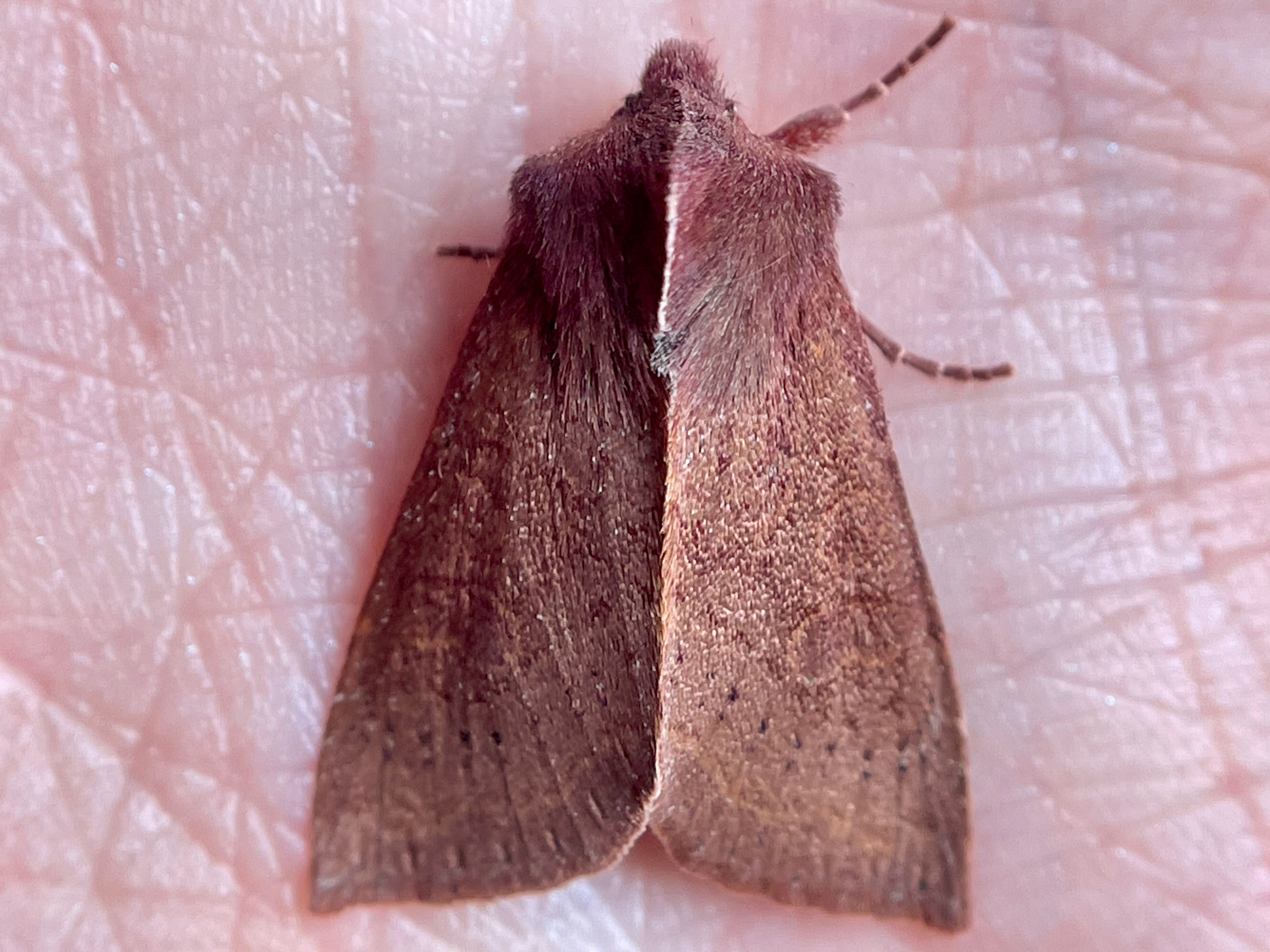
Orthosia transparens – the Transparent Quaker Moth
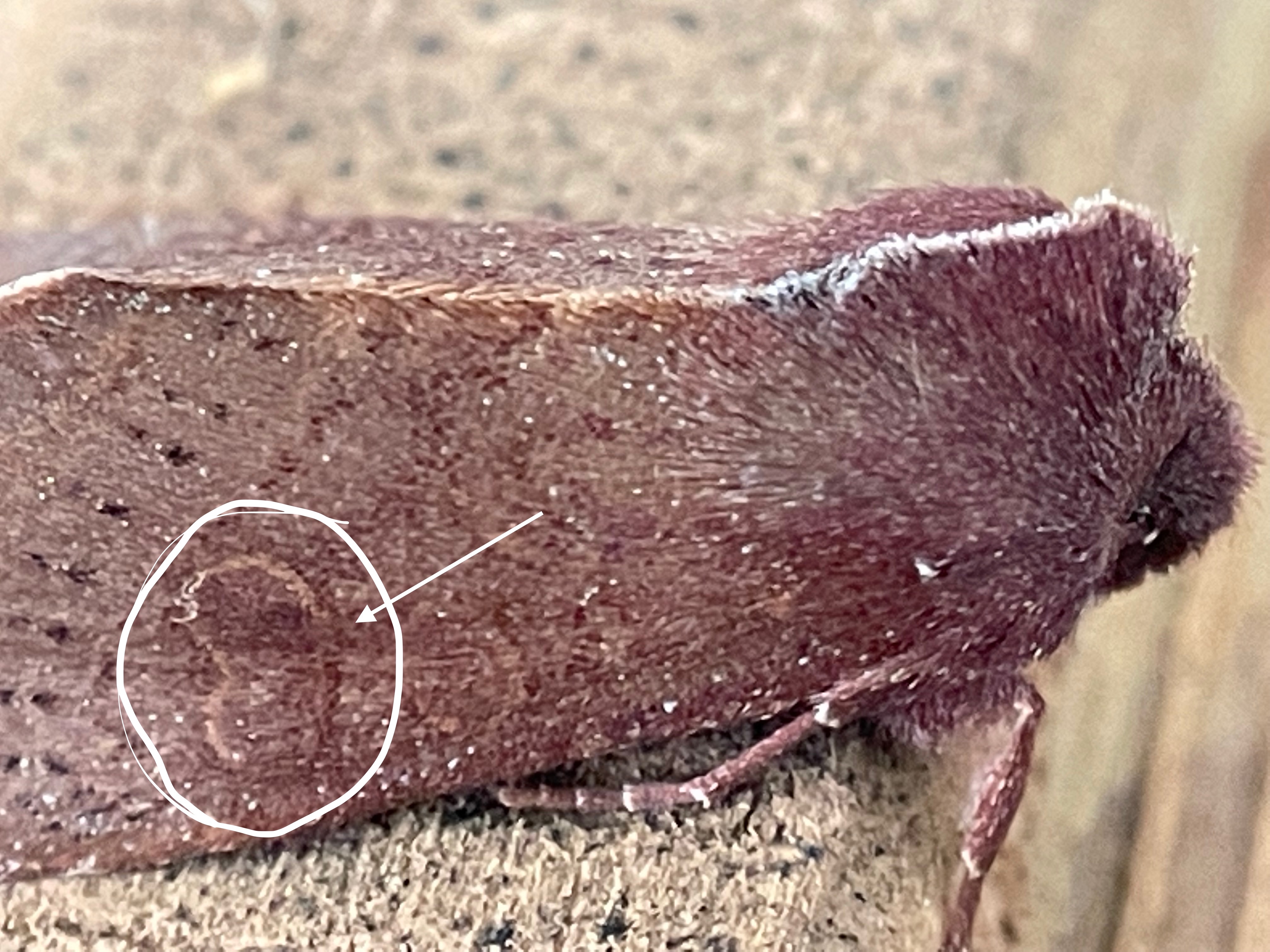
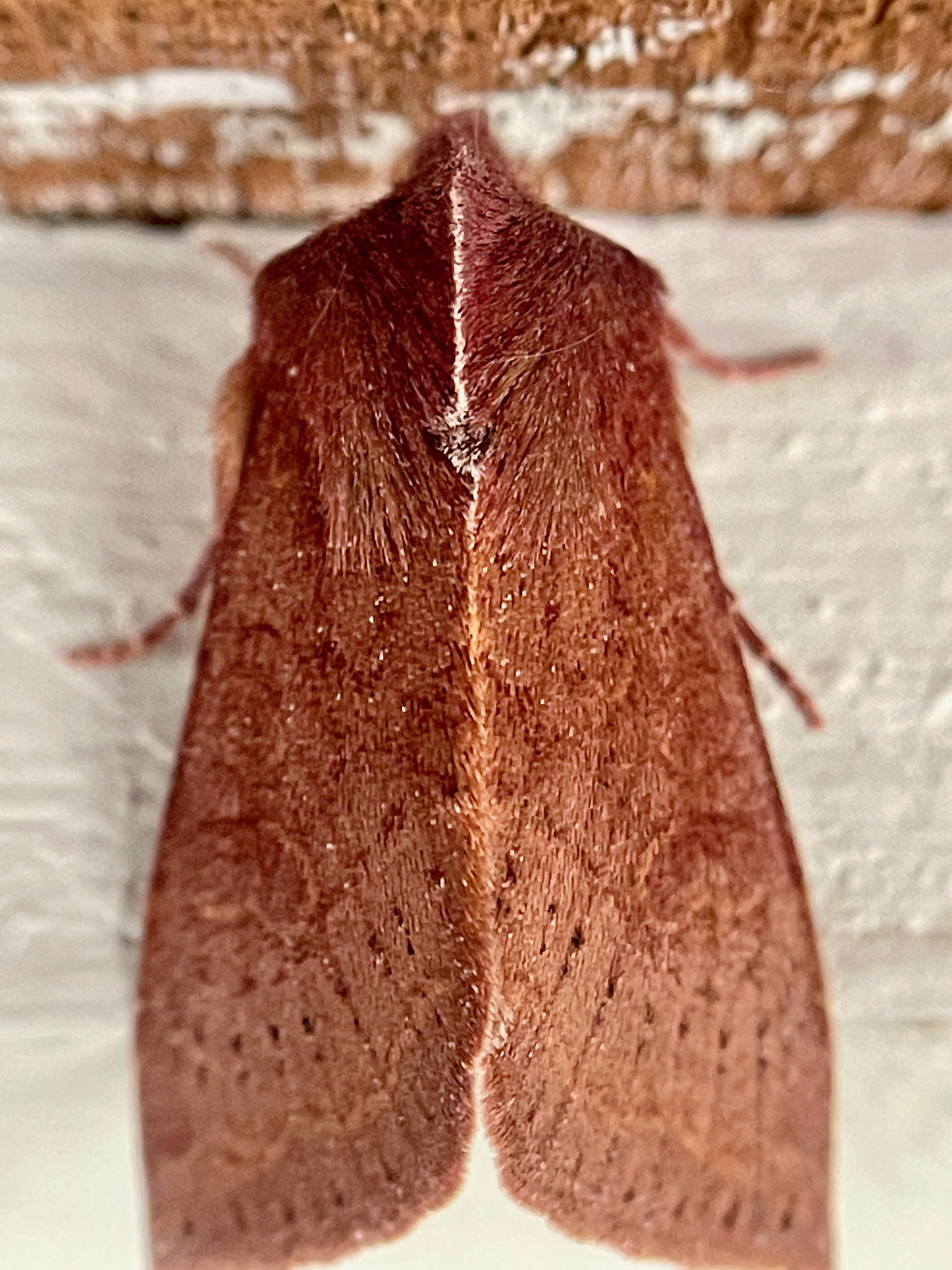
I’d really love it if I could rename this moth. Strawberry muppet heart moth is what I’d call it. Check out the little heart-shaped markings on it’s wings.
Orthosia transparensOrthosia transparensOrthosia transparensOrthosia transparens – with heart mark on wing
Orthosia transparens is a medium sized (15-17mm) , brownish red Noctuid moth that flies in our region in early spring. The common name for the species is Transparent Quaker Moth. Caterpillar food plants include salal (Gaultheria shallon), madrone (Arbutus menziesii), and rhododendron (Rhododendron macrophyllum). This species is native to the PNW region and not considered pests of economic significance. A map of the geographic distribution can be accessed here – http://mothphotographersgroup.msstate.edu/species.php?hodges=10479
Noctuidae is the family with the awful common name, “cutworm,” which leads folks to deem them evil little garden gremlins that should be stomped on or tossed out on the ground for birds to scavenge. Not all cutworms are bad, and certainly many more of us would embrace them if we knew they were going to turn out to be so cute.
I’m fine with a bit of herbivory on our salal, madrone, and rhododendrons. These little Strawberry Muppets are welcome to fly to my porch light any spring night.
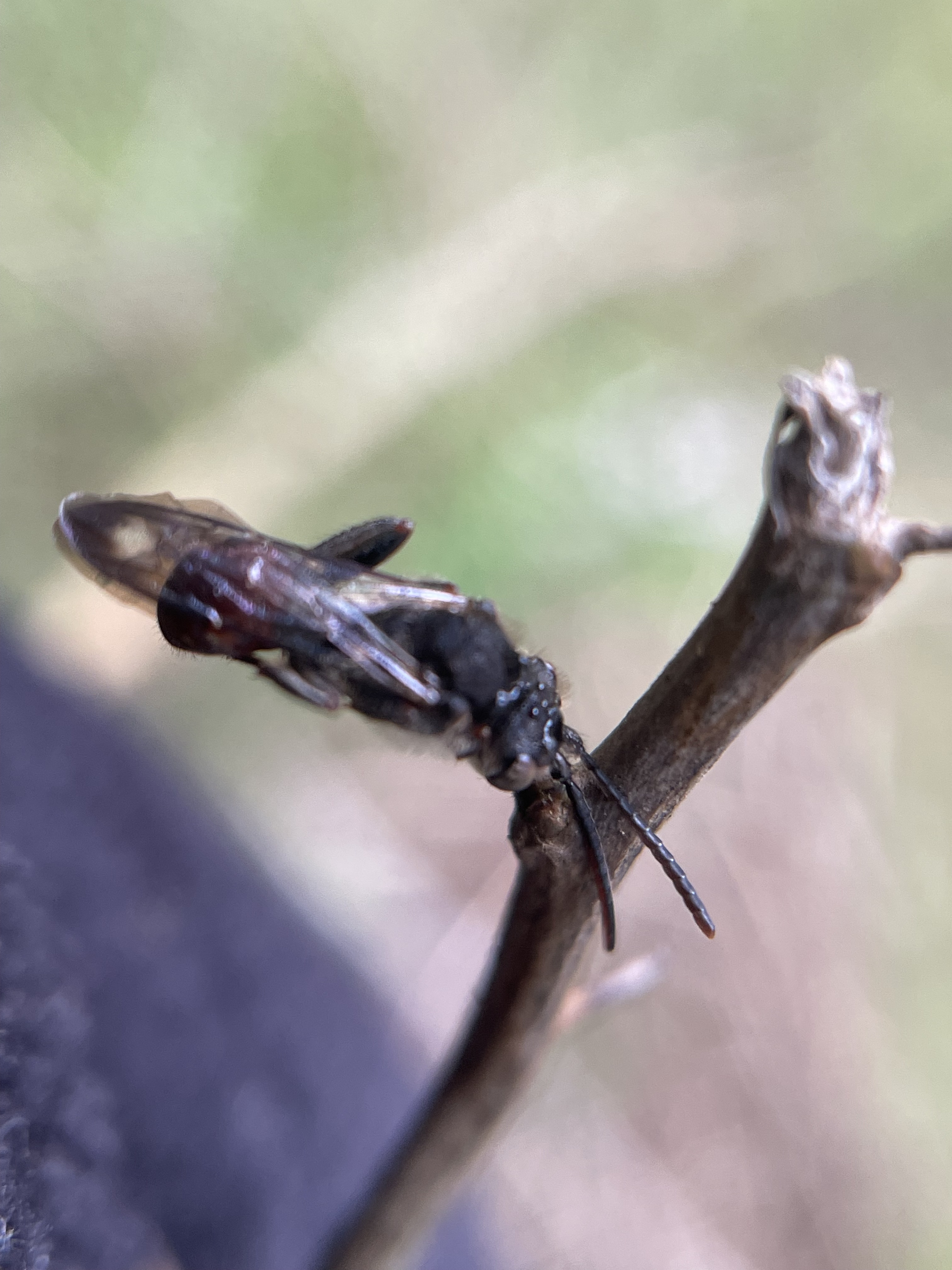
I found this tiny bee who looked to be stuck to a thorn on my Bois D’Arc tree this afternoon. At first glance, I thought perhaps a March fly, and a dead one at that, but it turned out this is a most likely a “he” Nomad bee, and he wasn’t stuck at all, but just sleeping.
Nomad Bee – Stuck or Just Sleeping (March 26, 2022)
I learned something new today about bees that I did not know. My friend, Eric Eaton’s wife (link to Eric’s book about wasps in my Read More section) , shared with me that some bees will often sleep in this manner, attached to a substrate like this thorn or a twig, by their mandibles. Thanks Heidi! 🙂
Nomad Bee – Stuck or Just Sleeping (March 26, 2022)Nomad Bee – Stuck or Just Sleeping (March 26, 2022)Nomad Bee (March 26, 2022)
My bee was definitely gripping the end of the thorn with its mandibles. Before I found out my bee was only napping, I wasn’t certain what was going on. I worried maybe the bee had fallen victim to some weird fungus and was now locked in a death vise. Worries unfounded! The little bee released his grip as I was about to clip the end of the twig (with bee attached) and take it into the house to view under the microscope.
Nomad bees are pretty cool. They are cuckoo bees, cleptoparasites of other bees (usually Andrena bees or Melitta bees) and target the nest provisions gathered by the host bees for their own young. Nomad bees will find the nests of host bees using olfactory and visual cues. The fertilized female will lay her eggs in these nests, where her offspring will develop after devouring the offspring of the host bee, and eating the food the host parent had provisioned.
Nomad Bee (March 26, 2022)
Check out the video footage of this little bee as he woke up this afternoon and read more about Nomad bees in the attached links in my Read More section.
Alexander, B. A. 1994. Species-groups and cladistic analysis of the cleptoparasitic bee genus Nomada (Hymenoptera: Apoidea). University of Kansas Science Bulletin 55: 175-238. (Full Text)
Cynthia Brast is an independent entomologist living on San Juan Island. Check out her YouTube Channel, Bugging You From San Juan Island to see more amazing 6 and 8-legged creatures found in the San Juans. https://www.youtube.com/user/buggingyoufromsji/featured


















 Bugging You From San Juan Island