Tag Archives: Bugs of the San Juan Islands

Bug Bucket Wednesday

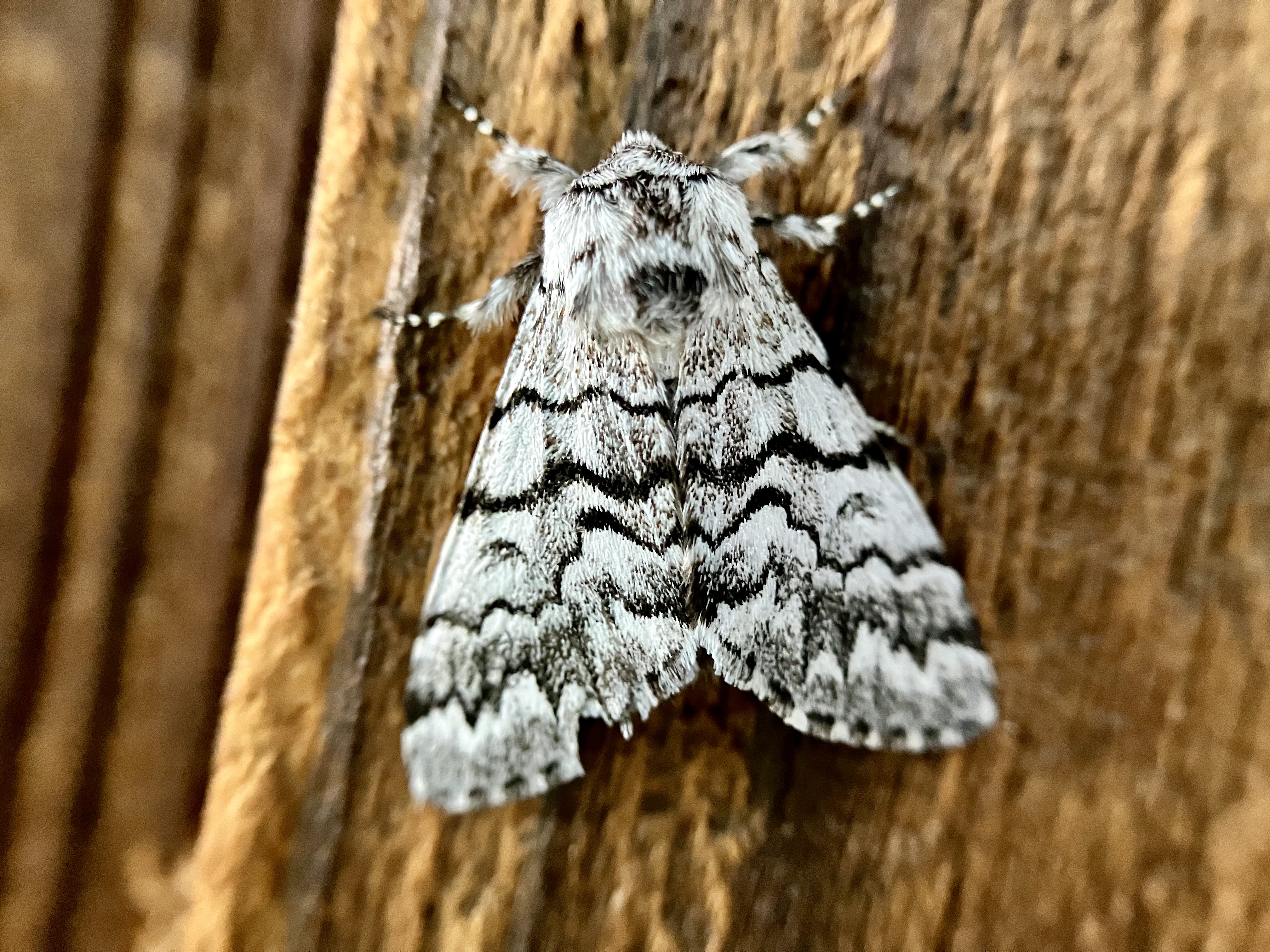
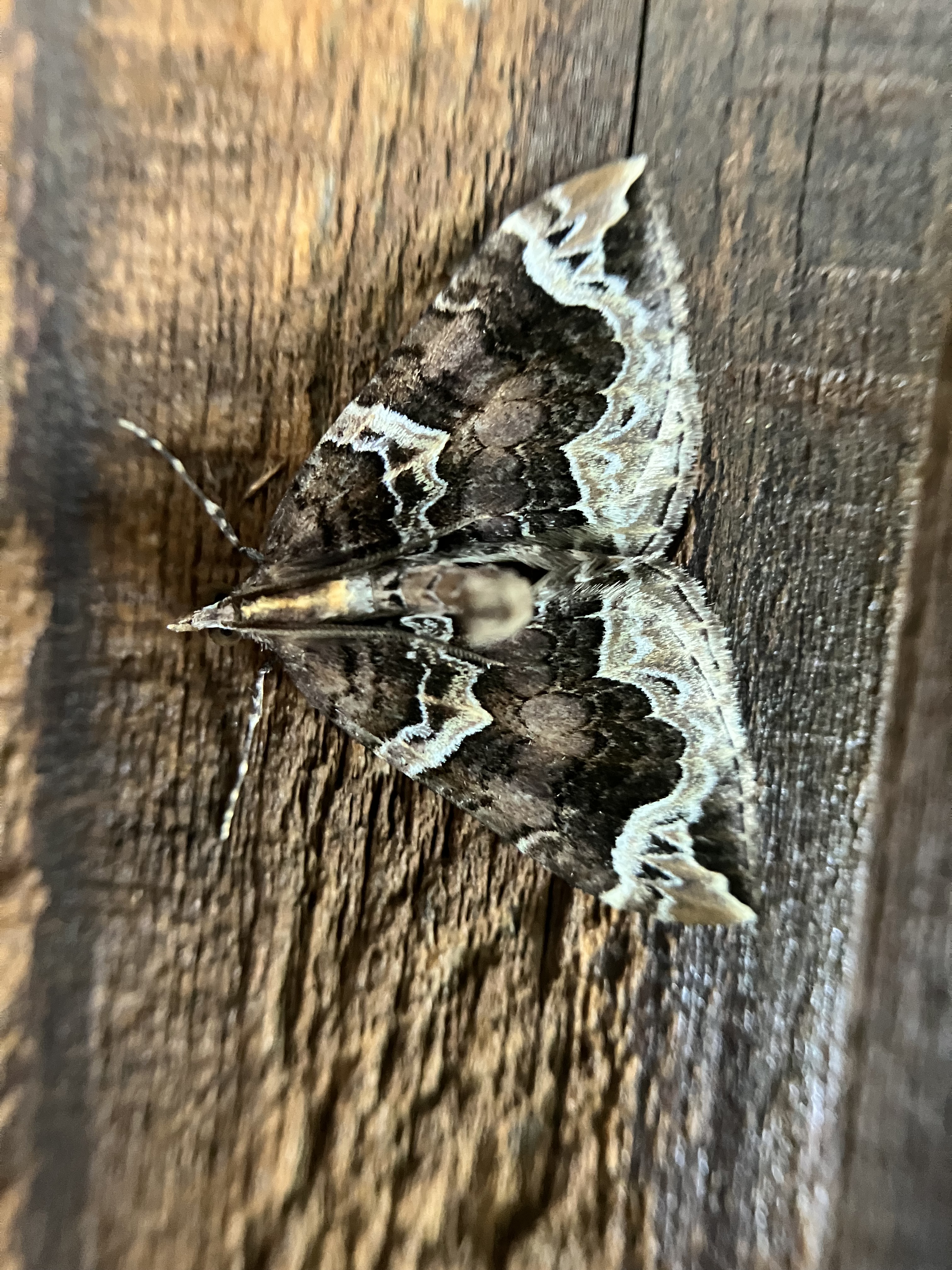
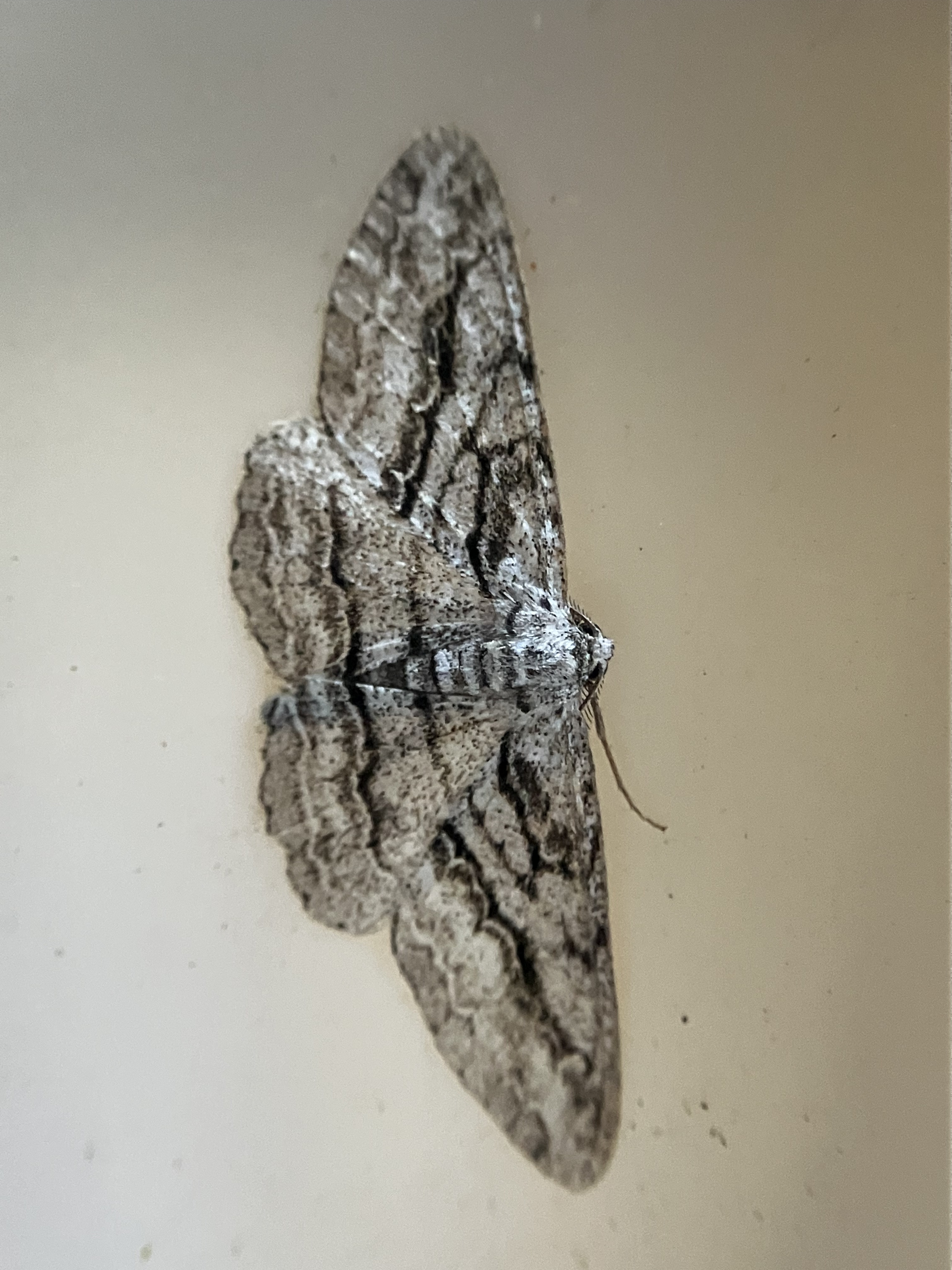
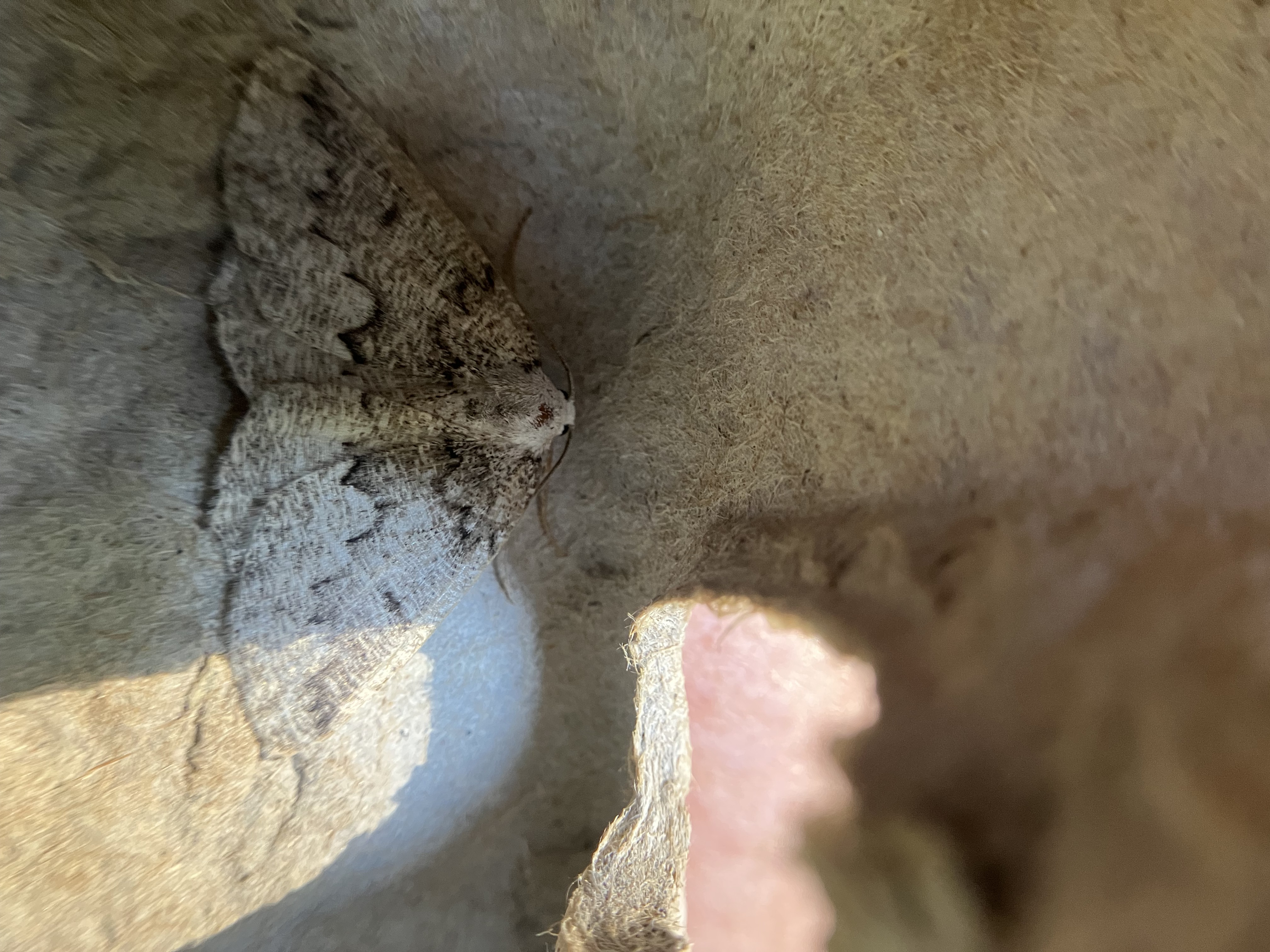
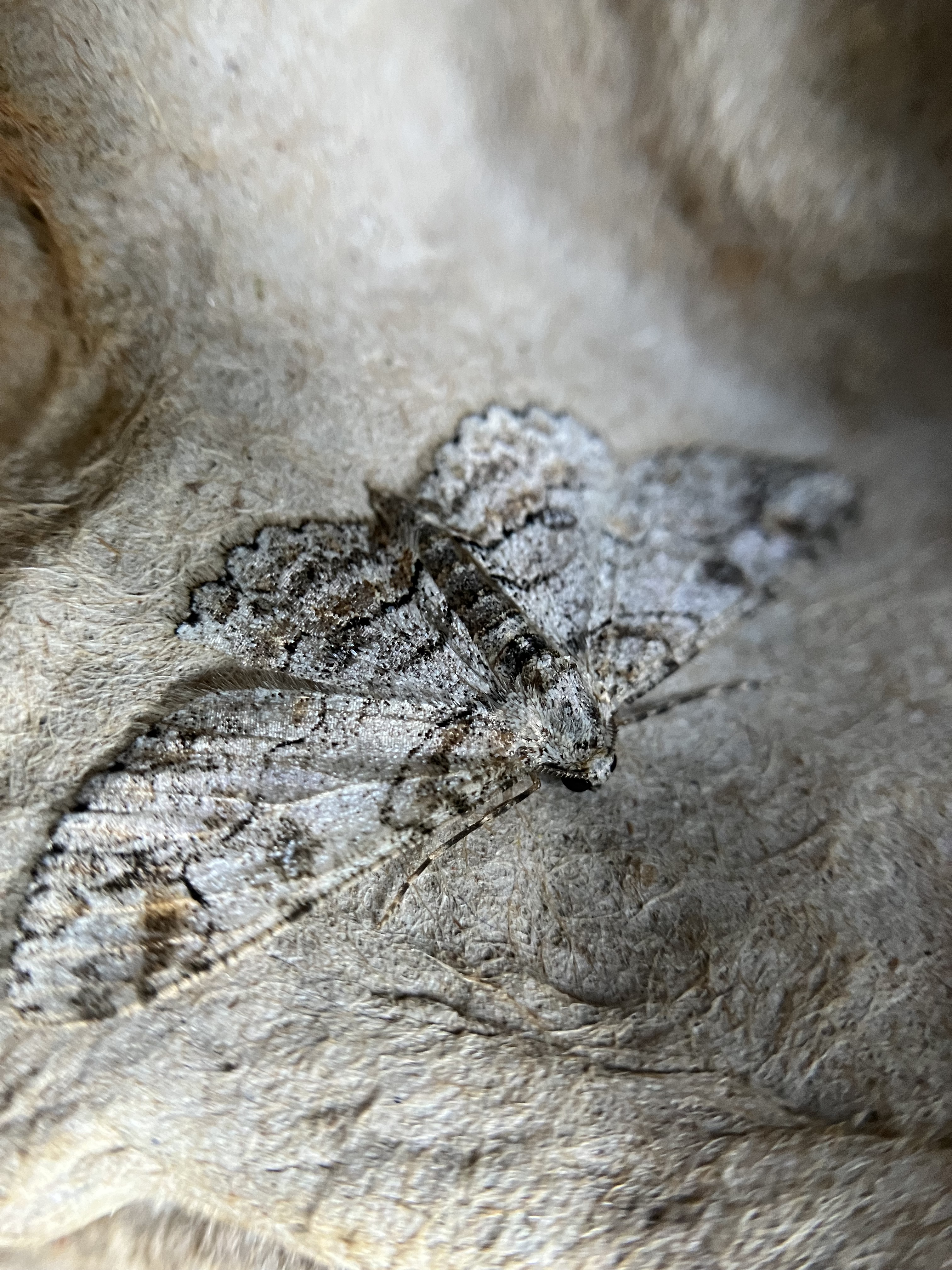
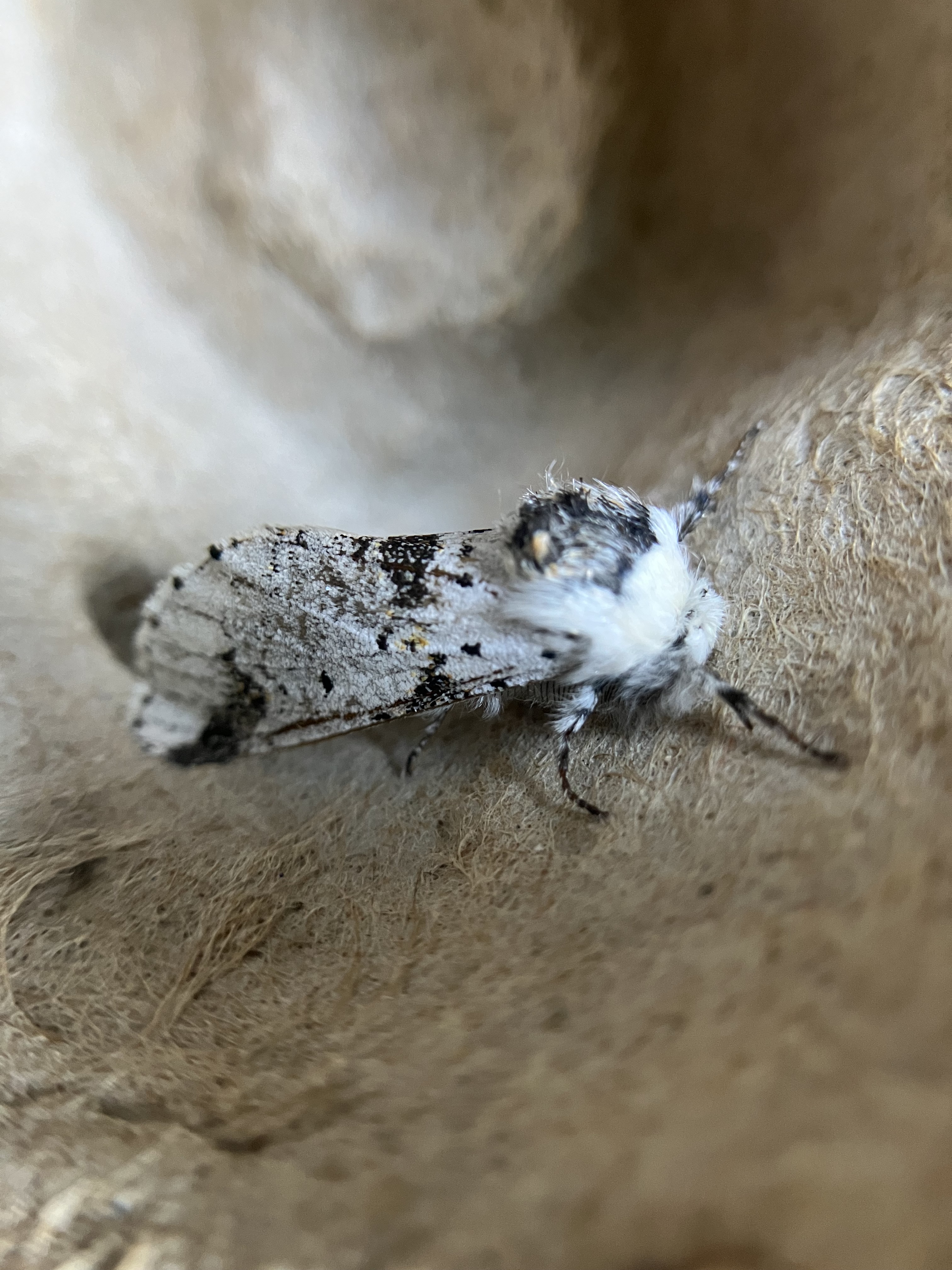
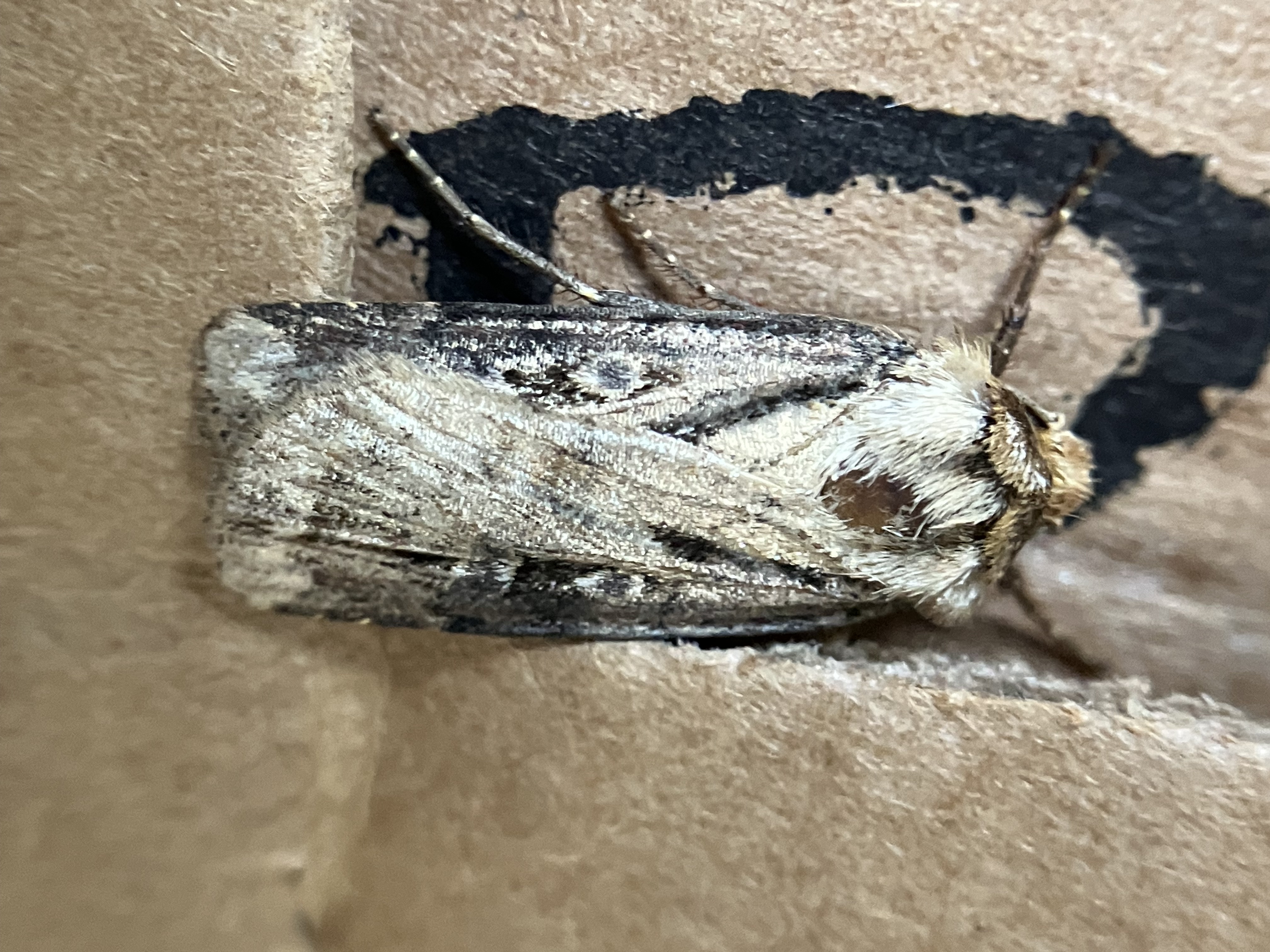
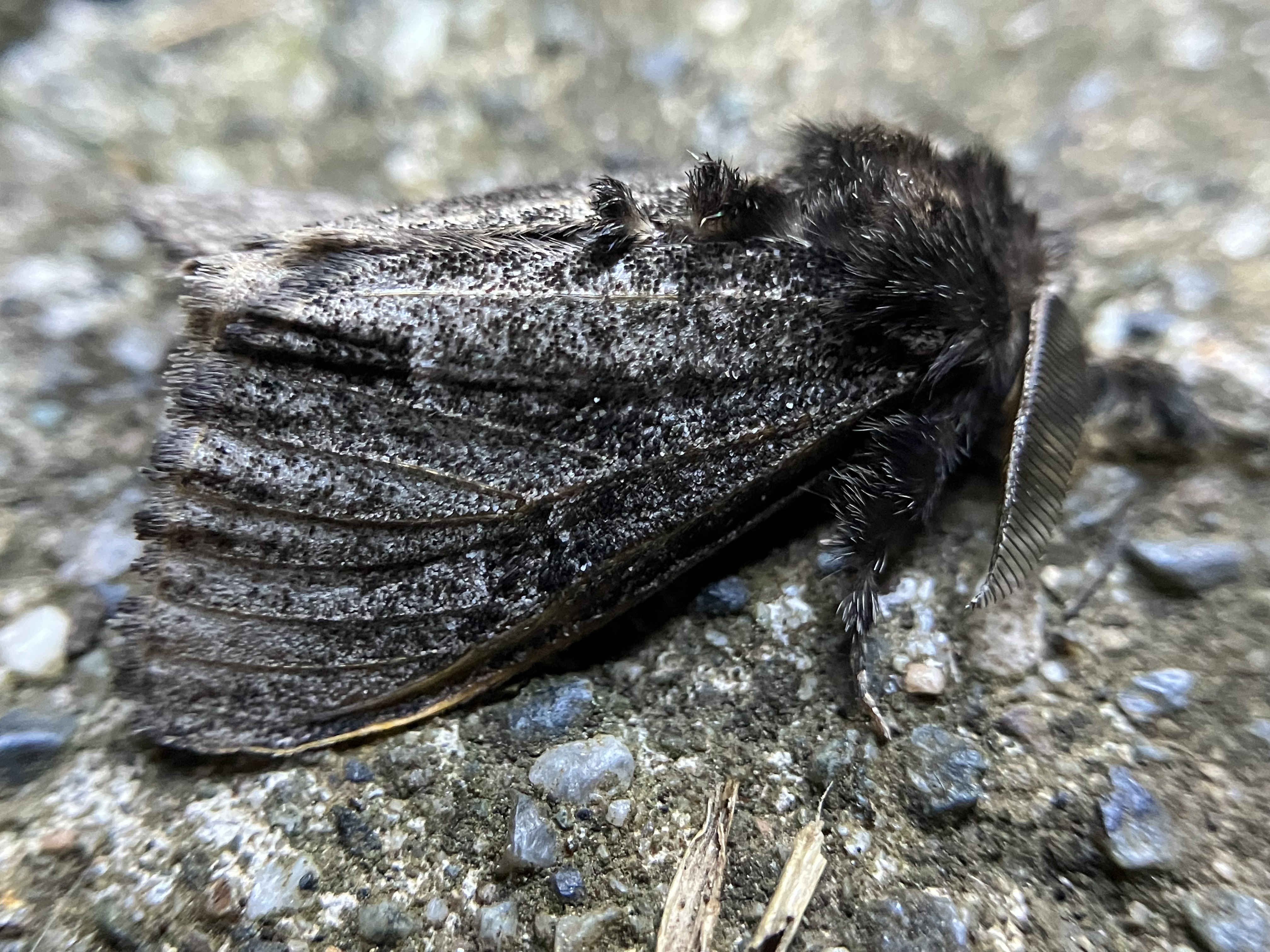
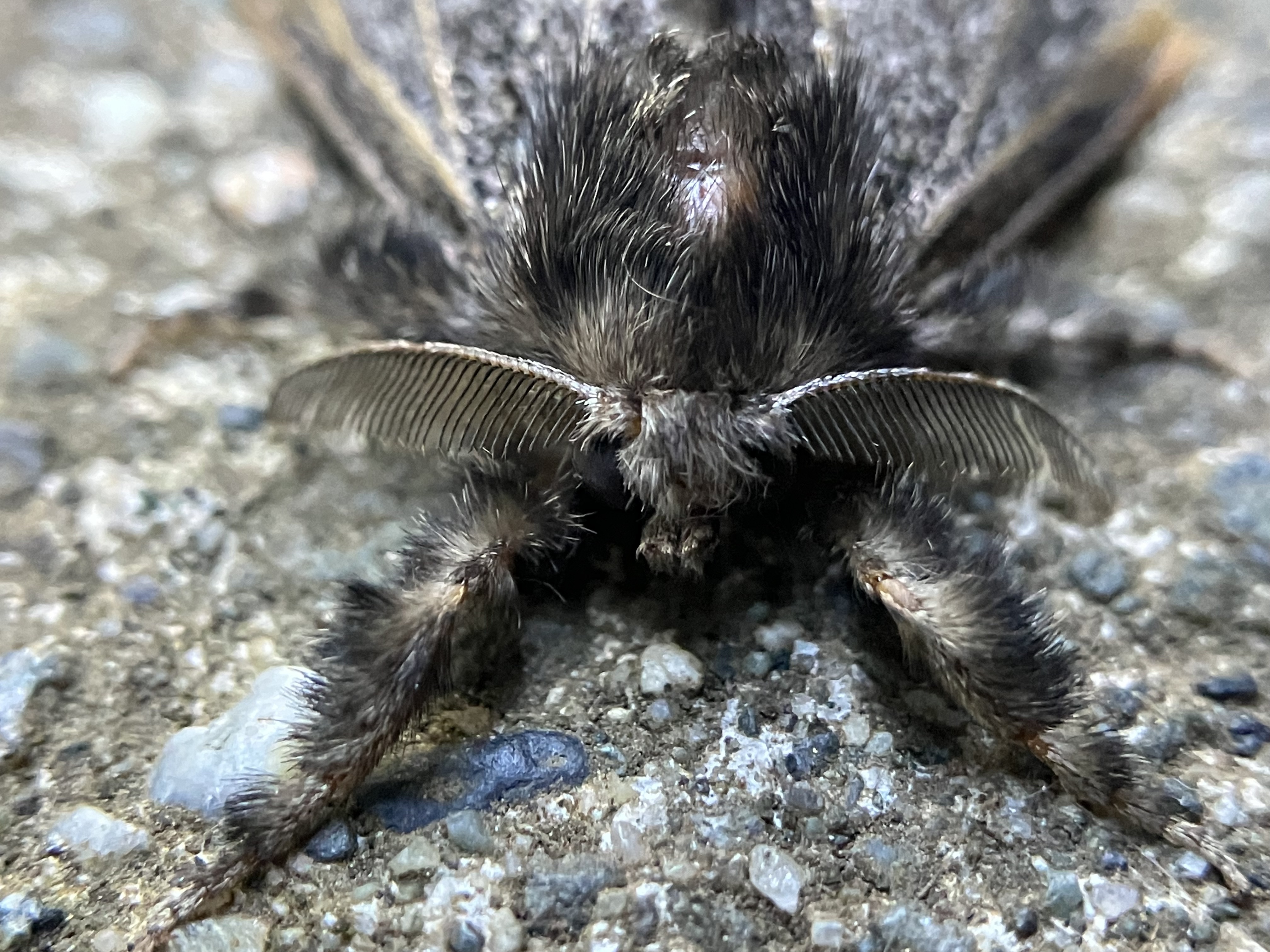
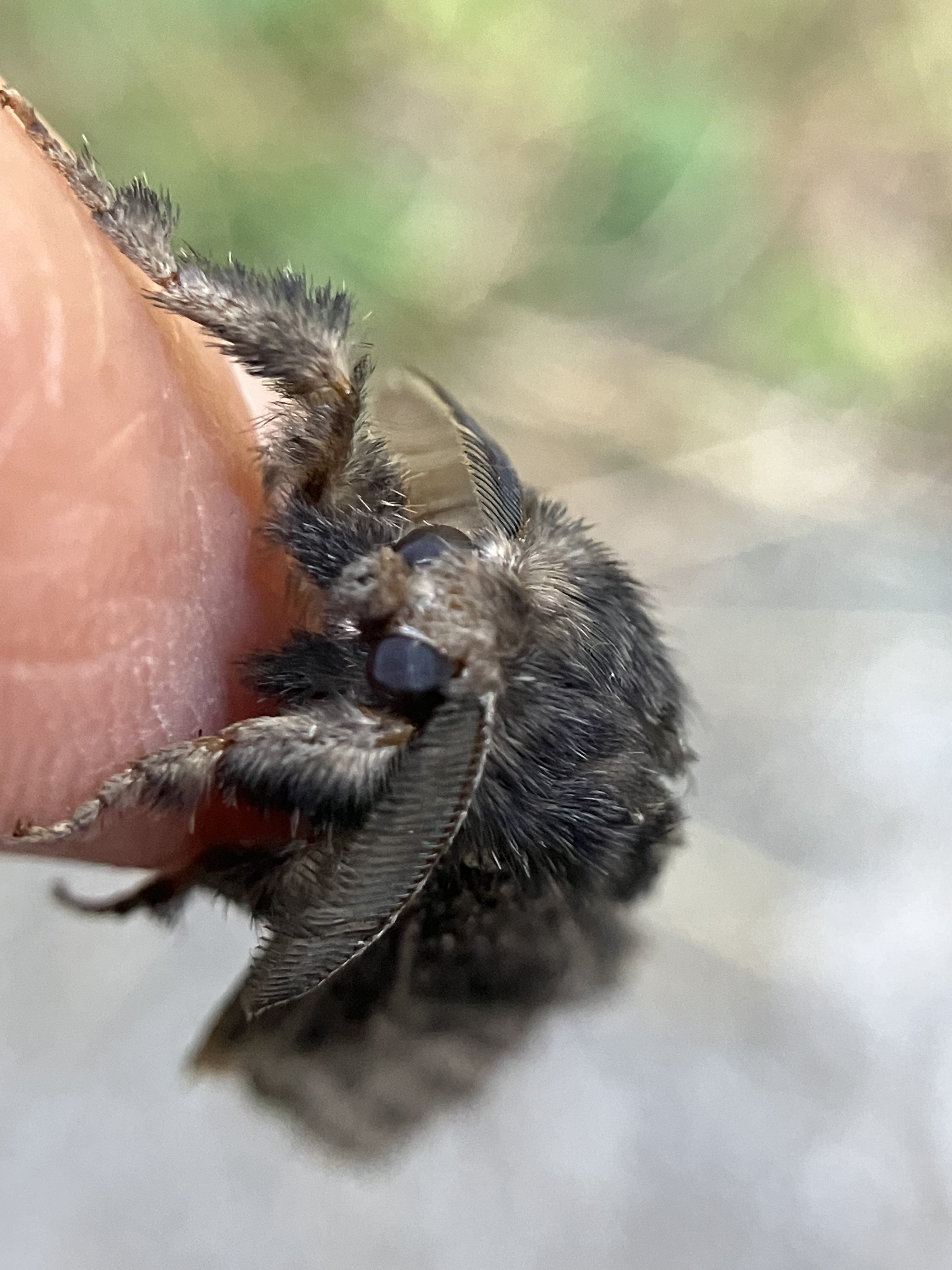
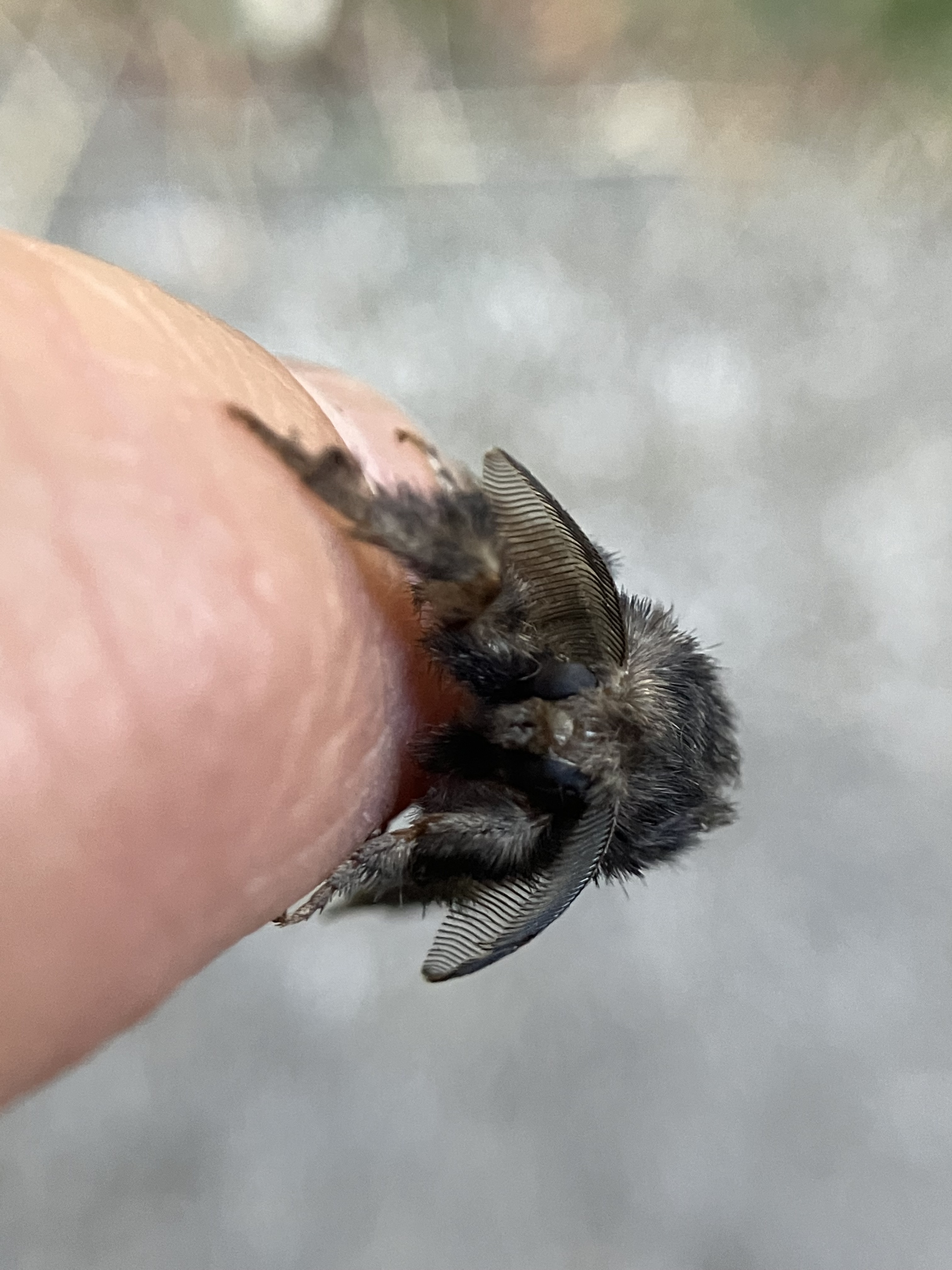
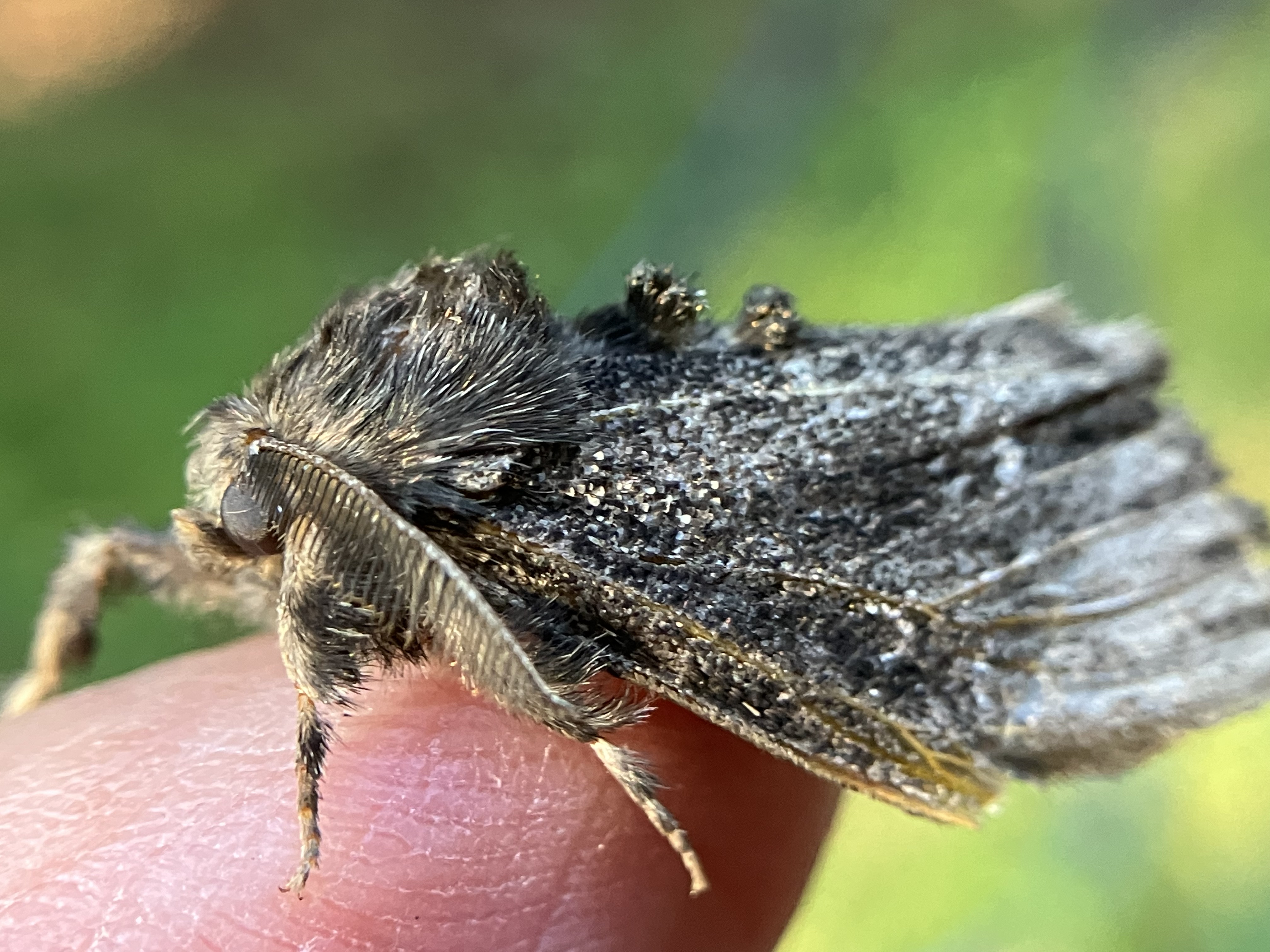
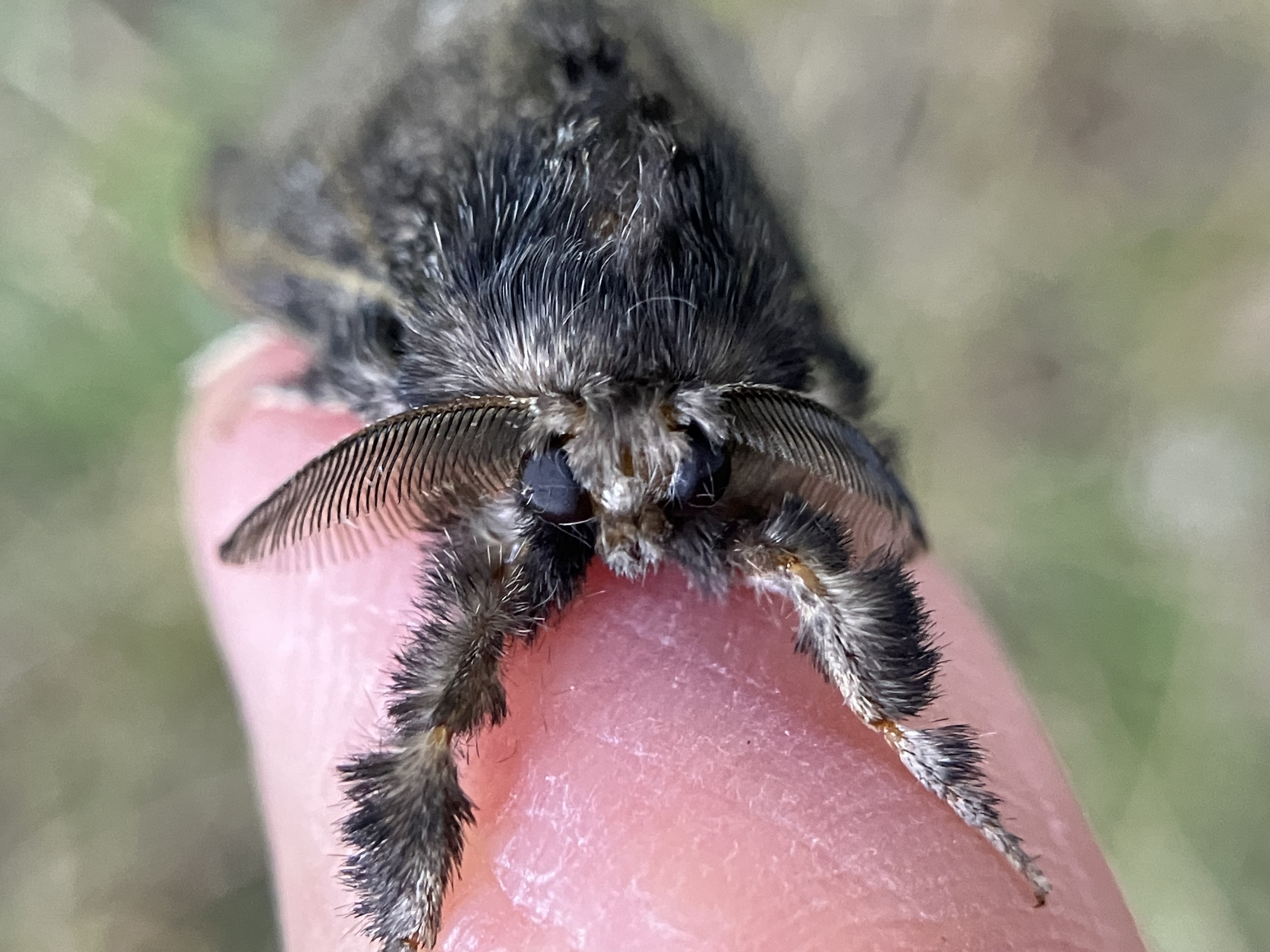
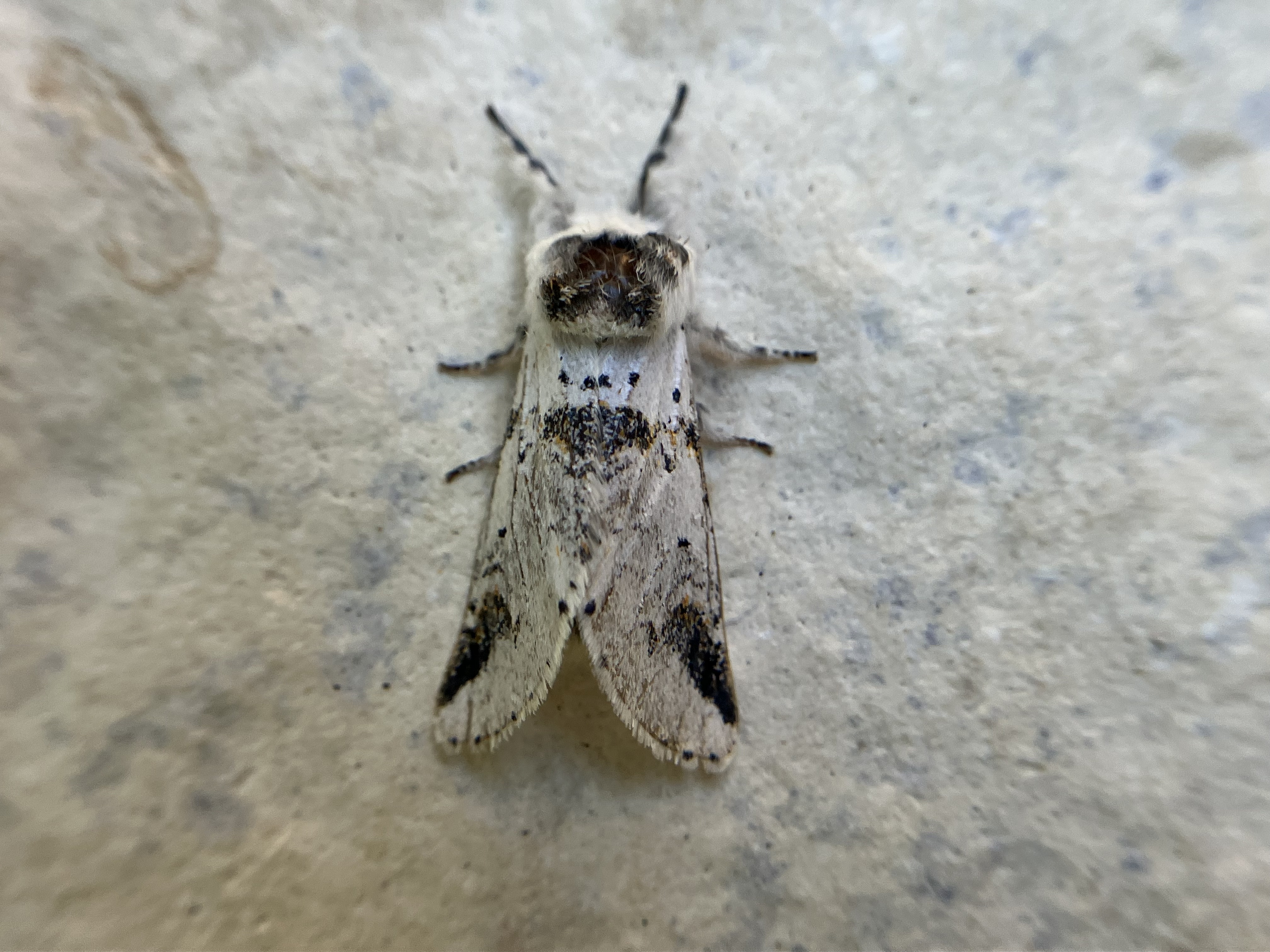
Eyed Sphinx Moth (Smerinthus ophthalmica)

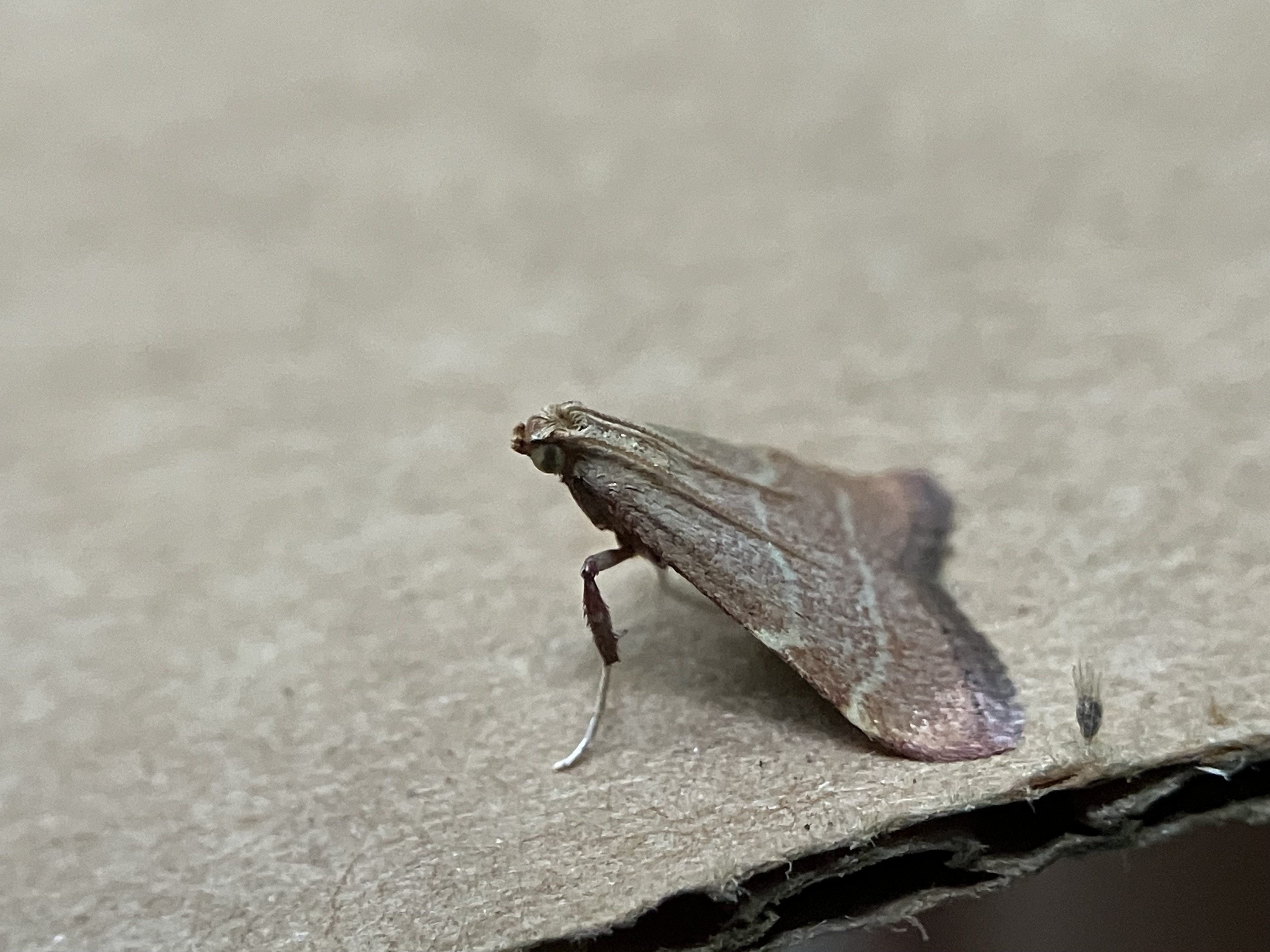
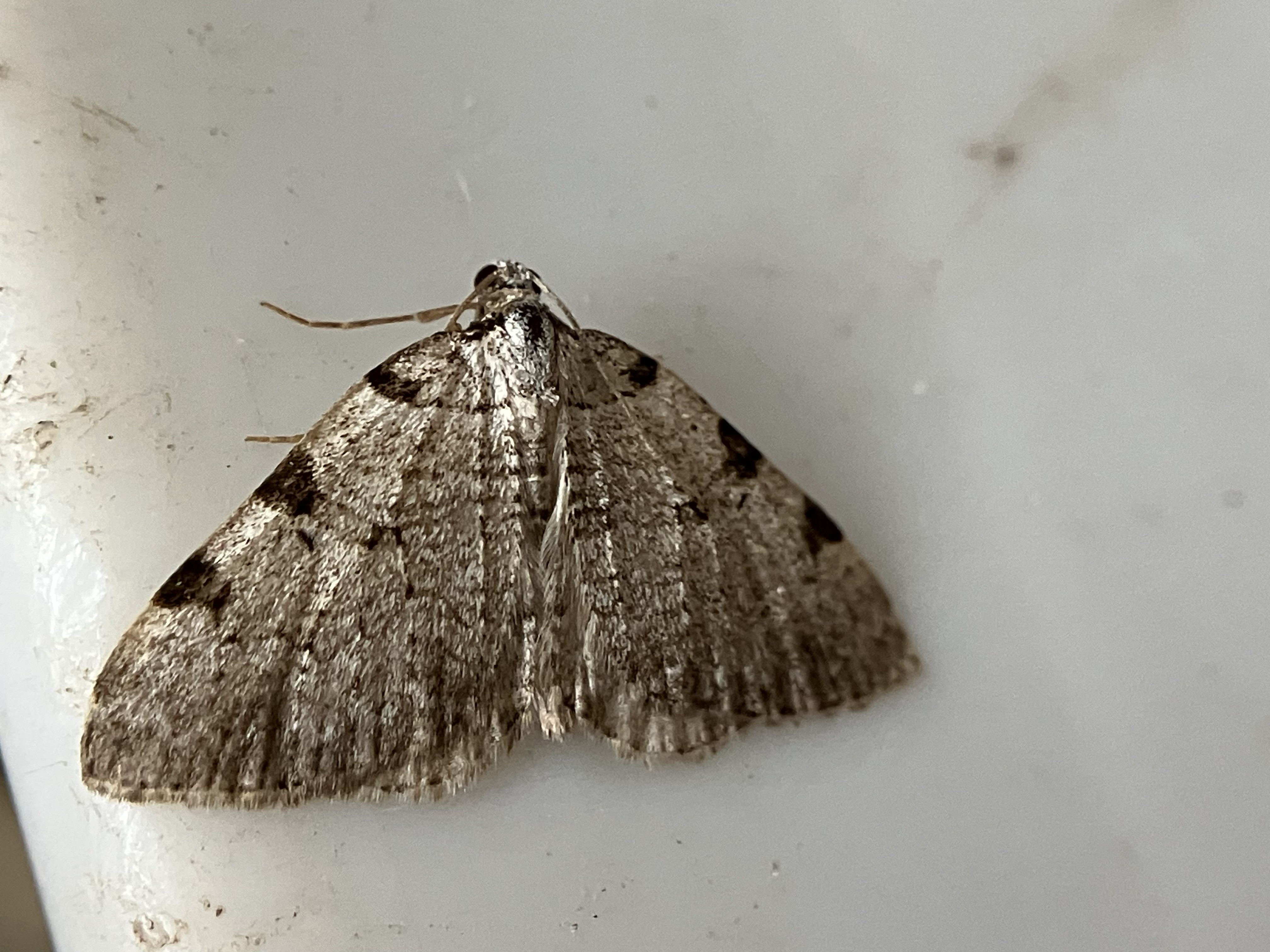
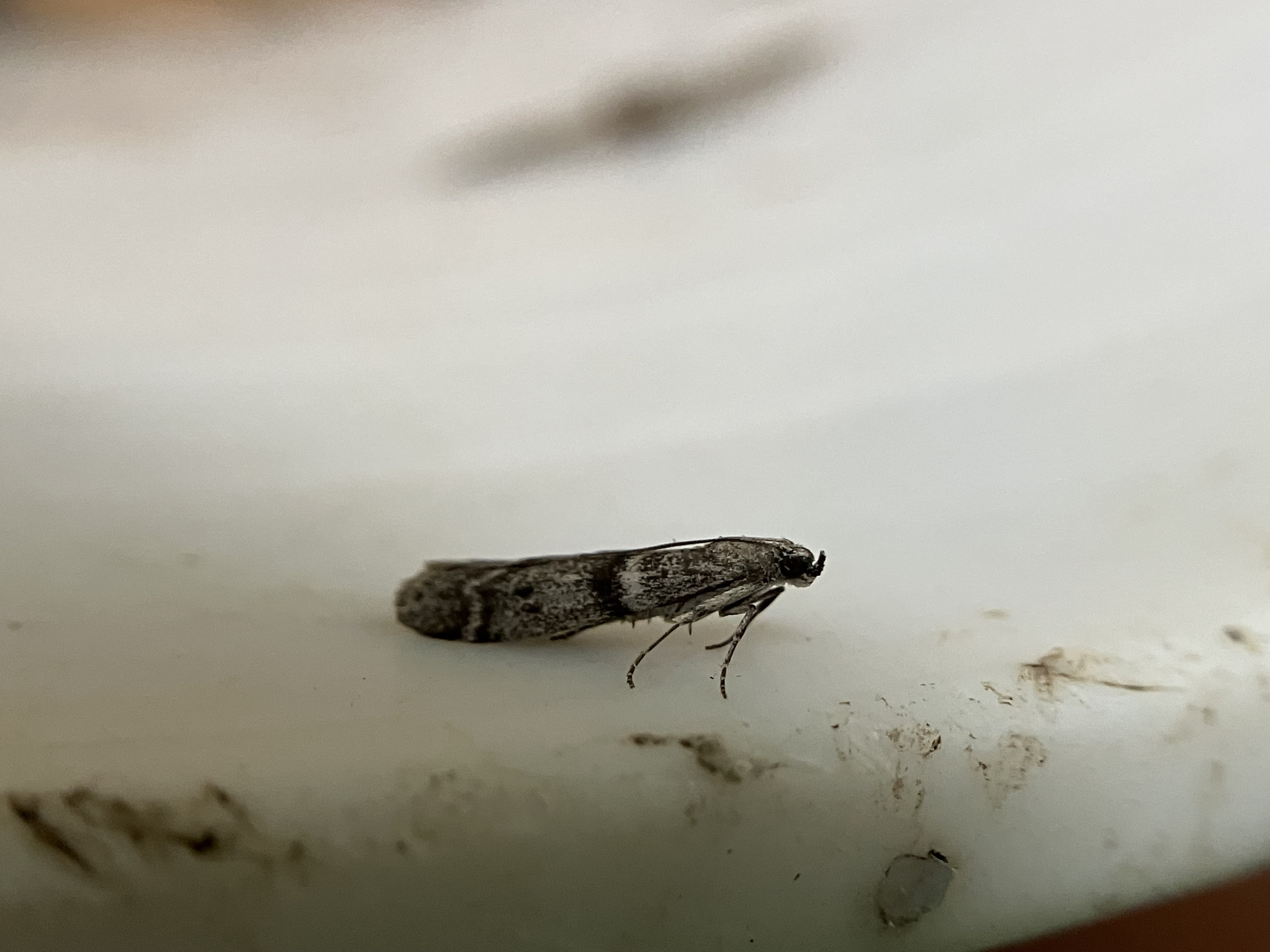
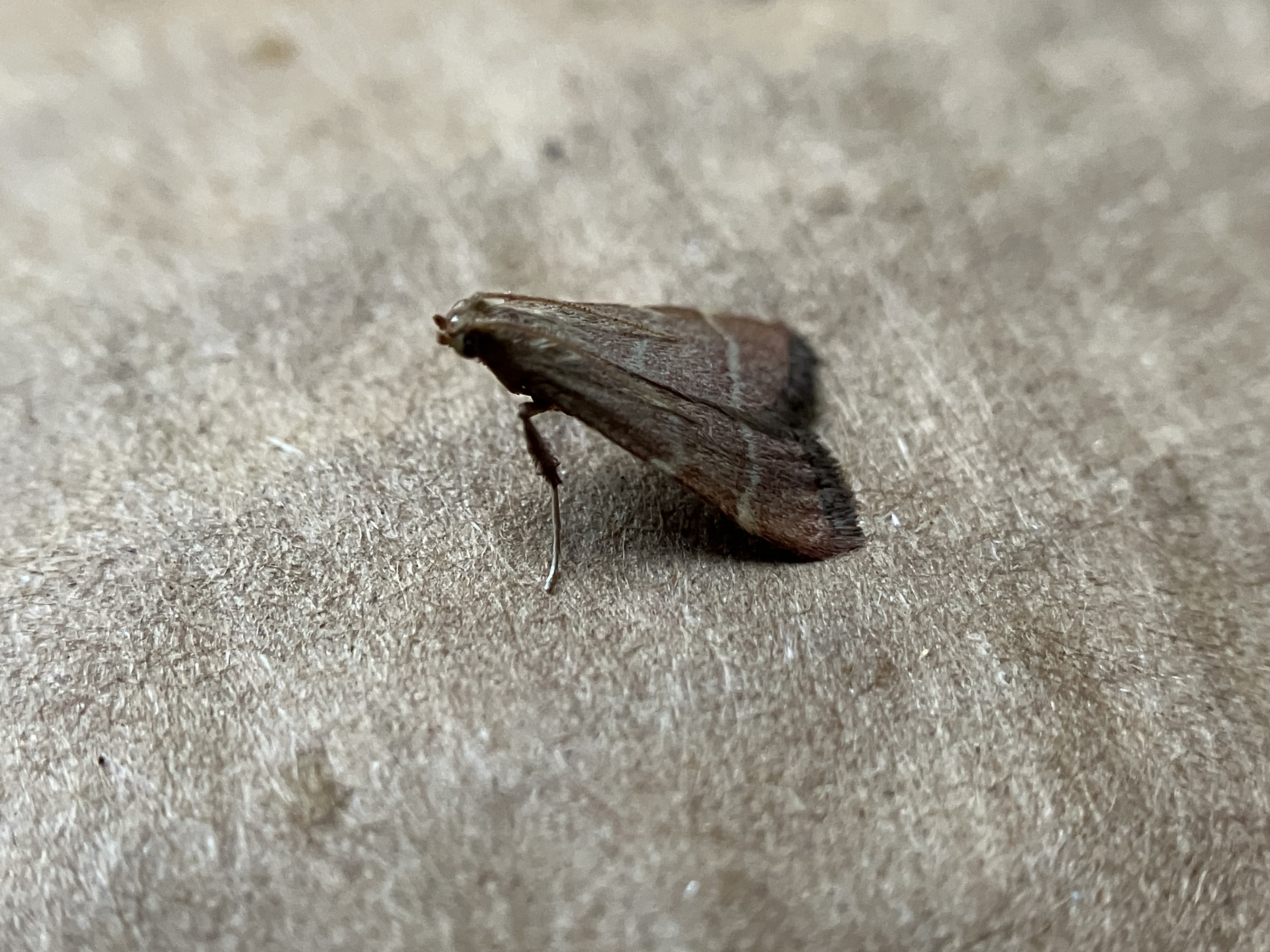
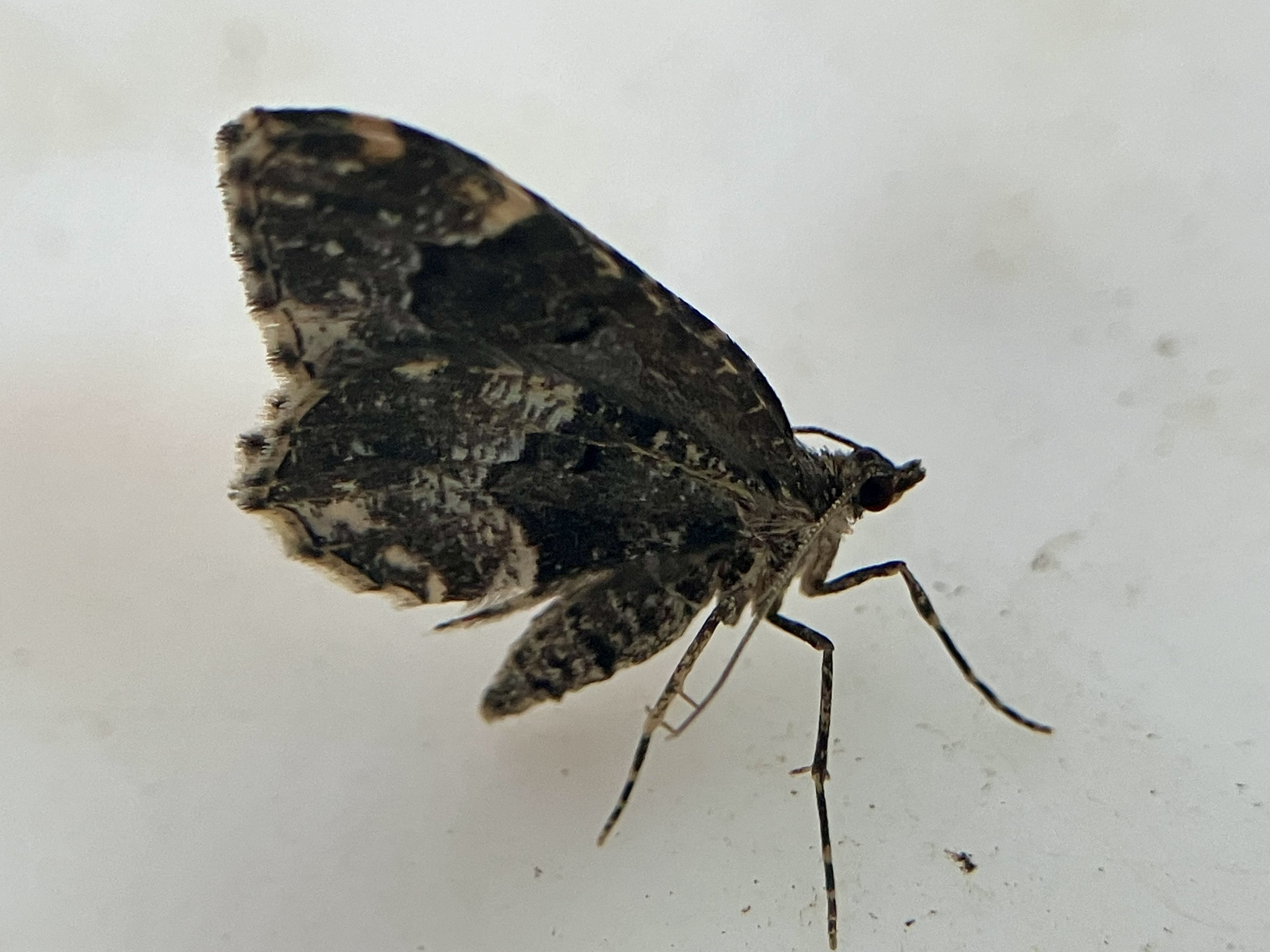
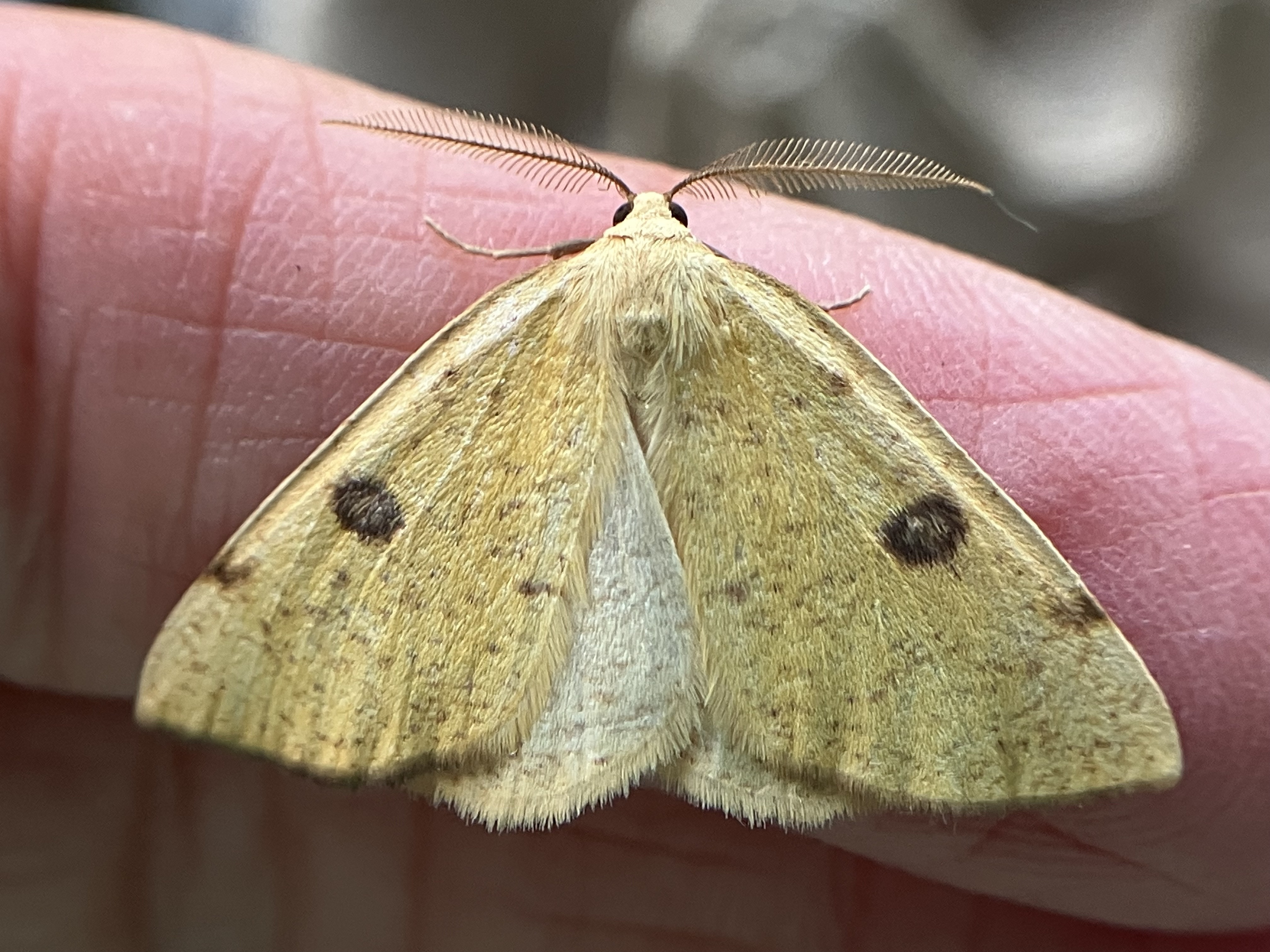
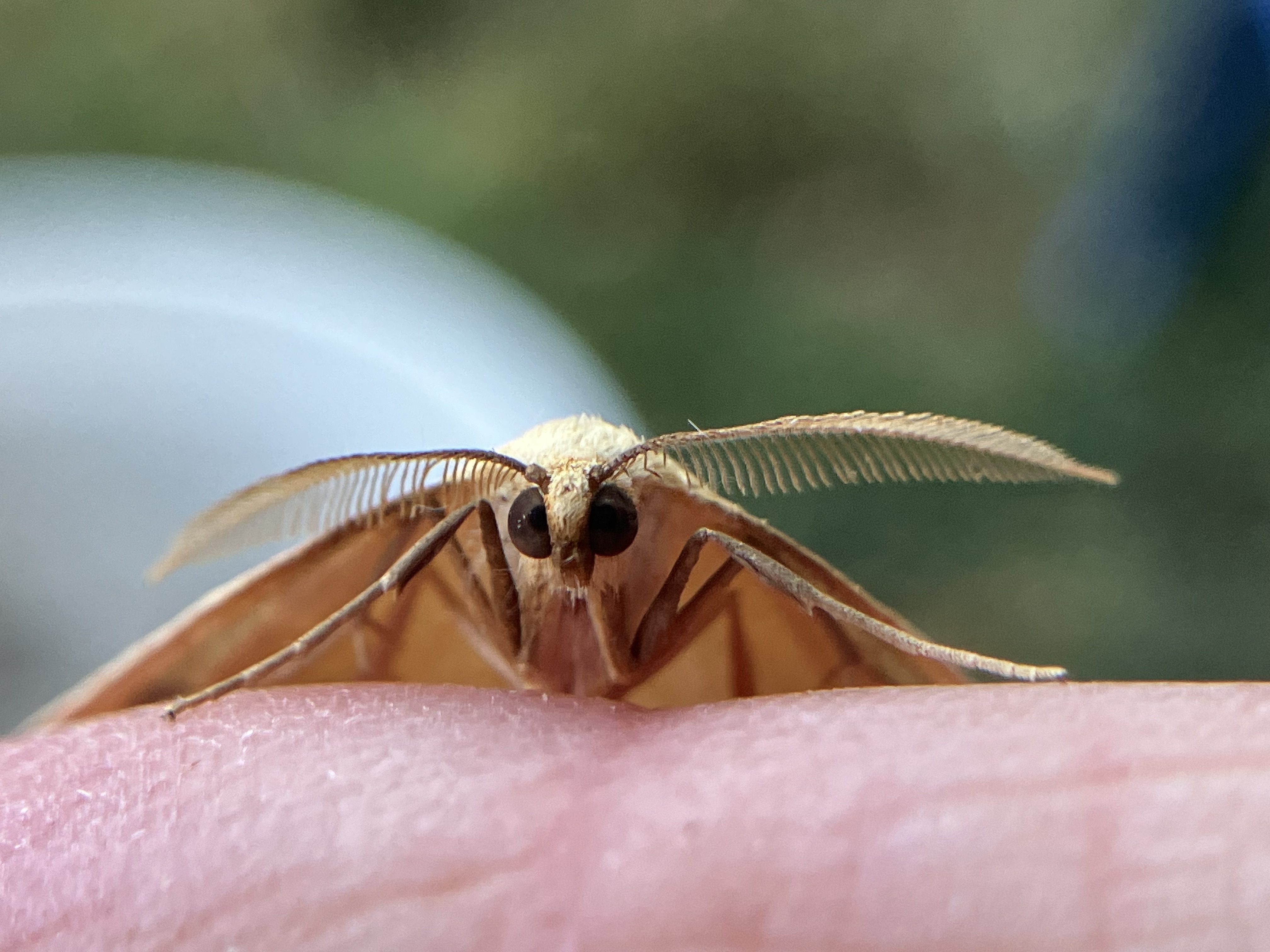
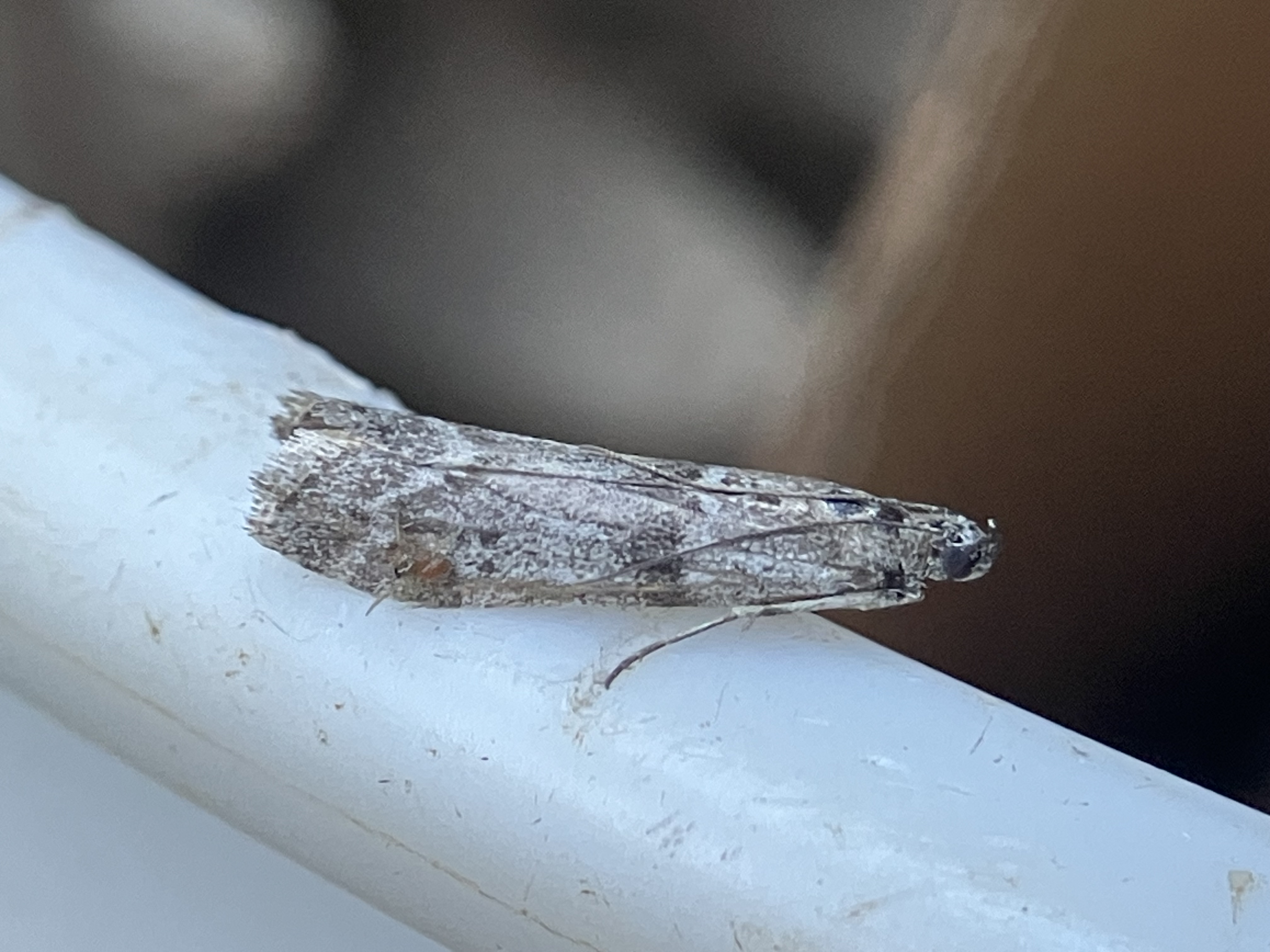
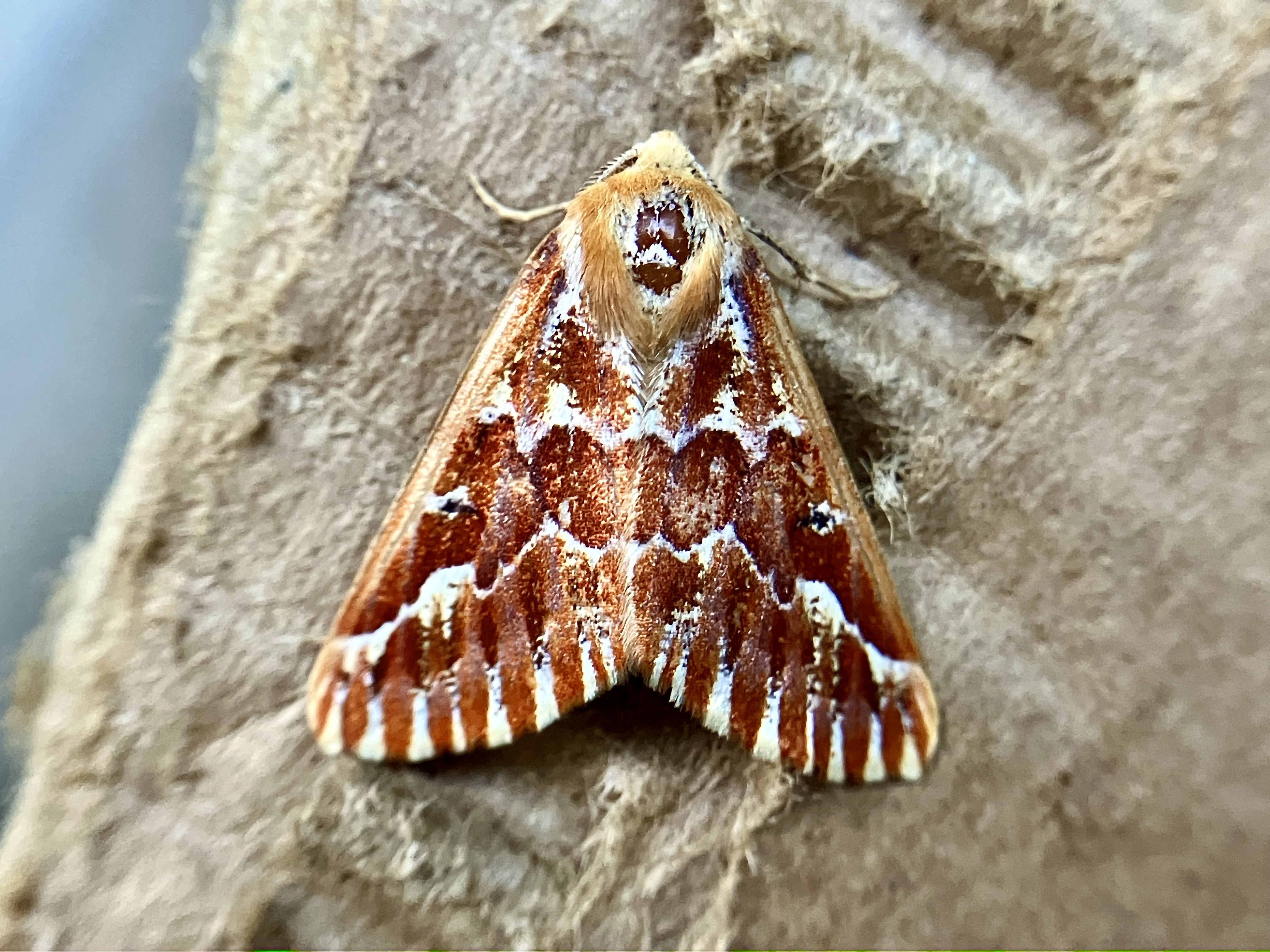
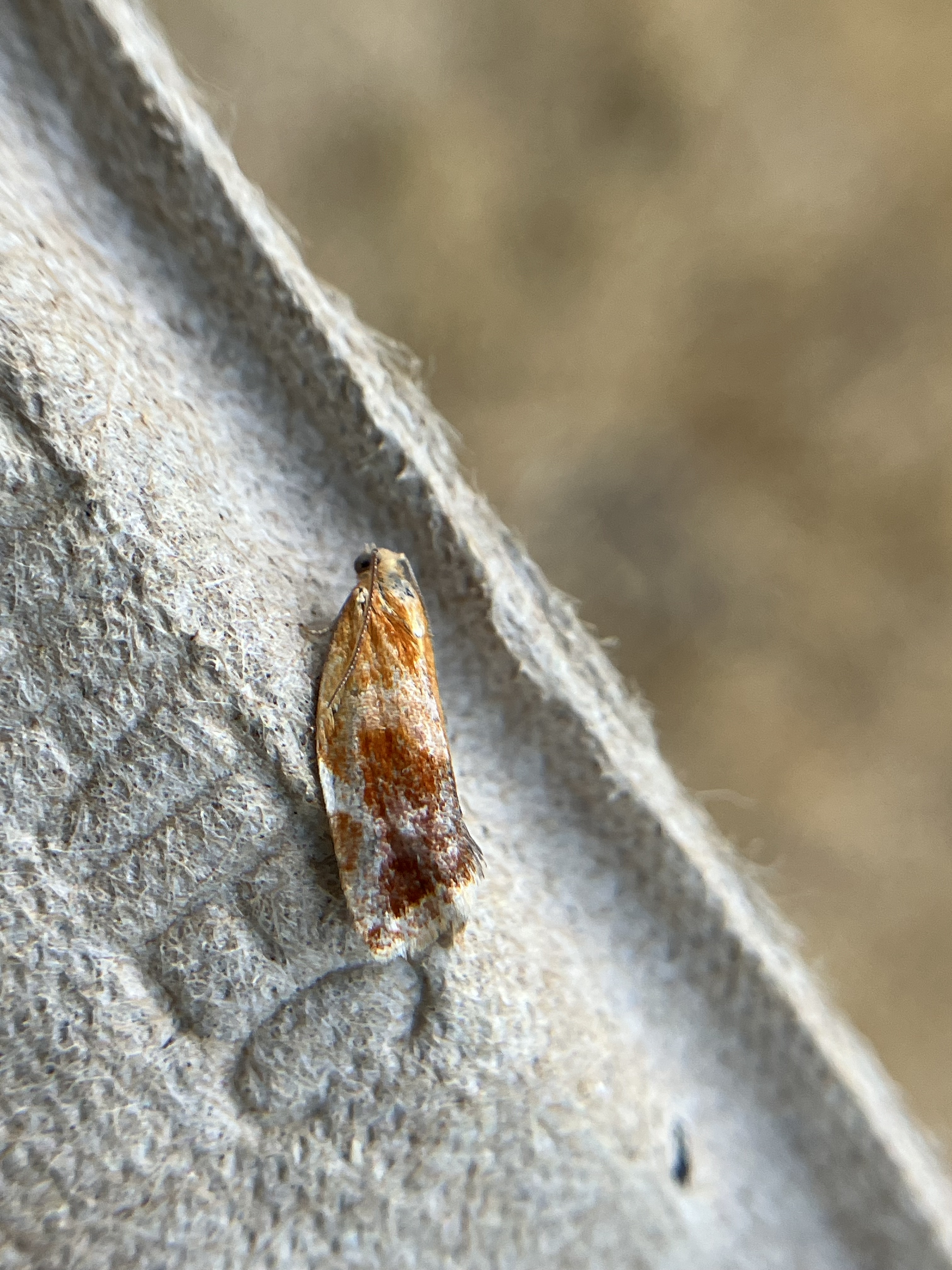
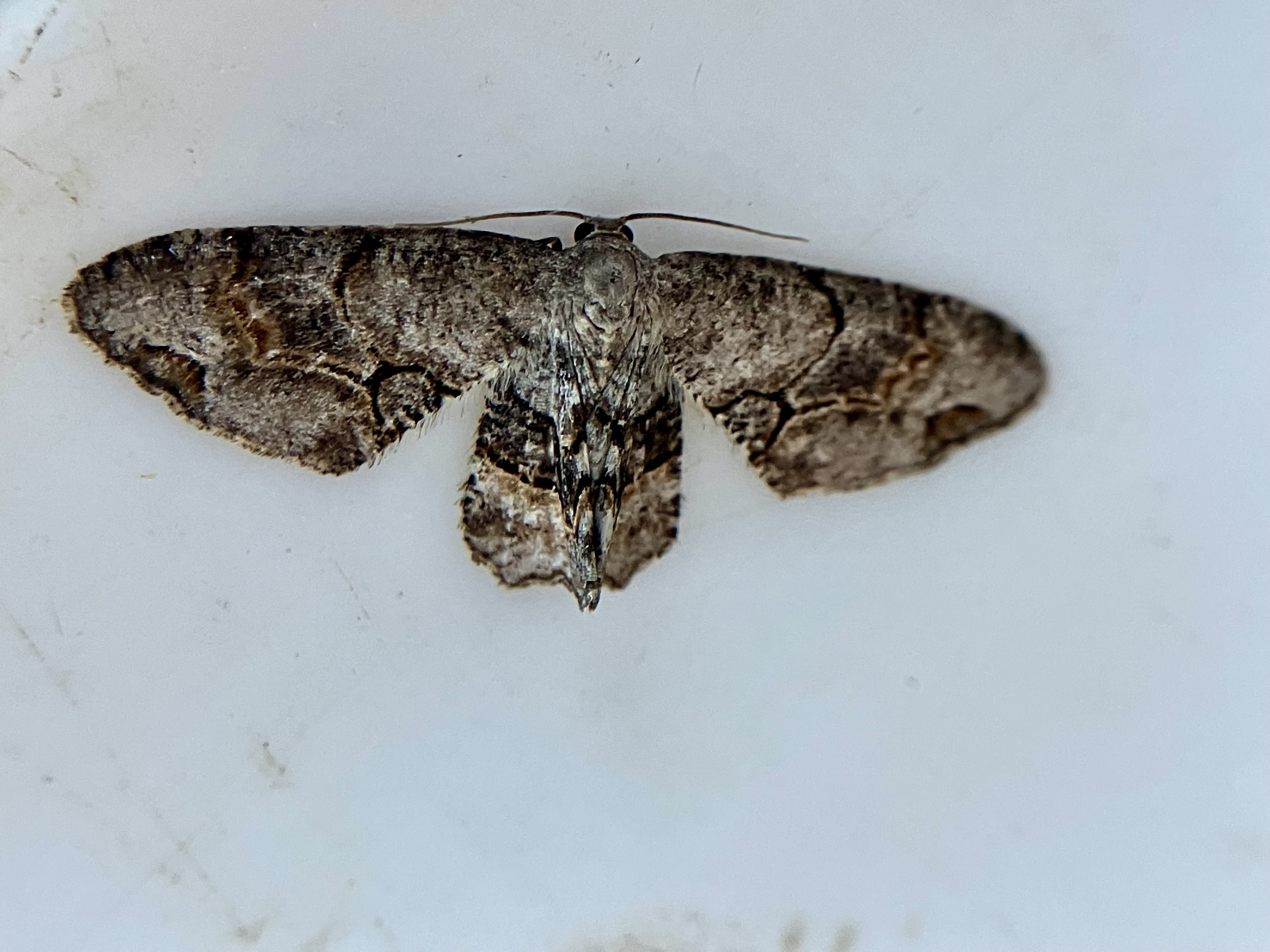
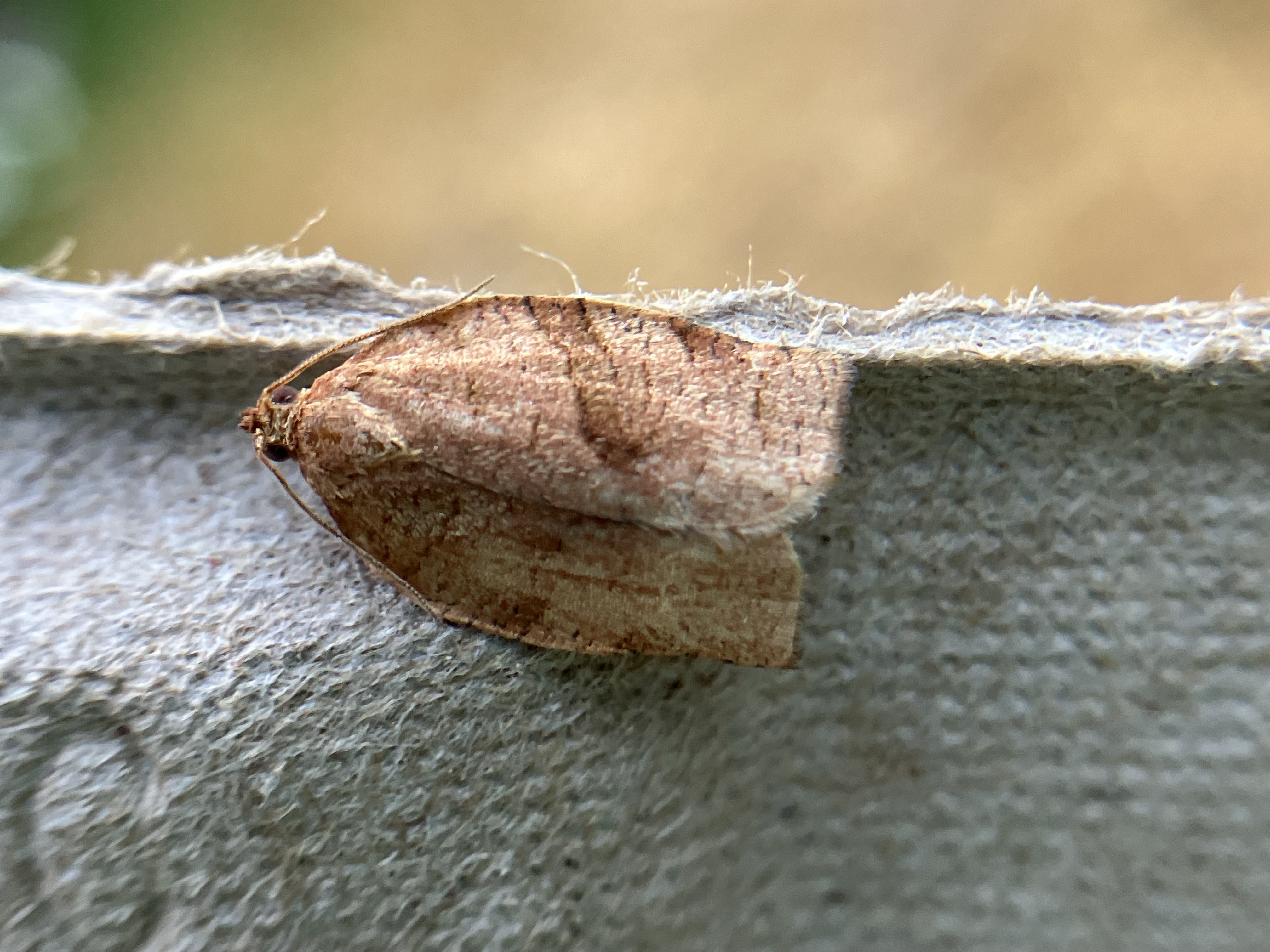
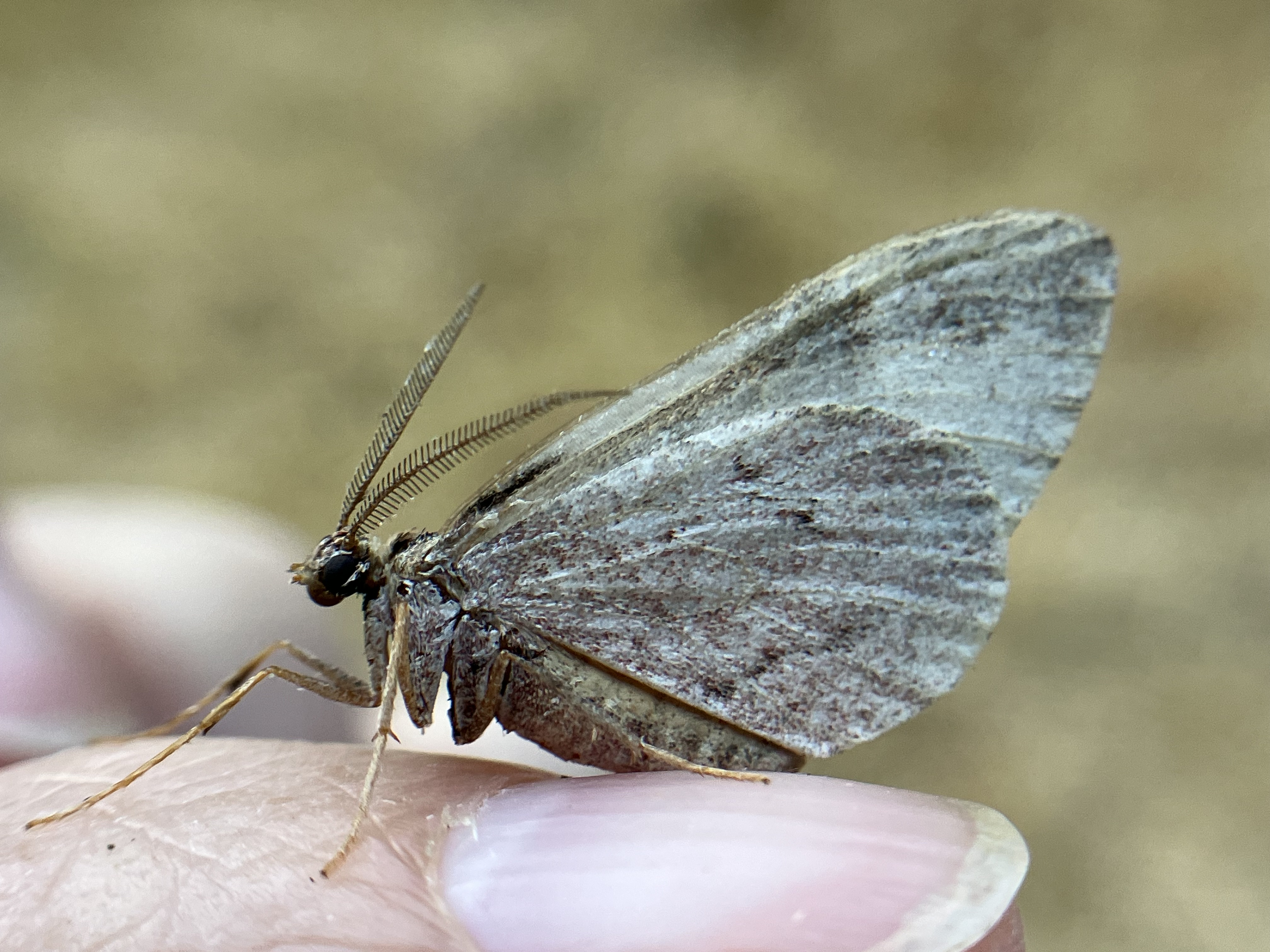
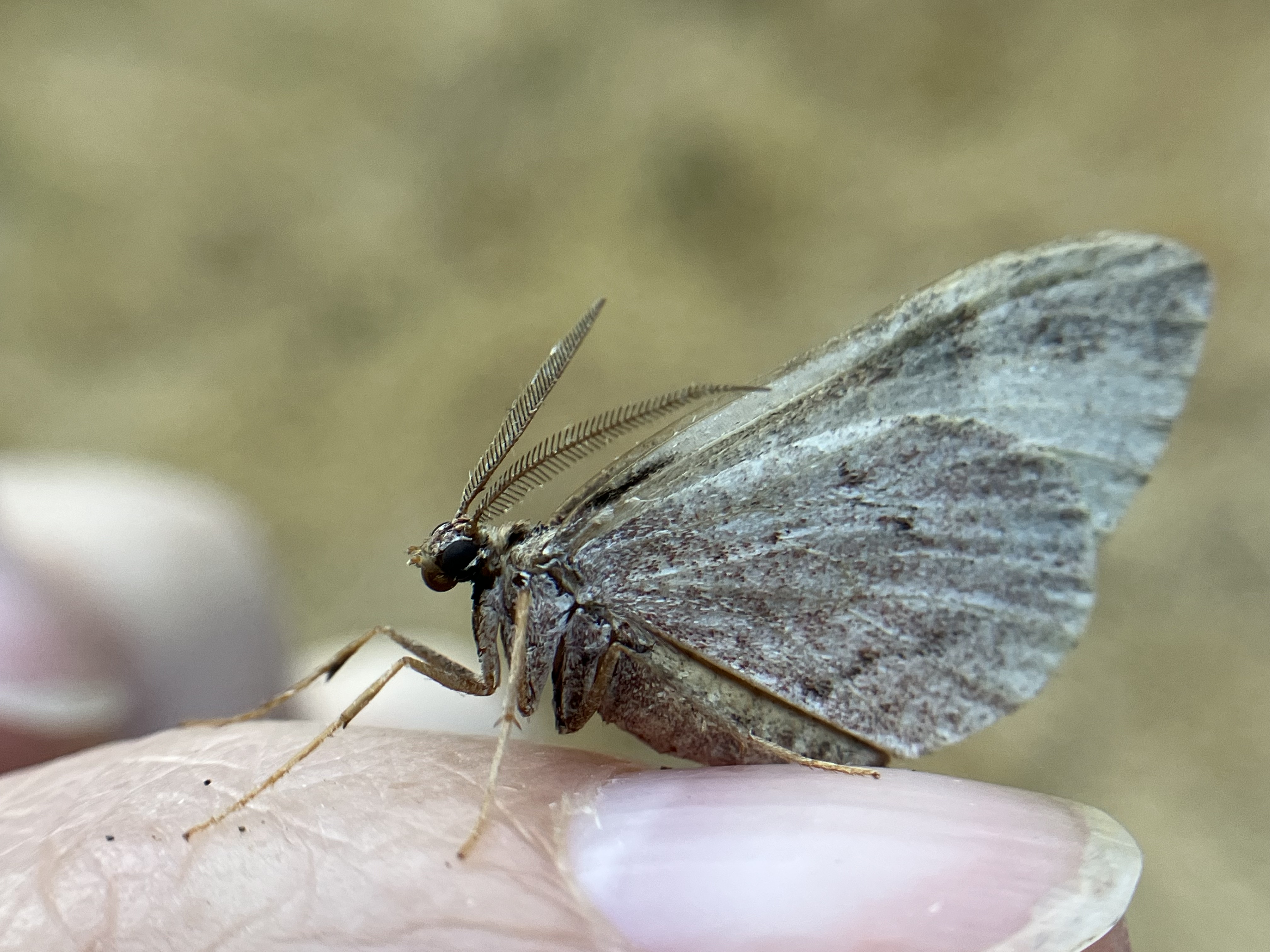
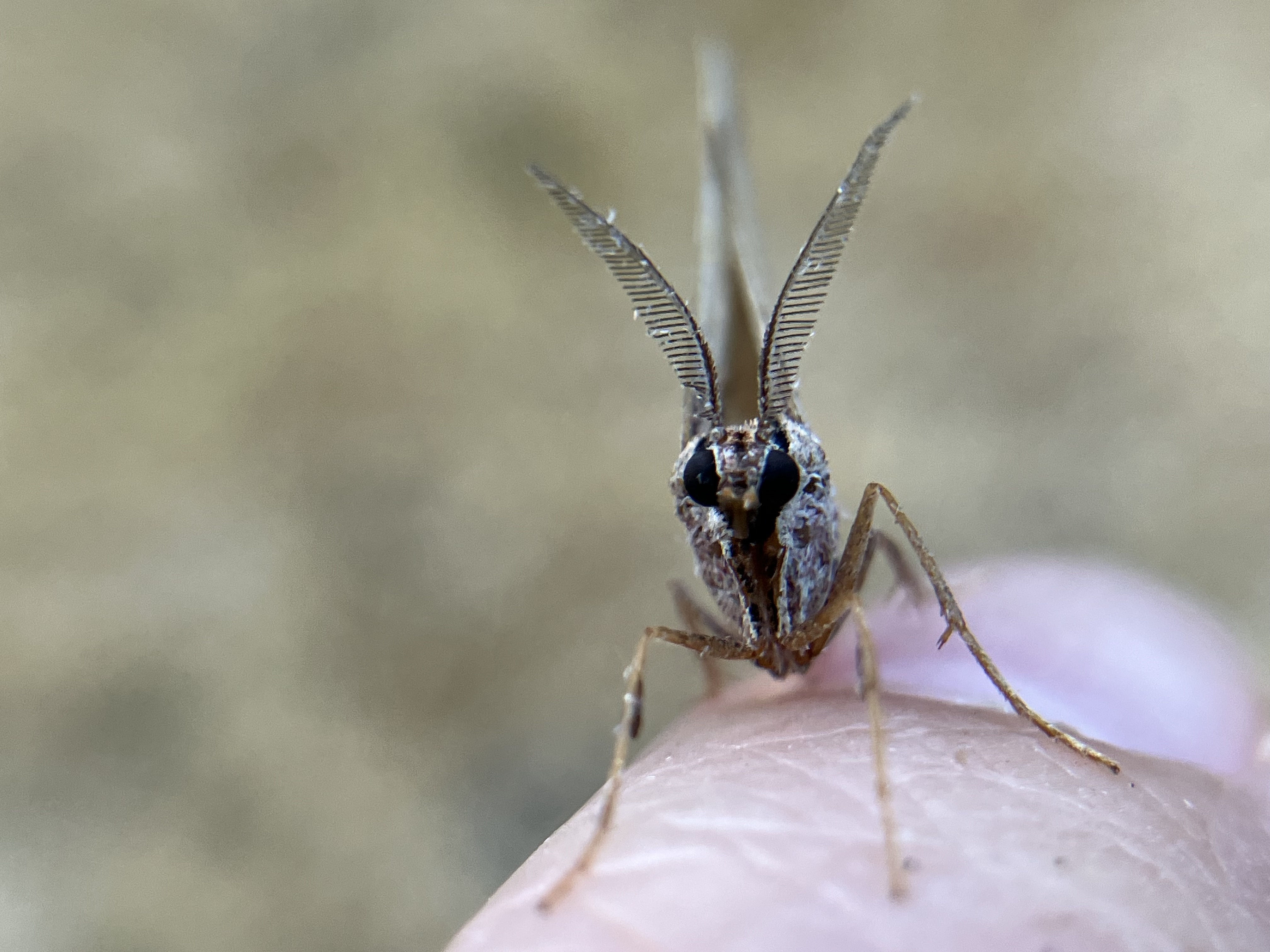
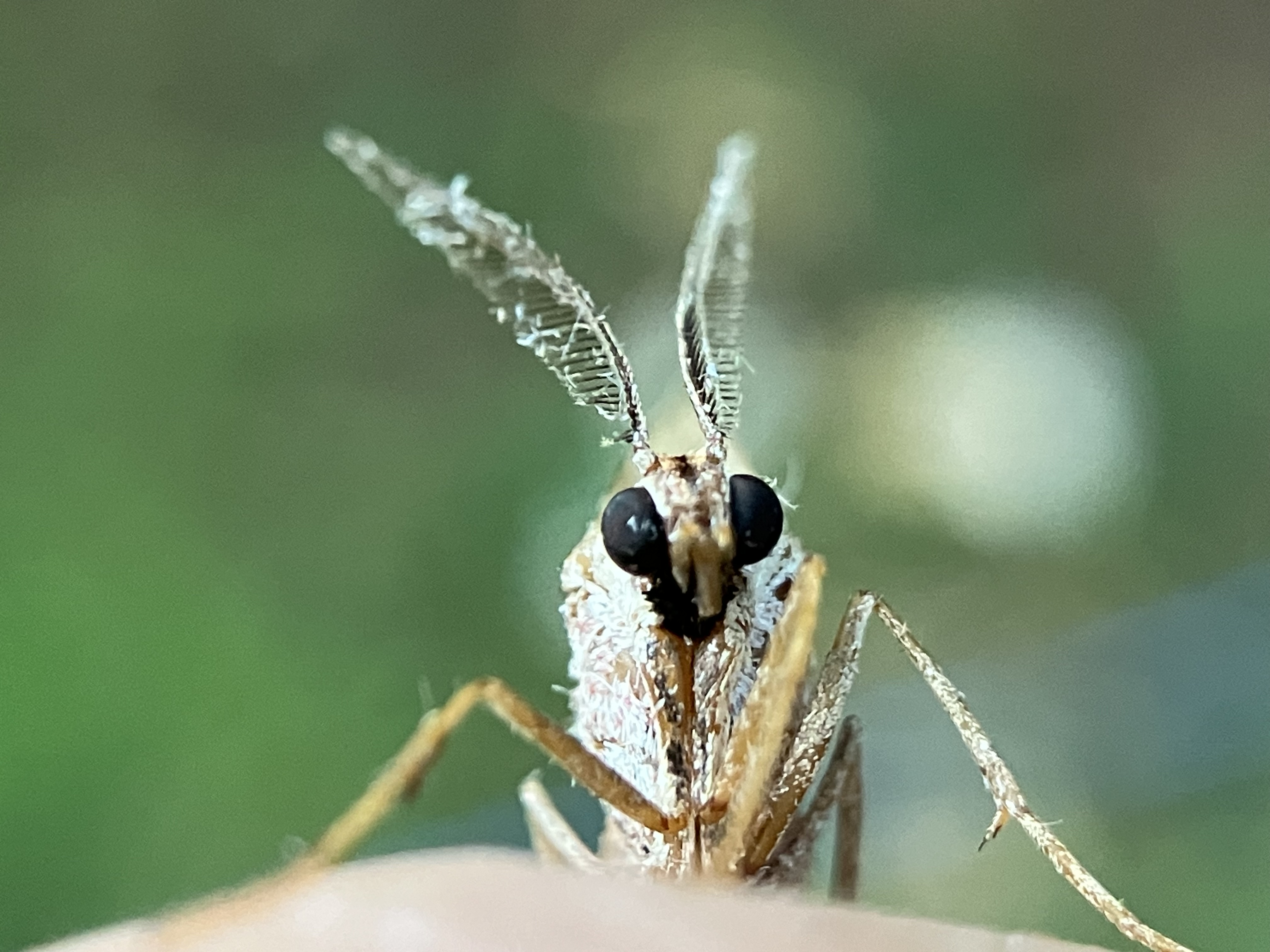
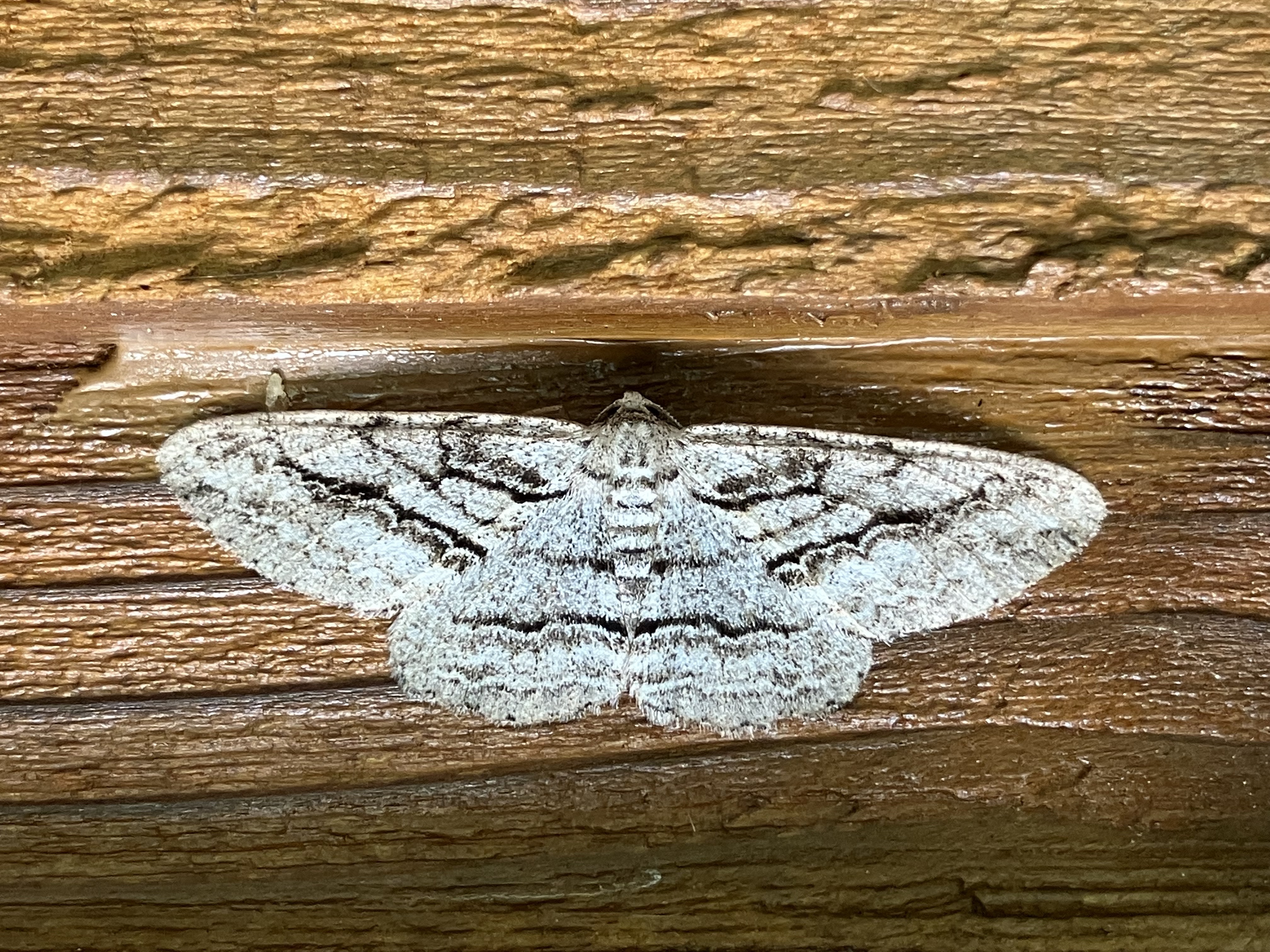
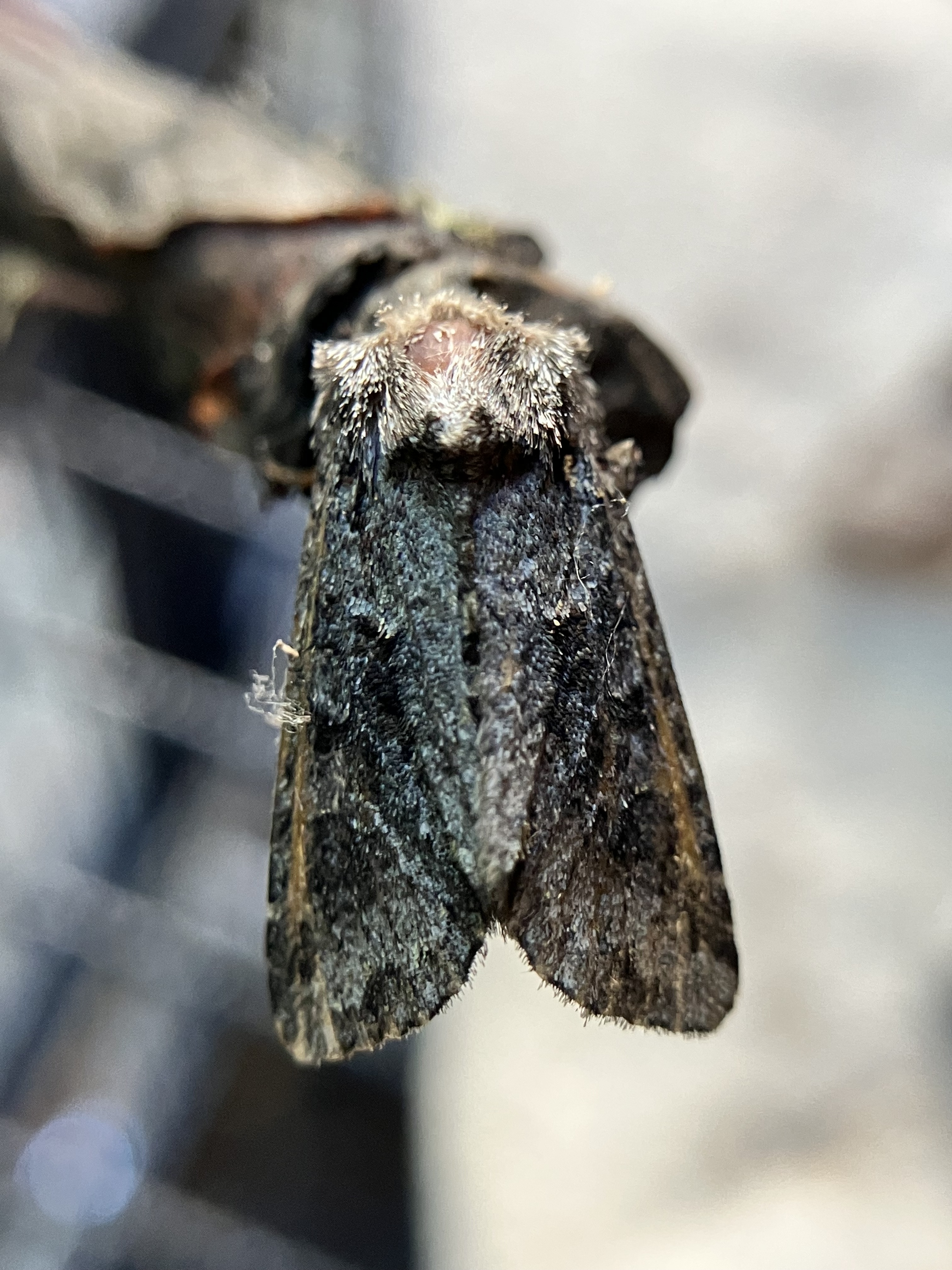
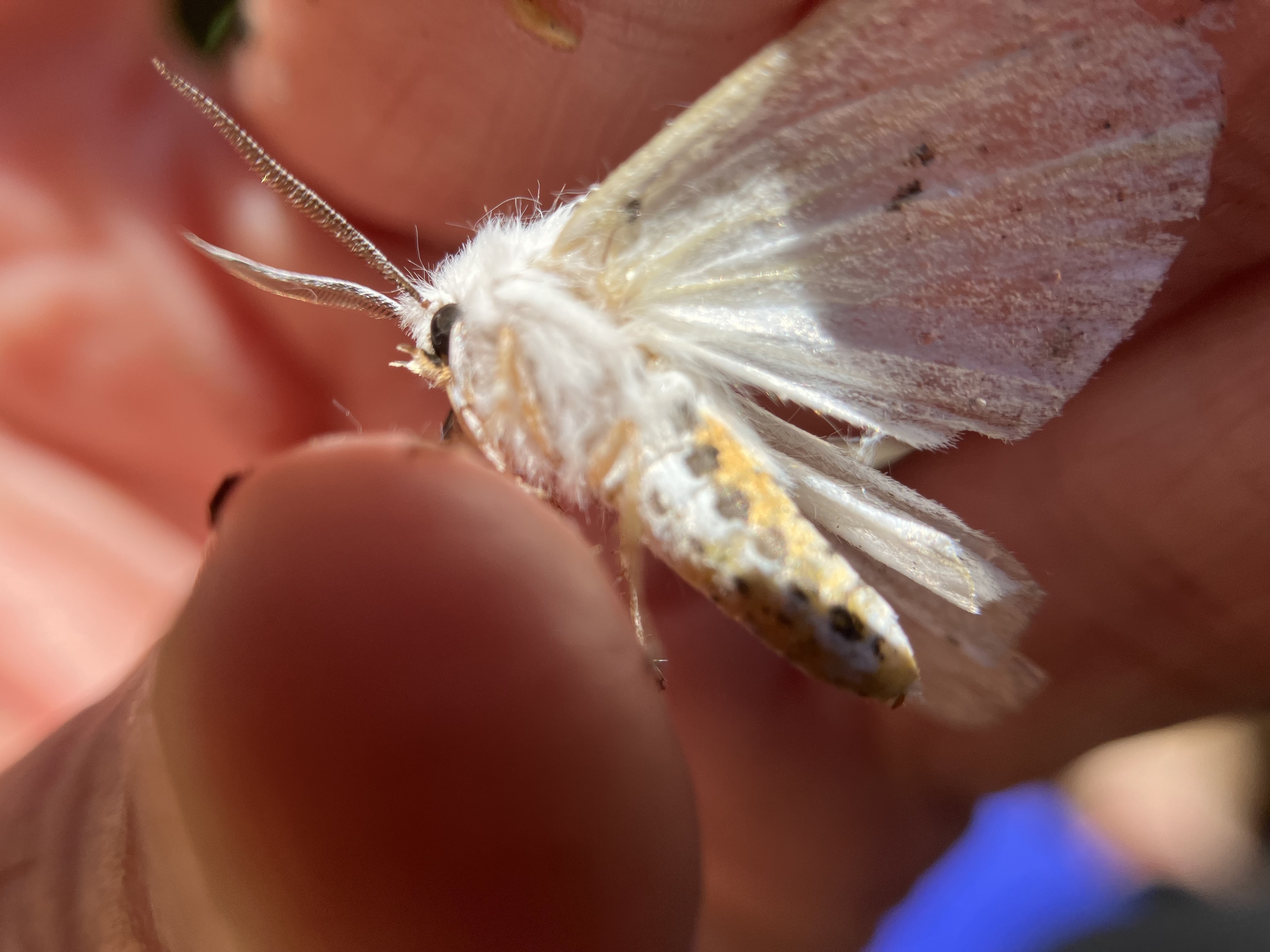
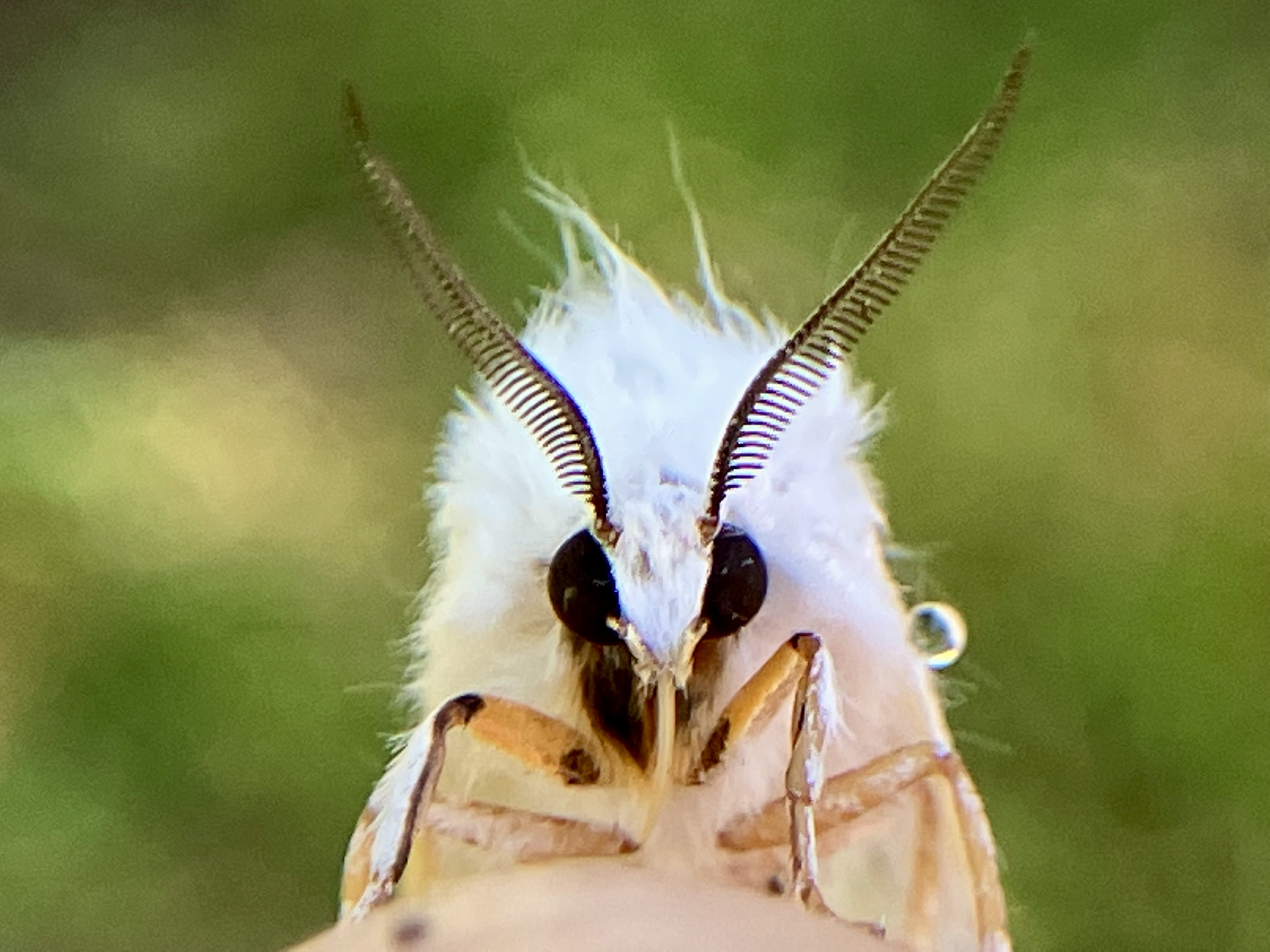
Leading up to the Twelfth Annual National Moth Week, July 22-30, 2023 https://nationalmothweek.org, I am getting into moth mode with some early collecting to see what is flying about the forest near our home at night.

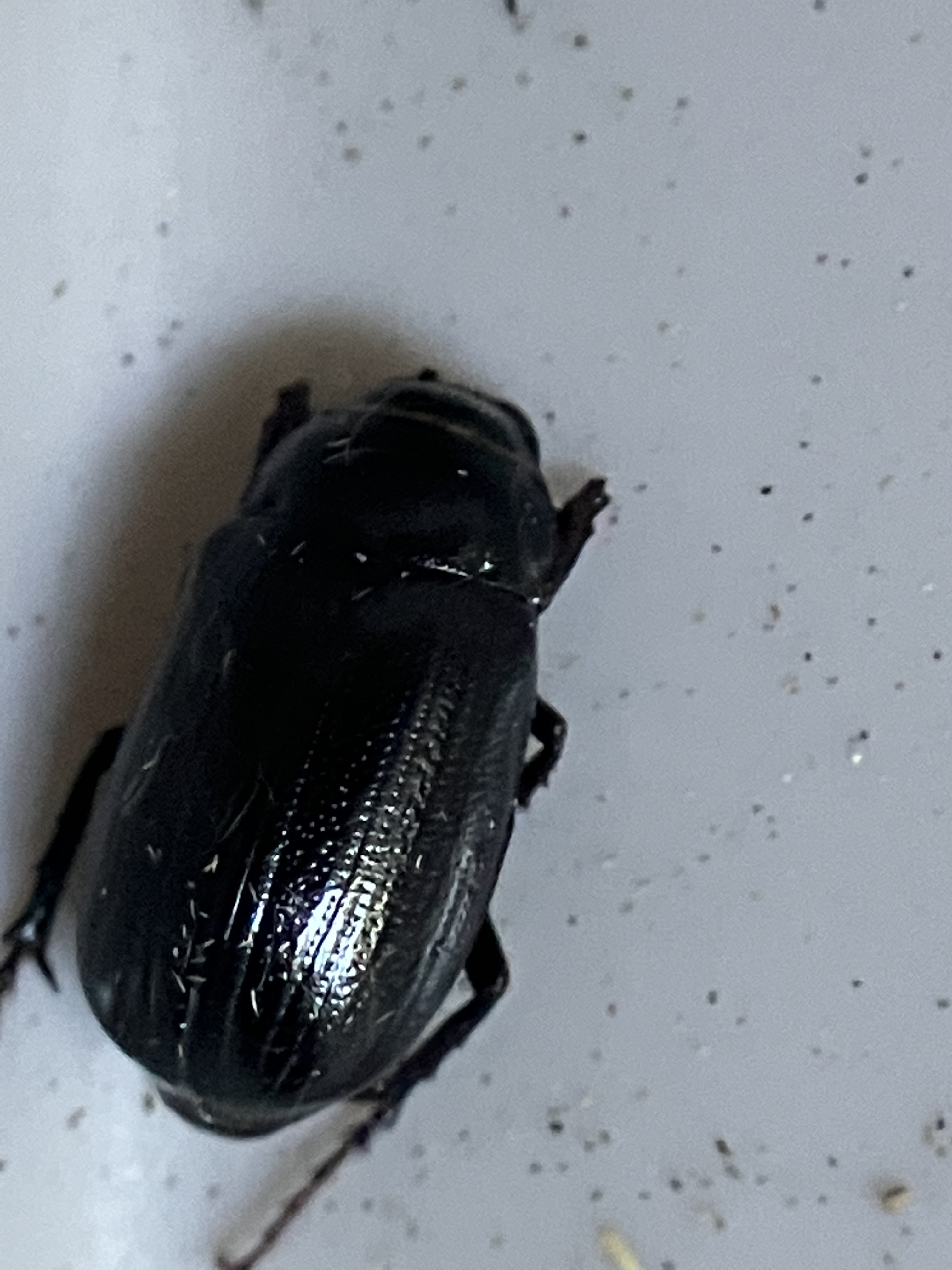
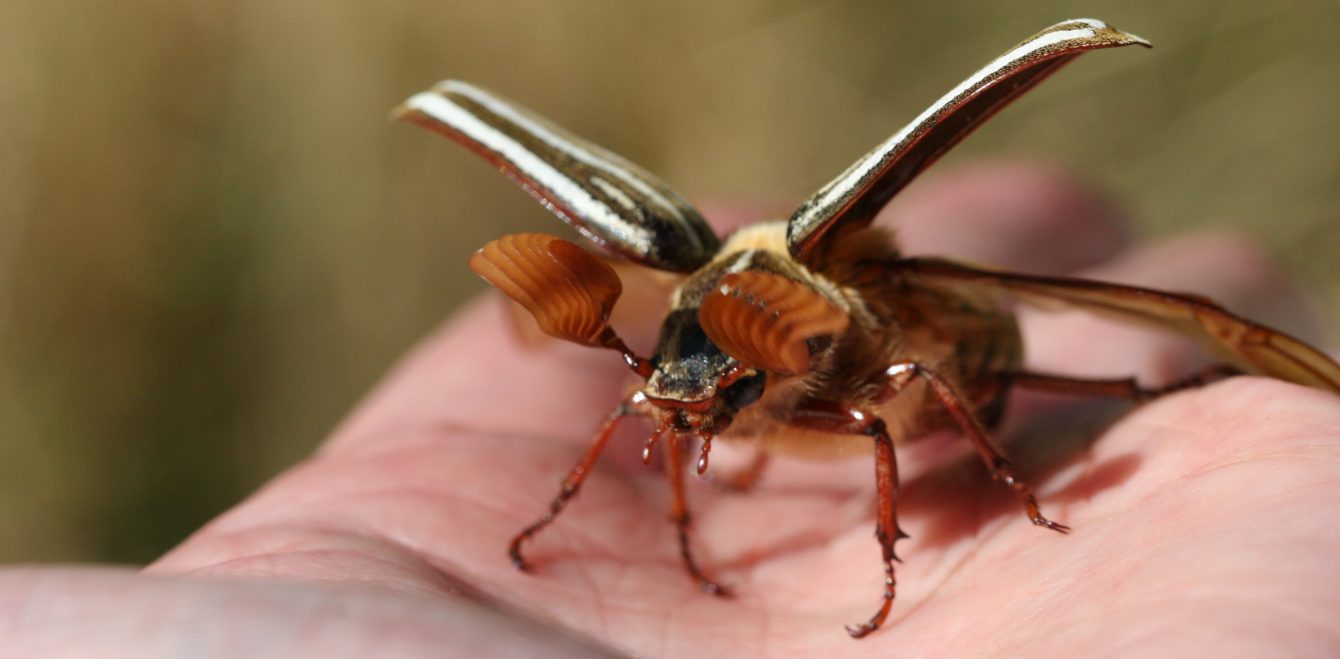
My first attempts at this were quite unsatisfying, save for the two awesome beetles that came to visit. The bug station I set up just wasn’t yielding much in the way of moths, at least until I discovered my station had been discovered by some thieving yellow jackets who were picking off my moths right in front of my eyes. Something had to change. I sure didn’t want to lure in these beautiful creatures to become a breakfast buffet.


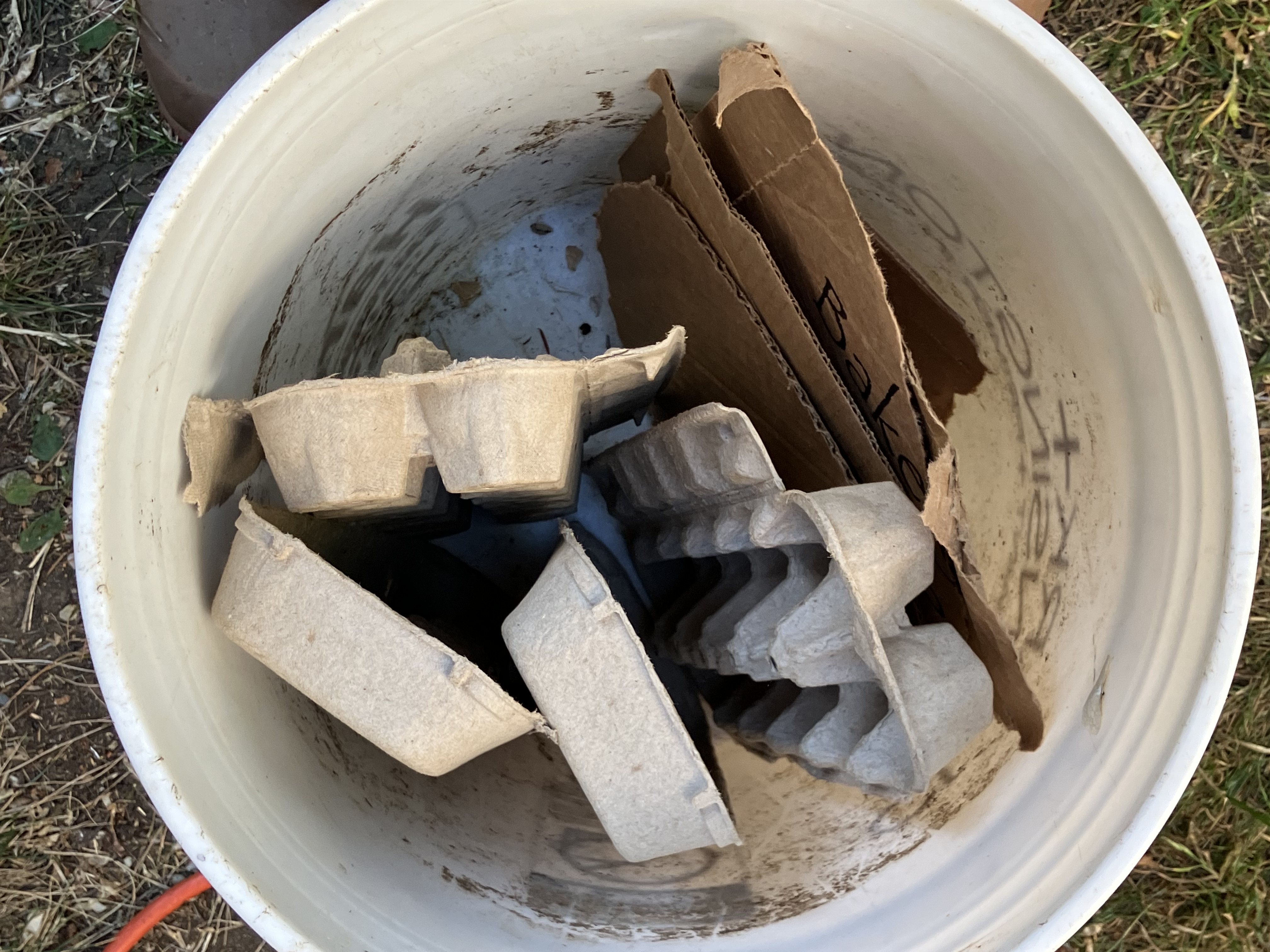
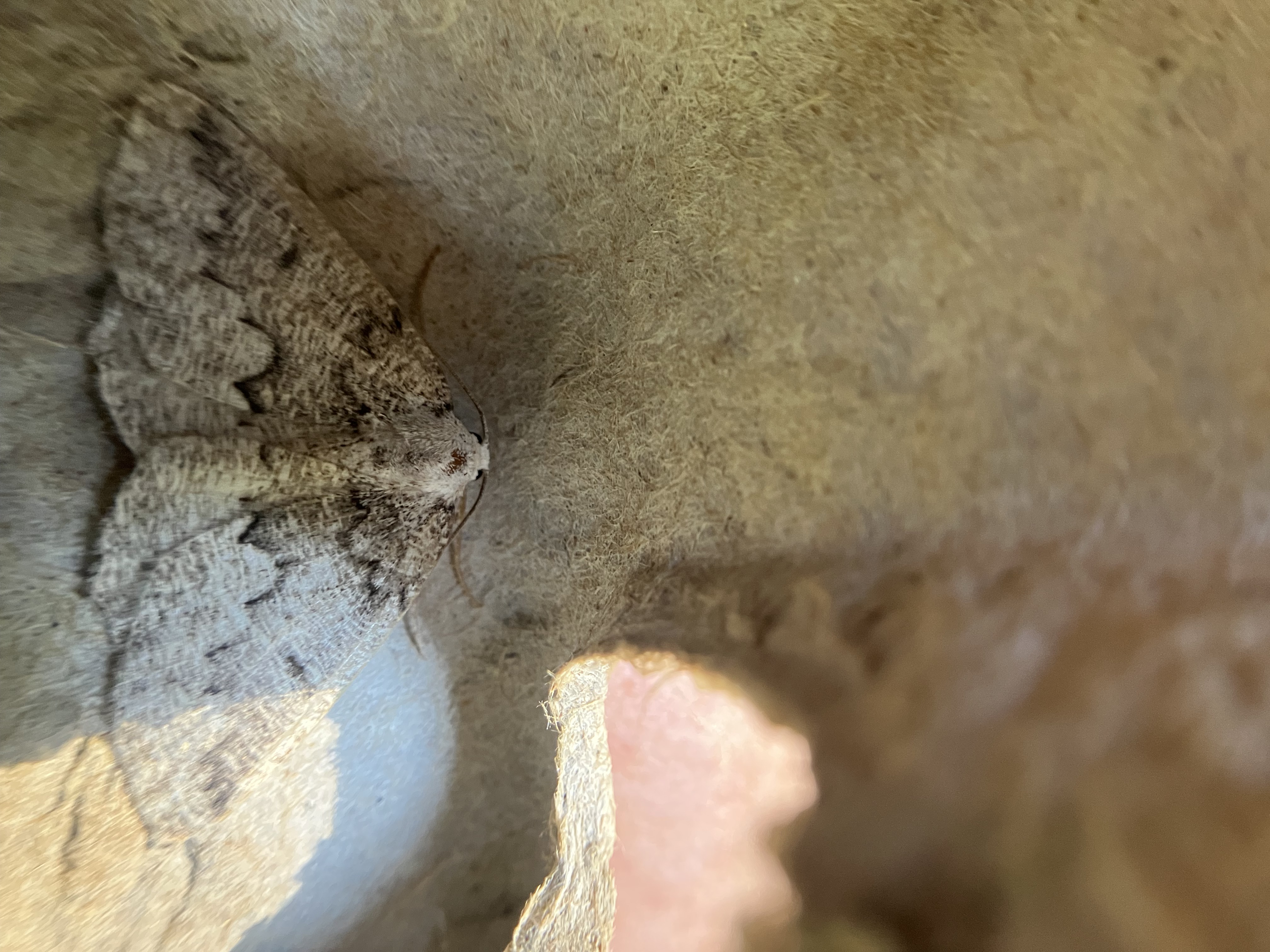
I got some very helpful advice from a friend named Carl. Carl is an expert moth-er, and he recommended putting some egg cartons in my bug bucket so they would have a place to hide. I tried this last night, adding two egg cartons and some pieces of cardboard. Then, I went to hang my bucket up and turn on the light – EXCEPT, those darn yellow jackets showed up at 9 pm. They must have excellent memory. I suppose they wanted to be first in line at the moth buffet.


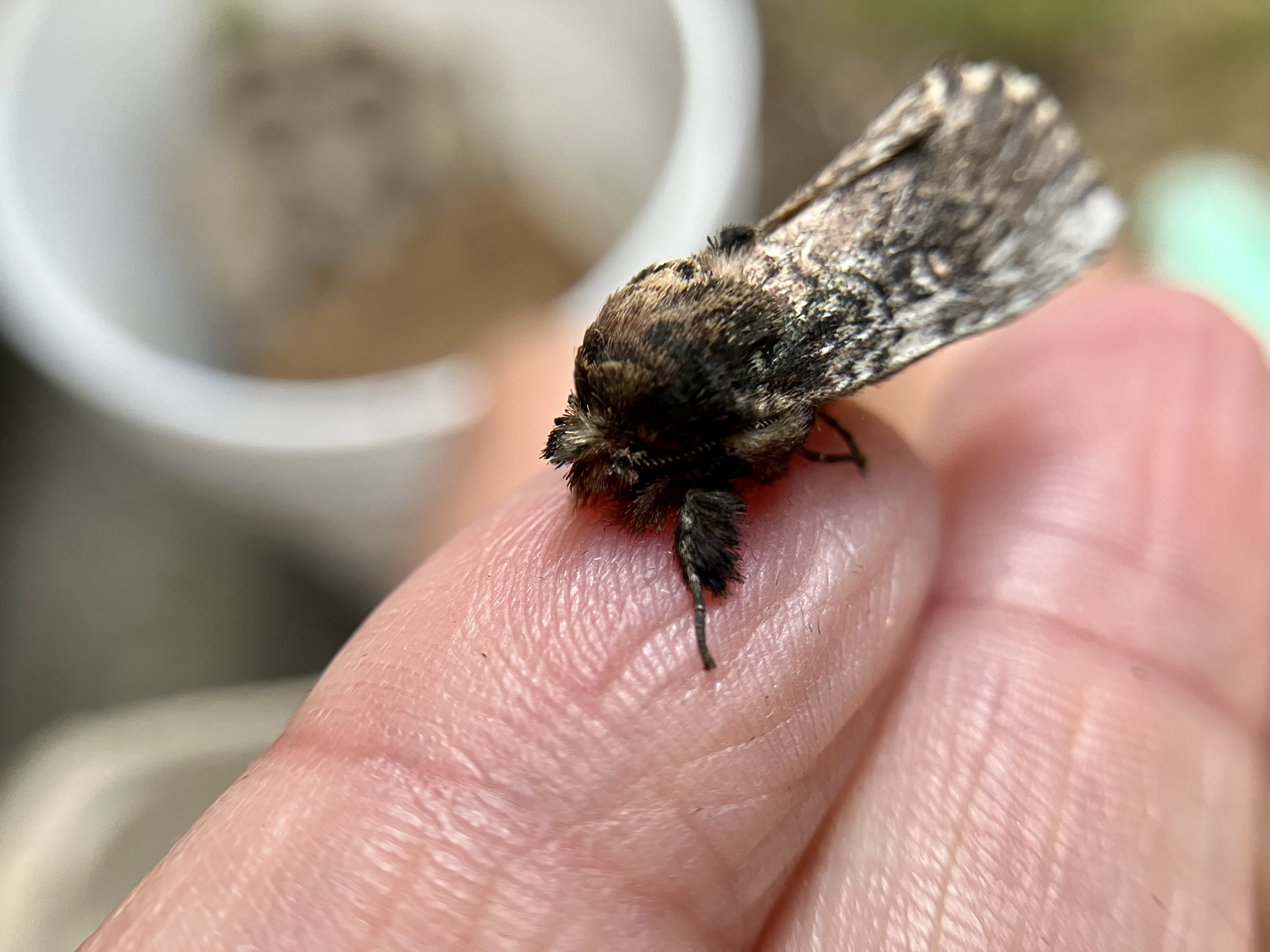
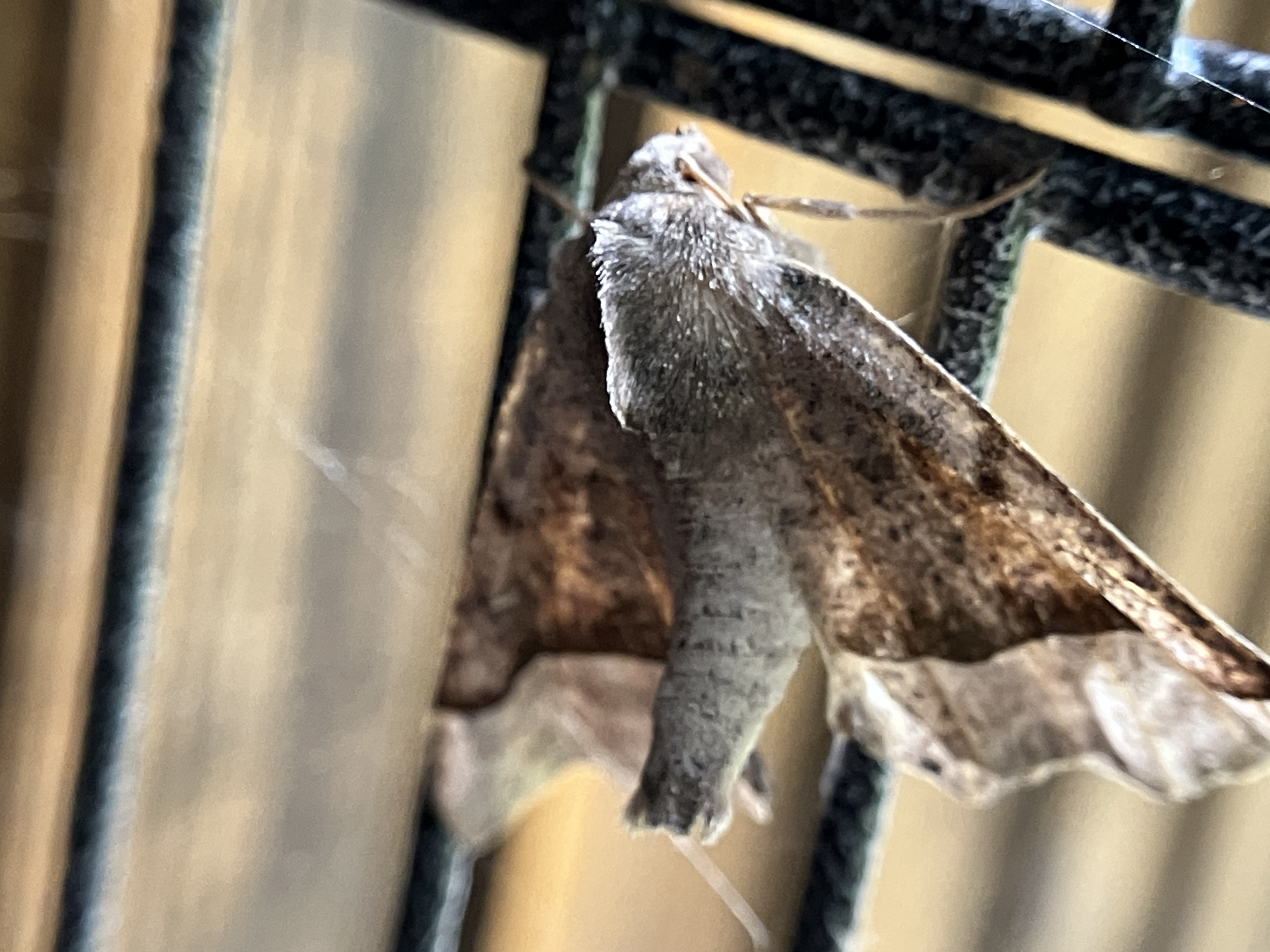
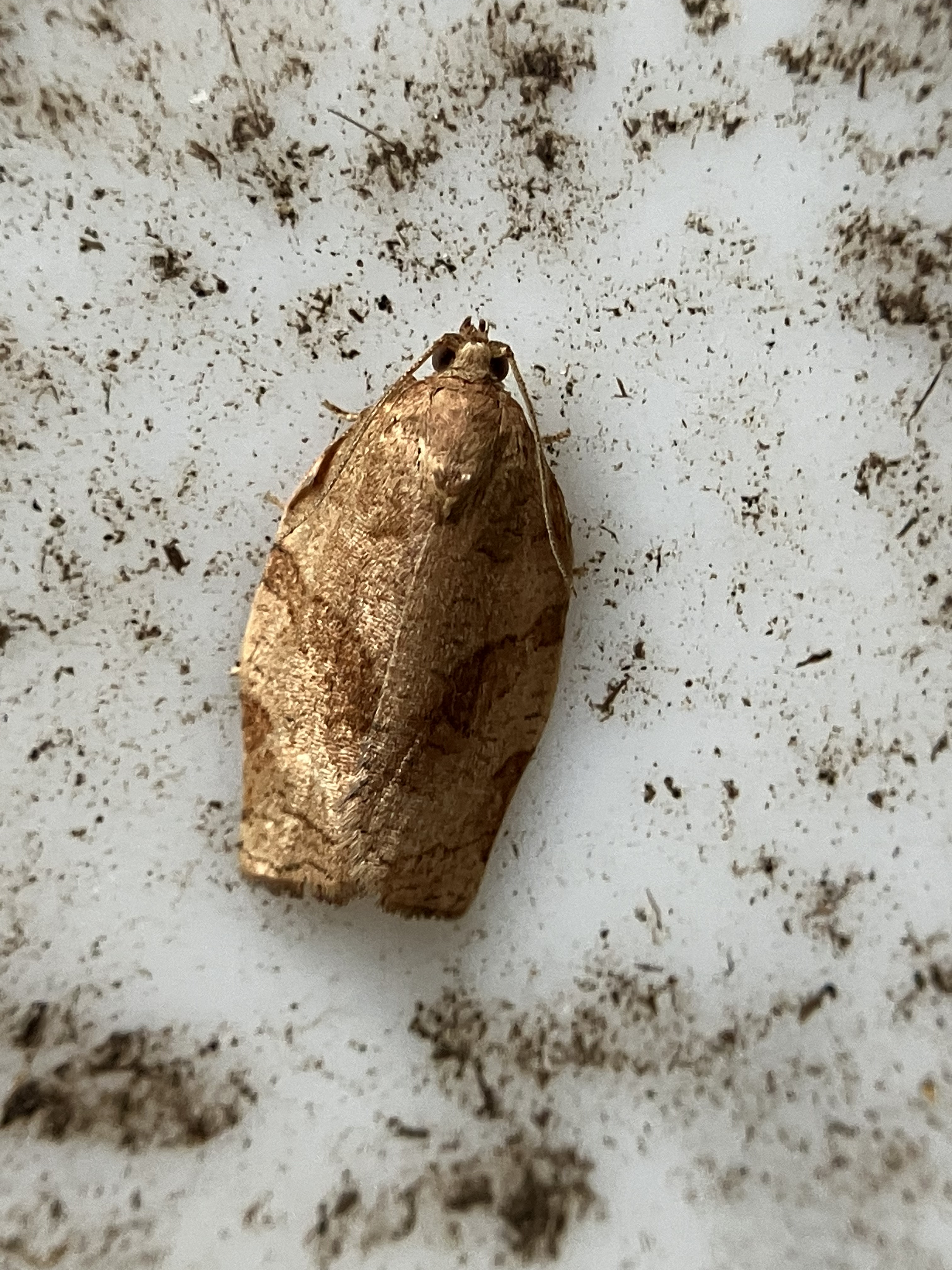
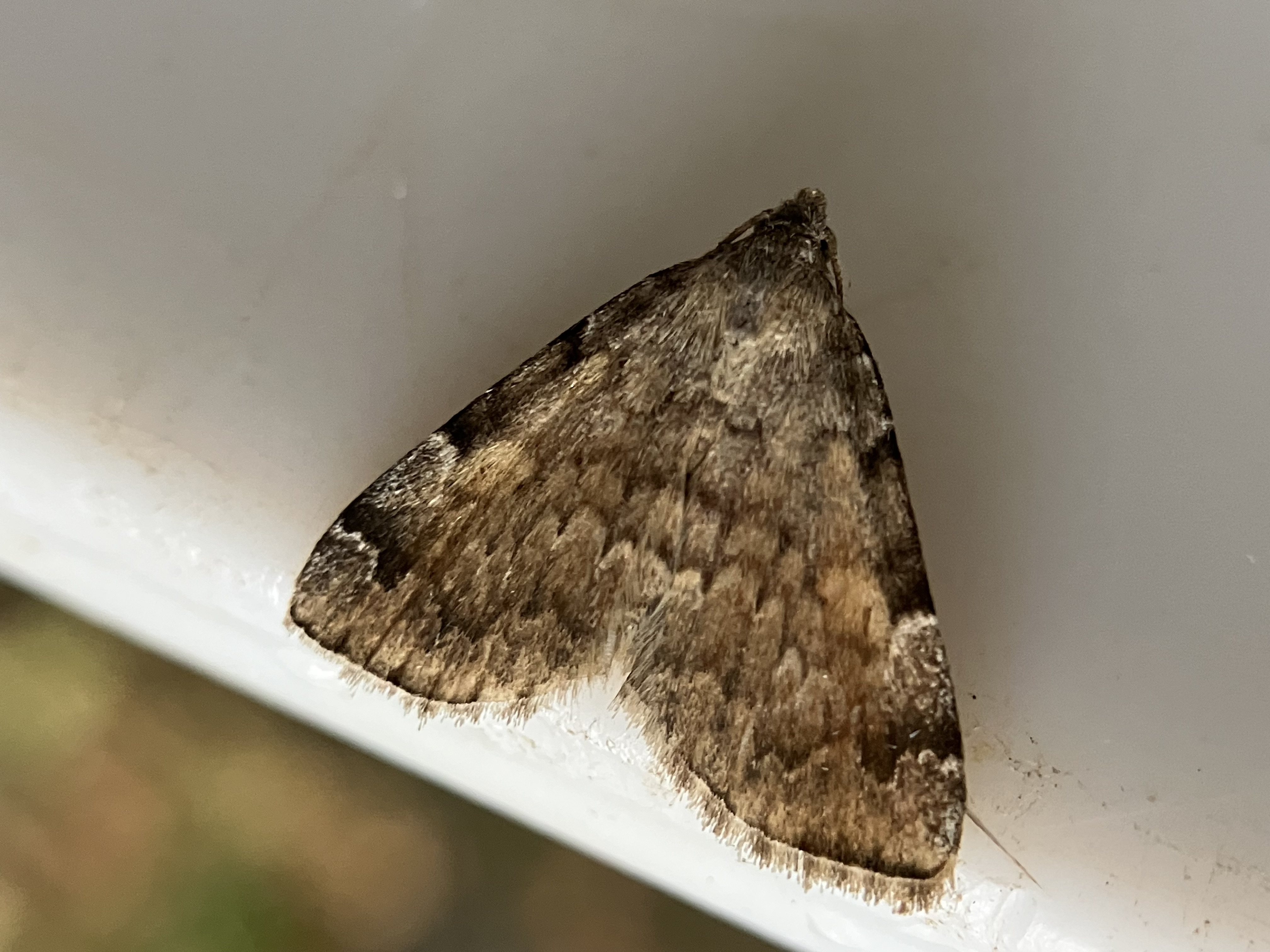
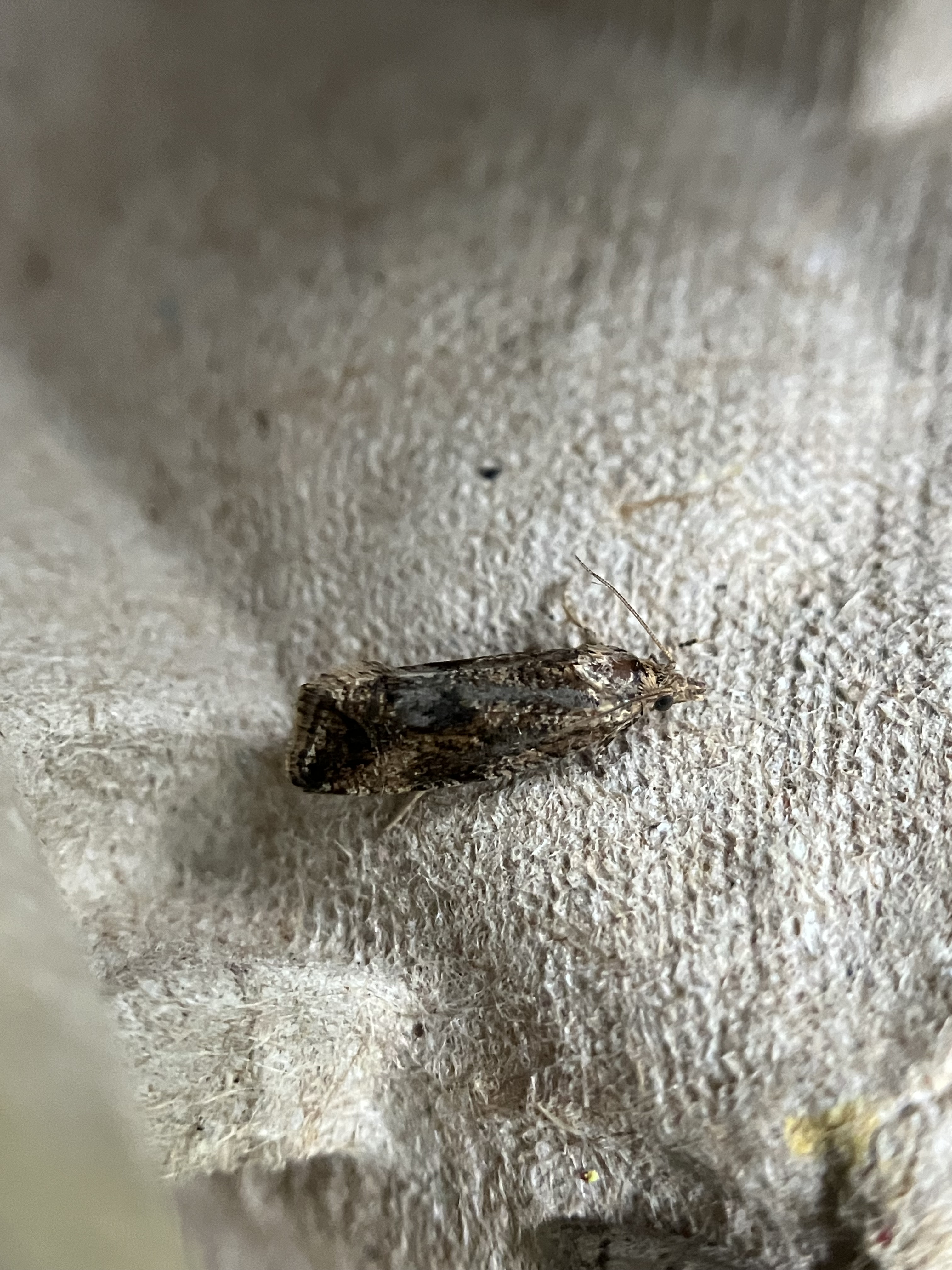
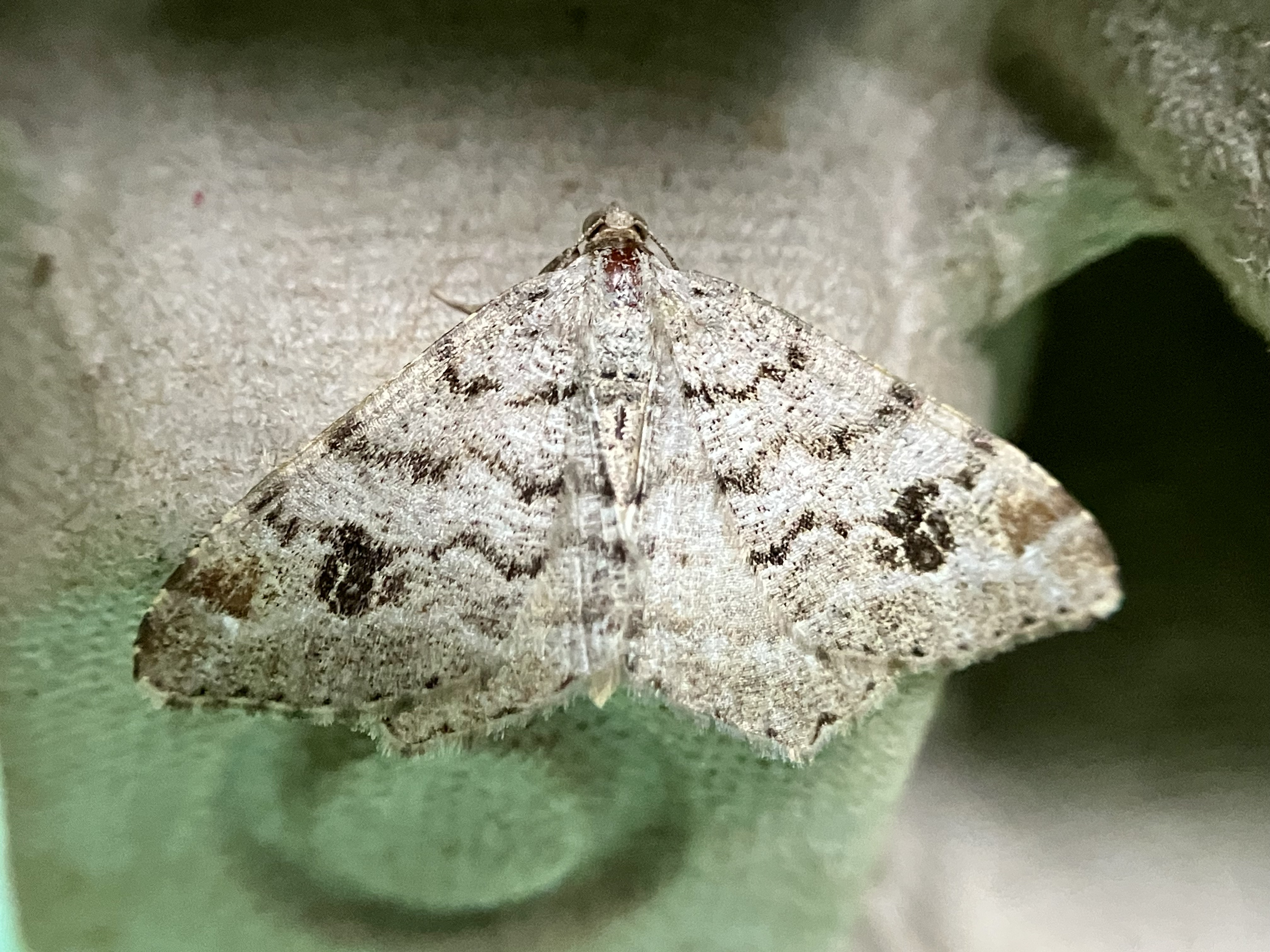
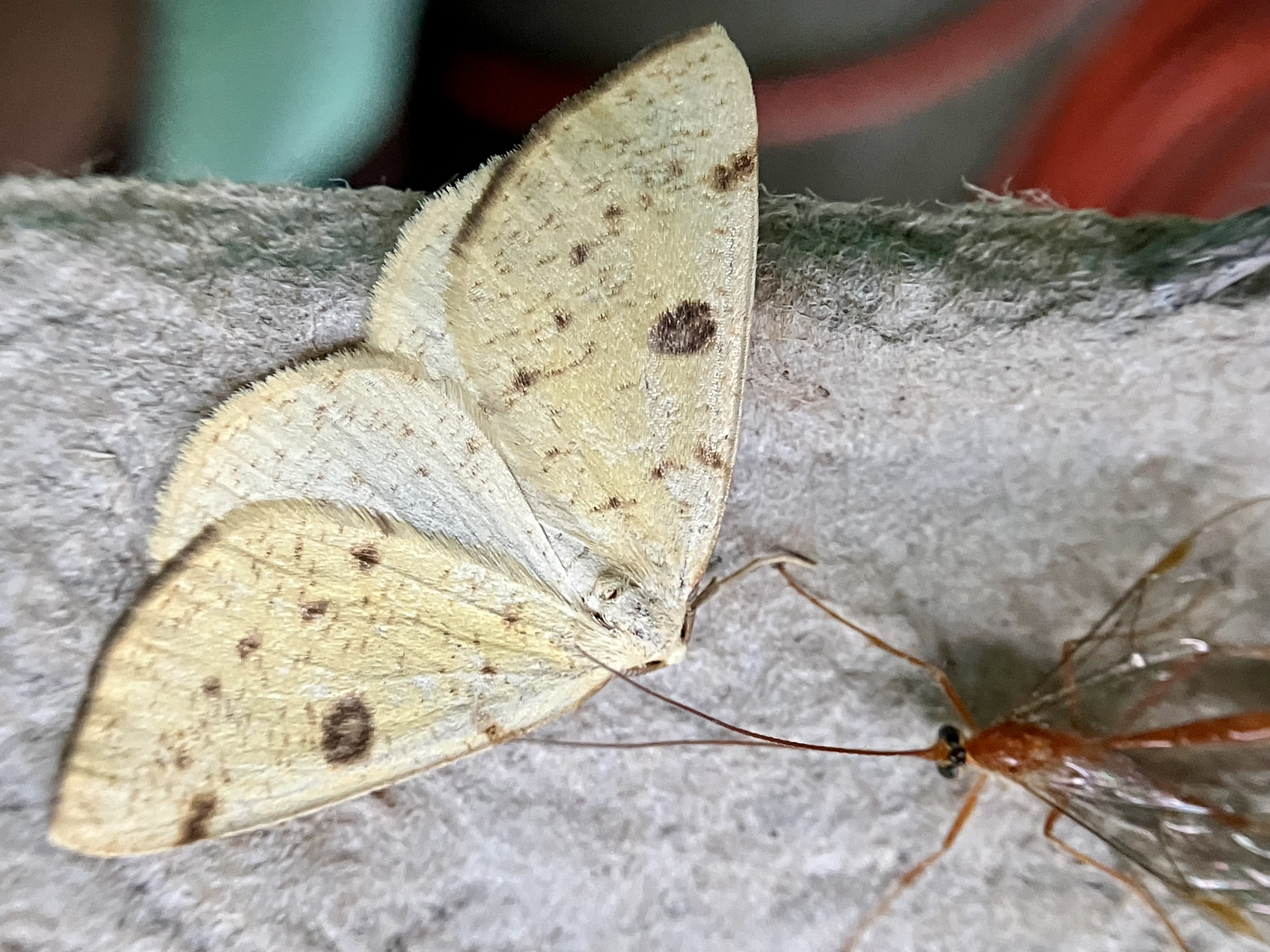
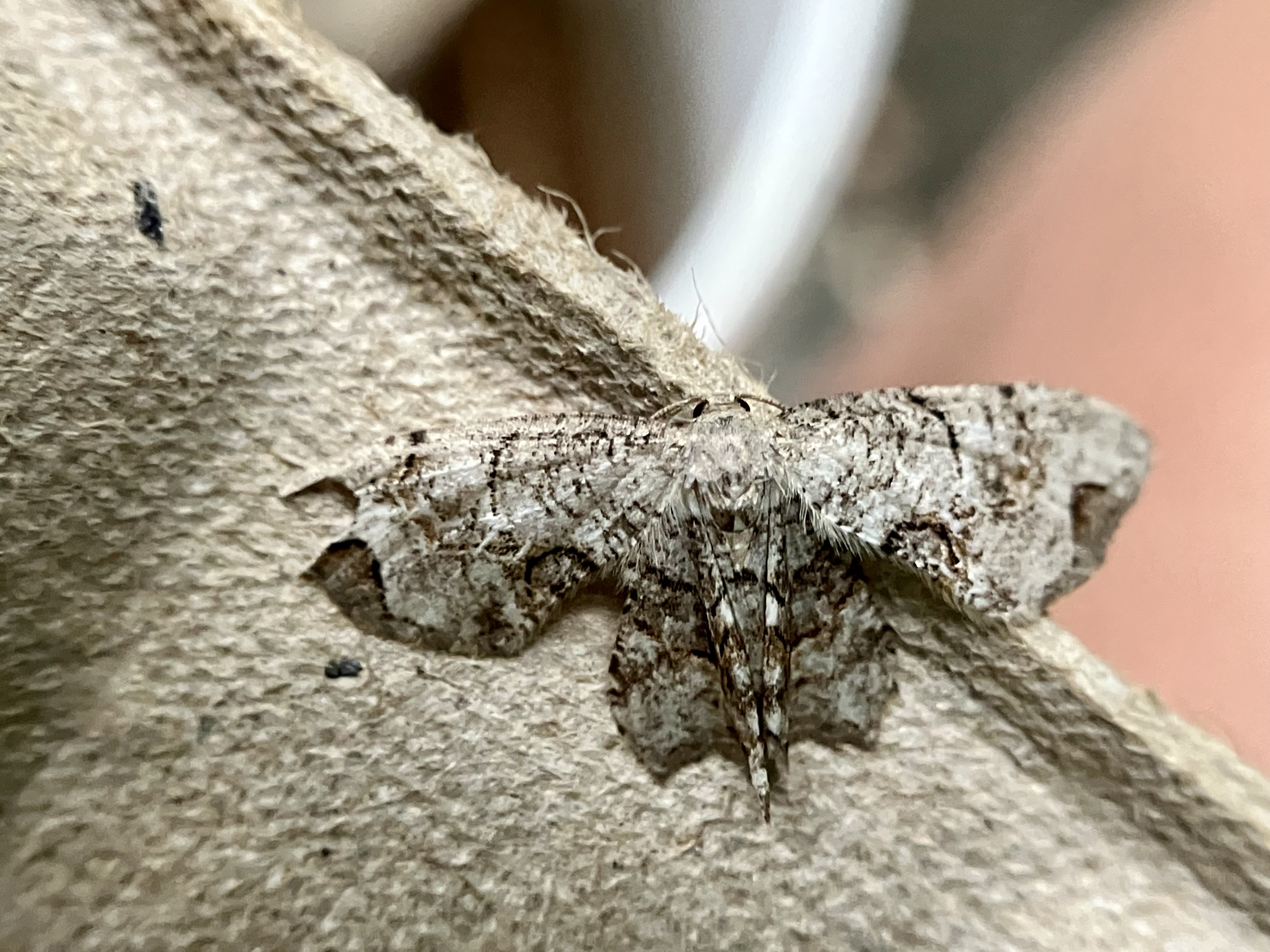
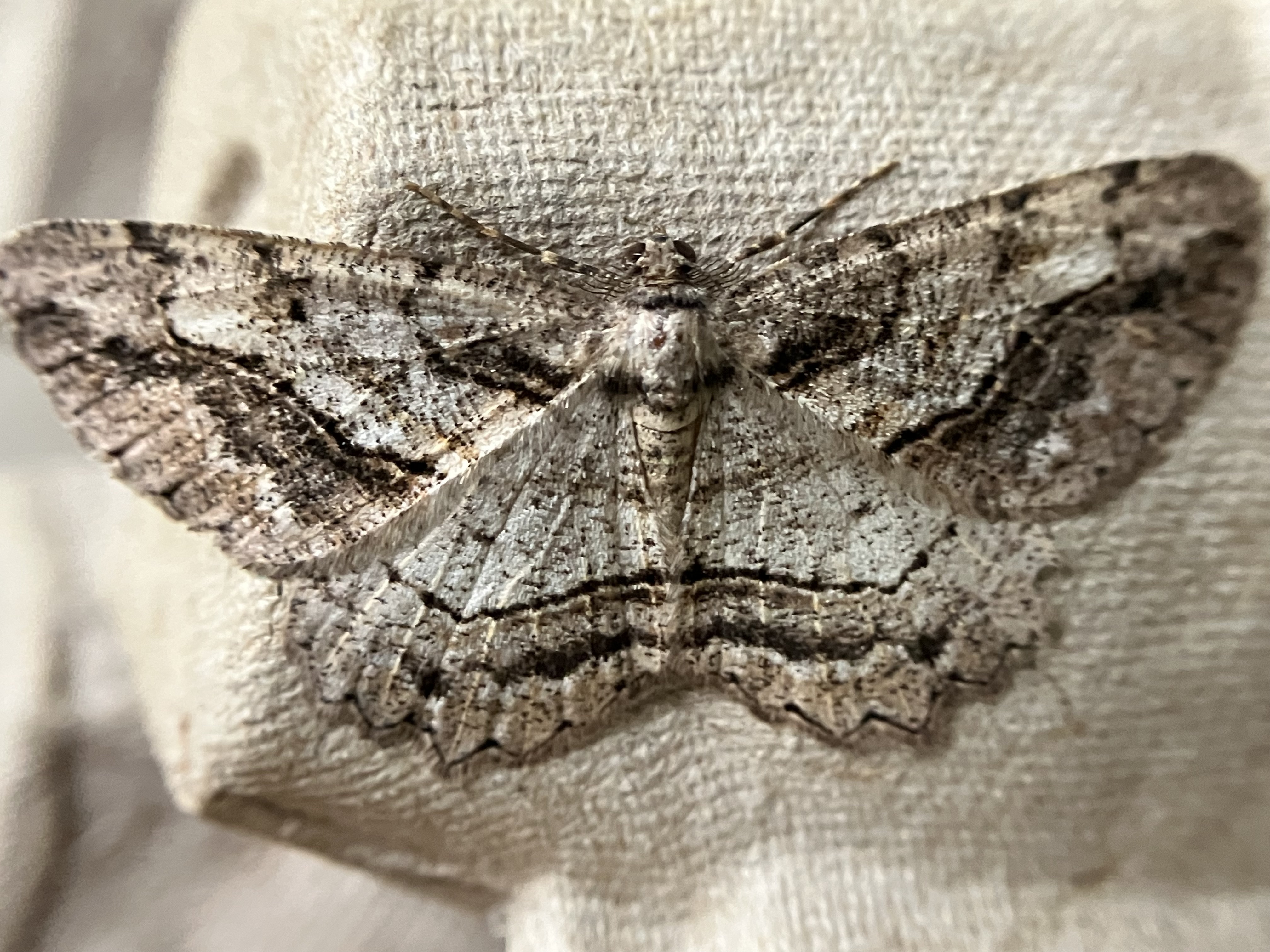
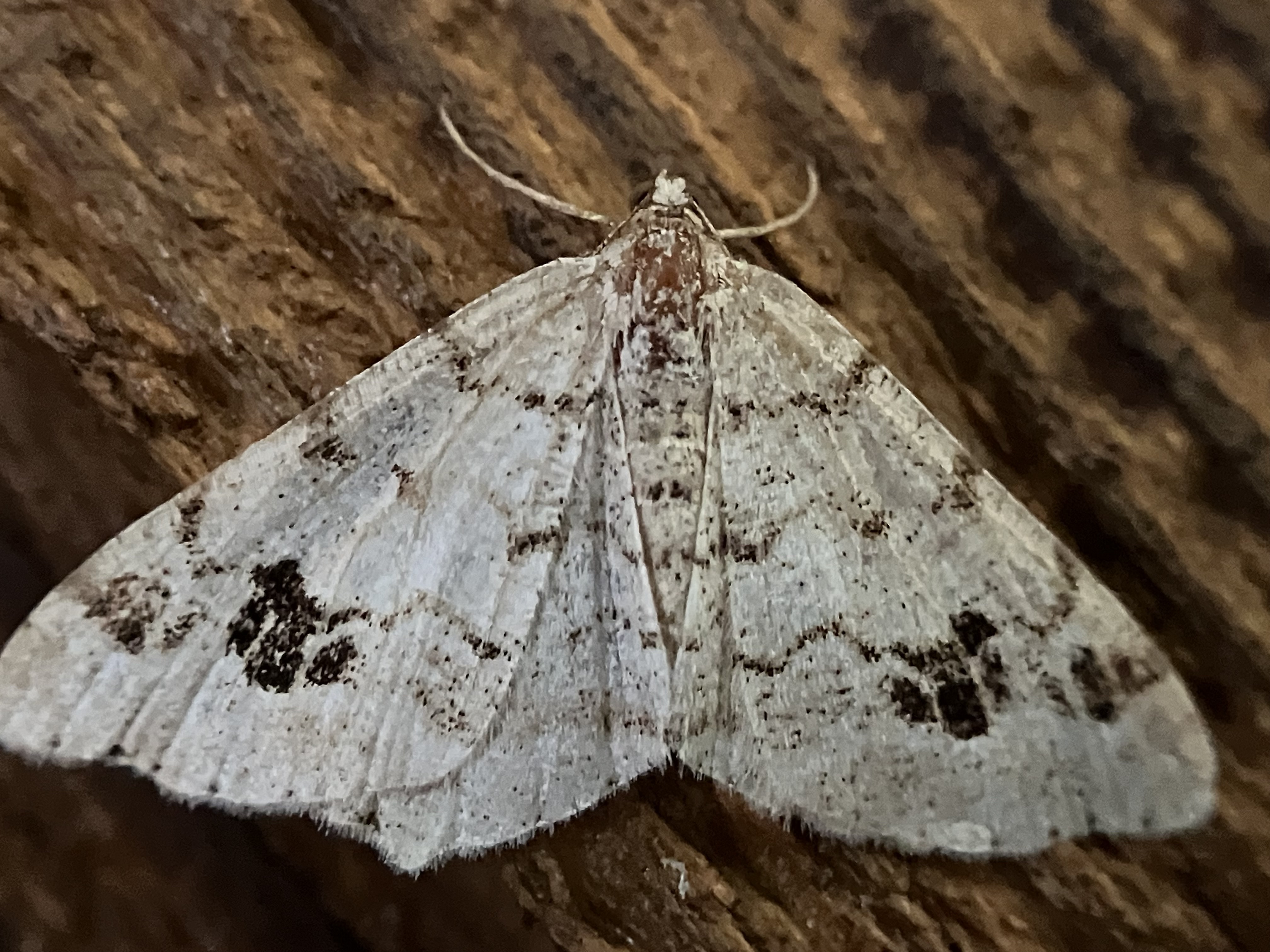
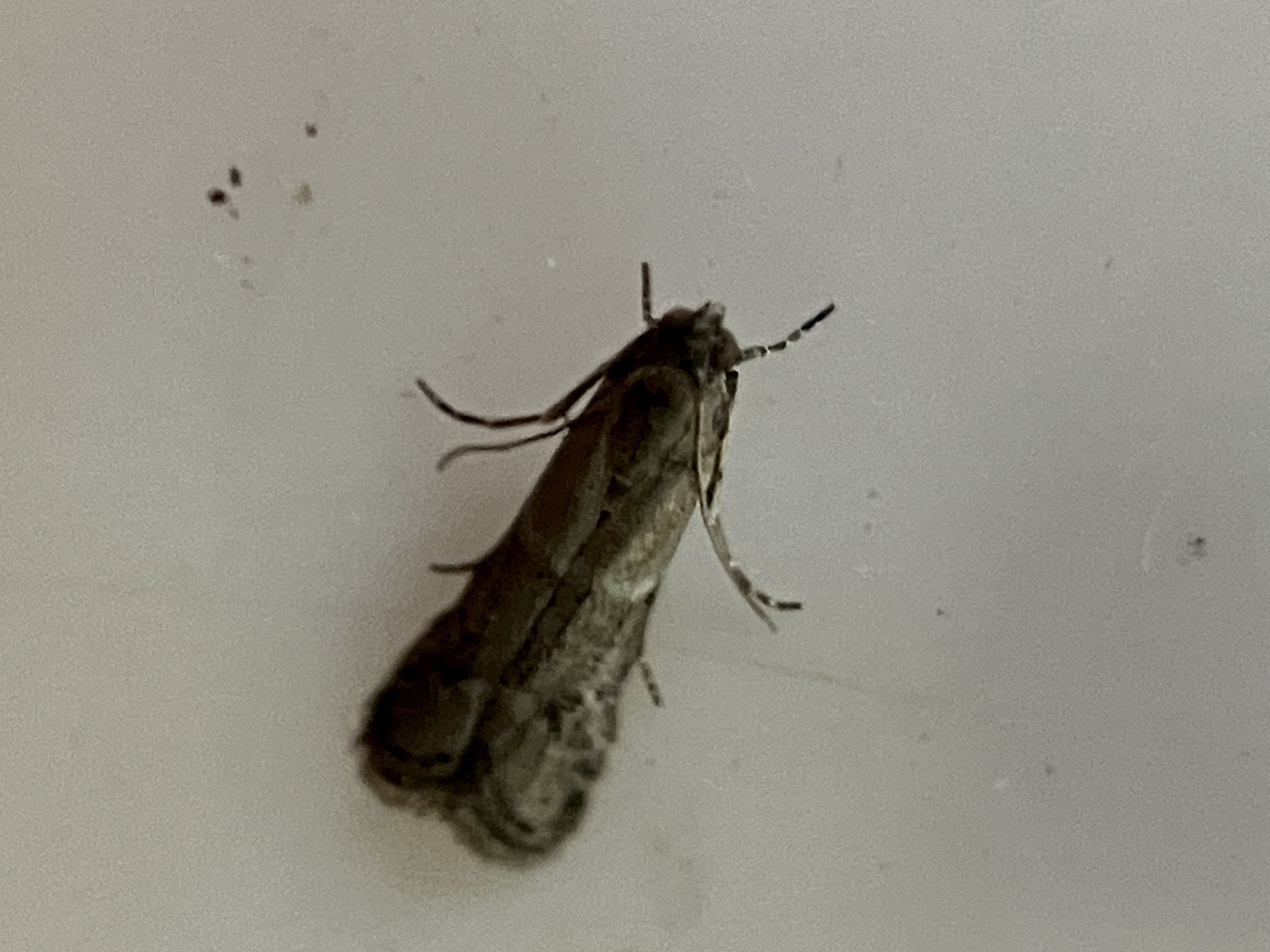
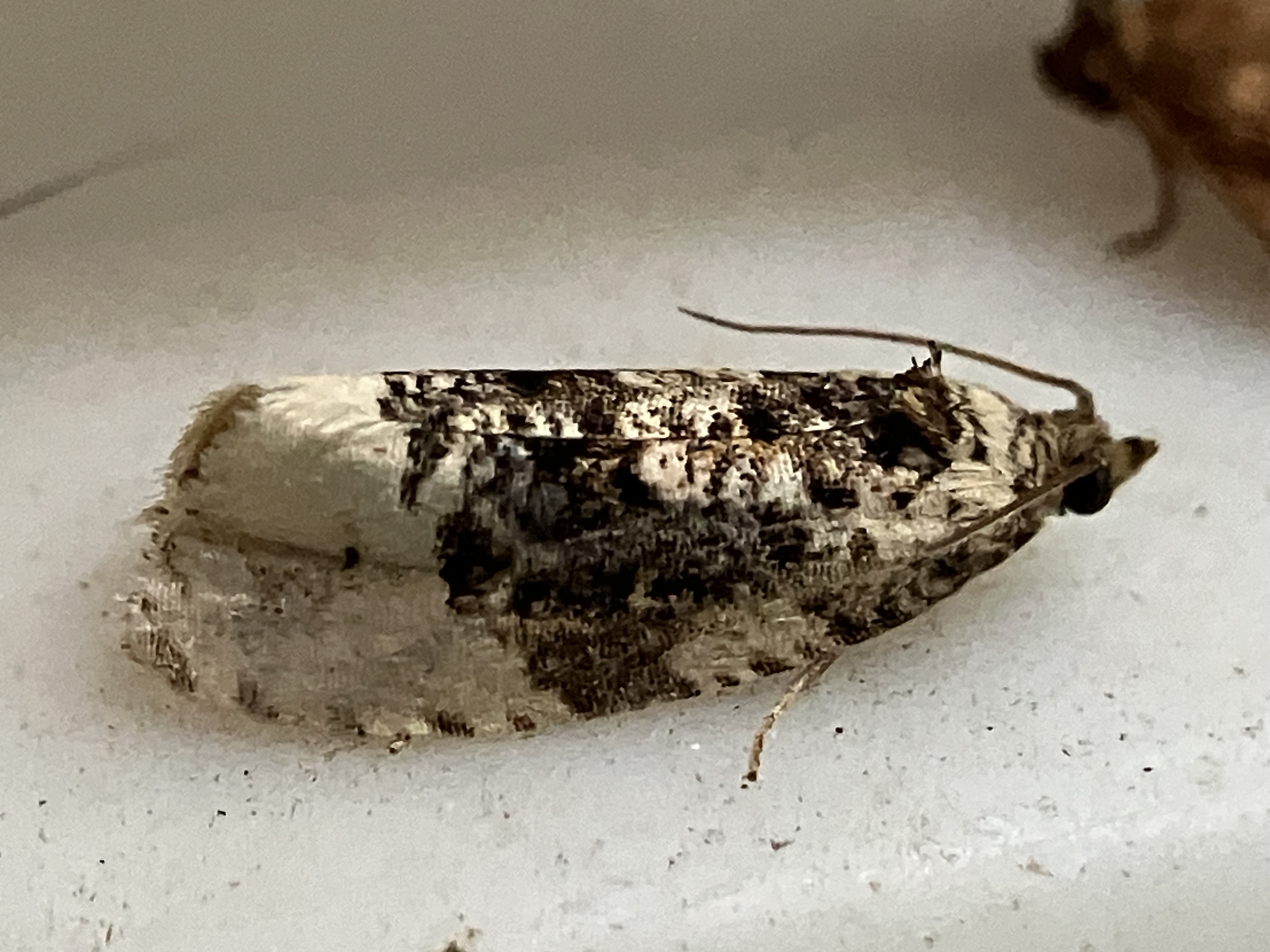
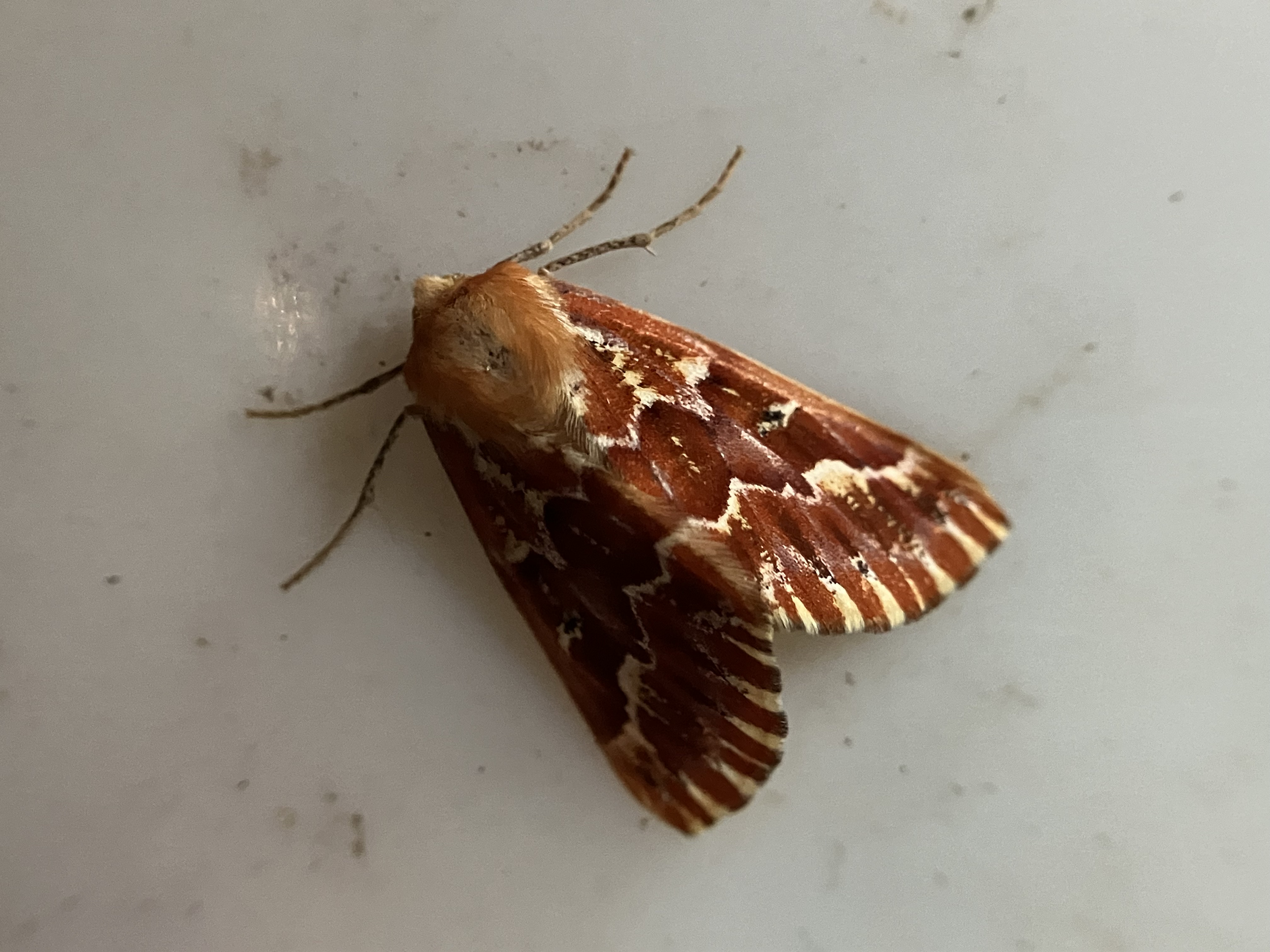
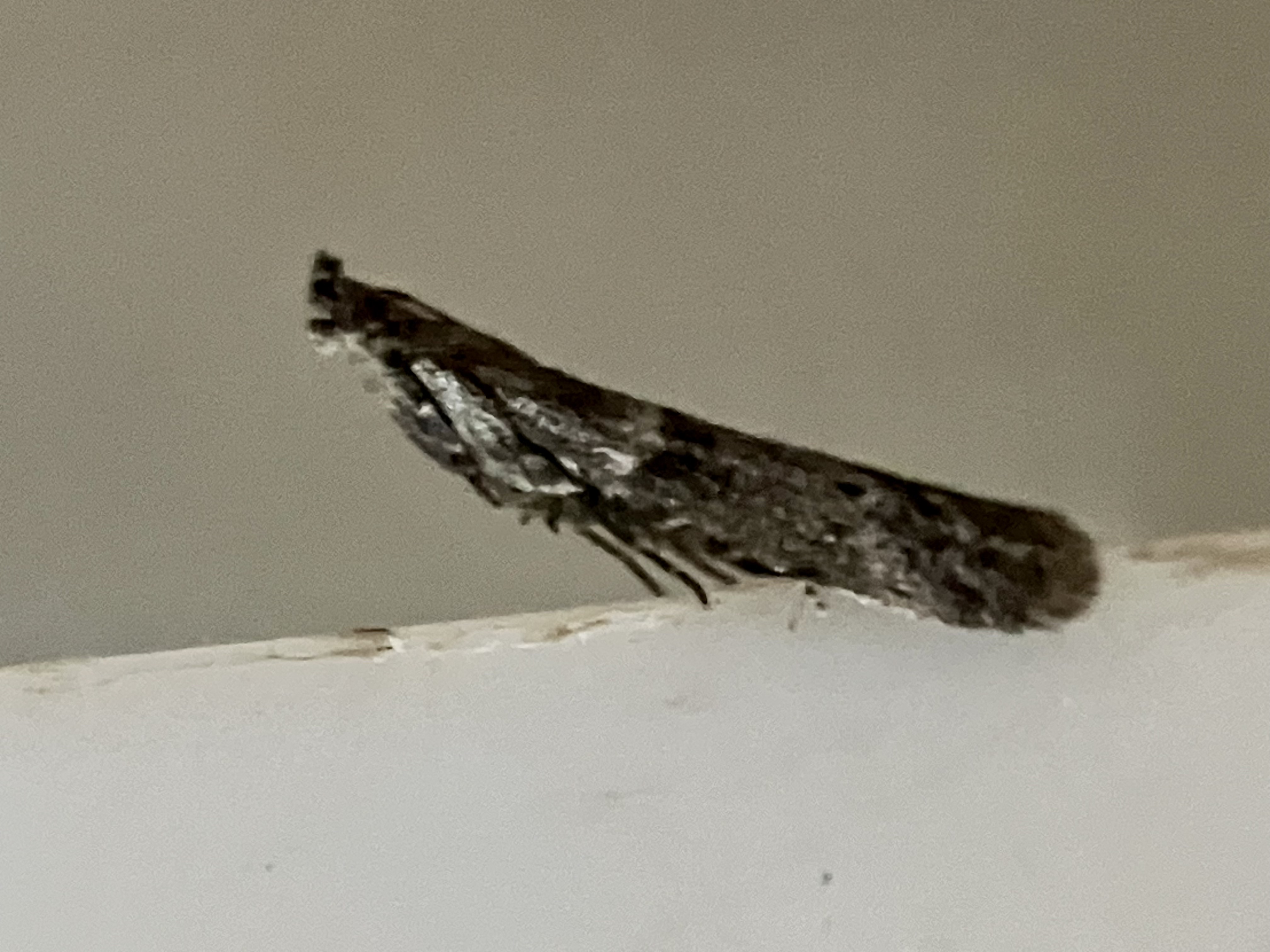
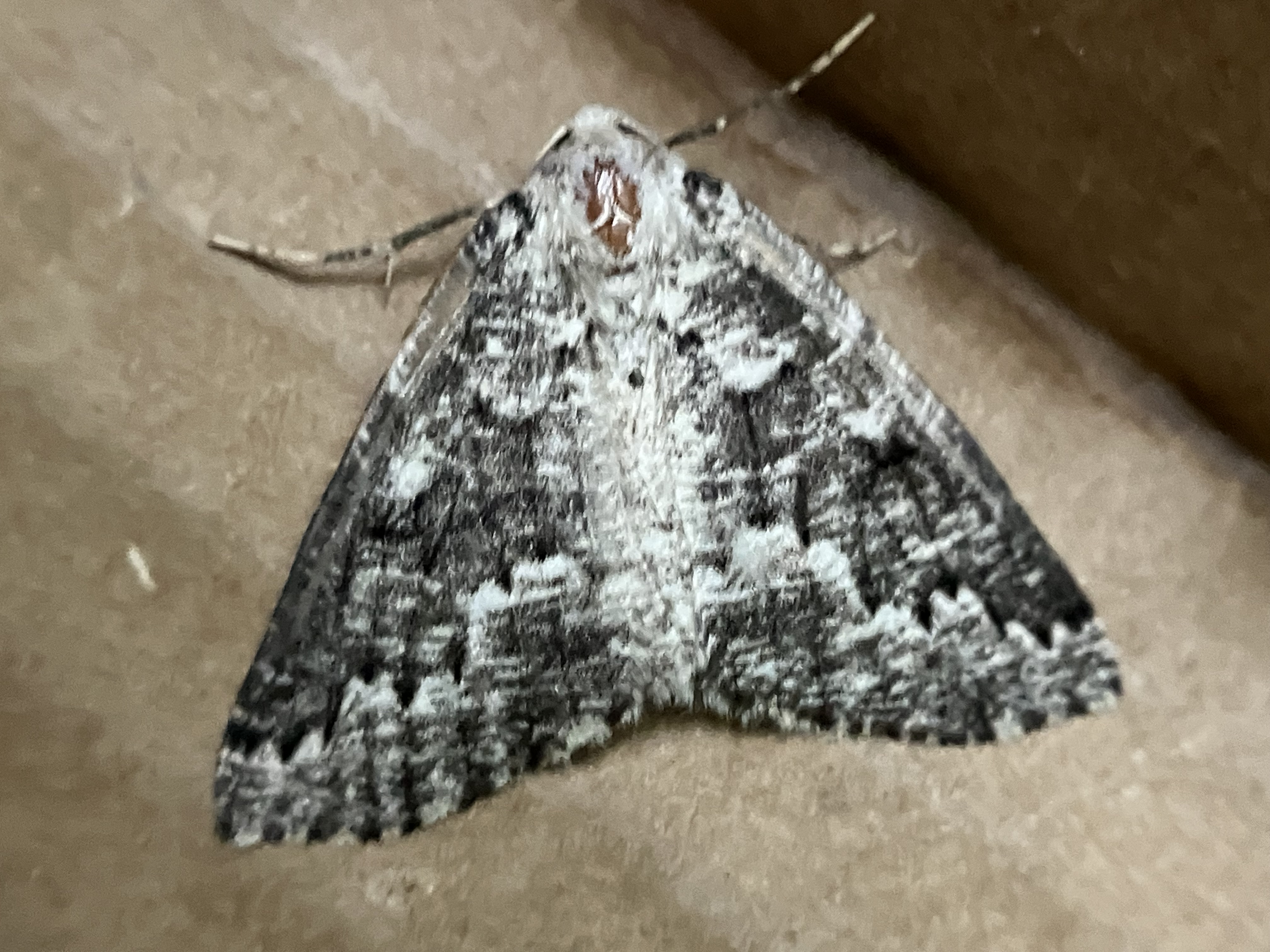
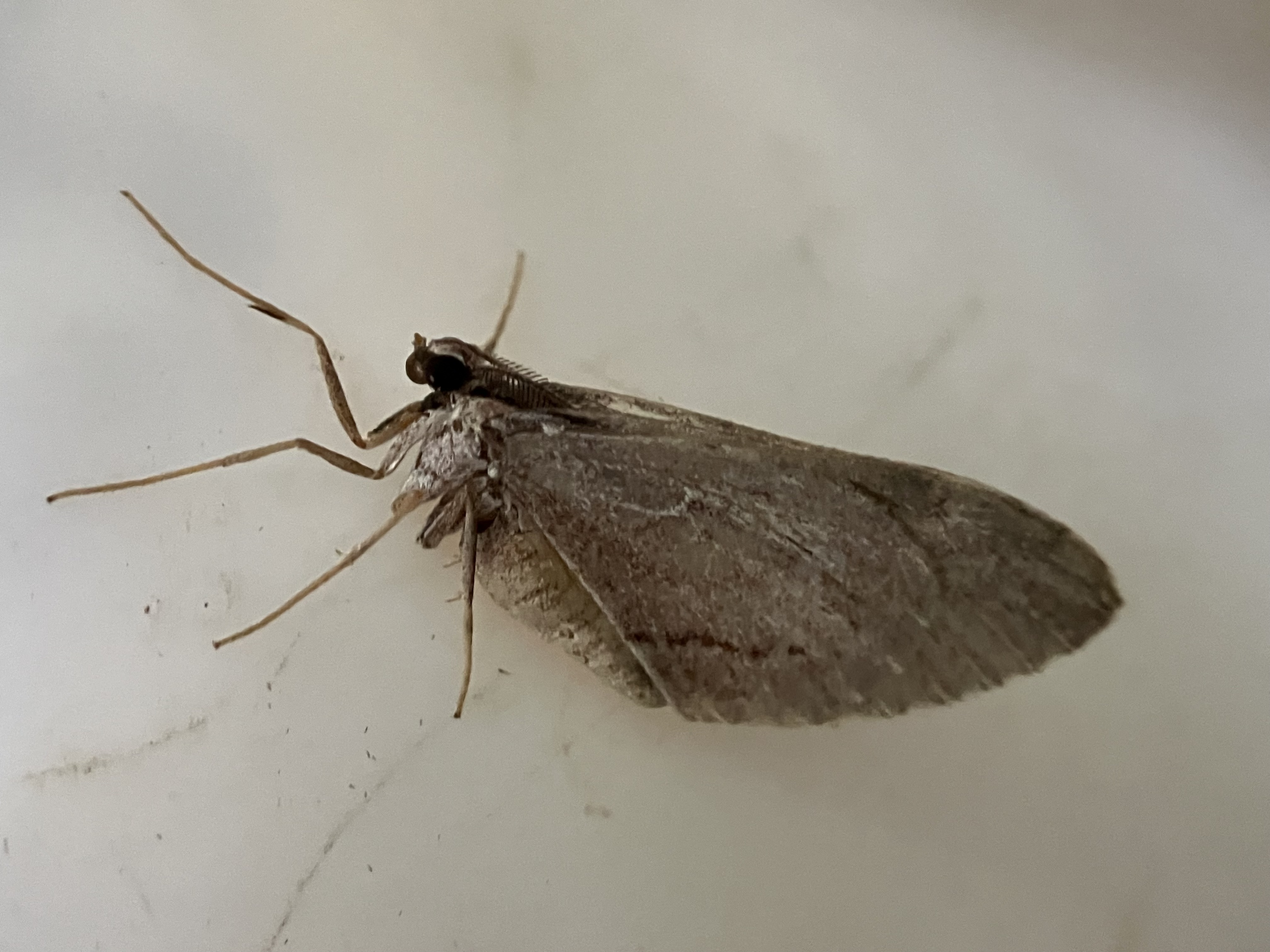
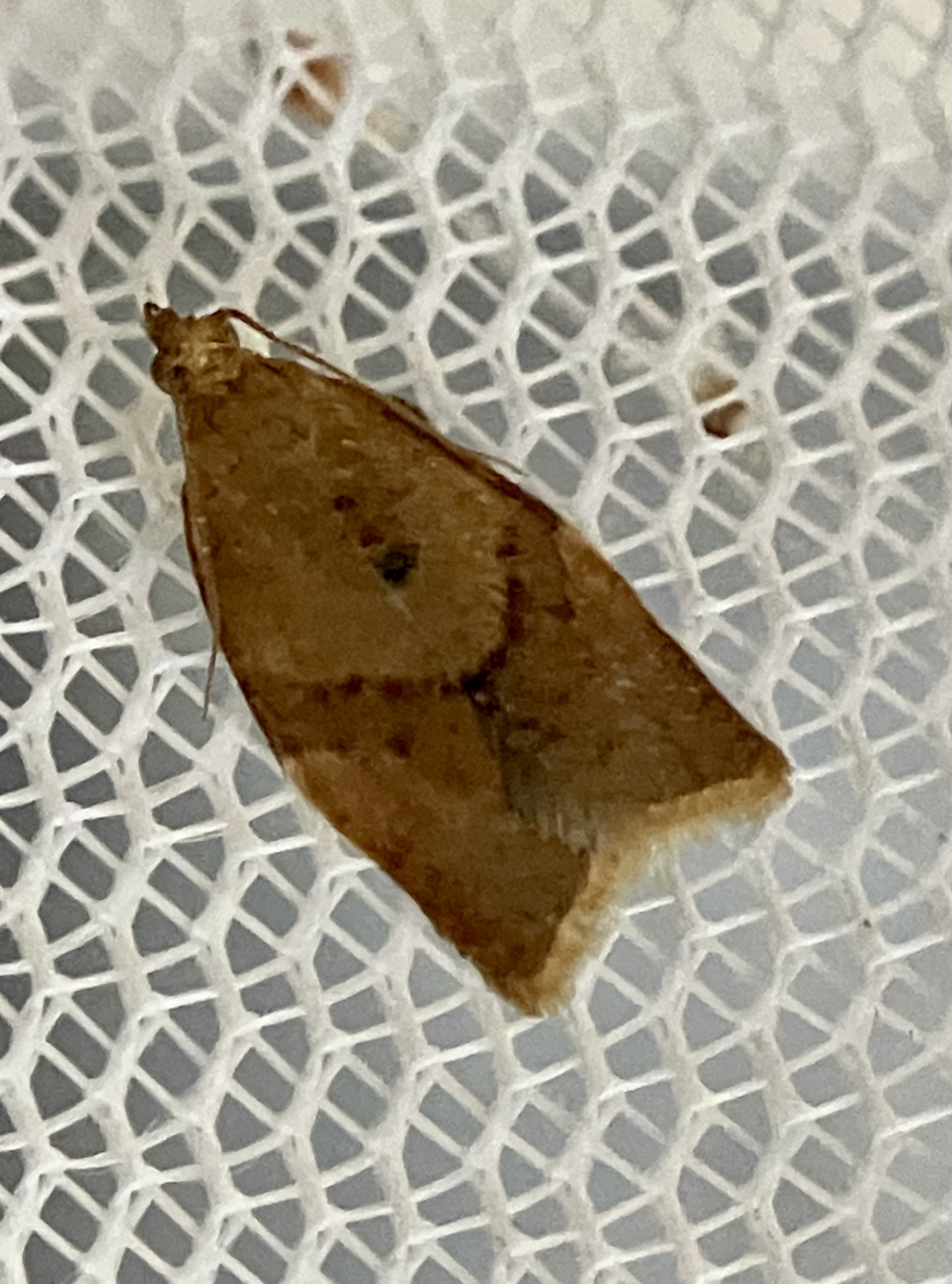
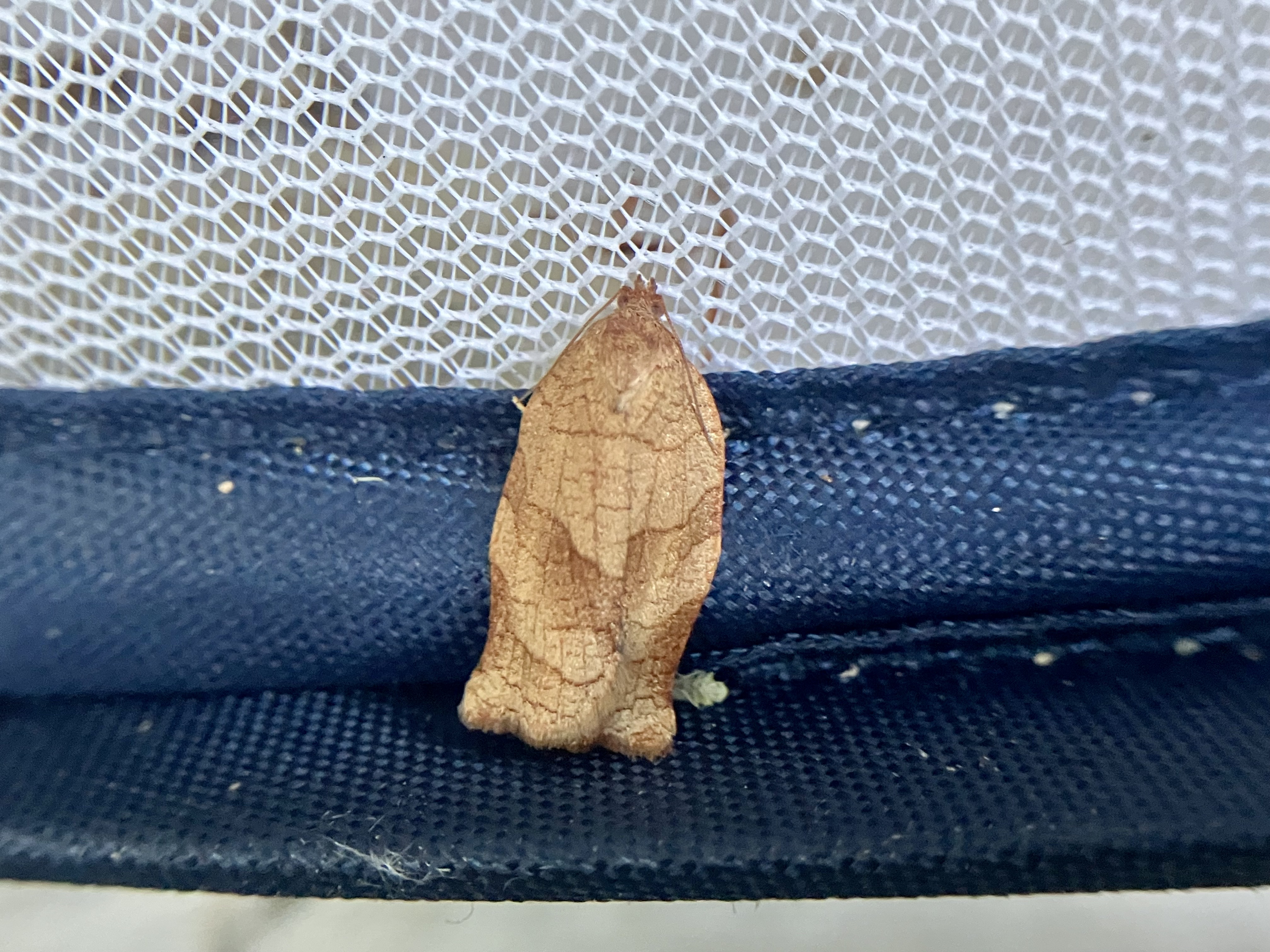
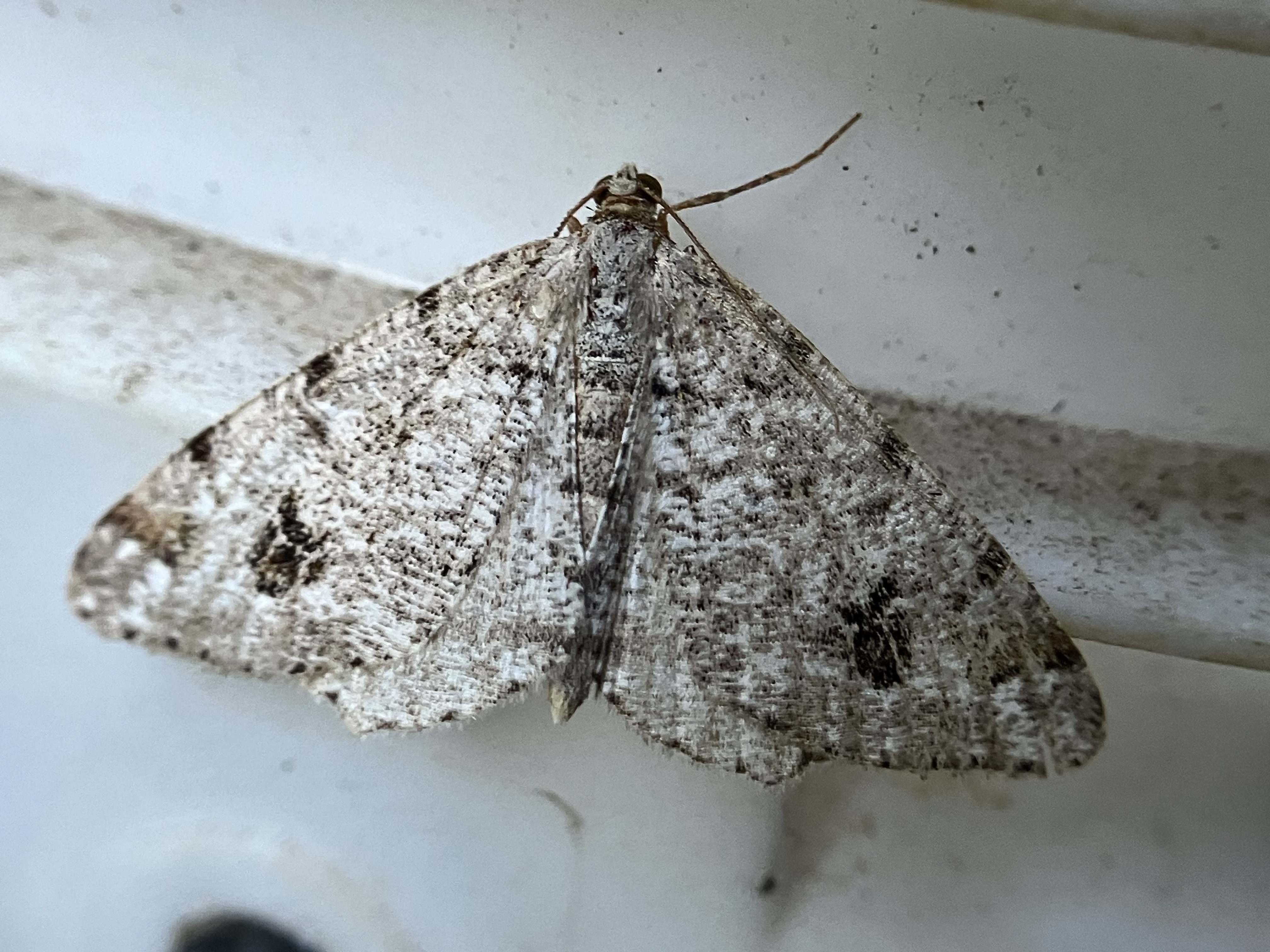
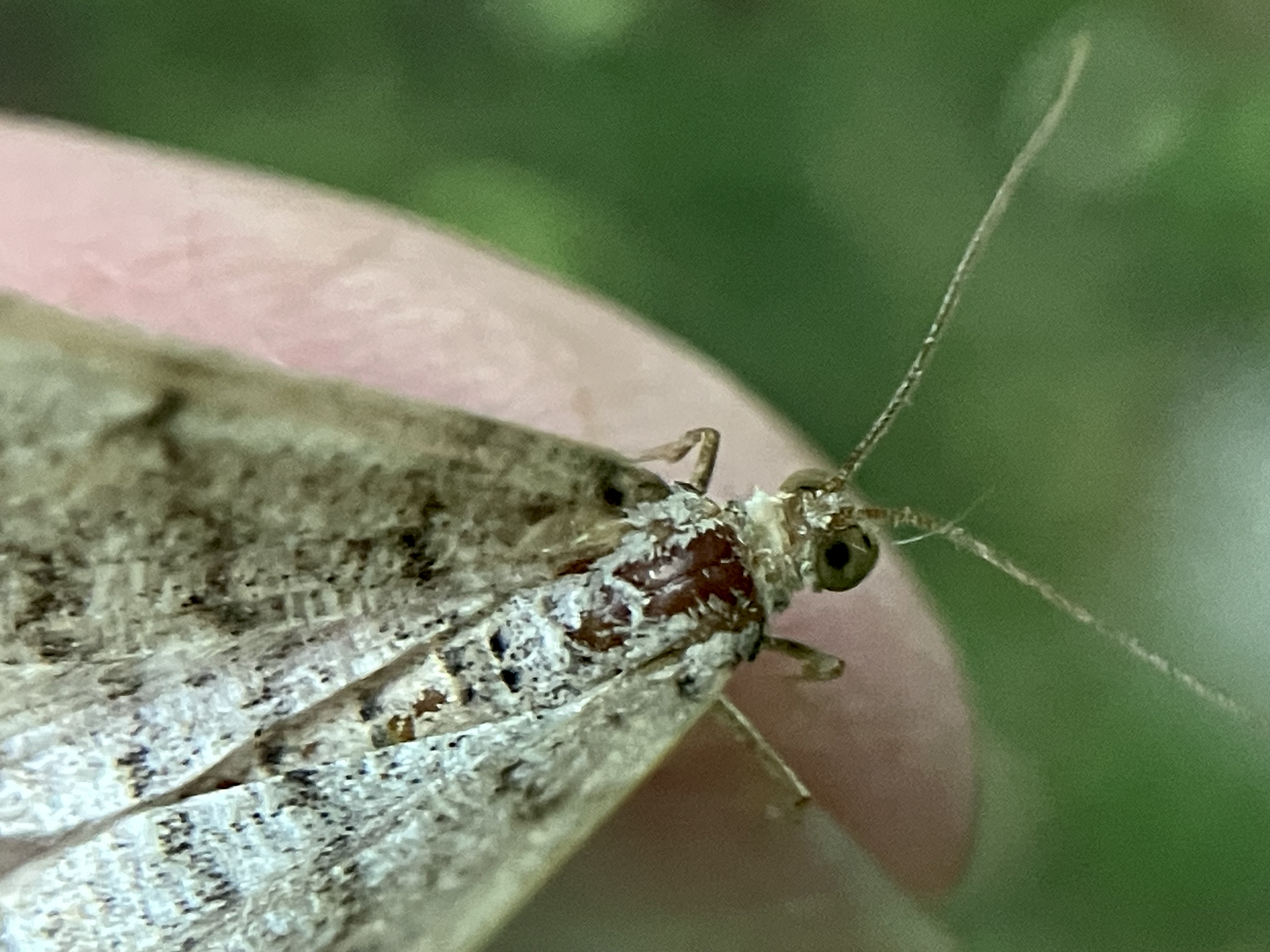
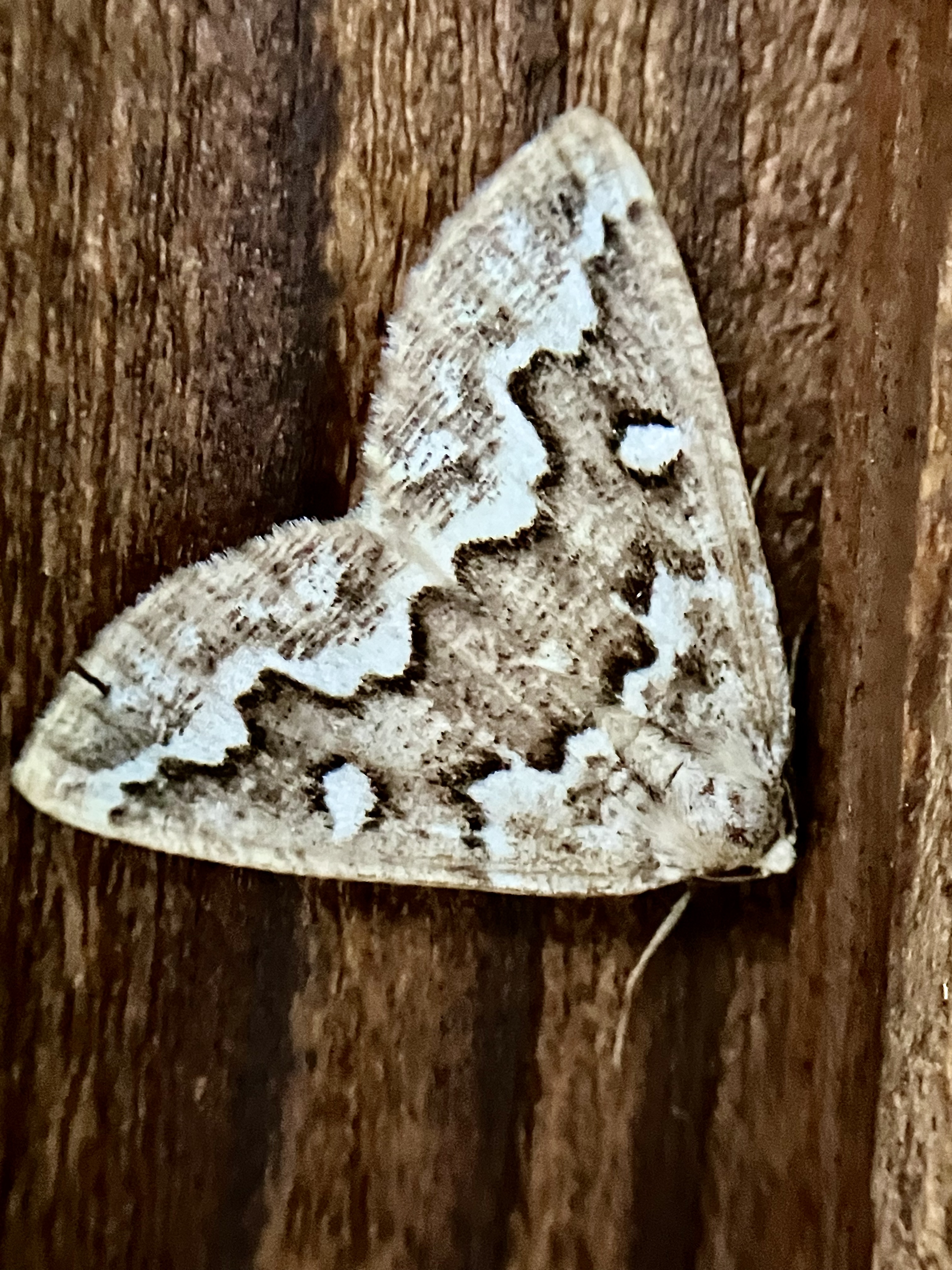
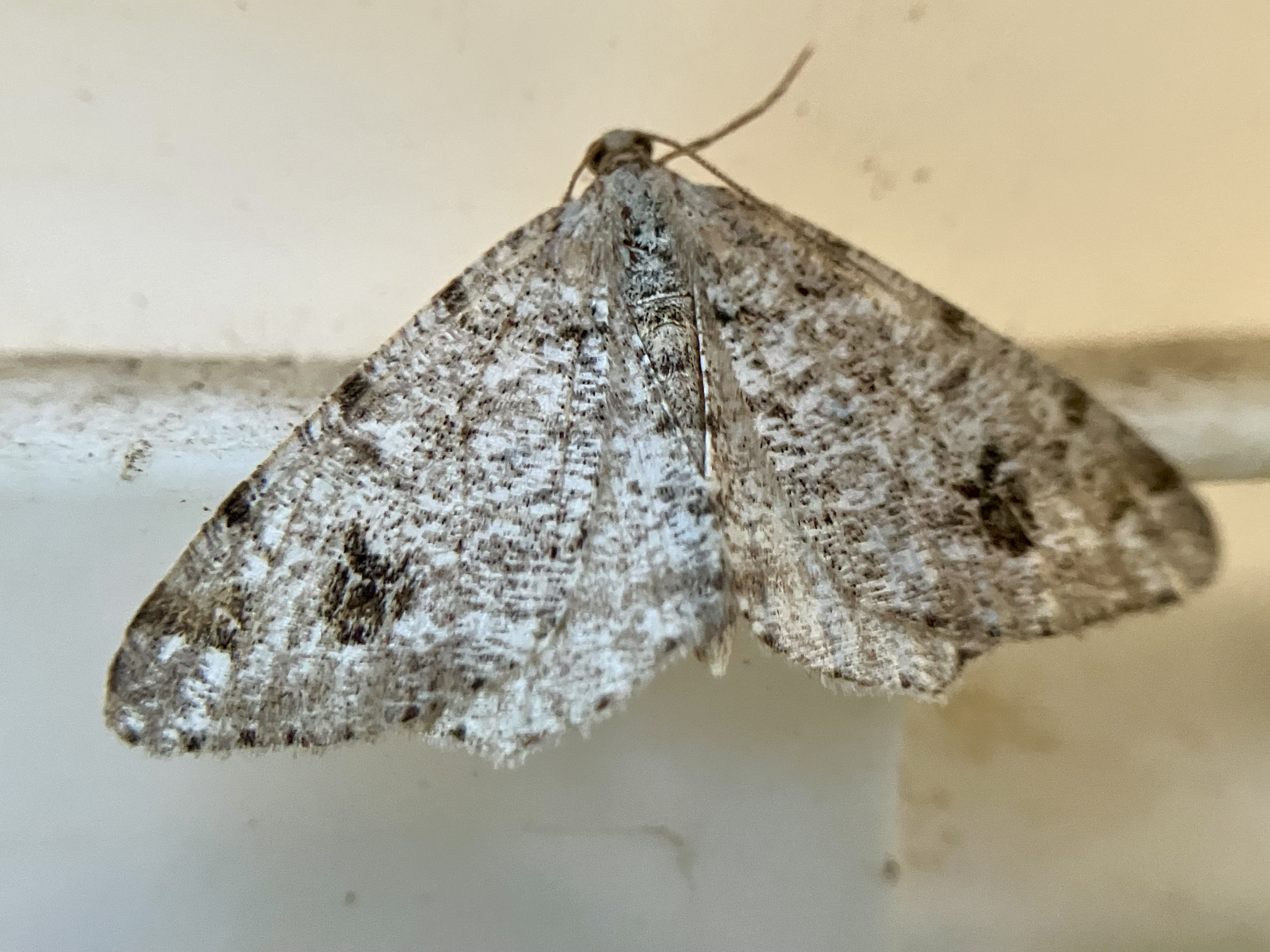
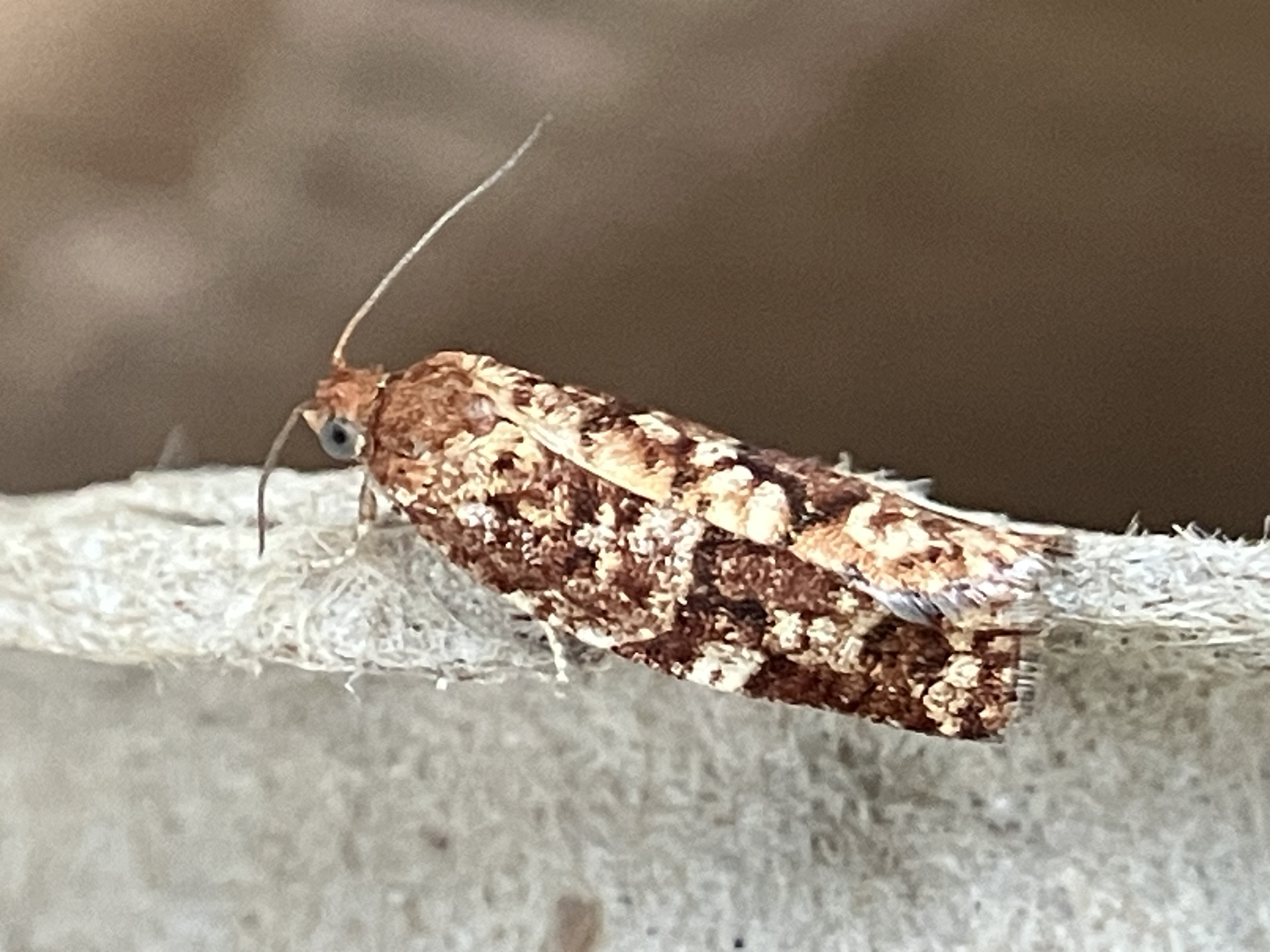
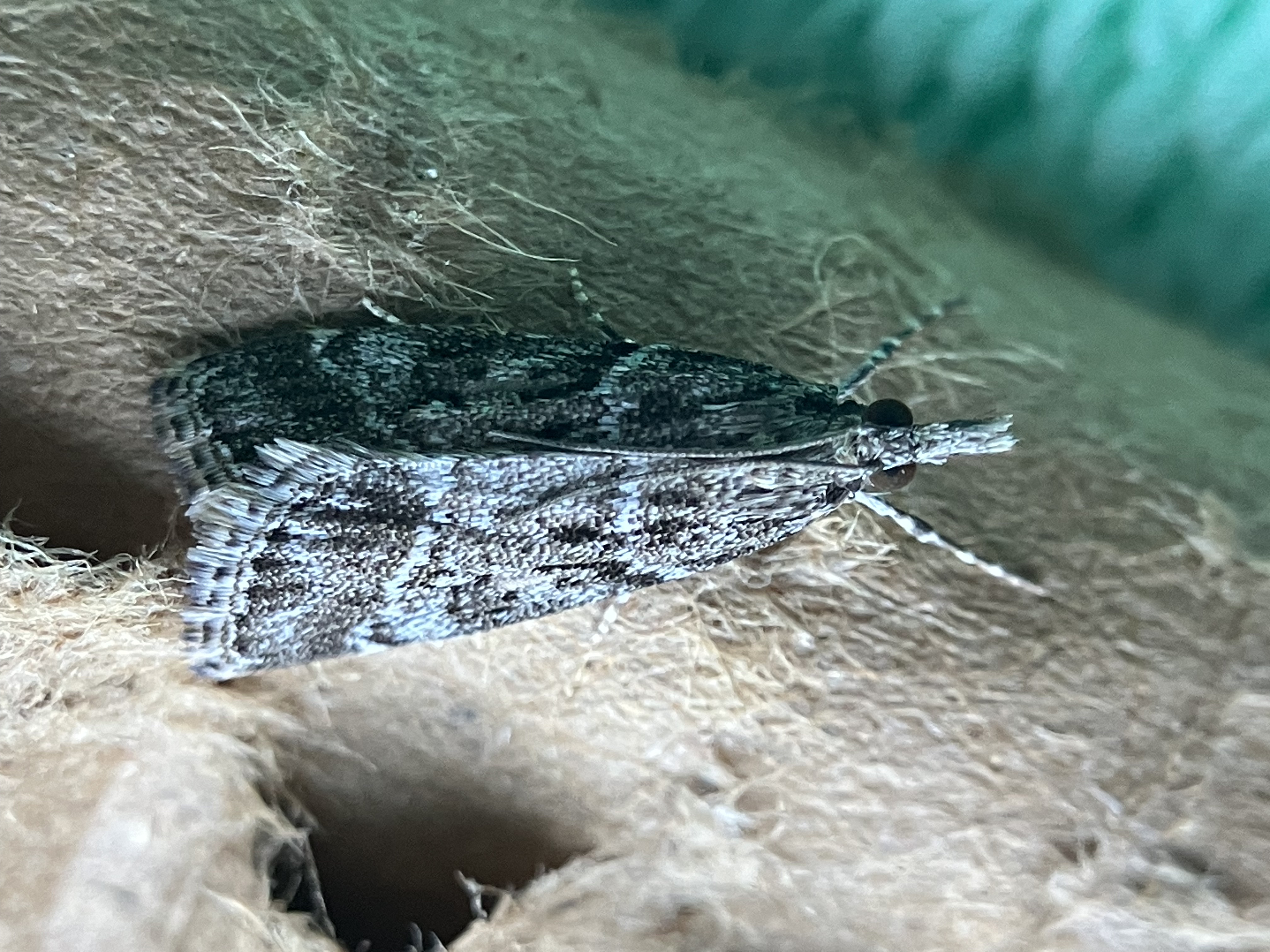
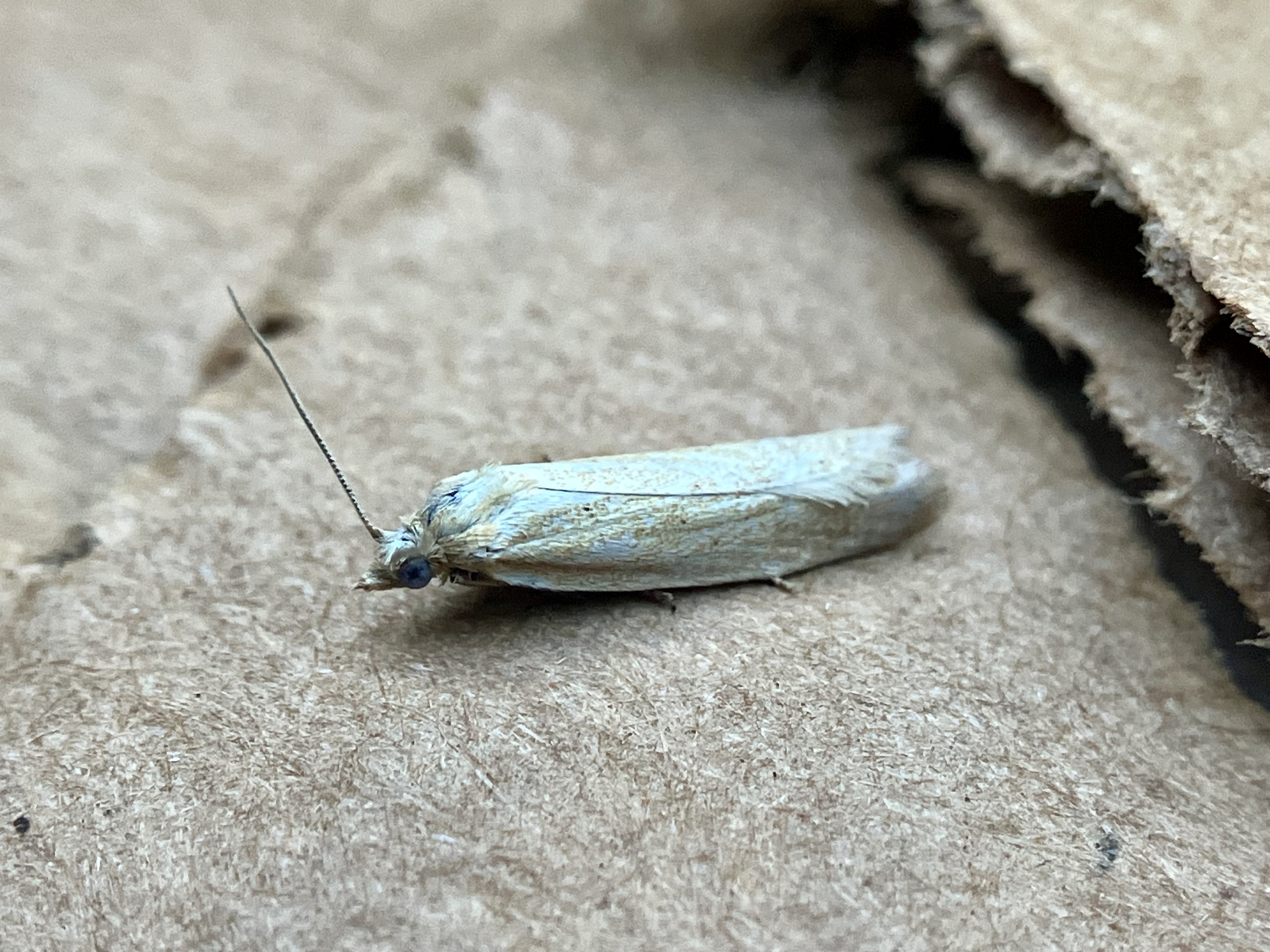
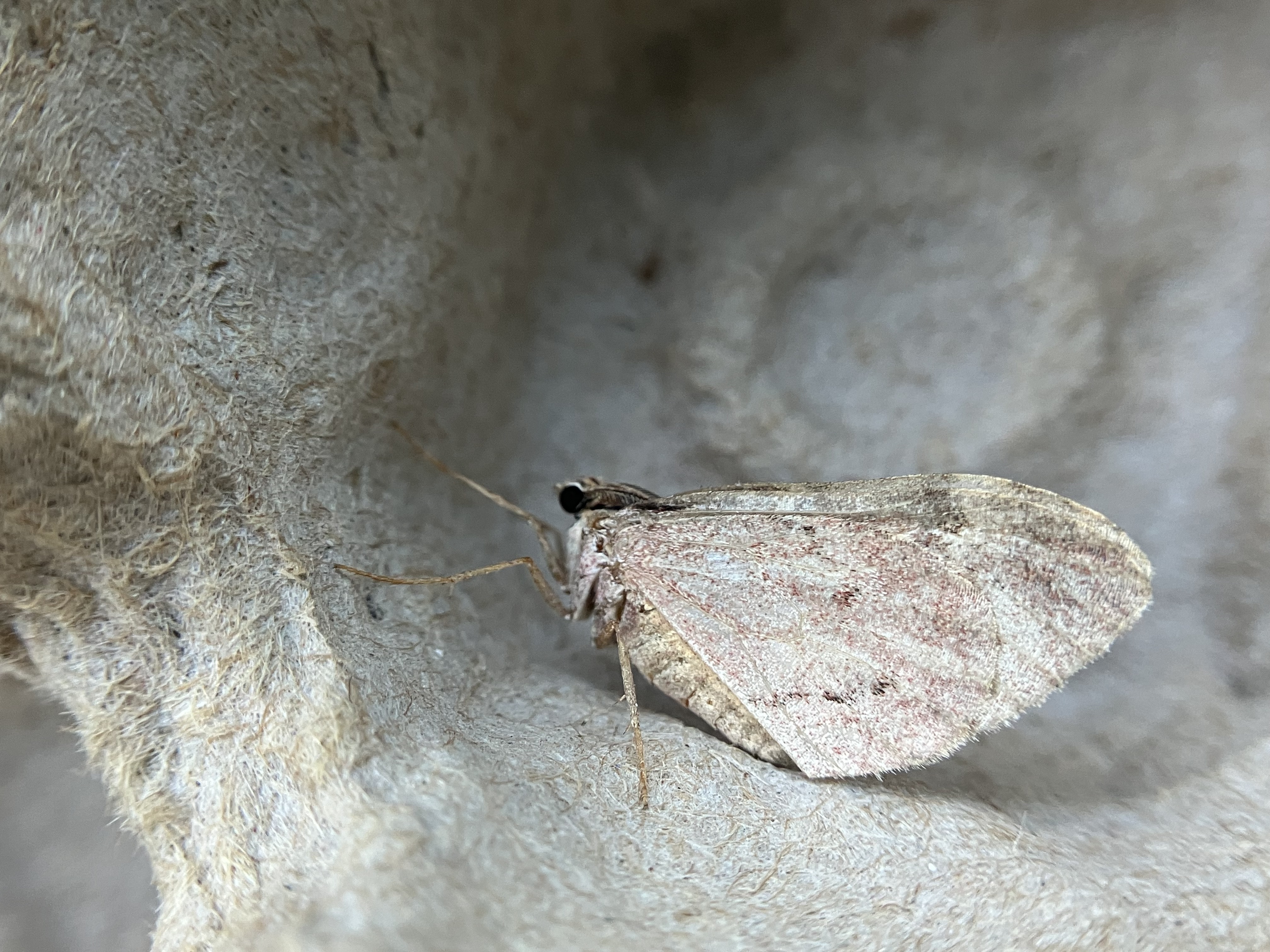
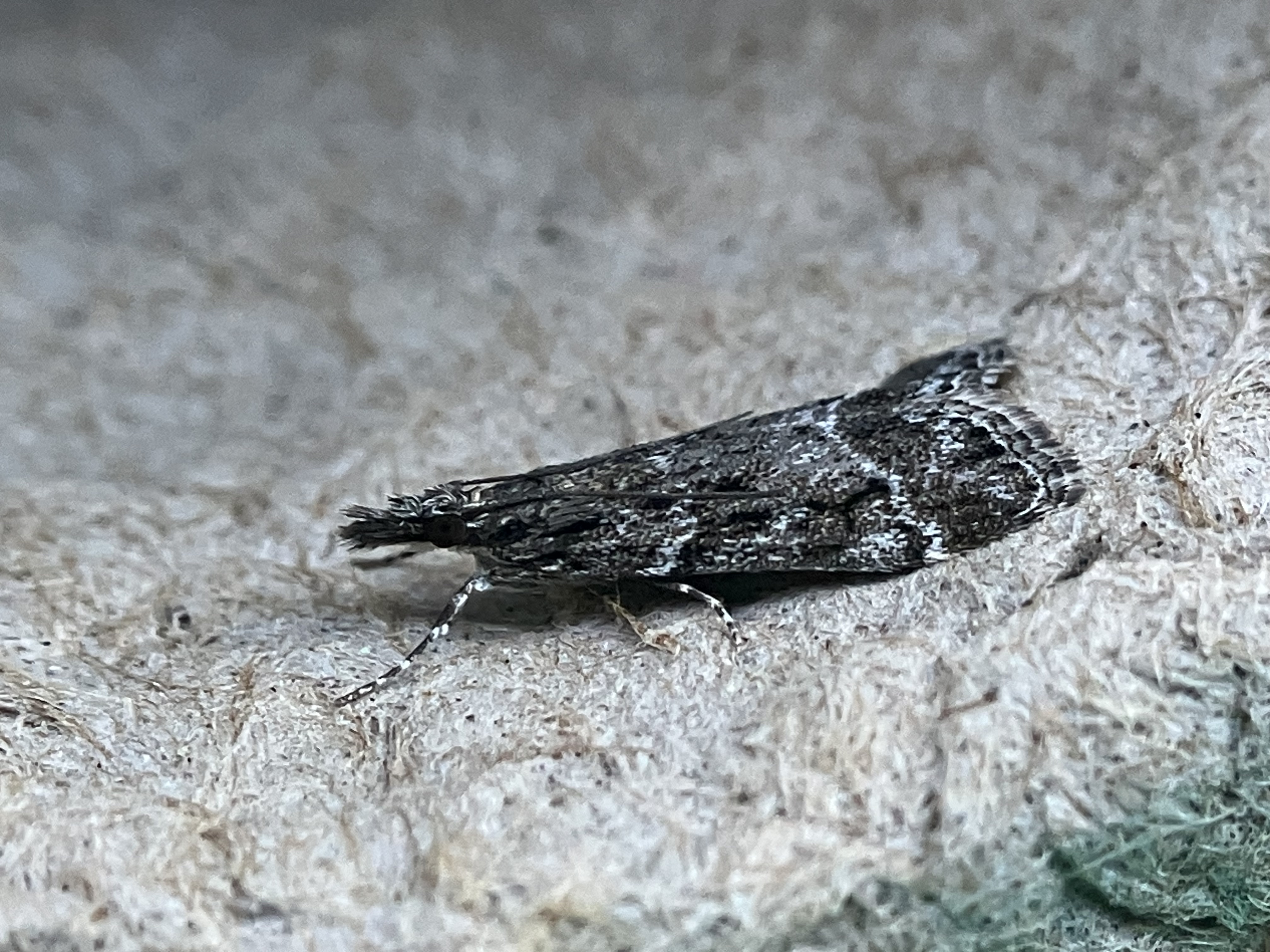
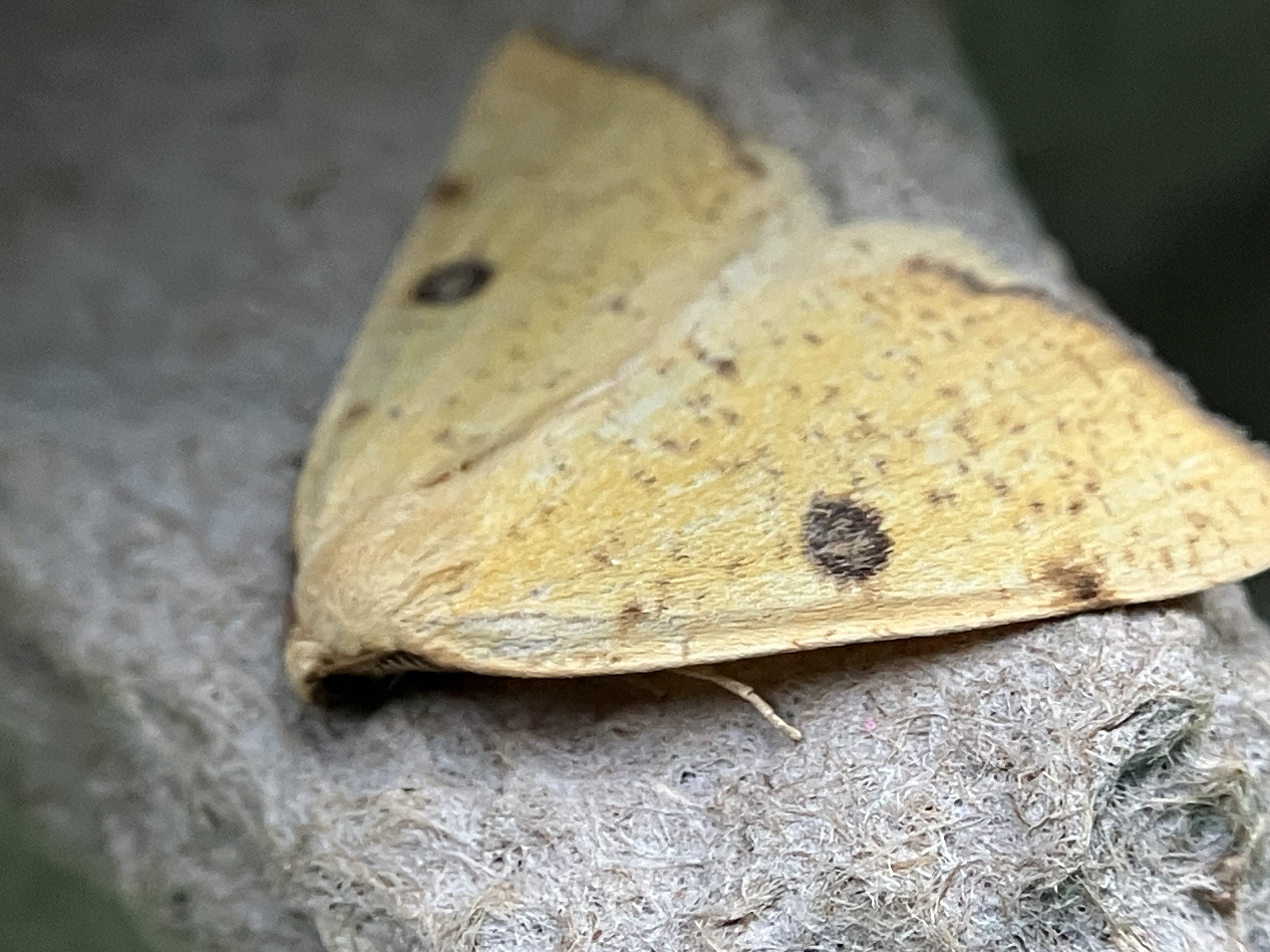
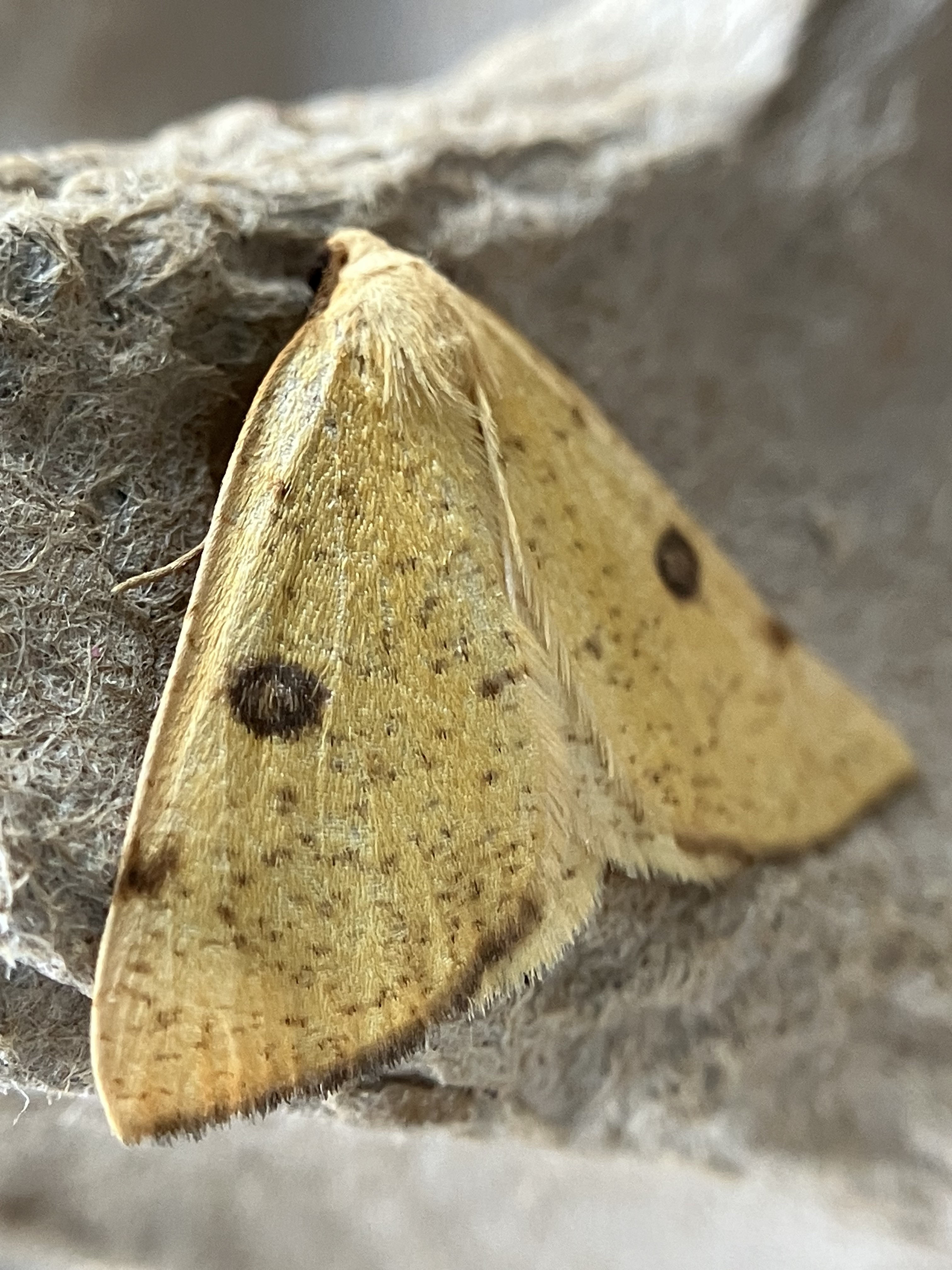
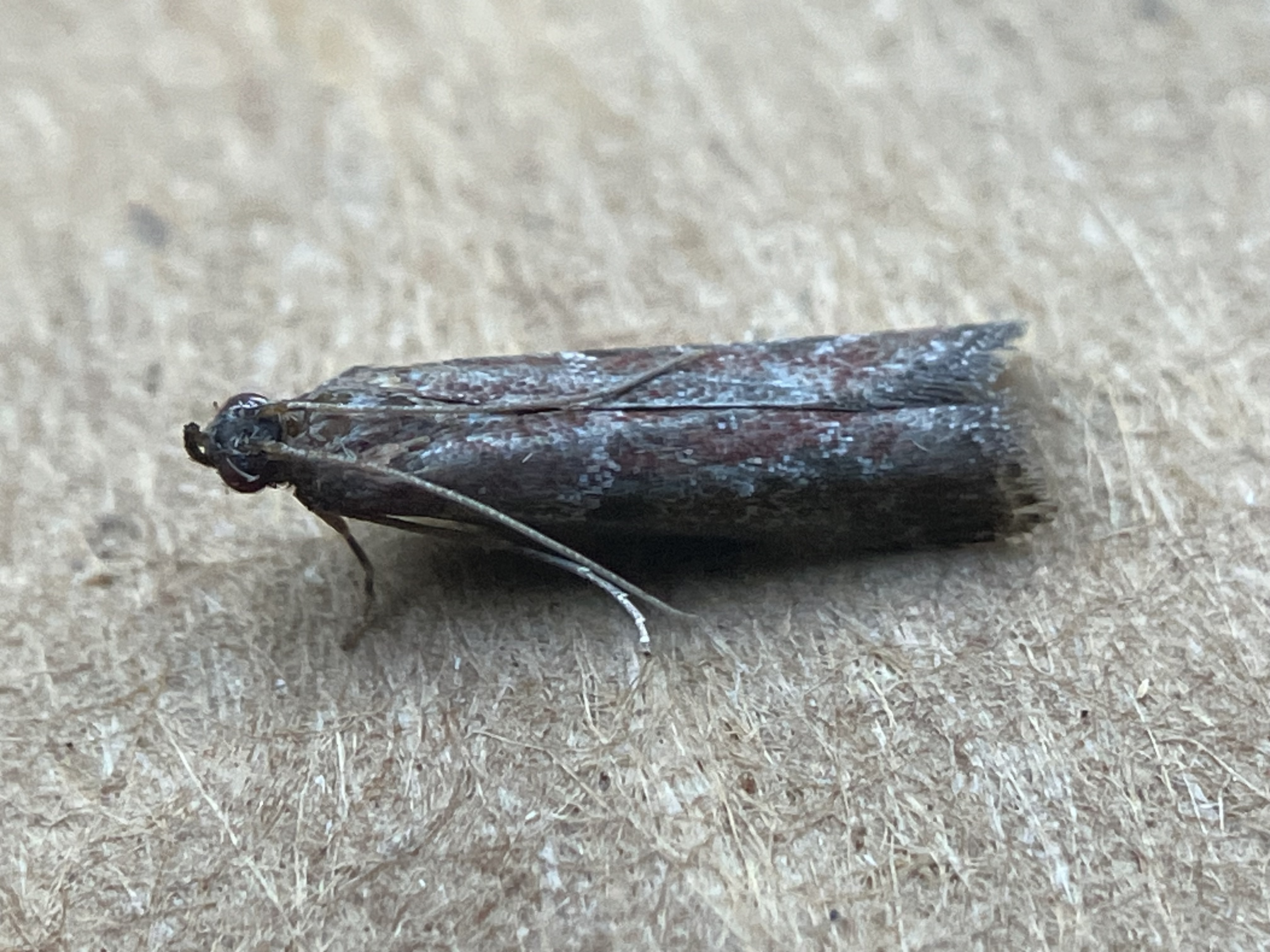
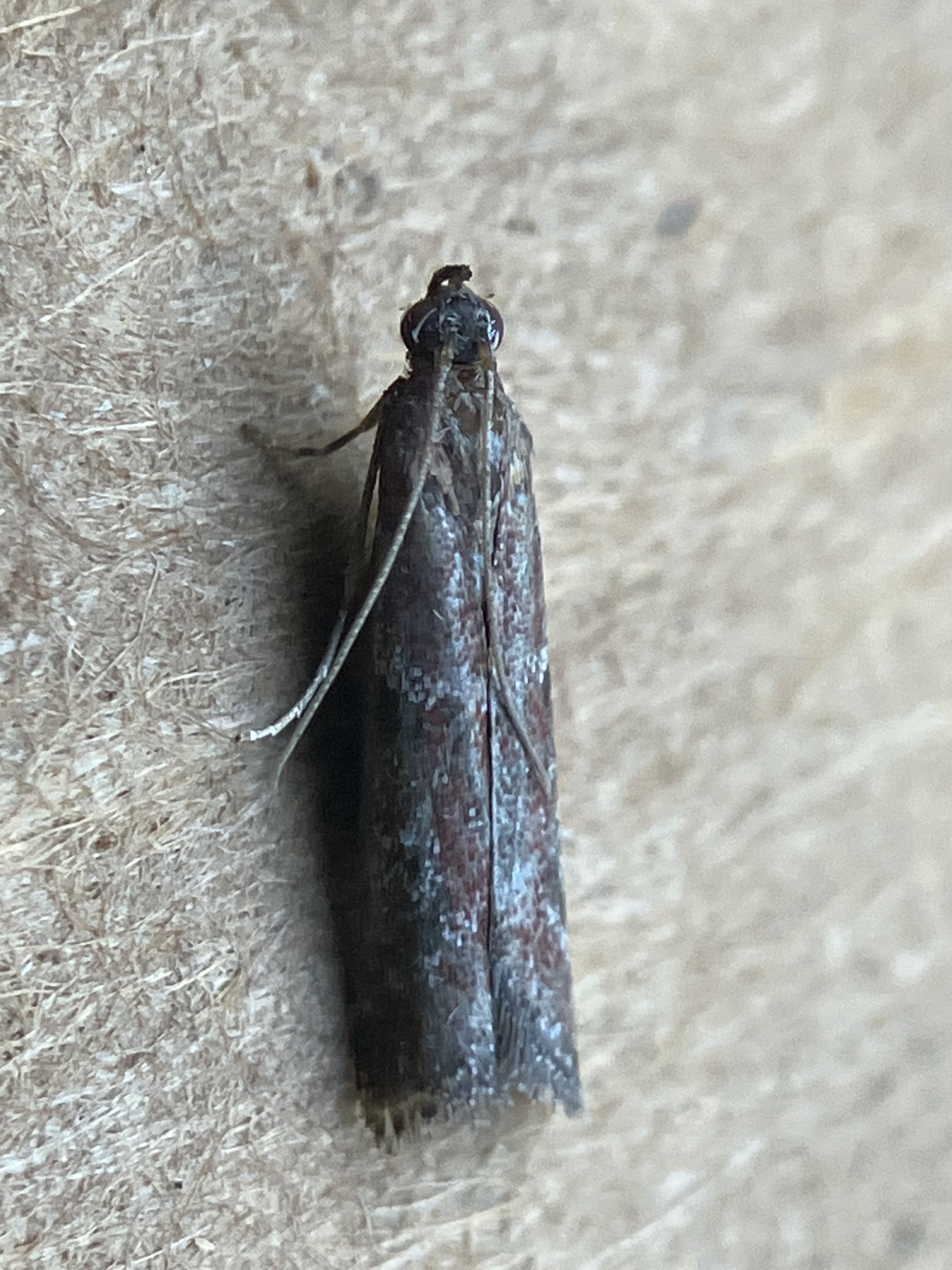
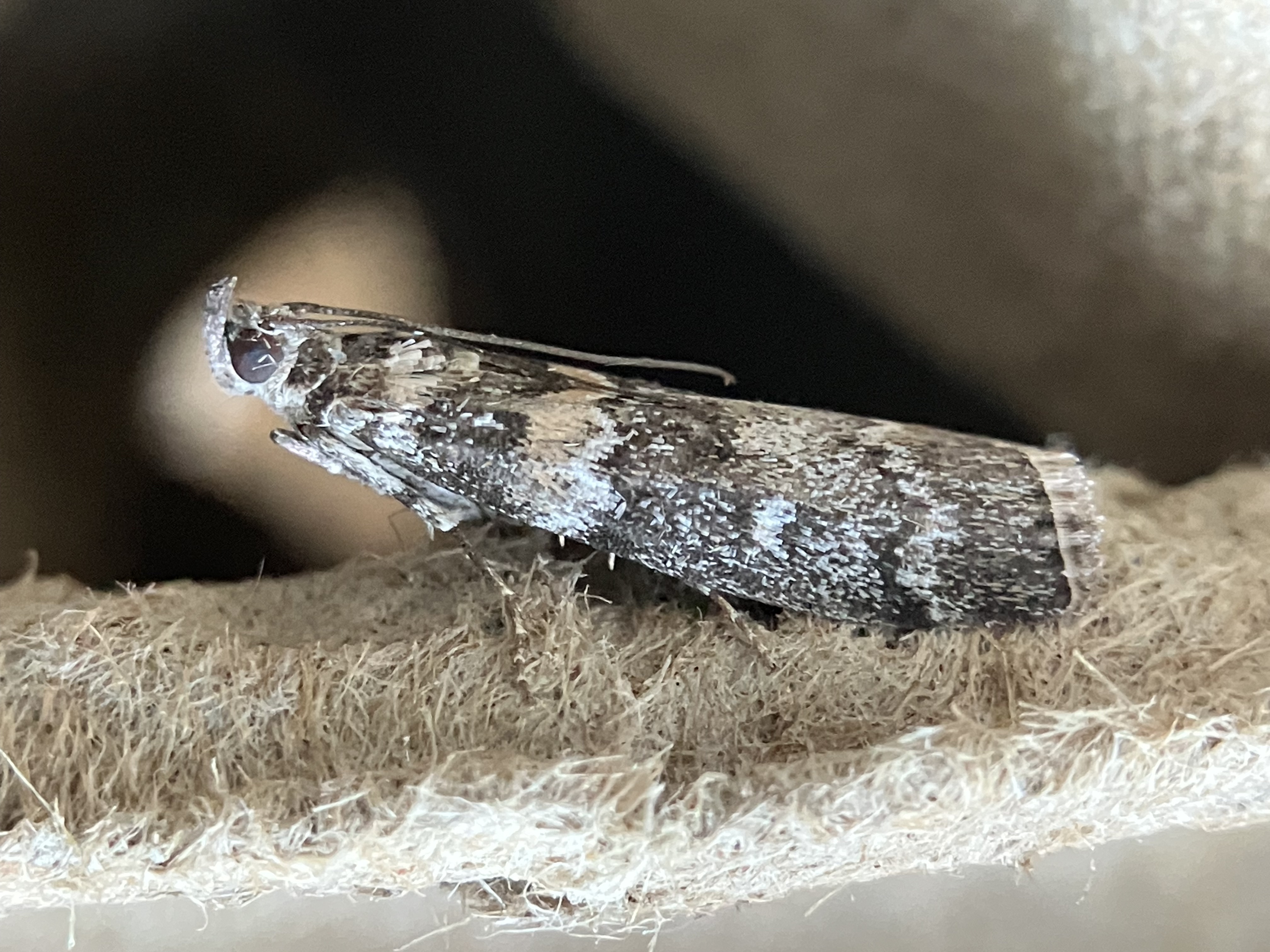
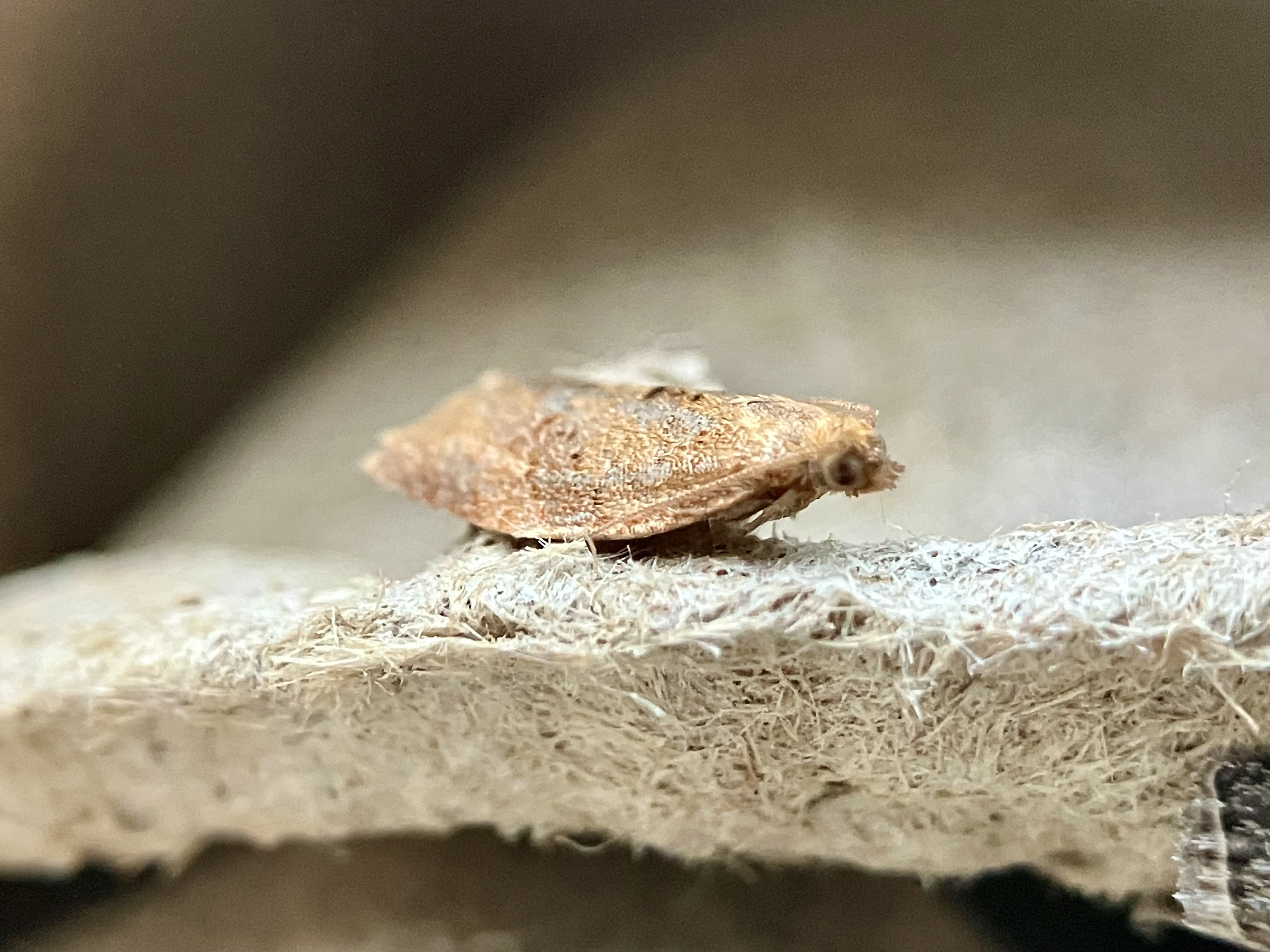
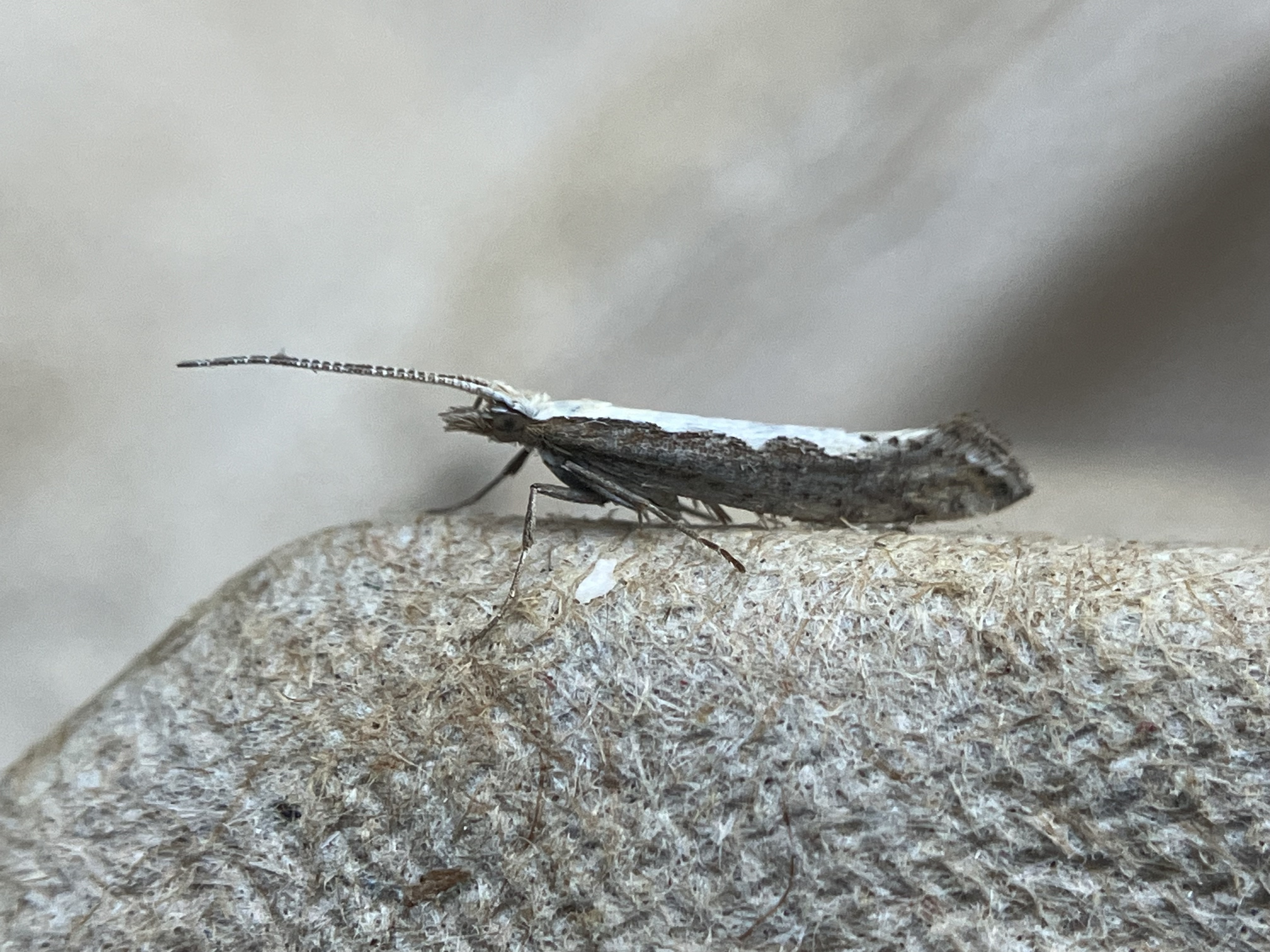
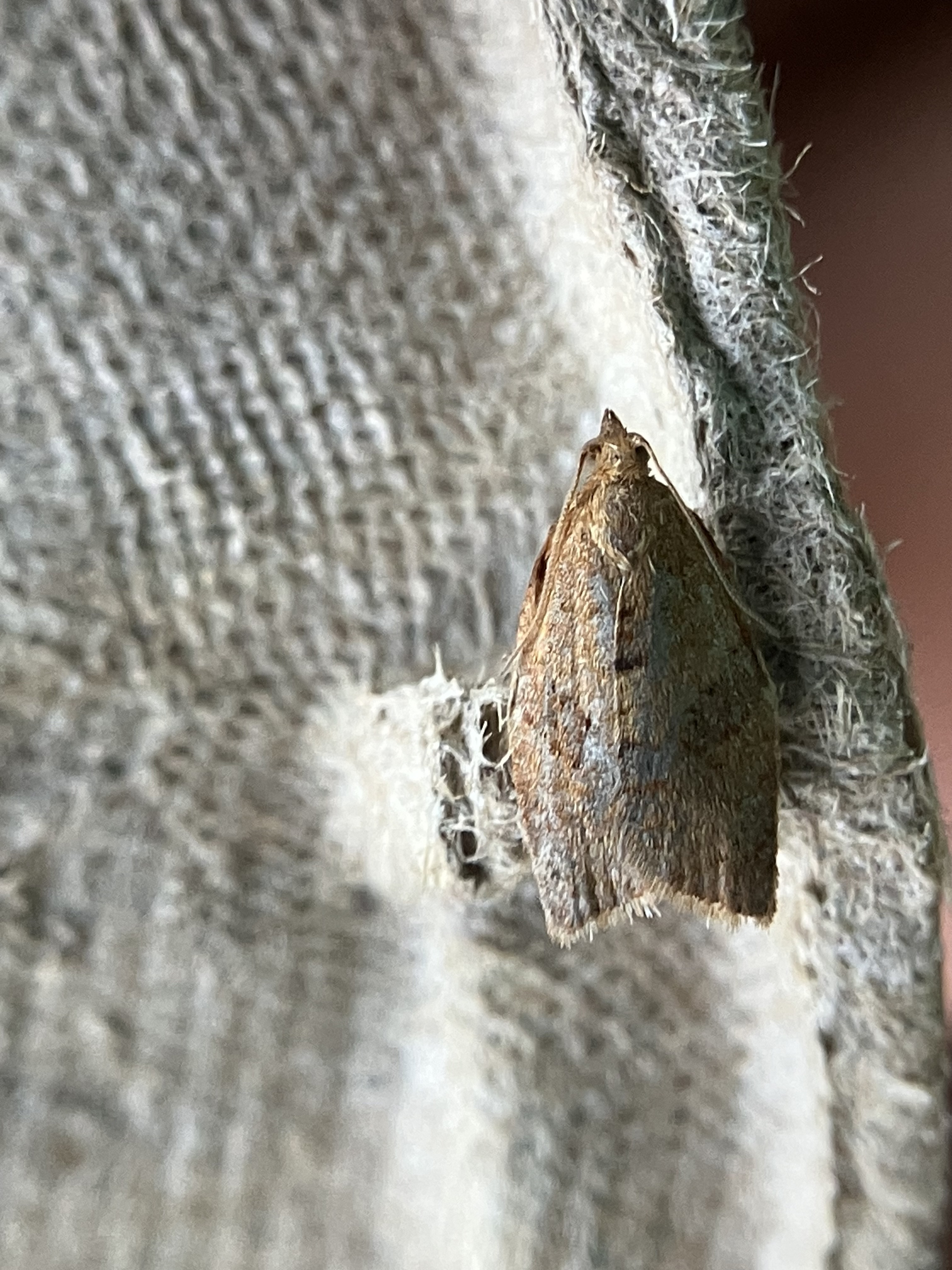
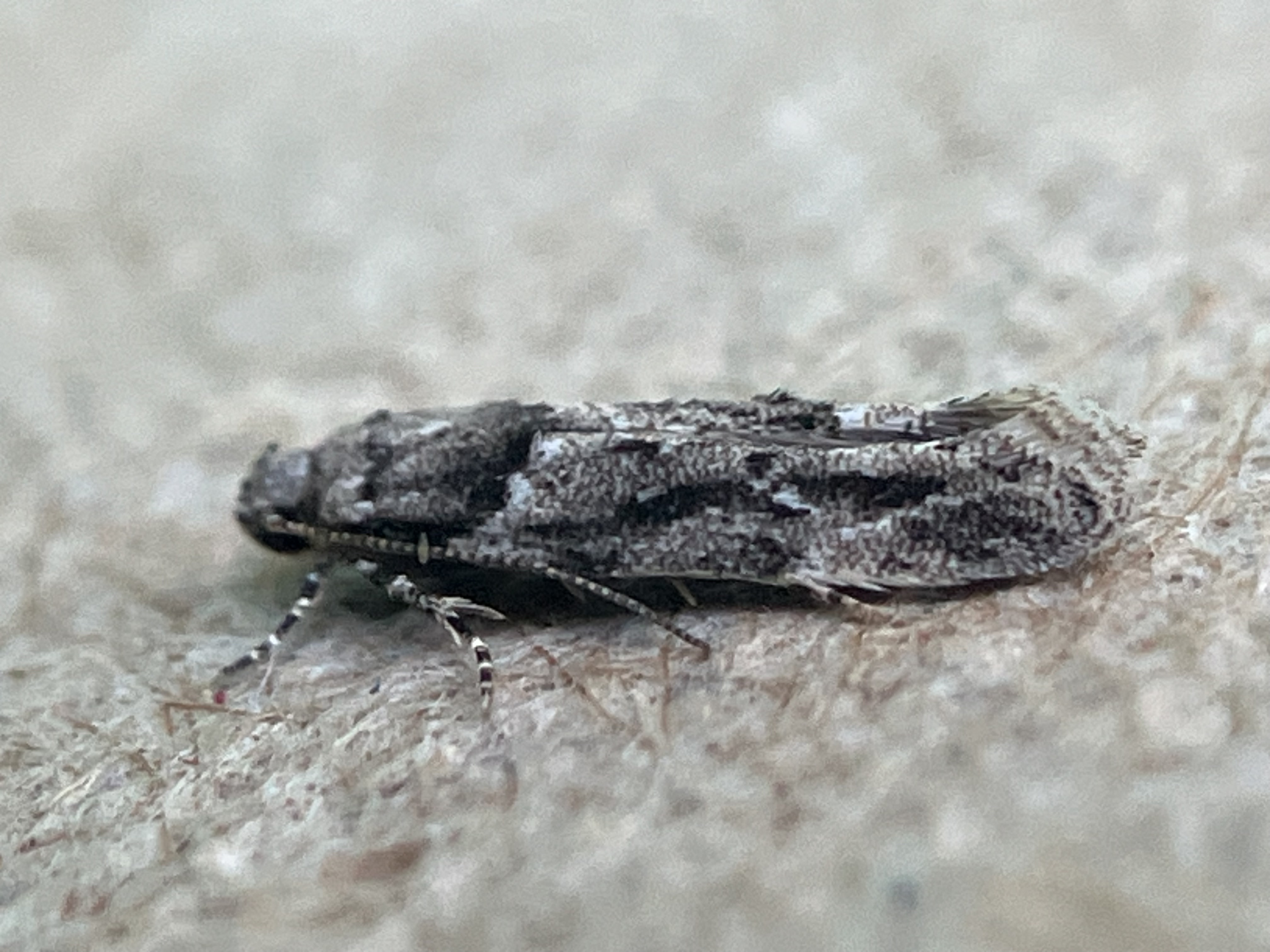
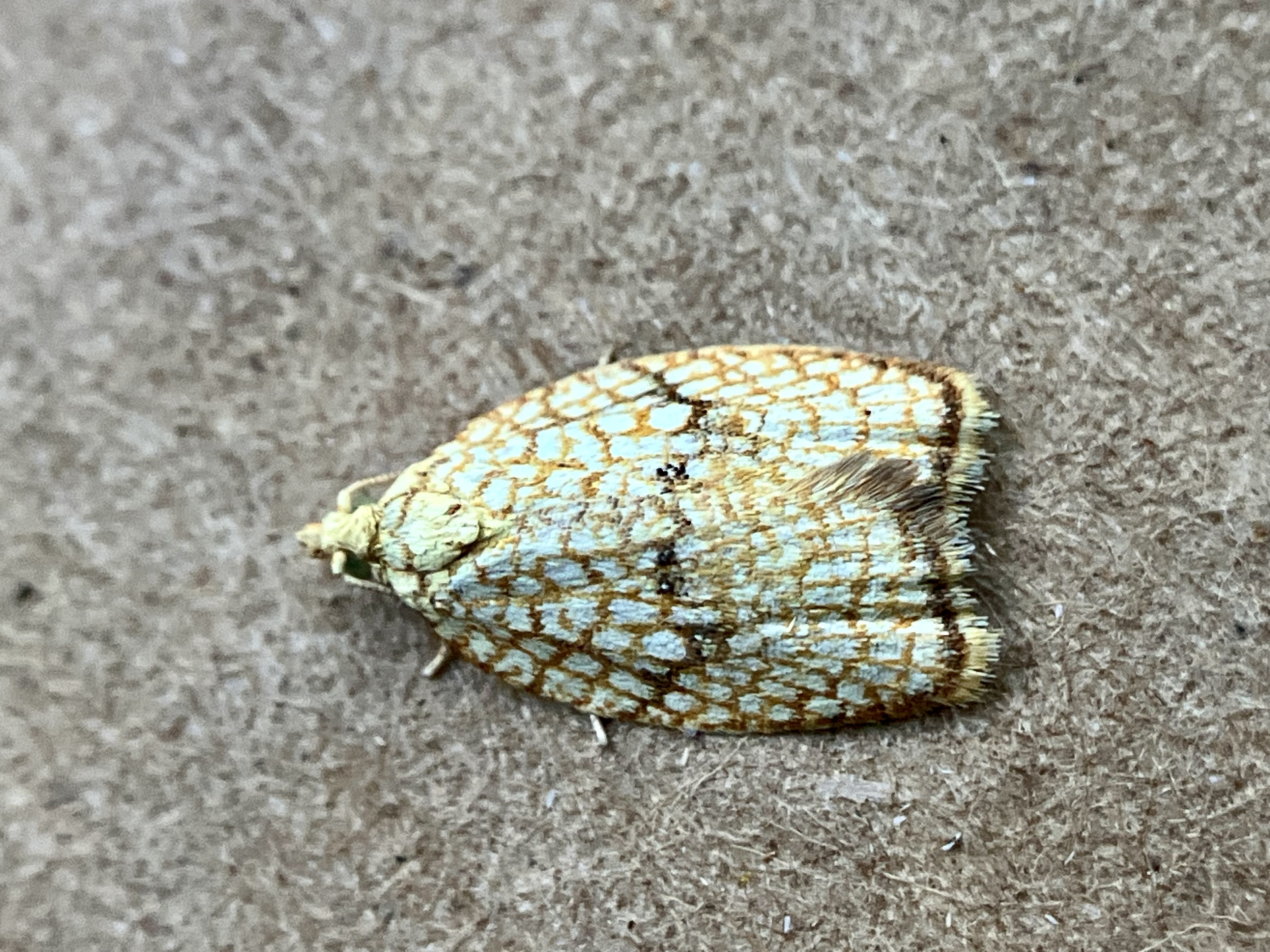
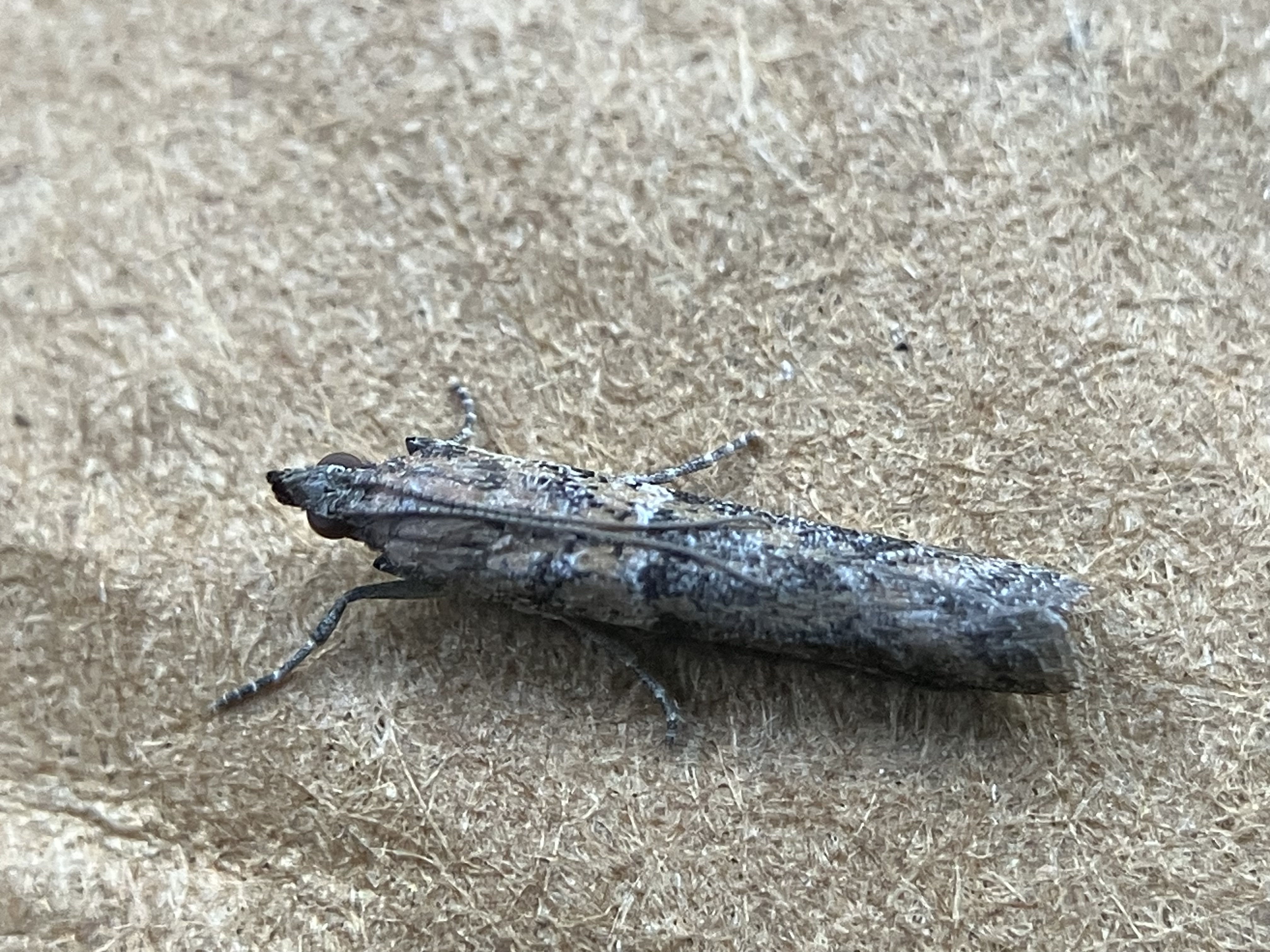
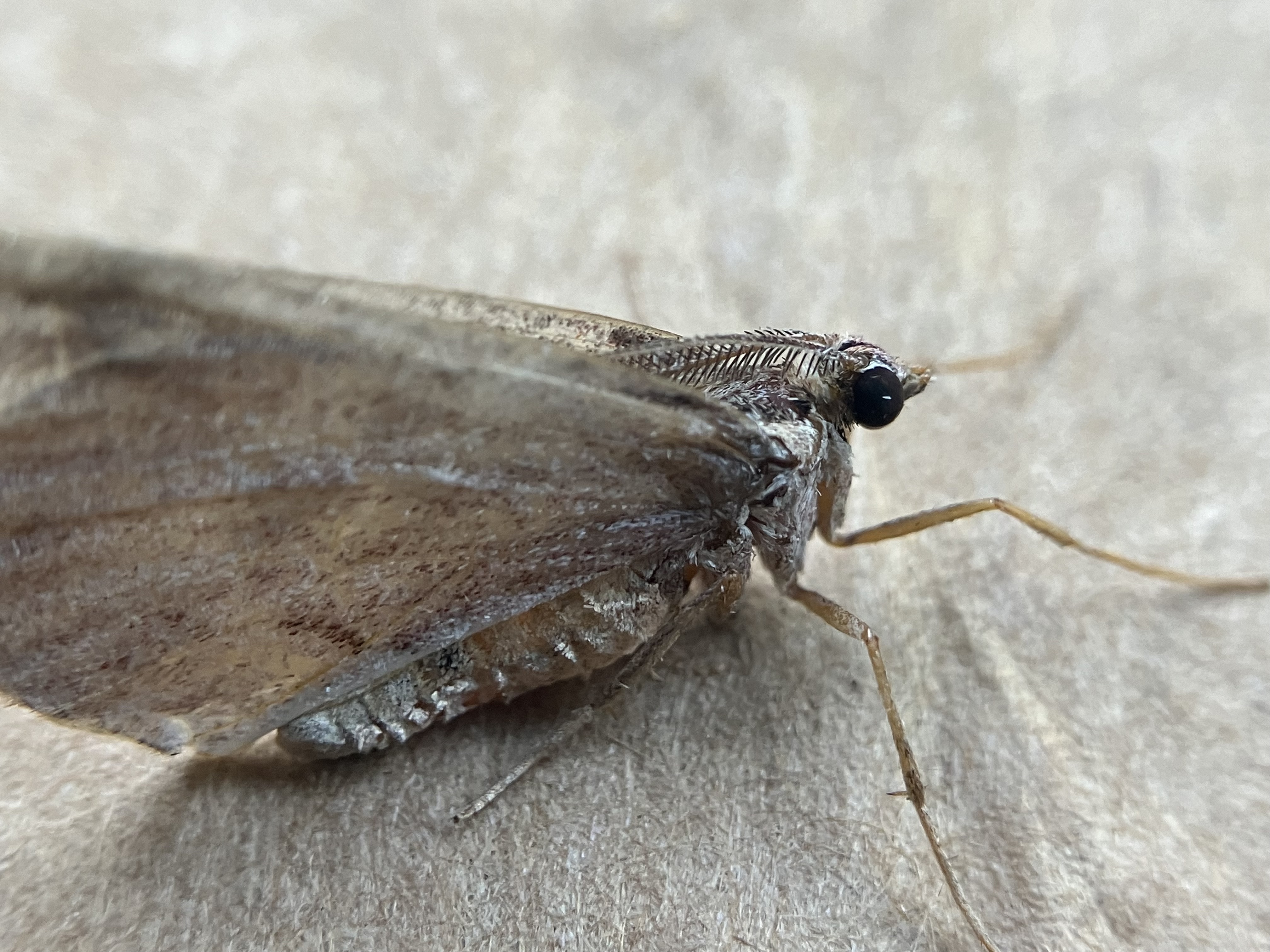
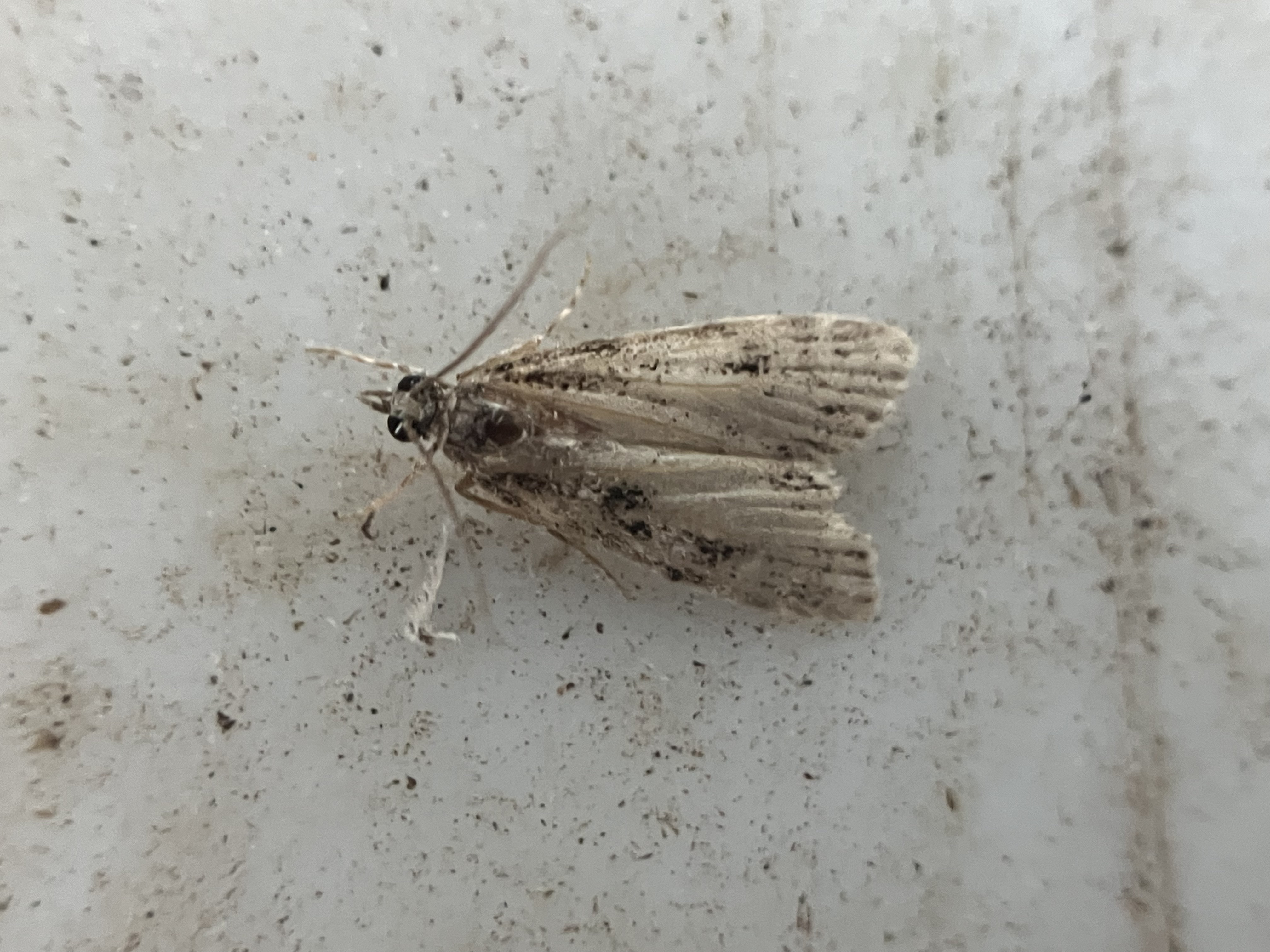
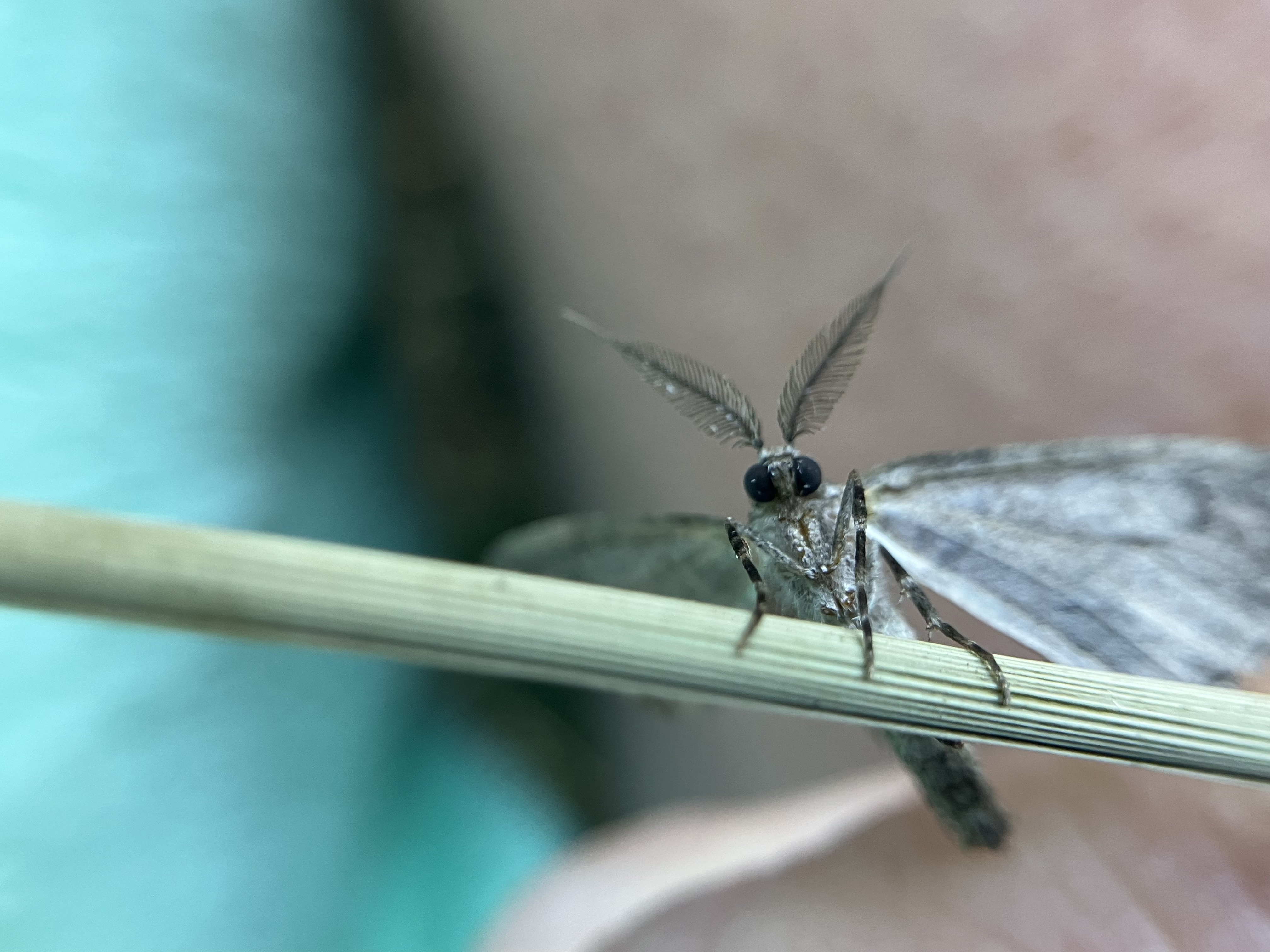
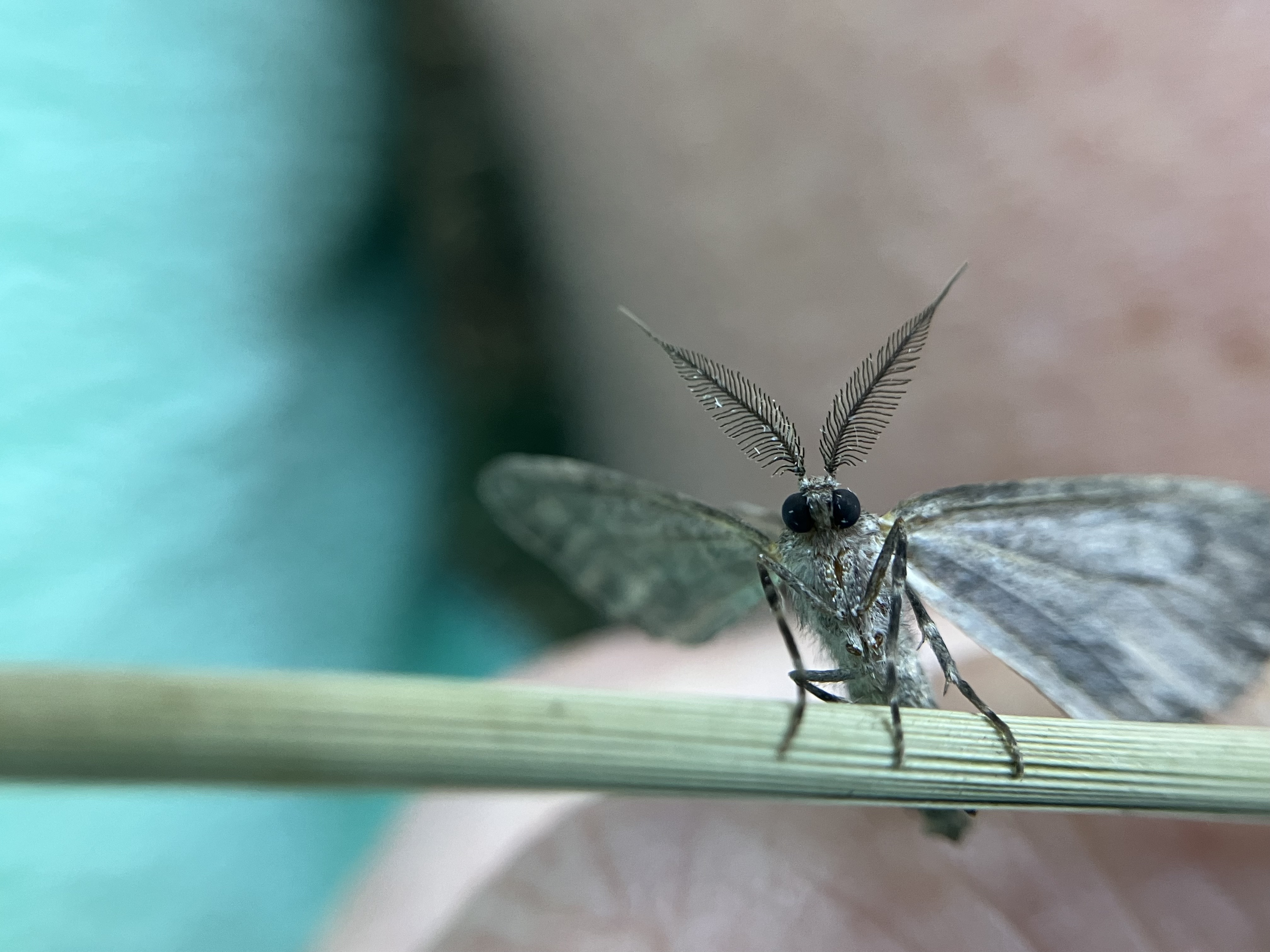
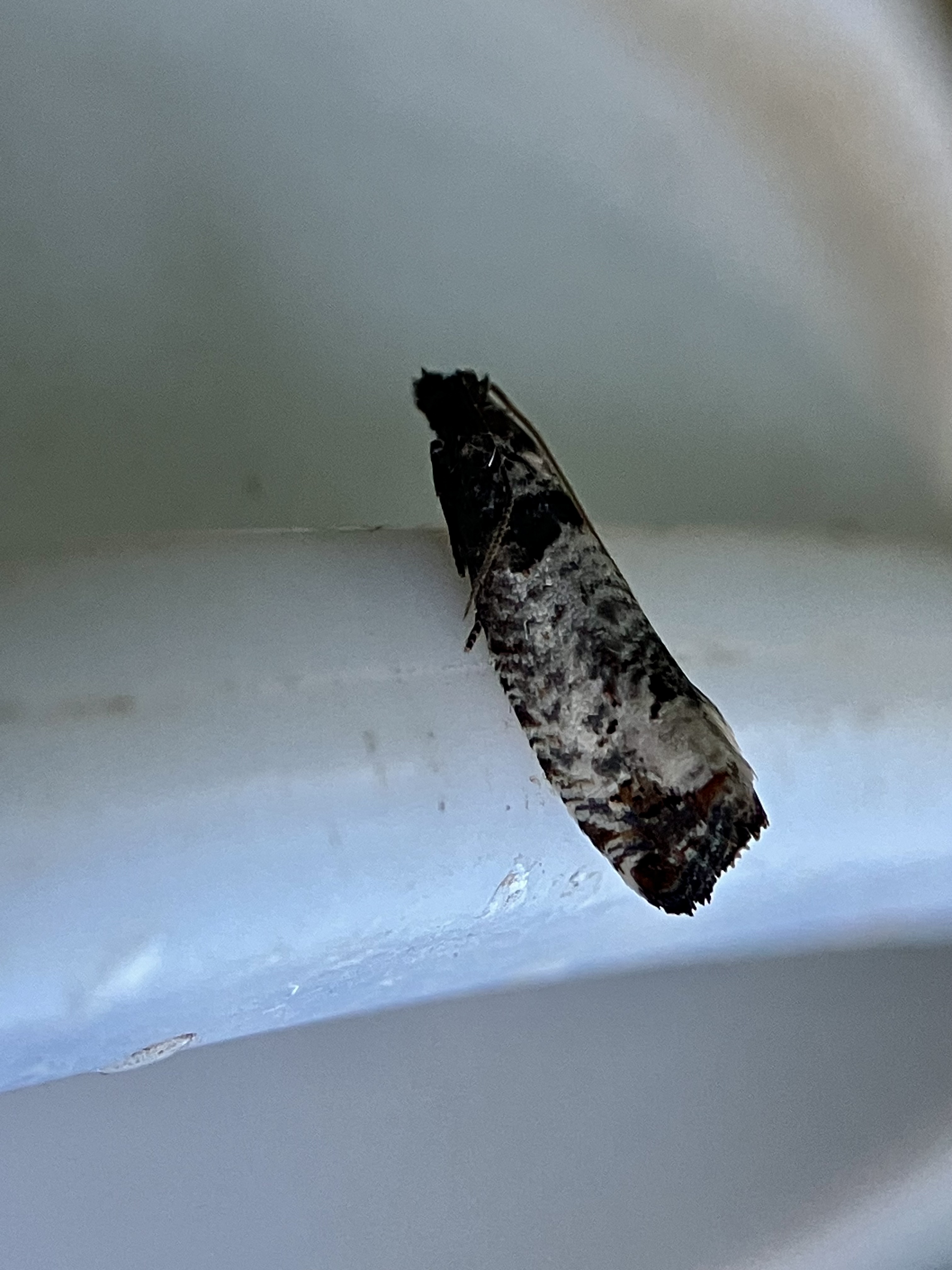
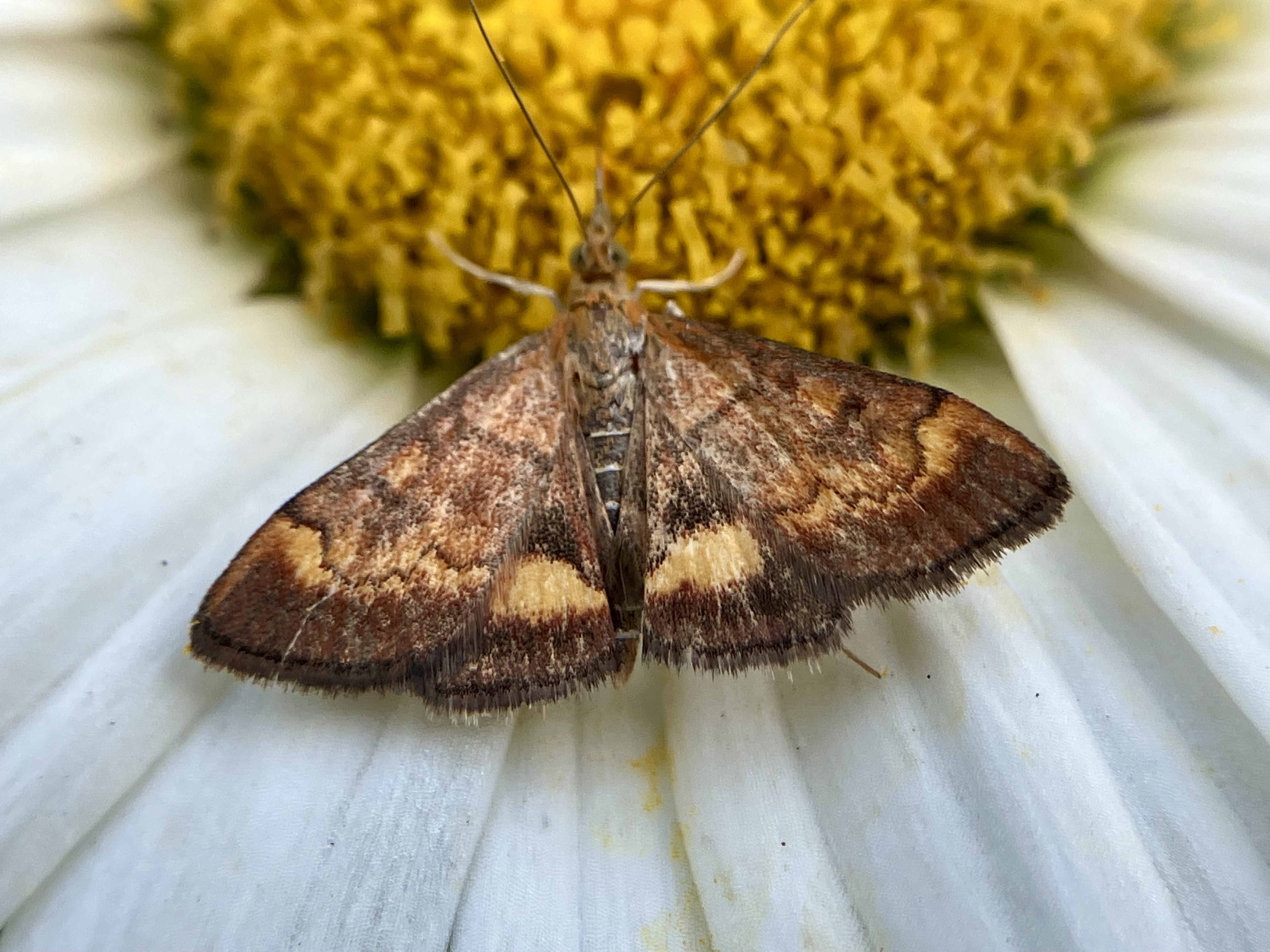
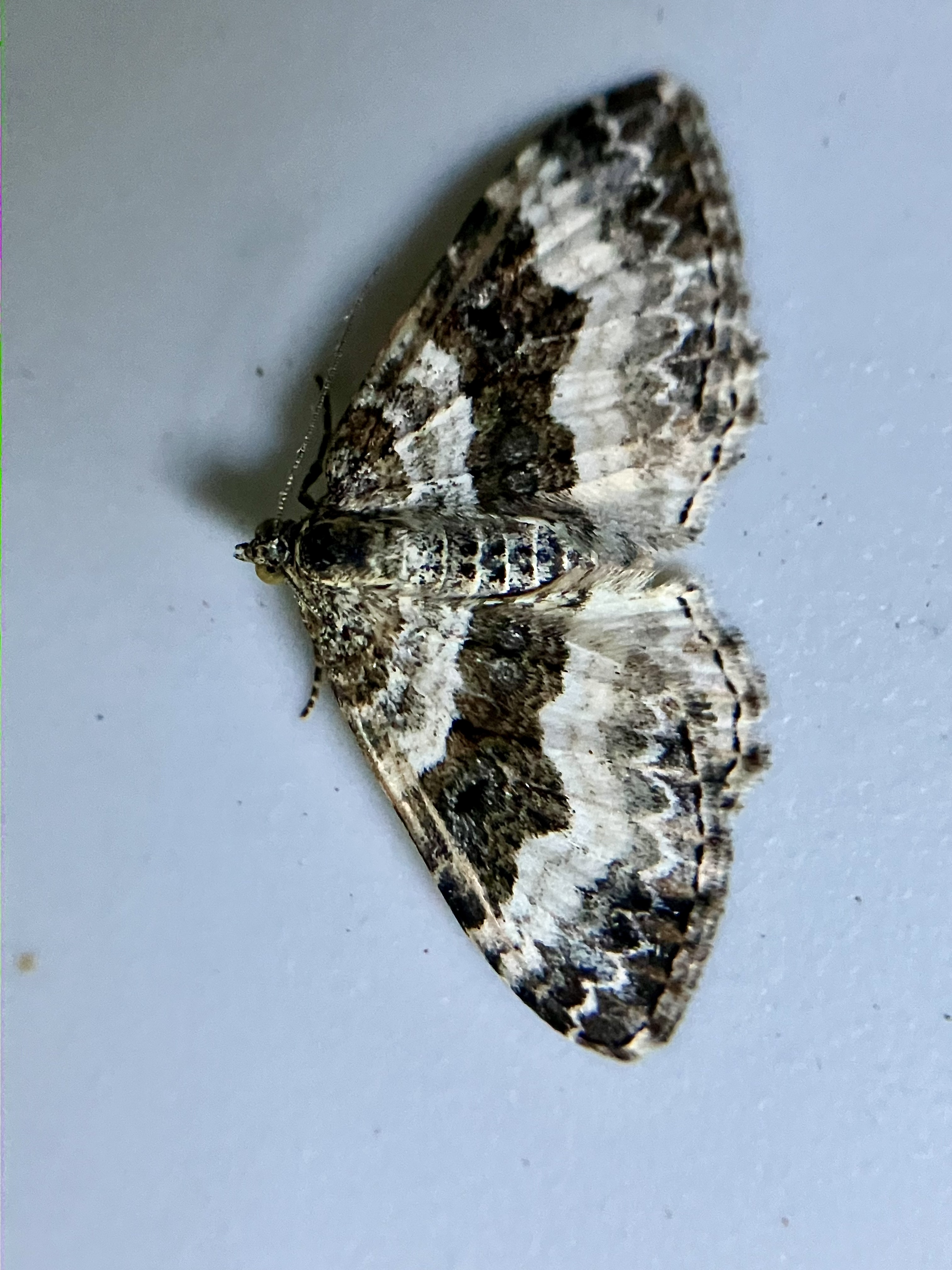
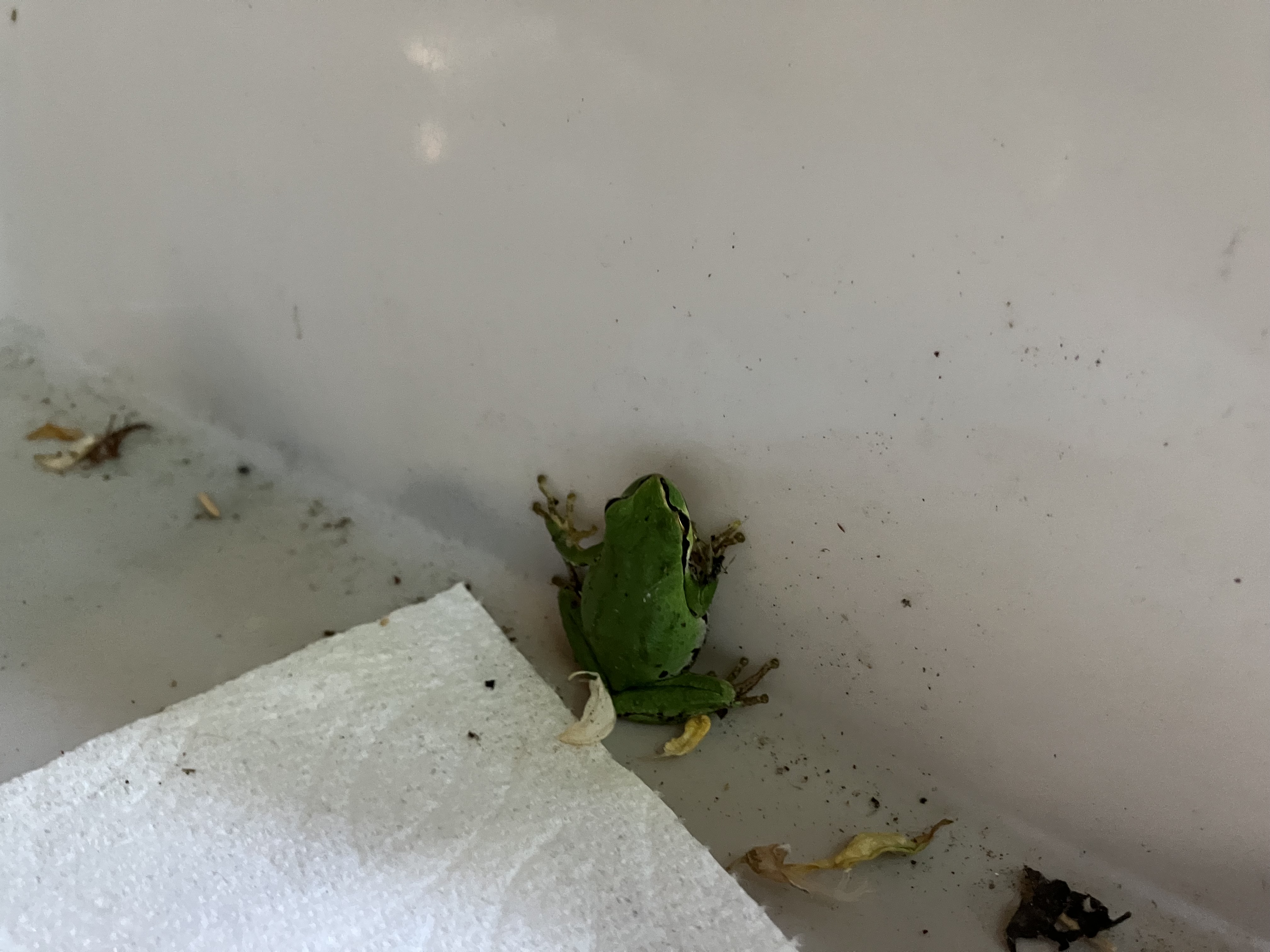
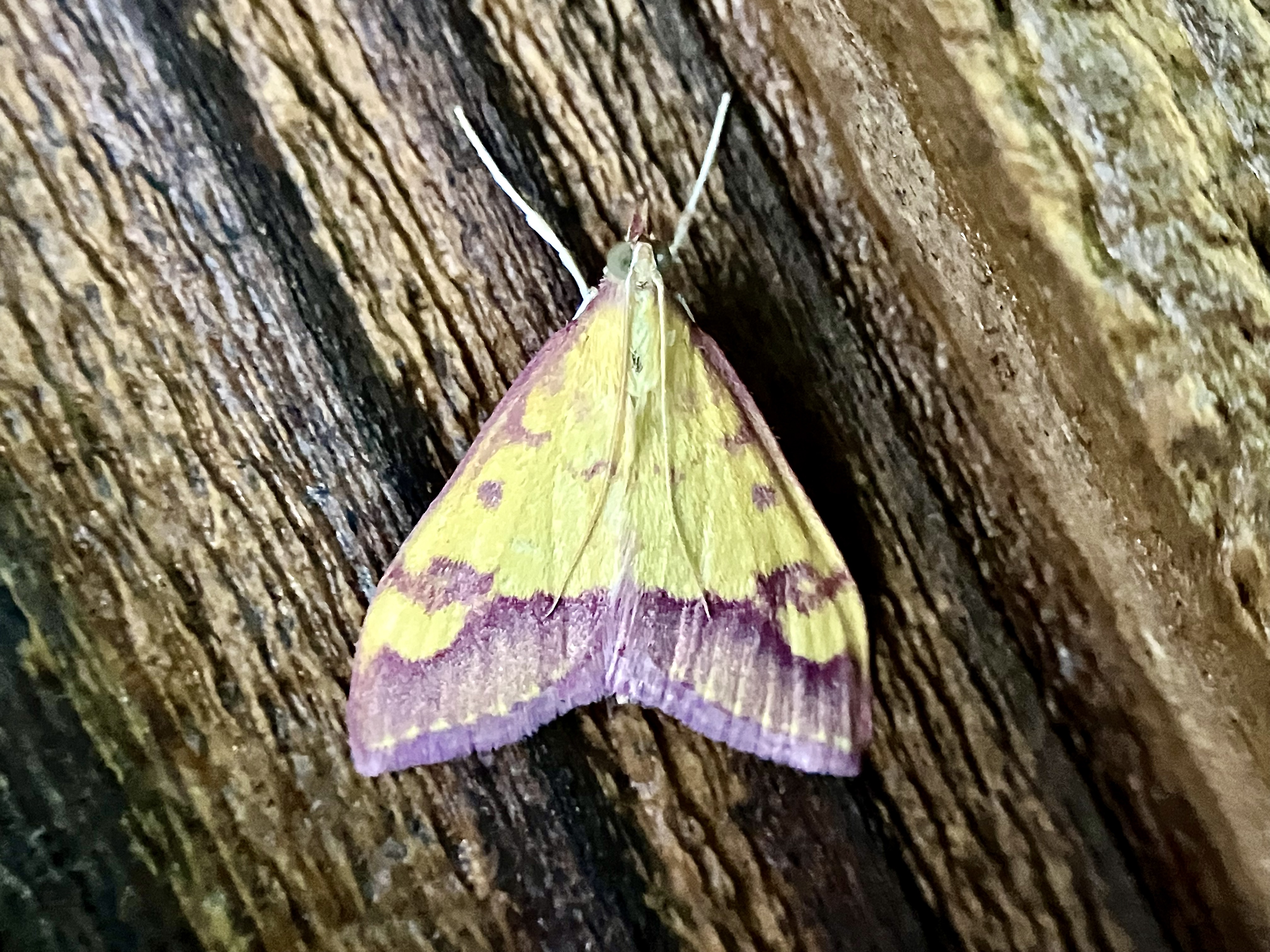
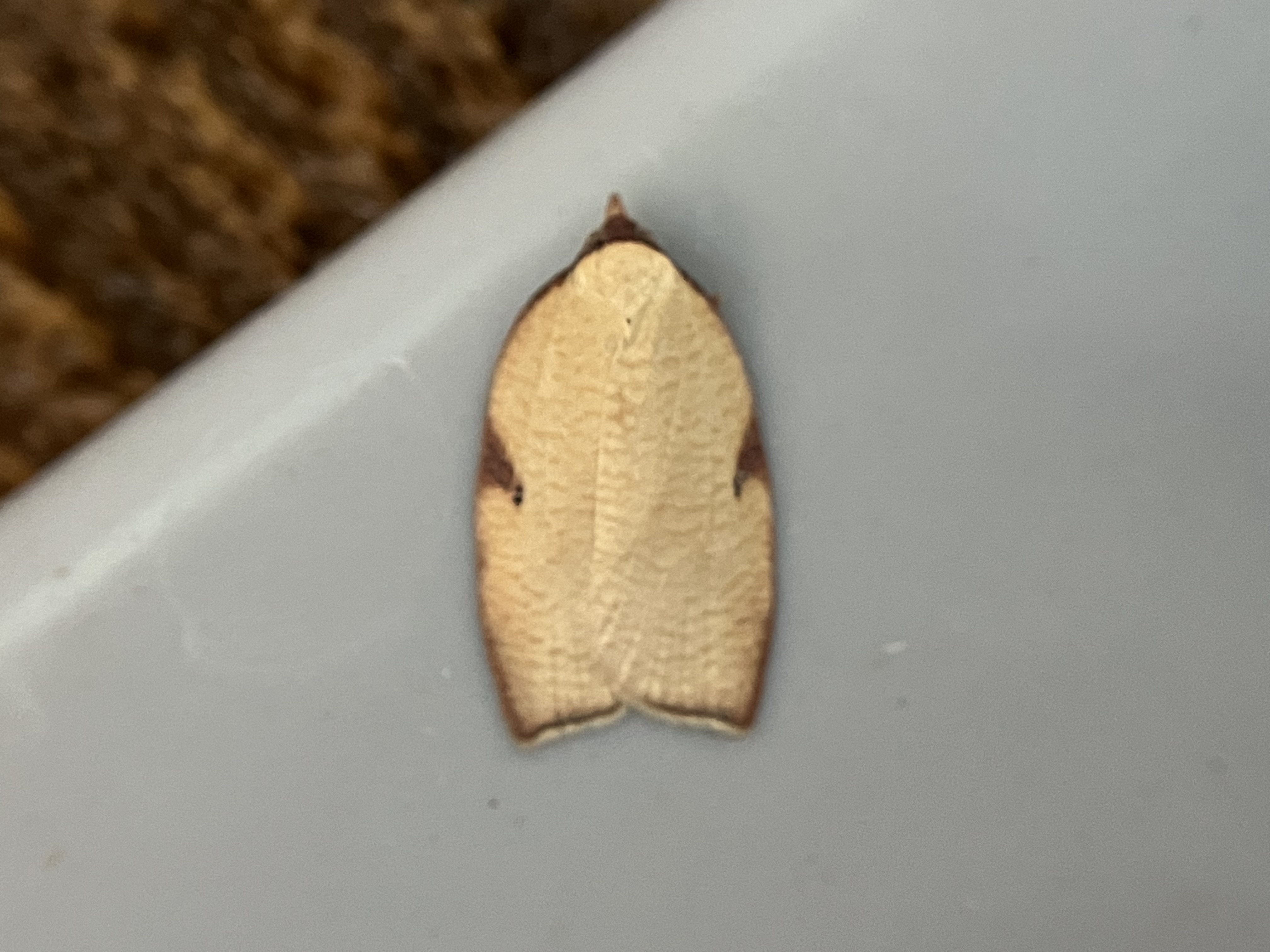
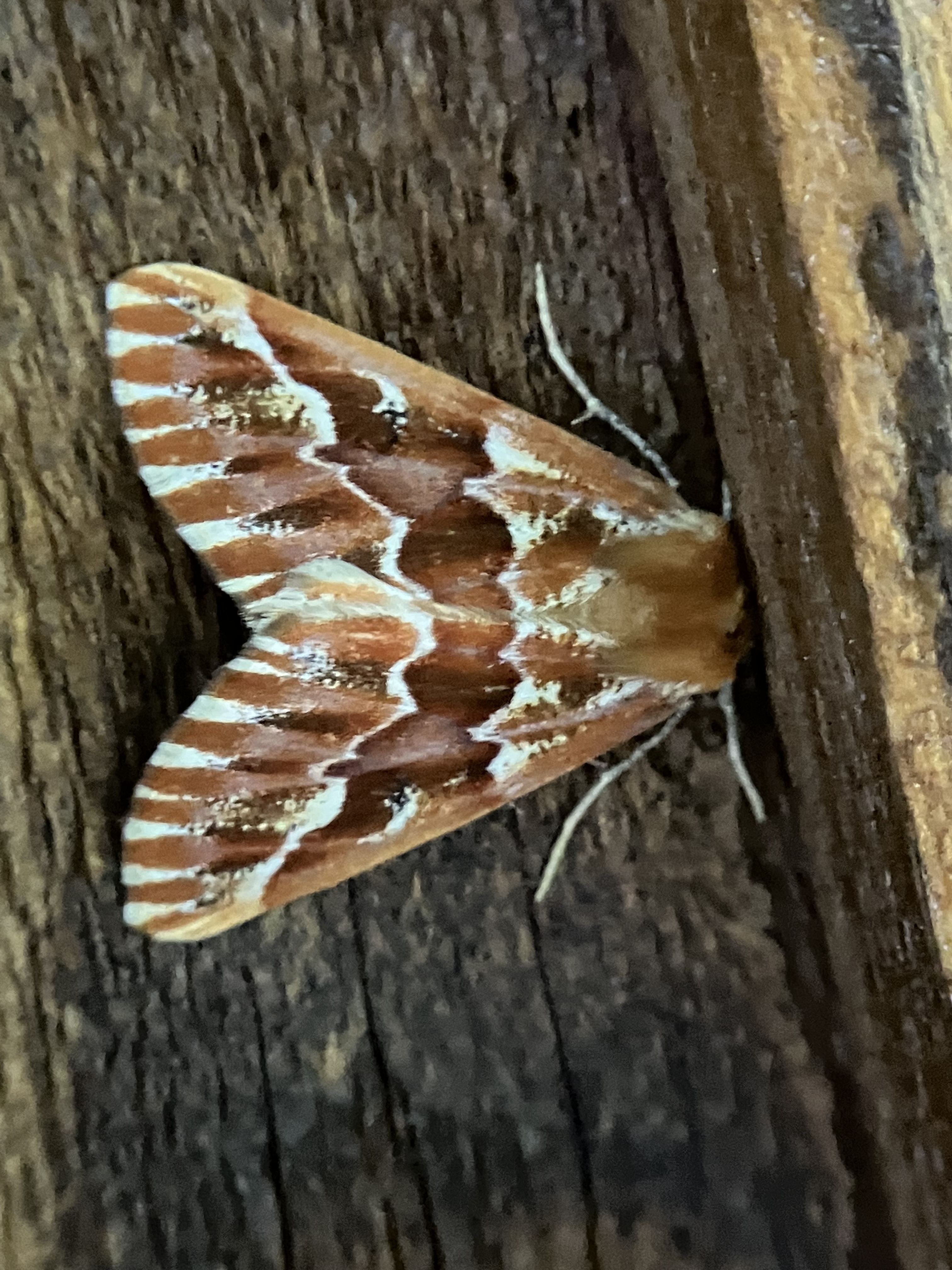
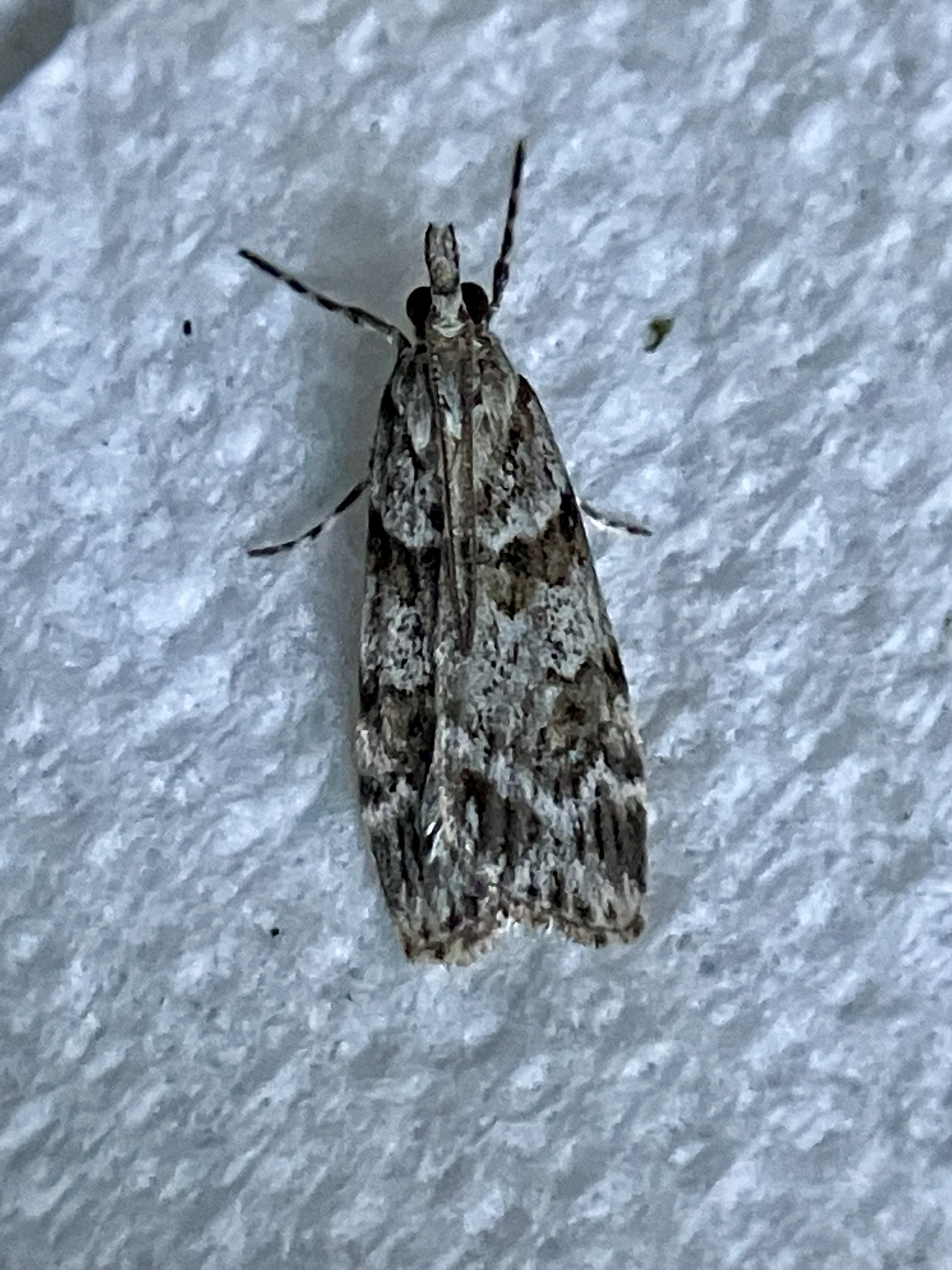
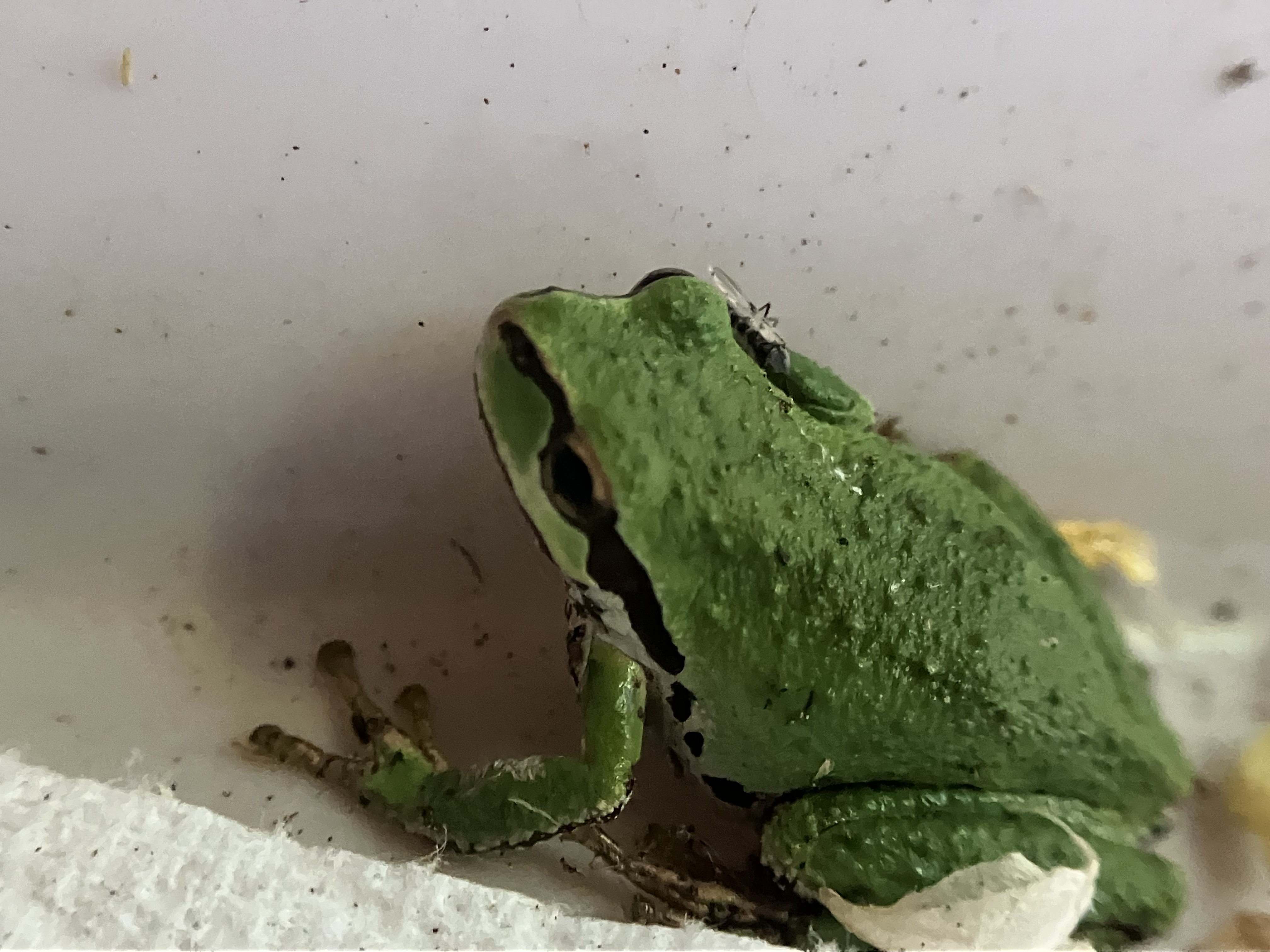
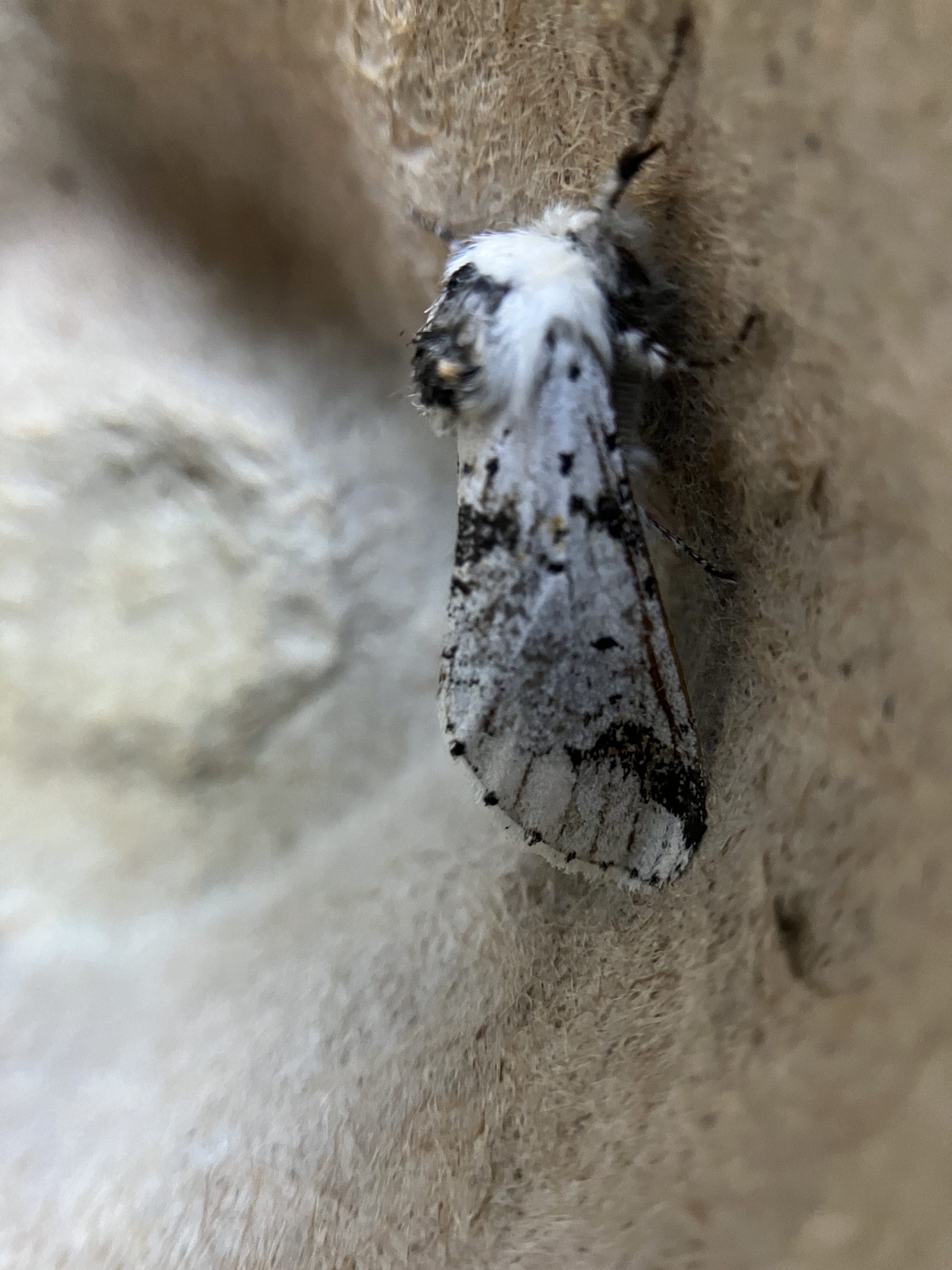
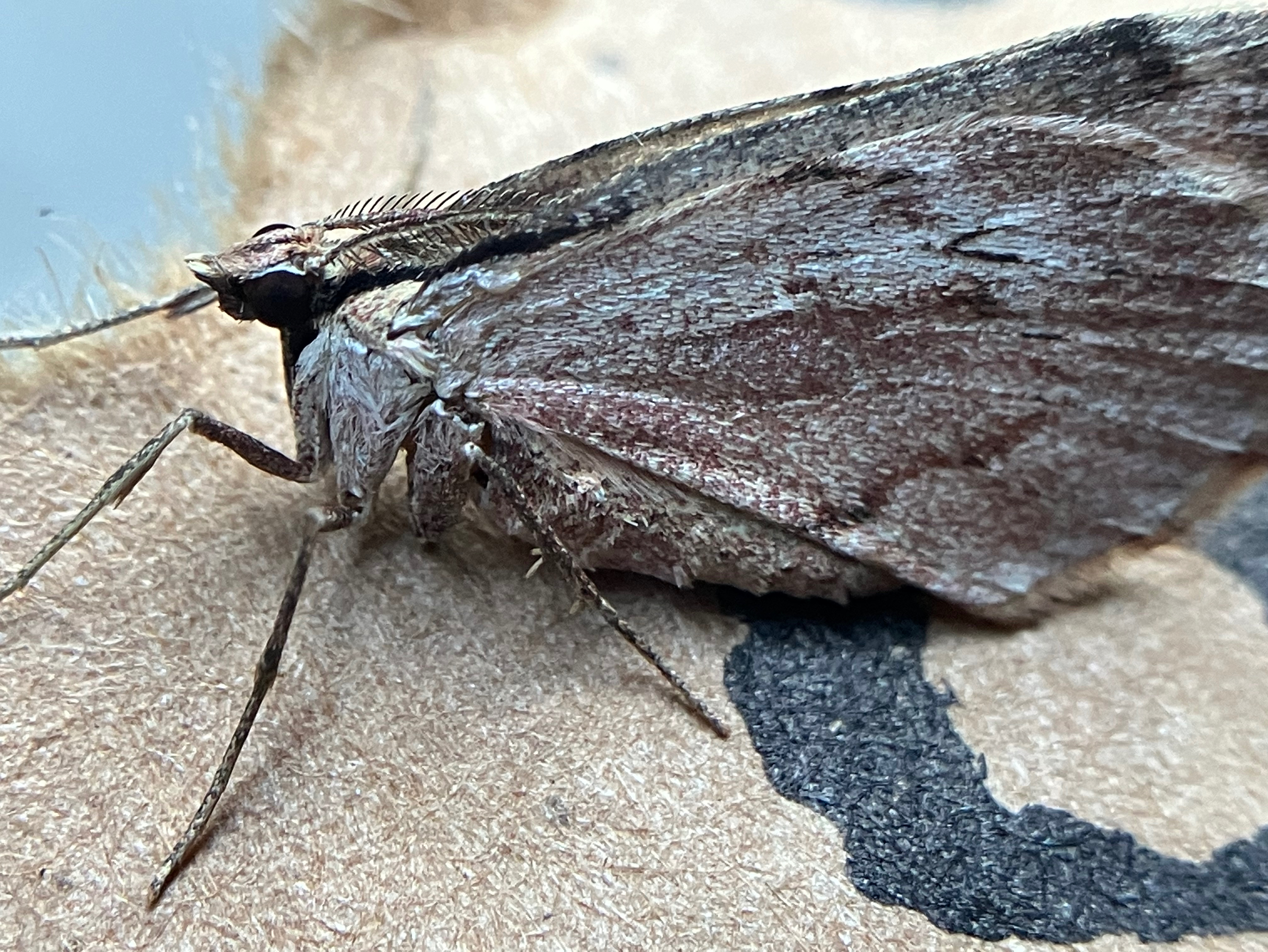
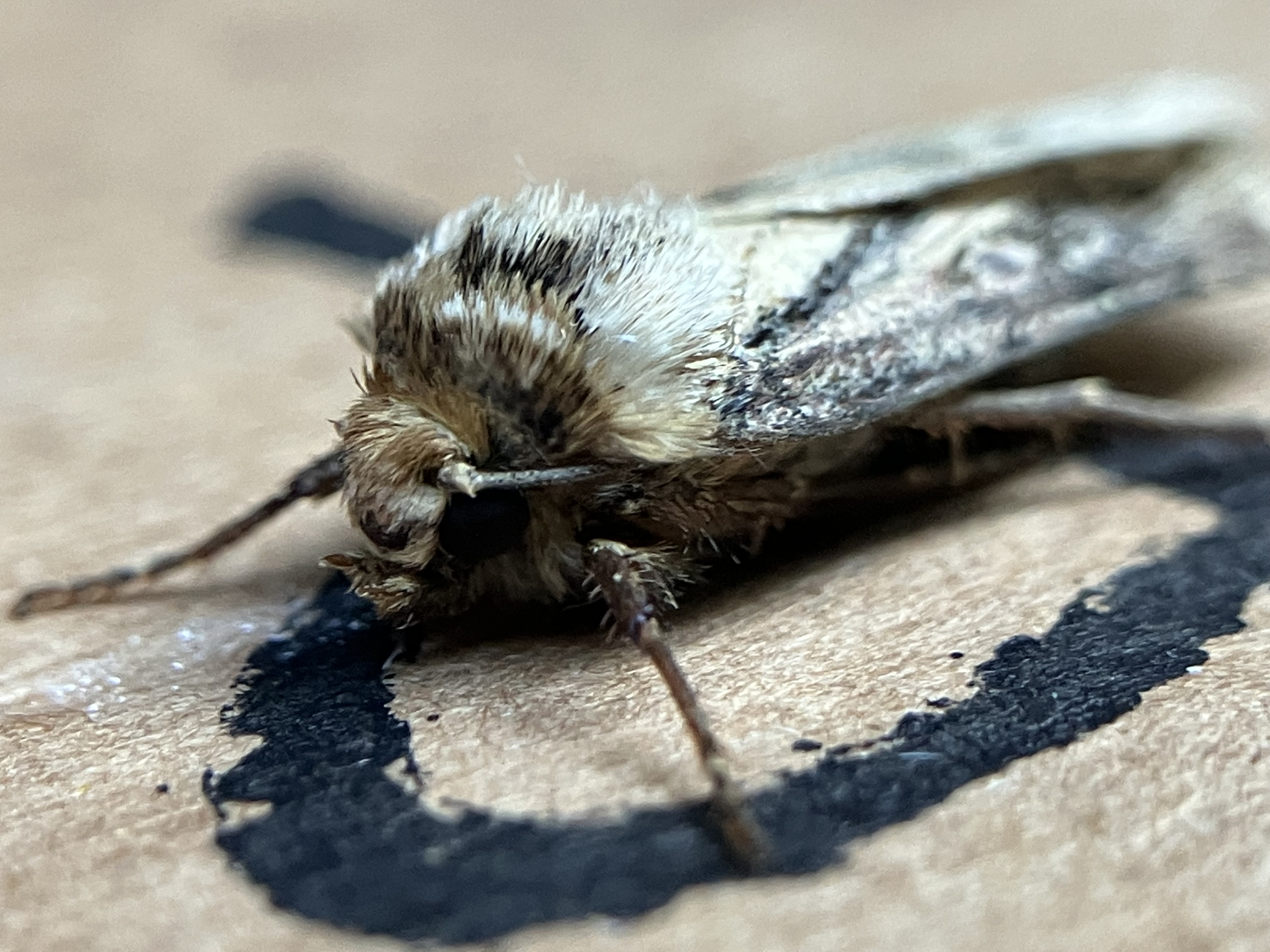
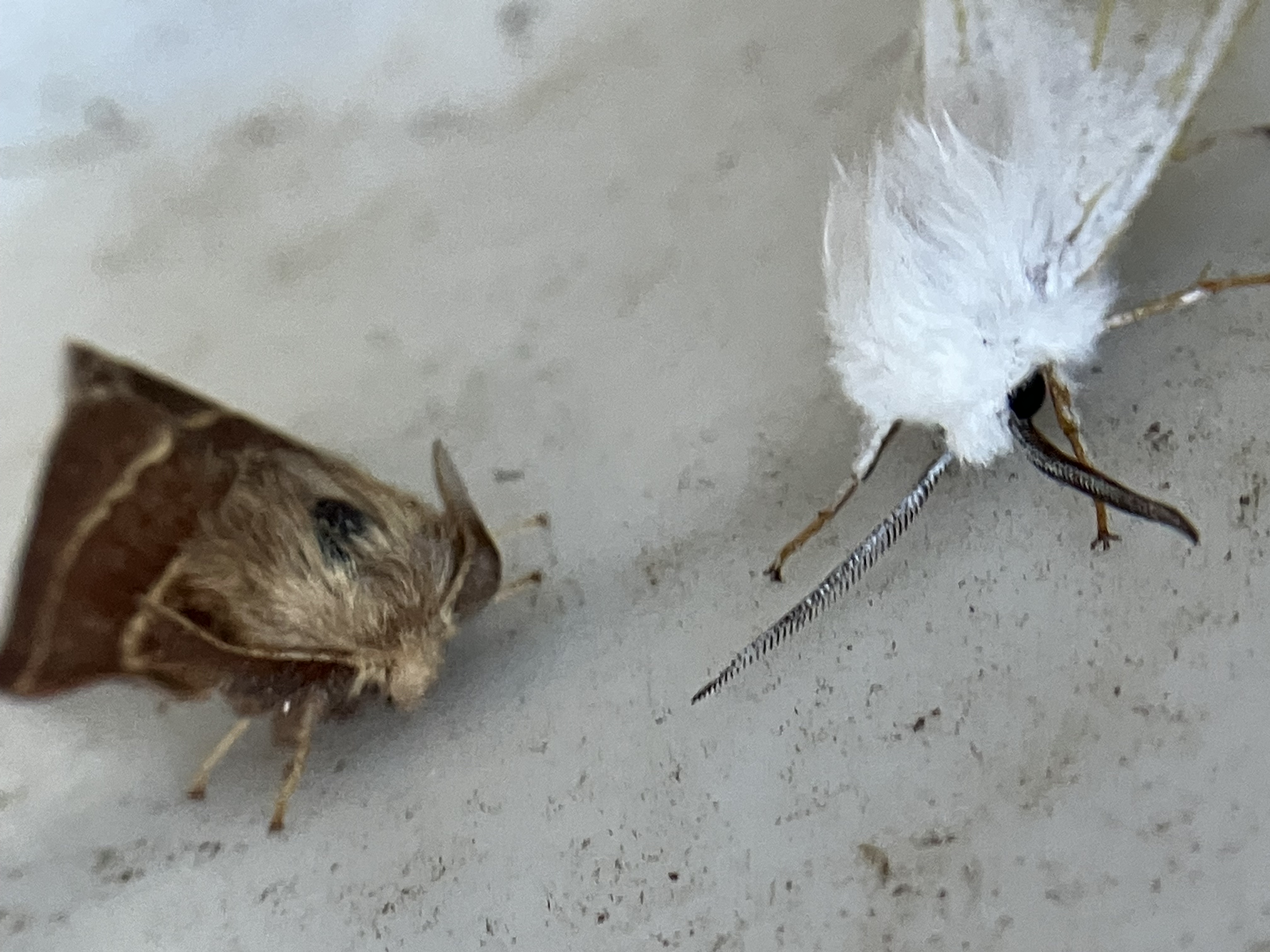
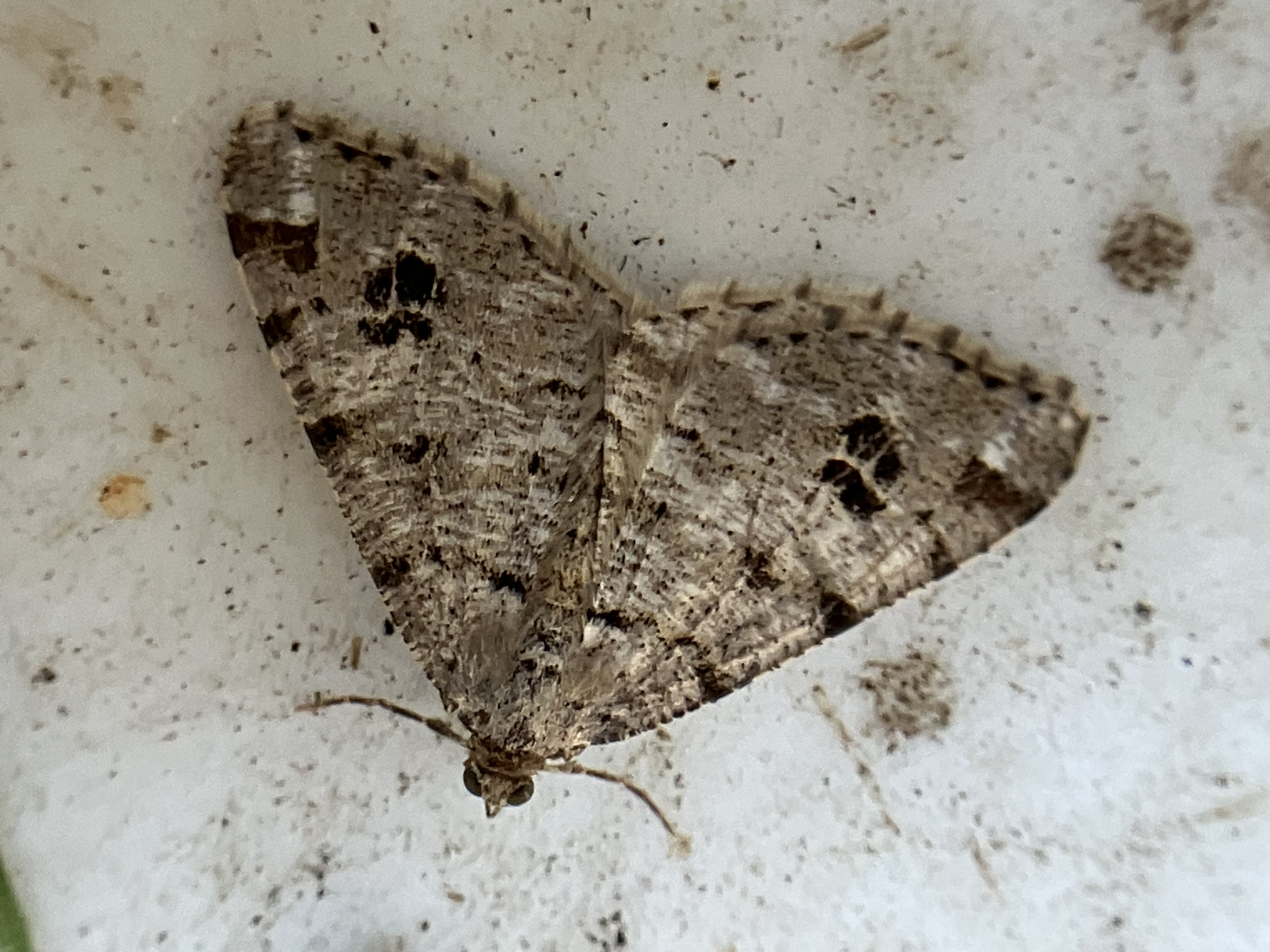
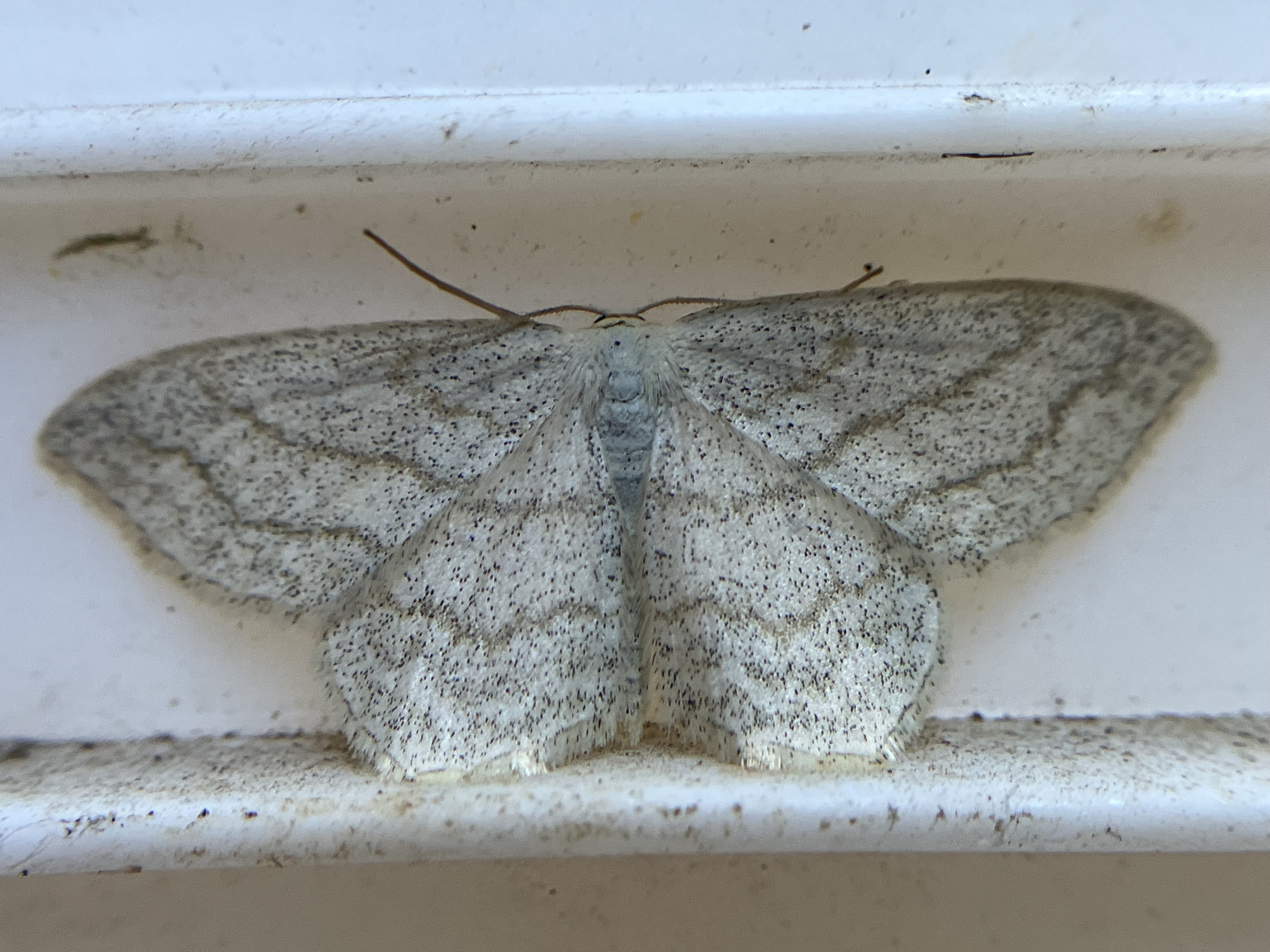
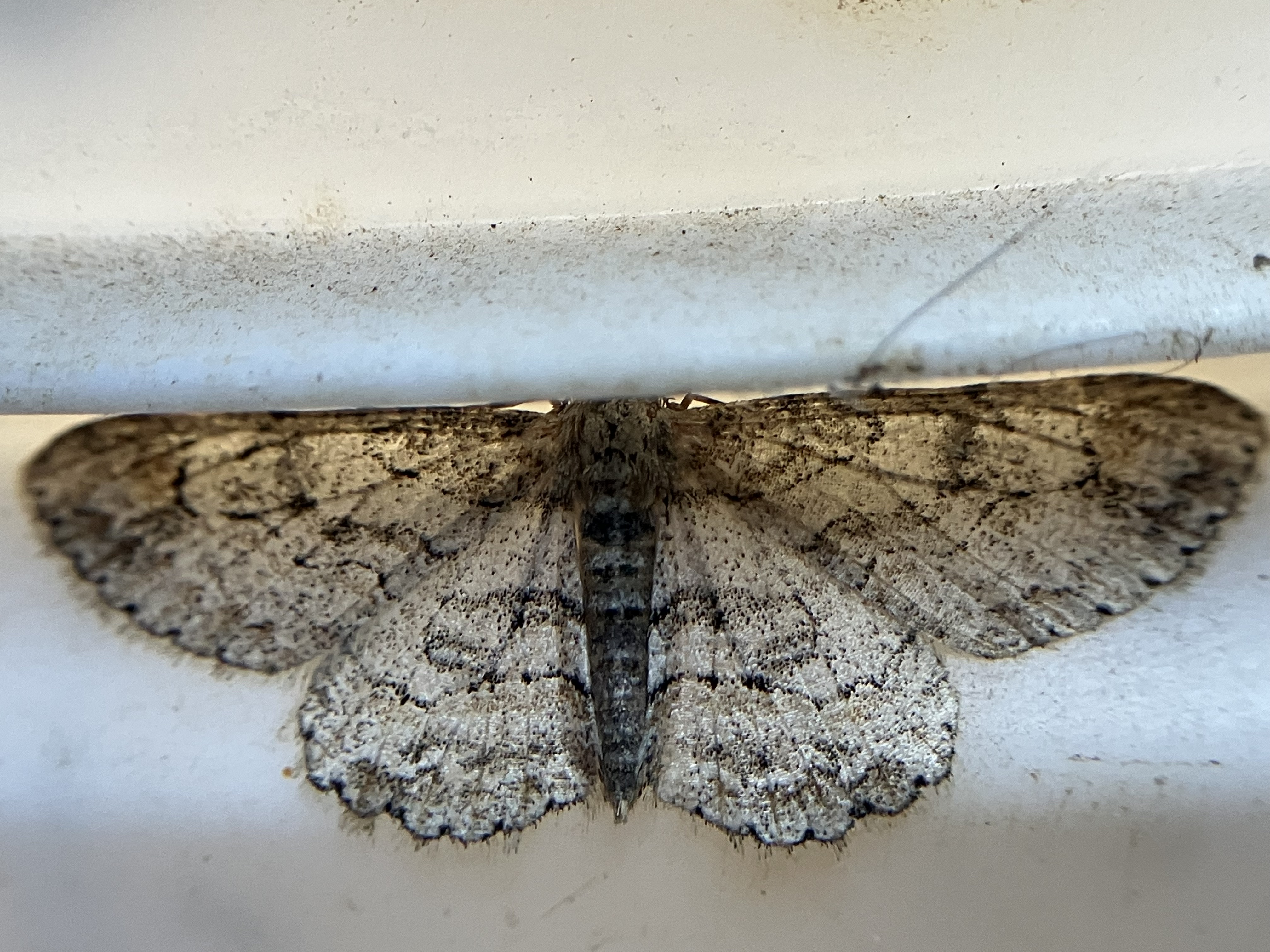
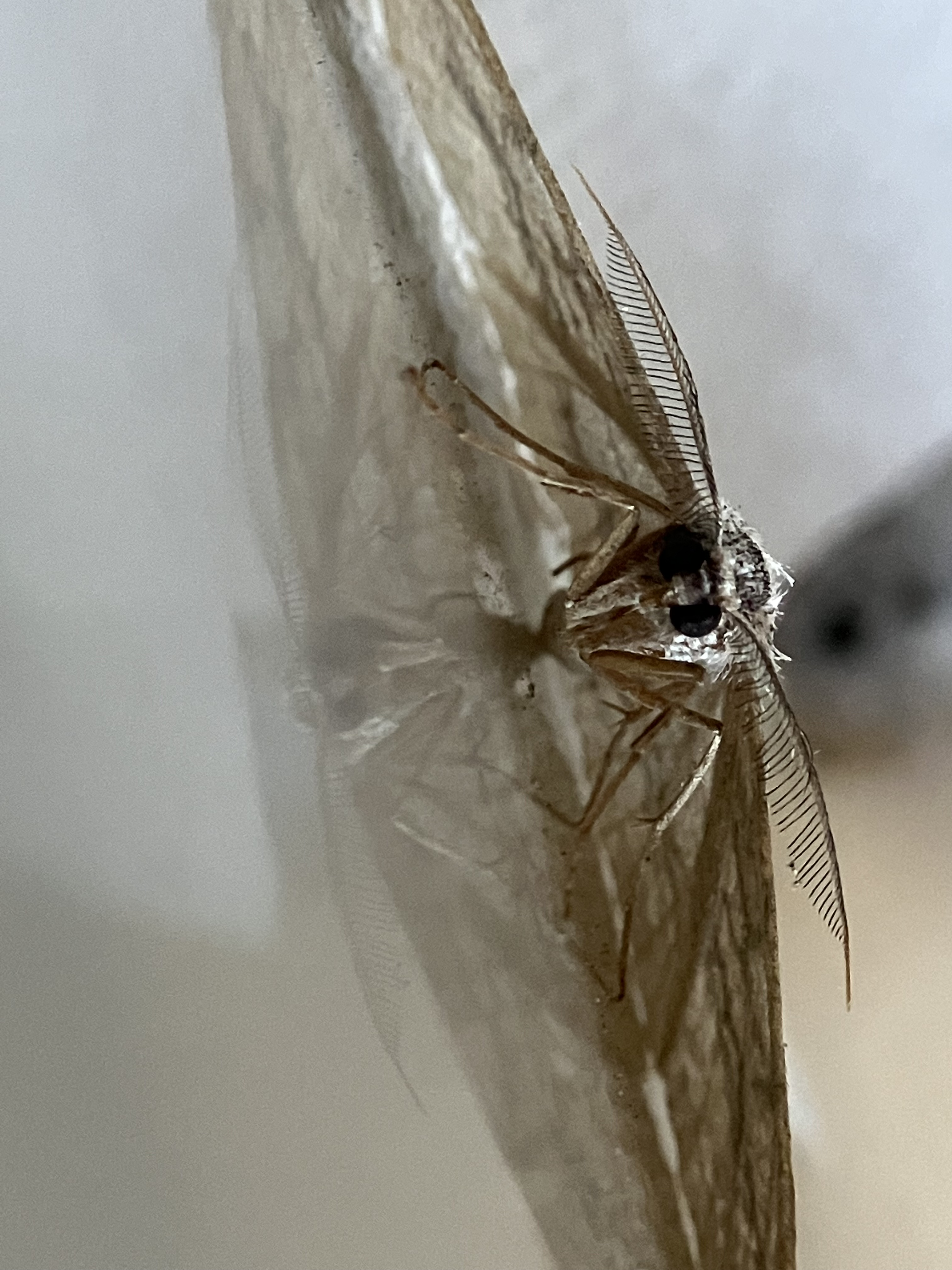
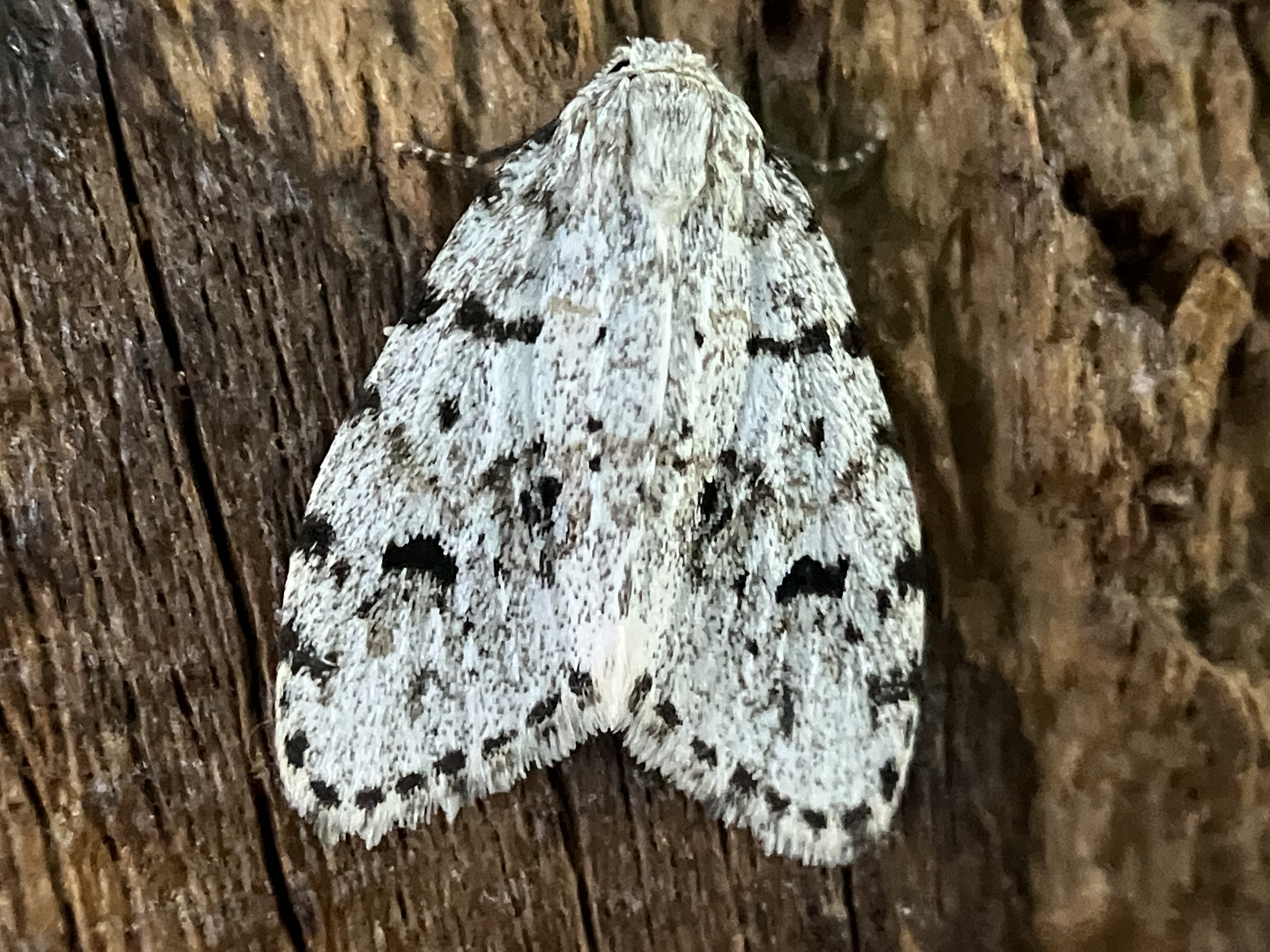
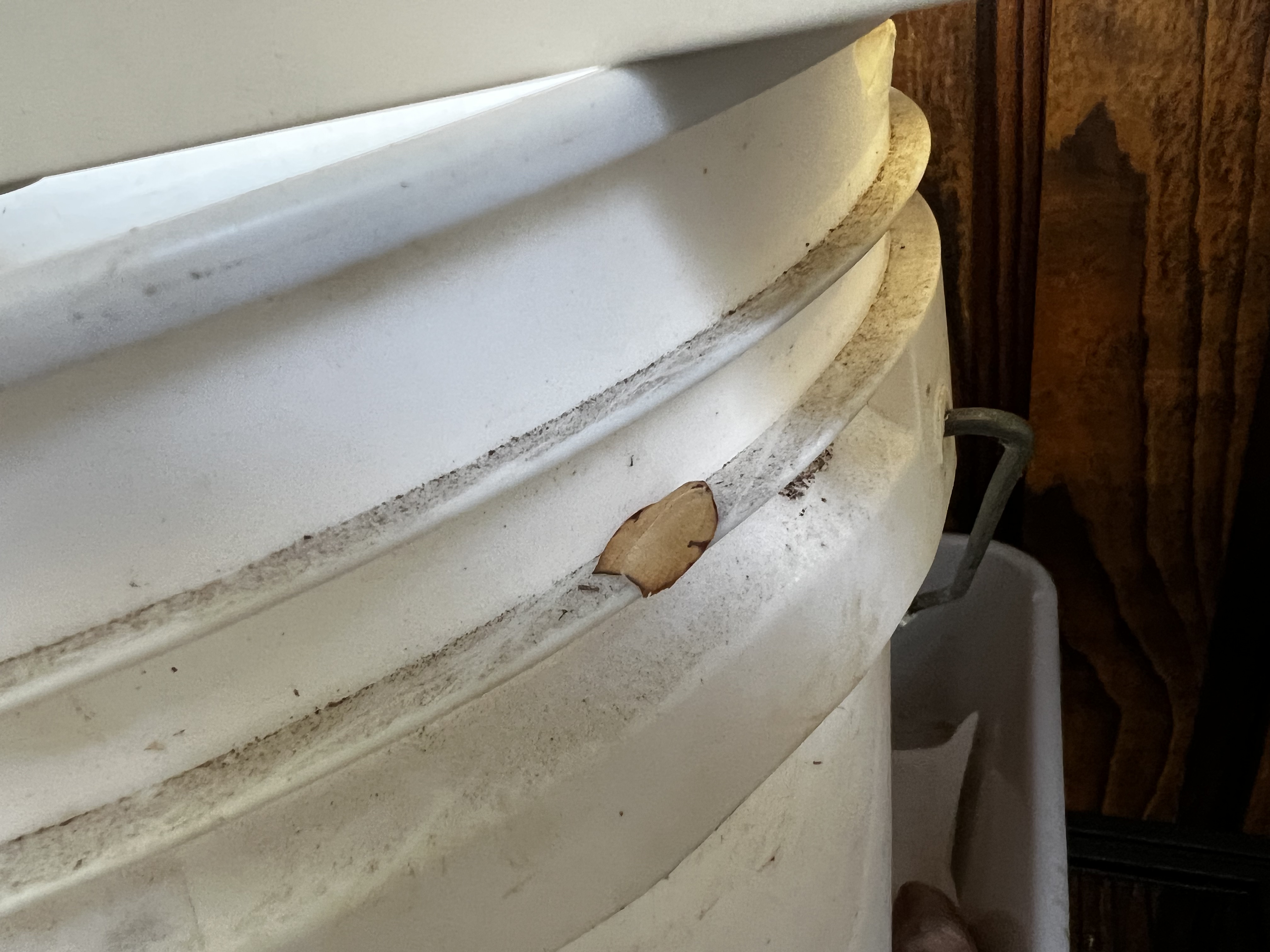
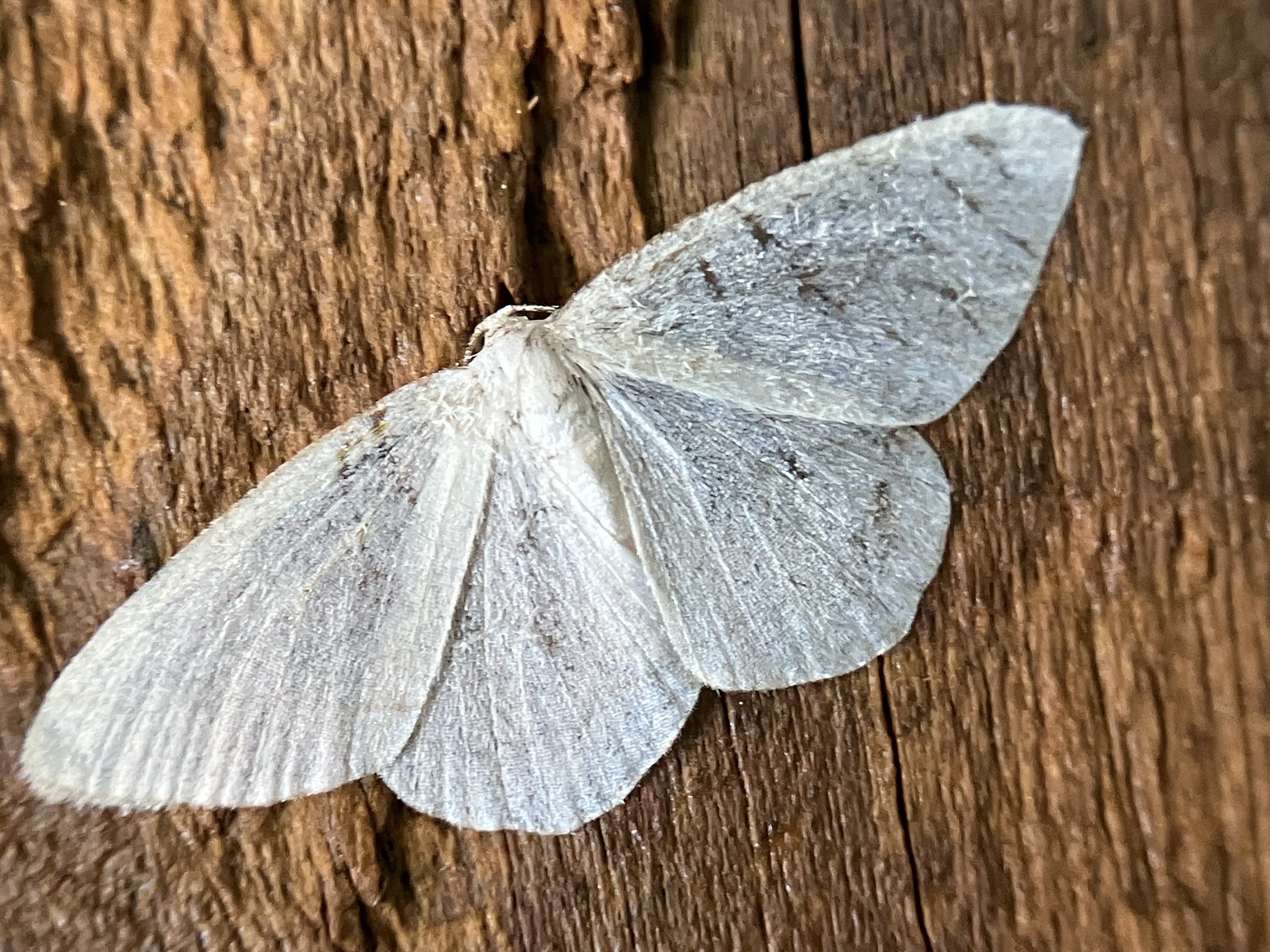
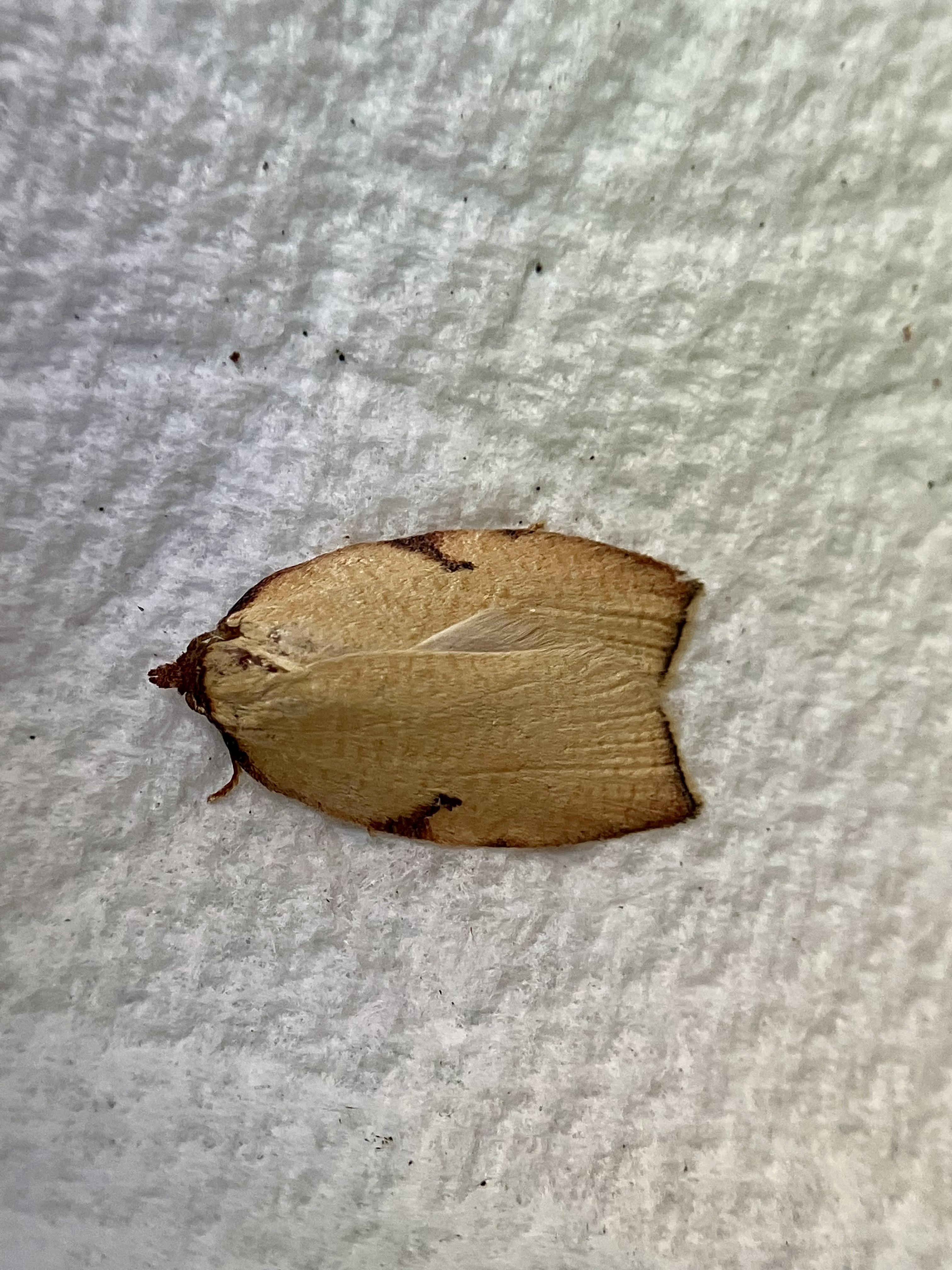
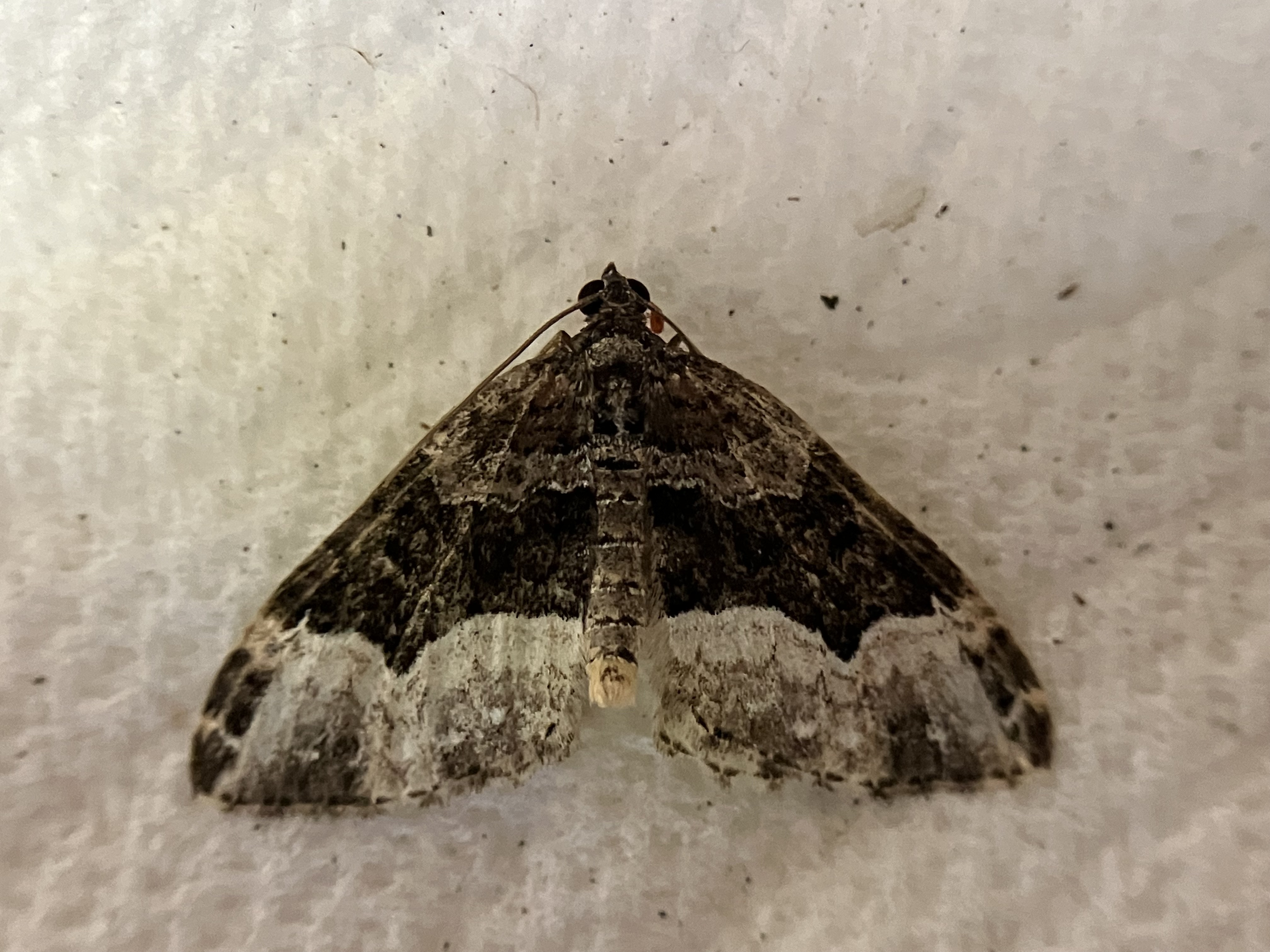
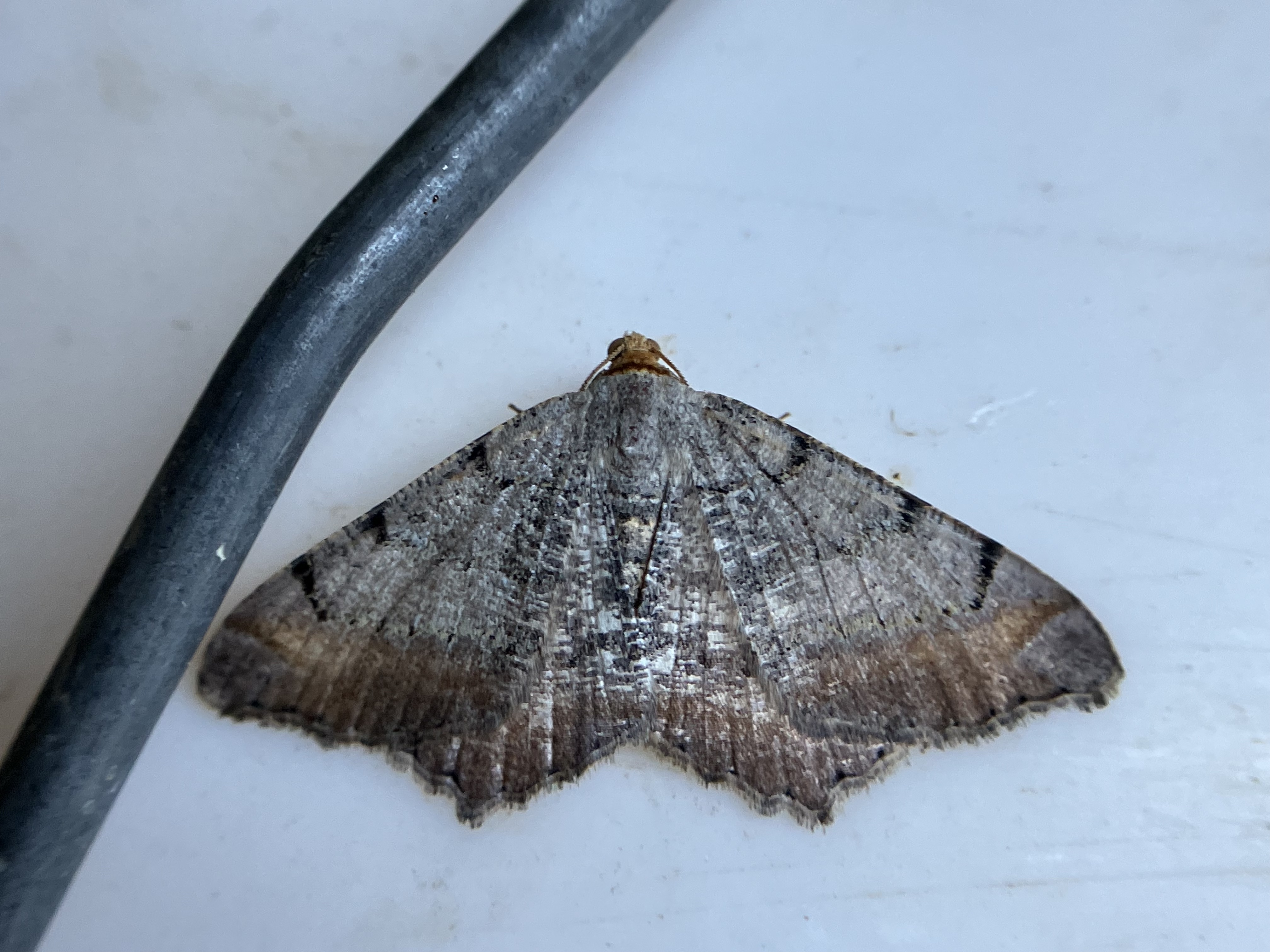
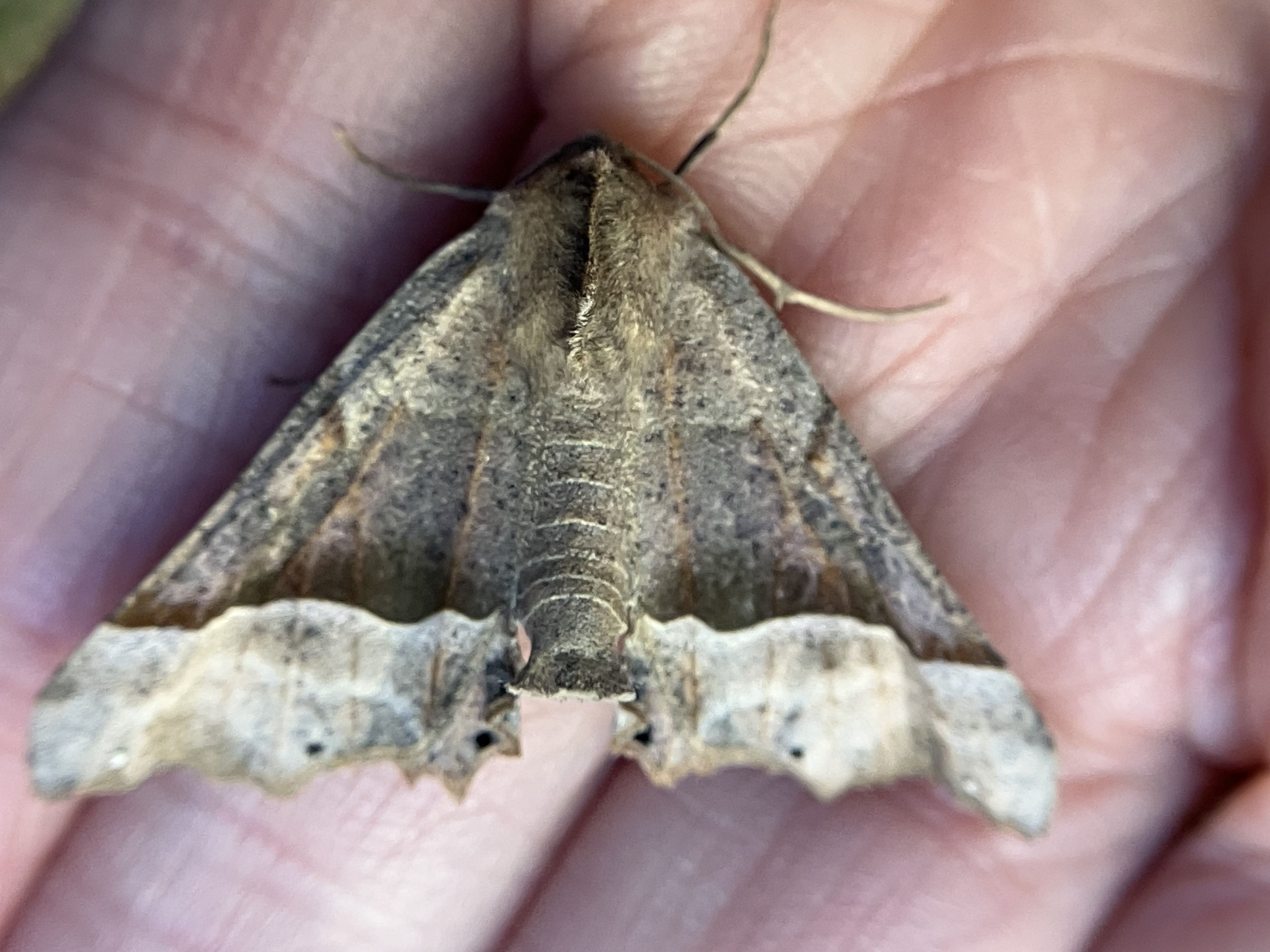
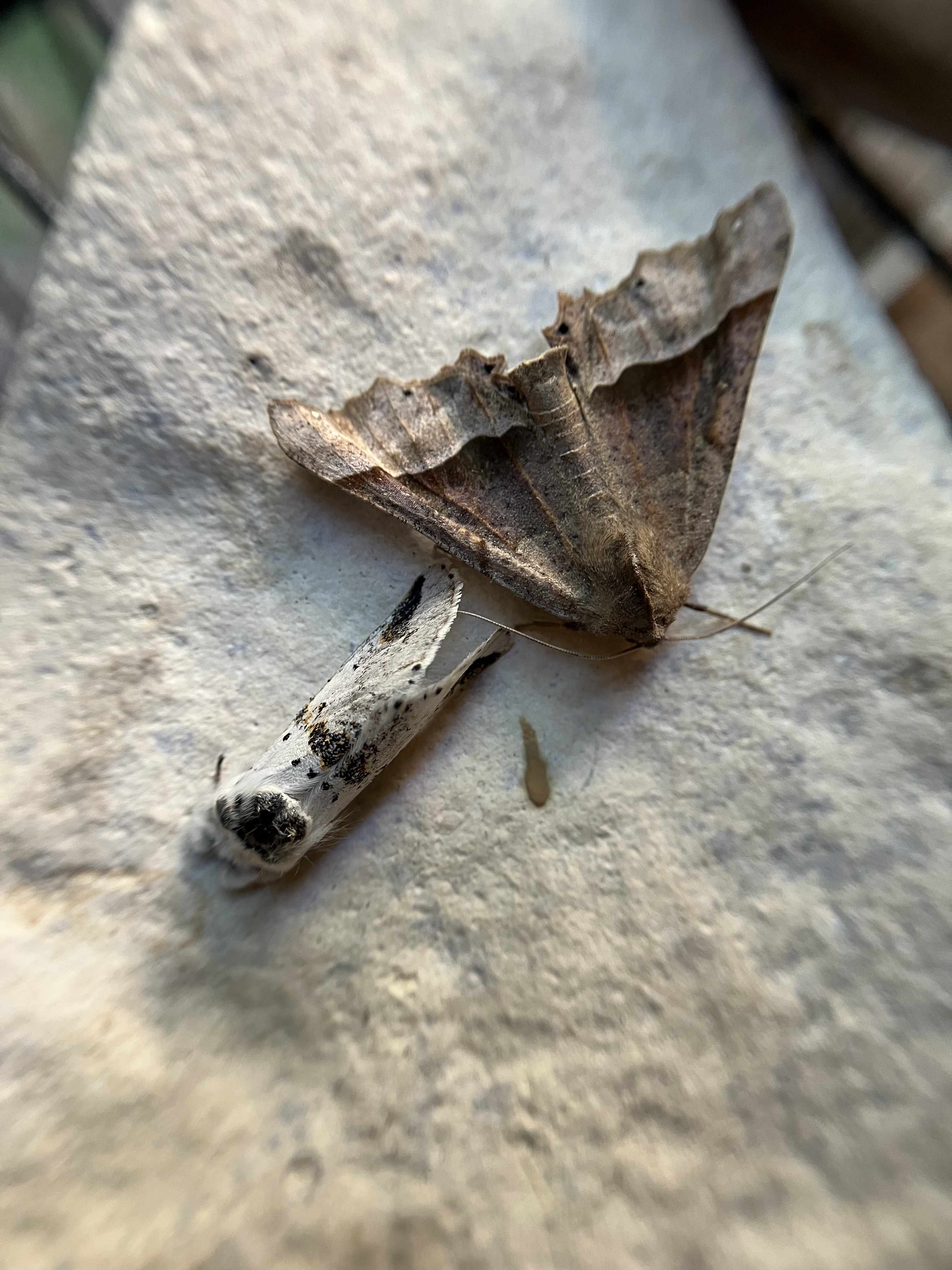
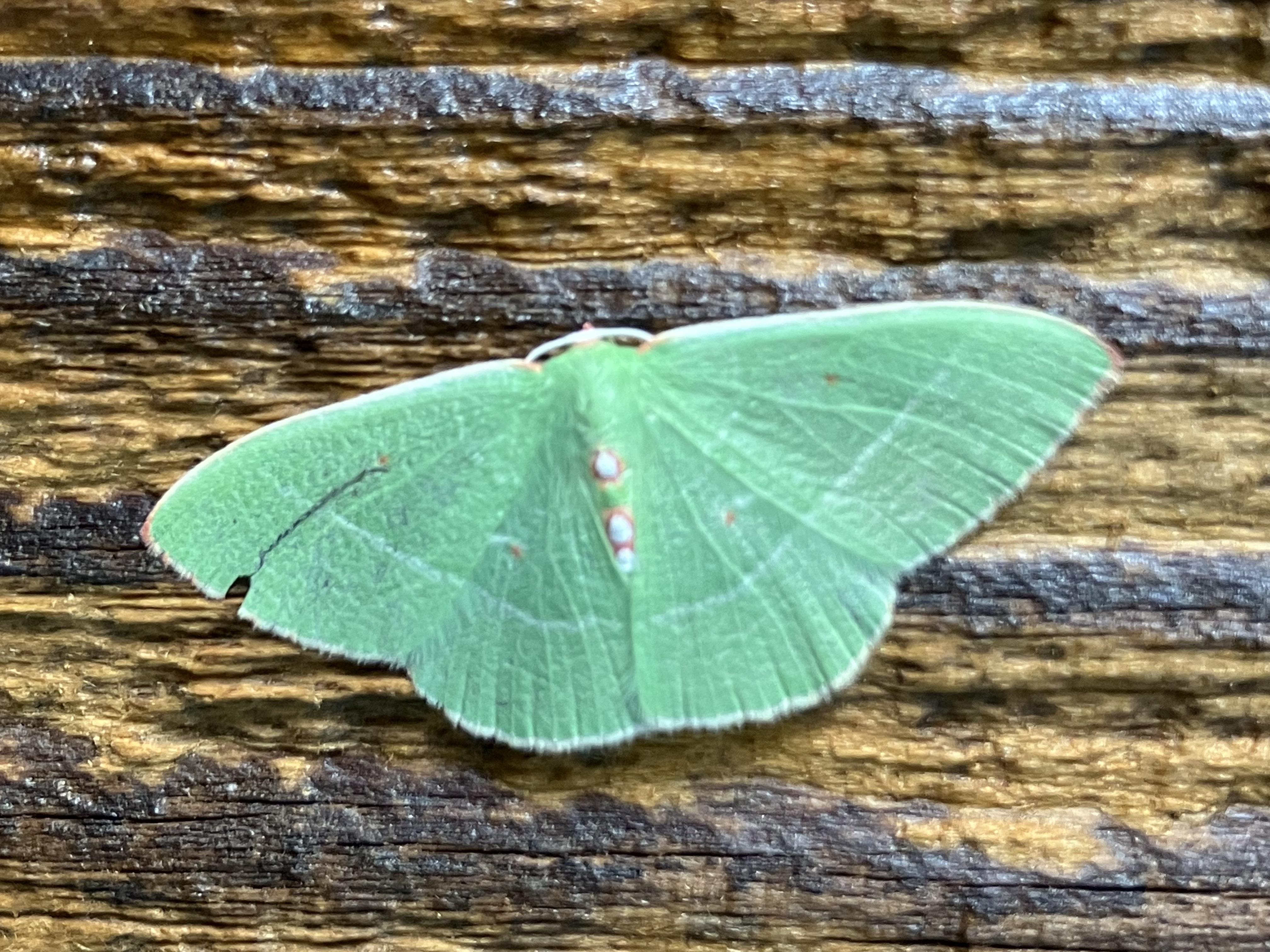
I moved my bug bucket and light to another location. It was a success. Here is the assortment of moths I collected last night. All were handled with gentle care and photographed. Afterwards, I moved them to hiding spots in the forest to make them less susceptible to predation.

Gallery Below

If you’re interested in participating locally in National Moth Week, please don’t hesitate to reach out for more information. You can find me via email at cynthiabrast@icloud.com or on Facebook at Bugs of the San Juan Islands – a private group, but easy to join by answering a couple of questions and agreeing to follow the group rules to prove you aren’t a spammer and won’t be disruptive. 😉
Thanks for viewing!

Hemipenthes morioides, a bee fly

Two weeks ago, I stopped by the San Juan County Conservation Land Bank’s office to take a look at the newly transformed “lawn-to-meadow” native plant garden. This sample meadow is an effort coordinated by Land Steward, Eliza Habagger, as part of The Salish Seeds Project (https://sjclandbank.org/the-salish-seeds-project-bringing-back-island-wildflowers/).  I was astonished at how quickly (seemingly overnight), the wildflowers planted in this small space bloomed.  Aside from being much more appealing than grass, this new wildflower meadow is hosting an assortment of pollinators.  

Hemipenthes sp. Bee Fly (Bombyliidae) at San Juan County Land Bank demonstration meadow – May 18, 2023

Here’s a species of fly I saw that, at first-glance, looks a lot like a biting deer fly.    It is actually a type of Bee Fly in the family Bombyliidae with no common name.  Its Latin genus name is Hemipenthes, and this one keys out to Hemipenthes morioides

Hemipenthes means ‘half-veiled in black’ and refers to the wing pattern seen in this group.  I used a key by Ávalos-Hernández (2009) to work out my identification and consulted with another fly specialist who agreed.  In the video clip of the fly, it looks to be ovipositing in the sand, indicating my specimen is female.  I’ll come back to this in a bit.

I believe this is Hemipenthes morioides, a Bee Fly – May 18, 2023, San Juan County Land Bank Native Plant Garden

Literature describes Hemipenthes morioides flies as hyperparasites (a parasite of a parasite) of the larvae of parasitic flies (Diptera, Tachinidae), as well as parasitic wasp larvae (Hymenoptera, Ichneumonidae).  Brooks (1952) cited this species as a predator of the tachinid fly Bessa harveyi, which is a parasite of the sawfly Pristiphora sp. (Hull, 1973).  H. morioides has been collected mainly in the western states of the USA (Ávalos-Hernández (2009). They also are known to parasitize caterpillars of moths in the family Noctuidae (Bugguide.net 2020).   Preferred habitats are forest edges and meadows.  

Of course, this leads me to ask all sorts of questions about how exactly this process of hyperparasitism takes place, especially with regard to being parasites of Tachinid flies.  That’s because most parasitic tachinid flies lay eggs directly onto their host’s body. How would the Hemipenthes fly eggs, laid in sandy substrate, get into a Tachinid fly egg laid onto another host?

Do Hemipenthes fly eggs laid into soil hatch, and then migrate through the soil to find an about-to-pupate or already pupating host?  As to finding literature specific to Hemipenthes morioides with detailed descriptions about this process in the wild, I wasn’t successful.  It seems to be such a complex relationship that chances of observing this happening in a natural setting are slim.  For now, I’ll just have to be satisfied with knowing the taxonomy.  The rest may remain a mystery…🤔


Except I like to solve mysteries, or try to at least!  I reversed direction (taxonomically) in my literature search to see what studies are published around the Family (Bombyliidae).   In The Evolutionary Pattern of Host Use in the Bombyliidae (Diptera): a diverse family of parasitoid flies by David K. Yeates and David Greathead (1997), I discovered the “ovipositing” I observed is something entirely different.  This female Hemipenthes fly was filling her “sand chamber” or “psammophore,” a ventral abdominal pocket into which the eggs are laid, and a feature unique to “higher” Bombyliidae (Yeates & Greathead, 1997; Calderwood, 2007). 

Further, Calderwood (2007) comments in Bugguide.net, “It is said that eggs are coated with sand in the chamber to fascilitate release later. I (Calderwood) think that, given the relative size of sand grains and Bombyliid eggs, the reverse is true: the tiny eggs coat sand grains in the chamber, which are heavy and easier to toss with accuracy, kind of like sticking a piece of gum to a baseball. Ovipositing looks like little aerial dipping movements accompanied by flicks of the keester. Eggs are thrown through the air.”  I agree with Calderwood’s statement, and how fascinating this behavior is!  


Two weeks later, I’m still threading through a stack of literature about Bee flies Bombyliidae.  I’ve discovered that almost all Bombyliidae bee flies (including this Hemipenthes fly) go through what is called hypermetamorphosis.  Those eggs, which were flung through the air onto vegetation or the soil substrate will hatch into what is known as a first instar planidium.  This is the form of the fly that must search to find a suitable host for development (Yeates & Greathead, 1997).  

The planidium morphology is such that it is adapted for mobility/locomotion, host-finding, and attachment.  It has an elongate body with two long setae and fleshy pseudopods at the end of its abdomen.  There are also a pair of elongate setae on each thoracic segment (Du Merle, 1972).    Examples of hypermetamorphosis and this mobile, first-instar form of larvae include quite a few other groups of insects.  One example being the one between Strepsipteran larvae (known as triungulins) and Blister Beetles (Meloidae).

I’ll leave you with a nudge to pick up the Yeates and Greathead (1997) paper.   It’s really pretty fascinating.  Complex?Yes. Studying nature is one of the most intriguing topics you can delve into. There are many intricate pieces all woven together.  Yeates and Greathead describe the chance observations of the process of development in Bombyliidae by scientists as serendipitous.  I think it’s quite serendipitous that these tiny, first instar larvae ever find a host in the first place.   More on Hemipenthes flies below.

Thanks for reading!

Taxonomy (bugguide.net, 2020)  

Family: Bombyliidae (Bee Flies)

Subfamily: Anthracinae

Tribe: Villini

Genus: Hemipenthes

Species: Hemipenthes morioides

Identification (bugguide.net, 2020)

Head: Round; dark brown to black. 

Male and female: identical, eyes of female only slightly wider, barely discernable.

Antenna: Black, very short.

Thorax: Dark brown to black with rust hairs across shoulders; sometimes thorax is bald. Thorax sides may have some yellowish hairs which do not form a definite line.

Wings: Dark brown, covering about 2/3rds of the wing, lower dark margin step-like. The dark extends to the inner margin or anal cell. Three sets of cross veins have a light mark on each side of the vein, called aureoles. One near base, one about mid-wing, and another small one below (or R4 + R5, M2 and CUP). 

Legs: Dark brown with a row of spines on front shin (tibiae). Feet lighter. 

Abdomen: Dark brown to black with small to large yellowish spots across each segment and a yellowish line across lower margin. Dark fringe mixed intermittently with some white on side edges of abdomen.

Habitat 

Forest edges and meadows.

Season 

All season in southern U.S. Late May to August in the north.

Distribution 

Canada (British Columbia), USA (Arizona, California, Colorado, Idaho, Illinois, Indiana, Iowa, Massachusetts, Michigan, Minnesota, Montana, New Jersey, New Mexico, New York, Ohio, Oregon, Pennsylvania, Utah, Washington, Wisconsin, Wyoming), Ávalos-Hernández (2009). 

References and Further Reading 

Ávalos-Hernández, Omar. (2009). A Review Of The North American Species Of Hemipenthes Loew, 1869 (Diptera: Bombyliidae). Zootaxa. 2074. 1-49. 10.5281/zenodo.187152.

Brooks, A.R. (1952) Identification of bombyliid parasites and hyperparasites of Phalaenidae of the prairie province of Canada, with descriptions of six other bombyliid pupae (Diptera). Canadian Entomologist, 84, 357–373. 

Bugguide.net. 2023. Hemipenthes morioides. https://bugguide.net/node/view/365221

Dipterists Society. Main Parts of a Fly (Fly Morphology) – https://dipterists.org.uk/morphology

Du Merle, P.  1972.  Morphologie de la Larve Planidium d’Un Diptère Bombyliidae, Villa Brunnea,Annales de la Société entomologique de France (N.S.), 8:4, 915-950, DOI: 10.1080/21686351.1972.12278123https://www.tandfonline.com/doi/epdf/10.1080/21686351.1972.12278123?needAccess=true&role=button

Finlayson, L.R. & Finlayson, T. 1958. Parasitism of the European pine sawfly, Neodiprion sertifer (Geoff.) 

(Hymenoptera: Diprionidae), in southwestern Ontario. Canadian Entomologist, 90, 223–225.

Hull, Frank M. 1973. The bee flies of the world. The genera of the family Bombyliidae Bulletin – United States National Museum (no. 286 1973). Smithsonian Institution Press. Retrieved from https://library.si.edu/digital-library/book/beefliesofworl2861973hull

Yeates, D. K., & Greathead, D. 1997. The evolutionary pattern of host use in the Bombyliidae (Diptera): a diverse family of parasitoid flies. Biological Journal of the Linnean Society60(2), 149-185.

Hidden Daggers

Spring has arrived and with it comes beautiful daffodils popping up across the landscape, but also pollen, windy days, and those dreaded allergies many of us suffer from. I’ll bet as you’re reading, you’re might visualize little pollen grains as daggers that blow up our noses and make us sneeze! Personally, when I visualize pollen grains, I picture them as the equivalent of microscopic land mines. Even though pollen grains can be quite unique when viewed under a microscope and cause quite SHARP “achoo’s” into that handkerchief, there’s another DAGGER you’ll have to go search for in those daffodils.


Rhamphomyia fly - Dagger Fly on Daffodil
Rhamphomyia fly – Dagger Fly on Daffodil

When I first saw this bug and took some photos with my phone, I didn’t realize that EXTRA leg was not a leg at all, but a beak of sorts. More close up photos yielded some images of this particular specimen that reminded me of the sinister hood worn by doctors during the Plague that looks like a giant bird beak.

This BUG I found in the daffodils with the strange “beak” or proboscis, a scientific term for an appendage-like mouthpart of an organism, is a type a fly. The common or vernacular moniker being Dagger Fly.

Rhamphomyia fly - Dagger Fly on Daffodil
Rhamphomyia fly – Dagger Fly on Daffodil

From here, I’ll take you through my process of determining the fly’s classification. First off, to understand it is a FLY, you must look at the number of wings. Flies are taxonomically categorized into the insect order Diptera. Di=two and ptera = wings. Two wings or one pair of wings = FLY. Now the Flies or Diptera are an enormously diverse and large group of organisms. Fly classification or taxonomy is one of the hardest groups I’ve ever worked through and in my rudimentary assessment, I managed to identify my specimen as far as the Family Empididae or the Dance flies. This fly wasn’t exactly “dancing” though. It was poking its beak around in the daffodil, and there were several of them in one flower – all doing exactly the same thing.

Rhamphomyia flies – https://bugguide.net/node/view/8957

At this point, I turned to the fly group I belong to on a popular social media site. I posted my photos with date/location/and my suggested family (Empidiae), then asked if someone could help me with further classification. About two days later, I checked back. The suggestion in the comments was for Genus Rhamphomyia. It would be particularly challenging to identify this particular fly to species. Bugguide.net cites Arnett’s American Insects: A Handbook of the Insects of America North of Mexico, stating there are over 400 undescribed species in our area with 450 undescribed worldwide.


While Genus Rhamphomyia falls under the Empididae or dance flies, Rhamphomyia translates from Greek rampho ‘beak’ + plus myia ‘fly.’ Beak flies they are indeed!

Dagger Fly (Rhamphomyia sp.)

Delving past the taxonomical classification of the genus I discovered some interesting bits of information involving mating behaviors. Like other groups of flying insects, males and females will often form swarms of groups, sometimes referred to as leks. In the Rhamphomyia, these groups can be either all male or all female (a reversed-role lek) or mixed.

If the group is single sexed, it may be the opposite sex does not form a group, but rather enters the single sex group to select a mate. There may also be a group of females and a nearby group of males and individuals from each group will leave and mix with the opposite sex group to choose a mate. Different species of this genus may swarm at different times of the day. Some species may spend the entire day swarming, while others only a select time such as right before dusk or early morning. Swarm locations are selected around some sort of visual marker or landmark which may range from very specific ( a particular branch or limb overhanging a pond) or quite general (the southern slope of a hillside adjacent to a stream or a farm field).

The most intriguing behavior is the habit of male flies to collect and bring nuptial gifts to a female. Alcock (2016), describes this fascinating ritual where female flies gather in swarms low over open woodlands, high in treetops, or over grassy hayfields in early morning or late evening. The swarms lasted 1-2 hours each with female Rhamphomyia flies holding their highly ornamented legs wrapped around their abdomens. In these swarming female groups, males enter and gift their selected female a small insect for her to consume. Examples of tiny insects selected for nuptial gifts include drosophila flies, small syrphid flies, or tiny caddisflies (Alcock 2016). Kuiter, Findlater-Smith, and Lindhe (2017) recorded nuptial gifts to include “fungus-gnats (Myctophylidae), crane flies (Tipulidae), other Empididae flies, and occasionally small moths (Lepidoptera). ”


Reading a bit more led me to Funk and Tallamy (2000) who describe the plight of the female Dagger fly. She is unable to hunt for prey and wholly dependent on these nuptial gifts of protein necessary for development of her offspring. In the swarming leks, she seeks these nuptial gifts from male suitors in exchange for copulation.

While I didn’t witness the formation of swarming leks of these flies, I did find some handsome daggers hanging out in the daffodils. I kept reading and found they can use their beaks not only to pierce small insects, but also to pierce and extract nectar from flowers. As they feed, pollen collected on their bodies may be distributed to other flowers (Sezen 2015).

Rhamphomyia Dagger Fly on Daffodil

Probably the grand finale in my literature search yielded the paper written by Kuiter, Findlater-Smith, and Lindhe (2017) titled Pollination of the Bearded Greenhoods (Orchidaceae) by Dagger Flies (Diptera: Empididae). They describe a unique relationship between the orchid and another species of Dagger Fly. Located in Victoria,Australia, the authors document the case of mistaken identity – the male dagger fly is lured to the orchid by both chemical and physical attributes mimicking the female fly’s sex pheromones and her morphology.

While daffodils aren’t the orchid described by Kuiter et al, (2017), I considered their observations to offer one possible reason the flies I found could become so awkwardly stuck. Kuiter et al. (2017) suggest the flies observed bringing nuptial gifts to the Bearded Greenhood orchid (Pterostylis plumosa) are attracted by the orchids’ kairomones which mimic the Empididae female flies’ sex pheromones. In the case of this particular orchid, the hairy labellum inside the flower head acts as a visual cue, arousing the male who mistakes it for the hairy legs of a female Empididae fly (Kuiter et al, 2017). They believe the bearded orchids may have evolved the hairy labellum for holding the nuptial gift of the male fly just as females of the fly species have hairy legs for receiving the nuptial gift – a very species-specific relationship ensuring the orchid is pollinated.

I believe this relationship provides a possible explanation (at least for me) as to why I found deceased flies stuck within the filaments and stamen inside several daffodil flowers. I actually found four flowers with stuck flies, so it seemed more than merely coincidence. Is it remotely possible the species of male Dagger fly I found mistakes parts inside the daffodil flower for a female fly and cannot extricate himself from the situation? Mistaken identity? Or, did he merely shelter there in the cool of the night and expire in slumber? https://nossaorg.files.wordpress.com/2017/05/finalbeardedgreenhoodpollinatorlrs.pdf

Rhamphomyia Dagger Fly in Daffodil

I’ll end with a note of my own. Many of these relationships between plants and pollinators are highly complex, understudied, and/or, as in this group of flies, un-described. Many species of plants and animals, including and especially pollinators, are under immediate threat due to climate change, habitat loss, and land use changes. You can help by minimizing your impact and changing long-held habits. Avoid clearing around your property, try the “no-mow” approach. We mow only trails and leave the rest. Plant native plants, leave brush piles instead of making burn piles, build a smaller home, be a smart consumer. We are altering systems that enable our own survival. Get outdoors and learn about the diverse life that shares your space. Check out the iNaturalist app and see what you can record in your own backyard. These unseen living critters around us are unique, intriguing, and worth saving!

Thanks for reading!


View more photos in my Dagger fly gallery here:


Vocabulary

Leks – aggregation of (male) animals gathered to engage in competitive displays and courtship rituals, known as lekking.

Kairomone – allelochemicals where the chemical signals are favorable to the organism that receives the signal. A familiar example is the lactic acid component of human sweat that attracts the mosquito Aedes aegypti (Augustin, 2016).

Morphology -the study of the form and structure of organisms and their specific structural features.

Pheromone – semiochemicals that influence the physiology or behavior of members of the same species. They include sex attractants, alarm substances, aggregation pheromones and trail markings (Augustine, 2016).

Proboscis– tubular feeding and sucking organ of certain invertebrates such as insects.


References and Further Reading

Alcock, J. The Mating Behavior of an Undescribed Species of Rhamphomyia (Diptera: Empididae). J Insect Behav 29, 153–161 (2016). https://doi.org/10.1007/s10905-016-9545-5

Augustine, T.J. 2016. Kairomones. Organic Materials Review Institute (OMRI) https://www.omri.org/kairomones

Bugguide.net. 2003-2023. Genus Ramphomyia. https://bugguide.net/node/view/8957

Kuiter, R., Findlater-Smith, M.J., and Lindhe,R.E. 2017. Pollination of the Bearded Greenhoods (Orchidaceae) by Dagger Flies (Diptera: Empididae). Aquatic Photographics. Short Paper 1. https://nossaorg.files.wordpress.com/2017/05/finalbeardedgreenhoodpollinatorlrs.pdf

Funk, D. H., & Tallamy, D. W. (2000). Courtship role reversal and deceptive signals in the long-tailed dance fly, Rhamphomyia longicauda. Animal Behaviour, 59(2), 411–421. doi:10.1006/anbe.1999.1310
10.1006/anbe.1999.1310

Mischenko, M. and Frostic,M. 2009. Scanning Electron Microscope Still Image of Pollen Particles. Scientific Visualization Studio. NASA/Goddard Space Flight Center. https://svs.gsfc.nasa.gov/10394

Sezen, U. 2015. Common Mallow Pollinated By Dagger Fly. Nature Documentaries. http://naturedocumentaries.org/10098/common-mallow-pollinated-dagger-fly/

Oreas Anglewing (Polygonia oreas)

I posted a few images last week to my iNaturalist page to see if I could get help from some experts in the butterfly community to ID this Polygonia butterfly past genus. It sparked a lively amount of conversation and I finally received a comment in the thread from West Seattle-based nature guide, ecological consultant and botanist, Stewart Wechsler, stating, “@cyndibrast Looks like you have the first confirmed Polygonia oreas iNaturalist observation for the San Juan Islands!” I would also throw out that the first person to correctly speculate the ID for this is my friend, lepidopterist David Droppers, who suggested I post in a wider audience to see what feedback I might receive.

Cool! So, I have the first Oreas Anglewing iNat. Sighting for San Juan County. 😀

Polygonia oreas – March 29, 2023, San Juan County, WA

Have there been others? Probably. Not everyone is using iNaturalist, so some sightings may not be on the radar for other bug enthusiasts. I like it to keep all my bug sightings organized and categorized and all that stuff and using iNaturalist makes it easy to find things when I want to go back to reference one. If you don’t have the iNat. app, give it a try. It makes your outdoor experiences a lot more interesting in a nerdy, scientific way. You can be a naturalist on your hike. It’s fun!

Here’s a bit of information about this interesting butterfly, now officially recorded on San Juan Island. Links to sources included below.

Oreas Anglewing (Polygonia oreas)

*From (C. LaBar 2013) and (Björklund, N.H. 2018-2022)*

SIZE: Wingspan of 40 to 50 mm (up to 2 inches)

Key ID Features: Above orange with black blotches and spots, often with very jagged wing edges, submarginal row of yellow chevrons and brown to black marginal band. HW above has yellow patches adjacent to dark marginal band. Below dark gray to black, with lighter gray striations, and prominent white flattened “v” (pointed at the bottom, often looking like a gull in flight) with no hooks in center of HW.


Similar species: Darker below than other comma species, white “v” mark on HW below lacks barbs. Other comma species either have stronger green submarginal shading below or the “comma” mark on HW below is curved (not a pointed “v”) or barbed or both.


Male: rusty orange and gold with black spots, dark brown wing margin with row of bright yellow spots. Ventral is variegated in contrasting shades of dark brown and black. White comma on VHW.


Female: slightly lighter dorsal and ventral colors and less-distinct ventral mottling.


Egg: green.


Larva: first two instars are brown and pale beige with black hairs and spines. Last three instars are mostly black with thin, white or yellowish bands around each segment and covered with rows of yellow-orange spines.


Pupa: mottled reddish brown, white and gray, with three pairs of silver spots.


Larval hostplants:  currants (Ribes), primarily swamp currant (R. viscosissimum), also including R. divericatum (straggly gooseberry), and R. lacustre (swamp gooseberry).


Habitat: Forest fringes, especially in older stands, riparian areas and ravines, subalpine meadows.


Range: Coast Range, Willamette Valley, Western Cascades, east slope of Cascades, Wallowa Mtns, Blue Mtns.

Season: Late February to mid-September

Abundance: Uncommon

Conservation Status: Secure

References and Further Reading

1. Bugguide.net. Polygonia oreas. https://bugguide.net/node/view/25041
2. Björklund, N.H. 2018-2022. Butterflies of Oregon. Oreas comma. https://www.butterfliesoforegon.com/polygonia-oreas

3. Brast, C. 2015-2023. iNaturalist Profile and recorded sightings https://www.inaturalist.org/people/cyndibrast
4. LaBar, C. , 2018. Northwest Butterflies. http://northwestbutterflies.blogspot.com/2018/03/species-profile-polygonia-anglewings.html and https://northwestbutterflies.com

5. Nicholson, M. 2013. Into the woods with Stewart Wechsler. Westside Seattle. https://www.westsideseattle.com/west-seattle-herald/2013/07/18/woods-stewart-wechsler

6 .Scott, J. A. 1984. A Review of Polygonia progne (oreas) and P. gracilis (zephyrus)(Nymphalidae), including a new Subspecies. Journal of Research on the Lepidoptera 23(3):197-210 https://web.archive.org/web/20220513003524id_/https://www.biodiversitylibrary.org/partpdf/266758

7. Thompson, E. 2018. Naturalist taking inventory of Snohomish County butterflies
David Droppers, of Lynnwood, is documenting the species along popular Mountain Loop Highway trails. The Chat. https://www.heraldnet.com/life/naturalist-taking-inventory-of-snohomish-county-butterflies/

Fernando (Brave Traveler), the Firebrat

I’ve been meaning to post this for awhile now. Catching up on projects like this will help mark time until our cold winter weather gives way to warm spring sunshine. This is a story about a brave little bug that came back in my suitcase from our pre-covid trip to Mexico. His name was Fernando. The drawings are something I worked on during the long rainy days we were stuck indoors.


My husband took me to Los Cabos, Mexico in January 2019 for some sunshine.   It gets so dreary and dark in the Pacific Northwest that spending ten days visiting the Baja Peninsula confers many health benefits.  These include replenishing your vitamin D levels and improving your mood if you suffer Seasonal Affective Disorder.  

Getting to Mexico from Seattle is a bit of a journey – the worst of it getting off San Juan Island since our ferry system is reliably unreliable.  We flew Alaska Airlines direct to Los Cabos.  They have newer planes and nice flight attendants, so our experience was pretty stress free.  We rented a car in Los Cabos and began our adventure, but since I’m not a travel writer, this story isn’t going to be about traveling through Baja.  Trust me that we got the sunshine we needed.  Our experience in  Mexico was mostly wonderful.  The people were nice, food delicious, and we felt safe.  Caveat…my ONLY issue was with our airbnb hostess who let her cat free roam and it brought me an injured gecko.  Being Drago’s mom has increased my awareness of how Herps (reptiles and amphibians) are susceptible to pain just like we are.  It’s not cool to let your cat go out and torture wildlife.  That’s in your control as a cat owner and please be a responsible cat owner.  Keep kitty in a catio, on a leash, supervised with you watching closely when outdoors, or INSIDE!  Rant over.  


This is Fernando’s story:

Fernando lived in a little driftwood “casa” on a Los Cabos beach where he could lounge and enjoy the warm sunshine every day.  Little did I know I was sneaking Fernando back into the USA when I picked up that piece of driftwood to bring home as a souvenir.  My bad.  Very bad for poor Fernando.   I didn’t know he was clinging to his casa, scared out of his wits.  He was completely hidden, and even managed to evade detection by customs when we flew home from Mexico to re-enter the USA.  I discovered the tiny, unhappy stowaway when I was unpacking my suitcase once we got home.  Since he was alive and needing care, I also decided he needed a name. I came up with the name Fernando, which means “brave traveler” in Spanish.   I guess Fernando was pretty brave to leave his homeland and family behind.  We promised to repatriate Fernando the following year, but sadly that didn’t happen.  The pandemic happened.  Fernando was stuck in the cold, dreary PNW that winter.  Although he was provided with a warm stove for heat, food, and water,  he didn’t live long enough to return to Baja.  Poor Fernando.  I tried to visualize a happy ending for him.  Viva Mexico!  

Fernando was very happy living on the beach in Los Cabos. His favorite activity was to broil himself in the sun while reading Gringo Daily.

Fernando found himself on an involuntary trip when the tourist picked up his driftwood casa to bring home as a souvenir. Poor Fernando.

He was miserable on the flight – leaving his home and heading to the very cold, very dreary, and very gray skies of the Pacific Northwest. Poor Fernando. No more sunshine. 😦

When he was discovered, Fernando’s hostess tried to make him as comfortable as possible. He got a nice warm spot by the fire.

Fernando dreamed of returning to Mexico. Unfortunately, that didn’t happen, but we hope that Fernando’s spirit made its way back to that sunny beach. RIP Fernando.

Here’s a morphological illustration of Fernando the Firebrat. While I was pretty sure Fernando goes into genus Thermobia, I could be wrong. Given that he was found outside on the beach, he may be in another genus within the family Lepismatidae.

The END. 🙂

The Spider Has…A Sticky Lasso in Her Fishing Tackle Box

1903. Hutchinson, C.E. A bolas-throwing spider. Sci. Amer., vol.89,no.10,p.172,figs.

Well, I am home on the couch, still sick and running fever.  It was a miserable night.  I don’t really feel much like reading or watching TV or anything.  If I lie down to try and sleep, my nose gets so stuffy I can’t breathe.  If you have a few minutes, I will share something fascinating about one of the cool spiders I’m reading about in Chapter 1 of my book, The Spider by John Crompton.  

John admits in his book that taxonomy isn’t really his thing.  His focus is on behaviors.  The behaviors of invertebrates is truly intriguing to me. I will forever be curious about these creatures, how they live, what their lives are like, and such.  I’m having to work a bit, googling as I read, as the scientific names of many of these spiders have changed over the years – with reclassifications and updates that will sort of make you crazy trying to figure out what they might be called NOW. 

The spider I want to share about is an Australian Orb Weaver spider, formerly called Dicrostichus magnificus, now re-named Ordgarius magnificus. The common name for this spider is the Magnificent spider or Bolas spider, a very suitable common name indeed.   Keep reading and you’ll see why! 

During the daytime, this spider hangs out in cryptic retreats.  Usually these are little tents constructed from silk-tied leaves of eucalyptus trees.  At night, the spider will come out to hunt and this is where things become fascinating. 

At dusk, the Bolas spider sits on a twig and gathers her tools or perhaps more appropriately, her tackle.  She spins a short silk threat about 2 inches long and at the end of this “line” attaches a sticky globule.  The name Bolas actually comes from a South American throwing weapon with a weight on the end.  

When everything is ready, Ms. Bolas sits with this line dangling from one of her front legs and waits.  Amazingly, she also has coated the “lure” of her line with a pheromone mimicking her intended prey.  The pheromone is said to replicate the scent of a certain female moth in the Noctuid group, attracting unsuspecting males of the species into range.  

Ms. Bolas is triggered into action when she senses the wing beats of unwary moths nearing her line. According to Crompton, she actually lifts her weighted line and whirls it around her head.  As the moth comes closer, into lassooing distance, she casts her line.  If luck has it, the lure (globule) sticks to the target.    

Even more incredible is the discovery of yet another spider species) Cladomelea akermaini, an African species of Orbweaver who also hunts using a bolas.  Crompton states that this species is able to cut off her lure and replace it with a fresh one when, during a fishing expedition similar to the Australian Ordgarius magnificus, the lure dries out.  

I will leave you to read more of Crompton’s account of these spiders on your own.  It is truly fascinating – the idea of spiders creating and using tools.  We underestimate what we cannot see.  For in observing these creatures, our eyes are opened and we are amazed.  

References

Bolas. The Miriam Webster Dictionary. https://www.merriam-webster.com/dictionary/bola

Crompton, J. 1950. The Spider. Nick Lyons Books. New York, NY https://www.thriftbooks.com/w/the-life-of-the-spider_john-crompton/1083347/item/3090892/?gclid=Cj0KCQiAgribBhDkARIsAASA5btRoz_KVLeu3mpSXWq-9UNK_-UgB3V1Hmcyy5Pa3-p_FIeEXTqoV7gaAgwMEALw_wcB#idiq=3090892&edition=4180835

Haslam, M. 2022. Bolas spider (family Araneidae) web slinging. 1903 California USA. Twig Technology. https://twig.technology/blog/bolas-spider-web-slinging

1903. Hutchinson, C.E. A bolas-throwing spider. Sci. Amer., vol.89,no.10,p.172,figs.

Magnificent spider (Ordgarius magnificus). Australian Museum. https://australian.museum/learn/animals/spiders/magnificent-spider/

Observation.org. Cladomelea akermani.  https://observation.org/species/562419/

So You/Your Kid Wants a Bearded Dragon for a Pet

Here’s what I have compiled for anyone contemplating acquiring a bearded dragon. These are not inexpensive animals to own or keep and many are impulse purchases. My Drago came to us as a re-home, after another re-home. To the best of my knowledge, I am his 3rd owner, though I don’t really think of “owning” him, rather being his caregiver and advocate. Please do NOT buy your child a pet to teach responsibility or as a “REWARD” or “BRIBE.” If you have kids you need to bribe, get them a therapist and fix that problem when they are young. Animals should not be sold or traded to make a child happy. Children are not mature enough to care for a Bearded Dragon. Parents end up taking over and the animal suffers when families are too busy. Please don’t buy a bearded dragon to impress your friends. Before you walk out of the Pet Store with a 10 gallon tank, a lizard, and a bunch of stinking crickets, read through this! If you proceed with getting your bearded dragon, please adopt from a rescue group.

Supply List/Price List for Caring for Bearded Dragon

Enclosure/tank with screened top and front open doors (minimum size is 55 gallons, but for an adult bearded dragon, you will need a 4x2x2 (120 gallon) enclosure.  My advice? Just get the 120 Gallon from the start! 

Least expensive I found = Zen Habitats 4x2x2 at $369.99 https://www.zenhabitats.com/products/zen-habitat-w-wood-panels

Oiibo 4x2x2 glass enclosure at $569.99 https://www.amazon.com/Reptile-Terrarium-Sliding-Bearded-Ventilation/dp/B09PT834K2?th=1

Basking Light bulbs (2 100 watt) $25.61 https://www.chewy.com/zoo-med-repti-basking-reptile-spot/dp/126606

Fixture for basking light – I use Fluker’s 8.5” clamp light with dimmer $20.95 https://www.chewy.com/flukers-clamp-lamp-dimmer-85-in/dp/129141

CHE fixture – same as for basking light – Fluker’s 8.5” Clamp lamp with dimmer $20.95 (multiply this x 2 because you need 2 CHE’s for a 120 gallon enclosure) $41.90

https://www.chewy.com/flukers-clamp-lamp-dimmer-85-in/dp/129141

CHE Bulb – CHE (Ceramic heat emitter) Do NOT use red lights!  100 Watt $20.99  https://www.chewy.com/flukers-ceramic-reptile-heat-emitter/dp/129150

CHE Bulb #2 (Ceramic Heat emitter) 150 watt $19.80 https://www.chewy.com/flukers-ceramic-reptile-heat-emitter/dp/129151

UVB tube light – MOST IMPORTANT PIECE of equipment.  Do not get a bearded dragon if you cannot afford to buy and replace these 4 times per year.  Your animal will get metabolic bone disease and suffer greatly as its bones disintegrate.  

Arcadia T5 12% UVB fixture and bulb – It will need to be 36” long to cover ¾ the length of the enclosure -$94.95 for initial start-up kit (light and fixture) https://reptilighting.com/collections/arcadia-uv-b-lights/products/arcadia-prot5-uvb-kit-includes-hood?variant=32852715077691

Accurite thermostat/humidity gauge (x 2) One for the basking side and one for the cool side.  $11.14 or $22.28 total https://www.amazon.com/AcuRite-Humidity-Thermometer-Hygrometer-Indicator/dp/B0013BKDO8/ref=asc_df_B0013BKDO8/?tag=hyprod-20&linkCode=df0&hvadid=216551439599&hvpos=&hvnetw=g&hvrand=12724942685993055575&hvpone=&hvptwo=&hvqmt=&hvdev=c&hvdvcmdl=&hvlocint=&hvlocphy=9033538&hvtargid=pla-350117545360&psc=1

Hot hands handwarmers or lap warmers to keep your animal warm when the power goes out.  1 box of 45 pairs handwarmers – $29.99 https://www.amazon.com/Hand-Warmers-90-Count-Activated/dp/B09P4M8DC2/ref=sr_1_1_sspa?keywords=hot+hands+warmers&qid=1668035558&sr=8-1-spons&psc=1

UV sensor to check the function of your UV light – 4 sensors – $8.99 https://www.amazon.com/Sensor-Reptile-Heating-Photochromic-Indicator/dp/B0951Z1WX1/ref=sr_1_2_sspa?crid=2QM7G1IVMJR18&keywords=uv+sensor+reptile&qid=1668035631&sprefix=uv+sensor%2Caps%2C255&sr=8-2-spons&psc=1

Generator (not a bad idea if the power goes out for an extended period) – you are in trouble if outages last more than a couple of days.  Champion 2500 watt duel fuel generator $708.  https://www.amazon.com/gp/product/B08L45W2V9/ref=ppx_yo_dt_b_search_asin_title?ie=UTF8&psc=1

Accessories $100 (food bowls, hides, feeding tongs, décor, etc.)

Food – ALSO IMPORTANT.  Don’t think your bearded dragon will survive its entire life on stinking pellet food, crickets, or mealworms.  

Babies and juvenile dragons need 80% of their diet to be high quality feeder bugs.  Dubia roaches and Black Soldier Fly larvae are good staples.  Your little dragon will be hungry and EAT at least 25 roaches or fly larvae per day.  You can buy 25 medium dubia roaches online for about $7.25, then add shipping to that.  If you are feeding your pet 25 per day, get a lottery ticket and pray you win.  Soldier fly larva are cheaper and you can get about 100 for $3, but again, add shipping.  Also pray the weather cooperates and they arrive alive.  Your animal is hungry and can starve if you don’t feed it.  The secret remedy for all of this is to start your own colony of Dubia roaches.  I can write a “how to” for that if you’re interested. My feeder bug price checks come from Dubia.com.  I don’t care what Petco or Petland or any other stupid pet store tells you, you should not feed crickets as a staple.  They are dirty.  Don’t dump them into your reptile enclosure either.  They will chew on your pet.  

 Supplements – Calcium powder – 3 oz $3.99 – https://dubiaroaches.com/products/zoo-med-repti-calcium-with-d3-3oz?_pos=1&_psq=calcium&_ss=e&_v=1.0

Substrate – this is what goes on the floor of your enclosure.  If you have a baby dragon, use paper towels (NO FRAGRANCES).  They are sensitive to fragrances and the chemicals in things like air fresheners, laundry detergents, dryer sheets are extremely toxic to their respiratory system.  Use of paper towels will allow you to see their poo and urate and remind you to CLEAN UP after them so they don’t get a nasty respiratory infection when ammonia from their urate builds up in the tank.  It’s gross.  You also need to learn how to look at their poo and urate so you can tell if they are healthy or not.  As you become more experienced, you can change to something else.  If you use repticarpet, plan to change it daily, launder in hot water – NO FRAGRANCE OR DRYER SHEETS – and replace it DAILY.  

Cleaners – Use white vinegar and hot water.  $5 for a jug at Marketplace.  No bleach.  No alcohol.  No scented cleaners. 

Time and attention.  Think about how YOU would feel stuck in an enclosure 24 hours a day where you are dependent on someone else to feed you, clean up after you, entertain you at least a bit, etc.).  If you are working full time and/or you have children in school all day, this is NOT a good pet.  In reality, they shouldn’t be pets at all.  Please do not get your child one of these animals as a pet because they HAVE to have one or to teach them responsibility.  Teach your child to be responsible about making their bed, folding cloths, sweeping the porch, doing homework.  Don’t use an animal to teach responsibility.  You will be doing the work and they have a normal lifespan of 15 years in captivity.  If they live a shorter life, it may be from owner neglect and that will be on you.  If you work from home or have a set up where you can take your dragon with you back and forth to work and home (think of all the expenses times 2), then maybe you can give an animal like this a decent quality of life.  

 Veterinary care.  We do not have any experienced reptile vets in the islands.  You will have to travel off island to find an experienced and capable vet.  I have names, but again, this is not cheap or easy given our reliance on ferries.

Pet sitting.  Going rate is about $60 per day.  You will have to train someone to care for your animal.  Good luck.  

Estimate – not including the animal = Approximately $763.45 start up and plan on at least $196 monthly for food (25 roaches per day for a growing baby or juvenile dragon) – not including shipping charges.

Thank you – Drago

Our 4x2x2 set up

Bugging You From Texas, Part deux

I’ve been home on San Juan Island, WA for 4 days now and clearly I picked up a bug traveling home. Not exactly the sort of bug I wanted, but it was inevitable given the crowded airplane and traveling stress. My husband came down with the BUG first. Then it hopped over to a new host – ME.

So, I’ve spent the afternoon on the couch labeling and sorting photos from one of our nature walks in Texas. This was the first of two hikes we took at the Lewisville Lake Environmental Learning Area Nature Preserve https://www.llela.org/about-llela/mission-and-vision. This area (approximately 2000 acres, I believe) has been conserved in conjunction with U.S. Army Corps of Engineers, the University of North Texas, the City of Lewisville, Lewisville ISD, the University of Texas in Arlington, and Texas A & M Agrilife Extension. It is a true jewel in the madness of the DFW metropolis where over 6.7 million people are displacing wildlife and native ecosystems are lost in the process. The BEST part of these hikes for me is the fact they do not allow dogs. NOT ANY! I am thrilled that the focus is on wildlife and habitat conservation and preservation instead of human recreation. I could actually be outdoors, enjoying nature AND viewing wildlife.

We’ve been to this preserve in prior trips to Texas. This year, we focused on hiking some trails we hadn’t been on before. Here is the gallery of some of the bugs I photographed, along with a few wonderful landscape scenes we viewed on the Redbud Trail – map here: https://www.llela.org/home/showdocument?id=9417

Please support environmental conservation wherever you are. This habitat may seem large at 2000 acres, but the former Blackland Prairie once covered 12 MILLION acres in the state of Texas. We need to set aside more if we are to weather the changes coming ahead.

Stay tuned for Bugging You From Texas, Part 3. I have more wonderful photos to share with you.

Western Calligrapher (Toxomerus occidentalis)

I sat outside today in the sunshine, forced convalescence if you will, exhausted and achey after getting my Covid Omicron Variant booster vaccine yesterday at the San Juan County Fairgrounds. My outdoor time was unfortunately cut short because we have been inundated with construction development noise. I’m fairly certain I will be forever challenged to have an amiable relationship with our newest neighbors. In part, because they sited their VACATION home, right in front of our view. Mind you, they could have moved over 100 feet and we would not have to look across the top of our driveway at their newly constructed 2nd home. It has definitely impacted us. We’ve lost a lot of our privacy out here in the woods. It was never my desire to have close neighbors. I am a bit of a recluse….which is what the new neighbor said about his wife, yet, it begs me to ask again, WHY DID YOU BUILD YOUR HOUSE RIGHT ON TOP OF US?

Oh, and the jackhammering! That noise is enough to make a person homicidal. We had an entire summer of jackhammering from the former owners of that property. Really, truly, that property should never have been zoned for development. Not any development. It’s partly (half) wetland, and the other half is bedrock. Imagine the task of trying to excavate enough to bury your septic lines down the hill when you have solid bedrock! Also, our house is on that same shelf of bedrock, so the hammering shakes the walls and vibrates the floors of our home in the process of all this construction. The development on this lot has gone on for multiple years. I’m really tired of the disruption.

I digress. Sorry, I just had to vent. San Juan Island would be a much friendlier place for wildlife and bugs and such if we didn’t allow anyone to build a 2nd, or 3rd home here. We are outgrowing our space and it isn’t pretty.

Here’s my bug of the day. This beauty is a Western Calligrapher Fly (Toxomerus occidentalis). I was mesmerized watching it rest on the mint leaf. The patterning on the dorsal side of the abdomen reminds me of some sort of totem design.

The adults of this fly species are pollinators. They lay eggs on plants near aphids and when larvae emerge they are predatory on the aphids. It is believed that late instar larvae overwinter, pupation takes place in the soil cavities in the spring and adults emerge later in summer. The name for this group of flies comes from Greek toxon ‘bow’ + meron ‘thigh’ (refers to the bow-shaped hind femur). You can see the curve in the first photo below, circled in red. Something else interesting pertaining to the adult coloration I found on bugguide.net: “Colors vary with overall temperature during pupation: if it was hot, the yellow/orange increases and the background becomes lighter, but if it was cold, the dark/black increases and the yellow/orange becomes darker like the background.”

Enjoy the last few days of sunshine and embrace our native pollinators. We are heading into the dark part of the year. For those of us who live here year round, you know what to expect. Lots and lots of rain.

Thanks for reading!

Western Calligrapher Fly (Toxomerus occidentalis)

Western Calligrapher Fly (Toxomerus occidentalis)

A Diurnal Firefly (and some of my thoughts about the declines of fireflies in general)

Winter Firefly (Ellychnia sp.)

Here’s my “Bug of the day” (for Saturday, October 15, 2022).  I spied it on our wood table outside.  It’s a Diurnal Firefly in the genus Ellychnia.  The Latin name, Ellychnia, comes from Greek, lychnos, translating into ‘lamp’ or ‘lamp wick.’ Obviously, lamps are something associated with the nighttime or darkness.  However, the common name of this genus, diurnal, means “day.”   It’s only a bit confusing, right?  Also, this is a beetle in the family Lampyridae and not a fly at all.  The adults of this genus don’t light up at night or in the day either.  However, they are closely related to the fireflies that DO light up, or luminesce, at night found on the East Coast.  Since this genus, the Ellychnia, don’t have nighttime blinkers, they find their mates by detecting each other’s pheromones.   Lloyd (2002), notes however that all species of Lampyrid beetle larvae have an organ at the end of their abdominal segment 8 that bioluminesces. I’ve never found an Ellychnia larva myself, but these are referred to colloquially as “glow worms.”

Ellychnia sp. firefly

In our area, the genus Ellychnia are also known as winter fireflies.  This is because they spend the winter as adults, and are equipped to tolerate cold temperatures.  You might even see them on days when we have snow.  Larvae of this beetle genus hatch in early summer and live in leaf litter or under bark in decaying trees.  They are carnivorous predators of organisms like snails, slugs, earthworms, and soft-bodied insects.  

Winter Firefly (Ellychnia sp.)

Do we have any blinking species of fireflies in the PNW?  That’s an interesting question.  I found some literature that says we do, but I’m not certain this applies to the San Juan Islands, although a few sparse (and unsubstantiated) records from Vancouver Island, BC exist.  However, western records for flashing fireflies are known from interior B.C. (Cannings et al., 2010) and throughout the western U.S. as reported by Larry Buschman (2016).  

While fireflies that flash or bioluminesce are well known on the eastern side of the U.S. and North America, it is not exactly known how they moved all the way over to the western side.  There is an interesting commentary in the paper by Cannings et al. 2010, with the thought that perhaps at least one of the species of flashing fireflies reported in B.C., (Photinus obscurellus), may have arrived via the railways. 

Because luminescing fireflies are associated with wetlands, it would have been difficult for them to have crossed over the dry Rocky Mountain system without help. Cannings et al. (2010) report sightings across B.C. in association with railways, in fact, with most of these sightings falling within a 30 km distance from a railway.  The thought is that even going across the mountains in drier areas, most railways wound through low lying valleys where the topography is more likely to cross through wetlands.  Even the presence of railroad berms can create areas of new wetland habitat which may also have attributed to the westward distribution of these fireflies.  

Sadly, we have, and continue to degrade, pollute, drain, and lose wetlands in our continued (horrific) adherence to the destructive and entitled ideology of Manifest Destiny.  Development, ranching, hobby farms, and suburban sprawl have eliminated more than 50% of wetlands that previously existed in North America (Fallon et al., 2021).  The remainder have been seriously impacted by chemical pollutants, light pollution, and overall climate change, contributing to further declines to remaining populations.  We may lose all of the species of these iconic and charismatic summertime blinking lanterns without taking special steps to conserve and protect their habitat.   We will have no one to blame but ourselves either.  

Please support environmental conservation and protection in your community – wherever you live.  It is important to reduce our human footprint in order to preserve the natural world, its beauty, and our life support system to perpetuate for future generations.  

How can you help?  Live minimally.  Turn off outdoor lights at night.  Plant native vegetation.  Switch to use of non-toxic household products.  Don’t use lawn fertilizers or chemicals.  Better yet, get rid of your lawn and landscape with native plants.  Eat less meat.  It all adds up.  💡

References

Buschman, L. 2016. Field Guide to Western North American Fireflies. https://buggingyoufromsanjuanisland.com/wp-content/uploads/2022/10/ab7ca-westernfirefliesmarch2016a.pdf

Cannings, Robert & Branham, Marc & McVickar, R.H. 2010. The fireflies (Coleoptera: Lampyridae) of British Columbia, with special emphasis on the light-flashing species and their distribution, status and biology. Journal of the Entomological Society of British Columbia. 107. 33-41.

Fallon CE, Walker AC, Lewis S, Cicero J, Faust L, Heckscher CM, et al. 2021. Evaluating firefly extinction risk: Initial red list assessments for North America. PLoS ONE 16(11): e0259379. https://doi.org/10.1371/journal.pone.0259379

Fender, K.M. 1970. Ellychnia of western North America. (Coleoptera-Lampyridae). Northwest Science 44: 31-43.

Lloyd, J.E. 2002. Lampyridae Latreille 1817. Pp 187-196 in R.H. Arnett, Jr., M.C. Thomas, P.E. Skelly and. J.H. Frank (Eds.). American Beetles. Volume 2.

« Older Entries Recent Entries »