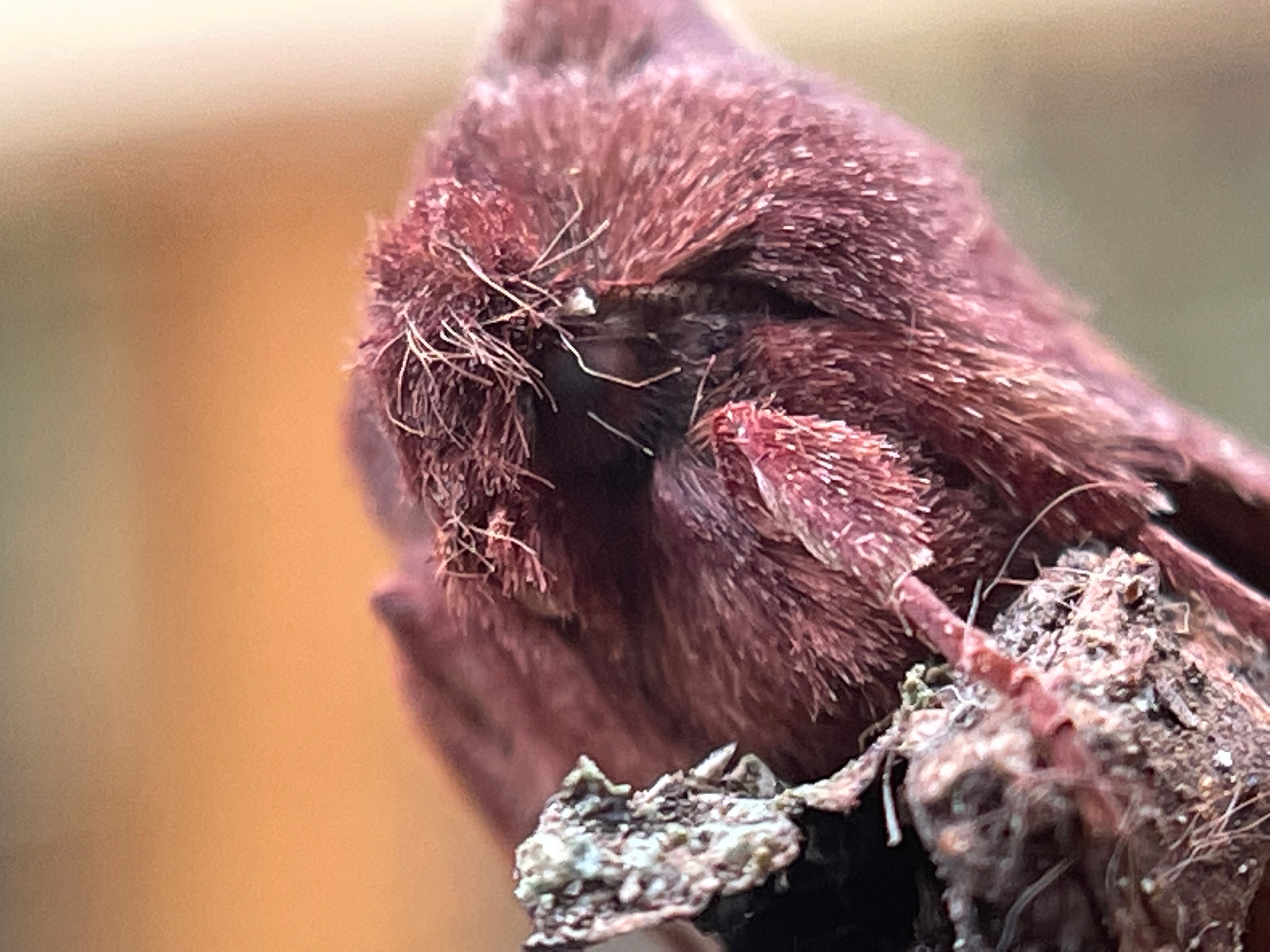
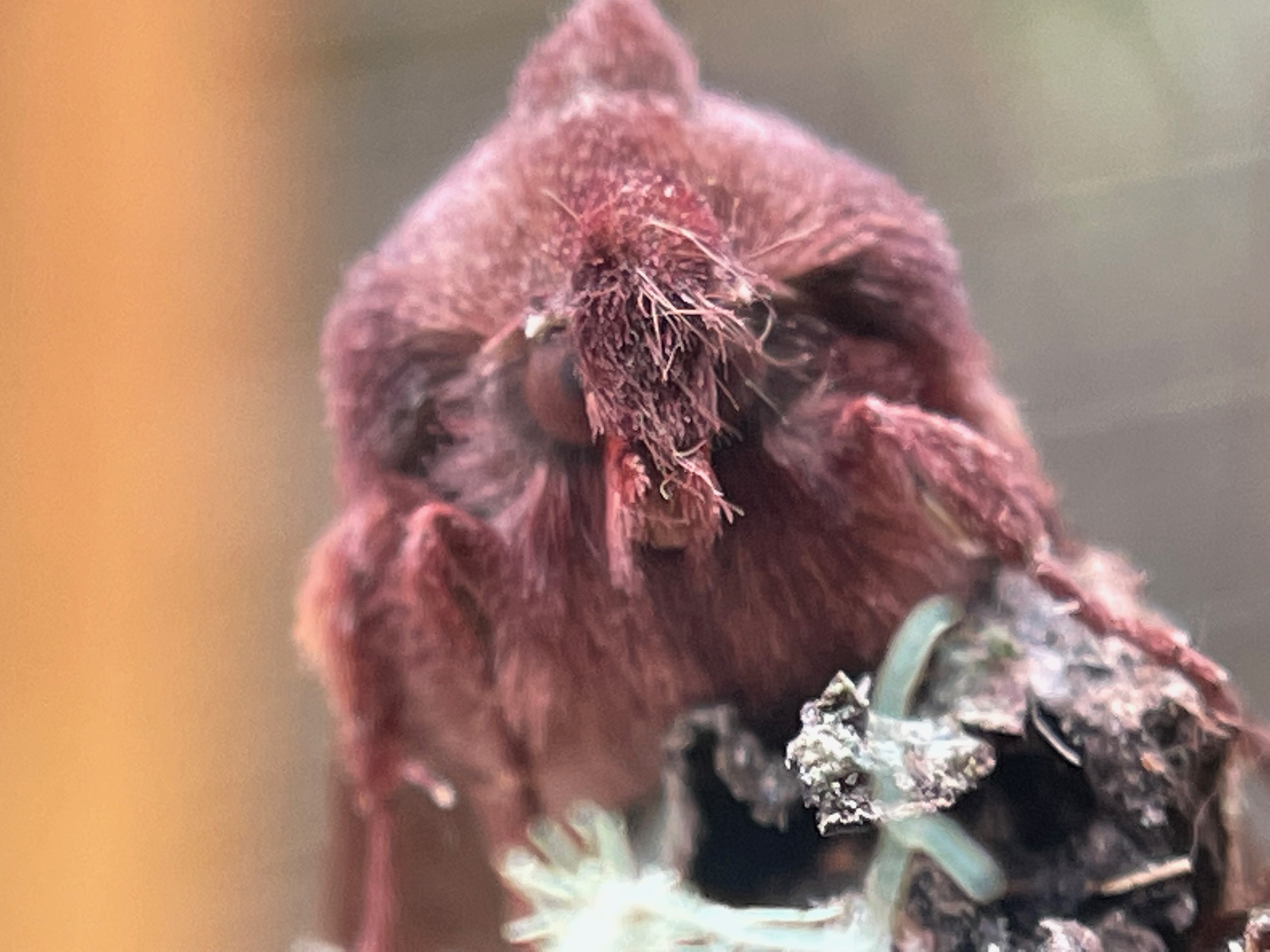
I’m doing a short write up of this fly just to get you thinking a bit. It was observed April 29, 2024 on San Juan Island, WA. While identification to Genus/Species may not be possible until I can actually catch a specimen to be keyed out, it is Family Tachinidae and Tribe Goniini. Hoping to come back with at least a Genus update at some point.
What I want to SHARE is the life history of this tribe of flies. The Goniini flies are parasites of various Lepidoptera, mostly Noctuids, Arctiids, and Lymantriids. Translating this for you a bit, it would be cutworms (if you’re a gardener) , tiger moths, and tussock moths.
How does this play out?
The female Goniini fly lays a “black microtype,” usually ovate and flattened egg, varying in size from very small to medium, on foliage utilized by the feeding host caterpillar. The caterpillar (usually Noctuids) munch the foliage, ingesting the fly egg. The caterpillar will continue feeding and then wander off to complete its life cycle as a pupa. At some point after ingestion by the caterpillar, the fly egg hatches and the fly larva develops inside the body of the pupating moth that is inside its chrysalis.
A myriad of ecological relationships exist in nature that are often unobserved. Many remain undescribed or unknown. Sometimes, they are disrupted by humans who intervene out of ignorance. If you’re one of those folks who squish what you believe are cutworm pupae in your garden bed, you might be smooshing the pest predator developing inside.
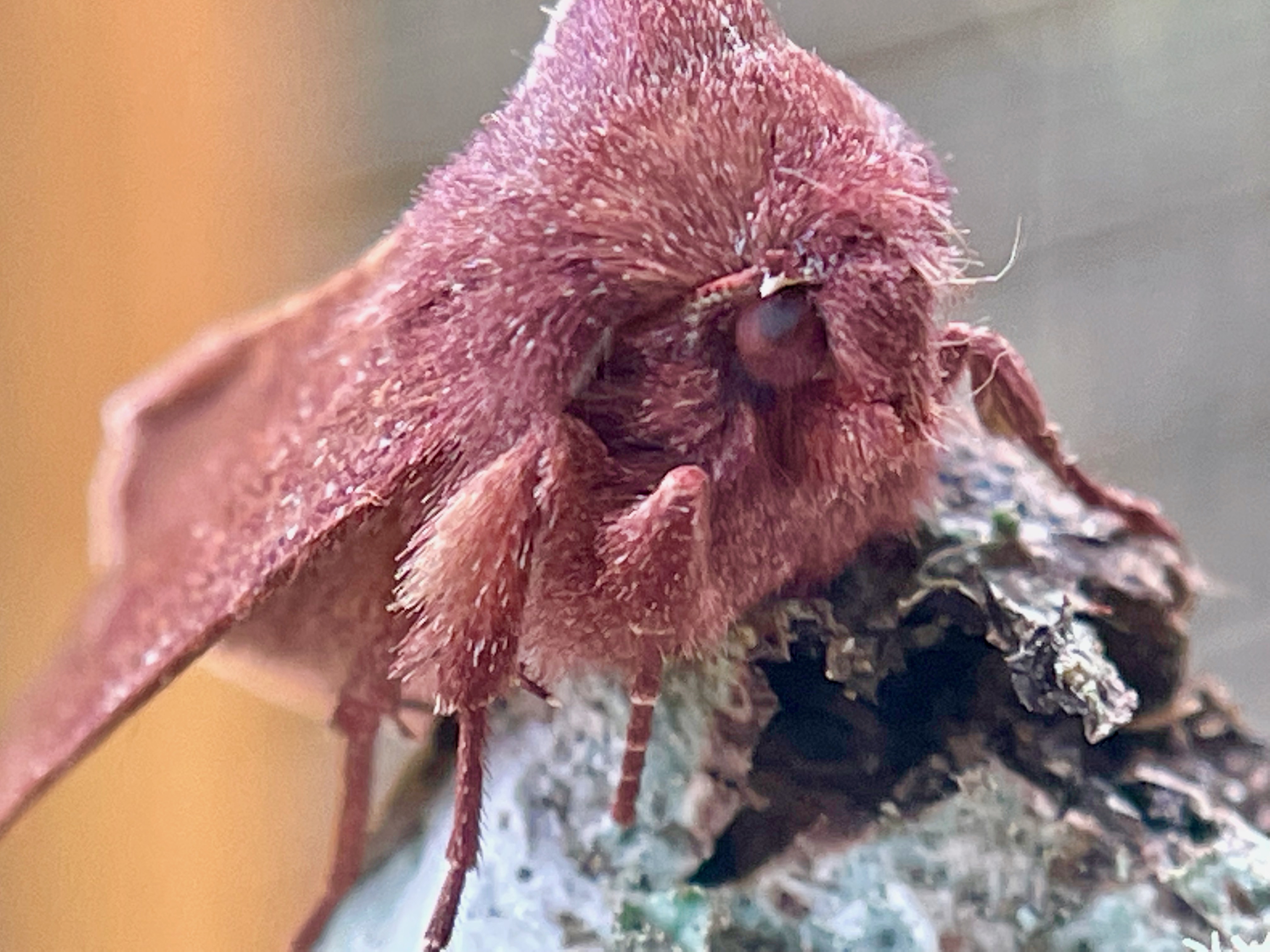
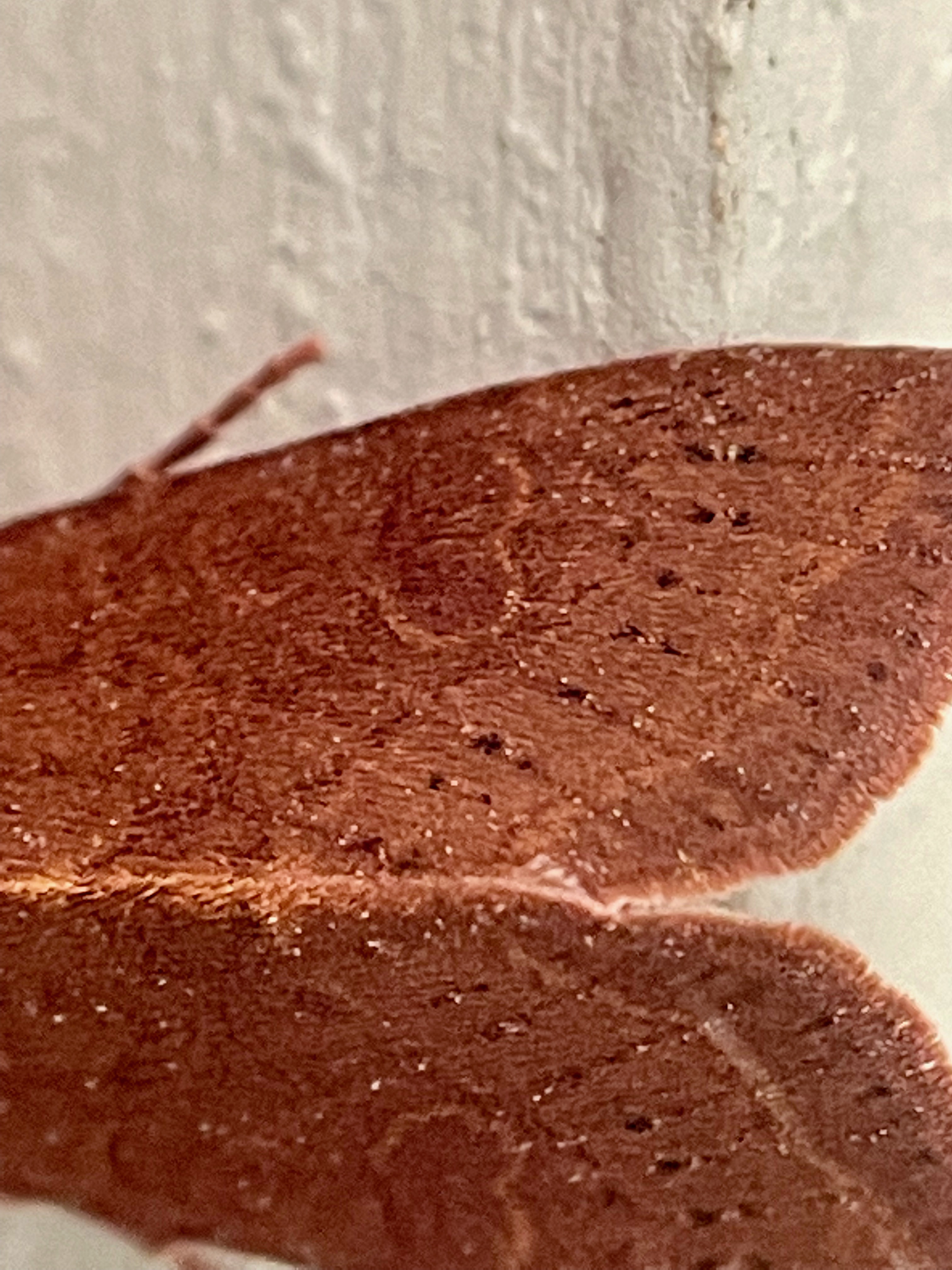
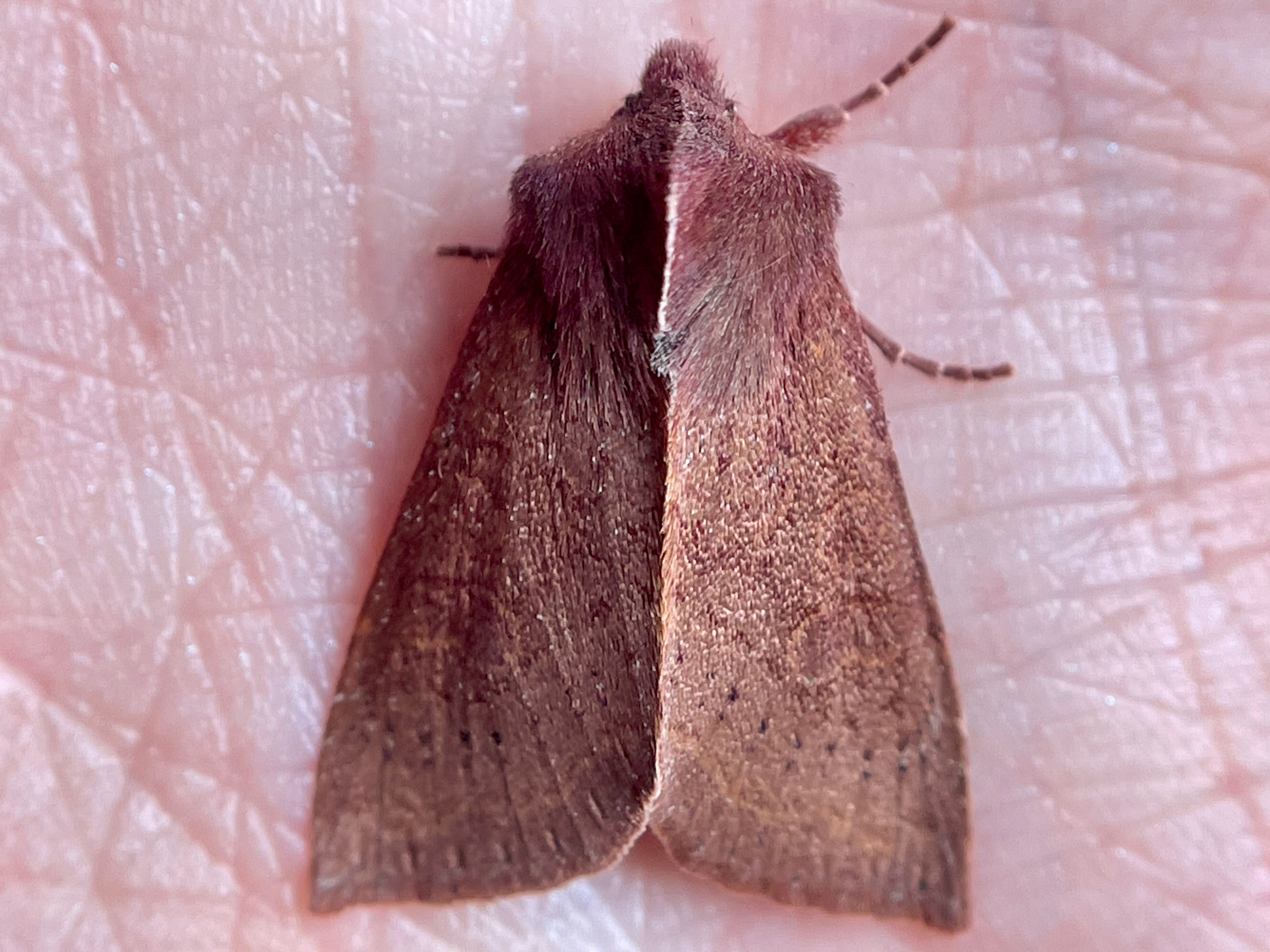
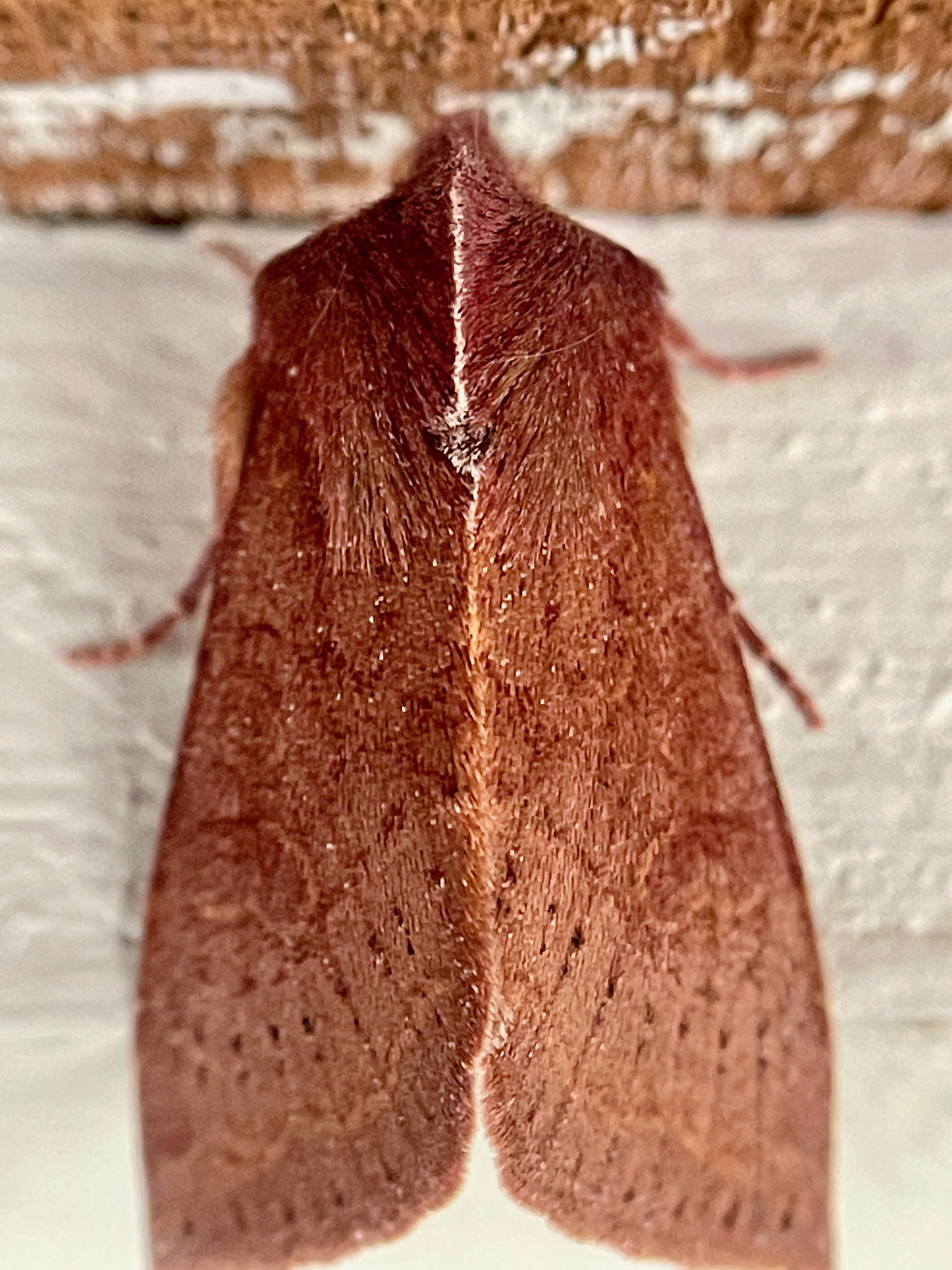
Orthosia transparens – the Transparent Quaker Moth
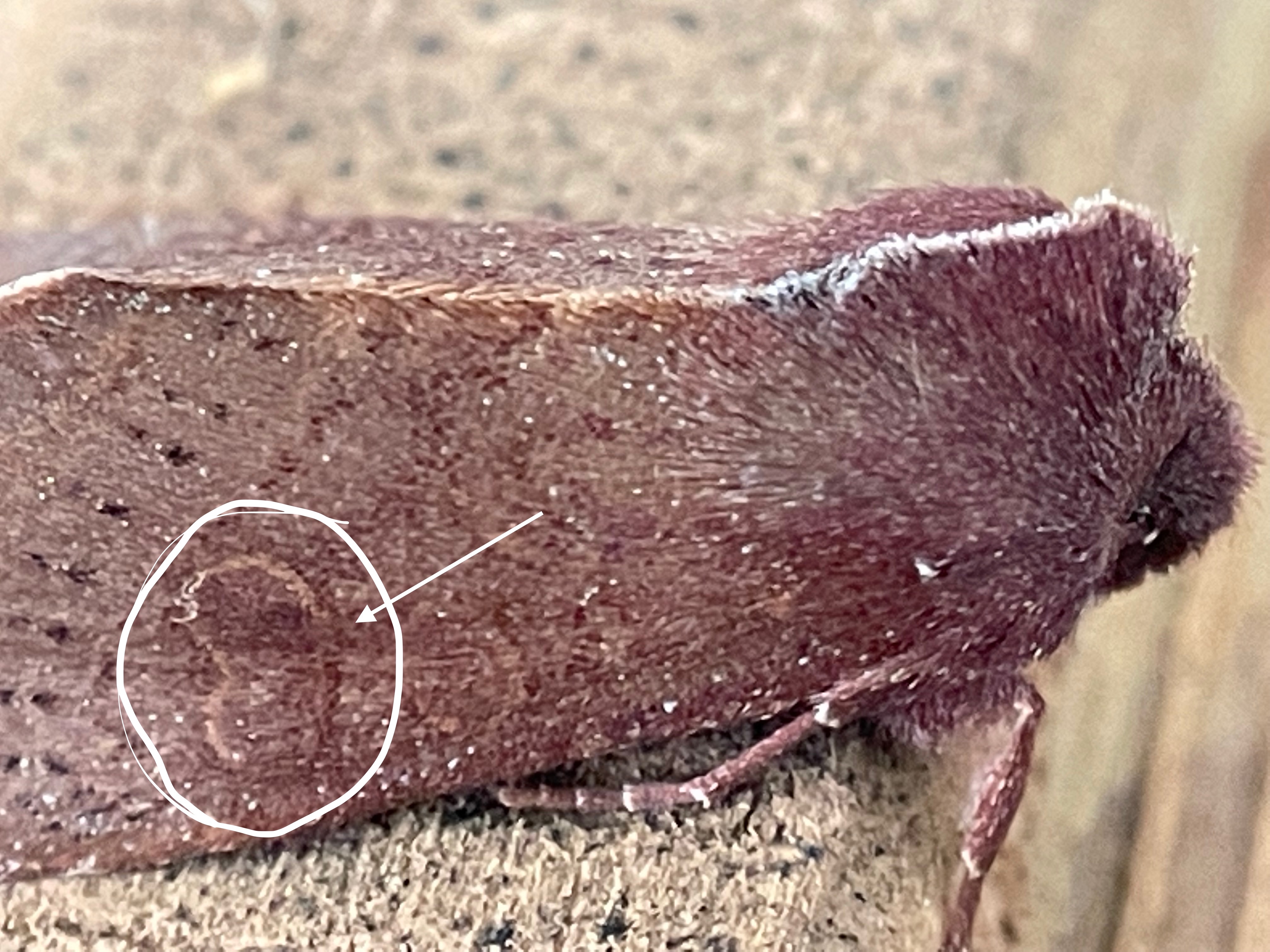
I’d really love it if I could rename this moth. Strawberry muppet heart moth is what I’d call it. Check out the little heart-shaped markings on it’s wings.
Orthosia transparensOrthosia transparensOrthosia transparensOrthosia transparens – with heart mark on wing
Orthosia transparens is a medium sized (15-17mm) , brownish red Noctuid moth that flies in our region in early spring. The common name for the species is Transparent Quaker Moth. Caterpillar food plants include salal (Gaultheria shallon), madrone (Arbutus menziesii), and rhododendron (Rhododendron macrophyllum). This species is native to the PNW region and not considered pests of economic significance. A map of the geographic distribution can be accessed here – http://mothphotographersgroup.msstate.edu/species.php?hodges=10479
Noctuidae is the family with the awful common name, “cutworm,” which leads folks to deem them evil little garden gremlins that should be stomped on or tossed out on the ground for birds to scavenge. Not all cutworms are bad, and certainly many more of us would embrace them if we knew they were going to turn out to be so cute.
I’m fine with a bit of herbivory on our salal, madrone, and rhododendrons. These little Strawberry Muppets are welcome to fly to my porch light any spring night.
What adjective would you use to describe a cutworm? Perhaps pest? Something like the evil caterpillar, Mister Mind, one of Captain Marvel’s archenemies in the DC comic strip series?
If you’re a gardener, the name “cutworm” may conjure up an evil worm that wants to eat your vegetables.
If you have a lawn or own a golf course, cutworms may be the gremlins that destroy turf grass. Now personally, I think five year olds should make policy around cutworms because there aren’t many five year olds who actually WANT to eat their veggies. They’ll see reason in defending the cutworm gremlin.
I’m not a golfer, and don’t have a lawn, so I personally don’t care too much if cutworms munch turf grass. Those sites should be classified as biohazard sites right along with nuclear waste if you ask me. They’ve had so many chemicals dumped on them over the years, they can’t be anything but noxious, environmentally toxic sponges.
Seriously, stop for a moment and Google “cutworm.” What pops up? Ads for every sort of pesticide imaginable. There may a be one or two advertised as “Safer” (yep, that’s a brand name), or natural, but they are designed with the same, single, solitary mission. Nuke the cutworm.
How many average American citizens do you think, can really distinguish between one sort of cutworm or another? Did you know the name, cutworm, is used to describe the larval or caterpillar form of a whole grouping of Lepidoptera that fall into the family Noctuidae?
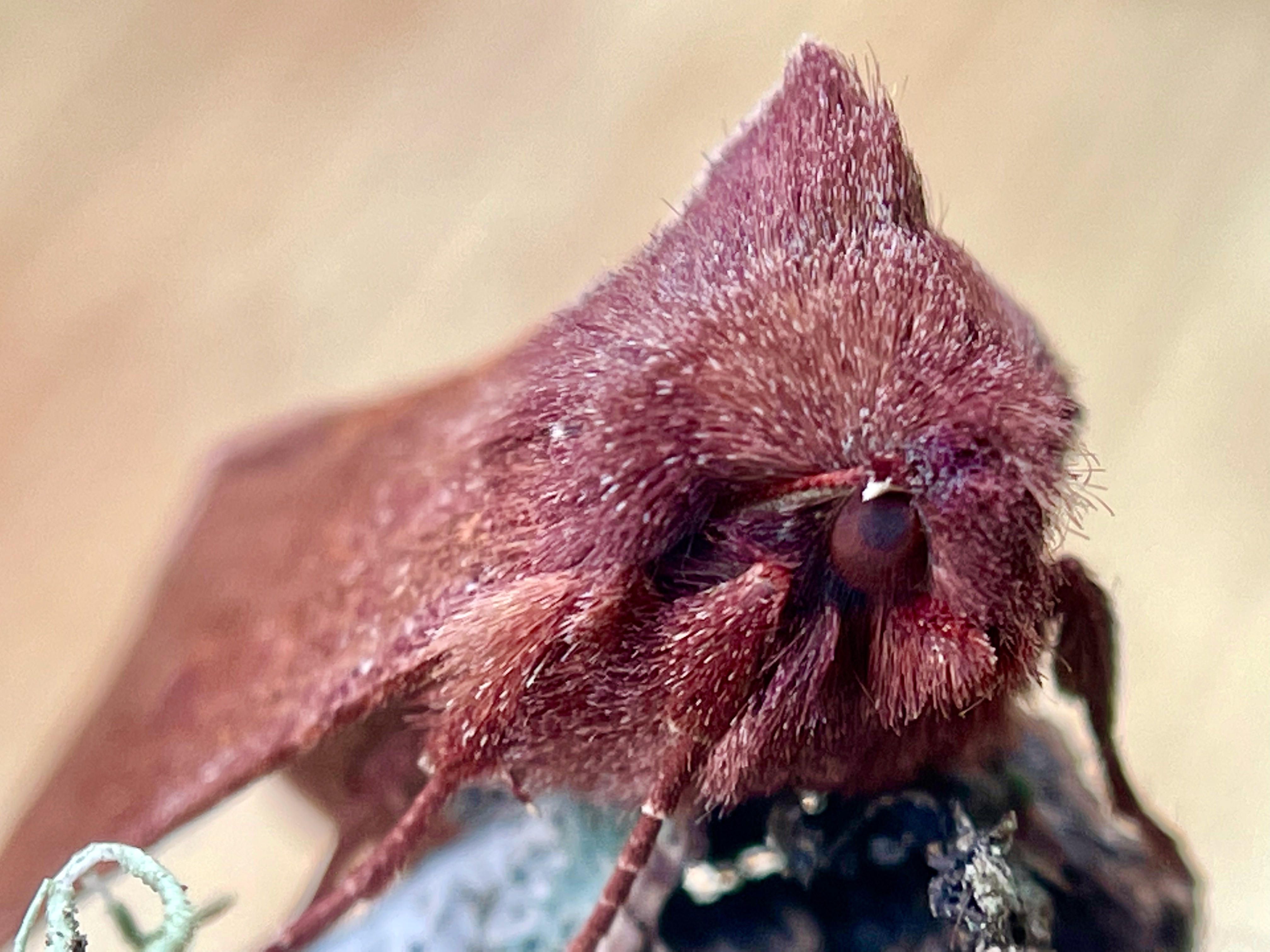
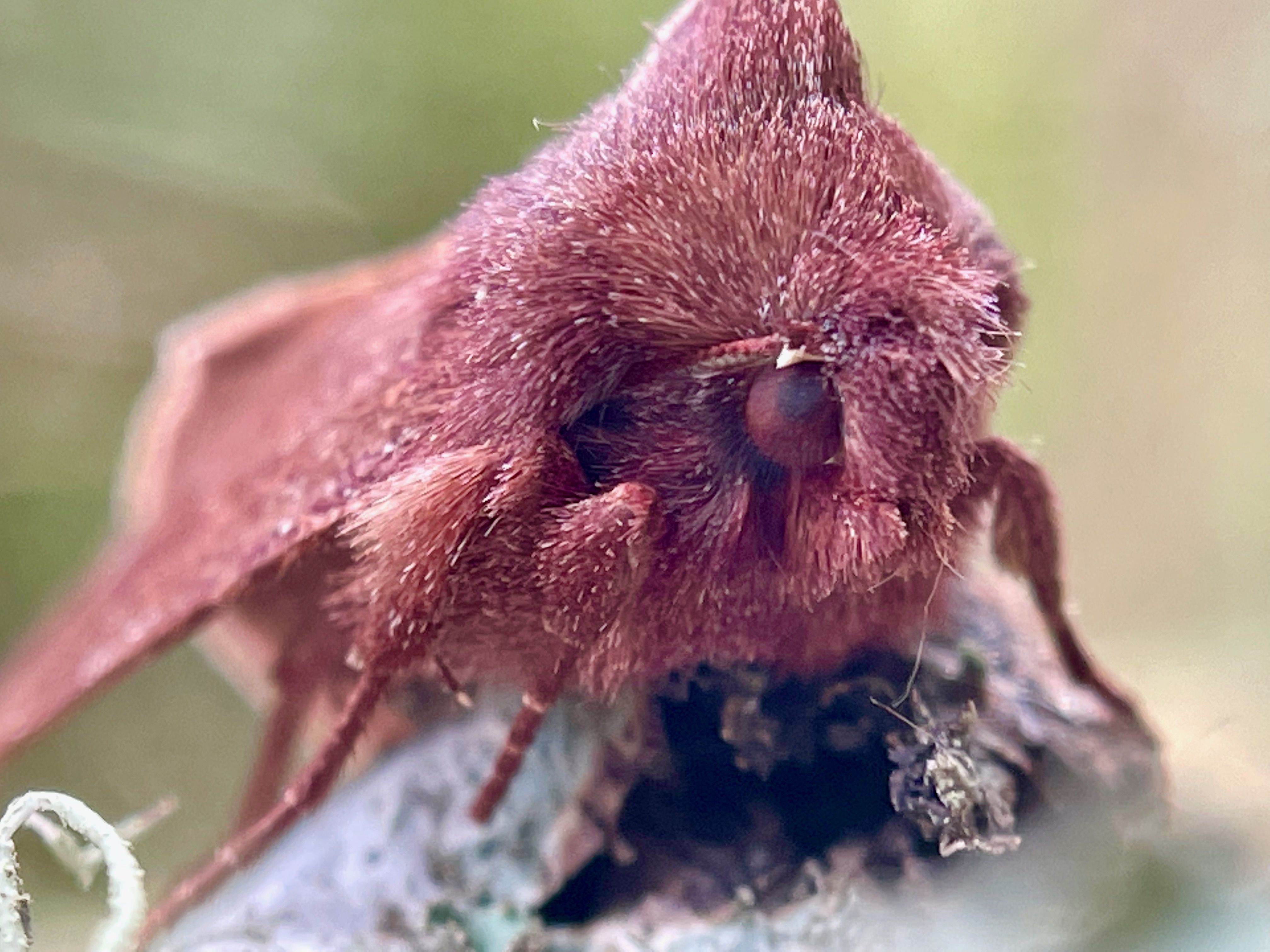
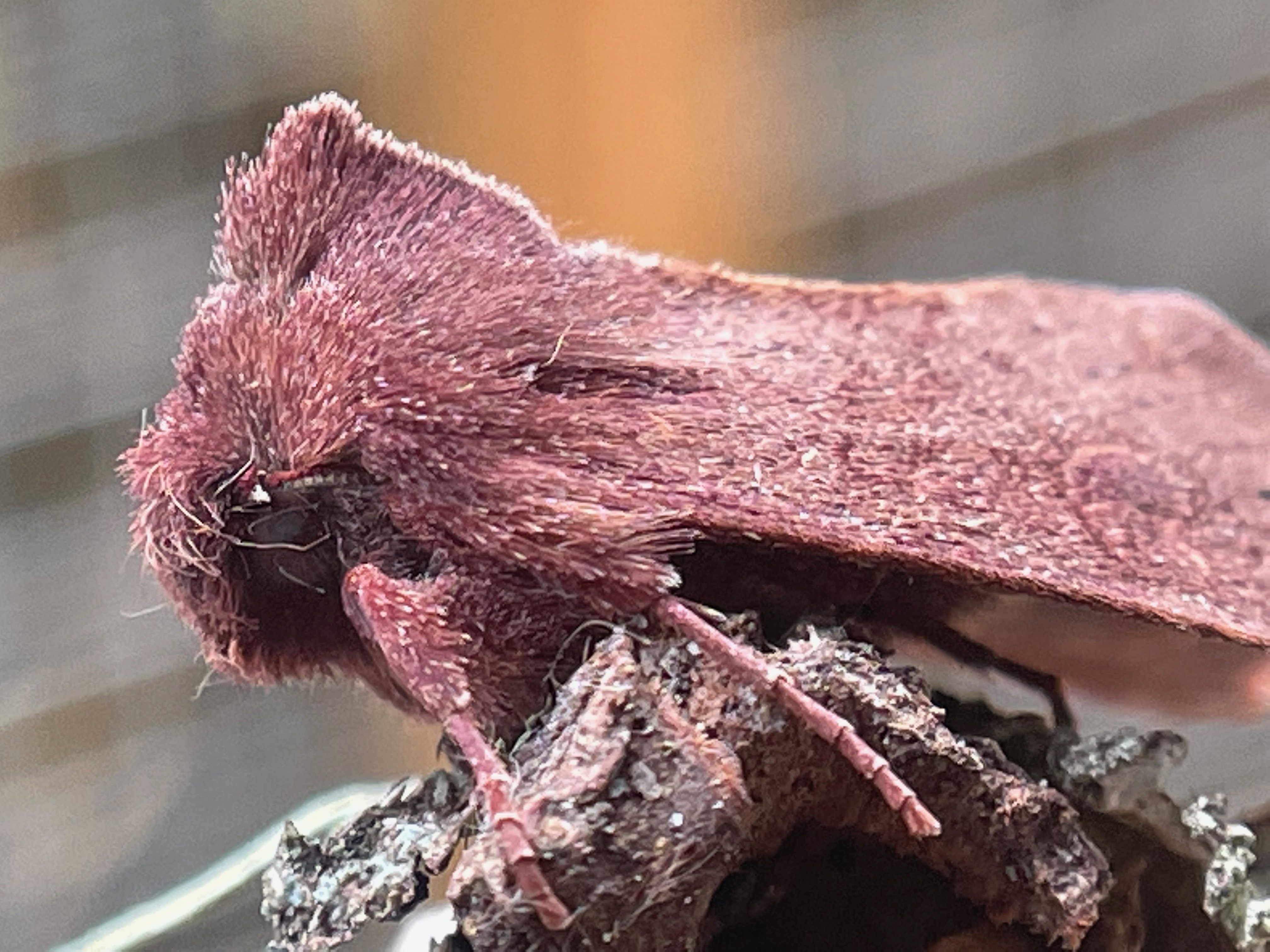
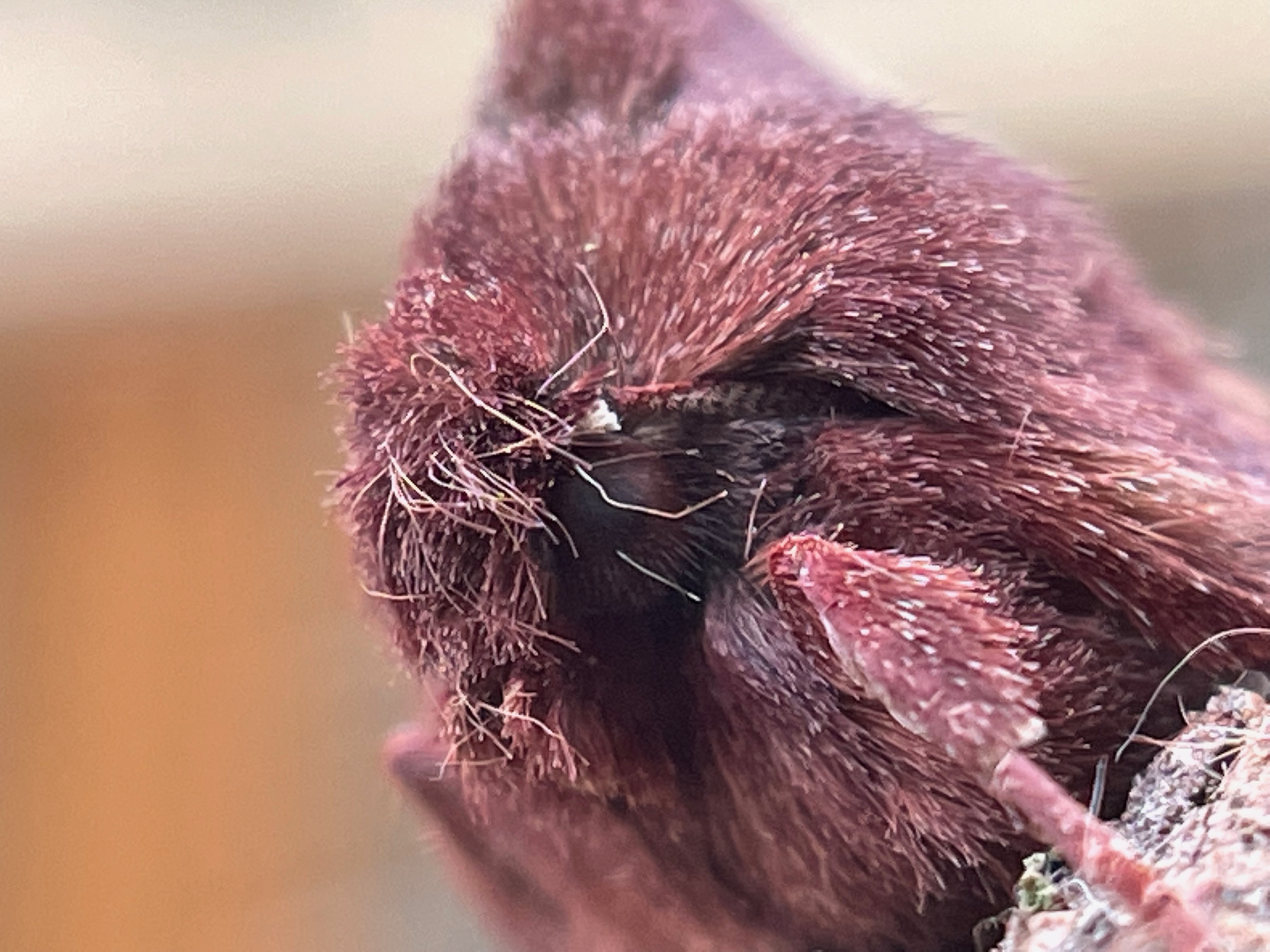
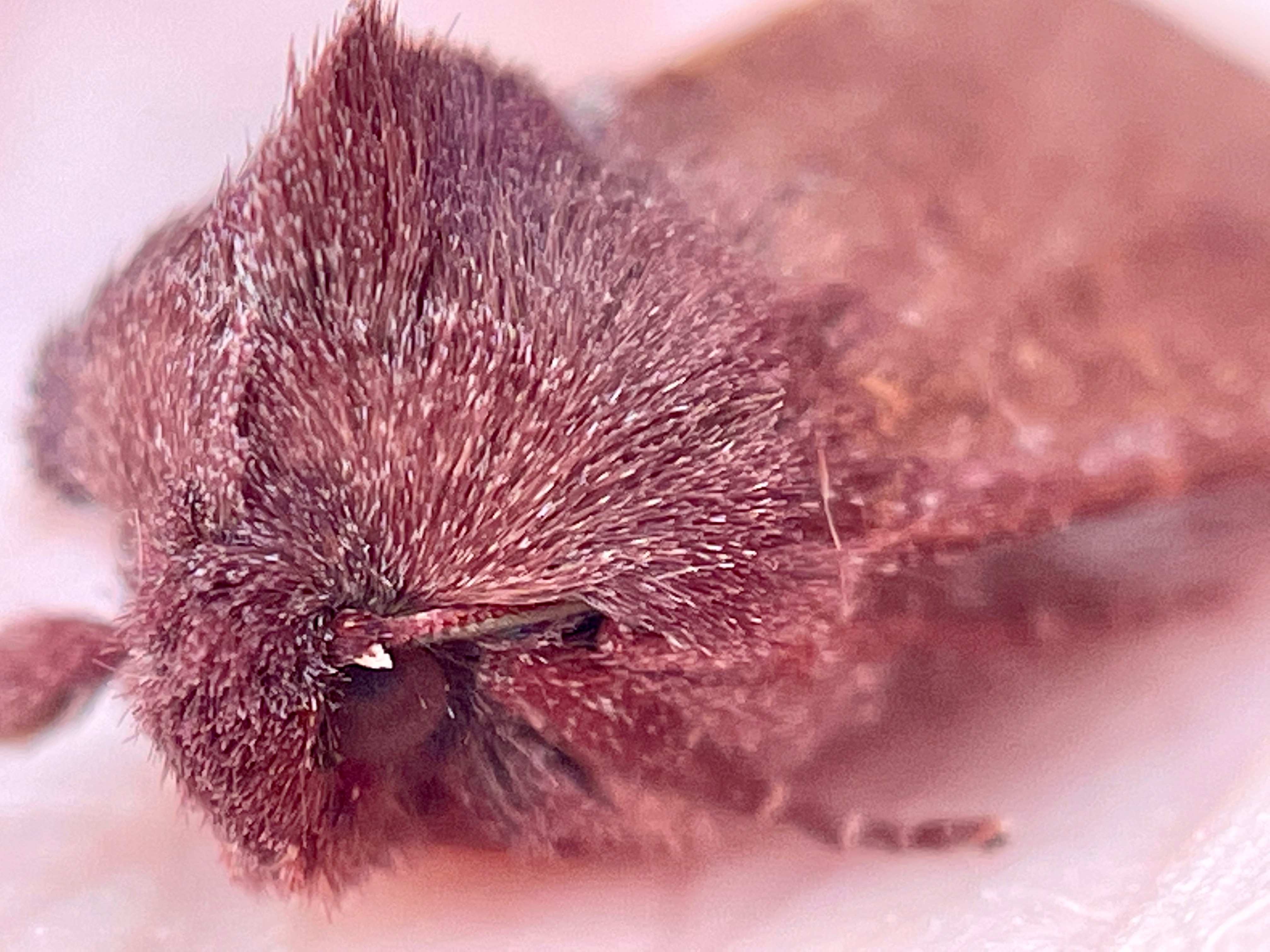
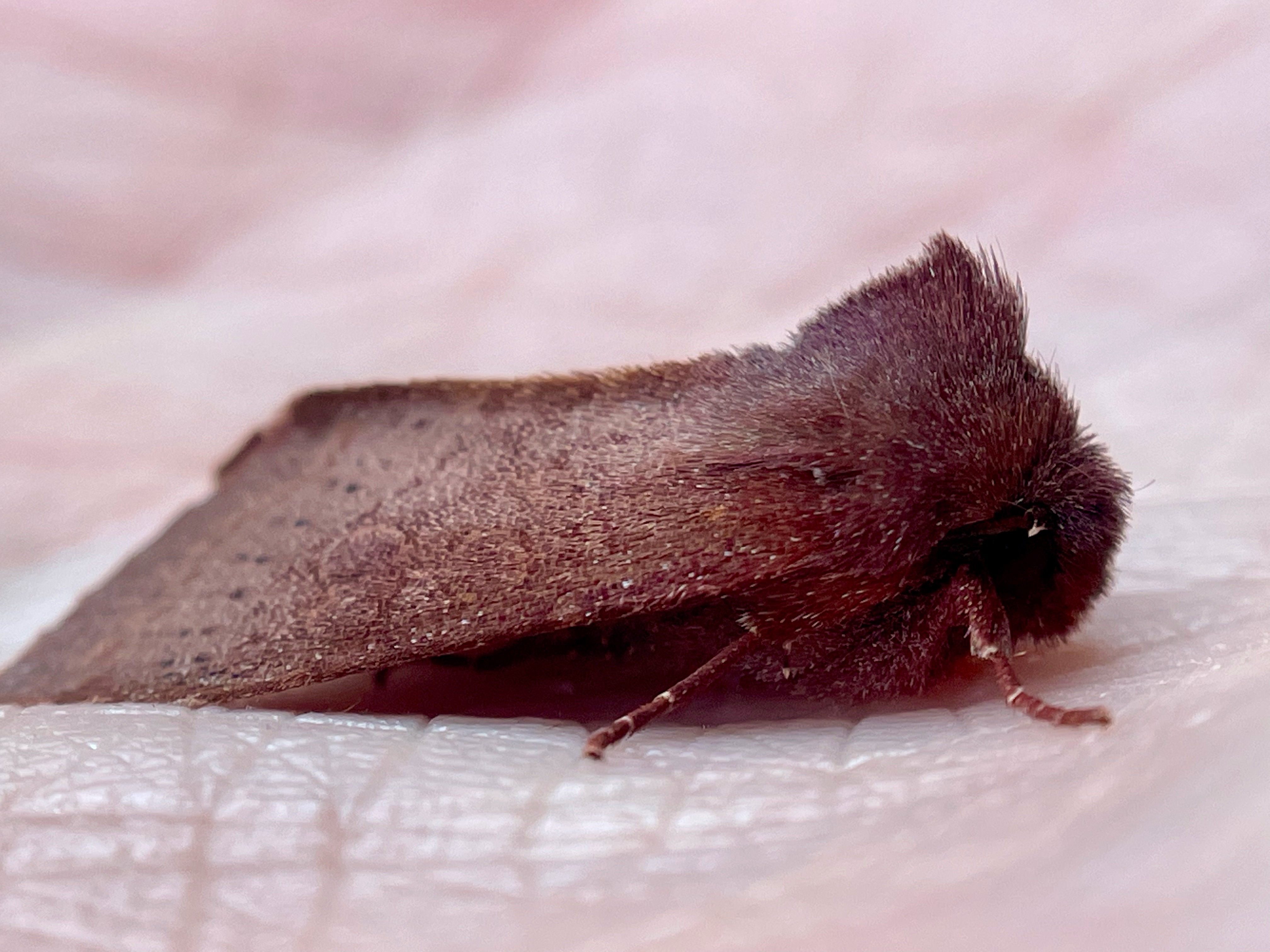
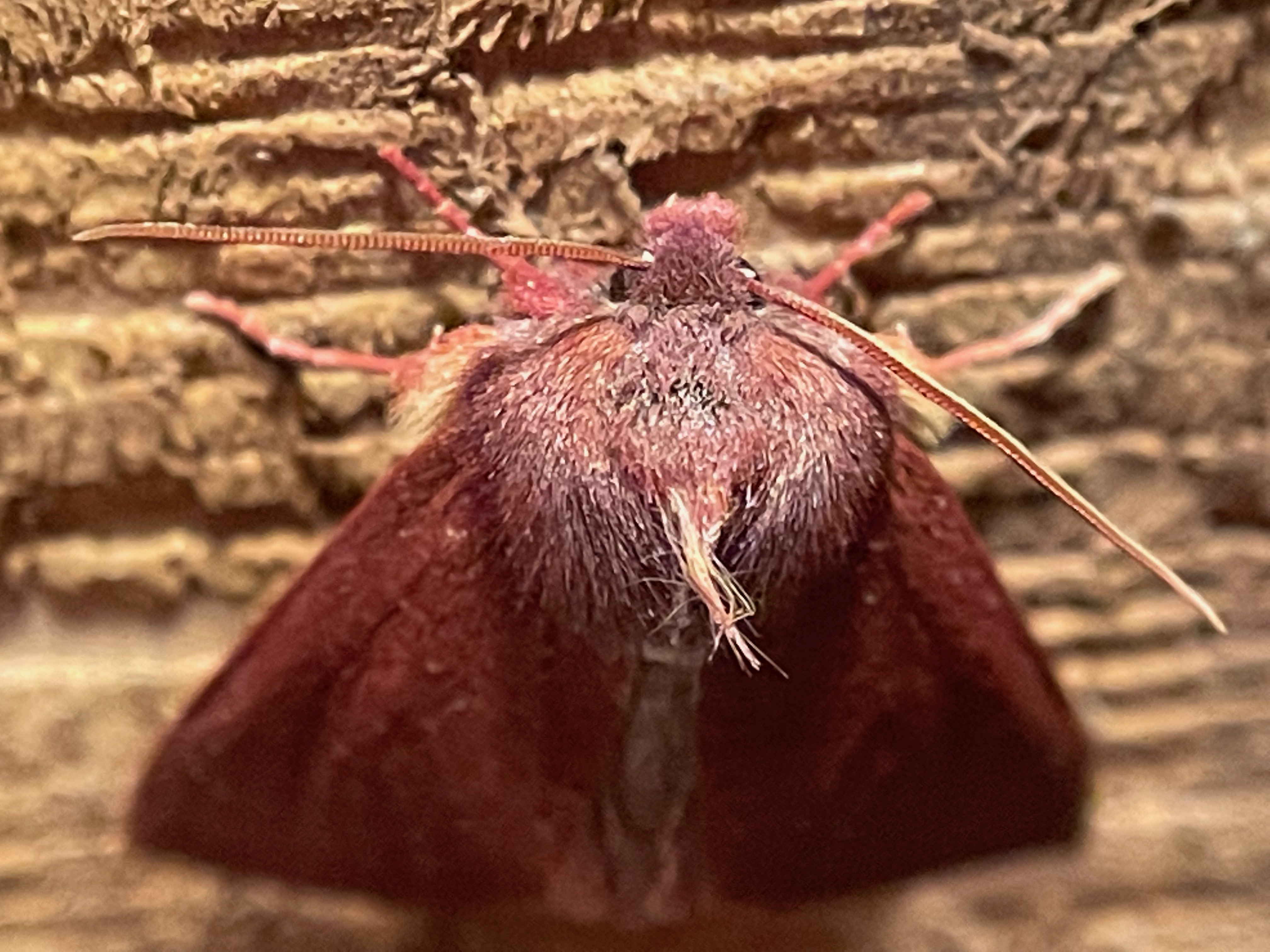
If you’re really into bugs, or you are an entomologist (like me), then you also might know that the family Noctuidae has another name. These so-called cutworms (some are also called army worms) are the OWLET MOTHS. Why do you think? Well, because when they grow up, they look so unbelievably cute – like owls. Also, like this one! I named him Henry!
Henry is the cutest little dude around. His scientific name is Stretchia muricina. I think that name sounds a little bit Italian to me, but he’s not part of the mafia. Actually, Henry looks more like a teeny little lion or maybe even like Orson the Wheely Bird in Sid and Marty Krofft’s late 60’s TV show, HR PufnStuff.
Seymour the Spider and Orson the Wheely Bird – HR Pufnstuf
Whatever YOU see when you look at Henry, you’ve got to agree that he’s cute.
Henry (Stretchia muricina), an Owlet Moth
Henry used to be a cutworm. People are trying to kill him!
Henry isn’t a horrible garden pest though. When Henry was a caterpillar, he was more interested in eating a bit of your native currants. Sure, we all love to look at the beautiful flowers on our currants in the springtime, but he didn’t eat the flowers. He just ate a few leaves. There aren’t many cutworms like Henry. Just a few. They aren’t the same as the massive hoards of army worms that show up in the grass, or the cutworms that want to enjoy your newly sprouted veggies.
It’s pretty tough for a regular person to positively ID a caterpillar, so Henry recommends resisting the urge to grab that powder, spray, or torch. Don’t judge all cutworms to be evil. There are some tools you can take advantage of to help you sort caterpillars. Take a look at these links below and embrace diversity in the world. Caterpillars have feelings too!
Calscape.org https://calscape.org – Lists plants and invertebrates associated with plants. While some may be out of our region, many do overlap. Extremely useful. I wish WSU had one of these sites!
Check out the rest of Henry’s adorable photos here. I found him last night hanging out on our deck. He was afraid of me at first and actually played dead (the entomological term for that is Thanatosis, so you can impress your family and friends). Once Henry figured out I had no intent to harm, he decided to pose and show off a bit. After his photoshoot, Henry went back to his spot on the wood siding.








 Bugging You From San Juan Island