We are getting closer to National Moth Week 2023 (July 22-30). I am continuing my head start. If you’ve been following along, you’ll see I am posting a daily gallery of what I’ve collected in my bug bucket with UVB light each night when I check the next morning.
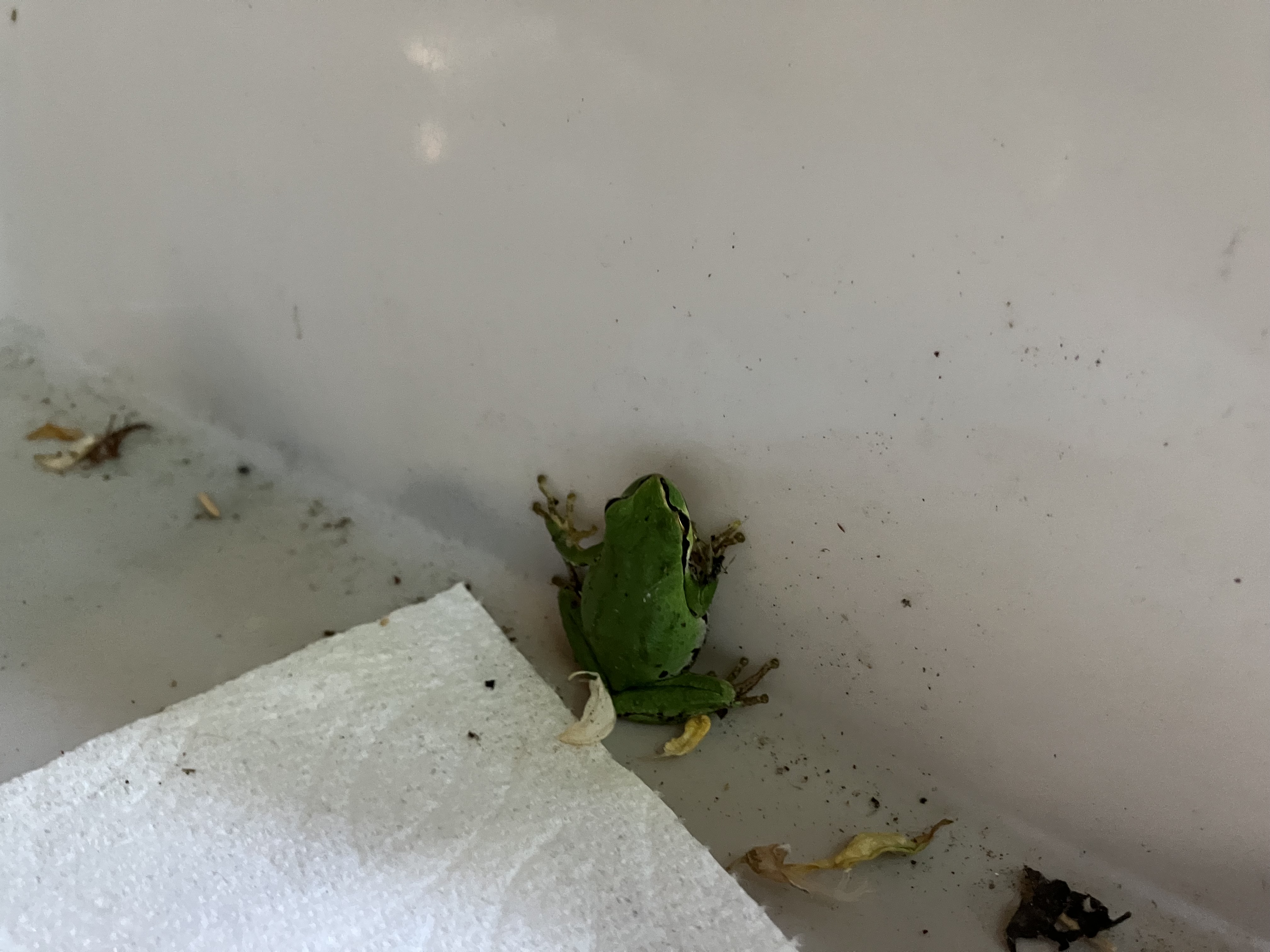
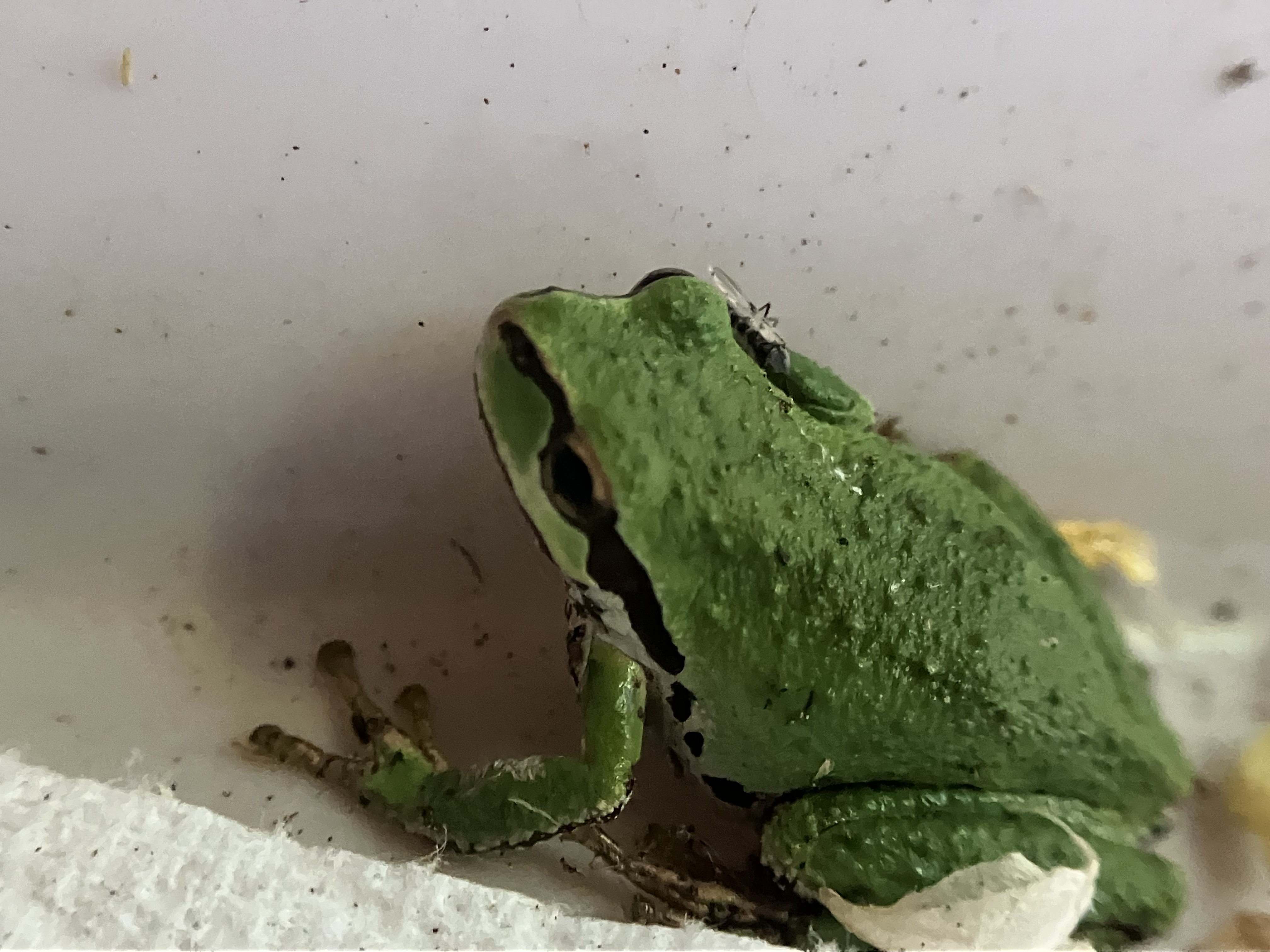
It took me a good while today to sit down and try to work out ID’s for my specimens. ALL specimens found in the bucket are handled with gentle care and safely released back into cryptic hiding spots to better avoid predation by birds, yellow jackets, and other predaceous insects. Probably add in spiders, though I have not seen many in this dry spell of weather we are having. I did have an unexpected guest show up in the bucket this morning. A frog. Yes, if you set the buffet up, the dinner guests will inevitably find it. 🐸
I’ll add the link to the National Moth Week website here https://nationalmothweek.org and if you are interested in participating and can’t figure out what you need to do or need advice on how to MOTH, feel free to reach out. Check out the gallery below and thanks for stopping by!
Gallery
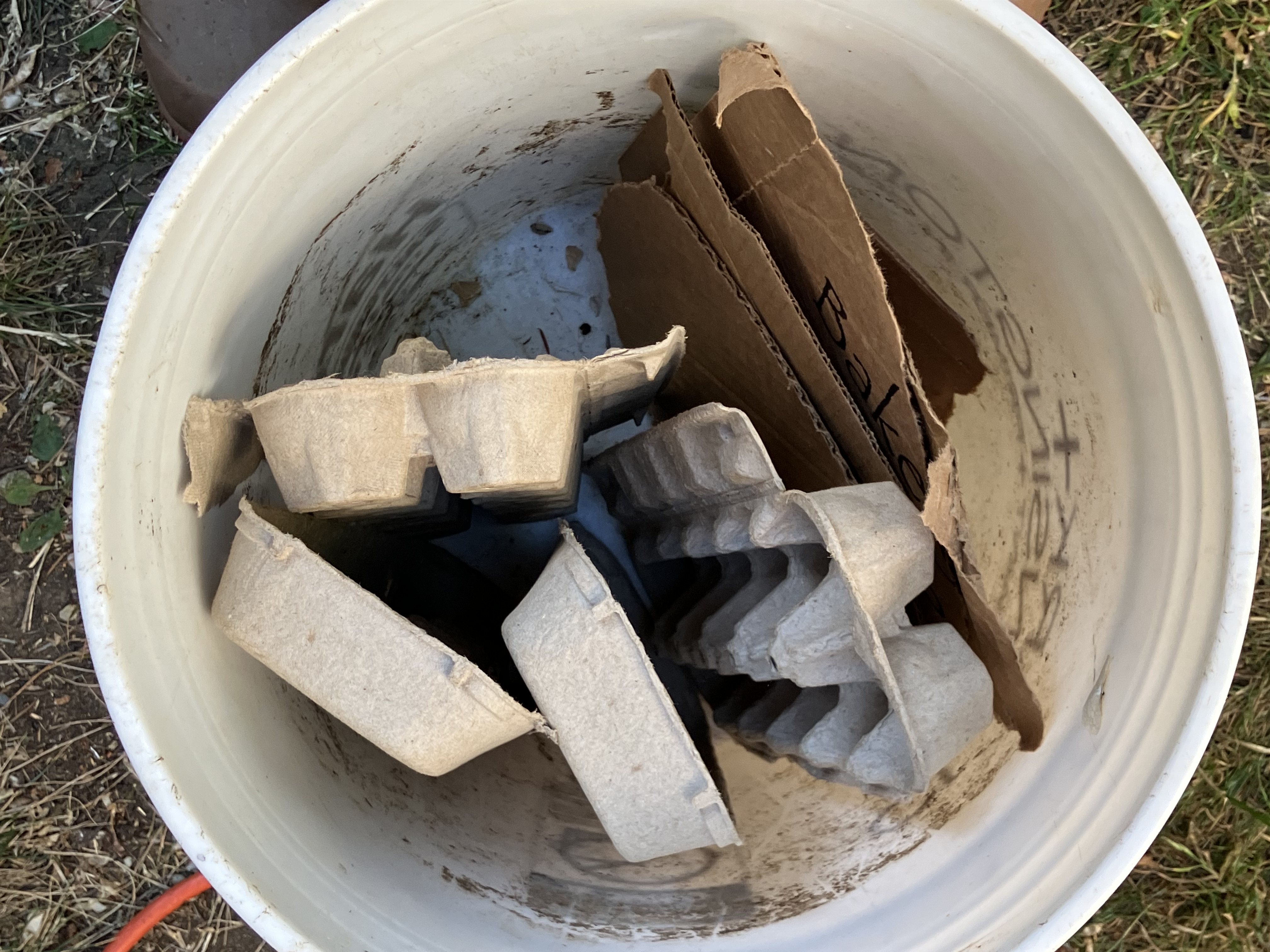
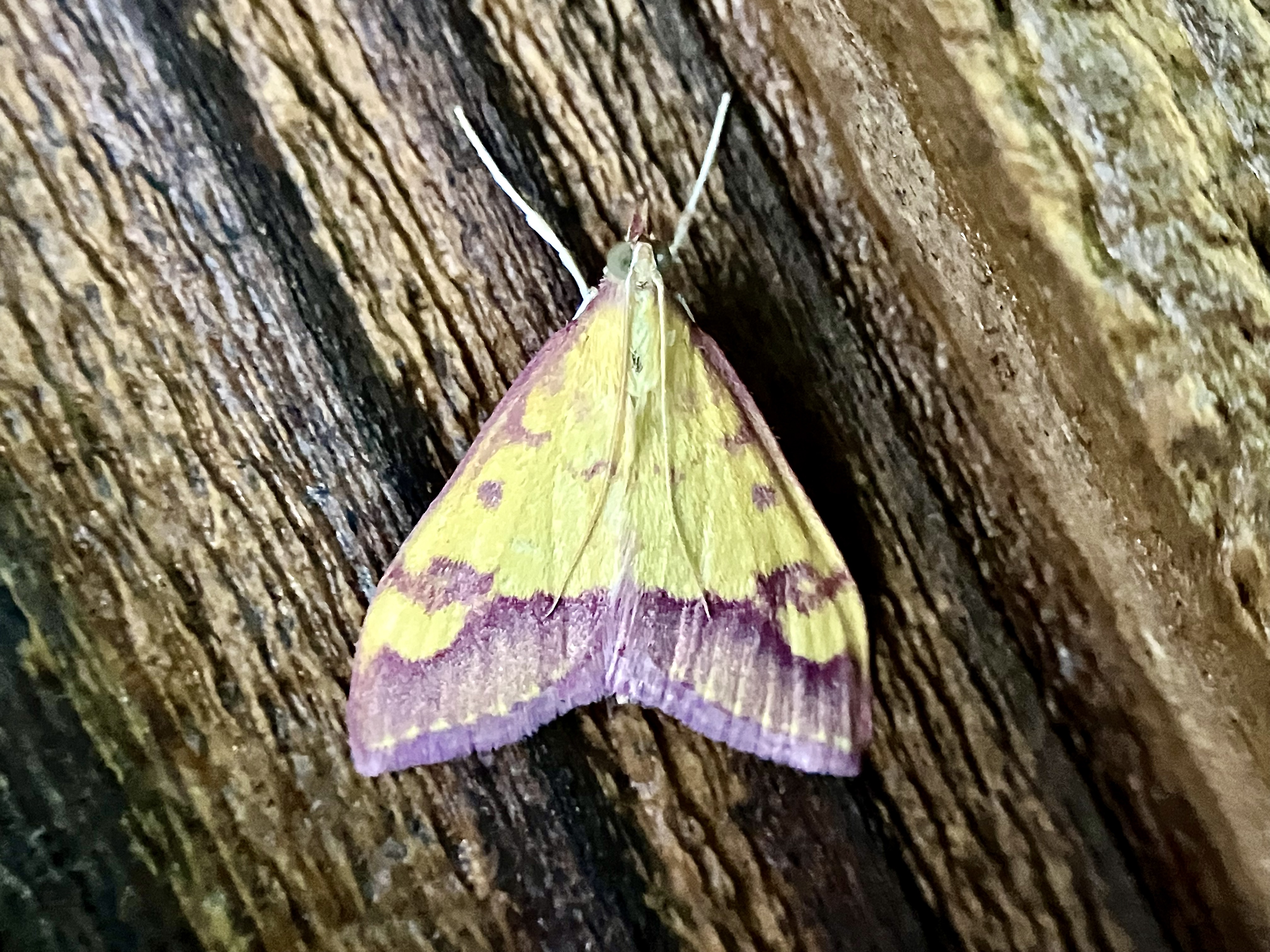
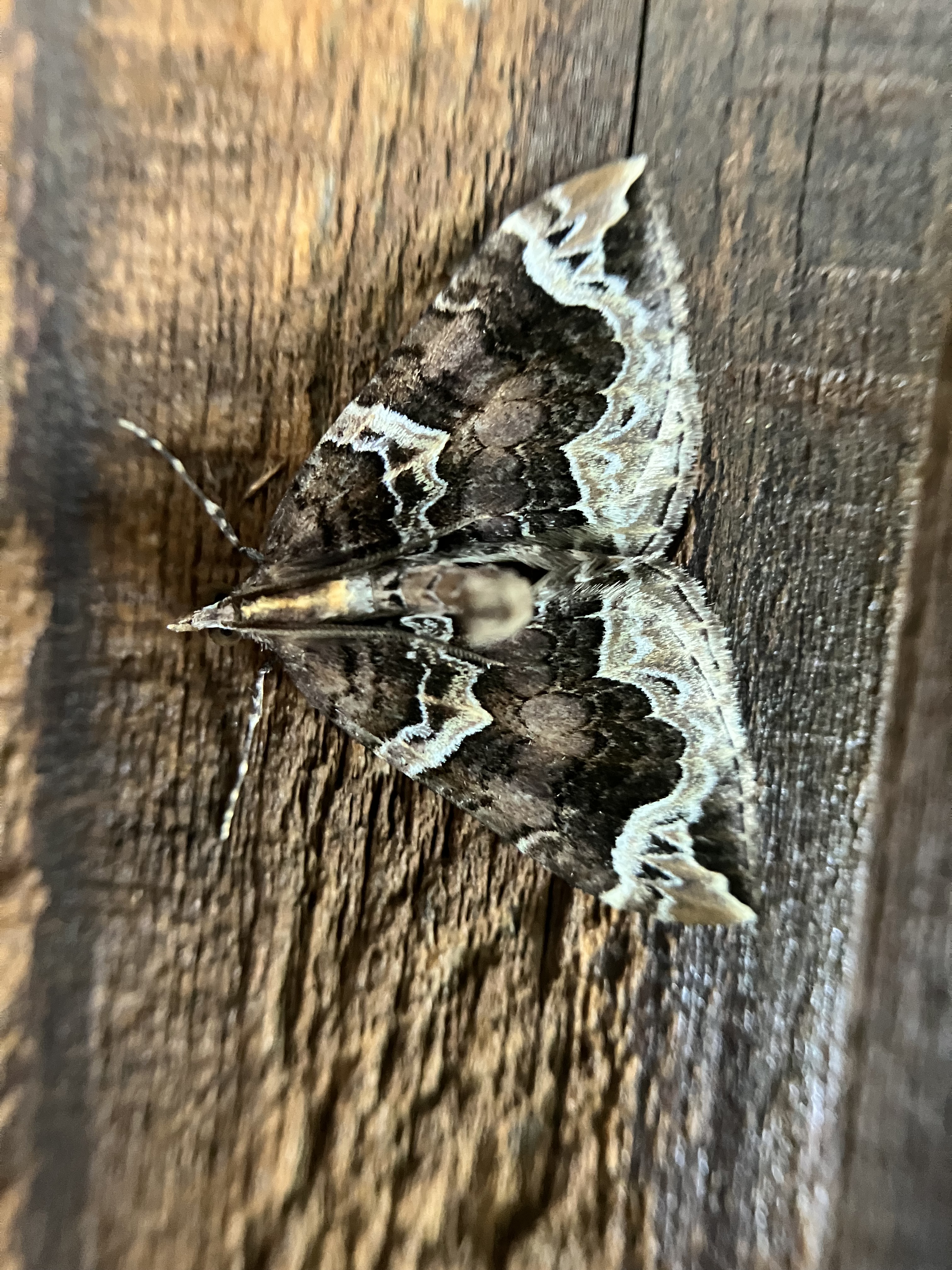
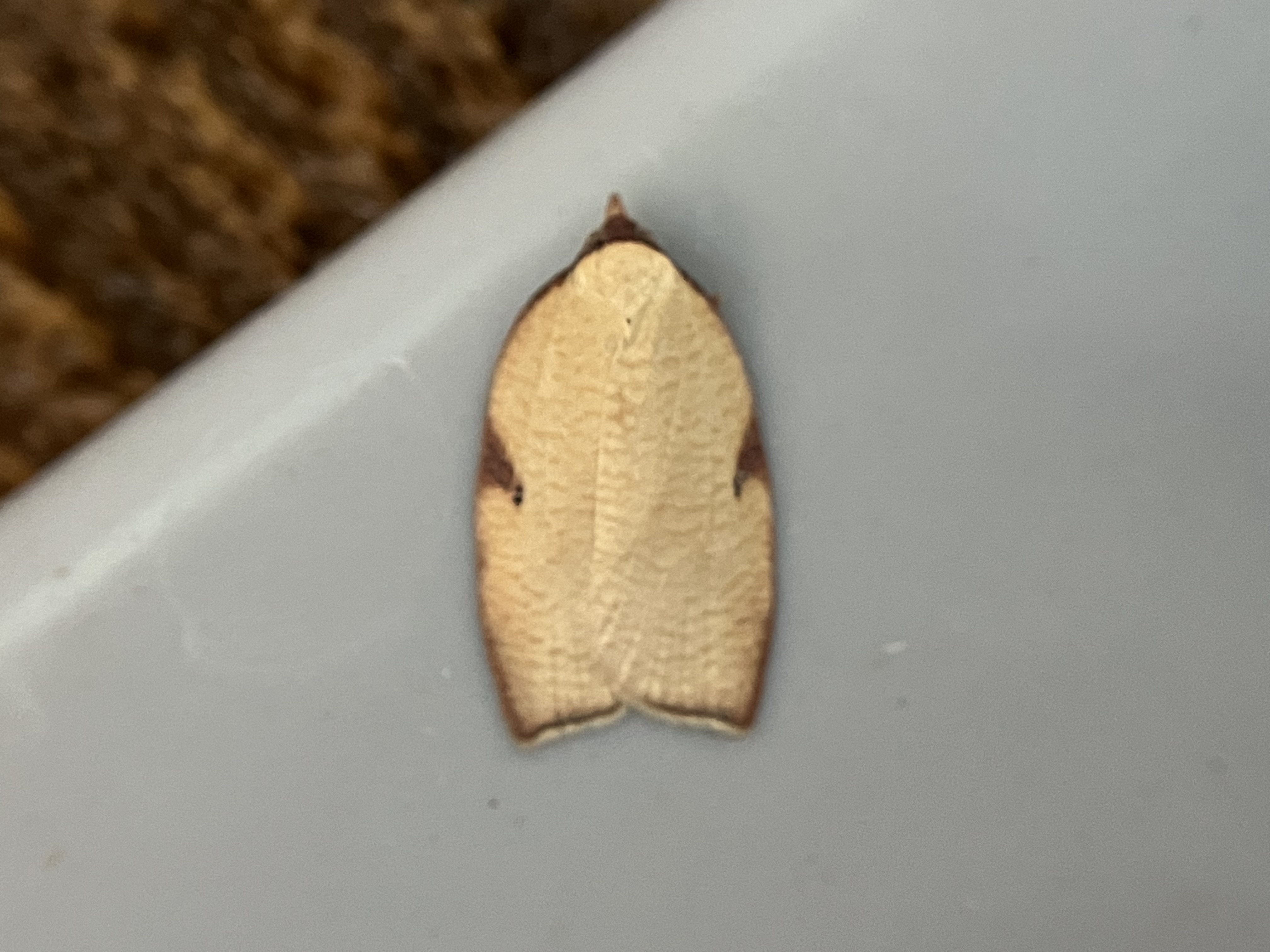
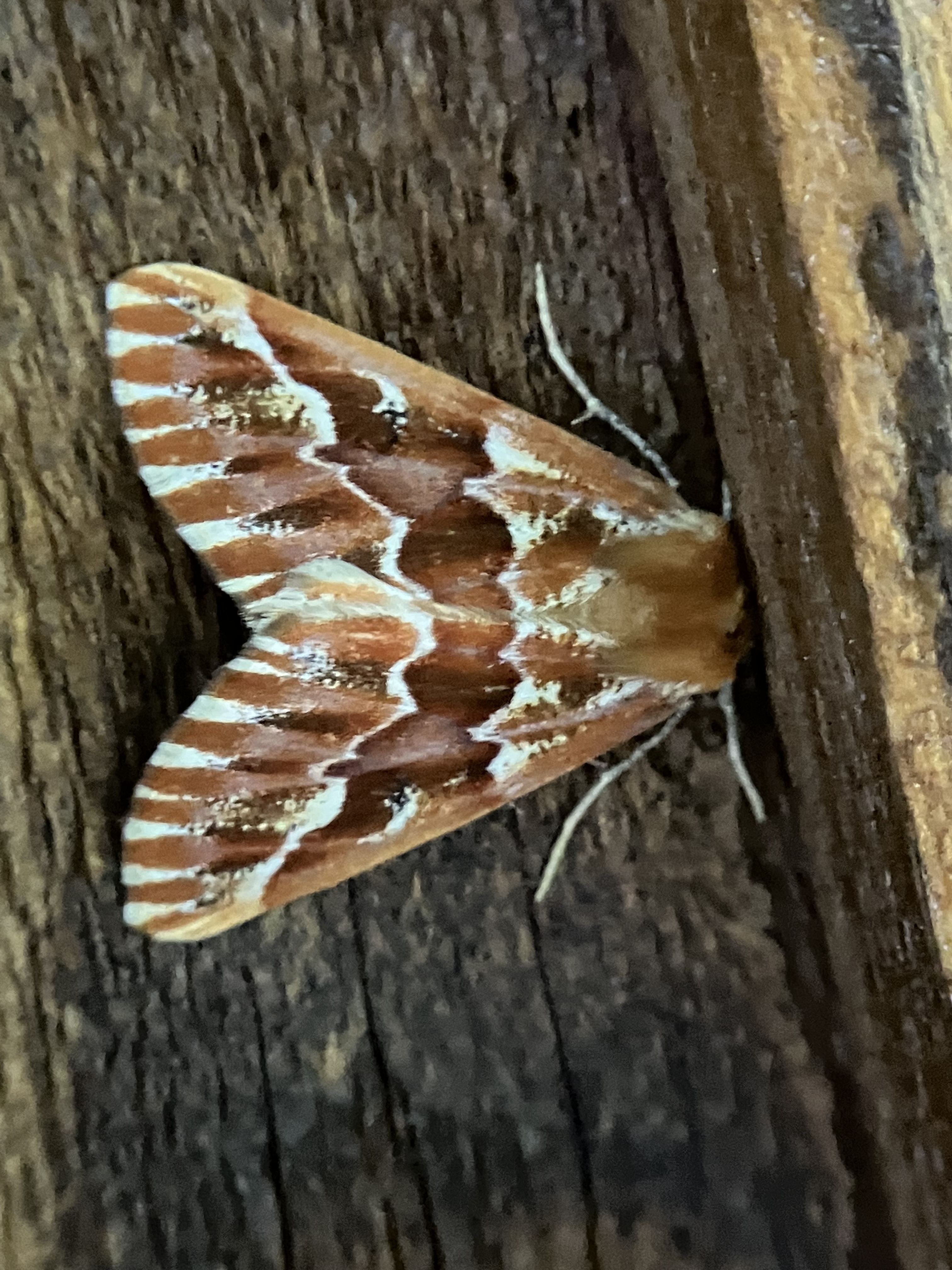
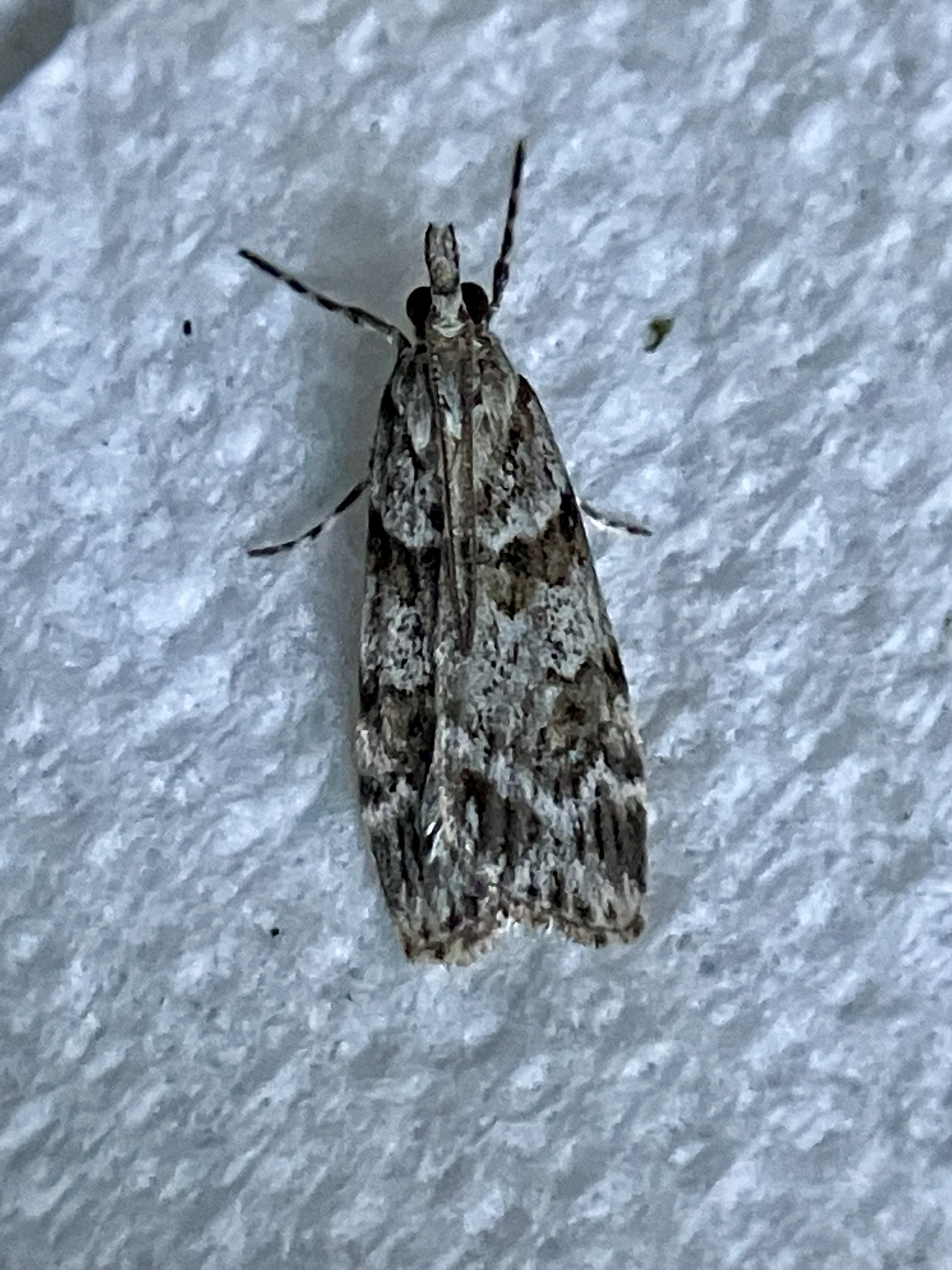
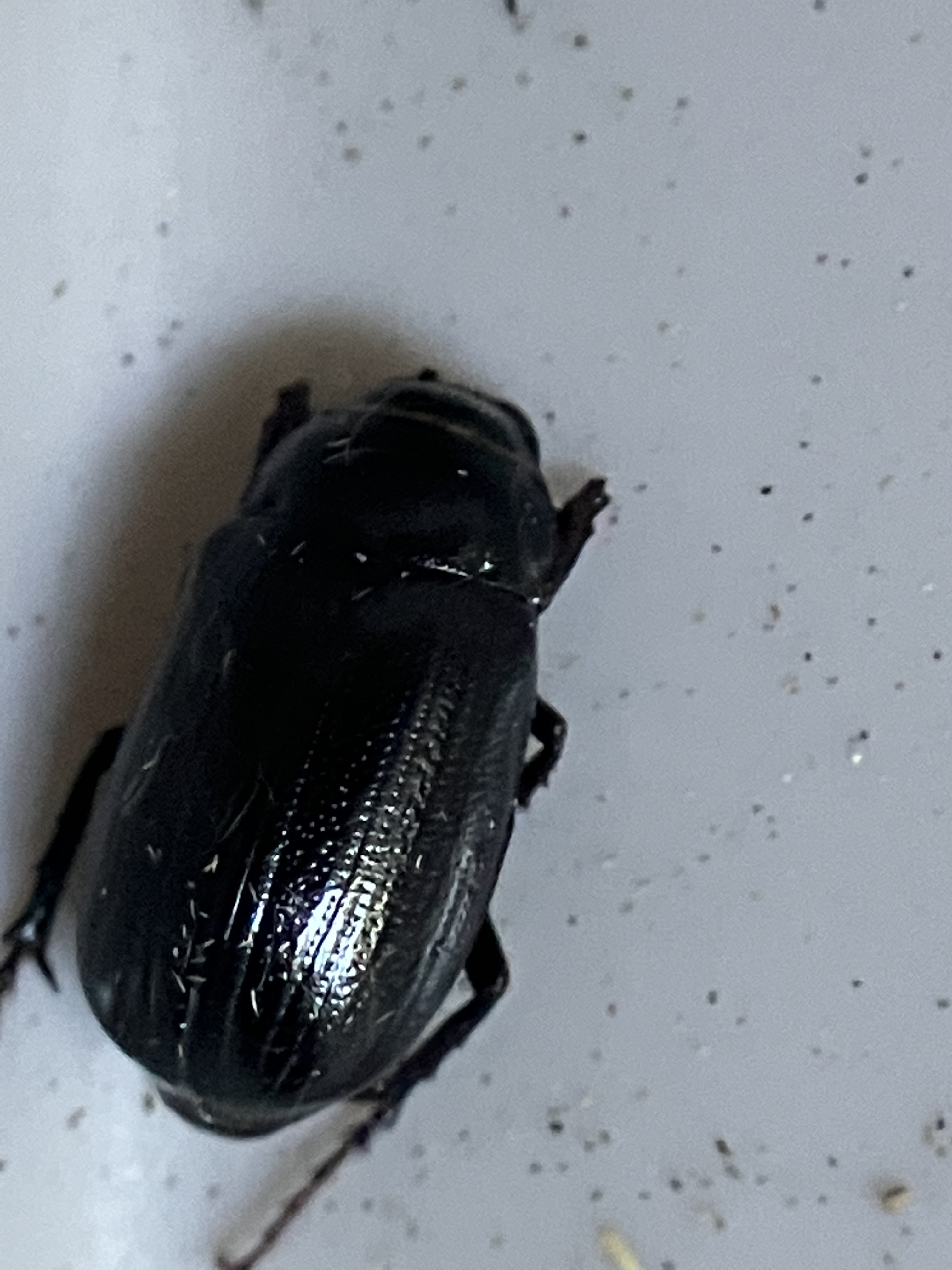
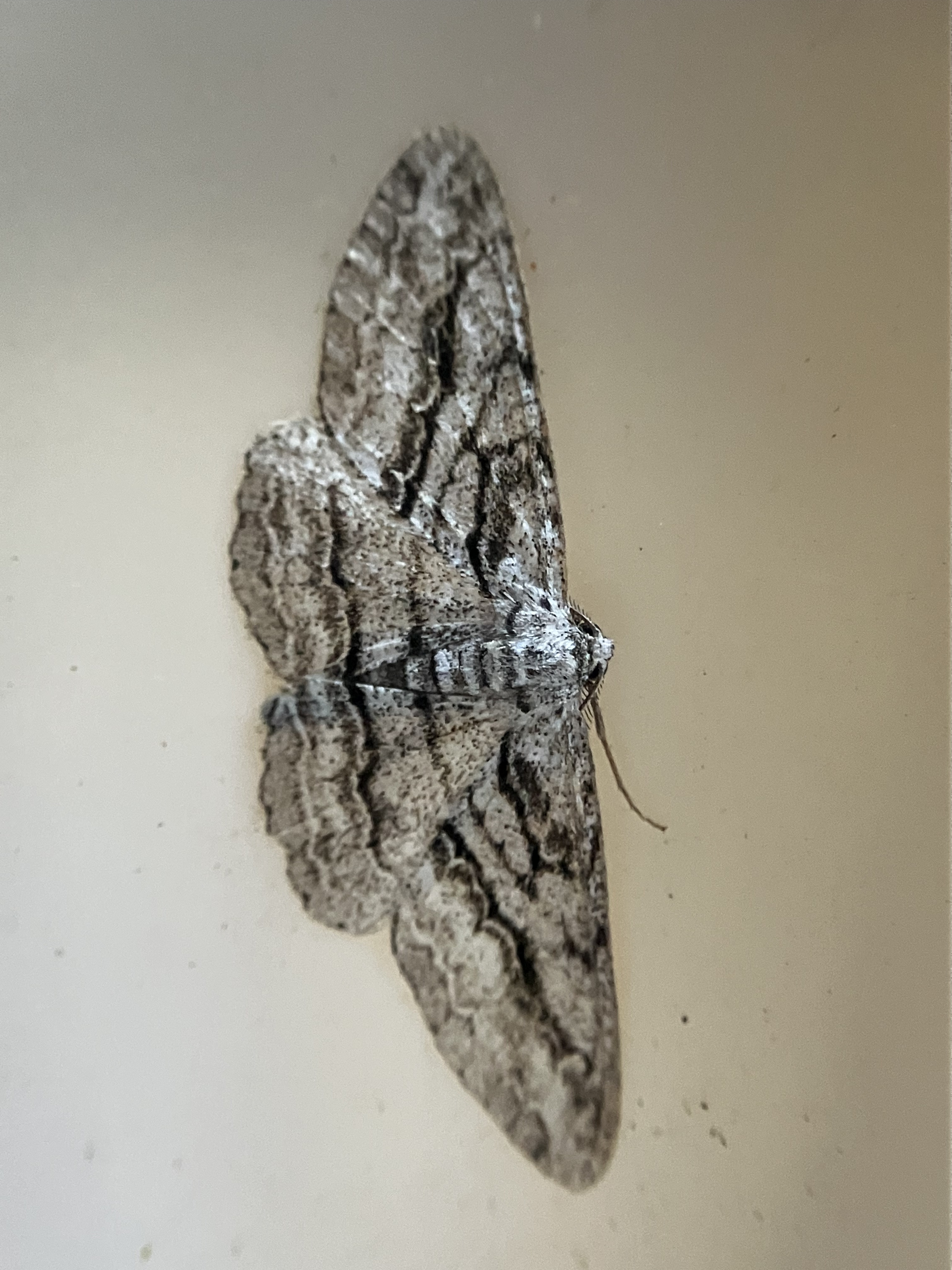
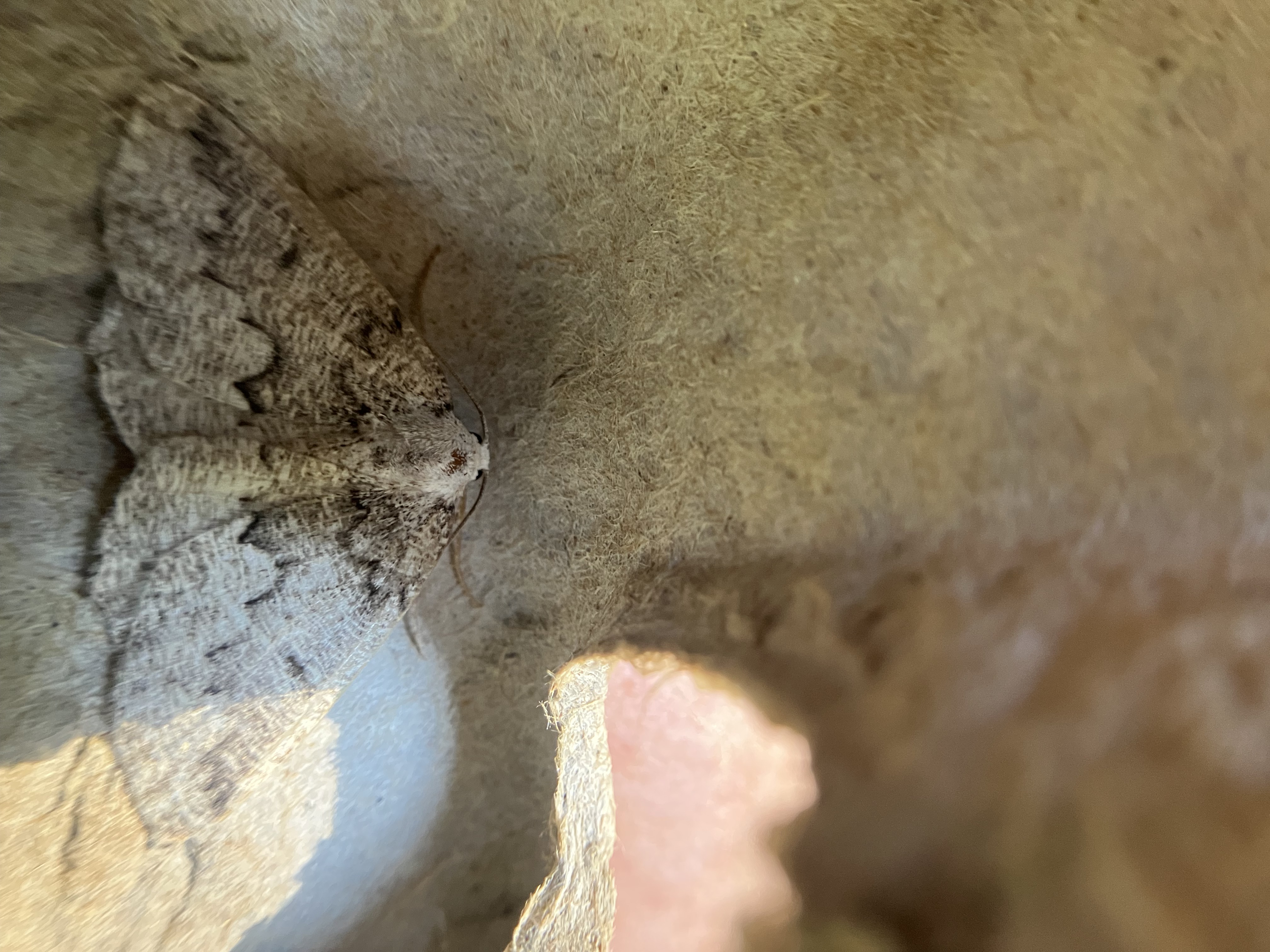
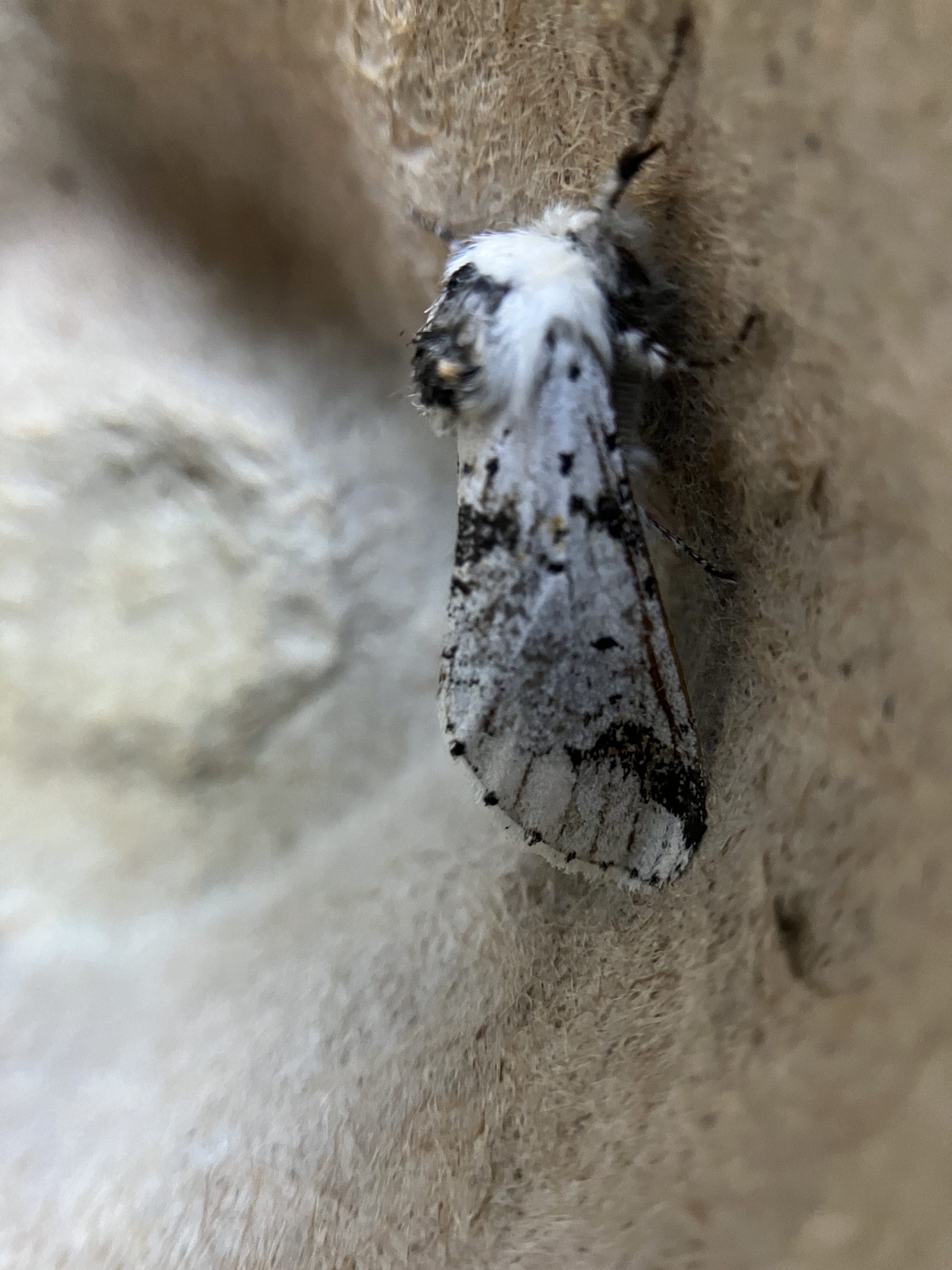
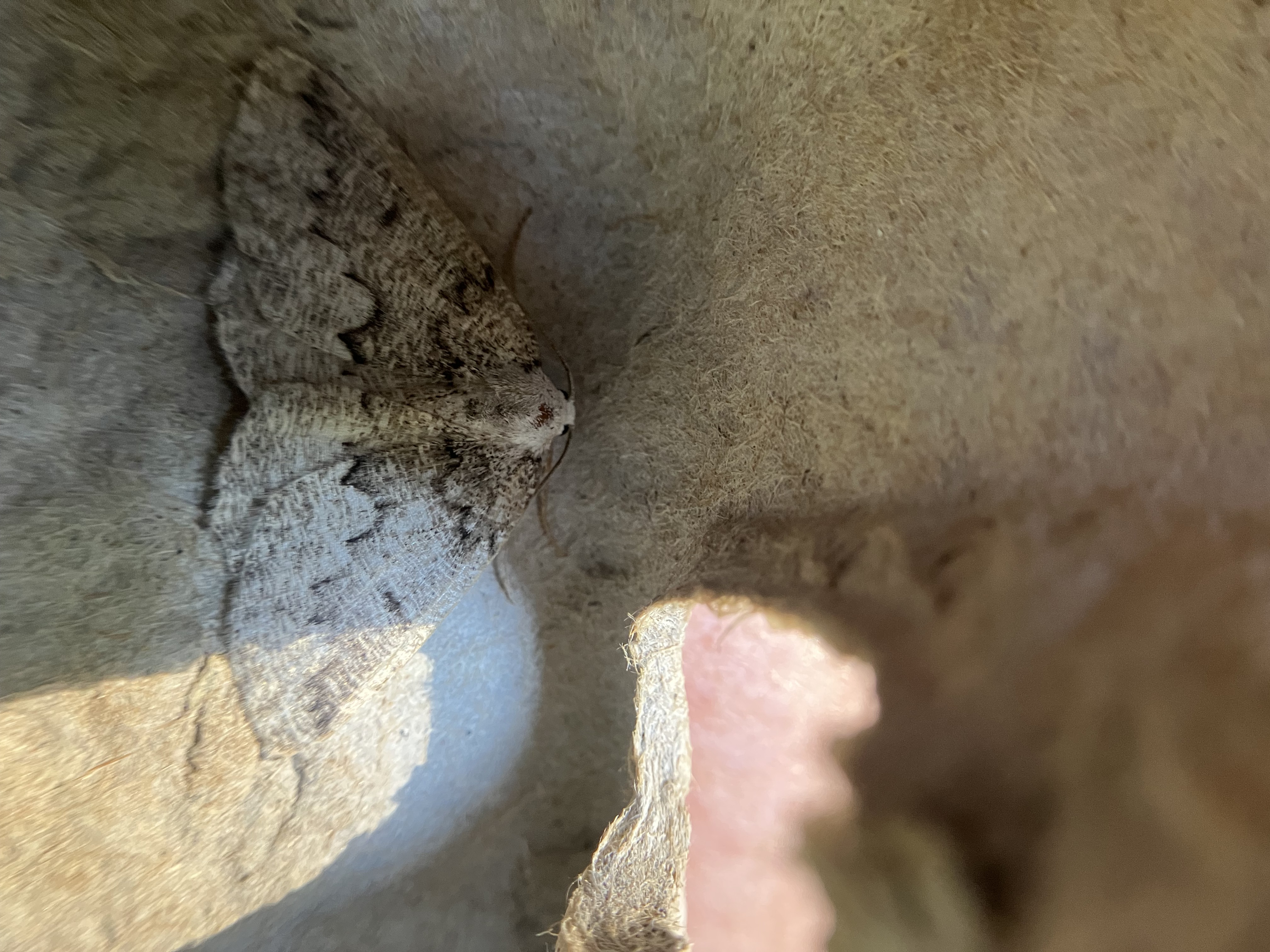
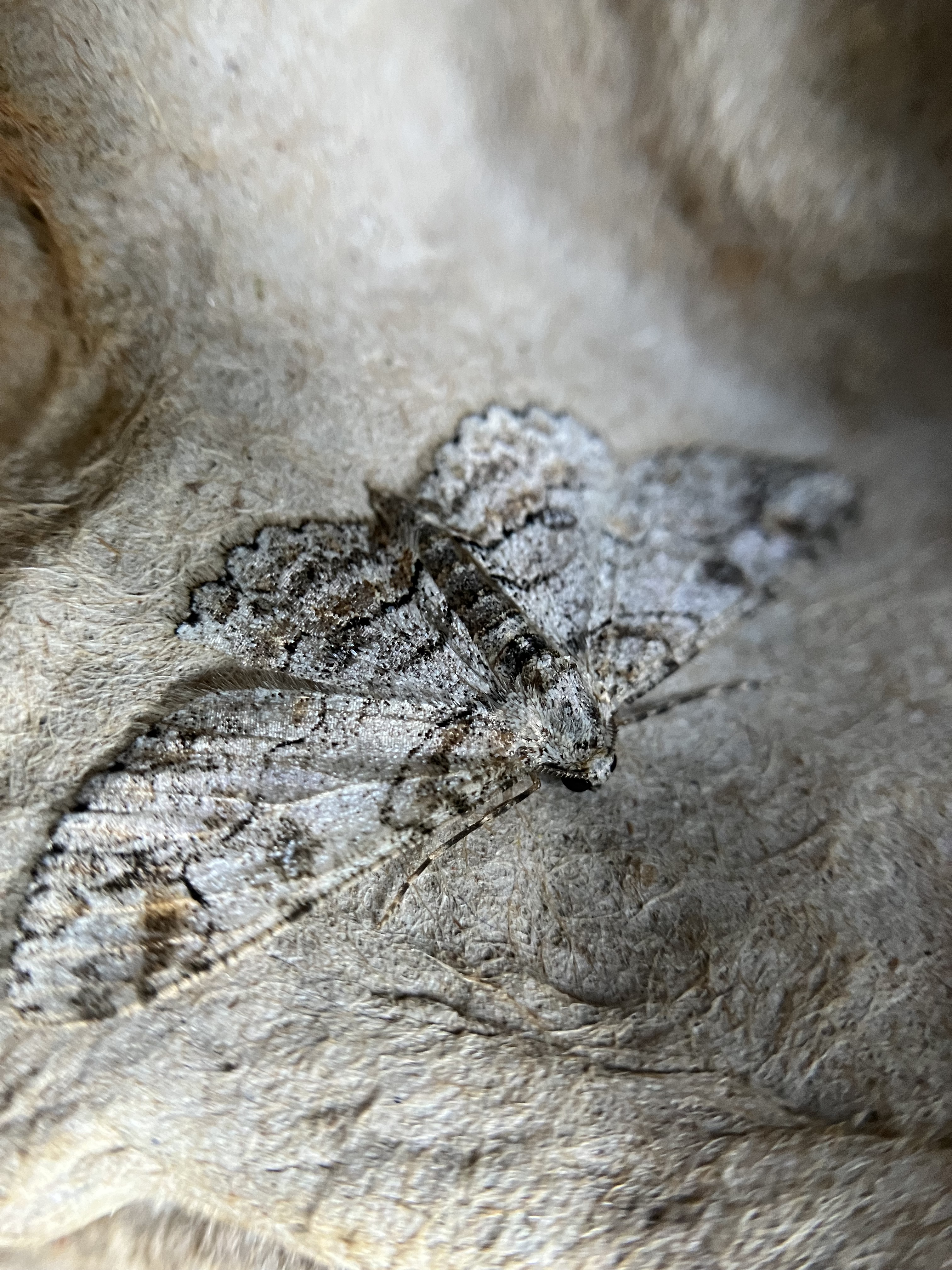
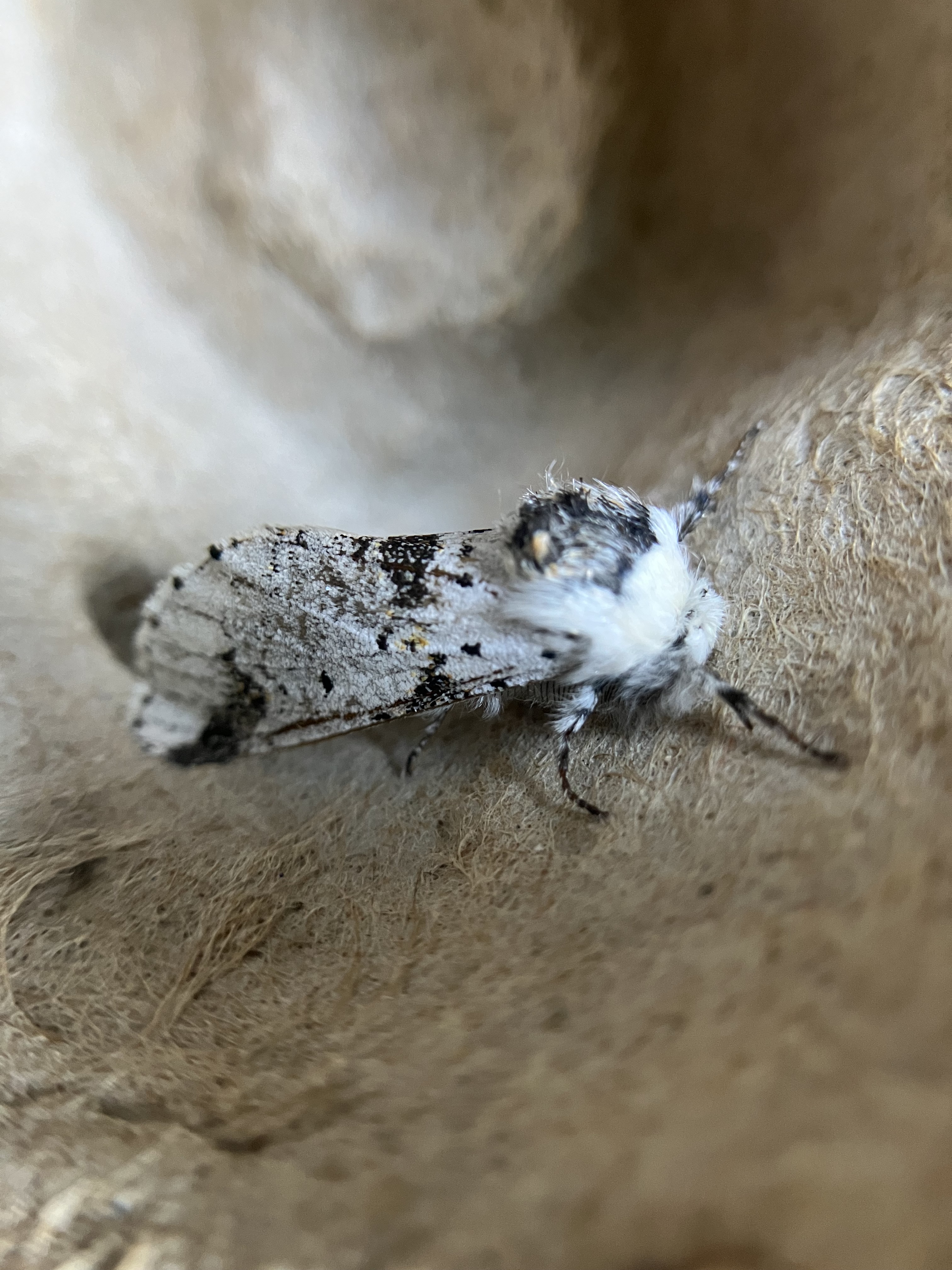
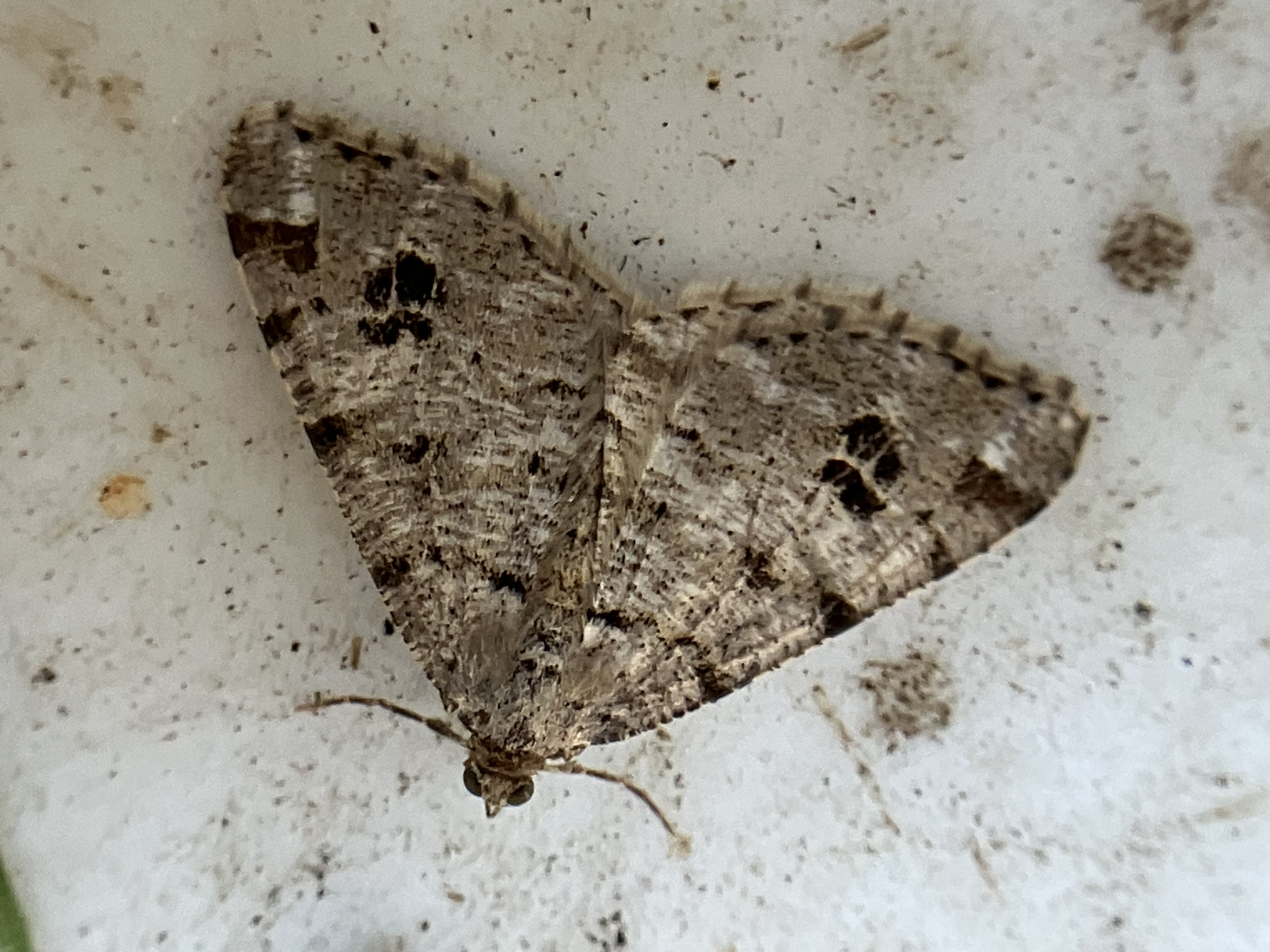
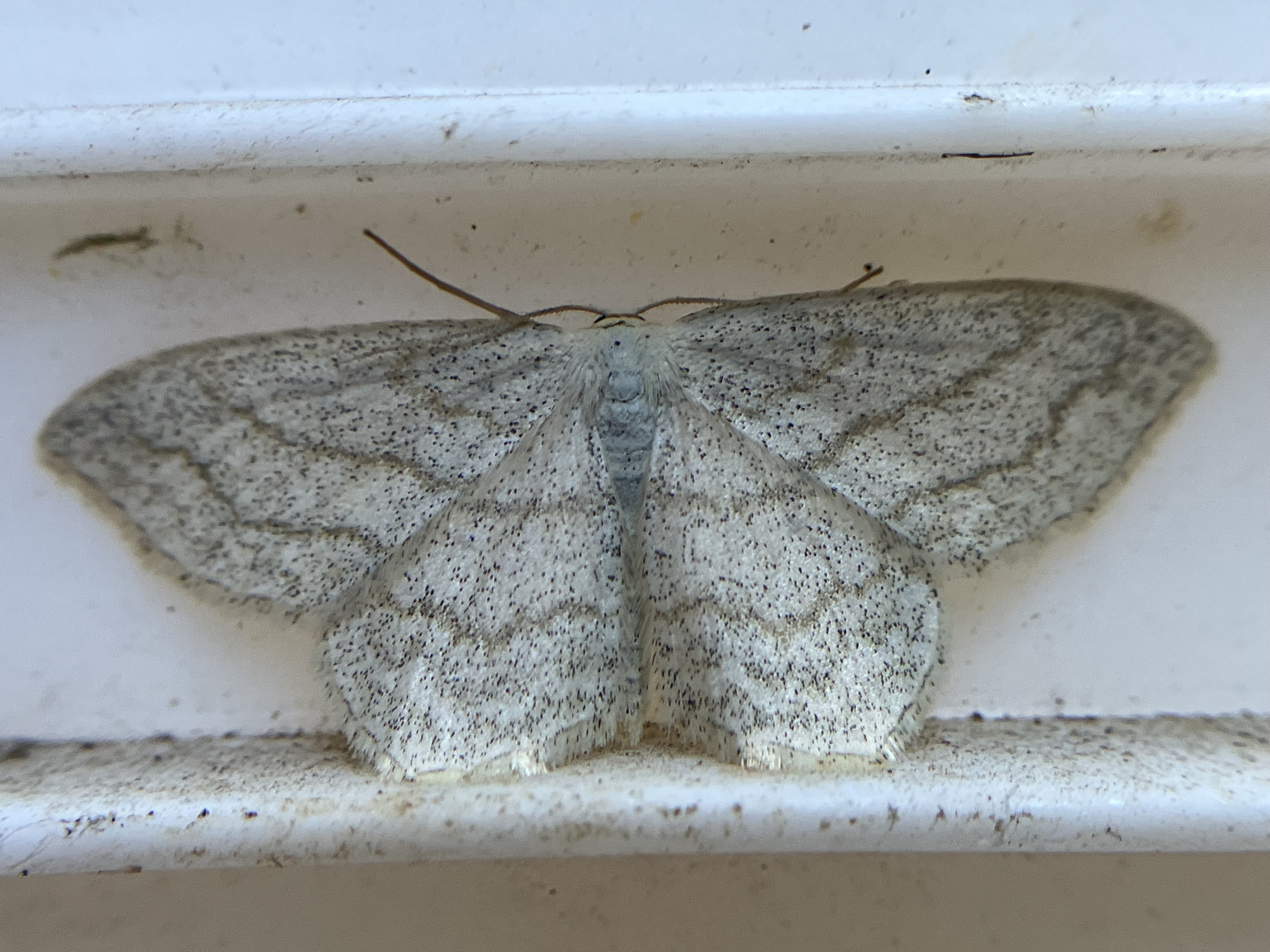
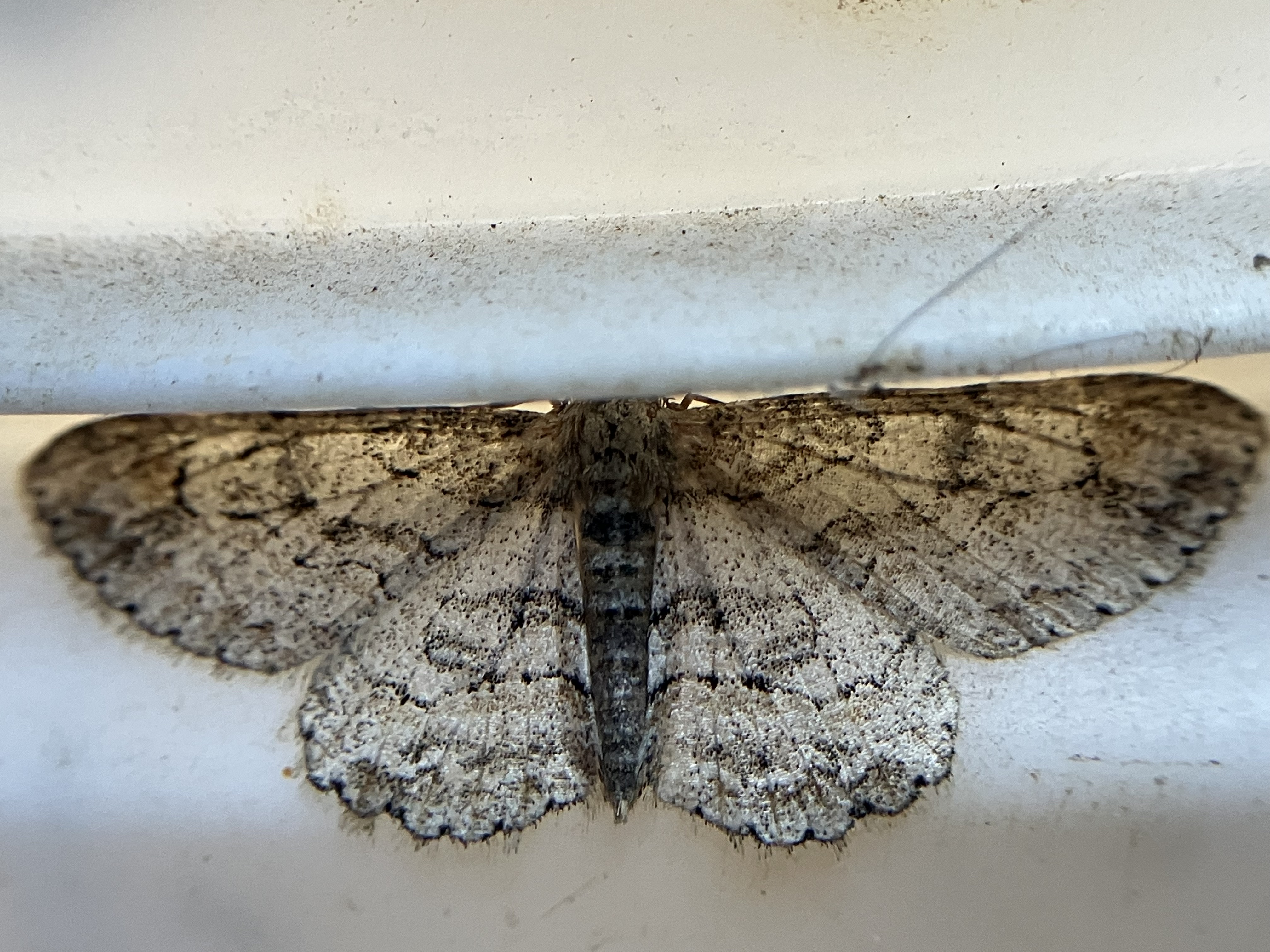
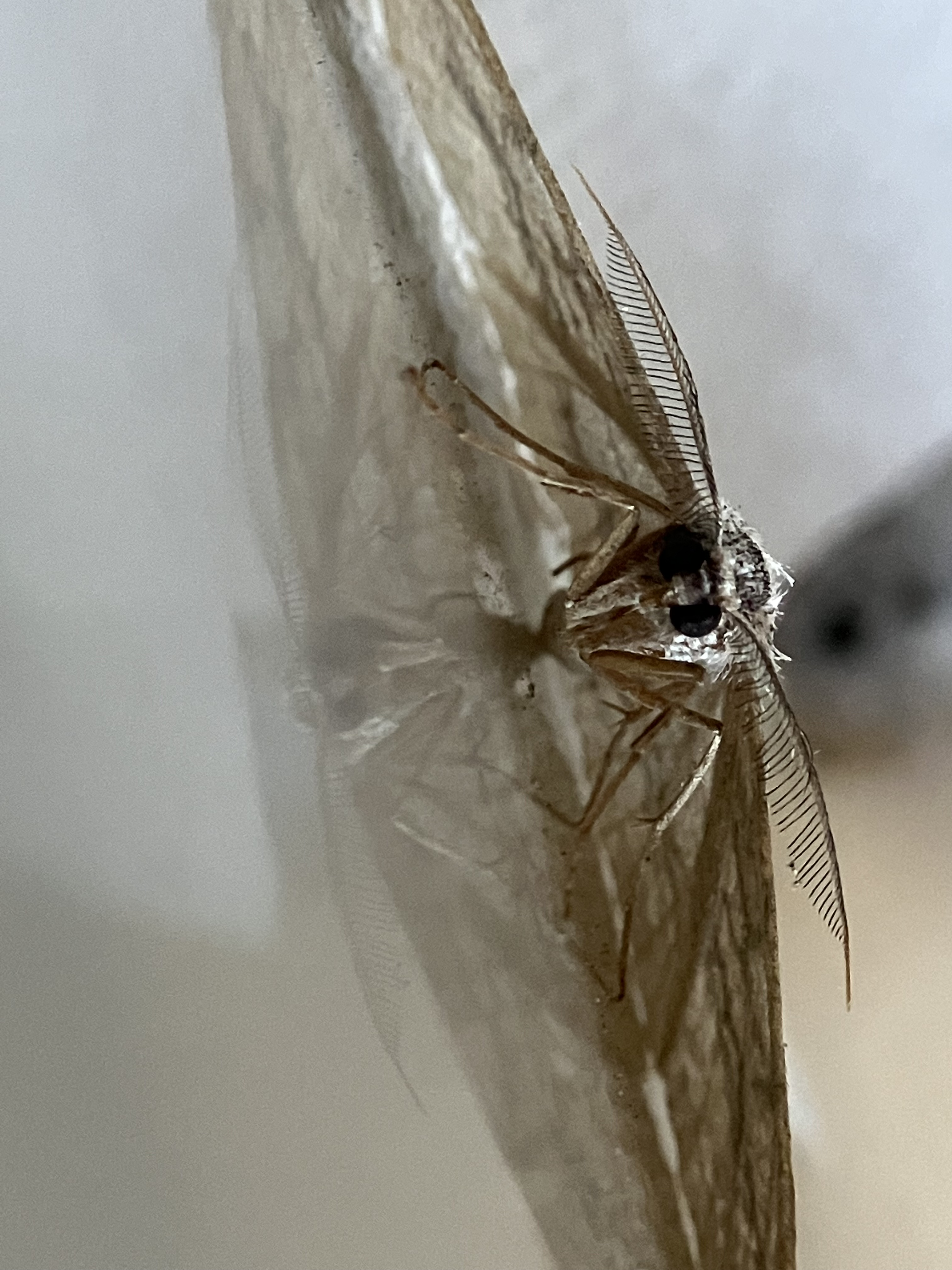
Bug Bucket Bug BucketBug Bucket with Egg Cartons for th moths to hide inside Northern Pacific Tree Frog (Pseudacis regilla)Pyrausta perrubralisNorthwestern Phoenix Moth (Eulithis xylina)Western Avocado Leafroller Moth (Amorbia cuneanum)Western Conifer Looper (Caripeta aequaliaria)Grass Moth Genus ScopariaDiplotaxis sp. Scarab BeetleSubfamily EnnominaeNorthern Pacific Tree Frog (Pseudacis regilla)Packards Girdle Moth (Sabulodes packardata)Northwestern Phoenix Moth (Eulithis xylina)Packards Girdle Moth (Sabulodes packardata)Packards Girdle Moth (Sabulodes packardata)Zigzag Furcula Moth (Furcula scolopendrina)Packards Girdle Moth (Sabulodes packardata)Iridopsis emasculatum I believeZigzag Furcula Moth (Furcula scolopendrina)Agrotis sp. , Family NoctuidaeAgrotis sp. , Family NoctuidaeStamnoctenis sp. , Family GeometridaeAgrotis sp. Stamnoctenis sp. GeometridaeWestern Tent Moth (Malacosoma californicum) left, and Virginia Tiger Moth (Spilosoma virginica) rightPale Marked Angle (Macaria signaria)Unknown, but cute!Simple Wave (Scopula junctaria)EnnonominaeGenus IridopsisTribe BoarmiiniKnot Horn Moth (Subfamily Phycitinae) – family PyralidaeUnknown, but check out the reflection in the image.Little White Lichen Moth (Clemensia albata)Erebidae, and Dasychira grisefacta, I believe. Erebidae, and Dasychira grisefacta, I believe. Erebidae, and Dasychira grisefacta, I believe. Erebidae, and Dasychira grisefacta, I believe. Erebidae, and Dasychira grisefacta, I believe. Erebidae, and Dasychira grisefacta, I believe. Erebidae, and Dasychira grisefacta, I believe.
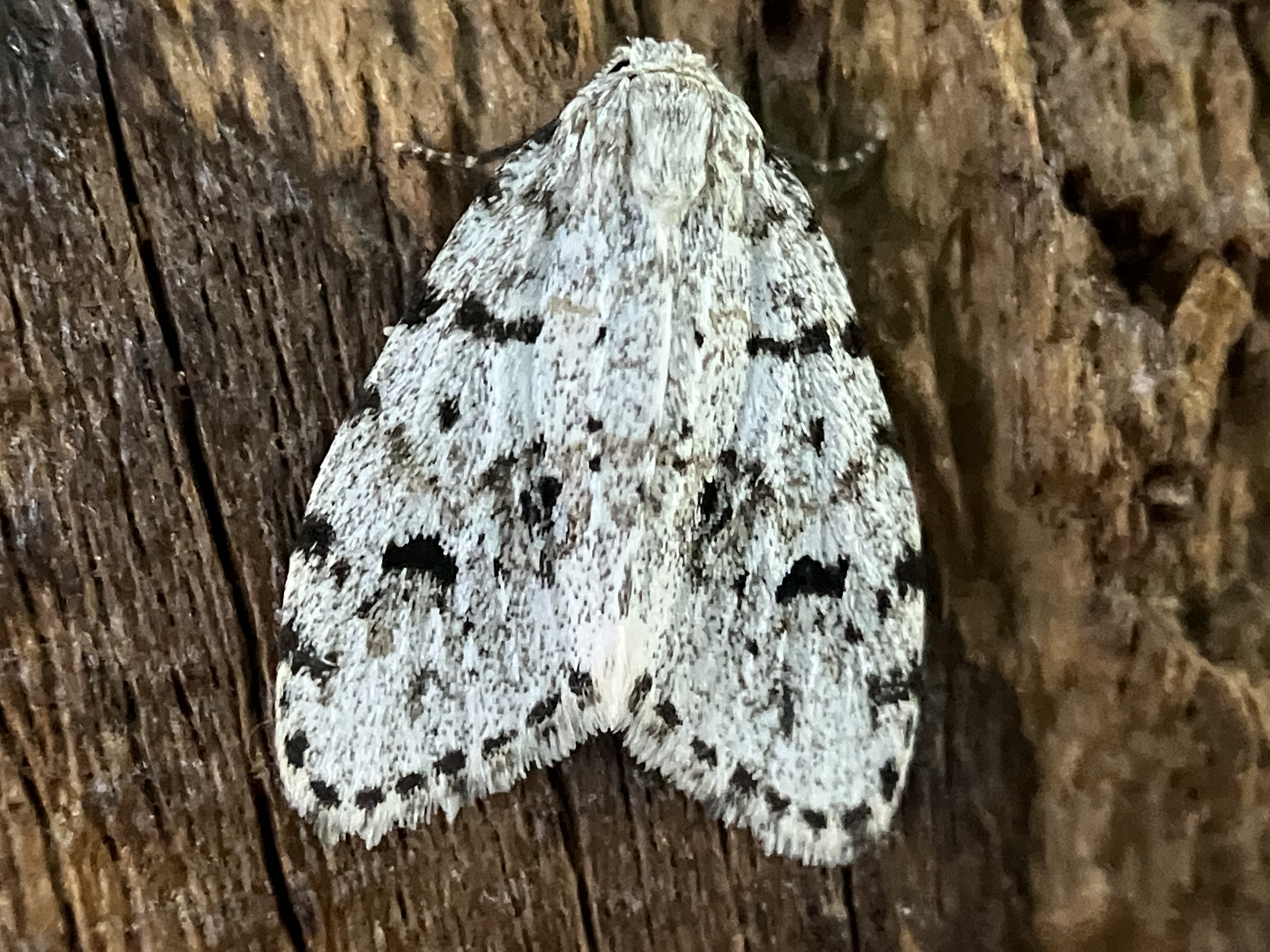
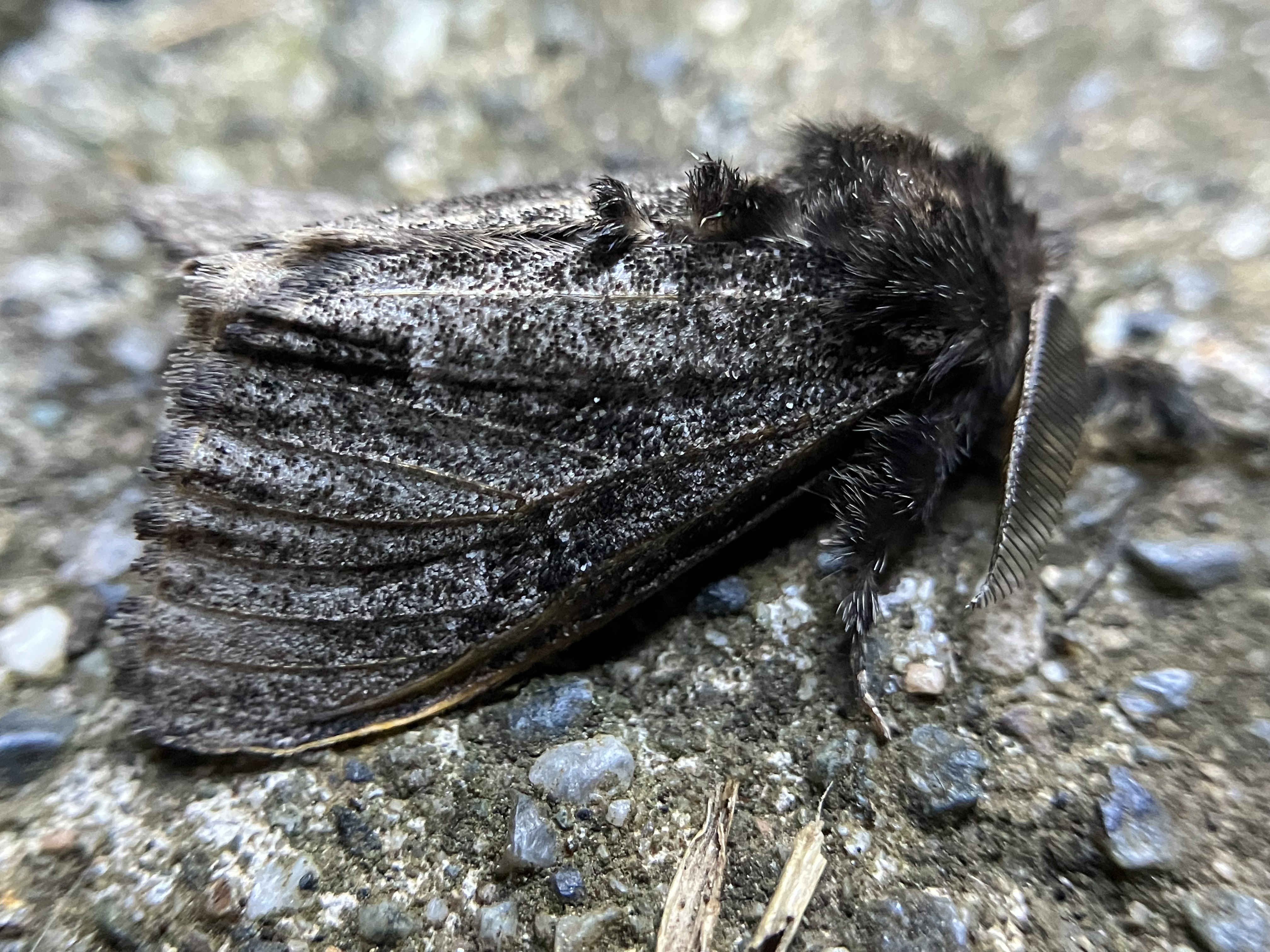
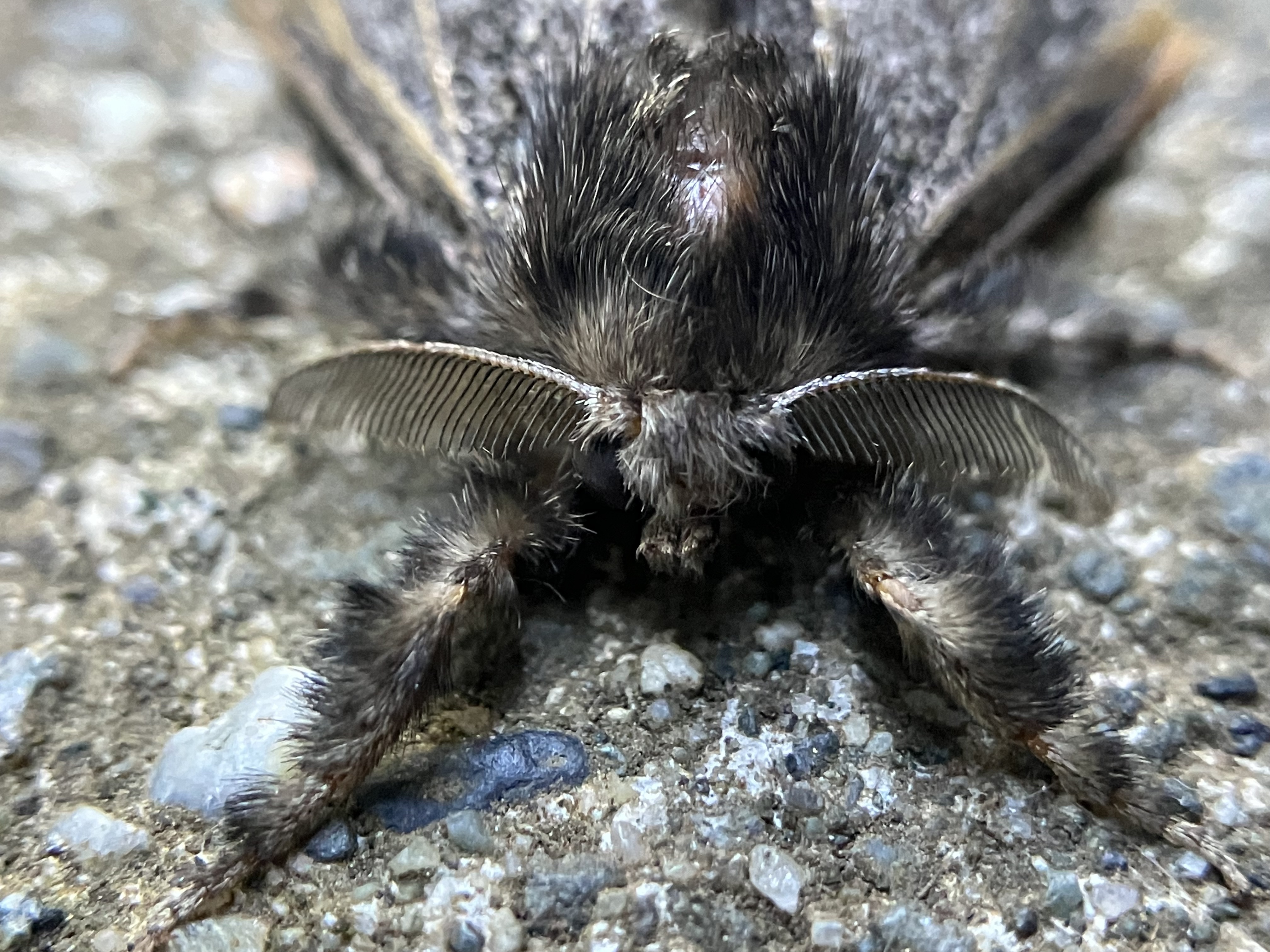
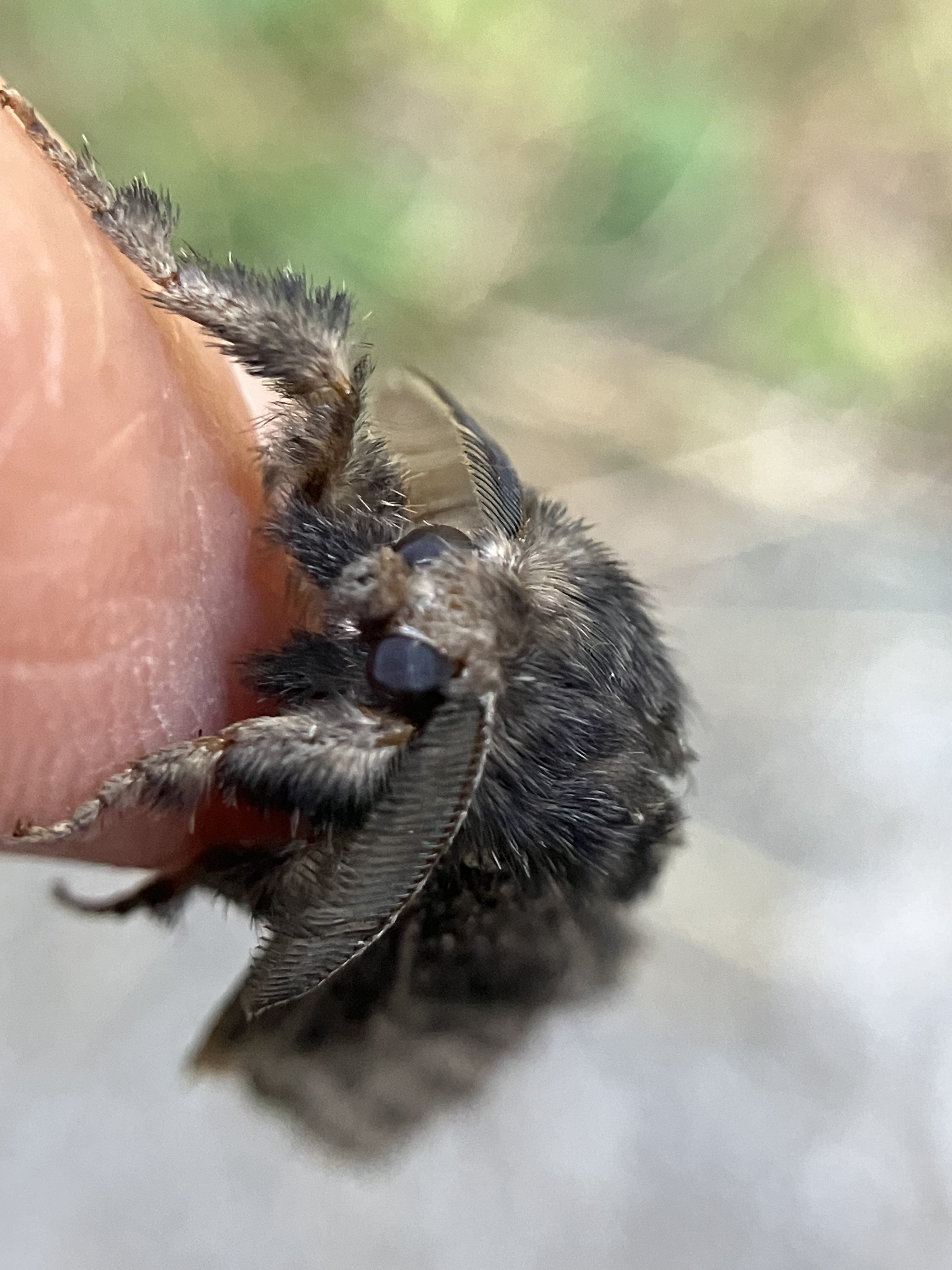
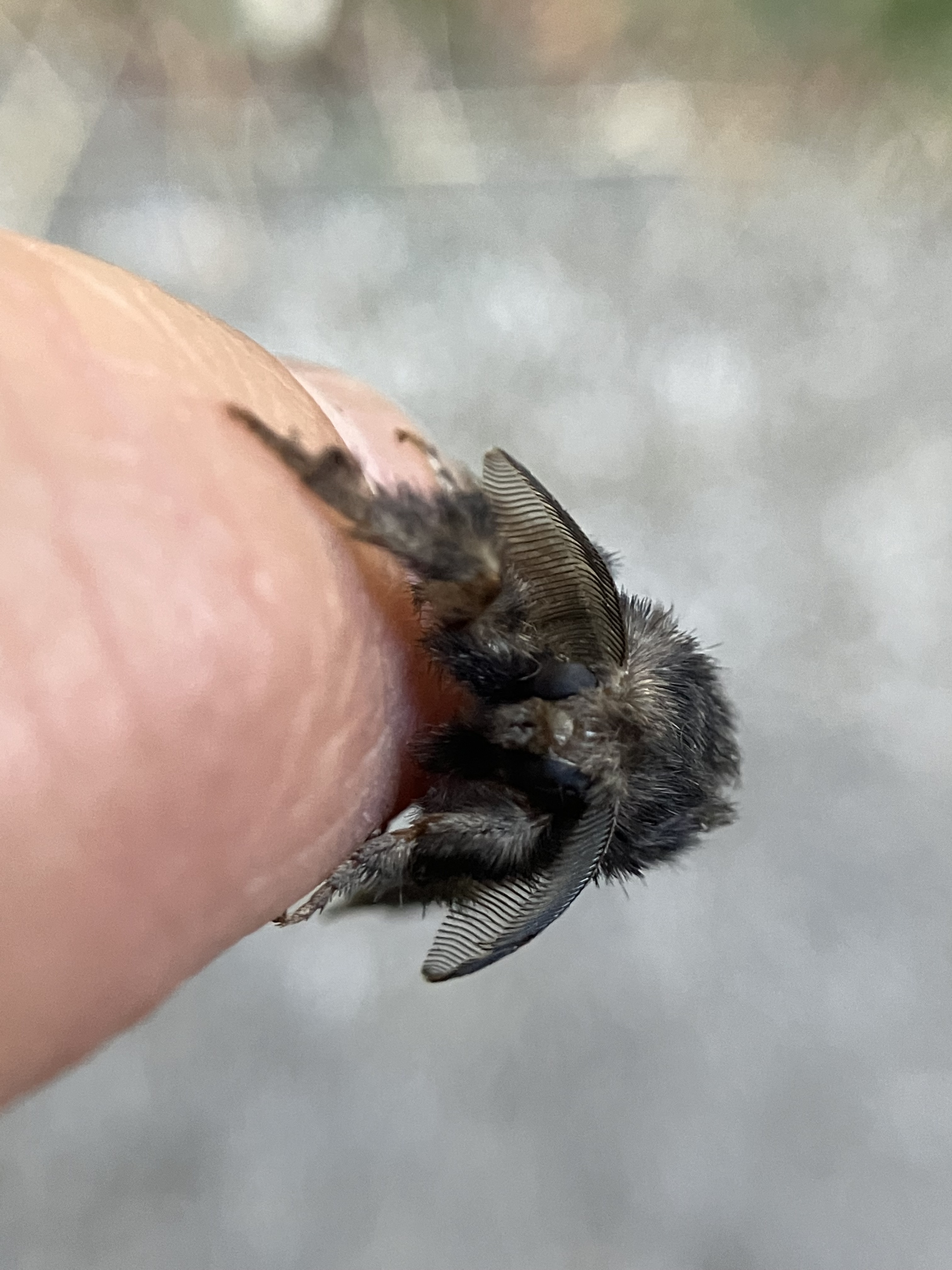
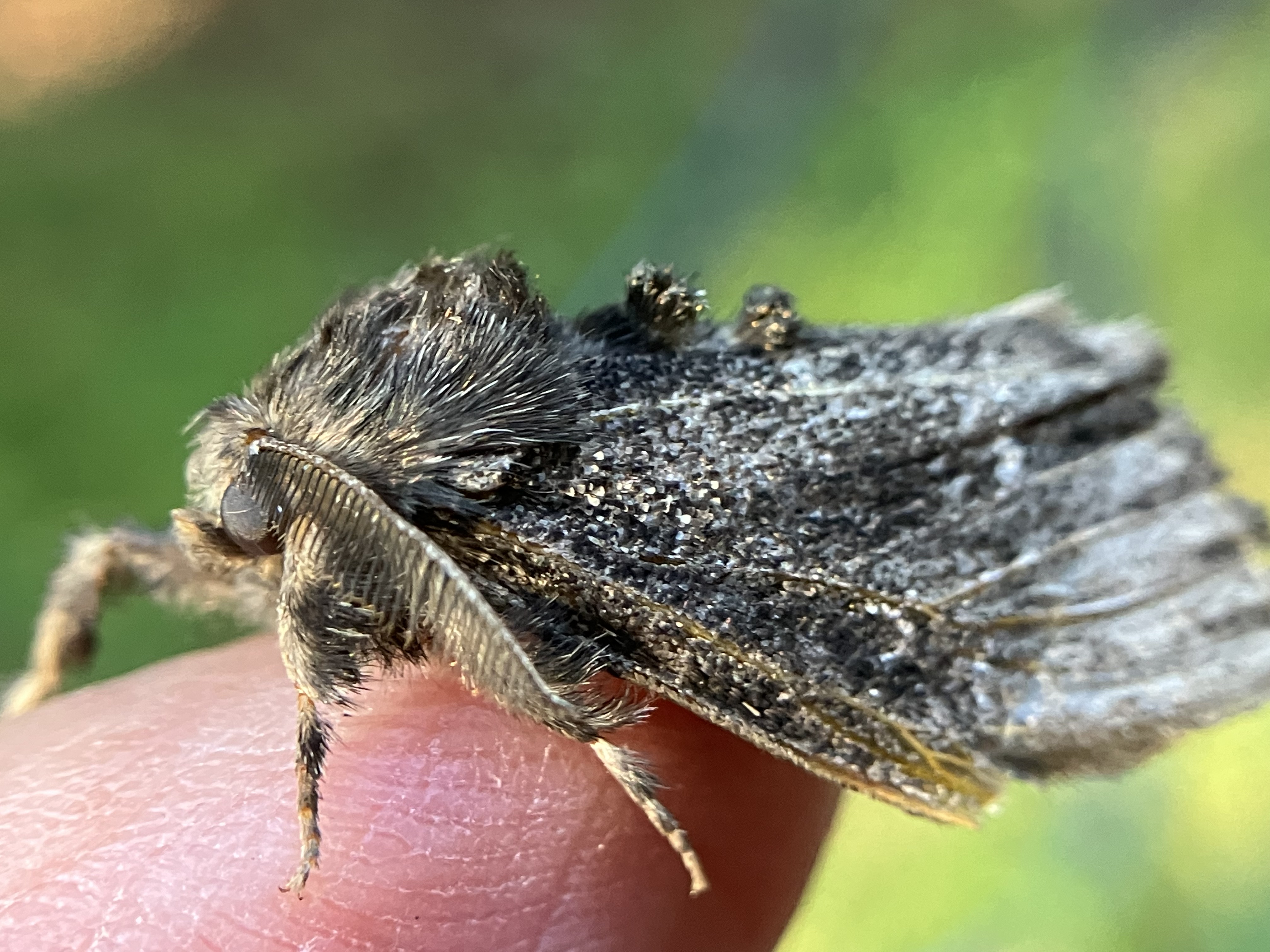
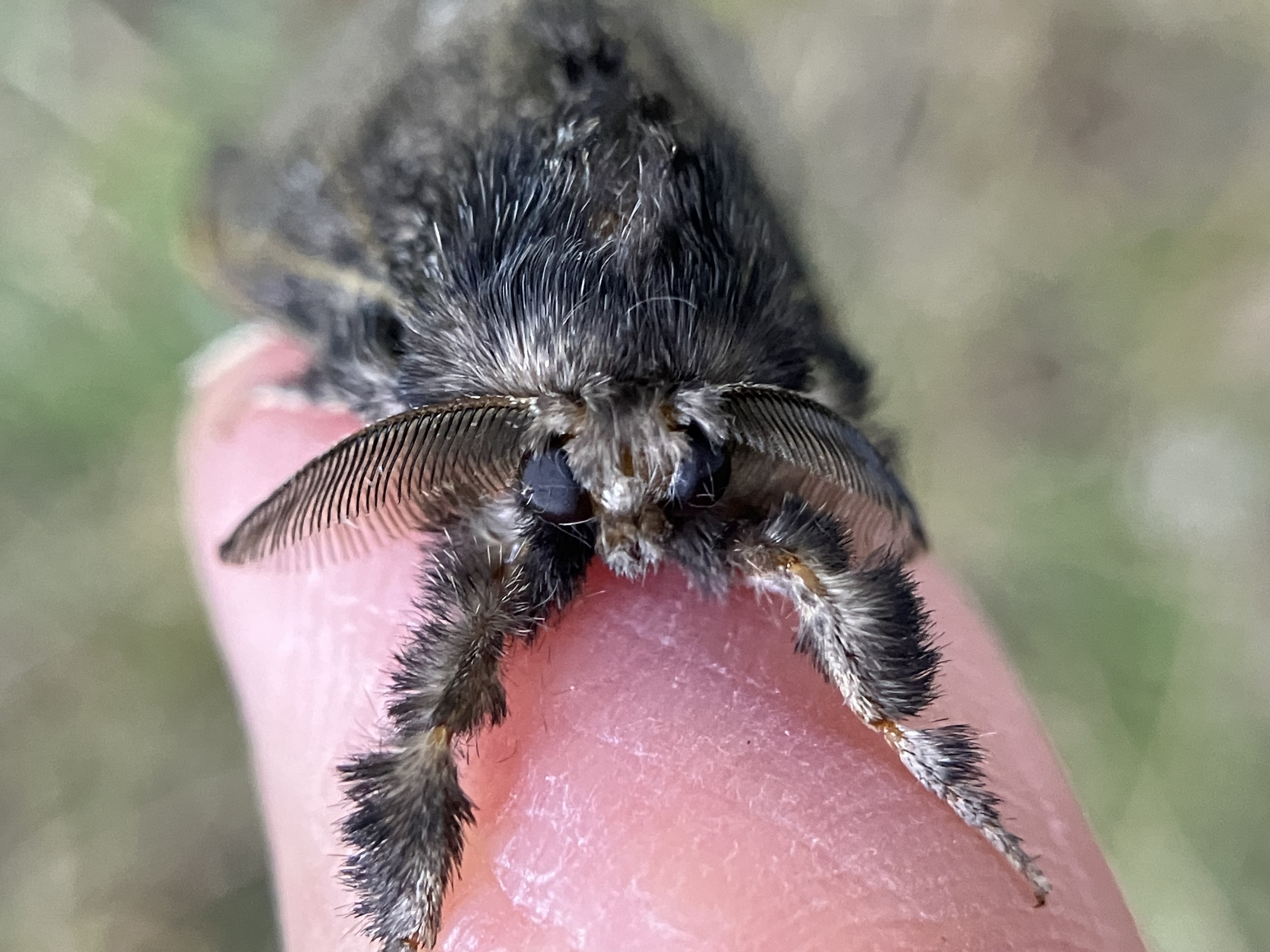
I believe this is Dasychira griefacta . It takes off somewhat awkwardly but made it up into a tall fir tree.
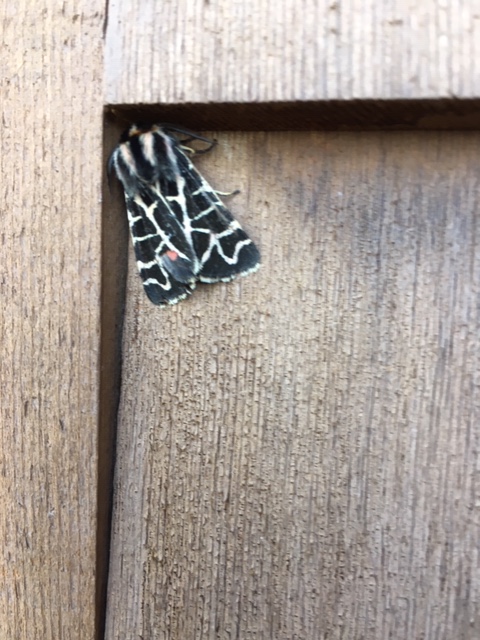
Sunday evening, August 18, 2019, my husband took me to a lovely Farm to Table dinner at Sweet Earth Farm, San Juan Island, WA http://sweetearthfarm.com/products/farm-events/ Aside from the amazing food and beautiful scenery, I got to sit at a table with some really great folks who, after finding out about my love of bugs, sent me a photo of a Tiger Moth that was on the side of their garage door. Turns out this particular moth was going to be pretty interesting!
Apantesis nevadensis superba 08.22.18 San Juan Island, WA photo by N. Hamlin
As I worked through my usual steps to ID the specimen, I noted the photo came to me with “Ornate Tiger Moth” in the subject line. This specimen was indeed very similar to the Ornate Tiger Moth (Apantesis ornata). To complicate things a bit more, not only has this family of moths (Tiger moths) been reclassified (from Arctiidae to Erebidae), but this genus has also recently been renamed. Formerly Grammia ornata, Apantesis ornata (Ornate Tiger Moth’s) have not been recorded in San Juan County and records for adult flying periods of this species are earlier than for this particular specimen. I believed this specimen was something different.
There were records of another species of Tiger Moth in the Pacific Northwest I came across that better matched the image of my photo and timing of adult emergence. Apantesis nevadensis, the Nevada Tiger Moth, has been recorded as widely distributed in the Pacific Northwest, but according to information on Pacific Northwest Moths http://pnwmoths.biol.wwu.edu/browse/family-erebidae/subfamily-arctiinae/tribe-arctiini/apantesis/apantesis-nevadensis/, A. nevadensis is “only found in a few locations west of the Cascade Mountain crest, including on Vancouver Island, the south Puget Sound, and coastal Oregon.”
However, a fairly recent (2007) review in Zootaxa by Ferguson and Schmidt described a subspecies of Apantesis nevadensis, A. n. superba that had been recorded on Vancouver Island, B.C., our neighbor. Could the San Juan’s be a new geographical locality for this subspecies?
Apantesis nevadensis superba 08.22.18 San Juan Island, WA photo by N. Hamlin
I emailed the photo to Merrill A. Peterson at WWU. He has a great book available called Pacific Northwest Insects too. You can find it here ~ (https://pacificnorthwestinsects.com). Merrill is Professor and Chair of Biology and Insect Collection Curator at Western Washington University and my all around go-to person for confirmation of insects in our region. Merrill agreed that my ID was correct. Since this was a FIRST record for the San Juan’s, he asked if I could collect locality (GPS) data and date of sighting from the original photographer.
My next task was to email the gentleman who sat with us that night at dinner and ask him if he was willing to share this, enabling Merrill to post the record online. We needed first initial, last name, GPS data, and date of sighting. Not only did I receive a response with this information AND permission for me to use the photographs in my blog, but I received a photo of a second moth taken the very day this gentleman went out to register the GPS coordinates on his phone. Now we have a record of two sightings, almost exactly one year apart!
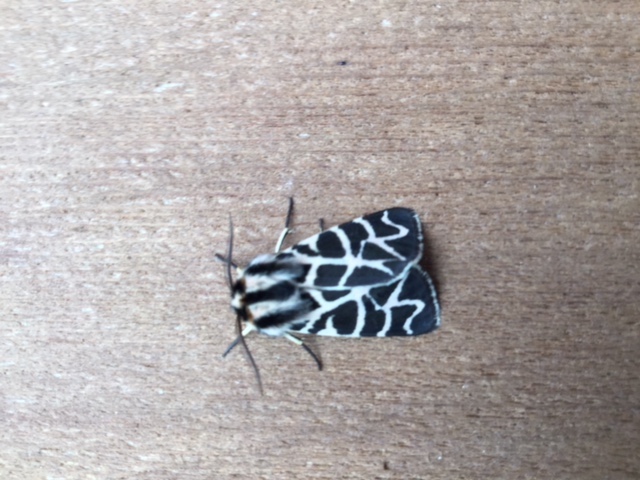
Apantesis nevadensis superba 08.28.19 San Juan Island, WA photo by N. Hamlin
Sohow exactly can you tell the Apantesis nevada from Apantesis ornata?
Here are the morphological descriptions for adult specimens of each species, taken from http://www.bugguide.com to get you started. Please feel free to contact me here or at https://www.facebook.com/buggingyoufromSJI/ with questions or to report sightings of insects in the San Juan’s. 🐛🐞🦋🐜🐝🦗
Apantesis ornata~
Adult: FW appear black, typically with a net-like pattern of extensive yellowish or rosy off-white transverse lines and thinner pale veins. HW color is variable from yellow-orange, orange, to orange-red, rarely entirely black. HW is heavily marked with black, including the basal wing, multiple spots, and an irregular marginal band. These are often fused to each other, especially near the wing margin.
Apantesis nevada ~
Adult: forewing black with 3 variably thin to wide pale bands crossing wing; subterminal line W-shaped, touching PM line at top of W, and outer margin at bottom; single pale line from base of costa to anal angle; hindwing varies from bright red with several black spots to pale pink with merged spots forming extensive black area; top of thorax white with 3 longitundinal black stripes; ptagia (collar) has one black spot on each side
Ferguson, D. C. and C. Schmidt. 2007. Taxonomic review of the Grammia nevadensis species group (Lepidoptera: Arctiidae) with descriptions of two new species, Zootaxa 1405, pp. 39-49: 42-44.
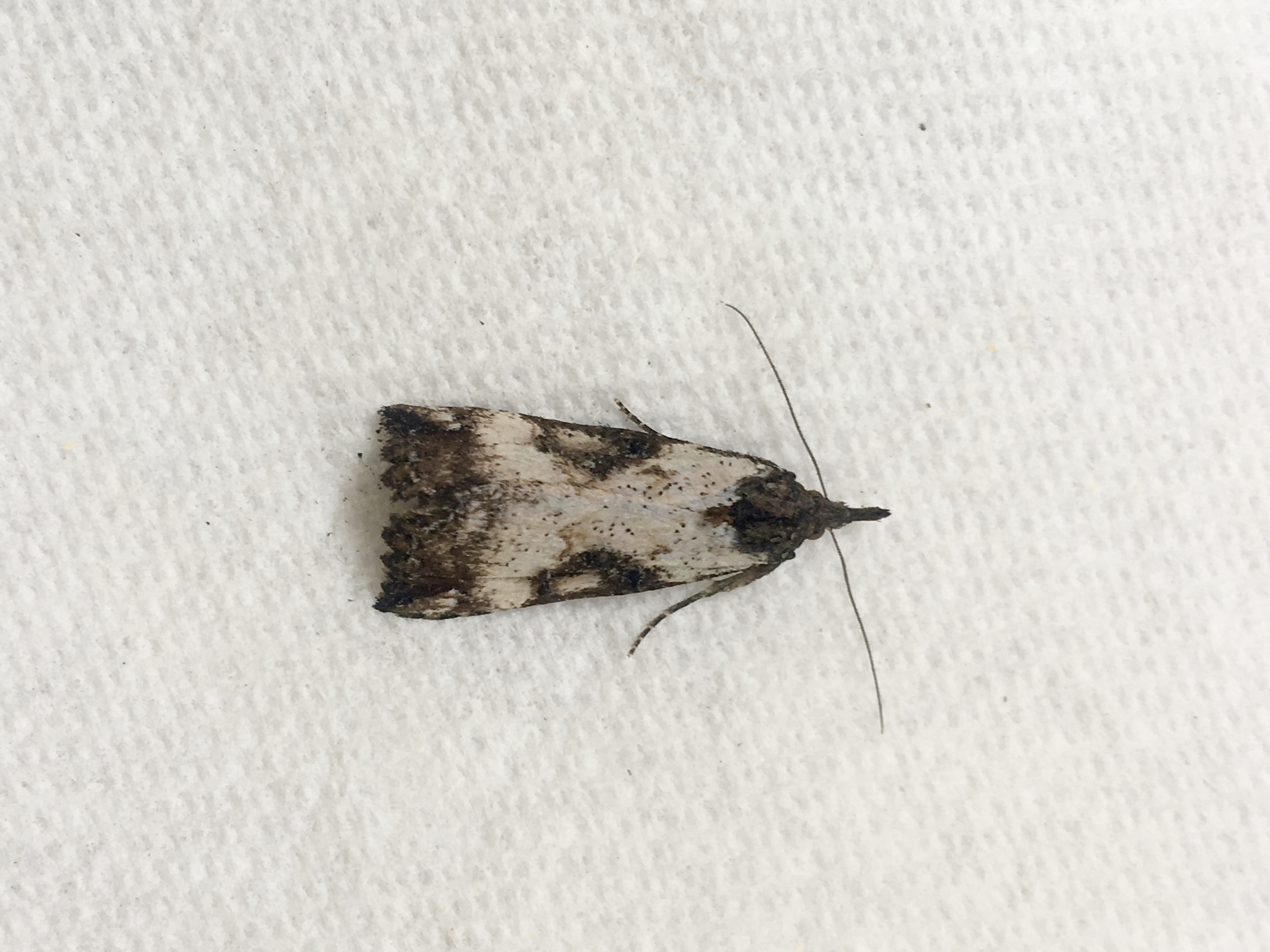
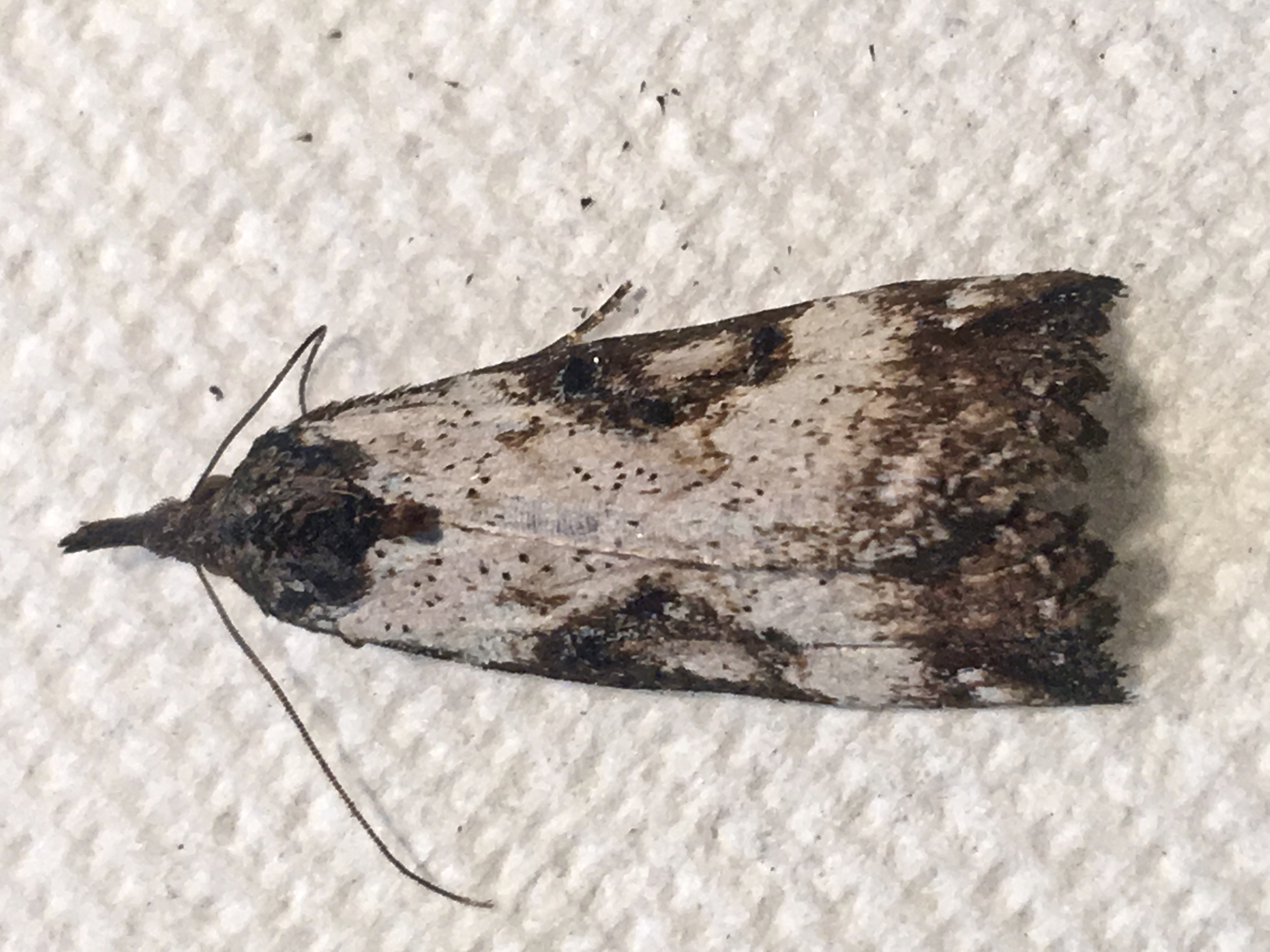
Family: Eribidae Hypena decorata August 20, 2019 San Juan Island, WA
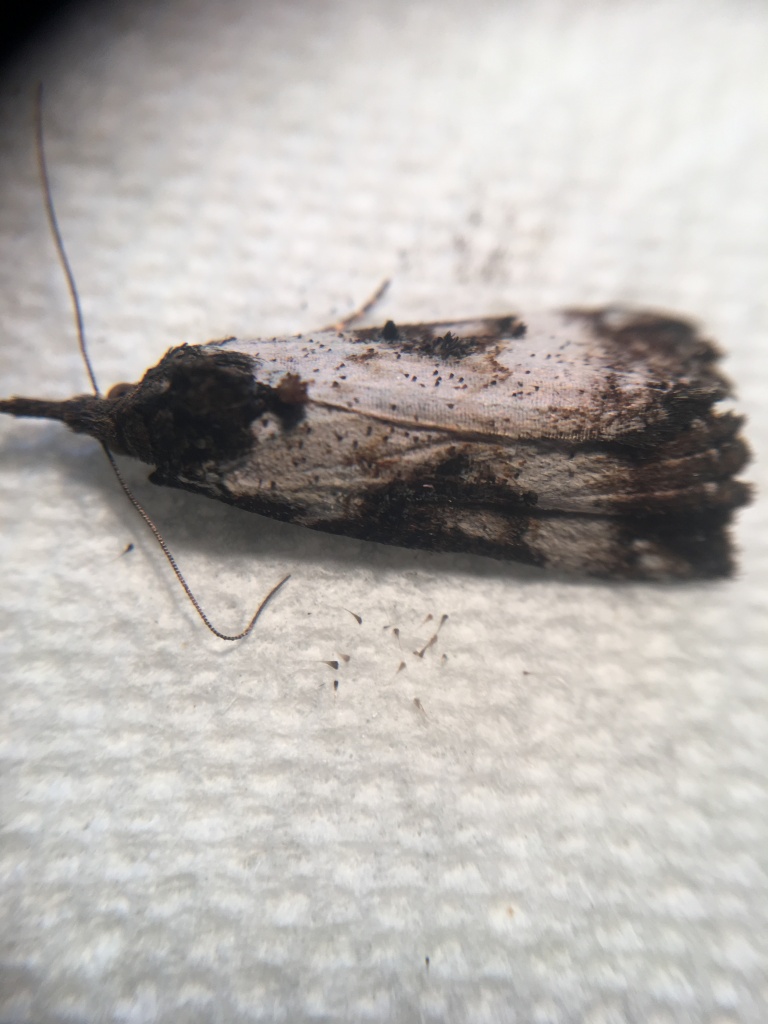
I found this on the kitchen floor the other morning (August 20, 2019). It looked like a piece of tree bark had been tracked in. When I reached down to pick it up, I realized it was some sort of moth and one I’d not seen before.
Hypena decorata August 20, 2019
After taking photos of it (it was expired when I found it), I thumbed through my reference books, trying to see if I could identify it. After about an hour of skimming literature and photos, I finally grew frustrated and emailed Merrill Peterson at Western WA University to see if he’d seen it before.
That afternoon, I did indeed hear back from Merrill. He’s fantastic about responding and said he had to reach out to someone he knew, but finally got an answer for me.
Here’s what Merrill said, “It’s a strange Hypena decorata, like this one. I had to get some help to figure it out!” I was glad Merrill helped solve the mystery and now I can share what I found out about this moth.
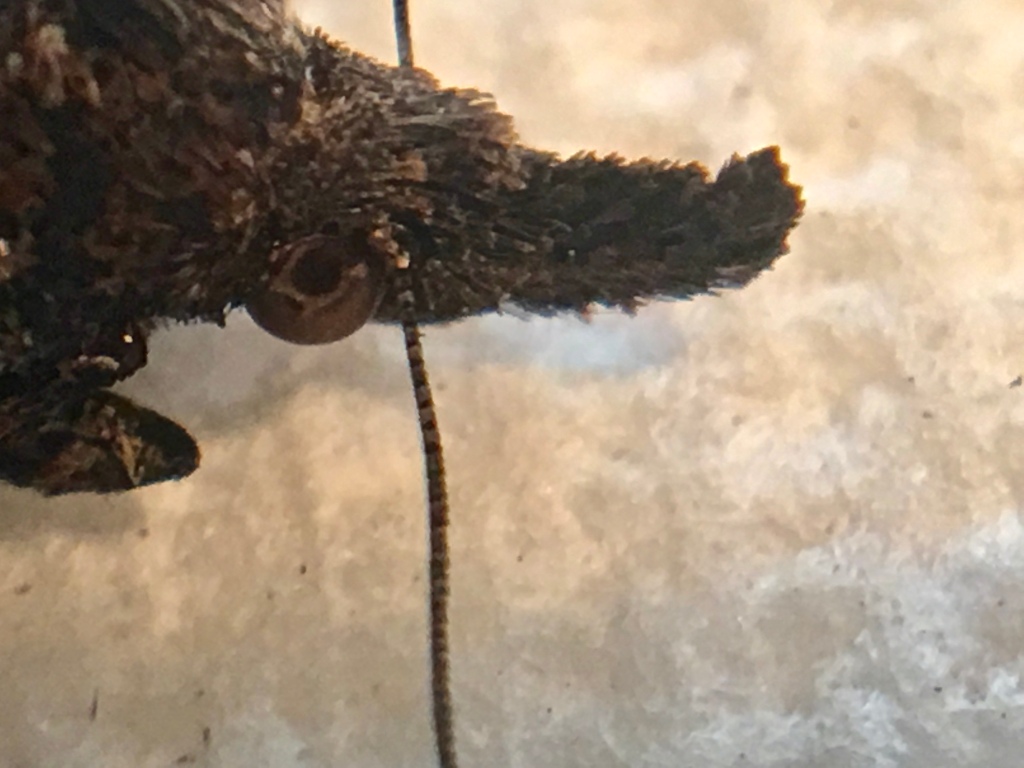
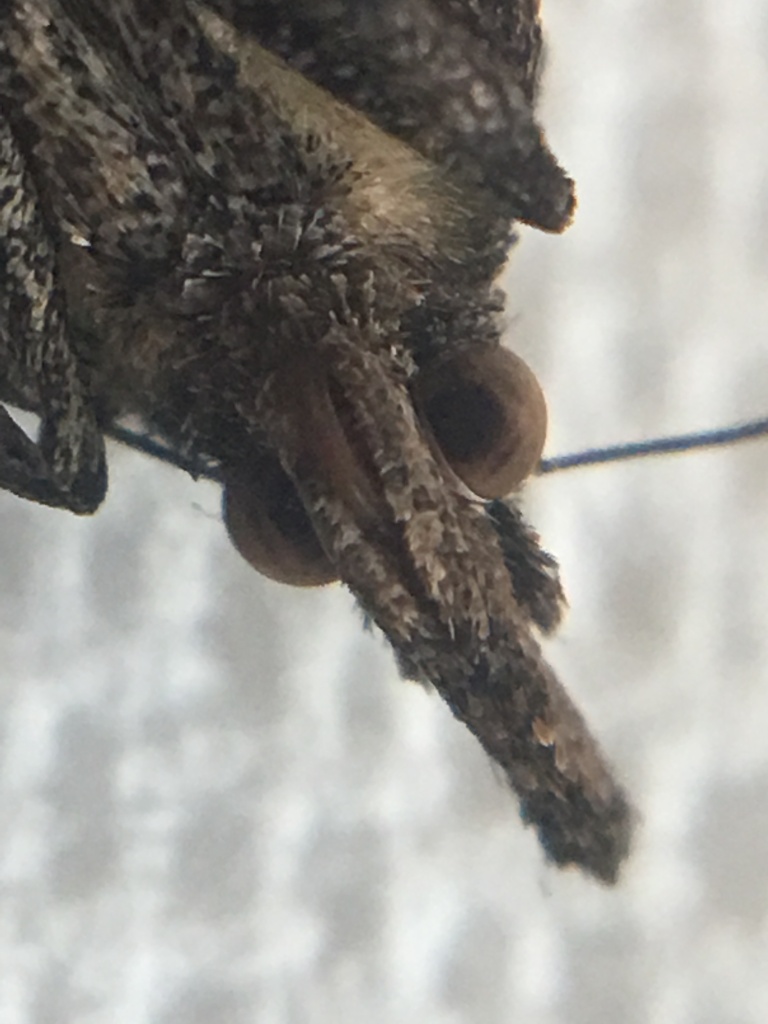
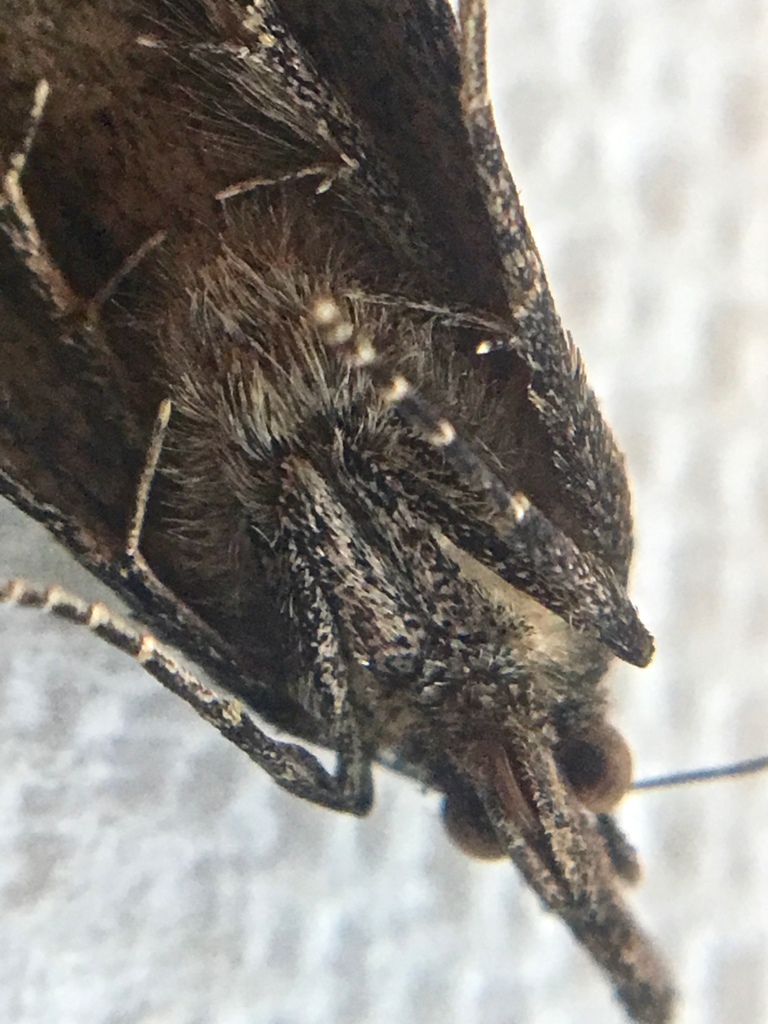
Hypena decorata is in the family Eribidae, within the superfamily Noctuoidea, the (Owlet Moths and kin). Hypena is Greek for “beard.” When you look at the fuzzy, long labial palms that project to form the moth’s snout, it does indeed look a bit like a beard.
According to the Bugguide reference, Lafontaine & Schmidt (2010) list 29 species of the genus Hypena in America north of Mexico. The moth is relatively rare to uncommon West of the Cascades, but found in southwestern British Columbia and western Oregon and Washington. Distribution records also show the species ranges to Southern California. Larvae are food plant specialists, feeding on nettles (Urtica spp.).
Hypena decorata August 20, 2019
The “beard”
Hypena decorata August 20, 2019 The “beard”
Hypena decorata August 20, 2019
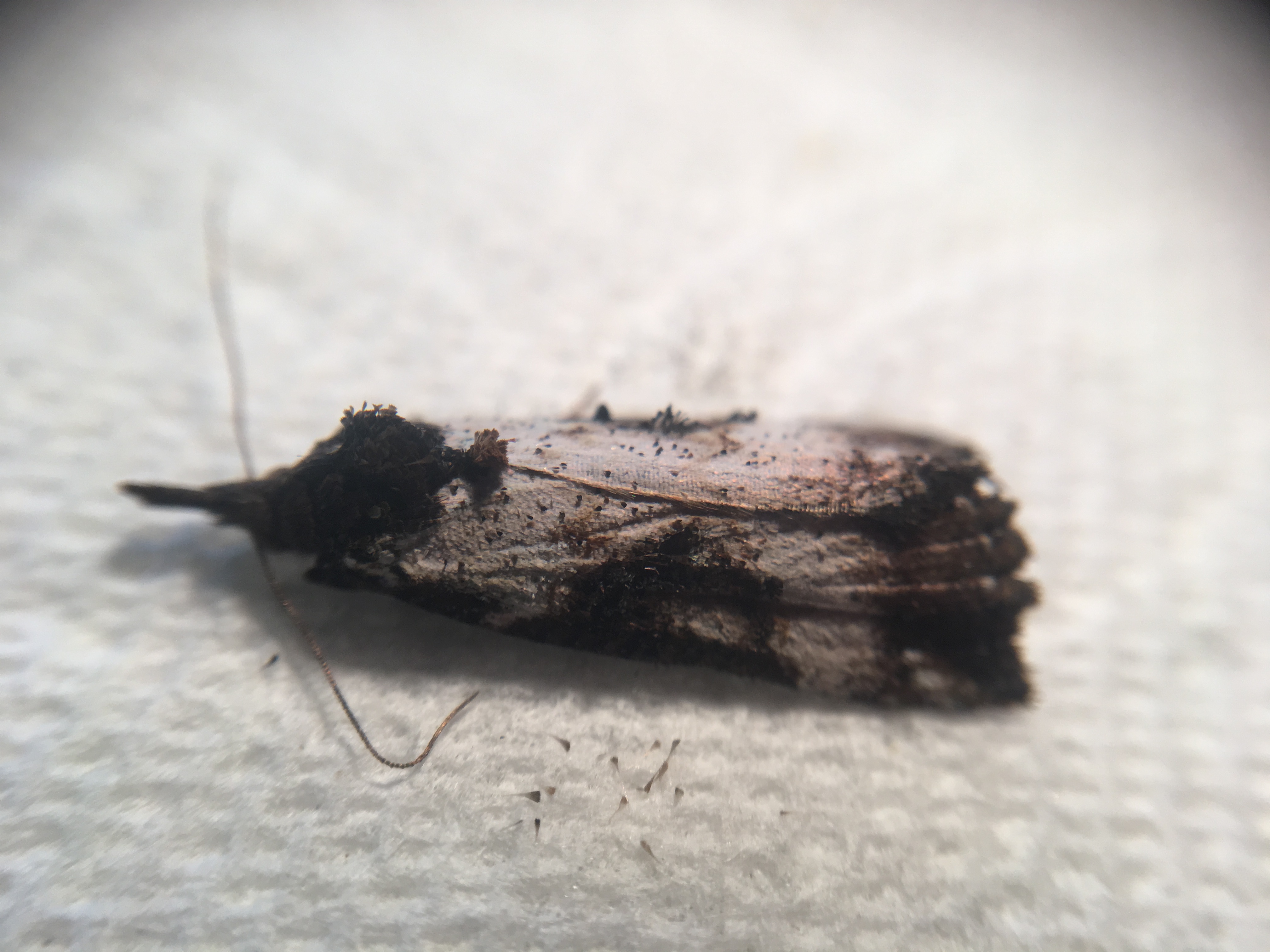
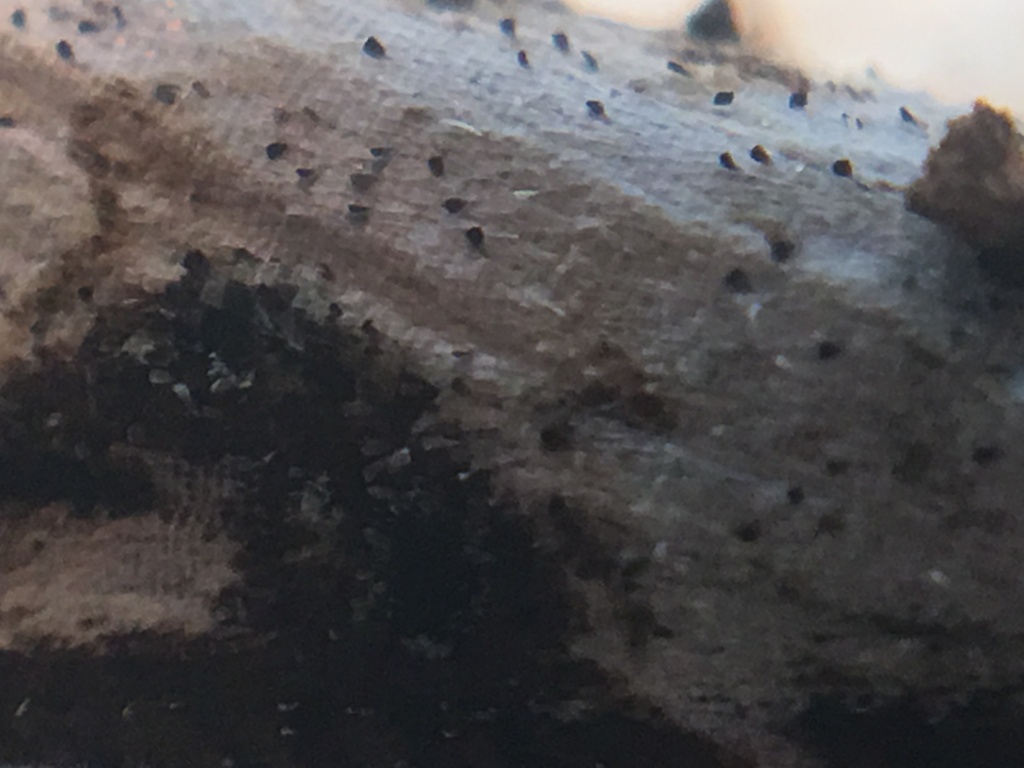
Hypena decorata close up of wing showing bark-like wing scaling













 Bugging You From San Juan Island