Tag Archives: forensic entomology

Bubbles

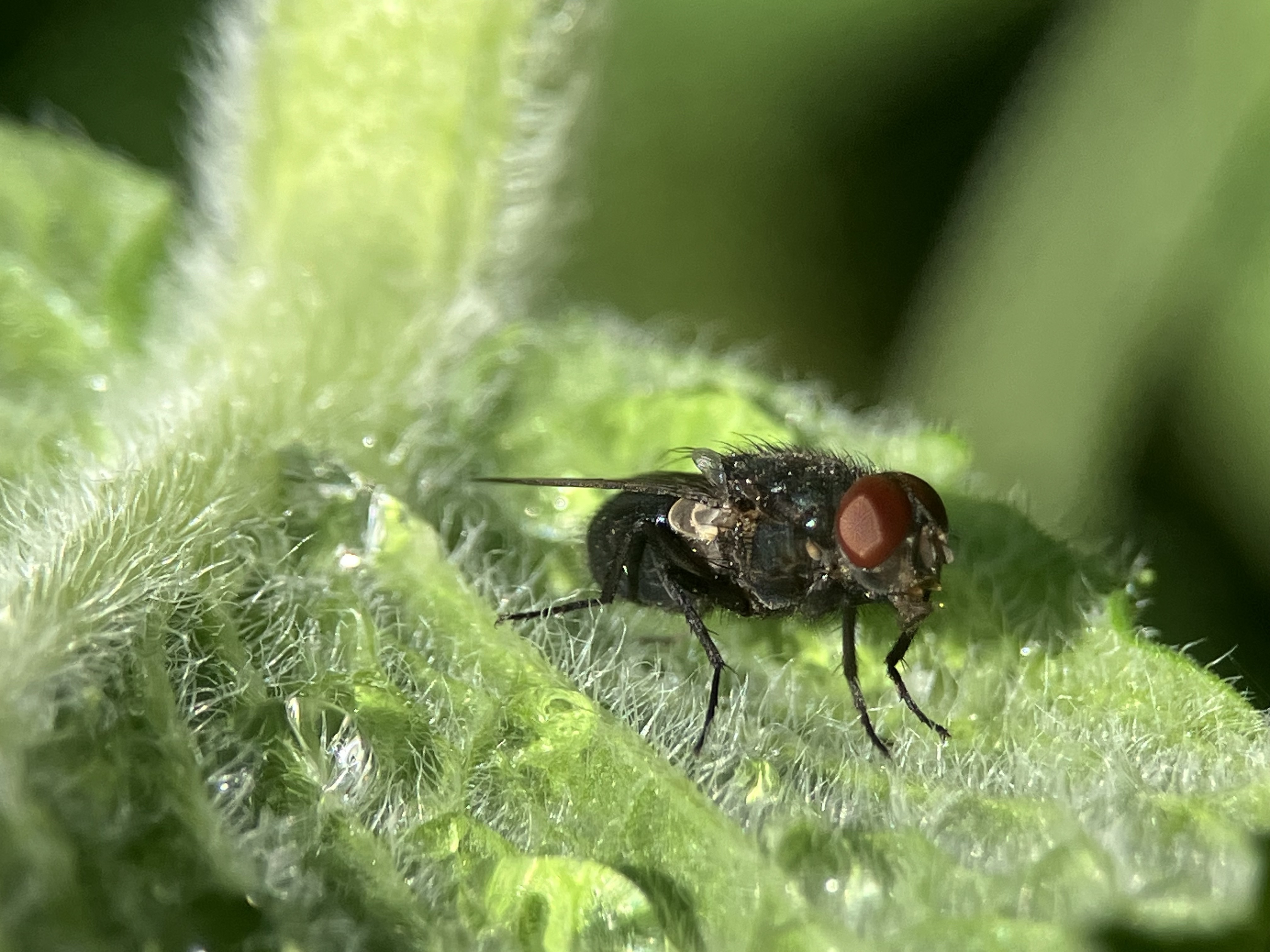
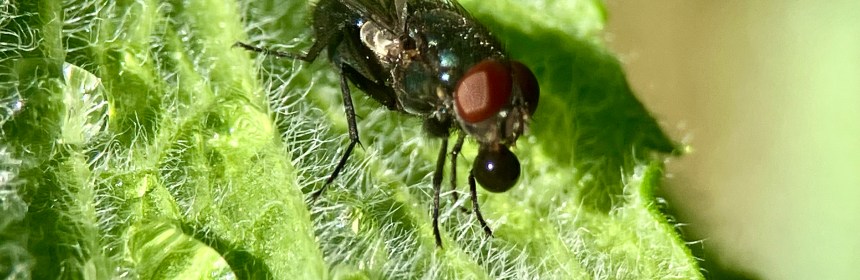
Well, this little fly got my attention yesterday. We had a contest. The fly bet it could outlast my grip on my phone as I took video of the bubble blowing. We called a tie somewhere around the 4 minute mark when my hand was shaking and I was about to drop my phone. The fly, quite satisfied with its performance, waltzed about on the mint leaf and posed for a few still photos, after I got the blood flowing into my hand again.

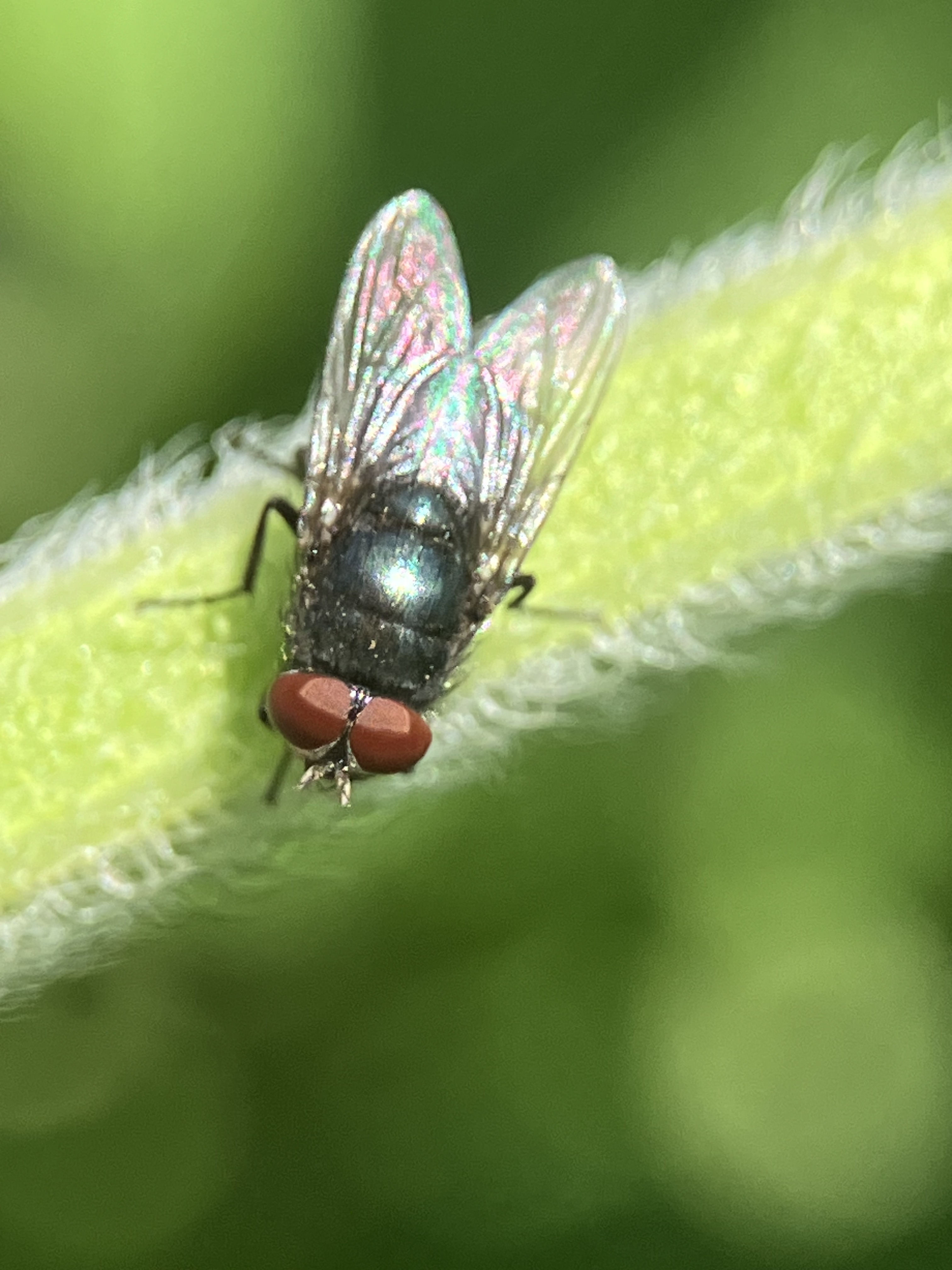
This is a Black Blow Fly (Phormia regina) in the family Calliphoridae. These flies are found ranging throughout North America, Eurasia, and Hawaii. They are a species of importance in the science of Forensics. Blow flies are attracted to dung and carrion, and when found on a corpse, they can be used to estimate time of death. The larvae or maggots of sterile blow flies are also used in the cleaning of wounds, removing decaying flesh and secreting antimicrobial peptides as they feed (Díaz-Roa et. al. 2018). Occasionally, they can contribute to secondary myiasis “fly-strike” of wounds in livestock, wildlife, and pets.

Phormia regina Fly – San Juan Island, WA 07.11.2024

Why is the fly blowing bubbles? It’s not black bubblegum. I’m not sure why the bubbles were black in color. Perhaps something to do with what the fly had been eating. The fly is blowing bubbles to cool down and it’s actually called BUBBLING. Take a look at Ray Cannon’s Nature Notes and you’ll learn it’s part of an evaporative process where the fly moves a droplet of fluid in and out and of their buccopharyngeal cavity over and again before eventually swallowing it (Gomes et al., 2018, Cannon, R. 2020).
Phormia regina Fly – San Juan Island, WA 07.11.2024

Flies aren’t the only group that practices bubbling. Various species of Hymenoptera also use this method to cool themselves and also to evaporate the excess water from the food (nectar) they’ve consumed (Portman et. al. 2021).

Thanks for stopping by!

References and Further Reading

Cannon, Ray. 2020. Flies Blowing Bubbles. Ray Cannon’s Nature Notes. https://rcannon992.com/2020/09/07/flies-blowing-bubbles/

Díaz-Roa A, Patarroyo MA, Bello FJ, Da Silva PI Jr. 2018. Sarconesin: Sarconesiopsis magellanica Blowfly Larval Excretions and Secretions With Antibacterial Properties. Front Microbiol. Sep 28;9:2249. doi: 10.3389/fmicb.2018.02249. PMID: 30323791; PMCID: PMC6172317. https://www.ncbi.nlm.nih.gov/pmc/articles/PMC6172317/

Gomes, G., Köberle, R., Von Zuben, C. J., & Andrade, D. V. 2018. Droplet bubbling evaporatively cools a blowfly. Scientific reports8 (1), 1-7.

Murray, T. 2023. Species Phormia regina – Black Blow Fly. Bugguide. https://bugguide.net/node/view/53678

Portman, Z., Ascher, J. & Cariveau, D. 2021. Nectar concentrating behavior by bees (Hymenoptera: Anthophila). Apidologie 52, 1169–1194. https://link.springer.com/article/10.1007/s13592-021-00895-1

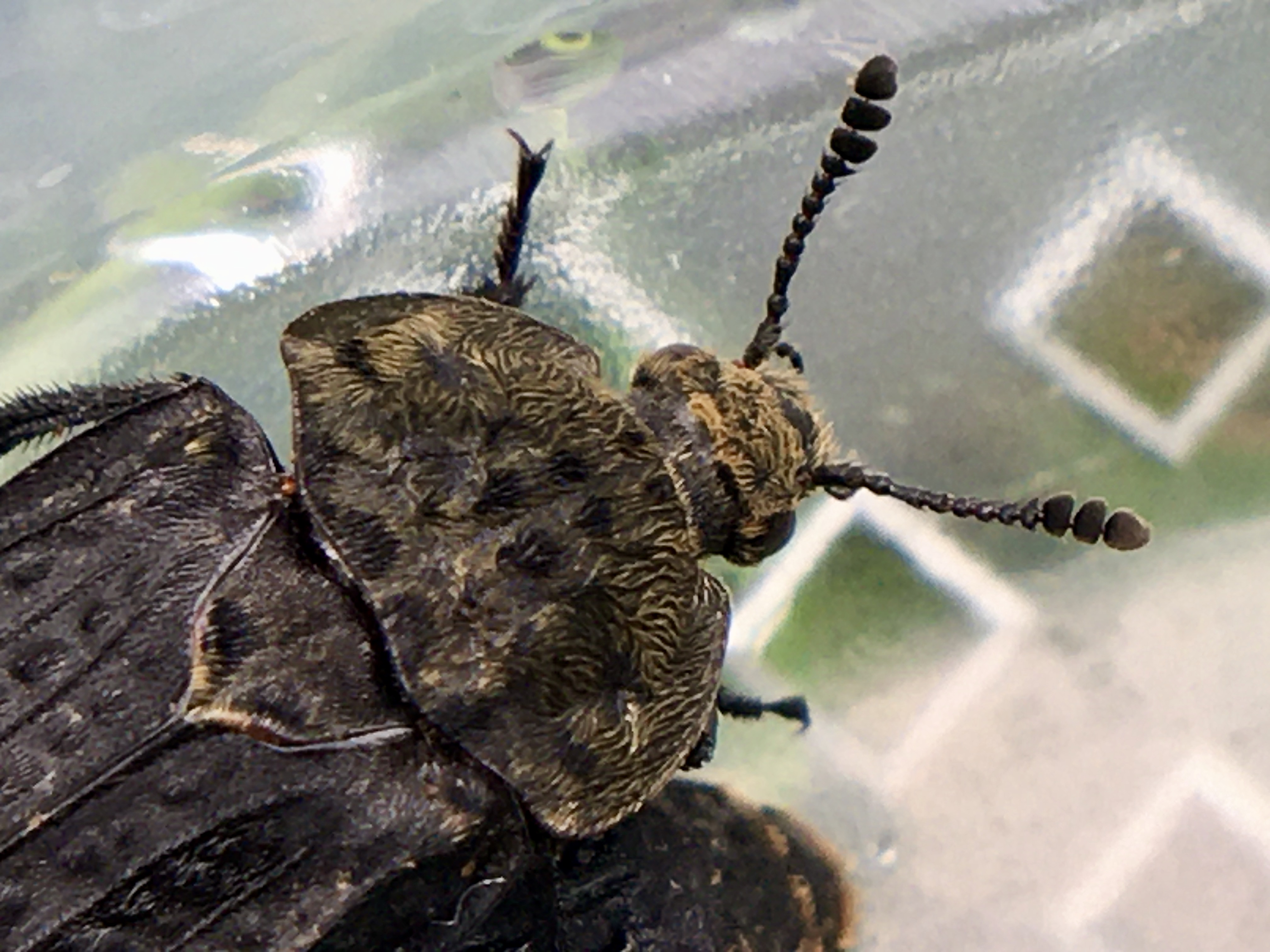
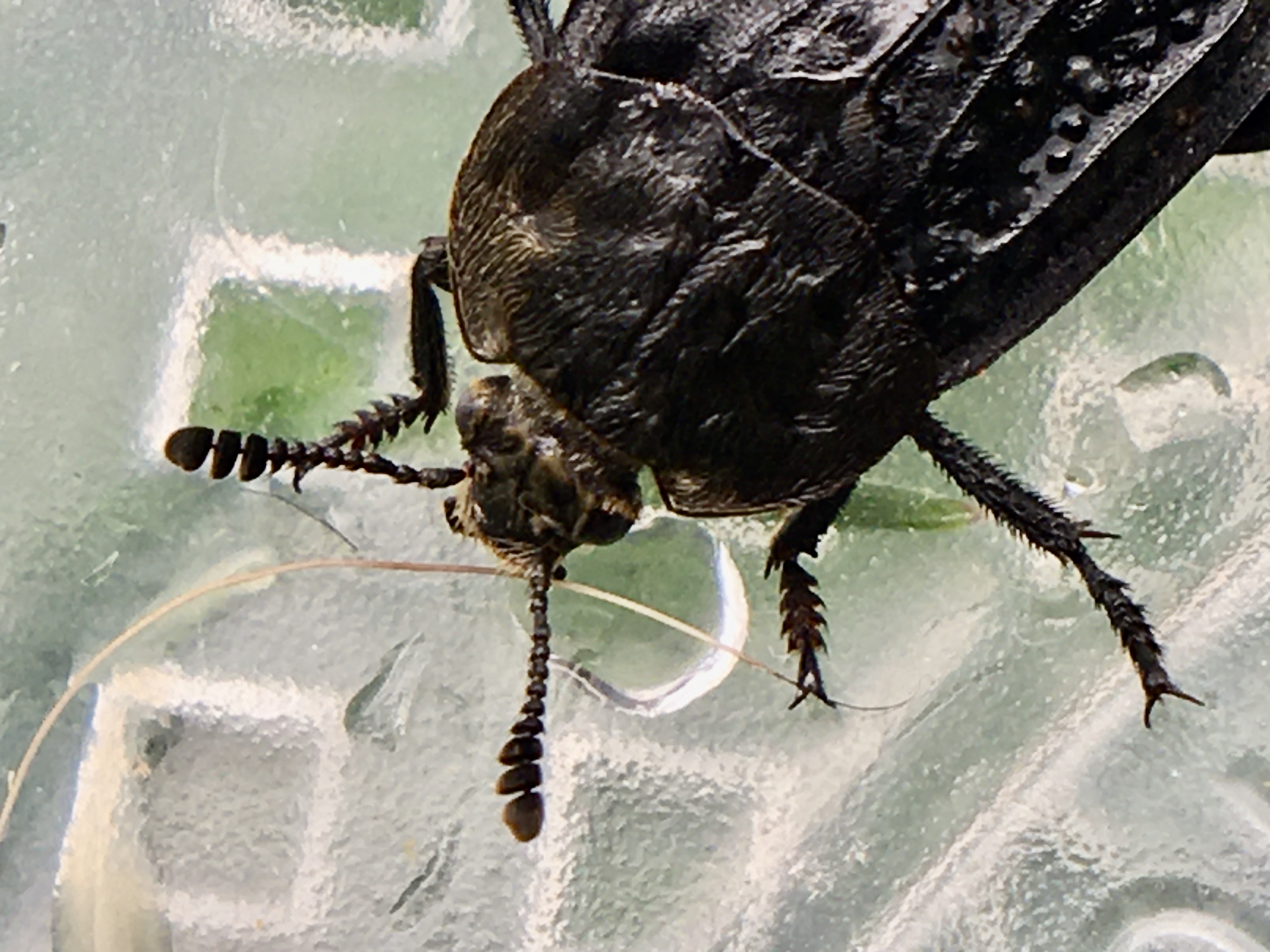
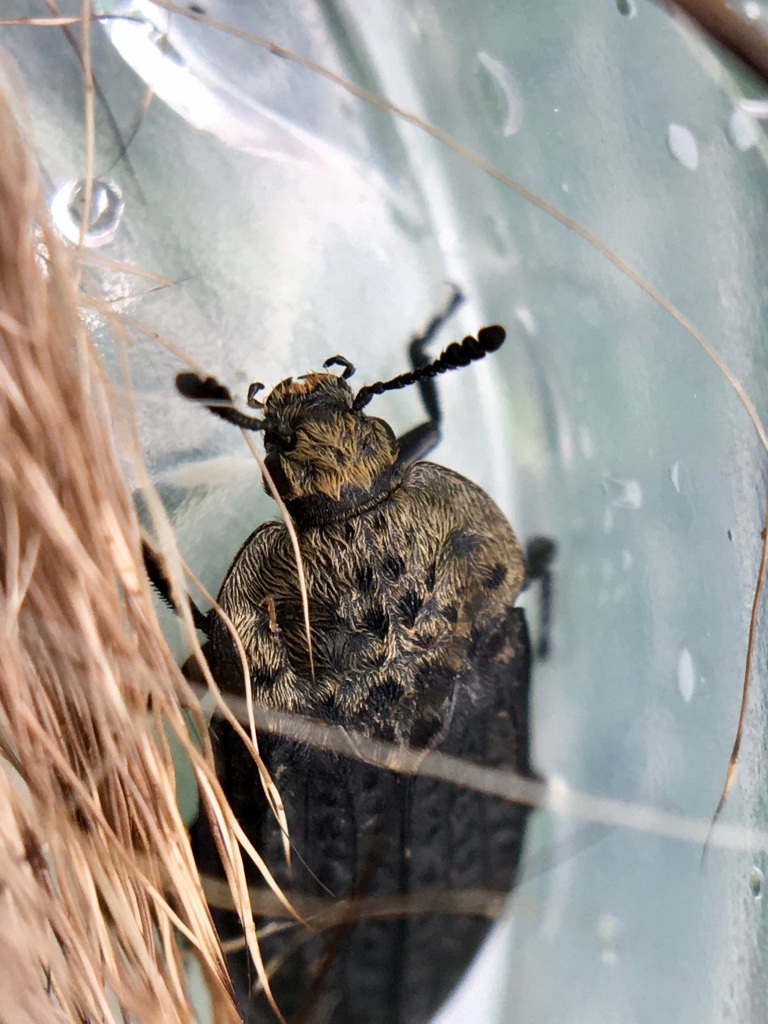
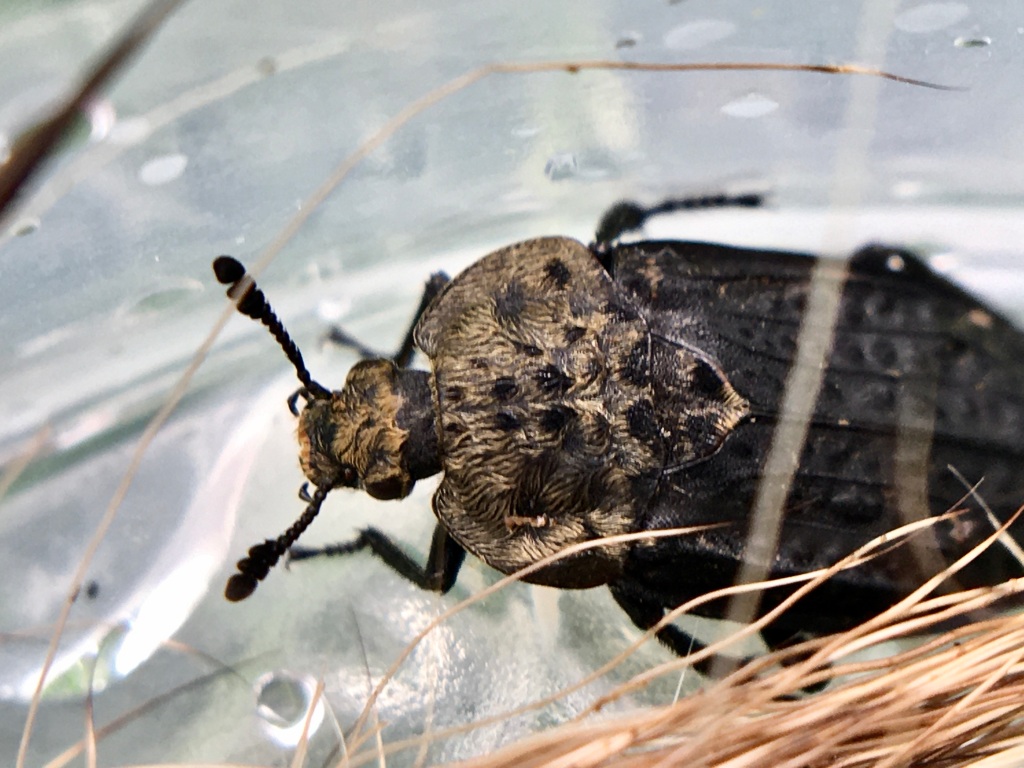
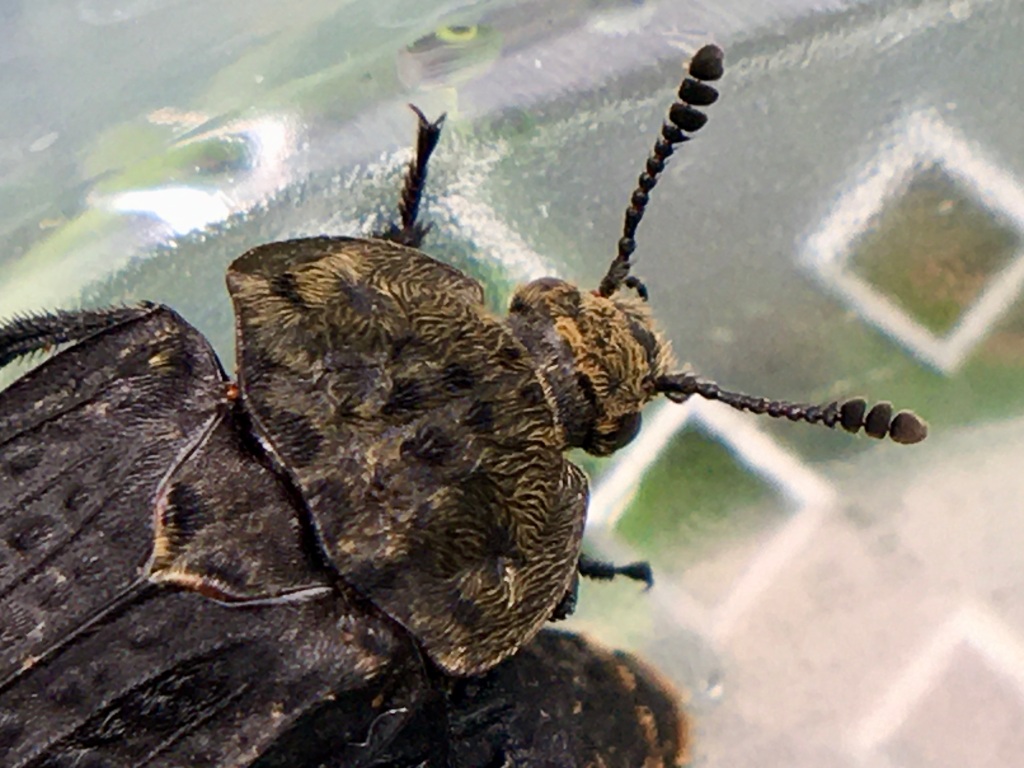
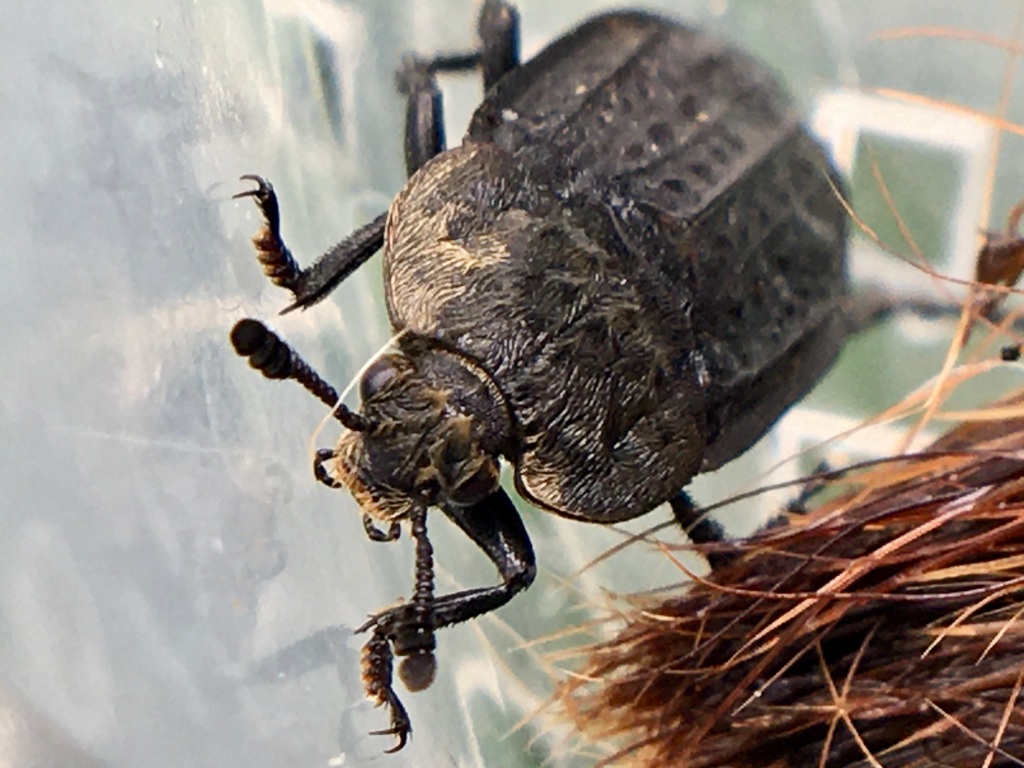
Northern Carrion Beetle – Thanatophilus lapponicus

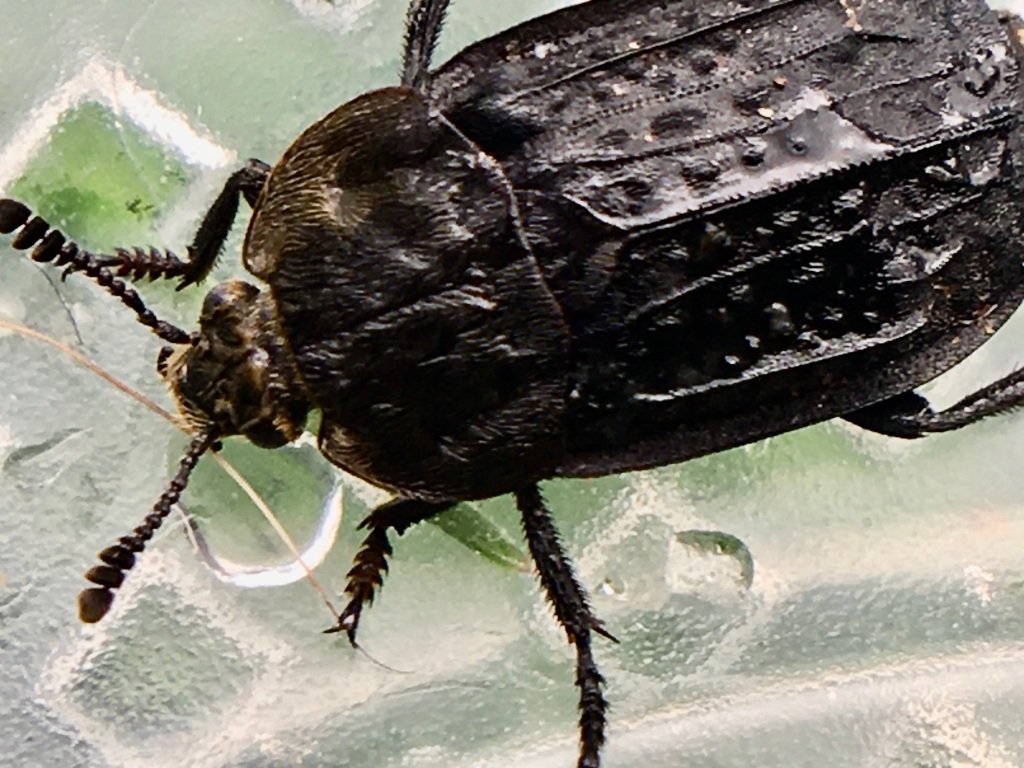
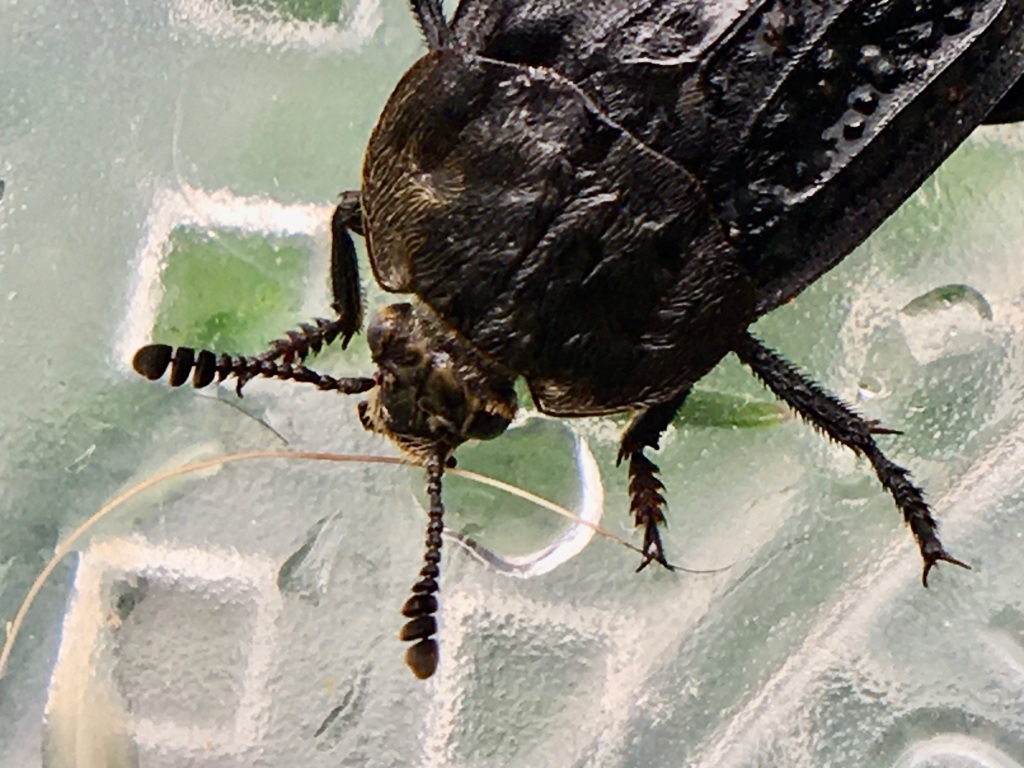
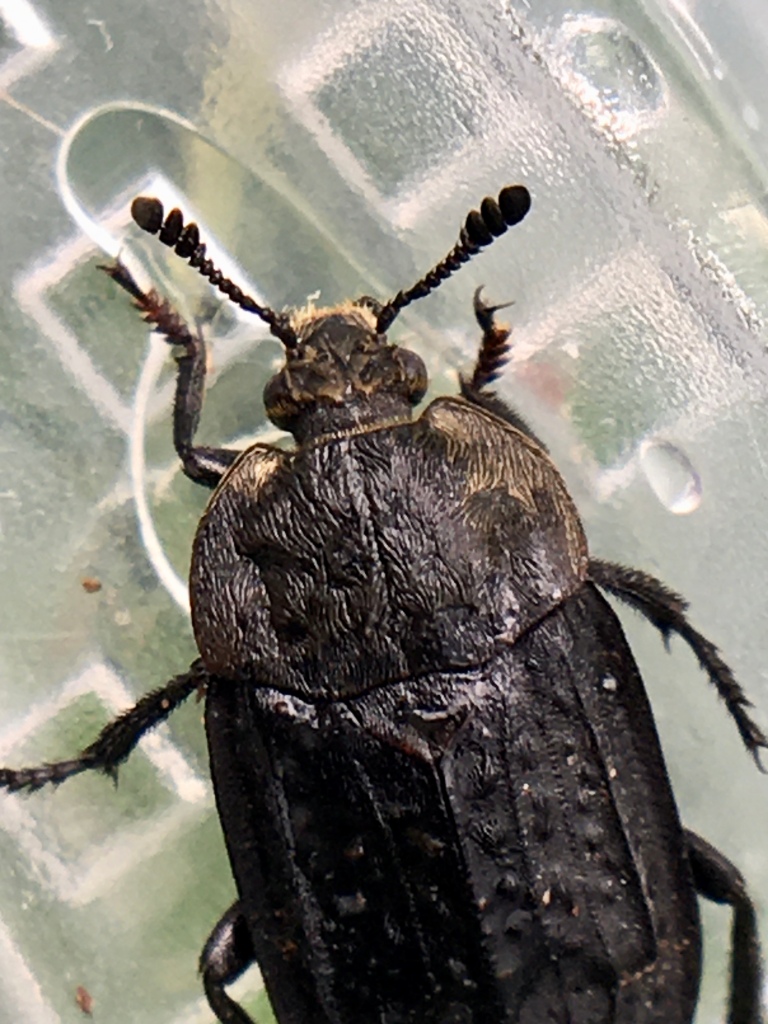
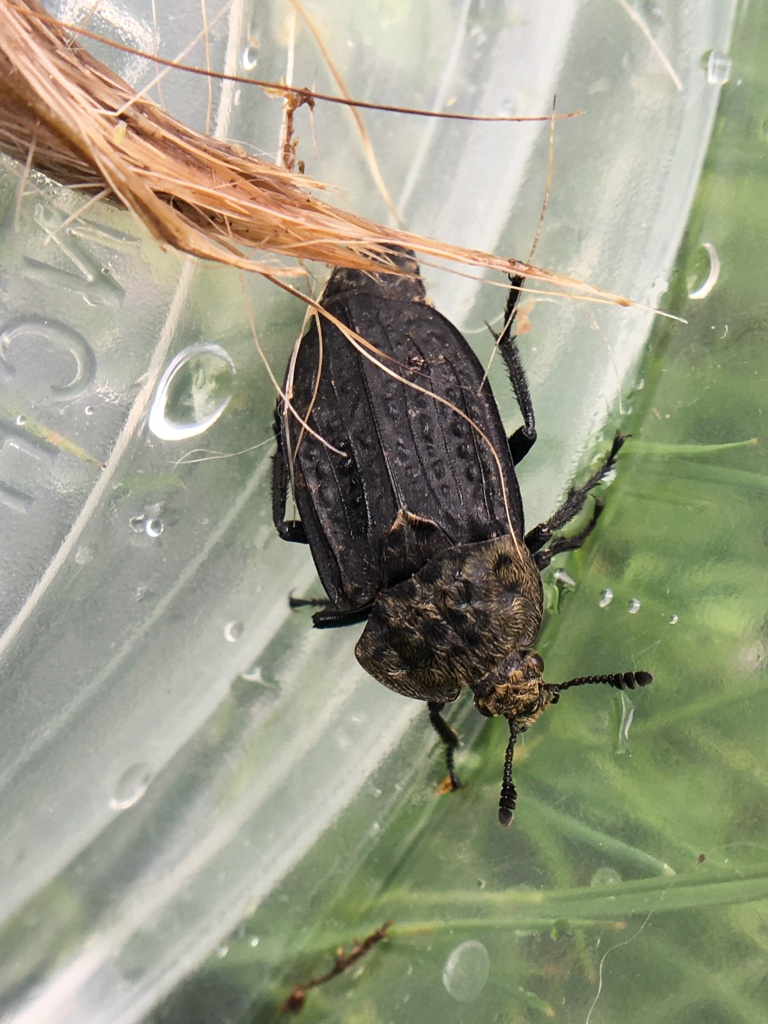
This is a Northern Carrion Beetle – Thanatophilus lapponicus, one of the carrion beetles in the family Silphidae. The origin of the name Thanatophilus is from Greek thanatos (θανατος)- “death” + philos (φιλος)- “loving, liking” (Bugguide.net, 2003-2021).

Northern Carrion Beetle (Thanatophilus lapponicus)

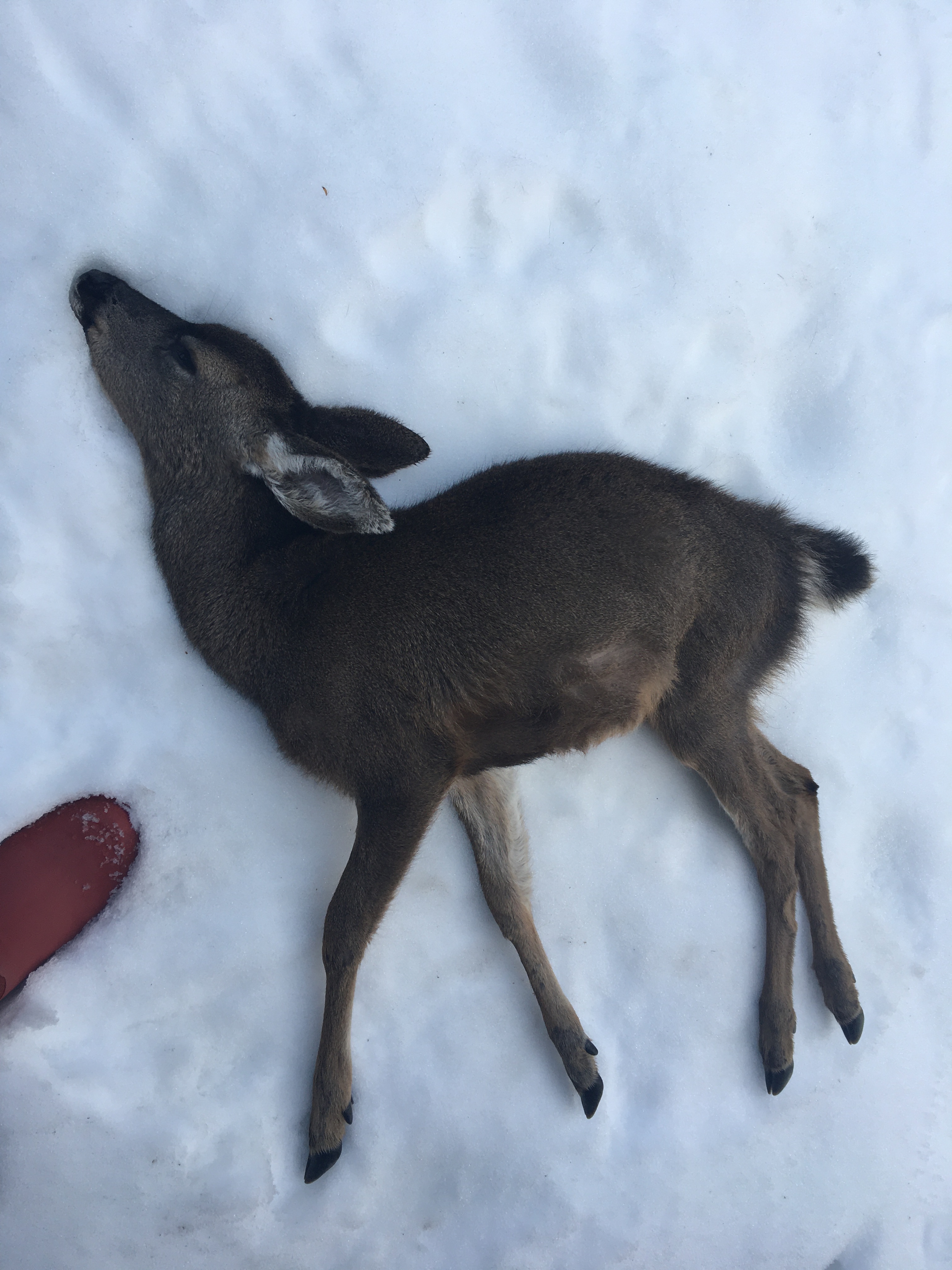
Death is part of a biological process that can be unsettling for many of us. That said, death makes way for new life. This past February, a small fawn died on our property.

February 17, 2021

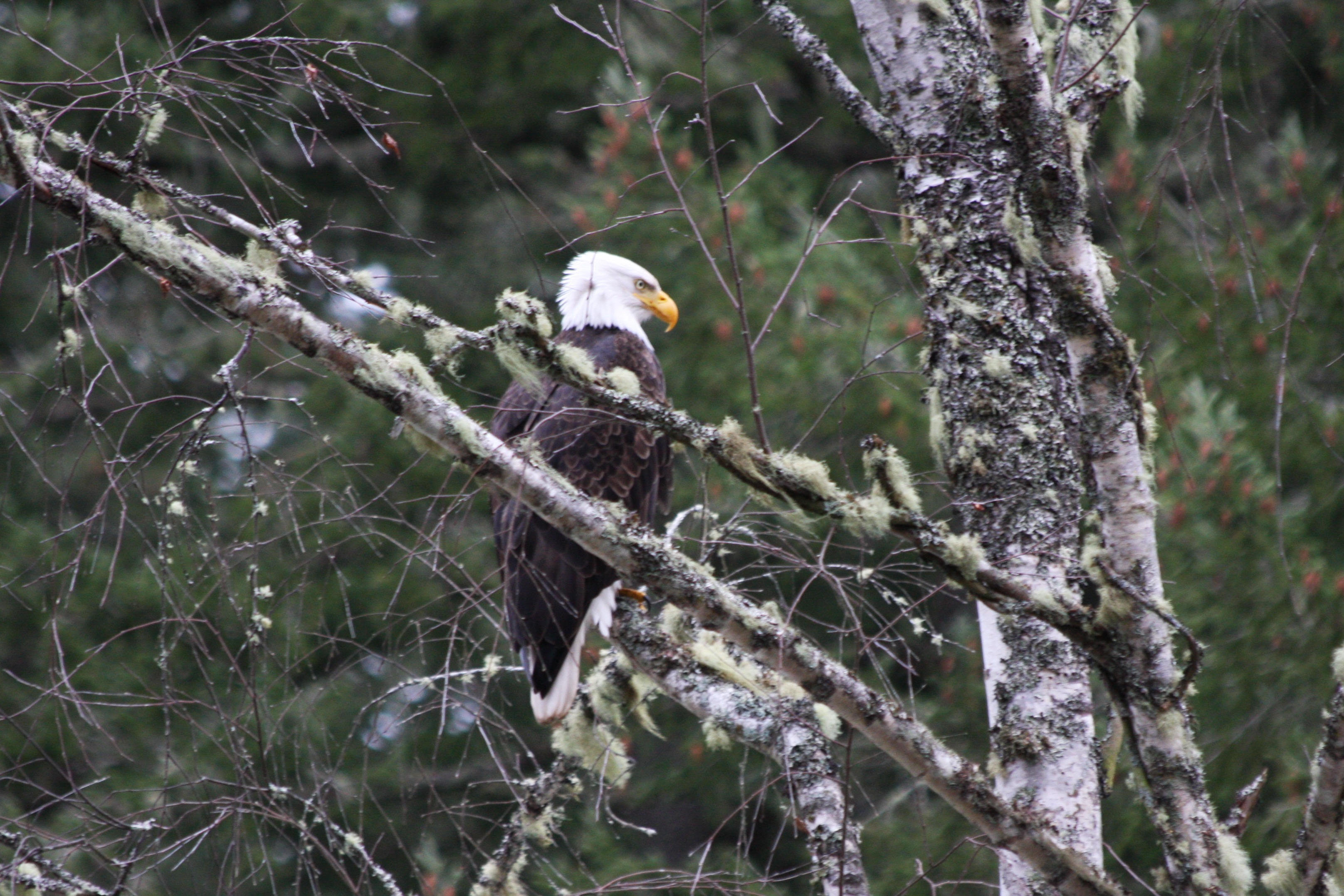
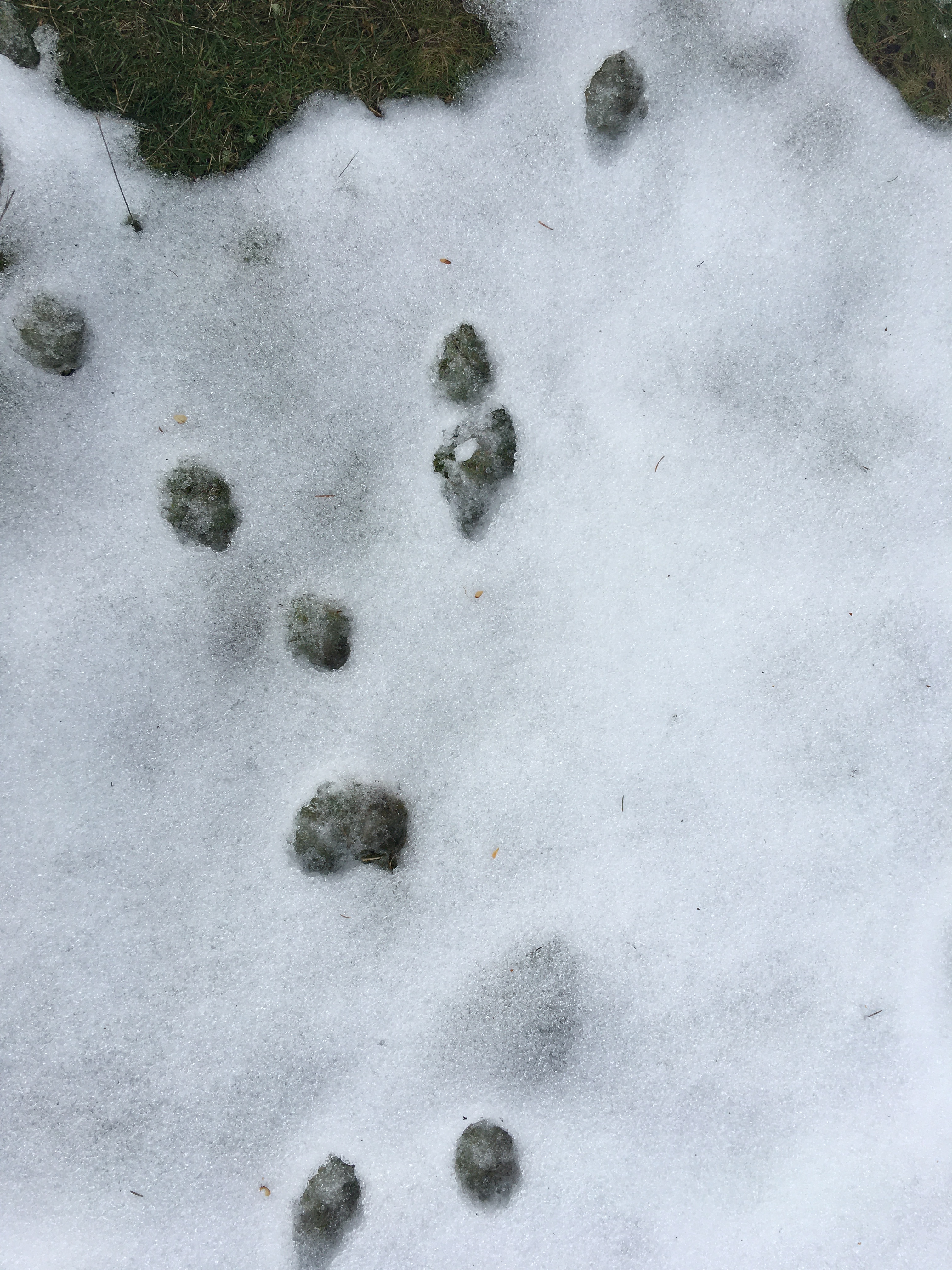
We left the body where it lay. First the eagles came, then a pair of ravens. I believe a fox visited too (tracks in the snow).

Bald Eagle 2.18.2021

Fox (?) tracks in snow

Over the course of the past 12 weeks, I’ve found some very cool bugs developing in the carcass, even now in the bits of hide and bones that remain.

Did you know?

There is actually an entire field of scientific study (Forensic Entomology) where time of death of a body can be estimated by the presence and developmental stage of certain insects involved in the decomposition process. This is called determining the Post Mortem Interval or PMI. Forensic entomologists can aid law enforcement in crime investigations by surveying for species of arthropods on a corpse, and determining stages of development and feeding behavior of the arthropods present (Barnes, 2000).

Carrion beetles in the family Silphidae fall into two subfamilies: the Nicrophorinae and Silphinae. While both feed on the remains of animals, the Nicrophorinae or Burying Beetles are associated with smaller corpses like birds, mice, voles, etc., weighing under 300g, while the Silphinae utilize larger cadavers (Watson & Carlton, 2005). This preference or niche, makes them ideal for investigations related to human death or death of larger species of wildlife (as in poaching or other crimes against animals).

Northern Carrion Beetle (Thanatophilus lapponicus)

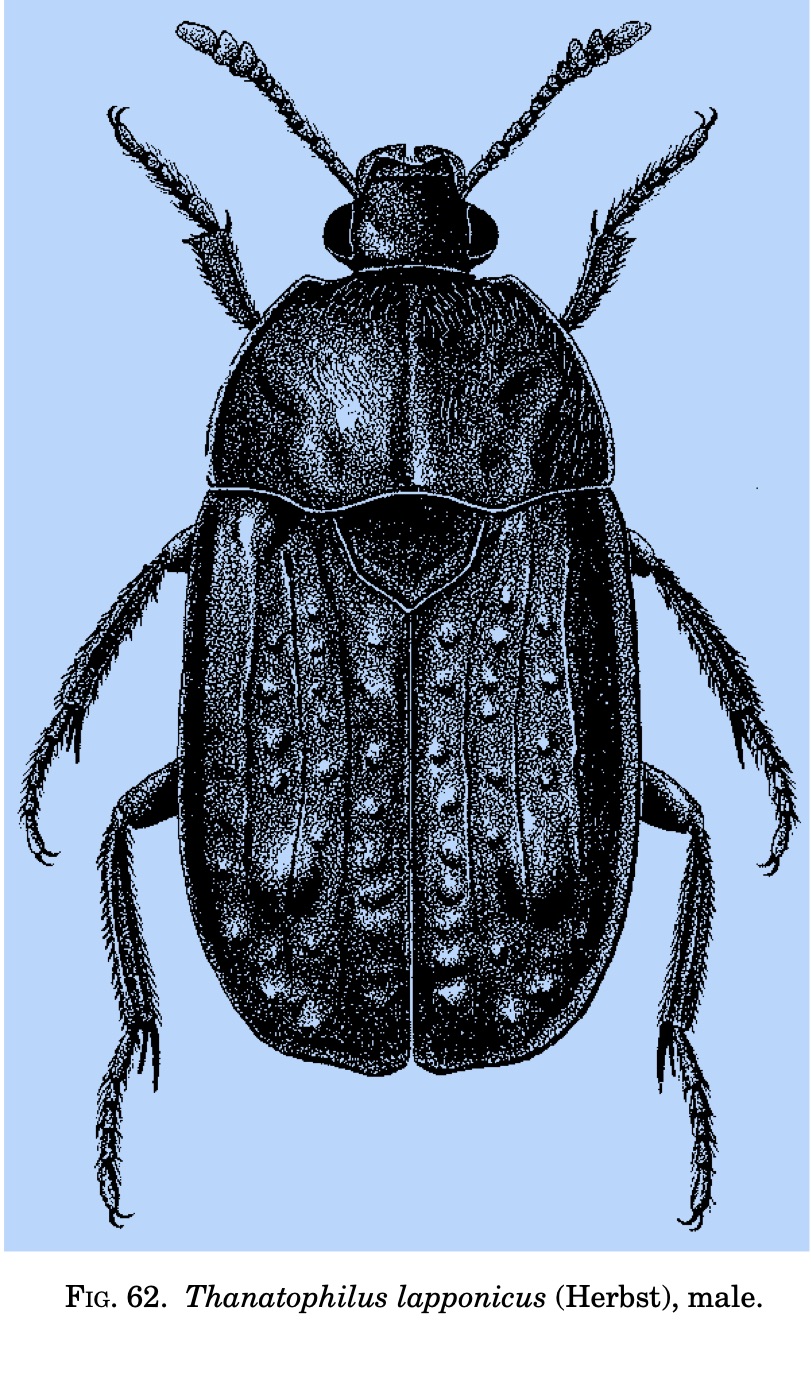
From Ratcliffe, 1996.

Distribution. Thanatophilus lapponicus ranges broadly throughout Canada and Alaska, across the norther United States from coast to coast, and south to Southern California, Arizona, and New Mexico (Anderson and Peck 1985, Peck and Kaulbars 1987). It is also found in Northern Europe and Asia (Hatch 1928, Schwaller 1982).

Remarks. Thanatophilus lapponicus is readily identified because of the presence of a row of small tubercles on each of the elytra intervals (Figs. 31-32, 62); it is the only silphid in North America with this distinctive form of elytra sculpturing.

https://museum.unl.edu/file_download/inline/1bde566e-27c3-4c55-9345-59057400e350

The larval stage was described by Dorsey (1940) , and a brief synopsis was given by Anderson and Peck (1985). The larva of this species is characterized by a dark brown to black color on the dorsal surface, urogomphi that are about two times the length of the 10th abdominal segment, and antennae with a large sense cone on the second segment (as in Fig. 40).

Anderson and Peck (1985) reported that individual females lay about ten eggs in the soil surrounding a carcass. The egg stage lasts 5-6 days, the first instar about 7 days, the second instar 8-10 days, and the third instar 10-12 days. While Anderson and Peck did not observe pupae, they did note that T. lapponicus is a cold-adapted species that occurs at higher elevations in the western Mountains of North America. It is often the only silphid present in some of these areas. Thanatophilus lapponicus shows a strong preference for open areas (Anderson 1982c).

Clark (1895) observed extensive predation on fly larvae by adult beetles.

Size. 9-14mm

Time of Year Seen. March-October

References:

Anderson, R.S. and Peck, S.B. (1985) The carrion beetles of Canada and Alaska. The insects and arachnids of Canada, part 13, 1–121.

Barnes, S. 2000. Forensic entomological case study and comparison of burned and unburned Sus scrofa specimens in the biogeoclimatic zone of northwestern Montana. Graduate Student Theses, Dissertations, & Professional Papers. 4655. https://scholarworks.umt.edu/etd/4655/?utm_source=scholarworks.umt.edu/etd/4655&utm_medium=PDF&utm_campaign=PDFCoverPages

Bugguide.net. https://bugguide.net/node/view/37875

Ratcliffe, B.C. 1996. The Carrion Beetles (Coleoptera: Silphidae) of Nebraska. Bull Univ. Nebr State Mus 13:1-100 https://museum.unl.edu/file_download/inline/1bde566e-27c3-4c55-9345-59057400e350

Watson, E., & Carlton, C. 2005. Succession of Forensically Significant Carrion Beetle Larvae on Large Carcasses (Coleoptera: Silphidae). Southeastern Naturalist, 4(2), 335-346. Retrieved April 27, 2021, from http://www.jstor.org/stable/3877967