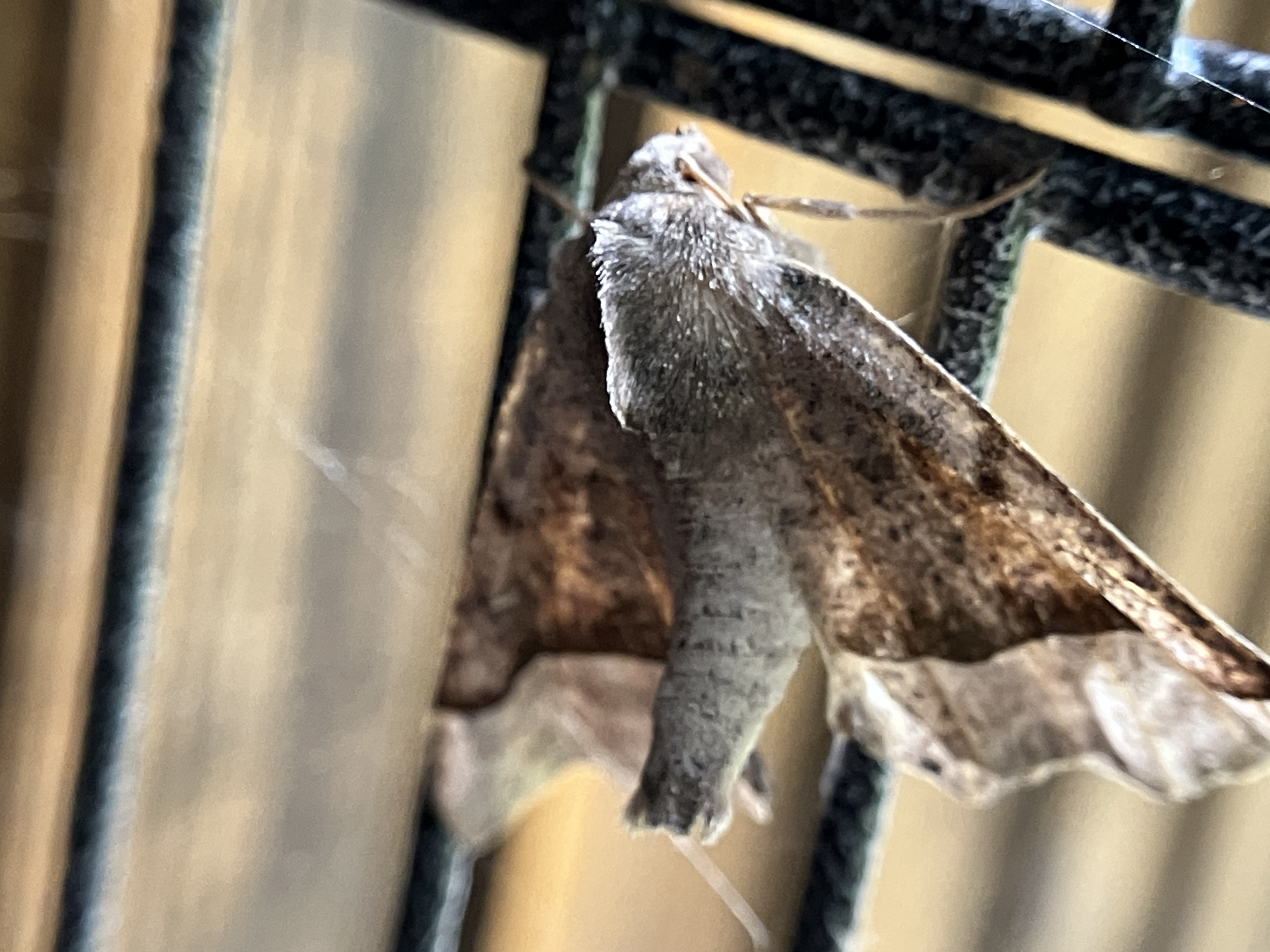
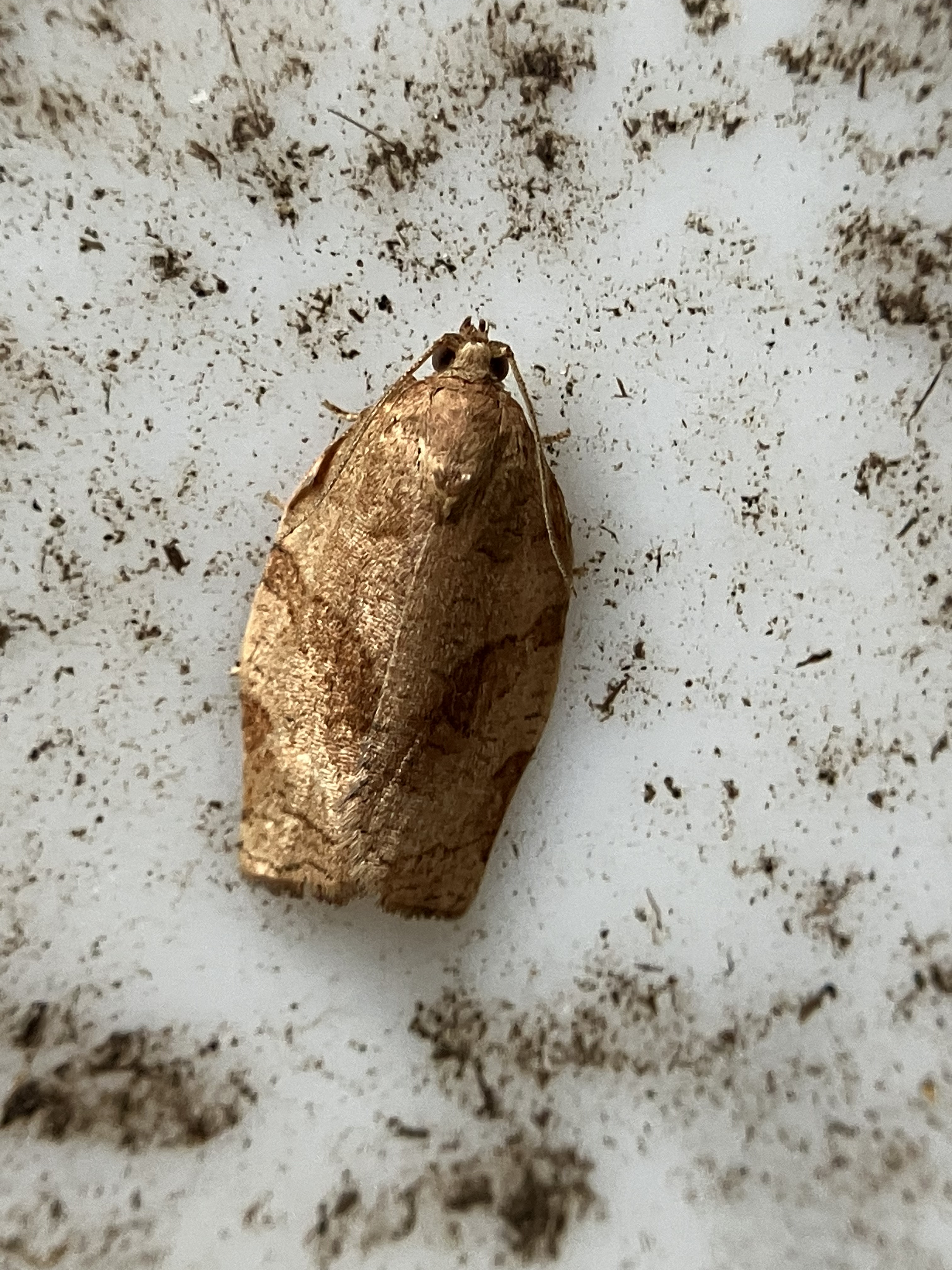
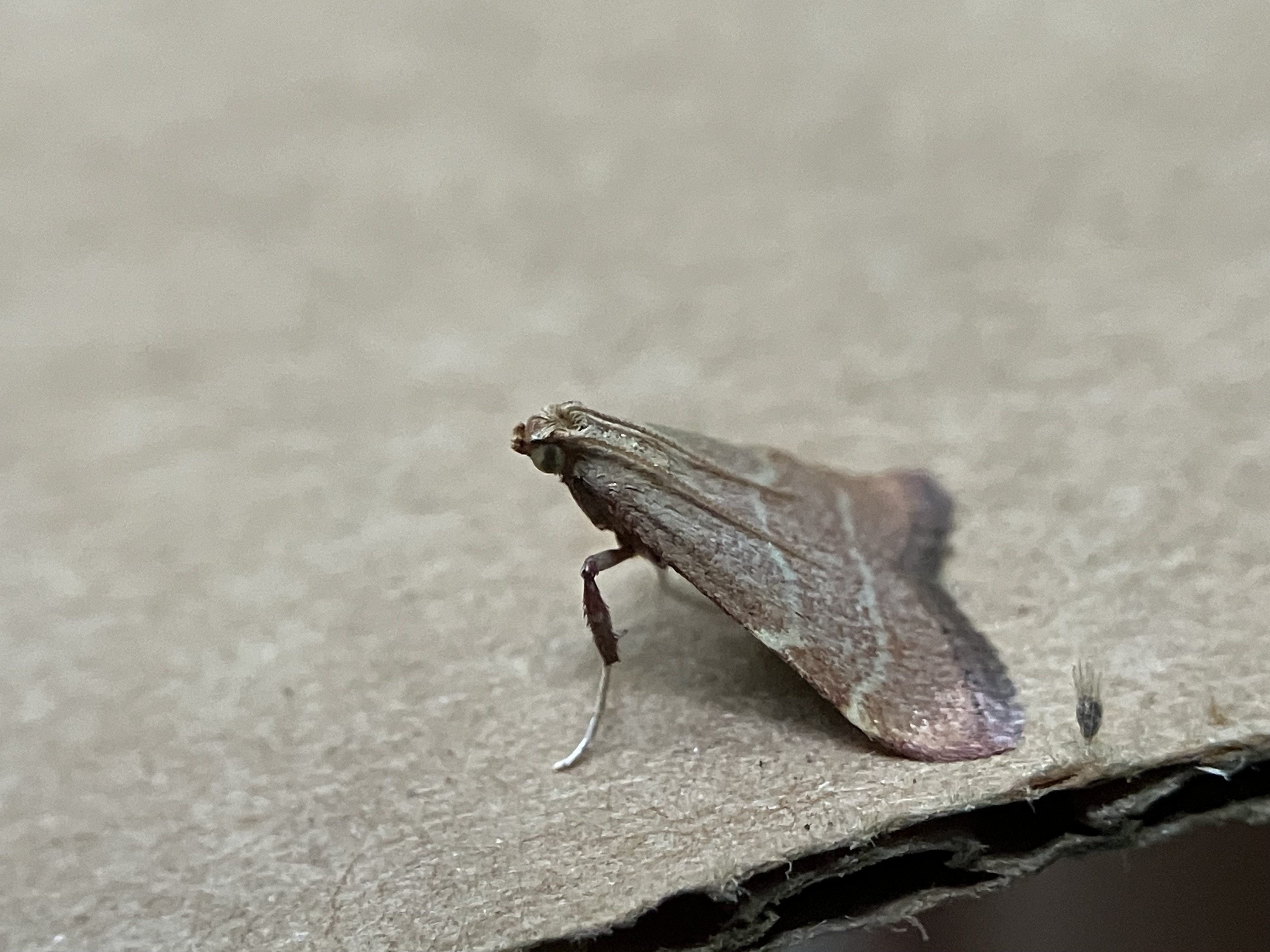
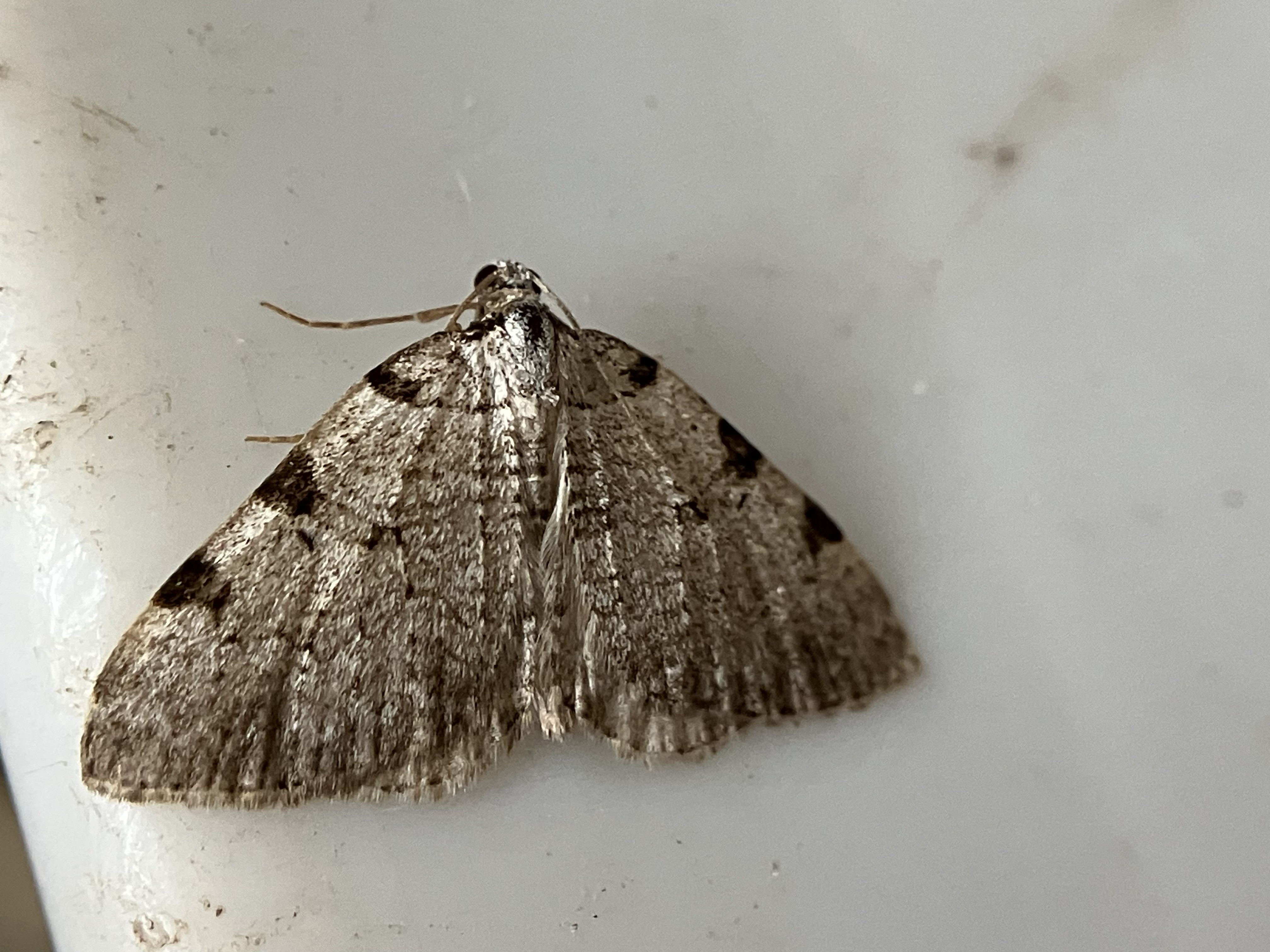
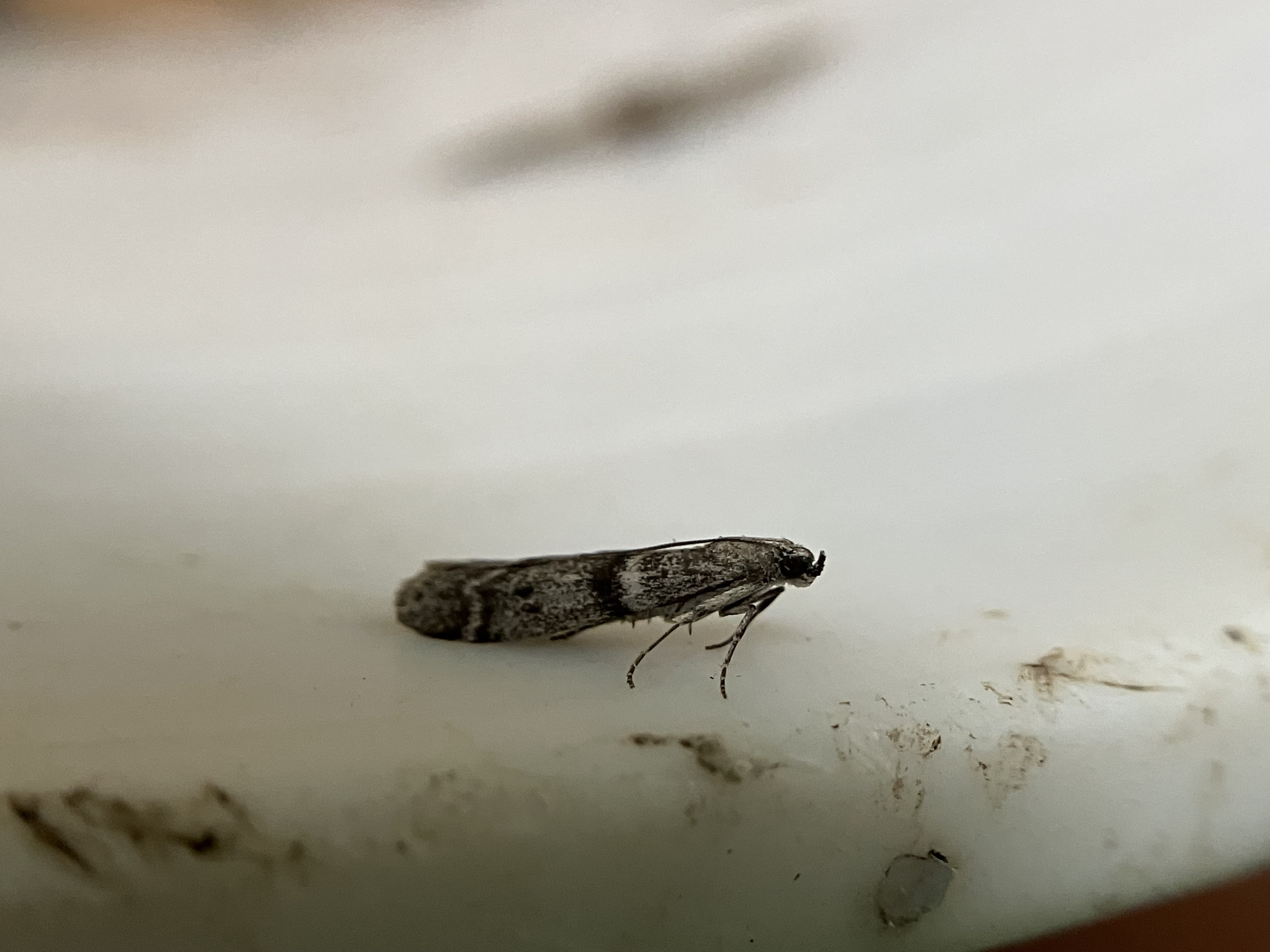
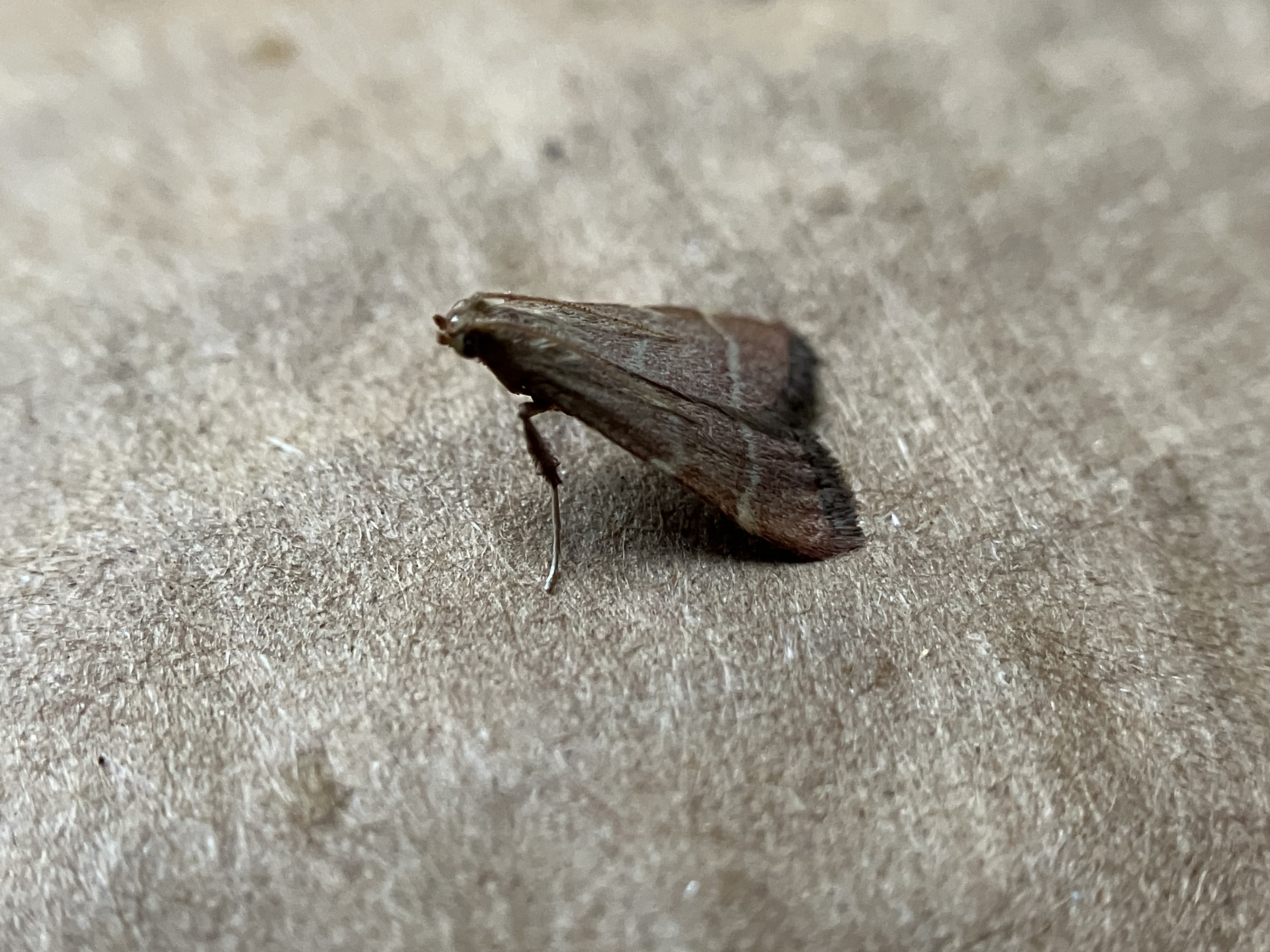
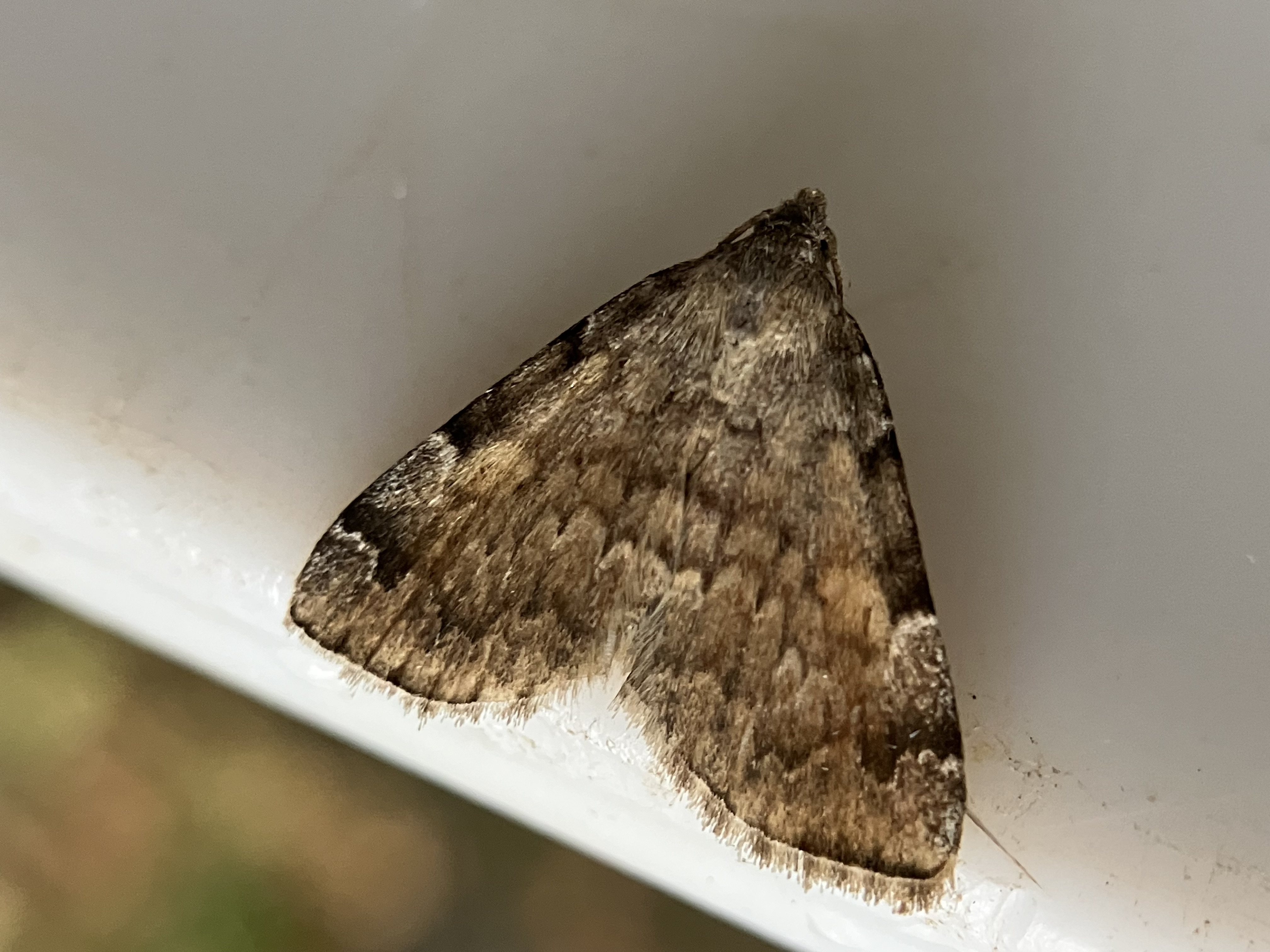
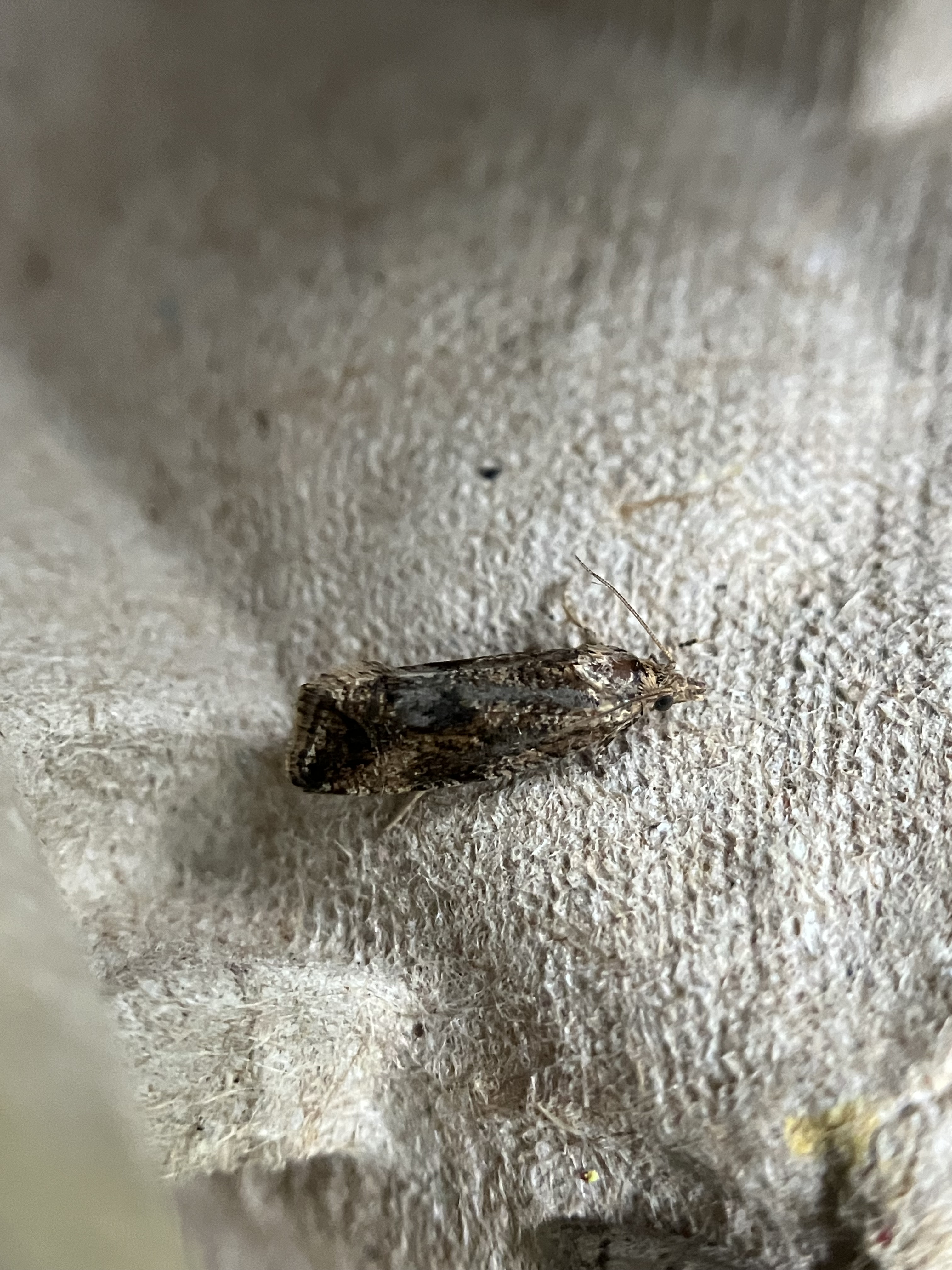
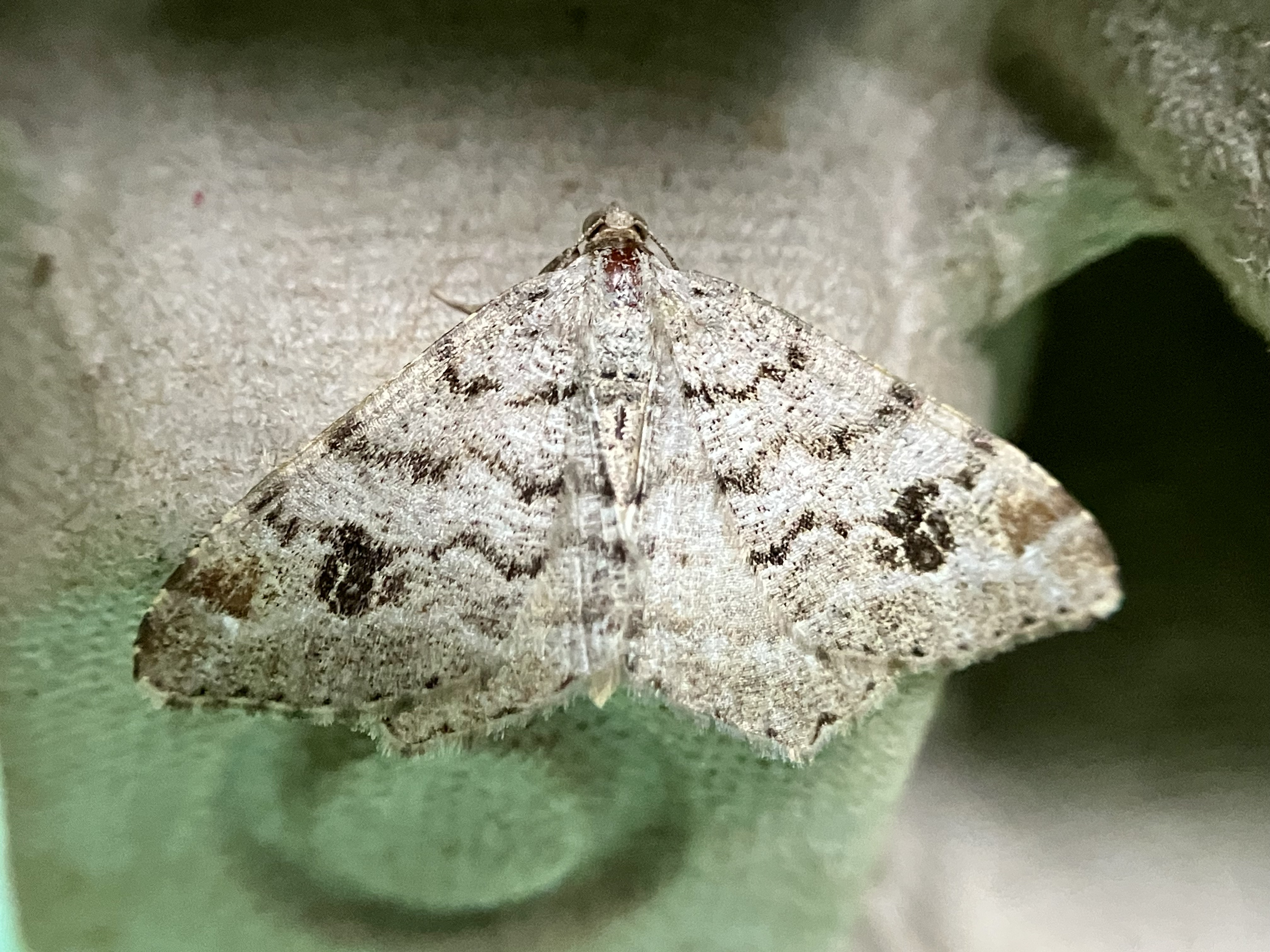
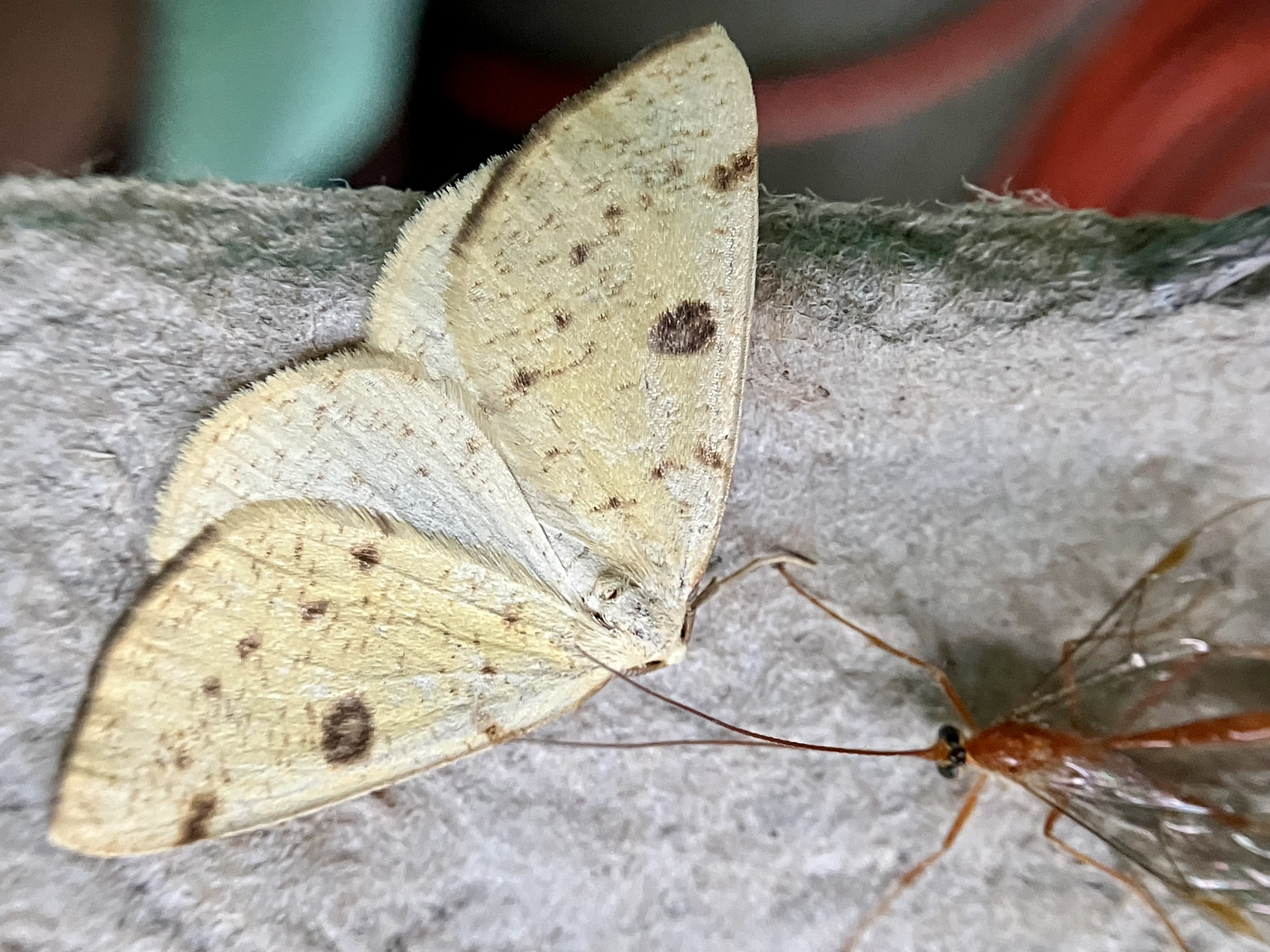
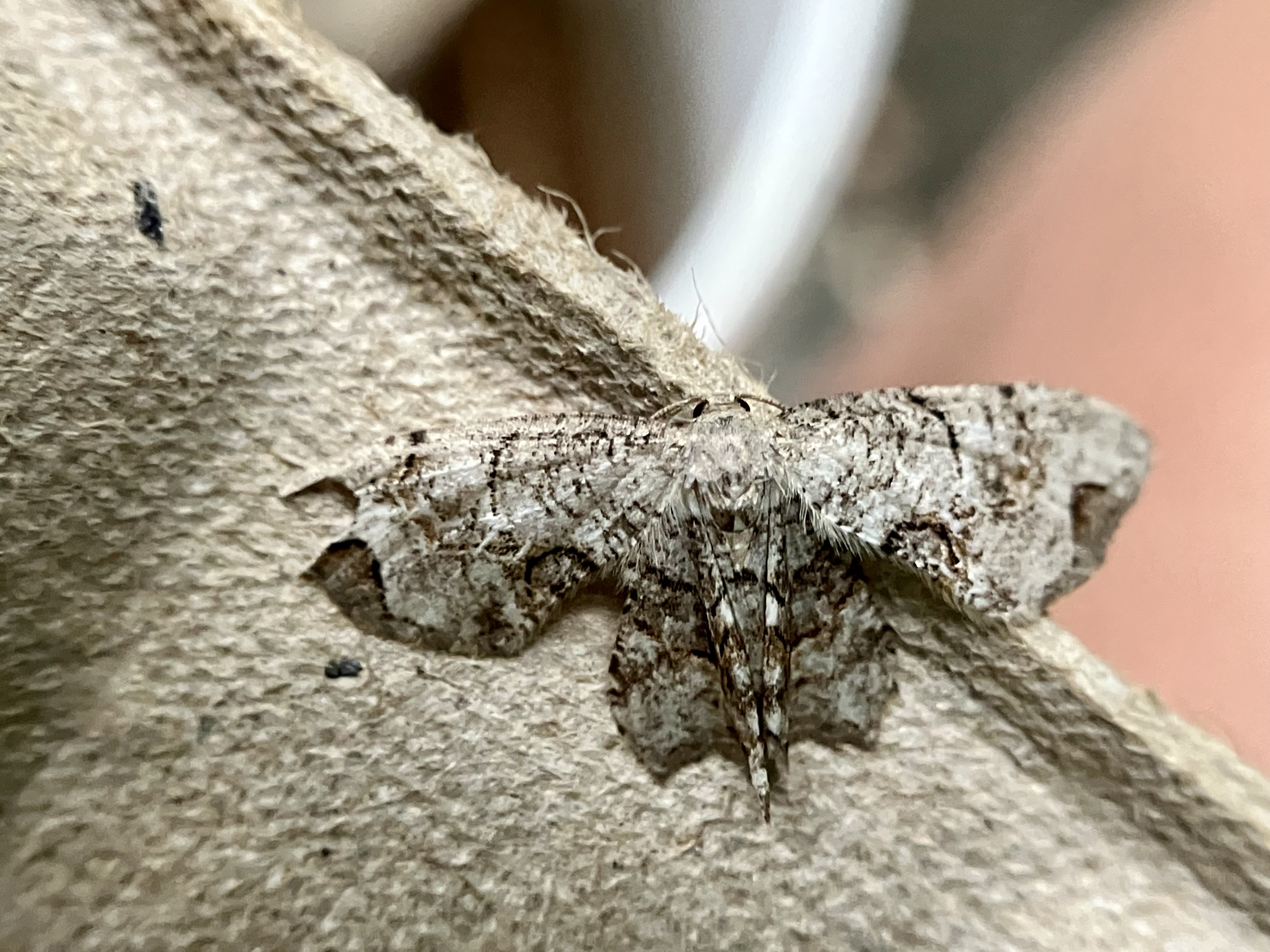
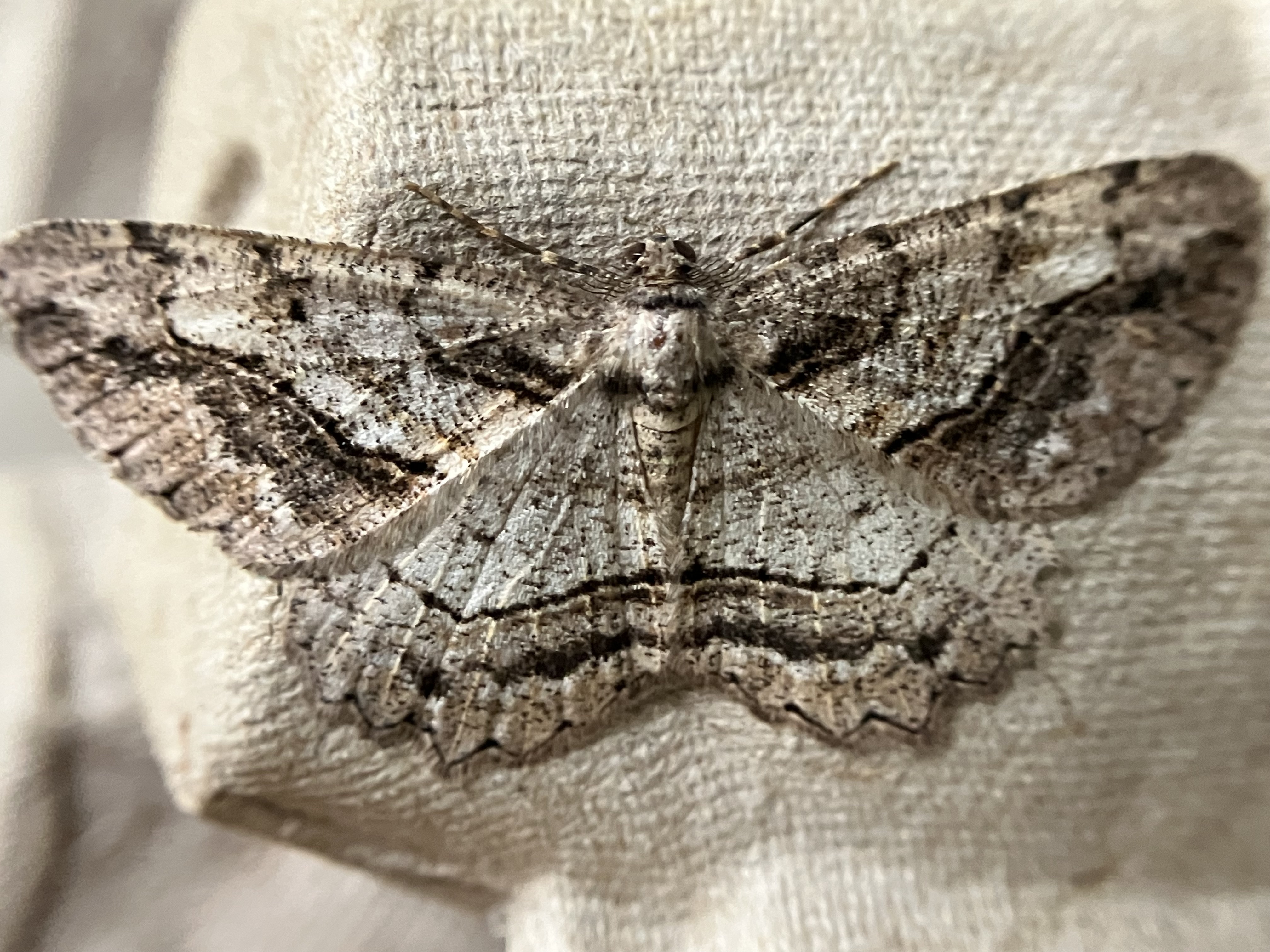
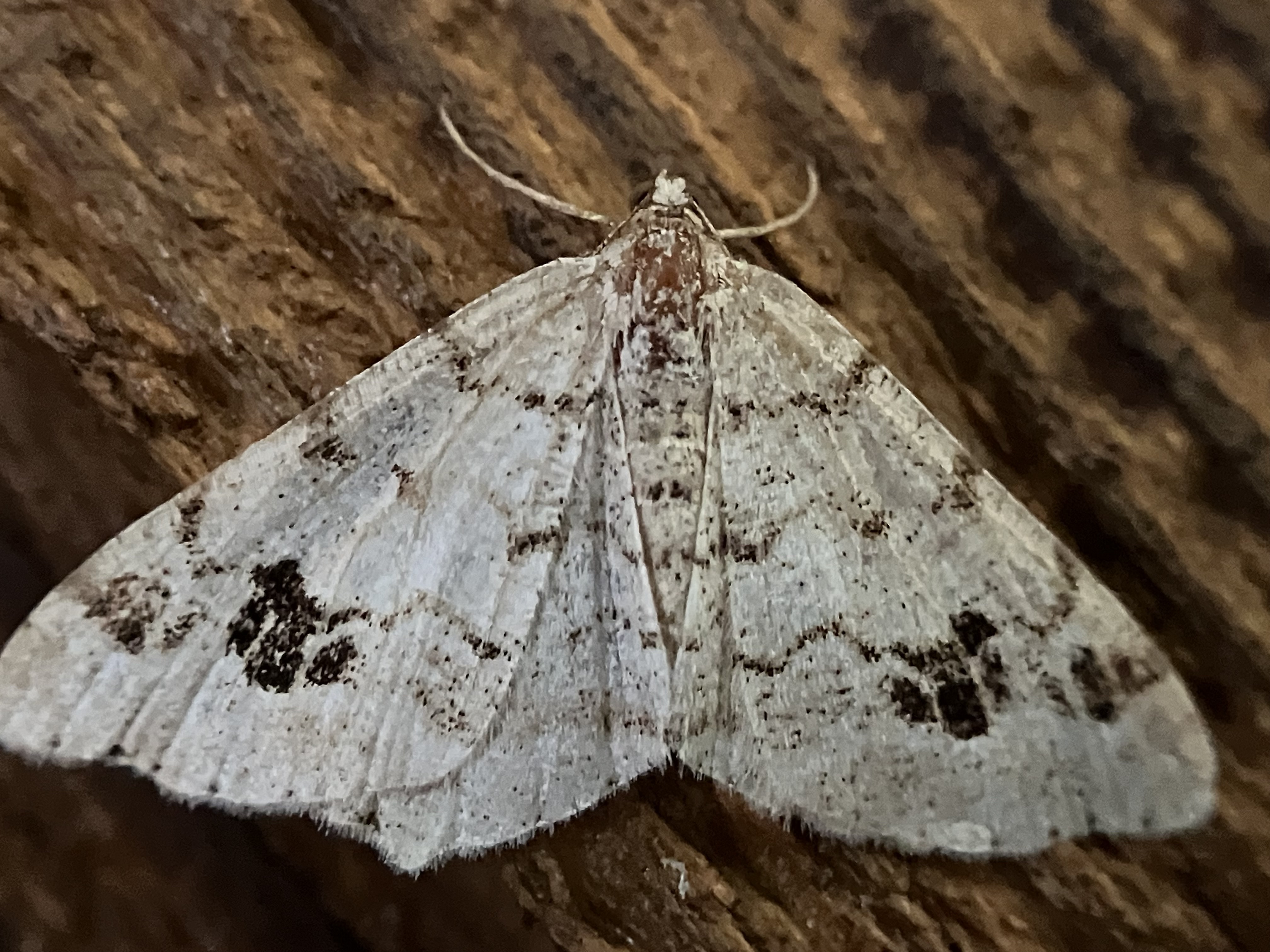
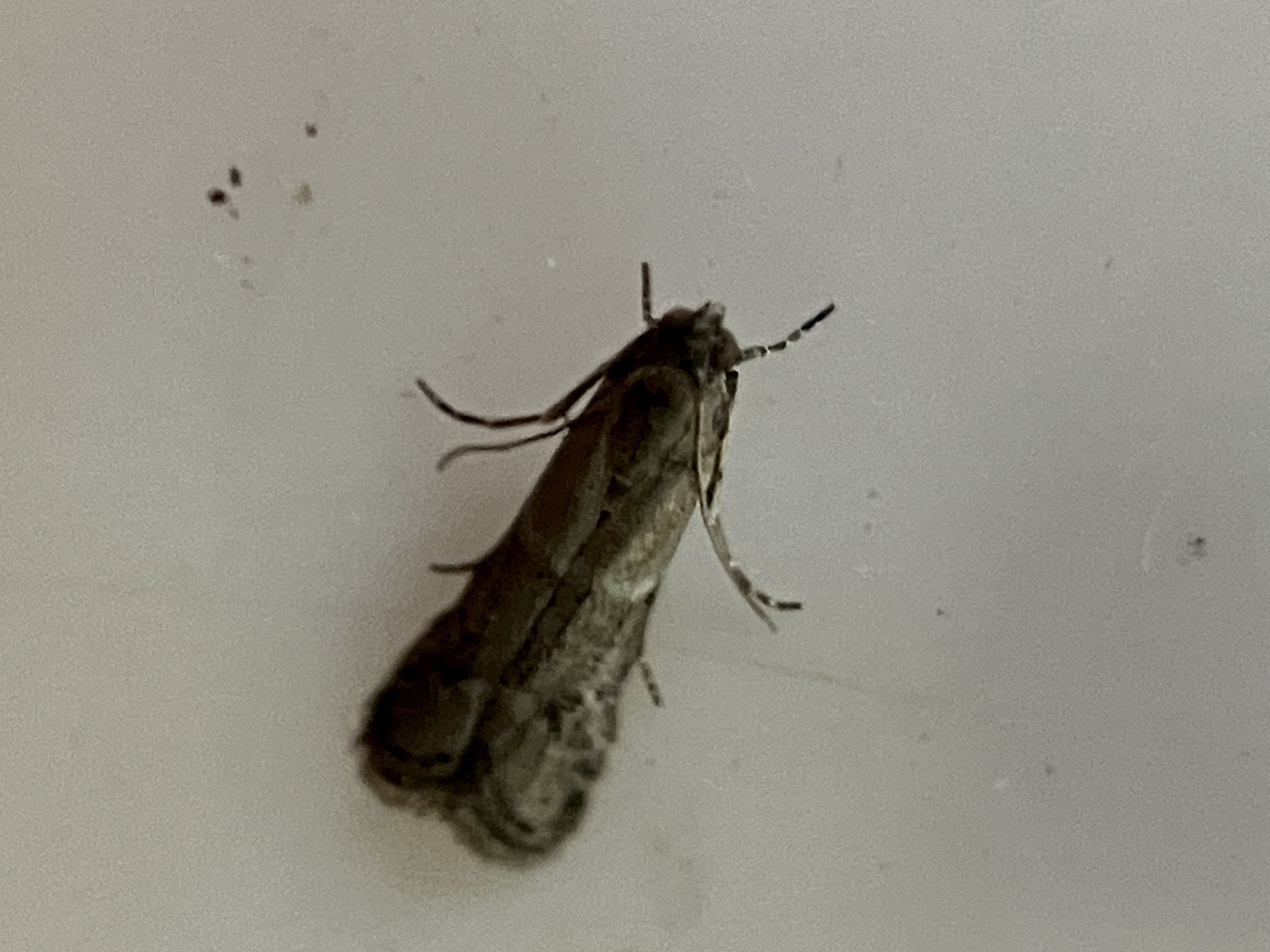
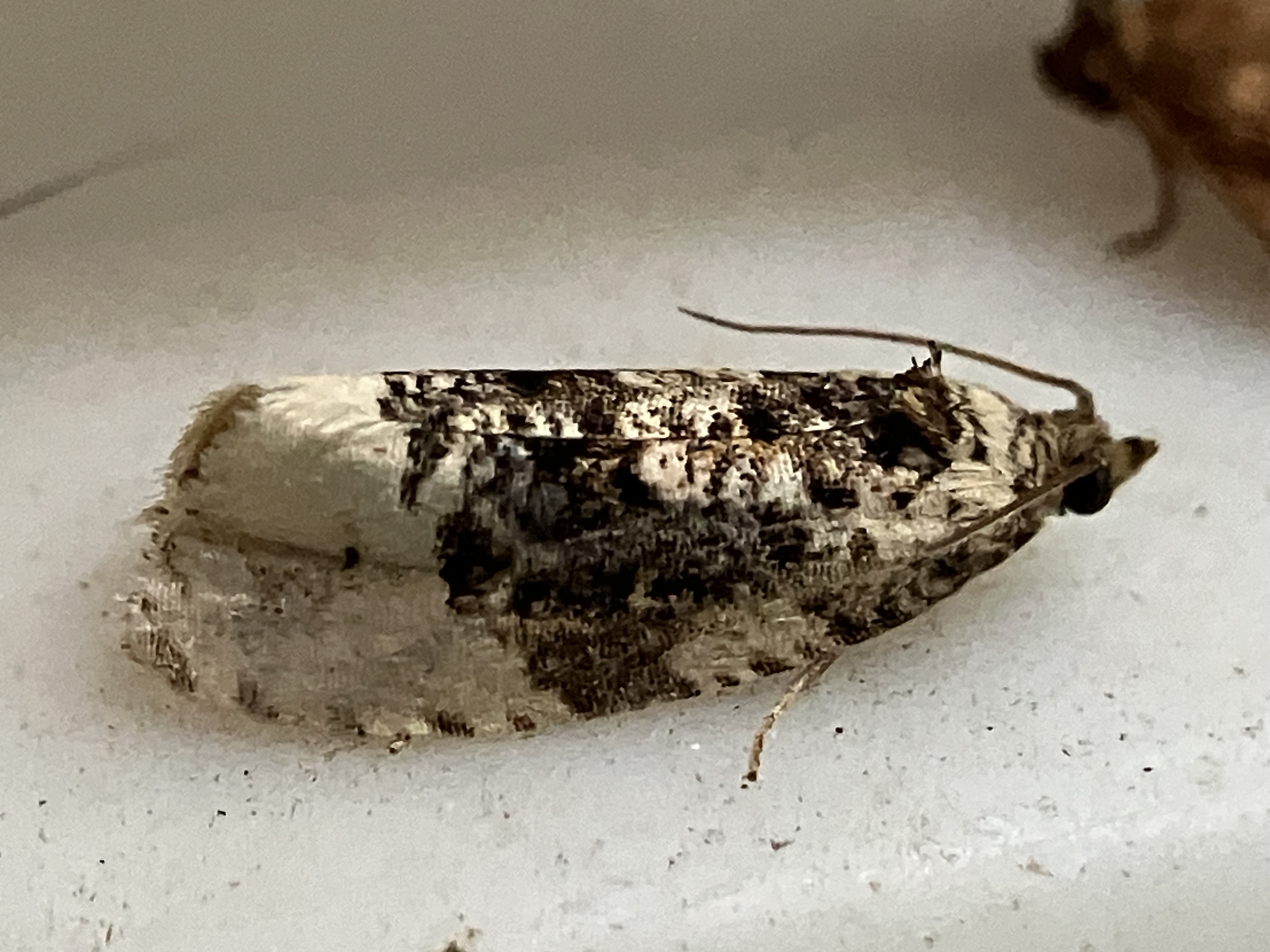
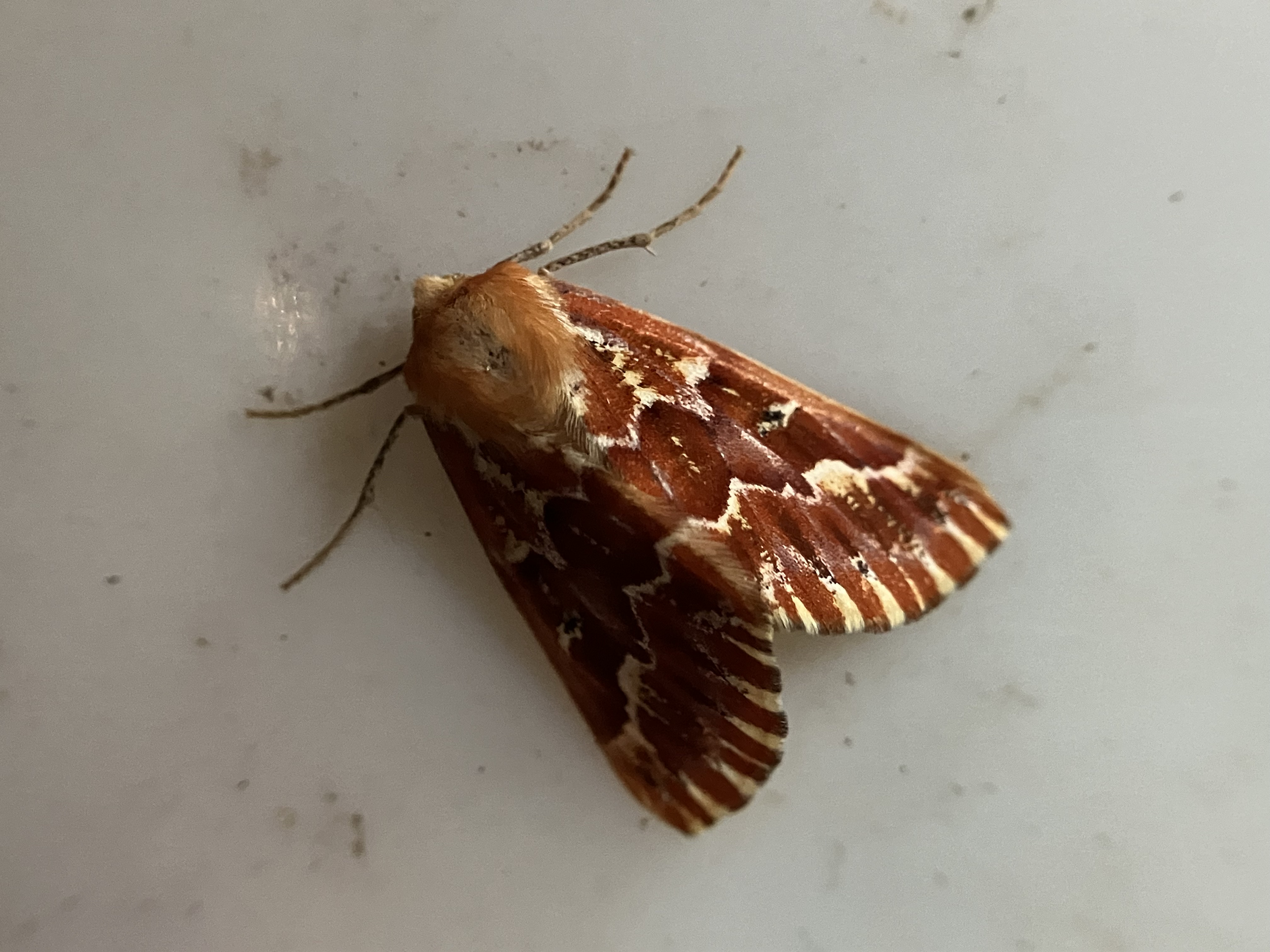
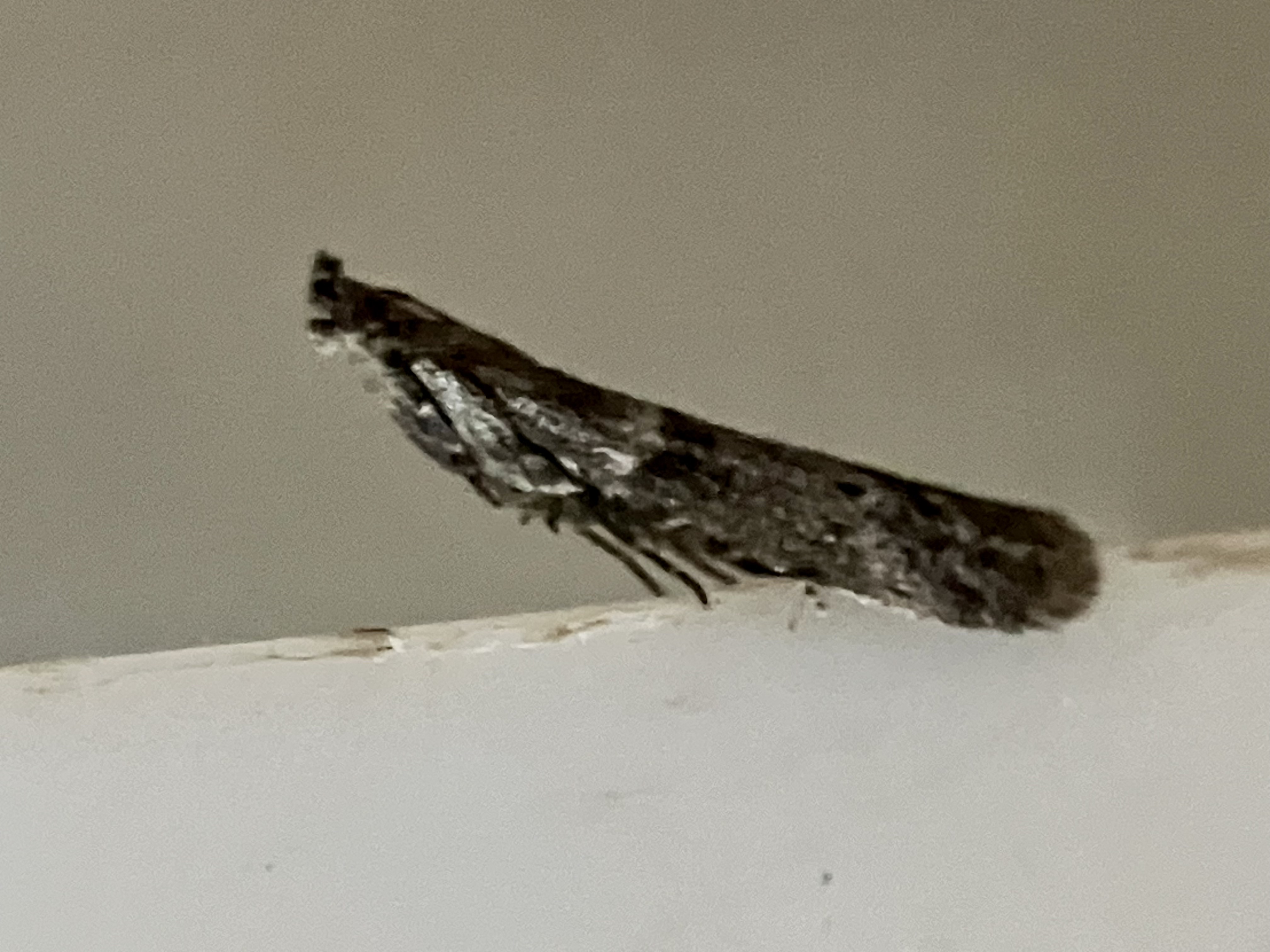
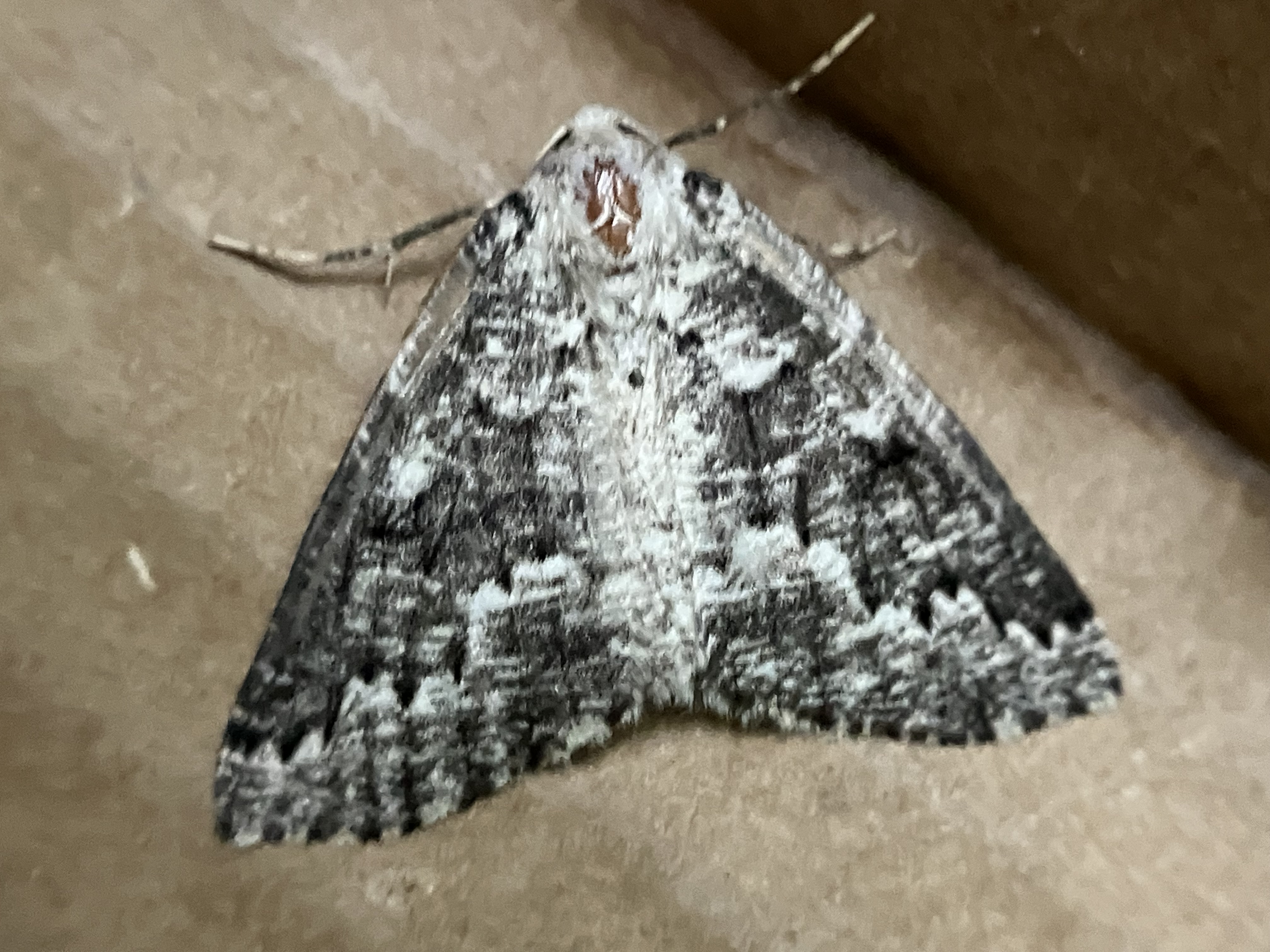
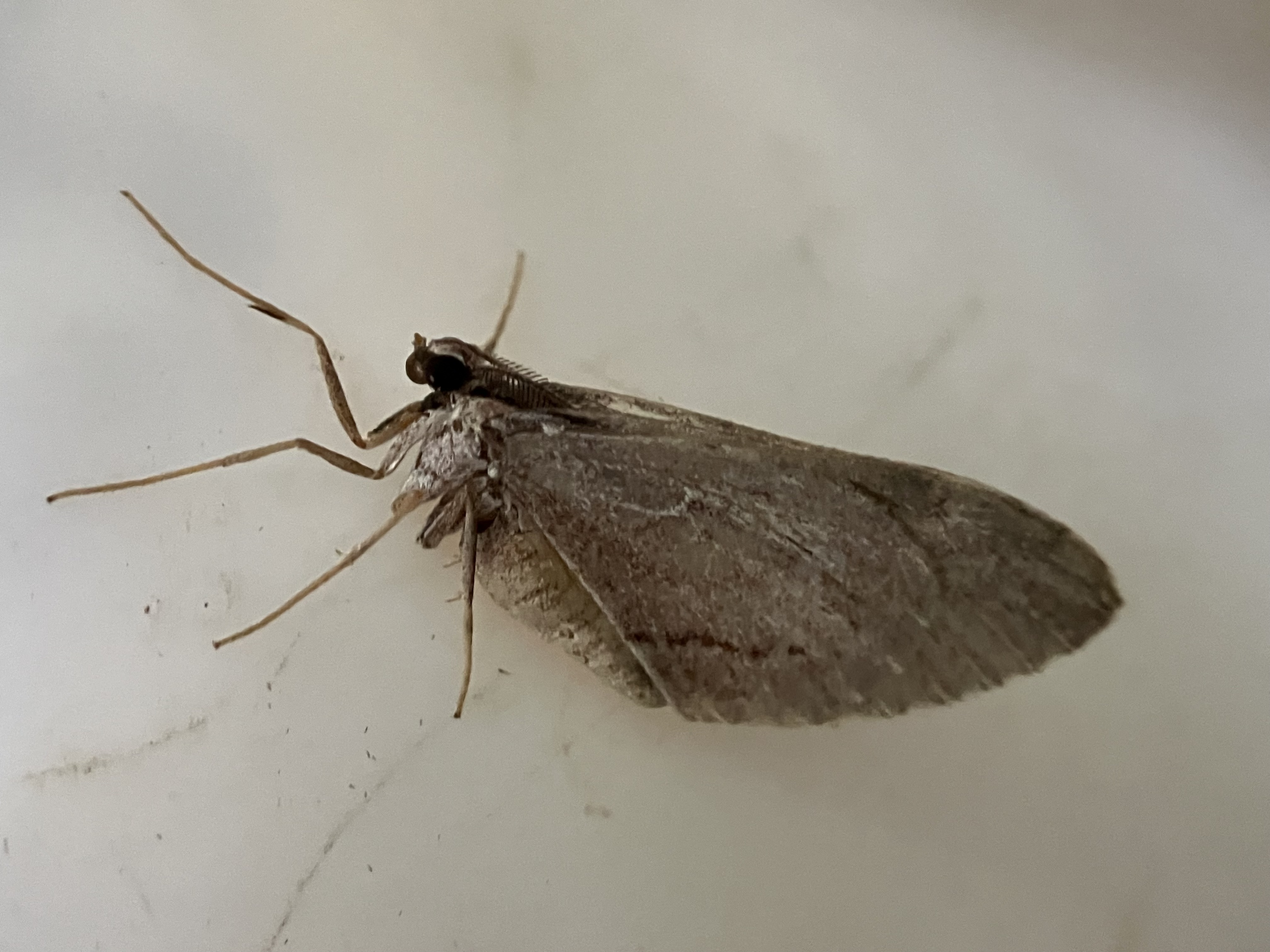
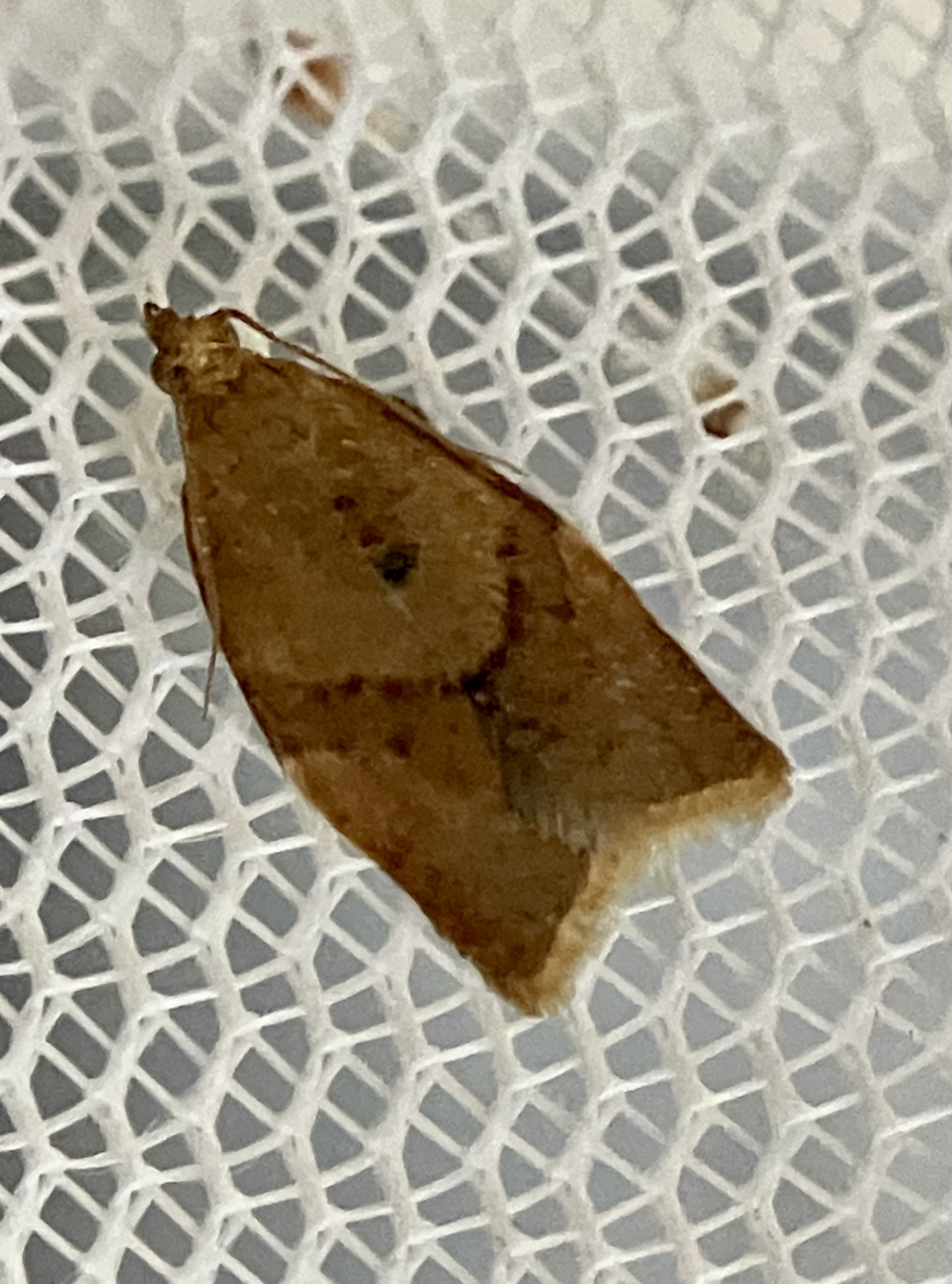
Here’s today’s grouping of moths from last night’s mothing effort. It’s raining today in the San Juans. We sure do need the rain since it’s been so dry, but I got pretty wet outside this morning trying to sort moths and take photographs. The moisture will definitely be good for insect populations and also keep my flower garden blooming a bit longer this season.
If you’re interested in learning about what species of moths (or other insects and spiders) we have in the San Juans, feel free to reach out. I am always happy to answer questions. For anyone interested in participating in National Moth Week, here’s a link to their website – https://nationalmothweek.org
Leading up to the Twelfth Annual National Moth Week, July 22-30, 2023 https://nationalmothweek.org, I am getting into moth mode with some early collecting to see what is flying about the forest near our home at night.
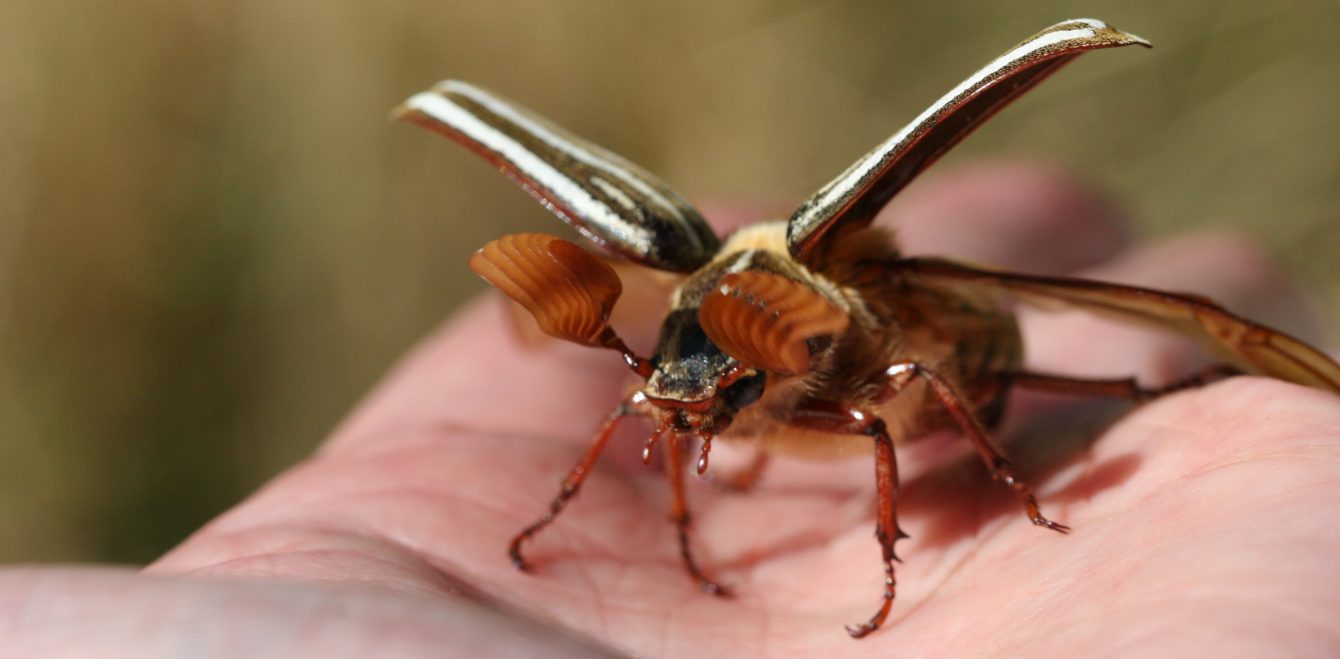
My first attempts at this were quite unsatisfying, save for the two awesome beetles that came to visit. The bug station I set up just wasn’t yielding much in the way of moths, at least until I discovered my station had been discovered by some thieving yellow jackets who were picking off my moths right in front of my eyes. Something had to change. I sure didn’t want to lure in these beautiful creatures to become a breakfast buffet.
I got some very helpful advice from a friend named Carl. Carl is an expert moth-er, and he recommended putting some egg cartons in my bug bucket so they would have a place to hide. I tried this last night, adding two egg cartons and some pieces of cardboard. Then, I went to hang my bucket up and turn on the light – EXCEPT, those darn yellow jackets showed up at 9 pm. They must have excellent memory. I suppose they wanted to be first in line at the moth buffet.
I moved my bug bucket and light to another location. It was a success. Here is the assortment of moths I collected last night. All were handled with gentle care and photographed. Afterwards, I moved them to hiding spots in the forest to make them less susceptible to predation.
If you’re interested in participating locally in National Moth Week, please don’t hesitate to reach out for more information. You can find me via email at cynthiabrast@icloud.com or on Facebook at Bugs of the San Juan Islands – a private group, but easy to join by answering a couple of questions and agreeing to follow the group rules to prove you aren’t a spammer and won’t be disruptive. 😉
I posted a few images last week to my iNaturalist page to see if I could get help from some experts in the butterfly community to ID this Polygonia butterfly past genus. It sparked a lively amount of conversation and I finally received a comment in the thread from West Seattle-based nature guide, ecological consultant and botanist, Stewart Wechsler, stating, “@cyndibrast Looks like you have the first confirmed Polygonia oreas iNaturalist observation for the San Juan Islands!” I would also throw out that the first person to correctly speculate the ID for this is my friend, lepidopterist David Droppers, who suggested I post in a wider audience to see what feedback I might receive.
Cool! So, I have the first Oreas Anglewing iNat. Sighting for San Juan County. 😀
Polygonia oreas – March 29, 2023, San Juan County, WA
Have there been others? Probably. Not everyone is using iNaturalist, so some sightings may not be on the radar for other bug enthusiasts. I like it to keep all my bug sightings organized and categorized and all that stuff and using iNaturalist makes it easy to find things when I want to go back to reference one. If you don’t have the iNat. app, give it a try. It makes your outdoor experiences a lot more interesting in a nerdy, scientific way. You can be a naturalist on your hike. It’s fun!
Here’s a bit of information about this interesting butterfly, now officially recorded on San Juan Island. Links to sources included below.
Oreas Anglewing (Polygonia oreas)
*From (C. LaBar 2013) and (Björklund, N.H. 2018-2022)*
SIZE: Wingspan of 40 to 50 mm (up to 2 inches)
Key ID Features: Above orange with black blotches and spots, often with very jagged wing edges, submarginal row of yellow chevrons and brown to black marginal band. HW above has yellow patches adjacent to dark marginal band. Below dark gray to black, with lighter gray striations, and prominent white flattened “v” (pointed at the bottom, often looking like a gull in flight) with no hooks in center of HW.
Similar species: Darker below than other comma species, white “v” mark on HW below lacks barbs. Other comma species either have stronger green submarginal shading below or the “comma” mark on HW below is curved (not a pointed “v”) or barbed or both.
Male: rusty orange and gold with black spots, dark brown wing margin with row of bright yellow spots. Ventral is variegated in contrasting shades of dark brown and black. White comma on VHW.
Female: slightly lighter dorsal and ventral colors and less-distinct ventral mottling.
Egg: green.
Larva: first two instars are brown and pale beige with black hairs and spines. Last three instars are mostly black with thin, white or yellowish bands around each segment and covered with rows of yellow-orange spines.
Pupa: mottled reddish brown, white and gray, with three pairs of silver spots.
Larval hostplants: currants (Ribes), primarily swamp currant (R. viscosissimum), also including R. divericatum (straggly gooseberry), and R. lacustre (swamp gooseberry).
Habitat: Forest fringes, especially in older stands, riparian areas and ravines, subalpine meadows.
Range: Coast Range, Willamette Valley, Western Cascades, east slope of Cascades, Wallowa Mtns, Blue Mtns. Season: Late February to mid-September Abundance: Uncommon
I sat outside today in the sunshine, forced convalescence if you will, exhausted and achey after getting my Covid Omicron Variant booster vaccine yesterday at the San Juan County Fairgrounds. My outdoor time was unfortunately cut short because we have been inundated with construction development noise. I’m fairly certain I will be forever challenged to have an amiable relationship with our newest neighbors. In part, because they sited their VACATION home, right in front of our view. Mind you, they could have moved over 100 feet and we would not have to look across the top of our driveway at their newly constructed 2nd home. It has definitely impacted us. We’ve lost a lot of our privacy out here in the woods. It was never my desire to have close neighbors. I am a bit of a recluse….which is what the new neighbor said about his wife, yet, it begs me to ask again, WHY DID YOU BUILD YOUR HOUSE RIGHT ON TOP OF US?
Oh, and the jackhammering! That noise is enough to make a person homicidal. We had an entire summer of jackhammering from the former owners of that property. Really, truly, that property should never have been zoned for development. Not any development. It’s partly (half) wetland, and the other half is bedrock. Imagine the task of trying to excavate enough to bury your septic lines down the hill when you have solid bedrock! Also, our house is on that same shelf of bedrock, so the hammering shakes the walls and vibrates the floors of our home in the process of all this construction. The development on this lot has gone on for multiple years. I’m really tired of the disruption.
I digress. Sorry, I just had to vent. San Juan Island would be a much friendlier place for wildlife and bugs and such if we didn’t allow anyone to build a 2nd, or 3rd home here. We are outgrowing our space and it isn’t pretty.
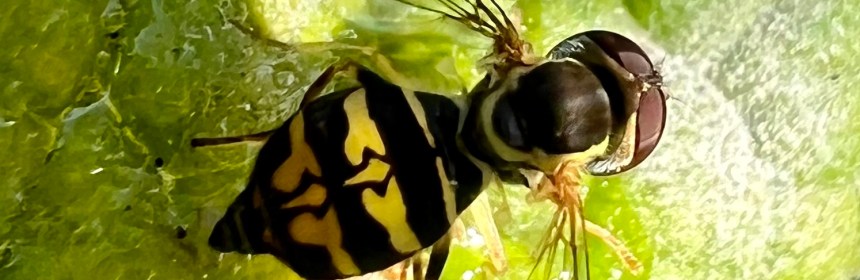
Here’s my bug of the day. This beauty is a Western Calligrapher Fly (Toxomerus occidentalis). I was mesmerized watching it rest on the mint leaf. The patterning on the dorsal side of the abdomen reminds me of some sort of totem design.
The adults of this fly species are pollinators. They lay eggs on plants near aphids and when larvae emerge they are predatory on the aphids. It is believed that late instar larvae overwinter, pupation takes place in the soil cavities in the spring and adults emerge later in summer. The name for this group of flies comes from Greek toxon ‘bow’ + meron ‘thigh’ (refers to the bow-shaped hind femur). You can see the curve in the first photo below, circled in red. Something else interesting pertaining to the adult coloration I found on bugguide.net: “Colors vary with overall temperature during pupation: if it was hot, the yellow/orange increases and the background becomes lighter, but if it was cold, the dark/black increases and the yellow/orange becomes darker like the background.”
Enjoy the last few days of sunshine and embrace our native pollinators. We are heading into the dark part of the year. For those of us who live here year round, you know what to expect. Lots and lots of rain.
Our native pollinators were slow to emerge this year in the San Juans because of the cool weather. Usually, we can rely on flies, solitary bees and wasps, and even moths, ants, and others to pollinate our fruit trees. I did see some species of flies out this spring, but again, weather conditions were poor.
We have PLENTY of “pollinators” out in our yard right now. So, in trying to explain to people when they ask me about a decline in native pollinators, I have a few points I like to throw out for consideration.
1) honey bees are poor pollinators to keep on the island. It has to be above 50 degrees for them to come out of the hive.
2) native flies and other insects like moths (which fly at night and we don’t typically see) are better at pollinating in cooler temperatures. While they also won’t be out if it’s rainy and super cold, they can fly in temperature ranges lower than 50 degrees F.
3) the critical importance of native pollinators may not be in their “pollination” services – but their role as pest predators and/or role in the food cycle for other organisms, and for creating biodiversity in our ecosystem, which helps keep everything healthier. I think this part is important. If you look at some of the plants we put in our gardens (native perennials), they actually do not require pollination to survive and reproduce, but do offer pollen and nectar to many insects, spiders, and hummingbirds. Looking further at the food web, we need a variety of native insects for more than pollination. Tachinid flies, syrphid flies, solitary wasps, ants, and even spiders can be pollinators, but also help regulate populations of orchard, garden, and forest pests.
My take on all of this is as humans, our focus has largely been on how to grow food over environmental conservation and maintaining balanced, functioning ecosystems. With climate change, many of our food growing operations may fail. Our fruit trees (at least none that I know of) are not native. In spite of the best intentions, conditions may decline to a point where we can’t produce great fruit here. Weather is only one limiting factor. We have poor soils or no soil in many locations, limited water resources, and the pressures of continuing development resulting in loss of natural habitats. I don’t have the answers for you when it comes to fruit production or any way to personally mitigate climate change, so we may have to figure out a substitute for growing apples, plums, and such.
Let’s go back to the importance of native pollinators though. If you think of our island as a living organism with many different functions, it is important to have all the essential pieces to keep the “body” healthy. These native pollinators (and the native plants they visit), and all the other myriad species of invertebrates, fungi, birds, mammals, amphibians, reptiles, soil, water, etc. are all part of the “body,” a body that has to fight off occasional or repeated assaults from being thrown off balance by exposures to external forces. Just like we need a variety of foods and minerals and other things to keep our body healthy, so does an ecosystem. We need all of these pieces (and that includes our native pollinators and all the other diverse species) to keep our island home healthy.
As to the fruit trees and other food crops requiring pollination, for now, some of these issues can be mediated by planting around your orchard and garden with plenty of diverse native species and providing habitat for all of these native species to develop. Some of our practices of cleaning and sanitizing our orchards and gardens, burning yard clippings, and applying fertilizers and pesticides can adversely affect the biodiversity needed to help our food production thrive.
I imagine it can be frustrating to see an orchard fail to produce fruit. My grandparents were tenant farmers and wholly dependent on growing cotton and corn and the bit of garden and livestock they had around the home on the property they did not own. When it was a drought year, and crops failed, things were utterly miserable. Destitute would be a better adjective. I believe we may have an inherent desire to be “part of the land,” and grow our own food, but sometimes, despite our best efforts, conditions aren’t favorable. Crops fail. Historically, we have tried (and failed) to control some of these external forces – like applying pesticides in amounts that probably will poison us forever.
I’ve gone way beyond the “pollinator” topic here, but it is next to impossible for me to see a one-dimensional issue. We have a much larger and more complex picture before us. How do we either re-create or maintain a healthy functioning system, navigate the perils of climate change, and feed ourselves? I like to believe that protecting diversity in our ecosystems is an important facet of this complex, multi-layered crisis we face.
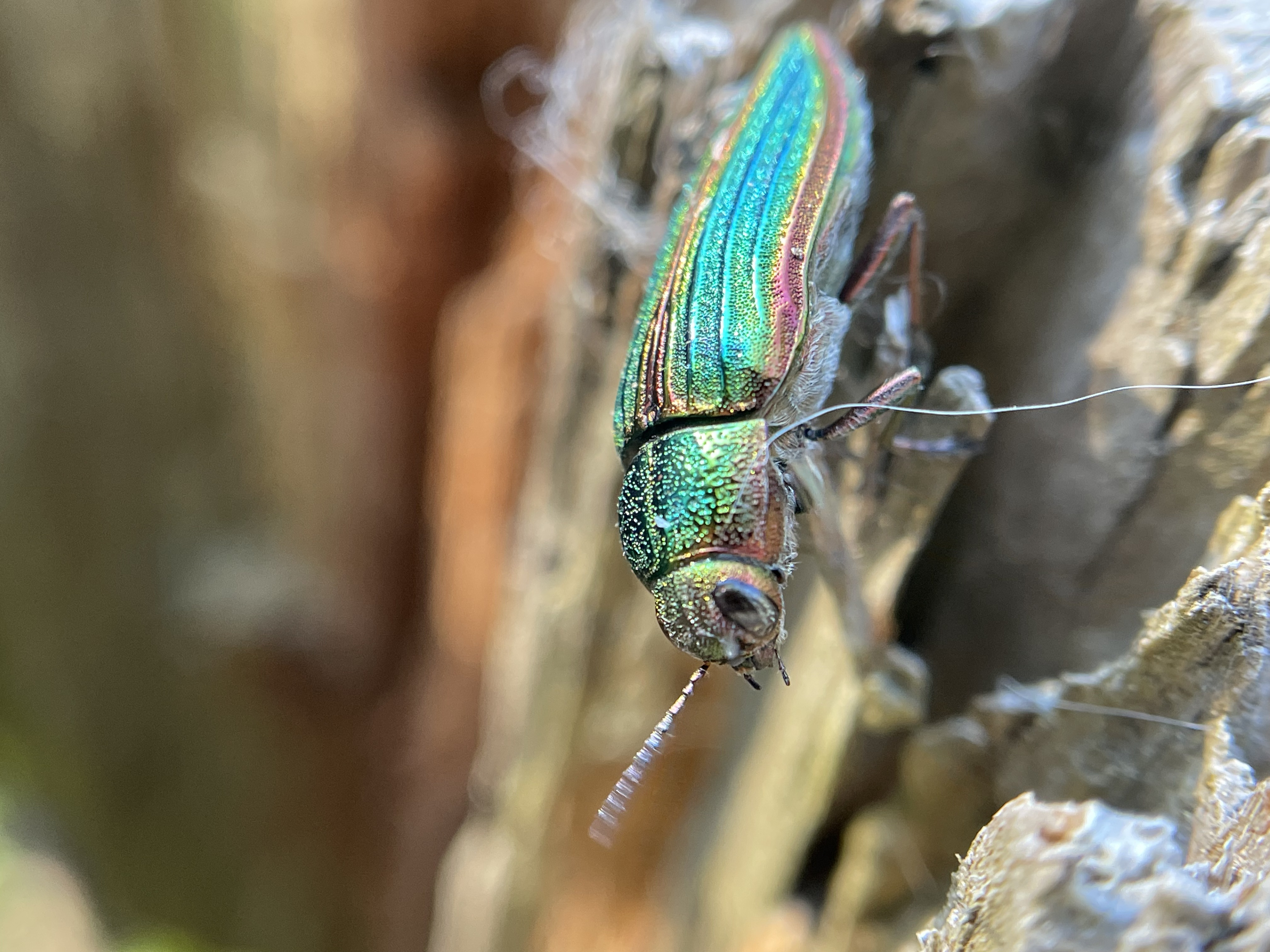
I found this little green beetle (and another sad little black and yellow beetle missing its antennae) in the pool yesterday. The black and yellow beetle is alive and… well, sort of living in a special habitat right now because of those missing antennae.
The green one was completely waterlogged and lifeless. I had left it on the table next to Drago’s enclosure last night, thinking I’d pin it and keep it in my collection. I am SO GLAD I DIDN’T stick it with a pin! This morning, I found it moving those little legs around at me. It was alive! RIP woke up.
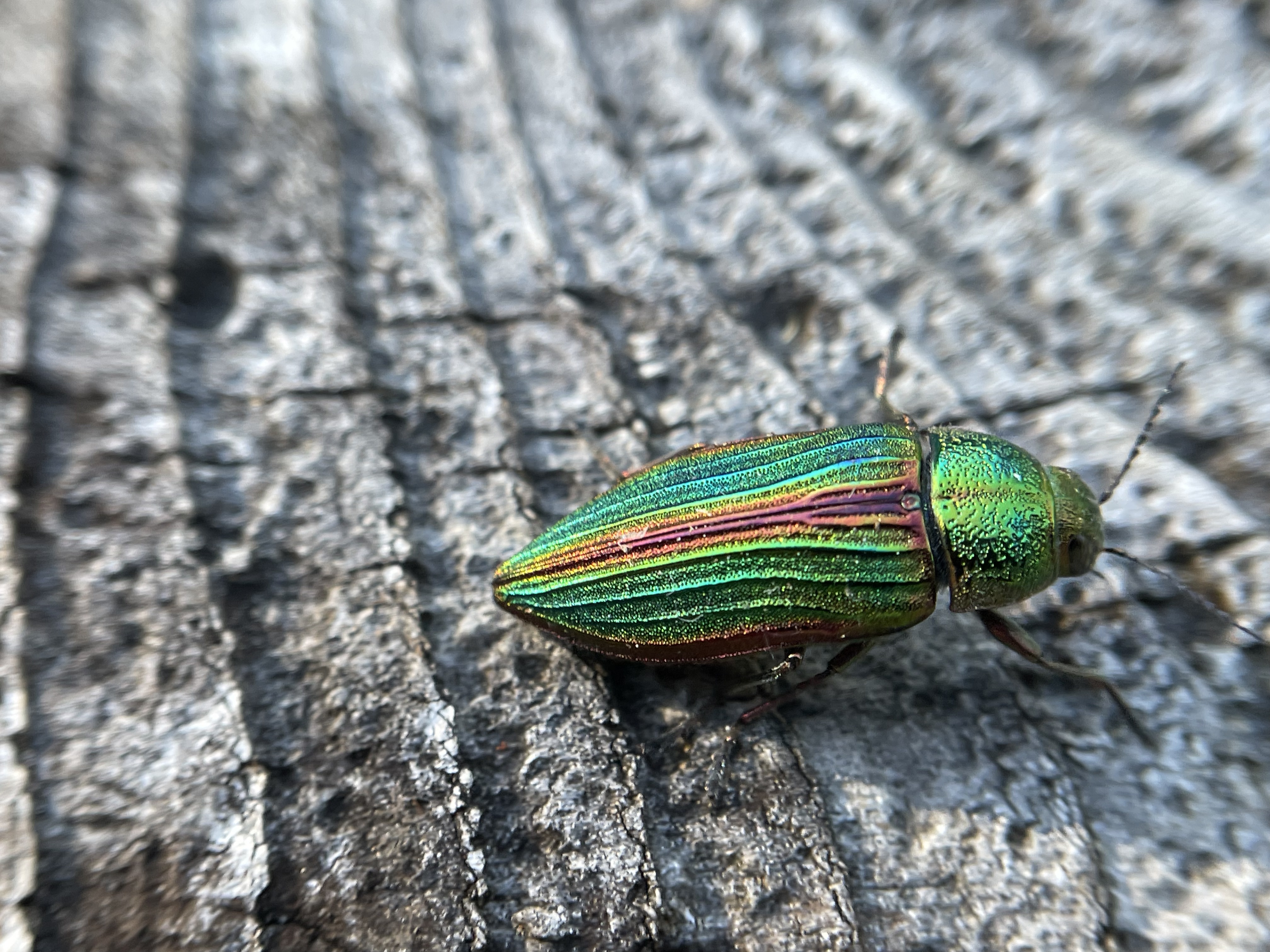
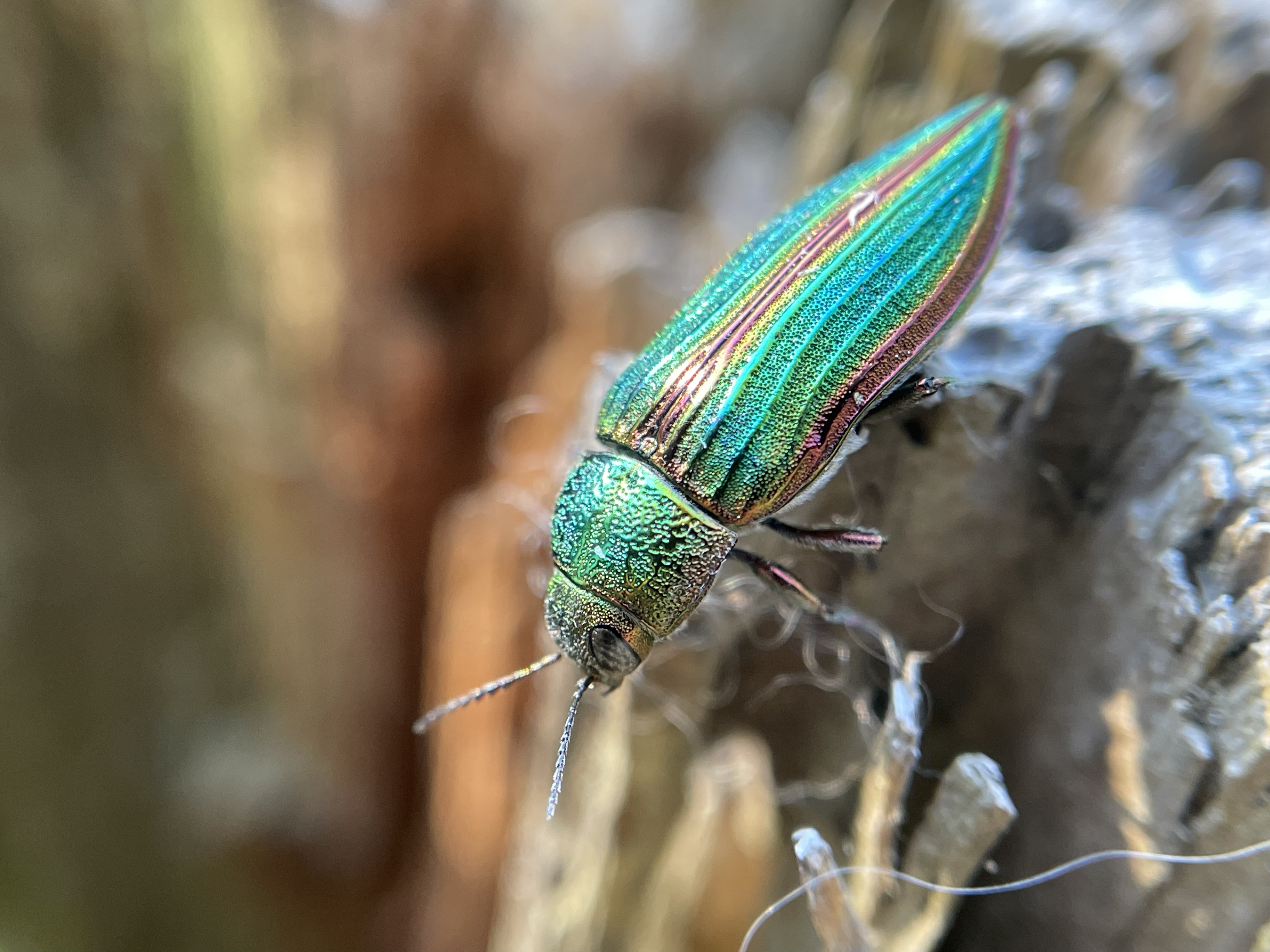
Golden Buprestid beetle (Buprestis aurulenta)
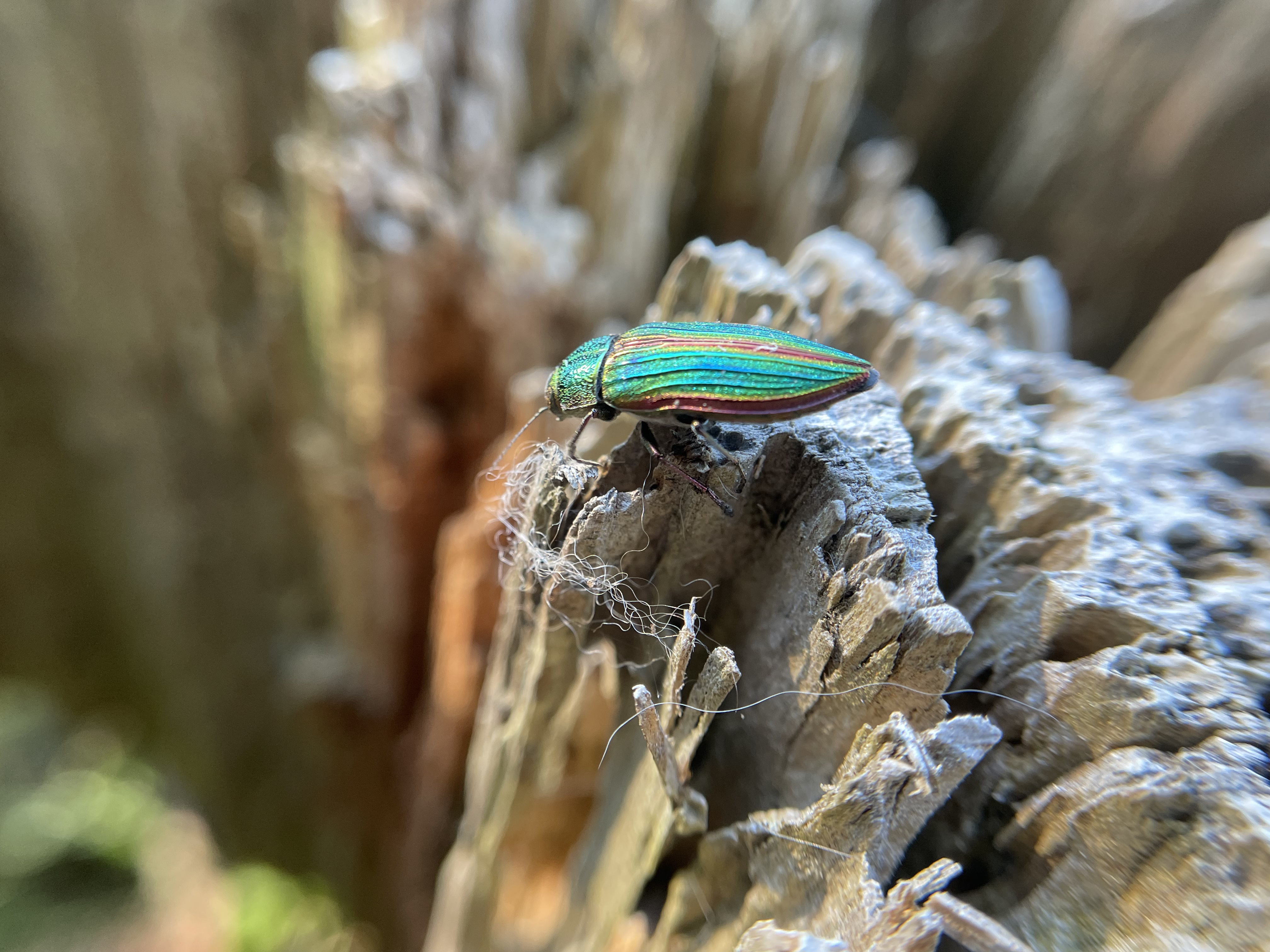
Golden Buprestid beetle (Buprestis aurulenta
This is a Golden Buprestid Beetle (Buprestis aurulenta). They are a native species in the Pacific Northwest. I have referred to them often as the Rip Van Winkle beetle because they take such a long time to develop from egg to adult. In fact, the record is 51 years!
Why so long? Well, the developmental time depends a lot on the quality of what they’re eating (they develop in dead or dying trees) and miscellaneous environmental factors. When they come out as an adult, they leave behind a little oval hole. I think it adds character to your wood trim if you have them “sleeping” in timber used to build your house.
We had one in our door trim that didn’t make it all the way out and probably had been stuck for awhile before I noticed. It became a fascinating object to show anyone who came to visit our home.
Golden Buprestid stuck in door trim (March 20, 2016)
I’m not sure what gives them this beautiful iridescence, but they are undeniably one of nature’s jewels, thus the name “Jewel” Beetle.
Golden Buprestid Beetle – San Juan Island 07.27.2022
Golden buprestid set free to fly away in the forest.
The Western Tent Caterpillar is probably one of the most studied and also one of the most loathed insects in the Pacific Northwest. I’m hoping to change attitudes by shining a light on some of the ecological facets of the species and how it connects to the larger food web. We often deem something a pest before really considering the whole picture. Is there anything good about a caterpillar eating leaves off a tree? It depends on a lot of factors. Why not take time to examine the web…and I’m not referring to the tent here either.
It was just last week in my community (San Juan Island), that I heard a story about a woman who fell and hit her head after getting on a ladder to BURN the tent caterpillars out of her fruit trees. Hmmm. Please don’t try this at home. It isn’t safe. Burning the tents out of trees can actually do more damage to the tree than the caterpillars do by eating the leaves.
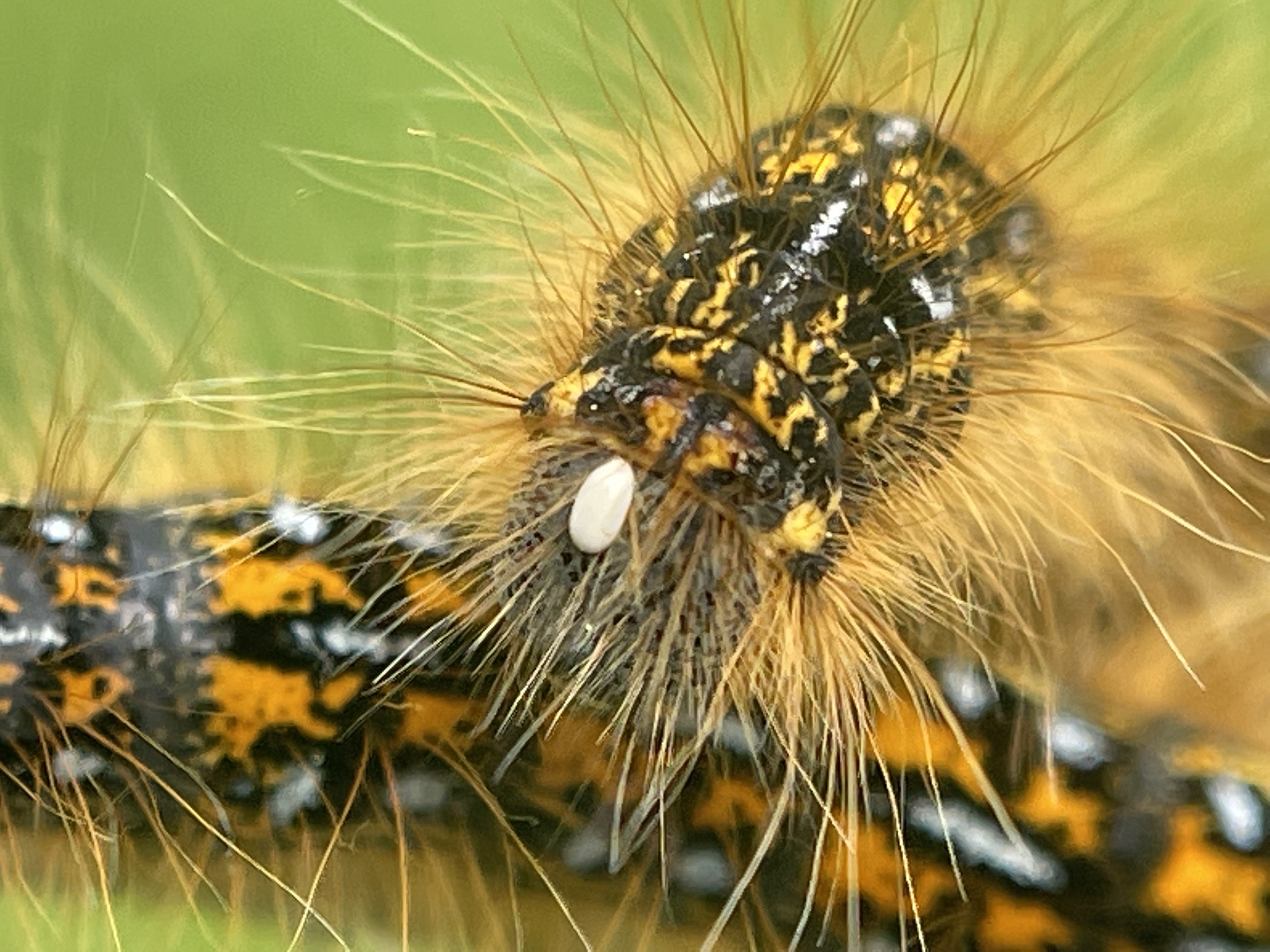
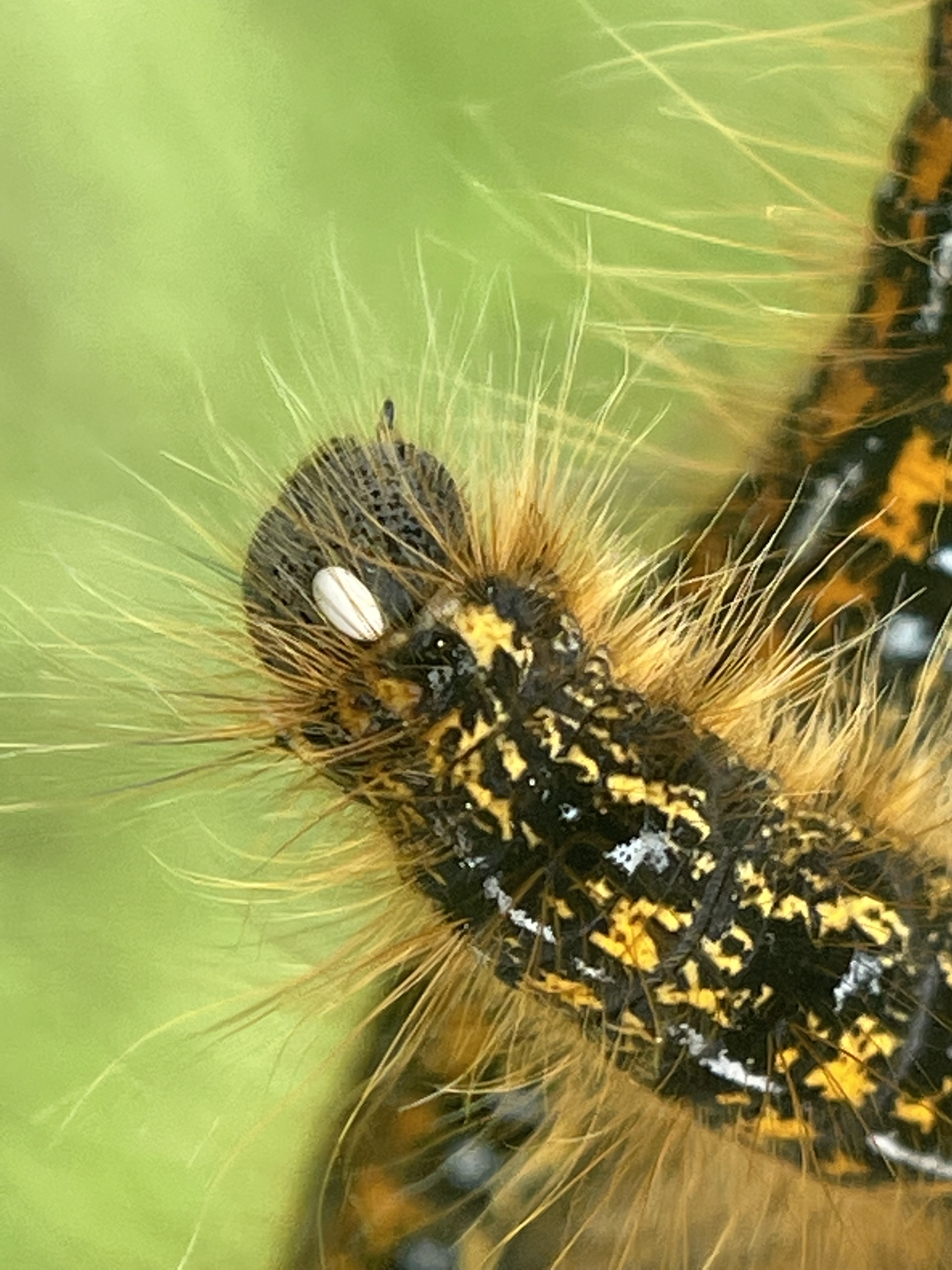
The photos below show something that happens to the tent caterpillars we may not notice in our panic to eradicate them from our trees. The egg on the caterpillar was laid by a parasitic Tachinid fly. It chose the head, so the caterpillar can’t chew it off its body. The egg is shed when the caterpillar molts, but the fly is already developing inside the caterpillar. It will literally eat the caterpillar from the inside out. So, when you clip off those tents and throw them into the fire, you are also killing the natural and best pest predators along with them. Naturus interruptus! We do more harm than good by intervening.
Western Tent Caterpillar with Tachinid Fly egg on headWestern Tent Caterpillars (Malocosoma californicum pluviale) with deceased individuals in background likely affected by nucleopolyhedrovirus
The Western Tent Moth caterpillars are affected by a few other parasitoids. Braconid wasps also attack them. Some lay eggs on the cocoons. There is also a nucleopolyhedrovirus that infects them when populations are high. In my rush to get this out, I may come back and edit, but I’ve referenced lots of great information below so you can read more about this on your own.
To add to all of this, over the weekend, my daughter and I found some tents in the orchard trees on our property. I might just be the ONLY resident in the San Juans excited to see them. Hmmm. Well, what I found was even more interesting. The tents had dead caterpillars inside and living family groups of earwigs. We also found a super cute jumping spider!
I was curious about this because earwigs are known to be garden pests, I did find some studies about earwigs that are PREDATORY on species of Lepidoptera. While these studies addressed other species of moths, the gist was that the plant species sends out a chemical signal that calls pest predators when it is being attacked by caterpillars. Every plant and pest predator sends and responds (respectively) to various signals, some very specific to each relationship. The plant is calling in the army! It may not always be earwigs, but there are wasps, flies, and others that come to aid the plant when it is under attack. Yes, it is very cool!!!
Earwigs and Jumping spider eat tent caterpillars
Oh, and those Western Tent Caterpillars turn into adult moths in mid summer. They are attracted to light. Turn off your outdoor lights. Nature will thank you and you will be less attractive to the mating moths. Many moth species also tend to fly off en-masse when they are mate seeking. These periodic, seasonal pulses of terrestrial invertebrates in our region end up in nearshore marine habitats when they fly out over the ocean.
Various studies have surveyed the stomach contents of Chinook and Coho Salmon, and other fishes in nearshore marine habitats during their first year at sea. Two studies I found reported finding Western Tent Moths and Spruce Budworm Moths (species considered as pests in northern boreal forests) in sampled gut contents. Brodeur et al., (1987) reported the following from one survey, “The incidence of several juvenile coho collected after the storm which had stomachs that were distended with over 100 of these insects exemplifies the ability of these juvenile coho to readily exploit these allochthonous inputs into the marine environment.” They were referring to the “pest” species, (Choristoneura occidentalis) or Spruce Budworm Moth in this instance. In Brennan et al. (2002), sampling of salmon in Central Puget Sound found insect prey included Western Tent Moths (Malocosoma sp.), and that “Lepidoptera in 2002 diets were gravimetrically dominated by tent caterpillar moths (Malocosoma sp.) 51% of Lepidoptera category by weight.” They also reported that Lepidoptera in their samples “were only abundant in 2002.” Coincidentally perhaps, this was a year of a recorded outbreak of tent caterpillars in WA state.
Other studies acknowledge terrestrial invertebrates as a better quality food than marine crustaceans for developing salmon. Periodic, cyclic, or seasonal events resulting in abundant insect flotsam in marine habitats may be missed, or difficult to record, but undoubtedly play a role in feeding fish in nearshore marine habitats.
Take away point here. Even bugs we see as pests have a role in ecosystems. Salmon and other species of wildlife don’t have grocery stores to visit when they need a meal. They rely on seasonal and periodic availability of food. It’s all they have, and it’s important for us to appreciate that.
Please take a moment to scroll through some of the photos below. Definitely check out the fantastic animation by April Randall about the adult moths flying out over the shoreline and being eaten by salmon! Don’t miss checking out those references and reading material too. If you are curious to know more, shoot me an email and I’m happy to send you literature for further reading.
Thank you!
Malocosoma californicum pluviale with Tachinid fly egg on headMalocosoma californicum pluviale caterpillars affected by nucleopolyhedrovirus
Jumping spider eating Malocosoma californicum pluviale caterpillar (photo credit to Alex Maas and artistic rendering by Cynthia Brast-Bormann)Parasitized Malocosoma californicum pluviale cocoon (Tachinid fly parasite)
Animation by April Randall, Orcas Island
References and Further Reading
Bell, K., Naranjo-Guevara, N., Santos, R., Meadow, R., & Bento, J. (2020). Predatory Earwigs are Attracted by Herbivore-Induced Plant Volatiles Linked with Plant Growth-Promoting Rhizobacteria. Insects, 11(5), 271. https://doi.org/10.3390/insects11050271
Clark, E. C. (1958). Ecology of the Polyhedroses of Tent Caterpillars. Ecology, 39(1), 132–139. https://doi.org/10.2307/1929975
Cooper, Dawn & Cory, Jenny & Theilmann, David & Myers, Judith. (2003). Nucleopolyhedroviruses of forest and western tent caterpillars: Cross-infectivity and evidence for activation of latent virus in high-density field populations. Ecological Entomology. 28. 41 – 50. 10.1046/j.1365-2311.2003.00474.x.
Furniss RL, Carolin VM. 1977. Western forest insects. U.S. Department of Agriculture, Forest Service, Washington, D.C. Miscellaneous Publication 1339. 654 p.
Knight, G. A.; Lavigne, R. J.; and Pogue, M. G. 1991. “The Parasitoid Complex of Forest Tent Caterpillar, Malacosoma Disstria (Lepidoptera: Lasiocampidae), in Eastern Wyoming Shelterbelts,” The Great Lakes Entomologist, vol 24 (4) Available at: https://scholar.valpo.edu/tgle/vol24/iss4/7
Rodstrom, R & Resources, Greenwood & Portland, Oregon & John, J & Brown, John. (2017). FOREST AND WESTERN TENT CATERPILLARS Insect Pest Management in Hybrid Poplars Series. 10.13140/RG.2.2.24262.37442.
Witter JA, Kuhlman HM. 1972. A review of the parasites and predators of tent caterpillars (Malacosoma spp.) in North America. Minnesota Agricultural Experiment Station. Technical Bulletin 289. 48 p.
Additional References***Updated 06.23.2022
Brennan, J.S., K.F. Higgins, J.R. Cordell, and V.A. Stamatiou. 2004. Juvenile Salmon Composition, Timing Distribution, and Diet in Marine Nearshore Waters of Central Puget Sound in 2001-2002. King County Department of Natural Resources and Parks, Seattle Wa. 164pp.
Brodeur, R. D., Mundy, B. C., Pearcy, W. G., & Wisseman, R. W. 1987. The neustonic fauna in coastal waters of the northeast Pacific: abundance, distribution, and utilization by juvenile salmonids. Oregon State University Publication ORESU-T-87-001.
Brodeur, R. D. (1989). Neustonic feeding by juvenile salmonids in coastal waters of the Northeast Pacific. Canadian Journal of Zoology, 67(8), 1995-2007.
Brodeur, R. D., Lorz, H. V., & Pearcy, W. G. (1987). Food habits and dietary variability of pelagic nekton off Oregon and Washington, 1979-1984. NOAA Technical Report NMFS 57. U.S. Department of Commerce National Oceanic and Atmospheric Administration National Marine Fisheries Service.
Cheng L, Birch M. 2008. Insect flotsam: an unstudied marine resource. Ecol Entomol 3:87–97.
Cheng L. 1975. Marine pleuston: animals at the sea-air interface. Oceanogr Mar Biol Annu Rev. 13:181–212.
Cheng, L., M. C. Birch. 2009. Terrestrial insects at sea. Journal of the Marine Biological Association of the United Kingdom. 57, 4, (995-997).
DNR TreeLink. Tenting in the Trees. 2012. WSU Extension Puget Sound Stewardship E-Newletter 5:4
Drake, V.A., D. R. Reynolds, Radar Entomology: Observing Insect Flight and Migration (CABI, Wallingford, UK, 2012).
Duffy, E.J., D.A. Beauchamp, R. Sweeting, R. Beamish, and J. Brennan. 2010. Ontogenetic diet shifts of juvenile Chinook salmon in nearshore and offshore habitats of Puget Sound. Transactions of the American Fisheries Society. 139:803-823.
Glick P. 1939. The distribution of insects, spiders, and mites in the air. Washington D.C.: US Department of Agriculture.
Green K., 2011. The transport of nutrients and energy into the Australian Snowy Mountains by migrating bogong moths Agrotis infusa. Austral. Ecol.36, 25–34.
Gutierrez, L. 2011. Terrestrial invertebrate prey for juvenile Chinook salmon: Abundance and environmental controls on an interior Alaskan river. MS Thesis, University of Alaska Fairbanks, Fairbanks, AK.
Hardy AC, Cheng L. 1986. Studies in the distribution of insects by aerial currents. III. Insect drift over the sea. Ecol Entomol. 113:283–90.
Helm RR. 2021. The mysterious ecosystem at the ocean’s surface. Plos Biology. Apr;19(4):e3001046.
Holland RA, Wikelski M, Wilcove DS. How and why do insects migrate? Science. 2006 Aug 11;313(5788):794-6. doi: 10.1126/science.1127272. PMID: 16902129.
Hu G, Lim KS, Horvitz N, Clark SJ, Reynolds DR, Sapir N, Chapman JW. Mass seasonal bioflows of high-flying insect migrants. Science. 2016 Dec 23;354(6319):1584-1587. doi: 10.1126/science.aah4379. PMID: 28008067.
Landry J. S., Parrott L., Could the lateral transfer of nutrients by outbreaking insects lead to consequential landscape-scale effects? Ecosphere7, e01265 (2016).
Locke, A., S. Corey. 1986. Terrestrial and freshwater invertebrates in the neuston of the Bay of Fundy, Canada. Canadian Journal of Zoology. 64(7): 1535-1541. https://doi.org/10.1139/z86-228
Myers, J. 2000. Population fluctuations of the western tent caterpillar in southwestern British Columbia. Popul Ecol42, 231–241. https://doi.org/10.1007/PL00012002
Satterfield, Dara & Sillett, T & Chapman, Jason & Altizer, Sonia & Marra, Peter. 2020. Seasonal insect migrations: massive, influential, and overlooked. Frontiers in Ecology and the Environment. 18. 10.1002/fee.2217.
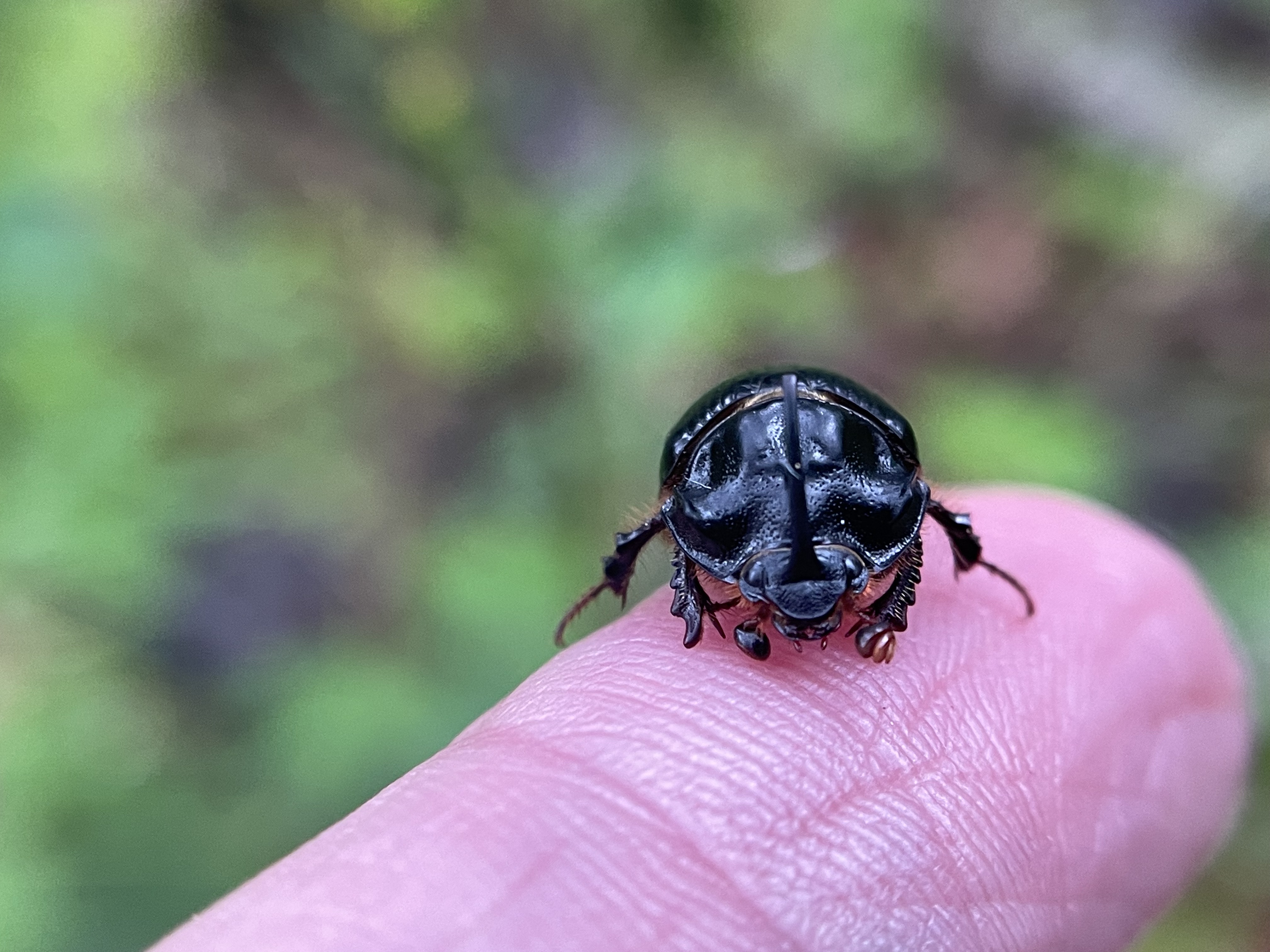
Hello Everyone! Meet my new bug friend, Radar Love ❤️ He must have crashed the wrong party. Radar gone wrong! I found him floating in our pool, in the midst of those raucous “dippers” (the Diplotaxis beetles). Radar Love was so happy I didn’t let him drown, and even happier that I didn’t stick him with a pin and add him to the bug equivalent of a stamp collection. We hung out together for a bit and I took some photos and video to remember him by. Radar Love was released into the forest so he can make more of his kind.
Odonteus obesusOdonteus obesus
Odonteus obesusOdonteus obesus
Odonteus obesus
Location: San Juan Island
ID: Geotruipidae (Odonteus obsesus)
Special thanks to my friend, Michelle Sloan Bos and Tyler Hedlund for ID assistance with this. I was rushing to get ready for my special spider outing. More about that later. For now, enjoy this rare and exciting sighting of a most special little beetle that calls San Juan Island his home.
Ants (Lasius sp.) on Big Leaf Maple Extra-Floral Nectary – May 17, 2022, San Juan Island, WA
When you study insects, or even birds for that matter, you start to understand you have to get to know plants a bit too. It’s all connected.
Plants (including trees and shrubs) provide food and shelter for many different species of animals. Admittedly, I just don’t know a lot about the parts of plants, beyond things like a tree trunk, bark, limbs, branches, leaves, or stems or flowers, nuts, fruit. The obvious parts.
There are some not so obvious parts. Like these extrafloral nectaries. Huh? Sounds weird. Keep reading.
Extrafloral nectaries (EFN’s) are glands occurring on more than 2000 plant species in 64 families. Extrafloral literally means outside of the flower. When we think of nectar, we usually think of little bees and hummingbirds flying around, visiting pretty flowers to sip nectar and in the process, pollinate all of our plants. It’s just that plants are a bit more complex. These glands are located in various places on plants (including trees and shrubs), and may be found on the laminae of leaves, petioles, rachids, bracts, stipules, pedices, fruit, etc. (Mizell, 2019).
These glandular secretions are a fascinating part of how plants attract and sustain a diverse, ecological community, providing sustenance for a multitude of species, including both pests and predators. You can find ants, aphids, beetles (including ladybugs), bees, wasps, and possibly even birds utilizing this excretory faucet to sip what consists of mostly carbohydrate-rich sugar, but also comprised of a wide array of amino acids and other nutrients.
Why are these important? Well, scientists are still trying to fully understand all of the diverse relationships around extra-floral nectaries. It is thought perhaps, beyond attracting organisms to a food source, they play a role in orchestrating a plant’s defense strategy against predators. They also are believed to provide a source of food and/or beneficial nutrients for various organisms during the off-season – when flowering and pollen sources are not available. They may also reduce conflict between ants and other pollinators by partitioning resources (Villamil & Stone, 2019).
Lasius sp. Ants at Extra-floral nectaries on Big Leaf Maple, 05.17.2022, San Juan Island, WA
Ant and aphid hanging out on extrafloral nectaries on Cherry Tree, San Juan Island, 05.17.2022
References
Bentley, B. L. (1977). Extrafloral nectaries and protection by pugnacious bodyguards. Annual Review of Ecology and Systematics, 8(1), 407-427.
Holopainen JK, Blande JD, Sorvari J. Functional Role of Extrafloral Nectar in Boreal Forest Ecosystems under Climate Change. Forests. 2020; 11(1):67. https://doi.org/10.3390/f11010067
Villamil, N., Boege, K., & Stone, G. N. (2019). Testing the Distraction Hypothesis: Do extrafloral nectaries reduce ant-pollinator conflict?. The Journal of ecology, 107(3), 1377–1391. https://doi.org/10.1111/1365-2745.13135
Yesterday I was the lifeguard. And, I had swimmers needing saving!
Hister Beetle (Genus Margarinotus I believe) – April 7, 2022 San Juan Island, WA
Here’s one of the species I used a piece of cardboard to rescue from drowning. This is a beetle in the family Histeridae, also known as a Clown Beetle. I told him no more clowning around without a life jacket. 🤣 Watch as it wrings its hindwings out, rolling them in under the leathery elytra (the outer wings).
I believe this beetle is in the genus Margarinotus. For ID beyond this, I’d need more time and a lot of patience. However, I can tell you I’ve learned some species of Hister beetles are associated with the nests of rodents, birds, and even ants and termites. They are pest predators, meaning they eat other insects at all life stages. They also are especially adept predators of fly eggs. You can often find them in leaf litter, dung, carrion, and under tree bark, or living in those ant mounds where they may be fed by ants, eat the leftovers the ants discard, or in some cases, they eat the ants!
Some other curious tidbits about these beetles include their acting ability. They play dead (Thanatosis) to deter predators. The word Hister is derived from Latin and means “Actor.”
Hister Beetle (I believe Margarinotus sp) – San Juan Island, WA
Wenzel, R. L. (1960). Three new histerid beetles from the Pacific Northwest, with records and synonymies of additional species (Coleoptera: Histeridae). https://www.biodiversitylibrary.org/page/2847194



















 Bugging You From San Juan Island