
Tag Archives: Lepidoptera

April 2, 2025

I didn’t turn on my moth light last night. I thought about it, but supposed I just wasn’t feeling all that motivated. If I’m completely honest with myself, I am feeling a bit blue. Maybe more than a bit. I wrestle with feeling shut out of the “enviro” community on the island and have felt snubbed by some of the folks in certain organizations. Life on an island can be great, but there are times when it feels like you’re in a fishbowl. Some people don’t get beyond 8th grade social networks. Shrugging here. 🤷‍♀️ I am just going to continue to do my bug thing and if people want to connect, they are always welcome. Sometimes I get really great emails and feel like my efforts to share what I know about bugs matter. I hope so. We need bugs. Even the ones that aren’t perceived as charismatic as a butterfly or a bee.


Here’s a moth that made me think of a funny story to share. This one’s for my daughter. I hope she will get a laugh out of it. We used to have a rabbit named Izzy. Her full name was Izzy Belle Cottontail. She was supposed to be a wild rabbit. How did we come to have her? A neighbor’s dog killed her nest mates and she was the only one to survive. They brought her to me asking for help. She wasn’t but days or maybe even hours old. Her eyes were closed and her umbilical cord stump was still attached. I tried to give her to my rehabber friend, but she was overwhelmed. I ended up caring for Izzy. Bottle feeding every hour or so, even through the night. When she was old enough, we tried to release her. She ran back in the house and that was that. She came with us when we moved to Washington…all the way from Texas. If you want to see a video of Izzy, you can check out the YouTube link here: https://youtu.be/6S0qnwgzLbM?si=JsMYN8rG1Hfu67FB

Izzy Belle the Cottontail

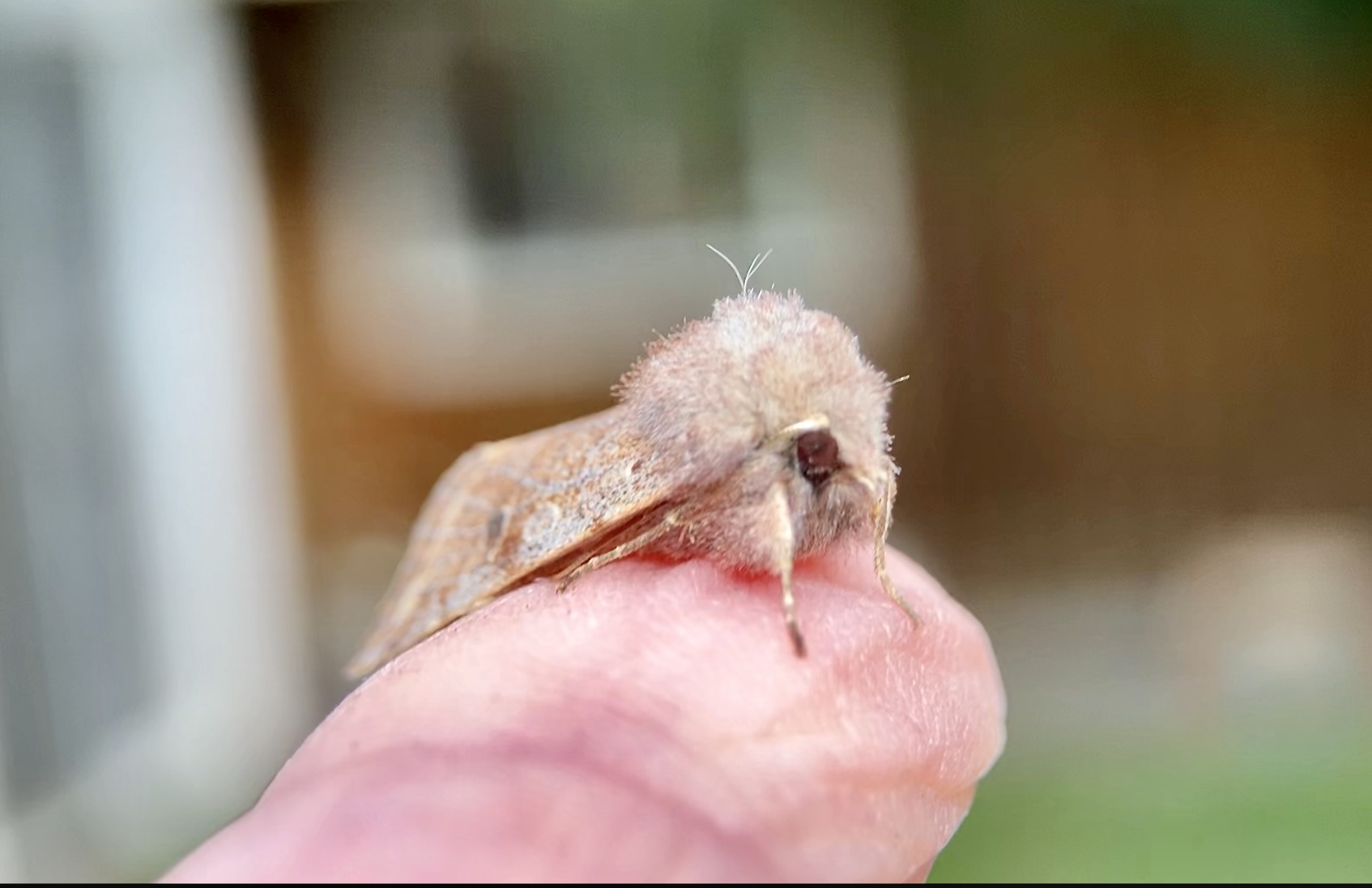
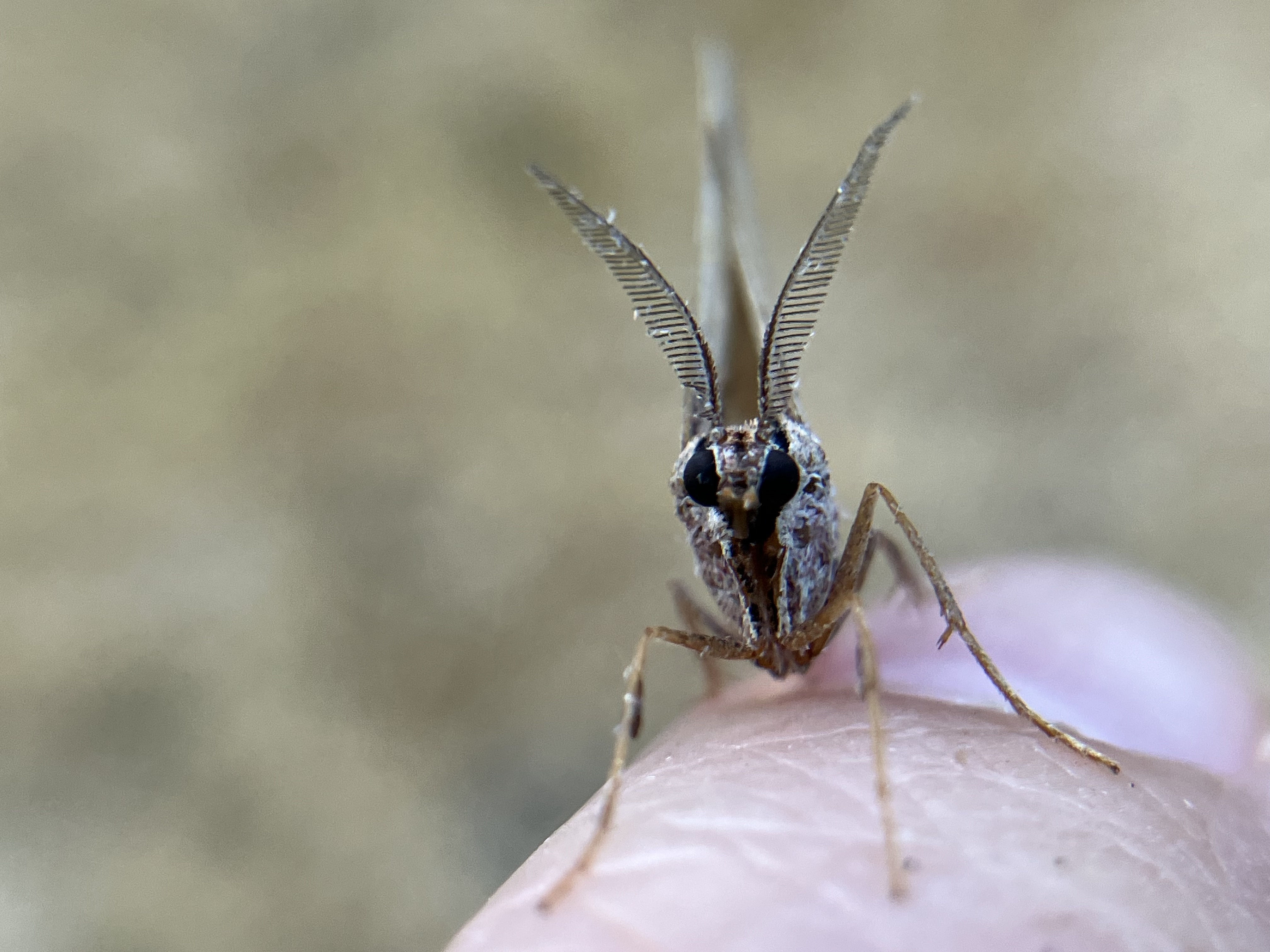
So why does this moth in the video below remind me of Izzy? Well, Izzy had a really bad habit of chewing things. Rabbits have to wear their teeth down, but I think young rabbits just want to try everything out. One morning my daughter got up and came to get me. She said, “Mom, Izzy gave me sprigs.” She did indeed have “sprigs” of hair sticking up where Izzy had chewed off pieces in the night. Izzy gave me sprigs a few times too. In spite of her chewing and other unfortunate habits, we loved Izzy dearly and she lived a very long and happy life with us.


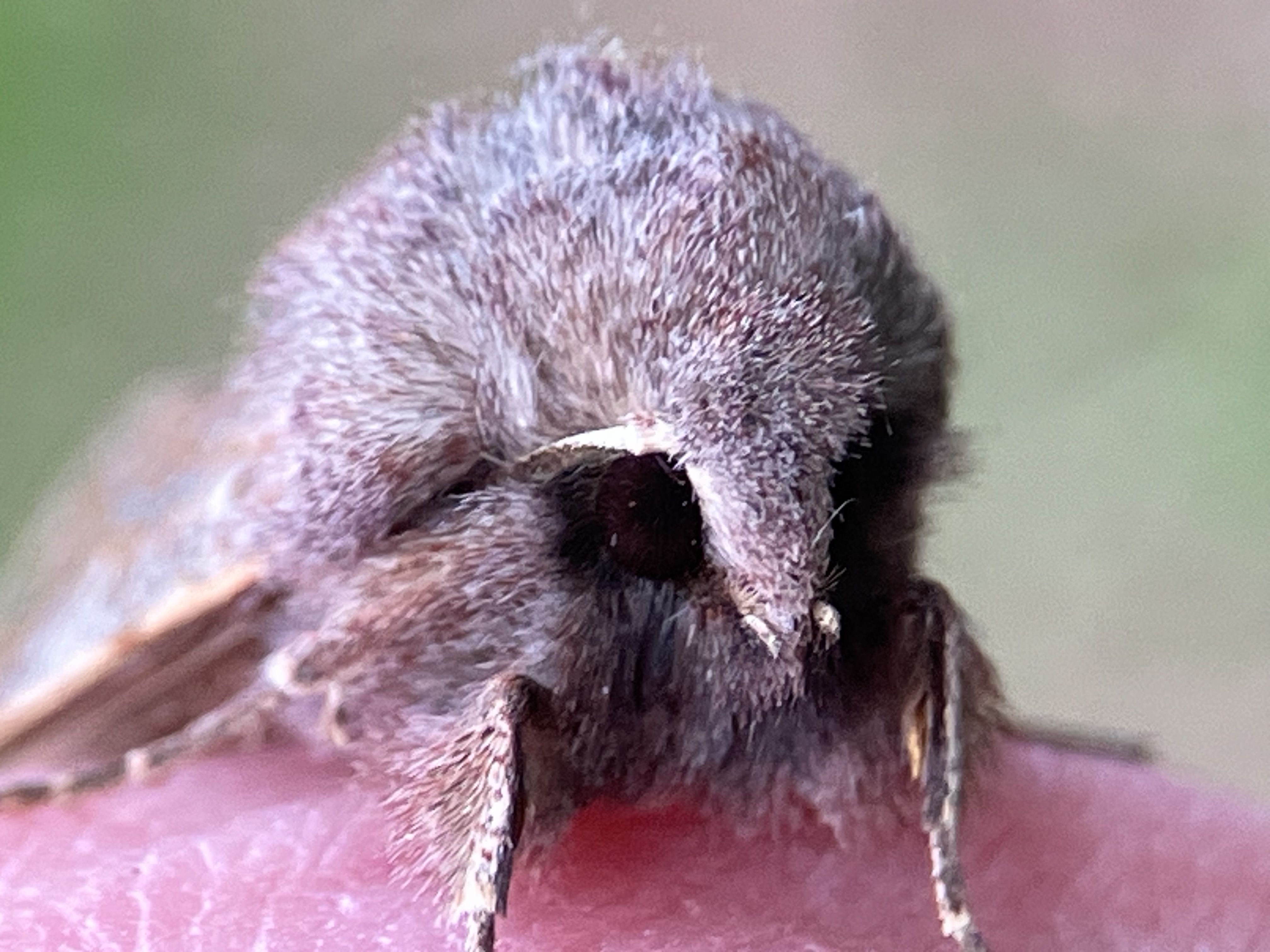
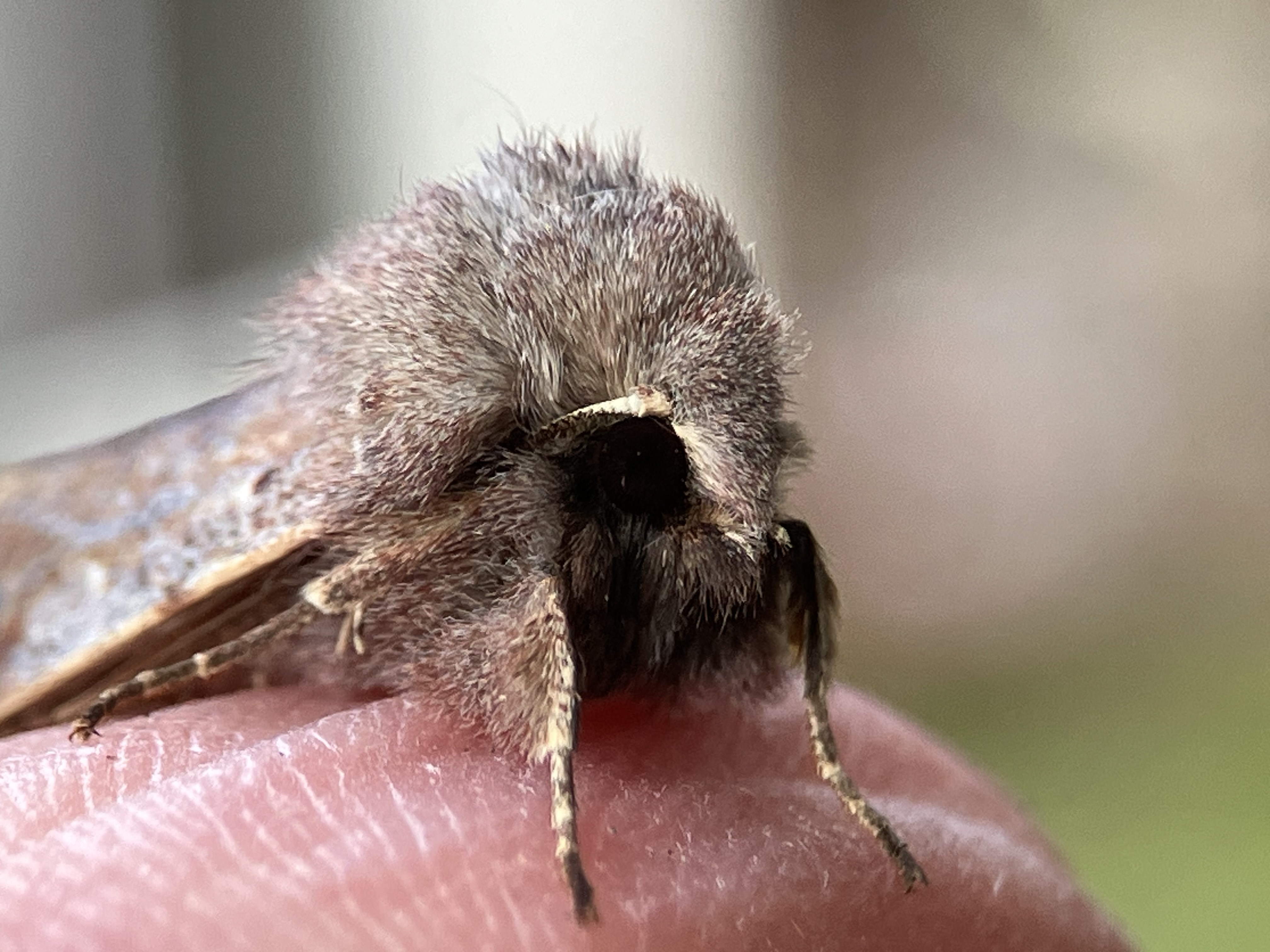
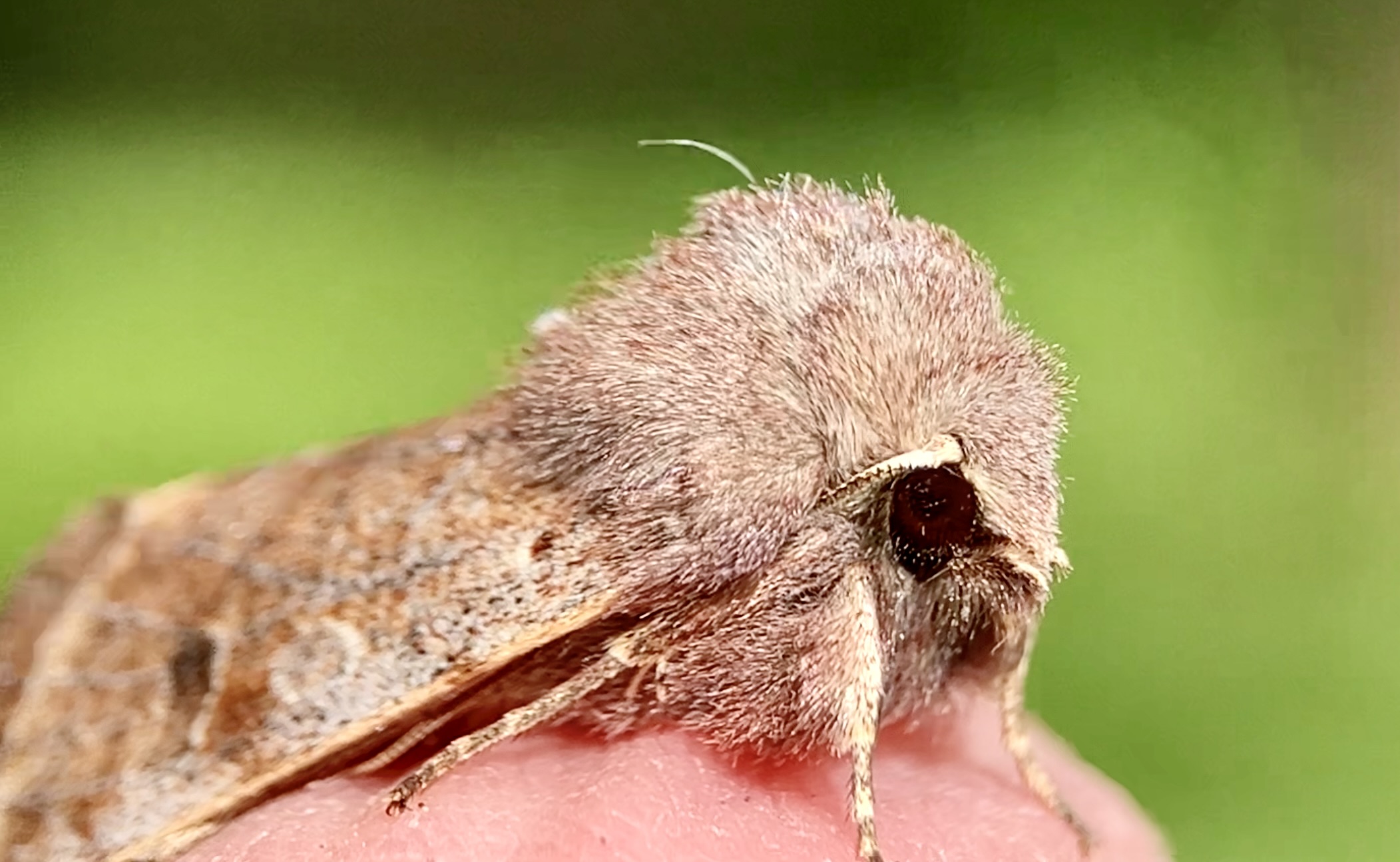
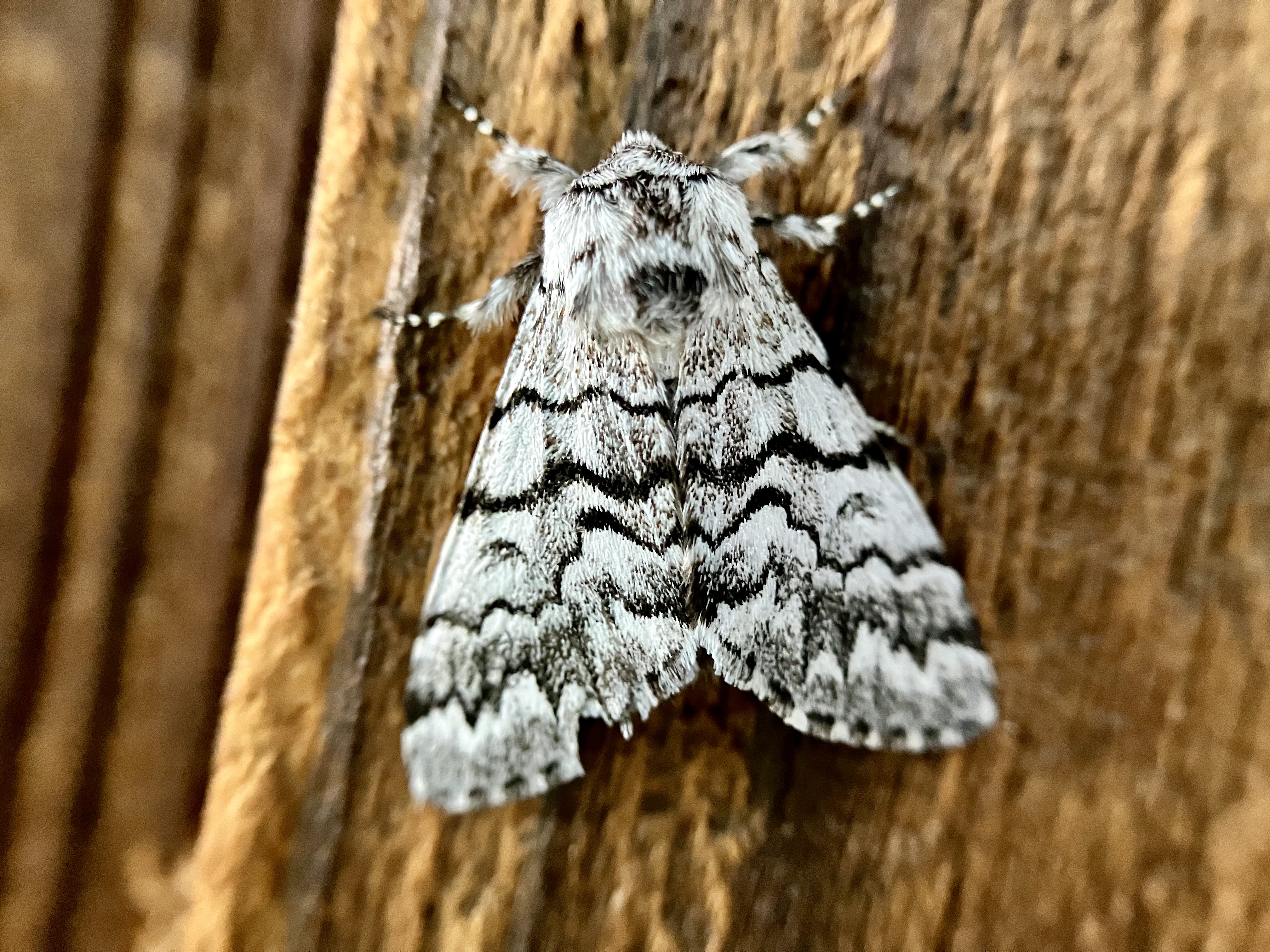
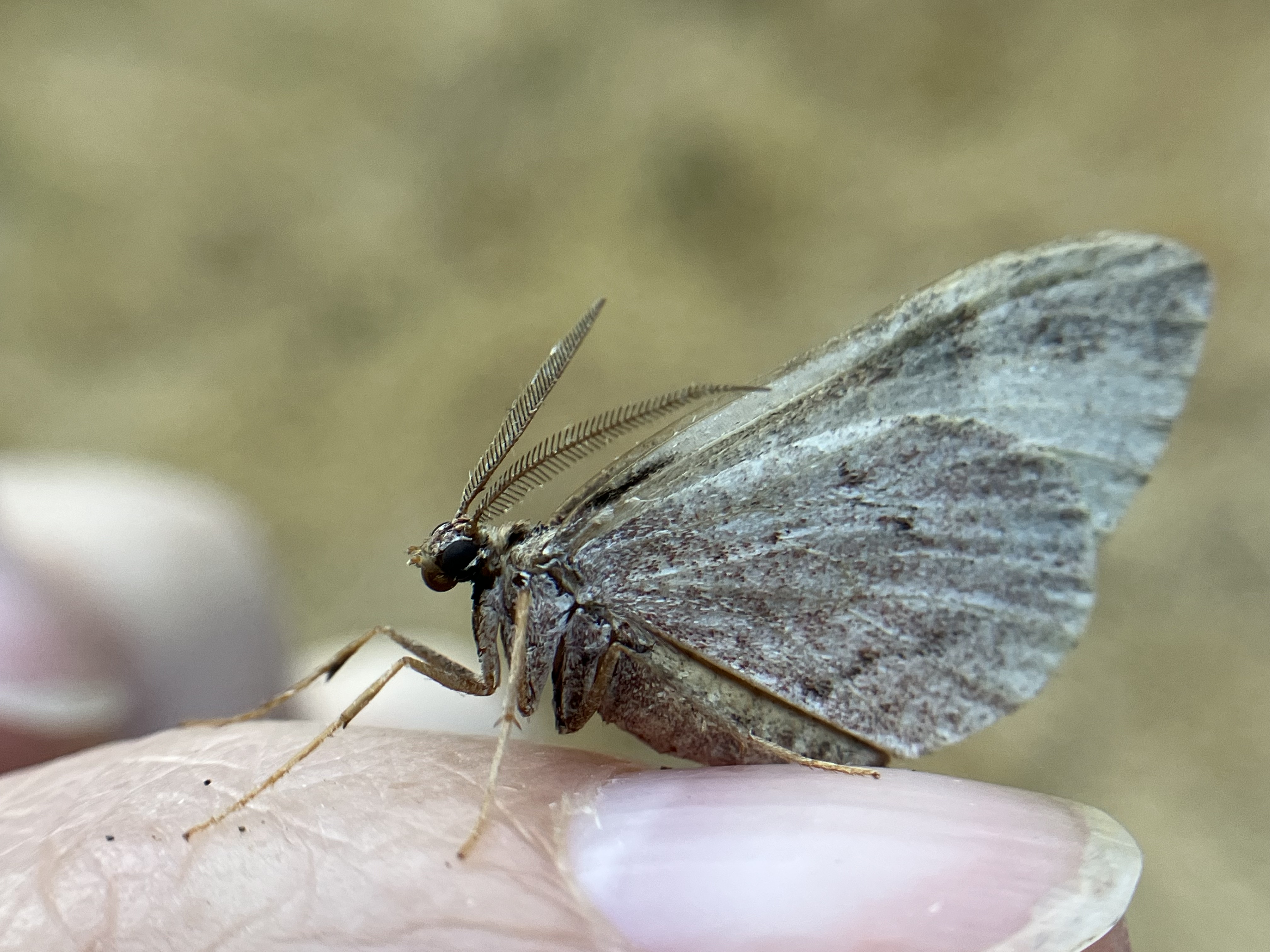
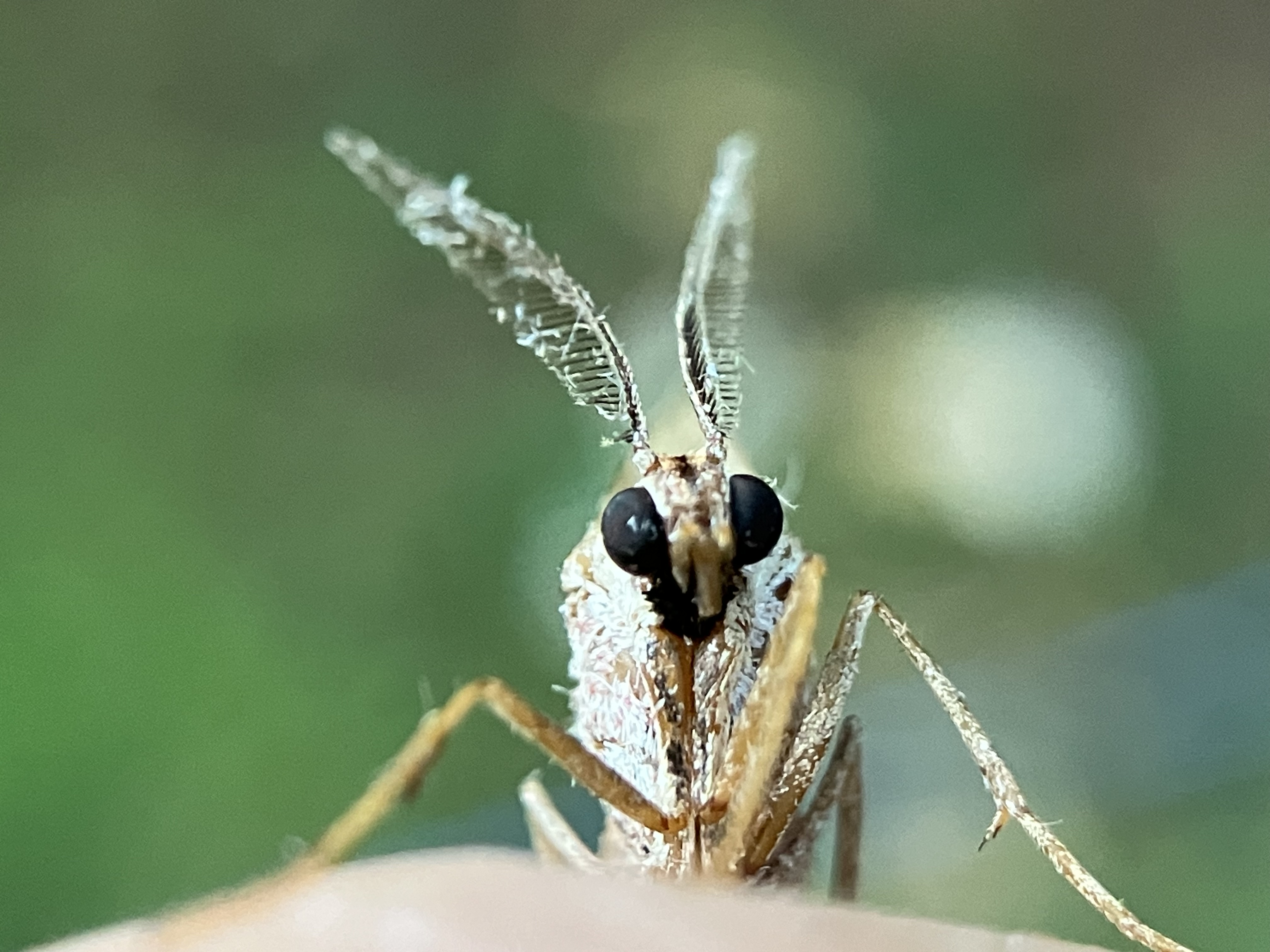
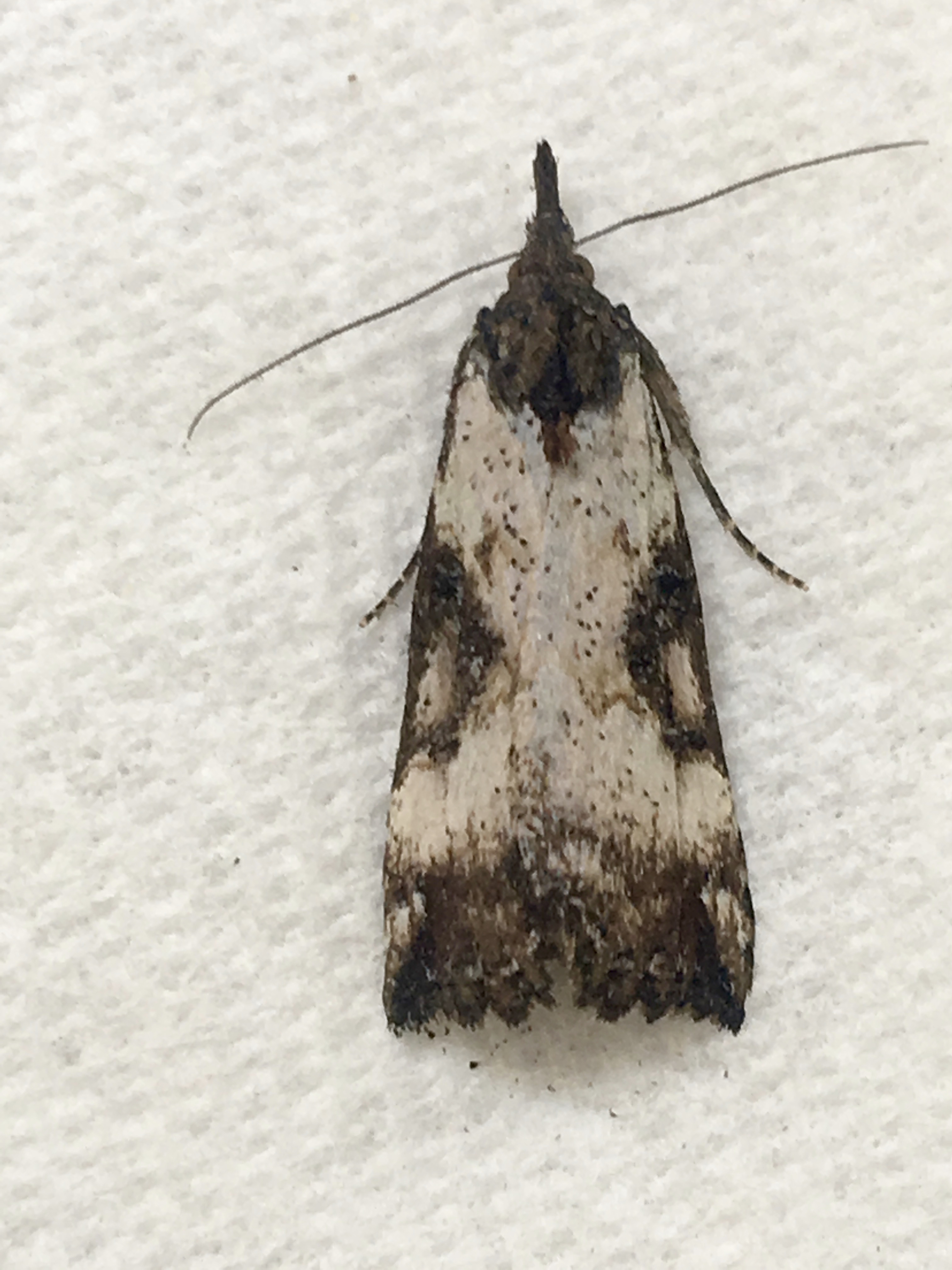
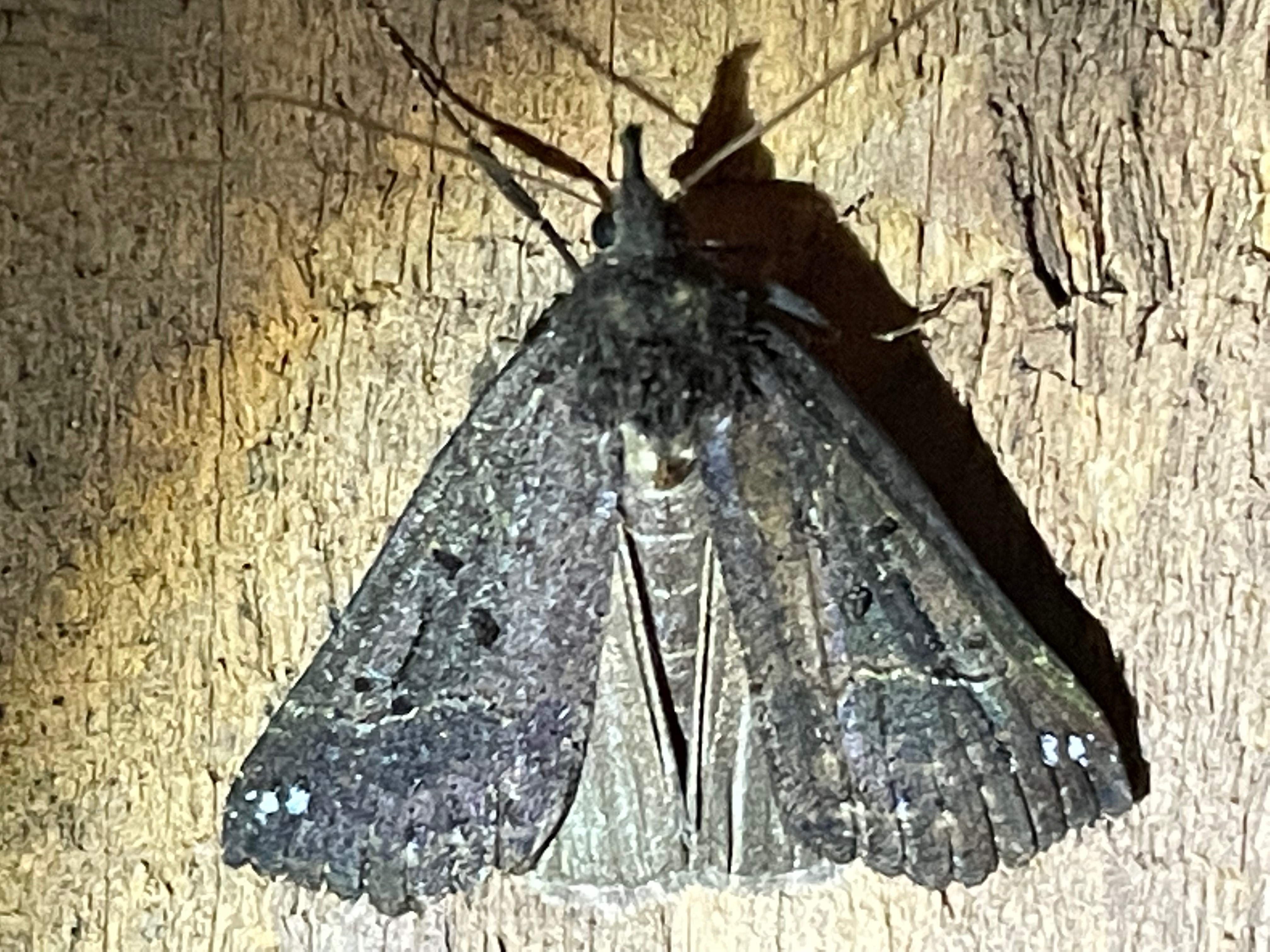
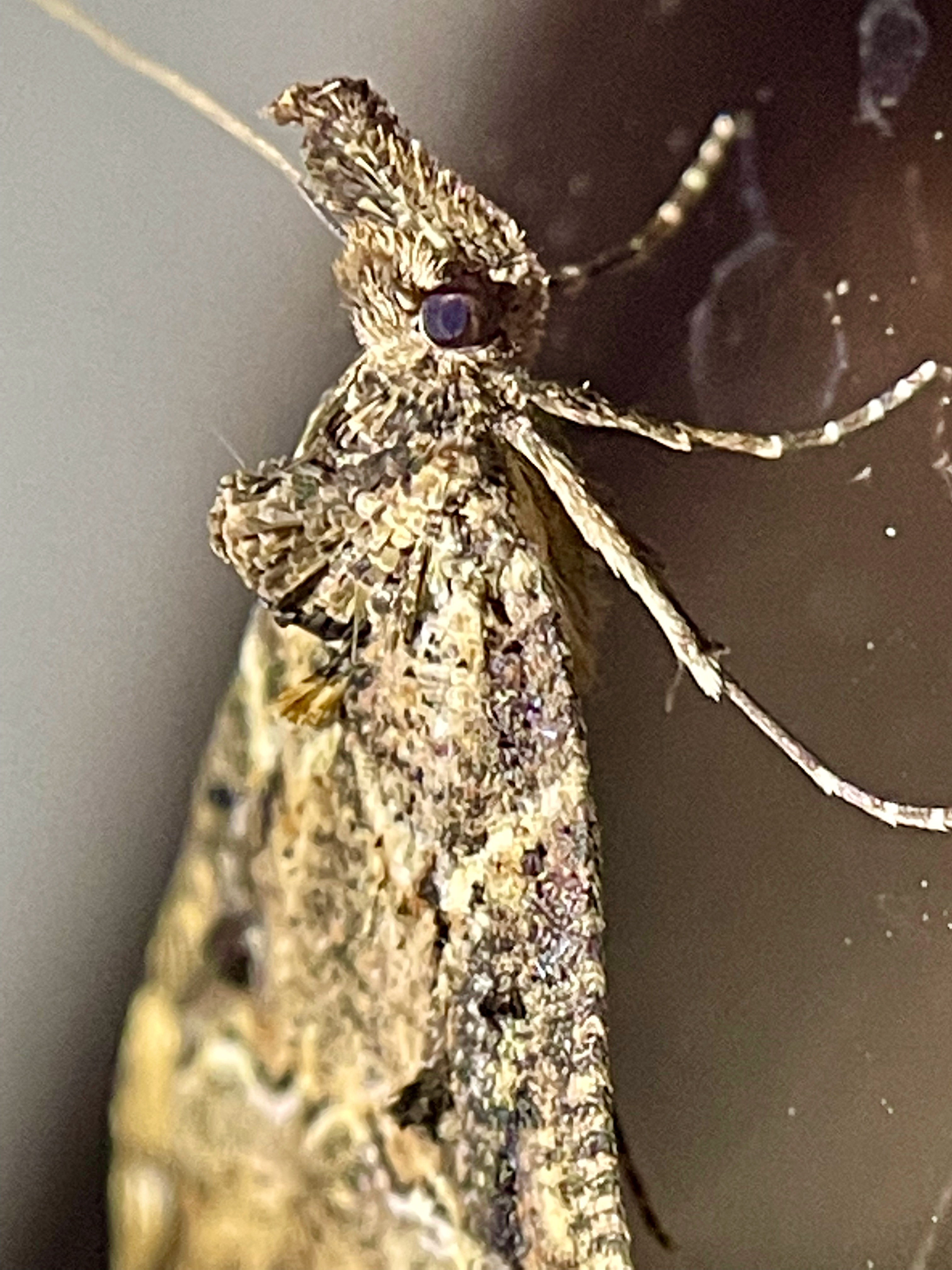
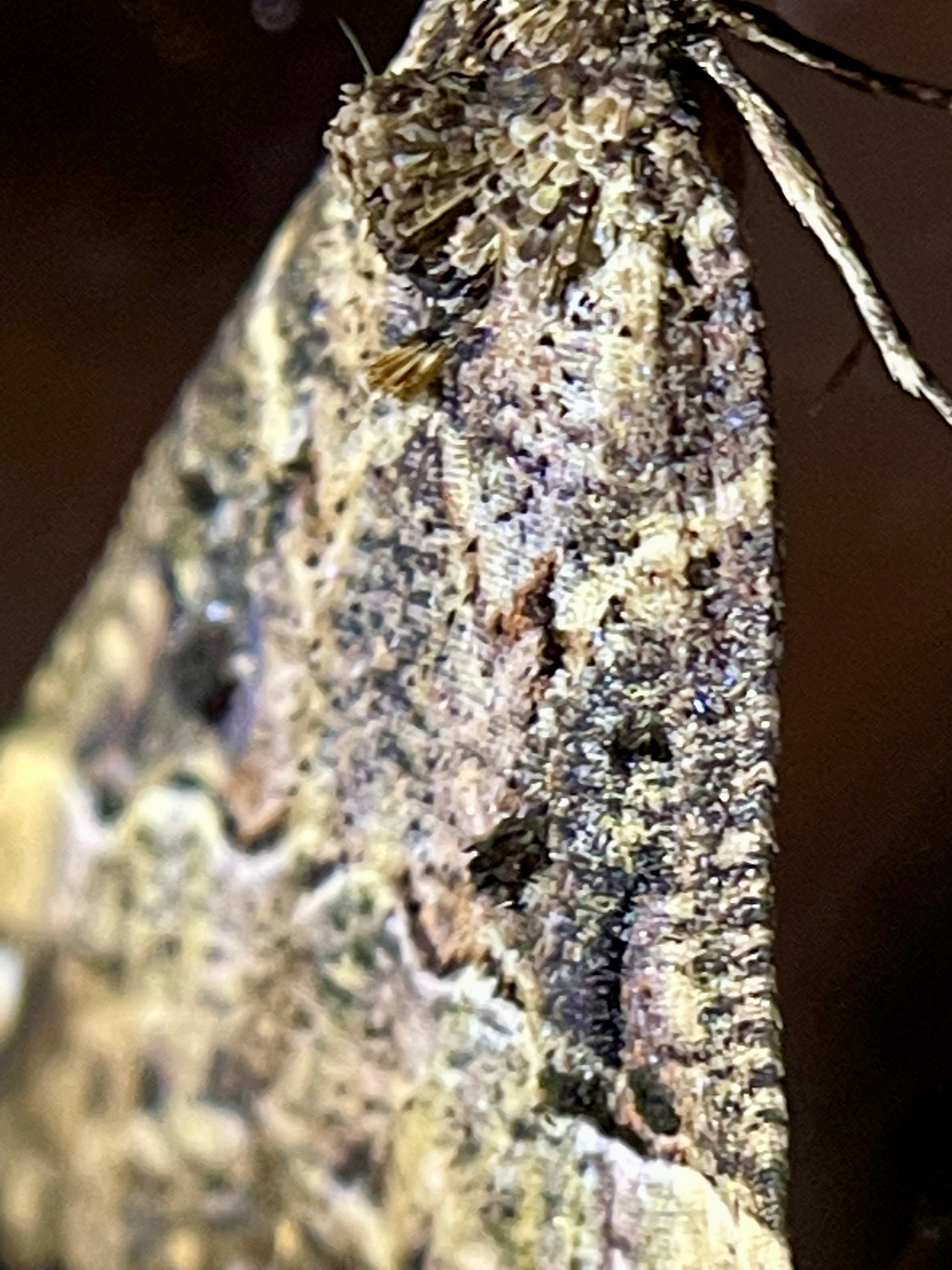
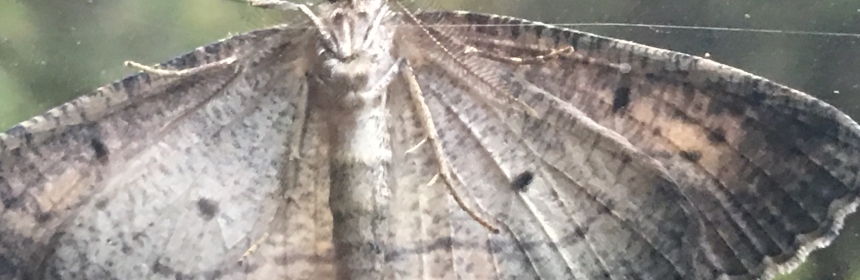
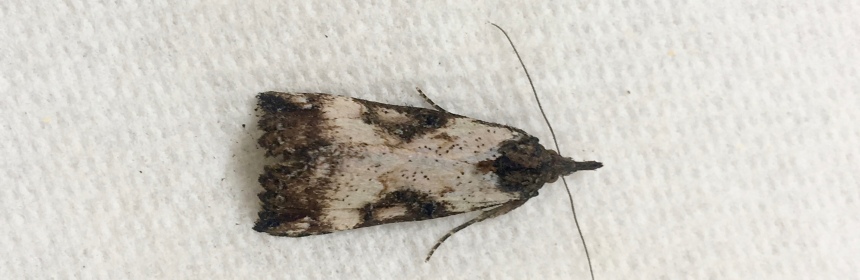
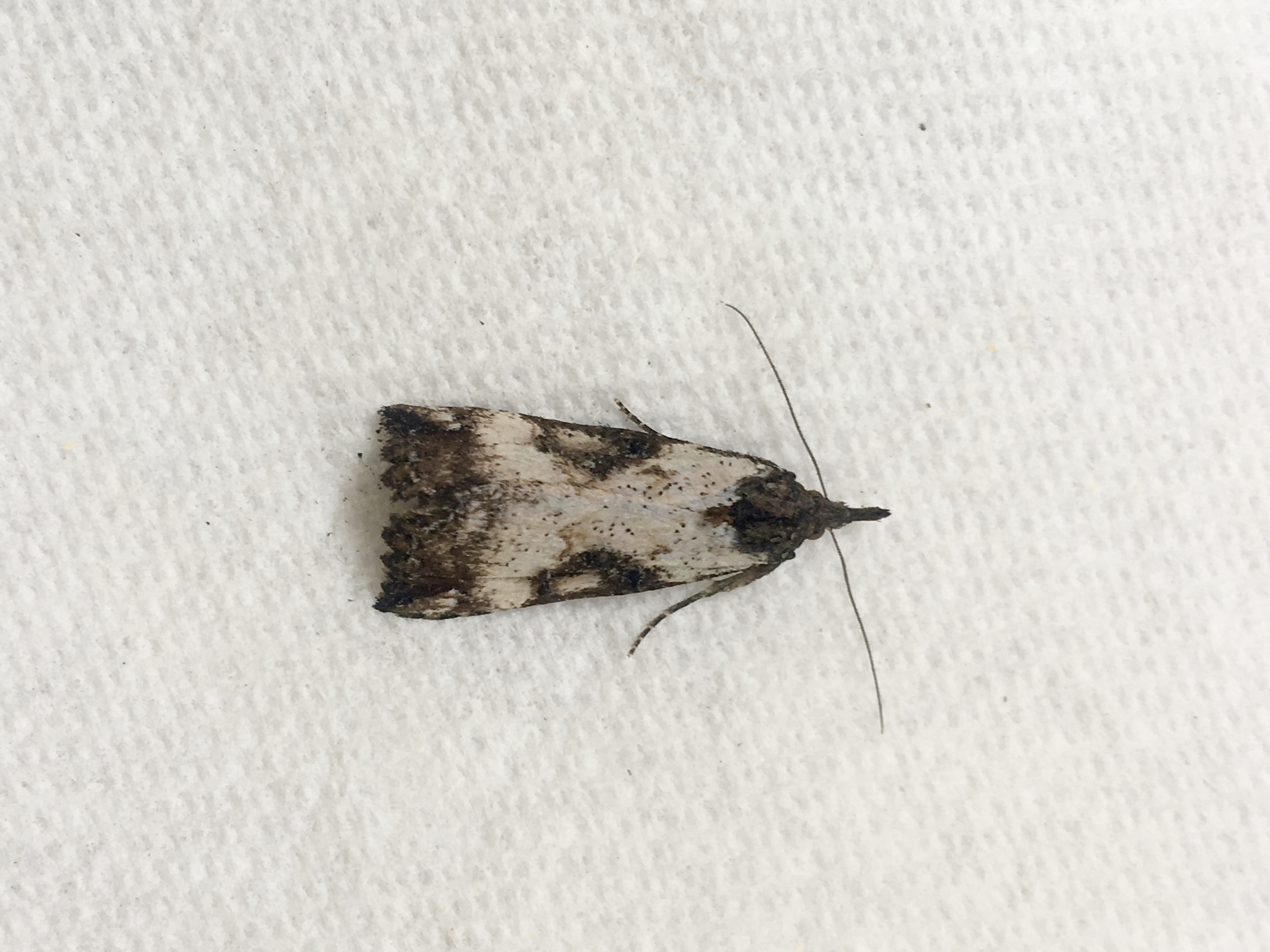
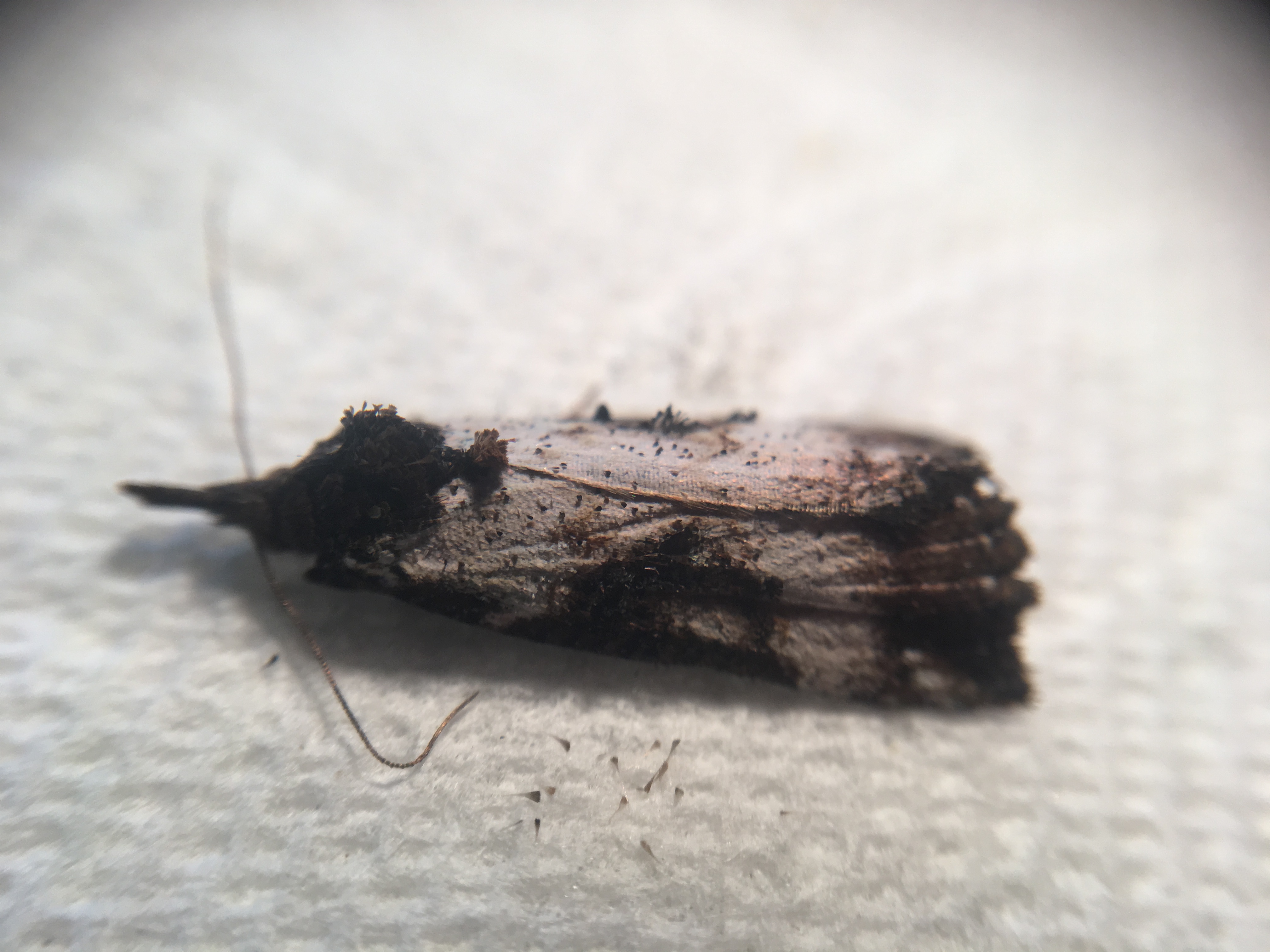
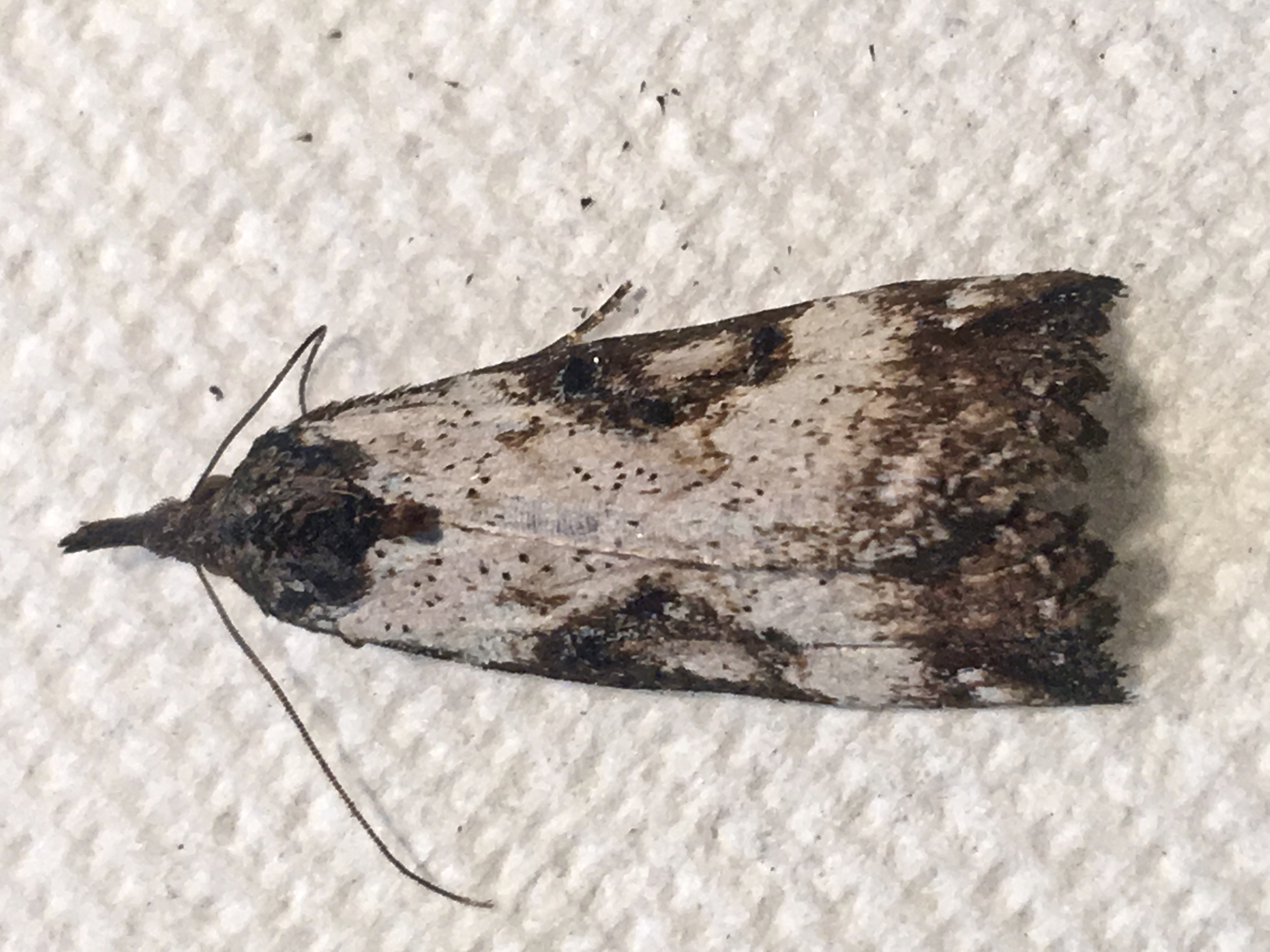
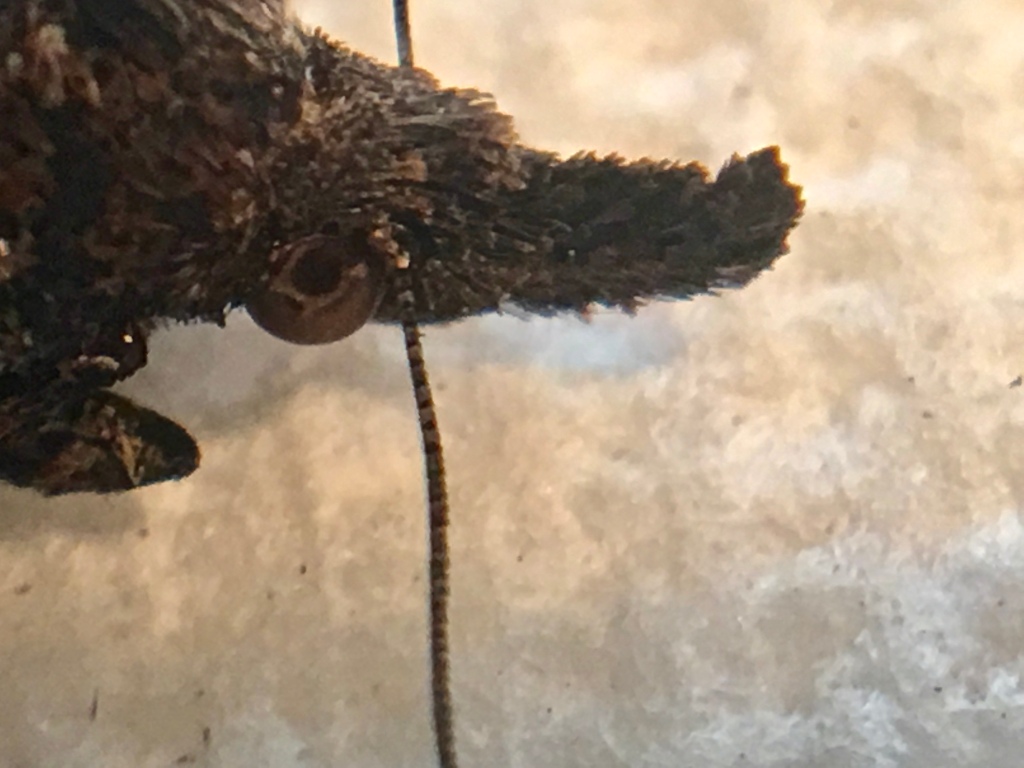
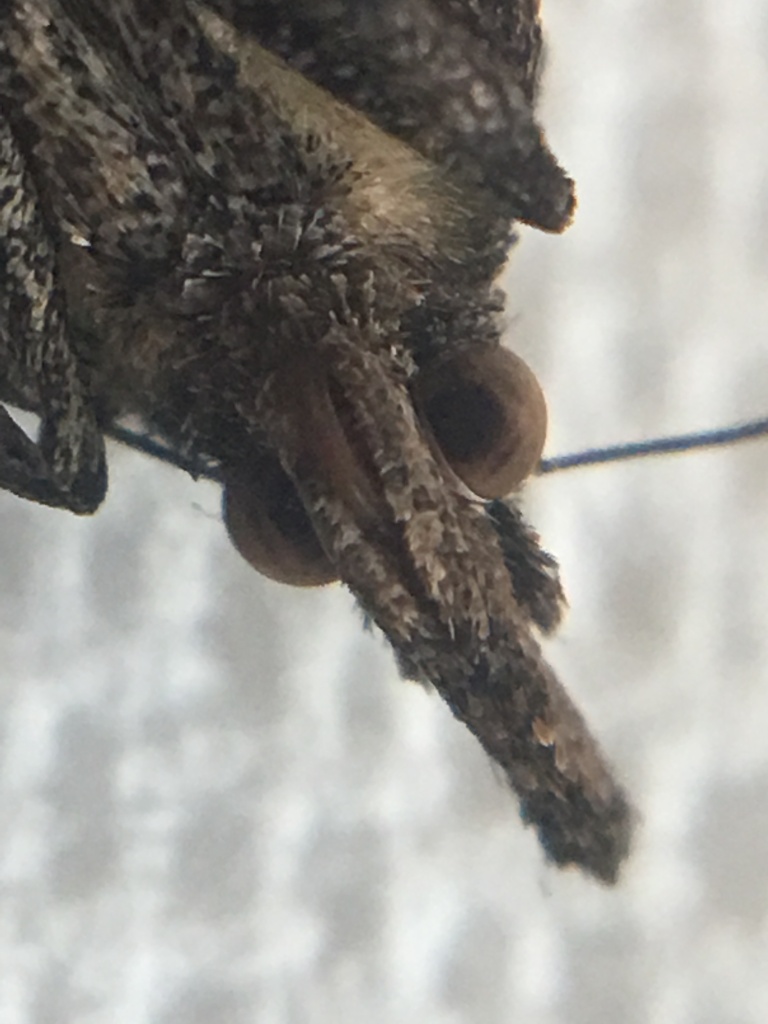
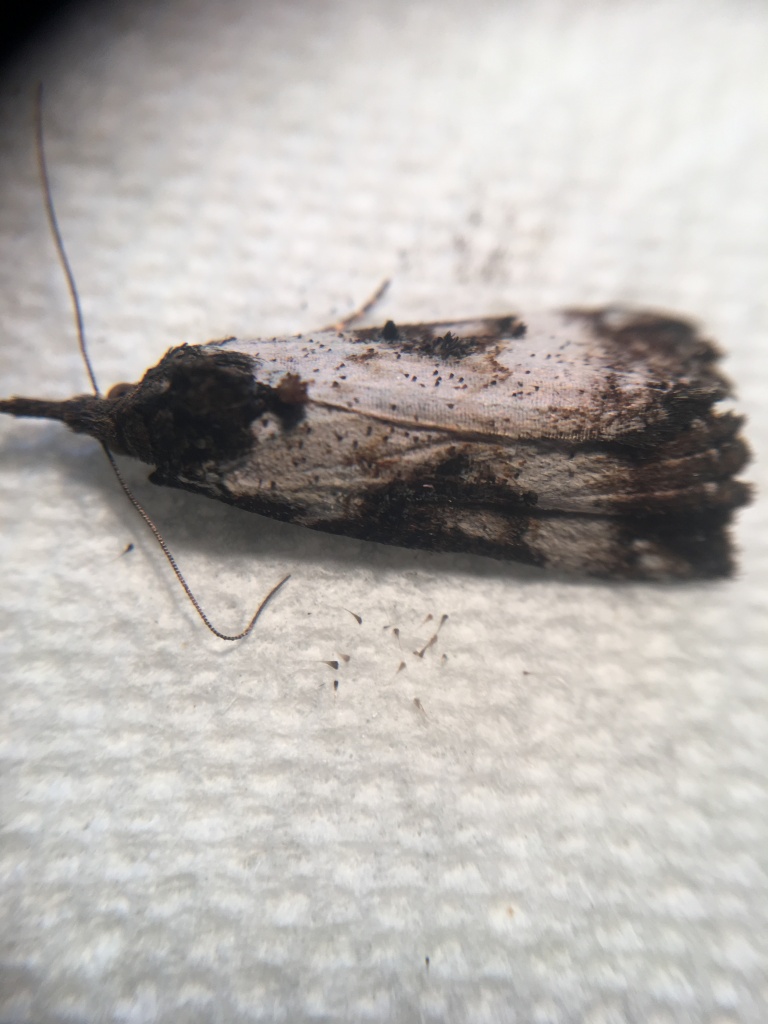
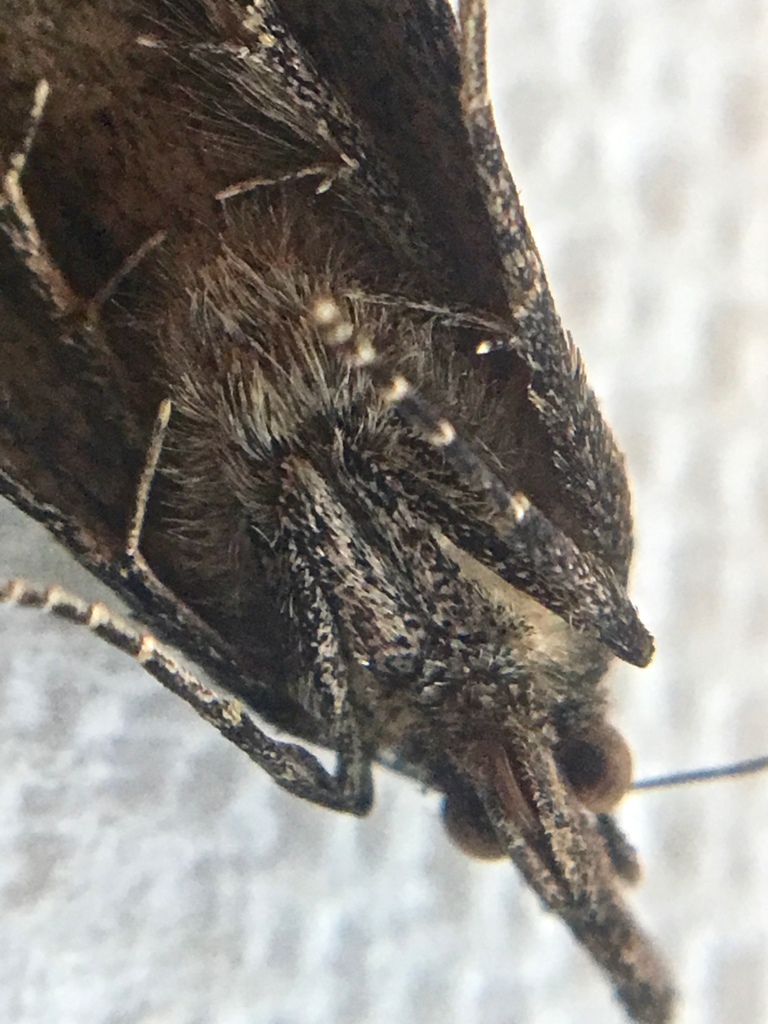
This little moth is Orthosia hibisci, the speckled green fruitworm moth. As you can see, it has little “sprigs” sticking up from the top of its head too. Those aren’t antennae, but they are cute! Orthosia hibisci is a moth in the Noctuid family. The caterpillars are sort of a generic green. They like chewing too, but fortunately, it’s limited to leaves. You might find them on willow, birch, maple, or other various deciduous trees (including fruit trees like plum and cherry). The adults are typically one of the earliest species to emerge in spring.

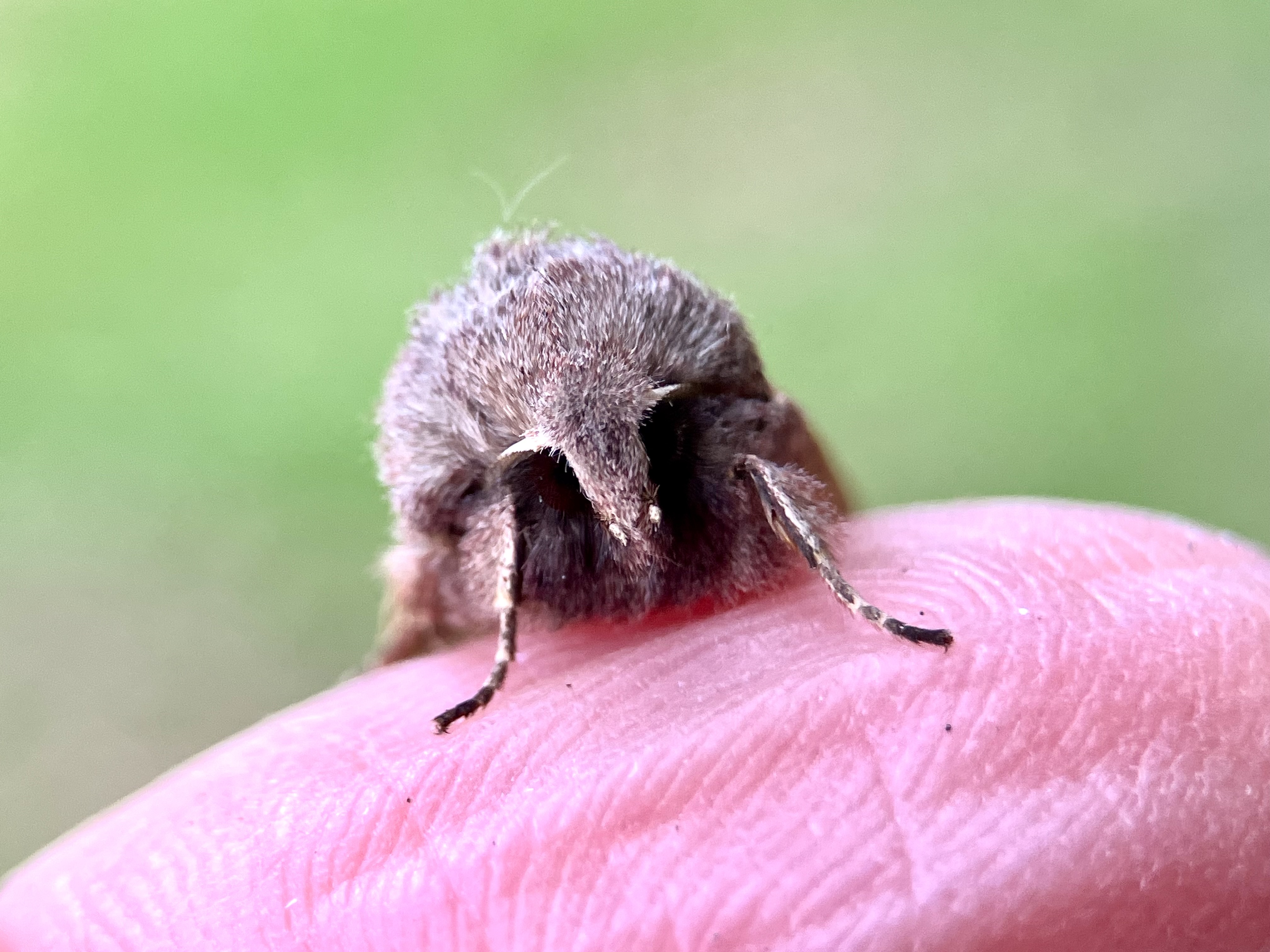
Orthosia hibisci, Speckled Green Fruitworm Moth, Observed April 1 2025 on San Juan Island, WA

Check out the links below to find out more about Orthosia hibisci

Bugguide.net https://bugguide.net/node/view/4865

Butterflies and Moths of North America https://www.butterfliesandmoths.org/species/Orthosia-hibisci

Moth Photographers Group https://mothphotographersgroup.msstate.edu/species.php?hodges=10495

Cutworm parasite

I’m doing a short write up of this fly just to get you thinking a bit.  It was observed April 29, 2024 on San Juan Island, WA. While identification to Genus/Species may not be possible until I can actually catch a specimen to be keyed out, it is Family Tachinidae and Tribe Goniini.   Hoping to come back with at least a Genus update at some point. 

What I want to SHARE is the life history of this tribe of flies.  The Goniini flies are parasites of various Lepidoptera, mostly Noctuids, Arctiids, and Lymantriids.  Translating this for you a bit, it would be cutworms (if you’re a gardener) , tiger moths, and tussock moths.  

How does this play out? 

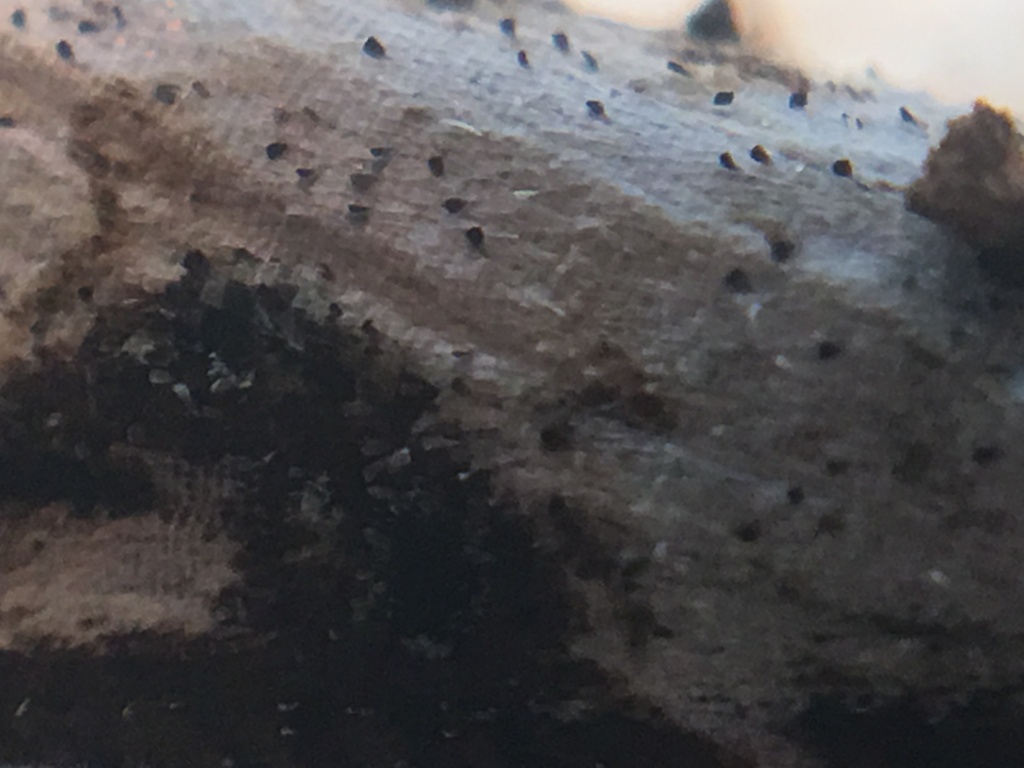
The female Goniini fly lays a “black microtype,” usually ovate and flattened egg, varying in size from very small to medium, on foliage utilized by the feeding host caterpillar.  The caterpillar (usually Noctuids) munch the foliage, ingesting the fly egg.  The caterpillar will continue feeding and then wander off to complete its life cycle as a pupa. At some point after ingestion by the caterpillar, the fly egg hatches and the fly larva develops inside the body of the pupating moth that is inside its chrysalis.  

A myriad of ecological relationships exist in nature that are often unobserved. Many remain undescribed or unknown. Sometimes, they are disrupted by humans who intervene out of ignorance. If you’re one of those folks who squish what you believe are cutworm pupae in your garden bed, you might be smooshing the pest predator developing inside.

Noctuid moth pupa

References

  1. No Author. 2024. Tachinidae. Spencer Entomological Collection. Beaty Biodiversity Museum. https://www.zoology.ubc.ca/entomology/main/Diptera/Tachinidae/
  2. Wood, D. M. 2013. Manual of Nearctic Diptera. Tachinidae Resources. https://www.uoguelph.ca/nadsfly/Tach/Nearctic/Manual/Manualhome.html
  3. Cole. Frank, R. 1969. The Flies of Western North America. University of California Press. Berkeley, CA.

National Moth Week 2023, Day 1 – San Juan Island, WA

Today (June 22) marks the start of National Moth Week, 2023. For anyone interested in participating or learning more about how to “MOTH,” check out the National Moth Week website here: https://nationalmothweek.org.

I’ll be brief, but start by introducing myself. I’m Cynthia (Brast-Bormann) and I am an entomologist who lives on San Juan Island. My “work” is on a volunteer basis. Because of my love for insects, spiders, and the natural world, I endeavor to share my enthusiasm and knowledge with our community and anyone else who would like to know more about these charismatic critters that are all too often targeted for eating leaves, buzzing, sometimes biting or stinging, but mostly for merely existing. We stop short of recognizing they are food for other organisms, work to control pest populations (without noxious chemicals), and they help us to have food (pollination). Without insects and spiders, we would be in a deep heap of doo! Pardon my French.

Each day of National Moth Week – which runs through July 30, 2023, I will be posting a gallery of what shows up at my light trap each night, hopefully with an ID along with the photos I post. Please feel free to let me know if you see something misidentified. 🙂

If you’re interested in Mothing, or learning more about other bugs, you may contact me with questions via email or join the Facebook Group, Bugs of the San Juan Islands at https://www.facebook.com/groups/3594158544144419

Porch Light Bug Viewing – Who’s Watching Whom?

Some of you might cringe at the idea of standing below a porch light while an eclipse of moths (yep, that’s what a group of moths are called) are whirling and gyrating around your head. I find it fascinating, even as they hit at my face or hair, before bouncing back towards the light or disappearing off in the dark night.

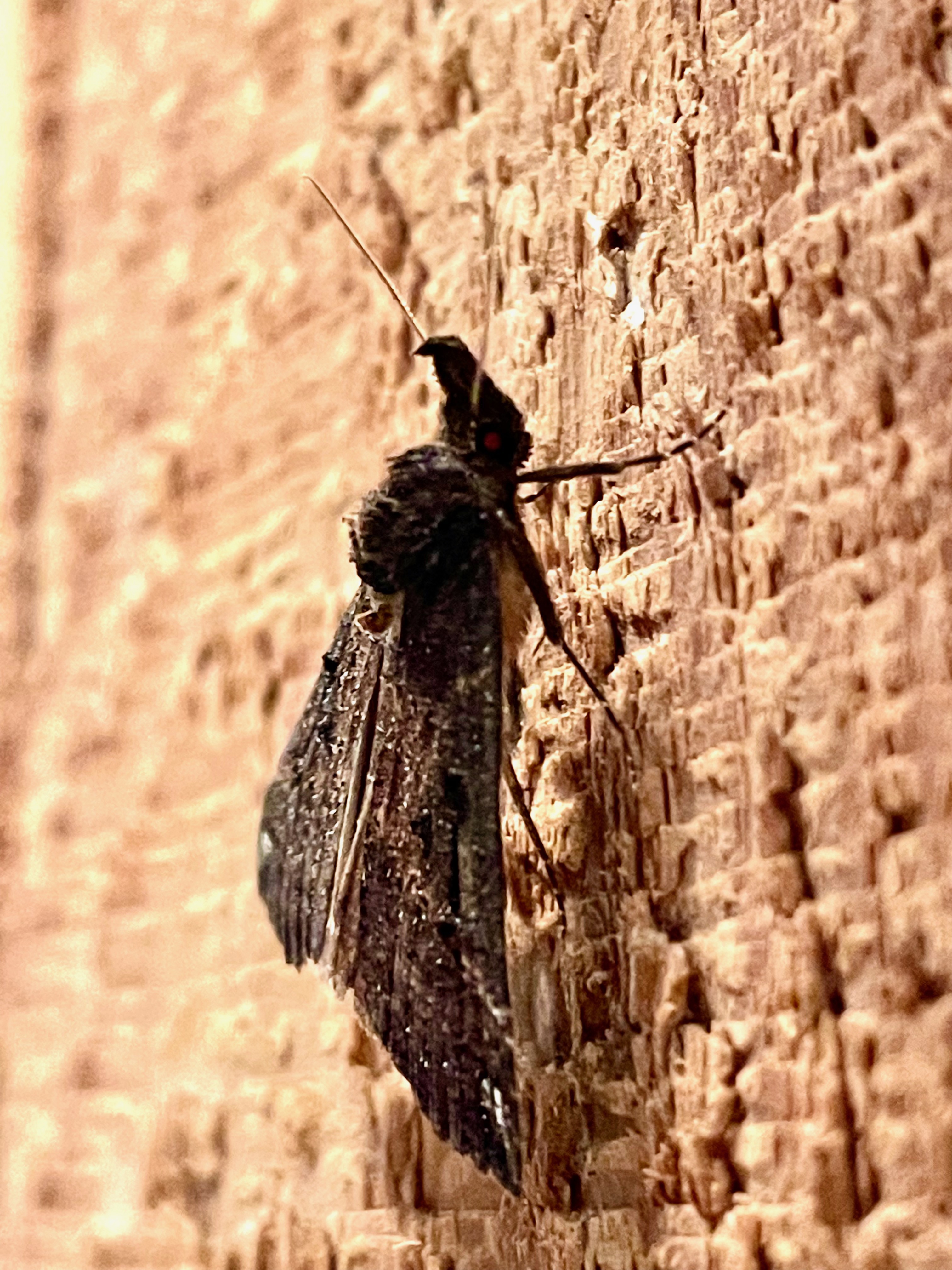
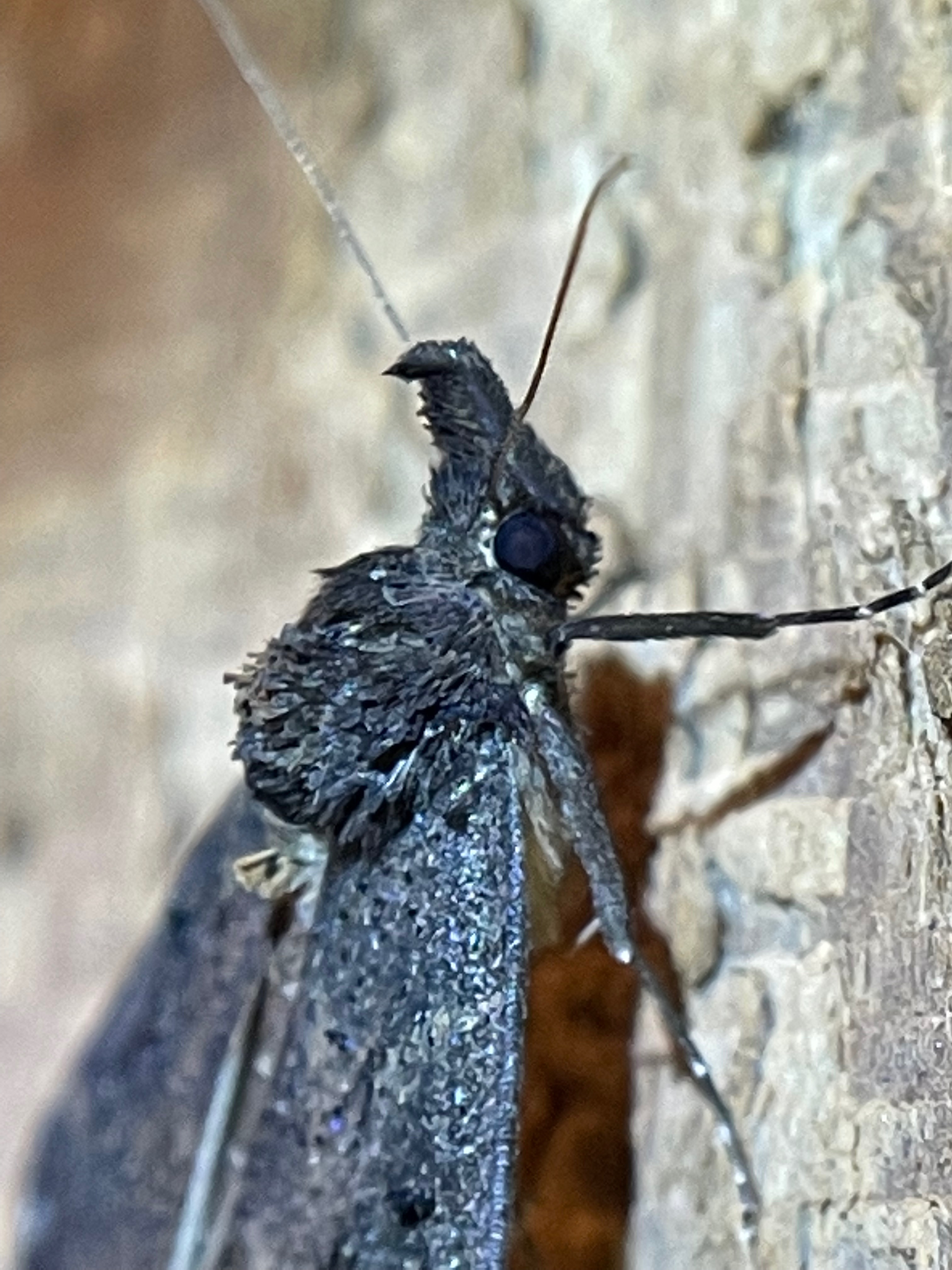
Camera in hand, I wait for them to settle on the wood siding beneath the glow. Stealthily, I focus my lens to capture the delicate shimmer of scales and patterns, or eyes and antennae of my subject. Last night, I actually felt I was the one being observed.

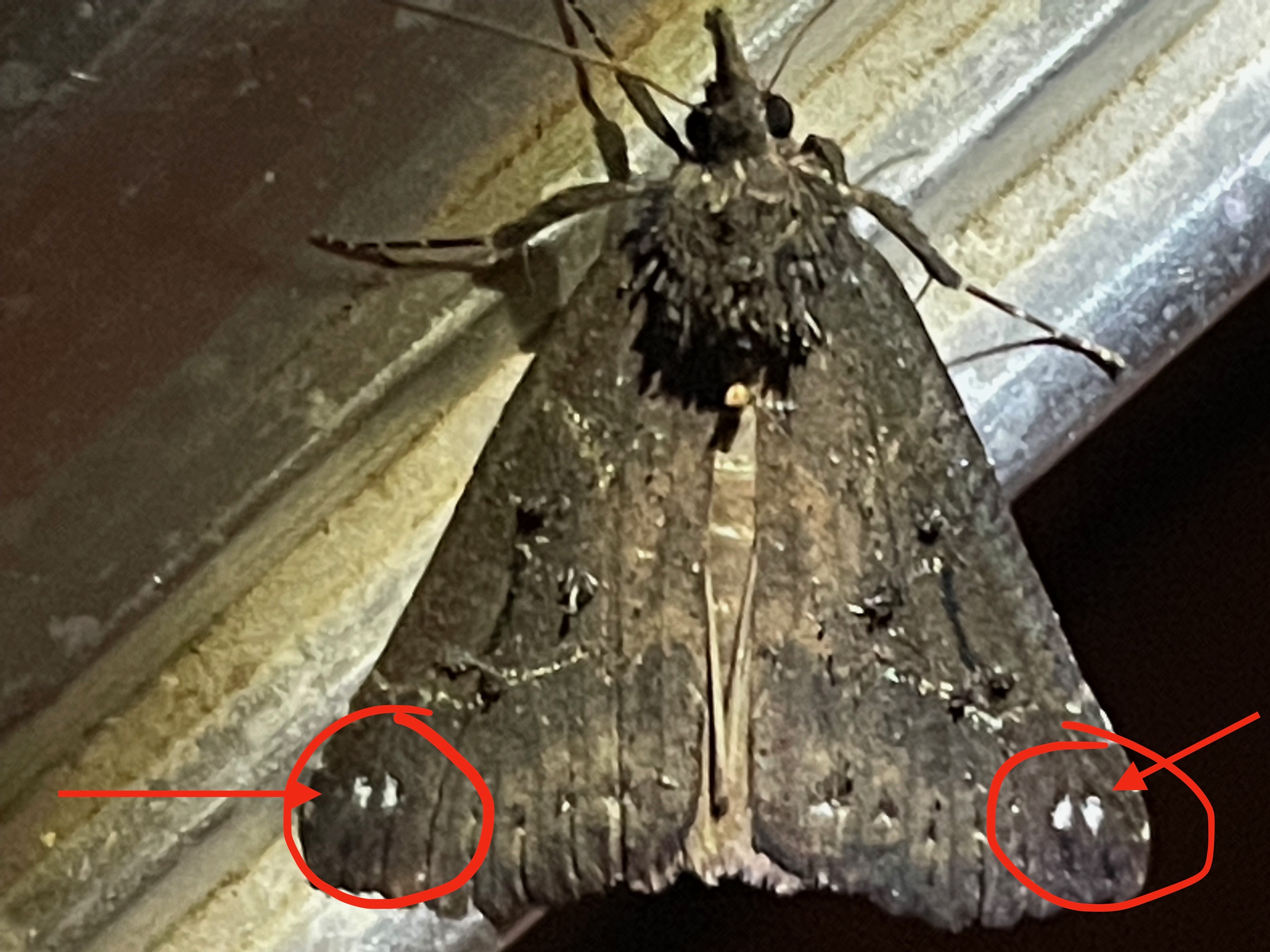
This particular moth is in the genus Hypena. The species is Hypena decorata. It is a medium sized (15-18mm), somewhat drab moth. This species is sexually dimorphic – meaning the males look differently than the females. Males are slightly larger than females, with sooty brown forewings marked with two white spots near the apex or bottom edge of the wing.

Male Hypena decorata moth

Females of this species are more mottled in coloration, some with a purply hue. They also have a small patch of raised dark scales in the median area. More about distinguishing male and female specimens can be accessed here http://pnwmoths.biol.wwu.edu/browse/family-erebidae/subfamily-hypeninae/hypena/hypena-decorata/

On occasion, there can be an odd form, like this one I found in August of 2019 https://buggingyoufromsanjuanisland.com/2019/08/22/hypena-decorata/

Food/host plants for Hypena decorata are nettles  (Urtica spp.) in the Urticaceae. These moths range from BC to Southern California. There appears to be two broods per year (April and August). Adults come to lights and can be found flying from April to September.

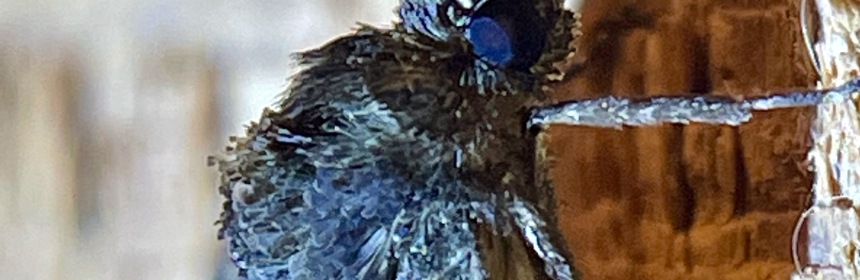
While this may appear to be merely another drab, ordinary moth, I want to show you the photos I took of the male and the nearby female last night. I missed it when I first went through my photos, but the second time around, it definitely appeared that the male moth was turning his head to watch me. Sort of like how Drago, my dragon lizard will do the same thing.

It’s a mysterious world, and much more rich when we recognize we aren’t the only ones that are aware. Some humans (I’m ashamed of researchers for this) do horrible things like cut off moths antennae to try and figure out how they fly (or can’t fly after being mutilated in this way). If we could only recognize they have a desire to live, find mates, food, and shelter – just like humans, maybe we would care more.

References and Further Reading

Bradley H. Dickerson, Zane N. Aldworth, Thomas L. Daniel; Control of moth flight posture is mediated by wing mechanosensory feedback. J Exp Biol 1 July 2014; 217 (13): 2301–2308. doi: https://doi.org/10.1242/jeb.103770

Bugguide https://bugguide.net/node/view/511337

Bugging You From San Juan Island (Hypena decorata) https://buggingyoufromsanjuanisland.com/2019/08/22/hypena-decorata/

Pacific Northwest Moths (Hypena decorata) http://pnwmoths.biol.wwu.edu/browse/family-erebidae/subfamily-hypeninae/hypena/hypena-decorata/

Thompson, A. 2007. Mystery of Moth Flight Uncovered. LiveScience https://www.livescience.com/4338-mystery-moth-flight-uncovered.html

Author’s note – When it comes to experimenting on living beings, the aim of science shouldn’t always be to prove a hypothesis. Sometimes we need only to experience the extraordinary wonder of meeting the spirit within some of earth’s most unassuming characters. Be kind to those around you. Even the ones with scales and chitin.

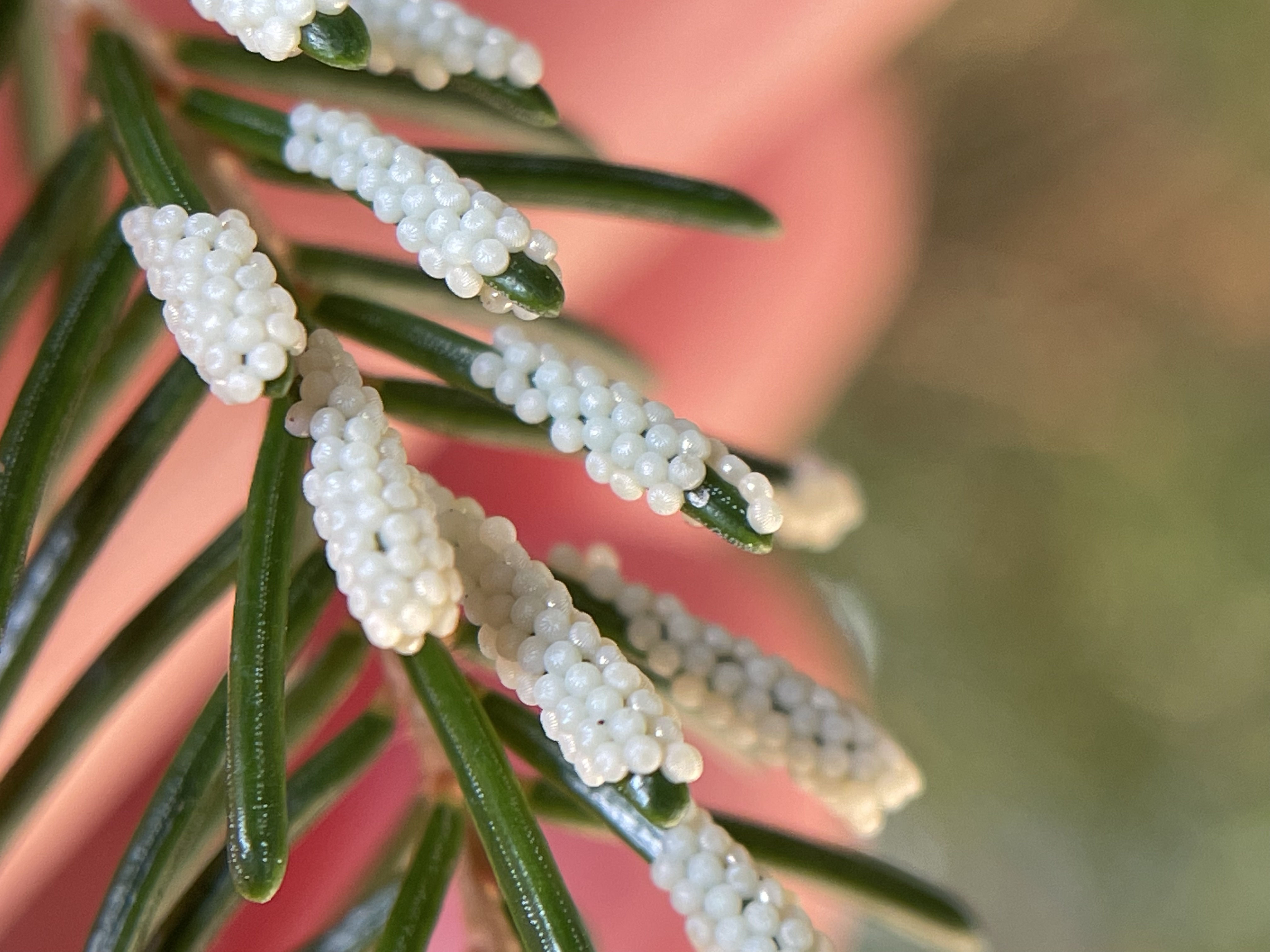
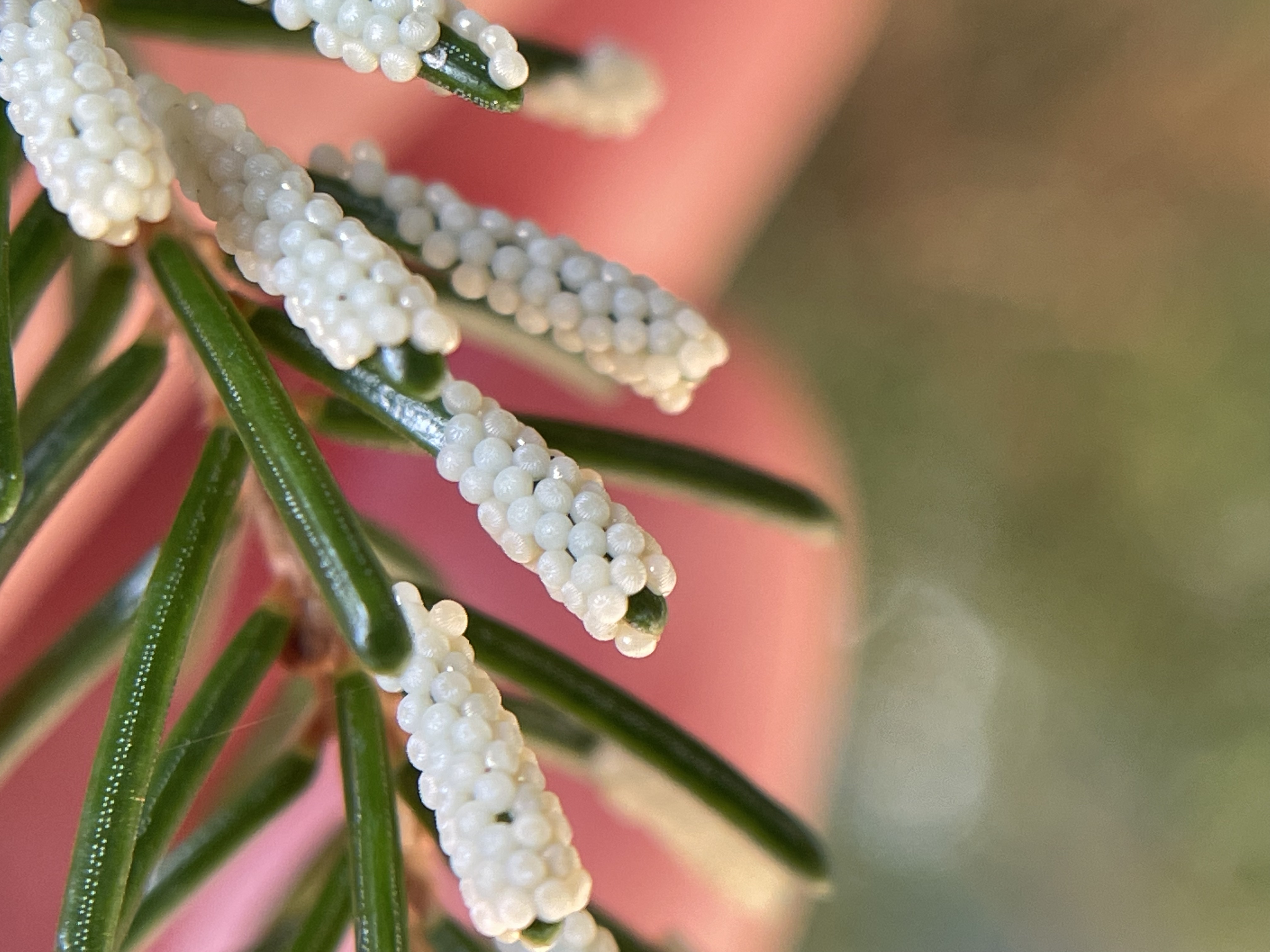
Mystery Eggs Hatch

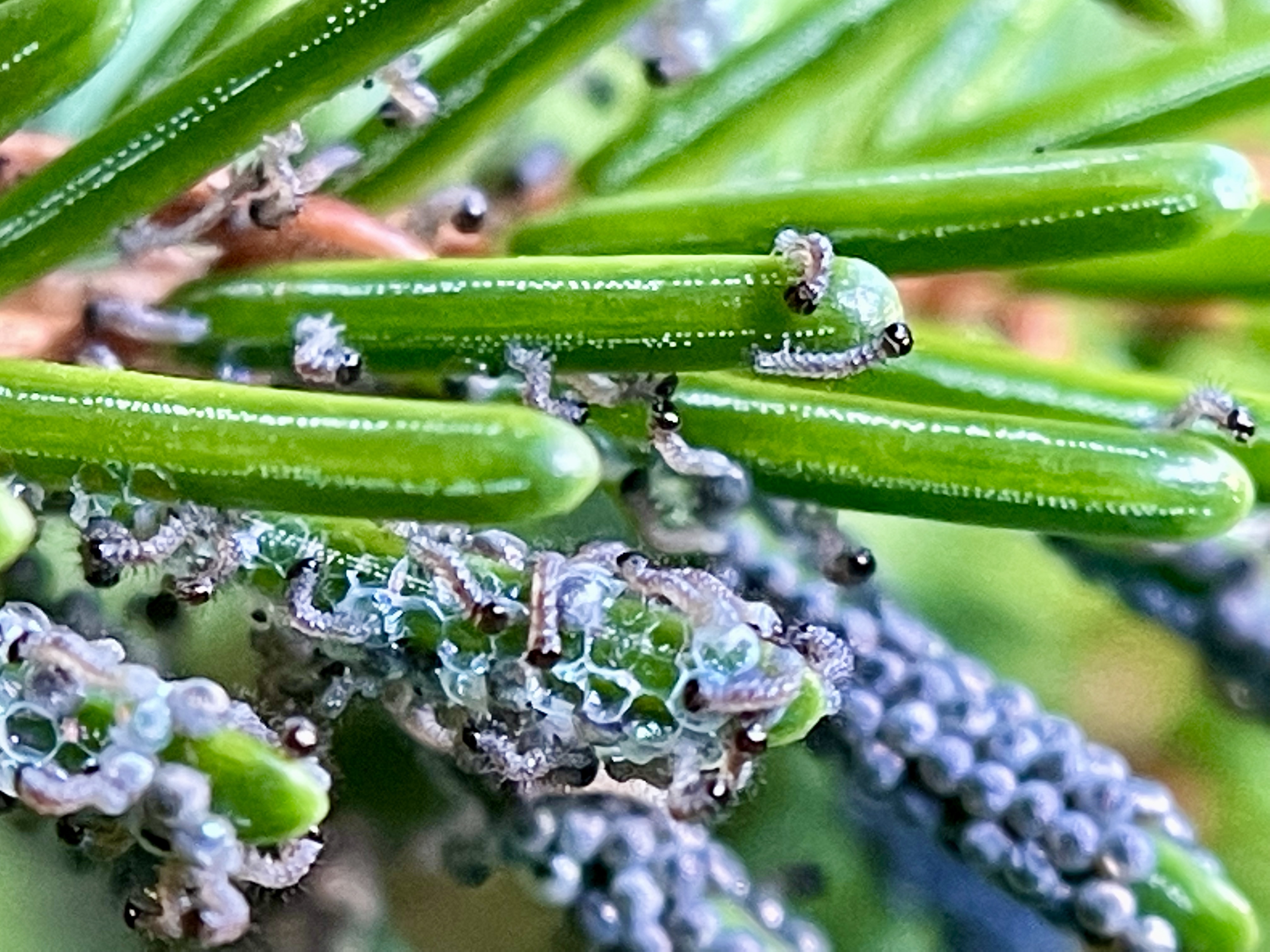
They hatched!

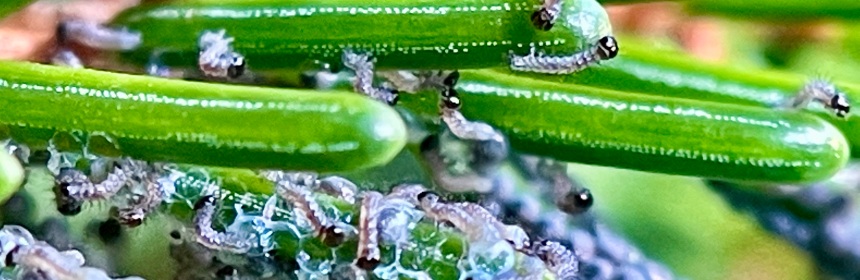
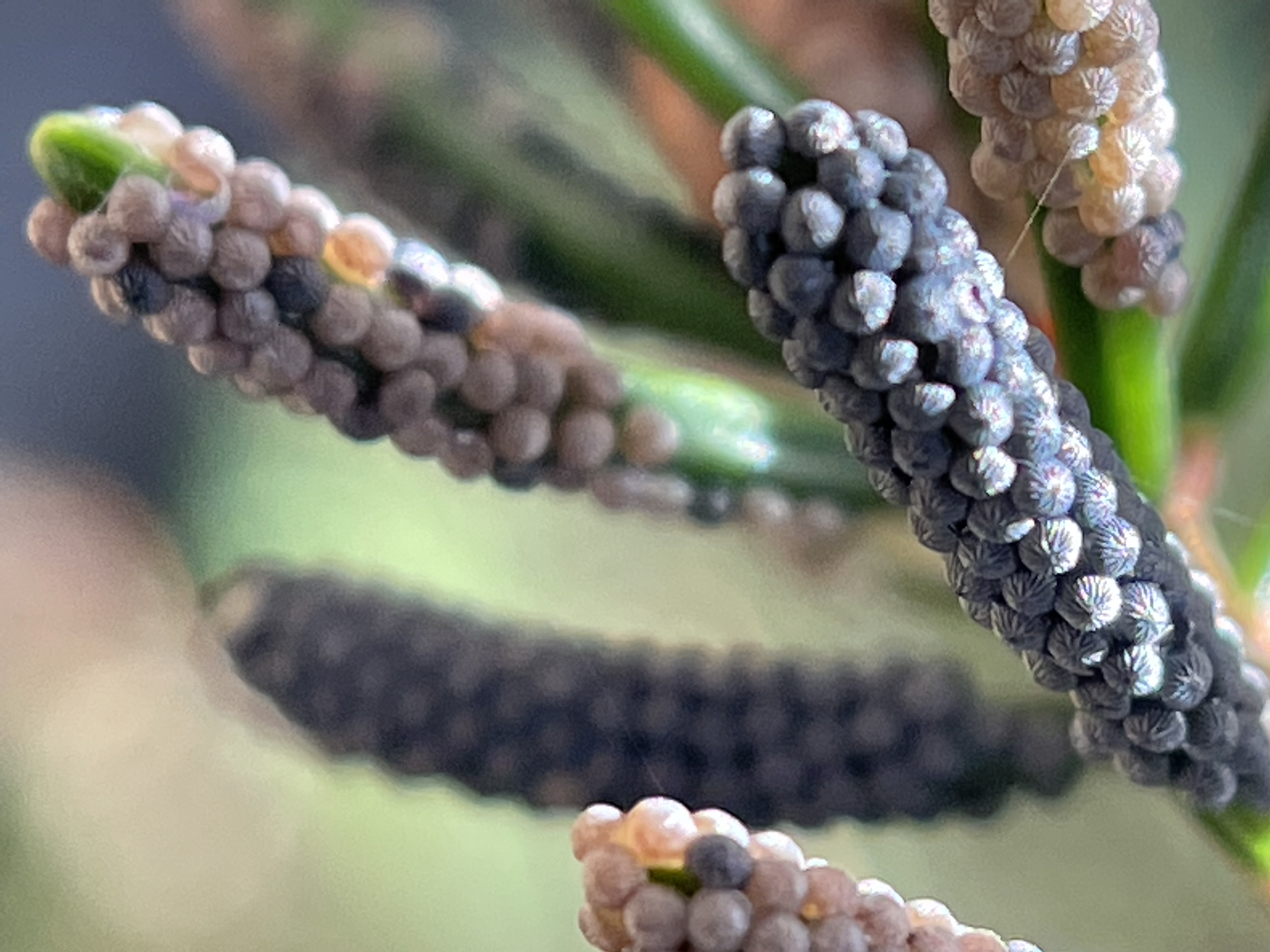
Well, I was wrong in my theory about these possibly being Nepytia phantasmaria or Phantom Hemlock Looper eggs, so my next steps will be to review all my moth photos from early September to try and thread out any other possibilities. That may take some time. Initial observation (date eggs laid) was Sept. 12, 2021. Today is Oct. 7, 2021. They are indeed pretty tiny and if you look closely, you can see the caterpillar body rolled up in the eggs that haven’t hatched. The tree is a Caucasian Fir (Abies nordmanniana).

eggs on Caucasian Fir, San Juan Island, WA 09.12.2021
Eggs darkening – September 18, 2021 San Juan Island
They hatched! Oct. 7, 2021

Mystery moth eggs hatch – October 7, 2021

Thanks for reading! Stay tuned for further updates. I’ll do my best to figure out an ID for these. 🙂

Caterpillar Rescue – Dagger in Distress!

Saturday, September 19, 2020. San Juan Island, WA – Caterpillar rescue!

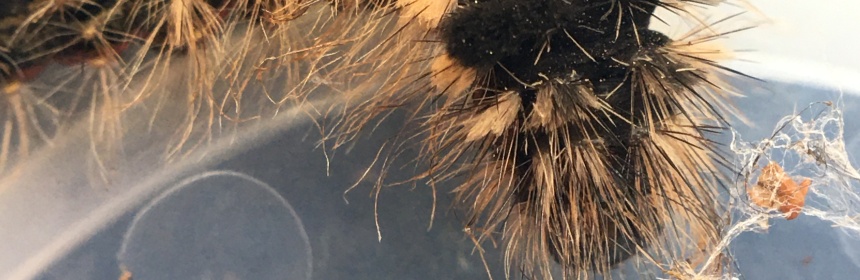
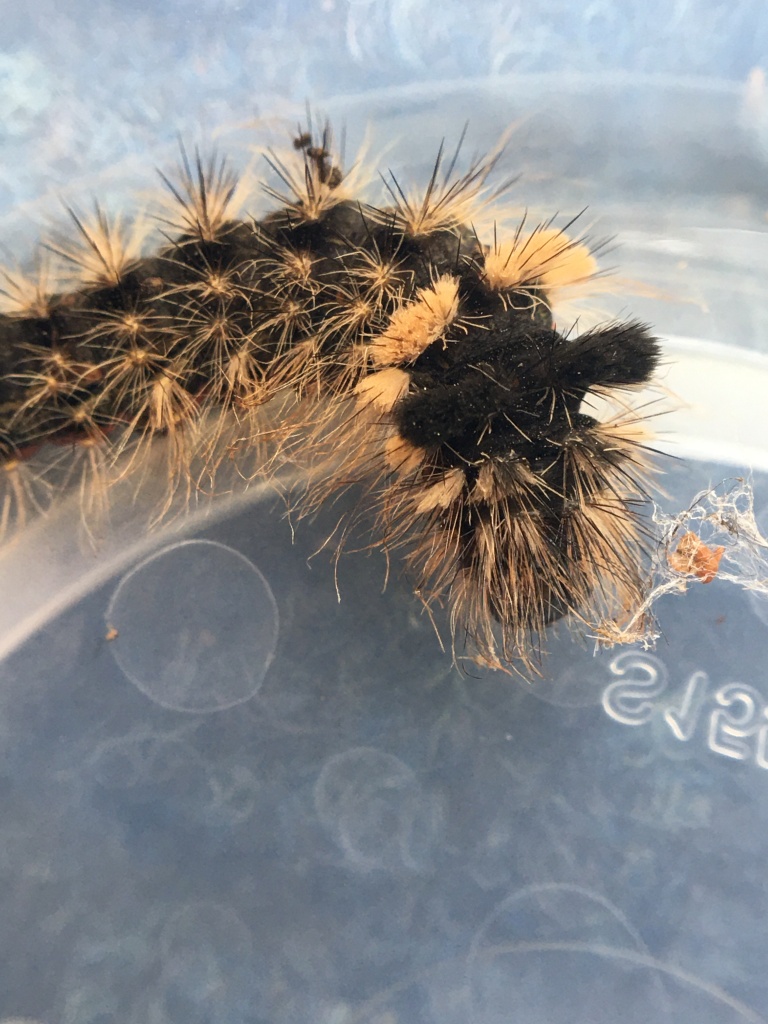
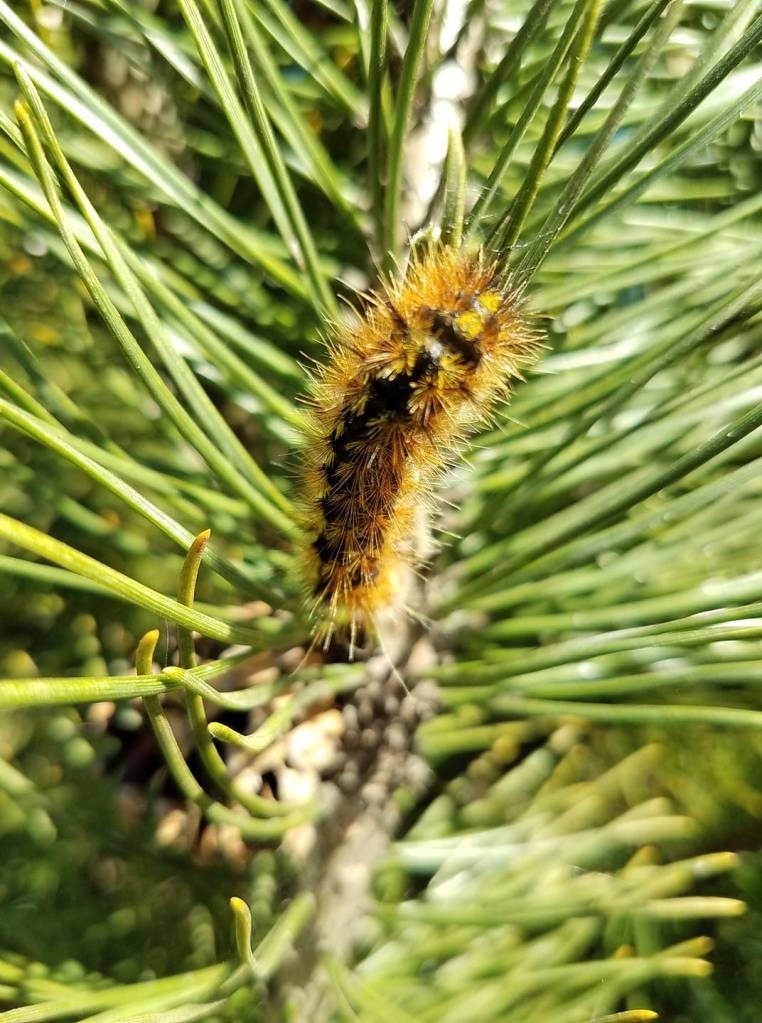
Acronita impleta – Yellow-haired Dagger Moth caterpillar. San Juan Island, WA 09.19.2020


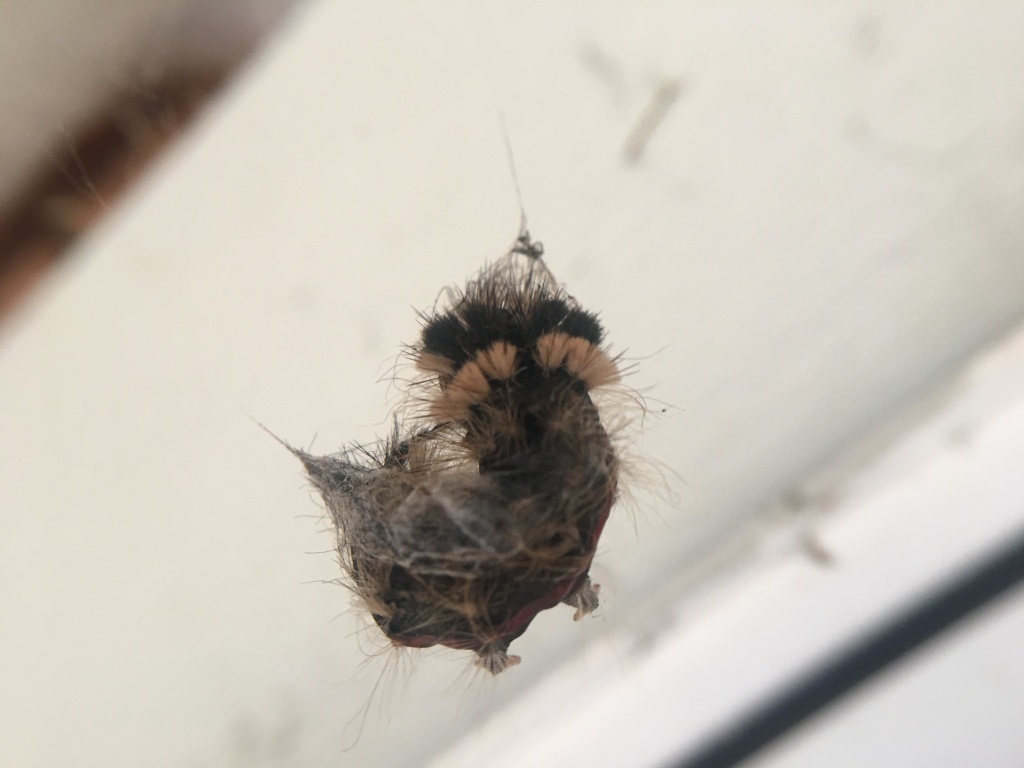
I found one of these several years ago (September 20, 2017 to be exact), so I recognized it immediately when I saw it squirming in the spider webbing along the house this morning. My husband said I should just leave it alone. “Nature is ugly sometimes and you can’t interfere.” Well, when it was still there four hours later, suspended mid air, and still squirming, my tendency to SAVE things kicked in. The spider living above that web was actually dead. I’m not feeling very guilty about stealing food from a dead spider.

Acronita impleta – Yellow-haired Dagger Moth caterpillar. San Juan Island, WA 09.19.2020


I got a cup and gently pulled at the web and began the process of freeing this caterpillar. It took finding my reading glasses and getting some fine-pointed tools to gently ply away the sticky bonds and clean the strands off the caterpillar hairs.

Acronita impleta – Yellow-haired Dagger Moth caterpillar. San Juan Island, WA 09.19.2020
Yellow-haired Dagger Moth (Acronita impleta)


I think it looks pretty good! I even picked it some dinner and we’ll see if I can keep it healthy through pupation and adulthood.

Yellow-haired Dagger Moth (Acronita impleta)

More about Yellow-haired Dagger Moths here:

Brownlined Looper (Neoalcis californiaria)

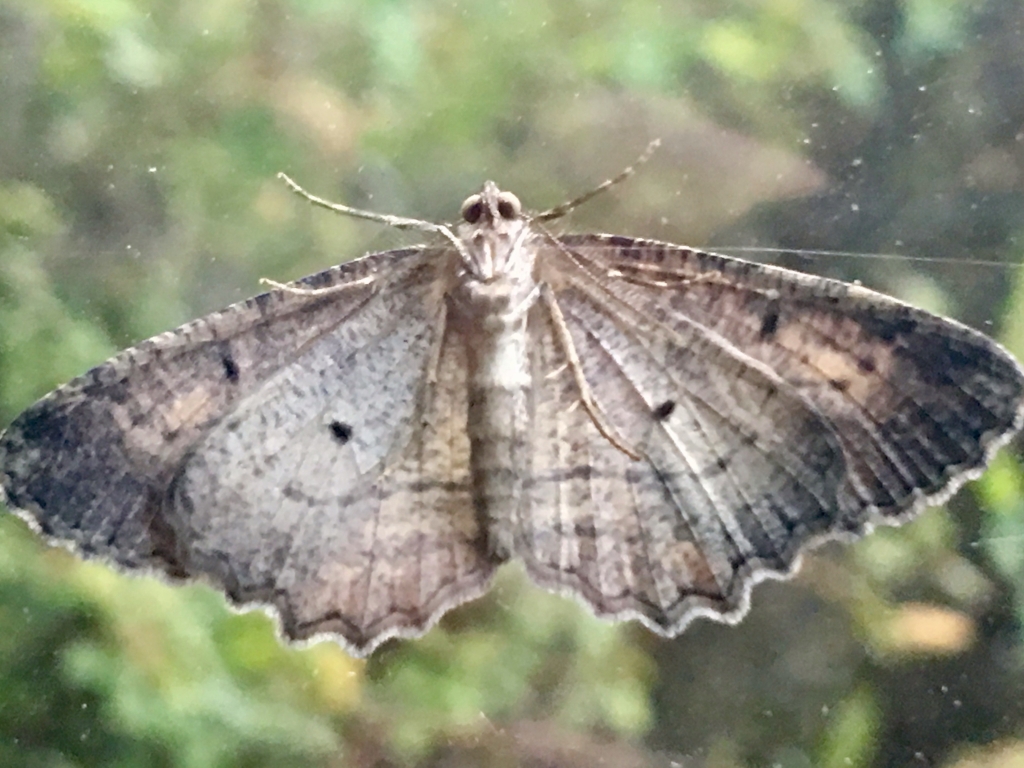
I found this specimen ready to hitch a ride on the car window when I was leaving a dinner on Sunday evening, August 25, 2019. Time of sighting was 7:32 pm. It managed to stay on the window glass as we pulled out of the driveway, but blew off as we began our drive home.

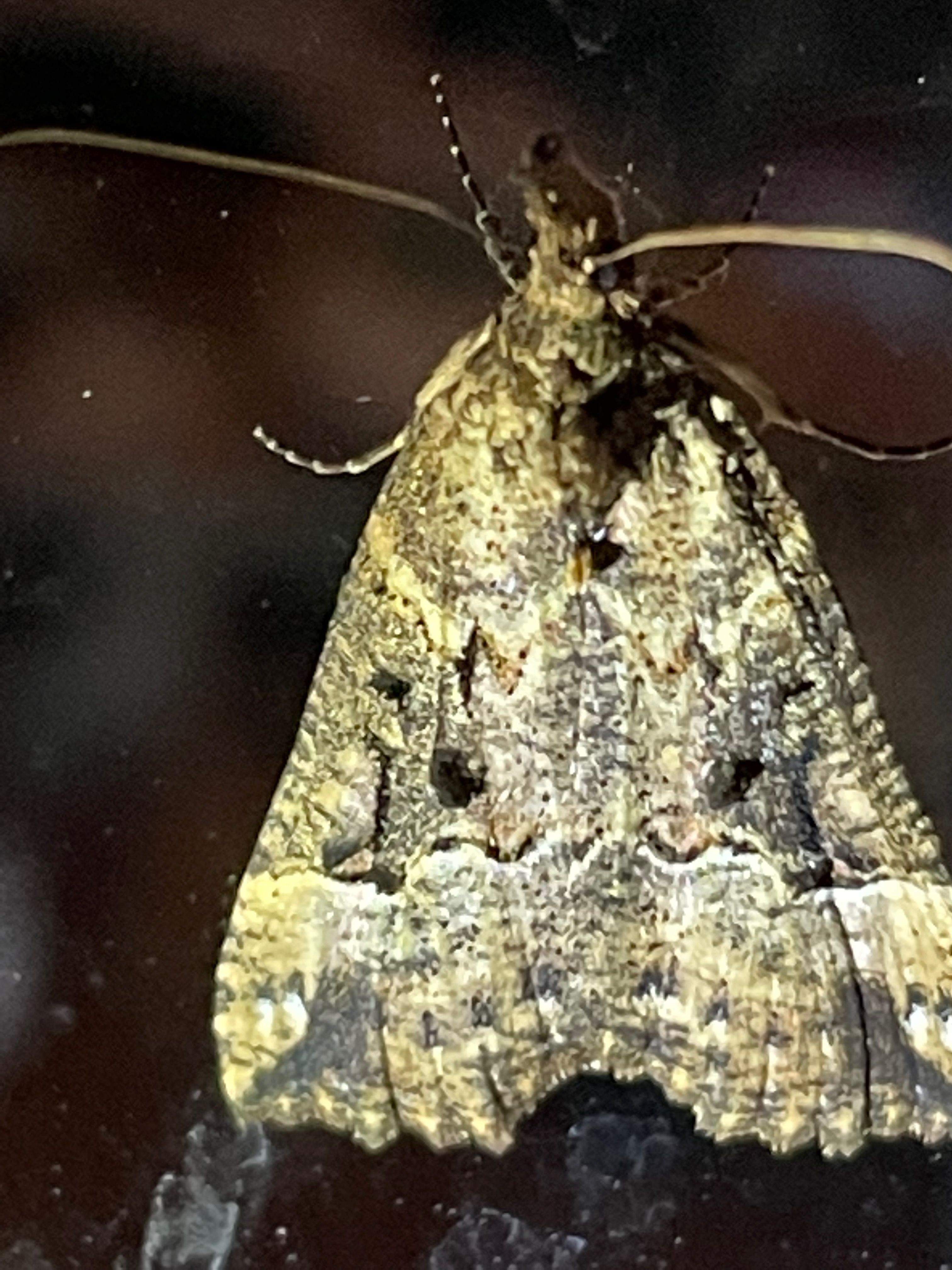
This is a Brownlined Looper moth, Neoalcis californiaria in the family Geometridae and is the single species in its genus in North America. Its distribution ranges from Southern California to British Columbia. Adults can be found flying between March and October in the Pacific Northwest, but have been documented flying as late as December in California. Larvae of this species feed mostly on conifers, including Douglas-Fir, Western Hemlock, Western Red Cedar, Grand Fir, Lodgepole Pine (Canadian Forest Service) as well as many broadleaf trees and shrubs (USGS).

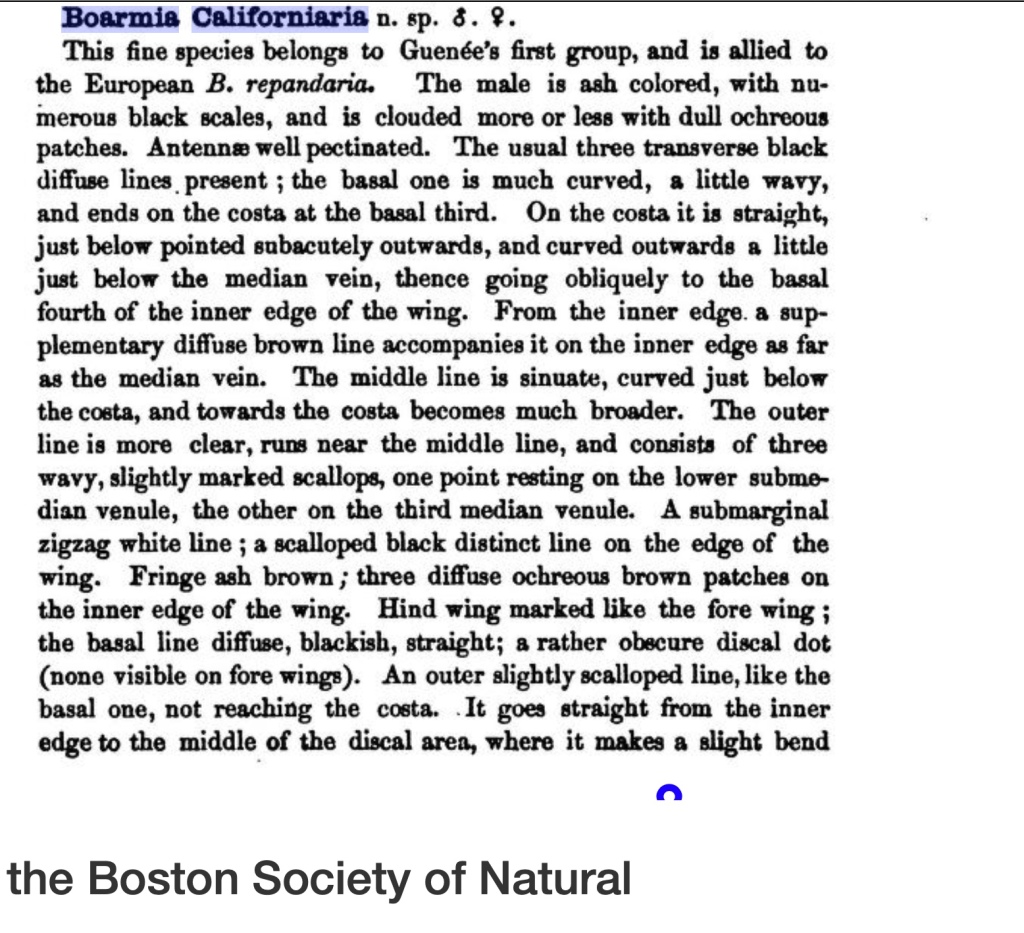
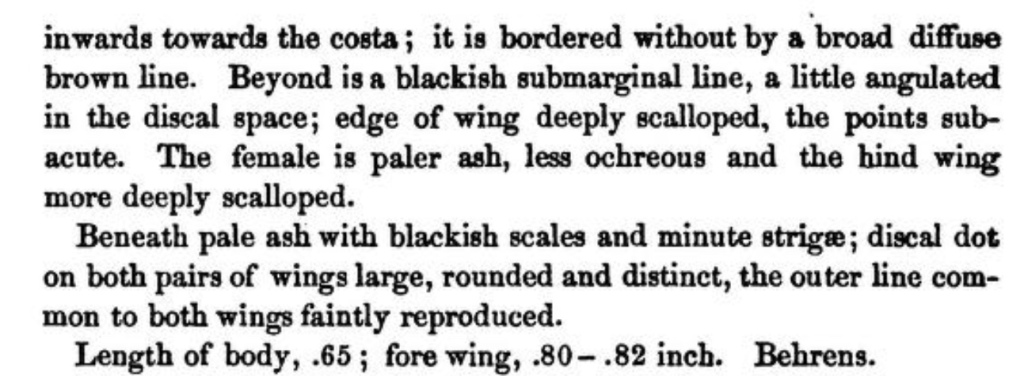
First described by American Entomologist, Alphaeus Spring Packard in 1871, this rather nondescript moth was initially named Boarmia californiaria. A description by Packard is found in the Proceedings of the Boston Society of Natural History. Volume 13 https://archive.org/details/proceedingsbost07histgoog/page/n39 or view description attached below.

Neoalcis californiaria
August 25, 2019, 7:32 pm
San Juan Island, WA
Neoalcis californiaria
August 25, 2019, 7:32 pm
San Juan Island, WA
Packard’s description of Boarmia californiaria
renamed Neoalcis californica
part 1
Packard’s description of Boarmia californiaria
renamed Neoalcis californica
part 2

References

Bugguide.net. https://bugguide.net/node/view/9696

North American Moth Photographers Group. Mississippi State University Digital Guide to Moth Identification http://mothphotographersgroup.msstate.edu/species.php?hodges=6435
Powell, J. A., and P. A. Opler 2009. Moths of Western North America. pl. 28.14; p. 208.

Silver-Spotted Tiger Moth (Lophocampa argentata)

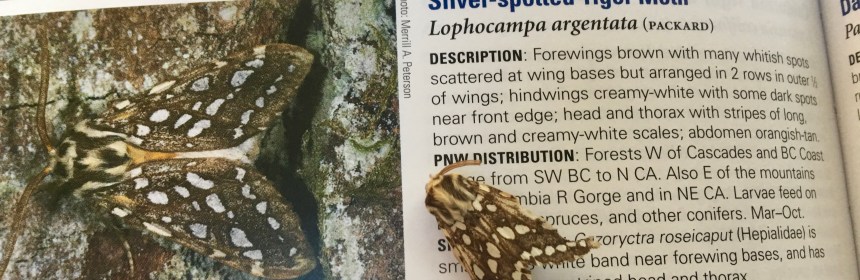
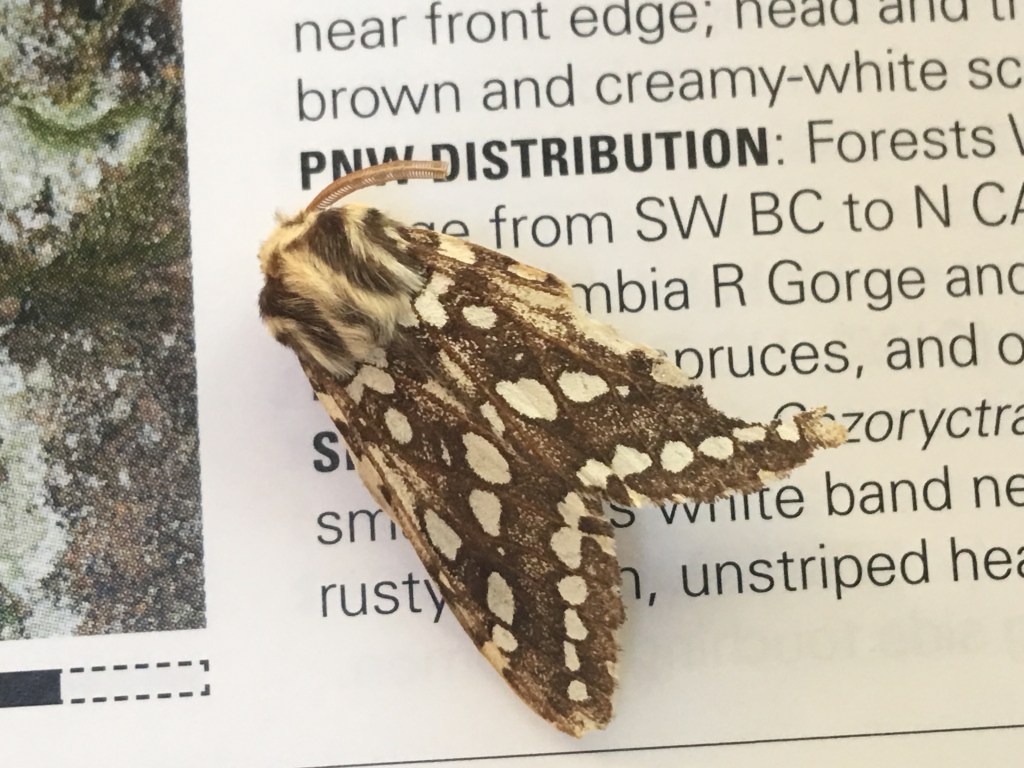
I found this specimen at the Friday Harbor Post Office yesterday and picked it up to save in my collection. It’s a bit bird-pecked, but worth keeping for passing around at my upcoming insect talk at the library in October.

Lophocampa argentata Silver-spotted Tiger Moth
San Juan Island, WA
photo by Cynthia Brast-Bormann
August 27, 2019

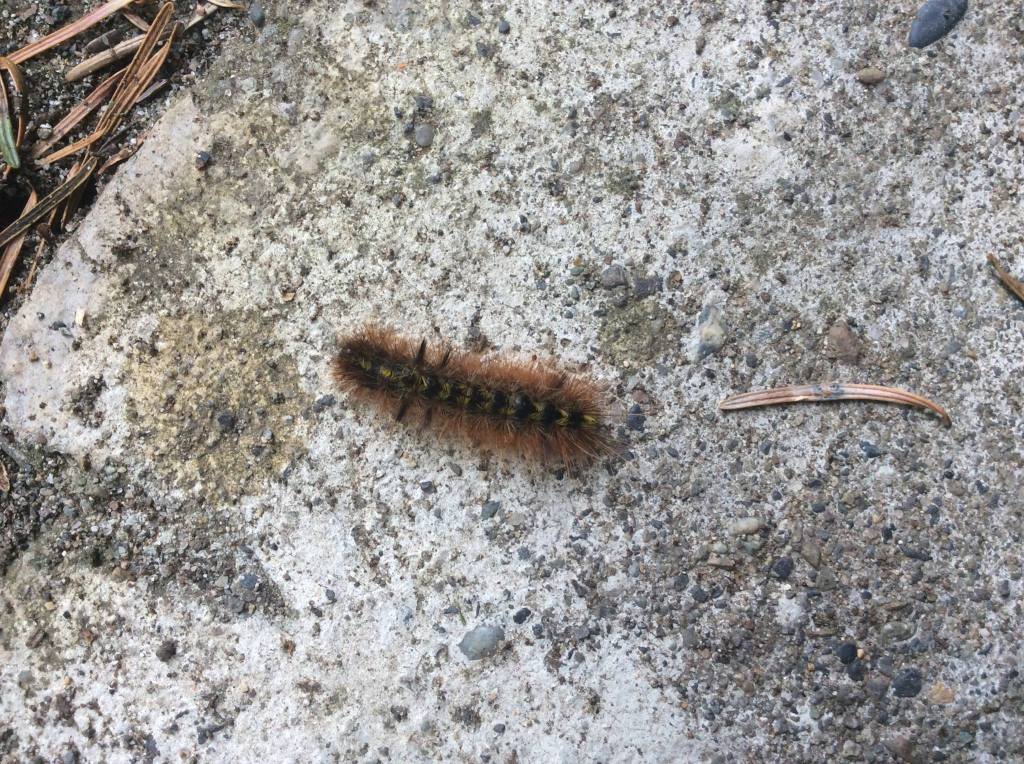
Lots of folks emailed me earlier in the year with photos of caterpillars they were finding. The larval form of this moth looks like the two photos below, depending on the developmental instar.

Silver-Spotted Tiger Moth Larva Lophocampa argentata
Orcas Island, WA 98250
May 9, 2019
photographed by K. Rose
Silver spotted tiger moth larva Lophocampa argentata
San Juan Island, WA
April 26, 2019
photographed by L. Narum

These moths are fairly common throughout the San Juan Islands. The larvae feed on Douglas Fir (Pseudotsuga menziesi) and other conifers. The name, argentum comes from Latin referring to the silver spots on the wings of adults.

While larvae are defoliators, they are not usually present in high enough numbers to cause economic damage or require any chemical control. Also, while very pretty to look at, the caterpillars do have urticating hairs which can cause stinging, burning, or rash in sensitive people. Take a photo or observe them, but resist the temptation to pick them up!

Lophocampa argentata
San Juan Island, WA
August 27, 2019
photo by Cynthia Brast-Bormann
Lophocampa argentata
San Juan Island, WA
August 27, 2019
photo by Cynthia Brast-Bormann

Hypena decorata

Family: Eribidae Hypena decorata August 20, 2019 San Juan Island, WA

I found this on the kitchen floor the other morning (August 20, 2019). It looked like a piece of tree bark had been tracked in. When I reached down to pick it up, I realized it was some sort of moth and one I’d not seen before.

Hypena decorata August 20, 2019

After taking photos of it (it was expired when I found it), I thumbed through my reference books, trying to see if I could identify it. After about an hour of skimming literature and photos, I finally grew frustrated and emailed Merrill Peterson at Western WA University to see if he’d seen it before.

That afternoon, I did indeed hear back from Merrill. He’s fantastic about responding and said he had to reach out to someone he knew, but finally got an answer for me.

Here’s what Merrill said, “It’s a strange Hypena decorata, like this one. I had to get some help to figure it out!” I was glad Merrill helped solve the mystery and now I can share what I found out about this moth.

Hypena decorata is in the family Eribidae, within the superfamily  Noctuoidea, the (Owlet Moths and kin). Hypena is Greek for “beard.” When you look at the fuzzy, long labial palms that project to form the moth’s snout, it does indeed look a bit like a beard.

According to the Bugguide reference, Lafontaine & Schmidt (2010) list 29 species of the genus Hypena in America north of Mexico. The moth is relatively rare to uncommon West of the Cascades, but found in southwestern British Columbia and western Oregon and Washington. Distribution records also show the species ranges to Southern California. Larvae are food plant specialists, feeding on nettles  (Urtica spp.).

Hypena decorata August 20, 2019

References:

http://pnwmoths.biol.wwu.edu/browse/family-erebidae/subfamily-hypeninae/hypena/hypena-decorata/

https://bugguide.net/node/view/511337

White-lined Sphinx caterpillar (Hyles lineata)

I’m always excited when someone asks me to ID a bug for them! This came from the women over at Browne’s Garden Center – https://www.browneshomecenter.com/garden-center/, San Juan Island, WA. It’s the “black form” of the White-Lined Sphinx Moth (Hyles lineata). The larva are sometimes called Purslane caterpillars. They will eat Fireweed (Epilobium angustifolium), other fireweeds, and other various plants in the evening primrose family.

White-lined Sphinx Moth (Hyles lineata) caterpillar (black form)

Read more here:

http://www.silkmoths.bizland.com/Sphinx/hlinelin.htm https://bugguide.net/node/view/3071

« Older Entries