Tag Archives: moth

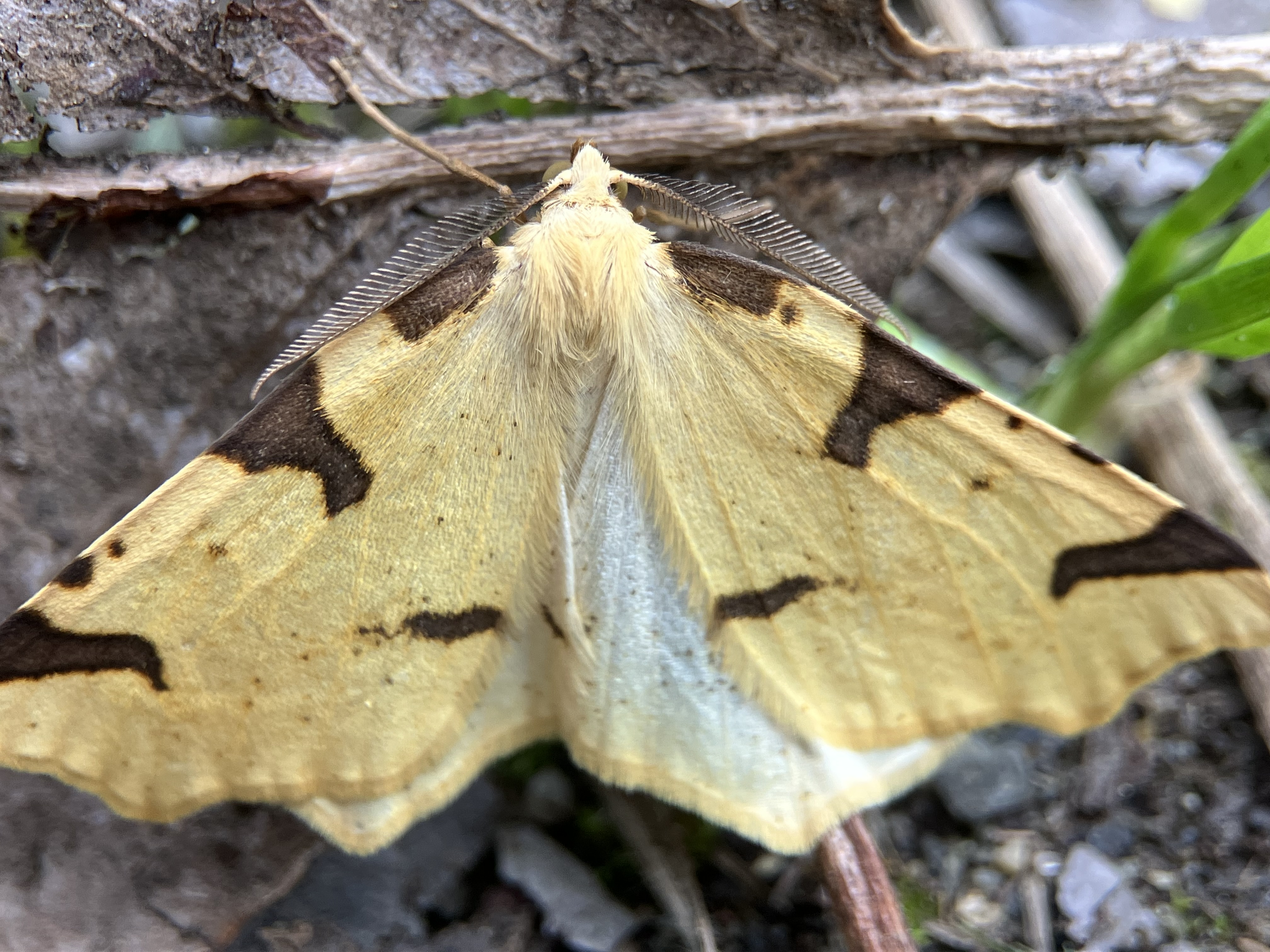
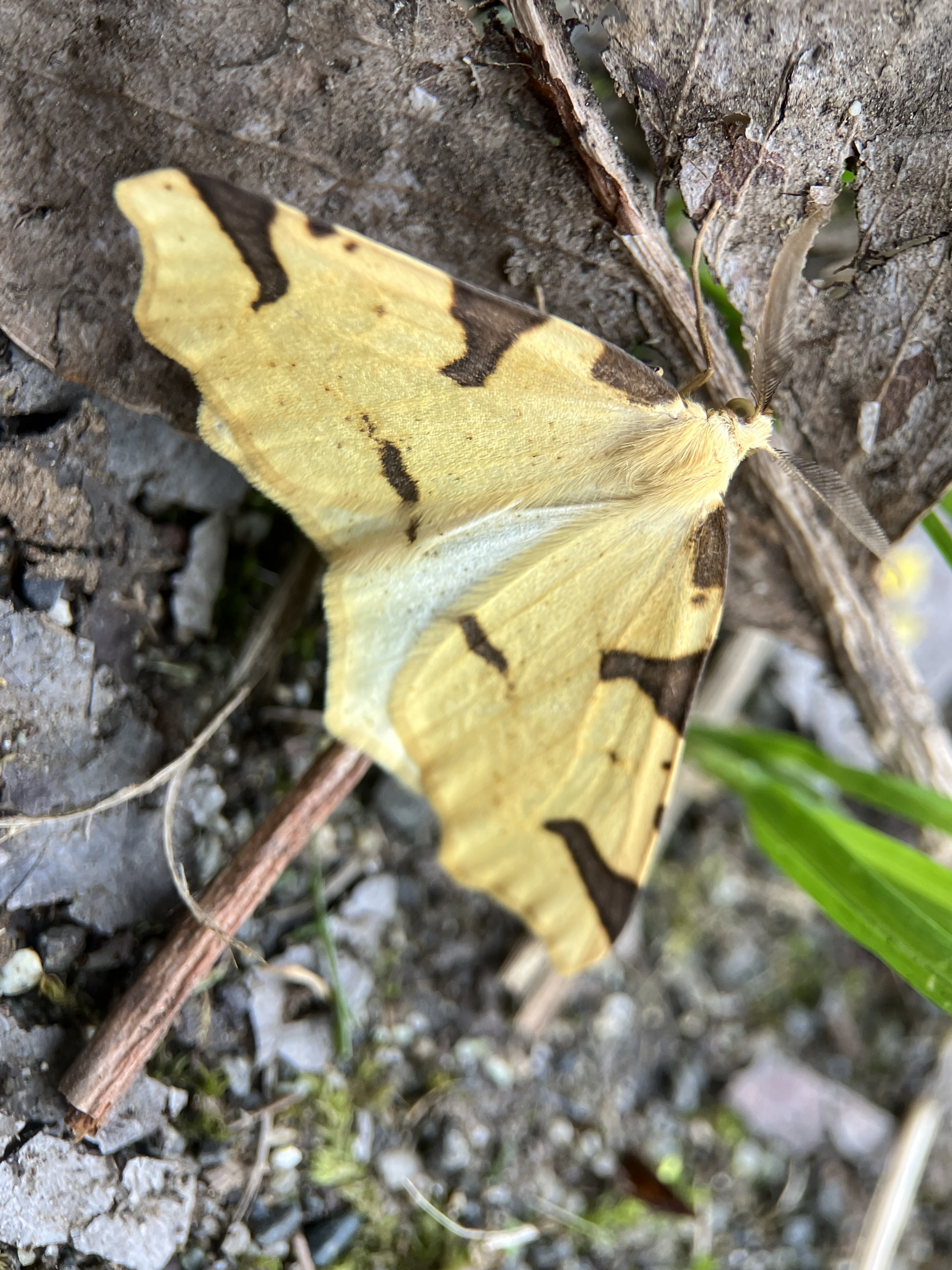
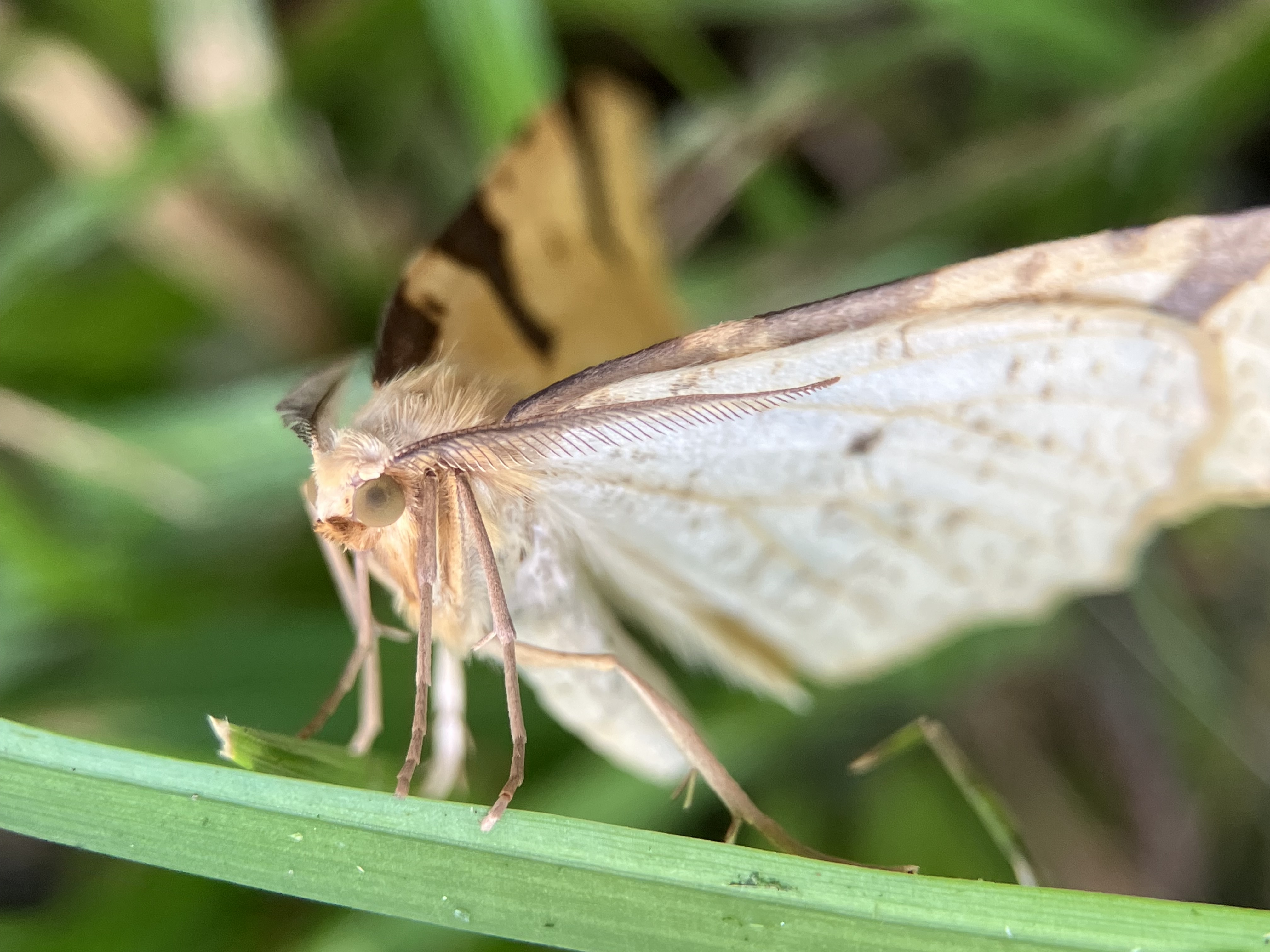
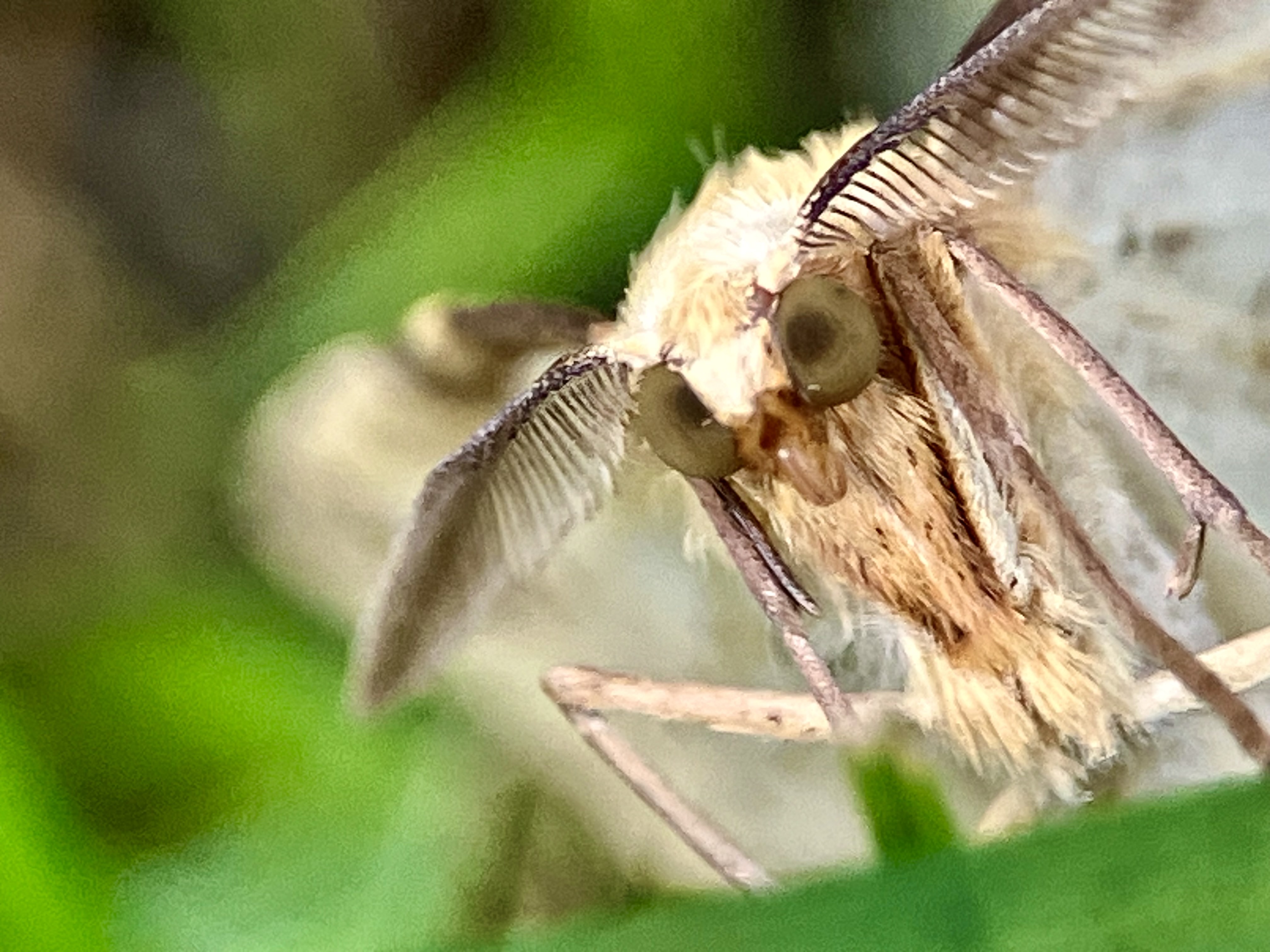
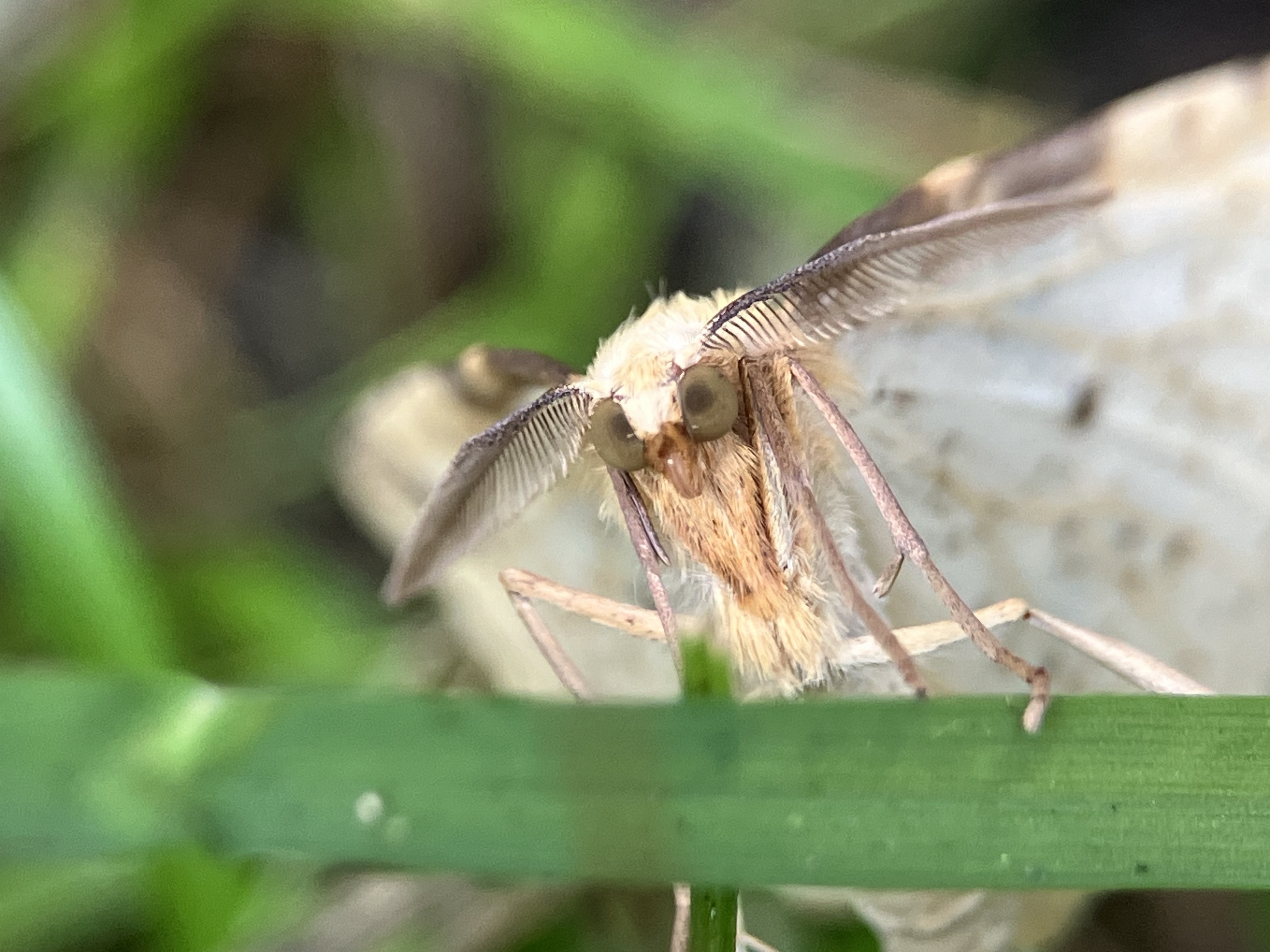
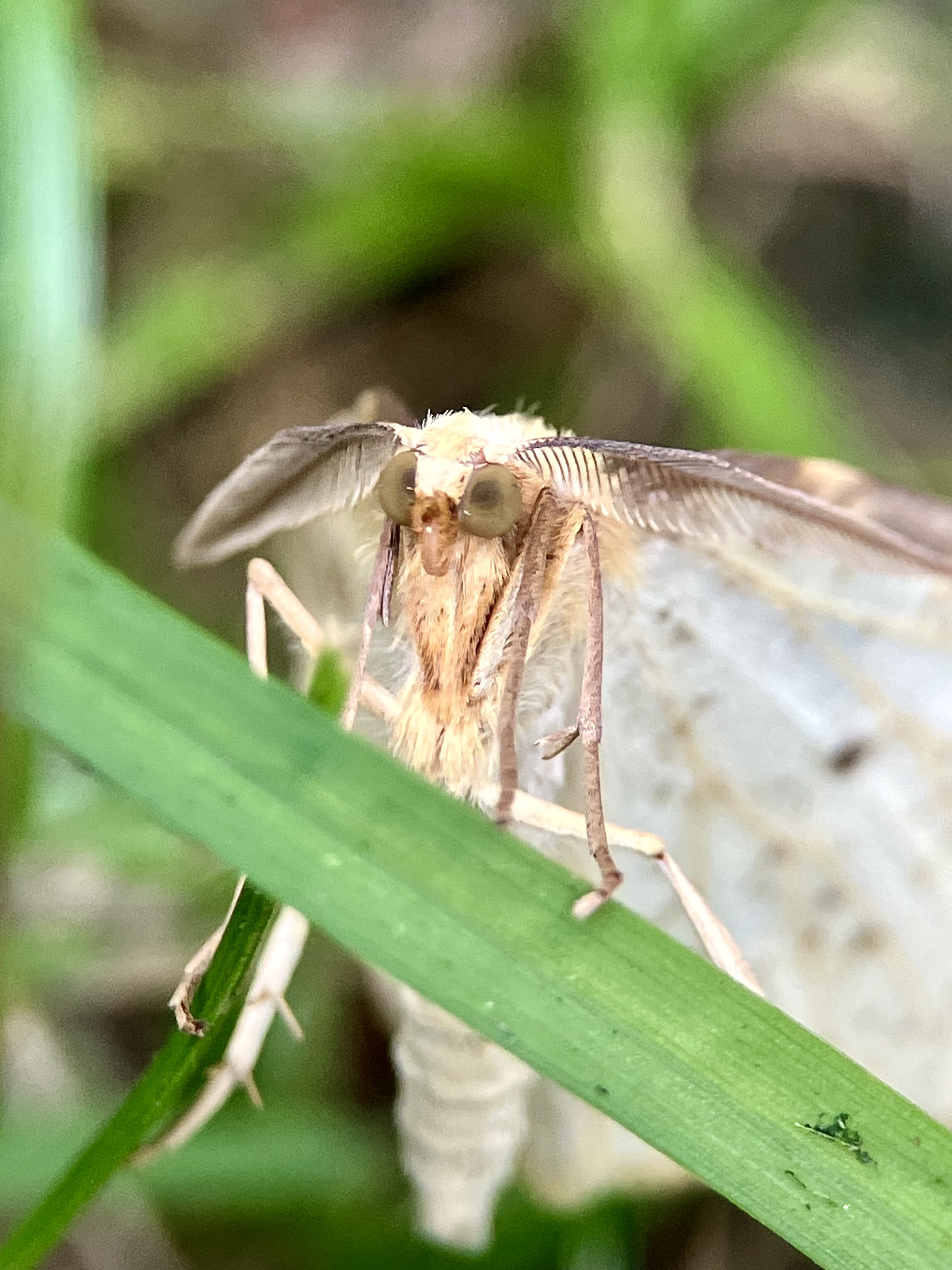
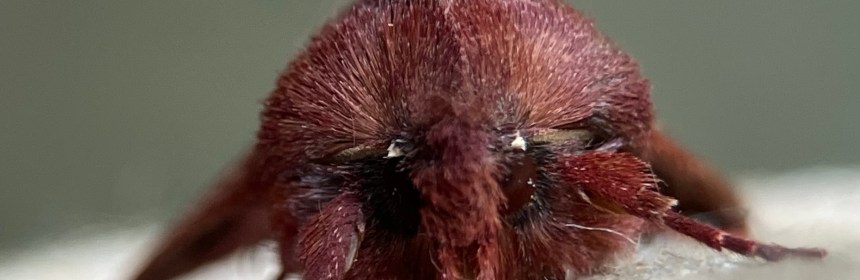
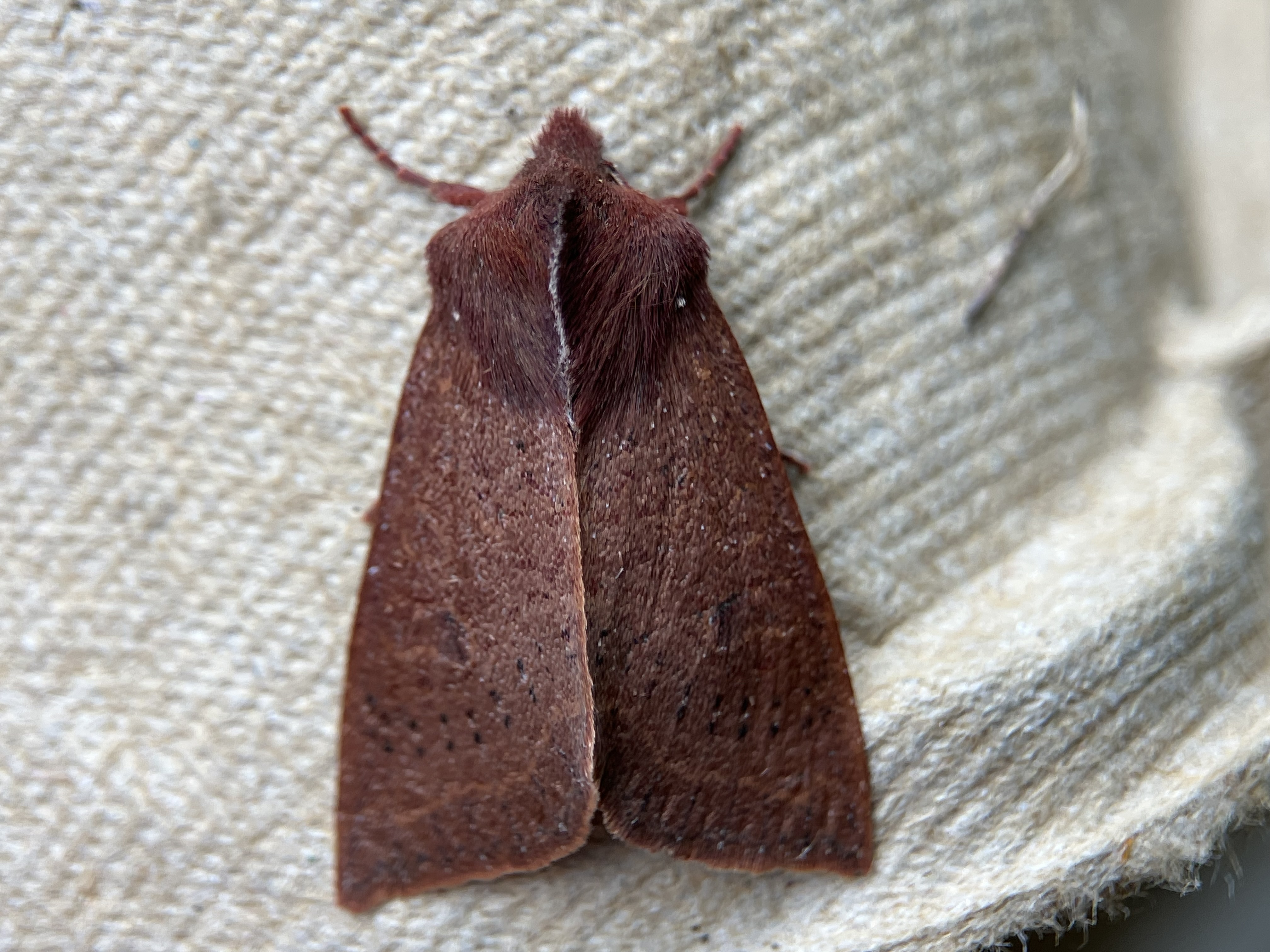
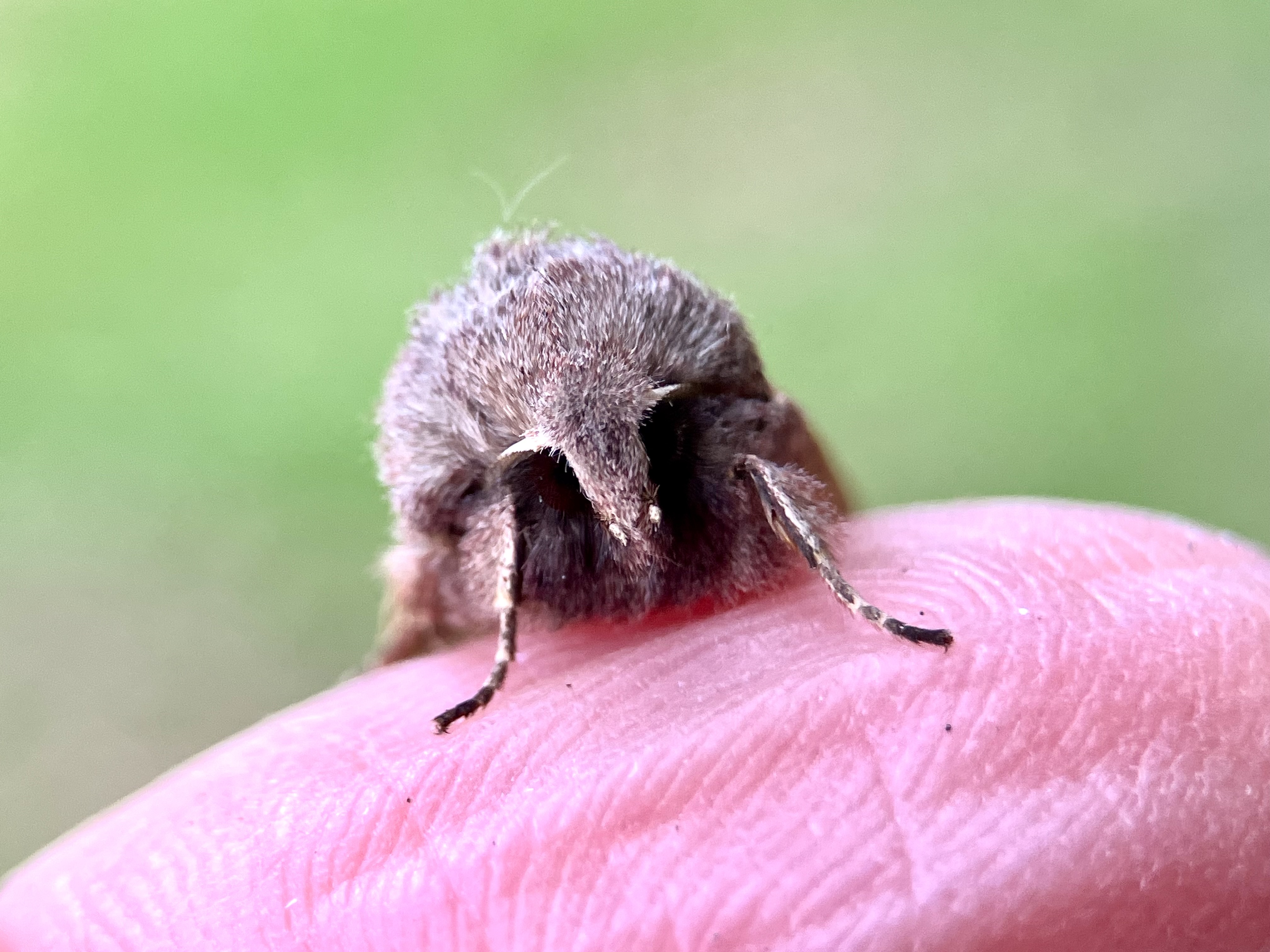
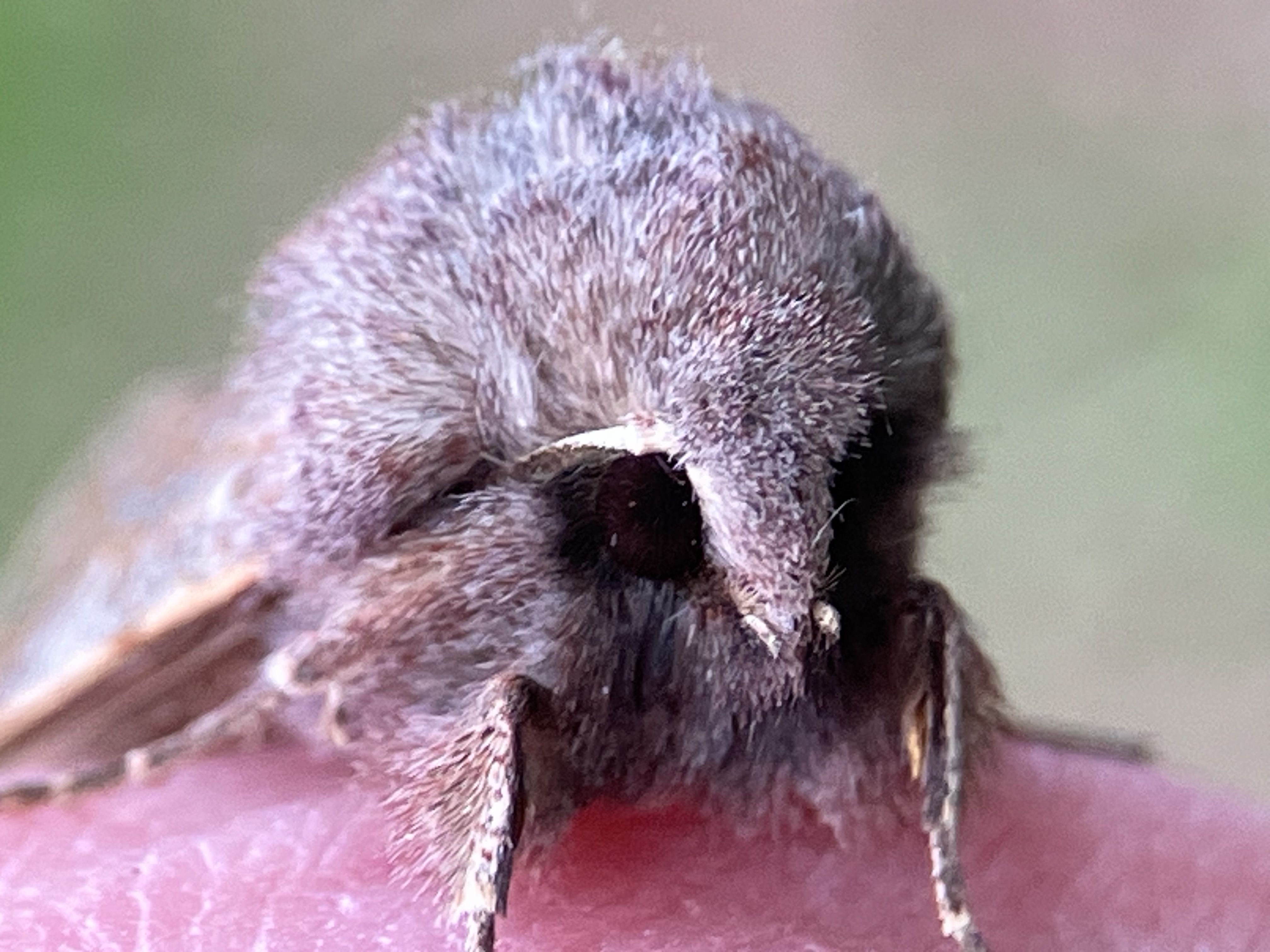
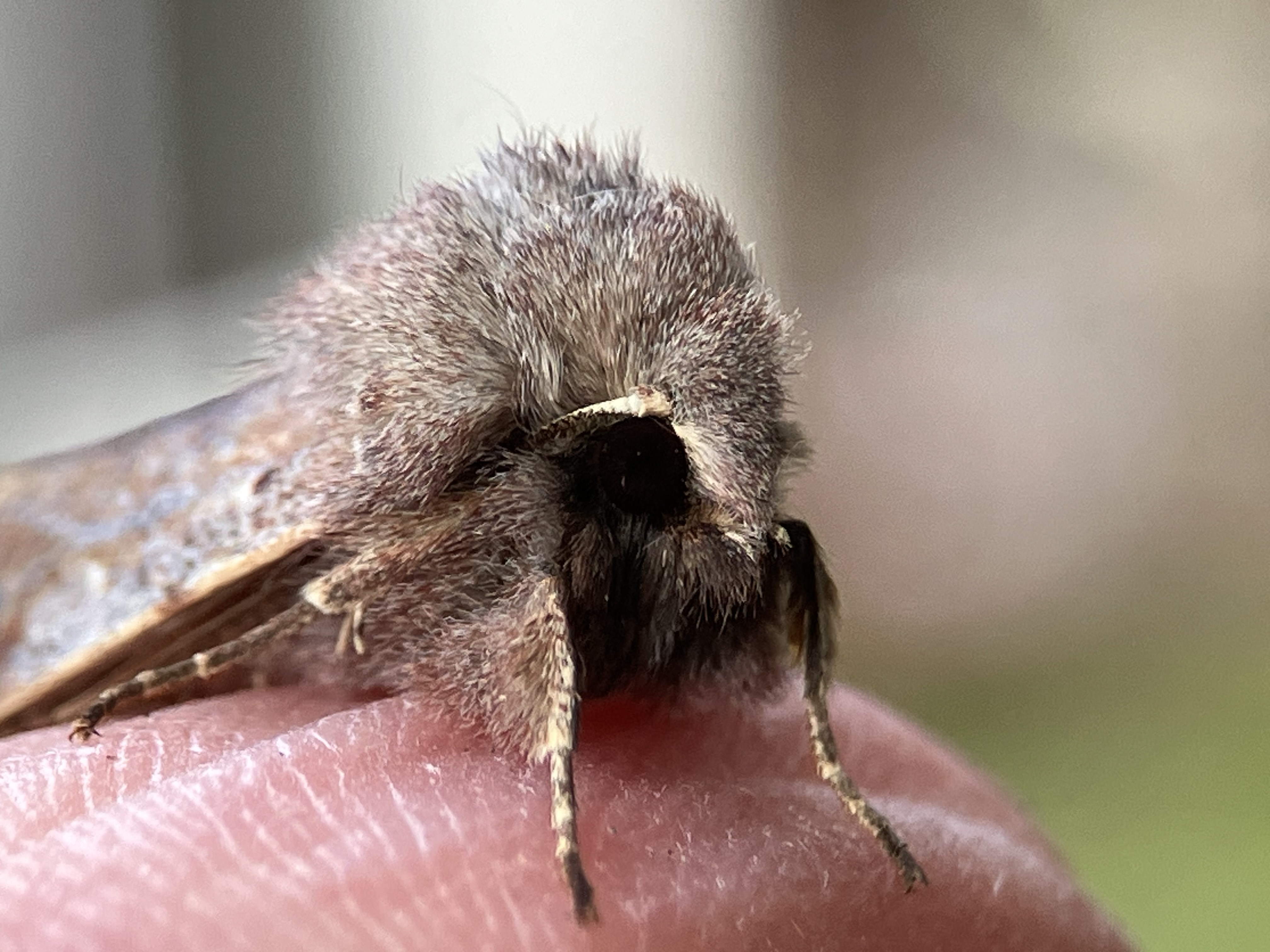
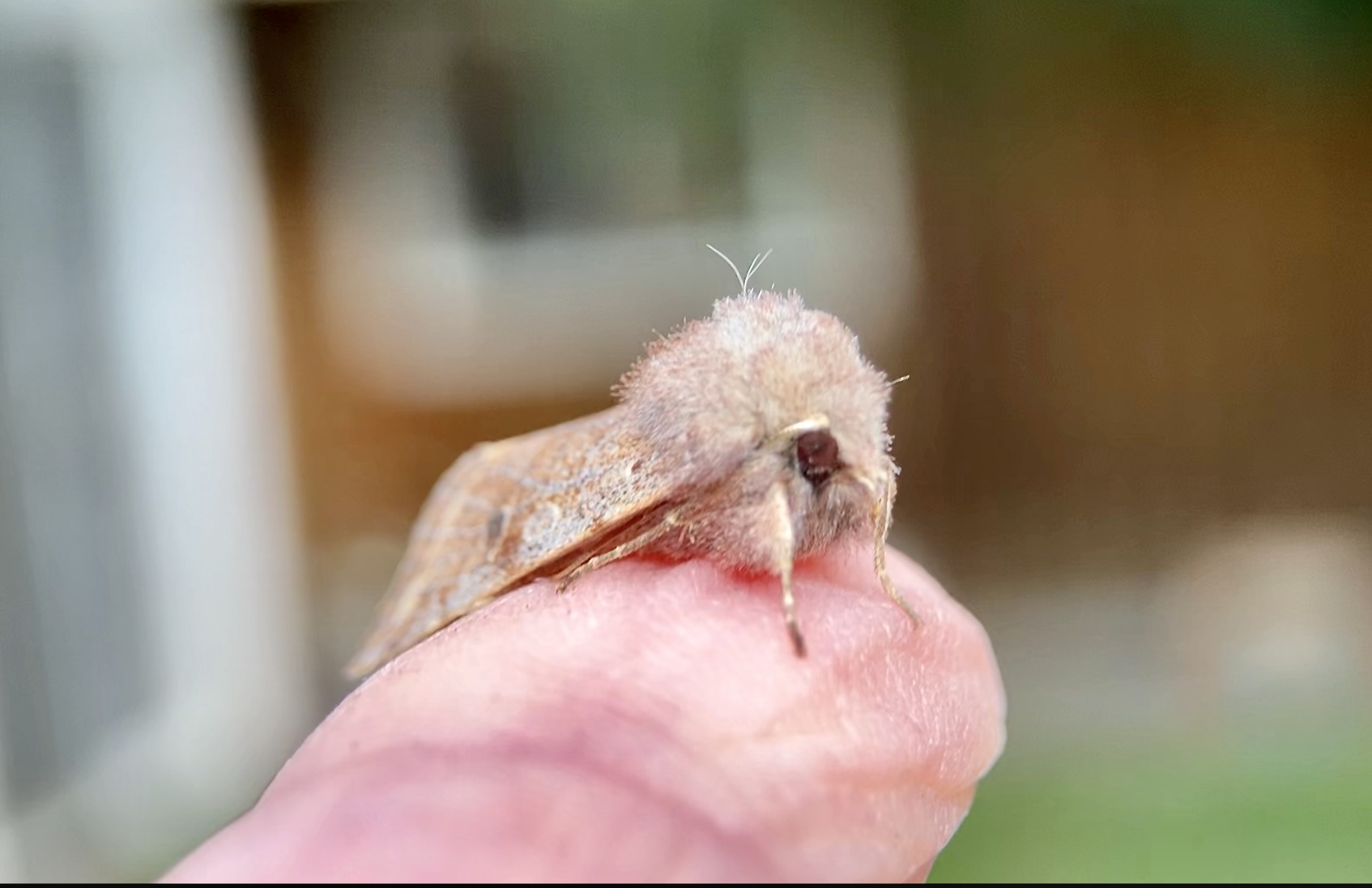
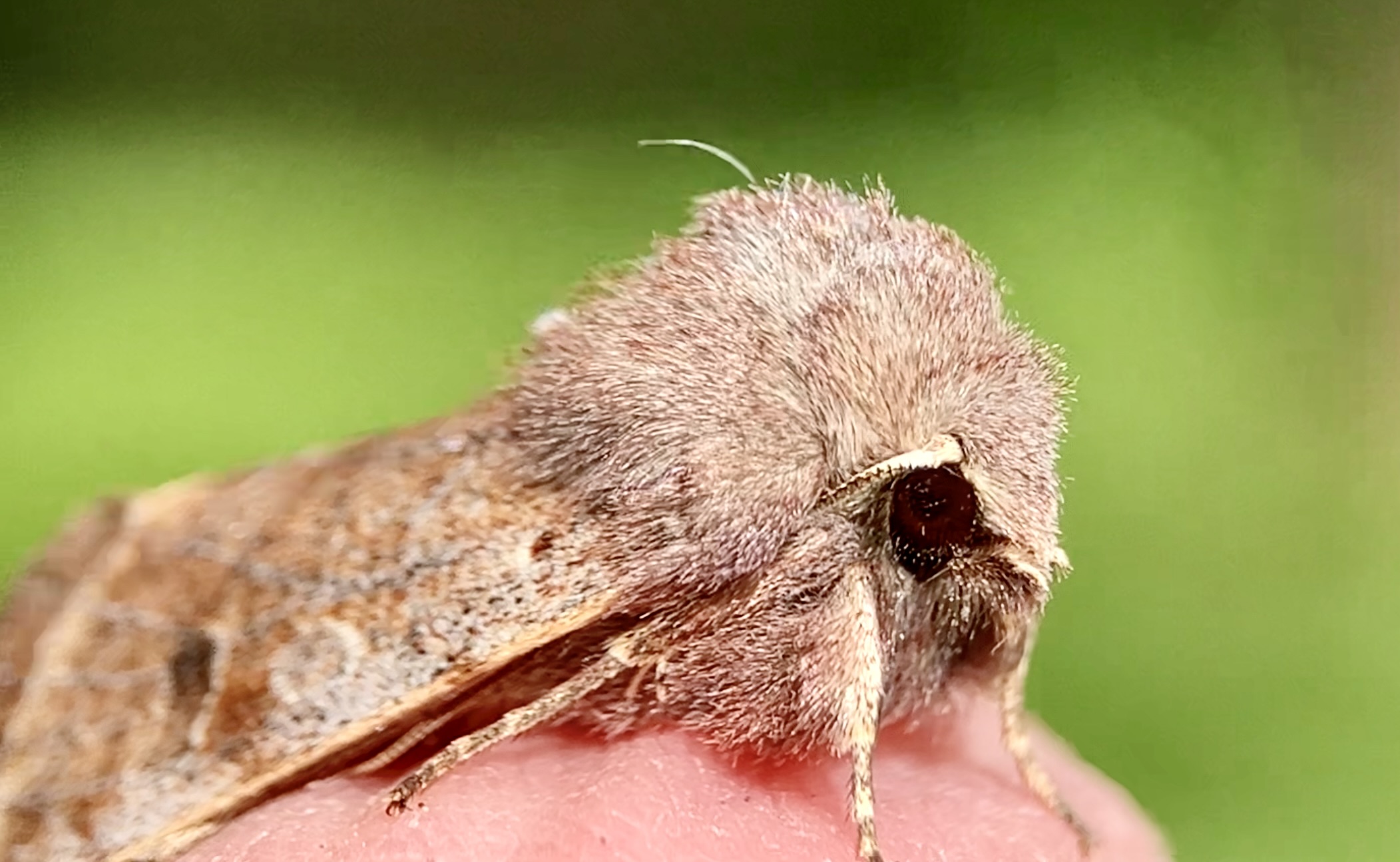
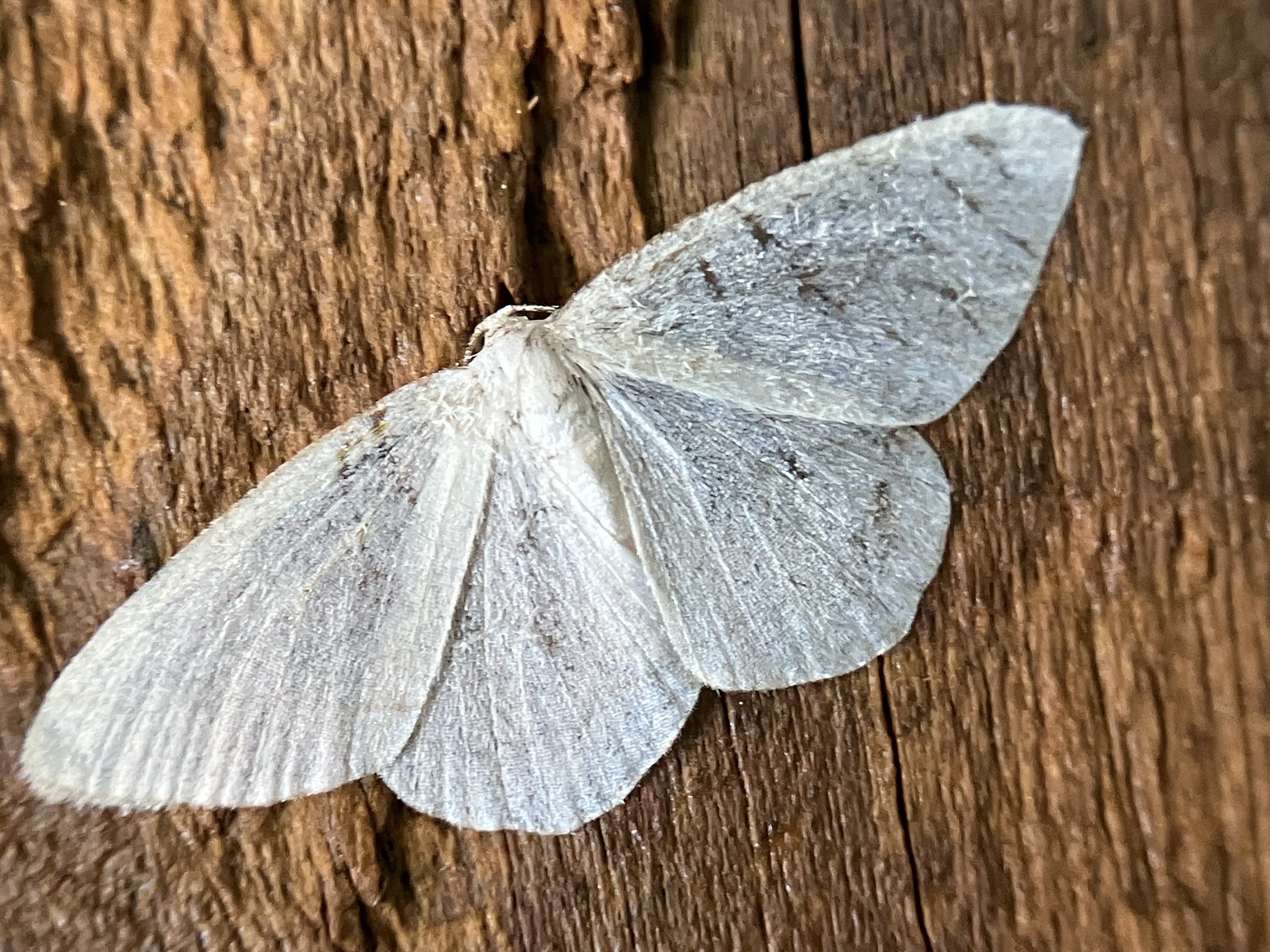
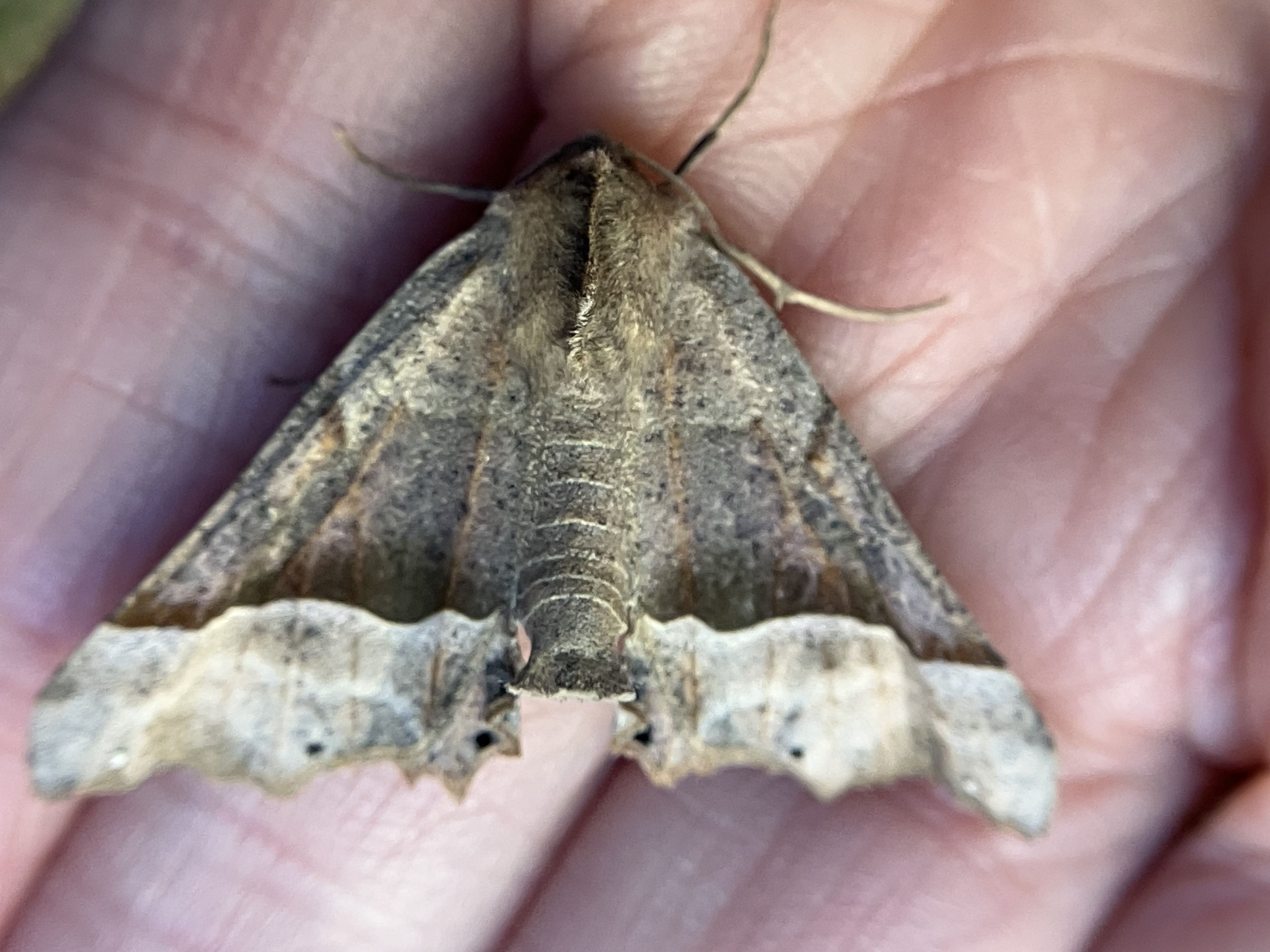
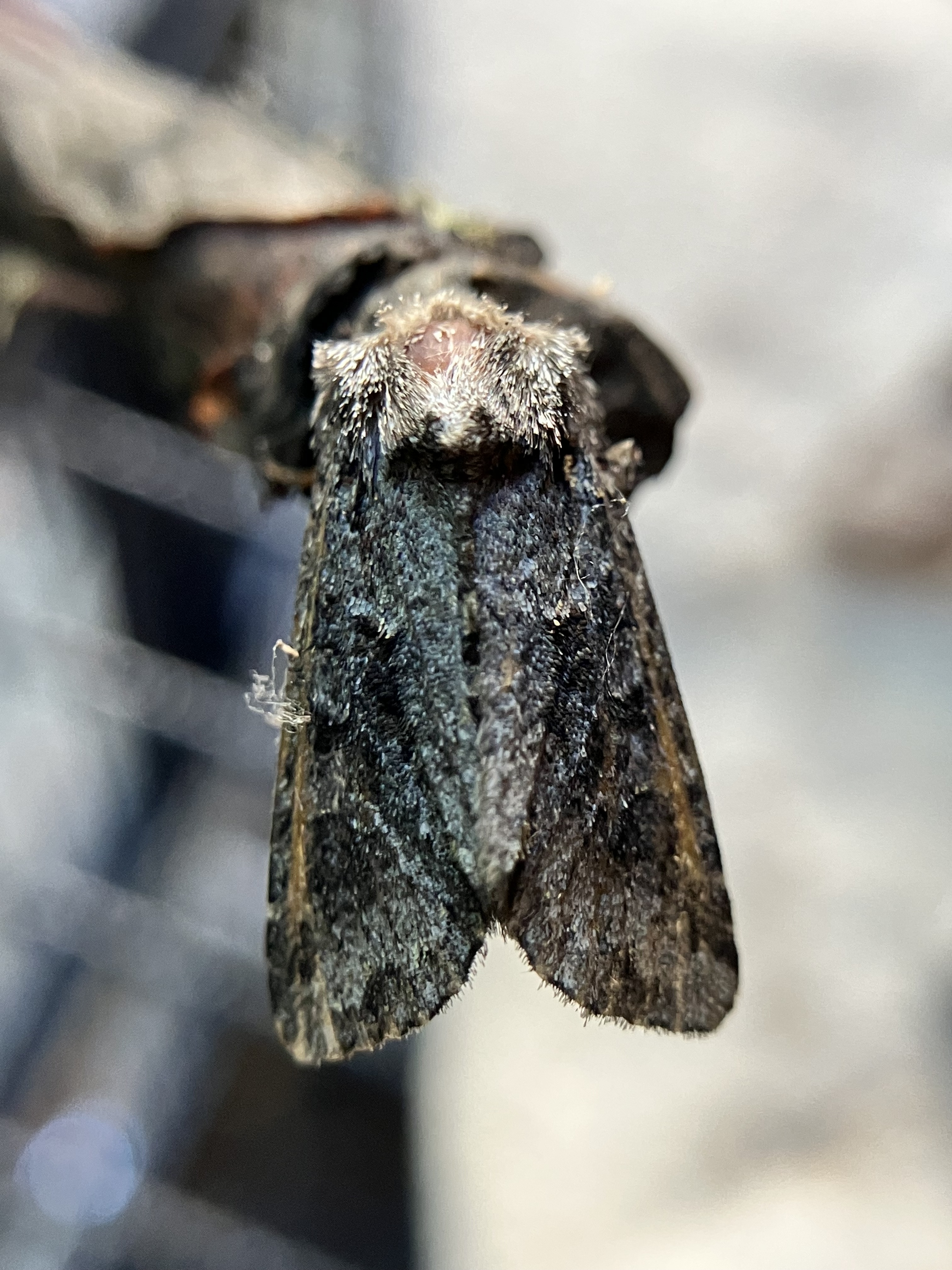
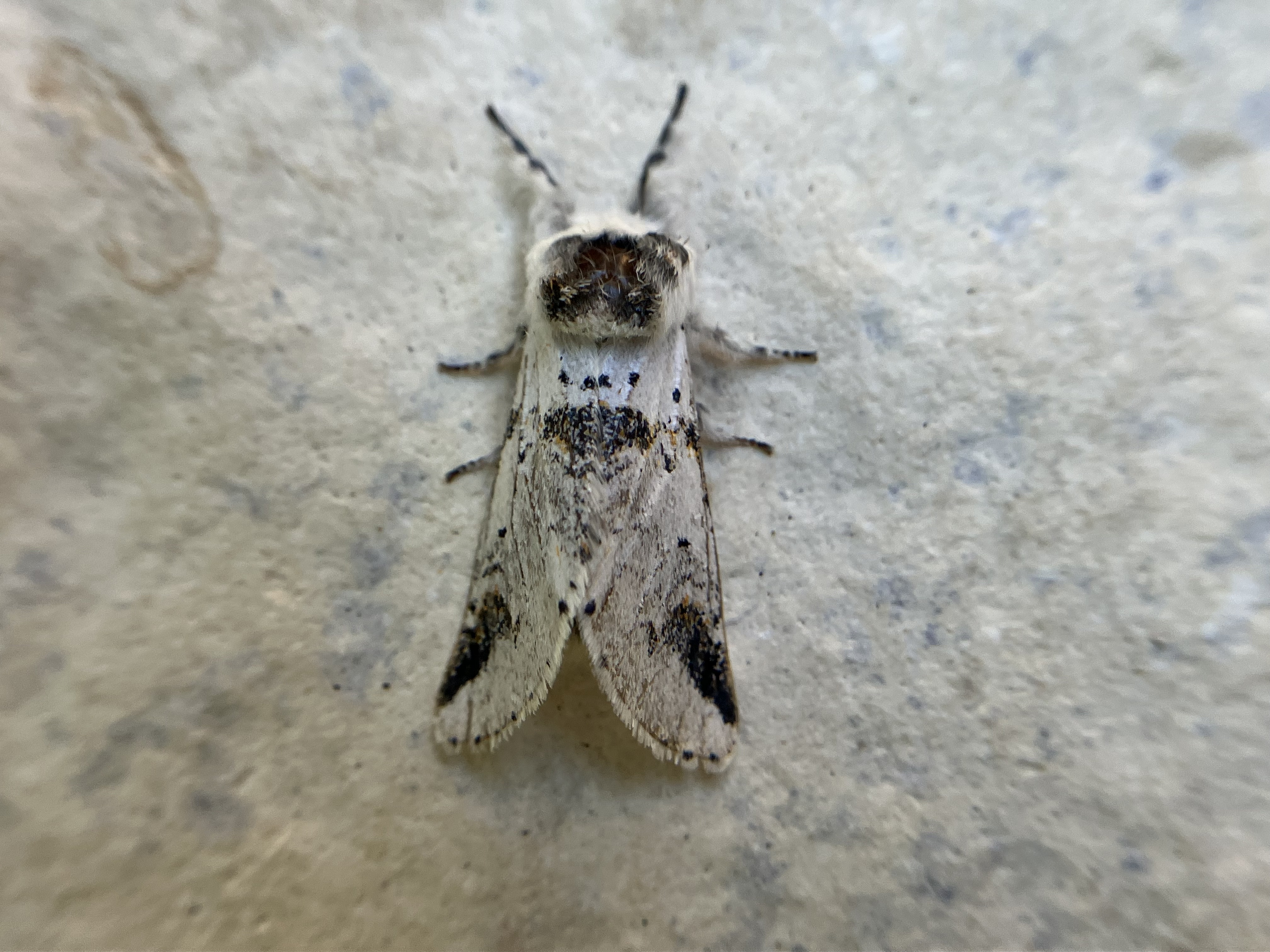
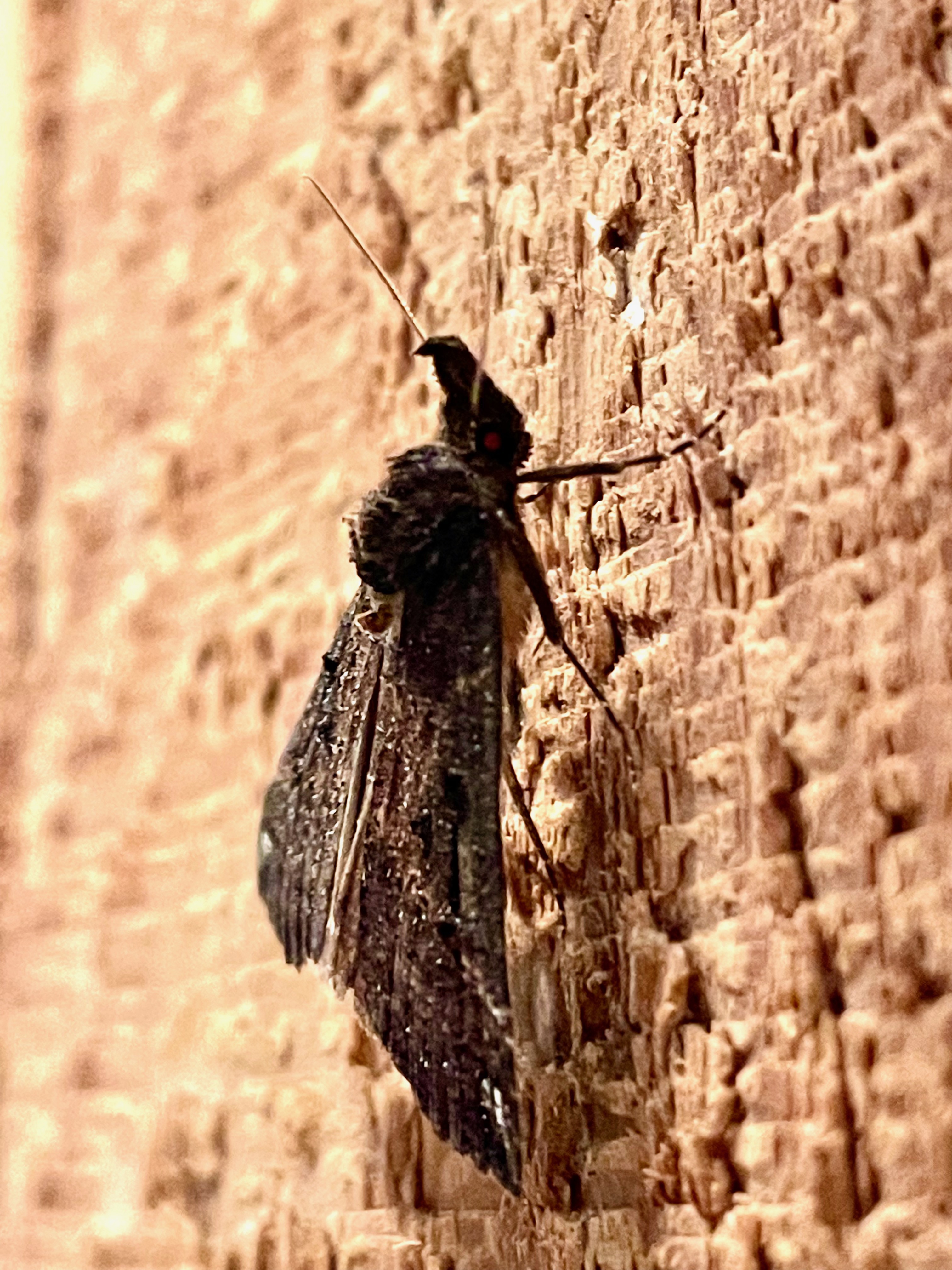
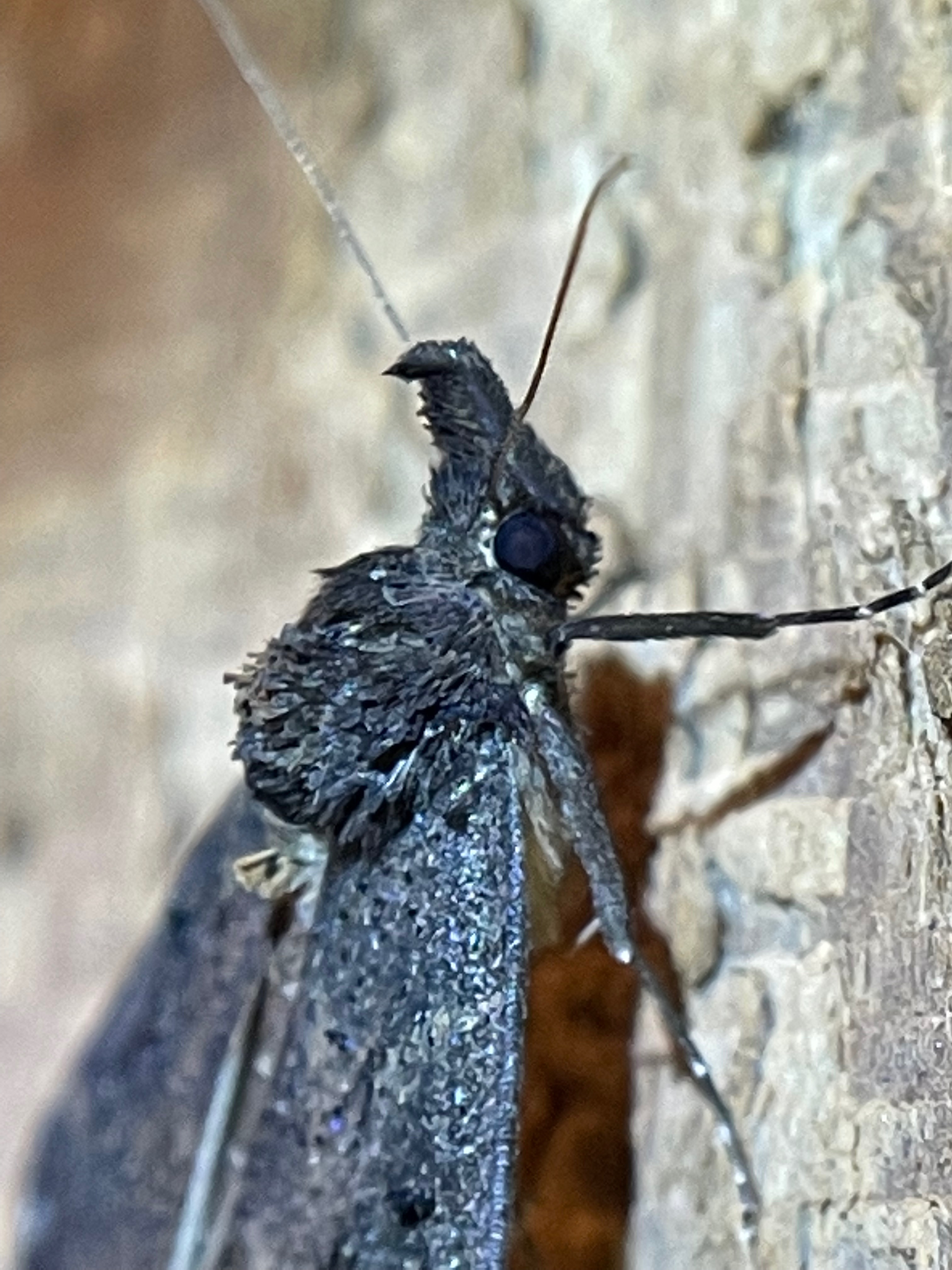
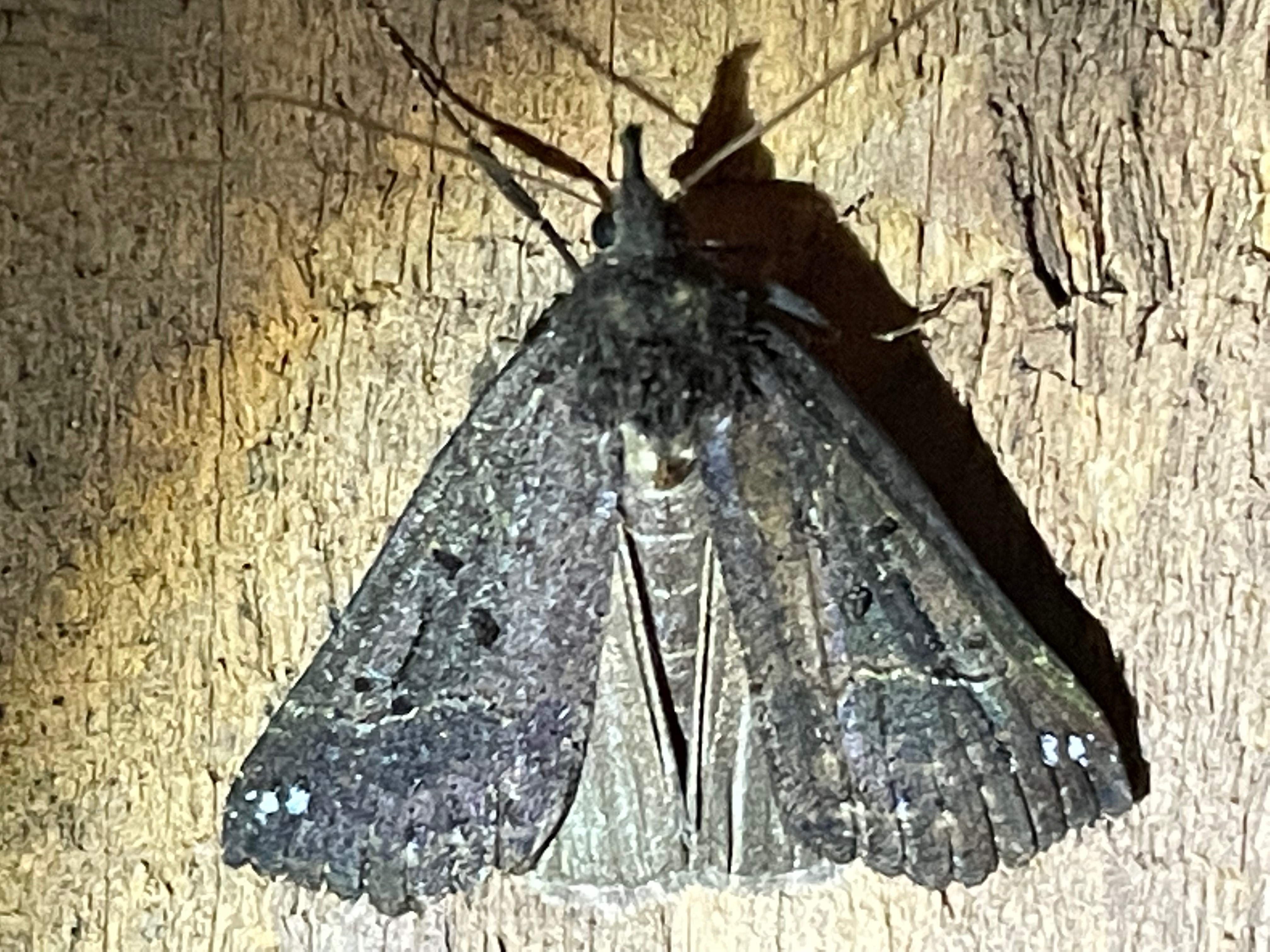
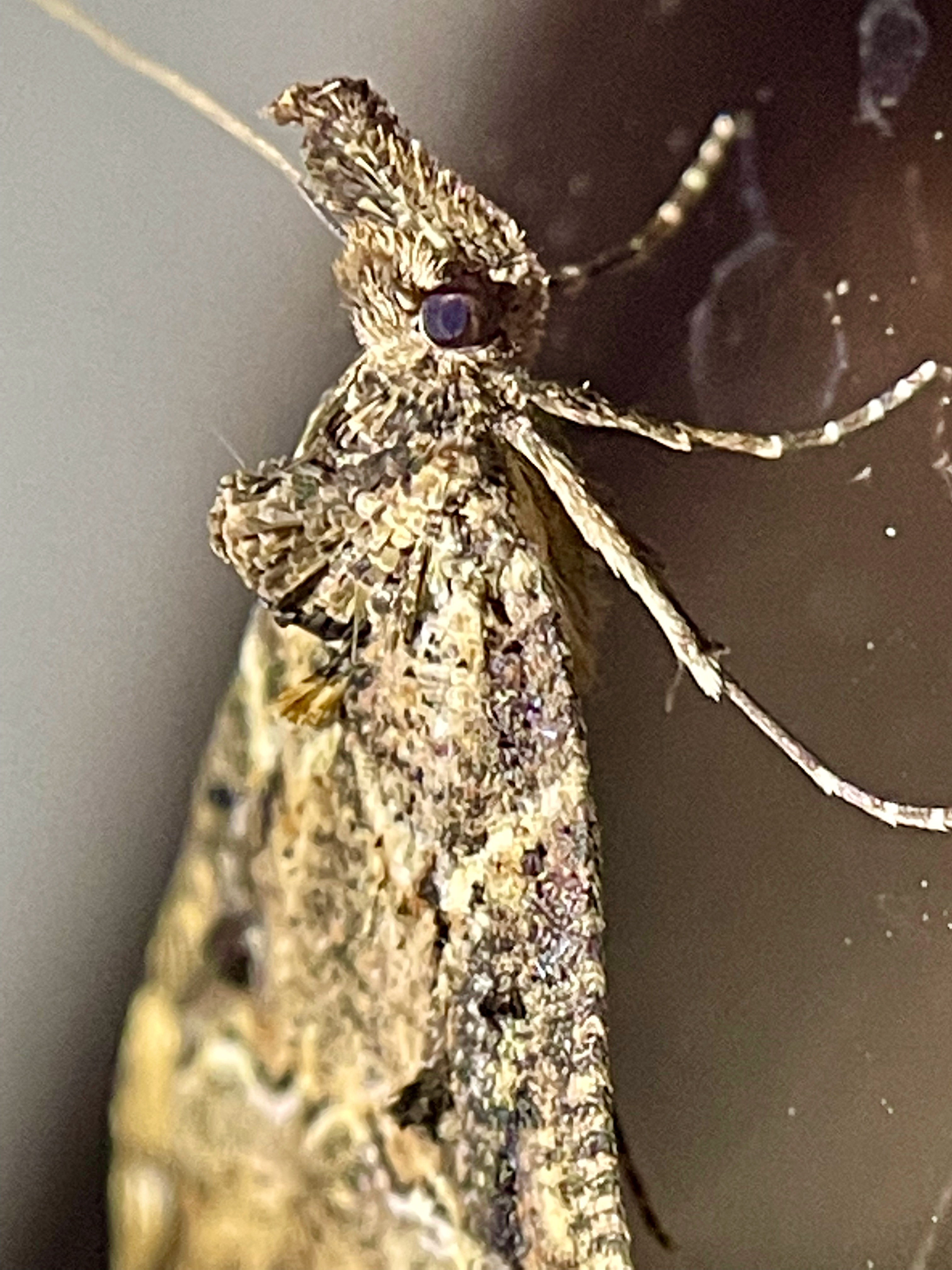
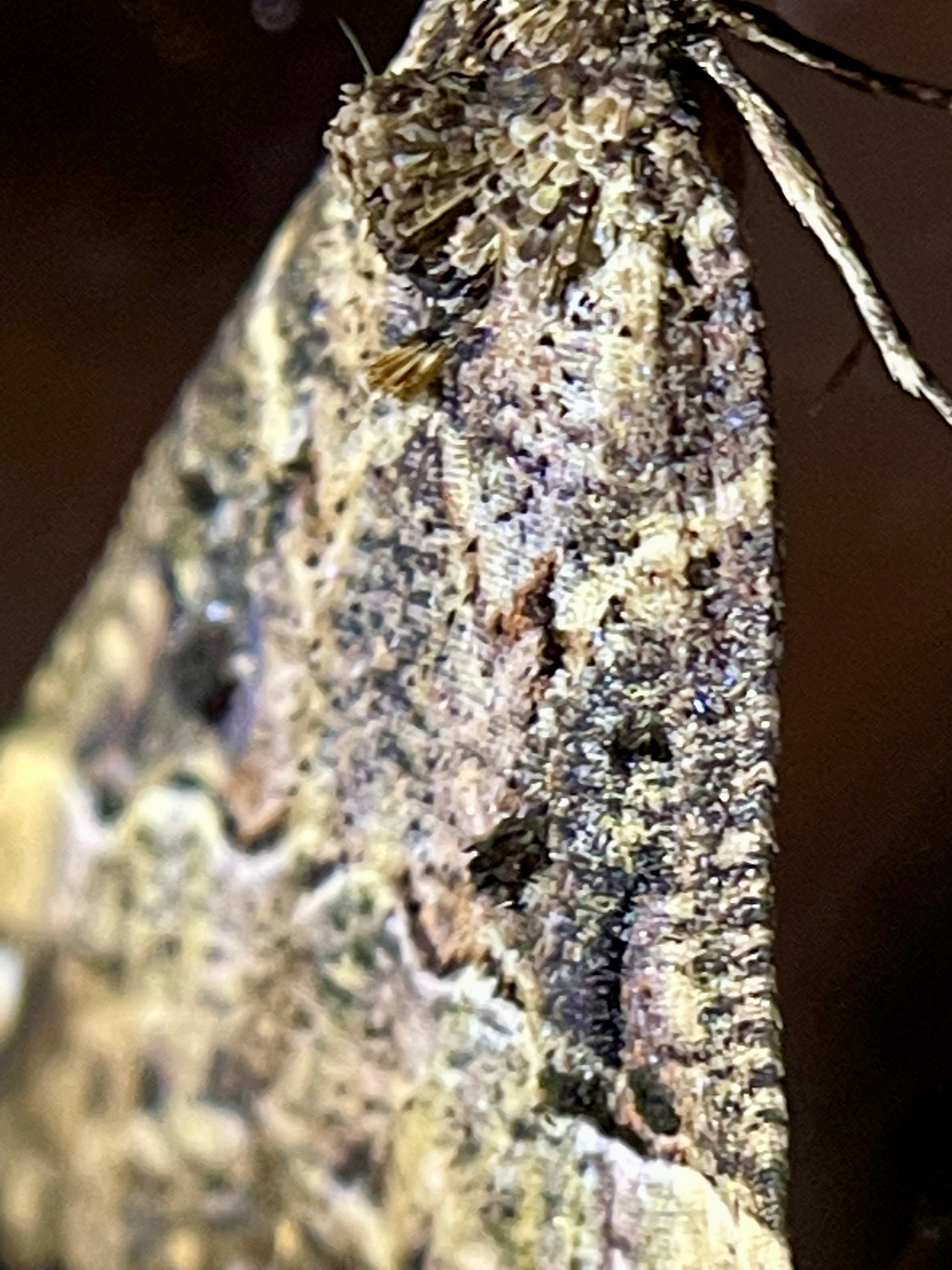
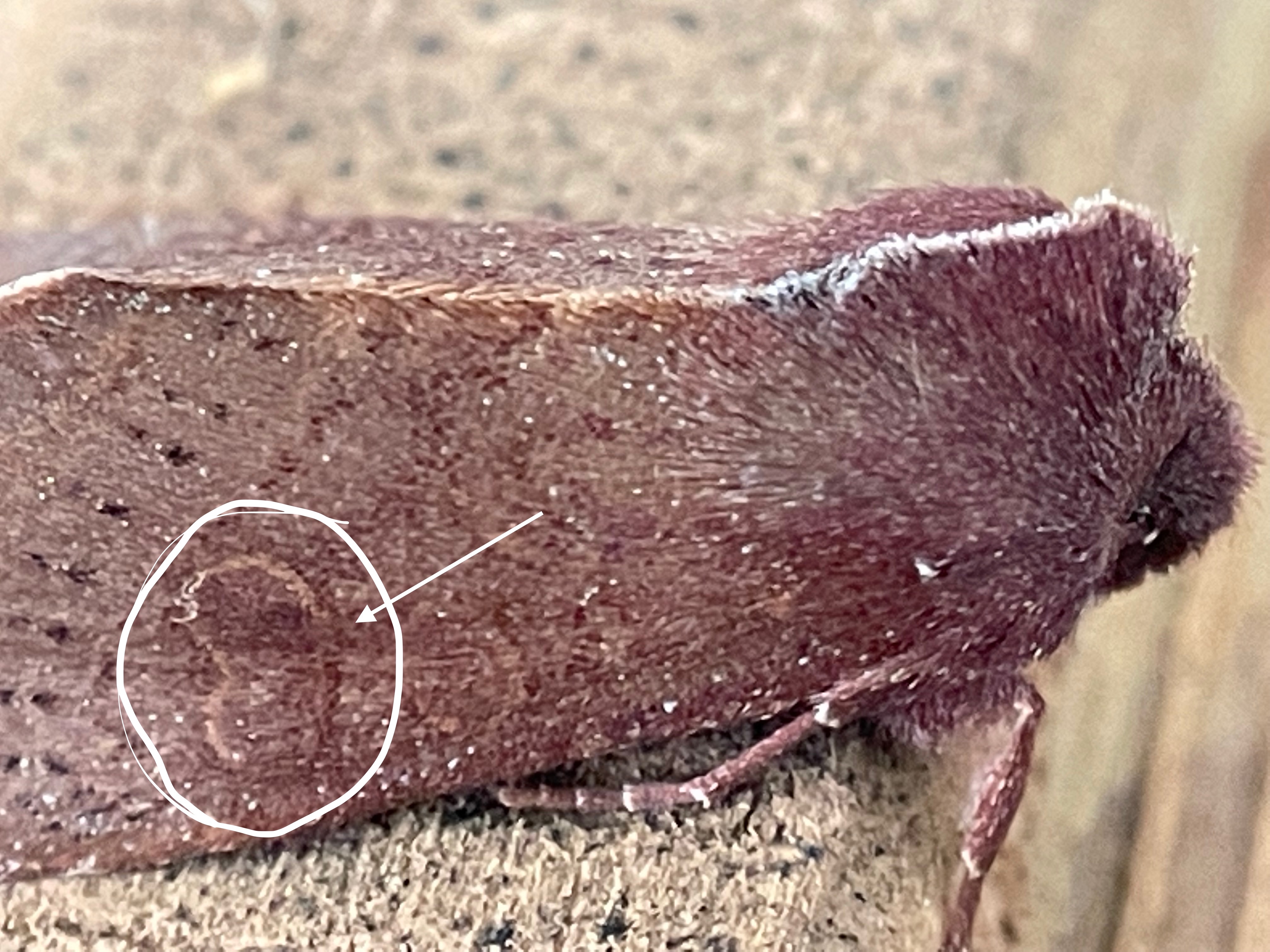
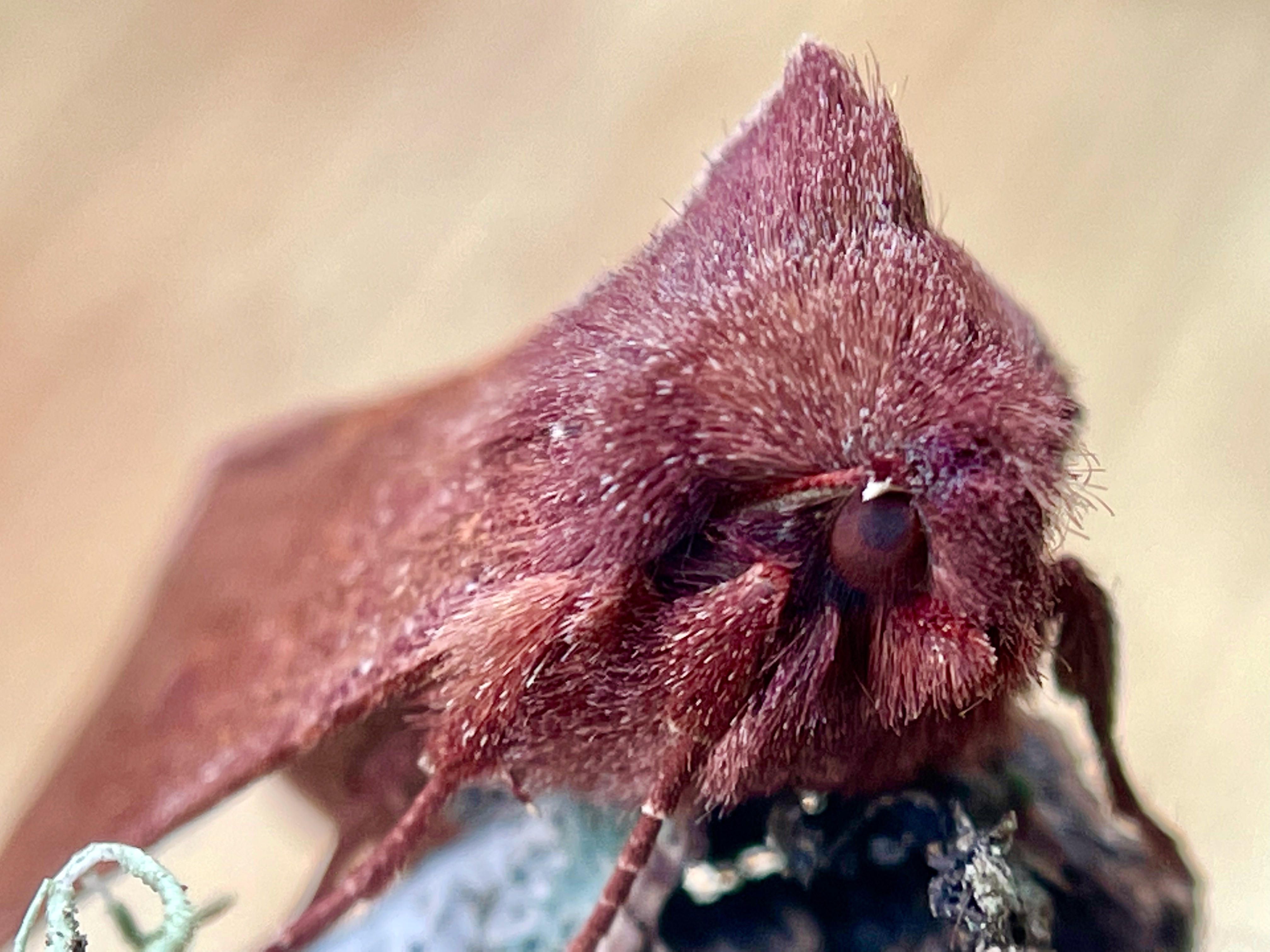
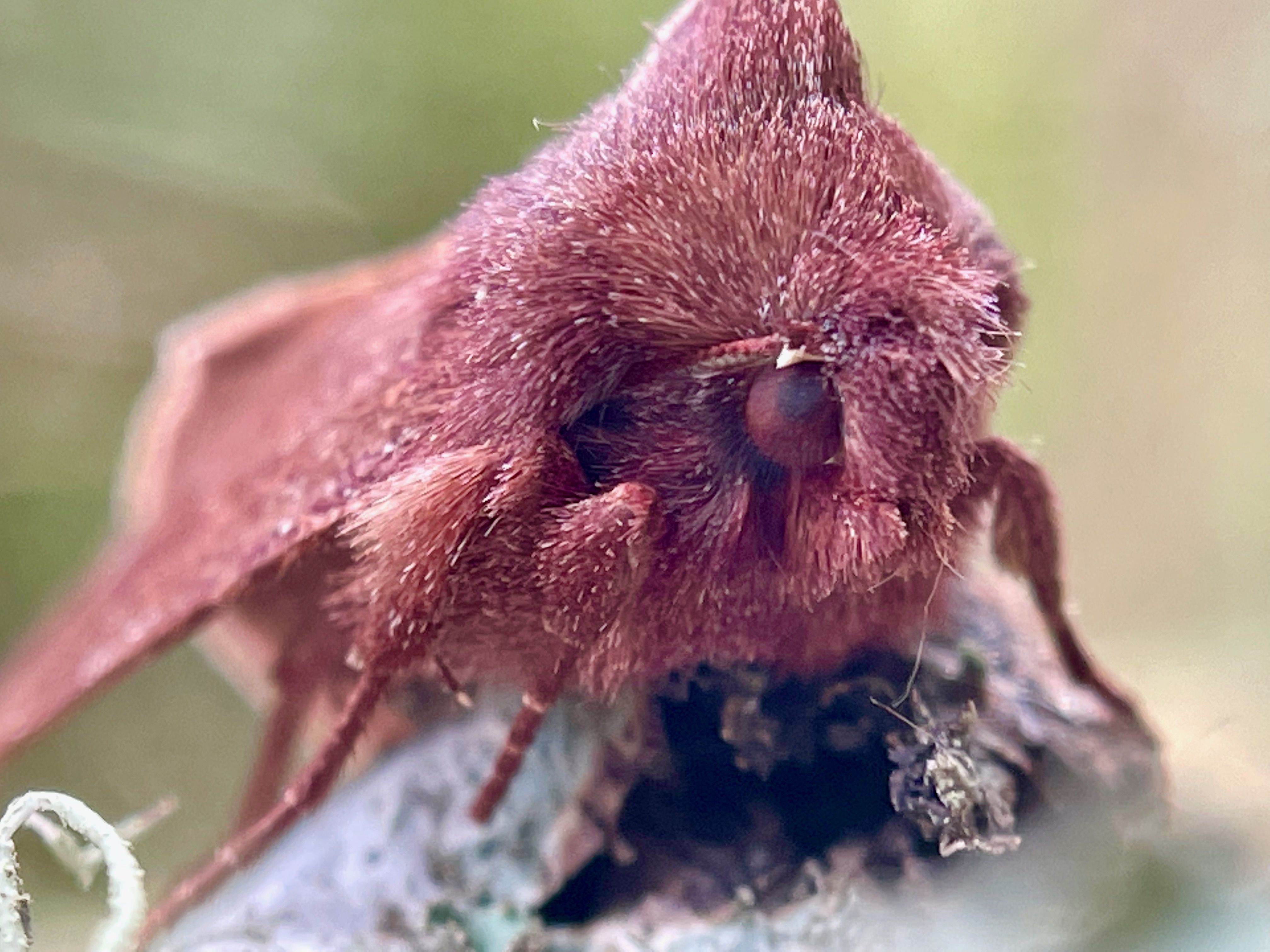
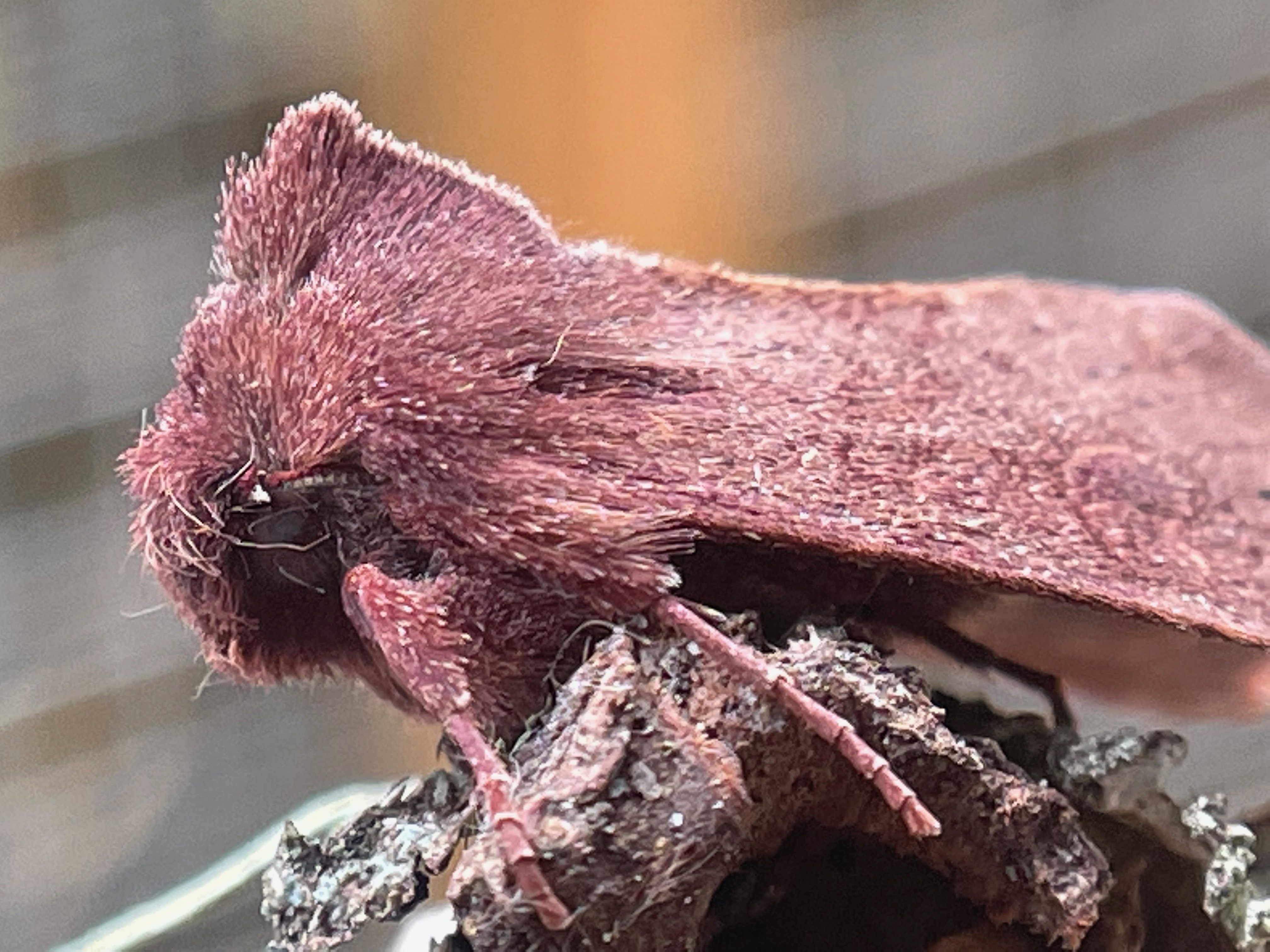
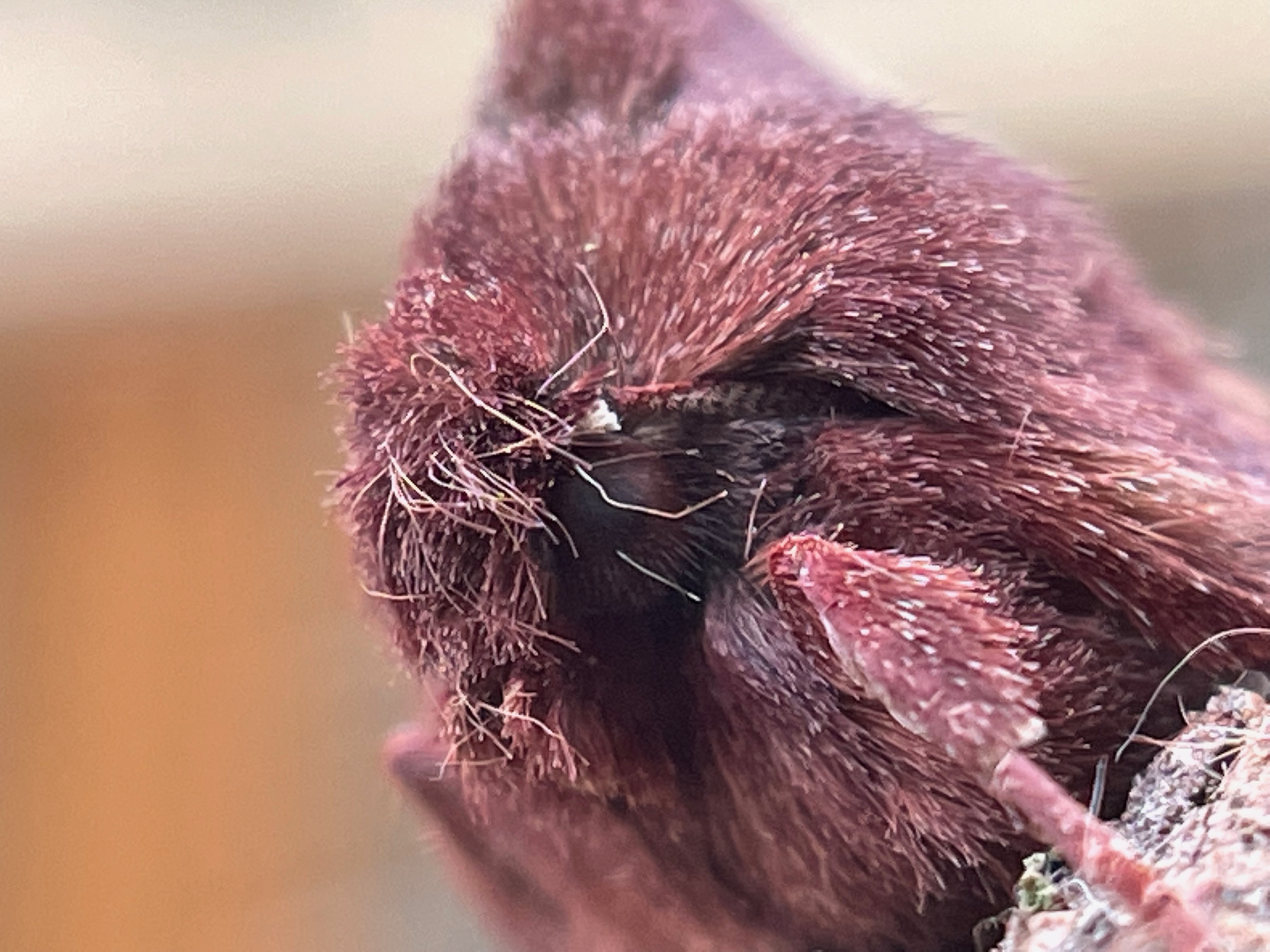
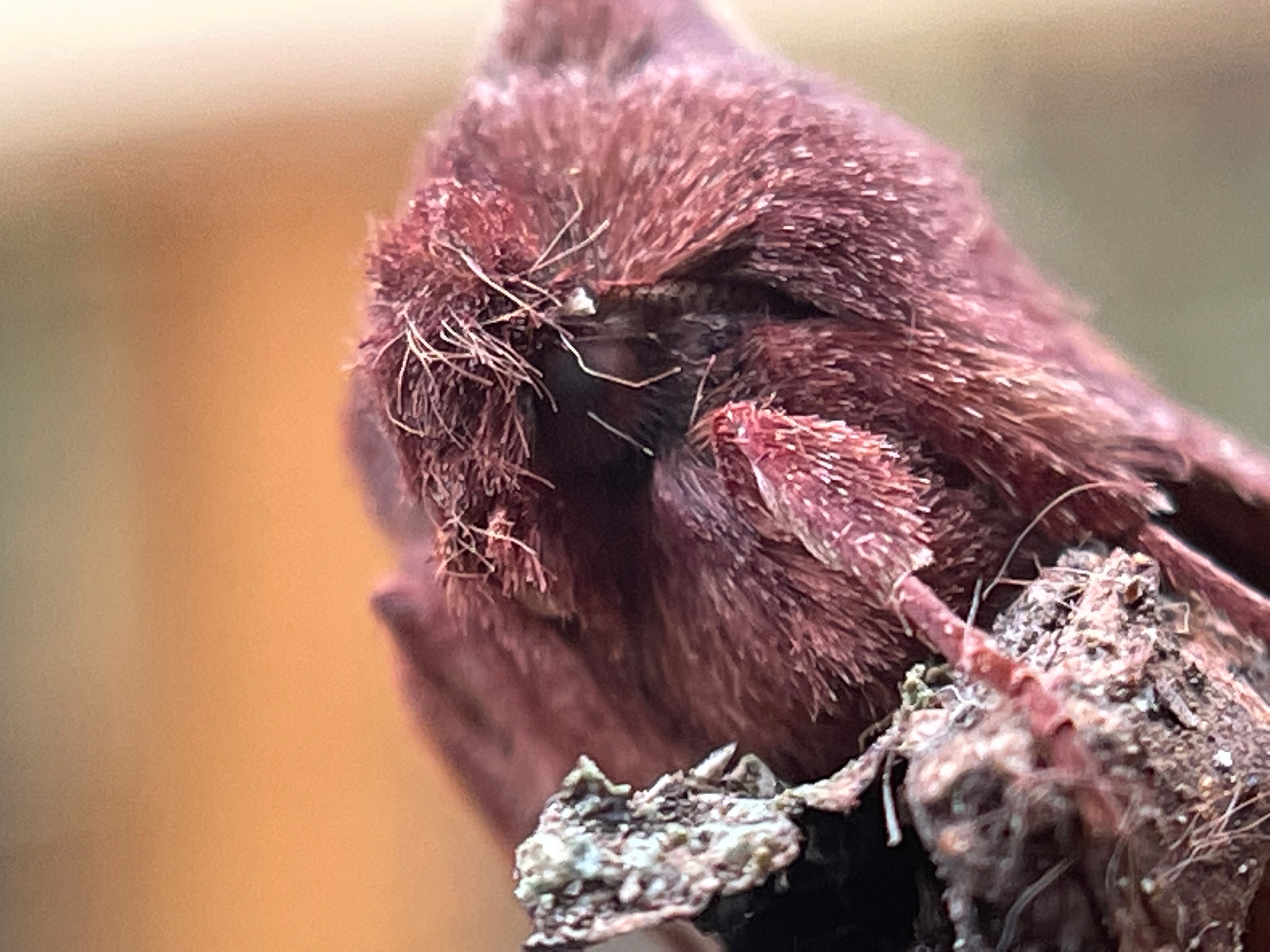
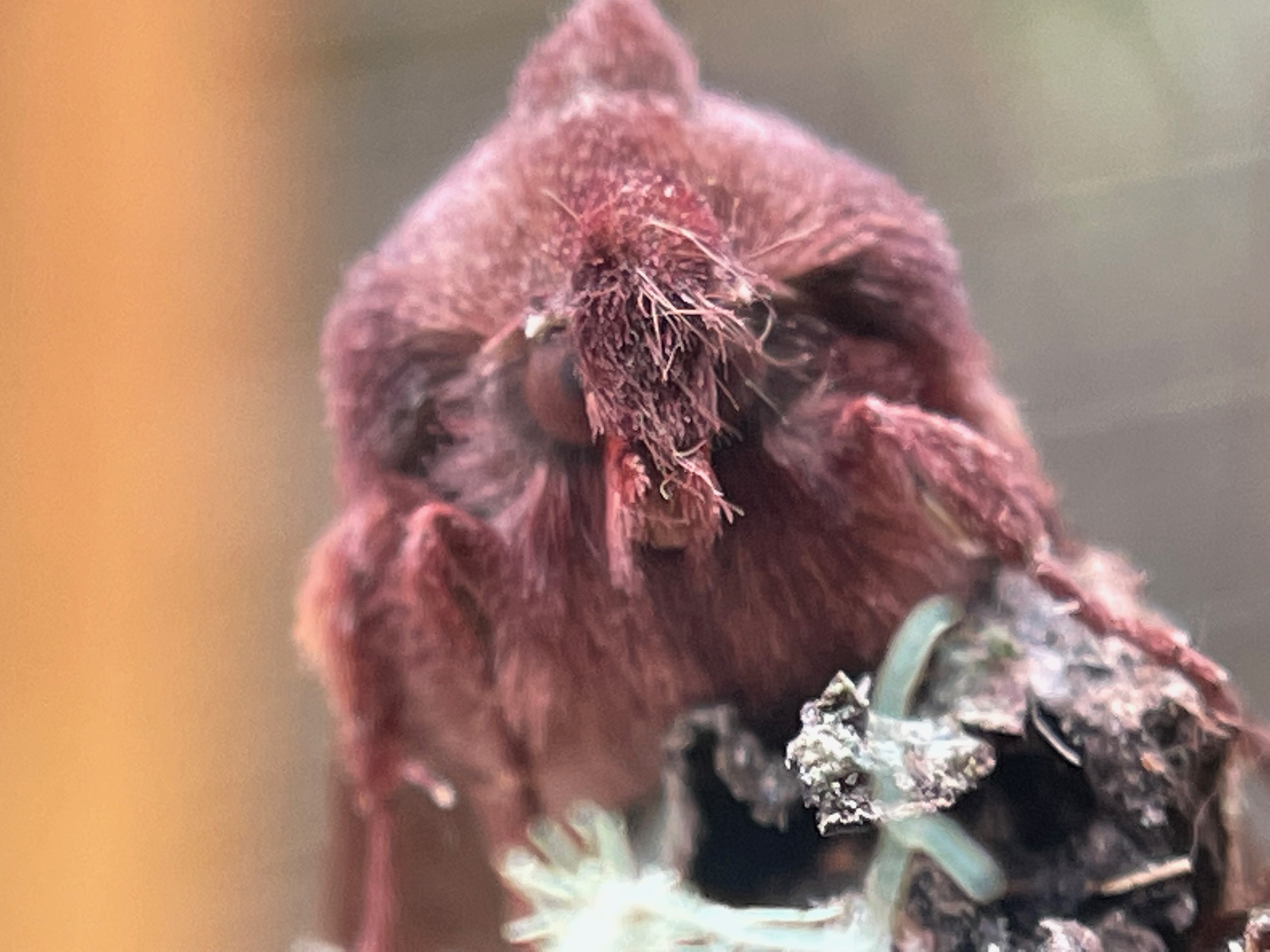
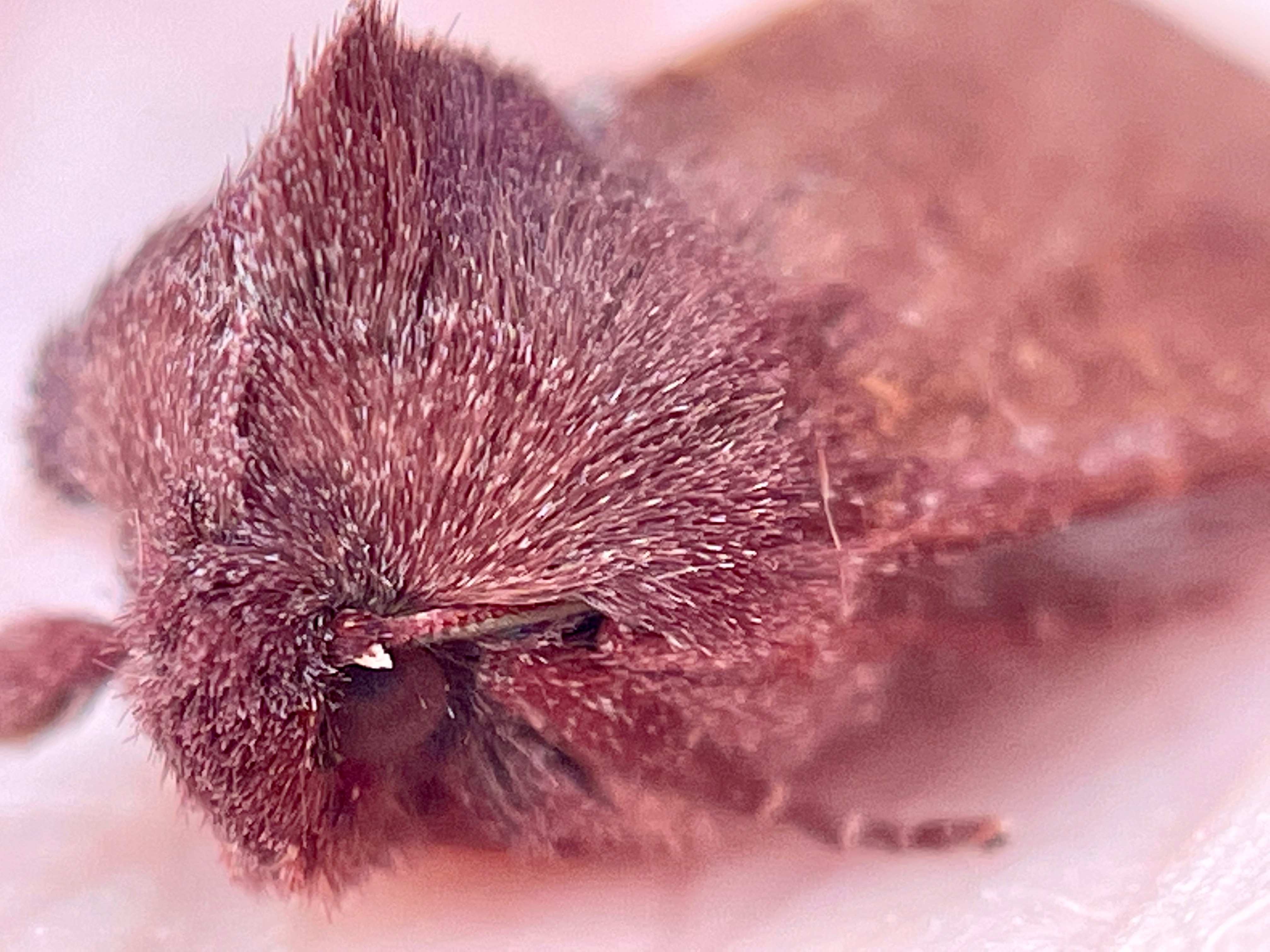
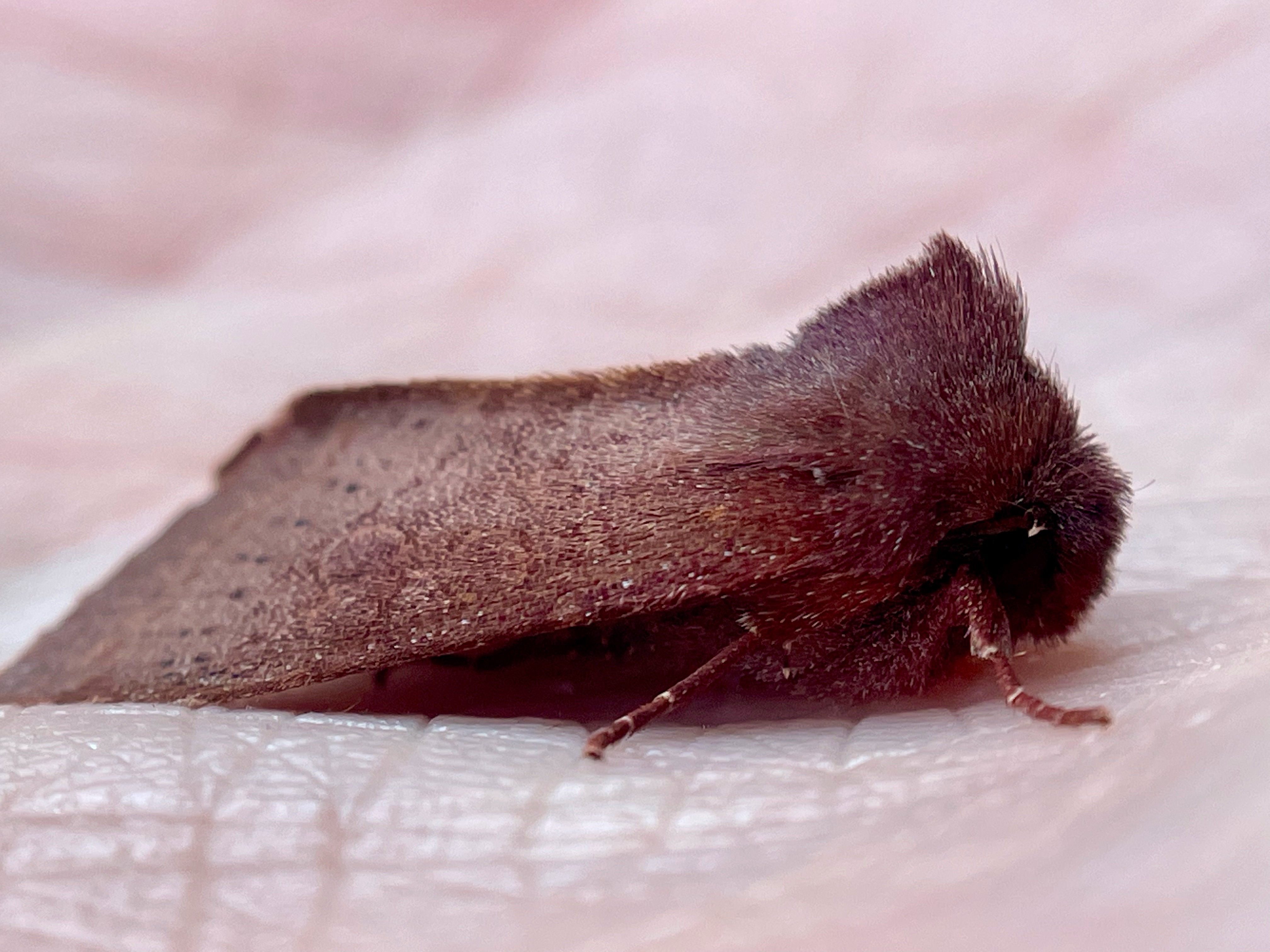
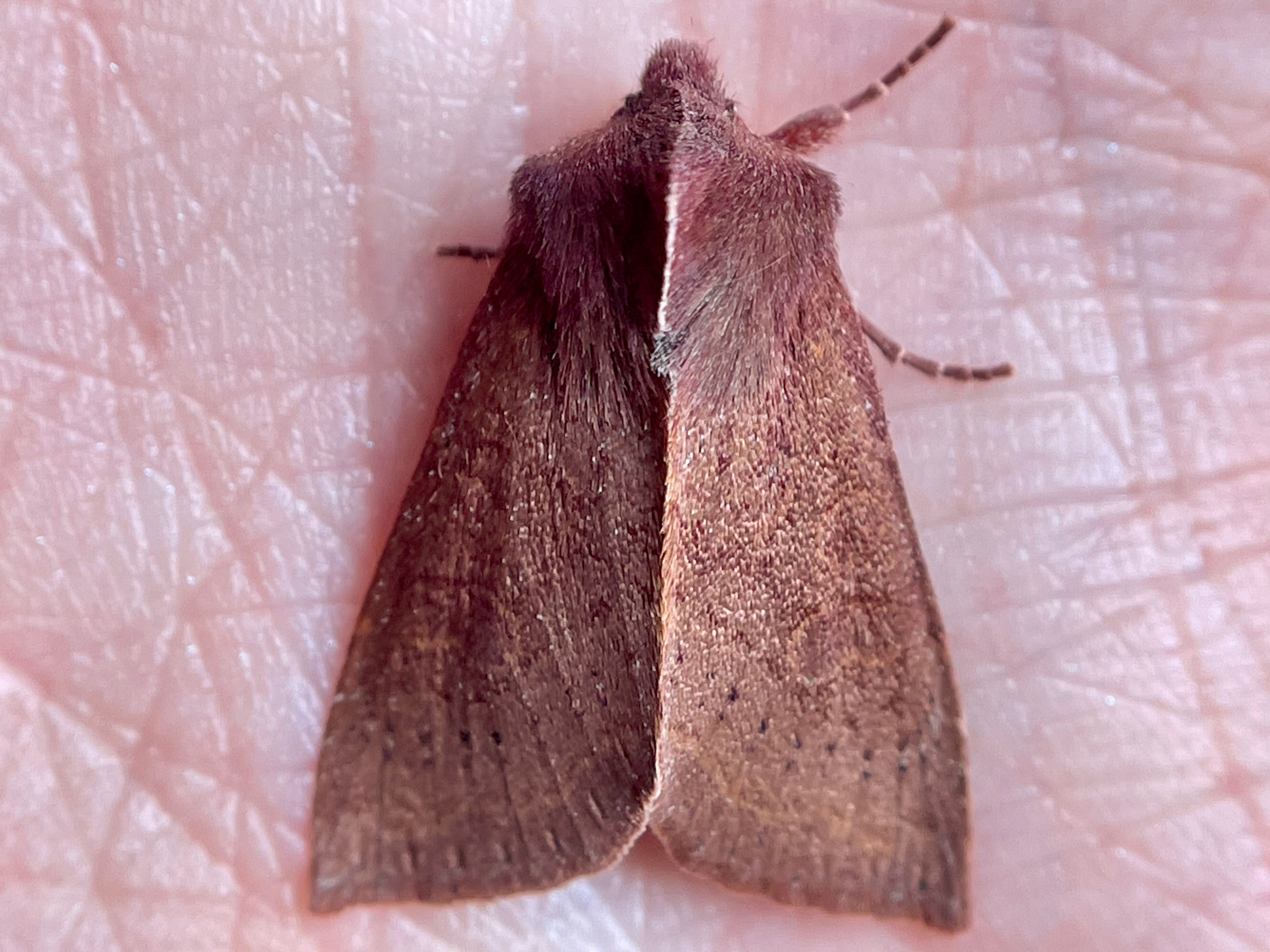
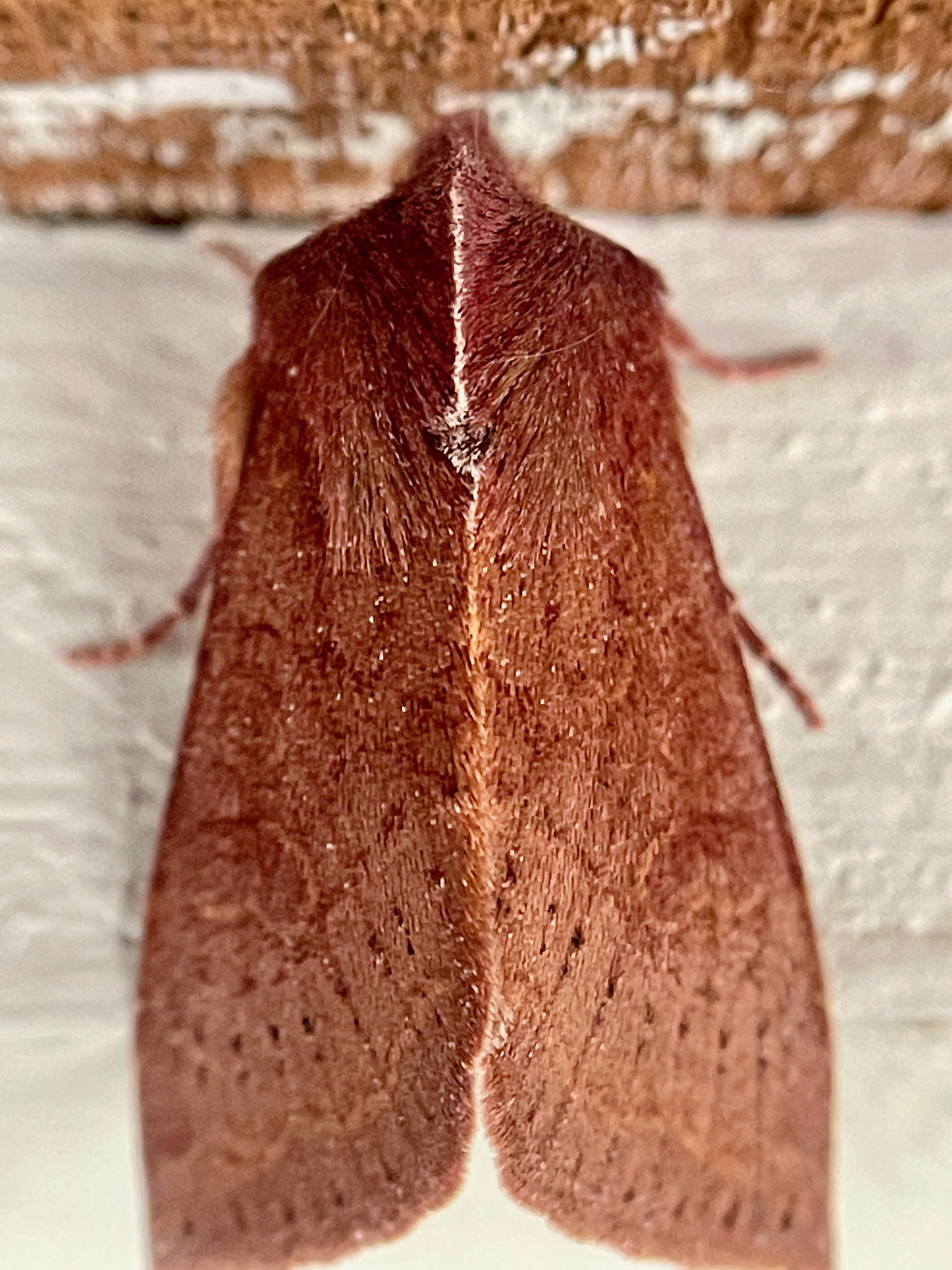
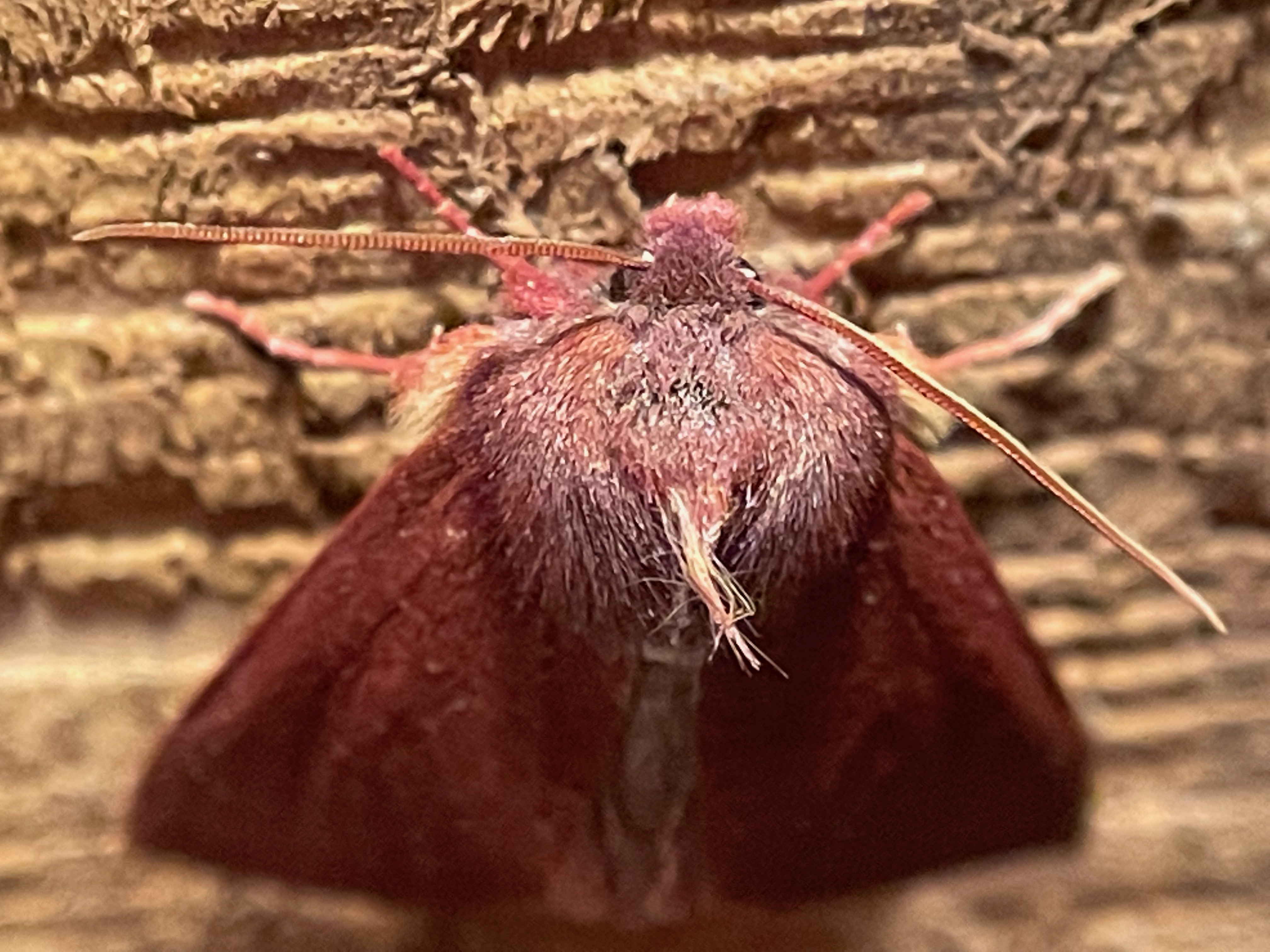
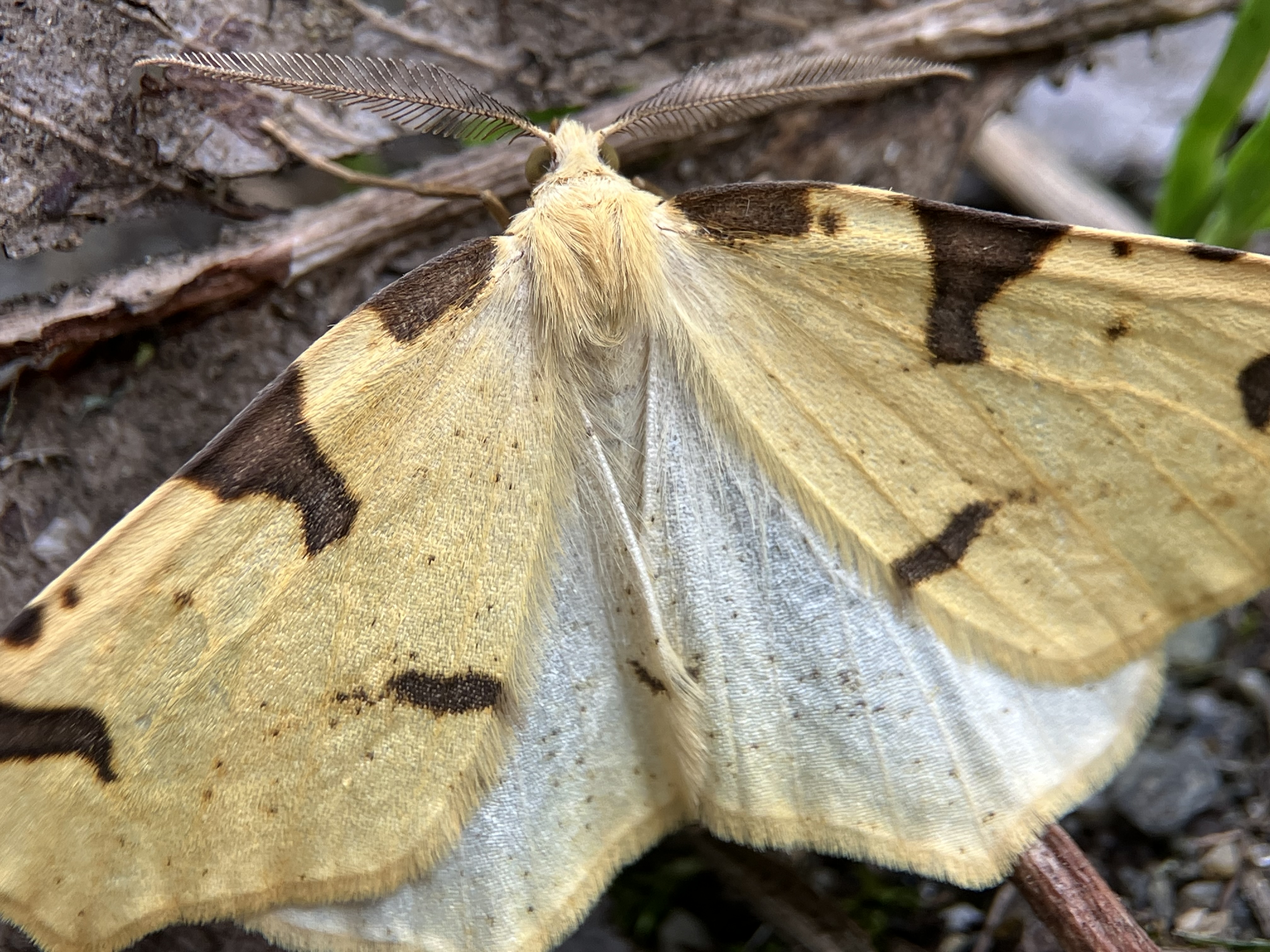
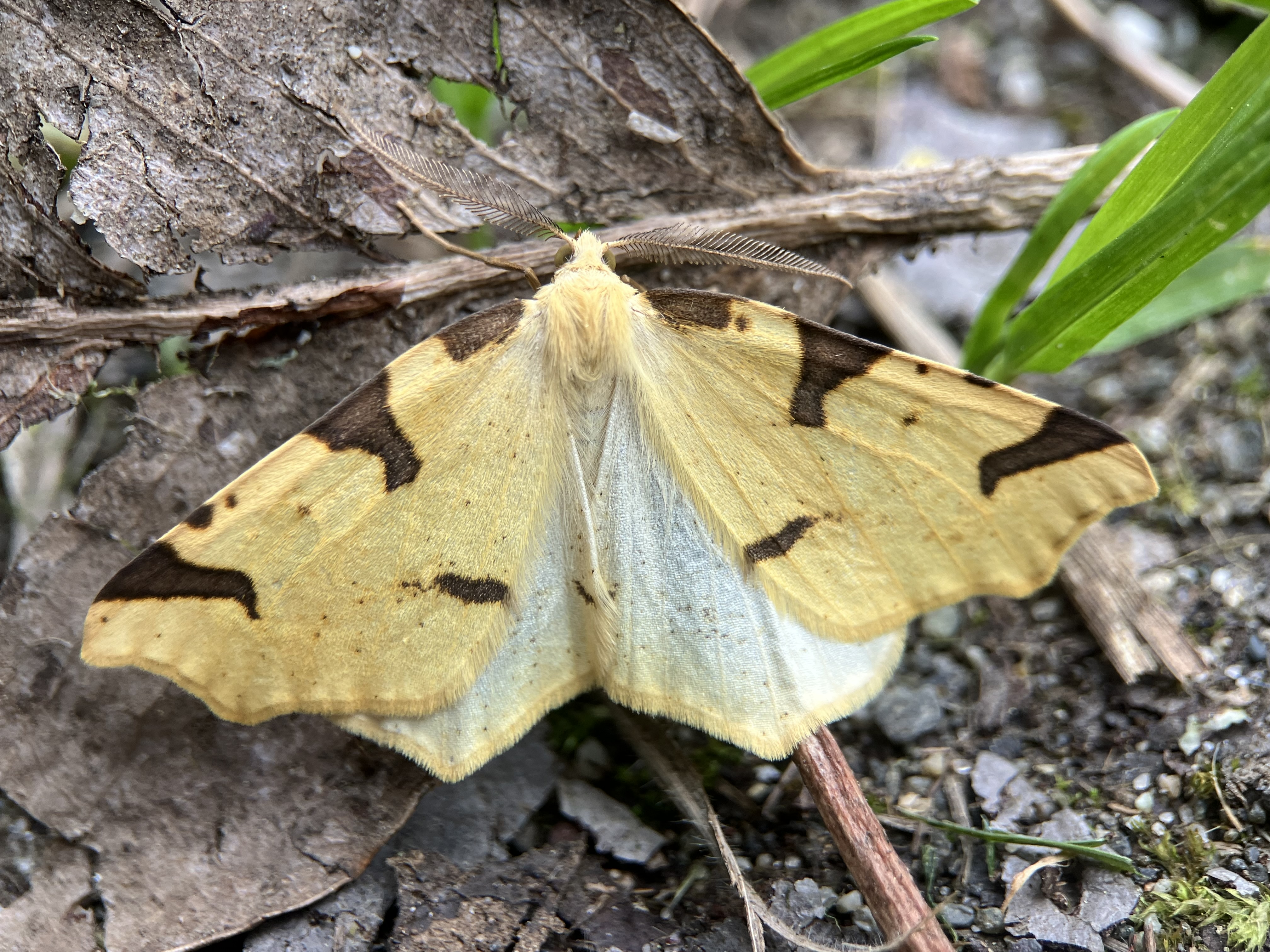
Canary thorn moth, (Neoterpes trianguliferata)

Canary thorn moth (Neoterpes trianguliferata)

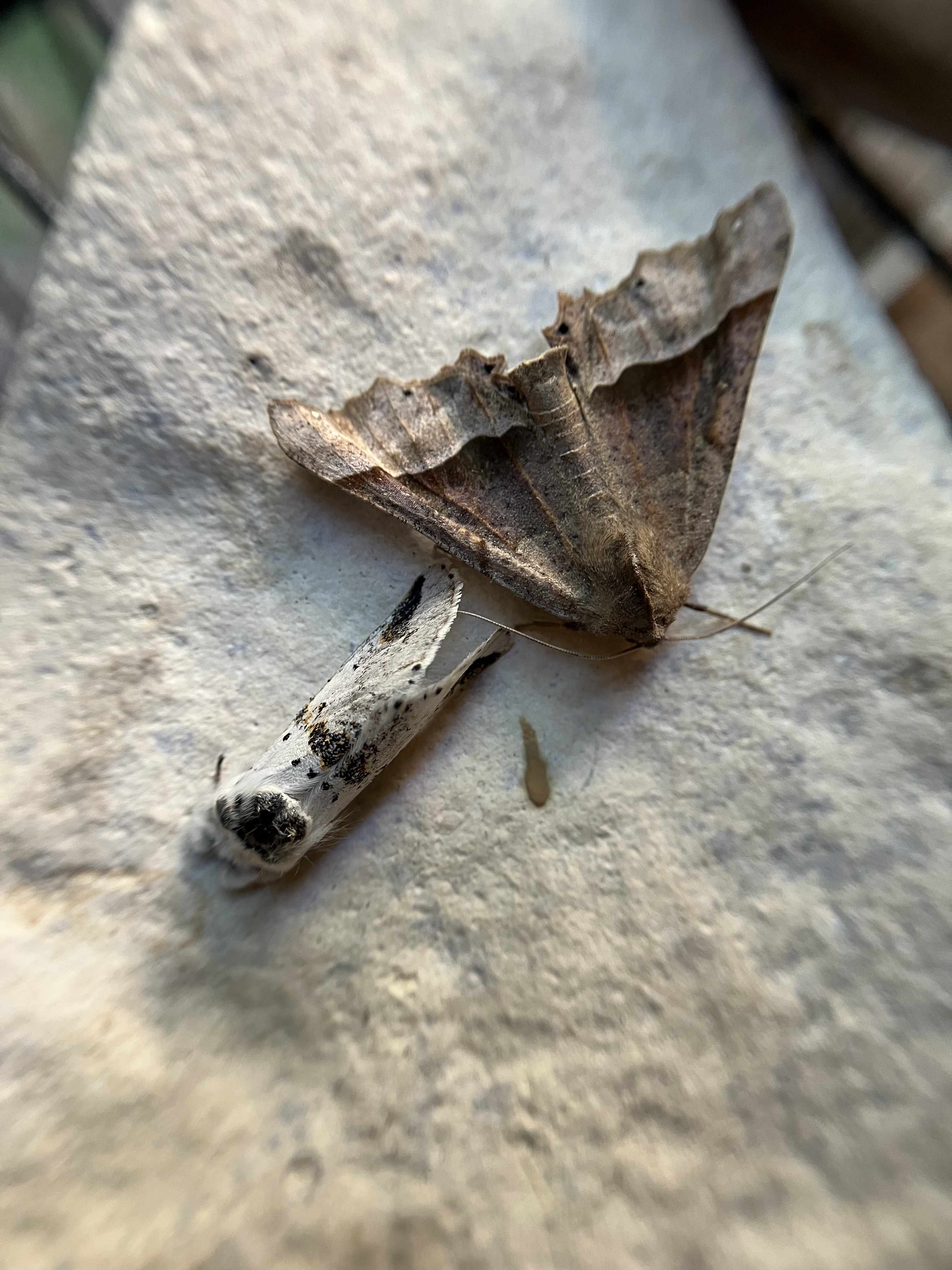
I found the most beautiful creature at my moth light this morning. It is the Canary Thorn Moth (Neoterpes  trianguliferata ). I was surprised to see anything there given the drop in temperatures we’ve had the past few days. After a few photos, I got too close and he flew out of the open barn area into some grass, struggling a bit in the wind, so I was able to carefully coax him back into an egg carton to shelter the day back undercover and out of the rain.

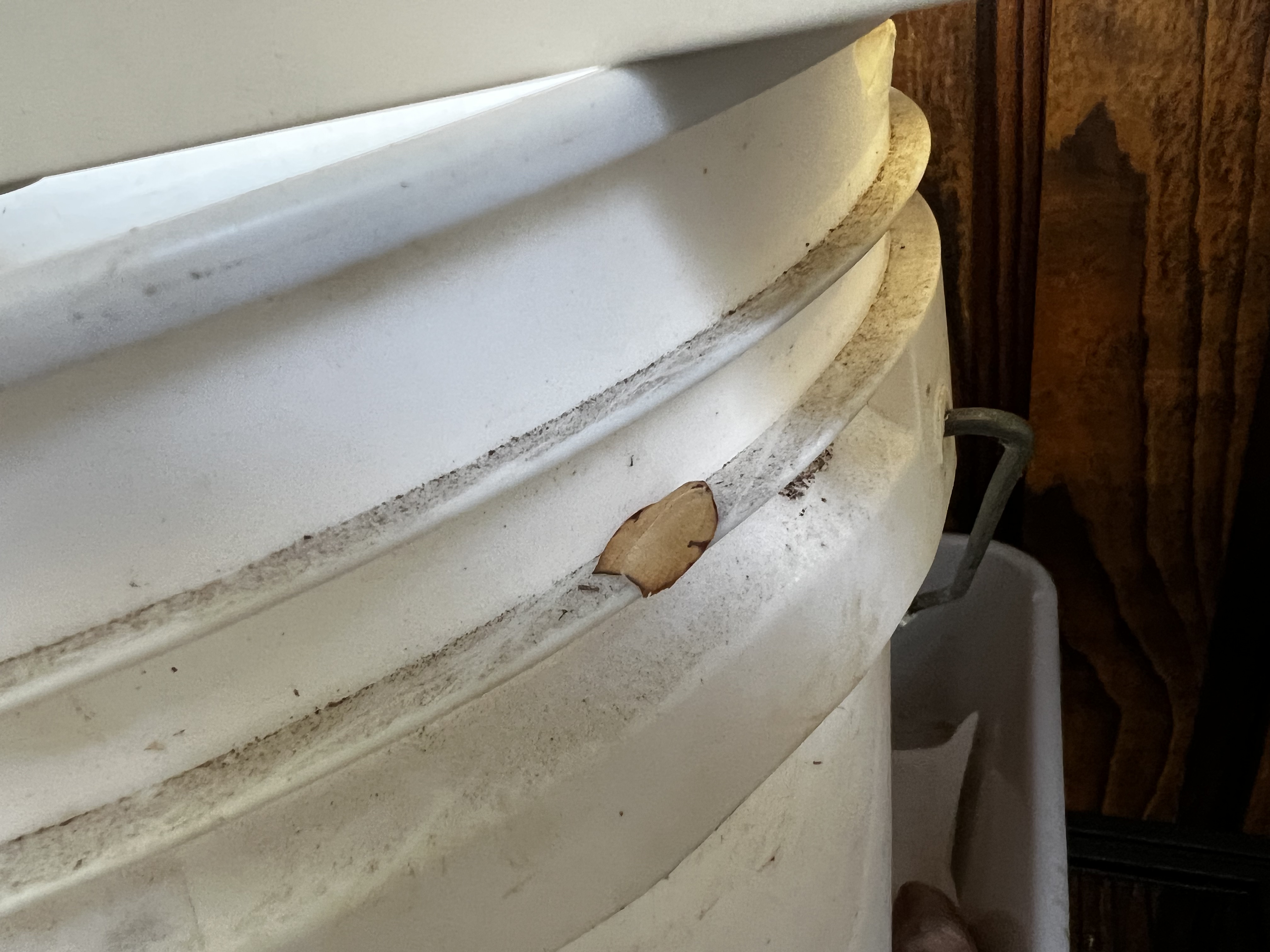
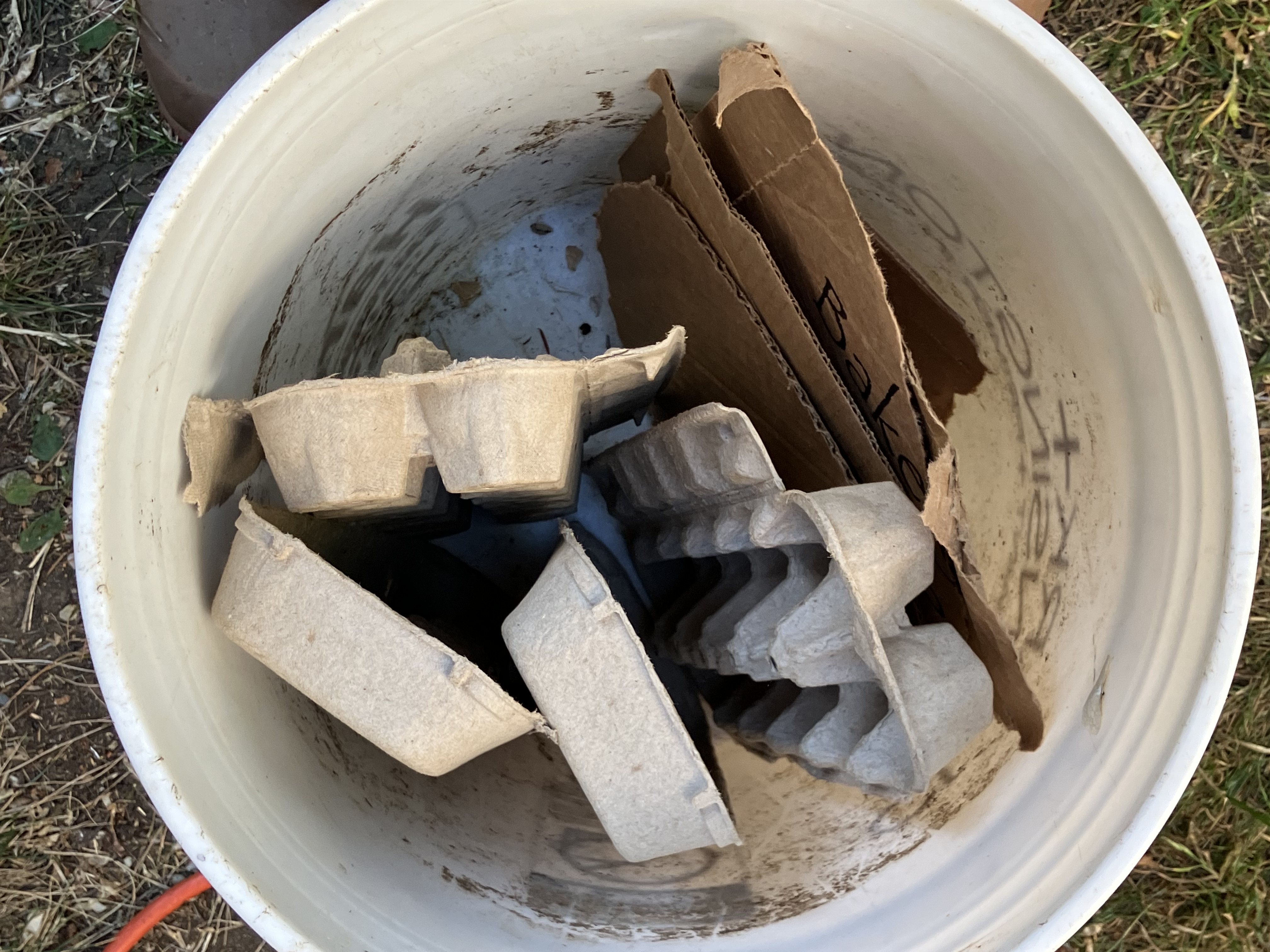
If you’re wondering about the egg carton, I use these in my moth light set up to give the moths a secure place to hide when they settle down under the light for the night. The egg cartons are in a 5 gallon bucket. I have the “low end” set up, so no major investments in equipment. Anyone could do this at home. It’s fun to “moth” and see what species live around us. If you’re interested, shoot me an email and I’ll coach you on getting set up yourself. For the record, all of my specimens are photographed with respect and care, and allowed to live free. I do not take specimens for pinning. I definitely believe they are here to be admired in the wild, not in a glass case.
More about this species:

Neoterpes  trianguliferata is a species of Geometrid moth that ranges from southern British Columbia to southwestern Alberta, south to Colorado, Utah, and California. The hostplants for larvae (the caterpillars) are Currants and Gooseberry (Ribes). I’ve linked information for some of the native host plants below in the reference section.

Larvae are twig mimics. Pupae sleep through the winter wrapped in a leaf, another reason to “leave the leaves” and refrain from burning or bagging and discarding the leaves around your home. You could inadvertently impact overwintering species like these and others. Adults are approximately 14-20mm (forewing length). You will see adults in flight between April-June in our area. From what I have been able to find as to the etymological meaning of the name, Neoterpes may translate to “new delight” and trianguliferata refers to the triangle-shaped markings on the forewings. It was indeed a delight to see this beauty today! A bit of sunshine on a rainy spring day.

Canary thorn moth (Neoterpes trianguliferata)

References

Bressette, Dana Kelley. no date. Coast Black Gooseberry, Ribes divaricatum. Native Plants PNW. https://nativeplantspnw.com/coast-black-gooseberry-ribes-divaricatum/

Bressette, Dana Kelley. no date. Red Flowering Currant, Ribes sanguineum. Native Plants PNW. https://nativeplantspnw.com/red-flowering-currant-ribes-sanguineum/

Bugguide.net. 2023. Species Neoterpes trianguliferata – Hodges#6860. Bugguide. Iowa State University. https://bugguide.net/node/view/114007

Moth Photographers Group. Neoterpes trianguliferata (Packard, 1871). Mississippi State University. https://mothphotographersgroup.msstate.edu/species.php?hodges=6860

Nelson, Dan. 2021. Neoterpes trianguliferata. 10,000 THINGS OF THE PACIFIC NORTHWEST
Adventures of a Recreational Naturalist. http://10000thingsofthepnw.com/2021/08/08/neoterpes-trianguliferata/
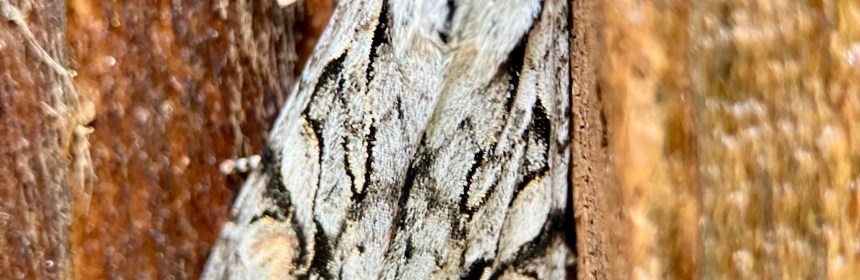
Moth Light/Bug Tally for 04.19.2025

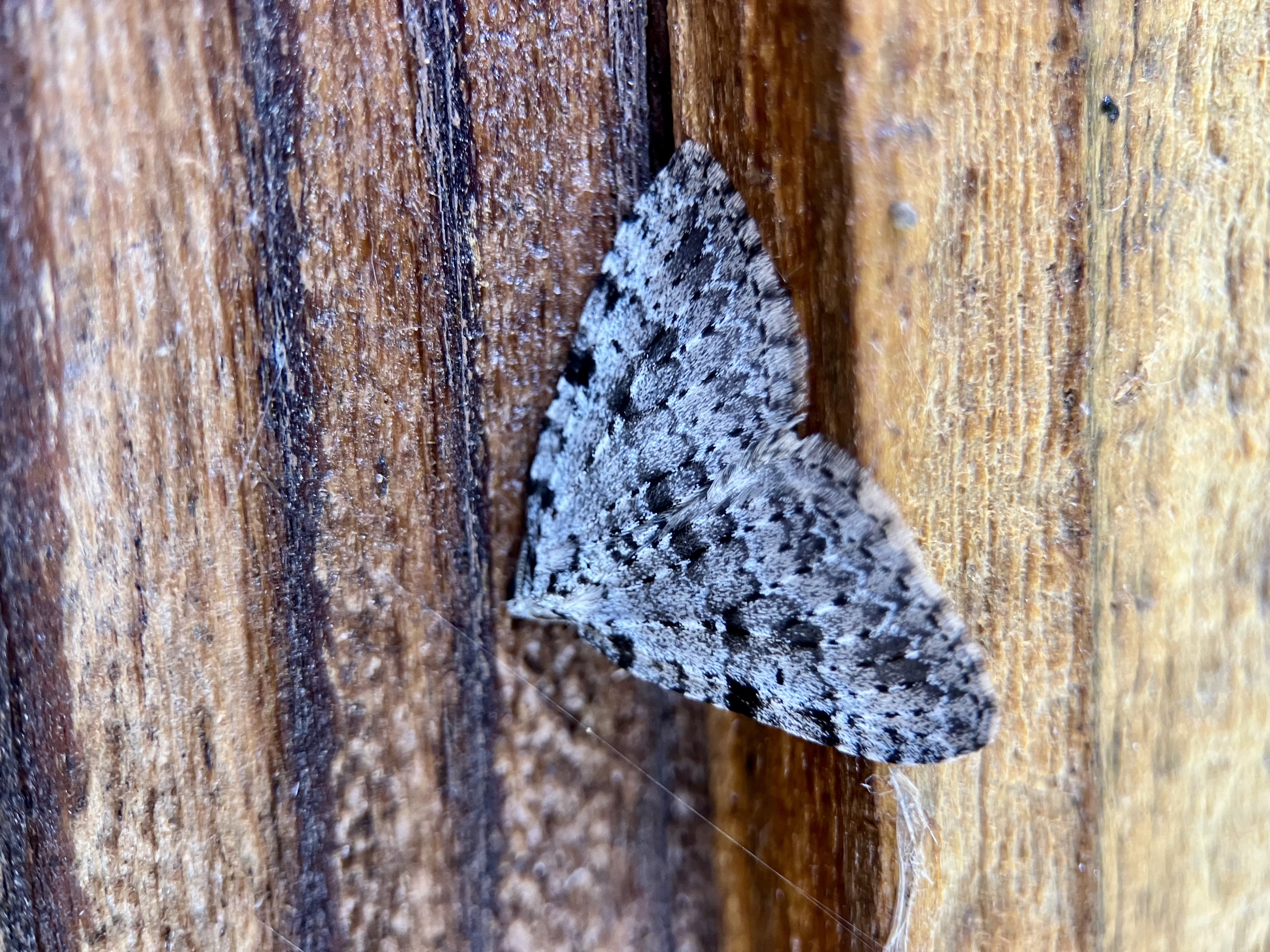
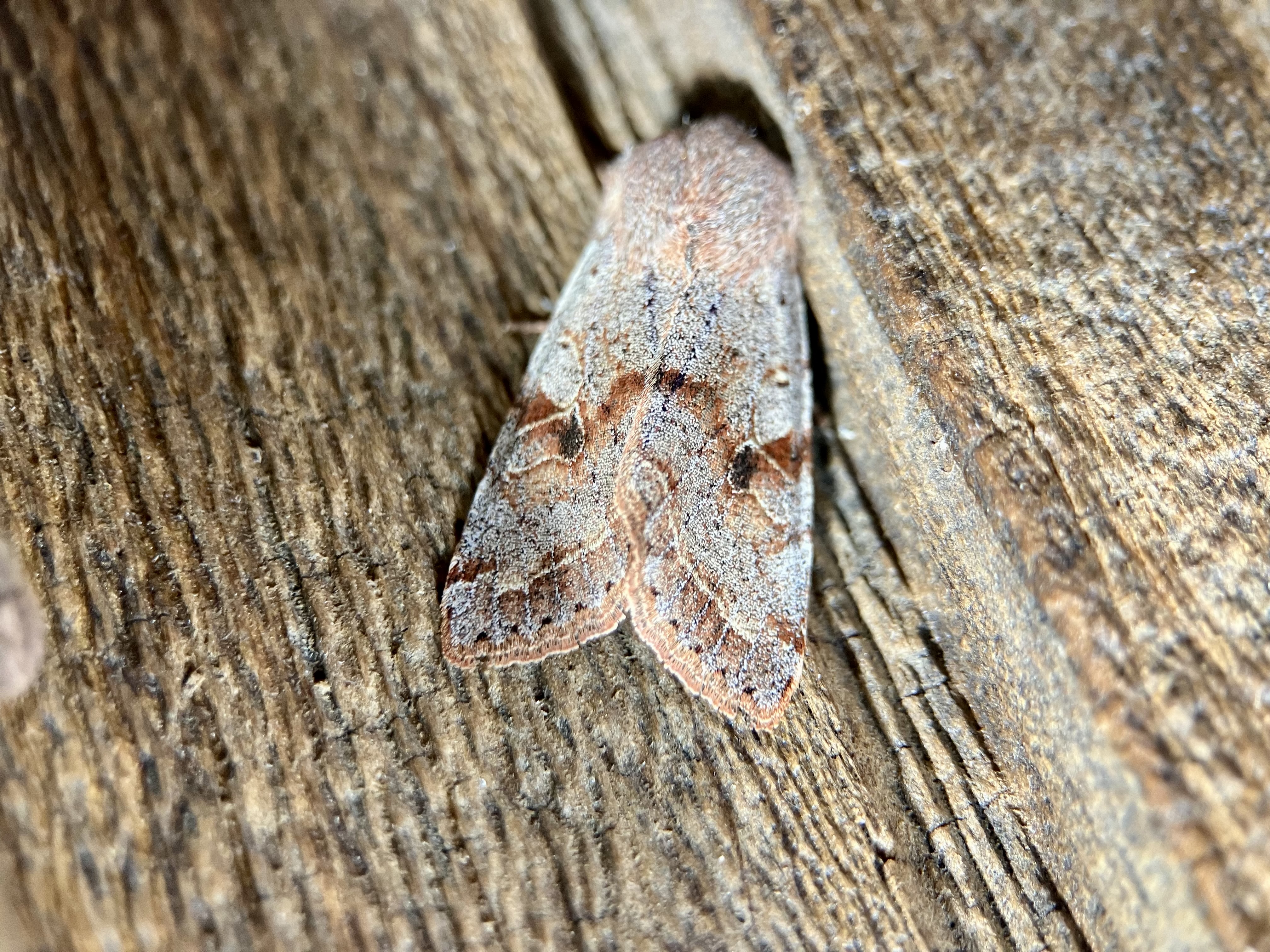
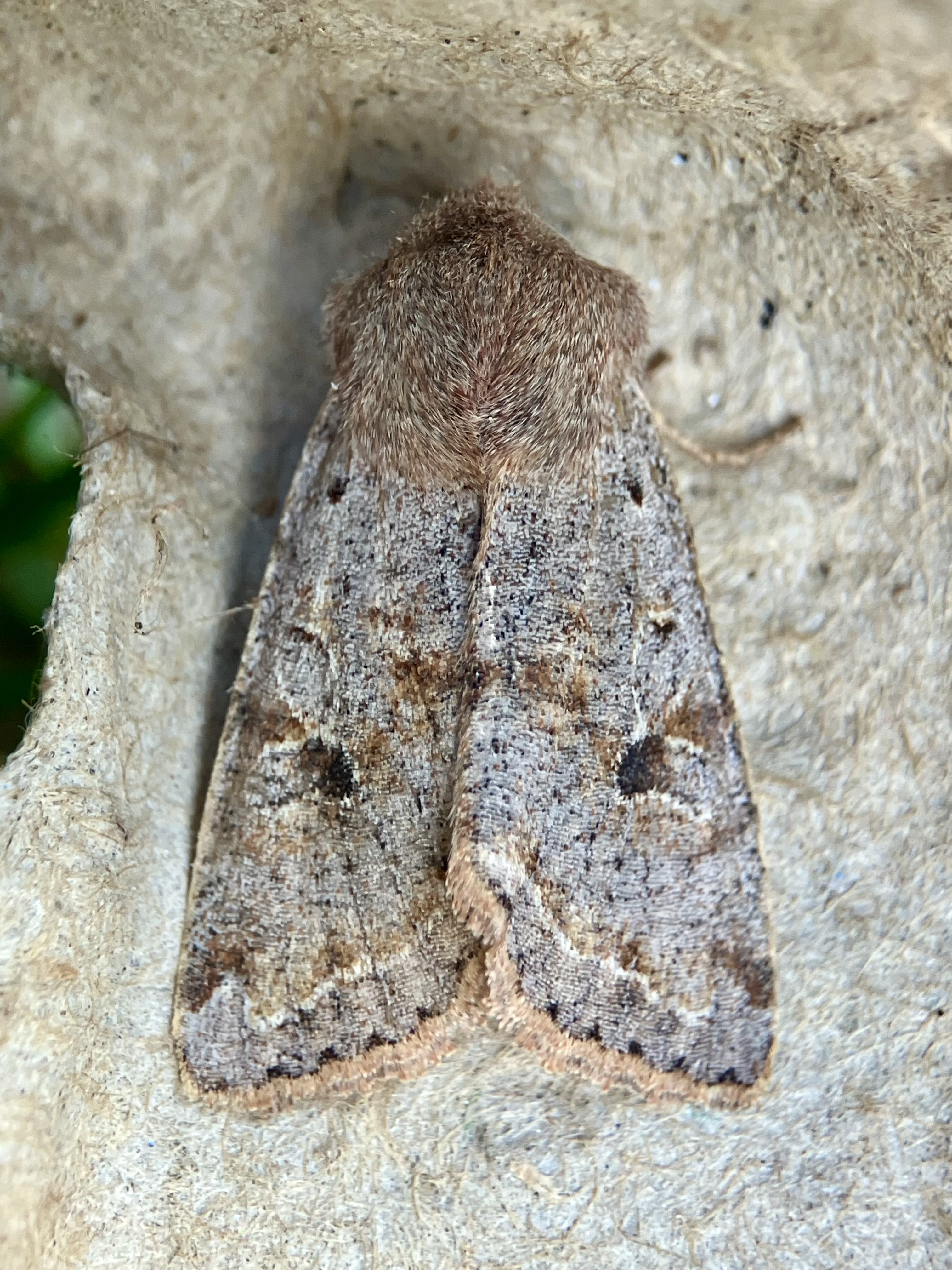
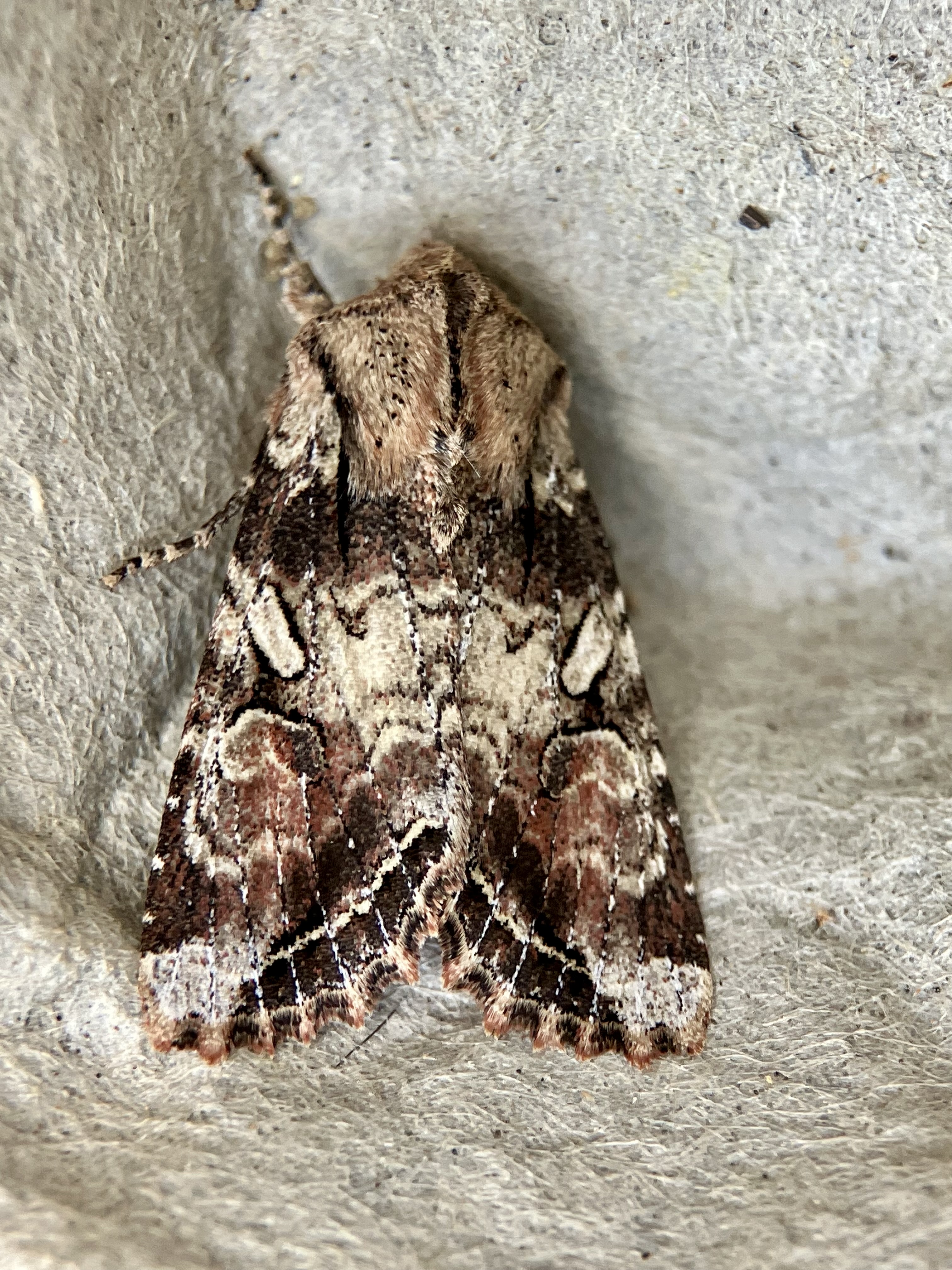
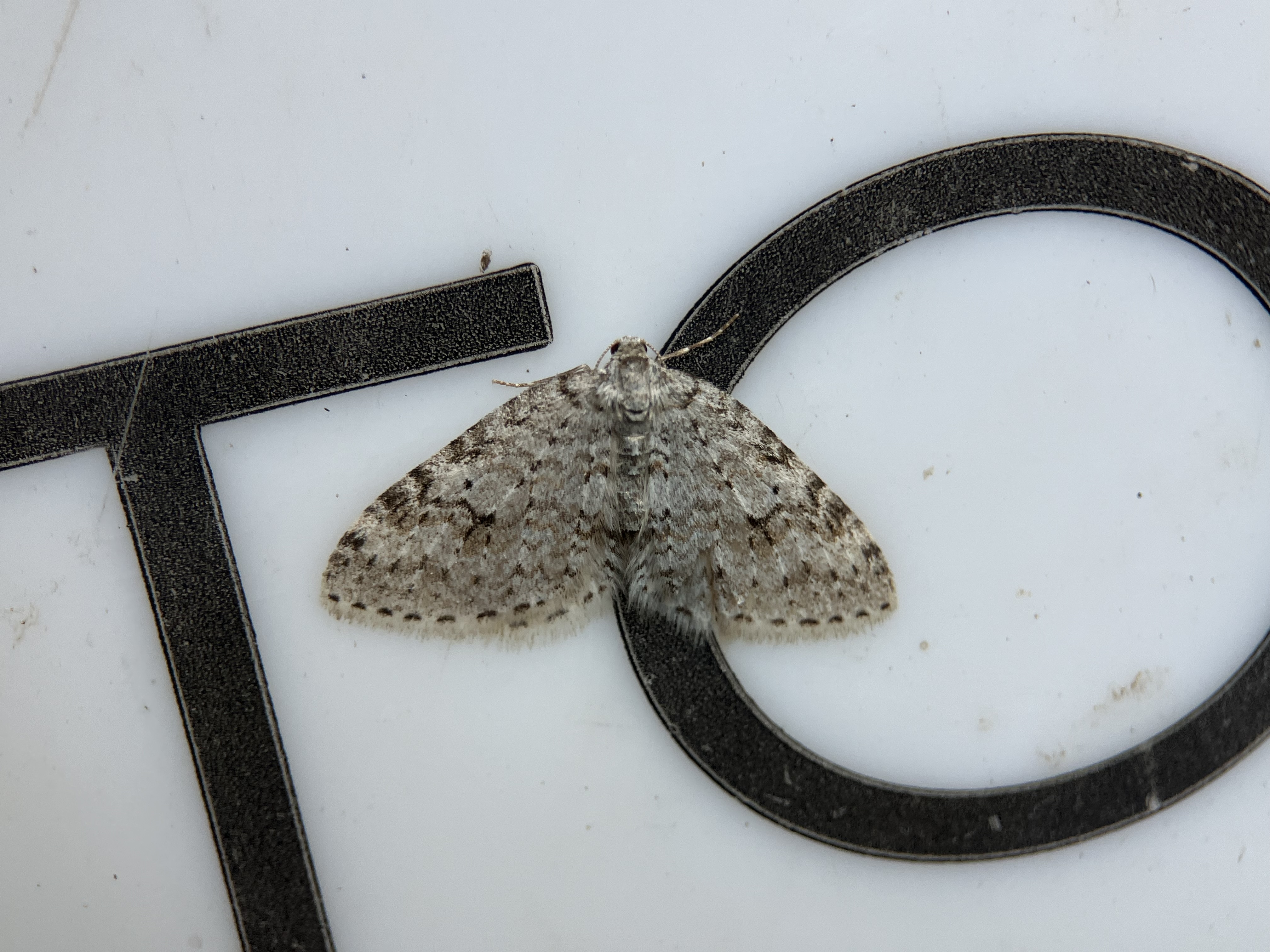
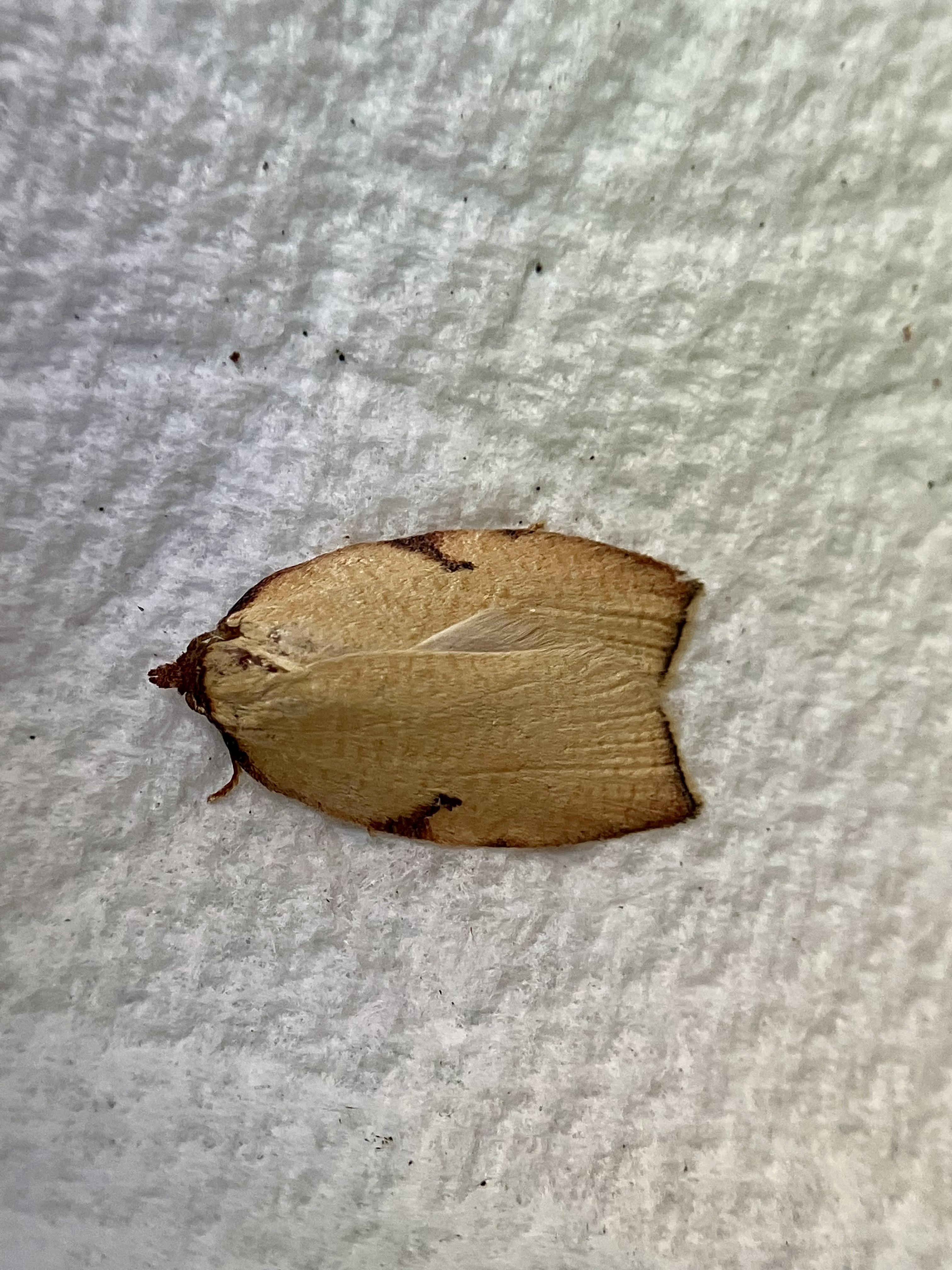
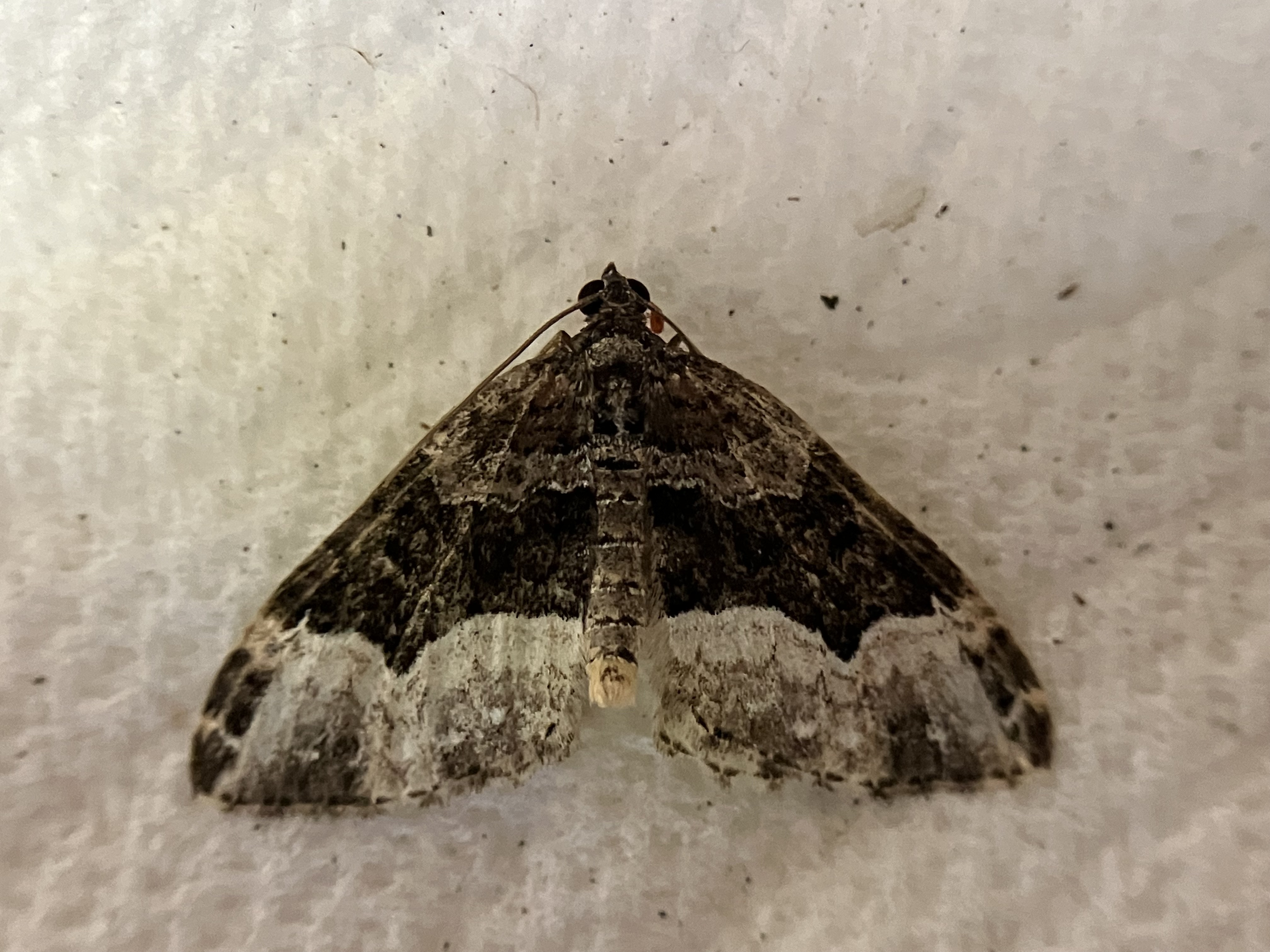
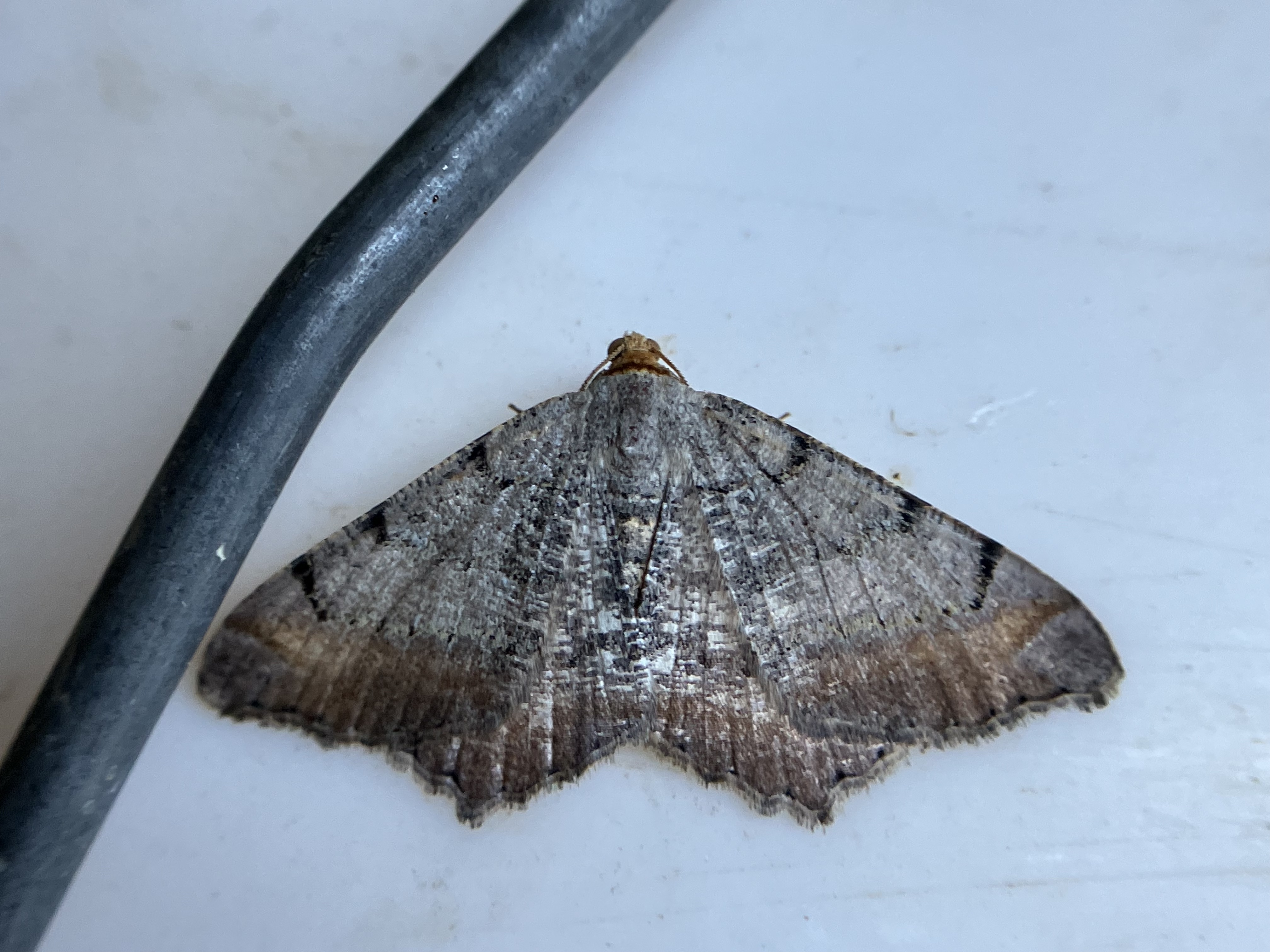
Here are some photos of specimens found from my light trap set up last night. The official tally is listed here as well.

Light Trap Count – 4.19.2025
37 specimens. Moths from 8 different Genera; 11 species. 1 Wasp species, 2 Beetle species, and 1 spider species.


Moths:
Orthosia transparens – 3
Orthosia hibisci – 9
Orthosia praeses – 7
Venusia pearsalli – 2
Eupithecia graefii – 1
Egira rubrica -1
Egira simplex- 1
Egira unknown (possibly one of the other two listed here) – 1
Feralia – 3
Perizoma curvilinea – 2
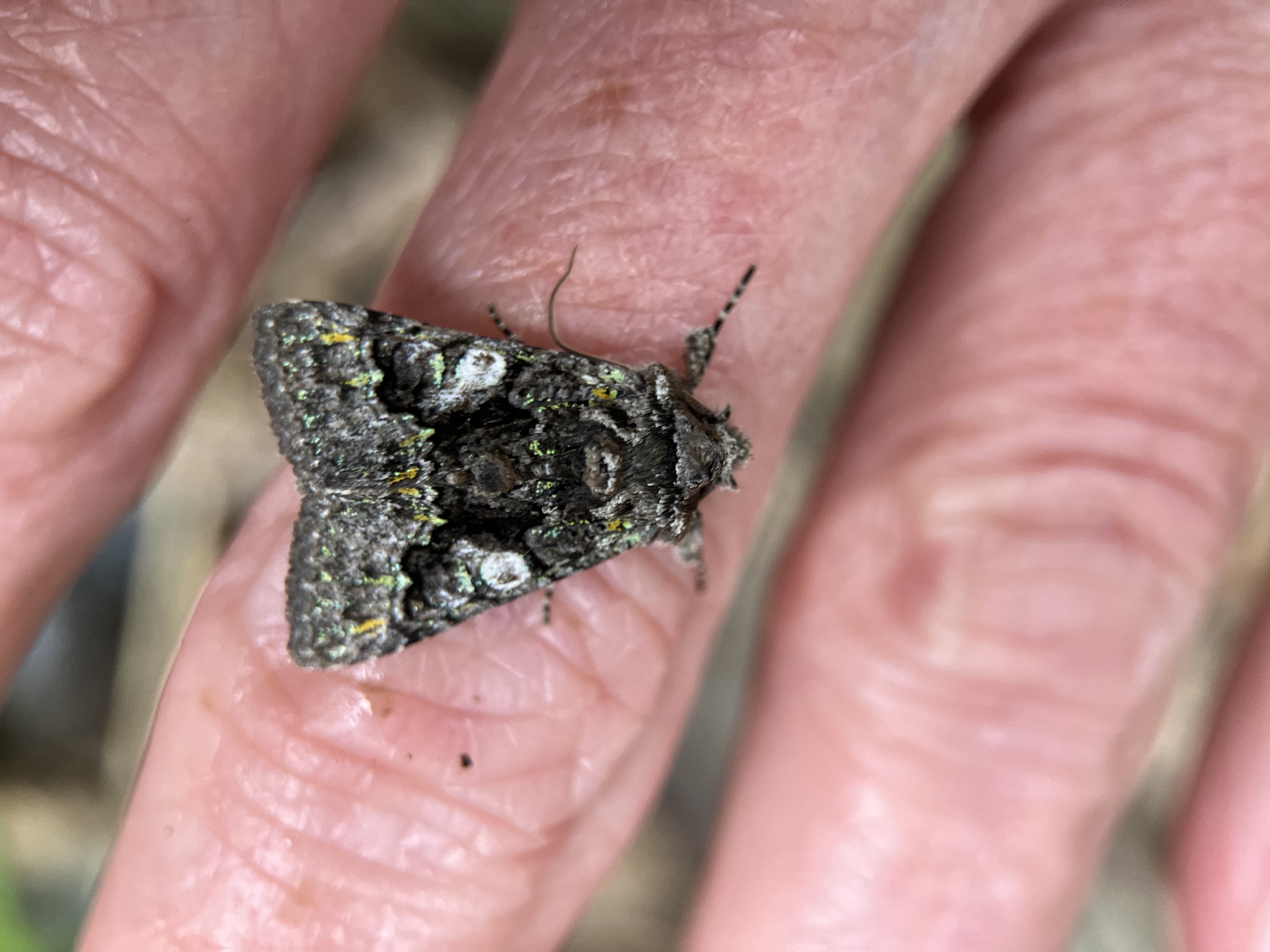
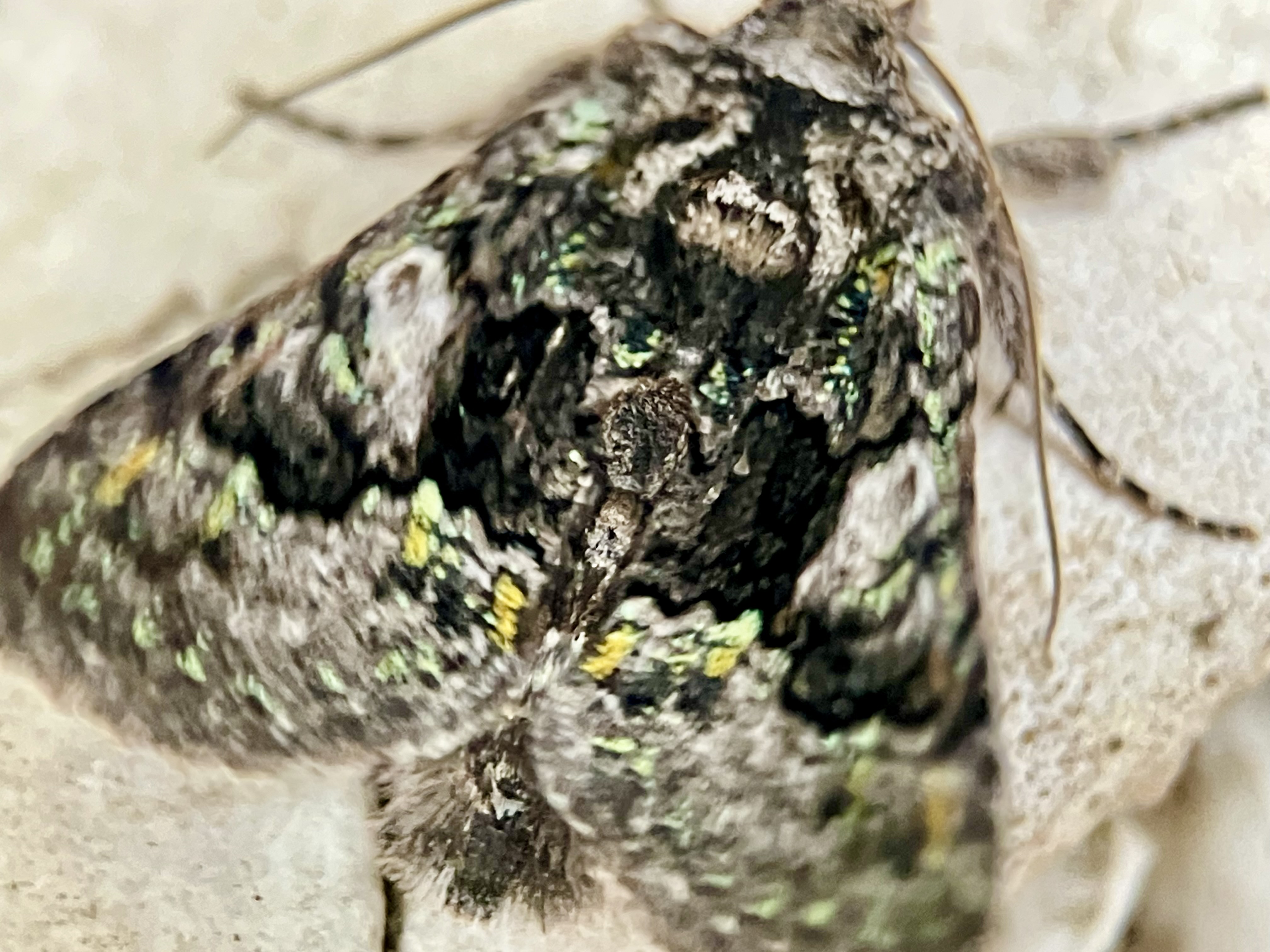
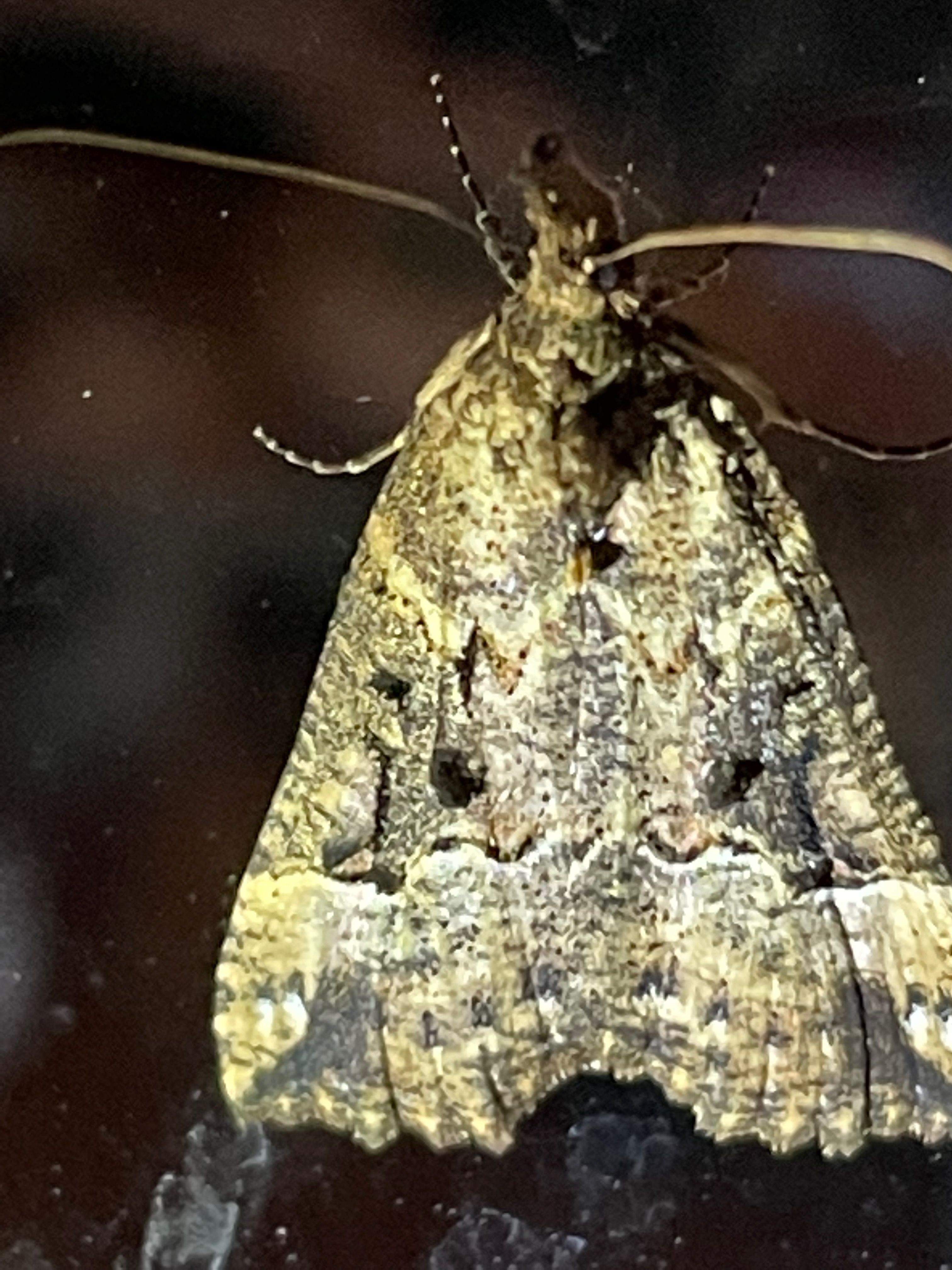
Behrensia conchiformis – 1
Emmelina mondactyla – 1

Beetles from 2 families (Carabidae and Curculionidae)

Carabidae: Diplotaxis sp. – 3

Curculionidae: Strophosoma melanogrammum – 3

Spider:
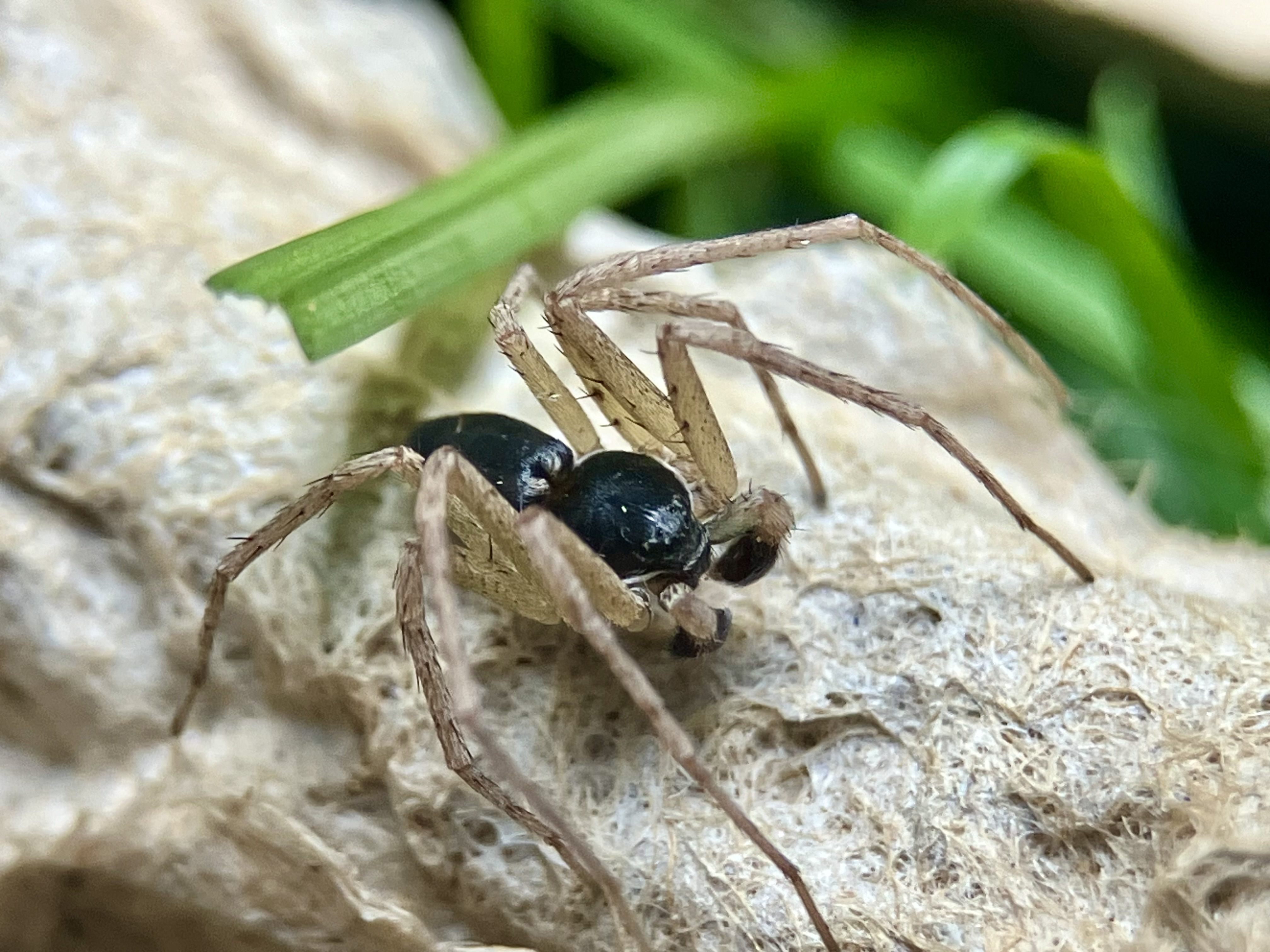
Philodromus dispar (male) – 1

Wasp:
Ophion sp. – 1

Location: San Juan Island, WA

Behrensia conchiformis

April 6, 2025 – A Wet Spring Day

Last night, I did manage to get my moth light working again and set things up to see what I might find this morning. While I didn’t really want to get out of bed at 7:30, keeping a routine is important to me. I find it tremendously helpful in managing the ups and downs of one’s mental perspective. You’ll have to bear with me a bit though. I will get to the moths, but have to vent about something that upset me. One of my three cats was chattering at the sliding door when I walked towards the kitchen. I looked out to see what he was watching, and there was a little bird on the ground, obviously suffering from some unfortunate injury (most likely from our neighbor’s free roaming cat). That made me feel sad and angry and it wasn’t the best start to my day.


Don’t get me wrong. I love cats, but I don’t agree that it is OK to allow your feline friend to maim and kill wildlife. I do take my kitties outside with me into our fenced area for supervised recess, but I DO NOT ever leave my cats out alone and certainly do not allow the killing of wildlife. Not even bugs. Drago the lizard may get away with bug murder on occasion, but his impact is quite minor compared to the magnitude of damage done by free roaming cats when it comes to decimating wildlife.

We need to get people to change and become more responsible pet owners. If you disagree with me on this, I might add that I also saw someone’s cat was literally ripped apart on their front porch by two unleashed huskies in Friday Harbor yesterday. That also makes me sad and angry. I blame the cat owner AND the dog owner. It was senseless and preventable.

I think humans need a license to own a pet. We also need ANIMAL CONTROL in San Juan County. There is none and these huskies have been loose and killed cats before. However, if the cat owner was allowing the cat to roam outside unsupervised and unprotected, that’s another layer to the incident. What if someone had left their baby in a stroller long enough to run inside for keys, a purse, etc.? No one should own a husky as a pet. They are notorious for getting loose and killing things. But humans are not all that smart are they?


I did go out to check on the bird. It sort of looked like a finch, or maybe even a female cowbird (except it was too small to be a cowbird). Let’s just say the head looked like a female cowbird’s, but the body was more finch like in size.

It can hop. I put a bit of seed out on the ground and left it alone. It would just stress the bird for me to try and capture it. Maybe it will recover.

Please don’t say, it’s just nature, because cats are not native here. Also, my neighbor’s cat dug up all of my garden pea starts last year and pooped in the garden bed. Pea starts are expensive. People need to keep their cats indoors, or in a catio, or just supervise them outside so they don’t cause problems or be killed by dogs that should not be owned by humans as pets.

After I checked on the bird, I did go and look at my moth bucket. There were 7 specimens. Not many, but I went through them and here’s what I found. Six moths and one wasp.

Cerastis enigmatica, the Enigmatic Dart Moth
Orthosia hibisci, the Speckled Green Fruitworm Moth
Egira crucialis , I believe. Egira for certain though
Orthosia sp. I am undecided about species for this one.
Ophion wasp.

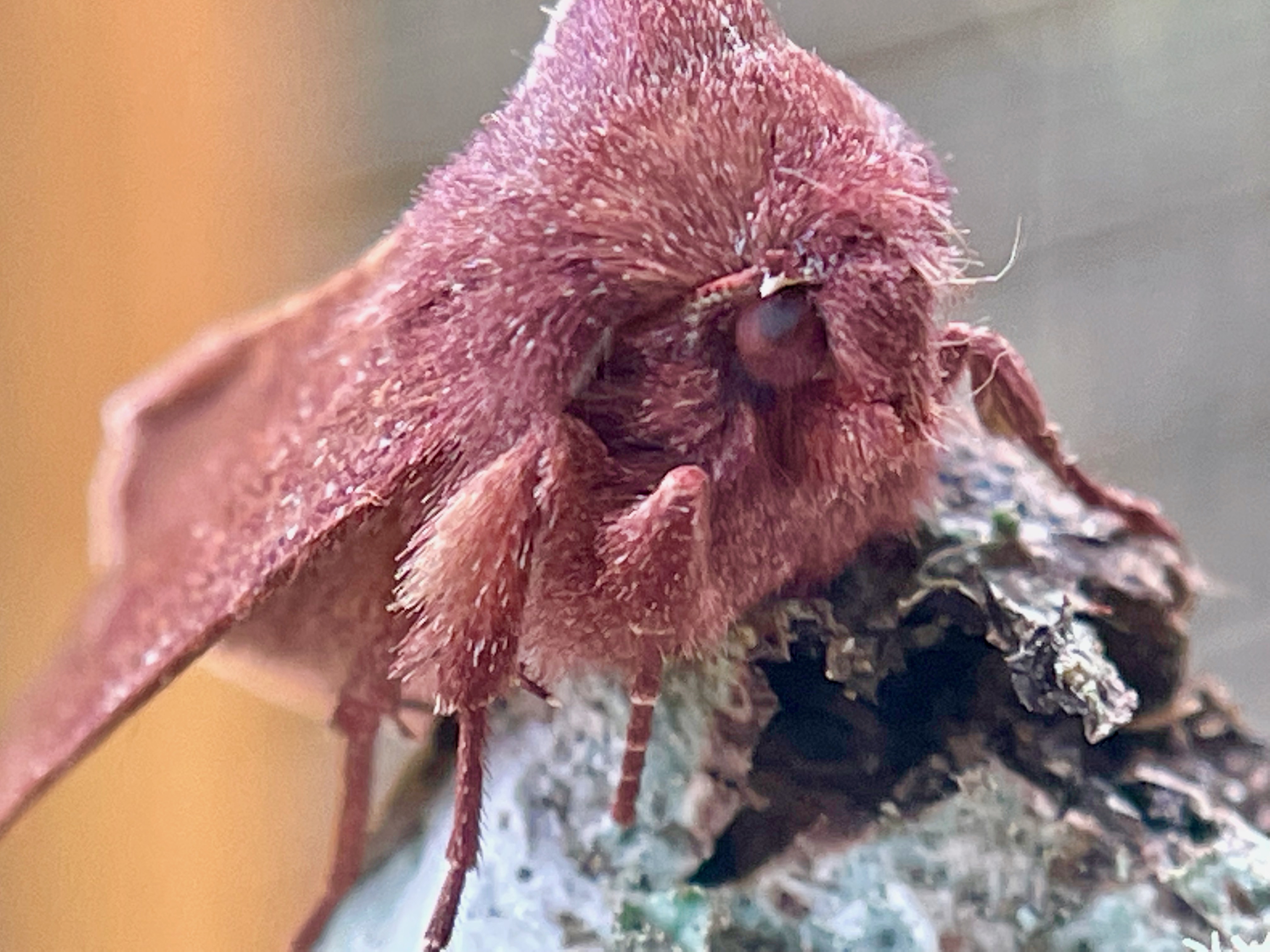
The next moth below looks like it has a little pixie cap on. It’s one of my favorites. The red colors are so pretty. It’s in genus Orthosia like some of the others above, but I believe this one is Orthosia transparens.

I saved the best one for last. I have only seen this moth on two other occasions, but it one so remarkable, you remember it well. This is an owlet moth called Behrensia conchiformis. I would love to discover what makes the interesting metallic colors in the wings. The larvae of this species are foodplant specialists. They feed only on honeysuckle (Lonicera spp.) and snowberry (Symphoricarpos spp.) in the Caprifoliaceae.

Thanks for reading…especially for reading my rambling rants of the day. While I’d like to stick to just bugs, I am finding it somewhat therapeutic to include my feelings here, and to interject some of my opinions. They are mine and yours may be different. I respect that, but I hope perhaps upon reflection, even someone who might initially disagree with my perspective, might have a change of heart.

April 2, 2025

I didn’t turn on my moth light last night. I thought about it, but supposed I just wasn’t feeling all that motivated. If I’m completely honest with myself, I am feeling a bit blue. Maybe more than a bit. I wrestle with feeling shut out of the “enviro” community on the island and have felt snubbed by some of the folks in certain organizations. Life on an island can be great, but there are times when it feels like you’re in a fishbowl. Some people don’t get beyond 8th grade social networks. Shrugging here. 🤷‍♀️ I am just going to continue to do my bug thing and if people want to connect, they are always welcome. Sometimes I get really great emails and feel like my efforts to share what I know about bugs matter. I hope so. We need bugs. Even the ones that aren’t perceived as charismatic as a butterfly or a bee.


Here’s a moth that made me think of a funny story to share. This one’s for my daughter. I hope she will get a laugh out of it. We used to have a rabbit named Izzy. Her full name was Izzy Belle Cottontail. She was supposed to be a wild rabbit. How did we come to have her? A neighbor’s dog killed her nest mates and she was the only one to survive. They brought her to me asking for help. She wasn’t but days or maybe even hours old. Her eyes were closed and her umbilical cord stump was still attached. I tried to give her to my rehabber friend, but she was overwhelmed. I ended up caring for Izzy. Bottle feeding every hour or so, even through the night. When she was old enough, we tried to release her. She ran back in the house and that was that. She came with us when we moved to Washington…all the way from Texas. If you want to see a video of Izzy, you can check out the YouTube link here: https://youtu.be/6S0qnwgzLbM?si=JsMYN8rG1Hfu67FB

Izzy Belle the Cottontail

So why does this moth in the video below remind me of Izzy? Well, Izzy had a really bad habit of chewing things. Rabbits have to wear their teeth down, but I think young rabbits just want to try everything out. One morning my daughter got up and came to get me. She said, “Mom, Izzy gave me sprigs.” She did indeed have “sprigs” of hair sticking up where Izzy had chewed off pieces in the night. Izzy gave me sprigs a few times too. In spite of her chewing and other unfortunate habits, we loved Izzy dearly and she lived a very long and happy life with us.


This little moth is Orthosia hibisci, the speckled green fruitworm moth. As you can see, it has little “sprigs” sticking up from the top of its head too. Those aren’t antennae, but they are cute! Orthosia hibisci is a moth in the Noctuid family. The caterpillars are sort of a generic green. They like chewing too, but fortunately, it’s limited to leaves. You might find them on willow, birch, maple, or other various deciduous trees (including fruit trees like plum and cherry). The adults are typically one of the earliest species to emerge in spring.

Orthosia hibisci, Speckled Green Fruitworm Moth, Observed April 1 2025 on San Juan Island, WA

Check out the links below to find out more about Orthosia hibisci

Bugguide.net https://bugguide.net/node/view/4865

Butterflies and Moths of North America https://www.butterfliesandmoths.org/species/Orthosia-hibisci

Moth Photographers Group https://mothphotographersgroup.msstate.edu/species.php?hodges=10495

National Moth Week, 2023 – Day 5 in the San Juan Islands

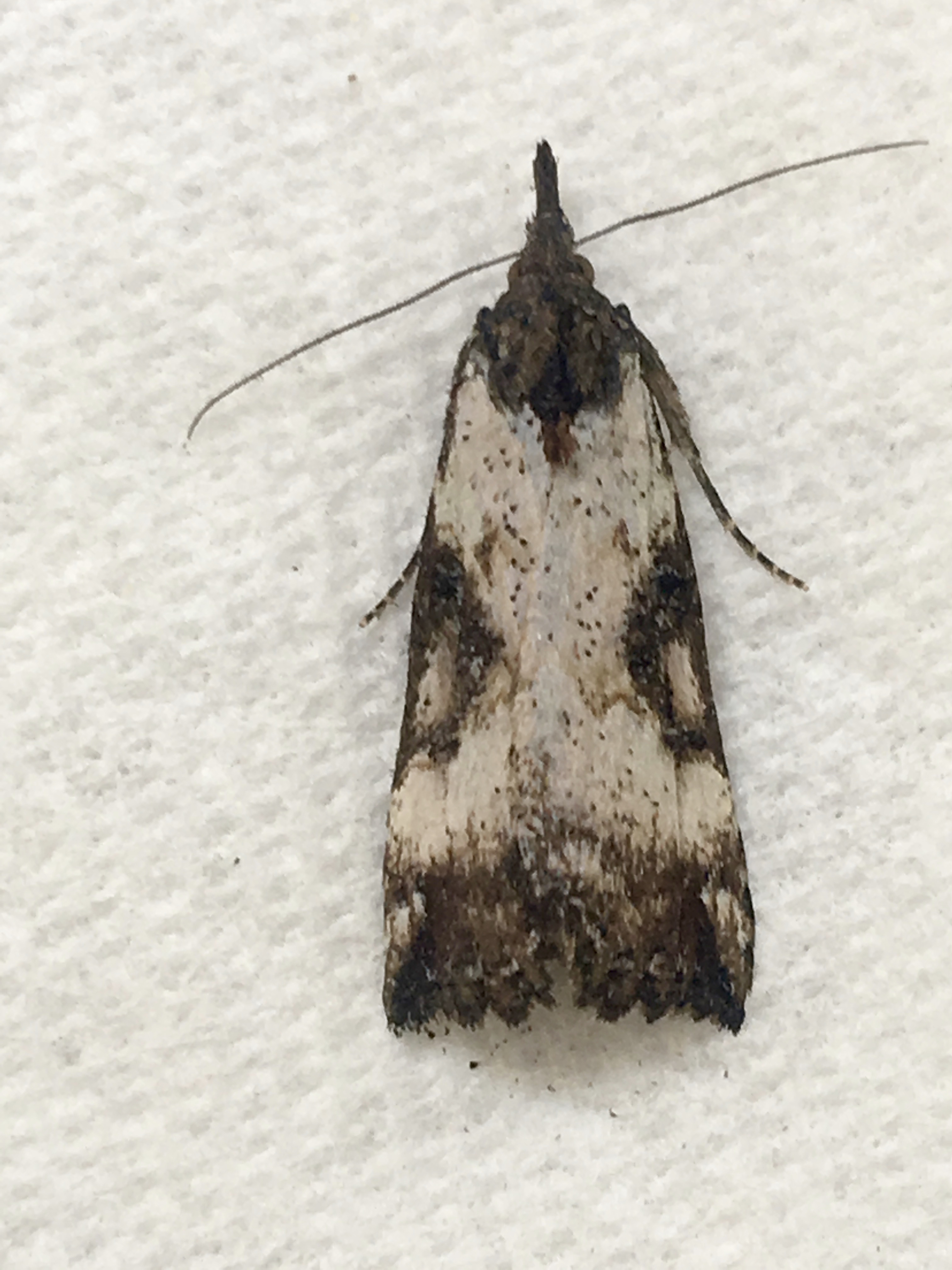
Last night I tried out a black light tube instead of my UVB light or the miserable fail of the switched-off porch light I wrote about yesterday. My thoughts on the black light? Not effective. Either the light was the issue or there just weren’t many moths flying about last night at all. I did find a few moths. Mostly, I found small micro-moths. Some are hardly noticeable at all. At first glance, you could mistake them for a drop of bird poo on the bucket. In a tree or shrub, you might miss them entirely. It takes magnification to see them clearly.

Tonight, I’m going to go back to the UVB tube light. Hopefully with better results. If you’re interested in knowing more about MOTHING or finding out about National Moth Week, feel free to reach out or check out the link here – https://nationalmothweek.org

Here’s my Gallery for Day FIVE. Thanks for stopping by!


Bug Bucket Thursday – July 13, 2023

Virginia Tiger Moth (Spilosoma virginica)

Continuing on to another morning’s findings (07.13.2023), I am extremely happy with how adding the egg cartons to my bug bucket are improving my moth collecting. Side note here – I am only collecting photos and these critters are handled with gentle care and released to places where they are able to hide from predators during the day. I even go so far as to color match their hidey spots. 😉

Photos of the specimens found are in the gallery below along with some pics of my set up. National Moth Week is July 22-30, so if you are interested in participating, please check out the link here https://nationalmothweek.org, and feel free to reach out if you have any questions. You can send me an email or find me on Facebook (Bugs of the San Juan Islands) at https://www.facebook.com/groups/3594158544144419 .

Thanks for reading!

Gallery

Porch Light Bug Viewing – Who’s Watching Whom?

Some of you might cringe at the idea of standing below a porch light while an eclipse of moths (yep, that’s what a group of moths are called) are whirling and gyrating around your head. I find it fascinating, even as they hit at my face or hair, before bouncing back towards the light or disappearing off in the dark night.

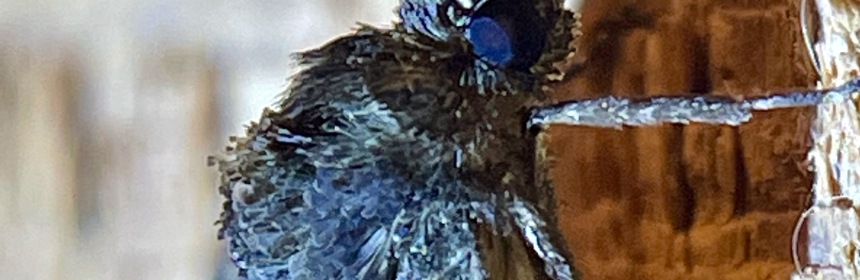
Camera in hand, I wait for them to settle on the wood siding beneath the glow. Stealthily, I focus my lens to capture the delicate shimmer of scales and patterns, or eyes and antennae of my subject. Last night, I actually felt I was the one being observed.

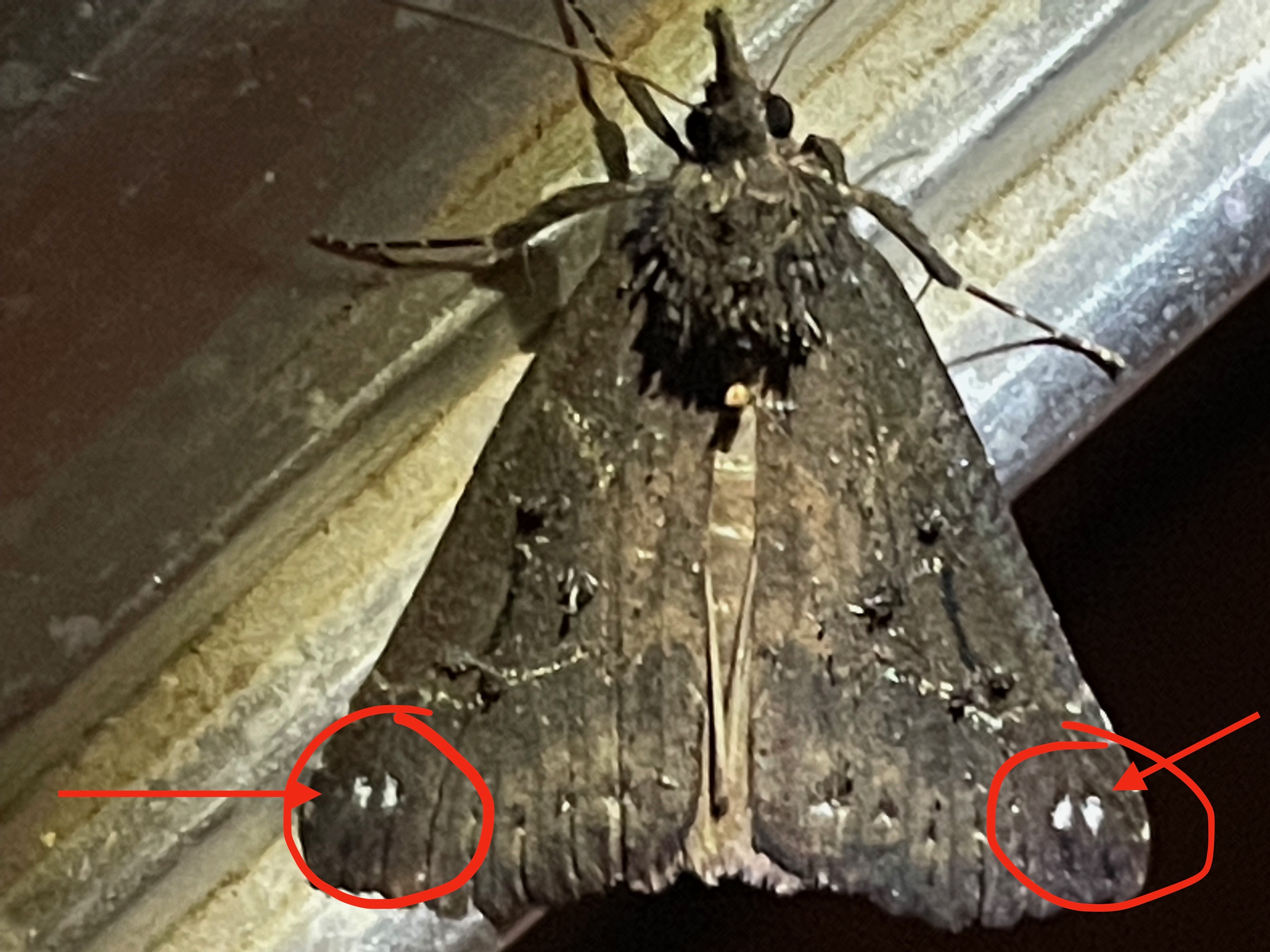
This particular moth is in the genus Hypena. The species is Hypena decorata. It is a medium sized (15-18mm), somewhat drab moth. This species is sexually dimorphic – meaning the males look differently than the females. Males are slightly larger than females, with sooty brown forewings marked with two white spots near the apex or bottom edge of the wing.

Male Hypena decorata moth

Females of this species are more mottled in coloration, some with a purply hue. They also have a small patch of raised dark scales in the median area. More about distinguishing male and female specimens can be accessed here http://pnwmoths.biol.wwu.edu/browse/family-erebidae/subfamily-hypeninae/hypena/hypena-decorata/
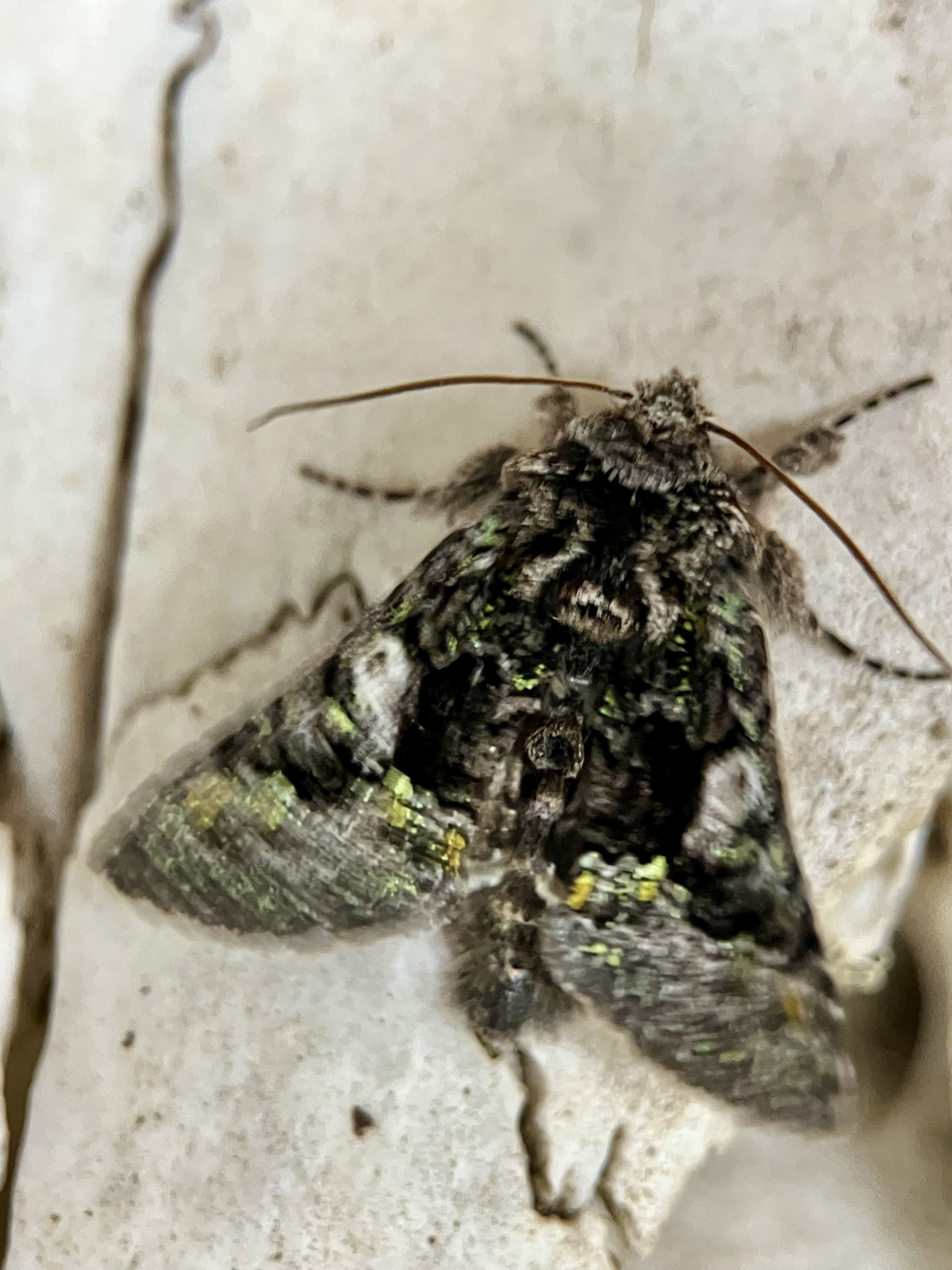
On occasion, there can be an odd form, like this one I found in August of 2019 https://buggingyoufromsanjuanisland.com/2019/08/22/hypena-decorata/
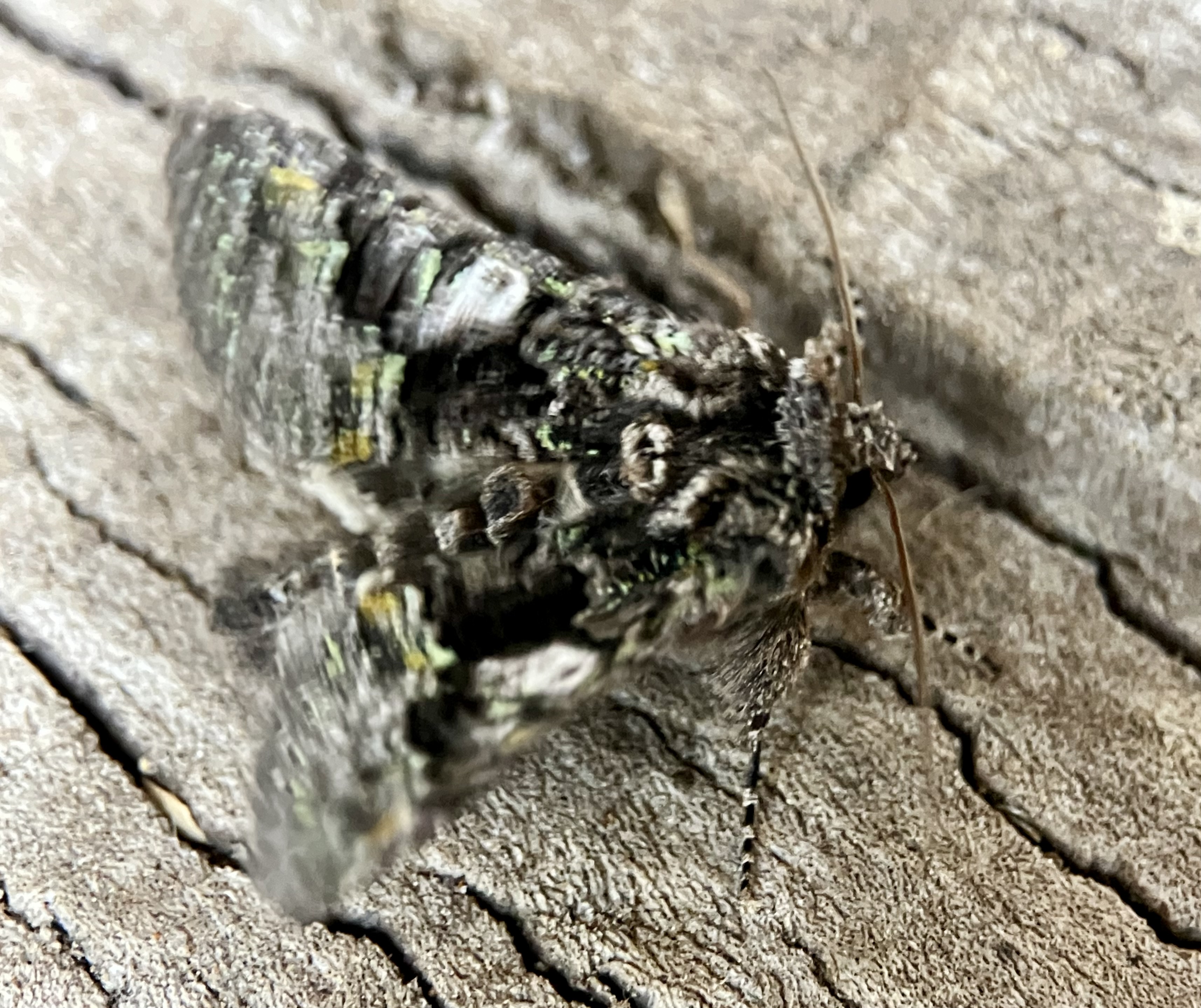
Food/host plants for Hypena decorata are nettles  (Urtica spp.) in the Urticaceae. These moths range from BC to Southern California. There appears to be two broods per year (April and August). Adults come to lights and can be found flying from April to September.

While this may appear to be merely another drab, ordinary moth, I want to show you the photos I took of the male and the nearby female last night. I missed it when I first went through my photos, but the second time around, it definitely appeared that the male moth was turning his head to watch me. Sort of like how Drago, my dragon lizard will do the same thing.

It’s a mysterious world, and much more rich when we recognize we aren’t the only ones that are aware. Some humans (I’m ashamed of researchers for this) do horrible things like cut off moths antennae to try and figure out how they fly (or can’t fly after being mutilated in this way). If we could only recognize they have a desire to live, find mates, food, and shelter – just like humans, maybe we would care more.

References and Further Reading

Bradley H. Dickerson, Zane N. Aldworth, Thomas L. Daniel; Control of moth flight posture is mediated by wing mechanosensory feedback. J Exp Biol 1 July 2014; 217 (13): 2301–2308. doi: https://doi.org/10.1242/jeb.103770

Bugguide https://bugguide.net/node/view/511337

Bugging You From San Juan Island (Hypena decorata) https://buggingyoufromsanjuanisland.com/2019/08/22/hypena-decorata/

Pacific Northwest Moths (Hypena decorata) http://pnwmoths.biol.wwu.edu/browse/family-erebidae/subfamily-hypeninae/hypena/hypena-decorata/

Thompson, A. 2007. Mystery of Moth Flight Uncovered. LiveScience https://www.livescience.com/4338-mystery-moth-flight-uncovered.html

Author’s note – When it comes to experimenting on living beings, the aim of science shouldn’t always be to prove a hypothesis. Sometimes we need only to experience the extraordinary wonder of meeting the spirit within some of earth’s most unassuming characters. Be kind to those around you. Even the ones with scales and chitin.

Strawberry Muppets

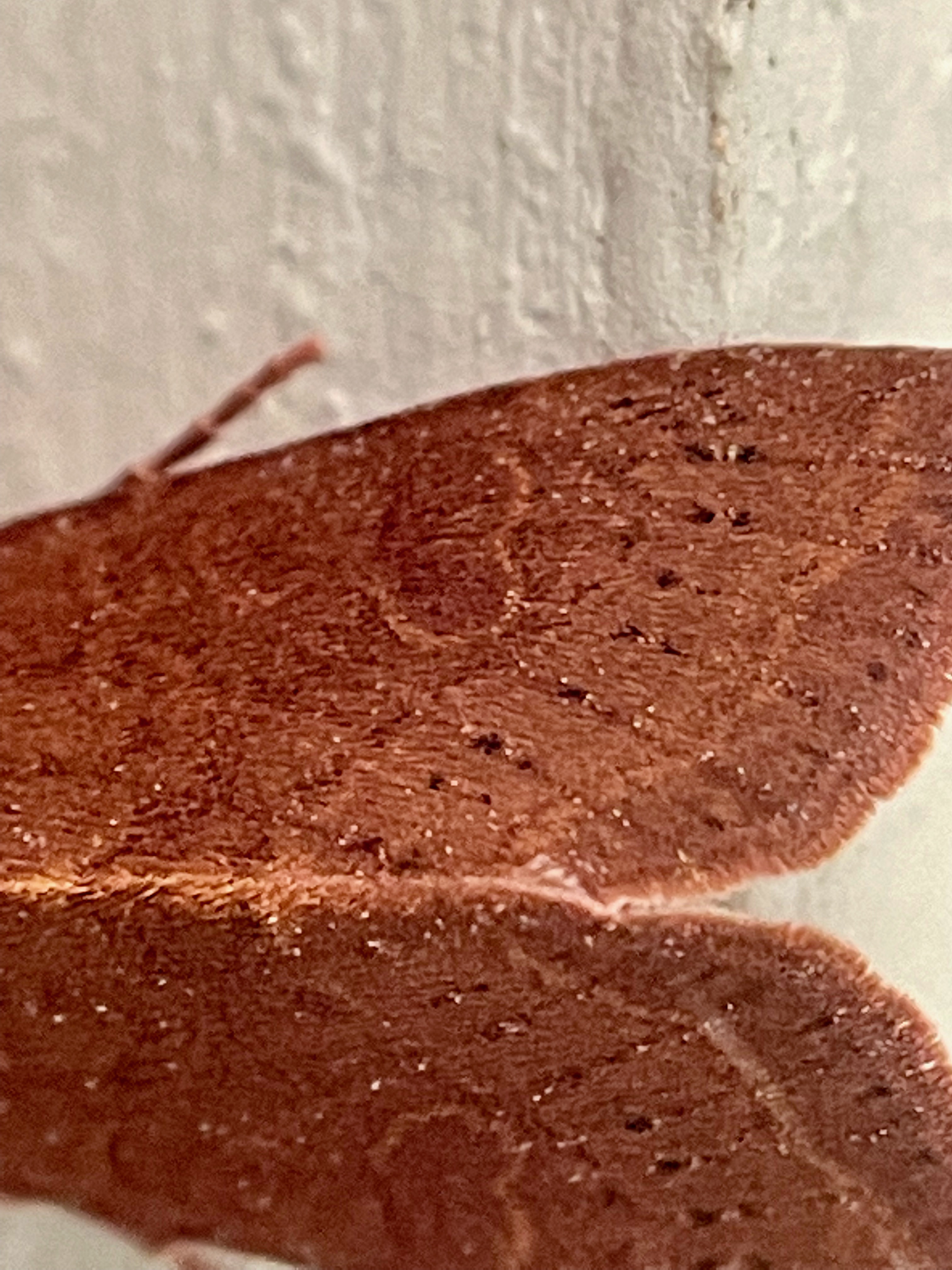
Orthosia transparens – the Transparent Quaker Moth

I’d really love it if I could rename this moth. Strawberry muppet heart moth is what I’d call it. Check out the little heart-shaped markings on it’s wings.

Orthosia transparens – with heart mark on wing

Orthosia transparens is a medium sized (15-17mm) , brownish red Noctuid moth that flies in our region in early spring. The common name for the species is Transparent Quaker Moth.   Caterpillar food plants include salal (Gaultheria shallon), madrone (Arbutus menziesii), and rhododendron (Rhododendron macrophyllum). This species is native to the PNW region and not considered pests of economic significance. A map of the geographic distribution can be accessed here – http://mothphotographersgroup.msstate.edu/species.php?hodges=10479

Noctuidae is the family with the awful common name, “cutworm,” which leads folks to deem them evil little garden gremlins that should be stomped on or tossed out on the ground for birds to scavenge. Not all cutworms are bad, and certainly many more of us would embrace them if we knew they were going to turn out to be so cute.

I’m fine with a bit of herbivory on our salal, madrone, and rhododendrons. These little Strawberry Muppets are welcome to fly to my porch light any spring night.

Check out the gallery below for more photos and if you’re interested in reading more about this moth, check out my friend, Dan’s nice write up on his blog here – http://10000thingsofthepnw.com/2022/02/03/orthosia-transparens-transparent-quaker-moth/

Thanks for reading!

Creepy Evil Cutworms?

What adjective would you use to describe a cutworm? Perhaps pest? Something like the evil caterpillar, Mister Mind, one of Captain Marvel’s archenemies in the DC comic strip series?

If you’re a gardener, the name “cutworm” may conjure up an evil worm that wants to eat your vegetables.

If you have a lawn or own a golf course, cutworms may be the gremlins that destroy turf grass. Now personally, I think five year olds should make policy around cutworms because there aren’t many five year olds who actually WANT to eat their veggies. They’ll see reason in defending the cutworm gremlin.

I’m not a golfer, and don’t have a lawn, so I personally don’t care too much if cutworms munch turf grass. Those sites should be classified as biohazard sites right along with nuclear waste if you ask me. They’ve had so many chemicals dumped on them over the years, they can’t be anything but noxious, environmentally toxic sponges.

Seriously, stop for a moment and Google “cutworm.” What pops up? Ads for every sort of pesticide imaginable. There may a be one or two advertised as “Safer” (yep, that’s a brand name), or natural, but they are designed with the same, single, solitary mission. Nuke the cutworm.

How many average American citizens do you think, can really distinguish between one sort of cutworm or another? Did you know the name, cutworm, is used to describe the larval or caterpillar form of a whole grouping of Lepidoptera that fall into the family Noctuidae?

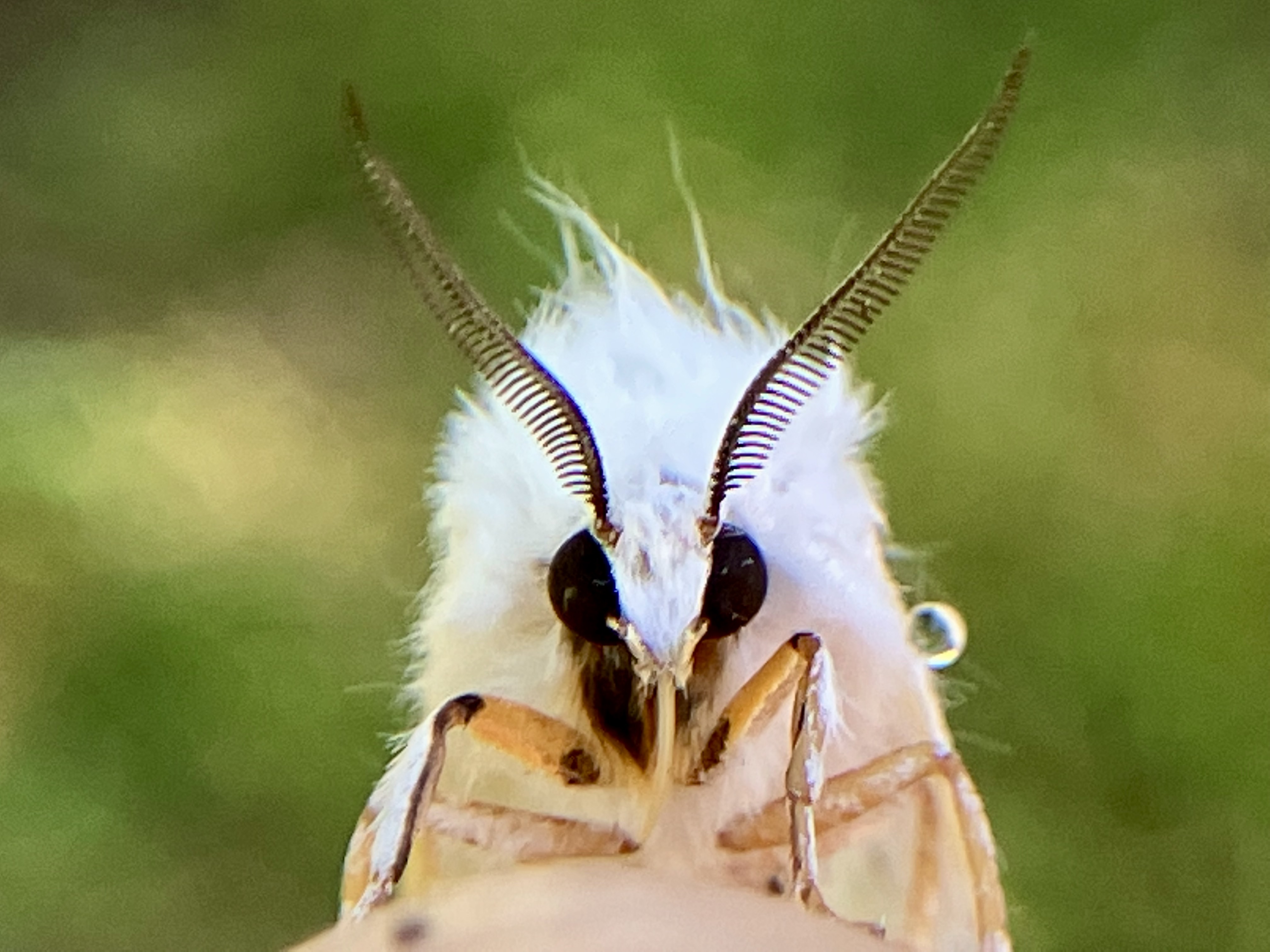
If you’re really into bugs, or you are an entomologist (like me), then you also might know that the family Noctuidae has another name. These so-called cutworms (some are also called army worms) are the OWLET MOTHS. Why do you think? Well, because when they grow up, they look so unbelievably cute – like owls. Also, like this one! I named him Henry!

Henry is the cutest little dude around. His scientific name is Stretchia muricina. I think that name sounds a little bit Italian to me, but he’s not part of the mafia. Actually, Henry looks more like a teeny little lion or maybe even like Orson the Wheely Bird in Sid and Marty Krofft’s late 60’s TV show, HR PufnStuff.

Seymour the Spider and Orson the Wheely Bird – HR Pufnstuf

Whatever YOU see when you look at Henry, you’ve got to agree that he’s cute.

Henry (Stretchia muricina), an Owlet Moth

Henry used to be a cutworm. People are trying to kill him!

Henry isn’t a horrible garden pest though. When Henry was a caterpillar, he was more interested in eating a bit of your native currants. Sure, we all love to look at the beautiful flowers on our currants in the springtime, but he didn’t eat the flowers. He just ate a few leaves. There aren’t many cutworms like Henry. Just a few. They aren’t the same as the massive hoards of army worms that show up in the grass, or the cutworms that want to enjoy your newly sprouted veggies.

It’s pretty tough for a regular person to positively ID a caterpillar, so Henry recommends resisting the urge to grab that powder, spray, or torch. Don’t judge all cutworms to be evil. There are some tools you can take advantage of to help you sort caterpillars. Take a look at these links below and embrace diversity in the world. Caterpillars have feelings too!

  1. Calscape.org https://calscape.org – Lists plants and invertebrates associated with plants. While some may be out of our region, many do overlap. Extremely useful. I wish WSU had one of these sites!
  2. Caterpillar ID https://www.caterpillaridentification.org
  3. Caterpillar ID Washington State – https://www.caterpillaridentification.org/caterpillars-by-state-listing.php?reach=Washington
  4. Washington Native Plant Society Caterpillars https://www.wnps.org/blog/some-washington-caterpillars
  5. Pacific Northwest Moths http://pnwmoths.biol.wwu.edu
  6. Washington Moths https://www.butterflyidentification.org/moths-by-state-listing.php?reach=Washington
  7. Bugs of the San Juan Islands https://www.facebook.com/groups/bugsofthesanjuanislands
  8. Stretchia muricina species page http://mothphotographersgroup.msstate.edu/species.php?hodges=10473
  9. Stretchia muricina Bugguide species page https://bugguide.net/node/view/134890

Check out the rest of Henry’s adorable photos here. I found him last night hanging out on our deck. He was afraid of me at first and actually played dead (the entomological term for that is Thanatosis, so you can impress your family and friends). Once Henry figured out I had no intent to harm, he decided to pose and show off a bit. After his photoshoot, Henry went back to his spot on the wood siding.

Mystery Eggs Hatch

They hatched!

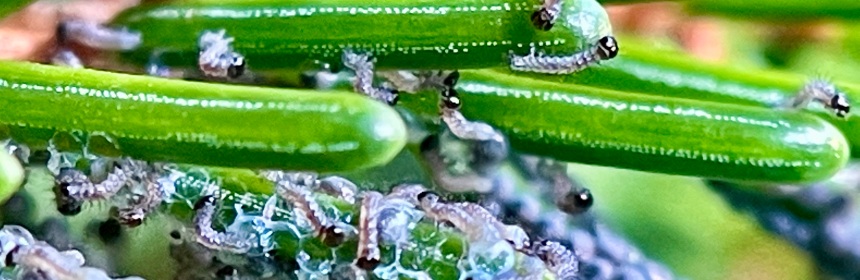
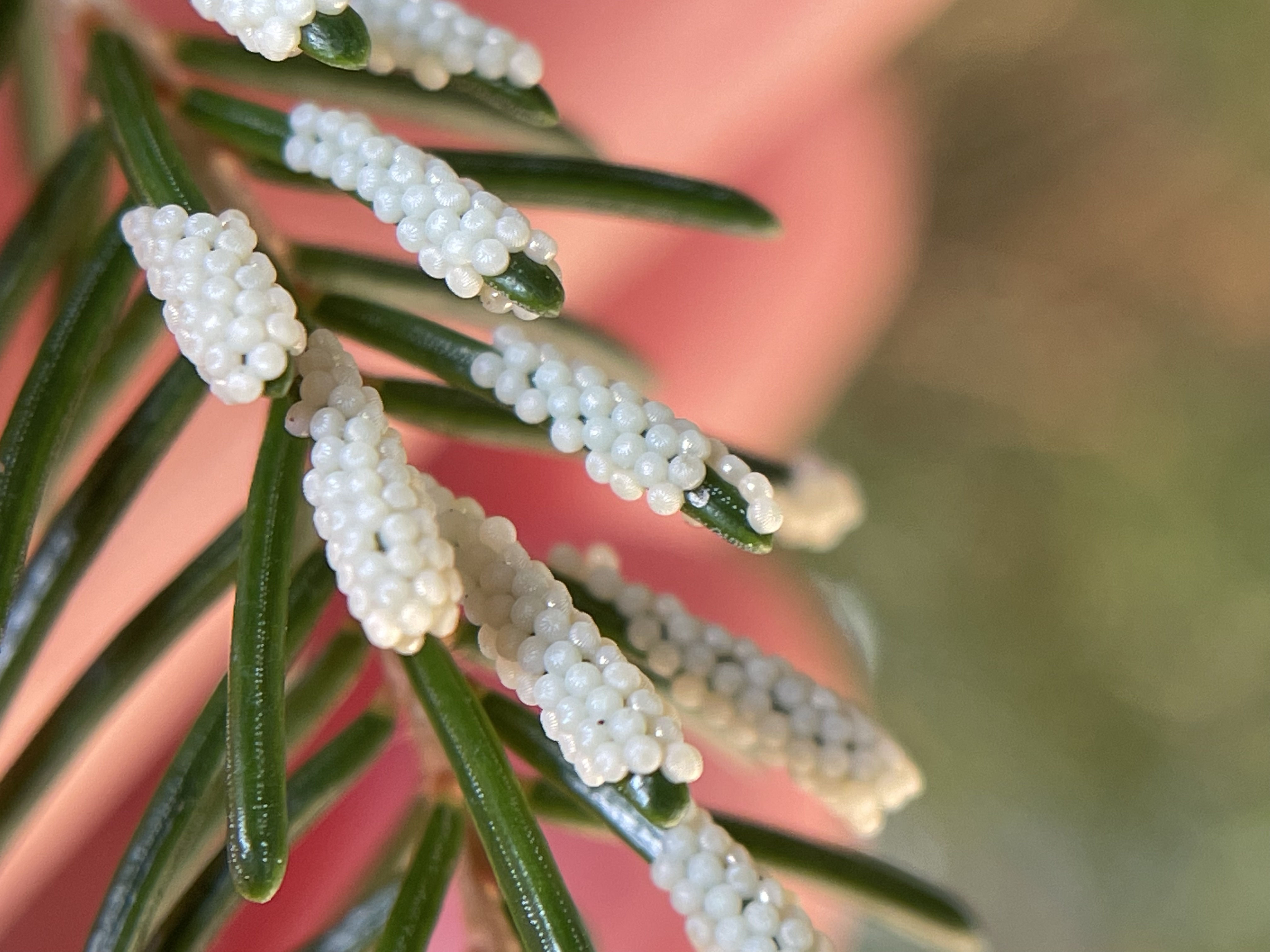
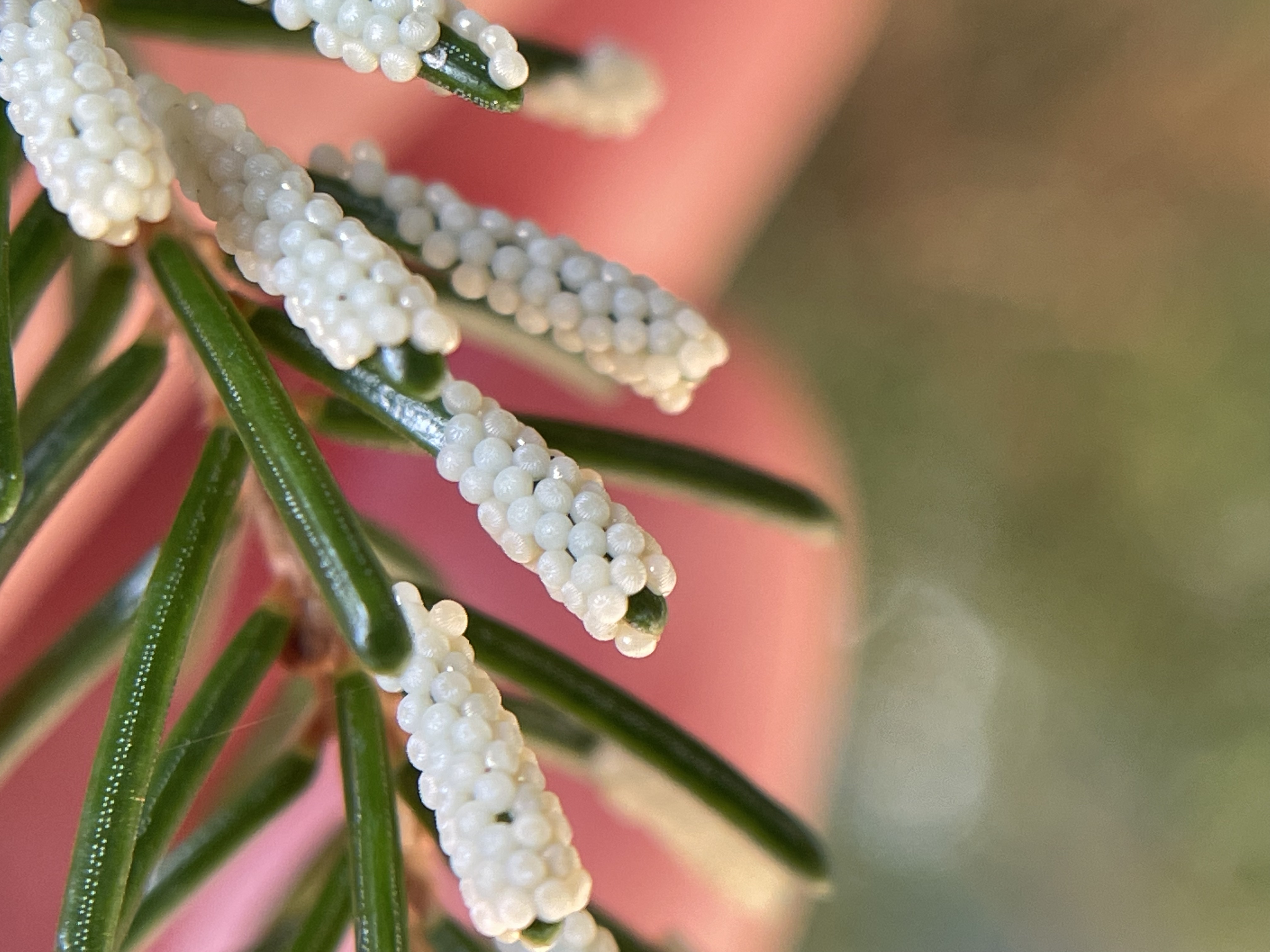
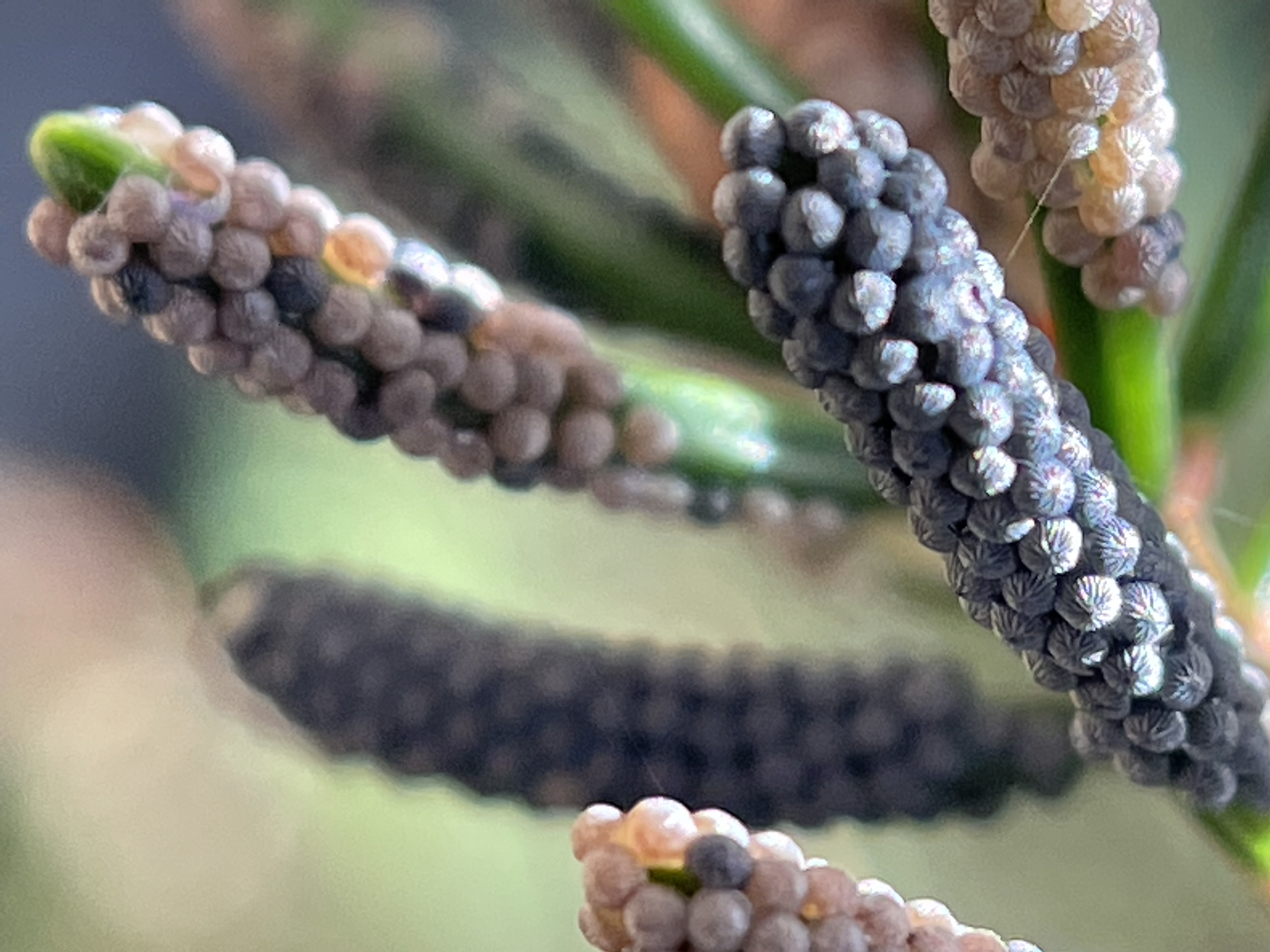
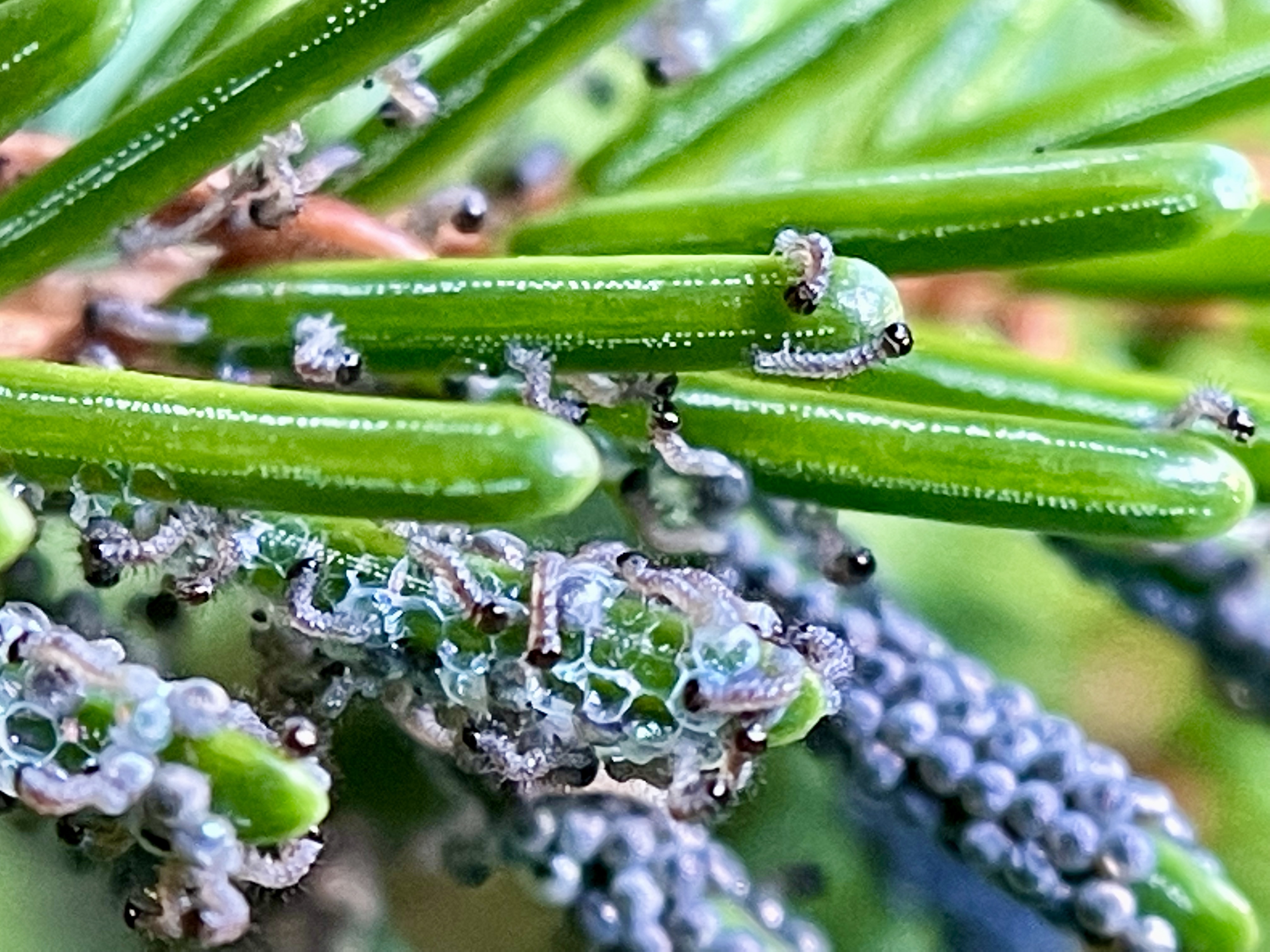
Well, I was wrong in my theory about these possibly being Nepytia phantasmaria or Phantom Hemlock Looper eggs, so my next steps will be to review all my moth photos from early September to try and thread out any other possibilities. That may take some time. Initial observation (date eggs laid) was Sept. 12, 2021. Today is Oct. 7, 2021. They are indeed pretty tiny and if you look closely, you can see the caterpillar body rolled up in the eggs that haven’t hatched. The tree is a Caucasian Fir (Abies nordmanniana).

eggs on Caucasian Fir, San Juan Island, WA 09.12.2021
Eggs darkening – September 18, 2021 San Juan Island
They hatched! Oct. 7, 2021

Mystery moth eggs hatch – October 7, 2021

Thanks for reading! Stay tuned for further updates. I’ll do my best to figure out an ID for these. 🙂

« Older Entries