April 2, 2025

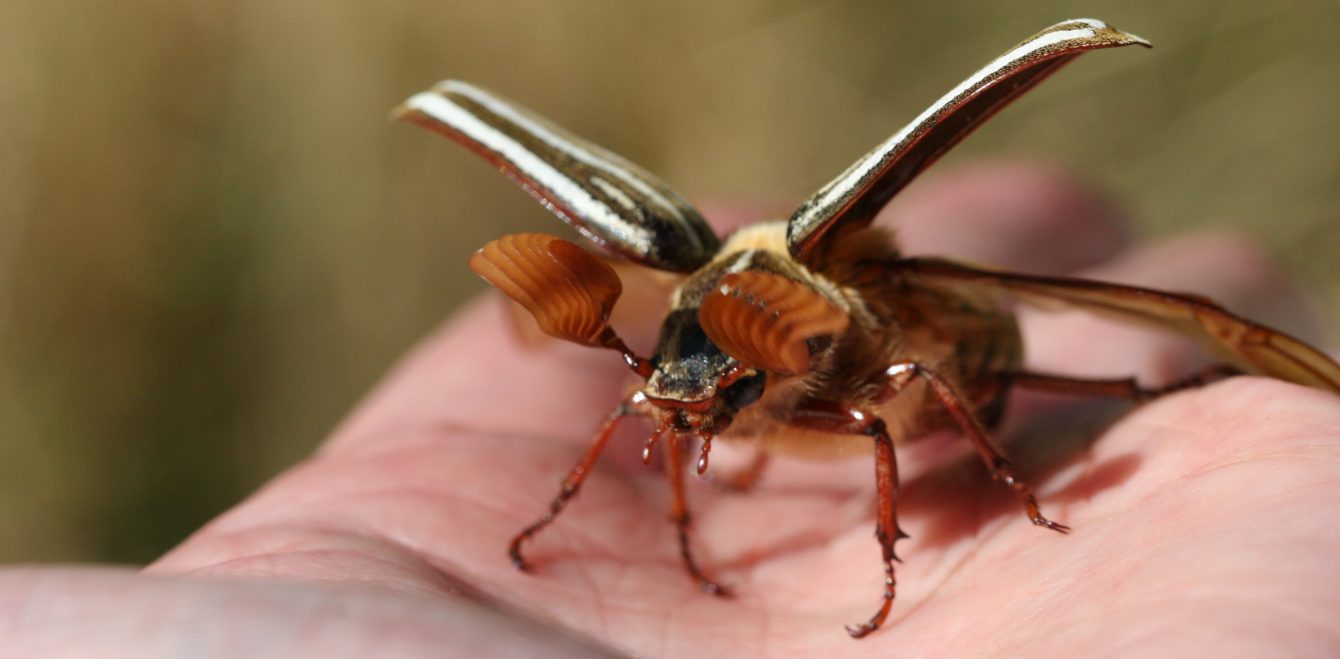
I didn’t turn on my moth light last night. I thought about it, but supposed I just wasn’t feeling all that motivated. If I’m completely honest with myself, I am feeling a bit blue. Maybe more than a bit. I wrestle with feeling shut out of the “enviro” community on the island and have felt snubbed by some of the folks in certain organizations. Life on an island can be great, but there are times when it feels like you’re in a fishbowl. Some people don’t get beyond 8th grade social networks. Shrugging here. 🤷♀️ I am just going to continue to do my bug thing and if people want to connect, they are always welcome. Sometimes I get really great emails and feel like my efforts to share what I know about bugs matter. I hope so. We need bugs. Even the ones that aren’t perceived as charismatic as a butterfly or a bee.
Here’s a moth that made me think of a funny story to share. This one’s for my daughter. I hope she will get a laugh out of it. We used to have a rabbit named Izzy. Her full name was Izzy Belle Cottontail. She was supposed to be a wild rabbit. How did we come to have her? A neighbor’s dog killed her nest mates and she was the only one to survive. They brought her to me asking for help. She wasn’t but days or maybe even hours old. Her eyes were closed and her umbilical cord stump was still attached. I tried to give her to my rehabber friend, but she was overwhelmed. I ended up caring for Izzy. Bottle feeding every hour or so, even through the night. When she was old enough, we tried to release her. She ran back in the house and that was that. She came with us when we moved to Washington…all the way from Texas. If you want to see a video of Izzy, you can check out the YouTube link here: https://youtu.be/6S0qnwgzLbM?si=JsMYN8rG1Hfu67FB

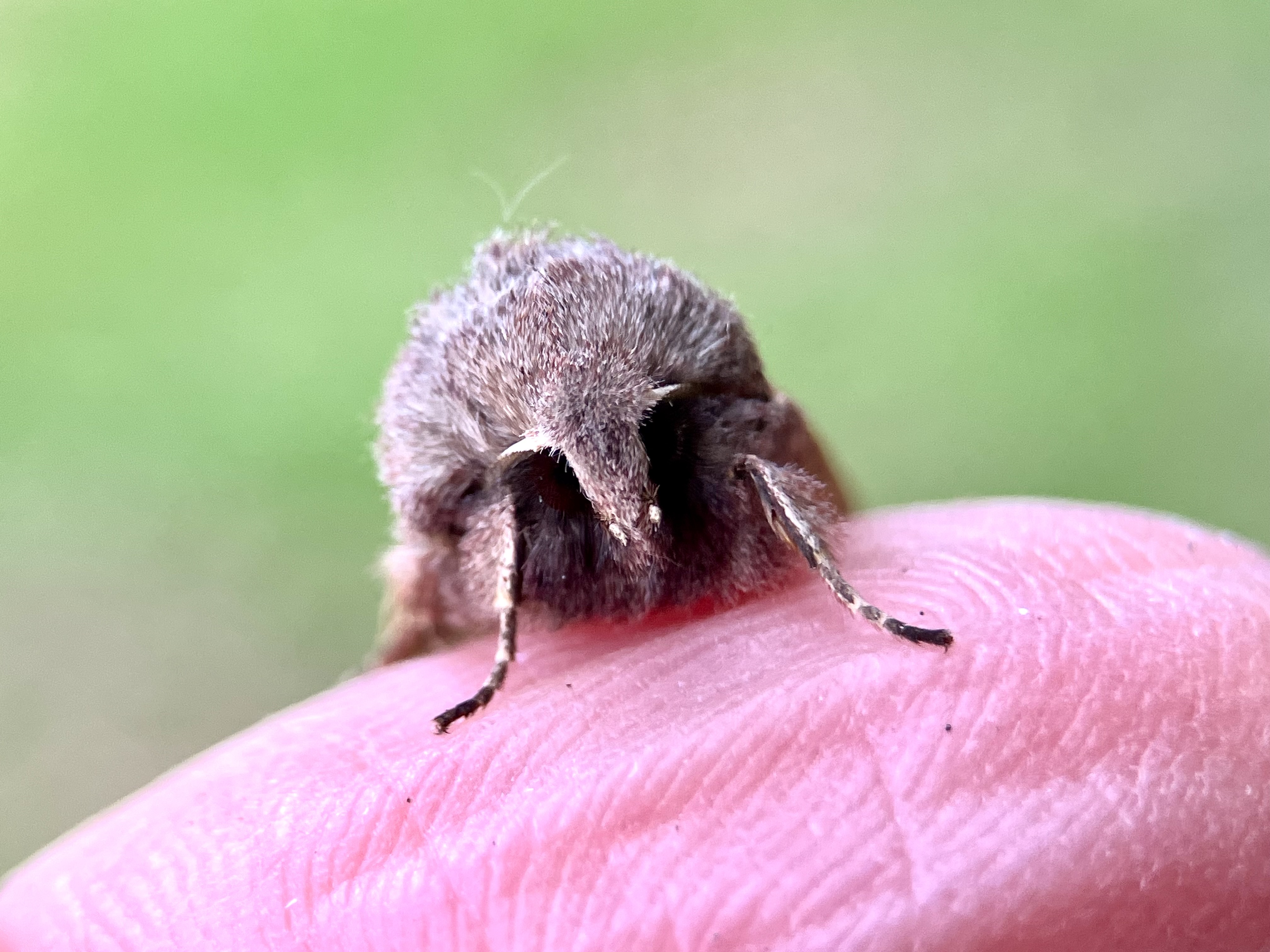
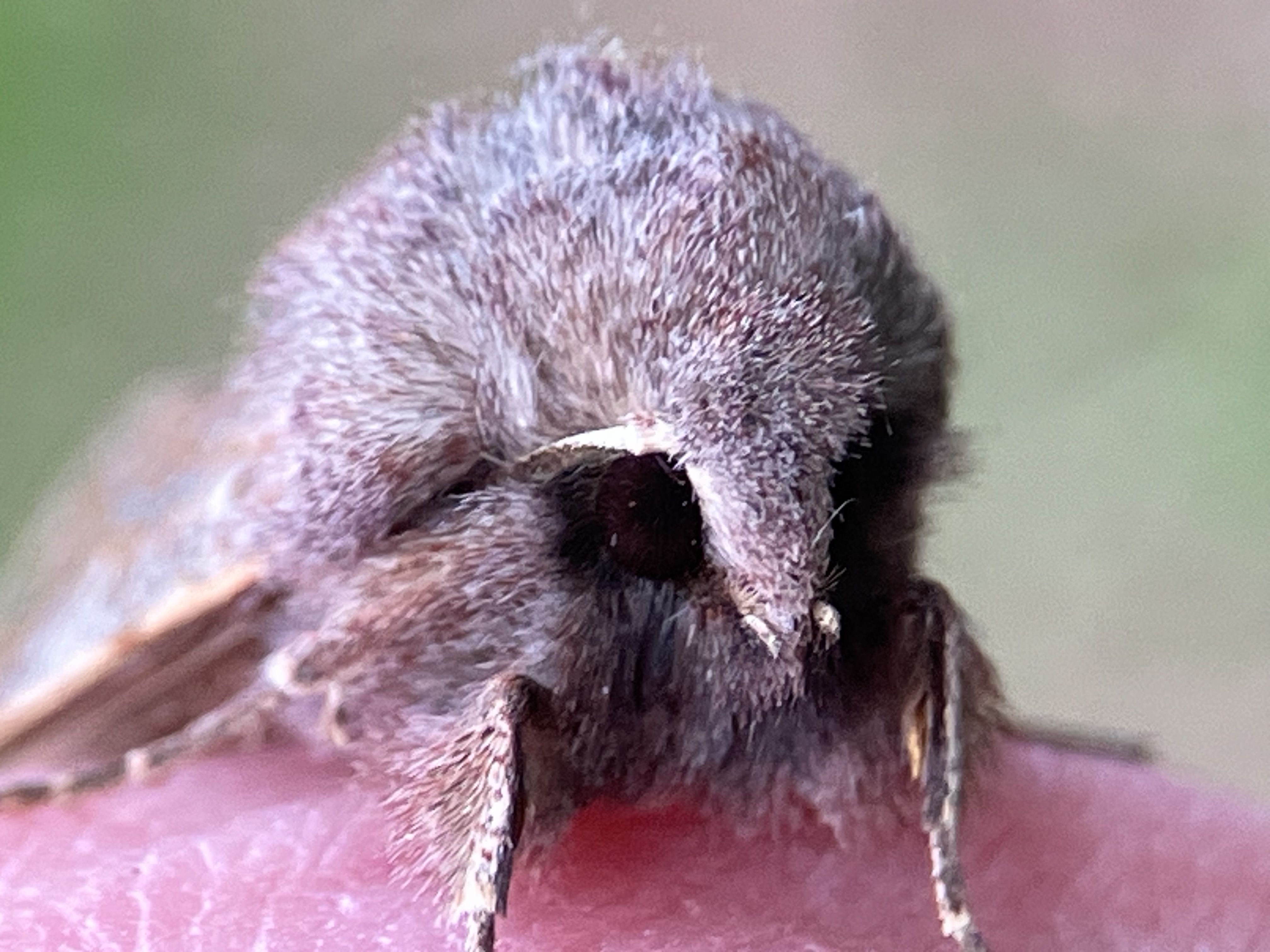
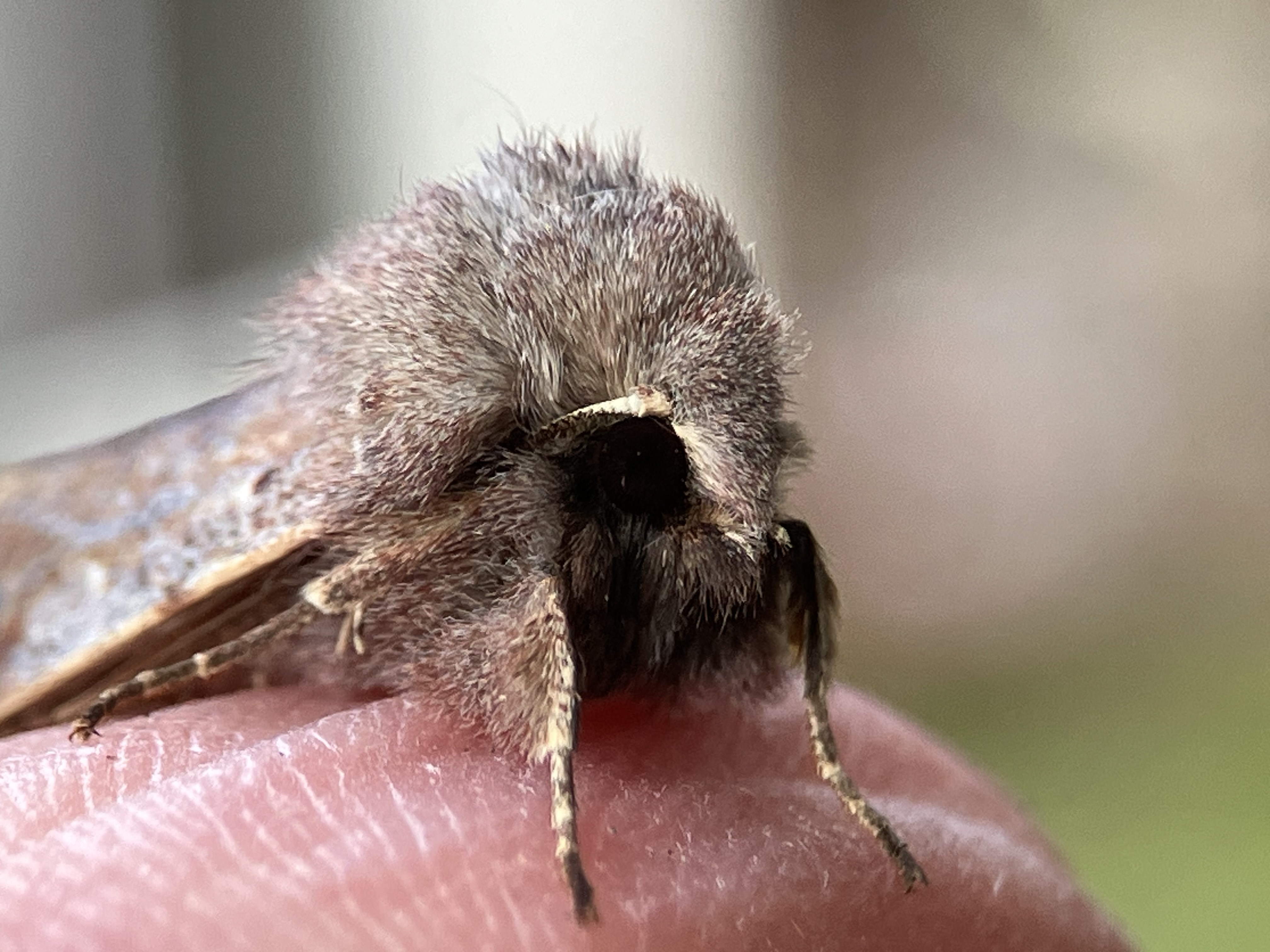
So why does this moth in the video below remind me of Izzy? Well, Izzy had a really bad habit of chewing things. Rabbits have to wear their teeth down, but I think young rabbits just want to try everything out. One morning my daughter got up and came to get me. She said, “Mom, Izzy gave me sprigs.” She did indeed have “sprigs” of hair sticking up where Izzy had chewed off pieces in the night. Izzy gave me sprigs a few times too. In spite of her chewing and other unfortunate habits, we loved Izzy dearly and she lived a very long and happy life with us.
This little moth is Orthosia hibisci, the speckled green fruitworm moth. As you can see, it has little “sprigs” sticking up from the top of its head too. Those aren’t antennae, but they are cute! Orthosia hibisci is a moth in the Noctuid family. The caterpillars are sort of a generic green. They like chewing too, but fortunately, it’s limited to leaves. You might find them on willow, birch, maple, or other various deciduous trees (including fruit trees like plum and cherry). The adults are typically one of the earliest species to emerge in spring.


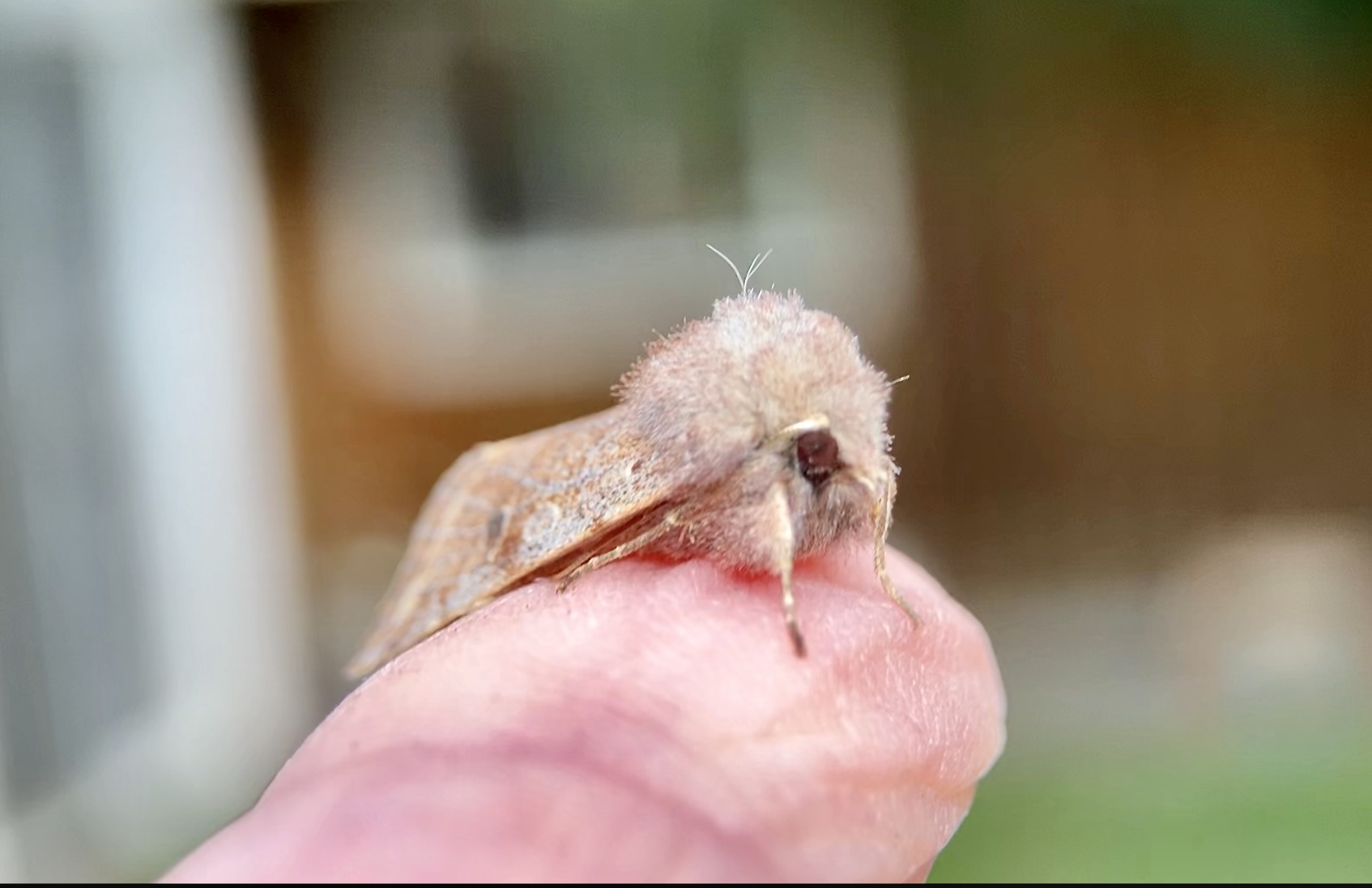

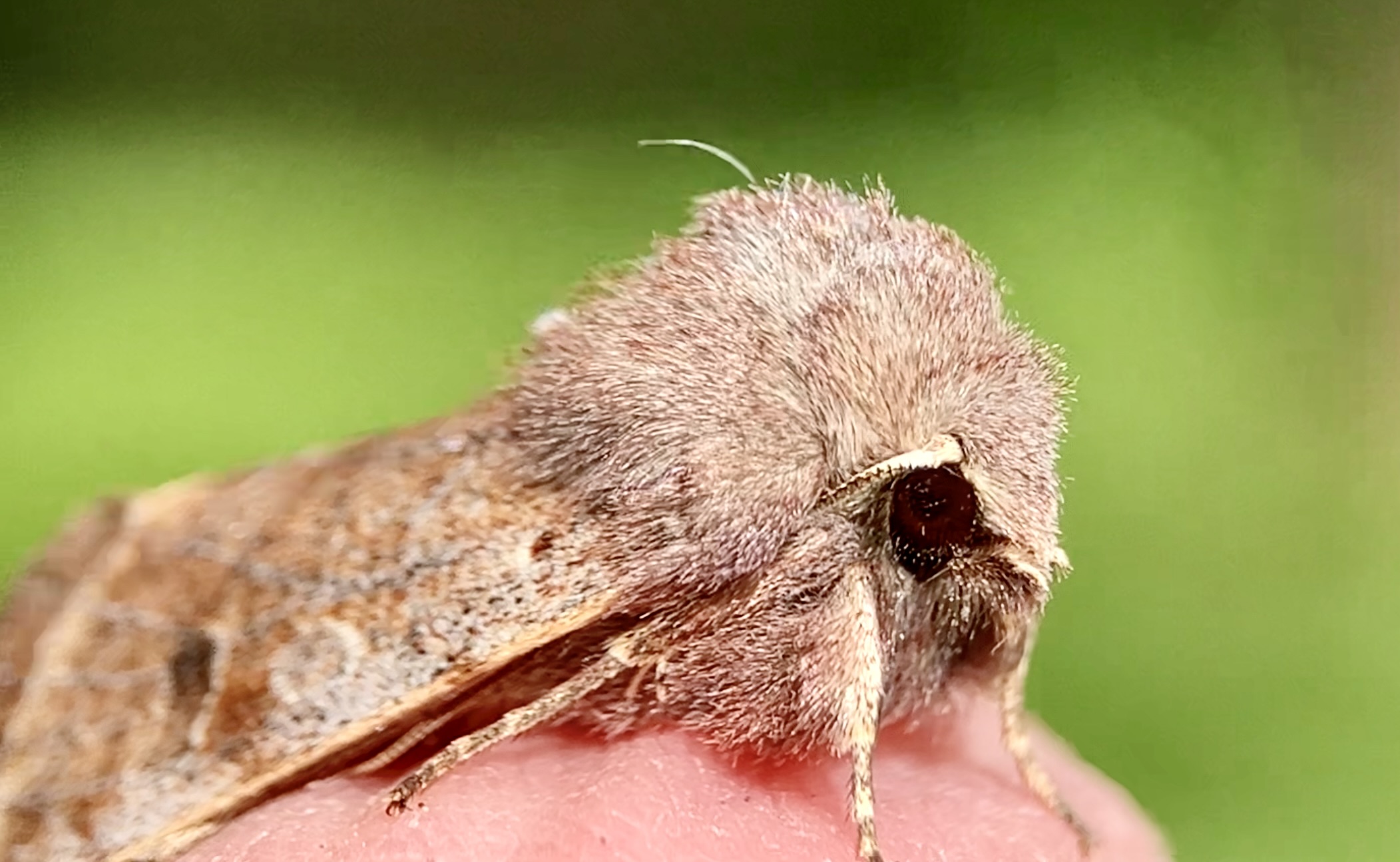

Check out the links below to find out more about Orthosia hibisci
Bugguide.net https://bugguide.net/node/view/4865
Butterflies and Moths of North America https://www.butterfliesandmoths.org/species/Orthosia-hibisci
Moth Photographers Group https://mothphotographersgroup.msstate.edu/species.php?hodges=10495


 Bugging You From San Juan Island