Today (June 22) marks the start of National Moth Week, 2023. For anyone interested in participating or learning more about how to “MOTH,” check out the National Moth Week website here: https://nationalmothweek.org.
I’ll be brief, but start by introducing myself. I’m Cynthia (Brast-Bormann) and I am an entomologist who lives on San Juan Island. My “work” is on a volunteer basis. Because of my love for insects, spiders, and the natural world, I endeavor to share my enthusiasm and knowledge with our community and anyone else who would like to know more about these charismatic critters that are all too often targeted for eating leaves, buzzing, sometimes biting or stinging, but mostly for merely existing. We stop short of recognizing they are food for other organisms, work to control pest populations (without noxious chemicals), and they help us to have food (pollination). Without insects and spiders, we would be in a deep heap of doo! Pardon my French.
Each day of National Moth Week – which runs through July 30, 2023, I will be posting a gallery of what shows up at my light trap each night, hopefully with an ID along with the photos I post. Please feel free to let me know if you see something misidentified. 🙂
If you’re interested in Mothing, or learning more about other bugs, you may contact me with questions via email or join the Facebook Group, Bugs of the San Juan Islands at https://www.facebook.com/groups/3594158544144419
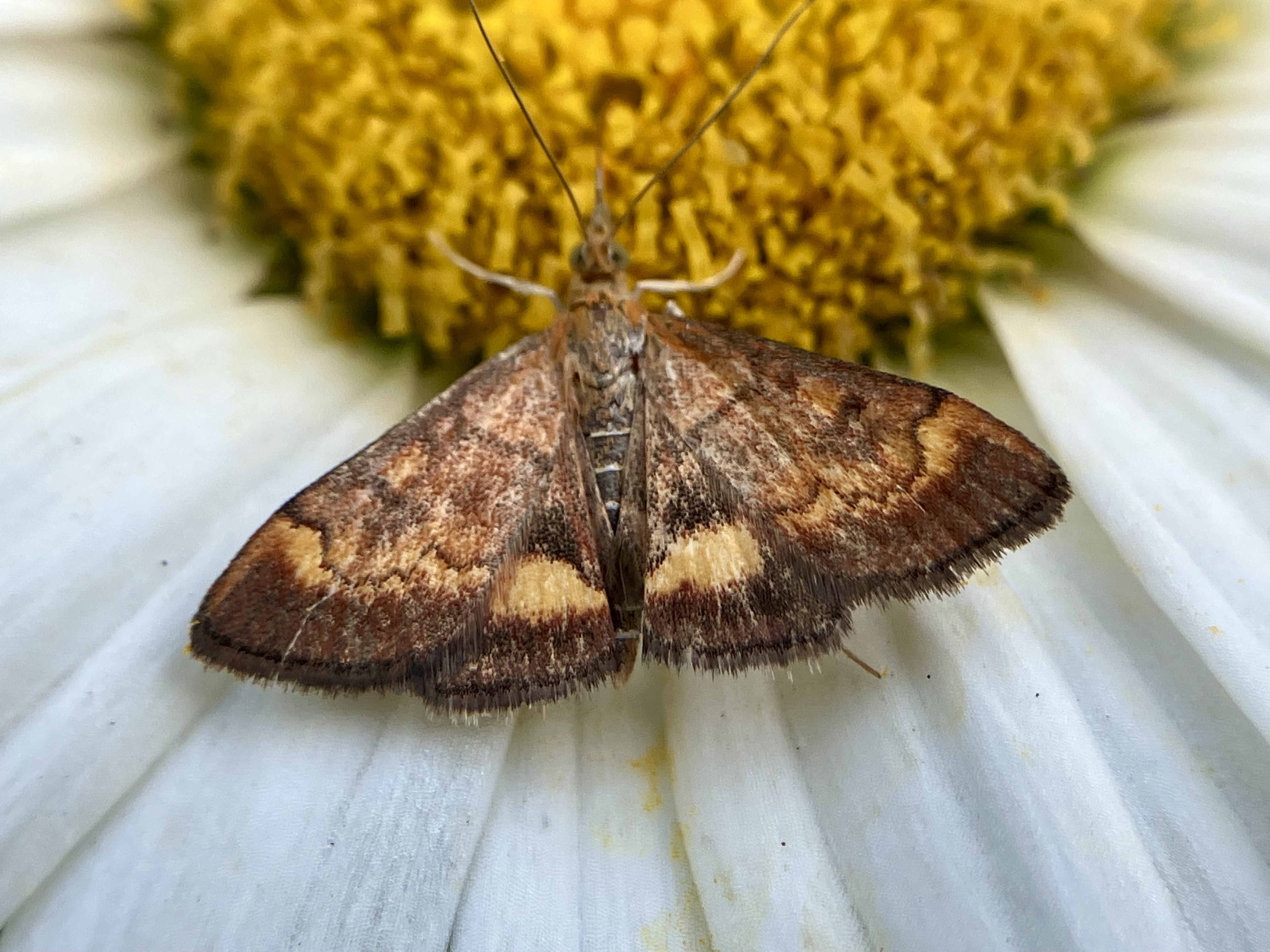
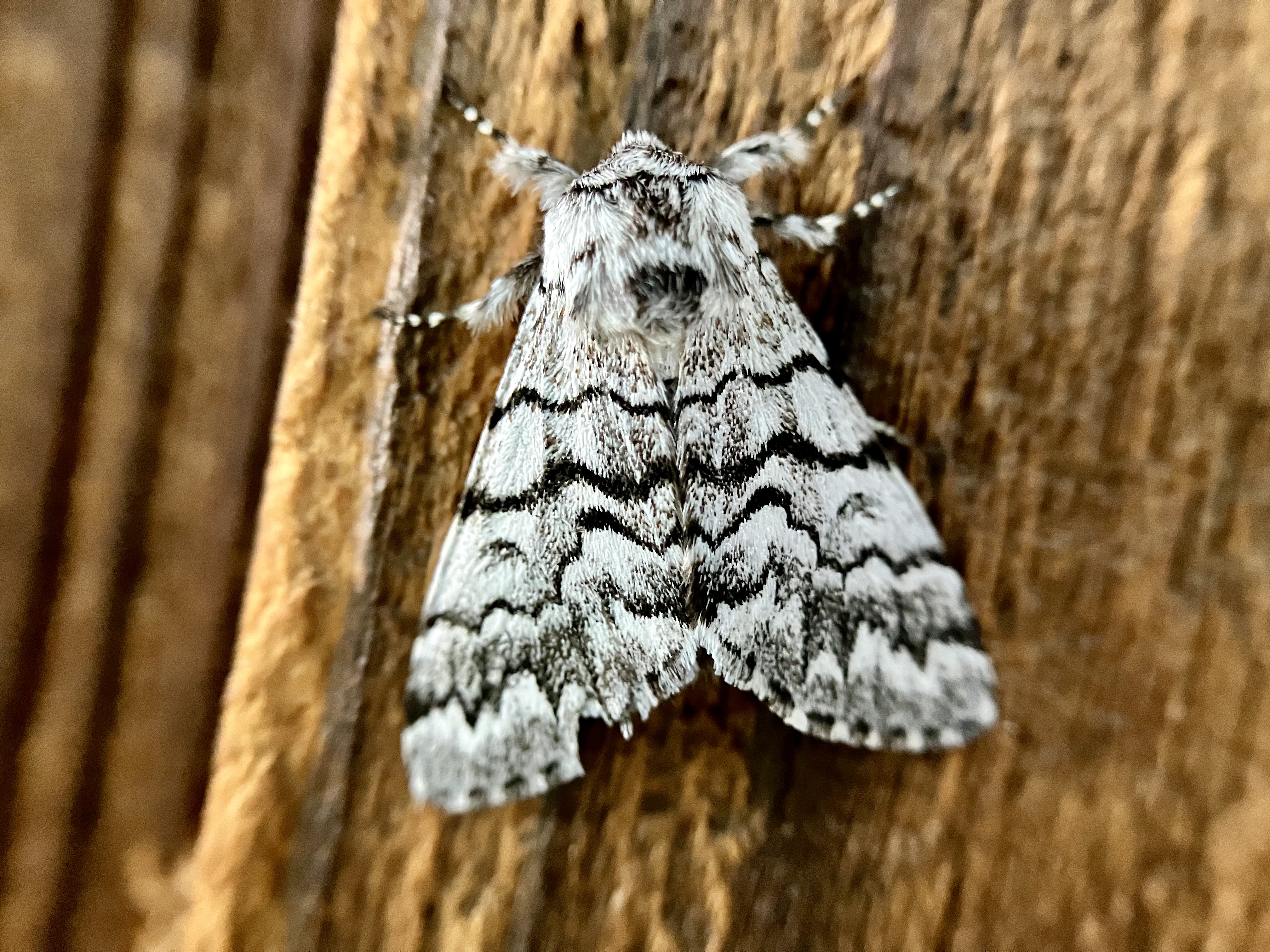
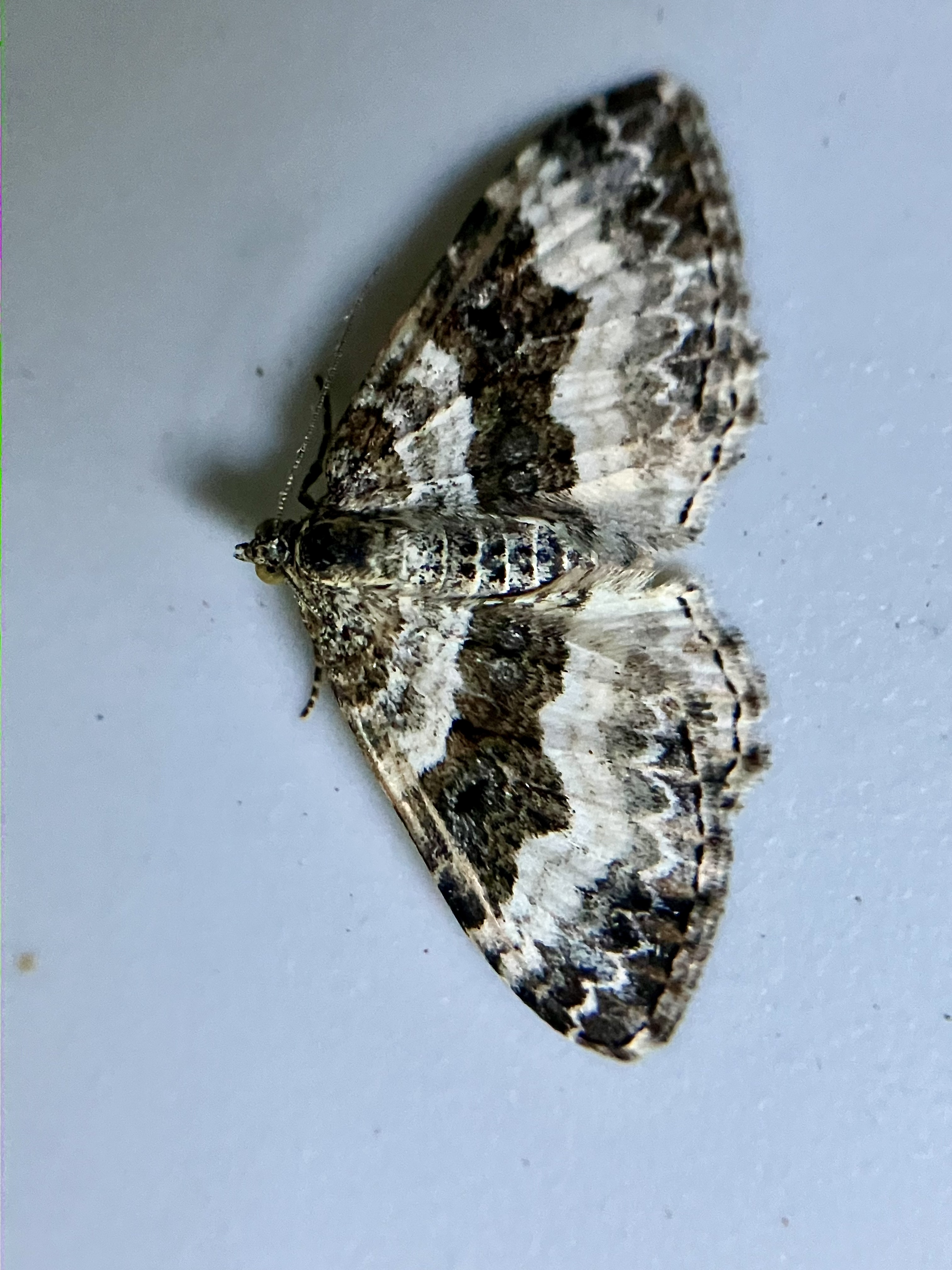
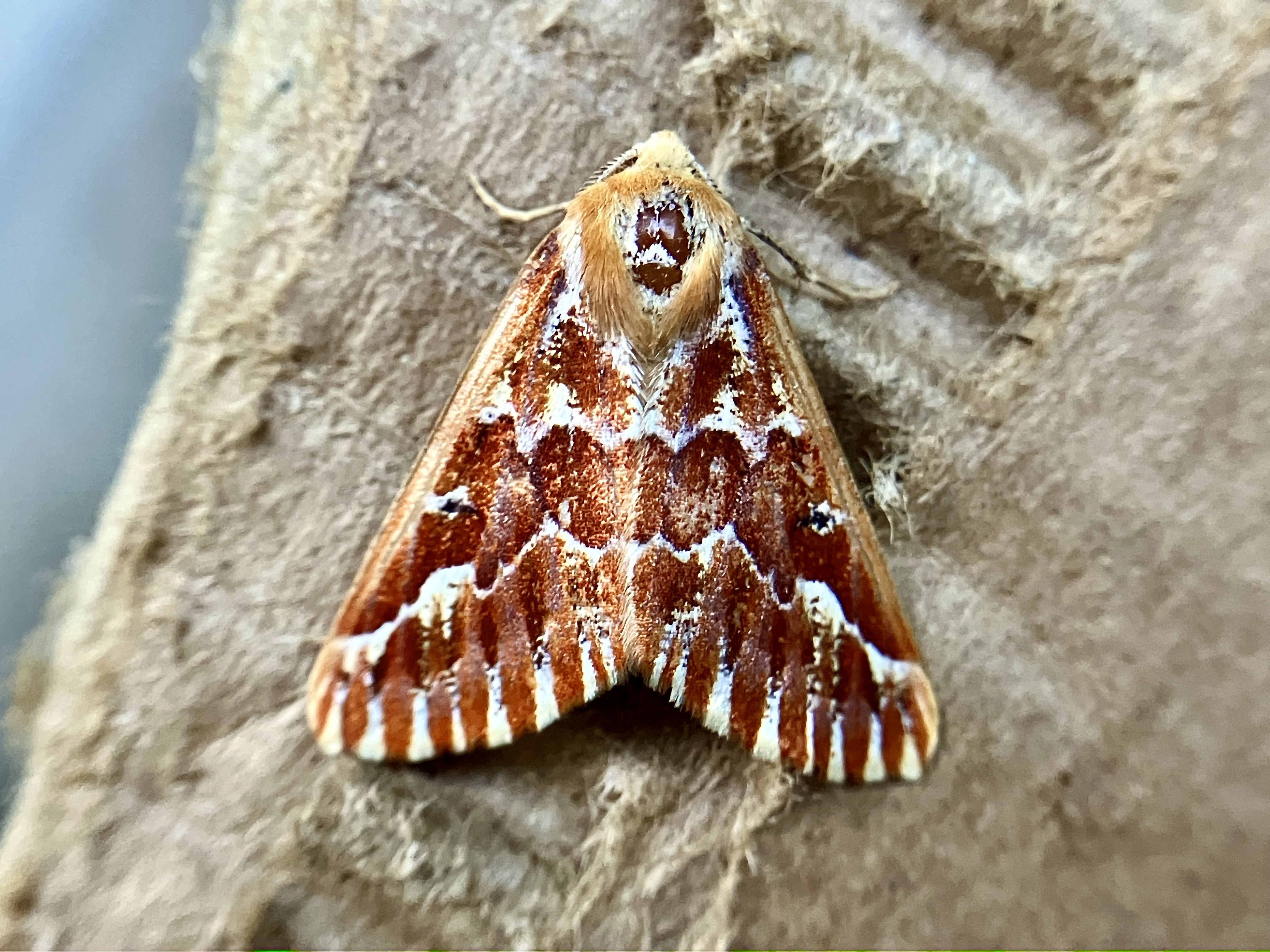
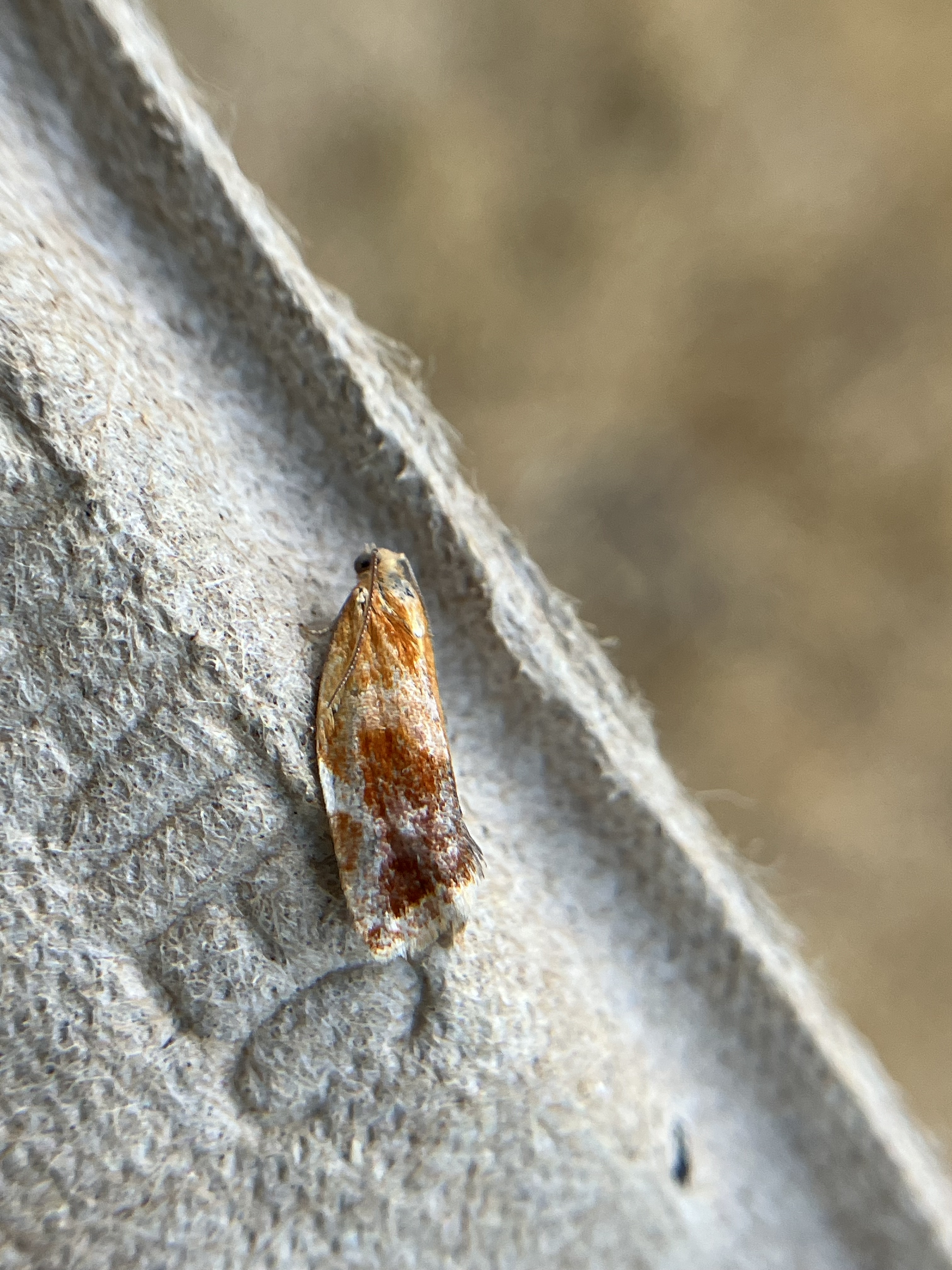
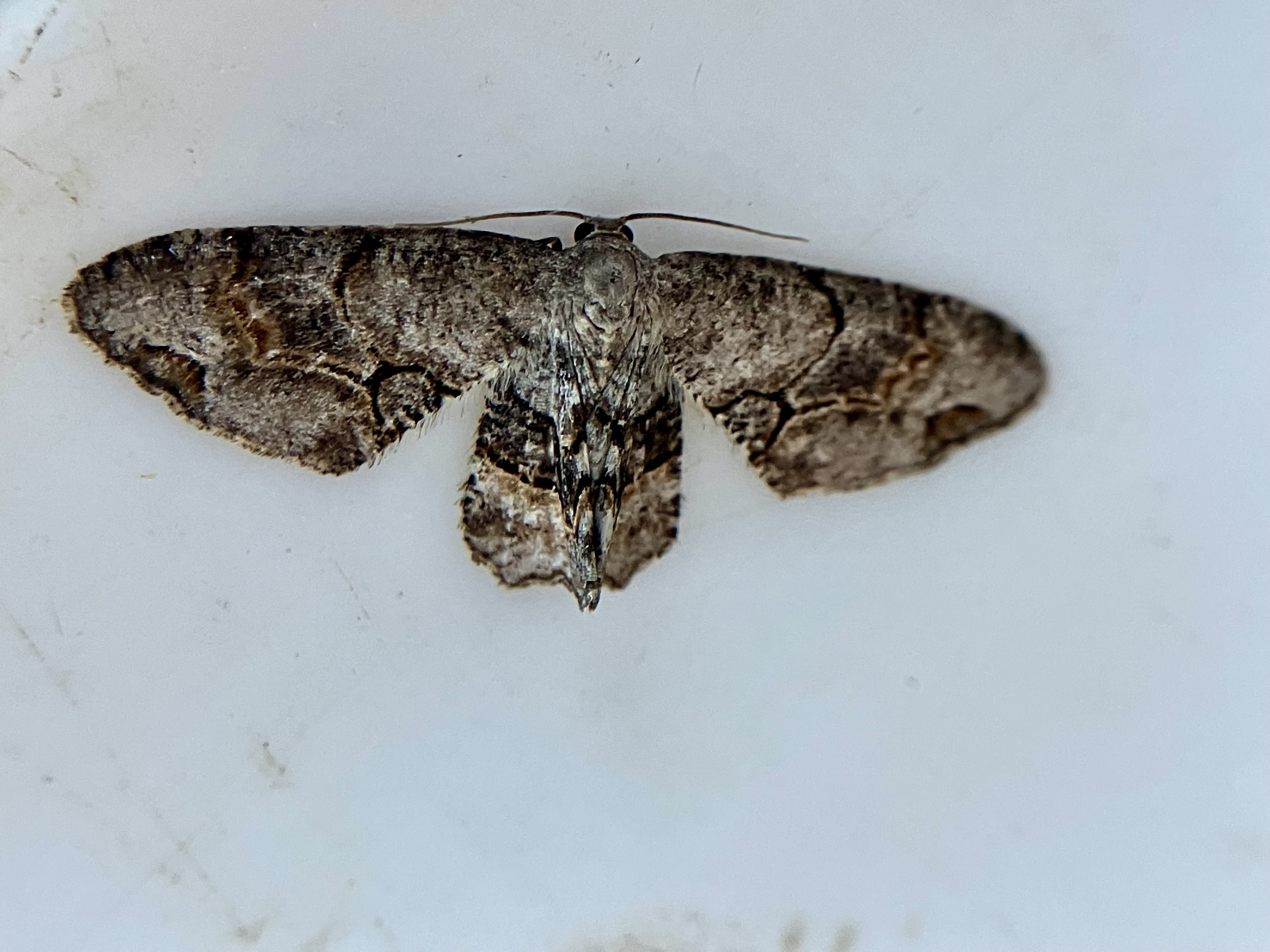
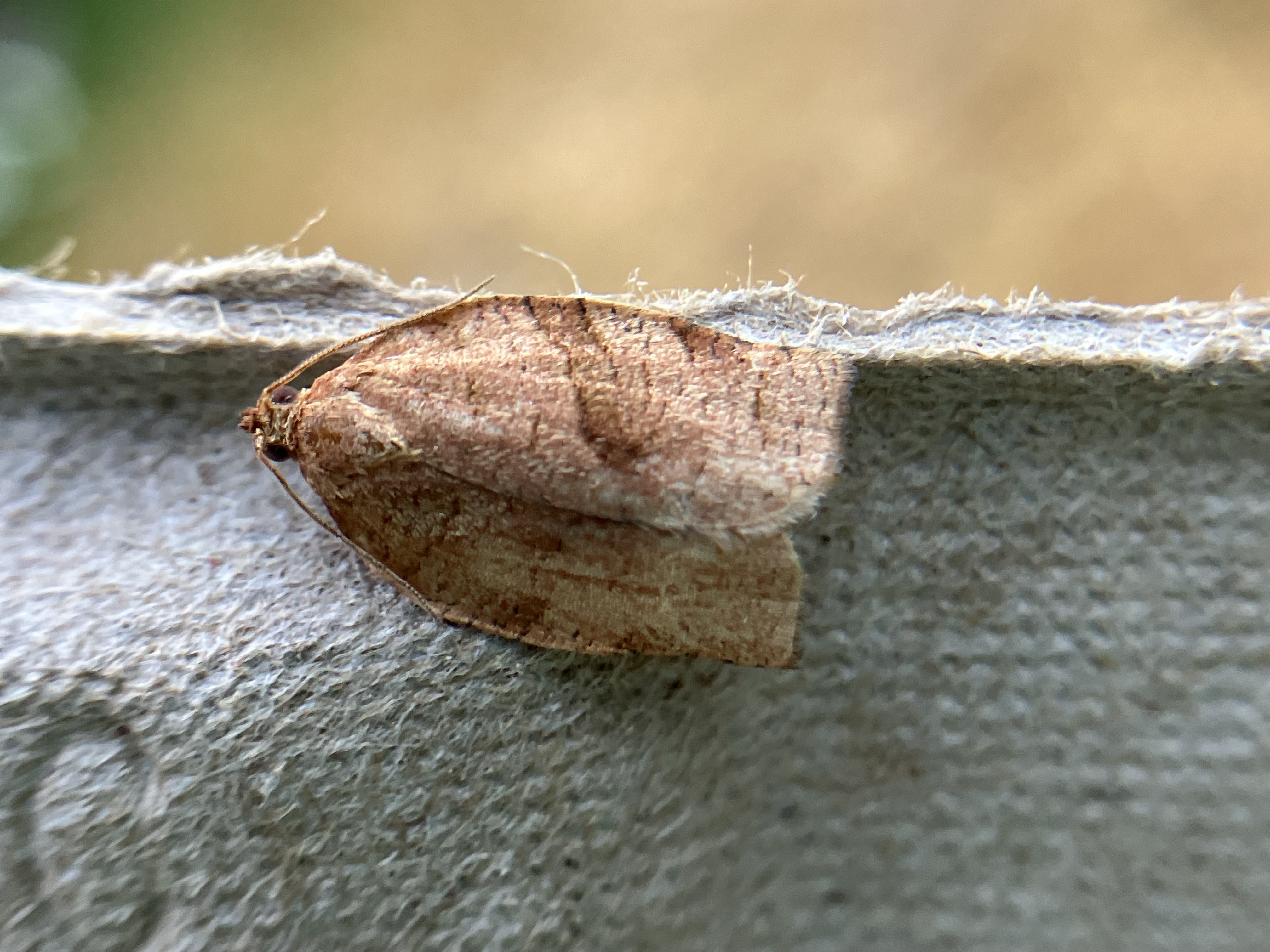
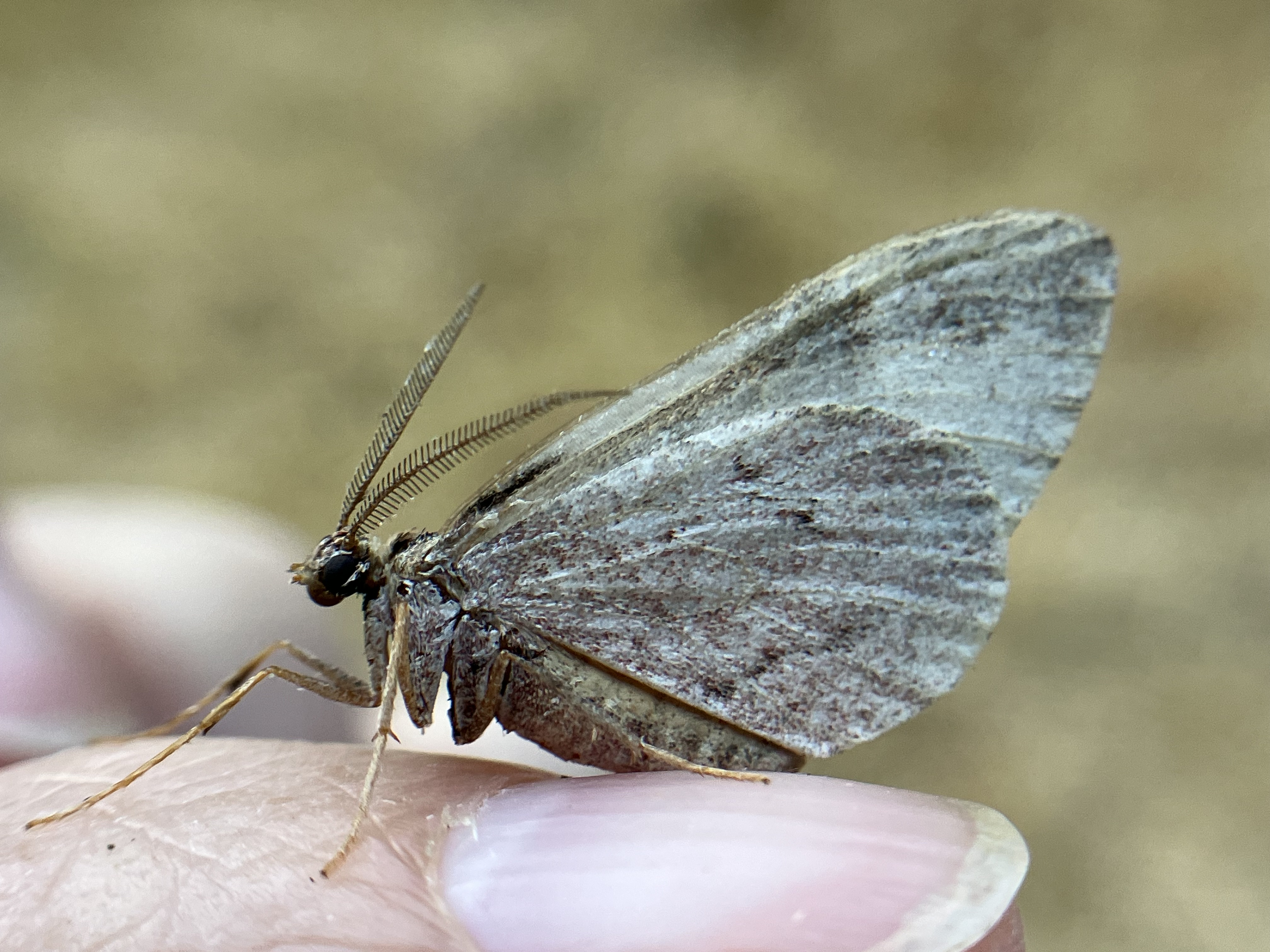
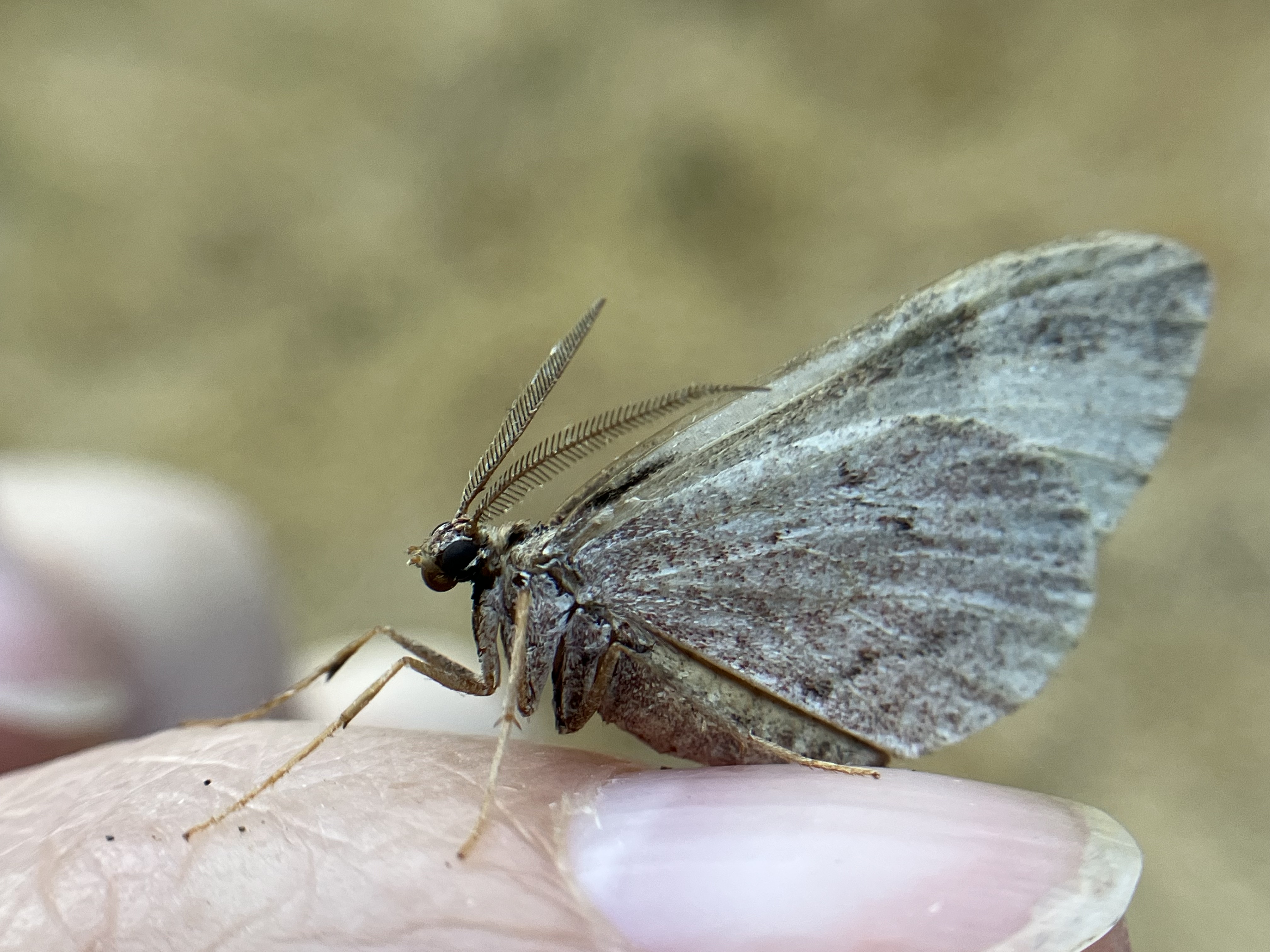
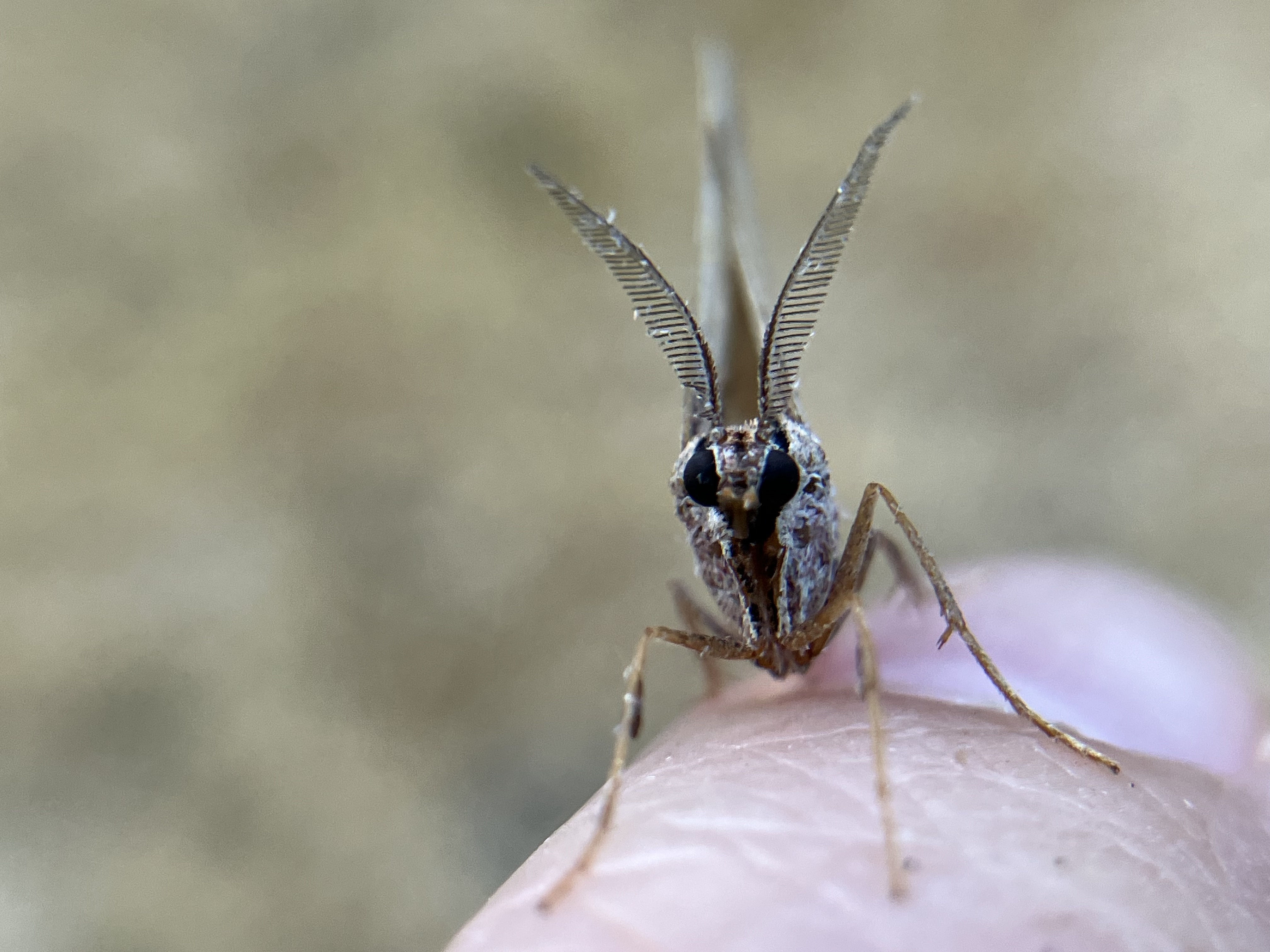
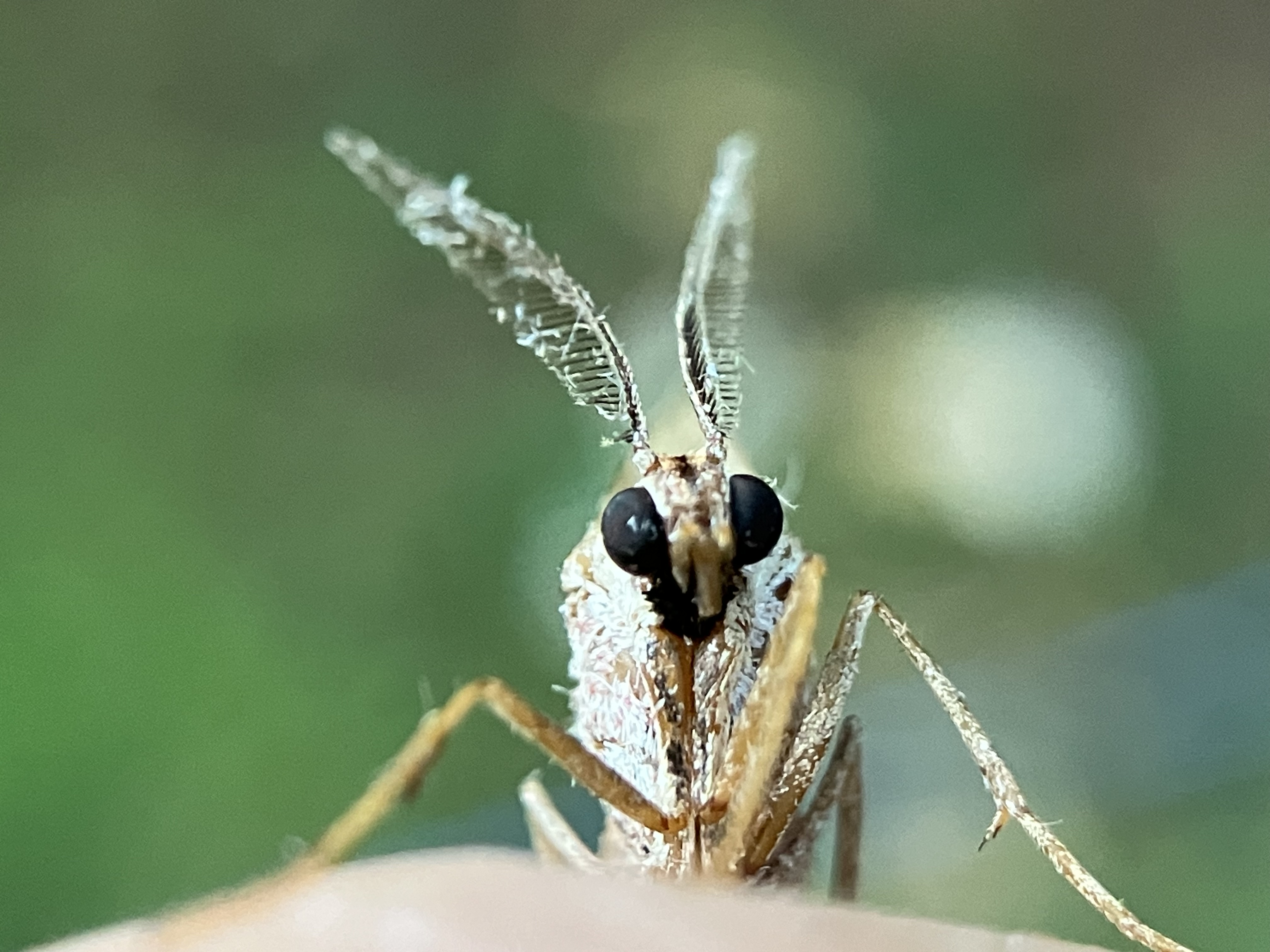
California Pyrausta Moth (Pyrausta californicalis)Western Panthea Moth (Panthea virginarius)Small Magpie (Anania hortulata)(Arta epicoenalis), a Pyralid mothGenus Eppirhoe Western Conifer Looper (Caripeta aequaliaria)Diamondback Moth (Plutella xylostella)Tribe Archipini – TortricidaeGray Scoopwing (Callizzia amorata)Choristoneura mothStamnoctenis pearsalli, a Carpet Moth (I think)Stamnoctenis pearsalli, a Carpet Moth (I think)Stamnoctenis pearsalli, a Carpet Moth (I think)Stamnoctenis pearsalli, a Carpet Moth (I think)Stamnoctenis pearsalli, a Carpet Moth (I think)Stamnoctenis pearsalli, a Carpet Moth (I think)Stamnoctenis pearsalli, a Carpet Moth (I think)Stamnoctenis pearsalli, a Carpet Moth (I think)Stamnoctenis pearsalli, a Carpet Moth (I think)Horned Spanworm Moth (Nematocampa resistaria)Unknown Noctuid moth
Leading up to the Twelfth Annual National Moth Week, July 22-30, 2023 https://nationalmothweek.org, I am getting into moth mode with some early collecting to see what is flying about the forest near our home at night.
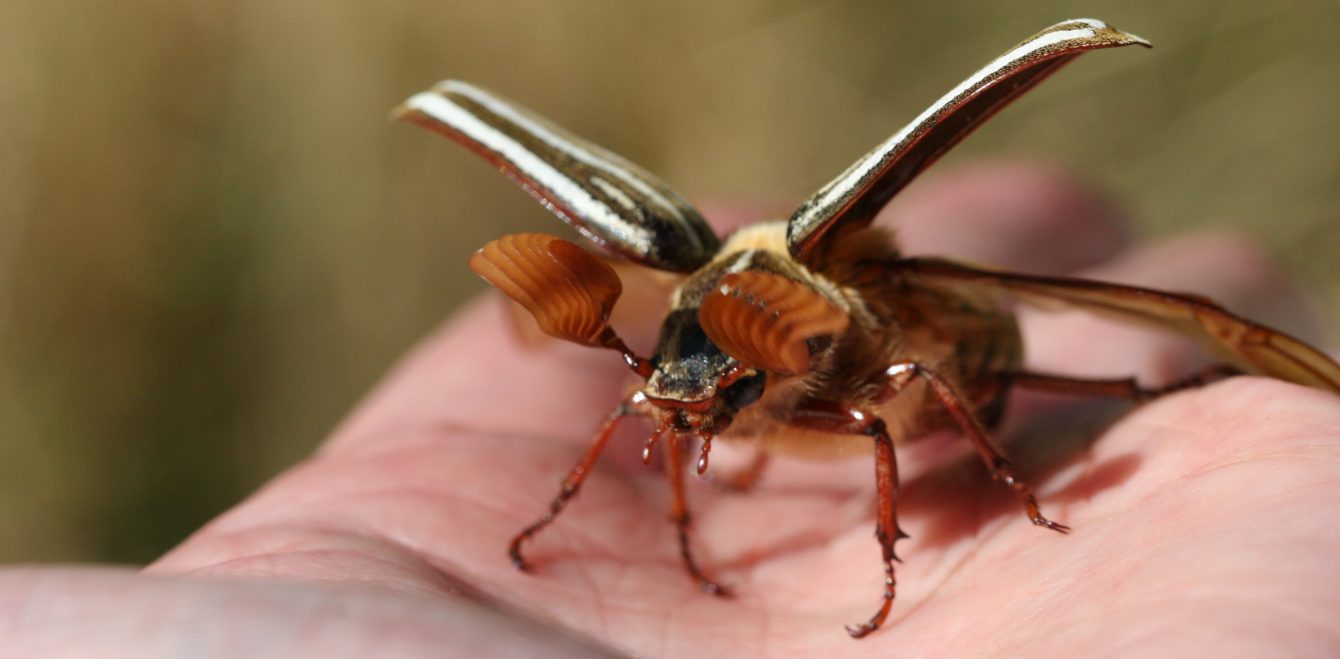
My first attempts at this were quite unsatisfying, save for the two awesome beetles that came to visit. The bug station I set up just wasn’t yielding much in the way of moths, at least until I discovered my station had been discovered by some thieving yellow jackets who were picking off my moths right in front of my eyes. Something had to change. I sure didn’t want to lure in these beautiful creatures to become a breakfast buffet.
I got some very helpful advice from a friend named Carl. Carl is an expert moth-er, and he recommended putting some egg cartons in my bug bucket so they would have a place to hide. I tried this last night, adding two egg cartons and some pieces of cardboard. Then, I went to hang my bucket up and turn on the light – EXCEPT, those darn yellow jackets showed up at 9 pm. They must have excellent memory. I suppose they wanted to be first in line at the moth buffet.
I moved my bug bucket and light to another location. It was a success. Here is the assortment of moths I collected last night. All were handled with gentle care and photographed. Afterwards, I moved them to hiding spots in the forest to make them less susceptible to predation.
If you’re interested in participating locally in National Moth Week, please don’t hesitate to reach out for more information. You can find me via email at cynthiabrast@icloud.com or on Facebook at Bugs of the San Juan Islands – a private group, but easy to join by answering a couple of questions and agreeing to follow the group rules to prove you aren’t a spammer and won’t be disruptive. 😉
1903. Hutchinson, C.E. A bolas-throwing spider. Sci. Amer., vol.89,no.10,p.172,figs.
Well, I am home on the couch, still sick and running fever. It was a miserable night. I don’t really feel much like reading or watching TV or anything. If I lie down to try and sleep, my nose gets so stuffy I can’t breathe. If you have a few minutes, I will share something fascinating about one of the cool spiders I’m reading about in Chapter 1 of my book, The Spider by John Crompton.
John admits in his book that taxonomy isn’t really his thing. His focus is on behaviors. The behaviors of invertebrates is truly intriguing to me. I will forever be curious about these creatures, how they live, what their lives are like, and such. I’m having to work a bit, googling as I read, as the scientific names of many of these spiders have changed over the years – with reclassifications and updates that will sort of make you crazy trying to figure out what they might be called NOW.
The spider I want to share about is an Australian Orb Weaver spider, formerly called Dicrostichus magnificus, now re-named Ordgarius magnificus. The common name for this spider is the Magnificent spider or Bolas spider, a very suitable common name indeed. Keep reading and you’ll see why!
During the daytime, this spider hangs out in cryptic retreats. Usually these are little tents constructed from silk-tied leaves of eucalyptus trees. At night, the spider will come out to hunt and this is where things become fascinating.
At dusk, the Bolas spider sits on a twig and gathers her tools or perhaps more appropriately, her tackle. She spins a short silk threat about 2 inches long and at the end of this “line” attaches a sticky globule. The name Bolas actually comes from a South American throwing weapon with a weight on the end.
When everything is ready, Ms. Bolas sits with this line dangling from one of her front legs and waits. Amazingly, she also has coated the “lure” of her line with a pheromone mimicking her intended prey. The pheromone is said to replicate the scent of a certain female moth in the Noctuid group, attracting unsuspecting males of the species into range.
Ms. Bolas is triggered into action when she senses the wing beats of unwary moths nearing her line. According to Crompton, she actually lifts her weighted line and whirls it around her head. As the moth comes closer, into lassooing distance, she casts her line. If luck has it, the lure (globule) sticks to the target.
Even more incredible is the discovery of yet another spider species) Cladomelea akermaini, an African species of Orbweaver who also hunts using a bolas. Crompton states that this species is able to cut off her lure and replace it with a fresh one when, during a fishing expedition similar to the Australian Ordgarius magnificus, the lure dries out.
I will leave you to read more of Crompton’s account of these spiders on your own. It is truly fascinating – the idea of spiders creating and using tools. We underestimate what we cannot see. For in observing these creatures, our eyes are opened and we are amazed.













 Bugging You From San Juan Island