Tag Archives: pest

What’s Biting Me? Episode ONE, San Juan Sniper

I’m going to start a new bug series called “What’s Biting Me?”  

I’m starting this series because I have such bad reactions to bug bites in general, and I’m exasperated when people blame mosquitoes and spiders for everything.  Also, if you’re one of those who is tired of it getting crowded here in the San Juans, feel free to share this with anyone who is thinking about moving here – or with anyone you WISH would move off the island.   Maybe they’ll decide to live somewhere else.   😉


Epidode ONE, the San Juan Sniper

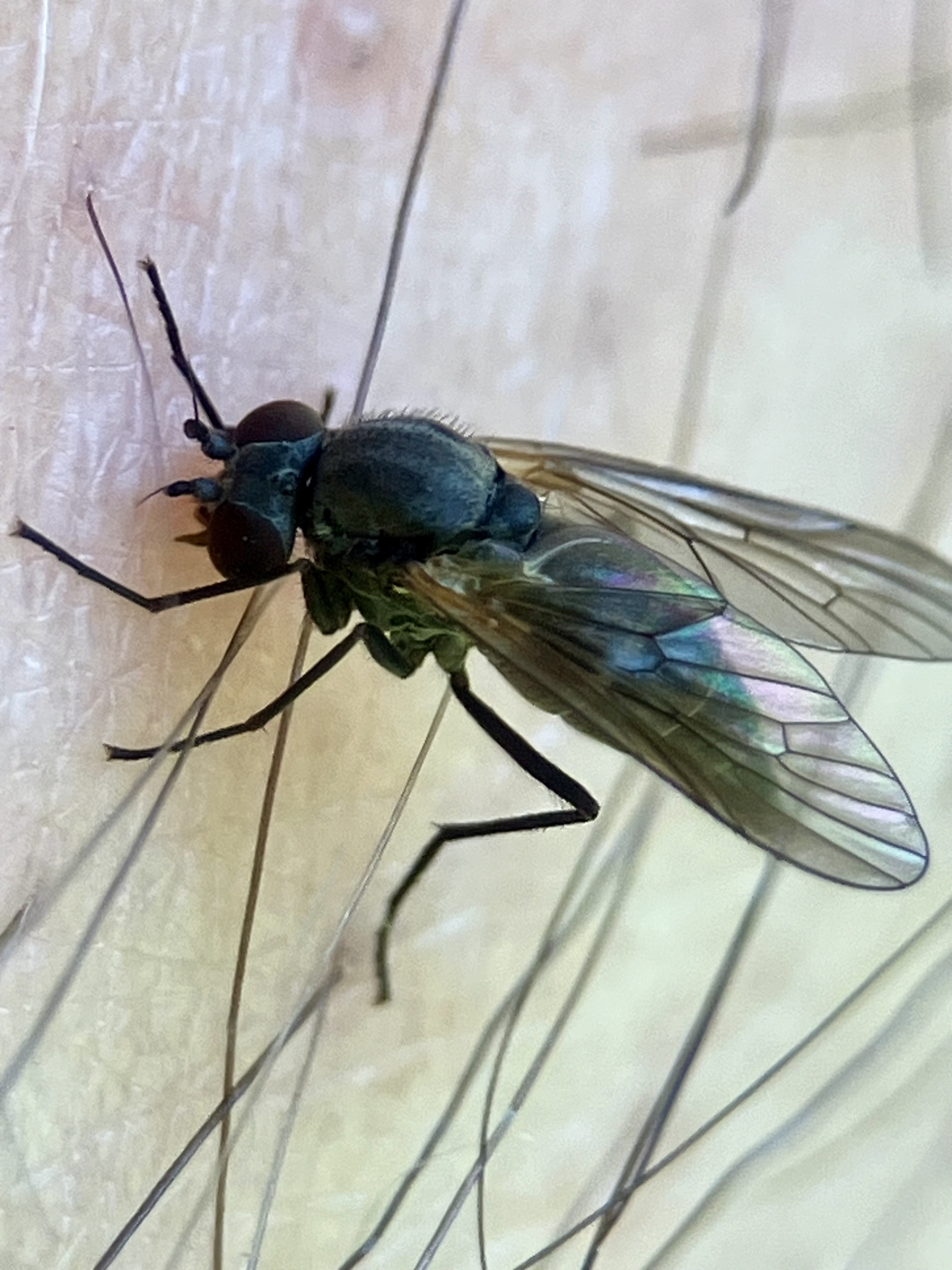
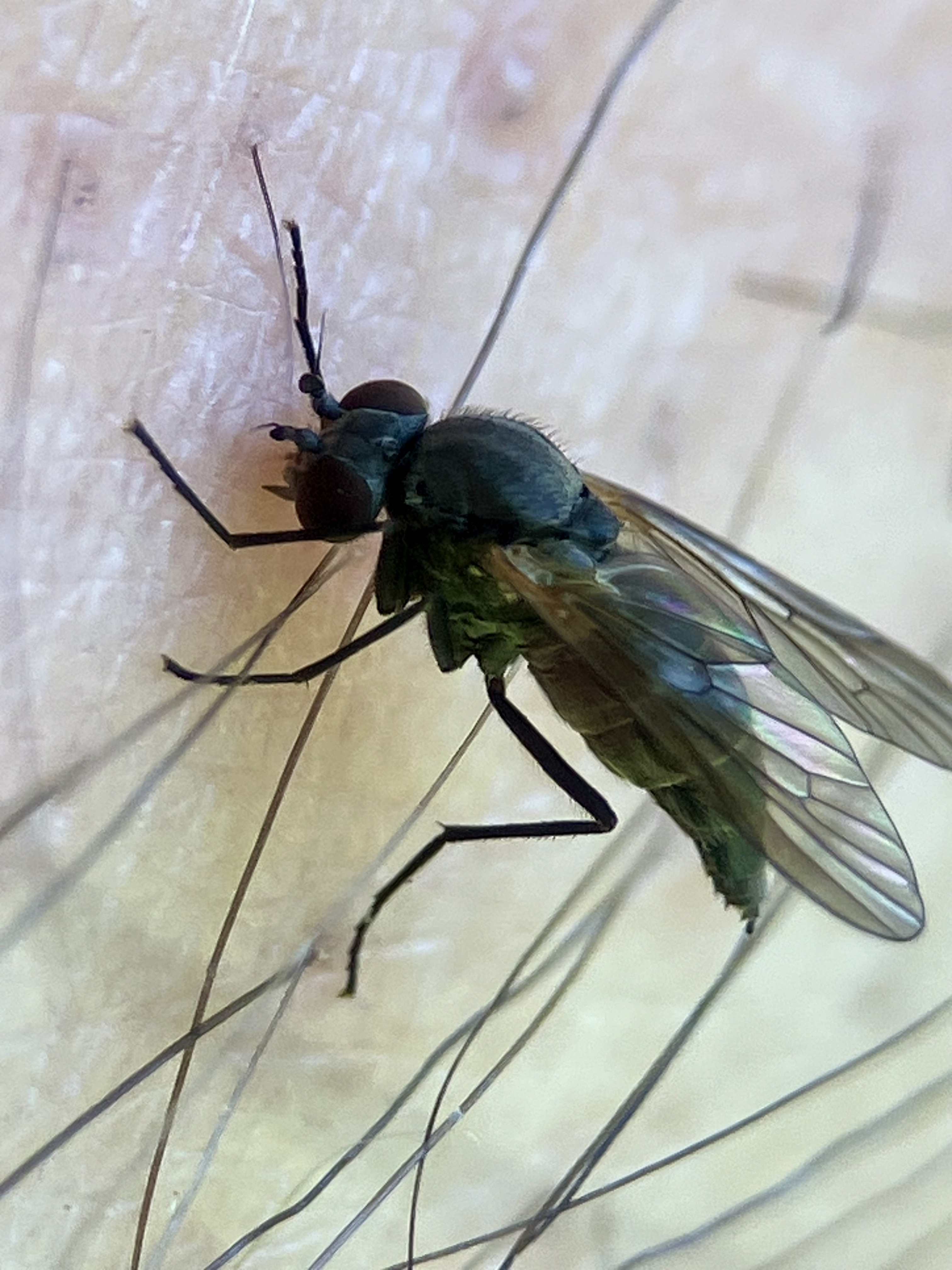
This is one of the Rocky Mountain Bite Flies (Symphoromyia sp.).  It’s a Snipe fly in the family Family Rhagionidae, and it bit my husband today.   Those are NOT my hairy legs.  They’re my husband’s.  

Rocky Mountain Bite Flies (Symphoromyia sp)

After getting some pictures, I went inside to look up what information I could find about the Genus and narrow down what species are in WA state. In doing so, I came across this interesting, and disturbing medical case report of a woman who had a severe allergic reaction to the bites of these flies.  Now this was in the 70’s, in Forks, WA, but if this fly had bitten ME instead of my husband, it’s very likely I’d be the next case write up.  
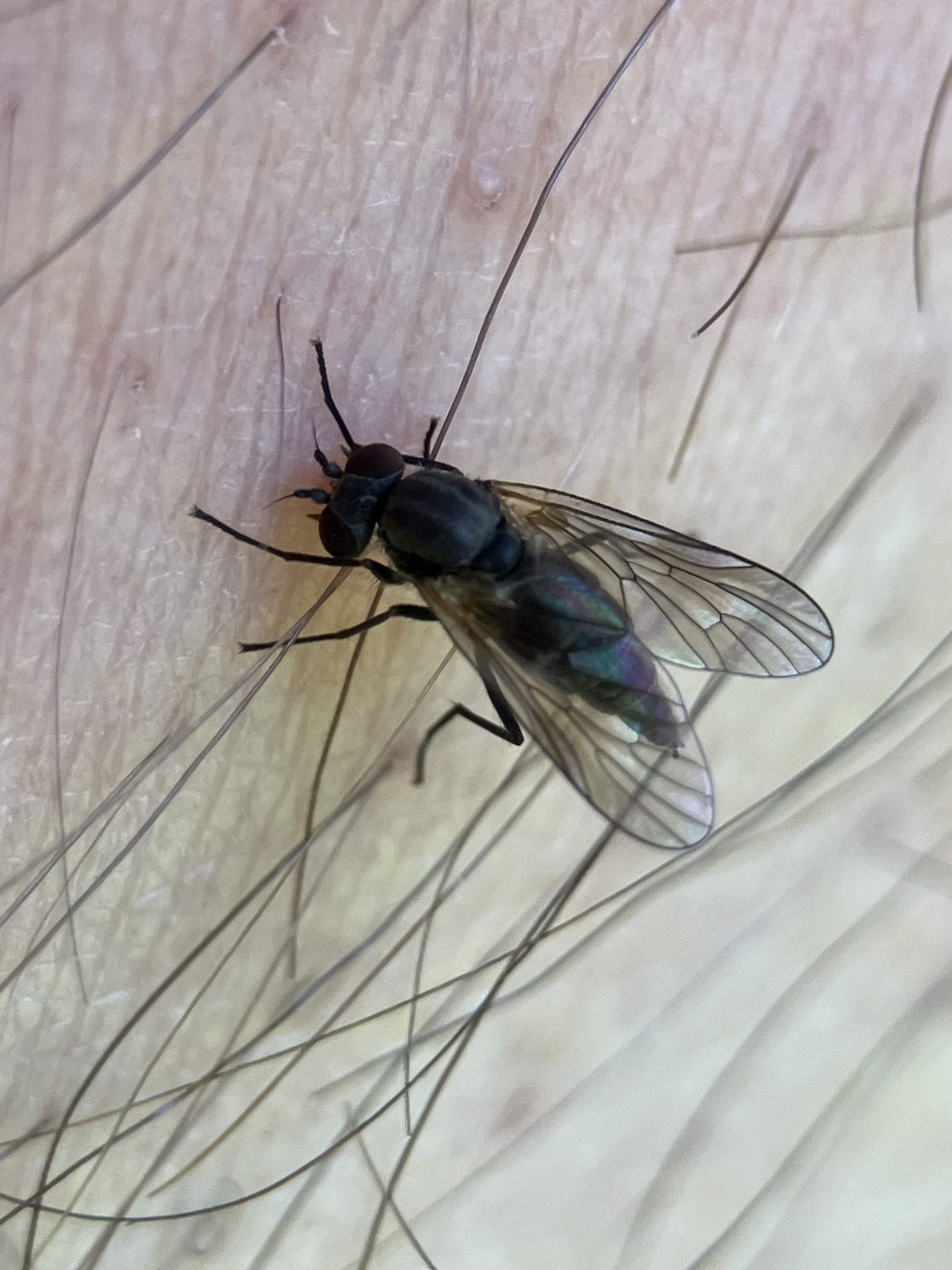
Rocky Mountain Bite Flies (Symphoromyia sp)

Attaching the paper in the link here if you care to read it.  The woman could have D-I-E-D from anaphylactic shock.  

You’ve been warned.  

No worries, just stay indoors and you’ll avoid being bitten by the San Juan Sniper.  


Symphoromyia Genus

Size: 4.7-9mm

Food: Females of some species of this genus are blood feeders. Symphoromyia females are common biting pests in the west. Males do not take blood meals. Both adults and larvae will prey on small insects.  

Habitat: Adults are commonly found in woods near moist places, often found on foliage or grass, positioned with head resting head downward. Larvae occur in moist meadow soil, moss, decaying wood (incl. galleries of wood-boring insects), under bark, occasionally in water (bug guide.net).

References and Further Reading

Aldrich, J. M. 1905. A Catalogue of North American Diptera. Smithsonian Miscellaneous Collections 46:680.

Bowser, Matt. 2017. Refuge Notebook: The bad biter par excellence. Peninsula Clarion. https://www.peninsulaclarion.com/life/refuge-notebook-the-bad-biter-par-excellence/#:~:text=Very%20little%20research%20has%20been,not%20known%20to%20transmit%20disease.

Bugguide.net. Family Rhagionidae (Snipe Flies). https://bugguide.net/node/view/116

Kerr, Peter H. 2004. REVISION OF THE GENERA OF THE RHAGIONIDAE OF THE WORLD (DIPTERA: BRACHYCERA). Doctor of Philosophy Dissertation. University of Maryland, College Park. https://drum.lib.umd.edu/items/7f964daf-76bd-467e-ac36-18a523ac5e5a

Turner WJ. A case of severe human allergic reaction to bites of Symphoromyia (Diptera: Rhagionidae). J Med Entomol. 1979 Feb 8;15(2):138-9. doi: 10.1093/jmedent/15.2.138. PMID: 448692 https://www.tesble.com/10.1093/jmedent/15.2.138

Ratta two-y

Dora the Explorer (April 2022)

My brother and I have been swapping rat stories over the past few weeks. The rat that lives in our attic I’ve named Dora the Explorer. Perhaps you’ve seen me post photos of her previously. She comes and goes and I believe she was actually in our attic last winter. Well, Dora was making a lot of noise up in our attic the other night. We can hear her since she’s usually right above our couch. In fact, there’s a little circular hole in the ceiling that I’m not exactly certain has a reason for being there. It’s quite likely Dora is peeking through that hole watching us watch TV. She also probably doesn’t dare come into our house since she can probably SMELL Nimbus and Evie, our two, very bored, always looking for something to get into, indoor cats.

Dora the Explorer October 2022

Dora is smart, but she should have known we would hear her making all that racket up above. Well, my husband decided Dora was having a party or something and might have invited her friends. We might be OK if it was just Dora living in the upstairs attic room, but her friends aren’t welcome. He got out the traps. Don’t ask. You really don’t want to know.

I had to toast a pecan. Just one for each trap. My husband says toasted pecans are irresistible to rats. How the heck he knows this is beyond me. I thought they liked peanut butter. Well, the traps (I believe there were two) went up into the attic. The next morning, he asked me if I heard anything. Nope. Not a thing. No rat racket and no SNAP. Next night, nothing. Not a sound. Hubby went up to check the trap. Pecans still there. No sign of anything. No more noise. Dora is smart. She did this exact same thing last year. We are on season two. Dora decided to move out. So, I suppose the traps do work – just not like we expected.

I’m sure you’re wondering about my brother’s rat saga. Well, he definitely has a BIGGER problem. His rat isn’t in the attic. It is LIVING INSIDE HIS HOUSE. That’s right. It is hiding in drawers, sleeping in coat sleeves, and running down the hall after being discovered by Sassy the dog. If you ask me, that’s part of his problem. He has a DOG. Everyone knows that cats are much better at guarding you from the things that count – like invading mice and rats! Cats are stealthy. They also don’t yap all night and keep you awake when a rat is raiding your cupboards.

My brother says he has live traps set all over the house. He also has those ultrasonic noise maker things that humans aren’t supposed to hear, but I SURE CAN hear them! My parents have one in their attic and whenever I go visit, I have to ask them to turn it off. They can’t hear it, but the noise it emits is worse than having a giant rat party going on if you ask me. Maybe this is why the rat in my brother’s house is afraid of going into the traps he has out. It’s afraid of being stuck inside that house forever – subjected to the never-ending din of the ultrasonic repellers.

I offered a few tips to my brother to help him catch the rat. Have you tried opening a window? “Nope, and the rat just runs out of the room under the interior door.” Hmmm, have you tried using the inside cardboard tube from a roll of wrapping paper with a sock over the end to catch it? “Nah, don’t got any of those around.” Have you got one of those lever lids that you put on a 5 -gallon bucket that work with a ramp and catch the rat? “Made a homemade version and the rat took the food and managed to climb down the ramp without going setting off the lever.”

Well, what about buying a very nice rat enclosure and setting up food, water, a hammock, and some sort of a hide, and inviting your rat to stay? He sure seems awfully smart. My brother agrees with this. He says anything as smart as this rat sure deserves to live. Maybe not in his house, but he isn’t going to put out the traps like we did.

I drew a photo to text to my brother today, and suggested a name for his rat buddy.

Meet Einstein!

Einstein the Rat

The End (or perhaps only the beginning)…

P.S. If you are living in the Austin/Georgetown/Round Rock area and are in need of automotive dentless paint repair (he does airplanes too), give my brother a ring. He can fix you up! https://www.stephenspdr.com/contact

Plum pesty! Hyalopterus pruni, the Mealy Plum Aphid

I posted yesterday about picking a twig from my plum tree that had a leaf or two with some weird, white, fluffy gunk on it. Like I do often, I put the leaf on my desk with the intent of looking at it more closely in the morning. You’d think some sort of learning curve would happen with this delayed examination habit of mine. For instance, the mishap of having deer tick eggs hatching and crawling all over my desk https://www.facebook.com/buggingyoufromSJI/posts/2375866245969416. I barely caught that one in time. It’s important to have sticky tape on your desk for emergencies!

Well, yesterday morning, July 31, 2019), I woke to find tiny green specks moving all over my desk. They were crawling off the leaf in all directions. I set down my coffee and grabbed my iPhone macro with the macro lens attachment and took a closer look. This is what I saw. https://youtu.be/gxDqhqZqpus

Hyalopterus pruni
San Juan Island, WA
July 30, 2019

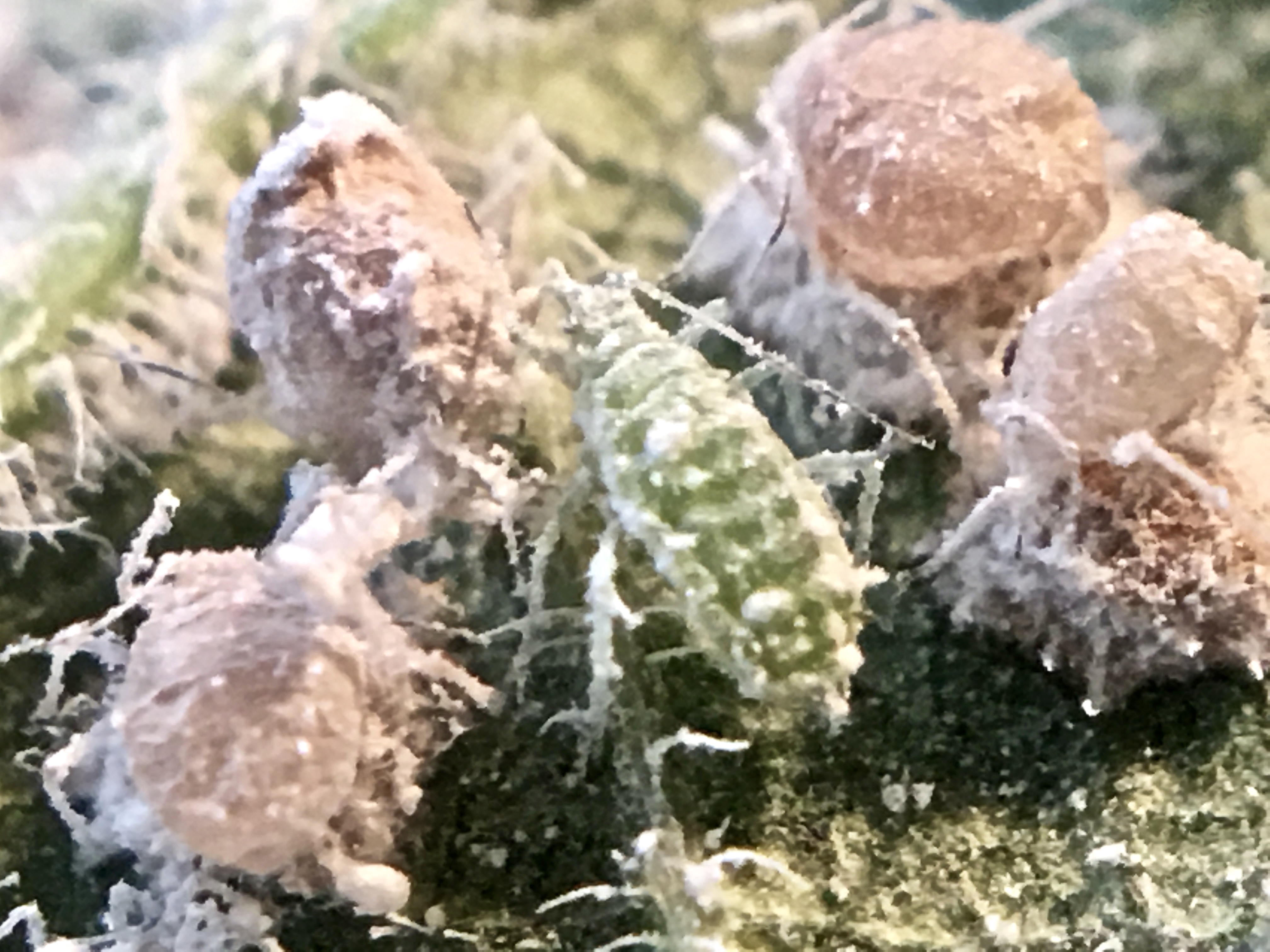
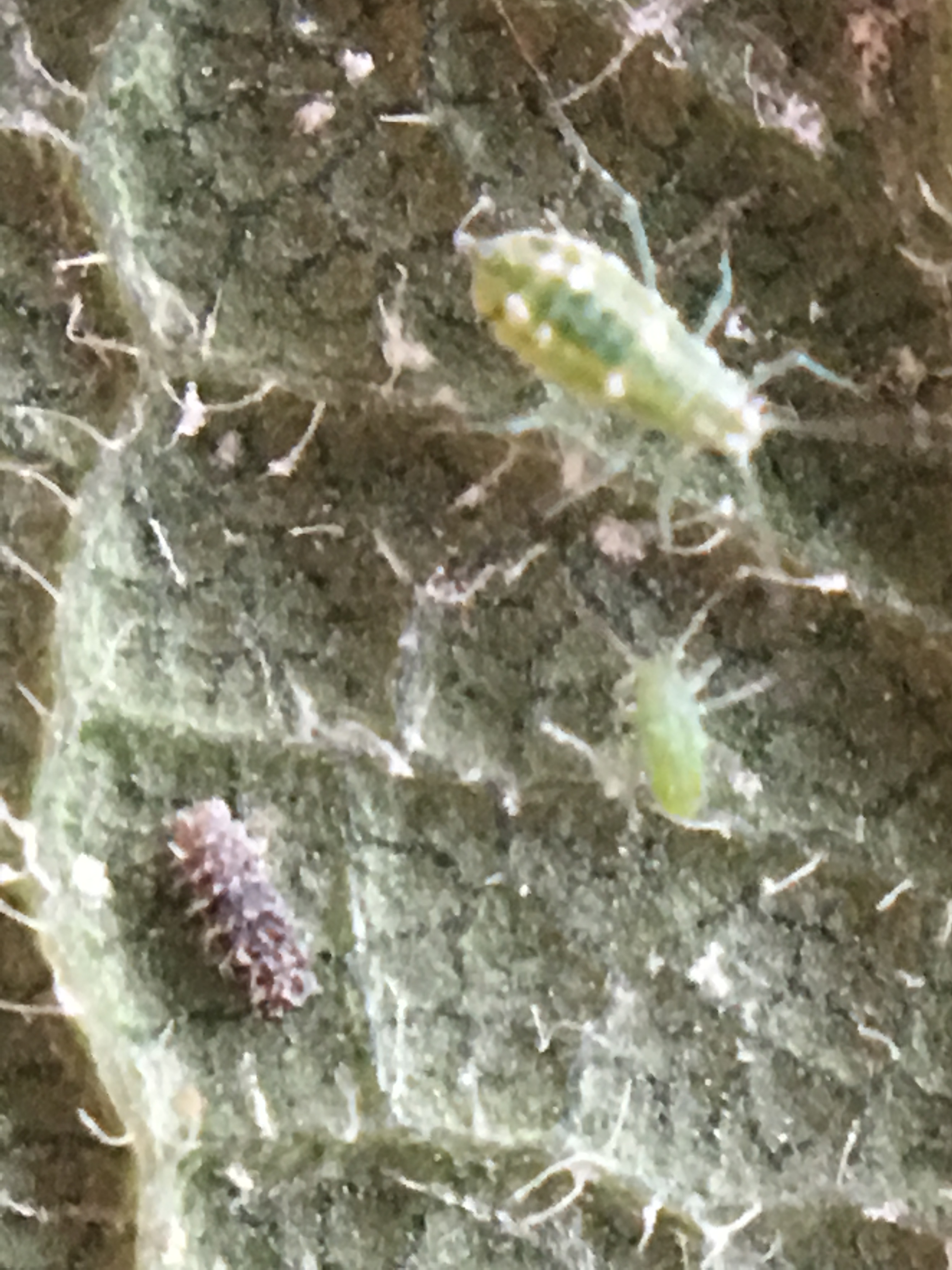
As you can see, these guys are active! After doing a bit of research, I have determined them to be Hyalopterus pruni (Mealy plum aphid or reed aphid). These non-native aphids are found across the U.S. While numbers can build up to damaging levels, nature does have a built in control to manage these pests without using harmful insecticides. Those little eggs I posted about yesterday https://cynthiabrast.wordpress.com/2019/07/31/lacewing-eggs/ are going to be lacewings. Hungry lacewings with a veritable buffet awaiting them!

Hyalopterus pruni (Mealy plum aphid or reed aphid)
San Juan Island, WA
July 30, 2019
Hyalopterus pruni (Mealy plum aphid or reed aphid)
San Juan Island, WA
July 30, 2019
Hyalopterus pruni (Mealy plum aphid or reed aphid)
San Juan Island, WA
July 30, 2019

References:

https://influentialpoints.com/Gallery/Hyalopterus_aphids.htm

https://bugguide.net/node/view/176830

http://treefruit.wsu.edu/crop-protection/opm/less-common-aphids/