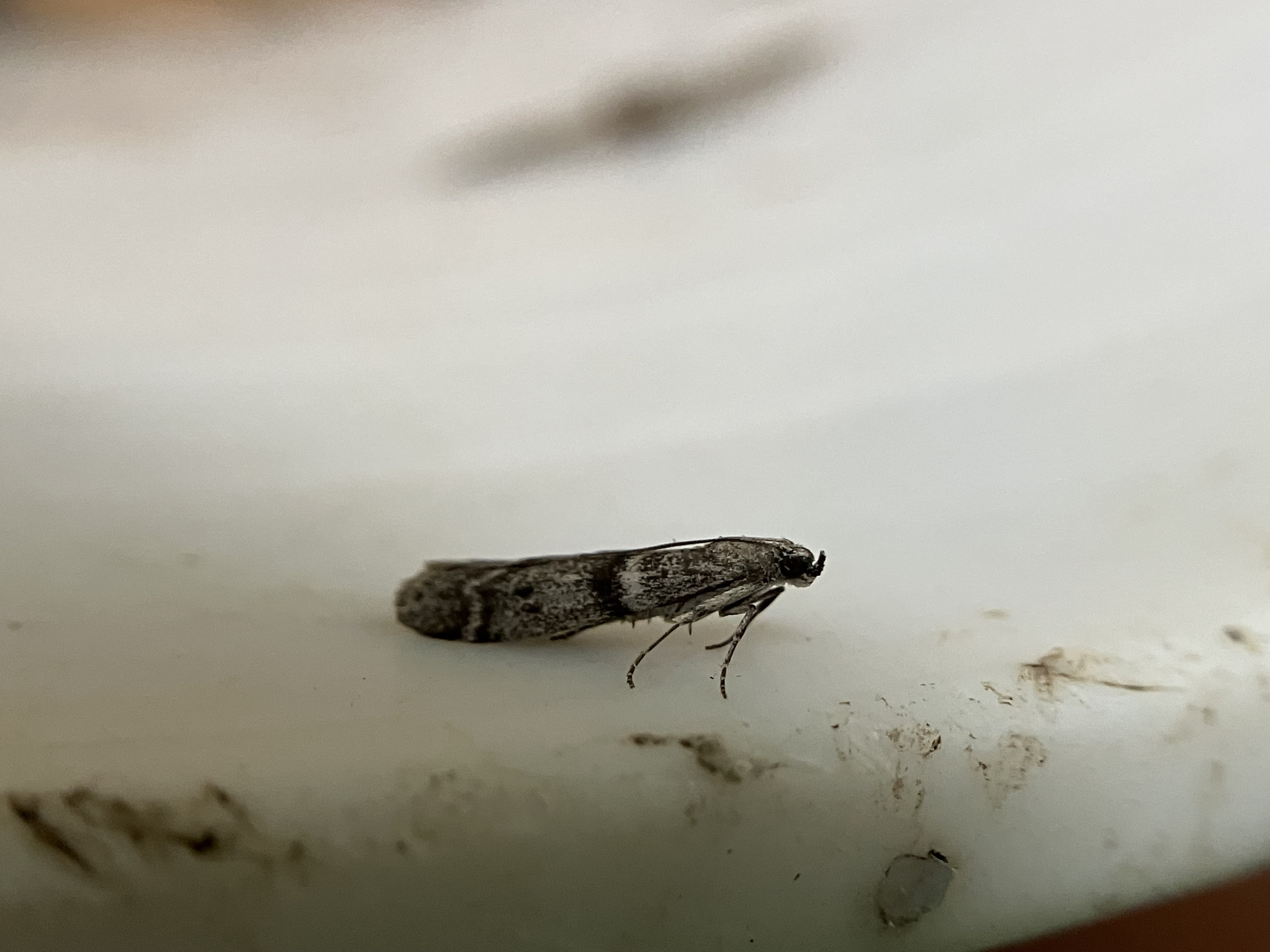
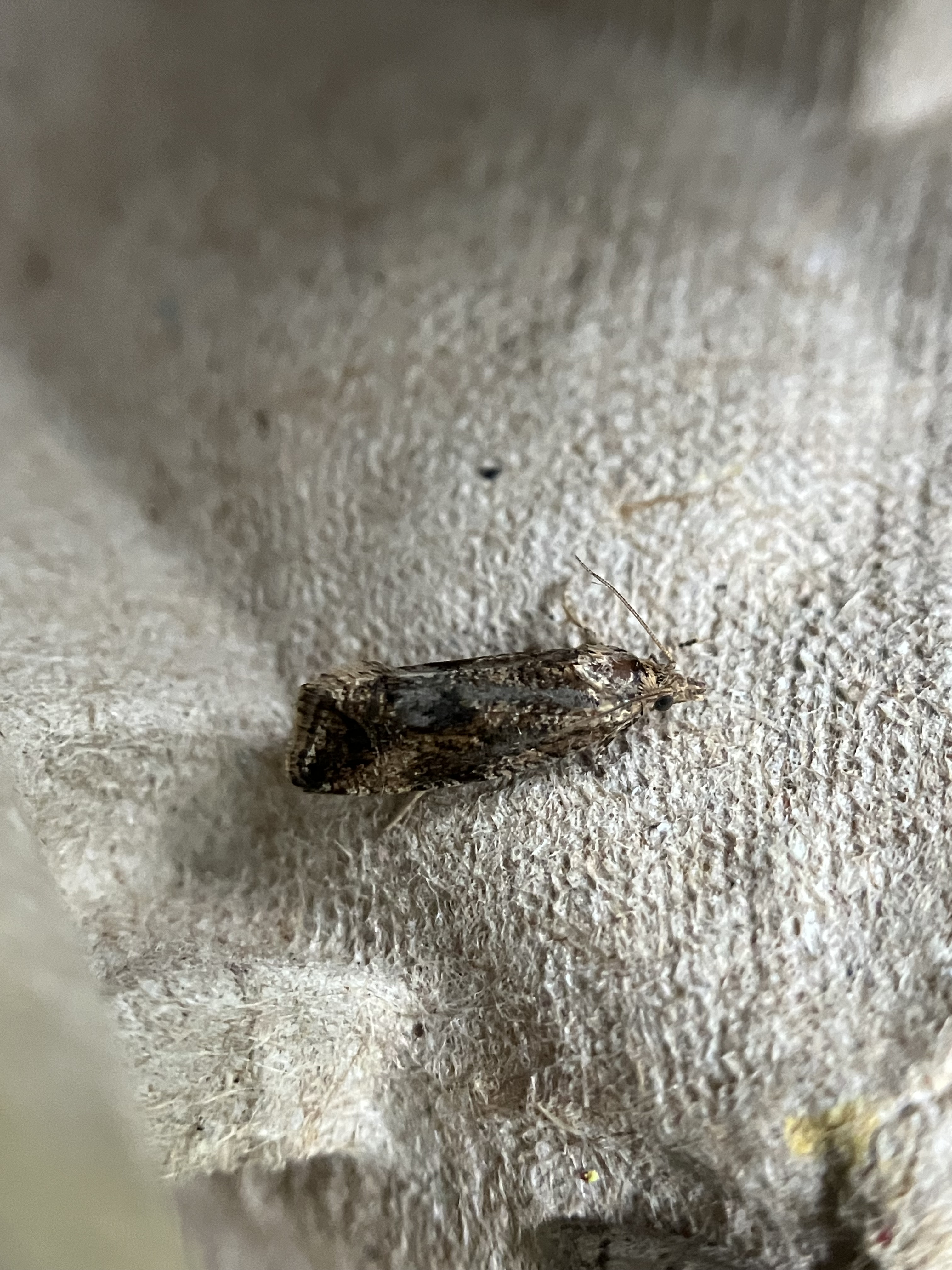
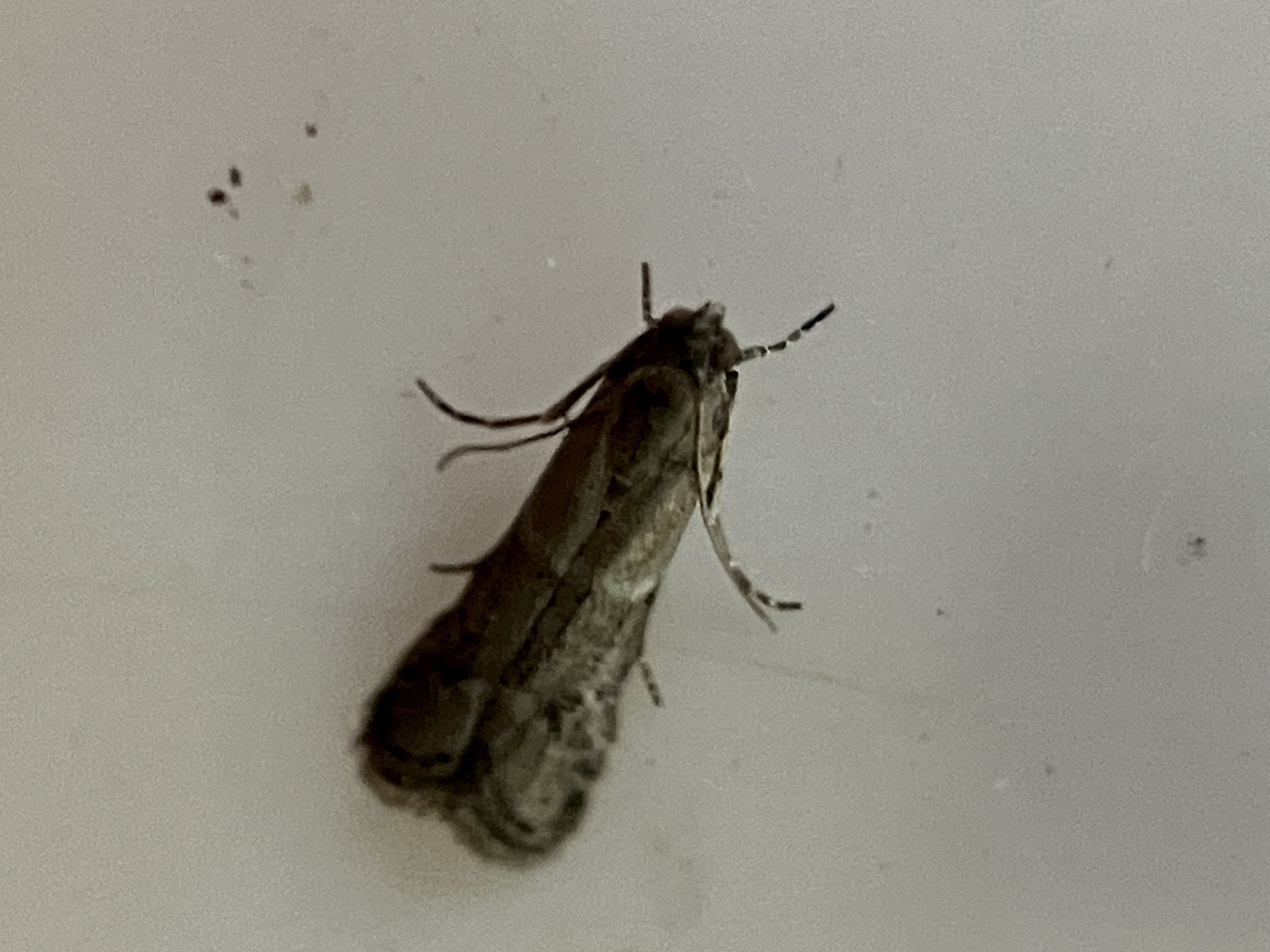
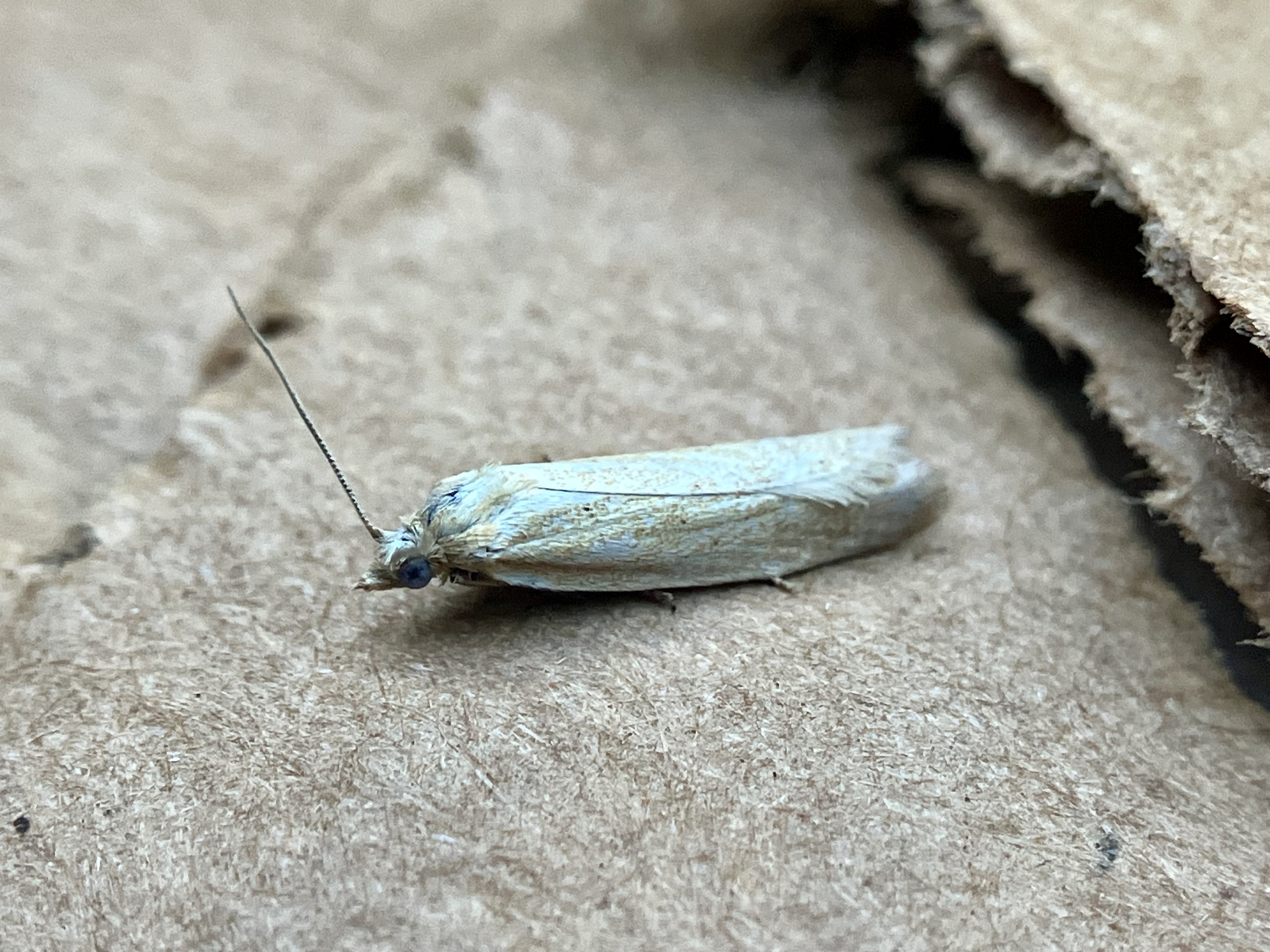
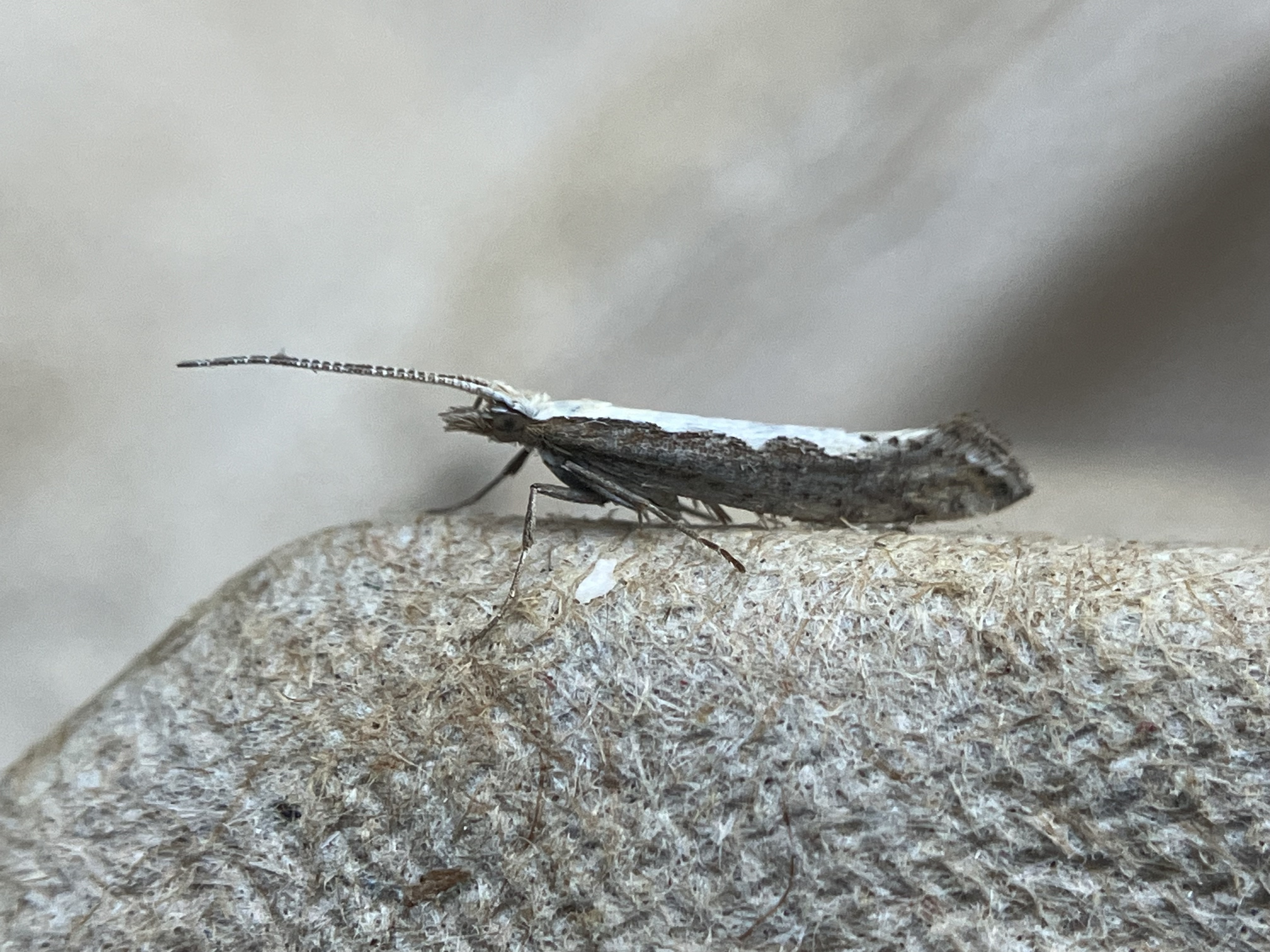
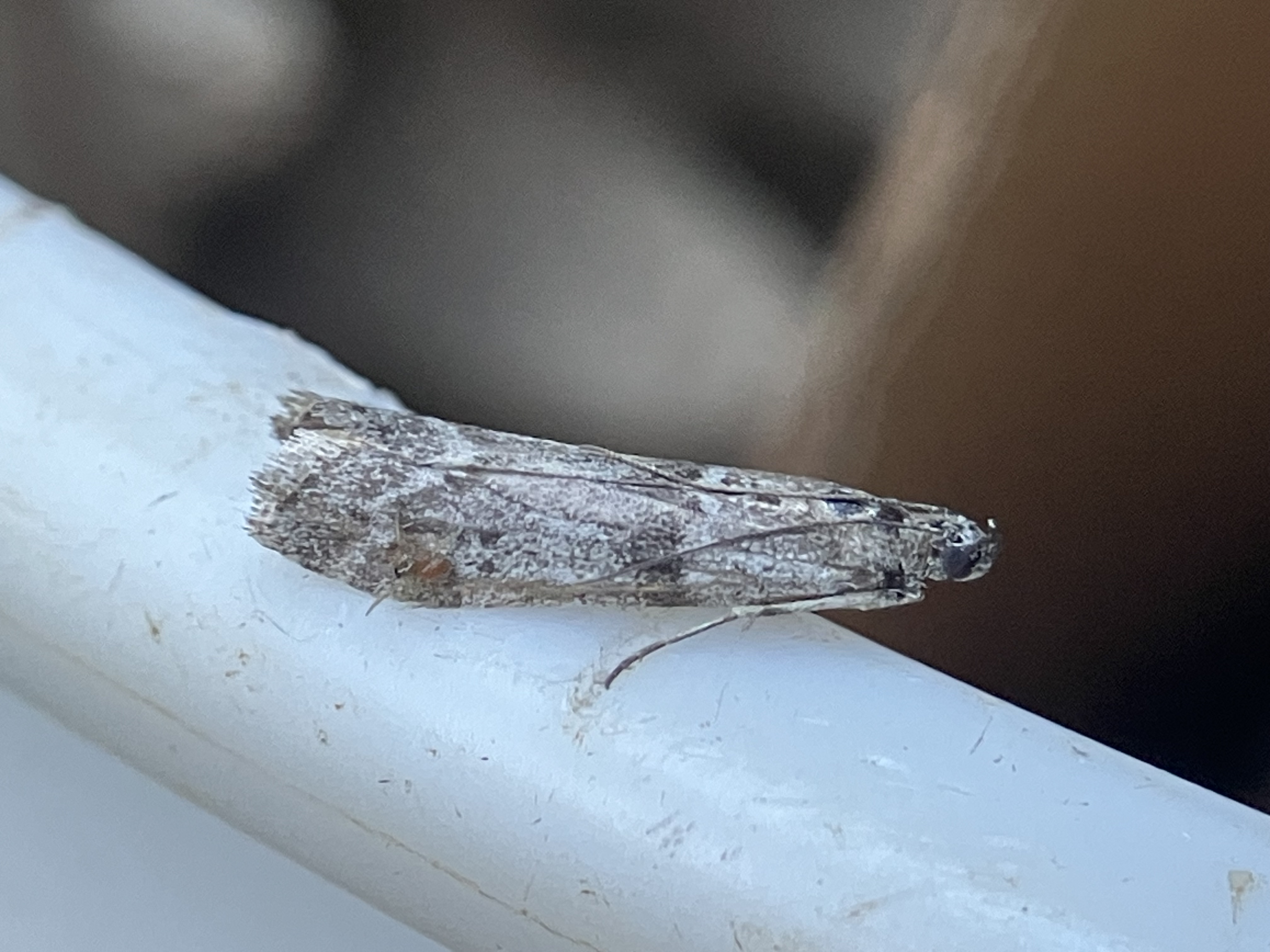
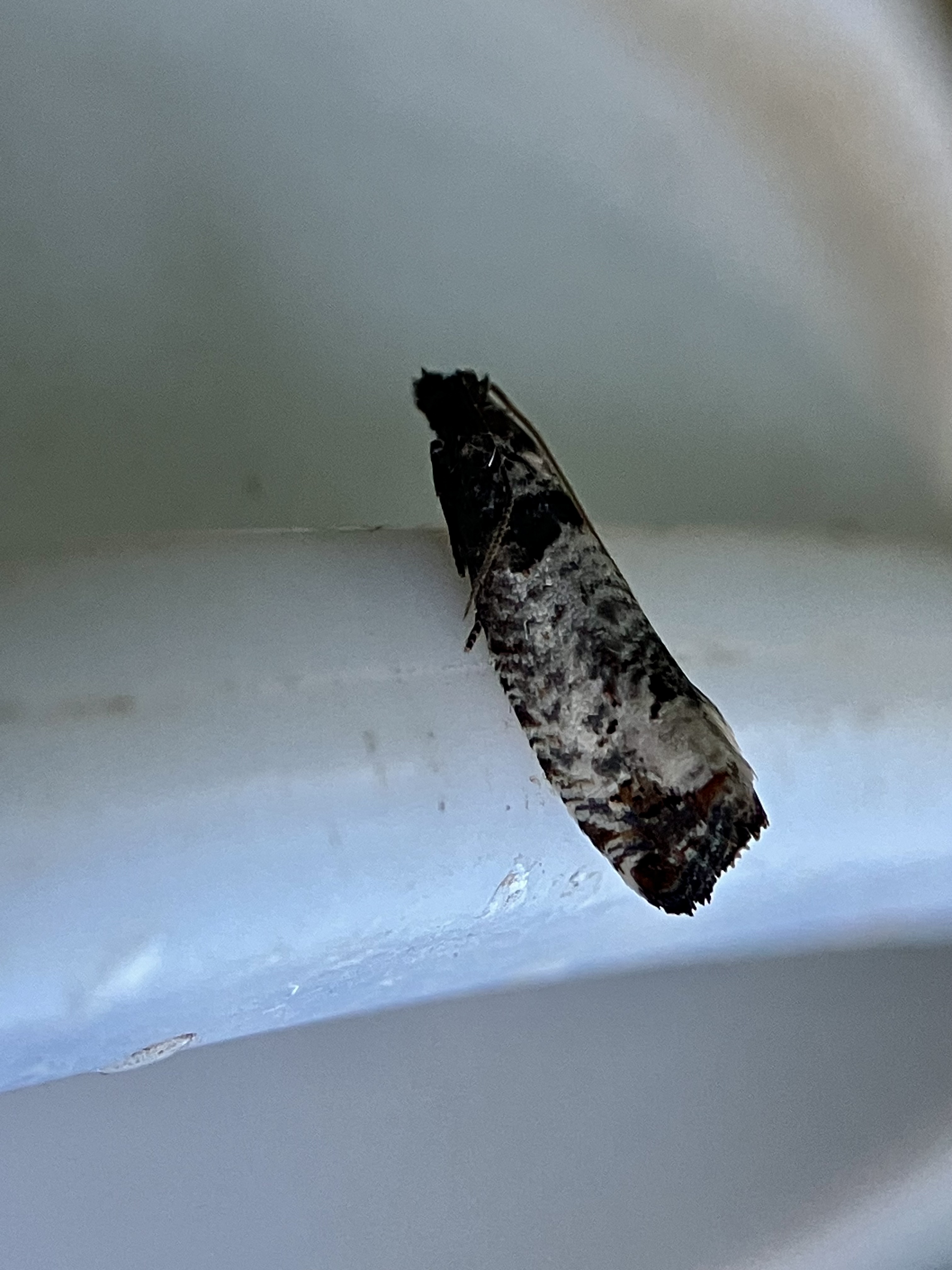
Last night I tried out a black light tube instead of my UVB light or the miserable fail of the switched-off porch light I wrote about yesterday. My thoughts on the black light? Not effective. Either the light was the issue or there just weren’t many moths flying about last night at all. I did find a few moths. Mostly, I found small micro-moths. Some are hardly noticeable at all. At first glance, you could mistake them for a drop of bird poo on the bucket. In a tree or shrub, you might miss them entirely. It takes magnification to see them clearly.
Tonight, I’m going to go back to the UVB tube light. Hopefully with better results. If you’re interested in knowing more about MOTHING or finding out about National Moth Week, feel free to reach out or check out the link here – https://nationalmothweek.org
Here’s my Gallery for Day FIVE. Thanks for stopping by!
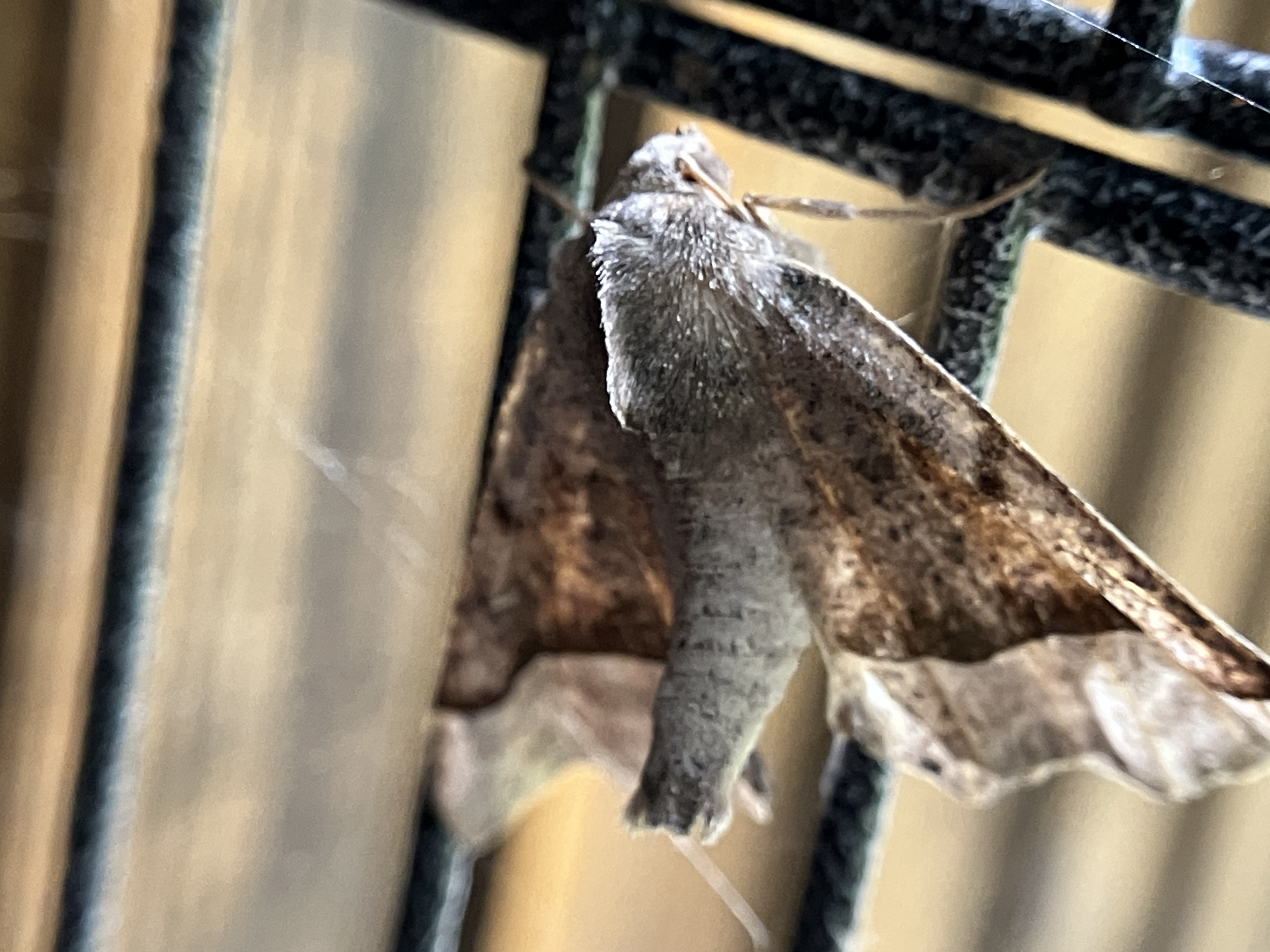
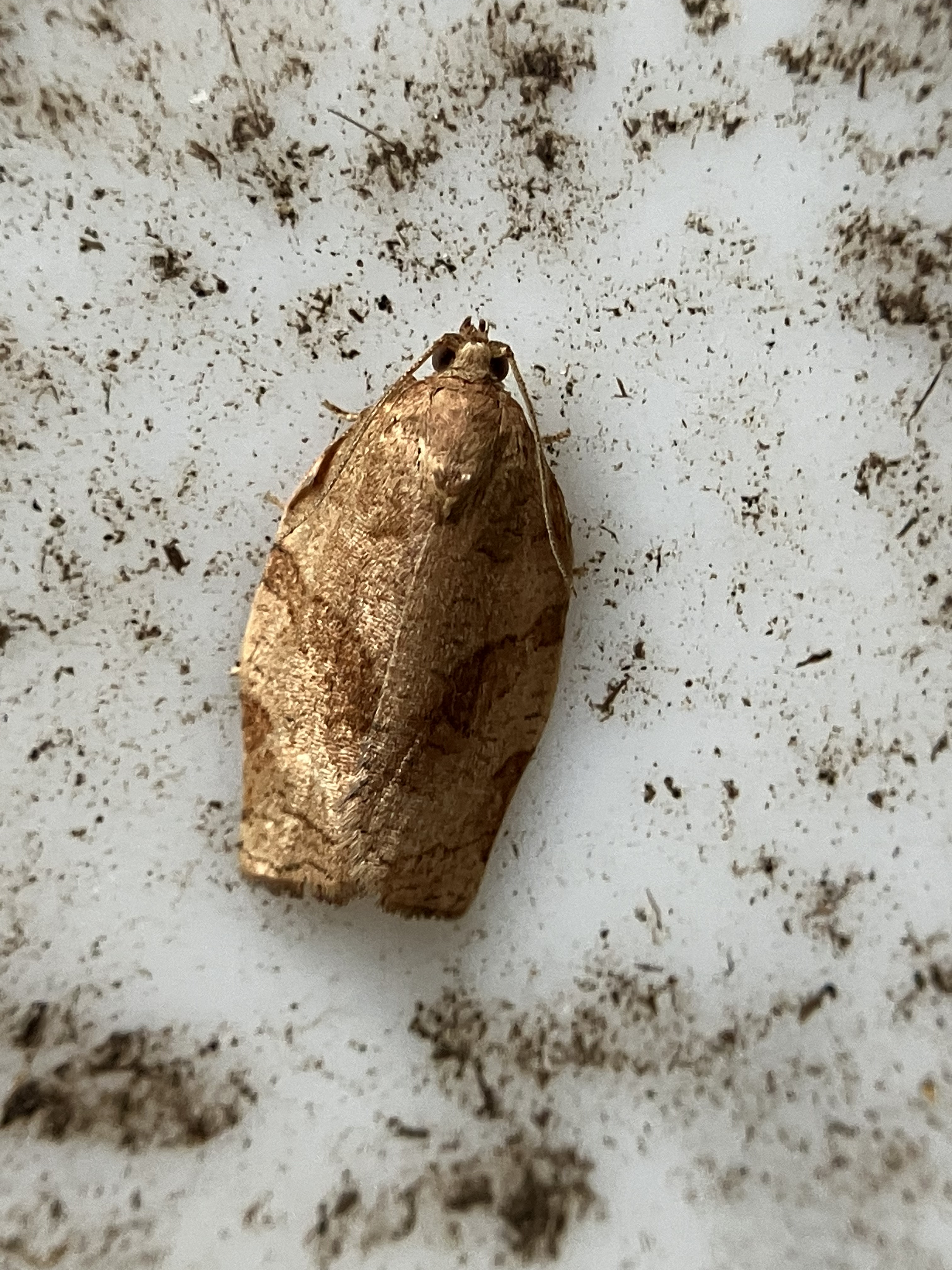
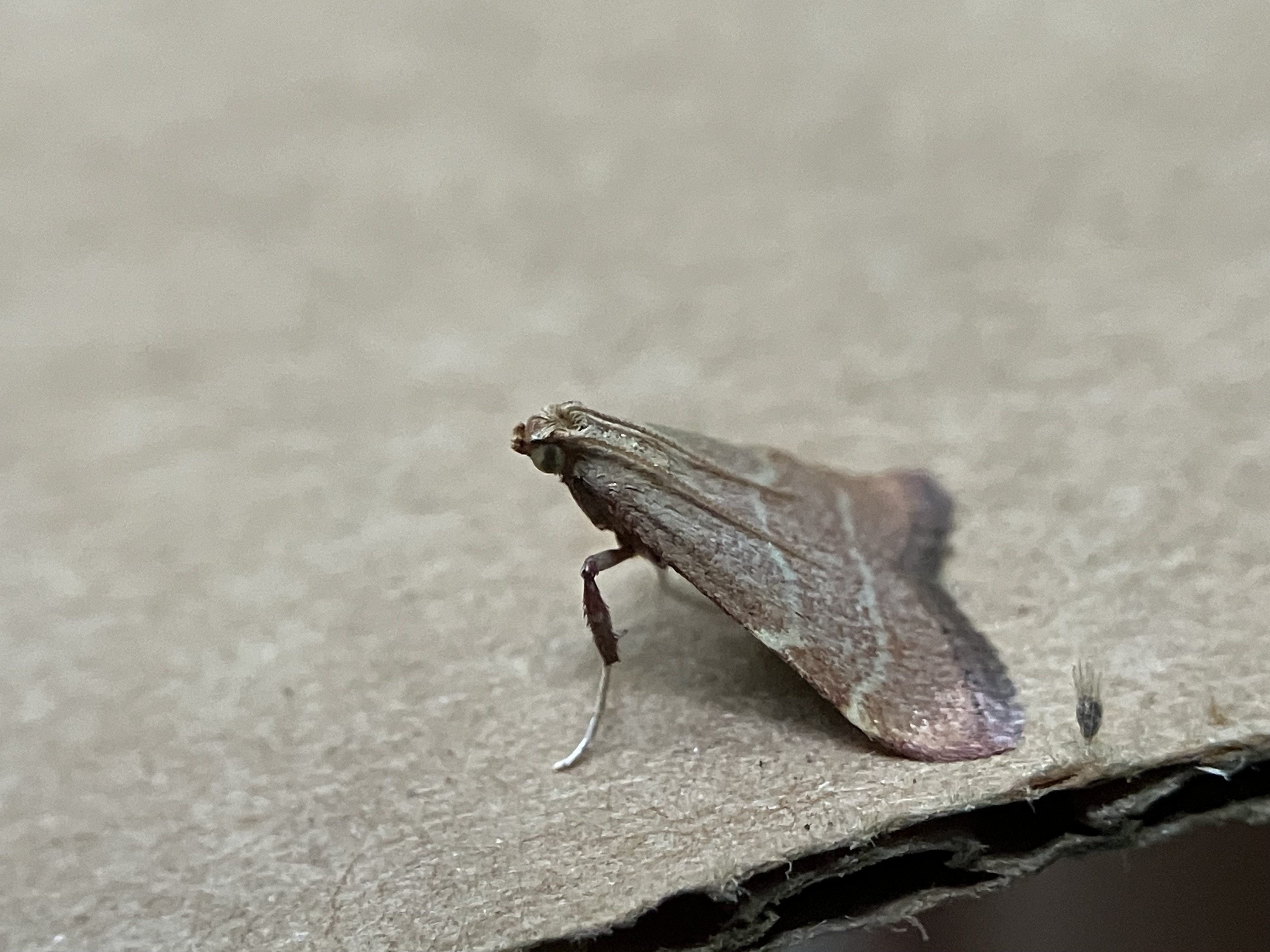
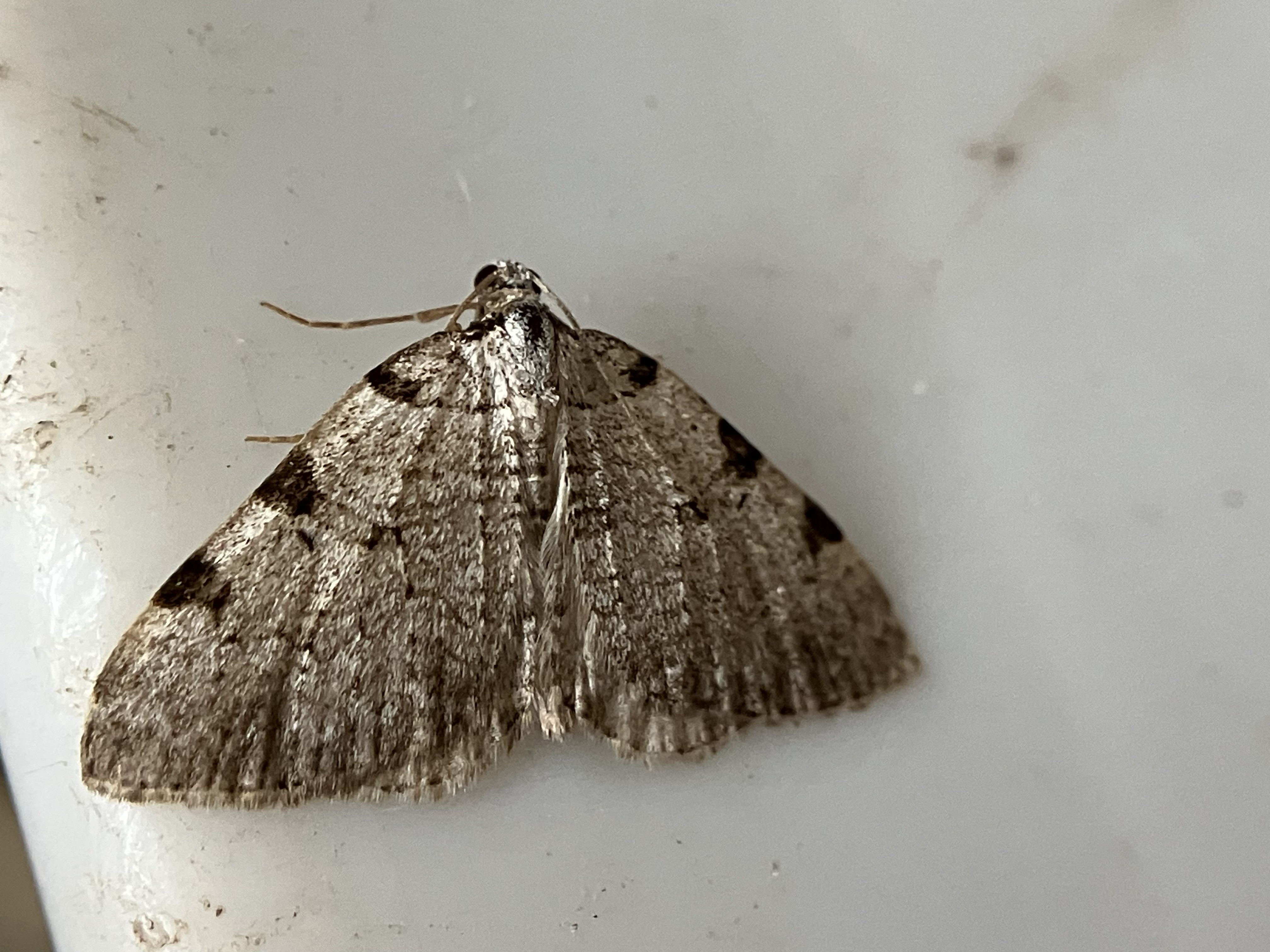
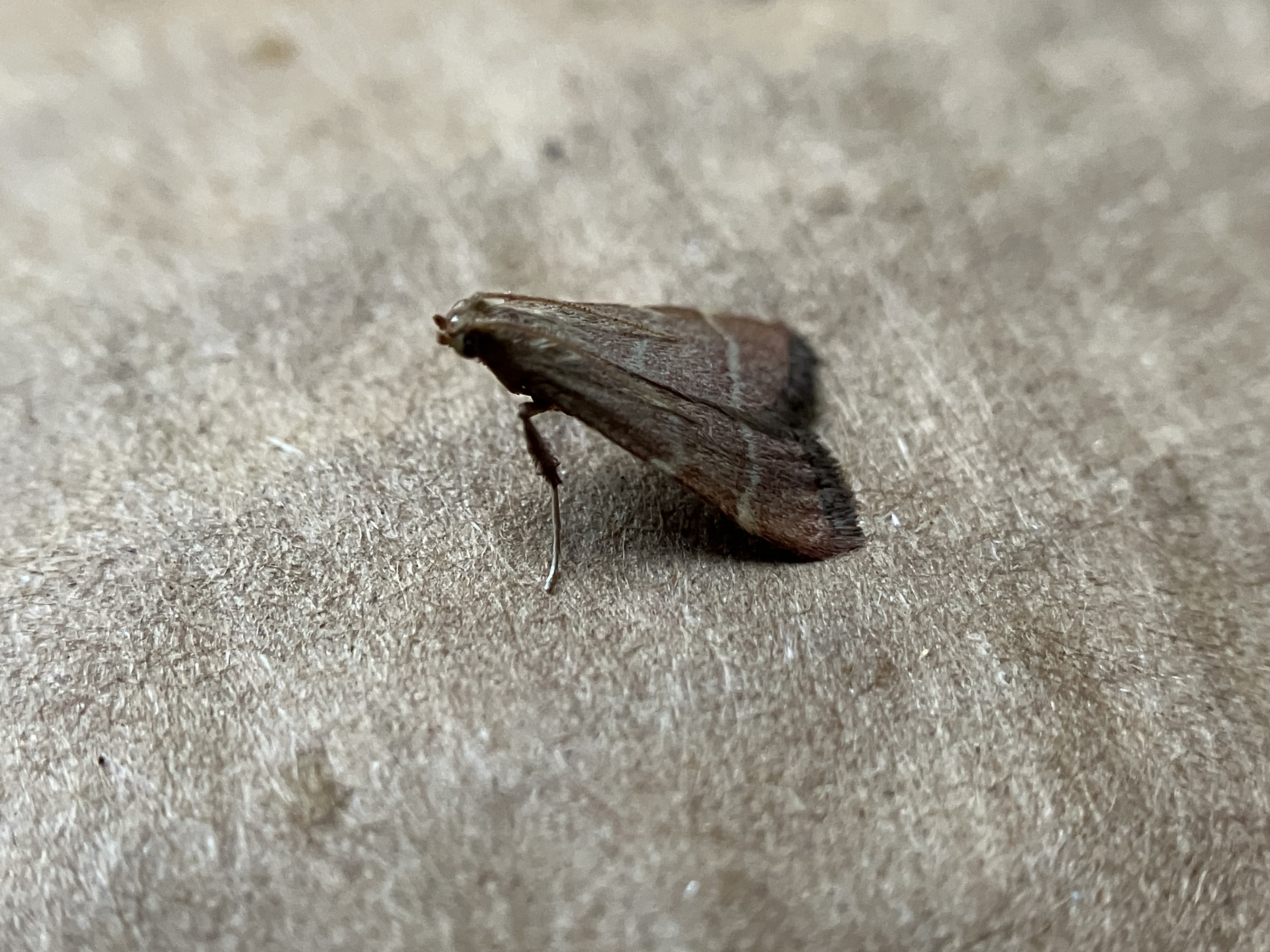
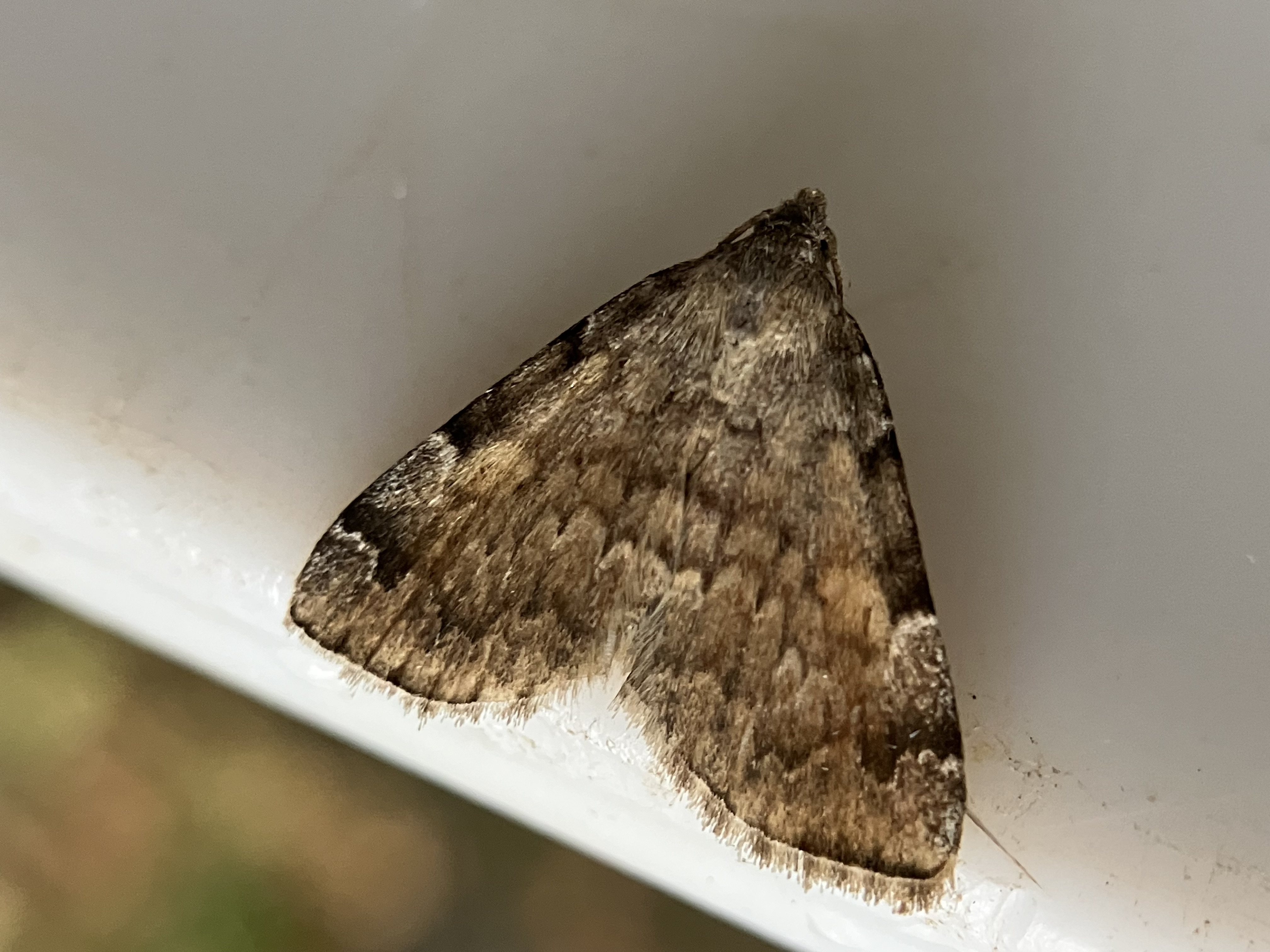
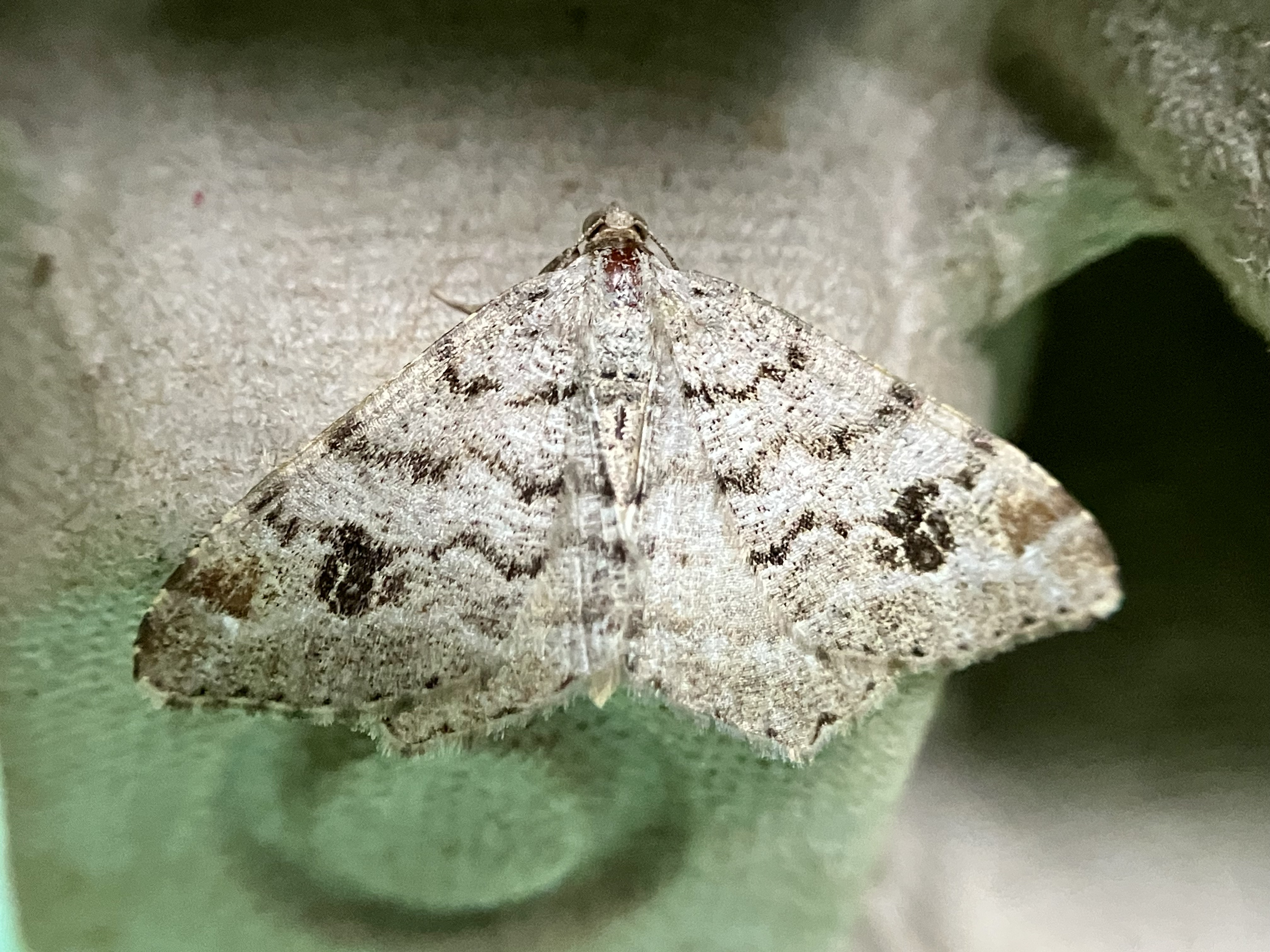
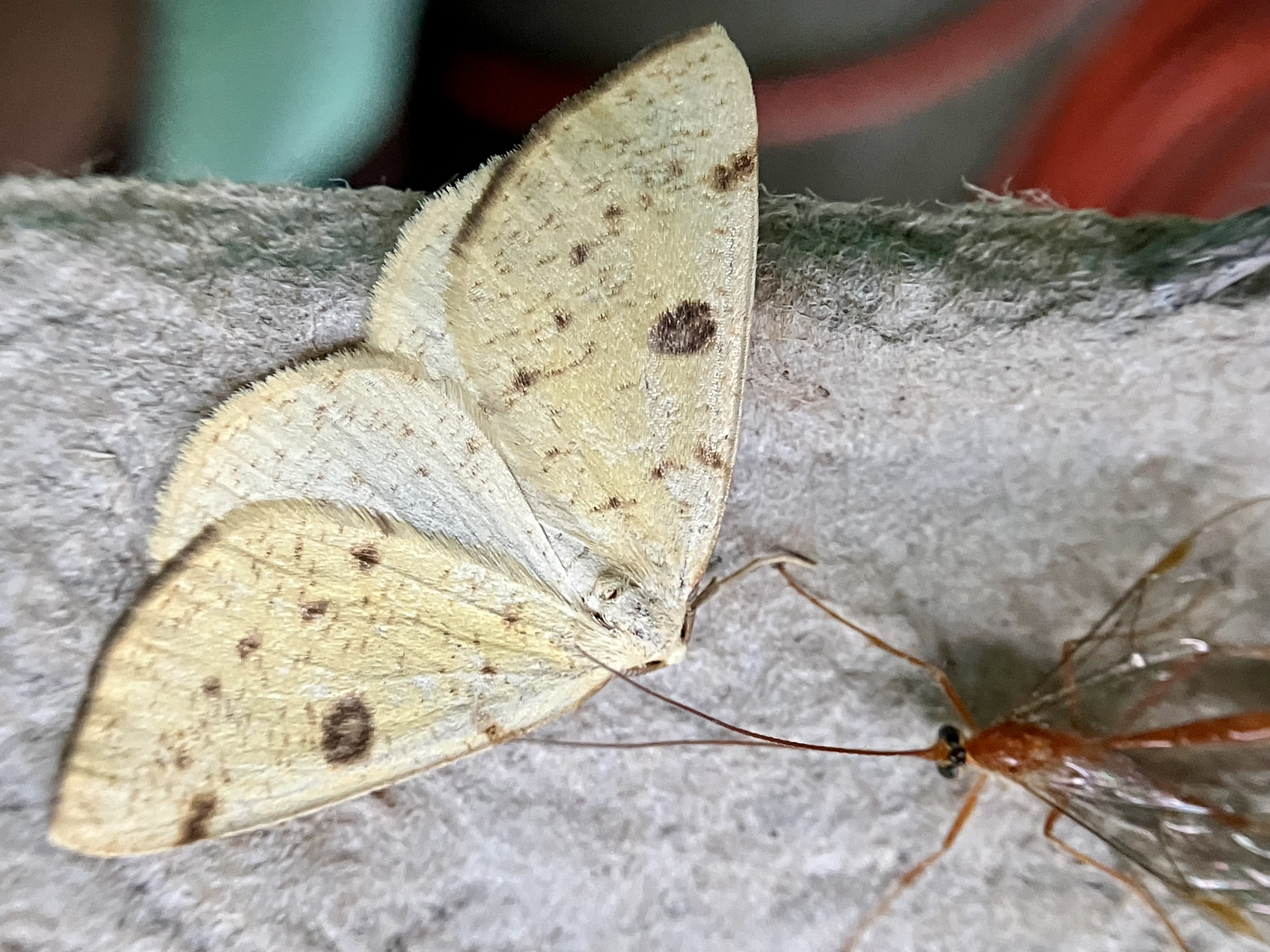
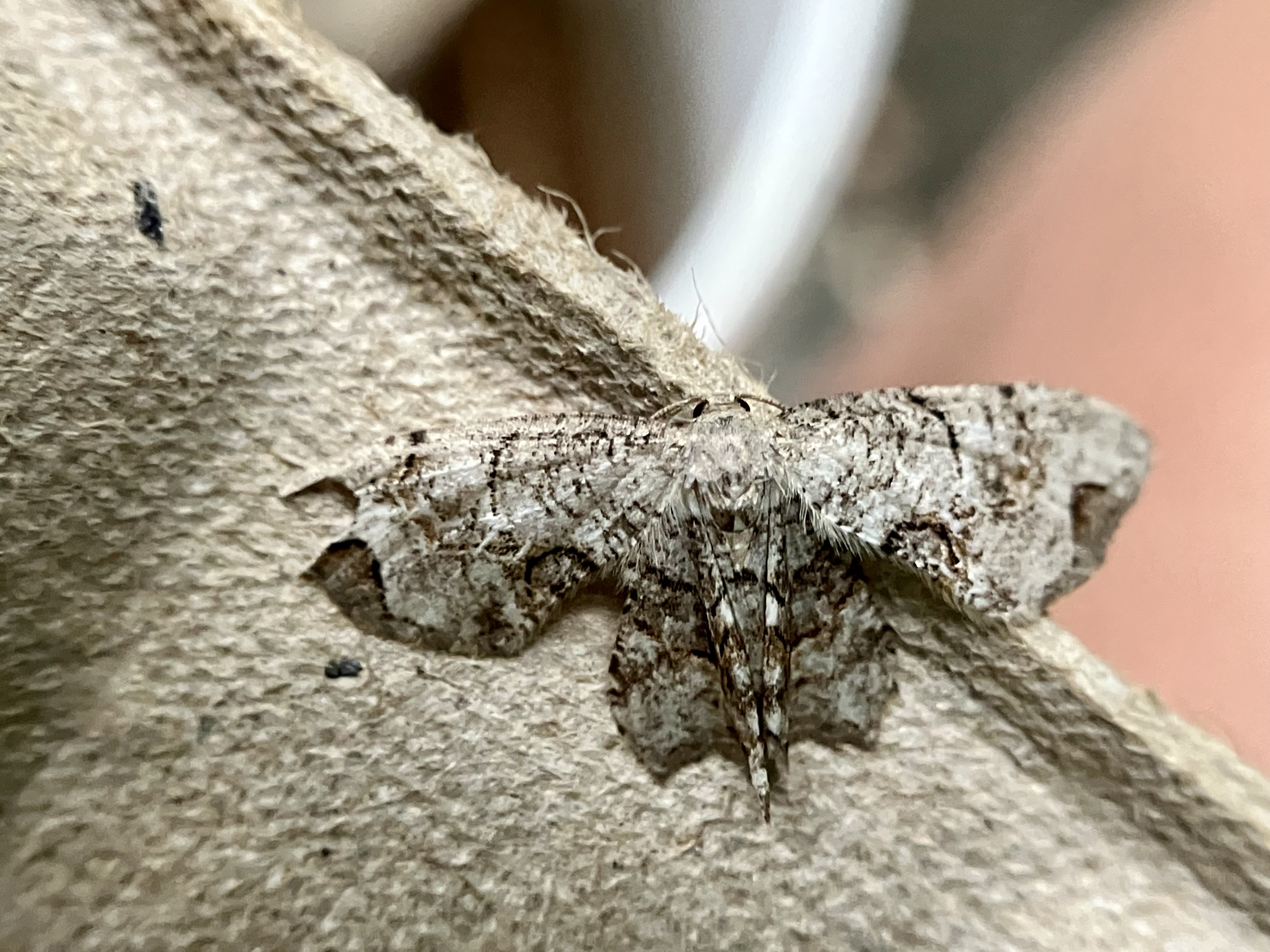
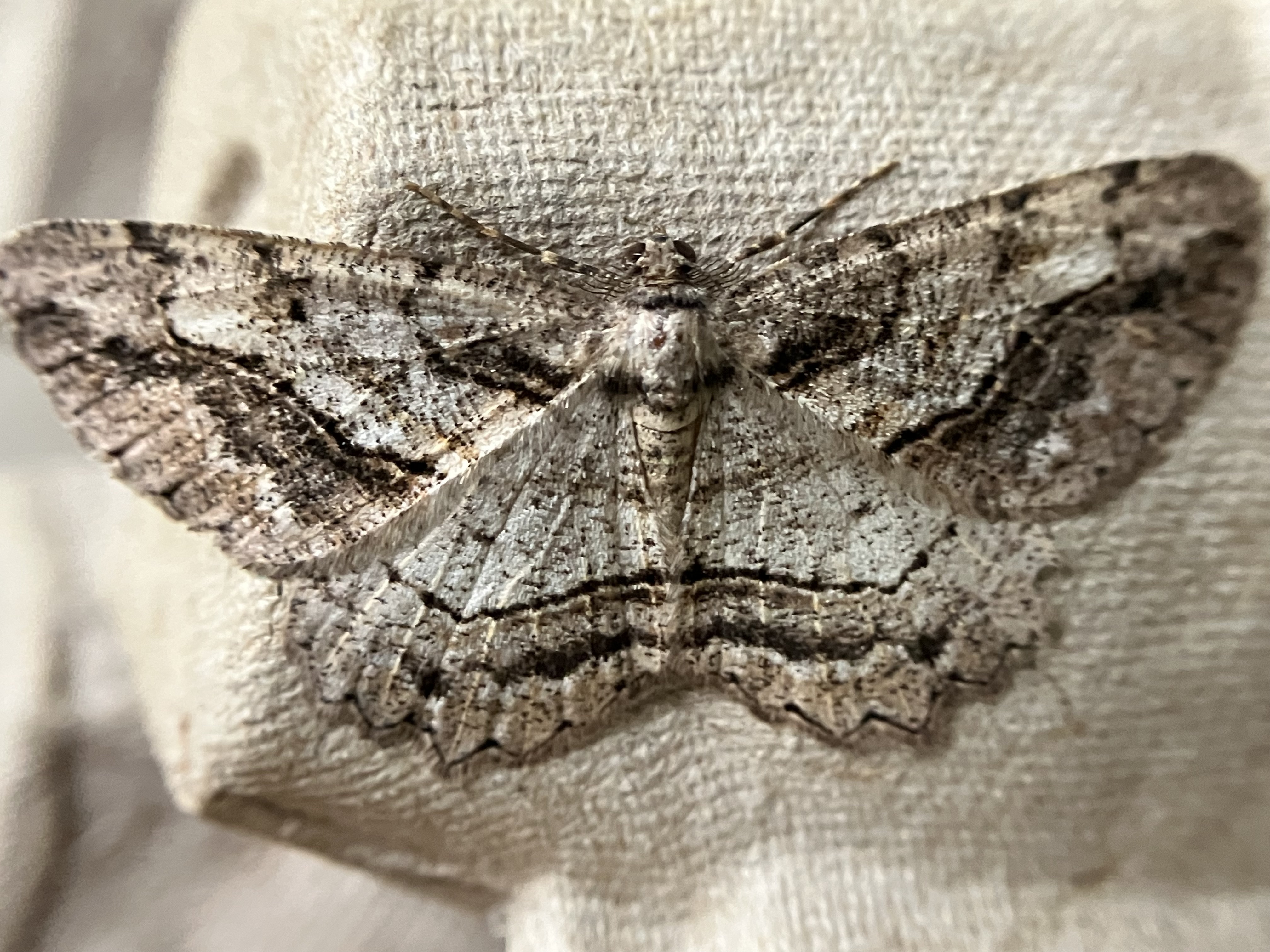
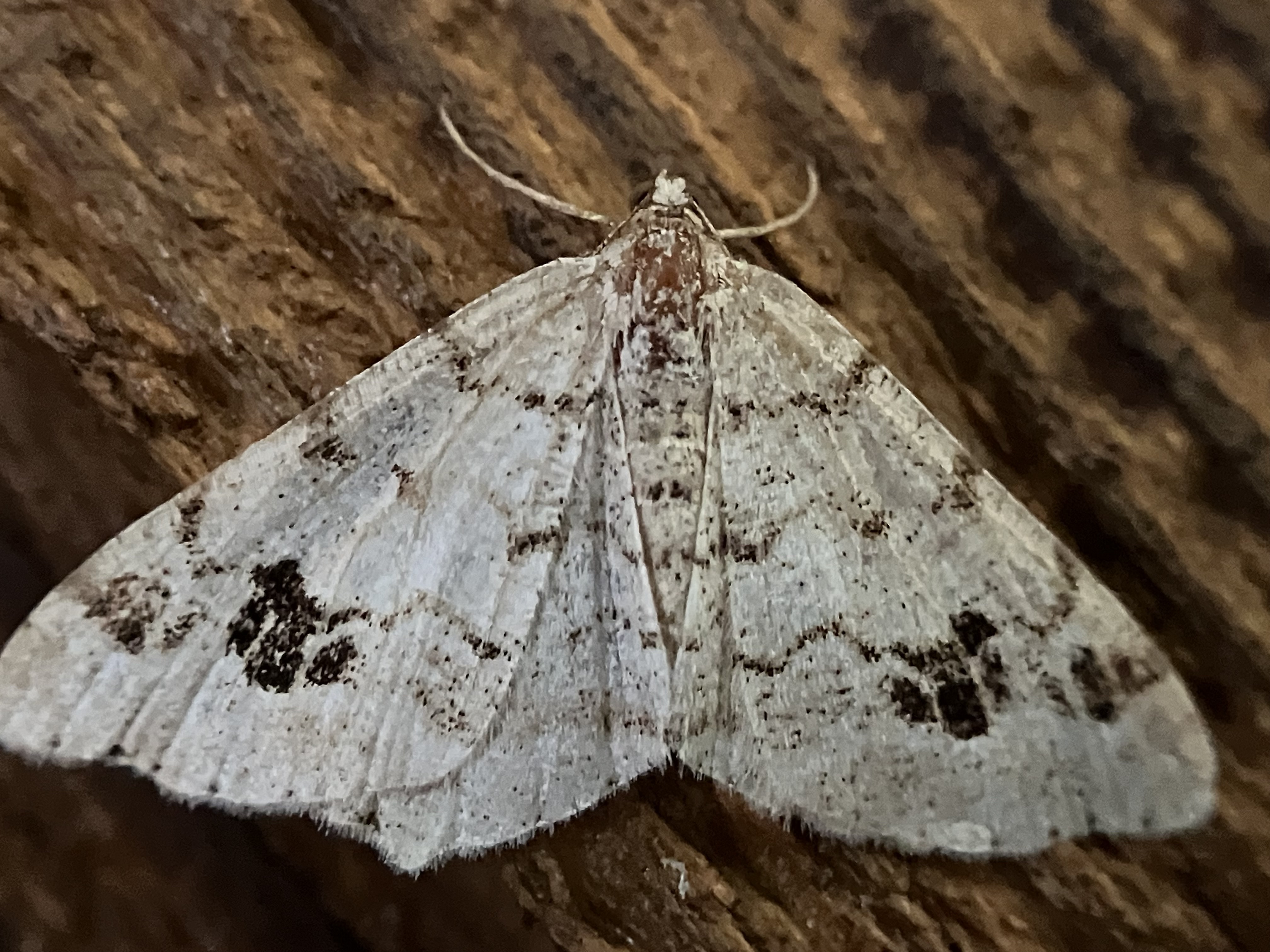
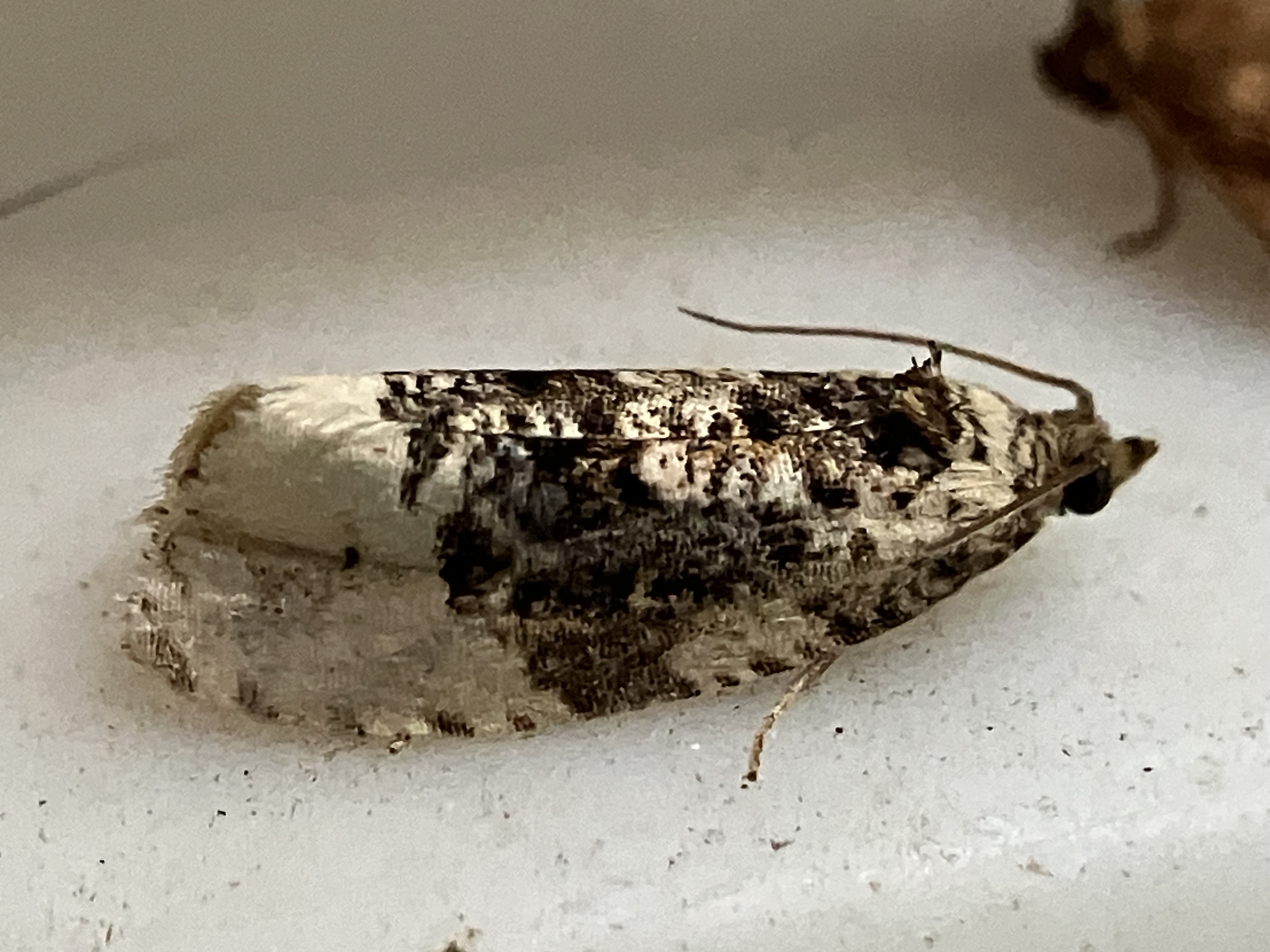
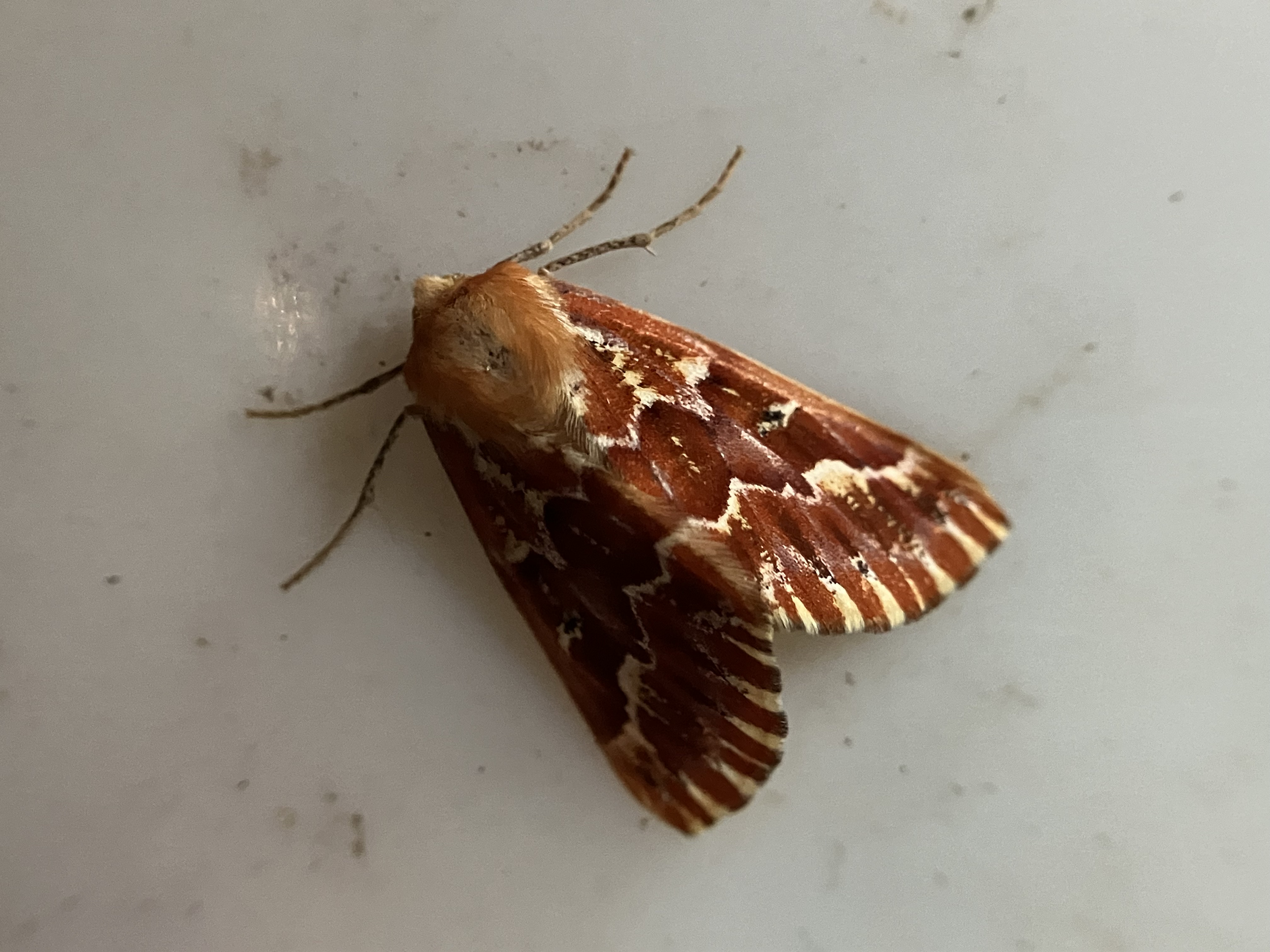
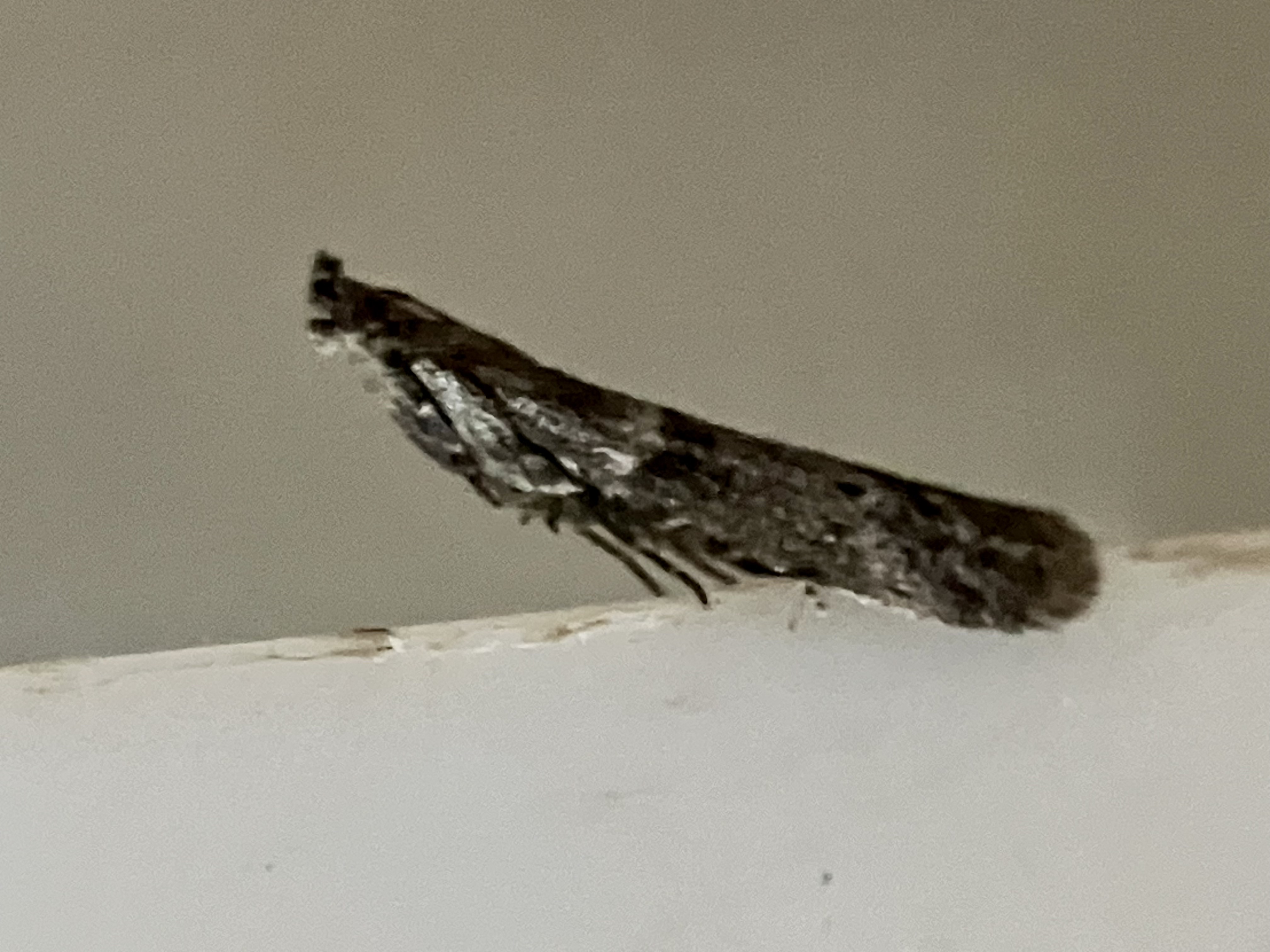
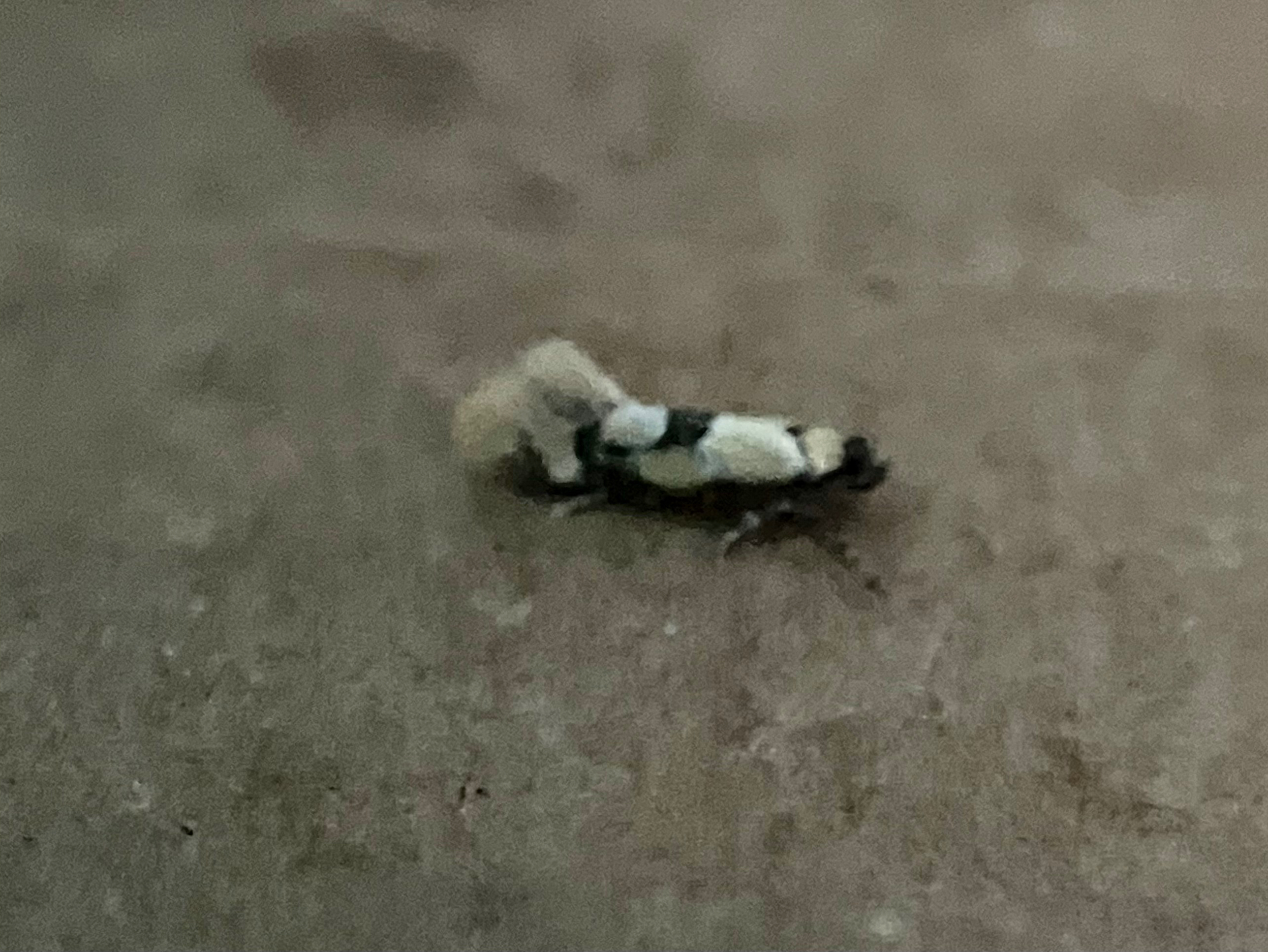
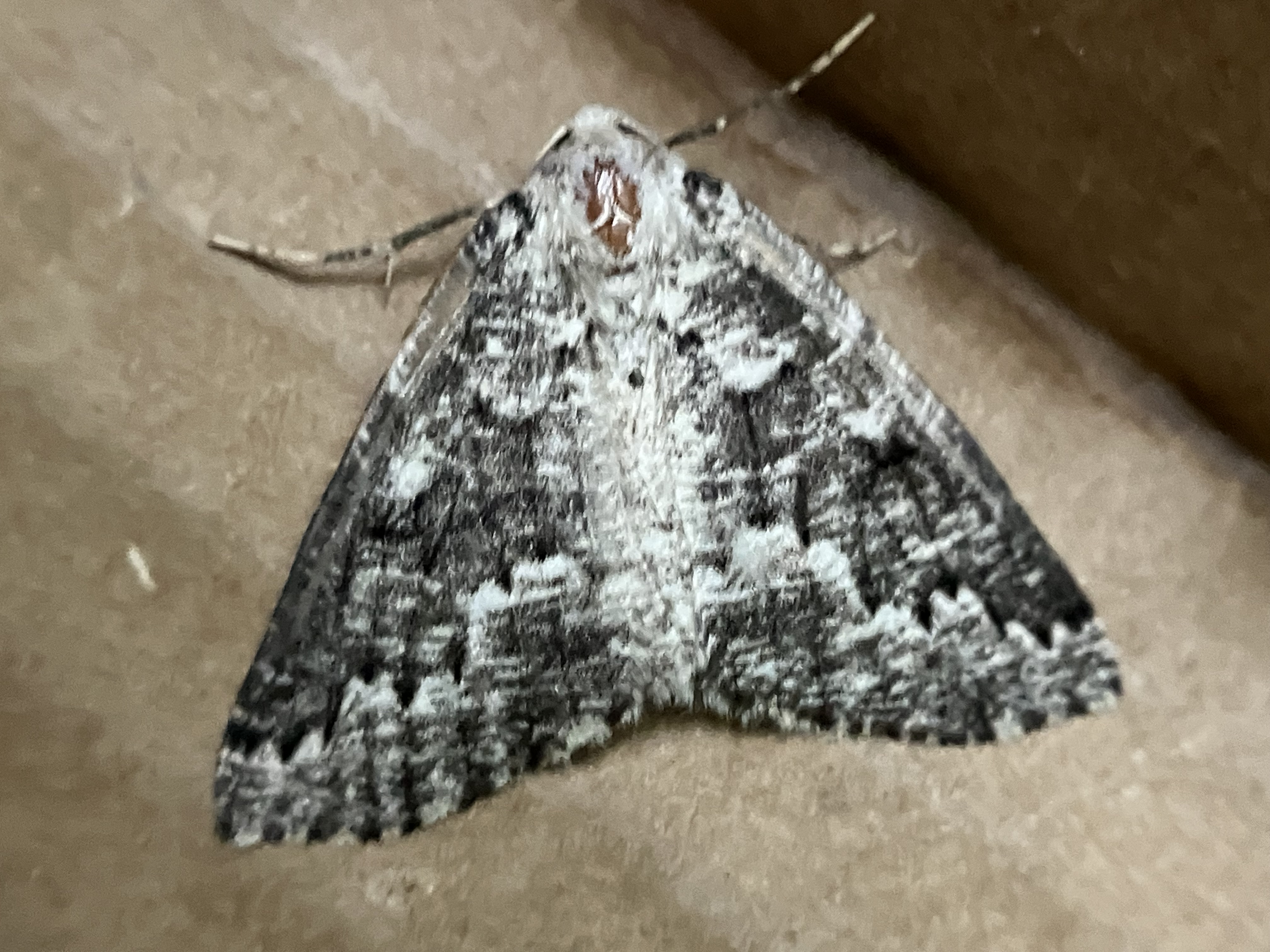
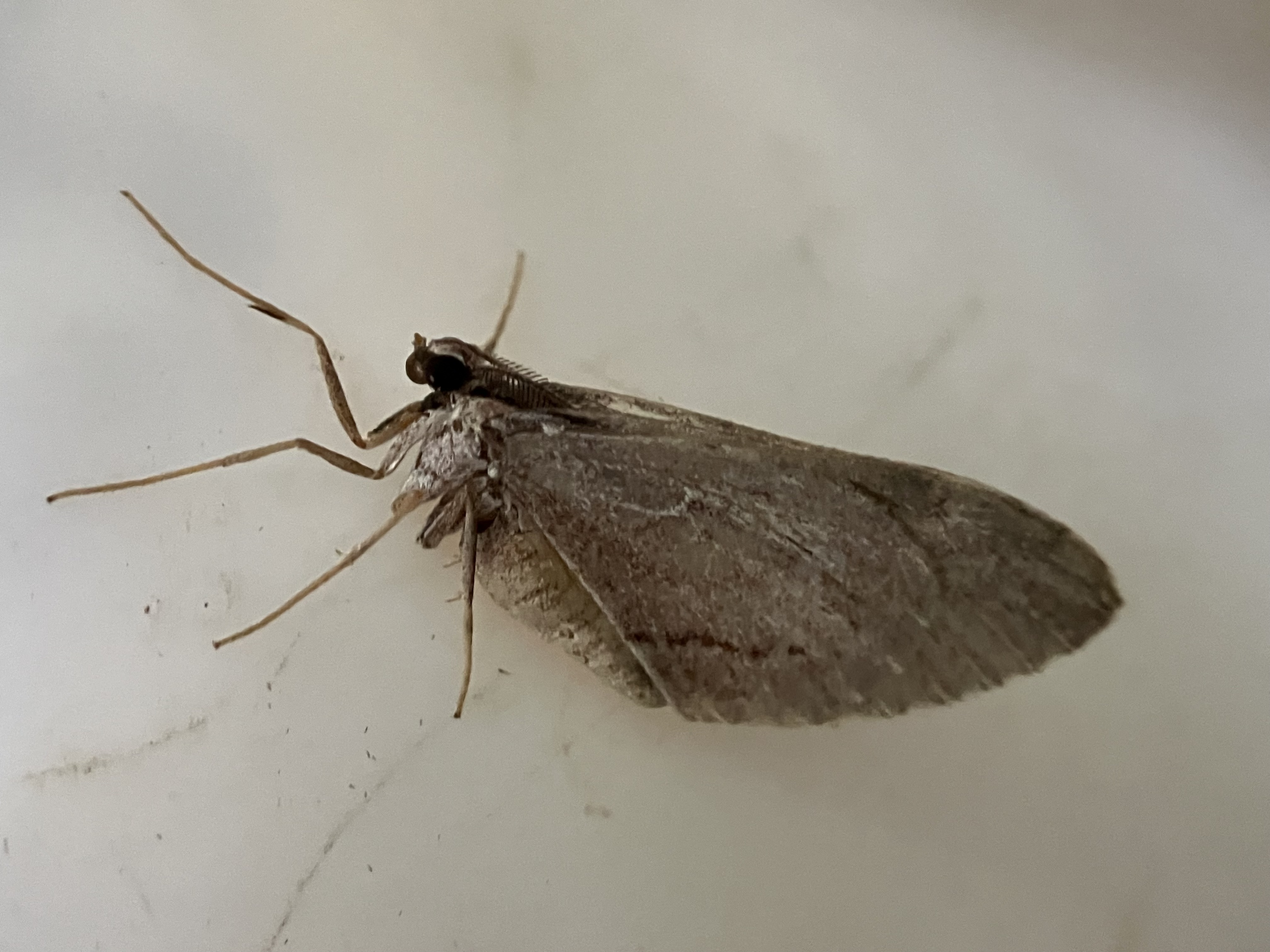
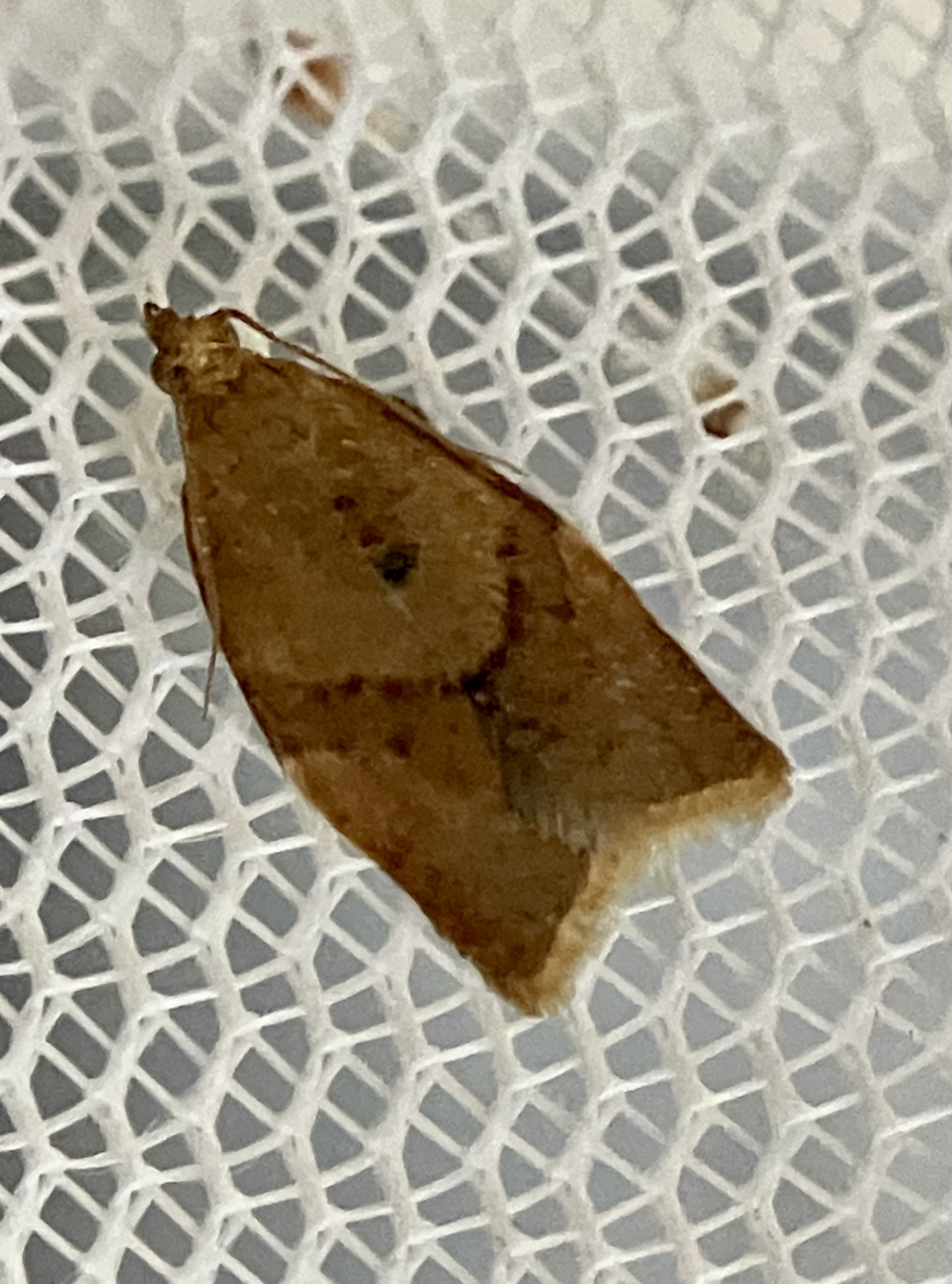
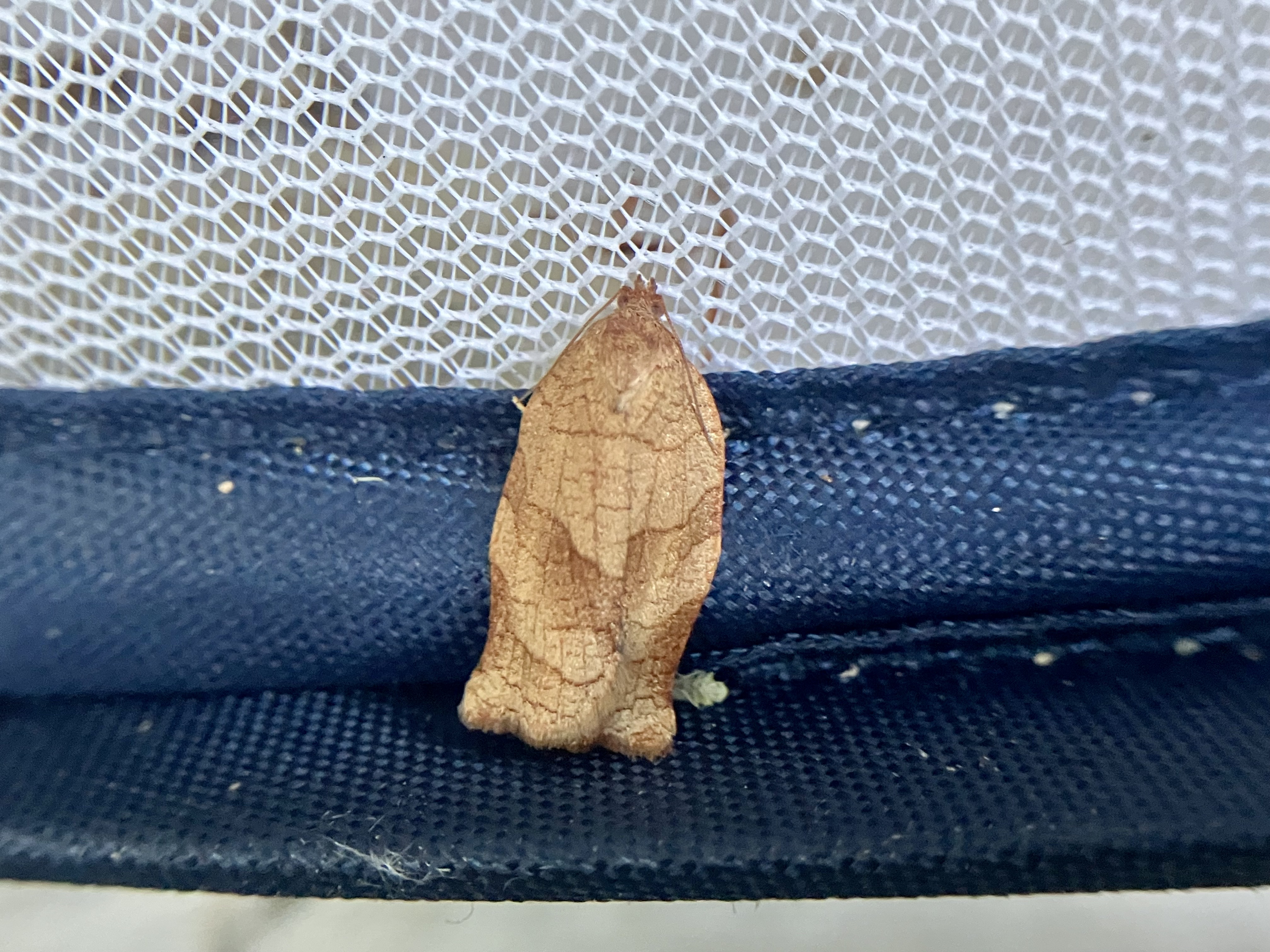
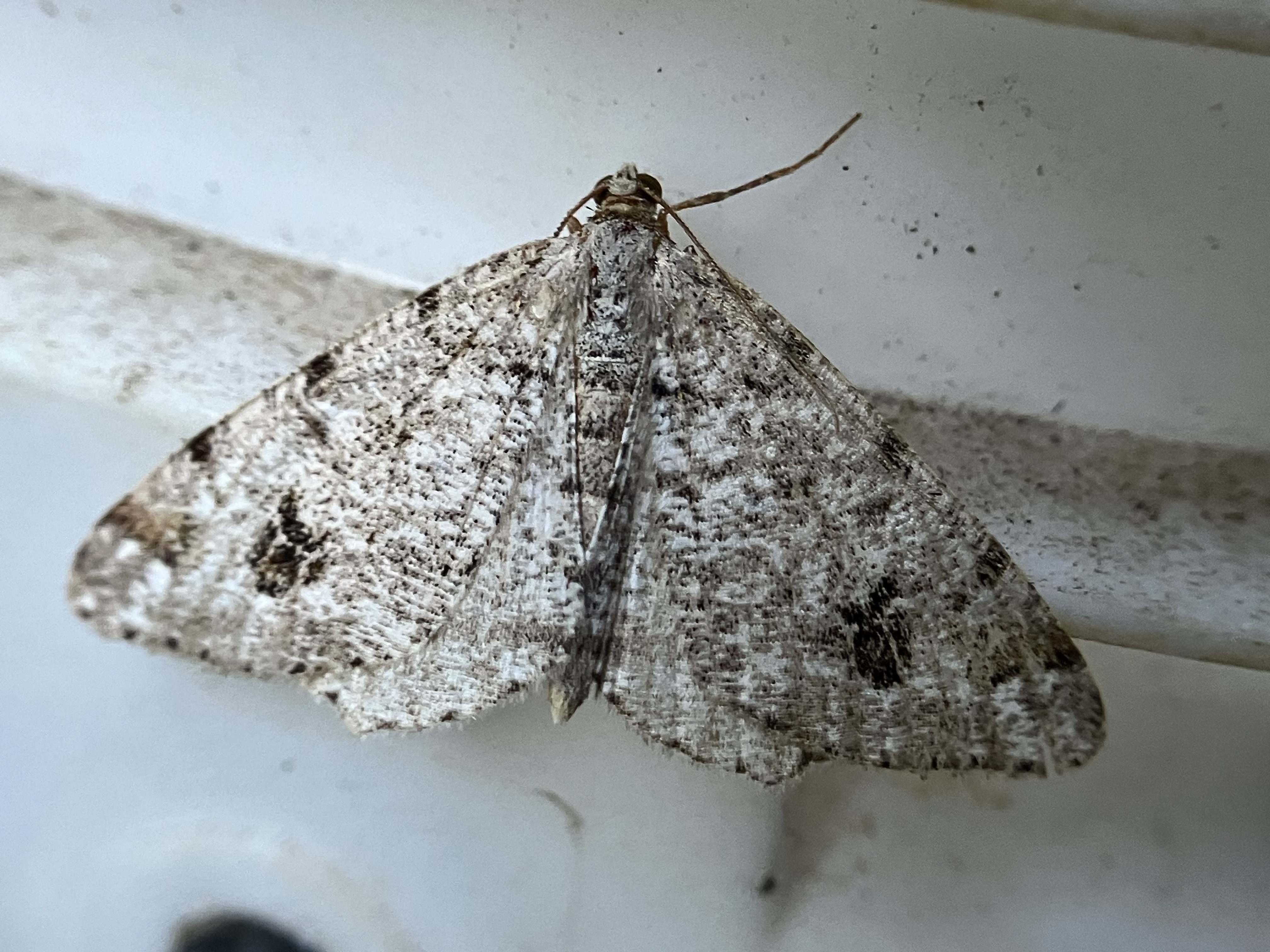
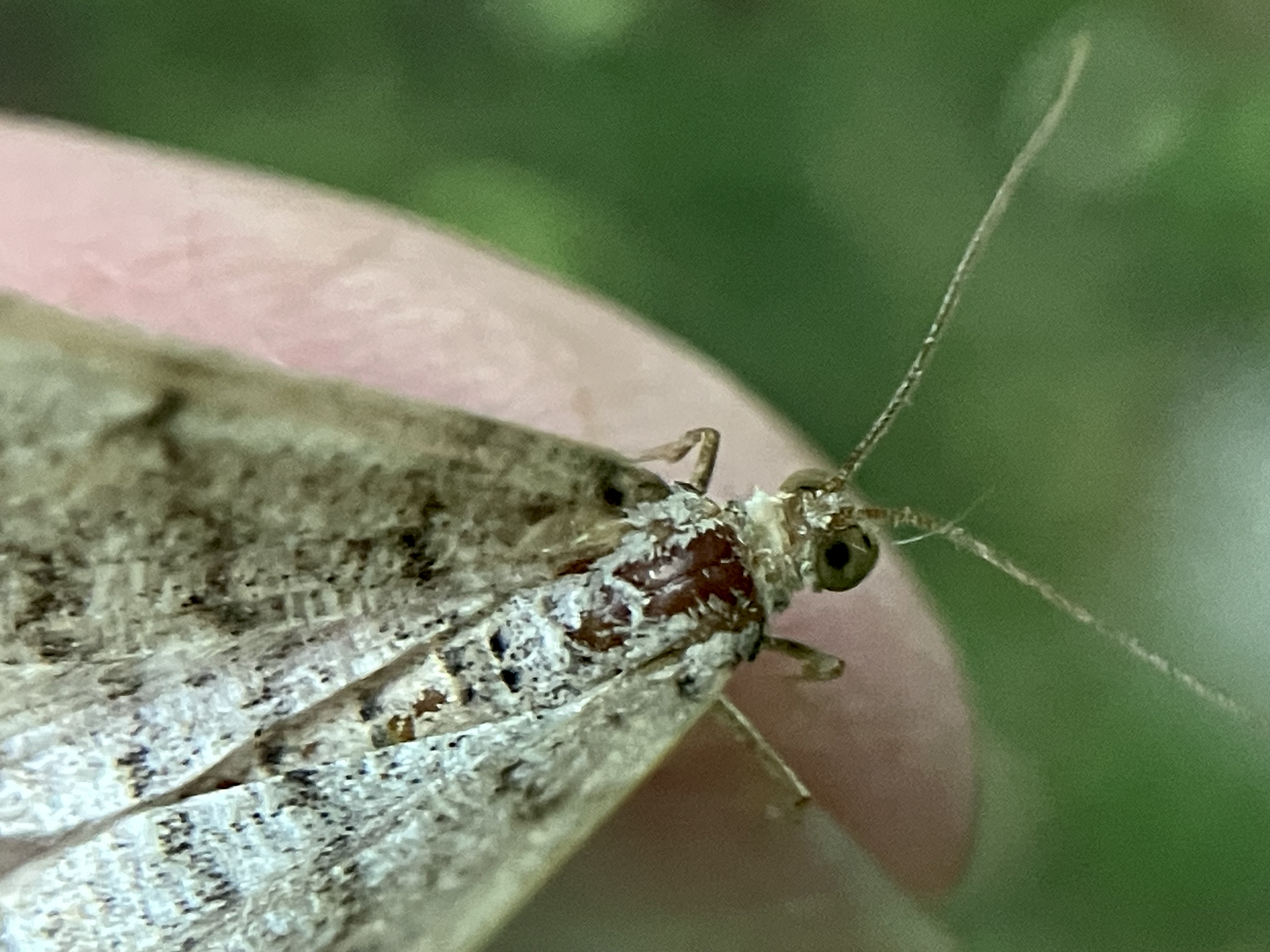
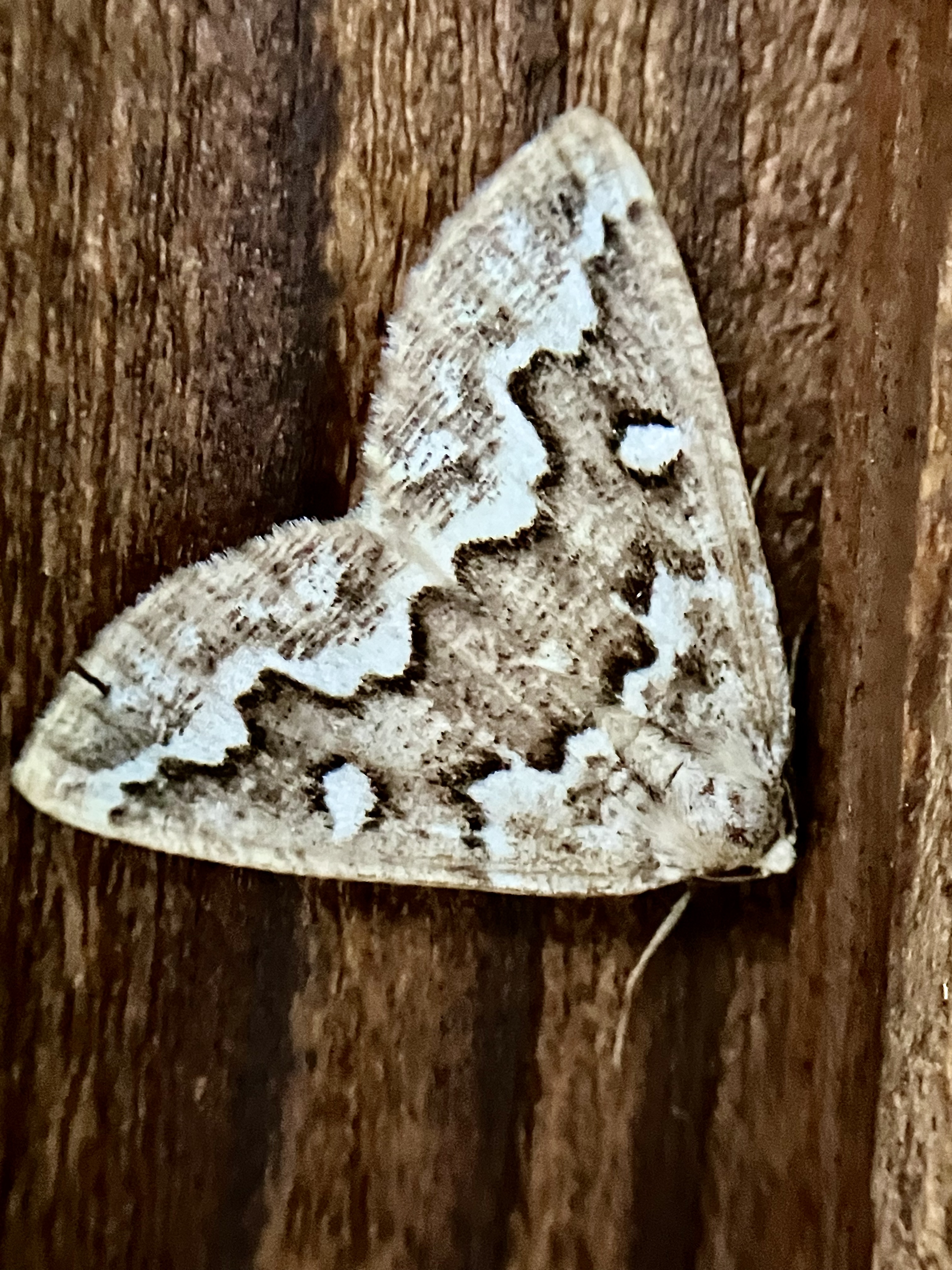
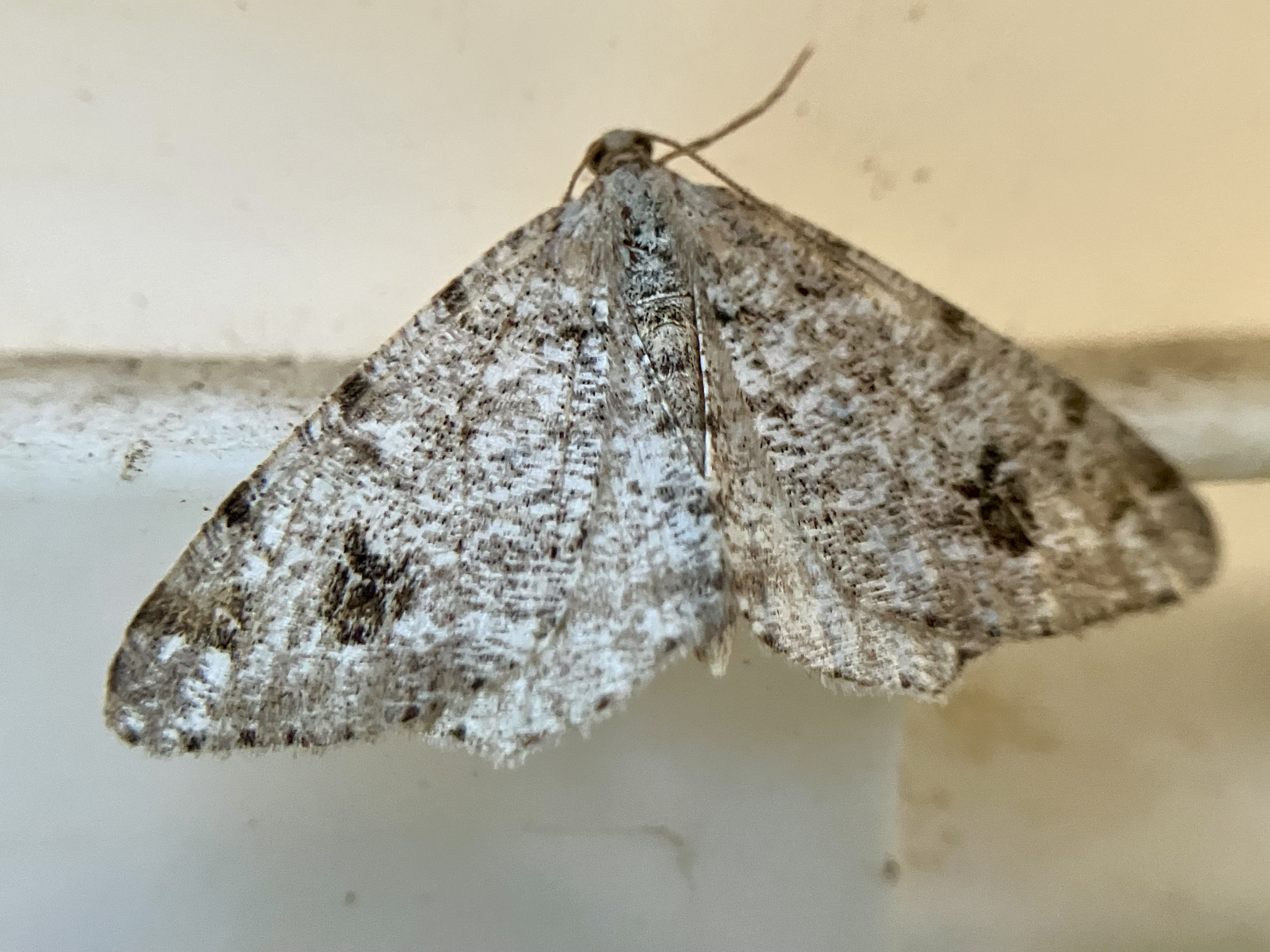
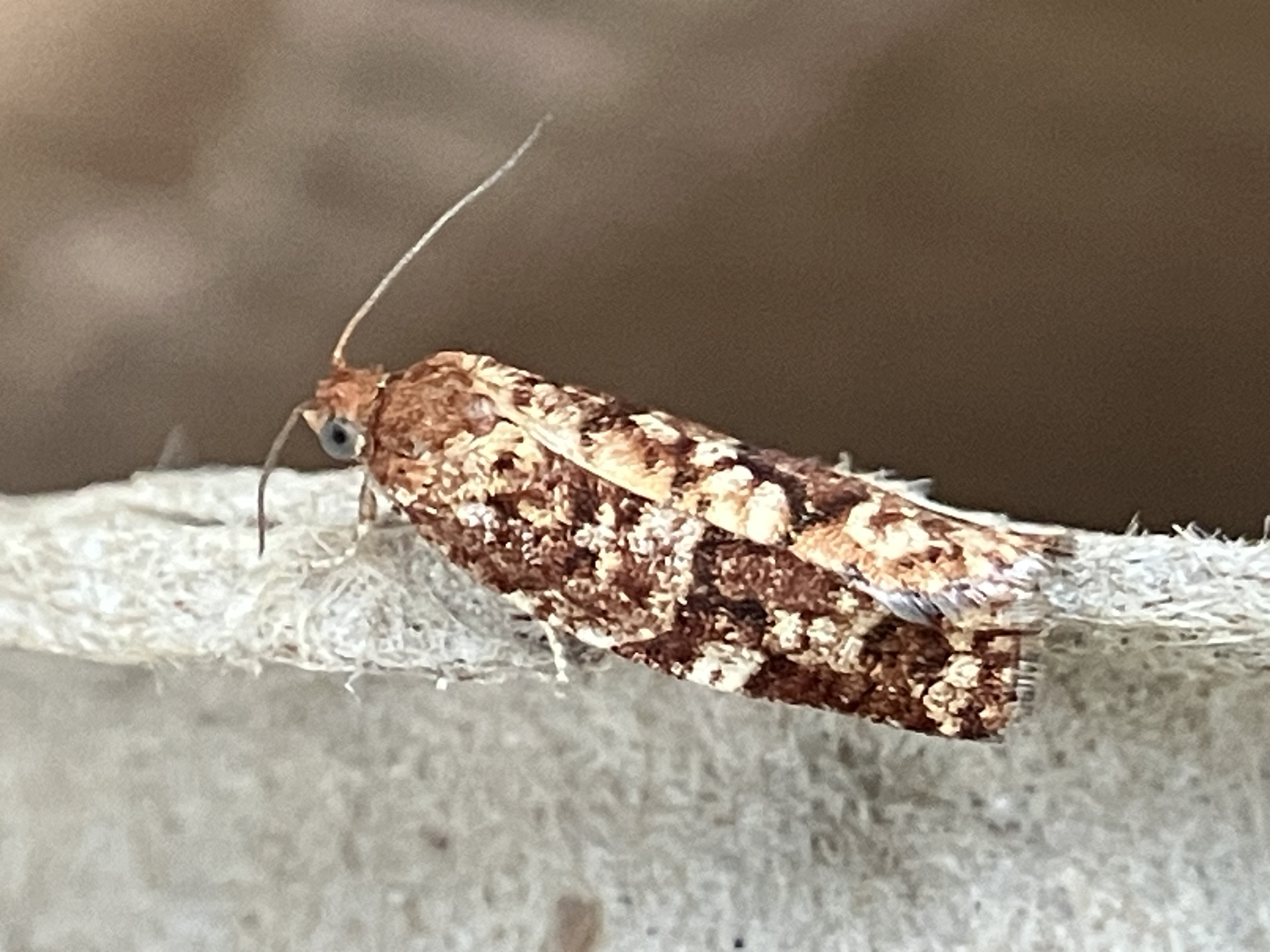
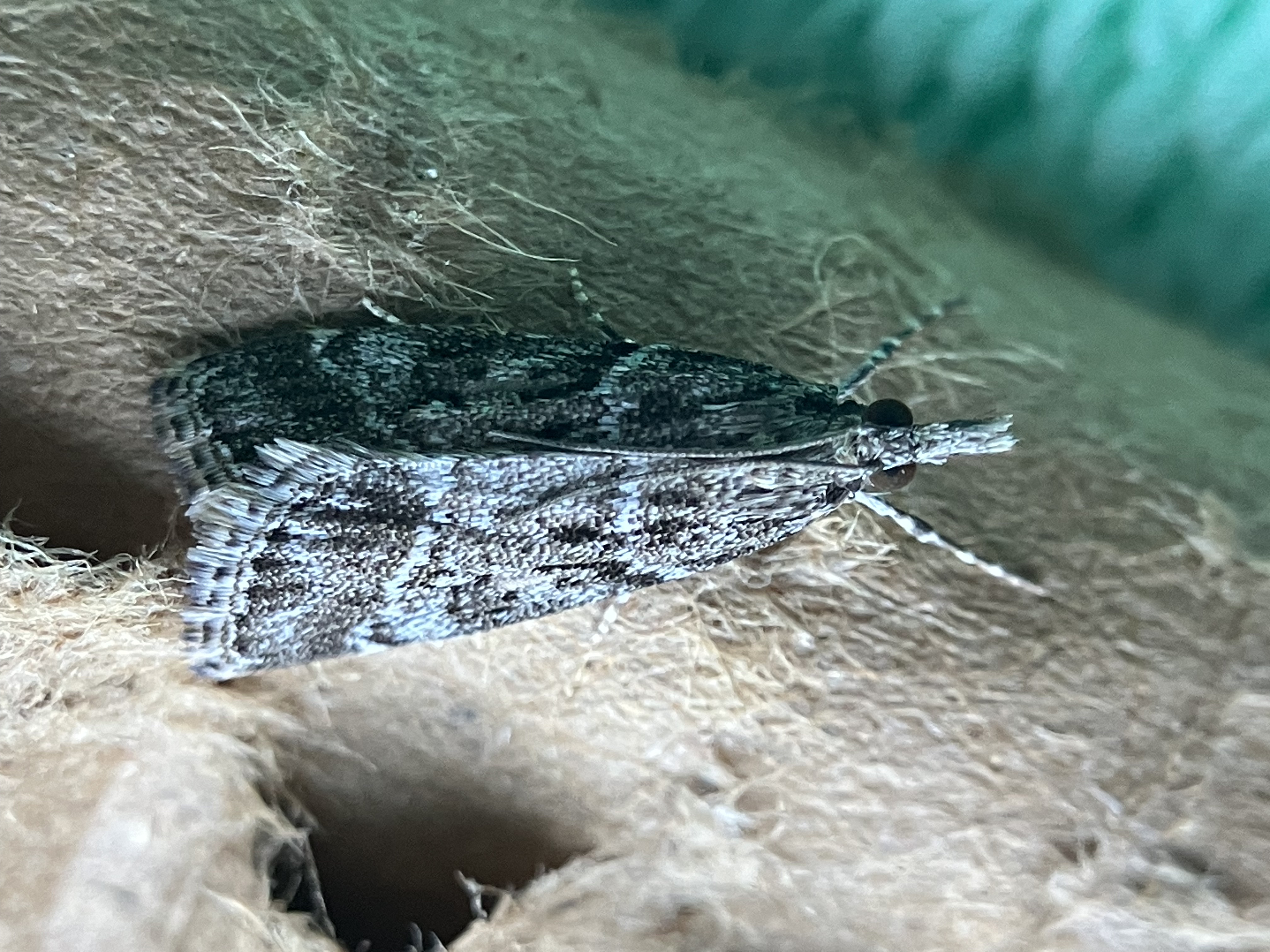
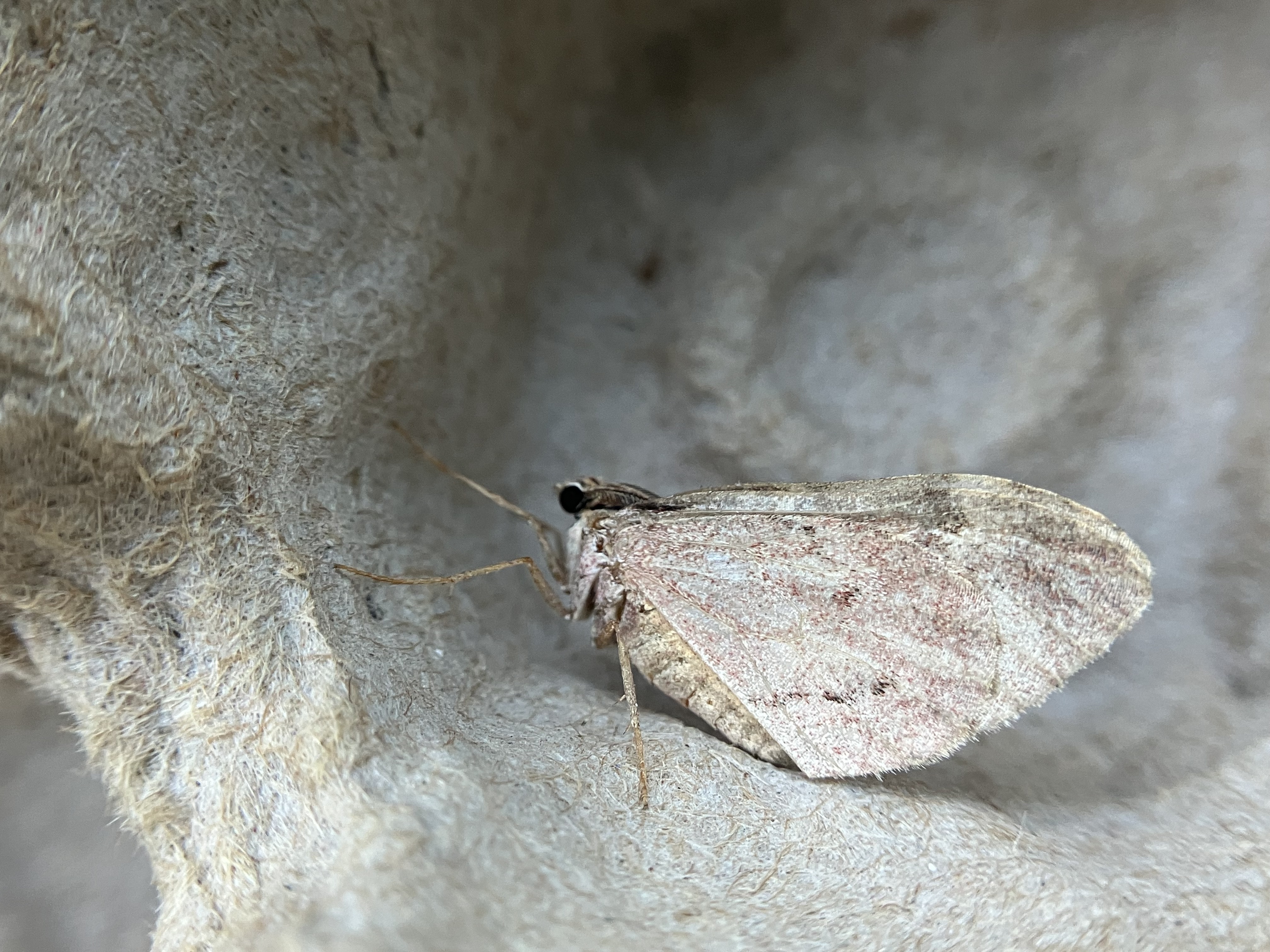
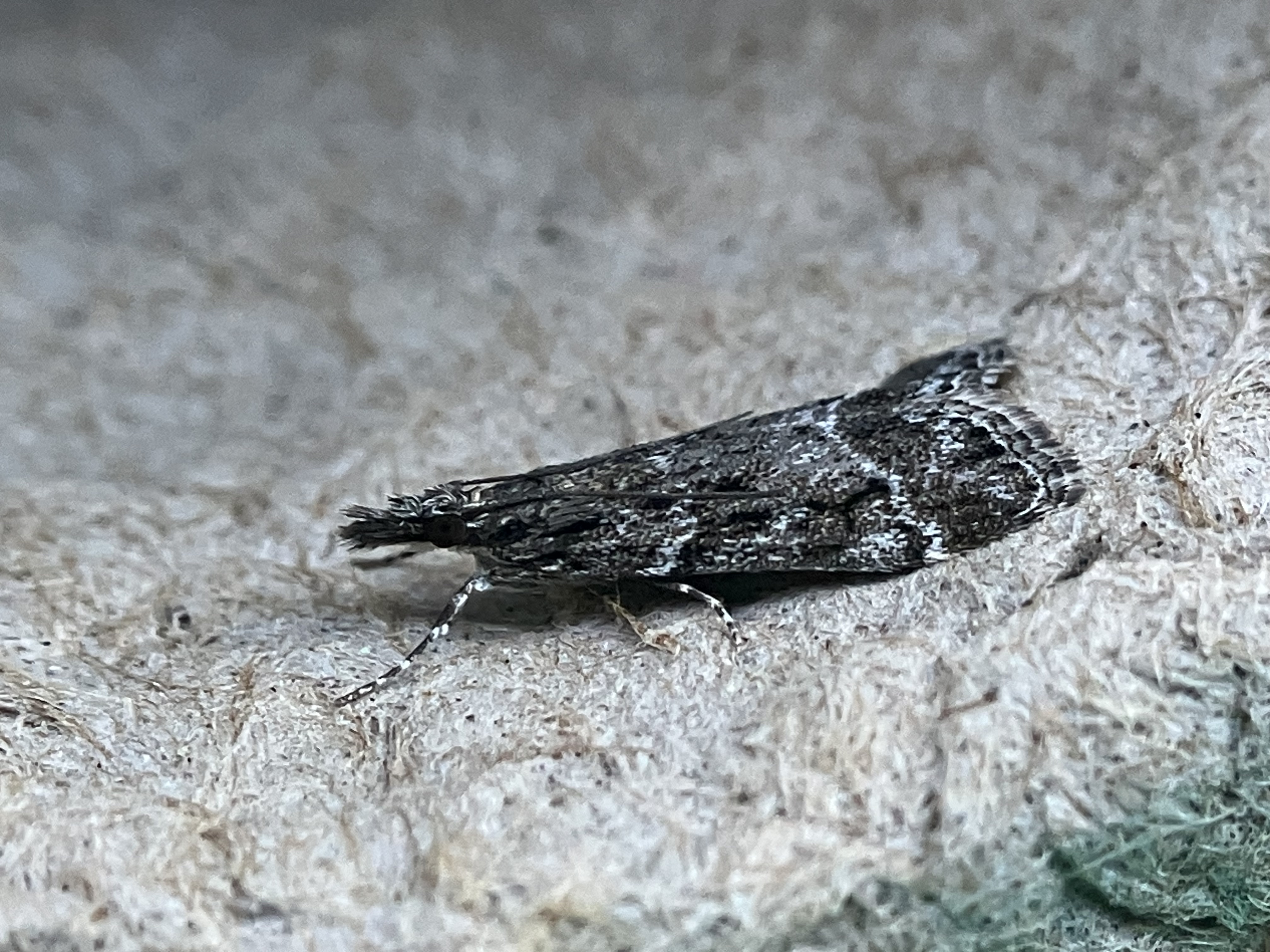
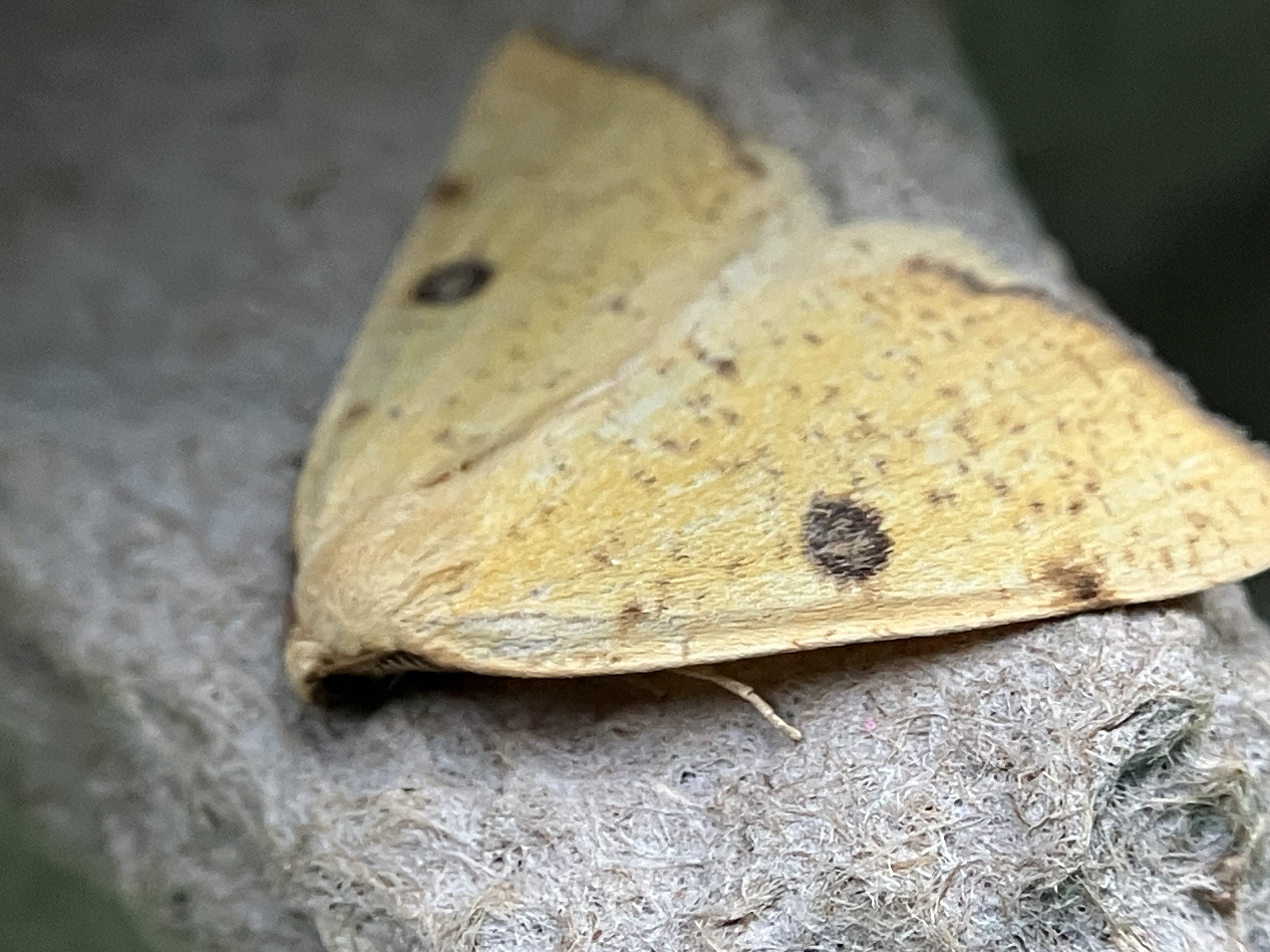
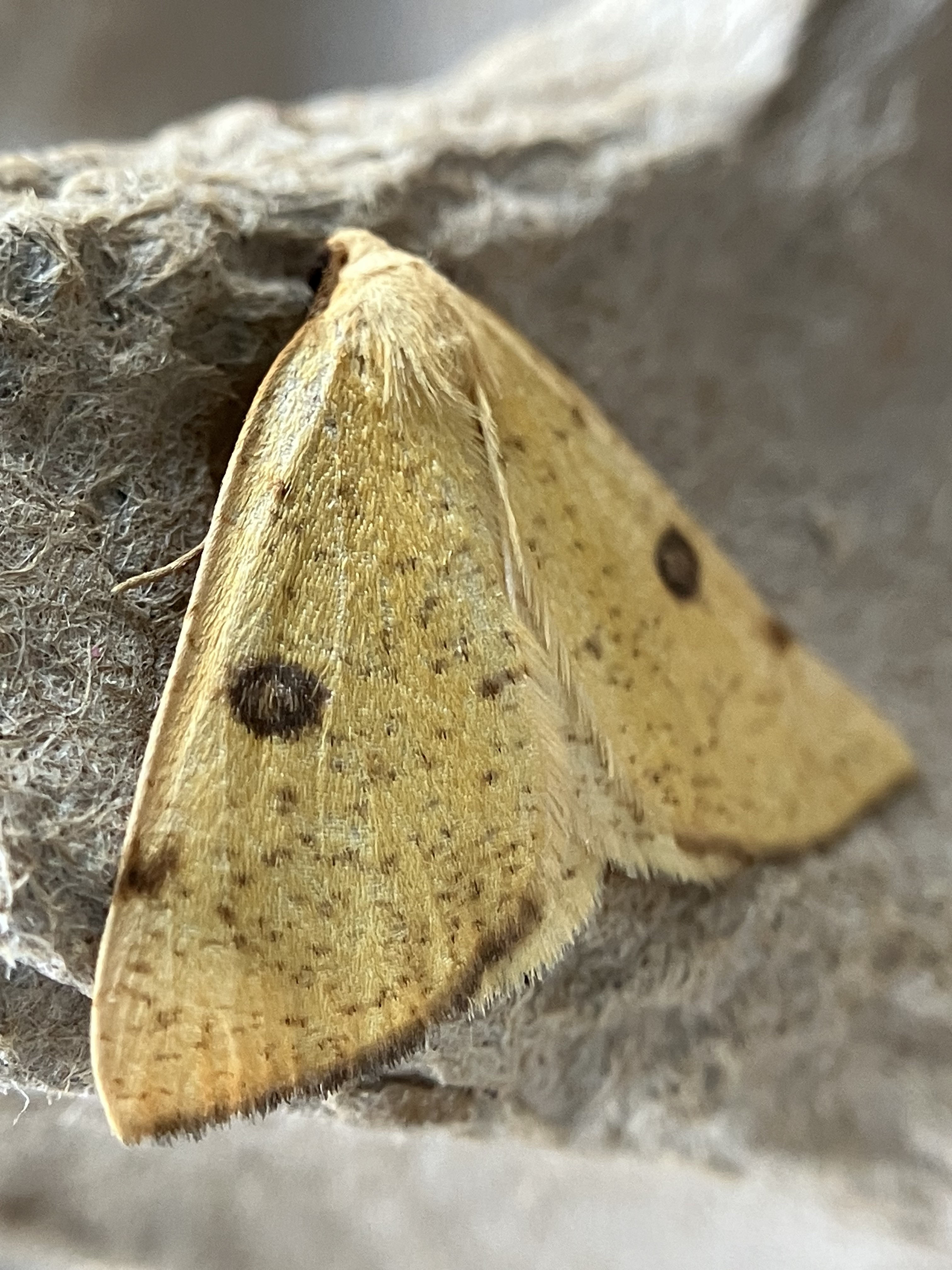
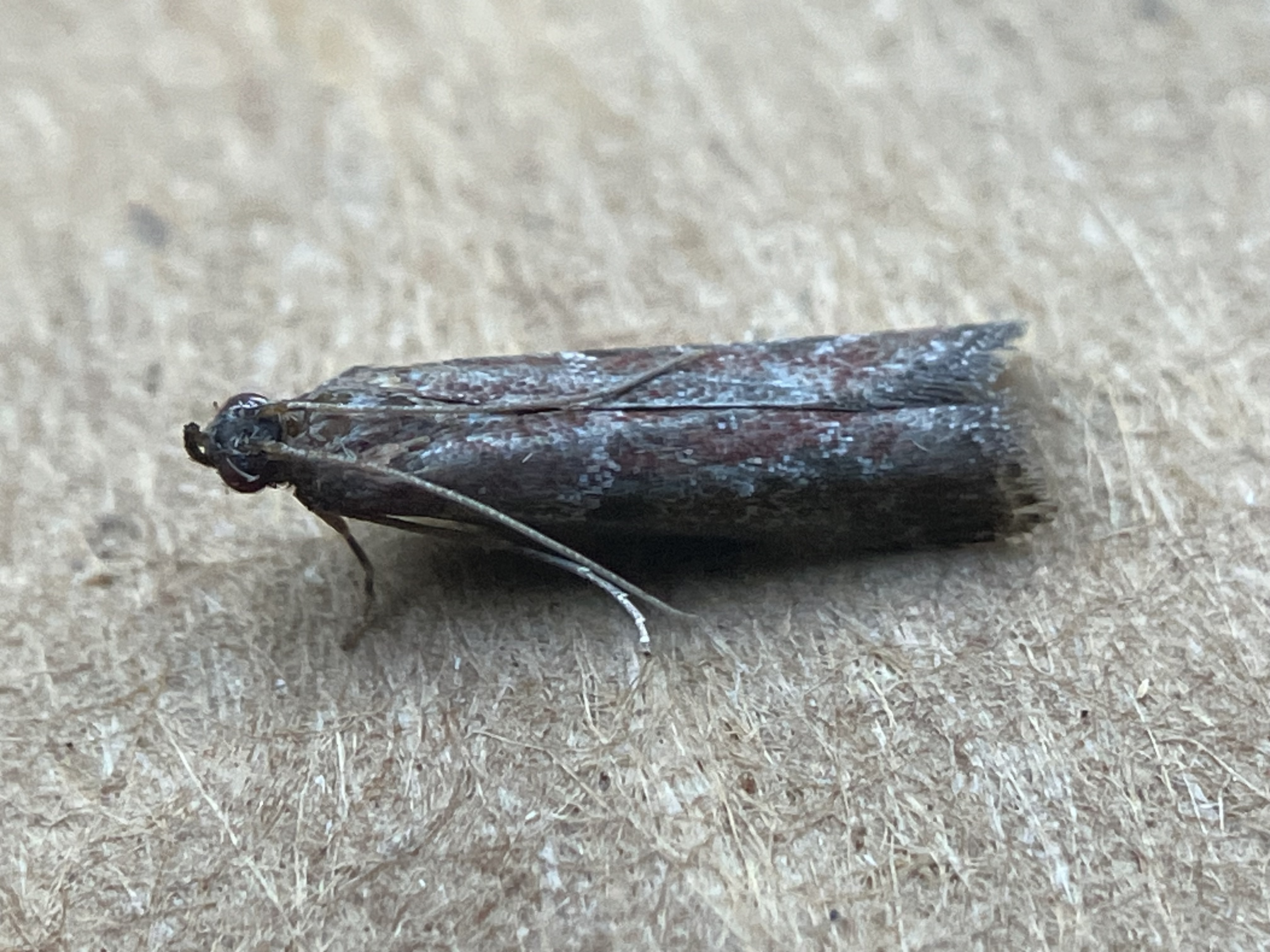
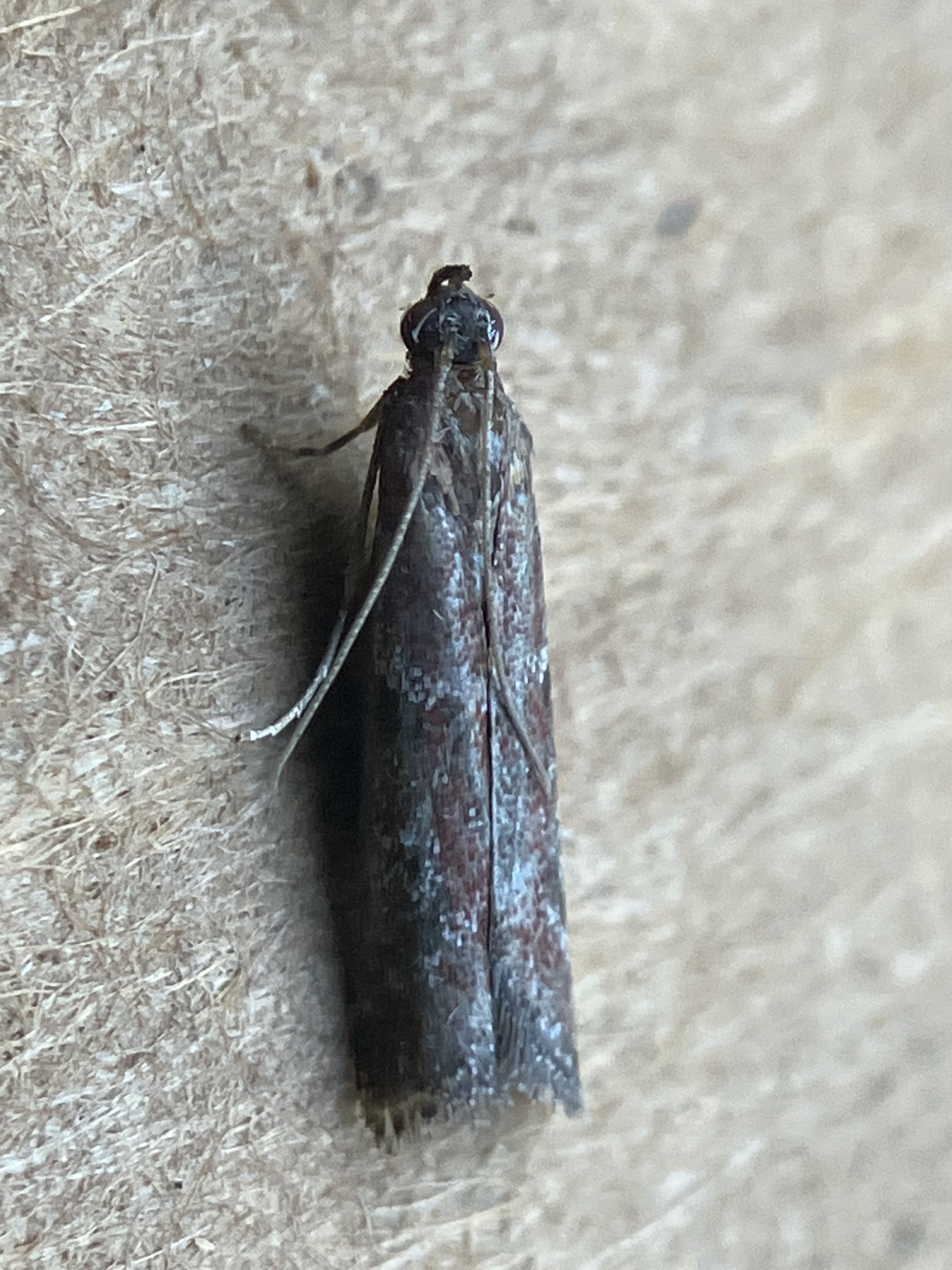
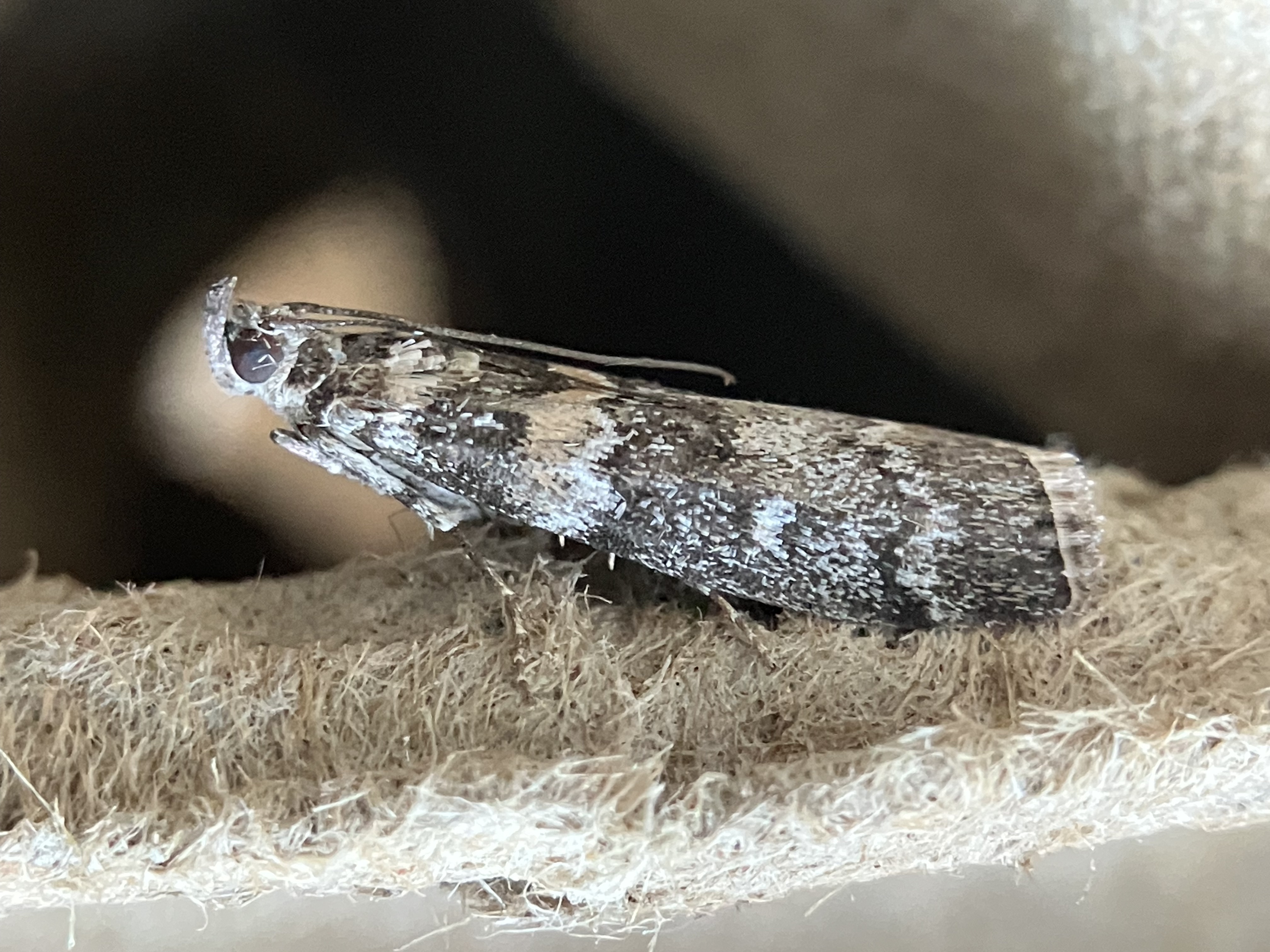
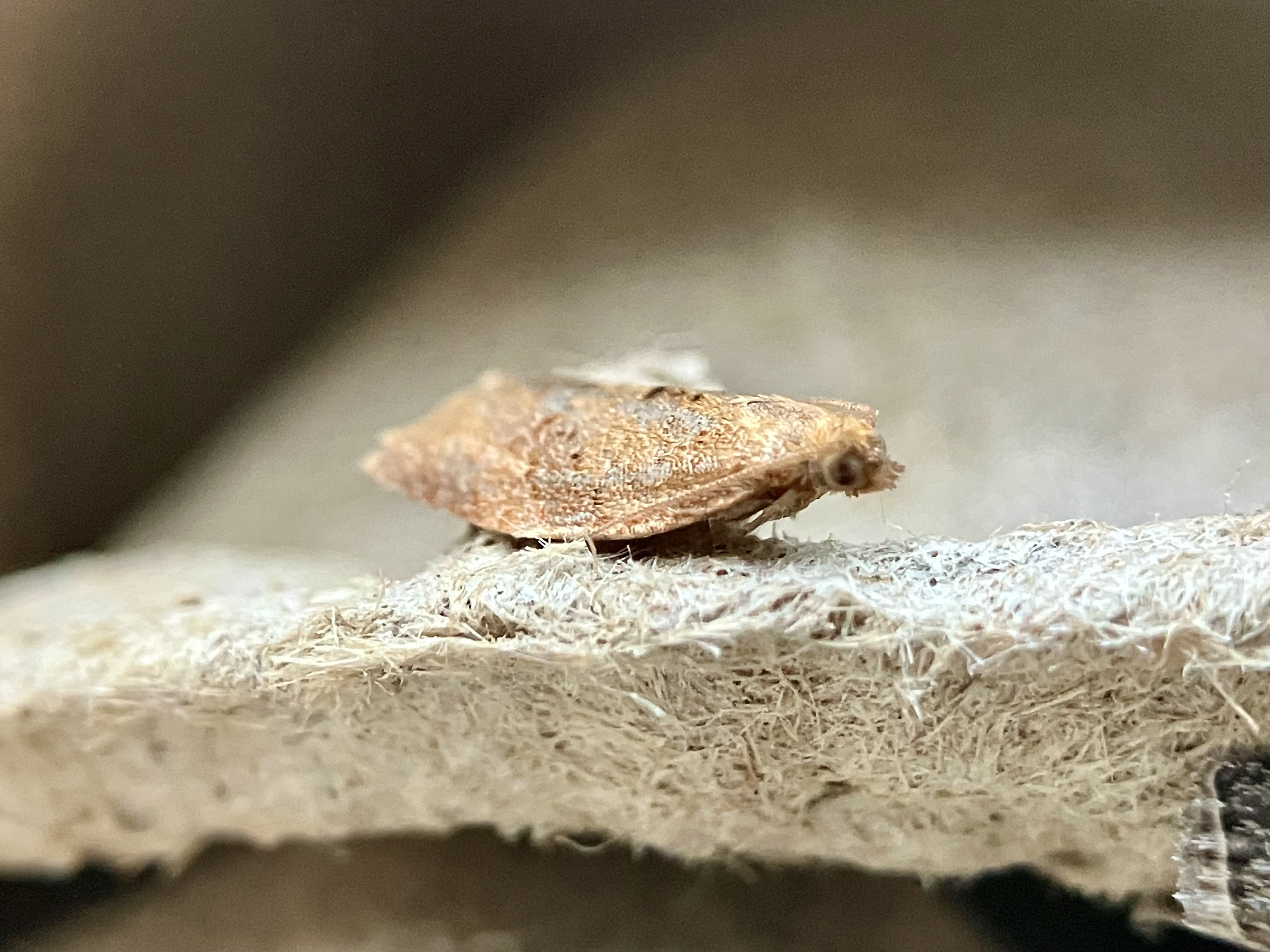
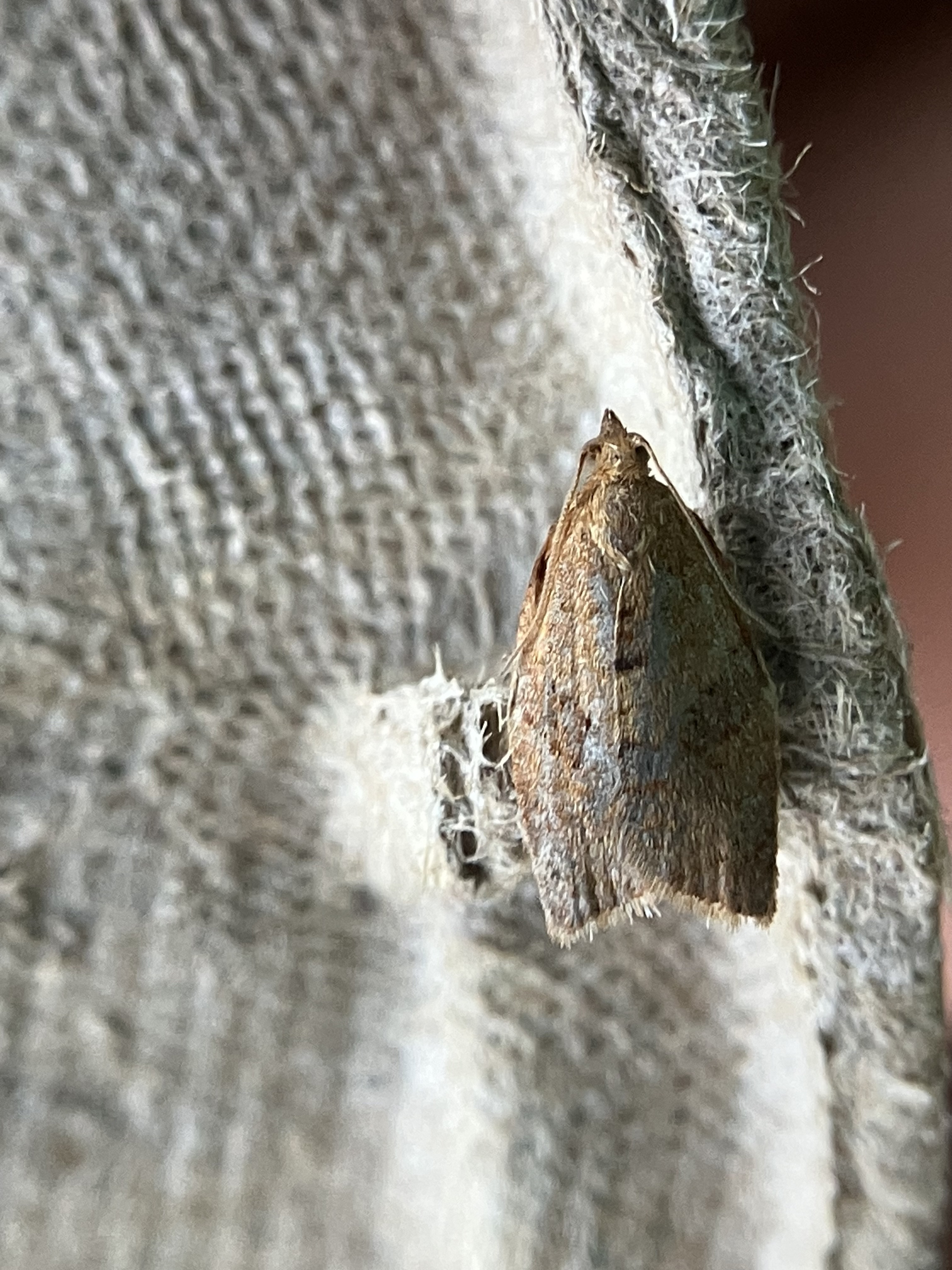
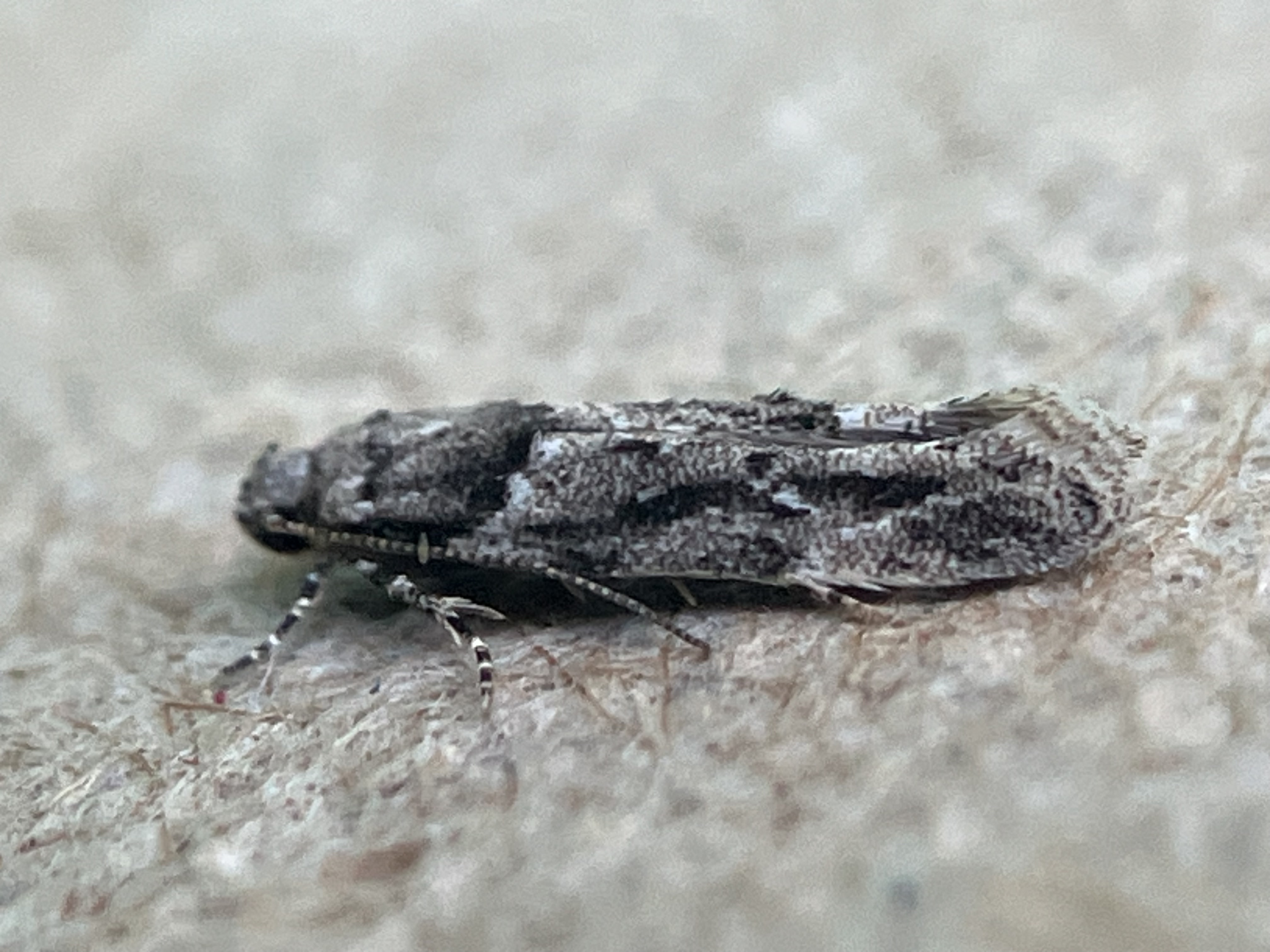
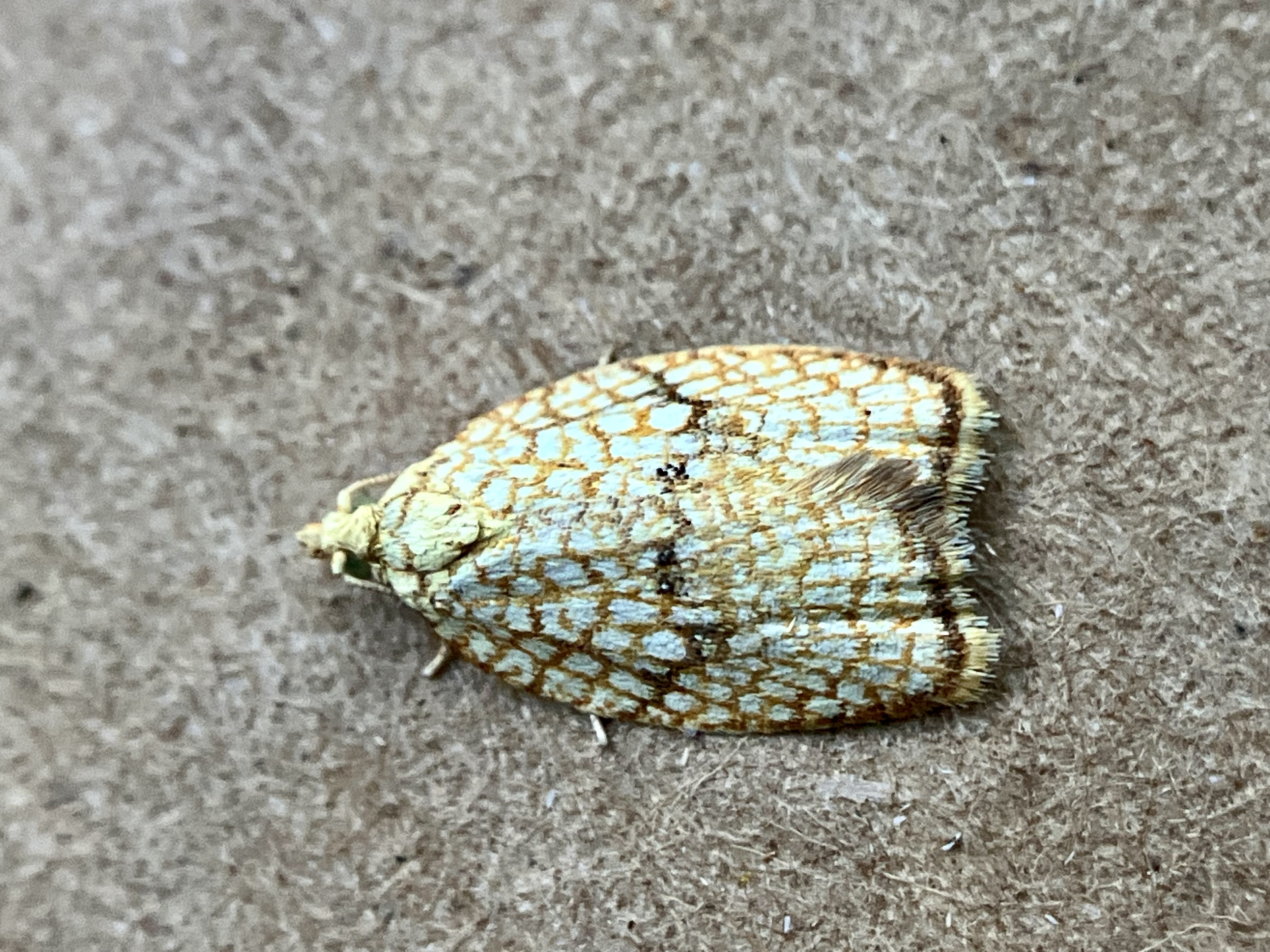
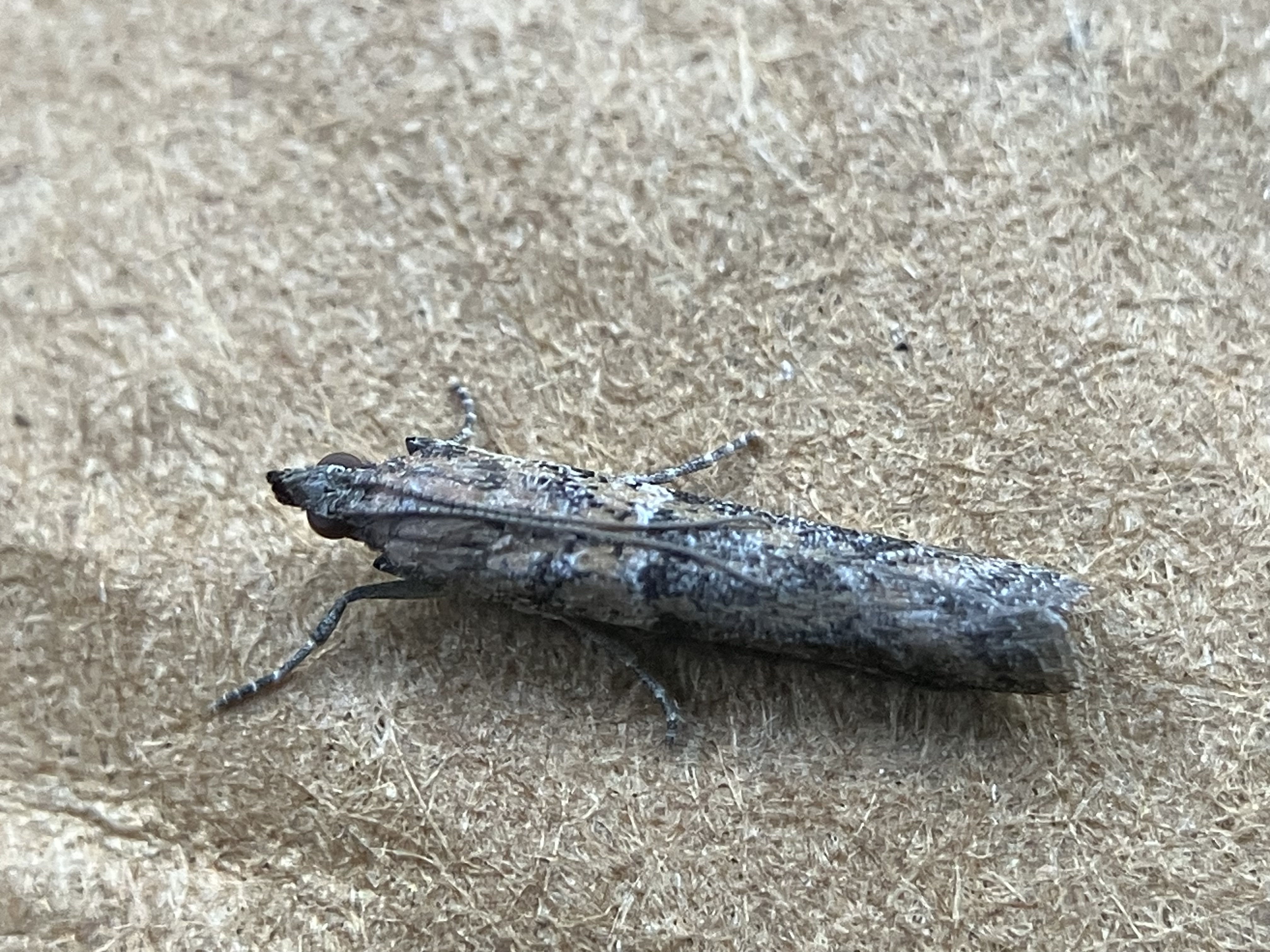
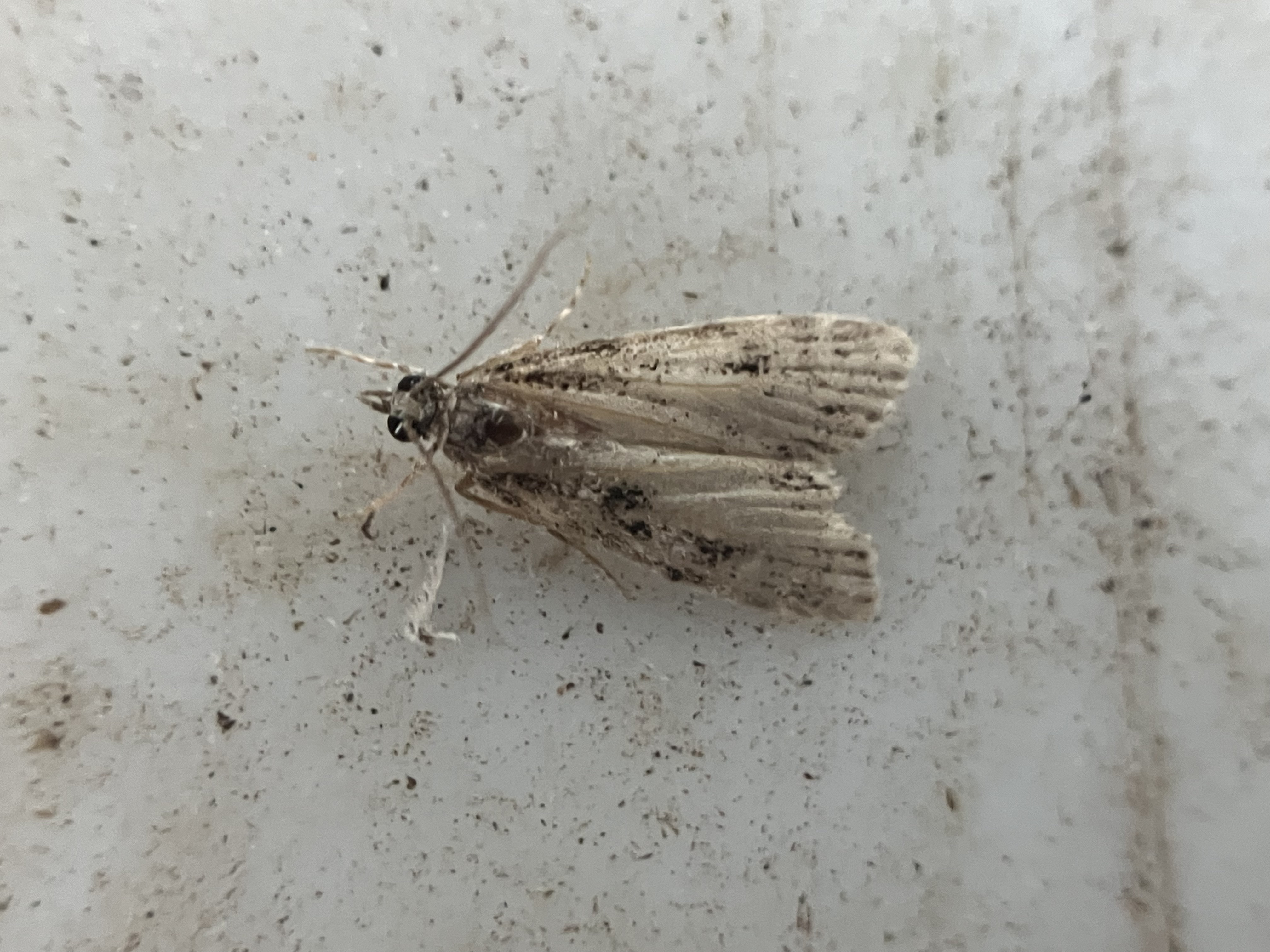
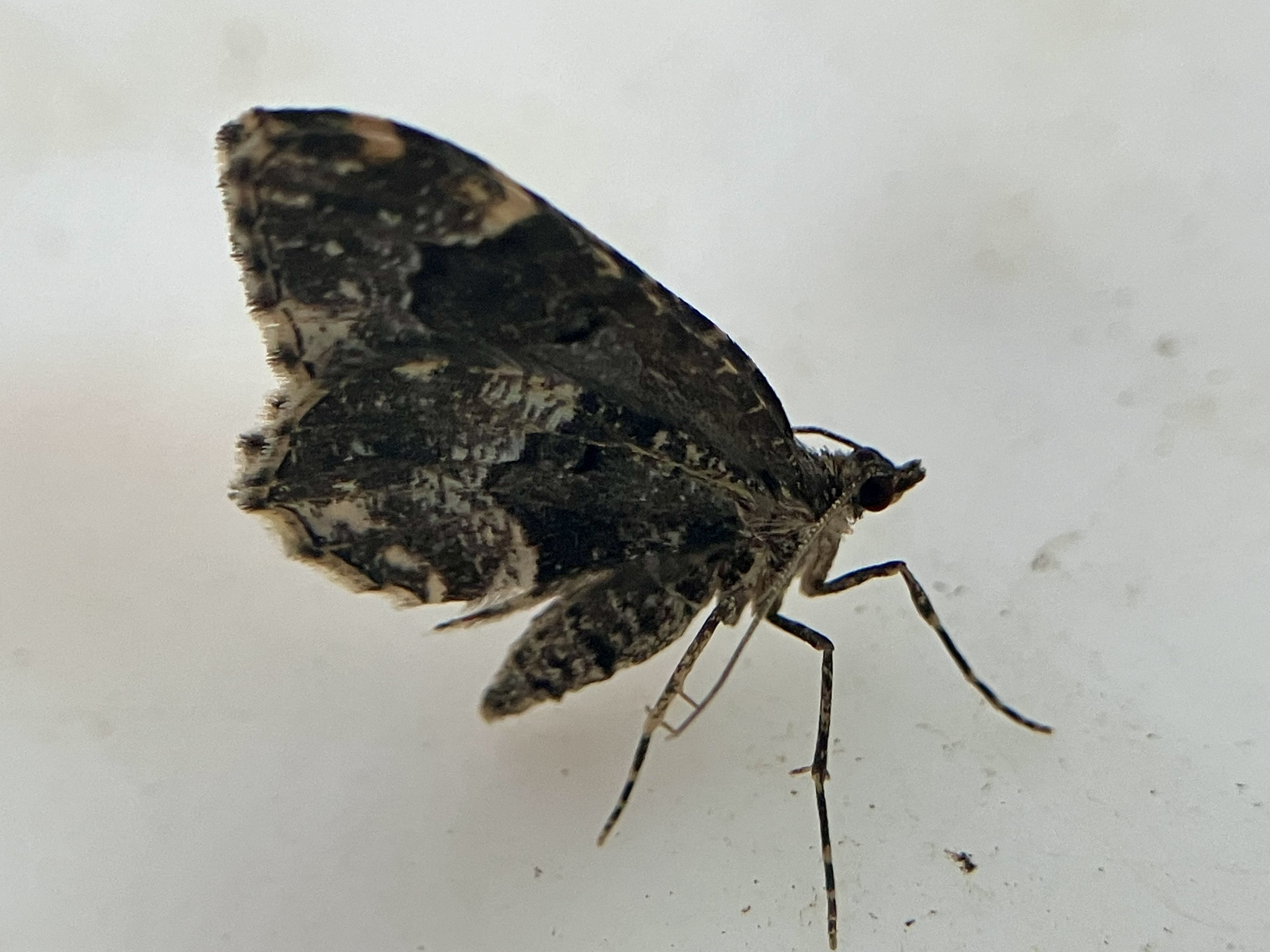
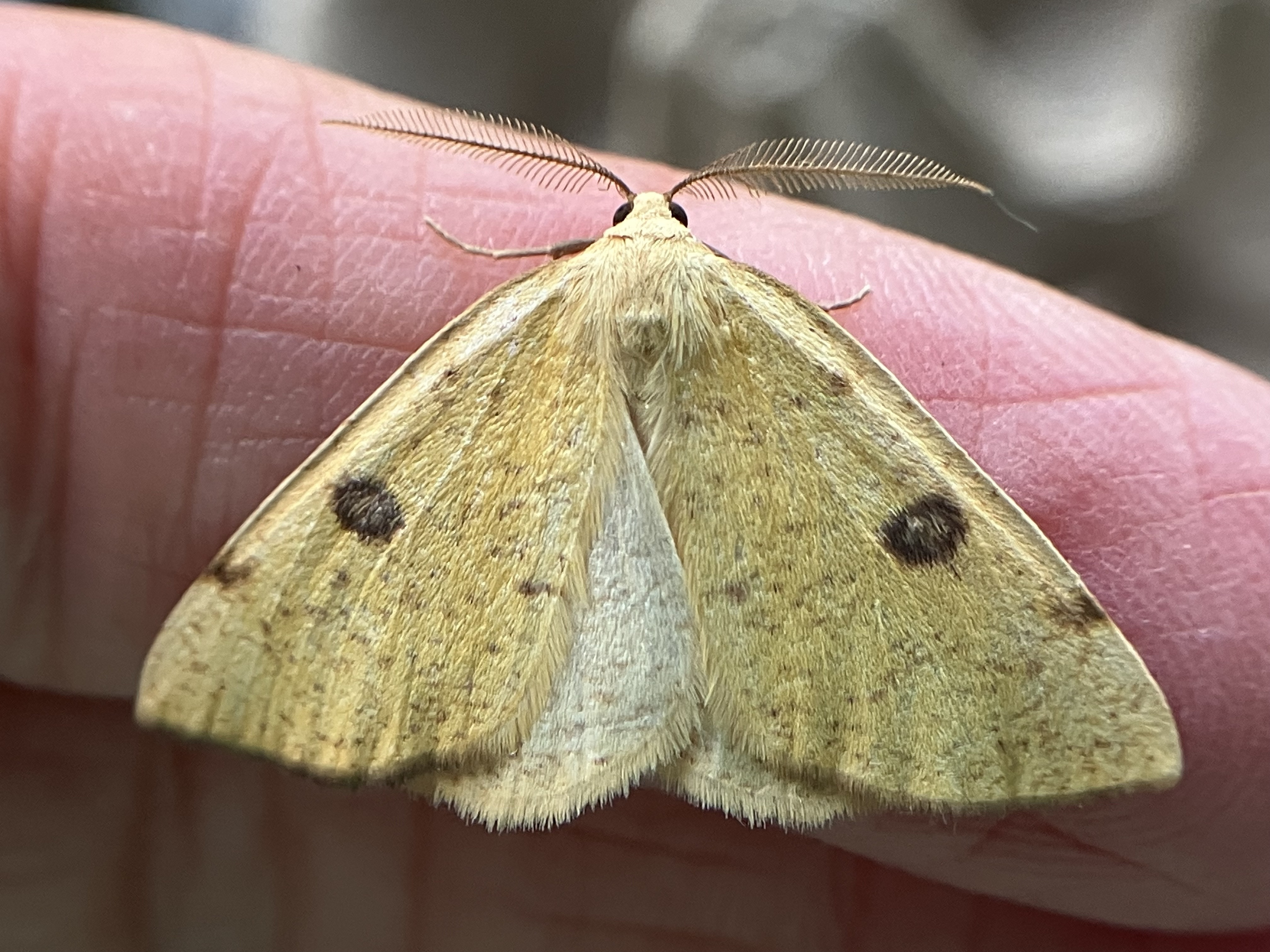
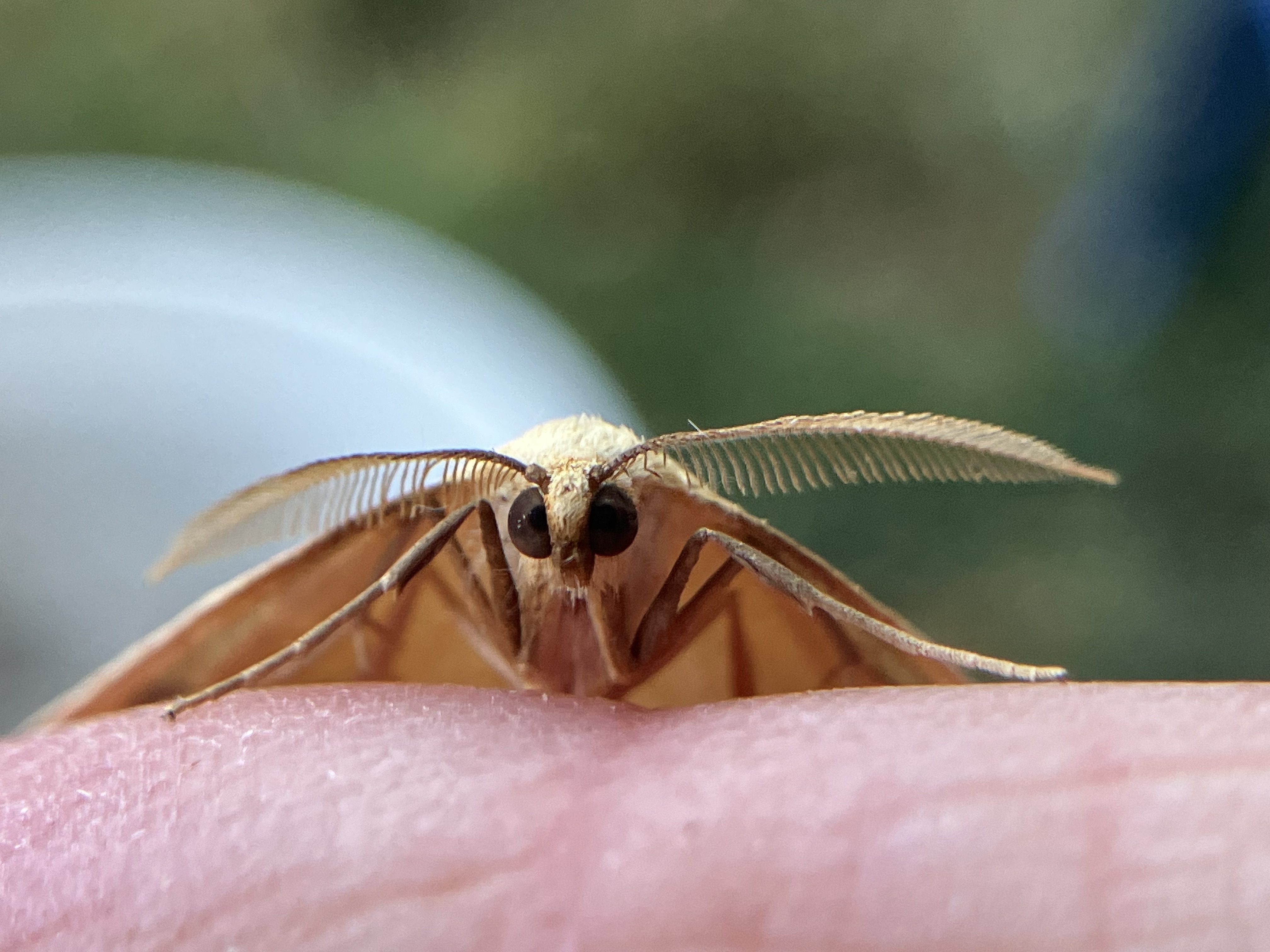
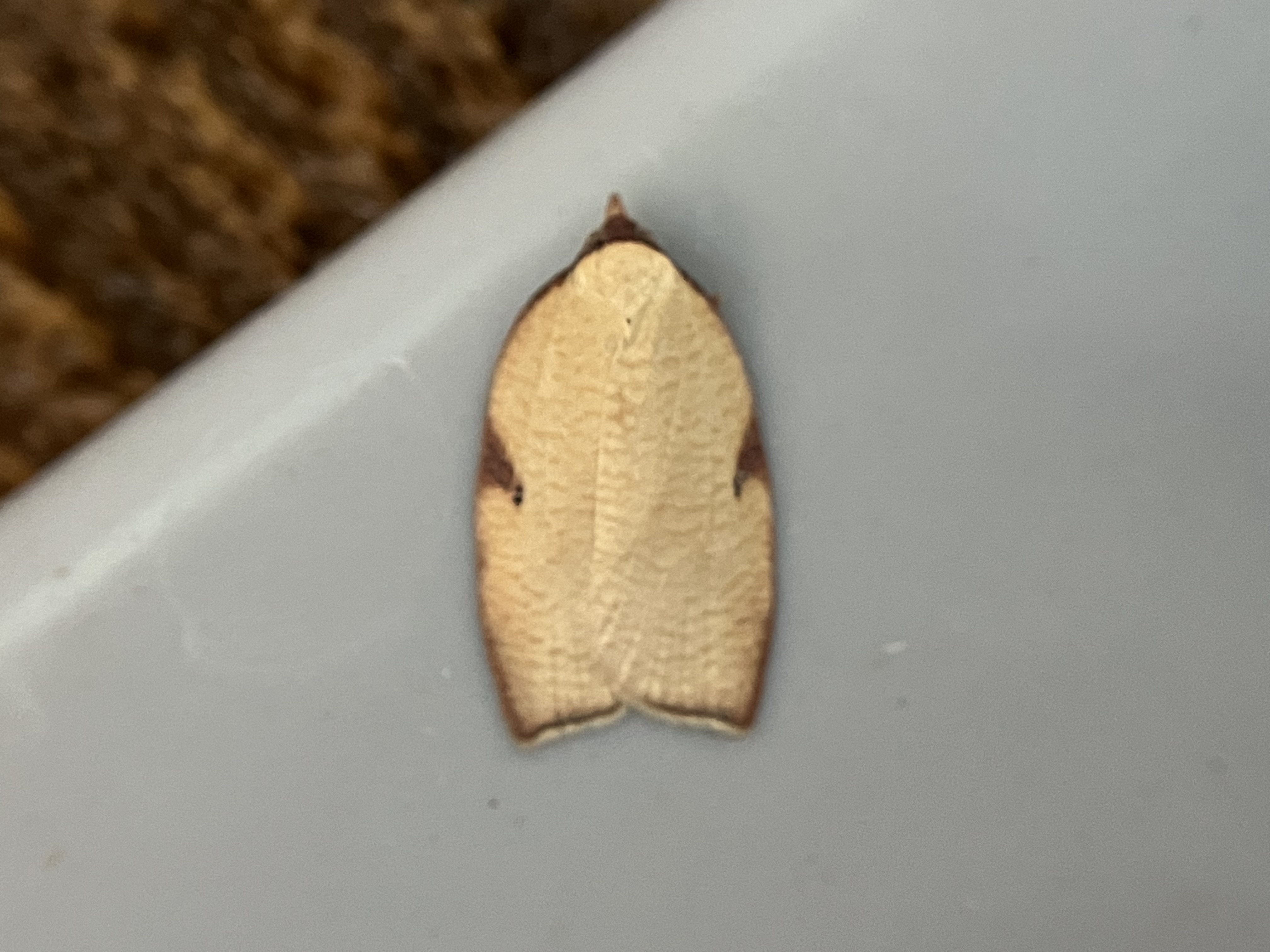
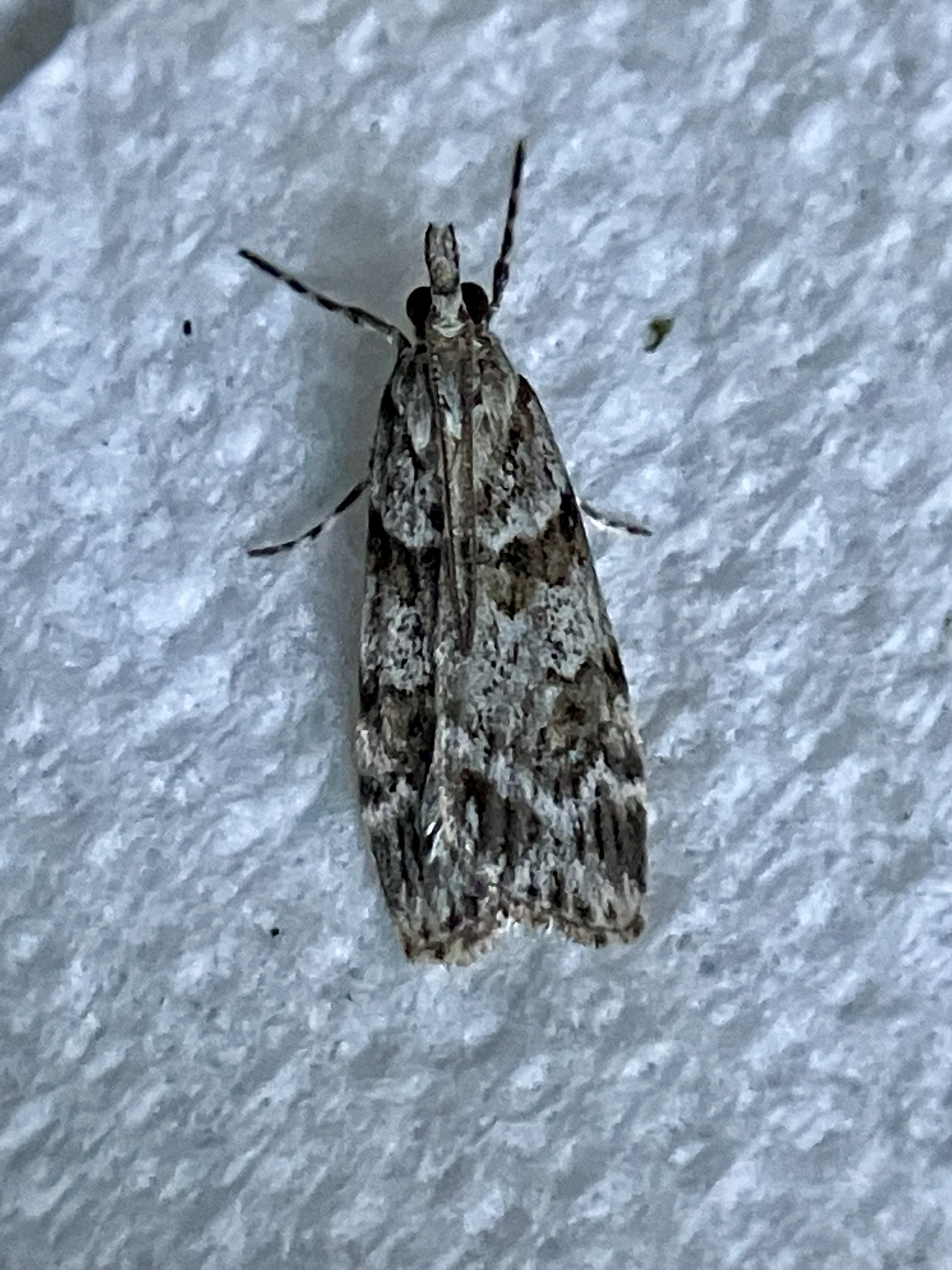
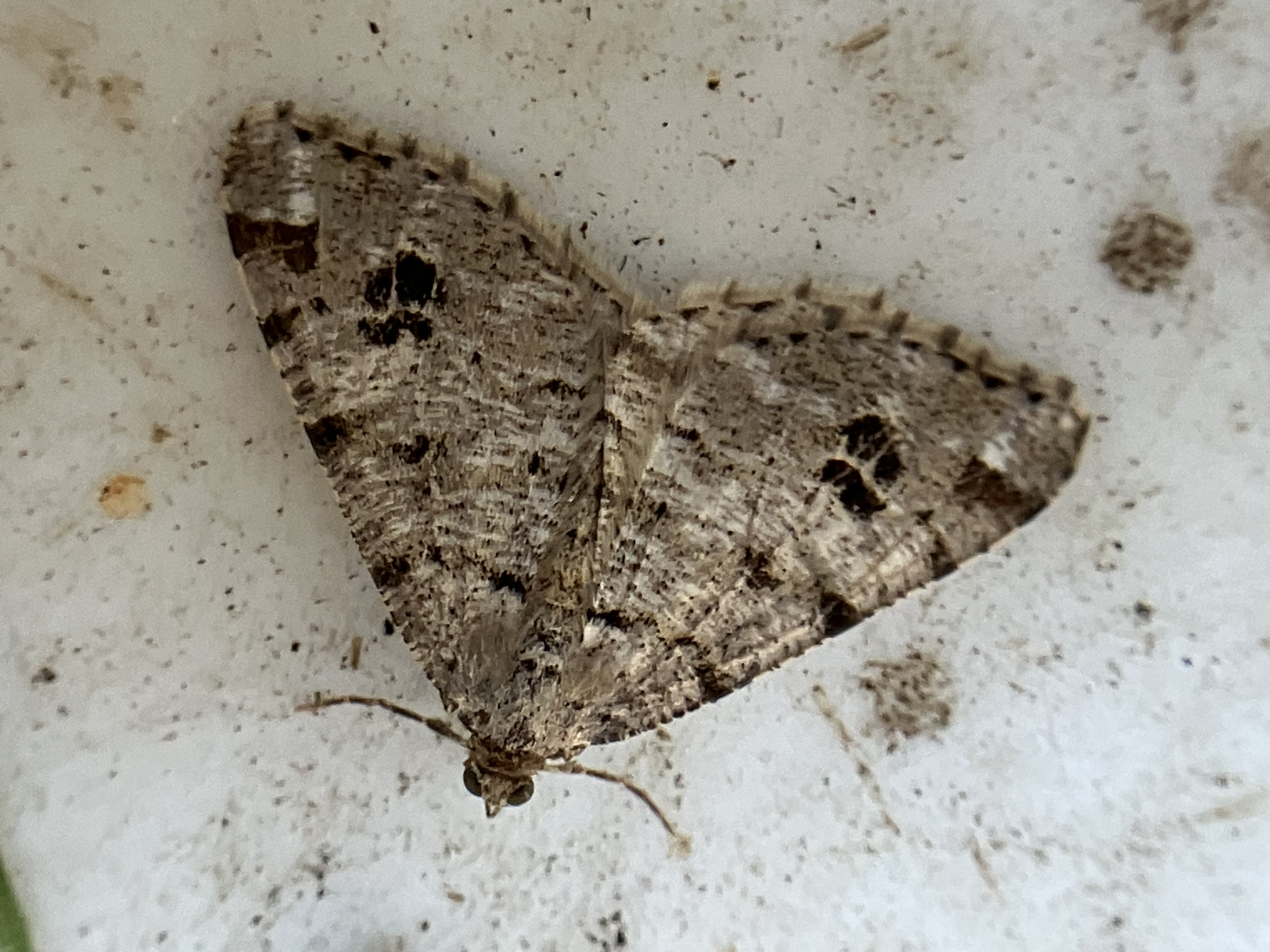
Pero mizonBrown lined Looper, (Neoalcis californiaria)Possibly one of the Knot Horn Moths, Family Pyralidae, Subfamily PhycitinaeDouble Banded Carpet moth (Spargania magnoliata) I believeGenus Ephestiodes, one of the snout moths in the family PyralidaeGenus Ephestiodes, one of the snout moths in the family PyralidaeGenus EphestioidesPero mizonGenus EphestiodesTribe Archipini, one of the Tortrix mothsGenus Ephestiodes, one of the snout moths in the family Pyralidae
Here’s today’s grouping of moths from last night’s mothing effort. It’s raining today in the San Juans. We sure do need the rain since it’s been so dry, but I got pretty wet outside this morning trying to sort moths and take photographs. The moisture will definitely be good for insect populations and also keep my flower garden blooming a bit longer this season.
If you’re interested in learning about what species of moths (or other insects and spiders) we have in the San Juans, feel free to reach out. I am always happy to answer questions. For anyone interested in participating in National Moth Week, here’s a link to their website – https://nationalmothweek.org
I’m finding it somewhat laborious to sort moths. The part I enjoy most is actually looking at what has visited my light during the night when I get up early in the morning. The aggravation comes with our very SLOW internet speed. Definitely do NOT expect great internet if you’re considering moving to San Juan Island. It’s been awful for the almost-fourteen years I’ve lived here and one time it was out altogether for almost 3 weeks!
I finally finished labeling all of my photos and have them uploaded. If my count is right, I have about 20 different species today, but as I mentioned in my earlier post, I won’t necessarily have all of them identified to species. Some I’ve only been able to ID to tribe or subfamily, others to genus, but a few were easy enough to manage a species ID for. If anyone finds a mistake, kindly point it out and I will make the necessary corrections. There were lots of micro moths this morning and those are tough for me. But they are fascinating. Some look like bird poop. You’d never see them, they are disguised so well in nature.
If you’re interested in participating in National Moth Week, it’s not too late. Check out their website here – https://nationalmothweek.org
We are getting closer to National Moth Week 2023 (July 22-30). I am continuing my head start. If you’ve been following along, you’ll see I am posting a daily gallery of what I’ve collected in my bug bucket with UVB light each night when I check the next morning.
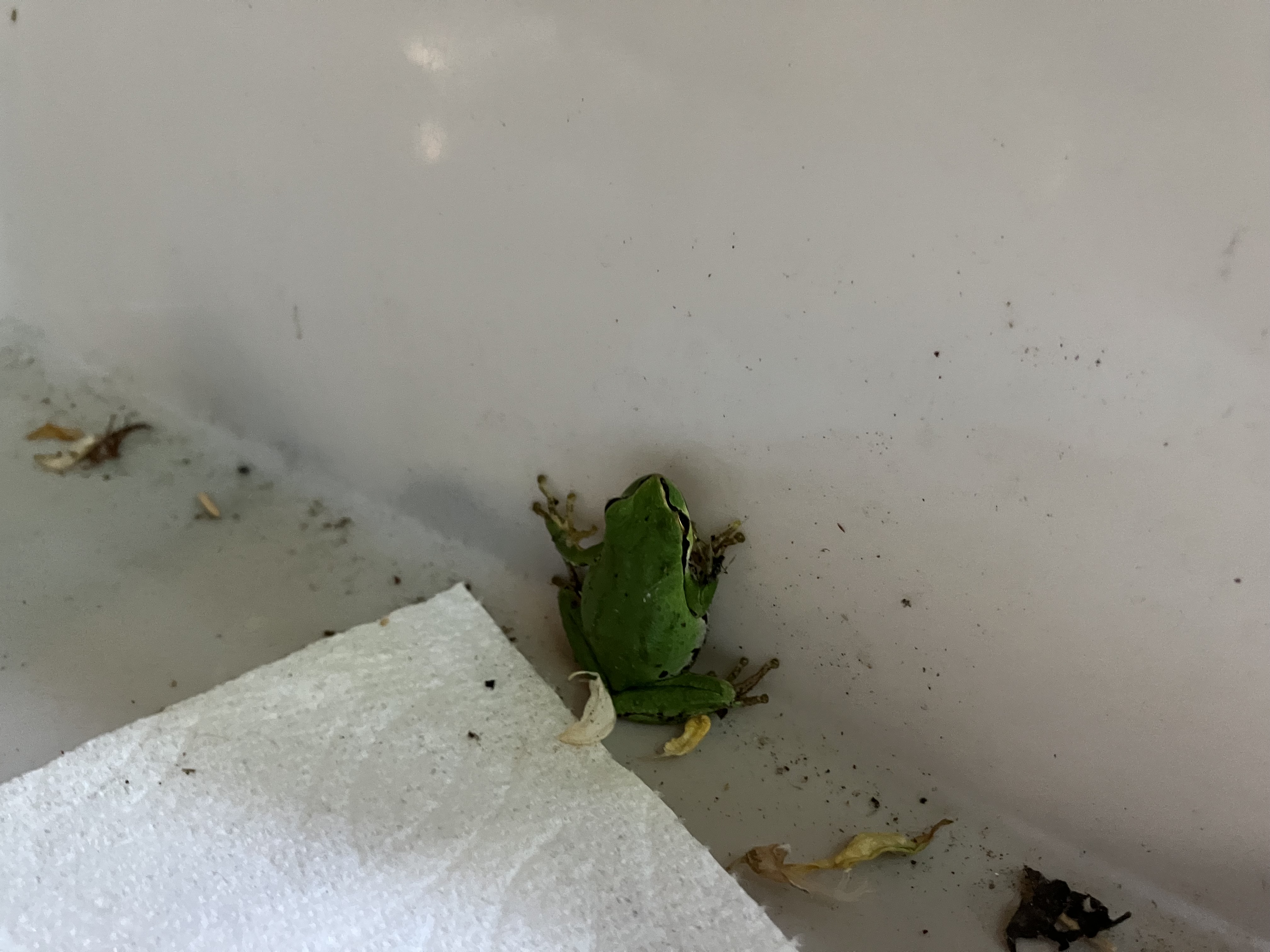
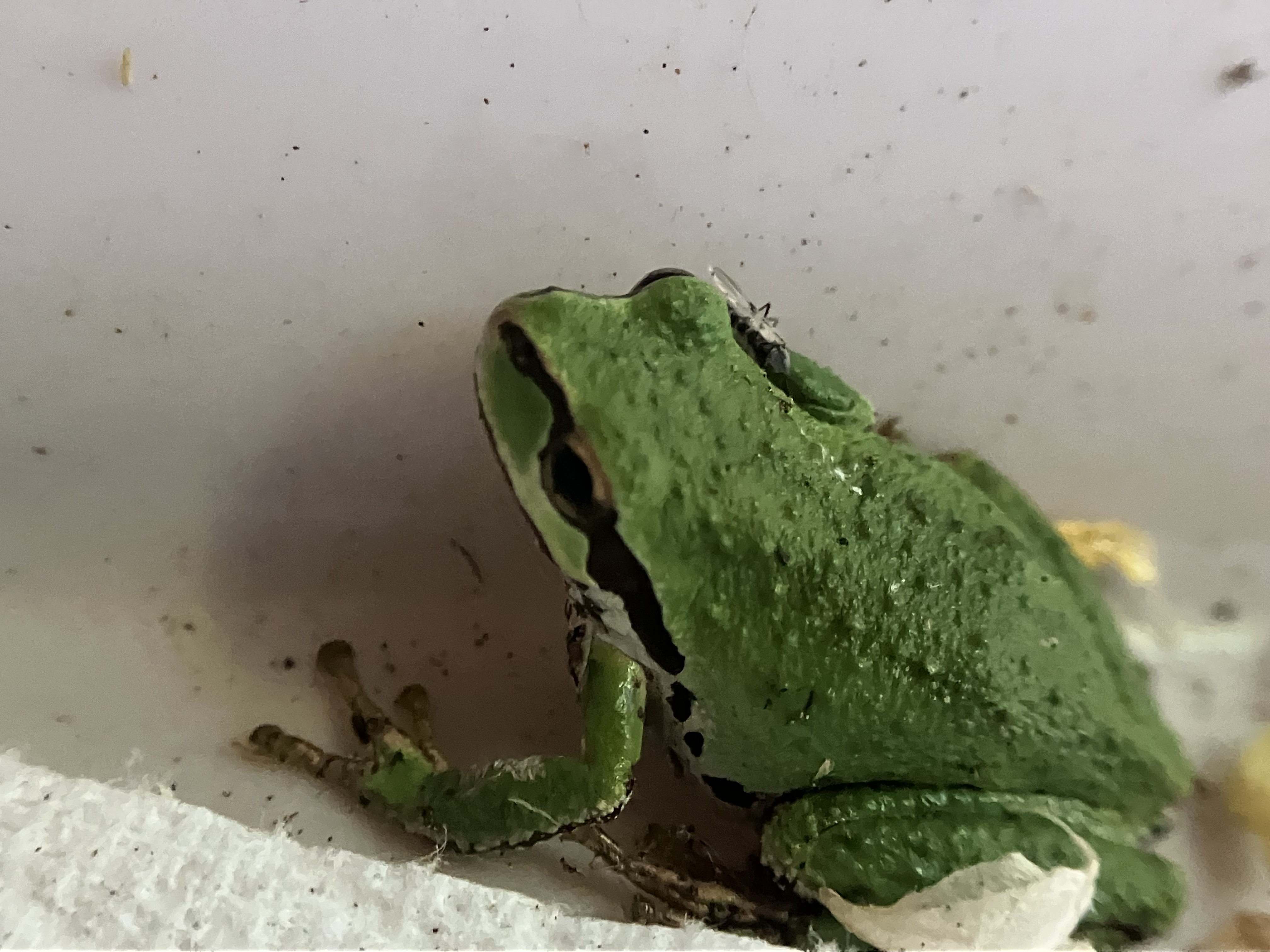
It took me a good while today to sit down and try to work out ID’s for my specimens. ALL specimens found in the bucket are handled with gentle care and safely released back into cryptic hiding spots to better avoid predation by birds, yellow jackets, and other predaceous insects. Probably add in spiders, though I have not seen many in this dry spell of weather we are having. I did have an unexpected guest show up in the bucket this morning. A frog. Yes, if you set the buffet up, the dinner guests will inevitably find it. 🐸
I’ll add the link to the National Moth Week website here https://nationalmothweek.org and if you are interested in participating and can’t figure out what you need to do or need advice on how to MOTH, feel free to reach out. Check out the gallery below and thanks for stopping by!
Gallery
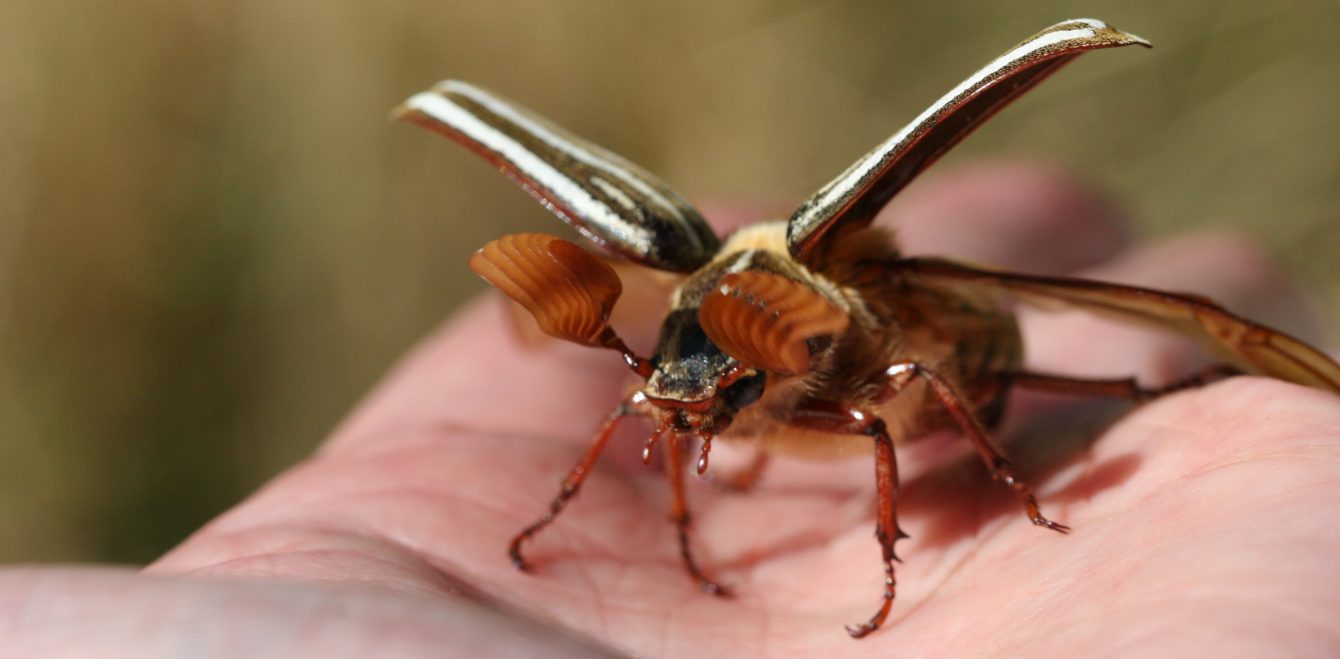
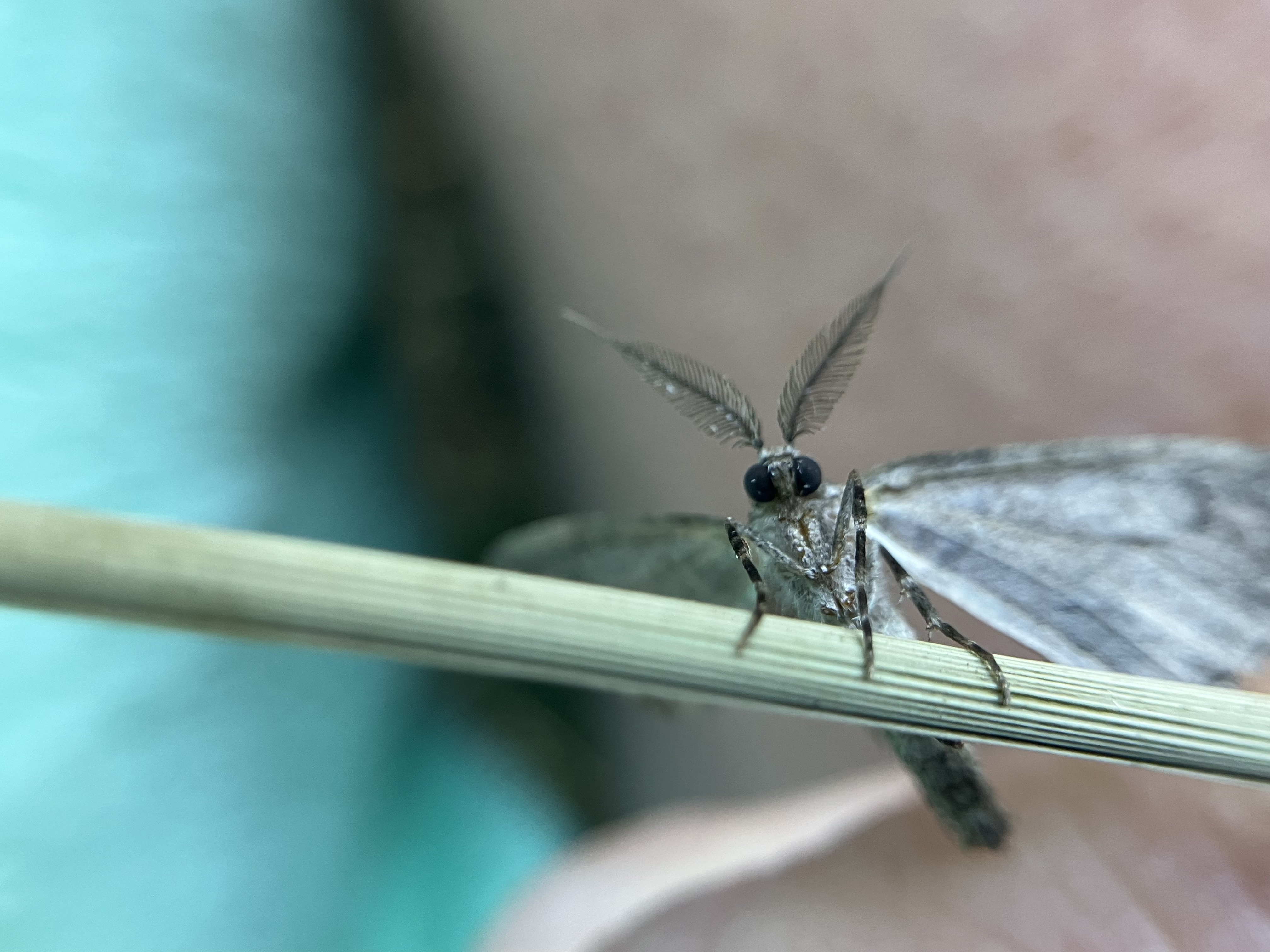
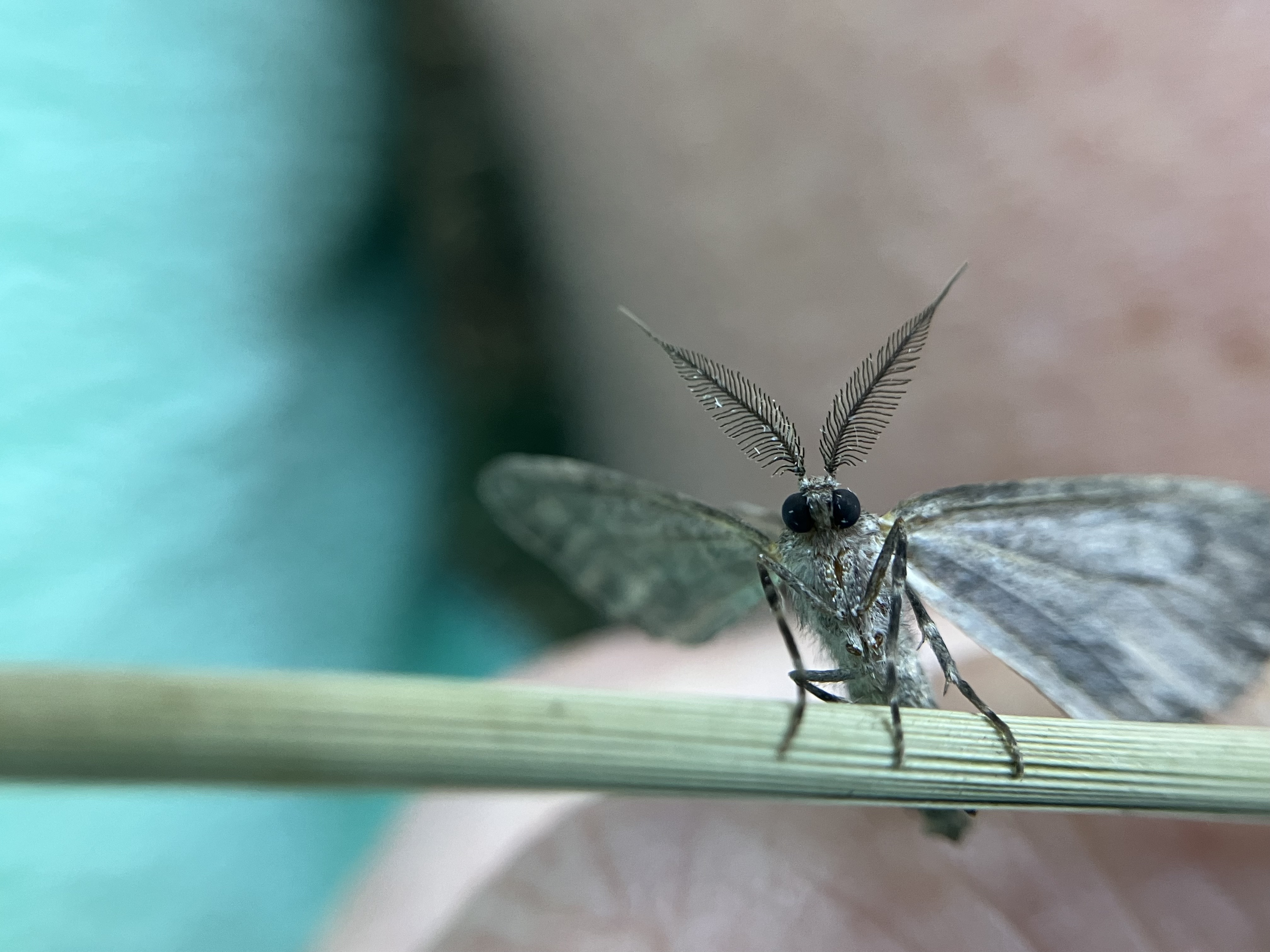
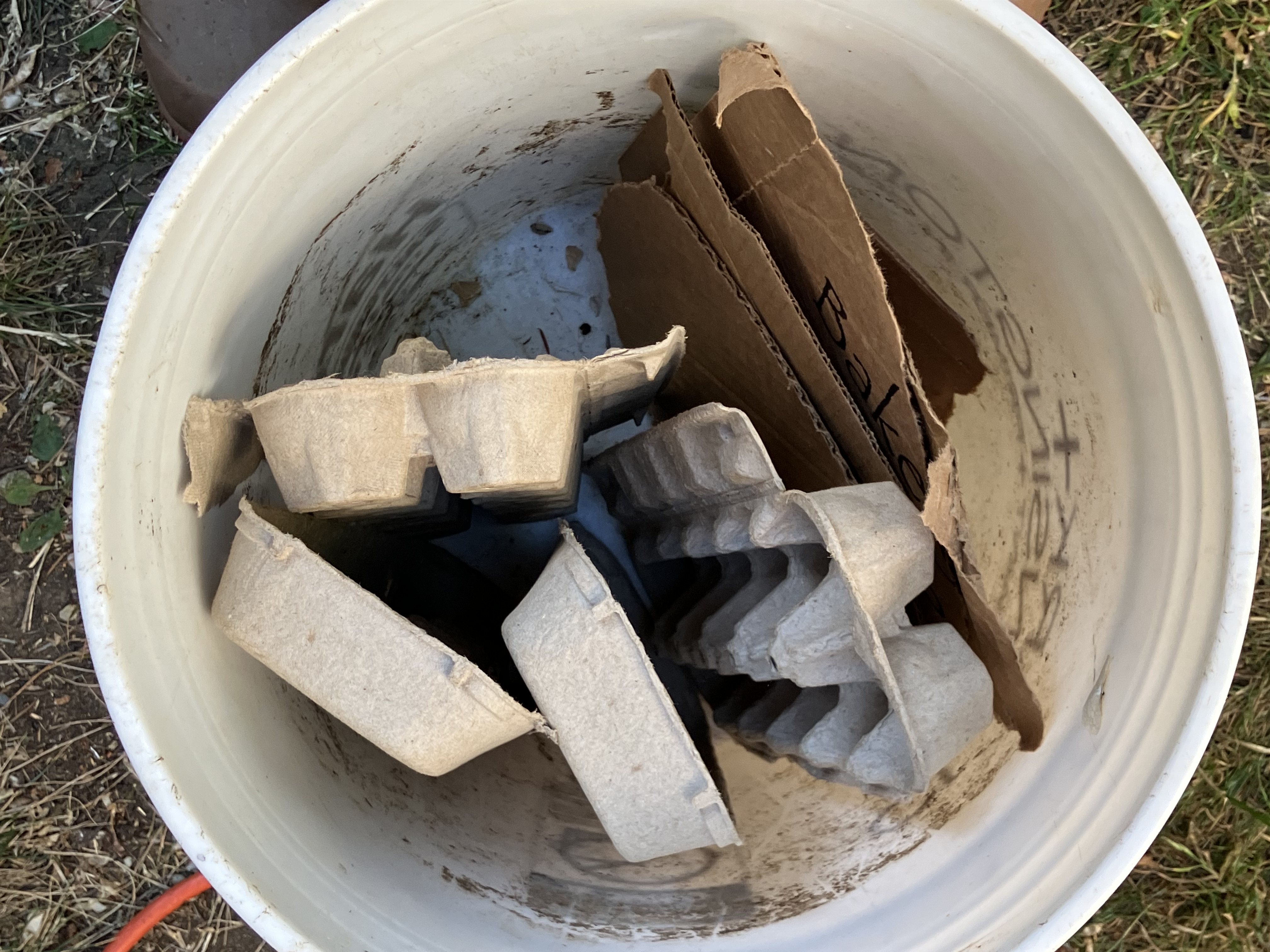
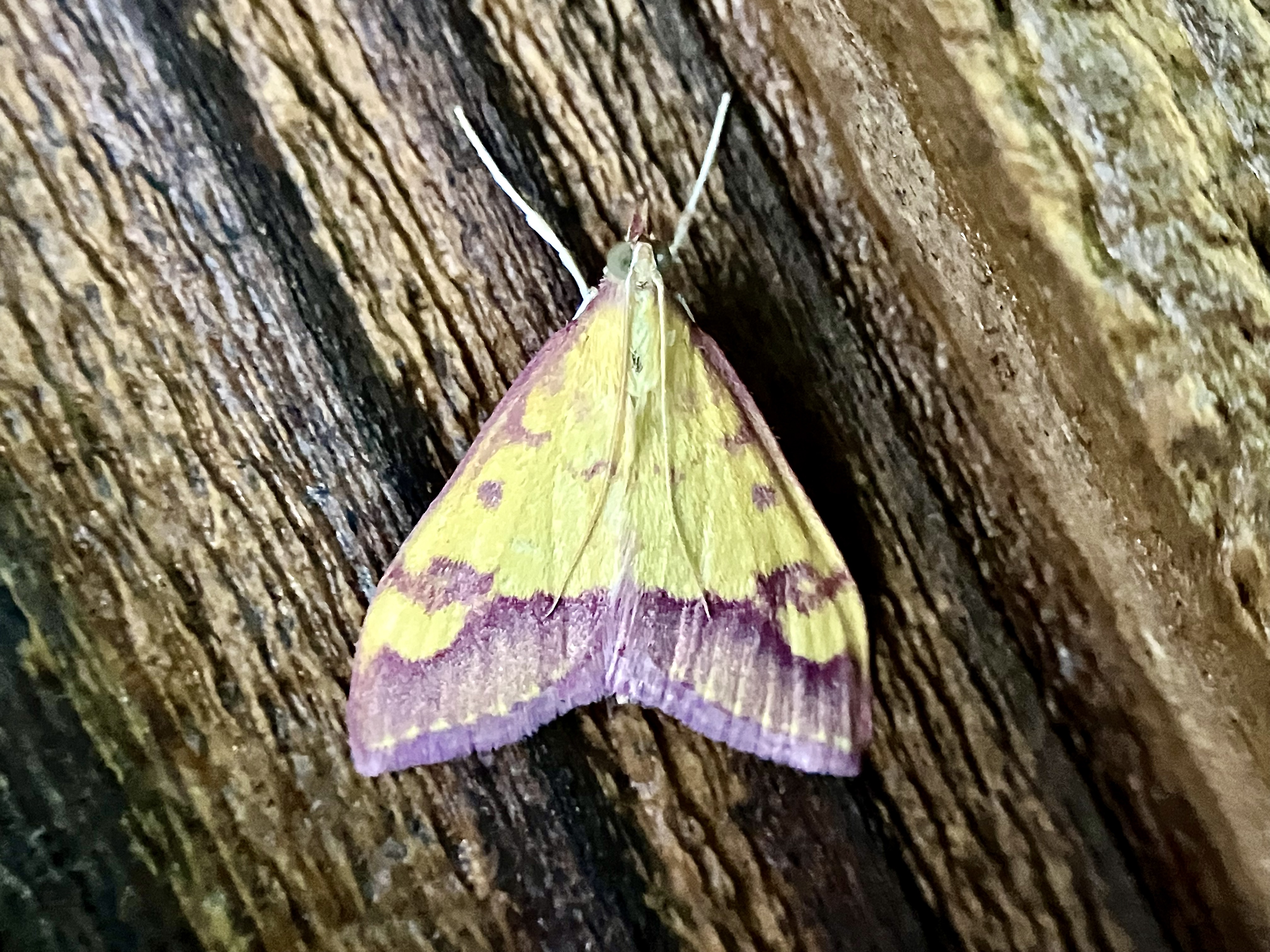
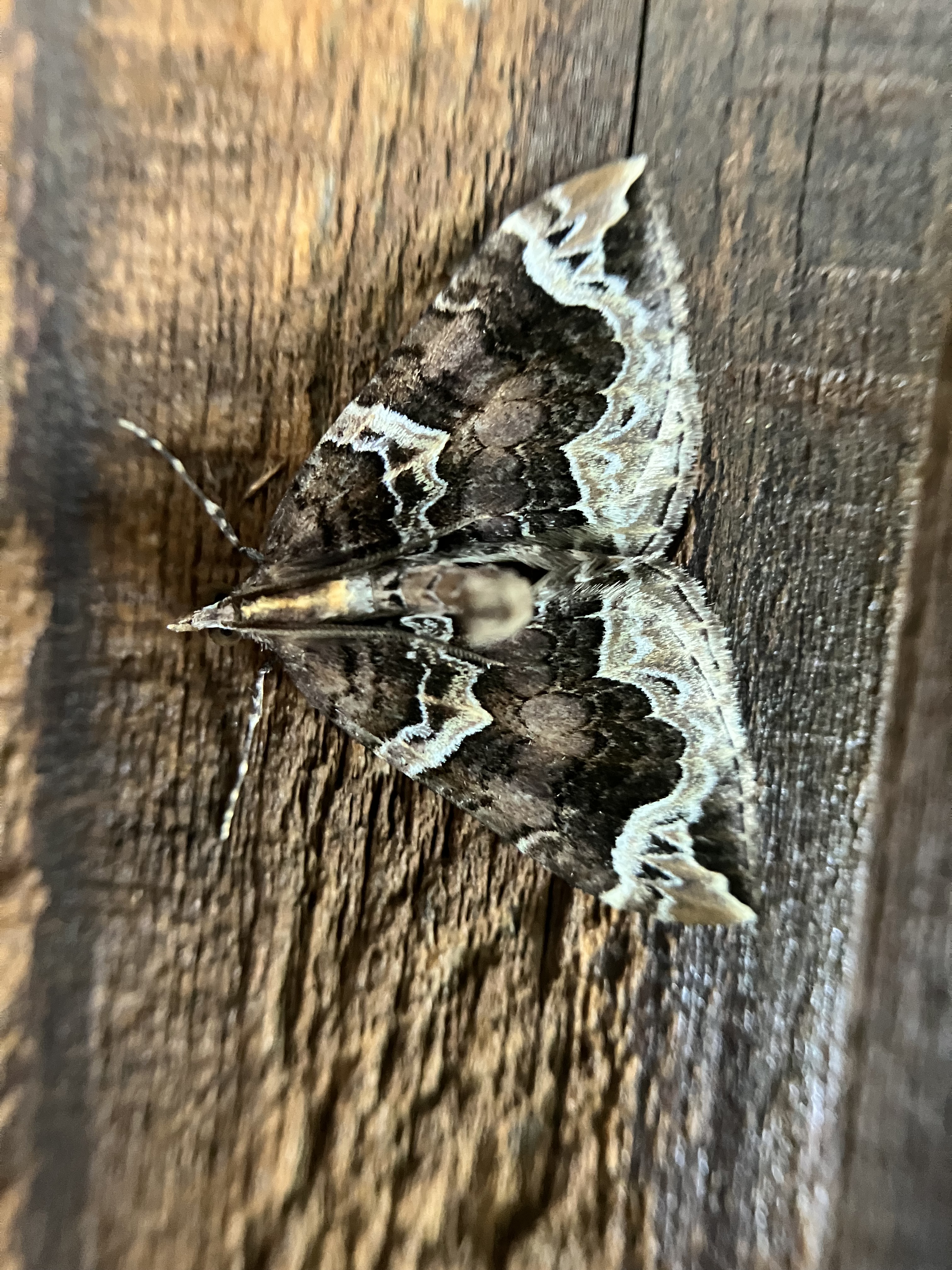
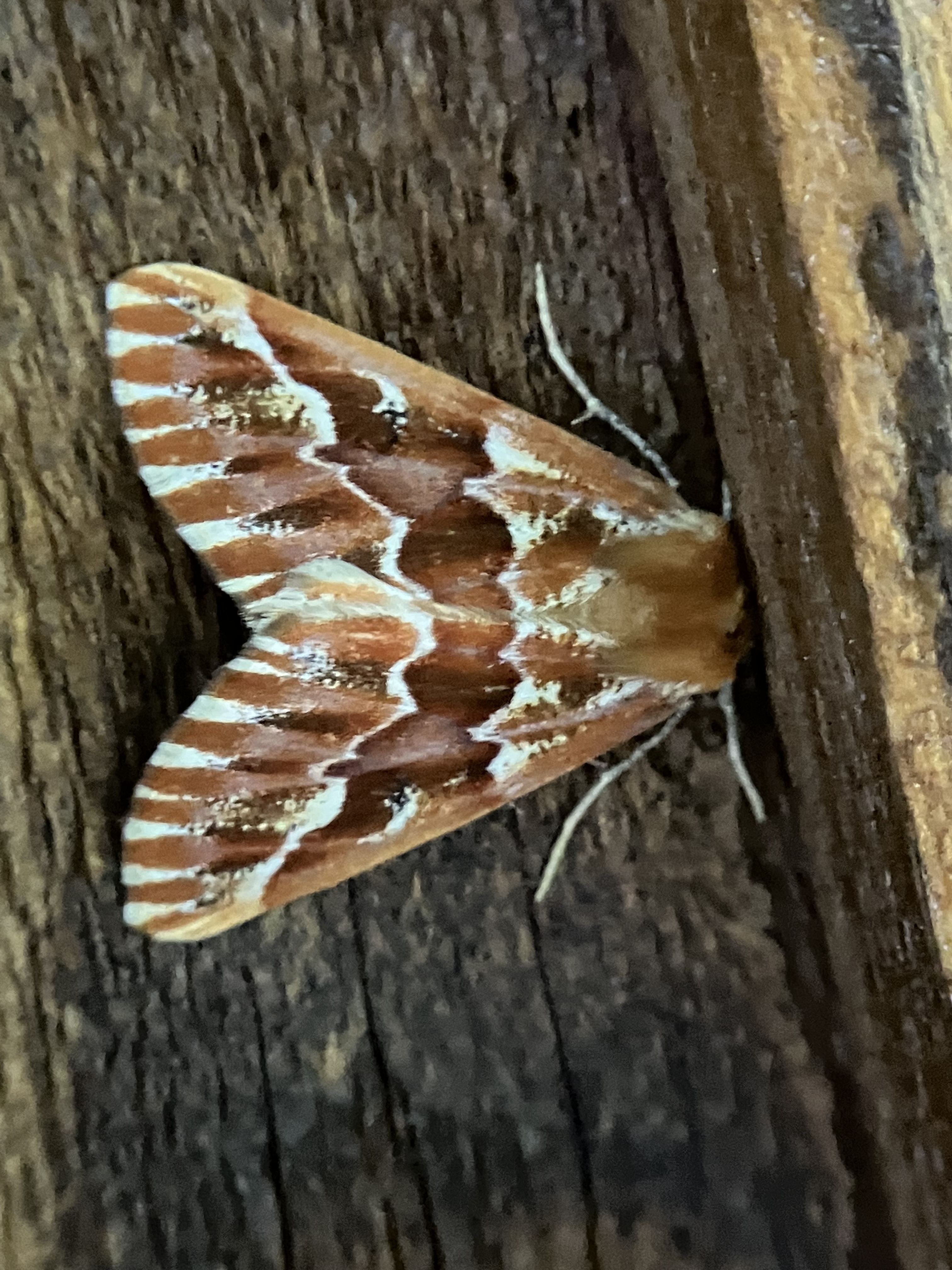
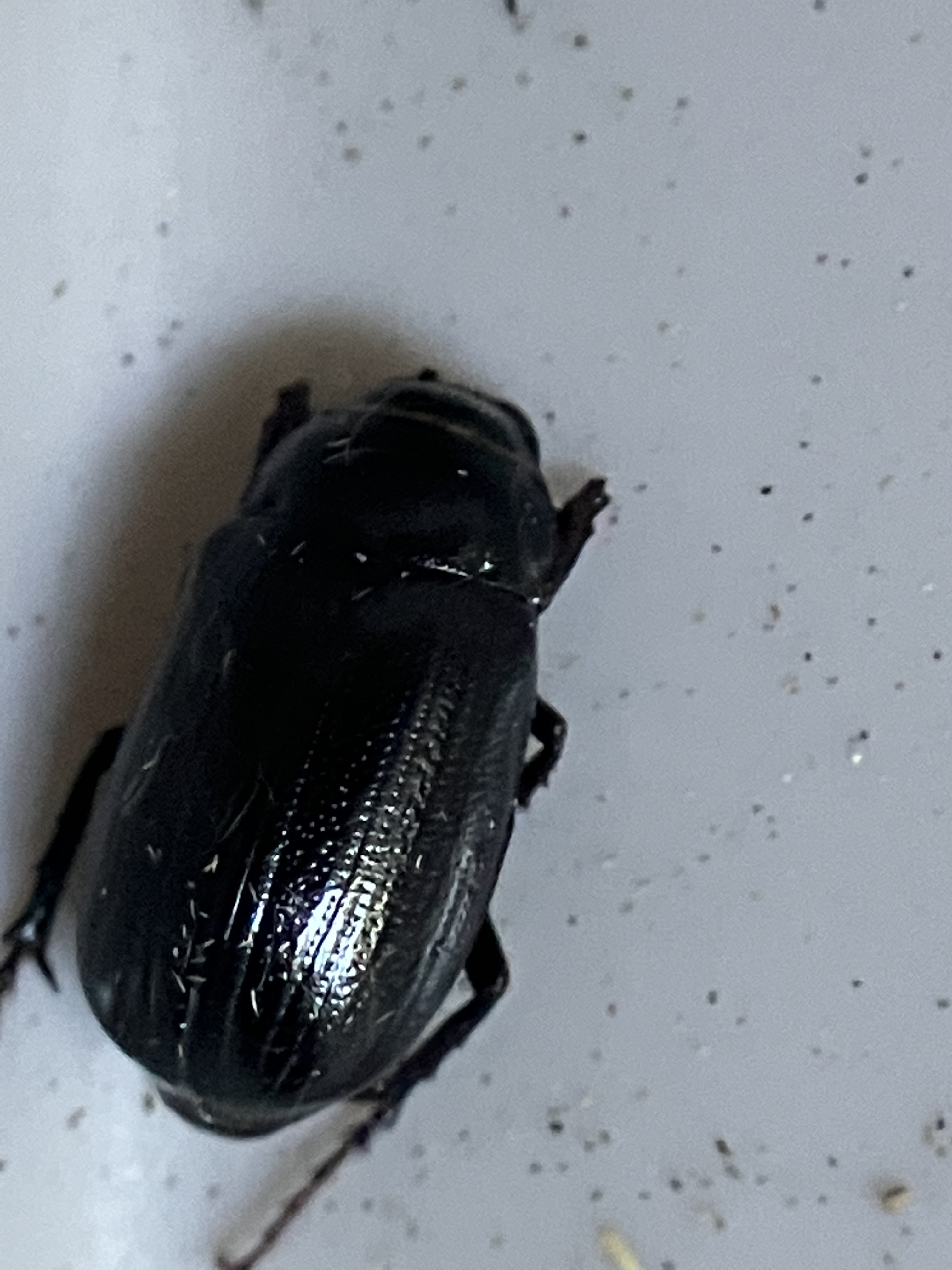
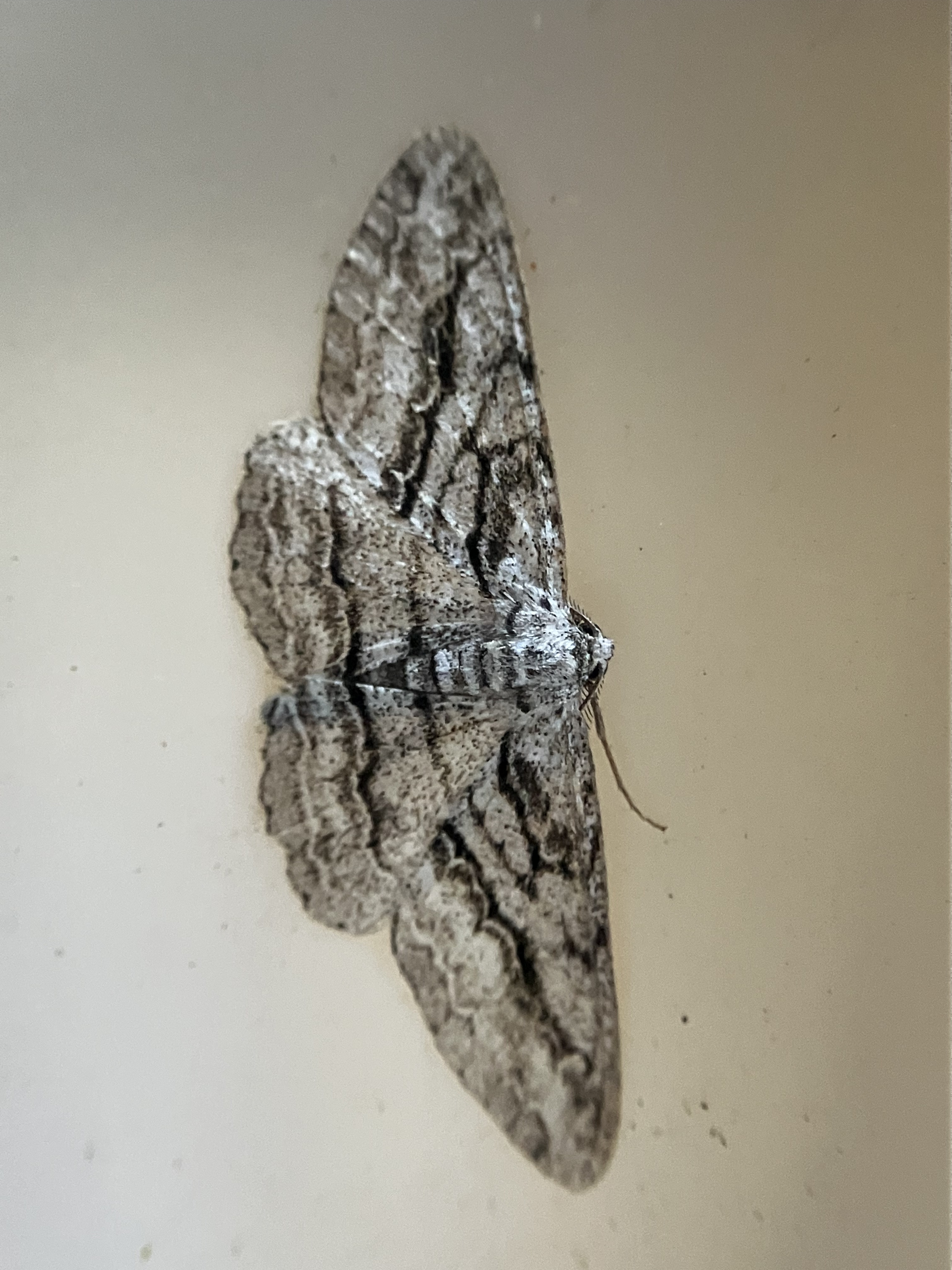
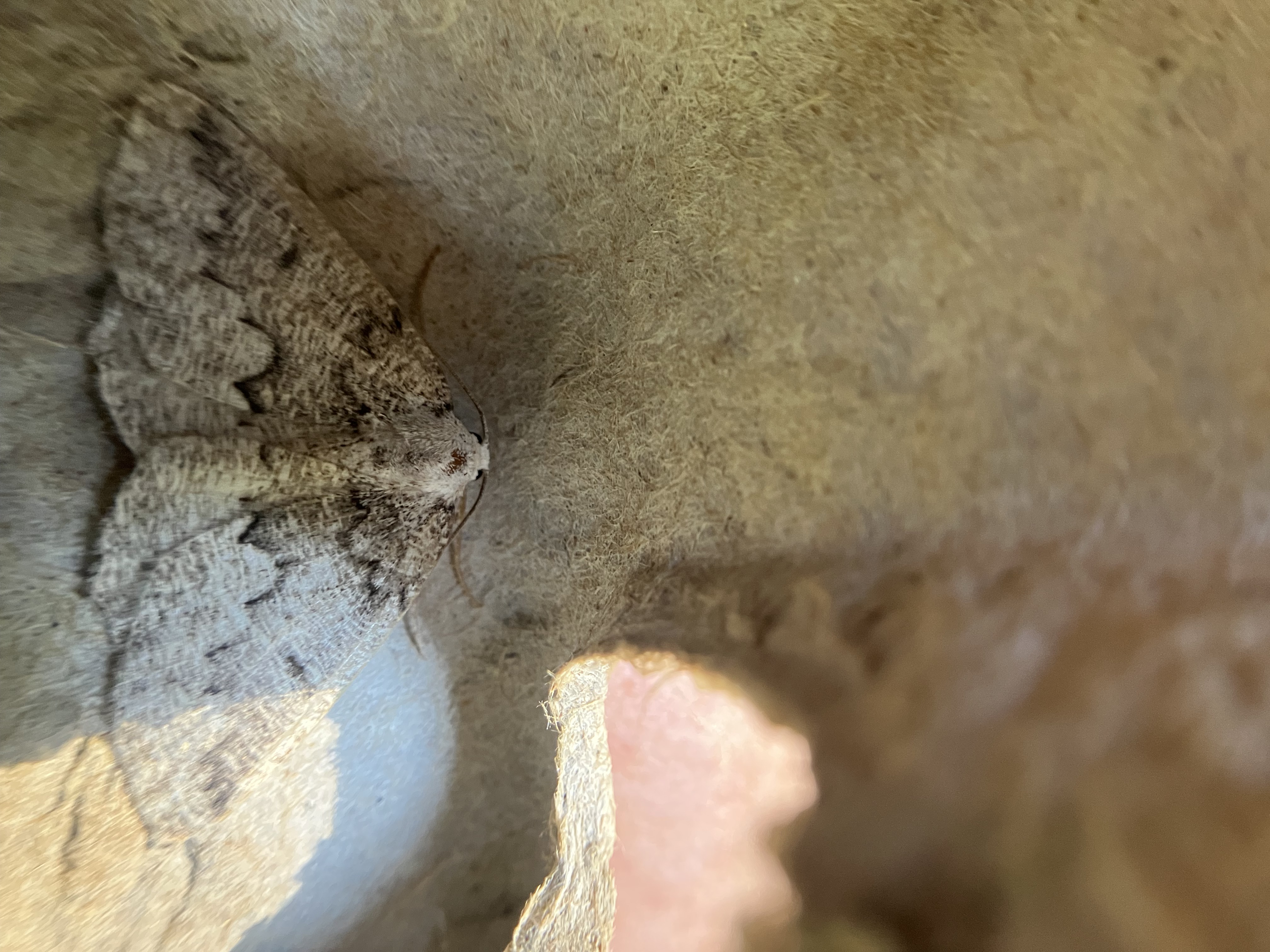
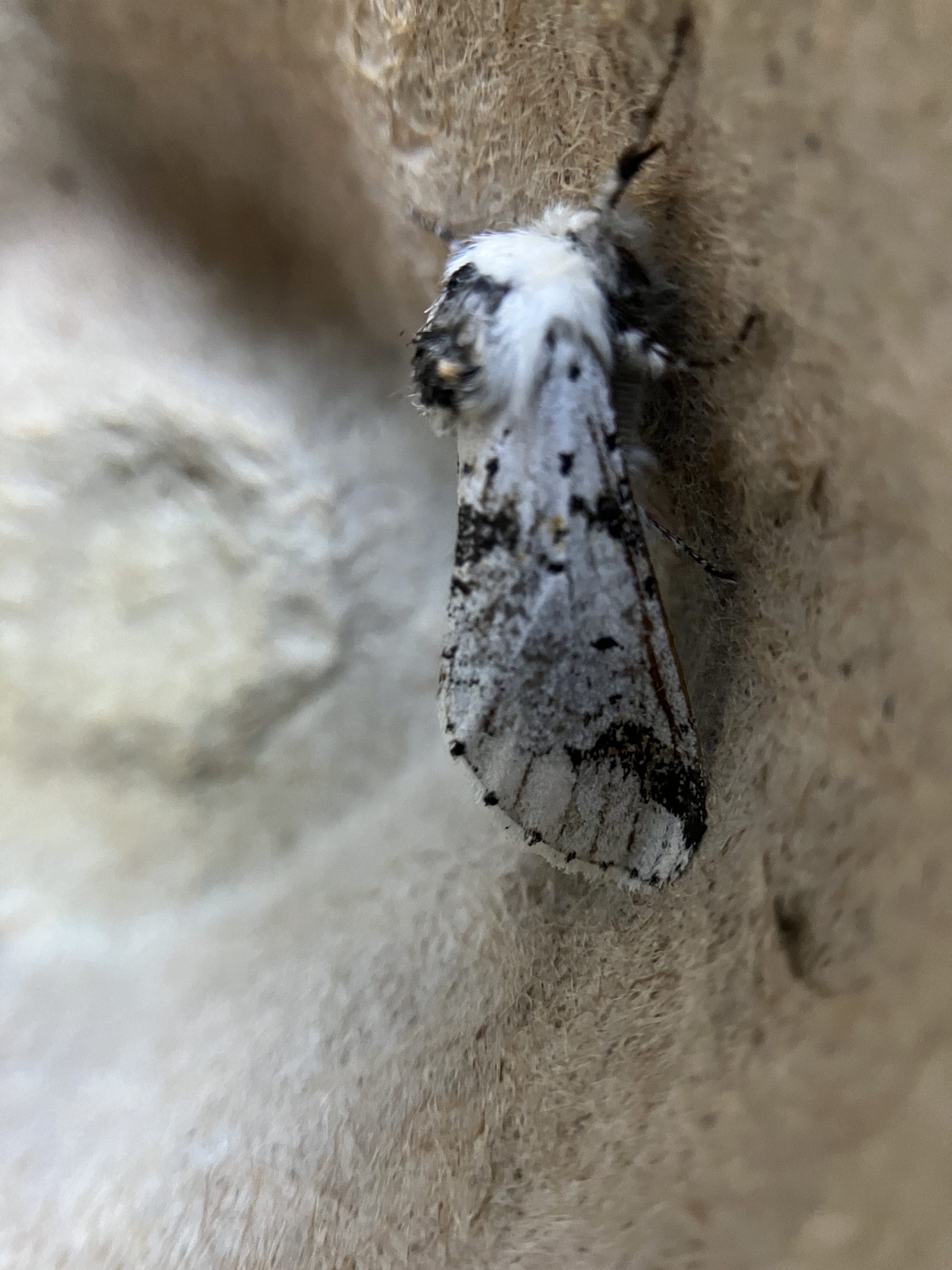
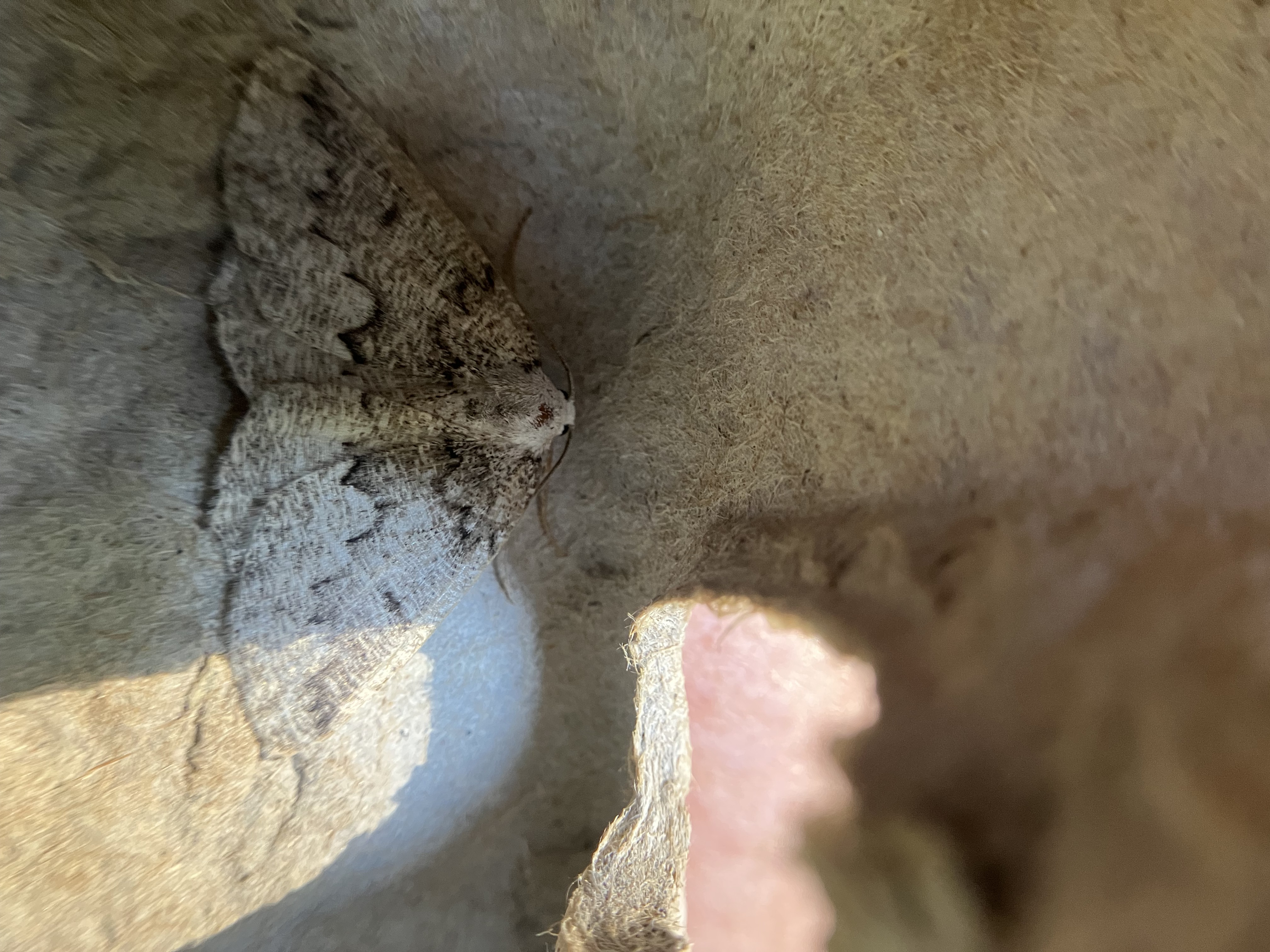
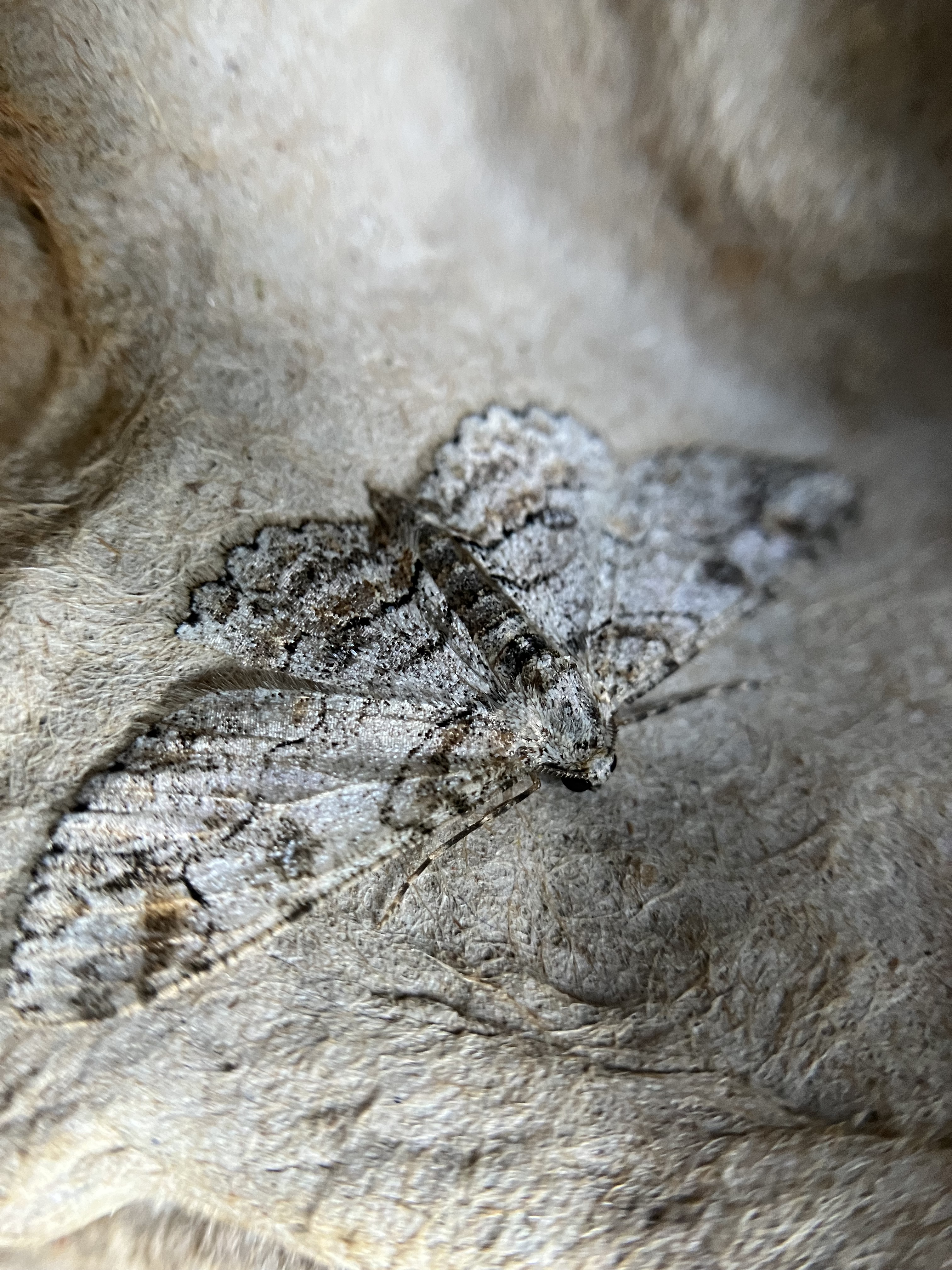
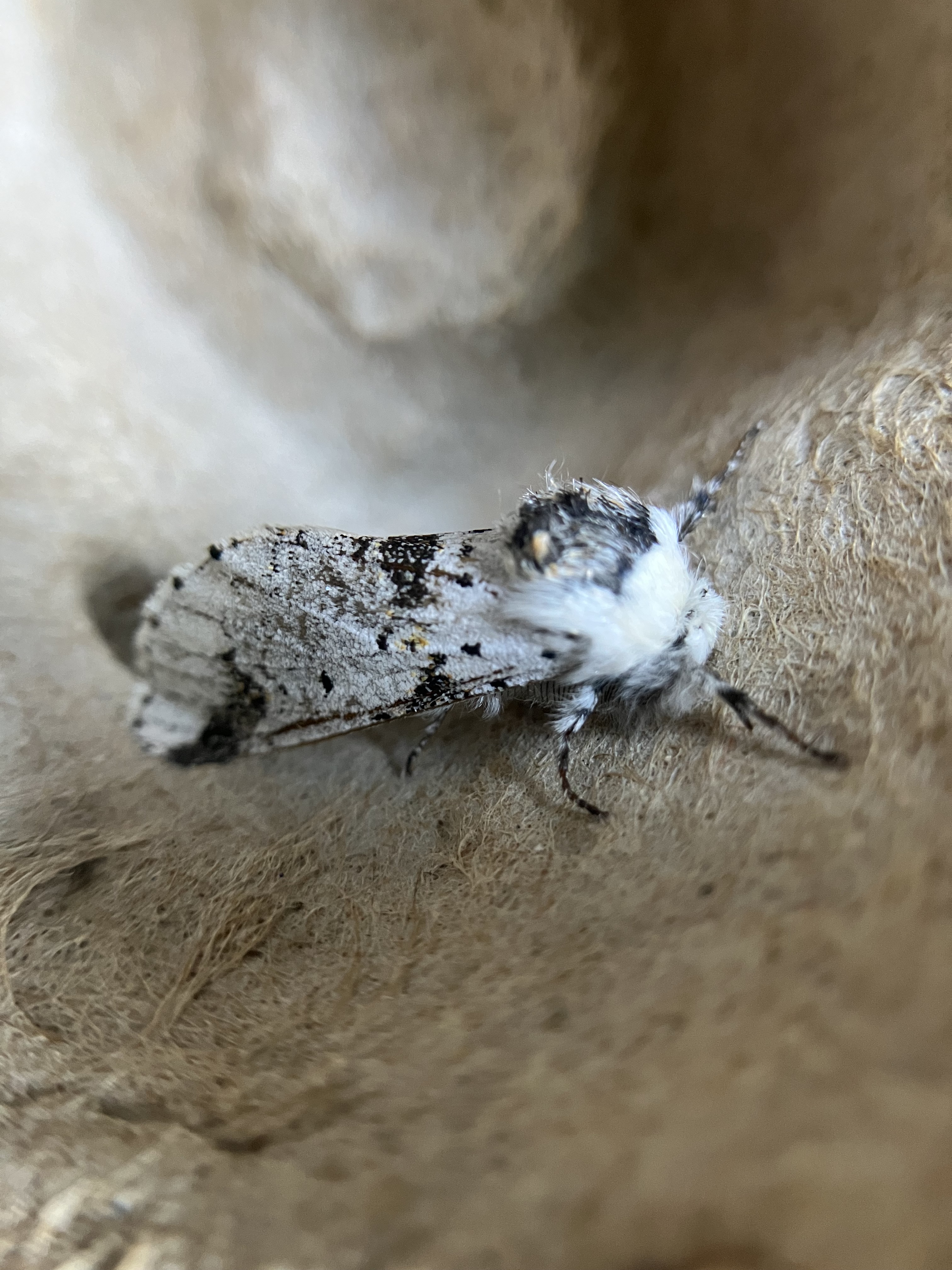
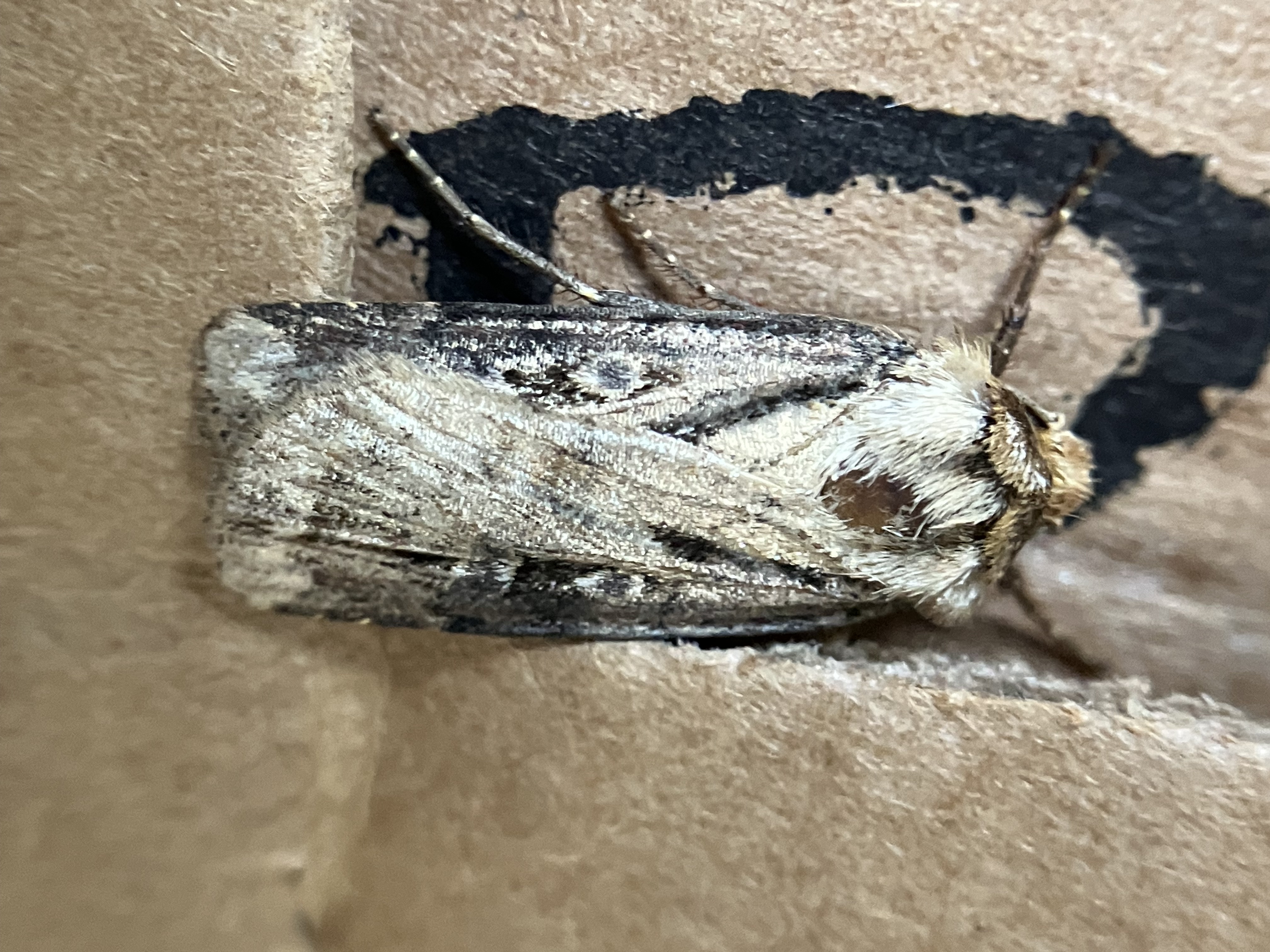
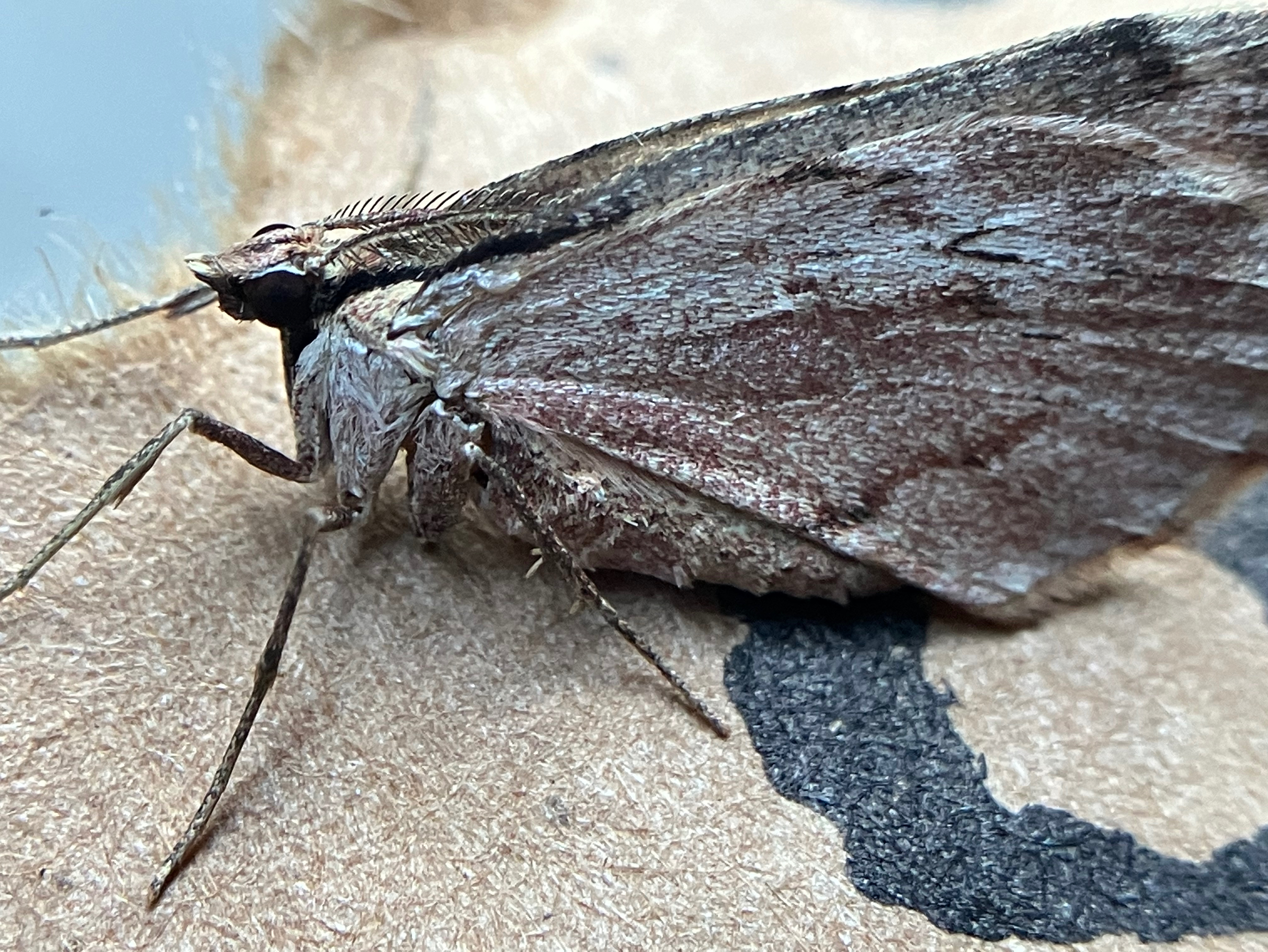
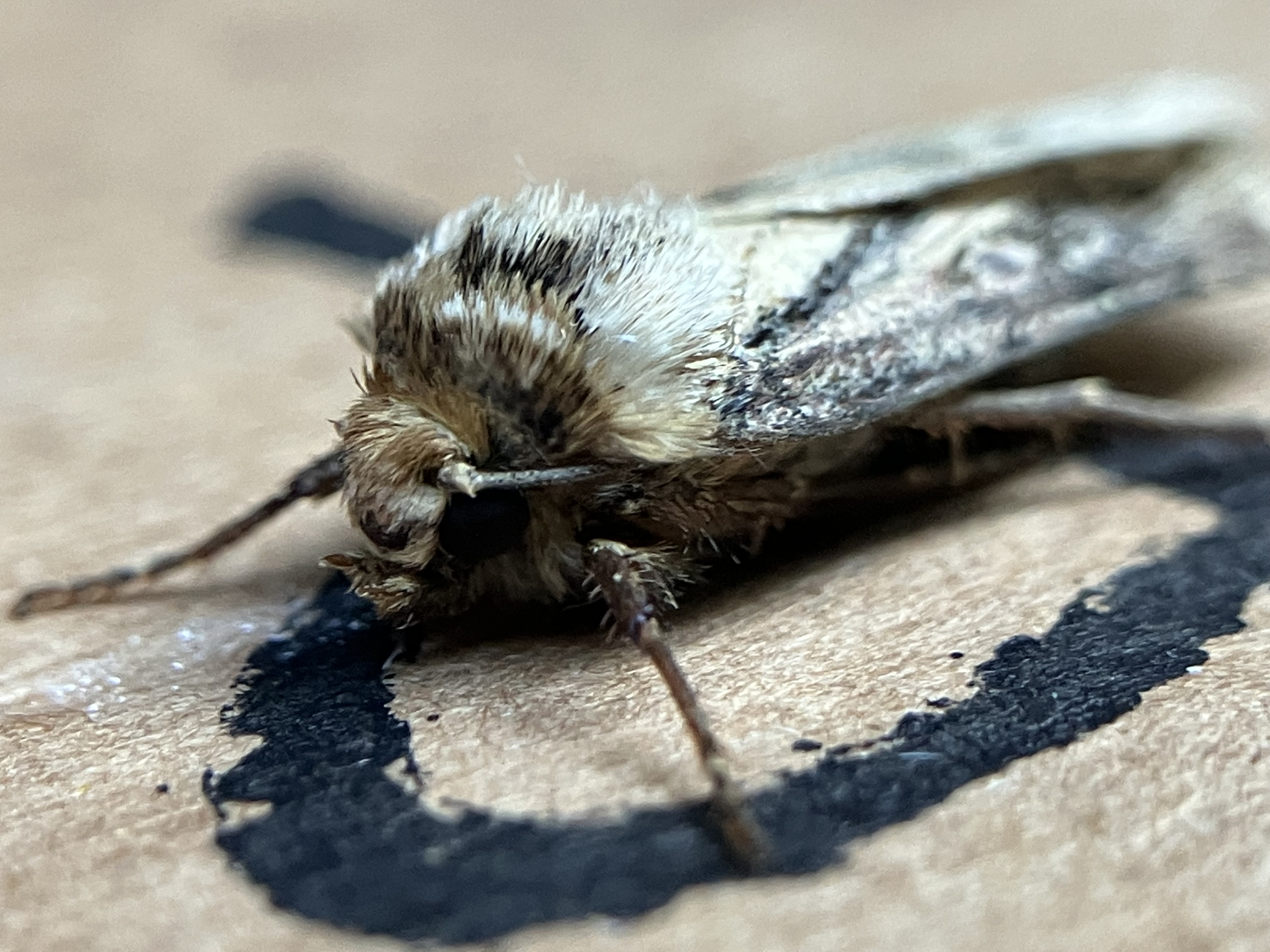
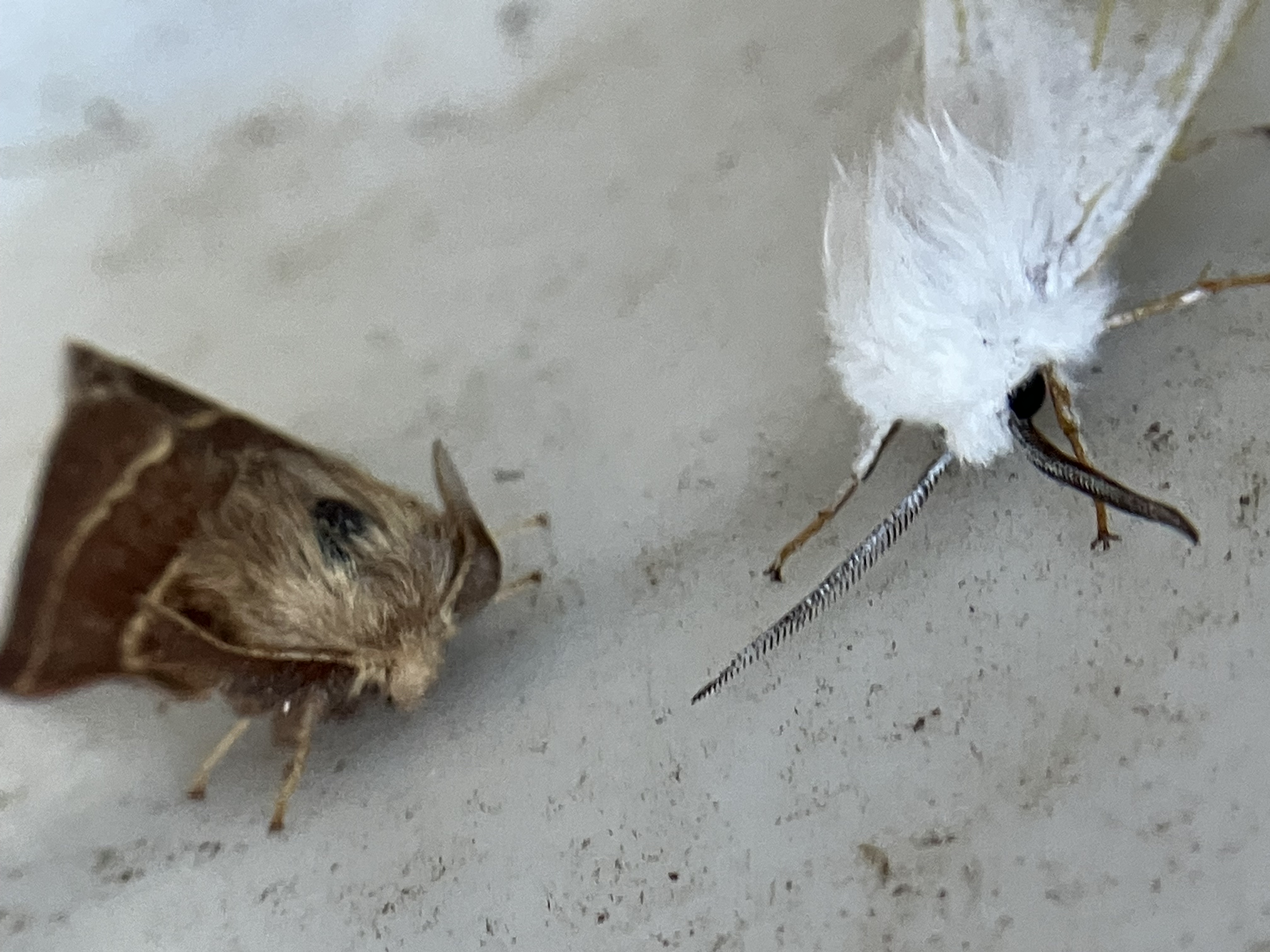
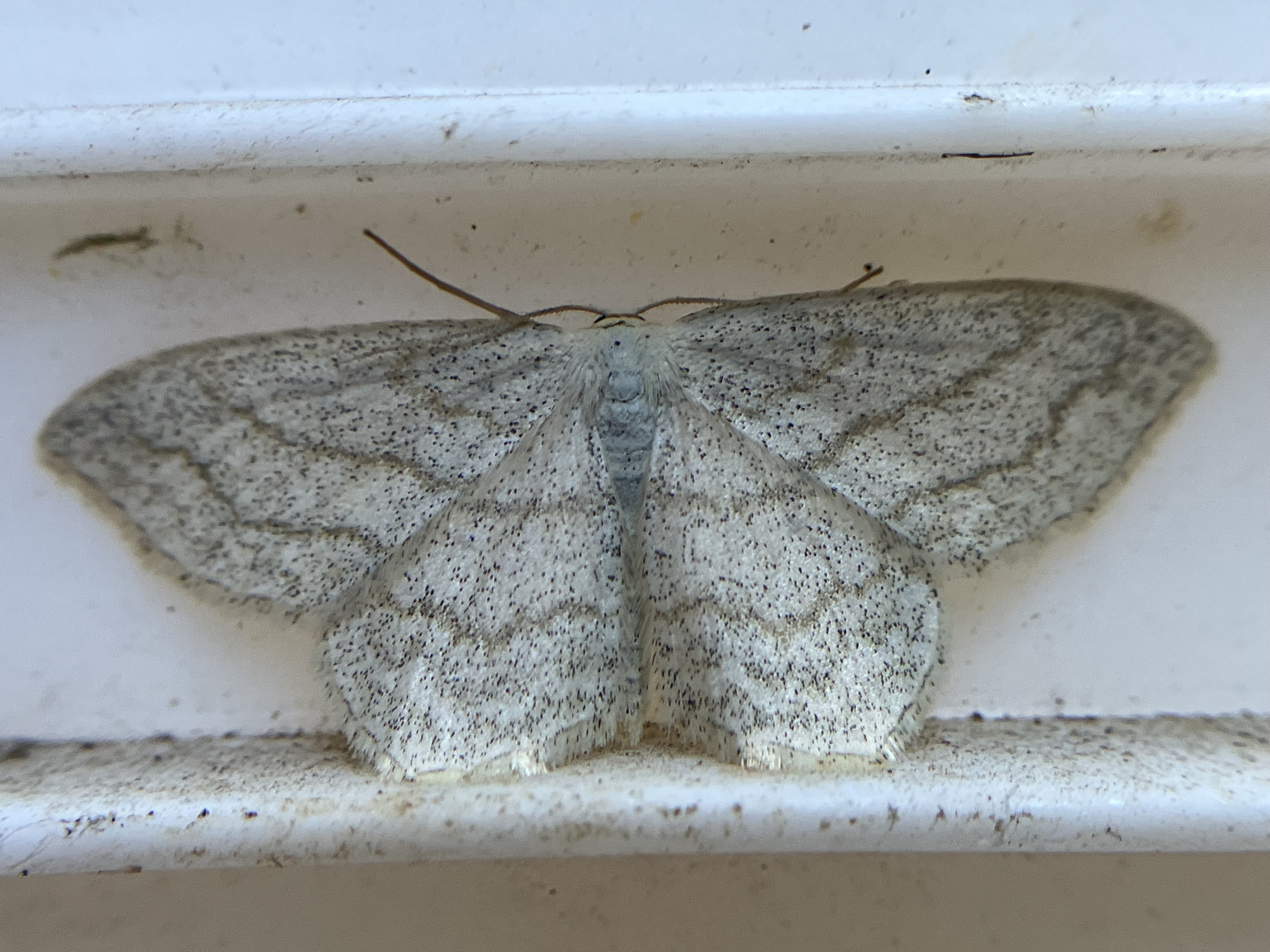
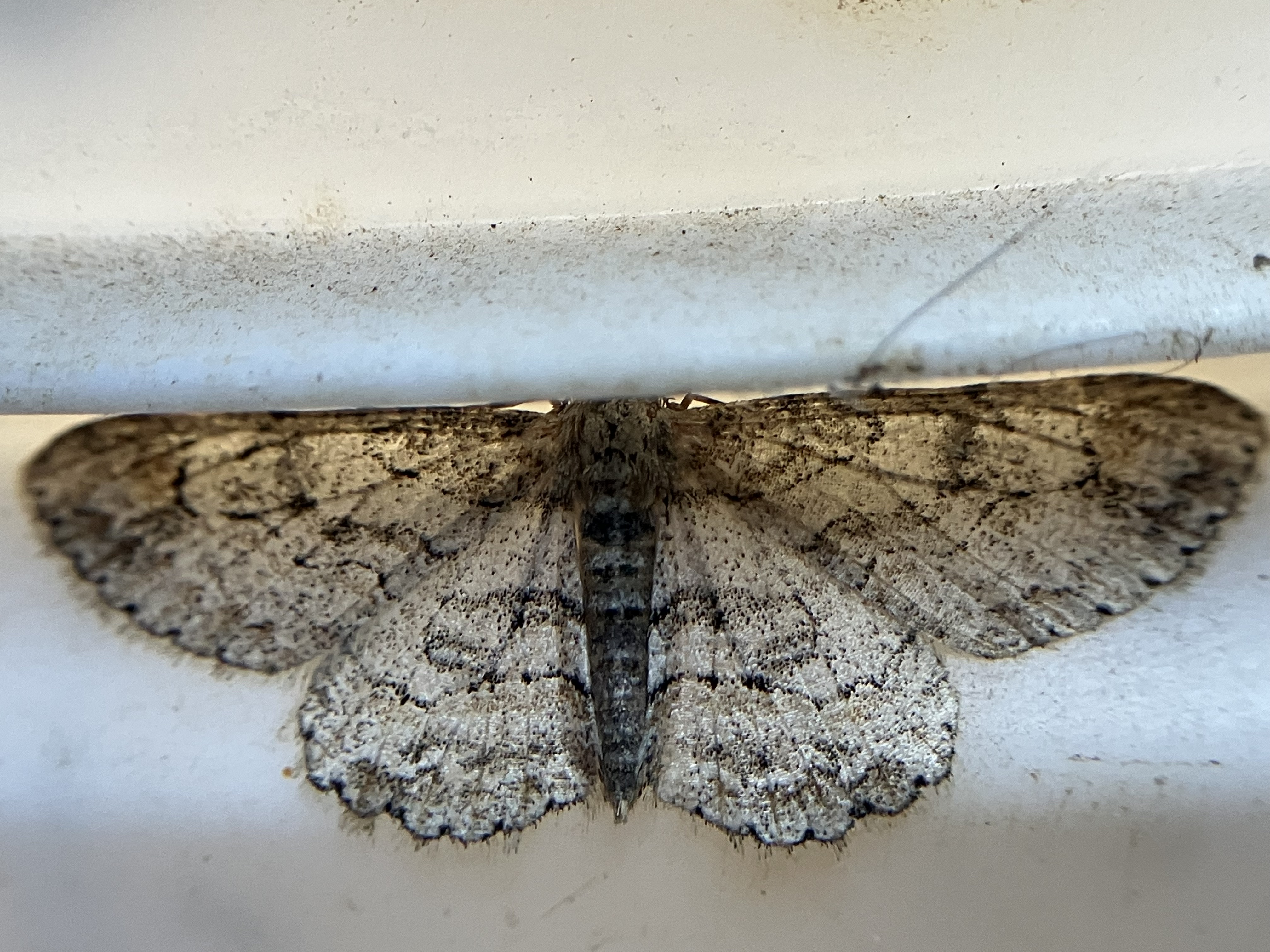
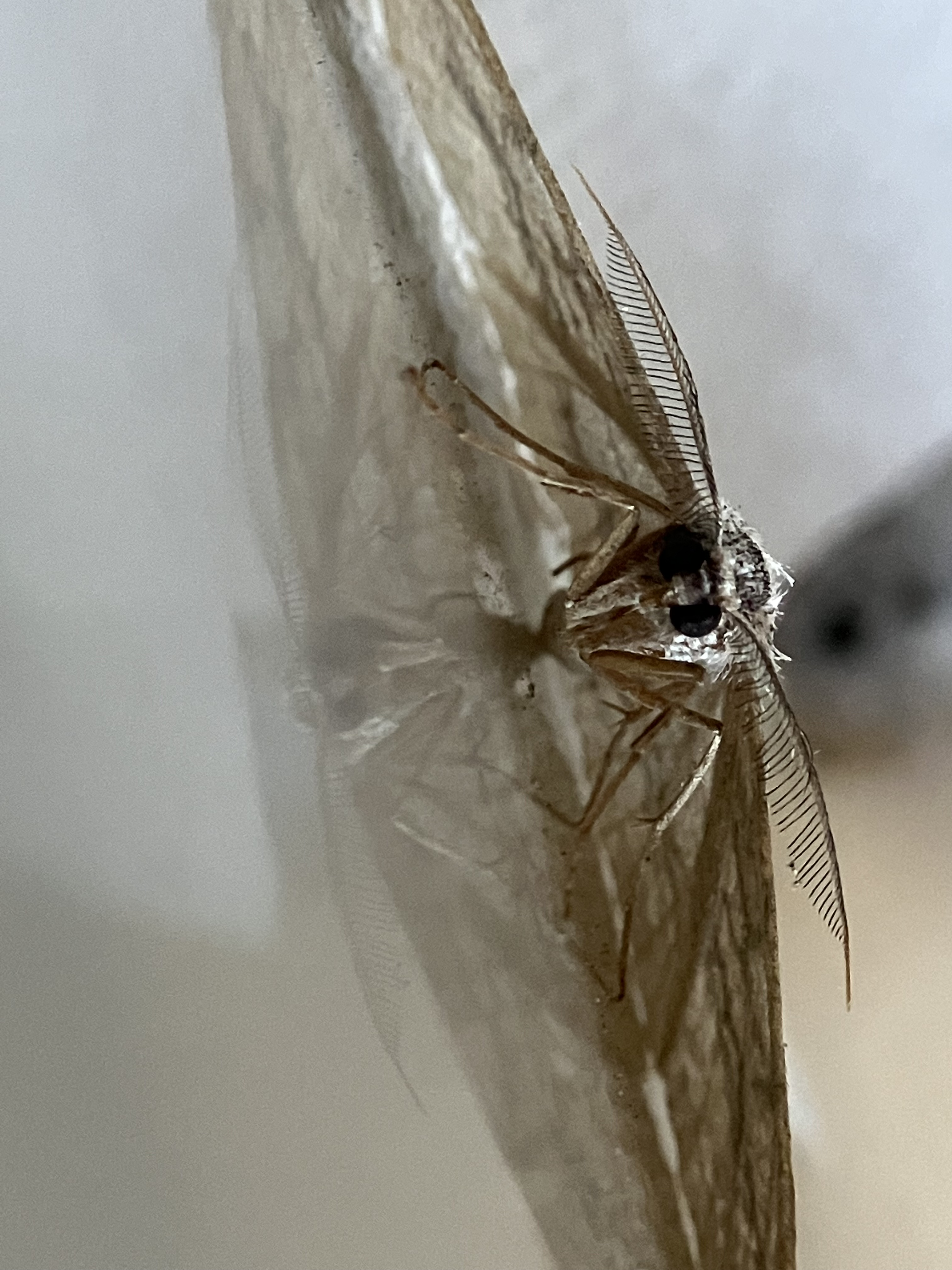
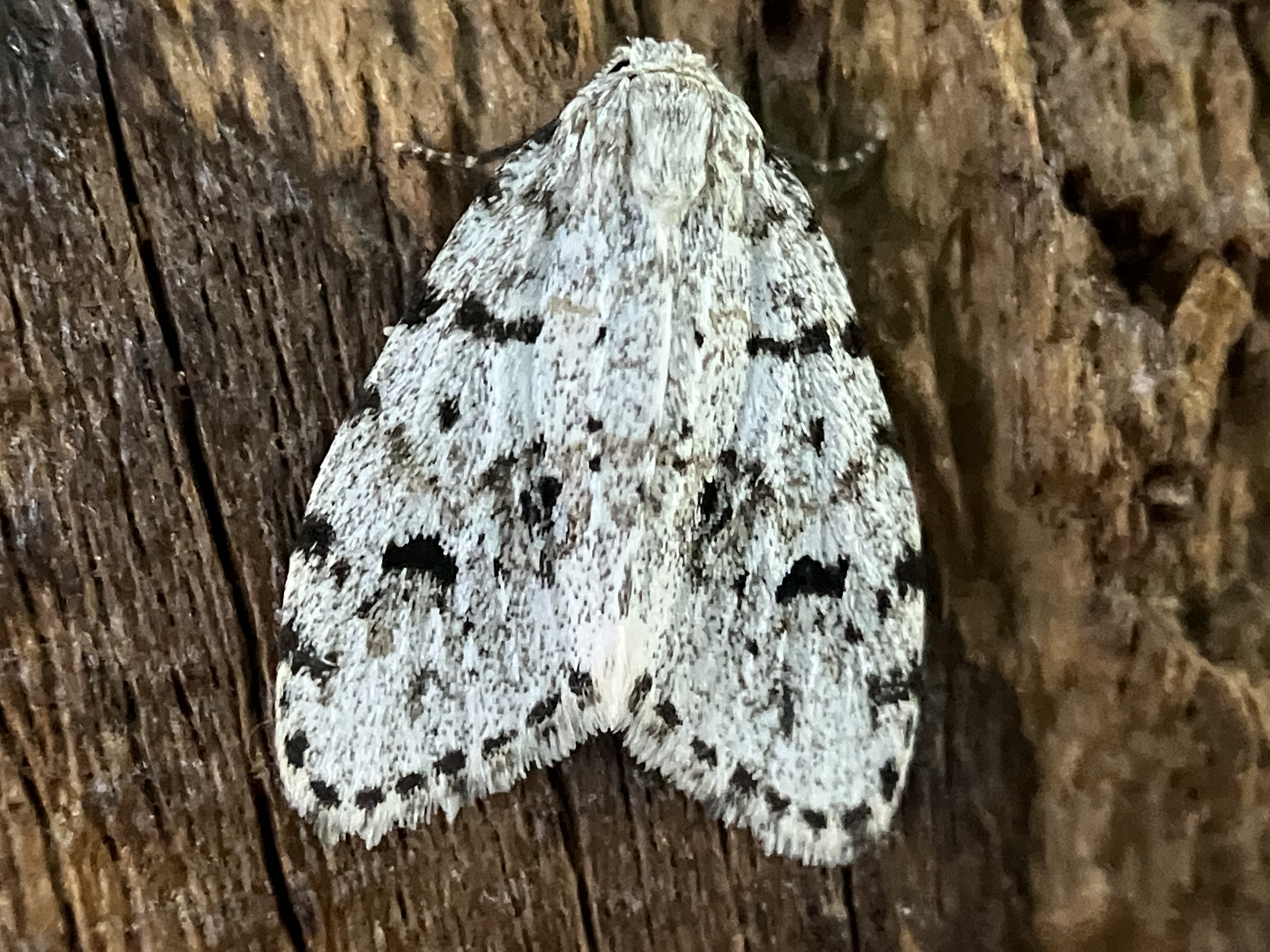
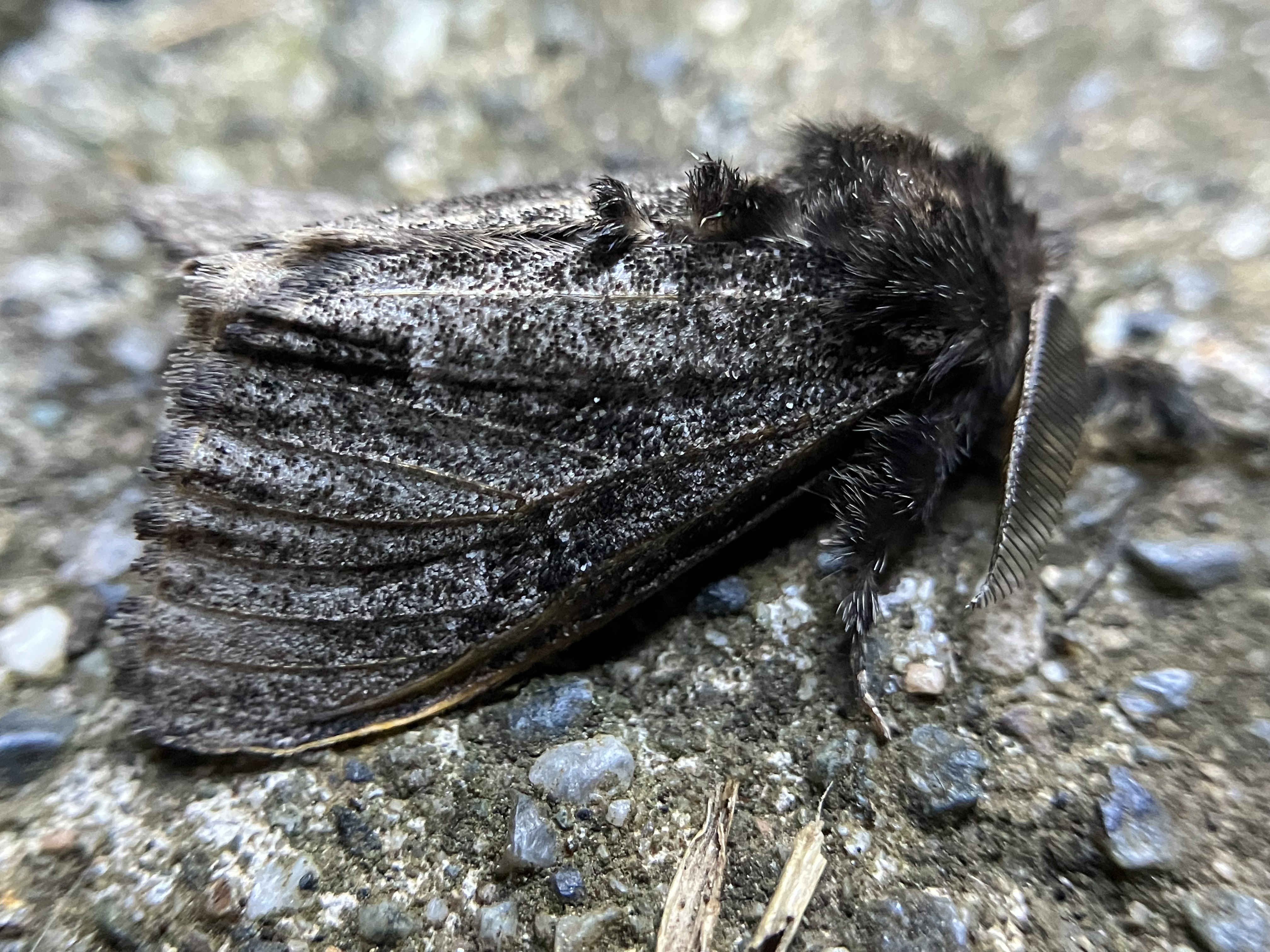
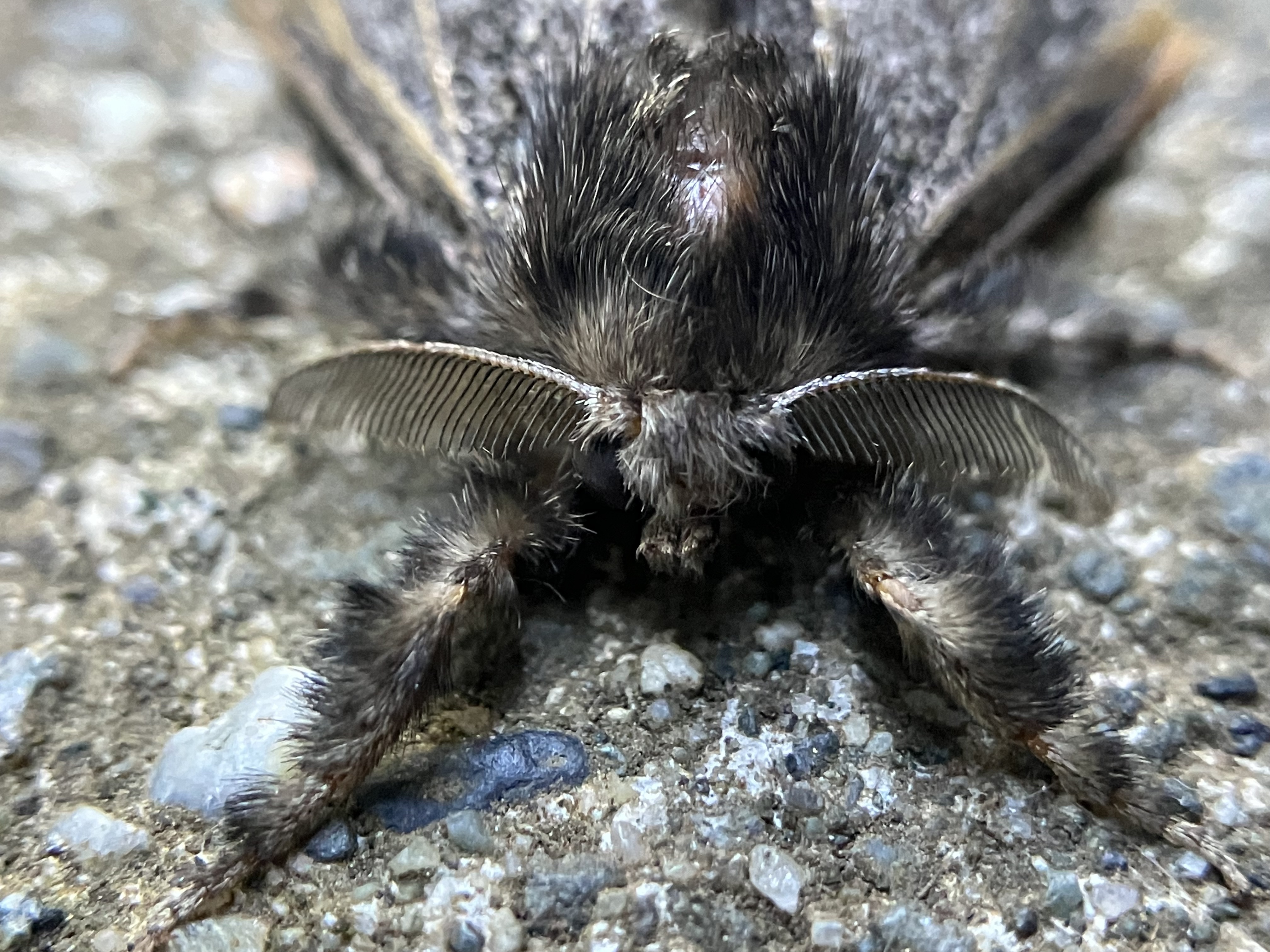
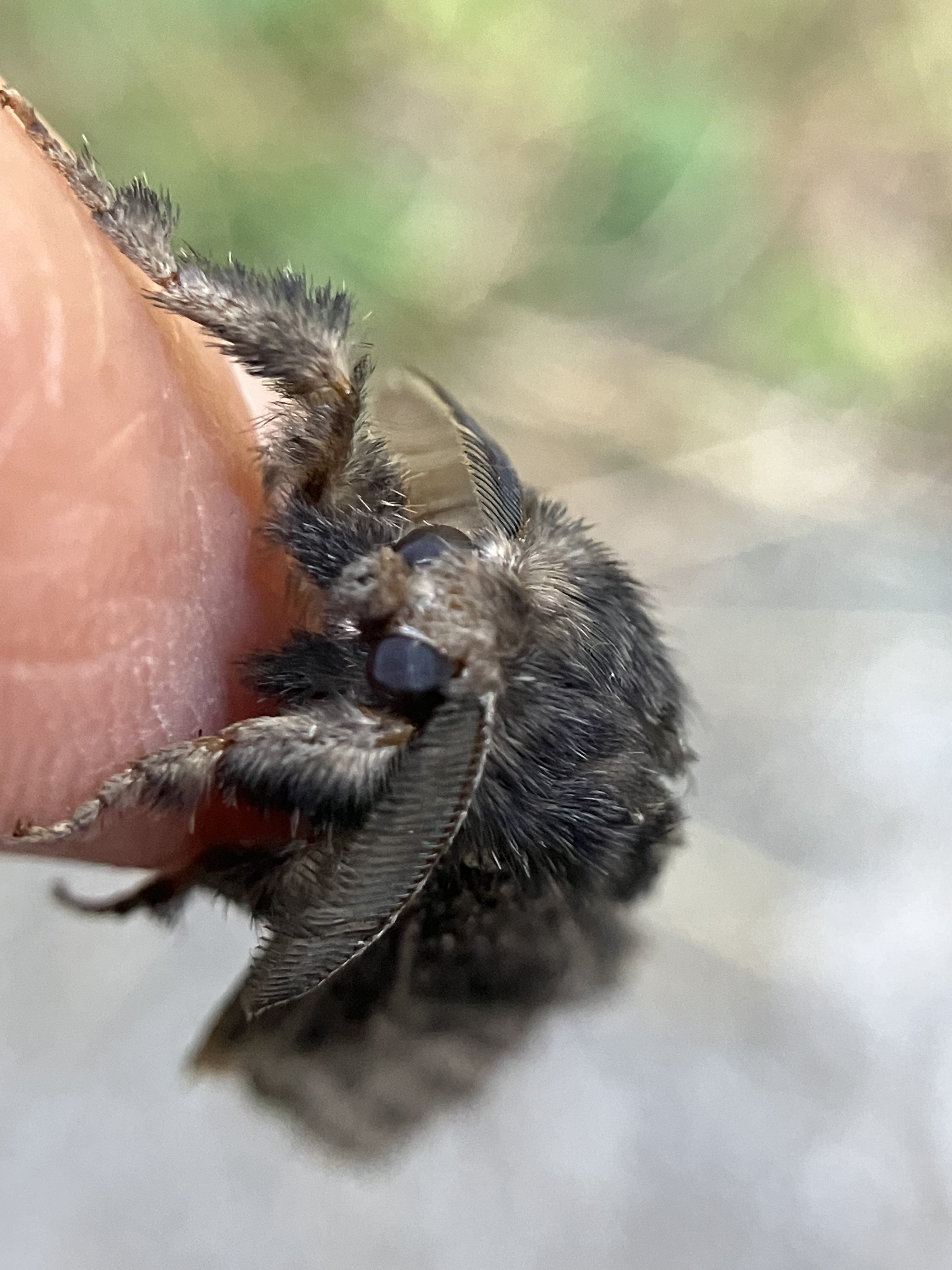
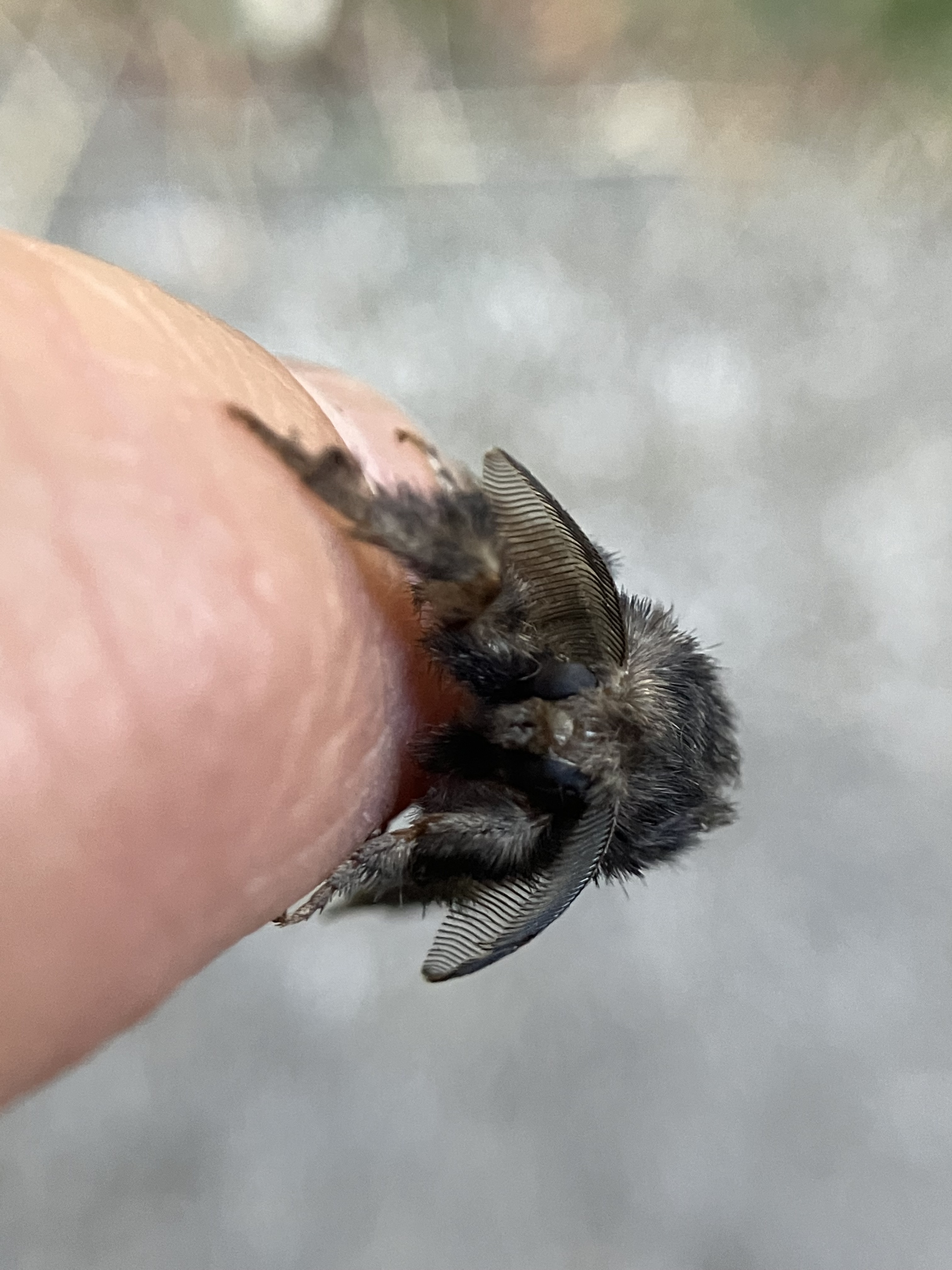
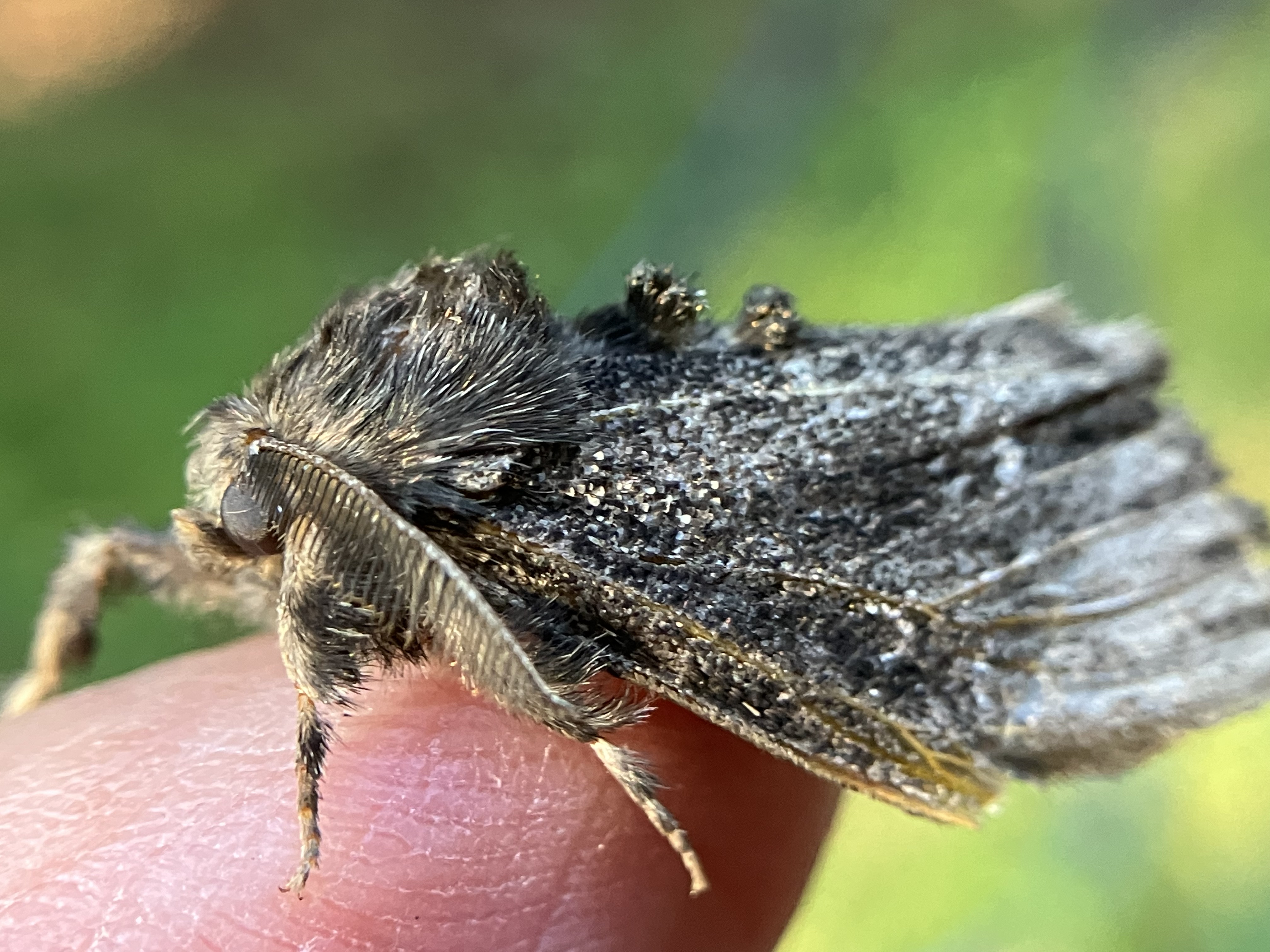
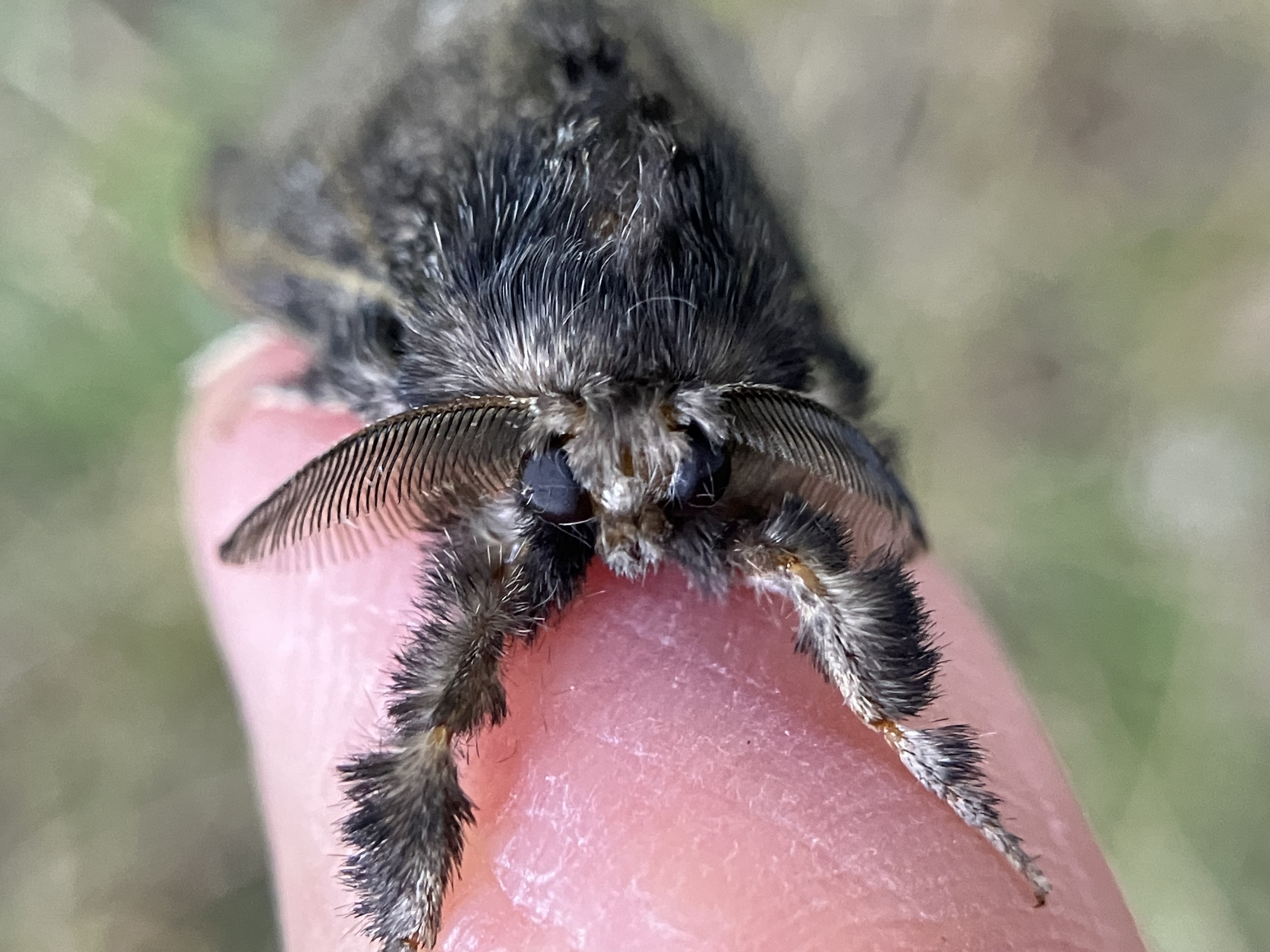
Bug Bucket Bug BucketBug Bucket with Egg Cartons for th moths to hide inside Northern Pacific Tree Frog (Pseudacis regilla)Pyrausta perrubralisNorthwestern Phoenix Moth (Eulithis xylina)Western Avocado Leafroller Moth (Amorbia cuneanum)Western Conifer Looper (Caripeta aequaliaria)Grass Moth Genus ScopariaDiplotaxis sp. Scarab BeetleSubfamily EnnominaeNorthern Pacific Tree Frog (Pseudacis regilla)Packards Girdle Moth (Sabulodes packardata)Northwestern Phoenix Moth (Eulithis xylina)Packards Girdle Moth (Sabulodes packardata)Packards Girdle Moth (Sabulodes packardata)Zigzag Furcula Moth (Furcula scolopendrina)Packards Girdle Moth (Sabulodes packardata)Iridopsis emasculatum I believeZigzag Furcula Moth (Furcula scolopendrina)Agrotis sp. , Family NoctuidaeAgrotis sp. , Family NoctuidaeStamnoctenis sp. , Family GeometridaeAgrotis sp. Stamnoctenis sp. GeometridaeWestern Tent Moth (Malacosoma californicum) left, and Virginia Tiger Moth (Spilosoma virginica) rightPale Marked Angle (Macaria signaria)Unknown, but cute!Simple Wave (Scopula junctaria)EnnonominaeGenus IridopsisTribe BoarmiiniKnot Horn Moth (Subfamily Phycitinae) – family PyralidaeUnknown, but check out the reflection in the image.Little White Lichen Moth (Clemensia albata)Erebidae, and Dasychira grisefacta, I believe. Erebidae, and Dasychira grisefacta, I believe. Erebidae, and Dasychira grisefacta, I believe. Erebidae, and Dasychira grisefacta, I believe. Erebidae, and Dasychira grisefacta, I believe. Erebidae, and Dasychira grisefacta, I believe. Erebidae, and Dasychira grisefacta, I believe.
I believe this is Dasychira griefacta . It takes off somewhat awkwardly but made it up into a tall fir tree.
































 Bugging You From San Juan Island