We are getting closer to National Moth Week 2023 (July 22-30). I am continuing my head start. If you’ve been following along, you’ll see I am posting a daily gallery of what I’ve collected in my bug bucket with UVB light each night when I check the next morning.
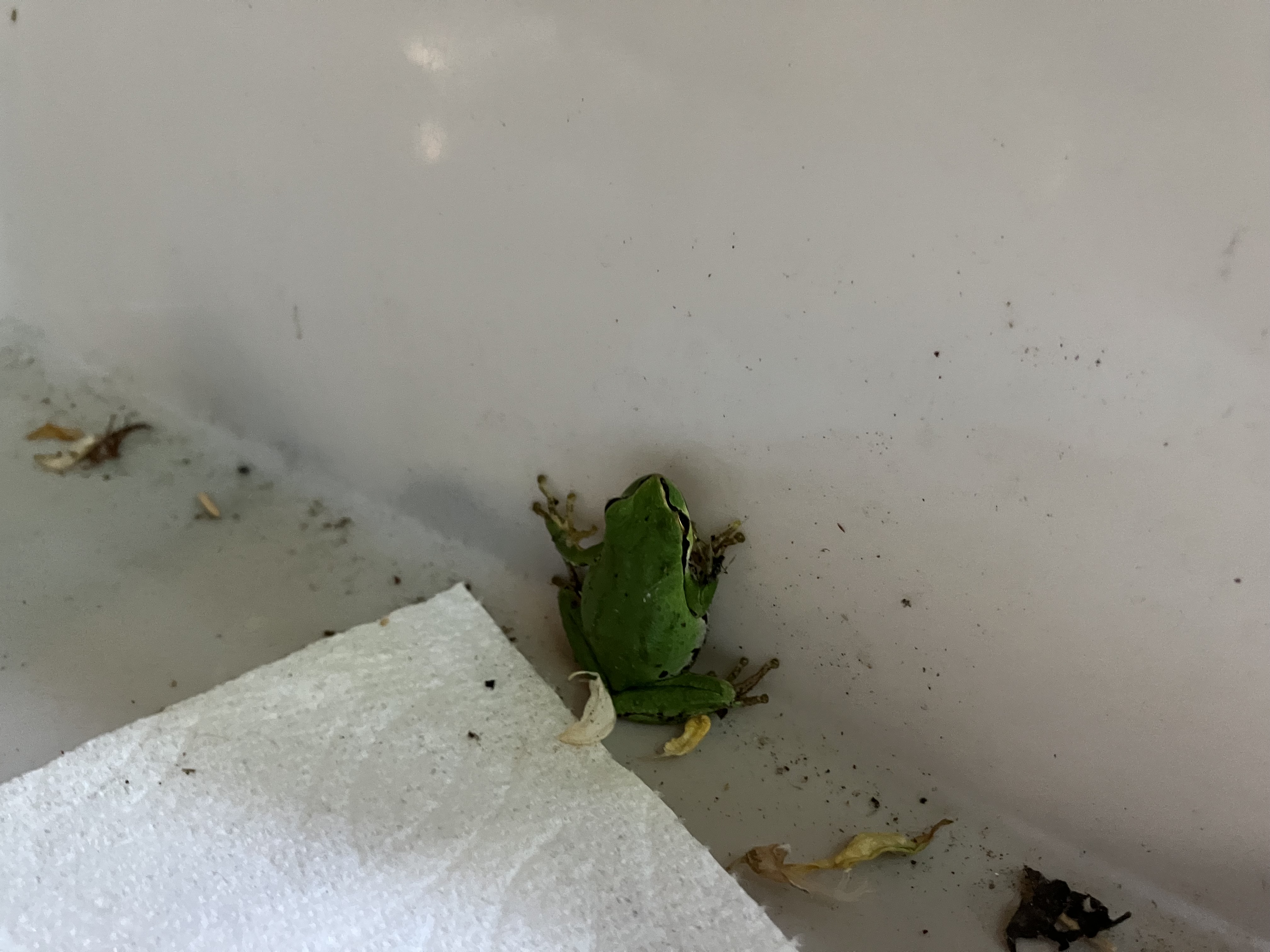
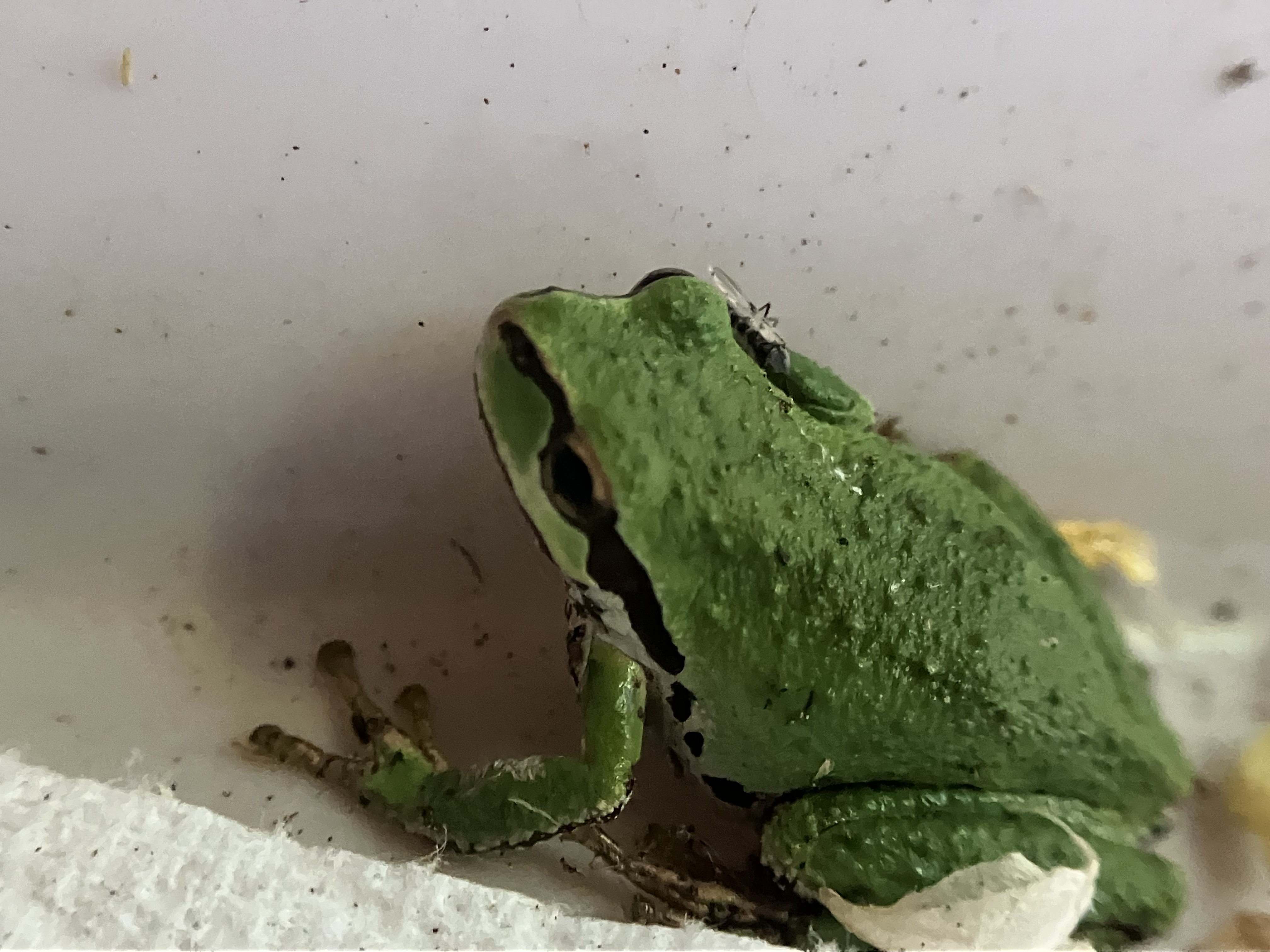
It took me a good while today to sit down and try to work out ID’s for my specimens. ALL specimens found in the bucket are handled with gentle care and safely released back into cryptic hiding spots to better avoid predation by birds, yellow jackets, and other predaceous insects. Probably add in spiders, though I have not seen many in this dry spell of weather we are having. I did have an unexpected guest show up in the bucket this morning. A frog. Yes, if you set the buffet up, the dinner guests will inevitably find it. 🐸
I’ll add the link to the National Moth Week website here https://nationalmothweek.org and if you are interested in participating and can’t figure out what you need to do or need advice on how to MOTH, feel free to reach out. Check out the gallery below and thanks for stopping by!
Gallery
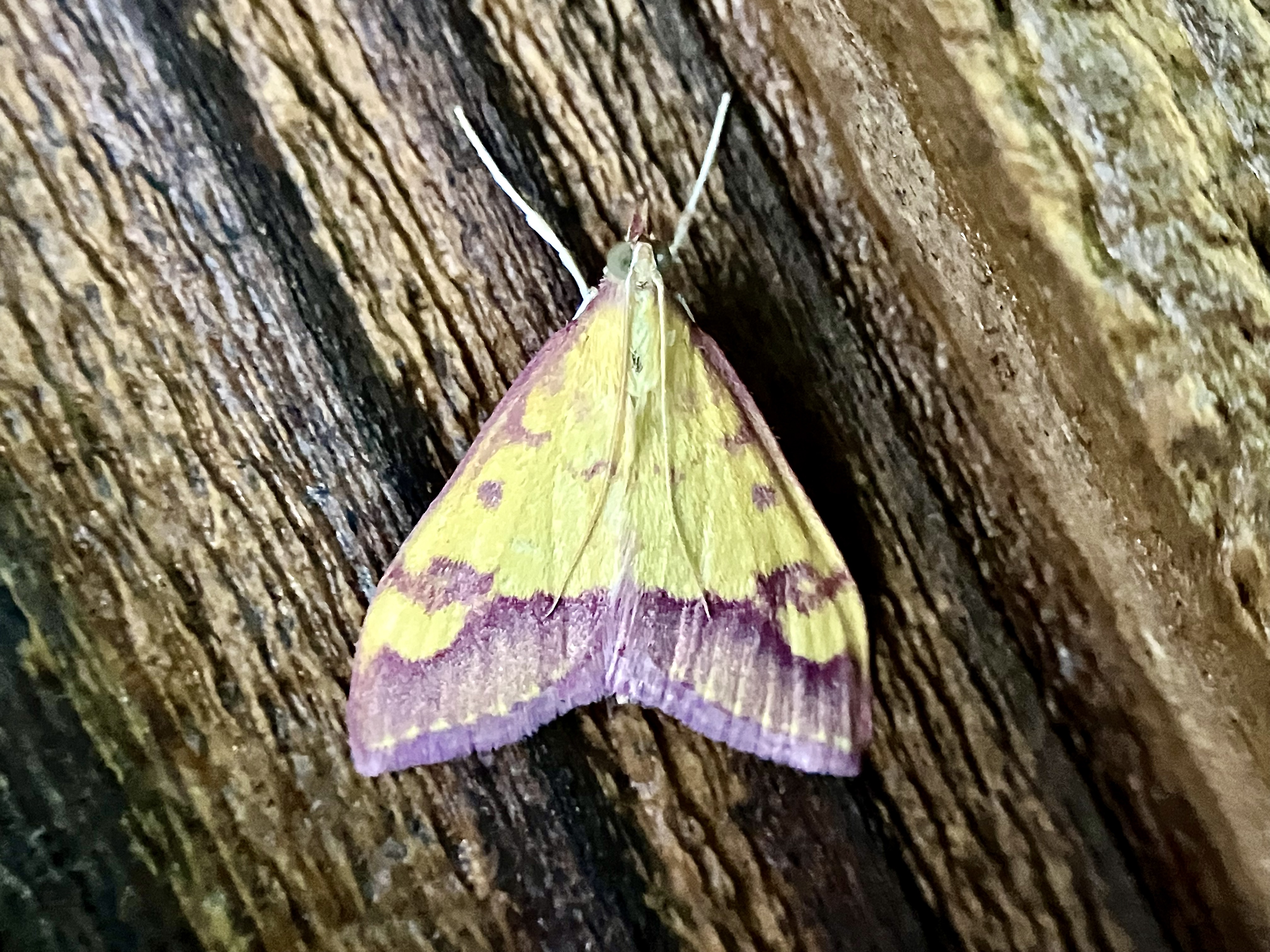
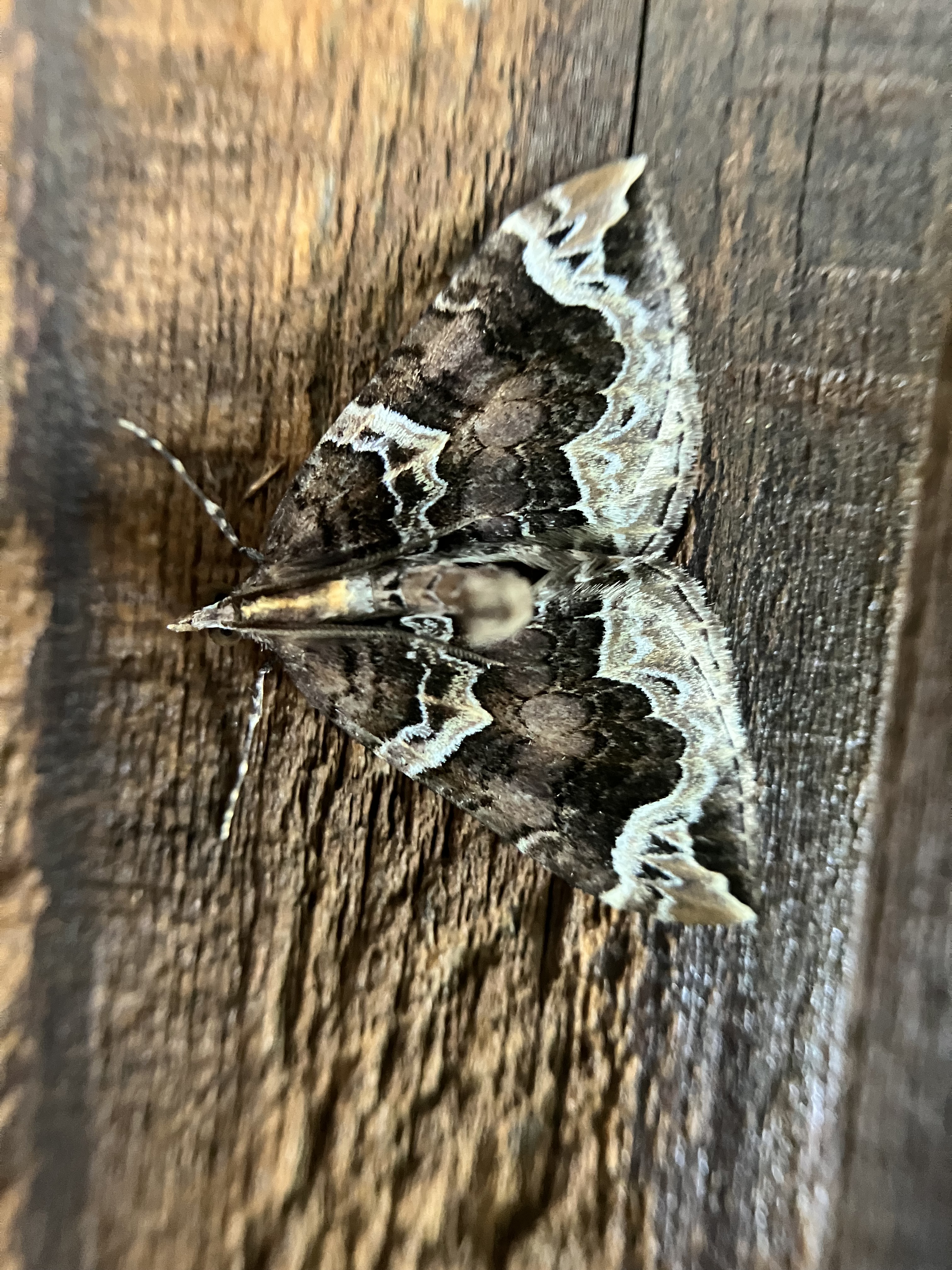
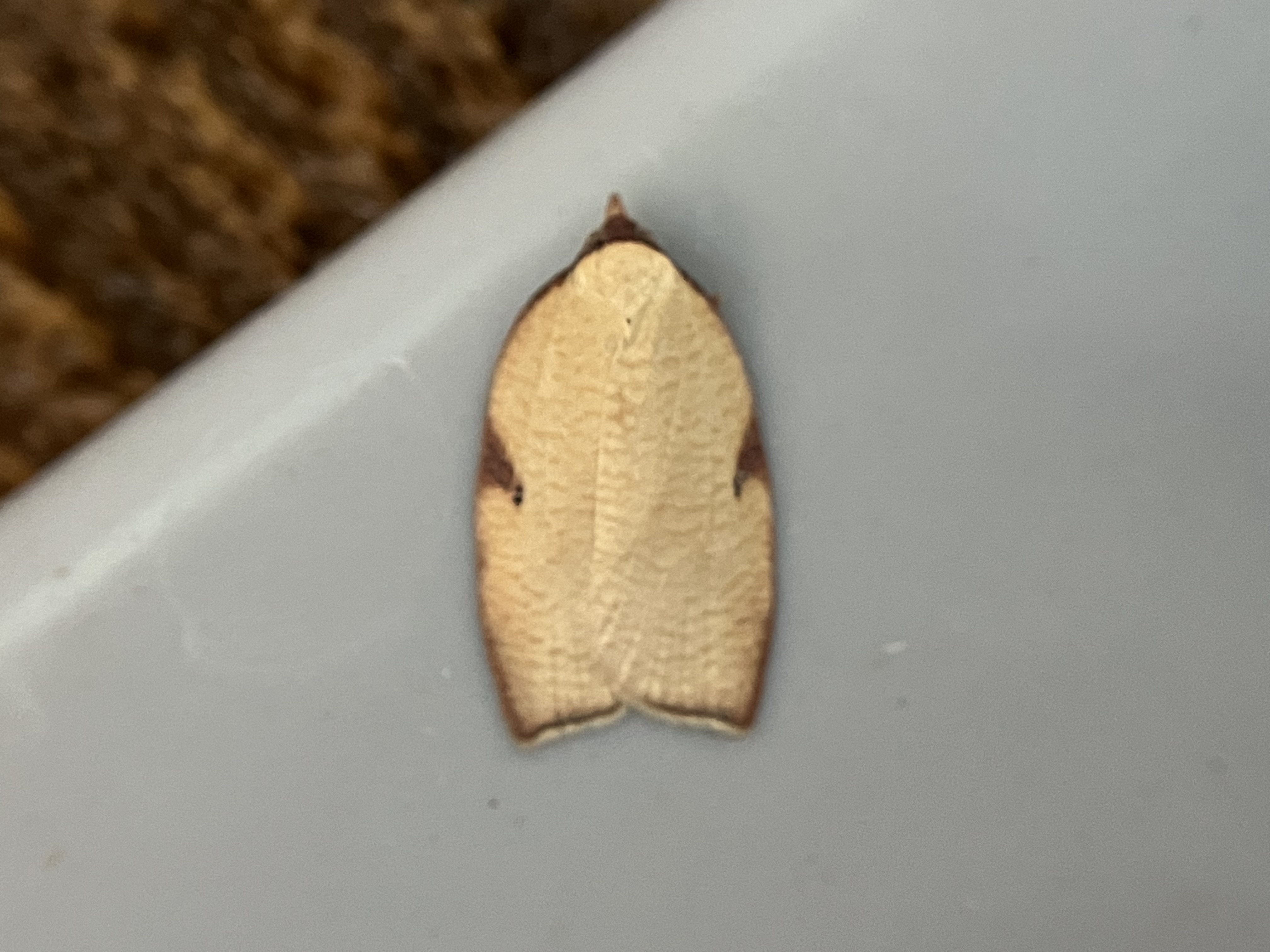
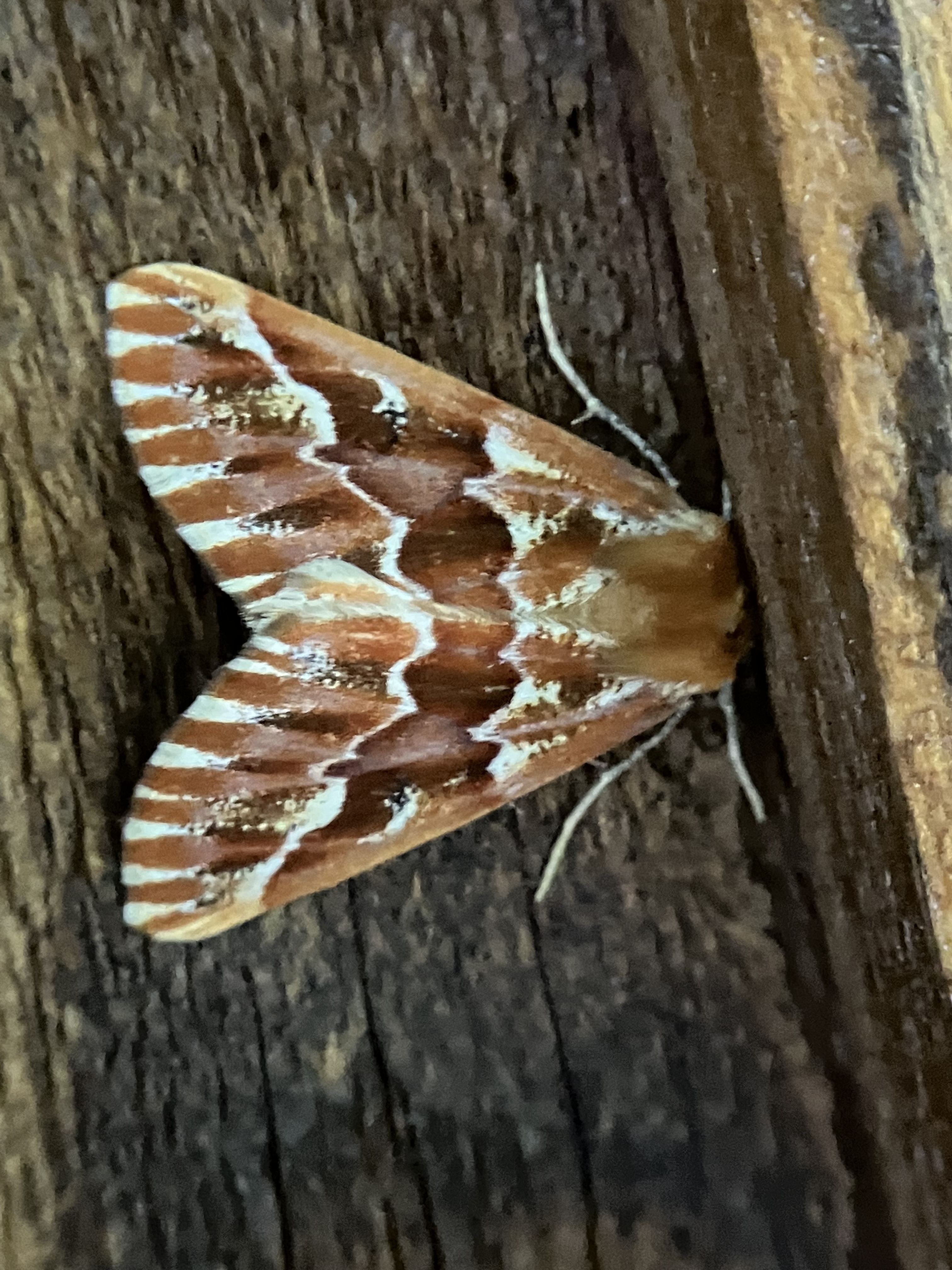
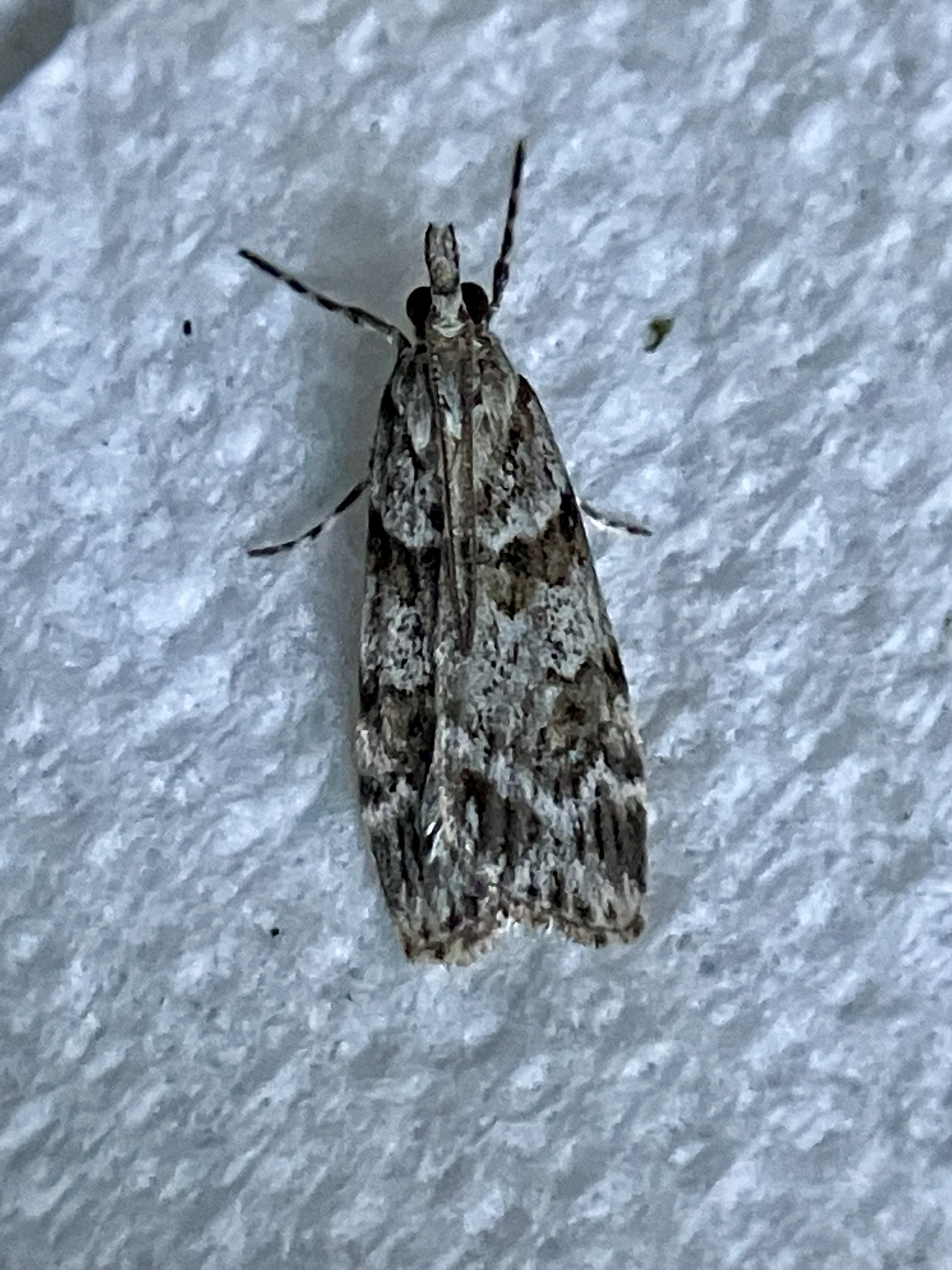
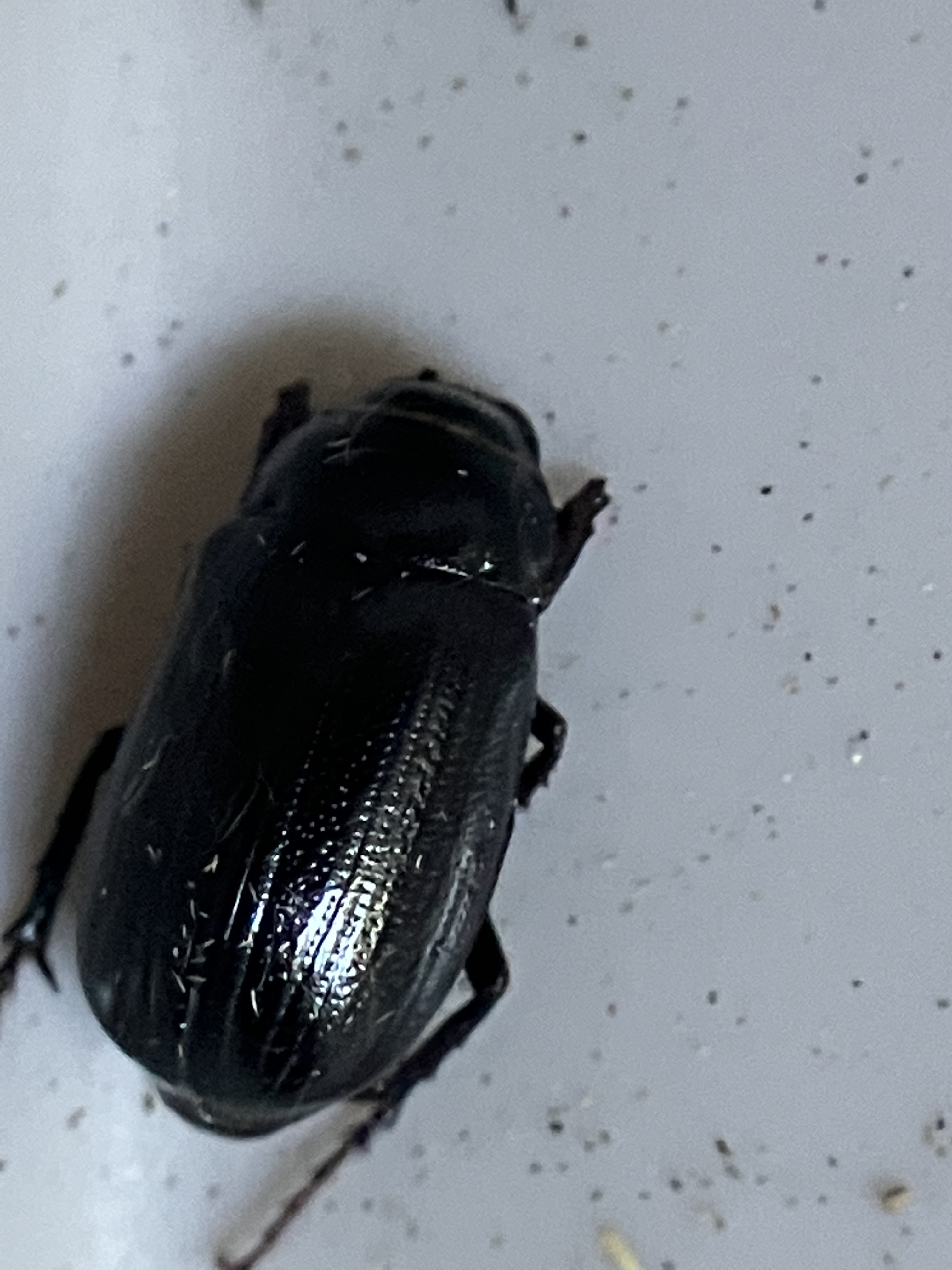
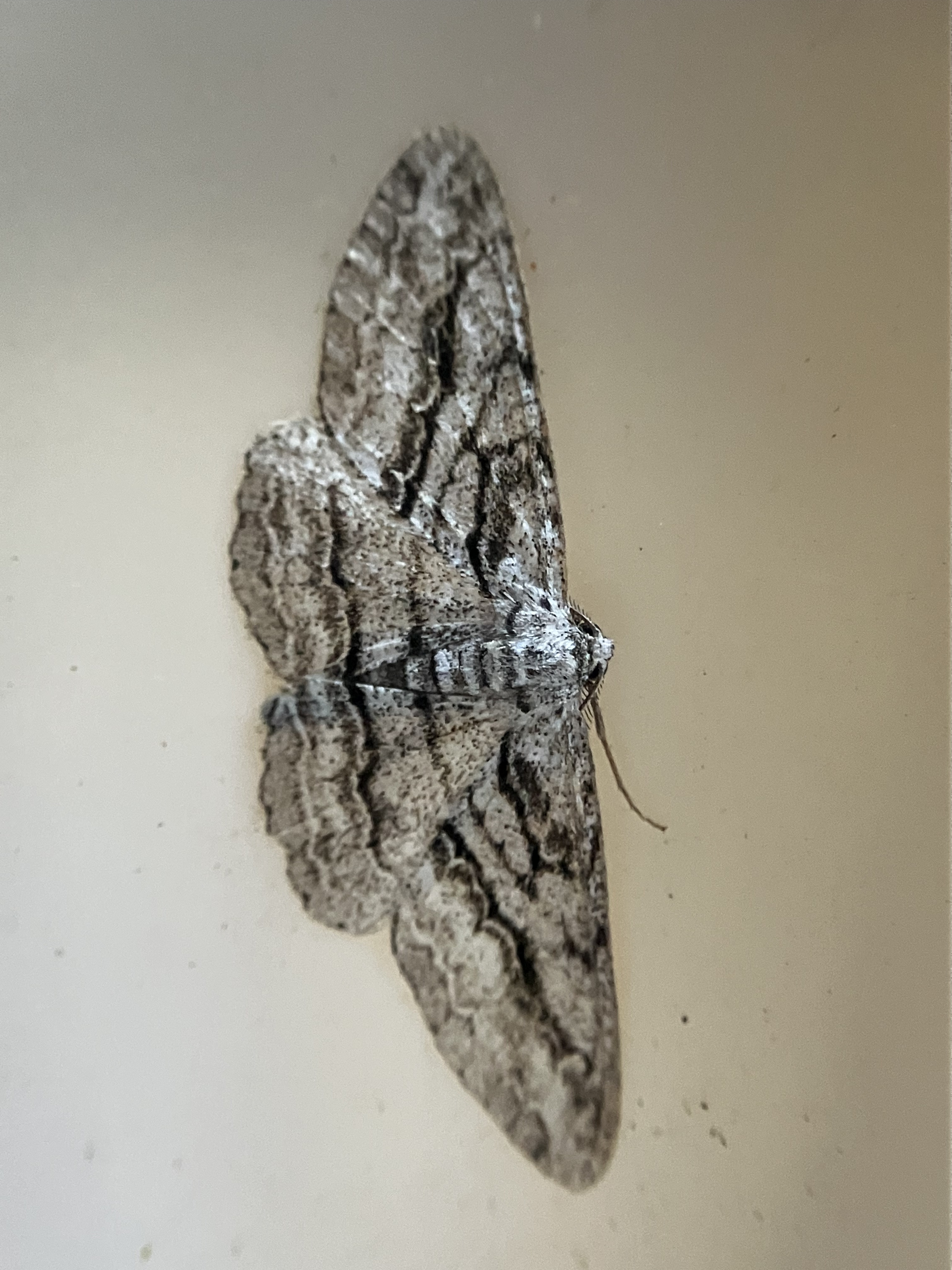
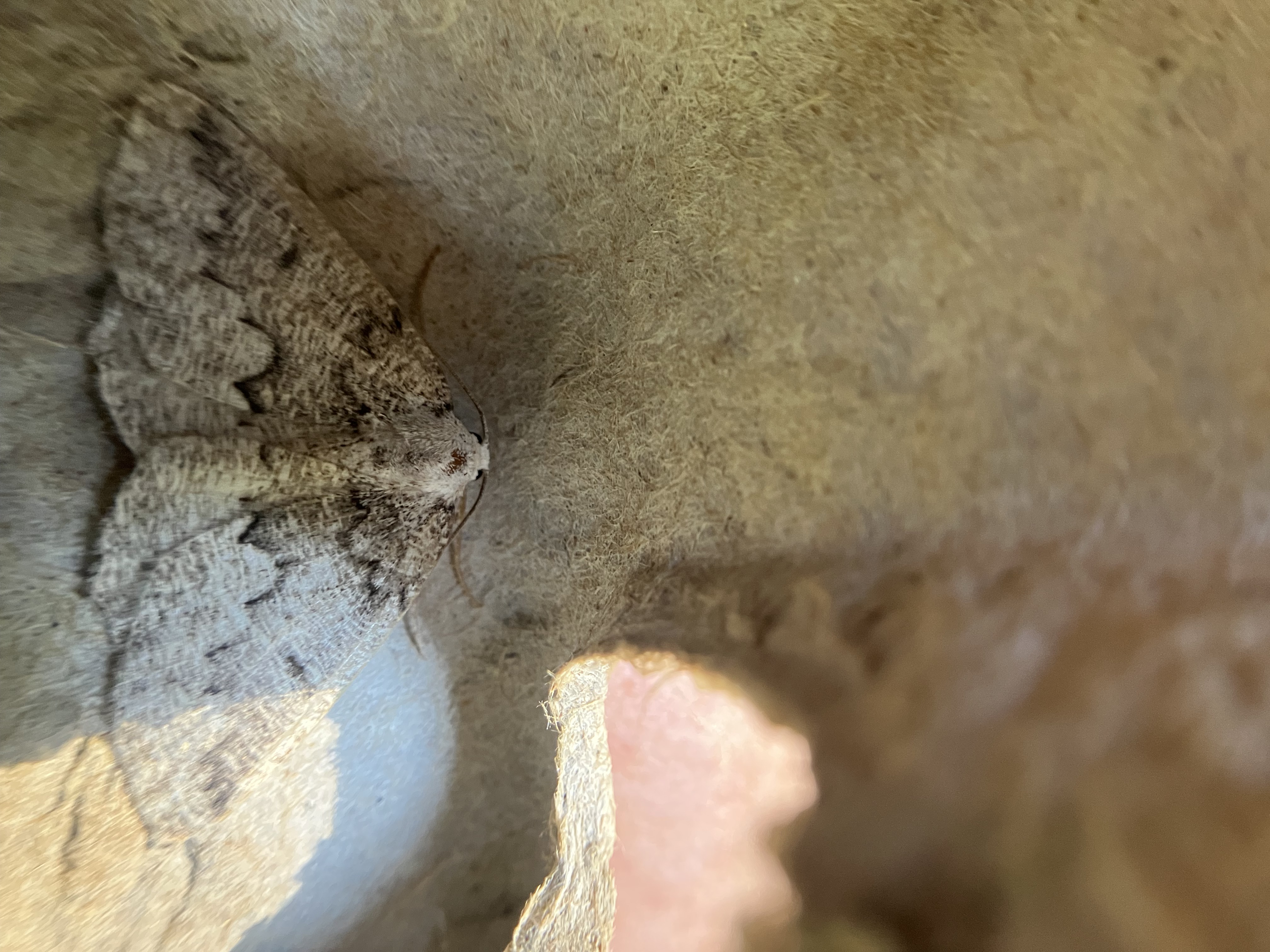
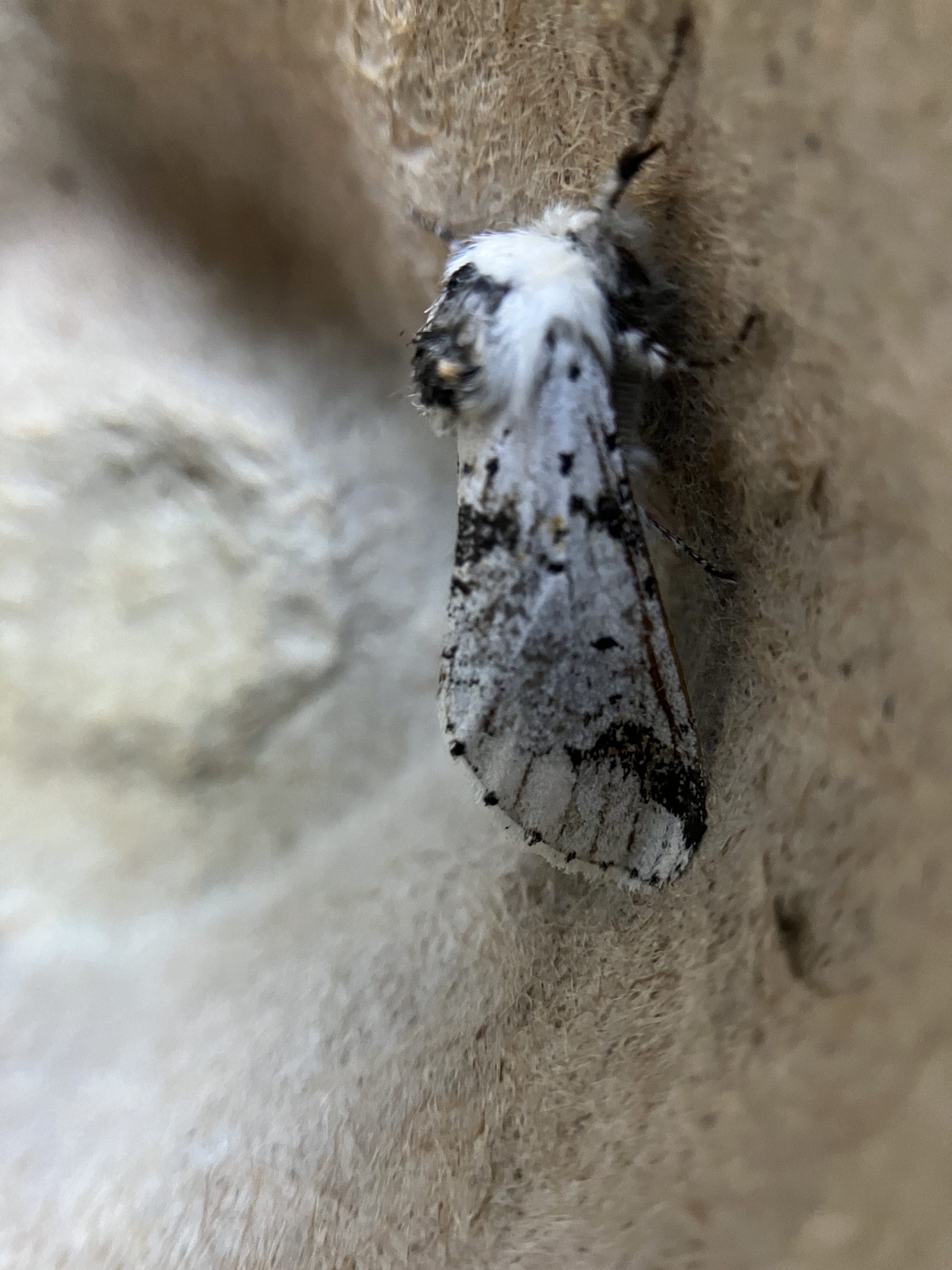
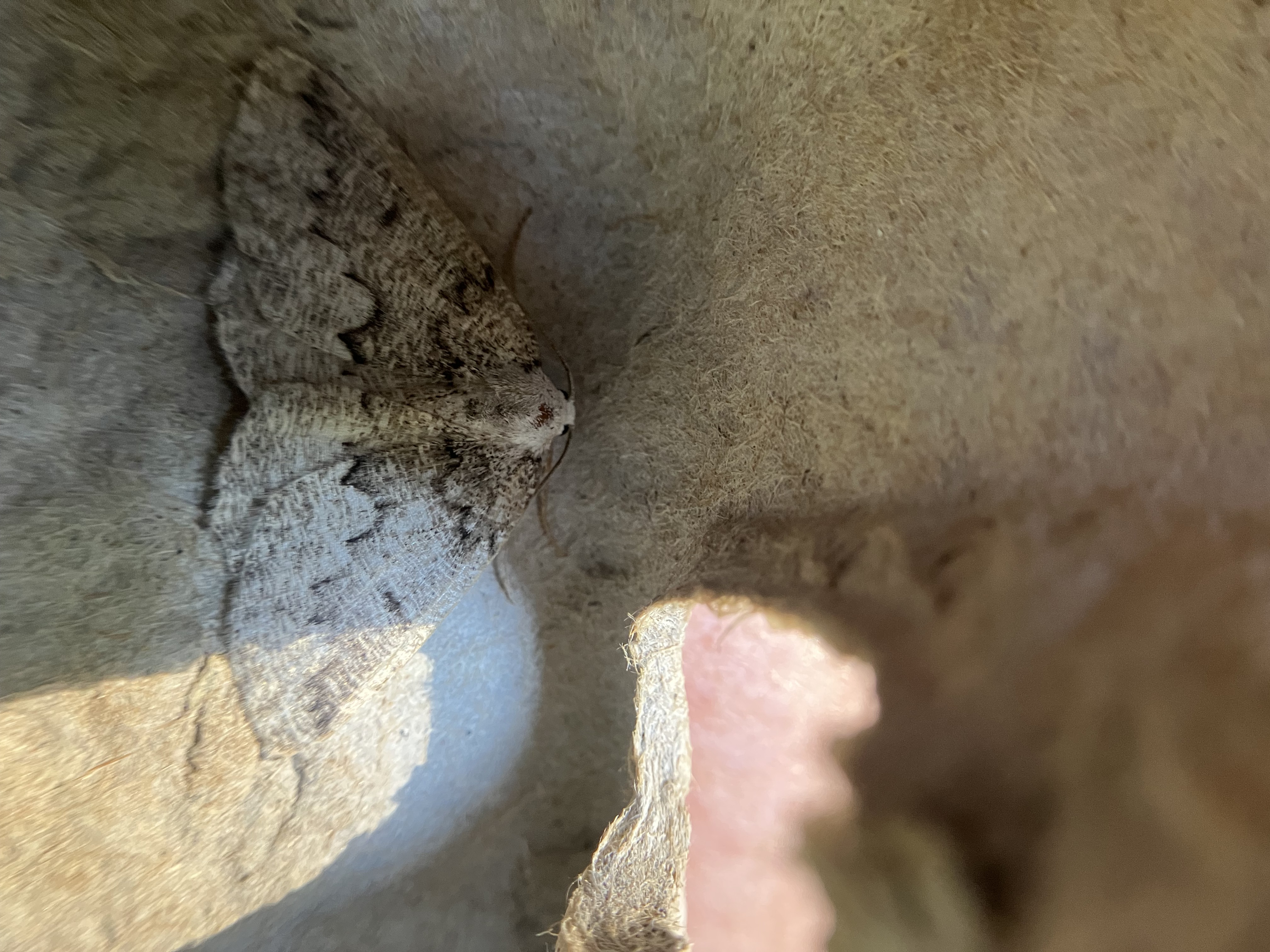
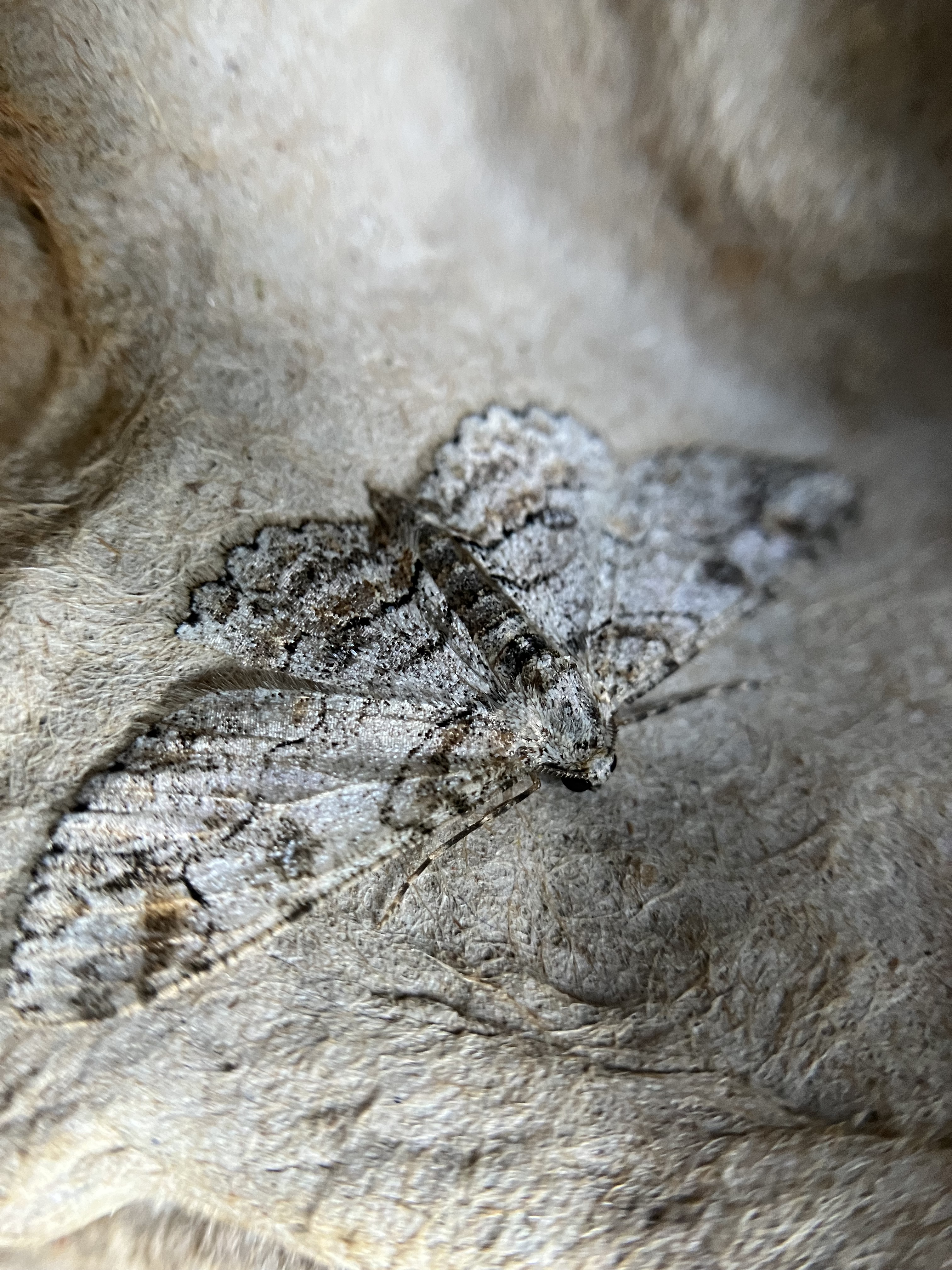
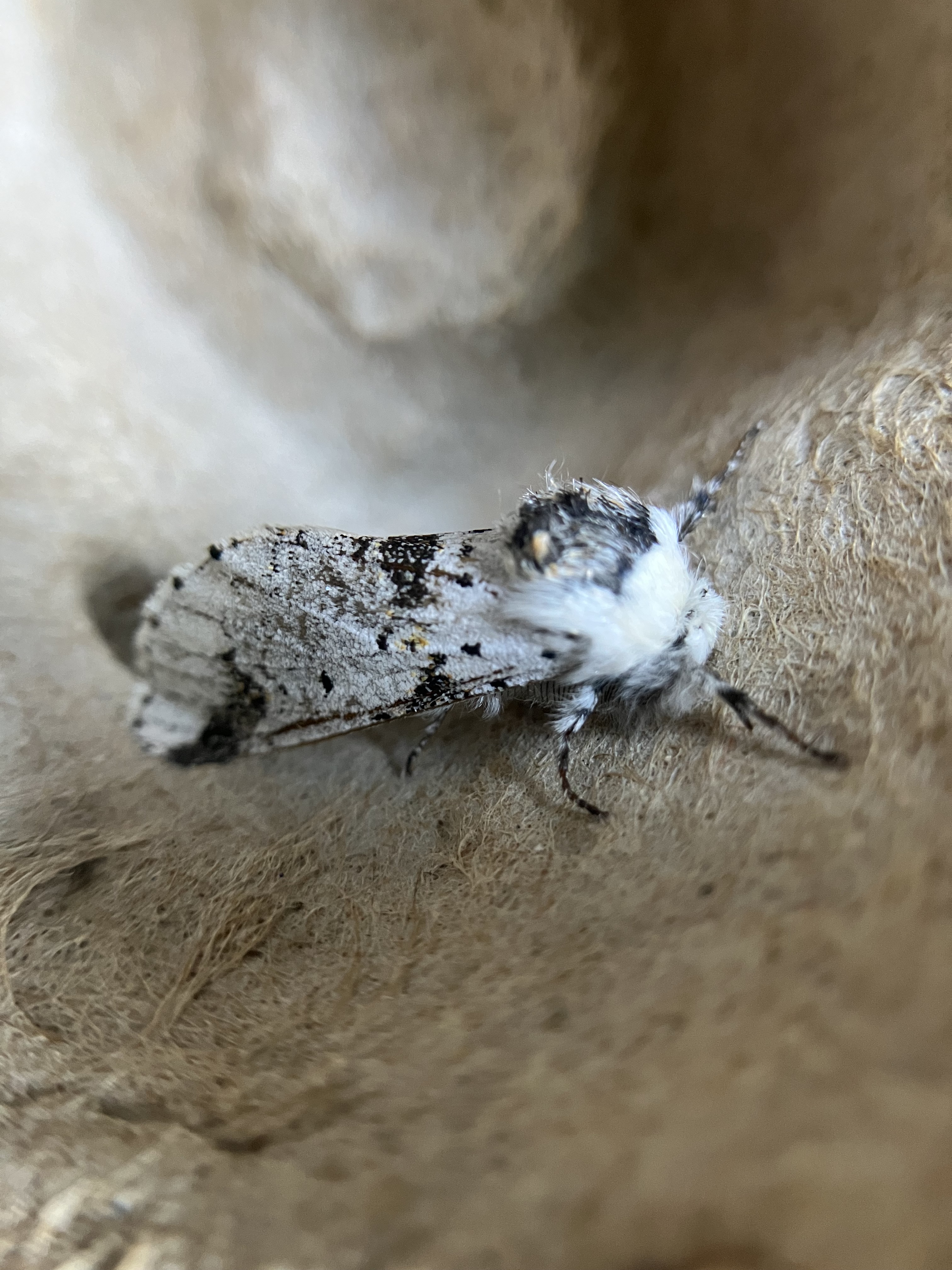
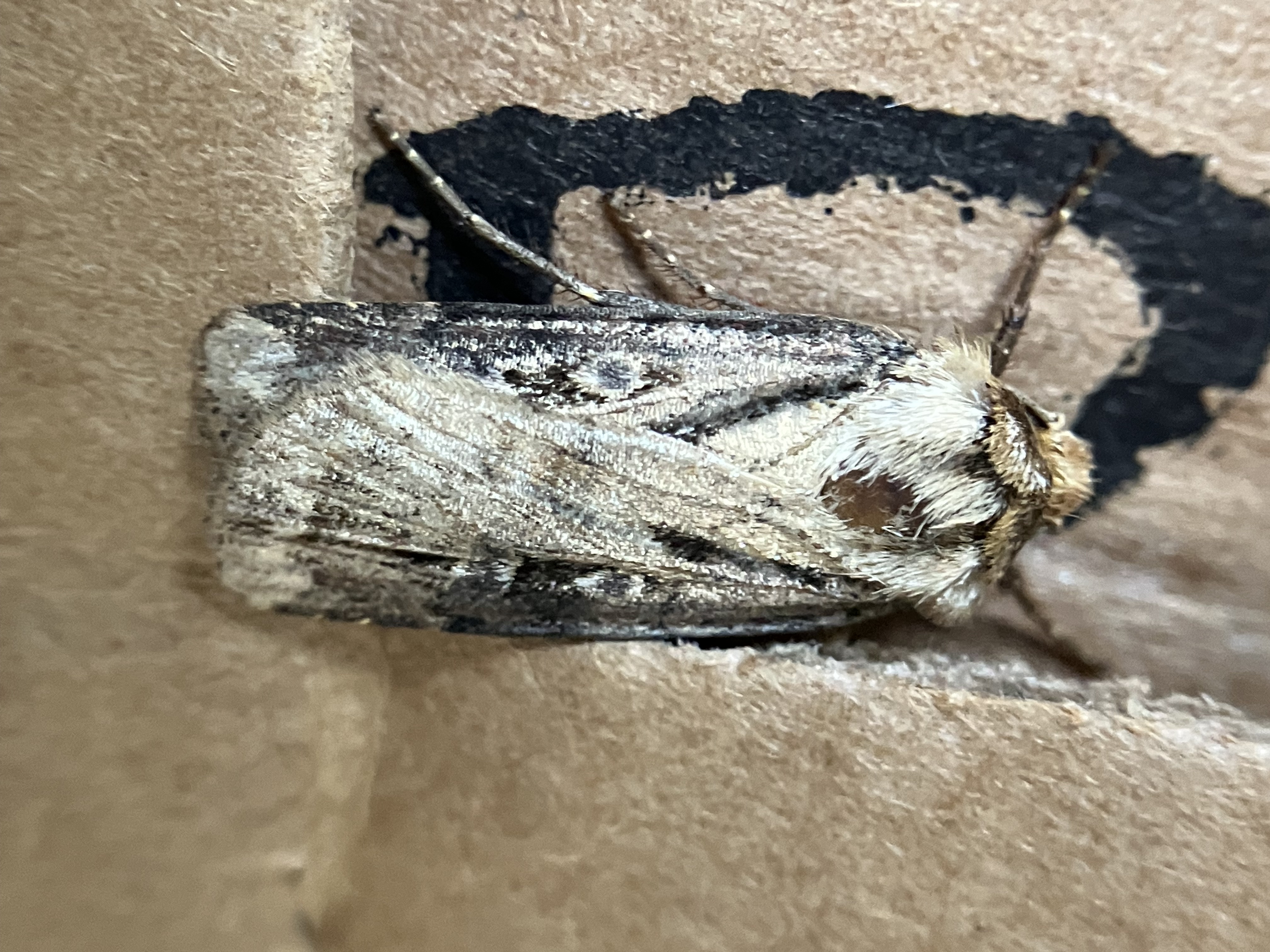
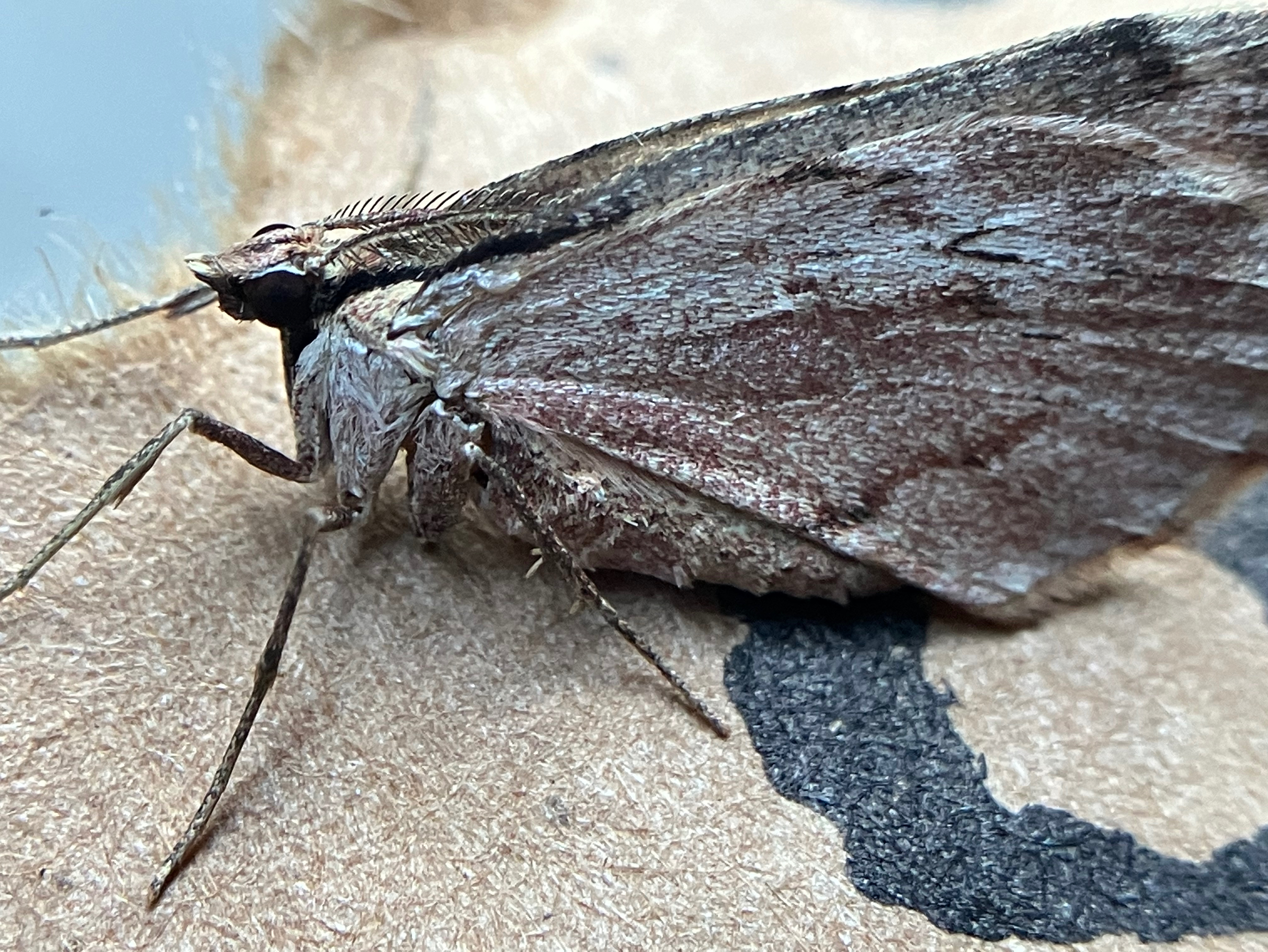
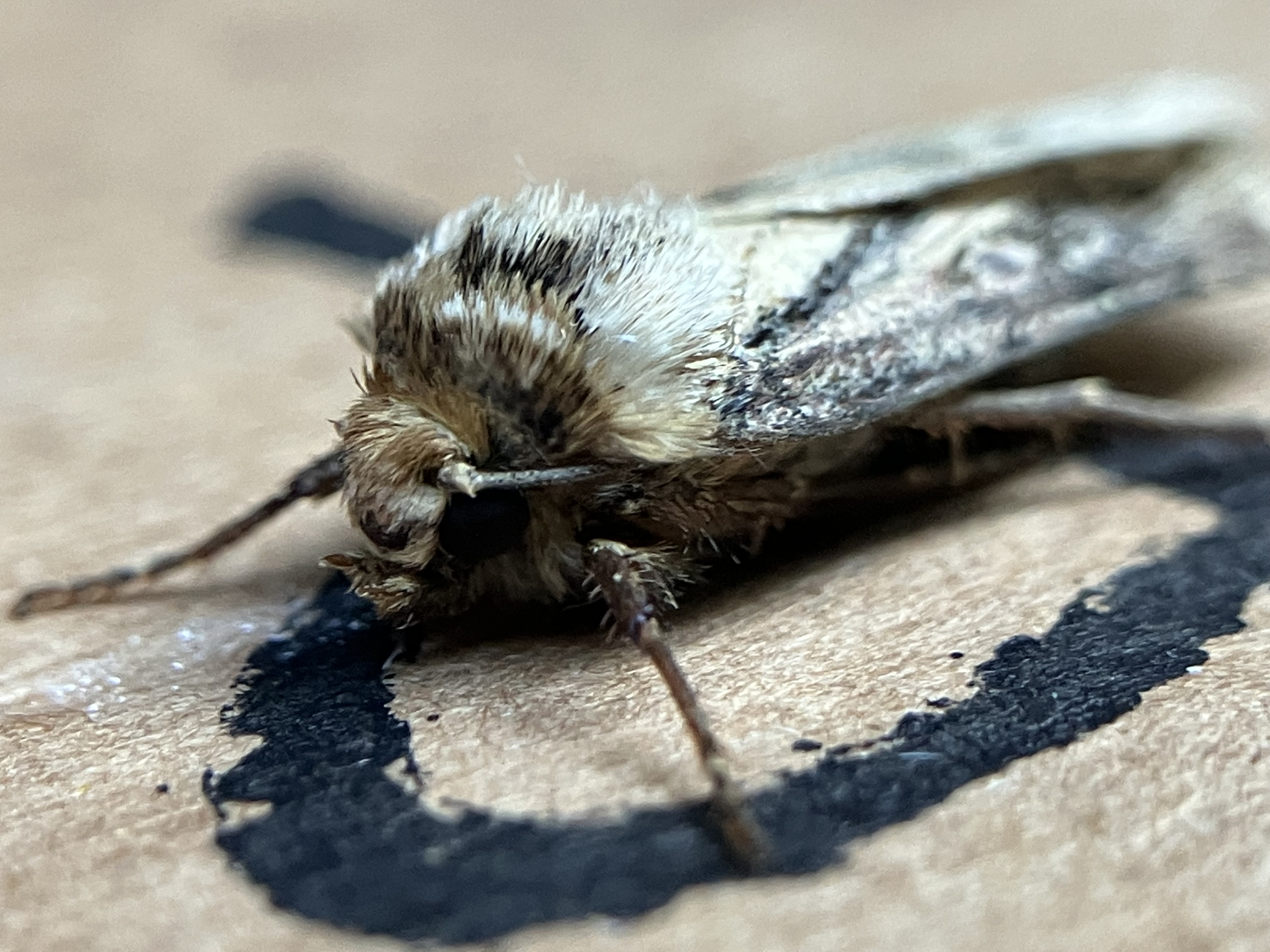
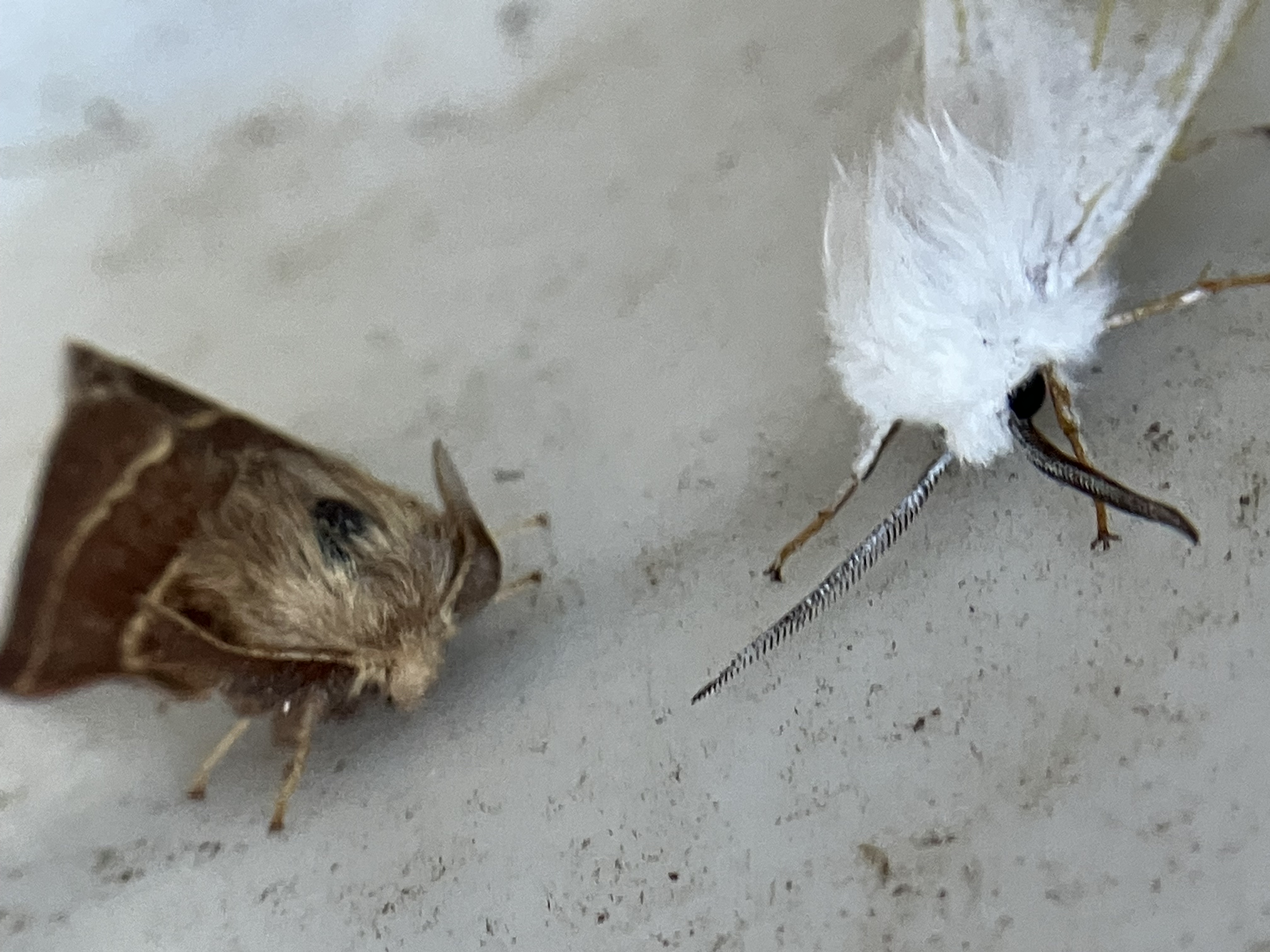
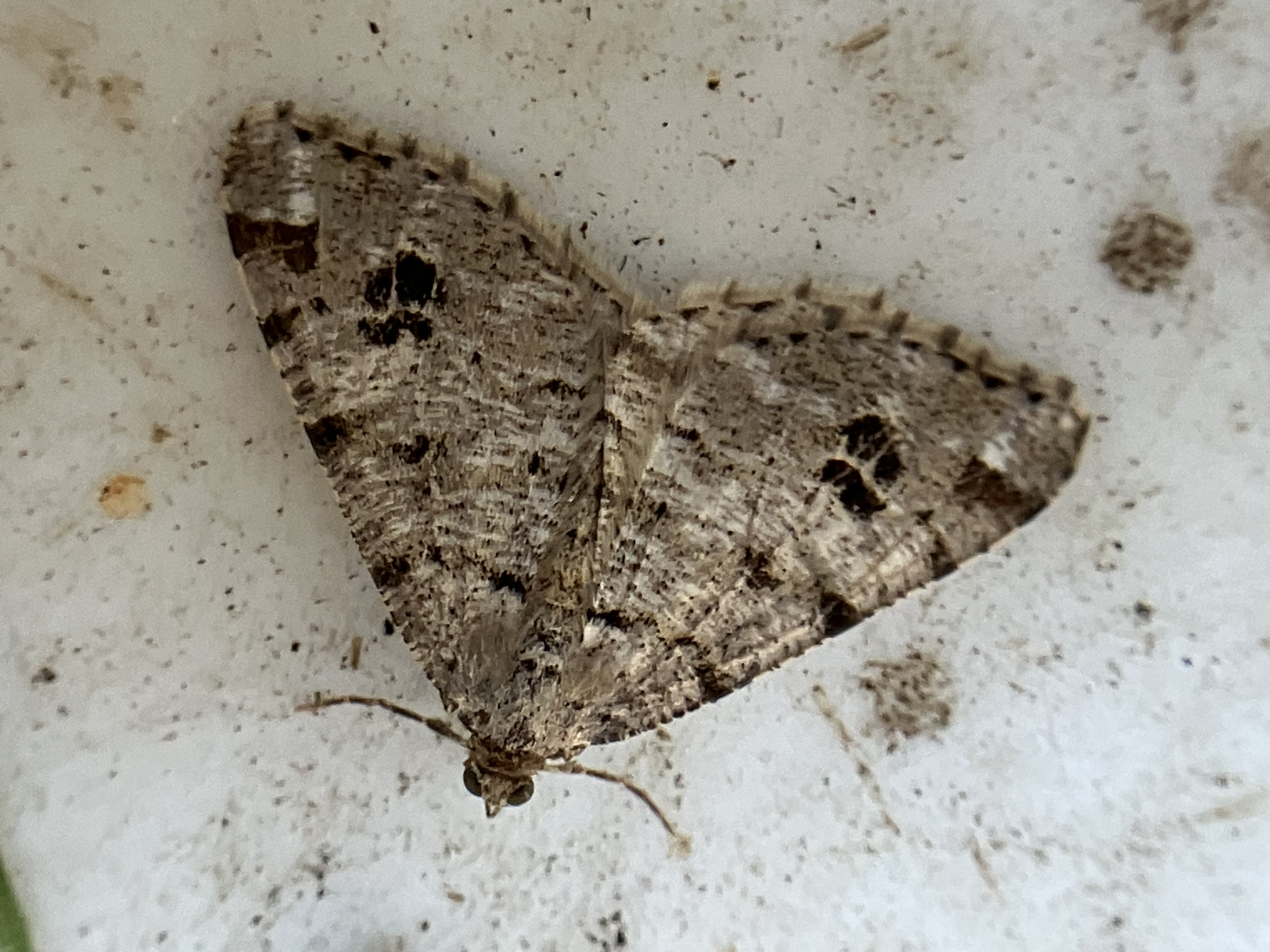
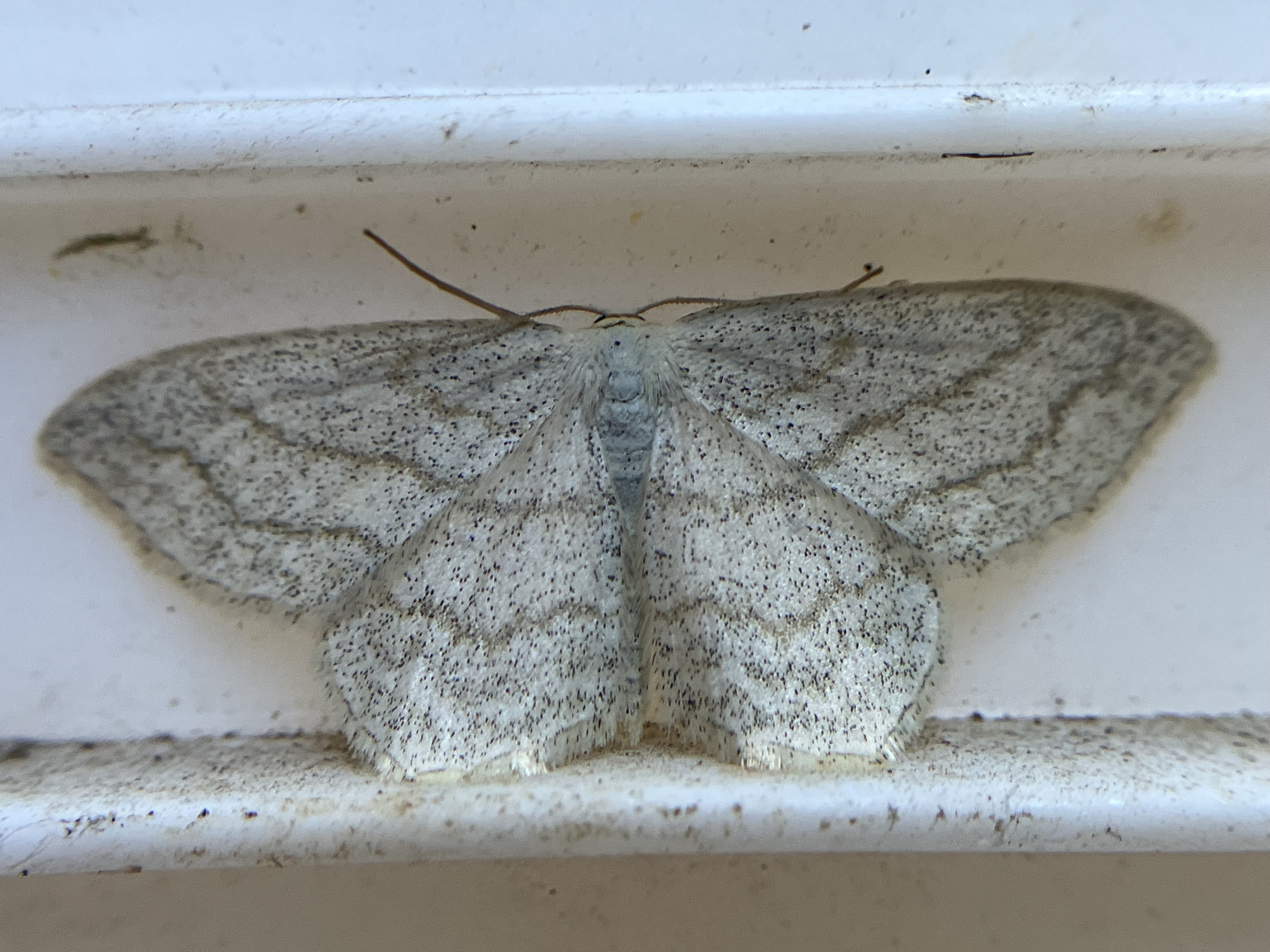
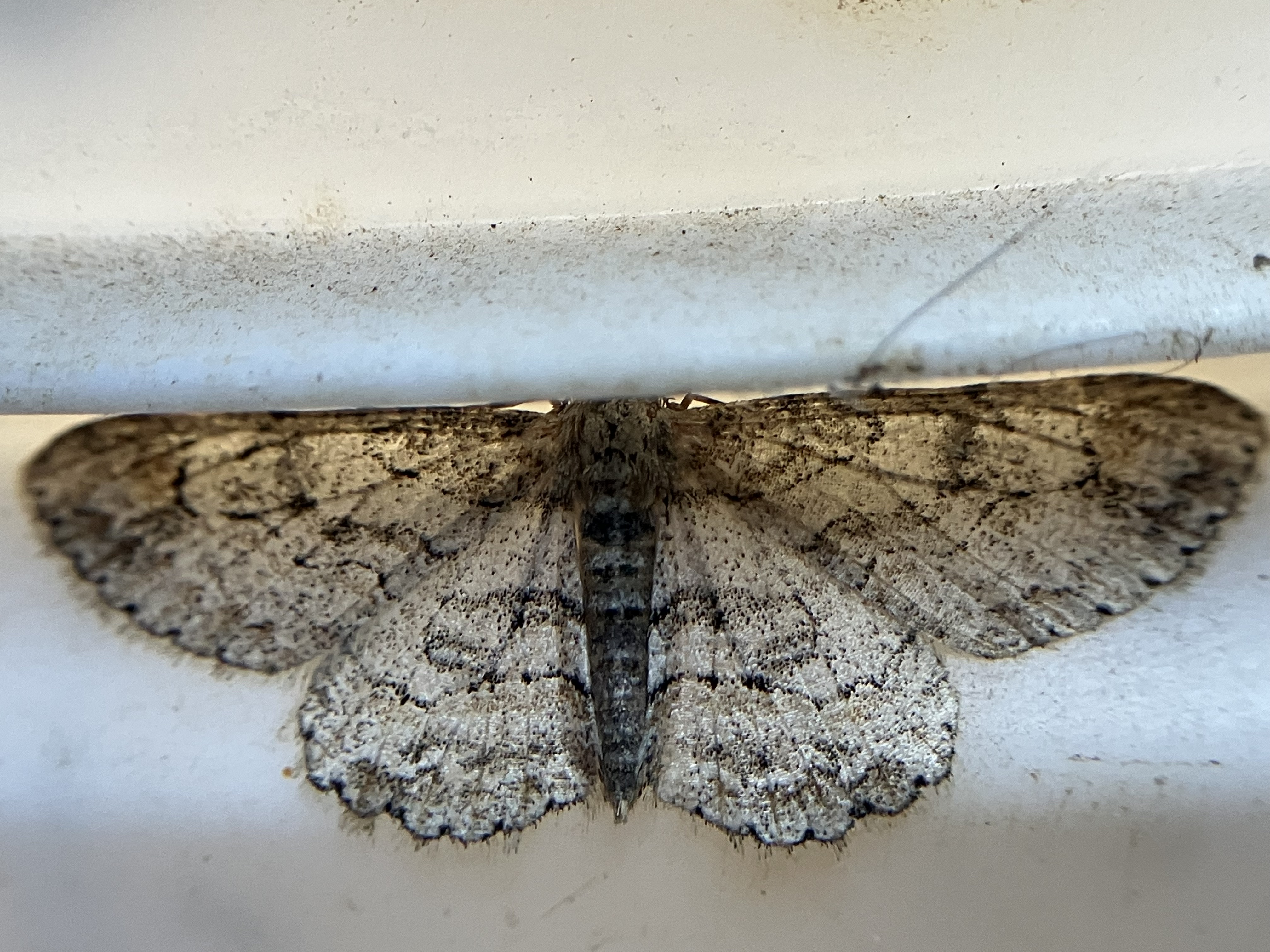
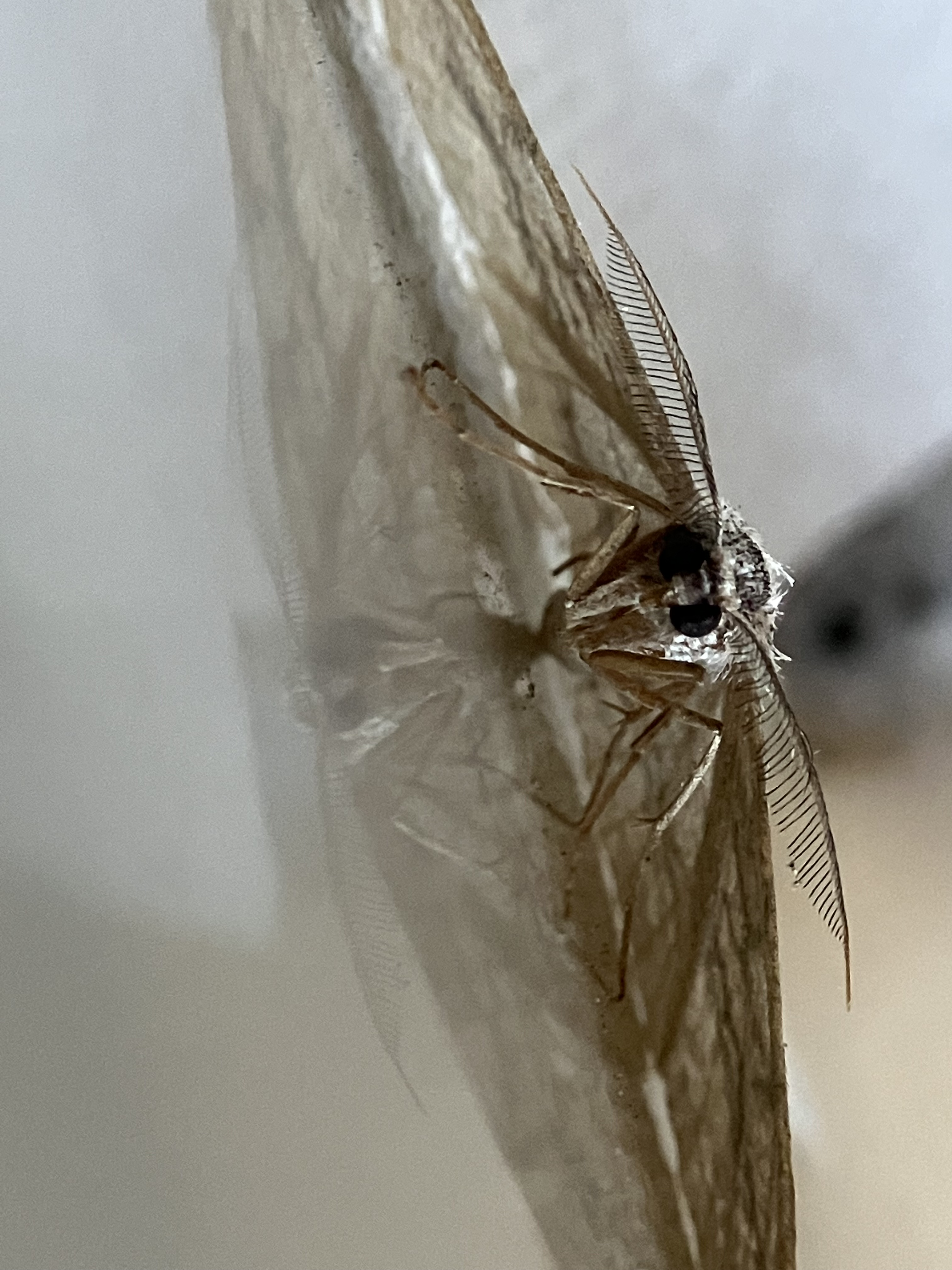
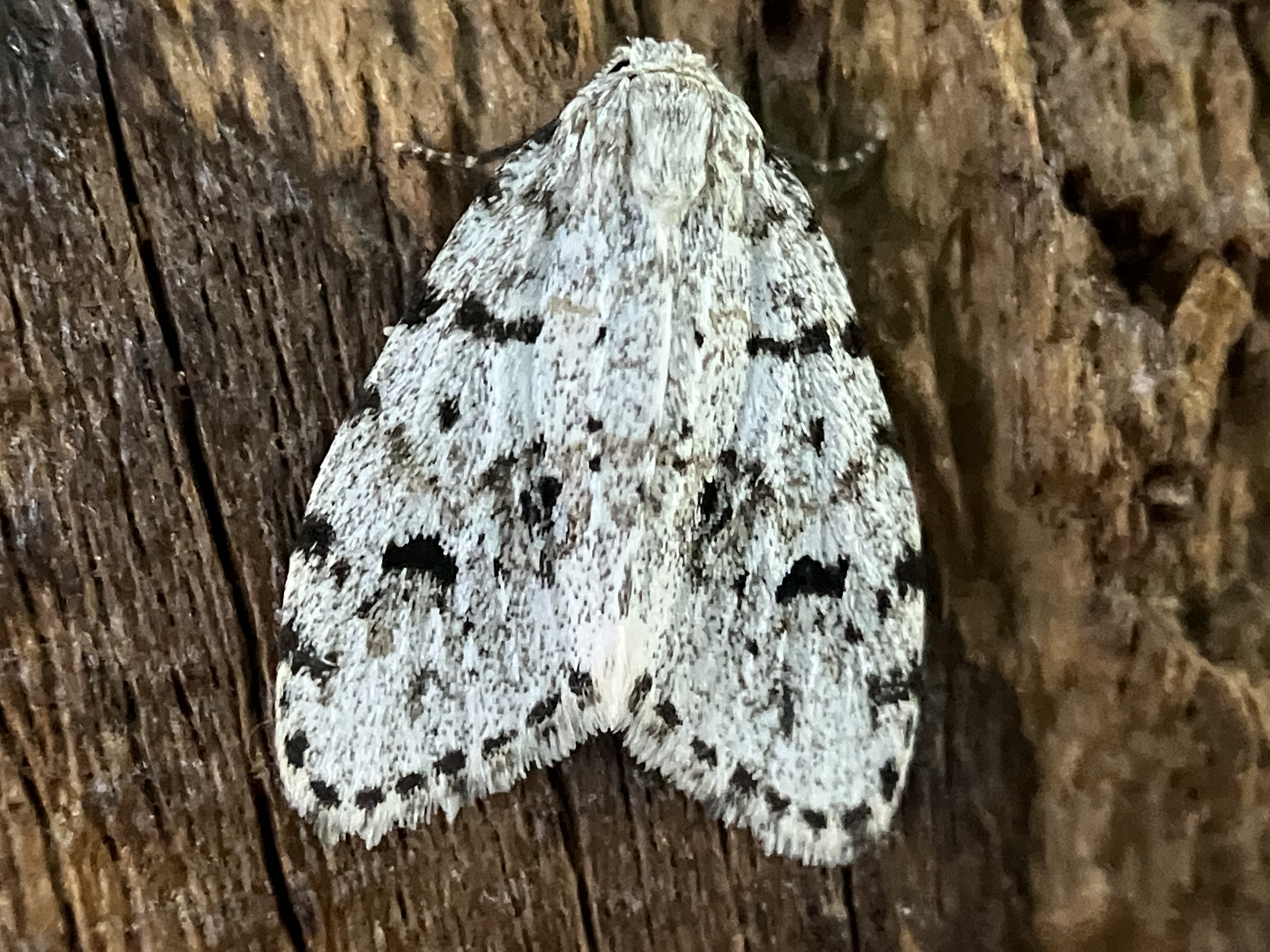
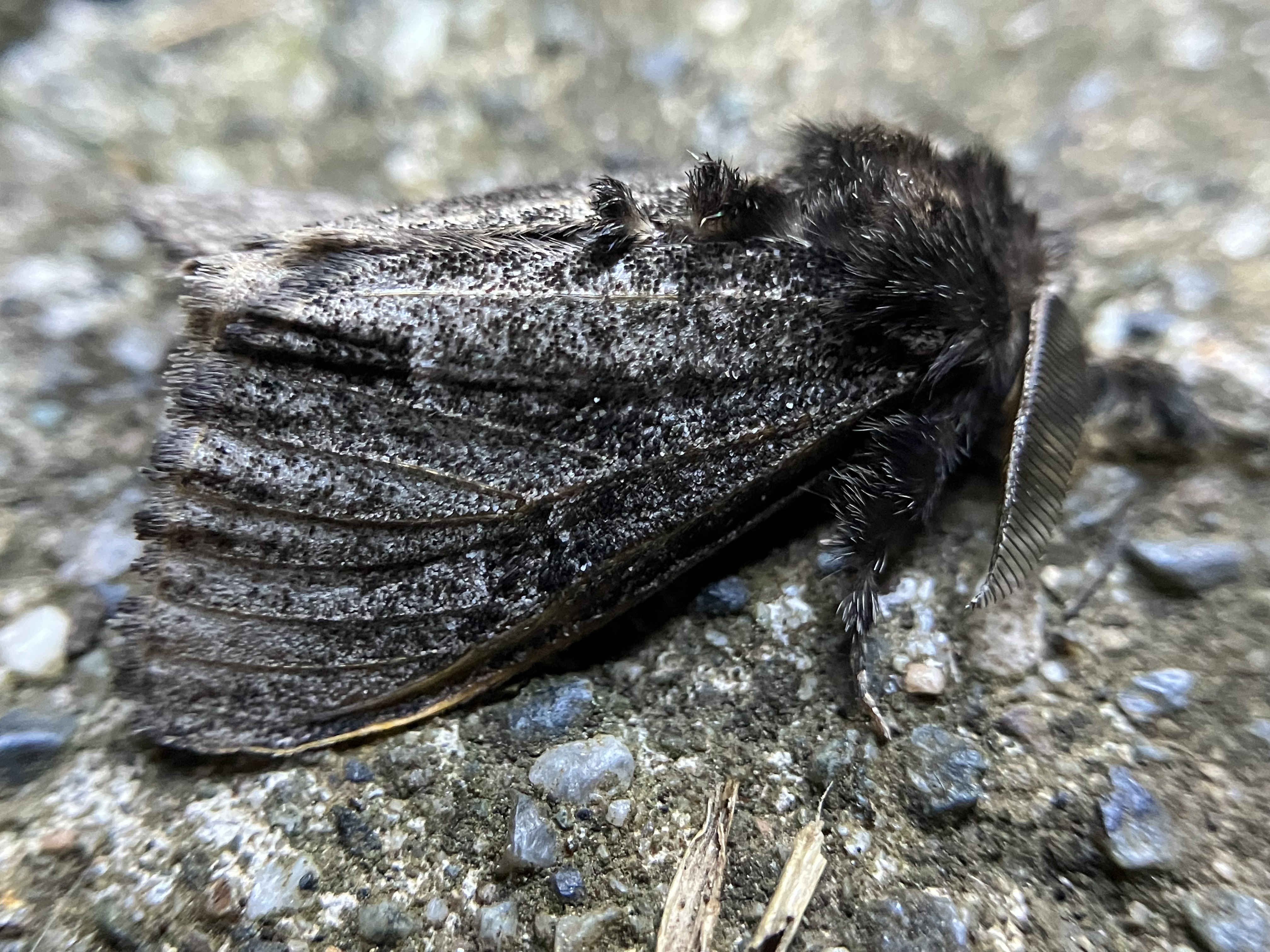
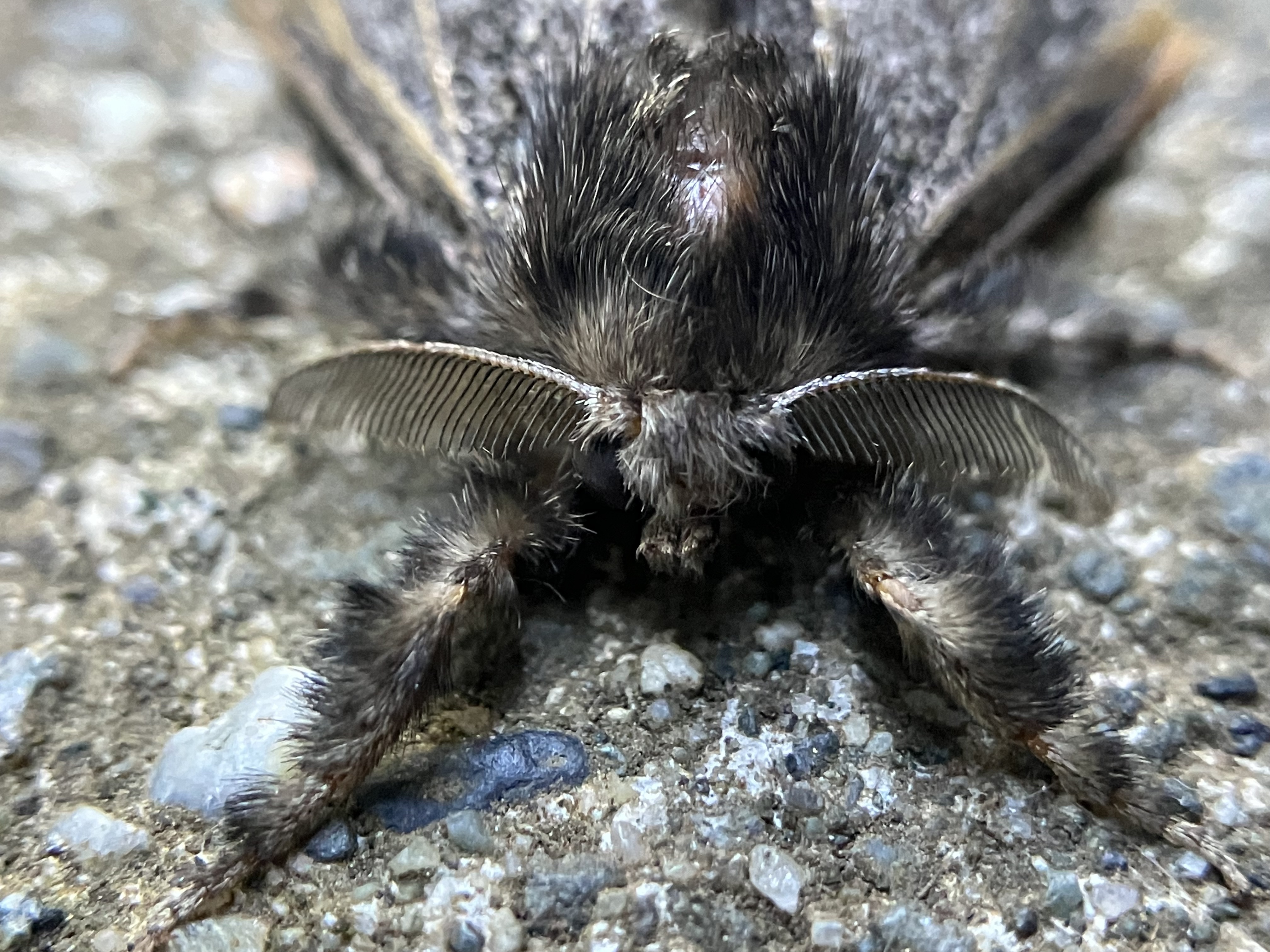
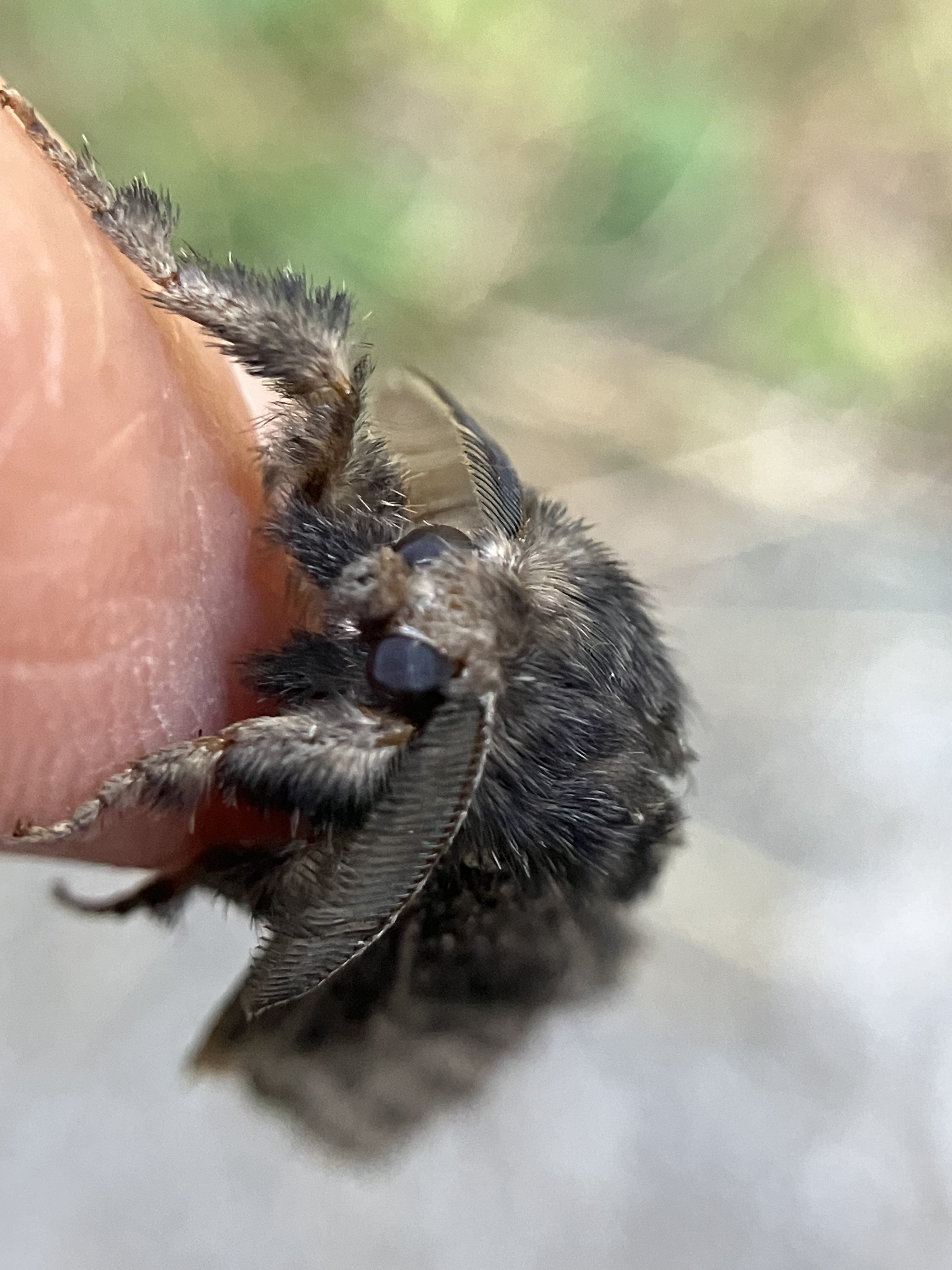
Bug Bucket Bug BucketBug Bucket with Egg Cartons for th moths to hide inside Northern Pacific Tree Frog (Pseudacis regilla)Pyrausta perrubralisNorthwestern Phoenix Moth (Eulithis xylina)Western Avocado Leafroller Moth (Amorbia cuneanum)Western Conifer Looper (Caripeta aequaliaria)Grass Moth Genus ScopariaDiplotaxis sp. Scarab BeetleSubfamily EnnominaeNorthern Pacific Tree Frog (Pseudacis regilla)Packards Girdle Moth (Sabulodes packardata)Northwestern Phoenix Moth (Eulithis xylina)Packards Girdle Moth (Sabulodes packardata)Packards Girdle Moth (Sabulodes packardata)Zigzag Furcula Moth (Furcula scolopendrina)Packards Girdle Moth (Sabulodes packardata)Iridopsis emasculatum I believeZigzag Furcula Moth (Furcula scolopendrina)Agrotis sp. , Family NoctuidaeAgrotis sp. , Family NoctuidaeStamnoctenis sp. , Family GeometridaeAgrotis sp. Stamnoctenis sp. GeometridaeWestern Tent Moth (Malacosoma californicum) left, and Virginia Tiger Moth (Spilosoma virginica) rightPale Marked Angle (Macaria signaria)Unknown, but cute!Simple Wave (Scopula junctaria)EnnonominaeGenus IridopsisTribe BoarmiiniKnot Horn Moth (Subfamily Phycitinae) – family PyralidaeUnknown, but check out the reflection in the image.Little White Lichen Moth (Clemensia albata)Erebidae, and Dasychira grisefacta, I believe. Erebidae, and Dasychira grisefacta, I believe. Erebidae, and Dasychira grisefacta, I believe. Erebidae, and Dasychira grisefacta, I believe. Erebidae, and Dasychira grisefacta, I believe. Erebidae, and Dasychira grisefacta, I believe. Erebidae, and Dasychira grisefacta, I believe.
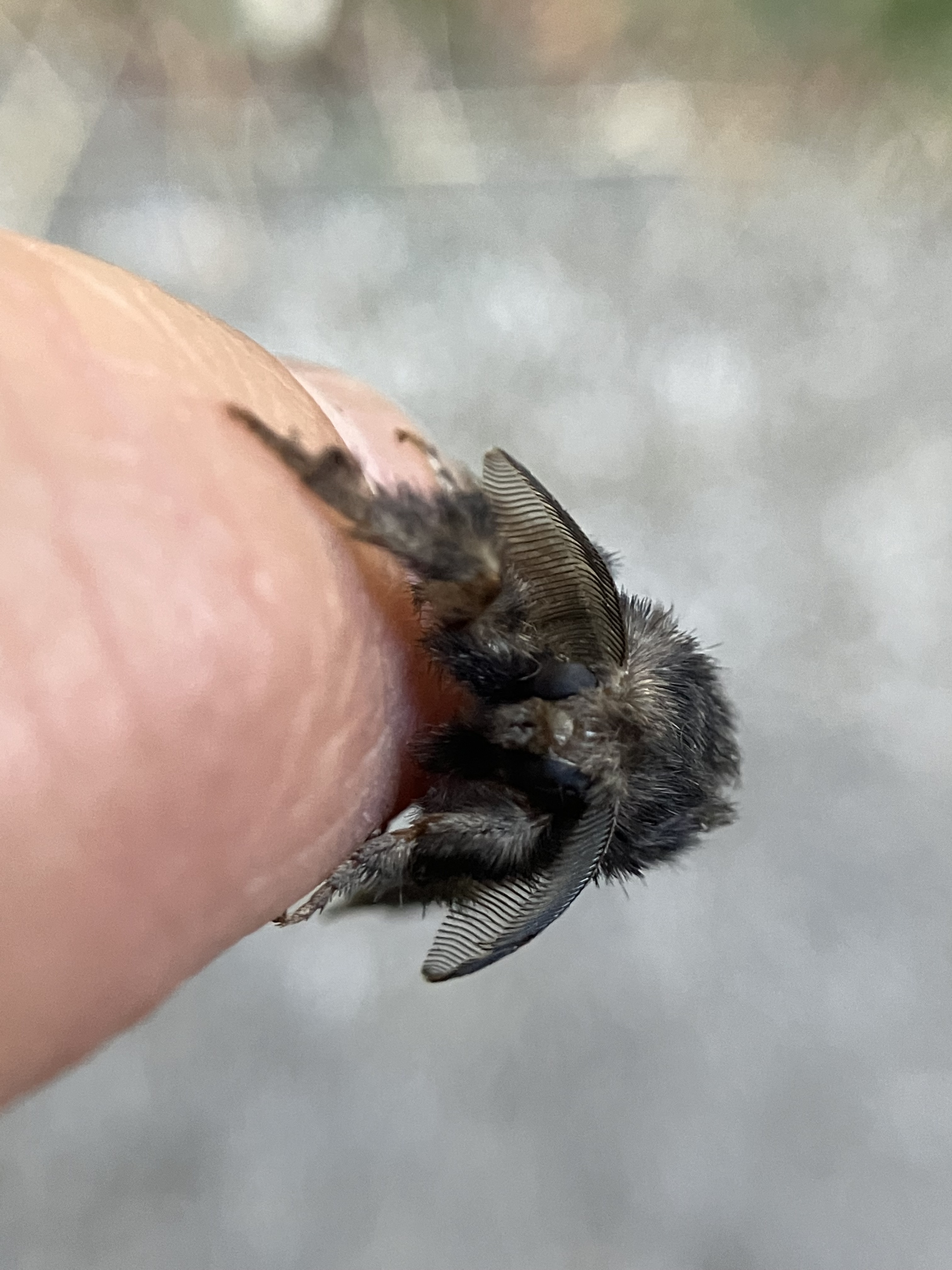
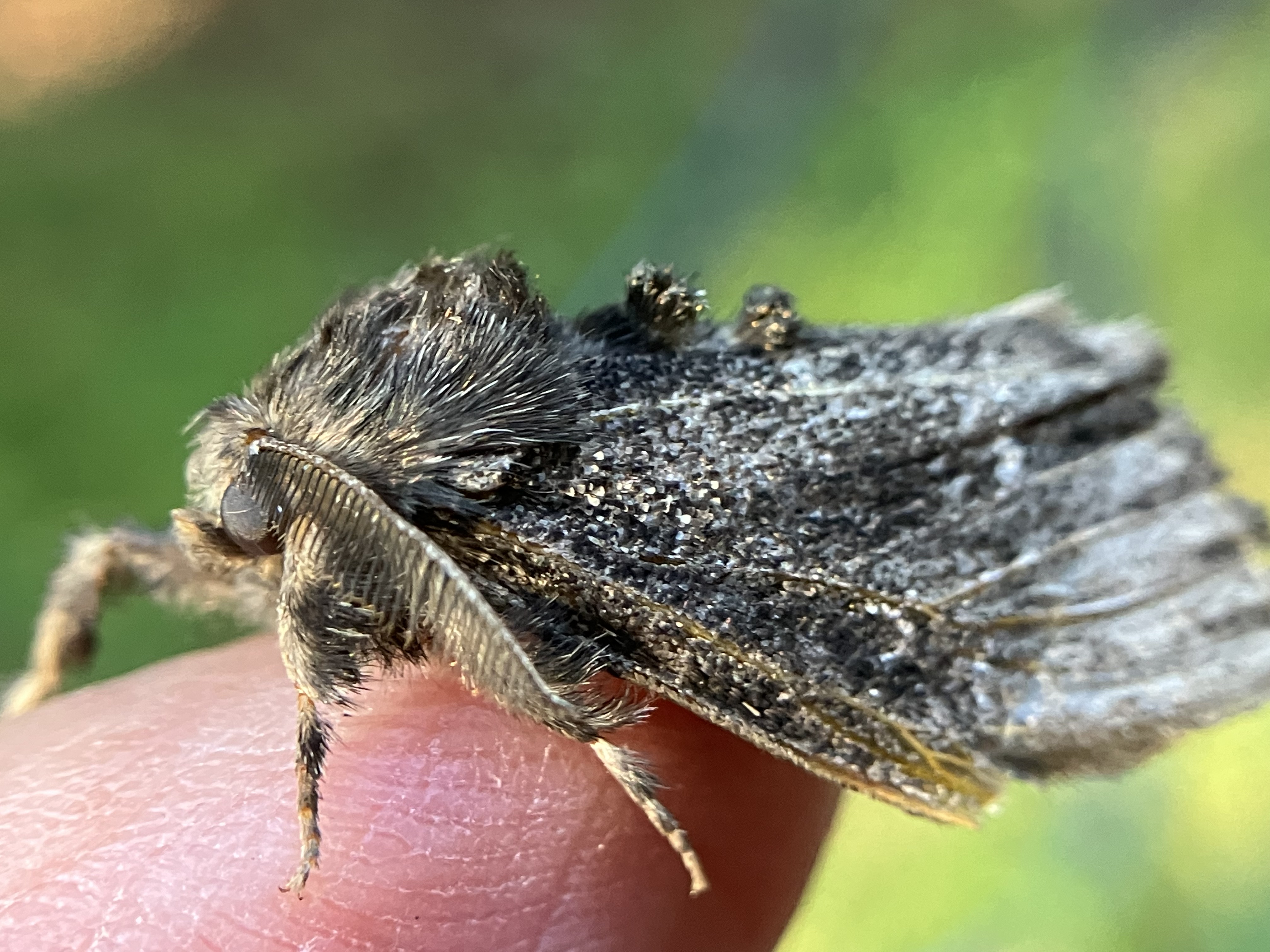
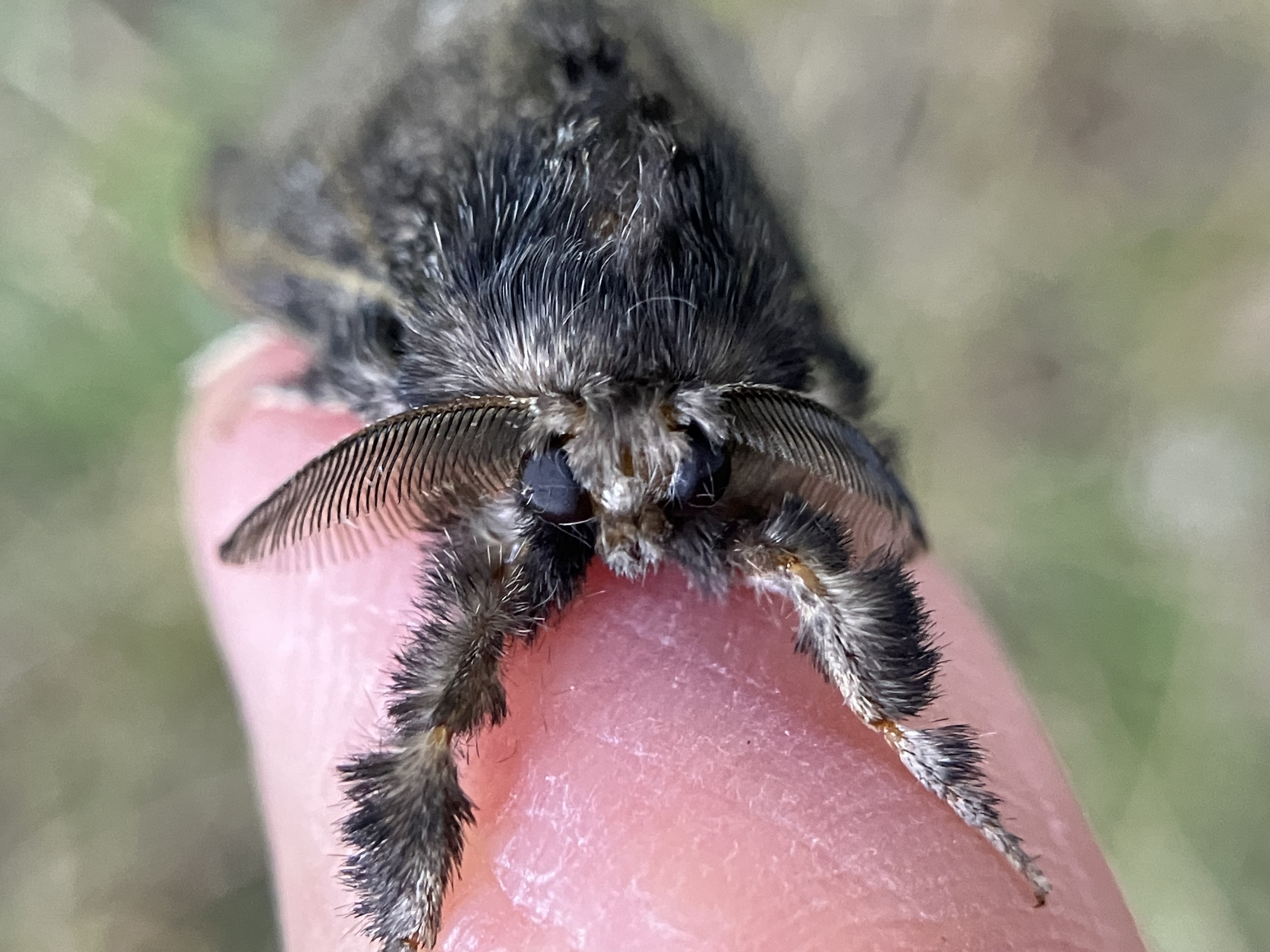
I believe this is Dasychira griefacta . It takes off somewhat awkwardly but made it up into a tall fir tree.
Leading up to the Twelfth Annual National Moth Week, July 22-30, 2023 https://nationalmothweek.org, I am getting into moth mode with some early collecting to see what is flying about the forest near our home at night.
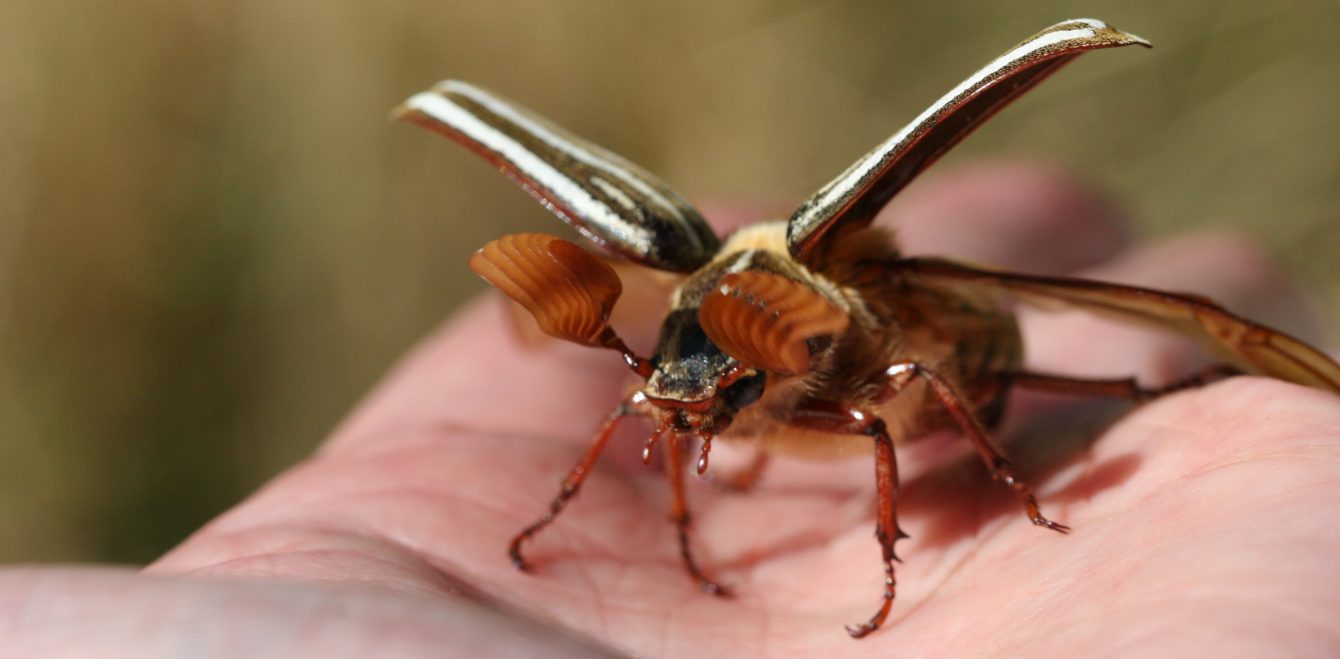
My first attempts at this were quite unsatisfying, save for the two awesome beetles that came to visit. The bug station I set up just wasn’t yielding much in the way of moths, at least until I discovered my station had been discovered by some thieving yellow jackets who were picking off my moths right in front of my eyes. Something had to change. I sure didn’t want to lure in these beautiful creatures to become a breakfast buffet.
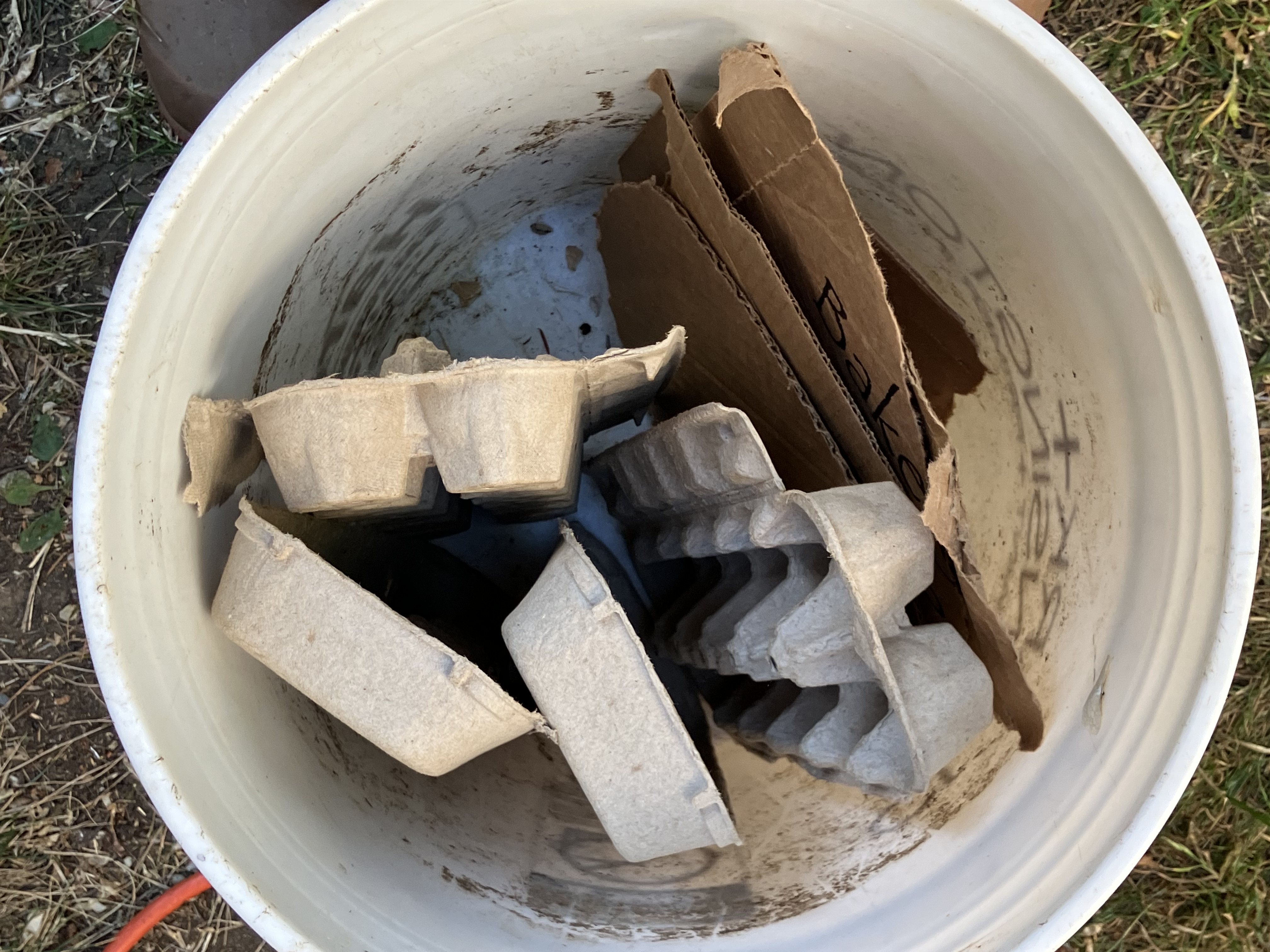
I got some very helpful advice from a friend named Carl. Carl is an expert moth-er, and he recommended putting some egg cartons in my bug bucket so they would have a place to hide. I tried this last night, adding two egg cartons and some pieces of cardboard. Then, I went to hang my bucket up and turn on the light – EXCEPT, those darn yellow jackets showed up at 9 pm. They must have excellent memory. I suppose they wanted to be first in line at the moth buffet.
I moved my bug bucket and light to another location. It was a success. Here is the assortment of moths I collected last night. All were handled with gentle care and photographed. Afterwards, I moved them to hiding spots in the forest to make them less susceptible to predation.
If you’re interested in participating locally in National Moth Week, please don’t hesitate to reach out for more information. You can find me via email at cynthiabrast@icloud.com or on Facebook at Bugs of the San Juan Islands – a private group, but easy to join by answering a couple of questions and agreeing to follow the group rules to prove you aren’t a spammer and won’t be disruptive. 😉













 Bugging You From San Juan Island