Bug Bucket Wednesday


Leading up to the Twelfth Annual National Moth Week, July 22-30, 2023 https://nationalmothweek.org, I am getting into moth mode with some early collecting to see what is flying about the forest near our home at night.
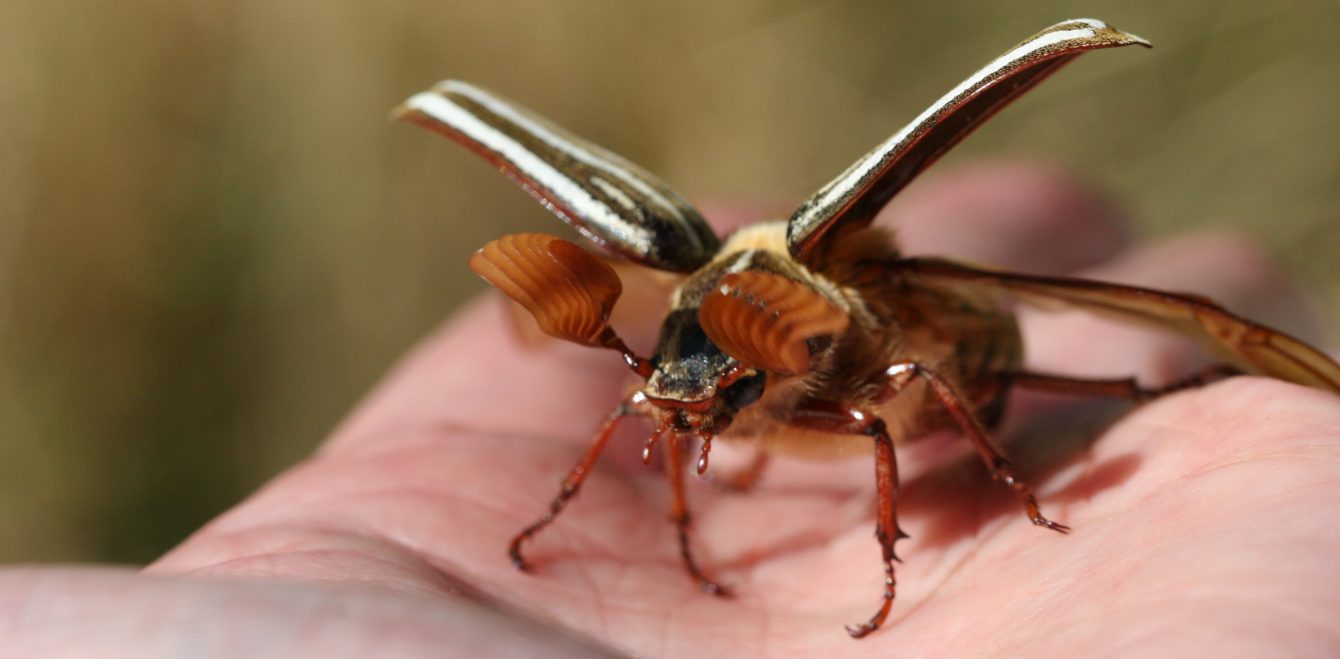
My first attempts at this were quite unsatisfying, save for the two awesome beetles that came to visit. The bug station I set up just wasn’t yielding much in the way of moths, at least until I discovered my station had been discovered by some thieving yellow jackets who were picking off my moths right in front of my eyes. Something had to change. I sure didn’t want to lure in these beautiful creatures to become a breakfast buffet.
I got some very helpful advice from a friend named Carl. Carl is an expert moth-er, and he recommended putting some egg cartons in my bug bucket so they would have a place to hide. I tried this last night, adding two egg cartons and some pieces of cardboard. Then, I went to hang my bucket up and turn on the light – EXCEPT, those darn yellow jackets showed up at 9 pm. They must have excellent memory. I suppose they wanted to be first in line at the moth buffet.
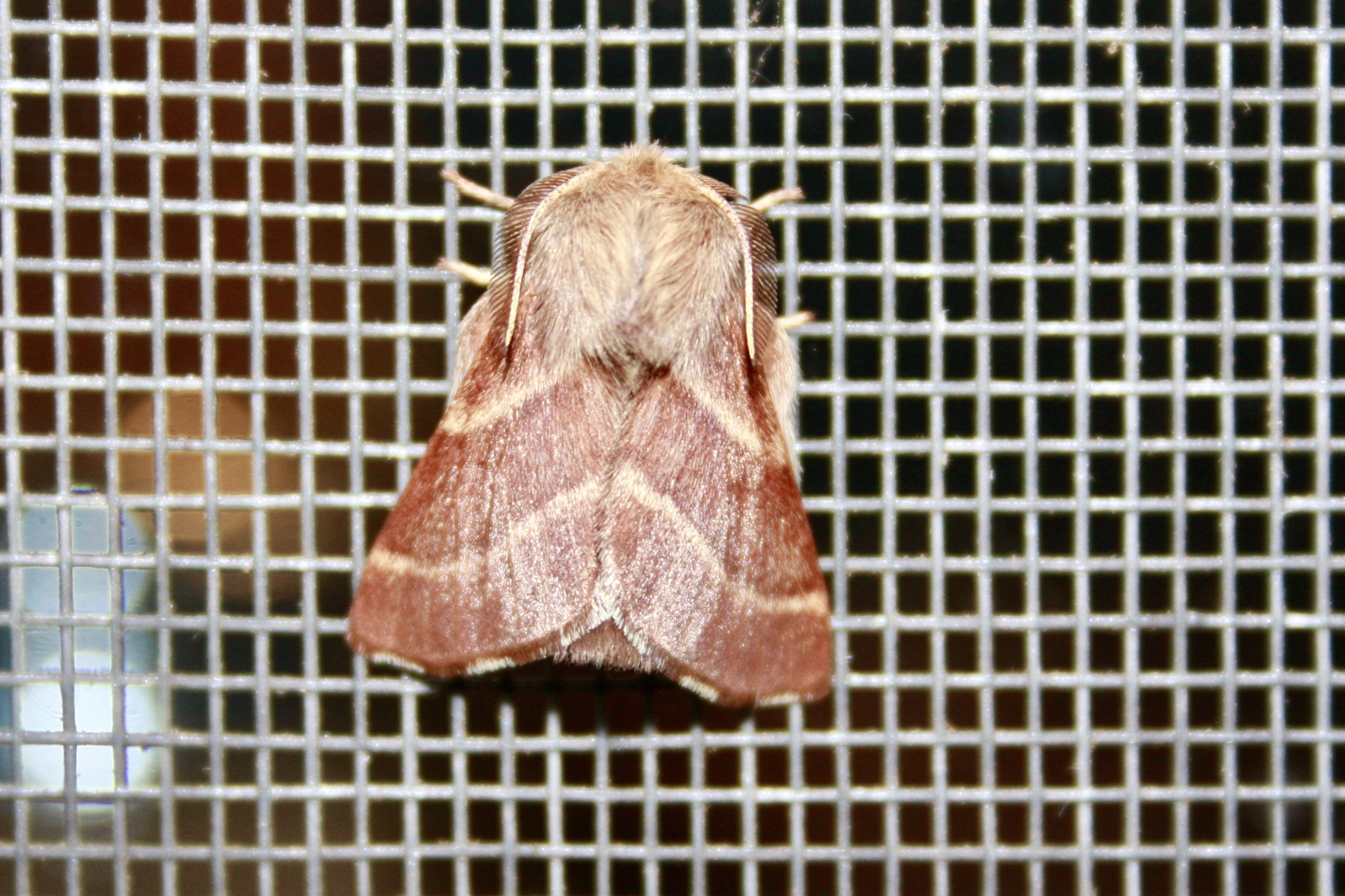
I moved my bug bucket and light to another location. It was a success. Here is the assortment of moths I collected last night. All were handled with gentle care and photographed. Afterwards, I moved them to hiding spots in the forest to make them less susceptible to predation.
Gallery Below


If you’re interested in participating locally in National Moth Week, please don’t hesitate to reach out for more information. You can find me via email at cynthiabrast@icloud.com or on Facebook at Bugs of the San Juan Islands – a private group, but easy to join by answering a couple of questions and agreeing to follow the group rules to prove you aren’t a spammer and won’t be disruptive. 😉
Thanks for viewing!

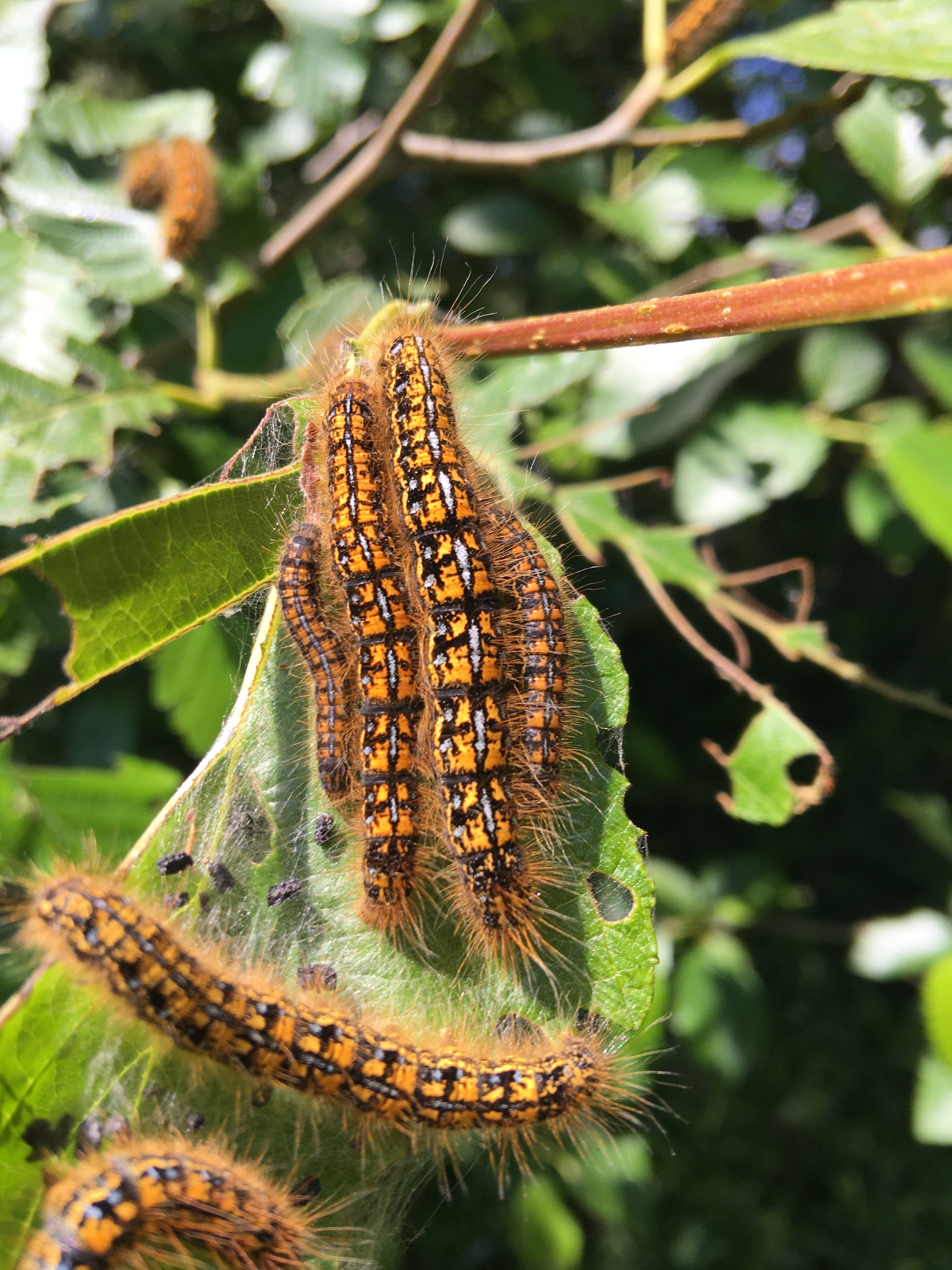
 fly through in the dark of night to carry off some of them for dinner. In the early morning, they’d find more disappear when the hungry woodpecker and nuthatch stopped to peck at the crib and take away caterpillars to feed their hungry chicks. In the panic, some of Melvin’s siblings slipped out of the crib and fell to the ground. That afternoon, a lizard and garter snake found those and ate them right away. Near dusk, a few more dropped out of the nursery web, and little miss mouse carried those off to feed to her babies.
 Bugging You From San Juan Island