Bug humor…these are mating March flies (Bibionidae). In Florida and parts of the South, they call them “Love Bugs.” The one with the BIG eyes is the boy. Poor fella’s getting dragged behind since she was done with his attentions. San Juan Island, WA April 29, 2021
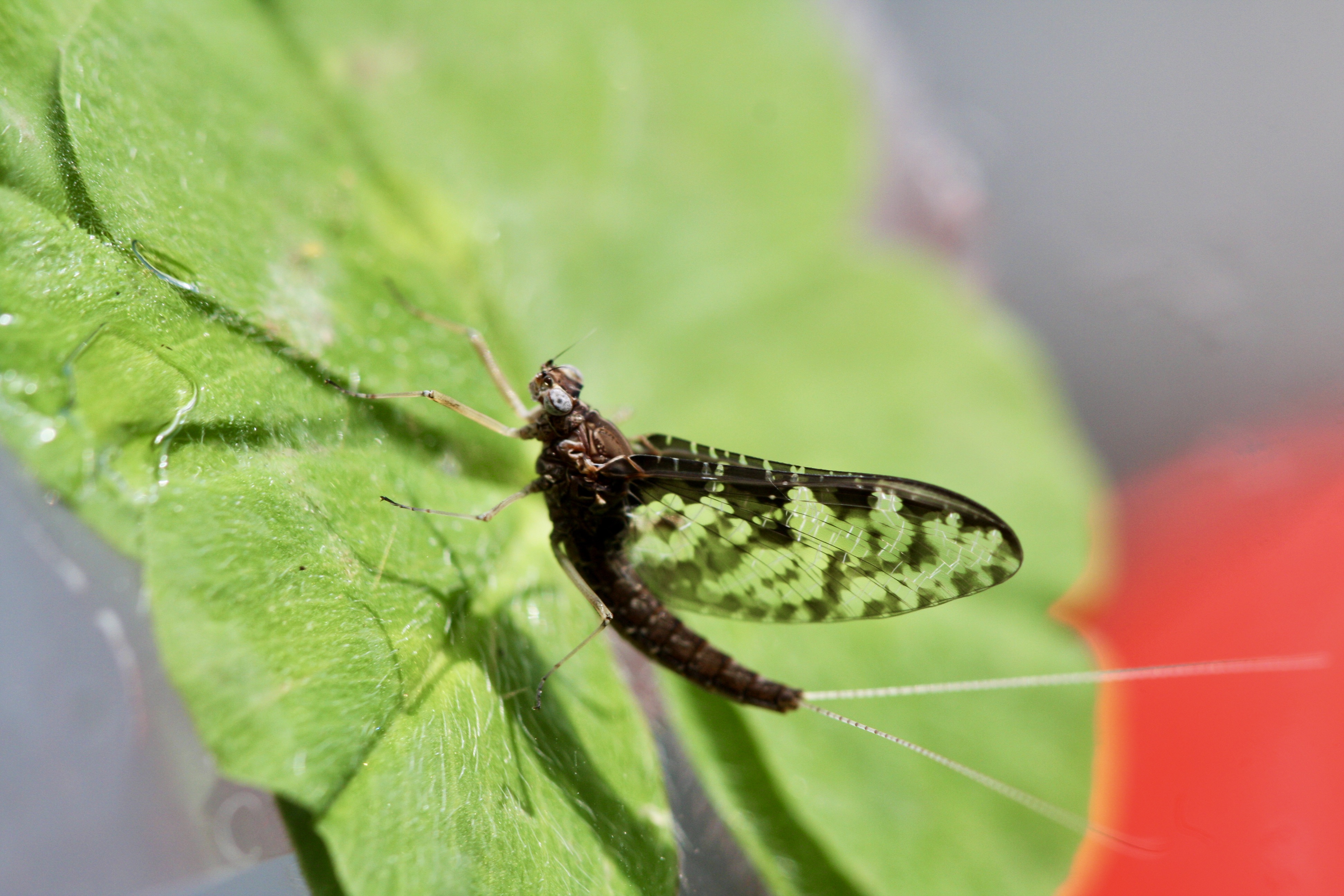
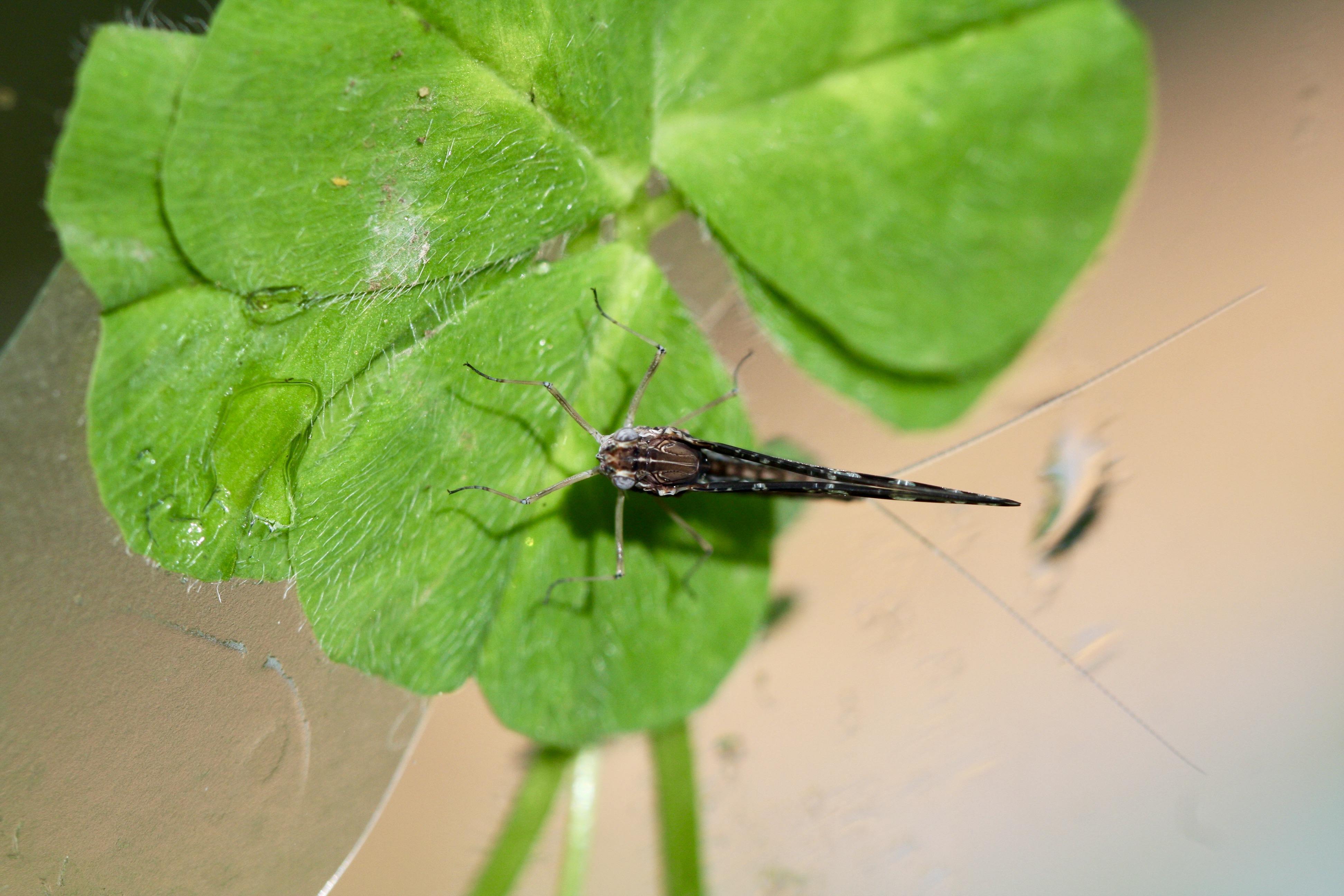
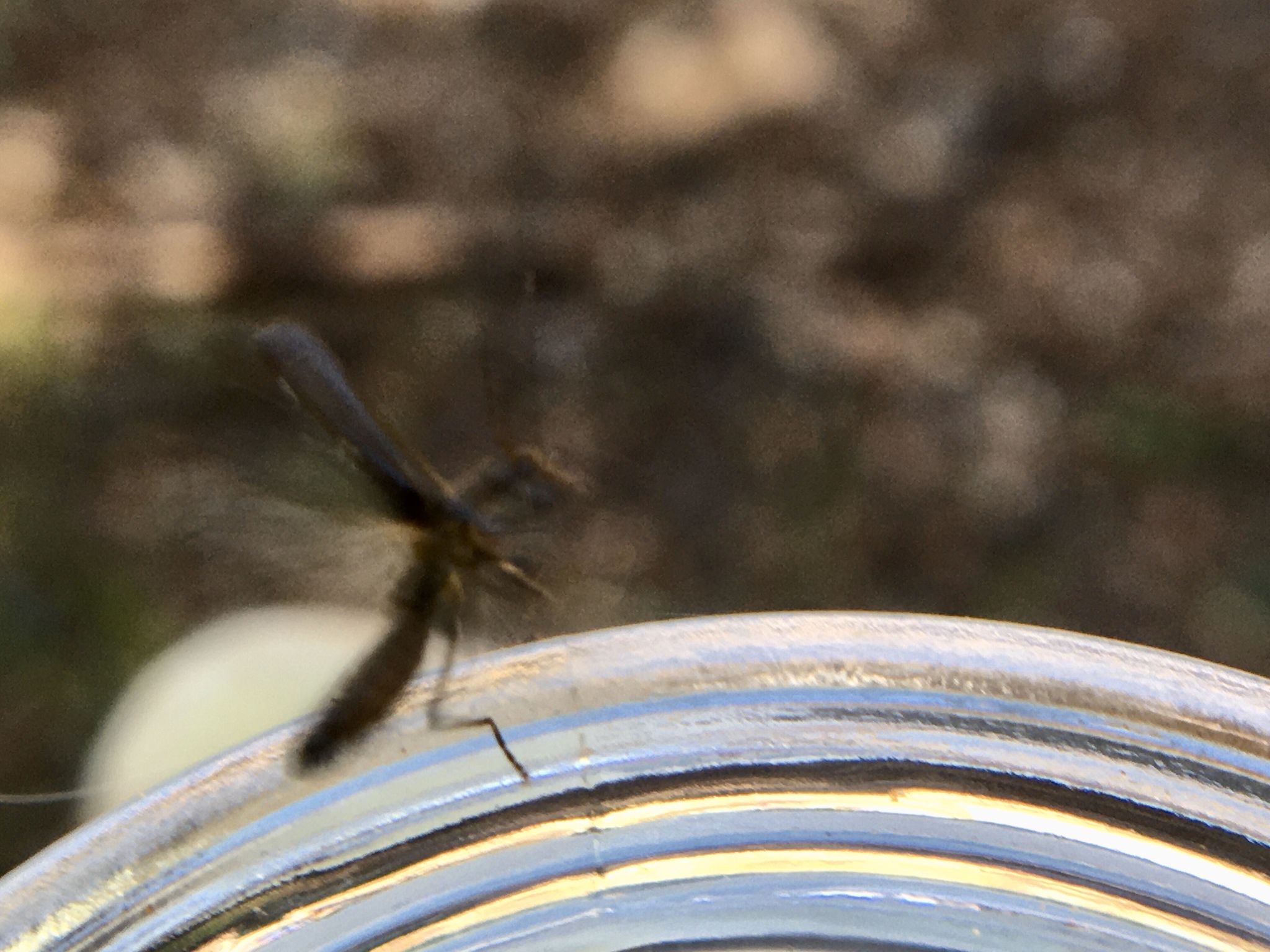
April showers bring Mayfly’ers! This tiny creature spent the night on the glass window of my greenhouse. When I found my very first mayfly on San Juan Island, I used a key on this site ~ http://ibis.geog.ubc.ca/…/FamiliesofEphemeropteraofBC.html to help me with ID. I’ve been able to narrow the taxonomy down to family Baetidae or “minnow” mayfly.
Mayflies are in the insect order Ephemeroptera which comes from the greek words “epi” (upon), “hemera” (day), and “pteron” (wing). Put this all together and you get something like “wing upon a day!” It just describes the ephemeral quality or brief lifespan of the mayfly adult.
The adult, or imago stage of this insect, does not eat. They will emerge in large numbers typically in the month of May. The Baetidae are among the smallest in size (hence the name “minnow”) within mayfly families, but there are over 520 species described in this family worldwide. The Baetidae have only two caudal filaments and the hindwings are reduced in size. All mayfly larvae develop in water and as they are very sensitive to pollutants, their presence (or absence) can be a good indicator of water quality. They’re also favorites of fishermen because they make great bait!
Mayfly (Baetidae sp.)
Some people want to build homes too close or even in fill in these streams and wetland areas. Destroying wetlands for homes, driveways, and barns is devastating to delicate ecosystems, ruining them forever. Humans aren’t supposed to live in wetlands….but mayflies, many other species of invertebrates, and creatures like newts, salamanders, and birds thrive in them.
Mayfly (Baetidae sp.)Mayfly (Baetidae sp.)
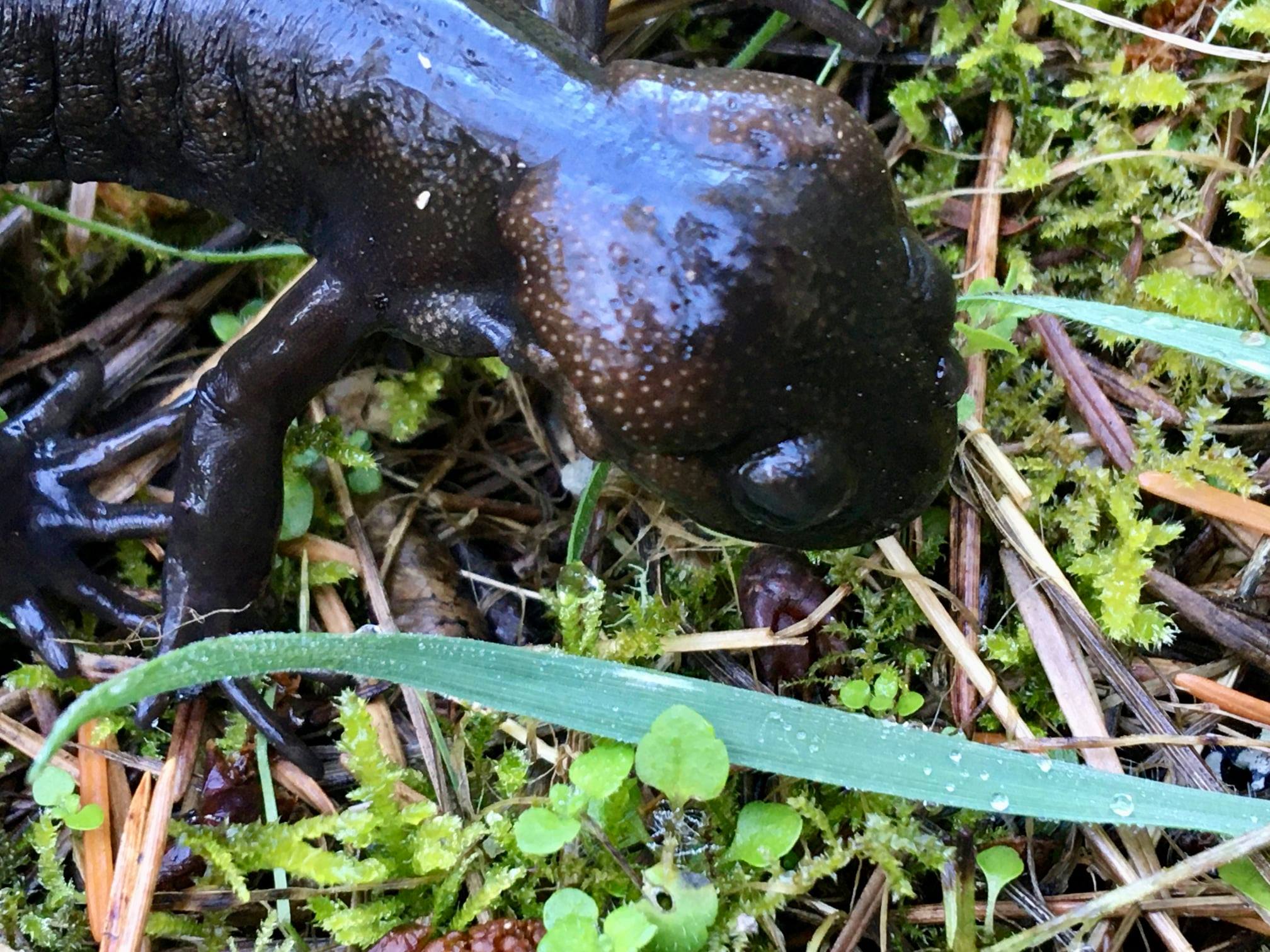
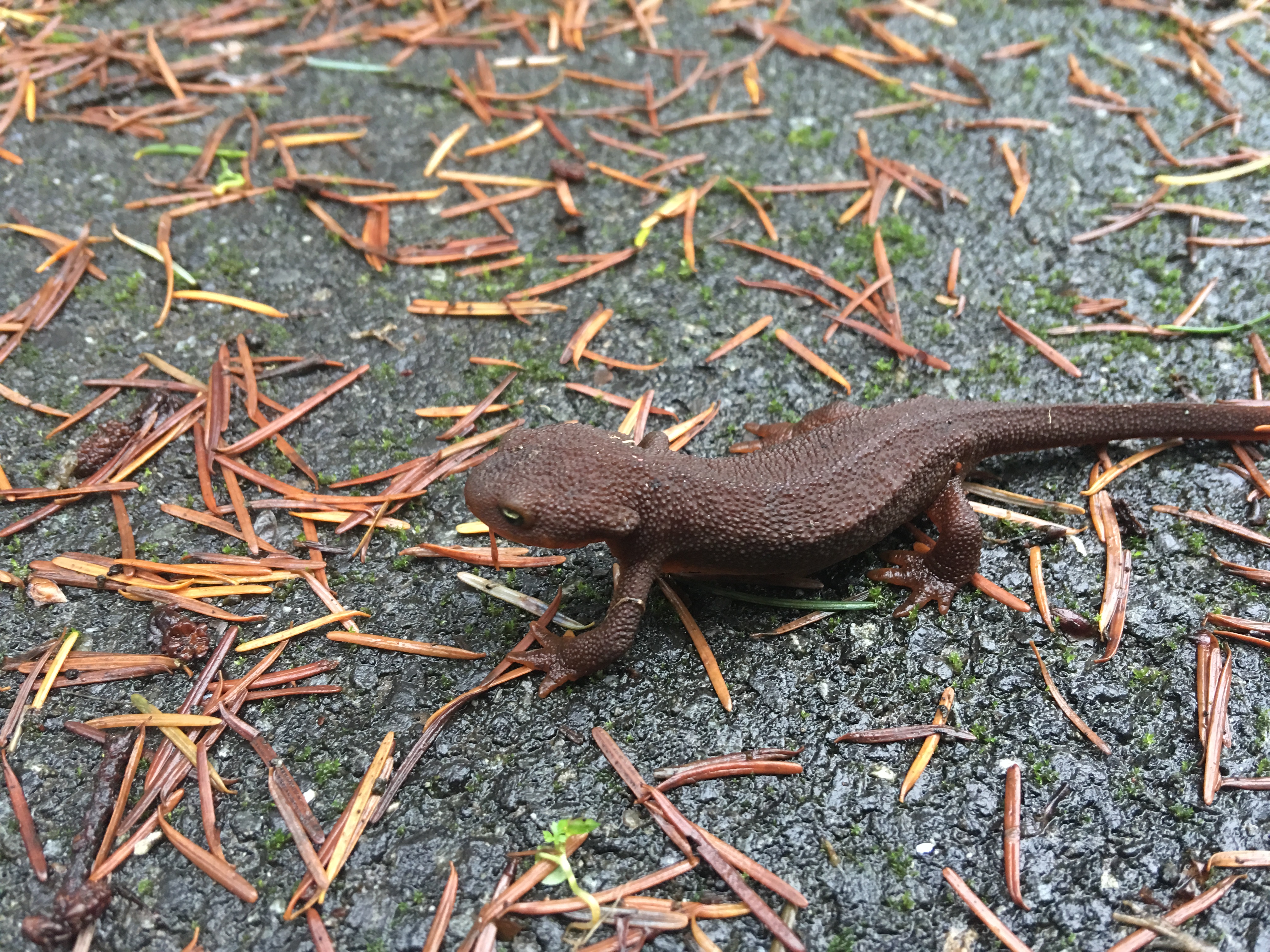
Some other amazing creatures that need clean wetlands and streams to live and reproduce include this alien-like Northwestern Salamander (Ambystoma gracile) I found a few weeks ago, slowly making its way across the road.
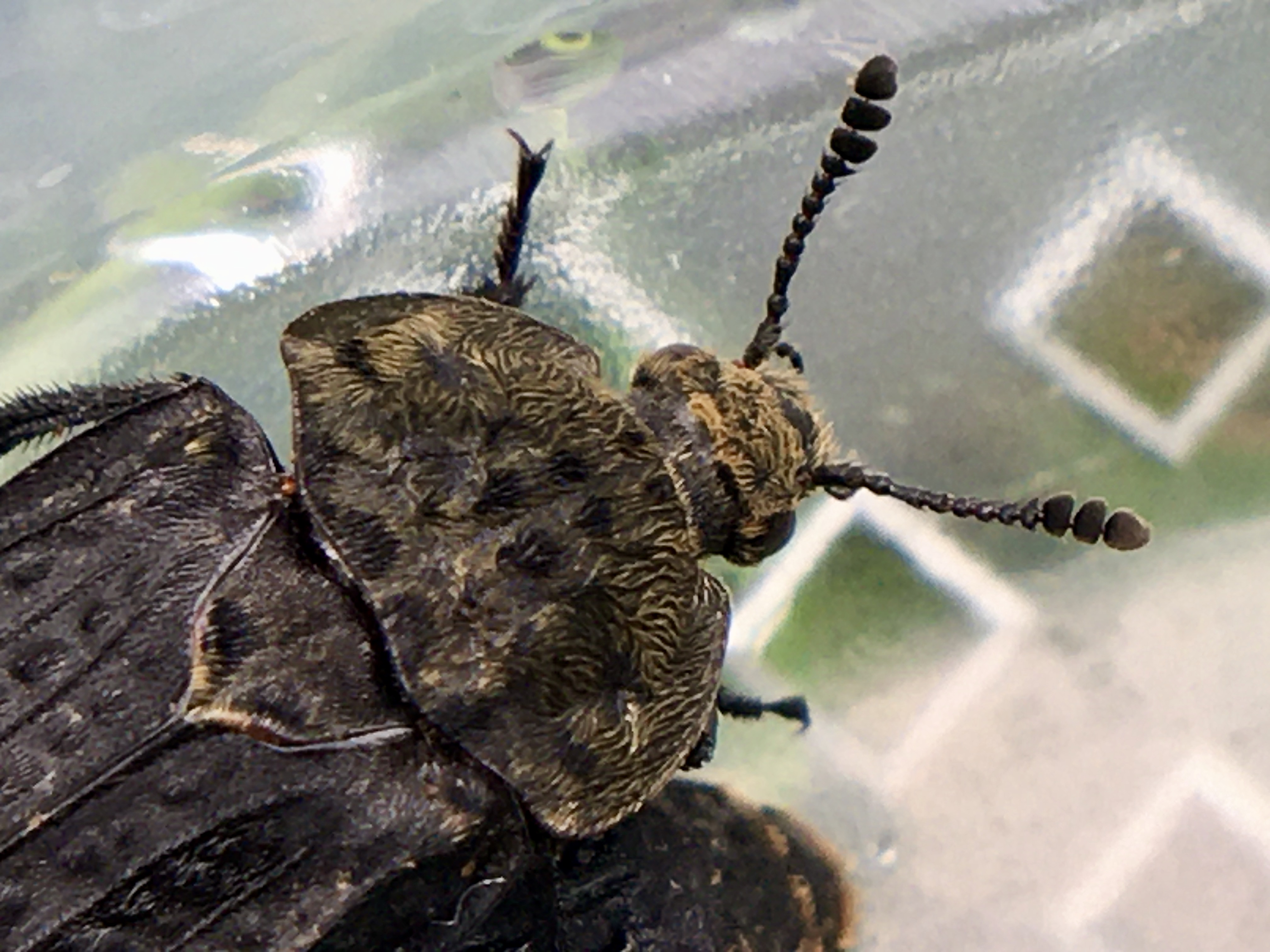
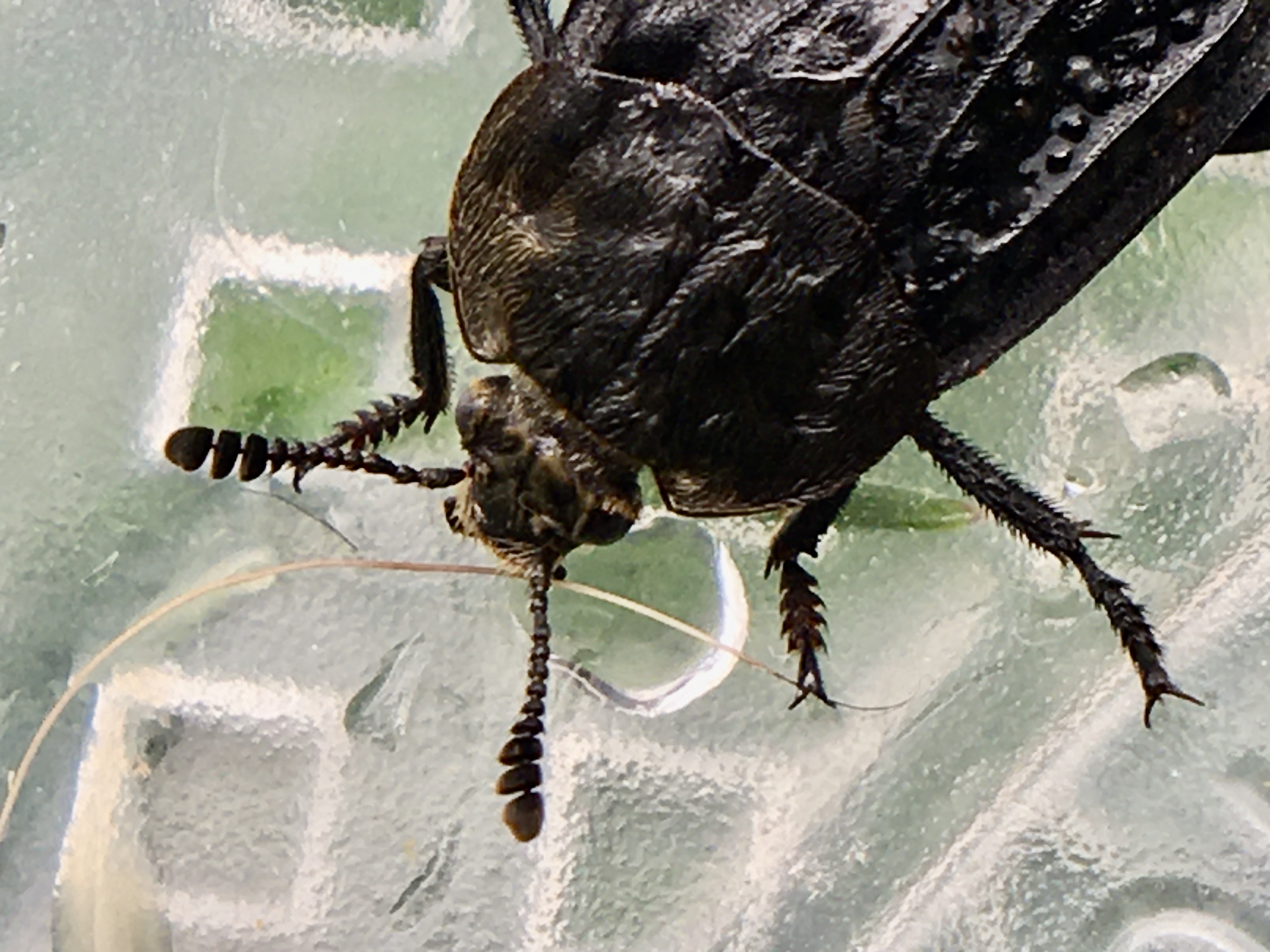
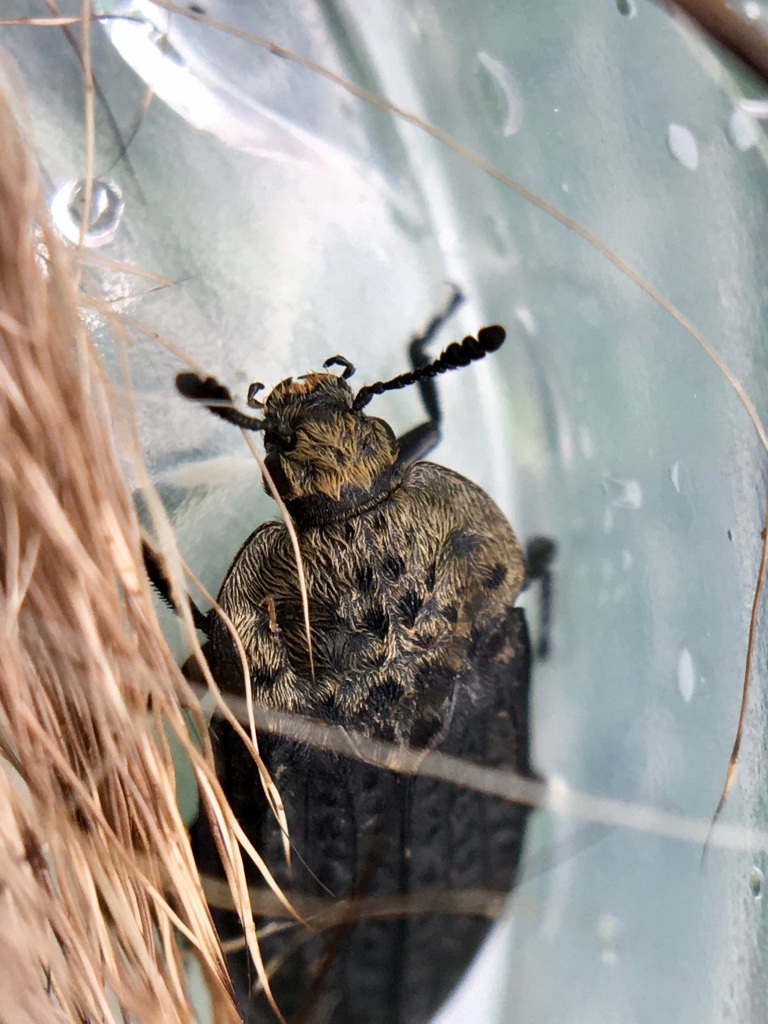
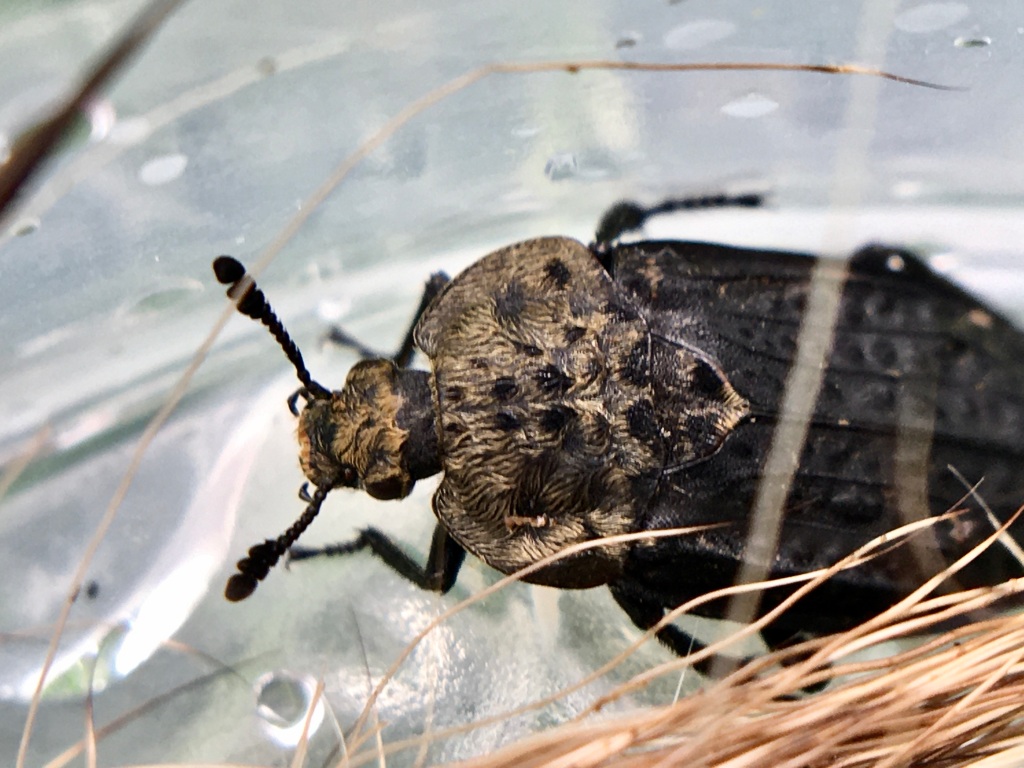
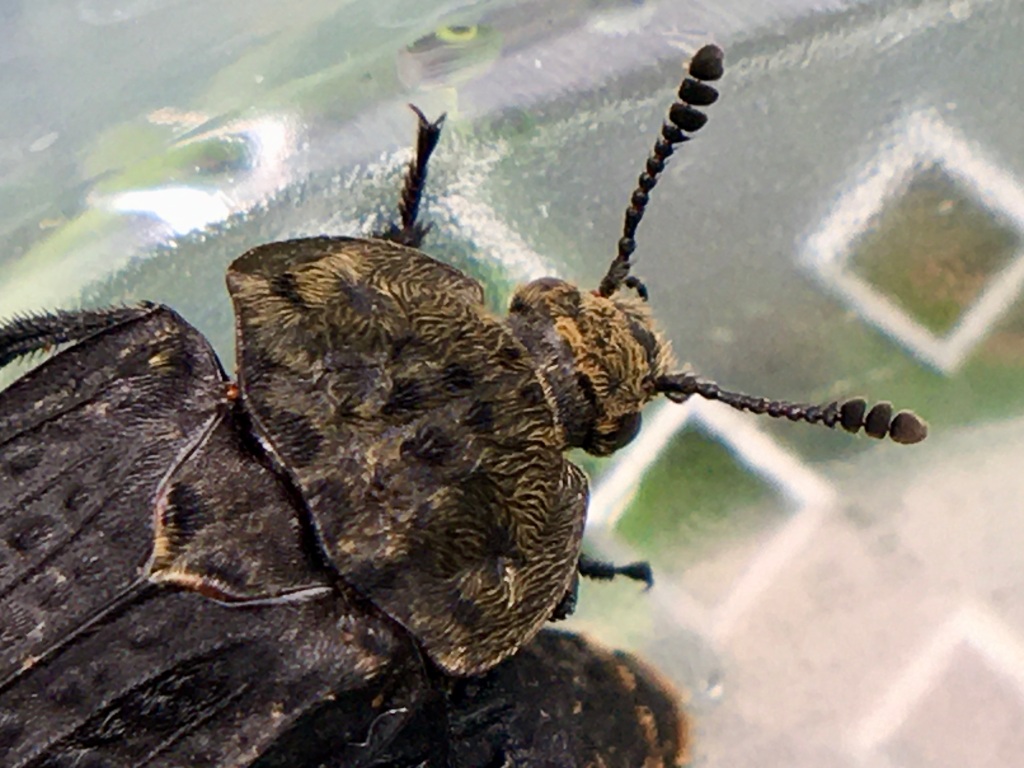
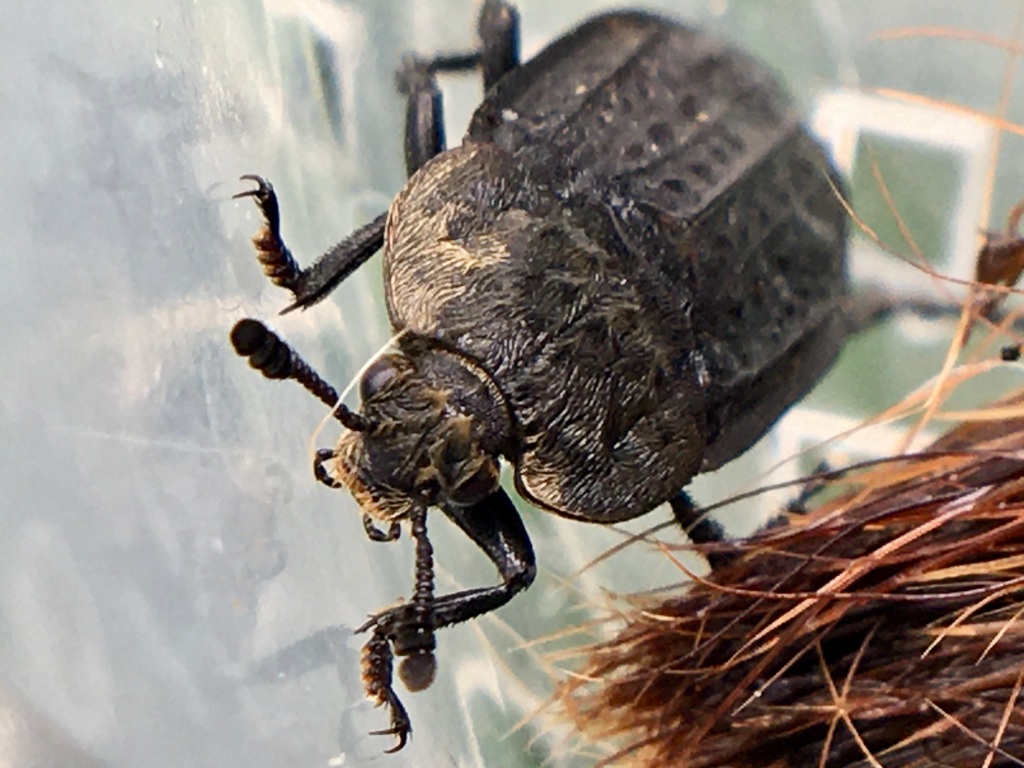
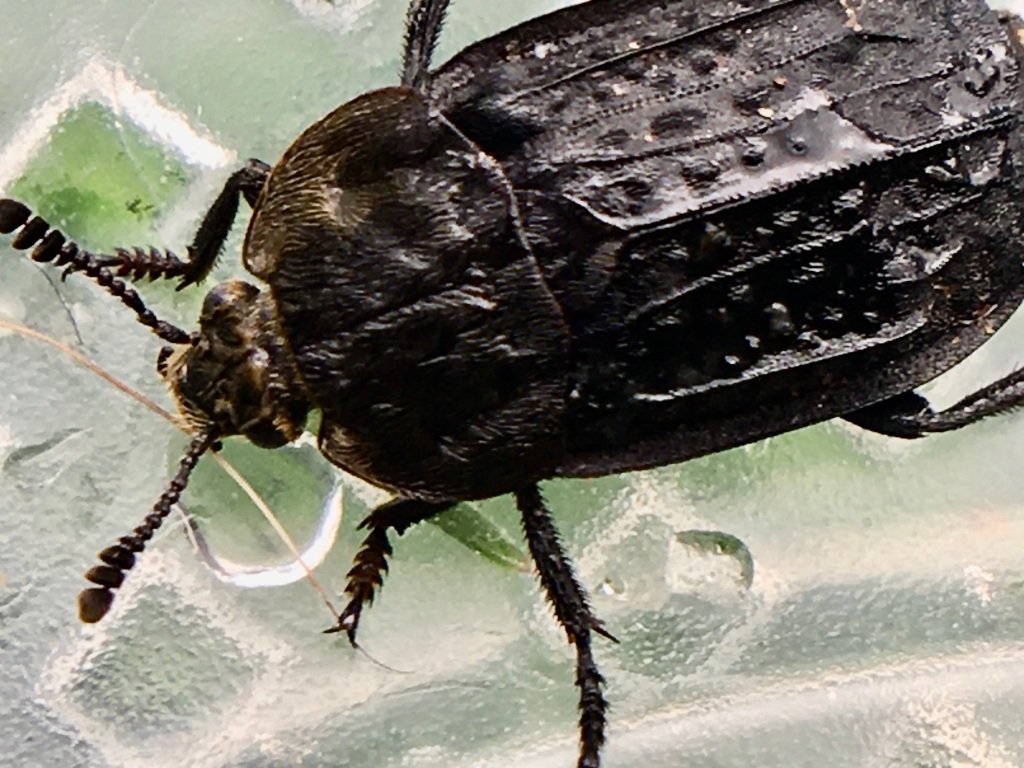
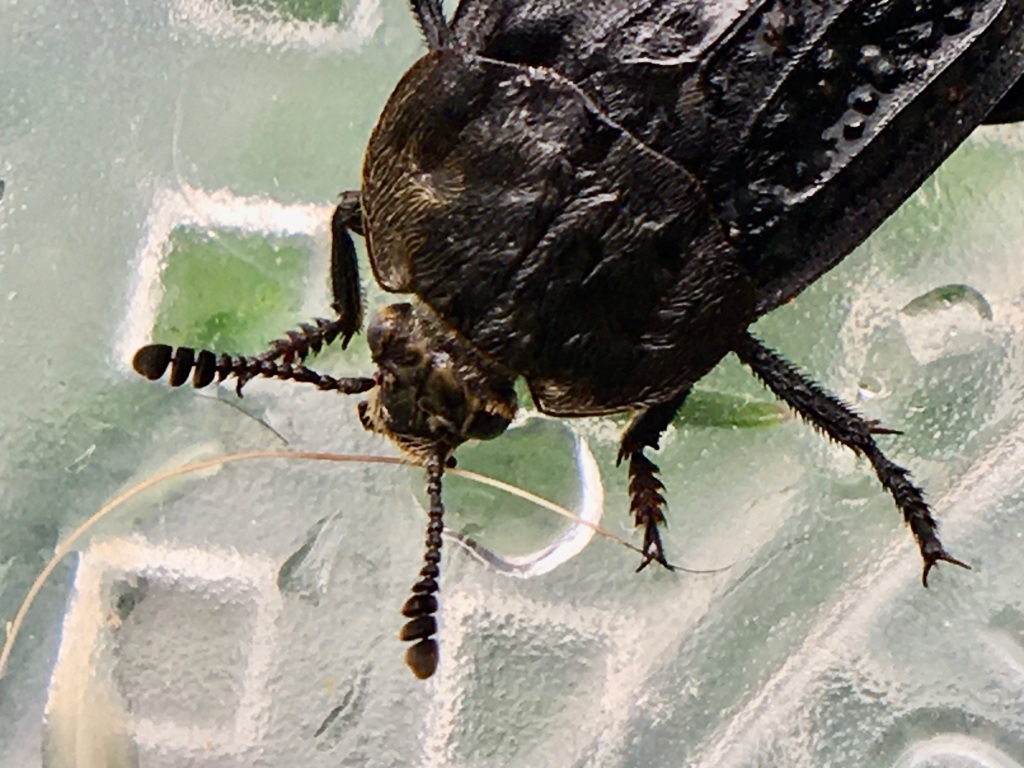
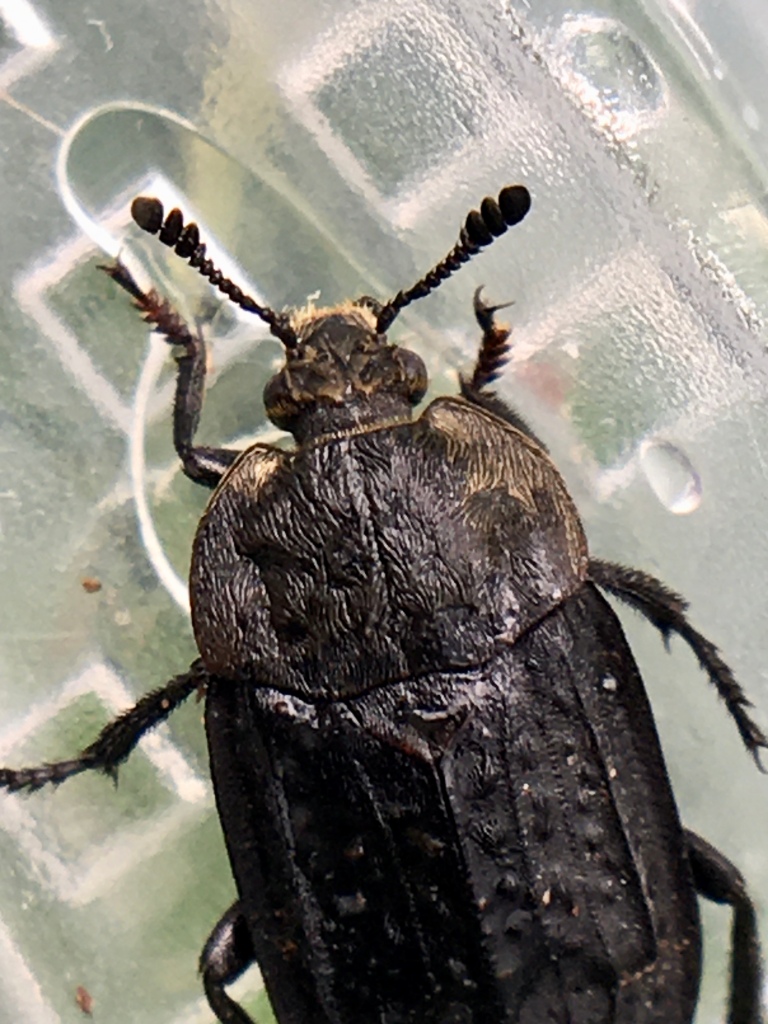
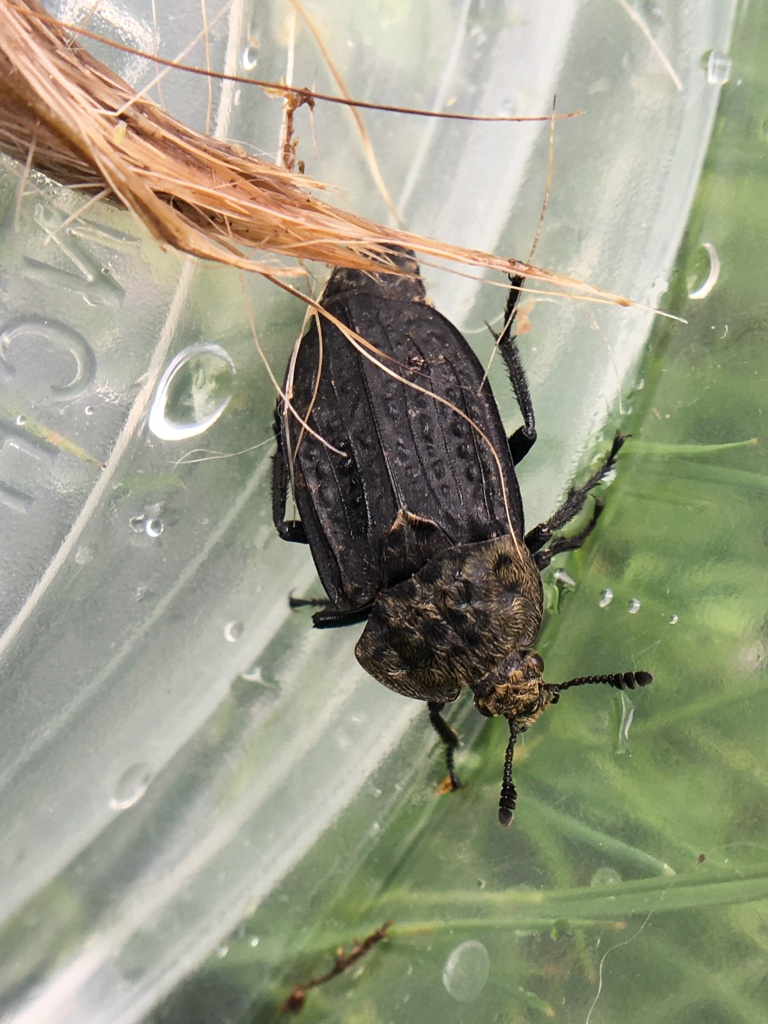
This is a Northern Carrion Beetle – Thanatophilus lapponicus, one of the carrion beetles in the family Silphidae. The origin of the name Thanatophilus is from Greek thanatos (θανατος)- “death” + philos (φιλος)- “loving, liking” (Bugguide.net, 2003-2021).
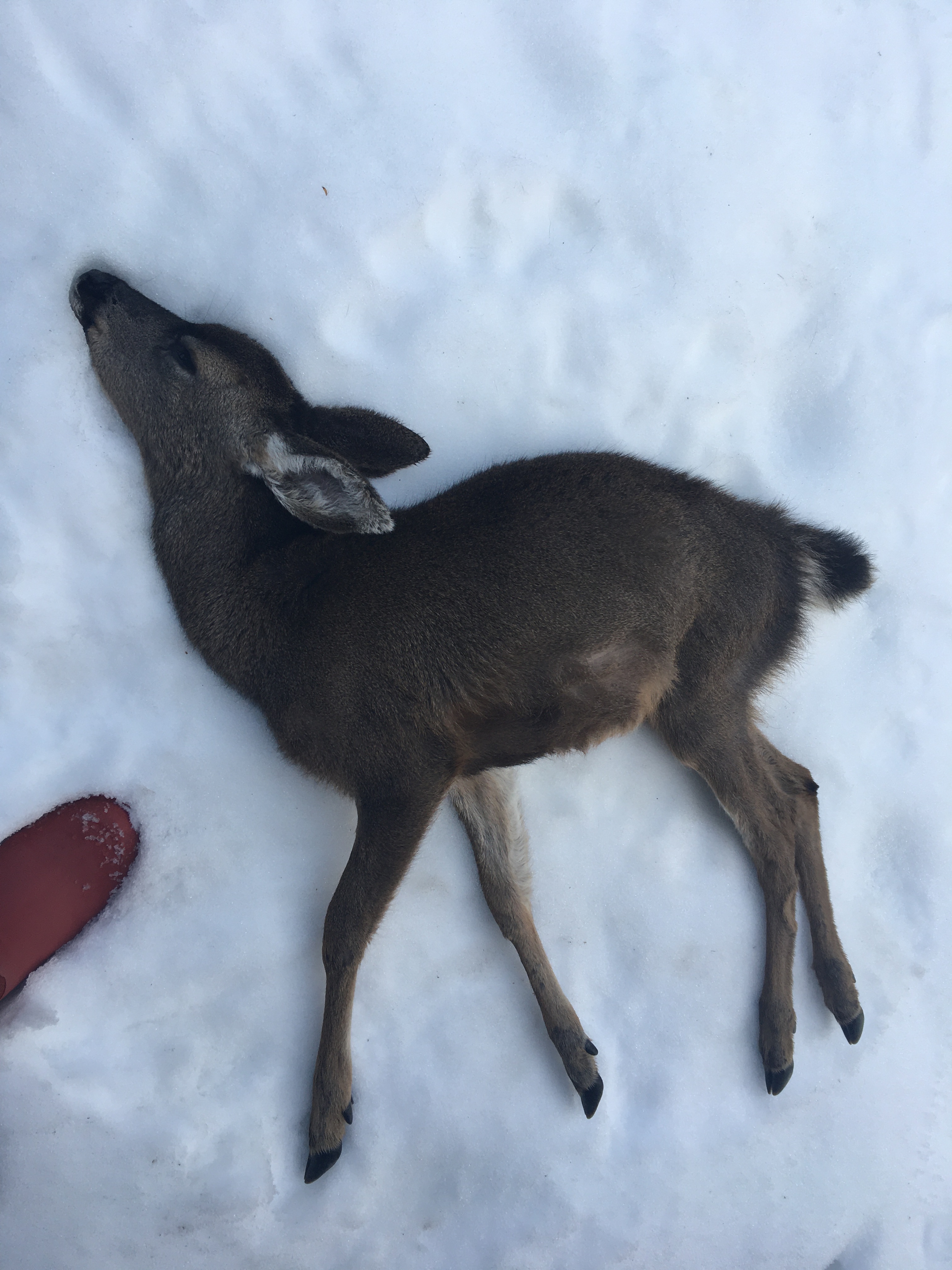
Death is part of a biological process that can be unsettling for many of us. That said, death makes way for new life. This past February, a small fawn died on our property.
February 17, 2021
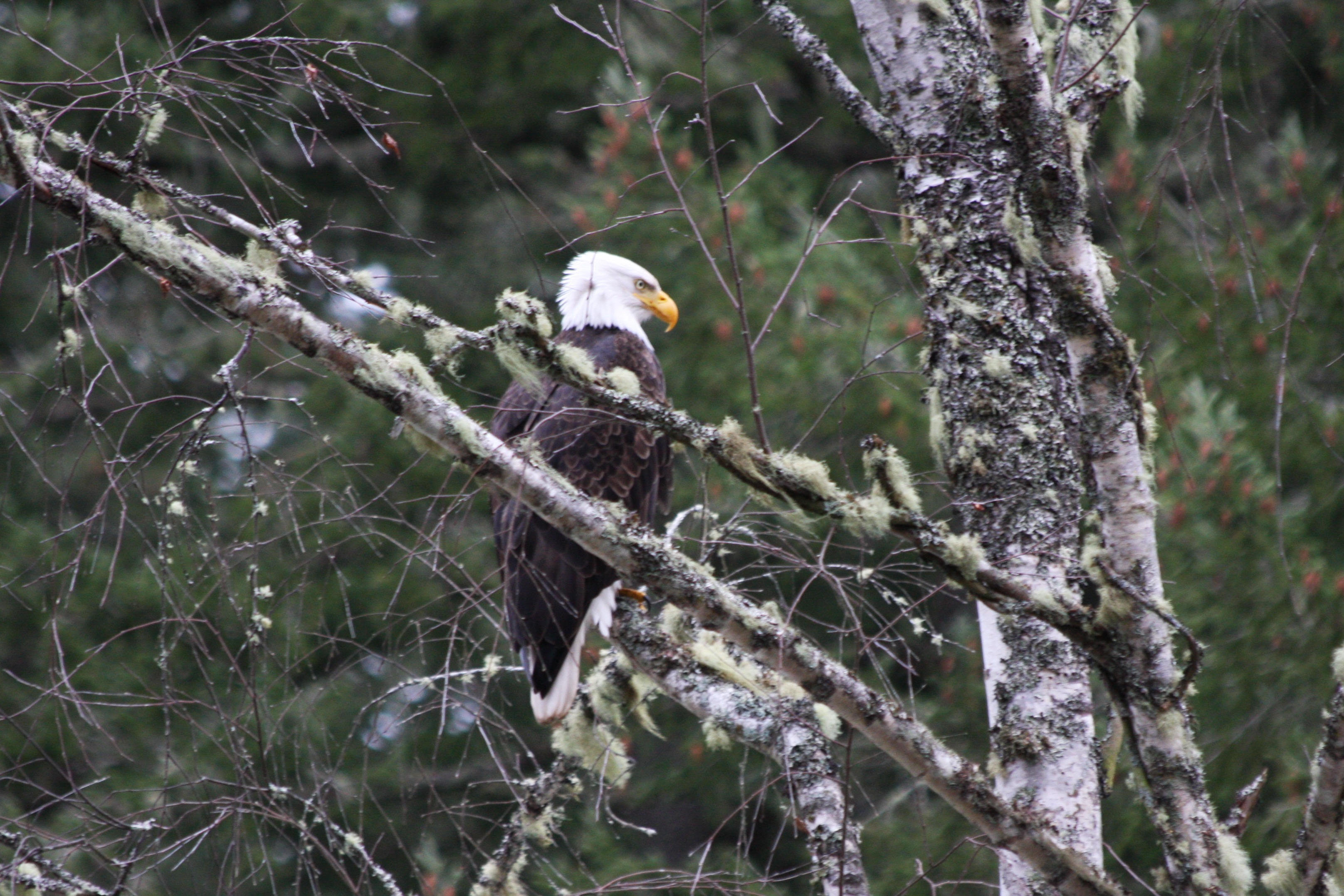
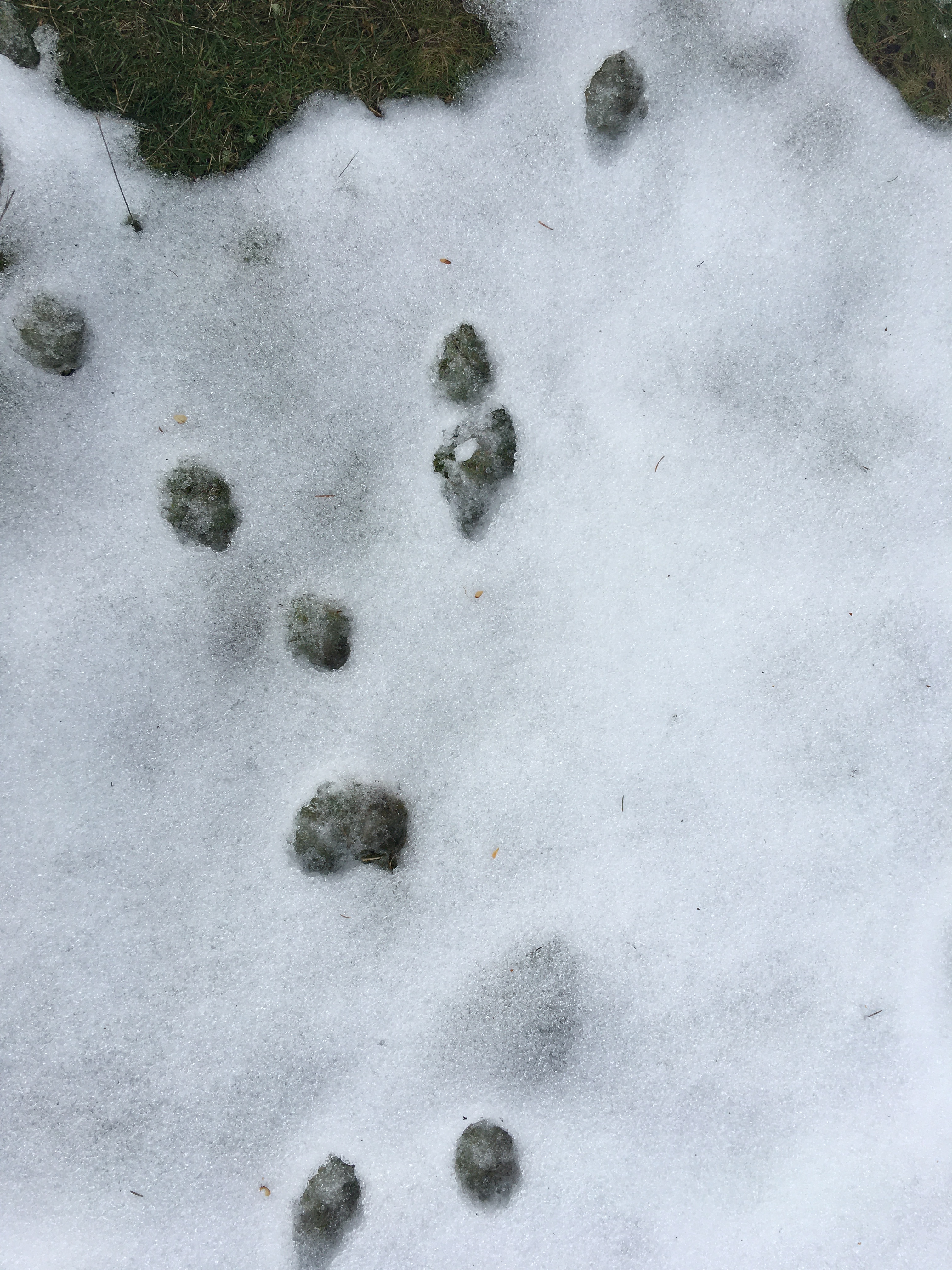
We left the body where it lay. First the eagles came, then a pair of ravens. I believe a fox visited too (tracks in the snow).
Bald Eagle 2.18.2021Fox (?) tracks in snow
Over the course of the past 12 weeks, I’ve found some very cool bugs developing in the carcass, even now in the bits of hide and bones that remain.
Did you know?
There is actually an entire field of scientific study (Forensic Entomology) where time of death of a body can be estimated by the presence and developmental stage of certain insects involved in the decomposition process. This is called determining the Post Mortem Interval or PMI. Forensic entomologists can aid law enforcement in crime investigations by surveying for species of arthropods on a corpse, and determining stages of development and feeding behavior of the arthropods present (Barnes, 2000).
Carrion beetles in the family Silphidae fall into two subfamilies: the Nicrophorinae and Silphinae. While both feed on the remains of animals, the Nicrophorinae or Burying Beetles are associated with smaller corpses like birds, mice, voles, etc., weighing under 300g, while the Silphinae utilize larger cadavers (Watson & Carlton, 2005). This preference or niche, makes them ideal for investigations related to human death or death of larger species of wildlife (as in poaching or other crimes against animals).
Distribution. Thanatophilus lapponicus ranges broadly throughout Canada and Alaska, across the norther United States from coast to coast, and south to Southern California, Arizona, and New Mexico (Anderson and Peck 1985, Peck and Kaulbars 1987). It is also found in Northern Europe and Asia (Hatch 1928, Schwaller 1982).
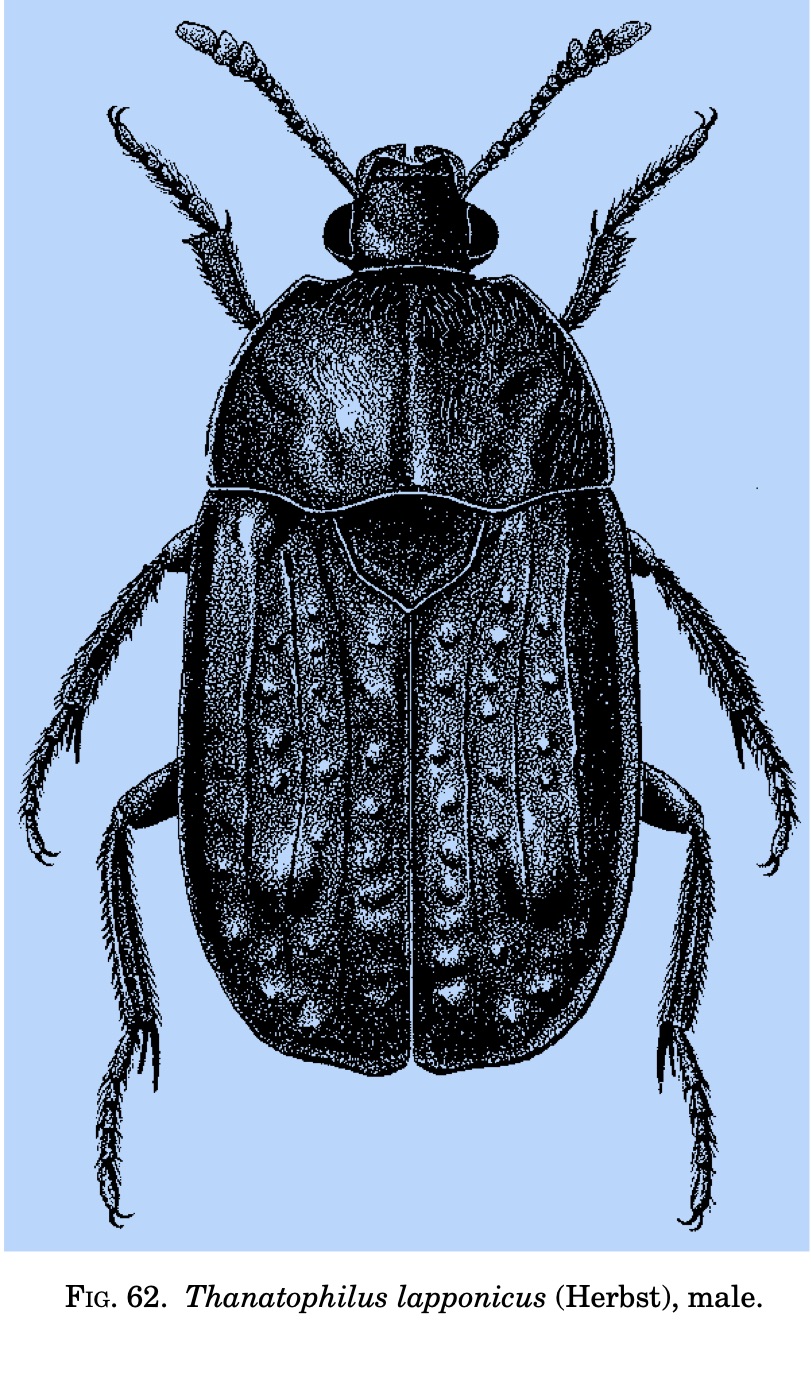
Remarks. Thanatophilus lapponicus is readily identified because of the presence of a row of small tubercles on each of the elytra intervals (Figs. 31-32, 62); it is the only silphid in North America with this distinctive form of elytra sculpturing.
The larval stage was described by Dorsey (1940) , and a brief synopsis was given by Anderson and Peck (1985). The larva of this species is characterized by a dark brown to black color on the dorsal surface, urogomphi that are about two times the length of the 10th abdominal segment, and antennae with a large sense cone on the second segment (as in Fig. 40).
Anderson and Peck (1985) reported that individual females lay about ten eggs in the soil surrounding a carcass. The egg stage lasts 5-6 days, the first instar about 7 days, the second instar 8-10 days, and the third instar 10-12 days. While Anderson and Peck did not observe pupae, they did note that T. lapponicus is a cold-adapted species that occurs at higher elevations in the western Mountains of North America. It is often the only silphid present in some of these areas. Thanatophilus lapponicus shows a strong preference for open areas (Anderson 1982c).
Clark (1895) observed extensive predation on fly larvae by adult beetles.
Size. 9-14mm
Time of Year Seen. March-October
References:
Anderson, R.S. and Peck, S.B. (1985) The carrion beetles of Canada and Alaska. The insects and arachnids of Canada, part 13, 1–121.
Watson, E., & Carlton, C. 2005. Succession of Forensically Significant Carrion Beetle Larvae on Large Carcasses (Coleoptera: Silphidae). Southeastern Naturalist,4(2), 335-346. Retrieved April 27, 2021, from http://www.jstor.org/stable/3877967
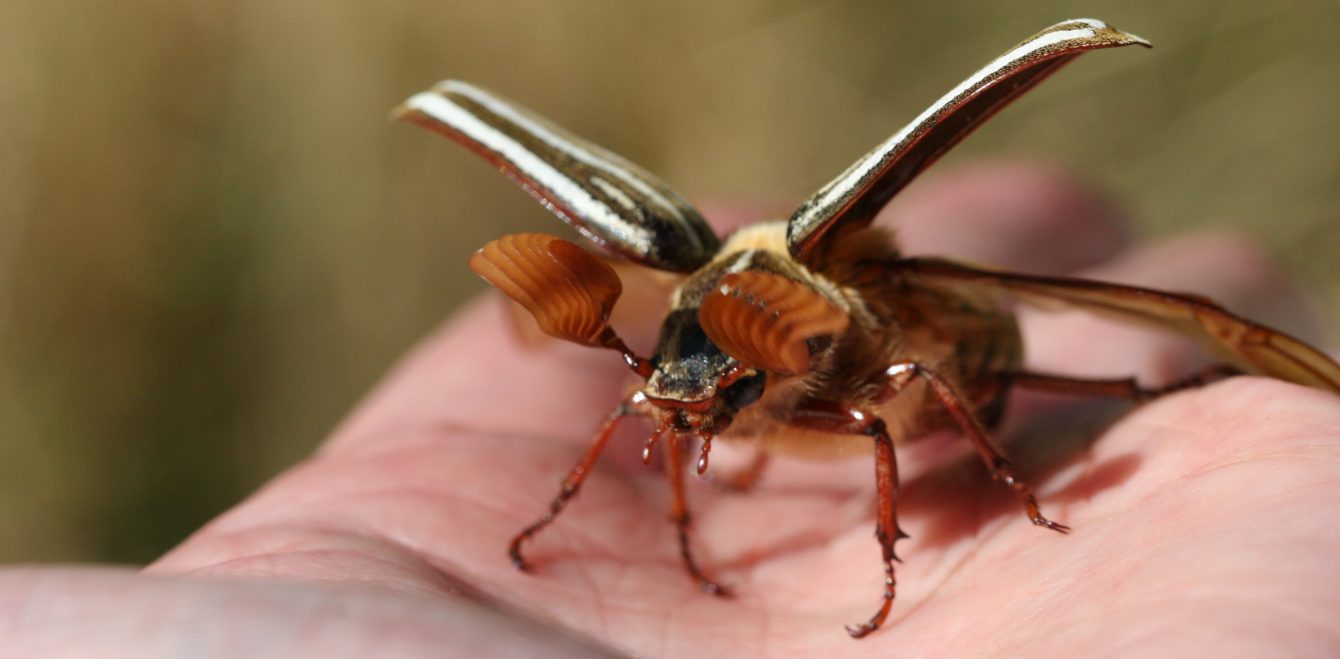
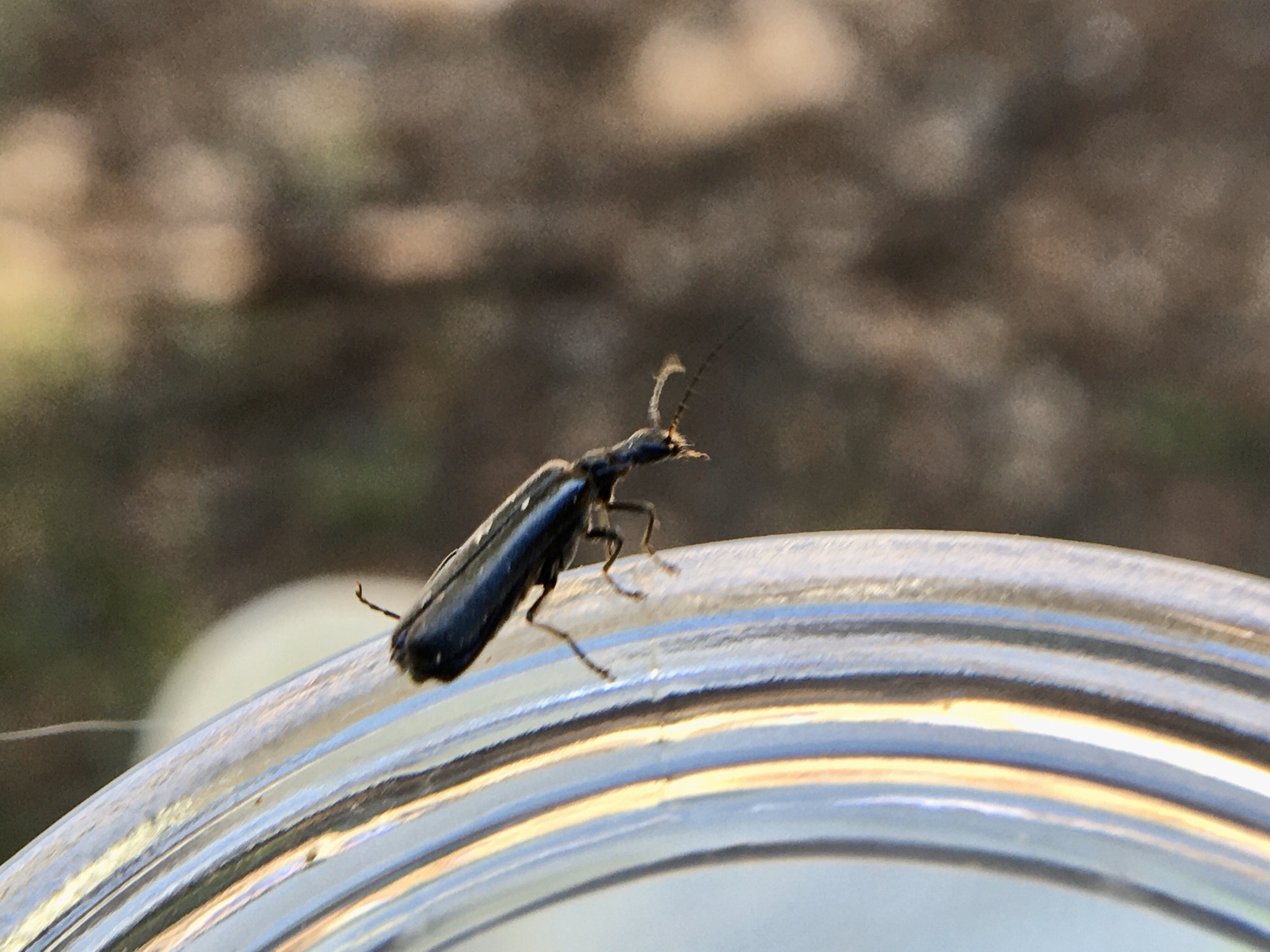
This little guy got into my pants yesterday! 😁 What is it? This is a Treehugger Soldier Beetle (Dichelotarsus piniphilus) in the family Cantharidae or soldier beetles ( because their wings resemble military uniforms). More interesting though is the Greek translation of Cantharis or κανθαρισ, translating to ‘blister beetle.’
I’m pointing this out because this little Treehugger got confused yesterday and when it was hugging my leg and my pants were hugging back a bit too tightly, it either bit me or exuded some of the defensive chemicals that they use to repel would-be predators . In either case, I was fine aside from a bit of a temporary stinging sensation.
Treehugger Soldier Beetle
This species is common in the west. Surprisingly, very little is known about the life histories of these beetles. I’ve spotted them on nettle this time of year. Adults are known to feed on insects (including aphids), nectar, and pollen.
I wondered if there is some uptake of the chemical constituents of the nettle to produce the defense secretions in the beetle, either via consuming pollen from the nettle, or via feeding on another insect feeding on the nettle. A literature search failed to yield any supporting information, though I did find an older publication listing insects found in association with nettle. Quite a few were some of our lovely Lepidoptera, so you might want to leave those nettle patches instead of clearing them away 🦋









 Bugging You From San Juan Island