I’m always excited when someone asks me to ID a bug for them! This came from the women over at Browne’s Garden Center – https://www.browneshomecenter.com/garden-center/, San Juan Island, WA. It’s the “black form” of the White-Lined Sphinx Moth (Hyles lineata). The larva are sometimes called Purslane caterpillars. They will eat Fireweed (Epilobium angustifolium), other fireweeds, and other various plants in the evening primrose family.
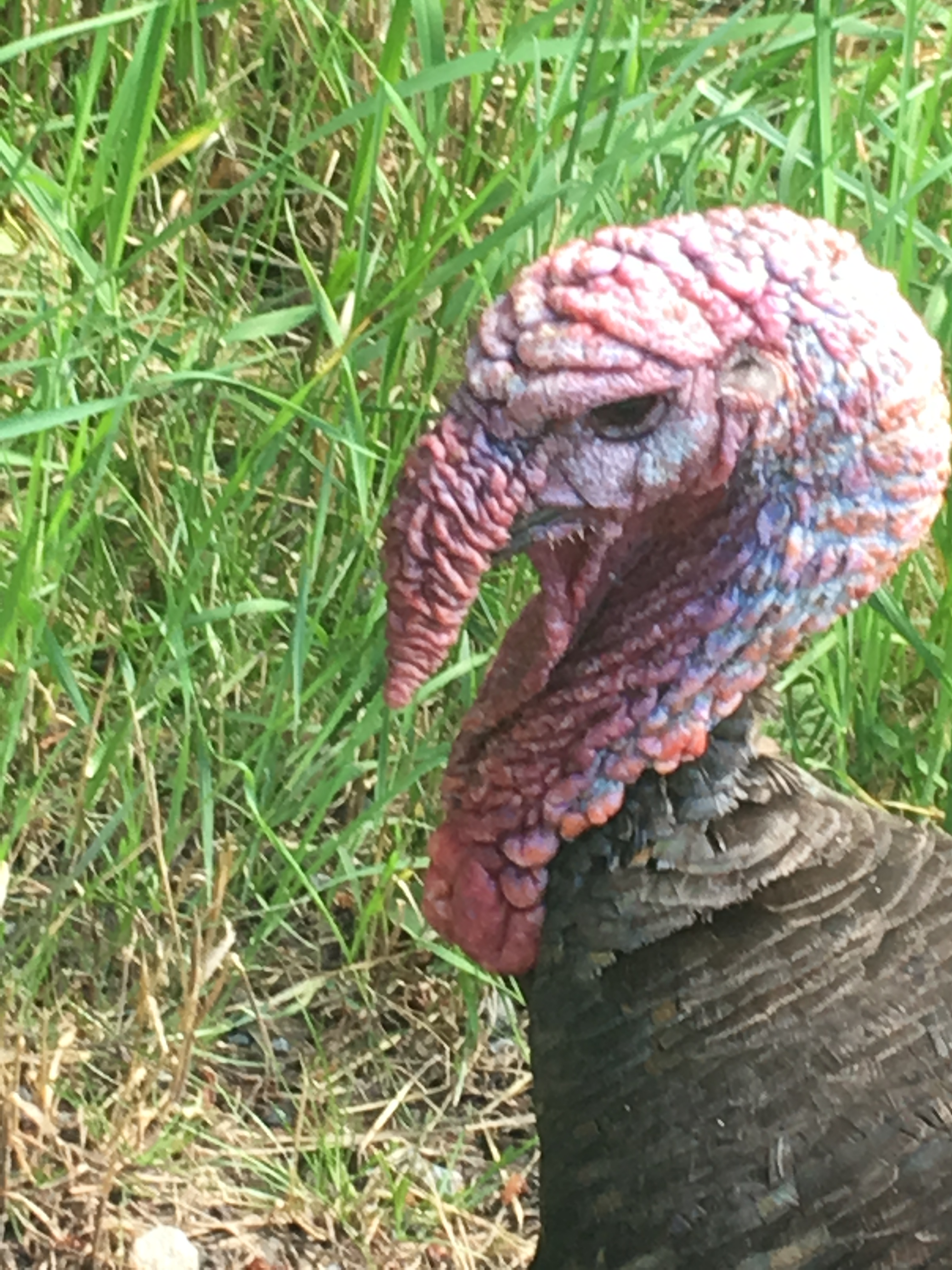
Ok. So maybe that’s not the scientific name for the Turkey Vulture (Cathartes aura) we have on San Juan Island, but the name “buzzard” is a colloquial catch-all, referring to these and other various large birds of prey. Scientific nomenclature aside, if you want to know how vultures came to be called buzzards (blame the early Colonial Americans for the confusion), take a look here https://www.thespruce.com/buzzards-vs-vultures-4171318
I finally dug out video footage of these turkey vulture chicks I filmed a few years ago. They were nesting on San Juan Island. I’ve heard from some folks that there was a nest on Lopez. I believe this is a fairly new occurrence, but maybe some of you who have lived here longer know if there have been vulture nests before. Here’s my account of this fascinating experience.
First, finding the nest was an accident. Someone dumped farm turkeys out in our area. Giant shout out here to Julie Duke at https://www.islandhaven.org Julie helped me catch the first turkey (Bob) and then took his family and friends (including one crazy guinea hen) and gave them a forever home at October Farm.
Bob the Farm TurkeyRescued turkeys on their way to October Farm and Island Haven Animal SanctuaryGuinea friend
After managing to catch all but the last two who were in the woods hiding, another neighbor trying to help round up these farm turkeys happened upon the vulture nest. When I went over to take a look, I noticed one seemed to be failing. I called and asked a Wolf Hollow rehabber https://wolfhollowwildlife.org to come take a look.
Wolf Hollow rehabber assesses Cathartes aura chick with metabolic bone disease
Sadly, the failing chick had metabolic bone disease. This means it didn’t get adequate nutrition (calcium and Vit. D) for the bones to grow correctly. Its wings were broken and feet malformed. The other chick was very healthy and would eventually fledge.
Second, I decided to write about this to help people see the value of dead trees. Especially OLD dead trees. Please don’t remove them from your property and if they are a risk of falling, you can have the tree “topped” so it leaves the rest as a snag for wildlife. Cutting it all the way down to the ground wastes a valuable resource for lots of things that depend on it.
These vulture parents selected a tree that had burned out on the inside and the nested in the bottom. When I say “nest,” they were pretty much on the dirt at the bottom. There were no twigs, moss, etc. lining it. It was just the hard ground. It was pretty stinky too. The chick that hadn’t fully developed still had white fluff and blue eyes.
Third, nests like these and other ground nesting birds’ nests are extremely vulnerable. Hikers with dogs should keep their pups leashed…ALL the time! These guys had absolutely no defense against a dog and counted on staying hidden. The defenses the birds have adapted to protect them from other wildlife include 1) the bad odor and 2) projectile vomiting.
I also noticed they would buzz like a nest of wasps or bees. The larger chick would turn and face the burned inside of the tree, completely concealing itself, all the while making the buzzing sound. Sometimes honey bees will establish hives in hollow trees and I wondered if the vultures count on the buzzing noise to be a deterrent to predators who might think they would be stung. Perhaps this is another reason they came to be called “buzzards?”
Thankfully, I was extremely considerate in my observation and didn’t antagonize them in any way. I felt very lucky to witness such amazing animals and appreciate all the wildlife we have around us. I was also thankful for Wolf Hollow and the gentle rehabber who assessed the smaller chick and made the sad decision that spared it further suffering.
The parents did not come back to nest in the tree again. Sadly, someone cut part of the tree up for firewood, probably never realizing what it had been.
I posted yesterday about picking a twig from my plum tree that had a leaf or two with some weird, white, fluffy gunk on it. Like I do often, I put the leaf on my desk with the intent of looking at it more closely in the morning. You’d think some sort of learning curve would happen with this delayed examination habit of mine. For instance, the mishap of having deer tick eggs hatching and crawling all over my desk https://www.facebook.com/buggingyoufromSJI/posts/2375866245969416. I barely caught that one in time. It’s important to have sticky tape on your desk for emergencies!
Well, yesterday morning, July 31, 2019), I woke to find tiny green specks moving all over my desk. They were crawling off the leaf in all directions. I set down my coffee and grabbed my iPhone macro with the macro lens attachment and took a closer look. This is what I saw. https://youtu.be/gxDqhqZqpus
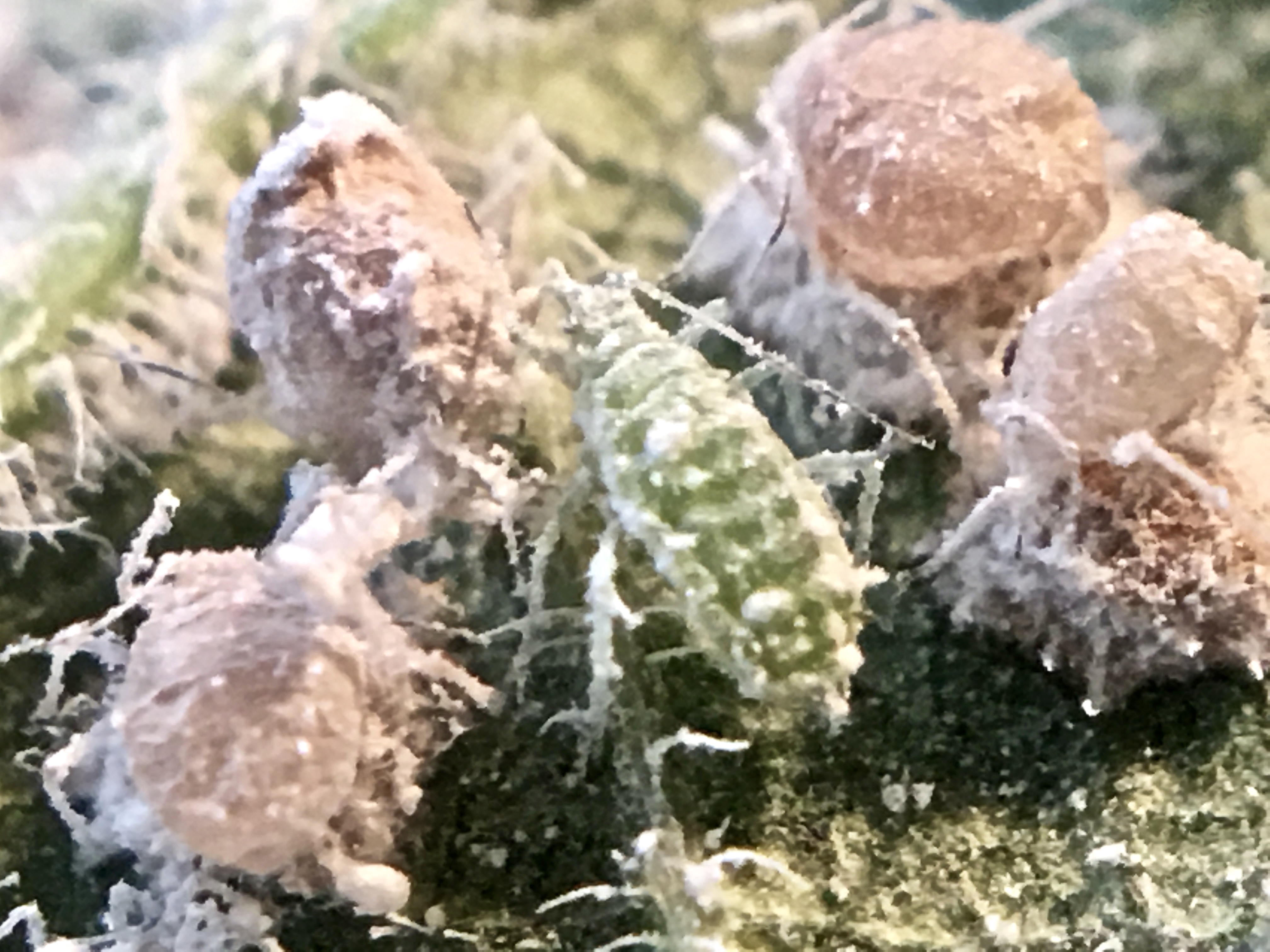
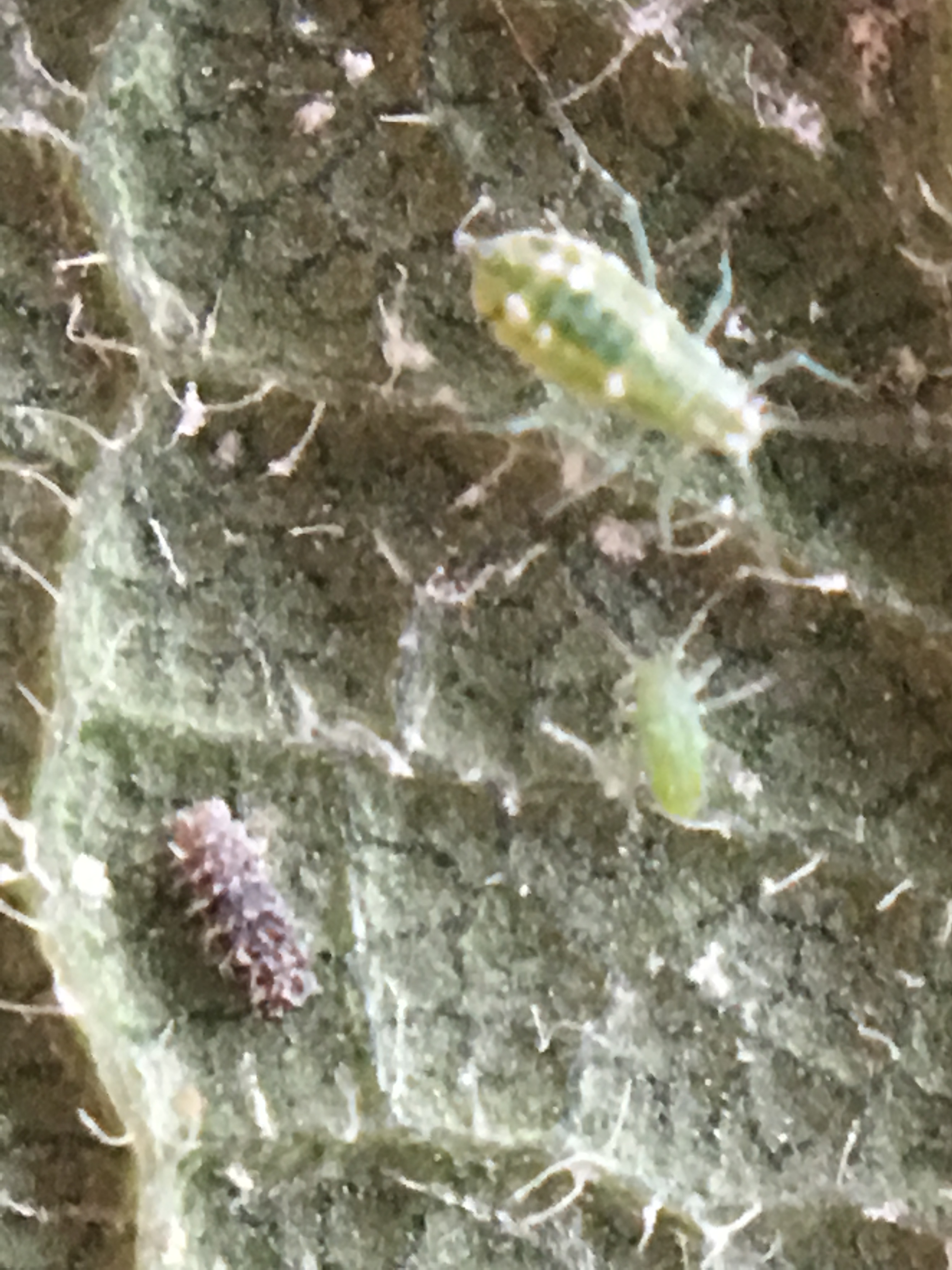
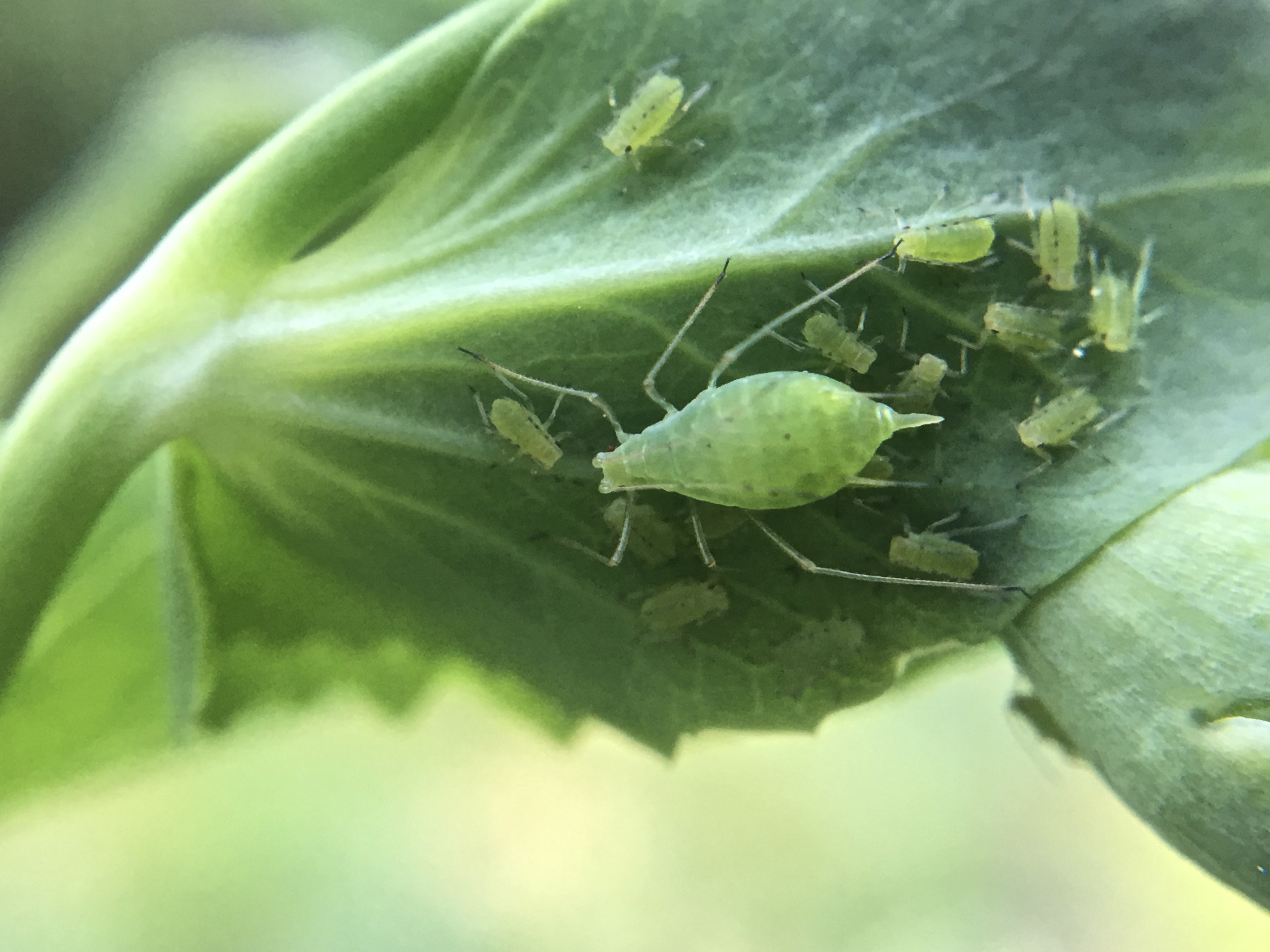
Hyalopterus pruni San Juan Island, WA July 30, 2019
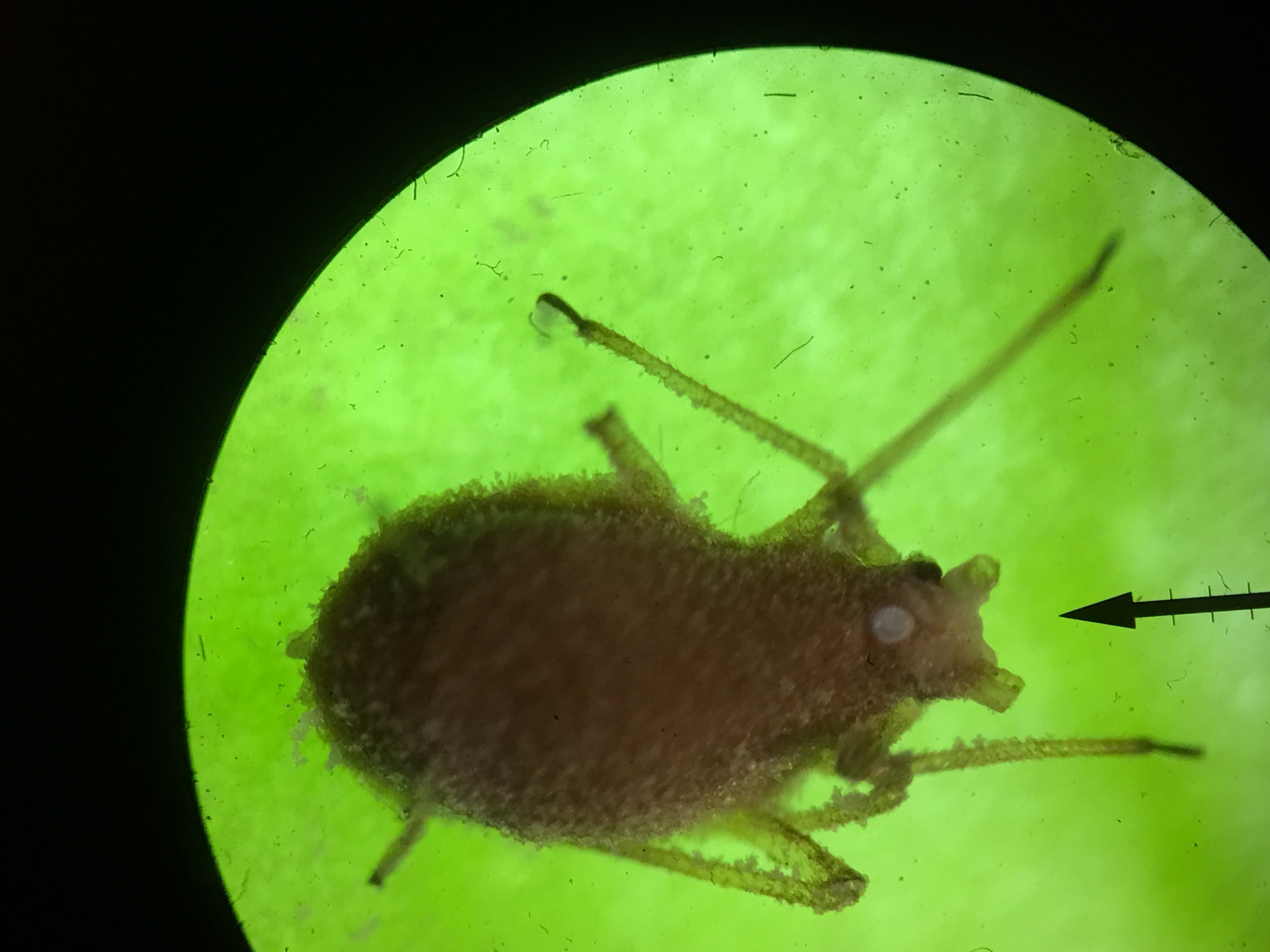
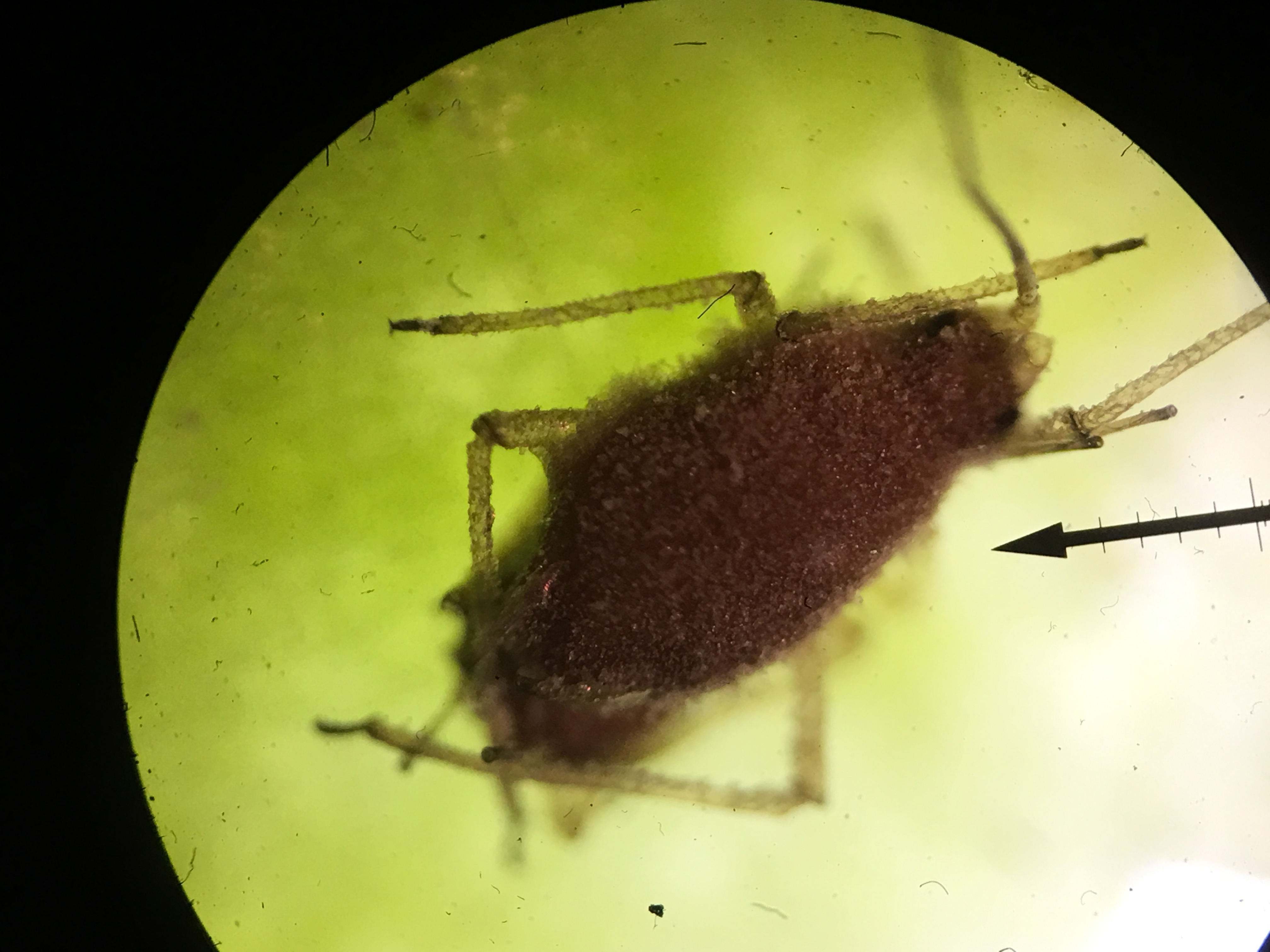
As you can see, these guys are active! After doing a bit of research, I have determined them to be Hyalopterus pruni (Mealy plum aphid or reed aphid). These non-native aphids are found across the U.S. While numbers can build up to damaging levels, nature does have a built in control to manage these pests without using harmful insecticides. Those little eggs I posted about yesterday https://cynthiabrast.wordpress.com/2019/07/31/lacewing-eggs/ are going to be lacewings. Hungry lacewings with a veritable buffet awaiting them!
Hyalopterus pruni (Mealy plum aphid or reed aphid) San Juan Island, WA July 30, 2019Hyalopterus pruni (Mealy plum aphid or reed aphid) San Juan Island, WA July 30, 2019Hyalopterus pruni (Mealy plum aphid or reed aphid) San Juan Island, WA July 30, 2019
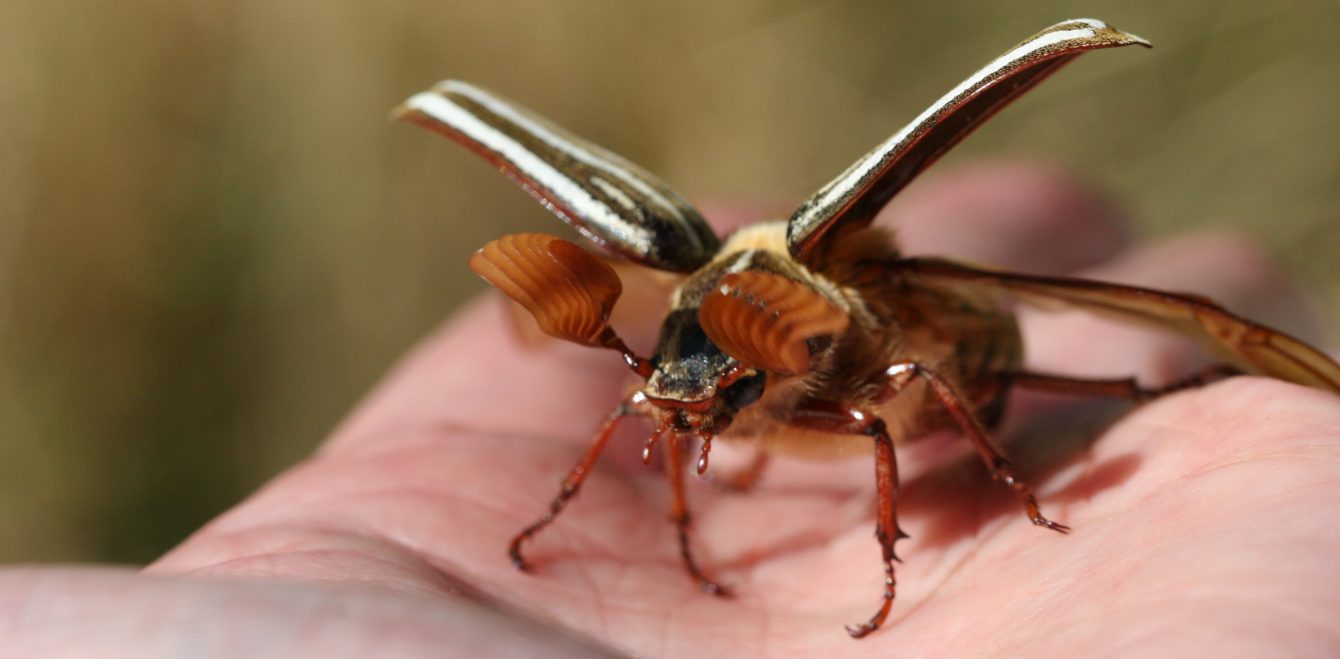
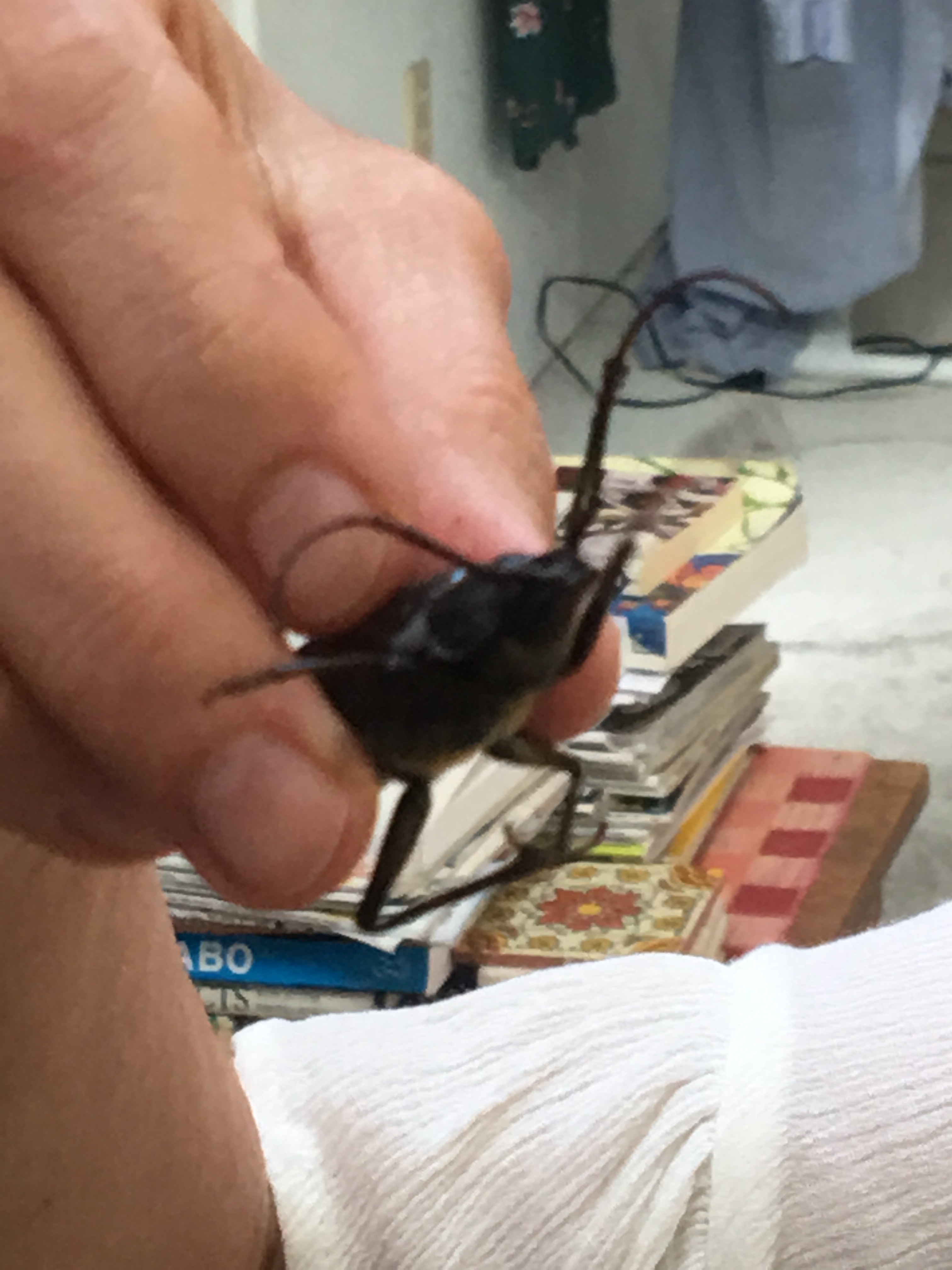
So my neighbor brought me a bug this afternoon and it’s not even my birthday! Thank you Julia. You made my day! 🐝🐛🦋🦗🐞
(Trichocnemis spiculatus) The Ponderous Borer or Western Pine Sawyer
Ponderous Borer (Trichocnemis spiculatus) Trichocnemis spiculatus San Juan Island, WA July 31, 2019Trichocnemis spiculatus San Juan Island, WA July 31, 2019
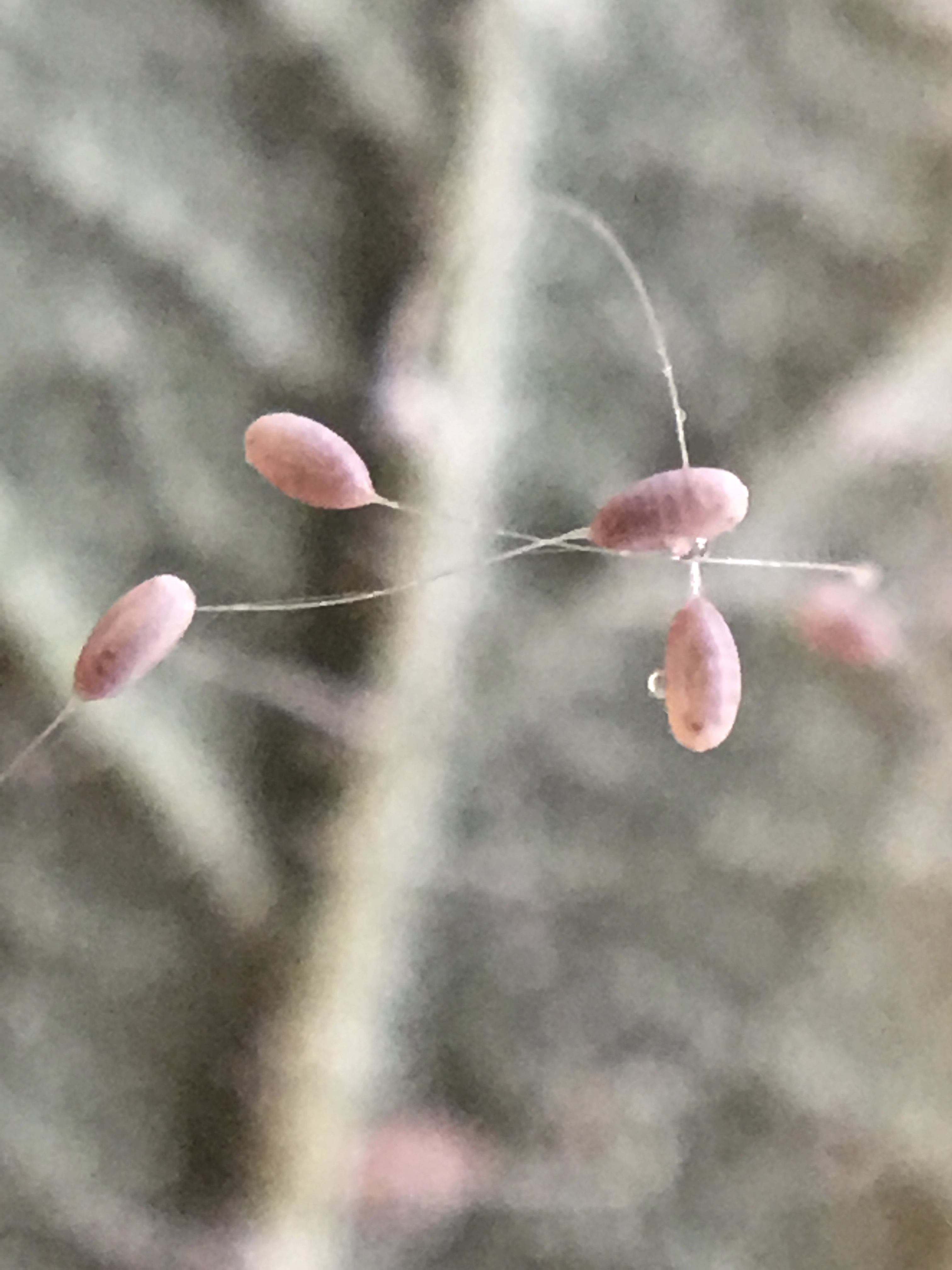
I photographed these tiny, delicate eggs this morning using my macro lens attachment and my iPhone camera. Yesterday evening (July 30, 2019), I picked a leaf from my plum tree because I saw something odd. Not these eggs because they were far too small to see without magnification. Instead, I saw fuzzy white particles that sure looked to me like pest insects had taken up residence. I’m sharing the eggs in this post first. I believe they’re lacewing eggs. Lacewings are beneficial in the garden and voracious predators of small, soft-bodied insects. Check back tomorrow for Part 2 where I’ll share the rest of my discovery with some video of what else I found on those leaves.
Sin City has a new attraction. It’s not the Radio City Rockettes, but they have lots of legs. It’s not a new Cirque du Soleil group, but they can jump and fly through the air with the greatest of ease. This is one animal show that even Siegfried and Roy can’t tame. In fact, most folks (unless you’re an entomologist) would prefer to miss this show when visiting Sin City. Chances are, you are going to get a front row seat whether you want it or not.
The grasshoppers are Las Vegas’ latest and greatest performers. This is NOT the name of a new hip hop, jazz, or rock band either. But there are thousands already performing and more showing up to audition every day. The “invasion” is not the name of a new dance. It’s not the grand opening of a new luxury hotel, but rather the new theme for the whole city. Grasshopper season!
This, in fact, reminds me of the crickets that invaded Highland Park Mall in Austin, TX long ago when I worked in the men’s shirts and ties department at Foleys. We had at least a 4 inch layer of crickets that made their way into the first set of entry doors. They had literally piled up on top of one another. Some had gone past the 2nd set of doors and were now in the plastic packaged shirts and the lucite display cubicles. When you tried to pick them out, they squirted out this horribly staining and smelly vomit or fecal matter that made the entire problem so much worse. When mall maintenance workers came around to suck all those crickets in the entry doors up with a vacuum, creating a horrible odor of vacuumed crickets, that did it for me. I didn’t show up for my shift ever again. No notice either. I just couldn’t handle it. (Kinda funny in hindsight that I eventually became a master’s-degreed entomologist). Check out this link to see I’m not exaggerating here one bit! https://www.dallasnews.com/news/from-the-archives/2018/08/14/invaded-crickets-dallasites-battled-swarms-clogged-clocks-plowed-doors
Now I live on San Juan Island. A small, somewhat delightful (unless it’s summertime and the height of a gazillion tourists descending up on us) rural community, accessible by small airplanes or ferry. Last year we had some residents getting pretty worked up by our invasion of praying mantises. I fielded some questions about how they might eat up our hummingbirds. Comments about them ranged from “they’re horribly invasive” to “they’re going to eat all our pollinators.” I smiled and tried to explain as politely as I could how there are only 3 officially documented cases of hummingbirds being captured and eaten by mantises in the United States since the 1800’s, and those were Chinese Mantids, not the smaller European Mantid that is making it’s way west. https://sanjuanislander.com/news-articles/environment-science-whales/environment/28146/revenge-of-the-mantids
As far as pollinators getting eaten by mantids, well, that happens. Everything in nature gets eaten by something. Native species of robber flies and dragonflies eat our cute little bees. So do native spiders and birds. Yes, mantids eat lots of things. Like grasshoppers. That’s why they were introduced to North America in the first place. Which brings me to how I’d like to hand out vintage agricultural reports from the 1930’s and 40’s to some of these panicked individuals and ask them if they’d like to have a few praying mantids on the island or a 6 inch deep layer of grasshoppers! It can happen!
As for those reveling grasshoppers in Sin City…let’s hope what happens in Vegas, stays in Vegas!
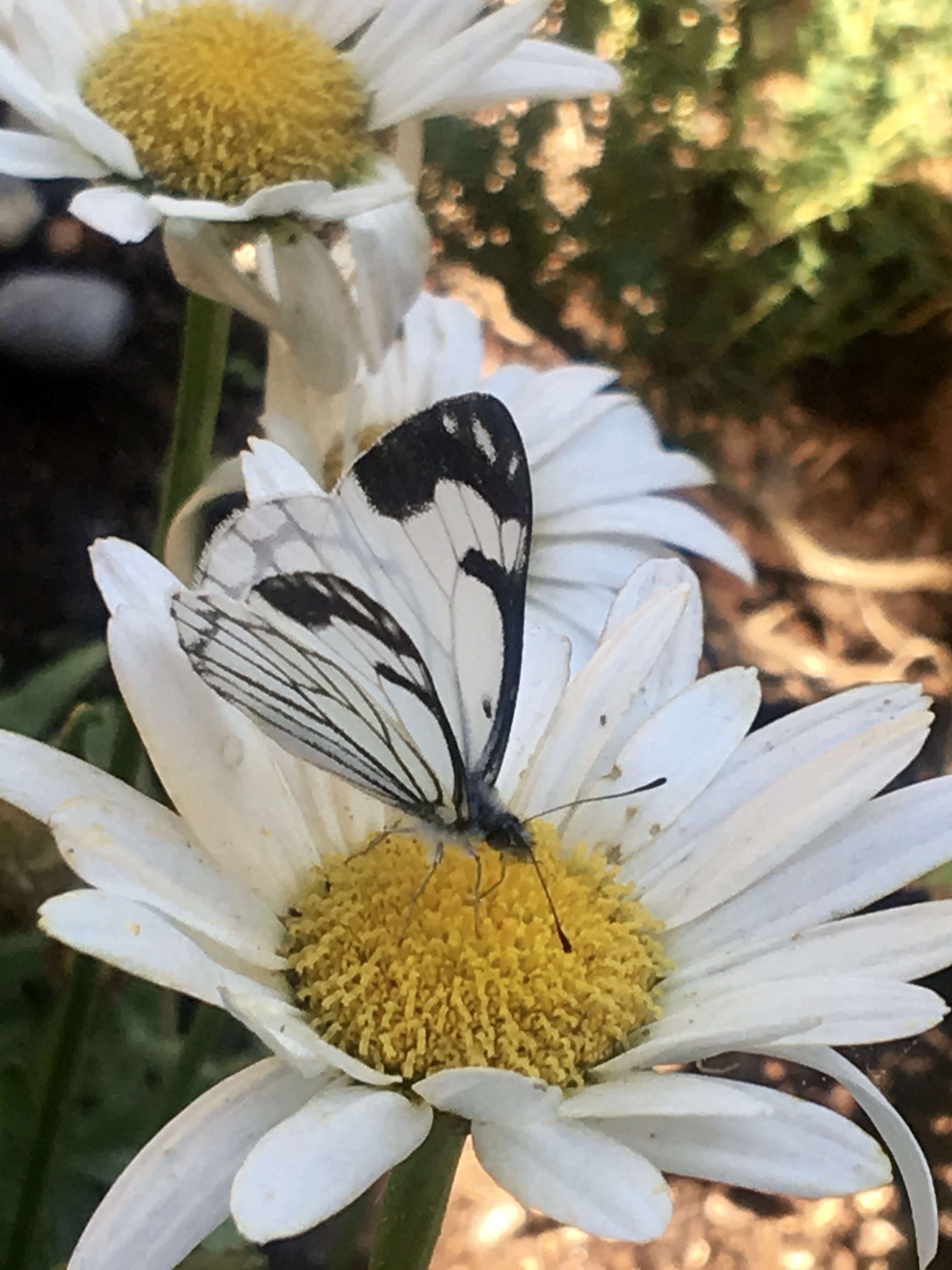
It was breezy earlier this afternoon when I spotted this beauty feeding on my daisies. This is a Neophasia menapia – or the Pine White Butterfly. I’ve been worried since we’ve put up deer fencing that the butterflies wouldn’t be able to find their way through the fence into my flower garden, but I shouldn’t have worried. The butterflies ever-so-gracefully float over the top.
I’m sure the butterflies and other pollinators appreciate that my daisies aren’t headless amputees this year, courtesy of our resident deer who now can only gaze at them. It’s hard to understand why the deer would even want to eat those flowers because they’re kind of stinky. To my nose, they smell a bit of cat urine. Lots of insects seem to like those sorts of smells though. These daisies can stay outside. I won’t be displaying them in a vase on my dining table.
Pine White Butterfly on Daisy Neophasia menapia July 26, 2019 San Juan Island, WA
The Pine White Butterfly larvae feed on Ponderosa Pine and Douglas fir. Adults emerge typically between the months of July and October. Look for little green eggs on the needles of pines and firs sometime beginning in October. The eggs will overwinter and hatch sometime in June the following summer, coinciding with the emergence of new foliage on the trees. Larvae typically only feed on old needles, but can become a “pest” when they feed on the new needles and/or population levels are high and the tree is repeatedly defoliated. Natural controls help keep caterpillar populations balanced. Larvae pupate in late July for about 15-20 days before emerging as adults to begin a new cycle.
Pine White Butterfly (Neophasia menapia ) on Daisy July 26, 2019 San Juan Island, WA
Would you like to read more? Check out the links I’ve added below.
I’ve seen some pretty fascinating insects over the years, but using this clip on macro lens https://www.amazon.com/dp/B07LG651ZD/ref=sspa_dk_detail_3?psc=1&pd_rd_i=B07LG651ZD my husband bought me to use with my iPhone has opened up a whole new world. Last night we went down to our garden and while he was busy picking lettuce and tomatoes, I wandered around inspecting leaves and flowers with my new “eye.” I saw aliens! 👽
While I can’t tell you the exact names of all of these creatures, I can tell you that 7 pm must be dinnertime for some of them…like these micro beetles all over my flowering parsley. https://youtu.be/9_NRtS1HJTg
Unidentified micro beetles on Parsley blossoms July 21, 2019 San Juan Island, WA
One of my favorites was this ladybug larva. I’ve been seeing several different species of ladybugs in the garden. This larva is probably Coccinella septempunctata or the Seven Spotted Lady Bug. A voracious predator, ladybug adults and larvae love to eat aphids. Curiously, while I saw plenty of aphids in my garden, I also saw some strangely mutant ones, so keep reading and scroll down for photos.
Ladybug larva July 21, 2019 San Juan Island, WA photo by Cynthia Brast-Bormann
The normal, healthy aphids look like this one. Isn’t she sort of cute watching over all her little babies on the leaf!
Mom aphid with young nymphs July 21, 2019 San Juan Island, WA photo by Cynthia Brast-BormannMom aphid with young nymphs July 21, 2019 San Juan Island, WA photo by Cynthia Brast-Bormann
The strange aphids I noticed when I was picking peas. I am not 100% certain, but I believe this is a pea aphid that has been infected with fungi. After doing a bit of reading about these fungal pathogens, I believe it could possibly be (Pandora neoaphidis), an aphid specific entomopathogenic fungus that acts as a biocontrol for aphid populations. The taxonomy and ecological roles of fungi is beyond the scope of my knowledge and experience, so if you decide to read more about this, I suggest googling “Pandora neoaphidis” with “biocontrol.” One interesting bit I did note in my reading was that certain native ladybugs won’t eat aphids that are infected with the fungi, but that the non-native Asian ladybird beetle, Harmonia axyridis eats aphids indiscriminately, fungal infected ones too! Since I was eating peas while I was picking, I’m glad I stopped before popping the pea with these in my mouth. While I’m not entirely opposed to eating insects, I imagine my taste to be a bit more like the native lady bugs.
Pea aphid with fungal pathogen, possibly ( Pandora neoaphidis) July 21, 2019 San Juan Island, WA photo by Cynthia Brast-Bormann Pea aphid under the microscope possibly infected with (Pandora neoaphidis) July 21, 2019 San Juan Island, WA photo by Cynthia Brast-BormannPea aphid with entomopathogenic fungi July 21, 2019 San Juan Island, WA photo by Cynthia Brast-Bormann
The next image is of the weirdest looking creature yet. This is another aphid, but instead of entomopathogenic fungi, it is the victim of a parasitic wasp that has injected it with eggs that will hatch, consume the remainder of the aphid body, then eat their way out. Here’s a link to another photo I found online of this stranger-than-strange occurrence in nature. http://www.aphotofauna.com/hymenoptera_wasp_praon_mummified_aphid_22-09-14.html
The Alien Mummified aphid infected with parasitic wasp larva July 21, 2019 San Juan Island, WA photo by Cynthia Brast-Bormann
I love finding strange and unusual things when I’m out and about. This definitely can be categorized as one of those moments when the microfauna is weirdly charismatic. And in a parking lot no less. I came upon this European Ground Beetle larva after visiting my husband at his office. We’d gone out for a nice lunch and upon our return, I discovered we weren’t the only ones having lunch. This fellow could give those people who enter contests to eat the most hotdogs some serious competition!
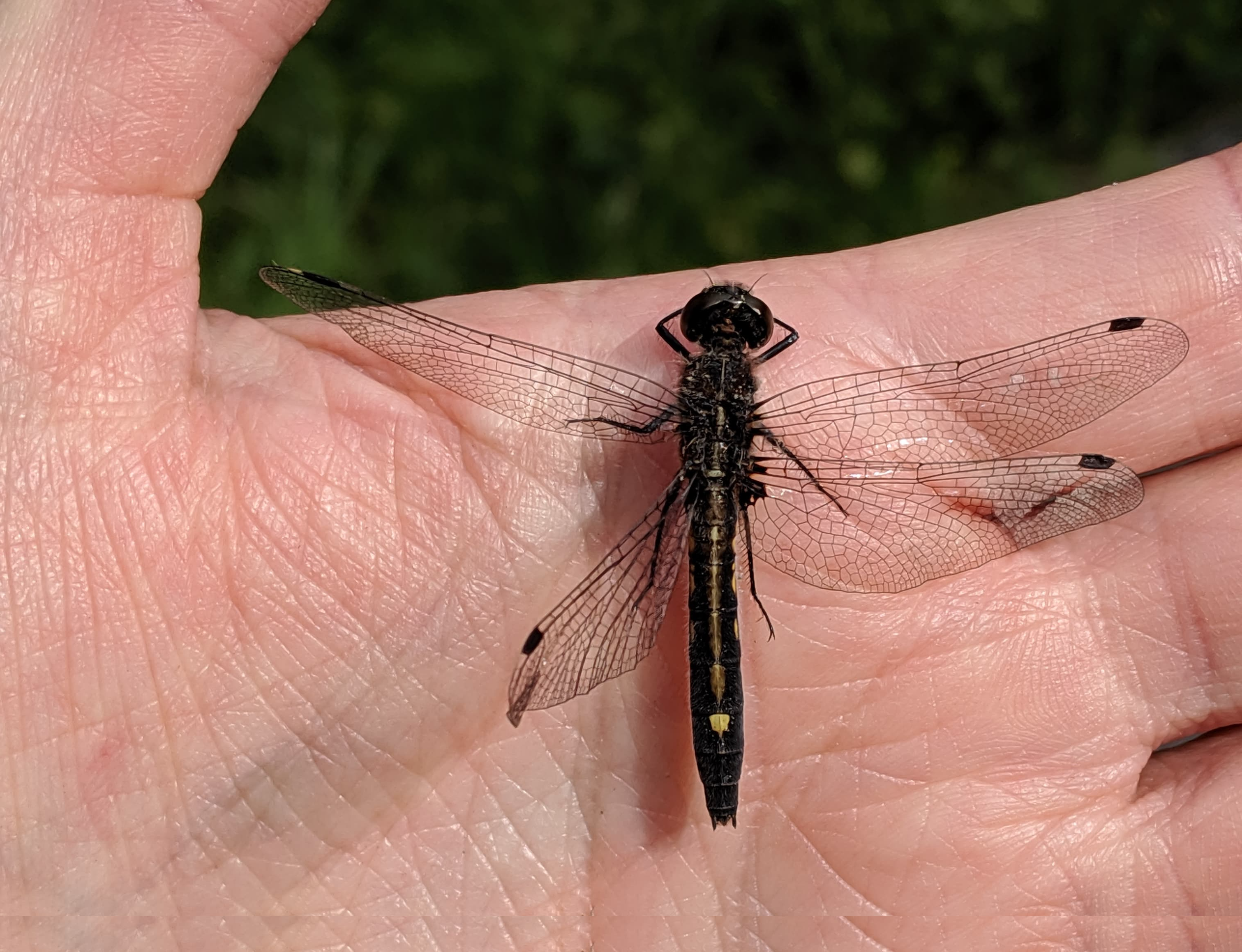
I found this Sunday morning, July 7, 2019 as I walked near my home on San Juan Island. It seemed to have been stunned by a car and was upside down in the dirt road. This dragonfly is classified as a Skimmer in the family Libellulidae. They are found Spring through Summer in vegetated areas near ponds, bogs, and wetlands. Adults of this species will eat most any soft-bodied flying insect, including mosquitoes, flies, mayflies, ant and termite alates (dispersing winged reproductives), moths and butterflies.












 Bugging You From San Juan Island