My husband said this title was far to risque’ but I’m going with it anyway. I would tell you to “get your mind out of the gutter,” but this is a SPIDER sex story. Sex education is not a bad thing and it’s good to know how it all works, right?
So male spiders have these fuzzy, enlarged “paws” that sort of hang down in front of their face. People who study spiders call them palps. They are sort of like a 5th pair of legs, but used by the spider to manipulate food and “smell” things. These palps are also where the sex organs are housed in adult male. The hairs on the palps have chemoreceptors that help the fellas follow the pheromone trails of SHE spiders. This is the mating season for one of our commonly seen spiders in the San Juans…the Giant House Spider (Eratigena duellica) who happens to be harmless, just horny.
How do spiders DO it? Well, an adult male spider will weave a small silken sheet called a sperm web. He deposits a drop of semen on the sheet and then dips the tips of his palps into the semen, drawing it up into what is called the emboli. The emboli act like a syringe, drawing the fluid up to be held in the palp for transfer to a SHE spider. With his palps “charged and loaded,” he gleefully wanders off to woo all the ladies.
Some of these male spiders really go all out to impress a gal. They will drum (with their palps), dance, and display all sorts of postures to show how great they are. They better do EVERYTHING they can to impress her too since SHE might eat them if it’s not good enough. Watch a jumping spider perform his quirky courtship ritual here –
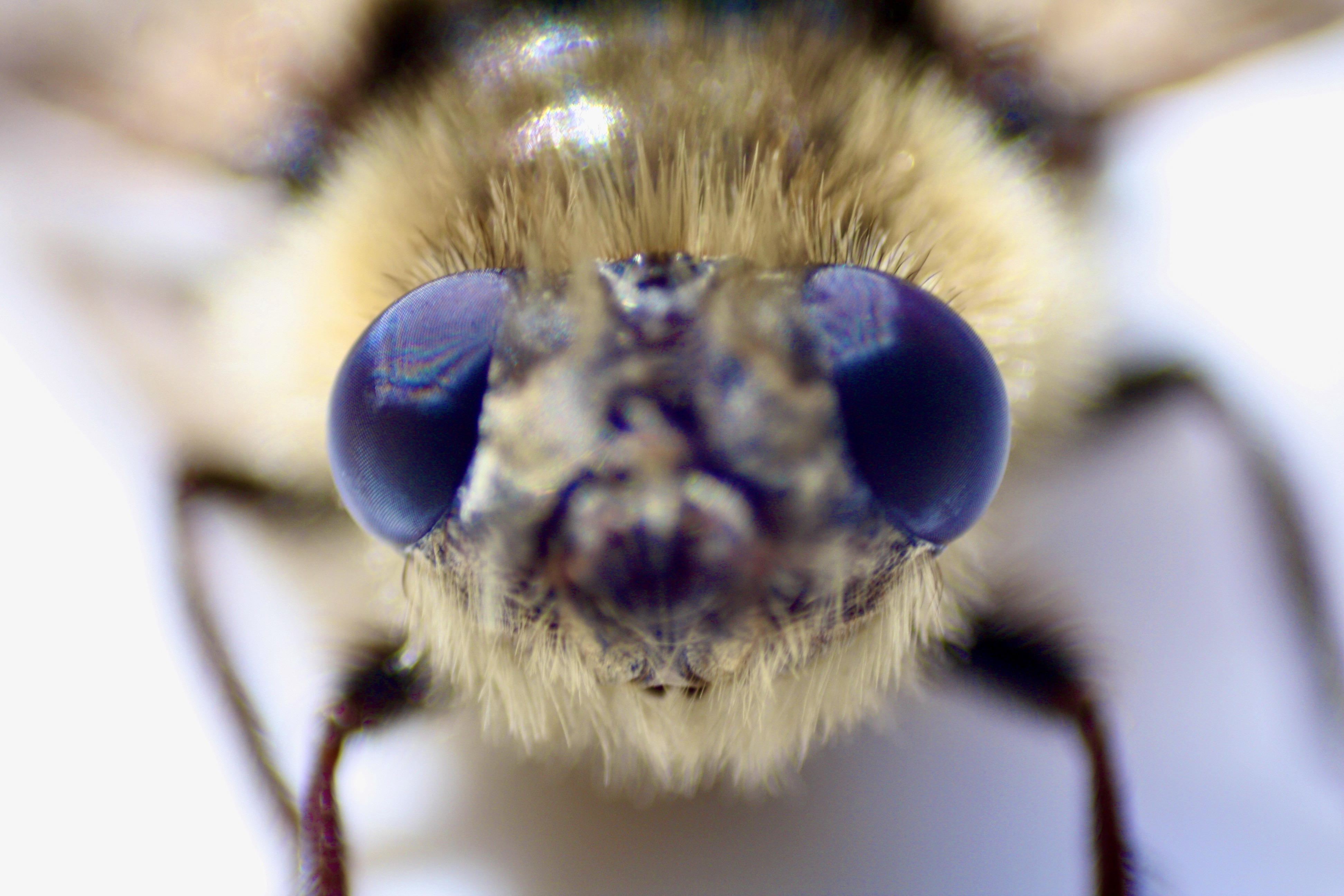
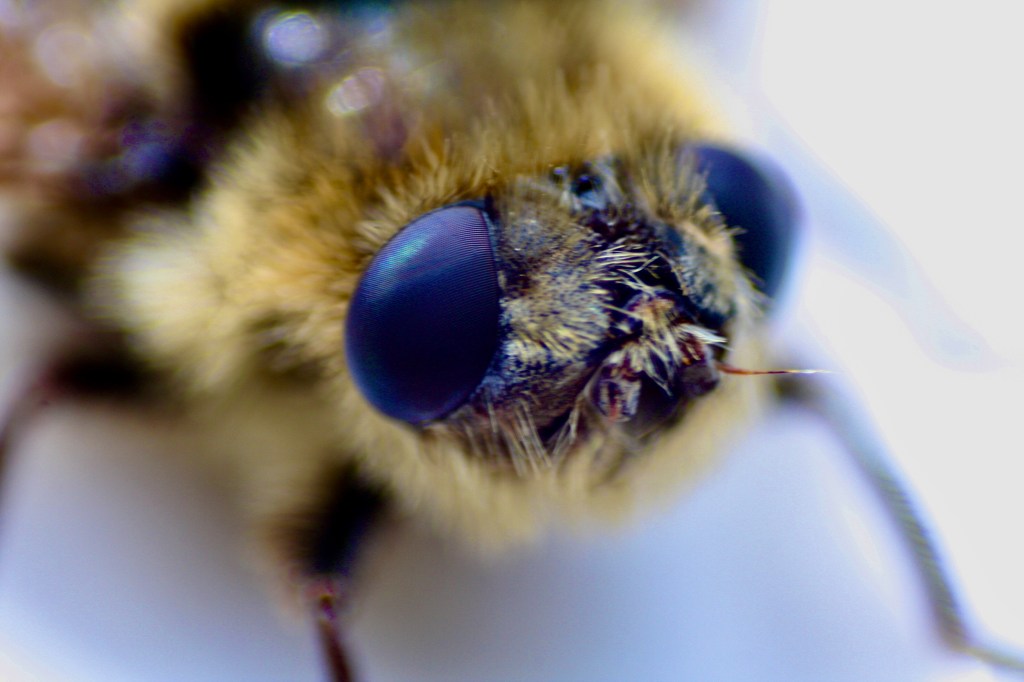
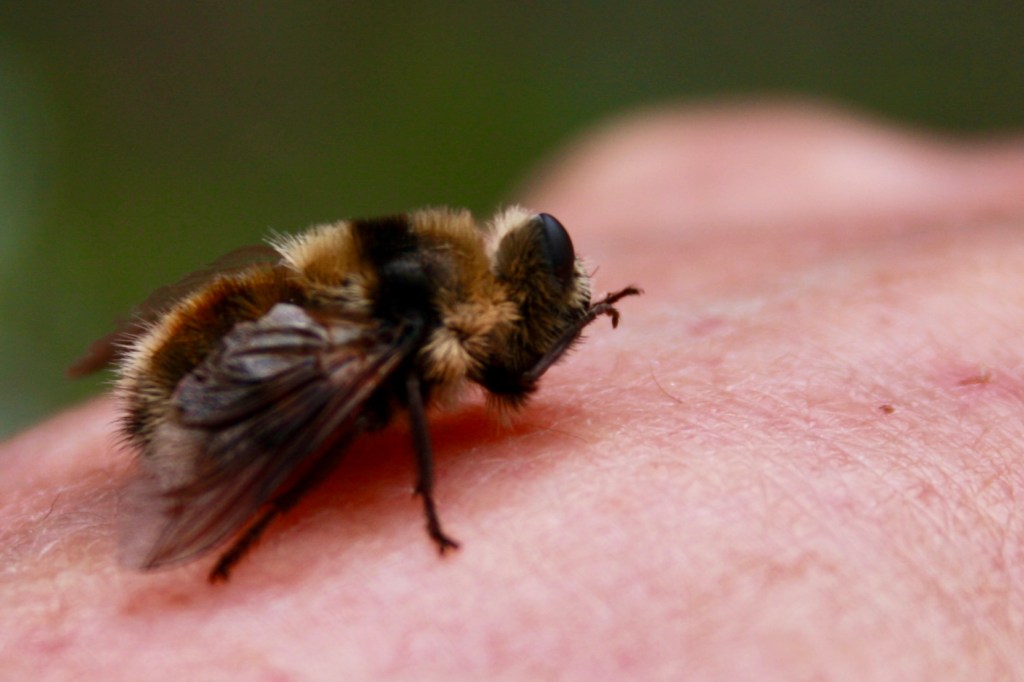
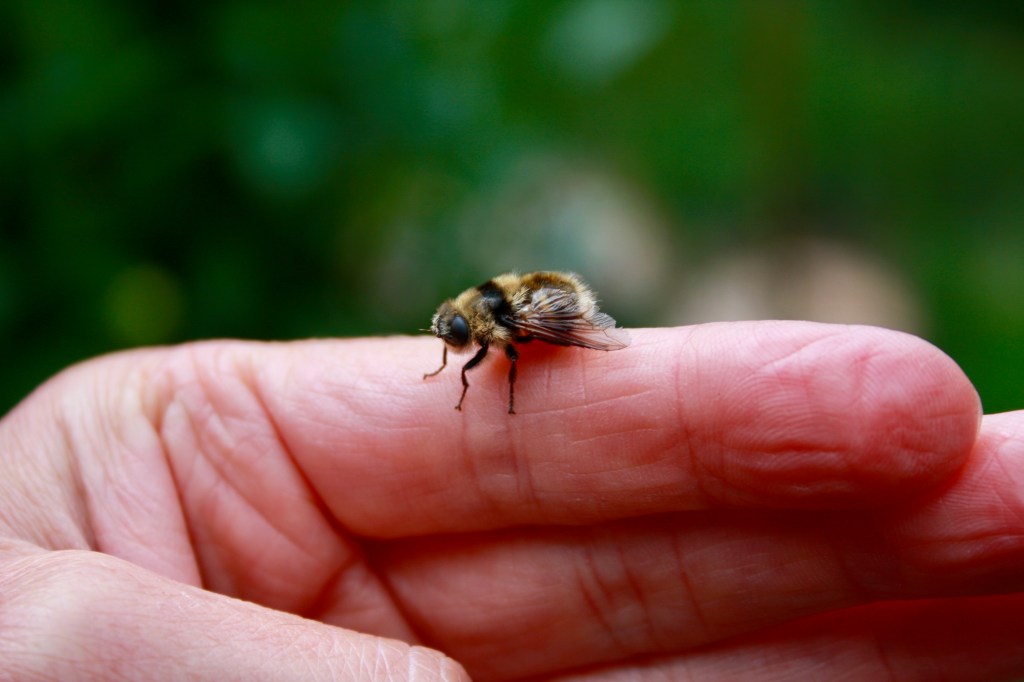
I made a video of one of my favorite insects you will see here in the San Juan Islands. This is a bumble bee mimic, but it’s not a bee at all. It’s a fly. Not only is it not your ordinary fly, it’s a fly with a very interesting life cycle that requires a host. This particular host relationship has evolved between the fly and our local black-tailed deer. It’s not feeding on the deer because these adult flies don’t even have mouthparts to eat. Their sole mission is to reproduce and they need an incubator for their “babies.” If you see a deer and notice it coughing, watch the video to find out why. **Edit *** Update to post… I misspoke in the video and state that the fly oviposits onto the deer which is incorrect. The eggs actually hatch inside the fly body and the fly larviposits onto the deer muzzle. Either way it’s got to be pretty terrifying to the deer! 🦌
Cephenemyia apicata 07.07.2020 video by Cynthia Brast-BormannCephenemyia apicata 07.07.2020 photo by Cynthia Brast-BormannCephenemyia apicata San Juan Island, WA 07.07.2020 Photo by Cynthia Brast-BormannCephenemyia apicata San Juan Island, WA 07.07.2020 Photo by Cynthia Brast-Bormann
Cephenemyia apicata
San Juan Island, WA
07.07.2020
Photo by Cynthia Brast-Bormann
Cephenemyia apicata
San Juan Island, WA
07.07.2020
Photo by Cynthia Brast-Bormann
Cephenemyia apicata
San Juan Island, WA
07.07.2020
Photo by Cynthia Brast-Bormann
Cephenemyia apicata
San Juan Island, WA
07.07.2020
Photo by Cynthia Brast-Bormann
Cephenemyia apicata
San Juan Island, WA
07.07.2020
Photo by Cynthia Brast-Bormann
Cephenemyia apicata
San Juan Island, WA
07.07.2020
Photo by Cynthia Brast-Bormann
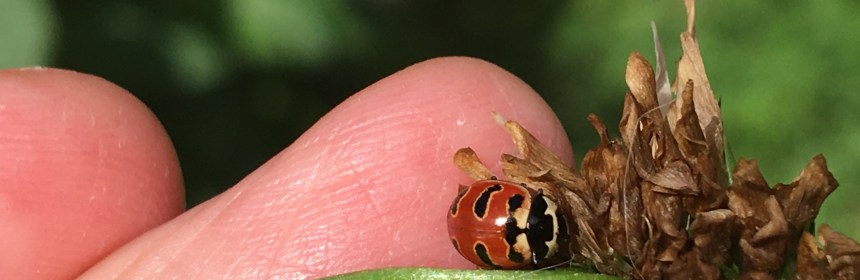
I found my first Three Banded Lady Beetle (Coccinella trifasciata subversa) this morning in the patch of clover in front of my home. At least I believe it is the subspecies ‘subversa’ according to the information I found online and referencing the distribution map. While I did not find much information about this particular species pertaining to life in the Pacific Northwest, I did find that according to the Lost Ladybug Project, this species (Coccinella trifasciata) is considered a species of greatest conservation need in the state of New York.
Coccinella trifasciata subversa on clover Photo by Cynthia Brast-Bormann San Juan Island, WA 07.06.2020Distribution map of Coccinella trifasciata subversa
So, because I’m interested in Lady Beetles and conservation, I submitted my photos today to the Lost Ladybug Project. They’re keeping records of sightings and I believe it’s important to collect and share data that help us understand more about the lives all of all the amazing critters we share the planet with.
If you see a Lady Beetle you are interested in knowing more about, take a look at the Lost Ladybug Project here – http://www.lostladybug.org/index.php
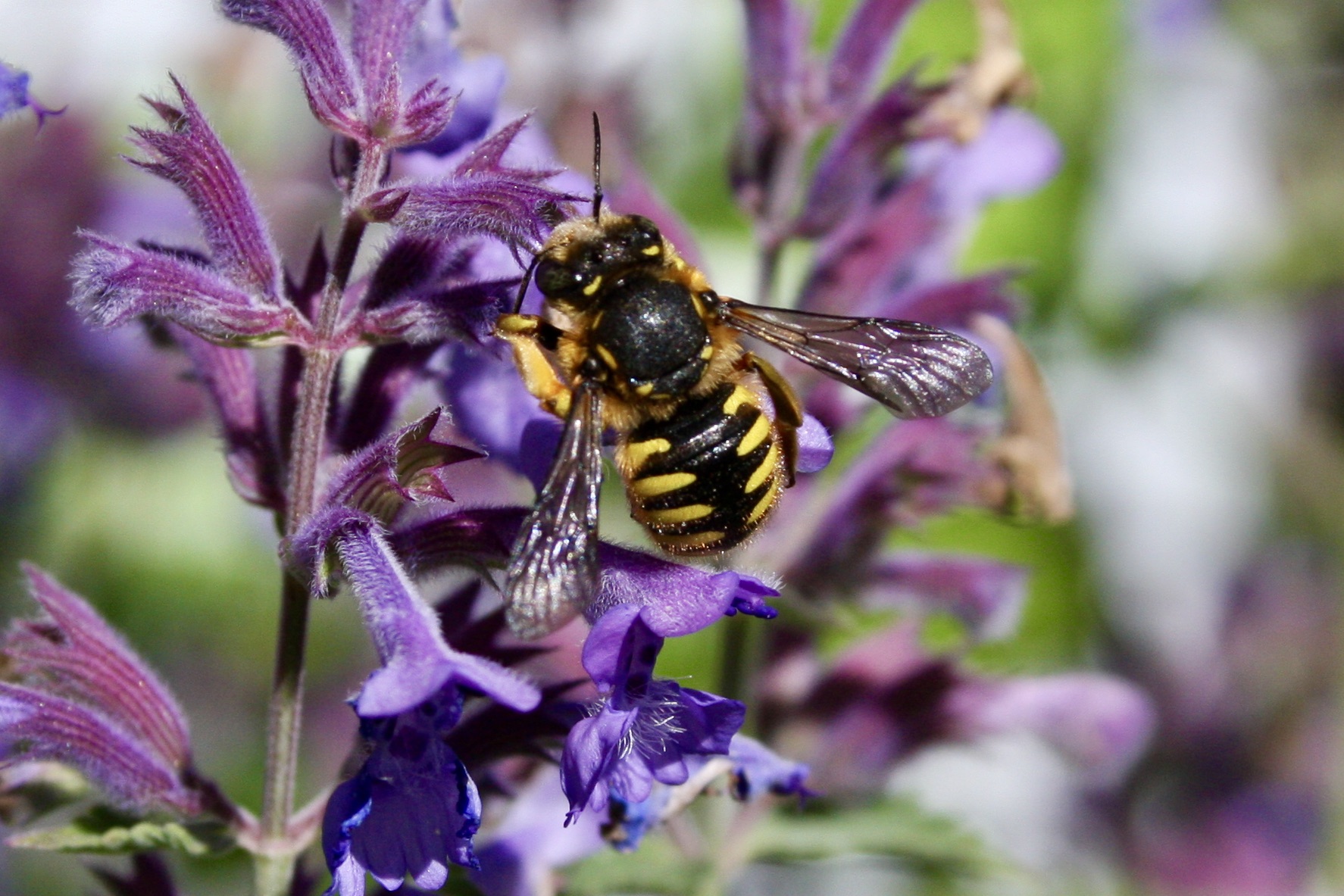
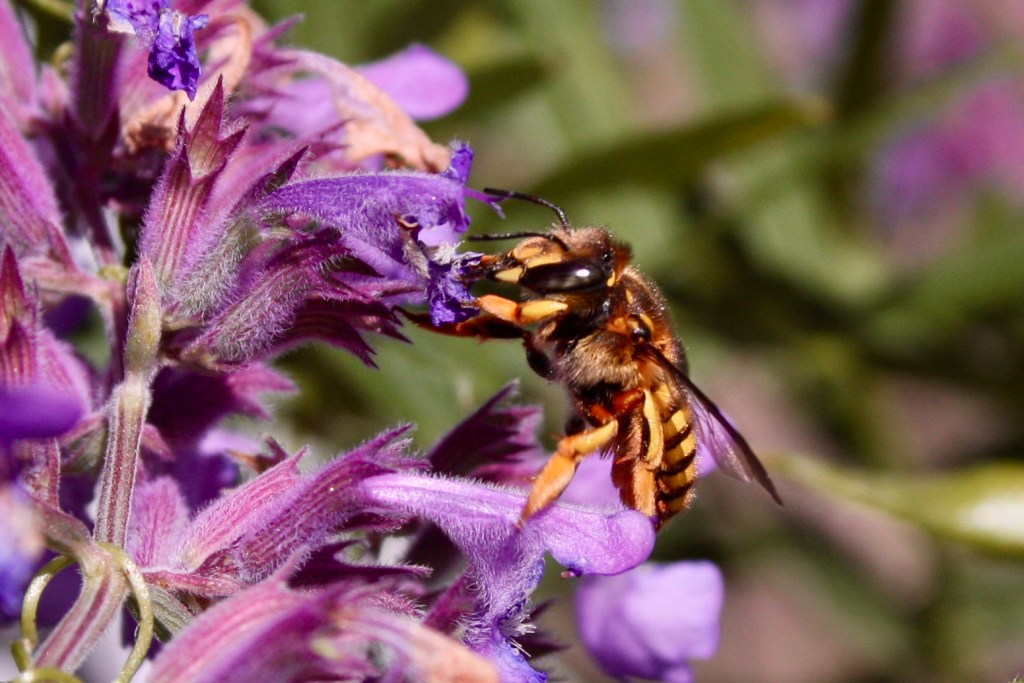
Meet Woolly Wool Carder. Woolly gets a bad rep because Woolly LOOKS like a Yellowjacket Wasp. All Woolly wants to do is find that patch of Lambswool in your garden or flower bed and take enough to make a nice cozy bed for its babies.
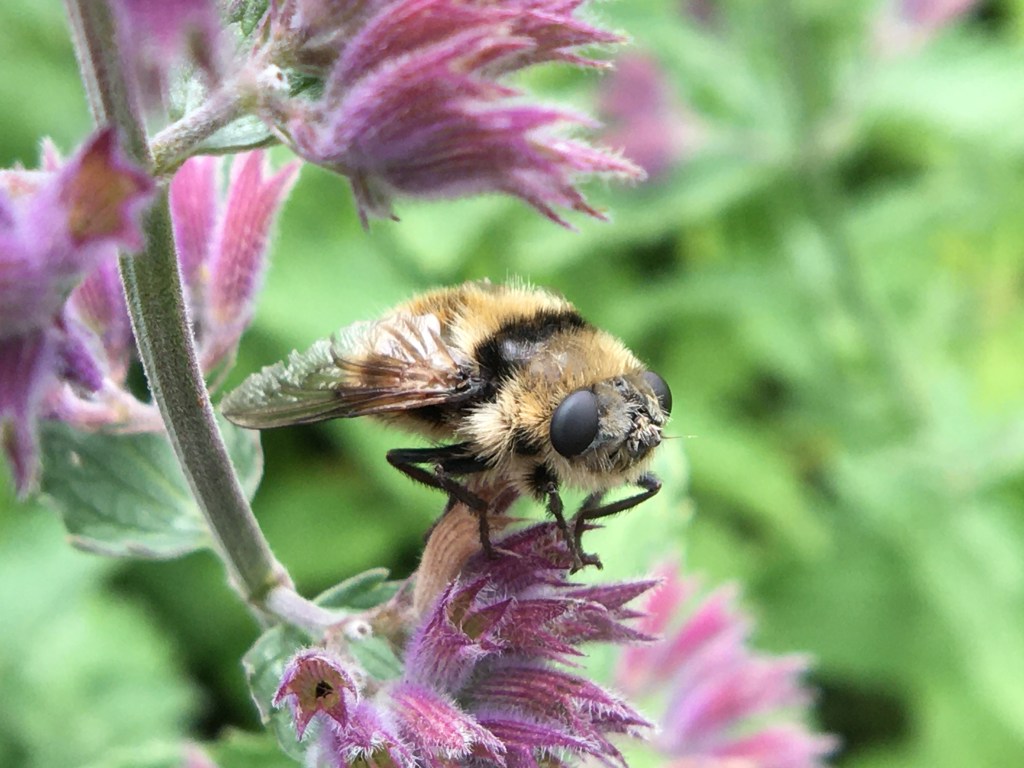
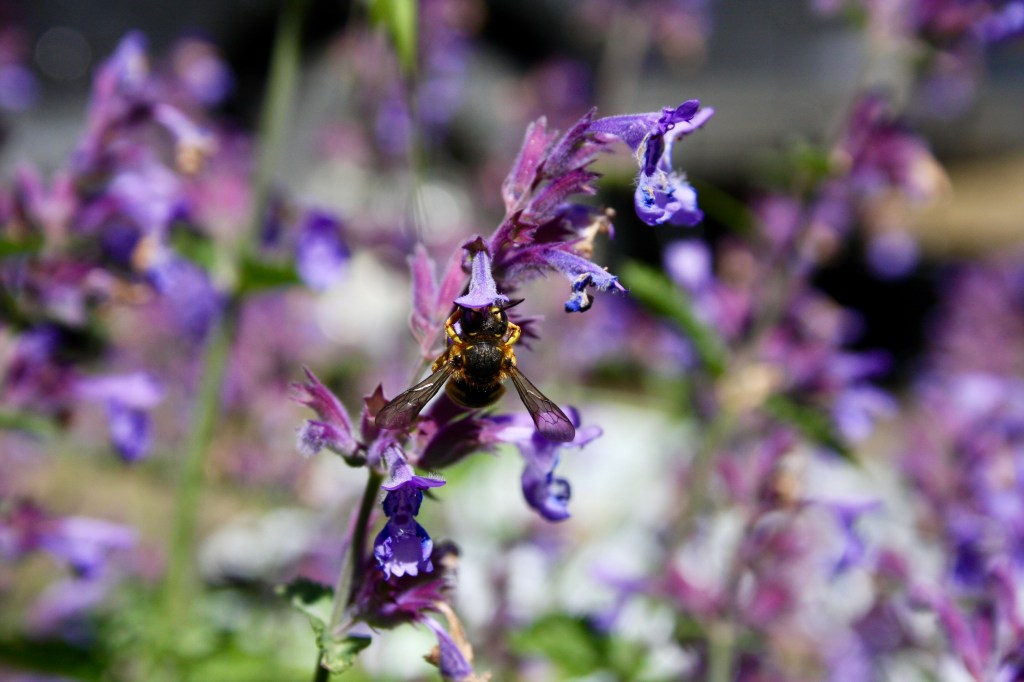
Wool Carder Bee (Anthidium manicatum) on Nepeta spp. (Catmint)
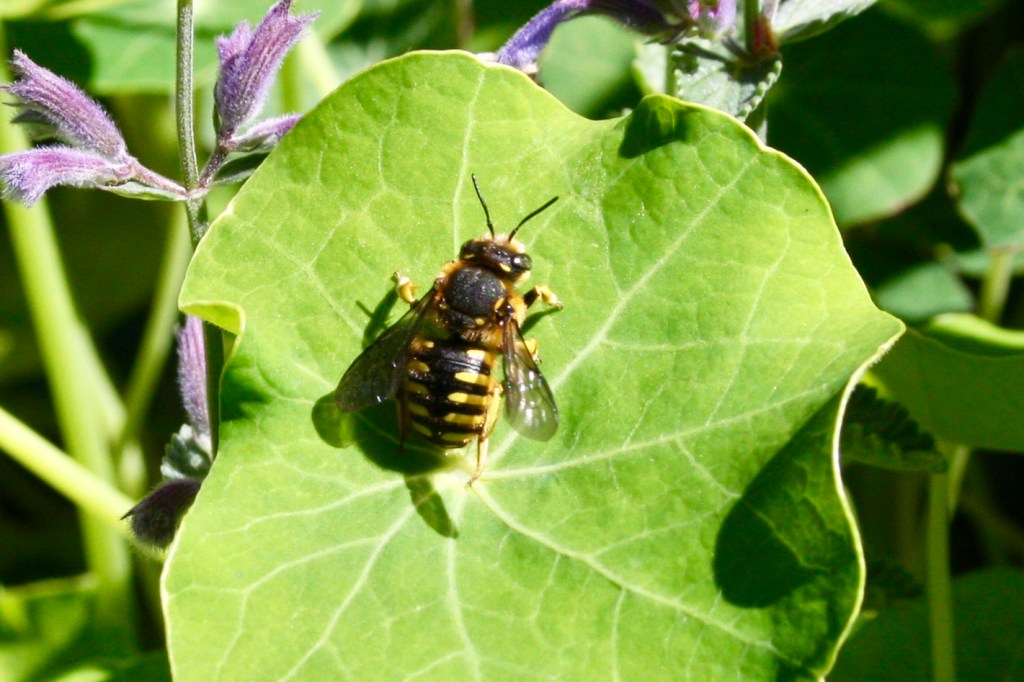
The European Wool Carder Bee (Anthidium manicatum) at first glance, looks like a somewhat chubby Yellowjacket. While these stouter and hairy-bodied bees mimic the barbed stingers everyone wants to avoid, they aren’t going to harm you at all. They don’t even have stingers, though the males do have some spines at the end of their abdomen they can use defensively against other flying insects that might be perceived as a threat to their food source or territory.
Wool Carders are smaller than most Yellowjackets. They are about the size of honey bees or between 11 and 17 mm. They are very brightly colored with yellow and black markings, but again, the distinguishing features to differentiate them from Yellowjackets are 1) they’re hairy and 2) they’re stout!
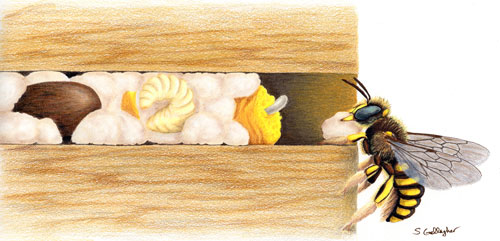
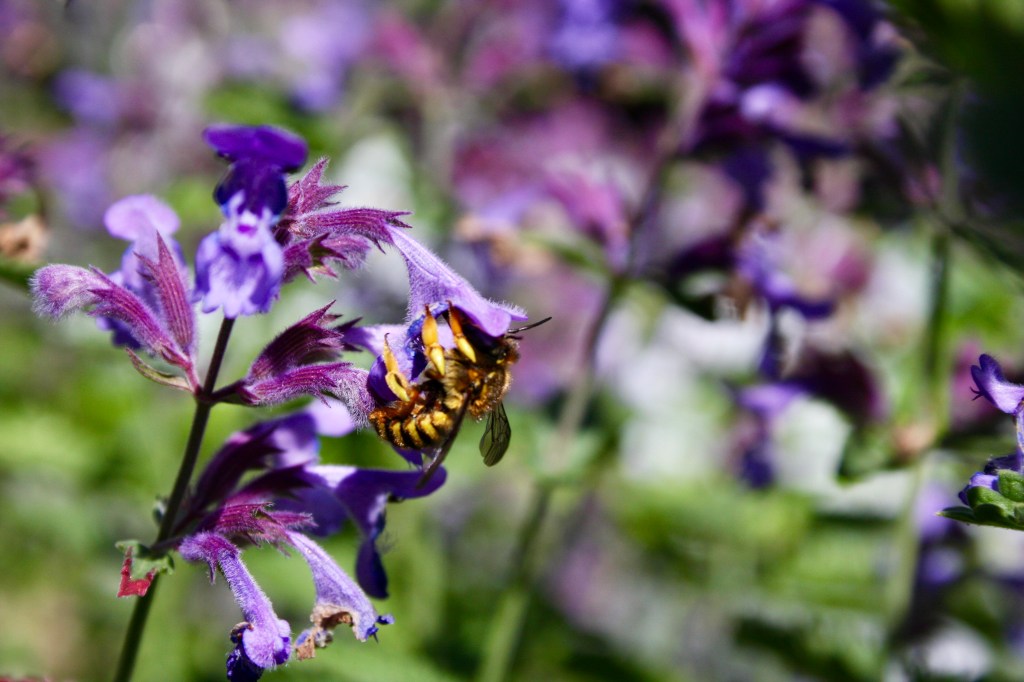
Other than sipping nectar from flowers, these solitary, cavity nesters are all about finding wool to make a cozy bed for their babies. Actually, aside from the uhm…deed, the female is the one doing all the provisioning for a nest. She will card “wool,” using her mandibles to scrape bits of trichomes (or hairs) from lambs ears or other fuzzy plants (especially those in the mint family) to make a cushioned bed on which to lay her egg. Each egg is provisioned with enough nectar and pollen to supply the developing larva with nutrients to reach pupation.
Wool Carder Bee nest – Illustration by Samantha Gallagher, University of Florida
Anthidium manicatum European Wool Carder Bee 06.28.2020
Anthidium manicatum European Wool Carder Bee 06.28.2020
Anthidium manicatum European Wool Carder Bee 06.28.2020
Anthidium manicatum European Wool Carder Bee 06.28.2020
Anthidium manicatum European Wool Carder bee on Nepeta 06.28.2020
Anthidium manicatum European Wool Carder Bee 06.28.2020
Anthidium manicatum European Wool Carder Bee 06.28.2020
The European Wool Carder Bee is native to Europe, Northern Africa, and Western Asia, but has become cosmopolitan in distribution. While non-native, it has become widely adapted to various habitats in North America. These bees are not dangerous to humans or pets. They are effective pollinators, but sometimes outcompete native bees for resources.
Menacing Murder Hornets are making headlines everywhere these days and giving many of our beneficial wasps a bad rap. Before you grab that can of bug spray, follow along for the next week or two while I profile the good guys and give you tips on how to ID the ones you’ll see on the San Juan Islands.
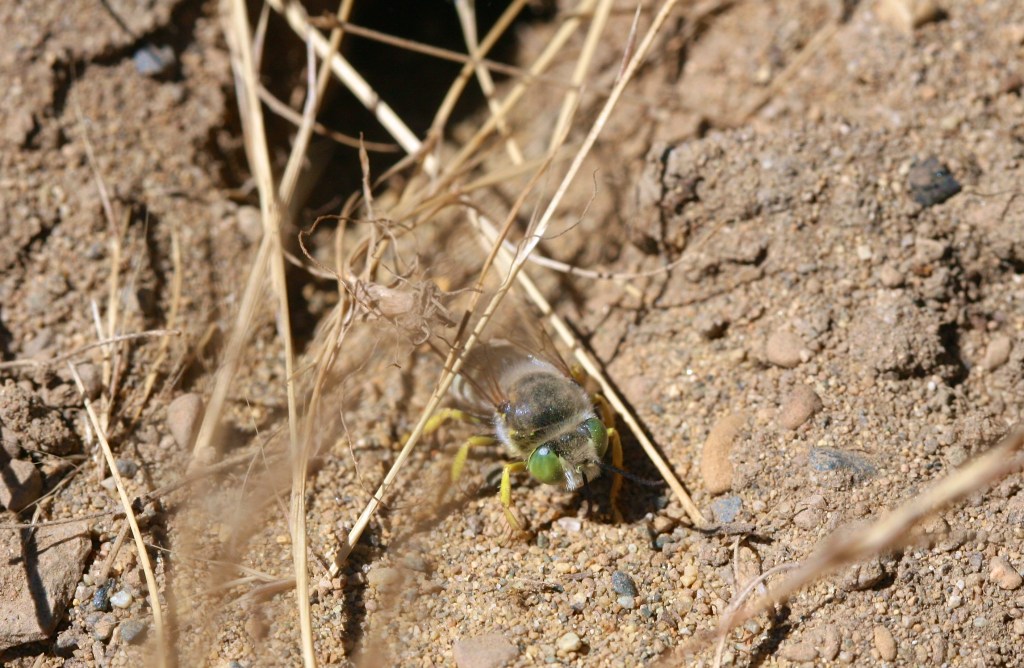
Wasp #1 – The Western Sand Wasp (Bembix americana)
Bembix americana – Western Sand Wasp – San Juan Island, WA
On San Juan Island, if you’re out along the beach bluffs on the west side or anywhere at American Camp, Eagle Cove, or Jackson’s Beach and the nearby quarry, you may notice them hovering and darting about above the sand or spots of bare earth. Western Sand Wasps are solitary digger wasps in the family Crabronidae. Males and females emerge simultaneously and their entire adult life is to sip nectar from flowers, mate, and reproduce.
After mating, it is the female who will provision her nest. She scours the sand and nearby areas, hunting insects and arachnids to supply her developing offspring in underground burrows. She will oviposit one egg in a single burrow, leaving it with a zombied insect, continuing until all her eggs are laid. But her work is not over. She must continue to check and feed each of her larvae in their individual burrows after the eggs hatch, making sure that they do not starve as they develop. Fast fact…a single larva can eat more than 20 flies before it pupates!
So she digs…and digs…and digs! These wasps are able to dig so fast, they can disappear under the sand in a matter of seconds.
video by Cynthia Brast-Bormann, San Juan Island, WA
Human or Pet Risk factor – LOW
Unless you are walking barefoot in the sand and mange to step on one of these, you are highly unlikely to be stung. Wear foot coverings and enjoy your hike or picnic. They’re not going to murder you!
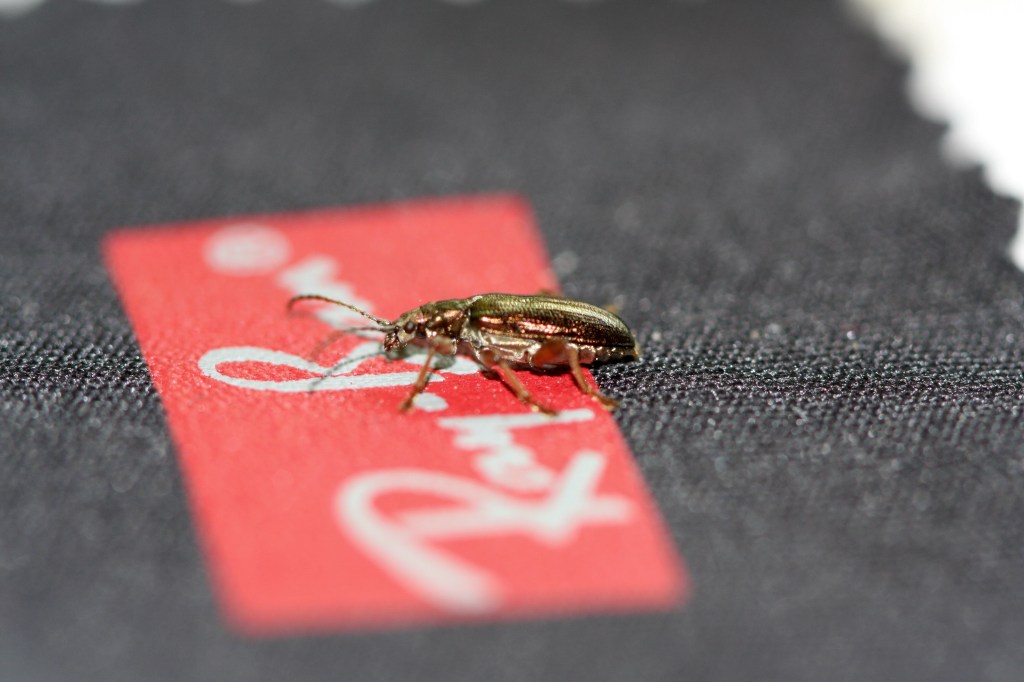
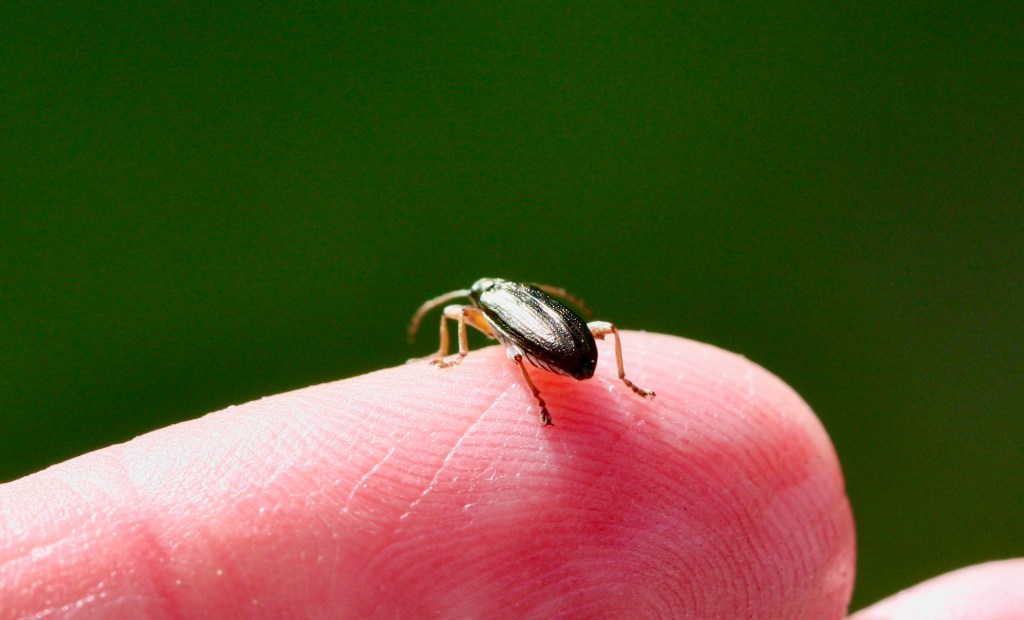
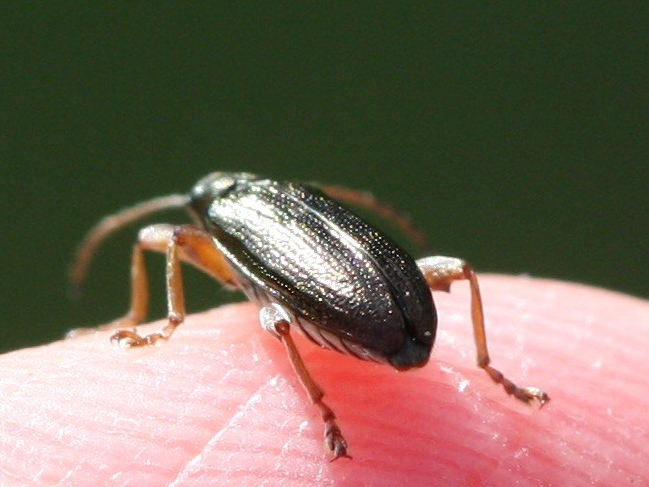
I really enjoy the days when I have an opportunity to go over insect images I’ve taken, but haven’t yet had the chance to identify. This small (approx 7-8mm), metallic beetle is a leaf beetle in the family Chrysomelidae. It’s a Long-horned Leaf Beetle (Plateumaris germari). They are associated with aquatic habitats and this specimen was found near a wetland habitat on San Juan Island, WA., May 12, 2015. Yes. I’m slow at getting around to sorting things, but was happy to share this one today.
Long-horned Leaf Beetle Plateumaris germari San Juan Island, WA May 12, 2015 photo by Cynthia BrastLong-horned Leaf Beetle Plateumaris germariLong-horned Leaf Beetle Plateumaris germariLong-horned Leaf Beetle Plateumaris germariLong-horned Leaf Beetle Plateumaris germari
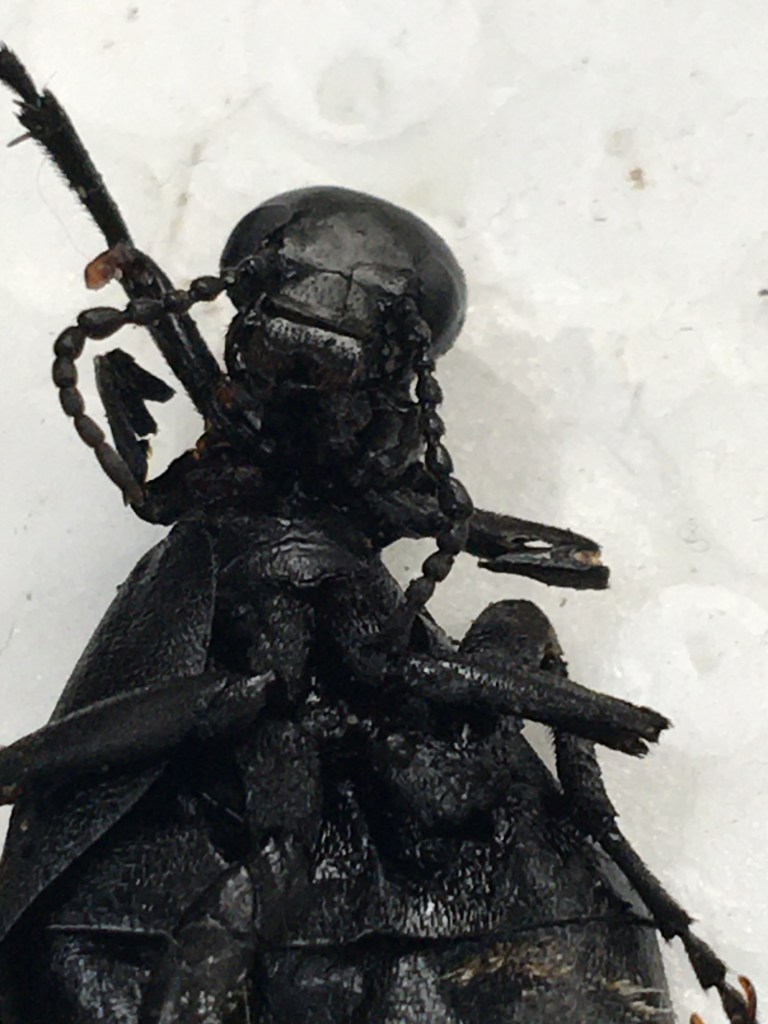
Meloe strigulosus Ventral view San Juan Island, WA 11/2/2019
I posted back in April about an encounter with Blister Beetles not far from my house. You can read about that here ~ (https://cynthiabrast.wordpress.com/2019/04/16/a-blistery-spring-day/ ). Over the weekend of November 2-3, I came across quite a few more of these in the exact same spot as in April. This time I didn’t see any live beetles, but there were at least 25-30 dead in the road.
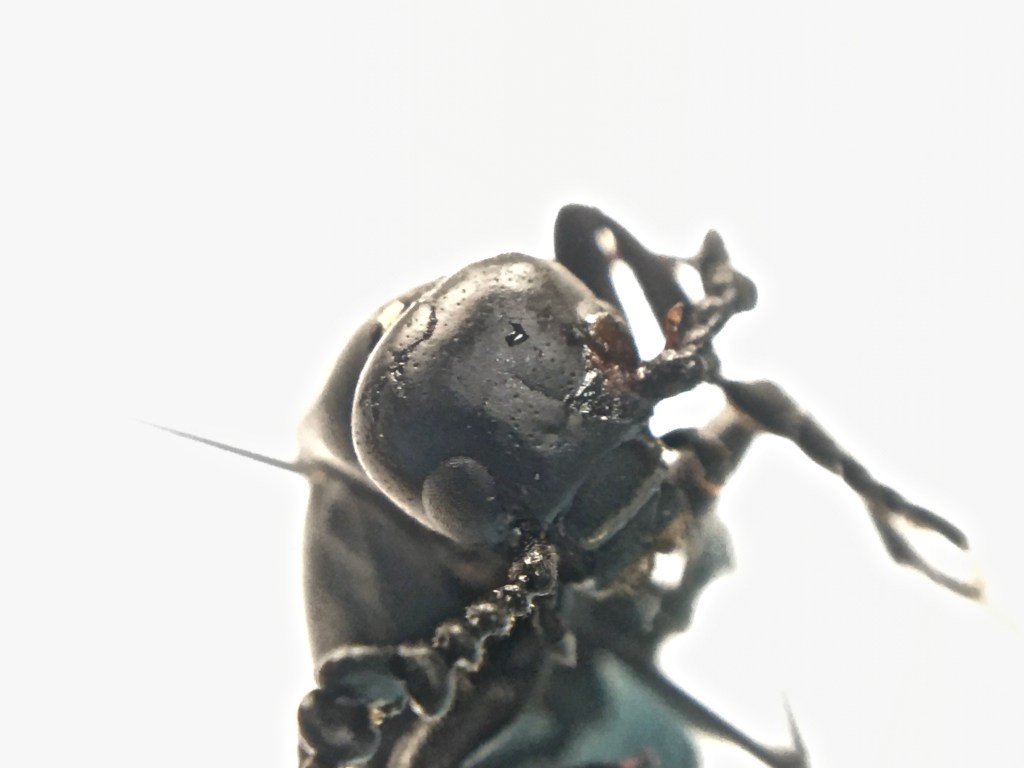
Meloe strigulosus San Juan Island, WA 11/2/2019
Ever the opportunist, I scraped up as many that weren’t quite so smushed into a container and brought them home. Out of the 5 I collected, 2 were male, 2 were female, and one missed antennae altogether. Given the number of beetles in the road in this one spot, I believe this was a mating aggregation.
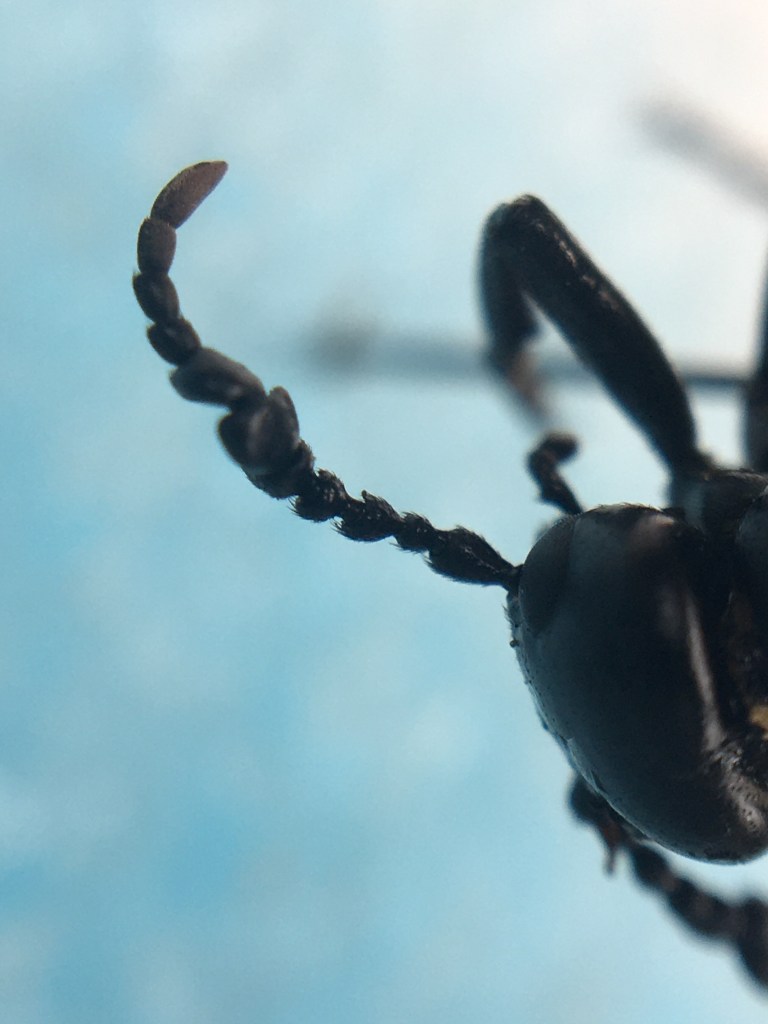
Meloe strigulosus (male) San Juan Island, WA 11/2/2019
So, I’ve been reading about them and communicating with a two experts on blister beetles. If you don’t know what these are, they are significant because of a defensive chemical in them called Cantharidin. Cantharidin is quite toxic and it’s a blistering agent. This is where they got the name Blister Beetles in the first place.
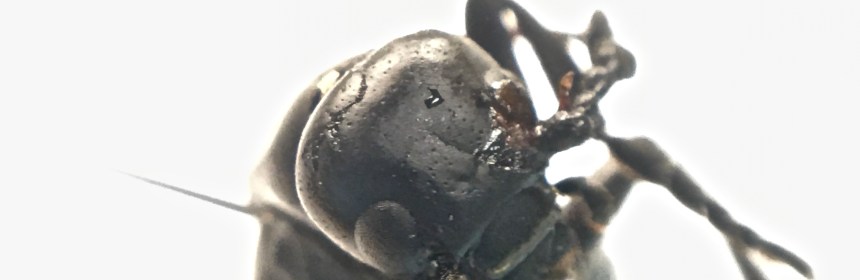
antennal segmentation of male Meloe strigulosus San Juan Island, WA 11/2/2019
Since my first sighting of these beetles back in April, I’ve learned quite a bit about them. The ones here (Meloe strigulosus) are black, flightless, tanker-like beetles, carrying around a cargo of toxic brew. They are sometimes a hazard to livestock (actually almost all mammals) that might eat them because the Cantharidin is toxic. Horses, goats, cows, and sheep that eat alfalfa hay can get really sick with colic if there are even parts of dead beetles in the hay.
While we don’t really know exactly how Cantharidin is produced in the beetle, we do know these two things: 1) it’s produced in the male and transferred to the female during mating. 2) the female transfers Cantharidin as a protective coating for her eggs during oviposition. It’s believed that the first instar larvae (called triungulin) are equipped with a supply of Cantharidin as well.
After hatching, the triungulin crawl up onto flowers to hang out and wait to attach to the hairs of a visiting bee, riding back to its nesting site. The later developmental stages of larvae are protected underground or in holes in wood where native bees are developing. They consume the developing bee eggs, larvae and nest provisions (pollen and nectar).
Is there anything good about blister beetles? Well, strangely, the populations of some species of blister beetles are timed to coincide with grasshopper abundance. Adult blister beetles feed on grasshopper eggs. That’s good, right?
What else? Humans have used Cantharidin for years to remove warts and to remove tattoos as well. For ages, it has been used as a sexual stimulant. Even birds called Great Bustards have picked up on this! Read more here: https://www.ncbi.nlm.nih.gov/pmc/articles/PMC6521026/
Blister beetles seem to be beneficial to some other species of beetles too. There is one beetle that actually has been found to chew on the blister beetle as a means of obtaining Cantharidin for its own protection. Other animals like toads, frogs, and armadillos are known to eat these beetles or use them in some way to confer protection. There is even a nuthatch that uses the beetle to “sweep” the wood where it wants to build a nest to protect it from parasites.
Back to my weekend sighting and collection of a few of these specimens. I had two that were intact enough to pin for my collection. I wore nitrile gloves to make sure I didn’t come into contact with any blistering agent. It’s a good thing I did. Some fluid made contact with one of the fingers of my gloved hand and actually started eating through it. That’s pretty caustic!
If you’re interested in more information about them, I’m happy to email some of my collected literature. There are also links you can check out in my previous post from April.
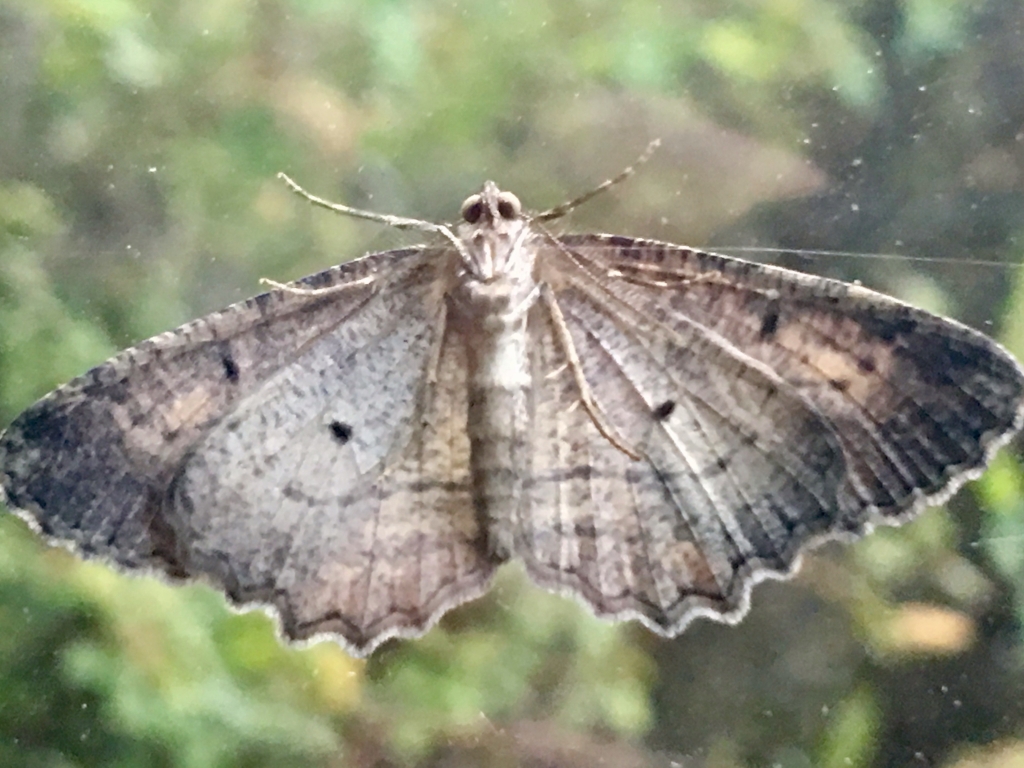
I found this specimen ready to hitch a ride on the car window when I was leaving a dinner on Sunday evening, August 25, 2019. Time of sighting was 7:32 pm. It managed to stay on the window glass as we pulled out of the driveway, but blew off as we began our drive home.
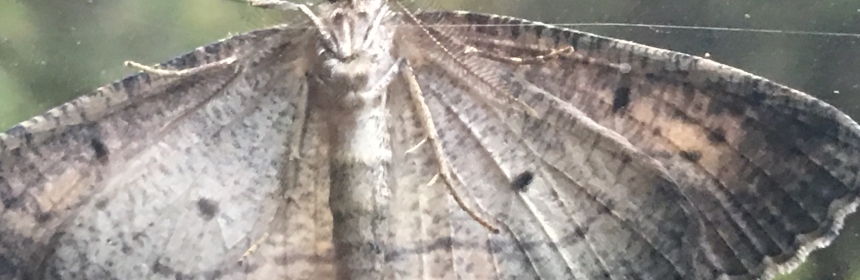
This is a Brownlined Looper moth, Neoalcis californiaria in the family Geometridae and is the single species in its genus in North America. Its distribution ranges from Southern California to British Columbia. Adults can be found flying between March and October in the Pacific Northwest, but have been documented flying as late as December in California. Larvae of this species feed mostly on conifers, including Douglas-Fir, Western Hemlock, Western Red Cedar, Grand Fir, Lodgepole Pine (Canadian Forest Service) as well as many broadleaf trees and shrubs (USGS).
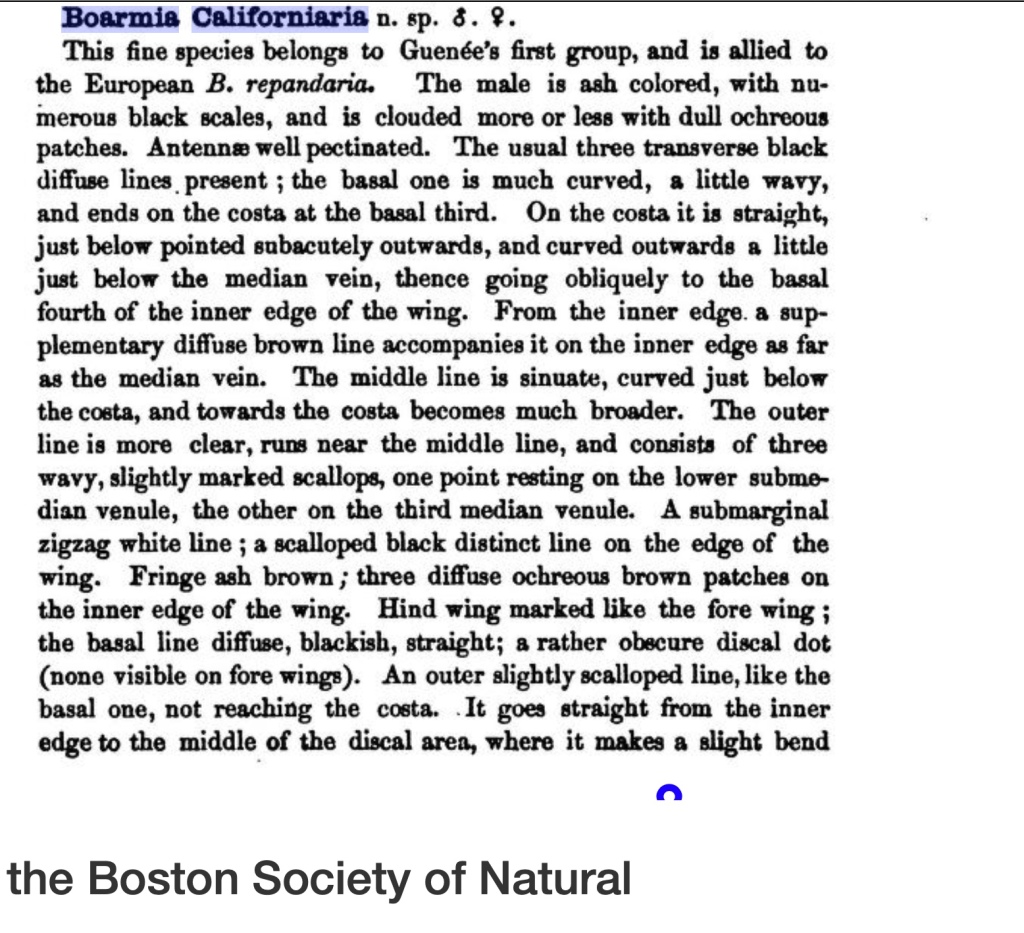
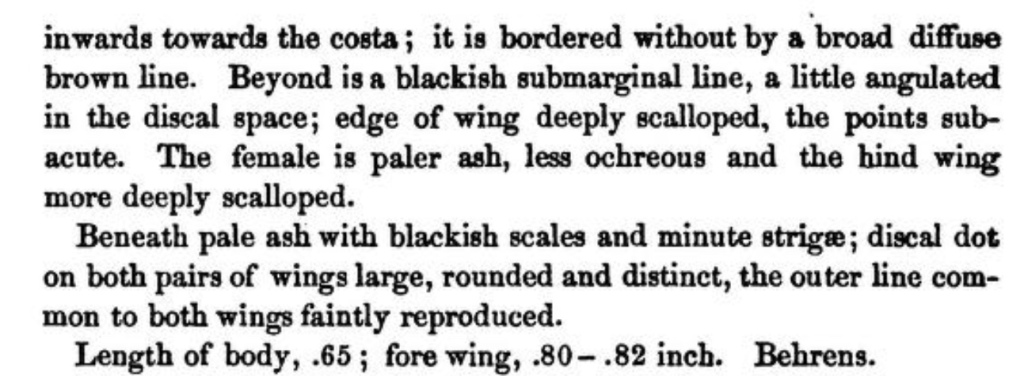
First described by American Entomologist, Alphaeus Spring Packard in 1871, this rather nondescript moth was initially named Boarmiacaliforniaria. A description by Packard is found in the Proceedings of the Boston Society of Natural History. Volume 13 https://archive.org/details/proceedingsbost07histgoog/page/n39 or view description attached below.
Neoalcis californiaria August 25, 2019, 7:32 pm San Juan Island, WANeoalcis californiaria August 25, 2019, 7:32 pm San Juan Island, WAPackard’s description of Boarmia californiaria renamed Neoalcis californica part 1Packard’s description of Boarmia californiaria renamed Neoalcis californica part 2
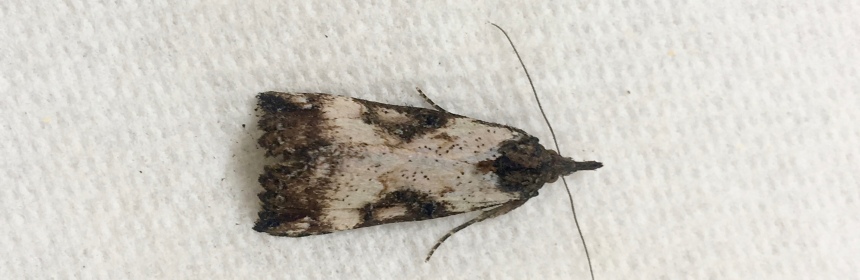
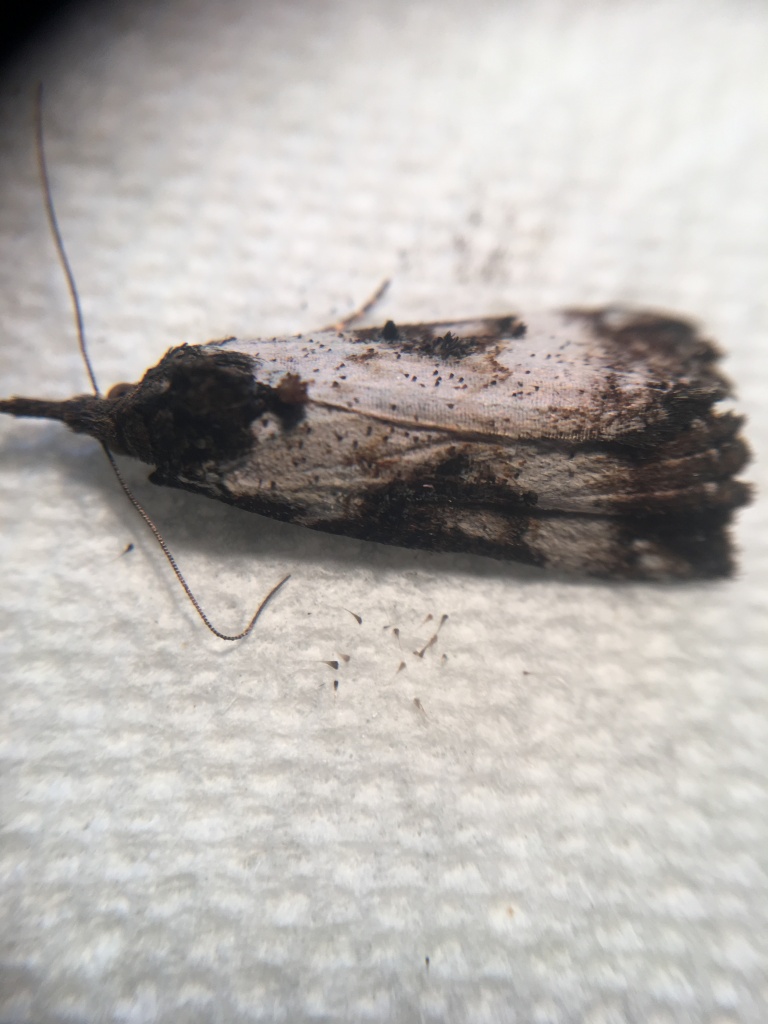
Family: Eribidae Hypena decorata August 20, 2019 San Juan Island, WA
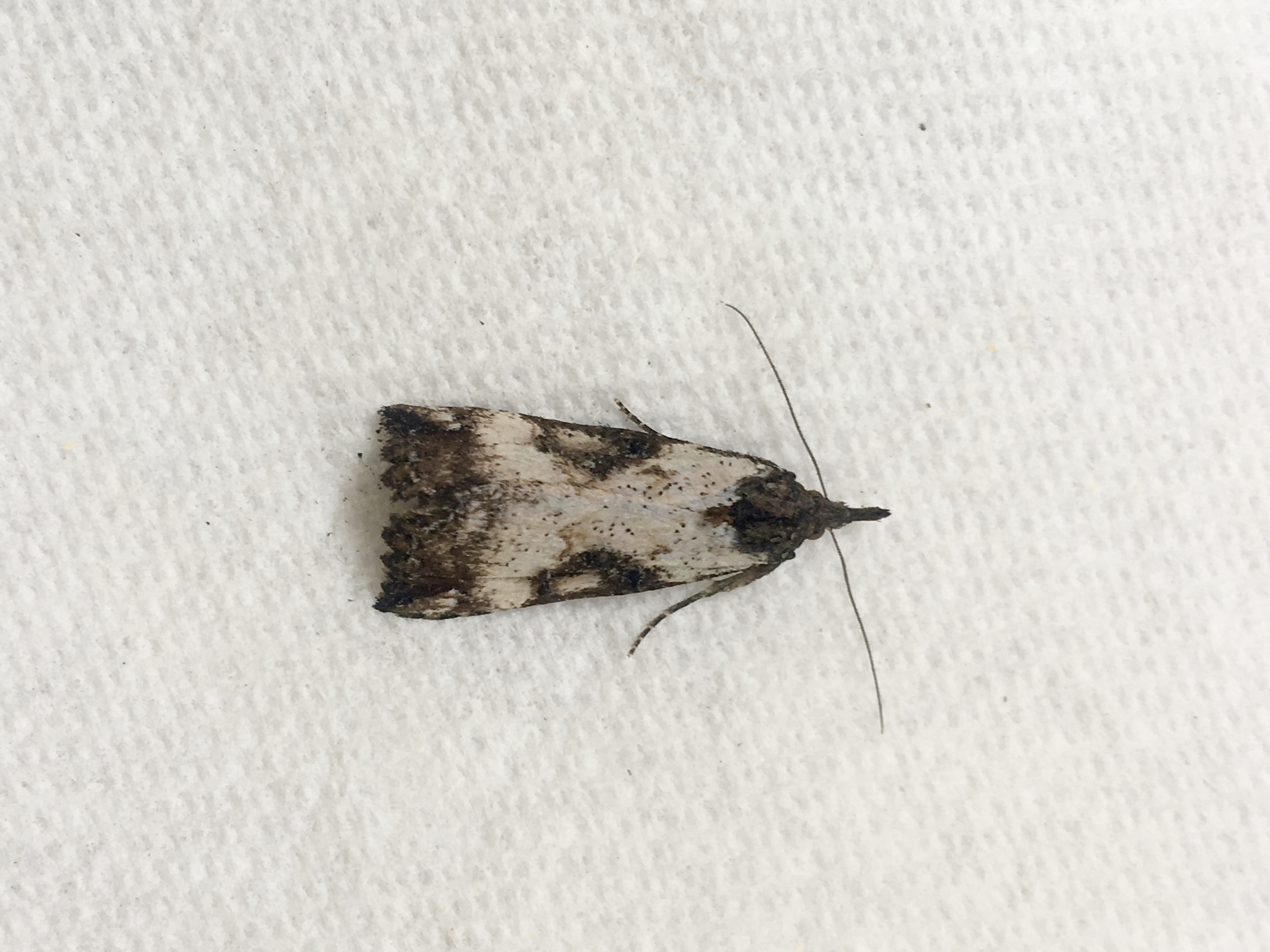
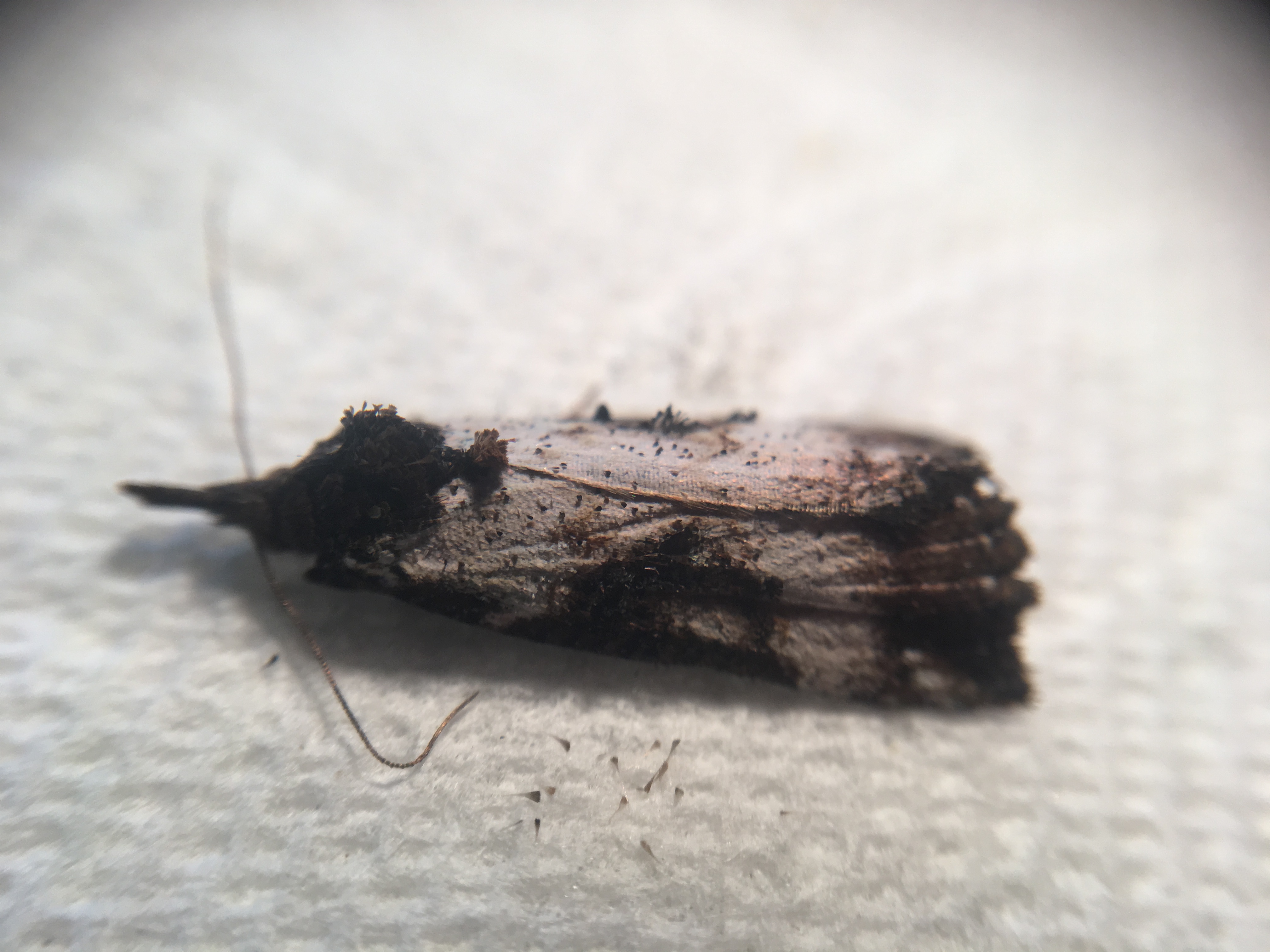
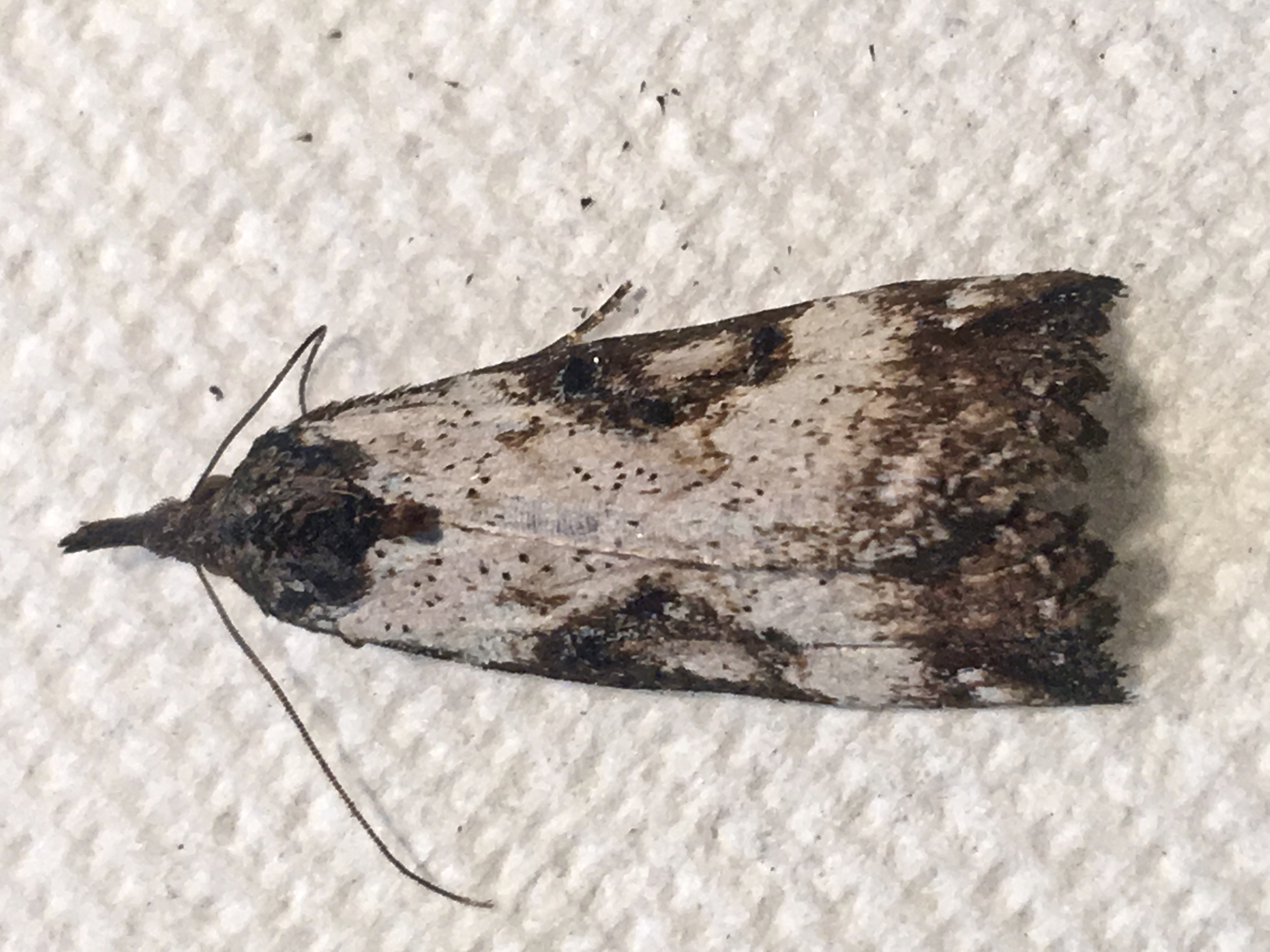
I found this on the kitchen floor the other morning (August 20, 2019). It looked like a piece of tree bark had been tracked in. When I reached down to pick it up, I realized it was some sort of moth and one I’d not seen before.
Hypena decorata August 20, 2019
After taking photos of it (it was expired when I found it), I thumbed through my reference books, trying to see if I could identify it. After about an hour of skimming literature and photos, I finally grew frustrated and emailed Merrill Peterson at Western WA University to see if he’d seen it before.
That afternoon, I did indeed hear back from Merrill. He’s fantastic about responding and said he had to reach out to someone he knew, but finally got an answer for me.
Here’s what Merrill said, “It’s a strange Hypena decorata, like this one. I had to get some help to figure it out!” I was glad Merrill helped solve the mystery and now I can share what I found out about this moth.
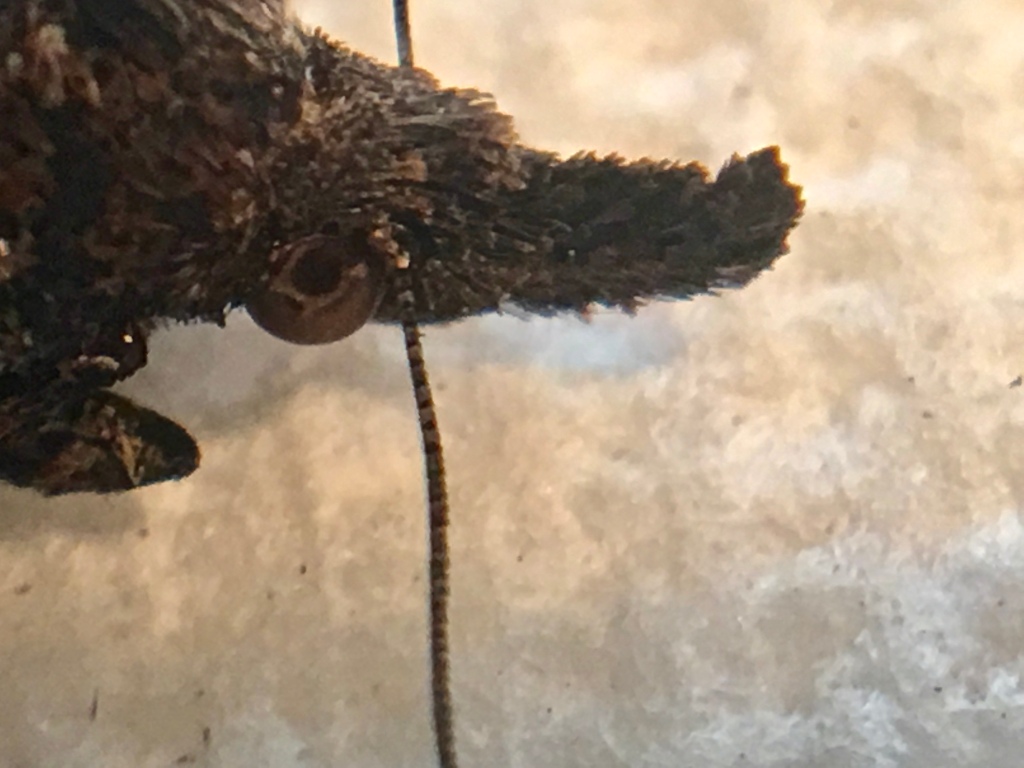
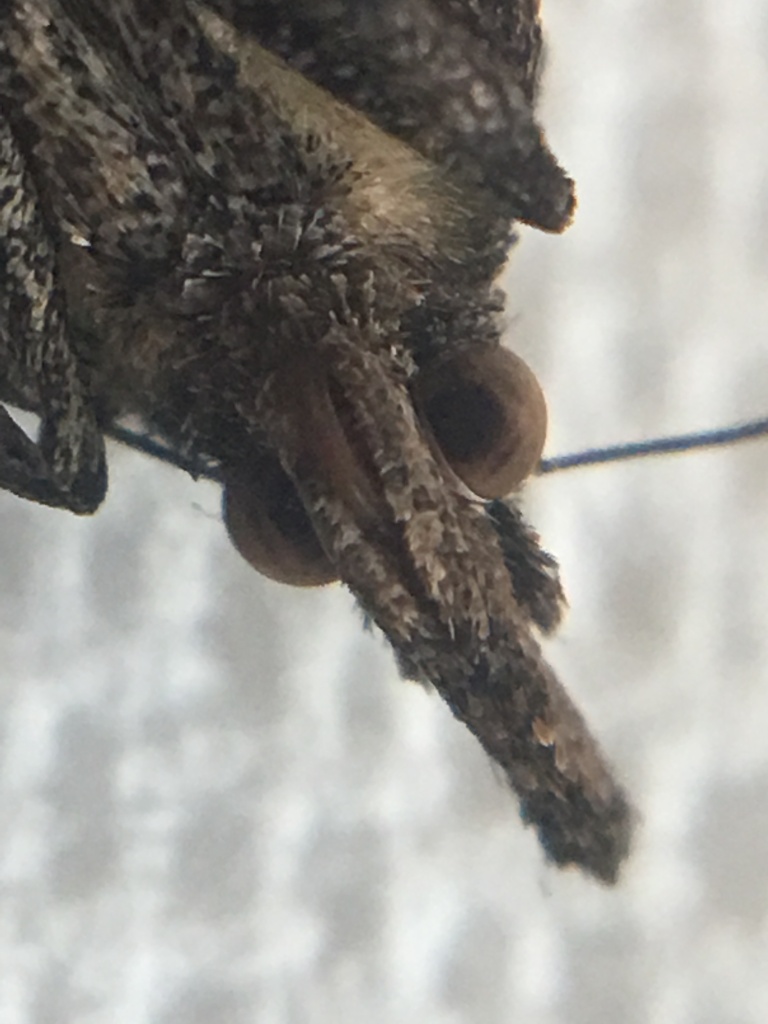
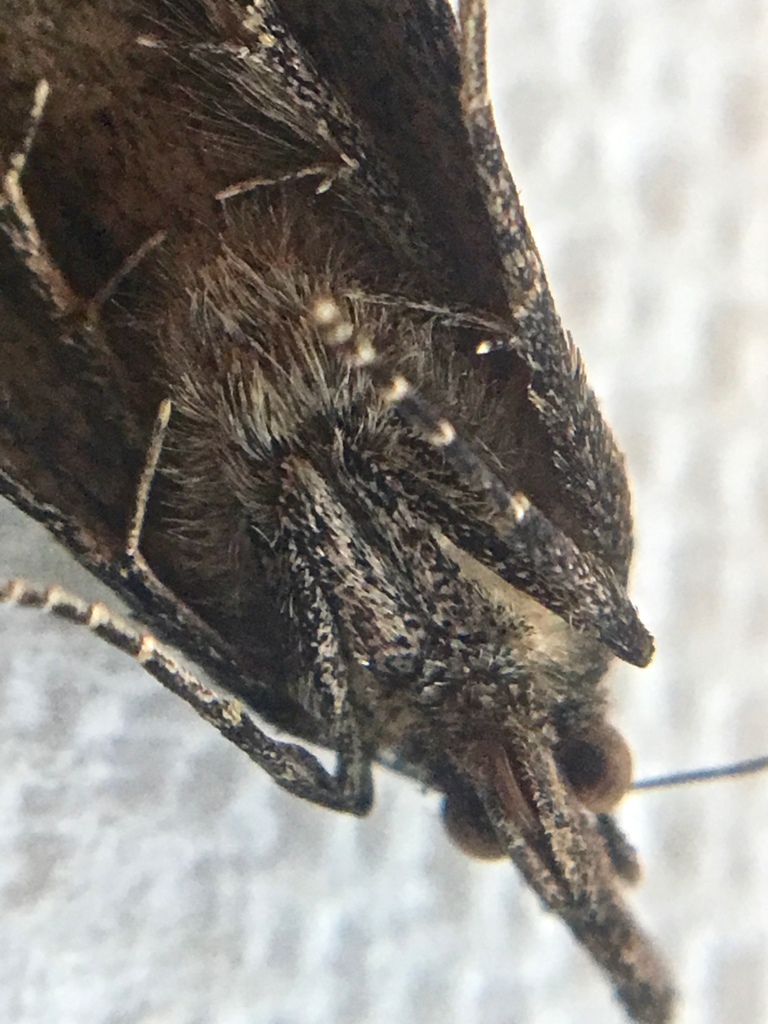
Hypena decorata is in the family Eribidae, within the superfamily Noctuoidea, the (Owlet Moths and kin). Hypena is Greek for “beard.” When you look at the fuzzy, long labial palms that project to form the moth’s snout, it does indeed look a bit like a beard.
According to the Bugguide reference, Lafontaine & Schmidt (2010) list 29 species of the genus Hypena in America north of Mexico. The moth is relatively rare to uncommon West of the Cascades, but found in southwestern British Columbia and western Oregon and Washington. Distribution records also show the species ranges to Southern California. Larvae are food plant specialists, feeding on nettles (Urtica spp.).
Hypena decorata August 20, 2019
The “beard”
Hypena decorata August 20, 2019 The “beard”
Hypena decorata August 20, 2019
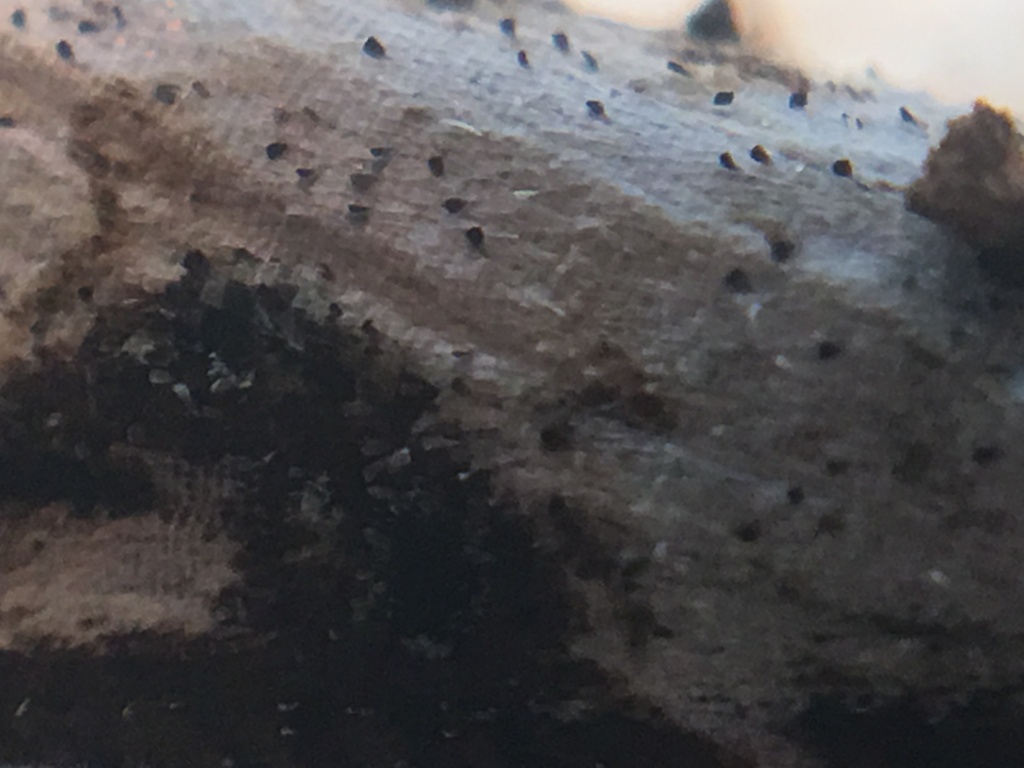
Hypena decorata close up of wing showing bark-like wing scaling


















 Bugging You From San Juan Island