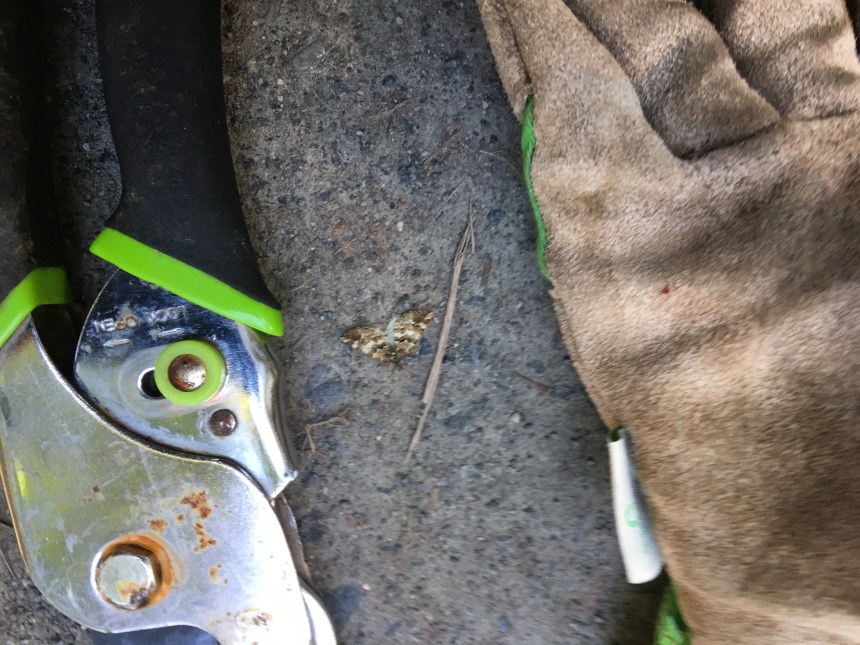
Enchoria lacteata (Packard) is a relatively small moth with forewings measuring only 0.9-1.1 cm in length. Adults have a remarkable zig-zag pattern on forewings made up of various shades of brown and buff. They are diurnal (daytime) fliers and emerge from late February to May. Sightings are often in grassy areas or edges of moist woodlands. Larval host plants are various species of miner’s lettuce, Claytonia (Portulacaceae). Check out the following link for more information on miner’s lettuce. It’s edible! https://www.ediblewildfood.com/miners-lettuce.aspx
Enchoria lacteata crawling onto my pruning tool.
Enchoria lacteata between my work glove and pruning tool
References:
POWELL, JERRY A., and PAUL A. OPLER. Moths of Western North America. 1st ed., University of California Press, 2009.
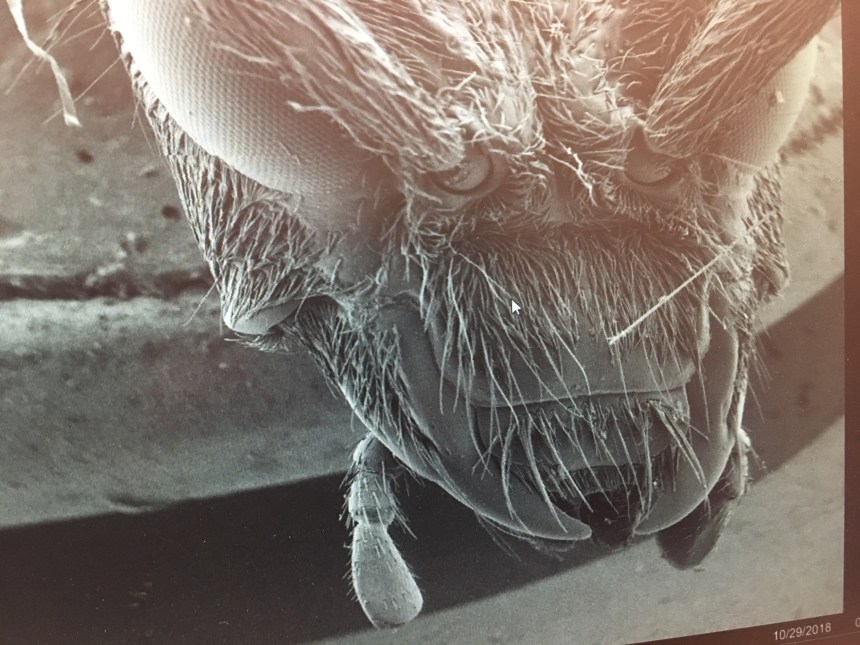
Yesterday I had the extreme good fortune to be able to use the scanning electron microscope (SEM) at University of Washington’s Friday Harbor Labs (San Juan Island). We put a Cerambycid beetle under the SEM and “WOW,” the photos were phenomenal! Here’s a few for you to see. Below is a photo of the beetle’s compound eye. Just think of all the information each of those facets receives and processes.
Cerambycid beetle compound eye, imaged under scanning electron microscope at Friday Harbor Labs, San Juan Island, WA
Next, you see an image of the beetle head. It shows the antennal insertion points, the compound eyes, frons, clypeus, labrum, mandibles, and bristly setae.
SEM anterior, dorsal view of cerambycid head.
If you’re interested in learning more about the morphological features, here’s a pretty good diagram below for reference.
image from http://www.faculty.ucr.edu/~legneref/biotact/bc-51b.htm
The last image for you is of the beetle’s tarsi (the foot). This is an important identification feature for many insects. Imagine that! When I was working on my masters degree from the University of Florida, I had an amazing taxonomy professor who was an expert on Coleoptera (the beetles). He created identification keys for Florida beetles and you can take a look at them here: http://www.entnemdept.ufl.edu/choate/beetles.pdf Well, I’m looking forward to using the SEM again and my next imaging will hopefully include the sponging mouthparts of a fly. Stay tuned!
Check out my story about praying mantids on San Juan Island! They’ve been a victim of hyper-sensationalism. Seriously. Read my article before you squish one.
Revenge of the mantids!
Lots of folks are commenting about seeing praying mantises on the island lately. Rumor has it they’re highly invasive and they’re eating hummingbirds! While they are non-native, I’m hoping to dispel some of the sensationalist hysteria about their presence on the island by offering information for consideration.
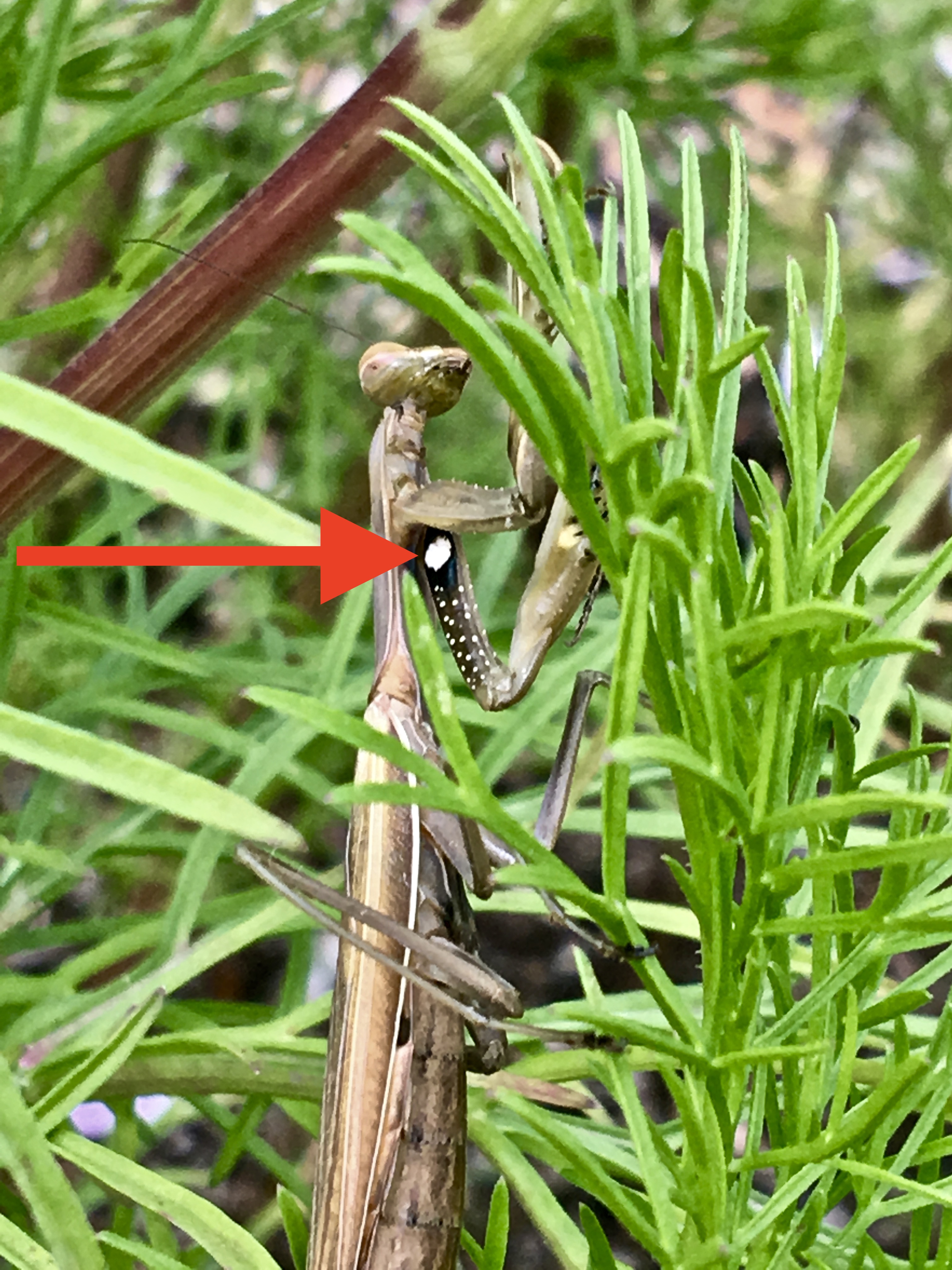
The mantids we are seeing right now are a species called Mantis religiosa, introduced into the southern interior of British Columbia to control grasshoppers in 1937-1938 and have expanded their range since the late 1990’s. They are identifiable by a black-ringed white spot on the inner base of their foreleg.
European mantis (Mantis religiosa) Photo by Cynthia Brast
This taxonomic feature differentiates them from the exotic Chinese Mantis, Tenodera aridifolia sinensis and native Ground Mantis, Litaneutria minor found in Washington, but not on San Juan Island. Egg sacks for European and other mantis species are available online and at garden centers for purchase. Aside from releasing them to control agricultural pests, lots of people keep mantids for pets!
As to the mantids eating hummingbirds…
While worldwide reports exist about various mantids capturing and eating hummingbirds, these are sparse, highly sensationalized accounts, most of them not occurring in the U.S. at all. A 2017 article in Wilson Journal of Ornithology reports hummingbird predation by Mantis religiosa (the ones purportedly “invading” the San Juan Islands). However, for the ENTIRE U.S., there are only 3 substantiated reports, none of which occurred in Washington, much less on San Juan Island. If you’re worried about birds, what about outdoor kitty cats with sharp teeth and claws?
Pablo Picasso’s “Cat Catching the Bird” (1939)
The mantids are killing all our pollinators…
We’ve read about pollinator die-off due to habitat degradation, pesticides, parasites, and pathogens but are mantids a menace too? Let’s look at mantis development, and consider the impact.
The mate-seeking adult mantids will die off as temperatures drop, but need to reproduce before the end of their life cycle. A mated female’s remaining energy will be spent producing a frothy egg mass of 100-400 offspring. The mass hardens into a styrofoam-like ootheca, cemented in some cryptic spot where it will remain until spring.
In spring, mantid nymphs emerge simultaneously from the egg sack. The highly competitive and cannibalistic hatchlings eat many of their siblings. It is estimated that approximately 10% survive this first stage (Hurd and Rathet, 1986).
The hatchling Mantis religiosa nymph, a tiny replica of the adult, must complete 8 or 9 developmental stages, shedding its exoskeleton (molting) each time. During a molt, the mantis must hang upside down to shed its skin, leaving it extremely vulnerable to predation and to accidental injury. The mantis cannot fall from where it hangs or it risks becoming stuck in the old skin. With each stage of development, the mantis must find food and shelter and manage to evade predation by birds, reptiles, spiders, or even other insects like robber flies or dragonflies.
During spring and into early summer, the mantis is pretty small. Although hundreds emerged from the egg sack, very few become adults. They will prey on pollinators, but so do birds, reptiles, spiders, dragonflies, robber flies, and even certain wasps. One fact you may not know is mantis nymphs often survive in spring on pollen!
I kept two European mantids as pets for about ten months and found they preferred to dine on flies. They would eat yellowjackets, but typically only if they were really hungry and only if I cracked open the hard-shell for them first. Their appetites increased as fall approached. One night a swarm of termites emerged from a tree stump by my door. Lucky for the mantids, I had my bug net handy. One ate 30 or 40 termites that night. A few nights later, I had an egg sack cemented to the window screen. I found “Merlina” on the floor the next morning, a victim of feline curiosity.
Most islanders didn’t notice these mantids until late summer and early fall. If you saw one eating a pollinator (unless it’s a bumble bee queen or honey bee), that insect was nearing the end of its natural life cycle and doesn’t overwinter. The pollinators have done their job. The trees, garden plants, and flowers aren’t in need of pollination anymore. Winter is around the corner. If the mantis catches and eats one of these, I believe it is nature’s way of cleaning up.
About the author
Cynthia Brast has a M.S. in Entomology and Nematology from the University of Florida, Gainesville. She welcomes your bug photos and questions.
References
Cannings, R.A. 2007. Recent range expansion of the Praying Mantis, Mantis religiosa Linnaeus (Mantodea: Mantidae), in British Columbia. J. Entomol. Soc. Brit. Columbia, 104: 73-80.
Hurd, L.E., and I. H. Rathet. 1986. Functional response and success in juvenile mantids. Ecology, 67(1):163-167
Kral, K., 2014. Orientation behavior with and without visual cues in newly hatched and adult praying mantis. Journal of Insect Behavior, 27: 192. https://doi.org/10.1007/s10905-013-9415-3
Nyffeler, M., M.R. Maxwell, and J.V. Remsen. 2017. Bird predation by praying mantises: A global perspective. Wilson Journal of Ornithology, 129(2), 331-344. doi:10.1676/16-100.1
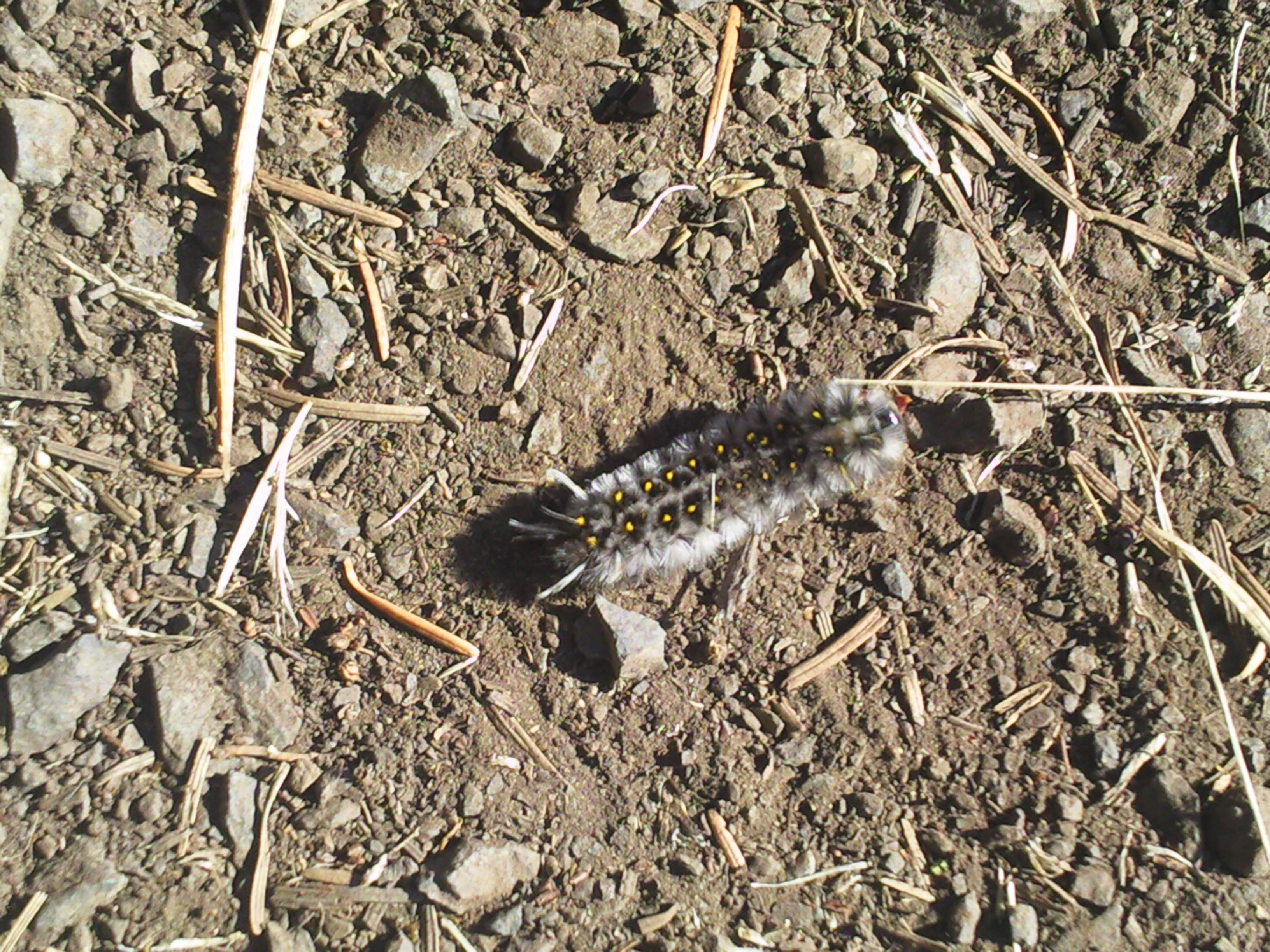
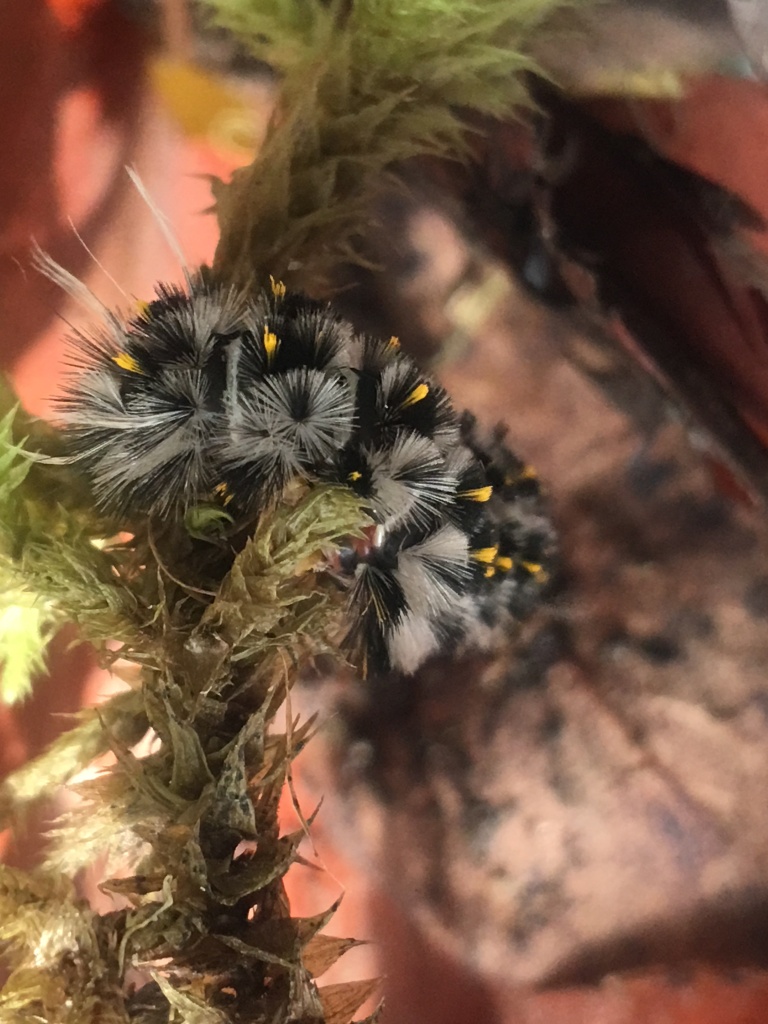
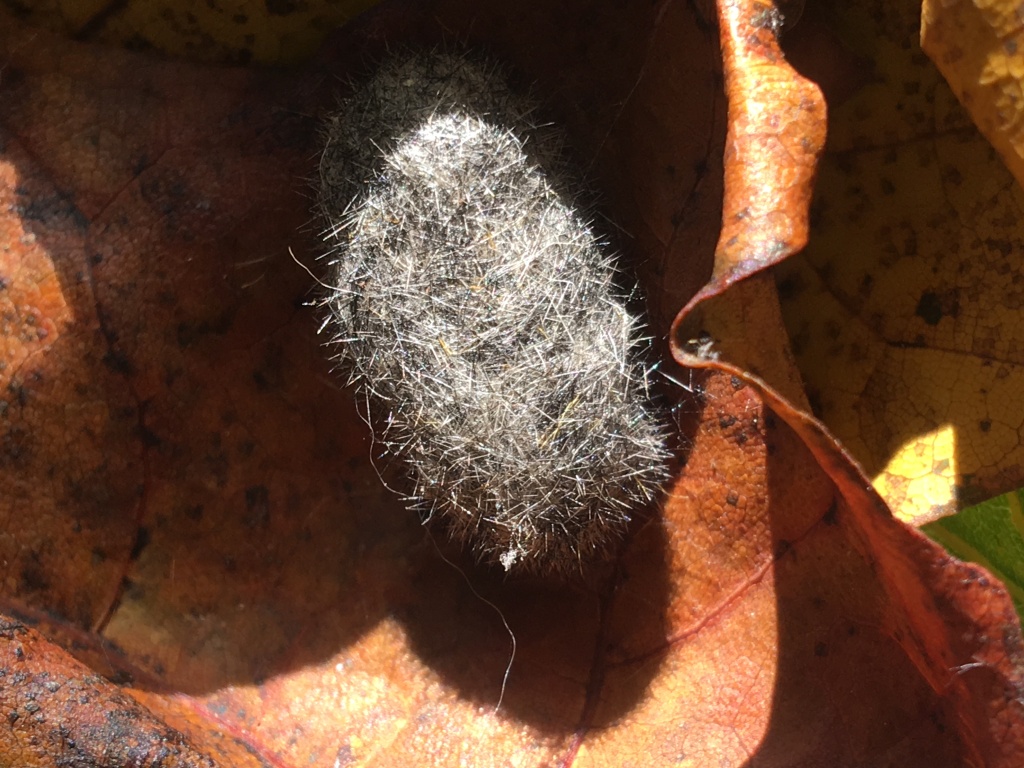
I spent a good part of the day combing through my insect photos from the past 9 years. There are thousands. Finally, I found the ones I was searching for. I credit Victoria Compton on San Juan Island, WA for helping me out on this one. She sent a photo the other day to my email with a caterpillar and had suggested an ID. Not only was she correct, but in ID’ing the caterpillar, it enabled me to match up one of my adult moth photos that had been sitting around nameless since 2016. The photos I found today were of the same caterpillar that had been a mystery to me since 2013. It’s a nice “aha” moment when you connect the dots! Below are the pics for you to see.
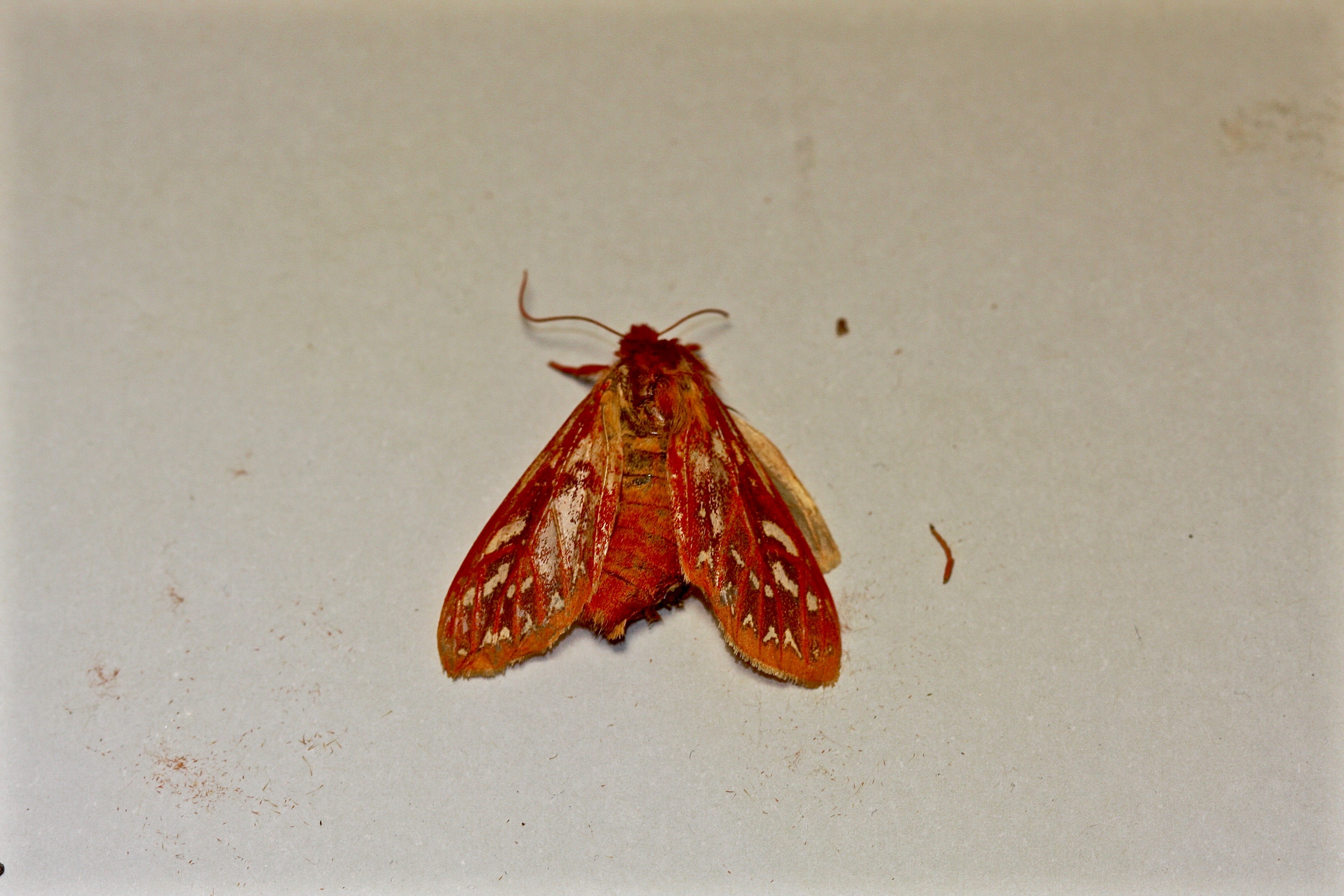
Lophocampa roseata Photographed July 10, 2016 San Juan Island, WA
Lophocampa roseata larva Photographed October 6, 2013 San Juan Island, WA
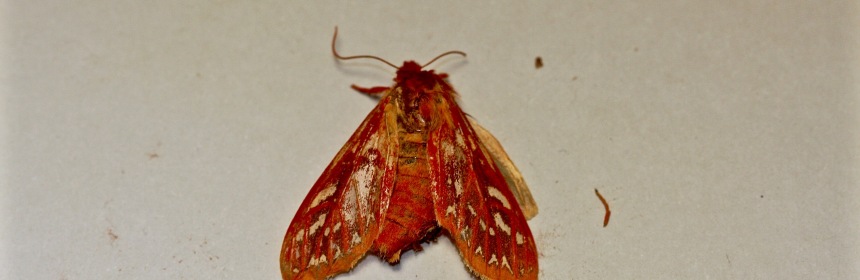
This is a Tiger moth in the family Erebidae, subfamily Arctiinae. The scientific name is Lophocampa roseata (also known as the Rosy aemilia). It was first described by Francis Walker in 1868. They are found in Western Oregon and Washington as well as in Southwestern B.C. and are associated with habitats of conifer forests and maple trees. The sources I checked list them as somewhat rare and Natureserve lists them as “critically imperiled.” So, I guess we have another beautiful Lepidoptera on San Juan Island to care for along with the Marble Butterfly!
***Critically imperiled Tiger Moth. Please post/email photos if you live in San Juan County, WA and come across one in the adult or larval stage. Thanks!
Lophocampa roseata larva Photographed October 6, 2013 by Cynthia Brast San Juan Island, WA
Lophocampa roseata larva Photographed September 26, 2018by Victoria Compton San Juan Island, WA
Found this specimen in the parking lot at Marketplace in Friday Harbor yesterday. Glad I didn’t turn into the “grabber” I can sometimes be and instead used a box to scoop up my big find. Probably if you were watching me, you’d have been scratching your head wondering WHY is this woman going through her grocery sacks and opening a snack box of tuna? That box made an excellent fly “trap!”
Big is an understatement! This is the LARGEST fly I’ve collected on the island. It measures over 1 inch long or more than 2 cm. The Western Horse Fly (Tabanus punctifer) can bite through your clothing, although it is the female that needs a blood meal (males feed on nectar and pollen). The adult female lays egg masses (over 300 per mass) on vegetation along ponds and lakes. When the eggs hatch, the larvae develop in the water and here is what I read about them from my sources at Bugguide.com…
“These larvae are aquatic. They have mouthparts that are identical to those of rattlesnakes in structure. A pair of hollow fangs that are connected to a poison/anaesthecic salivary gland further back in the body. These mandibles can easily break through human skin and inject the immobilizing contents of the salivary glands. Normally used to paralyse, and perhaps digest, prey. They are capable of quickly immobilizing/killing animals as large as frogs. They are strictly carnivores and eat ‘meat’.”
I guess this means that the toe-biters aren’t the only ones you should avoid when you go for that swim!
A water trough and cool morning temperatures equate with a desperate situation if your wings are wet and they aren’t the inflatable kind that keep you afloat. I rescued two, soon to be drowned, little specimens yesterday morning and can tell you, they were “happy” to dry off in the sunshine ☀️ .
The first rescue was a delicate, Green Lacewing in the family Chrysopidae. Lacewings are in the insect order Neuroptera which means nerve-winged insect. It is named for the intricate, sheer, net-like pattern of its wings. They are valued because they prey on garden and orchard pests insects like aphids. The intriguing thing about this specimen (make sure to pay close attention to frames 0.22 and 0.24 in the video) was its reaction to my voice when I stopped Millhouse the cat from interfering with my cinematography. The Lacewing appears to have a look of surprise when it hears me.
The second rescue from the water trough is the beautiful, iridescent green cuckoo bee you see in the video below. Cuckoo bees are actually wasps in the insect order Hymenoptera, and family Chrysididae. While they are pollinators in that adults seek out nectar for food from flowers, they are named, like the cuckoo bird, after their habit of seeking out nests of other wasp and bee species to steal food, or the life of developing larvae as a host for their own young. Never-mind that part of the life cycle of this bee. It is truly a gem, glittering in the sunshine…a jewel worn by a new spring blossom in the garden.
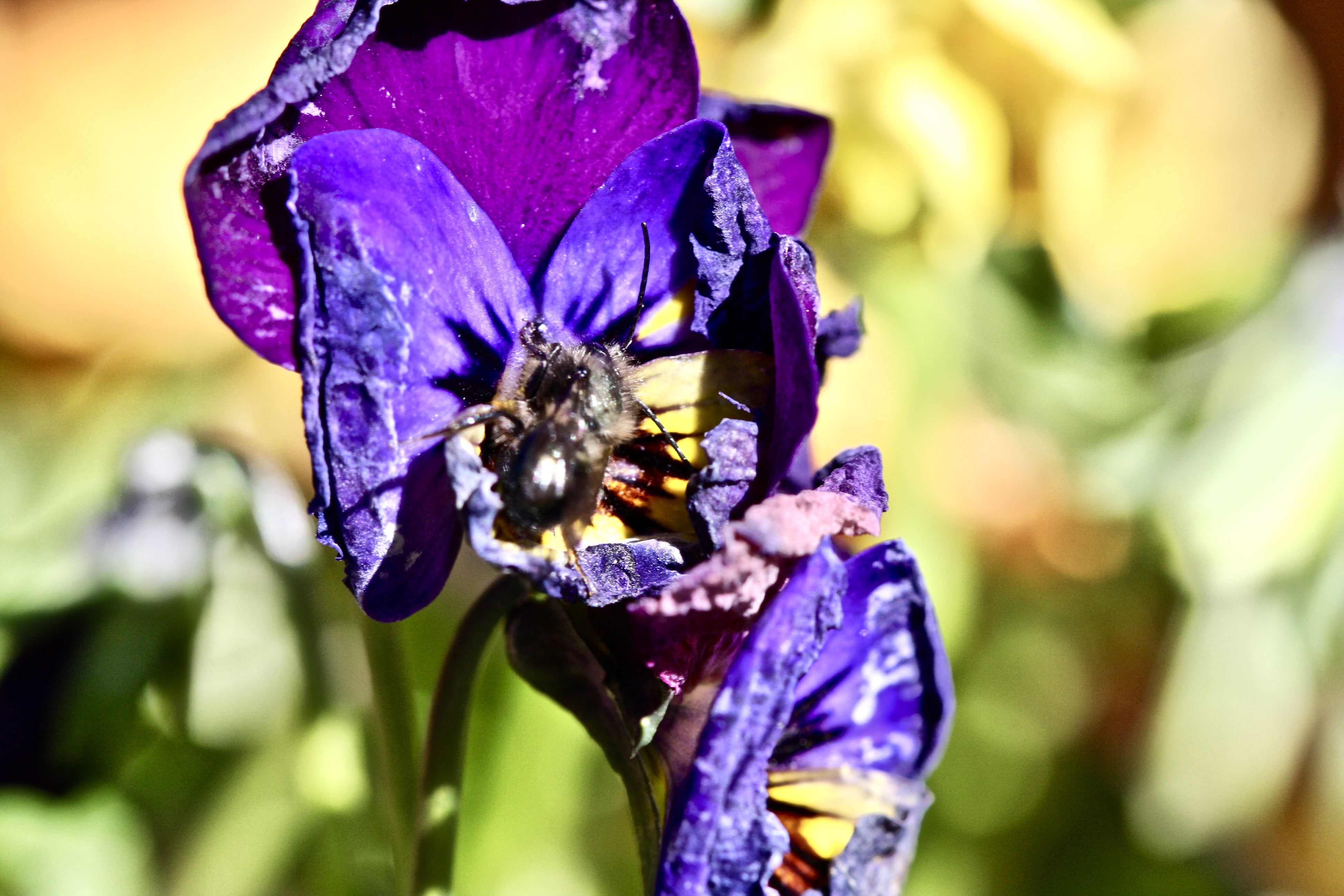
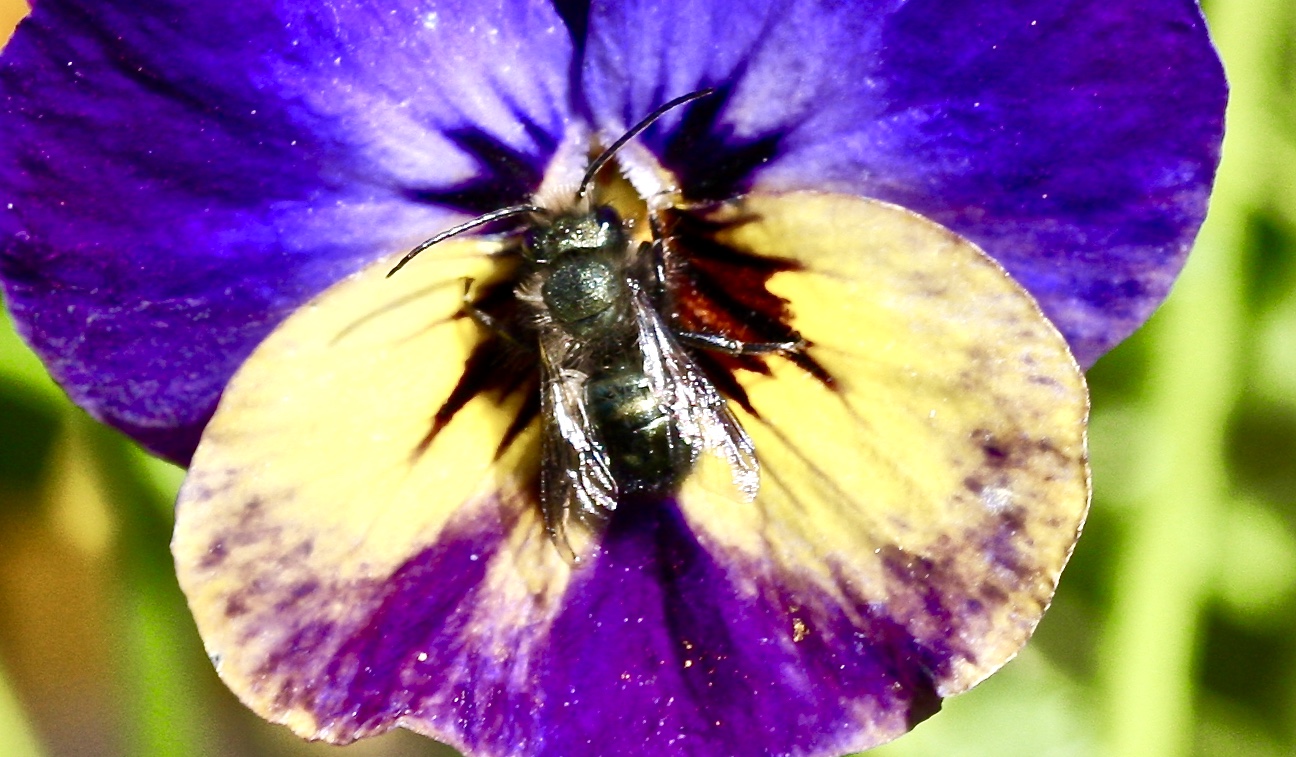
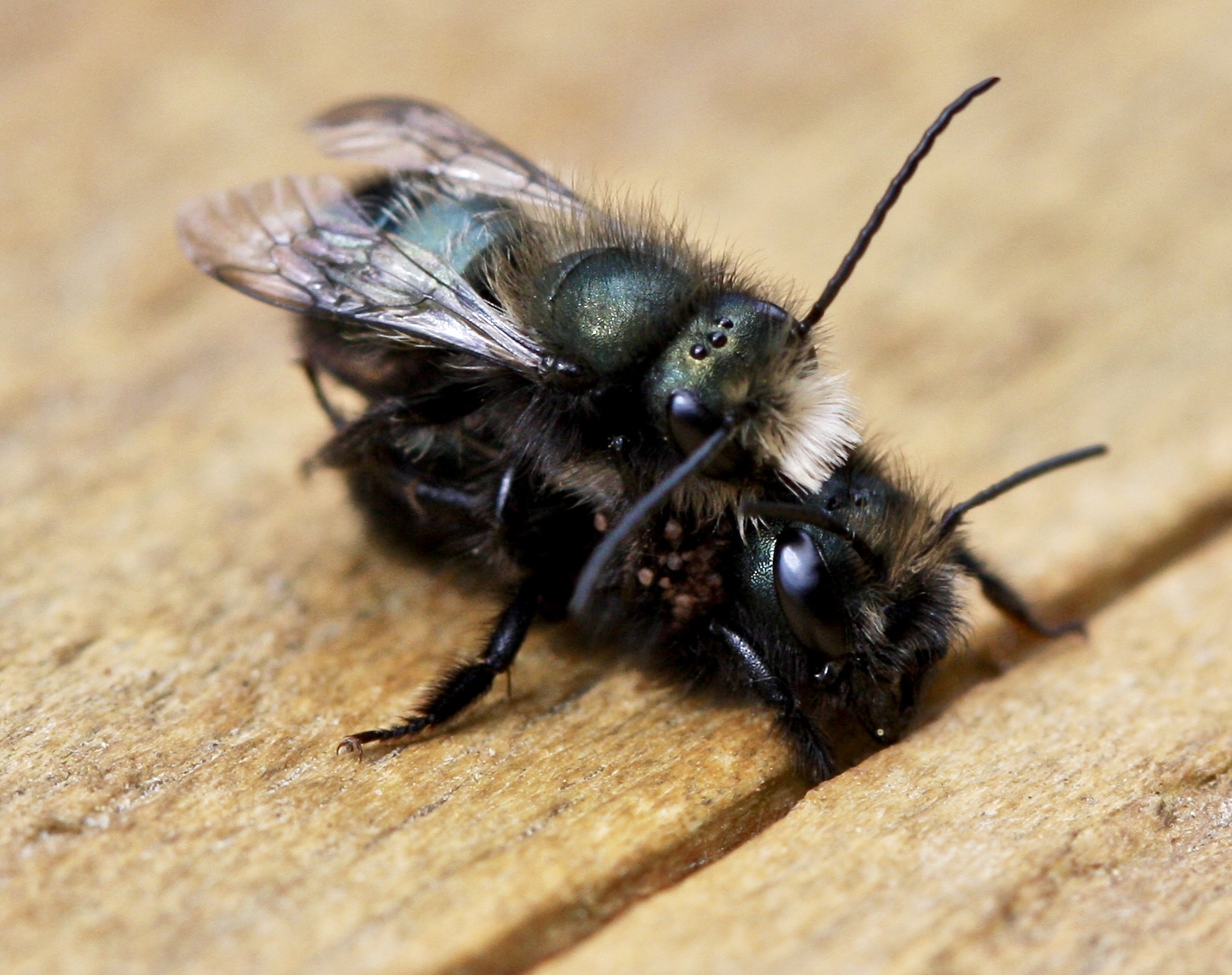
Sighted April 12, 2018, San Juan Island, WA. Blue Orchard Mason Bee (Osmia lignaria). These are important early (native) pollinators. Adults hibernate overwinter and emerge from March to May. Blue Orchard Mason Bees are being managed as orchard pollinators as they are excellent at pollinating fruit trees such as pear, cherry, plum, and apple, as well as quince and others, including blueberries. Blue Orchard Mason Bees and other solitary bees in the genus Megachilidae (like leaf-cutting bees) carry pollen on their bellies instead of special baskets on their hind legs like honey bees. The Blue Orchard Mason Bee use tubular cavities for nests, partitioning each brood cell with a wall of mud. Although similar in size, Blue Orchard bees are easy to distinguish from honey bees because they are metallic in coloring, often dark blue or blue-black.
This is a checklist I’ve put together of the Coleoptera of San Juan island. Beetles with (*) asterisks are those I have actually seen, photographed, or have in my collection. It is a work in progress!San Juan Island – List of Coleoptera 2016 by Cynthia Brast
Bombus mixtus or Mixed Bumble Bee queens emerge after overwintering to begin the process of making a nest (typically in the ground) where she will begin to make wax pots to lay her eggs in. You can help save these important pollinators by reducing use of herbicides and lawn chemicals in your yard. If you find one on a cold day, help it out by providing a boost of carbohydrate energy. You can wet a sponge or cotton with sugar water or prepackaged hummingbird food and offer it a drink. The hungry bee will thank you for it. Remember to “bee” nice to bees!
***Text and photographs copyright 2012 by Cynthia Brast. No part of this story may be reproduced in any form without the expressed written consent of the author.
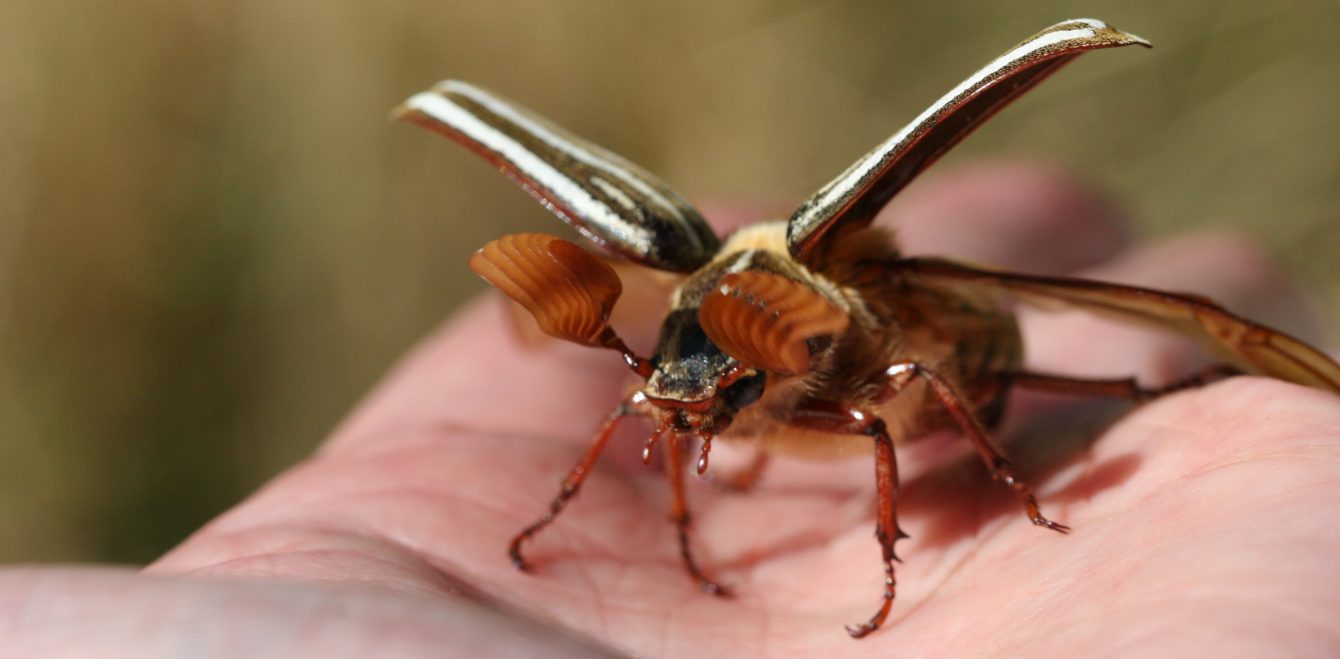




 Well, I’m looking forward to using the SEM again and my next imaging will hopefully include the sponging mouthparts of a fly. Stay tuned!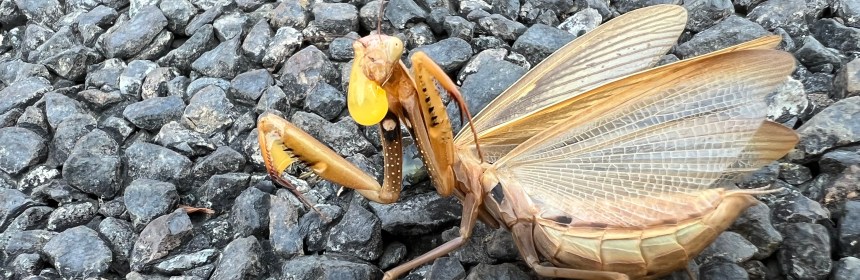
 Check out my story about praying mantids on San Juan Island! They’ve been a victim of hyper-sensationalism. Seriously. Read my article before you squish one.