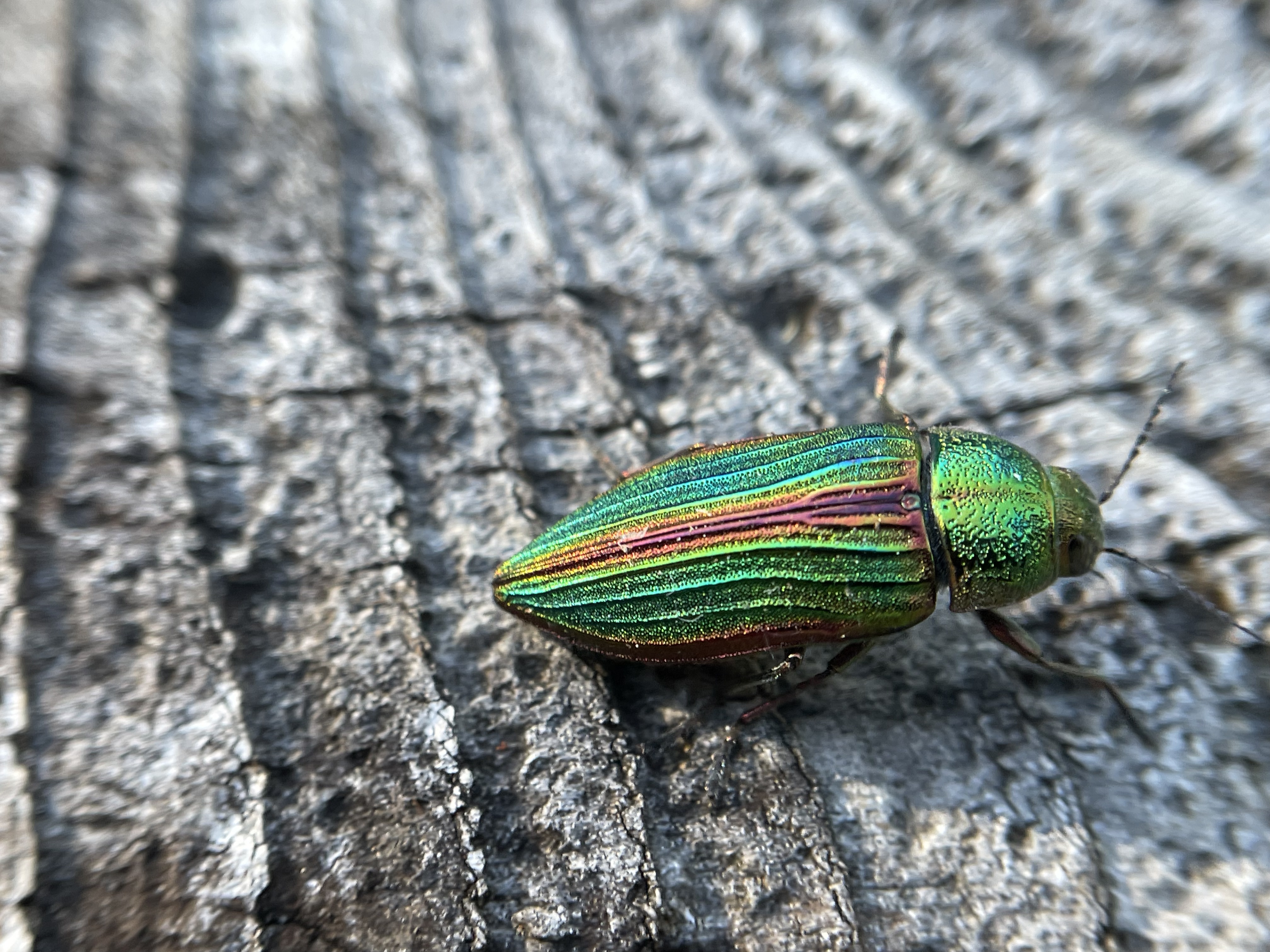
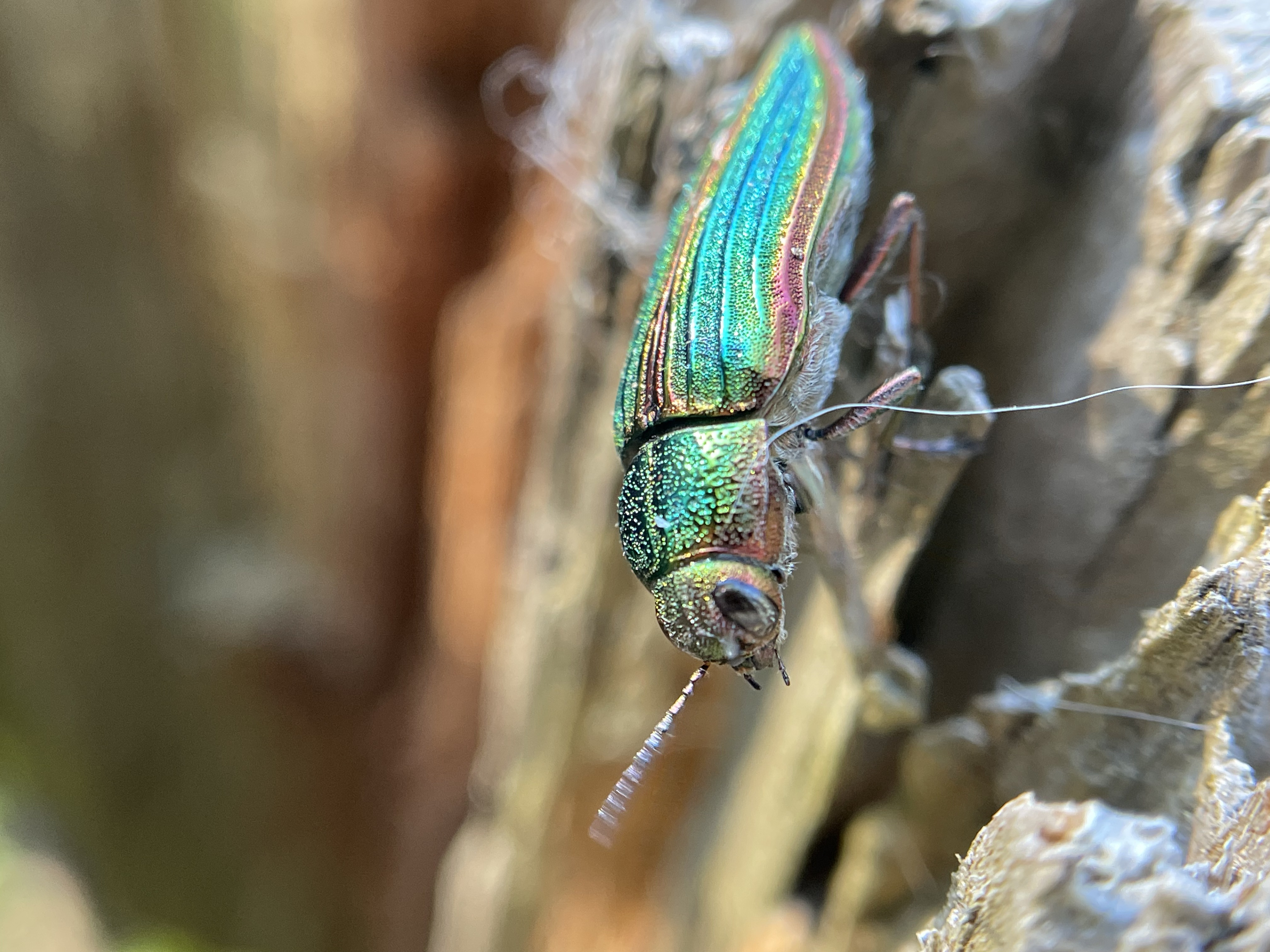
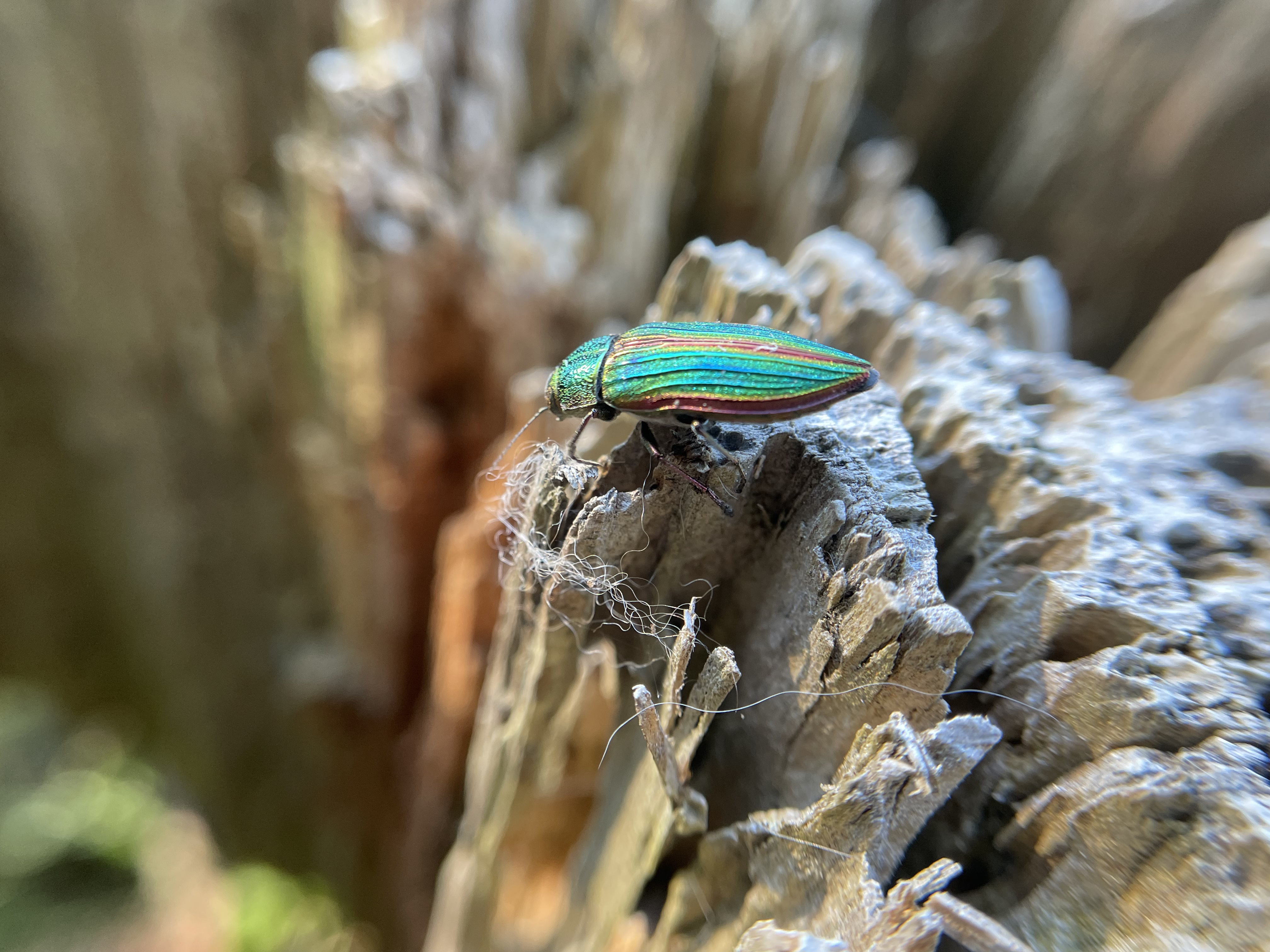
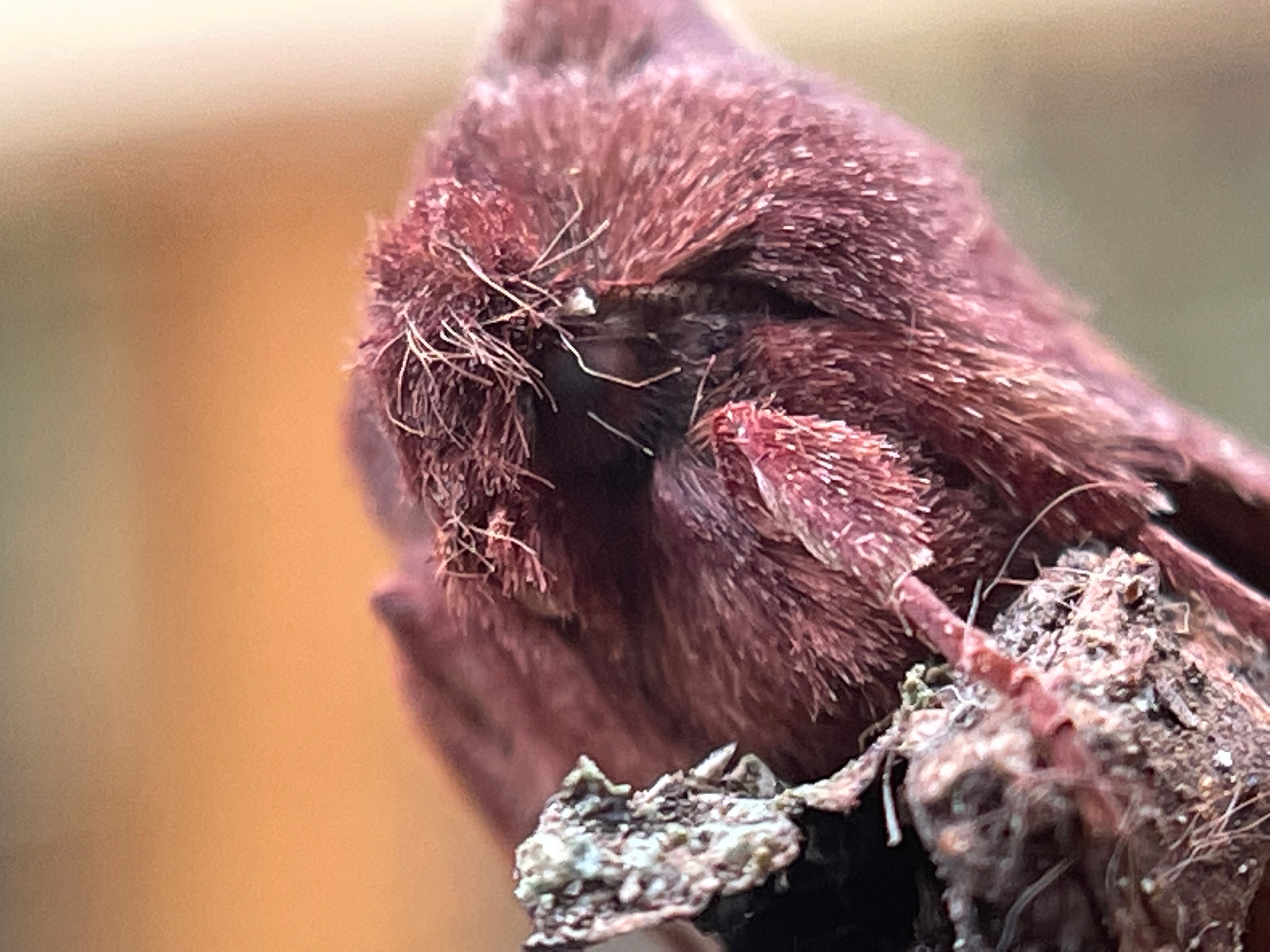
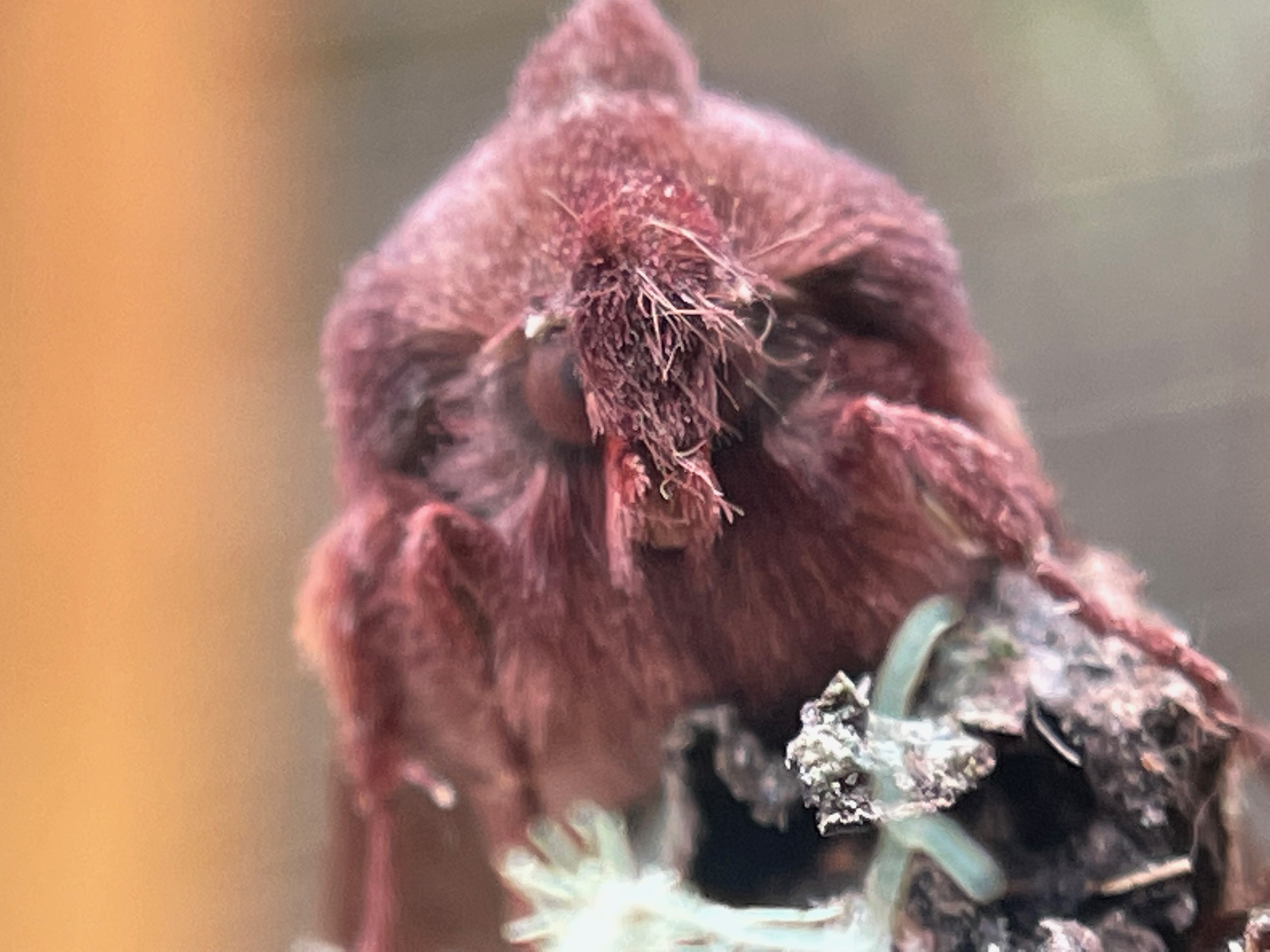
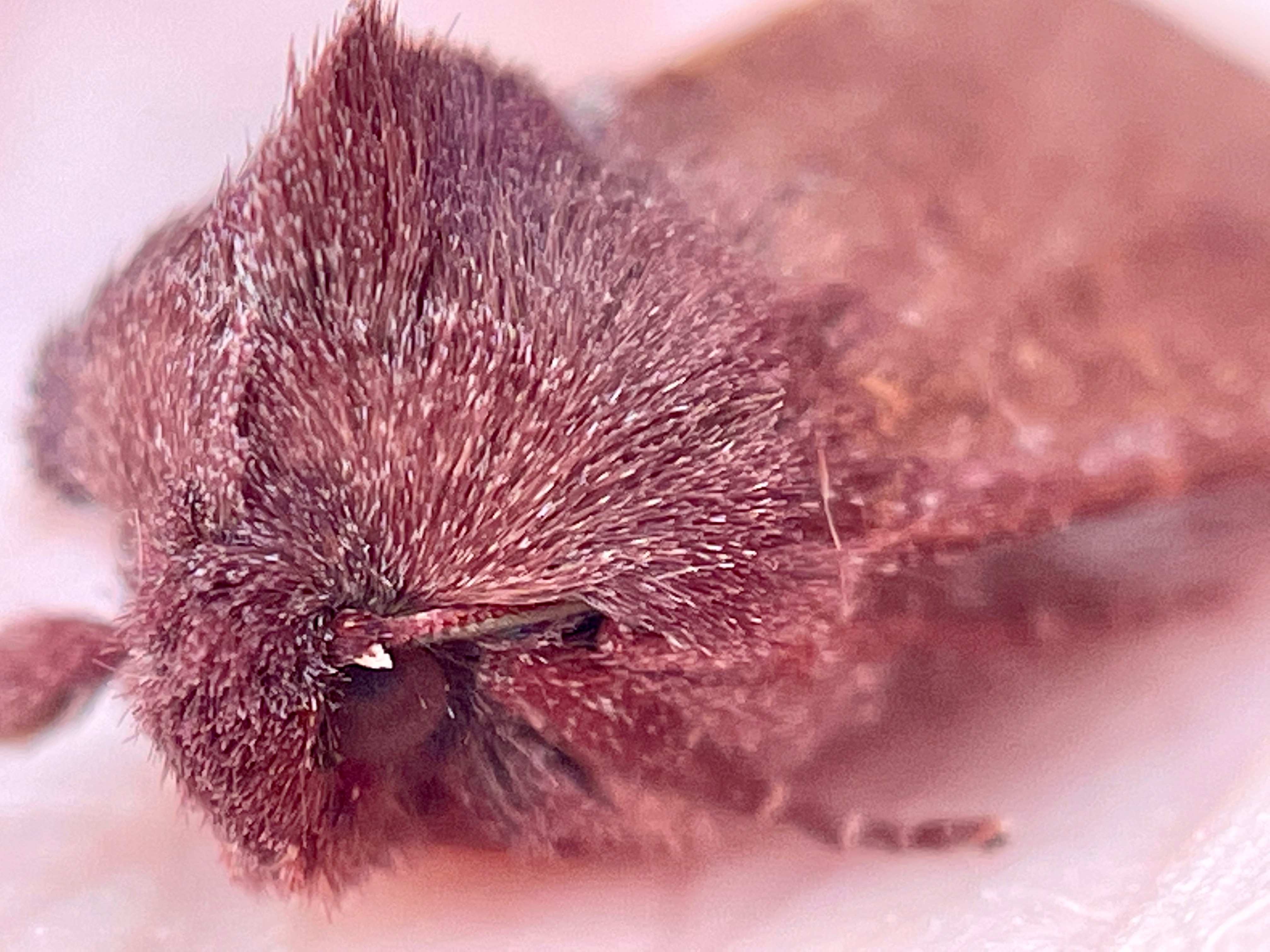
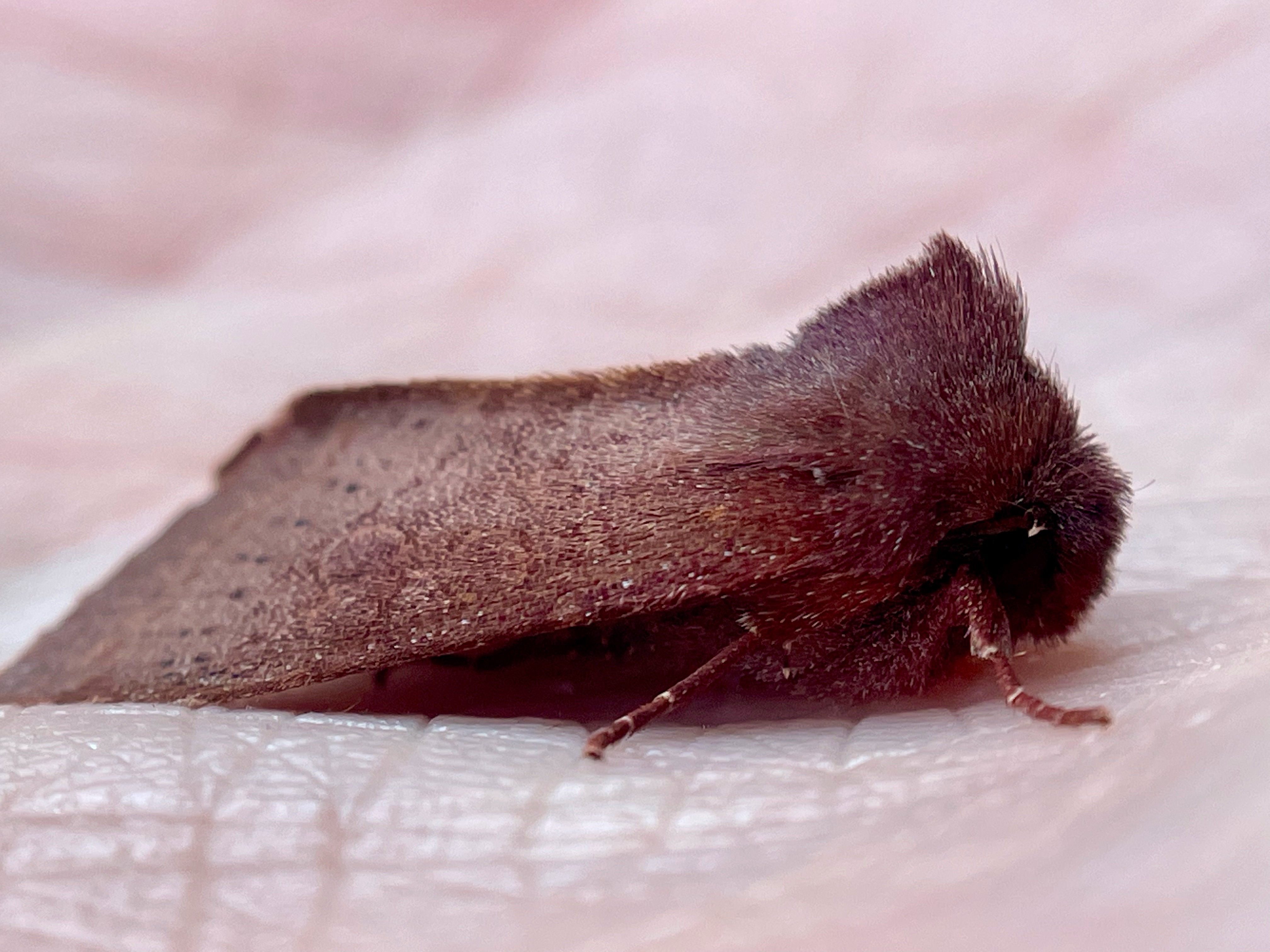
I found this little green beetle (and another sad little black and yellow beetle missing its antennae) in the pool yesterday. The black and yellow beetle is alive and… well, sort of living in a special habitat right now because of those missing antennae.
The green one was completely waterlogged and lifeless. I had left it on the table next to Drago’s enclosure last night, thinking I’d pin it and keep it in my collection. I am SO GLAD I DIDN’T stick it with a pin! This morning, I found it moving those little legs around at me. It was alive! RIP woke up.
Golden Buprestid beetle (Buprestis aurulenta)
Golden Buprestid beetle (Buprestis aurulenta
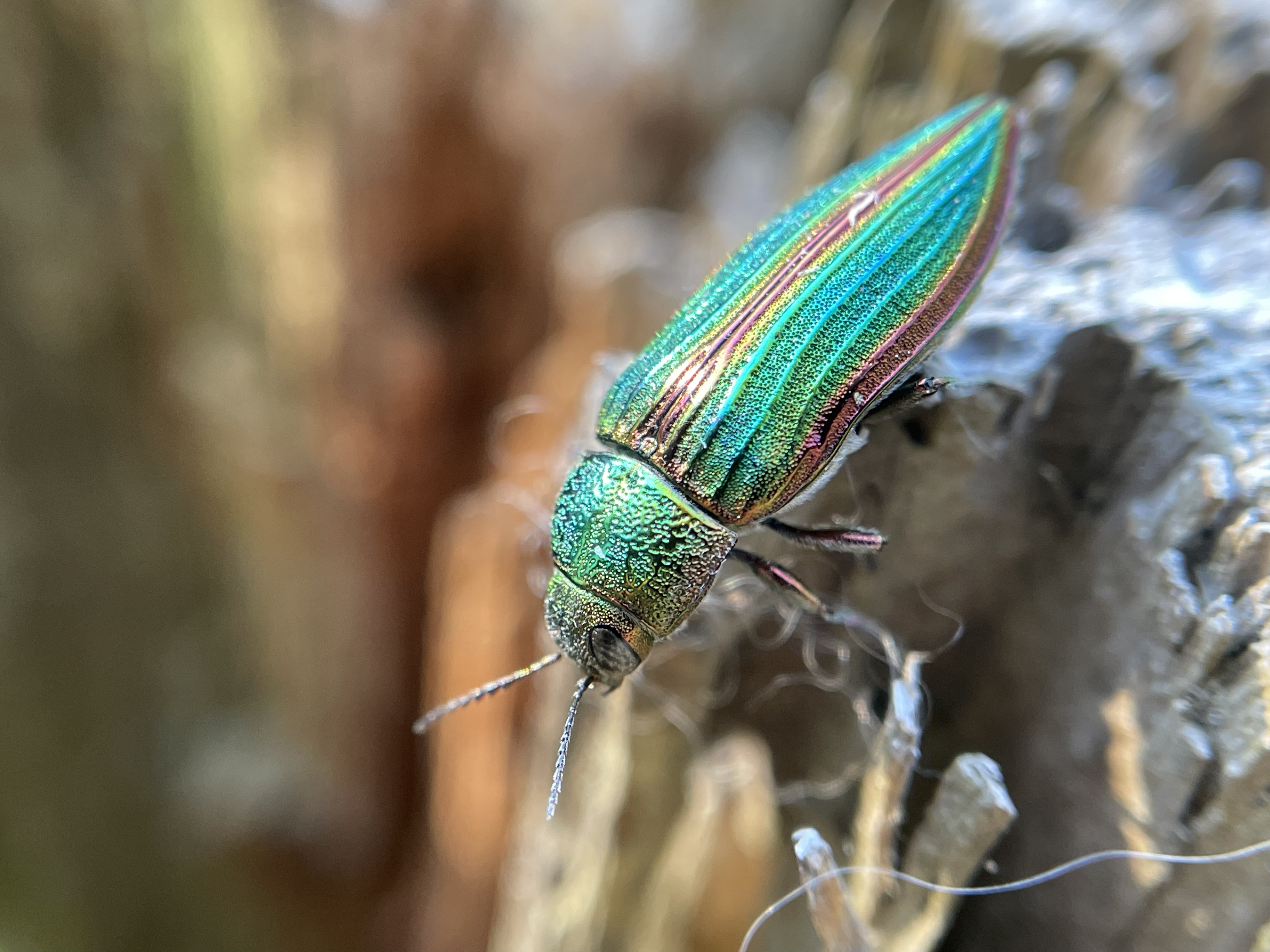
This is a Golden Buprestid Beetle (Buprestis aurulenta). They are a native species in the Pacific Northwest. I have referred to them often as the Rip Van Winkle beetle because they take such a long time to develop from egg to adult. In fact, the record is 51 years!
Why so long? Well, the developmental time depends a lot on the quality of what they’re eating (they develop in dead or dying trees) and miscellaneous environmental factors. When they come out as an adult, they leave behind a little oval hole. I think it adds character to your wood trim if you have them “sleeping” in timber used to build your house.
We had one in our door trim that didn’t make it all the way out and probably had been stuck for awhile before I noticed. It became a fascinating object to show anyone who came to visit our home.
Golden Buprestid stuck in door trim (March 20, 2016)
I’m not sure what gives them this beautiful iridescence, but they are undeniably one of nature’s jewels, thus the name “Jewel” Beetle.
Golden Buprestid Beetle – San Juan Island 07.27.2022
Golden buprestid set free to fly away in the forest.
The Western Tent Caterpillar is probably one of the most studied and also one of the most loathed insects in the Pacific Northwest. I’m hoping to change attitudes by shining a light on some of the ecological facets of the species and how it connects to the larger food web. We often deem something a pest before really considering the whole picture. Is there anything good about a caterpillar eating leaves off a tree? It depends on a lot of factors. Why not take time to examine the web…and I’m not referring to the tent here either.
It was just last week in my community (San Juan Island), that I heard a story about a woman who fell and hit her head after getting on a ladder to BURN the tent caterpillars out of her fruit trees. Hmmm. Please don’t try this at home. It isn’t safe. Burning the tents out of trees can actually do more damage to the tree than the caterpillars do by eating the leaves.
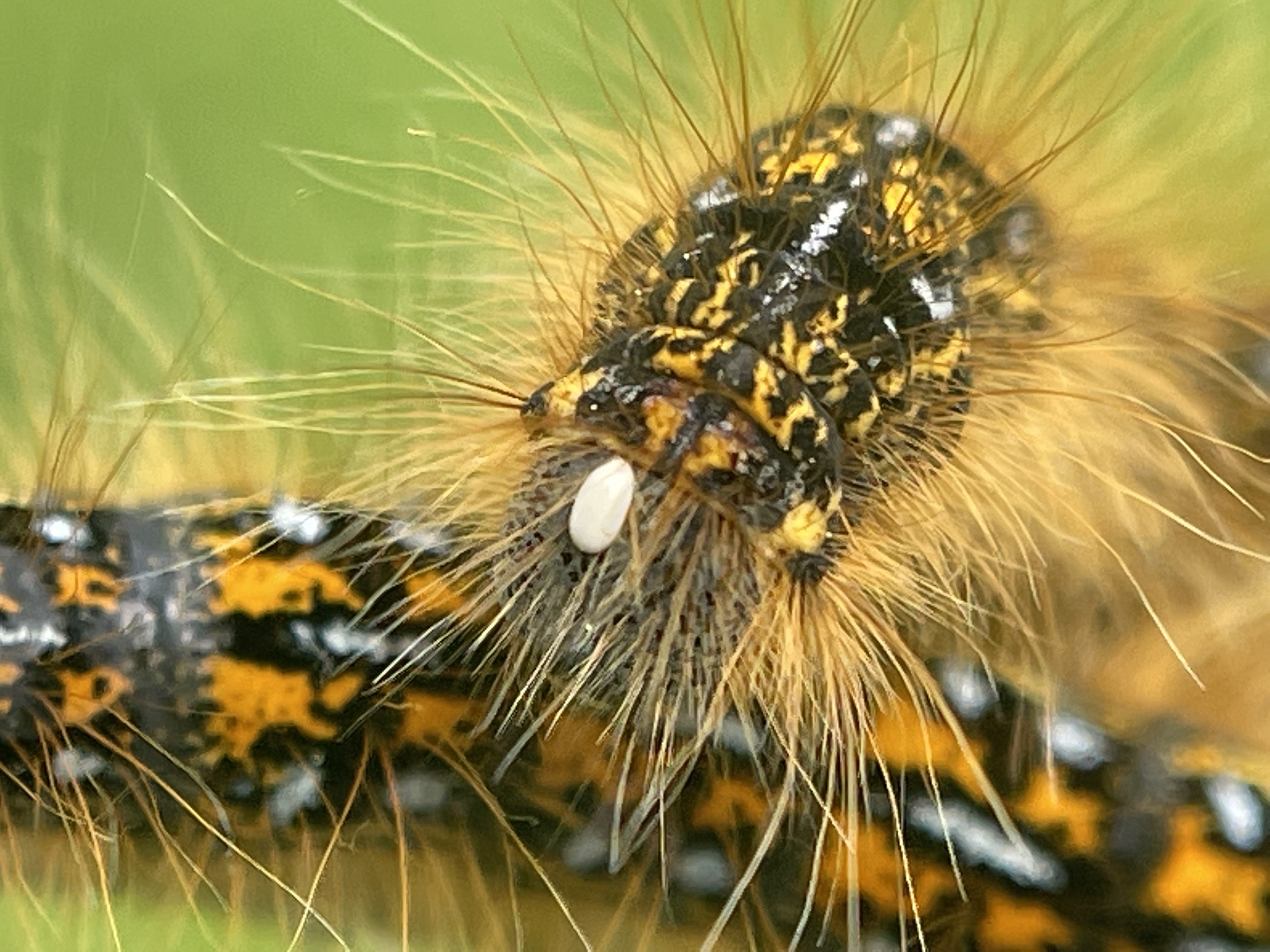
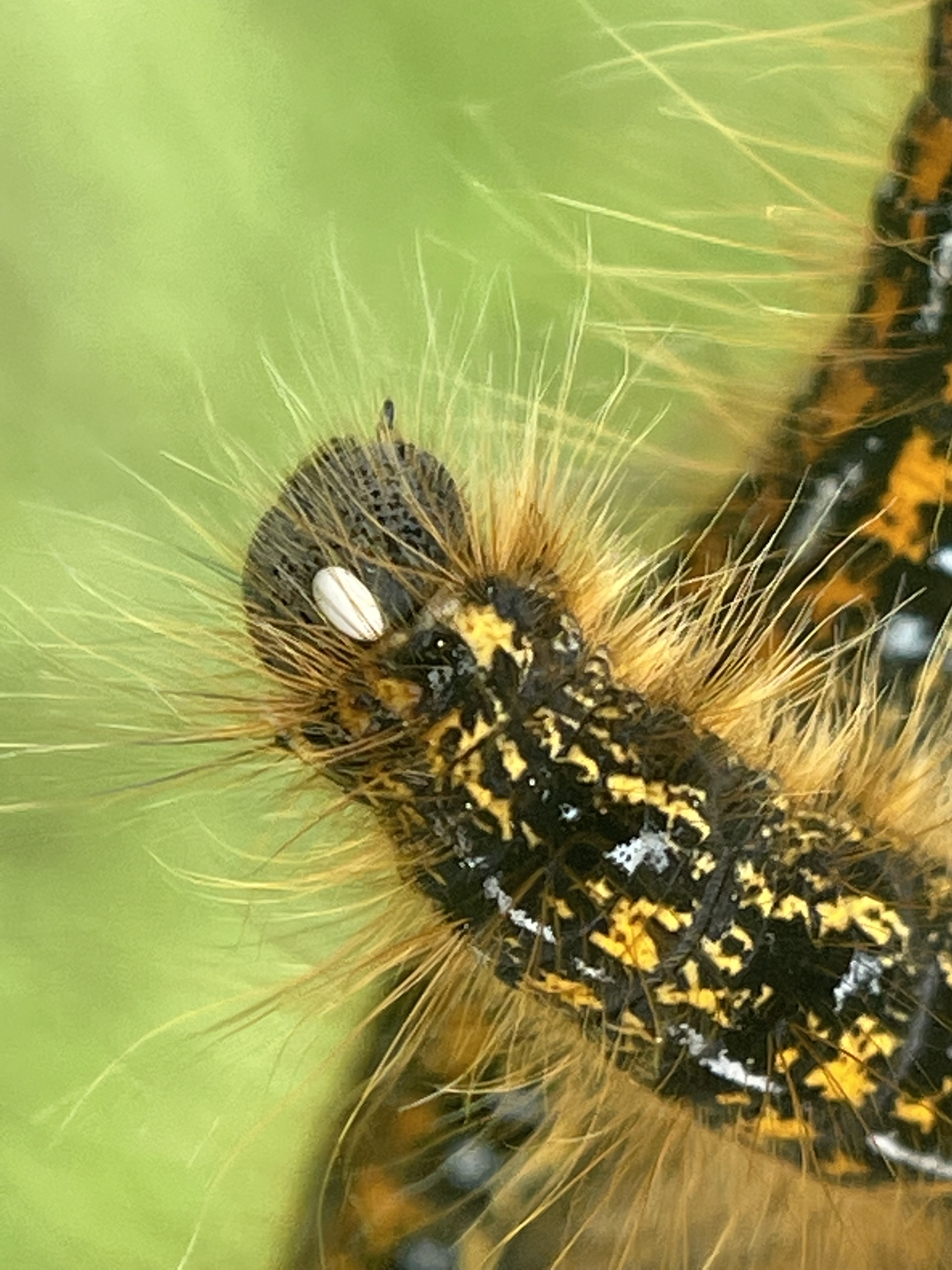
The photos below show something that happens to the tent caterpillars we may not notice in our panic to eradicate them from our trees. The egg on the caterpillar was laid by a parasitic Tachinid fly. It chose the head, so the caterpillar can’t chew it off its body. The egg is shed when the caterpillar molts, but the fly is already developing inside the caterpillar. It will literally eat the caterpillar from the inside out. So, when you clip off those tents and throw them into the fire, you are also killing the natural and best pest predators along with them. Naturus interruptus! We do more harm than good by intervening.
Western Tent Caterpillar with Tachinid Fly egg on headWestern Tent Caterpillars (Malocosoma californicum pluviale) with deceased individuals in background likely affected by nucleopolyhedrovirus
The Western Tent Moth caterpillars are affected by a few other parasitoids. Braconid wasps also attack them. Some lay eggs on the cocoons. There is also a nucleopolyhedrovirus that infects them when populations are high. In my rush to get this out, I may come back and edit, but I’ve referenced lots of great information below so you can read more about this on your own.
To add to all of this, over the weekend, my daughter and I found some tents in the orchard trees on our property. I might just be the ONLY resident in the San Juans excited to see them. Hmmm. Well, what I found was even more interesting. The tents had dead caterpillars inside and living family groups of earwigs. We also found a super cute jumping spider!
I was curious about this because earwigs are known to be garden pests, I did find some studies about earwigs that are PREDATORY on species of Lepidoptera. While these studies addressed other species of moths, the gist was that the plant species sends out a chemical signal that calls pest predators when it is being attacked by caterpillars. Every plant and pest predator sends and responds (respectively) to various signals, some very specific to each relationship. The plant is calling in the army! It may not always be earwigs, but there are wasps, flies, and others that come to aid the plant when it is under attack. Yes, it is very cool!!!
Earwigs and Jumping spider eat tent caterpillars
Oh, and those Western Tent Caterpillars turn into adult moths in mid summer. They are attracted to light. Turn off your outdoor lights. Nature will thank you and you will be less attractive to the mating moths. Many moth species also tend to fly off en-masse when they are mate seeking. These periodic, seasonal pulses of terrestrial invertebrates in our region end up in nearshore marine habitats when they fly out over the ocean.
Various studies have surveyed the stomach contents of Chinook and Coho Salmon, and other fishes in nearshore marine habitats during their first year at sea. Two studies I found reported finding Western Tent Moths and Spruce Budworm Moths (species considered as pests in northern boreal forests) in sampled gut contents. Brodeur et al., (1987) reported the following from one survey, “The incidence of several juvenile coho collected after the storm which had stomachs that were distended with over 100 of these insects exemplifies the ability of these juvenile coho to readily exploit these allochthonous inputs into the marine environment.” They were referring to the “pest” species, (Choristoneura occidentalis) or Spruce Budworm Moth in this instance. In Brennan et al. (2002), sampling of salmon in Central Puget Sound found insect prey included Western Tent Moths (Malocosoma sp.), and that “Lepidoptera in 2002 diets were gravimetrically dominated by tent caterpillar moths (Malocosoma sp.) 51% of Lepidoptera category by weight.” They also reported that Lepidoptera in their samples “were only abundant in 2002.” Coincidentally perhaps, this was a year of a recorded outbreak of tent caterpillars in WA state.
Other studies acknowledge terrestrial invertebrates as a better quality food than marine crustaceans for developing salmon. Periodic, cyclic, or seasonal events resulting in abundant insect flotsam in marine habitats may be missed, or difficult to record, but undoubtedly play a role in feeding fish in nearshore marine habitats.
Take away point here. Even bugs we see as pests have a role in ecosystems. Salmon and other species of wildlife don’t have grocery stores to visit when they need a meal. They rely on seasonal and periodic availability of food. It’s all they have, and it’s important for us to appreciate that.
Please take a moment to scroll through some of the photos below. Definitely check out the fantastic animation by April Randall about the adult moths flying out over the shoreline and being eaten by salmon! Don’t miss checking out those references and reading material too. If you are curious to know more, shoot me an email and I’m happy to send you literature for further reading.
Thank you!
Malocosoma californicum pluviale with Tachinid fly egg on headMalocosoma californicum pluviale caterpillars affected by nucleopolyhedrovirus
Jumping spider eating Malocosoma californicum pluviale caterpillar (photo credit to Alex Maas and artistic rendering by Cynthia Brast-Bormann)Parasitized Malocosoma californicum pluviale cocoon (Tachinid fly parasite)
Animation by April Randall, Orcas Island
References and Further Reading
Bell, K., Naranjo-Guevara, N., Santos, R., Meadow, R., & Bento, J. (2020). Predatory Earwigs are Attracted by Herbivore-Induced Plant Volatiles Linked with Plant Growth-Promoting Rhizobacteria. Insects, 11(5), 271. https://doi.org/10.3390/insects11050271
Clark, E. C. (1958). Ecology of the Polyhedroses of Tent Caterpillars. Ecology, 39(1), 132–139. https://doi.org/10.2307/1929975
Cooper, Dawn & Cory, Jenny & Theilmann, David & Myers, Judith. (2003). Nucleopolyhedroviruses of forest and western tent caterpillars: Cross-infectivity and evidence for activation of latent virus in high-density field populations. Ecological Entomology. 28. 41 – 50. 10.1046/j.1365-2311.2003.00474.x.
Furniss RL, Carolin VM. 1977. Western forest insects. U.S. Department of Agriculture, Forest Service, Washington, D.C. Miscellaneous Publication 1339. 654 p.
Knight, G. A.; Lavigne, R. J.; and Pogue, M. G. 1991. “The Parasitoid Complex of Forest Tent Caterpillar, Malacosoma Disstria (Lepidoptera: Lasiocampidae), in Eastern Wyoming Shelterbelts,” The Great Lakes Entomologist, vol 24 (4) Available at: https://scholar.valpo.edu/tgle/vol24/iss4/7
Rodstrom, R & Resources, Greenwood & Portland, Oregon & John, J & Brown, John. (2017). FOREST AND WESTERN TENT CATERPILLARS Insect Pest Management in Hybrid Poplars Series. 10.13140/RG.2.2.24262.37442.
Witter JA, Kuhlman HM. 1972. A review of the parasites and predators of tent caterpillars (Malacosoma spp.) in North America. Minnesota Agricultural Experiment Station. Technical Bulletin 289. 48 p.
Additional References***Updated 06.23.2022
Brennan, J.S., K.F. Higgins, J.R. Cordell, and V.A. Stamatiou. 2004. Juvenile Salmon Composition, Timing Distribution, and Diet in Marine Nearshore Waters of Central Puget Sound in 2001-2002. King County Department of Natural Resources and Parks, Seattle Wa. 164pp.
Brodeur, R. D., Mundy, B. C., Pearcy, W. G., & Wisseman, R. W. 1987. The neustonic fauna in coastal waters of the northeast Pacific: abundance, distribution, and utilization by juvenile salmonids. Oregon State University Publication ORESU-T-87-001.
Brodeur, R. D. (1989). Neustonic feeding by juvenile salmonids in coastal waters of the Northeast Pacific. Canadian Journal of Zoology, 67(8), 1995-2007.
Brodeur, R. D., Lorz, H. V., & Pearcy, W. G. (1987). Food habits and dietary variability of pelagic nekton off Oregon and Washington, 1979-1984. NOAA Technical Report NMFS 57. U.S. Department of Commerce National Oceanic and Atmospheric Administration National Marine Fisheries Service.
Cheng L, Birch M. 2008. Insect flotsam: an unstudied marine resource. Ecol Entomol 3:87–97.
Cheng L. 1975. Marine pleuston: animals at the sea-air interface. Oceanogr Mar Biol Annu Rev. 13:181–212.
Cheng, L., M. C. Birch. 2009. Terrestrial insects at sea. Journal of the Marine Biological Association of the United Kingdom. 57, 4, (995-997).
DNR TreeLink. Tenting in the Trees. 2012. WSU Extension Puget Sound Stewardship E-Newletter 5:4
Drake, V.A., D. R. Reynolds, Radar Entomology: Observing Insect Flight and Migration (CABI, Wallingford, UK, 2012).
Duffy, E.J., D.A. Beauchamp, R. Sweeting, R. Beamish, and J. Brennan. 2010. Ontogenetic diet shifts of juvenile Chinook salmon in nearshore and offshore habitats of Puget Sound. Transactions of the American Fisheries Society. 139:803-823.
Glick P. 1939. The distribution of insects, spiders, and mites in the air. Washington D.C.: US Department of Agriculture.
Green K., 2011. The transport of nutrients and energy into the Australian Snowy Mountains by migrating bogong moths Agrotis infusa. Austral. Ecol.36, 25–34.
Gutierrez, L. 2011. Terrestrial invertebrate prey for juvenile Chinook salmon: Abundance and environmental controls on an interior Alaskan river. MS Thesis, University of Alaska Fairbanks, Fairbanks, AK.
Hardy AC, Cheng L. 1986. Studies in the distribution of insects by aerial currents. III. Insect drift over the sea. Ecol Entomol. 113:283–90.
Helm RR. 2021. The mysterious ecosystem at the ocean’s surface. Plos Biology. Apr;19(4):e3001046.
Holland RA, Wikelski M, Wilcove DS. How and why do insects migrate? Science. 2006 Aug 11;313(5788):794-6. doi: 10.1126/science.1127272. PMID: 16902129.
Hu G, Lim KS, Horvitz N, Clark SJ, Reynolds DR, Sapir N, Chapman JW. Mass seasonal bioflows of high-flying insect migrants. Science. 2016 Dec 23;354(6319):1584-1587. doi: 10.1126/science.aah4379. PMID: 28008067.
Landry J. S., Parrott L., Could the lateral transfer of nutrients by outbreaking insects lead to consequential landscape-scale effects? Ecosphere7, e01265 (2016).
Locke, A., S. Corey. 1986. Terrestrial and freshwater invertebrates in the neuston of the Bay of Fundy, Canada. Canadian Journal of Zoology. 64(7): 1535-1541. https://doi.org/10.1139/z86-228
Myers, J. 2000. Population fluctuations of the western tent caterpillar in southwestern British Columbia. Popul Ecol42, 231–241. https://doi.org/10.1007/PL00012002
Satterfield, Dara & Sillett, T & Chapman, Jason & Altizer, Sonia & Marra, Peter. 2020. Seasonal insect migrations: massive, influential, and overlooked. Frontiers in Ecology and the Environment. 18. 10.1002/fee.2217.
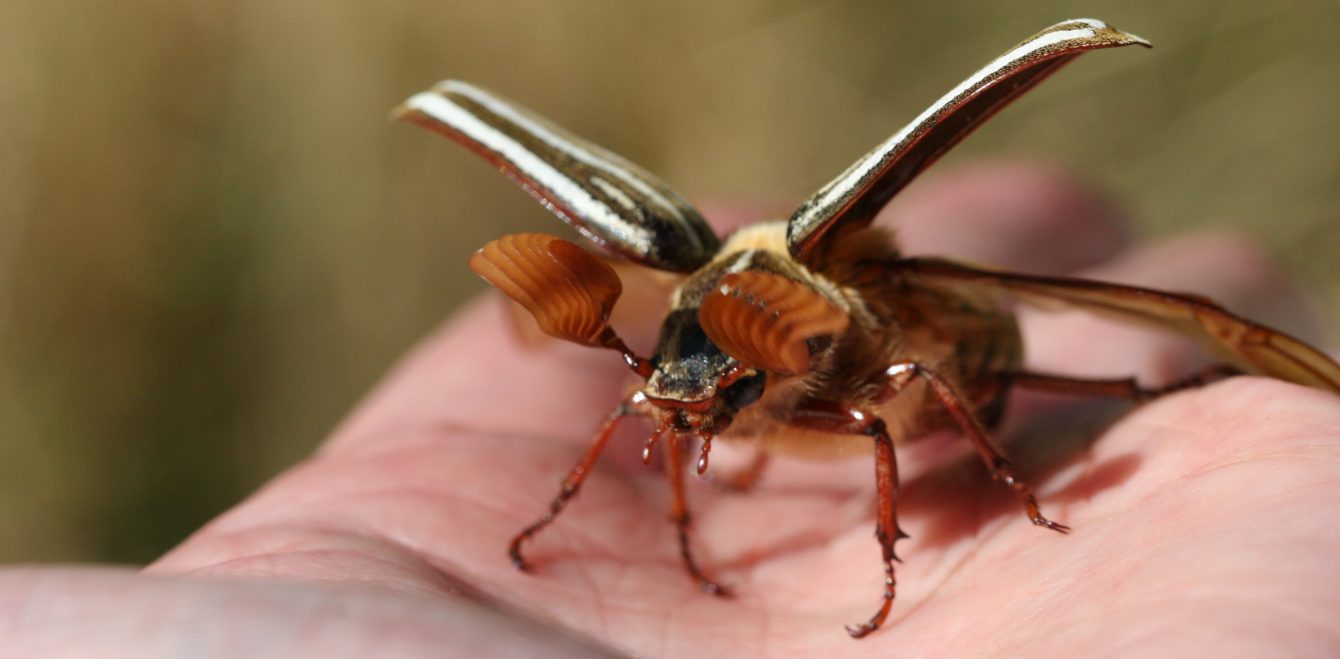
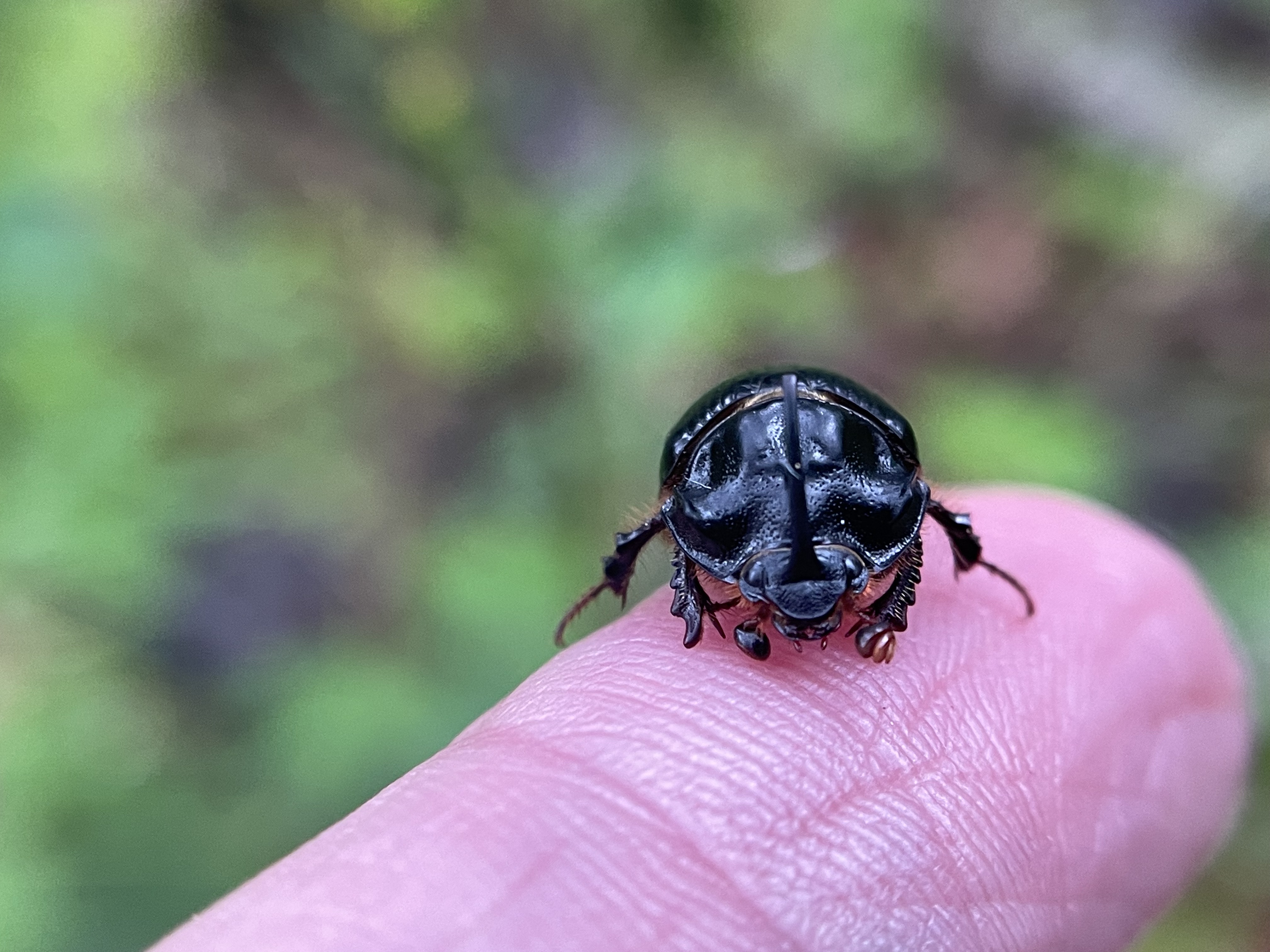
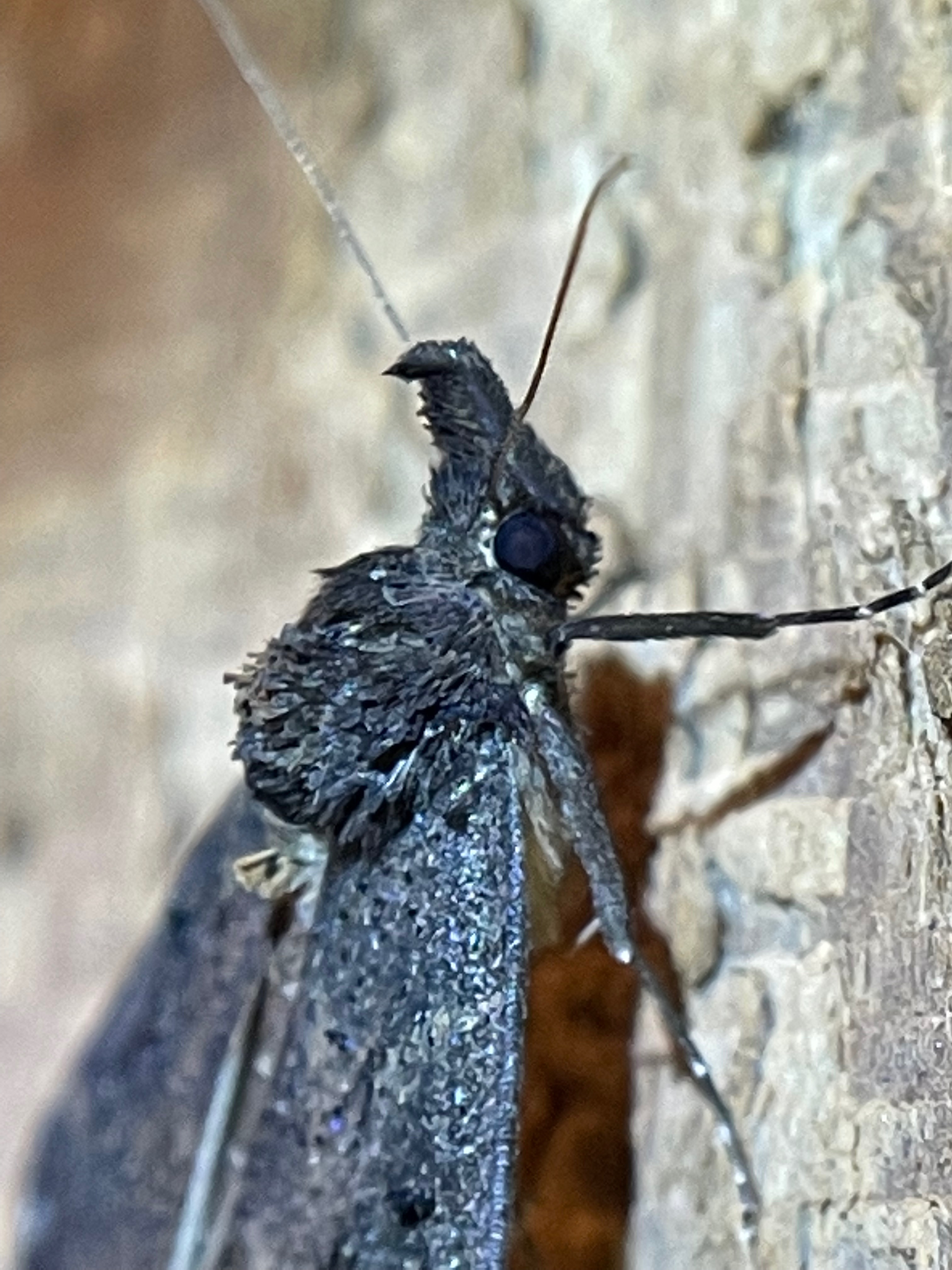
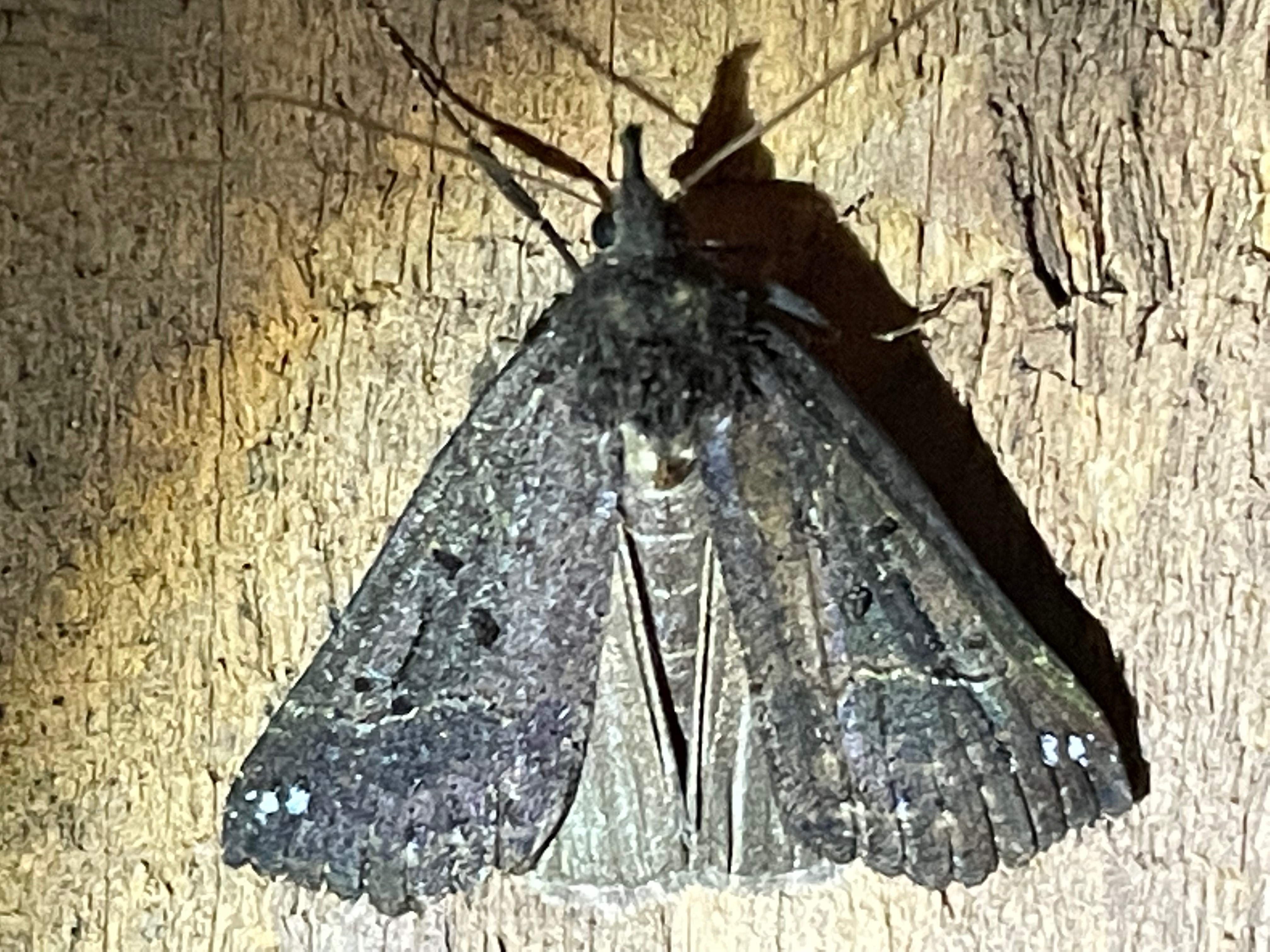
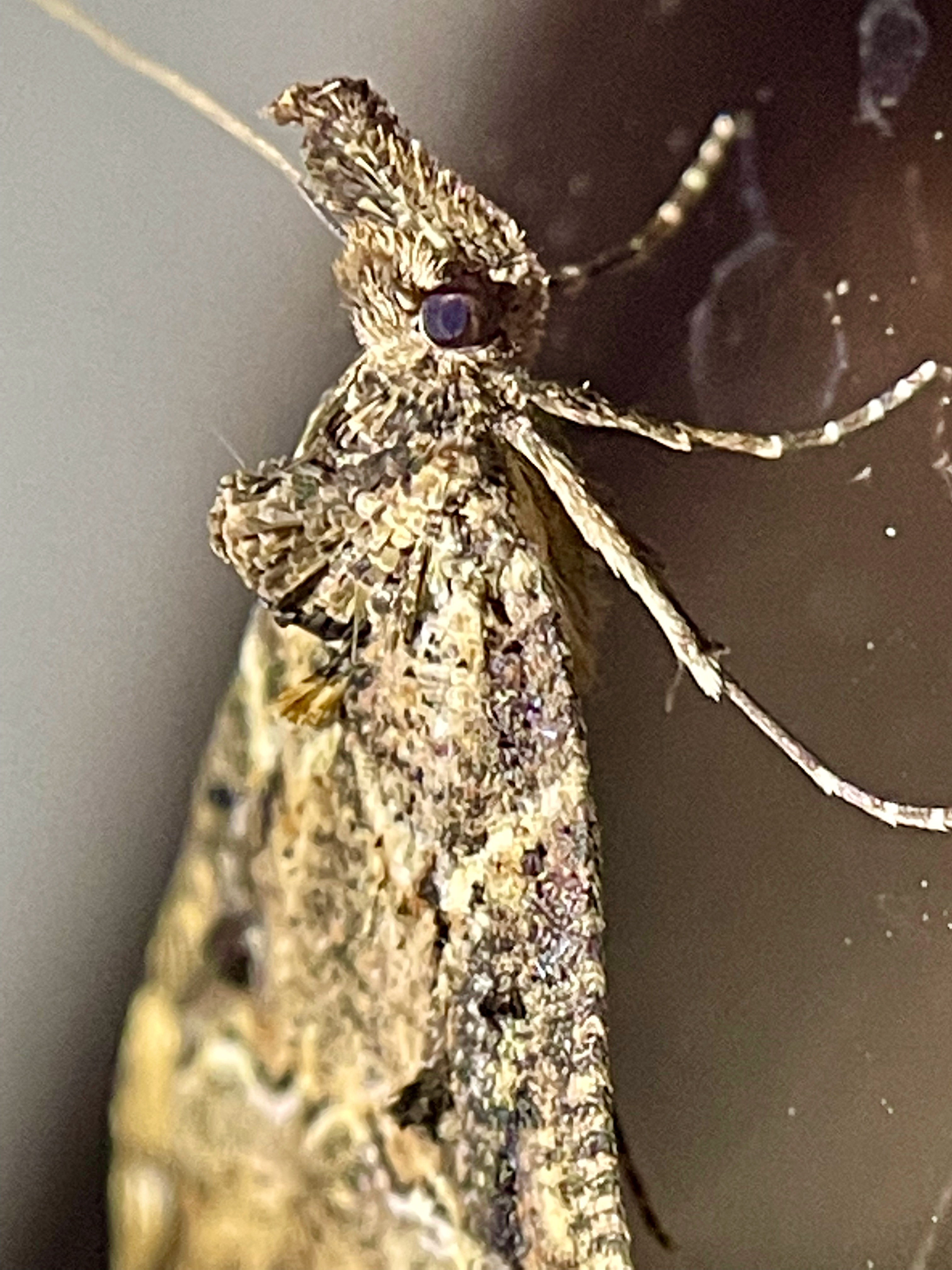
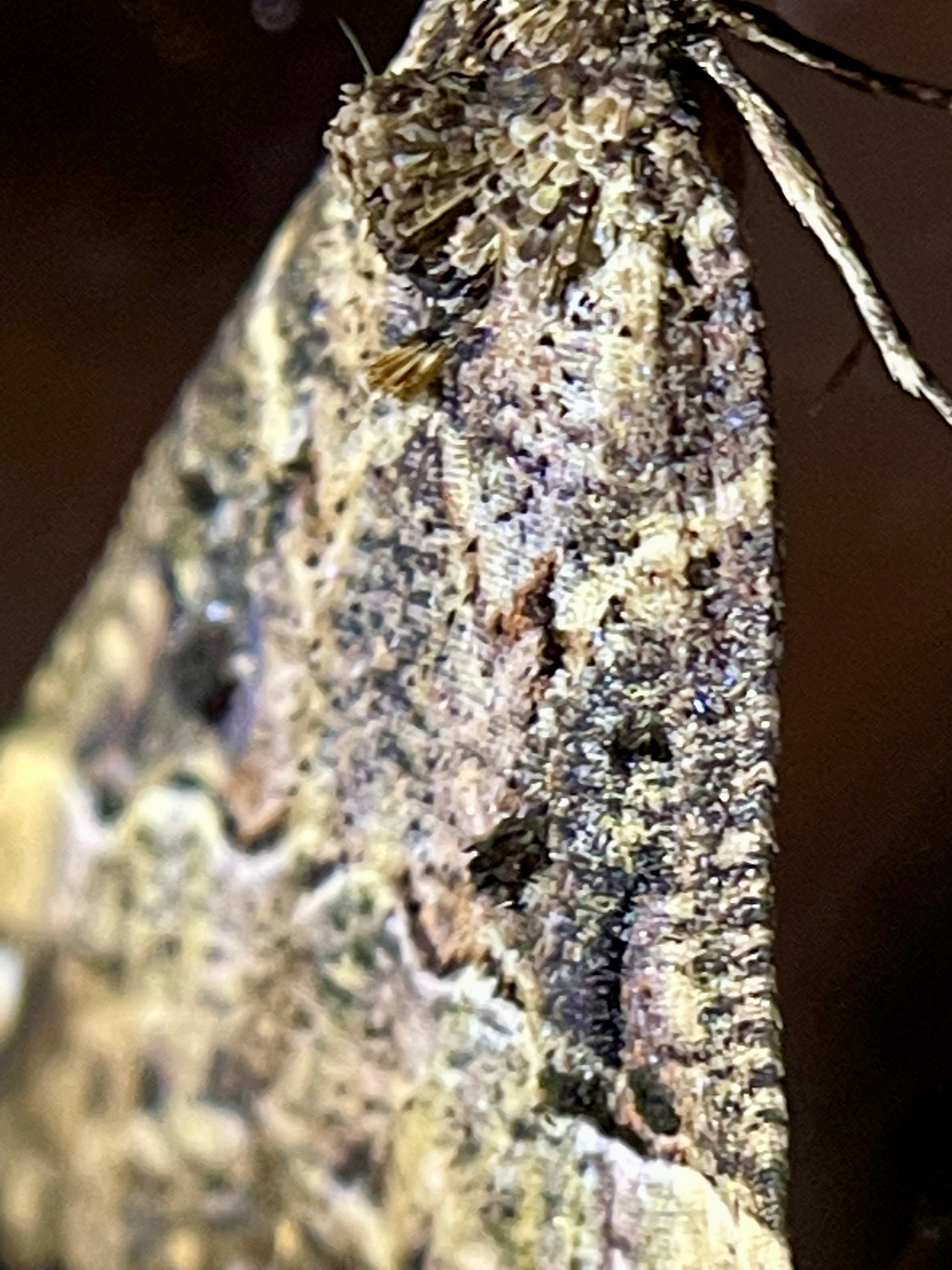
Hello Everyone! Meet my new bug friend, Radar Love ❤️ He must have crashed the wrong party. Radar gone wrong! I found him floating in our pool, in the midst of those raucous “dippers” (the Diplotaxis beetles). Radar Love was so happy I didn’t let him drown, and even happier that I didn’t stick him with a pin and add him to the bug equivalent of a stamp collection. We hung out together for a bit and I took some photos and video to remember him by. Radar Love was released into the forest so he can make more of his kind.
Odonteus obesusOdonteus obesus
Odonteus obesusOdonteus obesus
Odonteus obesus
Location: San Juan Island
ID: Geotruipidae (Odonteus obsesus)
Special thanks to my friend, Michelle Sloan Bos and Tyler Hedlund for ID assistance with this. I was rushing to get ready for my special spider outing. More about that later. For now, enjoy this rare and exciting sighting of a most special little beetle that calls San Juan Island his home.
Ants (Lasius sp.) on Big Leaf Maple Extra-Floral Nectary – May 17, 2022, San Juan Island, WA
When you study insects, or even birds for that matter, you start to understand you have to get to know plants a bit too. It’s all connected.
Plants (including trees and shrubs) provide food and shelter for many different species of animals. Admittedly, I just don’t know a lot about the parts of plants, beyond things like a tree trunk, bark, limbs, branches, leaves, or stems or flowers, nuts, fruit. The obvious parts.
There are some not so obvious parts. Like these extrafloral nectaries. Huh? Sounds weird. Keep reading.
Extrafloral nectaries (EFN’s) are glands occurring on more than 2000 plant species in 64 families. Extrafloral literally means outside of the flower. When we think of nectar, we usually think of little bees and hummingbirds flying around, visiting pretty flowers to sip nectar and in the process, pollinate all of our plants. It’s just that plants are a bit more complex. These glands are located in various places on plants (including trees and shrubs), and may be found on the laminae of leaves, petioles, rachids, bracts, stipules, pedices, fruit, etc. (Mizell, 2019).
These glandular secretions are a fascinating part of how plants attract and sustain a diverse, ecological community, providing sustenance for a multitude of species, including both pests and predators. You can find ants, aphids, beetles (including ladybugs), bees, wasps, and possibly even birds utilizing this excretory faucet to sip what consists of mostly carbohydrate-rich sugar, but also comprised of a wide array of amino acids and other nutrients.
Why are these important? Well, scientists are still trying to fully understand all of the diverse relationships around extra-floral nectaries. It is thought perhaps, beyond attracting organisms to a food source, they play a role in orchestrating a plant’s defense strategy against predators. They also are believed to provide a source of food and/or beneficial nutrients for various organisms during the off-season – when flowering and pollen sources are not available. They may also reduce conflict between ants and other pollinators by partitioning resources (Villamil & Stone, 2019).
Lasius sp. Ants at Extra-floral nectaries on Big Leaf Maple, 05.17.2022, San Juan Island, WA
Ant and aphid hanging out on extrafloral nectaries on Cherry Tree, San Juan Island, 05.17.2022
References
Bentley, B. L. (1977). Extrafloral nectaries and protection by pugnacious bodyguards. Annual Review of Ecology and Systematics, 8(1), 407-427.
Holopainen JK, Blande JD, Sorvari J. Functional Role of Extrafloral Nectar in Boreal Forest Ecosystems under Climate Change. Forests. 2020; 11(1):67. https://doi.org/10.3390/f11010067
Villamil, N., Boege, K., & Stone, G. N. (2019). Testing the Distraction Hypothesis: Do extrafloral nectaries reduce ant-pollinator conflict?. The Journal of ecology, 107(3), 1377–1391. https://doi.org/10.1111/1365-2745.13135
Some of you might cringe at the idea of standing below a porch light while an eclipse of moths (yep, that’s what a group of moths are called) are whirling and gyrating around your head. I find it fascinating, even as they hit at my face or hair, before bouncing back towards the light or disappearing off in the dark night.
Camera in hand, I wait for them to settle on the wood siding beneath the glow. Stealthily, I focus my lens to capture the delicate shimmer of scales and patterns, or eyes and antennae of my subject. Last night, I actually felt I was the one being observed.
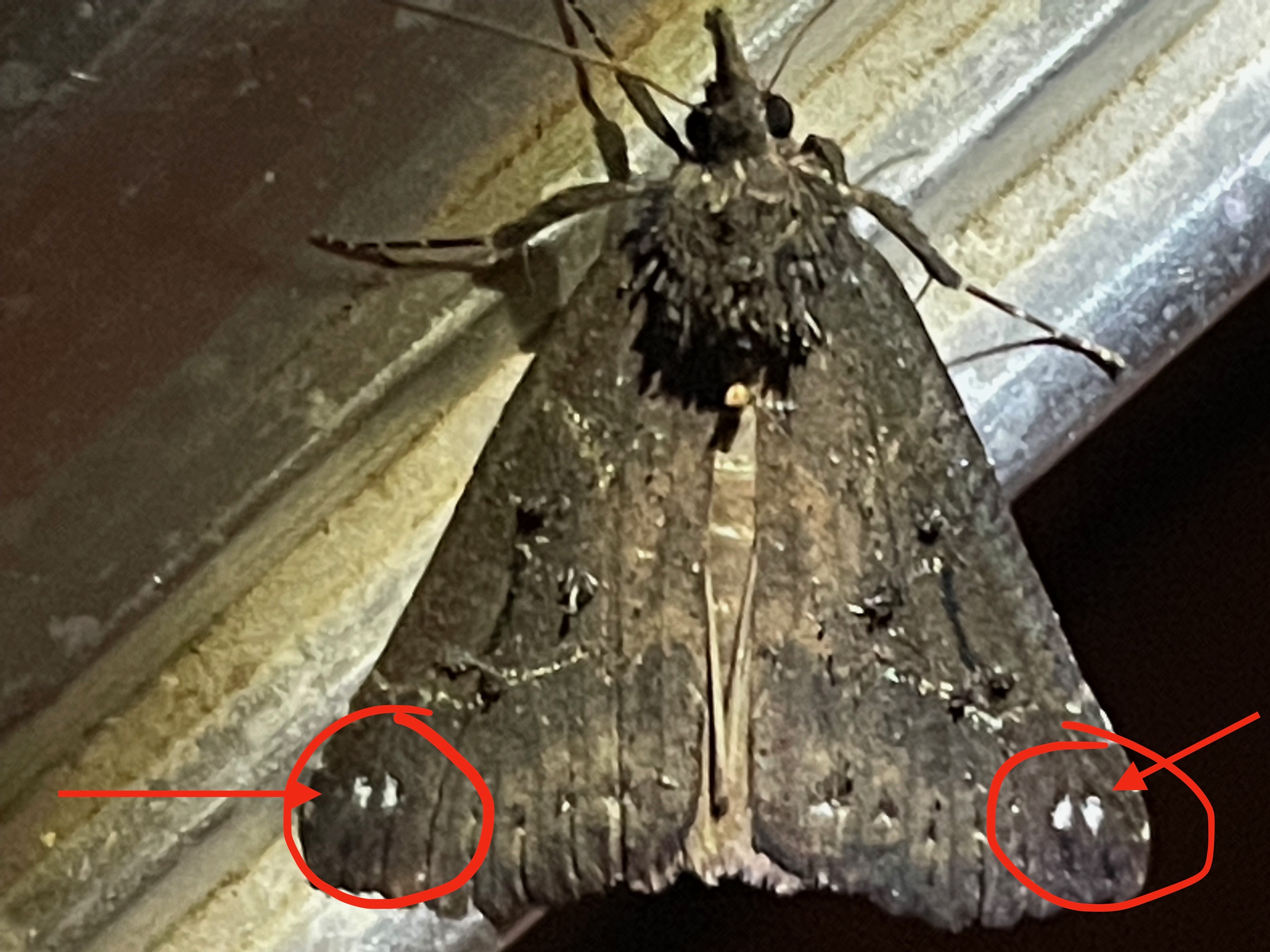
This particular moth is in the genus Hypena. The species is Hypena decorata. It is a medium sized (15-18mm), somewhat drab moth. This species is sexually dimorphic – meaning the males look differently than the females. Males are slightly larger than females, with sooty brown forewings marked with two white spots near the apex or bottom edge of the wing.
Food/host plants for Hypena decorata are nettles (Urtica spp.) in the Urticaceae. These moths range from BC to Southern California. There appears to be two broods per year (April and August). Adults come to lights and can be found flying from April to September.
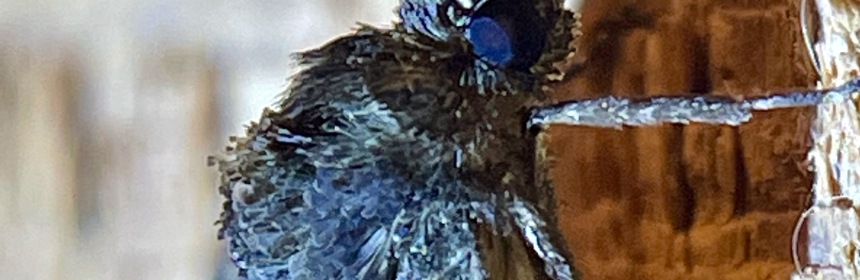
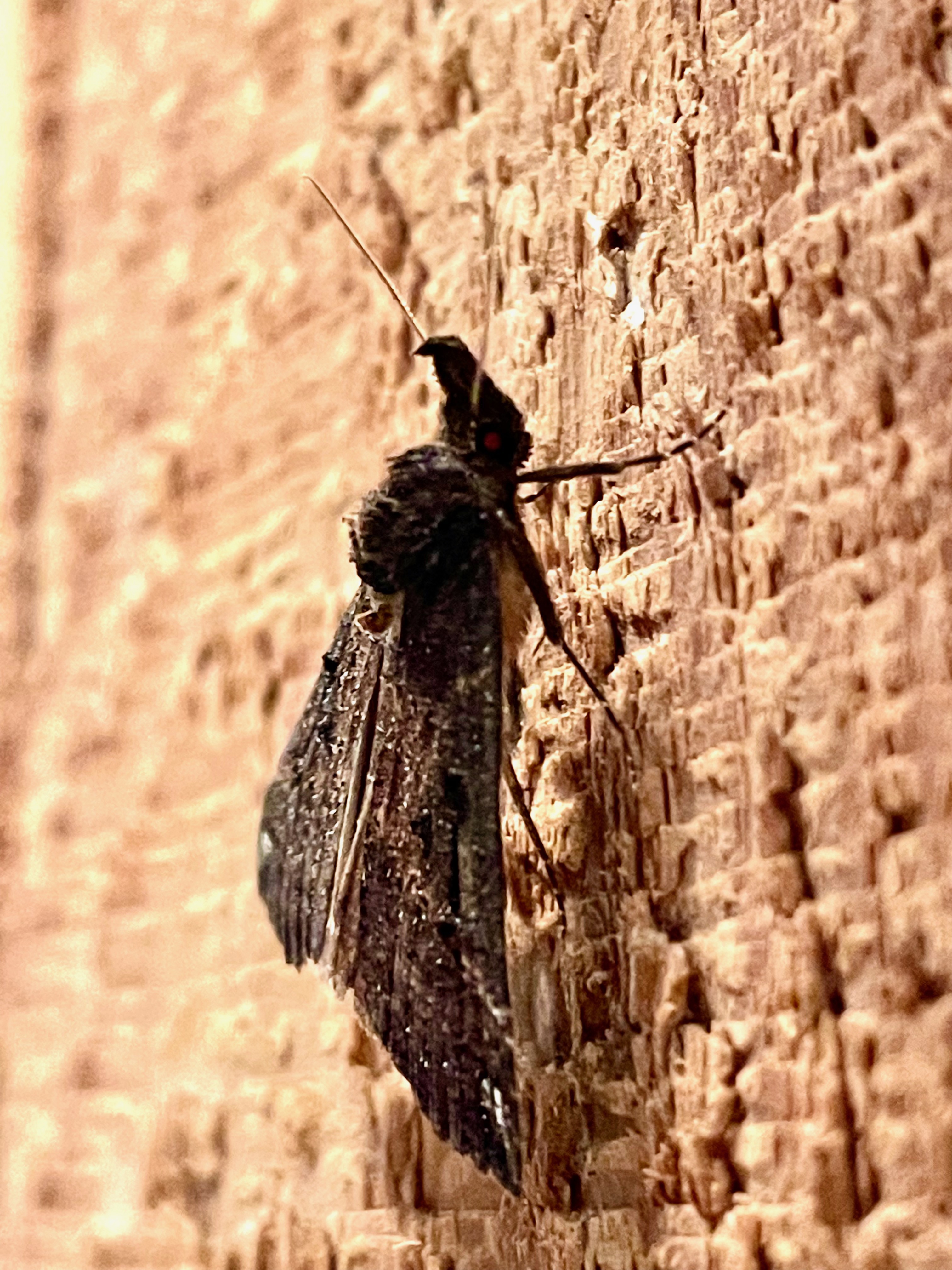
While this may appear to be merely another drab, ordinary moth, I want to show you the photos I took of the male and the nearby female last night. I missed it when I first went through my photos, but the second time around, it definitely appeared that the male moth was turning his head to watch me. Sort of like how Drago, my dragon lizard will do the same thing.
It’s a mysterious world, and much more rich when we recognize we aren’t the only ones that are aware. Some humans (I’m ashamed of researchers for this) do horrible things like cut off moths antennae to try and figure out how they fly (or can’t fly after being mutilated in this way). If we could only recognize they have a desire to live, find mates, food, and shelter – just like humans, maybe we would care more.
Bradley H. Dickerson, Zane N. Aldworth, Thomas L. Daniel; Control of moth flight posture is mediated by wing mechanosensory feedback. J Exp Biol 1 July 2014; 217 (13): 2301–2308. doi: https://doi.org/10.1242/jeb.103770
Author’s note – When it comes to experimenting on living beings, the aim of science shouldn’t always be to prove a hypothesis. Sometimes we need only to experience the extraordinary wonder of meeting the spirit within some of earth’s most unassuming characters. Be kind to those around you. Even the ones with scales and chitin.
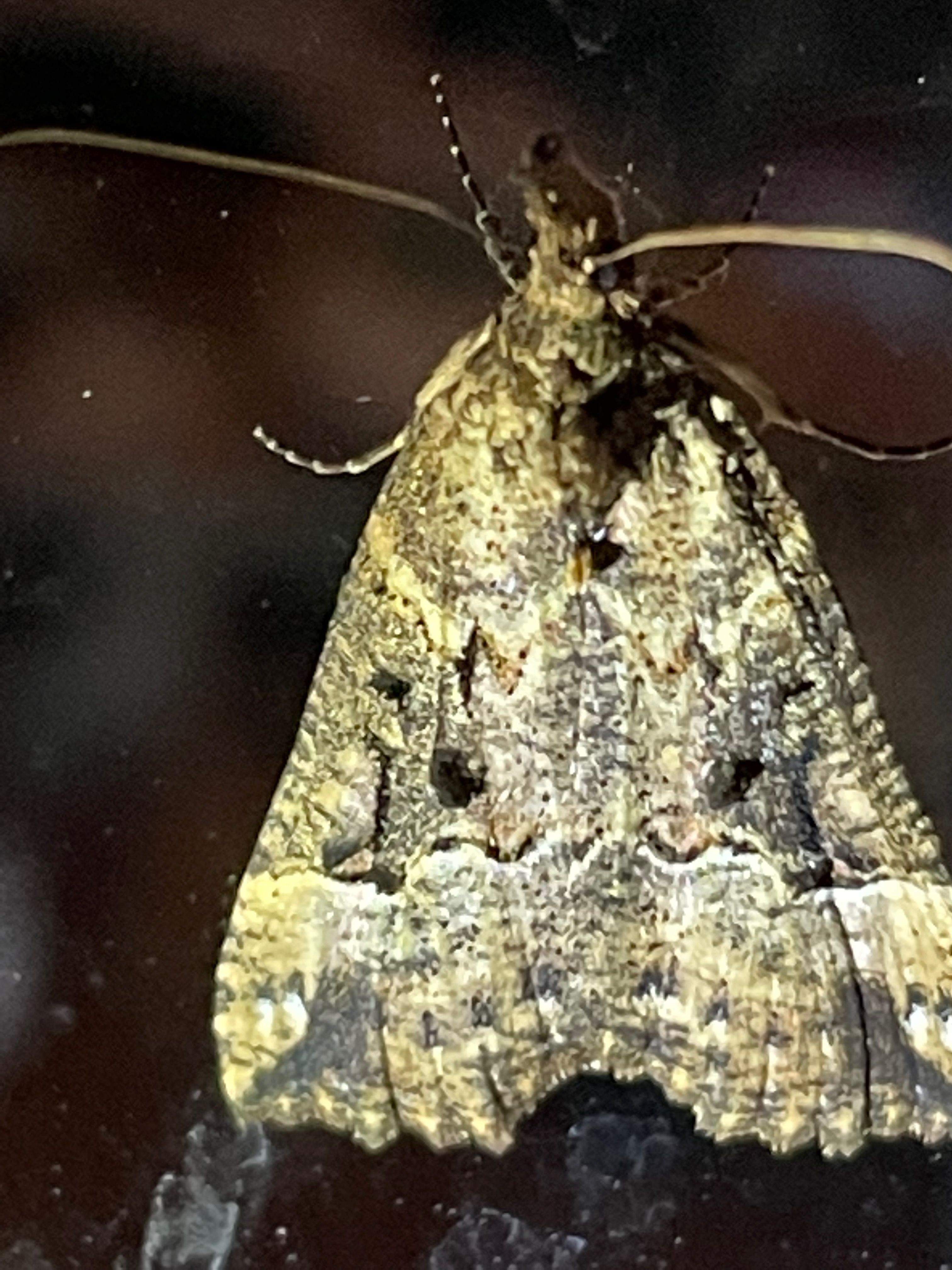
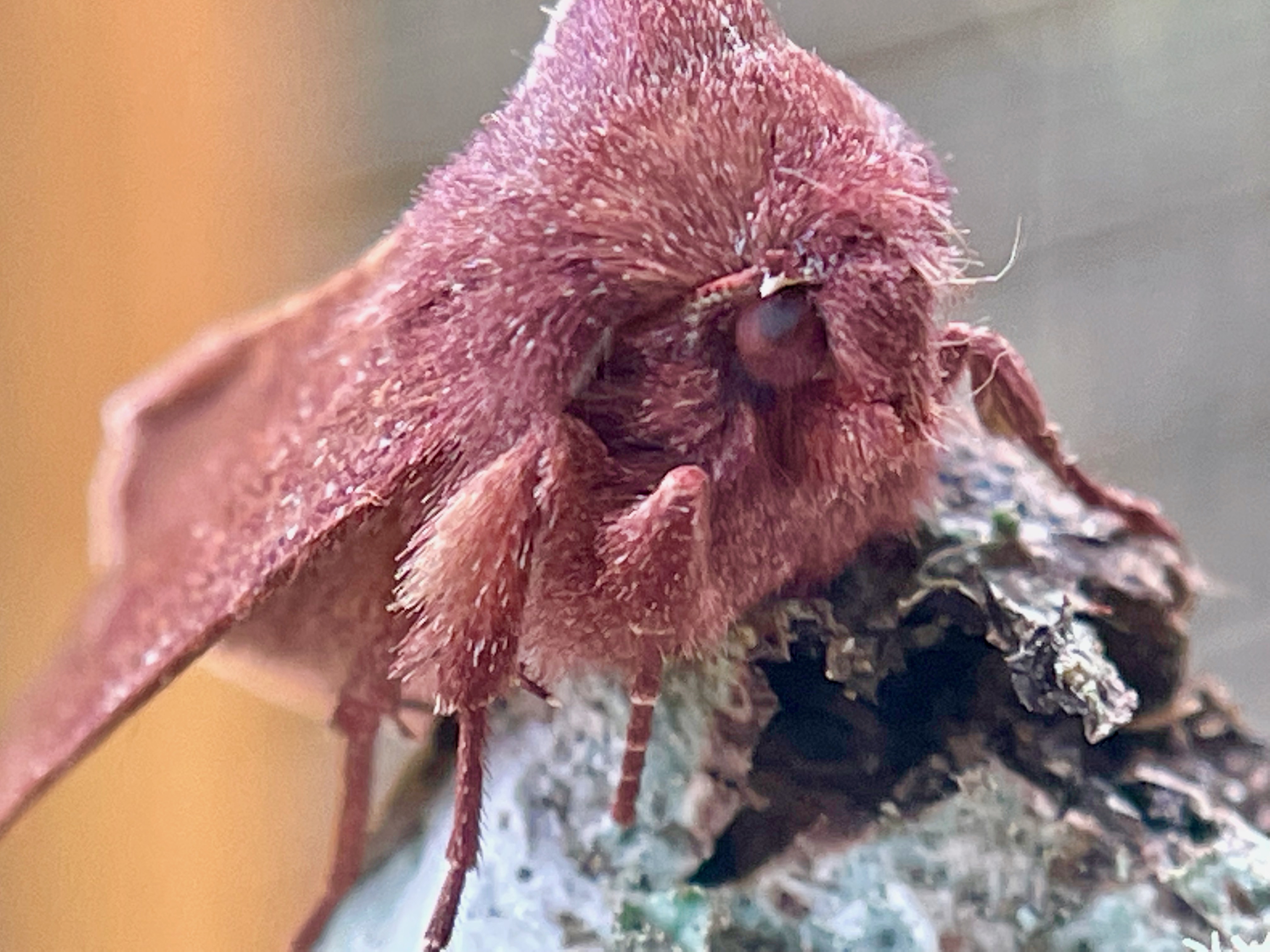
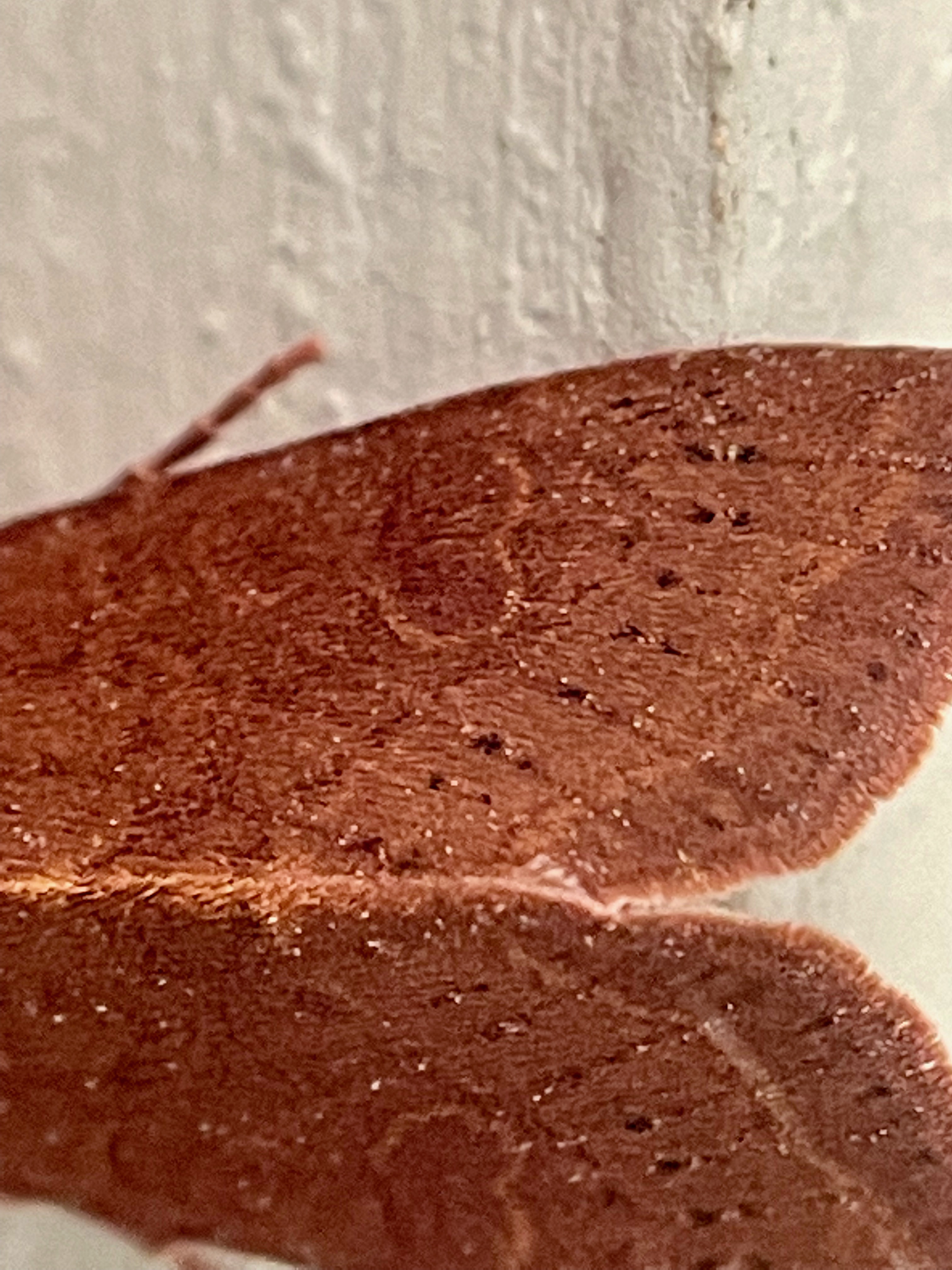
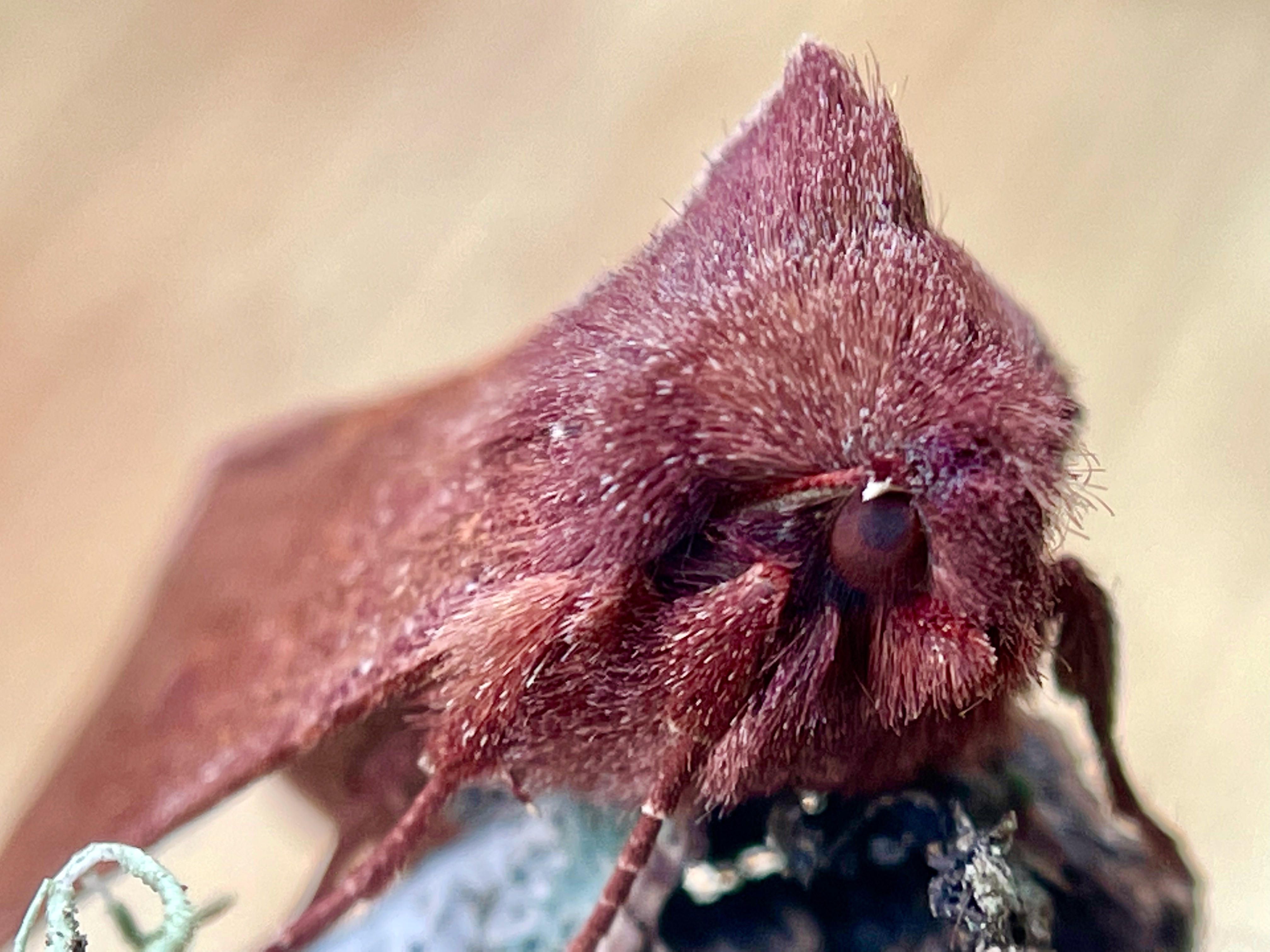
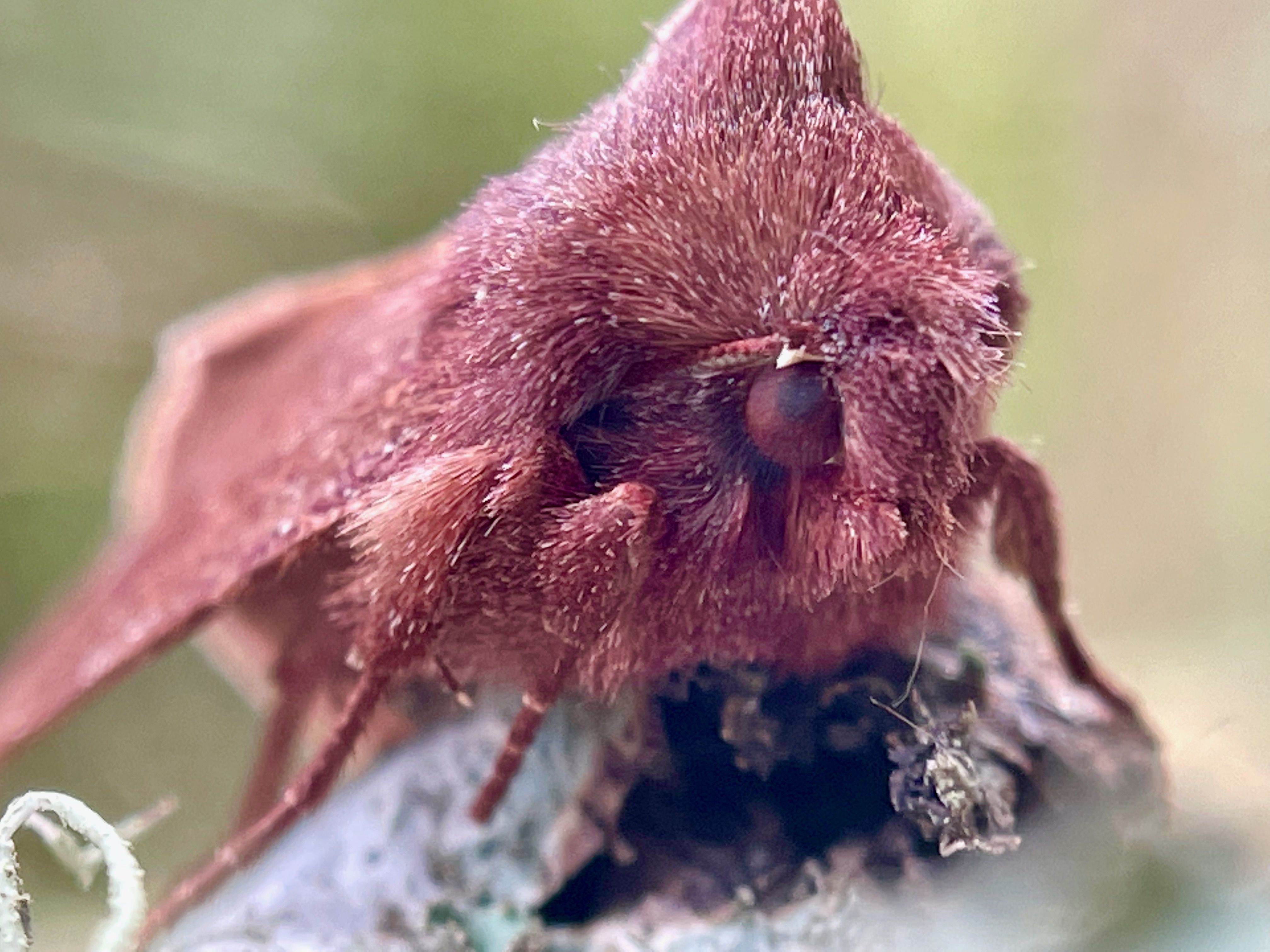
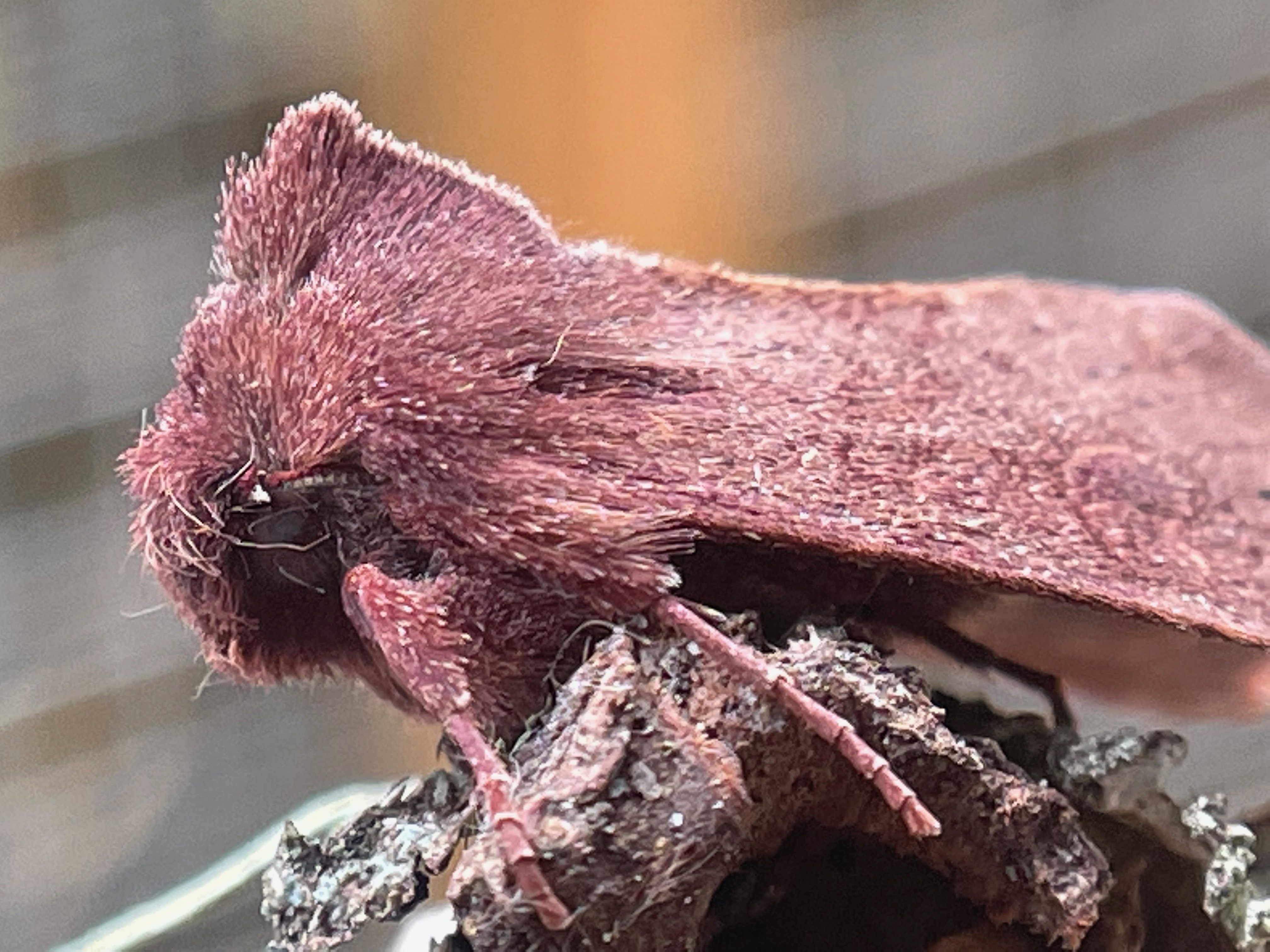
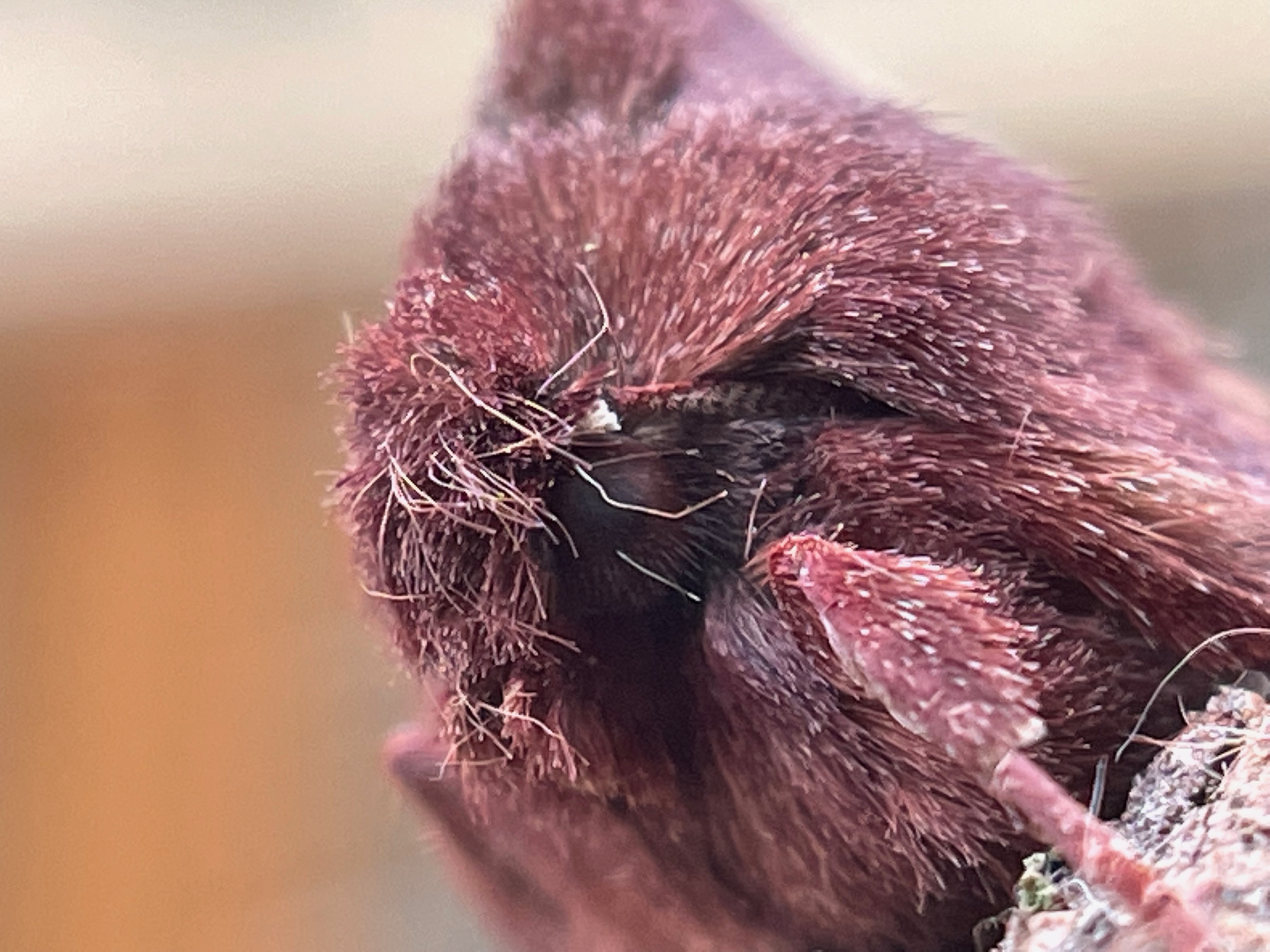
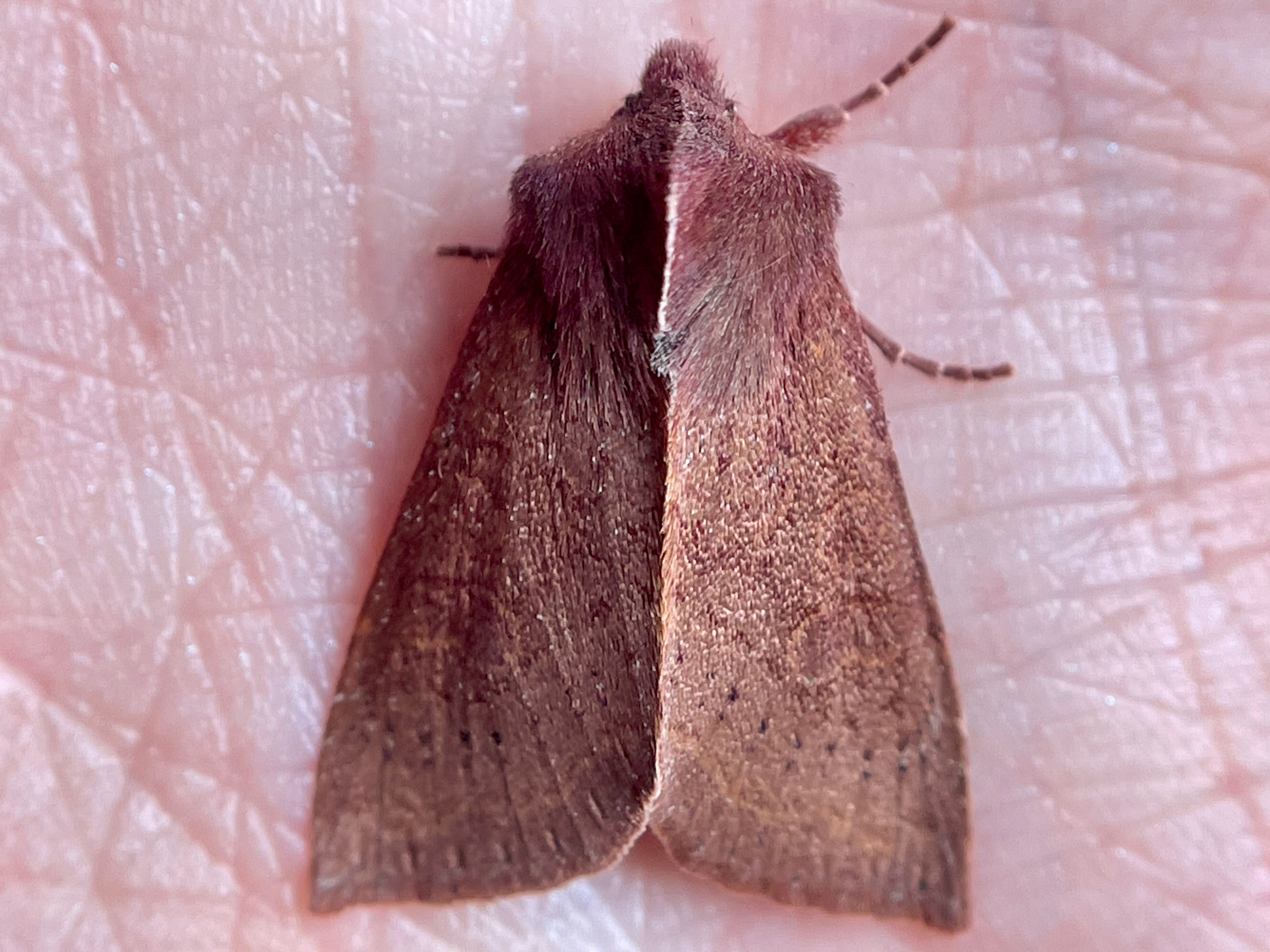
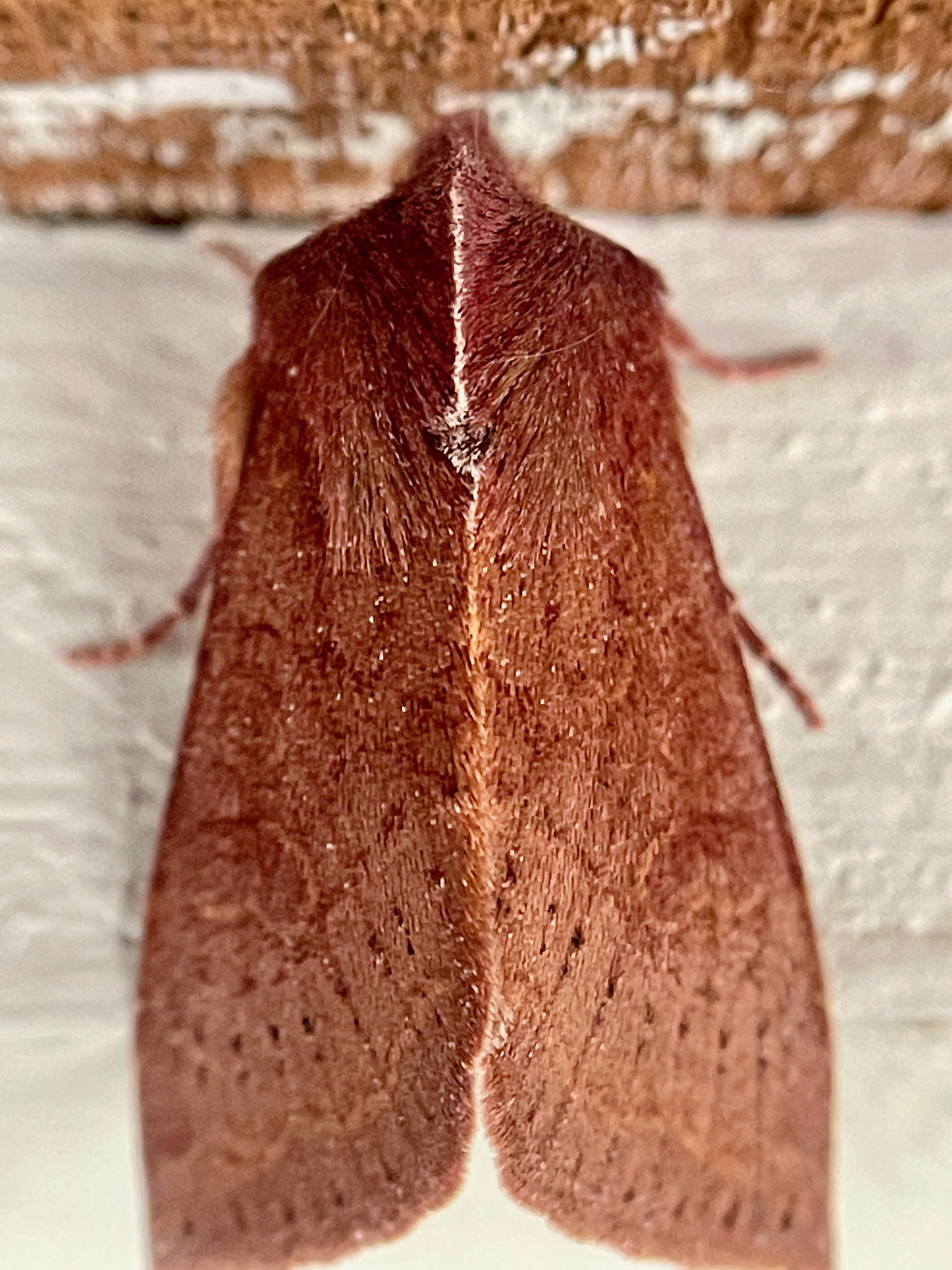
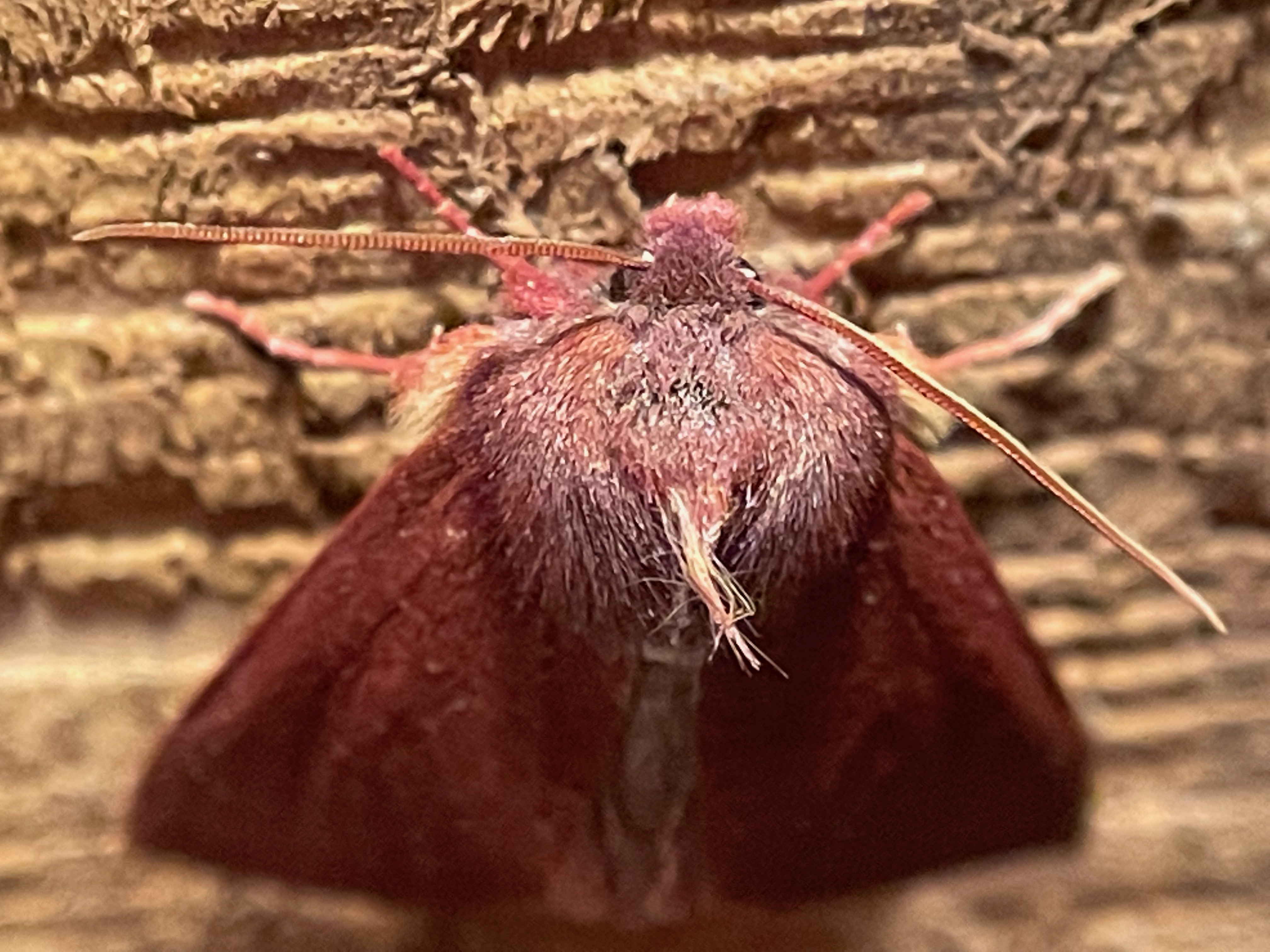
Orthosia transparens – the Transparent Quaker Moth
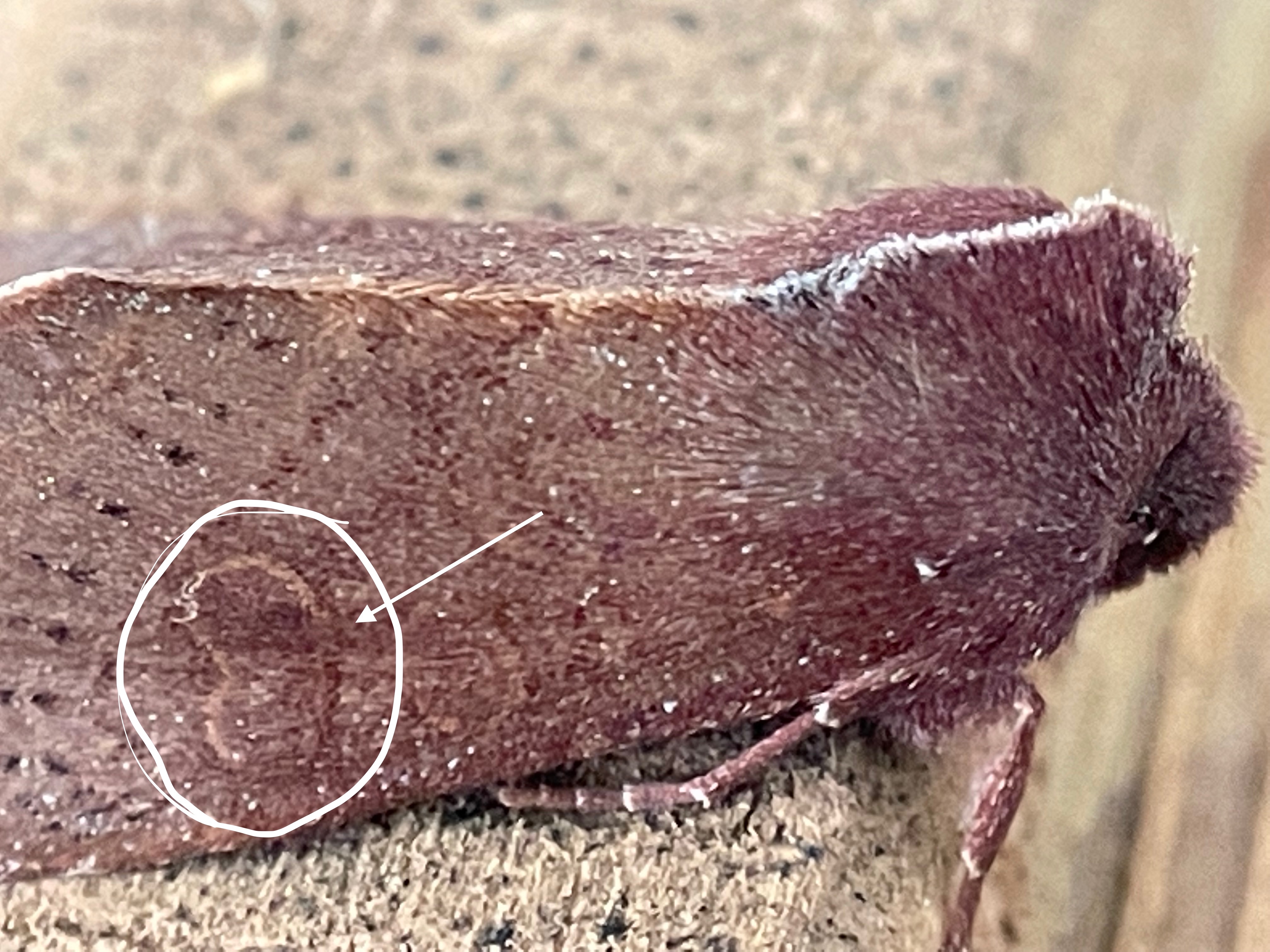
I’d really love it if I could rename this moth. Strawberry muppet heart moth is what I’d call it. Check out the little heart-shaped markings on it’s wings.
Orthosia transparensOrthosia transparensOrthosia transparensOrthosia transparens – with heart mark on wing
Orthosia transparens is a medium sized (15-17mm) , brownish red Noctuid moth that flies in our region in early spring. The common name for the species is Transparent Quaker Moth. Caterpillar food plants include salal (Gaultheria shallon), madrone (Arbutus menziesii), and rhododendron (Rhododendron macrophyllum). This species is native to the PNW region and not considered pests of economic significance. A map of the geographic distribution can be accessed here – http://mothphotographersgroup.msstate.edu/species.php?hodges=10479
Noctuidae is the family with the awful common name, “cutworm,” which leads folks to deem them evil little garden gremlins that should be stomped on or tossed out on the ground for birds to scavenge. Not all cutworms are bad, and certainly many more of us would embrace them if we knew they were going to turn out to be so cute.
I’m fine with a bit of herbivory on our salal, madrone, and rhododendrons. These little Strawberry Muppets are welcome to fly to my porch light any spring night.
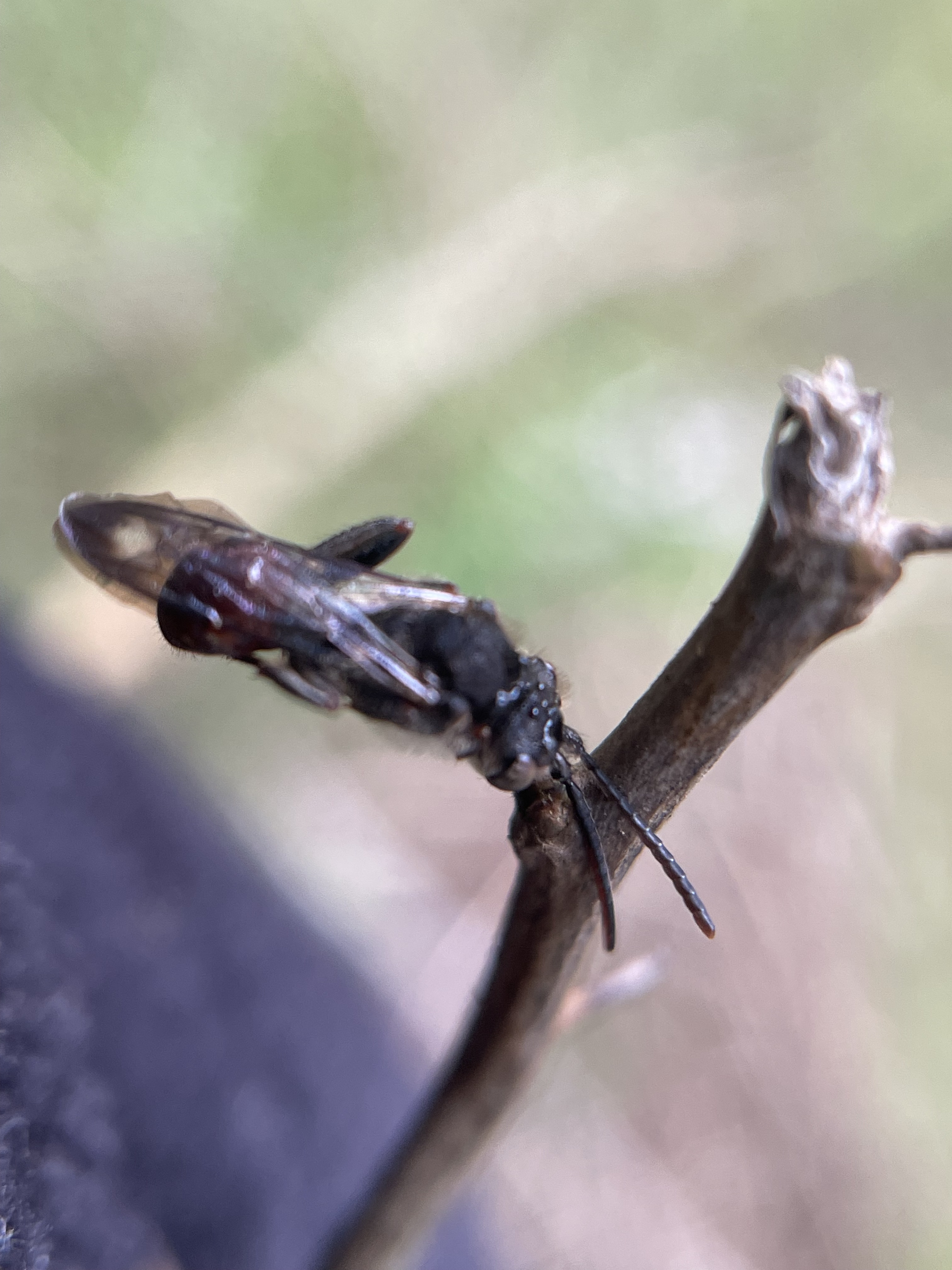
I found this tiny bee who looked to be stuck to a thorn on my Bois D’Arc tree this afternoon. At first glance, I thought perhaps a March fly, and a dead one at that, but it turned out this is a most likely a “he” Nomad bee, and he wasn’t stuck at all, but just sleeping.
Nomad Bee – Stuck or Just Sleeping (March 26, 2022)
I learned something new today about bees that I did not know. My friend, Eric Eaton’s wife (link to Eric’s book about wasps in my Read More section) , shared with me that some bees will often sleep in this manner, attached to a substrate like this thorn or a twig, by their mandibles. Thanks Heidi! 🙂
Nomad Bee – Stuck or Just Sleeping (March 26, 2022)Nomad Bee – Stuck or Just Sleeping (March 26, 2022)Nomad Bee (March 26, 2022)
My bee was definitely gripping the end of the thorn with its mandibles. Before I found out my bee was only napping, I wasn’t certain what was going on. I worried maybe the bee had fallen victim to some weird fungus and was now locked in a death vise. Worries unfounded! The little bee released his grip as I was about to clip the end of the twig (with bee attached) and take it into the house to view under the microscope.
Nomad bees are pretty cool. They are cuckoo bees, cleptoparasites of other bees (usually Andrena bees or Melitta bees) and target the nest provisions gathered by the host bees for their own young. Nomad bees will find the nests of host bees using olfactory and visual cues. The fertilized female will lay her eggs in these nests, where her offspring will develop after devouring the offspring of the host bee, and eating the food the host parent had provisioned.
Nomad Bee (March 26, 2022)
Check out the video footage of this little bee as he woke up this afternoon and read more about Nomad bees in the attached links in my Read More section.
Alexander, B. A. 1994. Species-groups and cladistic analysis of the cleptoparasitic bee genus Nomada (Hymenoptera: Apoidea). University of Kansas Science Bulletin 55: 175-238. (Full Text)
Cynthia Brast is an independent entomologist living on San Juan Island. Check out her YouTube Channel, Bugging You From San Juan Island to see more amazing 6 and 8-legged creatures found in the San Juans. https://www.youtube.com/user/buggingyoufromsji/featured
I first spotted this beauty on October 1, 2021 while I was taking a walk along our road on San Juan Island. There was a cluster of sun loving mullein (Verbascum thapsus) mixed with one or two thistles (probably Canada thistle) growing along the road. The glistening silk threads woven between them drew me over to investigate. There were several Cross Orb Weavers sharing the space here, but one of these was not like the other. The spider that caught my attention was quite a bit darker than the others. Describing it as brown just doesn’t do it justice. Brown sounds much too plain. She was a lovely brunette amongst a few redheads!
Since I often enjoy walking on our road on sunny days, I started looking for her when I passed her home – the Mullein “apartments.” It wasn’t just the spiders enjoying the sunny housing complex, but these units housed a few other species as well. I found some Stilt Bugs (Neoneides sp.) and some Pentatomidae hiding in the fuzzy star shaped trichomes (little hairs) of the Mullein leaves.
Now that autumn has ushered in falling leaves, falling temperatures, and a good bit of rain, I thought of my friend Louisa, the Orb Weaver out in the cold. Had she managed to find a sheltered spot to survive the recent storms? Several times over the past two weeks I’ve looked for her, but she was just gone. Since the lifespan for this species is only a year or less, I suspected she’d reached her end with our last dip in temperatures, gusty winds, and precipitation. I held out a tiny bit of hope though. Just a bit!
Today (November 6, 2021), my husband and I walked our road. It was sprinkling and the precipitation was cold. When we got down to the point on the road to turn around, shortening our walk to just the point where the old cabin used to be, I asked him to wait one second while I looked one more time at that patch of Mullein and the drying stand of thistles.
As I bent down to look closely, I saw a single strand of silk. Examining the attachment and following closely, it led me to Louisa. She was tucked under the dried nodding inflorescence of the thistle. Once a purply-pink sugar treat for pollinators, the now nodding blooms have been repurposed into a thatch roof to keep this little spider dry.
I’ve thought about relocating her so the county doesn’t mow her when they scalp the roadside vegetation. It is bound to happen at some point. For now, I’m going to leave her be, and just keep a close eye on her. Maybe I’ll make a sign! Be Nice to Spiders. ❤️ Louisa lives here!
Fun Fact! Did you know that 25% of the diet of Orb Weaver spiderlings is pollen? Check it out. Article linked in my list of sources below.
Araneus diadematus (Cross Orb Weaver) October 1, 2021 – San Juan Island, WA
Araneus diadematus (Cross Orb Weaver) October 1, 2021 – San Juan Island, WA
Araneus diadematus (Cross Orb Weaver) October 1, 2021 – San Juan Island, WA
Araneus diadematus (Cross Orb Weaver) October 13, 2021 – San Juan Island, WAAraneus diadematus (Cross Orb Weaver) October 16, 2021 – San Juan Island, WA
This is “Louisa,” the Land Bank Orb Weaver Spider. She lives on a Mullein plant alongside the road. I’ve been watching her since October 1, 2021. Hoping she will not become a casualty of San Juan County’s pre-winter roadside mowing. She’s also an expecting mom!
This is “Louisa,” the Land Bank Orb Weaver Spider. She lives on a Mullein plant alongside the road. I’ve been watching her since October 1, 2021. Hoping she will not become a casualty of San Juan County’s pre-winter roadside mowing. She’s also an expecting mom!
Araneus diadematus (Cross Orb Weaver) November 6, 2021 – San Juan Island, WAAraneus diadematus (Cross Orb Weaver) November 6, 2021 – San Juan Island, WAAraneus diadematus (Cross Orb Weaver) November 6, 2021 – San Juan Island, WA
Gucker, Corey L. 2008. Verbascum thapsus. In: Fire Effects Information System, [Online]. U.S. Department of Agriculture, Forest Service, Rocky Mountain Research Station, Fire Sciences Laboratory (Producer). Available: https://www.fs.fed.us/database/feis/plants/forb/vertha/all.html [2021, November 6].
Horton DR, Lewis TM (2003) Numbers and types of arthropods overwintering on common mullein, Verbacsum thapsus L. (Scrophulariacae), in a central Washington fruit-growing region. Journal of the Entomology Society of British Columbia 100, 79–87.
Oxford, Geoff & Gillespie, Rosemary. (1998). Evolution and ecology of spider coloration. Annual review of entomology. 43. 619-43. 10.1146/annurev.ento.43.1.619.
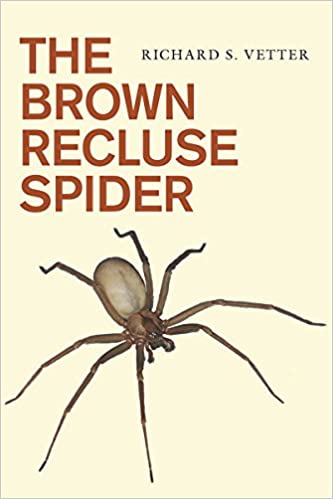
The headline, “Spider Bites Woman’s Lip“ popped out in my news feed yesterday. As an entomologist, these bizarre reports are click bait for me. I bit. As I read through the linked piece, my first thought was, “Yes!” Someone was definitely hallucinating!”
My other knee jerk conclusion is we have doctors who have absolutely no diagnostic skills whatsoever. In reconsidering, he may not be the one at fault though, or at least not entirely. In fact, it would be interesting to hear the physician’s side of this story. Did he definitively state it was a Brown Recluse Bite? Or, did he suggest it “might be?” Are the patient and the Newsweek reporter the ones guilty of the hyperbole here?
It’s got to be fantastic to be featured in Newsweek, right? Please note my sarcasm! The media is a huge problem when it comes to sensationalizing stories and egging on the screaming fear folks have around spiders. You’re welcome to take a look at this story yourself, but please come back because I’m gonna tell you what’s wrong with it!
First off, there is NO spider. No one collected a spider. No one brought a spider to the doctor to ID. Even if there had been an actual spider, since when have physicians become expert taxonomists and actually have the skills to identify arachnids or insects. Strangely, the story reports the woman didn’t even think much about the bite when it happened. Her words. Not mine. I really wonder about this mystery “spider.”
Secondly, the bite occurred, I presume, when she was paddling her kayak through a waterway. Brown Recluse spiders don’t make webs in the air, and certainly not over the water like that. Of course, I suppose it is possible for a spider to have been in the kayak, crawled up her legs and torso, and then crawled all the way up to her face where it bit her on the lip. You’d think she would have seen it. Also, Brown Recluse spiders like to live with other Brown Recluse spiders, so it’s difficult to imagine not finding a spider somewhere in the kayak to bring to the doctor.
Third. Lots of things can cause spider bite-looking lesions. I’m surprised the doctor declared it a Brown Recluse bite. There is no test to diagnose that someone has been bitten by a Brown Recluse. Again, no spider was brought in, so why was this deemed a spider bite when it could have been numerous other things? For instance, UC Riverside’s Department of Entomology webpage about Brown Recluse Spiders states,
“The following can cause lesions similar to the lesion from a bite of a Brown Recluse spider …mites, bedbugs, a secondary Staphylococcus or Streptococcus bacterial infection and “Three different tick-inflicted maladies have been misdiagnosed as brown recluse bite: Lyme disease, Rocky Mountain Spotted Fever and the bite of the soft tick, Ornithodoros coriaceus. “
What about her hallucinations? My first thought was she has had an outbreak of a herpes lesion and could have developed herpes simplex encephalitis. Please DO look this up! I did. It’s one of the side effects of getting a nasty cold sore. https://rarediseases.org/rare-diseases/encephalitis-herpes-simplex/
Now, I’m not a doctor. I didn’t take this woman’s medical history. I’m just pointing out some OTHER possibilities. Possibilities that are actually much more likely than the sensationalized over-reaching claim it was a Brown Recluse spider. Hmmmm… Hysteria and hyperbole. I hope she recovers, and I hope she will be able to kayak again soon. I just wish there was a way to stop the inevitable slaughter of innocent spiders that will ensue. It’s a shame.
***Note*** We do NOT have Brown Recluse Spiders in the San Juan Islands. Please take a look at the attached distribution map and show it to anyone who tries to convince you otherwise. https://spiders.ucr.edu/spiders-map
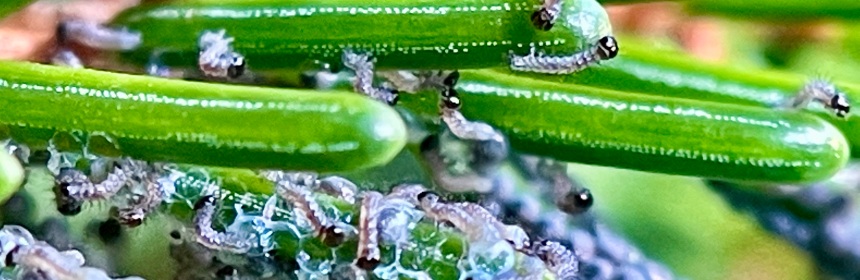
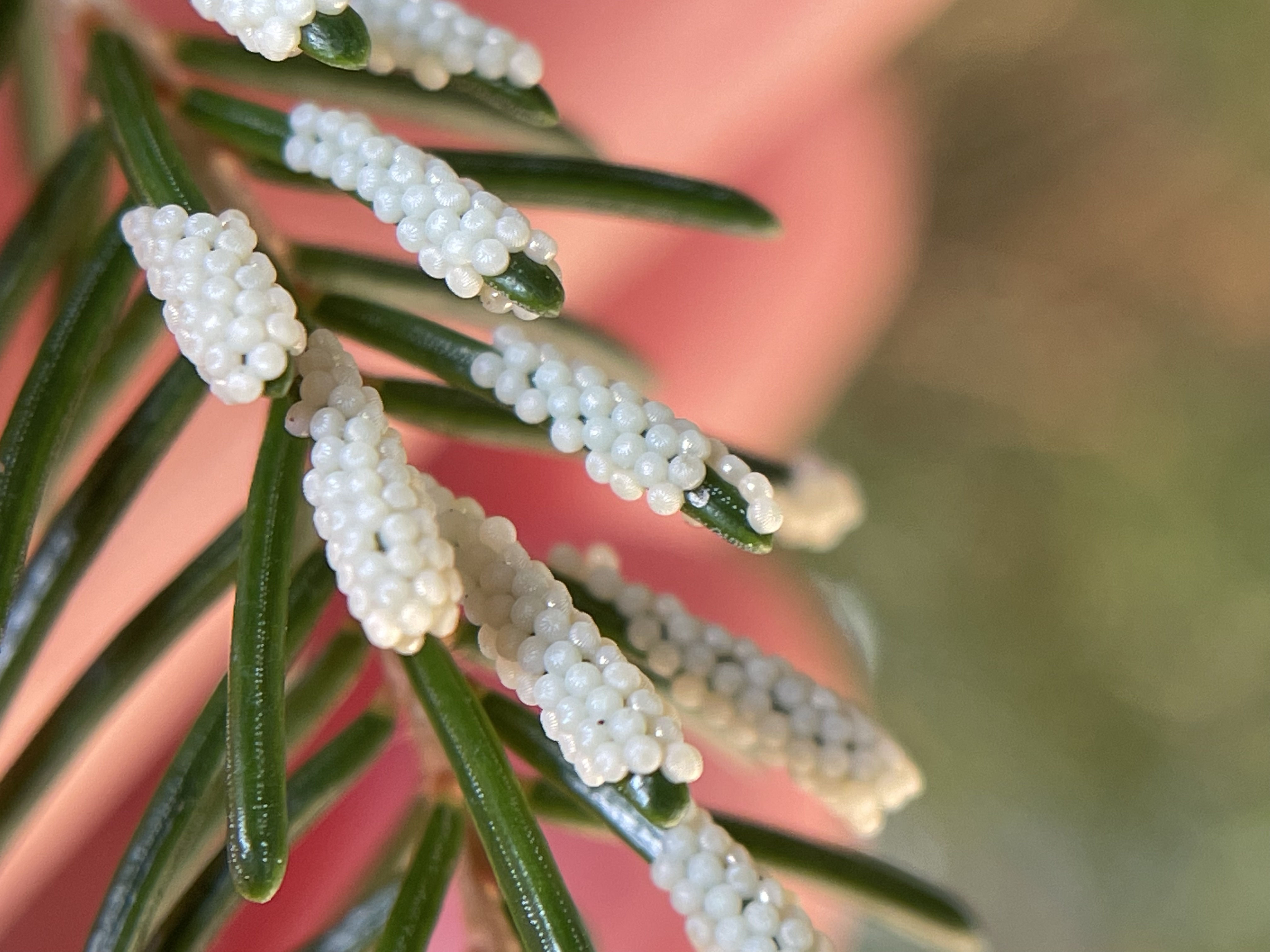
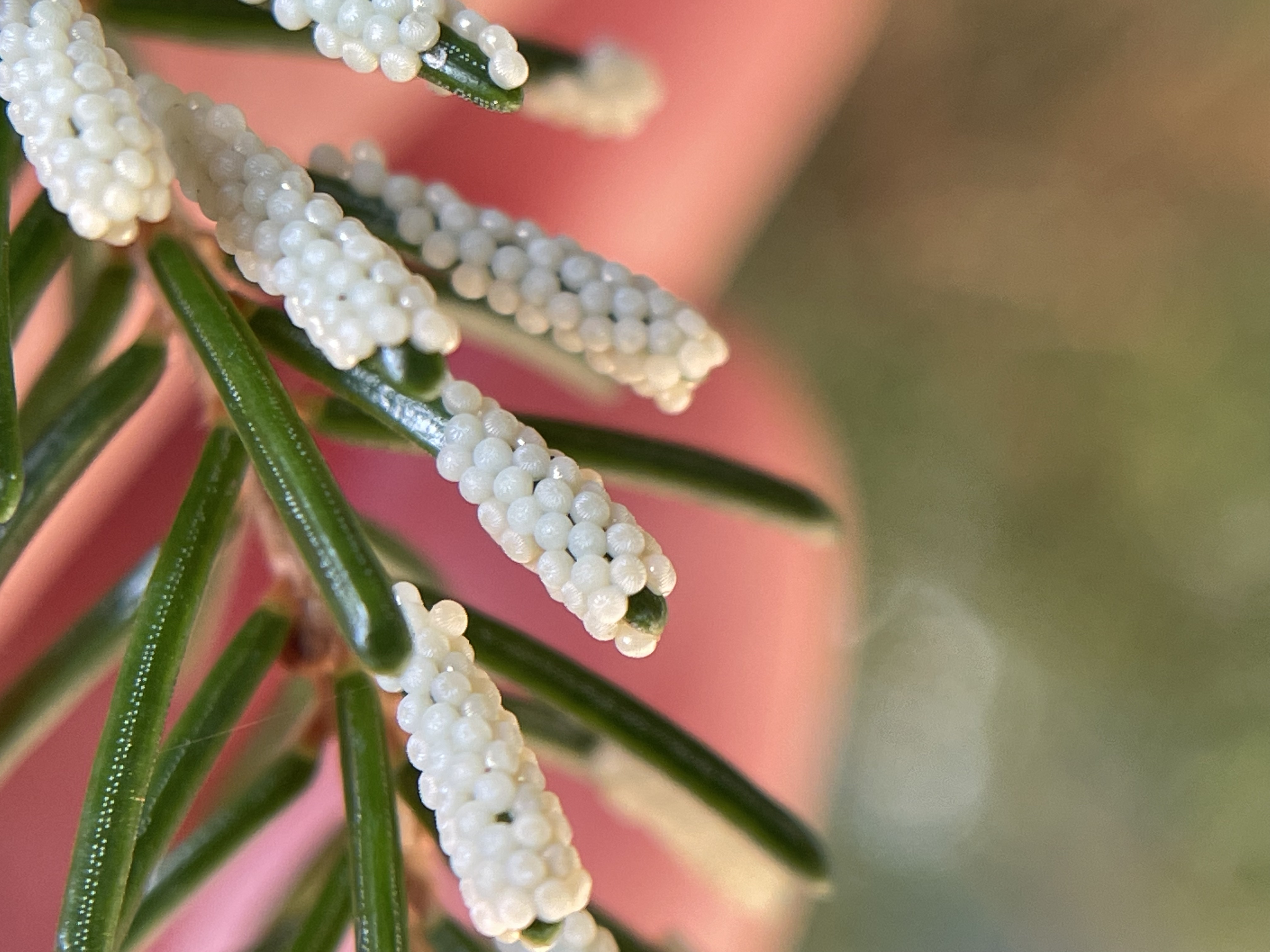
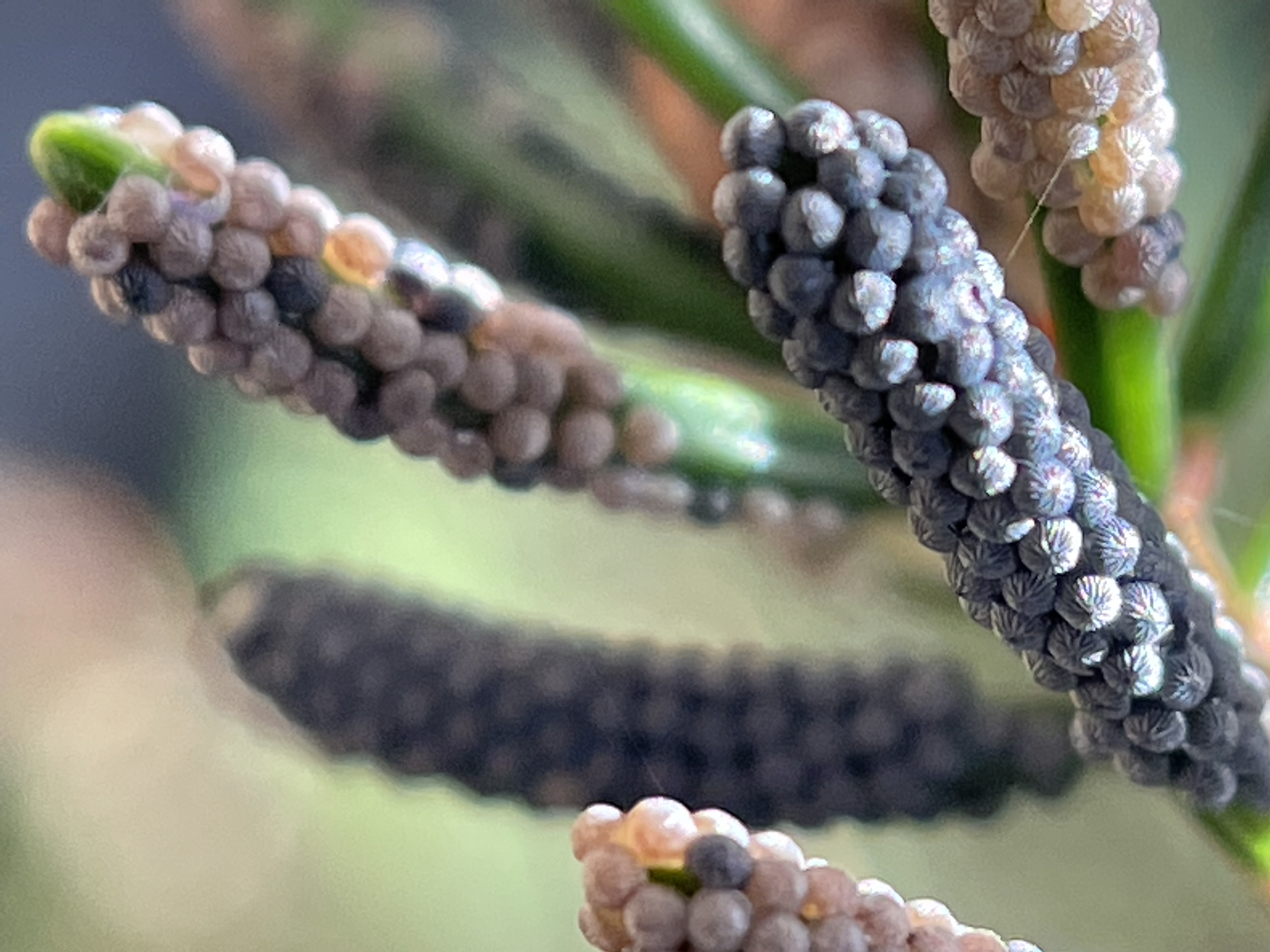
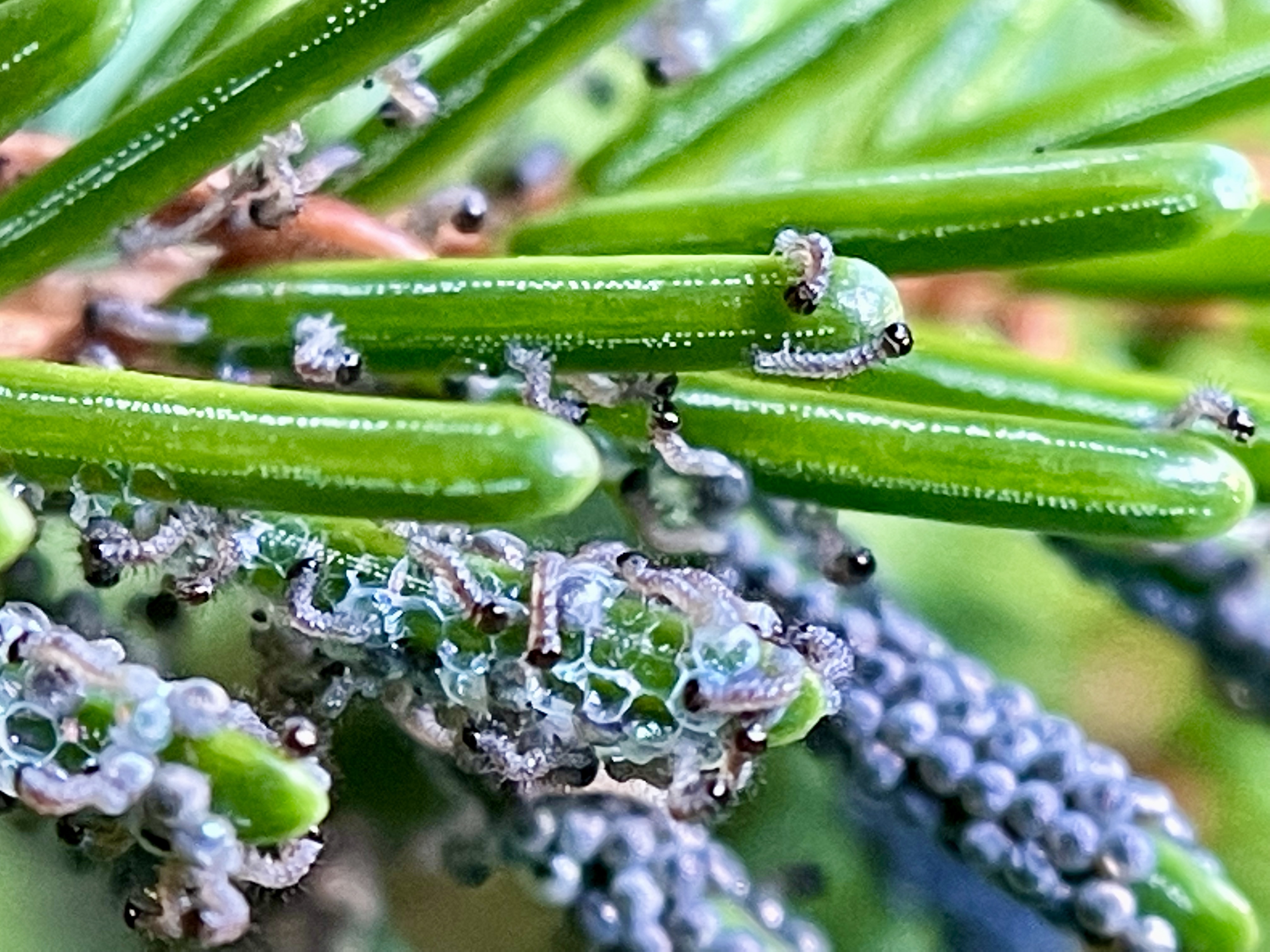
Editing here to update identification. These are Noctua pronuba or Yellow Underwing moth eggs. They will hatch, caterpillars will drop to the ground on tiny threads of silk and feed through the winter on mostly weedy vegetation like Dock, Dandelions, Plantains, and Hawkweed, but will also sometimes feed on turf grasses and winter vegetables.
Well, I was wrong in my theory about these possibly being Nepytia phantasmaria orPhantom Hemlock Loopereggs, so my next steps will be to review all my moth photos from early September to try and thread out any other possibilities. That may take some time. Initial observation (date eggs laid) was Sept. 12, 2021. Today is Oct. 7, 2021. They are indeed pretty tiny and if you look closely, you can see the caterpillar body rolled up in the eggs that haven’t hatched. The tree is a Caucasian Fir (Abies nordmanniana).
eggs on Caucasian Fir, San Juan Island, WA 09.12.2021eggs on Caucasian Fir, San Juan Island, WA 09.12.2021Eggs darkening – September 18, 2021 San Juan Island They hatched! Oct. 7, 2021
Mystery moth eggs hatch – October 7, 2021
Thanks for reading! Stay tuned for further updates. I’ll do my best to figure out an ID for these. 🙂