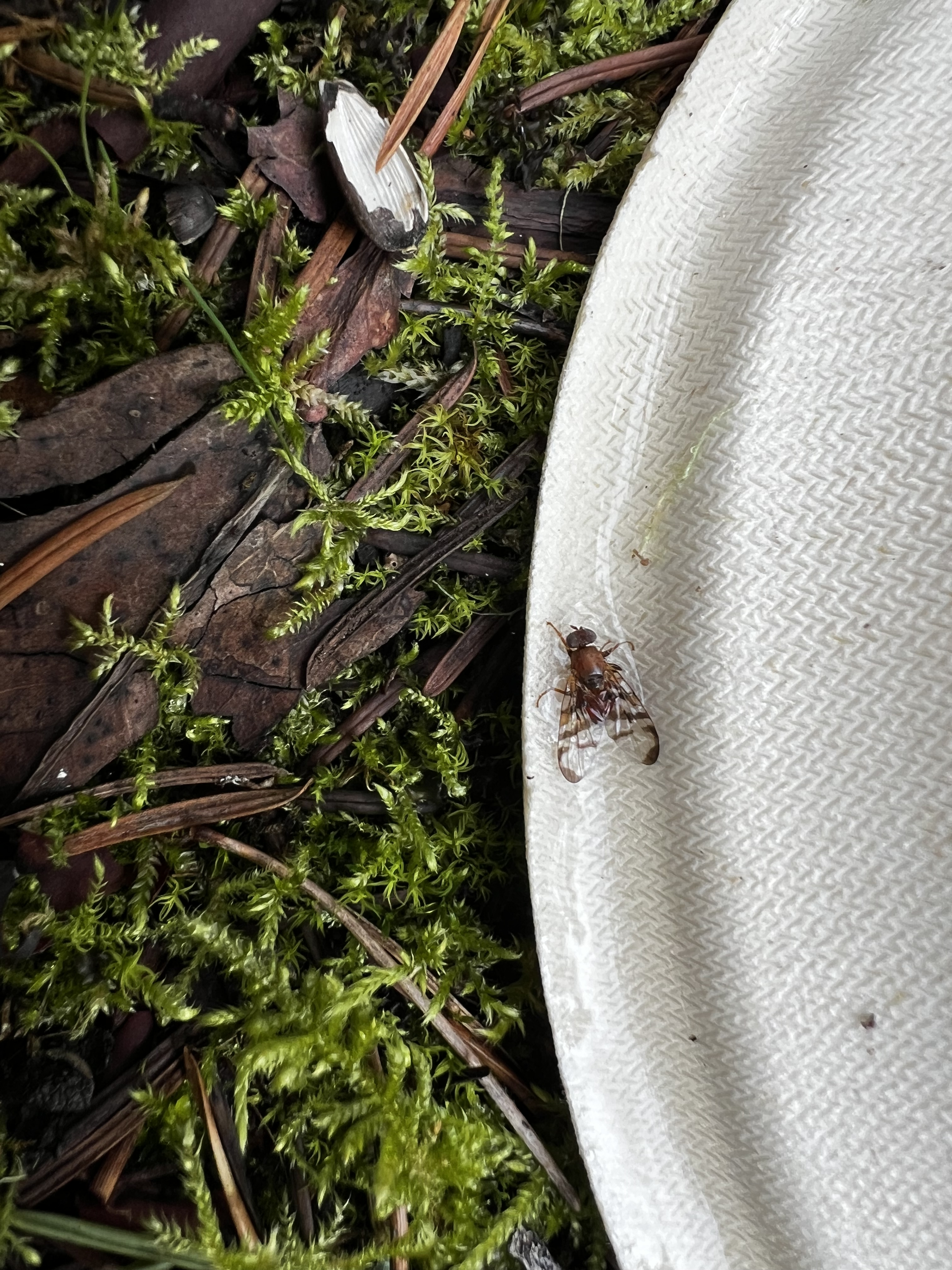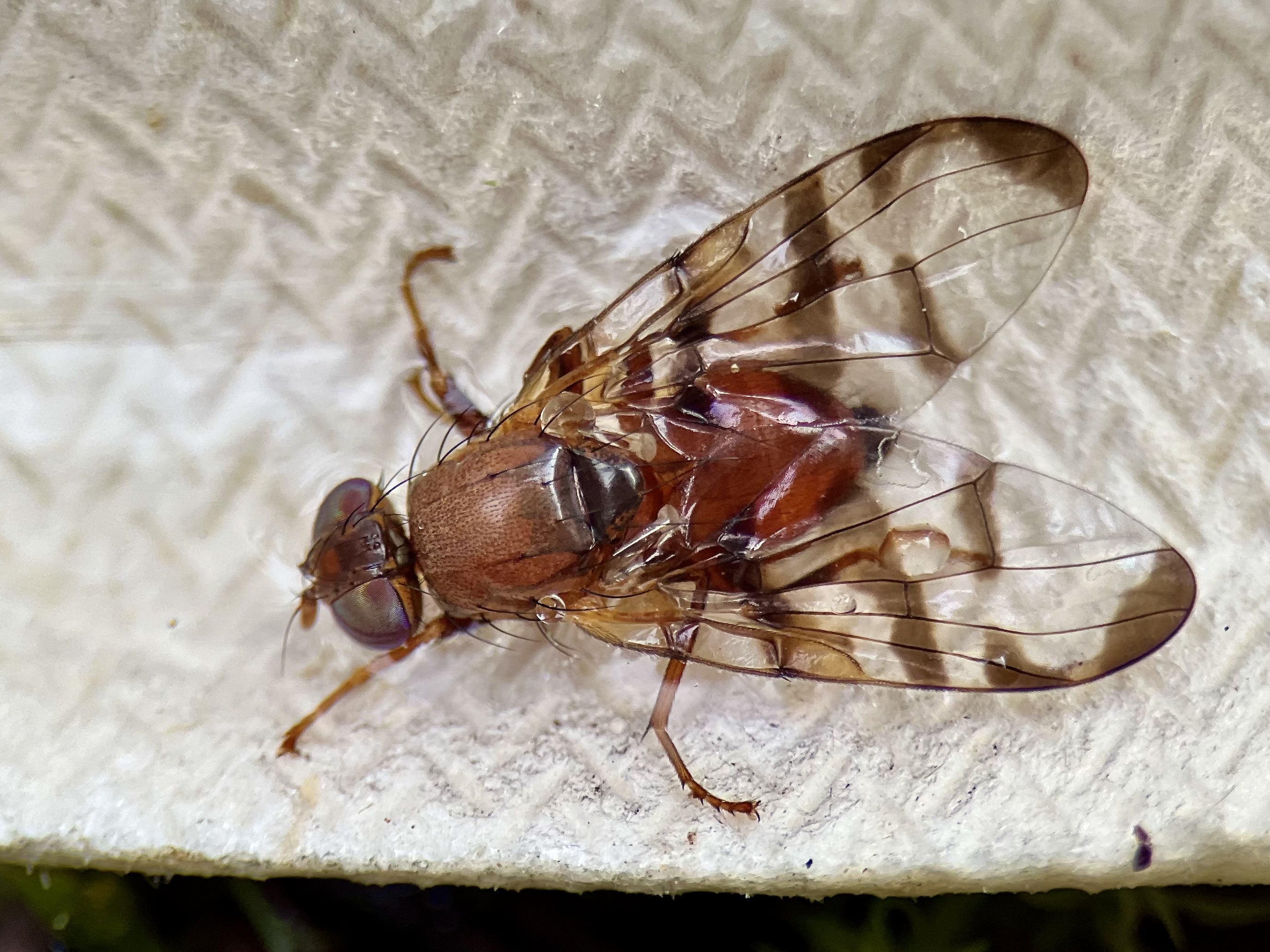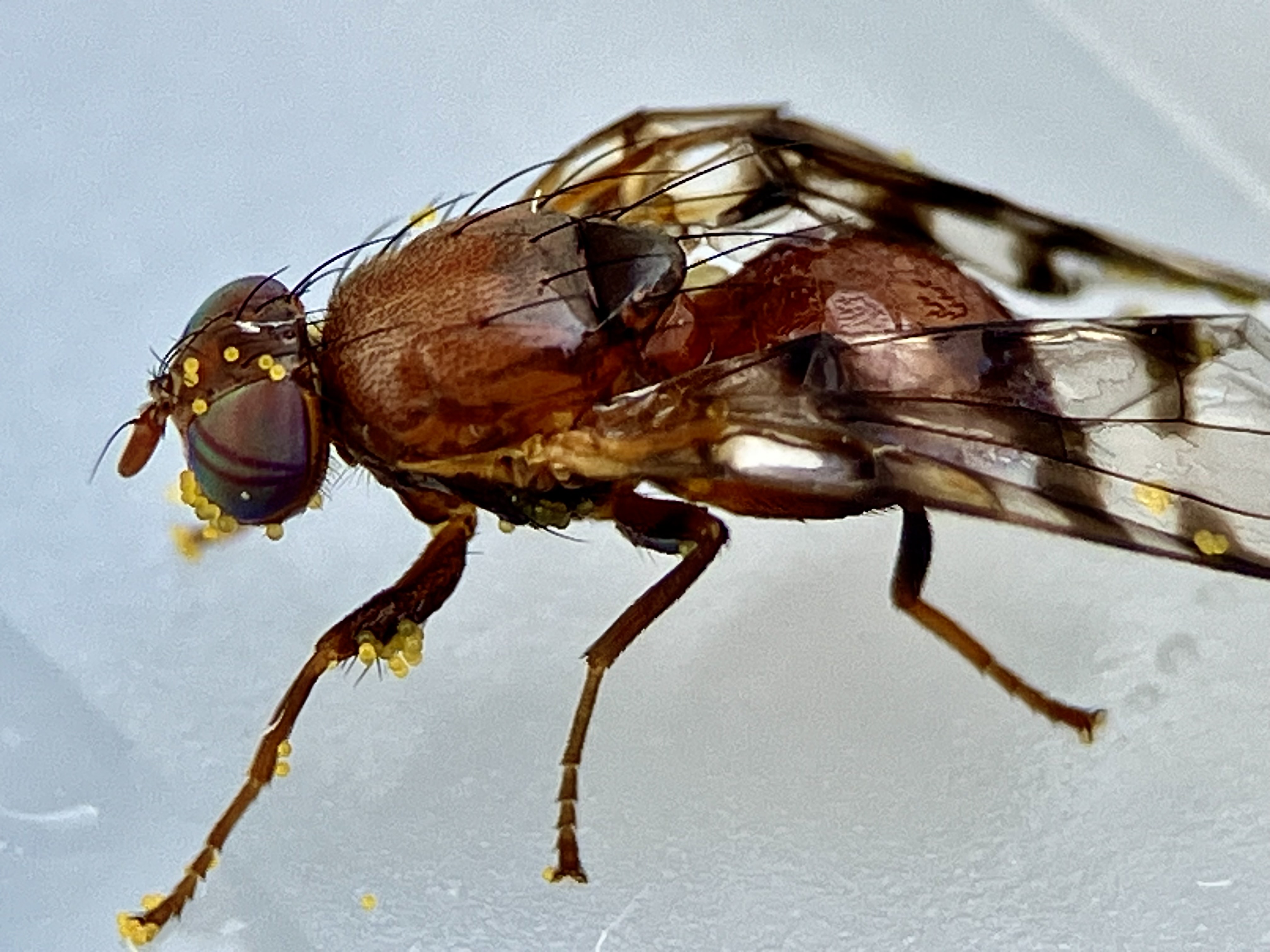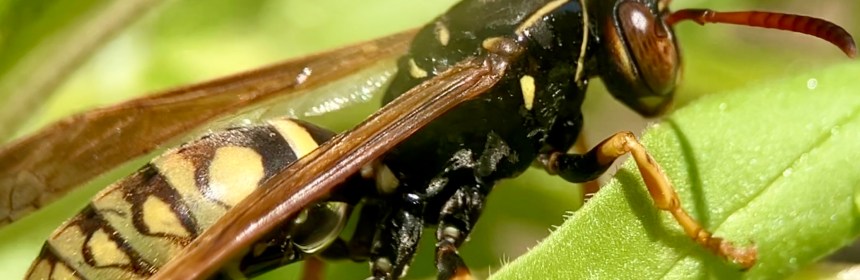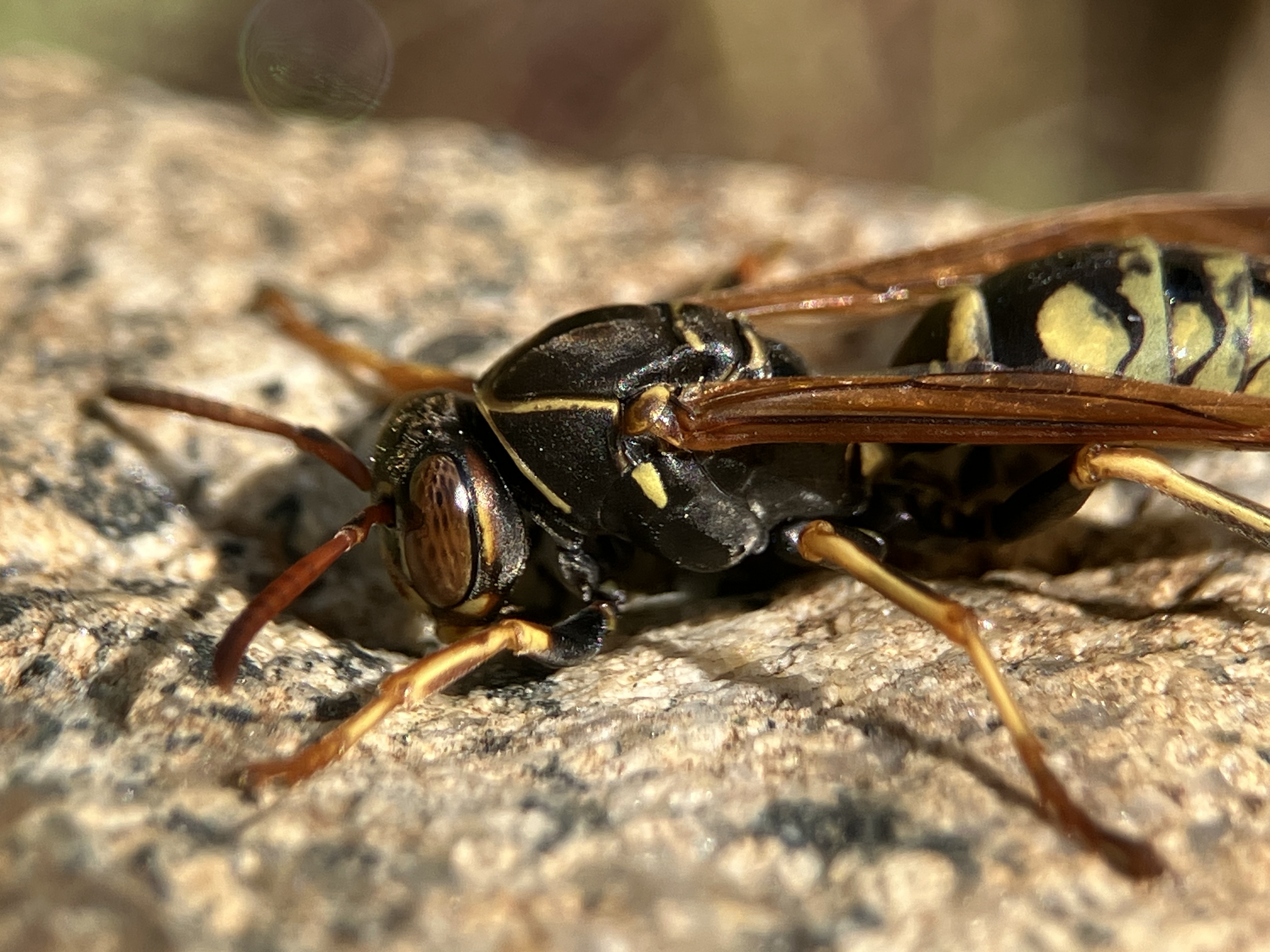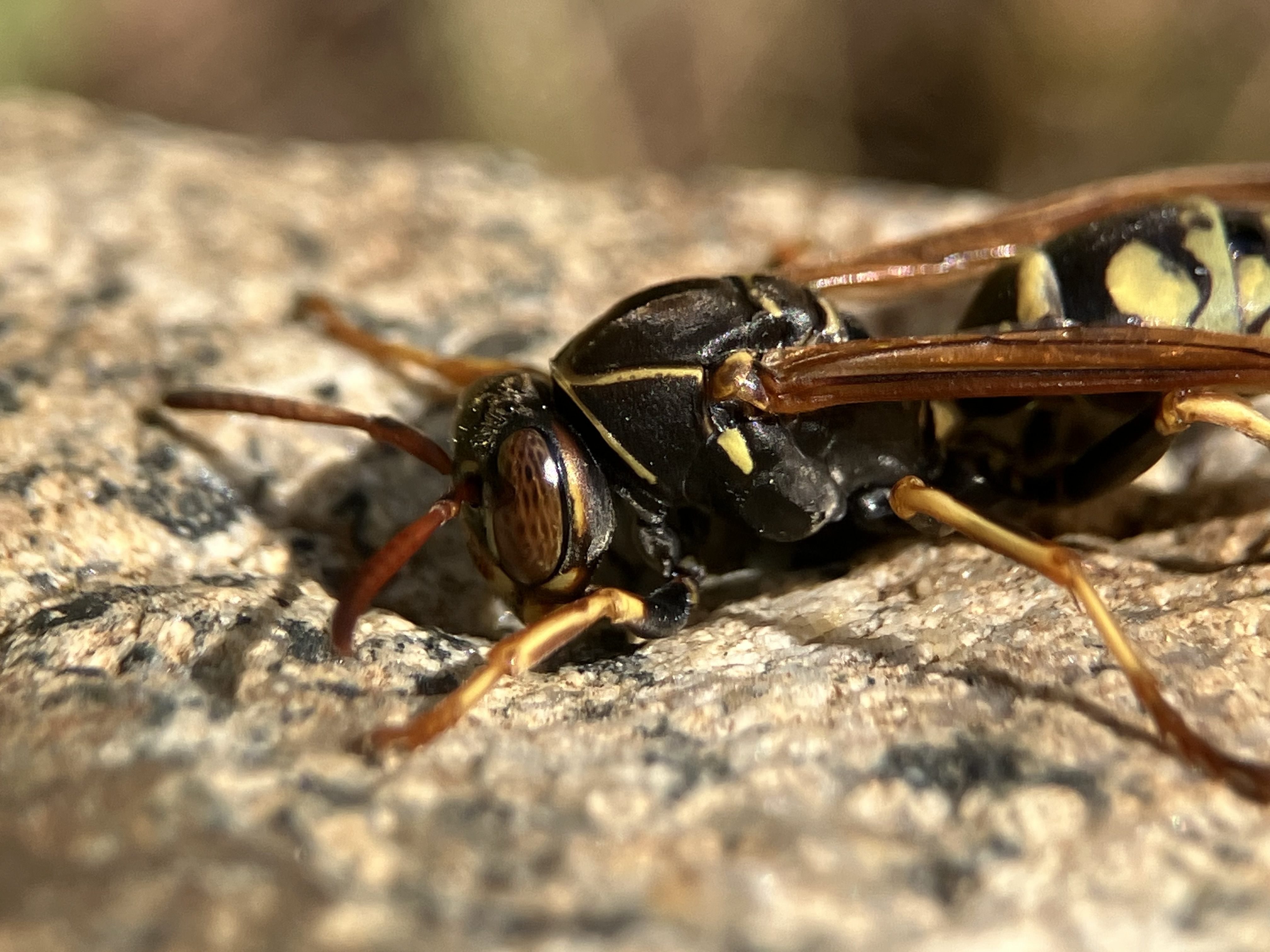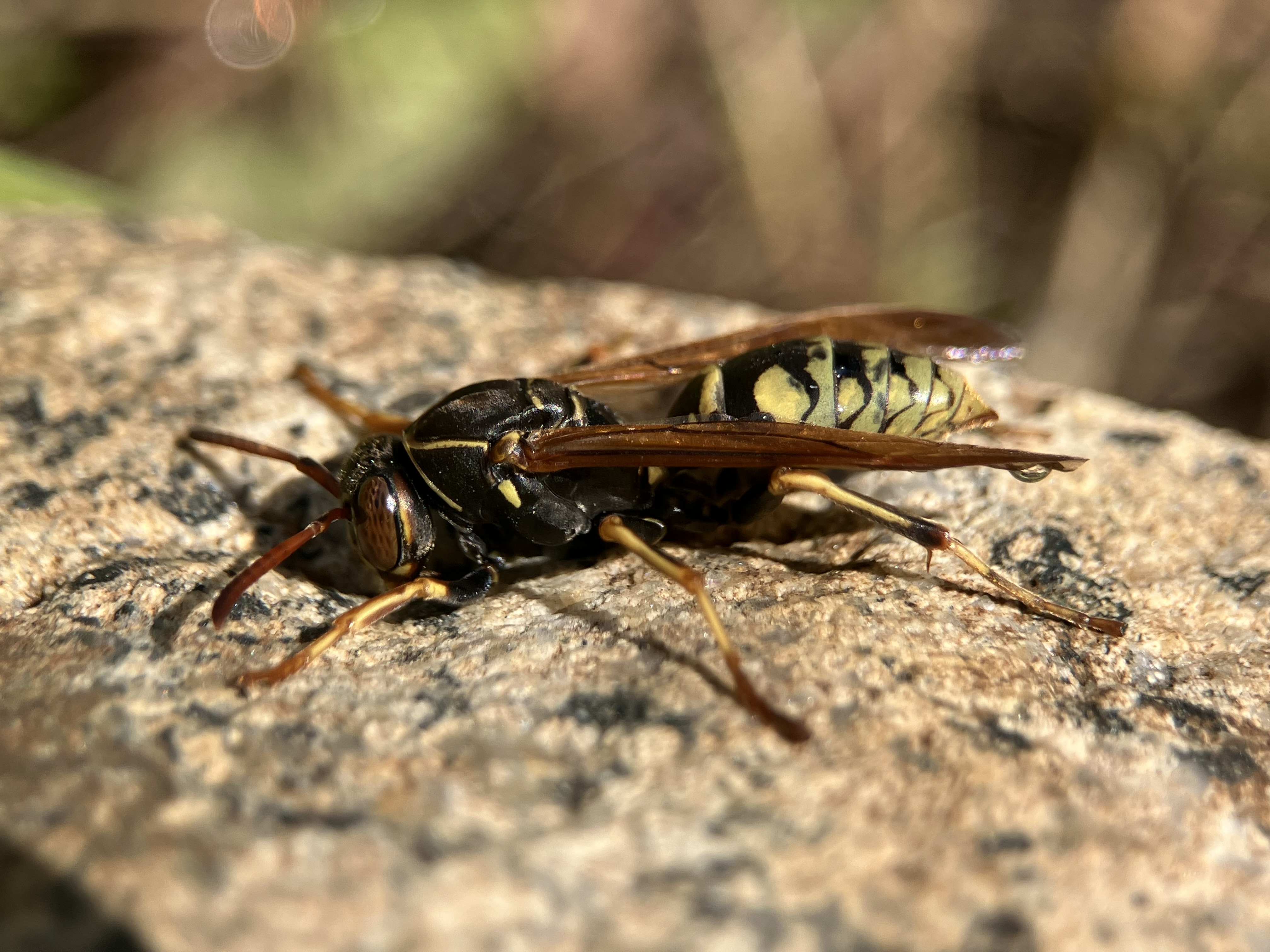
Discovering Ceropales maculata ssp. fraterna: A Unusual Spider Wasp on San Juan Island
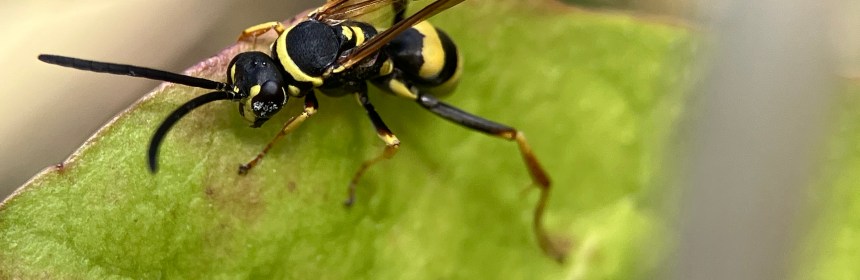
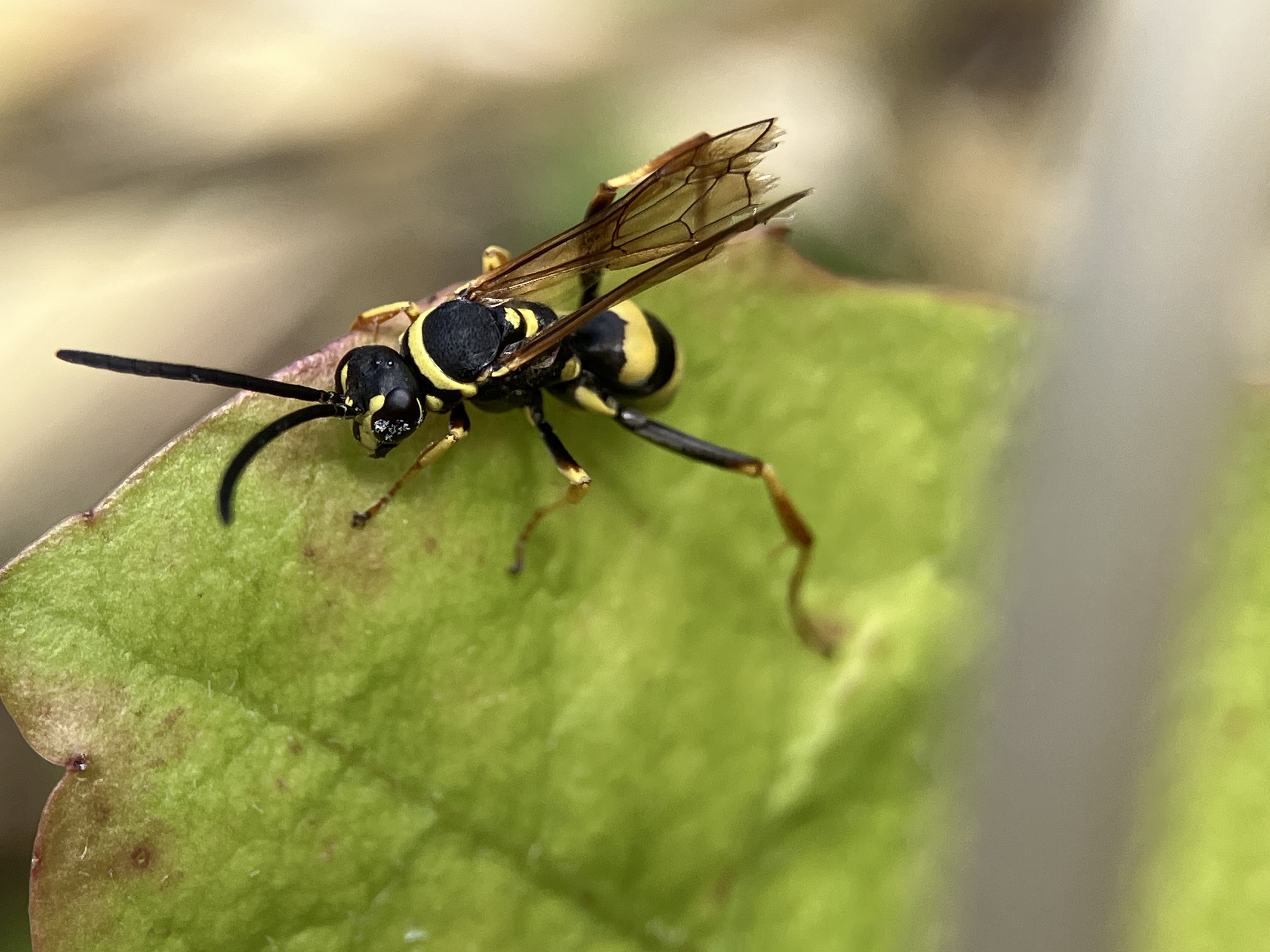
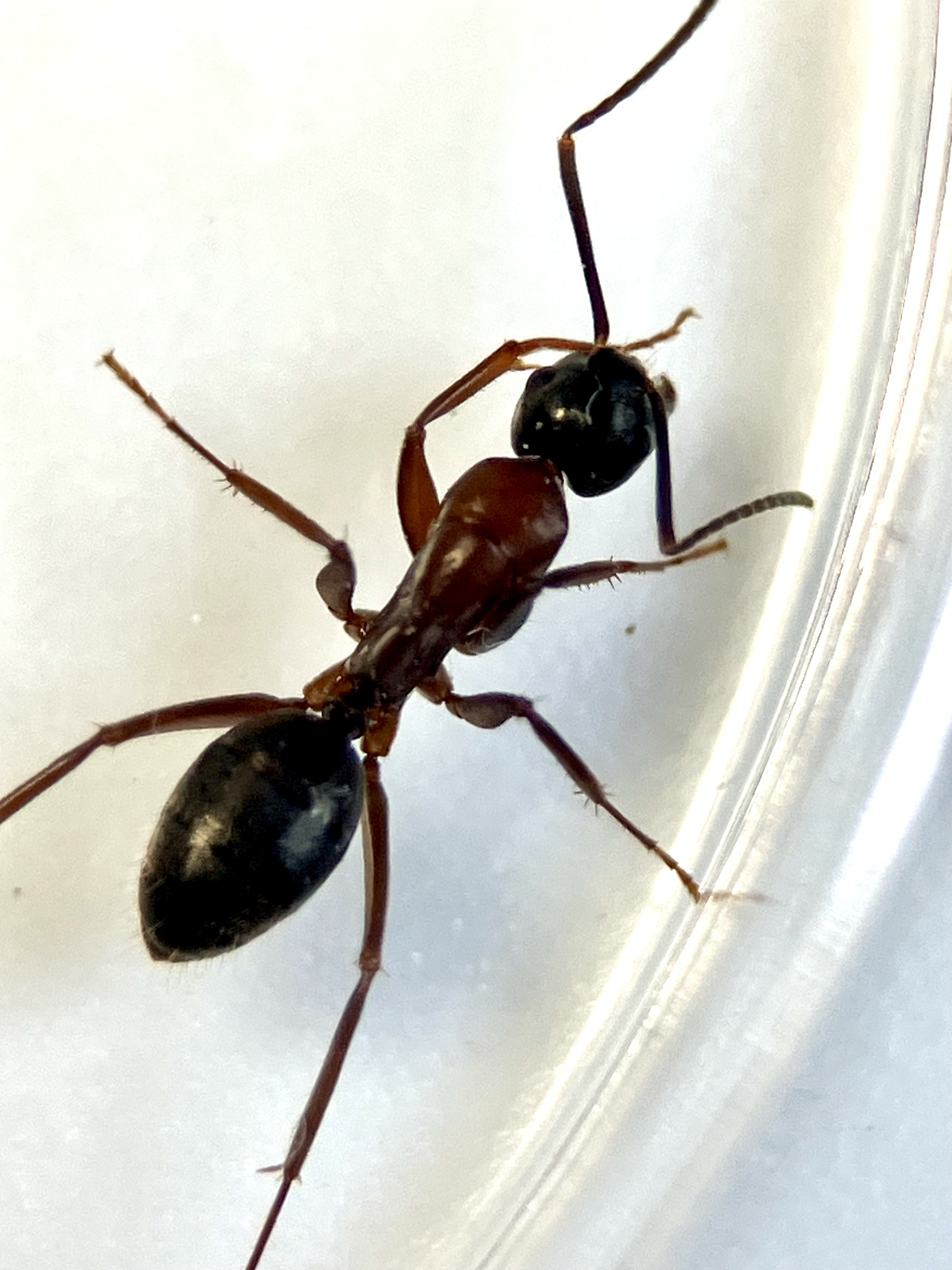
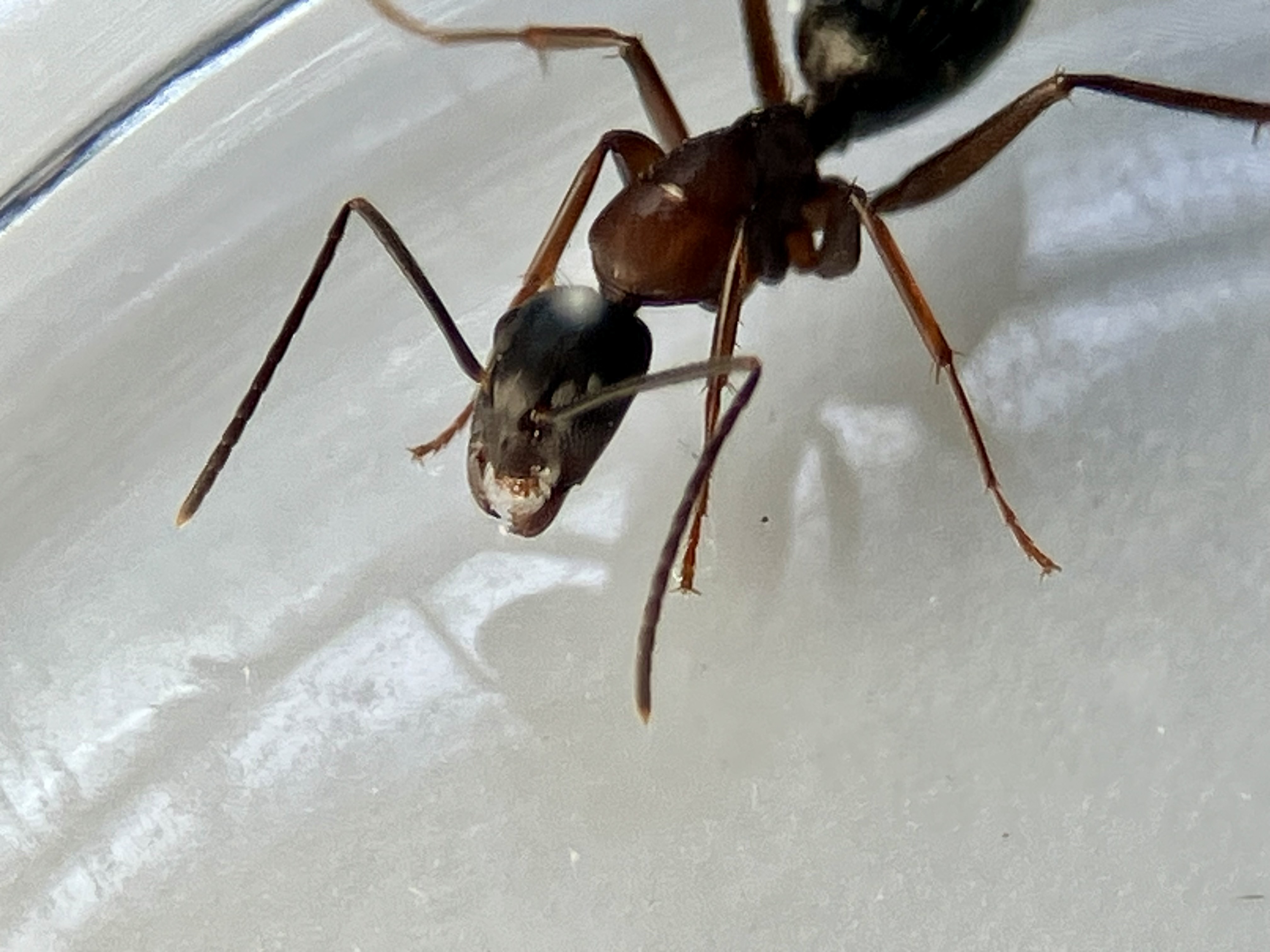
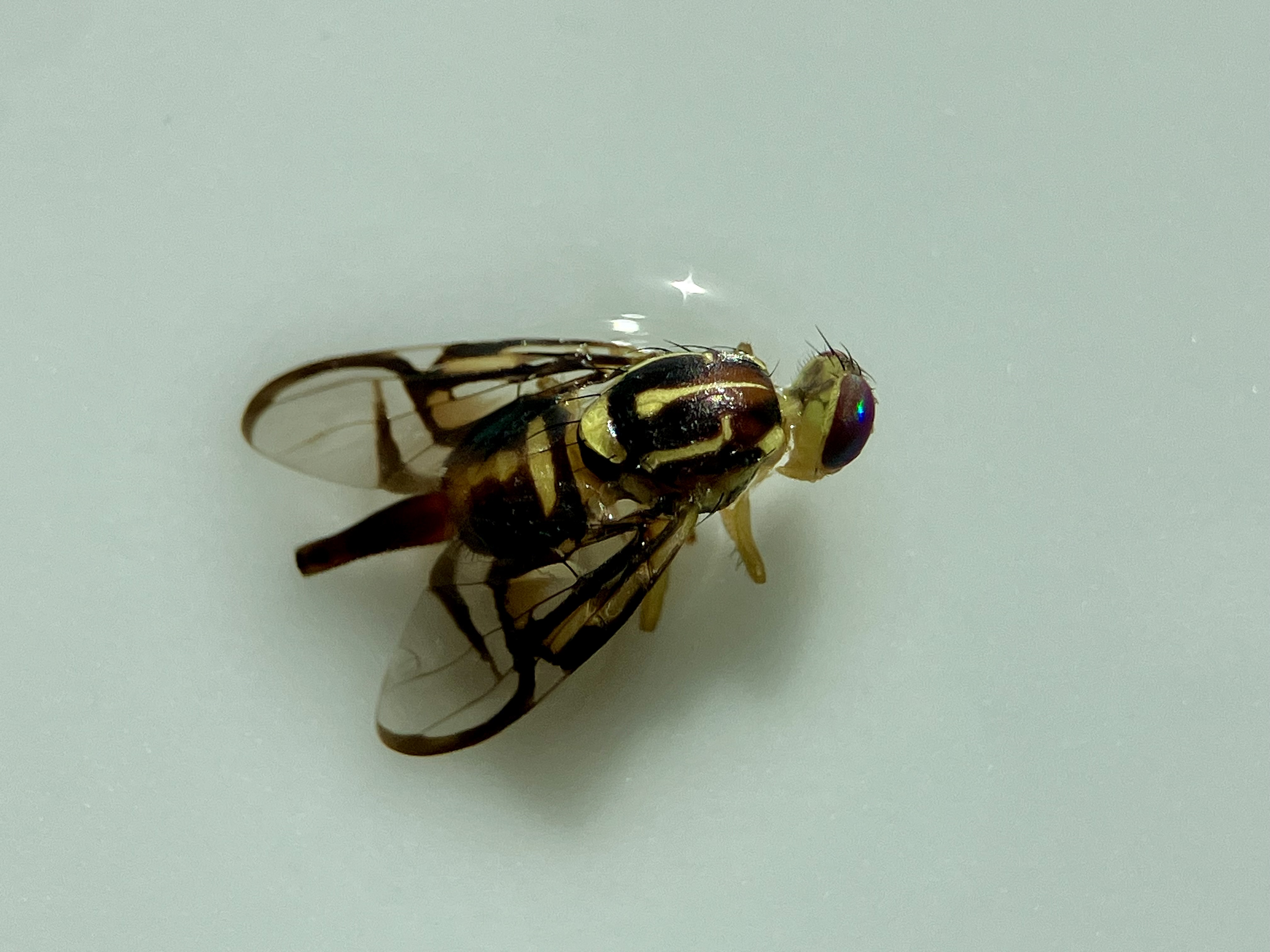
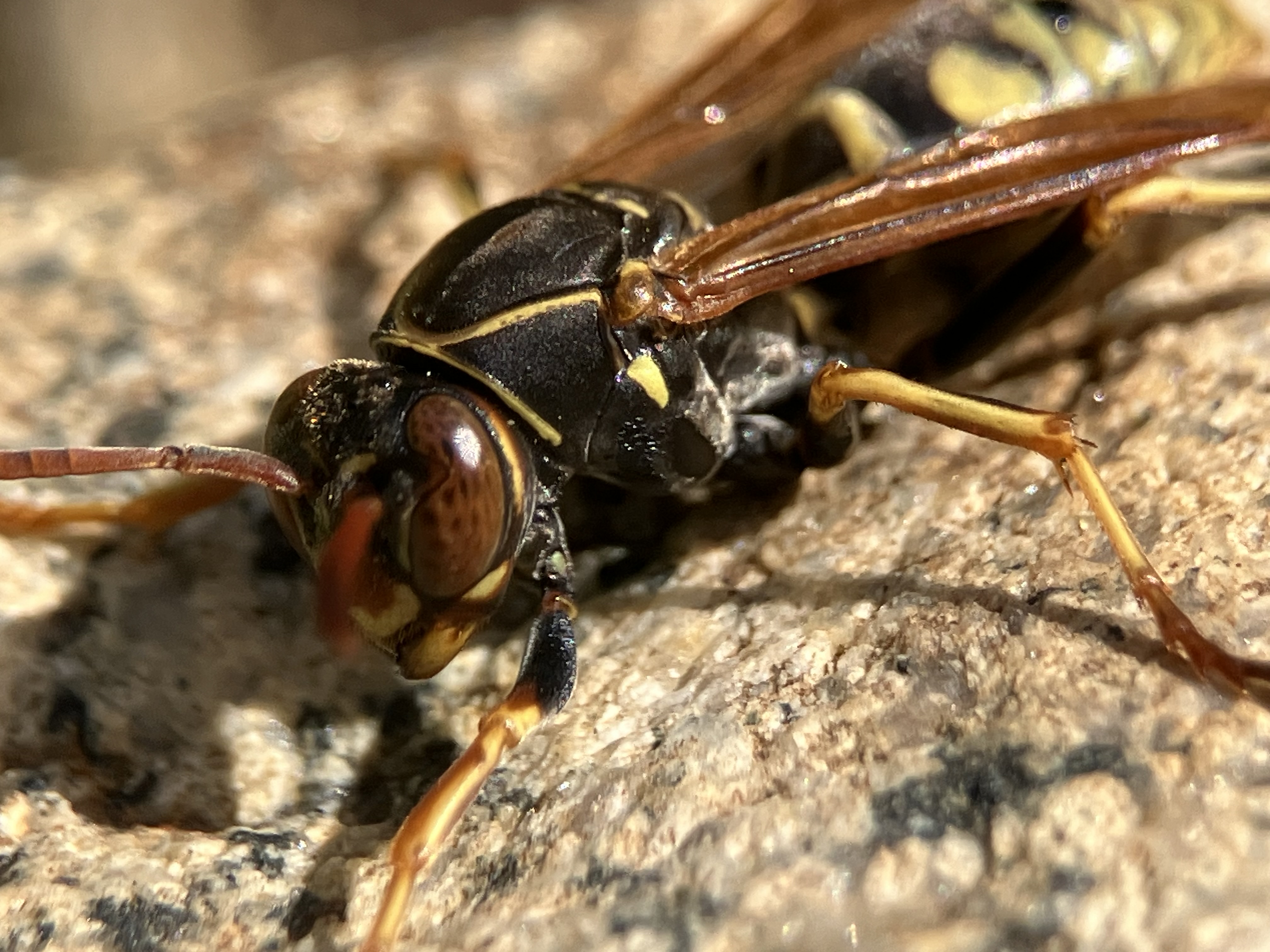
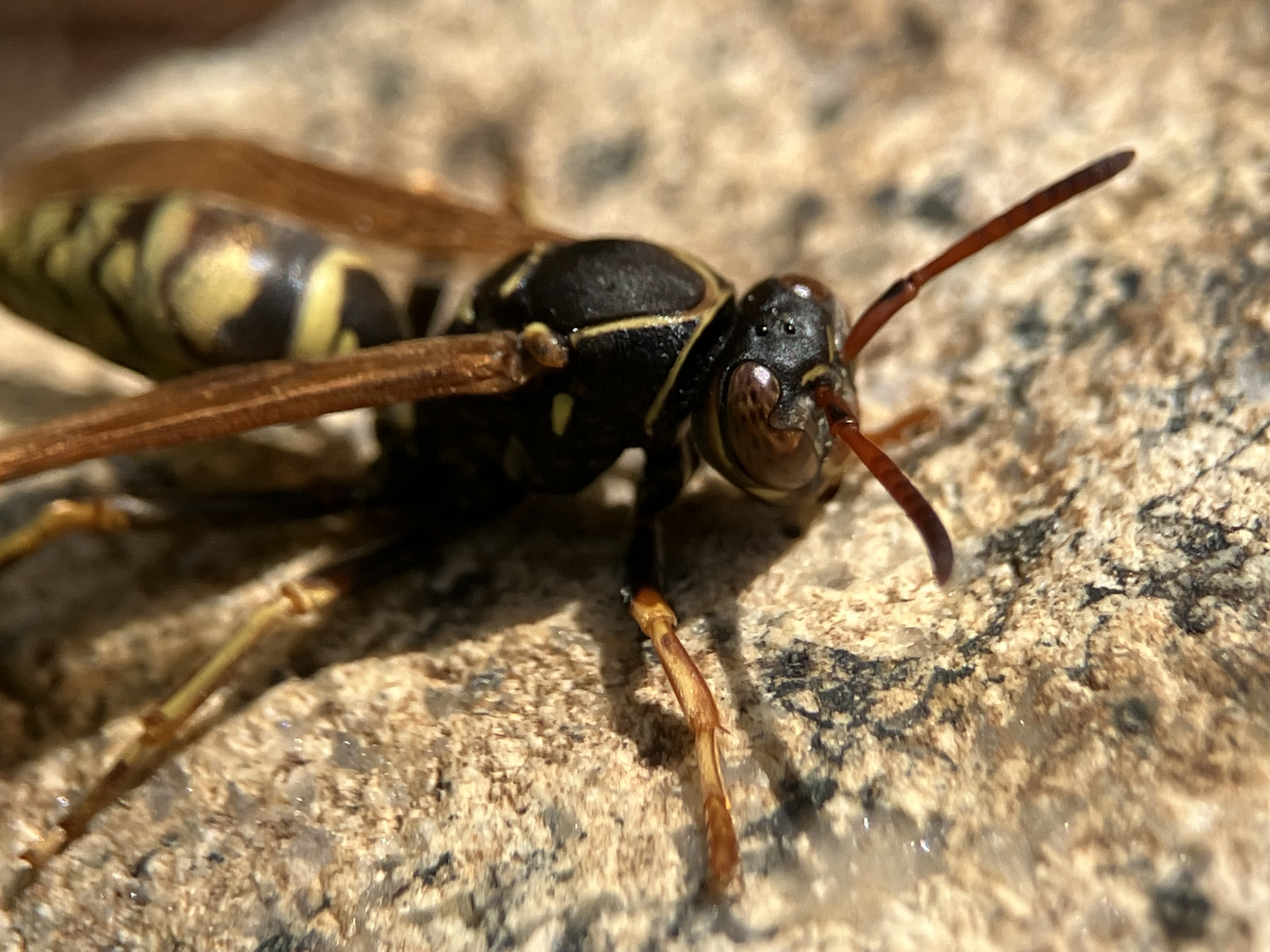
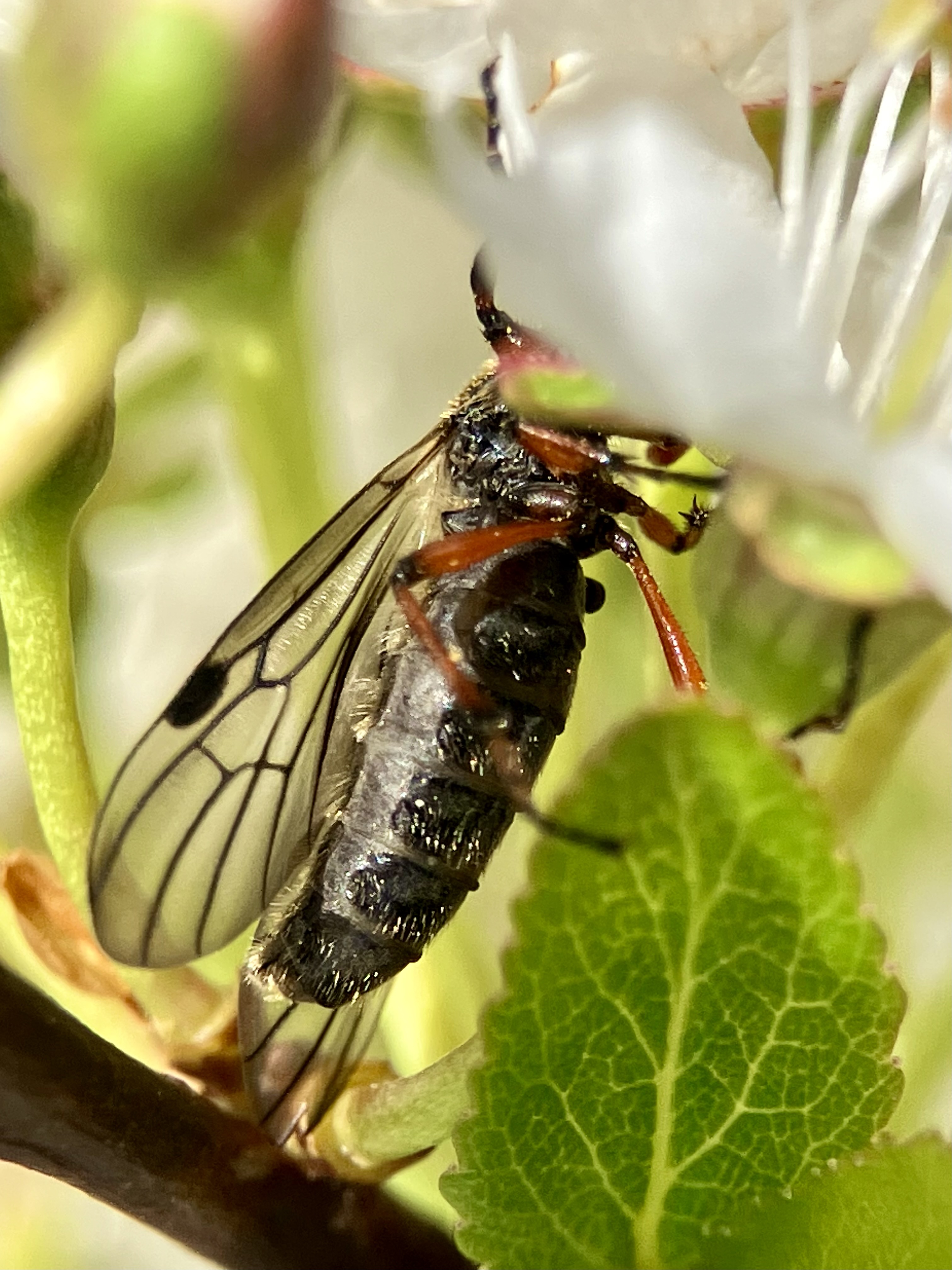
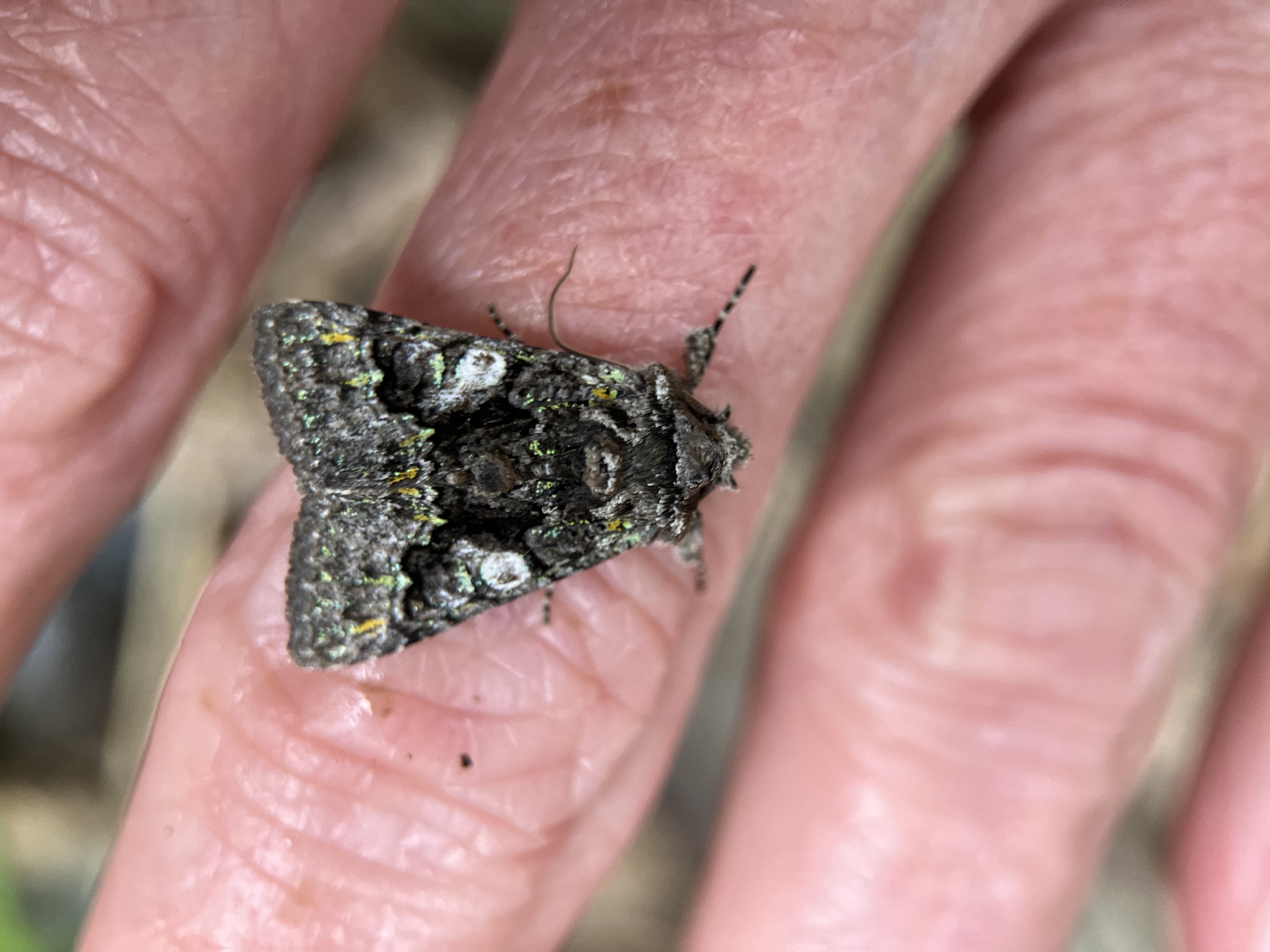
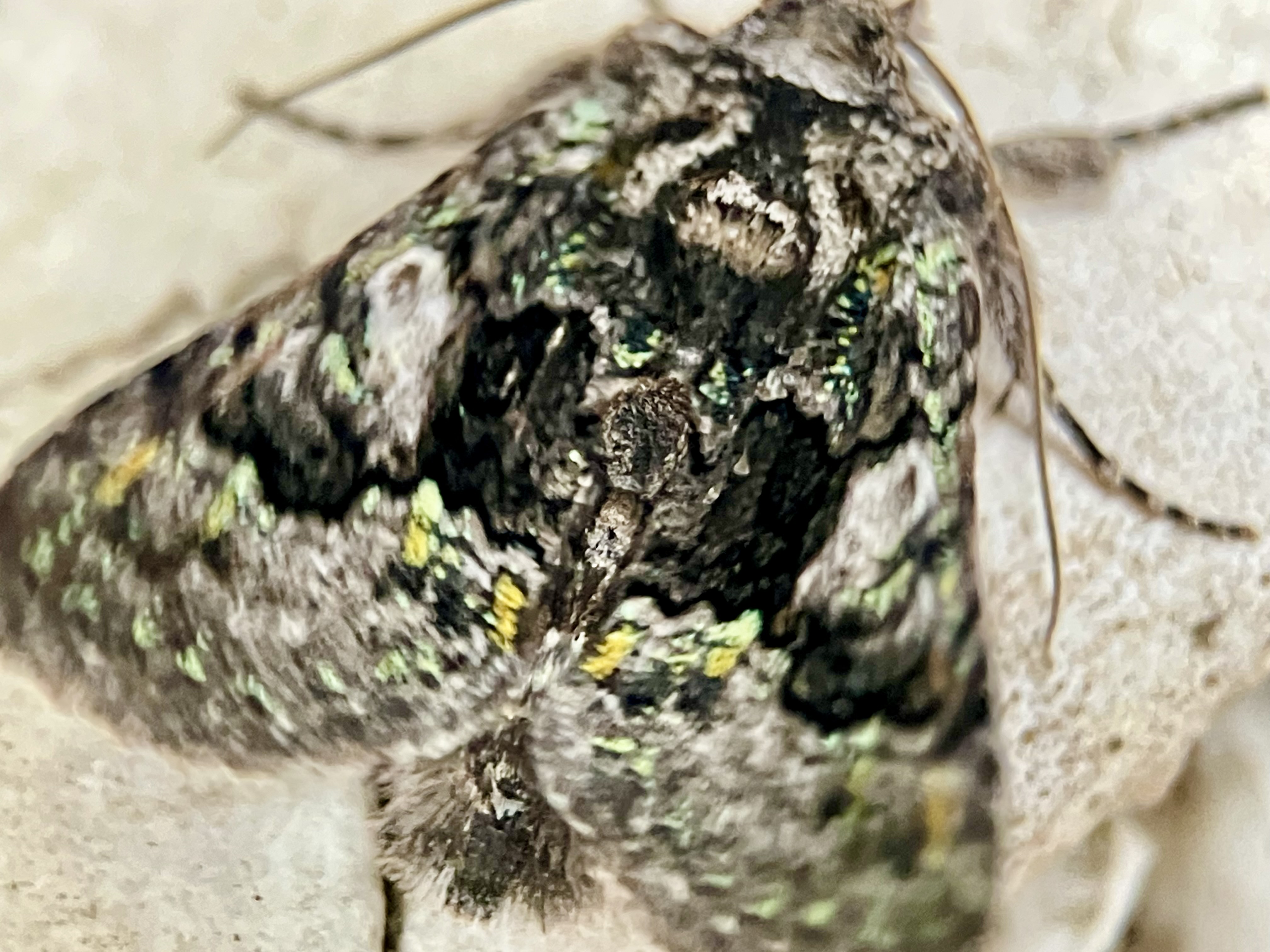
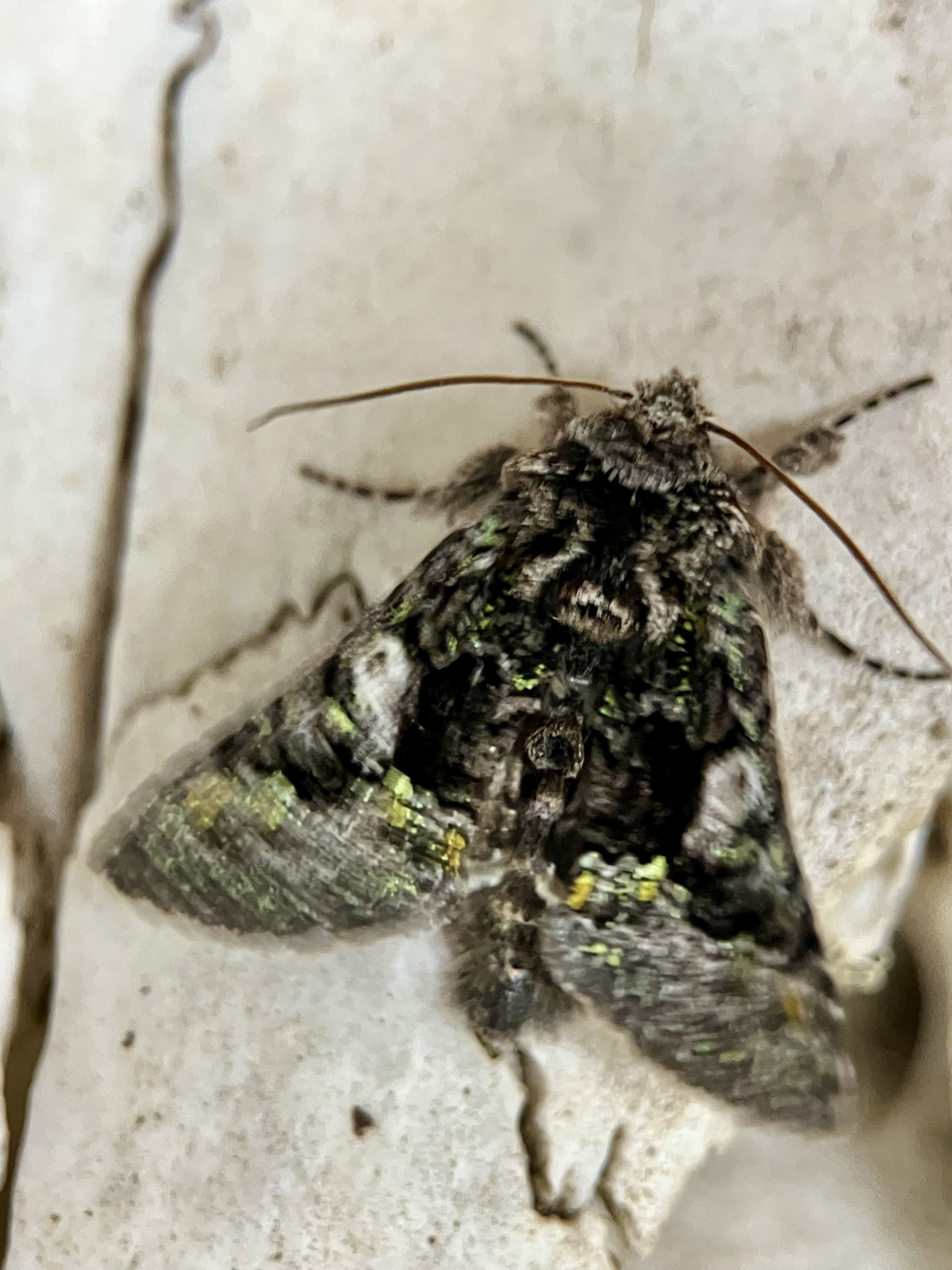
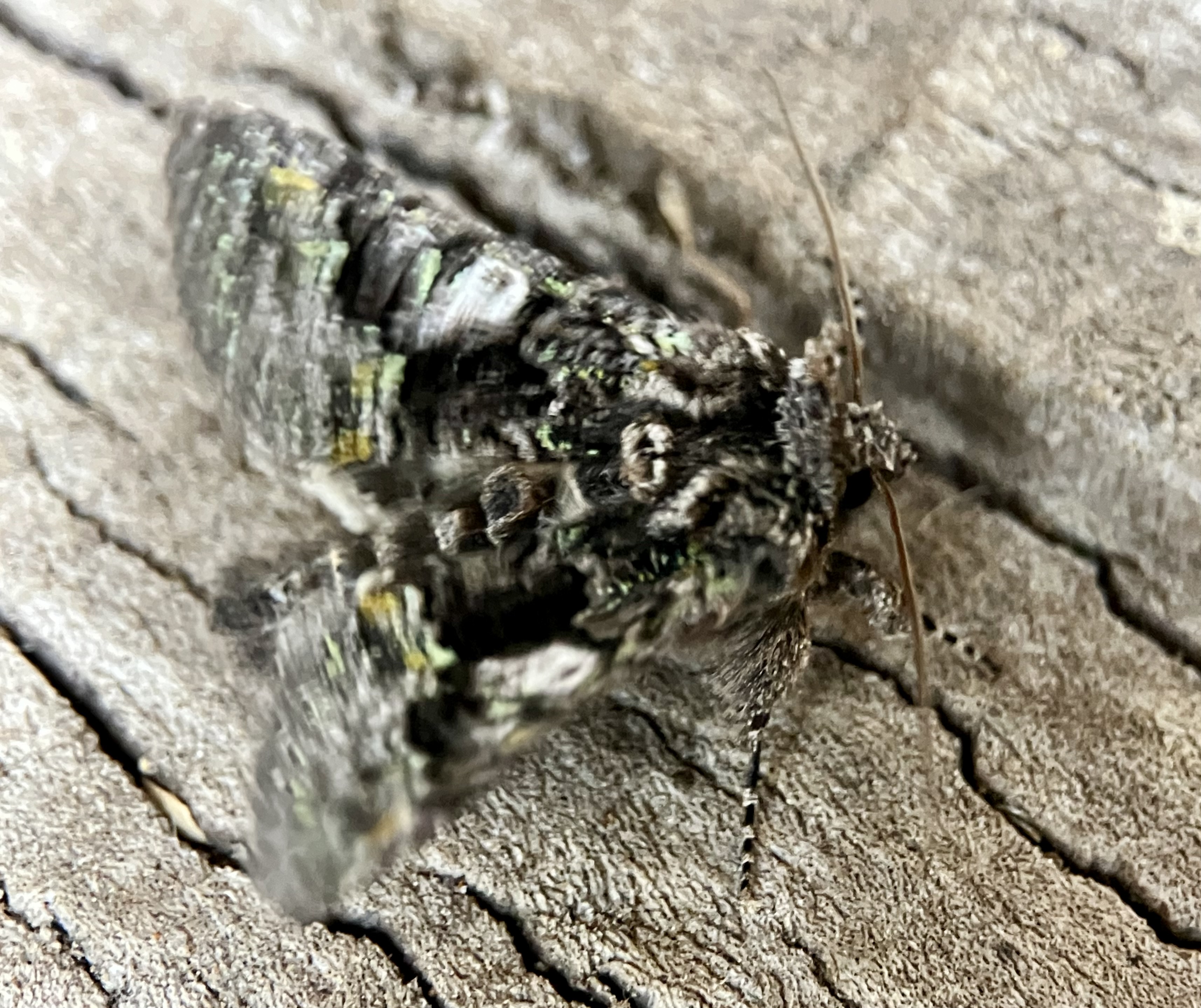
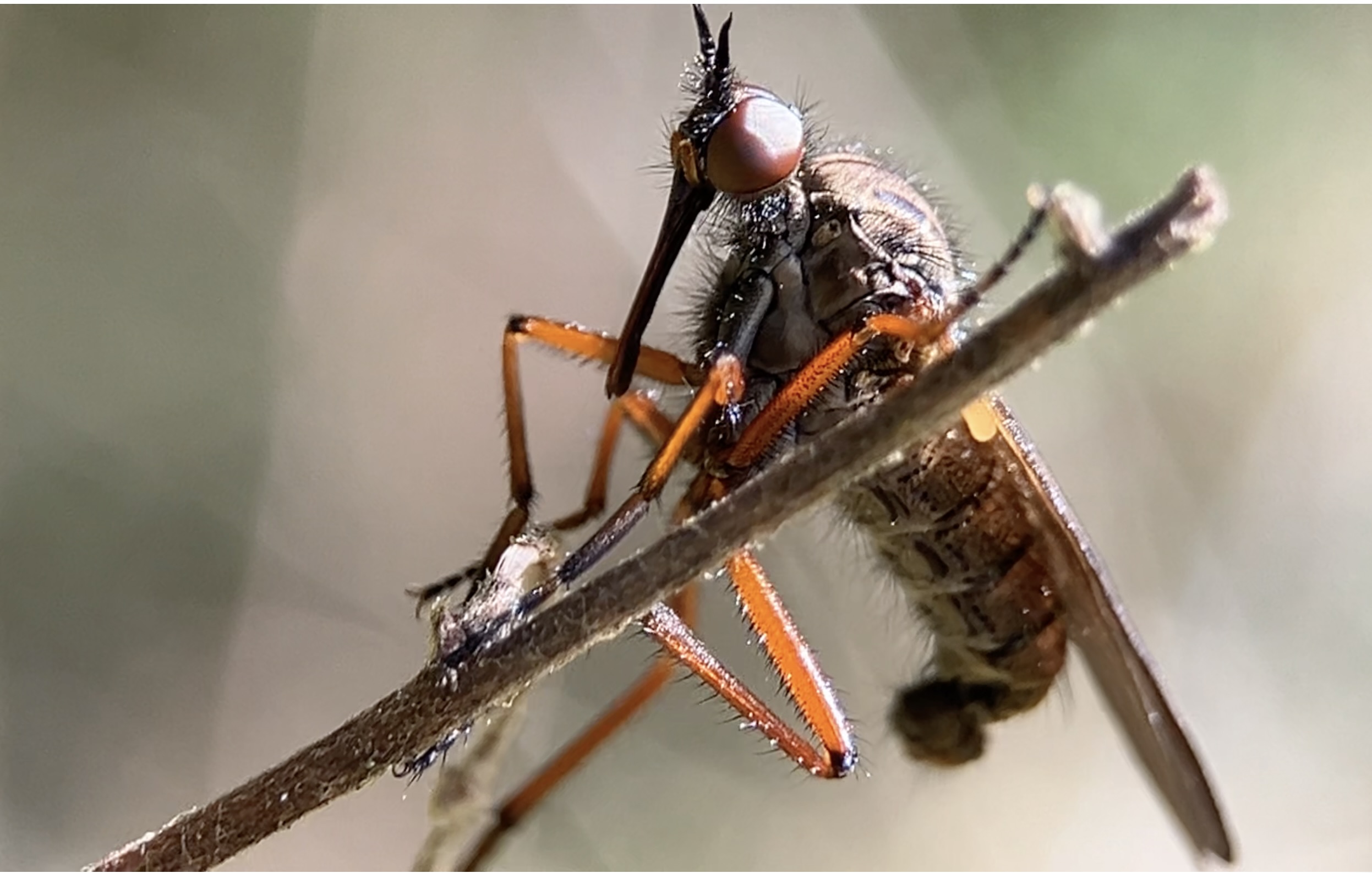
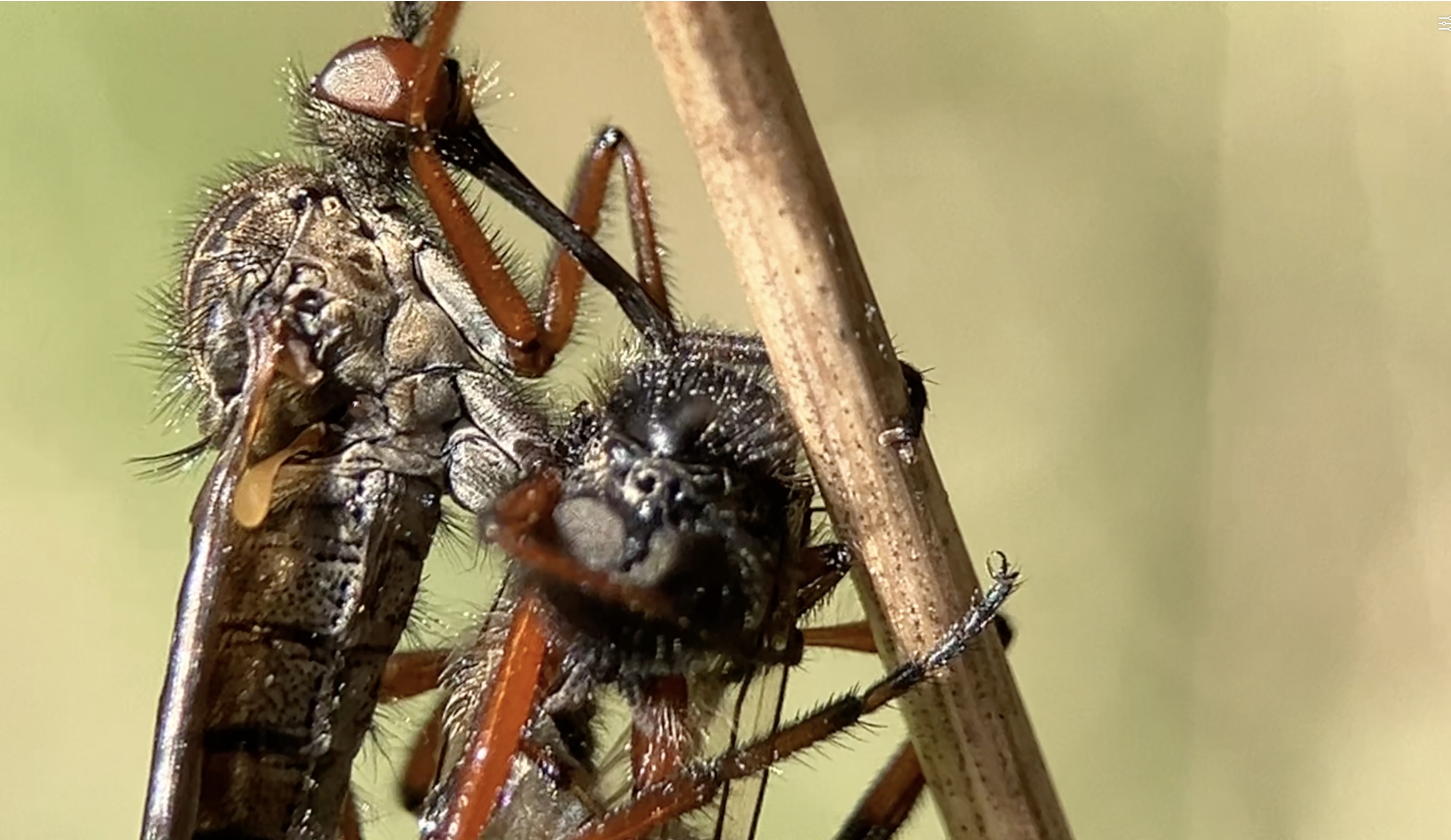
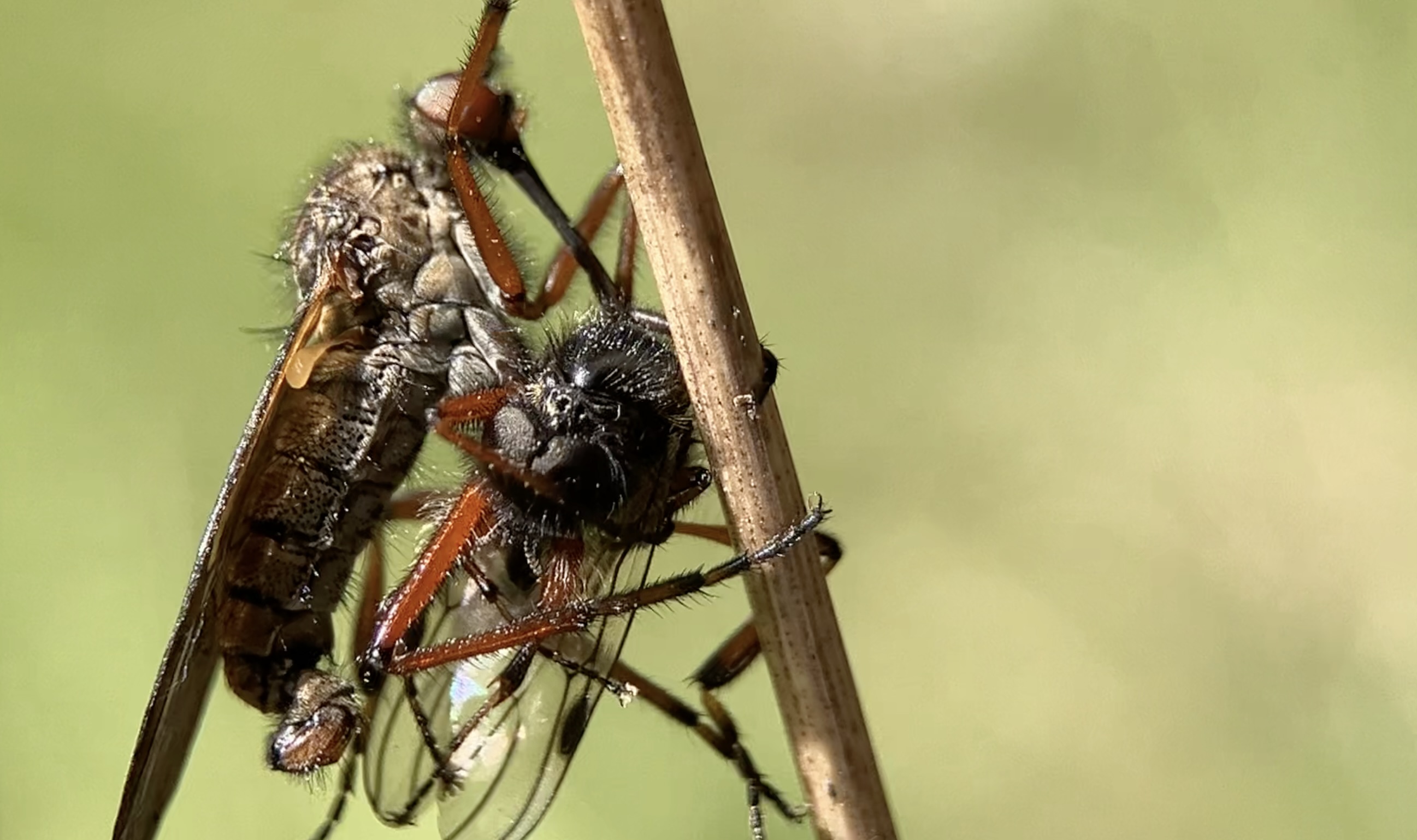
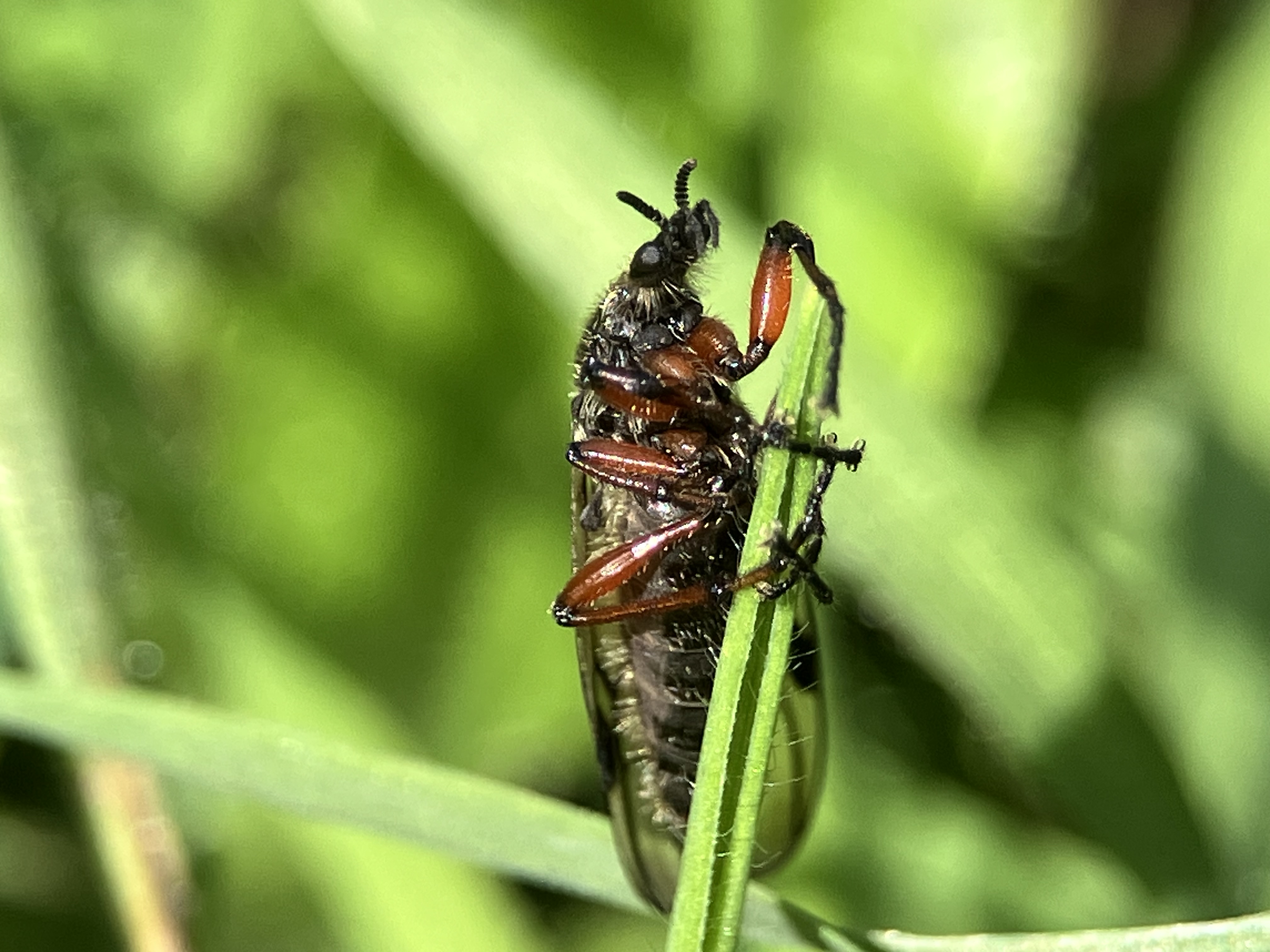
Sunday afternoon, at precisely 2:42 p.m., I found a very cool wasp in the garden. I also nearly fell over trying to get the video footage to record my observation. I think it was worth it though!
After I had my photos and videos, I walked back up to the house. Next, I did some investigation to find additional material about this species. It’s a type of spider wasp in the family Pompilidae. I came across a paper with a taxonomic key by Townes, 1957 and took at look at Bugguide.net as well. If you are wondering, my specimen’s scientific name is Ceropales maculata.
However, Townes’ (1957) key also describes subspecies. I saw on his maps two subspecies that appear to overlap in geographic distribution. While I am not well-versed, nor confident in my skills in Pompilidae taxonomy, I do believe my specimen is the subspecies Ceropales maculata fraterna. When I looked at a thread of commentary on Bugguide.net about the species, it also seems that perhaps some revision is in order, or more studies are necessary to update and enhance the work of Townes.
Out of curiosity, I also looked up the translation of the Greek/Latin name. Ceropales comes from the Ancient Greek kerkos (κέρκος), meaning “tail”, or referencing the Cercopes (mischievous mythical forest creatures) and -opes / -ops (ṓps): Meaning “eye” or “face.” So, to translate simply, it means “tailed-face” or “tail-eyed.” This name is given to the Genus Ceropales as a a way to describe these cuckoo or kleptoparasitic members. Maybe you are cuckoo if you have a tail face? Don’t trust my interpretation here (at all!!!), but do take a look at the Greek mythology about Cercops referenced here https://en.wikipedia.org/wiki/Cercopes The species epithet, maculata, translates from Latin to spotted, blotched, or speckled. If you read through Townes’ species descriptions, you will find some species do have certain diagnostic spots or dots.
The information I’ve shared below is taken from the Ceropales Genus page at Bugguide.net.
These wasps have a transcontinental range. Some species are restricted, others are small and poorly known and may be more widespread than collection records indicate.
They have a varied habitat, typically related to their host (see life cycle). Many species are known to inhabit woods.
Adults can be found throughout the warm season from May (early records from late April in Townes (1957)) to October.
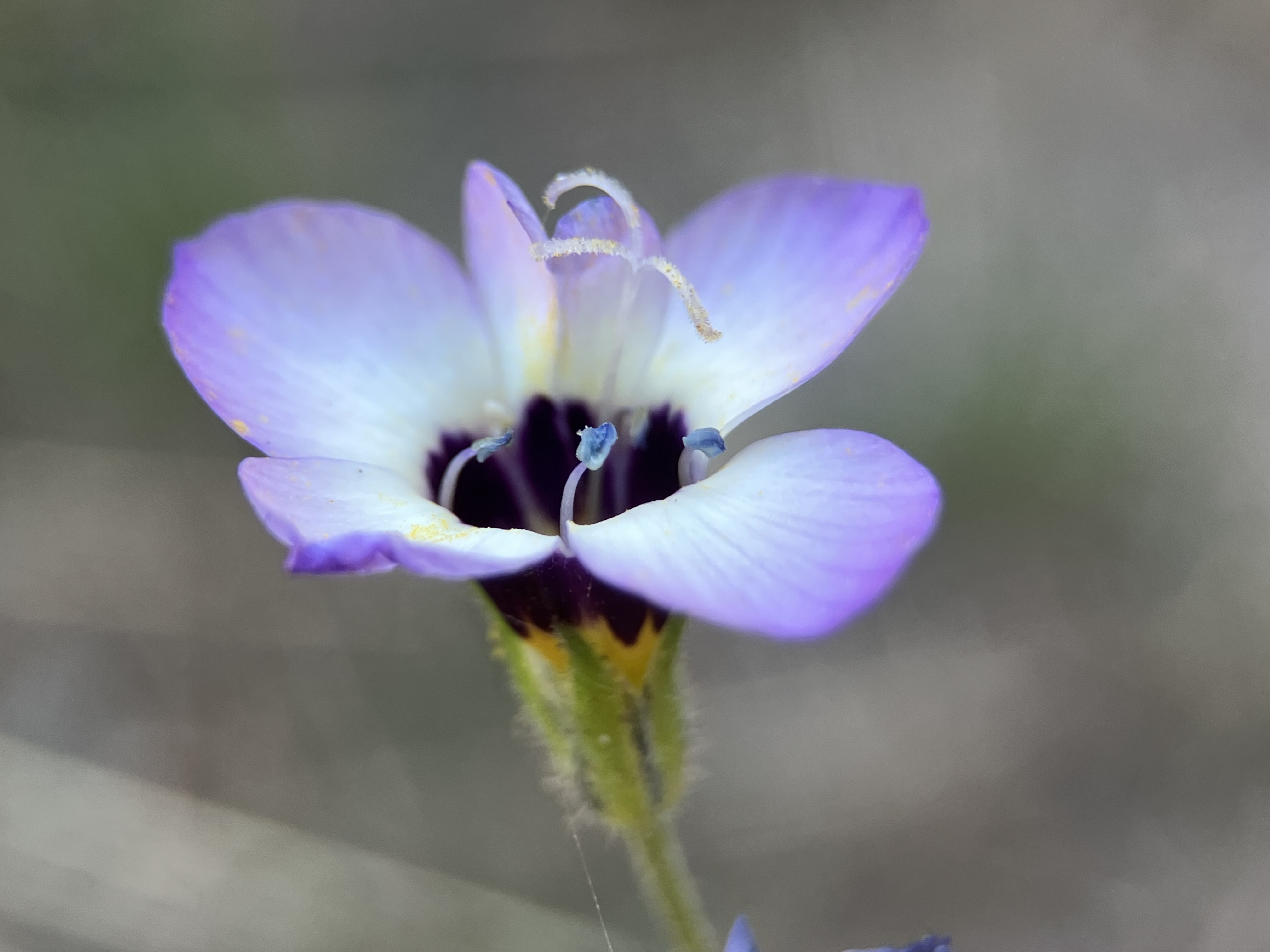
Adults often visit flowers for nectar. Spider prey varied (see Life Cycle).
Here’s the most interesting part of all! The LIFE Cycle!
Ceropales spider wasps are cleptoparasites of other pompilidae (wasps in the same taxonomic family). Females perch on vegetation, stalking a host female until it has found and paralyzed a prey item. Then, the female Ceropales wasp will oviposit or lay an egg in the book lungs of the paralyzed spider prey of other spider wasps when the prey is left unattended during nest construction. The Ceropales wasp larva that hatches eats the host egg (the egg laid by the Pompilidae wasp that caught the spider in the first place), and then it continues to consume the spider. Some species of Ceropales wasps have several generations per year; larger species are normally univoltine. ***Univoltine means only one round of offspring per year.
I am hoping to eventually piece together the eco-web that exists between this wasp, which, to me at least, has a mud dauber look about it, and the other species of Pompilid wasp it sneaks up on. If I can at least figure out that part, then I may learn which species of spiders is being predated and used for development. That will enable me to spin a paragraph or two to add here in the future. 🙂
Thanks for reading. Be curious! Support habitat conservation for invertebrates. Bugs = Life!
References
Bugguide.net 2026. Ceropales. Iowa State University. https://www.bugguide.net/node/view/39892
(Townes, Henry. (1957). Nearctic wasps of the subfamilies Pepsinae and Ceropalinae. Bulletin, 209, 1–286. https://doi.org/10.5479/si.03629236.209.1