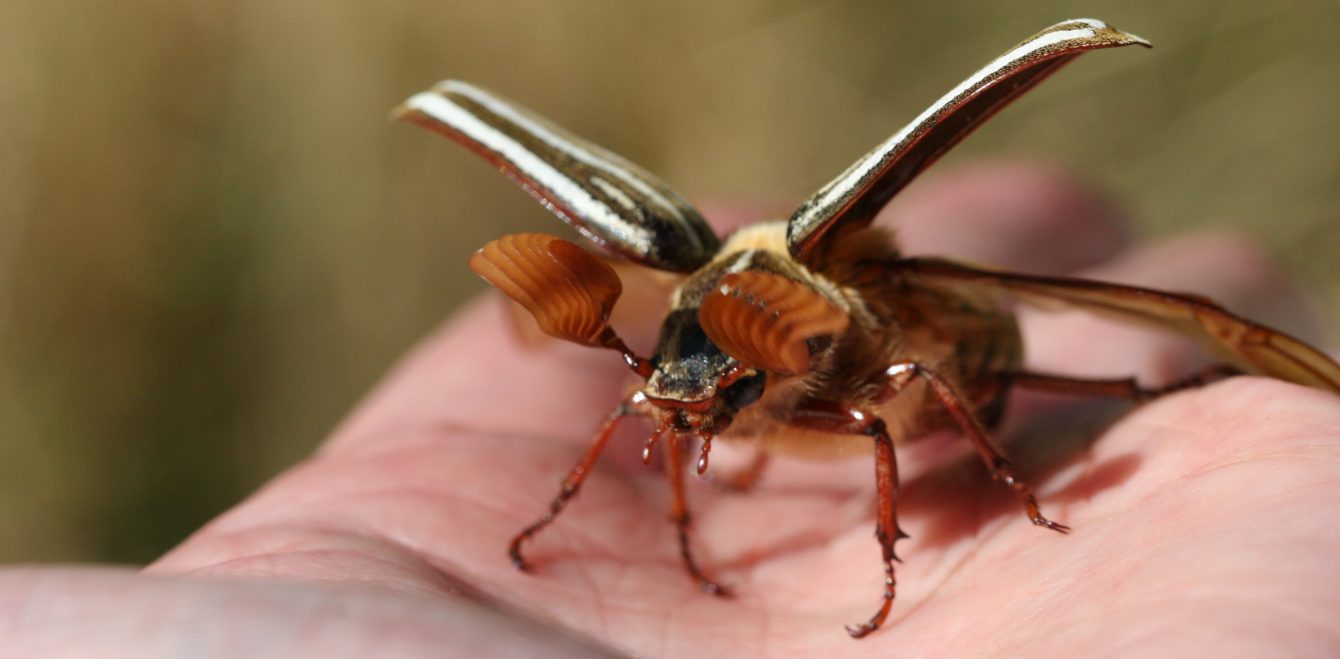
Bug of the Weekend (Plectrura spinicauda)
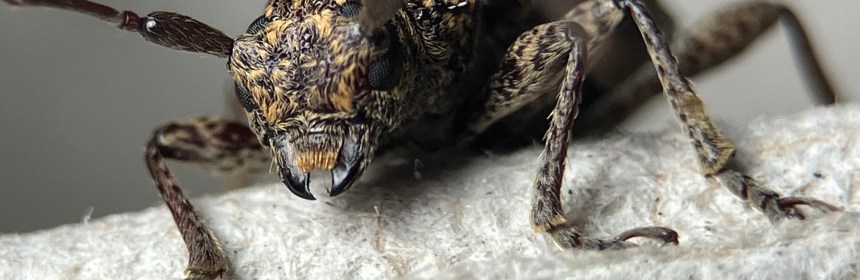
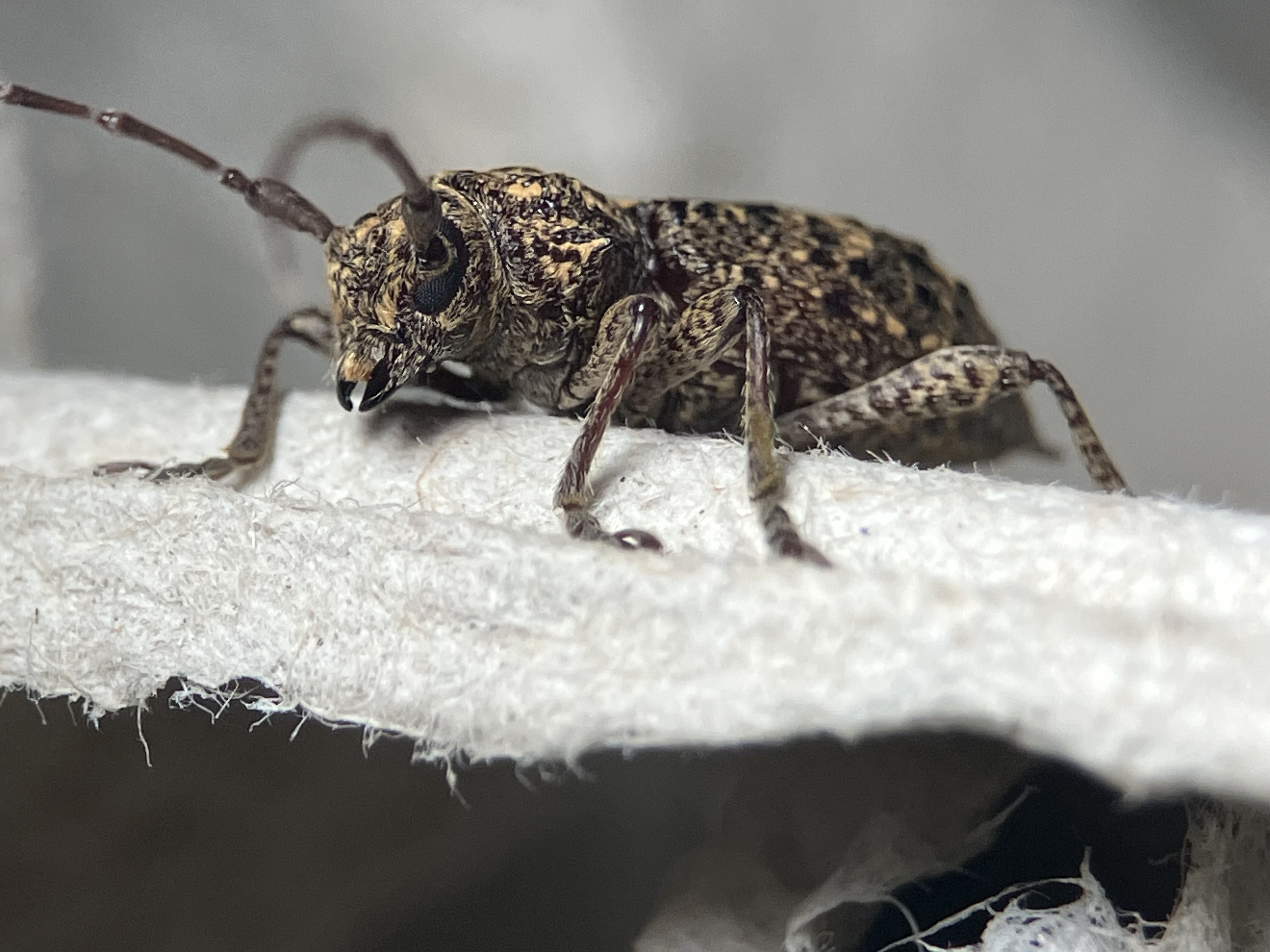
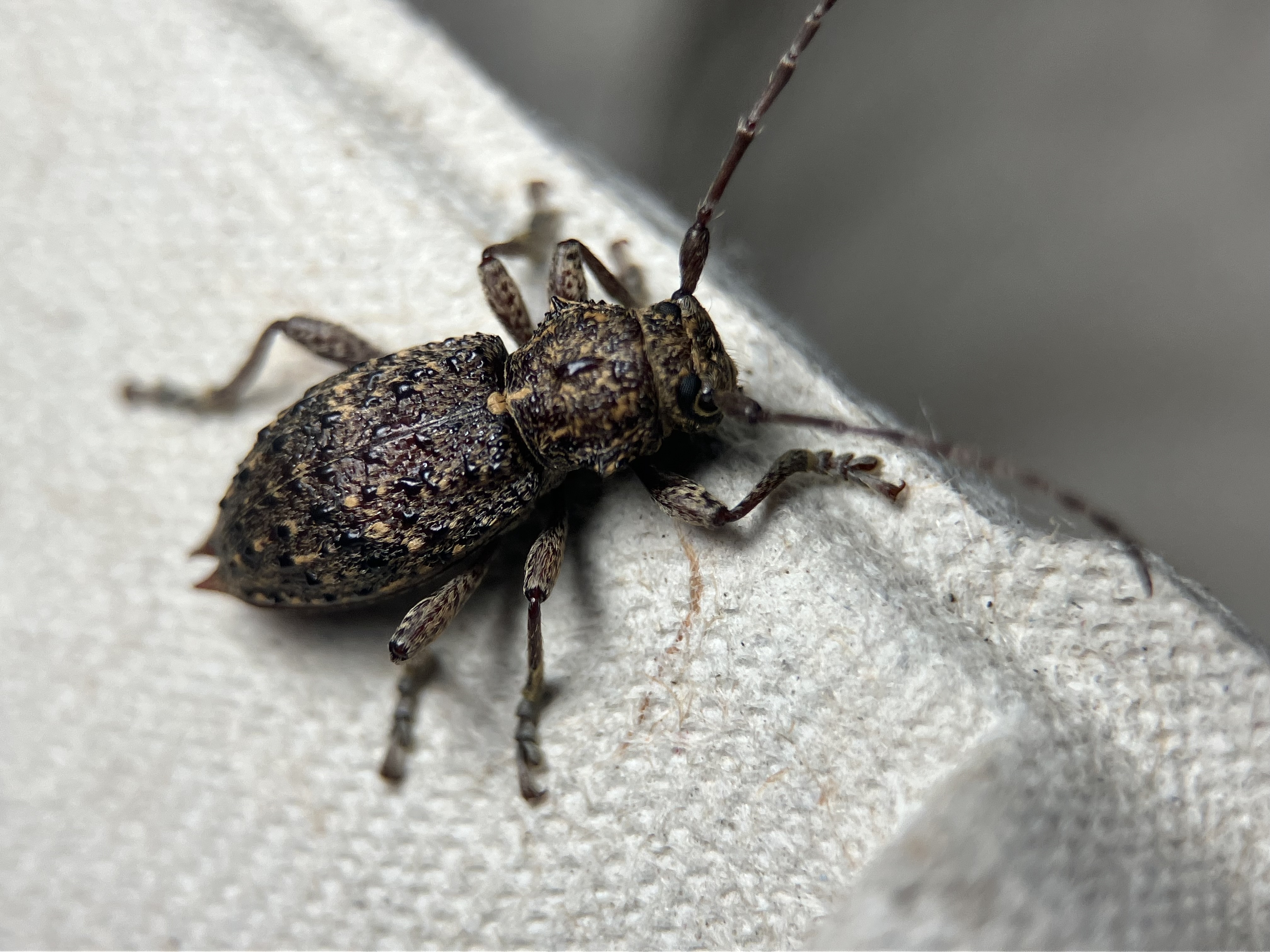
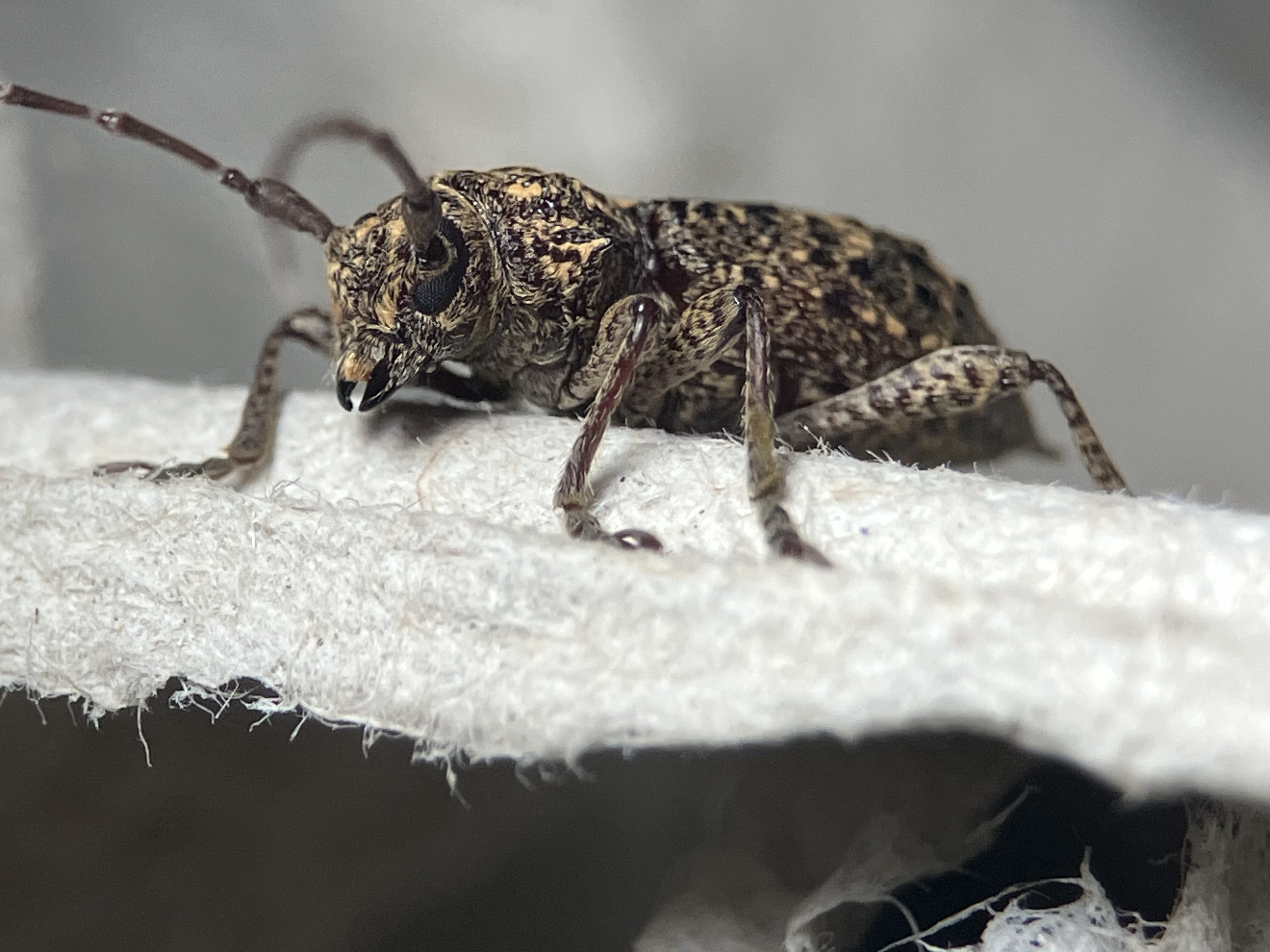
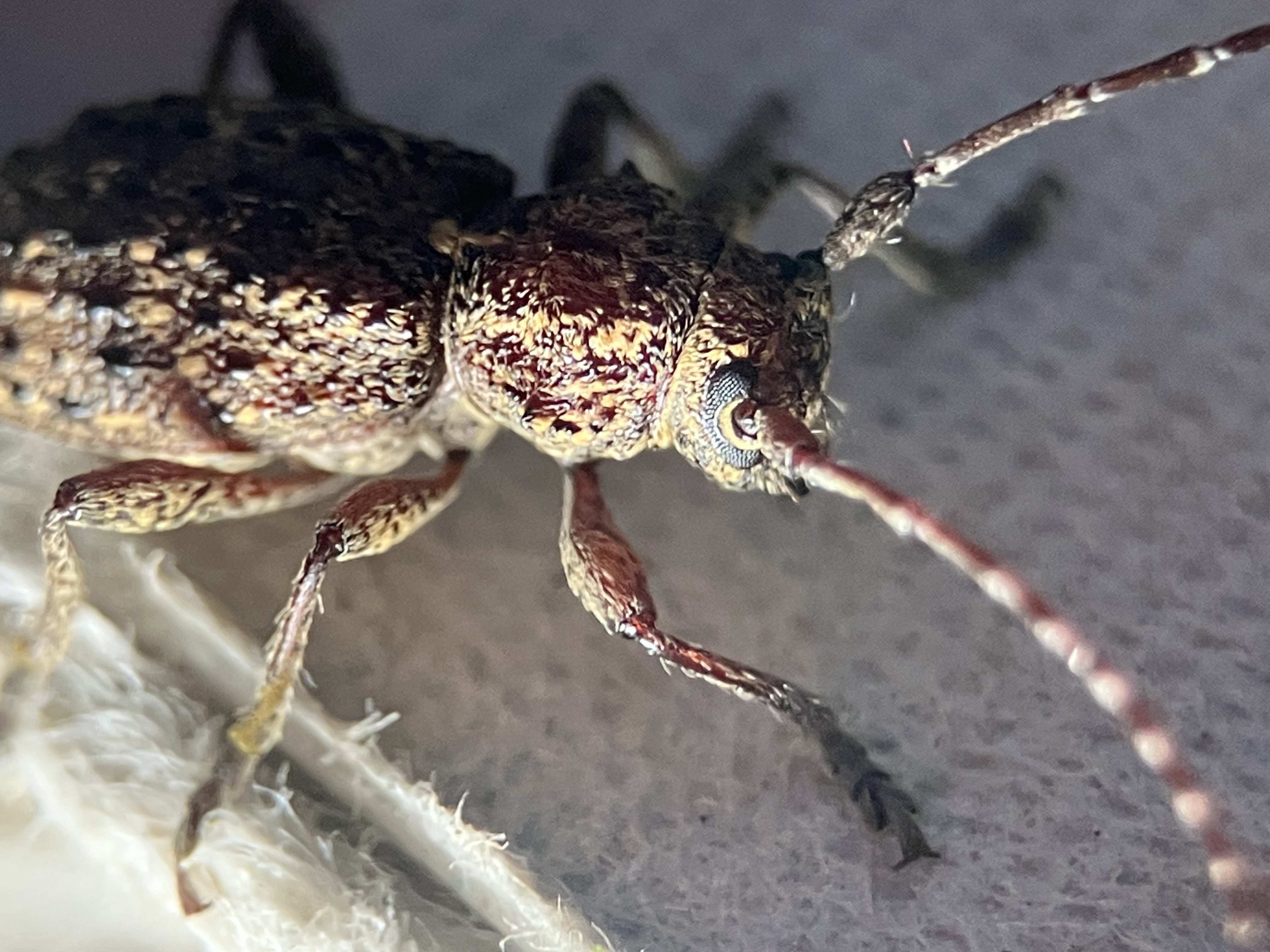
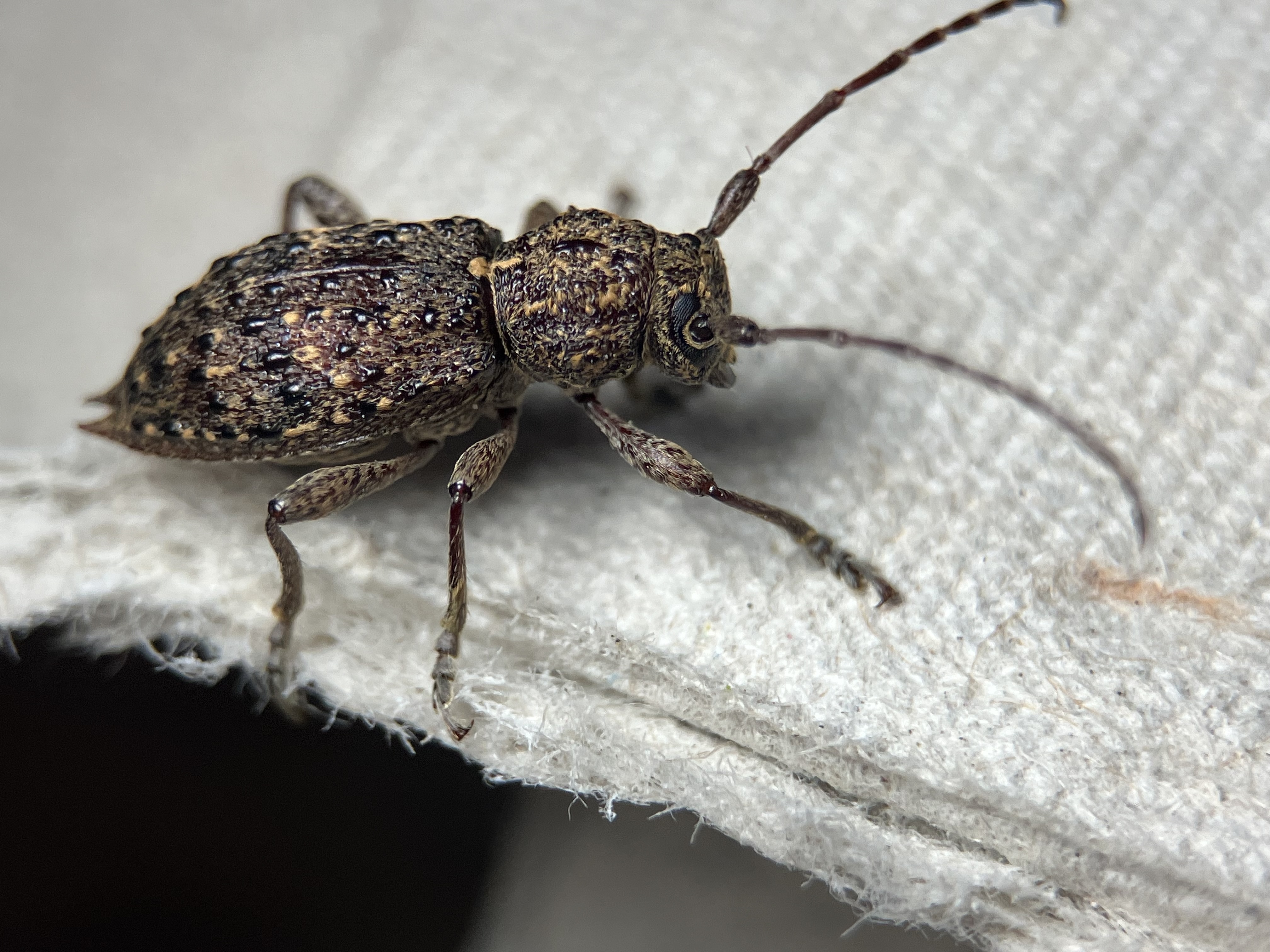
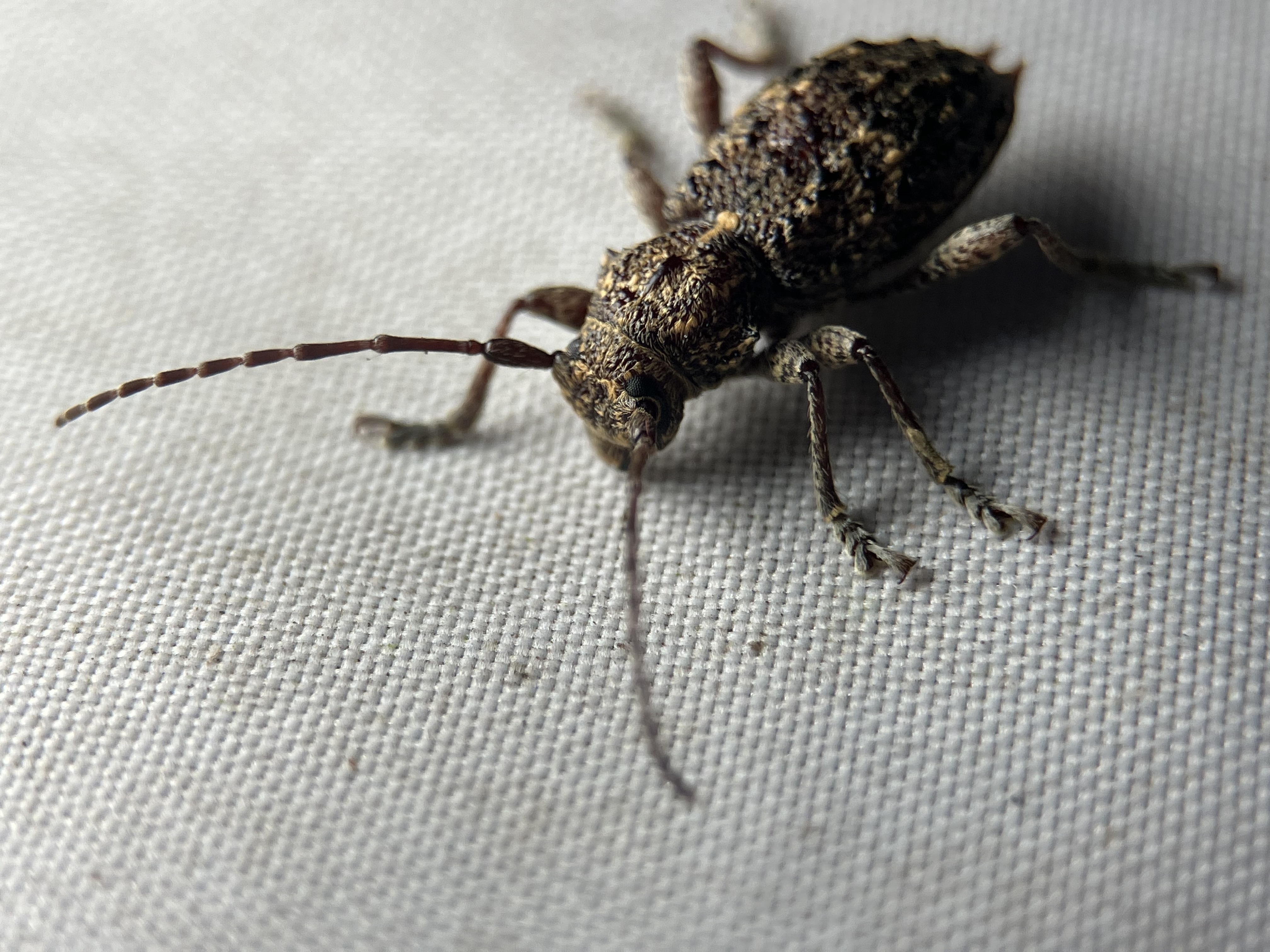
This unusual looking critter is a Long horned beetle in the family Cerambycidae, sometimes referred to as the Thorn- Tailed Longhorn Beetle because of the spiny projections at the posterior end of its body. The species is Plectrura spinicauda. Etymology for this bug’s binomial nomenclature consists of the generic name, derived from a combination of plektron (Greek for instrument to strike/pick) or plekein (to weave/twist) with oura (Greek for tail), and the species epithet combines from Latin spina (spine/thorn) and cauda (tail), translating to “spiny tail.”
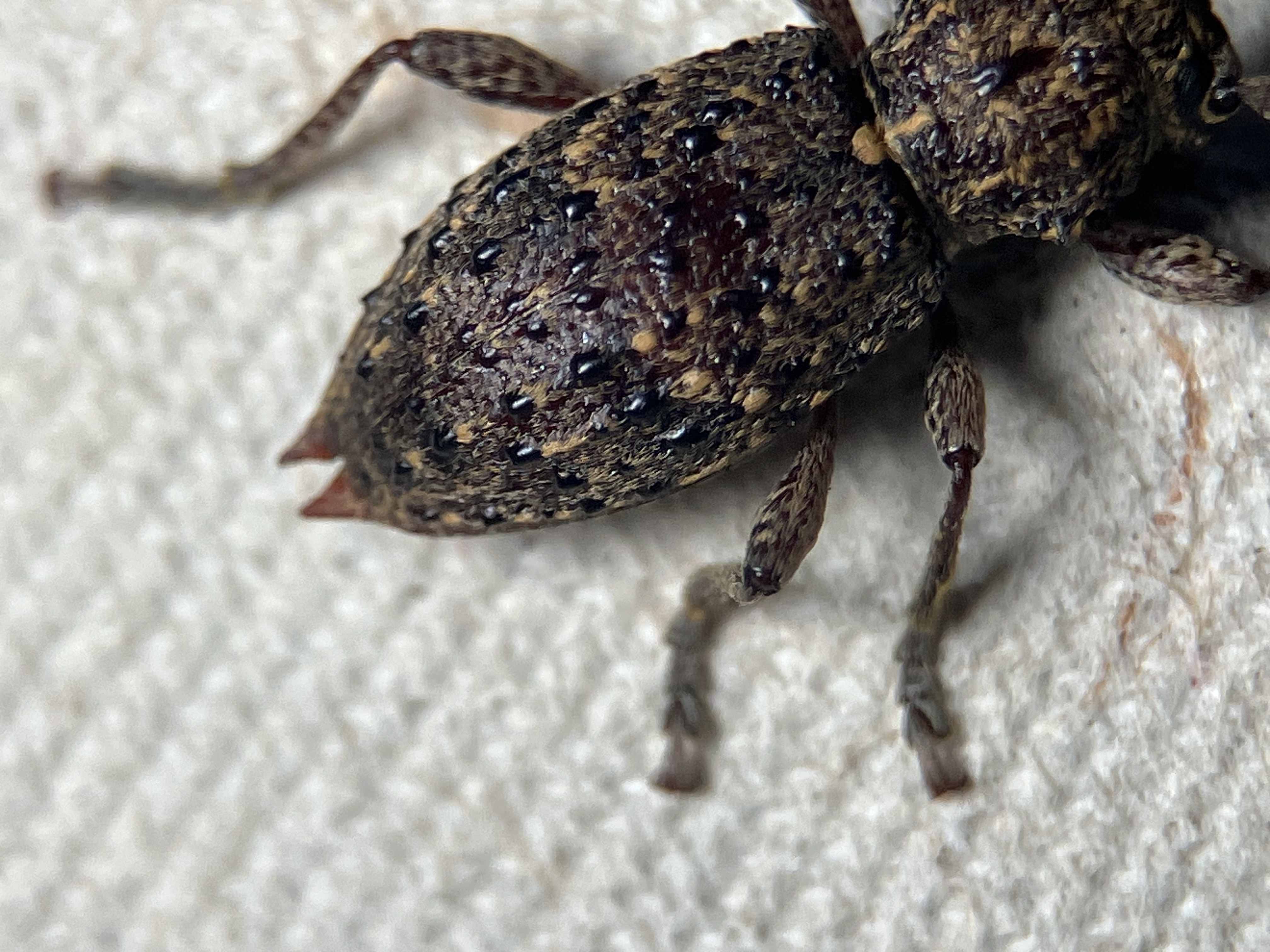
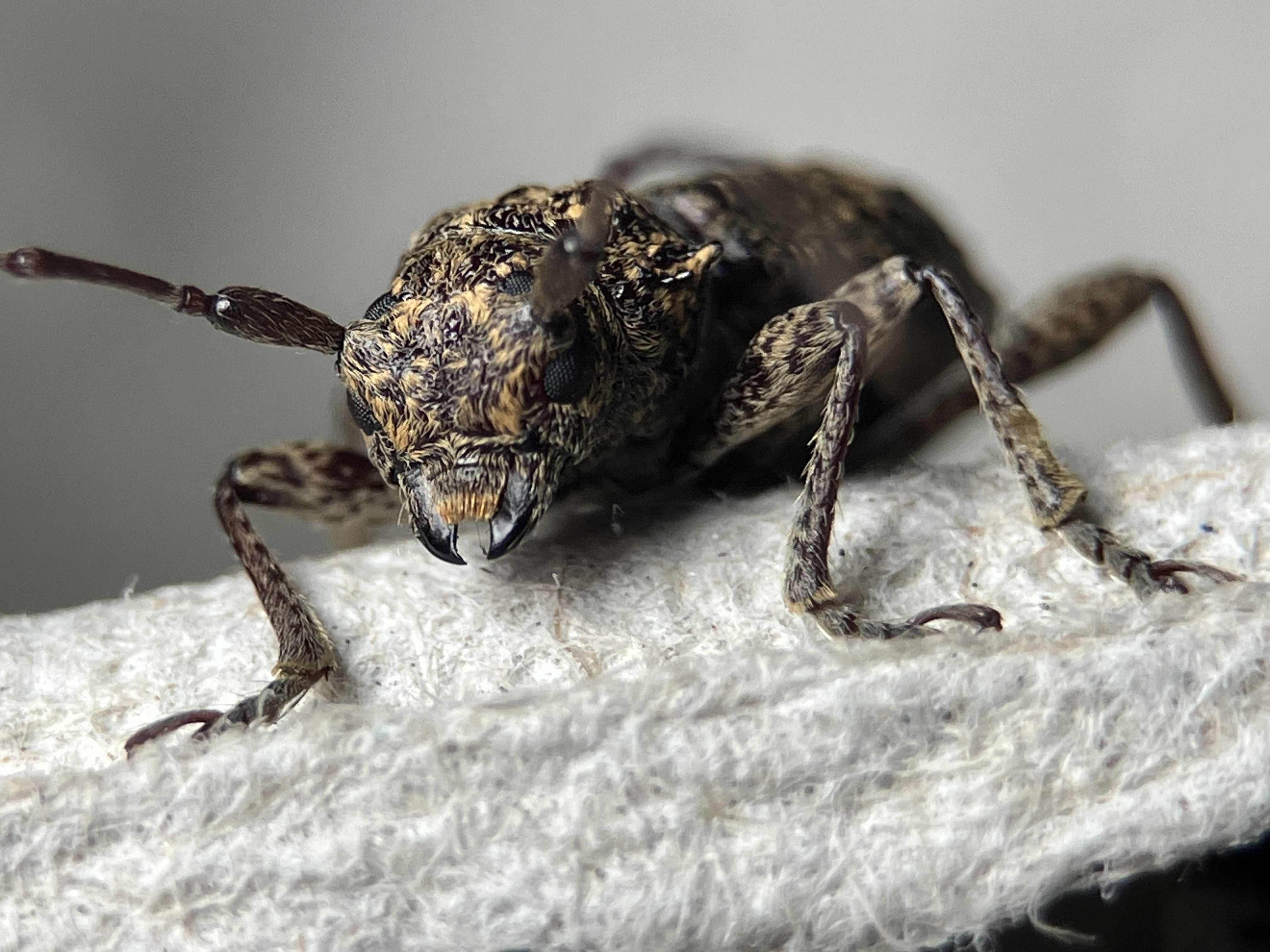
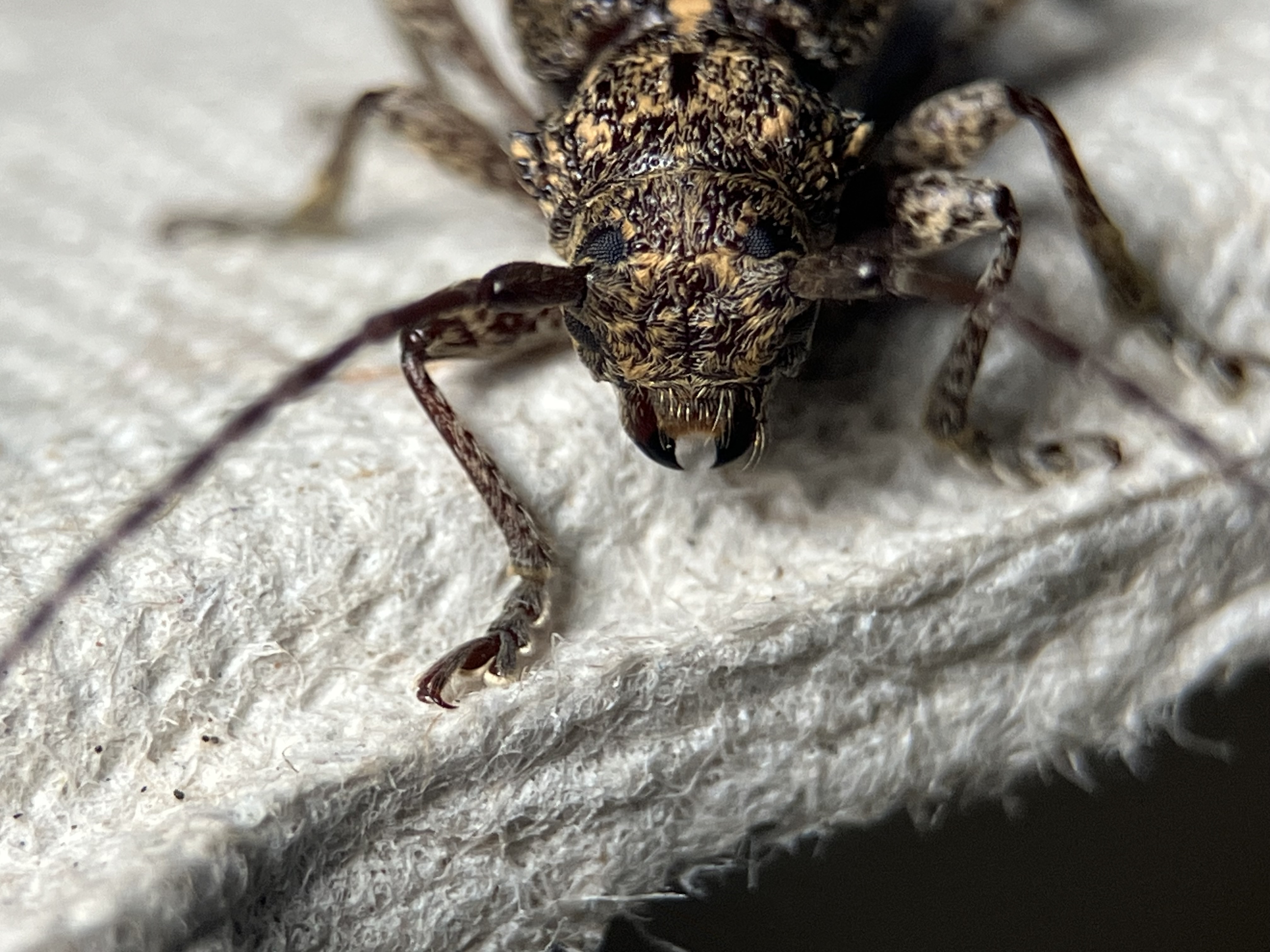
They are native to North America, with a geographic distribution in Western N. America (Alaska-n CA). P. spinicauda is a flightless beetle species with cool wrap around eyes, and as the name suggests, thorny projections at the end of its abdomen. The larvae have been found to develop in Alder, Willow, and Maple. They are important as decomposers and nutrient recyclers.
Author’s note. It is quite common for people to state that wood boring beetles kill trees. This is not necessarily true at all. In fact, most trees that are attacked by beetles are already in a state of decline. Just like humans decline with age or become ill with health problems, so do other things. Nature’s way of handling diseased and dying trees is to send beetles in (all sorts of beetle species) to help with the decomposition process – to recycle waste products and release nutrients back into the environment for other life forms to utilize.
Spraying a tree with pesticides as a preventative from the course of nature only worsens the situation. If you step back to assess the situation, you might ask yourself why the tree is dying. Is it from drought, heat, competition from other nearby trees, did someone weed whack too close to the trunk and cut or scar the bark? Are you running your lawn mower over exposed roots? Is the tree a short-lived species or maybe just entering the sunset of its lifespan?
There are many various reasons for trees to decline and die. Don’t blame the beetles for doing their job. They don’t just clean up the mess, but they feed many other organisms with their own lives. Beetle larvae are wonderful food for woodpeckers and other birds. Birds are in decline. Do something! Care! Get a book at your local library about how to create habitat so you have diversity of life and a healthy ecosystem in your yard space.
Thanks for reading!
 Bugging You From San Juan Island
What a cutie!
Thank-you for your comments about beetles being beneficial recyclers.
LikeLike